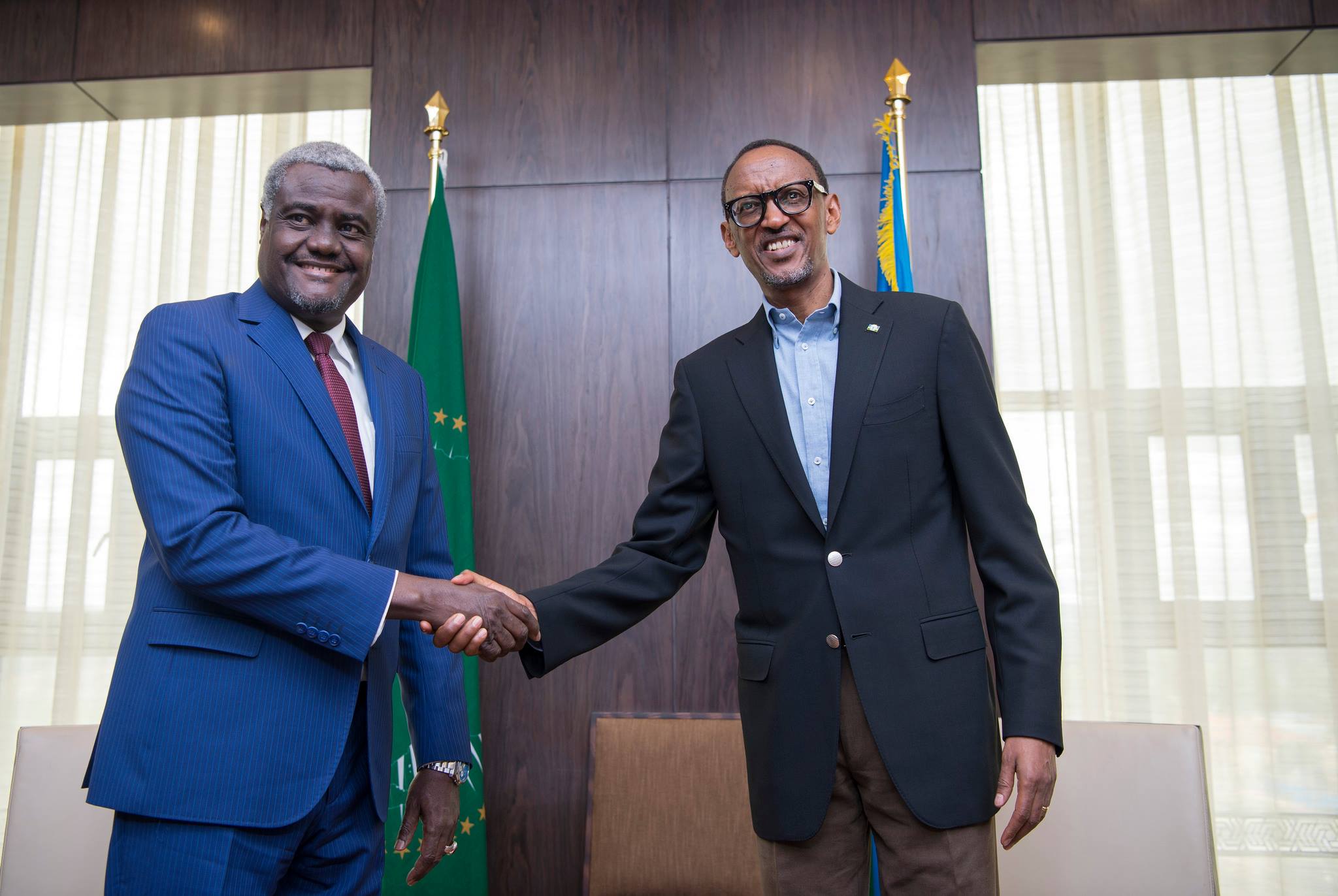
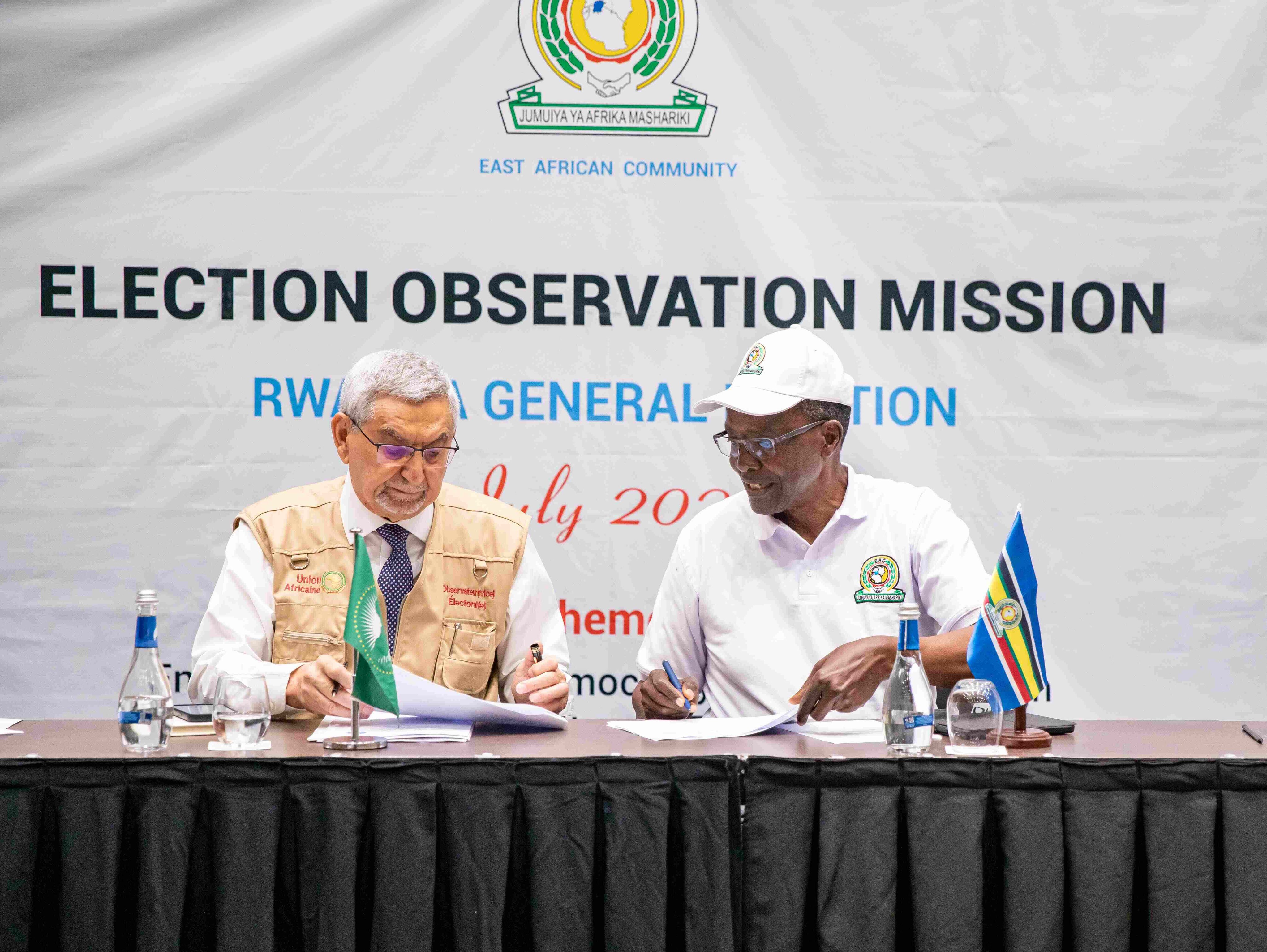
The AU chief made the comments while congratulating President Paul Kagame on his re-election in the recently concluded general election.
“H.E. Moussa Faki Mahamat warmly congratulates President Paul Kagame upon his brilliant re-election as Head of state following the announcement of the official presidential and legislative election results by the Rwandan National Elections Commission on 22 July 2024,” a statement issued by AUC on Tuesday, July 23, 2024, reads in part.
“The Chairperson also commended the Government and the National Elections Commission for the successful organization and conduct of the elections judged to be peaceful, transparent, free and fair by both national and international observers, including the joint African Union/COMESA Election Observation Mission.”
According to Faki, the Rwandan authorities’ self-financing of the entire electoral process illustrates strong national ownership and commitment to the country’s democratic and governance credentials.
Meanwhile, Chinese President Xi Jinping and his Togolese counterpart Faure Gnassingbé also joined other world leaders on Tuesday in congratulating Kagame for his landslide victory.
In his message to President Kagame, Jinping highlighted that Rwanda has traditionally been a friendly nation to China. He noted that in recent years, relations between China and Rwanda have developed rapidly, yielding fruitful results in various sectors and deepening their traditional friendship.
He committed to working with President Kagame to further enhance mutual political trust and to expand and deepen practical cooperation in various fields.
President Gnassingbe, on his part, said Kagame’s re-election reflects the renewed confidence of the Rwandan people in the RPF Inkotanyi leader’s leadership and vision for the country.
“I hope that this new term will strengthen the ongoing cooperation between our countries and the fraternity between our peoples,” he added.
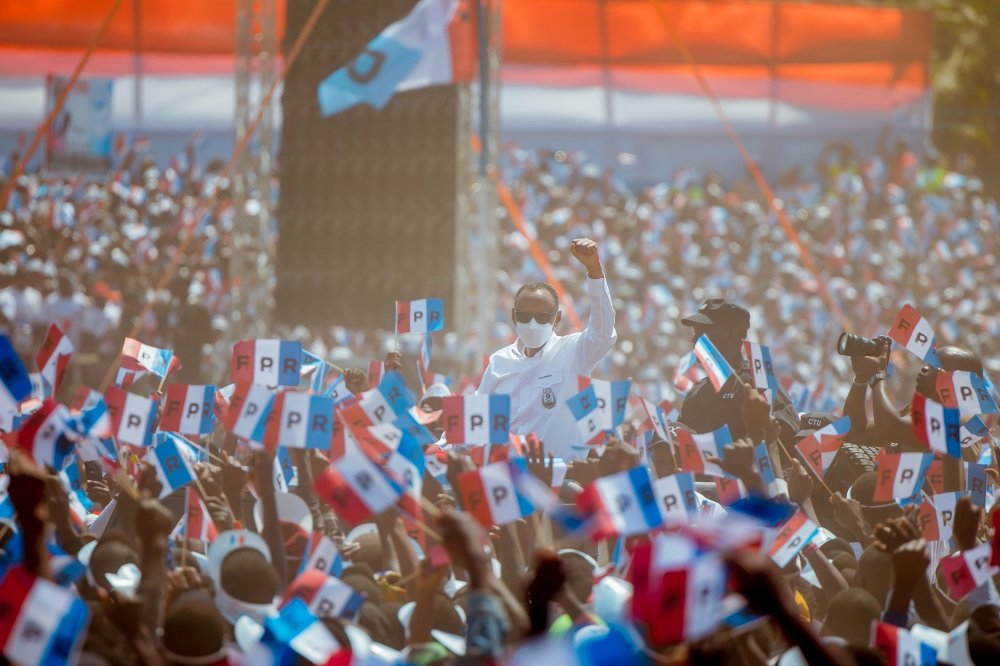
Kagame secured a landslide victory in last week’s general election, garnering 99.18% of the votes. His opponents, Dr. Frank Habineza of the Democratic Green Party of Rwanda and independent candidate Philippe Mpayimana, received 0.50% and 0.32% of the votes, respectively.
No wonder the FPR-Inkotanyi party, along with its allied parties have already started celebrating and thanking Rwandans who voted for their Presidential candidate Paul Kagame with an overwhelming majority of 99.18 percent. The same RPF won 68.83 percent of the parliamentary vote.
Going by the results, it’s very clear that Kagame will soon be sworn in as the next president and his party will have the majority membership in Parliament.
The Democratic Green Party of Rwanda, the Ideal Democratic Party and PS-Imberakuri, which had initially secured at least five per cent of the votes in the parliamentary elections saw their results reduce.
5% is the threshold and Constitutional requirement to get seats in the Chamber of Deputies. Does that mean that the three parties had been voted out of Parliament?
Ordinarily, there are 80 seats in the Rwandan Parliament.
27 of them are reserved for quotas for special groups (24 women, 2 for youth and 1 for people with disabilities).
The remaining 53 representatives are elected through direct suffrage, with candidates from political parties and independents vying for the seats.
Since the only independent parliamentary candidate in the 2024 election could not get the minimum requirement to get a seat, the 53 seats will be shared by the parties.
With over 68 per cent, the RPF coalition, which includes PPC, PSR, PDC, PSP and UDPR, is assured of at least 37 seats. The Liberal Party (8.66 percent) and the Social Democratic Party (8.62 percent) could get five seats each. So who takes the remaining 6 slots?
According to NEC Executive Secretary Charles Munyaneza, Green Party, PDI and PS-Imberakuri could still get seats in Parliament, given that each of the party’s share of votes might be rounded off.
“Although some of the parties got 4.5 per cent or 4.6 per cent, that does not mean that they fell short of the required five per cent,” Munyaneza told the media earlier this week.
“When we have percentages like these, we round them to the nearest whole number, which is five in this case.” He said.
Therefore, he said, the three parties could still get a share in the 53 contestable seats in Parliament.
As per the available provisional results, it means that if the percentages of Green Party, PDI and PS-Imberakuri are rounded to 5, then they will get two seats each.
In the last Legislature, Green Party and PS-Imberakuri had two seats each. PDI, which was part of the RPF coalition, had one seat.
As the country awaits NEC to release the final results of the parliamentary elections by July 27, what do political parties have to say?
{{It was a double win for us- Liberal Party}}
PL received 8.66% of the votes, placing them second after FPR-Inkotanyi and are assured of 5 seats in the next Parliament.
The Party President Donatille Mukabalisa says that it is a double win for them given that the Presidential candidate of their preference also won.
She told IGIHE that the victory signifies their commitment to jointly work hard to achieve Rwanda’s development goals swiftly.
Mukabalisa, who is Former Speaker of the outgoing Parliament credited their success to thorough preparation and unity among PL members, which allowed them to reach many Rwandans in the shortest time possible.
{{We shall continue our cooperation with President Kagame- PSD}}
PSD received 8.62% of the votes guaranteeing five seats for them too.
In a statement released this week, PSD’s leadership expressed their delight in President Paul Kagame’s re-election, thanking Rwandans for voting for to enable them secur their representation in Parliament.
“PSD assures the nation of our full cooperation with President Kagame in building Rwanda based on democracy and development that benefits all Rwandans,” the statement said.
{{PDI aimed for 5% – Sheikh Harerimana}}
The Ideal Democratic Party (PDI), which supported the FPR-Inkotanyi presidential candidate, ran independently for parliamentary seats but aligned with FPR-Inkotanyi’s policies.
In an exclusive interview with IGIHE, PDI President Sheikh Musa Fazil Harerimana stated that the votes they received were what they had hoped for, even though they aimed for a full 5%.
“We were aiming for 5%. That way, we could be assured of two seats. It was challenging, but it shows that we explained our agenda well to the people,” he said.
Harerimana reasoned that it was PDI’s first time competing independently in parliamentary elections because previously they partnered with FPR-Inkotanyi. A partnership, he says, has strengthened PDI, and they plan to continue this collaboration in the future.
{{We fell short of our expectation- PS Imberakuri}}
PS Imberakuri party leader Christine Mukabunani says that the results were way below their expectations.
“The level we won at is not what we anticipated. Considering our efforts and discussions with citizens, we thought we would do much better, but we appreciate the votes we received. We thank the citizens for their trust.” She said in an interview.
Mukabunani noted that they expected at least 10% of the votes and found it challenging to pinpoint the exact reason they fell short, acknowledging the need to multiply efforts in the future to improve their performance.
{{DGPR missing out in Parliament is not a big deal- Dr. Frank Habineza}}
After securing only 0.53% of the Presidential votes, the Democratic Green Party of Rwanda President Dr. Frank Habineza says that he is not bothered with losing out on representation in parliament.
Dr. Frank Habineza, a former Member of Parliament, has confirmed that he will not return to Parliament as a representative of the Green Party, as he was not on the party’s list of parliamentary candidates.
However, he says, this would not change his party’s agenda of continuing to advocate for the people, promoting good governance and democracy, and ensuring everyone’s participation in decisions that affect them.
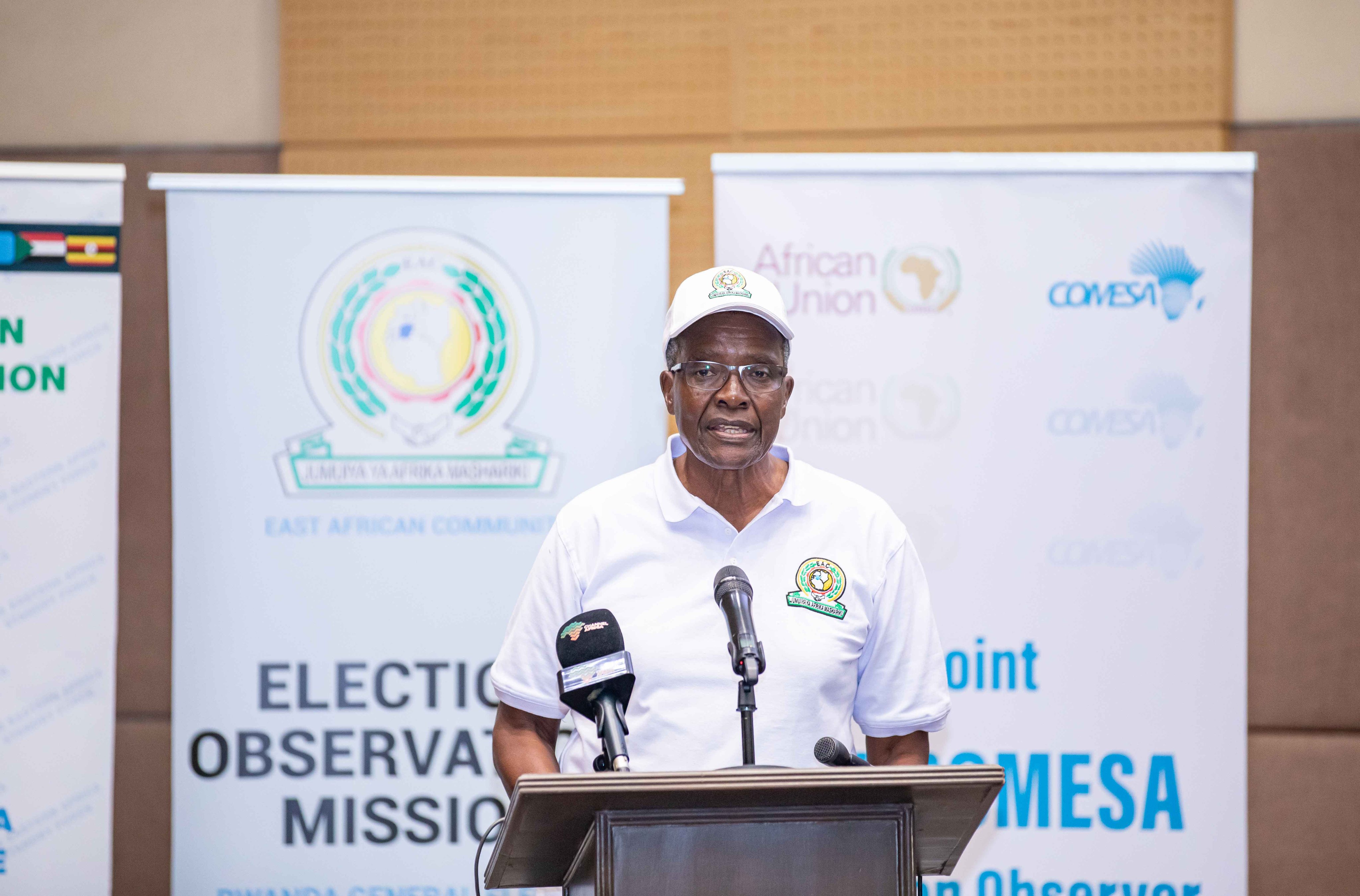
Speaking to journalists on Wednesday, July 17, 2024, Maraga described Rwanda’s polls as one of the most organized electoral processes he has ever witnessed.
“The electoral process was very orderly and peaceful. In fact, one of the best-organized I have ever seen. The organization was superb unlike in some places where elections are chaotic, rowdy, and noisy, even at the polling stations on polling day,” Maraga stated.
“My people gave me information from all the polling stations that there was no dancing, no noise in general, and it was very good,” he added.
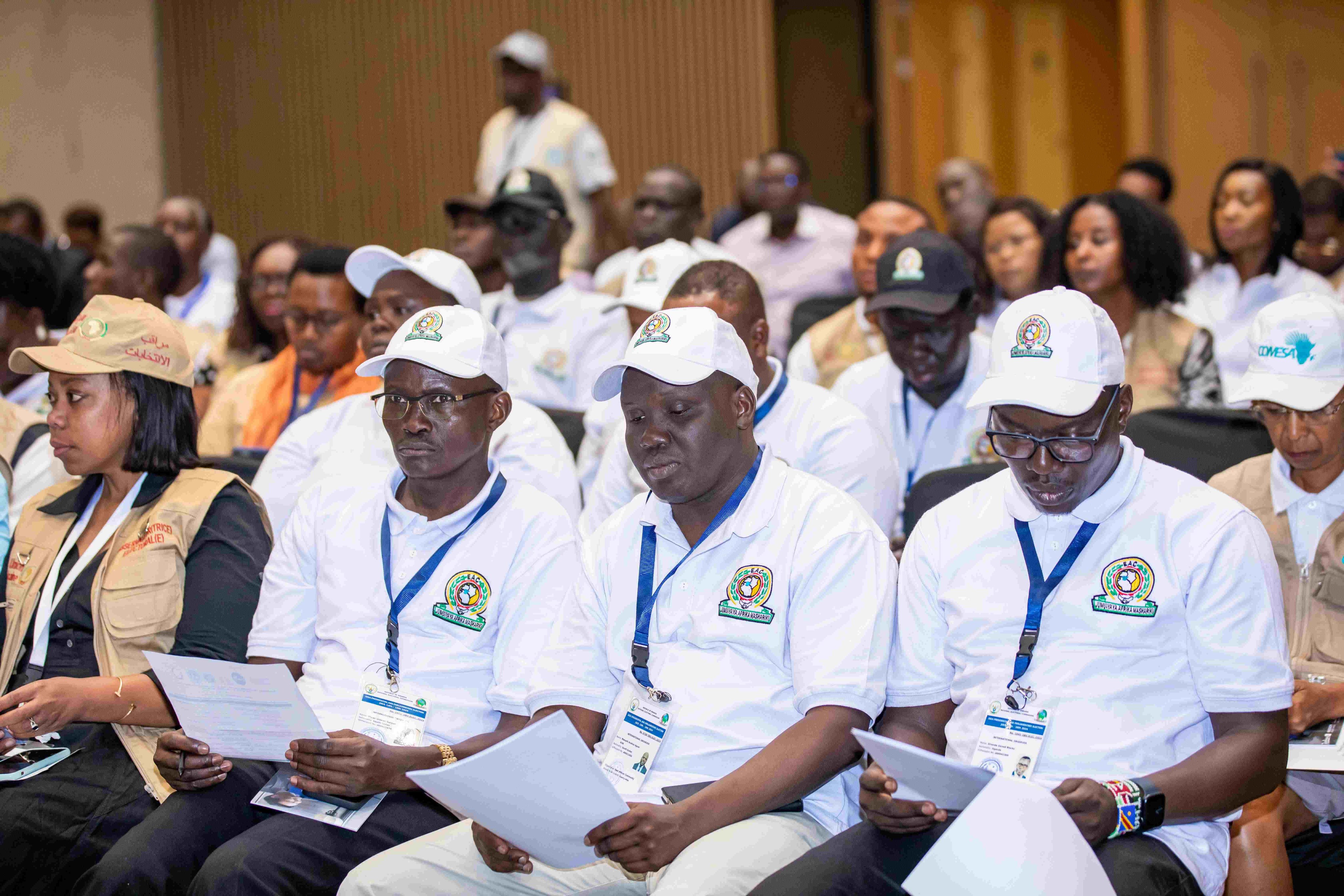
Maraga’s delegation comprised 55 observers dispatched to different parts of the country on election day.
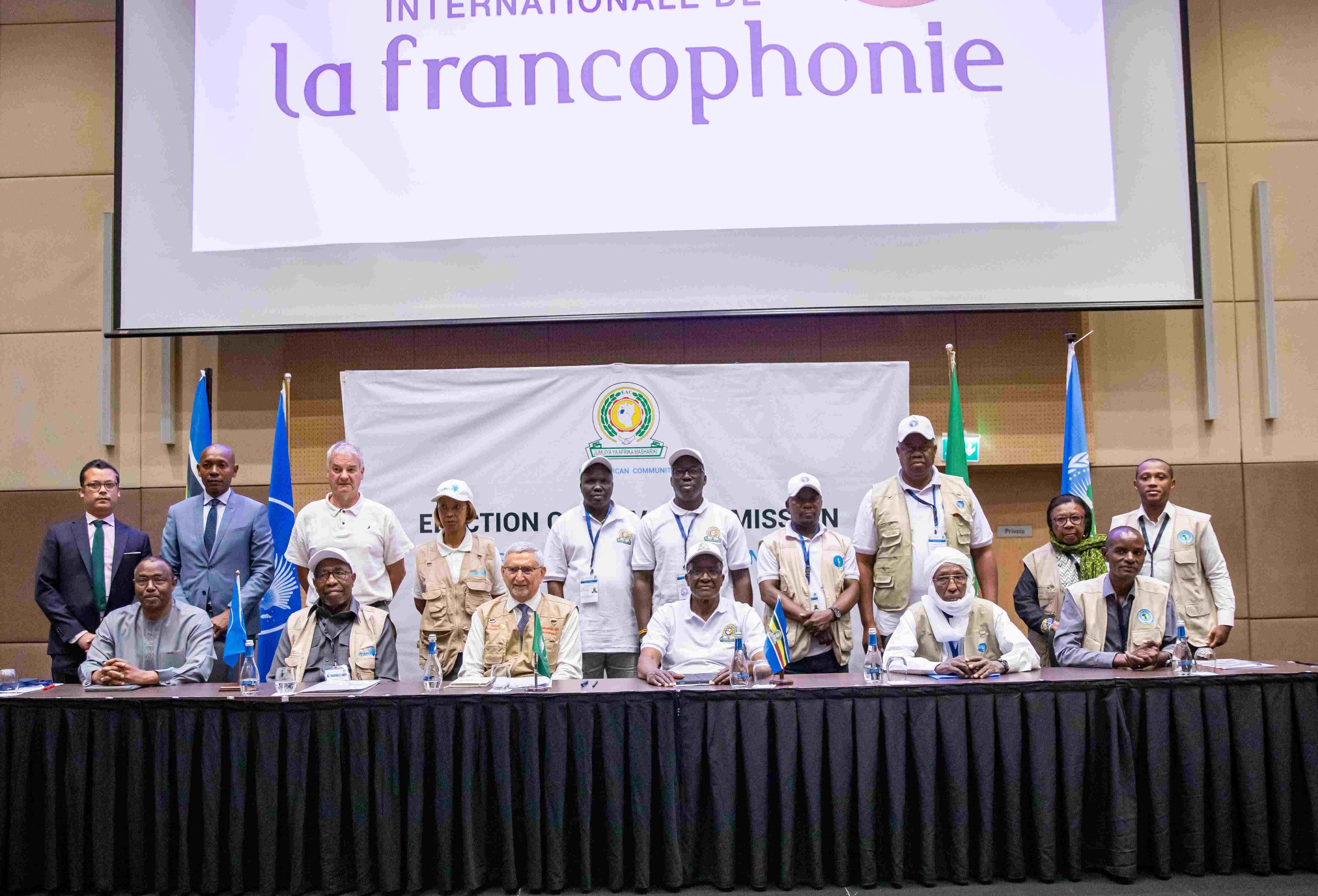
Apart from the EAC, other observer groups present during the elections included the African Union (AU), the Common Market for Eastern and Southern Africa (COMESA) and the Economic Community of Central African States (ECCAS).
Others were from the Eastern Africa Standby Force (EASF) and the electoral mission of the International Organisation of the Francophonie (OIF).
In a joint statement, the observers affirmed that the electoral, political, and security environment in Rwanda before, during, and immediately after the elections was calm and peaceful.
“The National Electoral Commission and other institutions responsible for managing the electoral process have so far discharged their duty diligently in accordance with the electoral calendar,” reads the statement.
The observers commended the government for the successful election and also congratulated the people of Rwanda for exercising their democratic right.
Partial results announced by the National Electoral Commission (NEC) on Monday July 15, 2024 put President Paul Kagame in the lead with 99.15% followed Dr. Frank Habineza and Philippe Mpayimana with 0.53% and 0.32% respectively.
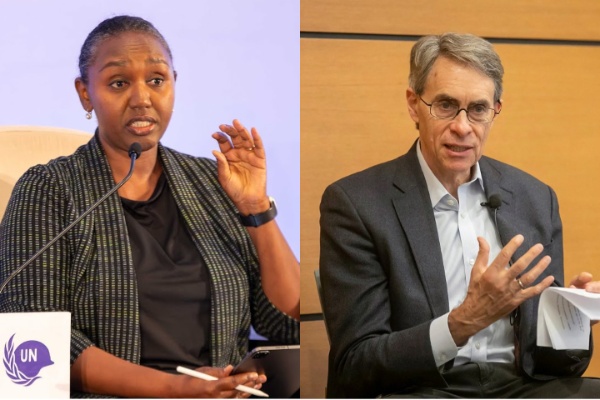
Roth, a former executive director of Human Rights Watch (HRW), had claimed that if President Paul Kagame was re-elected with 99 percent of the vote it would be a mockery of the electoral process.
“Doesn’t Rwanda’s Paul Kagame realize that when he “wins” an “election” with some 99 percent of the vote, he mocks the whole process, making everyone realize he wanted a charade because he wouldn’t risk a real election,” the activist posted on X as Rwandans in the diaspora exercised their civic duty on July 14.
In a swift response, Makolo told the former head of the Human Rights Watch organization to stop meddling in Rwandan affairs.
“What process, whose process? People like Ken Roth need to get over the fact that they can never teach us how to live. Ever. Rwanda belongs to Rwandans. There’s a process in Ken’s country that needs serious attention – maybe focus on that?” Makolo stated in an apparent reference to the ongoing intense presidential election campaigns in the United States pitting President Joe Biden and former Head of State Donald Trump.
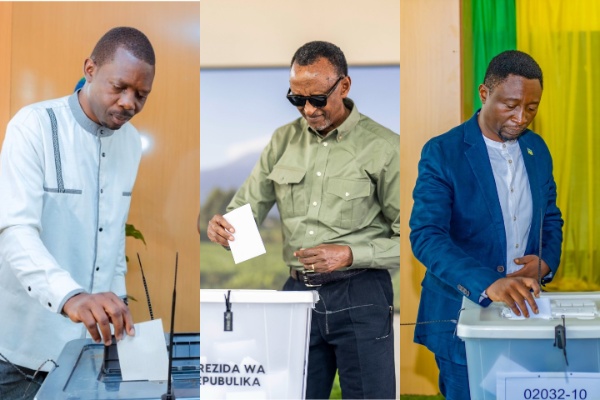
Rwandans in the diaspora went to the polls on Sunday to elect their president and members of parliament, while locals cast their votes on Monday.
Partial results announced by National Electoral Commission chairperson Oda Gasinzigwa on Monday night showed that Kagame of the RPF Inkotanyi party was on course to secure a landslide victory with 99.15 percent of the votes cast. His closest challenger, Frank Habineza of the Democratic Green Party of Rwanda, managed a mere 0.53 percent of the votes, while independent candidate Philippe Mpayimana got 0.32 percent.
Kagame had, during the campaign period, urged foreigners to respect Rwandans’ right to exercise their democracy by electing leaders of their choice.
Addressing a campaign rally in Muhanga District on June 24, 2024, the incumbent took issue with foreigners who claim there is no democracy in Rwanda, based on the fact that in 2003, 2010, and 2017 he was elected with nearly 100% of the votes. He explained that often in their countries, voter turnout is low.
He stated, “There are those who do not understand us, who do not understand Rwanda, but gradually, actions will speak to them. As we said before, 100%—some do not understand that 100% is democracy. How is 100% possible? They claim there is no democracy. I asked someone the other day, ‘Those governed by 15%, and those who voted are around 30% or 40% of those eligible—is that democracy? How so?’”
The RPF candidate emphasized that elections in Rwanda are solely the concern of Rwandans, as they are the ones who choose their leaders to guide them in building their nation. He urged foreign critics of Rwanda’s electoral process to address issues within their own countries instead of focusing on Rwandan elections.
In partial results announced on Monday night, RPF Inkotanyi presidential candidate Paul Kagame is leading with 99.15 percent of the votes cast, followed by Frank Habineza of the Democratic Green Party of Rwanda, who got 0.53 percent of the votes, while independent candidate Philippe Mpayimana managed 0.32 percent.
At the time of the announcement of the results, Kagame had garnered 7,099,810 votes, Habineza had got 38,301 votes, and Mpayimana had obtained 22,753 votes on the national level.
The total number of votes tallied was 7,160,864, which represents 78.94 percent of the votes cast locally and in the diaspora.
While it is evident that Kagame outshined his challengers in all four provinces and the city of Kigali, Mpayimana performed better than Habineza in the diaspora and Western Province.
Kagame secured 38,803 votes (95.40%) from the Rwandan community abroad, Mpayimana came in a distant second with 998 votes (2.45%), followed by Habineza with 874 votes (2.15%).
A similar trend was observed in the Western Province, where Kagame got 1,601,447 votes (99.60%), followed by Mpayimana with 4,646 votes (0.29%), and Habineza with 1,839 votes (0.11%).
Kagame whitewashed the two candidates in the Northern Province to lead with 1,147,962 (99.65%), followed by Habineza who got 3,053 votes (0.27%), and Mpayimana who obtained 955 votes (0.08%).
Similarly, Kagame leads in the Southern Province with 1,592,657 votes (98.60%), followed by Habineza with 11,753 (0.73%) and Mpayimana with 10,855 (0.67%).
In the Eastern Province, Kagame got 1,754,489 votes (99.30%), Habineza came in a distant second with 11,349 (0.64%) followed by Mpayimana with 961 votes (0.05%).
The City of Kigali gave Kagame a boost to secure a landslide victory with 964,452 votes (98.59%), followed by Habineza with 9,433 votes (0.96%) and Mpayimana with 4,338 votes (0.44%).
A total of 9,071,157 Rwandans registered to vote in the 2024 general election. Gasinzigwa said Monday’s voter turnout was 98 percent.
The NEC will announce provisional results on July 20, with final results expected on July 27.
Overall, this year’s results mirror the outcome of the 2017 edition, where Kagame won with 98.8 percent of the votes cast. Mpayimana and Habineza, who also challenged him in the 2017 election, got 0.73 and 0.48 percent of the votes cast respectively.
He said, “We commend the voters on the way they conducted themselves during the voting process. It was smooth and successful,” Munyaneza said in an interview with IGIHE shortly after the election.
He also commended the political parties for respecting the rules and regulations regarding the campaigning process and the voting exercise.
“Today, we did not see any campaigning activities on the streets, at polling stations, or elsewhere, and we thank those who contributed to this,” he emphasized.
Munyaneza noted that although voting commenced beyond the stipulated time in some parts of the country, voter turnout at most polling stations was high.
By press time, voting in some areas was still underway as provided for by the electoral laws in cases where there are valid reasons for voting to continue beyond the designated time.
He indicated that the three districts where voting was extended beyond the designated time are Gasabo, Kamonyi, and Bugesera, but elsewhere vote counting was already underway.
Munyaneza highlighted that the partial results will be announced by the NEC so as to satisfy the curiosity of Rwandans regarding the election process.
He stated, “When we talk about preliminary results, we distinguish them from those provided for by the law. Preliminary results are provided by the National Electoral Commission to give Rwandans an early insight into the election outcomes. It is to satisfy their curiosity by showing them the current state of affairs. However, the law stipulates that the final results are announced five days after the elections.”
He indicated that journalists are allowed to follow the vote-counting process and take photos of how it is progressing.
The report unveiled on Wednesday, June 10, 2024, shows that inflation in urban centres was driven by an increase in the prices of food and beverages, as well as transportation costs.
Between June 2023 and June 2024, the prices of food and beverages increased by 3.1%, while transportation costs saw a significant increase of 23.2% over the past year.
In the same period, prices of milk cheese and eggs in the urban areas increased by 21.1%, meat (10%) and bread and cereals (0.7%).
The cost of non-alcoholic beverages went up by 9.1%, alcoholic beverages, tobacco and narcotics (1.6%), restaurants and hotels 3.1%, and clothing and footwear (5.6%).
Additionally, the cost of accessing health services recorded an increment of 3.0%, housing, water, electricity, gas and other fuels increased by 2.0%, education, 1.6% and communication 1.2%. The cost of vegetables reduced by 1.6% and Recreation and culture 0.9% over the same period
There was, however, a silver lining as prices in June 2024 were slightly lower (0.4%) compared to May 2024.
Prices in rural areas decreased slightly compared to both June 2023 (-1.4%) and May 2024 (-0.8%). This resulted in the overall inflation increasing by 1.1 percent annually with a monthly inflation decrease of 0.6 percent.
{{Imports and Exports
}}
Over the past year, prices of locally produced goods increased by 3.8%. However, in June 2024 compared to May 2024, there was a slight decrease of 0.2%.
Prices of imported goods rose significantly by 9% annually. However, similar to local goods, there was a monthly decrease of 0.7% in June 2024.
The cost of fresh produce increased moderately by 3.2% over the year, with a small increase of 0.1% in prices from May to June 2024.
Energy prices saw an annual rise of 3.7%. However, there was a significant drop of 2.3% in June 2024 compared to May 2024.
In May, the National Bank of Rwanda (NBR) cut its monetary policy rate by 50 basis points to 7.0 per cent, citing a stabilizing inflation rate.
Addressing a press conference in Kigali, NBR Governor John Rwangombwa announced that Rwanda’s inflation rate had dropped to 4.7 per cent in the first quarter of 2024 from 8.9 per cent registered in the last quarter of 2023. He added that the bank expects inflation to remain within the target of 5 per cent in 2024 and 2025.
“We expected inflation to ease to around 5% this year, and in the first quarter, we registered an average of 4.7%. We expect this trend to continue for the rest of the year. At least, our average projection for this year is 5%, which is the same projection we have for 2025,” Rwangombwa said.
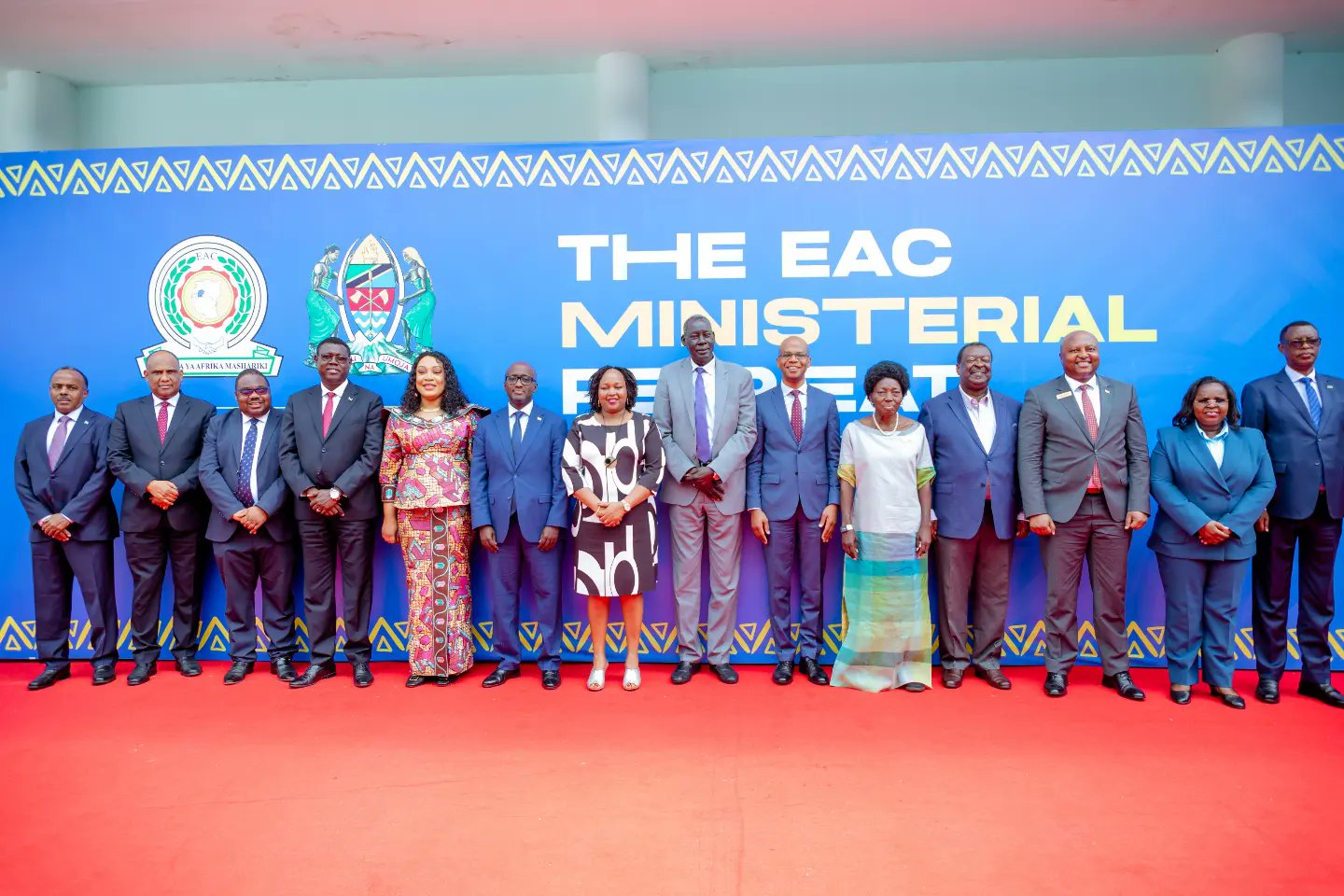
Ministers drawn from eight EAC member states were in Zanzibar for a three-day retreat to deliberate on ways to foster sustainable peace, enhance security cooperation, and strengthen relationships among partner states. Rwanda was represented by the Minister of Foreign Affairs and Cooperation, Olivier Nduhungirehe, and the Minister of State in charge of Regional Cooperation, James Kabarebe.
The ministers expressed concern over the deteriorating humanitarian and security situation in the eastern part of the Democratic Republic of Congo, which has escalated tension between the DRC and Rwanda.
The two countries have been at loggerheads in recent years over accusations of supporting armed groups to destabilise each other’s territories. The Rwandan leadership has often questioned the DRC government’s support for the FDLR militia which comprises remnants of the Interahamwe group that perpetrated the 1994 Genocide against the Tutsi in Rwanda. On the other hand, the DRC government accuses Rwanda of supporting M23 militia, claims the government has refuted.
At the conclusion of the retreat, the ministers issued a joint statement acknowledging that the viable path to sustainable peace and security in eastern DRC is through a political process. They recommended the convening of a summit of the EAC heads of state to breathe new life into the EAC-led Nairobi peace process.
The Nairobi peace process focuses on resolving internal conflict in the DRC, exacerbated by armed groups including the M23 and FDLR. It aims to achieve peace through dialogue between the DRC government and these armed groups operating in the eastern part of the country.
On the other hand, the Luanda process, led by Angolan President João Lourenço, aims to address the external dimension of the conflict, fueled by the militia counter-accusations. The initiative aims to promote the normalization of diplomatic relations between the two countries.
As part of efforts to resolve the DRC-Rwanda conflict, foreign ministers from both countries agreed to meet at the earliest opportunity to address the interstate dispute in line with the EAC partner framework.
The EAC also stated that the ministers of Rwanda and Burundi had agreed to meet by October 31, 2024, to discuss issues affecting their bilateral relations, which resulted in Burundi shutting its border with Rwanda earlier this year. President Évariste Ndayishimiye accuses Rwanda of backing the DRC-based armed group Red Tabara against his government, claims the Paul Kagame-led administration has refuted on several occasions.
Meanwhile, the EAC ministers also appreciated the humanitarian truce negotiated by the United States of America and recommended that the truce be extended indefinitely.
Speaking ahead of his campaign rally in Gicumbi District, the RPF-Inkotanyi Presidential candidate disclosed that it was the Late Fred Gisa Rwigema who was supposed to be sent to the US for military training. Kagame was meant to go to Nigeria.
Ugandan authorities had picked Fred for the opportunity but it coincided with an existing plan by Rwandan refugees serving in the Ugandan army to initiate a liberation struggle in the early ’90s.
As then, Rwigema decided to decline the opportunity and preferred to stay behind to lead the newly formed military wing of the RPF with a sole aim of toppling the Genocidal regime of the Juvenal Habyarimana.
“That’s how I ended up going to the US,” Kagame said during the interaction with various content creators at Mulindi, where RPF and its army wing, RPA, were headquartered.
Several Rwandans held senior ranks in the military at the time and the Ugandan authorities plotted to send them for training in different countries as part of what President Kagame termed as a plot to destabilize their mission to liberate their own motherland.
“It was not me who was supposed to go for that course. I remember even when I arrived, I had to change the documents because everything was registered in Fred Rwigema’s names,” he disclosed.
“When we started organizing, the Ugandans got to know about it. We were doing it discreetly and even encouraging Rwandans from other parts to join the army. Some of us had had the opportunity of being part of the struggle from the beginning,” he recalls.
According to him, the Ugandan system wanted to disorganize their initial plan by sending the top four Rwandan commanders to attend courses outside the country.
Apart from him and Rwigema, Kagame said, “Peter Baingana was destined for Russia while Chris Bunyenyezi was supposed to be sent to some other place but we all agreed to go by our initial plans otherwise we would have to wait for another five years or something,”
He noted that when his group got to know about it, they decided to act fast. “I talked with Fred and encouraged him not to go anywhere.”
After declining the offer, Rwigema had to be replaced with Kagame.
“Of course, it created a bit of trouble but in the end, he was told that since he had rejected, then I had no choice but to go. They said it had to be either him or me,” he recalls.
To Kagame, this was a clear indication that authorities in the Ugandan army wanted the two separated. They thought if they got rid of one, they would create problems for the other.
“I went back and told Fred that our secrete plans had been discovered. So to avoid a possibility of going to jail, I just accepted the offer otherwise I also did not want,” he reminisces.
He further encouraged Rwigema to go ahead with the plans, promising to find his way back once the implementation stage came.
Unfortunately Rwigema died on the second day of the liberation struggle on October 2, 1990.
His unfortunate death Rwigema forced Kagame to cut short his training in the US and returned to take on the mantle as the leader of struggle.
The RPA forces settled at Mulindi in Gicumbi District, where they established their base. It was at this location that Kagame and the content creators toured and held a conversation ahead of the RPF Inkotanyi presidential candidate’s campaign in the area on Tuesday July 9, 2024.
As a matter of fact, prominent RPF Inkotanyi politicians and senior RPA military officers all stayed at Mulindi during the liberation struggle.
During Tuesday’s engagement, Kagame described an emotional incident when he stayed with his firstborn son, Ivan, in the house for about a week to bond with him.
“When Habyarimana’s plane crashed, the boy was here with me,” Kagame recalled.
All the strategies and meetings that helped the RPA liberate Rwanda, and the ideas used in the Arusha peace talks, were conceived in the area famously known as ‘Umulindi w’Intwari’.
When the Genocide against the Tutsi began on April 7, 1994, it was from this area that the RPA forces emerged to stop it, making Gicumbi among the first districts where RPA forces halted the genocide.
To preserve the liberation history, the National Liberation Museum Park was established at Umulindi w’Intwari to honour the RPA’s fight.
The financing agreement was signed by Rwanda’s Finance Minister, Yusuf Murangwa, and Italy’s Minister of Environment and Energy Security, Gilberto Pichetto.
The funds will be made available through the Italian Climate Fund, managed by Cassa Depositi e Prestiti (CDP) bank.
The financing is part of the Italian Mattei Plan’s energy security approach towards Africa and aims to support Rwanda’s National Climate Action Plan and to bolster Rwanda’s climate policy agenda by enhancing its resilience and adaptive capacity to the impact of global warming.
The Ministry of Finance, however, noted that the allocated resources will be made available upon the achievement of policy and institutional reforms that will “integrate aspects of climate change mitigation and adaptation into the policy and regulatory framework”.
The reforms, the ministry added, will be essential to achieve the national targets for carbon emission reduction.
“Rwanda has placed climate action at the core of its development agenda, as evidenced by our National Determined Contributions (NDCs). To effectively implement the mitigation and adaptation measures outlined in the NDCs, financial, capacity building and technology transfer are essential. Therefore, the agreement we have signed today will significantly contribute to this endeavour, estimated at US$ 11 billion,” Murangwa remarked.
The Italian minister, on his part, expressed confidence in the investment addressing primary drivers of climate-related hazards.
“Italy, through the Climate Fund, continues its efforts to create the best conditions for growth on the African continent. With Rwanda, we will invest in planning, which is necessary to address the major climate issues affecting that region,” the minister stated.
The financing is part of a broader partnership involving multilateral and bilateral financing institutions. These include the International Monetary Fund (IMF), which provided a $319 million Resilience and Sustainability Facility (RSF) agreement to Rwanda in 2022. Other partners include the World Bank Group, the European Union (EU), the European Investment Bank (EIB), and other European development financing institutions through the Team Europe Initiative.
Rwanda’s climate action journey has been quite remarkable as it was one of the first countries to ban plastic bags in 2008 and single-use plastics in 2019. Under the country’s Vision 2050, Rwanda has a bold vision to become a carbon-neutral and climate-resilient economy by the middle of the century.
The government has an ambitious target to reduce greenhouse gas emissions by 38% by 2030, equivalent to an estimated mitigation of up to 4.6 million tonnes of carbon dioxide equivalent (tCO2e).
The country’s efforts to limit its contribution to climate change and adapt to the consequences of a warming planet over the next decade are estimated at US $11 billion, made up of $5.7 billion for mitigation, and $5.3 billion for adaptation.
{{Rwanda secures $31 million funding from ICF
}}
The Rwandan government recently also secured $31 million (approximately RWF 40 billion) to bolster its fight against climate change.
The funding is part of a $61 million investment approved by the governing board of the Climate Investment Funds (CIF) under the Nature, People, and Climate (NPC) investment program to support climate change interventions in the Dominican Republic and Rwanda.
CIF said the funding will help address systemic challenges holding back vulnerable populations in the Kaduha-Gitwe corridor and also support the launch of the Rwanda Wildlife Conservation Bond, an innovative capital market structured bond to promote biodiversity, including endangered chimpanzees. Both projects are implemented by the World Bank and co-financing of up to $283 million is expected.
In the Kaduha-Gitwe corridor, the plan will prioritize the restoration of degraded land and the sustainable management of forests and wetlands.