The agreement ensures that products from Rwanda certified as meeting quality standards will no longer require retesting upon arrival in these countries and can move directly to their markets.
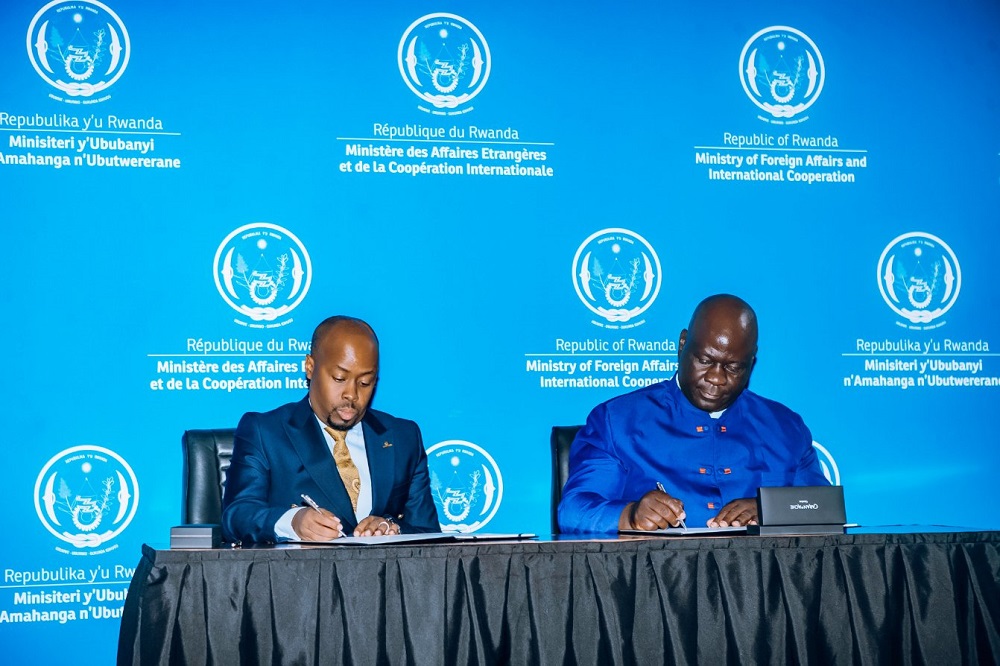
The same applies to products originating from Zimbabwe and Congo Brazzaville exported to Rwanda. The agreement was signed in Kigali at the Ministry of Foreign Affairs and Cooperation on March 6, 2026, and is based on collaboration between Rwanda Standards Board (RSB) and the equivalent institutions in Zimbabwe and Congo Brazzaville.
Key provisions include recognizing that laboratories in the three countries meet internationally trusted quality standards. Products tested in Rwanda will not need to be retested in Zimbabwe or Congo Brazzaville, speeding up trade and reducing the costs associated with repeated testing.
The signing followed a three-day meeting of the African Organisation for Standardisation (ARSO) held in Kigali, which focused on establishing 25 continental quality standards for unstitched fabrics, textile products, and related goods.
Following the agreement, 32 Rwandan factories received certificates confirming that their products meet trade-quality standards across Africa. This will prevent delays at customs and the need for additional testing in other countries.
The head of Uniworks Transporters and Logistics, which also operates a maize-processing factory in Rwanda, said the certificates will ensure their products are internationally trusted.
He stated, “When we started, it was challenging. We even began operations in Uganda before coming here, and it was not easy. Opening doors to other African markets is very important for our business. Previously, the challenge was proving the quality of our products; retesting in other countries caused delays and extra costs.”
Rwanda’s Minister of Trade and Industry, Sebahizi Prudence, said that Africa has long been criticized for signing agreements without implementing them. He emphasized that such agreements now help accelerate trade among the signatory countries.
ARSO Secretary-General Dr. Hermogene Nsengimana said the agreement benefits all parties and will open opportunities for Rwanda to expand trade with Southern African Development Community (SADC) countries, where Zimbabwe is a member.
Rwanda and Zimbabwean representatives signing the agreement in Kigali. Officials who participated in the meeting in a group photo. The agreement was signed on Friday, March 6, 2026. The signing followed a three-day meeting of the African Organisation for Standardisation (ARSO) held in Kigali.
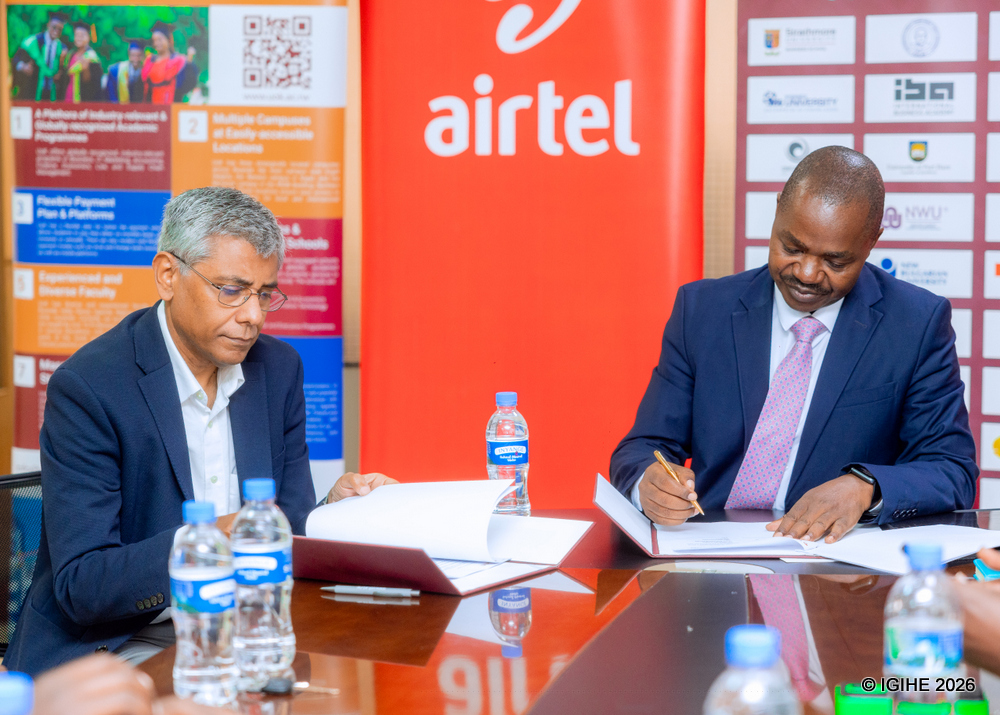
The agreement was signed at the university’s headquarters in Kigali on March 5, 2026.
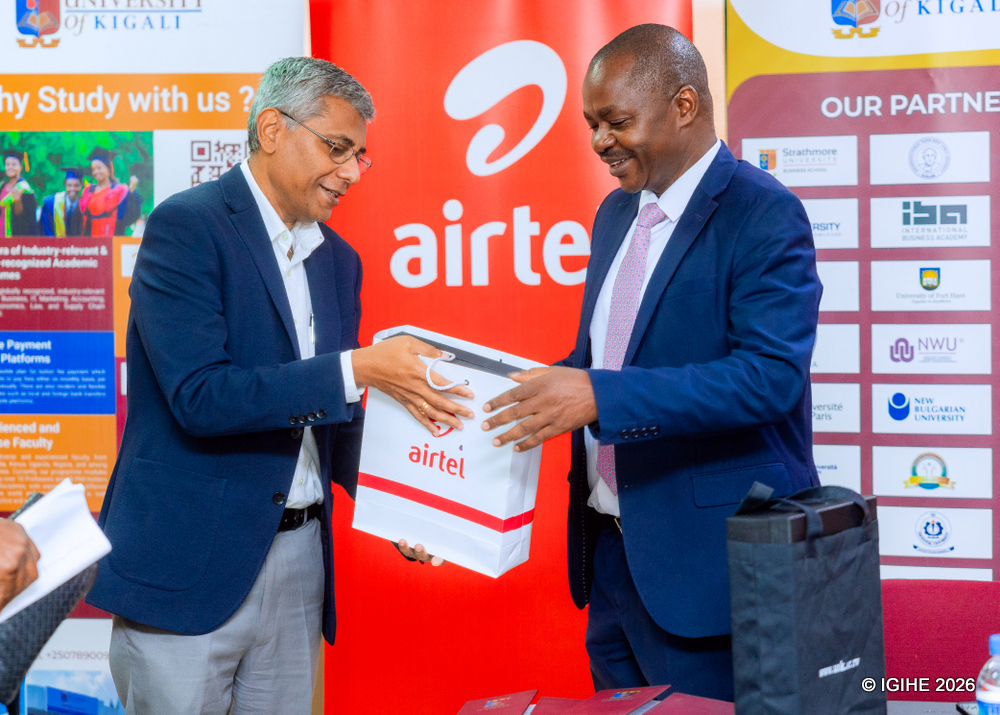
Under the partnership, Airtel Rwanda will provide affordable internet packages and routers to students at the University of Kigali to support digital learning.
One of the initiatives includes offering a router with 60GB of monthly internet, normally priced at Rwf10,000, at a reduced cost of Rwf5,000. The package can be shared by up to ten users.
Students who prefer mobile connectivity will also be able to subscribe to a package costing Rwf3,000 per month, which provides one gigabyte of 4G internet per day along with the ability to make calls across all networks.
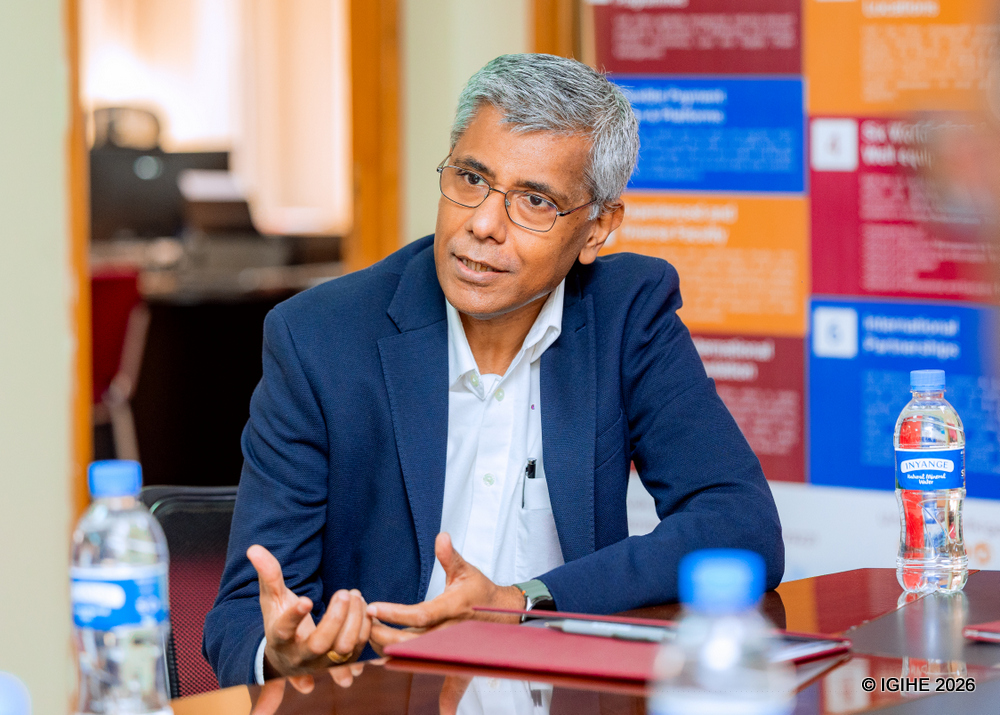
The Managing Director of Airtel Rwanda, Sujay Chakrabarti, said the company plans to expand similar partnerships with other universities in order to support students who rely on internet access for their studies.
“We believe that education is extremely important,” he said, adding that universities host large numbers of young people who increasingly depend on digital tools for learning. “With the university’s support, our technological equipment such as routers and other services will be made available to students.”
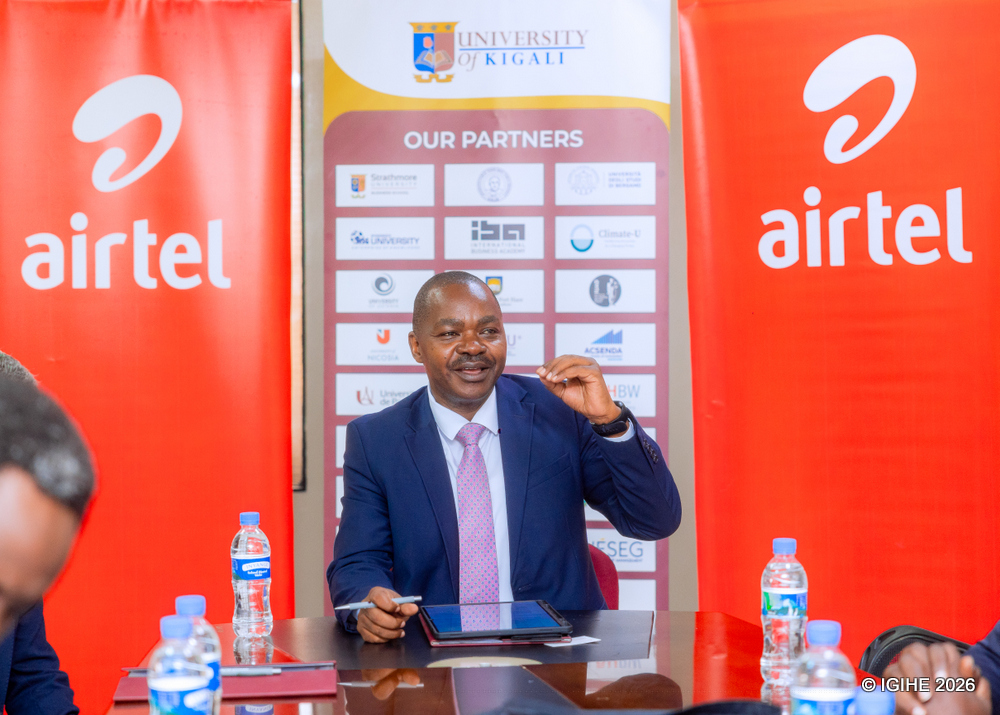
The Vice Chancellor of the University of Kigali, George Kimathi, said both institutions have strong experience in research and that the partnership will allow them to collaborate in finding solutions to global challenges.
“We have a large number of researchers here, and Airtel also has experts. Together we can conduct joint research to identify problems that need solutions,” he said. “This partnership will accelerate research and produce better outcomes than if either side worked alone.”
The collaboration will also allow Airtel Rwanda to expand its services among the university’s student community while enabling students to access relevant data and resources that can support research and practical learning.
Both institutions also plan to organize mentorship sessions, innovation activities, and knowledge-sharing events.
The partnership aligns with Rwanda’s Vision 2050 strategy, which aims to build a knowledge-based economy and ensure that graduates leave universities equipped with the digital skills needed to compete in a technology-driven job market.
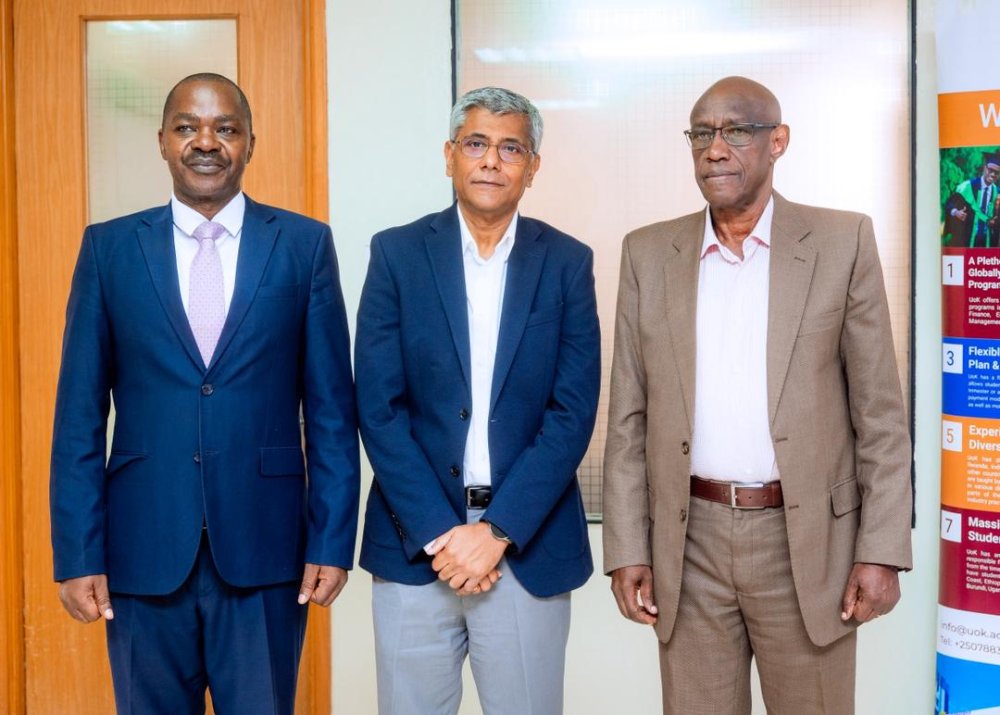
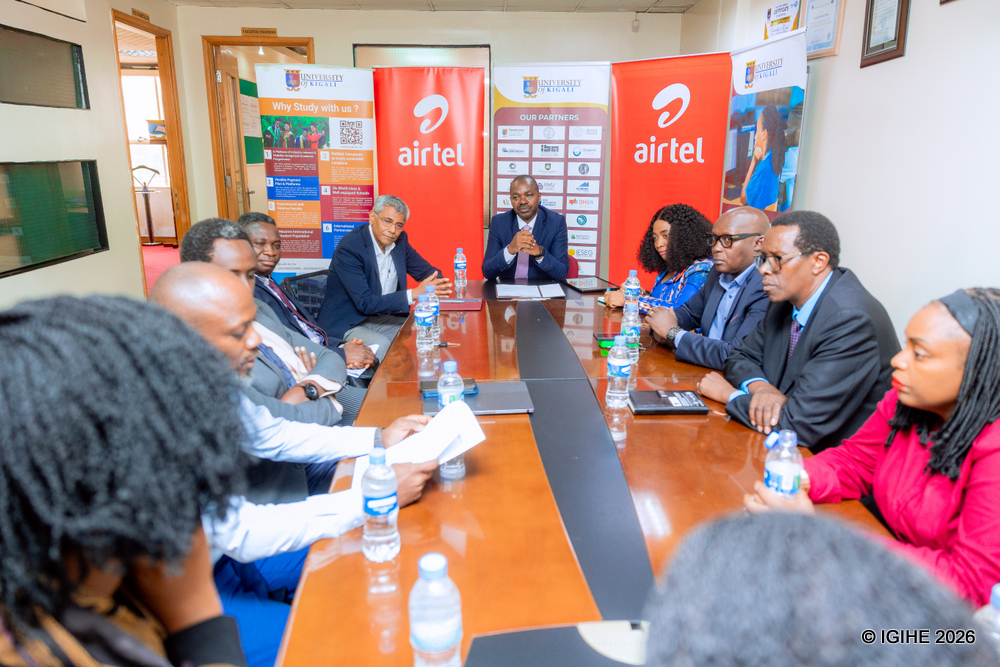
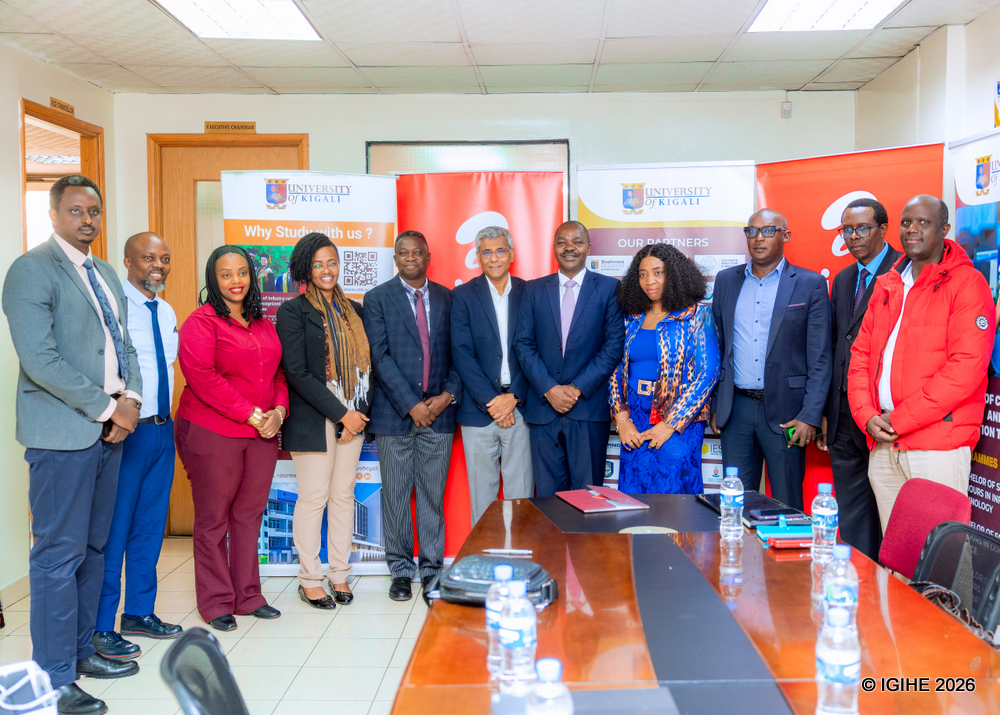
The agreement was signed on March 5, 2026. The Airtel Rwanda–UoK partnership is also expected to create job opportunities UoK Vice Chancellor Prof. George Kimathi highlighted the partnership’s impact on teaching and learning Airtel Rwanda MD Sujay Chakrabarti says affordable internet will support university studiesThe benefits of the Airtel Rwanda–UoK agreement were discussed ahead of the signingExecutives from Airtel Rwanda and UoK represented their institutions at the signing The agreement aims to promote tech-driven learning at the university
Speaking in an interview with Firstpost, Amb. Nduhungirehe said the roots of Rwanda’s security concerns date back to the aftermath of the genocide, when forces responsible for the killings crossed into the eastern part of the Democratic Republic of the Congo.
“In 1994 in Rwanda, we had a genocide against the Tutsi. Over one million people were killed over three months,” he said, noting that the perpetrators later fled across the border. “Those who committed that genocide crossed the border. They were never disarmed by the UN or other forces that were on the ground.”
He said the group that later became the Democratic Forces for the Liberation of Rwanda has continued to operate from eastern Congo and has launched attacks on Rwanda over the past three decades.
“From DRC, they have been attacking Rwanda over the past 30 years on countless occasions,” Amb. Nduhungirehe said, adding that Rwanda has therefore deployed defensive measures along its border to prevent further attacks.
The minister also warned that genocide ideology remains a concern in the region. “When we hear the same words that were used before the genocide… we take it very seriously,” he said, stressing that what happened in 1994 should never happen again.
He further argued that ongoing hostilities on the ground, including increased air strikes and drone attacks in eastern Congo, risk undermining ceasefire commitments linked to ongoing peace initiatives.
Despite these challenges, Amb. Nduhungirehe said Rwanda remains engaged in diplomatic efforts aimed at resolving the conflict while ensuring the country’s security and preventing a repeat of the dark moments of 1994.
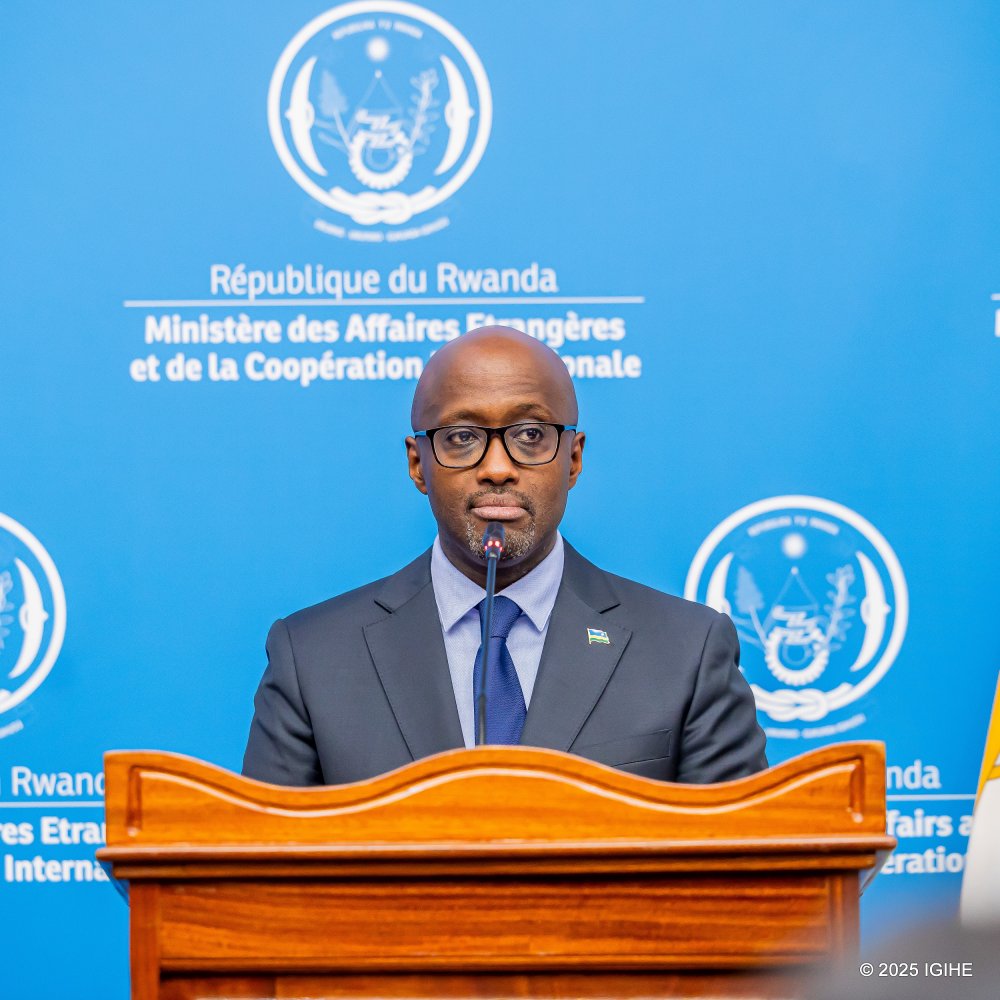
Rwanda’s Foreign Affairs Minister, Amb. Olivier Nduhungirehe has shed light on reasons why Rwanda’s defensive measures remain in place.
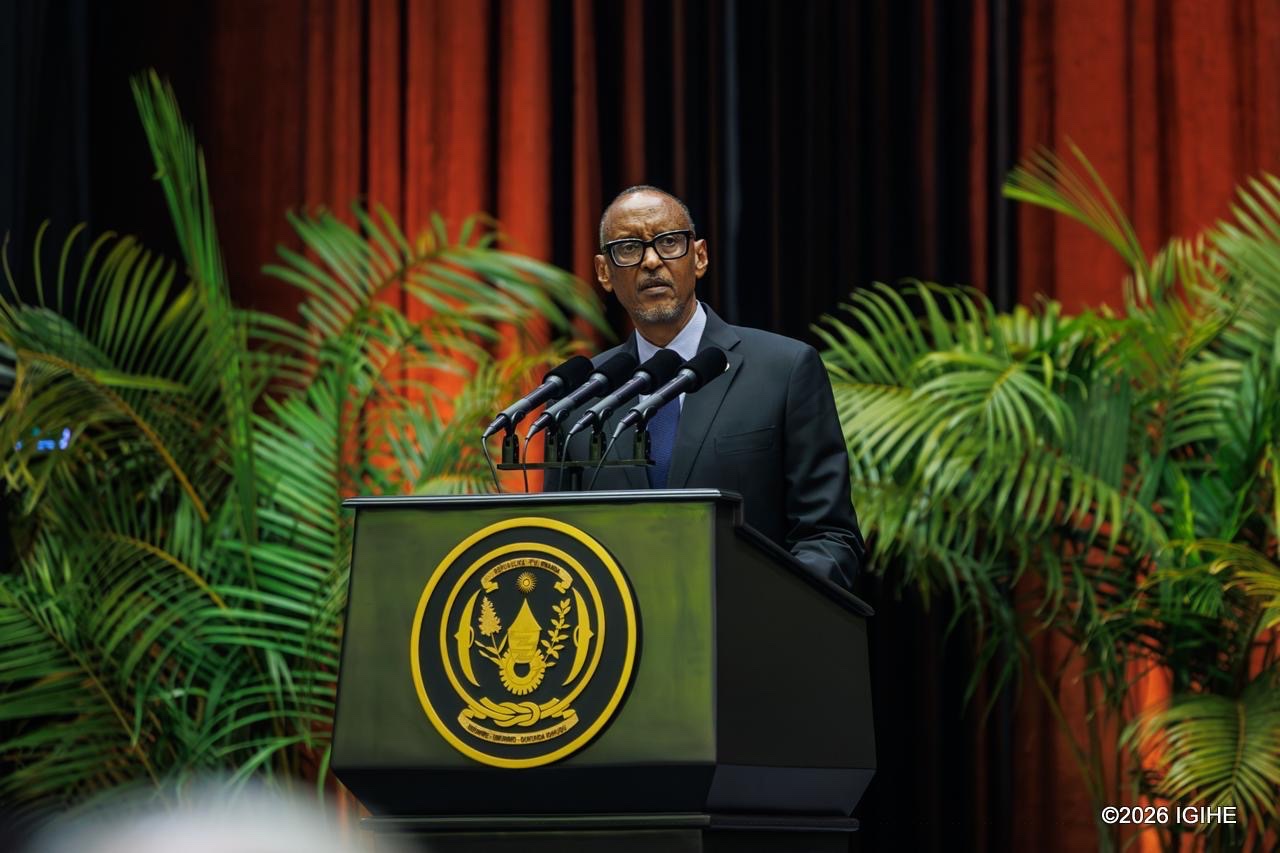
Speaking during a diplomatic dinner with ambassadors, high commissioners and representatives of international organisations in Kigali on Friday, Kagame said Rwanda faces what he described as an “impossible choice” between tolerating threats near its borders or defending itself and facing condemnation.
His remarks come days after the United States imposed sanctions on the Rwanda Defence Force (RDF) over the conflict in eastern Democratic Republic of the Congo (DRC).
The Head of State said Rwanda’s defensive measures are driven solely by security concerns, particularly the continued presence of the Democratic Forces for the Liberation of Rwanda (FDLR), a militia group formed by perpetrators of the 1994 Genocide against the Tutsi, in the eastern DRC.
“Rwanda faces an impossible choice: to either tolerate the continued presence of the FDLR and its growing network of militias and allow them to grow closer to our border or to defend ourselves and be condemned for it,” Kagame said.
“Any condemnation that comes, by the way, is a badge of honour for our security forces,” he added.
Security concerns
The president told diplomats that Rwanda’s security concerns stem from the continued presence and activities of the FDLR in eastern DR Congo, accusing the Congolese government of providing political cover and support to the group.
According to Kagame, the militia continues to spread an ideology rooted in genocide and has formed alliances with other armed groups in the region.
“One thing that has not changed is the right and duty of every nation to ensure the safety of its borders and people. Rwanda is no exception,” Paul Kagame said, adding that the country’s defensive measures are intended to address security threats and nothing else.
He argued that Rwanda has repeatedly raised these concerns in regional and international forums, but claims that the root causes of the conflict are often ignored in favour of short-term political interests.
Kagame also questioned the implementation of the Washington Accords, saying the agreement was intended to address security concerns for all parties involved.
He noted that the accords involve three parties, Rwanda, DR Congo and the United States, but said expectations often appear to place the burden of compliance primarily on Rwanda.
“A signed peace agreement should bind all parties equally,” Kagame said, adding that selective pressure risks emboldening armed groups and prolonging instability.
Call for lasting peace
Despite the tensions, Kagame emphasised that Rwanda remains committed to peace in the region.
He said Rwanda would be ready to lift its defensive measures if DR Congo fulfils its obligations under the Washington Accords, including addressing the threat posed by the FDLR and other armed groups operating near Rwanda’s borders.
“Rwanda wants peace,” Kagame said. “But we want a genuine and lasting peace on which we can build our future prospects.”
The president also warned that Rwanda would never compromise on the security gains it has built over the past three decades.
“We have made a promise to ourselves never to go back to the dark days,” he told the diplomats. “That is not something we will waver from.”
President Kagame said Rwanda’s defensive measures are driven solely by security concerns, particularly the continued presence of the FDLR genocidal force in the DRC.
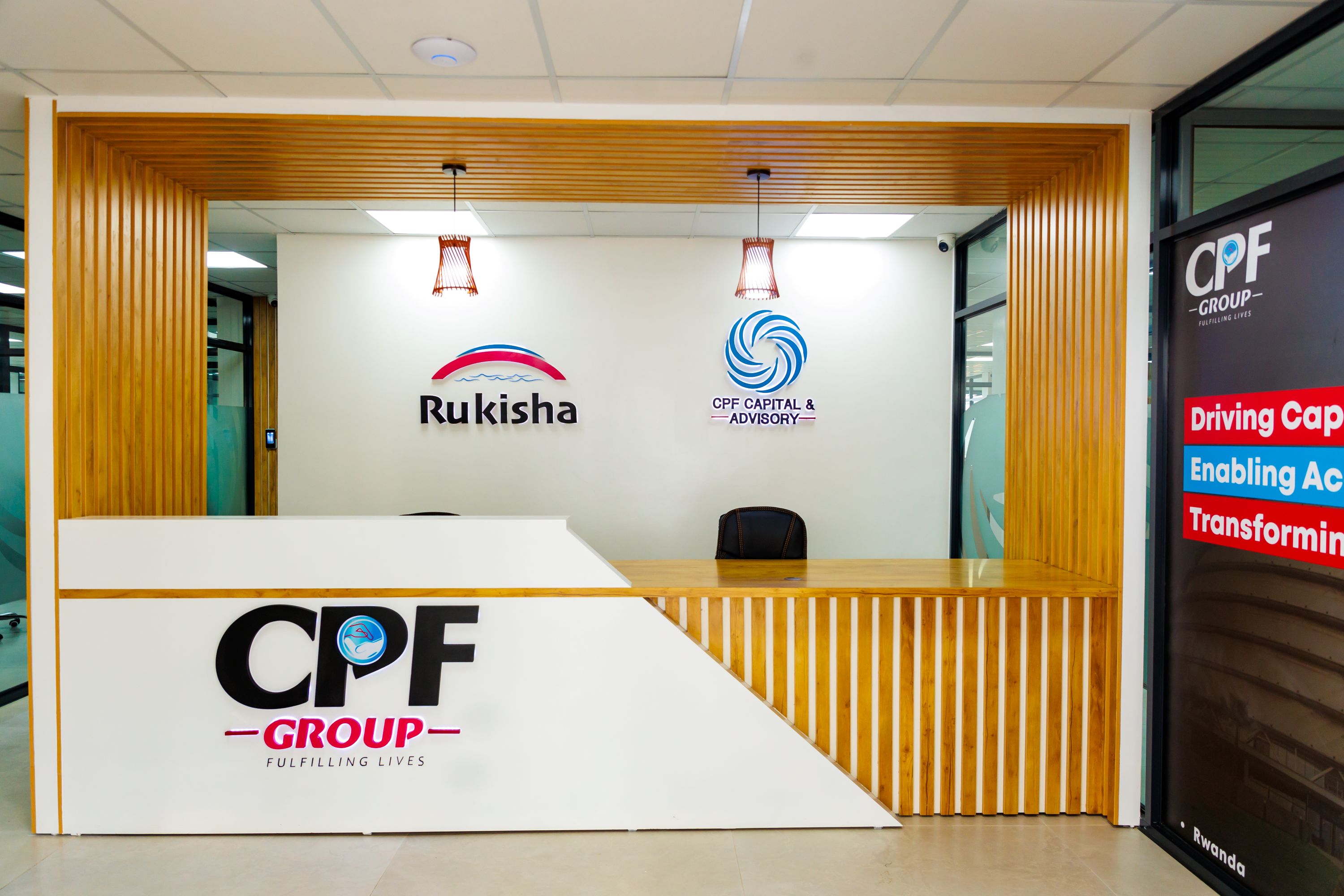
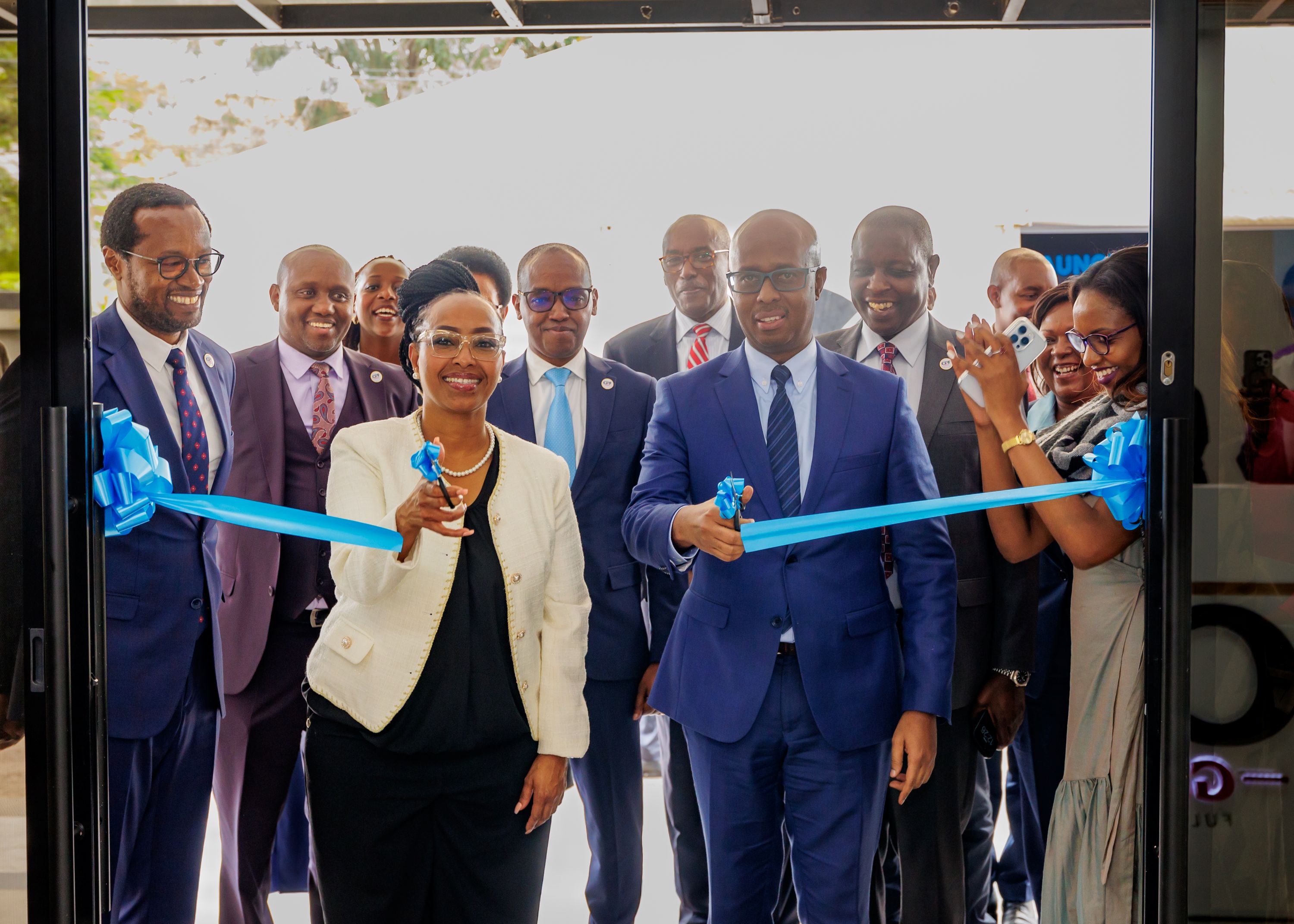
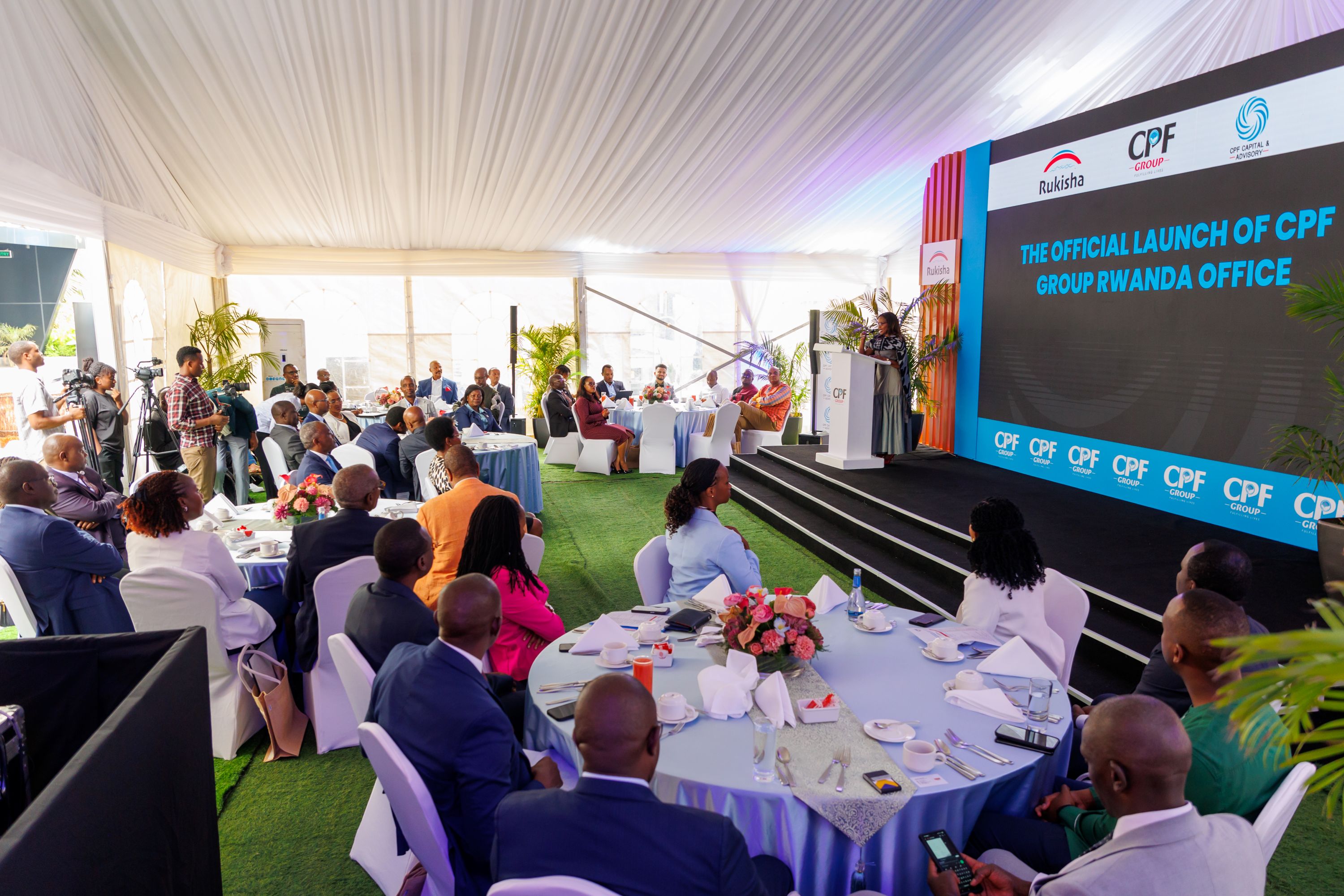
The office, located at the Zein Building in Nyarutarama, Kigali, will host the group’s subsidiaries CPF Capital & Advisory, Rukisha Solutions, and CPF Financial Services, positioning the institution as a partner in capital markets development, structured finance, and technology-driven financial services in Rwanda.
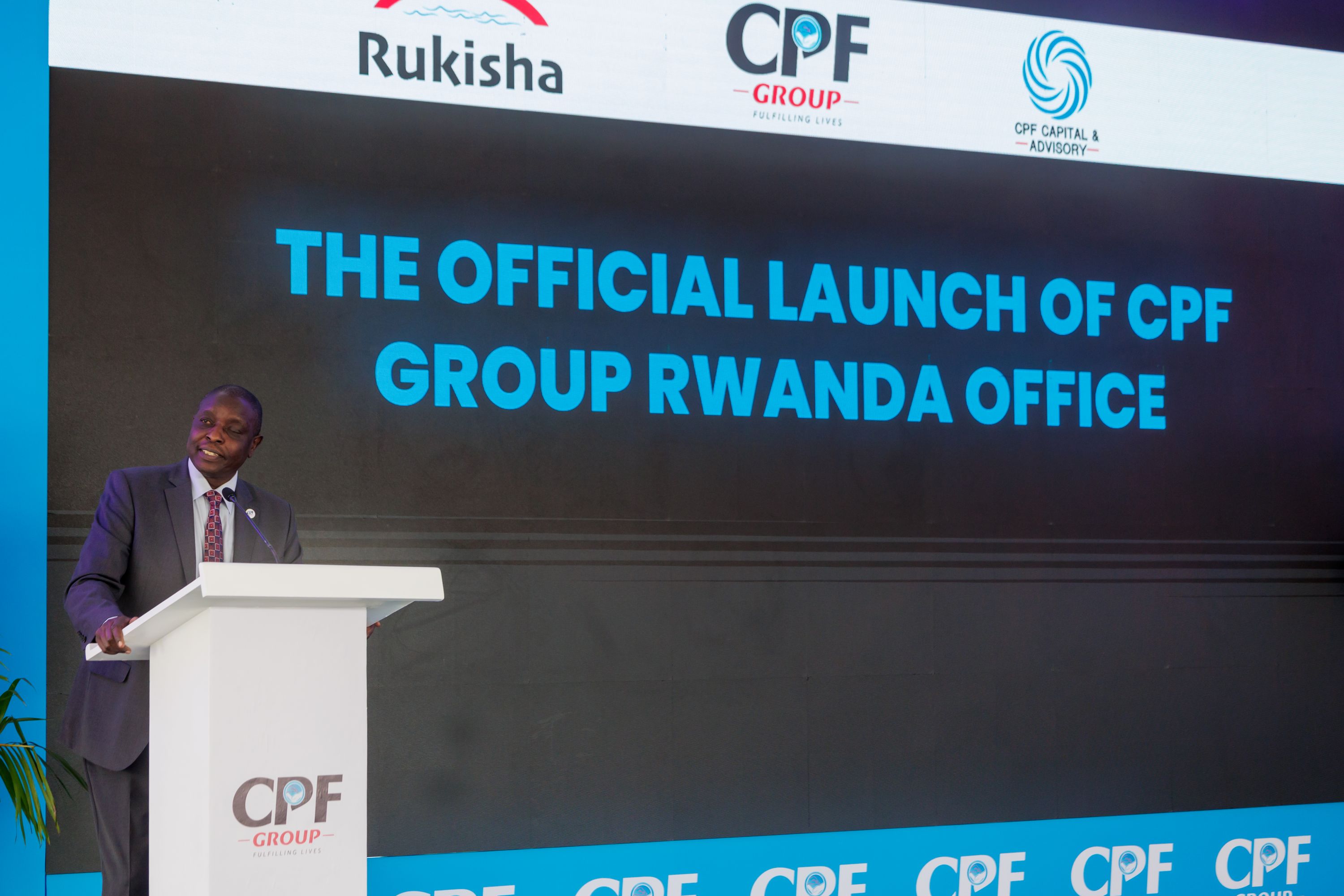
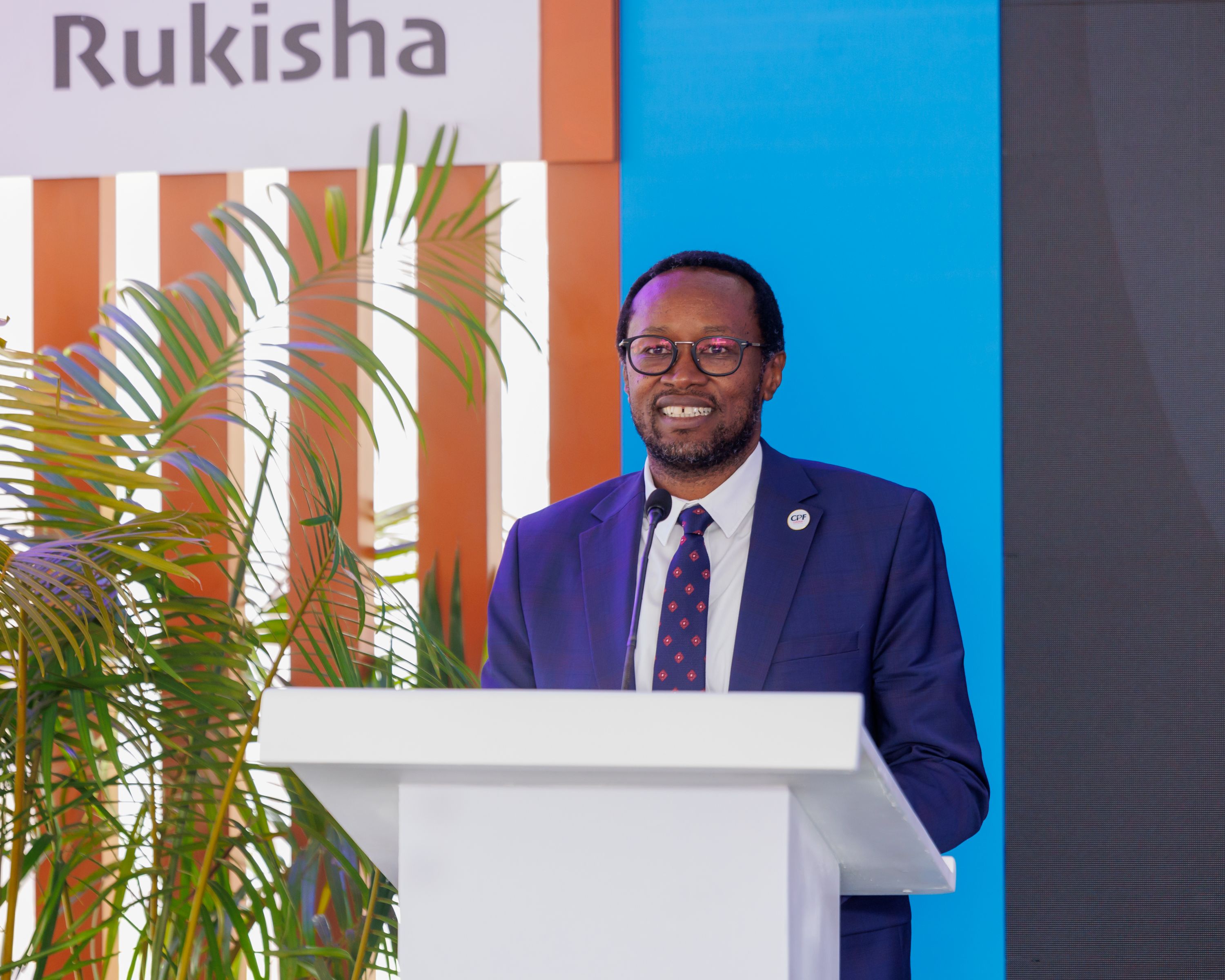
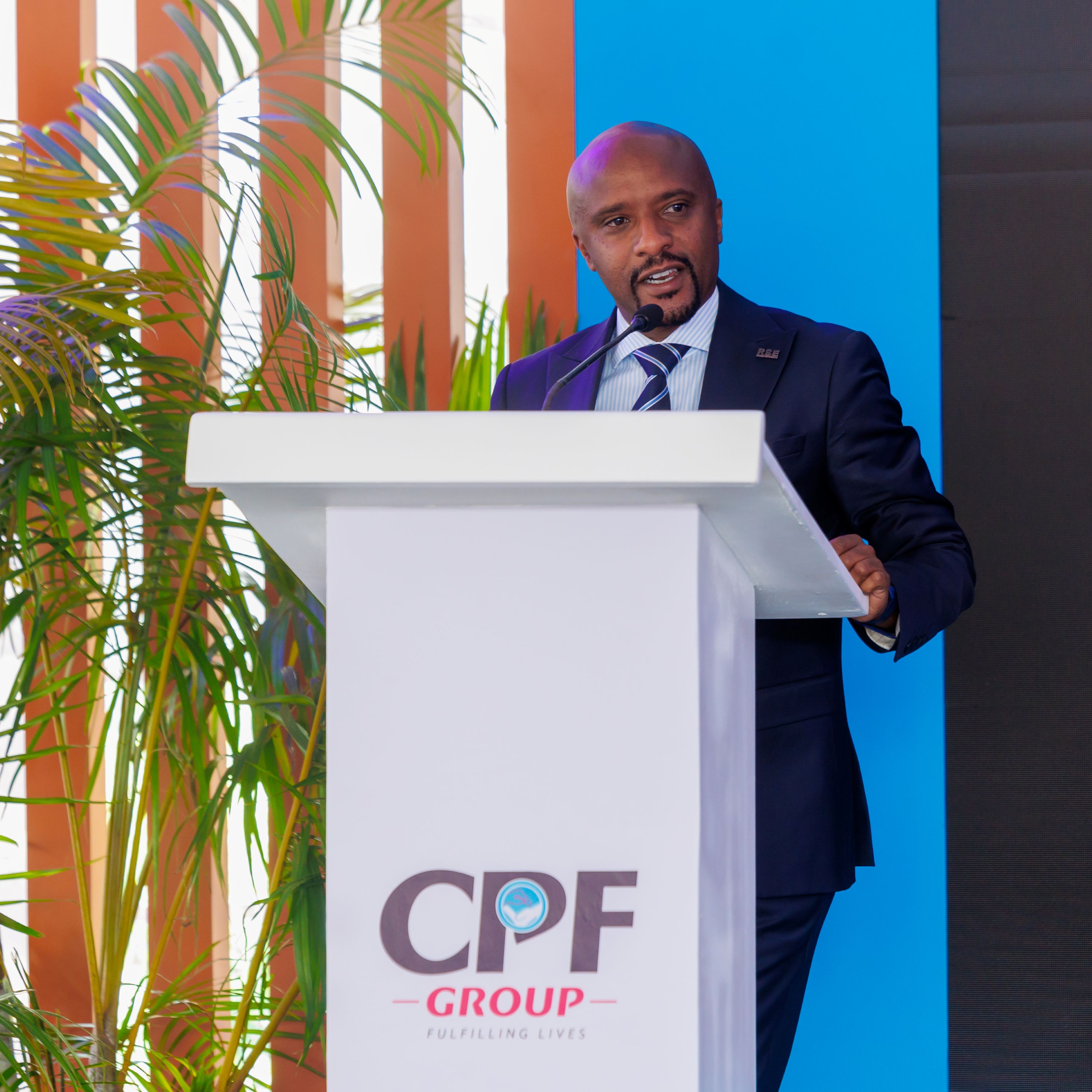
Speaking during the launch on Friday, Hosea Kili, Group Managing Director and CEO of CPF Group, said Rwanda’s stable regulatory environment and rapidly developing digital economy made it an attractive destination for the company’s regional growth strategy.
“Our presence in Rwanda reflects the deliberate regional growth strategy. Rwanda has built one of Africa’s most stable and forward-looking financial ecosystems. We are here to mobilize capital responsibly, structure transformative transactions, and support institutions with governance-led, execution-focused advisory solutions aligned to national development priorities,” Kili said.
Hosea Kili, Group Managing Director and CEO of CPF Group, said Rwanda’s stable regulatory environment and rapidly developing digital economy made it an attractive destination for the company’s regional growth strategy.
He revealed that the group plans to begin operations with a $20 million investment, with additional capital expected as the company identifies further opportunities in the market.
Founded in Kenya in the 1920s as a pension fund administrator, CPF Group has grown into a diversified regional financial services institution providing pension administration, wealth management, capital advisory and structured finance services. The company currently administers pension funds with a combined value of over Ksh 318 billion (approximately Rwf 3.6 trillion) serving more than 500,000 members.
According to Maurice Nduranu, Group Chairperson, CPF Group, Rwanda was chosen as one of the first destinations for the group’s international expansion due to its strong investment climate and supportive regulatory environment.
“We are excited about the ease of doing business in Rwanda and the responsiveness of both government and the private sector. For us, this is an excellent first stop outside Kenya as we expand across the region with ultimately Pan-African ambitions,” Nduranu said.
Maurice Nduranu, Group Chairperson, CPF Group, Rwanda was chosen as one of the first destinations for the group’s international expansion due to its strong investment climate and supportive regulatory environment.
He added that establishing a physical presence in Rwanda would allow the firm to build partnerships locally rather than operating remotely from Kenya.
“We believe capital is borderless, and African businesses must increasingly operate across borders. Being here allows us to collaborate with institutions on the ground and contribute to regional economic growth,” he noted.
The Rwanda office will focus on capital markets advisory, infrastructure financing, alternative investment structuring, and cross-border capital mobilization. Through its fintech subsidiary Rukisha Solutions, the company also plans to introduce digital micro-lending and payments services aimed at expanding financial inclusion.
The office, located at the Zein Building in Nyarutarama, Kigali, will host the group’s subsidiaries CPF Capital & Advisory, Rukisha Solutions, and CPF Financial Services.
Kili said Rwanda’s growing Rwanda Stock Exchange presents opportunities for new investment products, noting that the group intends to support listings and capital market transactions in the country.
“We have strong experience in transaction advisory and investment banking across the region. Through our investment banking license, we expect to bring new products that can be listed on the stock exchange and deepen Rwanda’s capital markets,” he said.
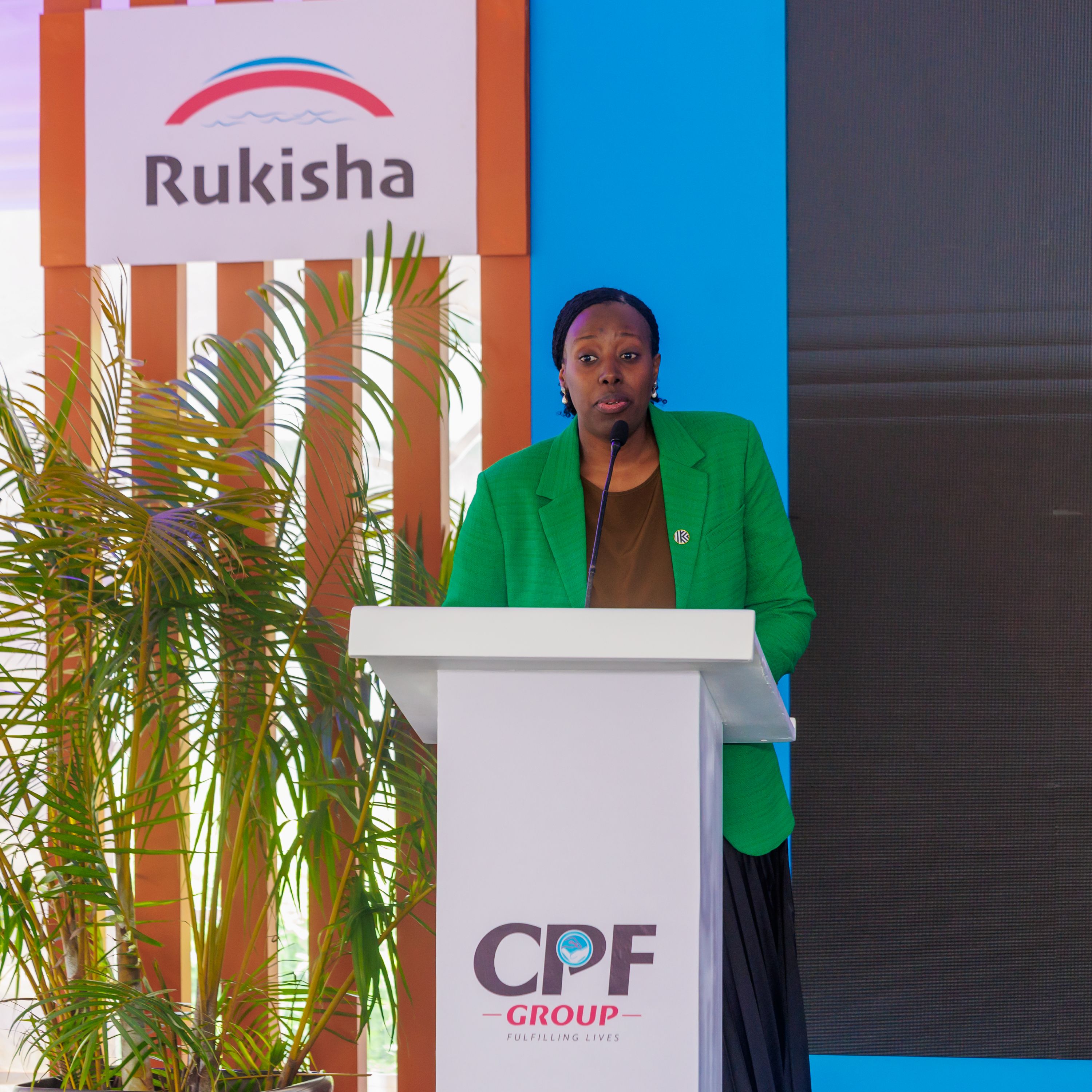
Speaking at the launch, Rwanda’s Minister of Finance and Economic Planning, Yusuf Murangwa, said the entry of institutions like CPF Group reflects growing confidence in Rwanda’s economic direction and policy framework.
“This milestone reflects the continued confidence that regional and international institutions have in Rwanda’s economic direction, the strength of our policy framework, and the consistency with which we are implementing our national development agenda,” Murangwa said.
Rwanda’s Minister of Finance and Economic Planning, Yusuf Murangwa, said the entry of institutions like CPF Group reflects growing confidence in Rwanda’s economic direction and policy framework.
He emphasized that strengthening financial markets and expanding financial inclusion remain key priorities for the government.
“Mobilizing long-term capital is essential for financing infrastructure, supporting private sector growth, and delivering our national strategy for transformation. Institutions such as CPF Capital play an important role in bringing structuring expertise and access to new sources of capital,” he said.
Murangwa added that Rwanda is continuing to invest in institutions, regulatory frameworks and financial infrastructure to position the country as a regional financial and investment hub.
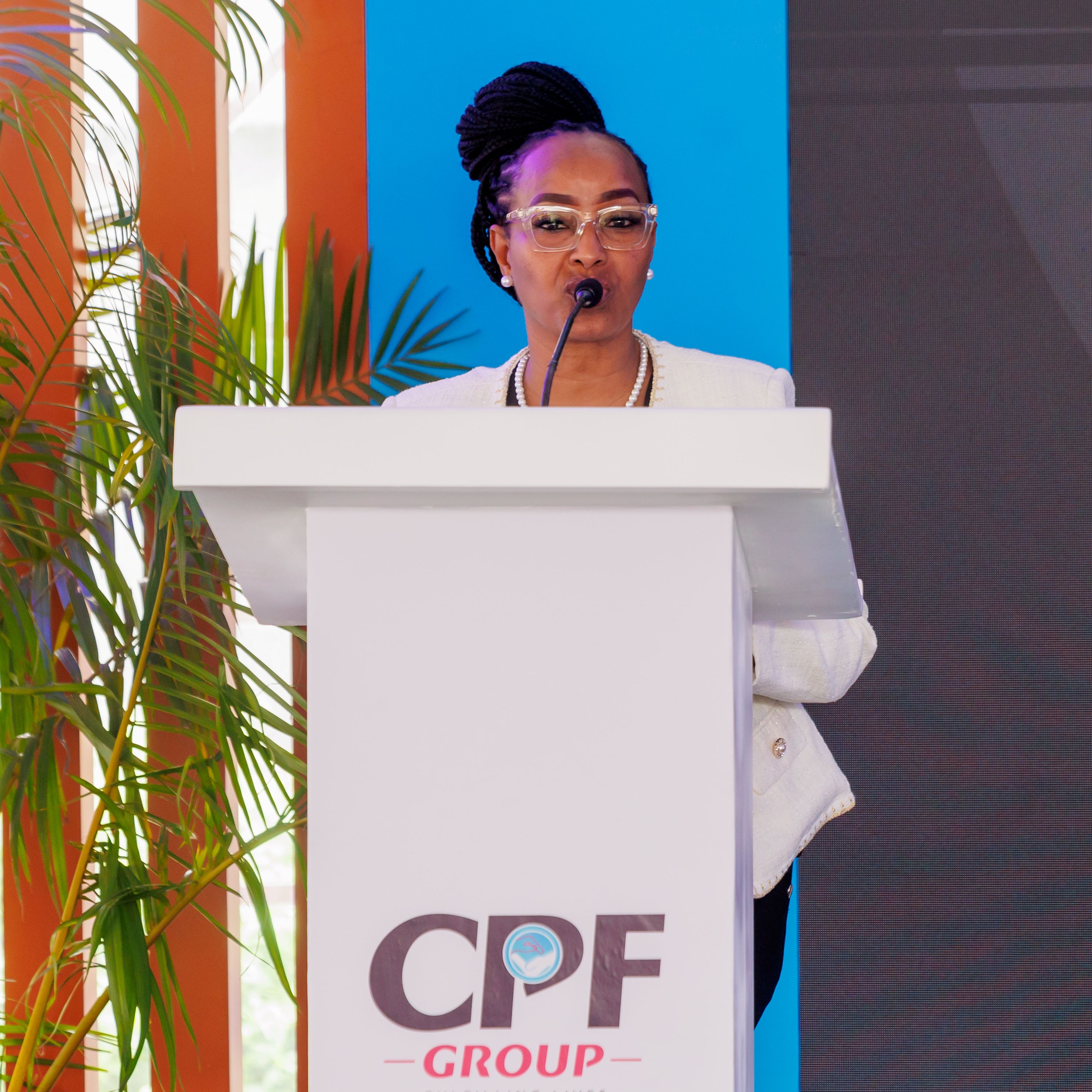
On her part, Janet Mwawasi, Kenya’s High Commissioner to Rwanda, highlighted the broader economic and diplomatic significance of the launch between the two countries.
“The establishment of CPF Group in Rwanda represents the strengthening of economic ties between Kenya and Rwanda and demonstrates the confidence Kenyan institutions have in Rwanda’s regulatory environment and growth trajectory. This investment reflects the shared ambition of our nations to deepen capital markets integration and accelerate sustainable regional development.”
Janet Mwawasi, Kenya’s High Commissioner to Rwanda, said the establishment of CPF Group in Rwanda demonstrates the confidence Kenyan institutions have in Rwanda’s regulatory environment and growth trajectory.
The expansion into Rwanda marks a key milestone in CPF Group’s broader regional strategy, as the nearly century-old institution seeks to deepen its presence across East Africa while pursuing longer-term Pan-African ambitions.
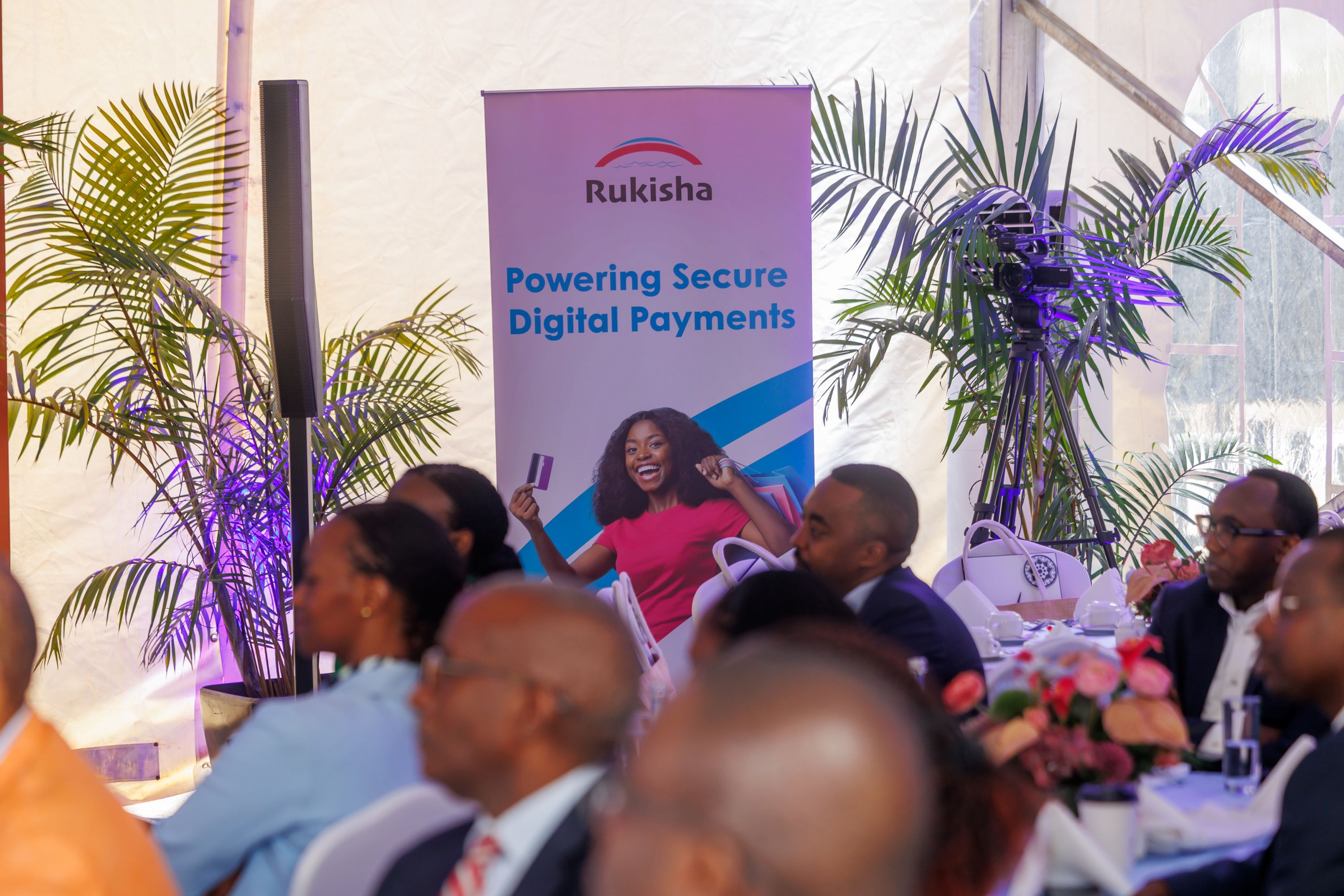
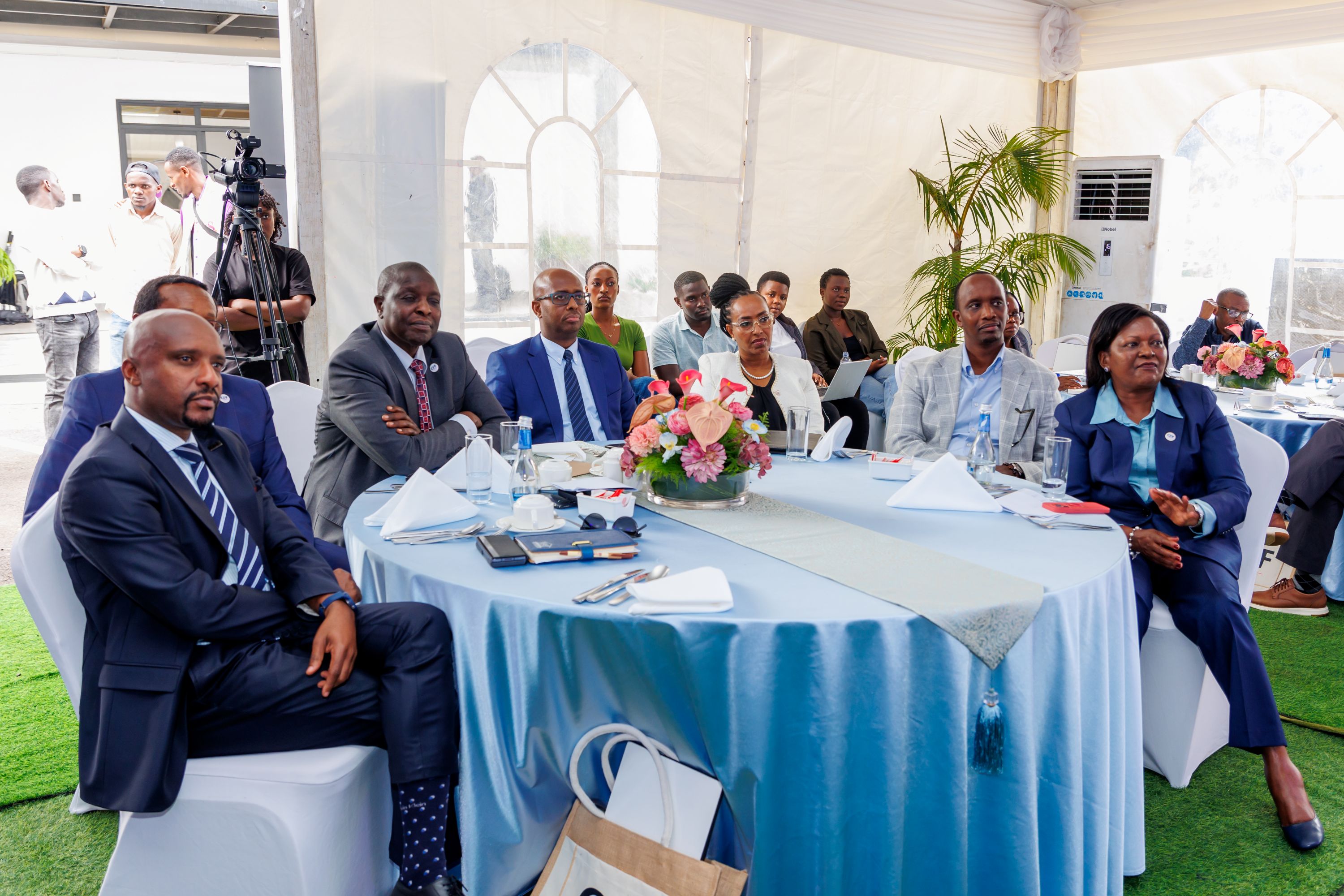
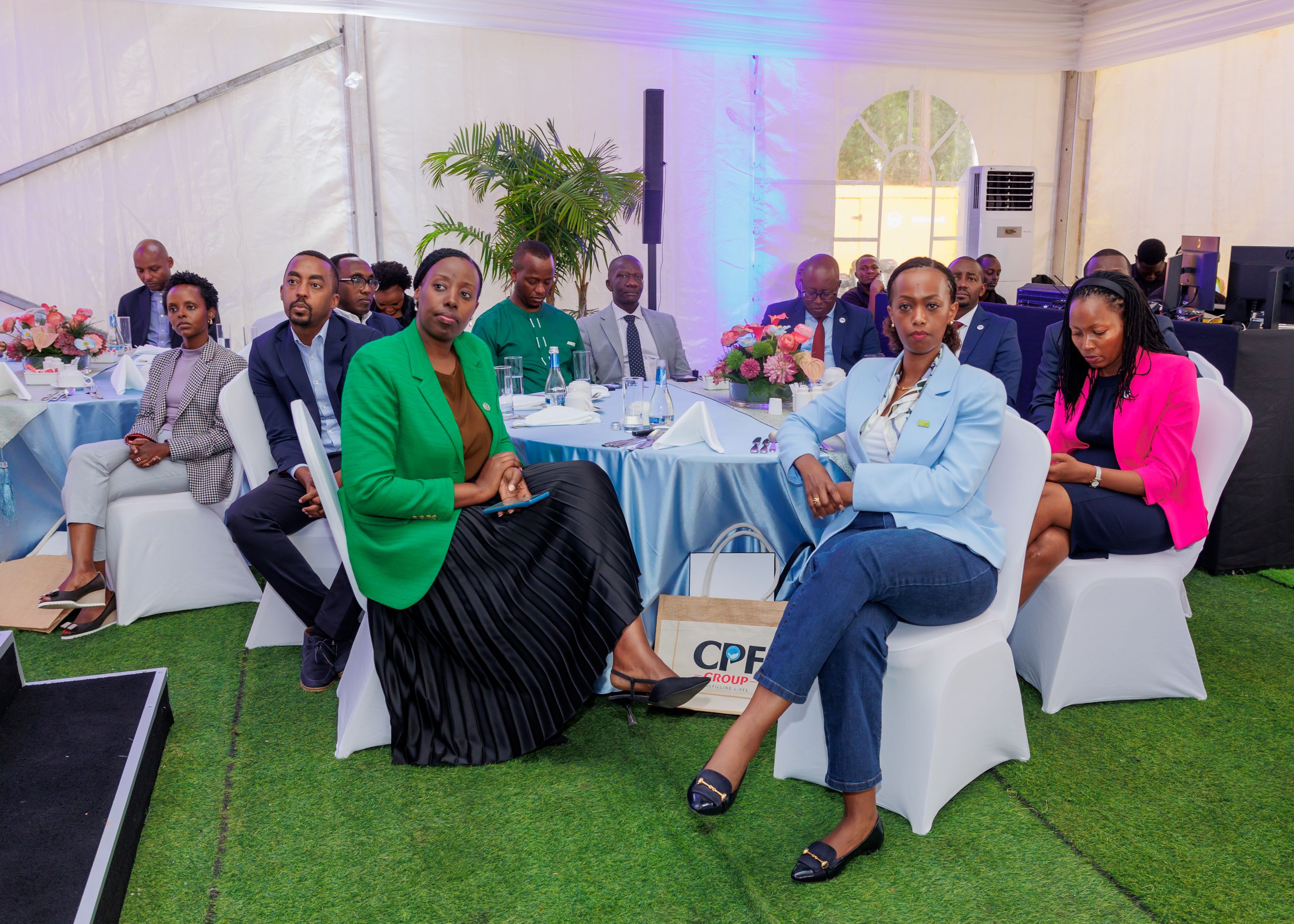
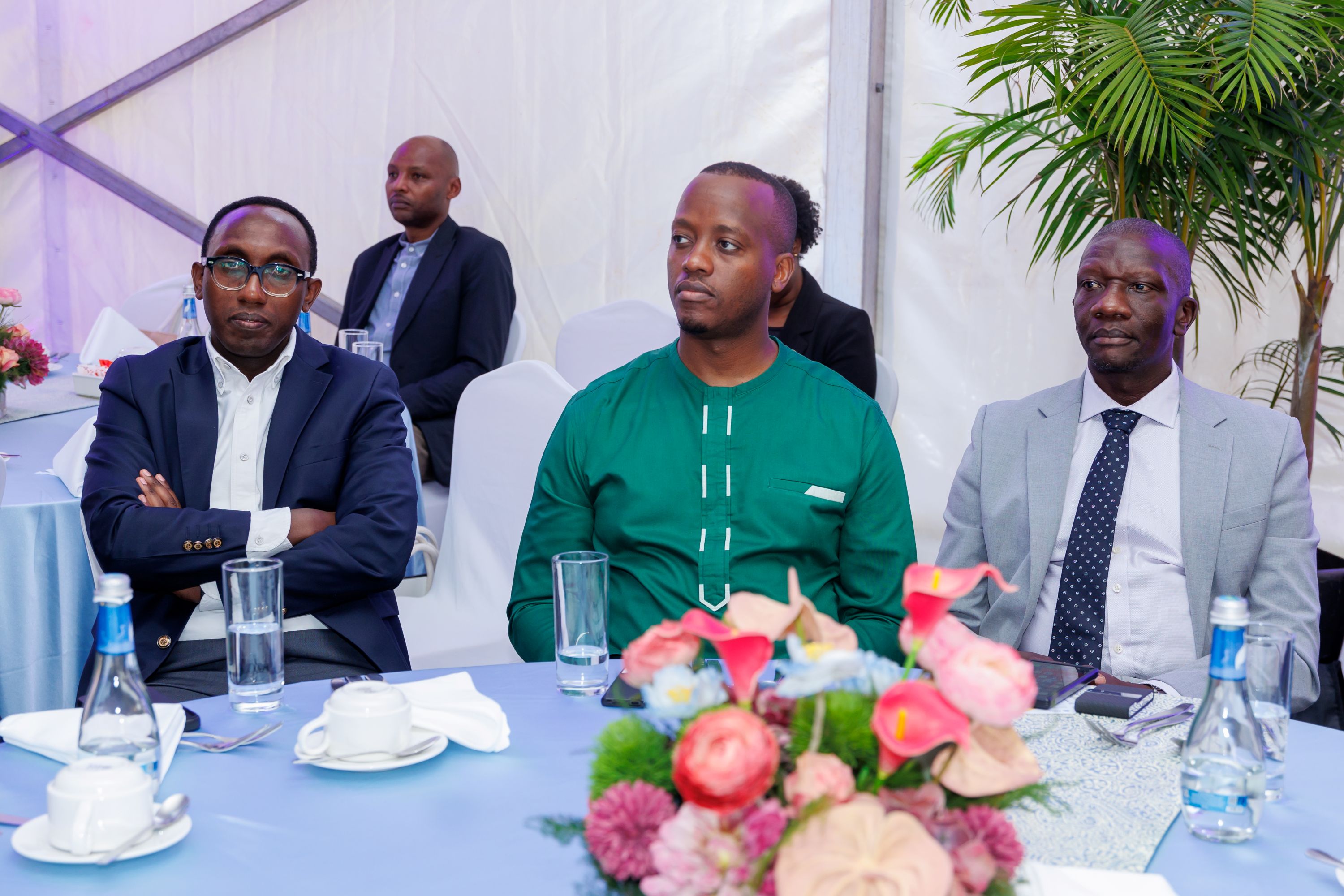
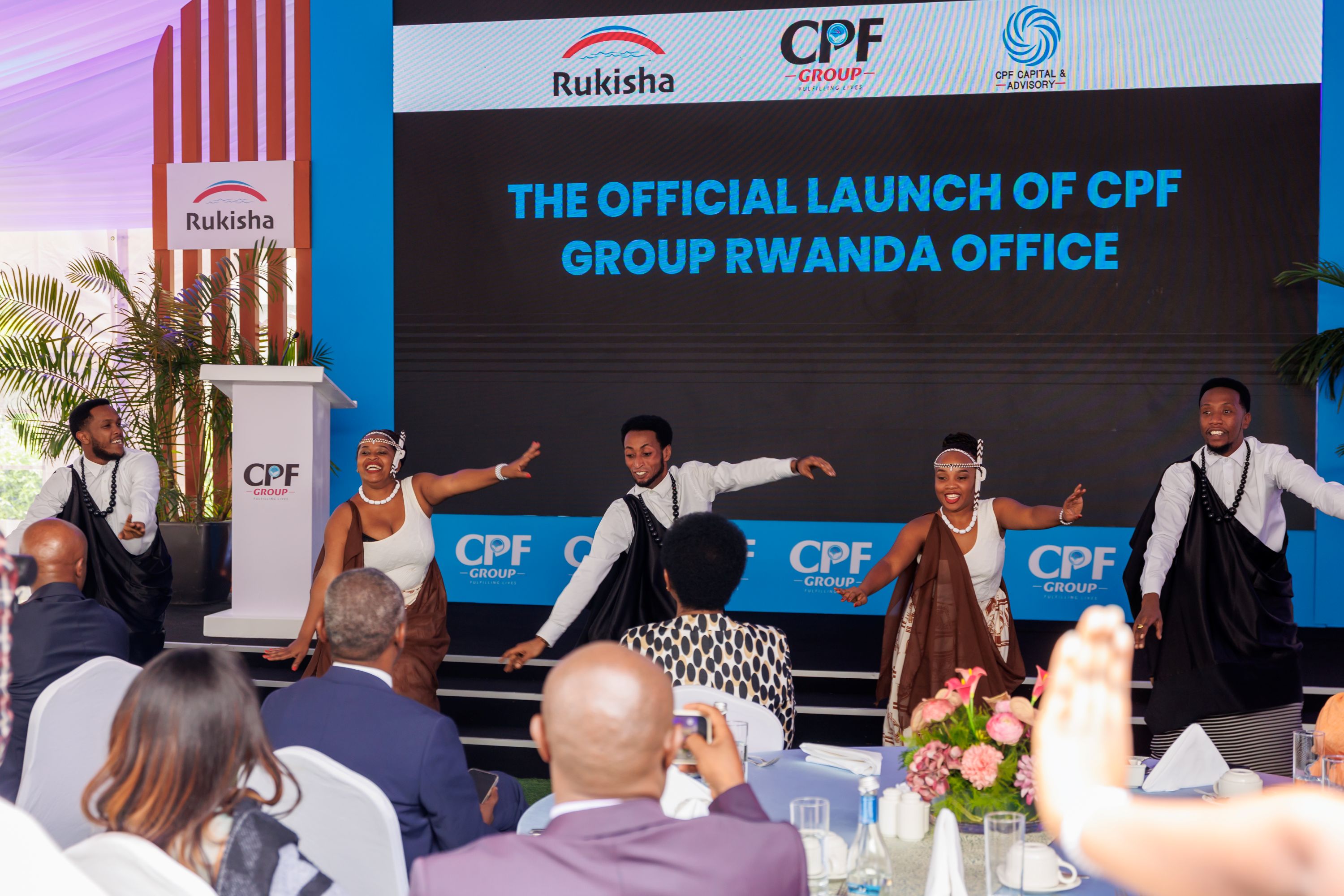
Pierre-Célestin Rwabukumba, the Chief Executive Officer (CEO) of the Rwanda Stock Exchange (RSE), attended the event.Hortense Mudenge, the CEO of the Kigali International Financial Centre (KIFC), also graced the launch.Various stakeholders attended the launch.Attendees were treated to entertainment by a traditional Rwandan troupe.
The group called on all parties, particularly those involved in recent military actions, to immediately cease hostilities, recommit to peace agreements, and prioritize negotiations to prevent further escalation and civilian suffering.
The concern was expressed through a joint statement issued on March 5, 2026, by the governments of the United States, Belgium, Denmark, France, Germany, the Netherlands, Sweden, Switzerland, the United Kingdom, and the European Union, chaired by Sweden.
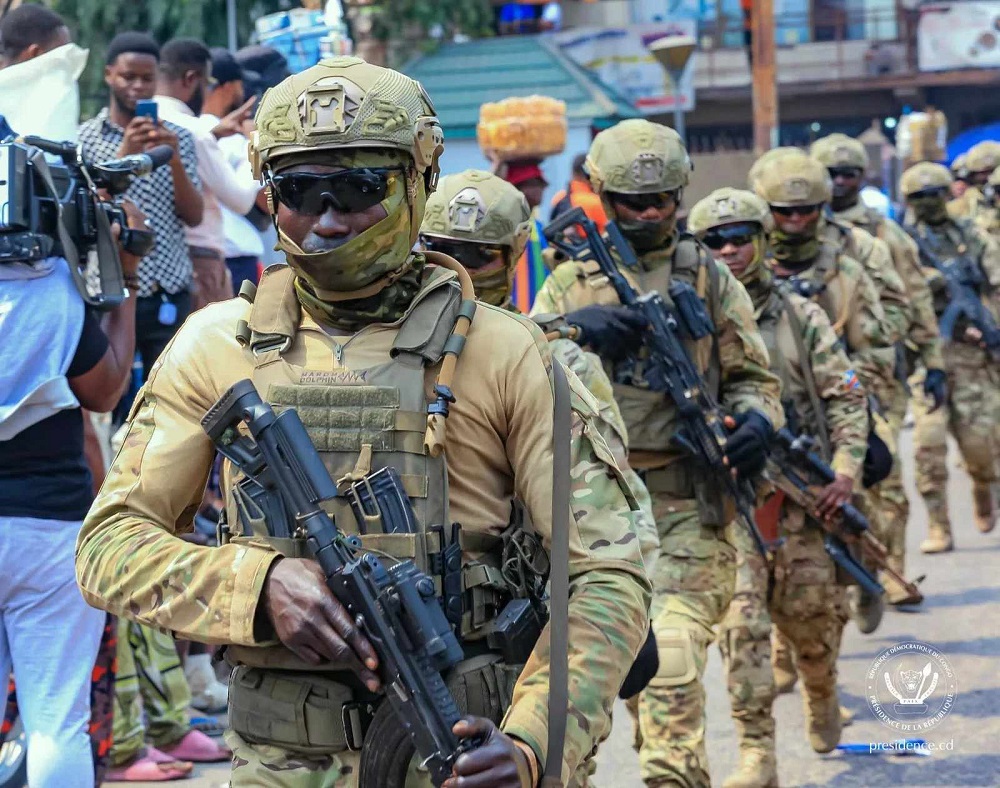
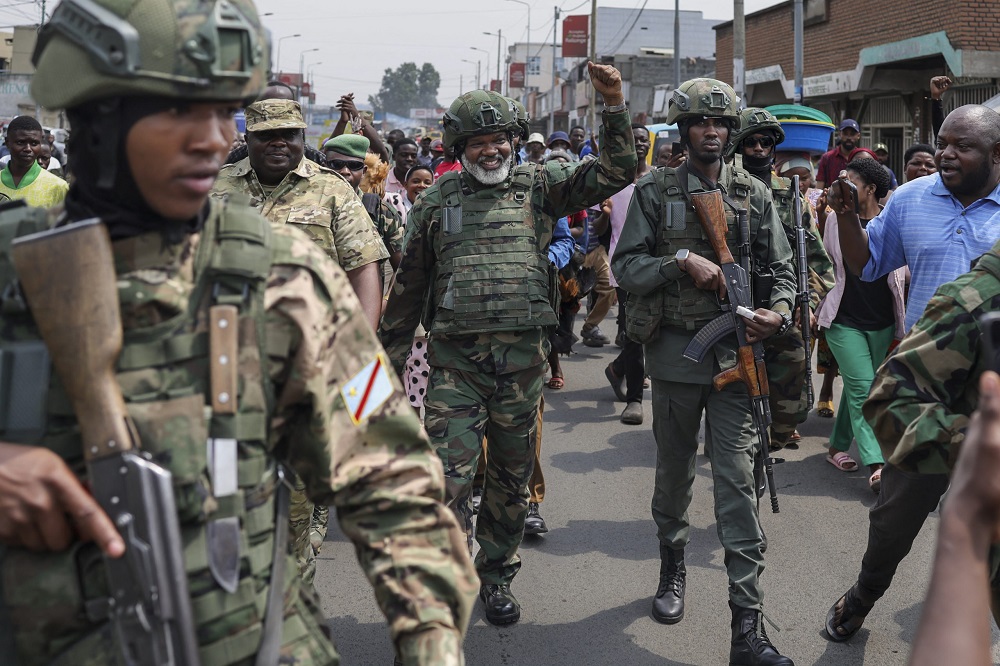
The Armed Forces of the Democratic Republic of Congo (DRC) have been conducting attacks on AFC/M23 positions in South Kivu and North Kivu, as well as targeting civilians, particularly members of the Banyamulenge community living in Minembwe Commune, using fighter jets and drones.
On January 2, 2026, DRC forces carried out a drone strike on residential buildings in Masisi Center, North Kivu, killing approximately 22 people and injuring many others. The area was reportedly under AFC/M23 control.
Another drone attack by DRC forces near Rubaya Center in Masisi Territory on March 24 resulted in the deaths of several fighters, including Lt Col Willy Ngoma, the rebel coalition’s military spokesperson.
In response to these ongoing attacks, AFC/M23 announced that it would begin intercepting incoming strikes.
On February 1 and March 1, 2026, the group reportedly deployed drones from Bangoka Airfield in Kisangani to target and destroy planned military operations against its positions.
The statement emphasized that such violations, including the use of drones in military attacks, pose an acute risk to civilian populations.
“All parties involved should urgently and unequivocally recommit to ceasing the hostilities and return to negotiations,” the ICG declared, stressing that there can be no military solution to the conflict.
The group urged full implementation of obligations under the Washington Accords and the Doha process, alongside compliance with relevant UN Security Council resolutions, including 2773 and 2808, and full respect for territorial integrity.
It commended the ongoing mediation by the African Union-appointed mediator, Faure Gnassingbé, President of the Council of the Republic of Togo, and the Panel of Facilitators, as well as crucial efforts by the United States and Qatar.
It further recalled the need for conditions enabling an inclusive inter-Congolese dialogue involving all key Congolese stakeholders as essential for durable peace.
The ICG affirmed its readiness to support these diplomatic efforts, urging all parties to uphold international humanitarian law, ensure full, safe, and unimpeded humanitarian access for critical assistance to affected populations.
The statement pressed parties to halt incitement to hatred, discrimination, or violence; including against Rwandophone minorities, and any actions that endanger civilians and undermine social cohesion in the region.
AFC/M23 has vowed to neutralize threats at its source following DRC’s ceasefire violations. DRC continues to opt for military solution despite call for dialogue to end hostilities.
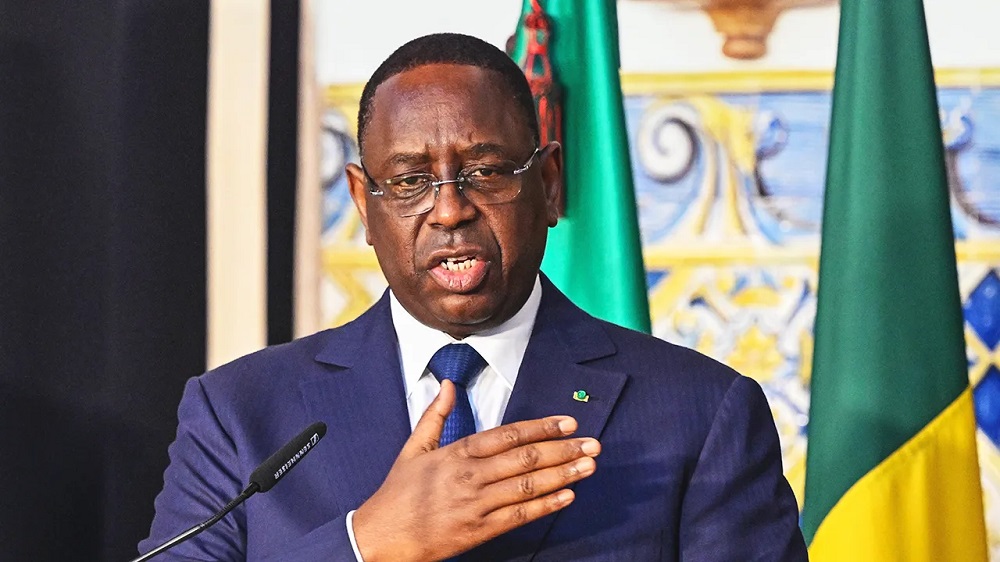
According to media reports, his nomination was put forward by Burundi, which currently chairs the African Union (AU).
The President of the General Assembly has acknowledged receipt of the nomination, formally placing Sall among the candidates seeking to lead the global body.
The next Secretary-General will serve a five-year term starting January 1, 2027, succeeding António Guterres, whose second term ends in December 2026.
Sall, who led Senegal from 2012 to 2024, joins what is shaping up to be a competitive field. Other reported contenders include former Chilean President Michelle Bachelet and Rafael Grossi, Director General of the International Atomic Energy Agency.
Under UN procedures, the Secretary-General is appointed by the General Assembly on the recommendation of the Security Council.
The Council first conducts informal straw polls before forwarding a name for approval. Any of its five permanent members; China, France, Russia, the United Kingdom, and the United States, can block a candidate by veto.
Sall’s candidacy comes amid renewed calls for regional rotation in the UN’s top post, with Africa yet to produce a Secretary-General since the organization was founded in 1945.
The selection process is expected to gather momentum in the months ahead as more nominations emerge and consultations among member states intensify.
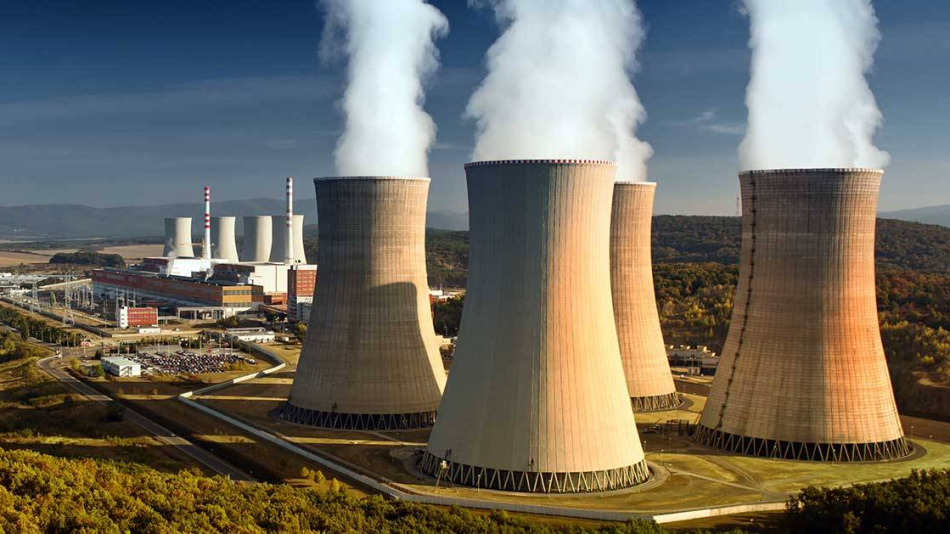
The review, conducted by a team of experts from the IAEA, started on March 2, 2026, and will run until March 9, 2026. Throughout the week, the experts will examine whether Rwanda meets the key requirements needed to embark on a nuclear power programme.
Among the critical areas under review are the country’s national policy framework on nuclear energy, financing mechanisms for constructing nuclear facilities, and the overall regulatory and institutional setup.
The team will also assess Rwanda’s capacity to prevent and manage potential risks associated with nuclear power plants, including safety, security, and environmental protection measures.
Dr. Fidele Ndahayo, Chief Executive Officer of the Rwanda Atomic Energy Board (RAEB), said the country has for years been investing in nuclear energy development.
He noted that Rwanda has established academic programmes in nuclear science, imported nuclear-based medical equipment, and implemented other initiatives aimed at building national capacity.
He explained that undergoing such a review is a crucial step in determining whether Rwanda is on the right track toward building a nuclear power plant.
“We want them to assess us based on the 19 infrastructure issues they use to determine a country’s level of preparedness,” he said. “They will evaluate where we stand as a country. We are confident that the process will go well and that, if the basic requirements are met, we will be able to move to the second phase.”
Dr. Ndahayo added that a positive assessment can strengthen Rwanda’s credibility internationally and improve its chances of securing financing for nuclear projects.
“This review will help build international confidence by showing that Rwanda is following the proper procedures. That will support us in mobilizing funding to construct these plants,” he said.
Aline des Cloizeaux, Director of the IAEA’s Division of Nuclear Power who is leading the expert team, clarified that the role of the mission is to promote the safe and peaceful use of nuclear technologies in line with its global mandate.
This week, she said, their work mainly focuses on providing advice on areas that need improvement and identifying where further efforts are required so the country can continue implementing its nuclear power programme.
Rwanda has set a target to have a nuclear power plant operational by 2030. To achieve this goal, the country has been working with various international partners.
In 2023, Rwanda signed an agreement with Dual Fluid Energy Inc to pilot a nuclear reactor project in the country. The initiative is part of broader cooperation with institutions from Russia and the United States focused on developing Small Modular Reactors (SMRs).
SMRs are smaller-scale nuclear power plants capable of generating up to 100 megawatts of electricity or less. They can be installed on relatively small sites, typically covering between 15 and 50 hectares, and can operate with a workforce of around 230 employees. Their compact design allows them to be deployed even in remote areas.
According to research by the World Nuclear Association, nuclear energy significantly reduces carbon emissions.
Studies indicate that nuclear power can cut approximately 29 tonnes of carbon dioxide emissions per gigawatt-hour (GWh) of electricity generated, making it one of the low-carbon energy options available.
Rwanda has set a target to have a nuclear power plant operational by 2030.
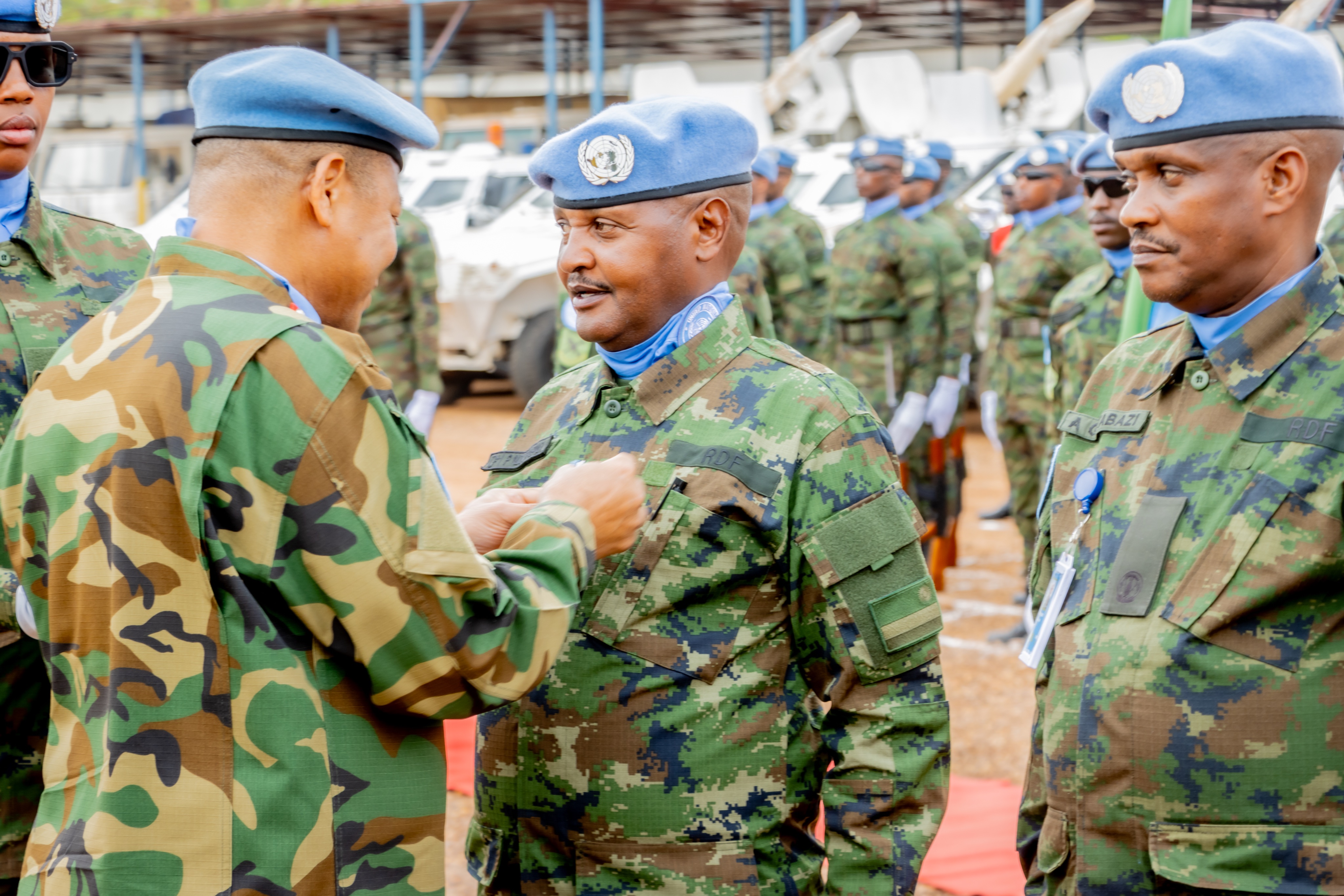
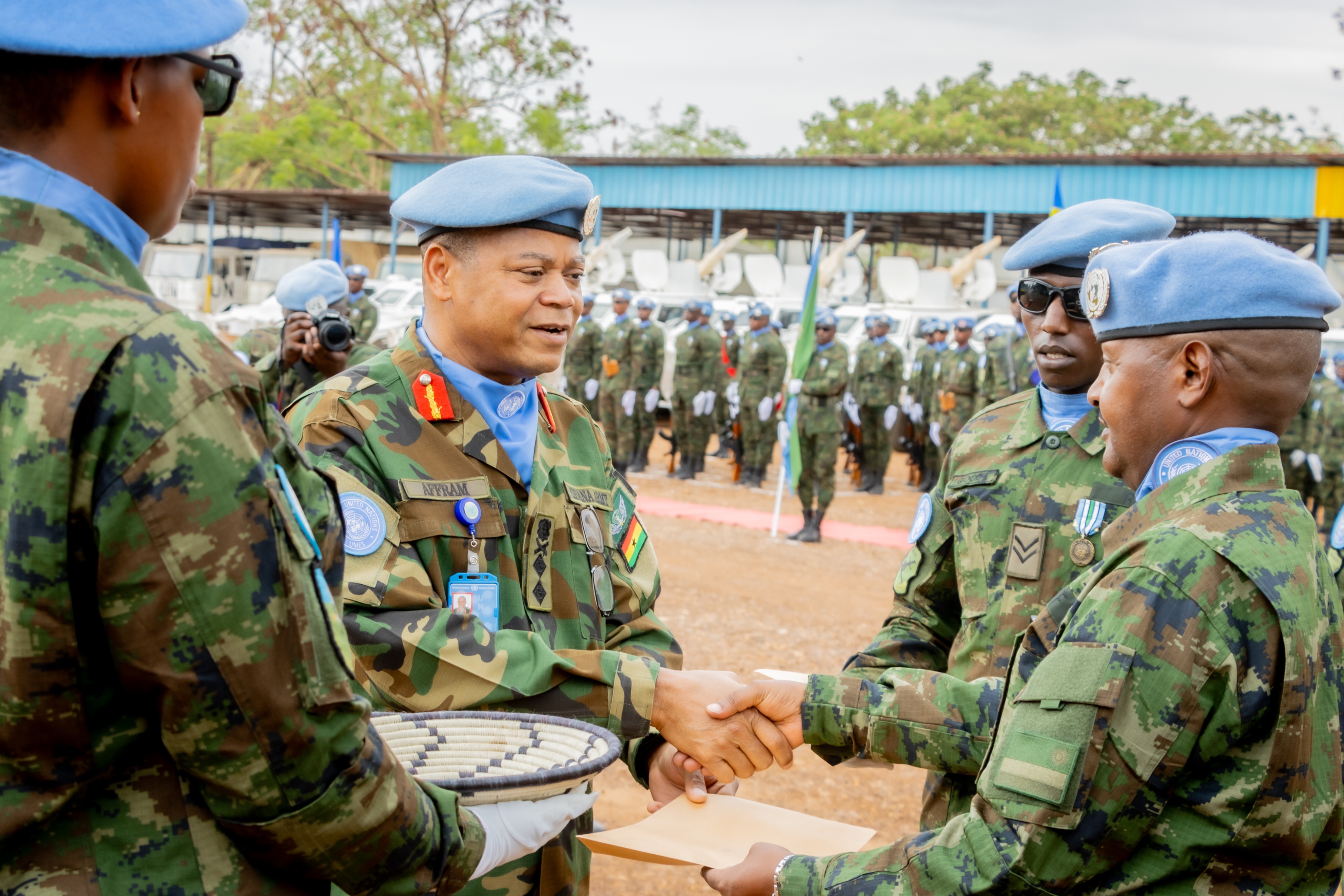
The Rwandan contingent, known as Rwanbatt-1, received the honours during a medal-pinning ceremony held at the UN Tomping Compound in Juba. The colourful event brought together military personnel and UN officials to celebrate the battalion’s dedication and service over the past ten months.
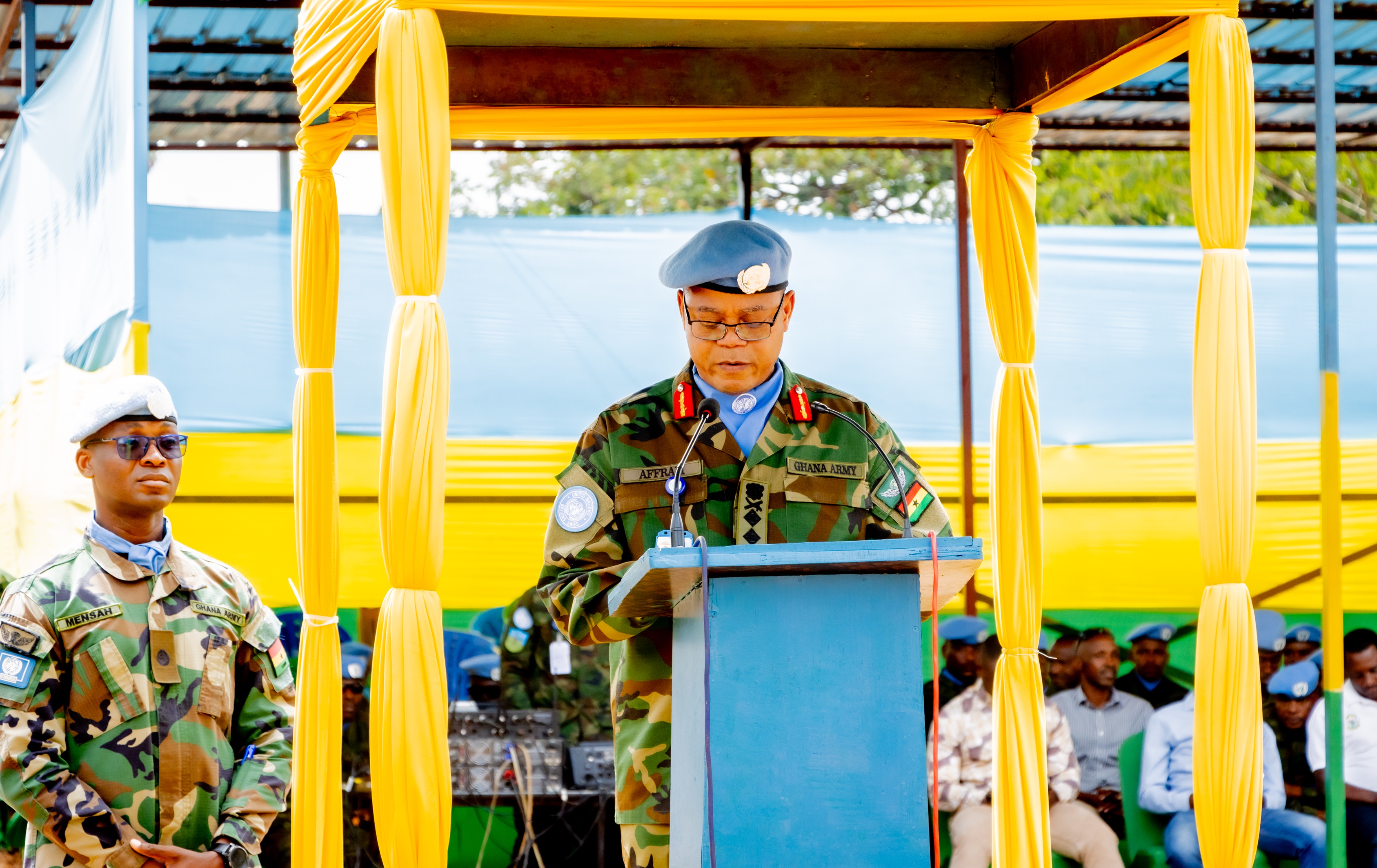
Presiding over the ceremony was Major General Robert Yaw Affram, Deputy Force Commander of UNMISS, who underscored the deep significance of the award. He described the United Nations Medal as a powerful symbol of professionalism, discipline, sacrifice, and steadfast commitment to peace.
The Rwandan contingent, known as Rwanbatt-1, received the honours during a medal-pinning ceremony held at the UN Tomping Compound in Juba.
“The United Nations Medal you have received today is a symbol of professionalism, discipline, sacrifice, and steadfast dedication to peace. It represents long days under challenging conditions, sleepless nights on operations, and the courage to stand firm in the face of uncertainty. It is earned, never given,” he said.
Major General Affram also conveyed appreciation to the Government of Rwanda and the Rwanda Defence Force for their continued support to UNMISS through the deployment of disciplined and capable troops.
Rwanbatt-1 Contingent Commander, Lieutenant Colonel Paul Ndushabandi, commended the men and women of the battalion for their resilience, courage, and selfless service throughout their deployment. He urged them to sustain their commitment during the remainder of their mission.
“I urge the Rwanbatt-1 to maintain this momentum for the remainder of the deployment. Today’s medal-pinning ceremony marks yet another significant milestone in our noble service to humanity,” he stated.
The colourful event brought together military personnel and UN officials to celebrate the battalion’s dedication and service over the past ten months.
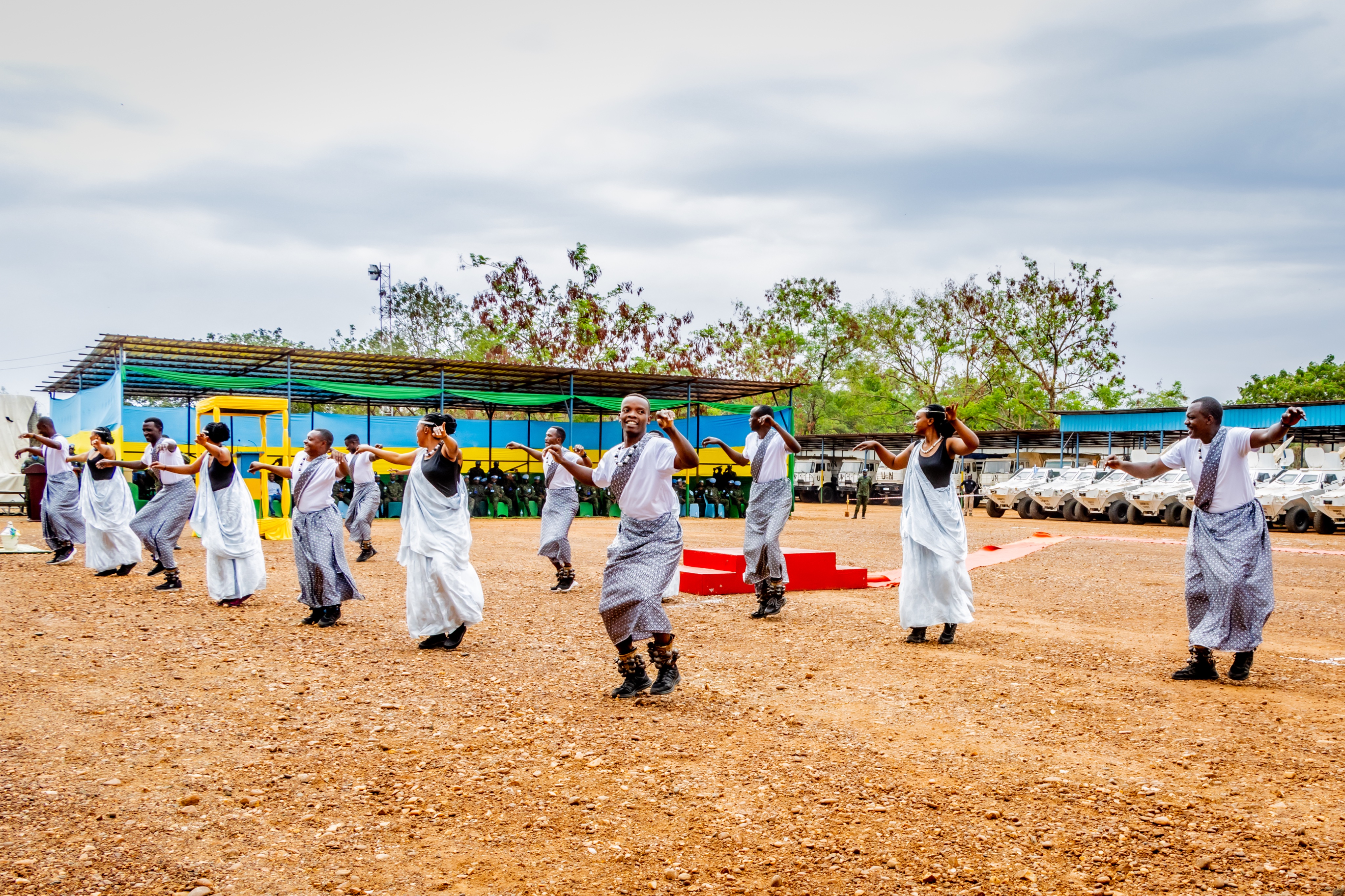
The ceremony featured a colourful military parade, during which the Rwanbatt-1 cultural troupe showcased both their discipline and Rwanda’s rich cultural heritage.
Rwanda is currently the second-largest contributor of uniformed personnel to UN peacekeeping operations after Nepal, with more than 5,000 military and police officers deployed across missions.
Presiding over the ceremony was Major General Robert Yaw Affram, Deputy Force Commander of UNMISS, who described the United Nations Medal as a powerful symbol of professionalism, discipline, sacrifice, and steadfast commitment to peace.Rwanbatt-1 cultural troupe showcased both their discipline and Rwanda’s rich cultural heritage.
But beyond the ward rounds and clinical consultations, another mission has been steadily unfolding, one that could reshape the future of medical research in Rwanda.
A question that changed everything
Like many young doctors, Dr. Munyaneza entered medicine driven by curiosity and a desire to serve. Science fascinated him. So did the power of evidence, how data and research could shape decisions, strengthen health systems, and influence national policy.
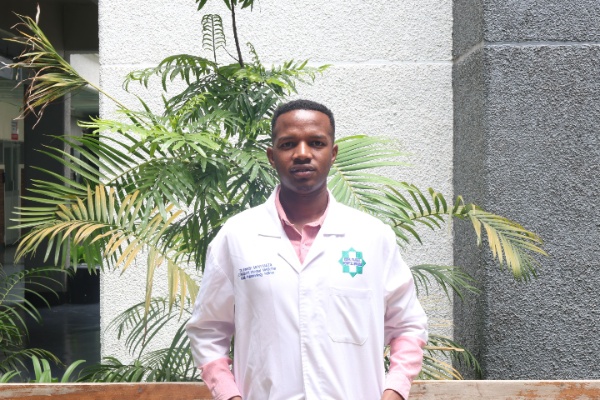
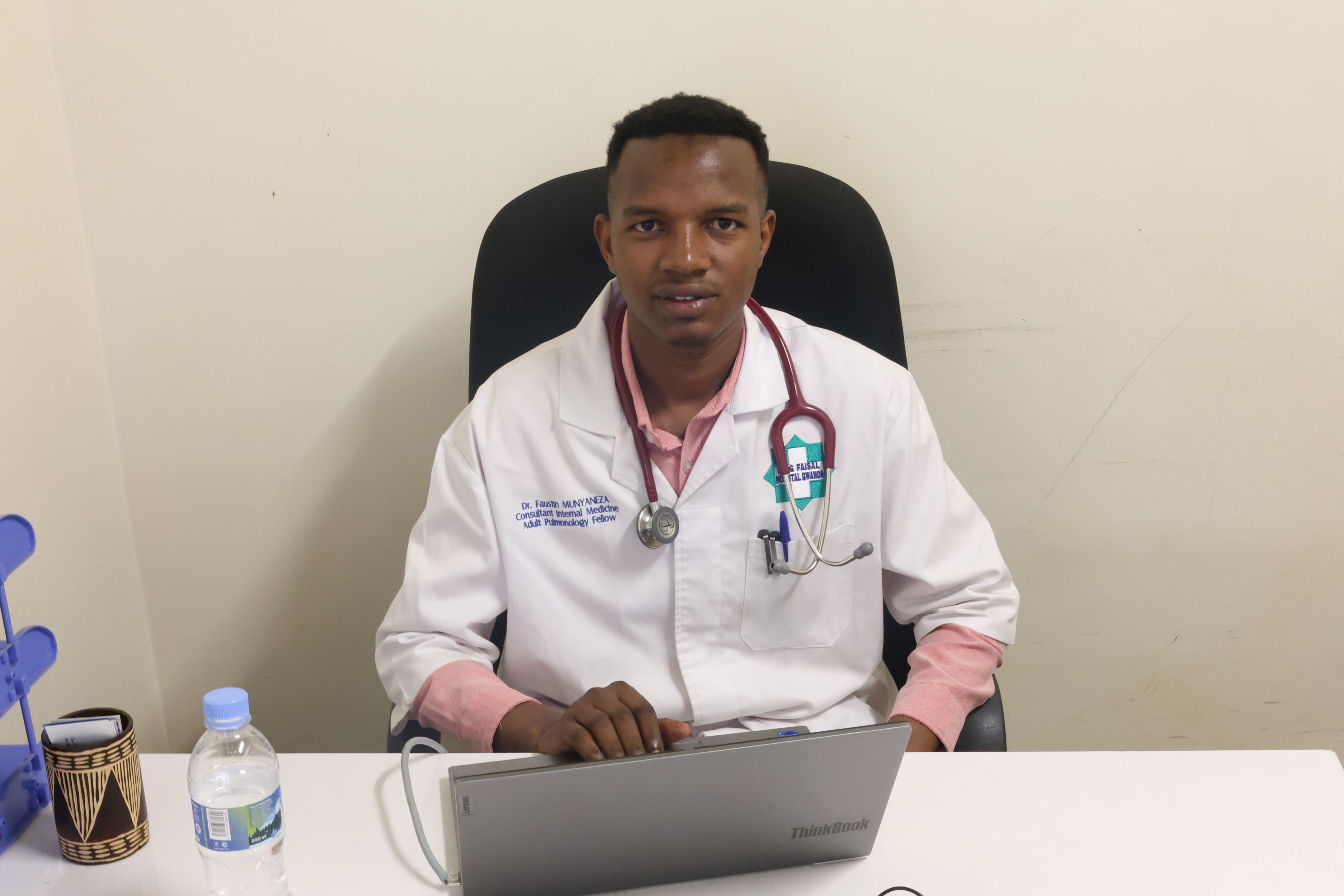
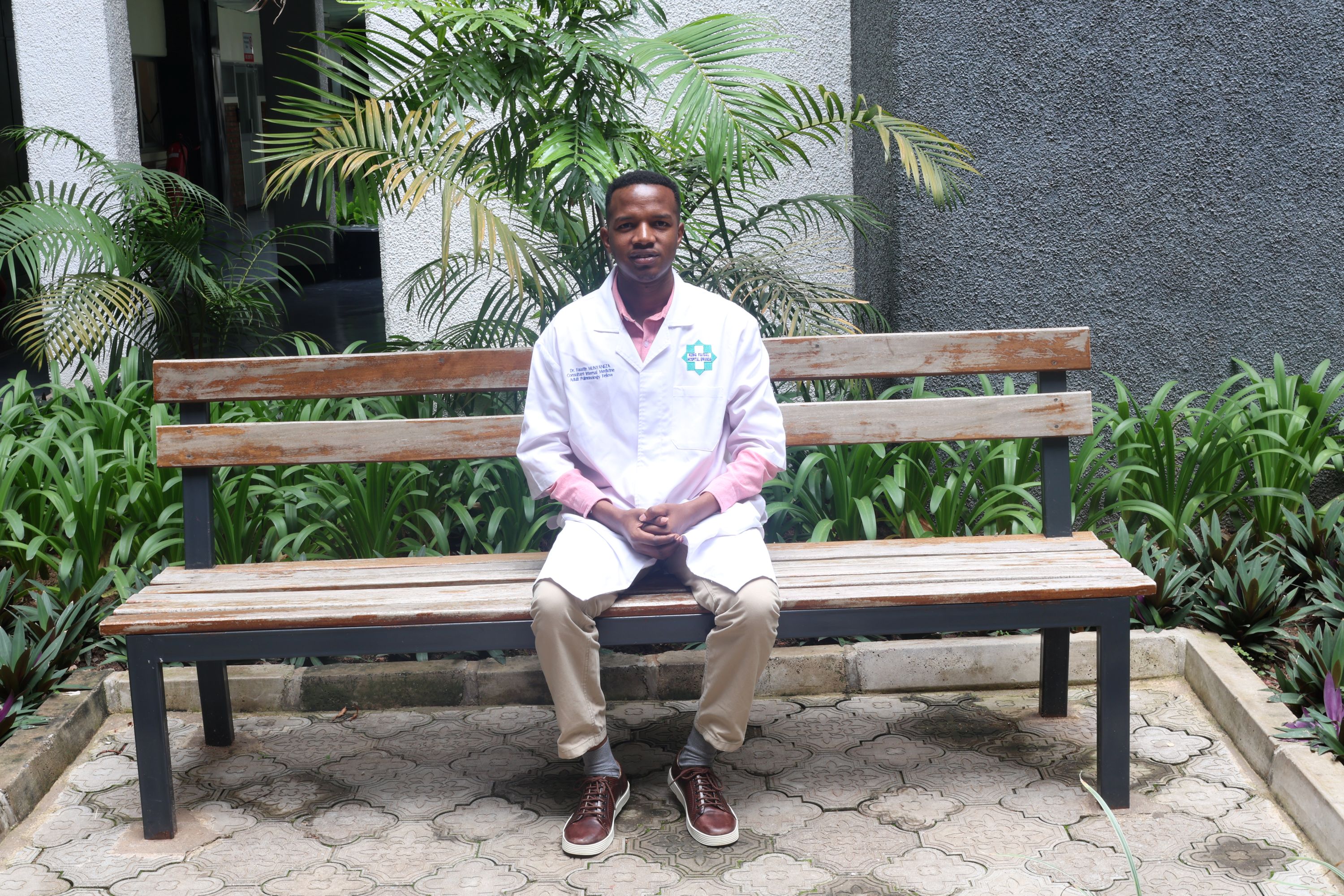
Dr. Faustin Munyaneza is an Internal Medicine Specialist and Pulmonology Fellow at King Faisal Hospital Kigali.
During his residency training at the University of Rwanda, he began to observe opportunities to further strengthen practical research mentorship for medical trainees.
Like any tertiary institution, research was a graduation requirement. Every resident had to complete a dissertation. As Dr. Munyaneza began shaping his own research topic, he sought guidance from senior colleagues, hoping to learn from their experience.
What he found was that many residents were navigating similar challenges themselves, balancing clinical duties while trying to translate research theory into practical project design, data analysis, and scientific writing. Some projects progressed more slowly than expected, occasionally extending training timelines. It became clear to him that the issue was not a lack of ability or dedication, but the need for more structured, hands-on mentorship throughout the research journey.
“We were taught research methodology once, mostly in theory, and then left to navigate complex projects largely on our own,” he explains.
Curious and concerned, he examined the university repository of medical Master’s theses dating back to 2014. Fewer than 10 percent had been published in peer-reviewed journals. In conversations and needs assessments with fellow residents, more than 85 percent cited lack of mentorship and practical research skills as major barriers.
Valuable local data was being generated, but rarely reaching the global scientific community.
Dr. Munyaneza founded NextGen MedResearch, an initiative designed to strengthen practical research mentorship for medical trainees.
Rather than accepting the gap, Dr. Munyaneza decided to build something to fill it.
He founded NextGen MedResearch, an initiative designed to strengthen practical research mentorship for medical trainees. Its flagship program, the Resident Research Space (RRS), offers structured, step-by-step guidance from the earliest stages of idea development all the way to journal submission.
Residents receive support in designing strong protocols, navigating ethical approvals, planning statistical analyses, interpreting their own data, and writing manuscripts that meet publication standards.
Importantly, the program does not replace academic supervisors. It complements them, reducing supervisory burden while strengthening residents’ independence and confidence.
The transformation, he says, has been striking.
“Residents who consistently participate show remarkable growth. They don’t just complete dissertations. They understand their data. They defend their methodology. They think like researchers.”
A shift in identity
Perhaps the most powerful change has been less technical and more personal.
Residents who once viewed research as an academic hurdle now see it as part of their professional identity. They begin to imagine futures that include academic medicine, doctoral training, conference presentations, and independent projects.
“They no longer see themselves only as clinicians,” Dr. Munyaneza notes. “They see themselves as contributors to knowledge.”
That shift matters. In a country like Rwanda, with its unique epidemiological patterns, environmental factors, and health system realities, relying solely on external data can limit effectiveness. Local research ensures that clinical guidelines and policies reflect lived realities.
For Dr. Munyaneza, strengthening research output is not about prestige. It is about patient care.
“Without strong local evidence, we make decisions based on assumptions that may not fully apply to our context,” he says. “Research improves outcomes.”
Collaboration and vision
The initiative has grown through collaboration. Partnerships with the University of Rwanda, teaching hospitals, and international collaborators like Oli Health Magazine Organization are expected to expand mentorship networks and create new opportunities for publication and conference engagement.
Rwanda’s policy environment, including its emphasis on innovation and evidence-based healthcare, provides fertile ground. Still, Dr. Munyaneza sees room for growth: protected research time for residents, stronger infrastructure, access to statistical tools and journals, and sustainable funding.
Looking ahead, he envisions expanding the Resident Research Space nationally, developing AI-powered mentorship tools, and launching a digital mentor–mentee matching platform to connect Rwandan trainees with experts across Africa and beyond.
“Africa does not lack talent,” he often says. “It lacks systems that nurture that talent.”
Ask him where he hopes Rwanda will stand in a decade, and his answer comes without hesitation.
He sees hospitals generating high-quality, clinician-led research. Residents graduating not only as competent specialists but as confident researchers. Local data shaping national health policy. Rwanda emerging as a continental hub for scientific innovation.
But if his journey proves anything, it is that systems can be built. Gaps can be addressed. And change often begins with one person who refuses to accept that things must remain as they are.