Dr. Jean Damascène Iyamuremye, Director of the Psychiatric Unit in the Mental Health Division at RBC, emphasizes that this surge is reflected in the growing number of cases being treated in hospitals throughout the country.
He underscores the direct correlation between the COVID-19 crisis and the escalation of suicide attempts.
A probe conducted by RBC in 2018 had previously revealed that 11.9% of Rwandans were grappling with severe depression, while 35% of survivors of the 1994 genocide against the Tutsis in Rwanda were also affected by this condition. Additionally, young people aged 14 to 18 exhibit symptoms of mental disorders at a rate of 10%.
The 2021 report from the World Health Organization (WHO) indicates that approximately 703,000 people worldwide take their own lives each year, a figure of particular concern among individuals suffering from depression or substance abuse disorders.
WHO predicts that by 2030, depression-related disorders will become the leading cause of death globally.
In response to this crisis, Rwanda is intensifying its intervention efforts. An ad-hoc assistance center valued at Rwf2 billion has been constructed in Gasabo, and a mental health program in schools was initiated in 2020.
Dr. Iyamuremye holds an optimistic view regarding the impact of these initiatives in reducing cases of depression and suicide attempts.
President Kagame has also given his consent to the retirement of five senior officers, 28 junior officers, and 60 other ranks. Additionally, six officers have been discharged on medical grounds, while seven have been granted retirement for various reasons. This information has been officially confirmed through a statement released by the RNP on September 27, 2023.
CG Emmanuel Gasana, one of the six commissioners granted retirement, served as the RNP Inspector General from October 19, 2009, until October 18, 2018, when he assumed the role of Governor of the Southern Province. Subsequently, he was appointed as the Governor of the Eastern Province, where he has been serving up to the present.
CP Emmanuel Butera, a retiree, previously held the position of Chief of Operations under the United Nations Mission in South Sudan (UNMISS). He also commanded the RNP’s Counterterrorism Training Centre, located in Mayange, Bugesera District.
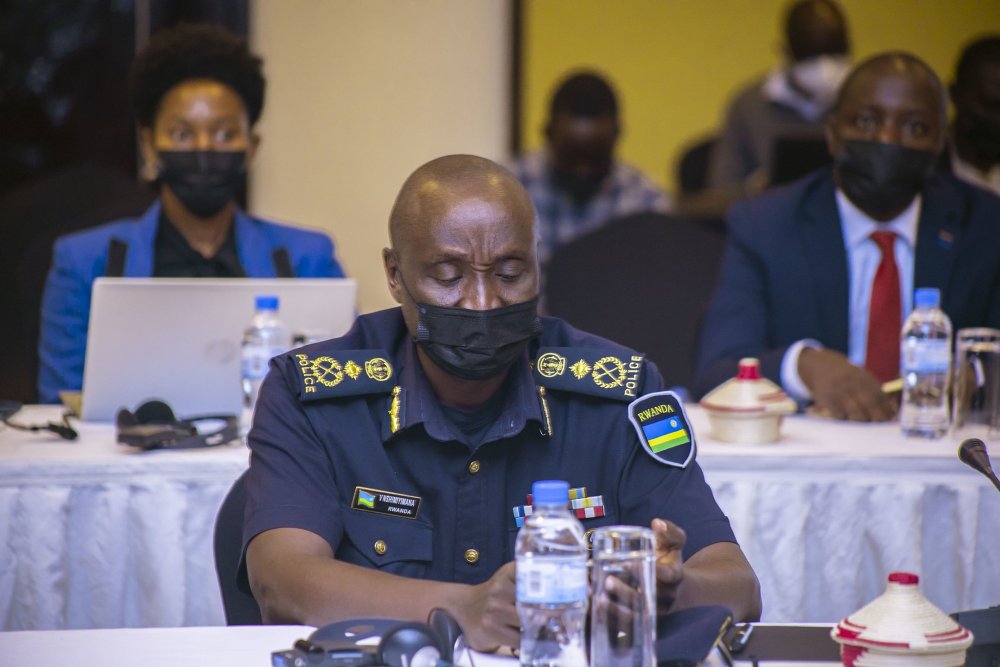
CP Vianney Nshimiyimana, another retiree, once served as the Commander of the Police Training School in Gishari.
CP Bruce Munyambo, who is also retiring, has had a distinguished career that included serving as the UNMISS Police Commissioner, as well as holding positions as the Commander of the Police Training School in Gishari and Commissioner in charge of operations.
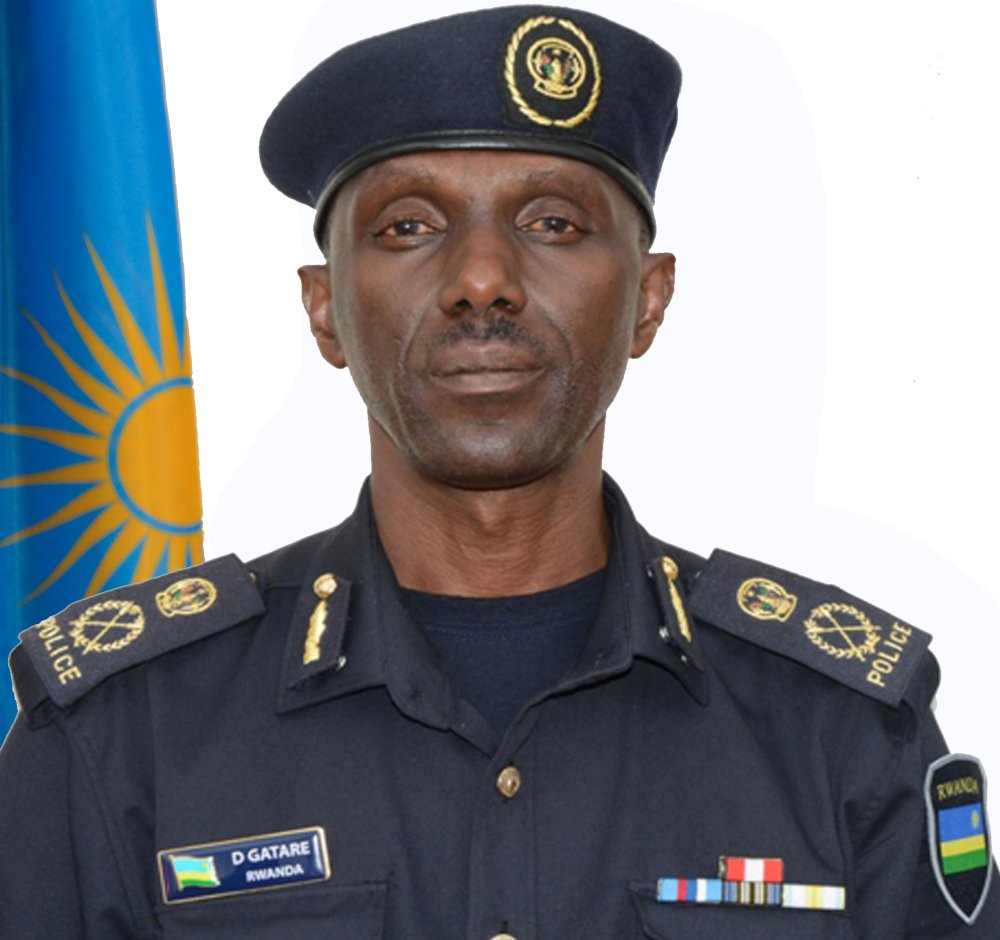
ACP Damas Gatare, among those granted retirement, served as the Spokesperson of the RNP and as Commissioner of Community Policing.
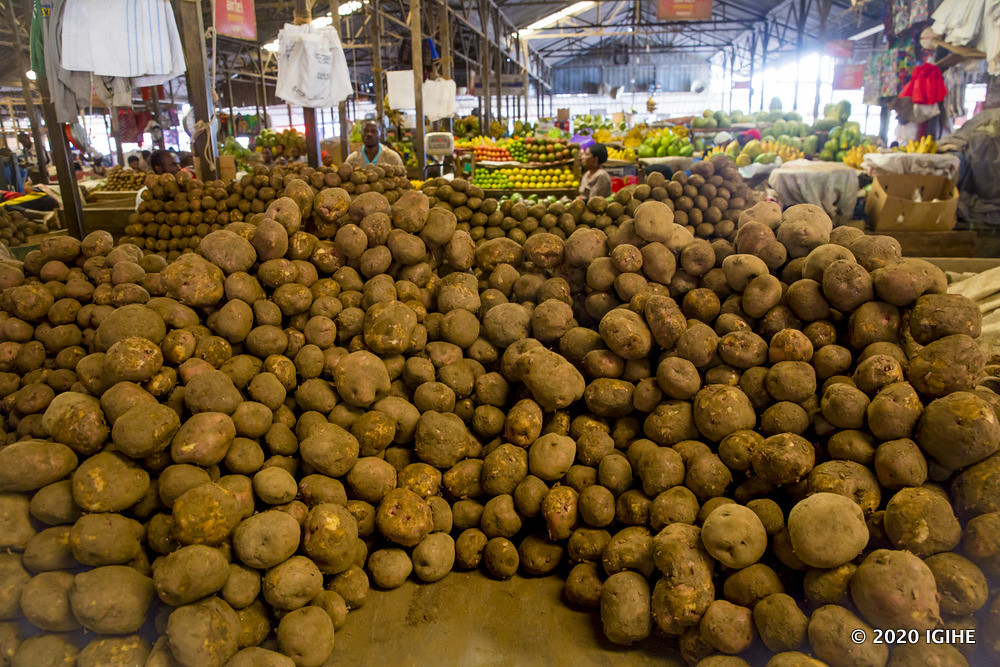
The cost of one kilogram of Gikungu variety potatoes has surged to an astounding Rwf2000, causing widespread disruptions in consumer patterns and raising concerns among the population.
Additionally, the price of Kinigi variety potatoes ranges from Rwf700 to Rwf800.
This price hike is unprecedented in Rwandan memory, prompting many to ponder the age-old adage, “time will tell.”
The surge in potato prices can be attributed to a delicate combination of climatic uncertainties and economic speculations. Historically, the northern and western regions of the country were known for their abundant potato production. However, the landscape has significantly transformed over time.
Apollinaire Karegeya, a respected farmer from the Musanze district, sheds light on the climatic dimension of the issue.
He points out that major climate disruptions, particularly in the Nyange and Kinigi areas, affected nearly 80% of the potato crops last May.
Flooding during that period wreaked havoc on these regions, exacerbating the potato shortage.
However, the challenges facing Rwanda’s potato market are not limited to climatic factors alone.
Testimonies gathered from local traders suggest that some of the potatoes sold in Kigali might be originating from Malawi, a country with which Rwanda has no direct trade agreements.
It has been reported that these products are being registered as Tanzanian before entering the Rwandan market through the Tunduma border post on the Tanzanian side.
Dr. Florence Uwamahoro, the Deputy Director General in charge of Agriculture Development at Rwanda Agriculture and Animal Resources Board (RAB), offers insights into another dimension of the problem.
She suggests that the current shortage is primarily a result of the choice of crop cycles. Dr. Uwamahoro remains optimistic about the future, emphasizing ongoing efforts to promote potato cultivation.
The Minister of Agriculture and Animal Resources (MINAGRI), Dr. Ildefonse Musafiri, has disclosed that Rwanda’s annual potato consumption exceeds one million tonnes, while local production falls short at 700,000 tonnes.
This glaring gap necessitates imports, despite Rwanda’s considerable agricultural potential.
The Minister of Trade and Industry, Dr. Jean Chrysostome Ngabitsinze, acknowledges the decline in local production and confirms that the majority of potato imports come from Uganda and Kenya.
However, he expresses skepticism regarding allegations involving Malawi.
Rwanda Inspectorate, Competition and Consumer Protection Authority (RICA) has initiated an investigation to clarify the current state of the market.
Mrs. Béatrice Uwumukiza, RICA Director General, has said that the institution is committed to safeguarding the interests of Rwandan consumers during this uncertain period.
In this tense context, individuals like James Mudaheranwa, an agronomist at Seed Potato Fund (SPF), see an opportunity.
SPF has around 23 branches in ten districts that grow potatoes to help farmers in need of seeds.
According to Mudaheranwa, SPF can store up to 15 tonnes per year but stressed the need for farmers to be also actively involved in the storage of potatoes for themselves as a backup.
SPF aims to stabilize the market by providing high-quality seeds.
Mudaheranwa is confident that, despite the challenges, increased cooperation among stakeholders in the sector can ensure adequate potato production to meet the country’s needs.
In a press conference convened on Sunday, following his return from an official visit to Cuba and the United States, President Ndayishimiye sought to reassure the citizens about the resilience of his administration. While in New York, he participated in the United Nations General Assembly session.
In the preceding week, reports had surfaced suggesting an alleged plot to overthrow the Burundian government. These rumors gained traction due to unverified accounts claiming that President Ndayishimiye had issued an order to Prime Minister Gervais Ndirakobuca to remove General Prime Niyongabo, the Chief of Defense Staff.
Moreover, additional reports indicated that the Prime Minister had purportedly resisted this directive, fueling speculations of potential discord within the government. It is important to note that the accuracy of these reports remains uncertain, yet they gave rise to concerns of a potential coup in the making.
In response, President Ndayishimiye firmly asserted that such rumors were propagated by individuals with malicious intent, aiming to tarnish Burundi’s international reputation.
“While we have faced similar challenges in the past, today our nation enjoys peace and stability. Rest assured, and continue your daily activities without any hindrance,” he stated.
Even before the President’s return, the Ministry of Security had attempted to allay concerns through social media, affirming that there was no imminent emergency situation to report.
Burundi has a history marked by several coup attempts, with nine recorded episodes to date, some successful while others were thwarted.
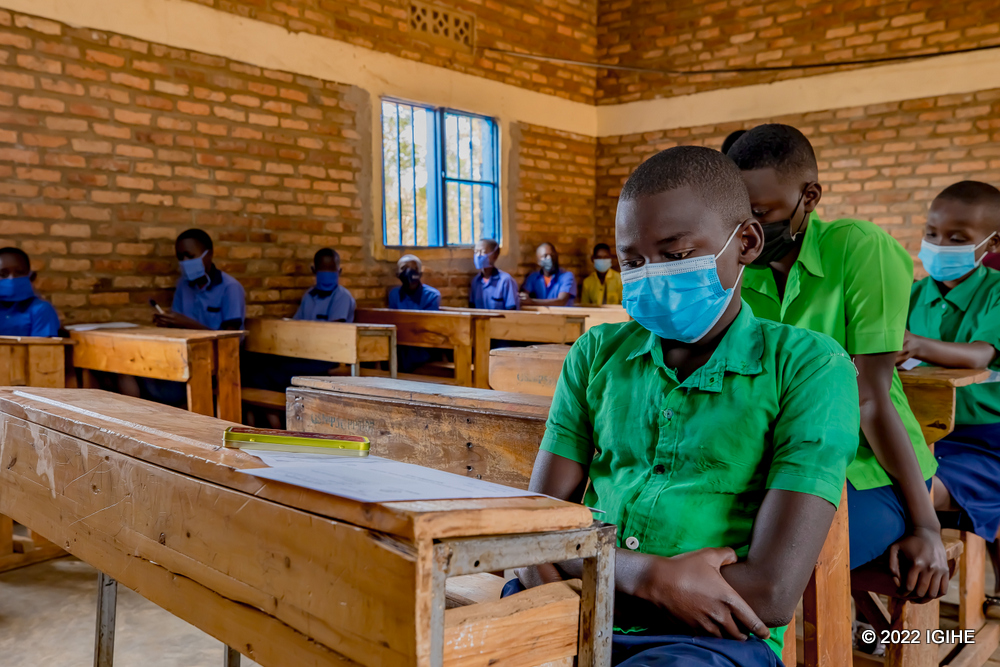
Maintaining high-quality education standards is a paramount concern in Rwanda, prompting regular inspections of both new and established schools. Schools that meet the necessary requirements are granted a license, typically valid for three years.
Key aspects considered during inspections include school infrastructure, such as a minimum of three classrooms for nursery schools and six classrooms for primary schools. Additionally, schools are required to possess adequate didactic materials to support both students and teachers in delivering a quality curriculum.
Vianney Augustine Kavutse, the Head of the Department for Basic Education and TVET Quality Assurance, emphasized that the welfare of learners is a primary focus during inspections.
Consequently, schools that fall short of these standards are temporarily suspended from offering education. Kavutse explained, “When we identify schools with significant deficiencies, we grant them one year to rectify these issues to enhance the quality of education. If a subsequent assessment confirms that the problems have been addressed, we may extend their license for two or three years.”
He further added, “In situations where alternatives would adversely affect children, such as the closure of schools with aging infrastructures, we prioritize the interests of the learners above all else.”
According to NESA data, out of the 85 nursery schools inspected from January to June 2022, only 65 were permitted to continue their operations, while 20 were denied licenses due to their failure to meet the necessary requirements. In addition to these, nine secondary schools that had applied for the introduction of advanced level science programs were also denied licenses for not meeting the stipulated standards.
Private schools faced challenges as well, with six of them being denied permission to place students who had passed national examinations, while 17 Technical and Vocational Education and Training (TVET) schools encountered similar issues.
Kavutse explained the process for schools grappling with such problems, stating, “Schools facing these challenges are restricted from enrolling new students and are given a year to make the necessary improvements. We cannot abruptly halt their operations; hence, we grant them a one-year grace period. During this time, we liaise with the district authorities to arrange alternatives for affected students or assist in resolving the issues.”
If schools successfully address these concerns, they are allowed to resume operations after the one-year grace period.
It’s worth noting that such issues are primarily reported among private schools and often lead teachers to seek employment opportunities in other institutions upon the suspension of their school’s operations.
NESA emphasizes the importance of timely planning for the establishment of new schools. Those intending to create schools must submit their license applications no later than May to allow sufficient time for inspections.
This enables authorities to determine whether the school can commence operations in the upcoming academic year.
Between June and September 2022, NESA conducted inspections on a total of 178 schools, including eight offering nursing courses, 40 TVET schools, and 138 primary schools.
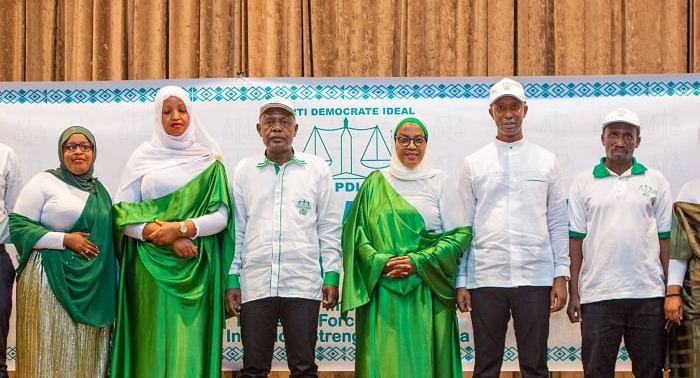
The decision to support President Kagame’s candidacy was reached after he confirmed his intention to participate in the upcoming presidential polls scheduled for the following year.
PDI expressed its gratitude to Paul Kagame, the President of the Republic of Rwanda, for accepting the call of Rwandans to continue their nation’s journey of rebuilding and to strengthen the gains in its development.
In a statement, PDI said, “After learning that President Kagame has agreed to run as a candidate in the 2024 elections, the party extends its heartfelt appreciation for his dedication to upholding Rwandans’ unity, safeguarding national sovereignty, and fostering the country’s development through consensual and inclusive democracy.”
The statement adds that the party’s endorsement of President Kagame aligns with a resolution made by its high council in Nyandungu, Kigali City, during preparations for the presidential elections in 2003. The resolution stated PDI’s commitment to support President Kagame whenever he is a candidate, ensuring the continuation of his leadership in the best interests of the nation.
It is noteworthy that PDI played a pivotal role in advocating for a constitutional amendment in 2015 to revise the article that previously restricted the head of state from seeking re-election.
President Kagame, who assumed office in 2000 and was first elected in 2003, is currently in his third term, set to conclude in 2024. The elections are scheduled for August of the same year.
In June of this year, the Parliament passed a constitutional amendment allowing Rwanda to conduct both presidential and parliamentary elections concurrently.
This harmonized approach is estimated to yield substantial cost savings, with the National Electoral Commission estimating up to Rwf 6 billion in savings.
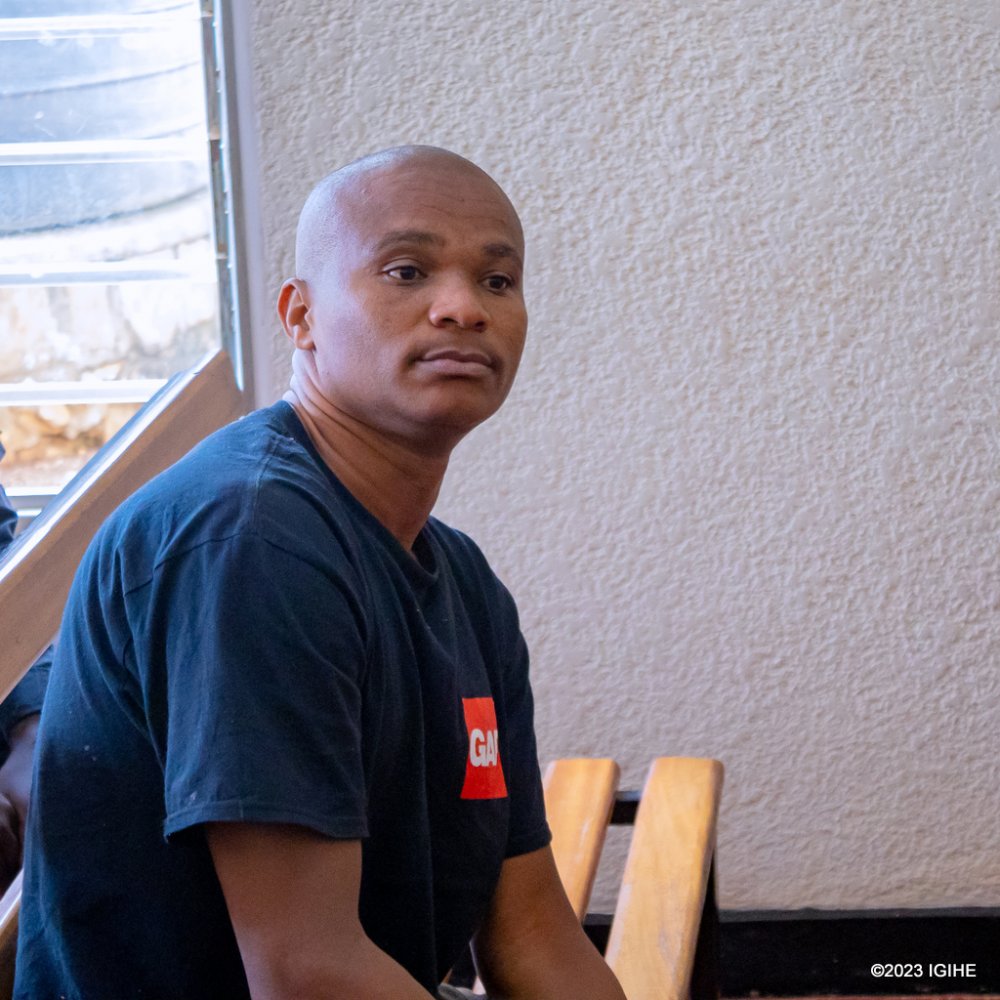
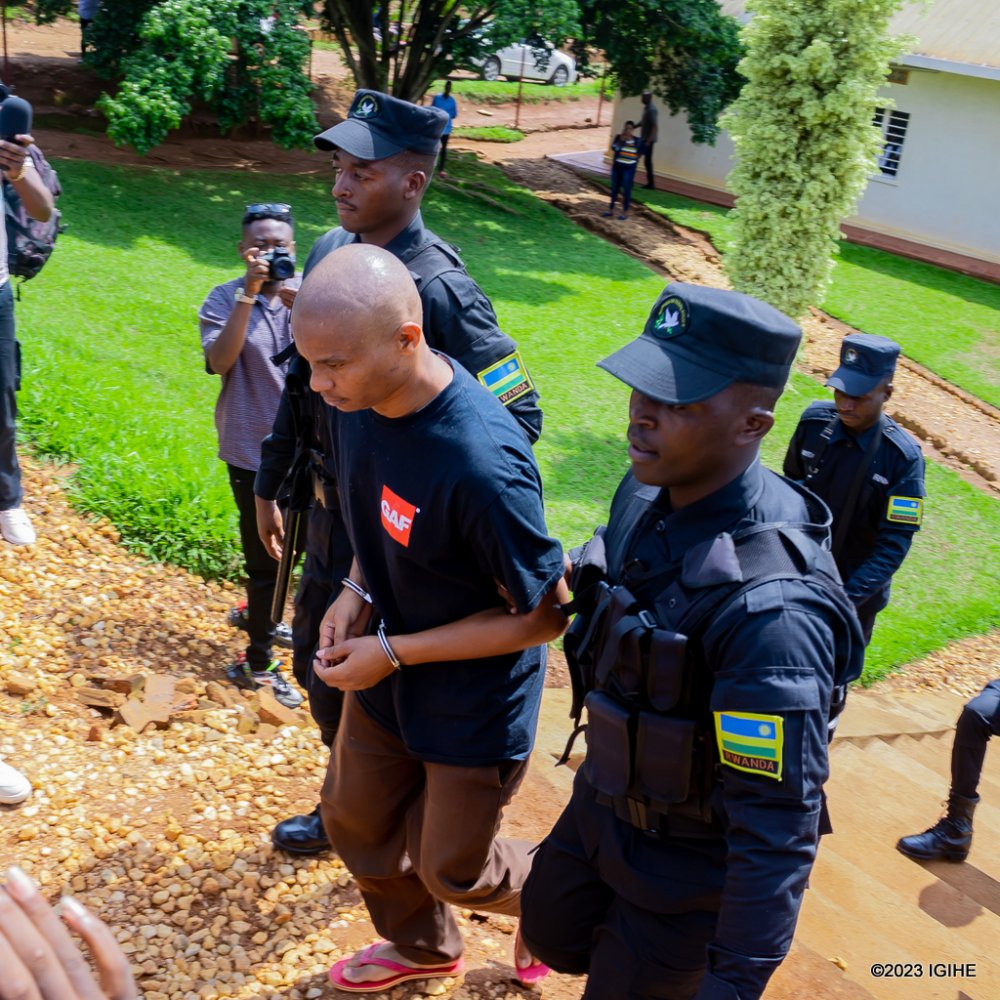
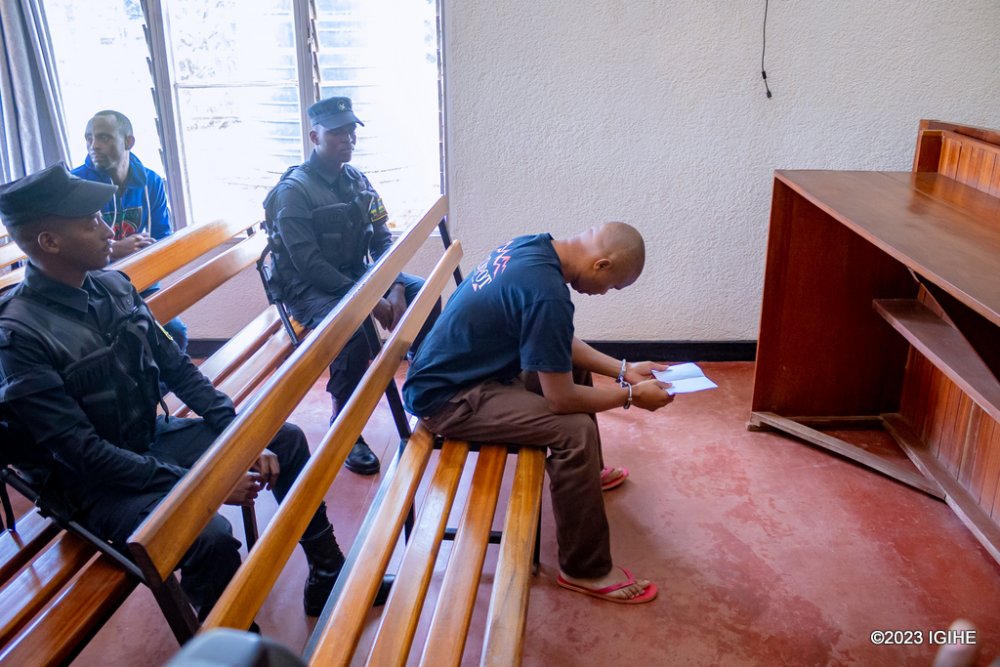
Kazungu who appeared before court on Thursday 21st September 2023, for bail or remand hearing without defence lawyer demanded judges to proceed with the hearing ‘in camera’ citing reason of having committed serious crimes which he didn’t want to be aired in the media.
“I have committed serious crimes that I plan to confess but would not like to be announced through the media nor be a leading guidance to my fellow criminals on the way to do it.
Reasons being, I request to be tried in camera is that I myself accepted the alleged crimes and intend to share the whole truth.”
When asked to comment on the request, the prosecution rejected it citing lack of convincing reasons.
The judge ruled that the hearing be held in public. Kazungu is facing charges including manslaughter, rape,use of threats , hiding of human body and mutilation.
He is also being charged with armed robbery, forgery, and cyber crimes.
During preliminary investigation, it was established that Kazungu kept 12 bodies of the victims in a pit and the remaining two are still under investigation to know their whereabouts.
On the other hand, during the interrogation, Kazungu admitted to have killed 14 individuals including 13 women and 1 man.
The prosecution has accused Kazungu of having brought 14 individuals he killed from different places including Remera, Kimironk,Kabuga, Masaka and Rusororo to his residence in Busanza, a suburb in Kanombe Sector of Kicukiro District where he allegedly killed them.
They claimed that after luring victims to his residence, he would immobilize them, tie their hands and feet, use threatening words and then torture them with objects such hammer, a pair of scissors and a pen.
The prosecution showed that prior to killing these people, Kazungu had extorted money and valuables from them, and he had also forced them to provide their bank account numbers to transfer money to his accounts and phones.
It was also determined that a few of the victims that Kazungu killed were forced to write papers that they had sold their houses and land plots to him before being killed and dumped in a pit in his kitchen.
The prosecution told the court that during interrogation, Kazungu said he did not recall the names of all the people he killed apart from 4 identified as Eliane, Mbabazi, Clementine, Francoise and Eric Turatsinze who he started using as his identity after killing him.
This man confessed on raping only one woman who later escaped and was rescued by the neighbours. The woman in question testified to the persecution that she was indeed raped.
He had tricked her on a phone call pretending to be someone she already knew. After being lured into his house, he started threatening her with death.
The court was informed that other individuals apprehended with Kazungu included a woman known as ‘Code20’ and another known as ‘Code33,’ both of whom revealed that Kazungu had forced them to withdraw money.
When asked the reasons behind his merciless killing and burying them, Kazungu claimed they had transmitted HIV intentionally.
Considering the charges, the prosecution requested a 30-day remand for Kazungu, as it was deemed necessary to protect society from his criminal activities.
When asked his thoughts on the prosecution’s request for the remand, Kazungu told the court that ‘the guard is yours to keep or have it pass through your fingers’.
“Rising inflation has been putting pressure on the Global economy as we know, just as we rebuild from the pandemic. The result has been a tightening of monetary policy disproportionately impacting low and middle income countries.
Now is the time to come together to make the international financial system fit for purpose,” he stressed.
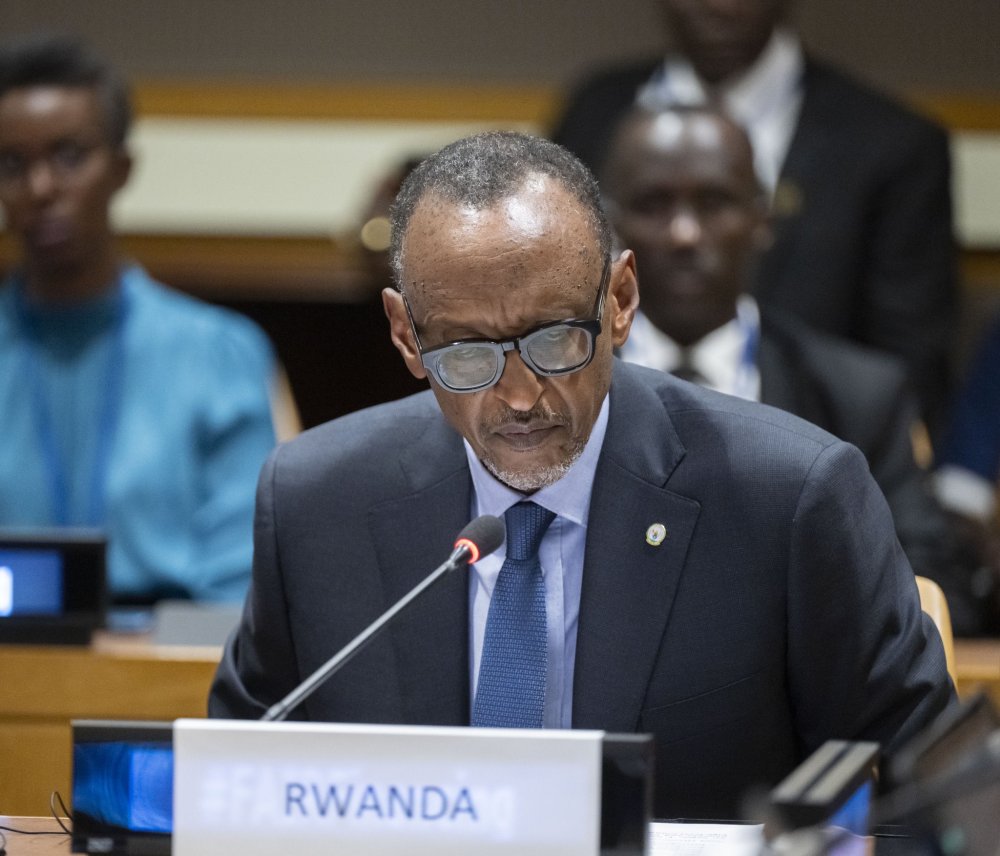
Kagame made the remarks during the High-Level Roundtable on International Financial Architecture on 19th, September, 2023, adding that it is a matter of real substance for Africa’s future, not a competition for geo-political influence which has been going on.
“We simply need fiscal space to finance our development and protect ourselves against climate and health shocks,” he explained.
Kagame further shared four examples on how ‘things can be done differently and better moving forward’.
Essentially, “we must accelerate the debt management process through the G20 common framework”.
Additionally, he encouraged rich countries to honour the commitment to allocate part of their special drawing rights to low income and developing countries on a need basis and not wealth.
Similarly, “international financial institutions need to significantly simplify and speed up the process of approving loan disbursements to enable private investments and financing as means of bridging the financing gap from multilateral banks,” he explained.
Ultimately, Kagame urged collaboration in addressing the ‘unfair’ payment of high risk premiums for developing countries which he termed as “extra costs that come on top of the ‘already high’ interest rates.”
Highlighting that the given examples are not forms of charity, Kagame applauded the efforts already in place that Rwanda has benefited from.
“Fortunately, the political will to change seems to be slowly emerging and we hope this trend gives us faster results. The bridgetown initiative and the Paris summit for a new Global financial pact are important examples.
Another important example is the IMF’s resilience and sustainability trust which happily Rwanda was among the first to benefit from,” he remarked.
The International Financial Architecture was crafted in 1945 after the Second World War designed by and for the industrialised countries of the post war period.
According to the United Nations (UN) Secretary-General, it is ‘failing the test’ as “halfway to the 2030 deadline, the Sustainable Development Goals (SDGs) are drifting further away by the day.
In May, the Secretary-General published a policy brief: Our Common Agenda (OCA) outlining recommendations on reforming the international financial and tax architecture.
To achieve this, the policy brief offers recommendations in six areas ; to reform and strengthen global economic governance, deliver debt relief and lower the cost of sovereign borrowing, scale up international public development and climate financing, strengthen the global financial safety net and provide liquidity to countries in need, reset the rules for the financial system, and to redesign the global tax architecture for equitable and inclusive sustainable development.
Belgium’s request to replace Ambassador Karega emerged after Rwanda had awaited his approval for long, according to Kagame.
While Rwanda respects Belgium’s right to reject a proposed ambassador, Kagame emphasized the importance of receiving clear explanations in such situations. He pointed out that Belgian officials provided unconvincing reasons for their decision.
The Rwandan President also revealed that it later became apparent that Belgium’s decision was influenced by the Democratic Republic of Congo (DRC) and not other undisclosed reasons.
Kagame connected this decision to the expulsion of Ambassador Karega by the DRC, stressing that it had nothing to do with Ambassador Karega’s character, as he was representing national interests during a period of tension between Rwanda and its neighboring country.
Kagame firmly stated that Rwanda would not replace Ambassador Karega with another ambassador in light of these circumstances.
Ambassador Karega left the DRC within 48 hours after being ordered to do so on December 31, 2022, but chose to depart before the deadline, exiting through Congo Brazzaville. On the same day, the DRC recalled its Chargé d’Affaires in Rwanda, Alice Kimpembe Bamba.
Belgium did not publicly announce the reasons for rejecting Ambassador Karega’s appointment.
The decision was leaked by Jambo News, an outlet associated with Jambo ASBL, a group consisting of children born to extremist Rwandan exiles accused of involvement in the 1994 Genocide against the Tutsi. This leak sparked criticism on social media, with some users questioning whether Jambo News had become a communication channel for Belgium’s Ministry of Foreign Affairs.
Belgium’s rejection of Ambassador Karega’s appointment marked another setback in the bilateral relationship between Rwanda and Belgium. This came after a previous misunderstanding in September 2021 regarding the case of Paul Rusesabagina, who was convicted of terrorism.
Rwanda had canceled a scheduled bilateral meeting with Belgium at the ministerial level during the United Nations General Assembly in New York in response to criticism from Sophie Wilmes, the Deputy Prime Minister and Minister of Foreign Affairs of Belgium, regarding Rusesabagina’s 25-year jail term.
Wilmes had expressed concerns about Rusesabagina’s trial, citing perceived flaws in the right to defense and the presumption of innocence. In response, the Rwandan Government accused Belgium of showing contempt toward Rwanda’s judicial system during the trial and highlighted the significant contribution of relevant Belgian institutions to the investigation. Rwanda emphasized that the victims of FLN’s terrorist acts deserved justice as much as Rusesabagina and his co-defendants, leading to the cancellation of the ministerial-level talks.
Rusesabagina was subsequently released on presidential clemency this year.
Following the rejection of Ambassador Karega’s appointment, Yolande Makolo, the government spokesperson, expressed regret over the decision and its potential negative implications for the bilateral relations between Rwanda and Belgium.
She criticized the Belgian government for appearing to capitulate to pressure from the DRC government and propaganda from negationist organizations and activists, through whom they chose to leak the decision.
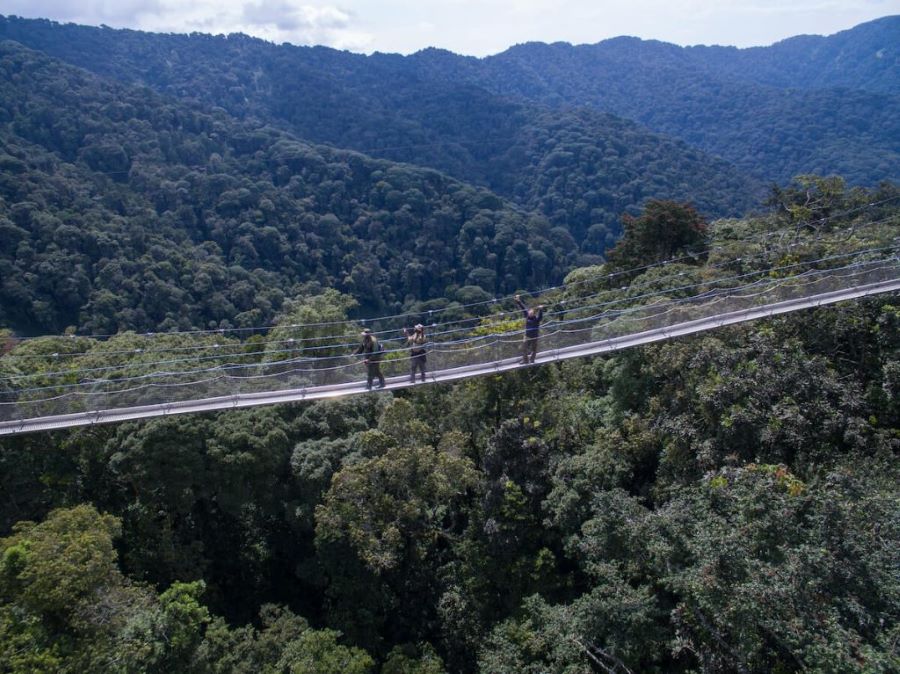
The inscription of Nyungwe National Park serves as a vital step in ensuring its long-term conservation, preserving its natural heritage for future generations, and promoting sustainable development for neighbouring communities.
Established as a natural reserve in 1933, the forest became a national park in 2005 in a bid by the government to bolster its protection and safeguard the thousands of endangered and endemic species it harbours.
Covering an expanse of 101,900 hectares, Nyungwe National Park stands as the largest block of natural forest in the region. Boasting remarkable biodiversity, it is home to over a dozen species of primates, 322 bird species, 200 identified orchids, and nearly 300 butterfly species, including several endemic to the park.
The management of the park falls under the hands of the African Parks Network, a non-governmental organisation specialising in conservation, in partnership with the Rwandan Government.
Speaking after the inscription, Dr. Jean Damascene Bizimana, Minister of National Unity and Civic Engagement who was representing the Government of Rwanda, welcomed the development highlighting that it is not only a contribution to the preservation of Rwanda’s natural heritage, but also of particular significance to the Rwandan people, ‘for whom it is the first site inscribed on this universal list’.
The inscription of Nyungwe National Park into the UNESCO World Heritage list follows the inclusion of Gishwati-Mukura National Park in the World Network of Biosphere Reserves in 2020.
This recognition builds upon the long-established presence of the Volcanoes Biosphere Reserve in northwest Rwanda, which has been a part of the network since 1983.
Together, these designations underscore Rwanda’s commitment to conserving its natural heritage and contributing to global conservation efforts.