Rwanda, renowned for its top-tier coffee, has already carved its place in the global market. Since 2017, Rwandan coffee has consistently outshone coffee produced by other countries such as Brazil, Colombia, and Ethiopia. In the 2021/2022 fiscal year, Rwanda exported an impressive 15 million kilograms of coffee, resulting in revenues that surpassed $75 million.
Kibirizi coffee enjoys a distinctive reputation in international markets, thanks to the unwavering dedication and rigorous training imparted to the coffee growers responsible for its cultivation.
These farmers receive comprehensive training to fine-tune their farming practices, ensuring a flavor profile that is second to none.
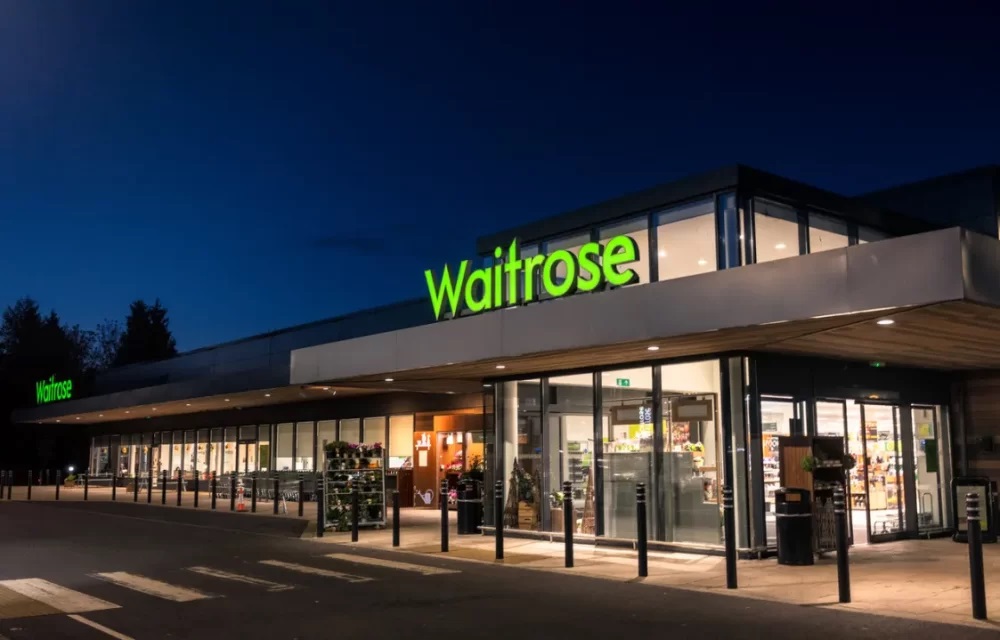
Johnson Busingye, Rwanda’s High Commissioner to the United Kingdom, expressed his pride in this remarkable achievement, sharing on X account, formerly Twitter “Starting from October 15, 2023, Kibirizi Coffee Factory’s coffee is available in all Waitrose stores, one of the largest and most respected retailers in the UK.”
Behind this story of success lies the dedication of 1,130 committed farmers, each tending to coffee plantations covering less than one hectare of land, supplying the Kibirizi factory.
Paul Turton, the CEO of Pact Coffee, highlights the outstanding nature of Kibirizi coffee, emphasizing that it goes beyond being just a charitable initiative. He underscores that these small-scale coffee farms produce exceptional quality and flavor that distinctly distinguishes it in the English market.
Turton also goes on to explain that the fair pricing of this coffee will directly lead to an enhancement in the living standards of Rwandan farmers. He expresses his enthusiasm for the approach adopted by Waitrose, recognizing coffee as a powerful tool for economic transformation in Rwanda.
For British consumers, the flagship varieties, Bourbon Cream Espresso and Fruit & Nut Espresso, will be available in 200-gram packages, priced at £6.95, equivalent to over 10,000 Rwandan francs.
The BRI has become a pivotal platform, connecting nations and building a shared future. With 151 countries, representing almost 75% of the world’s population and over half of the global GDP, joining the BRI as of January 2023, its potential for global economic growth is nothing short of extraordinary.
Experts project that by 2040, the BRI could increase the world GDP by a staggering $7.1 trillion annually, benefiting world trade by overcoming the frictions caused by inadequate infrastructure.
Over 50 African countries have joined the BRI, embracing the rewards of improved infrastructure, reduced unemployment, and expanded trade opportunities.
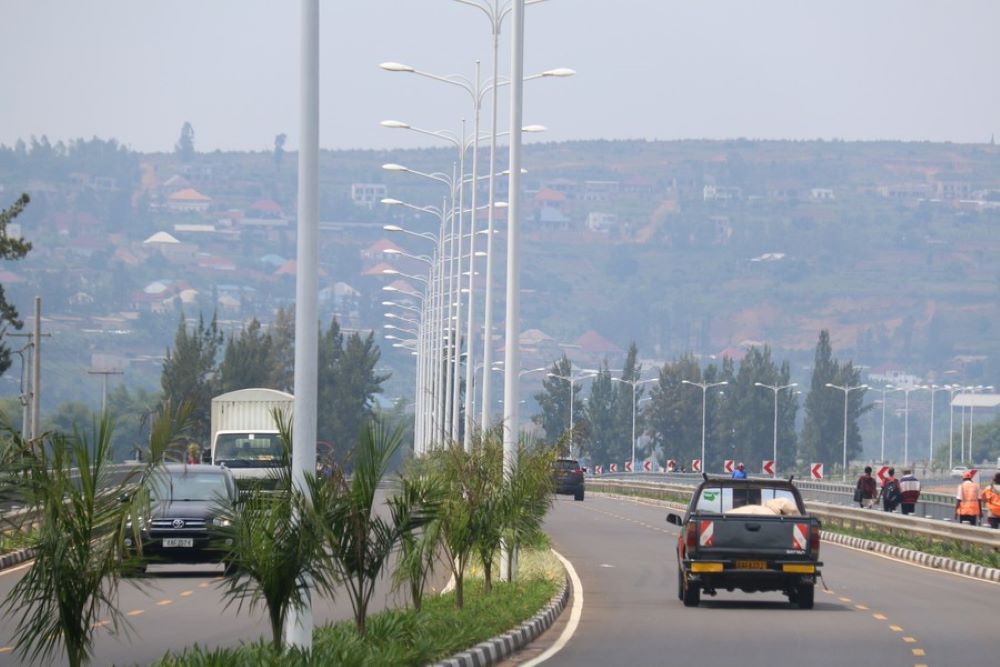
Driven by the BRI, Chinese companies have undertaken awe-inspiring infrastructure projects in Africa. Over the past 23 years, they have constructed or upgraded more than 10,000 kilometers of railways, nearly 100,000 kilometers of roads, approximately 1,000 bridges, and 100 ports.
These transformative projects have not only enhanced trade, but they have also created over 4.5 million jobs, breathing new life into African communities.
Through the BRI, China and Africa share their development experiences. Successful projects in different corners of Africa exemplify the positive outcomes of this collaboration. Lives have been transformed, incomes have grown, and prosperity has flourished.
Noteworthy Belt and Road projects in Africa include the development of El Hamdania Central Port in Algeria, the continent’s second deep-water port. The Export-Import Bank of China has played a crucial role by lending approximately US$1 billion to Djibouti, funding almost 40 percent of its substantial infrastructure and investment projects.
The Belt and Road initiative has brought significant advancements, bridging Ethiopia and Djibouti through the Addis Ababa–Djibouti Railway and Ethiopia-Djibouti Water Pipeline. Furthermore, Djibouti has witnessed numerous infrastructure developments, including a military base and ships deployed from China’s South Sea Fleet.
In Egypt, the Belt and Road has introduced various projects, such as a Chinese industrial zone in the Gulf of Suez, an electric train system for the new capital, and investments in the Western Sahara. Kenya experienced a transformative moment when Premier Li Keqiang signed a cooperation agreement in May 2014 to construct the Mombasa–Nairobi Standard Gauge Railway, Kenya’s most significant infrastructure project since independence, costing US$3.2 billion.
Among others, Nigeria witnessed commercial operation of the Abuja-Kaduna railway line in July 2016, constructed by China Civil Engineering Construction Company (CCECC), representing one of Nigeria’s first standard gauge railroad railway modernization projects.
Sudan received China’s assistance in establishing its oil industry and providing agricultural support for the cotton industry. In Tanzania, a momentous $2.2-billion contract was signed with a Chinese company in December 2022, aiming to build a railway line connecting the Indian Ocean port of Dar es Salaam to Mwanza on Lake Victoria, with future links to Burundi, Democratic Republic of Congo (DRC), Rwanda, and Uganda.
Chinese companies have contributed to Uganda’s development by financing two major hydroelectricity projects – the Karuma Hydropower Project and Isimba Hydroelectric Power Station, with loans from the Export-Import Bank of China covering approximately 85 percent of the funding, while the government of Uganda provided the remaining 15 percent.
Rwanda has also experienced significant transformation due to Chinese investments, particularly in infrastructure facilities. Projects like the Integrated Polytechnic Regional College (IPRC) Musanze, Masaka District Hospital, and road upgrades, including the 13km Bugesera Airport highway and flyover in Kicukiro district, have contributed to Rwanda’s economic and social development.
The Belt and Road Initiative continues to drive remarkable progress in Africa, forging strong ties between China and African nations, while fostering economic growth and cooperation across the continent.
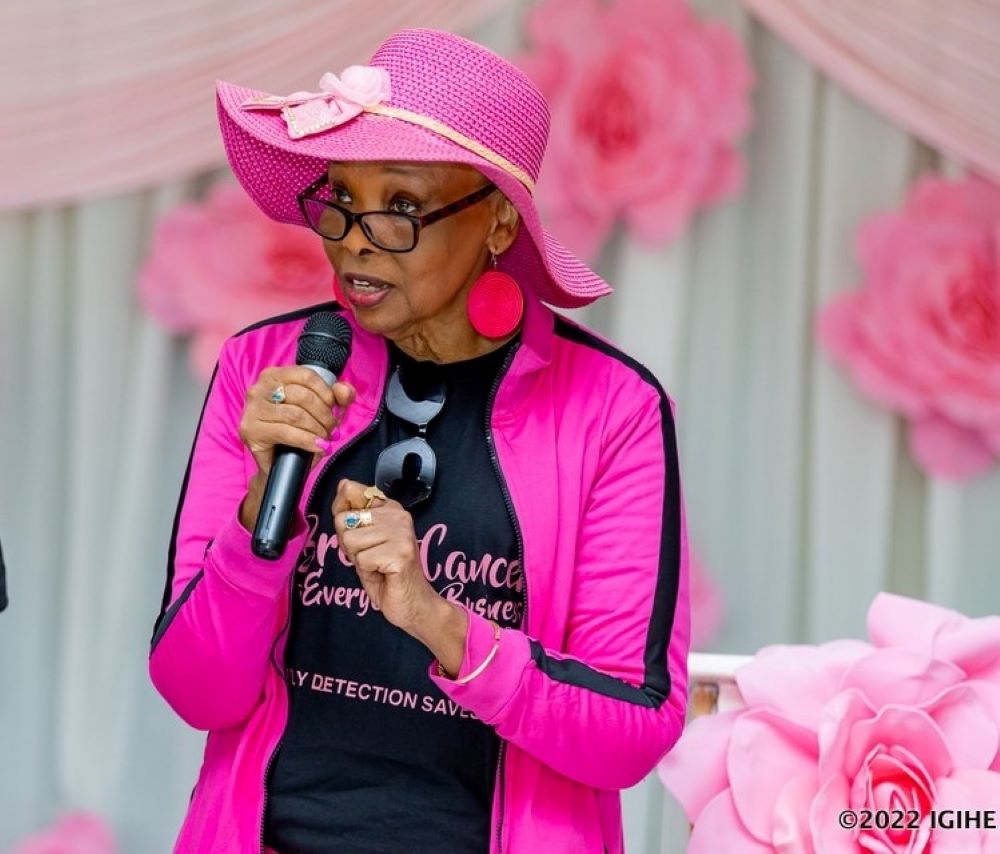
“Today is a beautiful day,” Philippa beams, in an exclusive interview with IGIHE ,the indomitable gratitude emanating from her every word. Her vivacity is contagious, as she opens up about her passion and life’s mission. “This is the Pink Wellness House, our haven for patients, survivors, and anyone seeking knowledge about breast cancer. It’s my heart’s project, my way of honoring my sister’s memory.”
She holds up a pink ribbon, a symbol universally recognized as a sign of solidarity in the fight against breast cancer. For Philippa, it carries profound personal significance. “Breast cancer entered our lives through my sister, who, tragically, didn’t survive,” she reflects. “But after her loss, I became a Pink Lady – a grandma pink, Nana pink, and Auntie pink – you name it.”
The story Philippa shares is heartrending. The circumstances of transporting her sister’s body from England to Rwombashi, Congo, encapsulate the emotional turmoil she faced. She couldn’t explain the magnitude of the impact, but she knew it was profound. Her resolve to tackle breast cancer head-on was ignited.
Surviving breast cancer, Philippa realized her privilege lay in her awareness. The knowledge of the disease, its symptoms, risk factors, treatments, and options were her lifeline, something her sister never had the opportunity to grasp. It was a privilege shared by countless women in high-income countries but denied to those in Rwanda, Uganda, and other parts of Africa. The question became her life’s mission: Does your location determine your fate in the face of breast cancer?
A seasoned educator, Philippa decided to turn herself into a walking poster. She donned pink wherever she went, a visual cue for anyone curious about the pink lady. This served as a conversation starter, a chance to inform and educate people about breast cancer. She became a pink ambassador, her story a beacon of hope.
In 2007, Philippa ventured to Rwanda to assess the state of breast cancer awareness and treatment. The shock of discovering the absence of oncologists and proper cancer services compelled her to take action. She met 27 women who had undergone mastectomies, their breasts taken from them. One woman’s breast had been erroneously removed, leaving her with the sick one and once Philippa approached her . Her resolute declaration, “I can’t die as a Rwandan woman without a breast,” was the catalyst for Philippa’s return.
Stigma, silence, and shame were rampant. Philippa realized that awareness was the key to early detection, the key to survival. She and BCIEA took on the role of educators, dispelling myths, such as it is a communicable disease, it will kill you, it is a curse and so much more providing evidence-based information to empower individuals. Three simple words became their mantra: “Kunde” (Love yourself), “Imenye” (Know yourself), and “Isuzumishe” (Get checked).
The Pink Wellness House became a haven for patients and survivors, a place where crafts made with love and care, like knitted knockers, served to rebuild shattered self-esteem. They provided breast prosthesis to help women regain their confidence, bridging the chasm of negative body image that often accompanies breast cancer.
But BCIEA’s reach extends beyond this physical haven. Philippa emphasizes the importance of prevention through her wellness garden, where women learn to cook for their health. .
From a small group of 80’s, BCIEA now reaches thousands. And these people have been impacted through different awareness strategies such as a walk happening on Sunday 15th October 2023, with a Theme {{“Why Do You Walk” }}. Starting From at BK Arena to Green Hills Academy , a walk to raise breast cancer awareness, has become an annual highlight that aims to dispel misconceptions that perpetuate stigma.
In the warm embrace of the Pink Wellness House, Philippa De Cuir’s vision is taking shape. In her unwavering commitment to awareness and education, she offers a lifeline to women, men, and children alike. Philippa’s story is a testament to the power of knowledge, love, and resilience, a story that promises a future where breast cancer is not whispered in hushed tones but openly discussed, where myth and stigma are replaced by hope and healing.
According to the World Health Organization (WHO), in 2020, there were 2.3 million women diagnosed with breast cancer and 685,000 deaths worldwide. By the end of 2020, 7.8 million women were still living after being diagnosed with breast cancer within the previous 5 years, establishing it as the most common cancer globally.
The WHO Global Breast Cancer Initiative (GBCI) aims to decrease global breast cancer mortality by 2.5% annually, potentially preventing 2.5 million breast cancer deaths worldwide between 2020 and 2040.
A reduction in global breast cancer mortality by 2.5% each year would prevent 25% of breast cancer deaths by 2030 and 40% by 2040 among women under 70 years old. The three key strategies for accomplishing these goals are: promoting early detection, ensuring timely diagnosis, and offering comprehensive breast cancer management.
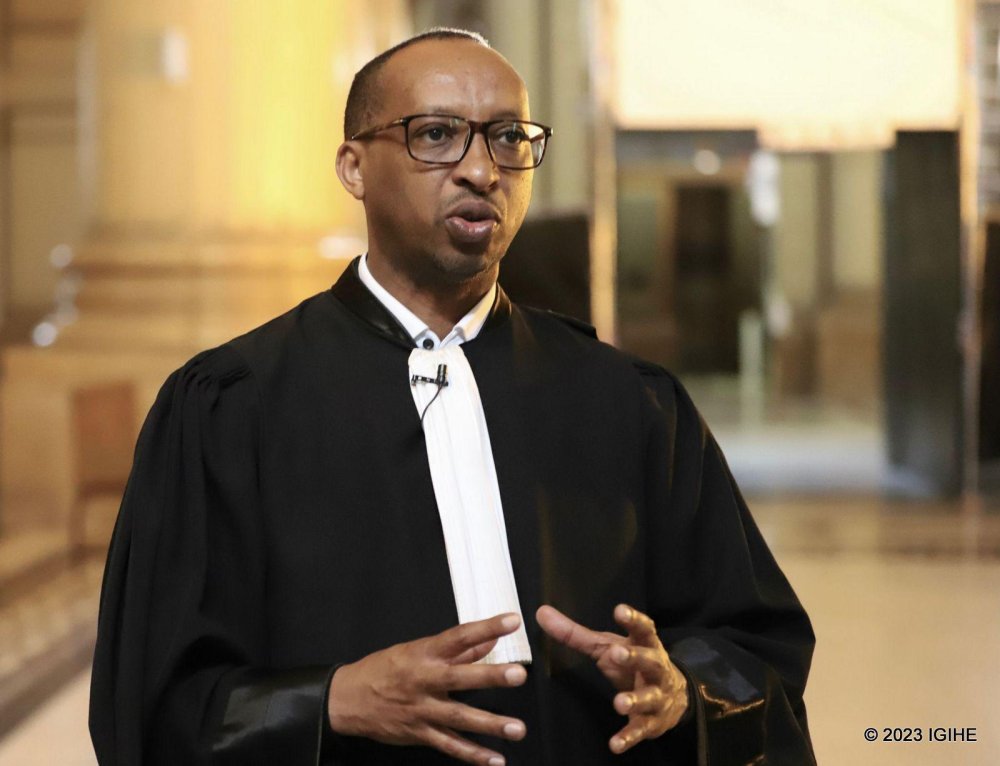
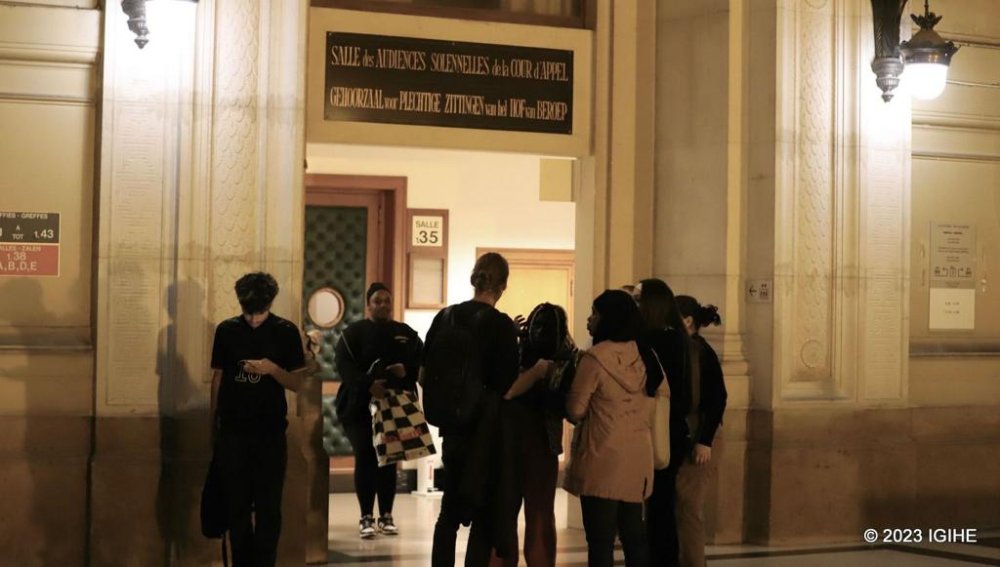
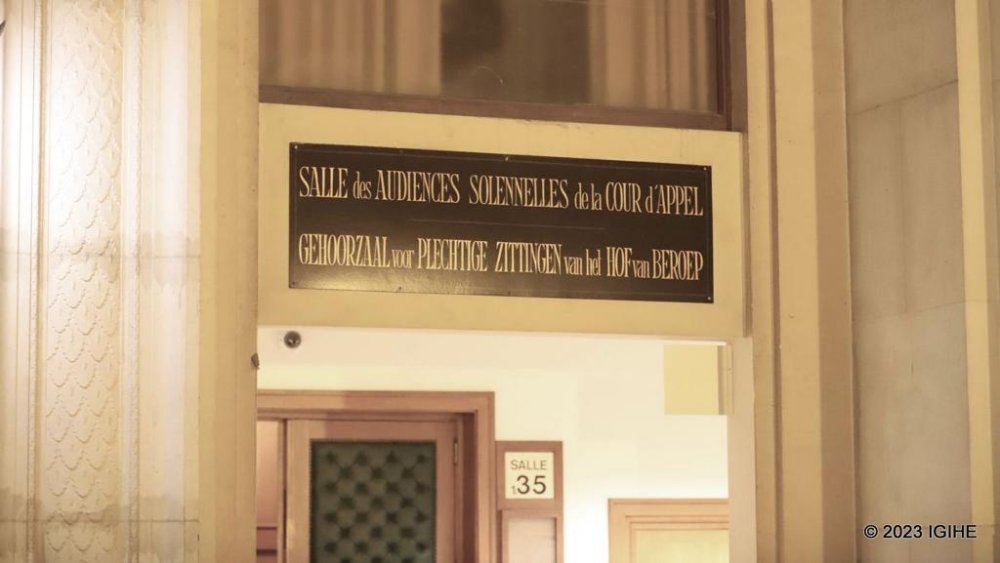
Karongozi made these comments on October 12, 2023, during the trial of the two suspects at the Court of Assise in Belgium. Pierre Basabose was notably absent from the proceedings due to health issues, similar to the trial’s opening day on Monday.
In a confrontational tone, Flamme expressed his disbelief in the events that transpired in Rwanda and labeled them as fabricated facts, attributing the turmoil to the RPF Inkotanyi.
He further claimed that four genocides had occurred in Rwanda, citing the Genocide against the Tutsi, ‘Genocide against the Hutu’, ‘Genocide against the Twa’, and ‘another targeting people from the Democratic Republic of Congo’.
The presiding judges swiftly interrupted Flamme, arguing that his statements were veering off-topic and delving into an attack on Rwanda’s leadership rather than focusing on his clients’ defense.
In an interview with IGIHE, Lawyer Karongozi raised concerns about Basabose’s mental health conditions and the apparent inconsistency in his request to be represented while also claiming to be unable to stand trial due to illness. Karongozi emphasized that defending the suspects should not imply assuming responsibility for the actions they are accused of committing.
Karongozi further pointed out that Flamme’s statements do not reflect the views of his client, Basabose. He voiced his suspicions about whether Flamme’s beliefs aligned with his statements, as they appeared to be a form of genocide denial.
“This becomes the sixth trial handled by Belgium involving suspects accused of a role in the Genocide against the Tutsi, underlining the country’s commitment to pursuing and prosecuting individuals associated with this tragic event. Though not the primary architects, Basabose and Twahirwa played significant roles in the Genocide against the Tutsi,” Karongozi stated.
He also called for heightened measures to combat genocide denial, which he noted was manifesting in various forms.
François Kayijuka, an observer following the trial, expressed his reservations about Flamme’s conduct, particularly his attempt to attribute blame to RPF Inkotanyi, yet it is credited with halting the Genocide.
Kayijuka remarked, “Flamme seems unwilling to acknowledge that the Genocide was perpetrated against the Tutsi; instead, he refers to it as a Genocide against Rwandans. His assertion that there were four genocides in Rwanda appeared to trigger frustration among judges and others present, not just among Rwandans.”
Furthermore, Kayijuka questioned Flamme’s motives, suggesting that the defense lawyer was propagating Genocide ideology rather than genuinely representing the defendants.
Both Basabose and Twahirwa are facing charges related to genocide and war crimes, with Twahirwa additionally accused of rape. The trial is expected to continue from October 9 to December 8.
SEZs have become powerful tools for promoting economic growth and development. Rwanda, a country experiencing rapid economic growth cannot afford to overlook the potential of SEZs.
{{A glance at Rwanda’s journey in promoting SEZs}}
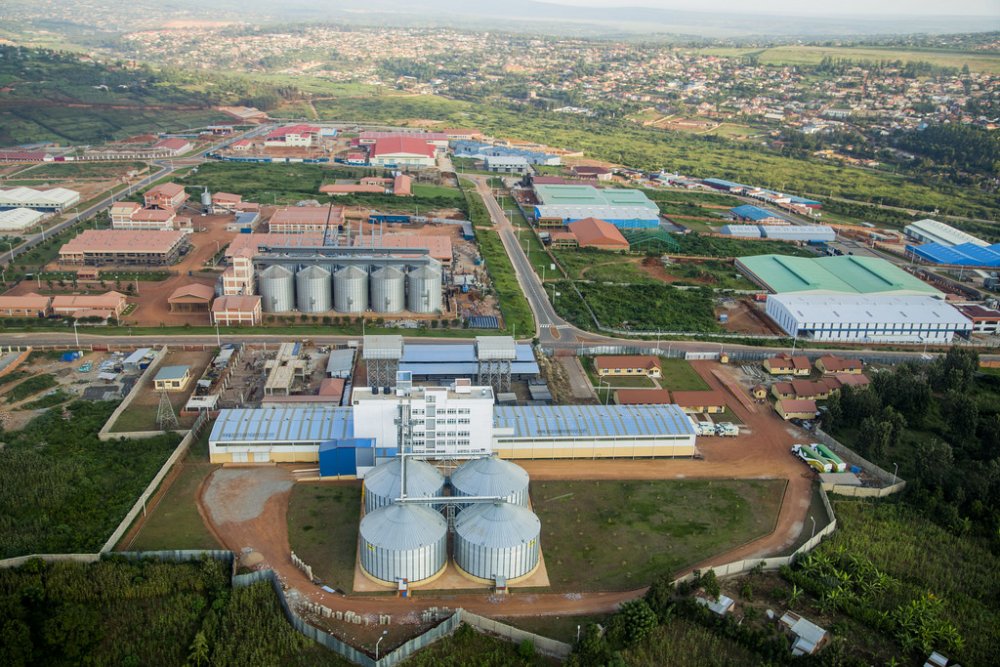
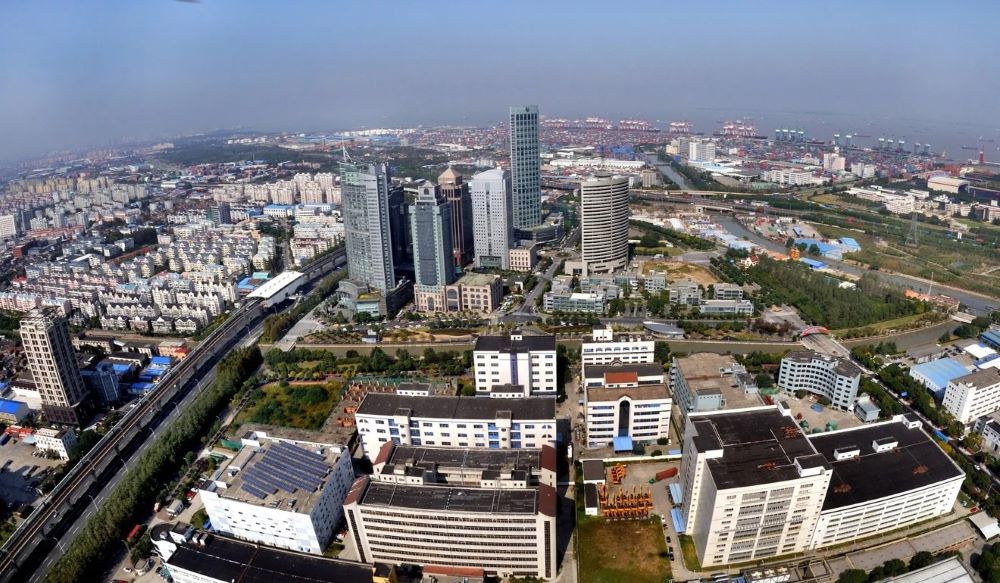
Rwanda’s SEZ program began with the drafting of the SEZ law in 2011, followed by the development of the Kigali Special Economic Zone (KSEZ). The KSEZ served as a model for future SEZ projects in Rwanda. Since then, the country has established industrial parks in Bugesera, Rwamagana, Muhanga and Musanze among others.
The Kigali Special Economic Zone spans 385 hectares, with plans to expand to 400 hectares.
Housing approximately 150 companies; the Kigali Special Economic Zone attracted private sector investments worth an estimated $2.3 billion, resulting in over 13,000 permanent job opportunities and generating export revenues surpassing $1 billion since 2018.
Moreover, between 2018 and 2021, it contributed around Rwf120 billion in taxes. The recently unveiled Kigali Innovation City, valued at $300 million, is set to be established within the zone, further enhancing its reputation as a burgeoning tech hub.
As per figures released by the National Institute of Statistics of Rwanda in June 2023, the Gross Domestic Product (GDP) was estimated at Rwf3,901 billion, up from Rwf 3,021 billion recorded in the first quarter of 2022.
The industry sector’s contribution to the GDP rose to 22 percent, up from 14 percent in 2014.
{{Lessons from Shanghai}}
Despite making significant strides, Rwanda can further boost its economy by adopting best practices and drawing inspiration from successful models. One such captivating success story comes from Shanghai, China’s pioneering efforts in establishing Special Economic Zones (SEZs).
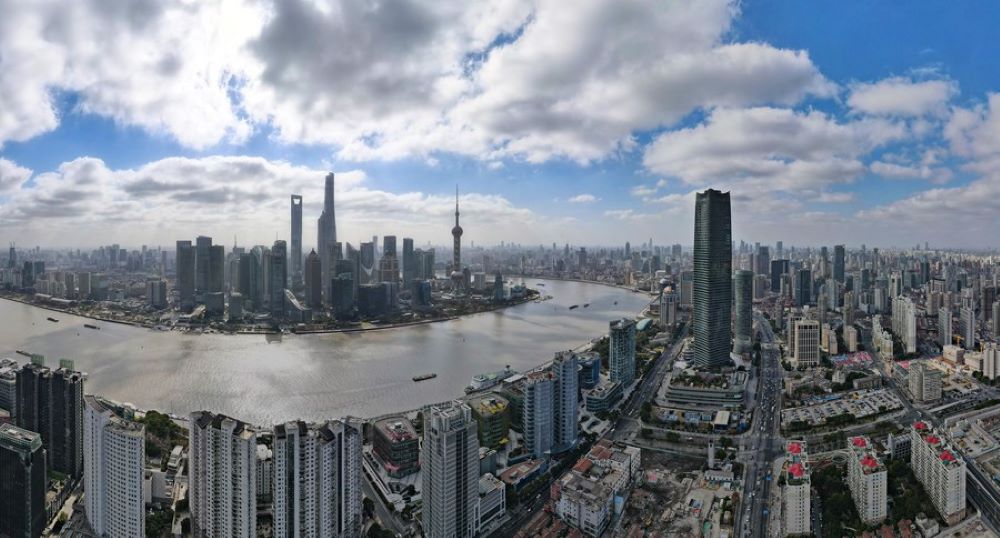
Shanghai’s triumph in developing Free Trade Zones (FTZs) can be traced back to its early efforts in the 1980s. Through strategic positioning and leveraging its advantageous trade location, Shanghai emerged as an irresistible magnet for investments.
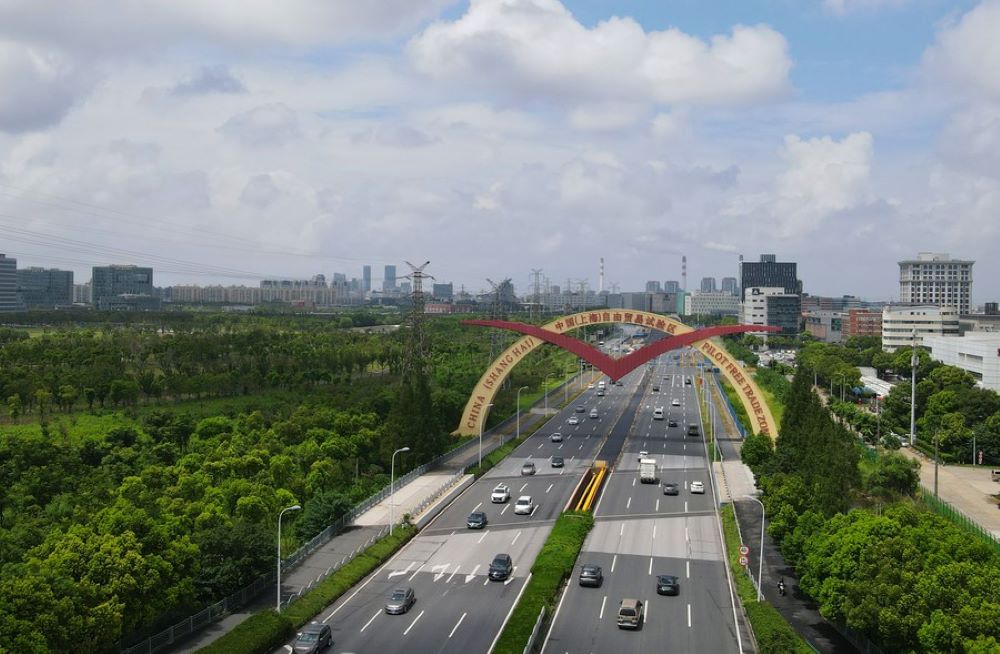
In 1990, Shanghai took a bold step by creating the Pudong New Area, a comprehensive FTZ. This area became the premier destination in Shanghai for investors, talents, and innovators, offering a supportive business environment and unbeatable policy support.
The establishment of Pudong New Area was a turning point in Shanghai’s history. Over the years, it went through various expansions and transformations, eventually becoming a national development area in 1990, a pilot area for comprehensive reforms in 2005, and finally, the Shanghai FTZ in 2013.
In 2022, Pudong New Area’s GDP surpassed 1.6 trillion yuan, accounting for 35.9 percent of Shanghai’s total. It also achieved a 4 percent increase in the gross industrial output value above designated size from the previous year. With ambitious plans, Pudong aims to achieve about 7 percent GDP growth in 2023, outperforming the city’s average.
Looking ahead, Pudong has set ambitious goals for the next five years, with plans to expand its economic aggregate to 2 trillion yuan and increase per capita GDP and disposable income significantly.
Today, China has created an astounding 21 FTZs and the Hainan Free Trade Port, demonstrating the immense potential of these zones to drive economic progress.
From 2013 to 2022, China’s GDP grew from 56.9 trillion yuan ($9.4 trillion) to 121 trillion yuan (around $18.1 trillion).
SEZs have contributed 22% of China’s GDP, 45% of total national foreign direct investment, and 60% of exports. By 2021, SEZs had created over 30 million jobs in China, increased the income of participating farmers by 30%, and accelerated industrialization, agricultural modernization, and urbanization.
The success of Shanghai and other FTZs in China can be attributed to several factors, including clear development strategies, strategic locations, a reform-oriented approach, constant upgrading of strategic sectors, and strong government-enterprise partnerships.
It is no brainer that learning from Shanghai’s success story and leveraging its own strengths to pave the way for structural transformation can undoubtedly propel Rwanda’s economy forward.
The Shema Methane Gas Power plant project, launched in 2019, is on track for completion by February 2024, with a total investment of Rwf400 billion. It aims to generate more than 57 megawatts of electricity.
While the overarching project is still in progress, methane extraction and electricity production operations are already underway, marking the approach of the final construction phase in Busoro, situated in the Nyamyumba sector of Rubavu District.
The initiation of electricity supply, particularly on the main grid, will bolster the national electrical capacity, benefiting various industries and essential sectors.
In an interview with IGIHE, Kabuto Alexis, the CEO of Shema Power Lake Kivu, affirmed, “The power plant we are constructing is in its final stages. Currently, we are providing 37.5 megawatts, which will integrate into the REG network. Our objective is to enhance capacity within this network. We have already completed 90% of the work and will conclude it by February 2024.”
He underscored the significance of this plant for Rwanda’s energy self-reliance, explaining, “We employ innovative technology to extract methane from Lake Kivu and convert it into electricity. With a $300 million investment, this technology will enable us to boost production capacity.”
He further added, “This plant is a response to the low electricity consumption. The government is actively working to expand electrical availability and actively seeking investors for methane gas exploitation.”
Focusing on Lake Kivu’s potential, research indicates that the lake could yield methane capable of producing between 160 and 960 megawatts, depending on the extraction methods. This level of production could be sustained for 50 years before witnessing a 15 to 20% reduction.
Rwanda has identified five areas suitable for methane gas extraction, while the Democratic Republic of Congo, a co-owner of this resource, has identified six. The Rwandan zones have a combined potential of 300 megawatts.
Among these areas, two are located in Rubavu, one in Karongi, and the remaining two near Rusizi. Three of them are already in the process of exploitation.
In addition to Shema Power Lake Kivu, two other projects are also in progress: KivuWatt with a capacity of 26 megawatts and Kibuye Power I, which produces three megawatts.
Gasmeth Energy Ltd is planning a significant project set to commence in 2024. This project aims to address the shortage of petroleum and gas products, crucial for cooking, industries, schools, and various other institutions.
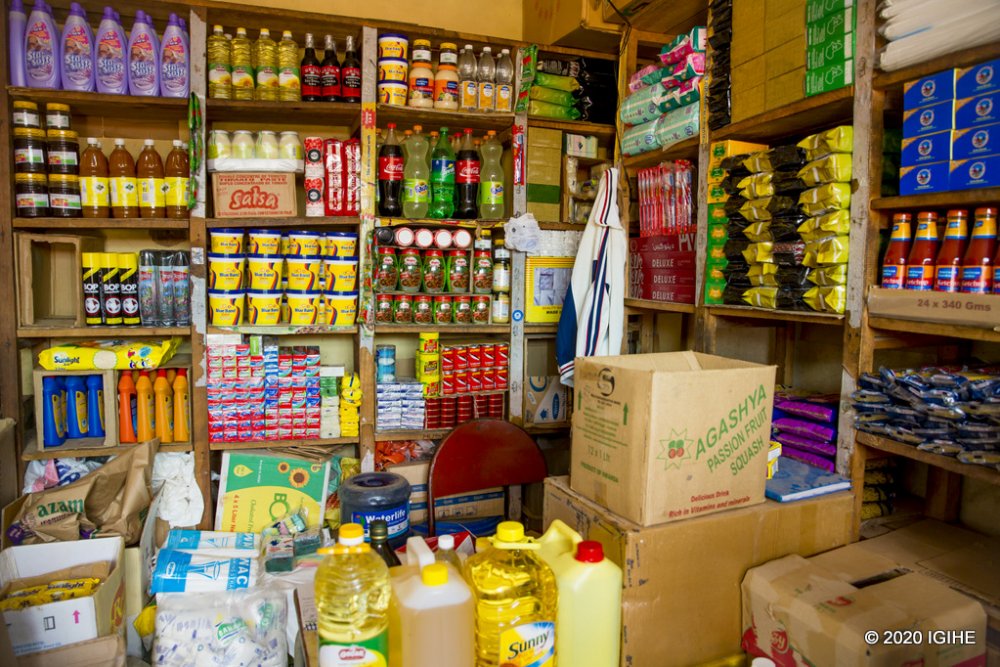
Throughout September 2023, the price of ‘Food and non-alcoholic beverages’ exhibited a substantial annual increase of 29.6 percent and a monthly growth of 9 percent. ‘Alcoholic beverages, tobacco, and narcotics’ experienced a 12.2 percent annual uptick, with a modest 0.2 percent monthly increase.
Meanwhile, the ‘Transport’ category saw an annual increase of 5.9 percent and a monthly rise of 0.8 percent.
The data also highlights the prices of ‘local products,’ which showed a robust 15.6 percent annual increase and a monthly increase of 4.2 percent. On the other hand, the cost of ‘imported products’ increased by 8.8 percent annually and 1.8 percent on a monthly basis.
In line with the NISR report, prices for ‘fresh products’ rose significantly by 37.1 percent on an annual basis and 12.3 percent on a monthly basis. ‘Energy’ costs experienced a 3.1 percent annual increase and a monthly uptick of 1.7 percent.
The ‘general Index excluding fresh products and energy’ also displayed notable inflationary pressures, with an 8.3 percent annual increase and a 1 percent monthly increase.
For years, residents in Southern Province have been voicing their concerns about the limited access to clean water and electricity, which has left many feeling isolated.
In light of these concerns, a recent meeting was convened, bringing together officials from the Rwanda Energy Group (REG), WASAC, and representatives from the Southern Province.
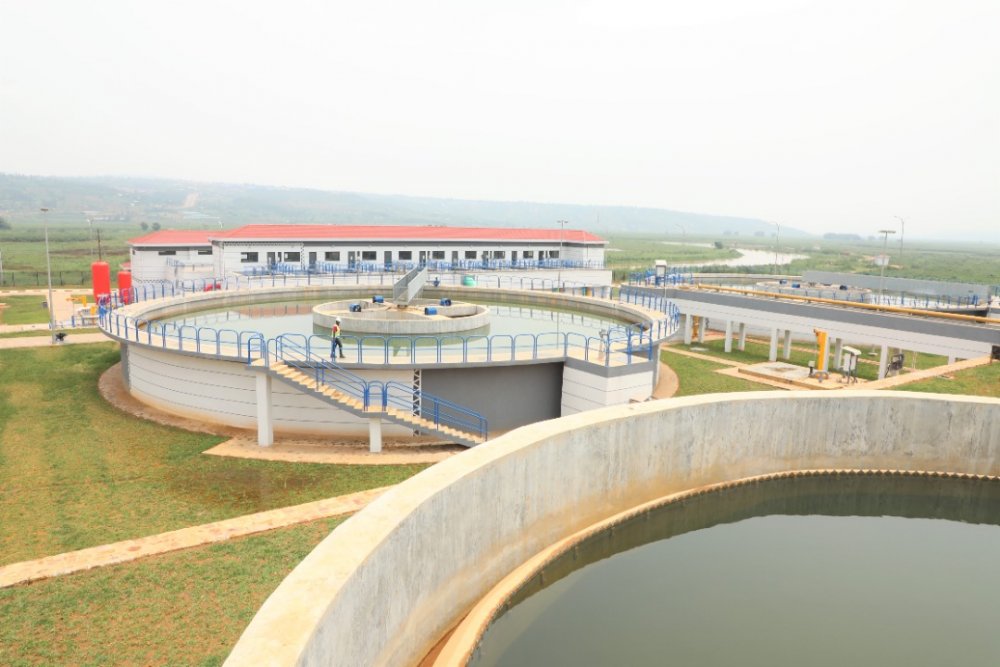
The purpose of this meeting was to discuss the progress and challenges associated with the implementation of the Nyaruguru water treatment plant project.
Dr. Omar Munyaneza, the Chief Executive Officer of WASAC, revealed that the Nyaruguru water treatment plant project would receive partial funding from the African Development Bank, guaranteeing 100% clean water access for the affected districts.
Regarding the provision of electricity, Zingiro Armand, CEO of REG, assured that significant efforts were underway to improve access. The goal is to achieve an 80% electricity access rate next year, up from the current 73.3%. He also emphasized ongoing projects in the Northern Province aimed at electrifying all households and underscored the significance of the Rukarara hydro-power plant in Nyamagabe for the Southern Province.
It’s important to note that out of the 353.40 megawatts of electricity produced in Rwanda, only 208 are currently being effectively utilized.
Alice Kayitesi, the Governor of the Southern Province, acknowledged the progress made but emphasized the remaining work that needs to be accomplished. However, she remained optimistic and highlighted forthcoming projects that are expected to further enhance the situation. Currently, access rates in her province stand at 78.4% for clean water and 70.9% for electricity.
As outlined in the the National Strategy for Transformation (NST1) launched in 2017, Rwanda is committed to achieving universal access to these two essential resources by 2024.
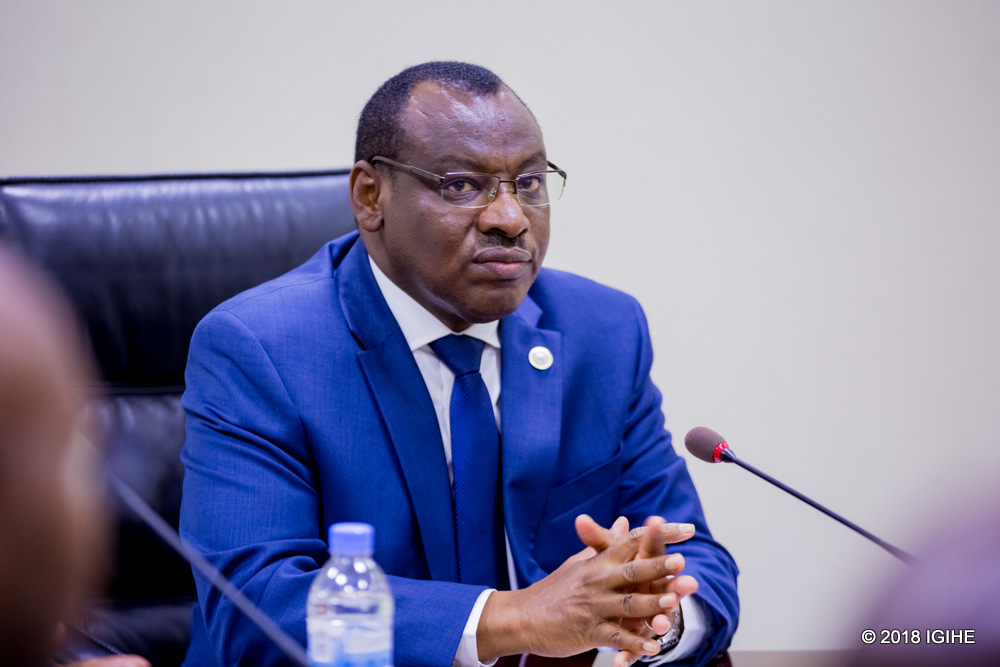
Upon his appointment, the Secretary-General has extended his appreciation and gratitude to the former Executive Secretary, Vera Songwe of Cameroon, as well as to the Deputy Executive Secretary, Programme Support, Antonio M. A. Pedro of Mozambique, who will continue to serve as Acting Executive Secretary until Mr. Gatete assumes his functions.
Amb. Gatete is currently Ambassador and Permanent Representative of the Republic of Rwanda to the United Nations in New York.
A seasoned economist, he brings to the position extensive strategic leadership expertise, coupled with international experience in the political and financial landscape of the African continent.
Amb. Gatete has served in senior government positions, notably as Minister of Infrastructure (2018-2022) and Minister of Finance and Economic Planning (2013-2018).
He has also served as Governor (2011-2013) and Deputy Governor (2009-2011) of the National Bank of Rwanda, Rwanda’s Central Bank, and Secretary General and Secretary to the Treasury at the Ministry of Finance and Economic Planning in Rwanda (2003-2005).
He was Director General for Economic and Social Affairs in the Office of the President of Rwanda (2000-2003), during which time, he served as the President’s Representative to the New Partnership for Africa’s Development and Coordinator of the National African Peer Review Mechanism.
Amb.Gatete began his diplomatic career in 2005 and was based in London until 2009 as Rwanda’s Ambassador to the United Kingdom, Ireland and Iceland. Prior to this, he served as National Economist of the United Nations Development Programme in Kigali (1998-2000) and Economist of Agriculture and Agri-Food and of Statistics Canada, in Ottawa, Canada (1993-1997).
Amb.Gatete holds a bachelor’s and a master’s degree in agricultural economics from the University of British Columbia in Canada. He is fluent in English with working knowledge of French.
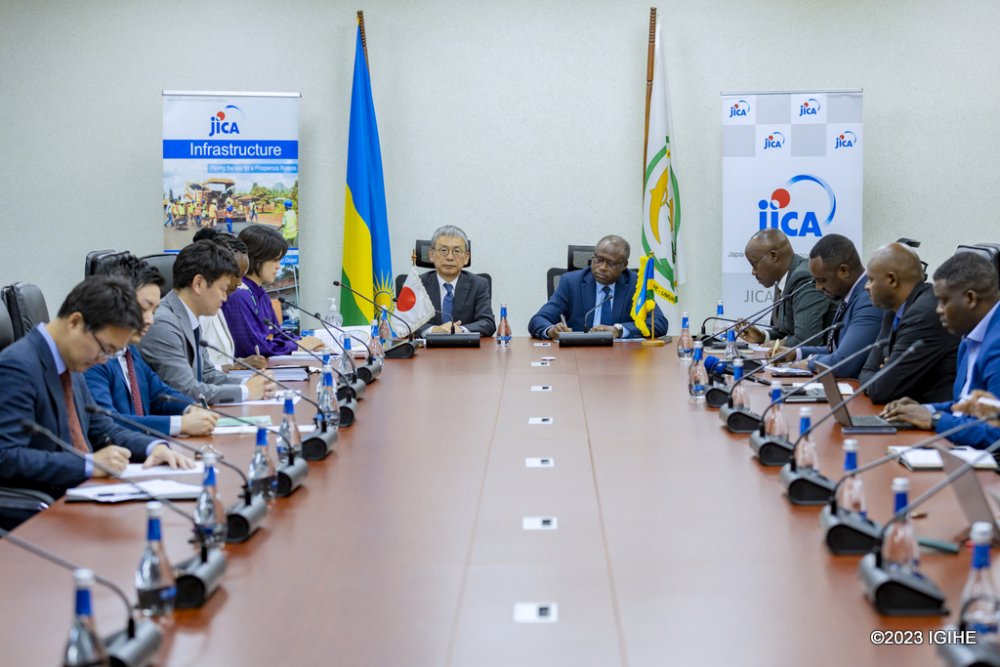
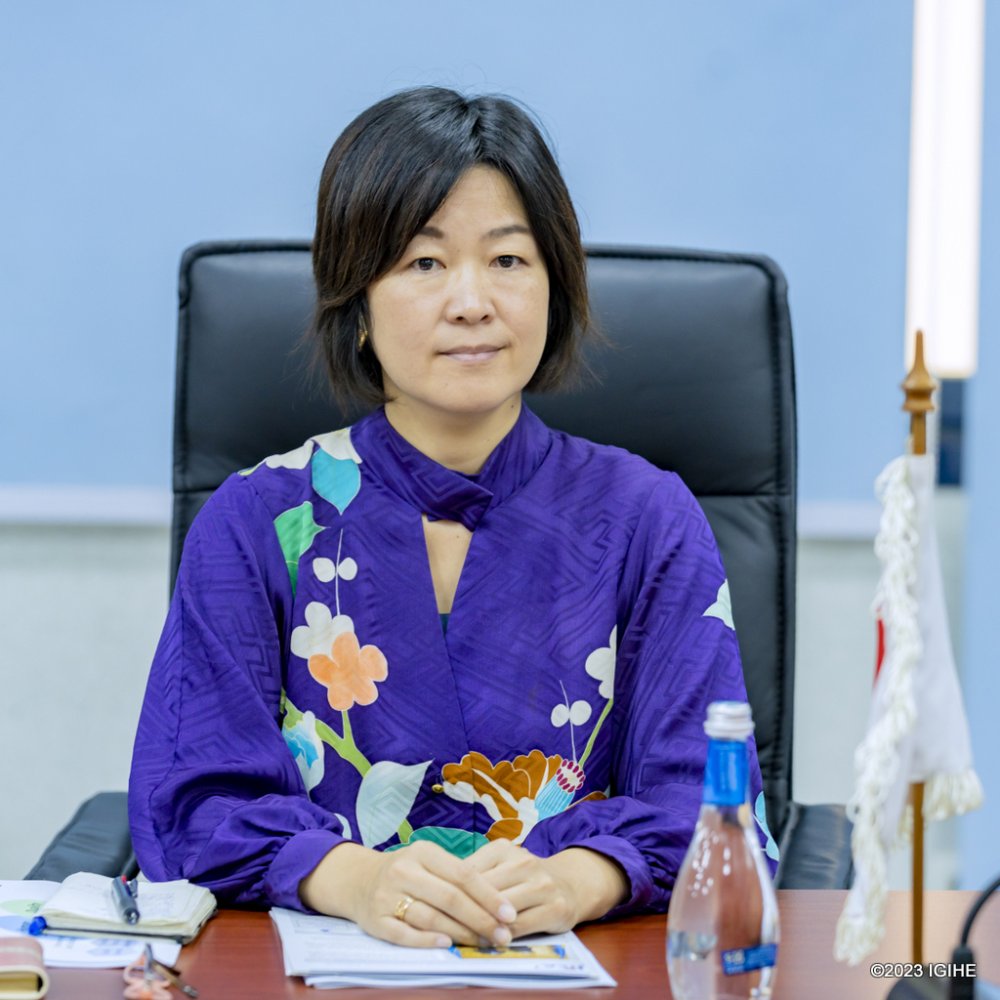
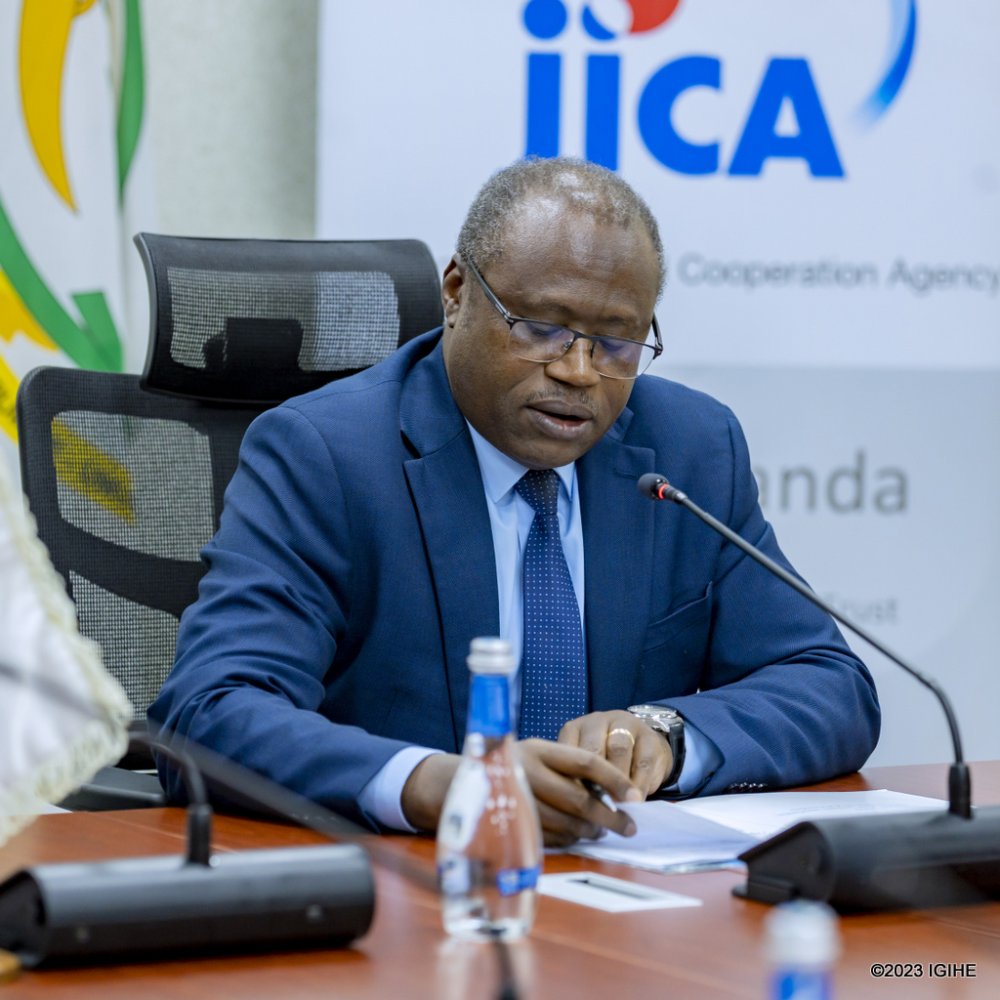
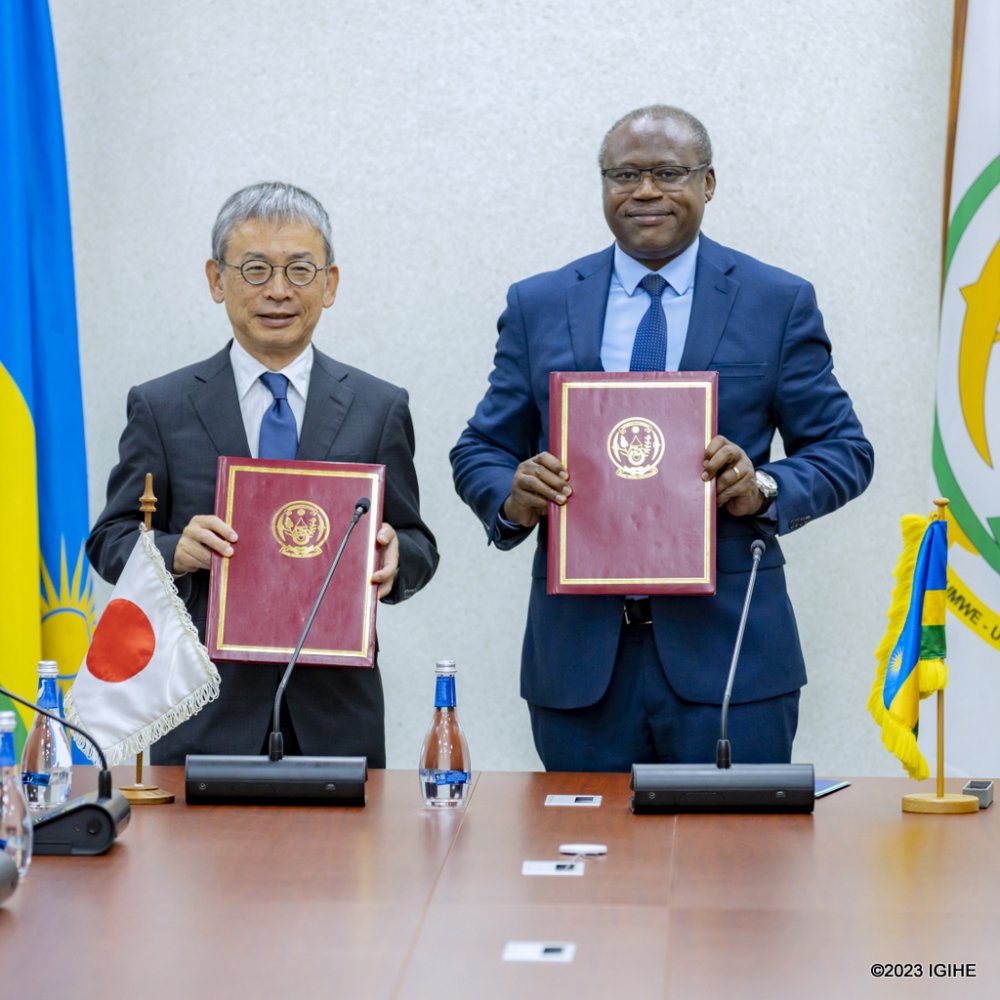
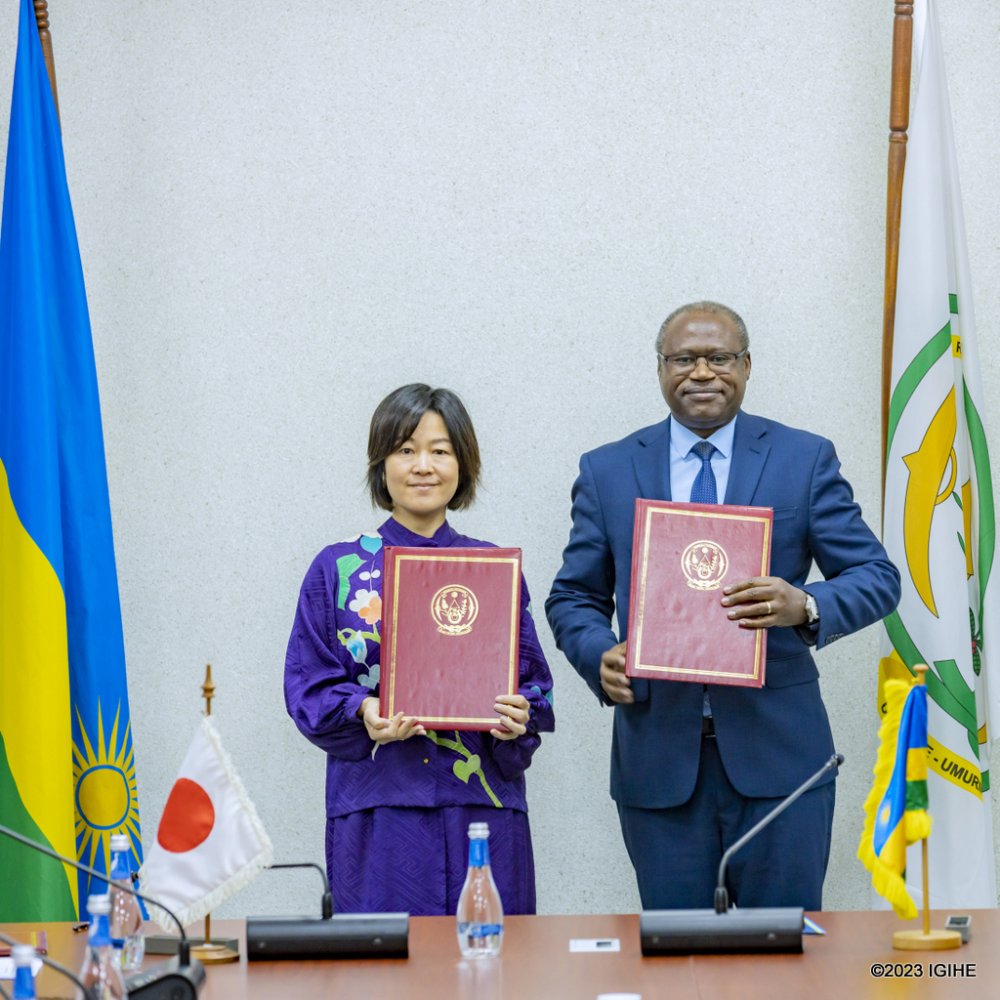
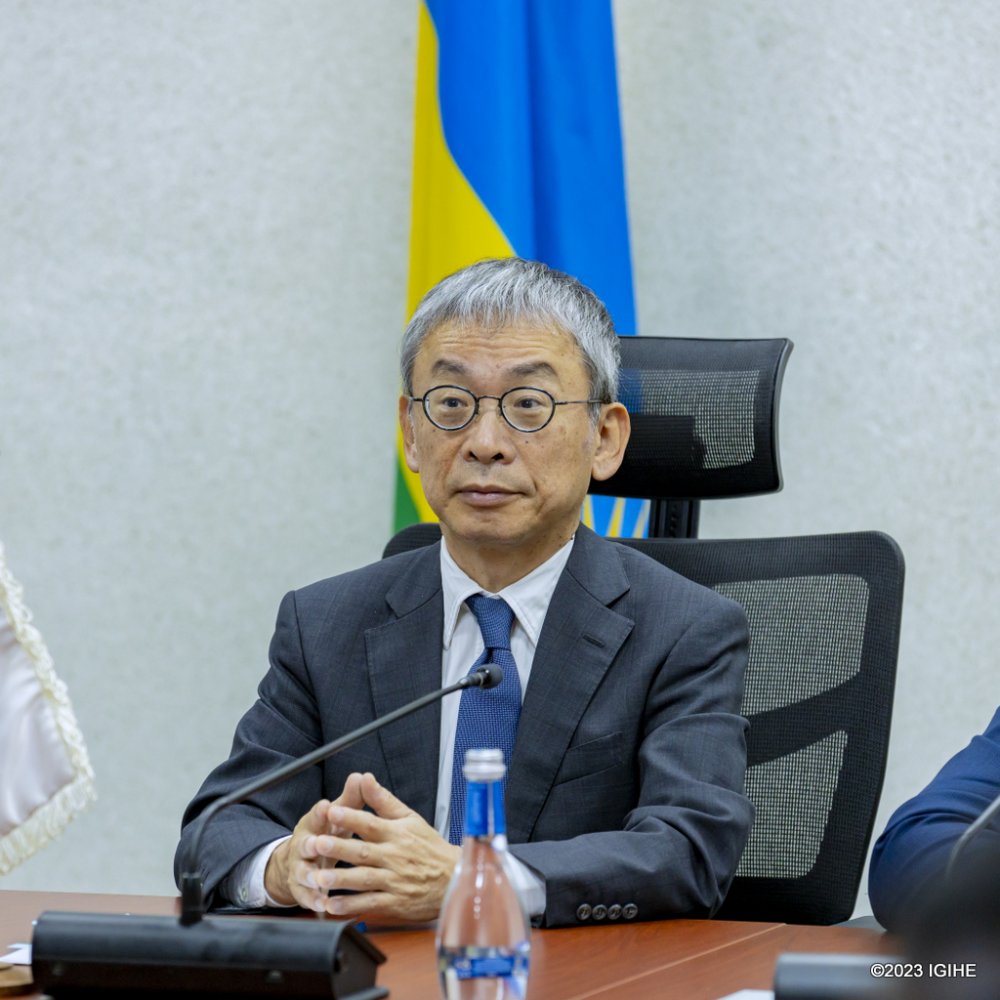
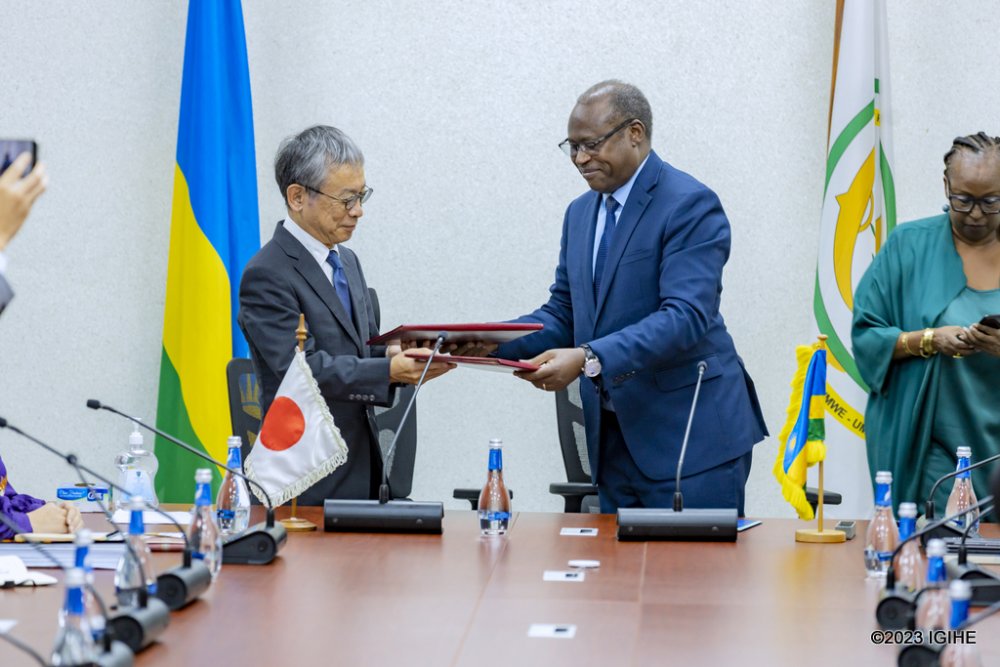
On the same occasion, Ms. Minako Shiotsuka, Chief Representative of Japan International Cooperation Agency (JICA) signed a Grant Agreement (G/A) with Minister Ndagijimana for the same project.
The project will contribute to the improvement of traffic flow and safety in Kigali through the development of a traffic control system and signal control system together with intersection improvements. The population of Kigali will considerably benefit from the project as it will reduce congestions which will make it timesaving.
The works will include the installation of traffic lights at selected 20 junctions with connecting the fiber network and establish the traffic control center in the City of Kigali which will have the interconnection with the traffic police system. The project will also work on the improvement of intersections to improve the traffic flow.
Commenting on the development, Minister Ndagijimana said, “The intelligent transport system will be a game changer in terms of reducing congestion improving safety, mobility, convenience and efficiency of transport within and through Kigali. Efficient and sustainable transport systems are critical for accelerating trade, which benefits businesses and boosts the economy.”
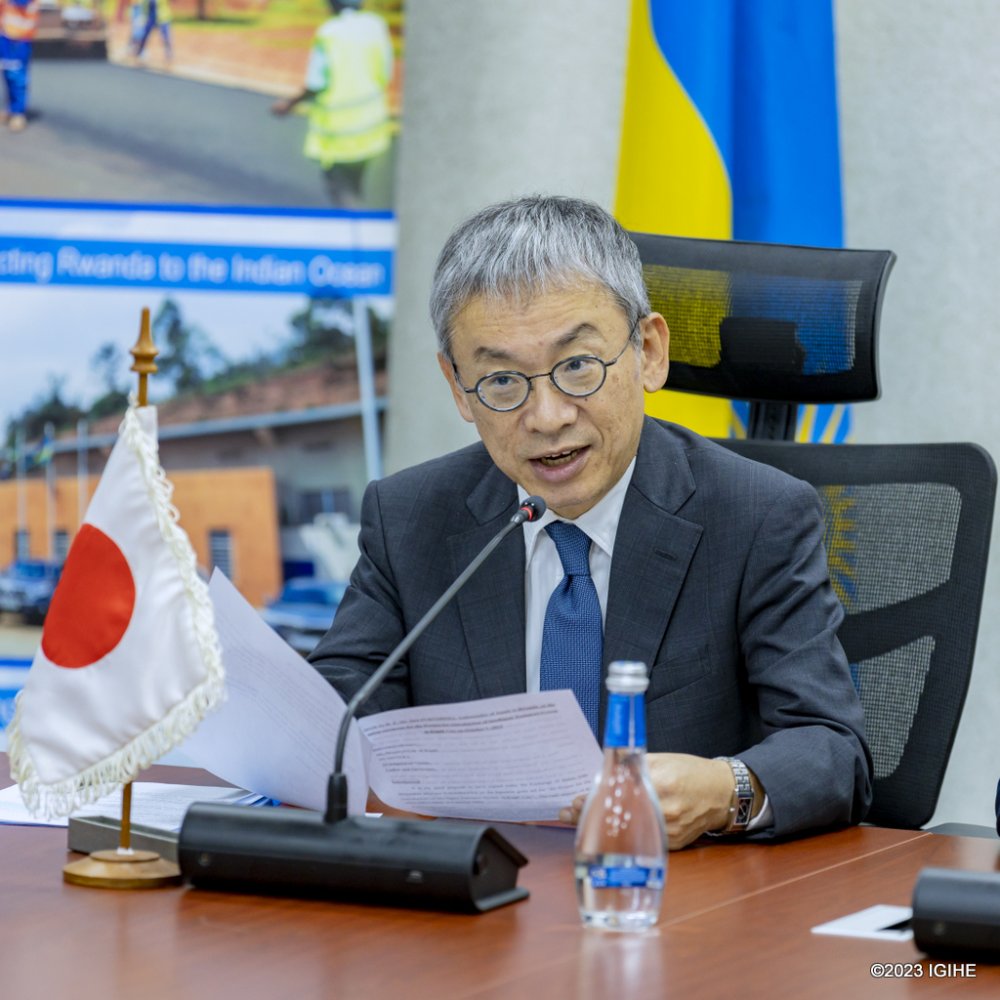
Ambassador Fukushima said that Rwanda, as a landlocked country, has an integral role to play as the nodal point between the ‘Central and Northern Corridor’.
Rwanda is expected to expedite the trade in the region and continent under The African Continental Free Trade Agreement (AfCFTA).
“It is the sincere hope of the Government and the people of Japan that this Grant assistance will contribute to improve the lives of Rwandan people and economic development of the country,” Ambassador Fukushima concluded.
The project is aligned with “Ease of mobility and efficient transport “in the fourth pillar ‘Urbanizations and Agglomeration’ in the Vision 2050, aiming at ‘Economic Growth and Prosperity’ and ‘High Quality and Standards of Life for Rwandans’.
Japan has been supporting the Government of Rwanda in the infrastructure sector through JICA, mainly developing the economic infrastructures such as one-stop border post, road improvements, improvement of Substations and Distribution Network, and in water sector, strengthening water supply infrastructure, and operation and maintenance of water supply system through grant aid project as well as technical cooperation.