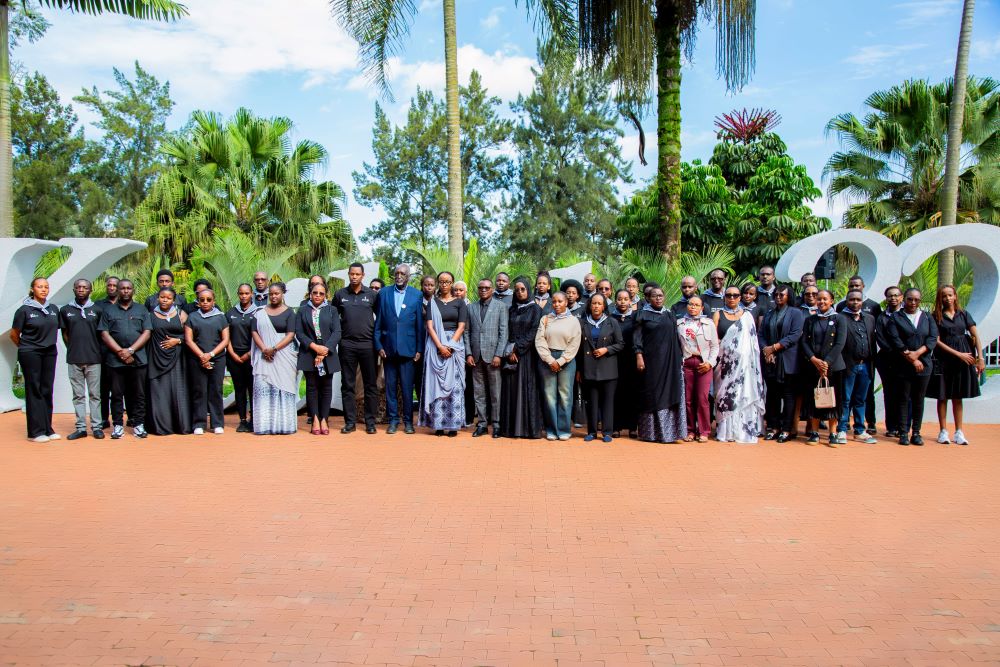
The commemoration which took place from 2:00 PM to 5:00 PM, brought together Human Resource practitioners, leaders, and stakeholders from across Rwanda.
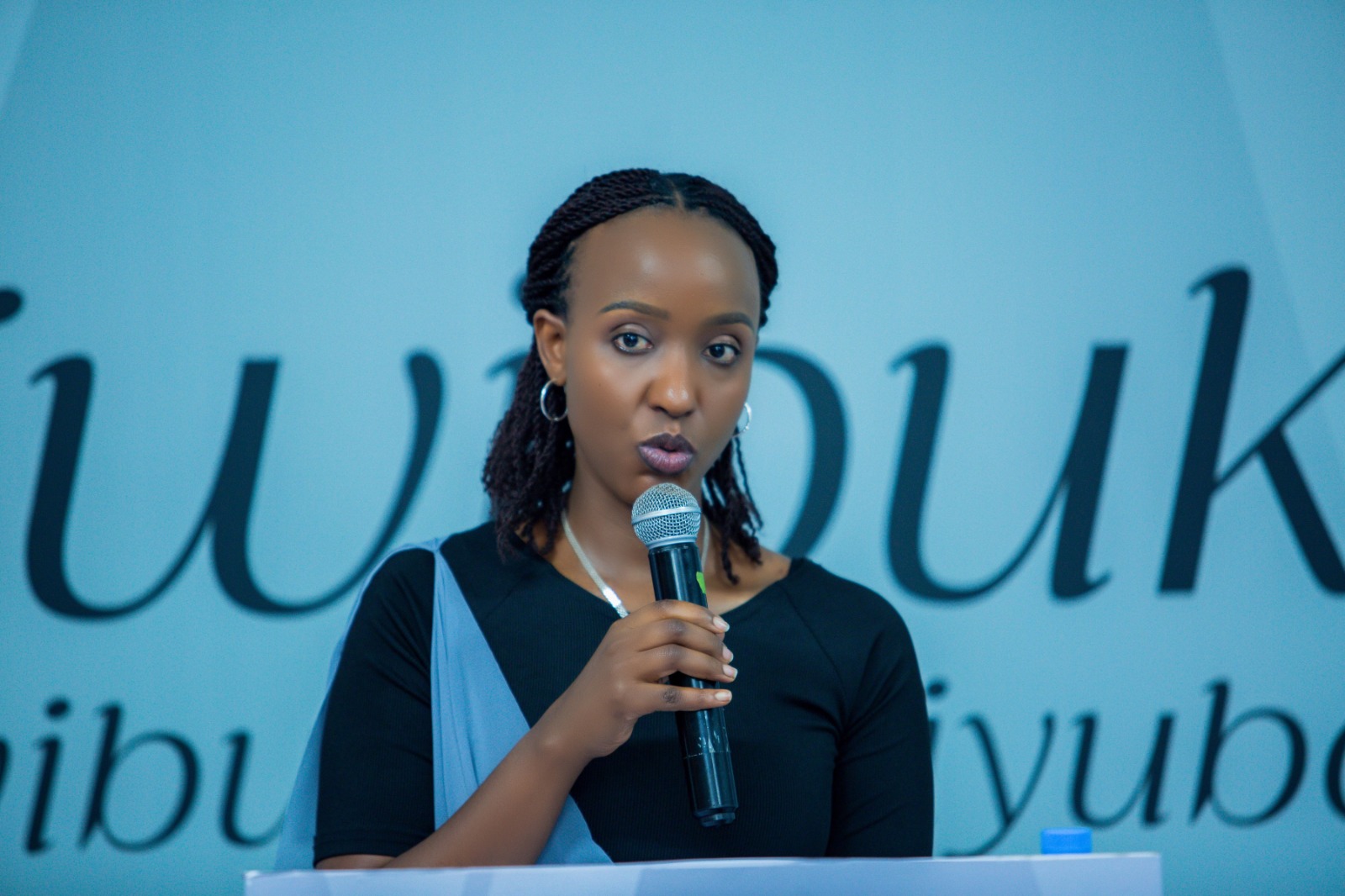
In her remarks, Jocelyn Uwamahoro, Chairperson of RHRMO, welcomed participants and emphasized the critical role of HR professionals in fostering ethical and inclusive workplaces.
She urged practitioners to reflect on the past and clearly distinguish themselves from individuals who misused positions of authority during the genocide to harm employees.
She called on all HR professionals to uphold values of integrity, fairness, and humanity, while honoring the victims by committing to the principle of “Never Again.”
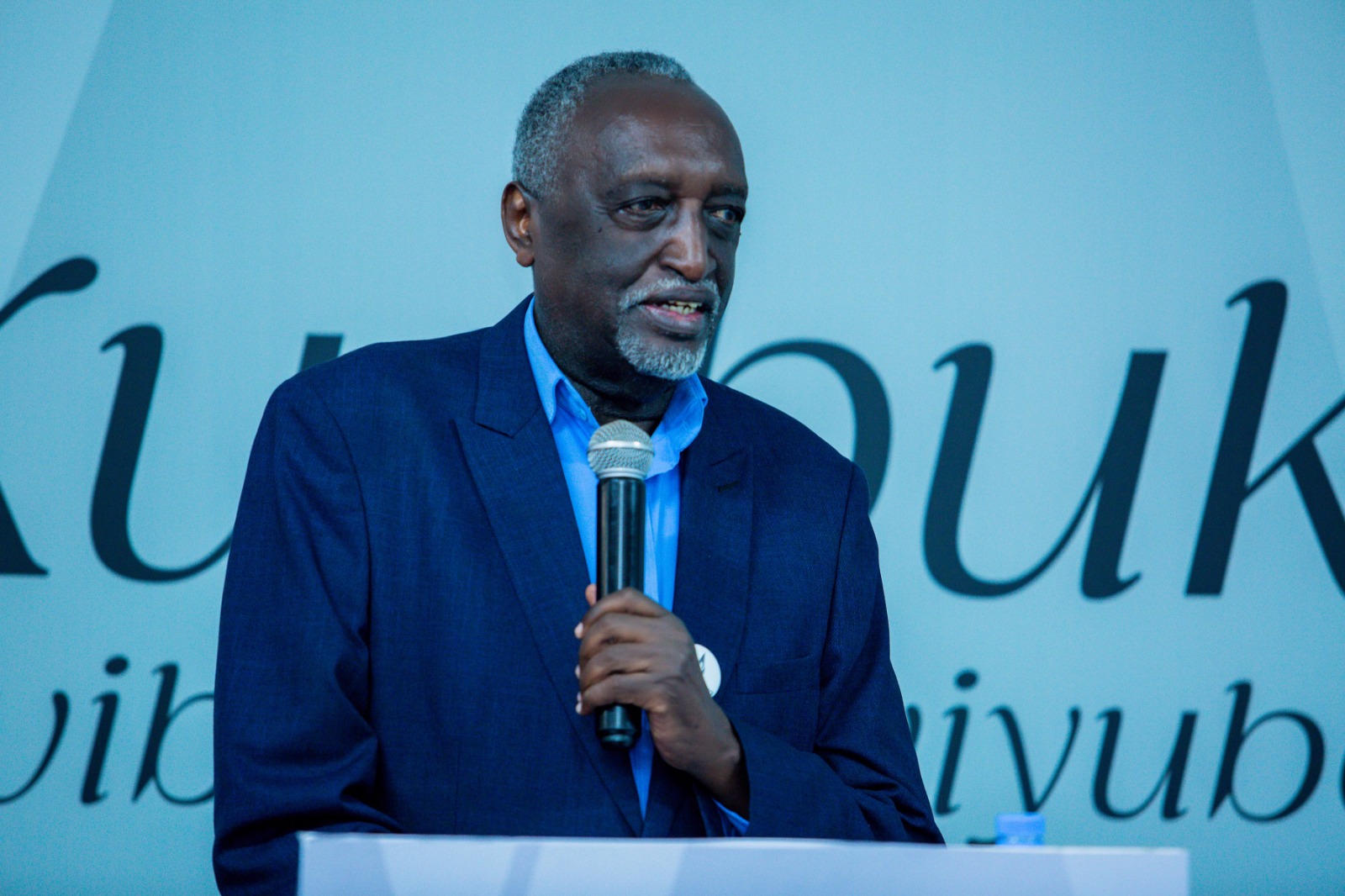
The event also featured a keynote address by Tito Rutaremara, Chairperson of the Rwanda Elders’ Advisory Forum.
He shared a historical account of how the Genocide against the Tutsi was systematically prepared and executed, warning against the dangers of divisionism and hate.
Rutaremara encouraged HR practitioners to actively promote unity, equality, and respect within workplaces.
A moving testimony was delivered by Agnes Nyiragabiro, a retired employee, who shared her personal experience during the genocide.
She recounted how the genocide took the life of her husband and reflected on the discrimination and mistreatment she faced from HR structures prior to 1994.
Her testimony highlighted how workplace discrimination and hate contributed to a broader environment that enabled injustice, and she urged HR professionals to ensure such failures are never repeated.
Participants were also encouraged to act as ambassadors of peace, ensuring that workplaces remain free from discrimination, division, and hatred.
The RHRMO reaffirmed its commitment to promoting ethical human resource practices and contributing to national efforts toward unity, reconciliation, and sustainable peace.
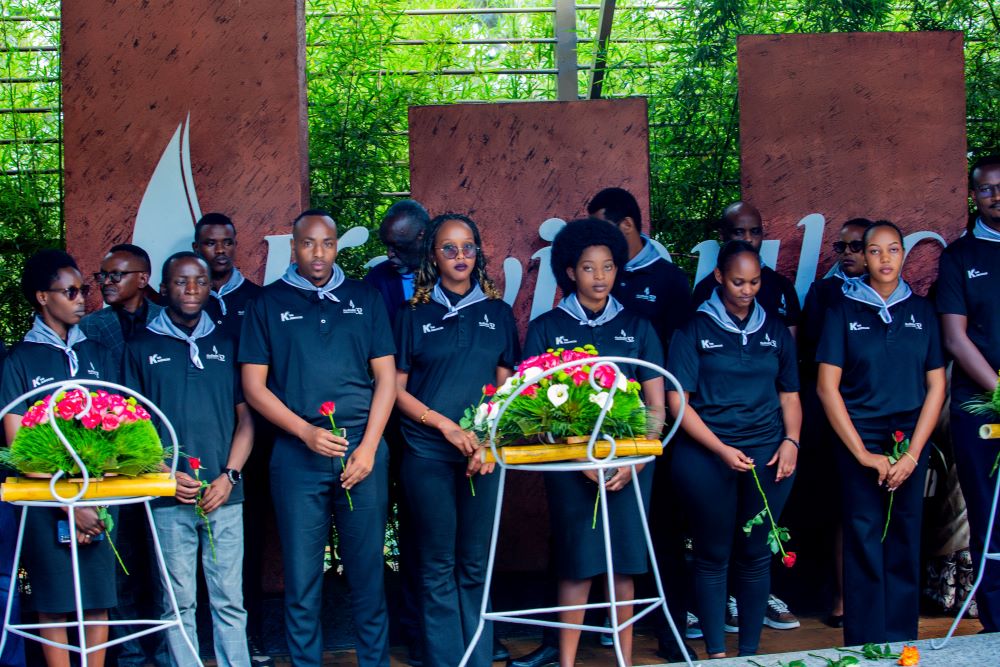
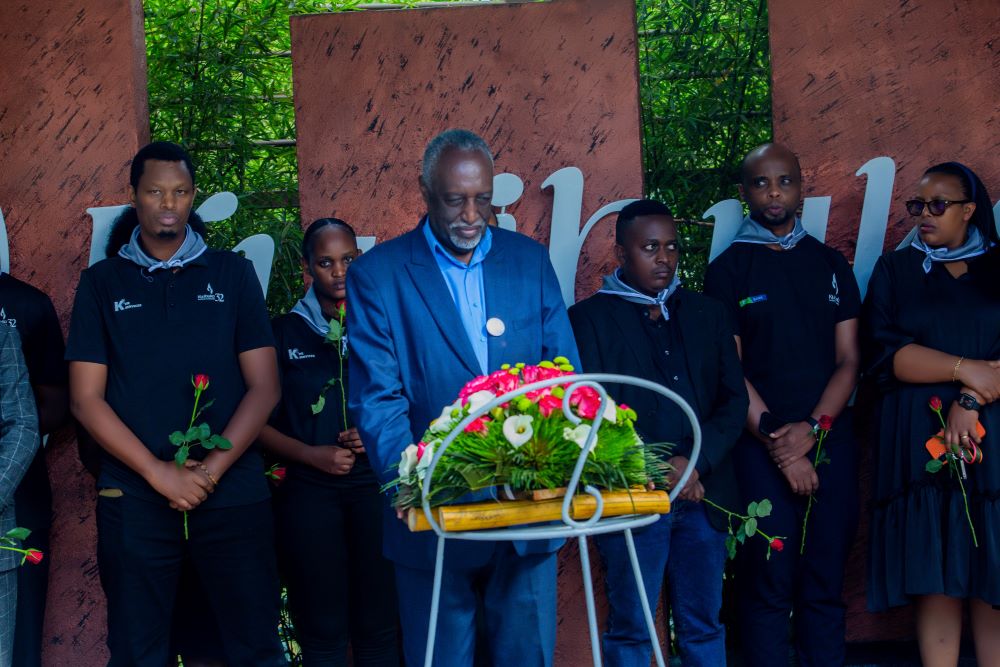
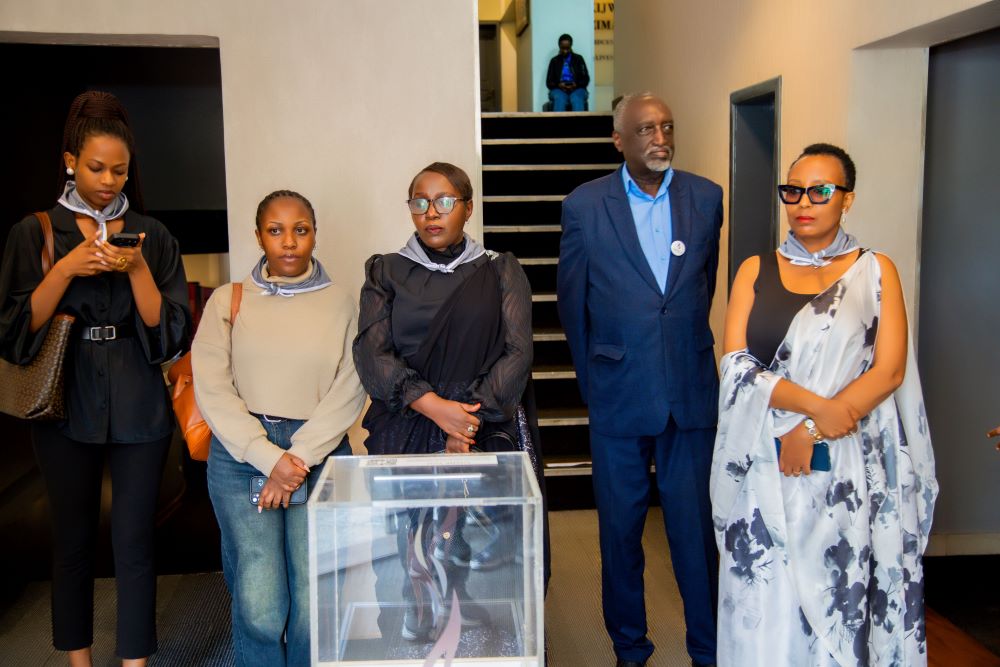
HR professionals have been urged to act as ambassadors of peace. Rutaremara encouraged HR practitioners to actively promote unity, equality, and respect within workplaces.HR professionals laying wreaths at Kigali Genocide Memorial. Tito Rutaremara, Chairperson of the Rwanda Elders’ Advisory Forum laying wreaths at the mass grave at Kigali Genocide Memorial. Jocelyn Uwamahoro, Chairperson of RHRMO, welcomed participants and emphasized the critical role of HR professionals in fostering inclusive workplaces. Agnes Nyiragabiro, a retired employee shared her personal experience during the Genocide against the Tutsi.
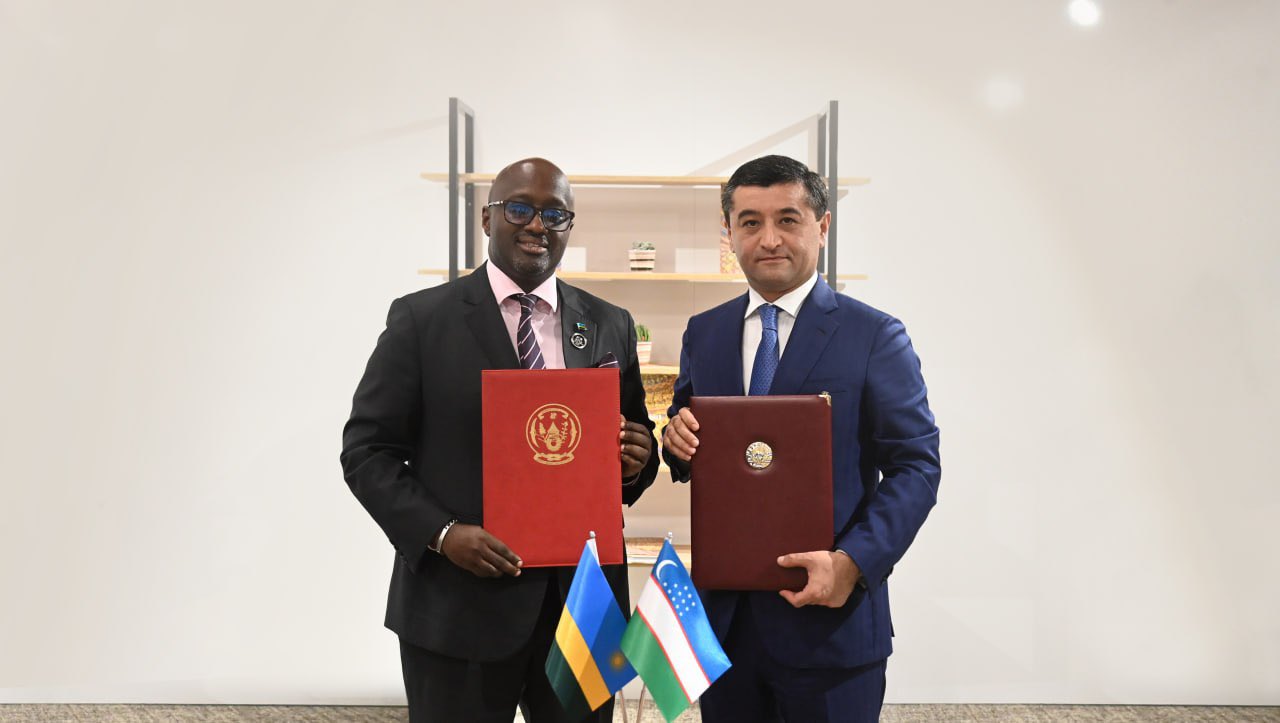
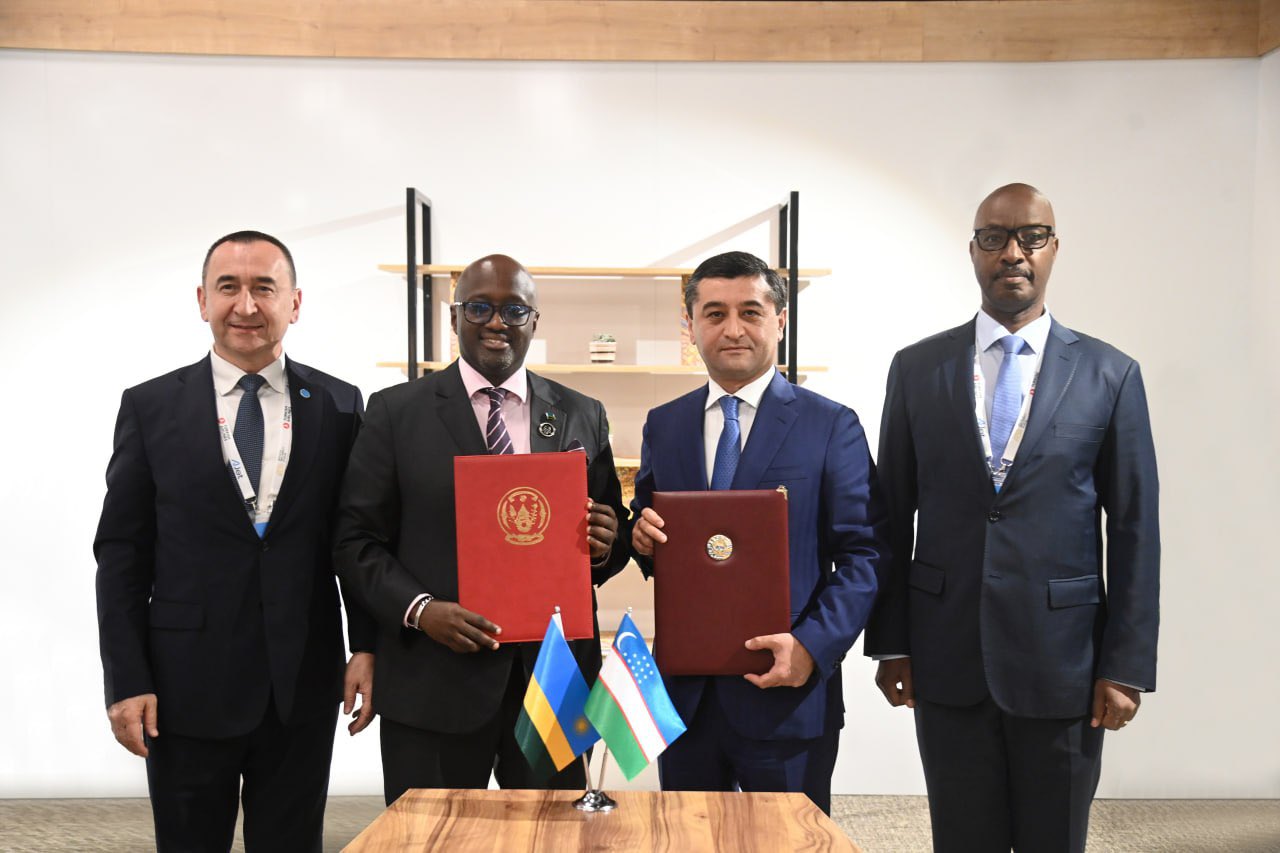
The establishment of diplomatic relations was finalised during a meeting between Uzbekistan’s Minister of Foreign Affairs, Bakhtiyor Saidov, and his Rwandan counterpart, Olivier Nduhungirehe. Speaking on Saturday, Saidov said Rwanda becomes the 167th country to establish diplomatic relations with Uzbekistan.
“Rwanda has become the 167th country with which Uzbekistan has established diplomatic relations. Together with the Minister of Foreign Affairs and International Cooperation of Rwanda H.E. @onduhungirehe, we signed a Joint Communiqué on the establishment of diplomatic relations,” Saidov wrote on X.
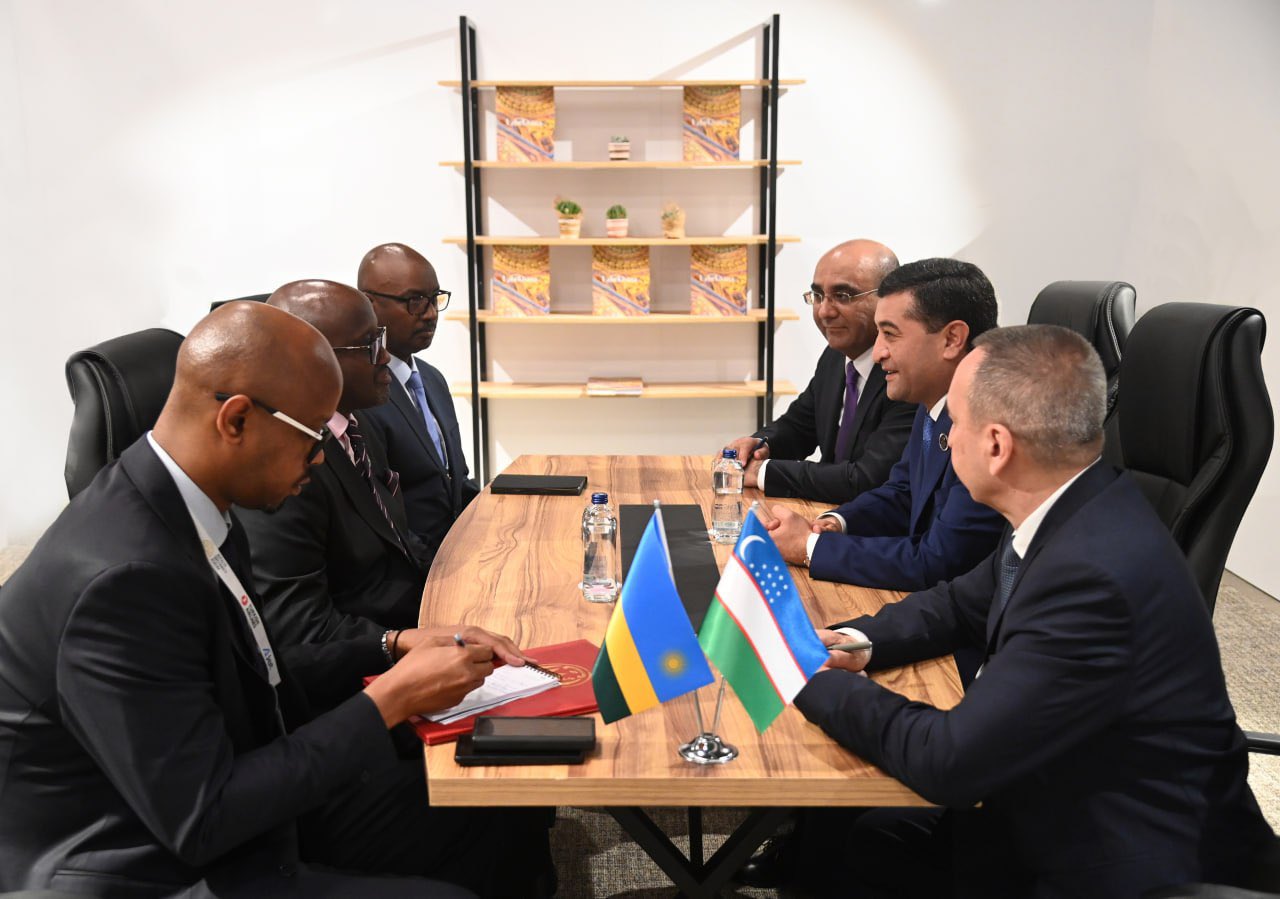
Key officials from Rwanda and Uzbekistan attended the meeting.
As part of the agreement, the two countries also signed a Memorandum of Understanding between their Ministries of Foreign Affairs. The MoU establishes a mechanism for regular political consultations aimed at enhancing dialogue and cooperation between Kigali and Tashkent.
According to Saidov, the signing of the documents represents an important step toward expanding Uzbekistan’s engagement with countries across the African continent.
The establishment of diplomatic relations was finalised during a meeting between Uzbekistan’s Minister of Foreign Affairs, Bakhtiyor Saidov, and his Rwandan counterpart, Olivier Nduhungirehe.
The establishment of diplomatic relations is expected to open new avenues for cooperation between Rwanda and Uzbekistan in areas of mutual interest, including political dialogue and broader international engagement.
Uzbekistan is a doubly landlocked country in Central Asia, a distinction it shares only with Liechtenstein. Historically, it lay at the heart of the ancient Silk Road and has since evolved from a former Soviet republic into a rapidly modernising state. It is also uniquely positioned as the only Central Asian country bordering all four of its regional neighbours, as well as Afghanistan.
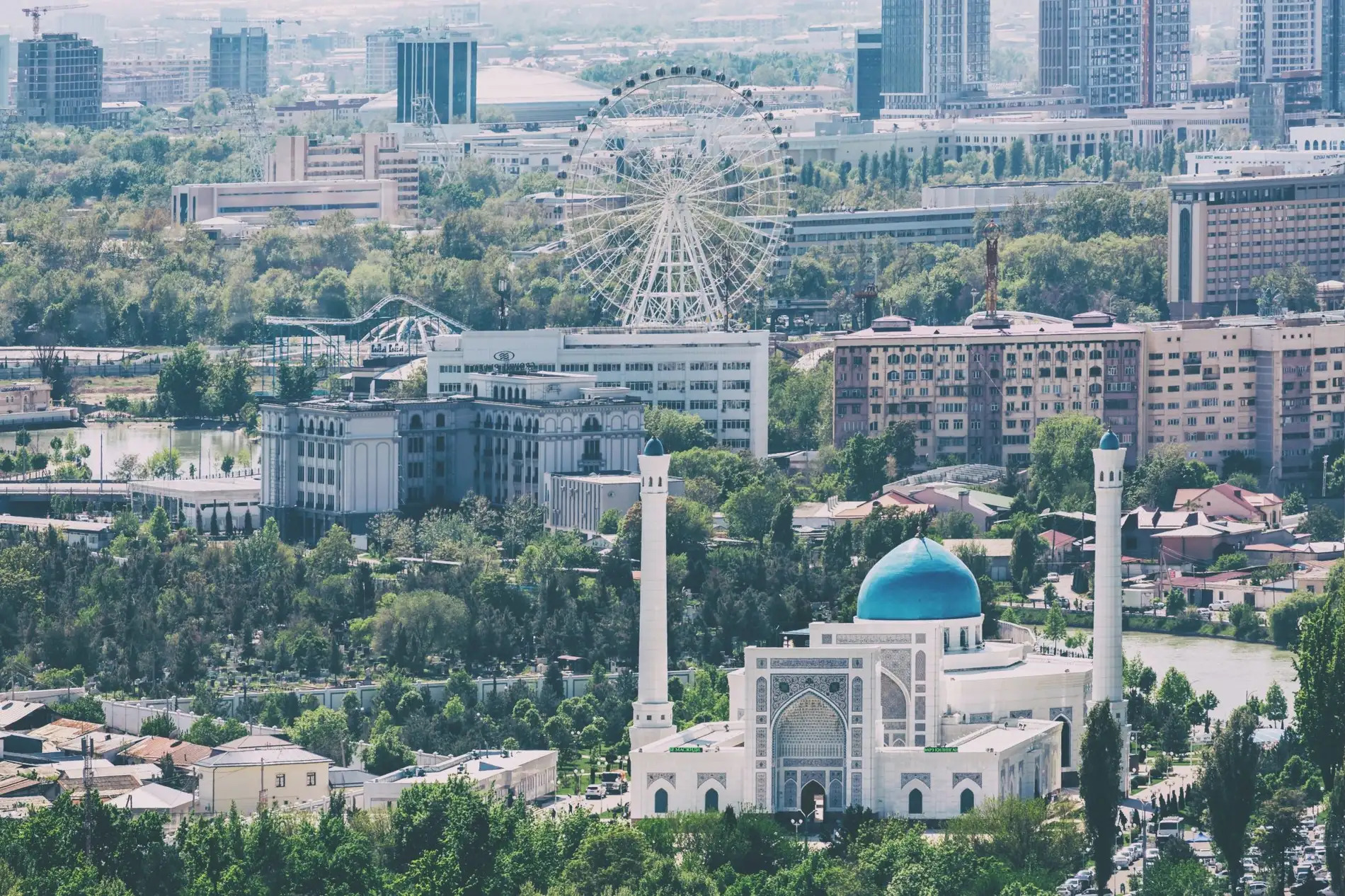
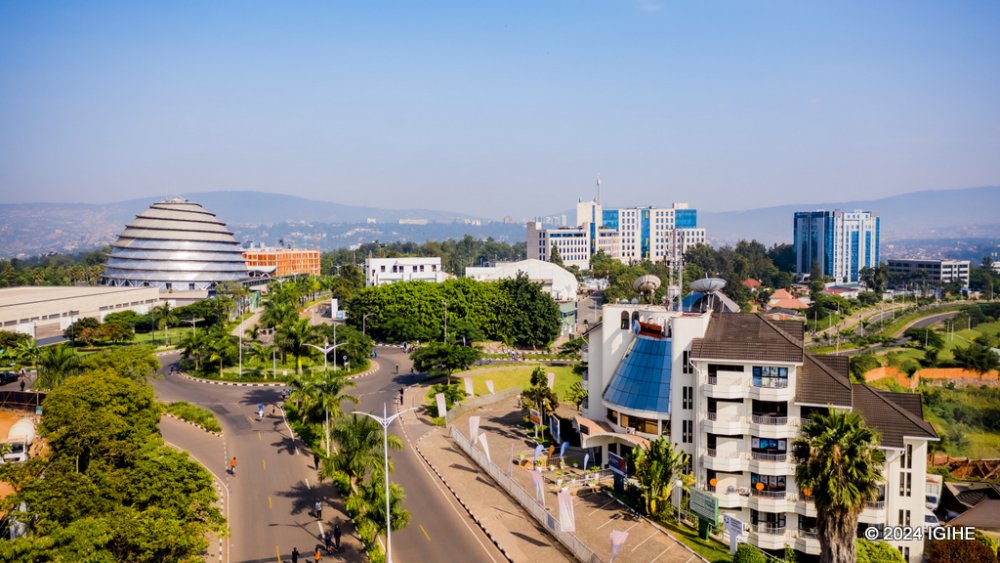
Tashkent is the capital and largest city of Uzbekistan.
In recent years, Uzbekistan has emerged as one of the fastest-growing economies in the region, underpinned by its Development Strategy 2022–2026. The country recorded real GDP growth of 7.7% in 2025, with projections of 6.8% in 2026, supported by strong investment inflows and favorable global commodity prices, particularly for gold.
Its economy is anchored in key sectors such as natural resources, where it is a major global producer of gold and natural gas, and agriculture, which is gradually diversifying beyond its traditional reliance on cotton into higher-value exports. Uzbekistan is also advancing an ambitious green energy agenda, targeting 25% renewable energy generation by the end of 2026, with solar power playing a central role.
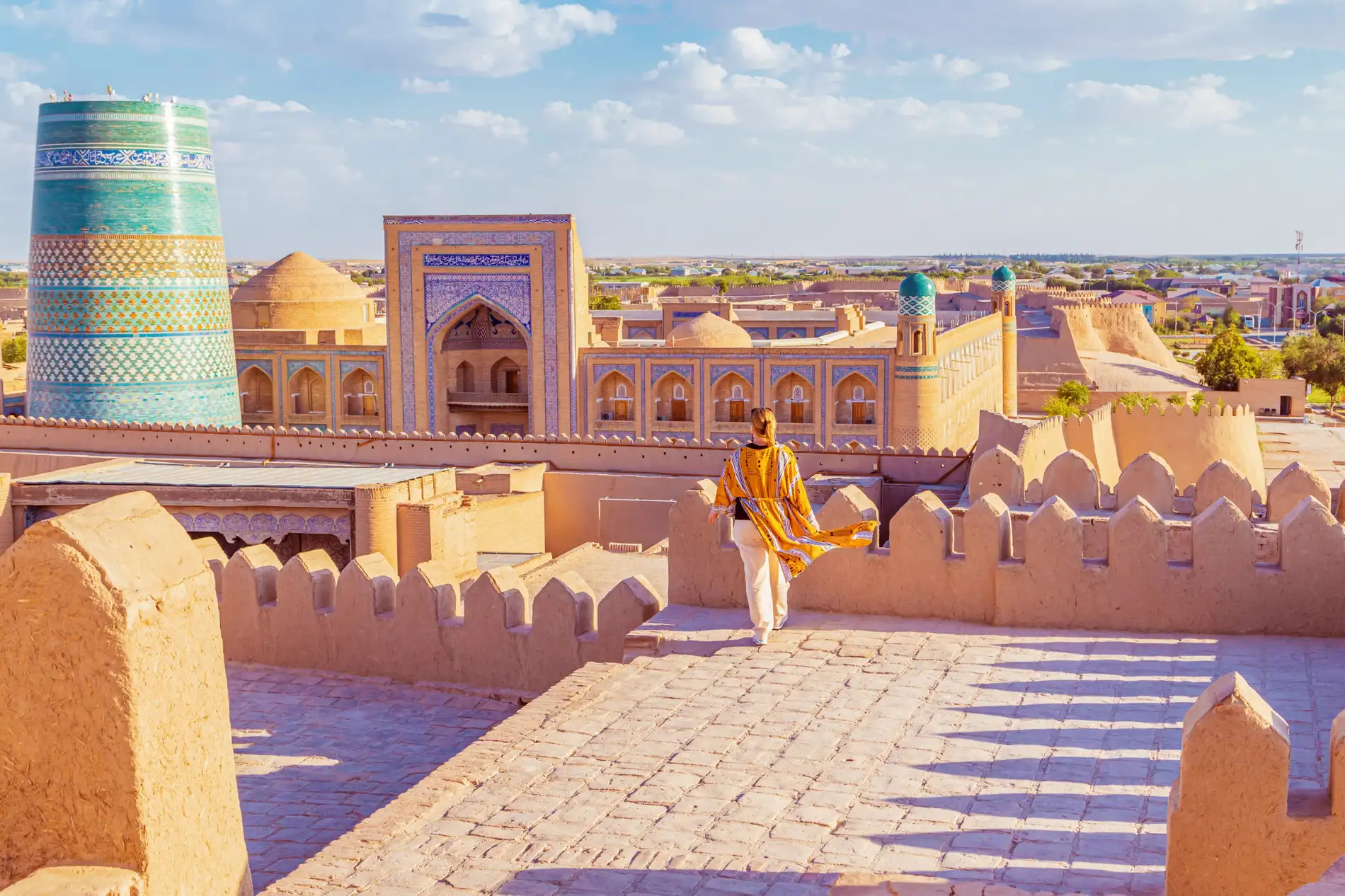
Registan Square, a historical landmark in Samarkand, Uzbekistan.
Tourism has become a fast-growing sector, with the country aiming to attract 12 million visitors by 2026, bolstered by new cultural and heritage investments, including the Silk Road Museum in Samarkand and expanded cultural infrastructure.
According to the National Statistics Committee, Uzbekistan’s permanent population stood at 38,382,685 as of April 1, 2026.
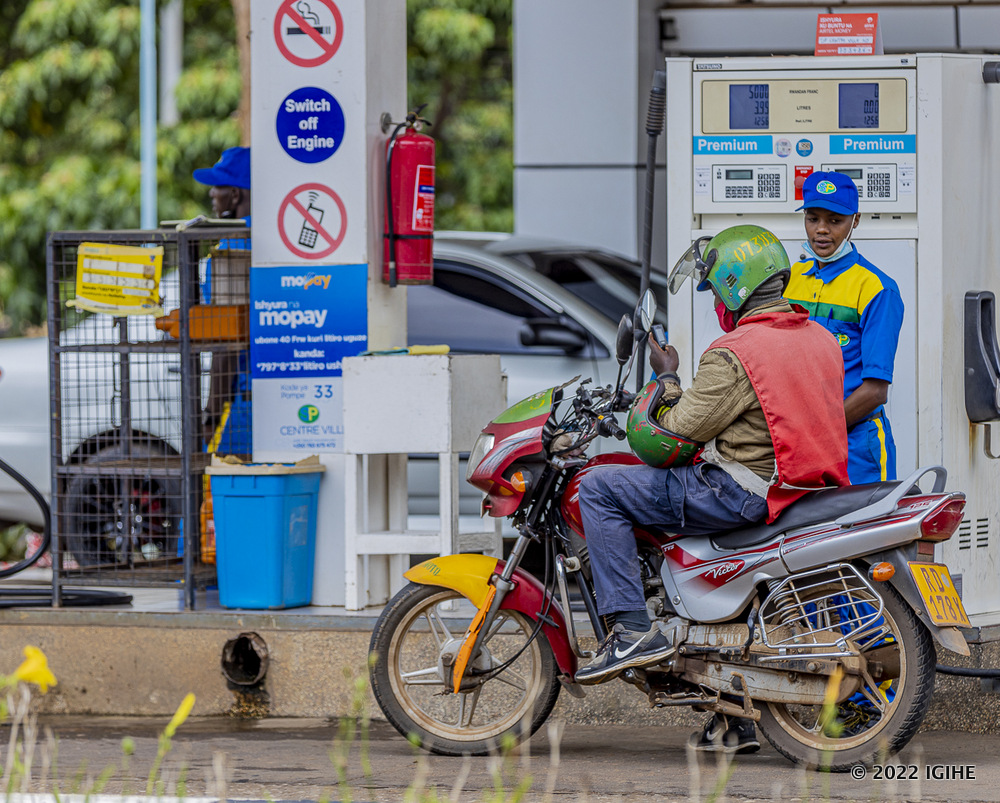
Another notable change is the unusually frequent revision of fuel prices. For the first time, prices were adjusted after only two weeks. Traditionally, fuel prices in Rwanda were revised every two months, but in early April, the cycle was shortened to one month, and later to just two weeks.
According to RURA’s pricing mechanism, fuel prices can technically be reviewed daily depending on market conditions and their impact on supply and costs.
Global supply disruptions as the main driver
Petrol imported into Rwanda passes through ports in Dar es Salaam (Tanzania) and Mombasa (Kenya). However, before reaching these ports, it is sourced from various global suppliers.
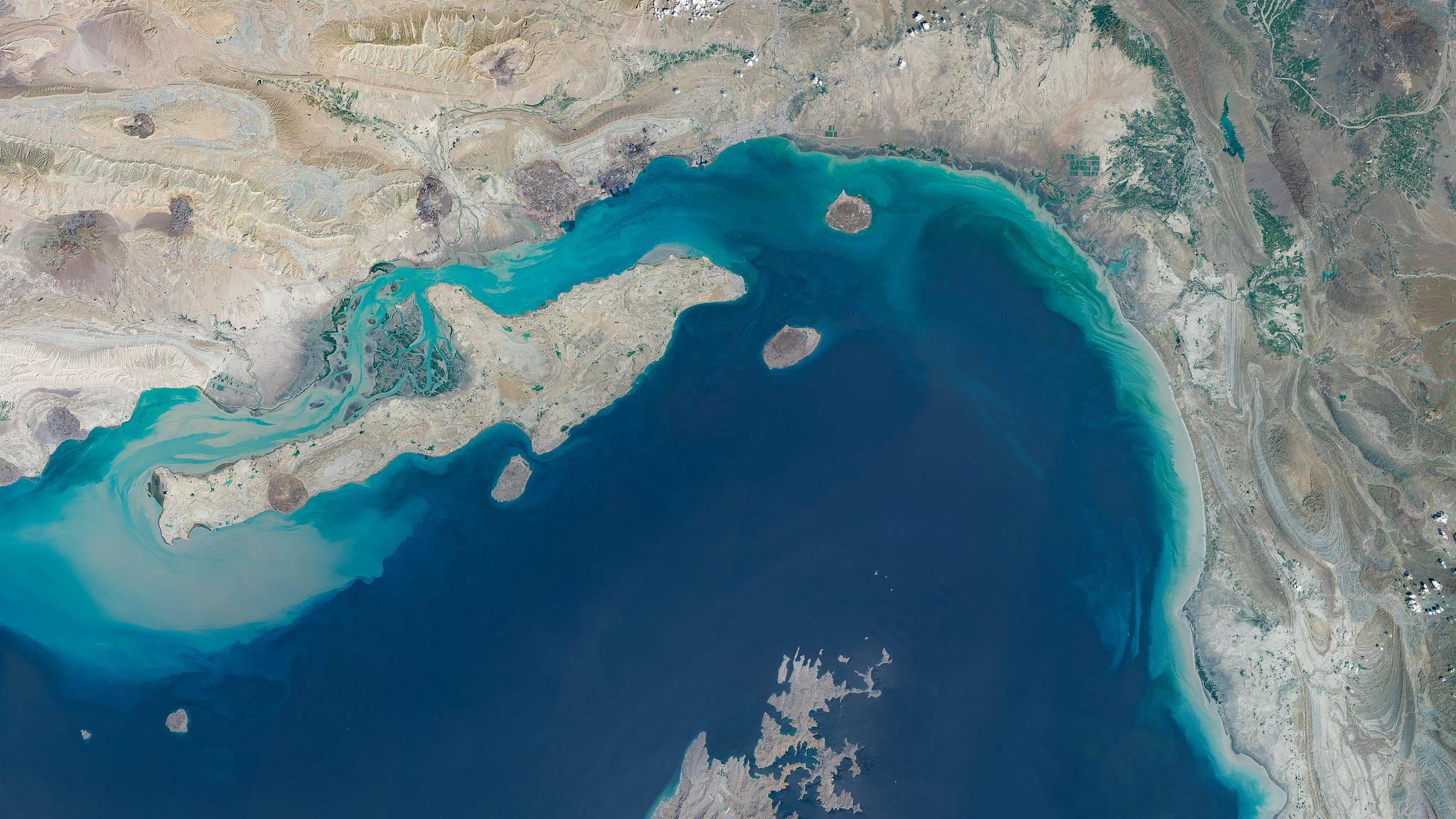
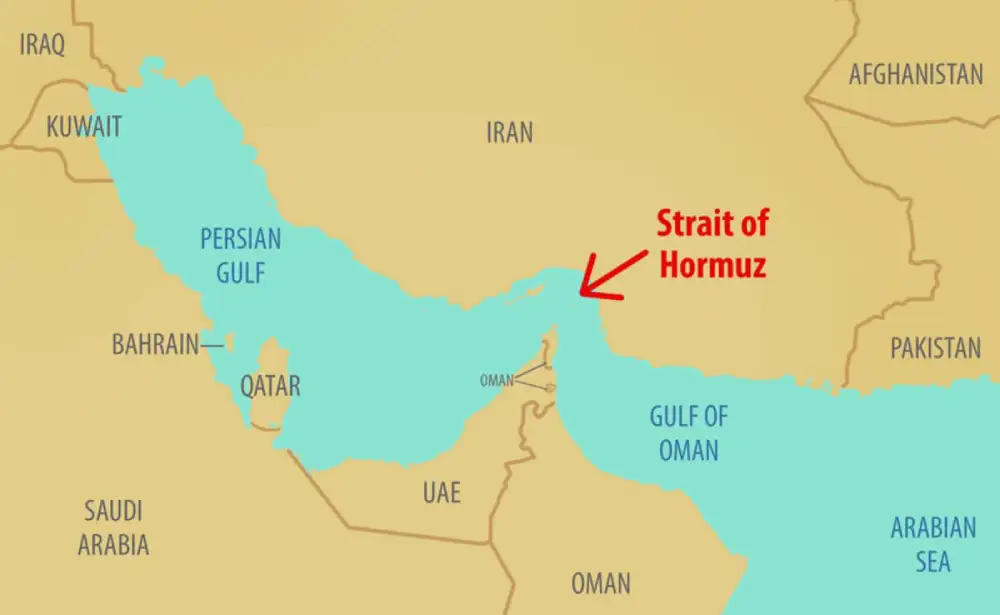
Currently, about 27% of fuel entering the region passes through the Strait of Hormuz. Other supplies come from India and Saudi Arabia, often transported through routes near Yemen, particularly the Bab el-Mandeb Strait.
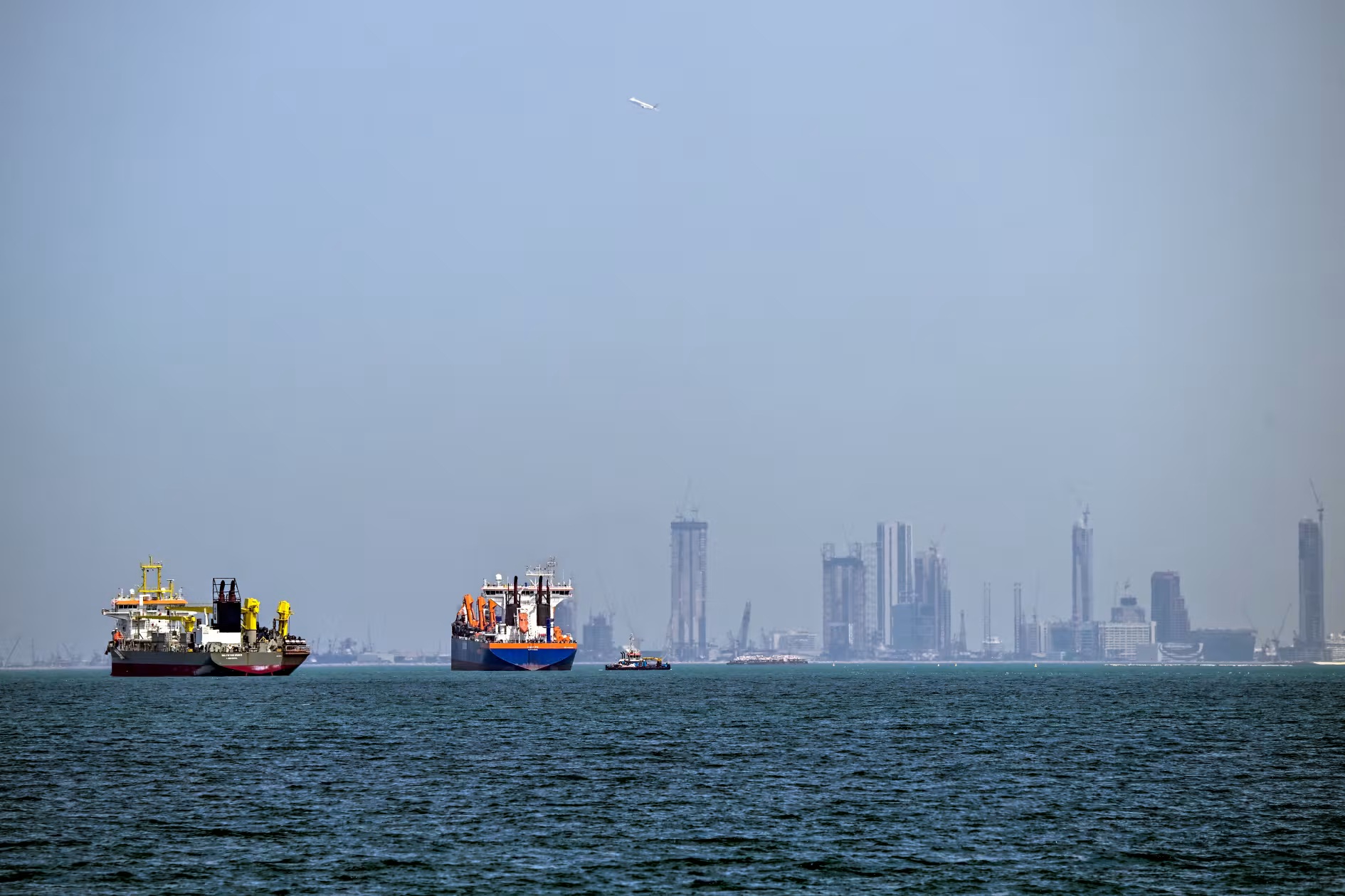
Due to the Iran–US conflict, tensions in the Strait of Hormuz have disrupted shipping routes, with some vessels being blocked or delayed.
This has reduced the flow of fuel to Tanzania and Kenya, forcing suppliers to seek alternative and often more expensive routes. As a result, transportation costs have increased, which has directly pushed up fuel prices.
In Kenya and Tanzania, fuel prices are also adjusted monthly. Currently, petrol in Kenya costs about Rwf 2,342 per litre, while diesel is around Rwf 2,341.
Before Rwanda adjusted its prices, fuel in the country was relatively cheaper compared to neighbouring markets. This allowed some international truck drivers to refuel in Rwanda.
However, this situation created distortions in the market, prompting a price adjustment to align Rwanda with regional pricing trends, where profit margins had shifted unfavourably.
Storage owners have significantly increased prices
In Rwanda, fuel pricing is calculated based on importers who bring petroleum products through international supply chains, mainly via shipping routes in the region. These importers account for about 60% of Rwanda’s fuel supply.
The remaining 40% is supplied through traders who purchase fuel from Tanzania and Kenya, negotiate prices, transport it by trucks, and sell it in Rwanda. Due to rising global prices and regional shortages, these traders face higher procurement costs.
In simple terms, storage owners tend to delay selling in anticipation of higher future profits. Some storage operators in Tanzania have sharply increased their prices, which has affected the 40% of traders who rely on them. As a result, many truckers are now unable to sell fuel competitively in the Rwandan market.
If this segment of 40% were left unregulated, the 60% of formal importers would continue supplying fuel, but at a level insufficient to meet national demand, potentially leading to shortages.
This situation forced Rwanda to take early action to stabilise the market and ensure continued supply. Typically, a fuel truck takes at least five days to travel from Tanzania to Rwanda.
Government absorbs diesel cost increases
According to RURA’s latest pricing statement, the price of diesel has remained unchanged. This decision was made to continue supporting public transport, goods transportation, and the broader economy.
This is a critical intervention, as an increase in diesel prices would have significantly raised the cost of living across all sectors. Transport fares would have increased, and the prices of goods would have risen sharply.
In practical terms, maintaining diesel prices means the government is effectively absorbing part of the cost, likely through tax adjustments. Without this intervention, diesel prices could have exceeded Rwf 3,000 per litre.
Future outlook
If current trends continue, petrol prices in Rwanda could exceed Rwf 3,200 per litre by May, reflecting ongoing global market pressures.
On the international market, a barrel of crude oil is currently trading between $98.5 and $113 in some regions.
In March, crude oil prices fluctuated significantly: on March 4 it stood at $74.6 per barrel, rose to $97 on March 19, reached $98.7 on March 13, and climbed to about $108 in early April.
These global fluctuations continue to strongly influence fuel prices in Rwanda and the wider region.
Fuel prices in Rwanda have increased significantly due to the impact of the Iran–United States conflict.
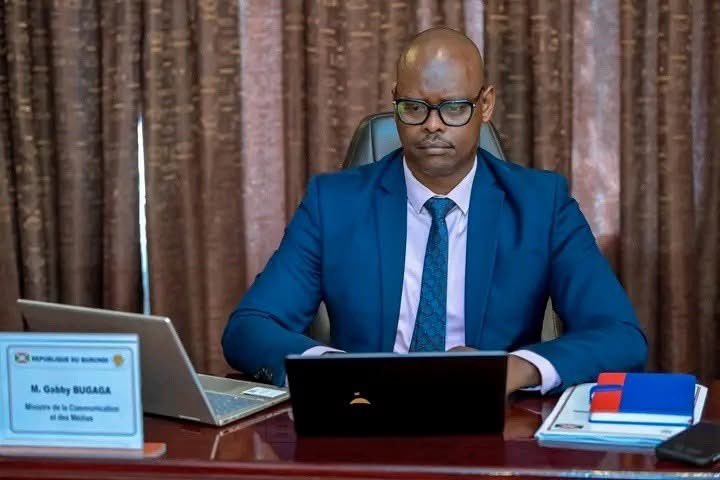
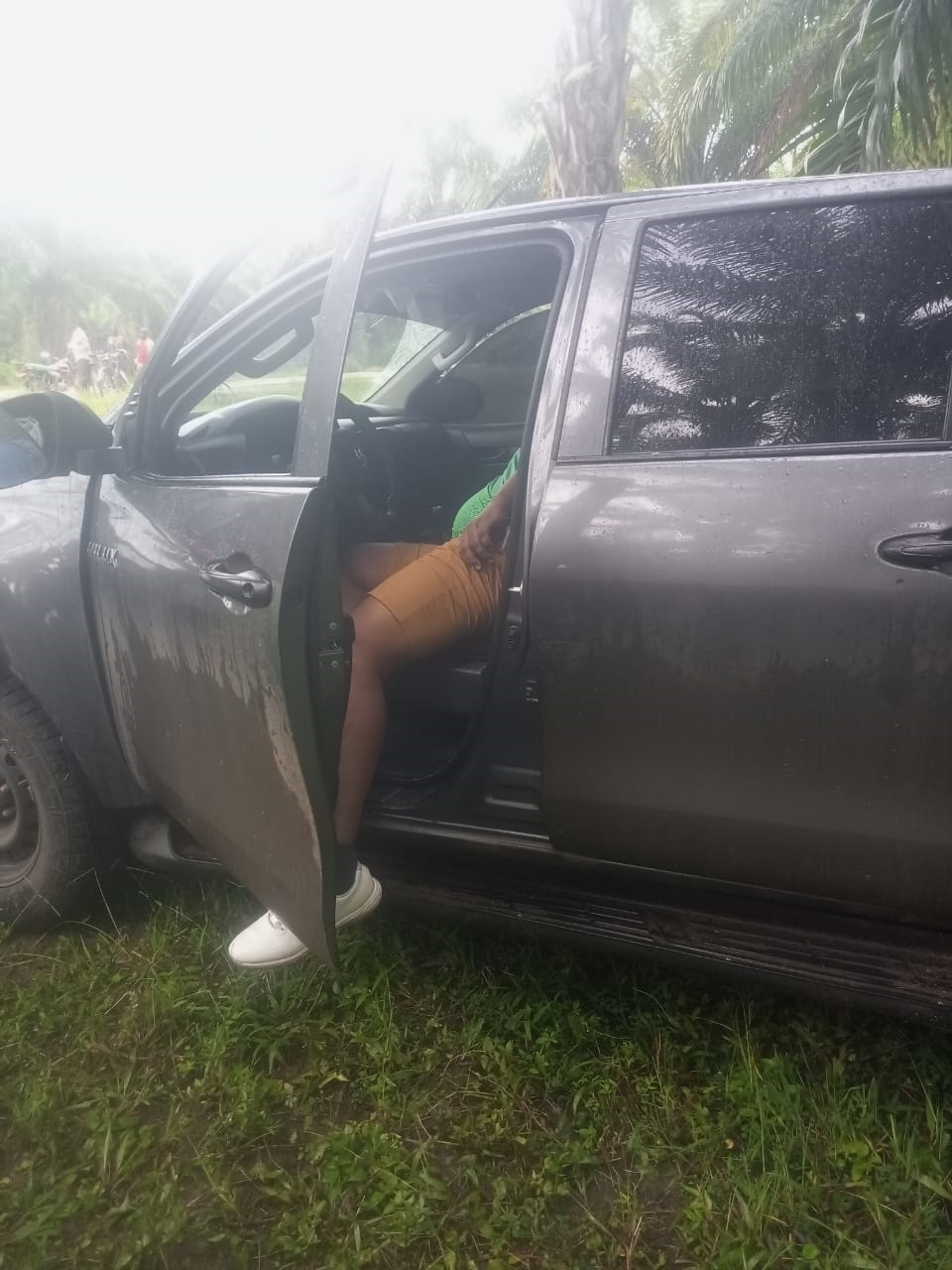
On the morning of April 16, Bugaga’s vehicle was found parked in a palm plantation in Kivoga, near the Bujumbura–Bubanza road. His body was discovered in the front seat, with one leg hanging out through the left window.
Reports indicate that when people later accessed the scene, the body had been repositioned, placing Minister Bugaga in a seated position inside the vehicle in a way that would make it difficult for a casual observer to immediately realize he had died inside the car.
One of the first elements that raised suspicion was the absence of his security detail. In Burundi, a government official of his rank is normally accompanied by security personnel at all times, making their absence unusual.
A close friend of the late minister said that before his death, Bugaga had expressed fear, although he did not clearly explain what he was afraid of. The same friend said he had been planning to leave Burundi for Canada, but later changed his mind.
The friend, who is based in Europe, added that Bugaga had asked for assistance in preparing for relocation, saying, “One day before his death, he urged me to speed up the plan.”
Other accounts suggest that amid growing fears, Bugaga had consulted friends about the possibility of resigning, but they advised him against it, warning that it could create political tension with the government of President Évariste Ndayishimiye.
Human rights activist Pacifique Nininahazwe also questioned the official version of events. He stated that Bugaga’s Toyota Hilux was found in Kivoga without a rear license plate and that no visible signs of a nearby accident scene were present, raising questions about whether the incident actually occurred there.
He further noted unusual details, saying: “The first strange thing is that the car key was not inside the vehicle but was found in Gabby Bugaga’s bag. Did he drive without a key? Or did he park the car, remove the key, lie down, and place his leg out of the window while waiting for death?”
In an official statement, the Secretary-General and government spokesperson of Burundi, Jérôme Niyonzima, insisted that there is no doubt Bugaga died in a road accident and stated that no investigation is necessary.
However, the president of the Ligue Iteka human rights organization, Anschaire Nikoyagize, warned against rushing to conclusions. He called for an independent investigation to establish the truth.
Nikoyagize noted that since President Ndayishimiye came to power in June 2020, 2,248 bodies of people who died under unclear circumstances have been recorded in Burundi, suggesting that Bugaga’s death should also be thoroughly examined rather than automatically classified as an accident.
The deal was concluded during peace talks held in Switzerland from April 13 to 17, 2026, with support from Qatar and the United States.
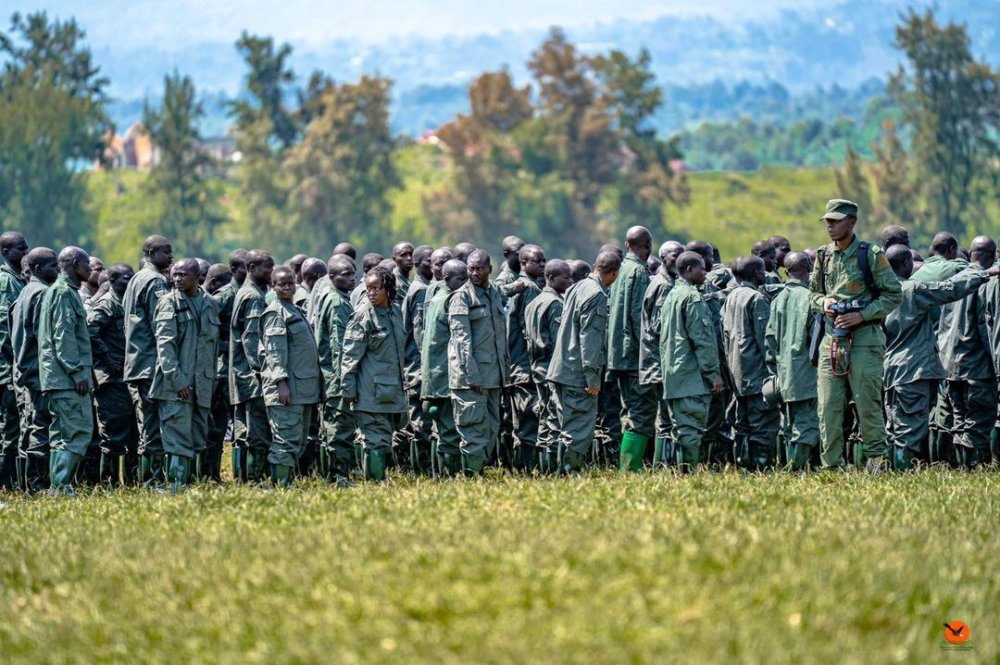
Under the agreement, the DRC government is expected to release 311 prisoners linked to AFC/M23, while the rebel group will free 166 individuals held from the government side.
The prisoner exchange is seen as a confidence-building measure aimed at supporting ongoing peace efforts.
Both parties indicated that the list of prisoners to be released was provided by the International Committee of the Red Cross, in line with an agreement previously signed on September 14, 2025.
On April 14, 2026, the two sides also agreed to operationalise a revised international mechanism tasked with monitoring the ceasefire, known as EJVM+. This body will include three representatives from each side.
The decision to establish EJVM+ was initially made during earlier peace discussions held in Doha, Qatar, last year. However, its implementation had been delayed due to persistent tensions between the DRC government and AFC/M23.
The mechanism is now expected to begin overseeing the ceasefire within a week. Troops from the United Nations peacekeeping mission in the DRC (MONUSCO) are also set to support its operations.
The Government of the Democratic Republic of Congo (DRC) and the AFC/M23 rebel coalition have reached an agreement to release more than 400 prisoners within the next 10 days.
The latest assessment places Rwanda ahead of countries with comparable income levels, reflecting notable progress across health, education, and labour market performance.
The country achieved a score of 157 on the HCI+, significantly surpassing the Sub-Saharan Africa average of 126 and the low-income country benchmark of 116.
The HCI+ evaluates how effectively nations are building and utilising human capital by measuring the future productivity of children born today.
It considers access to quality healthcare, education, and employment opportunities, while also accounting for inefficiencies such as underused skills.
Compared to the original index, the HCI+ introduces broader indicators, including higher education attainment, job quality, and transitions within the labour market.
Minister of Finance and Economic Planning Yusuf Murangwa attributed the achievement to Rwanda’s long-standing policy focus.
“Our focus on health, quality education, and creating pathways to productive employment is delivering measurable results for Rwandans and the economy,” he stated.
He further noted that sustainability is being embedded across sectors to secure lasting impact.
Key indicators underline this progress. The probability of surviving to age 60 has reached 79 per cent, exceeding the regional average of 73.8 per cent.
Efforts to combat child stunting have also advanced, with 70.2 per cent of children expected to grow without stunting.
In education, Rwanda posted a harmonised learning score of 417 and a tertiary completion rate of 22.8 per cent.
Meanwhile, employment data shows encouraging trends, particularly among youth and wage earners, pointing to improved access to stable jobs. Overall, the gains reflect steady advancement since 2010, especially in health and workplace learning.
Rwanda has achieved a score of 157 on the HCI+, significantly surpassing the Sub-Saharan Africa average of 126 and the low-income country benchmark of 116 in the latest World Bank human capital index.
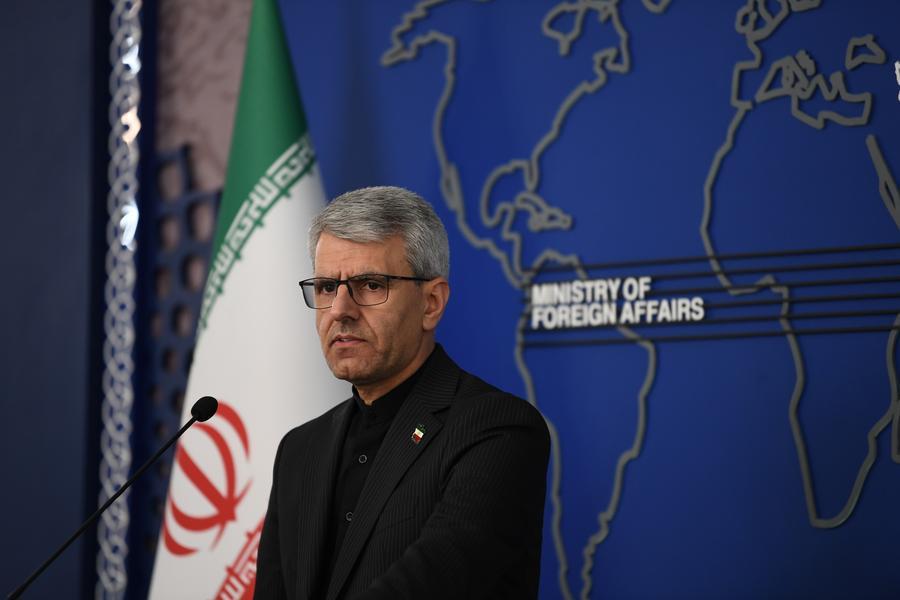
Baghaei, speaking on state-run IRIB television, said that recent public statements by Foreign Minister Seyed Abbas Araghchi were made within the framework of the ceasefire between Iran and the United States announced on April 8, not as signals of a new diplomatic opening.
Earlier Friday, Araghchi said the Strait of Hormuz would remain “completely open” to commercial shipping for the duration of the current truce between Iran and the United States.
Baghaei moved to clarify the foreign minister’s position, saying that following a ceasefire in Lebanon on Friday, Tehran chose to apply safe-passage conditions outlined in its agreement with Washington to vessels transiting the strait.
“We have reached no new agreement,” he said. “The ceasefire agreement is the one announced on April 8.”
He accused the United States of failing, from the outset of the truce, to honor a commitment to extend its terms to Lebanon, a provision Iran insists was included in the April 8 agreement. Washington and Jerusalem have rejected that characterization.
Baghaei also warned that Iran would take “countermeasures” if a United States naval blockade of the Strait of Hormuz persisted. He said no talks on extending the ceasefire had taken place, and that mediation efforts led by Pakistan remained focused on ending the conflict and protecting Iran’s interests.
Iran tightened its grip on the strait beginning Feb. 28, when it barred safe passage to vessels belonging to or affiliated with Israel and the United States following joint strikes on Iranian territory.
The United States subsequently imposed its own blockade, preventing ships traveling to and from Iranian ports from transiting the waterway after peace negotiations in Islamabad collapsed over the weekend.
Axios reported Friday, citing people familiar with the talks, that a second round of United States-Iran negotiations is expected to take place in Pakistan this weekend, most likely on Sunday.
Iranian Foreign Ministry spokesman Esmaeil Baghaei speaks at a weekly press conference in Tehran, Iran, April 6, 2026.
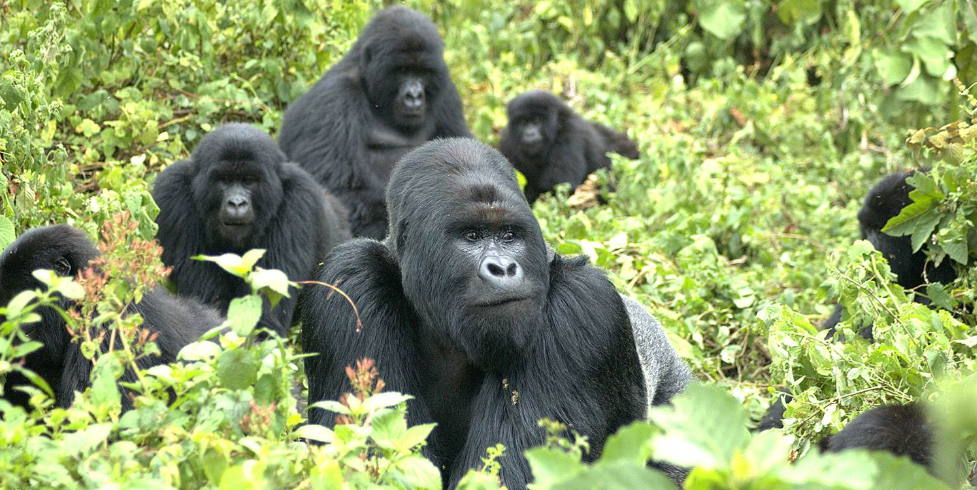
Titled A Gorilla Story: Told by David Attenborough, the film offers an in-depth look at gorilla behaviour, social structures and lineage through the story of Pablo’s gorilla family. It is narrated by renowned naturalist David Attenborough, whose connection to Rwanda’s gorillas dates back to 1978 when he first visited Volcanoes National Park and encountered Pablo as an infant.
The documentary was produced by Silverback Films in collaboration with Appian Way Productions, the Rwanda Development Board, and the Dian Fossey Gorilla Fund.
Filming took place over an extended period in Volcanoes National Park, allowing filmmakers to capture rare insights into gorilla social dynamics, interactions and generational continuity. The production highlights the complexity of gorilla family life while underscoring Rwanda’s long-term conservation efforts.
Irène Murerwa, Chief Tourism Officer at the Rwanda Development Board, said the documentary reflects decades of sustained conservation work.
“Over the past two decades, Rwanda has made consistent progress in protecting and growing its mountain gorilla population through a conservation model that prioritises community partnership, sustainability, and long-term investment,” she said. “This documentary provides an opportunity to share that story with global audiences in a way that reflects both the science and the human effort behind it.”
Beyond conservation storytelling, the production also contributed to Rwanda’s tourism value chain by utilising local services such as accommodation, transport, guiding and permits. It further supported Rwanda’s creative sector by engaging local filmmakers and facilitating skills development through workshops coordinated by the Rwanda Film Office.
A cinematic screening of the documentary is scheduled to take place in London on April 21, 2026, bringing together stakeholders from conservation, media and the creative industries, with Rwanda’s conservation journey at the centre of the event.
Iranian Foreign Minister Abbas Araghchi said in a statement that “the passage for all commercial vessels” through the strait would remain open for the remainder of the truce. The narrow waterway, through which a significant portion of the world’s oil supply passes, has been a focal point of conflict during recent hostilities involving Iran, the United States, and its regional allies.
The announcement triggered an immediate reaction in global markets, with oil prices dropping sharply, falling by more than 10 percent to below $89 per barrel, amid expectations of stabilised supply.
The global impact of disruptions in the Strait of Hormuz has also been felt far beyond the Middle East, including in Rwanda, where fuel prices have surged in recent days. Authorities raised the price of petrol to Rwf 2,938 per litre, up sharply from Rwf 2,303, citing sustained pressure from international oil markets and supply constraints linked to the conflict.
While petrol prices have been increased to align more closely with these global trends, the government has opted to hold diesel prices steady through targeted interventions. Diesel is a key input in Rwanda’s transport and logistics sectors, and keeping its price unchanged is aimed at limiting knock-on effects on public transport fares, goods movement, and overall inflation.
Meanwhile, U.S. President Donald Trump welcomed Iran’s move in a post on Truth Social, writing: “Iran has just announced that the Strait of Iran is fully open and ready for full passage. Thank you!” However, in a follow-up statement, he emphasised that the U.S. naval blockade of Iranian ports would remain in place until a permanent agreement is reached.
“This process should go very quickly,” Trump added, suggesting that most elements of a broader deal had already been negotiated.
Despite the reopening, uncertainty remains over how shipping will operate in practice. Iranian authorities indicated that vessels should follow “coordinated routes” set by the country’s Ports and Maritime Organisation, though it is unclear whether new conditions, such as transit fees, could apply.
The move comes as diplomatic efforts intensify to bring a broader end to the conflict. Talks between U.S. and Iranian officials in Islamabad reportedly identified control and access to the strait as a major sticking point.
Meanwhile, a separate 10-day ceasefire between Israel and Lebanon has taken effect, raising cautious hopes for de-escalation across the region. Celebrations were reported in Beirut, though the humanitarian toll of the conflict remains severe.
More than 2,000 people in Lebanon have been killed over six weeks of fighting, and roughly one in five residents has been displaced. Israel has reported the deaths of two civilians and 13 soldiers.
Iran announced on Friday that the Strait of Hormuz is “completely open” to commercial shipping for the duration of a fragile regional ceasefire.
The study, conducted by scientists at the University of Oklahoma, revealed that FGF21 operates through a region of the brain known as the hindbrain, a surprising finding since most researchers expected signals to come from another area called the hypothalamus.
The hindbrain is the same part of the brain targeted by some existing weight‑loss medications like GLP‑1 drugs, but FGF21 works in a completely different way.
Instead of suppressing hunger, FGF21 triggers parts of the hindbrain called the nucleus of the solitary tract (NTS) and the area postrema (AP). These regions then communicate with another brain structure known as the parabrachial nucleus.
This pathway appears to increase metabolic activity meaning the body burns more energy which leads to weight loss.
According to lead researcher Matthew Potthoff, Ph.D., understanding this brain circuit is important because it might help scientists design new weight‑loss therapies that are more effective and have fewer side effects than current options.
While some experimental FGF21‑based drugs are already being tested for a serious liver condition called MASH (metabolic dysfunction‑associated steatohepatitis), this research focuses specifically on how the hormone affects weight and metabolism.
One of the reasons this discovery is so promising is that FGF21 and existing medications target similar brain areas but produce different outcomes. GLP‑1 drugs like Ozempic and Wegovy reduce appetite, which helps people eat less.
FGF21, on the other hand, appears to increase the body’s natural ability to burn fat and use energy more efficiently, which could lead to powerful new ways to treat obesity.
Although these results are still early and have been observed in mice, the findings offer scientists a valuable new perspective on how the brain controls metabolism and body weight.
If future research confirms similar effects in humans, FGF21‑based therapies could eventually become a part of treatments for obesity and related conditions such as fatty liver disease.
Scientists uncover hormone FGF21 that triggers weight loss in mice, paving the way for new obesity treatments.