Leavitt said at a White House press briefing that the Trump administration is optimistic the continued negotiations could yield a deal to end the weeks-long war.
“We feel good about the prospects of a deal,” she said.
Leavitt also did not confirm when talks with Iran would resume, but said if there were talks, they would continue to be held in Pakistan following stalled talks in Islamabad over the weekend.
U.S. President Donald Trump said Tuesday that fresh U.S.-Iran talks “could be happening over next two days” in Pakistan. Also, he said earlier on Wednesday that the U.S.-Israeli war with Iran is “very close to being over,” without providing a clear timeline.
The two-week ceasefire is set to expire next week.
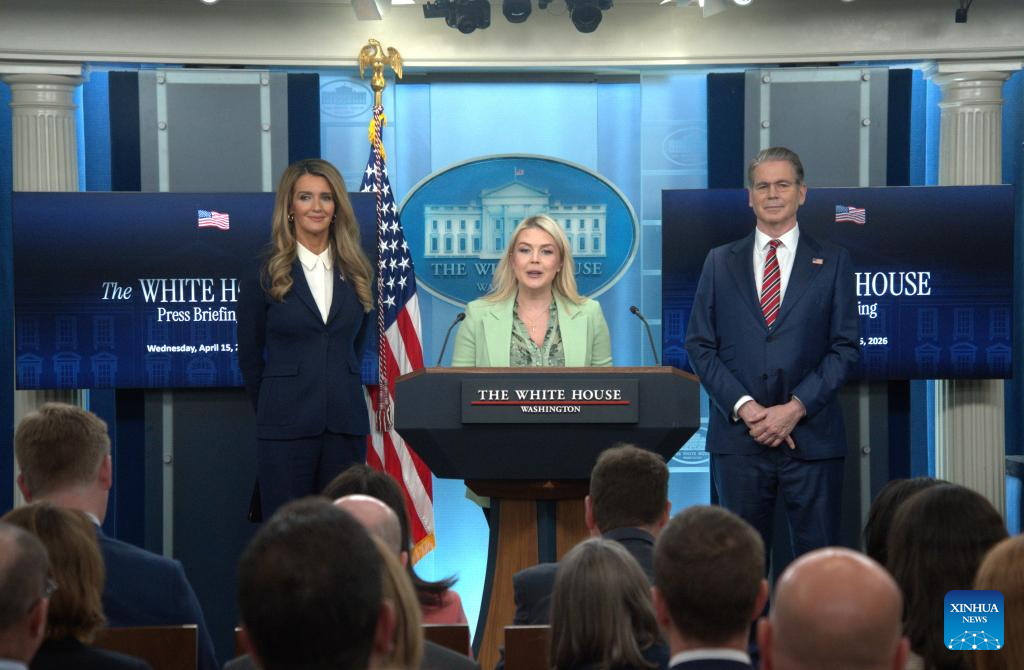
White House Press Secretary Karoline Leavitt speaks during a White House press briefing in Washington, D.C., the United States, April 15, 2026. Leavitt said Wednesday an extension of the current U.S. ceasefire with Iran is “not true at this moment.”
In its latest Fiscal Monitor report released Wednesday, the IMF said fiscal management is becoming increasingly challenging against a backdrop of trade fragmentation, intensifying geopolitical tensions, evolving sovereign debt markets and the buildup of structural vulnerabilities.
While global public debt dynamics showed no improvement in 2025, the outbreak of conflict in the Middle East has added a new source of fiscal pressure to an already fragile global landscape, the report noted. Global gross government debt rose to nearly 94 percent of GDP in 2025 and, on current trajectories, is projected to reach 100 percent by 2029 — a level previously reached only in the aftermath of World War II.
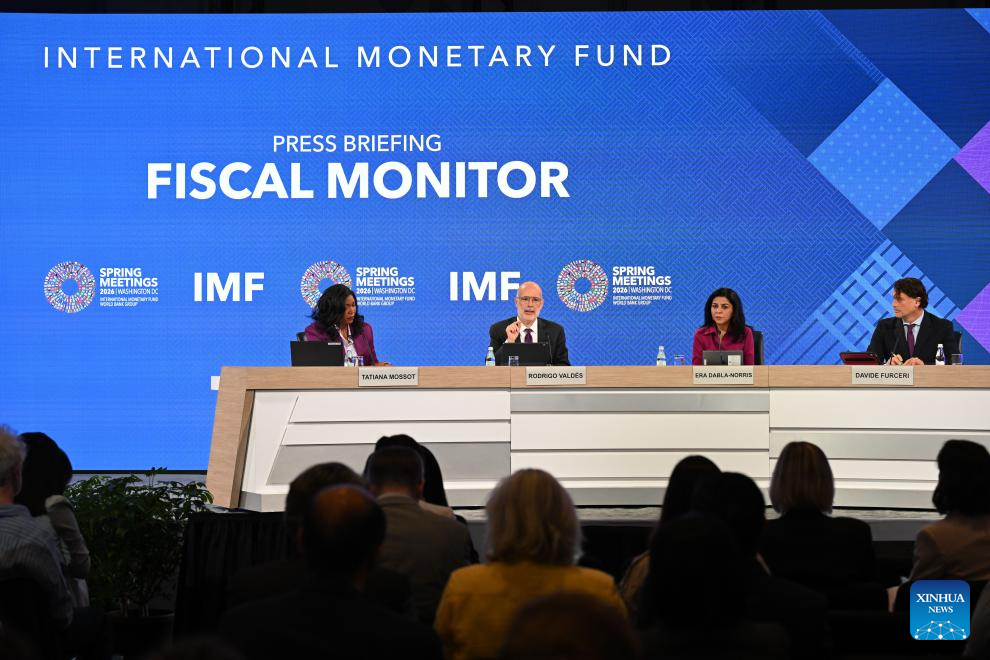
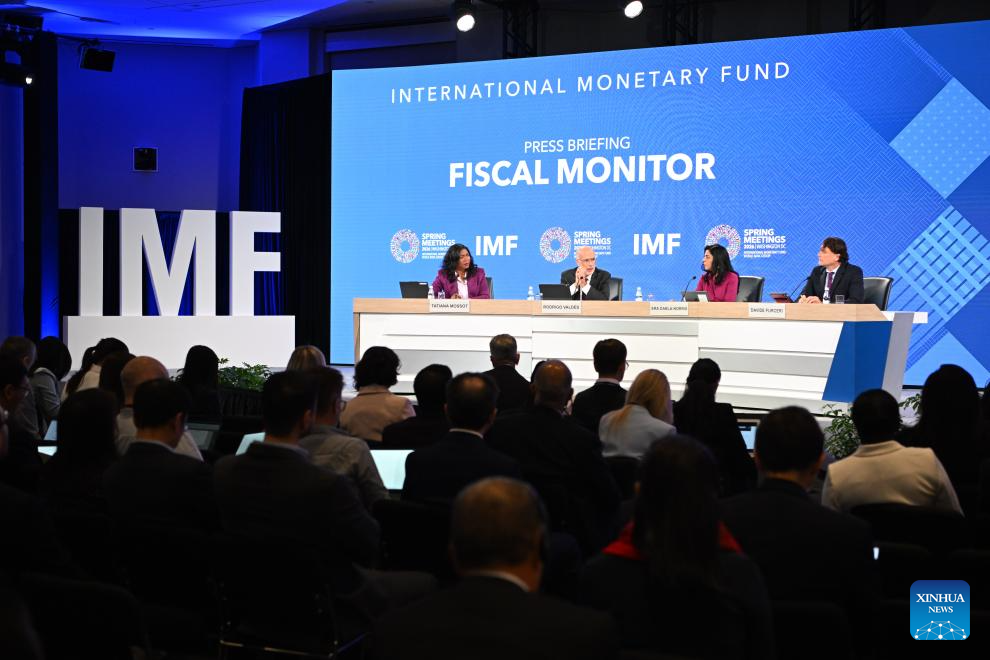
Rodrigo Valdes (C), director of the IMF’s fiscal affairs department, speaks at a press briefing on Fiscal Monitor in Washington, D.C., the United States, on April 15, 2026. The International Monetary Fund (IMF) has warned that global fiscal policy is coming under mounting pressure amid elevated debt levels and growing risks.
Concerns extend beyond the sheer scale of global debt to the shrinking fiscal space under current policy settings. The global fiscal buffer has effectively vanished, falling from more than 1 percent of GDP a decade ago to near zero today.
In addition, interest payments have risen sharply in just four years, from about 2 percent to nearly 3 percent of global GDP.
The IMF said the fiscal outlook has deteriorated further since its April 2025 Fiscal Monitor, with global debt-at-risk three years ahead now approaching 117 percent of GDP, underscoring heightened downside risks.
The Middle East conflict could further strain public finances through higher food and energy prices, tighter financial conditions, weaker economic activity, and rising defense outlays. In a scenario of prolonged conflict, global debt-at-risk could increase by an additional 4 percentage points, the IMF warned.
In the United States, the general government deficit currently stands at between 7 and 8 percent of GDP, with no debt consolidation plan in sight. Gross debt is projected to reach 142 percent of GDP by 2031.
The conflict also risks reinforcing adverse financial and commodity price dynamics, adding to macroeconomic pressures in emerging market and developing economies.
With the window for orderly fiscal adjustment narrowing, the IMF urged countries to adopt more forward-looking and structurally anchored fiscal policies as they cope with the effects of energy price shocks.
It called on the United States to stabilize its debt trajectory through measures on both revenue and expenditure, urged European governments to reconcile rising defense commitments with aging-related spending pressures by reprioritizing expenditures, and advised emerging markets to address contingent liabilities, phase out costly fuel subsidies and broaden their tax bases.
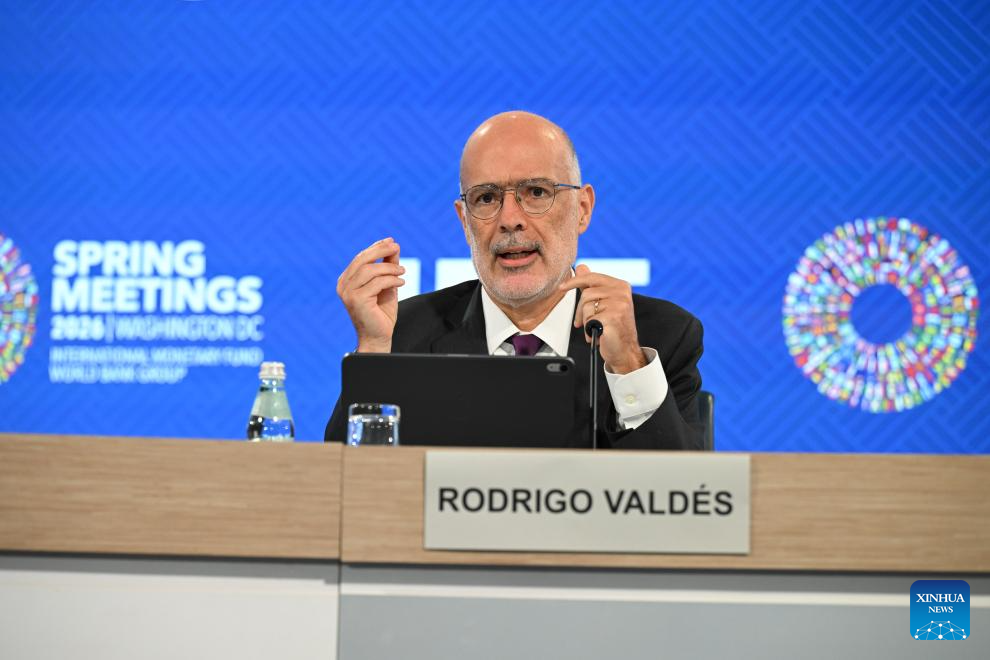
Rodrigo Valdes, director of the IMF’s fiscal affairs department, speaks at a press briefing on Fiscal Monitor in Washington, D.C., the United States, on April 15, 2026.
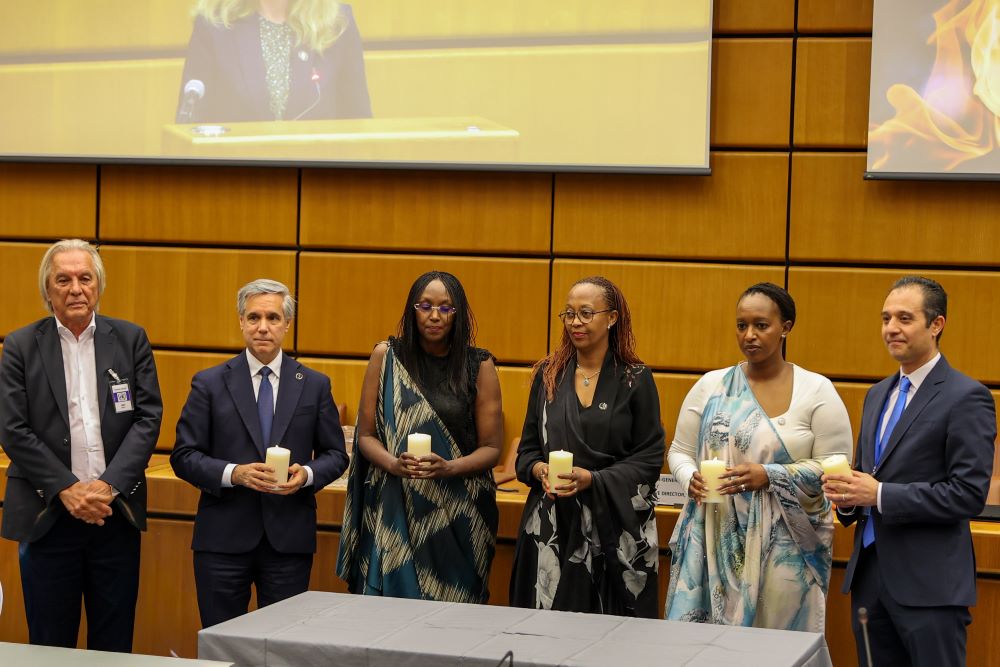
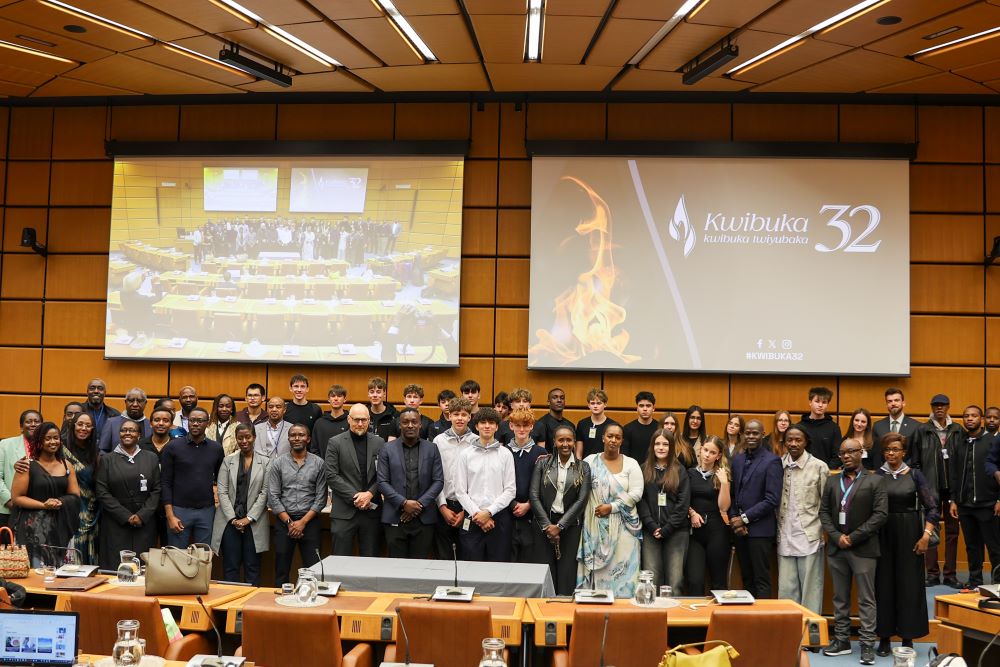
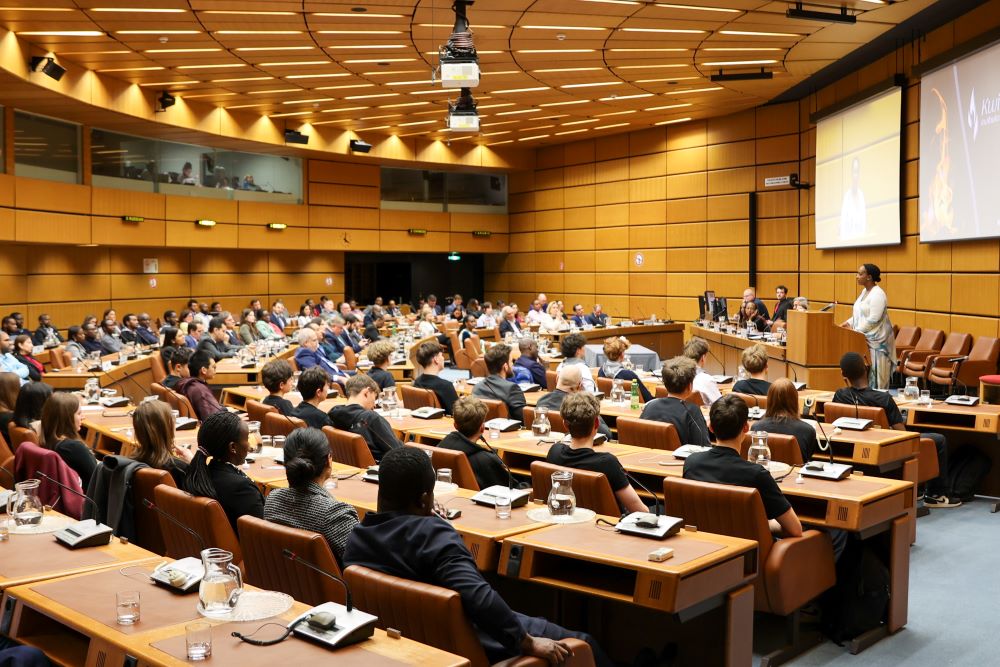
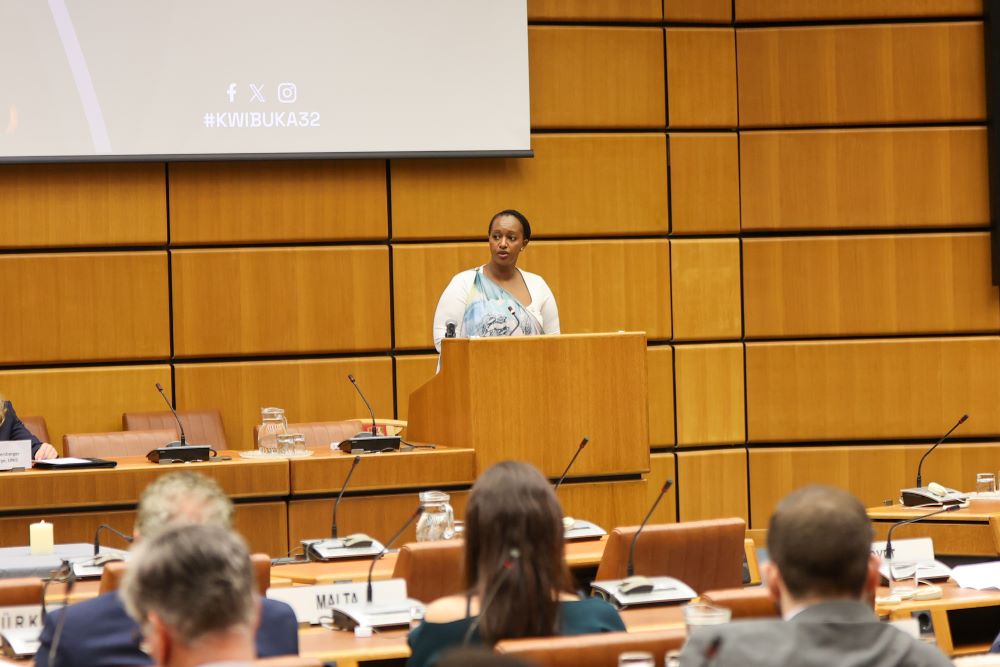
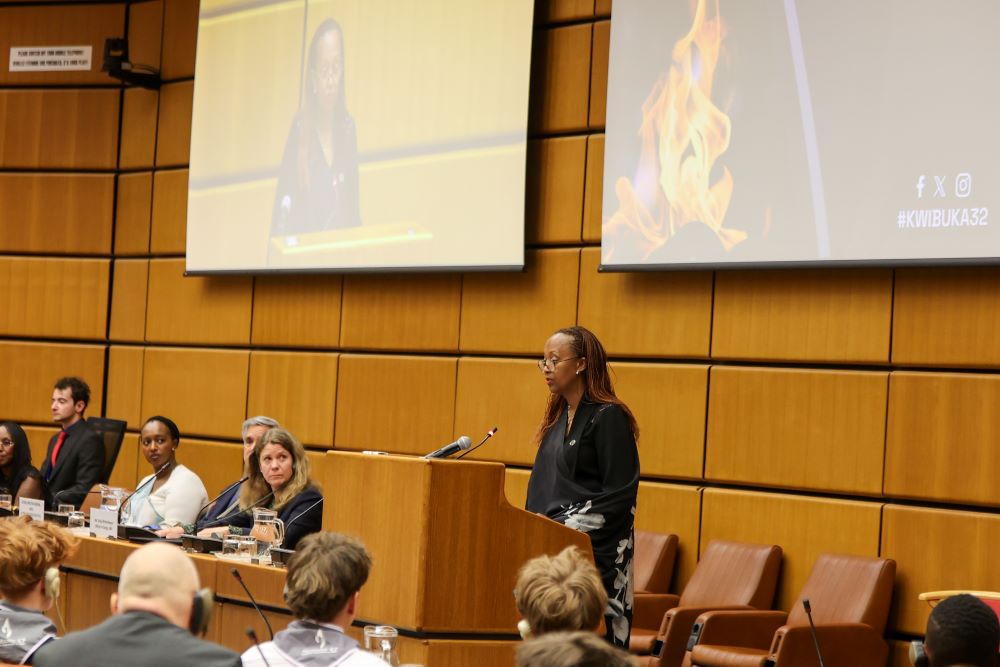
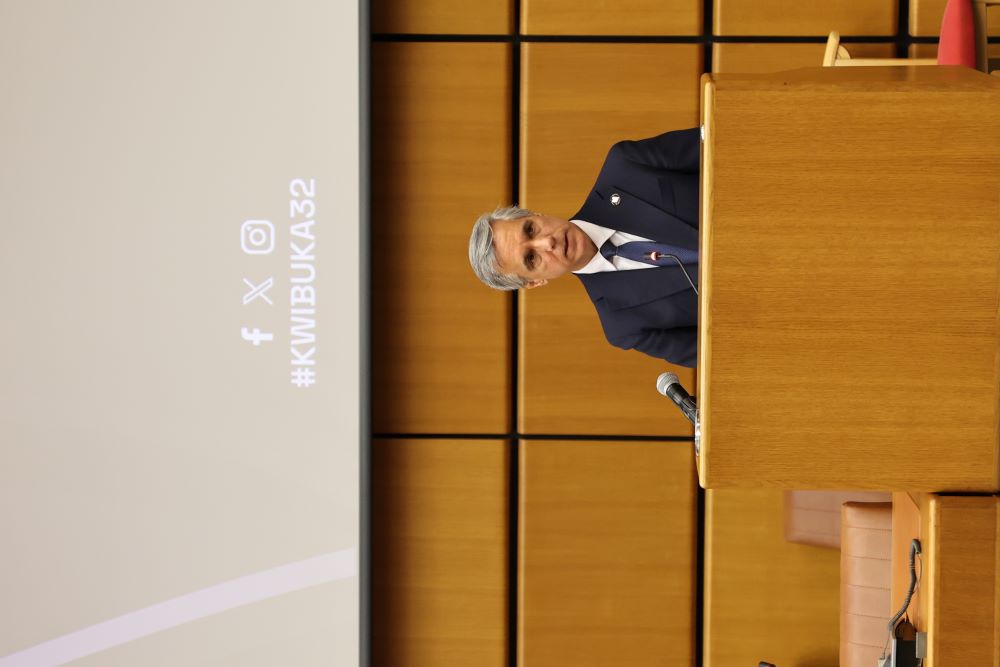
The commemoration began on April 9 at the United Nations Office at Vienna, where the message of the UN Secretary-General was delivered, emphasizing the need to strengthen shared values and institutions to prevent future atrocities.
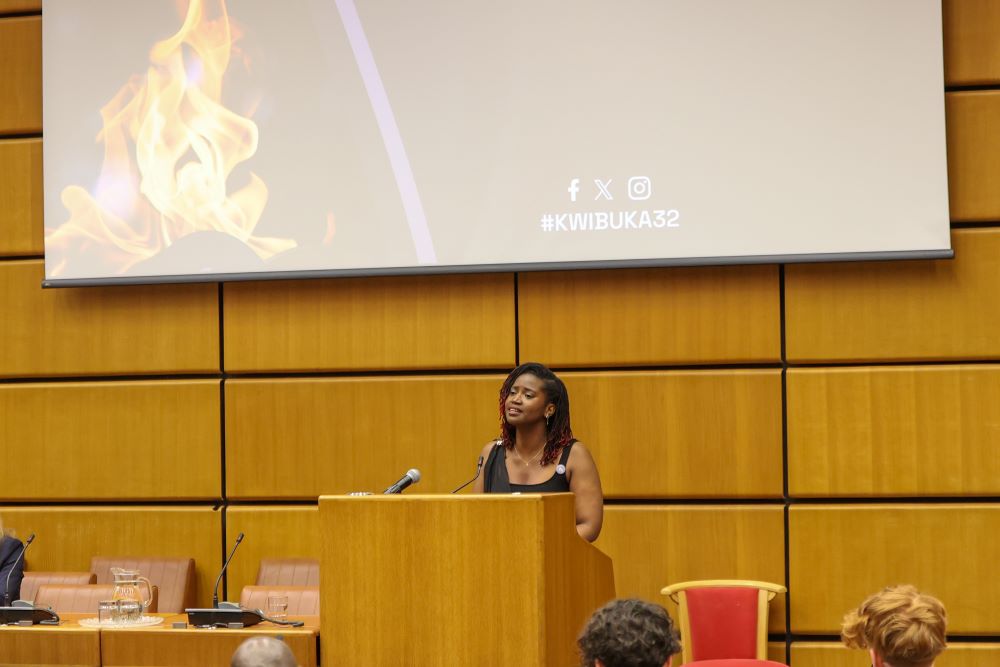
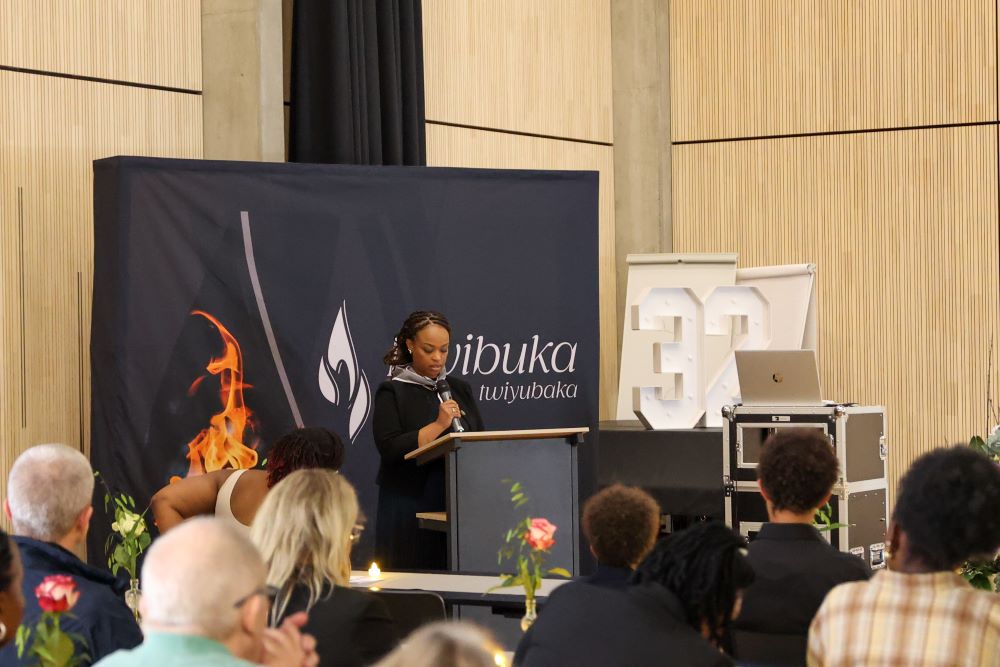
A key moment of the ceremony was the testimony of genocide survivor Yvonne Buhikare, whose account drawn from her book “Ils vont nous tuer” highlighted the importance of preserving memory and confronting historical truth.
Rwanda’s Ambassador to Austria, Urujeni Bakuramutsa, stressed that the genocide was not spontaneous but carefully planned, warning that such crimes begin with hate speech, dehumanization and the normalization of violence.
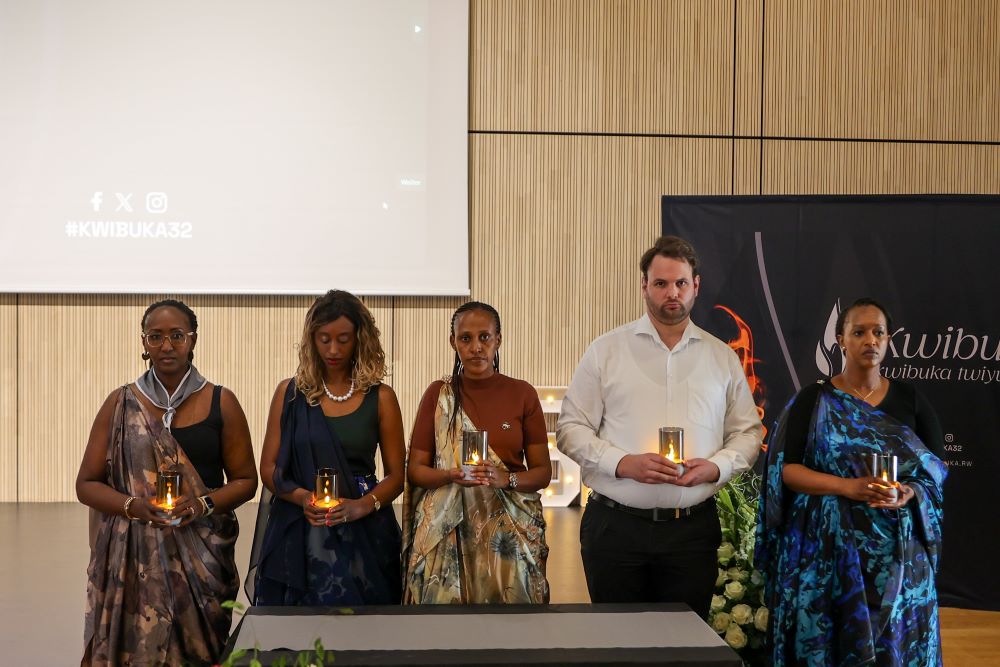
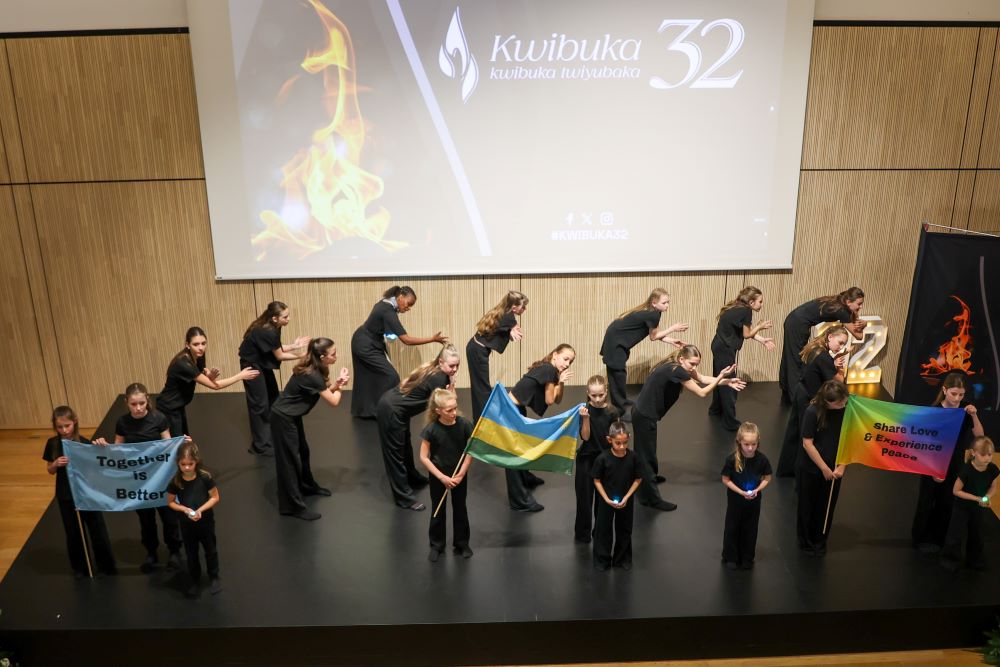
The commemoration continued on April 11 in Innsbruck, Tyrol, in an event organized by the Rwandan community in Austria, with participation from local authorities and residents.
The event featured remarks from community leaders, representatives of survivors and local officials, reaffirming a shared commitment to remembrance and prevention.
A powerful testimony by survivor Marie Kresbach Kabera, underscored resilience and the importance of ensuring that such atrocities never happen again.
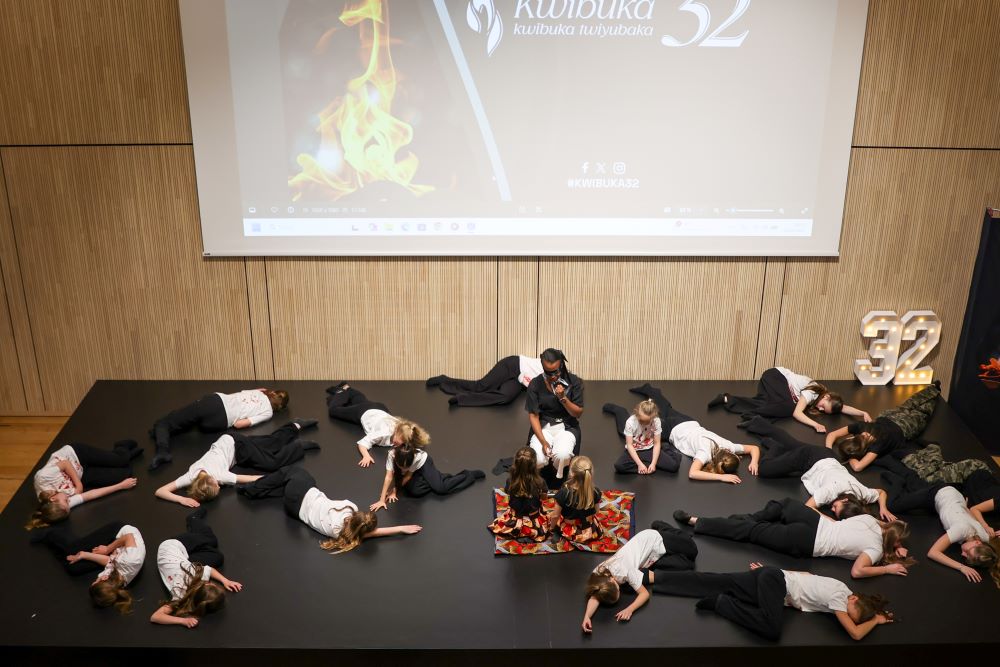
The programme also included performances by children, poetry and musical tributes, reflecting intergenerational engagement in preserving memory.
Amb. Bakuramutsa welcomed the first-ever commemoration of Genocide against the Tutsi in Tyrol and commended the City of Innsbruck’s initiative to establish a memorial in honour of the victims.
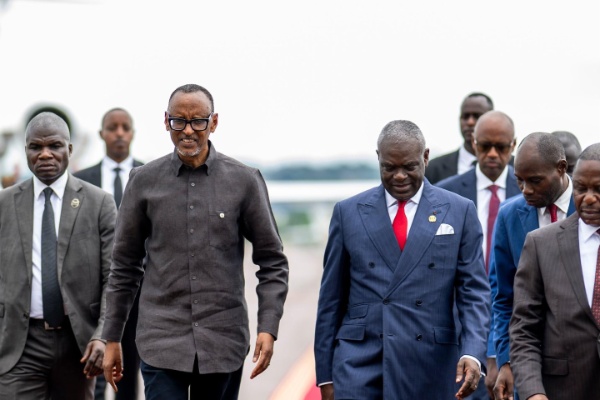
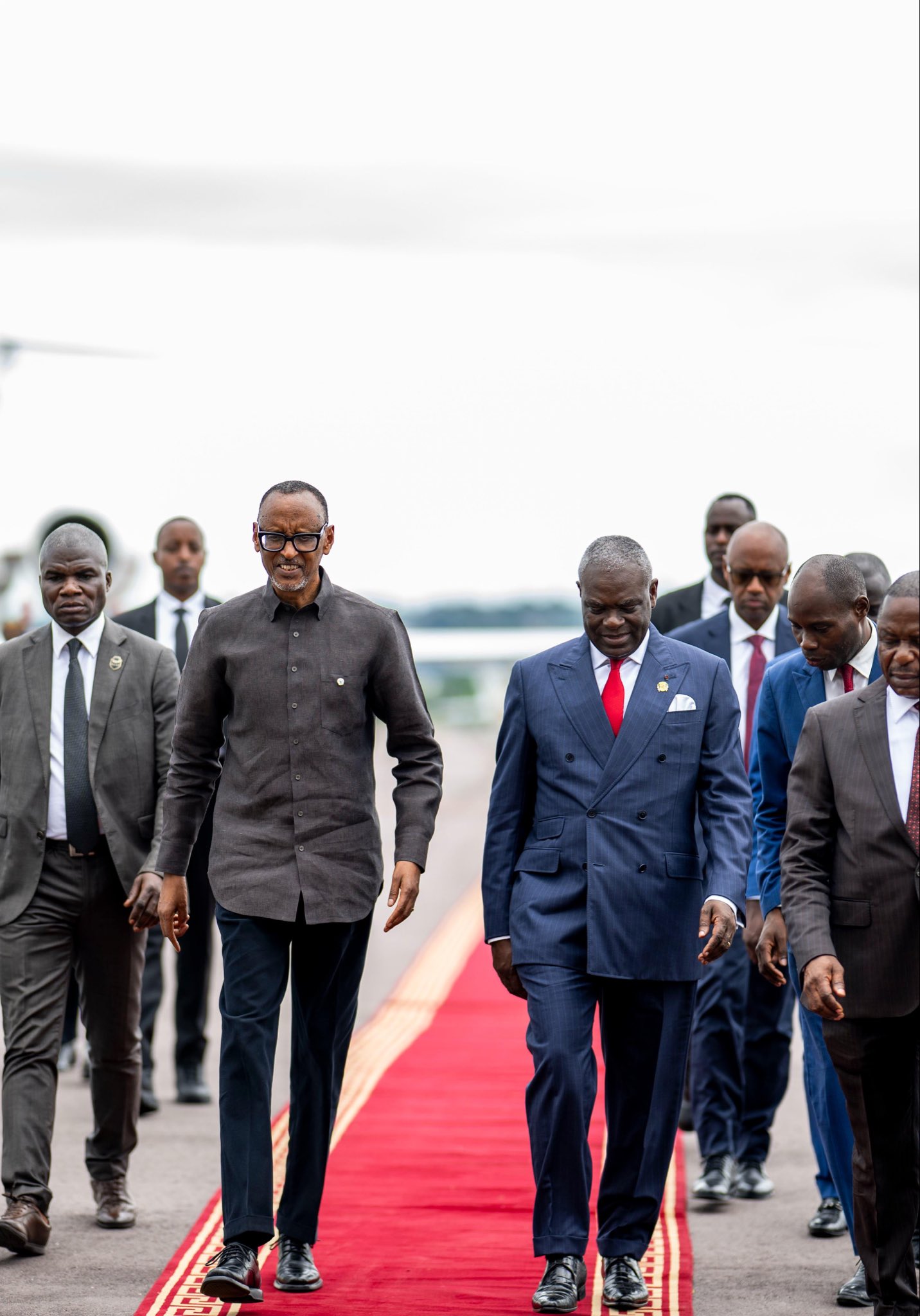
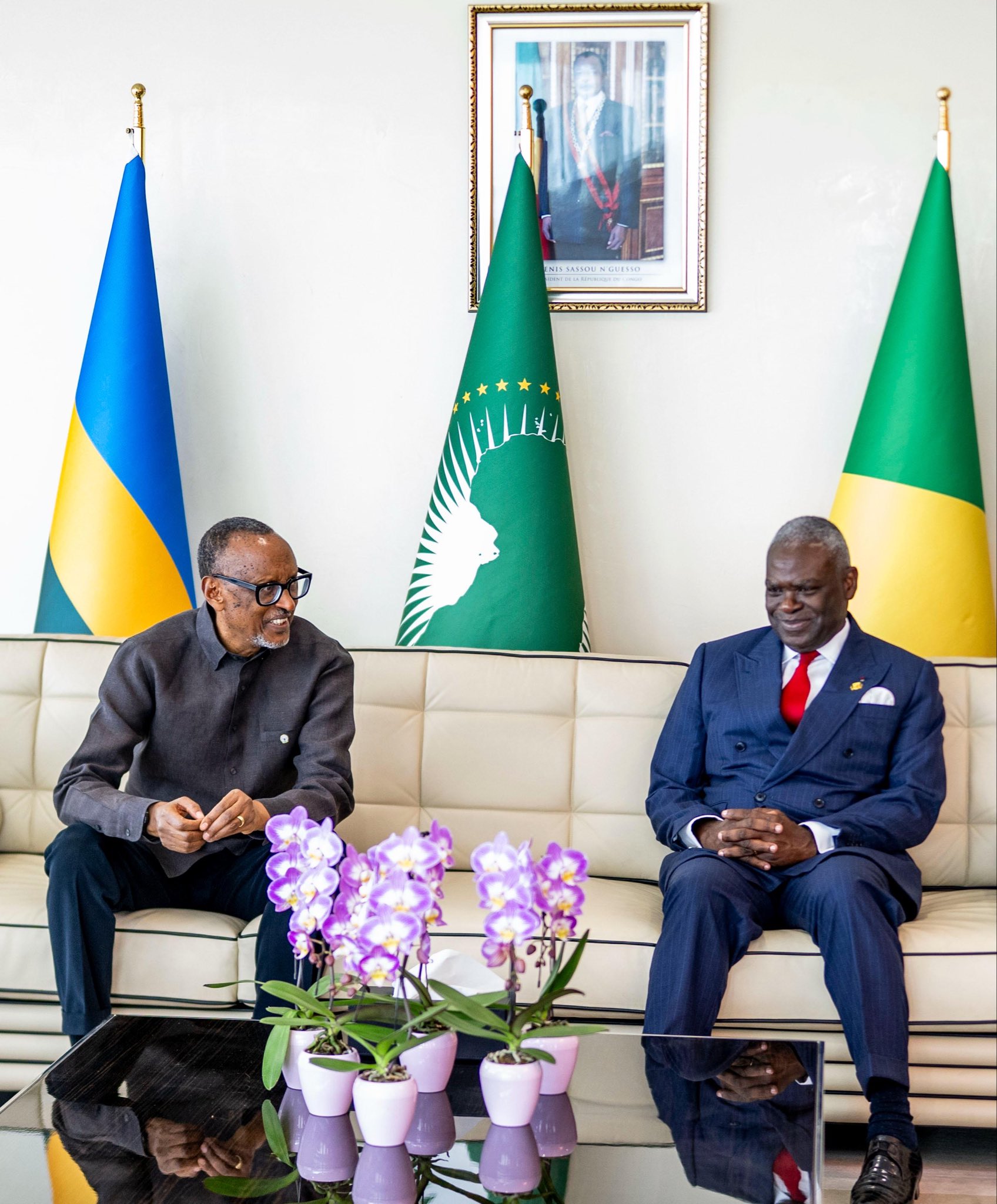
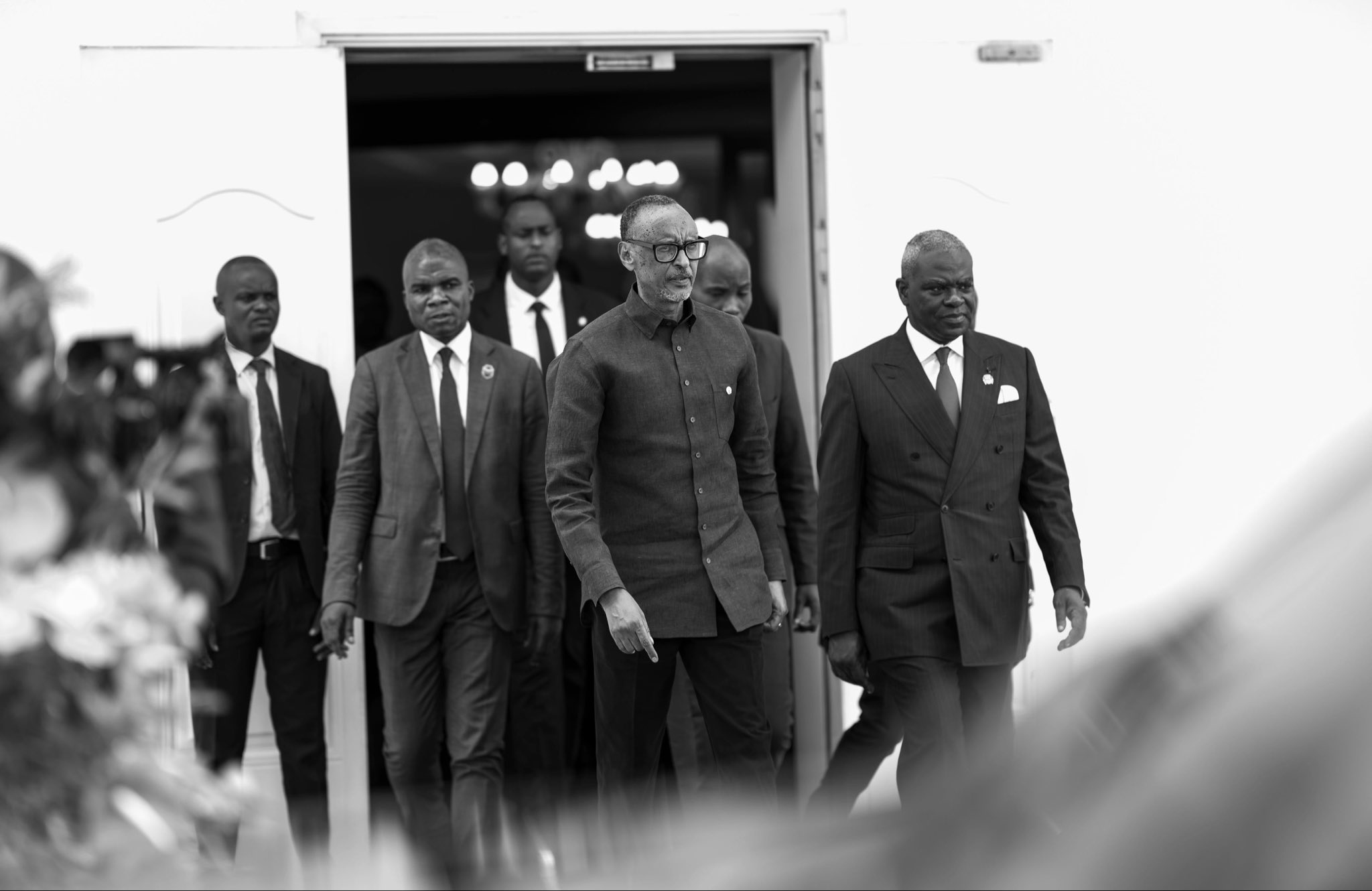
Kagame was received at Maya-Maya International Airport by Republic of the Congo Prime Minister Anatole Collinet Makosso.
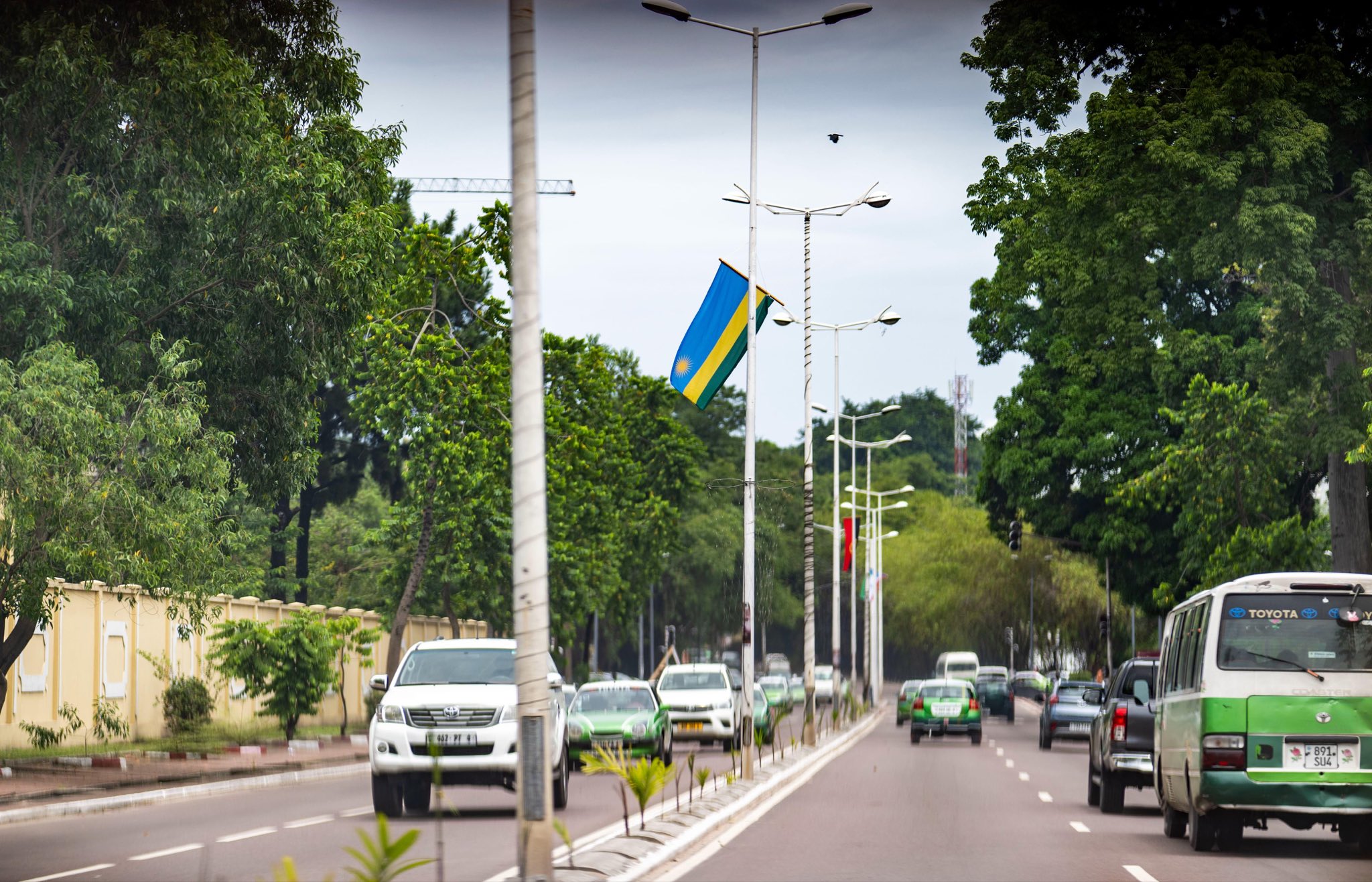
The inauguration ceremony is scheduled for Thursday at Unity Stadium, also known as the La Concorde Multipurpose Sports Complex, in Kintélé. The event is expected to bring together heads of state and senior government officials from across Africa.
President Sassou Nguesso was re-elected in mid-March for a five-year term, winning 94.82 percent of the vote according to the Interior Ministry. The election recorded an 84.64 percent turnout, with seven candidates contesting the presidency.
Following the results, President Kagame congratulated Sassou Nguesso on his re-election, reaffirming Rwanda’s commitment to strengthening bilateral relations and cooperation between the two countries.
“Rwanda welcomes the strong quality of our bilateral relations and looks forward to continuing close cooperation in support of our shared priorities and the prosperity of our peoples,” Kagame said in a message posted on X.
Rwanda and the Republic of the Congo have maintained a longstanding partnership marked by cooperation across multiple sectors, including diplomacy, trade, and security. In August 2016, Rwanda opened its embassy in Brazzaville, further strengthening diplomatic engagement.
The two countries signed a series of agreements in 2011 covering trade, air transport, tourism promotion, energy, security, environmental protection, and fisheries. Air connectivity has also been reinforced, with RwandAir operating flights between Kigali and Brazzaville since that year.
Cooperation expanded further in November 2021, when both nations signed agreements on military collaboration, higher education, land management, sustainable development, and trade promotion. Additional deals focused on environmental protection and expanding air transport links.
In the same year, Rwanda’s Housing Authority and Congo-Brazzaville’s SOPRIM entered into a partnership to promote housing development and the construction of affordable, modern homes.
Relations between the two leaders have remained cordial over the years. During a visit to Rwanda in 2023, Sassou Nguesso was awarded the Agaciro Medal by President Kagame in recognition of his contribution to Africa’s development.
President Kagame was received at Maya-Maya International Airport by Republic of the Congo Prime Minister Anatole Collinet Makosso.Rwanda and the Republic of the Congo have maintained a longstanding partnership marked by cooperation across multiple sectors, including diplomacy, trade, and security.
In a statement issued on Tuesday, April 14, the Ministry of Finance and Economic Planning said the commercial loan carries a 15-year maturity and a six-year grace period, positioning it as a cornerstone of the government’s strategy to lower borrowing costs and manage debt sustainably.
The ministry described the transaction as part of a “prudent and proactive approach to sovereign debt management,” adding that Rwanda intends to systematically favour blended finance solutions to secure a low cost of debt, a smooth repayment profile and enhanced access to stable sources of funding.
A key feature of the deal is its backing by two major arms of the World Bank Group: the International Development Association (IDA) and the Multilateral Investment Guarantee Agency (MIGA). The structure combines an IDA Policy-Based Guarantee, which provides first-loss coverage, with a MIGA guarantee acting as second-loss protection. This layered guarantee mechanism reduces risk for lenders and enables Rwanda to secure more competitive financing terms.
Notably, Rwanda becomes the first country to benefit from MIGA’s revised policy allowing second-loss guarantees in cases where IDA provides first-loss coverage, highlighting the deal’s significance as a pioneering model in sovereign financing.
The deal was executed against a backdrop of heightened geopolitical tensions and tightening conditions in emerging market credit, yet Rwanda secured what it described as highly favorable terms, reflecting strong international investor confidence in its credit profile.
In line with its debt management strategy, the government negotiated a six-year grace period to ensure that principal repayments begin only after the maturity of its outstanding Eurobond. This approach aims to avoid refinancing pressures and maintain a stable debt servicing trajectory.
The ministry noted that the combination of a long maturity, an extended grace period, and exceptionally competitive pricing illustrates how the blended finance approach directly translates into tangible benefits for Rwanda.
Proceeds from the facility will be used for general budget support, aligned with a World Bank-supported development programme targeting inclusive growth and job creation across sectors such as infrastructure, health, education, agriculture, and industry.
The transaction builds on Rwanda’s previous €200 million ESG-linked loan completed in 2024 and comes amid improving credit sentiment. Recent actions by Fitch Ratings and Moody’s affirming stable outlooks point to strengthening fiscal metrics and continued structural reforms.
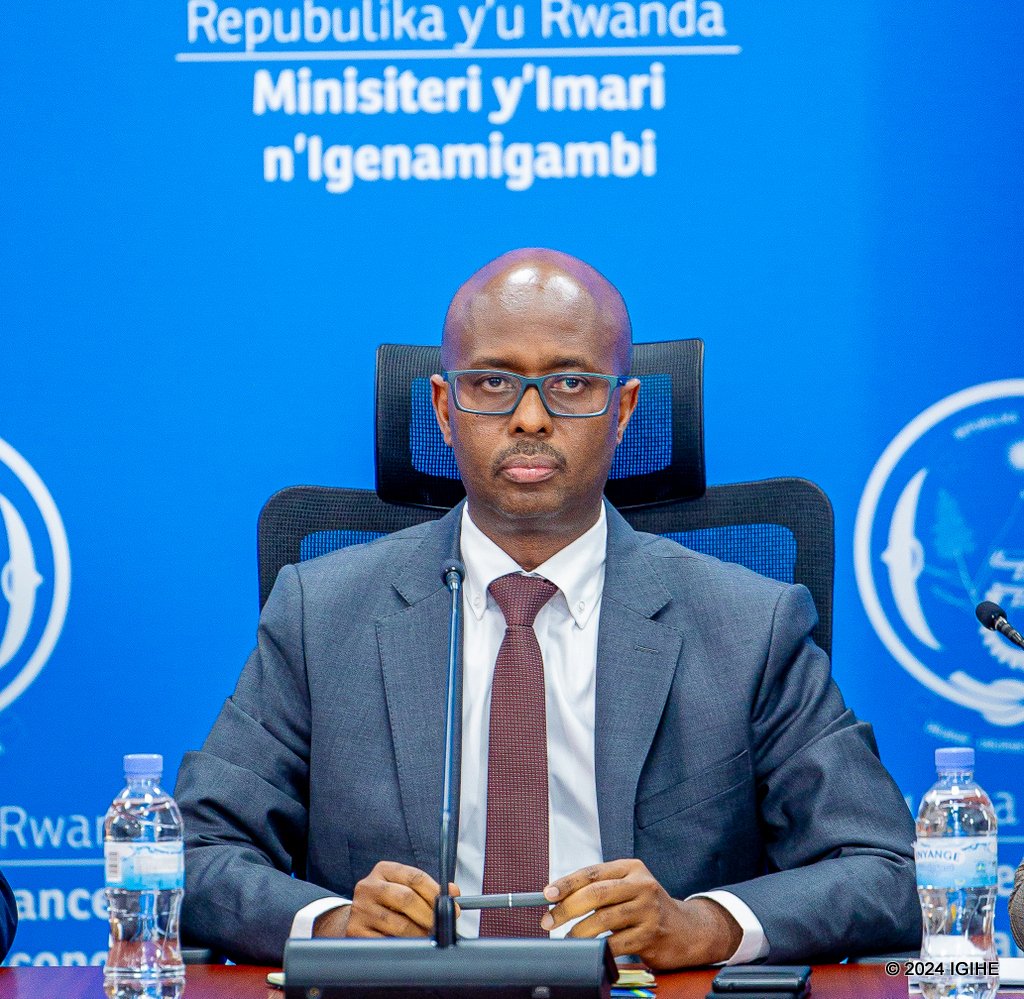
Finance Minister Yusuf Murangwa said the deal highlights the government’s continued focus on innovative financing.
“This landmark financing demonstrates Rwanda’s unwavering commitment to innovative and prudent debt management,” Murangwa said. “Blended finance is at the heart of our borrowing strategy, enabling us to secure long-term funding at an exceptionally competitive cost, while maintaining a smooth repayment profile and safeguarding our debt sustainability.”
He added that the guarantee structure “is a testament to the strength of our partnership with the World Bank Group and a model for future transactions.”
Finance Minister Yusuf Murangwa said the deal highlights the government’s continued focus on innovative financing.
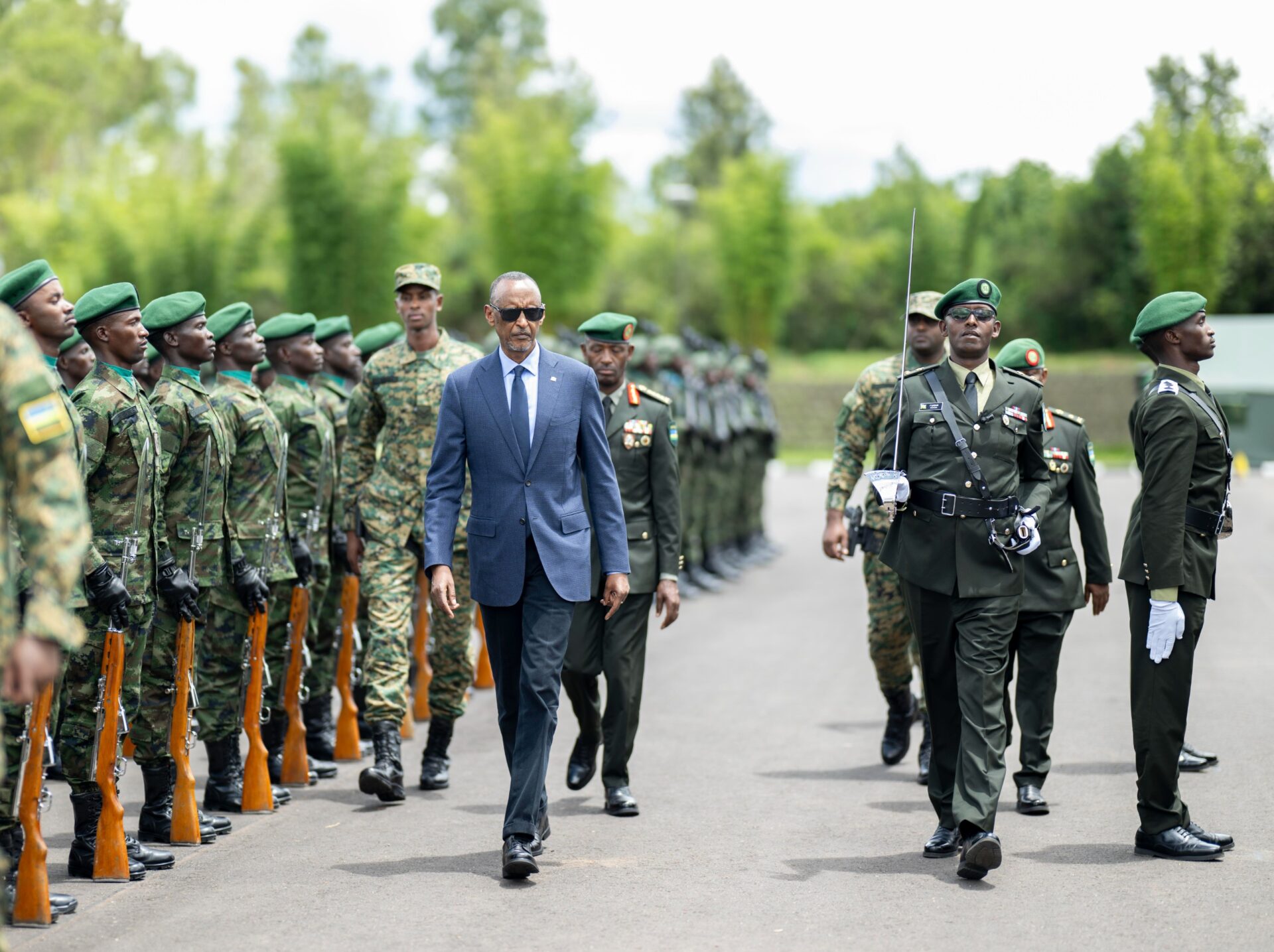
The law provides that the President of the Republic, who is also the Commander-in-Chief of the Rwanda Defence Force, is the Chancellor of the university.
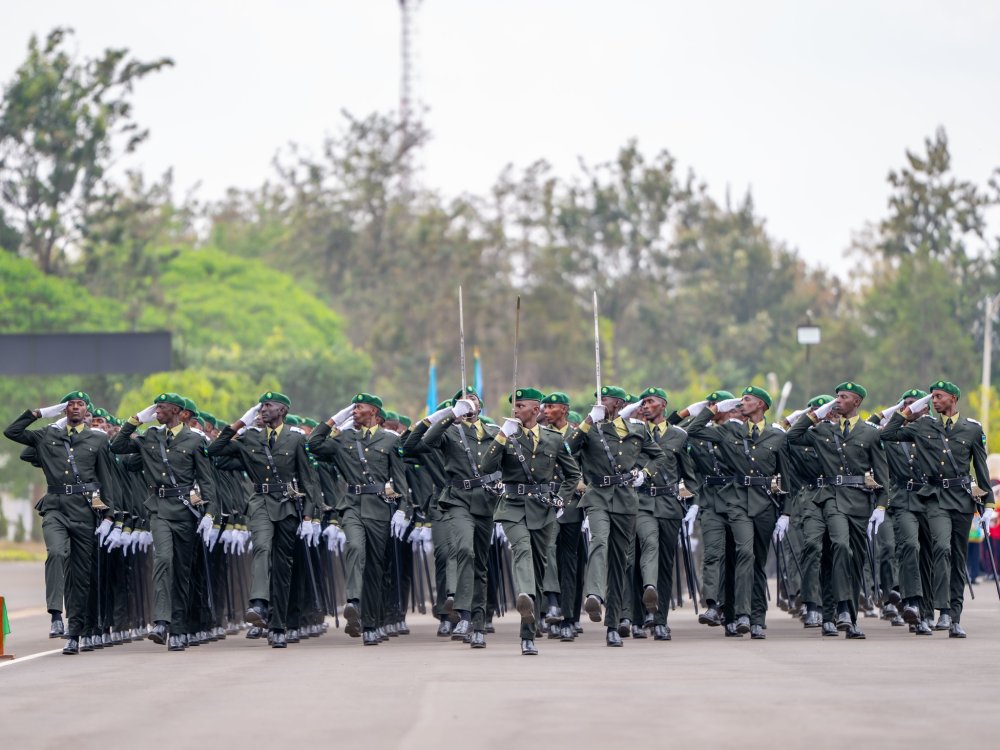
NDU-R brings together military colleges, police training institutions, and academies of the National Intelligence and Security Service (NISS) under one integrated system. The university is jointly overseen by the Ministry of Defence and the Ministry of Education.
It is headquartered in Kigali, although a presidential order may relocate it elsewhere in the country if necessary.
Integrated defence and security institution
The National Defence University–Rwanda includes several constituent institutions such as the National Defence College–Rwanda (NDC-R), Defence College of Health Sciences (DCHS), Defence Institute of Sciences and Technology (DIST), and the Institute for Defence and Strategic Studies (IDSS), all based in Kigali.
Other institutions include the National Intelligence Academy (NIA) in Bugesera District, the Rwanda Defence Force Command and Staff College (RDFCSC) in Musanze District, the National Police College (NPC) in Musanze, and the Rwanda Military Academy (RMA) in Bugesera.
The university is mandated to provide advanced education, training, and research for personnel in defence and security organs, senior government officials involved in national security, and international partners, with the aim of strengthening strategic thinking through high-level academic instruction and research.
Governance structure
The law states that the Chancellor of NDU-R is the President of the Republic and Commander-in-Chief of the Rwanda Defence Force. In this role, the Chancellor provides broad strategic guidance to ensure the university fulfills its mission and presides over graduation ceremonies for the conferment of degrees, certificates, medals, and honorary distinctions, or may designate a representative to perform these duties.
The governance structure also includes a Board of Governors composed of seven external members appointed by presidential order, including a Chairperson and Vice-Chairperson. Members are required to have expertise in national defence and security, higher education teaching and management, institutional administration, research and innovation, or other fields relevant to national development.
The Board further includes the Vice-Chancellor of NDU-R, who serves as rapporteur; the Commandant of the National Defence College–Rwanda; one representative of teaching and research staff elected by peers; one dean elected by peers; the head of quality assurance; and one student representative from the National Defence College–Rwanda.
At least 30% of the Board members must be women, and except for ex officio members, others serve a four-year term renewable once.
Executive and academic leadership
The Executive Organ responsible for daily operations is led by the Vice-Chancellor, assisted by deputy vice-chancellors in charge of academic affairs and research, as well as planning, administration, and finance. A further deputy vice-chancellor may be appointed by presidential order if necessary. Members of the Executive Organ serve five-year renewable terms, with at least 30% female representation.
The university also has an academic governance structure that includes institutional leaders, deans, heads of departments, research and innovation coordinators, quality assurance officers, and student representatives.
Except for ex officio members, other members serve renewable two-year terms, while student representatives serve one academic year.
A student of NDU-R is defined as any person formally admitted and registered to pursue studies under regular or specialized programmes offered by the university, with admission requirements determined by internal regulations.
The university is mandated to provide advanced education, training, and research for personnel in defence and security organs.The law provides that the President of the Republic, who is also the Commander-in-Chief of the Rwanda Defence Force, is the Chancellor of the National Defence University–Rwanda (NDU-R).
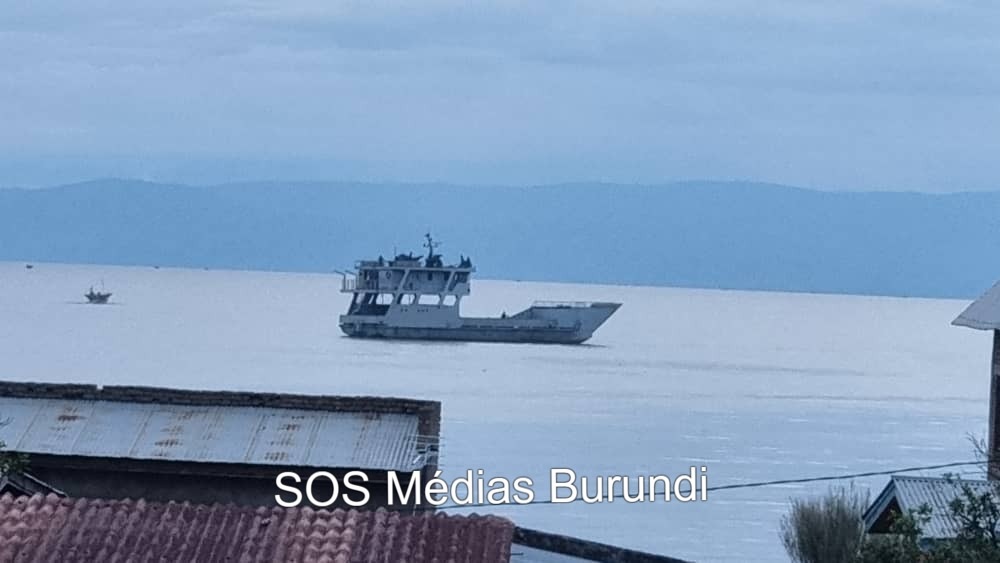
According to SOS Médias, on the evening of April 14, 2026, a large Burundian military vessel was seen at Rumonge port on Lake Tanganyika, carrying soldiers and military equipment.
The vessel continued its journey to the town of Baraka in Fizi Territory, South Kivu. The deployed troops are expected to be sent to frontline areas including Gakenke, Mikenke, Kalingi, and Mulima.
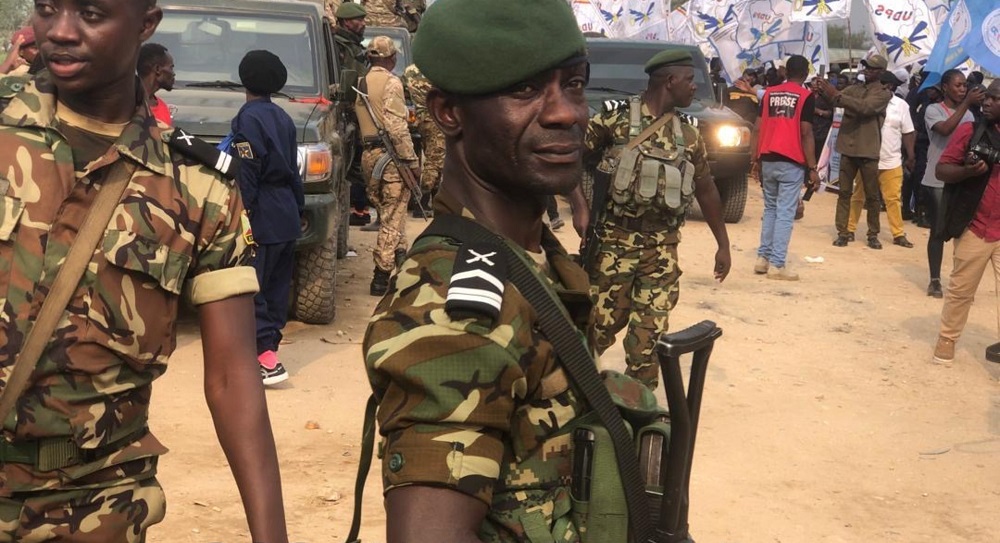
Reports indicate that Burundian forces, together with DRC government troops and Wazalendo militia groups, are planning an offensive aimed at capturing Minembwe commune, a strategic area currently controlled by Twirwaneho, a group formed to protect the Banyamulenge community.
By early December 2025, Burundi reportedly had more than 20,000 troops in South Kivu. Some of these forces were withdrawn after the AFC/M23 coalition took control of several areas in Uvira Territory, including Uvira town.
Sources in South Kivu say that after months of regrouping, the Burundian government has recently resumed military deployments to the front lines in an effort to retake previously lost positions and capture new areas.
The AFC/M23 alliance has claimed that DRC forces, Burundian troops, Wazalendo fighters, FDLR elements, and mercenaries have continued launching attacks in several parts of South Kivu, including Gakenke, Kalingi, and Bidegu.
The group says these operations are aimed at disrupting ongoing peace talks taking place in Switzerland since April 13, accusing the DRC government of preferring military escalation over dialogue.
AFC/M23 maintains that it seeks a political solution to its conflict with the DRC government, but insists it will continue to defend itself and protect civilians if attacks persist.
According to SOS Médias, on the evening of April 14, 2026, a large Burundian military vessel was seen at Rumonge port on Lake Tanganyika, carrying soldiers and military equipment. Sources in South Kivu say that after months of regrouping, the Burundian government has recently resumed military deployments to the front lines in an effort to retake previously lost positions and capture new areas.
Pope Leo XIV began his African tour on April 13, starting in Algeria before concluding his visit there on April 14, 2026.
In Cameroon, the Pope is expected to focus on key themes including peace, coexistence, youth development, and holistic human development—covering economic, social, spiritual, and physical dimensions of life.
Antoine Kambanda was elevated to Cardinal on November 28, 2020, by Pope Francis.
Since then, the Vatican has appointed him as a member of the Dicastery for Evangelization and the Dicastery for Culture and Education in the Catholic Church.
Cardinals who accompany the Pope on his apostolic journeys are often those whose responsibilities align with the main themes of the visit.
During the wider African tour, Pope Leo XIV is also expected to focus on youth development, human progress, and the impact of corruption and colonial legacy in Angola.
In Equatorial Guinea, the Pope will emphasize education, culture, and the role of the Church in promoting peace.
A significant number of African Cardinals are part of the delegation accompanying Pope Leo XIV on this tour.
The Catholic Church has increasingly appointed African Cardinals to senior global roles, as part of efforts to strengthen the Church’s presence on a continent where more than 20% of its faithful live.
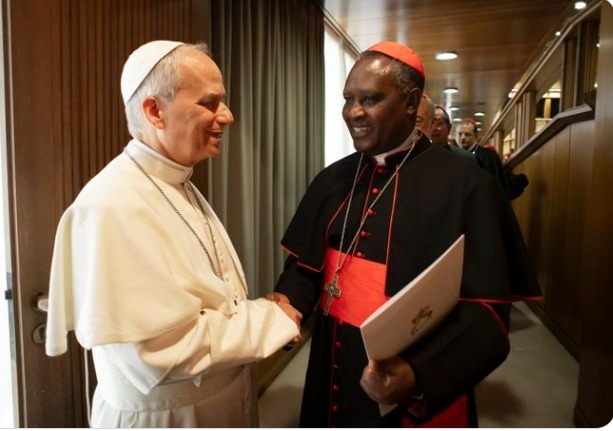
Cardinal Kambanda is among clergy accompanying Pope Leo XIV in Cameroon.
The 6’6” centre, born in Mumias in western Kenya, was selected as the 13th overall pick in the first round of the WNBA Draft, placing her among the newest additions to one of the world’s most competitive women’s basketball leagues.
Okot is known for her strong presence in the paint, elite rebounding ability and growing offensive versatility, attributes that have made her one of the most promising frontcourt players in this year’s draft class.
Her journey began in 2020 at Zetech University in Kenya before she moved to the United States to pursue higher-level competition. She later played for Mississippi State University for two seasons before transferring to the University of South Carolina, where her development accelerated.
At South Carolina, Okot averaged 12.8 points and 10.6 rebounds per game while shooting 57.5 per cent from the field, establishing herself as one of the most efficient players in the programme. She was also part of the Gamecocks squad that reached the NCAA Division I Women’s Basketball Championship final, competing at the highest level of U.S. college basketball.
Her selection by the Atlanta Dream marks a major milestone not only for her career but also for Kenyan basketball, as she becomes the first player from the country to enter the WNBA.
The WNBA Draft is an annual event where franchises select top college and international prospects to strengthen their rosters ahead of the season, which runs from May to September. Draft order is determined by the reverse standings of the previous campaign.
Okot will wear jersey number 26 for the Atlanta Dream, with the jersey already available for fans.
She joins a draft class shaped by a new collective bargaining agreement that has raised the salary cap to $7 million per team, significantly improving rookie contracts and overall earnings. First-year players now earn over $270,000 (about Rwf 393 million), while top picks can earn up to $500,000. Okot’s rookie contract at pick 13 is estimated at around $289,133 (Rwf 420 million).
The Atlanta Dream also selected Indya Nivar (28th overall) and Kejia Ran (43rd overall) to strengthen their squad. The additions join a core that includes Allisha Gray, Rhyne Howard, and Angel Reese as the franchise looks to compete with top teams such as the Las Vegas Aces.
President William Ruto has congratulated her, saying her milestone “fills our nation with pride” and serves as inspiration for young Kenyan athletes.
Okot has previously described her rise as surreal, noting her gratitude for how far she has come since starting basketball only six years ago.
The 6’6” centre, born in Mumias in western Kenya, was selected as the 13th overall pick in the first round of the WNBA Draft, placing her among the newest additions to one of the world’s most competitive women’s basketball leagues.
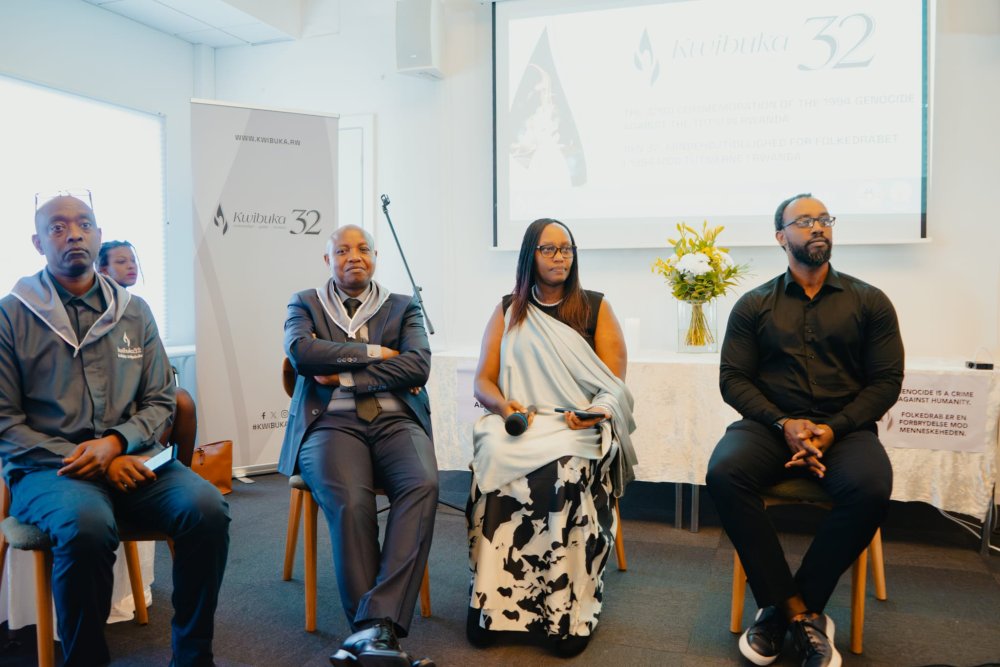
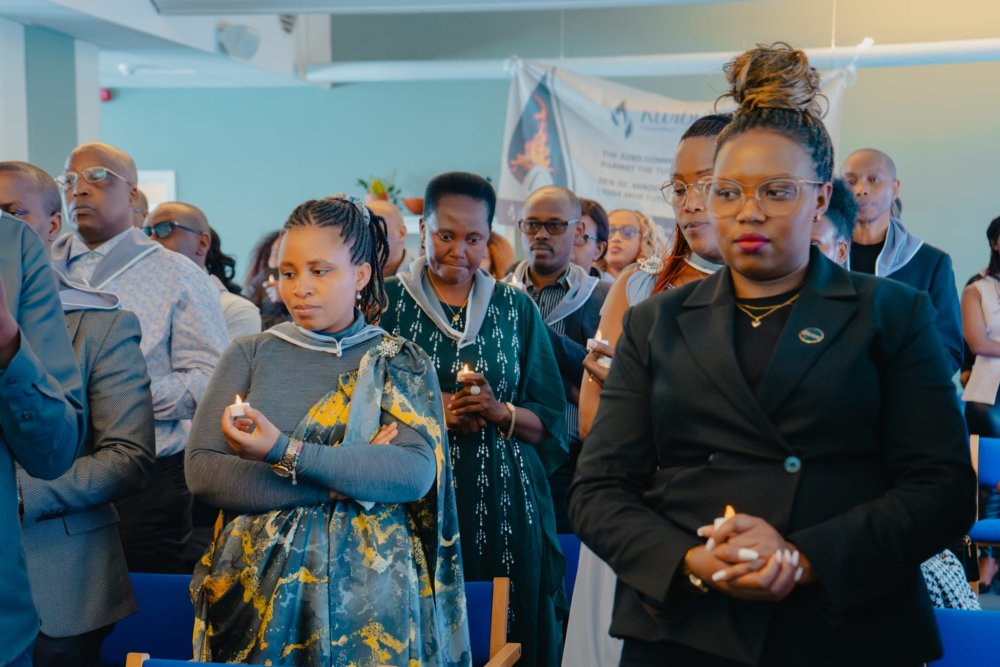
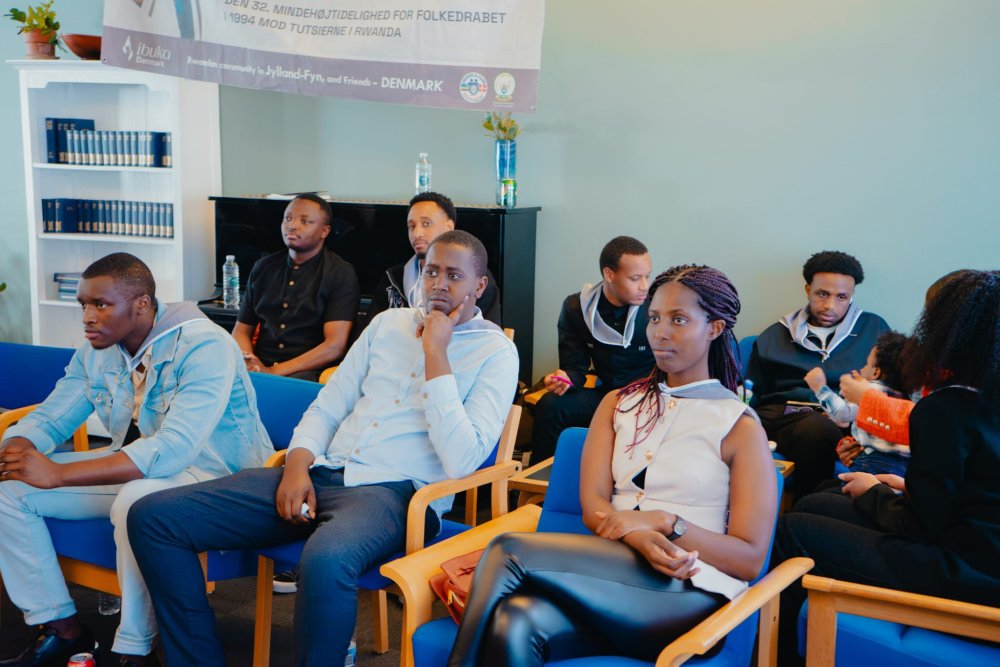
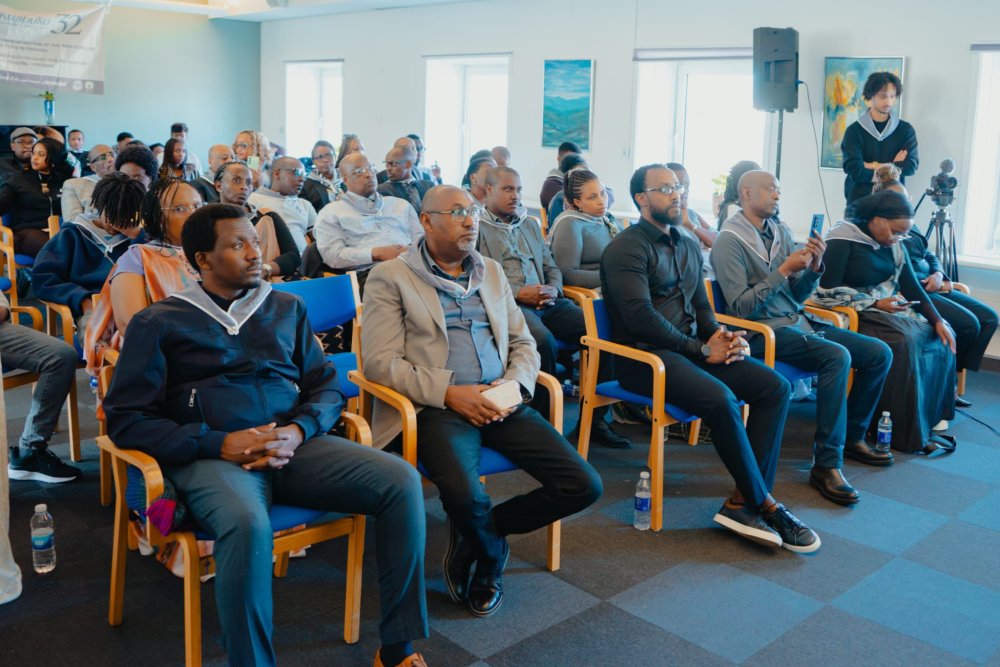
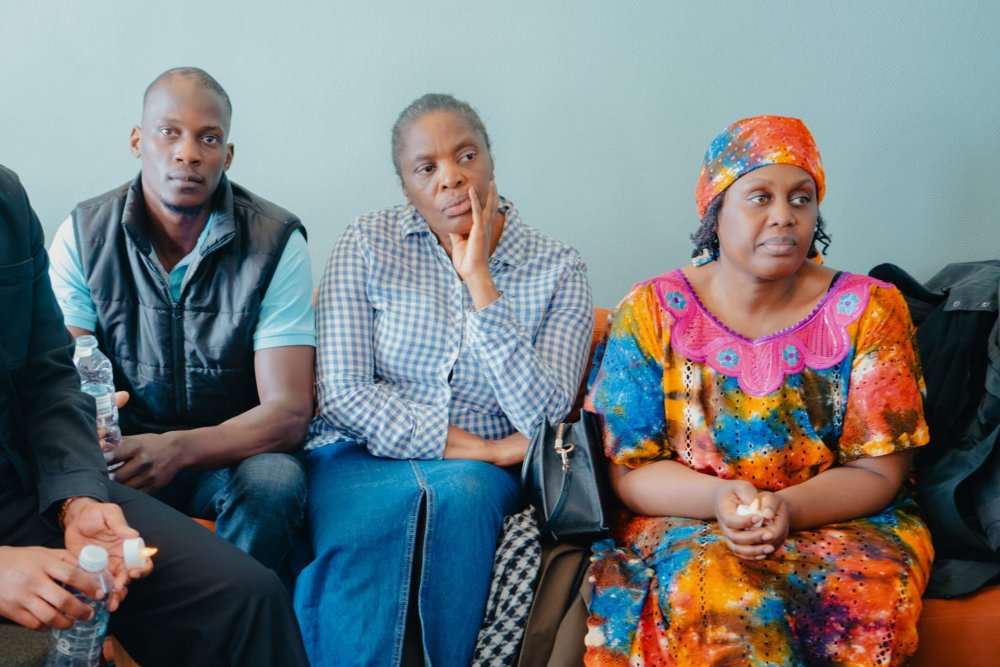
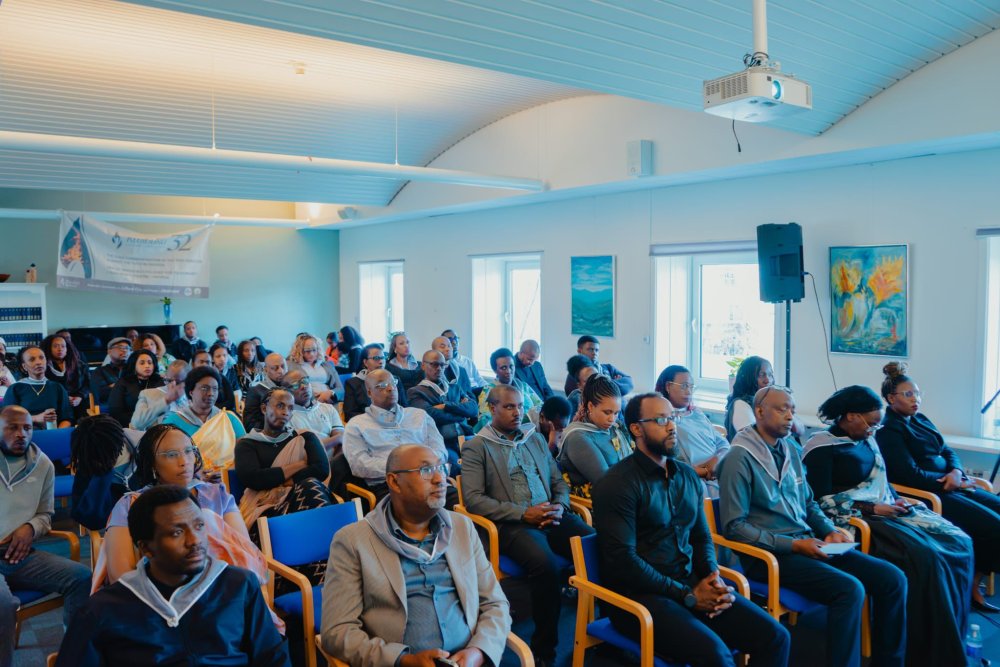
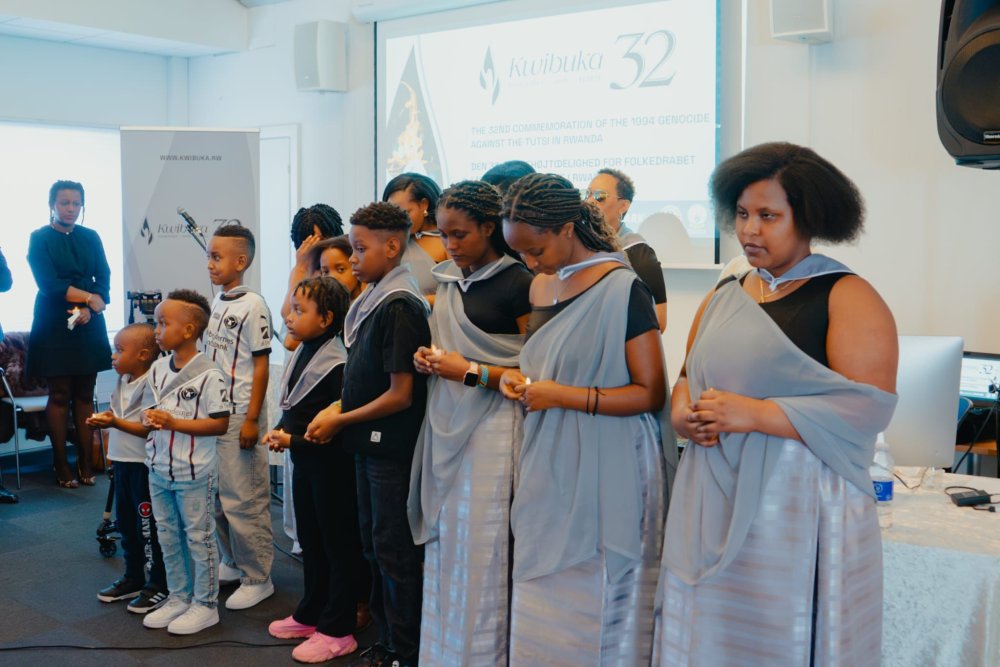
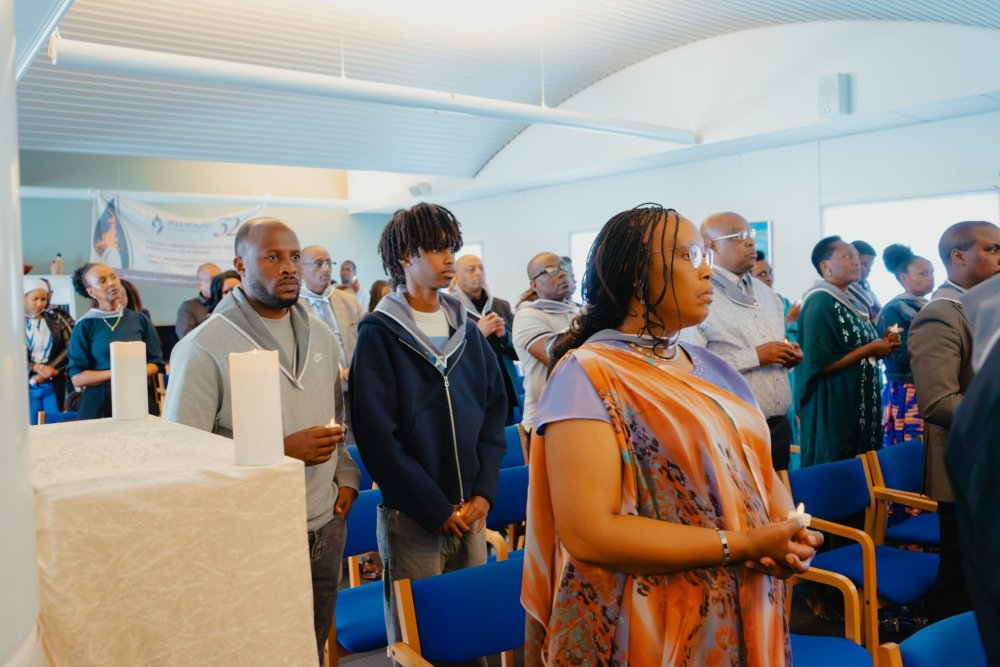
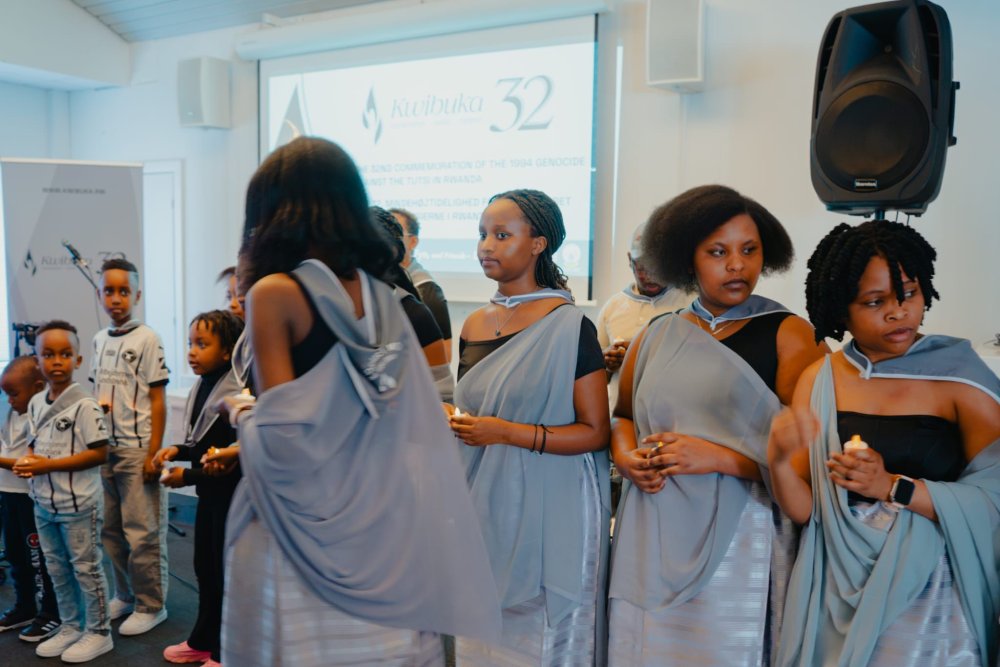
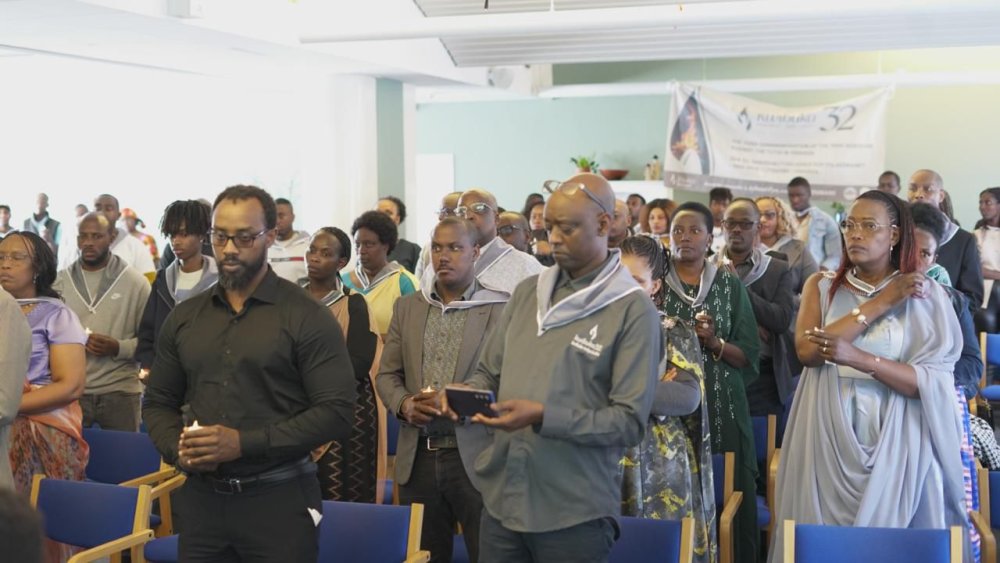
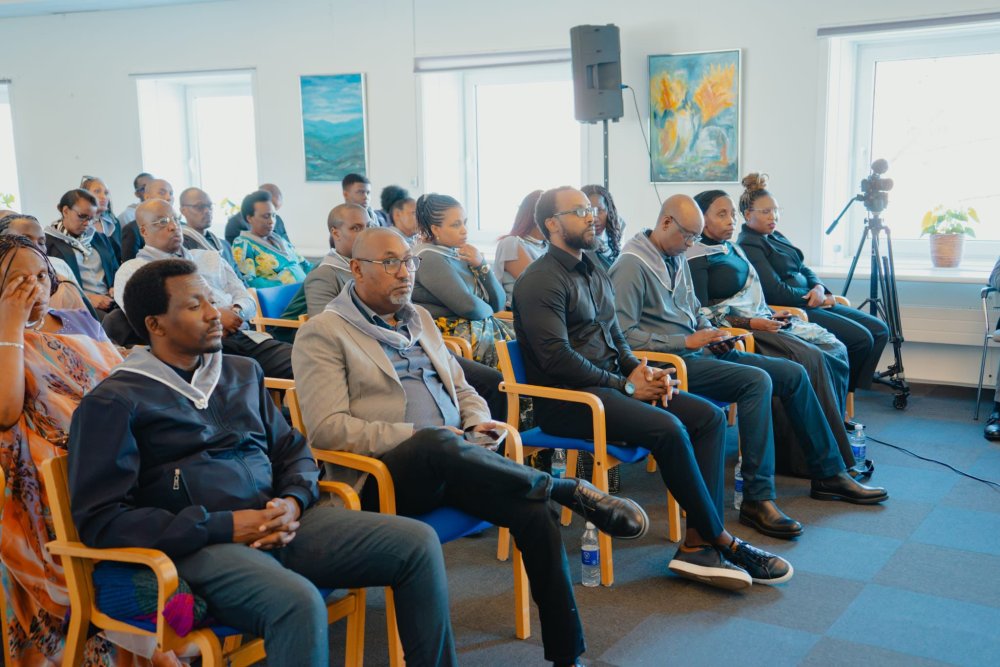
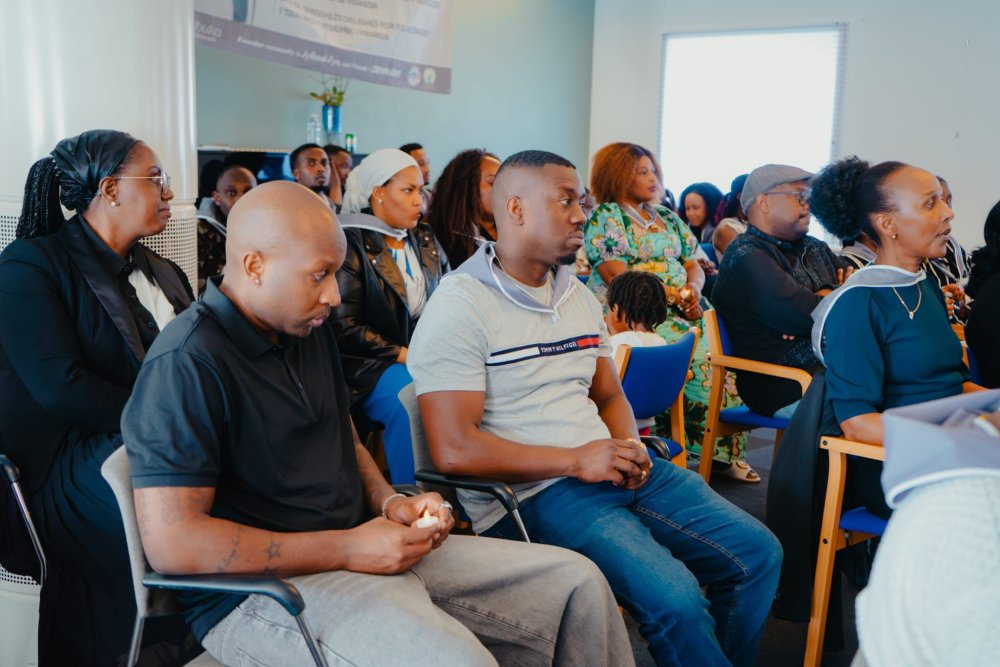
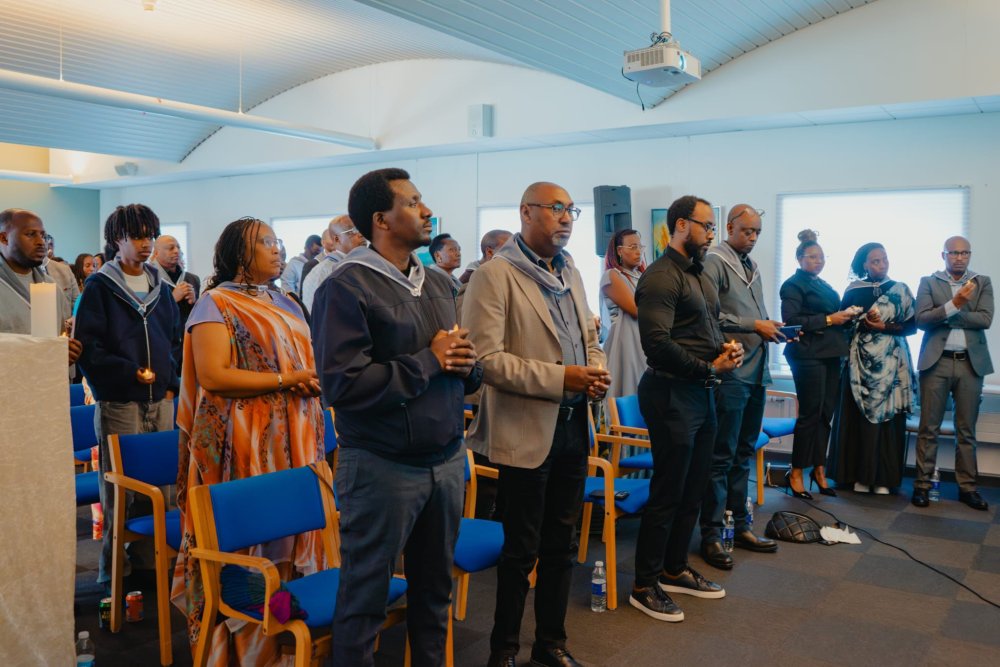
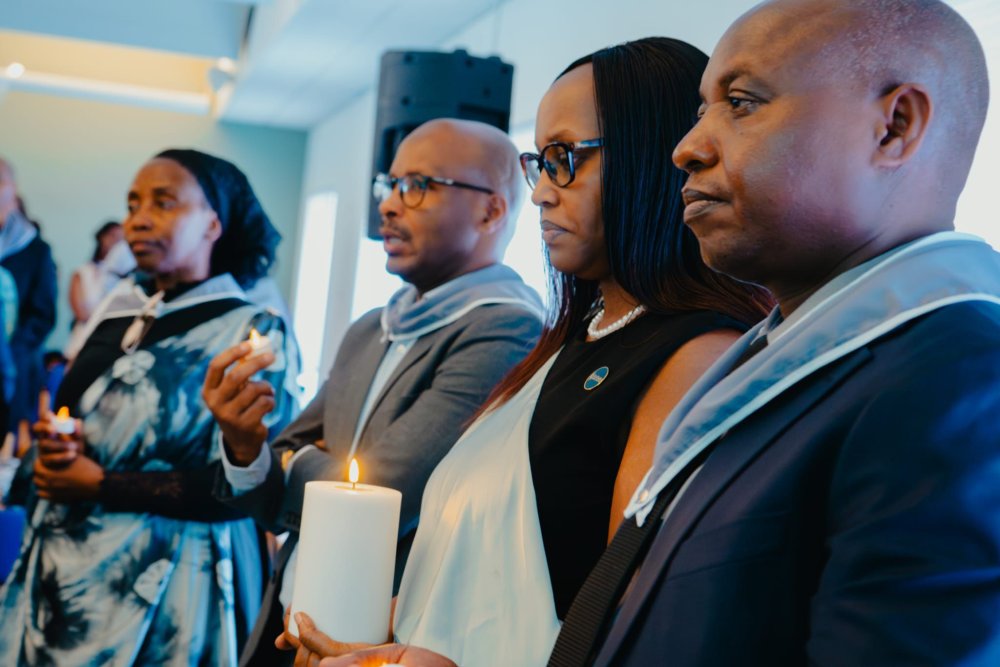
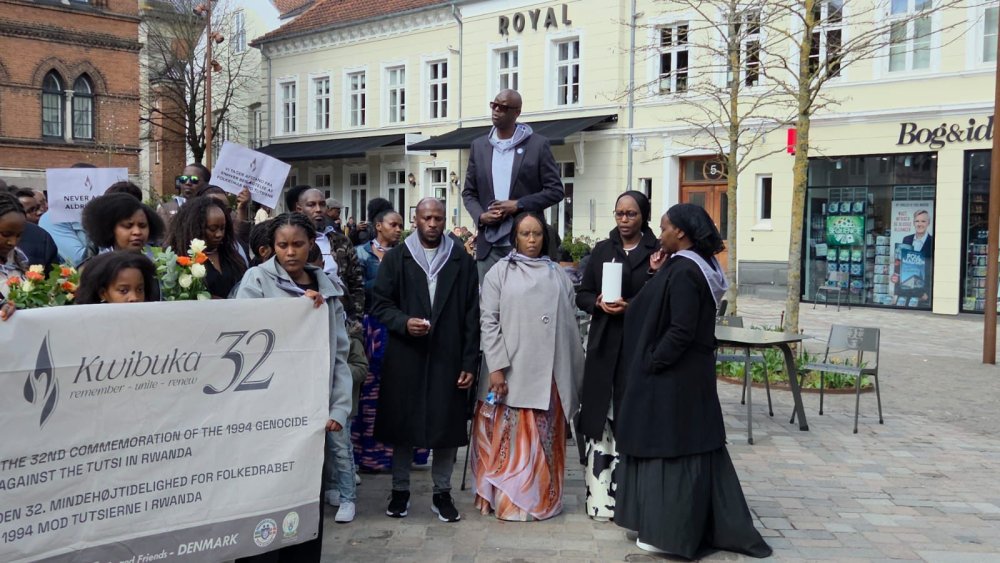
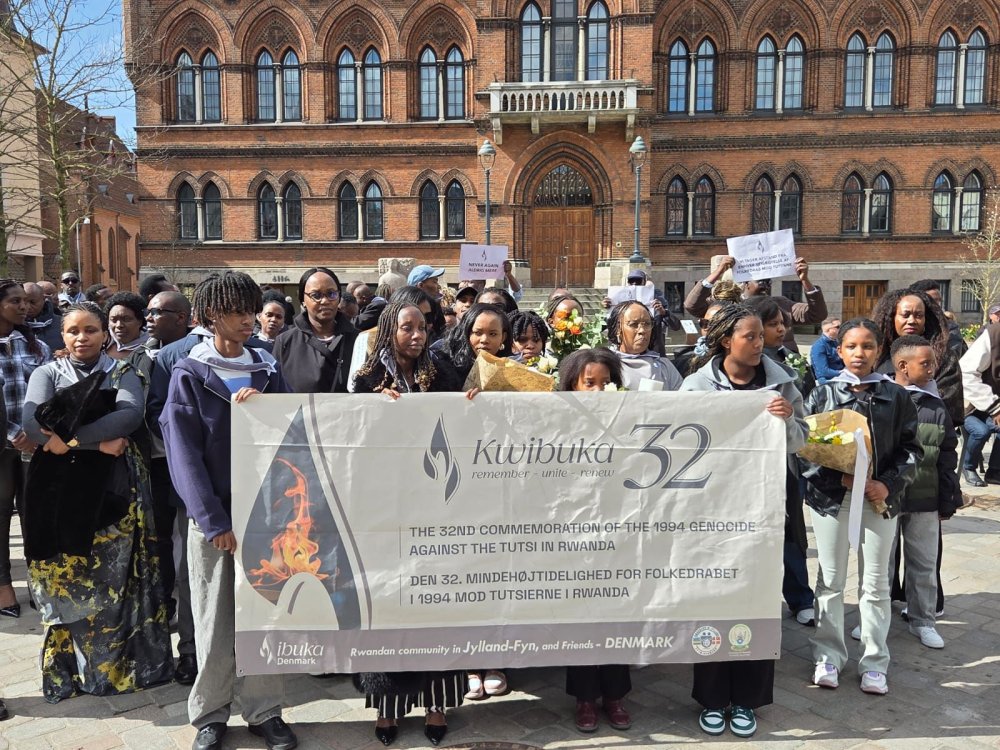
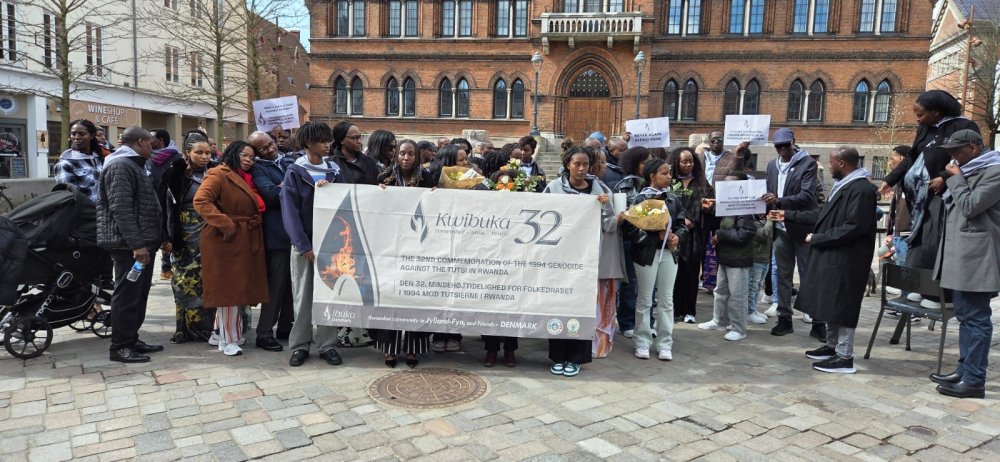
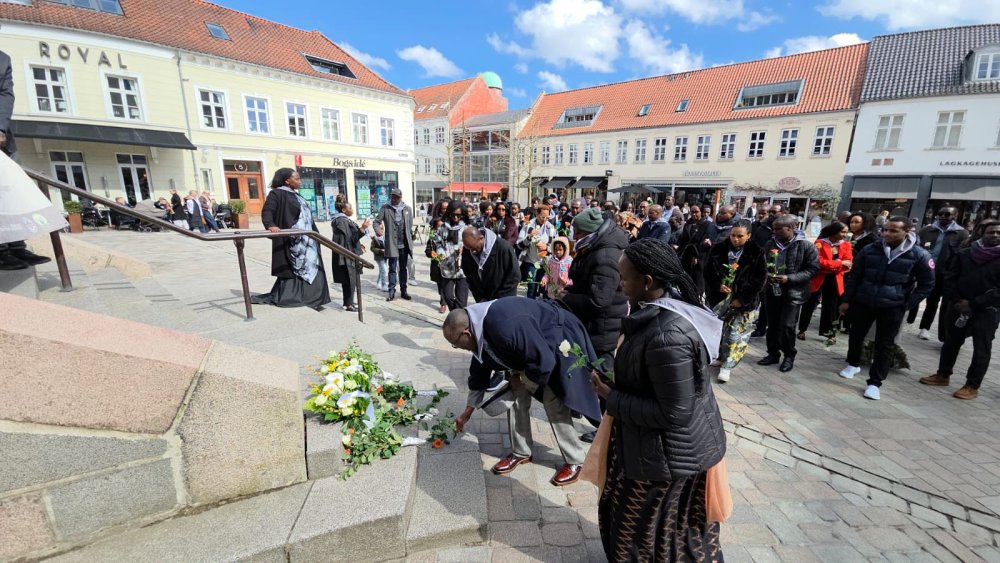
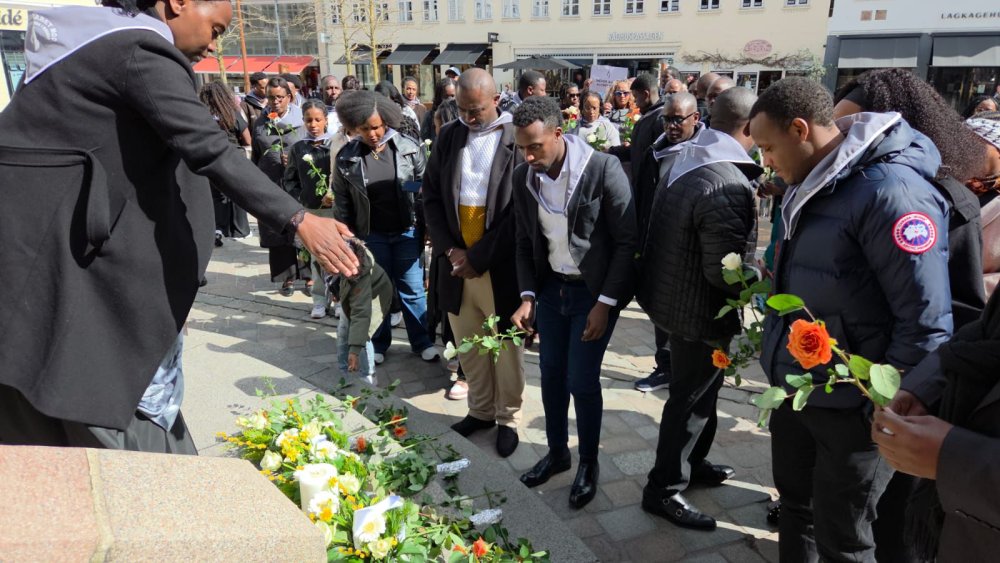
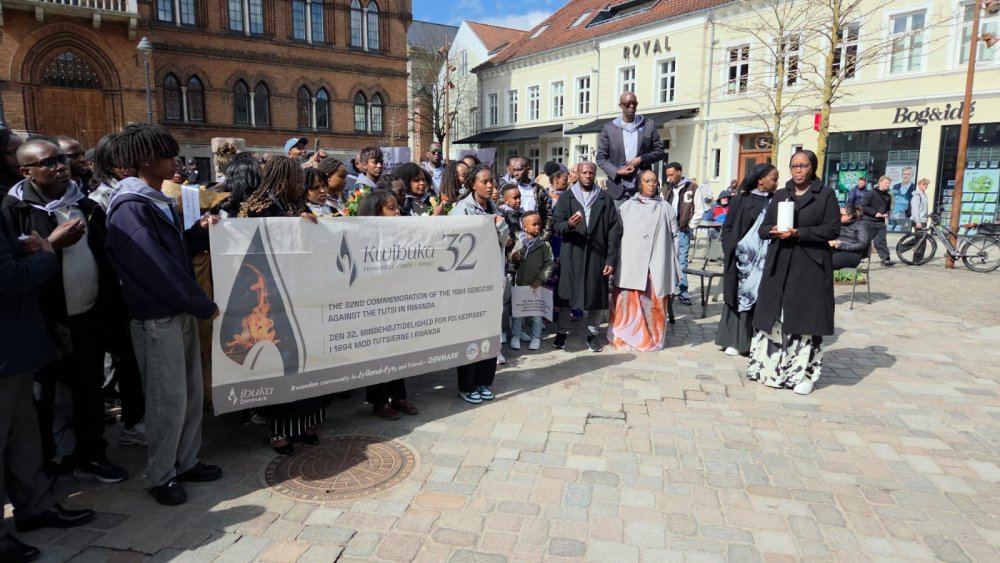
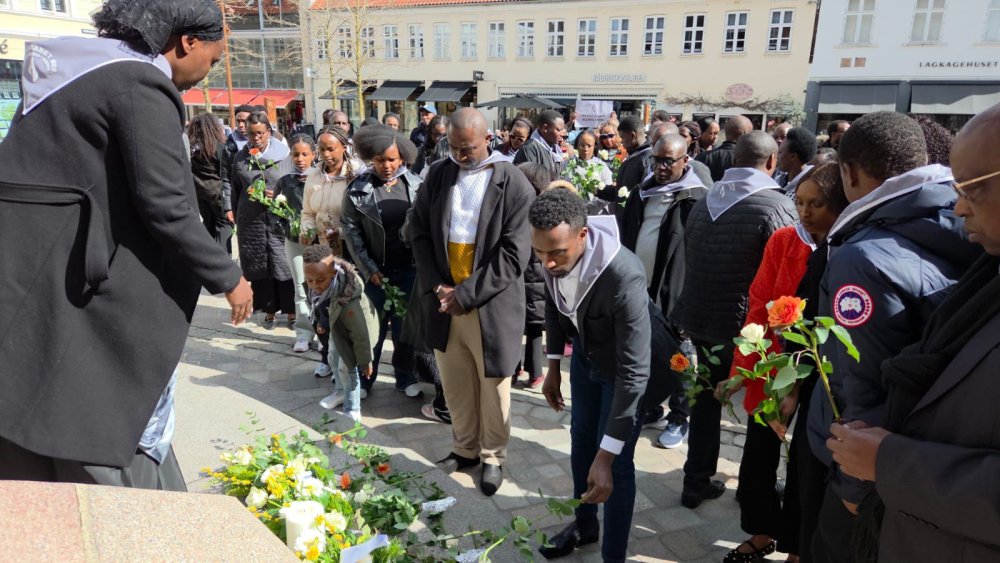
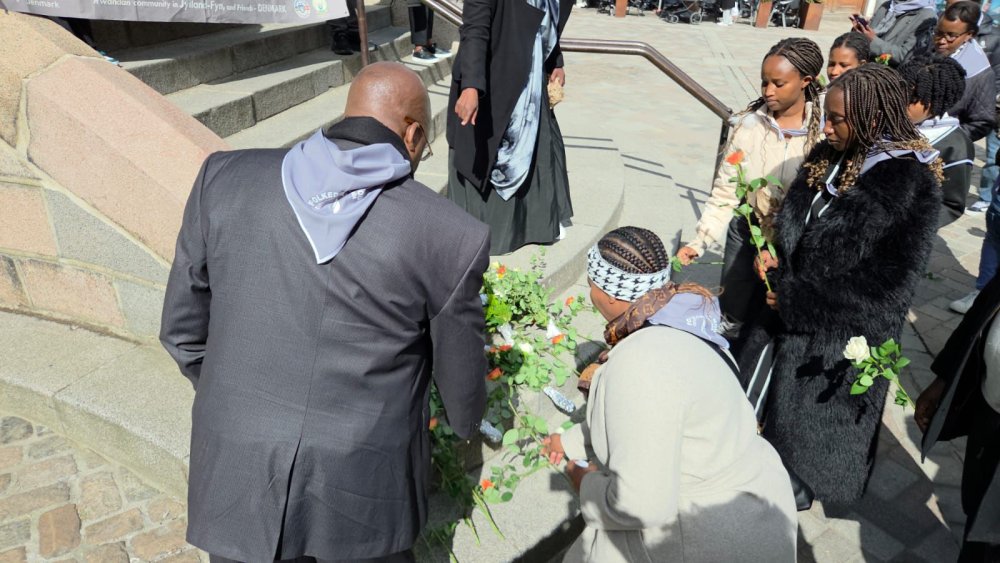
The commemoration event was jointly organized by Ibuka-Denmark and the Embassy of Rwanda in Sweden, which also covers several Nordic countries.
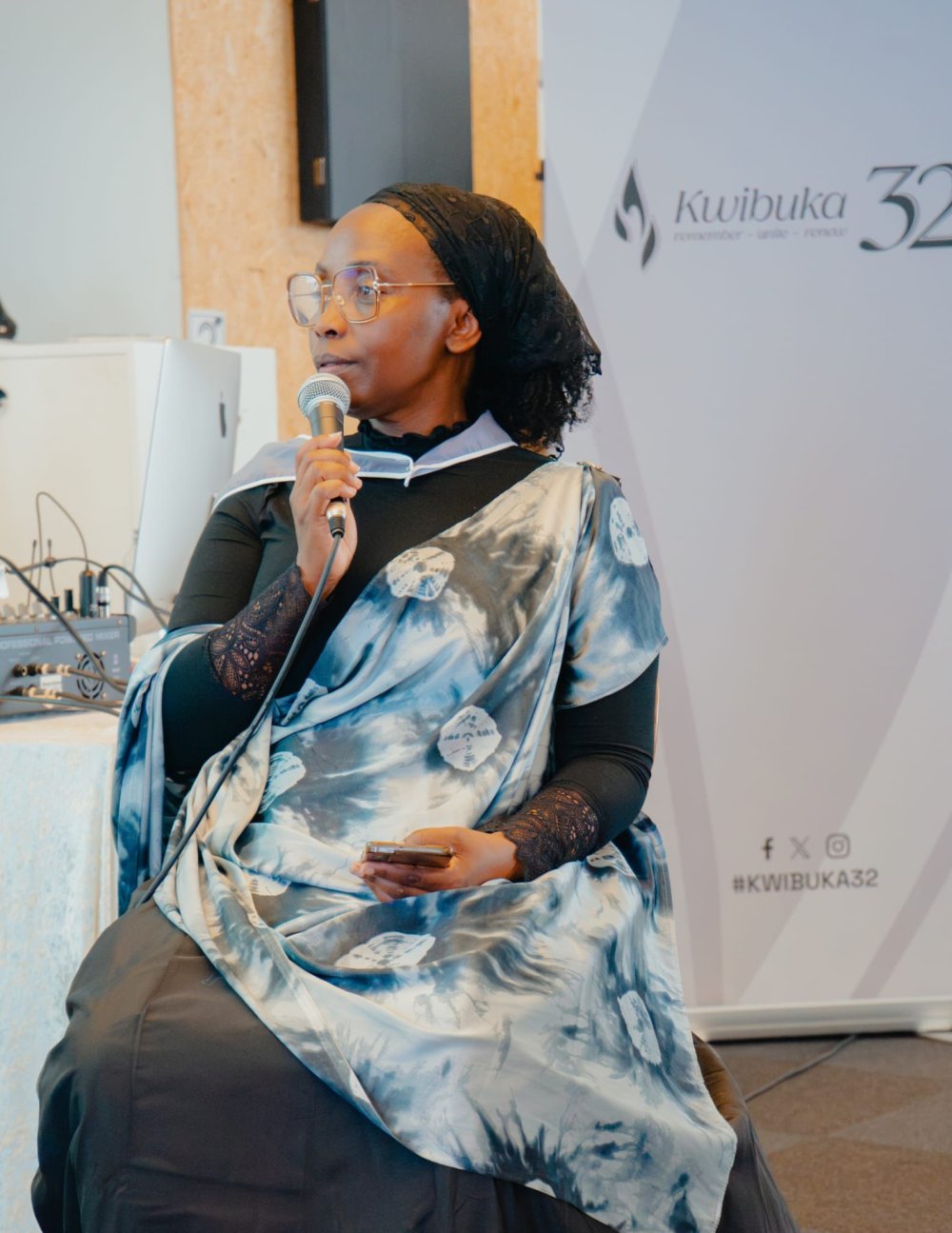
It was attended by Geraldine Umutesi, First Counsellor at the embassy, who represented Ambassador Diane Gashumba.
The event featured testimonies from survivors of the Genocide against the Tutsi, sharing how they endured and survived the atrocities.
Youth performances, including songs focused on comfort and remembrance, were presented alongside discussions on the historical context that led to the 1994 Genocide against the Tutsi.
The commemoration began with a remembrance walk, followed by opening remarks from Paul Nkubana, head of the Rwandan community in Denmark.
“This is an annual event in our community. Thank you for joining Rwandans and their friends here, because remembrance concerns us all,” he said.
Egide Semukanya, representing Ibuka in Denmark, delivered a talk focusing on the historical events that led to the Genocide against the Tutsi.
He paid tribute to the sacrifices of the Rwandan Patriotic Front (Inkotanyi), many of whose members lost their lives while stopping the genocide and saving survivors.
Semukanya also highlighted Rwanda’s progress today, emphasizing governance rooted in unity beyond ethnic divisions, and collective citizen participation in national development.
A panel discussion moderated by Jackline Hansen brought together speakers including Dr. Innocent Ngoga, Egide Semukanya, youth representative Jean Claude Gakimbiri, and Geraldine Umutesi.
In her remarks, Umutesi emphasized that today’s Rwanda, under the visionary leadership of President Paul Kagame, promotes unity through initiatives such as the Ndi Umunyarwanda program.
“Avoid divisionism, because it is what led us to where we are today, remembering victims of the Genocide against the Tutsi,” she said.
She urged participants to actively challenge genocide denial and trivialization, particularly when motivated by personal or political interests, calling for adherence to historical truth.
“The truth is clear and visible to everyone—except those who have an interest in hiding what they or their parents did,” she noted.
Umutesi also reminded attendees that during the 1994 Genocide against the Tutsi, Rwanda was largely abandoned as the international community stood by.
She warned that similar patterns appear to be unfolding today in Democratic Republic of the Congo, where violence targeting Kinyarwanda-speaking communities, especially Tutsis, continues.
“Those who once destroyed Rwanda are now collaborating with authorities in the DRC in acts of violence and killings, while the world watches. It is painful that the lessons from Rwanda’s history have not been learned,” she said.
Umutesi concluded by commending the Rwandan community leadership in Denmark, particularly those in Jutland and Funen, for organizing the commemoration, and reassured them of the embassy’s continued support.
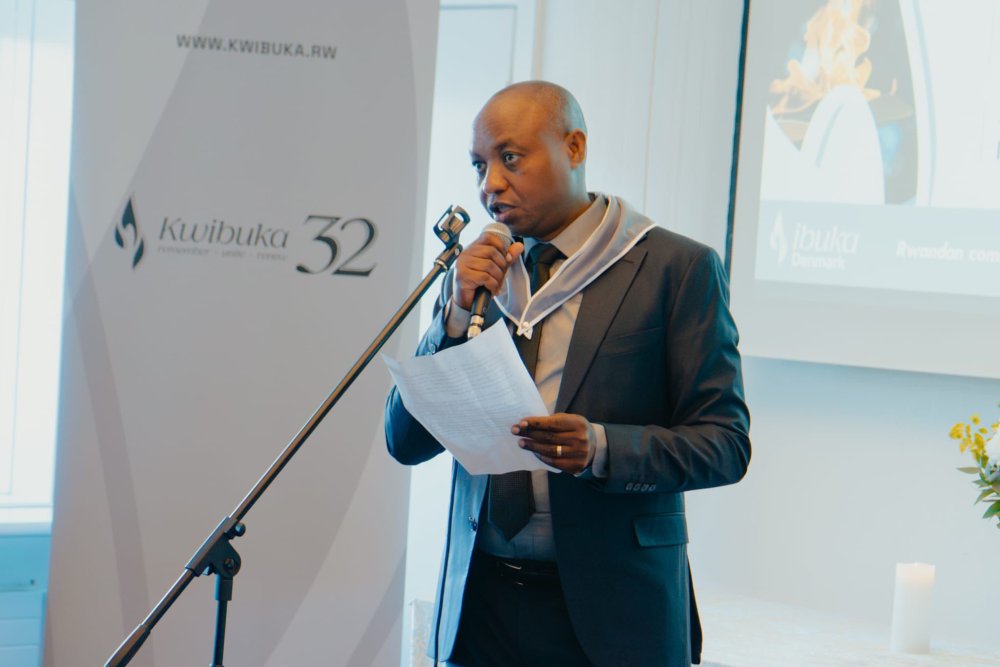
Egide Victor Semukanya, head of Ibuka Denmark, emphasized that remembrance concerns everyone. Geraldine Umutesi, First Counsellor at the Embassy of Rwanda, attended the commemoration event. Dr. Innocent Ngoga, Egide Semukanya (head of Ibuka Denmark), Jean Claude Gakimbiri, and Geraldine Umutesi, First Counsellor at the Embassy of Rwanda to the Nordic countries, delivered presentations during the event.The discussion session was moderated by Jackline Hansen and brought together Dr. Innocent Ngoga, Egide Semukanya (head of Ibuka Denmark), Jean Claude Gakimbiri, and Geraldine Umutesi.