The 6’6” centre, born in Mumias in western Kenya, was selected as the 13th overall pick in the first round of the WNBA Draft, placing her among the newest additions to one of the world’s most competitive women’s basketball leagues.
Okot is known for her strong presence in the paint, elite rebounding ability and growing offensive versatility, attributes that have made her one of the most promising frontcourt players in this year’s draft class.
Her journey began in 2020 at Zetech University in Kenya before she moved to the United States to pursue higher-level competition. She later played for Mississippi State University for two seasons before transferring to the University of South Carolina, where her development accelerated.
At South Carolina, Okot averaged 12.8 points and 10.6 rebounds per game while shooting 57.5 per cent from the field, establishing herself as one of the most efficient players in the programme. She was also part of the Gamecocks squad that reached the NCAA Division I Women’s Basketball Championship final, competing at the highest level of U.S. college basketball.
Her selection by the Atlanta Dream marks a major milestone not only for her career but also for Kenyan basketball, as she becomes the first player from the country to enter the WNBA.
The WNBA Draft is an annual event where franchises select top college and international prospects to strengthen their rosters ahead of the season, which runs from May to September. Draft order is determined by the reverse standings of the previous campaign.
Okot will wear jersey number 26 for the Atlanta Dream, with the jersey already available for fans.
She joins a draft class shaped by a new collective bargaining agreement that has raised the salary cap to $7 million per team, significantly improving rookie contracts and overall earnings. First-year players now earn over $270,000 (about Rwf 393 million), while top picks can earn up to $500,000. Okot’s rookie contract at pick 13 is estimated at around $289,133 (Rwf 420 million).
The Atlanta Dream also selected Indya Nivar (28th overall) and Kejia Ran (43rd overall) to strengthen their squad. The additions join a core that includes Allisha Gray, Rhyne Howard, and Angel Reese as the franchise looks to compete with top teams such as the Las Vegas Aces.
President William Ruto has congratulated her, saying her milestone “fills our nation with pride” and serves as inspiration for young Kenyan athletes.
Okot has previously described her rise as surreal, noting her gratitude for how far she has come since starting basketball only six years ago.
The 6’6” centre, born in Mumias in western Kenya, was selected as the 13th overall pick in the first round of the WNBA Draft, placing her among the newest additions to one of the world’s most competitive women’s basketball leagues.
The commemoration event was jointly organized by Ibuka-Denmark and the Embassy of Rwanda in Sweden, which also covers several Nordic countries.
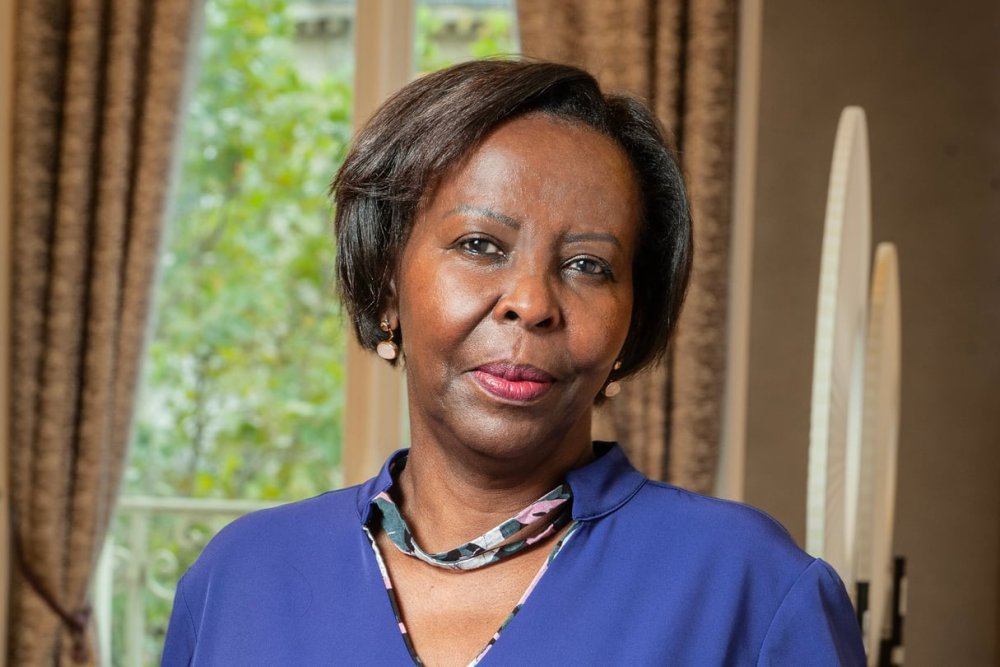
It was attended by Geraldine Umutesi, First Counsellor at the embassy, who represented Ambassador Diane Gashumba.
The event featured testimonies from survivors of the Genocide against the Tutsi, sharing how they endured and survived the atrocities.
Youth performances, including songs focused on comfort and remembrance, were presented alongside discussions on the historical context that led to the 1994 Genocide against the Tutsi.
The commemoration began with a remembrance walk, followed by opening remarks from Paul Nkubana, head of the Rwandan community in Denmark.
“This is an annual event in our community. Thank you for joining Rwandans and their friends here, because remembrance concerns us all,” he said.
Egide Semukanya, representing Ibuka in Denmark, delivered a talk focusing on the historical events that led to the Genocide against the Tutsi.
He paid tribute to the sacrifices of the Rwandan Patriotic Front (Inkotanyi), many of whose members lost their lives while stopping the genocide and saving survivors.
Semukanya also highlighted Rwanda’s progress today, emphasizing governance rooted in unity beyond ethnic divisions, and collective citizen participation in national development.
A panel discussion moderated by Jackline Hansen brought together speakers including Dr. Innocent Ngoga, Egide Semukanya, youth representative Jean Claude Gakimbiri, and Geraldine Umutesi.
In her remarks, Umutesi emphasized that today’s Rwanda, under the visionary leadership of President Paul Kagame, promotes unity through initiatives such as the Ndi Umunyarwanda program.
“Avoid divisionism, because it is what led us to where we are today, remembering victims of the Genocide against the Tutsi,” she said.
She urged participants to actively challenge genocide denial and trivialization, particularly when motivated by personal or political interests, calling for adherence to historical truth.
“The truth is clear and visible to everyone—except those who have an interest in hiding what they or their parents did,” she noted.
Umutesi also reminded attendees that during the 1994 Genocide against the Tutsi, Rwanda was largely abandoned as the international community stood by.
She warned that similar patterns appear to be unfolding today in Democratic Republic of the Congo, where violence targeting Kinyarwanda-speaking communities, especially Tutsis, continues.
“Those who once destroyed Rwanda are now collaborating with authorities in the DRC in acts of violence and killings, while the world watches. It is painful that the lessons from Rwanda’s history have not been learned,” she said.
Umutesi concluded by commending the Rwandan community leadership in Denmark, particularly those in Jutland and Funen, for organizing the commemoration, and reassured them of the embassy’s continued support.
Egide Victor Semukanya, head of Ibuka Denmark, emphasized that remembrance concerns everyone. Geraldine Umutesi, First Counsellor at the Embassy of Rwanda, attended the commemoration event. Dr. Innocent Ngoga, Egide Semukanya (head of Ibuka Denmark), Jean Claude Gakimbiri, and Geraldine Umutesi, First Counsellor at the Embassy of Rwanda to the Nordic countries, delivered presentations during the event.The discussion session was moderated by Jackline Hansen and brought together Dr. Innocent Ngoga, Egide Semukanya (head of Ibuka Denmark), Jean Claude Gakimbiri, and Geraldine Umutesi.
The announcement, made on April 14, 2026, comes as the two partners scale up their commitment to increase access to HIV pre-exposure prophylaxis (PrEP) using lenacapavir, a twice-yearly injectable that has shown near 100% effectiveness in clinical trials.
Under the expanded initiative, an additional 1 million people are expected to be reached over the next three years, bringing the total target to 3 million people by 2028.
Lenacapavir is designed as a long-acting alternative to daily oral PrEP, offering a discreet and highly effective option for HIV prevention. Health experts say it could transform prevention efforts, particularly among populations that face challenges with daily medication adherence.
“This expanded commitment in partnership with the United States reflects both the scale of the opportunity and the urgency of the moment,” said Peter Sands, Executive Director of the Global Fund. He noted that long-acting prevention tools could help overcome long-standing barriers that have limited uptake of HIV prevention services.
Rwanda joins Benin, Botswana, Dominican Republic, Fiji, Georgia, Haiti, Honduras, Indonesia, Morocco, Papua New Guinea and Thailand as new countries supported for introduction of the injectable prevention tool.
The rollout builds on earlier distribution to nine African countries, including Kenya, Uganda, South Africa, Nigeria, Zambia and Zimbabwe, where early data shows strong uptake among priority groups such as adolescent girls and young women, pregnant and breastfeeding women, and individuals accessing PrEP for the first time.
According to the Global Fund, the expanding interest from countries reflects growing demand for more user-friendly HIV prevention methods that reduce reliance on daily pills. Early implementation data suggests that injectable PrEP could significantly improve access among people who have not previously used prevention services.
The initiative is also being supported through voluntary licensing agreements by Gilead Sciences, allowing manufacturers to produce more affordable generic versions of lenacapavir. This is expected to expand supply in the coming years, alongside ongoing shipments of the original product.
Global Fund officials say the priority now is ensuring rapid but responsible rollout, with strong involvement of community-led organisations in building awareness, trust, and uptake in high-risk populations.
“The level of country demand we are seeing is both encouraging and urgent,” said Mark Edington, Head of Grant Management at the Global Fund. “Countries recognise the transformative potential of LEN to reach populations that have not been adequately served by existing tools.”
The Global Fund emphasised that it is working closely with governments and partners to align implementation with national HIV strategies and ensure equitable access as the program scales up.
The expanded initiative is expected to significantly strengthen global HIV prevention efforts, with Rwanda among the countries set to benefit from the introduction of one of the most promising new prevention technologies in recent years.
Under the expanded initiative, an additional 1 million people are expected to be reached over the next three years, bringing the total target to 3 million people by 2028.
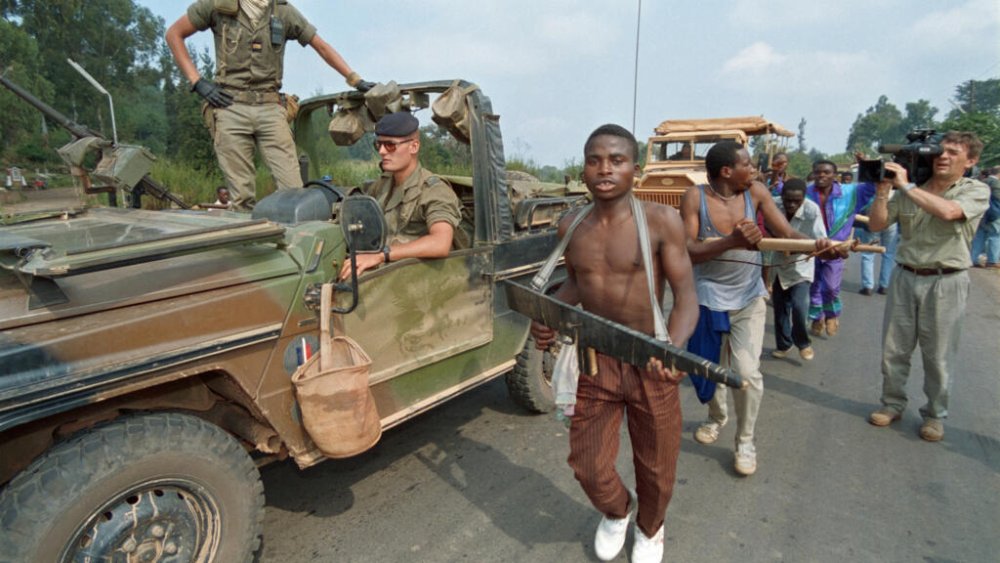
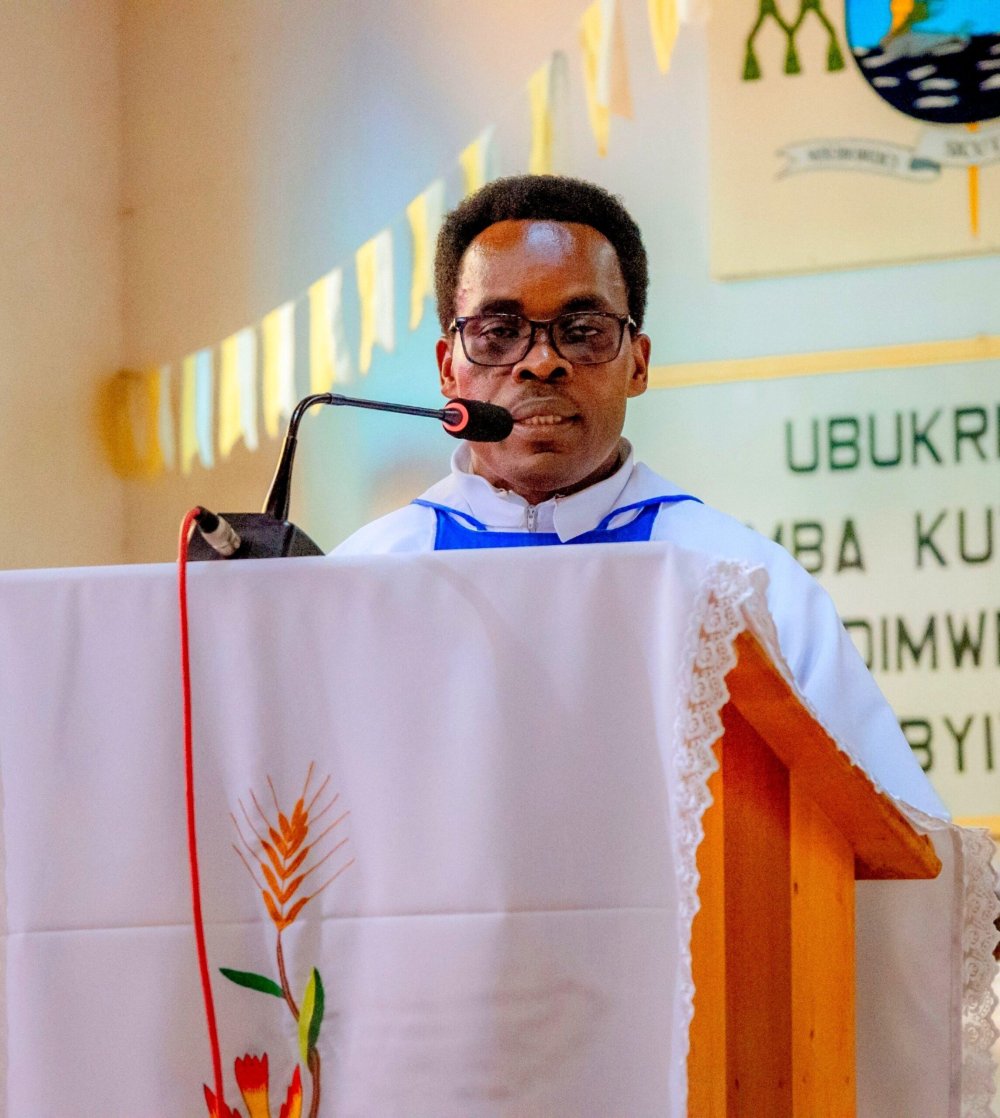
One of the stark testimonies of these atrocities comes from Célestin Sezibera, a former member of the Seventh-day Adventist Church who admits that he would attend worship services and then go out to kill Tutsis.
IGIHE visited the 67-year-old at Nyarugenge Correctional Facility, located in Mageragere Sector, where he is serving a life sentence.
Sezibera was convicted of crimes related to the Genocide against the Tutsi, including distributing weapons used in killings across different parts of Nyamirambo, charges he openly acknowledges. He has now spent nearly 32 years in prison.
Sezibera explained that during the Genocide, he served as Nyamirambo sector leader from January 20, 1990, to April 29, 1994. He recalls how, in the fourth week of April 1994, he contacted the Kigali City Prefecture, where then-Prefect Tharcisse Renzaho authorized him to collect ten firearms from the Ministry of Defense. He then distributed these weapons to local cell leaders.
“Those guns were meant to kill Tutsis,” he admitted.
Sezibera was arrested on September 27, 1994, after initially being detained at the Nyamirambo brigade earlier that month.
His testimony challenges narratives often put forward by Genocide denialists who claim that the violence was spontaneous or triggered solely by the downing of President Habyarimana’s plane. Sezibera insists instead that the Genocide was carefully planned by the government in power at the time.
“The Genocide was prepared and executed by a bad government,” he said. “People must accept that it was organized. You cannot deny that Tutsis were killed, nor that they were killed by the government we lived under.”
A religious leader who turned against his own followers
When discussing the role of religious figures during the Genocide, Sezibera speaks with painful clarity—he was part of that leadership. On Saturdays, he would preach the Word of God, only to later join in the killings of Tutsis, including members of his own congregation.
Sezibera was convicted of crimes related to the Genocide against the Tutsi, including distributing weapons used in killings across different parts of Nyamirambo.
Today, he serves as a pastor within the Seventh-day Adventist Church community inside Nyarugenge Prison, a role he had also held before 1994, beginning in 1985 as an assistant pastor.
“It is both painful and shocking that those who were killed were people we led in churches, and those who killed them were also under our leadership,” he reflected. “It pains me deeply that we lacked the courage to stop such evil.”
Asked how he reconciles preaching about God today after participating in such crimes, Sezibera admits he lives with constant shame. He says he has worked to bring together fellow inmates accused of genocide to reflect, seek forgiveness, and acknowledge their responsibility.
“We gathered, knelt down, and asked for forgiveness from survivors of the 1994 Genocide against the Tutsi,” he said.
Among the memories that haunt him most is his role in persecuting innocent Tutsis falsely accused of being accomplices of the RPF. He recalls events from September 1990, when Tutsis were detained at Nyamirambo stadium under harsh conditions—denied food and water, with some dying there.
“I personally arrested some of them and took them to the stadium,” he admitted.
He also regrets his involvement in setting up roadblocks across Kigali, including in Nyamirambo, where many Tutsis were killed.
“And then there are the guns I distributed. They had only one purpose, to kill Tutsis. That is why I feel deep remorse and ask forgiveness from those who lost their loved ones.”
Reflecting on justice and reconciliation
Sezibera also spoke about Rwanda’s decision to abolish the death penalty in 2007. Before its abolition, more than 700 individuals were on death row, many convicted of genocide-related crimes.
He expressed gratitude to the Government of Rwanda for replacing capital punishment with life imprisonment, describing it as part of broader efforts to rebuild society and promote unity.
“Everyone was anxious. I thank the Government of National Unity for abolishing the death penalty… it was a step toward rebuilding Rwandan society,” he said.
He also praised the country’s efforts to stop the Genocide and promote equal opportunities for all citizens, including the children of perpetrators. Sezibera describes his personal transformation as akin to the biblical shift from Saul to Paul.
“I can truly say I have changed. I became like Paul, and I will continue on that path while encouraging others to do the same.”
Now a father of four, grandfather of ten, and great-grandfather of one, Sezibera has written a book about his life so that future generations in his family can understand his past and grow up committed to rejecting evil in all its forms.
He says he continues to seek reconciliation and has requested to meet survivors from Nyamirambo, either by visiting them or welcoming their representatives to the prison.
“I want to ask for forgiveness face to face and feel a sense of relief,” he said.
As a member of the Unity and Resilience Commission within the prison, he also encourages fellow inmates to reveal information about the whereabouts of victims’ remains so they can be given a dignified burial.
Sezibera served as Nyamirambo sector leader from January 20, 1990, to April 29, 1994.
Edwin Njuguna Ngugi, a driver from Malava in Busia County, was transporting goods from Mombasa to Bunia when he ran into trouble. His truck reportedly broke down in the volatile Ituri province, an area plagued by armed groups.
According to his family, Njuguna’s last known contact was on April 3 at exactly 2:22 p.m., when his phone went silent.
His mother, Rose Ngugi, said he had earlier expressed fear for his life.
“I started speaking with him on April 2 when he complained that the vehicle had broken down in a dangerous place and he was in the wrong hands,” she told the Kenyan media.
In a final call to his cousin in Mombasa, Njuguna described the dire situation he was facing.
“You can see the trouble I have encountered here. The road is very bad, the truck broke down yesterday and the trailer got stuck. I am now being guarded by soldiers… yesterday I was almost attacked by people with machetes who wanted to rob me, but luckily soldiers came because I am in the bush… the cargo owner said he would bring another truck to transfer the load and then burn this trailer, so I am waiting for them,” he said.
Desperate for safety, Njuguna reportedly sought protection from local soldiers. However, his family alleges that the same soldiers later took his money and abandoned him.
He is believed to have been subsequently attacked by armed groups, killed, and his truck looted.
Days later, fellow Kenyan truck drivers operating in the region discovered his decomposing body and shared images in a WhatsApp group in an attempt to identify him. It was through these images that his family confirmed his death, nearly ten days after he went missing.
His body is currently at Bunia Main Hospital, while the truck remains at the scene of the attack.
The family says it lacks the financial means to travel to the DRC to retrieve the body and is now appealing to the Kenyan government for assistance with repatriation.
Eastern DRC remains one of the most unstable regions in Africa, with hundreds of armed groups operating in the region. Ituri province, where Bunia is located, has faced persistent violence from militias, including the Allied Democratic Forces (ADF) and local ethnic groups such as Cooperative for Development of the Congo (CODECO).
Edwin Njuguna Ngugi, a driver from Malava in Busia County, was transporting goods from Mombasa to Bunia when he ran into trouble. His truck reportedly broke down in the volatile Ituri province, an area plagued by armed groups.
UN Under-Secretary-General for Humanitarian Affairs and Emergency Relief Coordinator Tom Fletcher said Sudan remains the world’s largest humanitarian crisis.
“Nearly 34 million people in Sudan — or almost two out of every three people — need humanitarian assistance, as hunger tightens its grip, children face acute malnutrition and women and girls are subjected to widespread and brutal violence,” Fletcher said.
The UN relief chief called for urgent action to stop the fighting, protect civilians, ensure safe and unimpeded humanitarian access, and mobilize the funding needed to sustain life-saving operations.
UN Women said the number of women and girls requiring support after experiencing gender-based violence nearly doubled in two years and quadrupled since the start of the war.
“Women and girls are being raped and killed in their homes, and as they flee, seek food, water and medical care,” said UN Women Regional Director for East and Southern Africa Anna Mutavati. “The use of sexual violence has been embedded in the blueprint of Sudan’s war.”
UN Women cited a new Gender Alert on the war, published Tuesday, as saying that more than 4.3 million women and girls have been displaced in Sudan, while 17.1 million require humanitarian assistance. For many, there is limited or no access to food, shelter or medical care.
Eva Hinds, UN Children’s Fund (UNICEF) chief of communication in Sudan, said that at least 245 children were reportedly killed or injured in just the first three months of this year.
“This is a sharp increase compared to the same period last year. Most of these children killed or injured were in Darfur and the Kordofan states, where violence has become a constant part of daily life,” Hinds told a press briefing in Geneva.
She said that “since the war began, the United Nations has verified more than 5,700 grave violations against children across Sudan. More than 4,300 children have been killed or maimed, with Darfur and Kordofan states again accounting for the highest numbers.”
Humanitarian access remains a major challenge, since large parts of the country are still cut off because of fighting, damaged infrastructure, and administrative obstacles. The constraints are especially severe in Darfur, Kordofan and parts of Blue Nile state, leaving many of the most vulnerable children beyond reach, said Hinds.
UNICEF Executive Director Catherine Russell said: “For three years, children across Sudan have been killed, injured, and displaced at staggering levels. Their homes, schools and hospitals continue to come under attack. There is no justification for violence against children. It reflects a collective failure by parties to the conflict to protect the most basic rights of children.”
The UN Office for the Coordination of Humanitarian Affairs (OCHA) said that drone strikes have reportedly killed nearly 700 civilians in the first three months of this year. On Monday, a drone strike in Ed Daein, East Darfur state, reportedly killed nine civilians and injured 27 others, including a child and health-affiliated workers.
OCHA reiterated that the violence must stop.
“Civilians and civilian infrastructure must be protected in line with international humanitarian law,” said the office. “Humanitarian access must be rapid, safe, unimpeded and sustained, and the response must be fully funded to save lives.”
Fletcher also said the grim and chastening anniversary marks another year when the world has failed to meet the test of Sudan.
The UN relief chief has called for urgent action to stop the fighting in Sudan, protect civilians, ensure safe and unimpeded humanitarian access, and mobilize the funding needed to sustain life-saving operations.
The report said that following the enforcement of the blockade, some vessels with intended calls at Iranian ports were observed adjusting their AIS destination signals while passing through the Strait of Hormuz.
According to the report, shortly after the blockade took effect, at least two Iran-flagged container ships previously indicating sailing to the southern Iranian port of Bandar Abbas changed their AIS messages to the more general designation of “PG Ports,” meaning “Persian Gulf ports.”
After successfully passing through the Strait, they continued their journey toward Bandar Abbas on Tuesday, said the report.
Citing analysts, the report said such actions could complicate the intelligence collection phase of the U.S. blockade and require additional resources to track and identify vessels involved in maritime traffic to Iranian ports.
The U.S. Central Command said Tuesday that more than 10,000 troops are executing the mission to blockade ships entering and departing Iranian ports, targeting vessels of all nationalities without discrimination.
At least two vessels transited through the Strait of Hormuz en route to Iranian ports after altering their Automatic Identification System (AIS) destination data.
“The global financial system is confronting the ongoing war in the Middle East, potential inflationary pressures, rising risks of further tightening in financial conditions, and several channels through which market turmoil could escalate into financial instability,” the report said.
The longer the conflict continues, the greater the risk that global financial conditions could tighten further and more abruptly, it suggested.
The report listed several channels that could test the financial system’s resilience and lead to financial stability risks.
First, greater bond market volatility could tighten funding markets, as rising debt-to-GDP levels have led to larger bond yield gyrations.
Second, emerging markets may face currency and capital outflow pressures as carry trades unwind and terms of trade worsen.
Third, an abrupt tightening of financial conditions can lead to forced selling by hedge funds, option sellers, leveraged exchange-traded funds and other nonbank financial intermediaries (NBFIs) that have expanded through leverage.
Fourth, signs of more borrower defaults in private credit could cascade into broader concerns about corporate credit, particularly for highly leveraged borrowers subject to the artificial intelligence (AI) disruption.
Also, booming investments in AI may slow significantly if the Middle East conflict were to persist.
The IMF urged policymakers to act decisively to bolster resilience amid the Middle East conflict, suggesting that monetary policy preserve price stability and be attuned to spillovers from actual inflation to inflation expectations, while remaining data dependent.
It also recommended a fiscal stance shift toward appropriately tight settings to place public debt on a stable path, with new spending focused on protecting vulnerable groups from the inflation shock.
Closing data gaps, improving cross-jurisdictional data sharing, and enhancing oversight are critical, as NBFIs grow more leveraged and more connected to banks, the report said.
Tobias Adrian (3rd R), director of the International Monetary Fund’s (IMF’s) Monetary and Capital Markets Department, speaks at a press briefing on Global Financial Stability Report in Washington, D.C., the United States, on April 14, 2026. IMF on Tuesday released its Global Financial Stability Report, warning that risks to global financial stability are rising amid the current situation in the Middle East. (Xinhua/Li Rui)
According to a presidential order issued on April 10, 2026, the other individuals pardoned are Dilan Berat Mete, Emmanuel Kanamugire, and Mujawamariya. Mete had been convicted as an accomplice in the misuse of public property and was sentenced to one year in prison along with a fine of Rwf 1 million.
Kanamugire and Mujawamariya were convicted of issuing bounced cheques and fined Rwf 154.8 million and Rwf 84 million respectively.
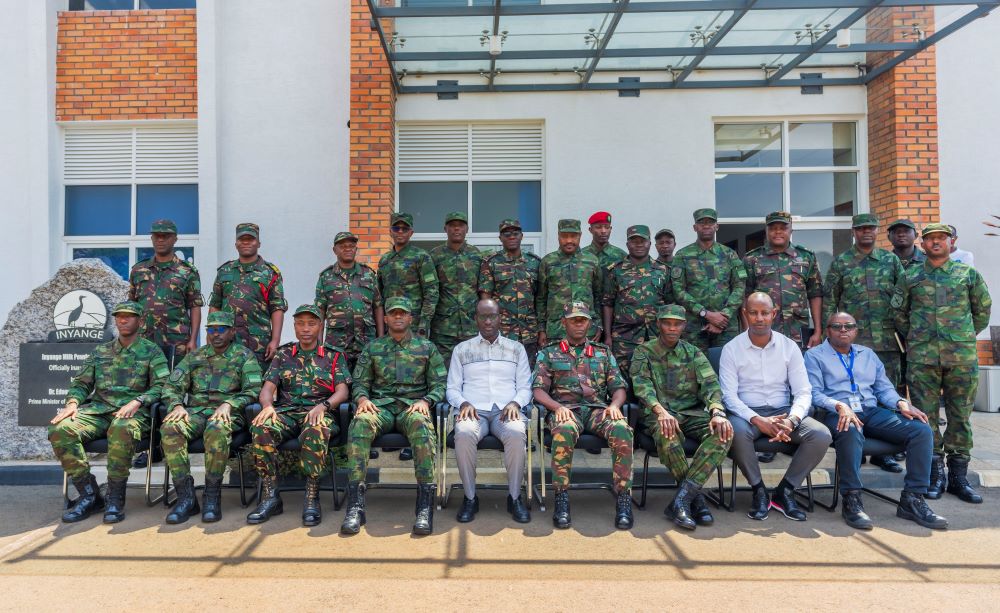
Lt Col (Rtd) Nkusi had also been found guilty as an accomplice in the misuse of public property and was sentenced to one year and six months in prison, in addition to a fine of Rwf 1 million. Brig Gen (Rtd) Muziraguharara had been convicted on similar charges of complicity in the misuse of public property, as well as failure to report a serious offense, and was sentenced to one year in prison.
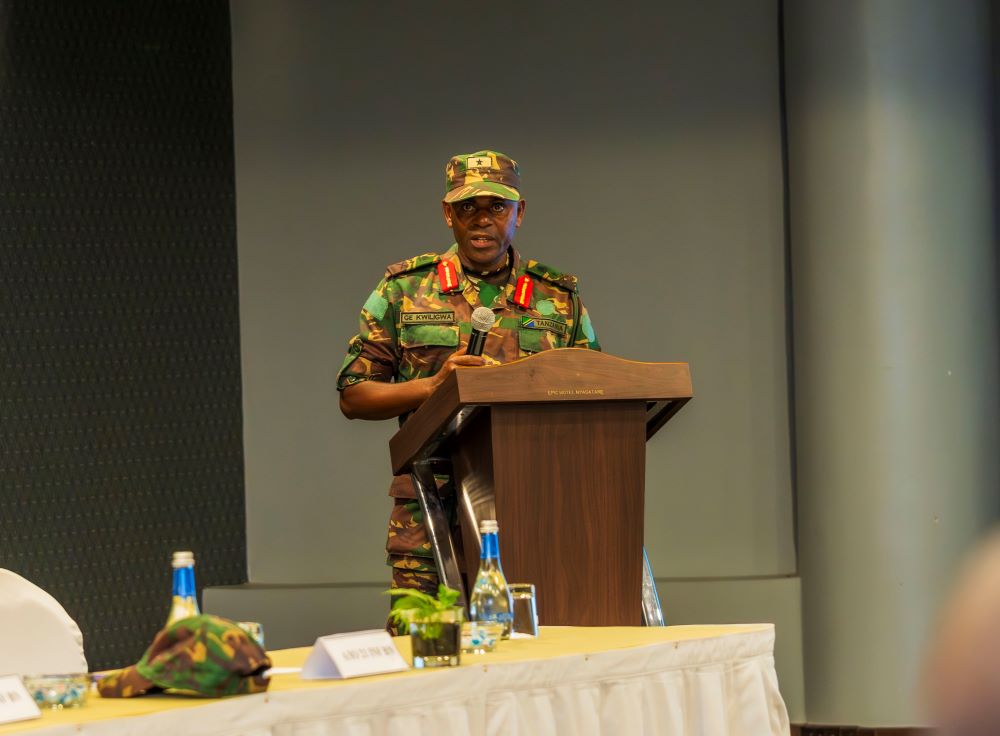
Throughout his military career, Brig Gen (Rtd) Muziraguharara served in several key roles within the RDF. Between 1998 and 2000, he was in charge of research. From 2005 to 2006, he served as Chief Instructor at the Gako Military Academy, among other roles.
He later served in a United Nations peacekeeping mission in Darfur, Sudan, where he was responsible for planning. From 2010 to 2012, he worked as Director of Planning in the RDF before representing the force at the International Conference on the Great Lakes Region (ICGLR).
From 2013 to 2018, he served as Director General in charge of administration and finance at the National Intelligence and Security Service (NISS). On July 29, 2025, Brig Gen (Rtd) Muziraguharara was among more than 1,000 soldiers who were officially retired from military service.
Brig Gen (Rtd) Muziraguharara is among five individuals that have been granted presidential clemency.
The approval was made on April 13, 2026, following a majority vote by Members of Parliament after the Government presented the financing proposals.
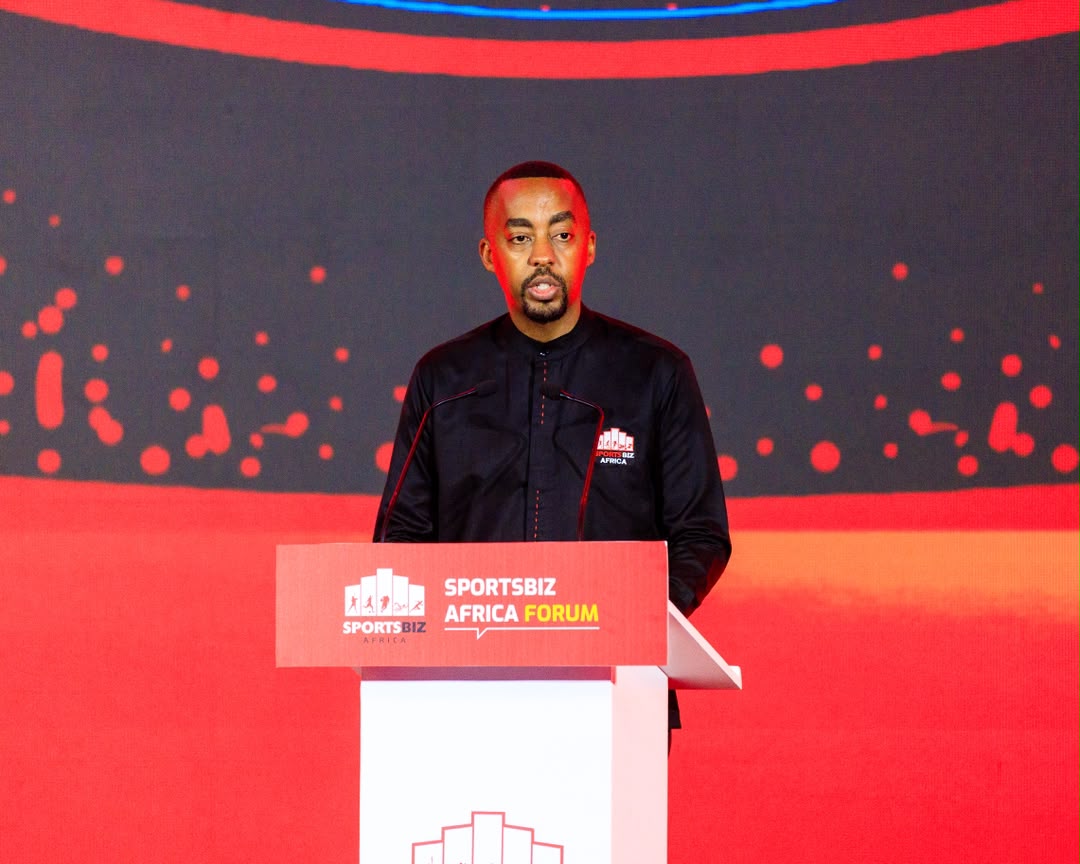
The agreements were tabled before the House by the Minister of State for National Treasury in the Ministry of Finance and Economic Planning, Godfrey Kabera, who outlined how the funds will be allocated across priority development areas.
The largest share of the financing is a loan of over €213 million to be provided by Standard Chartered Bank in partnership with Société Générale, and backed by an international development fund. The facility will be repaid over 15 years, including a six-year grace period before repayment begins.
A second loan of 15.3 billion Japanese yen has been secured from an international development fund to support policies promoting inclusive and sustainable employment in Rwanda. It carries a 31-year repayment period, with an eight-year grace period.
In addition, the Asian Infrastructure Investment Bank will provide a loan of 14.8 billion Japanese yen to support development initiatives. This facility will be repaid over 29 years, with a five-year grace period.
According to Kabera, the financing package is expected to significantly strengthen Rwanda’s economy by supporting key national priorities, including job creation, digital connectivity, and productivity improvements in agriculture.
He noted that part of the funds will be used to expand inclusive and sustainable employment opportunities, strengthen collaboration between public and private sector actors, improve access to high-speed internet, and promote the adoption of modern technologies in agriculture and livestock farming.
A portion of the financing will also go toward the energy sector, with a strong focus on clean and sustainable solutions.
“These funds will support a project aimed at expanding and strengthening electricity transmission networks to improve power distribution in densely populated areas. The project will also increase access to electricity for both on-grid and off-grid users, while promoting clean cooking solutions in rural communities,” Kabera said.
The project is expected to provide electricity to around 200,000 households, as well as 850 businesses and industries. It will also extend off-grid electricity access to 50,000 people, enable 100,000 households to access clean cooking equipment, and supply such equipment to 310 schools and health facilities.
Additionally, about 200 kilometres of street lighting will be installed in secondary cities surrounding Kigali.
Other components of the financing will support improvements in public financial management, expansion of essential infrastructure, and investments aimed at positioning Rwanda as a regional hub for transport and tourism.
The funds will also support agricultural and livestock development, including improved access to inputs and enhanced productivity in areas such as fish farming.
Minister of State for National Treasury in the Ministry of Finance and Economic Planning, Godfrey Kabera, who outlined how the funds will be allocated across priority development areas.The approval was made on April 13, 2026, following a majority vote by Members of Parliament after the Government presented the financing proposals.