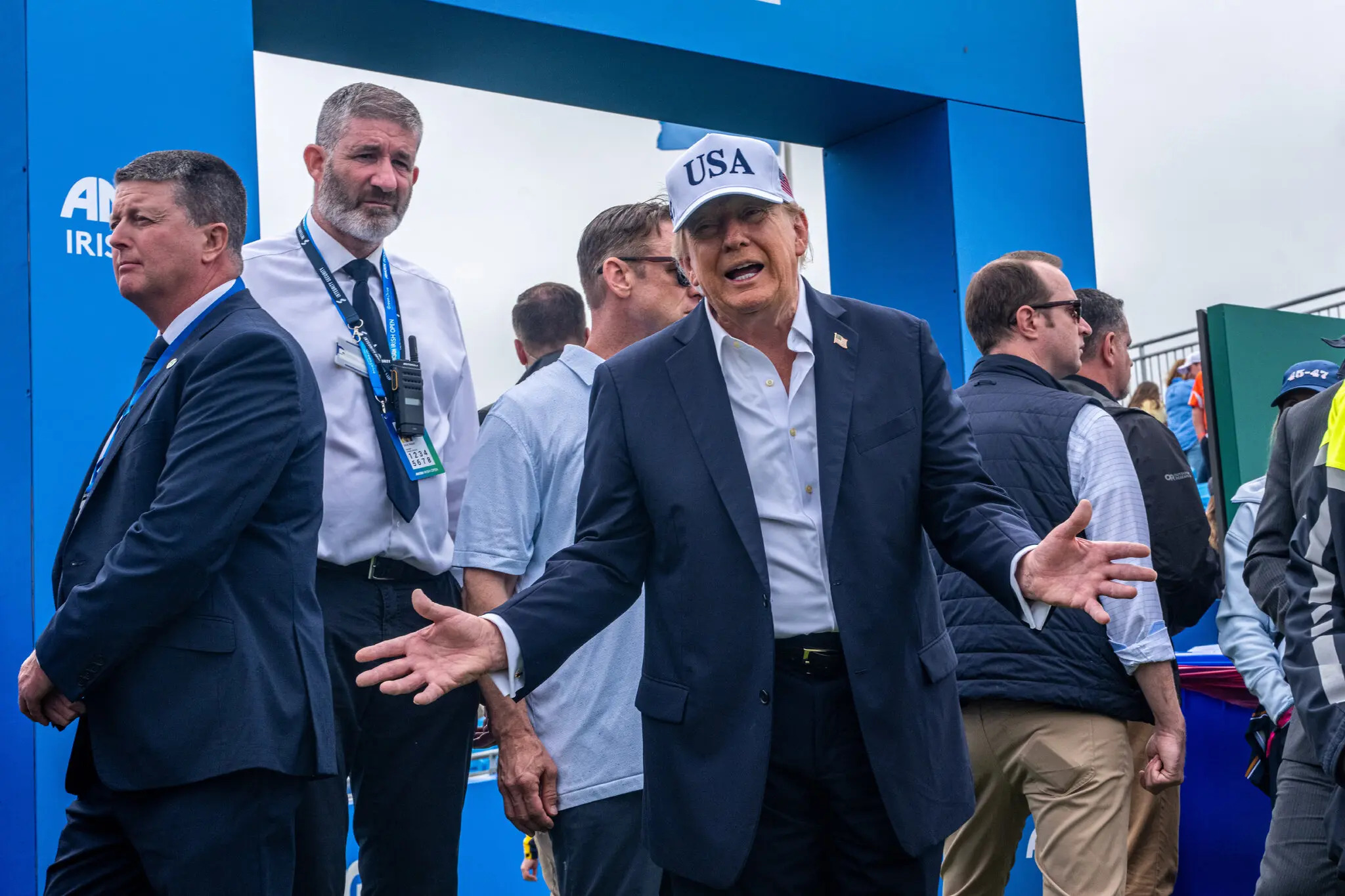
Trump made the remarks on Sunday after being asked whether he had spoken with Ukrainian President Volodymyr Zelenskyy following his conversation with Russian President Vladimir Putin.
“Mr. Zelenskyy has to do one thing. He has to stop knocking out diesel fuel in Russia,” Trump told a reporter at his golf course in Ireland.
“He has to stop knocking out diesel fuel in Russia. We spoke to Mr. Zelenskyy about it. There are plenty of other targets. Don’t hit diesel fuel, because that’s hurting, that’s hurting the world.”
Trump said diesel prices were rising as supplies from Russia were being disrupted, arguing that the impact was being felt beyond the countries involved in the war.
Diesel prices in the United States climbed above $6 a gallon on Friday for the first time, according to AAA, amid a wider energy crunch that has also been driven by the conflict involving Iran and disruptions to oil supplies through the Strait of Hormuz.
Ukraine has intensified attacks on Russian energy infrastructure in an effort to disrupt Moscow’s ability to finance and sustain its war. The strikes have hit oil refineries and other fuel facilities across Russia, contributing to supply shortages and restrictions on fuel exports.
Hours before Trump made his remarks, Ukraine’s military said it had struck the TANECO oil refinery in Nizhnekamsk, in Russia’s Tatarstan republic, in a joint operation involving the country’s military, security service and military intelligence.
Local officials said the attack killed two civilians and wounded others.
Ukraine has maintained that Russian refineries are legitimate military targets, arguing that the facilities help fund Moscow’s war effort and supply fuel to Russian forces.
Russia has also repeatedly targeted Ukraine’s energy infrastructure, with missile and drone attacks hitting power facilities as the country prepares for another winter under the threat of prolonged electricity shortages.
Trump’s intervention comes as diesel supplies face pressure from damage to refining infrastructure in both Russia and the Middle East. Higher diesel prices could also push up the cost of transporting goods, potentially feeding into broader consumer price increases.
Trump made the remarks on Sunday after a reporter asked about his talks with Zelenskyy, urging Ukraine to stop targeting Russian diesel facilities because it was “hurting the world.”
Following a string of vessel attacks and seizures since April, the International Maritime Organization (IMO), a specialized agency of the United Nations regulating maritime transport, issued a warning on August 24 highlighting the rise in piracy and confirming that over 90 seafarers remain held hostage by pirate networks.
Experts emphasize that a persistent lack of economic opportunities, compounded by widespread illegal fishing by foreign vessels, is driving more Somalis toward piracy, viewed by many both as a form of socio-economic protest and a desperate survival strategy.
Mohamed Husein Gaas, director of the Raad Peace Research Institute, a think tank, noted that the security vacuum created as international naval forces shifted attention to the Red Sea crisis has given Somali pirate networks renewed operational freedom.
“Somali piracy is back not because the underlying problem disappeared, but because the security architecture that suppressed it has weakened,” Gaas told Xinhua in a recent interview in Mogadishu, the capital of Somalia.
He noted that while international naval patrols and vessel defense measures previously suppressed piracy, root causes like weak coastal enforcement, poverty, and lack of governance remained unresolved.
“Piracy was suppressed, not solved,” Gaas said.
Gaas said that the Houthi conflict has “changed the equation” by shifting shipping routes and diverting naval resources, creating ripple effects for maritime traffic near Somalia.
However, he cautioned against treating allegations of direct operational ties between Houthi networks and Somali pirate groups as established fact.
Meanwhile, commercial consequences are mounting in the region.
Abdirizak Sabriye, a member of the Somali Chamber of Commerce and Industry, the apex umbrella body for Somalia’s private sector, noted that global ocean carrier Maersk has suspended new bookings to and from the Port of Berbera in northern Somalia citing operational scheduling conflicts and broader regional route realignments.
While Sabriye did not link the decision solely to piracy, he emphasized that it underscores the widespread logistics disruption hitting Horn of Africa trade.
For Somalia, an import-dependent economy, prolonged maritime disruptions threaten to drive up freight and insurance premiums, tighten domestic supply chains, and trigger consumer price inflation.
Yusuf Mohamed Mahadale, a prominent capital goods importer known locally as “Shakirow”, said that these cost pressures are already spilling over into local markets.
“The prices of construction materials, fuel and even cooking gas have risen sharply in recent months,” Shakirow said, linking the price hikes directly to growing risks along shipping routes and the broader regional maritime crisis.
Because much of Somalia’s construction material is imported from China, Shakirow emphasized that the Indian Ocean-Gulf of Aden corridor serves as a vital economic lifeline for Somali businesses.
“When shipping companies avoid taking such risks, supply becomes tighter while market demand remains high,” Shakirow told Xinhua.
Analysts have warned that the long-term economic fallout could escalate significantly if piracy evolves from isolated incidents into a sustained, systemic threat to Indian Ocean trade corridors.
“If piracy becomes sustained, shipping companies could again avoid the Gulf of Aden, raising insurance, freight and fuel costs and ultimately consumer prices,” Gaas said.
“For Somalia, that would mean higher import costs and weaker maritime investment, while the wider region and global trade would absorb the larger shock,” he cautioned.
Rising piracy highlights a shift in regional security dynamics as Western naval forces pivot toward broader Middle Eastern conflicts, opening space for Turkey, China, and Gulf nations to expand their influence around the Red Sea.
To address these vulnerabilities, a Somali government official stated that Mogadishu plans to join the Mecca Joint Defense Agreement with Saudi Arabia, Turkey, and Pakistan.
Speaking on condition of anonymity, the official noted Somalia will also consult with China to strengthen its naval capabilities and reduce reliance on Western defense coalitions.
Though Somalia’s potential entry into the defense pact remains an unconfirmed diplomatic effort, Mogadishu is expanding domestic counter-piracy operations.
The foreign ministry reported ongoing land and sea interventions, highlighting the August 29 liberation of the hijacked cargo ship MV Lutuf as a key success.
“Somalia will not permit its waters to become a haven for maritime crime,” the ministry said.
The government is calling for international naval support to align with its national security framework and bringing the piracy issue before the UN Security Council, supported by Parliament’s recent passage of updated anti-piracy legislation.
Gaas noted that naval patrols are insufficient on their own, arguing that lasting solutions depend on strong coastal governance, improved enforcement, and genuine economic opportunities for local communities.
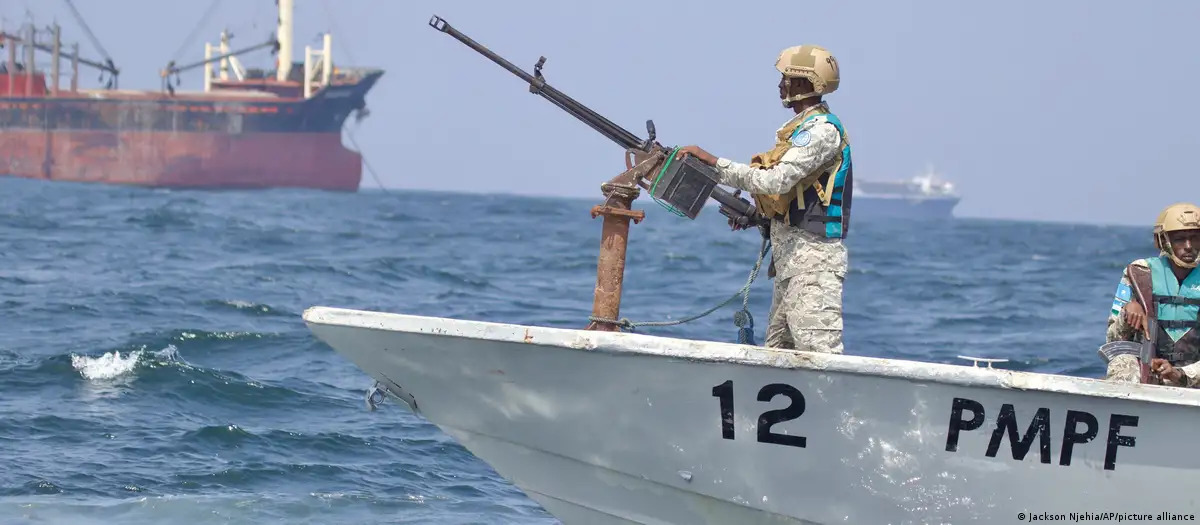
A resurgence of Somali piracy off the northeastern coast and in the Gulf of Aden is growing amid Red Sea security risks, threatening global shipping costs and commodity prices to push up, analysts warned.
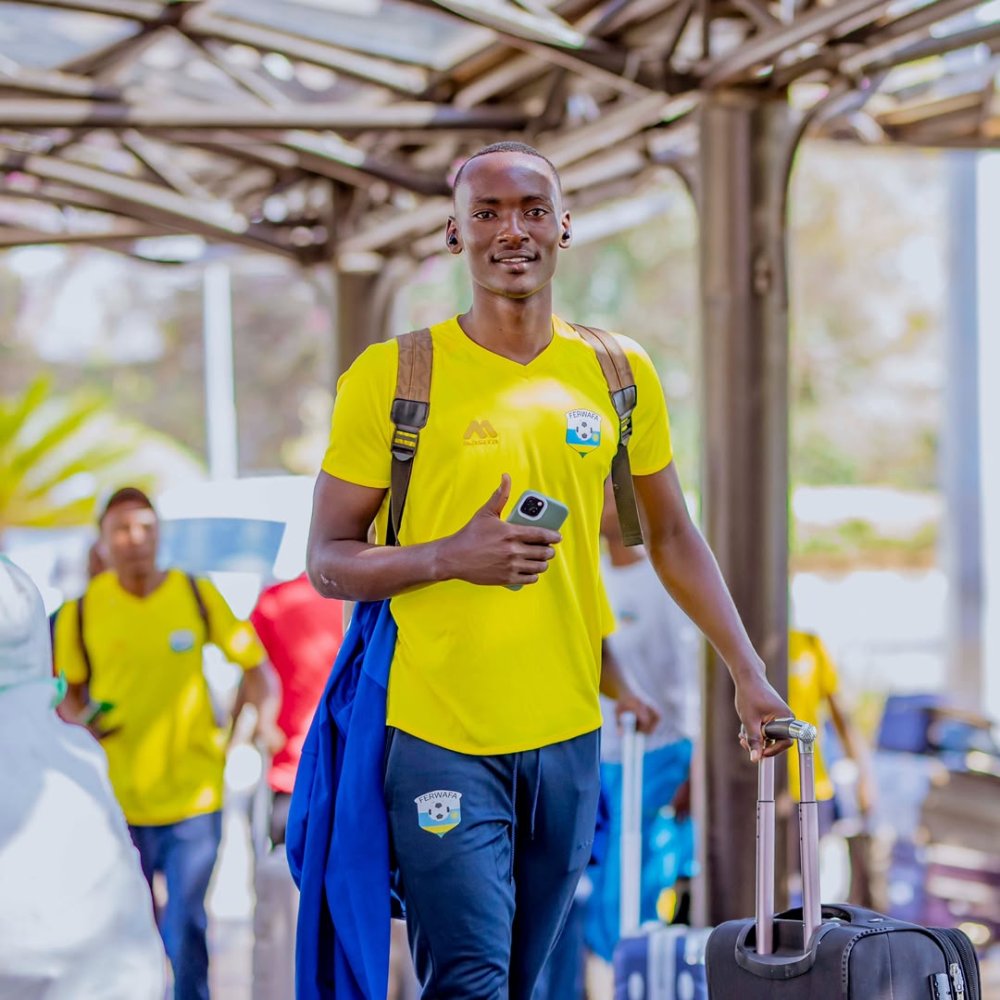
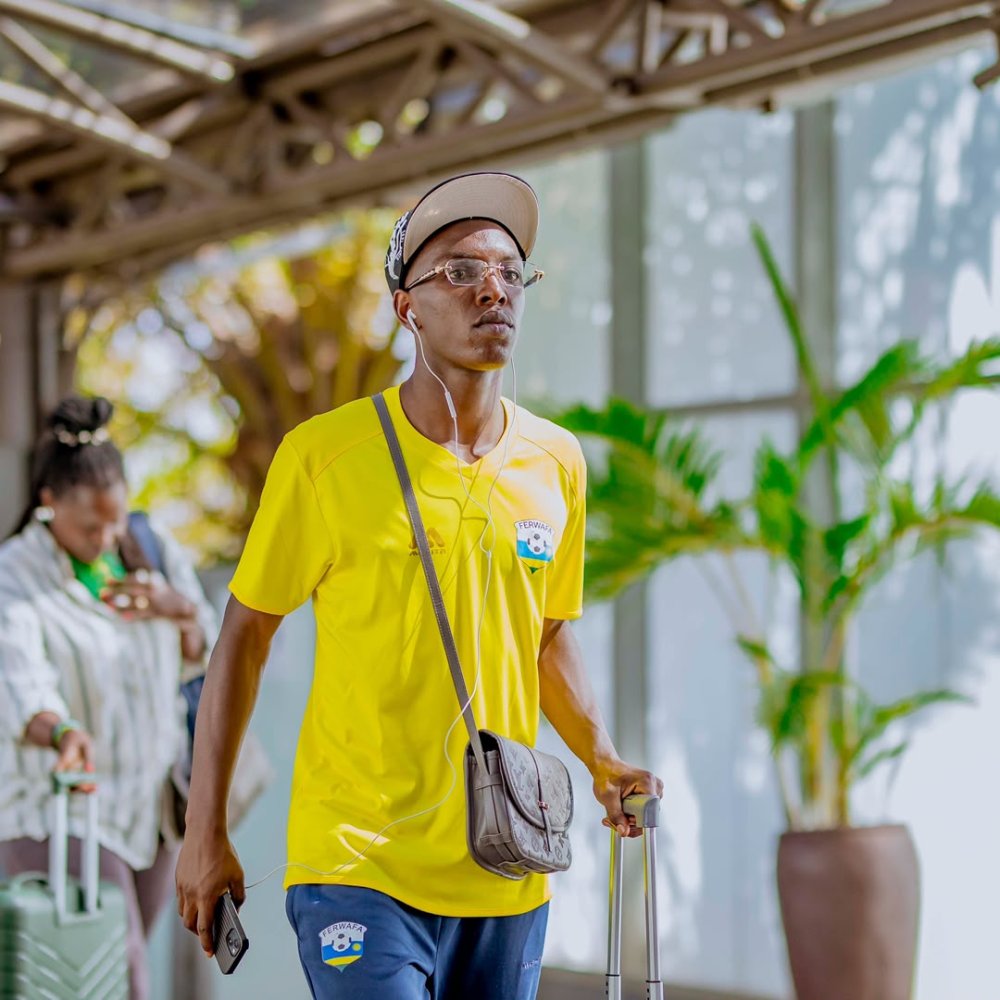
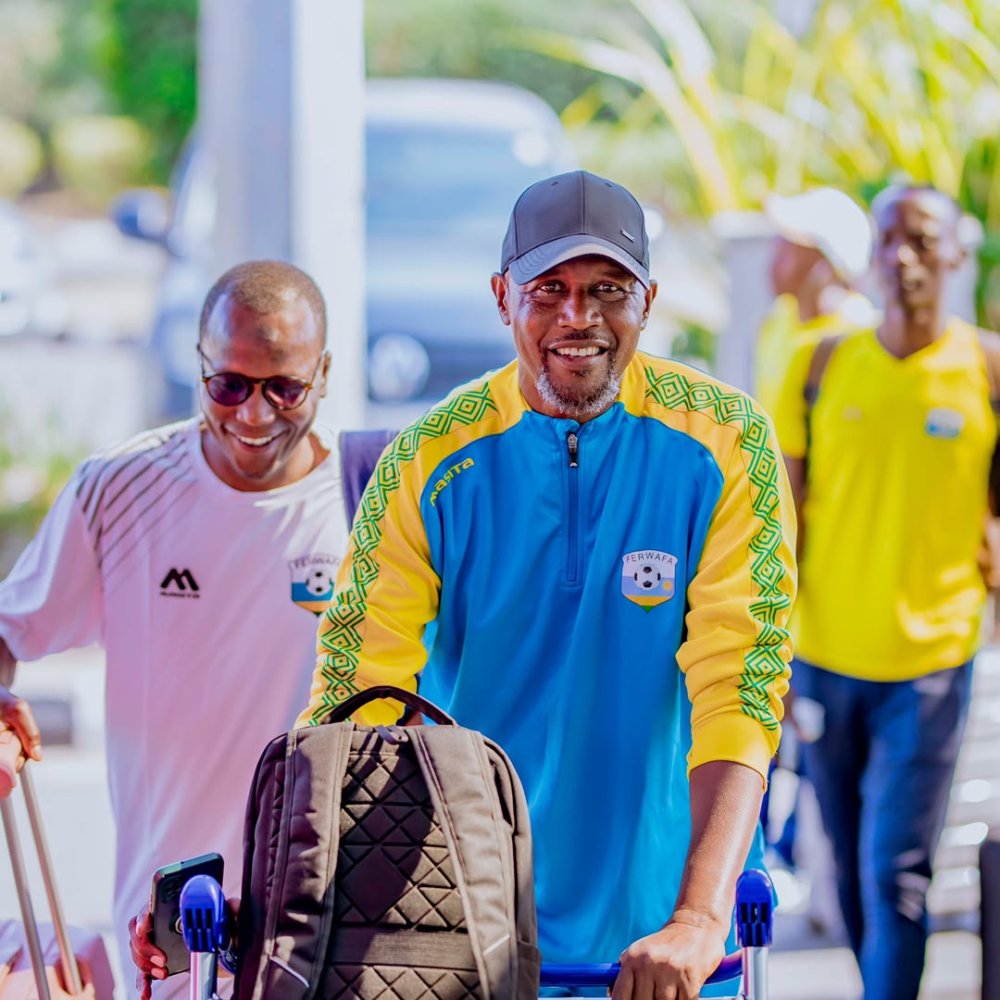
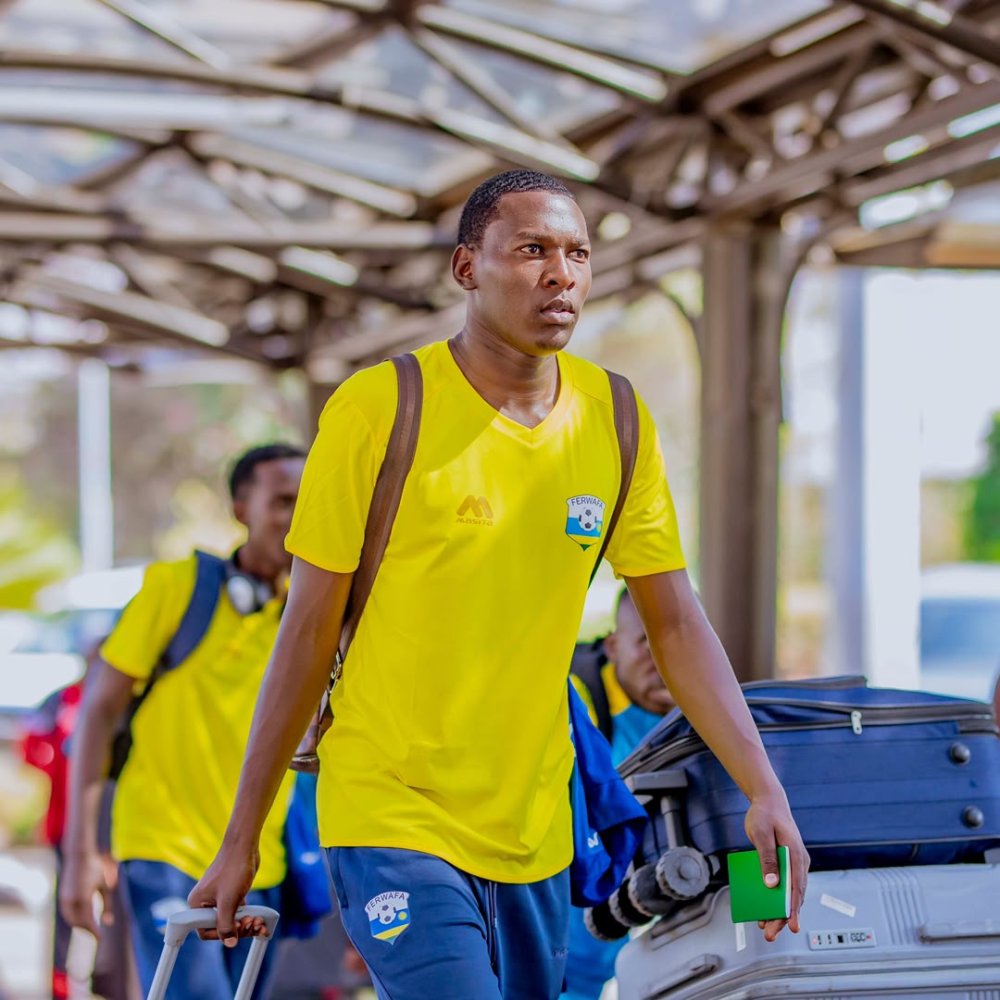
The team left Kigali International Airport on Sunday, September 13, 2026, ahead of the tournament, which runs from September 15 to 25.
Head coach Cassa Mbungo André is leading a 25-player squad, assisted by Ntamuhanga Tumaini, physical trainer Peter Otema and goalkeeper coach Ndizeye Aimé Désiré ‘Ndanda’.
Rwanda is in Group A alongside hosts Tanzania and Ethiopia. The matches will be played at Uhuru Stadium in Dar es Salaam, which was renovated ahead of the 2027 Africa Cup of Nations.
The Rwandan side comes into the tournament after playing two friendly matches against Sudan’s U-20 team. The first ended in a 2-2 draw, while the second finished 1-1.
Group B consists of Uganda, Sudan and Djibouti, while Group C features South Sudan, Burundi and Kenya.
The three group winners will advance to the semi-finals, alongside the best-performing second-placed team.
The two finalists will qualify to represent the CECAFA region at the 2027 Africa Cup of Nations, which will be held in Ghana.
The team left Kigali International Airport on Sunday, September 13, 2026, ahead of the tournament, which runs from September 15 to 25.Head coach Cassa Mbungo André is leading a 25-player squad, assisted by Ntamuhanga Tumaini, physical trainer Peter Otema and goalkeeper coach Ndizeye Aimé Désiré ‘Ndanda’.The players had spent the past week preparing for the tournament.
Rwanda’s 25-player squad heads to Tanzania for the Africa Cup of Nations qualifiers.
Bizimana said in a post on X on Sunday that the FDLR was “an alibi used to cover real motivations of the war imposed on Congolese people.”
Nduhungirehe responded by pointing to Bizimana’s role within the African Union and its previous resolutions against the FDLR, an armed group formed by individuals involved in the 1994 Genocide against the Tutsi in Rwanda.
“Let me recall that Édouard Bizimana is not only the Minister of Foreign Affairs of Burundi but also the Chairperson of the AU Executive Council,” Nduhungirehe wrote.
He said the African Union had adopted multiple resolutions condemning the FDLR and calling for its disarmament and repatriation.
“If he doesn’t read documents of the organisation he chairs, let me remind him that the African Union adopted multiple resolutions condemning the FDLR genocidal force and calling for its disarmament and repatriation,” Nduhungirehe said.
Nduhungirehe also cited the African Union’s support for the Washington peace agreements between Rwanda and the DRC, which include a commitment by Kinshasa to neutralise the FDLR.
The June 27, 2025 Washington Peace Agreement and the December 4, 2025 Washington Accords for Peace and Prosperity were signed in the presence of Burundi President Évariste Ndayishimiye.
Nduhungirehe questioned Bizimana’s characterisation of the FDLR as an “alibi”, noting that Burundi is not a signatory to the agreements.
“How then is it possible that Édouard Bizimana, whose country is not signatory to those Accords, comes from nowhere to claim that the FDLR is an ‘alibi’?” he wrote.
He further accused Burundi’s army of cooperating with the FDLR in eastern DRC and criticised Bizimana for denying the continued threat posed by the group.
“It’s appalling to note that the Chairperson of the African Union, whose army collaborates with the FDLR in eastern DRC, continues to deny the existence of a genocidal force that was condemned on multiple occasions by the very organisation he chairs,” Nduhungirehe said.
He concluded by calling on the AU to be more careful in choosing leaders for its institutions.
“The African Union should be serious and avoid, for the future, to hand over the reins of our precious organisation to people who obviously don’t have the capacity to lead it,” he wrote.
Bizimana has previously argued that the FDLR does not pose a significant threat to Rwanda.
In an interview broadcast in August, he said the group had never attacked Rwanda, despite repeated references to such attacks in discussions about the conflict in eastern DRC and evidence to the contrary.
“The FDLR has never attacked Rwanda. They have been talking about it for more than 30 years, but the group has never carried out an attack in Rwanda,” Bizimana said.
He added that Burundi could not support the FDLR, saying the group “has no value”.
Bizimana has also previously described the FDLR as a pretext in discussions about the conflict between Rwanda and the DRC.
Let me recall that Édouard Bizimana is not only the Minister of Foreign Affairs of Burundi but also the Chairperson of the AU Executive Council.
If he doesn't read documents of the organisation he chairs, let me remind him that the African Union adopted multiple resolutions… https://t.co/nea3vHsyTB
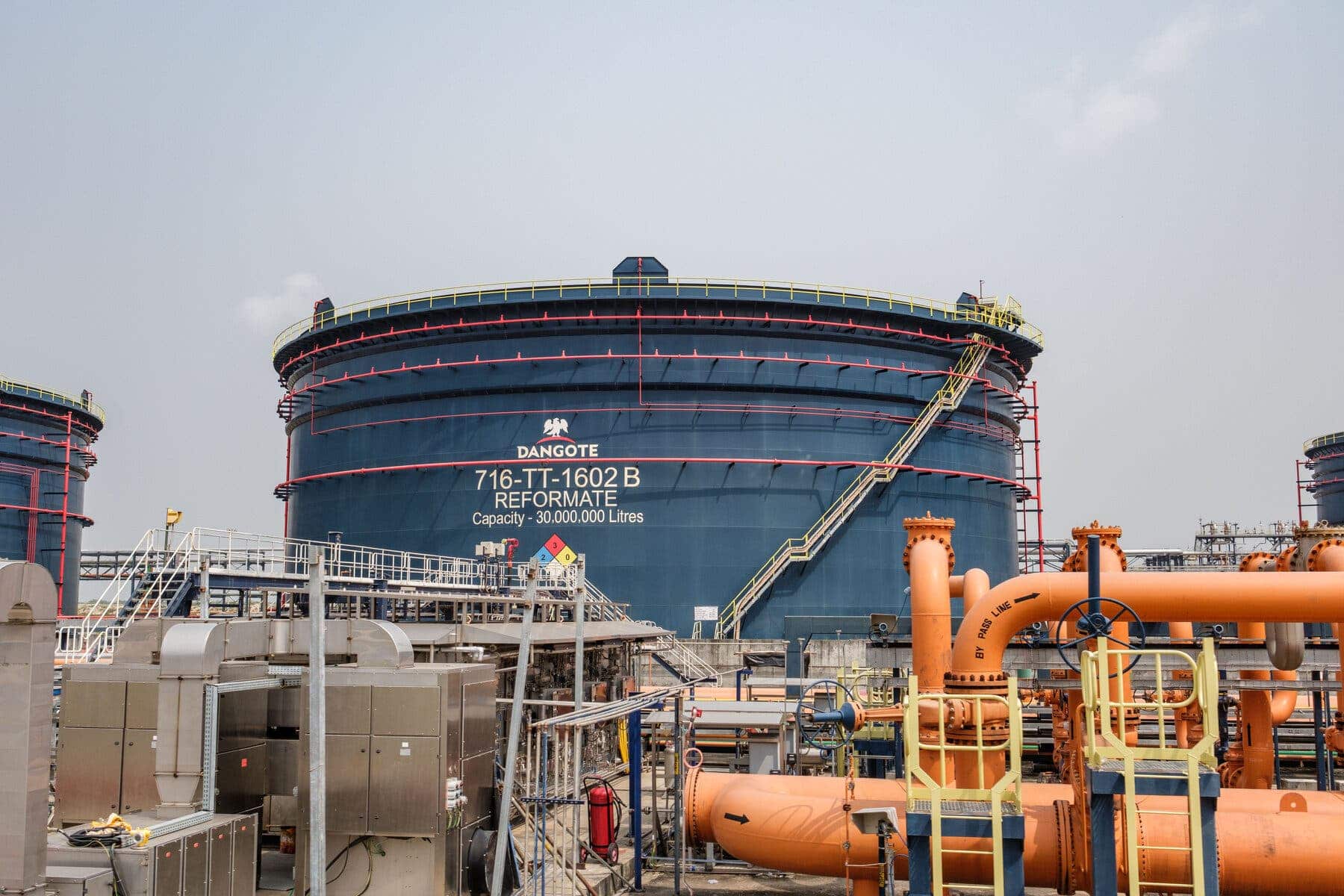
United Capital Group, which is serving as a Joint Issuing House and one of the official stockbrokers for the Dangote Petroleum Refinery IPO, said it is providing access to the offering for both institutional and retail investors in Rwanda.
An Initial Public Offering is the process by which a privately-owned corporation offers its shares to the general public for the first time, transforming into a publicly traded company on stock exchanges.
The company described the IPO, valued at about $1.63 billion (Rwf2.4 trillion), as the largest in African capital markets history.
The IPO is due to open on September 14 and close on October 13, with shares expected to list on the Nigerian Exchange in November.
Peter Ashade, Group Chief Executive Officer of United Capital Plc, said the transaction demonstrates the company’s growing role in connecting African investors with major assets on the continent.
“Our pivotal role in Africa’s largest IPO underscores our six-decade legacy of trust, capital market execution, and financial excellence,” Ashade said.
He highlighted United Capital’s presence in Rwanda as a key advantage for investors seeking to participate in the offering.
“As the only official transaction partner with a direct, licensed presence in Rwanda through United Capital Trustees Rwanda Limited and United Capital Financial Services Rwanda Limited, we are uniquely positioned to connect Rwandan investors to this historic asset,” he said.
Ashade said the transaction also reflects the group’s broader approach to regional investment and its efforts to connect capital with major infrastructure and business opportunities across Africa.
“This milestone demonstrates our ‘One Group, Endless Possibilities’ philosophy in action, linking regional capital with transformative infrastructure projects across the continent,” he said.
Ejikeme Okoli, United Capital’s Director for Africa, said the offering provides Rwandan investors with a direct opportunity to take part in the ownership of a major African energy asset.
“This landmark offering enables both individual and institutional investors in Rwanda to own a direct stake in a world-scale African energy asset,” Okoli said.
He said United Capital’s local presence is intended to make participation more accessible to investors in Rwanda.
“Because United Capital is the sole transaction broker with an established local presence in Rwanda, we provide a seamless, secure, and direct gateway for regional investors looking to participate in this continental listing,” Okoli said.
The Dangote Petroleum Refinery in Lagos has a processing capacity of 650,000 barrels of crude oil per day and produces refined petroleum products as well as petrochemicals including polypropylene.
The IPO offers shares at Rwf589 ($0.40), with minimum subscriptions starting at 10 shares, according to United Capital.
The development comes as Rwanda also explores a potential investment in another major Dangote-backed refinery project in Kenya.
Speaking to the press recently on August 24, President Paul Kagame confirmed that discussions were ongoing over Rwanda potentially taking a stake in the planned refinery, which is expected to be built in Lamu on Kenya’s northern coast.
Asked about reports that Rwanda could invest in the project, Kagame said the discussions were still at an early stage.
“In a way, there has been. But it is too early to talk about the details, because I think it is a work in progress. Things are still being thought out,” Kagame said.
He added: “But what I can say is that Rwanda would be very happy to be part of that kind of investment.”
The proposed Kenyan refinery is expected to have a processing capacity of up to 700,000 barrels per day, with reports indicating that Dangote has been seeking regional partners for the project.
United Capital Group is facilitating investor participation in the Dangote Petroleum Refinery and Petrochemicals IPO across African markets.
The 40-day milestone is a long-standing tradition observed in parts of East Africa, including among some Swahili and Muslim communities, where the first weeks after childbirth are set aside for the mother’s recovery and care of the newborn. The celebration marks the end of that period and brings family and friends together to welcome the baby into wider social life.
The celebrations began with a henna night on September 10, attended by singer Nandy and her husband Billnass, as well as musician Juma Jux and his wife Priscilla Ojo.
The main event featured an elegant Arabic-inspired setting dominated by beige, cream, dusty rose and gold. Guests were encouraged to dress in Arabic-inspired attire, while members of the media were required to wear full black and carry identification cards.
Diamond had invited family and friends to the celebration, which was held in Dar es Salaam, and urged guests to arrive early because the event was centred on the baby.
“Today’s event will start early because it is about the baby,” he said.
The occasion brought together Diamond’s children, including Princess Tiffah, Prince Nillan, Dylan and Naseeb Jr., as the blended family marked the arrival of their baby sister. Diamond’s son with former partner Tanasha Donna, Naseeb Jr., had travelled to Tanzania with his mother ahead of the celebration.
The ceremony also saw the family reveal the baby’s name. Zuchu’s mother, veteran taarab singer Khadija Kopa, presented the birth certificate and announced that the girl is named Sandrah Nasibu, with Sanura as another name in honour of her paternal grandmother.
Diamond and Zuchu welcomed their first child together on August 2, after months of public attention surrounding their relationship and pregnancy.
Diamond later thanked family and friends for supporting them through the journey.
“Today is a special 40th day for my beloved daughter. First of all, I want to thank you for standing with us throughout this journey, and especially, I warmly welcome all our relatives, family and friends,” he wrote on Instagram.
The couple’s daughter was born after a turbulent period in their relationship. Zuchu had announced their separation in June before revealing her pregnancy. The pair later appeared to reconcile and held a lavish baby shower and gender reveal, where Diamond publicly apologised to Zuchu and gifted her TSh78 million, about Rwf43 million.
Diamond, whose real name is Naseeb Abdul Juma, is the founder of WCB Wasafi, while Zuchu joined the label in 2020. The pair have collaborated on songs including Cheche, Litawachoma, Wana, Mtasubiri, Nani and Inama.
The figures show a steady increase over the eight-year period, starting with 13 cases in 2018 and rising to 368 in 2019. The number stood at 326 in 2020, 339 in 2021, and 464 in 2022, before nearly doubling to 804 in 2023.
The highest annual total was recorded in 2024, when courts imposed community service in 1,462 cases. The figure fell to 584 in 2025, while 114 cases resulted in the sentence during the first half of 2026.
Nyagatare Primary Court recorded the highest number of sentences at 554 cases, followed by Gasabo with 463, Nyarugenge and Ndora with 332 each, and Kicukiro with 323.
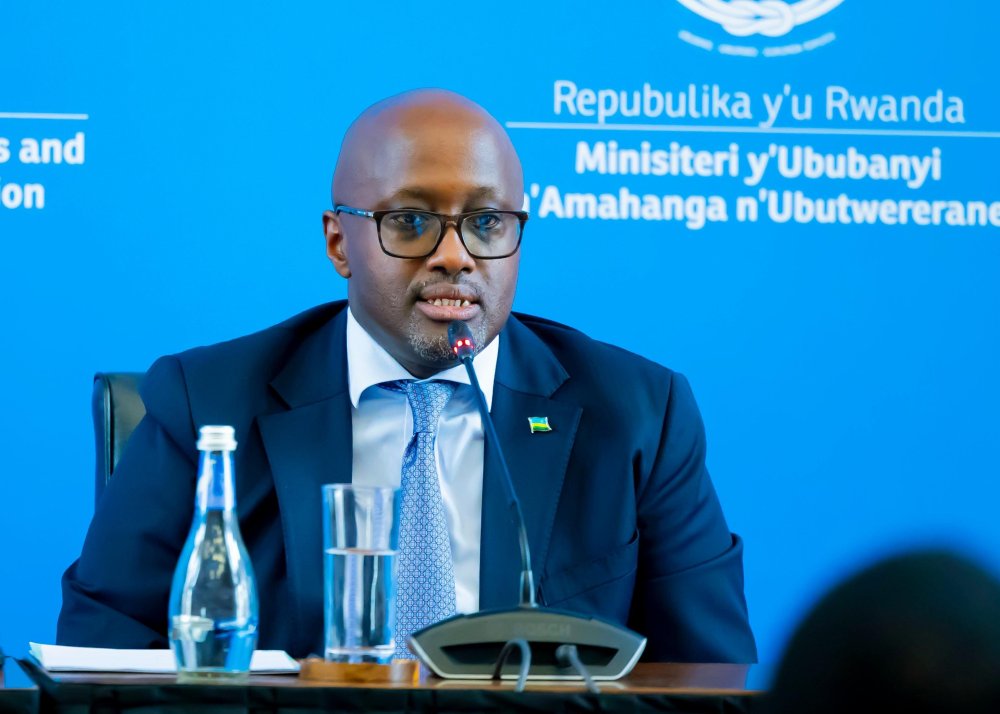
Speaking to journalists on September 11, Inspector General of Courts Valens Nkurunziza noted that community service applies to specific statutory violations.
“The law currently provides for six offences that can attract this sentence. It was imposed most frequently in 2024, when it was handed down in 1,462 cases,” he said.
Overall, historical data indicates that more than 20,000 people had been sentenced to community service under the national framework by 2024, including individuals who were awaiting deployment.
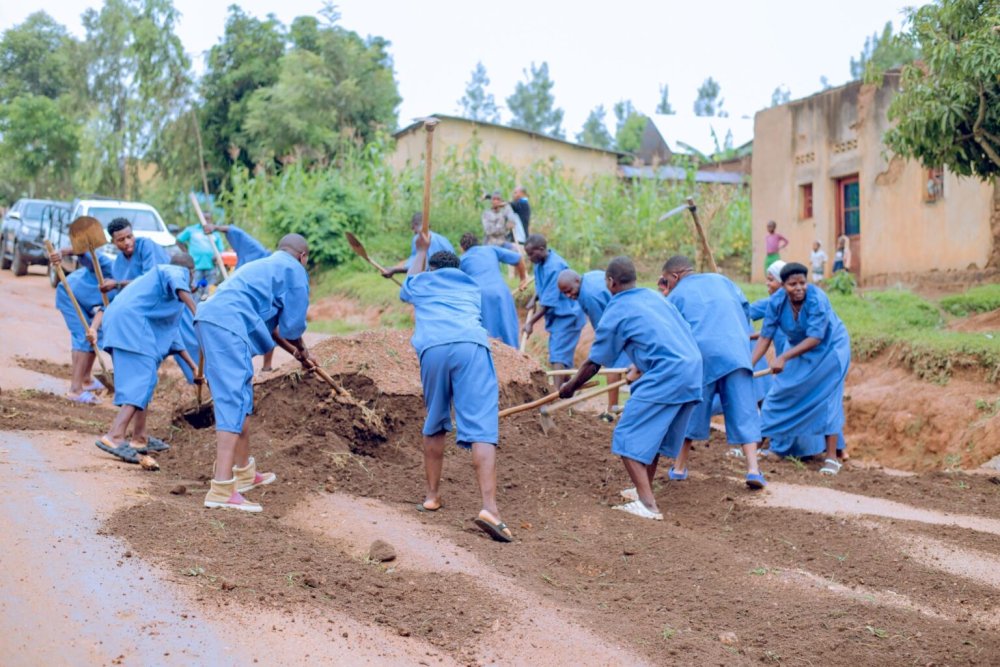
The Rwanda Correctional Service (RCS) expanded implementation of these community service sentences in December 2025, initially placing 800 individuals into public work and development projects.
Under Rwandan criminal procedure law, community service imposed as a principal sentence cannot exceed six months. It can also replace part of a custodial sentence: for offences carrying prison terms between six months and five years, a court may order an offender to serve up to two years of the term through community service.
Where an offence carries a prison sentence of less than six months, the community service period cannot exceed that maximum term. If an offender willfully fails to fulfill their assigned duties, they can be ordered to serve the remainder of their sentence in prison.
The RCS determines placement based on an offender’s technical skills and health status. Depending on the arrangement, individuals either return home daily or reside at designated facilities. Sentences may be temporarily suspended in cases of physical or mental disability, serious illness, or pregnancy where continuous labor poses health risks.
Rwandan courts have handed down community service sentences in 4,474 cases since 2018, with offenders either serving them from home or at designated facilities.
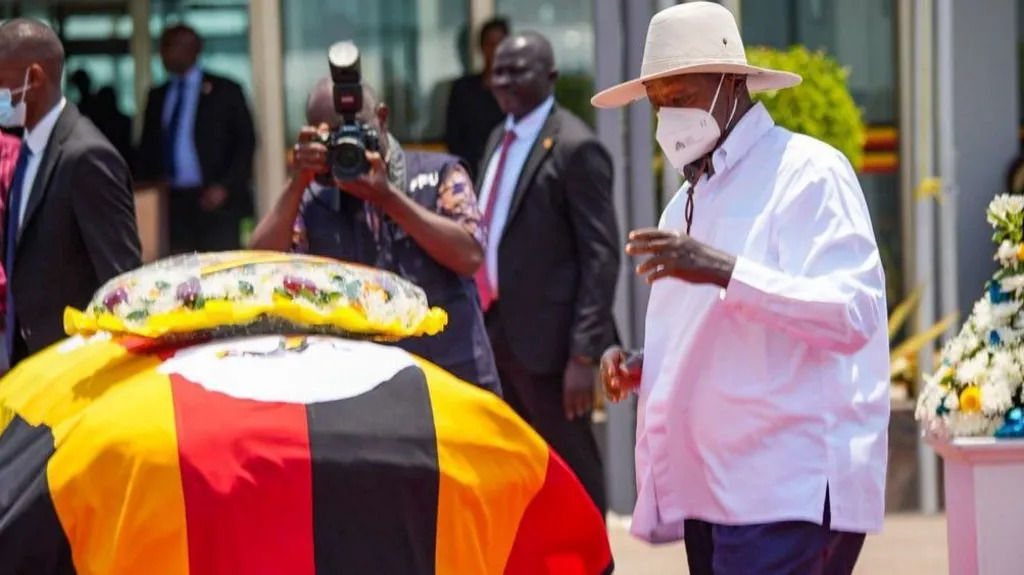
Museveni said on Saturday that the government would work with whoever emerges as the next king once the succession dispute is resolved, urging the people of Tooro to prioritise unity.
“When the issue of the new king of Batooro is resolved, we shall be happy to work with the new king as we did with His Highness Oyo,” Museveni said.
His remarks were delivered by Uganda’s Deputy Speaker Thomas Tayebwa during King Oyo’s burial service at St John’s Cathedral in Fort Portal.
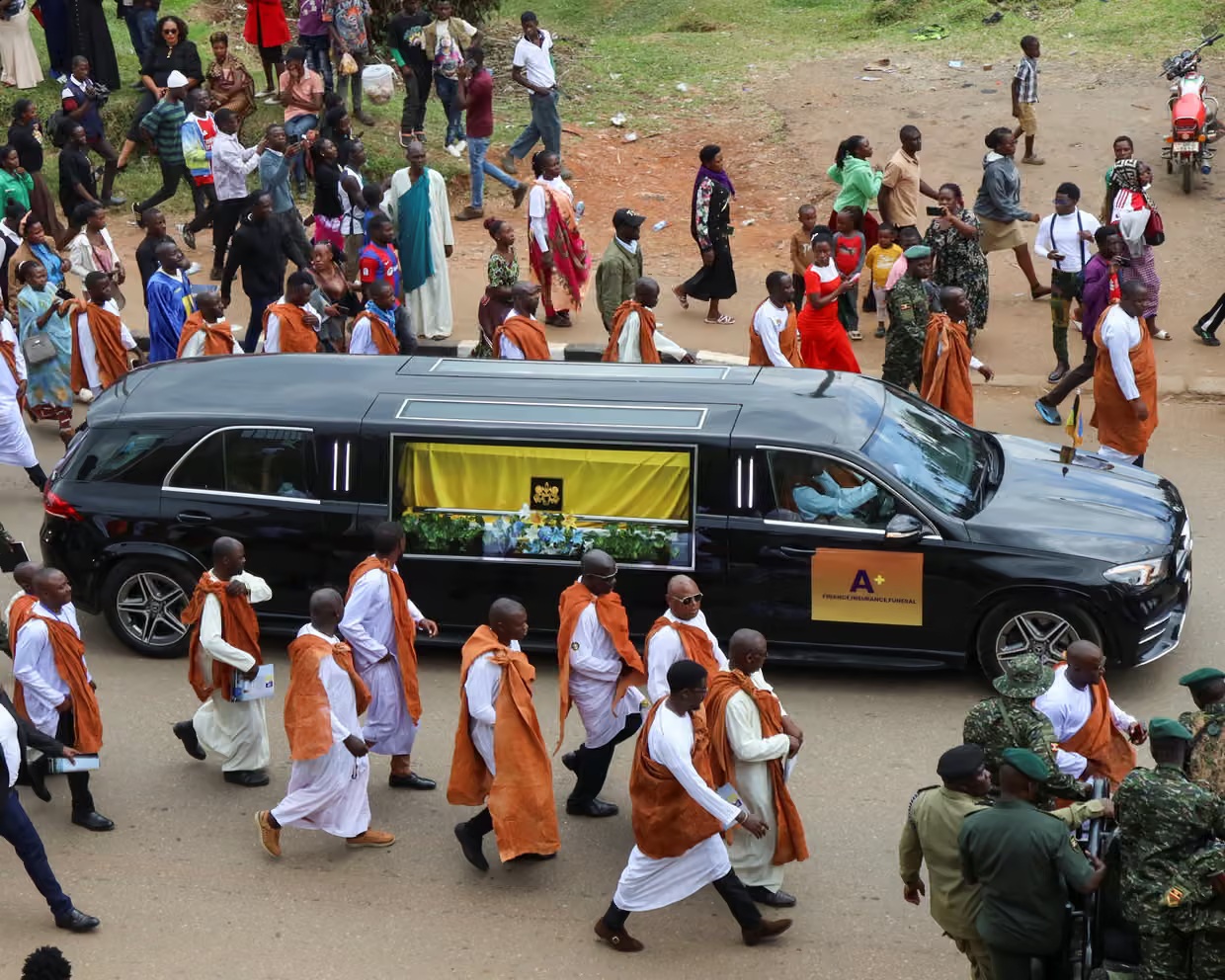
Royal guards escort the body of the late King Oyo for his burial at the Karambi Royal Tombs, in Fort Portal.
Museveni’s comments came as disagreement continued over the choice of Oyo’s successor.
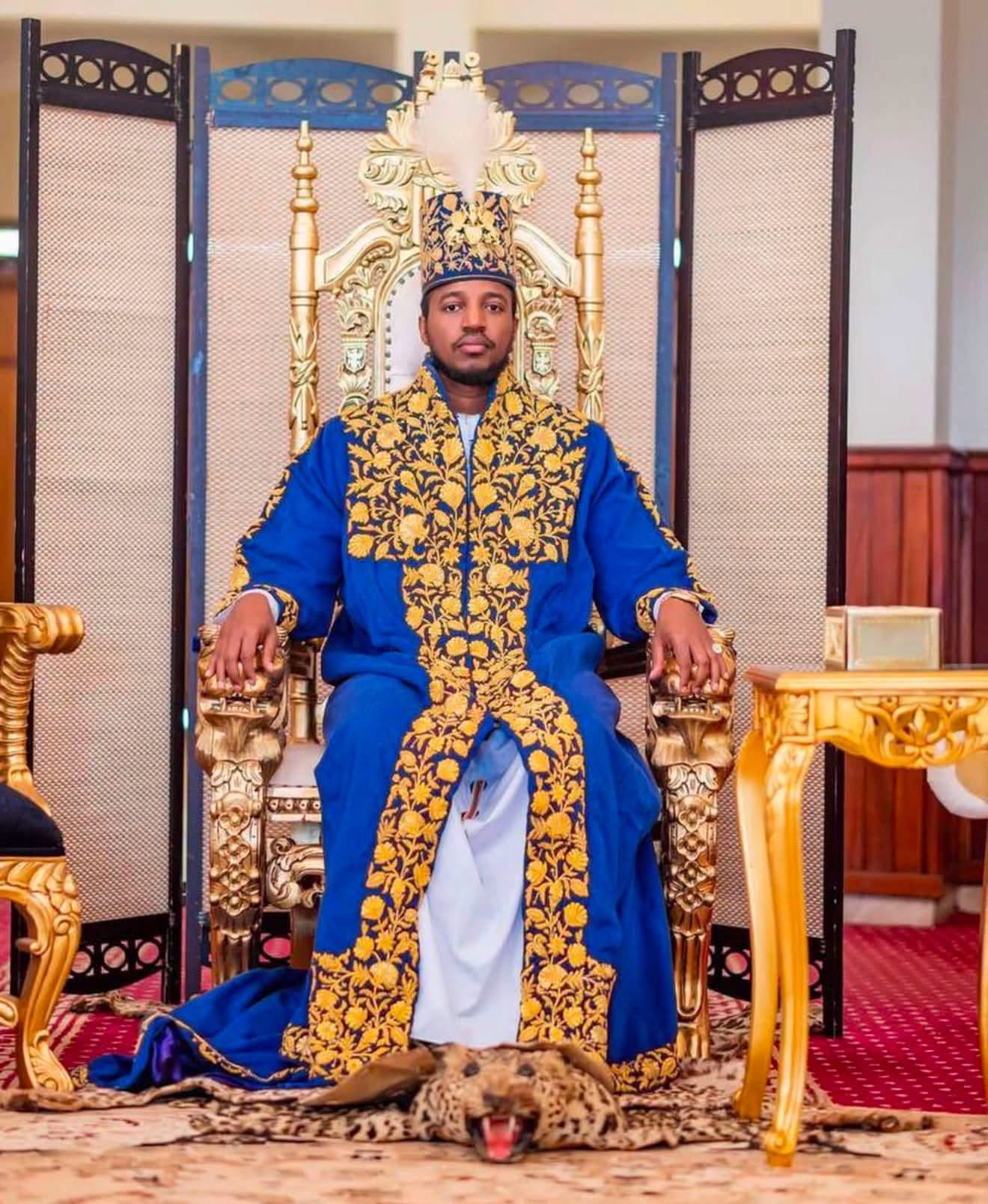
The Babiito clan, which oversees the royal succession, declared Prince Edward Rukidi Kijanangoma as the new King of Tooro during the late monarch’s final send-off.
Prince Charles Akiiki Kamurasi, the Musuuga and head of the Babiito Clan, said the selection was made by princes and princesses under his leadership and followed Uganda’s laws, as well as Tooro traditions and customs.
But members of Oyo’s immediate family have rejected the decision.
The Babiito clan has defended its decision to name Kijanangoma as Oyo’s successor.
Princess Ruth Komuntale, Oyo’s sister, said the late king left a will in 2022 naming his young son as heir to the throne. Princess Elizabeth Bagaya, Oyo’s paternal aunt, and Margaret Komubaizi, assistant Batebe of Tooro, have also backed the family’s position, saying consultations over the will had not been completed.
The dispute has emerged following Oyo’s death last month at the age of 34 while undergoing cancer treatment in the United States.
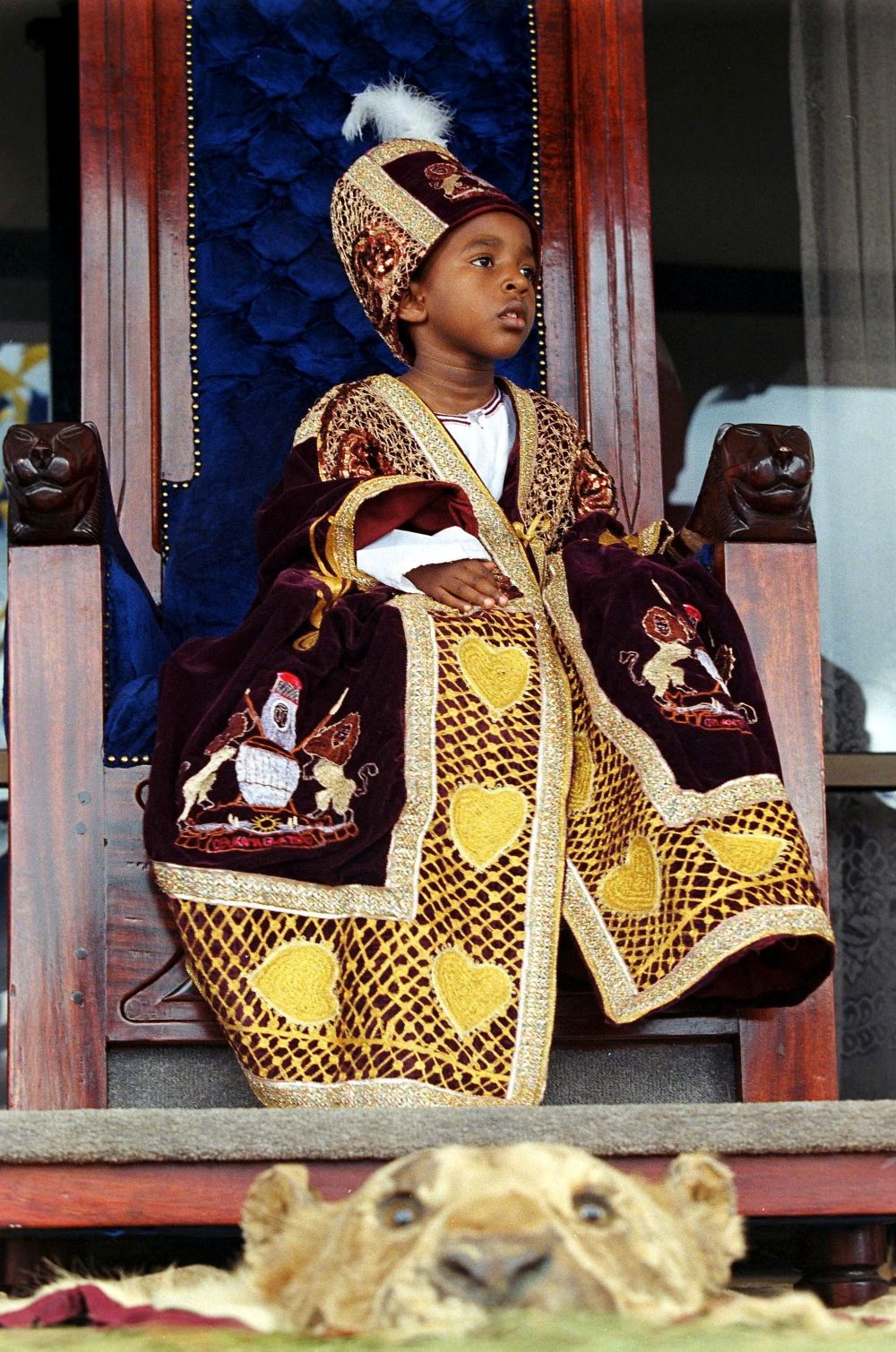
Oyo became king at the age of three and was recognised by Guinness World Records as the world’s youngest reigning monarch at the time. He ruled Tooro for more than three decades.
Oyo became king at the age of three.
The kingdom is one of Uganda’s traditional institutions, which were abolished in 1967 and restored in the 1990s under Museveni. The monarchs are recognised as cultural leaders rather than political or administrative authorities.
Museveni said Oyo had maintained a good relationship with the central government by focusing on his cultural responsibilities and supporting development.
“He was a good leader of culture that never clashed with the central government because he remained in his lane of culture and mobilising people for development,” Museveni said.
“It is a big loss. May his soul rest in eternal peace.”
Museveni also stressed that Uganda’s cultural leaders are not meant to participate in politics, administration or legislation, but to preserve languages, customs and traditions.
He said traditional institutions could also contribute to economic development by promoting wealth creation.
During Saturday’s burial service, Archbishop of the Church of Uganda Stephen Kazimba Mugalu also appealed for unity, warning that statements made during grief could deepen divisions and undermine Oyo’s legacy.
The Babiito clan has defended its decision to name Kijanangoma, with its head saying the succession process followed Tooro’s culture and traditions.
Museveni said the priority should now be finding a peaceful solution that preserves unity among the Batooro.
“I appeal to the Batooro to use peaceful and legal means to resolve this matter and also look for maximum unity instead of division,” he said.
The dispute has emerged following Oyo’s death last month at the age of 34 while undergoing cancer treatment in the United States.
The disclosure appears in Anthropic’s September 2026 threat intelligence report, “Detecting and countering misuse of AI,” which the company published on September 10, 2026, documenting cases of AI misuse it disrupted between December 2025 and August 2026.
According to the report, the network operated 70 fake news websites, built to look like independent local newsrooms, each paired with matching X accounts and amplified by more than 250 inauthentic commenting accounts, many using AI-generated profile photos.
Anthropic traced the operation to LKM Company, a France-based digital advertising agency, and said it used Claude to both write original articles and rewrite real news stories from legitimate journalists into politically slanted versions tailored to different national audiences.
The network published at least 8,913 articles in about 20 languages, targeting audiences across six continents, according to the report.
A concentrated push on the DRC-Rwanda conflict
Within that global network, the DRC received outsized attention. Anthropic’s investigators found 318 articles specifically focused on the Democratic Republic of Congo, the largest country-specific cluster of content identified in the entire operation. The stories, the report says, “typically supported the DRC government’s stance,” with a specific focus on regional mineral deals and tensions with Rwanda.
The DRC-focused page became the network’s most-shared and most-popular property during its early weeks, and the majority of fake follower accounts acquired in that period were tied to DRC audiences, according to Anthropic. An X account presenting itself as a Congolese civilian “digital army” was also observed following several of the network’s accounts.
Anthropic pinpointed September 11, 2025, as a clear signal of coordinated activity: multiple sites in the network published nearly identical articles about the DRC-Rwanda conflict within three minutes of each other, with the tone adjusted for different regional audiences while distribution was coordinated simultaneously across the network’s X accounts.
Anthropic, while linking the network to an “influence-as-a-service” model, said it had banned the accounts associated with the network and developed new detection measures based on the operation’s behavioural signatures to identify similar activity in the future.
Kigali has long rejected the Kinshasa narrative
The findings land against the backdrop of a conflict in which Rwanda has repeatedly and publicly rejected the characterisation of itself as the aggressor or as a beneficiary of Congolese mineral wealth, the same narrative elements the fake network was found to be amplifying.
In a February 3, 2025, interview with CNN’s Larry Madowo, at the height of the fighting between the Congolese army and AFC/M23 rebels, President Paul Kagame said the war in eastern DRC “was not started by Rwanda; it was started by the DRC.” He argued that the M23 rebels fighting in the region are Congolese, not Rwandans, and are “fighting for their rights” after years of persecution and failed negotiations with Kinshasa.
He linked Rwanda’s tension with DRC to Kinshasa’s continued tolerance of the Democratic Forces for the Liberation of Rwanda (FDLR), a militia group formed by individuals involved in the 1994 Genocide against the Tutsi, which operates freely in the DRC with government support.
Kagame also dismissed accusations, frequently made by Congolese officials and echoed in some international reporting, that Rwanda profits from DRC’s mineral resources.
“I invite you to come and see where we mine coltan,” he told CNN, arguing that Rwanda has its own mineral deposits and does not depend on Congolese resources.
A year later, on February 5, 2026, during the opening of the 20th Umushyikirano National Dialogue Council in Kigali, the President maintained that such claims were illogical and deliberately ignored the real drivers of insecurity in the region.
“The war in DRC was not started by Rwanda. It began somewhere else, not in Rwanda,” he said. “The real issue Rwanda faces involves the Interahamwe, who are tied to the ideology of genocide and continue to plot, saying, ‘We are coming to finish what we started.’”
“Creating problems and blaming Rwanda is all that the international community does to Rwanda,” he added. “They treat Tshisekedi [President Felix Tshisekedi] as a spoiled child. There is no single blame that goes to the people who created this problem.”
The disclosure appears in Anthropic’s September 2026 threat intelligence report, “Detecting and countering misuse of AI,” which the company published on September 10, 2026, documenting cases of AI misuse it disrupted between December 2025 and August 2026.
Citing a source close to Iran’s negotiating team, the semi-official Tasnim news agency said that the understanding was reached after “intensive technical and diplomatic talks between Iran and Oman, which culminated in a final agreement in late August.”
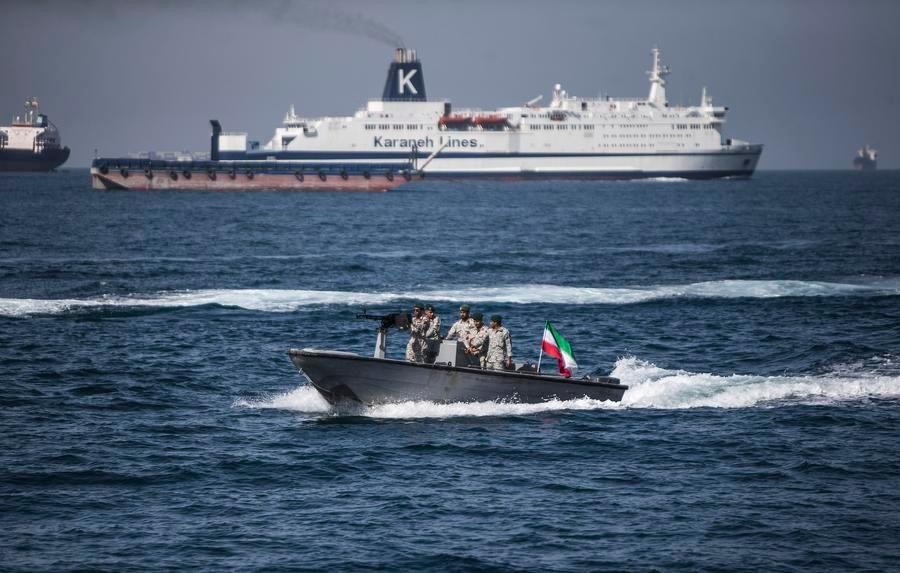
Under the understanding, the Gulf’s entry route “lies entirely within Iran’s territorial waters,” and a portion of the exit route also falls “within Iranian territorial waters,” the source said.
The source stressed that the route would operate under Iranian arrangements and the waterway’s southern route will be closed once the new system becomes operational, noting that the United States had insisted that the southern route must be opened.
“The understanding in no way means that the Strait of Hormuz will be opened,” the source said, adding that Iran has seven conditions for reopening the waterway and has conveyed them to the United States.
The source underlined that the waterway will remain closed unless those conditions are implemented, with reopening depending entirely on the U.S. behavior.
Iran’s Foreign Ministry spokesman Esmaeil Baghaei announced on Friday that Gulf littoral states’ foreign ministers are scheduled to meet in Oman on Monday to exchange views on regional issues, including the Iran-Oman talks on designating safe routes in the Strait of Hormuz.
Speaking to Al Jazeera on Saturday, Baghaei said the gathering would “hopefully” be attended by foreign ministers from Gulf states as well as Iran and Iraq.
“As part of the agenda, we are going to brief the delegations about the results of the Iran and Oman consultations regarding the safe passage of ships through the Strait of Hormuz,” he said, adding that the two countries had conducted the consultations as “the two coastal states of the Strait of Hormuz.”
Late last month, Iran and Oman said in a joint statement that they had exchanged views on a proposed phased framework that includes establishing a temporary joint shipping corridor in the strait.
Following U.S.-Israeli strikes on Iran on Feb. 28, Tehran restricted passage through the strategic waterway, while U.S. forces imposed a naval blockade targeting vessels traveling to or from Iranian ports.
The Strait of Hormuz, linking the Gulf with the Arabian Sea, is one of the world’s most important routes for oil and gas shipments. Oman and Iran sit on opposite sides of the strait and have maintained consultations over maritime security and navigation in the strategic waterway.
Iran and Oman have agreed on the details of new entry and exit routes for the Strait of Hormuz and will brief Gulf countries on the outcome of their consultations at a regional meeting in Muscat on Monday, Iranian officials said on Saturday.