Putin and Pezeshkian have spoken by phone three times since Feb. 28, Jalali said. “Our presidents maintain very good contact. The foreign ministers of the two countries also have very strong relations.”
During their latest phone call on April 12, Jalali said Moscow stands ready to continue facilitating efforts to resolve the conflict and help achieve a just and lasting peace in the region.
“We thank Russia for this voice and support, which testifies to the stable and deep relations between our countries,” Jalali said.
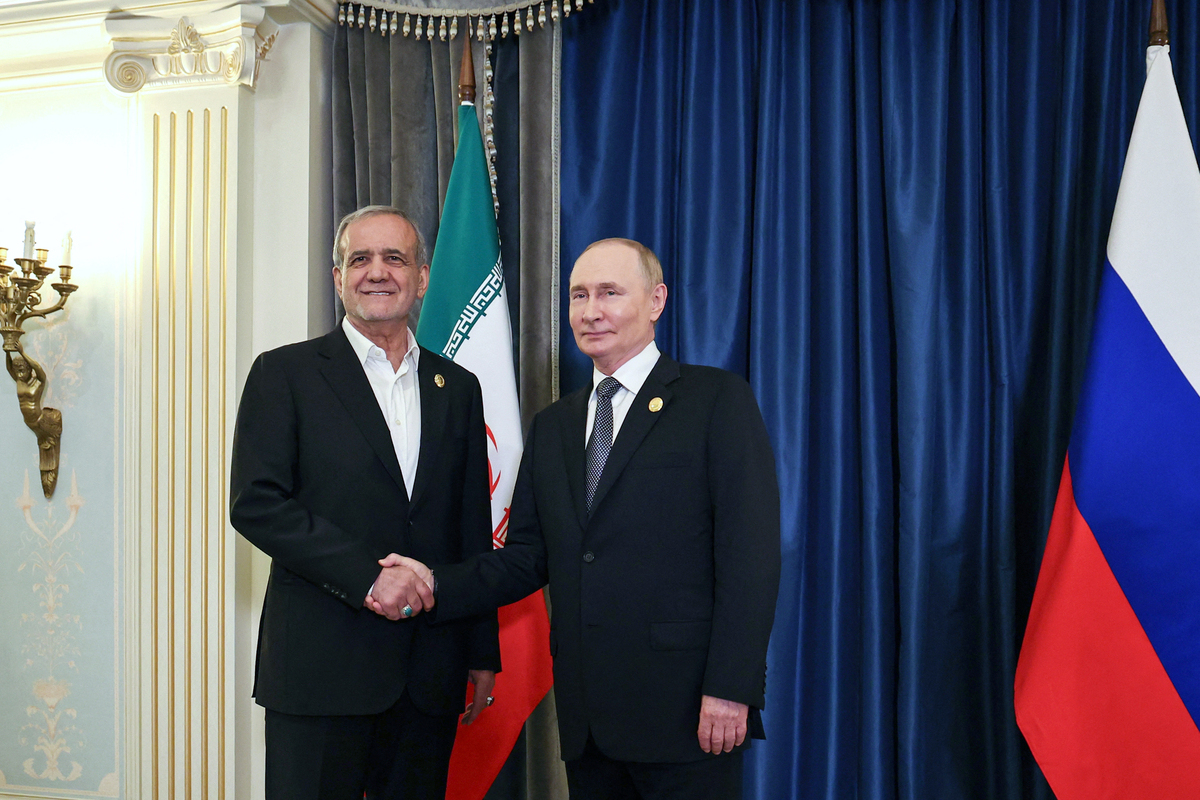
In this pool photograph distributed by the Russian state agency Sputnik, Russia’s President Vladimir Putin shakes hands with Iran’s President Masoud Pezeshkian during a meeting on the sidelines of the Shanghai Cooperation Organisation (SCO) Summit in Tianjin on September 1, 2025.
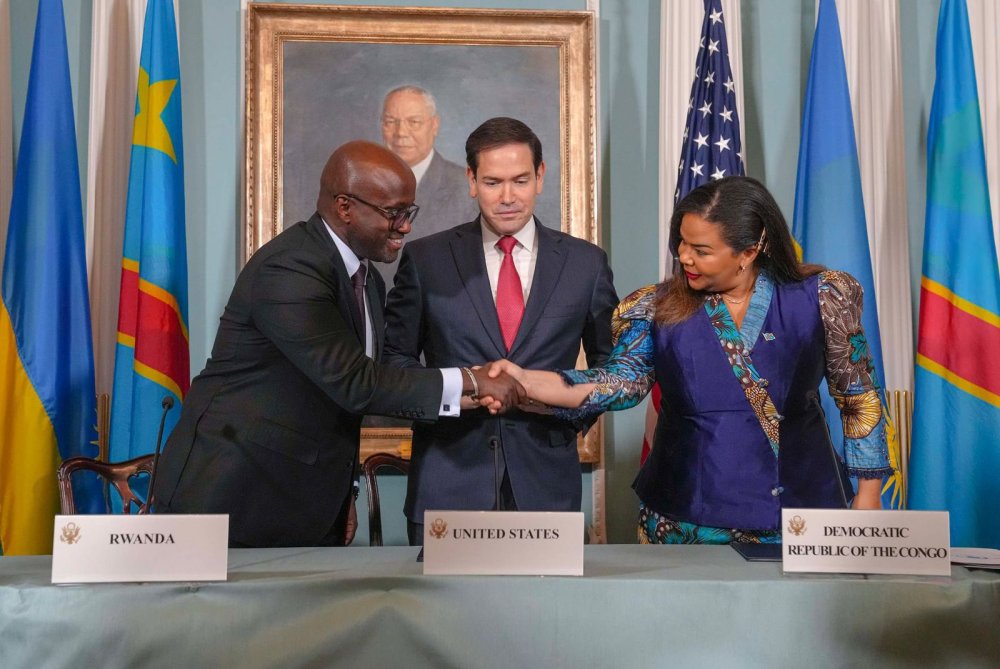
The meeting, held under the framework of the Joint Oversight Committee, marked its fifth session since the agreement was signed on June 27, 2025, in Washington, DC.
According to the joint statement released by the U.S. State Department, the Committee reviewed progress made since the March 17–18, 2026 meeting, with both Rwanda and the DRC providing updates on efforts to ease tensions and advance implementation of agreed measures on the ground.
The State of Qatar also briefed the meeting on ongoing negotiations between the DRC and AFC/M23. The Committee expressed strong support for these talks and welcomed Switzerland’s role in hosting the latest round of discussions in Doha, stressing the importance of this track in reinforcing the broader peace process.
Participants reaffirmed their commitment to sustaining momentum in the implementation of the agreement and building on the progress already achieved.
Rwanda and the DRC also expressed appreciation to the United States, Qatar, the African Union Commission, and Togo for their continued support in promoting peace and stability in eastern DRC and the wider Great Lakes region.
The Washington Peace Agreement outlines key measures, including efforts to dismantle the FDLR terrorist group, address security concerns, and contribute to long-term regional stability.
Massad Boulos, Senior Advisor to the U.S. President Senior Advisor for Arab and African Affairs, said both sides had reiterated their commitment to de-escalation and continued implementation of the agreement.
“The State Department hosted a productive meeting with our partners on the Joint Oversight Committee to review progress on the DRC-Rwanda Peace Agreement signed last June.
“Both the DRC and Rwanda reaffirmed their commitment to de-escalation and continued implementation of the Peace Agreement, building on progress from our March meetings in Washington. Grateful to the African Union, Togo, and Qatar for their contributions as we work to support a lasting peace in the Great Lakes,” he wrote on X.
The peace agreement signed in June last year had set a 90-day timeline for dismantling the FDLR and lifting Rwanda’s defensive measures. However, nearly a year later, little progress has been achieved.
Although on March 29, the Congolese army announced plans to launch operations against the FDLR, Rwanda maintains that the group continues to operate freely.
Massad Boulos, senior advisor to President Donald Trump, addresses the media at the U.S. Embassy in Kigali, Rwanda, Tuesday, April 8, 2025. Nearly a year after signing Washington peace agreement, little progress has been achieved.
Data from the Rwanda National Police Fire and Rescue Brigade shows that between 2020 and March 2025, the country recorded 1,118 fire incidents linked to various causes. The number of cases has generally increased over the years, rising from 136 in 2020 to 362 in 2024.
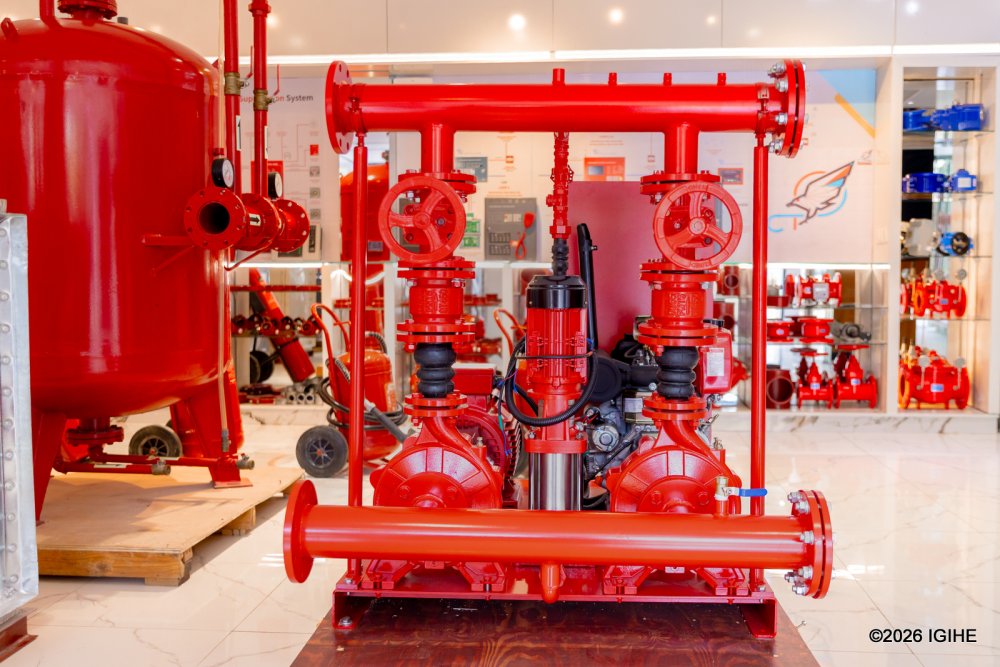
Fire response largely depends on specialized equipment such as fire extinguishers, most of which are currently sourced from abroad.
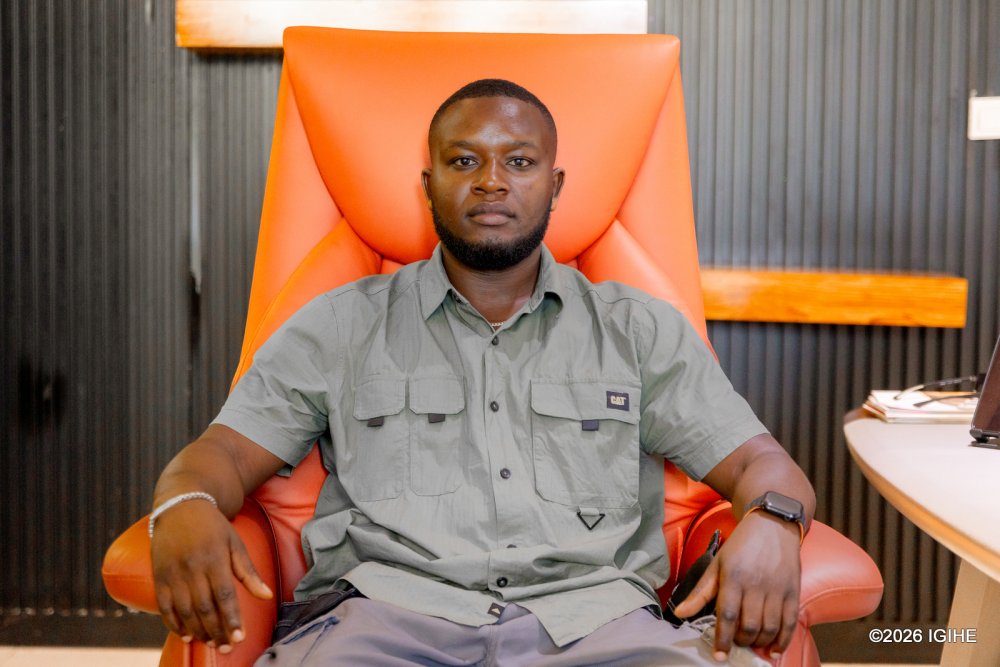
Habimana, who owns Cyusa Technology Africa, a company dealing in fire safety equipment, now plans to shift toward local production.
Construction of the factory is expected to begin in 2027, with operations projected to start by late 2028. The project, valued at Rwf 5 billion, is set to create around 400 jobs. It will be located in Jabana Industrial Zone in Gasabo District.
Speaking to IGIHE, Habimana said preparations are already underway, including land acquisition and design planning.
“We have secured two hectares in Jabana for the factory. We are also working with our partners in China, where we currently source some equipment, and we are finalizing the plant’s design,” he said.
He explained that the factory will initially focus on assembling fire extinguishers using imported components, with plans to build a strong local supply chain over time. With an already established client base, he believes the factory will provide a reliable local alternative to imported equipment.
In addition to supplying fire safety equipment, Cyusa Technology Africa offers services such as designing fire prevention systems, installing equipment, and assessing safety needs for institutions.
The company has previously worked with several prominent establishments, including the National Bank of Rwanda, Rwanda Airports Company, Kigali Heights, Marriott Hotel, and Four Points by Sheraton.
Habimana’s planned factory aims to cut reliance on imported fire safety equipment.The new plant could improve access to fire-fighting equipment across Rwanda.Habimana eyes local market with Rwf 5bn fire equipment investment.Cyusa Technology Africa offers services such as designing fire prevention systems, installing equipment, and assessing safety needs for institutions.
Meta had a global workforce of 78,865 employees as of Dec. 31, 2025, according to its annual report, meaning the latest move would affect roughly 8,000 jobs.
In its latest annual report and earnings materials, Meta said it remains focused on “operating efficiently” while investing heavily in AI and infrastructure.
The company said it expects 2026 capital expenditures to be in the range of 115 billion to 135 billion U.S. dollars, with the year-on-year increase driven by investments supporting its Meta Superintelligence Labs efforts and core business.
According to media reports citing an internal memo, Microsoft’s chief people officer Amy Coleman introduced a one-time voluntary retirement program for a small percentage of the company’s long-serving U.S. employees, a move that reports say could cover thousands of U.S. employees.
As of June 30, 2025, Microsoft employed approximately 228,000 people on a full-time basis, including 125,000 in the United States, according to its annual report.
The company has also been spending aggressively on AI infrastructure. In its fiscal 2026 second-quarter earnings call in January, Microsoft said capital expenditures reached 37.5 billion dollars in the quarter, with roughly two-thirds of that spending going to short-lived assets, primarily GPUs and CPUs.
The moves underscore how major U.S. technology companies are continuing to adjust their workforce structures and cost bases while pouring more resources into AI-related infrastructure, products and technical talent.
In its latest annual report and earnings materials, Meta said it remains focused on “operating efficiently” while investing heavily in AI and infrastructure.
“We’ve currently provided exceptions for some countries, but I don’t know what will happen in the future. However, our foreign ministry is currently trying to implement the exceptions envisioned for friendly countries, such as Russia,” the ambassador said.
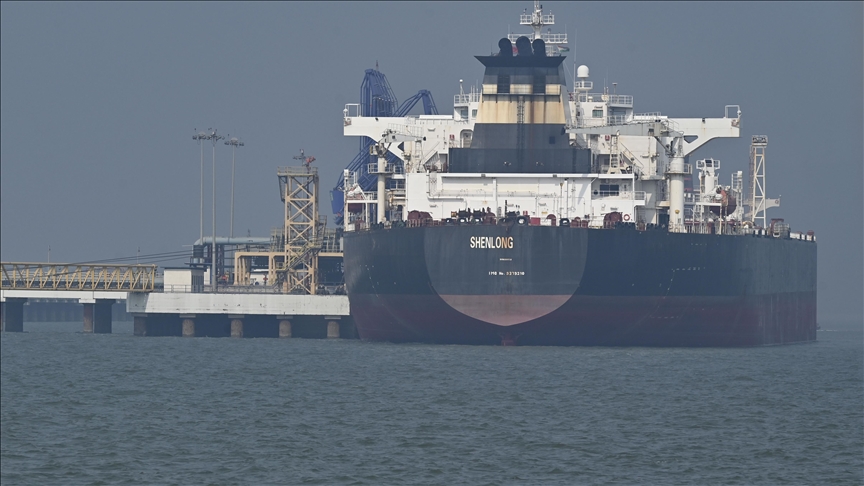
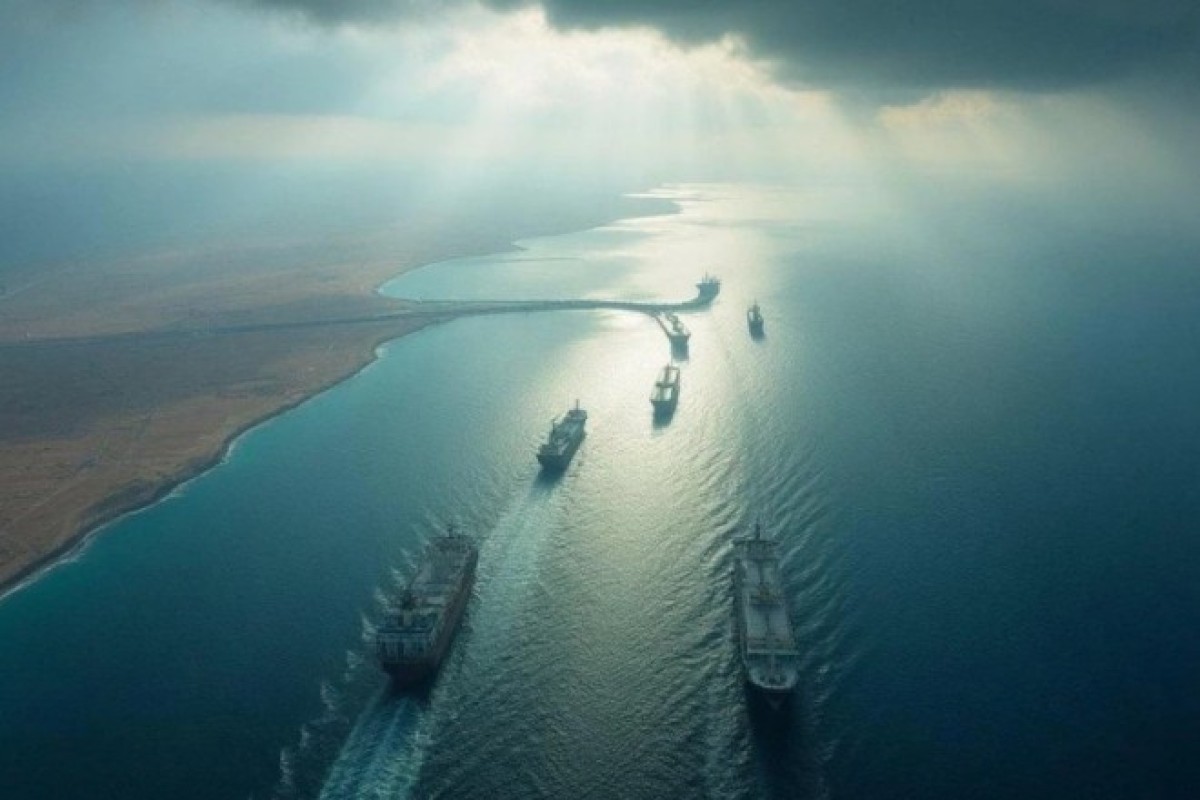
Iran has announced plans to charge fees on passage through the Strait of Hormuz following U.S.-Israeli attacks against the country, citing costs associated with ensuring the security of the key waterway. It said it has closed the strait and will reopen it once the U.S. naval blockade is fully lifted.
First Deputy Speaker of the Iranian parliament Hamid Reza Haji Babaei said Thursday that Iran has received fees for transit through the strait for the first time, with funds transferred to the country’s central bank.
The strait, a narrow checkpoint between the Persian Gulf and the Gulf of Oman, is the only maritime outlet to the open ocean, with about 20 million barrels of oil passing through it daily before the war — about a fifth of global consumption.
Iran has granted exemptions to some countries, including Russia, in transit fees for passage through the Strait of Hormuz,
The United States is going to work with the government of Lebanon to help it protect itself from Hezbollah, Trump said in a post on his social media platform Truth Social.
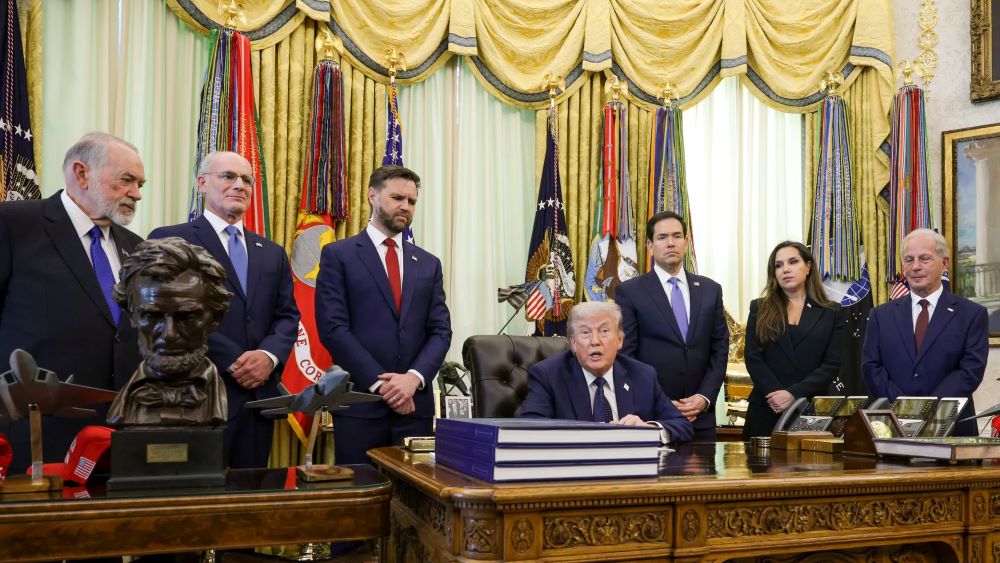
Trump said he met with representatives of Israel and Lebanon in the Oval Office, along with U.S. Vice President JD Vance, Secretary of State Marco Rubio, and U.S. ambassadors to Israel and Lebanon.
“The Meeting went very well!” Trump claimed, providing no details.
“I look forward in the near future to hosting the Prime Minister of Israel, Bibi Netanyahu, and the President of Lebanon, Joseph Aoun,” Trump added.
Trump said last week he was expecting to meet Netanyahu and Aoun at the White House “over the next week or two” in hopes that the two sides could broker a peace deal, which will also address Hezbollah.
The 10-day ceasefire between Israel and Lebanon came into effect on April 16, following weeks of intensified cross-border fighting amid the U.S.-Israeli war against Iran.
Israel and Lebanon have no formal diplomatic relations, and Hezbollah has long been viewed by Israel as a “proxy” of Iran. The negotiating party with Israel is the Lebanese government, not Hezbollah.
The truce has remained fragile as tensions along Lebanon’s southern border have continued during the current ceasefire.
Trump said he met with representatives of Israel and Lebanon in the Oval Office, along with U.S. Vice President JD Vance, Secretary of State Marco Rubio, and U.S. ambassadors to Israel and Lebanon.
To put that figure into a local context, at current exchange rates, the sale represents approximately 658.2 billion Rwandan Francs, a sum that rivals the infrastructure budgets of massive projects in the continent.
The divine composition
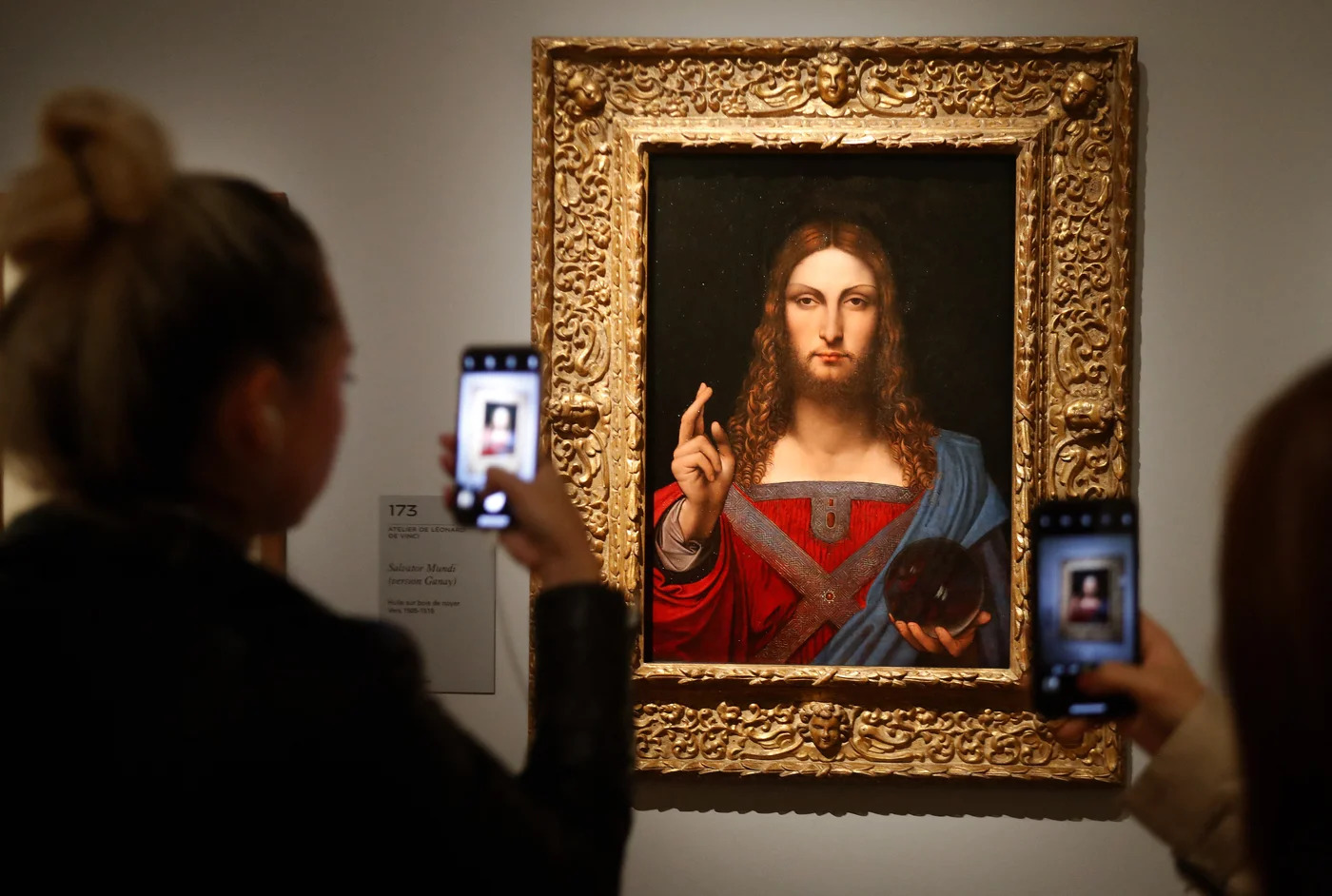
At its core, Salvator Mundi (Latin for “Savior of the World”) is a powerful theological statement. The painting depicts Jesus Christ in Renaissance-era dress, facing the viewer with a steady, ethereal gaze. In his left hand, he holds a transparent rock crystal orb, representing the celestial sphere of the heavens and the entirety of the universe.
The painting was auctioned for approximately 658. 2 billion Rwandan Francs.
His right hand is raised in a traditional gesture of blessing, with two fingers extended. This specific composition was meant to convey Christ’s role as the divine guardian of the world, balancing the physical realm with the spiritual.
A lost masterpiece found
The journey of Salvator Mundi is as cinematic as its price tag. For centuries, the painting was considered lost or destroyed. It reappeared in 1958 at an auction in London, where it was sold for a mere £45. At the time, it was dismissed as a poor copy made by one of Leonardo’s students, heavily overpainted and damaged.
It wasn’t until 2005, after being purchased by a consortium of art dealers for less than $10,000, that the painting underwent extensive restoration. Layers of grime and secondary paint were stripped away to reveal brushwork that many experts identified as the hand of Leonardo himself, specifically the ethereal sfumato technique and the intricate detail of the crystal orb held by Christ.
The auction in 2017 lasted nearly 20 minutes, an eternity in the world of professional bidding. While the buyer used a proxy to remain anonymous, intelligence assessments and investigative reports later linked the winning bid to the Saudi Crown Prince, Mohammed bin Salman.
The acquisition was seen by many as a major cultural power move, signalling a desire to turn the region into a global arts destination. Loïc Gouzer, the Chairman of Post-War and Contemporary Art at Christie’s, who secured the work for the auction, captured the weight of the moment perfectly: “Salvator Mundi is a painting of the most iconic figure in the world by the most important artist of all time. The opportunity to bring this masterpiece to the market is an honour that comes around once in a lifetime.”
Despite the record-breaking price, the art world remains divided. Some scholars argue that while Leonardo likely designed the composition, much of the execution may have been handled by his workshop assistants. This debate has kept the painting out of major museum exhibitions recently, adding a layer of mystery to its status.
Beyond the price tag
While $450 million is a figure that captures headlines, the sale of Salvator Mundi represents a broader trend: the treatment of masterpiece-level art as a primary global asset class. It raises fundamental questions about the intersection of cultural heritage, historical truth, and extreme wealth.
Whether it is viewed as the ultimate Renaissance discovery or what art advisor Todd Levin described as a “thumping epic triumph of branding and desire over connoisseurship,” Salvator Mundi remains the singular benchmark for value in the art world today, proving that even in a digital age, the allure of the “Old Masters” remains untouchable.
People take pictures of a copy of Leonardo Da Vinci’s Salvator Mundi, the world’s most expensive painting.
According to a communique from the office of the president, the proposed investment aligns with the “country’s industrialisation and e-mobility priorities.”
Chery Holding is one of China’s largest automotive manufacturing groups and a globally expanding mobility player. Founded in 1997 in Wuhu, Anhui Province, the company has grown into a Fortune Global 500 enterprise, producing more than 2.6 million vehicles annually and exporting to markets across Asia, Africa, Europe, and Latin America.
The group operates a multi-brand portfolio spanning conventional vehicles, hybrid models, and electric mobility solutions, including Chery New Energy, Exeed, Jetour, Omoda, and other emerging EV-focused brands. It has also developed joint ventures and technology partnerships in advanced driver assistance systems and electrification, reflecting its growing emphasis on smart and low-carbon mobility.
Chery has been among the earlier Chinese automakers to invest in electric vehicle development, launching EV programs as early as the late 2000s and gradually scaling up its new energy vehicle platforms and battery-electric technologies. In recent years, the company has accelerated its global EV strategy, including partnerships and investments aimed at expanding production capacity and strengthening its technological footprint.
The discussions in Kigali also come as Rwanda intensifies its push toward green mobility and industrial transformation. The government has recently directed public institutions to ensure that at least 30 percent of newly procured vehicles are electric, a policy aimed at reducing emissions and accelerating the transition away from fossil fuels.
The potential establishment of an electric vehicle assembly plant aligns with Rwanda’s broader ambition to position itself as a regional hub for e-mobility manufacturing, assembly, and innovation, while supporting job creation and technology transfer in the automotive sector.
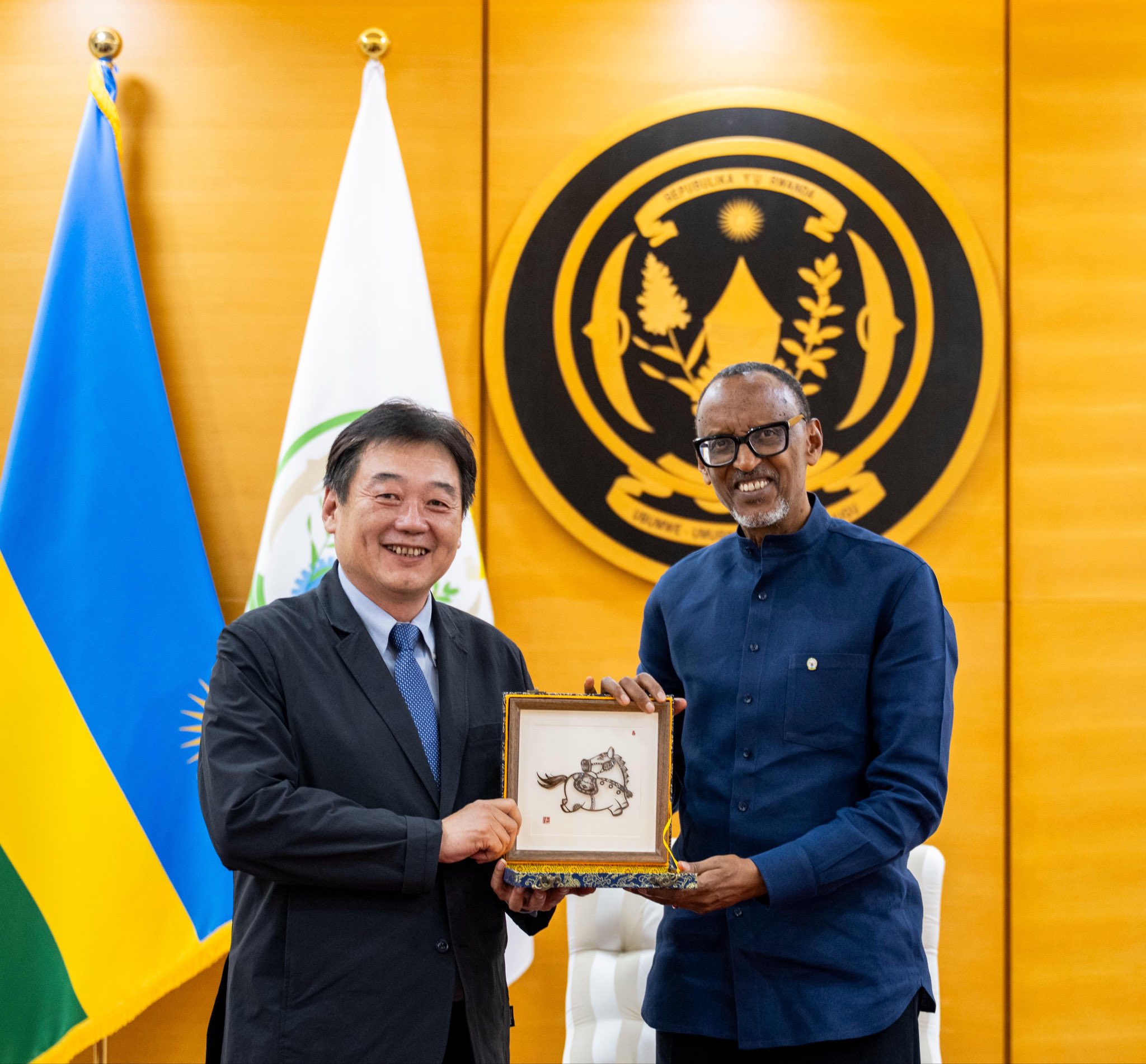
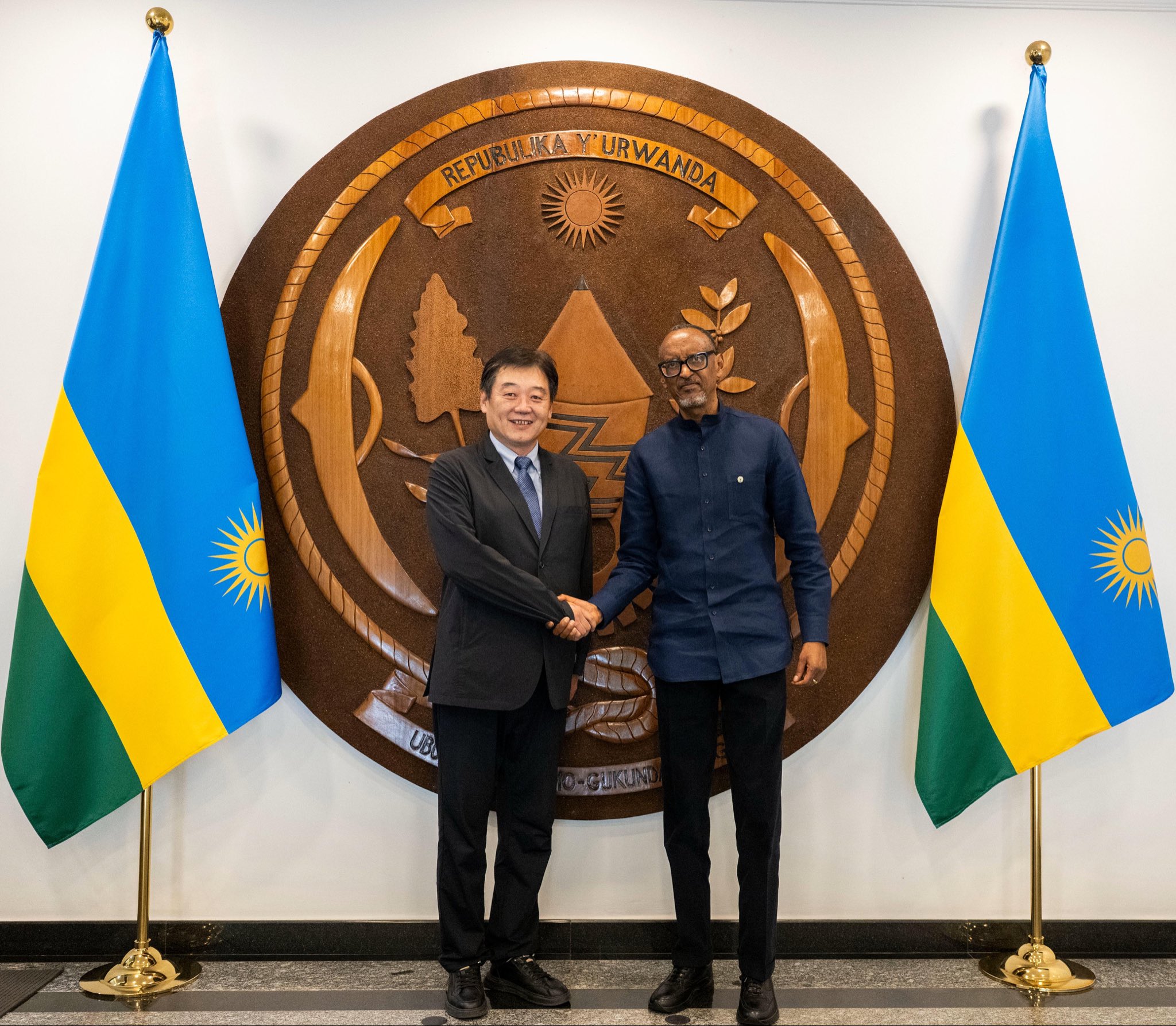
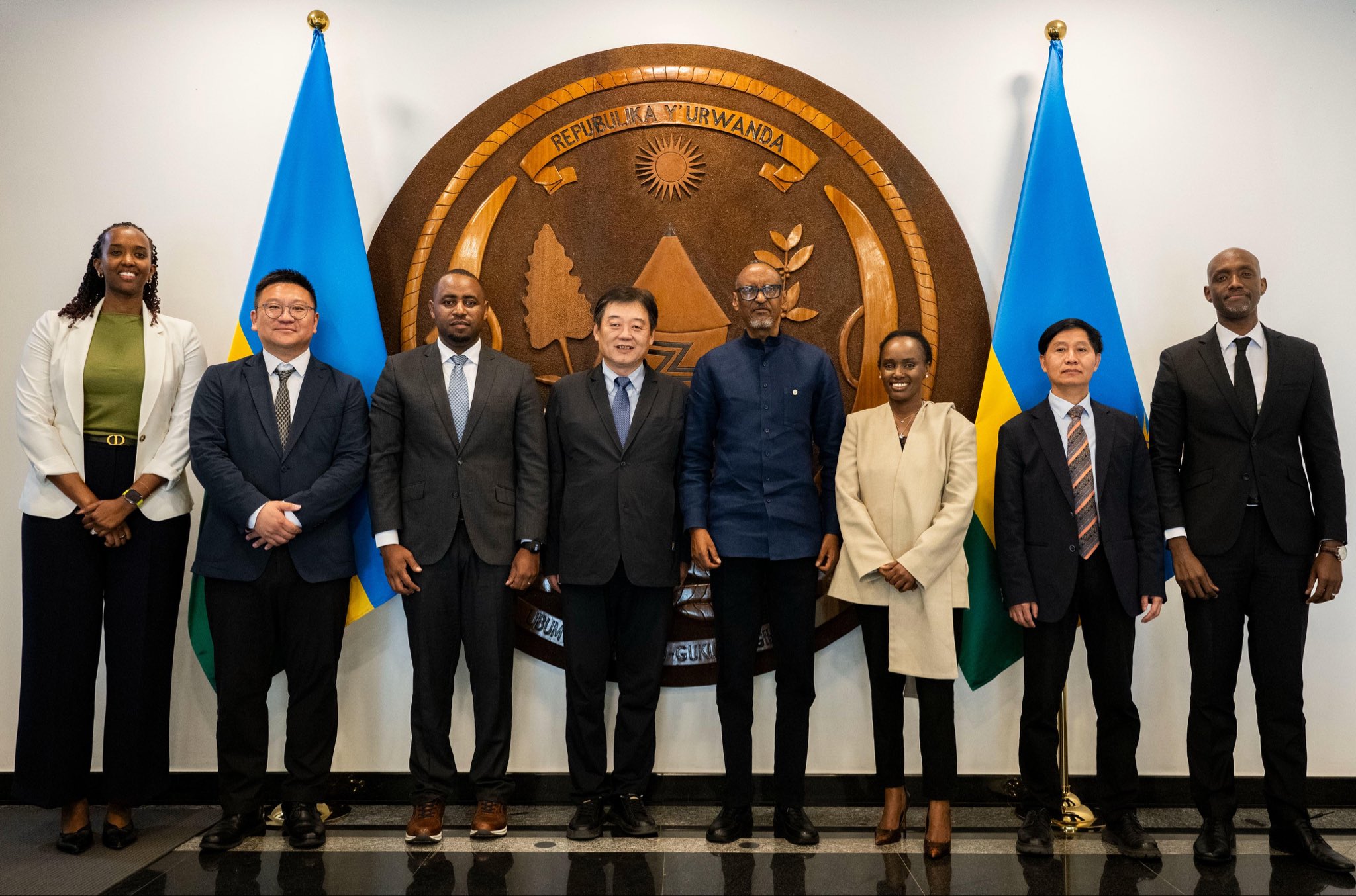
President Paul Kagame meets Xu Hui, Chairman of Rich Resource International Investments (RRII), Vice President and Board Secretary of Chery Holding.The office of the president said discussions focused on potential investment opportunities.
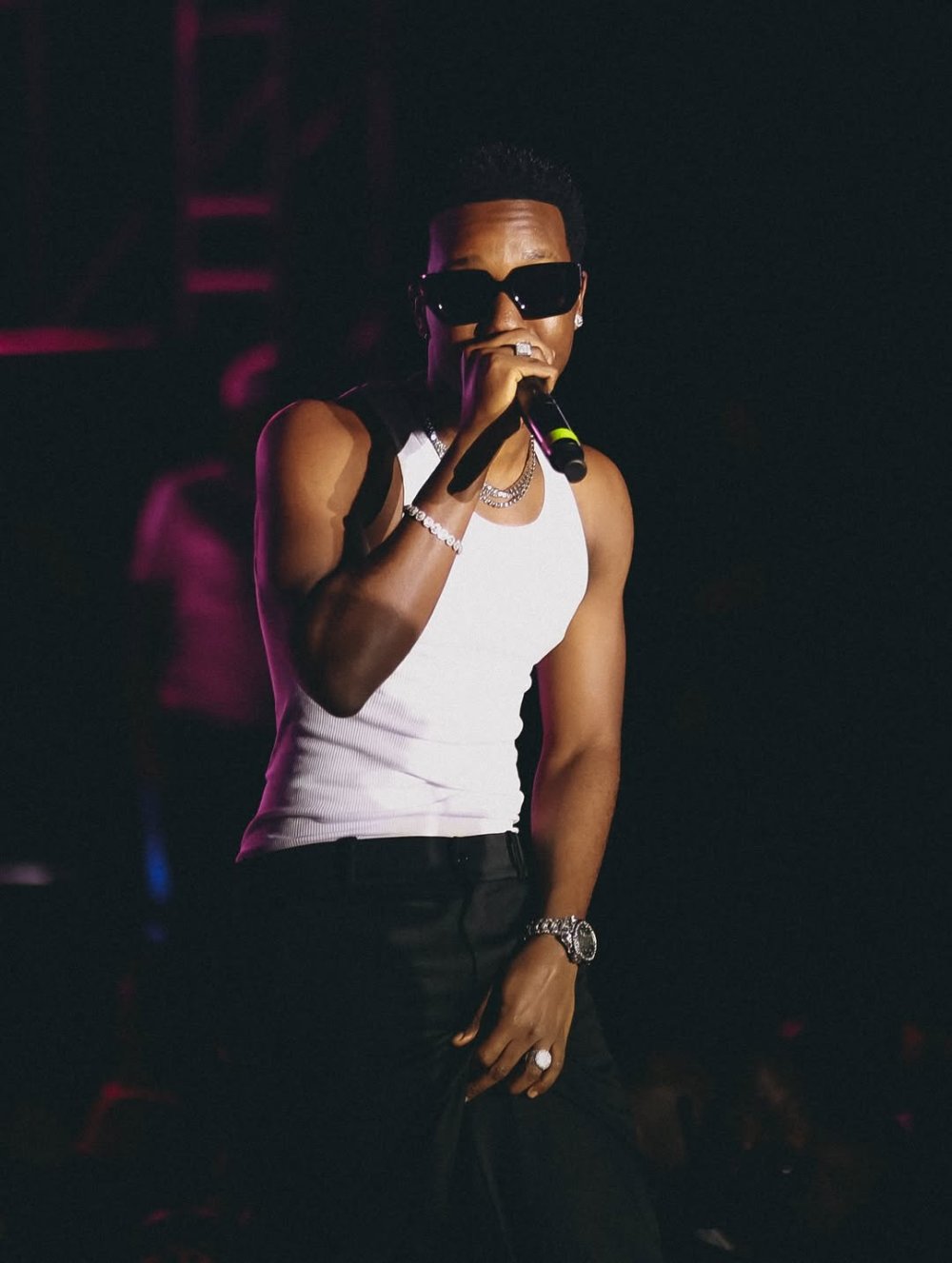
The artist says growing pressure from fans pushed him to release the song earlier than planned.
The track was released just days after Element EleéeH had teased it to his audience. At the time, he had intended to unveil both the audio and official visuals together, but the music video was not yet ready for release.
Speaking to IGIHE, Element EleéeH said his initial plan was to drop the song alongside its visuals, but increasing anticipation from fans who had already learned about the project influenced his decision to release it in its lyric form first.
“I originally wanted the song to come out together with its video. However, after I mentioned it, many people started asking for it, and it felt like pressure. I decided to release it for them, but the official video will be out soon,” he said.
Reliable sources indicate that the artist, who is currently based in the United States, is expected to return to Rwanda before travelling to Nairobi, where the official music video will be shot. The visuals are scheduled for release in May 2026.
Element EleéeH is currently preparing for the release of his debut album, which is expected to drop before the end of the year.
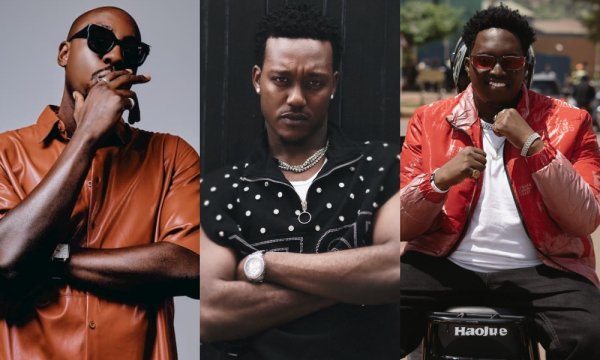
Joshua Baraka, who features on the track, is among East Africa’s fast-rising music stars and is widely regarded as one of Uganda’s leading contemporary artists. He is known for songs such as “Wrong Places” and “Morocco”.
Bien, the other collaborator on “Ayayaah”, is also a prominent East African artist. He is best known for hits such as “Too Easy”, “Finesse”, and “Iyo Foto”, a collaboration with Bruce Melodie. Bien first rose to prominence as a member of the Kenyan band Sauti Sol.
Element EleéeH said that pressure from fans is what led him to release his song with Bien and Joshua Baraka without the official video.
This process, known as foliar uptake, appears to be especially important in dry and dusty environments where soil nutrients are limited. Scientists say it could help plants survive in harsh conditions that were previously not well understood.
“Plants are not like animals; they cannot move,” said Anton Lokshin, a plant biologist at Ben Gurion University of the Negev. “So they have to have strategies to absorb food and nutrients from the environment.”
To test this, researchers studied three plant species in Israel’s Judean Hills, a region regularly exposed to dust from the Sahara and Arabian deserts. Some plants were treated with volcanic dust on their leaves, while others were left untreated for comparison.
The results showed that plants exposed to dust had higher levels of key nutrients, including iron, manganese, nickel, and copper, in their shoots. These are important elements for growth and survival.
However, nutrient levels in the roots remained largely unchanged, even when dust was added to the soil. Scientists explain this is because nutrients in soil are often quickly taken up by microorganisms or locked in minerals, making them harder for plants to access.
Leaves, on the other hand, provide a more open pathway. They can release natural compounds that help dissolve dust particles and allow nutrients to be absorbed more easily.
The findings suggest that airborne dust may be a more important nutrient source for plants than previously thought, particularly in arid regions.
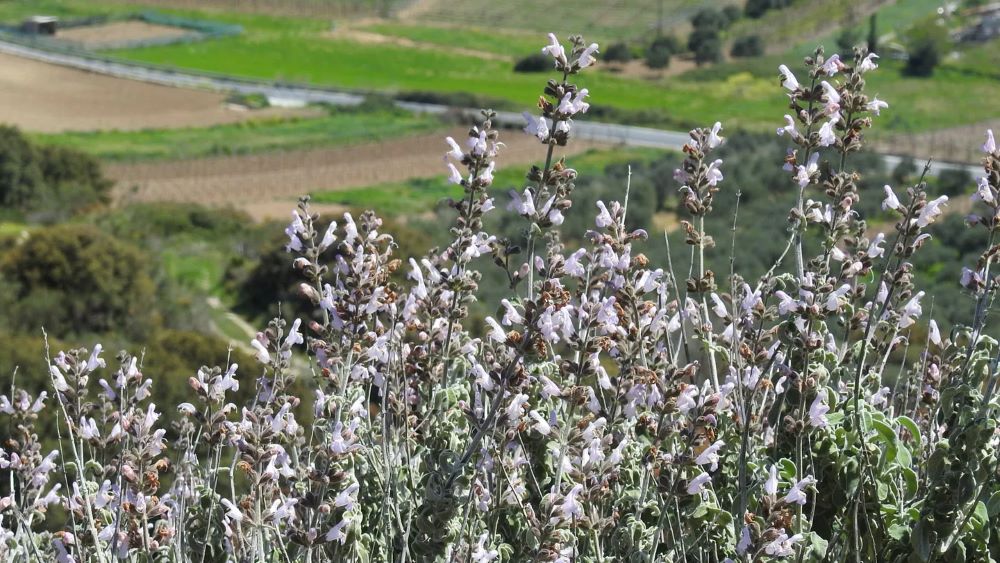
Greek sage plants (Salvia fruticosa, shown) had their leaves dusted with mineral powder to show that plants can feed on the dust that settles on them.