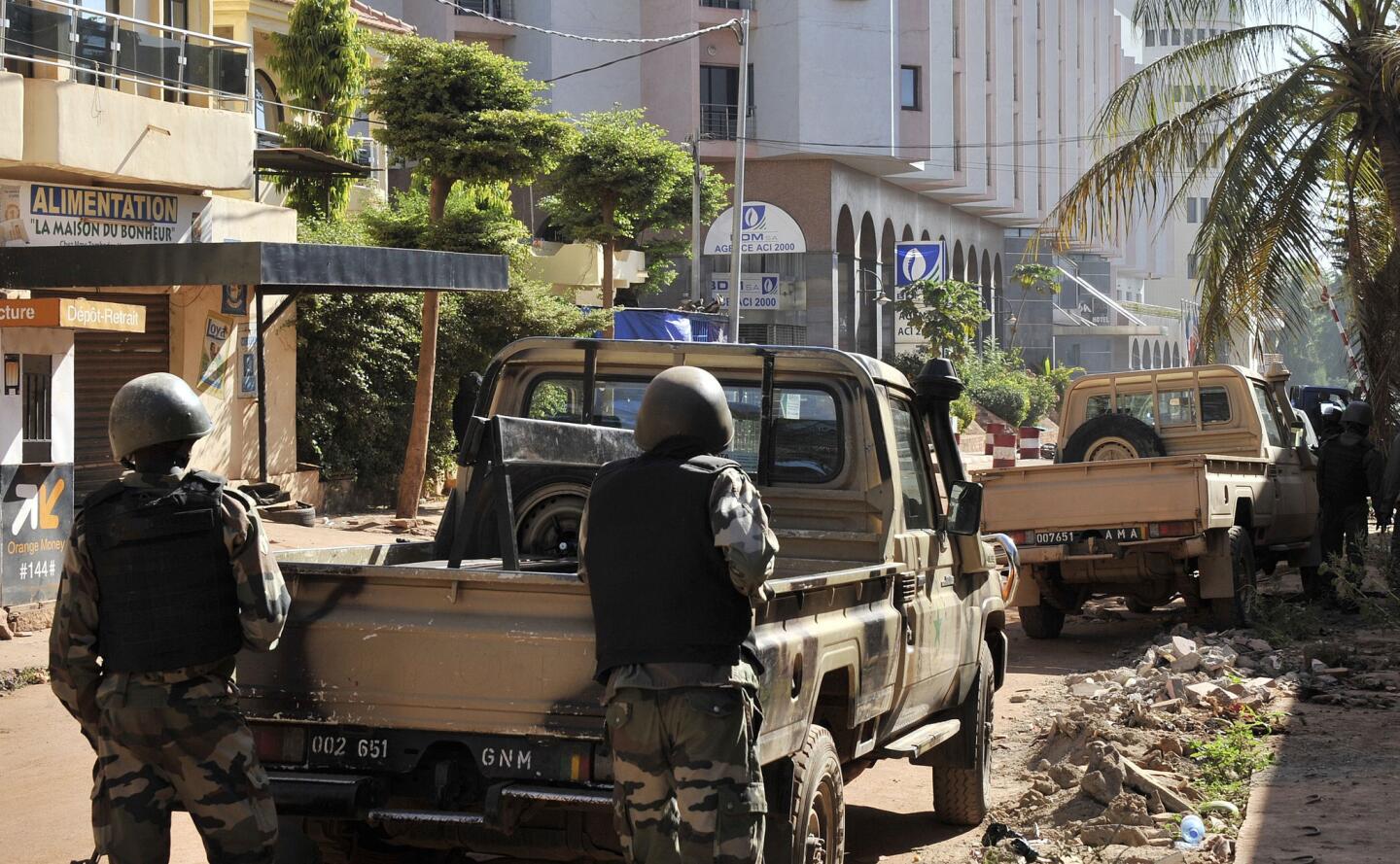
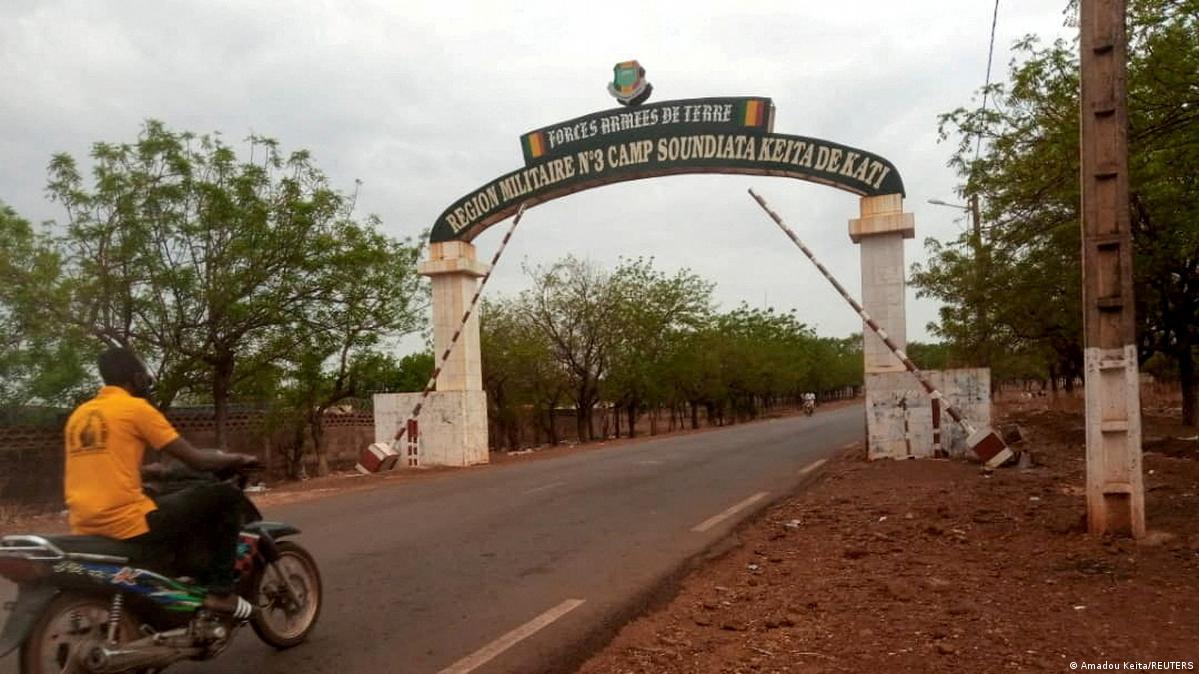
Reports said detonations were also heard in Mopti, Gao, Sevare, and Kidal. Earlier in Kati, a garrison town in Mali’s Koulikoro Region near the capital, two powerful explosions were heard between 5:00 a.m. (0500 GMT) and 5:30 a.m. (0530 GMT), waking up some residents in Bamako.
“A deafening noise woke up our whole neighborhood early this morning,” a resident of Kati told Xinhua. Local sources said detonations were still being heard in some areas, while residents were staying indoors amid fear and uncertainty.
According to a security source, the incidents were believed to be coordinated attacks targeting positions of the Malian Armed Forces. The situation remained unclear, and no official statement or casualty report was immediately available.
Strong explosions and gunfire were reported early Saturday in several cities in Mali, including Kati and areas of Bamako, local sources said.
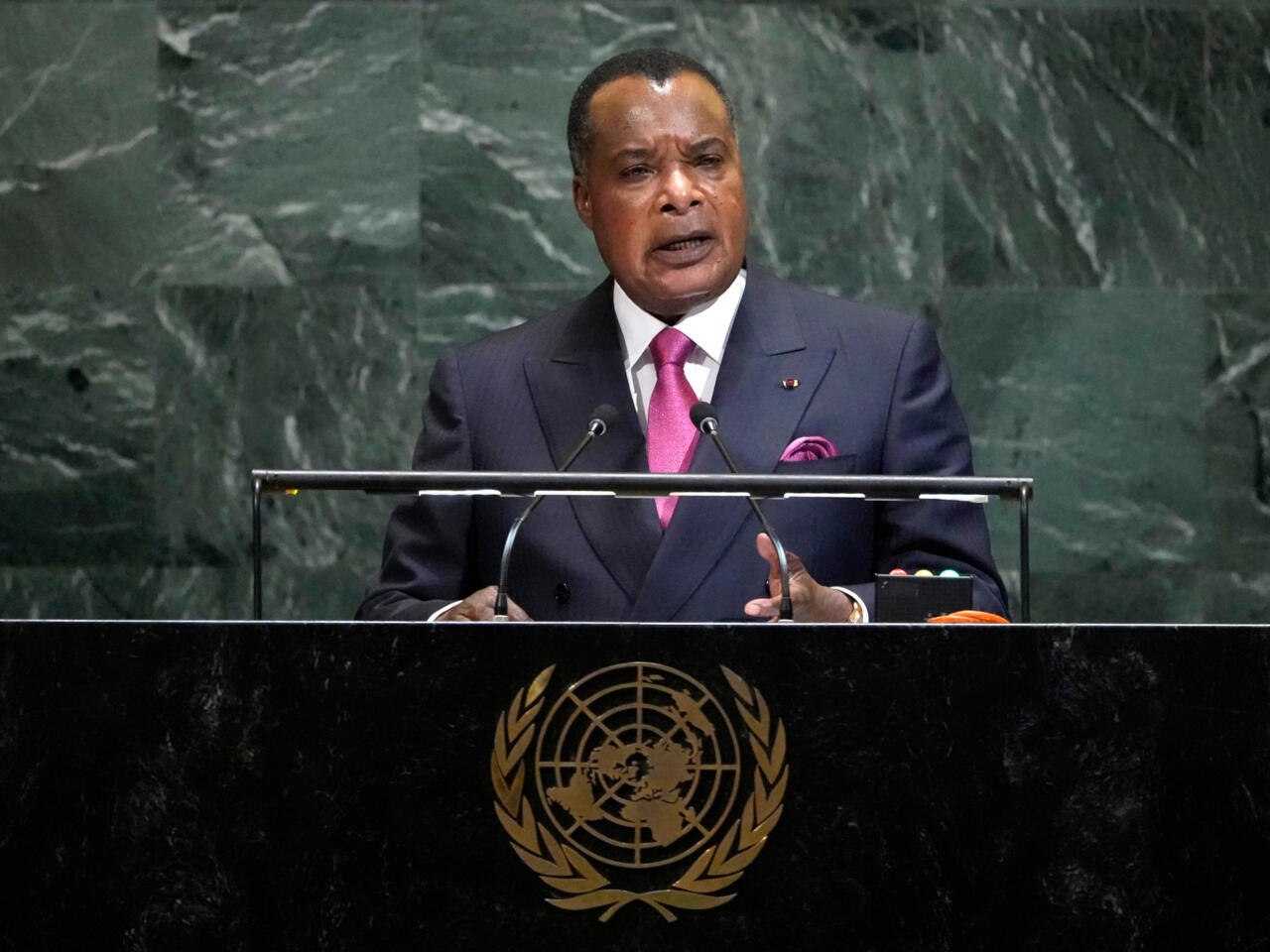
According to the statement, in addition to Prime Minister Anatole Collinet Makosso, who was reappointed earlier by President Denis Sassou Nguesso, the new government comprises one deputy prime minister, three ministers of state and 37 ministers.
Among them, Jean-Jacques Bouya, former minister of state for territorial planning and major works, was appointed deputy prime minister in charge of infrastructure development and territorial planning.
Pierre Oba, former minister of state for mines and geology, was appointed minister of state at the presidency in charge of political affairs. Former Minister of State for Trade, Supply and Consumption Claude Alphonse Nsilou was appointed minister of state for construction, urban planning and housing, while former Minister of State for Land Affairs and State Property Management Pierre Mabiala was appointed minister of state for civil service, labor and social dialogue.
In the presidential election held on March 15, Sassou Nguesso won re-election with 94.9 percent of the vote. According to the Constitution, the president is required to appoint a new prime minister to form a government.
Former Prime Minister Makosso and his government submitted their resignation on April 17, which was accepted by the president. On April 23, the presidency announced Makosso’s reappointment as prime minister, tasking him with forming a new government.
In the presidential election held on March 15, Sassou Nguesso won re-election with 94.9 percent of the vote.
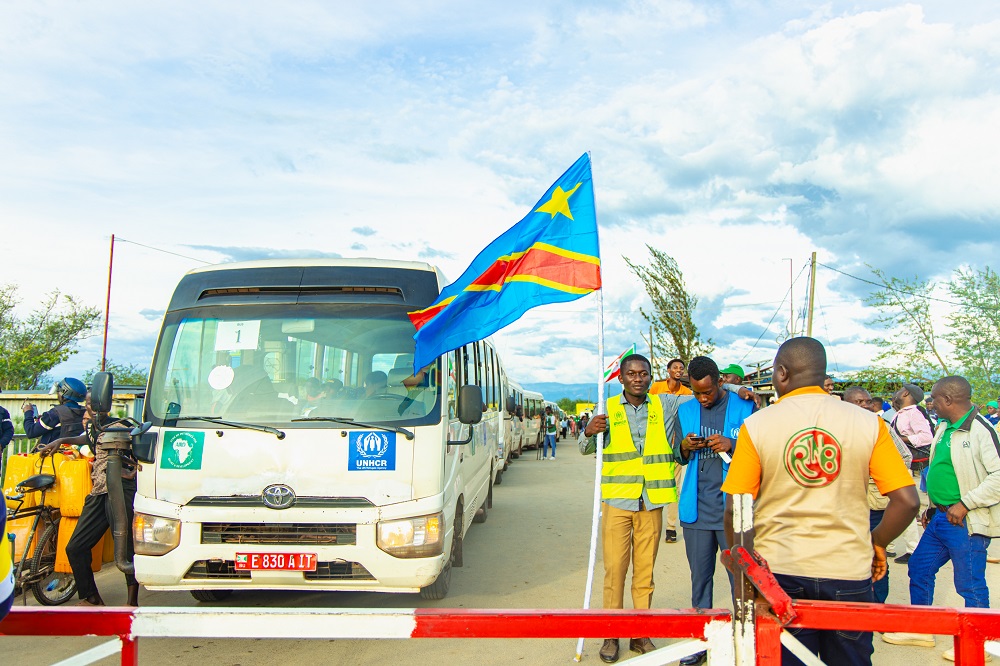
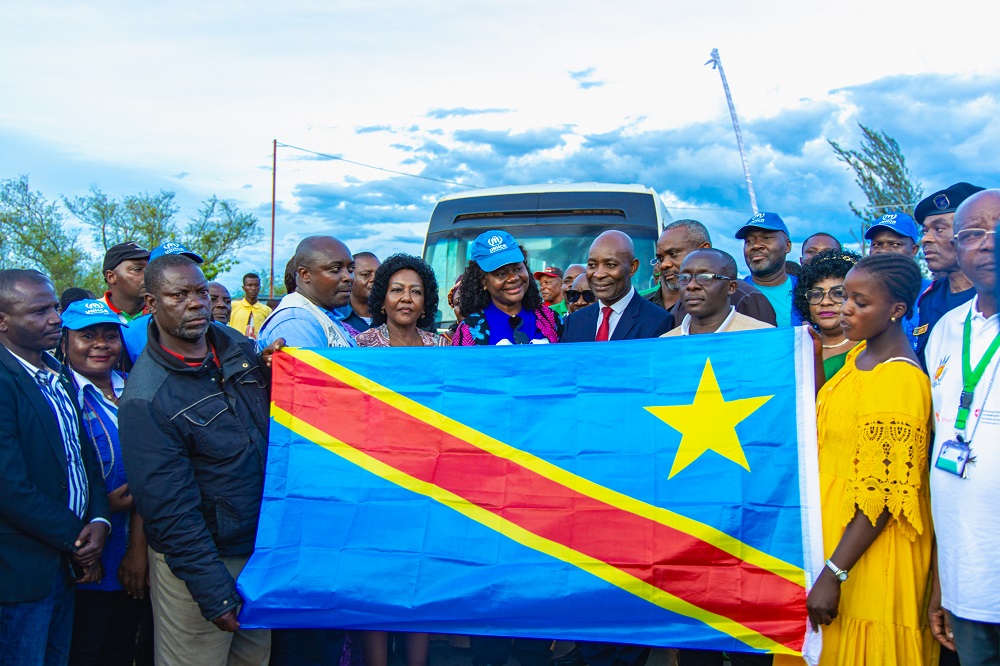
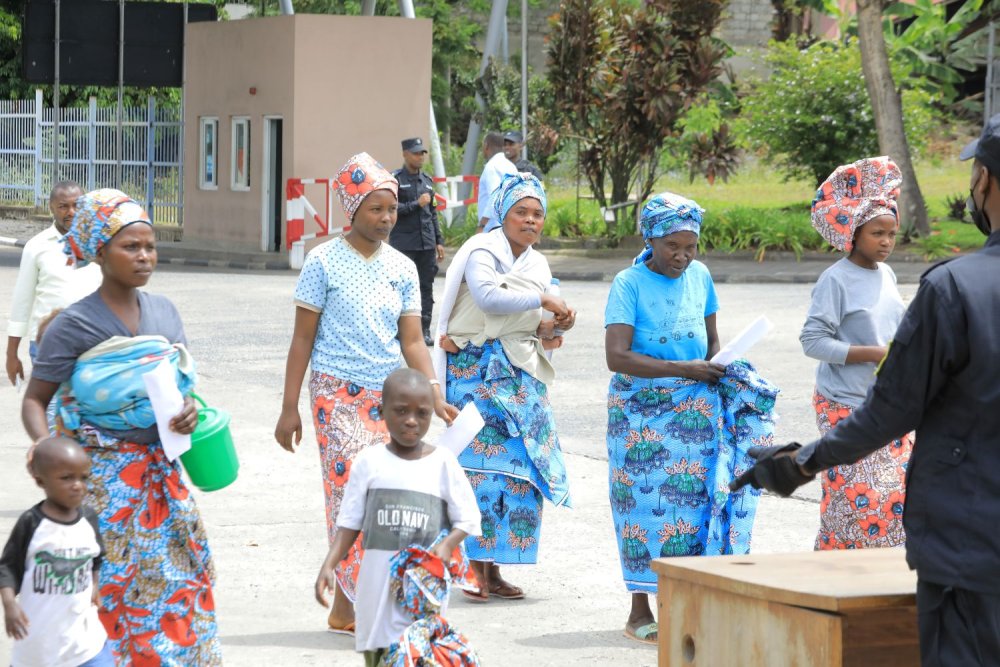
The United Nations High Commissioner for Refugees (UNHCR) announced that on April 23, 2026, it facilitated the voluntary return of the first group of 462 Congolese refugees who had been living in Busuma refugee camp in Ruyigi Commune.
The repatriation follows discussions between representatives of Burundi, the DRC, and UNHCR. These talks came after Burundi reopened the Gatumba border in March, which had remained closed for nearly four months due to security concerns.
According to UNHCR, clashes that took place in the Ruzizi Plain late last year forced more than 100,000 Congolese civilians to seek refuge in Burundi, where they were hosted in camps located across different parts of the country.
Jean-Jacques Elakano, the Deputy Governor of South Kivu Province appointed by the DRC government, said the refugees had been living in extremely difficult and inhumane conditions.
He stated, “Our fellow citizens were living in conditions unfit for human beings, almost like hell. The return of this first group will certainly encourage others to come back as well. They need to feel safe and be welcomed by their families so they can reintegrate smoothly into their communities of origin.”
Refugees in the camps in Burundi also faced serious shortages of food and clean water. More than 40 Congolese refugees died in December 2025 from diseases linked to poor sanitation, while others attempted to flee by crossing the Ruzizi River because the border was still closed at the time.
Congolese refugees in Burundi begin repatriation after nearly four months of hardship.Congolese refugees crossing through the Gatumba border.They were welcomed by leaders from various institutions in South Kivu.
The move follows a week of heightened economic pressure, including new sanctions on shipping companies involved in transporting Iranian oil.
White House Press Secretary Karoline Leavitt confirmed the mission, stating that the U.S. is prepared for “in-person conversations” to move toward a permanent deal, even suggesting that Iran had requested the direct encounter.
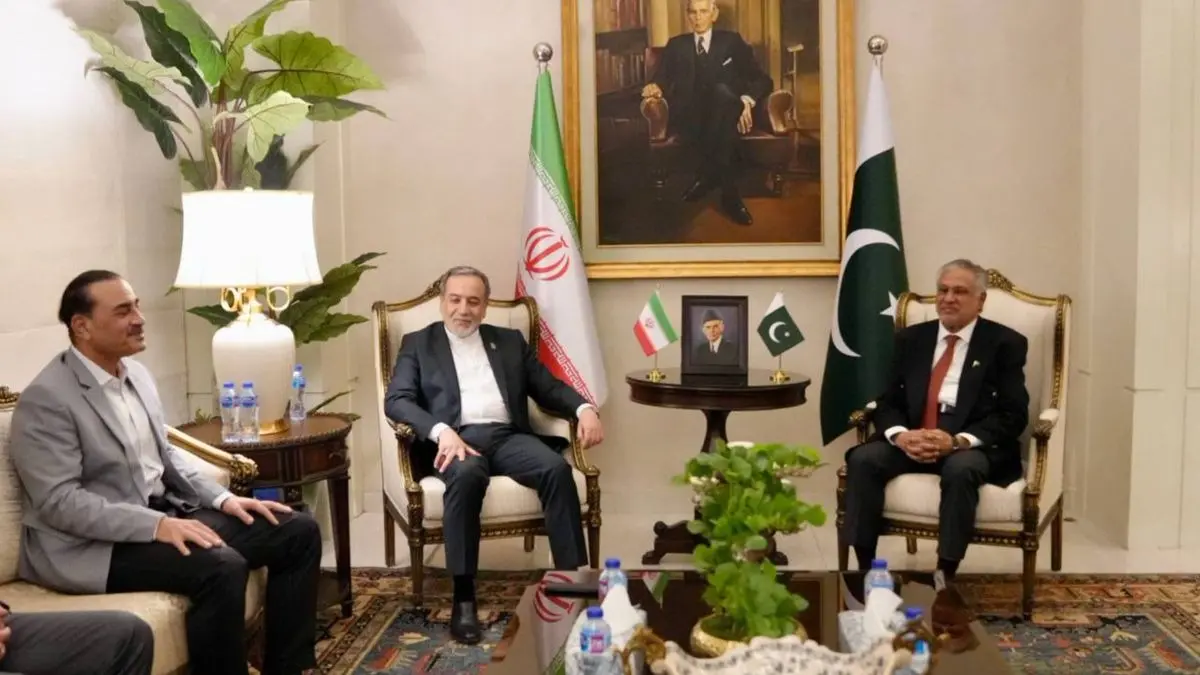
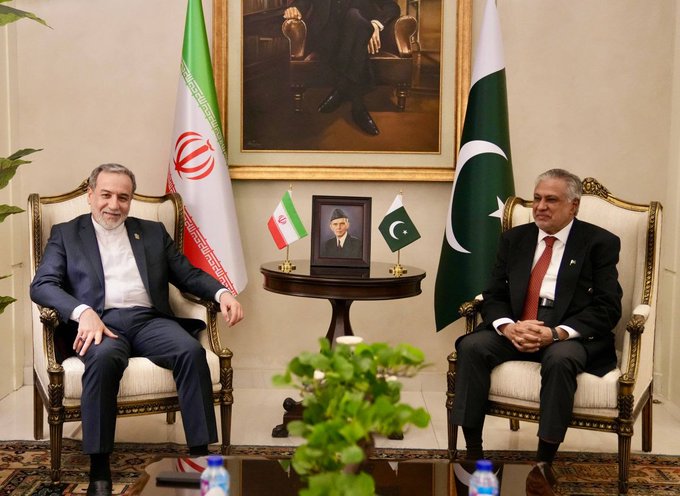
However, the nature of the engagement remains a point of intense diplomatic dispute. Shortly after Iranian Foreign Minister Abbas Araghchi arrived in Islamabad for meetings with Pakistani Foreign Minister Ishaq Dar and Army Chief Field Marshal Asim Munir, Tehran issued a firm denial of direct contact.
Iranian Foreign Ministry spokesperson Esmaeil Baqaei clarified in a statement on X that “no meeting is planned” to take place between Iranian and U.S. officials.
Instead, Iran maintains that it will only convey its “observations” through Pakistani intermediaries, highlighting the deep-seated mistrust that has defined the relationship since the 1979 Revolution and the 2018 U.S. withdrawal from the nuclear deal.
Pakistan continues to play a pivotal role as the “bridge” in this conflict, leveraging its unique diplomatic ties with both Washington and Tehran.
While U.S. negotiators express hope that this round of talks will lead to a breakthrough, the conflicting accounts from both capitals underscore the immense challenges of de-escalating a war of aggression that has disrupted regional peace and global trade for 57 days.
US negotiators to go to Islamabad, but Iran says no direct talks.
Speaking during a dinner debate at the 2026 World Policy Conference (WPC) in Chantilly, France on Friday evening, Kagame highlighted that the world has never truly offered a fair and stable order, particularly for Africa and the Global South.
He explained that even during periods when the global order appeared stable, deep imbalances persisted.
“There have always been inequalities. There have always been points of conflict,” Kagame said. He added that it has long been taken for granted “that what happens in the global south will always be dependent on and determined by the global north.”
Kagame described the prevailing structure as one in which major powers act freely when their interests are threatened, while smaller and middle powers face blame, punishment, or criticism.
“The smaller powers, the smaller countries, the middle powers, are just supposed to pull the line. Simple,” he stated.
He noted that Africa has been affected by this imbalance “anyway, all along” and not only during times of visible crisis.
“It has been affected even when things look stable globally, under this structure where it is do as I say and as I tell you, and that’s it. Otherwise, there will be consequences,” Kagame observed.
Turning to the question of legitimacy in the international system, he asked: “Who decides what is wrong, who decides what is right, and on what basis? Is it just that you have the power, therefore you will decide what is wrong and what is right?”
Kagame acknowledged that the old order was “a work in progress” but stressed that today’s fragmentation has exposed its weaknesses.
He warned that the ongoing conflict in the Middle East carries serious risks for the wider world, including Africa.
“The situation is very bad. And the big powers need to quickly find a solution. Otherwise, it generates into a bigger problem for the whole world,” he said, pointing to rising oil, food, and fertilizer prices “affecting millions, hundreds of millions of people.”
The Head of State also spoke about Africa’s own path forward. He encouraged the continent to look inward, saying: “The continent needs to look at what it has, almost everything. The people, the other resources, and the good cultures that can be drawn from a lot of knowledge and practices that make people proud of who they are.”
He added that Rwanda’s reconstruction showed the value of starting with internal efforts: “We looked within and found the efforts to rebuild our country, even if we had to be partners with different people and we got a lot of support, but we had to start with ourselves.”
Kagame emphasized that everyone, including small countries, should have space to contribute.
“Everyone should have some space to express themselves and contribute what is good for everyone and for the rest of the world,” he said.
On regional issues, including efforts to address tensions in Eastern DR Congo, Kagame called for patience and depth.
“The problems cannot be addressed overnight. Crisis cannot be overcome in such a short time,” he remarked. “But there is a need to look at the root causes of everything and then give time to dialogue for people to find a win-win kind of solution.”
Founded in 2008, the WPC aims to contribute to improving global governance; examining, discussing, and proposing constructive solutions to major regional and international challenges, in a climate of trust and a spirit of tolerance.
This year’s meeting (18th edition) is held from April 24–26, 2026, at Domaine Les Fontaines in Chantilly, France under the theme, “Between Fragmentation and Interdependence: Rethinking Global Governance.”
It addresses major issues like global trade, AI, and conflicts in Europe and the Middle East.
President Kagame has questioned who defines right and wrong in an imbalanced international system.
The visit, which took place on April 21, 2026, offered employees an in-depth understanding of Rwanda’s history, particularly the planning and execution of the 1994 Genocide against the Tutsi.
During the tour, they explored different sections of the memorial and gained insight into the events that led to one of the darkest chapters in the nation’s history.
The Genocide against the Tutsi claimed the lives of more than one million people in just 100 days before it was halted by the Rwanda Patriotic Army (RPA).
As part of the visit, the employees also learned about Rwanda’s journey of recovery and reconstruction in the years that followed.
They paid tribute to the victims by laying wreaths at mass graves where over 250,000 victims are laid to rest at the memorial.
The Executive Chairman of Primate Safaris, Joseph Birori, emphasized that the company’s role goes beyond showcasing Rwanda’s natural attractions such as wildlife and lakes. He noted that educating visitors about the country’s history is equally essential.
“When we guide tourists, we also teach them about our country’s history and show them where it is preserved,” he said. “This helps them understand that although Rwanda went through extremely difficult times, the country chose resilience and progress.”
Birori further encouraged employees, particularly young people, to deepen their understanding of Rwanda’s history and remain committed to ensuring that such tragedies never happen again.
One of the employees, Phiona Umutesi, highlighted the importance of such visits for young people, noting that they provide a valuable opportunity to learn and reflect.
“The knowledge we gain from places like the Genocide Memorial strengthens our determination to ensure that what happened never occurs again,” she said. “As young people, it is our responsibility to understand our history deeply so that we can pass it on to future generations, rather than leaving it to outsiders to tell our story.”
Founded in 2000, Primate Safaris operates in Rwanda, where it is headquartered, as well as in Uganda, Tanzania, Kenya, and the Democratic Republic of Congo. The company currently employs 110 people.
Employees of Primate Safaris laid wreaths at mass graves where over 250,000 victims of the 1994 Genocide against the Tutsi are laid to rest.Employees of Primate Safaris, particularly the youth, were encouraged to deepen their understanding of history and remain curious to learn more, as many of them were born after the Genocide.The Executive Chairman of Primate Safaris, Joseph Birori, said that receiving tourists provides a valuable opportunity to show them and educate them about Rwanda’s history.Employees of Primate Safaris visited the Kigali Genocide Memorial and pledged to educate tourists about Rwanda’s history.
The latest monthly Global Seasonal Climate Update from the WMO signals a clear shift in the Equatorial Pacific: sea-surface temperatures are rising rapidly, pointing to a likely return of El Nino conditions as early as May-July 2026.
Forecasts indicate there is a “nearly global dominance of above-normal land surface temperatures” in the upcoming three-month period, and regional variations in rainfall patterns.
“After a period of neutral conditions at the start of the year, climate models are now strongly aligned, and there is high confidence in the onset of El Nino, followed by further intensification in the months that follow,” said Wilfran Moufouma Okia, chief of climate prediction at WMO in the press release.
The WMO explains that El Nino is characterized by a warming of ocean surface temperatures in the central and eastern Equatorial Pacific. It typically occurs every two to seven years and lasts around nine to twelve months.
El Nino events affect temperature and rainfall patterns in different regions, and typically have a warming effect on the global climate. Thus, 2024 was the hottest year on record because of the combination of the powerful 2023-2024 El Nino and human-induced climate change from greenhouse gas emissions.
There is no evidence that climate change increases the frequency or intensity of El Nino events. But it can amplify associated impacts because a warmer ocean and atmosphere increases the availability of energy and moisture for extreme weather events such as heatwaves and heavy rainfall.
Each El Nino event is unique in terms of its evolution, spatial pattern and impacts. However, it is typically associated with increased rainfall in parts of southern South America, the southern United States, the Horn of Africa and central Asia, and drought over Australia, Indonesia, and parts of southern Asia.
During the Boreal summer, El Nino’s warm water can fuel hurricanes in the central/eastern Pacific Ocean, while it hinders hurricane formation in the Atlantic Basin.
Forecasts indicate there is a “nearly global dominance of above-normal land surface temperatures” in the upcoming three-month period, and regional variations in rainfall patterns.
The ministry further indicates that between 1994 and 2025, a total of 3,503,173 Rwandans had already returned from various countries, mainly those neighbouring Rwanda.
In 2025 alone, Rwanda received 6,043 returnees from the Democratic Republic of Congo.
Since January 2026, an additional 2,153 Rwandans had returned before the latest group of returnees.
The latter comprises 317 Rwandans including 15 men, 76 women, and 226 children who returned home on April 24, 2026. They were received and transported to Kijote Transit Camp in Nyabihu District for temporary support and processing.
The returnees had been staying at a temporary camp in Goma after leaving different areas in eastern DRC, where they say they had been held captive by FDLR.
The Vice Mayor of Rubavu District in charge of economic development, Déogratias Nzabonimpa, told IGIHE that the returnees represent a valuable addition of human resources to the country.
“The country has gained back the people it had lost. Their continued return weakens the enemy that had held them captive, as these are productive citizens. We also continue working with them to encourage those still in the forests to return home,” he said.
He also urged the returnees to remain committed to Rwanda and to encourage others still abroad or in hiding to come back and contribute to national development.
He assured them of government support to help them reintegrate into normal life, including basic assistance. Returnees aged 18 and above will receive $188, while those below 18 will receive $113, in addition to basic food support valued at 45,000 Rwandan francs per person.
Rwanda received 6,043 returnees from the Democratic Republic of Congo in 2025.
At just 12 years old, Geraldine’s life took a dramatic turn when she was diagnosed with Type 1 diabetes, a condition that requires constant insulin therapy and careful monitoring. Living in the UK, she faced not only the physical demands of managing her condition but also the emotional challenges of being misunderstood by teachers and coaches.
Dropped from her netball team and labeled a “burden,” she struggled with her self-confidence and fell into depression. Her mother, Tracy Mutesi, a caregiver to Geraldine’s grandfather who lived with Type 2 diabetes, became her unwavering support, encouraging her to see beyond her diagnosis.
During a trip to Rwanda in 2019, Geraldine visited Muhima Hospital in Kigali, where she met young Rwandans also living with Type 1 diabetes. The stark contrast between their healthcare access and hers in the UK deeply impacted Geraldine.
Recognizing the disparity in opportunities, she decided to use her story to create change.
“I could turn this pain into purpose,” she realized, aspiring to be a role model and show others that they were not alone.
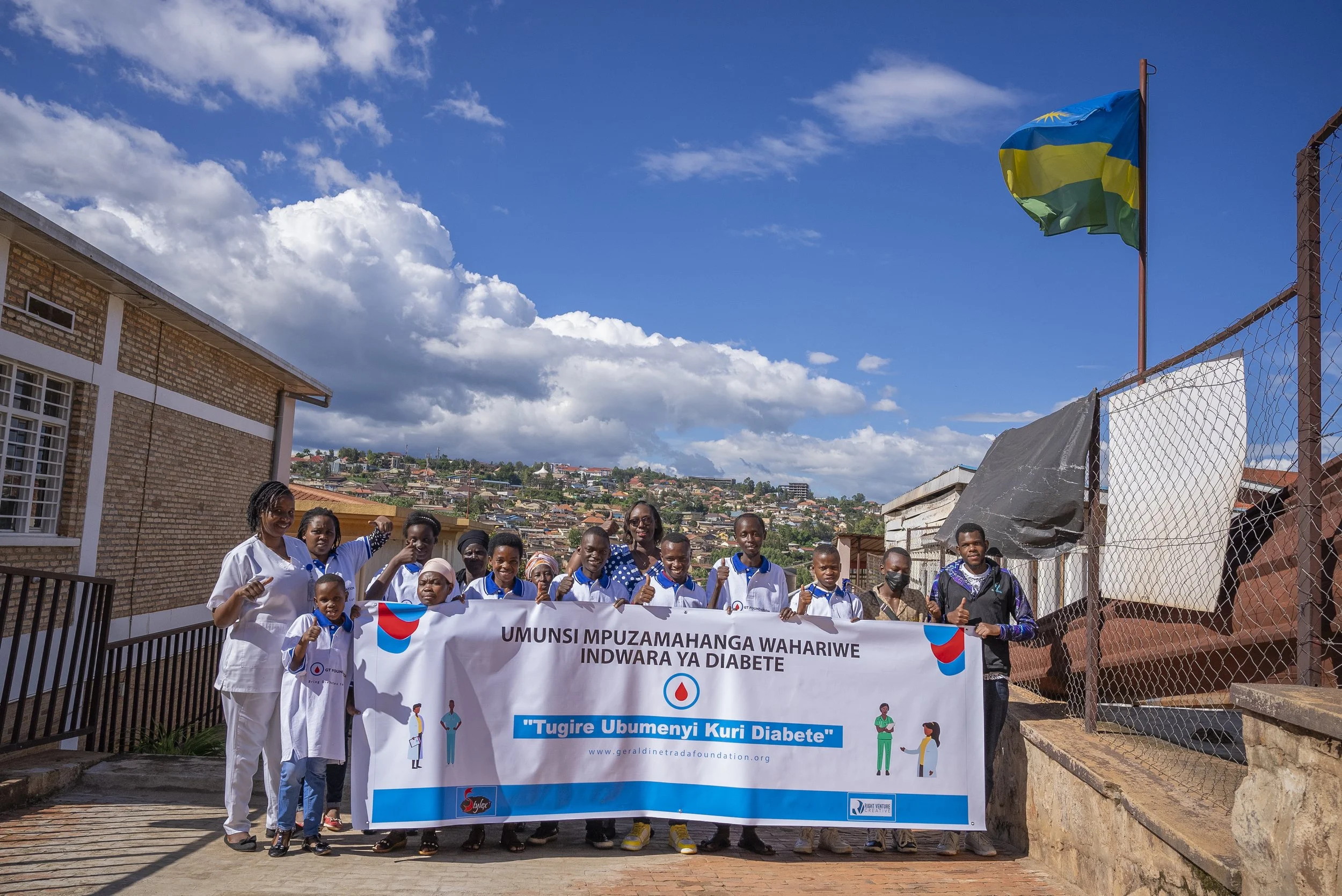
In 2019, Geraldine co-founded the Geraldine Trada Foundation (GT Foundation) with her mother. The foundation aims to educate, support, and empower young people with Type 1 diabetes in Rwanda, breaking the stigma surrounding the condition.
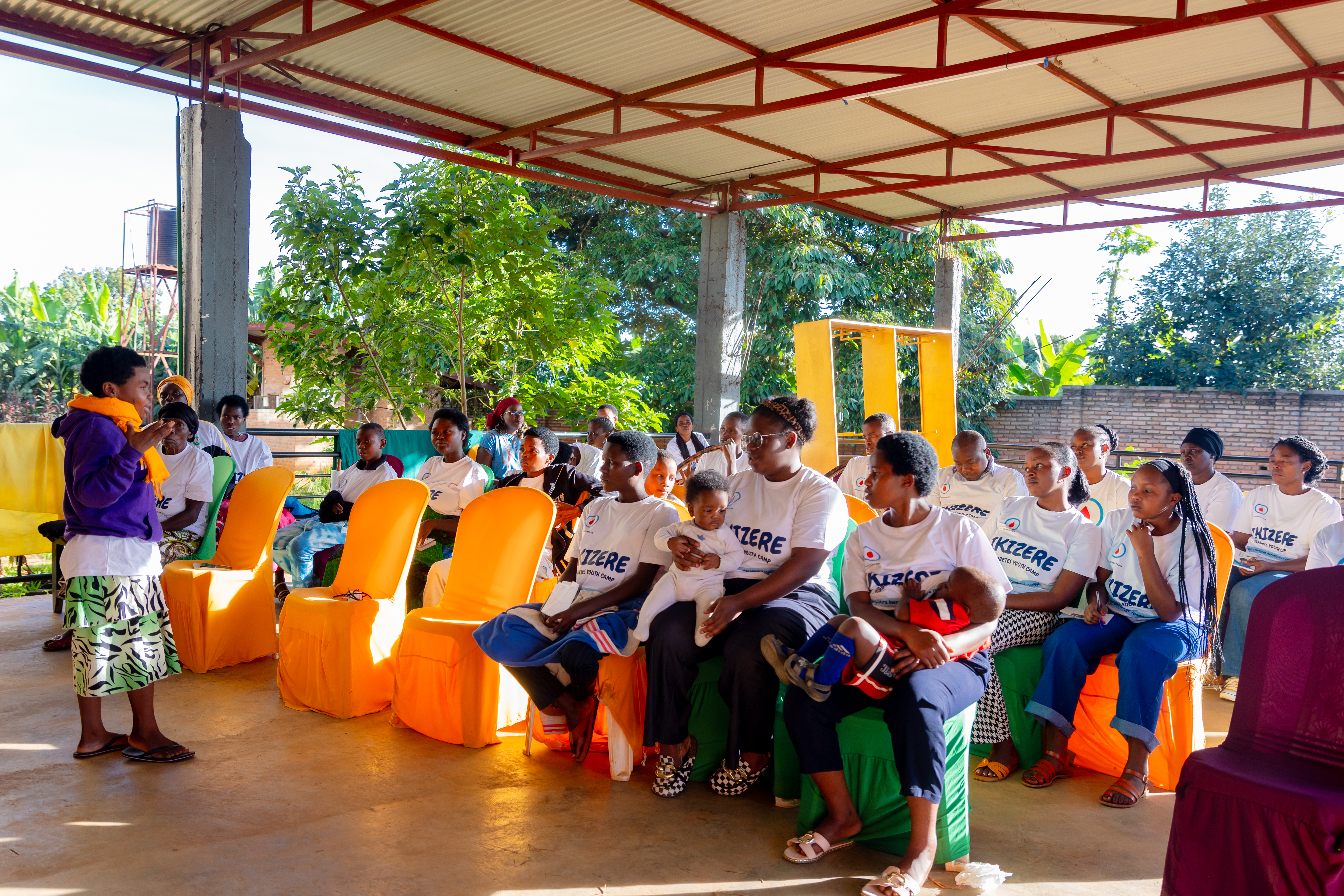
The foundation runs programs like school awareness campaigns, outreach to rural areas, and empowering camps for youth and caregivers.
It started with modest funding from family and friends but has since expanded with multi-year funding in 2024, growing through local partnerships and media storytelling.
Geraldine is passionate about educating the public on the differences between Type 1 and Type 2 diabetes. She aims to challenge harmful myths that suggest diabetes is caused by poor lifestyle choices, especially in relation to sugar consumption.
As an award-winning Economics graduate pursuing an MSc in International Development, she advocates for better access to diabetes care, having served as a Campaign Champion with Diabetes UK.
Looking forward, Geraldine envisions a future where no young person feels limited by diabetes.
She dreams of creating a hub that offers education, support, and a community for youth and caregivers, with the goal of empowering young people to live without barriers.
Geraldine also encourages anyone newly diagnosed to remember, they are not alone.
“The challenges you face today are ones I once faced too, but you can overcome them.”
Today, at 23, Geraldine balances her studies in the UK with her work in Rwanda, proving that personal adversity can spark a global movement of hope, education, and empowerment.
The Geraldine Trada Foundation continues to make a lasting impact, standing as a reminder that resilience, family love, and purposeful action can transform challenges into platforms for progress.
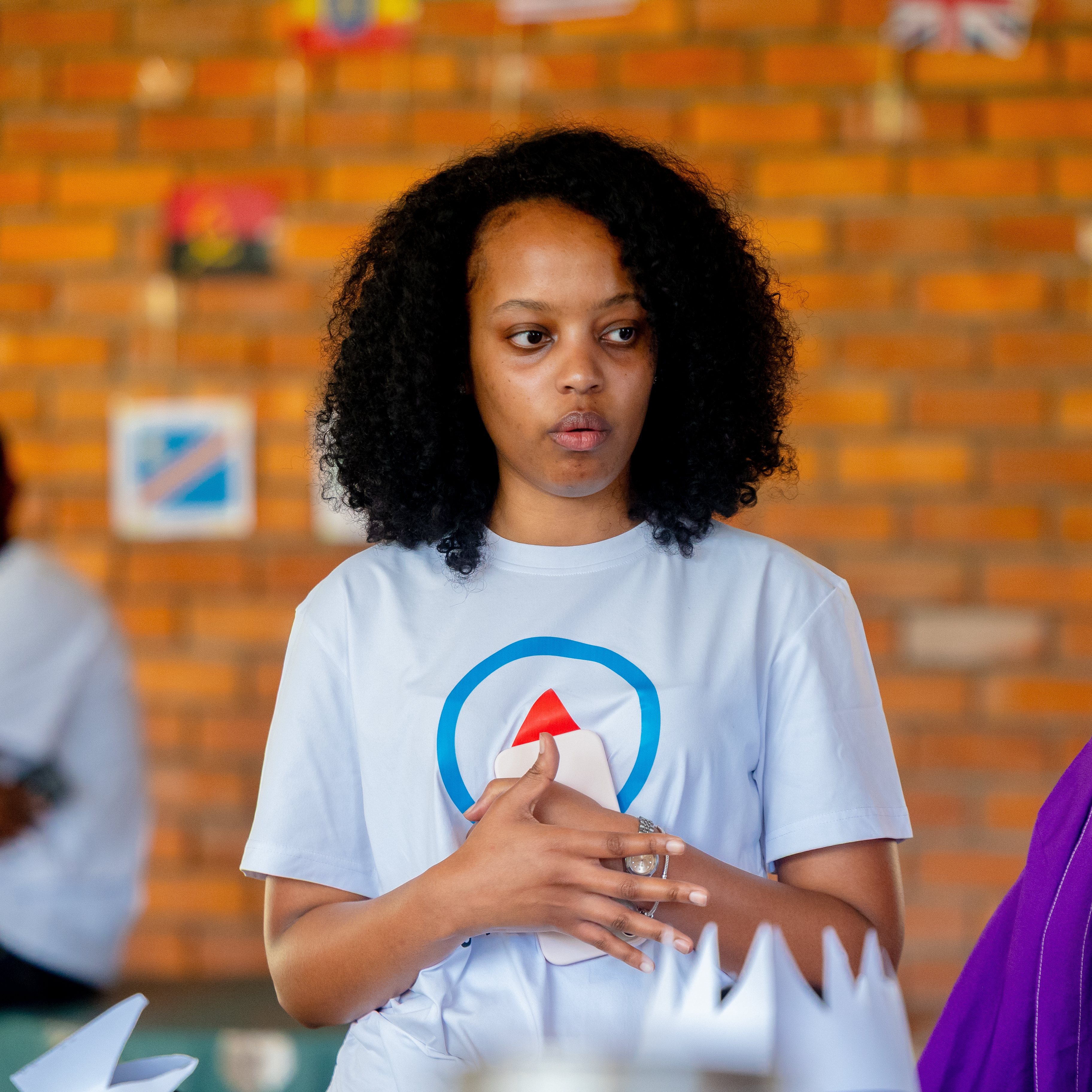
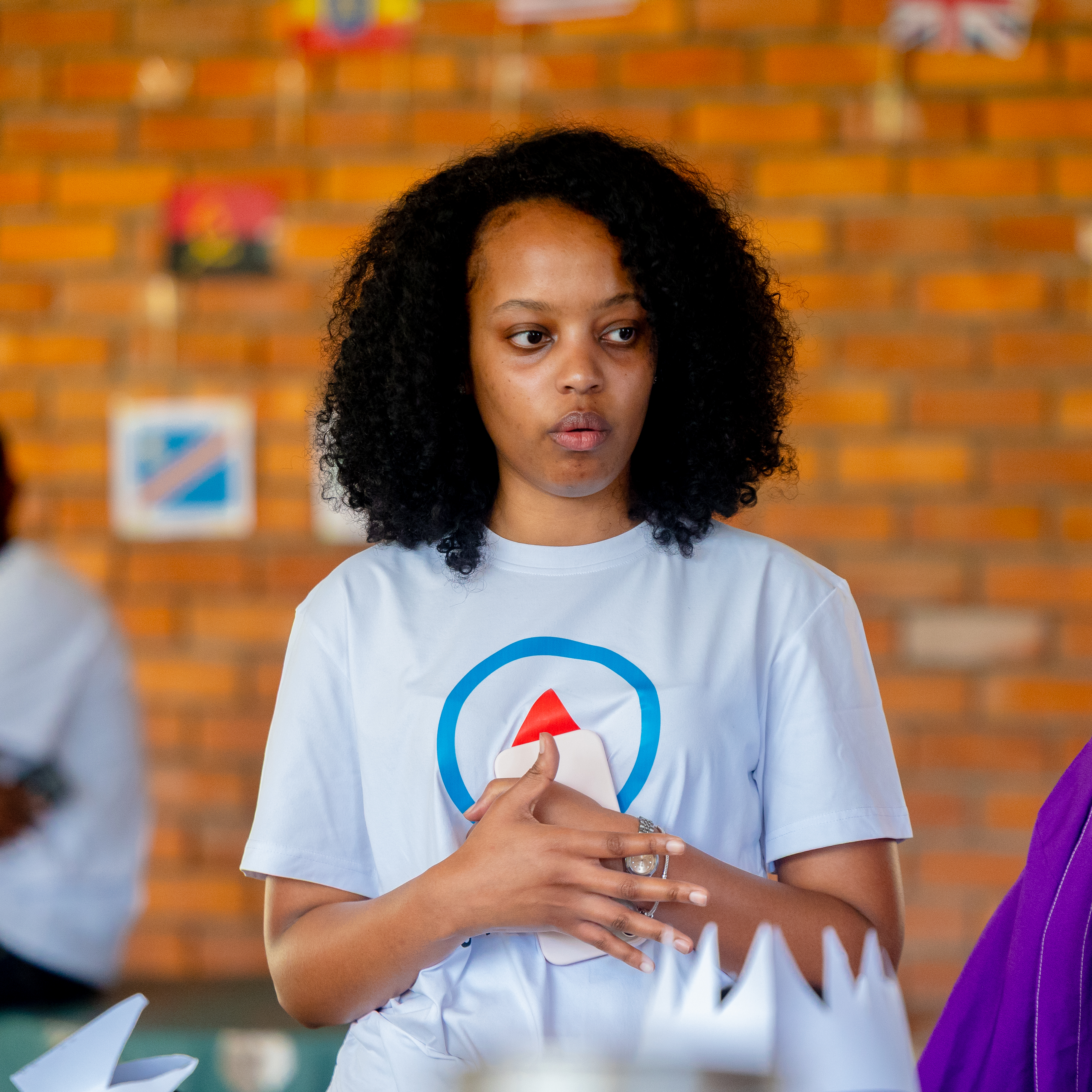
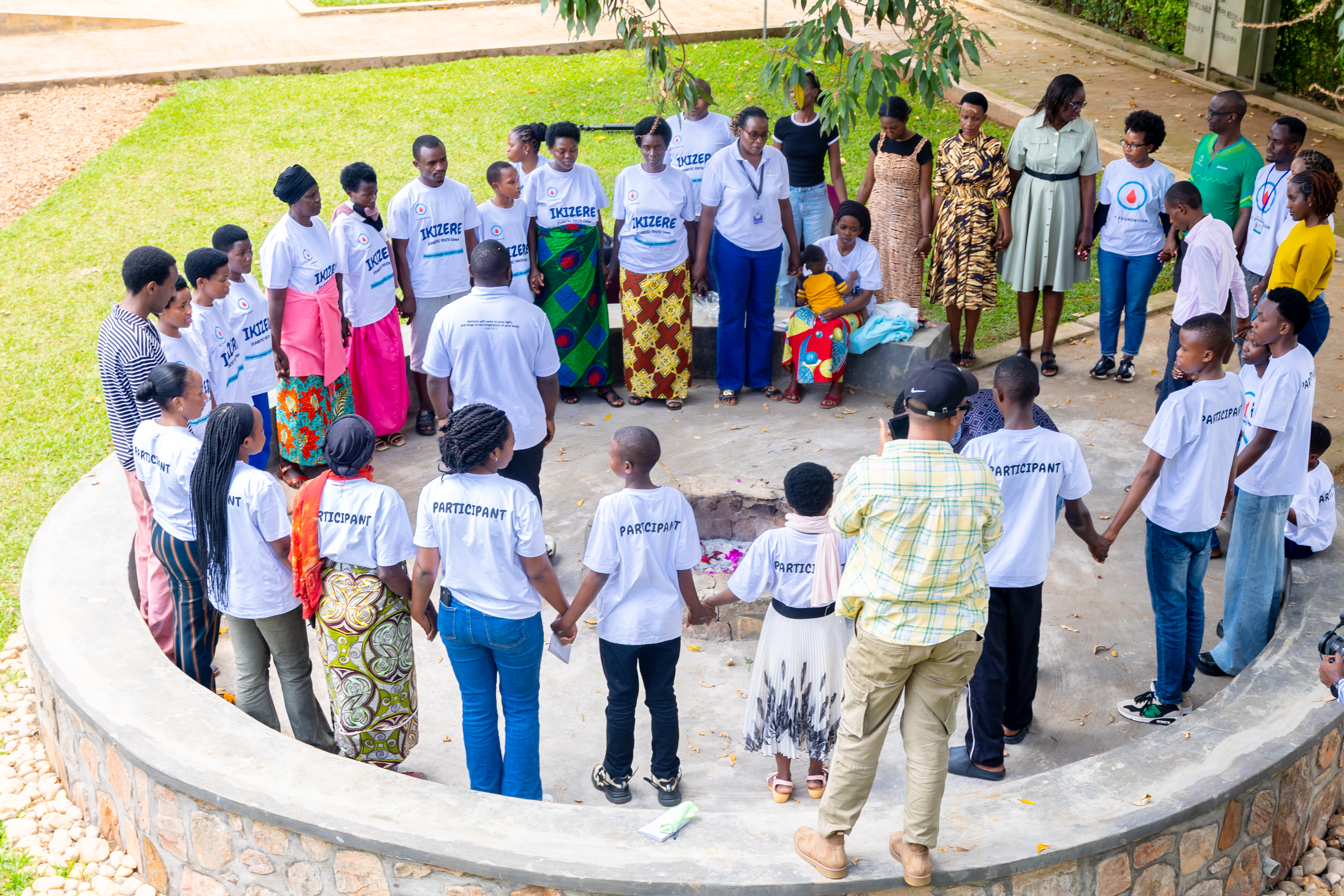
Geraldine Trada decided to use her story to create change recognizing the disparity in opportunities. Members of the Geraldine Trada Foundation community gathering, uniting to share strength, support, and hope in their journey with diabetes. Participants at the Ikizere Camp engaging in educational sessions, learning effective strategies for managing and living with diabetes.
The Government of Rwanda launched the nationwide program in 2019 to streamline Genocide memorials, with the aim of better preserving the history and evidence of the 1994 Genocide against the Tutsi.
Vedaste Ngarambe, President of Ibuka and also Chairperson of the District Advisory Council in Karongi, said the process is underway in the district.
Among the memorials already consolidated are Murangara, whose remains were transferred to Mubuga, and Bukiro, which was merged into Nyange Memorial in Ngororero District.
“The process is ongoing. The Gahunduguru memorial in Ruganda Sector will be relocated to Birambo Memorial in Gashali Sector. Mukimba memorial in Rugabano Sector will also be moved to Birambo,” he said.
District officials explained that the remaining consolidations have been delayed due to the need to upgrade Birambo Memorial, which is set to receive additional remains. However, feasibility studies have been completed, and construction is expected to begin next year.
Karongi District Mayor Gelard Muzungu said that once the process is complete, nine memorial sites will remain. These include Birambo, Mubuga, Ngoma, Bisesero, Gitesi, Rubengera, Gatwaro, Home Saint Jean, Saint Pierre, and Nyamishaba.
“We still have memorials that require construction or rehabilitation. As a priority, we plan to begin with Birambo next year, where we will relocate remains currently buried in inadequate conditions at Mukimba and Gahunduguru,” he said. “Gitesi memorial has not yet been built and is in worse condition than Home Saint Jean and Saint Pierre.”
Muzungu added that the district plans to construct or upgrade at least one memorial each year to ensure that all sites properly preserve the remains of victims, as well as the history and evidence of the Genocide against the Tutsi.
In 2022, Karongi District had initially planned to retain five memorial sites under the consolidation program. However, additional sites—Home Saint Jean, Saint Pierre, Nyamishaba, and Gitesi—were later included, bringing the total to nine.
This adjustment followed further assessment of the specific circumstances and historical significance of different locations during the Genocide.
Nyamishaba Memorial, for instance, was retained because it holds many remains recovered from Lake Kivu and will serve as a key site for commemorating victims who were thrown into the lake during the Genocide.
In 2022, Karongi District had initially planned to retain five memorial sites under the consolidation program. However, additional sites—Home Saint Jean, Saint Pierre, Nyamishaba, and Gitesi—were later included, bringing the total to nine.