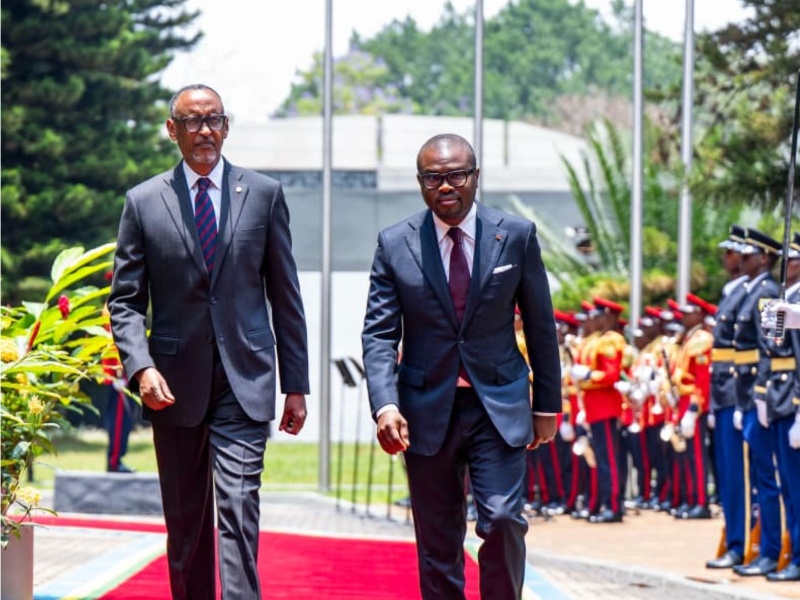
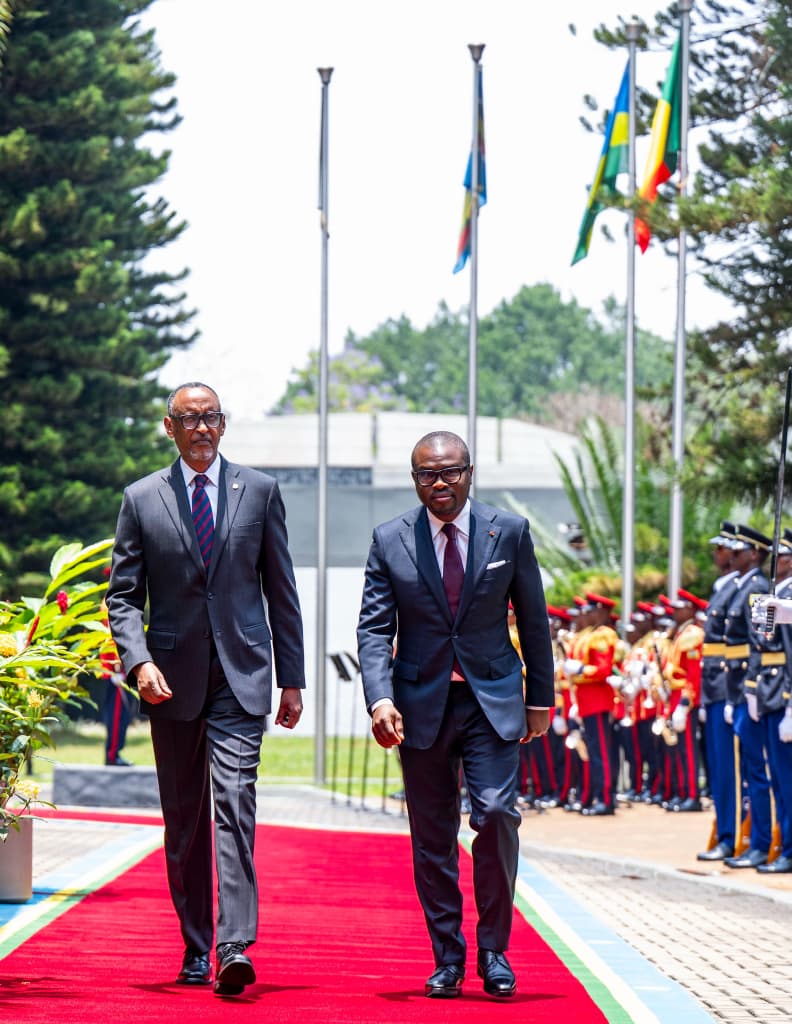
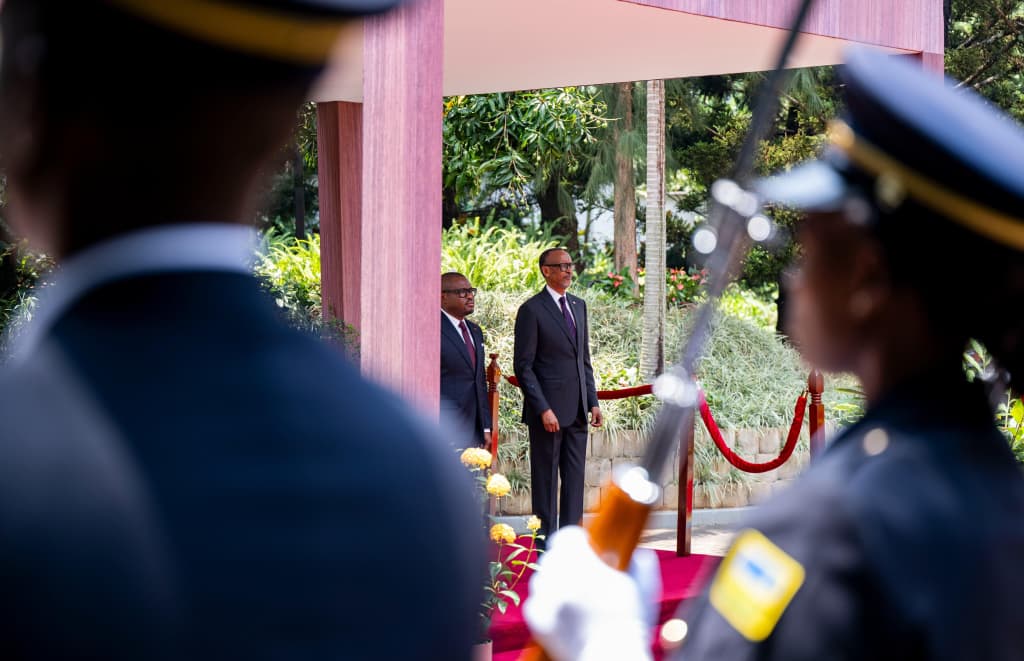
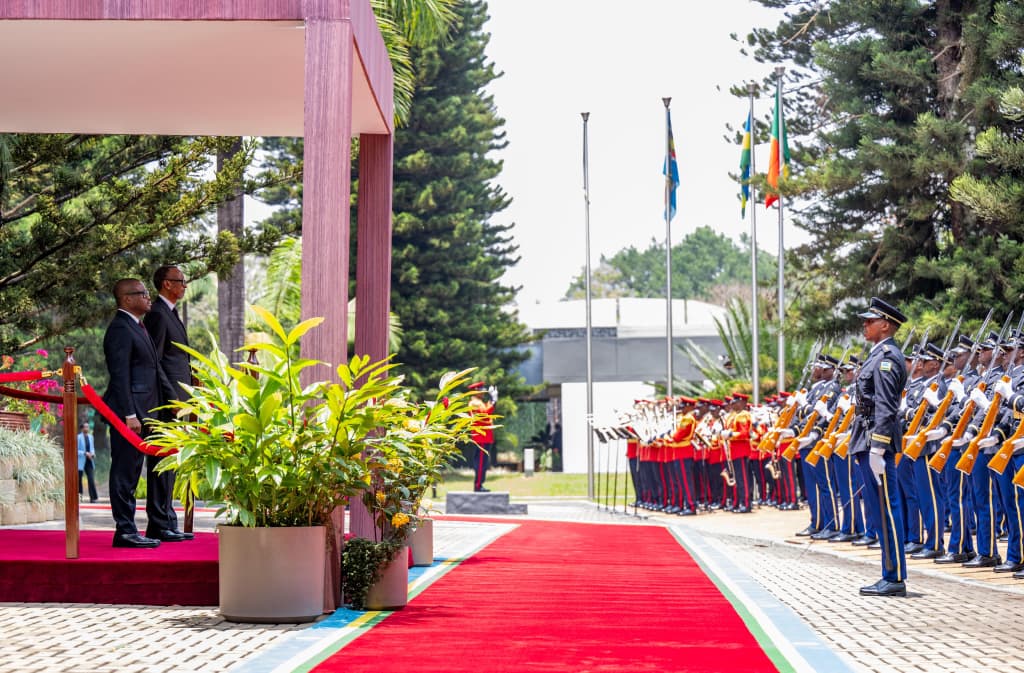
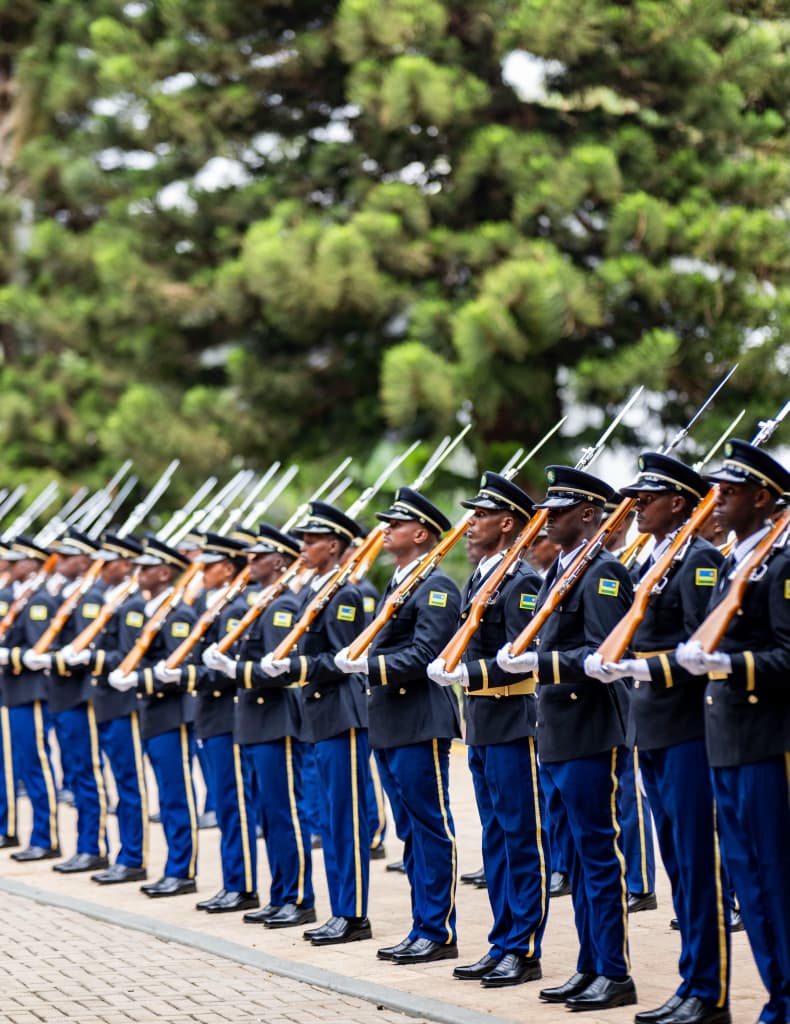
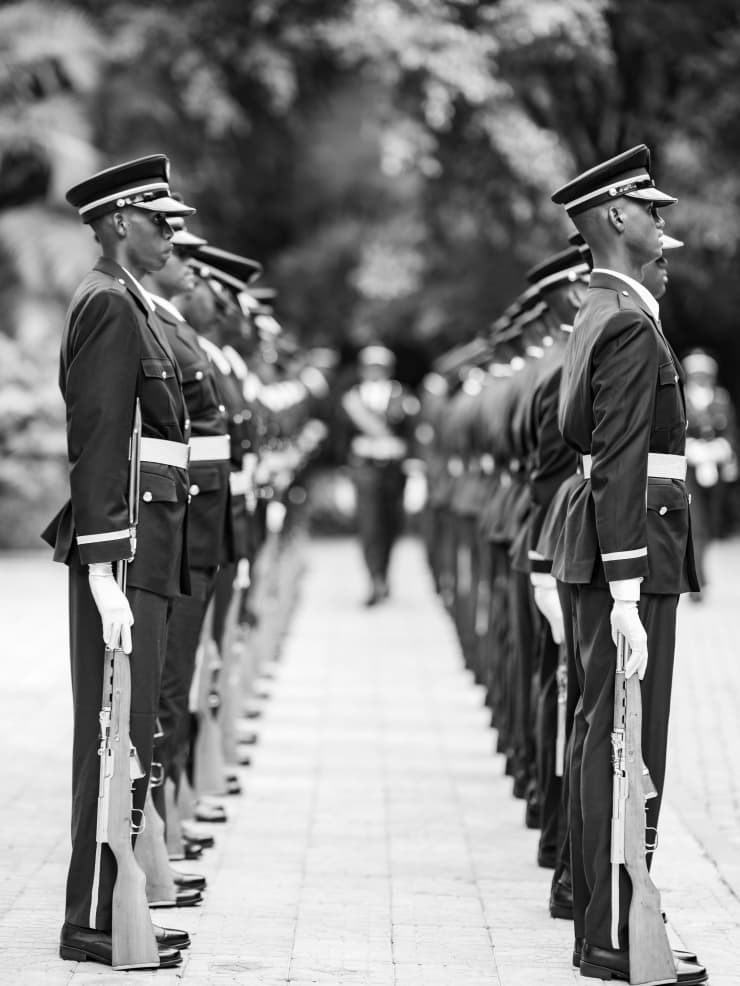
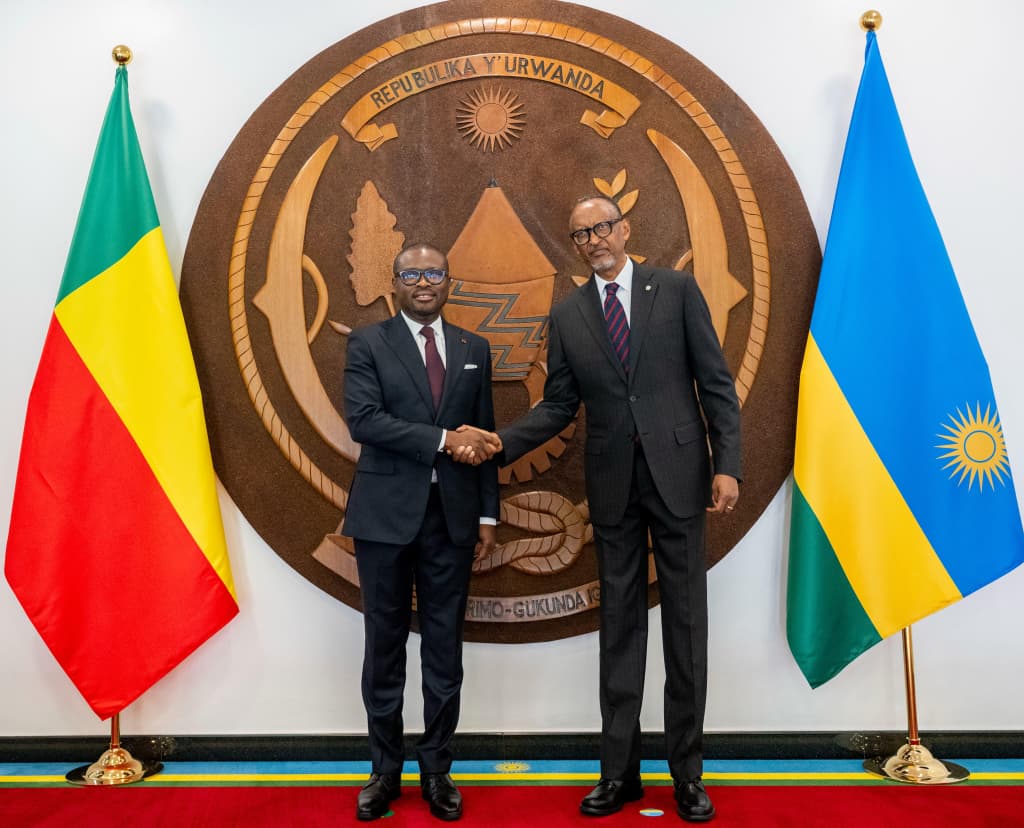
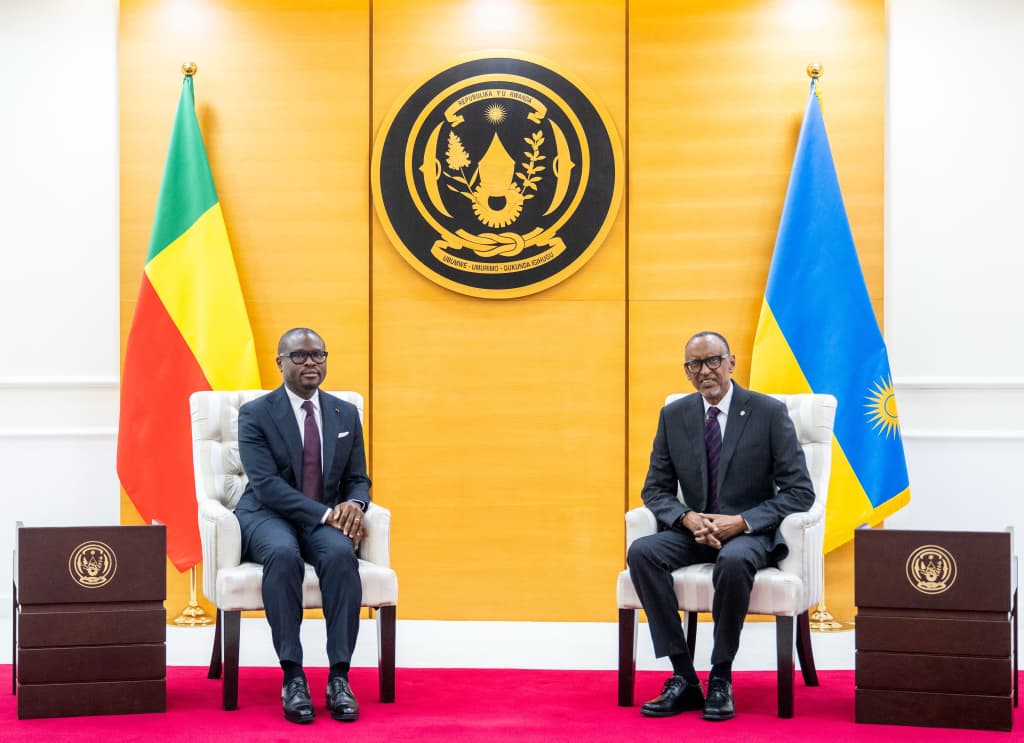
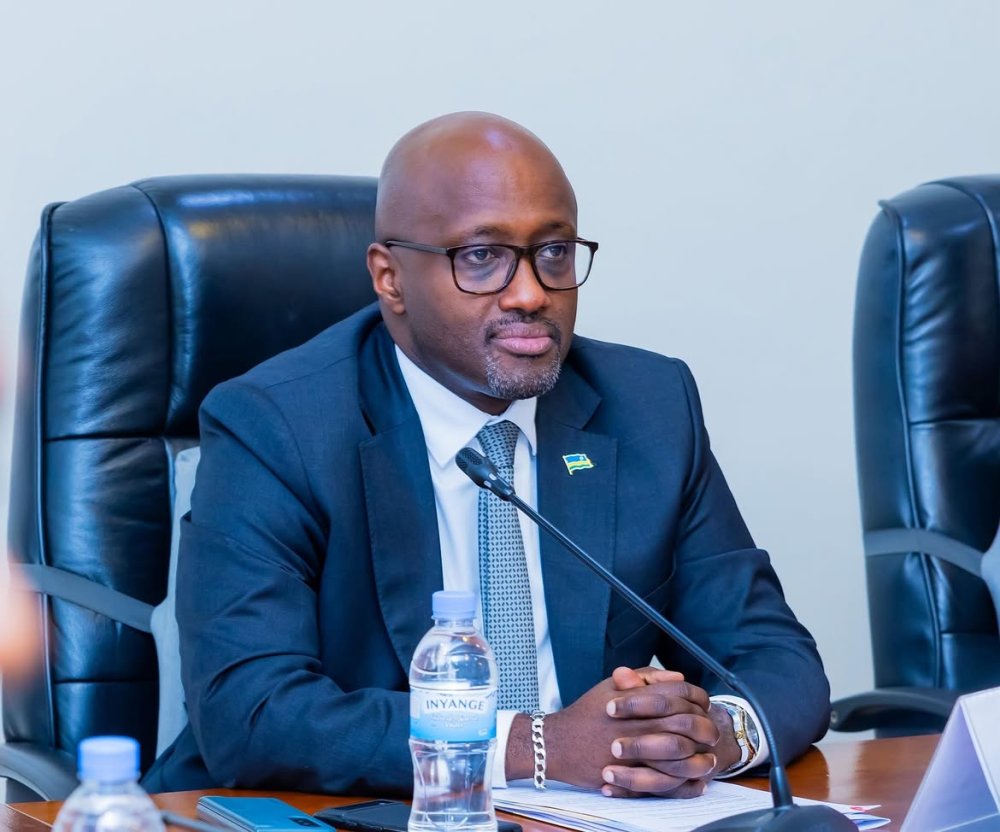
Wadagni was welcomed by President Paul Kagame at Urugwiro Village in Kigali on Wednesday, September 16, where he was received with an official welcome ceremony.
The visit comes as Rwanda and Benin continue to strengthen bilateral ties in areas including security, trade, investment, agriculture, technology and governance.
Wadagni, 49, was sworn in as Benin’s president on May 24, succeeding Patrice Talon after winning the April 12 presidential election with 94.27% of the vote. His running mate, Mariam Chabi Talata, became vice president.
According to Benin’s Constitutional Court, Wadagni received 4,575,449 votes, while his main challenger, Paul Hounkpè, received 278,297 votes. Voter turnout was 63.57%.
Before becoming president, Wadagni served as Benin’s minister of economy and finance from 2016 and was later promoted to senior minister. He previously worked at Deloitte before joining government.
The visit provides an opportunity for the two countries to review and deepen their existing cooperation.
Rwanda and Benin have expanded their partnership in recent years, with cooperation covering security and defence, economic and commercial affairs, agriculture, digital transformation, tourism and institutional development.
During President Kagame’s state visit to Benin in April 2023, the two countries signed agreements aimed at strengthening cooperation in several areas. The partnership included security and defence cooperation, with the two sides agreeing to work together to address security threats affecting Benin’s northern borders.
The countries have also pursued cooperation in trade, investment promotion, taxation, information and communications technology and other areas. Rwanda and Benin have previously described their relationship as a strategic partnership and have sought to facilitate the movement of people and goods between the two countries.
Wadagni’s visit comes less than four months after he assumed office and marks his first official trip to Rwanda as Benin’s president.
The two-day programme is expected to include discussions between the two presidents and their delegations on bilateral and regional issues.
Wadagni was welcomed by President Paul Kagame at Urugwiro Village in Kigali on Wednesday, September 16, 2026.He was received with an official welcome ceremony.The visit provides an opportunity for the two countries to review and deepen their existing cooperation.
Amb. Nduhungirehe made the remarks in an interview with Mama Urwagasabo TV published on September 15, 2026, in which he discussed what he described as the DRC government’s failure to implement the peace commitments agreed with Rwanda under the Washington Accords.
The Washington peace agreement, signed on June 27, 2025, and reaffirmed in the December 4, 2025 Washington Accords, includes commitments on the neutralisation of the FDLR and Rwanda’s lifting of defensive measures.
The implementation process is being monitored through the Joint Security Coordination Mechanism (JSCM), involving Rwanda, the DRC and international partners.
Amb. Nduhungirehe said the DRC government lacked the political will to implement its commitments, but argued that Rwanda was also concerned about what he described as a lack of impartiality by the mediator.
“There is an issue we have with the Government of Congo. But there is also another issue we have with the political will of the mediator.
“It does not make sense that the Government of Congo does whatever it wants, continues to provide weapons to the FDLR, even goes as far as organising politicians intended to give the FDLR a political face, and continues firing shells and drones at civilians in Masisi, Minembwe, Mushaki and everywhere, while the mediator does nothing about it,” he said.
Amb. Nduhungirehe said Rwanda had repeatedly informed the mediator about what it considers violations of the Washington Accords by the DRC, including alleged attacks by Congolese forces on civilians, but that the concerns had not resulted in a change of course.
“What they tell us is that they are talking to Kinshasa, that they understand what we are saying and that they are sending messages to Kinshasa. If those messages exist, they are not producing results because the attacks continue. We have never seen the Government of Congo change its policy of continuing the war,” he said.
He also questioned what he described as the mediator’s approach of communicating privately with the DRC about Rwanda’s concerns while publicly addressing allegations against Rwanda.
Amb. Nduhungirehe said Rwanda had lifted some defensive measures under the Washington process, although the United States has said Rwanda’s steps were insufficient.
“Rwanda is the country implementing what it committed to, while Congo has not started doing anything, and the mediator is watching. Congo must understand that a peace agreement is an agreement between two parties.
It has not started doing anything. On our side, there are defensive measures that we removed this year, and the Americans themselves have said so,” he said.
US Secretary of State Marco Rubio has said that although Rwanda had taken steps to lift some defensive measures, those steps were not sufficient.
Amb. Nduhungirehe argued that if Rwanda’s measures were considered insufficient, the mediator should also assess the DRC’s implementation of its own commitments.
The Washington peace agreement provides for implementation of the agreed security arrangements, including the neutralisation of the FDLR terrorist group and Rwanda’s lifting of defensive measures.
Amb. Nduhungirehe said Rwanda would continue using defensive measures if the DRC failed to neutralise the FDLR and the mediator continued, in his view, to act without impartiality.
“What we do as Rwanda, as a country, is that we will continue to defend ourselves. That is something that cannot be reversed. The Genocide against the Tutsi that happened in this country in 1994 will never happen again. We will put in place defensive measures that enable us to protect ourselves and our security, while continuing to demonstrate our willingness to implement the Washington Accords,” he said.
The Washington peace process set out a framework for the neutralisation of the FDLR and Rwanda’s lifting of defensive measures, with the parties working through the JSCM to coordinate implementation and monitoring.
At the sixth JSCM meeting in August, Rwanda and the DRC agreed to advance two initiatives aimed at strengthening monitoring and verification of implementation on the ground.
Rwanda and DRC officials are scheduled to meet in Geneva on September 16–17 for the seventh JSCM meeting to review progress in implementing the Washington Accords.
Foreign Affairs and International Cooperation Minister Olivier Nduhungirehe says Rwanda will continue taking defensive measures to protect its security amid concerns over the DRC’s collaboration with the FDLR.
The increase amounts to $22.5 million, or nearly 643%, in one year. Spending also rose sharply from the previous quarter, when residents spent $3.9 million in Europe.
The figures are contained in the Travel Expenditure Survey 2026 published by the National Institute of Statistics of Rwanda (NISR).
According to the report, residents of Rwanda travelling abroad by air spent a total of $76.2 million during the second quarter of 2026. Business and professional travel accounted for the largest share, at $32.8 million.
By destination region, Europe recorded the highest expenditure, with residents spending $26 million there. Asia followed with $17.3 million, EAC countries with $13.1 million, North America with $10.3 million and other African countries with $9.1 million.
NISR estimates that travel expenditure covers money spent by residents while staying in the countries they visit, including accommodation, food and drinks, transport, shopping, entertainment, education and health services, among others. The estimate excludes the cost of international transportation.
The $26 million is an estimate rather than a figure obtained by collecting travellers’ receipts or checking their bank accounts.
NISR calculates travel expenditure by combining the number of residents returning to Rwanda from abroad, based on data from the Directorate General of Immigration and Emigration (DGIE), with the average length of their stay and the estimated average amount spent per person per day.
In the second quarter of 2026, a total of 12,669 residents of Rwanda returned by air from Europe.
Of these, 5,330 had travelled for business and professional purposes, 4,735 to visit friends and relatives, 1,859 for holidays, 708 for education and 37 for medical reasons.
NISR estimates that residents travelling to Europe for business stayed for an average of 11 days. Those travelling for education stayed for 238 days, those seeking medical services for 22 days, holidaymakers for 16 days and those visiting friends and relatives for 17 days.
Daily expenditure also varied according to the purpose of travel. Business travellers spent an estimated average of $127 per day, those travelling for education $48, medical travellers $106, holidaymakers $130 and those visiting friends and relatives $78.
Using these estimates, the 5,330 business travellers who stayed for an average of 11 days and spent $127 per day accounted for approximately $7.45 million.
The 708 residents who travelled for education, stayed for an average of 238 days and spent $48 per day accounted for approximately $8.09 million.
Those travelling for medical reasons accounted for about $86,000, while holidaymakers accounted for approximately $3.87 million and those visiting friends and relatives about $6.28 million.
Combined, these estimates amount to approximately $25.8 million, which rounds to the reported $26 million.
The NISR report also shows that residents travelling abroad by land spent $23.5 million during the second quarter of 2026.
Business was the main purpose of these trips, accounting for $16.2 million in expenditure.
Together, the figures show that residents’ spending abroad varied considerably according to both their destination and the purpose of their travel during the quarter.
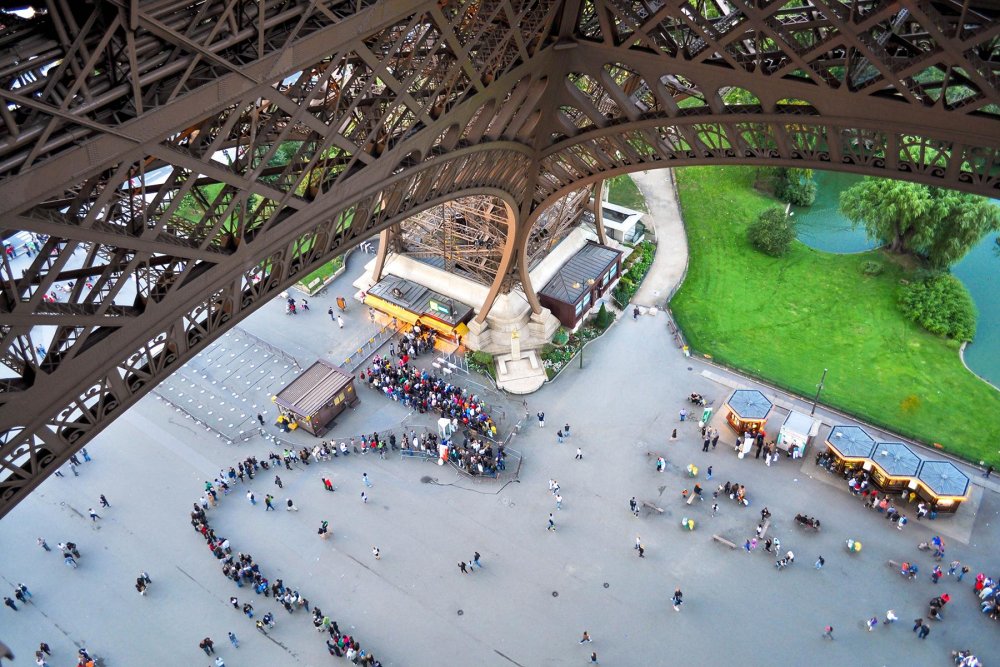
For many Rwandans travelling to Europe for holidays, visiting the Eiffel Tower in Paris offers an experience they do not want to miss.
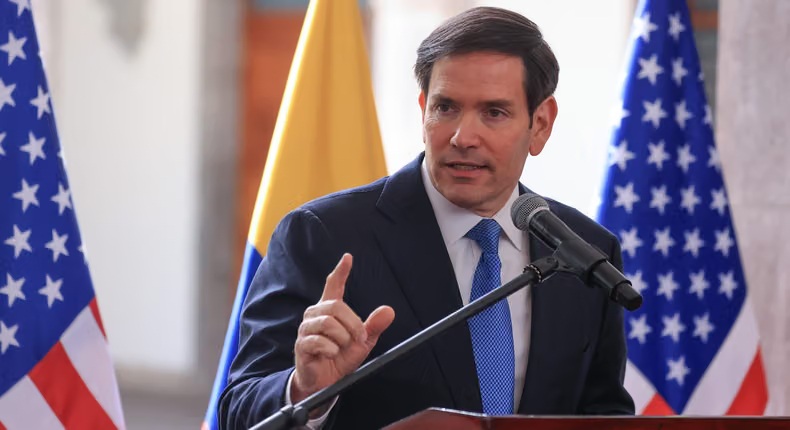
US Secretary of State Marco Rubio announced the policy on Tuesday, saying Washington had determined that the South African government had not adequately addressed concerns previously raised by the Trump administration.
The restrictions will target people whom the US says are responsible for or complicit in the enactment or implementation of laws or policies that enable uncompensated land seizures, race-based discrimination or the incitement of imminent violence against minority ethnic or racial groups in South Africa.
The US did not immediately identify any individuals affected by the restrictions.
Rubio said the policy was being imposed under Section 212(a)(3)(C) of the US Immigration and Nationality Act, which allows the secretary of state to declare a foreign national inadmissible where their entry could have potentially serious adverse consequences for US foreign policy.
“These actions directly undermine peace, economic stability, and the rule of law,” Rubio said in the statement.
The move is the latest escalation in relations between Washington and Pretoria, which have deteriorated since President Donald Trump returned to office in January 2025.
The Trump administration has repeatedly accused South Africa of discriminating against Afrikaners, the predominantly white descendants of European settlers, through its racial-equity policies and land reform programme. South Africa has rejected those allegations.
At the centre of the dispute is South Africa’s land reform policy. President Cyril Ramaphosa signed legislation allowing the state to expropriate property in the public interest, including in limited circumstances where compensation may be set at zero.
The law requires authorities, in most cases, to first seek agreement with property owners, while disputes can be challenged in court. The South African government has argued that the legislation is intended to address land inequalities created during apartheid and does not permit arbitrary seizure of property.
Land ownership remains a politically sensitive issue in South Africa, where the black majority was dispossessed of land and denied many rights under apartheid.
Trump has previously accused South Africa of failing to protect white farmers and offered refugee status to Afrikaners seeking to leave the country. South African authorities have rejected claims of a campaign of persecution against white people and have said allegations of a “white genocide” lack credible evidence.
The latest US measures come after Washington imposed a 30% tariff on South African exports in August, adding to tensions between the two countries.
The US embassy in Pretoria said the new visa restrictions were the first in a series of measures intended to demonstrate Washington’s position on the issue.
“The South African government has not adequately addressed the previously laid out concerns,” Rubio said.
US Secretary of State Marco Rubio announced the policy on Tuesday, saying Washington had determined that the South African government had not adequately addressed concerns previously raised by the Trump administration.
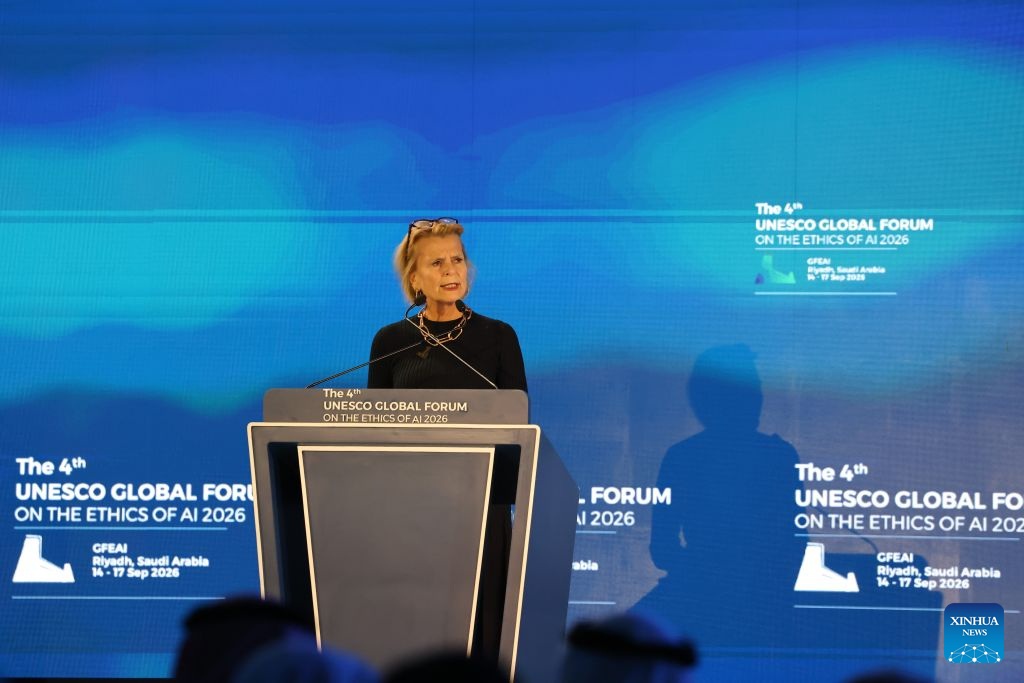
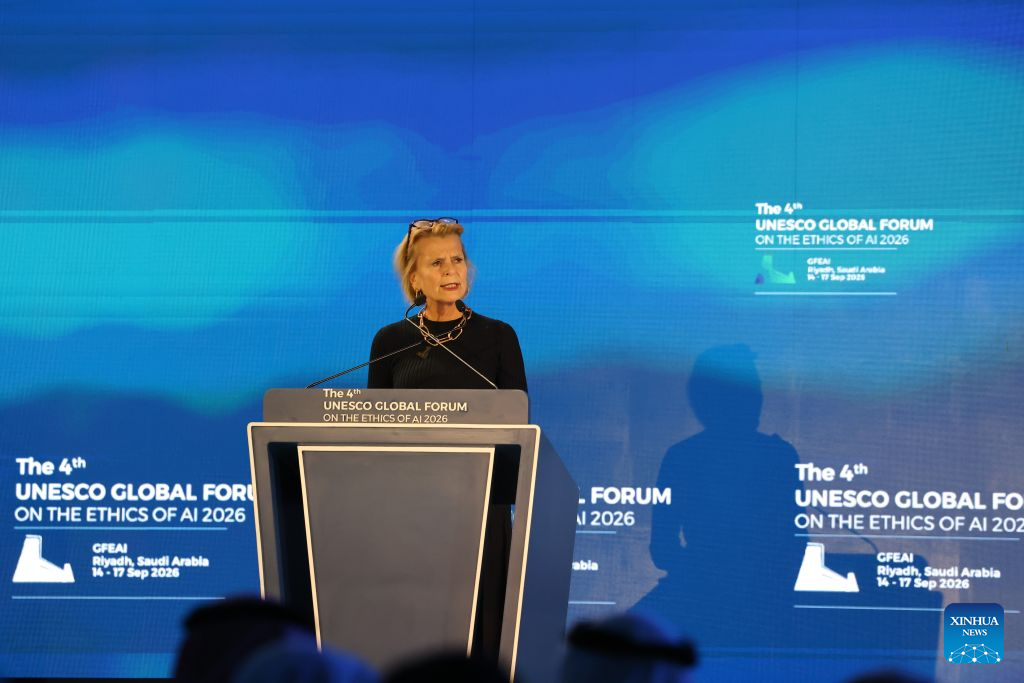
Co-hosted by the United Nations Educational, Scientific and Cultural Organization (UNESCO) and Saudi Arabia, the forum runs until Thursday, bringing together government officials, representatives of technology firms as well as experts and researchers.
“AI is advancing at unprecedented speed, while governance struggles to keep pace,” Asa Regner, deputy director-general of UNESCO, said at the opening ceremony.
Regner stressed the need for stronger global cooperation and equitable participation in AI governance, adding that the forum will explore how to turn AI ethical principles into practical implementation.
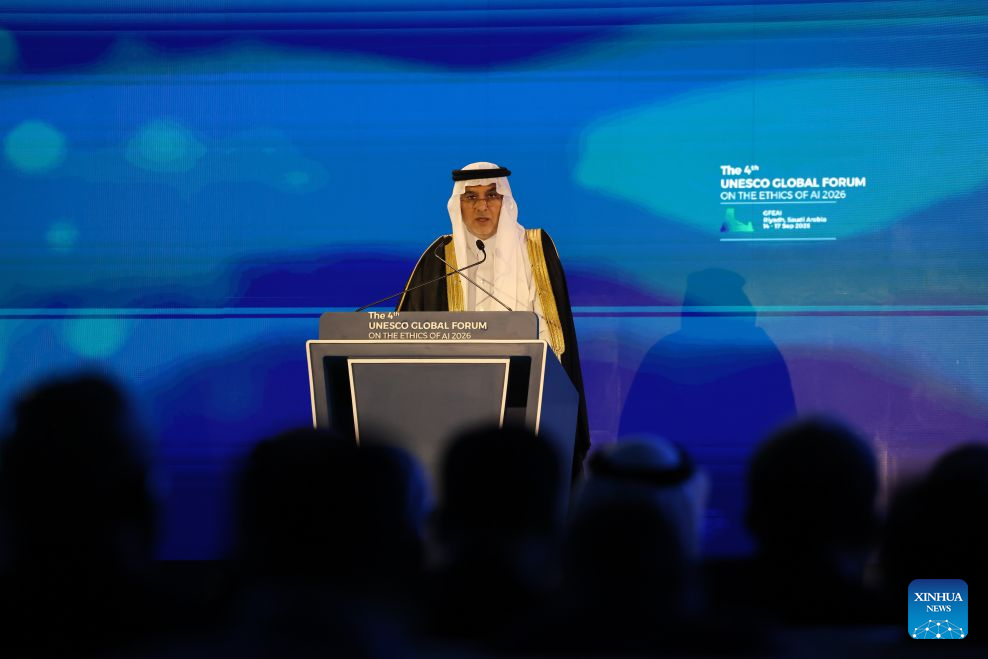
Abdullah bin Sharaf Alghamdi, president of the Saudi Data and AI Authority, said at the ceremony that countries should pursue AI governance based on common principles while tailoring policies to their own national priorities and cultural contexts.
“We need to work together, turn shared principles into action and make AI governance inclusive, accountable and people centered,” he said.
Since its inception in 2022, the forum has convened global stakeholders from government, academia, civil society, and the private sector to advance dialogue and cooperation on the ethical governance of AI.
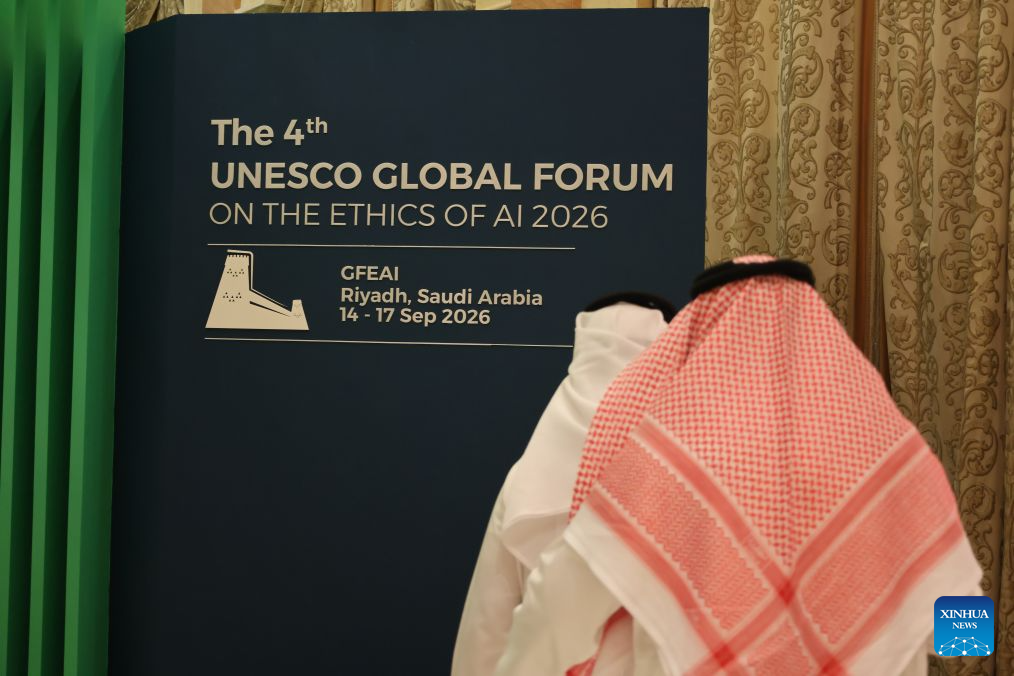
Asa Regner, deputy director-general of UNESCO speaks at the opening ceremony of the 4th Global Forum on the Ethics of Artificial Intelligence in Riyadh, Saudi Arabia, Sept. 15, 2026. The 4th Global Forum on the Ethics of Artificial Intelligence (AI) opened in Riyadh on Tuesday, where delegates discussed aligning AI development with safety and responsibility requirements.Abdullah bin Sharaf Alghamdi, president of the Saudi Data and Artificial Intelligence Authority speaks at the opening ceremony of the 4th Global Forum on the Ethics of Artificial Intelligence in Riyadh, Saudi Arabia, Sept. 15, 2026. The 4th Global Forum on the Ethics of Artificial Intelligence (AI) opened in Riyadh on Tuesday, where delegates discussed aligning AI development with safety and responsibility requirements. Participants walk past a display board during the 4th Global Forum on the Ethics of Artificial Intelligence in Riyadh, Saudi Arabia, Sept. 15, 2026. The 4th Global Forum on the Ethics of Artificial Intelligence (AI) opened in Riyadh on Tuesday, where delegates discussed aligning AI development with safety and responsibility requirements.
The National Institute of Statistics of Rwanda (NISR), in its Travel Expenditure Survey 2026, reported that between April and June 2026, international visitors who travelled to Rwanda by air for holiday purposes spent $57.6 million.
Of this amount, 79.4% was associated with gorilla tourism. Based on this share, gorilla-related tourism accounted for approximately $45.7 million.
The figure represents nearly 28% of Rwanda’s total travel service receipts of $161.8 million recorded during the second quarter of 2026.
However, the $45.7 million does not represent revenue from gorilla trekking permits alone. NISR’s calculation covers the overall spending of visitors in Rwanda, including accommodation, food and drinks, domestic transport, shopping, entertainment, visits to tourist attractions and other services.
This means visitors who come to see gorillas contribute to the economy not only through trekking permits but also through spending at hotels, restaurants, transport services, shops and other businesses during their stay.
More than 6,000 visitors came for gorilla tourism
Data from Rwanda’s Directorate General of Immigration and Emigration shows that 6,023 visitors who entered Rwanda by air in the second quarter of 2026 indicated that gorilla tourism was the purpose of their trip.
North American visitors accounted for the largest share, with 3,469 arrivals, followed by visitors from Europe at 1,008.
They were followed by visitors from other parts of the world at 590, other African countries at 412, East African Community countries at 294 and Asia at 250.
The figures highlight the importance of the North American market to Rwanda’s tourism sector.
Overall, North American visitors also recorded the highest spending among air travellers to Rwanda during the quarter, at $40.2 million.
Visitors from Europe spent $27.7 million, those from other African countries spent $27.1 million, while visitors from East African Community countries spent $22.2 million.
Tourism remains the leading source of travel revenue
Holiday and tourism trips generated the highest travel receipts in Rwanda during the second quarter of 2026.
They generated $59.7 million, representing 36.9% of the country’s total travel service receipts. Visits to friends and relatives generated $45.5 million, while business and professional trips generated $40.2 million.
Among air travellers alone, holiday visitors spent $57.6 million, compared with $37.3 million spent by those visiting friends and relatives and $33.1 million by business travellers.
Overall, Rwanda recorded $161.8 million in travel service receipts in the second quarter of 2026, up from $151.4 million in the first quarter.
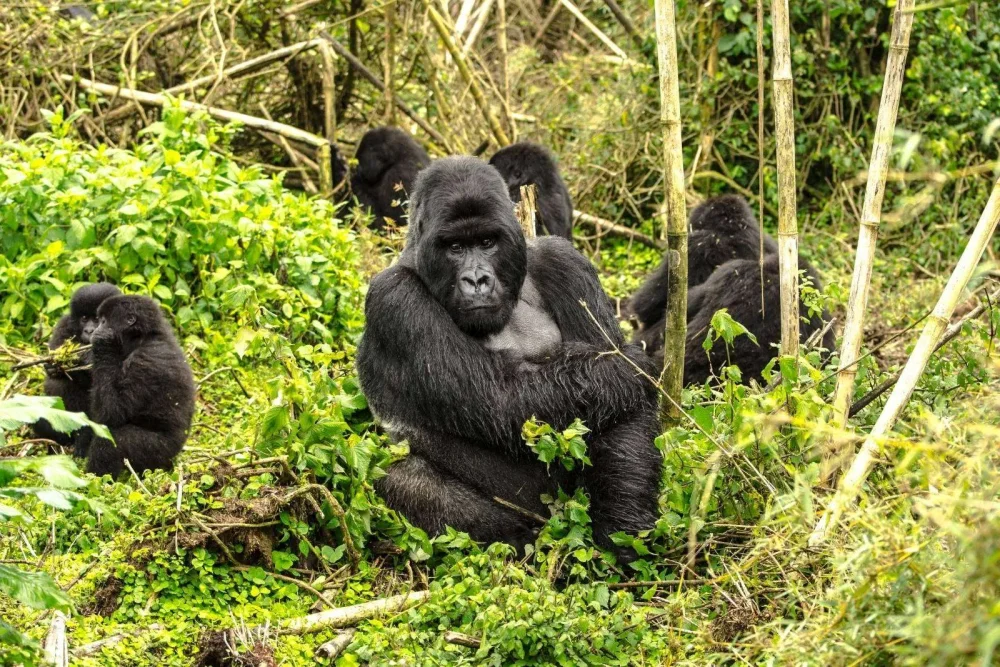
Rwanda’s mountain gorillas continue to draw wildlife enthusiasts from around the world to Volcanoes National Park.
GDP at current market prices reached Rwf7.17 trillion in the quarter, up from Rwf5.8 trillion in the second quarter of 2025, NISR said in its latest GDP report released on September 15. Services accounted for 51% of GDP, followed by industry at 23% and agriculture at 21%, while indirect taxes contributed 5%.
Industry was the fastest-growing sector, expanding by 18% year-on-year. Construction activities grew by 24%, while mining and quarrying increased by 26% and manufacturing rose by 10%.
NISR attributed the strong industrial performance to increased construction activity, which boosted demand for locally manufactured construction materials.
Manufacturing growth was driven by a 51% increase in the production of metal products, machinery and equipment. Manufacturing of non-metallic mineral products grew by 22%, while textiles, clothing and leather products increased by 13%.
Services grew by 7% in the second quarter. Wholesale and retail trade increased by 18%, while transport services grew by 7%.
Information and communication services recorded particularly strong growth of 29%, while administration and support services and professional services each grew by 9%. Hotels and restaurants expanded by 5%, while financial services grew by 4%.
Agriculture grew by 4% in the quarter.
Food crop production increased by 5%, but export crop production fell by 20%, mainly due to a 33% decline in coffee production. The decline was partly offset by an 18% increase in tea production.
The latest GDP figures come as Rwanda’s economy continues to face external pressures, with NISR noting that economic performance in the second quarter remained resilient despite spillovers from geopolitical tensions in the Middle East.
GDP at current market prices reached Rwf7.17 trillion in the quarter, up from Rwf5.8 trillion in the second quarter of 2025, NISR said in its latest GDP report released on September 15.
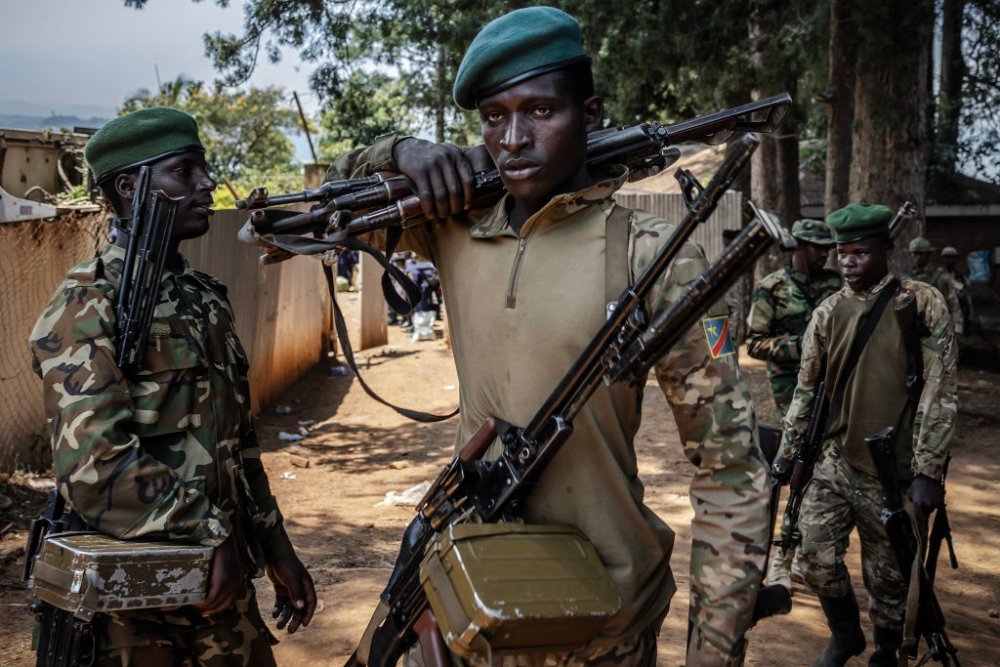
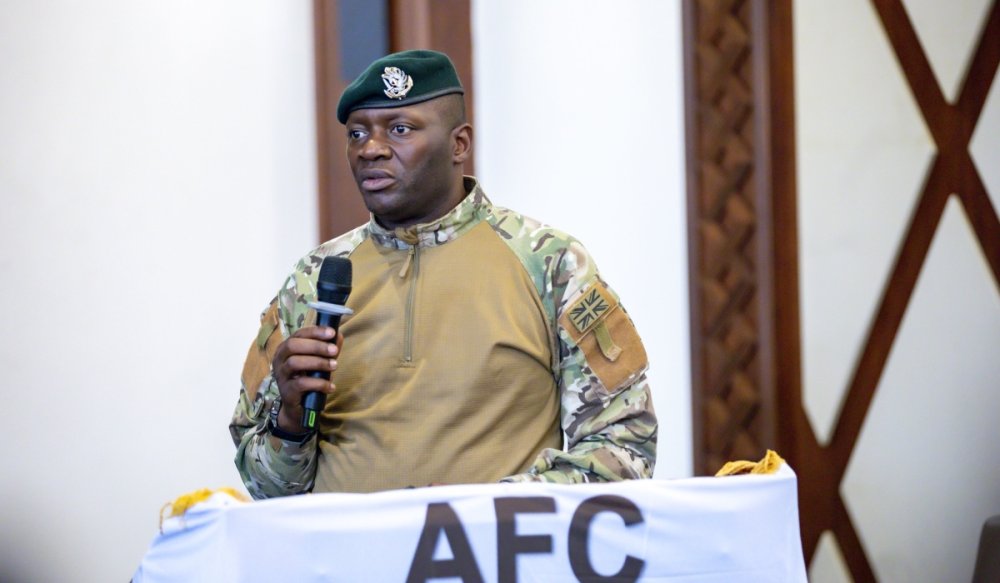
In a post on X on Tuesday, September 15, AFC/M23 spokesperson Lawrence Kanyuka said the attacks took place in the morning, resulting in deaths and forcing civilians to flee their homes in search of safety.
He said the first attack was launched at around 8:30 a.m., followed by another at 9:30 a.m. in the Ntekomiko and Kareta areas of Masisi.
Kanyuka added that at around 11:30 a.m., DRC government forces launched another attack in the Point-Zéro area using ground troops.
“Currently, AFC/M23 forces continue to protect and defend civilians,” he wrote.
The accusations come despite an agreement by the two sides to observe a ceasefire and establish a joint mechanism to monitor compliance with the truce.
AFC/M23 spokesperson Lawrence Kanyuka said the attacks took place in the morning, resulting in deaths and forcing civilians to flee their homes in search of safety.
The decision was made during the World Athletics Council meeting in Budapest on Monday and Tuesday, September 14-15, following a competitive bidding process that included Nairobi, Munich, London and Rome. Munich was selected to host the 2031 edition.
The 2029 championships will be held in Nairobi, with the 48,000-capacity Kasarani Stadium serving as the main venue. The event will mark the first time the senior World Athletics Championships have been held on African soil.
World Athletics President Sebastian Coe described Nairobi’s bid as “compelling and emotional”, saying Kenya’s deep connection with athletics made it an appropriate host for the historic edition.
“Kenya is one of the great athletics nations. The sport is woven into the fabric of the country,” Coe said.
“It was important that the World Championships should come to Africa when we had the right host, the right bid and the right circumstances. Nairobi has demonstrated emphatically that this is their moment.”
Kenya’s athletics record was a central part of its successful bid. The country is the second-most successful nation in World Athletics Championships history and finished second on the medal table at the 2025 championships in Tokyo, winning seven gold medals and 11 medals overall.
Its athletes have also played a major role in shaping the history of the sport, including Olympic and world champions such as Faith Kipyegon, Eliud Kipchoge, Hellen Obiri, Vivian Cheruiyot and David Rudisha.
Kenya has also built experience hosting major international athletics events in Nairobi. The capital staged the World U18 Championships in 2017 and the World U20 Championships in 2021, while Kenya has hosted other major global athletics competitions.
Nairobi’s bid also benefited from ongoing upgrades to Kasarani Stadium and other sports infrastructure ahead of the 2027 Africa Cup of Nations, which Kenya will co-host with Tanzania and Uganda.
The successful bid follows Kenya’s unsuccessful attempt to host the 2025 World Athletics Championships. Tokyo was ultimately awarded that edition.
World Athletics said Kenya’s strong public interest in athletics was another factor supporting Nairobi’s bid. Research cited by the governing body found that 68% of Kenyans surveyed had a high level of interest in athletics, compared with a global average of 39%.
The 2029 championships will represent a major milestone for African athletics, bringing the sport’s premier global competition to a continent that has produced some of its most successful athletes but has never previously hosted the senior World Championships.
The next World Athletics Championships will be held in Beijing from September 10-19, 2027, before the event moves to Nairobi in 2029.
Kenyan athletes have played a major role in shaping the history of the sport, including Olympic and world champions such as Faith Kipyegon, Eliud Kipchoge, Hellen Obiri, Vivian Cheruiyot and David Rudisha.
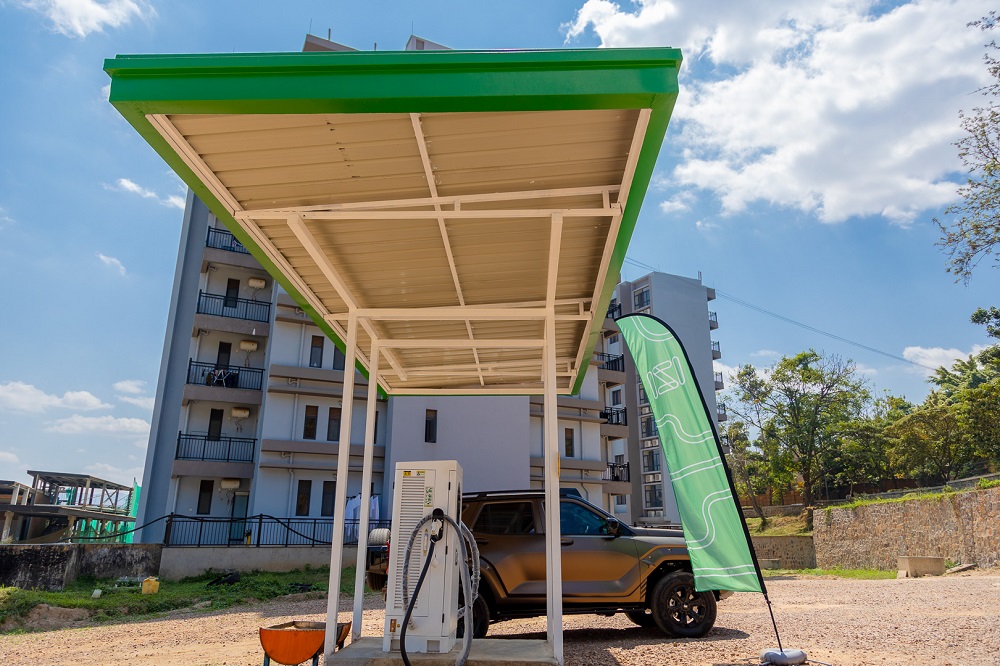
The move is intended to expand the charging network across the country and make it easier for electric vehicle owners to travel without worrying about where to recharge.
Rwanda is expected to have 218 electric vehicle charging stations by 2027.
Byiringiro Alfred, Chief Technical Advisor for Transport at MININFRA, said the government has already identified priority locations for charging infrastructure and will work with private investors to develop the sites.
He made the remarks at the Renewable Energy for Sustainable Growth (RE4SG) 2026 in Kigali.
“Some areas may not offer enough commercial returns to attract private investment in electric vehicle charging infrastructure. In such cases, the government needs to support private investors and may also invest directly to ensure the necessary facilities are built,” Byiringiro said.
He said a reliable charging network was essential to the wider adoption of electric vehicles.
“You cannot promote electric mobility without adequate charging infrastructure. It is essential to have that infrastructure in place,” he said.
The government has already supported the sector by helping investors access land for charging stations and providing tax incentives.
Since 2021, Rwanda has introduced a range of measures to encourage the adoption of electric vehicles, including reducing or removing some taxes on electric vehicles and related equipment.
MININFRA is also working on standards for electric vehicles and charging equipment to ensure that products entering the Rwandan market meet required quality and durability standards.
“We need appropriate standards for both vehicles and charging infrastructure to ensure that people who buy electric vehicles can use them for many years rather than having them last only one or two years,” Byiringiro said.
More than 7,000 electric vehicles had been registered in Rwanda by the end of 2024, following their introduction to the country in 2020.
Rwanda plans to fund EV charging stations in areas with limited private investment.