He is also asking the court to order a DNA test to establish whether he is the child’s biological father.
Ouedraogo filed the case on September 17, 2026, following a divorce case filed by Ishimwe Vestine.
According to the court filing seen by IGIHE, Ishimwe Vestine cited alleged abuse as one of the reasons for seeking a divorce, saying she was subjected to it after discovering that Ouedraogo had other wives.
Ouedraogo denies the allegations in his filing.
He also claims that he has never seen the child since their birth, despite repeatedly asking to be allowed to meet them.
As he awaits the substantive hearing of the divorce case, Ouedraogo is asking the court to order Ishimwe Vestine to allow him to see the child.
He said he is concerned that a legal separation from the child’s mother could make it difficult for him to maintain contact with the child, particularly because Vestine lives abroad.
Ouedraogo has also asked the court to order a DNA test involving him and the child to establish paternity.
He said the test would help address his concerns over his inability to meet the child and enable him to establish whether he has parental responsibilities towards them.
In his application to Kicukiro Primary Court, Ouedraogo asked that the requests concerning the child be addressed before the divorce case filed by Ishimwe Vestine proceeds to a substantive hearing.
Vestine and Ouédraogo married on July 5, 2025, after their relationship became public. The couple had earlier formalised their union through a civil marriage.
The now-estranged couple tied the knot in July 2025. Ouedraogo filed the case on September 17, 2026, following a divorce case filed by Ishimwe Vestine.
The figure combines outbound travel spending recorded in the first and second quarters of the year: $98.1 million in Q1 and $99.7 million in Q2, marking a steady rise in what Rwandans are spending on trips outside the country.
The survey is conducted jointly by NISR, the National Bank of Rwanda (NBR), the Rwanda Development Board (RDB), and the Directorate General of Immigration and Emigration (DGIE), drawing on interviews with returning residents at 11 border points, including Kigali International Airport.
“The results of this survey are instrumental in addressing a diverse range of tourist interests and in enhancing overall travel experiences,” the report notes.
Business travel leads the spend
Business was the dominant driver of outbound spending in Q2, accounting for 49.1% ($49.0 million) of that quarter’s total import bill. Visiting friends and relatives (VFR) followed at 20.6% ($20.5 million), with education-related travel contributing 19.0% ($18.9 million). Holiday and health-related travel made up the smallest shares.
Air travel accounted for the largest portion of spending, at $76.2 million in Q2 alone, compared to $23.5 million spent by residents travelling through land borders.
By region, Europe recorded the highest spending among air travellers in Q2, at $26.0 million, followed by Asia at $17.3 million and the East African Community (EAC) at $13.1 million. Among residents travelling by land, the EAC accounted for nearly all spending, at $23.5 million, reflecting the region’s proximity and frequent cross-border movement for business and family visits.
Outbound spending on a steady climb
NISR’s data shows that Rwandans’ spending abroad has risen consistently over recent quarters, climbing from $83.7 million in the first quarter of 2025 to $99.7 million by the second quarter of 2026, an upward trend even as global and regional travel patterns fluctuate.
Despite the rising outbound bill, Rwanda’s earnings from foreign visitors continue to outpace what residents spend abroad. In Q2 alone, the country earned $161.8 million from non-resident travellers, leaving a net travel services surplus of $62.1 million for the quarter.
The estimates are derived by combining survey findings on average length of stay and average daily expenditure abroad with official traveller volumes recorded by the DGIE.
Rwandan residents spent an estimated $197.8 million (about Rwf291 billion) on travel abroad in the first half of 2026, according to the latest National Institute of Statistics of Rwanda’s (NISR) biannual Travel Expenditure Survey (TES) released in mid-September.
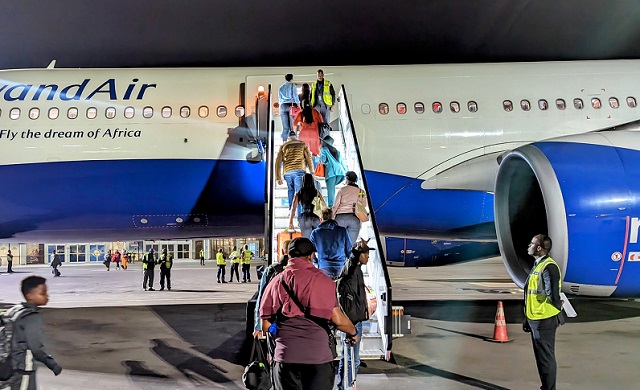
The figure represents the country’s export of travel services, spending by non-resident visitors while in Rwanda, and marks an increase from $151.4 million (Rwf222 billion) recorded in the first quarter of the year.
The survey, conducted jointly by NISR, the National Bank of Rwanda (NBR), the Rwanda Development Board (RDB), and the Directorate General of Immigration and Emigration (DGIE), gathered data from travellers at 11 border points, including Kigali International Airport, between May and July 2026.
Air travel dominates earnings
Visitors arriving by air accounted for the bulk of the earnings, contributing $135.4 million (Rwf199 billion), or 83.7%, of total travel credits. Land border arrivals contributed the remaining $26.4 million (Rwf39 billion).
By purpose of visit, holiday travel was the single largest contributor, bringing in $59.7 million (Rwf88 billion), or 36.9% of total credits. Visitors travelling to see friends and relatives (VFR) contributed 28.1% ($45.5 million), while business travellers accounted for 24.9% ($40.2 million).
Gorillas the star attraction
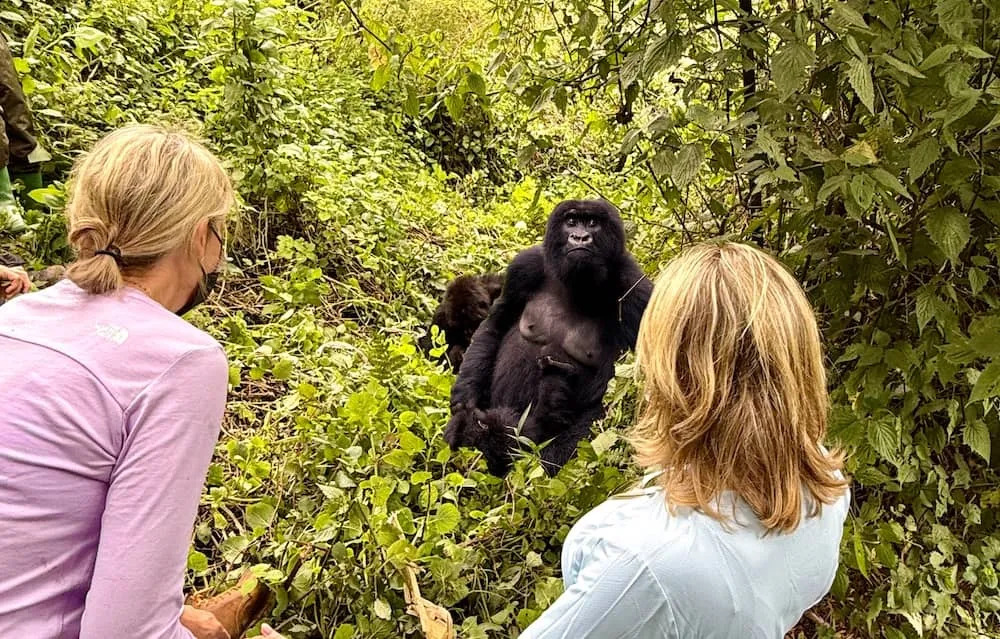
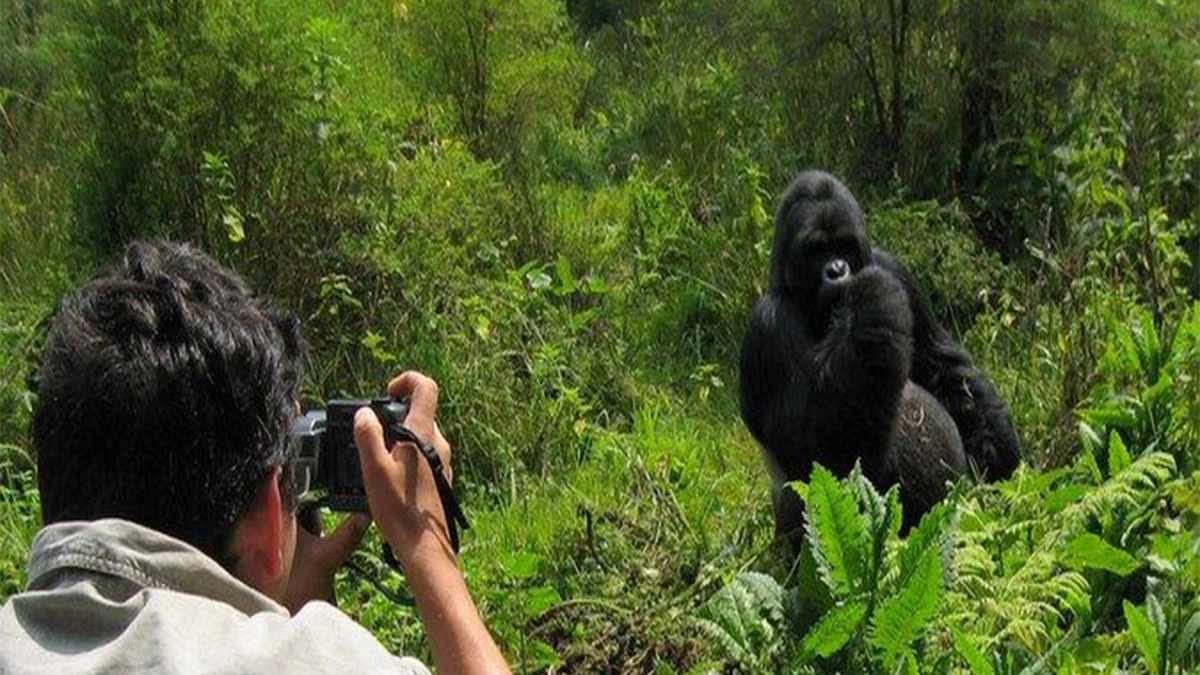
Within the holiday travel segment, gorilla tourism proved to be the dominant revenue driver. Of the $57.6 million (Rwf85 billion) generated from holiday travel by air, gorilla-related visits accounted for 79.4% of that total, underscoring the primate’s continued role as Rwanda’s flagship tourism product.
By region, North America was the top-spending market, with visitors from the region contributing $40.2 million. Europe followed with $27.7 million, while visitors from the rest of Africa spent $27.1 million. Travellers from the East African Community (EAC) contributed $22.2 million by air, and were the largest spenders by land, accounting for $13.6 million of the $26.4 million recorded through land borders.
Outbound spending also rises
While Rwanda earned $161.8 million from inbound travel, residents travelling abroad spent $99.7 million during the same period, up from $98.1 million in the first quarter, leaving Rwanda with a net travel services surplus of $62.1 million.
Business was the leading purpose for outbound spending, accounting for 49.1% ($49.0 million) of the import bill, followed by visits to friends and relatives at 20.6% ($20.5 million) and education-related travel at 19.0% ($18.9 million). Europe was the top destination for spending among air travellers, at $26.0 million, while the EAC accounted for nearly all spending by residents travelling by land, at $23.5 million.
The estimates are derived by combining survey findings on average length of stay and average daily expenditure with official traveller volumes recorded by the DGIE.
Within the holiday travel segment, gorilla tourism proved to be the dominant revenue driver. Of the $57.6 million (Rwf85 billion) generated from holiday travel by air, gorilla-related visits accounted for 79.4% of that total, underscoring the primate’s continued role as Rwanda’s flagship tourism product.
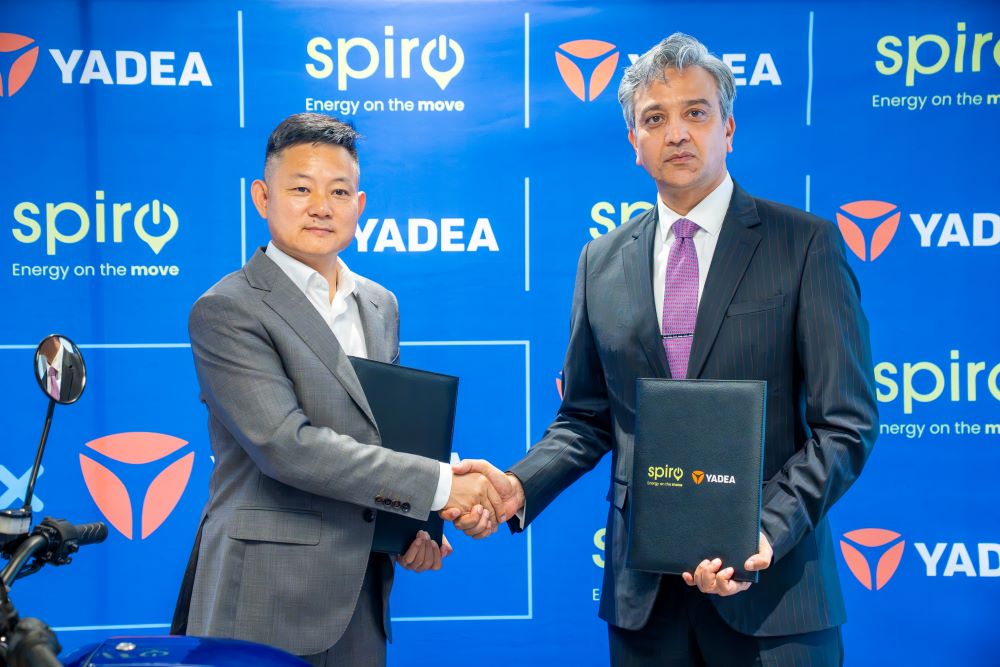
Now, that transformation is getting closer to Rwanda after Yadea Technology Group, one of the world’s leading electric two-wheeler manufacturers, signed a strategic partnership with Spiro, Africa’s electric mobility company, to expand accessible and sustainable transport solutions.
The agreement connects Yadea’s global manufacturing strength and research capabilities with Spiro’s operations and battery-swapping network in countries where it operates, including Rwanda.
Under the partnership, Yadea will supply electric two-wheelers and related products adapted to Spiro’s markets, while both companies develop motorcycles designed for local road conditions and commercial use.
Founded in 2001, Yadea has grown from an electric vehicle manufacturer into a global mobility company combining research and development, intelligent manufacturing, sales networks and after-sales services.
Today, Yadea products are used in more than 100 countries, with more than 100 million electric vehicles sold worldwide.
Its portfolio includes electric motorcycles, electric bicycles, electric three-wheelers, electric scooters, folding bikes, graphene lead-acid batteries, sodium-ion batteries and related spare parts.
A major milestone came in May 2016, when Yadea became the first electric vehicle company in China’s industry to be listed on the Hong Kong Stock Exchange.
Headquartered in Wuxi, Yadea has developed a global manufacturing and innovation network with 10 production and research bases located in Jiangsu, Tianjin, Zhejiang, Guangdong, Chongqing and Anhui in China, as well as Vietnam, Indonesia, Thailand and Mexico.
The company operates more than 40,000 retail stores worldwide, holds more than 2,000 patents, operates three national-level CNAS laboratories, six technology research and development centres and one national-level industrial design centre.
Through these facilities, Yadea has developed technologies in batteries, motors, electronic controllers and intelligent vehicle systems.
Its achievements have also received recognition in China. In 2021, Yadea was accredited as one of the “5th Batch of National Industrial Design Centers (2022–2025)”. In 2022, it was recognised as a “National Intellectual Property Advantage Enterprise”, while in 2024 it ranked 249th among China’s Top 500 Private Enterprises.
Rwanda, a thousand opportunities
In Rwanda, motorcycles play a major role in daily transport, connecting workers, students, businesses and communities.
Rising fuel costs, maintenance expenses, environmental concerns and road safety challenges have increased interest in electric mobility.
In 2025, Rwanda stopped registering petrol-powered motorcycles for passenger transport as part of efforts to accelerate cleaner transport solutions.
Since electric motorcycles entered the Rwandan market, their number has increased by 686%, creating a growing opportunity for companies such as Yadea.
Spiro has already established a strong presence in Rwanda. In an interview with IGIHE in June 2026, Spiro Rwanda Managing Director Amit Chawla said the company had approximately 25,000 electric motorcycles operating on Rwanda’s roads and around 350 battery-swapping stations.
Over the next five years, Spiro plans to expand its Rwanda operations to between 75,000 and 80,000 electric motorcycles, nearly 3,000 employees, around 1,000 battery-swapping stations and between 65,000 and 70,000 batteries.
The company previously secured $215 million to accelerate expansion before announcing a larger growth phase following a $270 million funding round that included investment from NewTrails Capital, a Chinese fund.
The recently signed agreement connects Yadea’s global manufacturing strength and research capabilities with Spiro’s operations and battery-swapping network in countries where it operates, including Rwanda.
Smart technology for future transport
During a visit to Yadea’s facilities in Wuxi, the company’s Head of Overseas Branding, Sam Yuan, told IGIHE that Yadea adapts its products to meet different market needs.
“Our purpose of cooperating with Spiro is to bring Yadea’s manufacturing and technology advantages to riders through Spiro’s local network and battery exchange channels,” he said.
The company is developing smart motorcycles equipped with technologies such as intelligent identification systems, facial recognition, Traction Control System (TCS), anti-slip technology, Hill Descent Control (HDC) and power-cut systems when motorcycles stop.
Products designed specifically for African markets are expected to be introduced in 2027.
The company also focuses on battery sustainability, saying 98% of materials used in its lithium batteries can be recycled, while the remaining 2% does not create harmful environmental impact.
Yadea’s industrial scale supports its global expansion.
Its Tianjin base has 24 complete-vehicle assembly lines and targets annual production and sales capacity of 10 million units, with an output value of nearly RMB 30 billion.
Its Chongqing base, built with an investment of around RMB 1 billion (220 billion Rwandan francs), covers 22 hectares, has a construction area of 221,000 square metres and is designed to produce five million units annually.
The facility is expected to generate output exceeding 10 billion yuan (more than Rwf2.2 trillion) and create more than 5,000 jobs.
Internationally, Yadea’s Vietnam, Indonesia, Thailand and Mexico bases have a combined planned annual production capacity of 750,000 units.
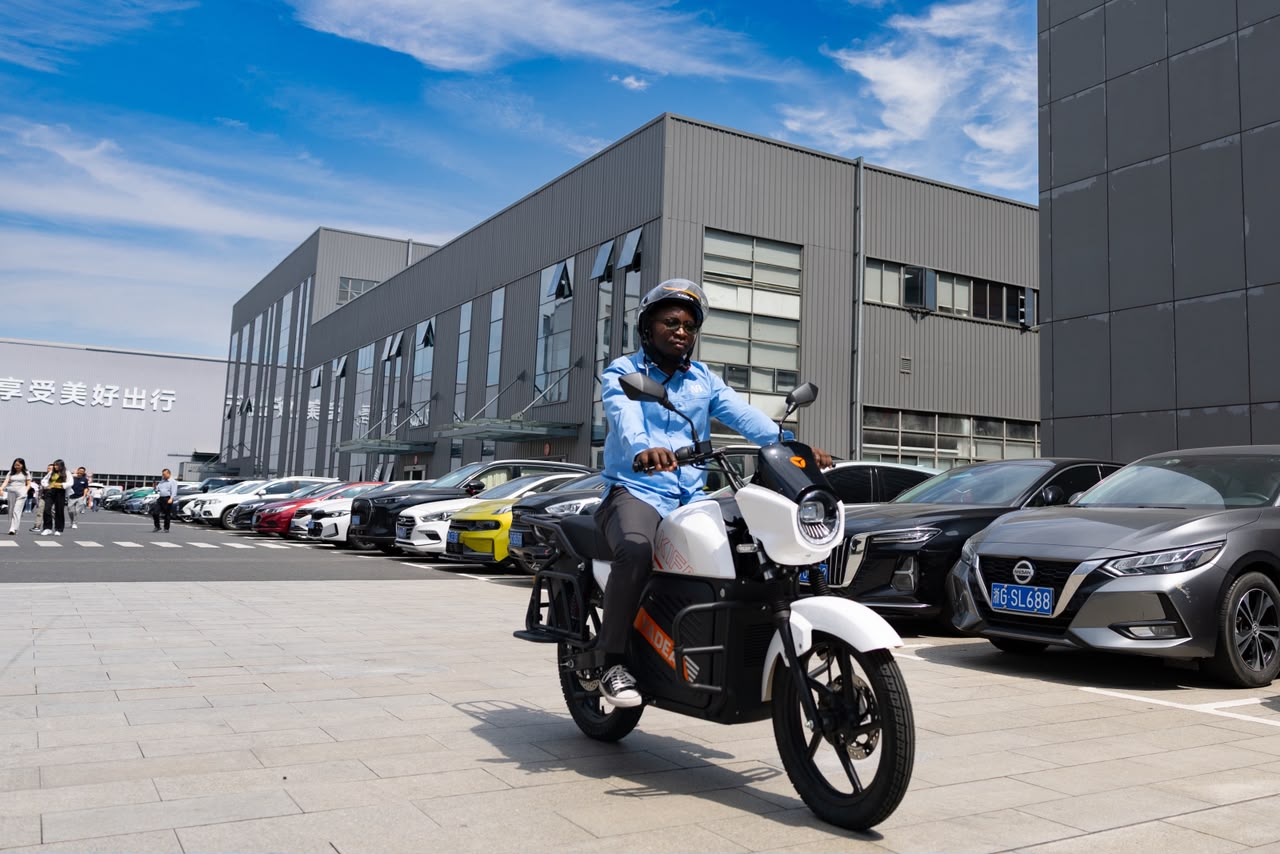
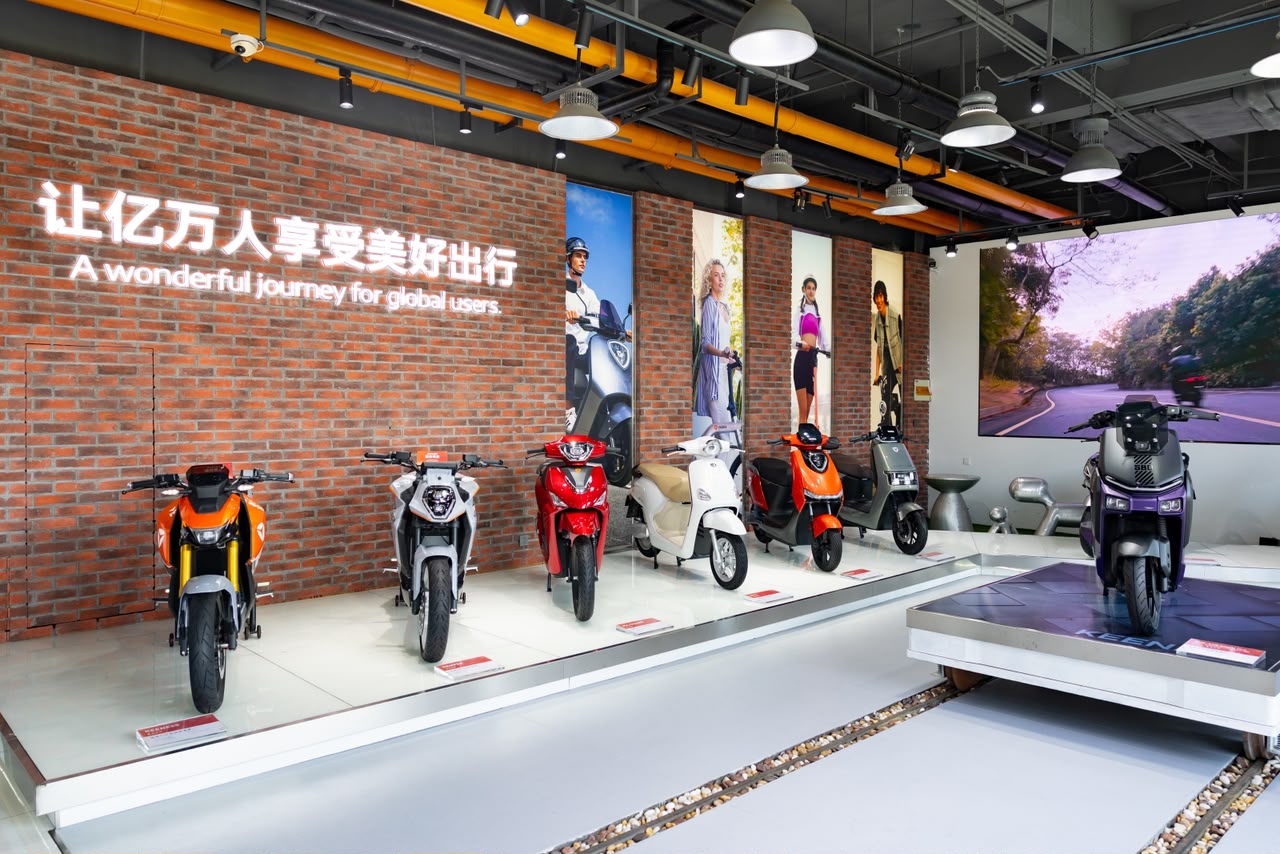
One of Yadea’s electric motorcycle models equipped with advanced technologies aimed at improving efficiency, safety and rider experienceYadea integrates intelligent systems into its electric motorcycles, including technologies that support safer and more efficient ridingThe headquarters of Yadea Technology Group in Wuxi, Jiangsu Province, China, where the global electric mobility company develops and manufactures smart electric two-wheelersA visitor tests a Yadea electric motorcycle during a demonstration at the company’s facility in Wuxi, experiencing the performance of smart electric mobilityVisitors experience Yadea’s electric vehicles, which combine battery technology, intelligent systems and comfortable design for everyday transportYadea’s electric motorcycles represent the company’s vision of cleaner, smarter and more accessible mobility solutions for markets around the world, including RwandaA range of Yadea electric motorcycles displayed at the company’s facility in Wuxi, showcase different models designed for urban mobility needsCES 2023 saw the US debut of the all-new high-speed straddle electric motorcycle series Yadea Keeness VFD
Faustin Munyazikwiye, Deputy Director-General of the Rwanda Environment Management Authority (REMA), said on September 16 that 29 carbon projects have been registered in Rwanda.
“So far, REMA has registered 29 projects on the carbon market, which are at different stages of development,” Munyazikwiye said at a press conference ahead of the Carbon Markets Africa Summit scheduled for next month.
The projects cover areas including forestry, agriculture, land conservation, waste management, renewable energy and electric mobility. They are at different stages, with some already generating credits for sale while others are undergoing independent verification.
Carbon credits are tradable units representing verified reductions or removals of greenhouse gas emissions. One carbon credit generally represents one tonne of carbon dioxide equivalent that has been avoided, reduced or removed from the atmosphere.
Munyazikwiye said carbon credits currently sell for between $14 and $45 per tonne, depending on factors including the nature and quality of the project.
Under Rwanda’s carbon market framework, launched in 2023, projects are reviewed by REMA before undergoing verification by accredited independent entities. The process is designed to establish whether claimed emissions reductions or removals have been achieved before credits are issued.
A portion of the revenue generated from credit sales goes to the government.
Rwanda participates in both voluntary and regulated carbon markets and has a cooperation agreement with Singapore allowing the purchase of eligible credits generated by projects in Rwanda.
Environment Minister Bernadette Arakwiye said the market could also create income opportunities for communities, including through activities such as tree planting.
The figures come ahead of the Carbon Markets Africa Summit, which will be held in Kigali from October 13-15 and bring together developers, investors and buyers around projects in areas such as nature-based solutions, regenerative agriculture and waste management.
Rwanda has generated about $1.5 million (Rwf2.2 billion) from carbon credit sales as the country expands efforts to attract investment into climate-focused projects.
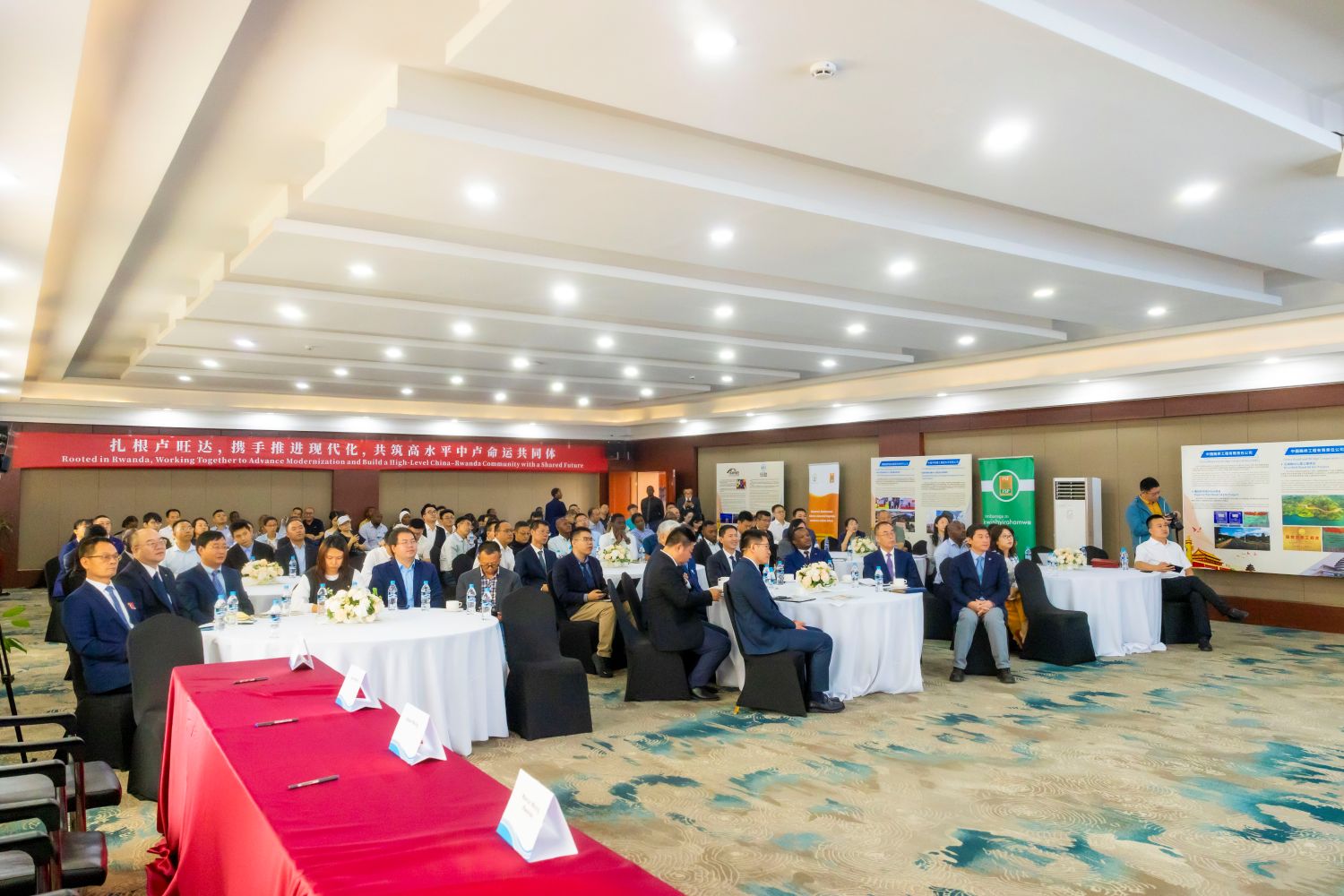
The commitment was made on Thursday, September 17, 2026, during a ceremony at M Hotel in Kigali that also marked the launch of the first Corporate Social Responsibility (CSR) Report of Chinese Enterprises in Rwanda and the inaugural artificial intelligence lecture under the Luban Classroom programme.
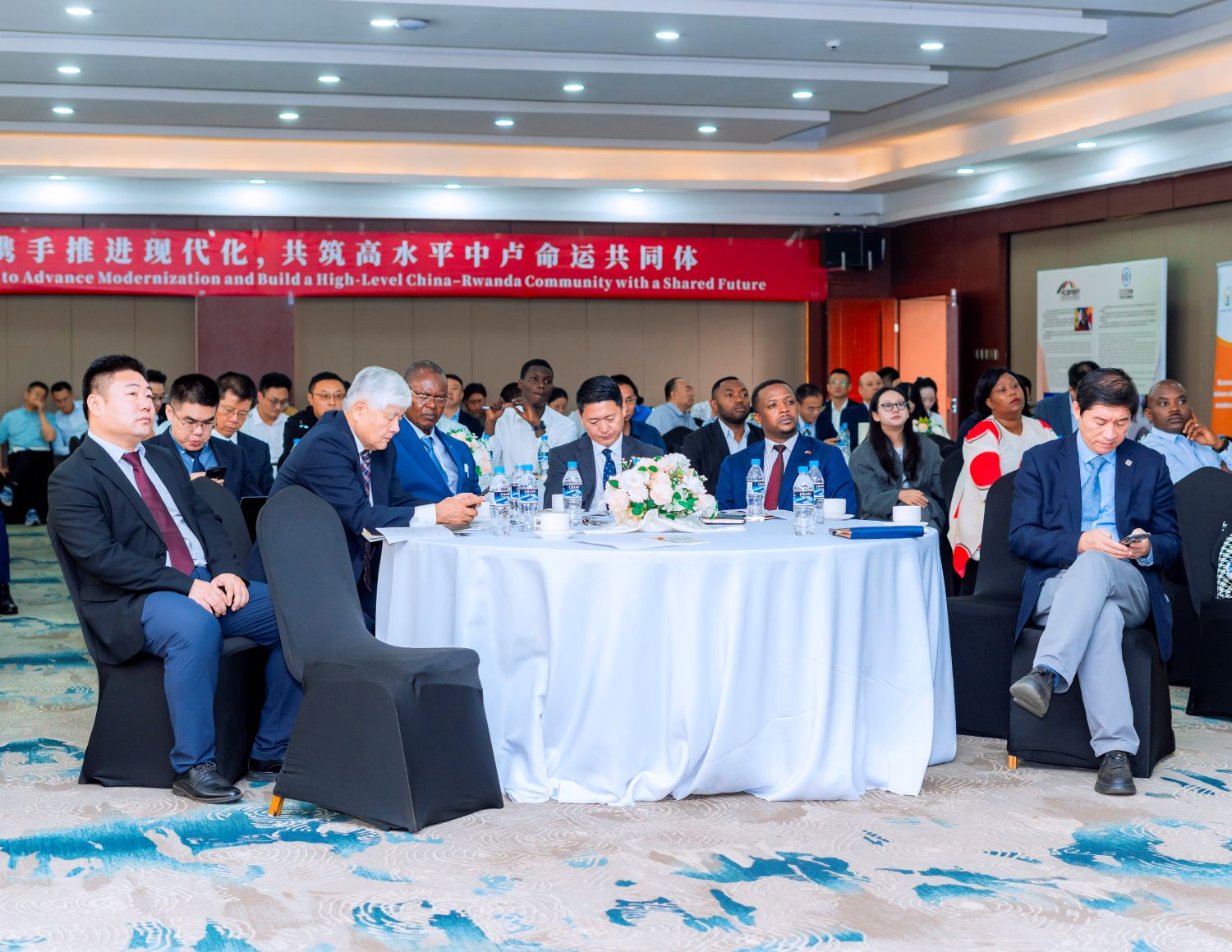
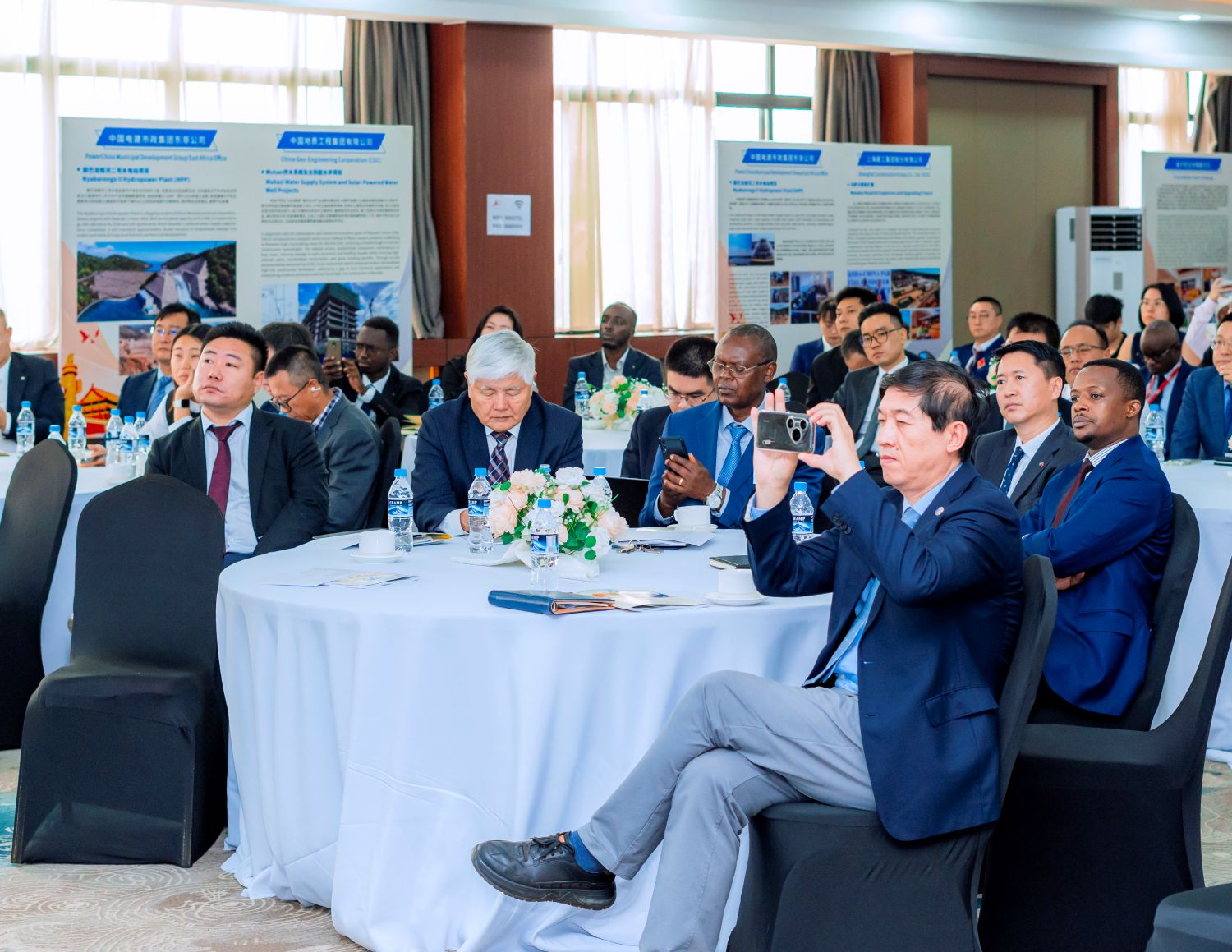
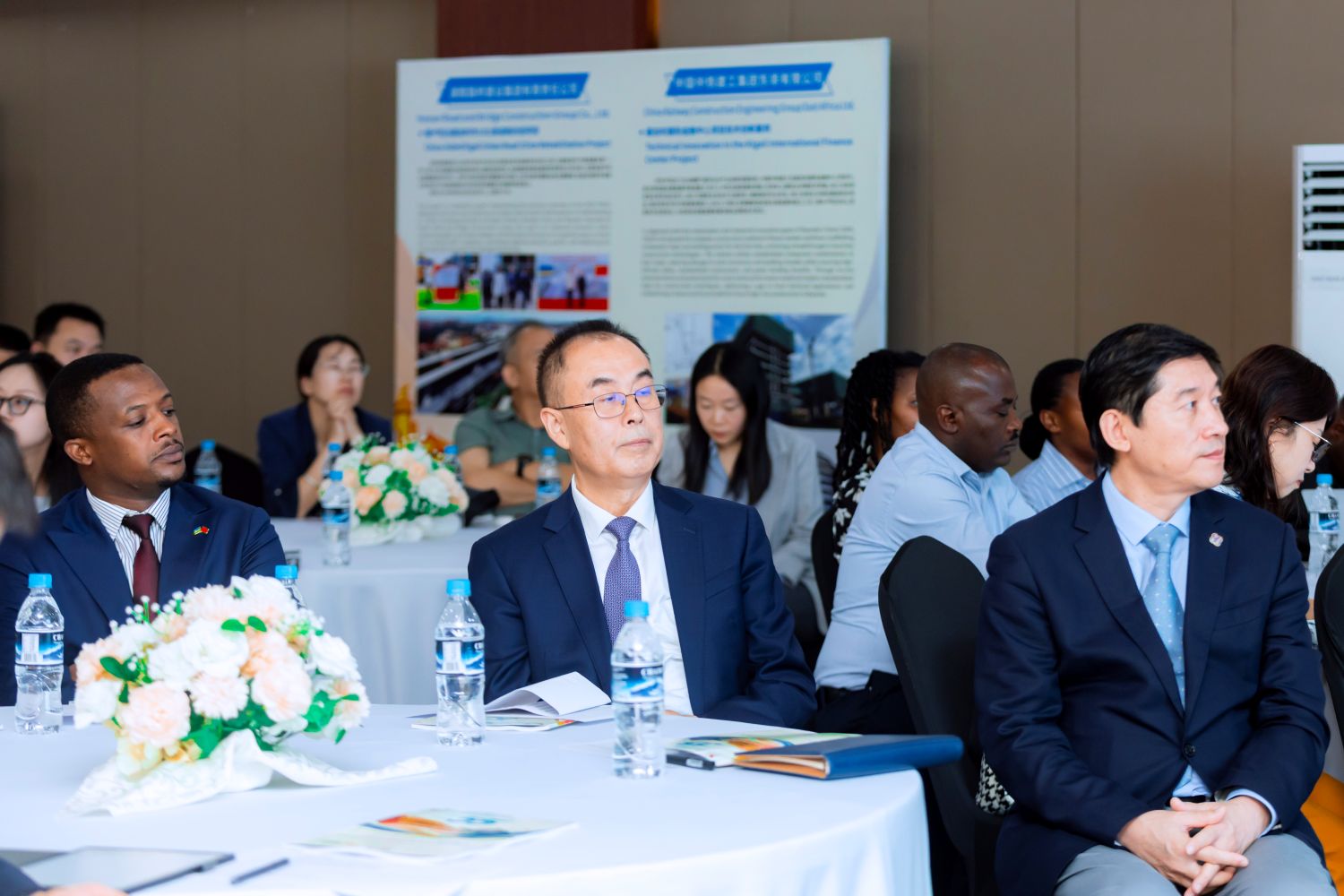
The event brought together representatives of Chinese and Rwandan businesses, government institutions and other stakeholders to discuss responsible investment, sustainable mining, corporate social responsibility, skills development and technology.
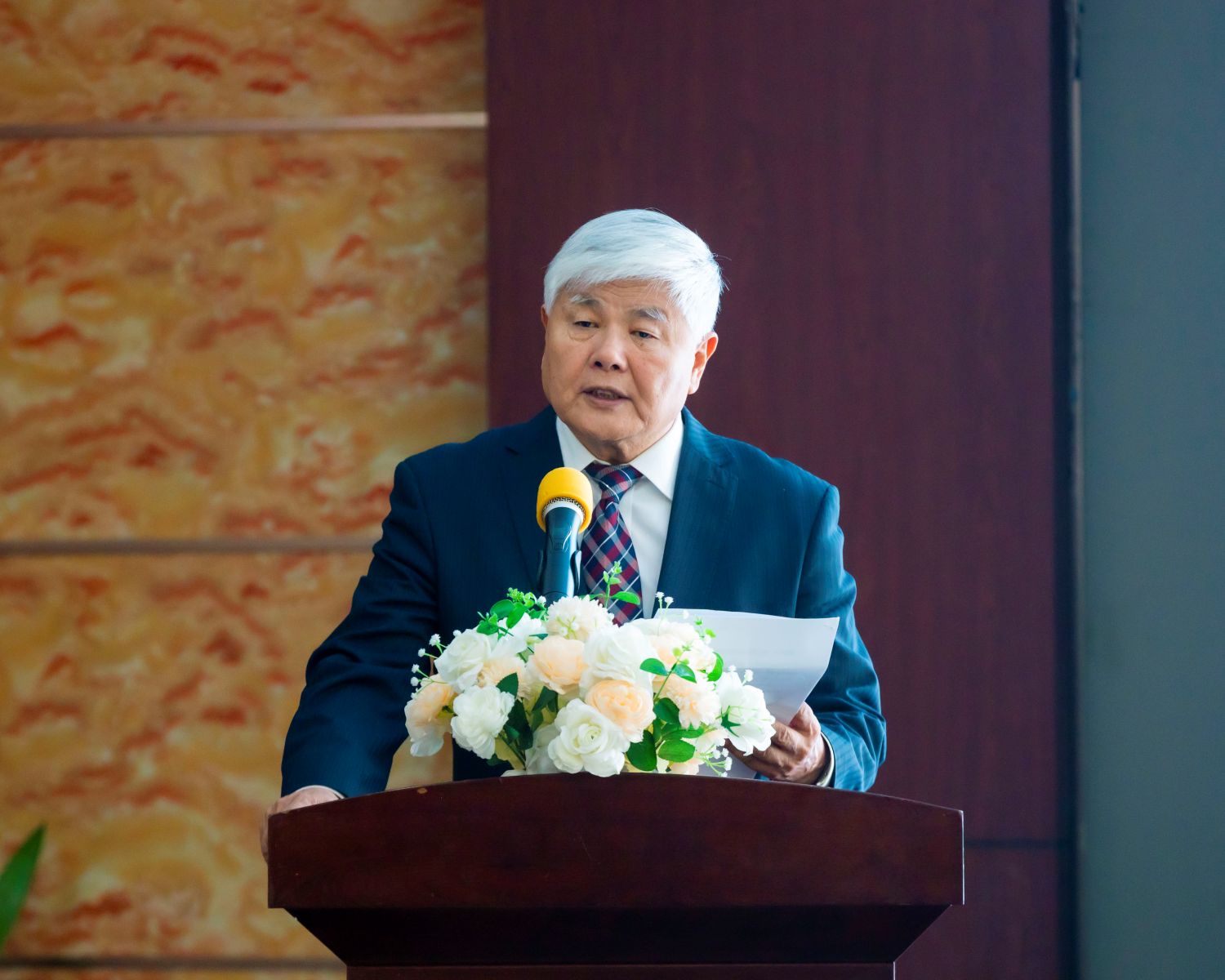
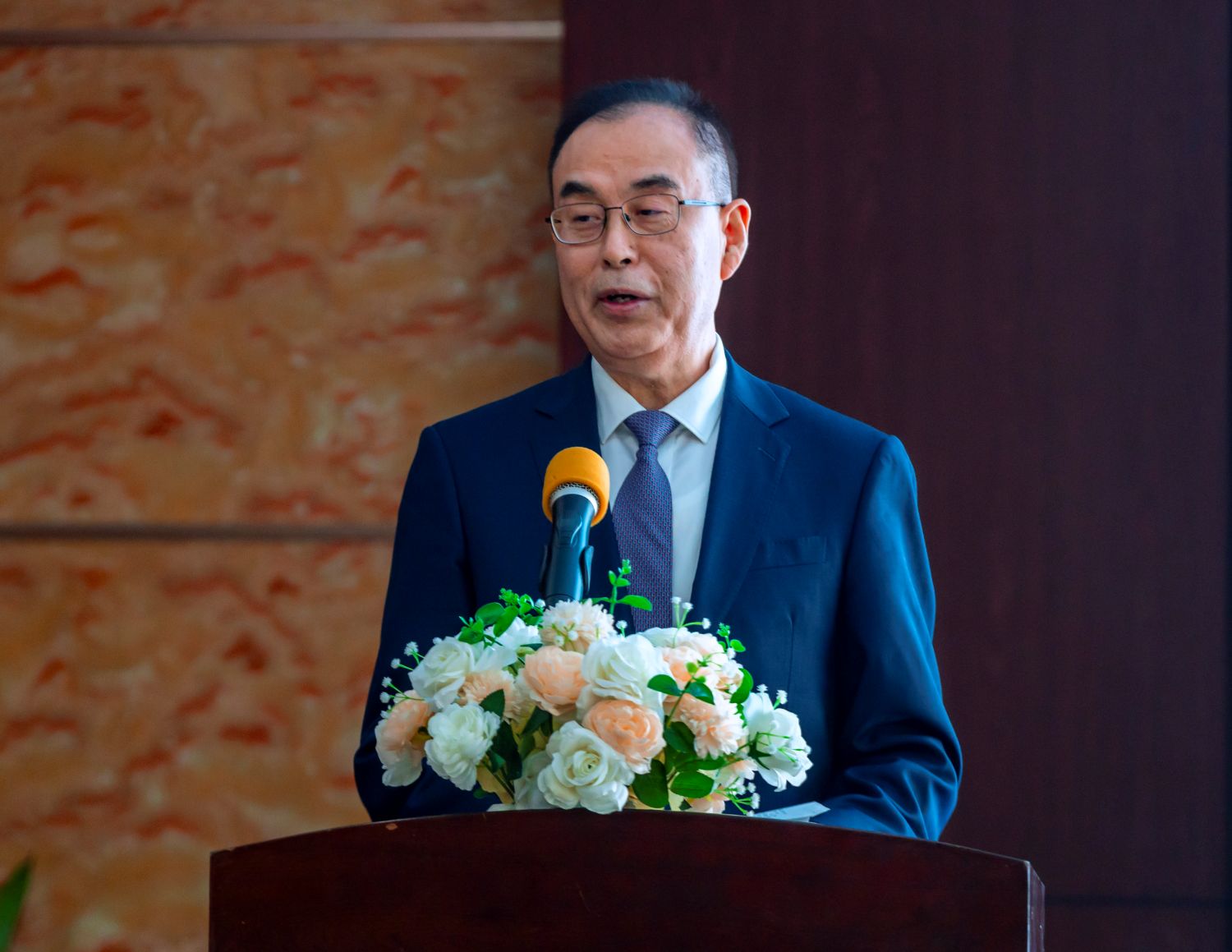
Speaking at the ceremony, Chinese Ambassador to Rwanda Gao Wenqi said responsible business practices are essential to building lasting cooperation between Chinese companies and their host communities.
“As a responsible major developing country, the Chinese government is committed to guiding Chinese enterprises to comply with the laws and regulations of China and host countries, to regulate business conduct, maintain sound market order, promote industry self-discipline and continuously improve social and environmental performance,” Gao said.
He said responsible business conduct should not be viewed solely as a government requirement but also as a foundation for trust, quality and long-term partnerships.
“This is not only a policy requirement, but also a foundation of trust, quality and long-term cooperation,” he added.
Gao highlighted the contribution of Chinese enterprises to Rwanda’s economic and social development through job creation, skills transfer and investment across different sectors.
“In Rwanda, Chinese enterprises have been working hard, creating jobs, transferring skills, contributing to economic and social development,” he said.
Report highlights contribution of Chinese firms
The 2026 Social Responsibility Report of Chinese Enterprises in Rwanda, published as Rwanda and China mark 55 years of diplomatic relations, documents the contribution of Chinese companies to infrastructure, employment, education, healthcare, community welfare and environmental protection.
The report details that China Road and Bridge Corporation (CRBC), which has operated in Rwanda for 52 years, has completed more than 90 projects and constructed about 1,500 kilometres of roads. The report says CRBC has created more than 500,000 jobs for Rwandans over its 52 years of operations in the country.
The Kivu Belt Road project alone employed 1,500 local workers, while PowerChina’s Nyabarongo II hydropower project provided 1,064 local jobs.
In manufacturing, C&D Garment employs more than 6,000 local workers, with women accounting for 80% of its workforce. Average wages at the company are reported to be more than 20% above Rwanda’s statutory minimum wage.
The report also points to investments in healthcare. The expanded Masaka Hospital, constructed by Shanghai Construction Group, has 837 beds and is reported to serve more than 300,000 residents.
Meanwhile, a traditional Chinese medicine programme run by the China Medical Team at Masaka and Kibagabaga hospitals recorded 14,913 patient visits as of July.
Education and skills development are also highlighted. Huawei’s DigiTruck programme trained 1,836 people over the past 12 months, while Forever TVET has trained more than 2,500 graduates.
The Confucius Institute at the University of Rwanda is reported to have reached nearly 30,000 learners through 14 teaching sites over 17 years.
The report also documents community support and emergency response by Chinese enterprises. CRBC says it cleared 48 kilometres of disaster relief roads within 30 hours during the 2025 floods in Rwanda’s Western Province.
Environmental initiatives highlighted in the report include 1,500 hectares of planted bamboo forests out of a 2,129-hectare concession, as well as a 44.28 kWp solar photovoltaic energy-storage system at Forever TVET.
The report presents corporate social responsibility as part of Chinese enterprises’ broader operations in Rwanda, with future priorities including infrastructure, education and culture, healthcare, employment, community welfare and green development.
Mining initiative
The mineral resources initiative signed during Thursday’s ceremony outlines principles aimed at promoting responsible business conduct in Rwanda’s mining sector.
They include compliance with laws and national policies, business ethics and fair competition, engagement with local communities, protection of workers’ rights, responsible procurement, environmental protection and transparent communication.
Gao encouraged Chinese enterprises to strengthen engagement with local communities and Rwandan partners.
“We encourage Chinese enterprises to listen to local communities, work with Rwandan partners and turn responsibility into concrete action,” he said.
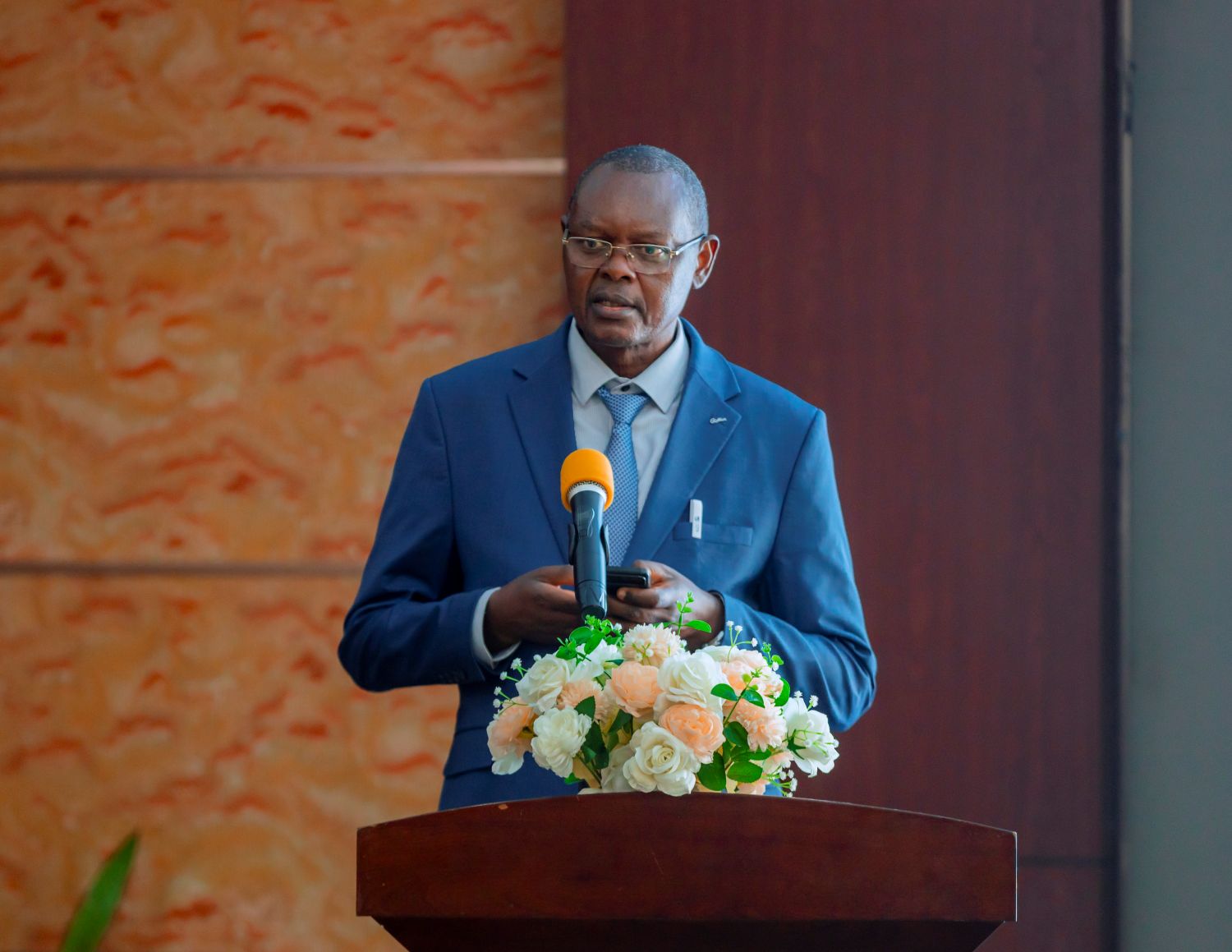
The Acting CEO of the Rwanda Private Sector Federation (PSF), Callixte Kanamugire, said Rwanda’s mining sector has significant potential but must be developed responsibly to create lasting value for the country.
“The private sector must ensure that mineral development creates lasting value for Rwanda through local processing, employment creation, skills development and stronger participation of Rwandan businesses in the supply chain,” he said.
He welcomed the commitment by participating companies to comply with laws and regulations, protect the environment, safeguard occupational health and safety, respect local communities, and promote transparency and sustainable mining practices.
Rwanda is the first country outside China where Chinese mining enterprises have collectively responded to the initiative, following its launch at the China Mining Conference and Exhibition in Tianjin on September 10, 2026.
Kanamugire called for deeper cooperation in responsible investment, stronger partnerships between Chinese and Rwandan businesses through local procurement, subcontracting and technology transfer, and greater investment in professional training and technical education.
He said responsible business should go beyond charitable donations to include decent employment, workers’ rights, workplace safety, environmental protection, local sourcing and knowledge transfer.
AI skills development
The ceremony also featured the inaugural artificial intelligence lecture of the Luban Classroom programme, which focuses on knowledge sharing, skills development and practical cooperation between China and Rwanda.
Kanamugire said AI and digital technology are transforming the global economy, making cooperation in education and skills development increasingly important.
He said Rwanda has placed innovation, technology and human capital at the centre of its development agenda, and encouraged institutions and companies involved in the Luban Classroom to ensure its training remains connected to labour-market needs.
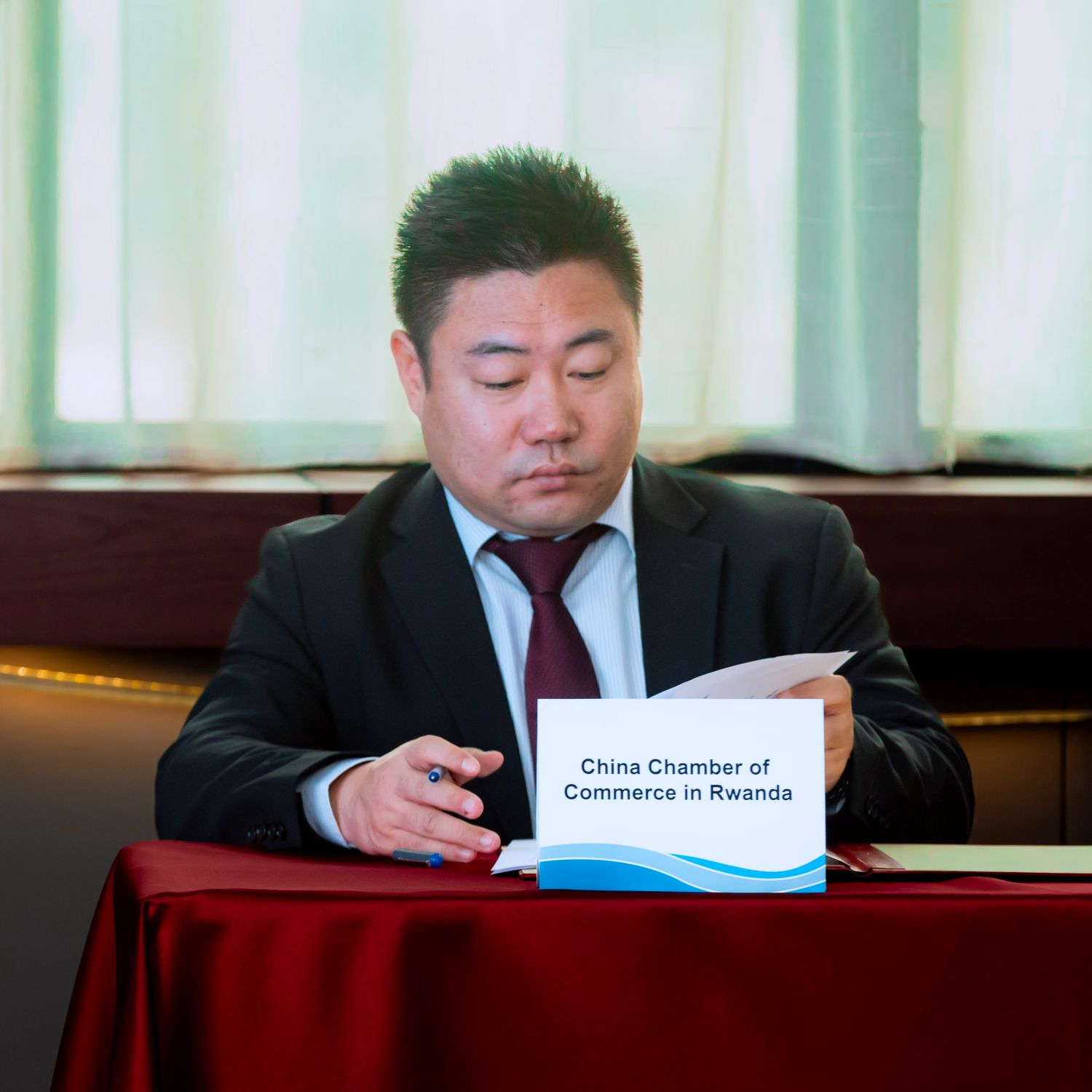
The Luban Classroom was initiated by the Chinese Embassy in Rwanda and is organised and implemented by the China Chamber of Commerce in Rwanda.
55 years of diplomatic ties
The event formed part of activities marking the 55th anniversary of diplomatic relations between Rwanda and China.
Gao said China remains committed to supporting Rwanda’s development ambitions through continued cooperation.
“This year marks the 55th anniversary of our diplomatic relations, so I have every reason to believe that our bilateral relations have entered the best period in history. Rwanda and China are good friends and we are comprehensive strategic partners,” he said.
He added that China is ready to work with Rwanda to implement outcomes of the Forum on China-Africa Cooperation, promote high-quality Belt and Road cooperation and support Rwanda’s development goals.
A delegation representing 15 Chinese enterprises is visiting Rwanda from September 15 to 20 as part of the activities. The delegation includes Diao Chunhe, Executive Chairman of the Alliance of Chinese Business in Africa for Social Responsibilities, and Xin Xiuming, Vice President of the China International Contractors Association.
The ceremony concluded with renewed commitments to responsible mineral-resource cooperation, stronger corporate social responsibility, environmental protection, skills development and technology partnerships between Rwanda and China.
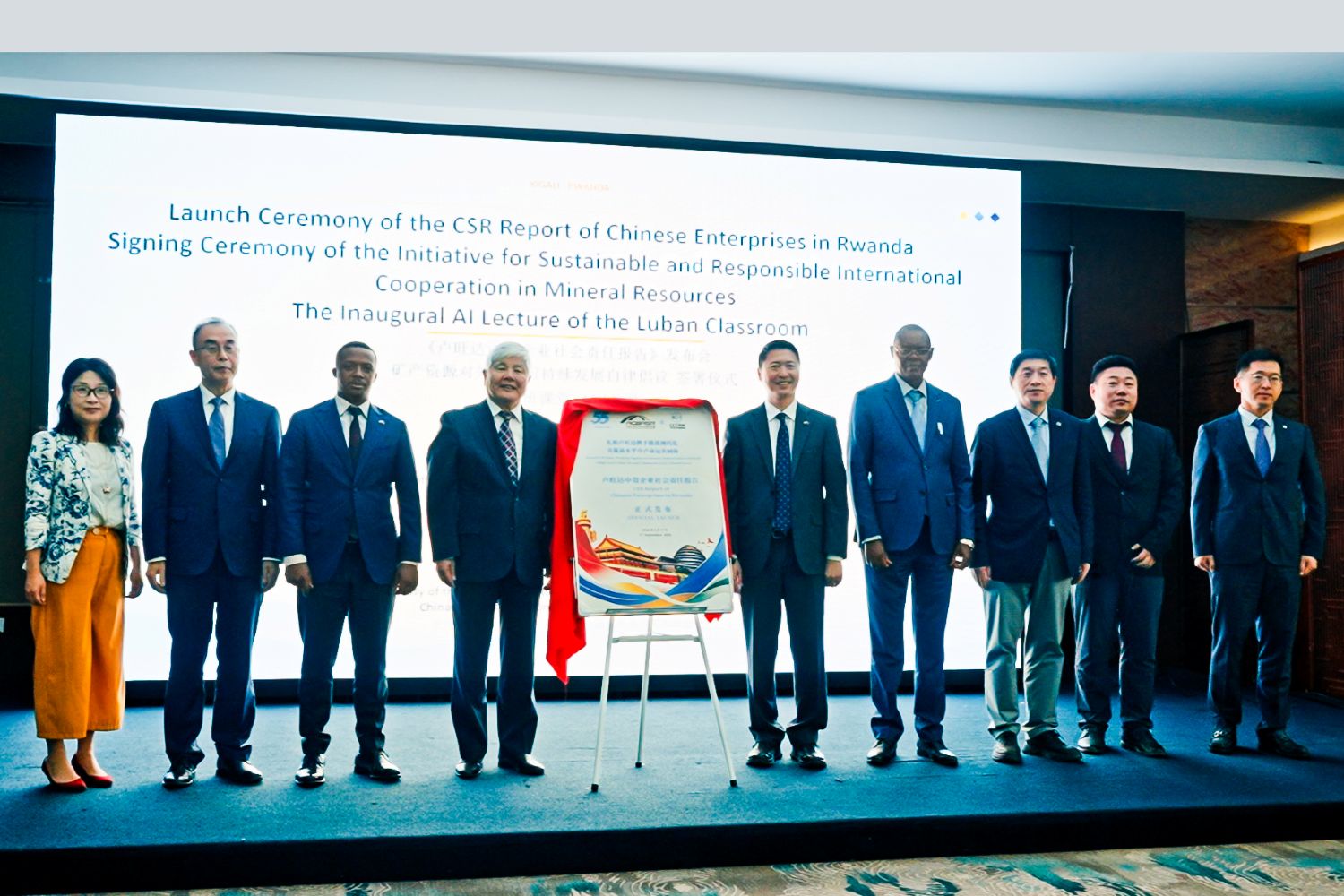
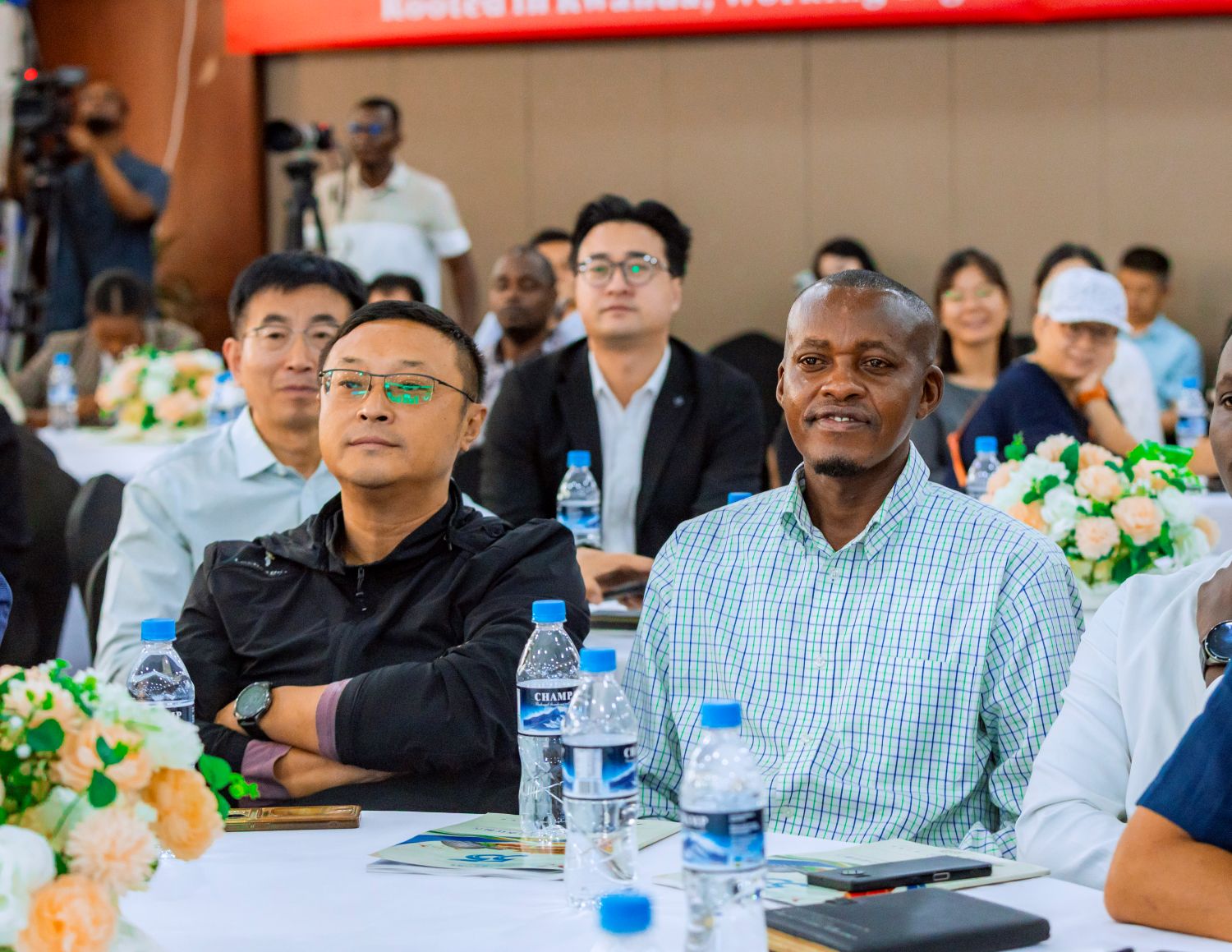
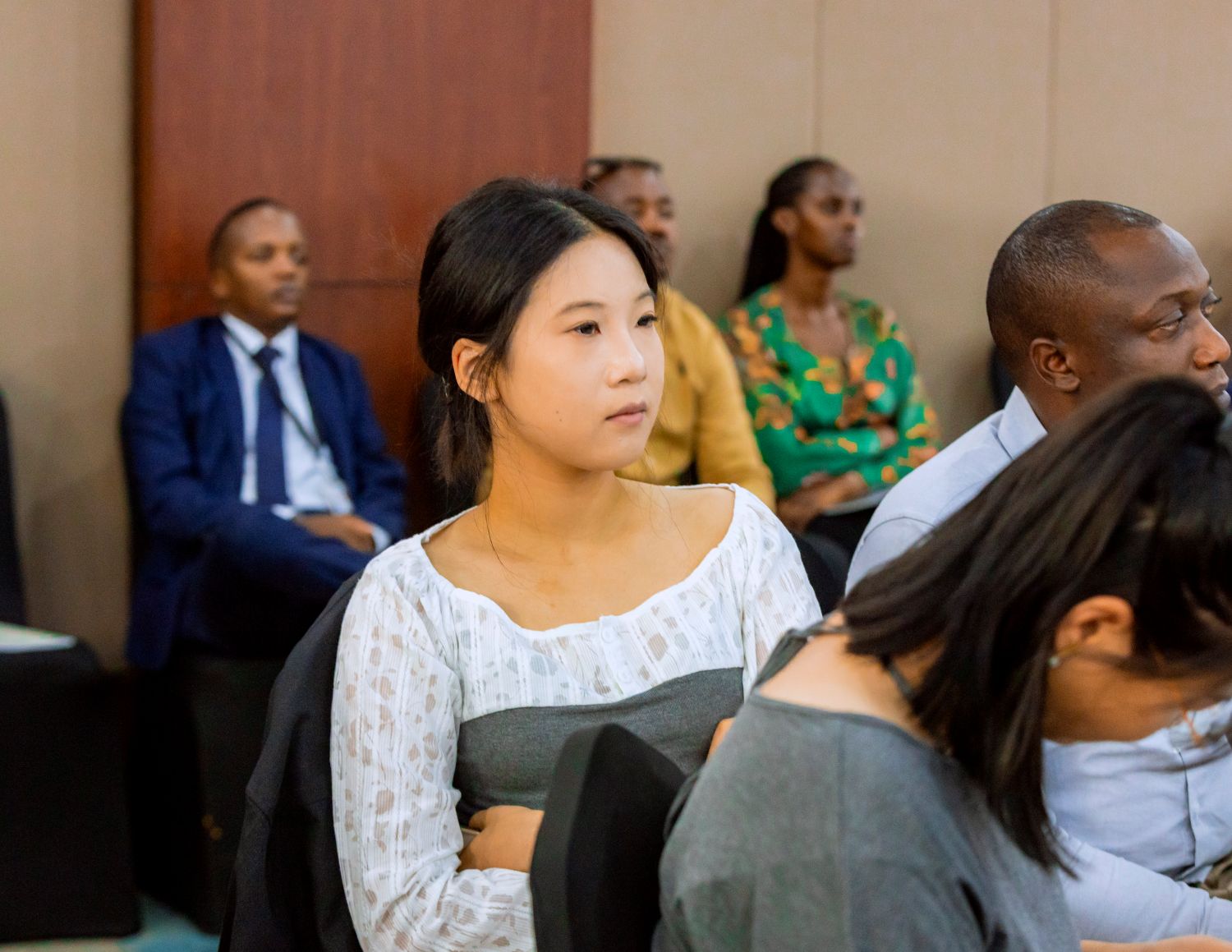
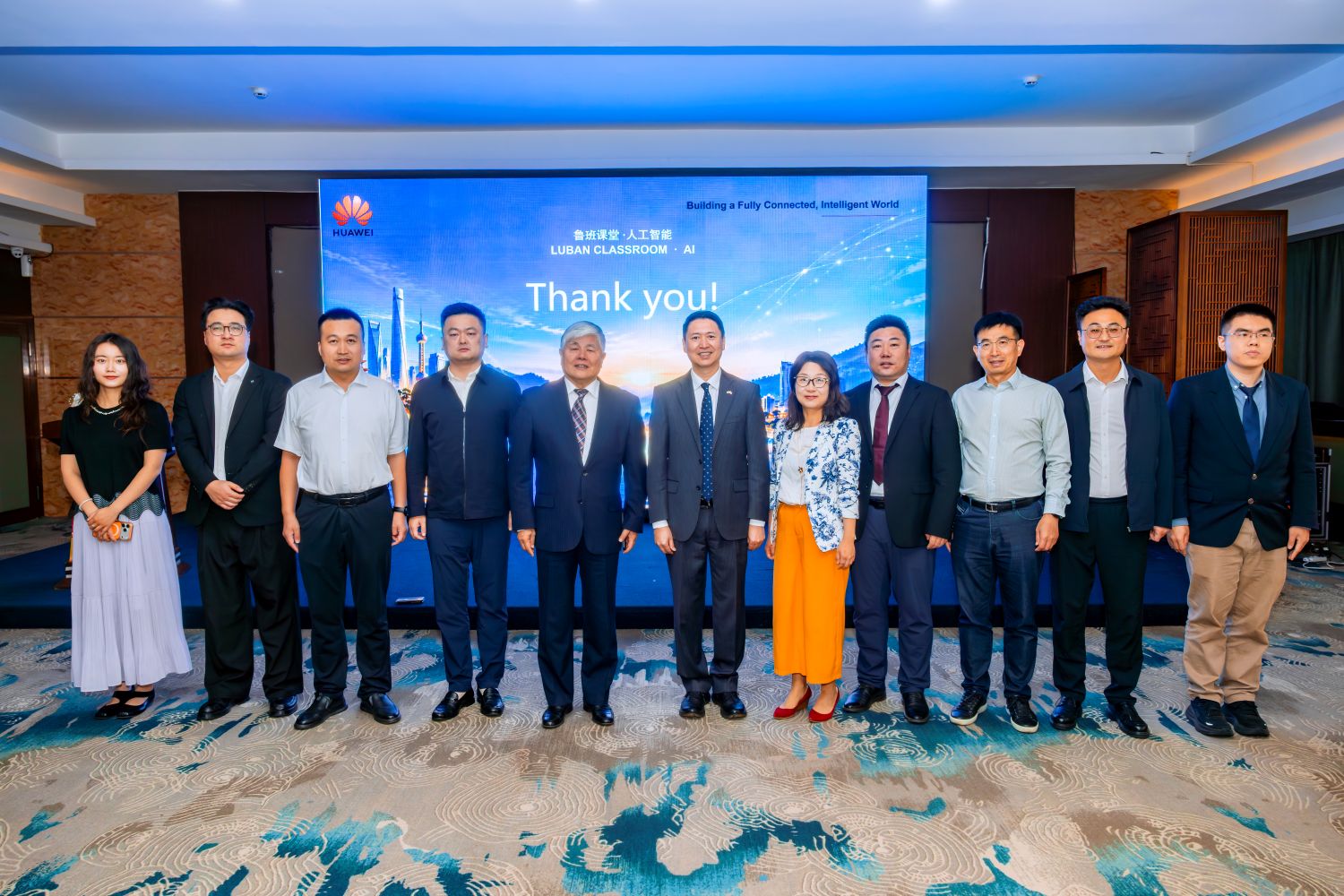
The ceremony marked the launch of the first Corporate Social Responsibility (CSR) Report of Chinese Enterprises in Rwanda and the inaugural artificial intelligence lecture under the Luban Classroom programme.The event brought together representatives of Chinese and Rwandan businesses, government institutions and other stakeholders to discuss responsible investment, sustainable mining, corporate social responsibility, skills development and technology.The report also documents community support and emergency response by Chinese enterprises. The Acting CEO of the Rwanda Private Sector Federation (PSF), Callixte Kanamugire, said Rwanda’s mining sector has significant potential but must be developed responsibly to create lasting value for the country.Chinese Ambassador to Rwanda Gao Wenqi (center) said responsible business practices are essential to building lasting cooperation between Chinese companies and their host communities.
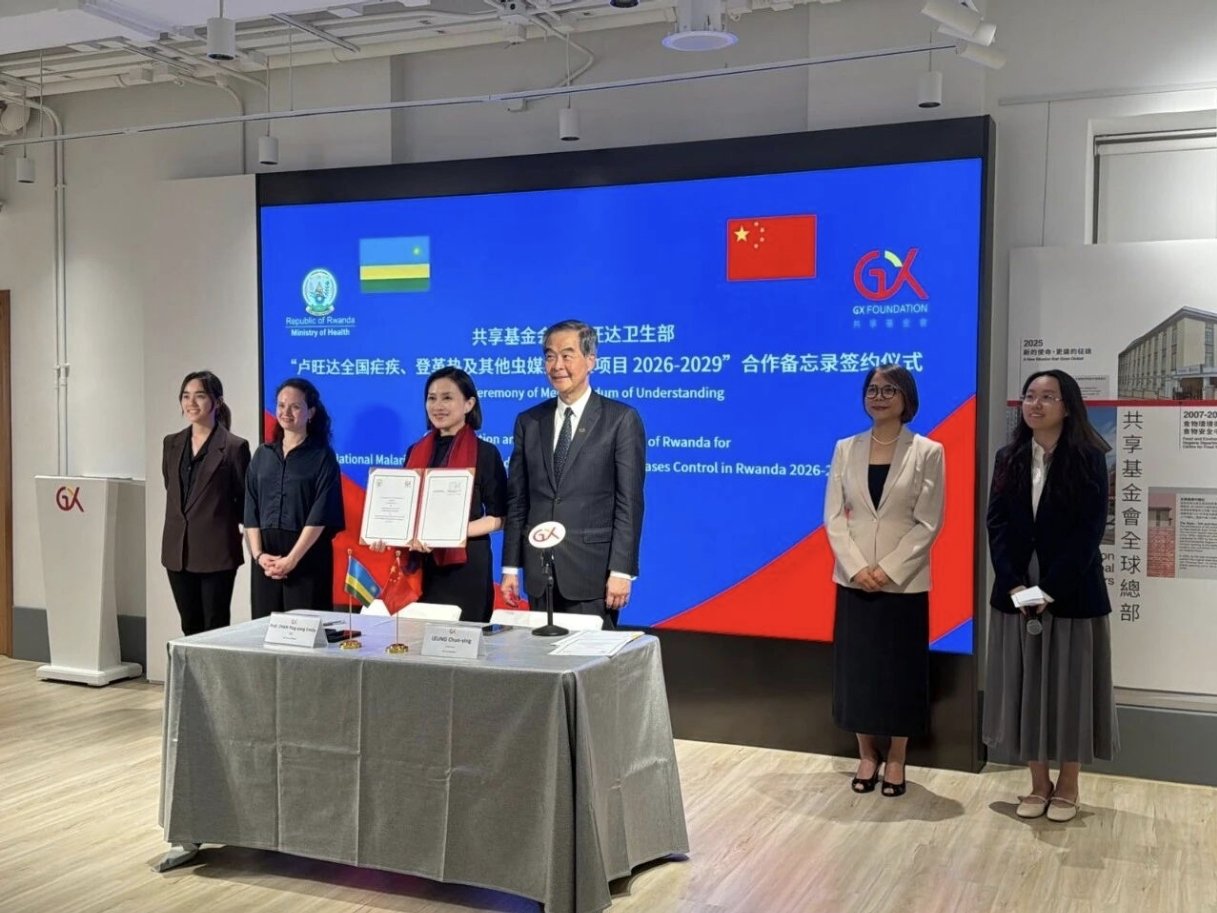
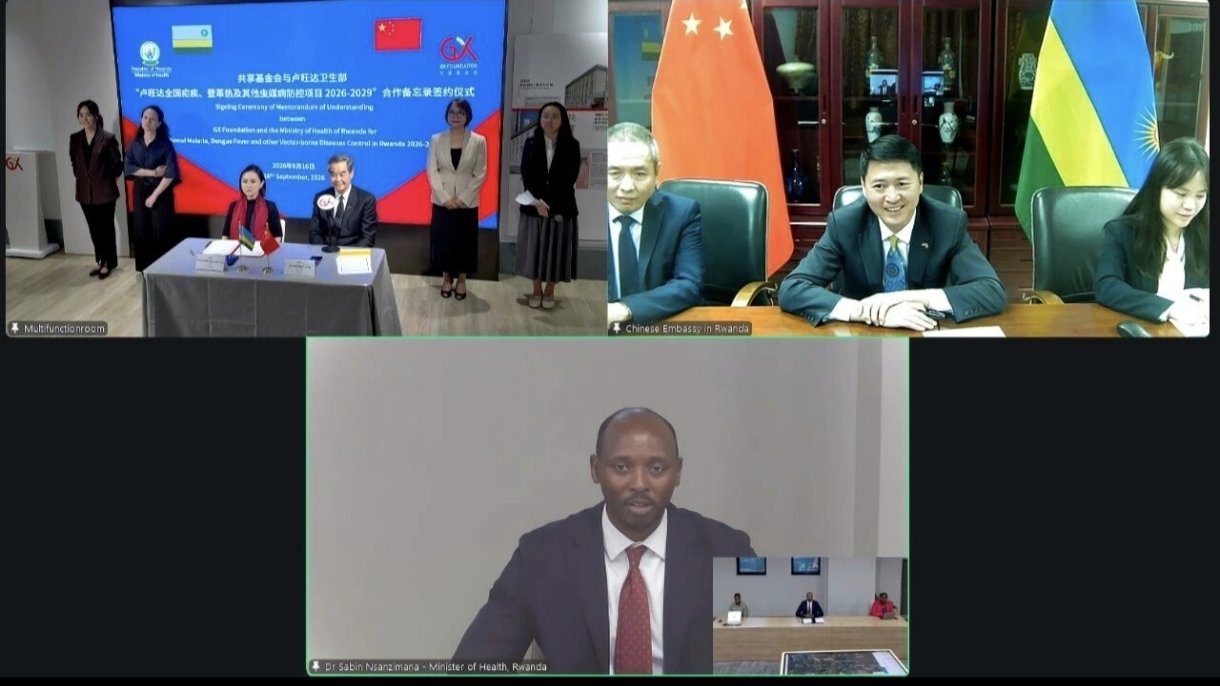
The Memorandum of Understanding (MoU) was signed online on September 16 by GX Foundation CEO Professor Chan Yingyang and Rwanda’s Minister of Health, Dr Sabin Nsanzimana, formally launching the “National Malaria, Dengue Fever, and other Vector-Borne Disease Control in Rwanda” programme.
The signing ceremony was witnessed by GX Foundation Chairman Leung Chun-ying and Chinese Ambassador to Rwanda Gao Wenqi.
Under the agreement, GX Foundation will provide 36,000 rapid test kits for malaria and dengue, 18,000 bed nets and 6,500 mosquito lamps. The foundation will also supply more than 320,000 sticky fly traps and public education materials to support prevention and awareness efforts.
The three-year programme makes Rwanda the foundation’s 13th project country.
The partnership comes as Rwanda continues efforts to strengthen prevention, early detection and community-level responses to vector-borne diseases, including malaria and dengue. Dengue is a viral infection spread to people through the bites of infected mosquitoes.
The collaboration also coincides with the 55th anniversary of diplomatic relations between Rwanda and China, with the two countries continuing to expand cooperation in areas including public health.
The agreement follows discussions held in Kigali in January 2026 between Prime Minister Justin Nsengiyumva and a GX Foundation delegation led by Leung Chun-ying.
At the time, the two sides discussed potential areas of cooperation in Rwanda’s health sector, including healthcare delivery, prevention of avoidable diseases, capacity building and community-based interventions.
GX Foundation, a Hong Kong-based charitable organisation established in 2018, works on medical and public health programmes in underserved communities. Its areas of focus include vector-borne disease control, environmental health, emergency health risk management and prevention of avoidable conditions.
The foundation’s programmes also emphasise training, knowledge transfer and partnerships with governments and health institutions.
The Memorandum of Understanding (MoU) was signed online on September 16 by GX Foundation CEO Professor Chan Yingyang and Rwanda’s Minister of Health, Dr Sabin Nsanzimana, formally launching the “National Malaria, Dengue Fever, and other Vector-Borne Disease Control in Rwanda” programme.
Under the proposed EU KIDS Act, children under 13 would be barred from social media, and children aged between 13 and 15 would only be allowed to use limited social media accounts set up through a parent or guardian’s account. Such accounts would include restrictions on social contacts and screen time of up to one hour per day.
The proposal would also require social media platforms, video-sharing services, online video games, AI companions and chatbots used by minors to be “safe by design.”
Addictive features, including infinite scrolling, certain reward mechanisms and push notifications during sleeping hours, would be restricted. Profiles of minors would have to be private by default, with geolocation, camera and microphone access switched off.
AI companions and chatbots would also be disabled by default for minors and prohibited from simulating interpersonal relationships in ways that could create emotional dependency.
The proposal requires online services and app stores to introduce age-assurance mechanisms. The Commission said its EU age-verification app could be used without retaining identity documents or biometric data.
The act would also reverse the burden of proof for very large online platforms, requiring providers to demonstrate that their services are safe for children. They would have to submit compliance plans for independent auditing before introducing relevant services or features.
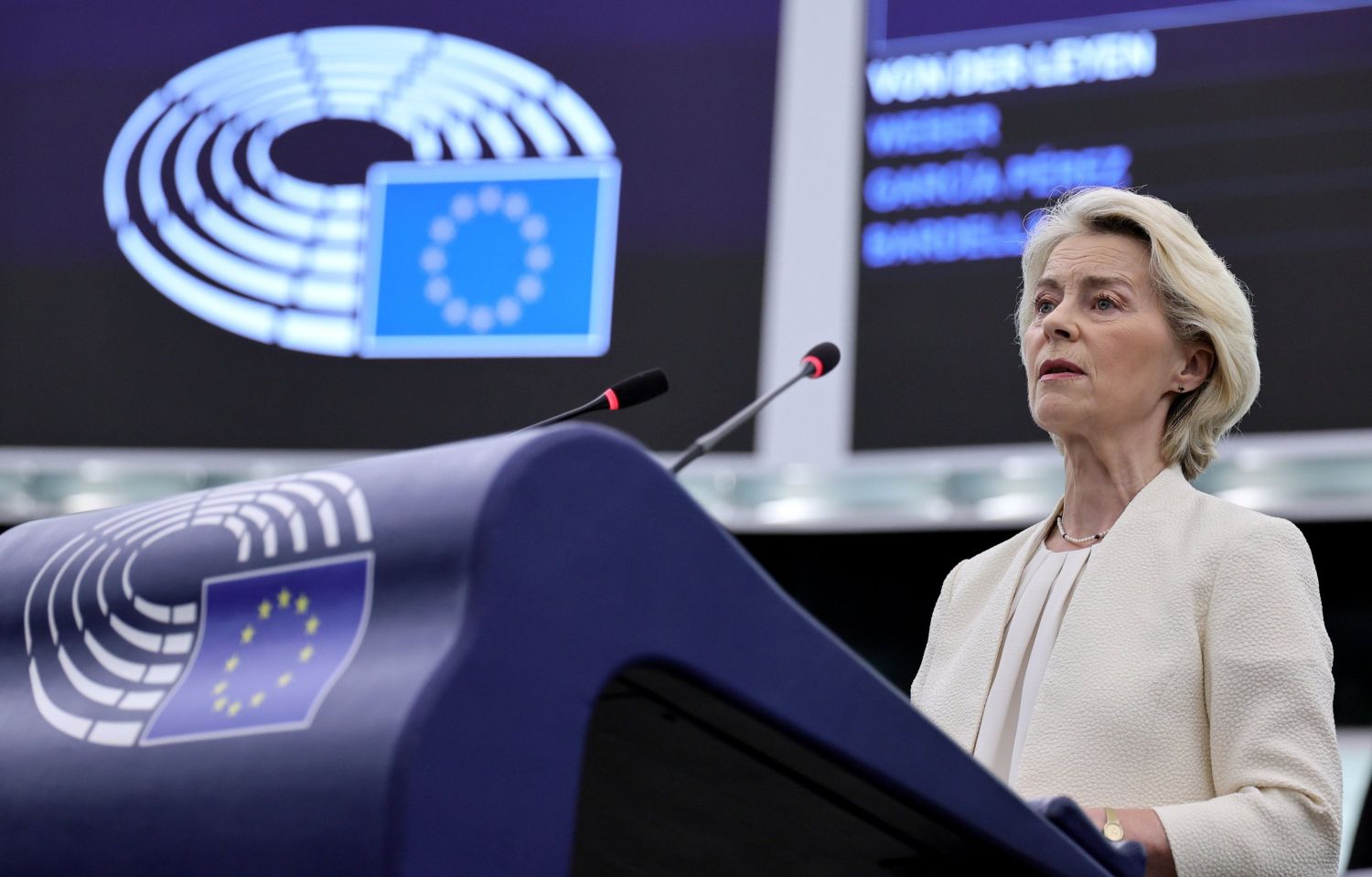
European Commission President Ursula von der Leyen said the proposal was intended to put parents “back in the driving seat” and require platforms to prove their services are safe by design.
The proposal has been submitted to the European Parliament and the Council of the EU for consideration and approval. Enforcement would build on existing mechanisms under the Digital Services Act and the Artificial Intelligence Act, with fines for violations potentially reaching 6 percent of a company’s total worldwide annual turnover.
European Commission President Ursula von der Leyen speaks during a debate on the “State of the Union” at the European Parliament, Strasbourg, France, September 16, 2026.
A large analysis of 87 clinical trials found that consuming around four to six servings of whole grains a day may provide meaningful improvements in cardiovascular health.
The research, led by Dr. Helda Tutunchi of Tabriz University of Medical Sciences in Iran, brought together evidence from more than 6,500 participants in studies conducted across Asia, Europe, the United States, Canada, Australia and Brazil.
Researchers examined how different levels of whole-grain consumption affected factors associated with cardiovascular disease.
The findings showed that people who consumed more whole grains generally experienced improvements in several areas. These included lower body weight, smaller waist circumference and reduced blood pressure.
The researchers also found improvements in total cholesterol, LDL cholesterol, triglycerides and blood glucose. Some markers of inflammation, including interleukin-6, also decreased.
According to the analysis, benefits could already be seen when people consumed about 30 to 40 grams of whole grains per day.
However, the strongest overall effects were generally associated with approximately 60 to 100 grams per day, equivalent to around four to six servings.
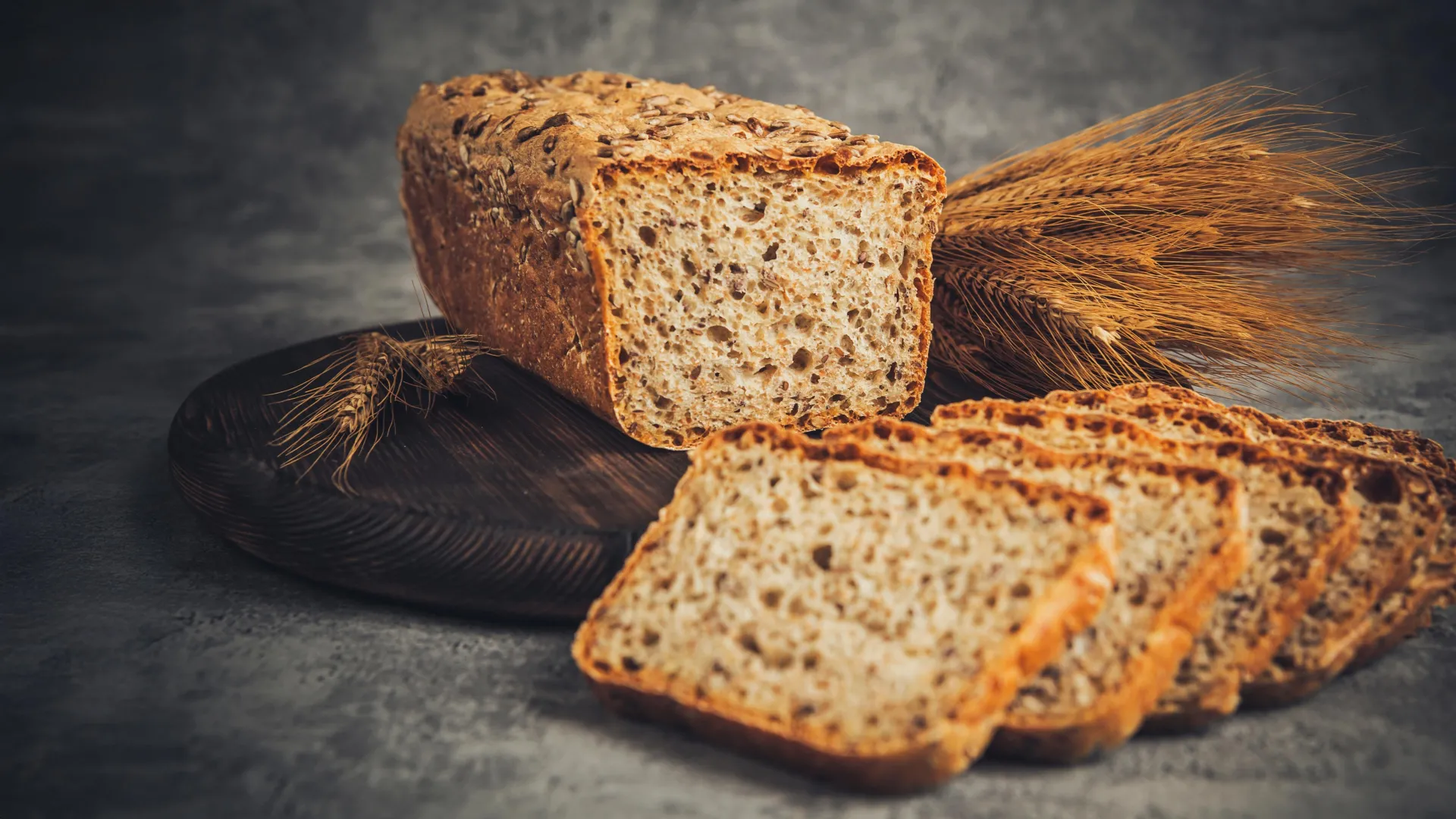
Foods such as oatmeal, whole-grain bread and brown rice can contribute to this intake.
Researchers explain that whole grains may support heart health by producing several small improvements at the same time rather than dramatically changing one particular risk factor.
Their effects on cholesterol, blood pressure, blood sugar, body weight and inflammation could collectively contribute to better cardiovascular health over time.
Whole grains are different from refined grains because they retain the bran, germ and endosperm of the grain.
These parts contain important nutrients and dietary fibre that can be lost during refining.
However, the researchers caution that the findings should be interpreted carefully.
Most of the clinical trials lasted only about eight weeks, meaning it is not yet clear whether the observed benefits continue over many years.
The studies also measured cardiovascular risk factors rather than directly recording heart attacks, strokes or other cardiovascular events.
The research provides further evidence that replacing refined grain foods with minimally processed whole grains may be a simple way to improve several markers associated with heart health.
Longer-term research will still be needed to determine whether these improvements ultimately lead to fewer cases of cardiovascular disease.
New research suggests that eating whole grains regularly may help support heart health by improving blood pressure, cholesterol, blood sugar, body weight and inflammation.
Shema appeared before the Nyarugenge Intermediate Court on September 17, 2026, to appeal a decision by the Nyarugenge Primary Court ordering his 30-day pre-trial detention.
His lawyer, Niyomugabo Christophe, told the court that Shema had signed an agreement with the Prosecution. The prosecutor confirmed the agreement, saying it remained to be submitted to the court.
The judge adjourned the hearing to September 23, 2026. Shema was arrested on August 11, 2026, and is charged with issuing uncovered cheques worth $600,000 (about Rwf883.5 million) and obtaining another person’s property through fraud.
The case stems from a contract worth more than €1 million between Africa Medical Supplier Plc, a company owned by Shema that deals in medical equipment, and ABZL International General Trading LLC. The agreement, signed on January 23, 2024, was linked to World Bank procurement for the supply of medical equipment to the Democratic Republic of Congo.
Under the agreement, Africa Medical Supplier was required to pay ABZL within 60 days. The prosecution told the court that the company failed to meet the payment deadline and repeatedly delayed ABZL before eventually promising to settle the outstanding amount by email.
On August 5, 2025, Shema allegedly issued ABZL two cheques worth $400,000 and $200,000. The prosecution said the cheques were dishonoured because the company’s account did not have sufficient funds between August 1 and 10, 2025.
Shema denied the charges, saying ABZL was a financial services company based in the United Arab Emirates with which he had maintained business relations since 2017. He said their previous contracts had been successfully completed.
He told the court that Africa Medical Supplier had paid $400,000 in May 2024 and another $400,000 in December 2024, but that the second payment could not be completed because of an issue with ABZL’s account. He said the contract required ABZL to provide an alternative account in such circumstances.
Shema also said a dispute between ABZL shareholders led one of them to take the cheques, add payment instructions and request that the money be paid into a US bank account. He questioned why cheques originally intended for payment in Dubai would be redirected to the United States.
Shema maintained that he would not flee if released and told the court that he owns assets worth more than Rwf5 billion that could be used as security.
His defence counsel challenged the validity and handling of the cheques, arguing that the bank had cancelled them on July 16, 2025, before the alleged offence date of August 5. The lawyer also pointed to a change in the payment destination from the UAE to a US bank account on June 25, 2025.
The defence asked the court to grant Shema bail, arguing that the dispute arose from a commercial contract rather than a personal criminal matter.
In its September 2 ruling, the Nyarugenge Primary Court said that if Shema believed there had been fraud involving the payment arrangements, he should have reported it so the person responsible could be investigated.
Shema appealed the 30-day pre-trial detention order, arguing that he should be allowed to await further proceedings outside prison.
FERWAFA president Shema Fabrice has reached an agreement with the Prosecution.