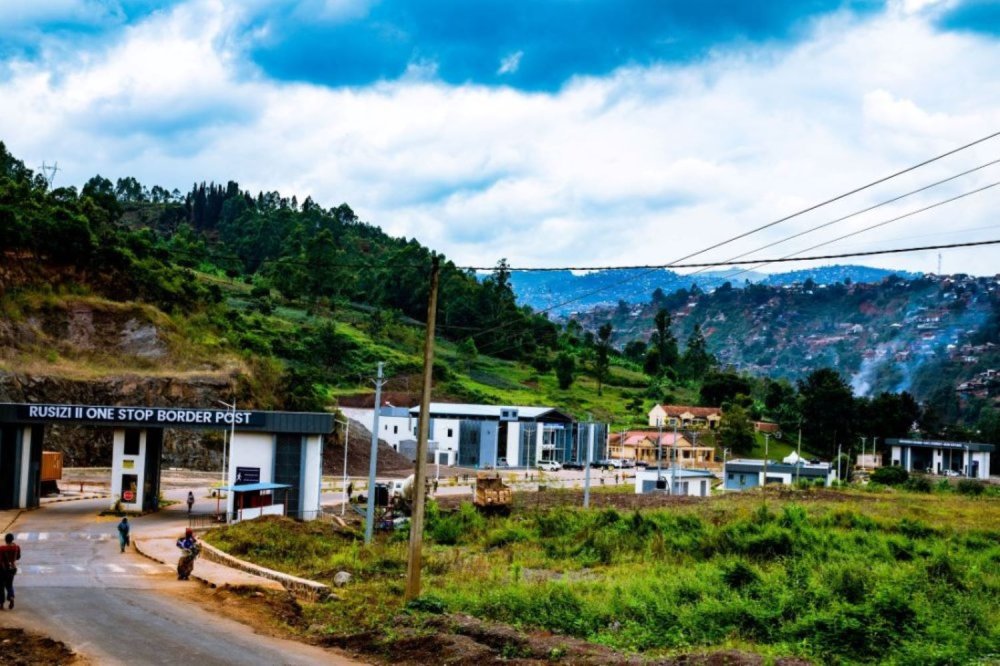
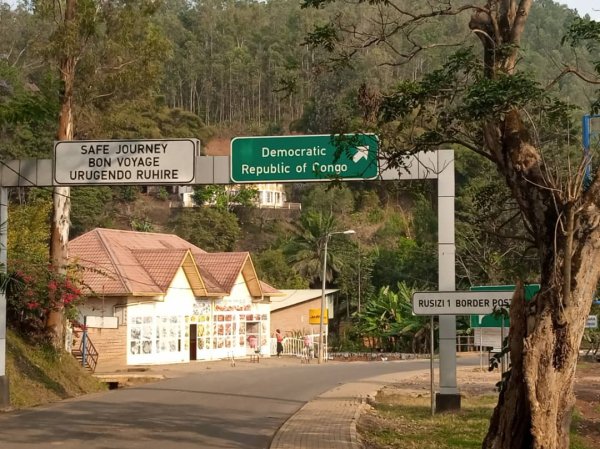
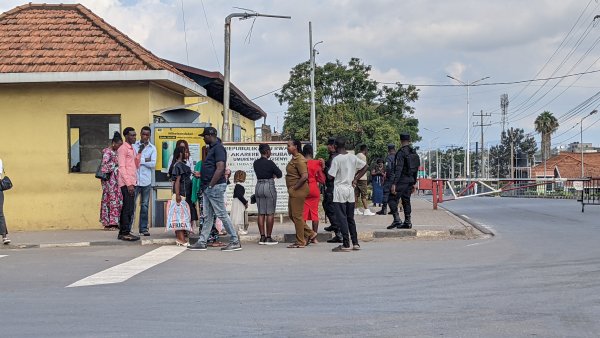
The borders were closed on the morning of May 18, 2026, one day after the closure of the Petite Barrière and Grande Barrière crossings linking Rubavu District with Goma, which were also shut down due to Ebola concerns.
By morning hours, travelers arriving at Rusizi I and Rusizi II were turned back in both directions, with movement across the borders suspended.
The Mayor of Rusizi District, Phanuel Sindayiheba, said the decision was taken to help prevent the spread of Ebola, which has been reported in parts of the DRC.
He noted that certain categories of travelers, including students, humanitarian workers, transporters of essential goods, and returning residents, will still be assisted to cross under controlled conditions.
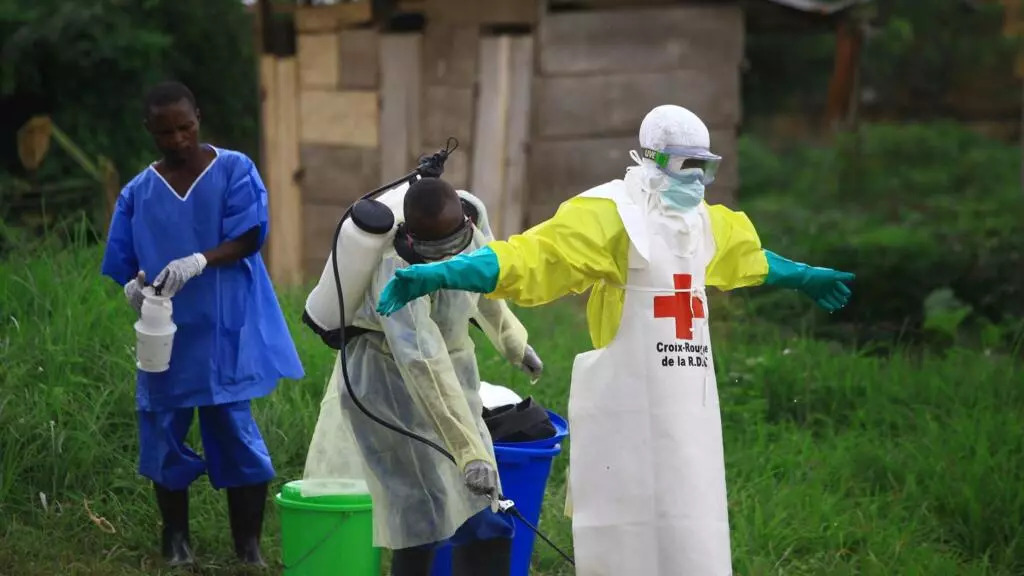
Ebola is a highly contagious viral disease transmitted through contact with infected bodily fluids such as blood, sweat, saliva, urine, vomit, and other secretions.
The virus can also spread through contact with contaminated clothing, bedding, or medical equipment that has not been properly disinfected.
Health authorities have urged the public to avoid direct contact with suspected Ebola patients unless wearing proper protective equipment.
Sindayiheba also called on residents to continue observing preventive measures, including frequent handwashing with clean water and soap, avoiding handshakes, limiting unnecessary travel especially to affected areas, and seeking medical attention immediately if symptoms such as high fever, joint pain, or bleeding occur.
The Ministry of Health confirmed that no cases of Ebola have been detected in Rwanda so far, despite an ongoing outbreak in the DRC that has already claimed 88 lives.
The Ebola strain identified in the current outbreak, known as Bundibugyo virus, was first discovered in Uganda in 2007–2008, where it infected 149 people and caused 37 deaths.
It later re-emerged in 2012 in the DRC’s Isiro region, infecting 57 people and killing 29
Rwanda has tightened border controls at Rusizi I and II due to Ebola outbreak in DRC that has claimed 88 lives.
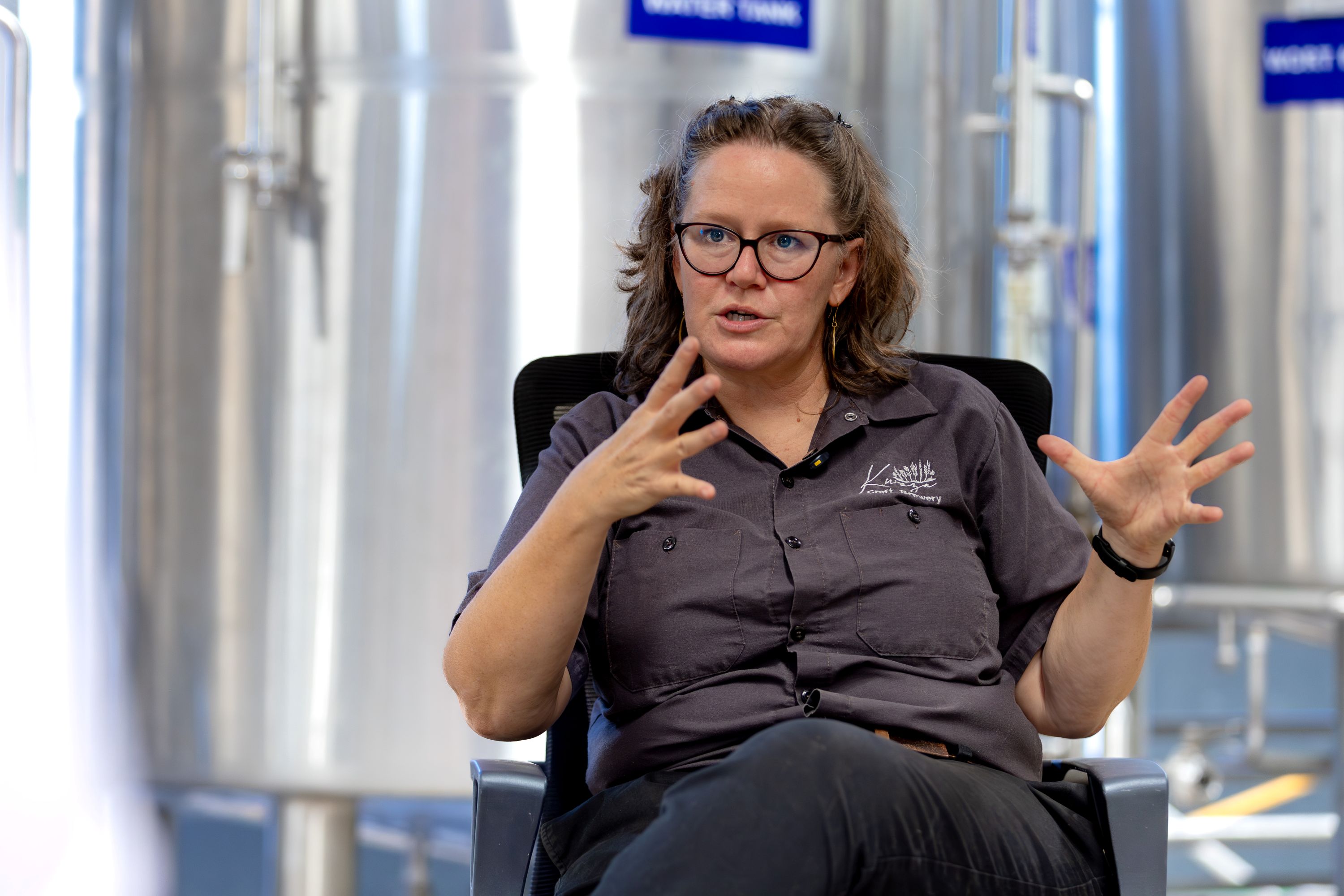
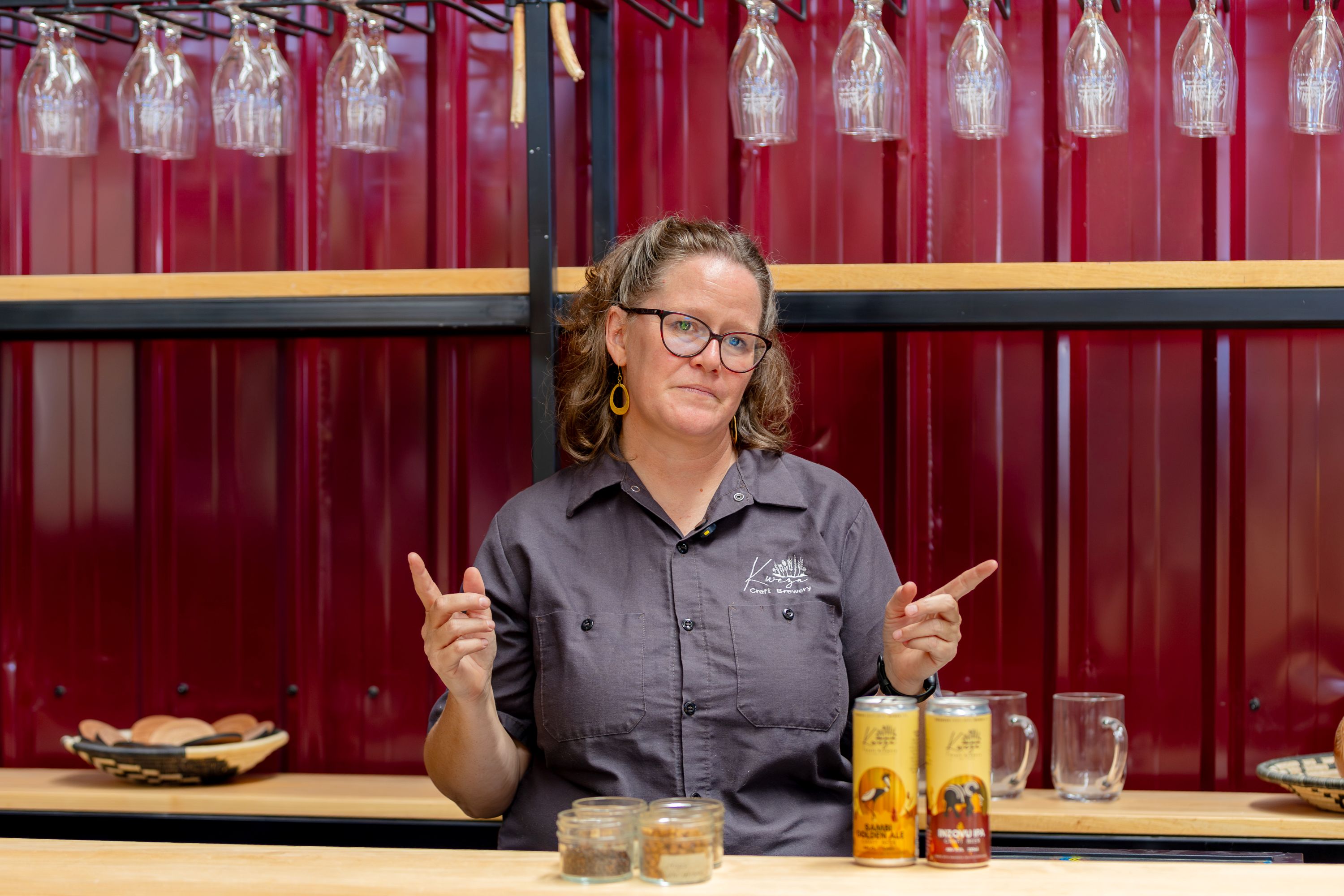
Speaking in an exclusive interview with IGIHE, Managing Director Jessi Flynn said Kweza represents both a business venture and a broader mission to reshape the global brewing industry by centring women and African agricultural heritage.
Flynn, who first came to Rwanda in 2017 as a landscape architect working on the Rwanda Institute for Conservation Agriculture, said she was drawn to Kweza’s founding idea: a women-led craft brewery using locally sourced ingredients to take Rwandan beer to global markets.
“Brewing is a $900 billion global industry, but only about 3% of those involved in ownership and leadership are women,” she said, noting that brewing historically began in Africa with women, particularly in traditional beer-making practices such as ikigage.
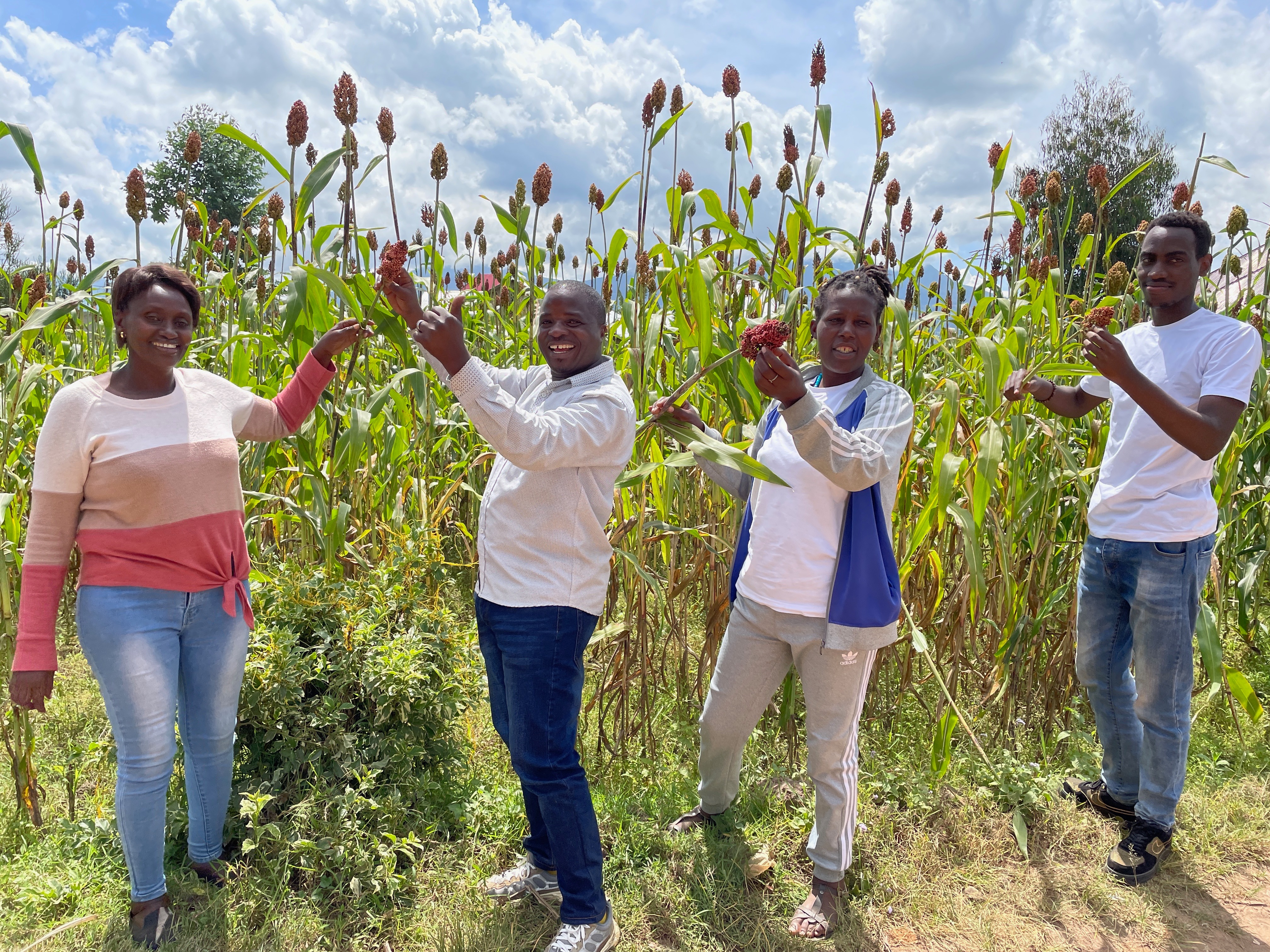
Kweza produces beer primarily from malted sorghum.
Sorghum-based brewing and expansion ambitions
Kweza produces beer primarily from malted sorghum, locally known as amamera, a grain the company says gives its products a lighter, gluten-reduced profile and a distinct flavour compared to conventional barley-based beers.
The brewery, which has already won recognition, including a bronze medal at the African Beer Cup for its Nzovu IPA, began with small-scale production before expanding following licensing approval in 2021. It now supplies draft beer to around a dozen locations in Kigali, including major hotels and entertainment venues, and recently introduced canned products to reach supermarkets and delivery platforms.
Before recent disruptions, the company was valued at approximately $2.3 million (approximately Rwf 3.4 billion), built on investments and brand value, with ambitions to expand across Rwanda and eventually into wider African and global markets.
Before recent disruptions, the company was valued at approximately $2.3 million.
Landlord dispute and production shutdown
However, Flynn revealed that the company’s growth trajectory was interrupted by a dispute with its former landlord, which escalated into a legal battle.
According to her account, changes to an original equity agreement led to failed negotiations and eventual relocation plans. During the transition, she said the landlord locked the brewery premises, prompting legal action.
After a three-month court process, the court ruled the seizure illegal and dismissed the complaints, allowing the company to proceed with relocation. Despite the legal victory, the shutdown resulted in significant financial losses and nearly nine months without production.
“We have not brewed since late August,” Flynn said, describing the downtime as a major setback for a manufacturing business.
The disruption also forced the company to lay off more than half of its workforce, most of whom were women, and temporarily close its taproom operations.
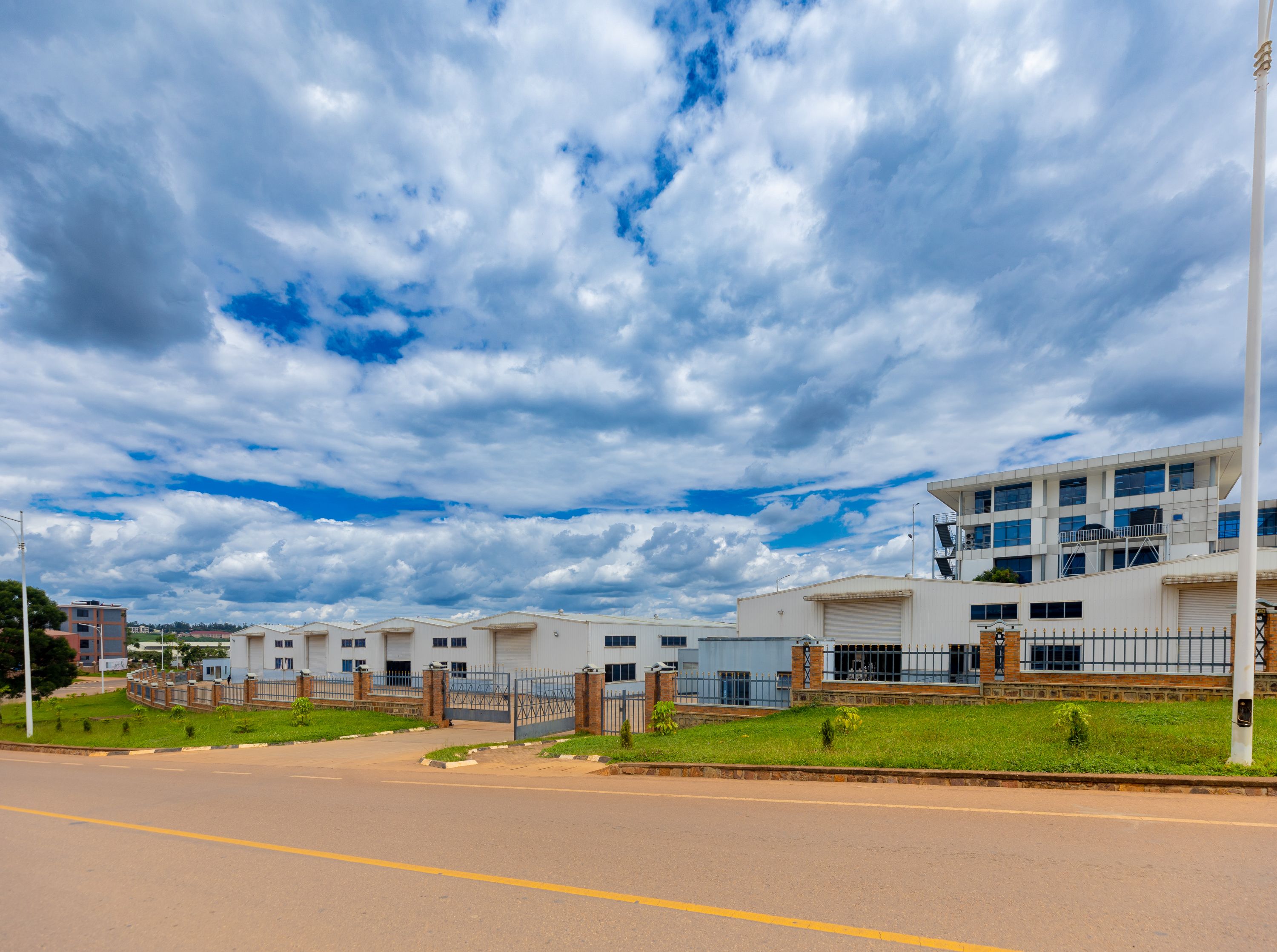
Kweza has since relocated to the Masoro Economic Zone, which Flynn said offers improved infrastructure, including reliable power and water systems needed for scaling production.
Kweza is a women-led craft brewery using locally sourced ingredients to make beer.
Crowdfunding to restart operations
To bridge the financial gap created by the shutdown and relocation, Kweza launched a crowdfunding campaign aimed at raising $22,000, which it has since reached. Flynn said the initiative was intended as a short-term survival strategy while the company works toward longer-term financing.
The MD, who has indicated an intention to countersue as the landlord continues litigation despite court findings, said the funds would support restarting production, rehiring staff, and bringing back key brewing personnel.
Kweza produces beer primarily from malted sorghum, locally known as amamera, a grain the company says gives its products a lighter, gluten-reduced profile and a distinct flavour compared to conventional barley-based beers.
She noted that the campaign has attracted support from individuals, industry professionals, and beer enthusiasts globally, many of whom have expressed concern that the brand could disappear.
The company is also exploring shareholder loans and longer-term investment partnerships as it looks to stabilise operations and resume full production.
A vision that “refused to die”
Despite the setbacks, Flynn said the experience has reinforced Kweza’s identity and mission.
She emphasised the company’s ambition to connect traditional African brewing practices with modern global markets, while challenging long-standing gender imbalances in the brewing industry.
“How do we use this story, this history, and this essence to grow a global brand?” she said.
Kweza craft beer,
Flynn added that continued public support has been crucial during the crisis, with growing international interest in the brand’s products and story.
“When we get calls from across the world asking when they can get our beer in their countries, it shows there’s an amazing future ahead,” she said.
For now, Kweza remains in a critical transition phase, moving from crisis toward recovery, with its leadership betting that renewed production will mark the beginning of a stronger chapter.
“At the end of the day, it’s a manufacturing business with day-to-day operations. But when you sit down with a friend and share a Kweza beer, it’s social. It’s art and science. It’s business. It’s women-led and locally sourced. We’re not only innovating, we’re challenging the market in a way that people identify with, love, and want more of,” Flynn quipped.
Watch the video to learn more about the Kweza Craft Brewery journey, its setbacks, comeback, and what lies ahead.
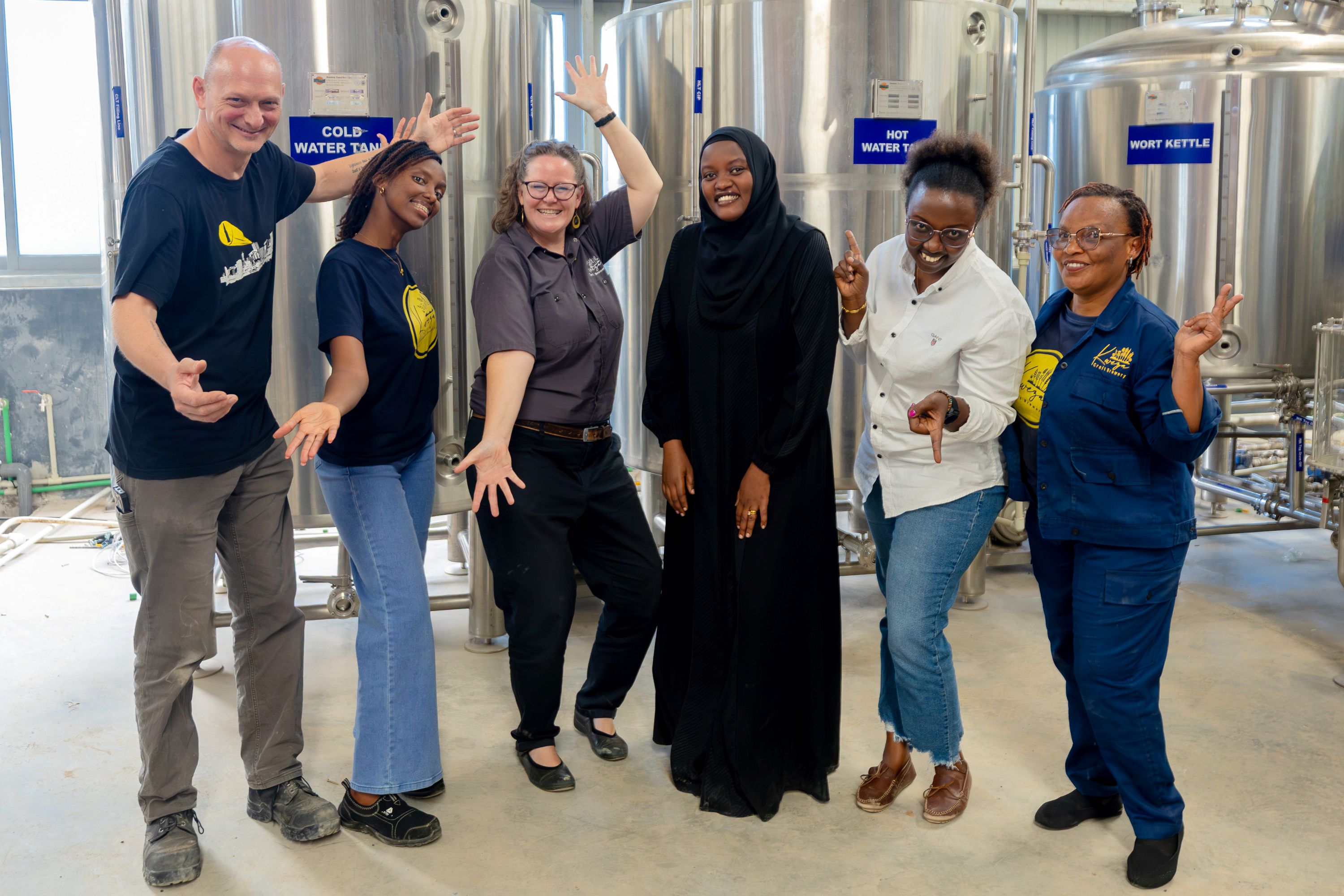
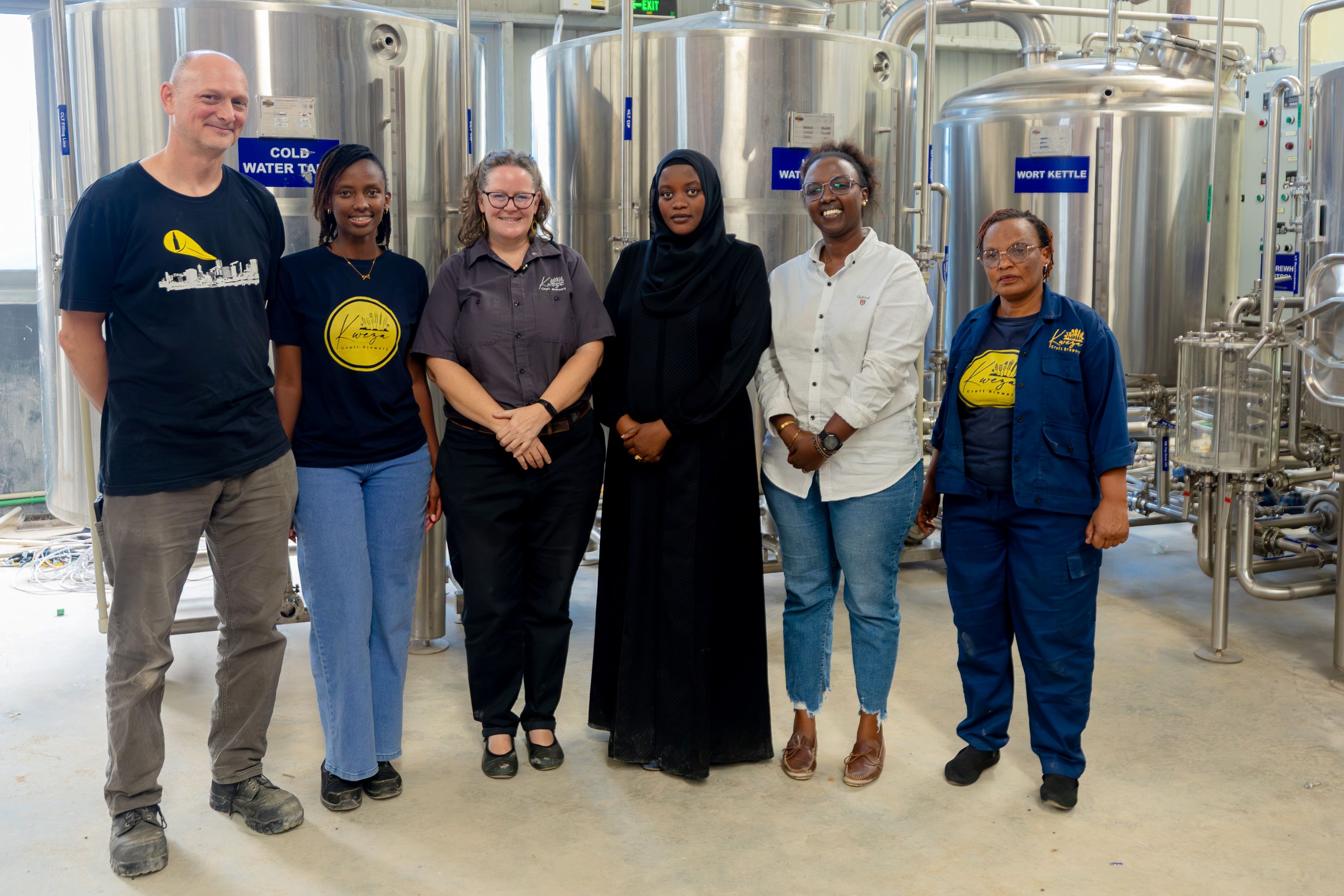
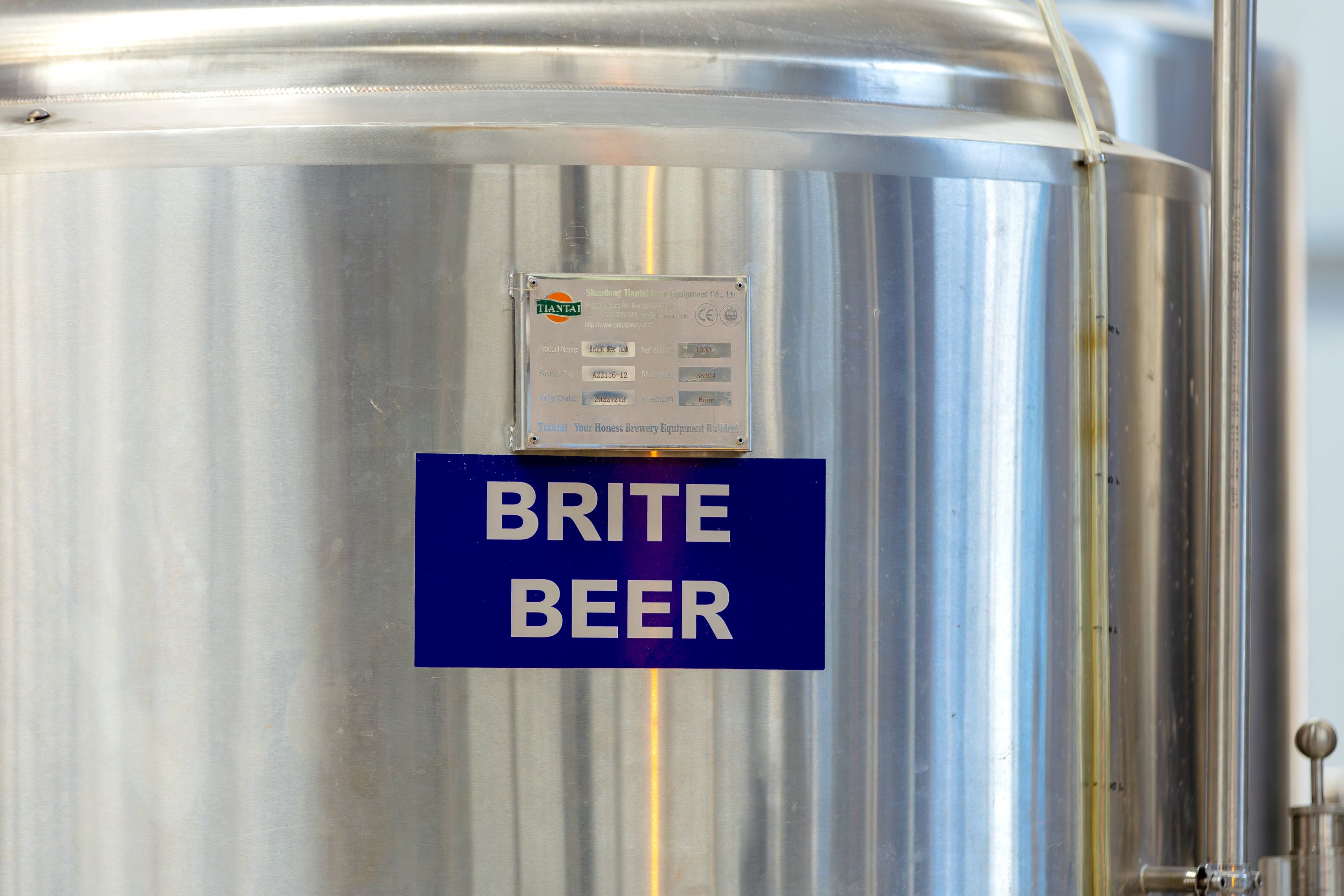
Kweza recently relocated to the Masoro Economic Zone, which Flynn said offers improved infrastructure, including reliable power and water systems needed for scaling production.Speaking in an exclusive interview with IGIHE, Managing Director Jessi Flynn said Kweza represents both a business venture and a broader mission to reshape the global brewing industry by centring women and African agricultural heritage.The brewery, which has already won recognition, including a bronze medal at the African Beer Cup for its Nzovu IPA, began with small-scale production before expanding following licensing approval in 2021.The brewing equipment has been installed ahead of the resumption of operations.
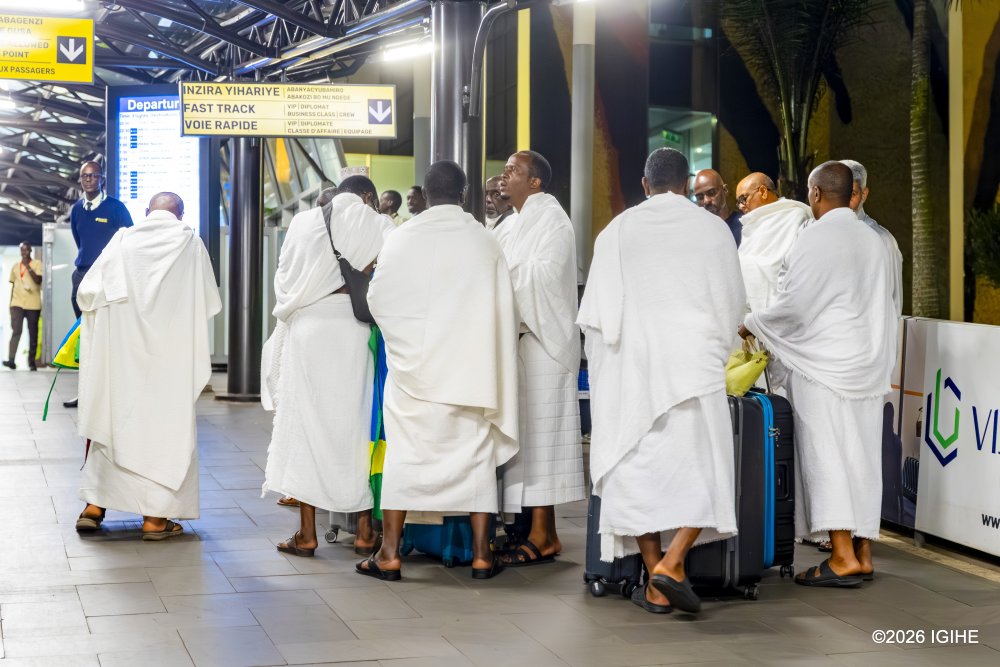
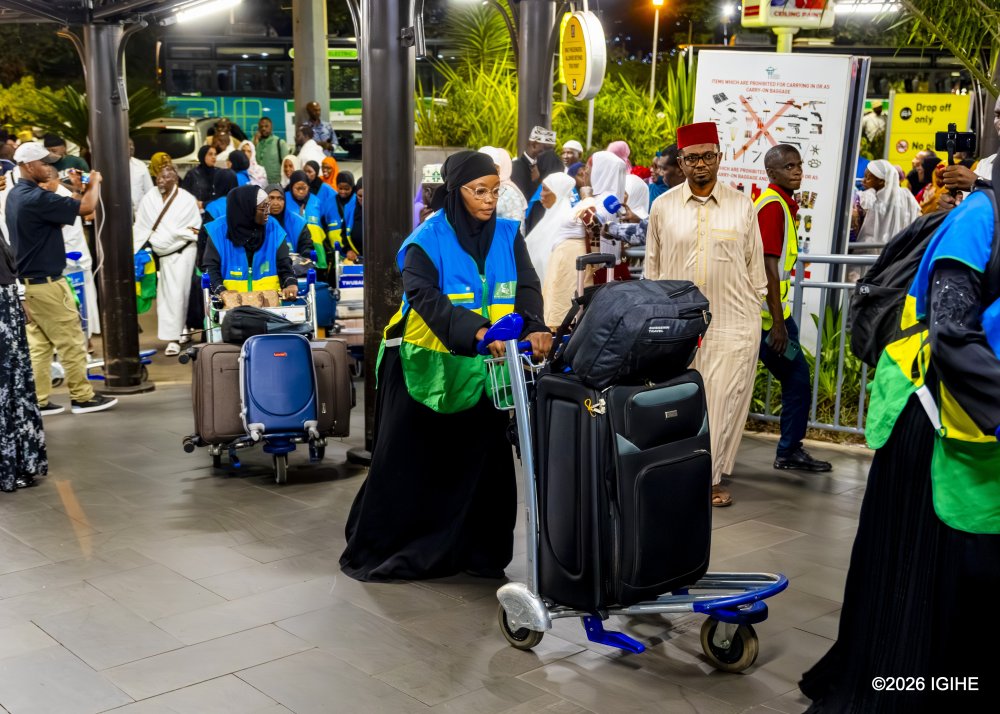
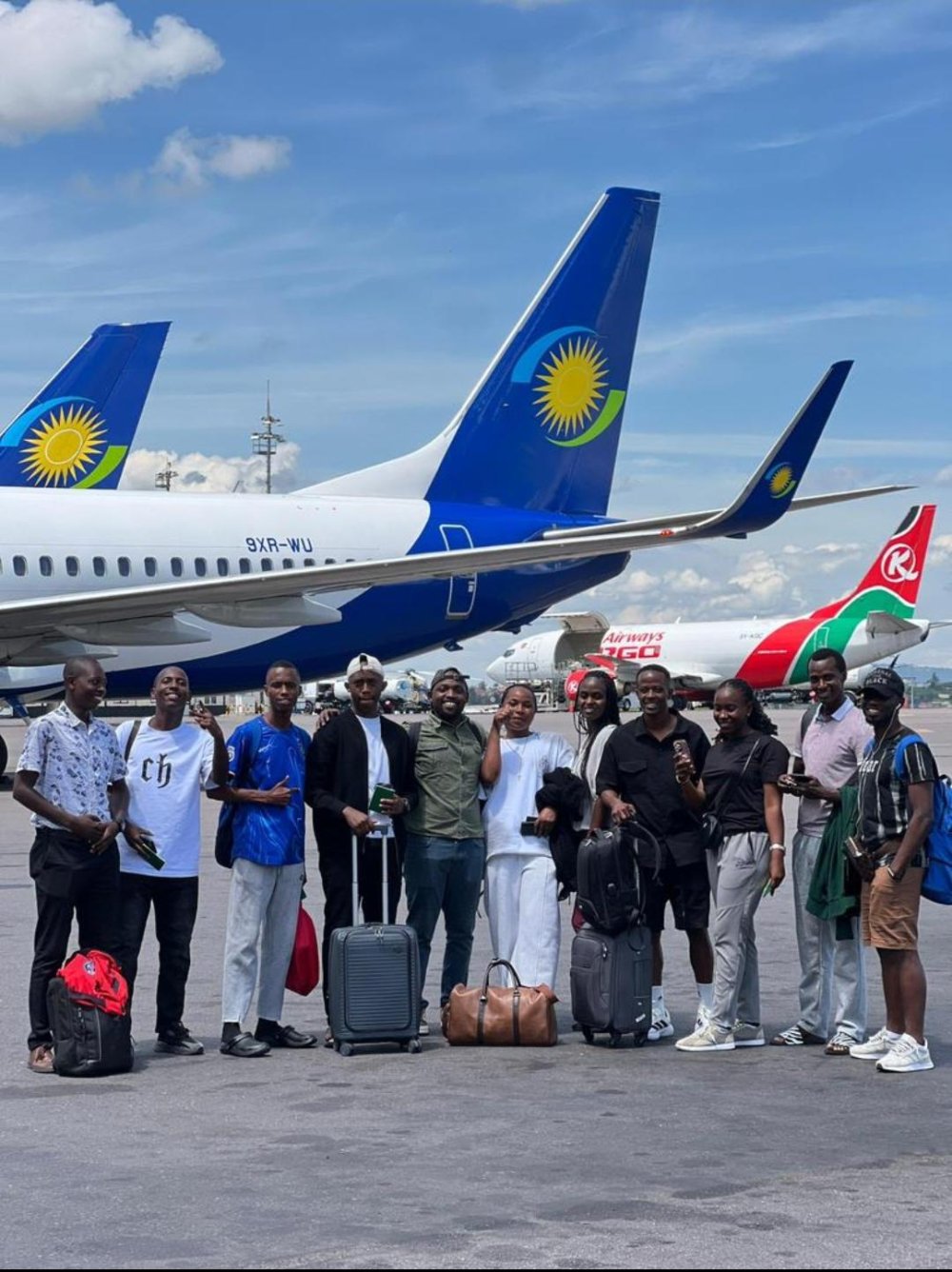
Among the pilgrims, 62 traveled aboard a RwandAir flight, while the remaining 10 traveled separately after receiving tickets from the Saudi Arabian Embassy.
Performing Hajj is considered a religious obligation for every Muslim who is financially able to undertake the journey. The pilgrimage costs around $7,800 per person and represents the fifth pillar of Islam.
The other pillars include believing in one God and that Prophet Mohammed is His messenger, praying five times a day, giving charity, and observing the holy month of Ramadan through fasting.
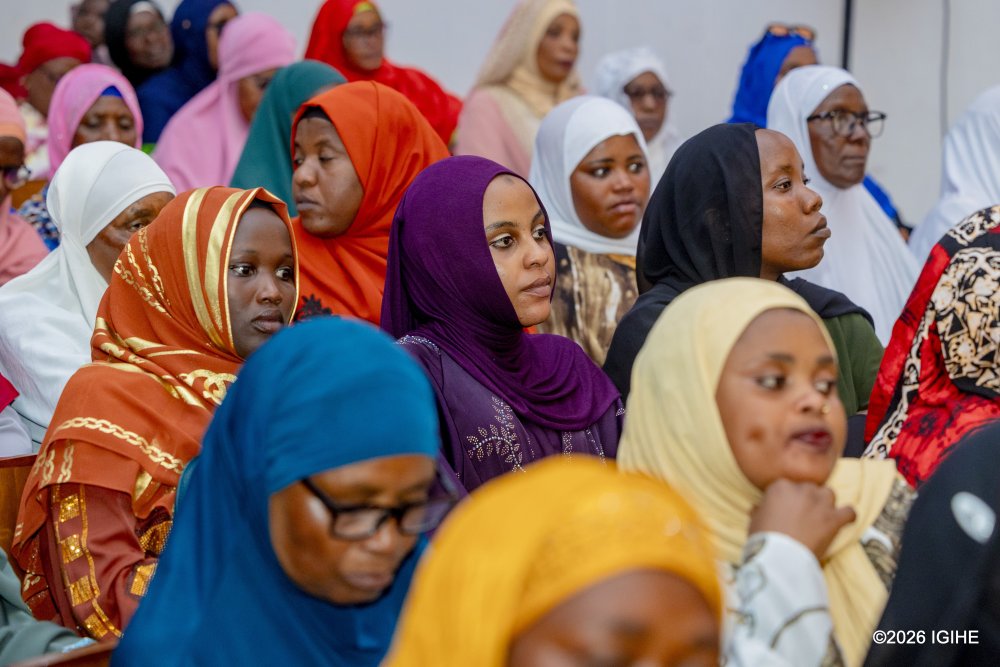
Before departure, the pilgrims — both men and women — were encouraged to respect all rituals associated with the pilgrimage and remain committed to prayer throughout the journey.
The Mufti of Rwanda, Sheikh Sindayigaya Mussa, urged the pilgrims to pray for Rwanda’s continued peace and development.
“Stay united, pray for the country so it continues to enjoy security and progress, pray for the nation’s leaders, and also remember those who have not yet had the opportunity to go to Mecca so they may one day make the pilgrimage as well,” he said.
Sheikh Sindayigaya also praised the role of RwandAir in making the journey easier for pilgrims.
He explained that before the partnership with the airline, travelers from Rwanda often had to transit through Dubai, spending long hours on connecting flights and waiting at airports, with total travel time sometimes reaching 15 hours.
“Now the journey takes only about three and a half hours. There is less fatigue, no risk of losing luggage, and no long delays because they travel directly to their destination,” he said.
One of the pilgrims, Wibabara Assouma, expressed excitement about fulfilling one of Islam’s key religious obligations.
“As God said, this is holy land. When you pray there with faith, there is hope that your prayers will be answered. Above all, you fulfill an important pillar of Islam, and you do not return spiritually the same way you left because your soul is purified,” she said.
Over the past three years, since RwandAir began working with the Muslim community in Rwanda, the airline has transported 227 pilgrims to Mecca, including this year’s group of 62 travelers.
Families and relatives bid farewell to pilgrims leaving Rwanda for the annual Hajj pilgrimage, one of the five pillars of Islam.The Mufti of Rwanda, Sheikh Sindayigaya Mussa, addressed pilgrims before their departure for the holy city of Mecca.Muslim pilgrims departing from Rwanda were encouraged to pray for peace, unity, and national development during their journey to Mecca.Ten pilgrims traveled separately after receiving tickets from the Saudi Arabian Embassy.
He made the remarks on May 16, 2026, during a two-day consultative meeting organized by the institution in partnership with the United Nations Economic Commission for Africa.
The forum, which started on May 15, focused on strategies to support industrial development in Rwanda and advance plans to generate electricity using nuclear energy.
Dr. Ndahayo said the discussions were necessary because developing a nuclear power plant requires extensive planning, investment, and coordination.
“The objective is to ensure that as many local resources as possible contribute to implementing the nuclear energy project. When such projects are managed effectively and at a high standard, they can significantly boost the country’s economy,” he said.
On May 16, experts and representatives from several African countries met to discuss how large-scale nuclear energy projects could be financed and implemented across the continent.
Dr. Ndahayo noted that many African countries face financial constraints when pursuing projects of this scale, as the investment required can sometimes exceed national budgets or even a country’s gross domestic product.
He explained that UNECA has conducted studies exploring financing mechanisms that could help developing countries mobilize the resources needed to build nuclear power infrastructure.
According to Dr. Ndahayo, an assessment conducted by experts from the International Atomic Energy Agency found that Rwanda has made significant progress in building the institutional and technical capacity needed to adopt nuclear energy.
He said the findings indicate that the country is on track to begin implementation works by 2028.
“Our target is that by 2028, construction of a nuclear power plant should begin,” he said.
However, he acknowledged that a number of major requirements still need to be completed within the next two years, including selecting the technology to be used, securing financing, and identifying contractors.
“There is still a lot to be done within that timeframe. We must finalize the technology, secure funding sources, identify the companies that will build the plant, and ensure everything is ready so that the foundation stone can be laid in 2028,” he added.
Dr. Ndahayo also said Rwanda’s hosting of Nuclear Energy Innovation Summit on Africa, scheduled for May 18–21, 2026, will provide an important opportunity to attract potential partners for the project.
He revealed that six potential sites across Rwanda have already been identified for the construction of the plant, though detailed feasibility studies are still ongoing.
The selected locations were chosen based on several criteria, including access to water, relatively flat terrain, low seismic risk, and limited human activity nearby.
“We have identified six possible locations that meet the initial requirements, such as water availability, absence of high mountains, low exposure to earthquakes, and limited population activity,” he said.
Despite this progress, Dr. Ndahayo stressed that further in-depth geological and environmental studies are still required before a final site can be selected.
“Identifying the sites is only the beginning. The next step is conducting detailed studies. Even for a seven-story building, engineers first examine the ground conditions carefully. Imagine the level of assessment needed for a nuclear power plant,” he explained.
“You have to go as deep as 100 meters underground to confirm whether the site is suitable. That is why we cannot yet disclose the exact locations, because the studies are still ongoing.”
Rwanda aims to have a nuclear power plant operational by 2030 as part of its long-term strategy to expand electricity generation and diversify energy sources.
The two-day consultative meeting was organized by the institution in partnership with the United Nations Economic Commission for Africa. Dr. Ndahayo disclosed that an assessment conducted by experts from the International Atomic Energy Agency found that Rwanda has made significant progress in building the institutional and technical capacity needed to adopt nuclear energy. Rwanda plans to begin construction of its first nuclear power plant within the next two years.
In a letter dated Sunday, May 17, 2026, Nsengiyumva addressed his apology to the Rwanda Football Federation (FERWAFA), BK Pro League, Mukura Victory Sports, the refereeing commission, the Rwanda Referees Association (ARAF), Mbonyamahoro Serieux, and football fans at large.
“I am writing this letter to apologise for the inappropriate behaviour I displayed during the Matchday 29 fixture between Mukura Victory Sports and Rutsiro FC on May 3, 2026, where I committed an unacceptable act during the match,” he wrote.
“I would first like to sincerely apologise to Mukura VS player Mbonyamahoro Serieux, because it is unacceptable for a referee to behave in such a manner. I also apologise to Mukura VS, FERWAFA, BK Pro League, and the refereeing authorities because my conduct projected a bad image,” he added.
Nsengiyumva described the incident as a serious mistake committed in the heat of the moment and assured the public that such behaviour would not happen again.
He further pledged to respect the laws of the game, uphold professionalism, and maintain the discipline expected of match officials.
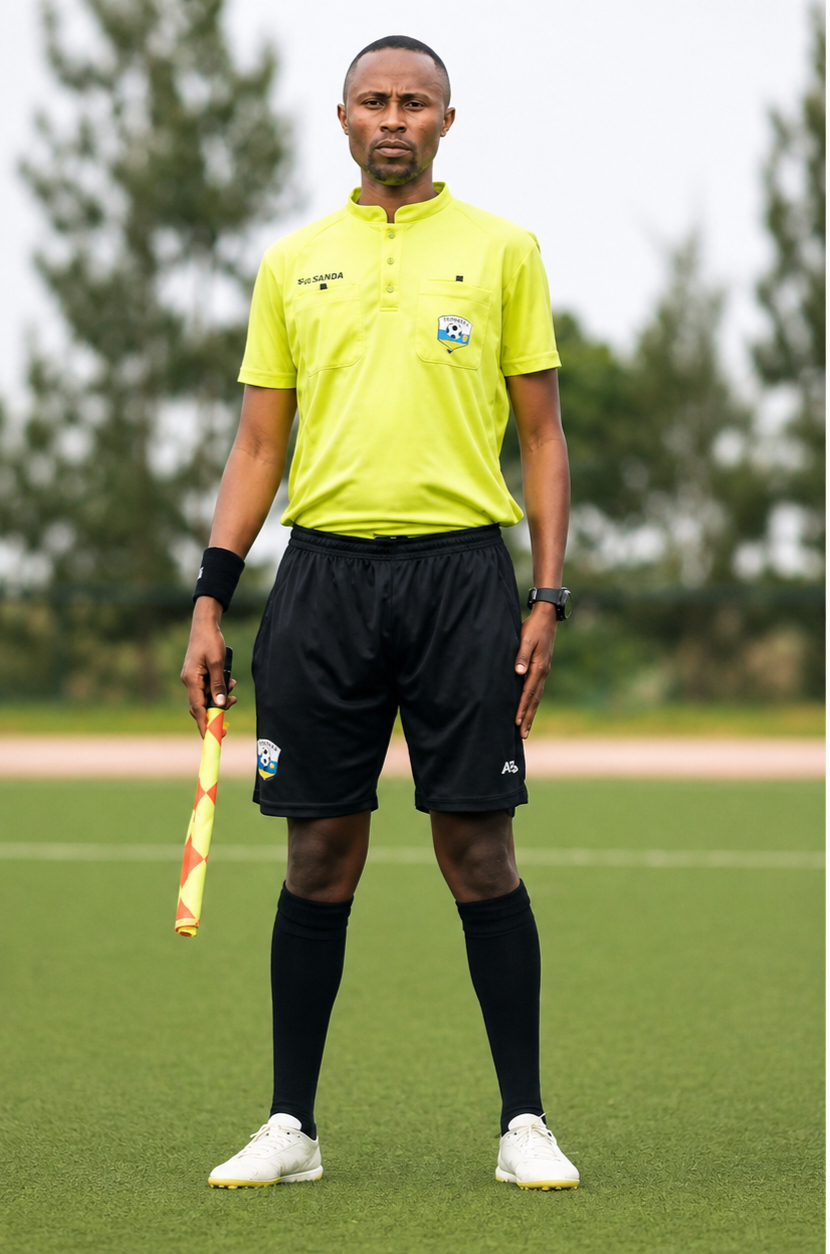
The FERWAFA Refereeing Commission, which convened on May 4, 2026, found that Nsengiyumva, who was serving as an assistant referee during the match, had displayed conduct inconsistent with the responsibilities of a referee, resulting in a 12-month suspension.
The commission also sanctioned other officials involved in the match. Centre referee Nshimiyimana Rémy Victor was suspended for five matches after being found guilty of wrongly awarding two penalties to Rutsiro FC and failing to effectively control the game.
Mu mukino w’Umunsi wa 29 wa Shampiyona wabereye kuri Stade Kamena, Rutsiro FC yatsinze Mukura ibitego 2-1, byombi byavuye kuri penaliti.
Uyu mukino wabayemo agashya, aho umusifuzi w’igitambaro Nsengiyumva Jean Paul nyuma yo gusifura penaliti ya kabiri, yakubise umugeri… pic.twitter.com/yFuLjSnEFQ
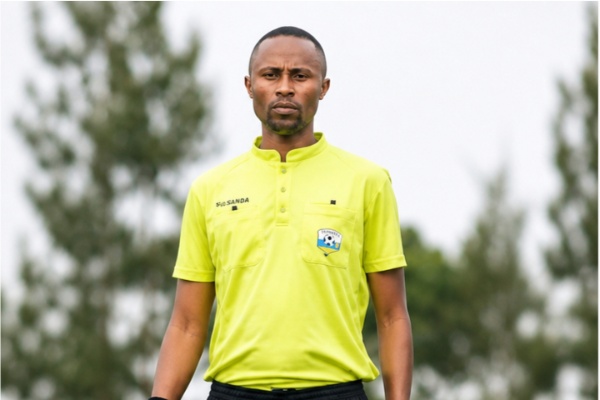
Referee Nsengiyumva Jean Paul, who was handed a 12-month suspension after kicking Mukura VS defender Mbonyamahoro Serieux in the groin during a league match, has apologised for his conduct.
The coaches are expected to travel to Madrid later this week, where the training sessions will officially begin on May 23, 2026.
The initiative is part of a broader partnership between Rwanda and Atlético de Madrid, implemented through the Ministry of Sports and the Rwanda Development Board (RDB). Since February 2026, Spanish coaches from the club have been conducting technical and tactical training sessions for Rwandan coaches, particularly those involved in youth football development across the country.
Following the initial training phase, 13 coaches were selected to continue the program through online classes held twice a week, with advanced in-person sessions scheduled to take place in Spain.
The selected coaches are Haruna Niyonzima, Itangishaka Blaise, Sifa Gloria Nibagwire, Innocent Murwanashyaka, Iragena Oscarie, Joseph Junior Rutagengwa, Nadia Bugenimana, Nicolas Hakizimana, Darius Hirwa, Damascène Nsengiyumva, Emmanuel Coman Mugisha, Schadrack Nsengayire, and Shema Bravo.
The delegation left Rwanda on Sunday, May 17, 2026, for Tanzania, where they will finalize travel documentation required for entry into Spain.
President of the Rwanda Football Federation (FERWAFA), Fabrice Shema Ngoga, said the program is designed to help Rwanda build a stronger pool of qualified coaches capable of developing local football talent.
“All coaches are expected to meet the required standards because this is a serious professional program, not a recreational activity. Those who do not perform are dropped from the course. The 13 selected coaches attend classes twice a week, and they are expected to play a key role in developing many more coaches in the future,” he said.
Atlético de Madrid, one of Spain’s most successful football clubs with 11 league titles, has partnered with Rwanda under the Visit Rwanda campaign to promote the country’s tourism sector internationally. The partnership includes branding at the Riyadh Air Metropolitano Stadium and on the club’s training kits.
The coaches are expected to travel to Madrid later this week, where the training sessions will officially begin on May 23, 2026.
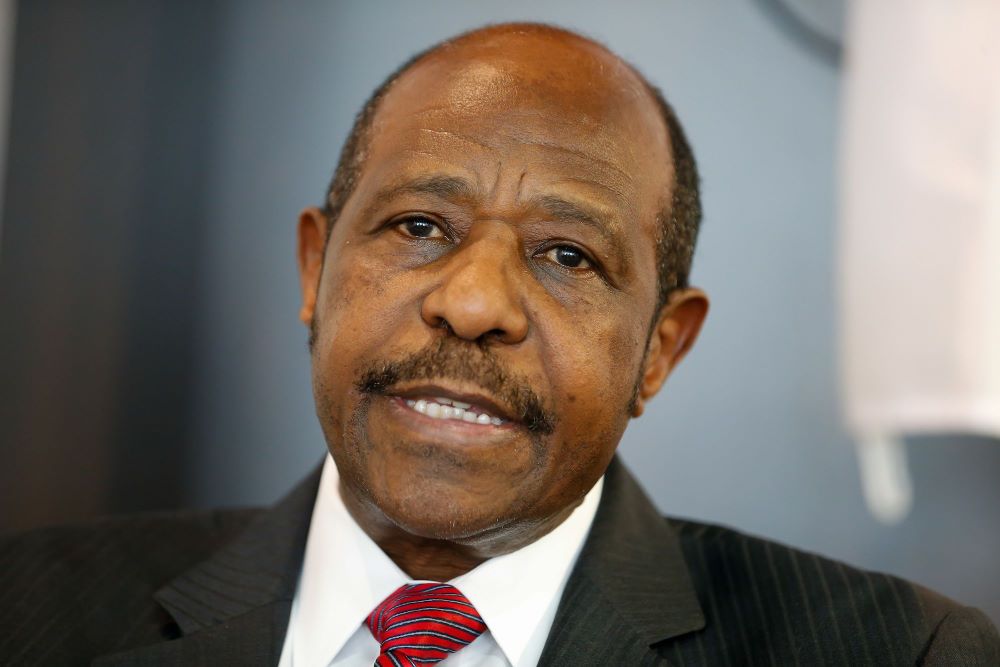
Rusesabagina, who was released in March 2023 through a presidential pardon after serving part of a 25-year sentence for terrorism-related crimes, recently claimed that after his arrest he was pressured to cooperate with the Rwandan government and offered senior positions in return.
The remarks were made during a conversation with his supporters and have since sparked criticism, with some observers questioning the consistency of his statements.
In a letter addressed to President Paul Kagame in October 2022 while requesting clemency, Rusesabagina had written that he no longer had any political ambitions and intended to leave issues related to Rwanda’s politics behind him.
However, his latest comments appear to depart from that position.
Among the claims drawing attention is his assertion that officials from the Rwanda Investigation Bureau (RIB) and the prosecution allegedly offered him high-ranking government roles if he agreed to work with the authorities.
According to Rusesabagina, he was told he could choose to become an ambassador, a minister, or even vice president, with only the presidency being out of reach.
Critics have dismissed the claims as implausible, noting that Rwanda’s political system does not even include the position of vice president.
One analyst who spoke to IGIHE questioned why a suspect facing serious criminal charges would allegedly be promised senior political office instead of being prosecuted.
The analyst also argued that if such discussions had ever taken place, Rusesabagina would likely have mentioned them much earlier, given the many interviews and public appearances he has made over the years.
Rusesabagina further claimed that after those conversations, he was driven around Kigali and shown development projects while being asked why he opposed a country focused on rebuilding itself.
Another source interviewed by IGIHE described the account as difficult to believe, arguing that it would be highly unusual for a detainee to be taken on such tours while under arrest.
Some of Rusesabagina’s recent statements have also contradicted earlier accounts regarding the conditions of his detention.
He recently suggested that he was mistreated and physically weakened when first presented to the media after his arrest. Yet previous reports and testimonies from people who visited him during detention described relatively comfortable conditions.
Sources familiar with his stay at Remera Police Station said he was allowed to select meals from hotel menus and could request additional items, including wine.
A person who once visited him during detention told IGIHE that they even shared fruit together during the visit.
Rusesabagina has also claimed that while in prison he lived in harsh isolation, rarely interacted with other inmates, and spent very limited time outside his cell.
However, former inmates and visitors at Kigali’s Mageragere Prison previously described his conditions differently, saying he had access to books, furniture, and space to receive visitors.
Another point of contention concerns his claim that he was held in a small room without windows. Footage previously recorded during a visit by journalists from Kigali Today appeared to show a room with an open window allowing natural light inside.
Rusesabagina also alleged that on the day of his release, Radio Rwanda reported that Parliament and the Senate had convened to approve his release.
That claim has also been challenged, as his release followed a presidential pardon process and did not require approval from Parliament.
Rusesabagina was released in March 2023 through a presidential pardon.
In a statement issued on Sunday, Rwanda’s Ministry of Health said the country is closely monitoring the outbreak, which the World Health Organisation (WHO) recently declared a Public Health Emergency of International Concern (PHEIC).
“There is currently no case of Ebola in Rwanda,” the ministry said, while assuring the public that health authorities remain vigilant.
As part of precautionary measures, Rwanda has strengthened screening and surveillance at border entry points with the DRC. Health teams have been placed on alert, and response systems reinforced to ensure early detection and rapid containment should any suspected cases emerge.
The latest outbreak in eastern DR Congo has so far recorded 336 suspected and confirmed cases in Ituri Province, according to the Africa Centres for Disease Control and Prevention (Africa CDC). The outbreak is being driven by the Bundibugyo strain of the Ebola virus, for which no approved strain-specific vaccine currently exists.
Africa CDC Director General Jean Kaseya warned that cross-border movement, mining-related mobility, and weak disease surveillance systems could complicate efforts to contain the outbreak.
Regional concerns intensified after Uganda confirmed an imported Ebola case linked to the outbreak in DR Congo. Ugandan authorities said a 59-year-old Congolese man who died in Kampala tested positive for the Bundibugyo strain.
Africa CDC has classified the outbreak as a Grade 3 emergency, the agency’s highest response level, with the risk assessed as “very high” within DR Congo and “high” across eastern Africa.
Authorities in Rwanda have also tightened border controls in Rubavu District, where the Petite Barrière, Grande Barrière, and Kabuhanga border posts connecting Gisenyi and Goma were temporarily closed as a preventive measure.
Rubavu District Mayor Prosper Mulindwa said the decision was aimed at preventing the spread of Ebola into Rwanda.
“Borders connecting Goma and Gisenyi have been temporarily closed while monitoring the Ebola outbreak. We will continue engaging with citizens to explain the reasons behind this decision,” he said.
Despite the temporary closures, health officials continue screening Rwandan nationals entering from DR Congo as well as Congolese citizens returning home under strict monitoring protocols.
The Ministry of Health said it will continue working with national, regional, and international partners to protect public health and maintain preparedness against the outbreak.
Ebola is a highly contagious viral disease that can cause fever, vomiting, diarrhoea, fatigue, body pain, and in severe cases, internal and external bleeding. Fatality rates vary depending on the virus subtype, according to the WHO.
In a statement issued on Sunday, Rwanda’s Ministry of Health said the country is closely monitoring the outbreak, which the World Health Organisation (WHO) recently declared a Public Health Emergency of International Concern (PHEIC).According to the Africa Centres for Disease Control and Prevention (Africa CDC), the outbreak has so far recorded 336 suspected and confirmed cases in Ituri Province in eastern DR Congo. The outbreak marks the country’s 17th Ebola epidemic since 1976.
According to the Africa Centres for Disease Control and Prevention (Africa CDC), the outbreak has so far recorded 336 suspected and confirmed cases in Ituri Province in eastern DR Congo. The outbreak marks the country’s 17th Ebola epidemic since 1976.
Africa CDC Director General Jean Kaseya said during an online press briefing that the outbreak is caused by the Bundibugyo strain of the Ebola virus, for which no strain-specific vaccine is currently available.
The agency warned that cross-border movement, mining-related mobility, and weak disease surveillance systems could complicate efforts to contain the virus.
Regional concern has intensified after Uganda confirmed an imported Ebola case linked to the outbreak in DR Congo. Ugandan authorities said a 59-year-old Congolese man who died in Kampala on Thursday tested positive for the Bundibugyo strain.
Africa CDC has classified the outbreak as Grade 3, the highest level of emergency response, with the risk rated “very high” within DR Congo, “high” across eastern Africa, and “moderate” for the rest of the continent.
The agency cited several factors behind the elevated risk, including a four-week delay in detecting the outbreak, active community transmission in a peri-urban mining area, weak contact tracing systems, infection prevention gaps, and deaths among healthcare workers.
The outbreak has also prompted neighbouring Rwanda to tighten preventive measures. Authorities on Sunday temporarily closed the Petite Barrière, Grande Barrière, and Kabuhanga border posts in Rubavu District, key crossing points between Gisenyi and Goma.
Rubavu District Mayor Prosper Mulindwa said the decision was taken as a precaution to prevent the spread of Ebola into Rwanda.
“Borders connecting Goma and Gisenyi have been temporarily closed while monitoring the Ebola outbreak. We will continue engaging with citizens to explain the reasons behind this decision,” he said.
Despite the closure, health authorities continue to screen Rwandan nationals entering from DR Congo, as well as Congolese citizens returning home under strict monitoring measures.
On Sunday, the World Health Organisation (WHO) declared the Ebola outbreak in the DRC and Uganda a “public health emergency of international concern,” calling for a coordinated global response.
The WHO, however, clarified that the outbreak, caused by the Bundibugyo virus strain, does not currently meet the threshold for classification as a pandemic emergency.
Ebola is a highly contagious viral disease that can cause fever, vomiting, diarrhoea, body pain, fatigue, and in severe cases, internal and external bleeding. According to the WHO, fatality rates vary depending on the Ebola virus subtype.
According to the Africa Centres for Disease Control and Prevention (Africa CDC), the outbreak has so far recorded 336 suspected and confirmed cases in Ituri Province in eastern DR Congo. The outbreak marks the country’s 17th Ebola epidemic since 1976.
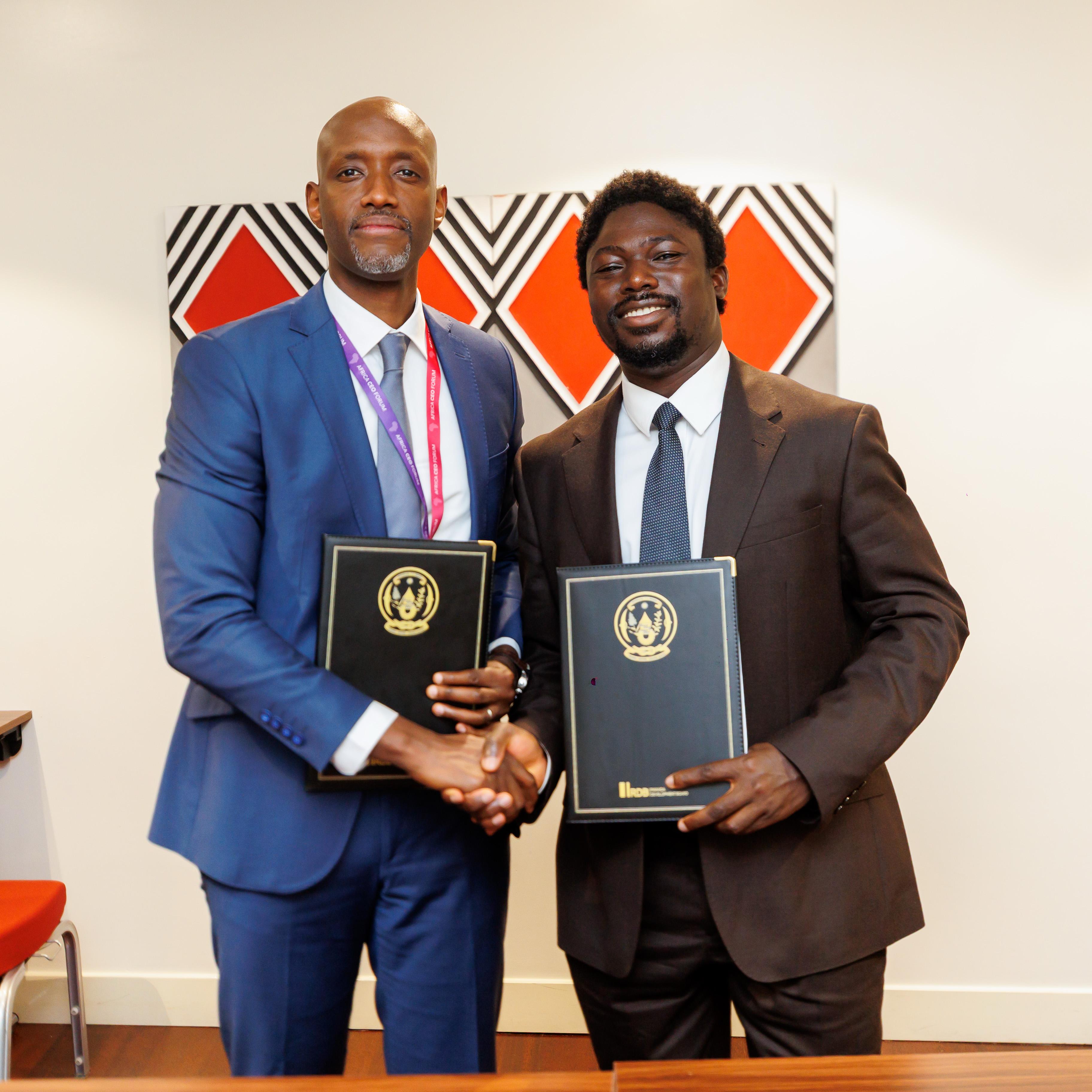
The agreement, signed during the recently concluded Africa CEO Forum, establishes a framework for discussions around technology-enabled transport solutions, digital innovation, and support for Rwanda’s urban mobility ecosystem.
Under the partnership framework, Yango Group and RDB will engage on areas including investment facilitation, regulatory engagement, and broader conversations relating to smart urban transport and digital mobility solutions.
Adeniyi Adebayo, Chief Business Officer at Yango Group, said Rwanda’s rapidly evolving digital economy makes it an attractive market for technology-driven services.
“Rwanda represents a dynamic and evolving digital economy, with growing interest in technology-enabled services,” Adebayo said after signing the MoU with RDB CEO Jean Guy Afrika.
“Through this engagement, we look forward to exploring opportunities for collaboration with relevant stakeholders while learning more about Rwanda’s mobility ecosystem,” he added.
RDB CEO Jean-Guy Afrika signed the MoU with Adeniyi Adebayo, Chief Business Officer at Yango Group.
The move signals Yango’s interest in expanding its African footprint into East Africa as Rwanda positions itself as a regional hub for innovation, smart-city development, and digital services.
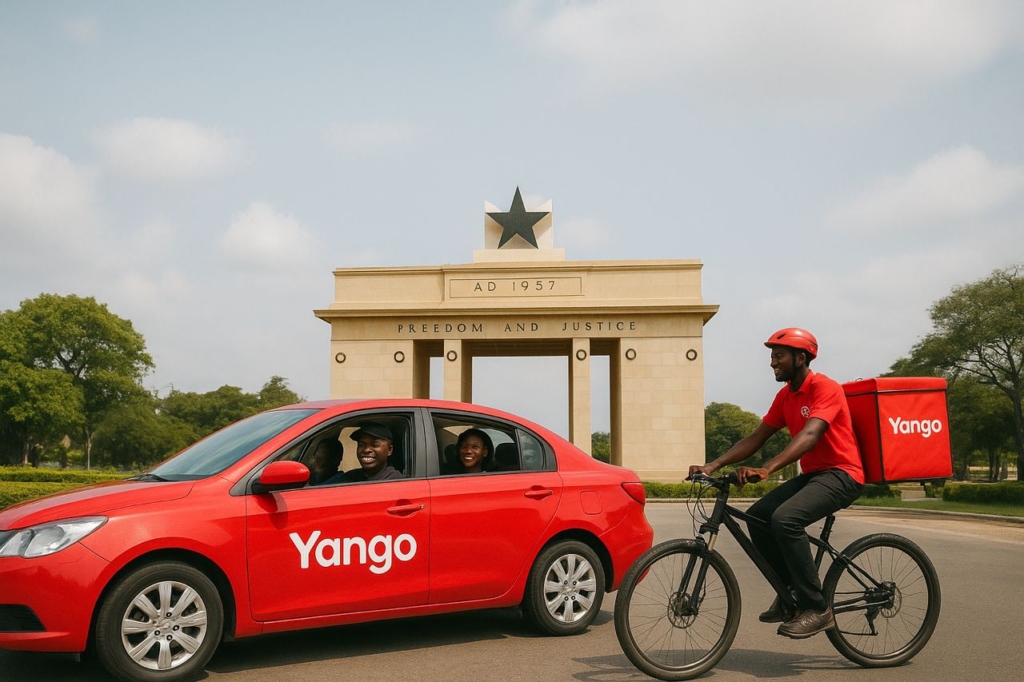
Headquartered in Dubai, Yango Group operates a broad digital ecosystem across more than 30 countries in Africa, the Middle East, Latin America, Europe, and South Asia. While the company is widely known for ride-hailing services through Yango Ride, it has expanded into delivery, fintech, entertainment, AI-powered technologies, and digital business solutions.
Unlike traditional ride-hailing operators, Yango functions primarily as a technology platform that partners with local transport companies and independent fleet operators rather than directly owning vehicles or employing drivers.
The company says its business strategy focuses on adapting technology to local market conditions through what it describes as a “translocal” model. This includes tailoring mapping systems, payment solutions, and mobility technologies to suit regional infrastructure and user needs.
In Africa, Yango has already established operations in countries including Côte d’Ivoire, Ghana, Cameroon, Senegal, Zambia, Angola, Algeria, and the Democratic Republic of Congo. The company has increasingly targeted fast-growing digital economies where demand for app-based transport, delivery, and cashless services continues to rise.
Yango’s ecosystem also includes Yango Delivery, Yango Pay, Yango Maps, AI-powered logistics technologies under Yango Tech, and entertainment services through Yango Play.
Any future launch of Yango services in Rwanda, the company said, remains subject to regulatory approvals, licensing requirements, and all applicable government processes.
The agreement, signed during the recently concluded Africa CEO Forum, establishes a framework for discussions around technology-enabled transport solutions, digital innovation, and support for Rwanda’s urban mobility ecosystem.