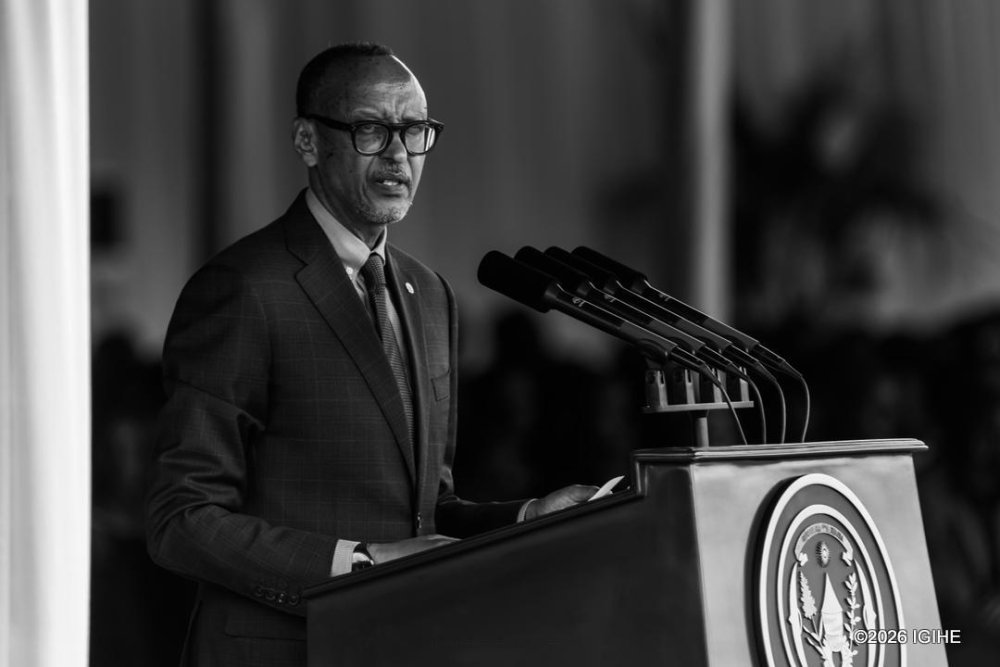
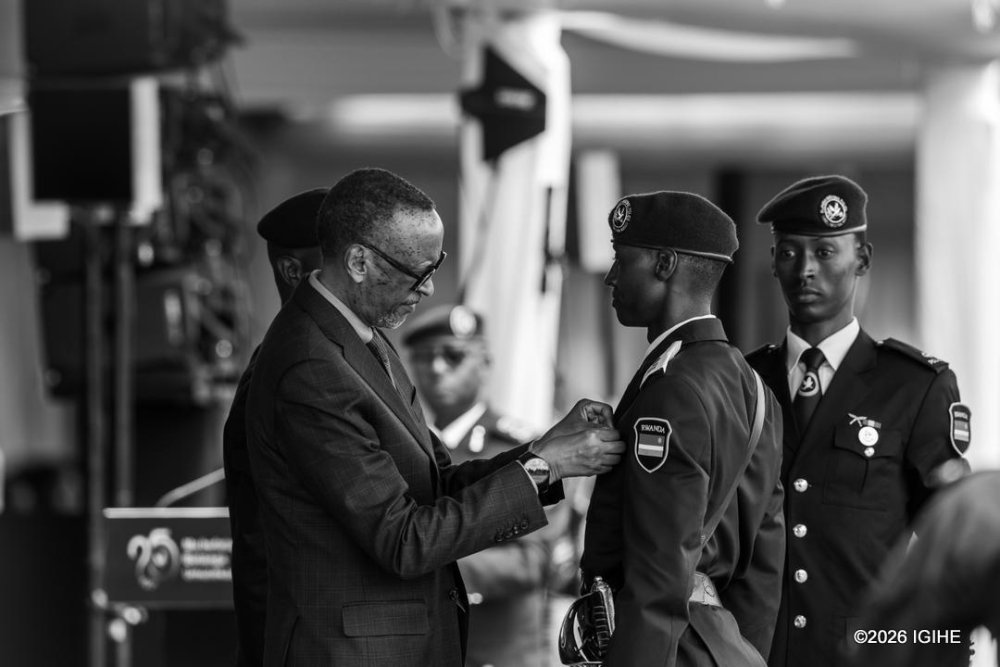
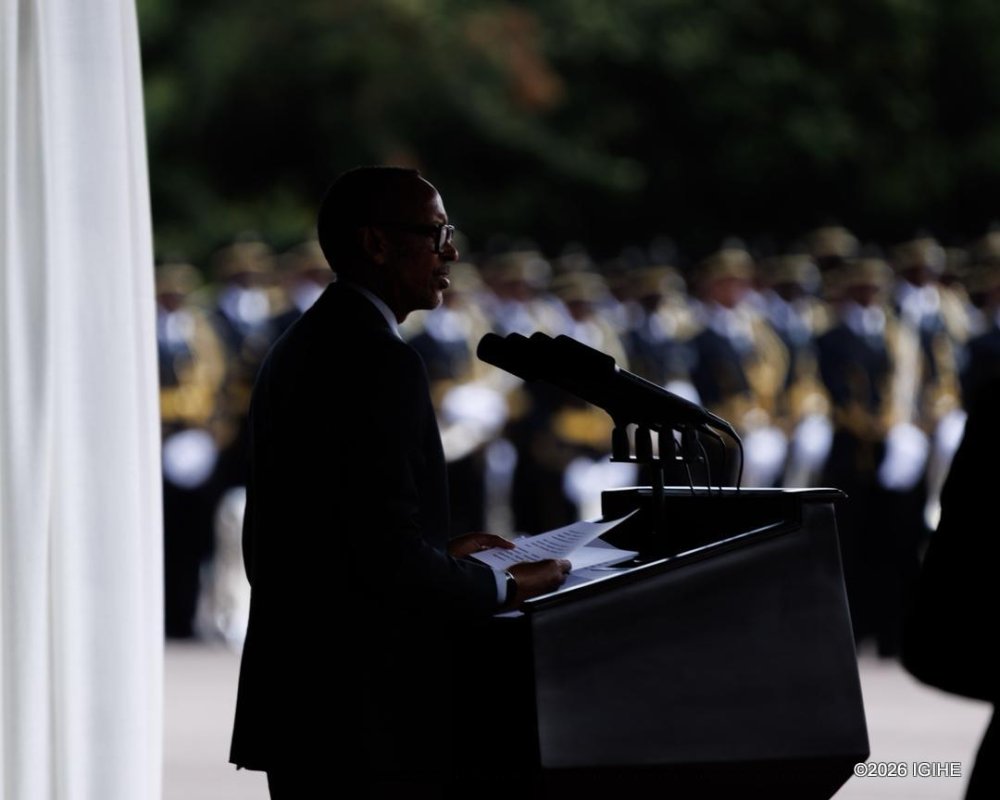
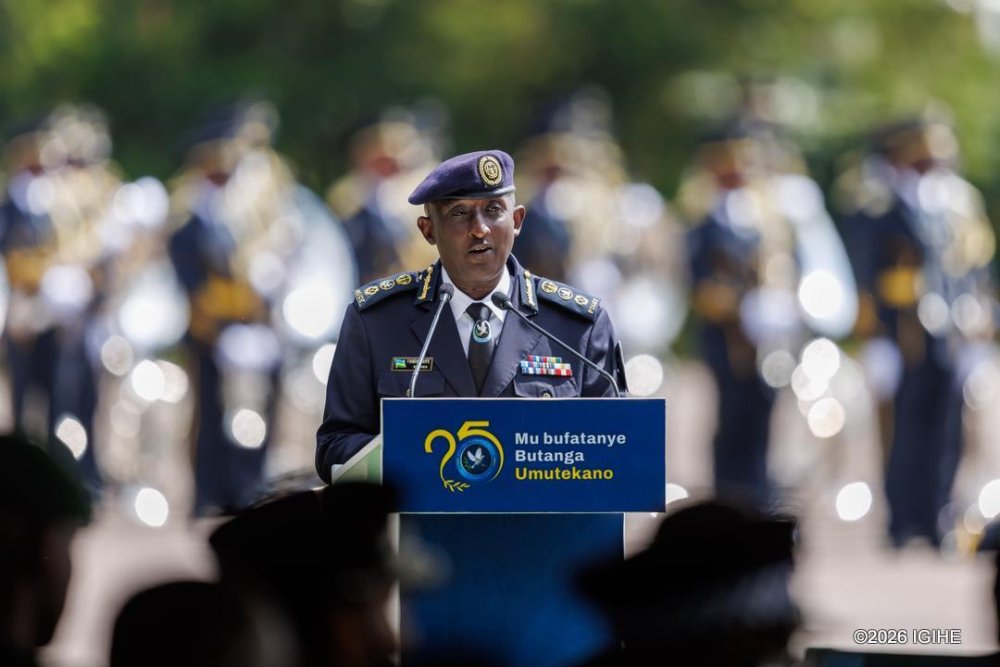
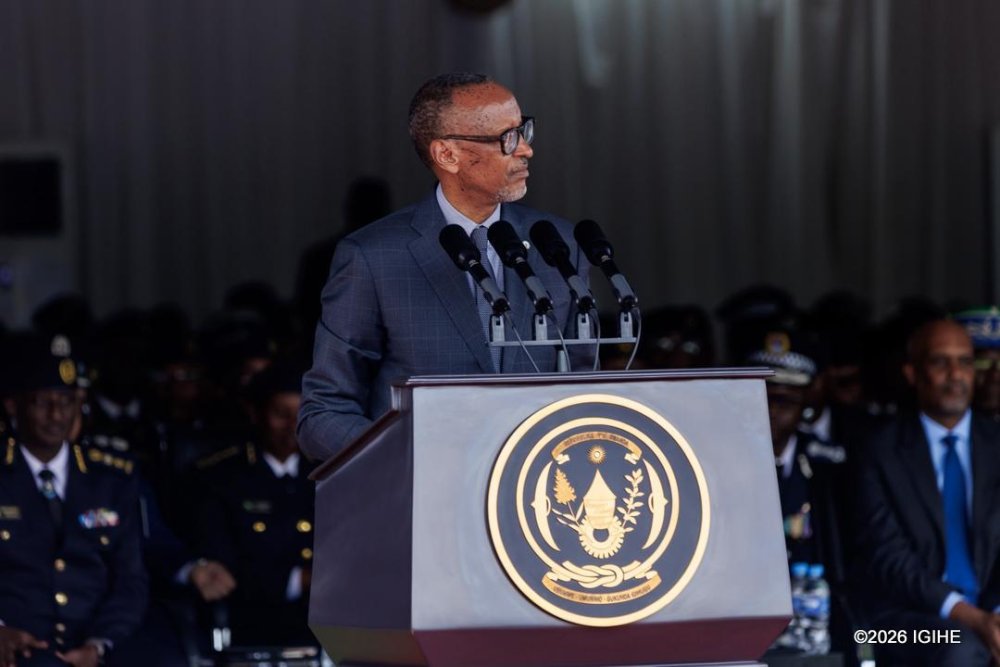
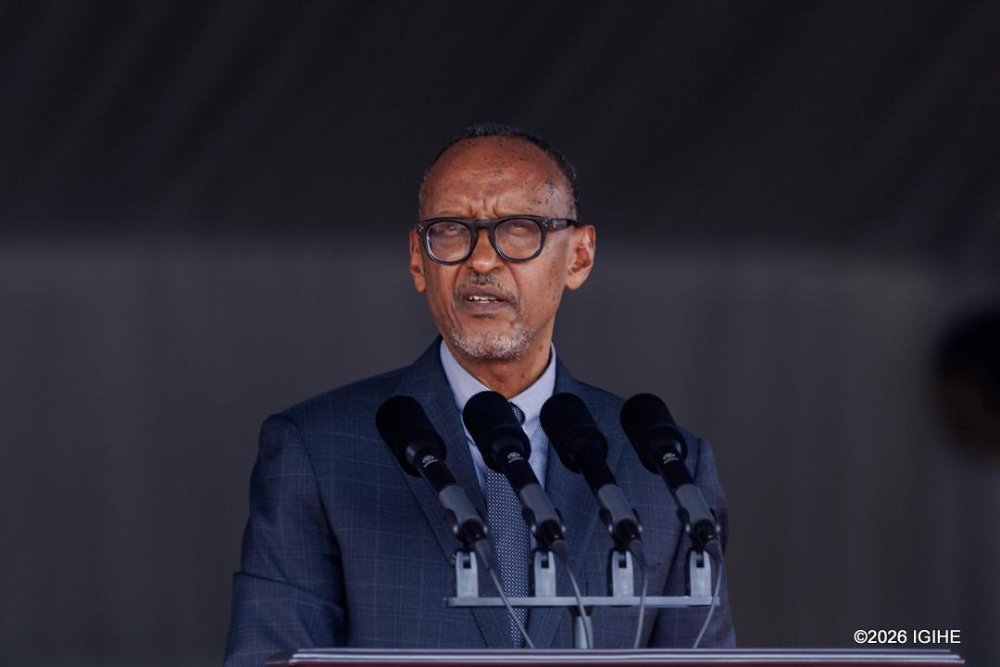
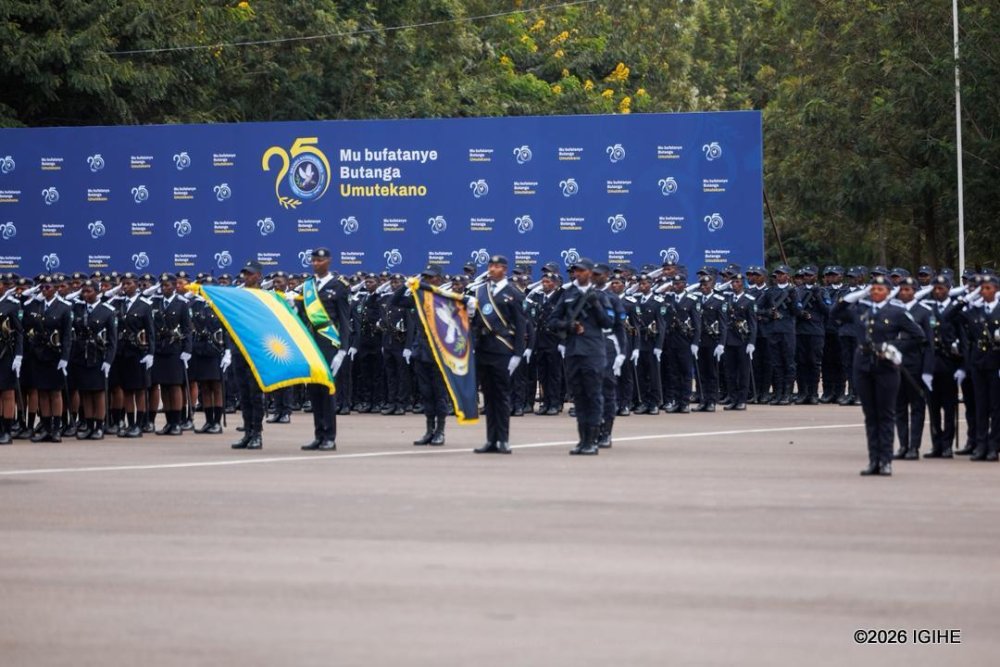
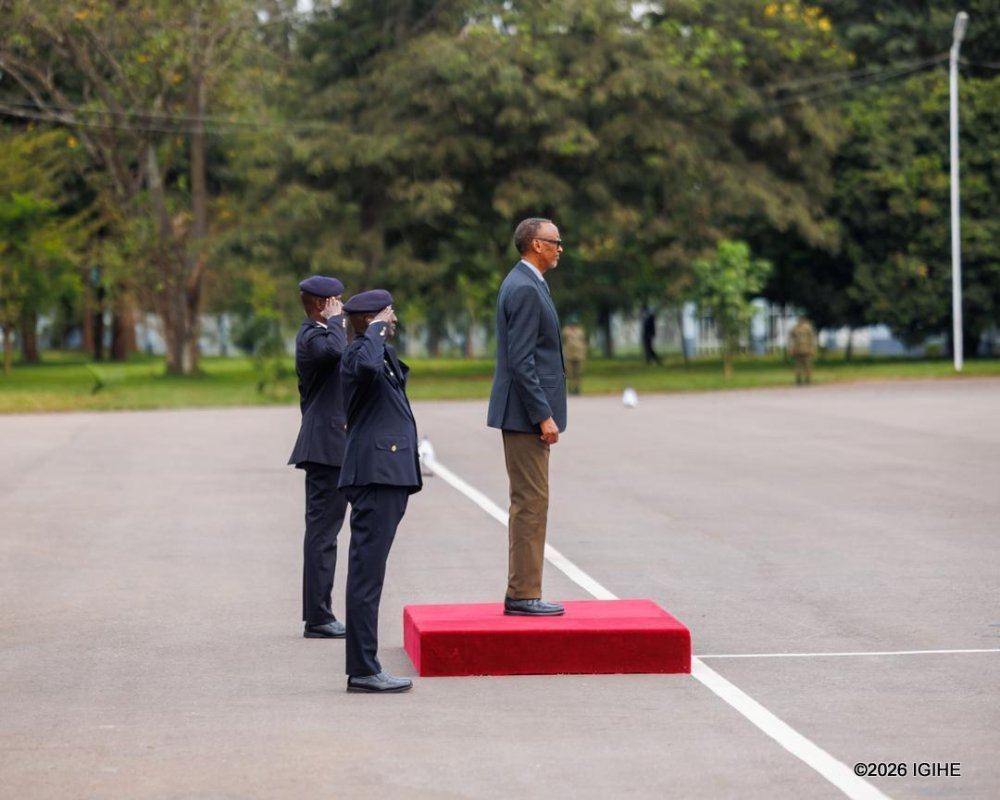
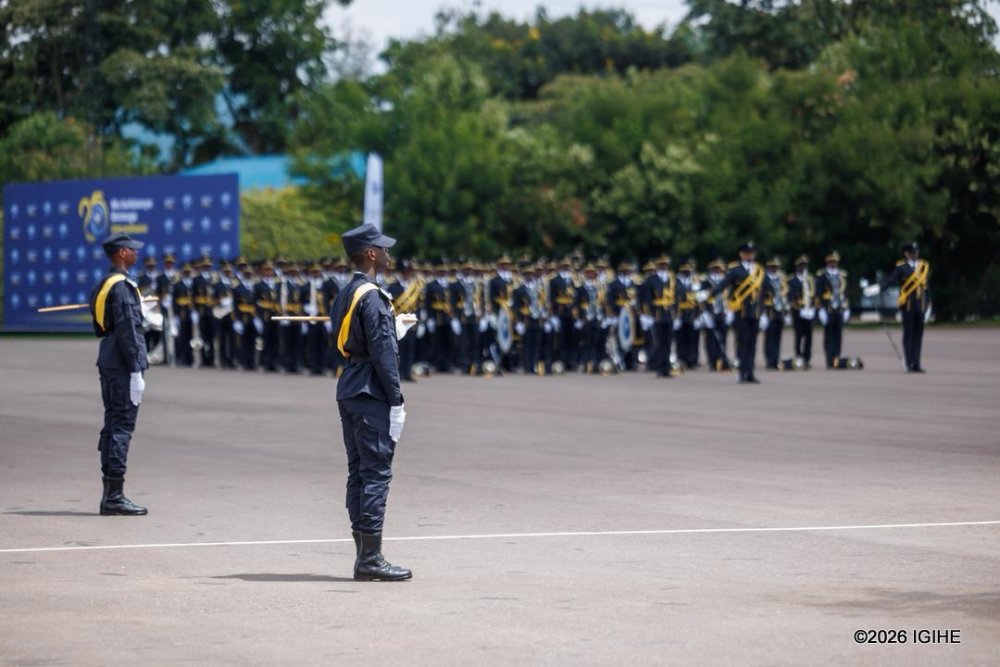
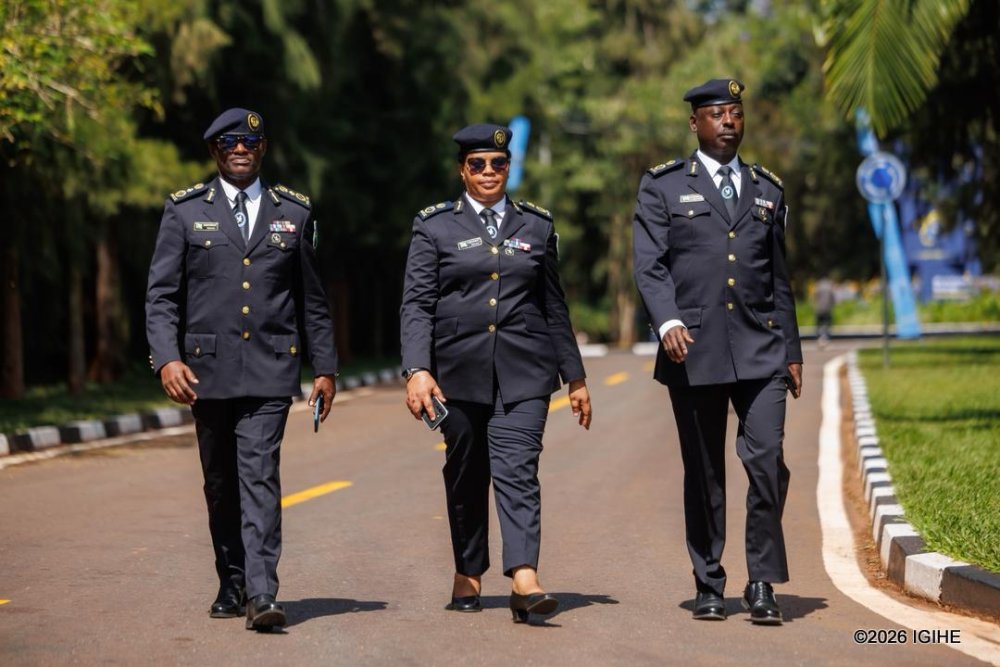
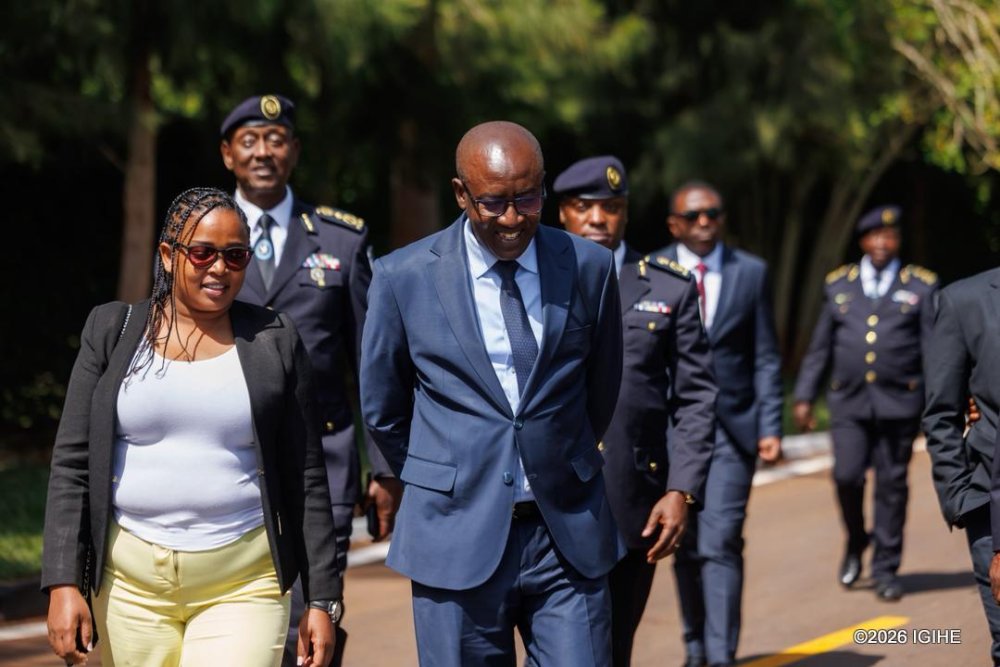
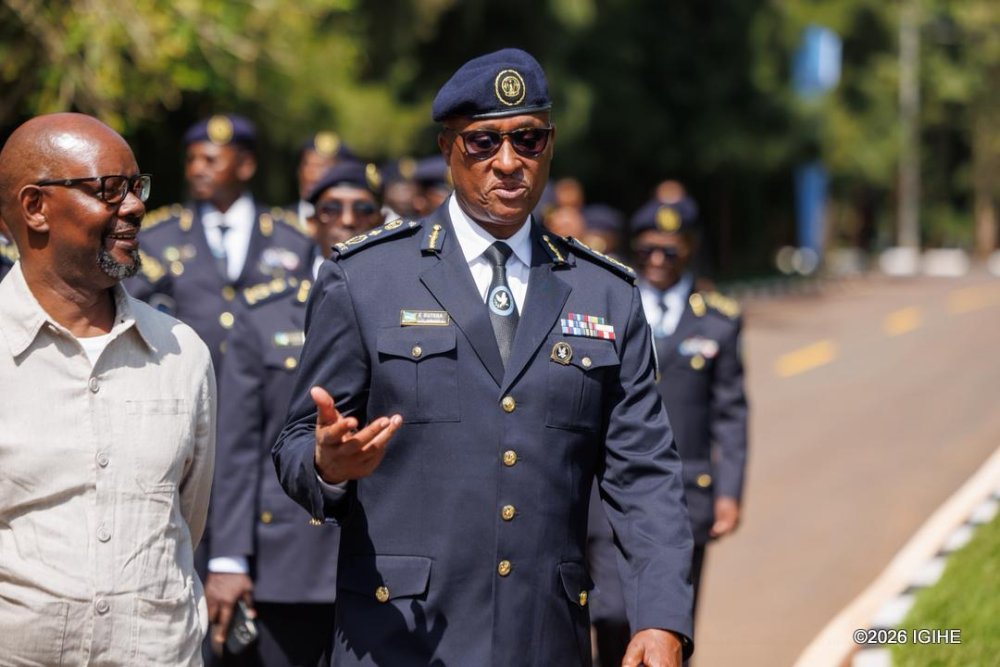
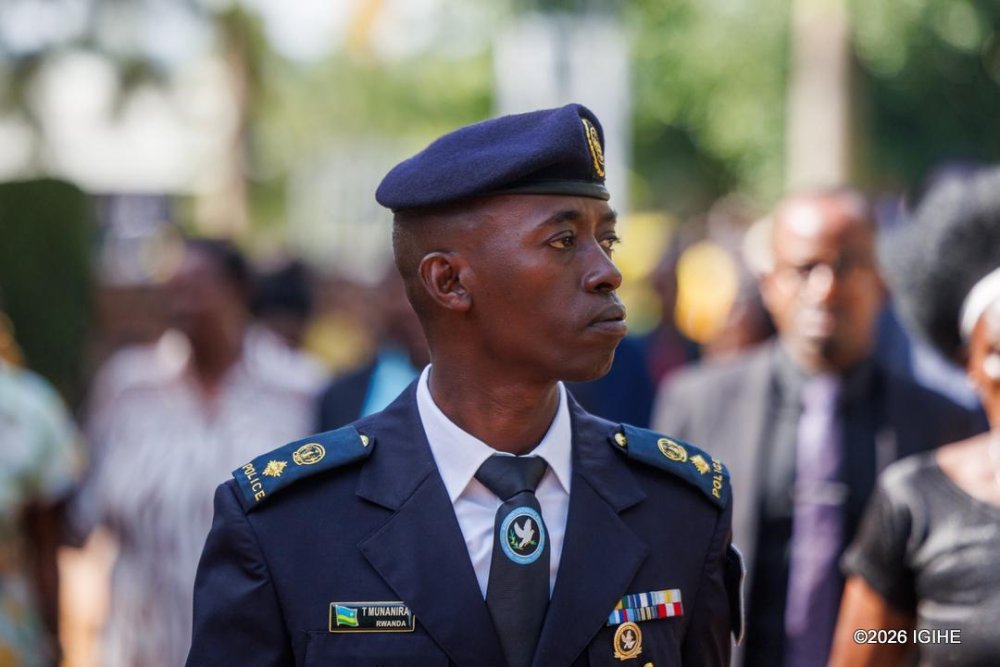
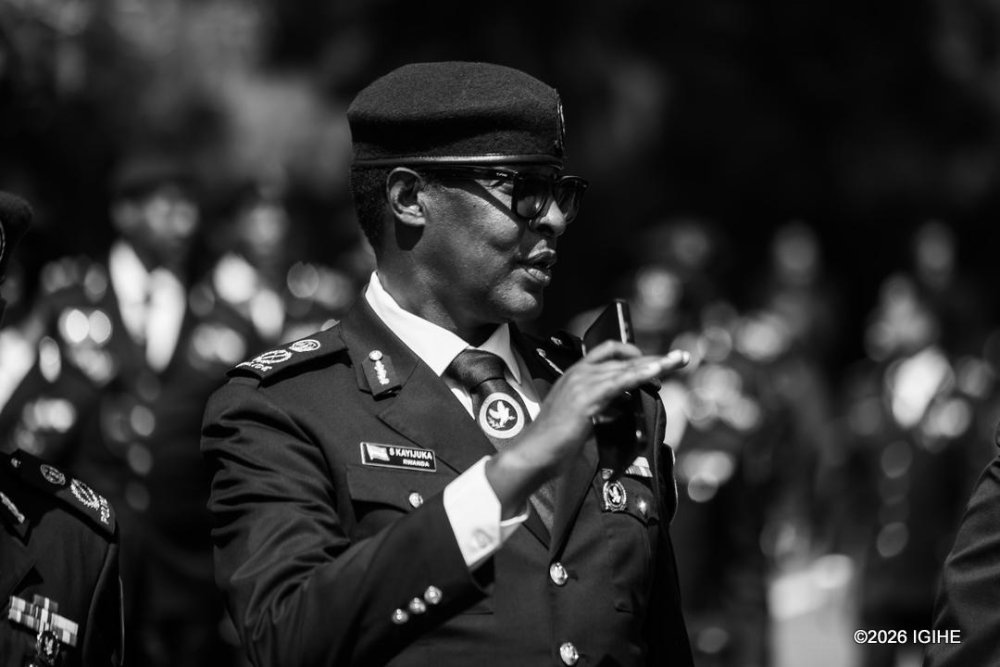
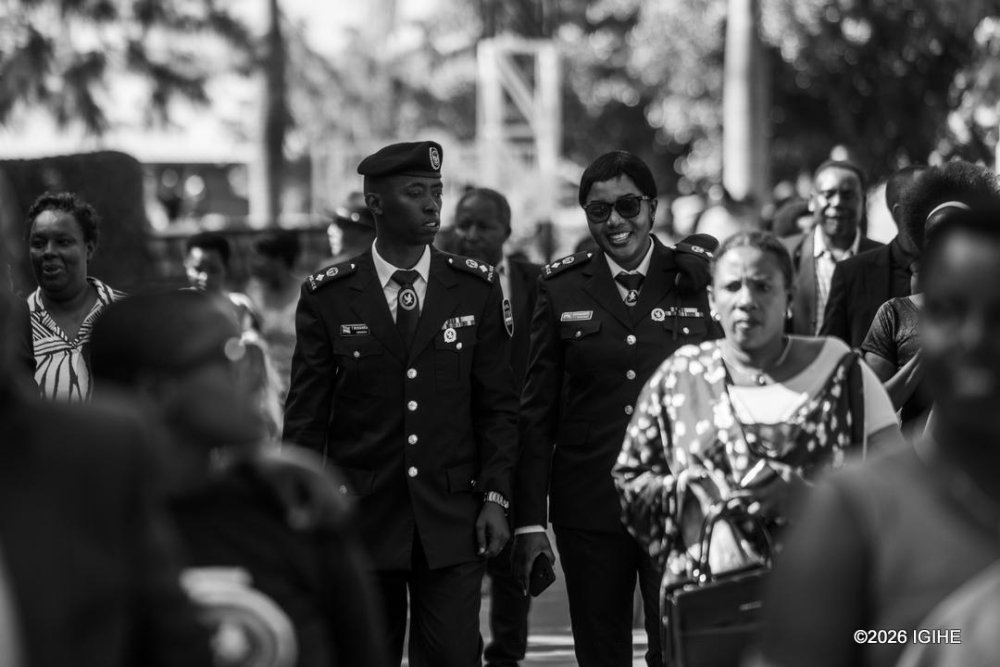
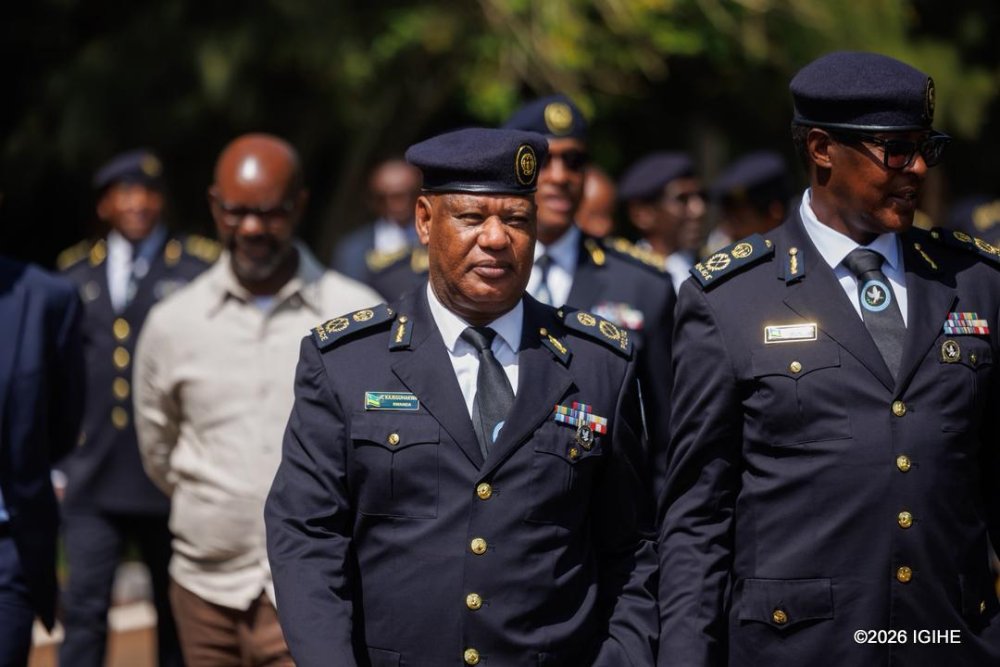
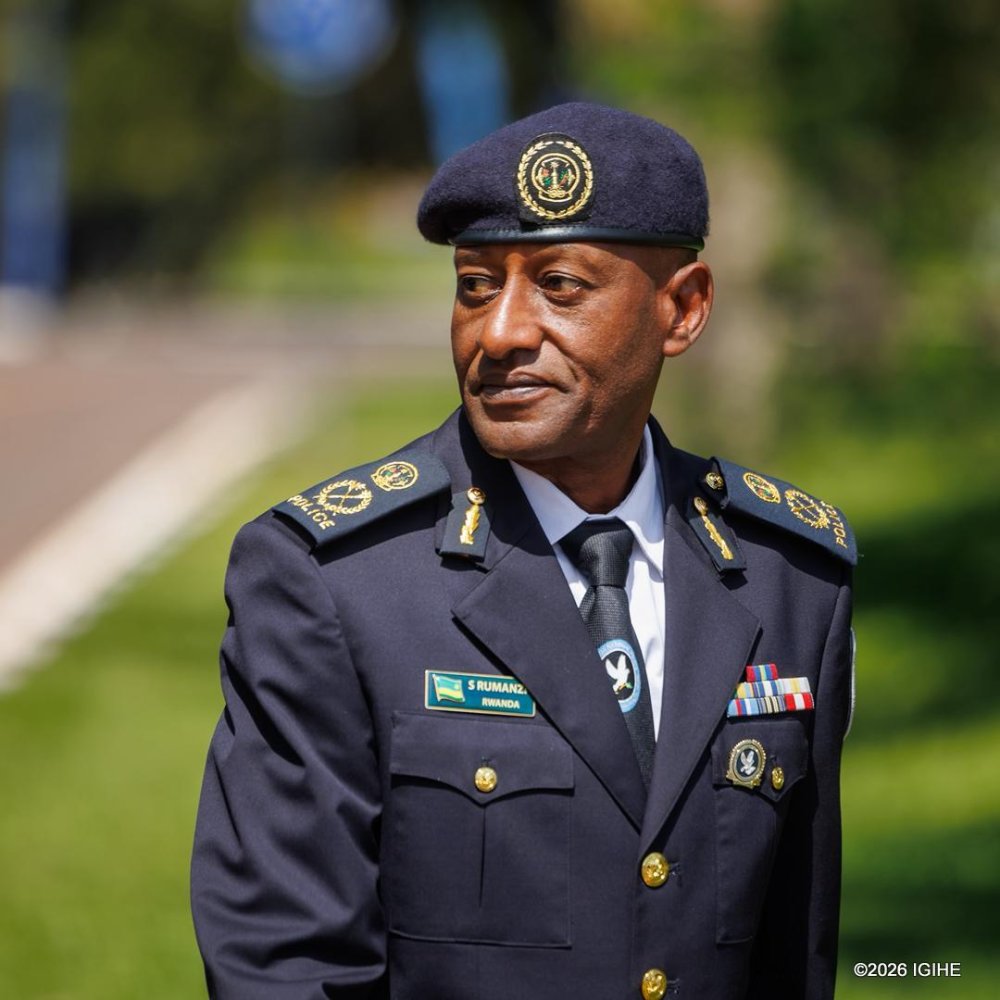
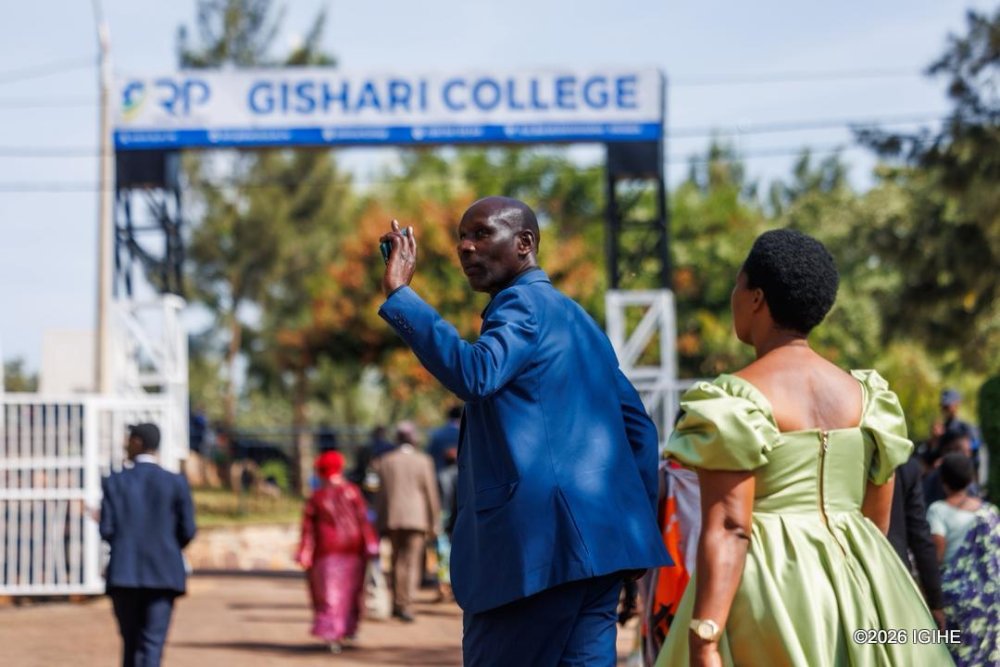
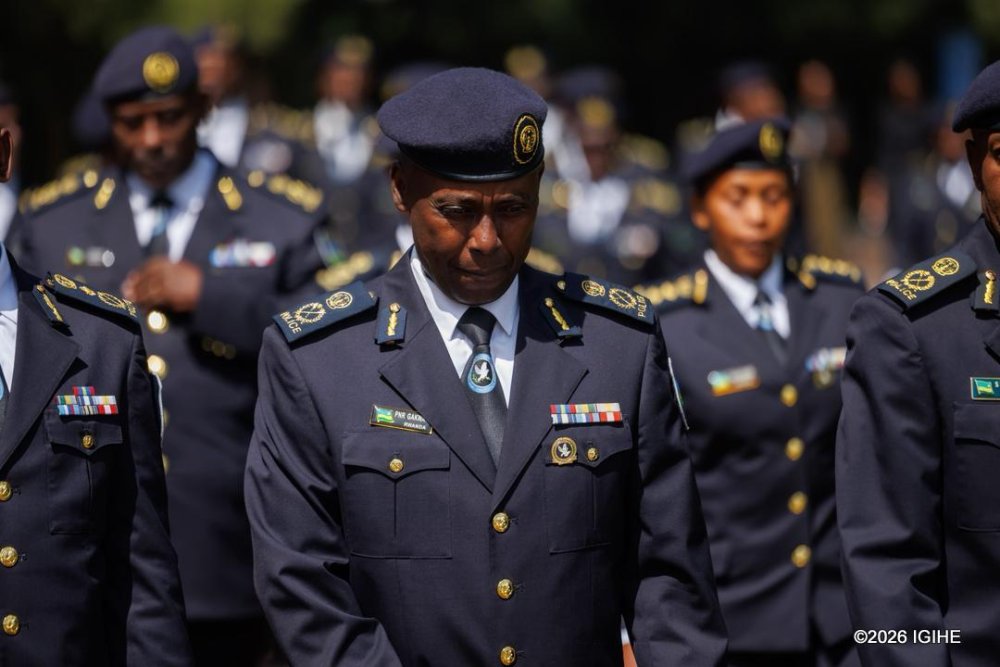
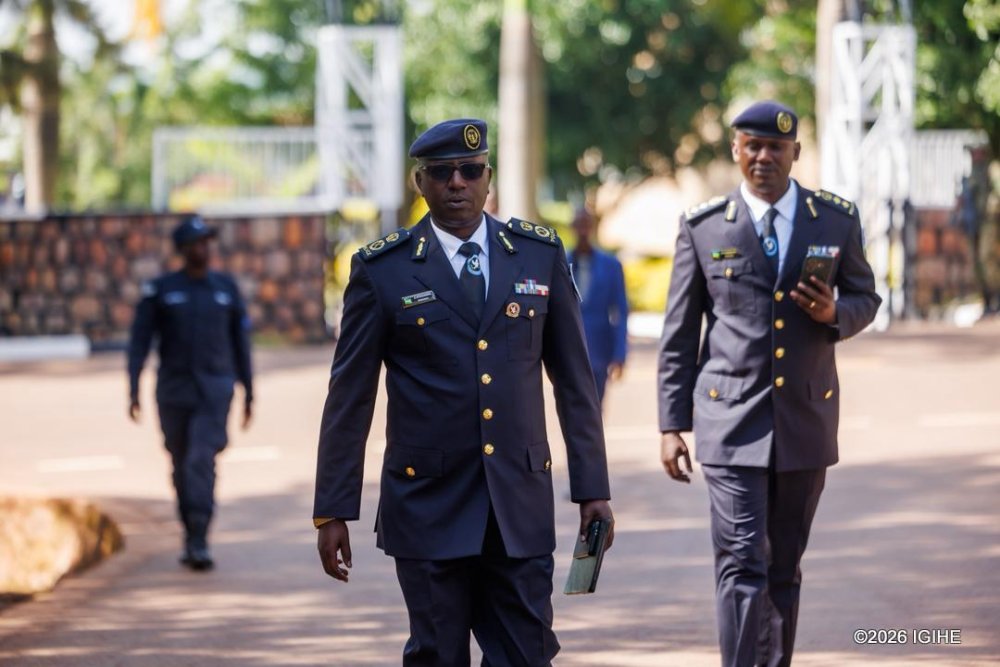
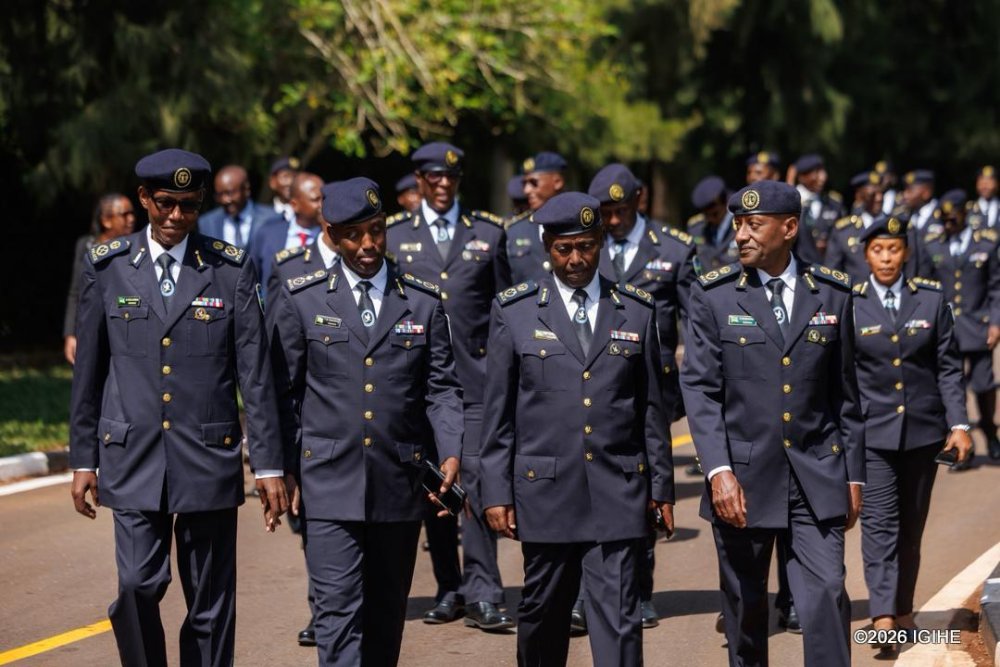
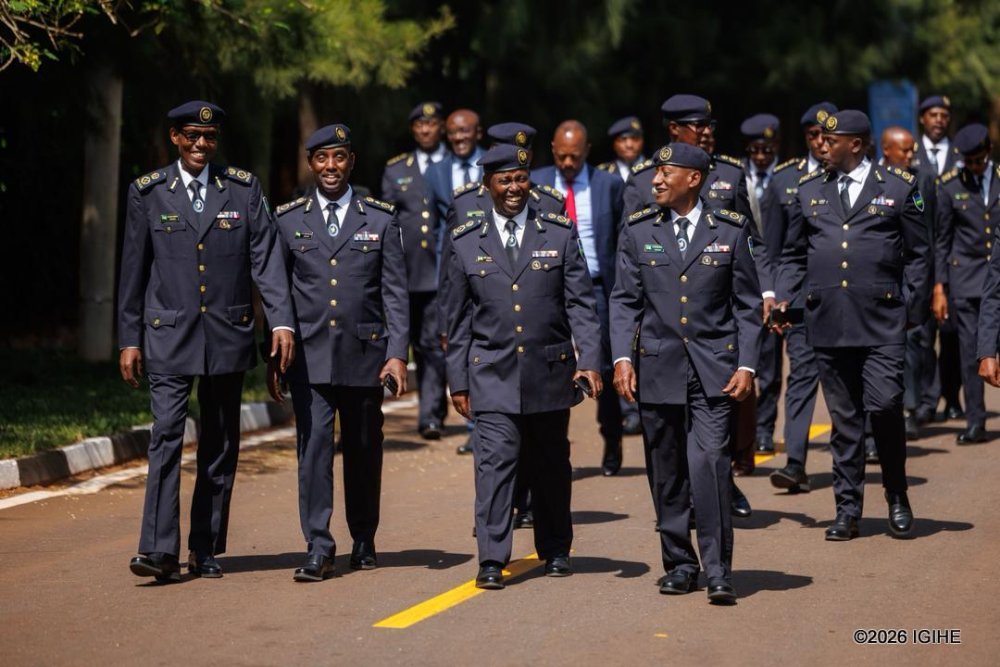
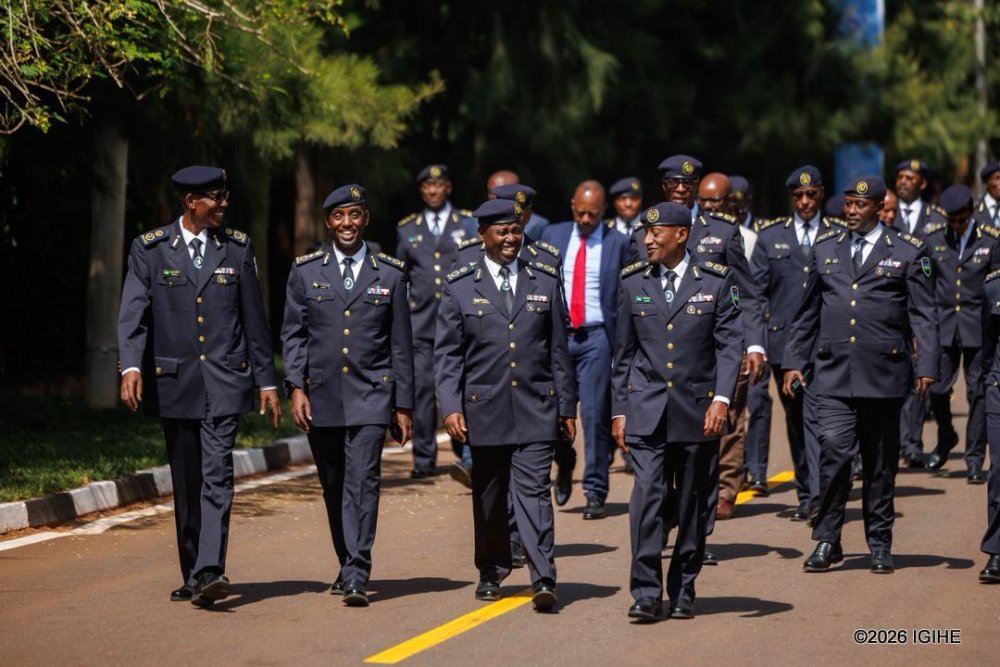
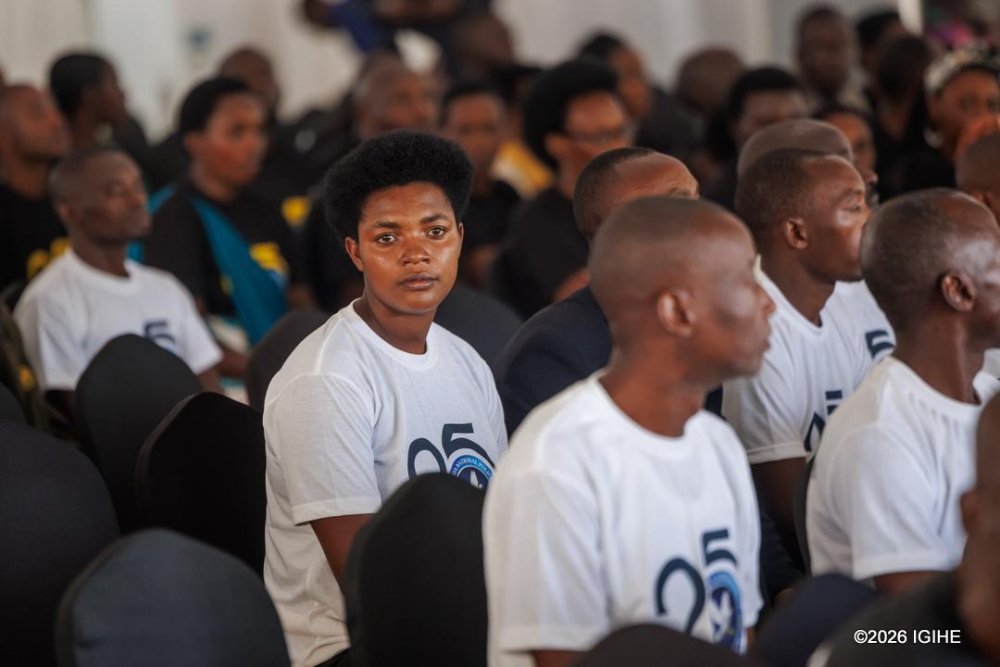
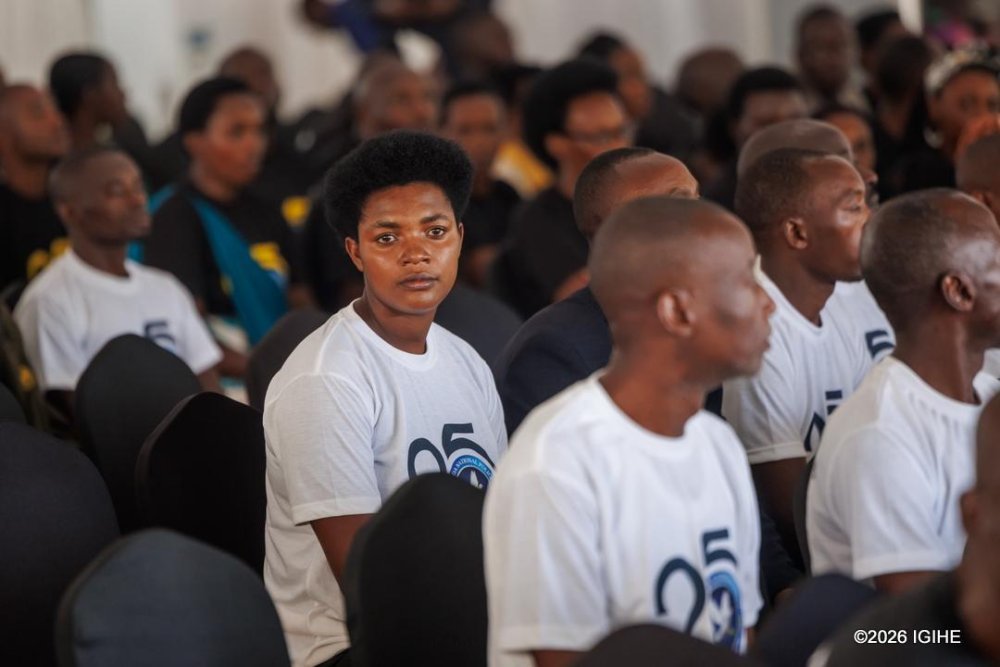
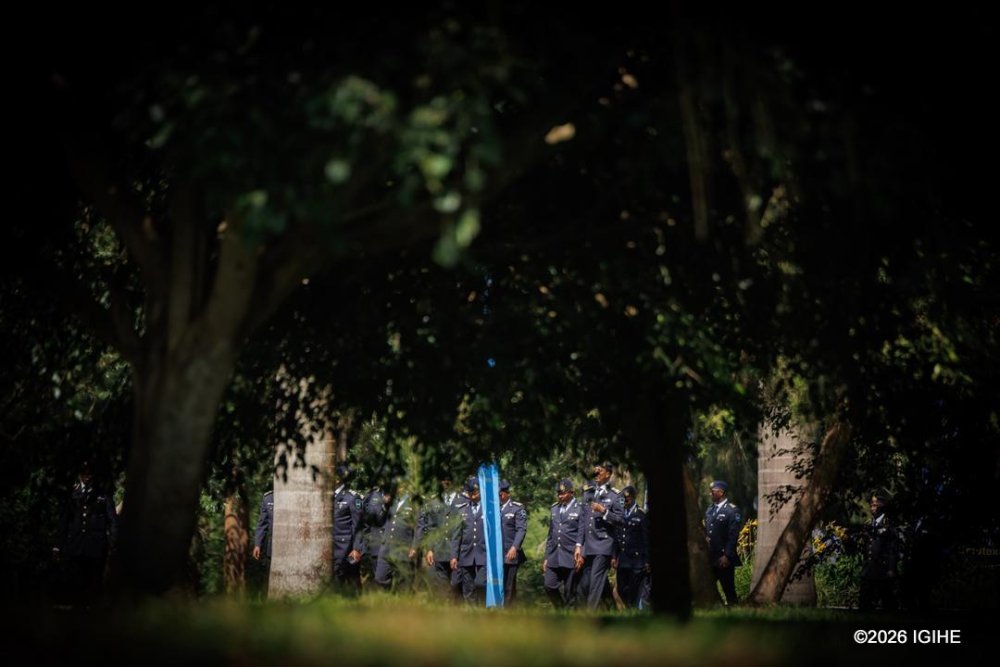
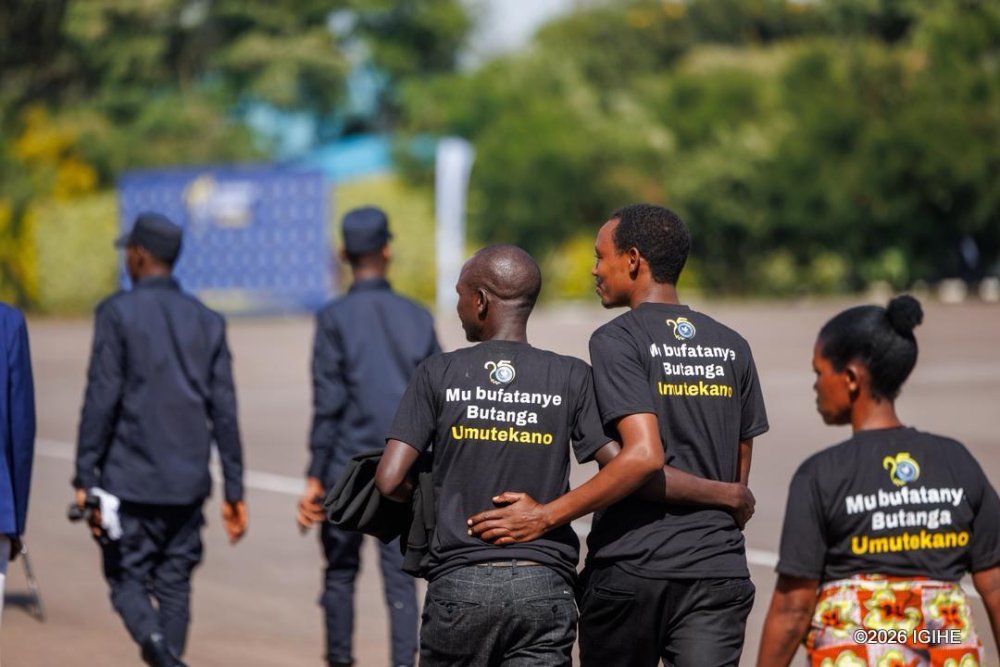
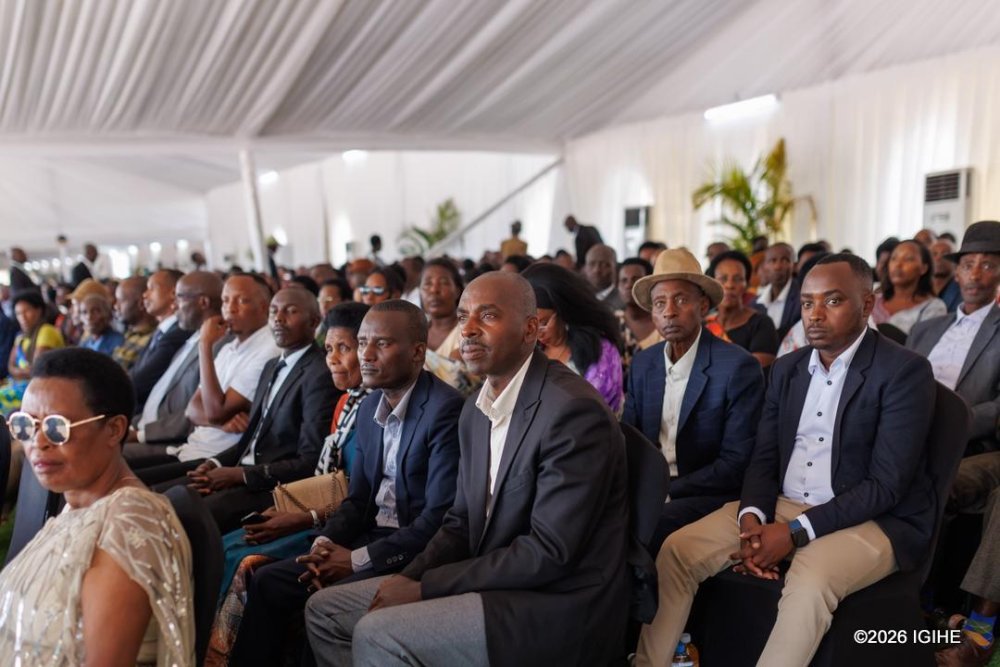
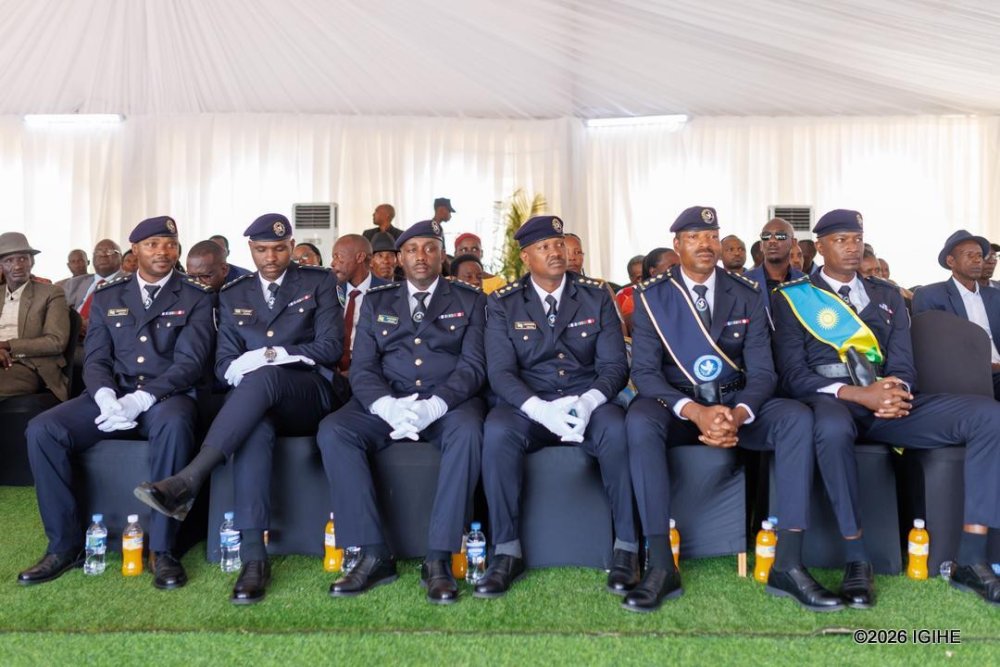
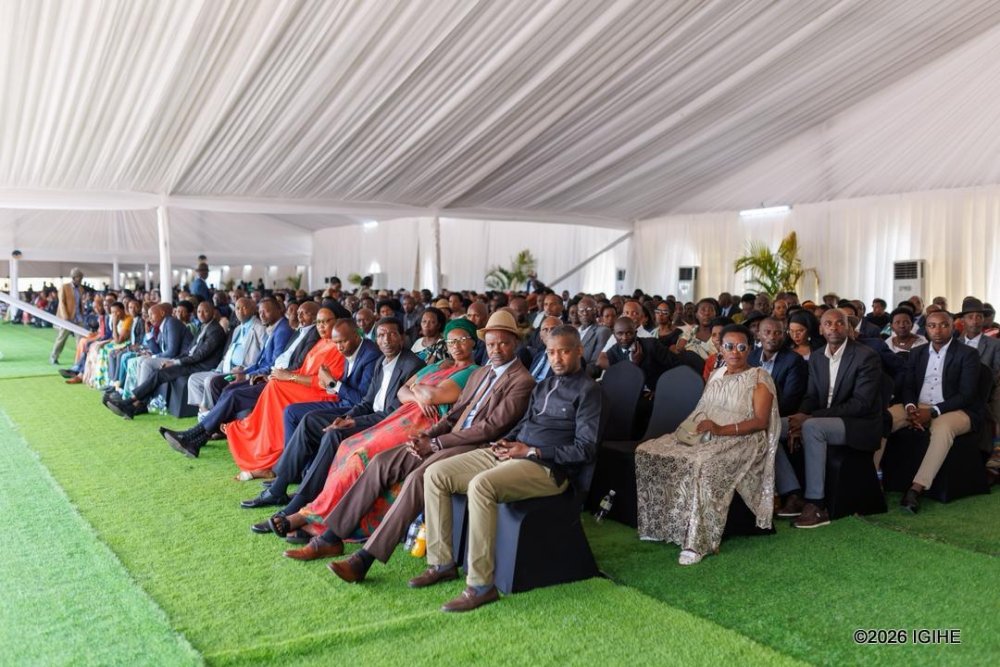
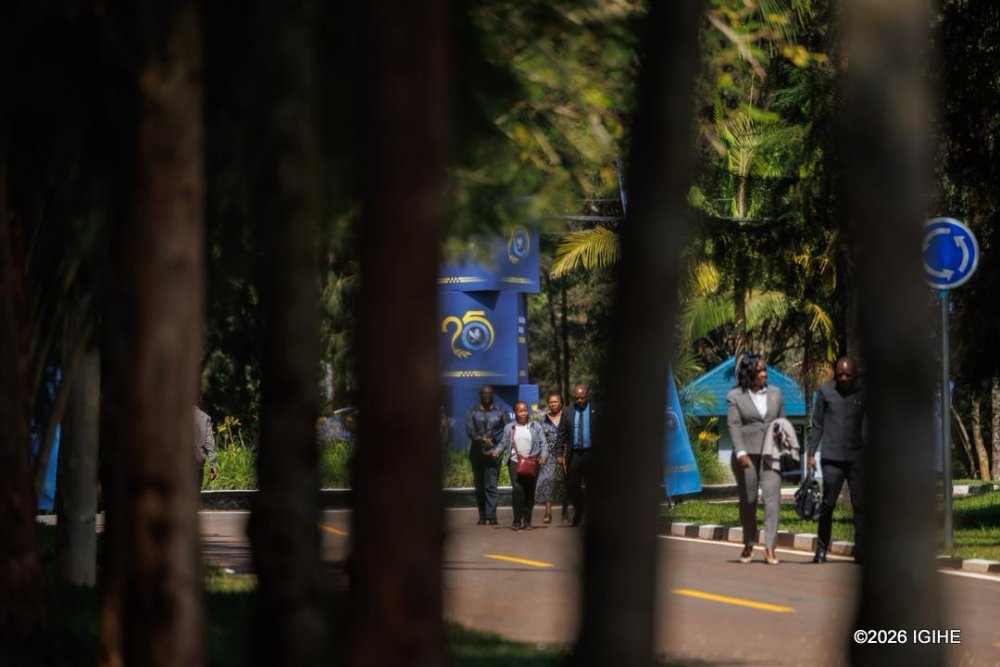
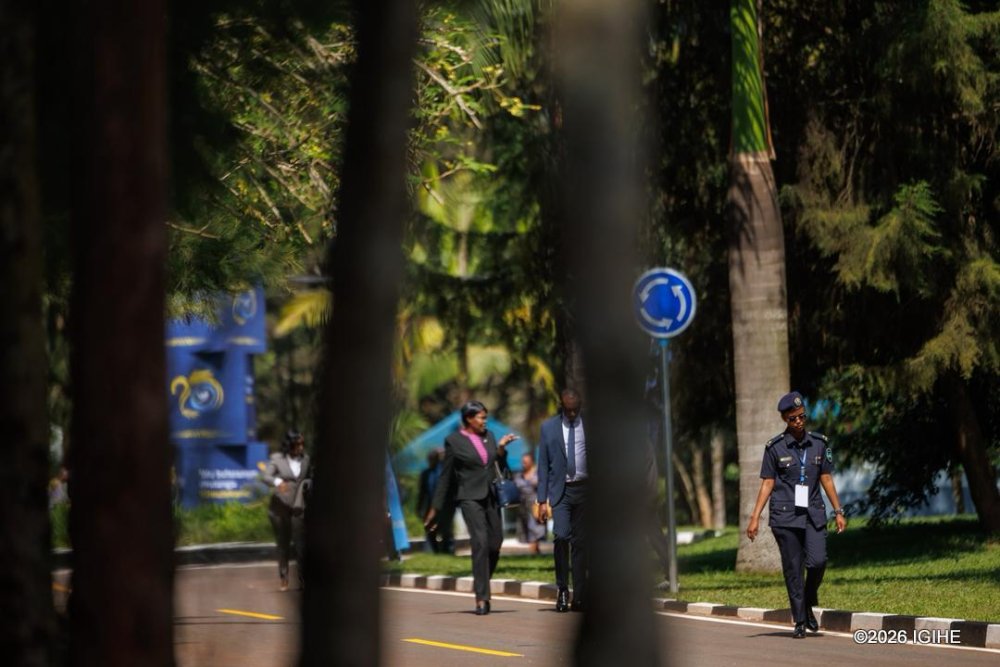
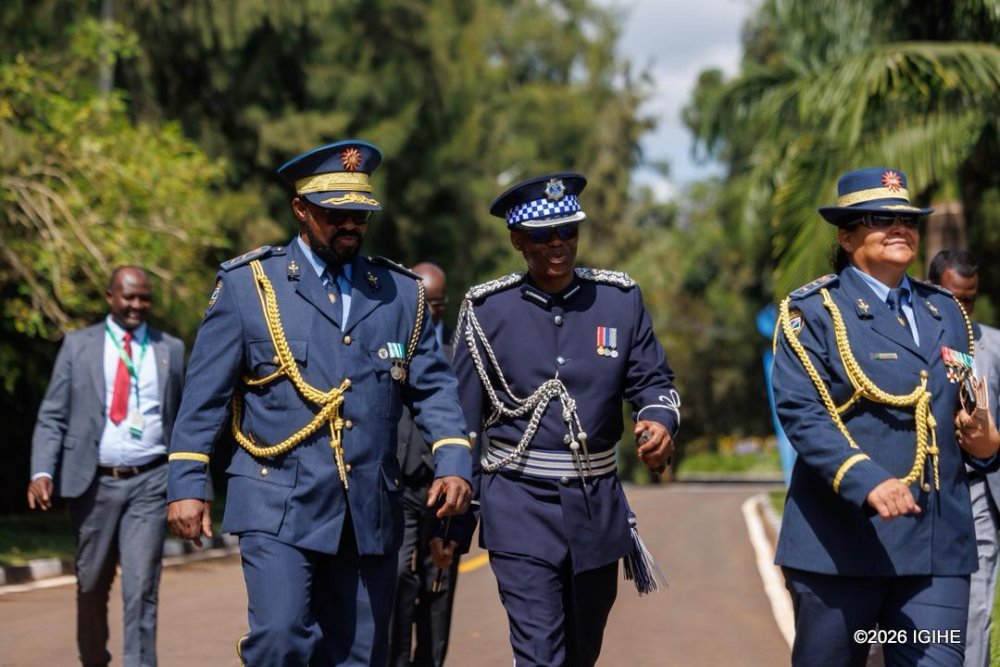
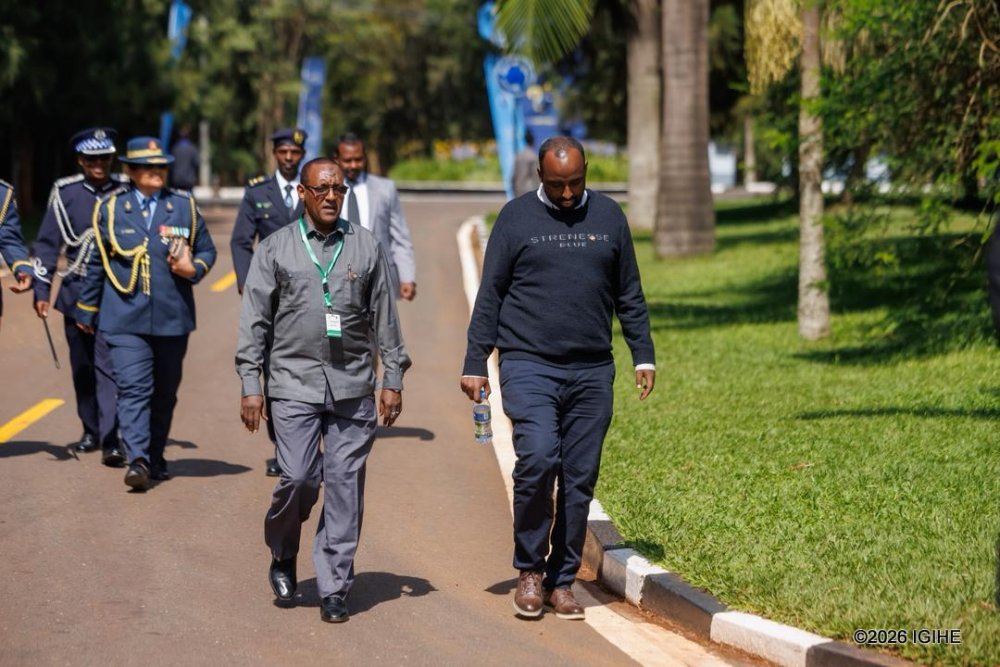
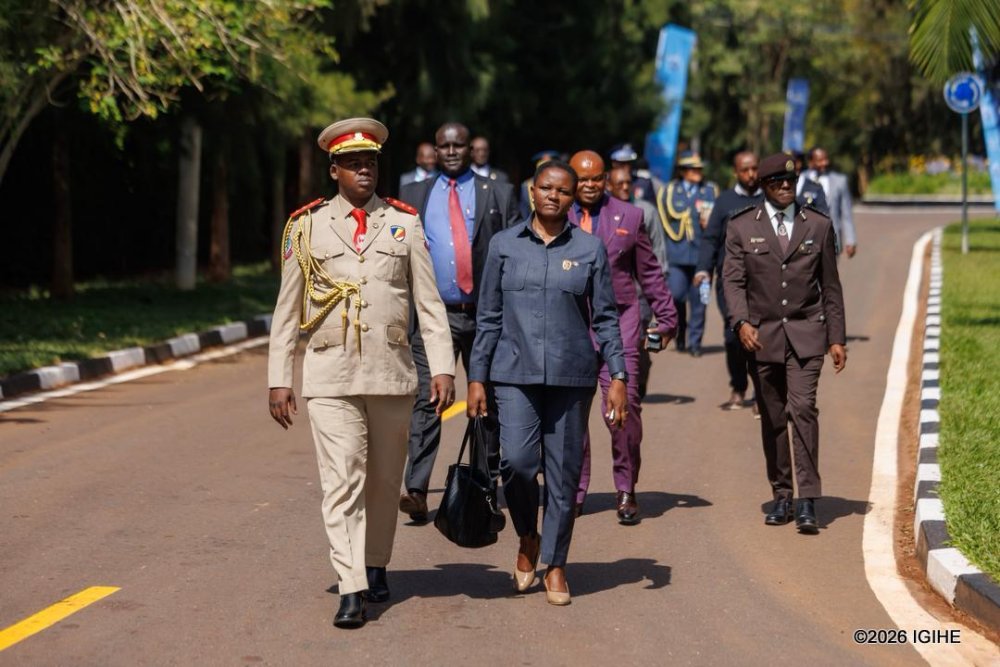
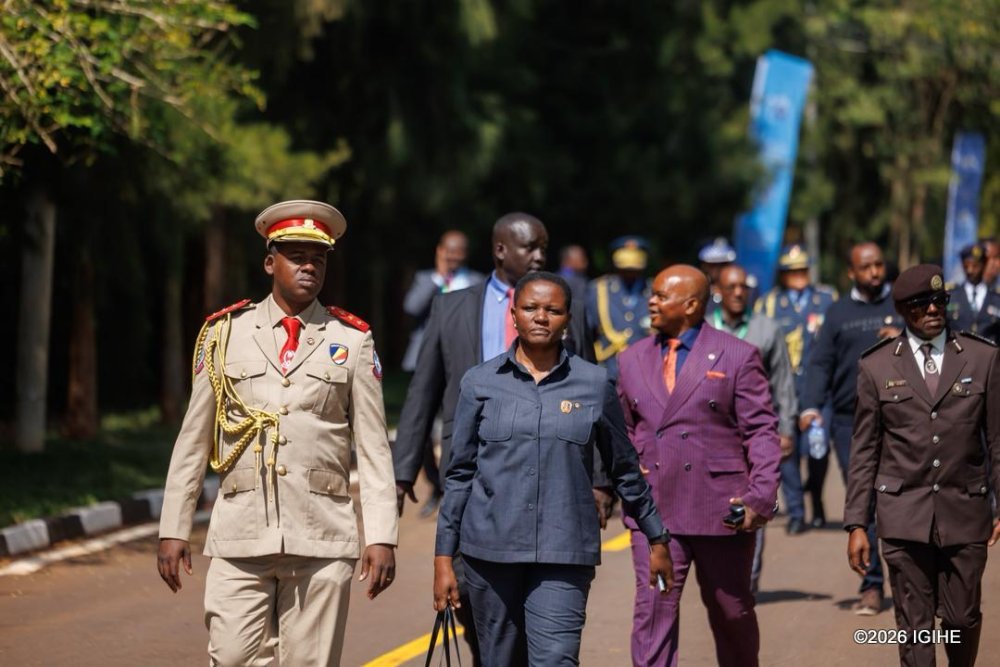
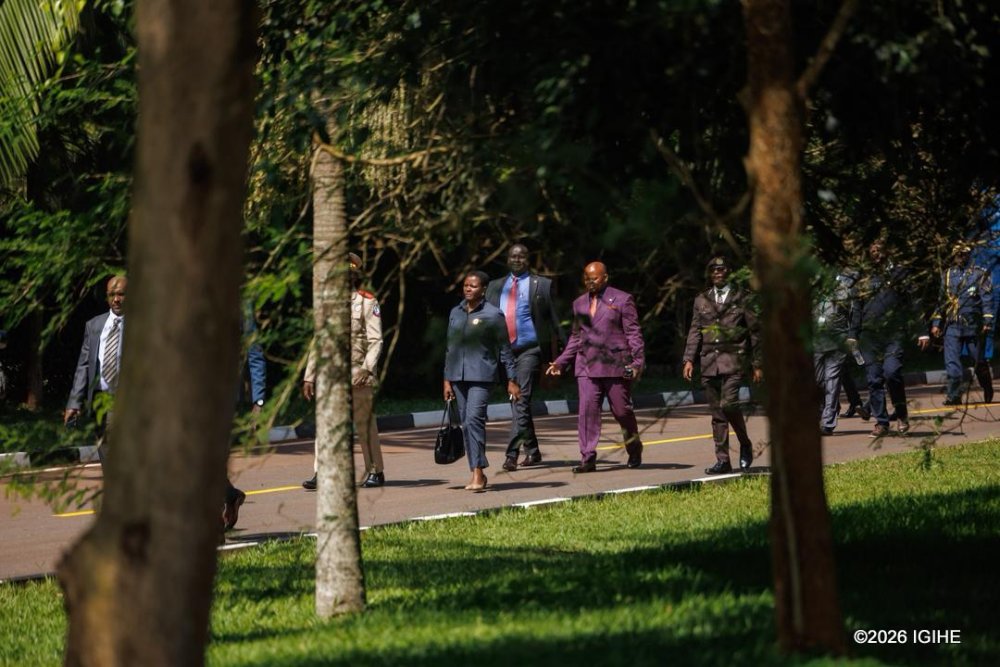
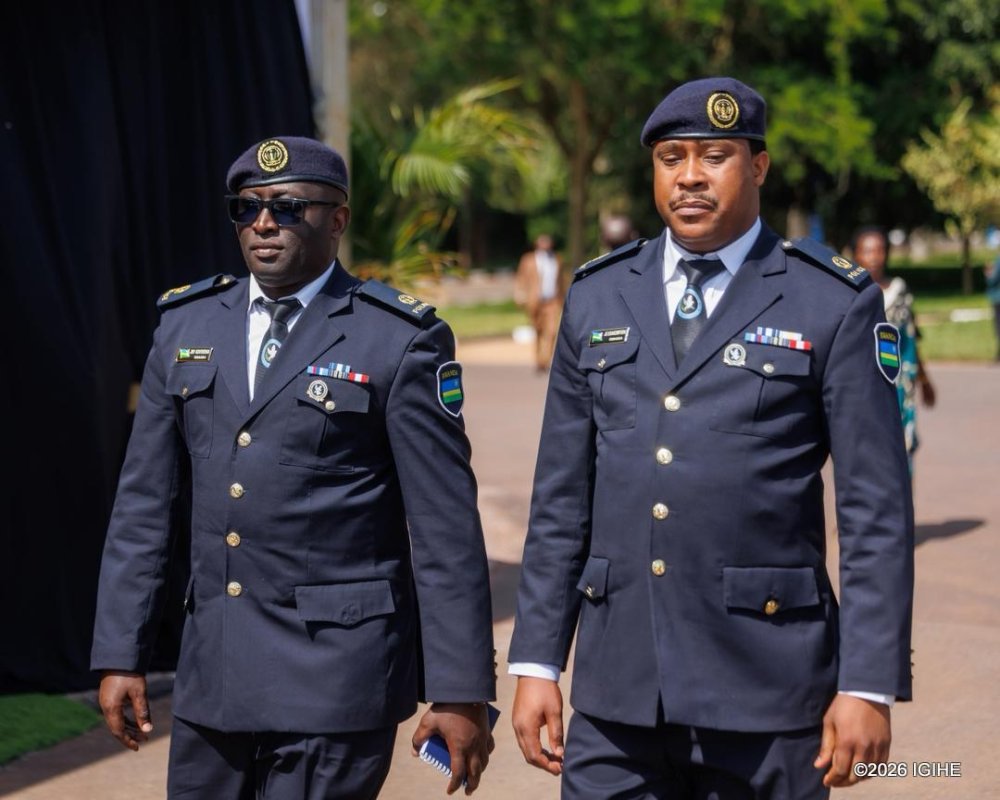
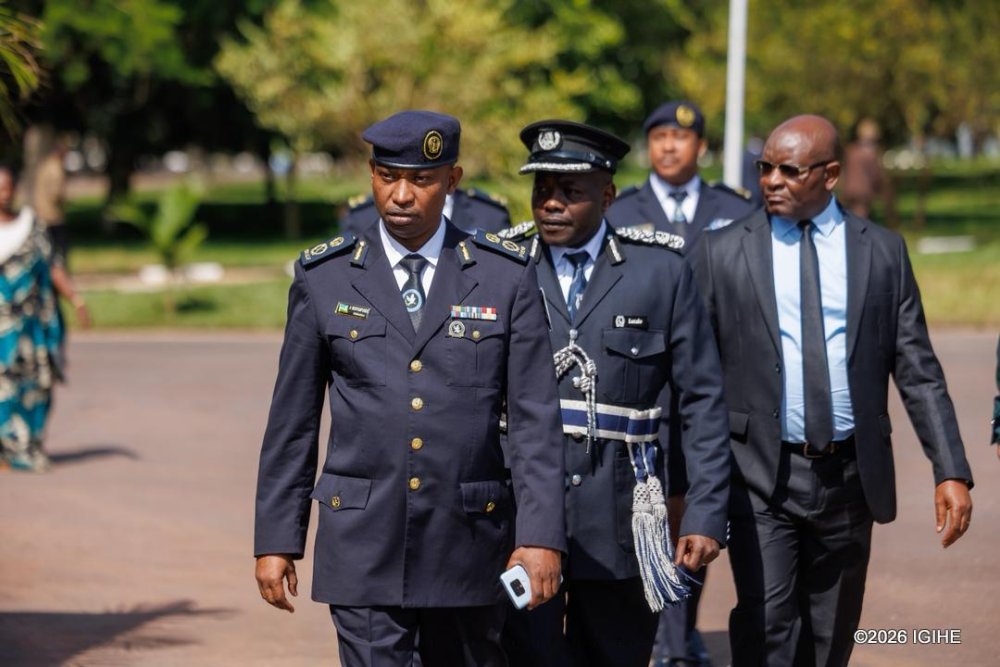
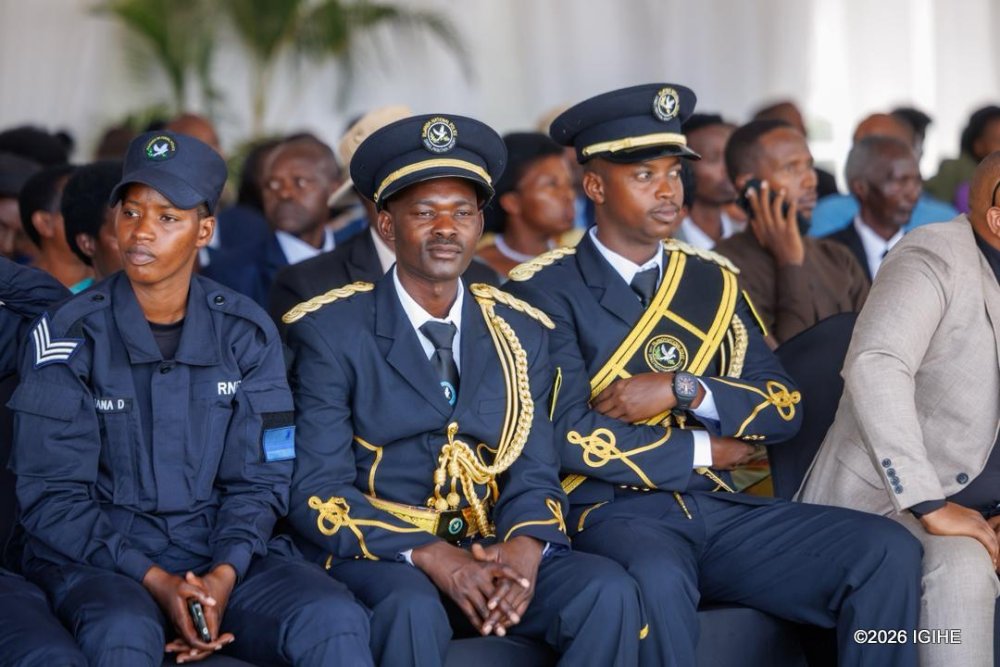
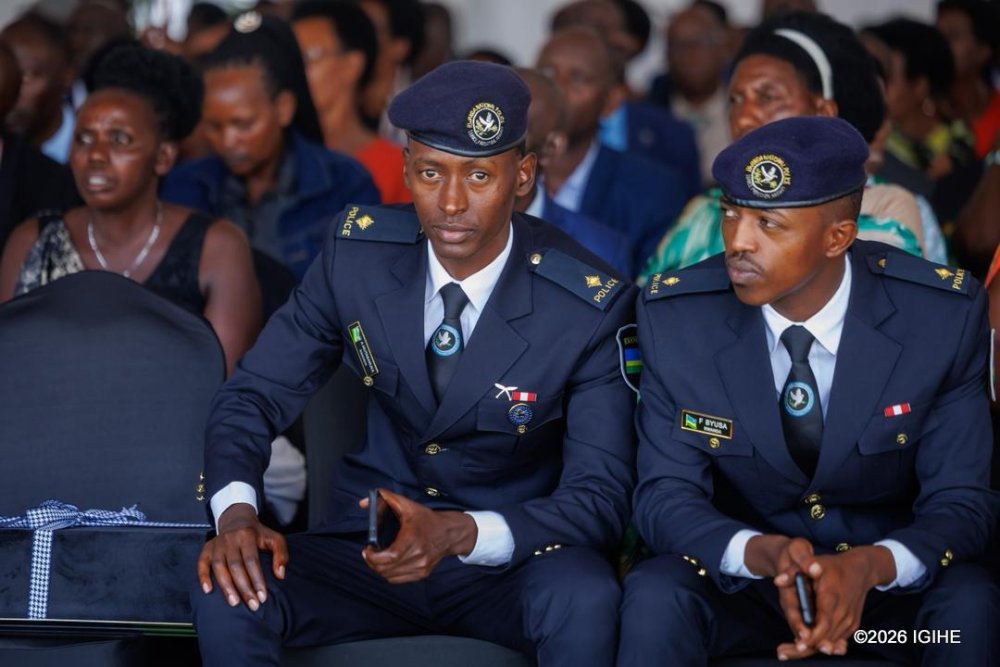
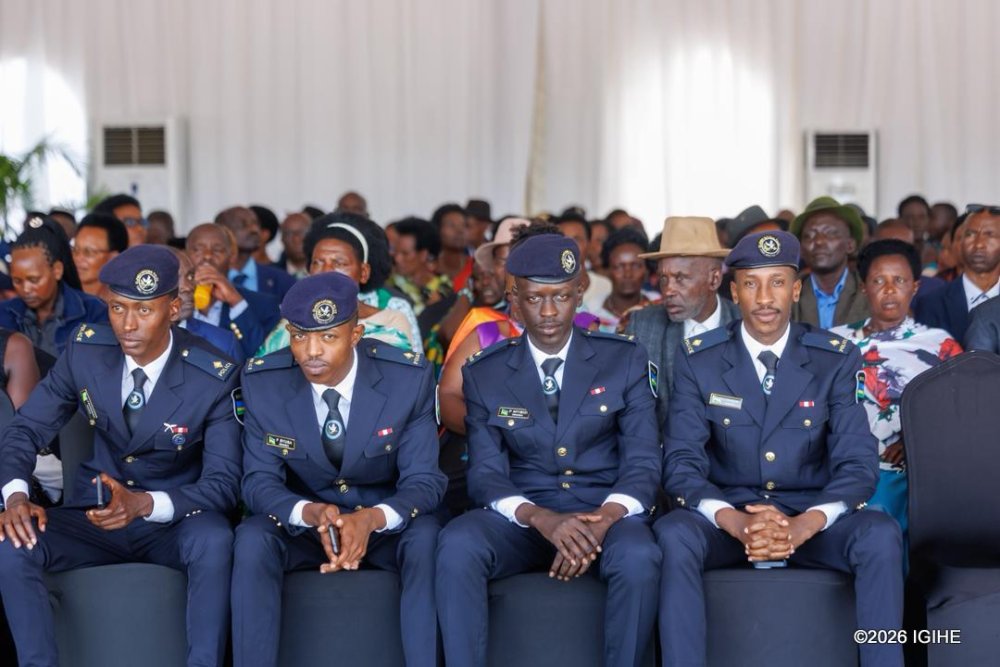
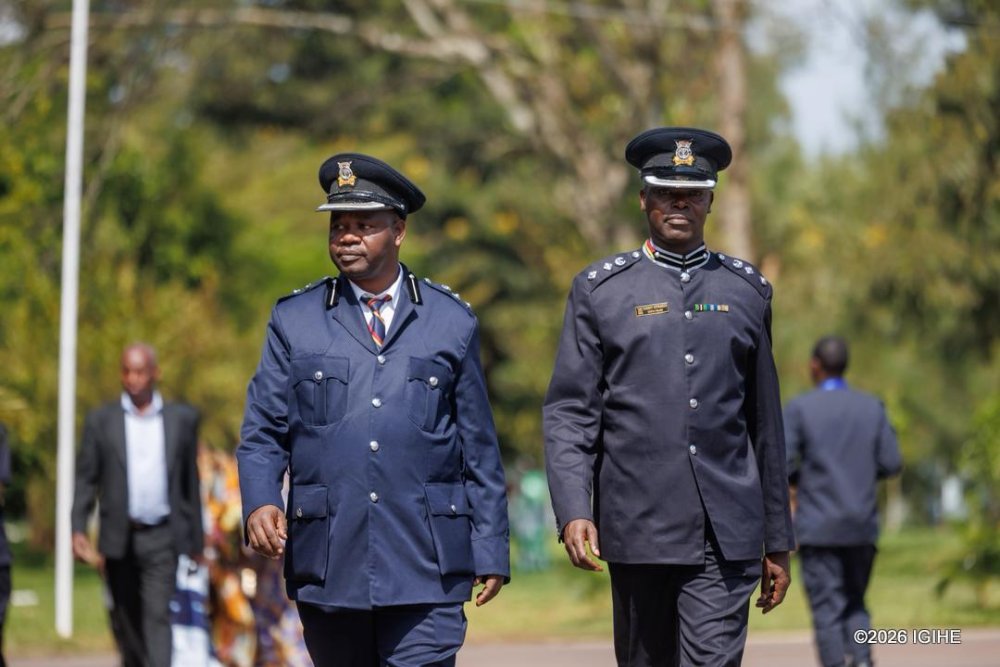
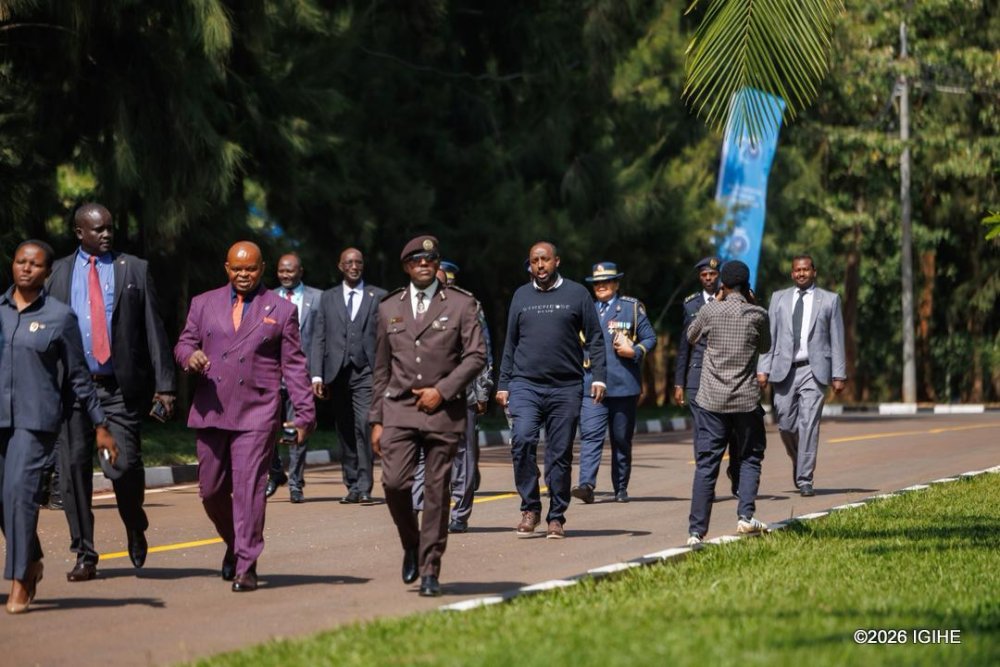
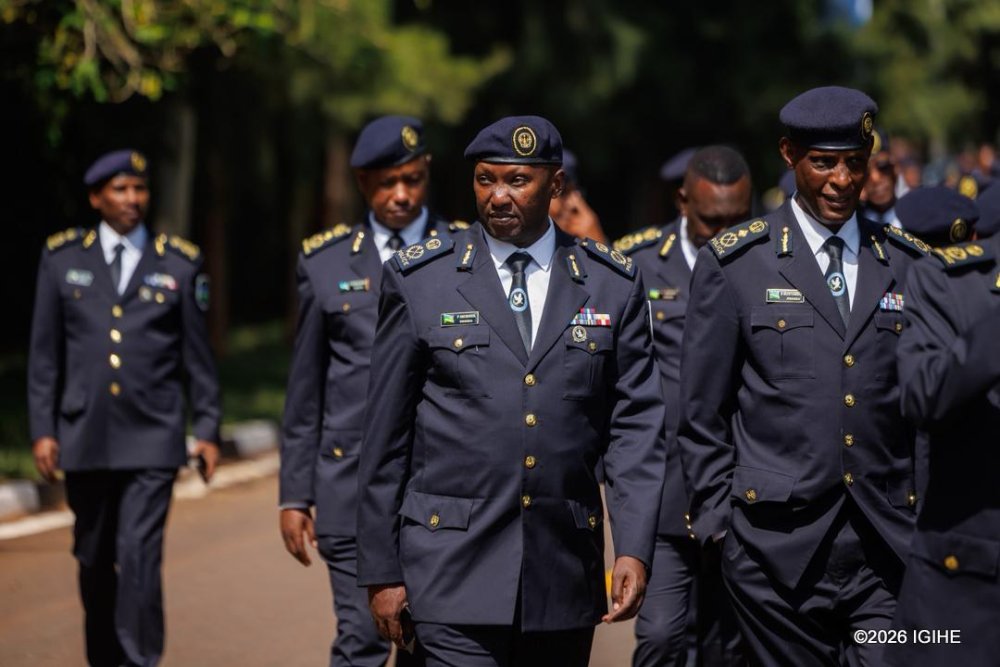
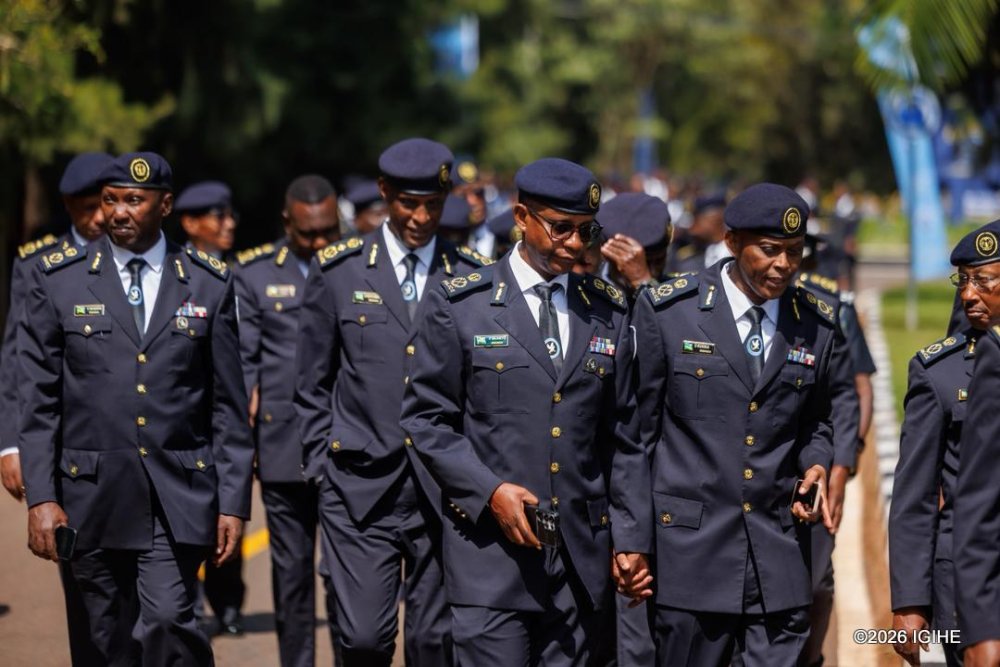
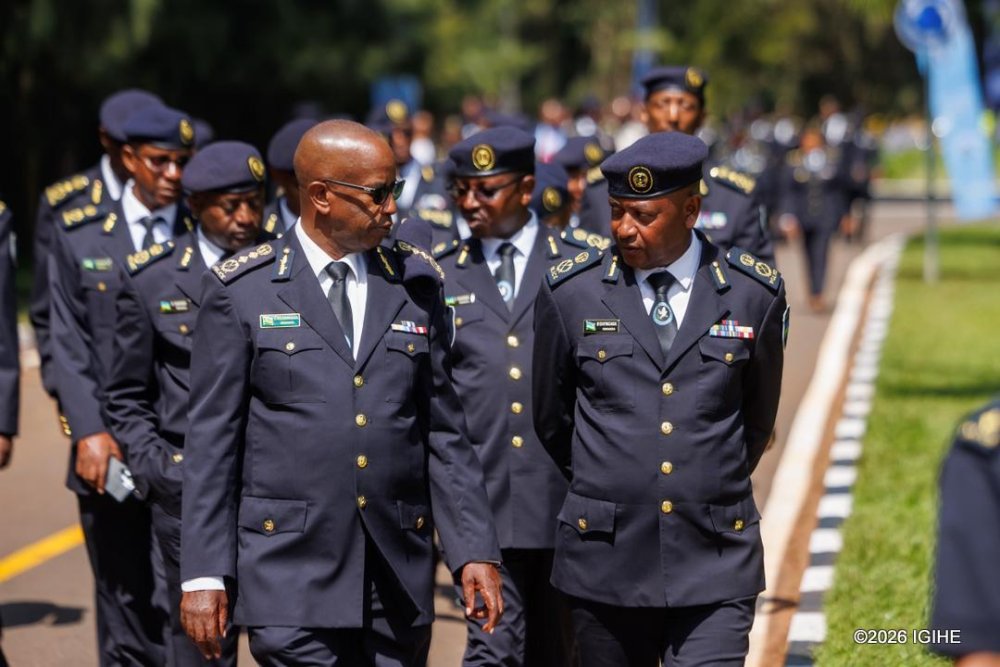
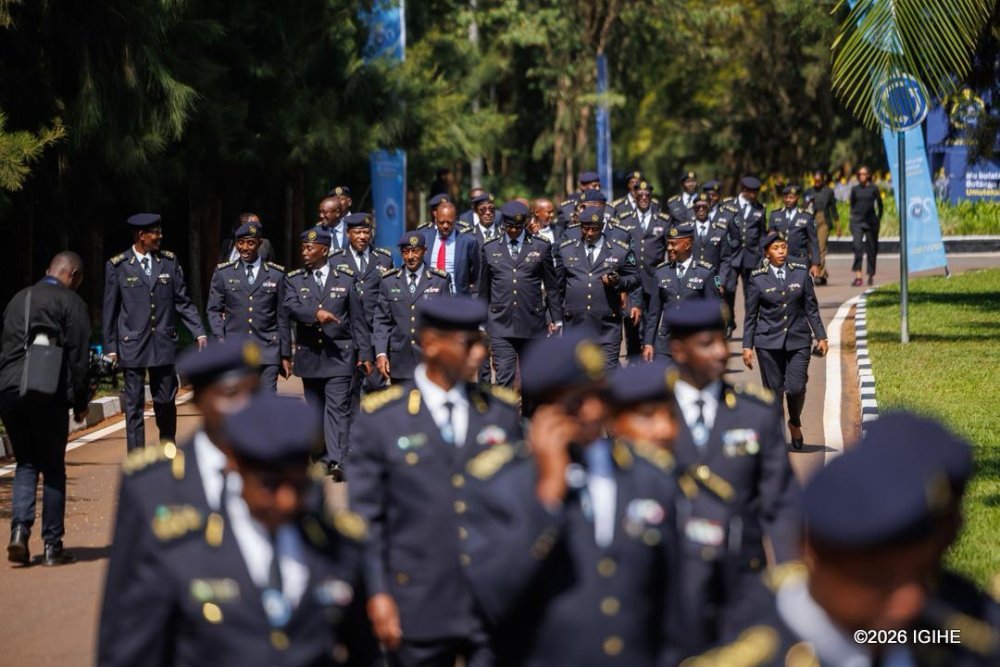
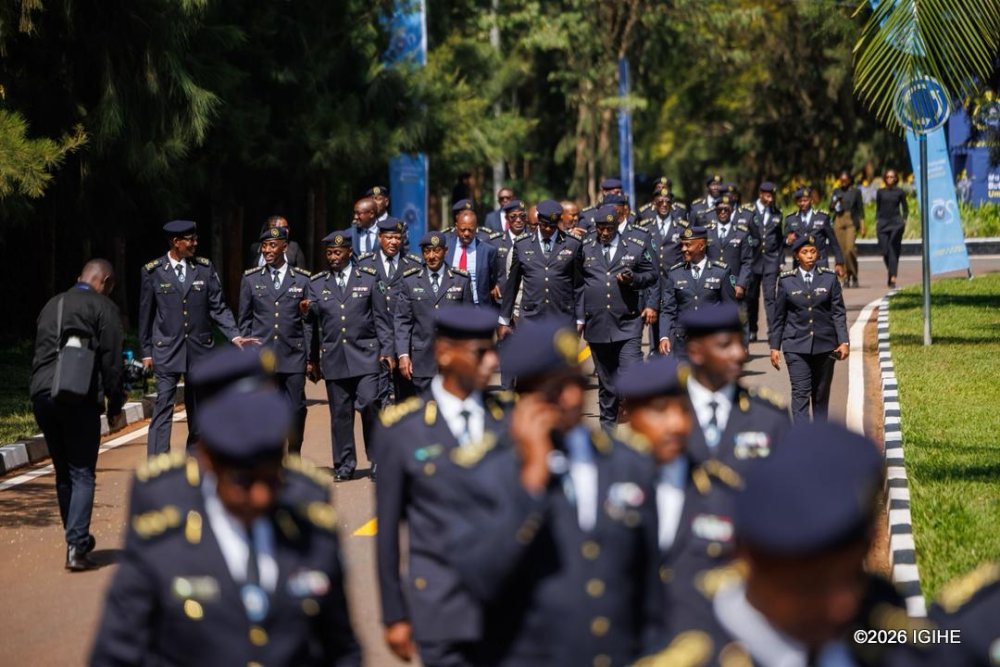
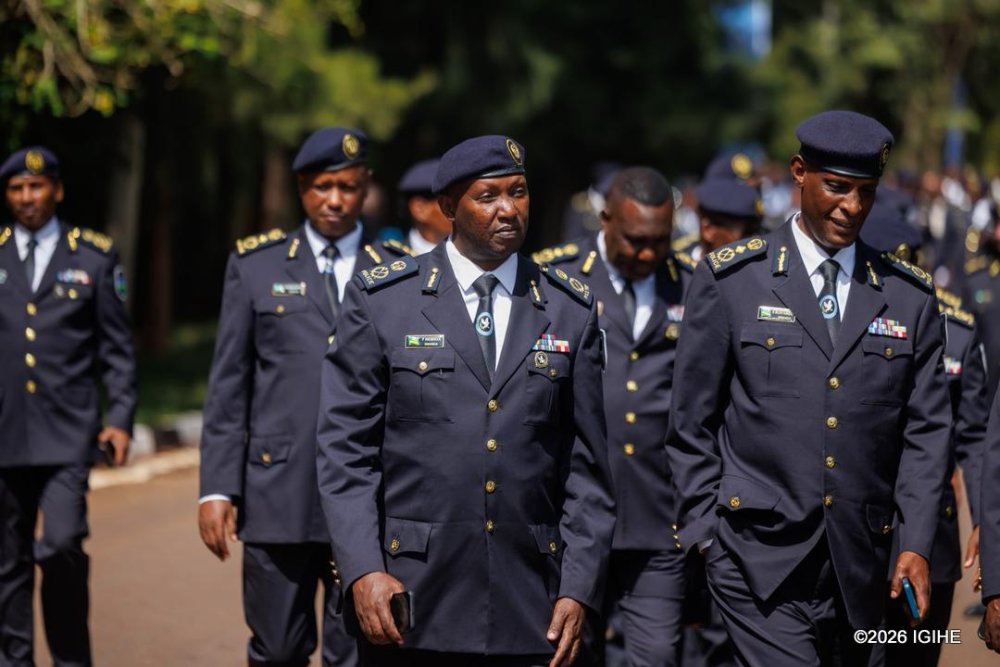
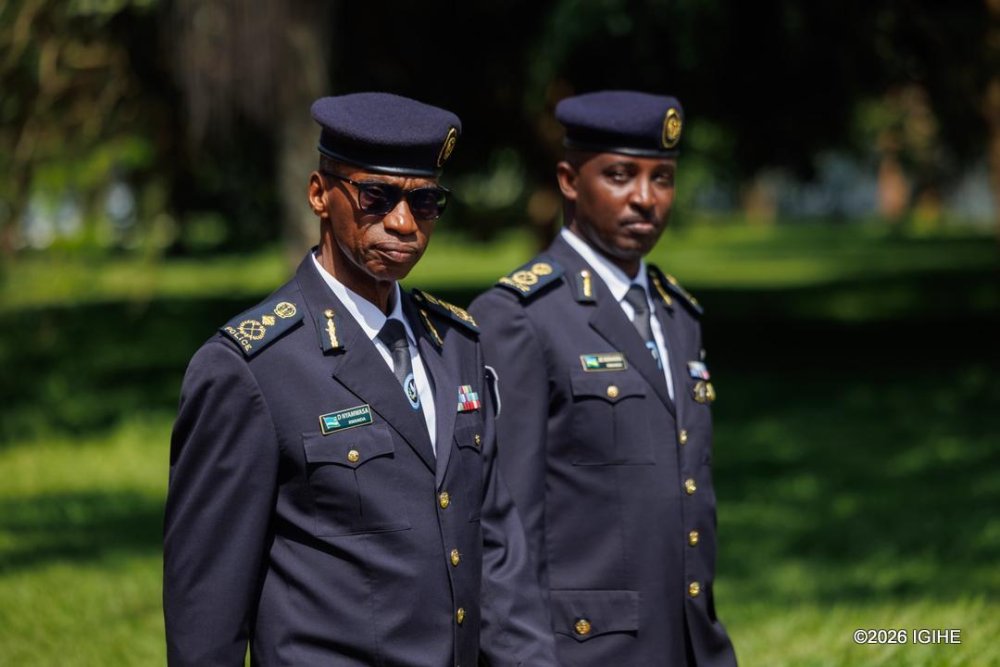
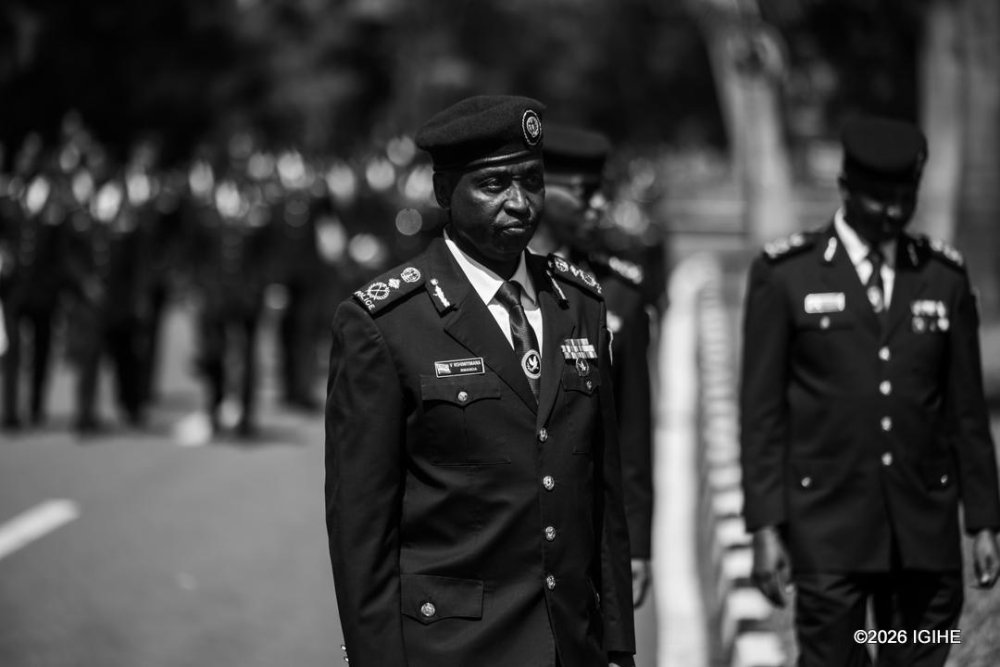
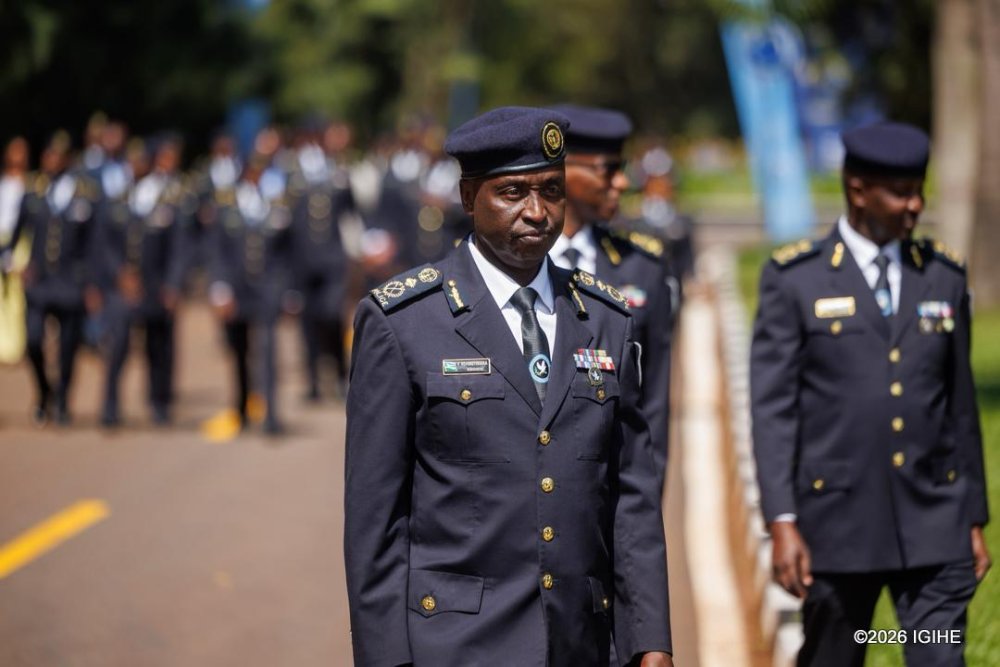
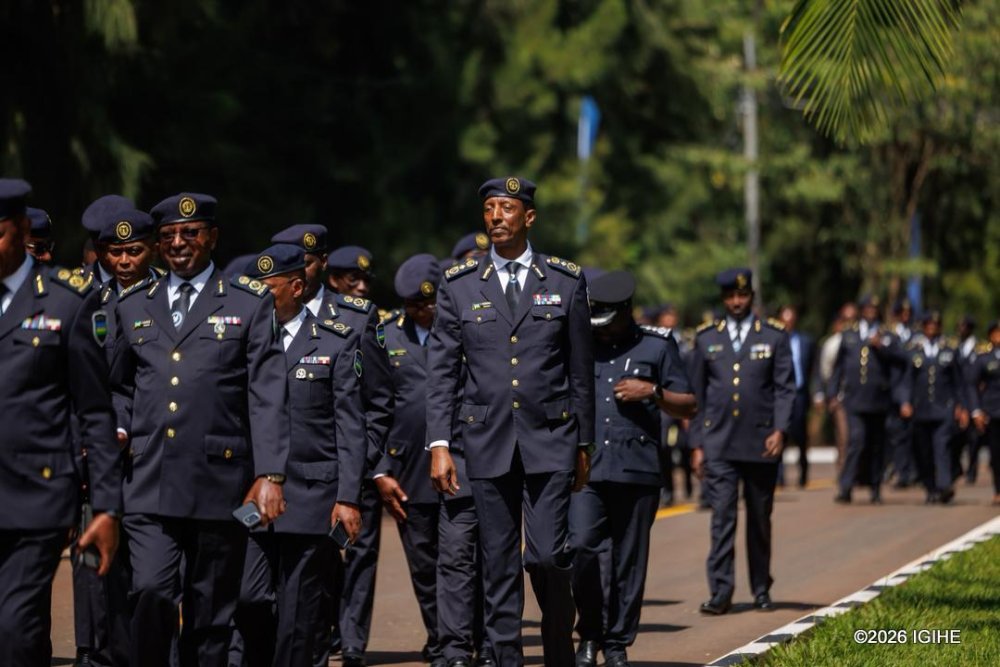
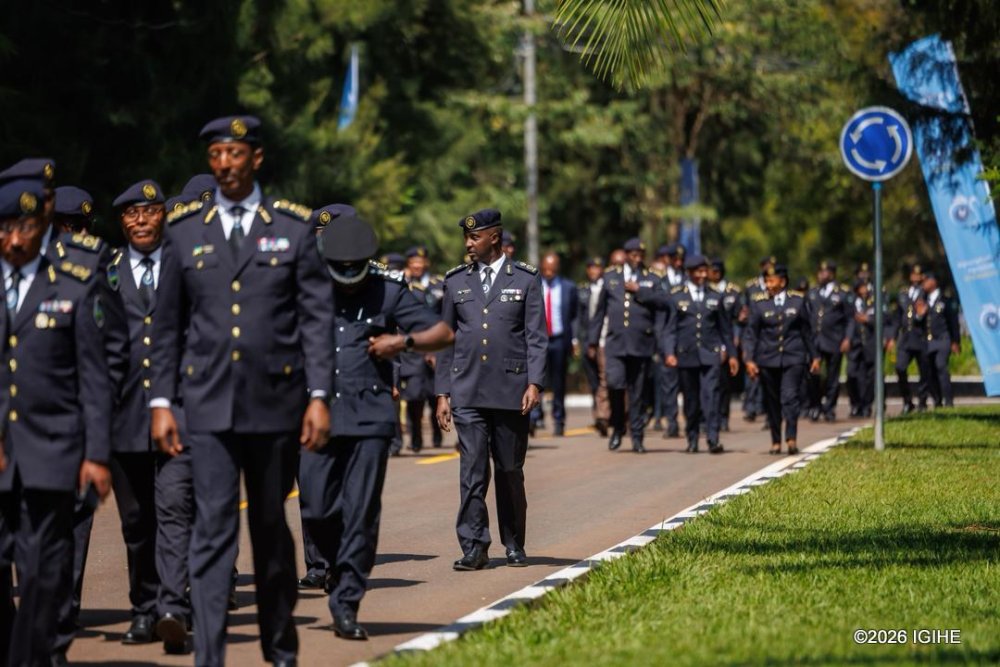
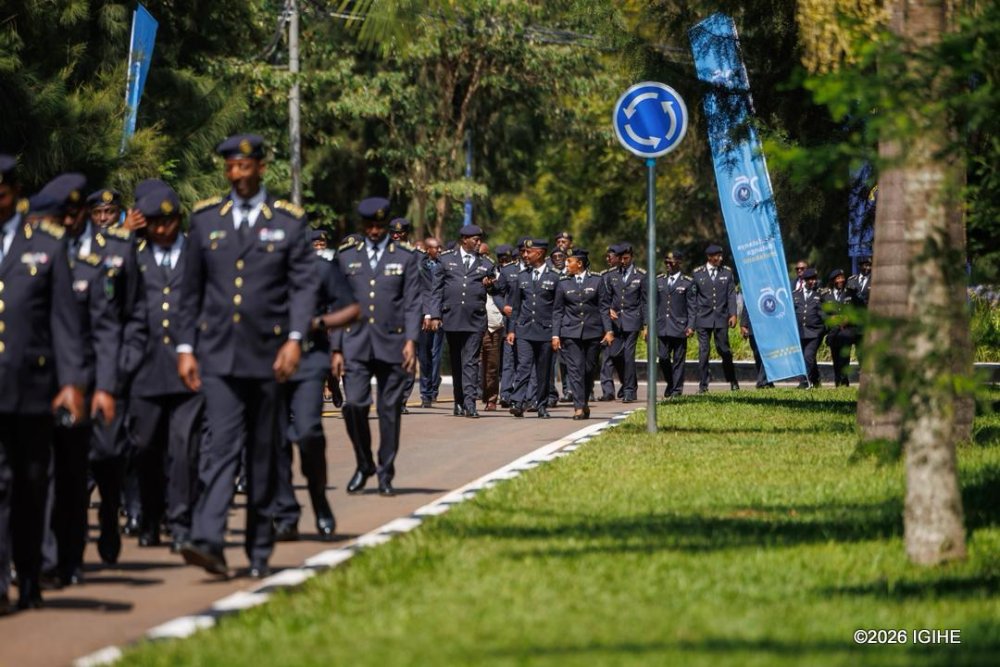
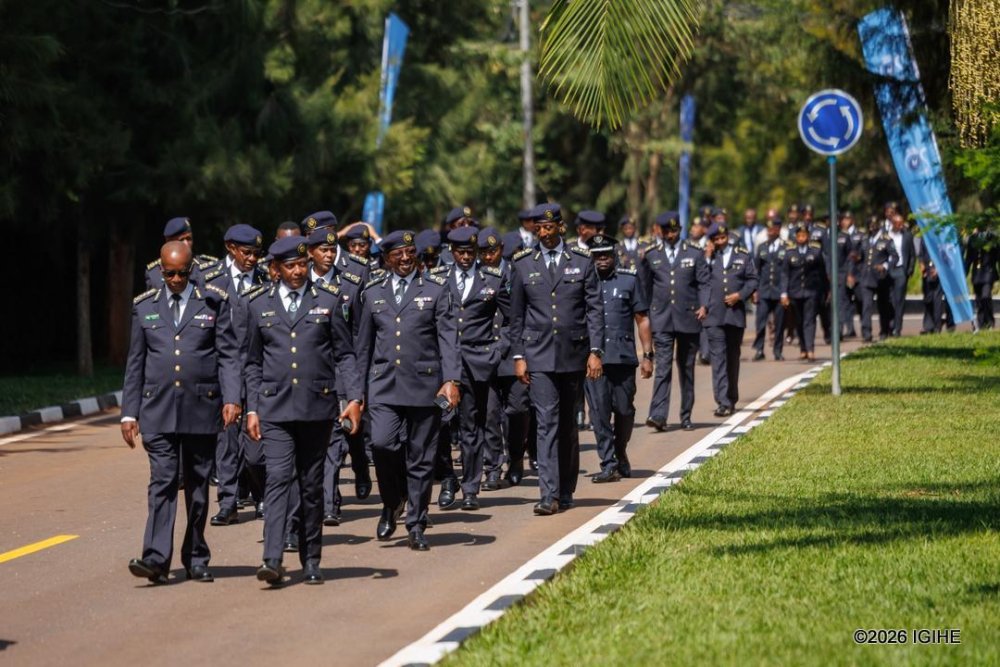
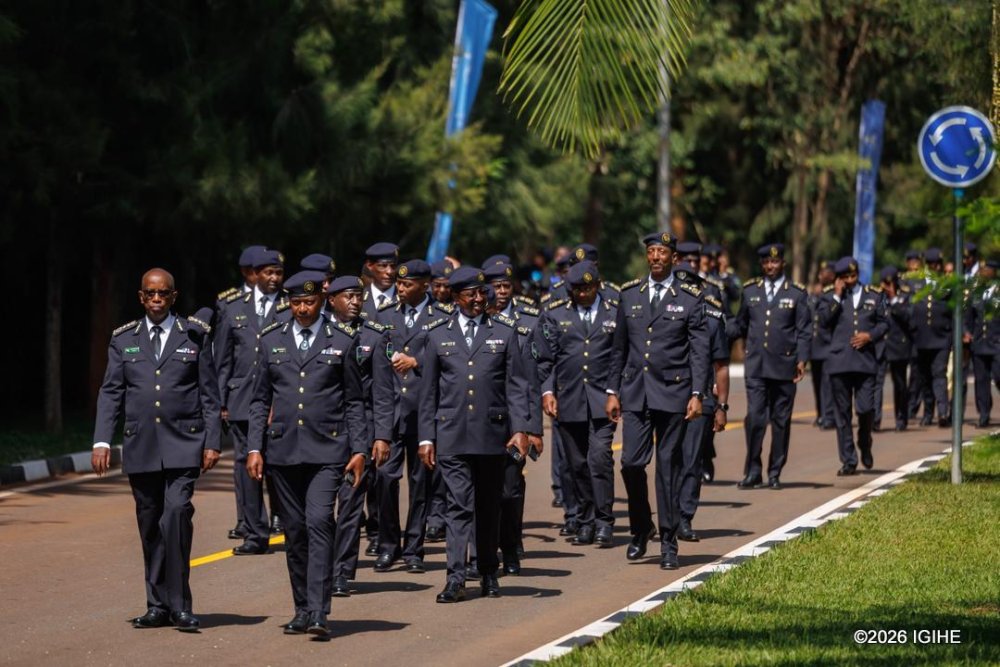
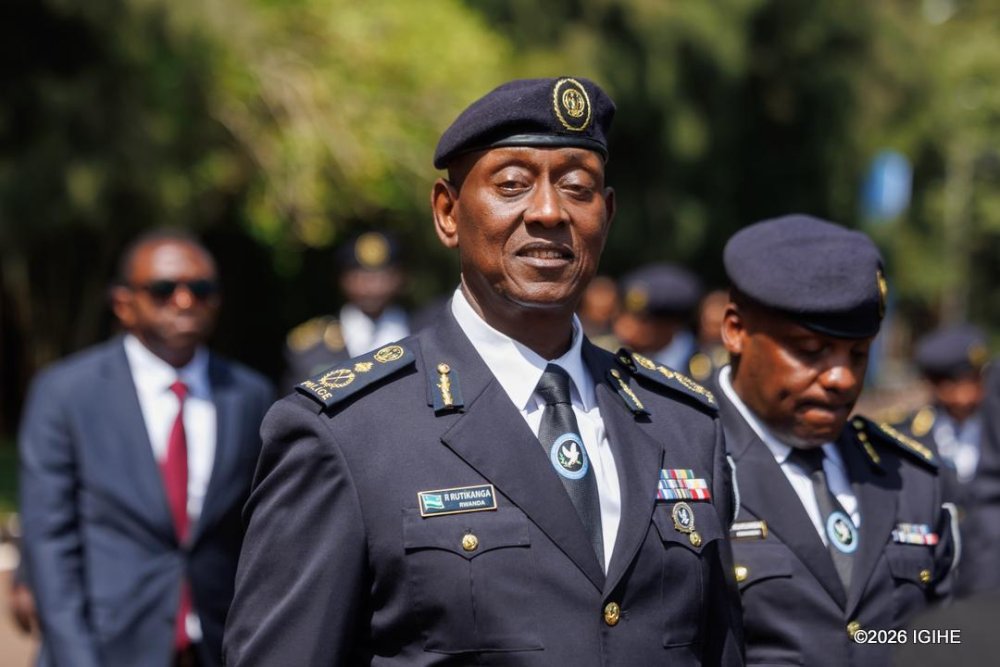
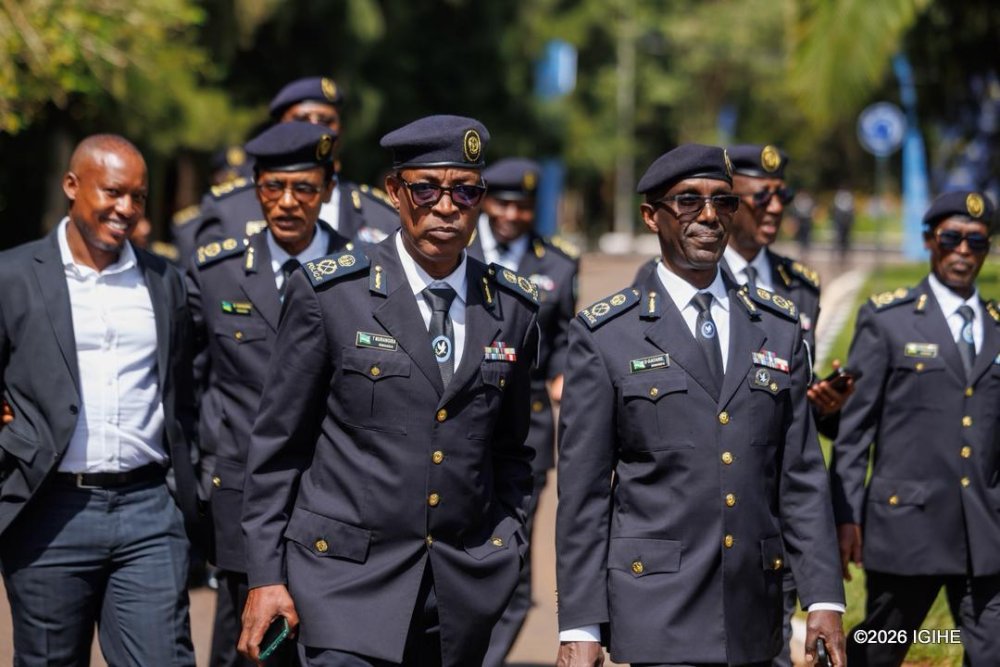
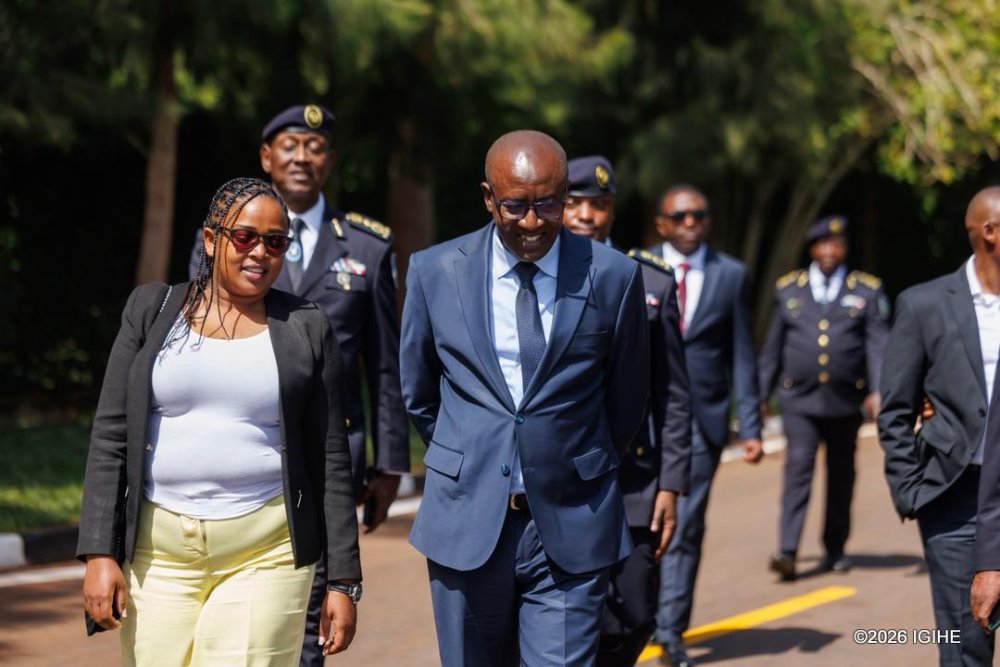
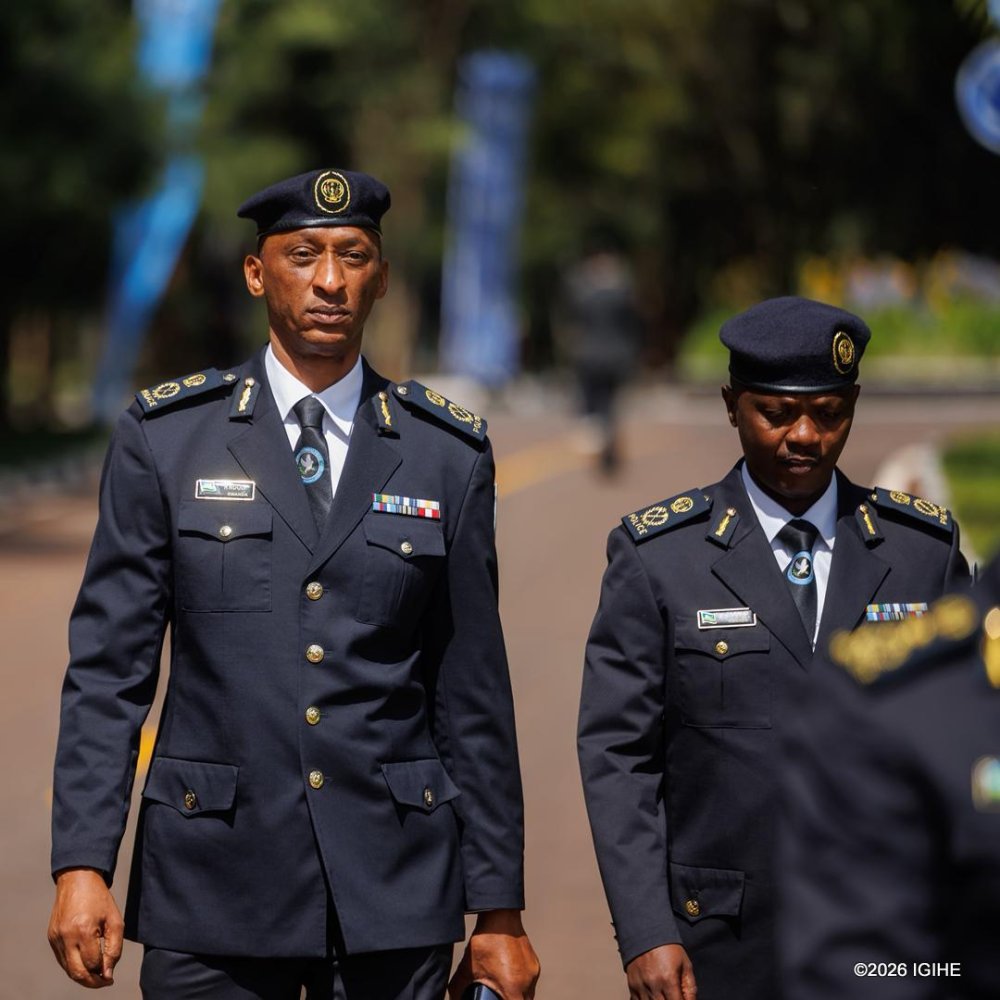
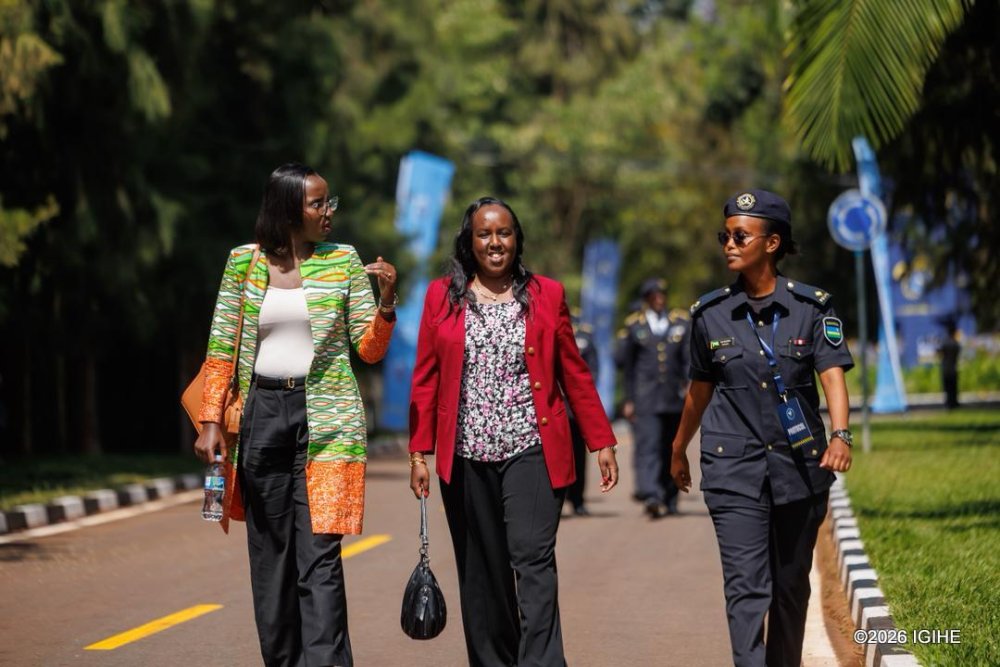
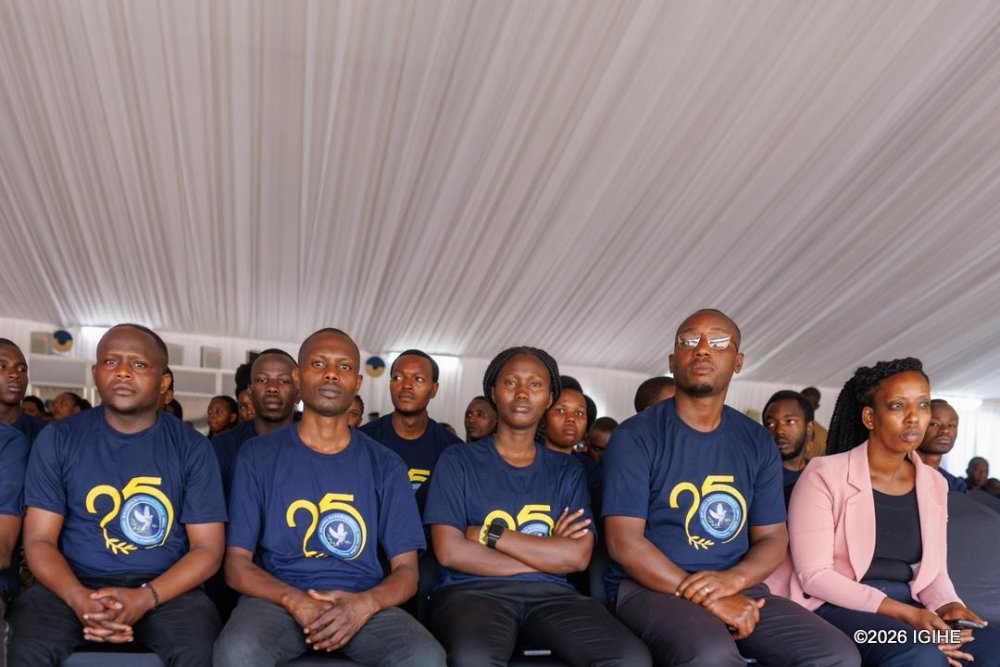
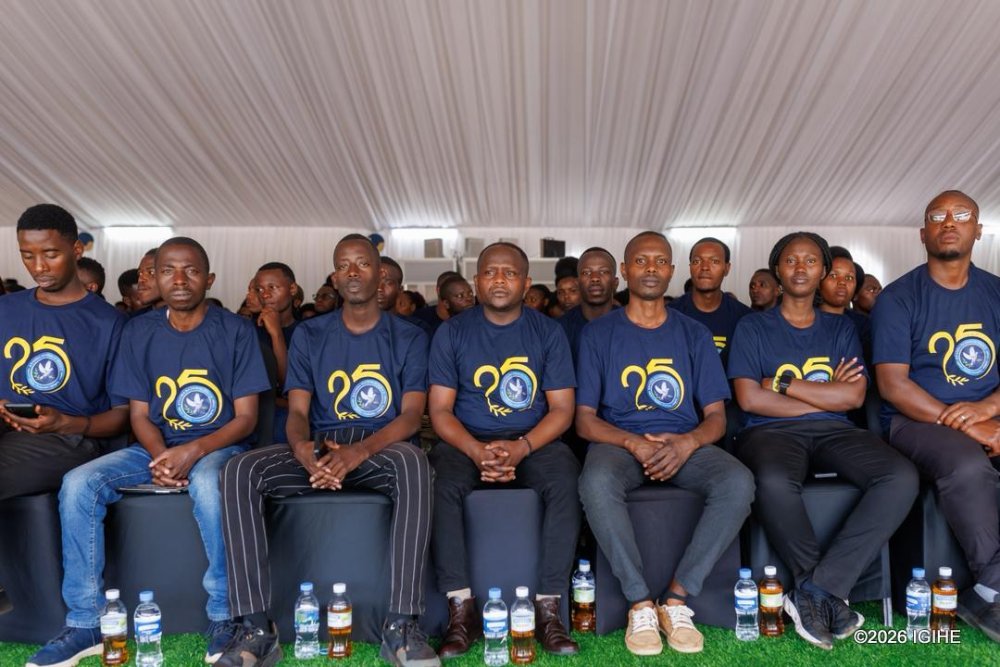
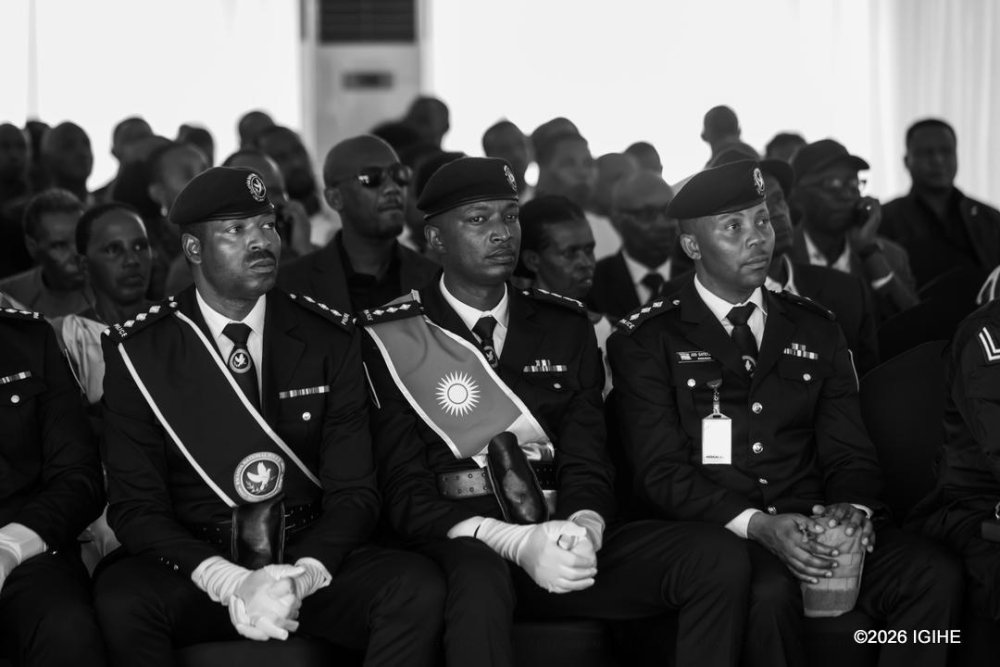
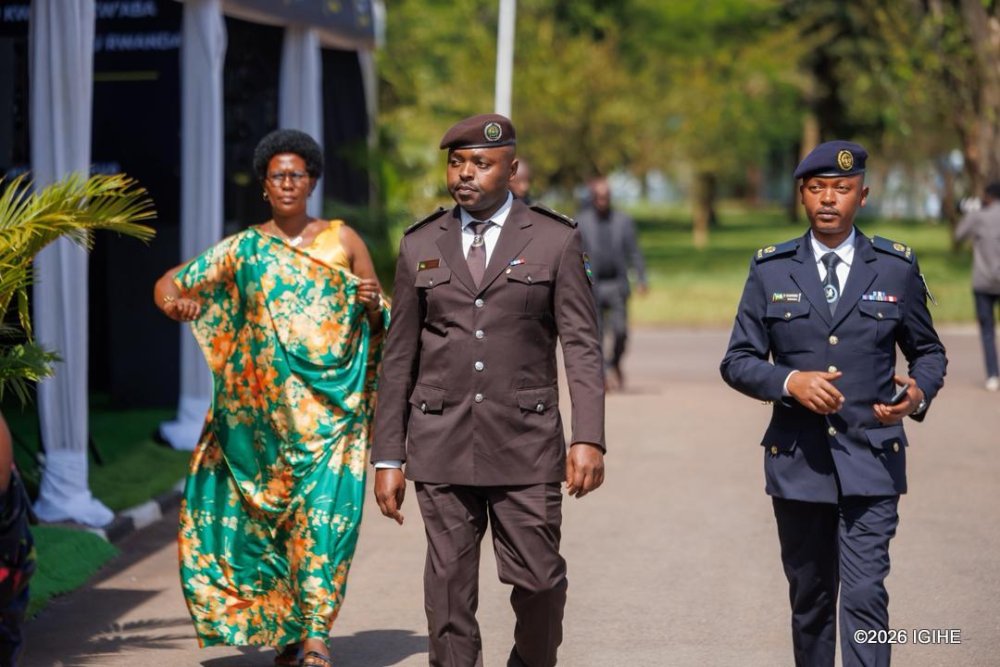
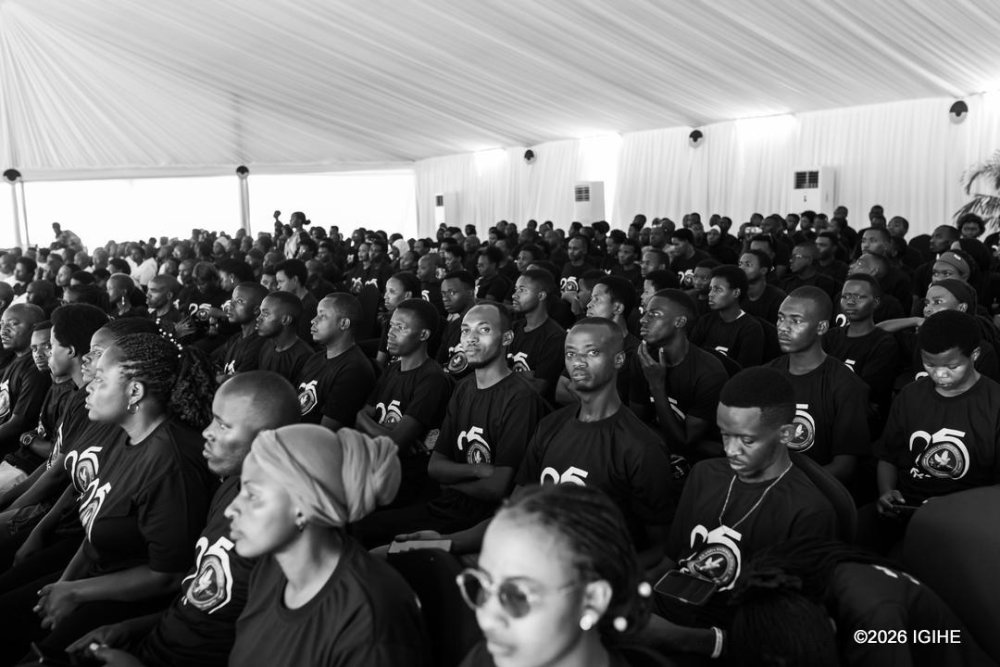
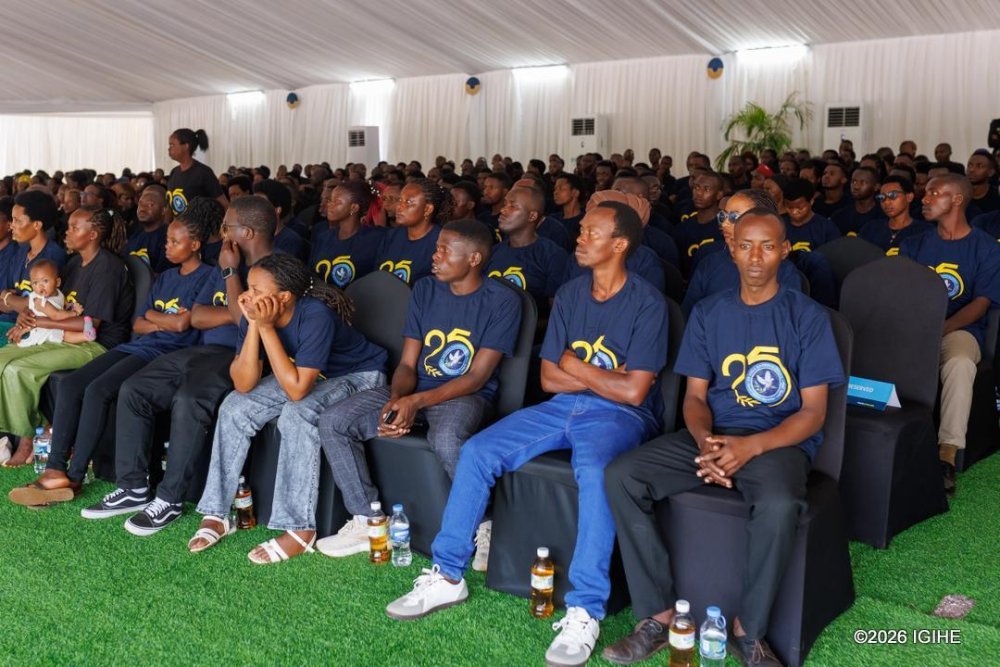
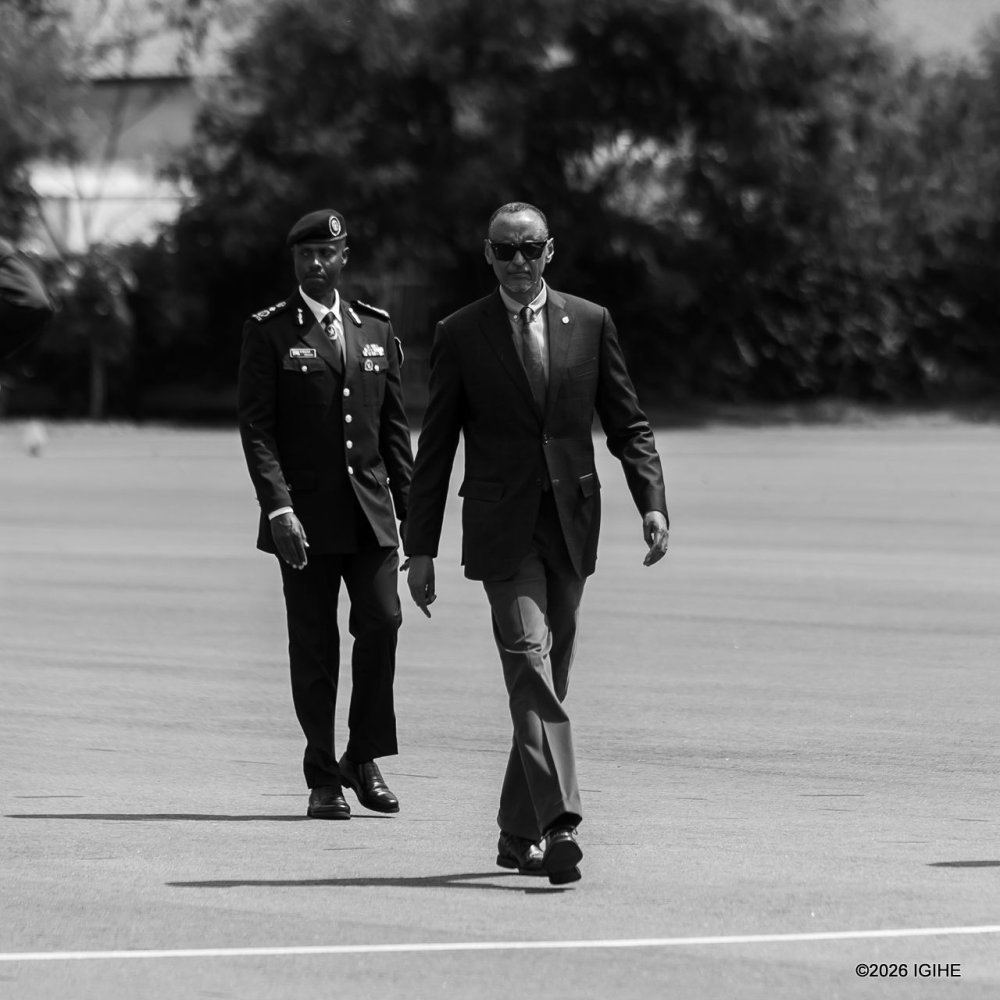
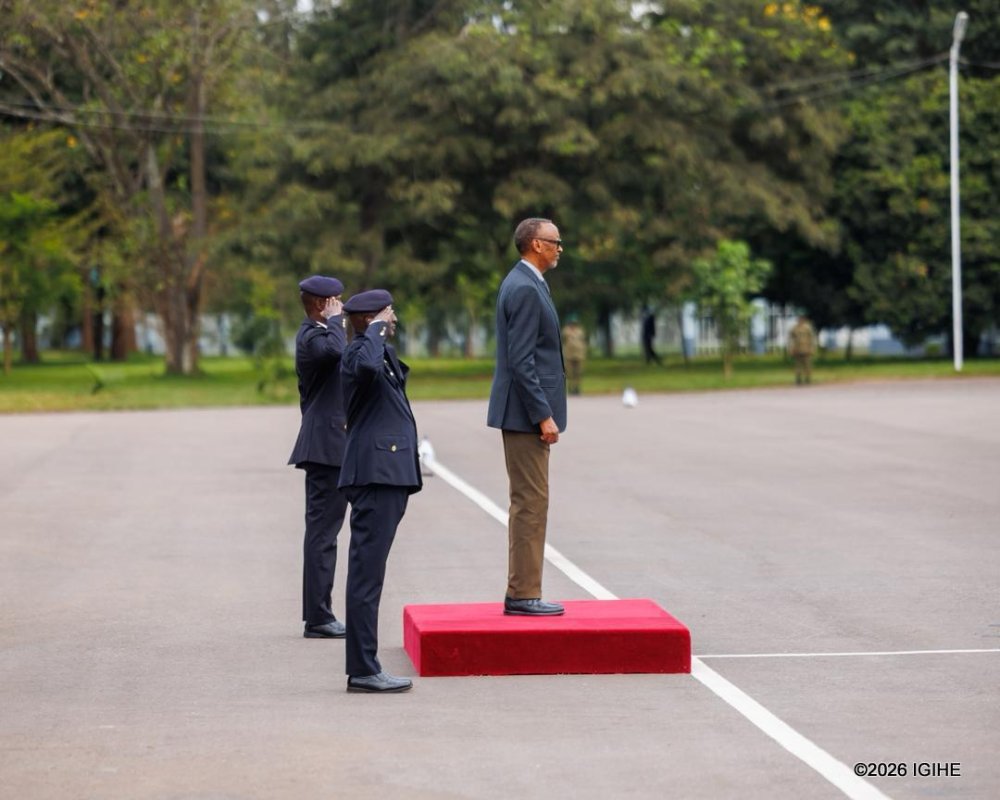
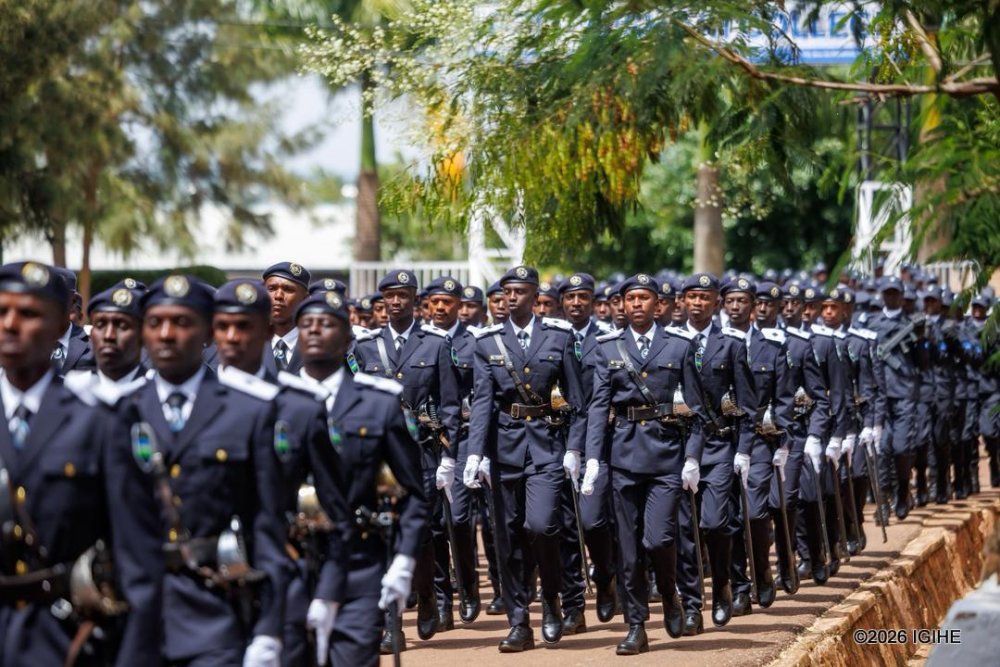
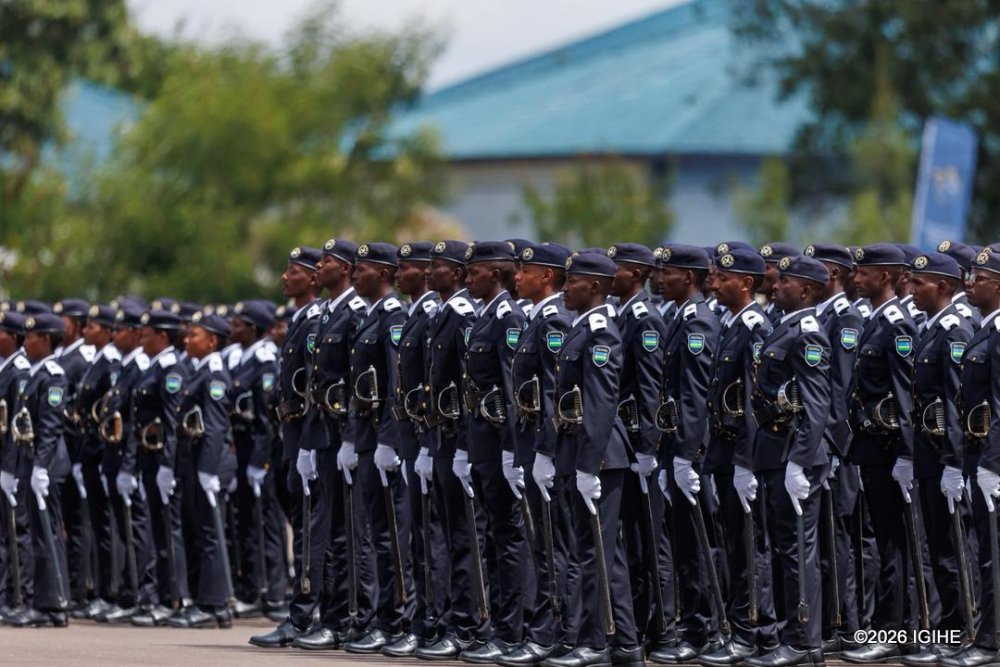
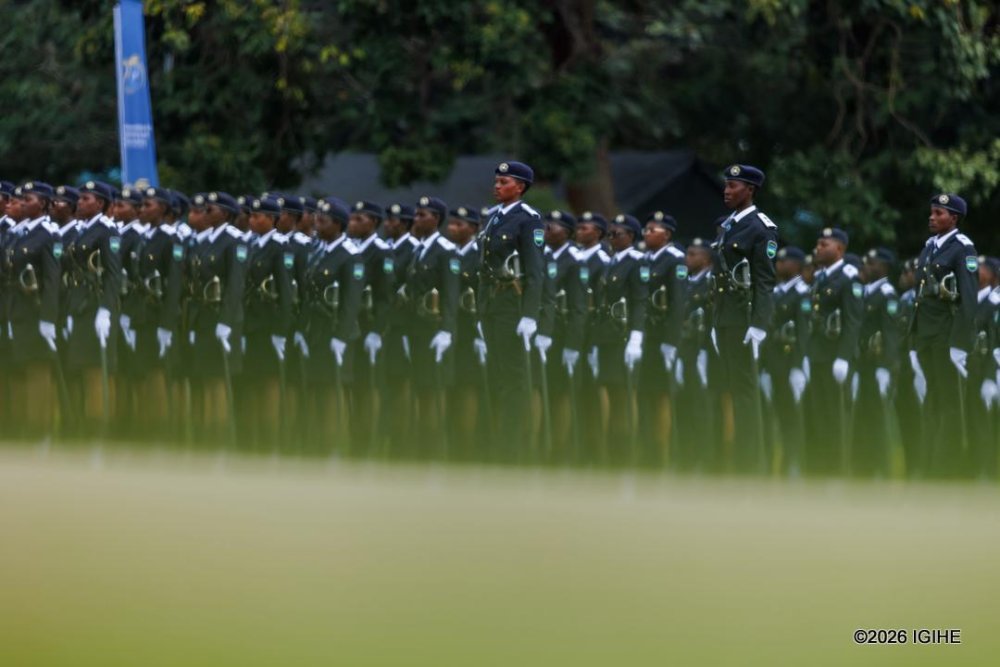
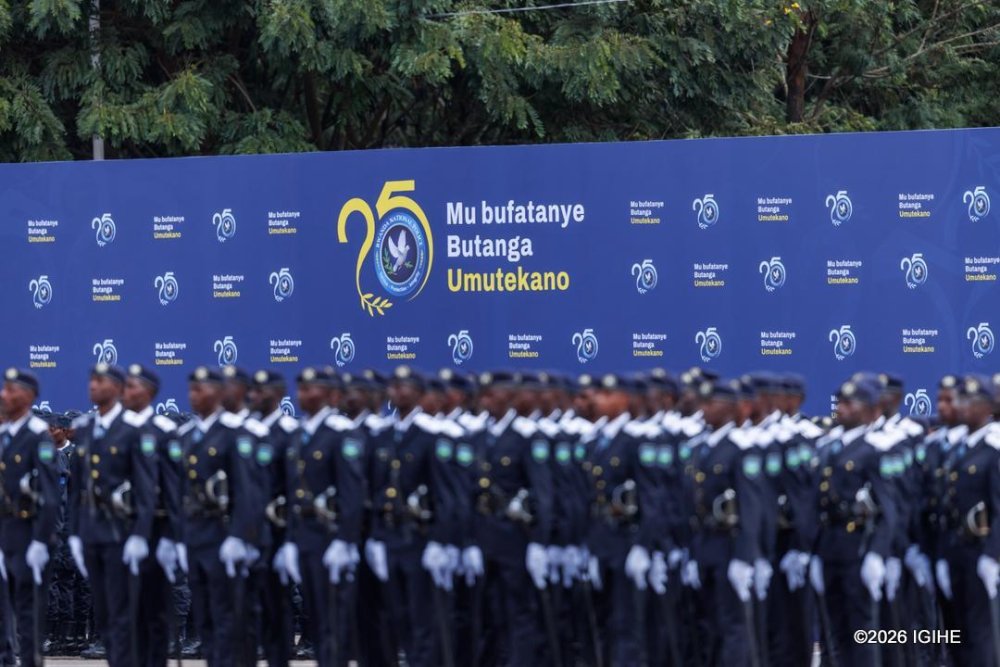
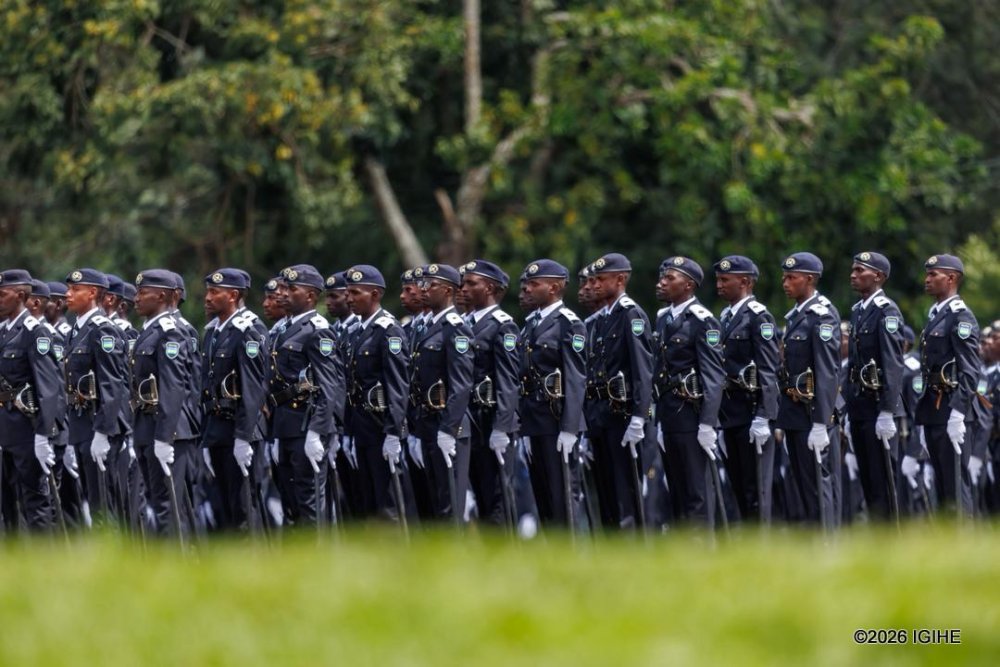
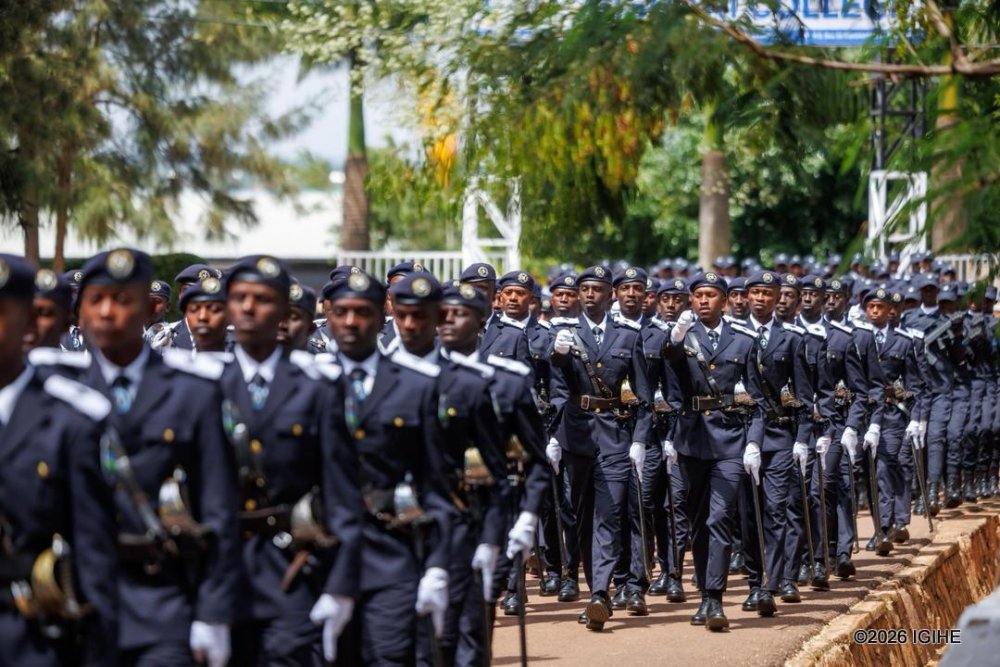
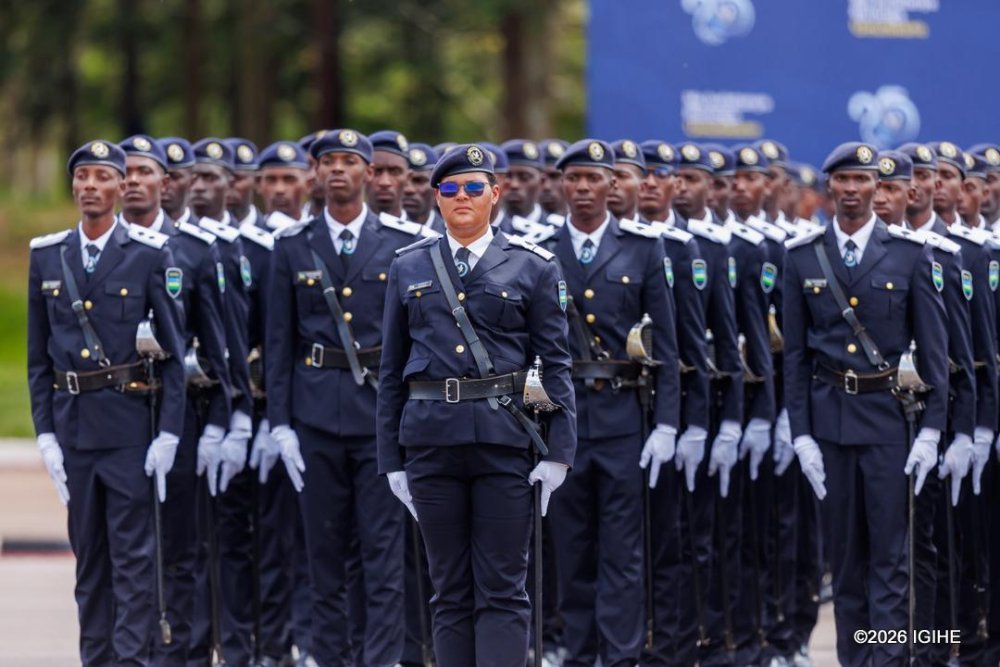
He made the remarks on Wednesday during a ceremony held at the Police Training School (PTS) Gishari, where 436 junior officers were commissioned with the rank of Assistant Inspector of Police (AIP). The event coincided with celebrations marking the 25th anniversary of the Rwanda National Police.
Among the graduates were 109 women and 327 men. Some were serving officers undergoing professional advancement training, while others were newly recruited into the force.
The Rwanda National Police was established in June 2000 following the merger of three former security institutions: the Gendarmerie Nationale under the Ministry of Defence, the Communal Police under the Ministry of Local Government, and Judicial Police Inspectors who operated under the Ministry of Justice.
President Kagame noted that the achievements registered by the police force over the past 25 years were also the result of strong cooperation between citizens and security institutions.
“We all share the commitment to continue working together to safeguard our security and the development that unites us. The security landscape continues to evolve, while criminal activities are becoming more sophisticated, mobile, and transnational. That is why the Rwanda National Police must continue adapting to emerging realities,” he said.
Addressing the newly commissioned officers, Kagame stressed that the training they received should be reflected not only in their professionalism but also in their values and conduct, particularly in rejecting corruption.
“The training you have completed was not only intended to equip you with professional skills, but also to instill values that help you understand the true meaning of serving the country and its citizens. We expect you to reject corruption, demonstrate sound judgment in decision-making, and carry out your responsibilities with integrity,” he said.
The Head of State added that the silver jubilee of the police force should also serve as a moment of reflection and renewed commitment to the institution’s core values and standards of professionalism.
“Continue to uphold professionalism and humility in the service you provide to your country and its people. These values are essential. They are what will continue strengthening the trust and confidence that Rwandans place in you and in your work,” Kagame added.
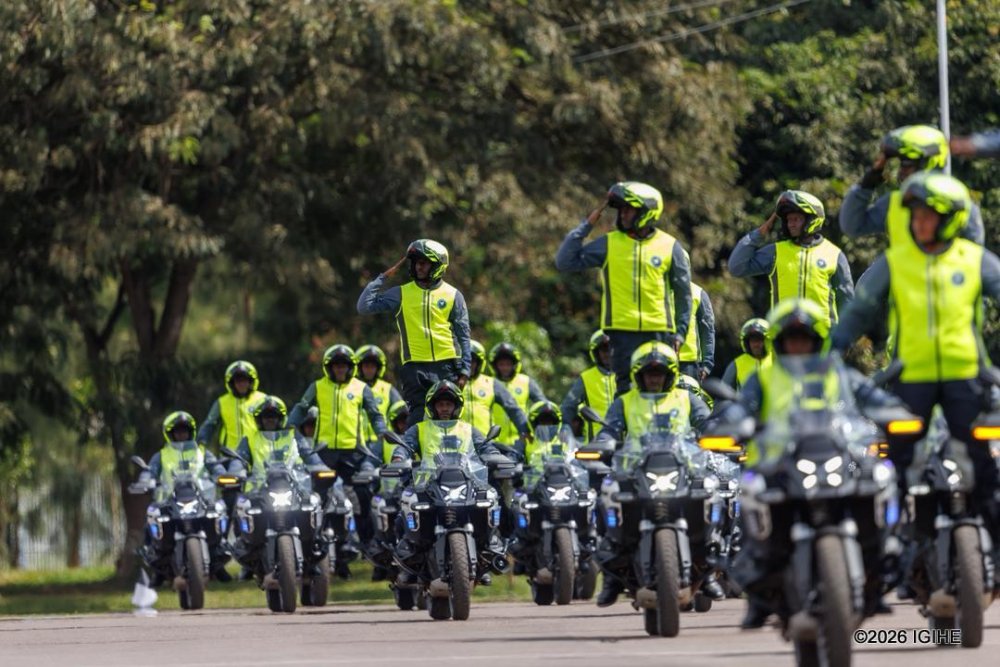
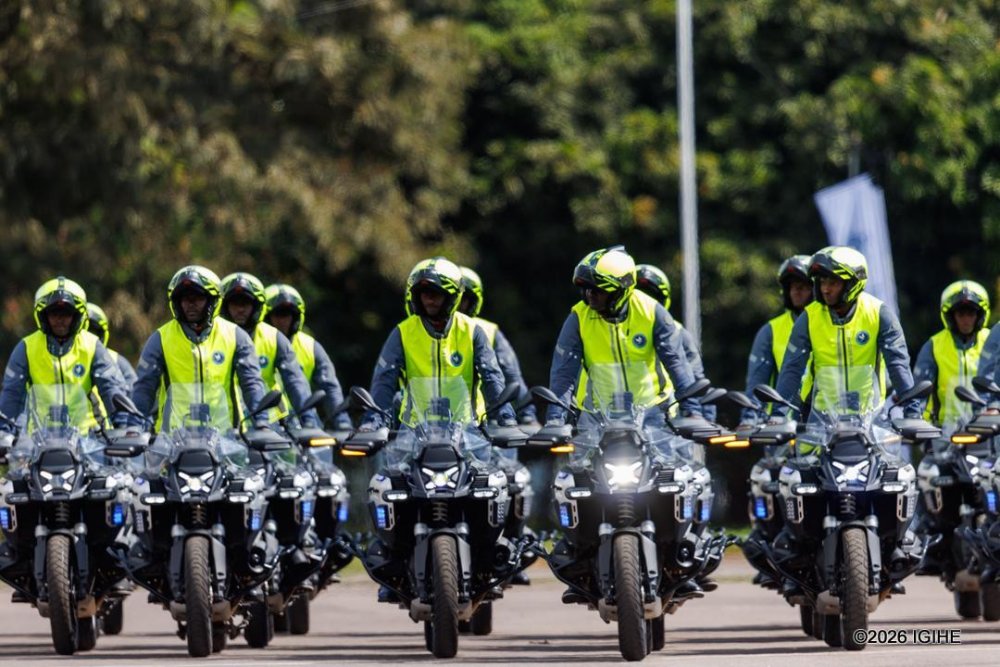
President Kagame urged anti-corruption and humility as Rwanda National Police marked 25 yearsThe Inspector General of the Rwanda National Police, CG Felix Namuhoranye, said the police maintain strong cooperation with citizens in the fight against crime.Police officers performed a motorcycle drill paradeThe passout ceremony was held in Gishari.
In a statement, the Foundation confirmed that it had decided to part ways with Iranzi, effective May 2, 2026, citing a mismatch in values despite what it described as efforts from both sides.
“The Sherrie Silver Foundation has made the difficult decision to part ways with ‘Iranzi’, a valued rapper and dancer in the Foundation, effective since Saturday 2nd May 2026, as our values no longer align despite great efforts made on both sides,” the statement read.
The organisation added that while it appreciated the time spent working with the young artist, its core principles remain centred on education, discipline, and integrity.
“We truly enjoyed the time spent working with him. At the Sherrie Silver Foundation, before music and dance, our core values remain education, discipline and integrity,” it said.
The Foundation further stated that it would no longer represent or be responsible for Iranzi’s actions or public views going forward.
“Henceforth, the Foundation will no longer represent or be responsible for his actions or views. We wish him the very best moving forward.”
Separately, Sherrie Silver, in a post on X, emphasised that education remains a non-negotiable requirement for all children under the organisation’s care.
“Many ask, what does it take to be a part of Sherrie Silver Foundation. We have a very simple rule. Everyone under 18 MUST attend school. Any child that refuses to do that cannot stay under our care. Talent is secondary, education & discipline first. We’re raising future leaders,” she wrote.
Iranzi speaks out
Speaking to IGIHE, Iranzi said he chose to leave the Foundation after what he described as growing frustrations over limited freedom to pursue his music career.
He alleged that he was not given sufficient independence to develop his artistic talent, claiming that even the music he wrote was controlled and not released.
He also said that tensions increased when he was enrolled in a boarding school in Musanze, despite already working on music projects, which he interpreted as an attempt to restrict his artistic growth.
“There are times when people do not agree, and instead of releasing you, they make things difficult for you. In an attempt to limit me, they sent me to study at a boarding school in Musanze even though they knew I was doing music. They used to ask us to write songs and submit them so they could choose which ones to release, but the songs I wrote were never used,” he said.
Iranzi, who was in Senior Three at Sunrise School in Musanze, said he later decided to formally resign from the Foundation on May 2, 2026. He then transferred to a school in Kigali as a day student, a move he said allows him to continue his education while focusing more on his music career.
This development comes shortly after Iranzi The Rapper released his first song titled “Basalee.”
Sherrie Silver Foundation confirmed that it had decided to part ways with Iranzi, effective May 2, 2026, citing a mismatch in values despite what it described as efforts from both sides.
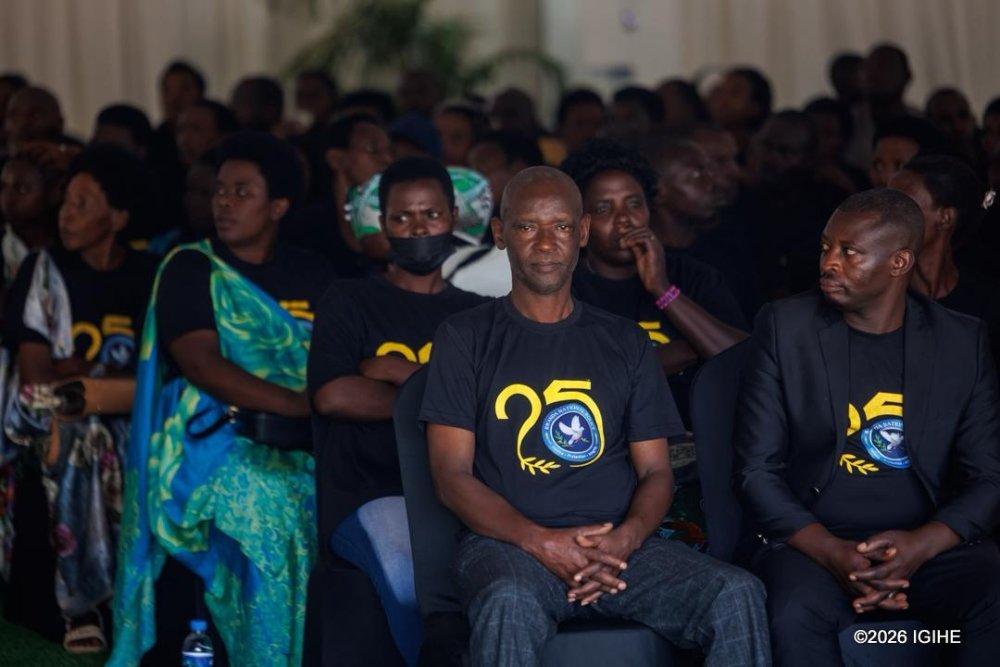
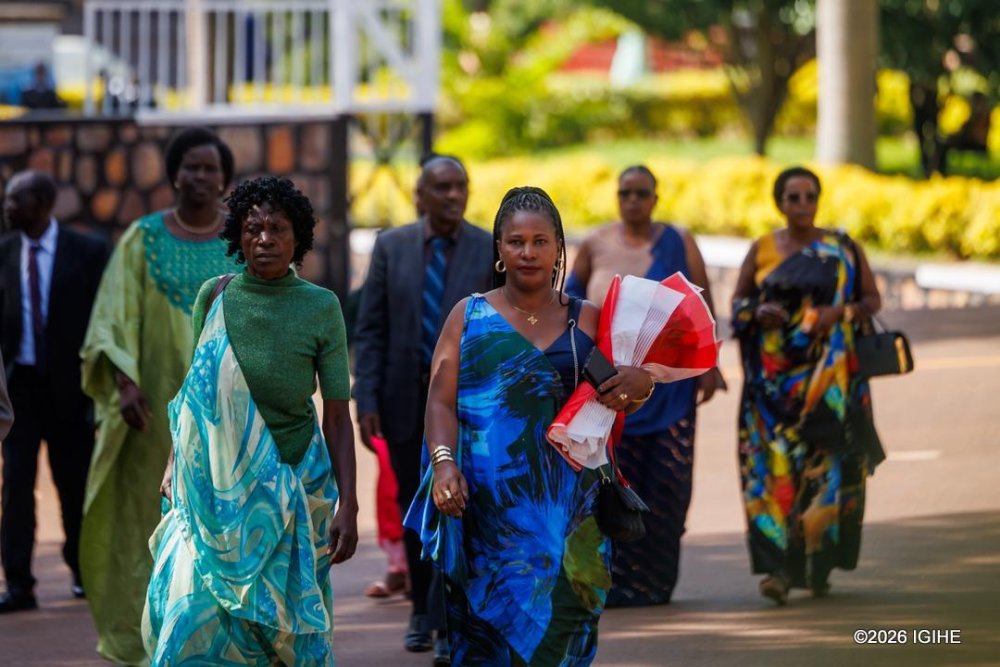
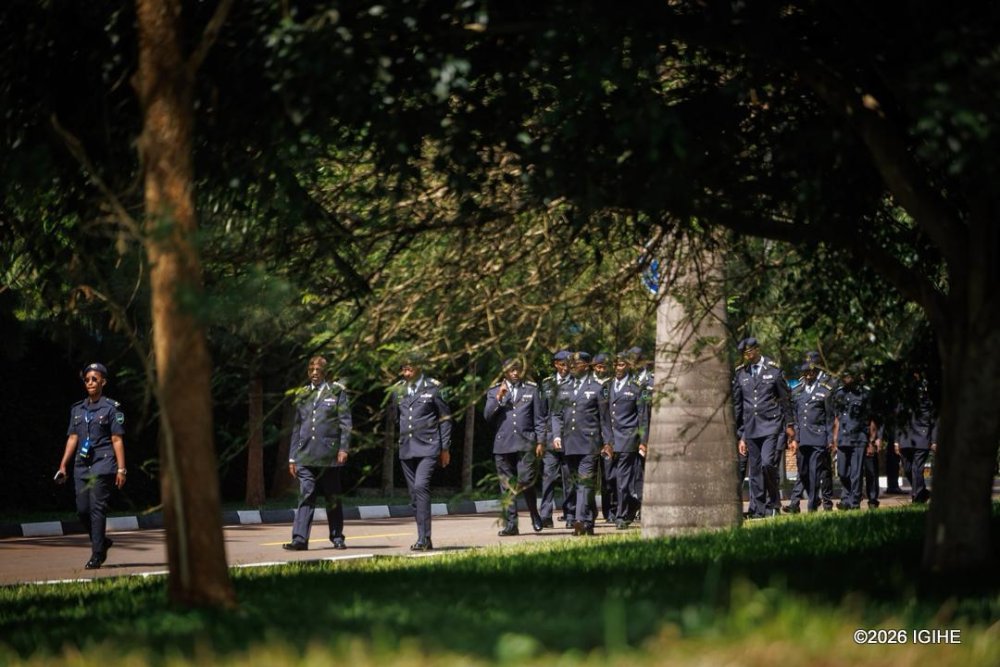
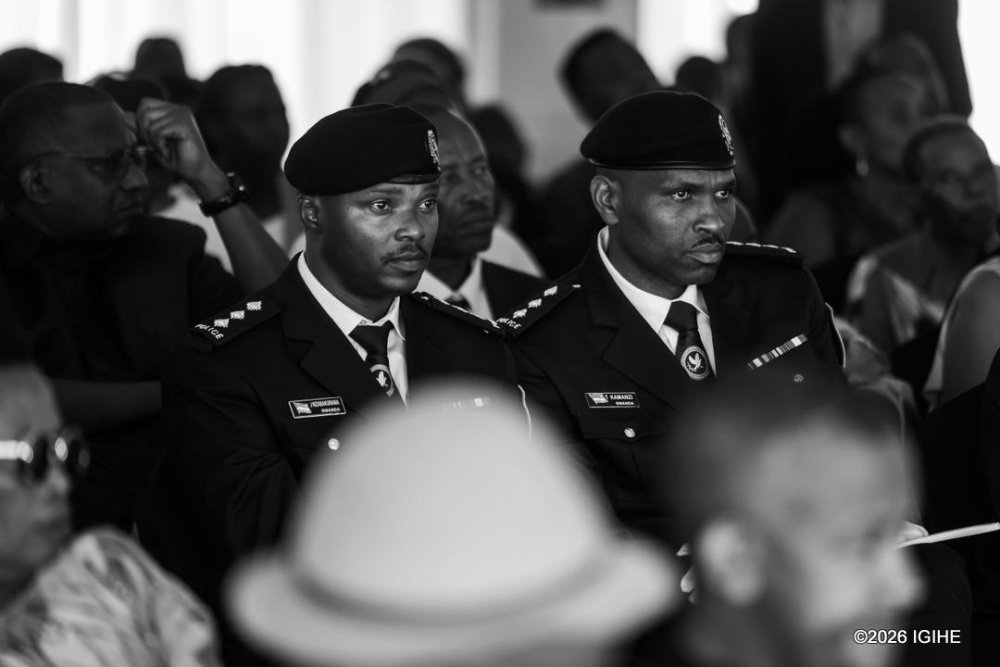
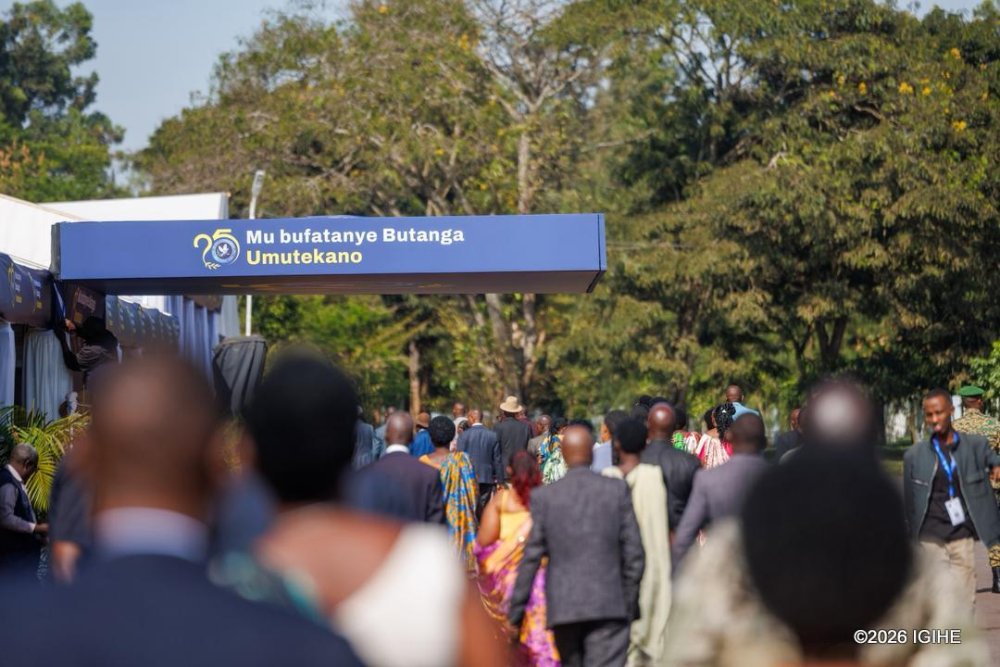
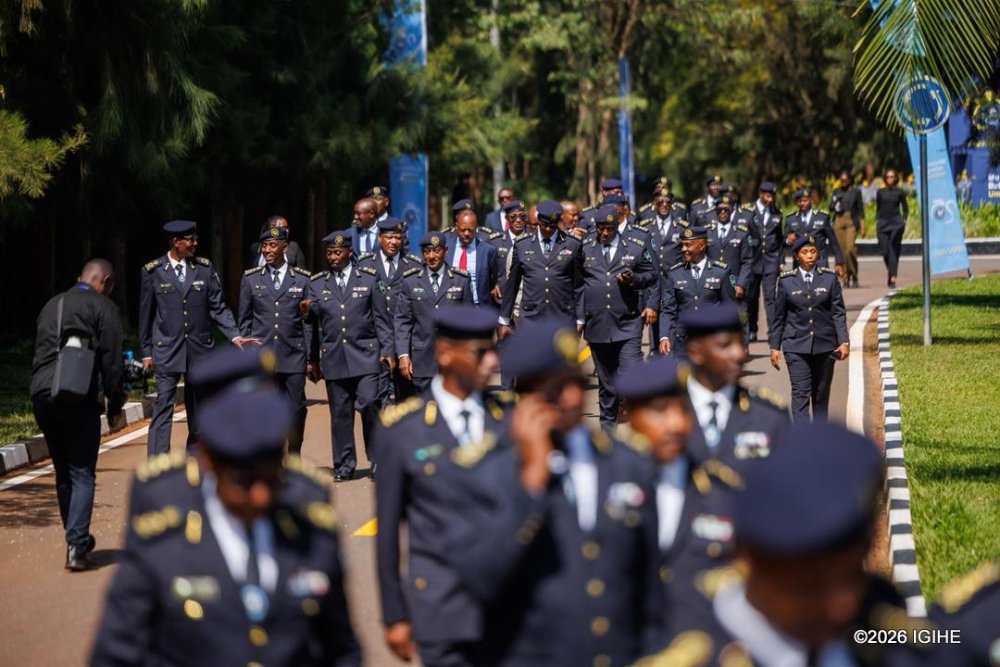
The commissioning ceremony took place on 27 May 2026 at the Gishari Police Training School (PTS Gishari), coinciding with celebrations marking 25 years of the Rwanda National Police, under a theme centred on partnership in delivering security.
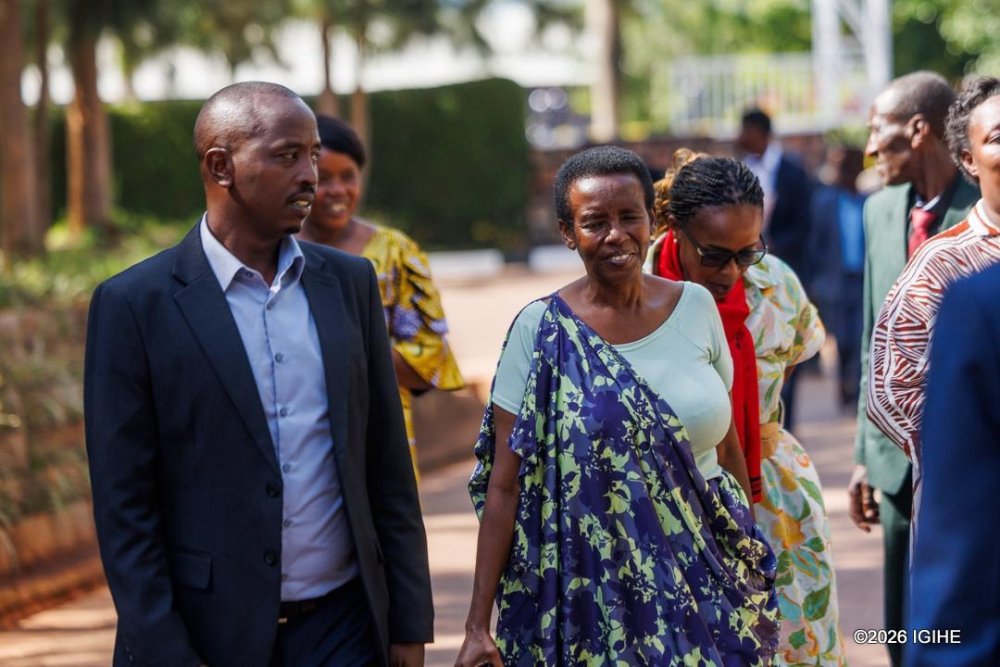
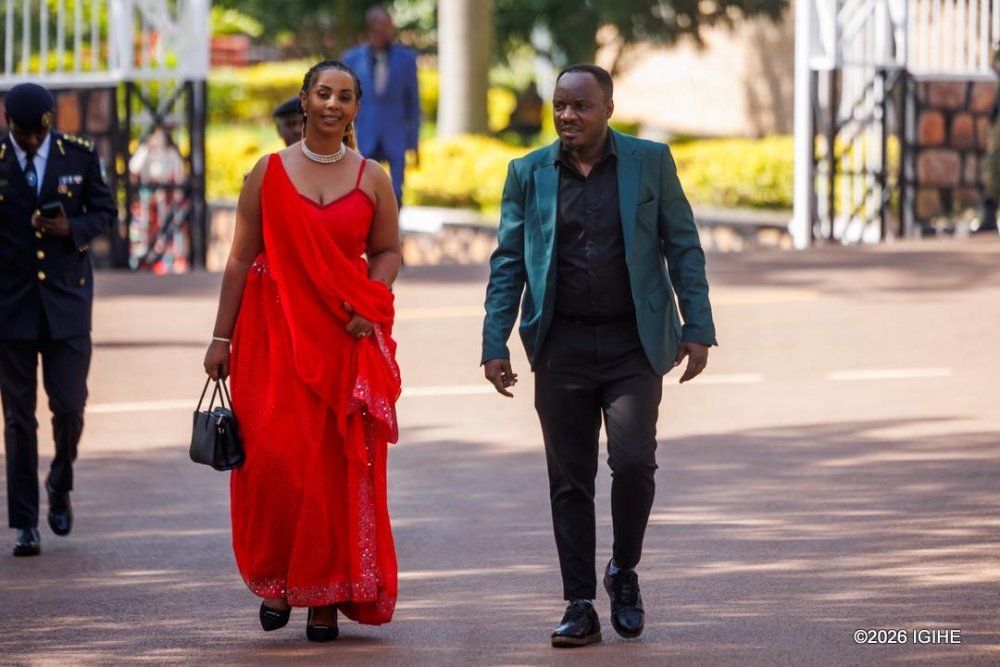
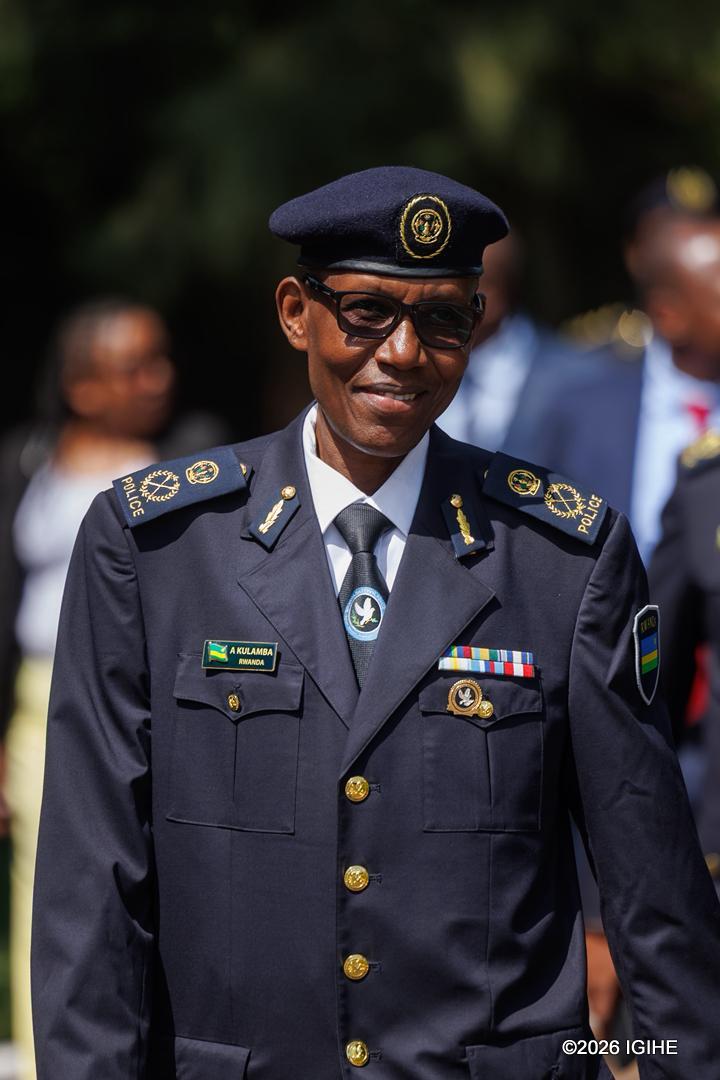
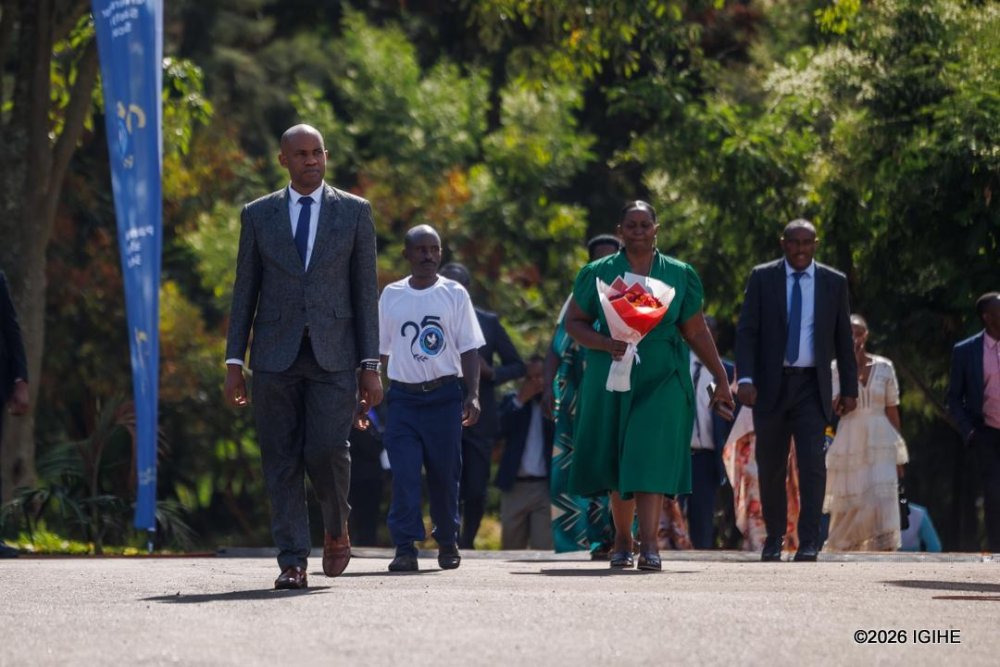
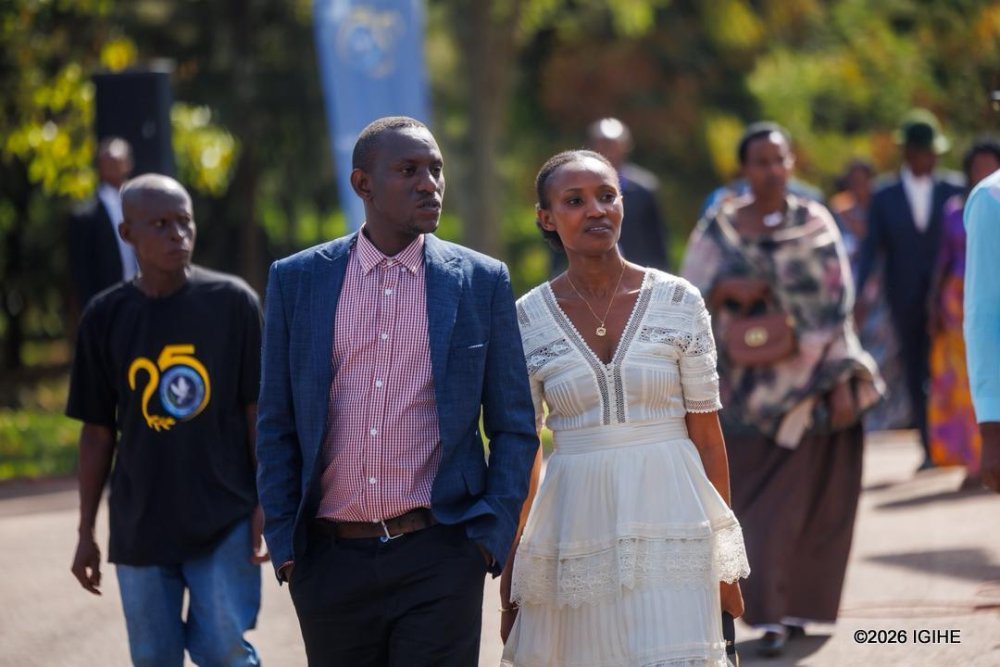
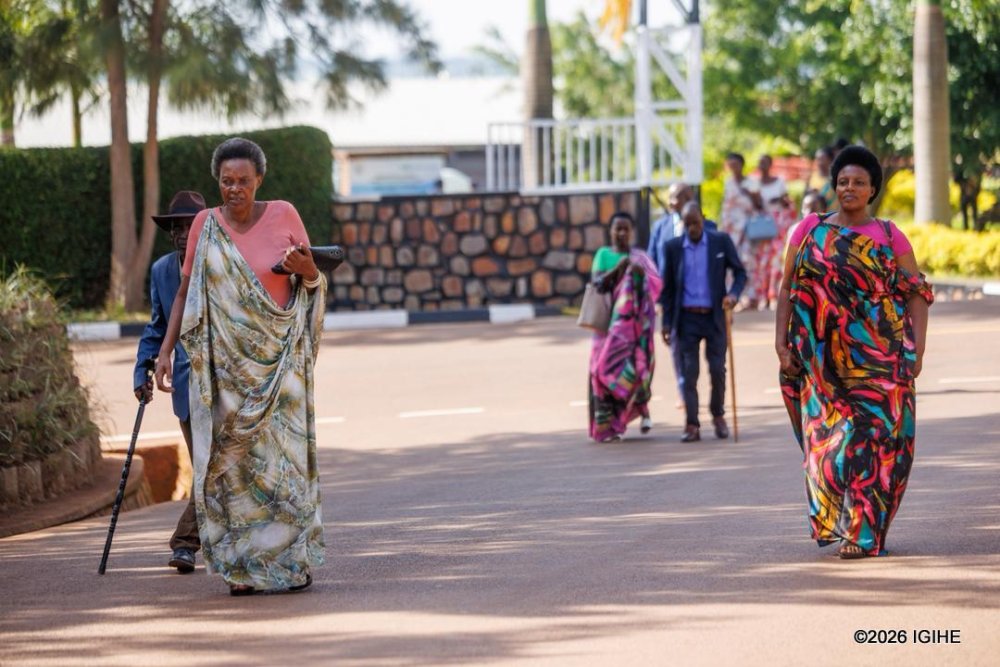
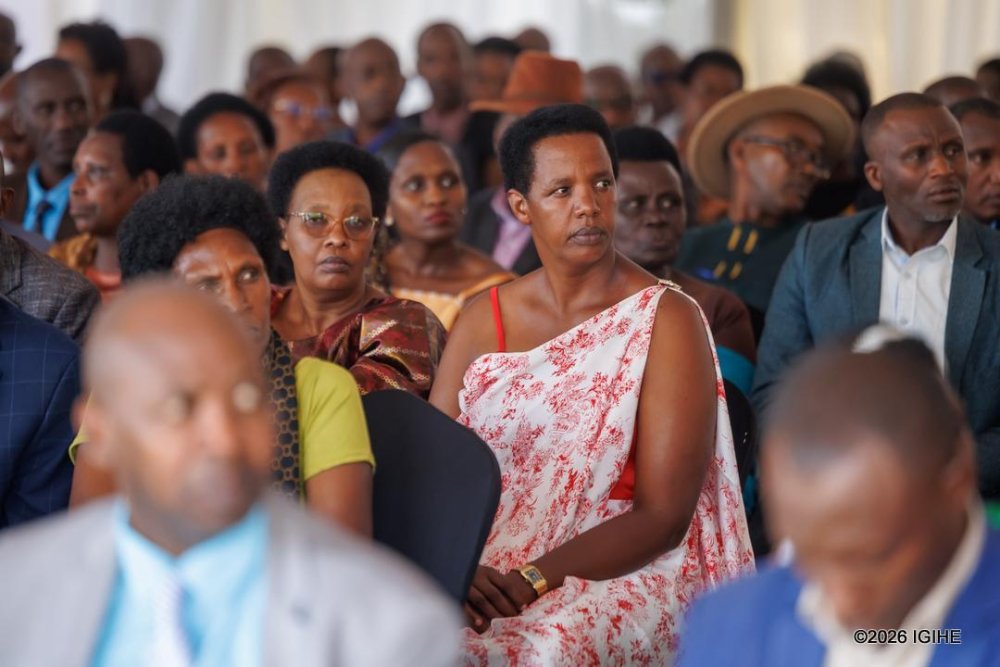
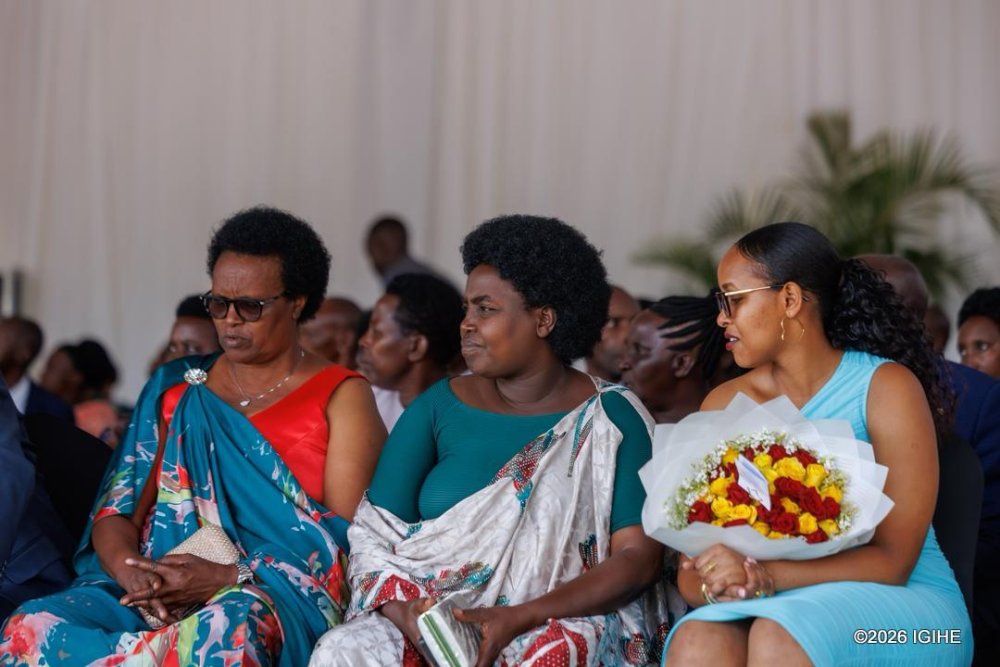
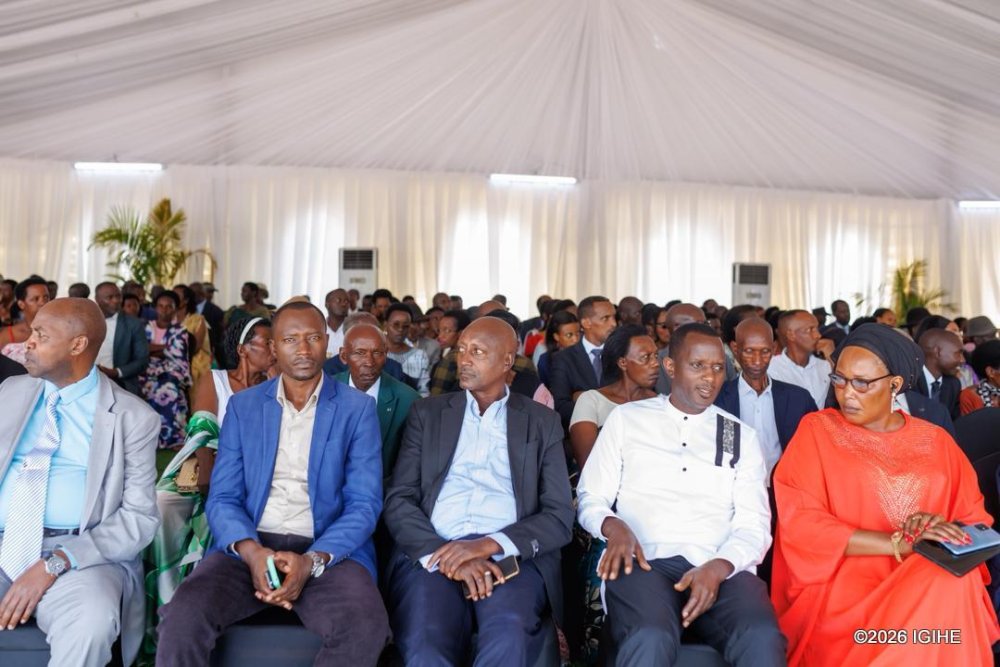
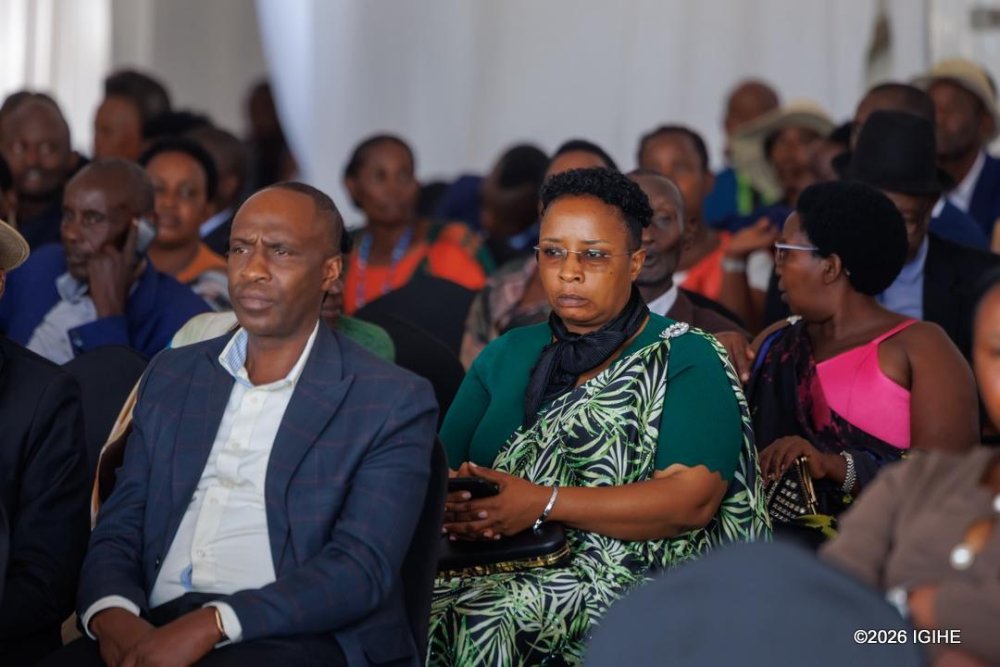
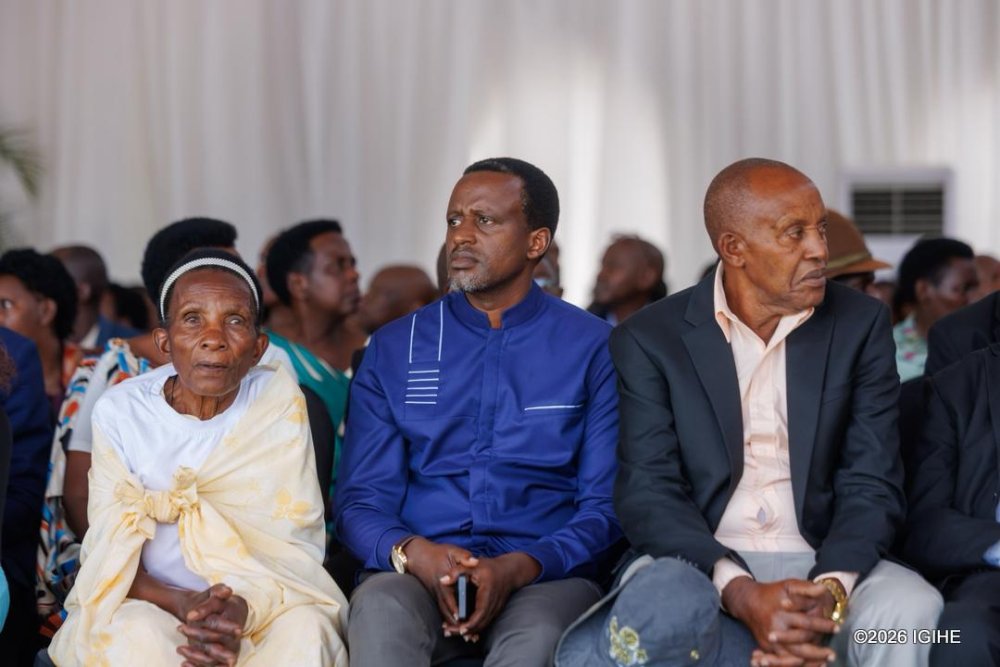
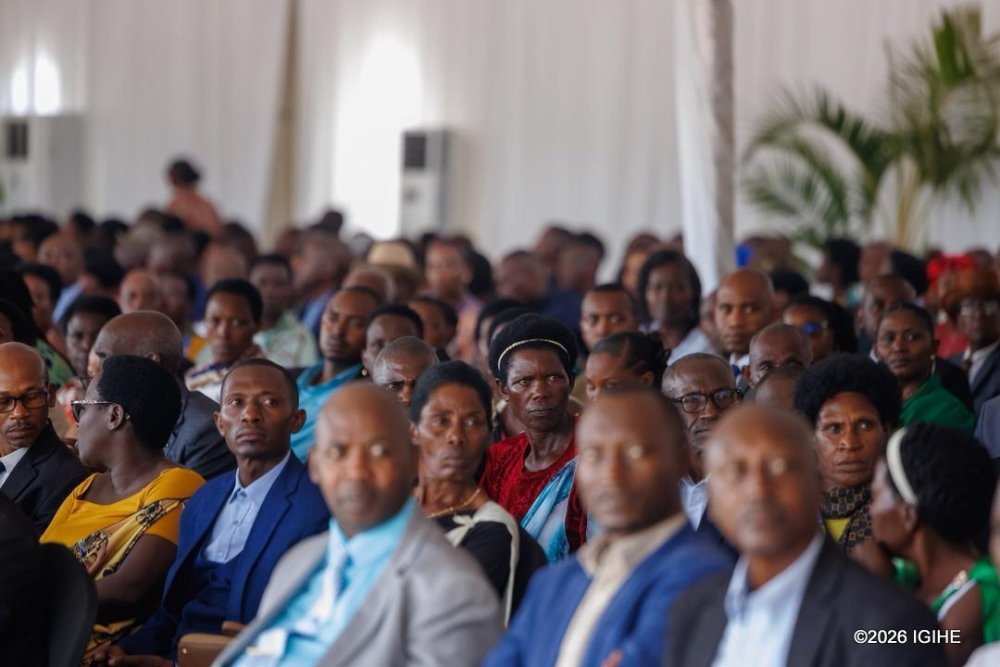
The event brought together President Kagame, families of the graduating officers, senior government officials, and other invited guests.
A total of 436 trainees successfully completed their training at PTS Gishari, including 109 women and 327 men. The cohort comprised both newly recruited officers and serving personnel who underwent professional upgrading. It also included nine trainees from Seychelles.
Following commissioning, the officers will be deployed across various specialized policing units, including traffic and road safety, information and communication technology, medical services, marine policing, as well as fire and rescue services.
Others will join specialized departments such as the canine (K9) unit, engineering services, vehicle inspection and standards, human resources and administration, financial management, and other operational and support divisions.
The officers underwent intensive professional training designed to prepare them for operational policing duties. Their curriculum included drill exercises, firearms handling, tactical response training, and other core competencies required for modern policing.
PTS Gishari, located in Rwamagana District, is a modern training institution equipped with administrative offices, accommodation facilities, classrooms, medical services, and extensive outdoor training grounds used for both physical and tactical exercises.
Speaking on the occasion marking 25 years of the Rwanda National Police, spokesperson ACP Boniface Rutikanga said the institution has evolved into a citizen-centred service built on close cooperation with the public.
He noted that the police service was formed following the merger of three former security institutions: the Gendarmerie Nationale, the Communal Police, and the Judicial Police. The integration, he said, created a unified and professional force focused on serving citizens without discrimination and strengthening community-based policing.
The commandant of PTS Gishari, CP Robert Niyonshuti, said the trainees began their course on 15 July 2025 and came from diverse backgrounds, including university graduates, civilians, personnel from national security institutions, and officers trained abroad in countries such as Singapore and Egypt.
He emphasized that the training programme was designed to equip officers with the skills required to effectively maintain law and order and deliver professional policing services.
Outstanding performers were also recognized during the ceremony. Nicolette Maria from Seychelles was commended for exemplary discipline and performance throughout the training period.
Three other trainees were recognized for exceptional performance in practical exercises, led by Boas Castro, who received a medal from President Kagame, followed by Isaie Kayiranga and Chantal Mureshya.
25 years of Rwanda National Police
Following the liberation of Rwanda by the RPA on 4 July 1994, the country initially operated separate security institutions working alongside the military to maintain public order and safety.
These included the Gendarmerie Nationale under the Ministry of Defence, the Communal Police under the Ministry of Local Government, and Judicial Police Inspectors under the Ministry of Justice.
In 2000, the Government of Rwanda merged these institutions into a single, unified national police service to improve coordination and professionalize policing. This led to the establishment of the Rwanda National Police.
Since then, the institution has been guided by core values including professionalism, patriotism, integrity, and discipline, with a focus on maintaining law and order in partnership with citizens.
Over time, the police service has expanded its operations beyond traditional policing by integrating technology and strengthening community policing approaches, where officers work closely with citizens to prevent and respond to crime.
Since 2005, the Rwanda National Police has also contributed to international peacekeeping missions under the United Nations, deploying officers as Formed Police Units and Individual Police Officers in various missions globally.
The institution currently operates three main training facilities: PTS Gishari, the Counter-Terrorism Training Centre in Mayange, and the National Police College, all aimed at enhancing professional capacity and operational readiness.
These achievements have been made possible through strong partnerships with citizens, government institutions, private sector actors, and international partners, enabling the police service to respond effectively to evolving security challenges driven by globalization and technological advancement.
President Paul Kagame commissioned 436 newly trained officers into the Rwanda National Police and formally conferred upon them the rank of Assistant Inspector of Police (AIP).The ceremony coincided with celebrations marking 25 years of the Rwanda National Police, under a theme centred on partnership in delivering security.
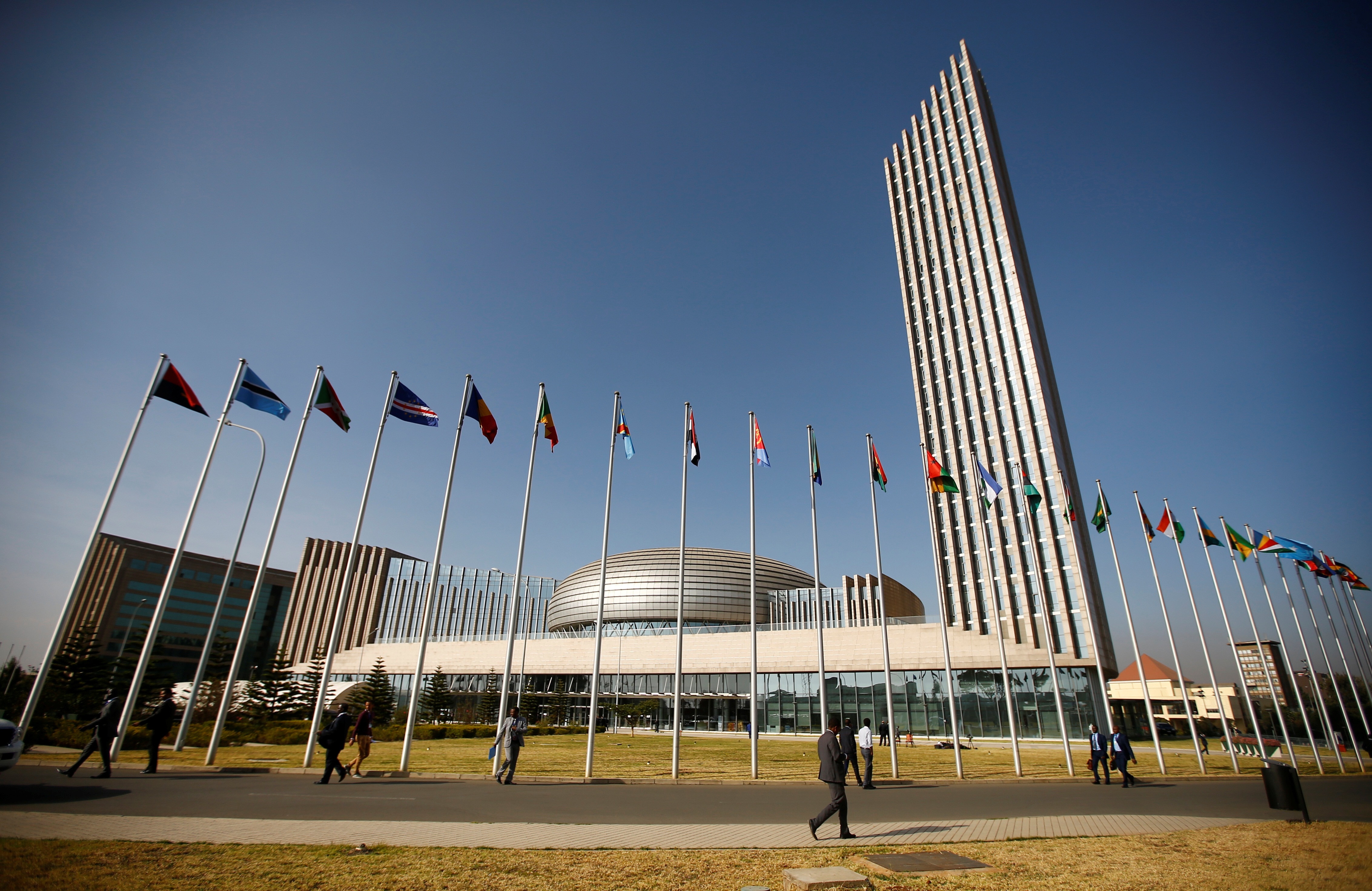
Led by the former Kenyan President Uhuru Kenyatta, the 73-member AU Election Observation Mission (AUEOM) to Ethiopia was deployed at the invitation of the East African country’s government, the AU said in its statement issued Tuesday.
The mission, drawn from 37 African countries, comprised representatives from African envoys accredited to the AU, officials of election management bodies, members of civil society organizations, election experts, human rights specialists, gender and media experts, as well as representatives of youth organizations, it was noted.
The AU observers will be deployed across various regions of Ethiopia to observe election-day procedures, including the opening of polls, voting, closing, and counting and tabulation at polling stations, the statement said.
The AUEOM is expected to release its preliminary statement on its findings and assessment of the conduct of the election a few days after the general election, while a final and comprehensive report will be published within two months after the election, it said.
In the leadup to the election, the AU observers are expected to meet with Ethiopian authorities, including the National Election Board of Ethiopia, representatives of political parties, candidates, civil society organizations, and other election observation missions, among others.
Ethiopia is scheduled to hold its seventh general election on June 1, with voters primarily electing their representatives for the Ethiopian House of Peoples’ Representatives (HoPR), the lower chamber of parliament, as well as members for regional state councils.
In line with the Ethiopian constitution, the political party or coalition that secures the majority of seats in the HoPR forms a government and selects the prime minister, who holds the highest executive power in the country.
Eid Al-Adha is the second most significant festival in Islam and is observed during the month of Dhul Hijjah, the final month of the Islamic lunar calendar. It coincides with the annual Hajj pilgrimage in Mecca, Saudi Arabia, and is celebrated over three days.
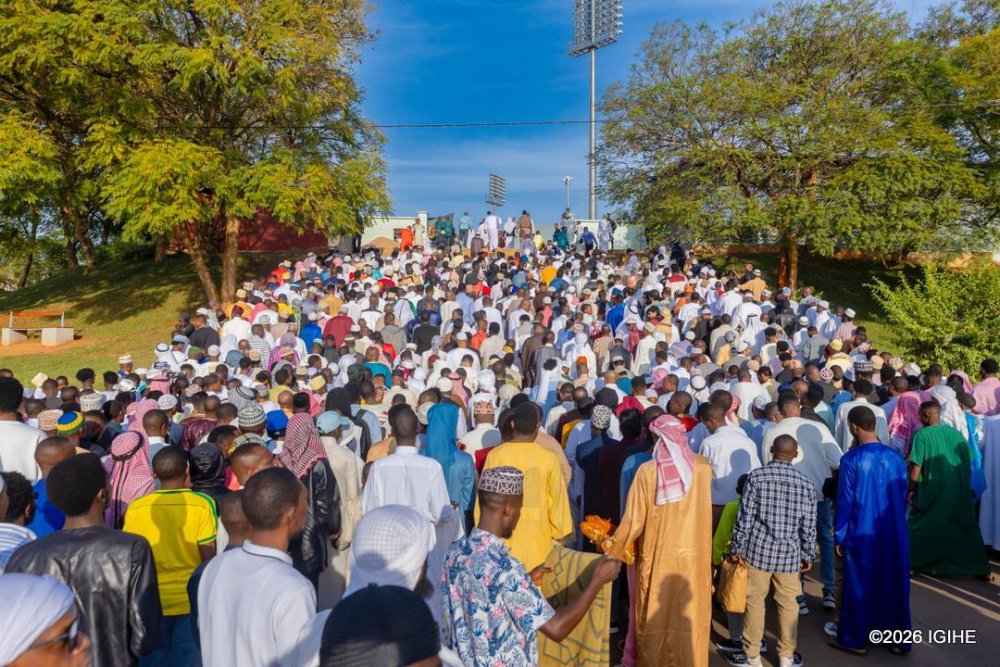
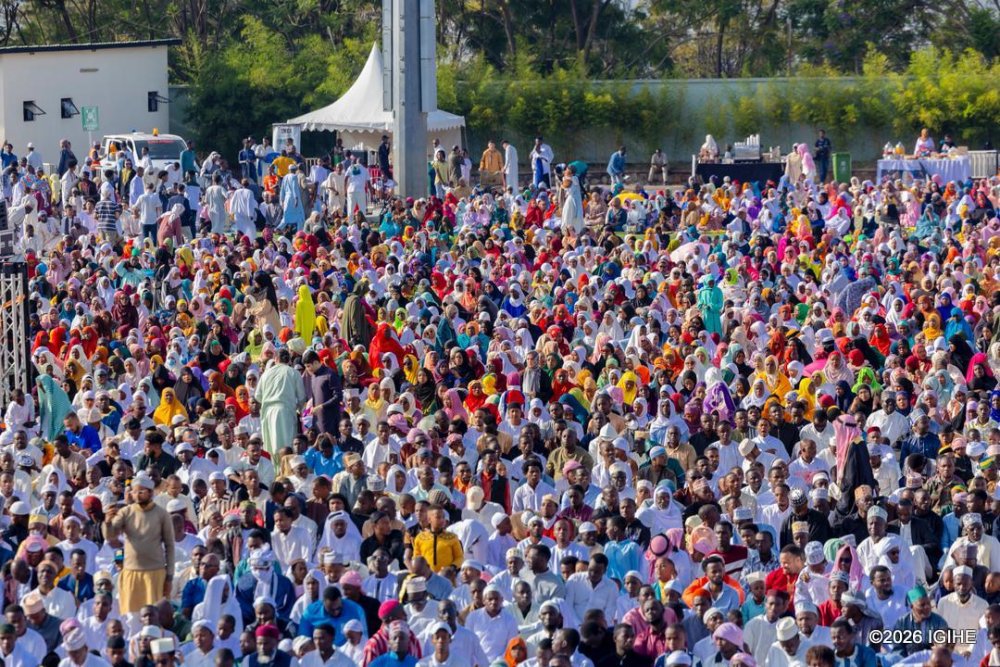
The national Eid prayer was held at Kigali Pele Stadium in Nyamirambo, where large crowds gathered for worship and celebration.
As part of the traditions surrounding the holiday, animals are sacrificed in remembrance of Abraham’s faith, with the meat shared among families, neighbours, and those in need as an act of charity and solidarity. This year, preparations included around 1,894 cattle and 1,183 goats and sheep across the country.
Religious leaders emphasised that the essence of Eid goes beyond ritual practices, focusing instead on generosity, unity, and compassion. Sheikh Nshuti Assouman, speaking on behalf of the Rwanda Muslim Community (RMC), said preparations for the celebrations were well organised and encouraged Muslims to extend kindness to all people, regardless of faith.
“What we ask is that people show generosity and charity, because this is a day of sacrifice. I encourage Muslims to extend this kindness to all Rwandans,” he said.
The Mufti of Rwanda, Sheikh Sindayigaya Mussa, also called on Muslims to strengthen unity and continue engaging in good deeds throughout the blessed days of Eid.
He noted that the first nine days of Dhul Hijjah, along with Eid day itself, are spiritually significant periods for reflection, worship, and acts of kindness.
“These are blessed days. When you do good, you are richly rewarded,” he said.
He further reflected on the example of Prophet Abraham, highlighting lessons of faith, devotion, and obedience to God.
The Mufti also highlighted ongoing community efforts, including the construction of a mosque in Itunda, Kicukiro District, Kanombe Sector, which is nearing completion and reflects the spirit of collective contribution among Muslims in Rwanda.
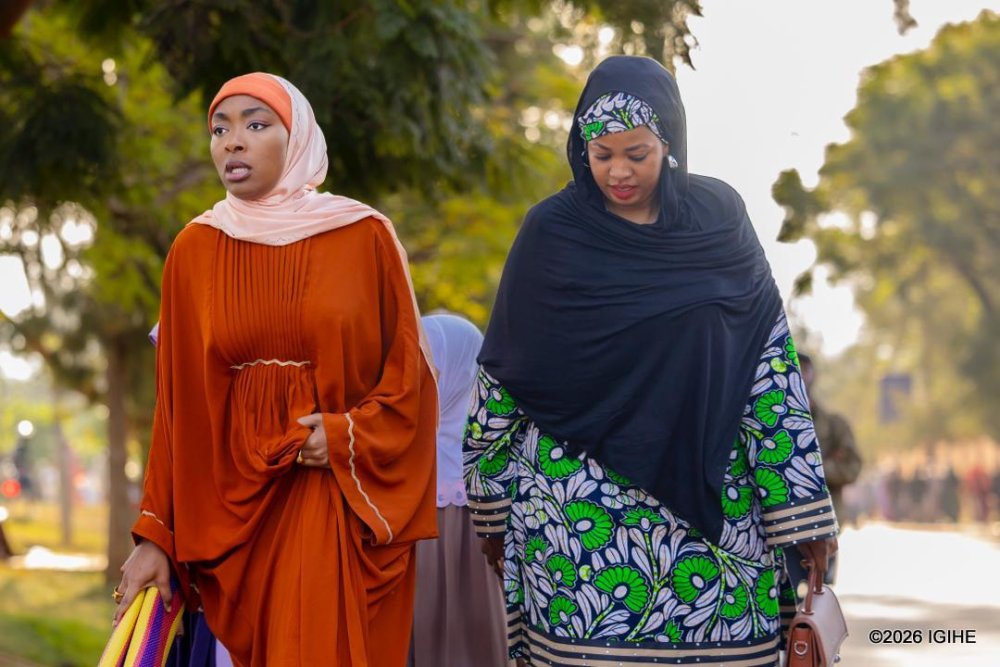
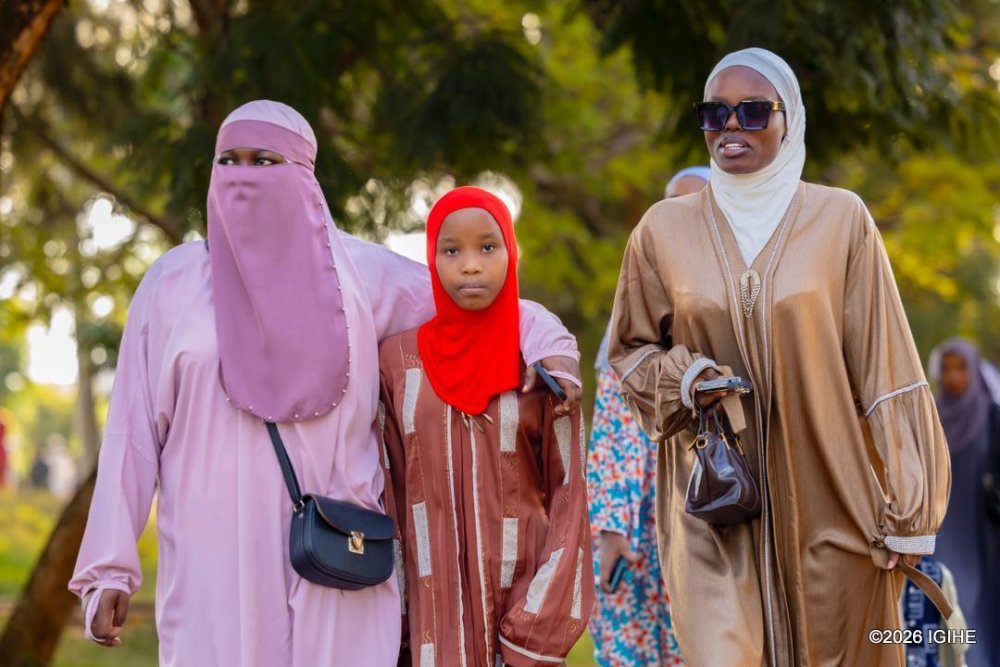
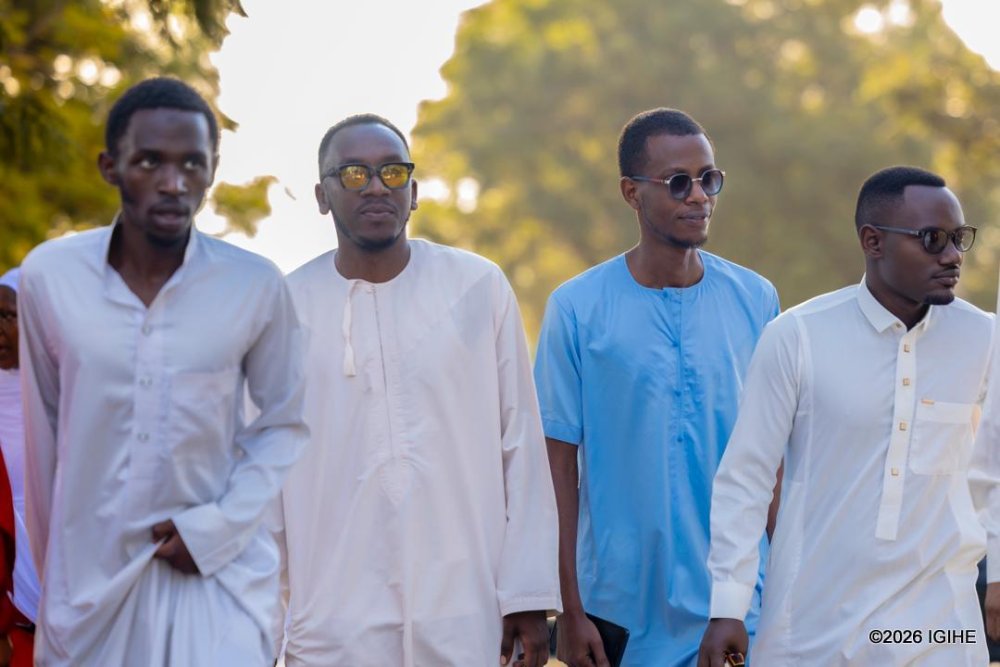
Parents were elegantly dressed for the occasion.Children were also not left out.Fathers brought their children to pray.Eid al-Adha is marked by widespread happiness and celebration.Youth turned out in large numbers for the Eid prayer of sacrifice.This day is the second most significant in Islam.Kigali Pelé Stadium was packed as Muslims gathered from various regions for Eid Al-Adha prayers.Men gathered and prayed in their allocated area.The national Eid prayer took place at Kigali Pelé Stadium.Kigali Pelé Stadium was packed as Muslims from various regions gathered for the Eid sacrifice prayer.The Mufti of Rwanda, Sheikh Sindayigaya Mussa, called on Muslims to continue showing love and selflessness.
The study found that greater variability in blood pressure over a 24-hour period was associated with poorer cognition, including planning, problem solving and memory, said a recent statement from Australia’s Monash University.
Higher average blood pressure levels were also linked to greater evidence of vascular brain injury, according to the research published in the journal Neurology.
“Even a modest increase in blood pressure variability was linked to lower performance on cognitive tests, equivalent to roughly seven years of additional ageing,” said study first author Madeline Gibson, a Monash PhD candidate in clinical neuropsychology.
“These findings add to growing evidence that the heart and brain are closely linked,” Gibson said, adding that midlife is a key window to protect brain health and reduce later cognitive decline.
The findings suggest that blood pressure linked to subtle brain changes occurring well before memory or thinking problems appear.
Researchers said abnormal blood pressure patterns may damage the brain’s white matter tracts and disrupt the blood-brain barrier, which protects brain tissue.
The findings highlight the limitations of single clinic-based blood pressure readings, noting that blood pressure naturally fluctuates throughout the day and night, which “may carry important information about brain health.”
The study found that greater variability in blood pressure over a 24-hour period was associated with poorer cognition, including planning, problem solving and memory, said a recent statement from Australia’s Monash University.
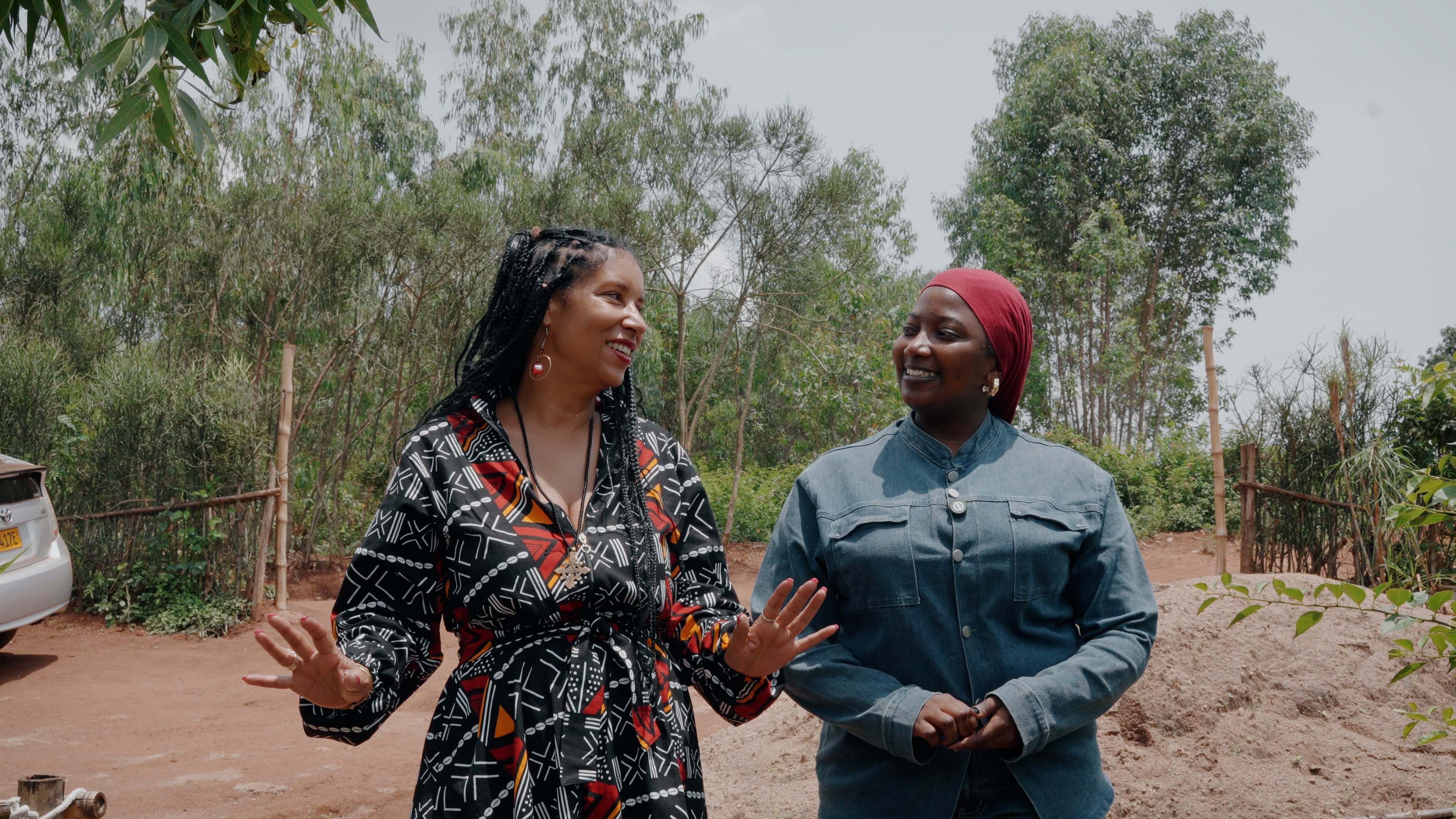
Born and raised in Berkeley and Oakland, Monica never imagined she would one day settle in East Africa. But after the loss of her firstborn daughter following a long hospital stay, her life took a painful turn that forced her to reconsider everything about where and how she wanted to live.
“I was in the hospital with my daughter for nine months in intensive care,” she shared. “Unfortunately, she passed away. That was a really pivotal moment in my life.”
In the aftermath, Monica began searching for a place to heal. That search eventually led her to Rwanda, where she first arrived about a year and a half ago, initially visiting family who had already relocated. She spent time in Kigali and later moved to quieter areas such as Bugesera and Nyamata before discovering land near Lake Cyohoha.
What she found there changed her life again. “Rwanda really touched my heart,” she said. “It’s just so warm and inviting and safe and peaceful.”
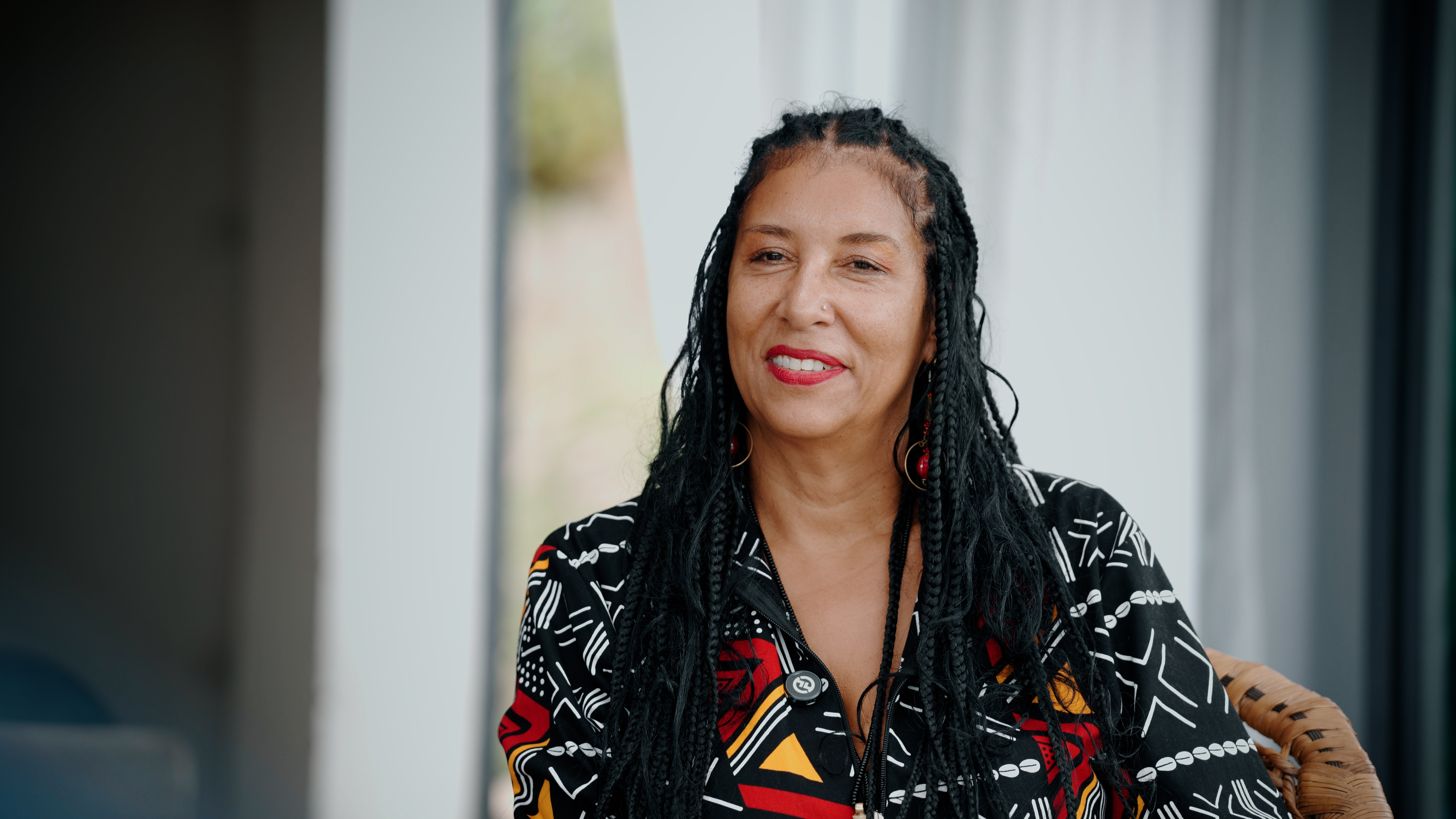
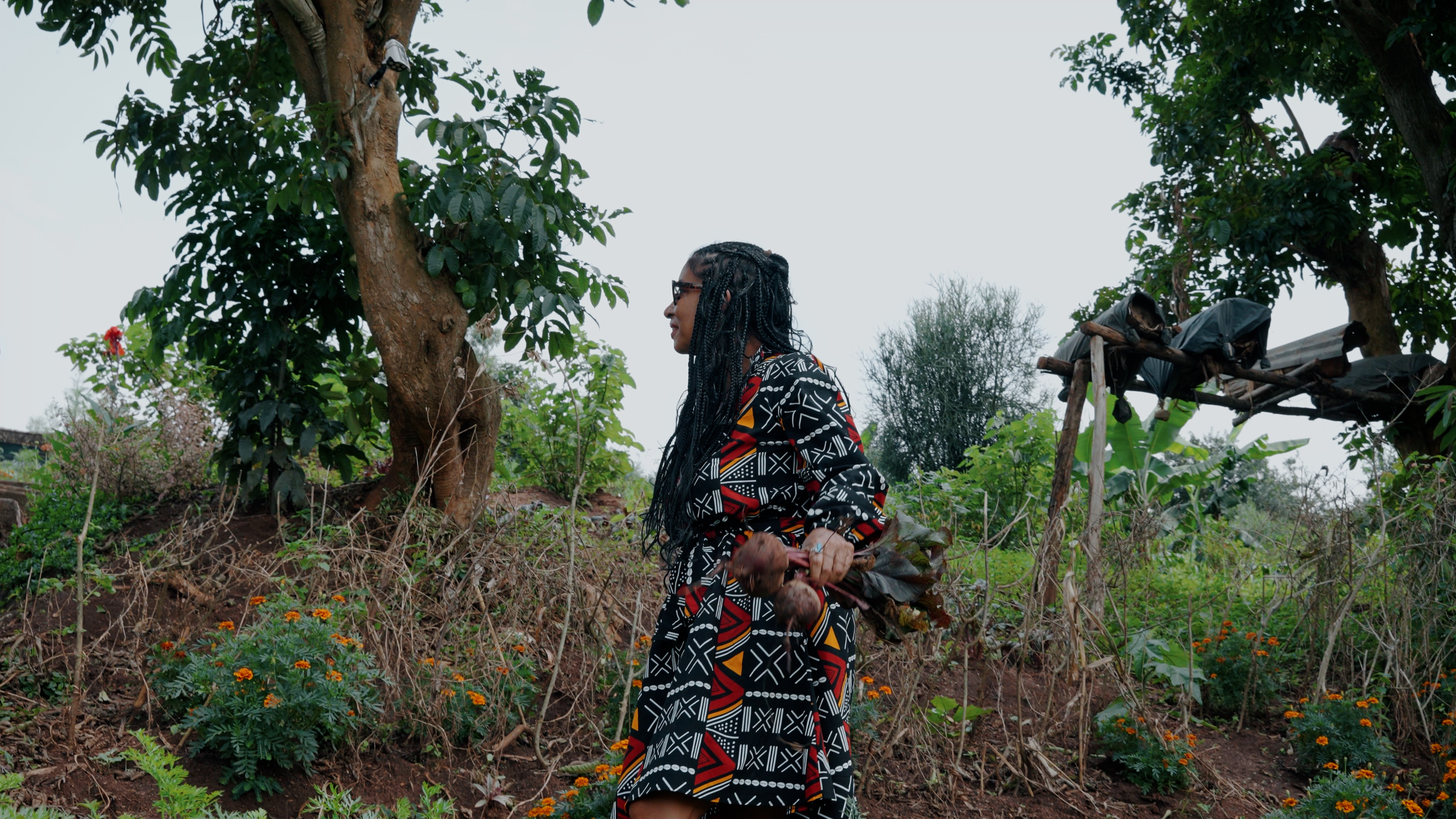
Monica Clark, a retired nurse from California’s Bay Area, is building a new chapter of life in Rwanda.
On this land, she began building what she calls Zion Shores, a name inspired by the biblical idea of Zion as a place of peace and restoration. For Monica, it represents both healing and purpose.
“This is like heaven on earth,” she said. “God’s promise to come back home and live in peace and serenity.”
She began developing the project using her own savings, starting with an estimated investment of around $25,000 (about Rwf 37 million). As the farm expanded and more systems were added, her total investment grew to roughly $50,000 (Rwf 75 million), all self-funded.
The farm is still developing, but it is already taking shape with fruit trees, including mango, guava, citrus, passion fruit, pomegranate, and dragon fruit. Monica is also part of a dragon fruit growers’ collective, experimenting with crops that can thrive in Rwanda’s climate while supporting long-term food systems.
Monica describes the farm as a closed-loop system where nothing is wasted.
A key part of her philosophy is soil preservation. Because the land sits on a hillside, she uses cover crops to prevent erosion during heavy rains. These plants not only protect the soil but also serve another purpose.
“When you cut them, you can feed the inyambo,” she explained. “They love this. It’s very nutritious, full of protein.”
She describes the farm as a closed-loop system where nothing is wasted. A fish pond stocked with tilapia plays an important role in this cycle, where nutrient-rich water from the fish is reused to fertilise crops.
“Everything here is in a loop,” she said. “The fish feed the plants, the plants feed the animals, and feed us as well.”
Monica is committed to fully organic farming.
Monica is also committed to fully organic farming, rejecting synthetic chemicals entirely.
“Absolutely no pesticides and no chemicals are used on this farm,” she said firmly. “That’s one thing I’m strong about and I’m not going to bend on that.”
Behind the agricultural vision is a deeply personal journey of healing, but also a broader reflection on identity and belonging. Speaking about her perspective as an African American, she reflected on generational history and experience in the United States.
“African Americans were stolen to go to the land of so-called America,” she said. “Our ancestors did whatever they had to do to survive, but their whole intention was to come back home to the continent.”
She went on to describe her feelings about life in the United States, particularly in California.
“Growing up and living in California, I realised a lot of it was hype. It’s beautiful, but it’s expensive, it’s stressful, you have to have many jobs just to survive.”
Her critique also touched on deeper social experiences.
“You’re tolerated there,” she said. “Sometimes you walk into a room and you’re not even seen as a human being.”
For Monica, these reflections are part of what made Rwanda feel different.
“Why would you leave paradise where you’re loved and supported and safe?” she asked. “What you have here is everything you need.”
What she found in Rwanda surprised her. “You feel safe 24 hours,” she explained. “There are no guns, there’s no violence. It allows your nervous system to finally relax and become at peace.”
She contrasts this with her life in California, which she describes as fast-paced and expensive.
“There’s a lot of distractions, and it’s money-driven,” she said. “Here, you just relax. You don’t have to deal with the same level of stress.”
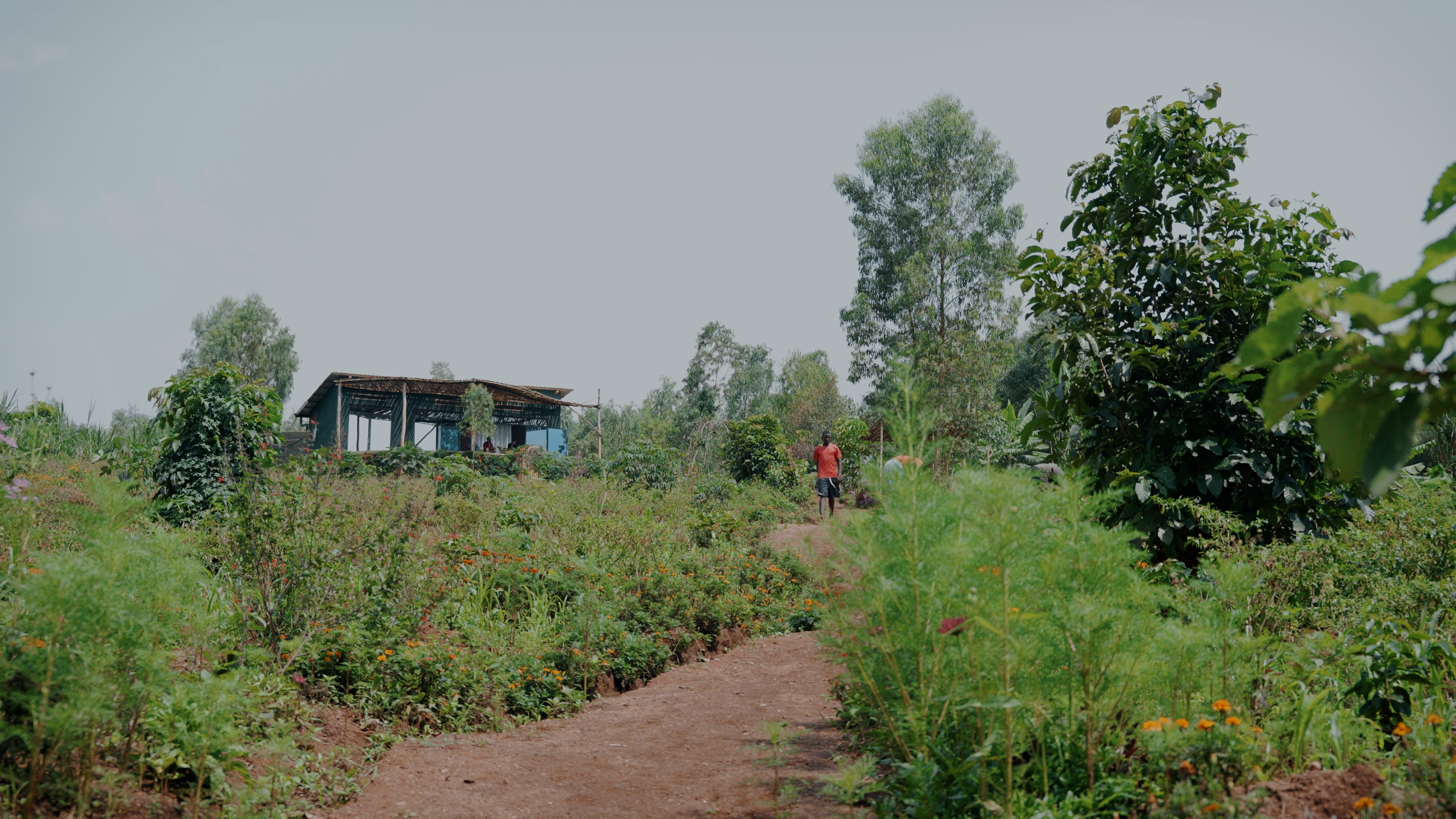
The farm is still developing, but it is already taking shape with fruit trees and other agricultural projects.
Beyond farming, Monica has also focused on community building. The surrounding village has been deeply involved in developing Zion Shores, providing labour, skills, and collaboration. At peak times, up to fifty people work on the project, while around ten are employed full-time.
“I’m not like an outsider just coming to take something,” she said. “I’m a part of this village. We have relationships and friendships.”
She also shares food, seeds, and trees with neighbours, encouraging others to grow their own crops and restore the land around them. For her, the project is as much about people as it is about farming.
Looking ahead, Monica hopes Zion Shores will become a learning space for sustainable agriculture, where both locals and visitors can exchange knowledge about organic farming, companion planting, and ecological design.
She also envisions expanding crop diversity and continuing to reforest the land.
“I want visitors to come,” she said. “A place to learn different ways of growing organically… and also learning from farmers here who have been doing it for thousands of years.”
Monica Clark’s journey from California to Rwanda is ultimately one of transformation, shaped by grief, resilience, and a search for peace. Through Zion Shores, she is building a life she says finally feels like home.
Watch Monica Clark’s full journey in the video below:
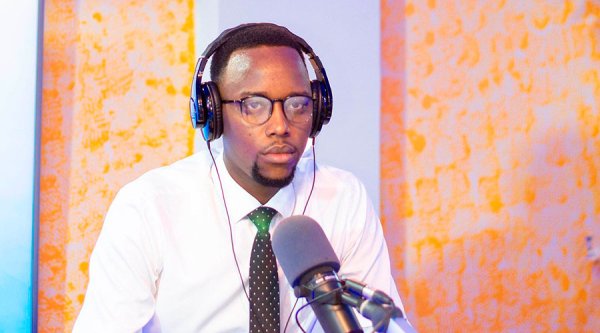
Esther Mugabekazi, who identifies herself as Byansi’s biological sister, has publicly accused him of forging academic credentials, misrepresenting his educational history, and engaging in theft-related crimes during a period he spent in Uganda.
Speaking in an interview with Igicaniro TV, Mugabekazi explained that she decided to break her silence after becoming increasingly alarmed by her brother’s sustained criticism of Rwanda and its leadership.
Family background and early life
Mugabekazi stated that Byansi was born Sam Kama but later adopted their father’s names, Samuel Baker Byansi, as his public identity.
“Byansi Samuel Baker is our father’s name. Sam’s real name is Sam Kama, which is the name our parents gave him. In our family, boys are called Kama while girls are called Kawama,” she explained.
She described the family as one of nine children, raised in Nyagatare District by parents who were both teachers and strongly prioritised education.
“We were fortunate to have teacher parents. Both our father and mother were teachers. We grew up speaking English at home, and our father ensured we attended good schools,” she recalled.
The siblings attended primary school at Hillside School in Matimba Sector, Nyagatare District.
For secondary education, Byansi joined Kagarama Secondary School while Mugabekazi studied in Rushaki. She claims he was later expelled from Kagarama over misconduct before joining her at Rushaki.
“He was involved in disciplinary issues and was expelled. He later came to study with me in Rushaki, where we completed lower secondary school together. Those are the only schools Sam attended,” she noted.
Uganda years and imprisonment
Mugabekazi further alleged that Byansi did not proceed to upper secondary school or university, but instead left for Uganda after completing lower secondary education.
According to her account, while in Uganda he became involved in theft-related activities and was sentenced to four years in prison.
“After finishing school, he went to Uganda and stayed with our older sibling from our father’s other family. While there, he got involved in theft, was arrested, and imprisoned for four years. He never returned to school,” she said.
She added that he was later released after developing health complications while in detention, prompting authorities to contact their father.
Allegations of forged academic credentials
Following his return to Rwanda, Mugabekazi alleges that Byansi did not resume his studies but instead obtained forged academic documents claiming he had completed university education abroad.
“He later looked for ways to forge academic papers. That’s also when he changed his name. He then created a media card and started presenting himself as someone running an investigative media outlet,” she claimed.
She recalled confronting him after seeing him appear in the media despite lacking formal qualifications.
“I asked him, ‘How did you manage this without any qualifications?’ He replied, ‘I found my own way.’ When I later saw the documents, I told him, ‘You have destroyed your future,’” she recounted.
Mugabekazi further alleged that by the time she was completing upper secondary school, her brother already possessed documents indicating he had graduated from university.
After working with several media outlets in Rwanda, Byansi went on to establish his own platform, M28 Investigates, in 2019.
Move to Europe and family concerns
In 2022, Byansi married Uwase Joselyne, and the couple later had their first child.
Mugabekazi disclosed that her brother later informed her he was travelling to the Netherlands for studies, a claim she questioned due to concerns about his academic background.
“I asked him, ‘What exactly are you going to study?’ He said he was advancing knowledge in his chosen field. I then asked whether he was resuming from where he had stopped school or continuing with forged papers,” she recounted.
According to her, he declined to discuss the matter further.
“He told me he did not want to talk about it and would eventually return because he had left behind a wife and child,” she added.
Mugabekazi further alleged that things deteriorated after his arrival in the Netherlands, where he reportedly failed to secure legal documentation for study and residence.
She also claimed that he later formed a relationship with a Dutch woman before eventually relocating to Belgium, where he now reportedly lives with his wife and child, while the Dutch woman remained in the Netherlands.
Criticism of Rwanda and family reaction
Since relocating to Europe, Byansi has become increasingly vocal in his criticism of Rwanda and its leadership and has collaborated with individuals opposed to the government.
Mugabekazi maintained that the family was not surprised by his actions, describing them as consistent with what she characterised as a long-standing pattern of dishonesty.
Among her allegations, she claimed that Byansi had at different times falsely stated that their mother had died, and on other occasions claimed she had been killed during the 1994 Genocide against the Tutsi, despite her still being alive.
“I knew all along that he was lying,” she asserted.
She emphasised that the family has been deeply hurt by his statements and public positions.
“This country raised us, fed us, and gave us a foundation. It also gave him opportunities that made him known. It is painful to see him speak against it,” she lamented.
Mugabekazi revealed that she once warned her brother that she would speak publicly if he continued on what she described as an anti-Rwanda path.
“I told him that if he did not change, I would tell the truth about who he really is. He told me I would no longer be his sister,” she revealed.
She concluded with a message directed at her brother:
“My advice to him is to remember the values our parents taught us. Their goal was never to destroy the country, not even for a single day.”
Samuel Baker Byansi, a former Rwandan media figure, is among the individuals who have taken a path of criticising Rwanda’s government and its leaders, something many observers believe is driven by personal interests and gain. He is now facing serious allegations from his sister regarding his background, education, and past conduct.
In a press release issued on May 26, 2026, the ministry explained that amendments made to Law No. 017/2020 governing public servants and Prime Minister’s Order No. 024/03 on allowances do not alter the way salaries are determined nor increase take-home pay.
The clarification follows widespread interpretations suggesting that the reforms would lead to harmonized salaries across government institutions and higher pay for leaders in public entities.
MIFOTRA stated that amendments introduced under Law No. 017/2026 of April 23, 2026 concern only improvements and harmonization in the process through which institutions apply for and obtain special employment statutes.
“The changes introduced by this amendment relate only to the improvements and harmonization in the way institutions apply for and obtain the special statute,” the ministry said.
The ministry emphasized that there is no change in the salary determination framework for public servants.
Under the general public service statute, salaries continue to be determined through institutional salary structures approved by the Cabinet, based on an institution’s index value, the employee’s position level and responsibilities attached to the role.
For specialized institutions operating under special statutes, remuneration frameworks remain approved by their respective boards of directors in accordance with laws establishing those institutions.
MIFOTRA also addressed concerns surrounding Prime Minister’s Order No. 016/03 of May 22, 2026, which amended regulations governing public servants’ allowances.
According to the ministry, the amendment was adopted to align public service compensation with pension reforms that took effect on January 1, 2025, while ensuring employees’ take-home pay remains unchanged.
“The amendment was adopted to harmonize with the pension reforms and maintain public servants’ take-home salaries. Therefore, it doesn’t result in any increase or decrease in the net payments of public servants,” the statement reads.
The ministry noted that the reforms concern all public servants and not only leaders, as some reports had suggested.
It further clarified that the responsibility allowance is not exclusively reserved for senior officials, but applies to public servants who supervise colleagues at the same organizational level.
“For instance, a Director of Finance supervising finance management specialists is entitled to such an allowance because they are otherwise on the same position level,” MIFOTRA explained.
The ministry added that net housing, transport and responsibility allowances remain unchanged. Only the gross amounts were adjusted to reflect changes brought by pension reforms, without affecting the net benefits employees receive.
The clarification comes after confusion triggered by the increase in pension contributions from 6 percent to 12 percent of an employee’s salary, which had raised concerns over a possible reduction in take-home pay.
MIFOTRA maintains that the revised allowance calculations were specifically designed to offset the impact of the pension reforms and ensure that public servants continue receiving the same net earnings.
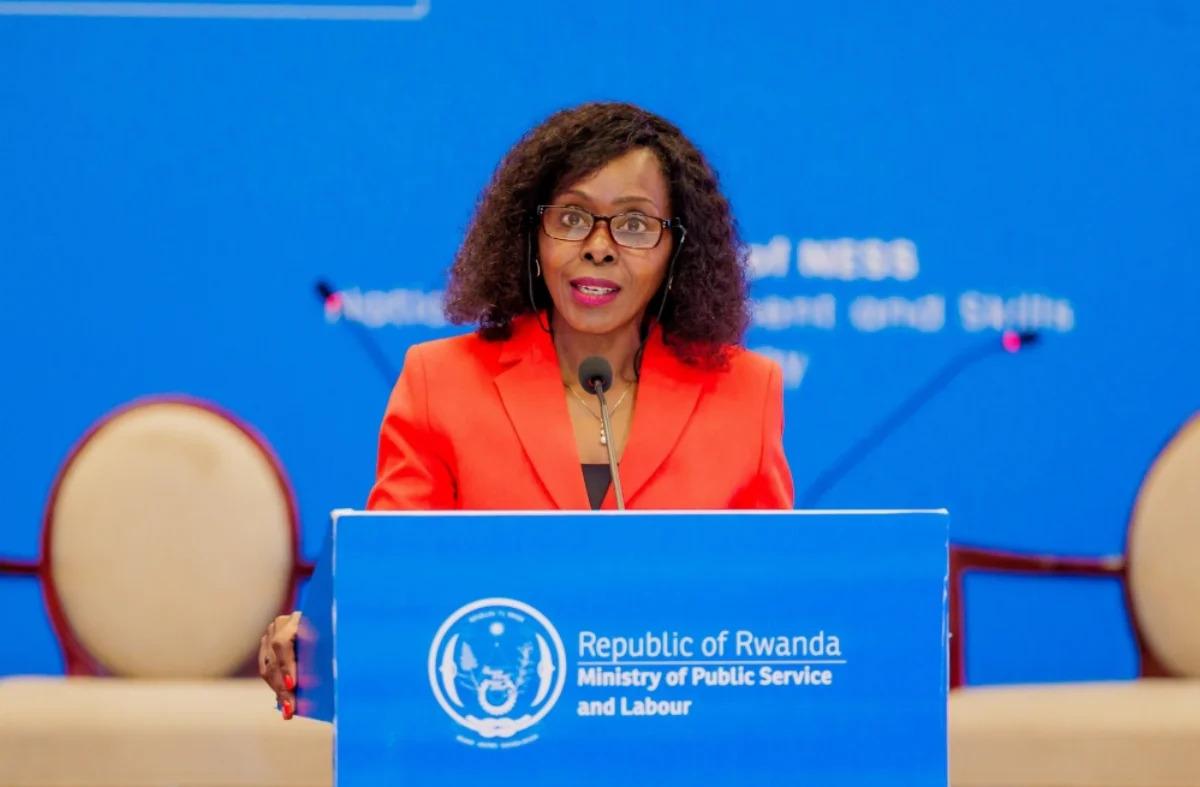
Christine Nkulikiyinka, the Minister of Public Service and Labour, delivers remarks during a past Labour Day ceremony in Kigali. On Tuesday, the ministry dismissed claims that recently amended legal instruments introduce salary increases for public servants, clarifying that the reforms are intended to preserve employees’ net earnings following changes to pension contributions.
The Canadian government said on Tuesday that residents from the three countries will be barred from entering Canada for 90 days beginning Wednesday. Officials said the measure is intended to reduce the risk of Ebola entering and spreading within the country.
In a separate statement, the Bahamian government announced that its restrictions would take immediate effect and remain in force for 30 days, subject to review by the country’s health ministry.
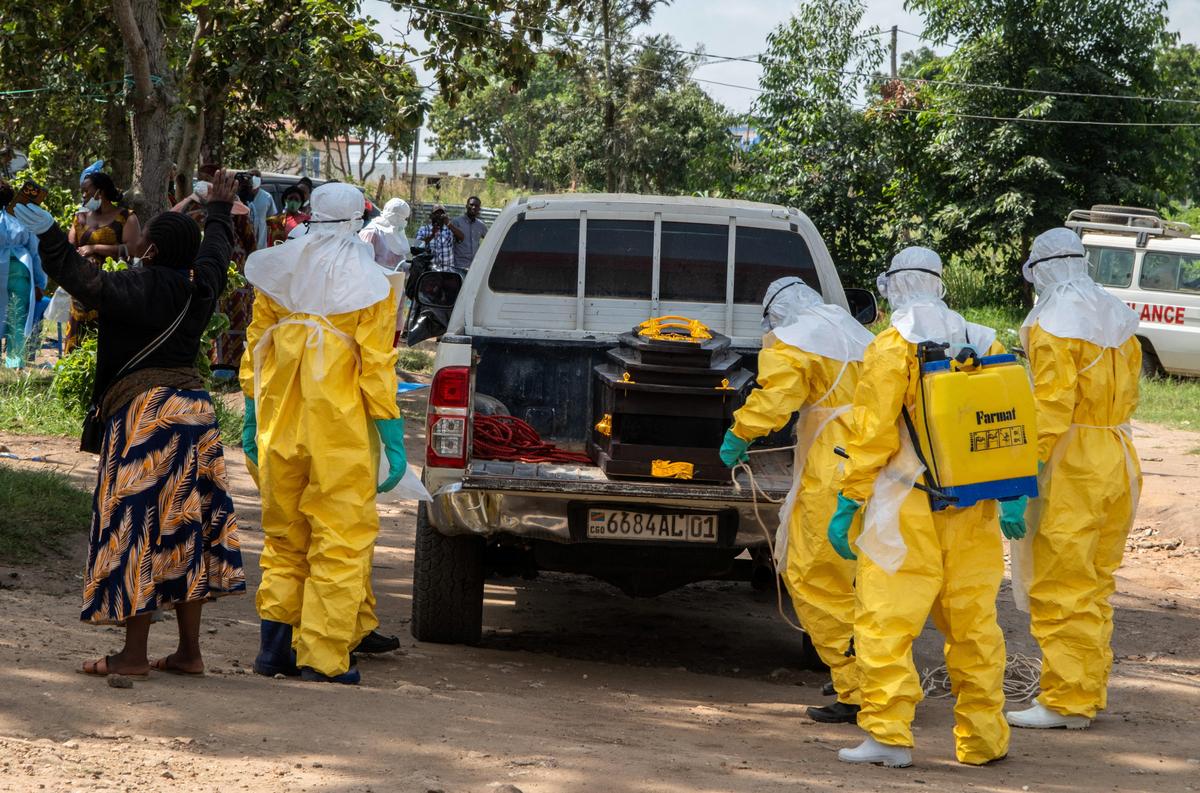
The move comes amid growing international concern over the latest Ebola outbreak in Central and East Africa. Last week, the World Health Organization (WHO) raised the risk level of the Bundibugyo strain of Ebola becoming a national outbreak in the DRC to “very high” and declared the outbreak in the DRC and Uganda a public health emergency of international concern.
In the DRC, 105 cases have been confirmed, with at least 223 deaths reported, while more than 900 other cases are suspected. In Uganda, seven cases have been confirmed.
Rwanda, which borders both the DRC and Uganda, has also heightened preventive measures, barring foreigners who have been in the DRC within the last 30 days from entering the country. Foreign residents with proof of residence in Rwanda who have been in the DRC within the past 30 days will be allowed entry but will be subjected to mandatory quarantine.
“Rwanda remains open, safe and prepared,” the Ministry of Health said in a statement last week, urging visitors, residents, and event participants to continue their activities while observing standard hygiene practices and following official health guidance.
The United States also tightened its border measures last week, barring non-citizens who had recently travelled to the DRC, Uganda or South Sudan from entering the country.
Canada’s public health agency said Canadian citizens, permanent residents and other foreign nationals who have recently been in affected areas but do not show symptoms will still be allowed entry, though they will be required to quarantine for 21 days starting May 30.
The Bahamas said it would also introduce enhanced health screenings and possible quarantine measures for travellers who had been present in the DRC, Uganda or South Sudan within 30 days before arriving in the Caribbean nation.
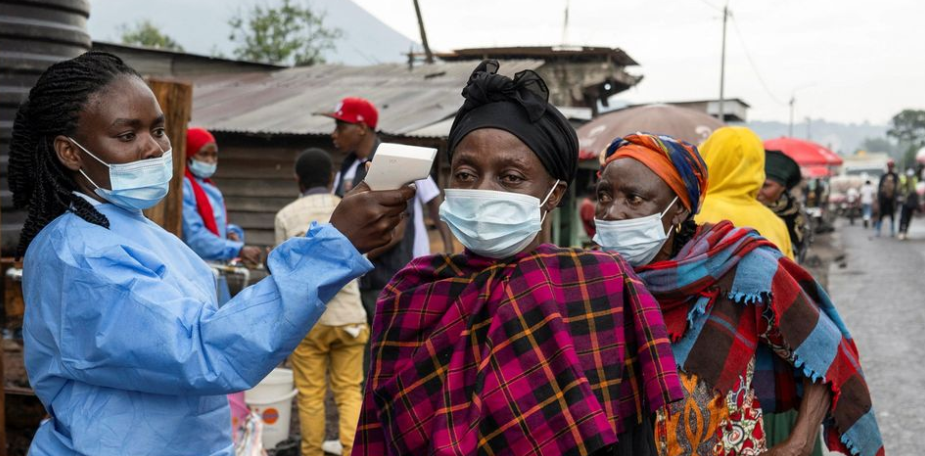
A health worker screens travellers at the Kanyaruchinya checkpoint in Goma, DRC, amid efforts to contain the Bundibugyo Ebola outbreak on May 20, 2026.