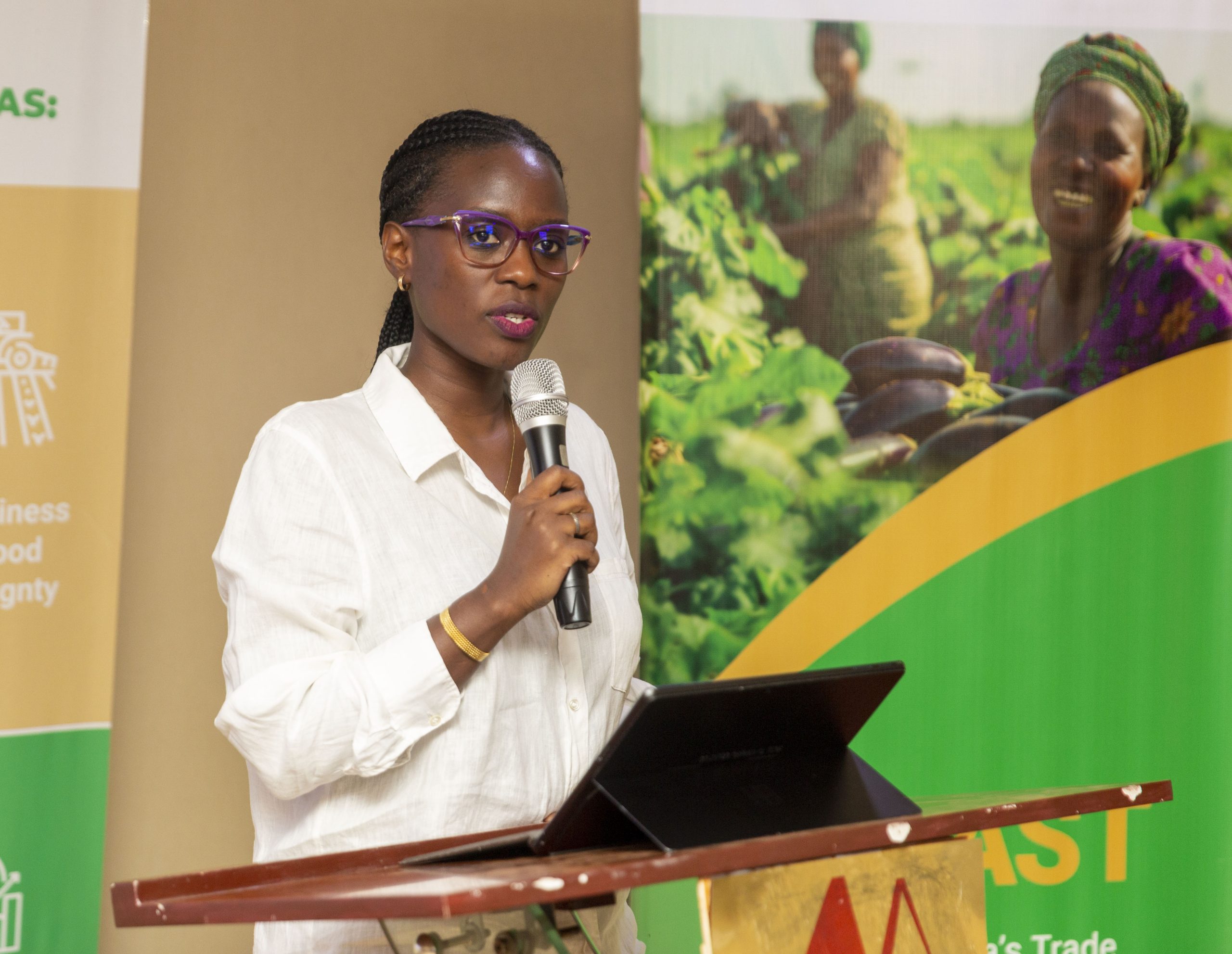
The call was made during a forum titled “Unlocking AfCFTA Services: Challenges and Opportunities for Youth and Women in Rwanda,” held at M-Hotel in Kigali on August 13, 2026.
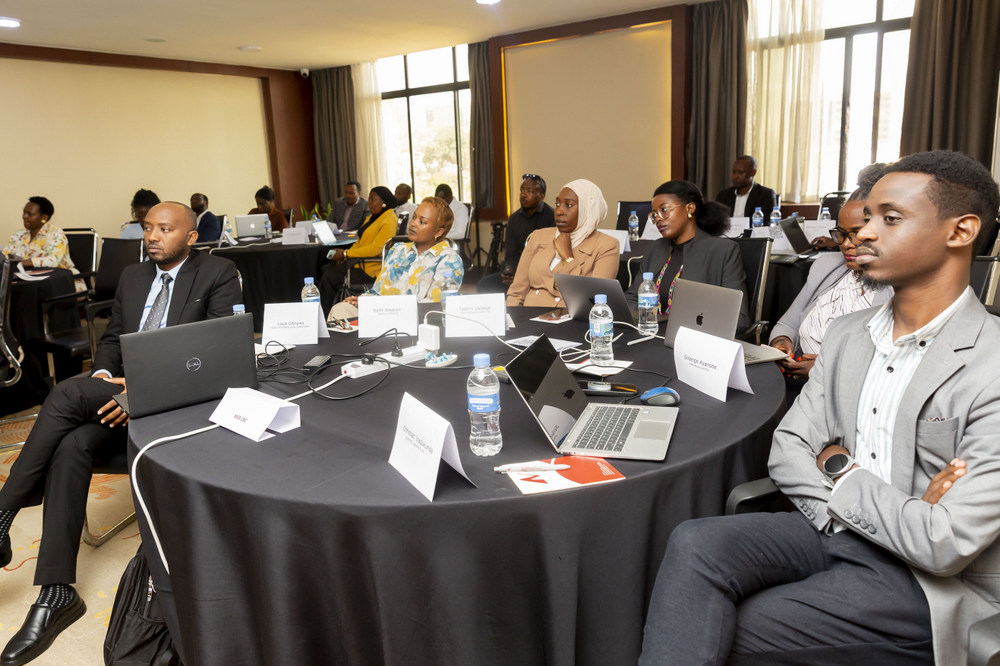
The forum brought together government officials, entrepreneurs and private sector representatives and youth to discuss practical ways of increasing Rwanda’s participation in Africa’s growing services market.
Discussions focused on challenges including cross-border payments, currency conversion, taxation, business registration, regulations, logistics and limited access to information about African markets.
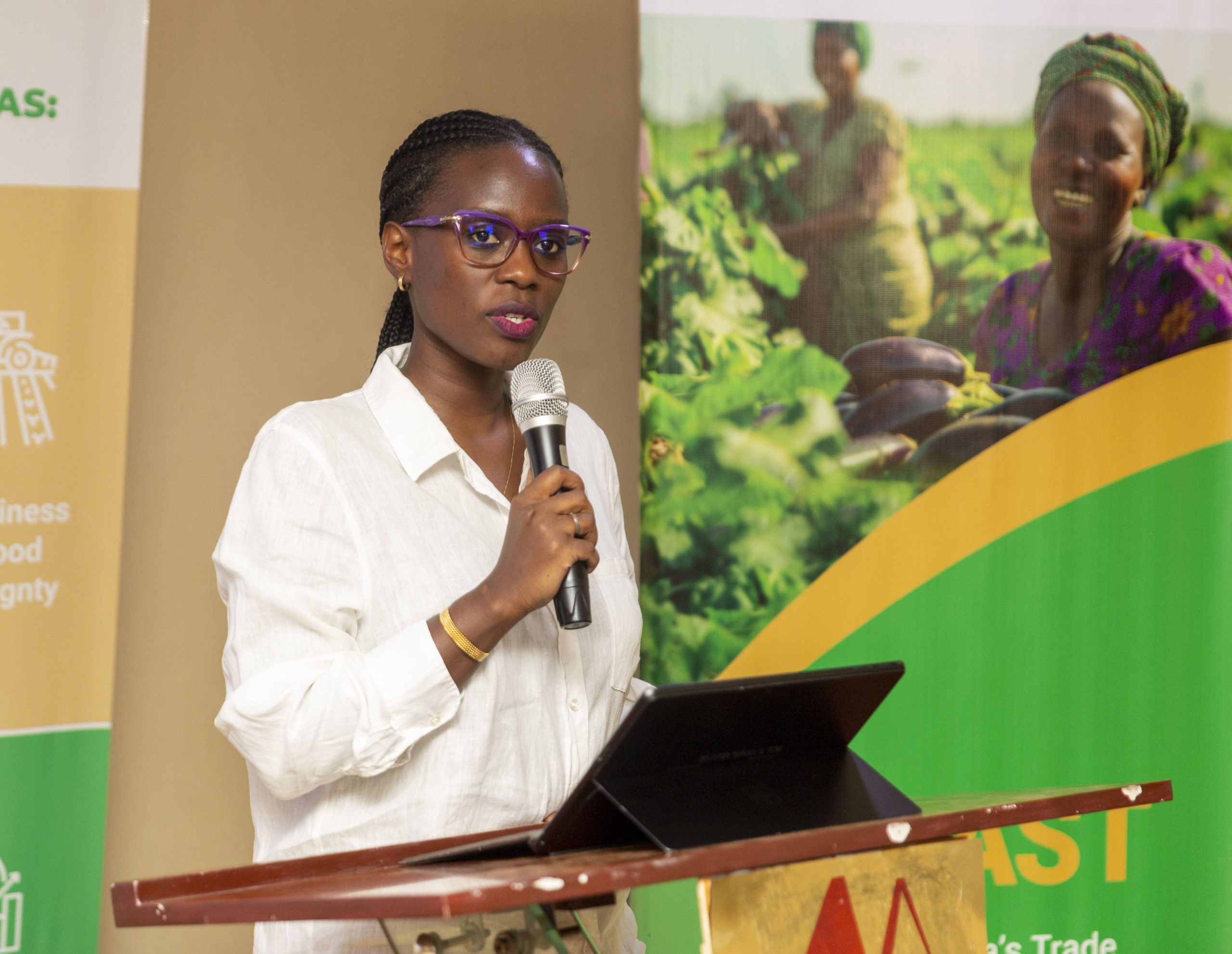
Doreen Ntawebasa, Director General of Trade and Investment at the Ministry of Trade and Industry, emphasized the importance of turning AfCFTA commitments into practical opportunities for businesses.
“AfCFTA provides Rwanda with an important opportunity to connect its businesses to a much larger continental market. Our focus should now be on ensuring that entrepreneurs have the information, capacity and support they need to use these opportunities,” Ntawebasa said.
Participants also discussed the need to simplify regulations and strengthen cooperation between African countries so that businesses can operate more easily across borders.
The movement of professionals under Mode 4 was highlighted as an important opportunity in services trade, particularly for skilled young people seeking to provide professional services in other African countries.
The panel also examined Mutual Recognition Agreements, which can help facilitate recognition of professional qualifications across borders.
Digital trade and payments were another major focus. Participants noted that high transaction costs, currency conversion and difficulties accessing cross-border payment systems can make it harder for businesses to trade within Africa.
The Pan-African Payment and Settlement System (PAPSS) was highlighted as one solution that could make cross-border payments easier and reduce some of the costs associated with currency exchange.
Doreen Ntawebasa also stressed the importance of ensuring that AfCFTA information reaches entrepreneurs beyond Kigali.
“We need to take AfCFTA closer to the people, especially young people and women in rural communities, and provide information in a language they can easily understand,” she said.
Participants recommended using Kinyarwanda, social media and community-based channels to improve awareness of AfCFTA opportunities.
They also called for stronger export-readiness programmes to help entrepreneurs understand market research, rules of origin, regulations and other requirements before entering international markets.
The forum further emphasized the need for gender and age-disaggregated data to measure how youth and women are benefiting from AfCFTA.
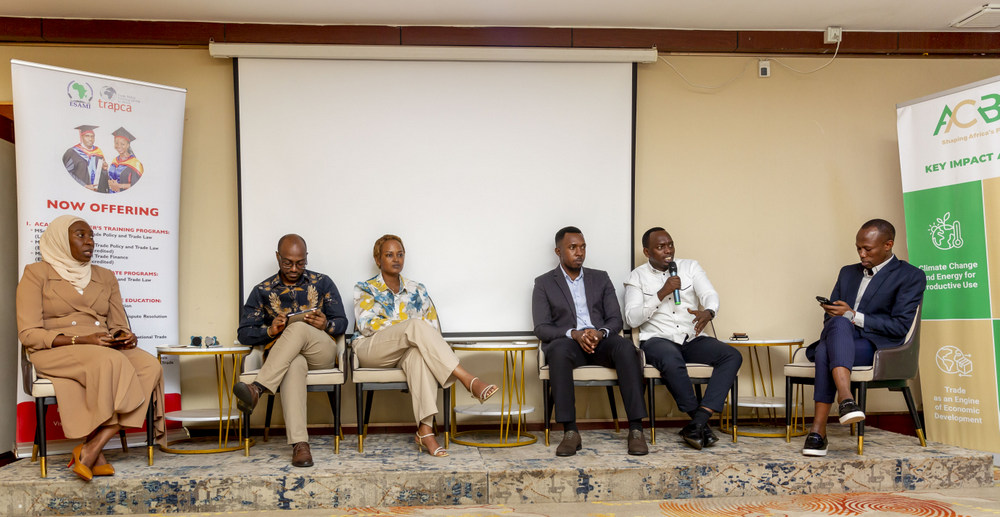
The discussions were moderated by Amos Akandwanaho, National AfCFTA Youth and Women Champion.
Other speakers included Gloire Kayitare, External Trade Policy Specialist at the Ministry of Trade and Industry; Yvanie Kamikazi of Mbere Enterprises; Moise Tuyizere, Director of Operations at the Rwanda ICT Chamber; Tadhim Uwizeye, Founder of Olado Business Group Ltd; and Norman Mugisha, Founder and CEO of Afri-Farmers Market.
The forum concluded with a call for stronger public-private cooperation, better access to information, improved digital payment systems and targeted support to help Rwanda’s youth and women turn AfCFTA opportunities into real businesses and jobs.

Leave a Reply