The investment, announced on November 26, 2026, during the International Conference on Public Health in Africa (CPHIA) in Addis Ababa, Ethiopia, will support more than 500 health facilities across Rwanda, Ethiopia, Kenya, Liberia, Malawi, Nigeria, Ghana, Sierra Leone and Mozambique.
The Foundation’s $135 million commitment is expected to mobilize more than $550 million in additional financing from participating governments and development partners, with each government contributing at least an equivalent amount of funding.
In Rwanda, the $15 million investment will support 170 health facilities, including district and teaching hospitals, while helping mobilize an additional $40 million in financing.
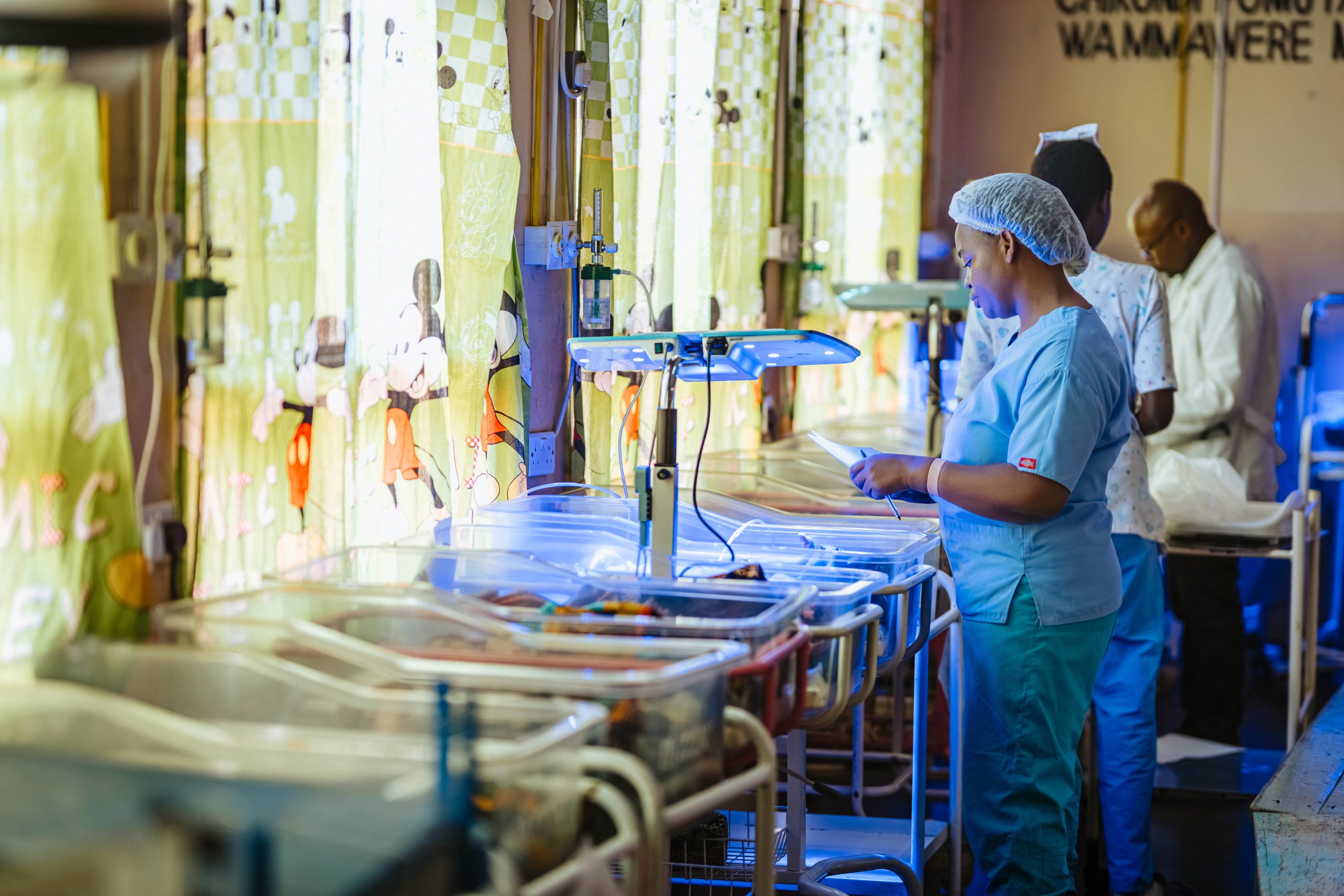
The funding will provide essential medical equipment to improve childbirth safety and newborn care, including technologies to help healthcare workers manage bleeding after delivery, incubators and respiratory support equipment for premature and critically ill newborns.
Commenting on the development, Rwanda’s Minister of Health, Dr. Sabin Nsanzimana, welcomed the partnership, emphasizing the country’s progress in improving maternal and child healthcare over the past two decades.
“Over the past two decades, Rwanda has transformed maternal and child health, bringing quality care within reach of more families. Sustaining these gains depends not only on skilled professionals and health facilities, but on a reliable supply of the medicines, equipment, and technologies they need to deliver care,” he said.
Dr. Nsanzimana noted that the partnership builds on Rwanda’s longstanding investments in strengthening its healthcare system and improving access to essential medical services.
“Our partnership with the Mohamed bin Zayed Foundation for Humanity builds on Rwanda’s longstanding investment in health. Together, we are working to ensure that the progress we have achieved translates into healthier futures for every mother, newborn, and child,” he added.
The initiative comes as African countries continue to face shortages of essential medical supplies and diagnostic equipment, which contribute to treatment delays and undermine efforts to improve healthcare outcomes.
According to the Foundation, only 35% of essential medicines are available in public health facilities across Africa, while fewer than one-third of health facilities have the equipment required to conduct basic diagnostic tests.
Dr. Shamma Khalifa Al Mazrouei, Director General of the Mohamed bin Zayed Foundation for Humanity, said the investment reflects a shared commitment to preventing avoidable deaths among mothers, newborns and children.
“In partnership with countries, we are working towards a future where no mother, newborn, or child dies from a preventable cause. Skilled health workers are essential to this vision, but their ability to save and improve lives depends on having ready access to the medicines and equipment they need,” she said.
She emphasized that African governments are already making significant investments in their healthcare systems and that international partnerships can help ensure medical professionals have the necessary tools to provide quality care.
“Across Africa, governments are making important investments in their health systems and the people who deliver care. We welcome this opportunity to work together to ensure health workers have reliable access to the tools they need to deliver better outcomes for patients and communities,” she added.
Ethiopia and Liberia among other beneficiaries
In Ethiopia, the Foundation has committed $20 million under the country’s Reproductive, Maternal, Newborn, and Child Health Compact.
The commitment helped unlock an additional $151.2 million from development partners, matched by the Ethiopian government, bringing the total mobilized financing to $342.4 million.
Over the next three years, the investment will equip approximately 120 health facilities with lifesaving medical supplies, including artificial intelligence-enabled ultrasound technologies to detect pregnancy complications and antibiotics to reduce the risk of sepsis.
Ethiopia’s Minister of Health, Dr Mekdes Daba, said the partnership would strengthen healthcare delivery and improve access to essential medicines and equipment.
“This partnership will strengthen service delivery, improve the availability of essential medicines and health commodities, and reinforce the services that women, newborns and children rely on,” she said.
“Our aim is simple: fewer preventable deaths among mothers, newborns and children, wherever they live in Ethiopia.”
In Liberia, the Foundation has committed $10 million, to be matched by donor funding, to strengthen healthcare services at the country’s national referral teaching hospital and associated facilities.
The investment will provide medical technologies for managing complicated deliveries, stabilizing critically ill newborns and children, and improving bedside diagnosis.
It will also support clinical mentorship for doctors, nurses and midwives, alongside training in biomedical engineering to ensure medical equipment can be maintained and repaired over time.
Liberia’s Minister of Health, Dr Louise Mapleh Kpoto, said the initiative would contribute to strengthening the country’s healthcare system and improving the quality of services.
“Our partnership with the Mohamed bin Zayed Foundation for Humanity will support this commitment by enhancing services at our referral hospitals and strengthening the skills of our health workers,” she said
“Together, we are improving care for our people today and preparing our health system to meet the needs of tomorrow.”
The Mohamed bin Zayed Foundation for Humanity is a philanthropic organization affiliated with Erth Zayed Philanthropies.
Its work focuses on strengthening healthcare systems, reducing preventable diseases and supporting sustainable community development through partnerships with governments and local communities.
Leave a Reply