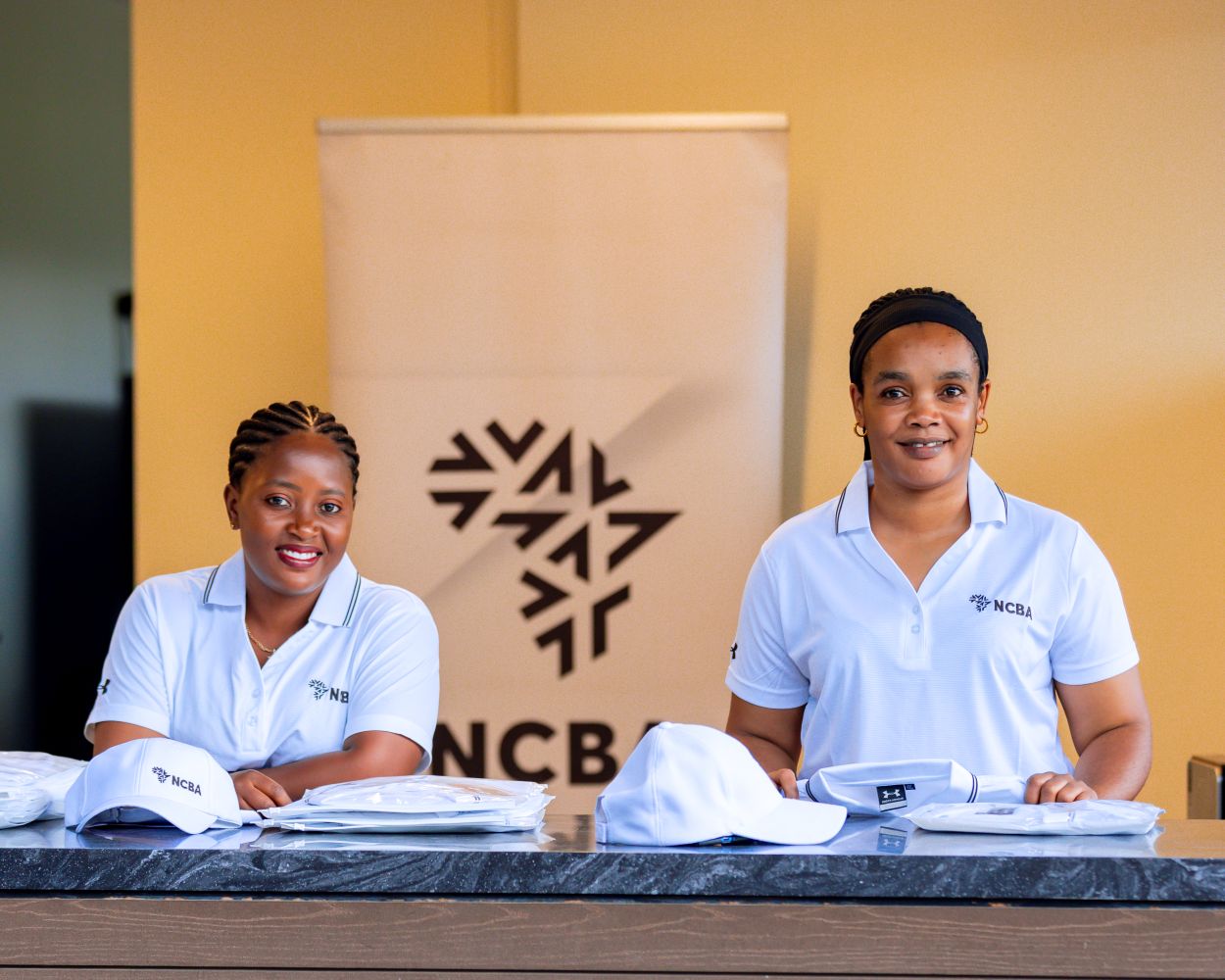
NCBA’s sponsorship of the Rwanda Open 2026 marked an important milestone for the country’s golfing landscape.
The tournament brought international professional golfers to Kigali, increasing Rwanda’s visibility on the international golf calendar and demonstrating the country’s growing potential as a destination for major sporting events.
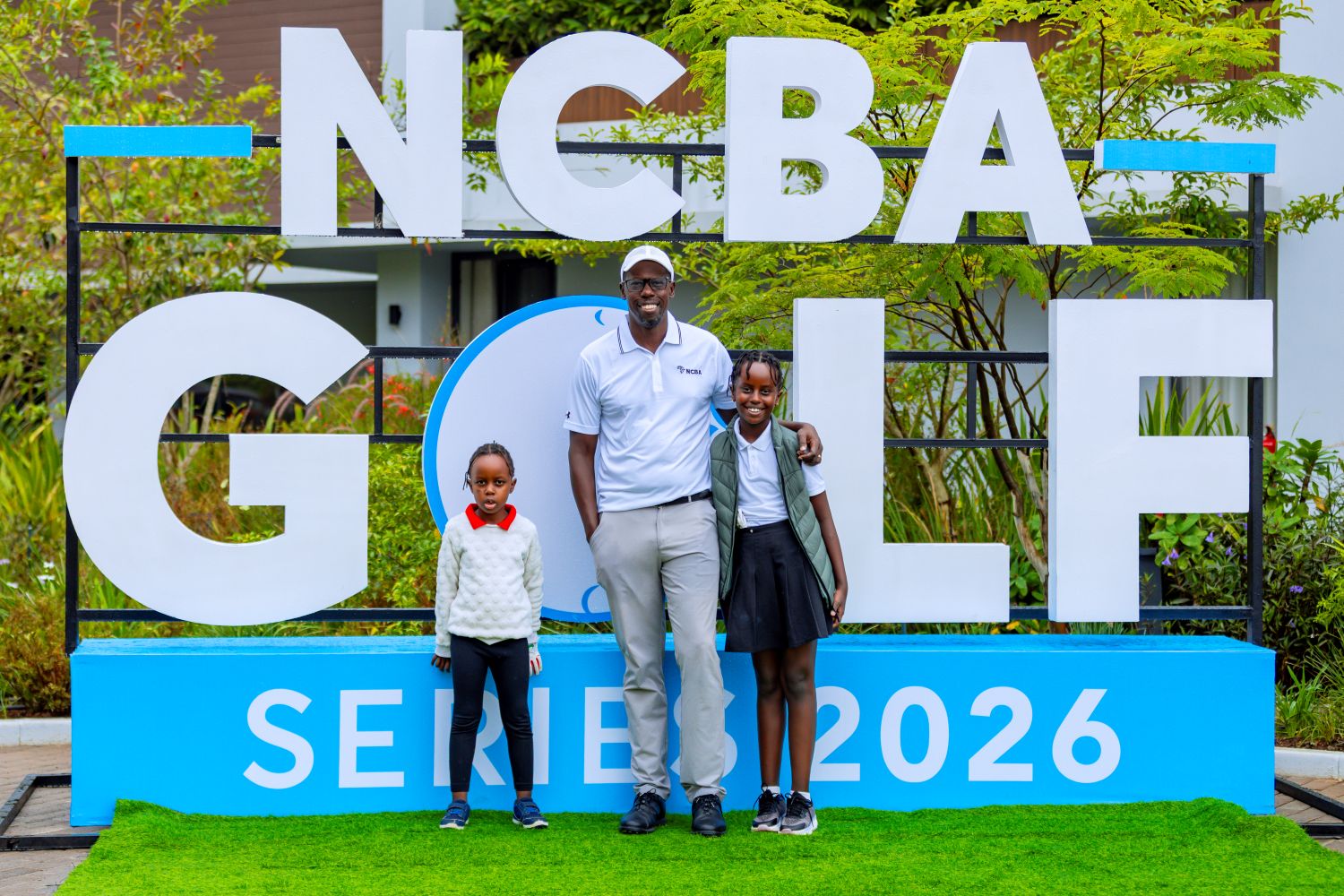
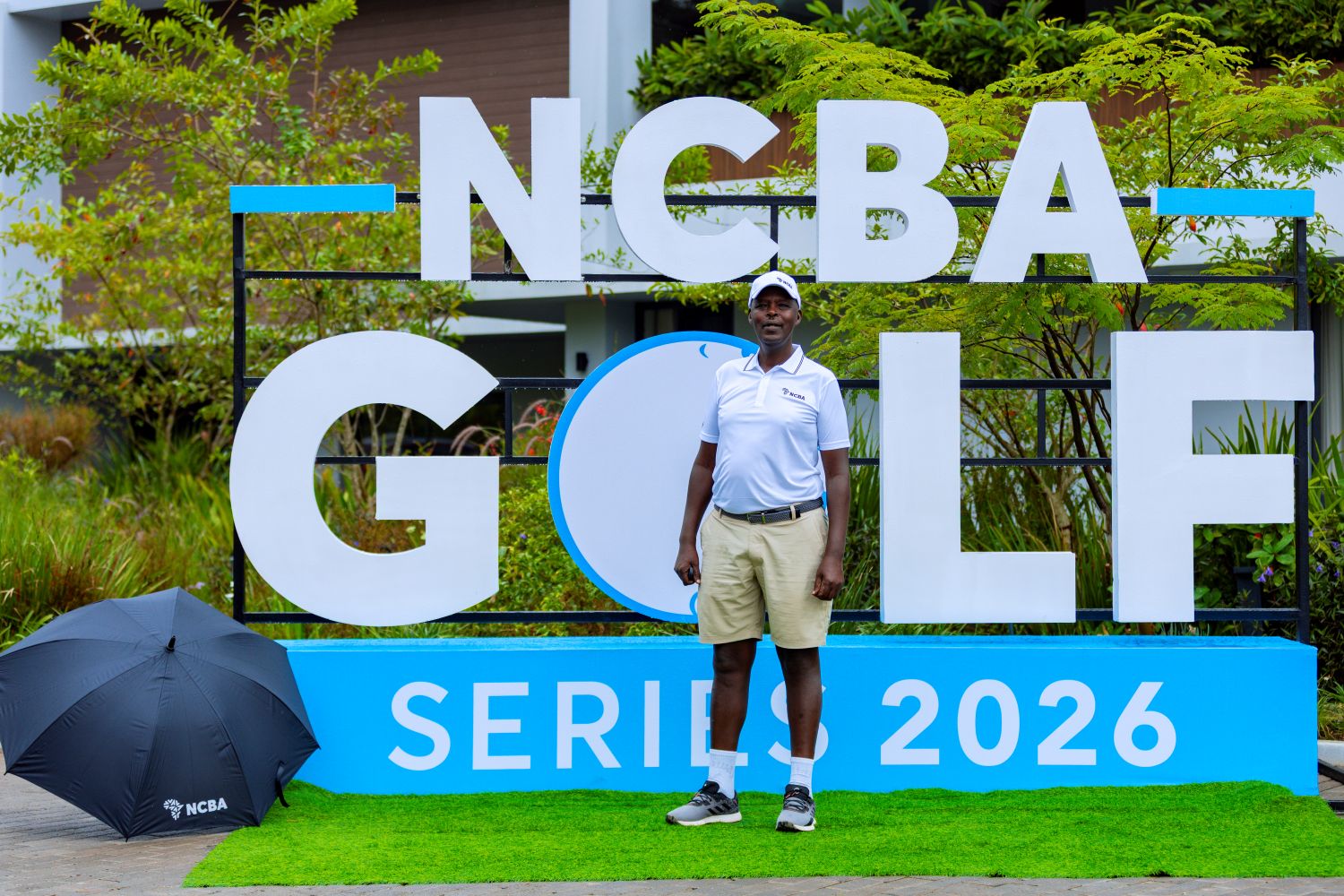
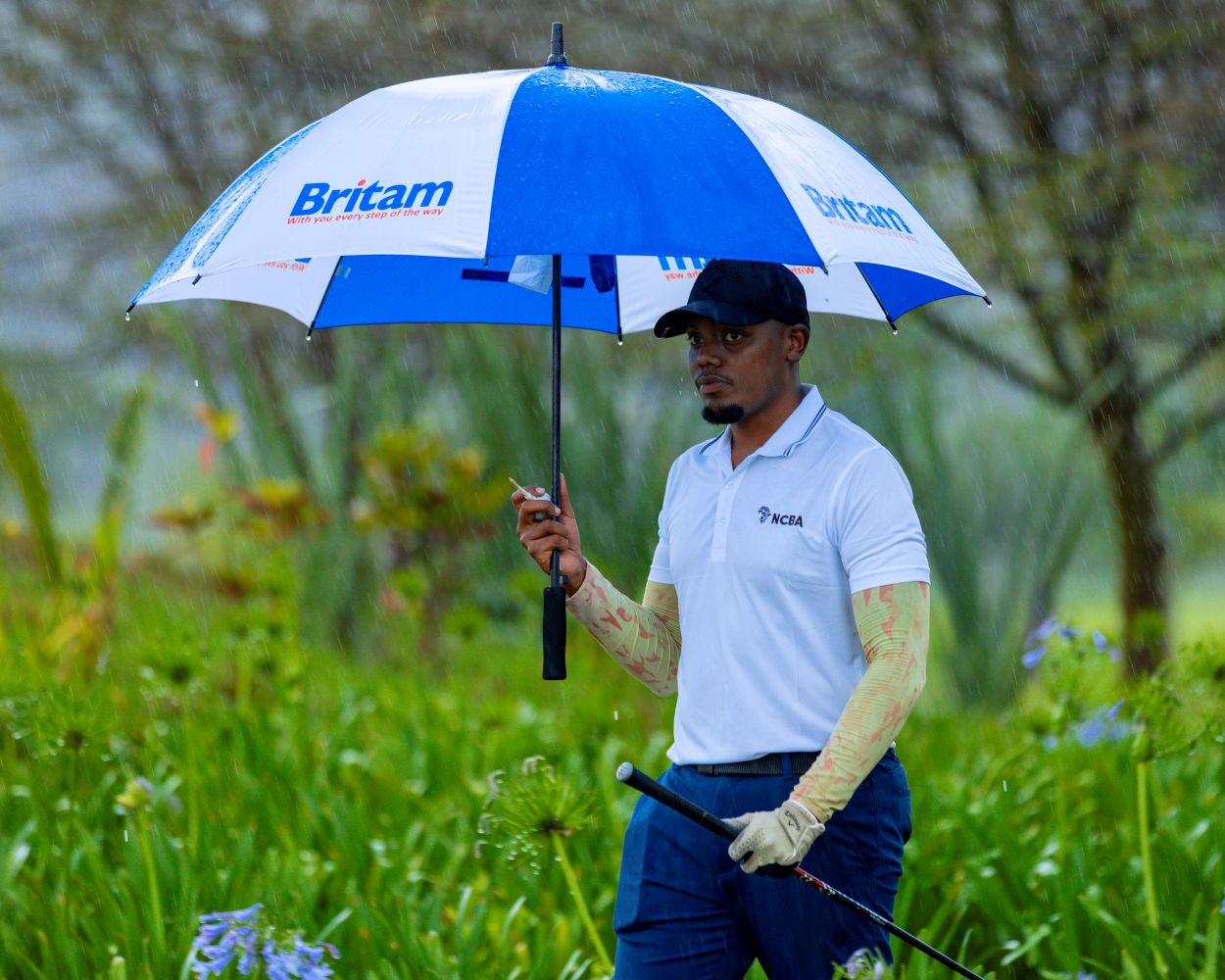
Building on this momentum, the third edition of the NCBA Golf Series will bring together golfers, partners and the wider golfing community, continuing the bank’s commitment to supporting the sport beyond major international tournaments.
Building on Rwanda’s growing golf momentum
Since its introduction in Rwanda in 2024, the NCBA Golf Series has provided a platform for golfers to compete, connect and celebrate their shared passion for the game.
The series forms part of NCBA’s broader commitment to supporting sporting initiatives that promote ambition, excellence and meaningful community engagement.
The third edition comes at a significant moment for golf in Rwanda, following the increased international attention generated by the Rwanda Open.
While the Rwanda Open showcased the country’s capacity to host professional international competition, the NCBA Golf Series continues to support the development of the local golfing community and sustain interest in the sport.
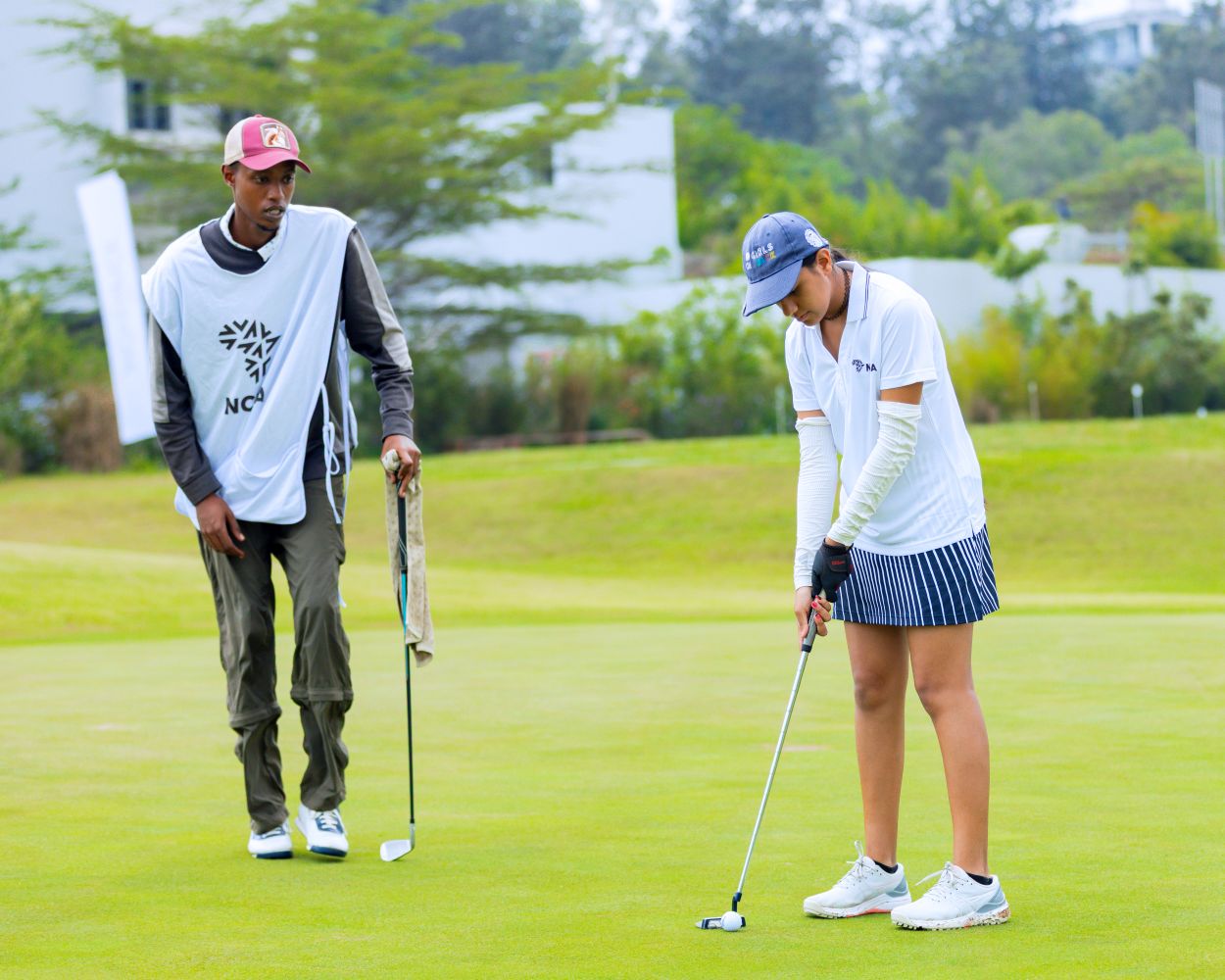
In 2025, NCBA further strengthened its partnership with Kigali Golf Resort & Villas, with a focus on developing the game and expanding opportunities for young golfers through junior golf initiatives.
These efforts reflect the importance of investing in emerging talent and creating opportunities for the next generation to participate in and contribute to the future of golf in Rwanda.
More than a game
For NCBA, golf represents more than competition. It offers a platform for building relationships, promoting discipline and excellence, and bringing people together around shared ambition.
Through its sponsorships and partnerships, NCBA continues to support initiatives that create opportunities for individuals and communities to thrive.
Its involvement in both the Rwanda Open and the NCBA Golf Series reflects a commitment to the sport at different levels, from international professional competition to local participation and talent development.
“Rwanda’s recent hosting of the Rwanda Open was an important milestone for golf in our country. At NCBA, we believe that the growth of the sport depends not only on international tournaments but also on sustained investment in the local golfing community.
Through the NCBA Golf Series, we are proud to continue supporting a platform that brings people together, encourages ambition and contributes to the future of golf in Rwanda.” Maurice Toroitich, Managing Director, NCBA Bank Rwanda PLC.
The NCBA Golf Series aligns with the bank’s purpose of Banking on Belief and Empowering Ambition, reflecting its commitment to initiatives that inspire progress and create lasting value for customers, partners and communities.
As Rwanda continues to strengthen its presence on the regional and international sporting stage, NCBA remains committed to supporting platforms that encourage participation, nurture talent and contribute to the long-term growth of golf.
The third edition of the NCBA Golf Series will take place on October 24 2026, at Kigali Golf Resort & Villas, marking another chapter in the bank’s continued support for the sport and Rwanda’s golfing community.
NCBA Bank Rwanda PLC is part of NCBA Group, a financial services group operating across East Africa. Guided by its purpose of Banking on Belief and Empowering Ambition, NCBA supports individuals, businesses and communities through financial solutions and strategic partnerships that enable growth and opportunity.
The third edition of the NCBA Golf Series will take place on October 24 2026, at Kigali Golf Resort & Villas.Through its sponsorships and partnerships, NCBA continues to support initiatives that create opportunities for individuals and communities to thrive.NCBA’s sponsorship of the Rwanda Open 2026 marked an important milestone for the country’s golfing landscape.
Amoth announced the arrival of the supplies during an interview with Citizen TV on Sunday evening, October 18, 2026, as he confirmed that the number of infections had risen from seven to eight.
Kenya recorded the latest case after a 49-year-old male patient attendant tested positive for the virus following the testing of 38 people.
“As I was coming to speak with you, the number had increased by one. Today, we tested 38 people, and one tested positive,” Amoth said.
He explained that the patient was not a direct healthcare worker but a patient attendant who had developed a fever, headache and muscle pain.
“He has now been isolated, and we are preparing to begin the compassionate treatment that we have administered to the other seven patients,” he noted.
Amoth said the seven previously confirmed patients had received monoclonal antibodies, a type of treatment that uses laboratory-produced antibodies to target a virus.
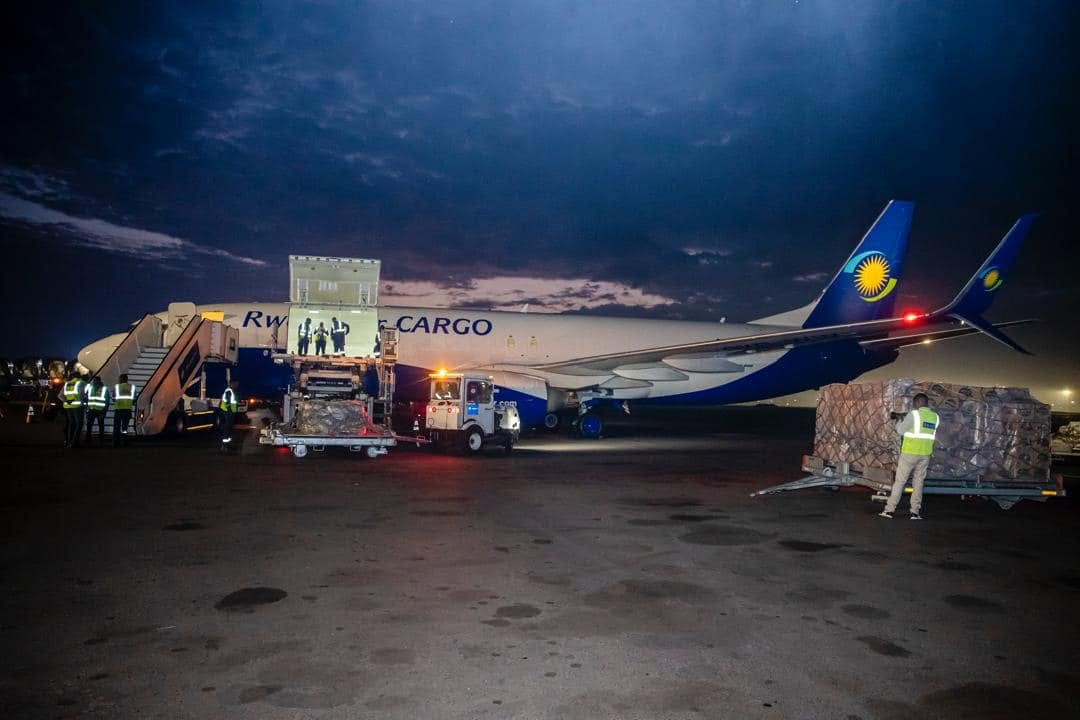
He added that a separate shipment of medicines from Rwanda had arrived shortly before 9 p.m. on Sunday and would be deployed as part of the country’s response.
“Today, a few minutes before 9 p.m., a shipment of another medicine arrived from Rwanda, which we are also going to deploy,” he said.
Rwanda, which shares a border with the Democratic Republic of Congo (DRC), where the latest Ebola outbreak began in May 2026, has not reported any cases but remains on high alert as authorities monitor the risk of the virus spreading across borders.
Encouraging progress
Amoth reported encouraging progress among patients who had received treatment, highlighting the recovery of a 65-year-old woman whose vomiting and diarrhoea had stopped.
“The older woman is doing very well. She is 65 years old, and she is up and about, feeding herself. The vomiting has stopped, and the diarrhoea has stopped,” he said.
He added that another male patient was also doing well, while three staff members at the Nairobi Hospital isolation centre had received their medication on Sunday afternoon and were all in stable condition.
“We are cautiously optimistic that everything will turn out well,” Amoth said, calling for cooperation to bring the outbreak to an end.
Medical treatment for the outbreak
The outbreak in Kenya is caused by the Bundibugyo virus, a species of Ebola virus distinct from the Zaire ebolavirus. Kenya confirmed its first case on October 6, 2026, after a Kenyan man who had been living in the DRC died at the Nairobi Hospital on October 5, 2026, after travelling to Kenya via Uganda.
The World Health Organization (WHO) recommends two monoclonal antibody treatments, ansuvimab and REGN-EB3, for Ebola virus disease caused by the Zaire ebolavirus species. However, there are no approved specific therapeutics for other Ebola virus diseases, including Bundibugyo virus disease.
Supportive care, including rehydration and treatment of symptoms, remains an important part of patient management.
Trump announced his endorsement on Sunday, October 18, in a social media post in which he praised Netanyahu’s leadership and described him as a key partner in confronting Iran.
Netanyahu has long presented his close relationship with Trump as an advantage in his efforts to remain in power.
However, Trump had refrained from endorsing him for months as their approaches to developments in the Middle East increasingly diverged.
In his message, Trump described Netanyahu as a “Great Warrior Prime Minister” and praised him as a partner in efforts to confront the Islamic Republic of Iran.
Netanyahu welcomed the endorsement, thanking Trump for his support and cooperation in a statement posted in Hebrew on X.
His Likud Party also shared a 35-second video featuring footage of the two leaders together, including clips of Trump praising the Israeli prime minister.
The endorsement comes ahead of Israel’s first national elections since Hamas attacked the country on October 7, 2023.
The vote is expected to be closely contested, although the potential impact of Trump’s backing on the outcome remains uncertain.
Trump also renewed his warning that the United States could resume or intensify action against Iran if its leaders do not change their course.
He said he would be less inclined to pursue the effort if Netanyahu lost the election, arguing that a different Israeli leader could leave Washington to act alone.
Trump has supported Netanyahu in previous elections and has also intervened on his behalf over his ongoing corruption case.
In November 2025, he wrote to Israeli President Isaac Herzog requesting a pardon for Netanyahu.
However, the US president’s recent comments had raised questions about whether he would support Netanyahu’s latest campaign.
Earlier in October, Trump told Time magazine that he was “not involved in politics anymore” when asked about the Israeli leader’s re-election bid.
Relations between the two leaders have also faced tensions over military operations and ceasefire proposals.
Trump criticised Israel’s decision to attack a major Iranian gas field during the war and expressed frustration over fighting between Israel and Hezbollah in Lebanon, which he said was complicating peace negotiations with Iran.
In August, Netanyahu rejected Trump’s latest proposal to advance a stalled ceasefire in Gaza, opposing Washington’s call for Israel to withdraw from territory it controls until Hamas had been disarmed.
Despite these disagreements, Trump’s endorsement signals continued support for Netanyahu as the Israeli prime minister seeks another term. Whether it will influence voters remains to be seen.
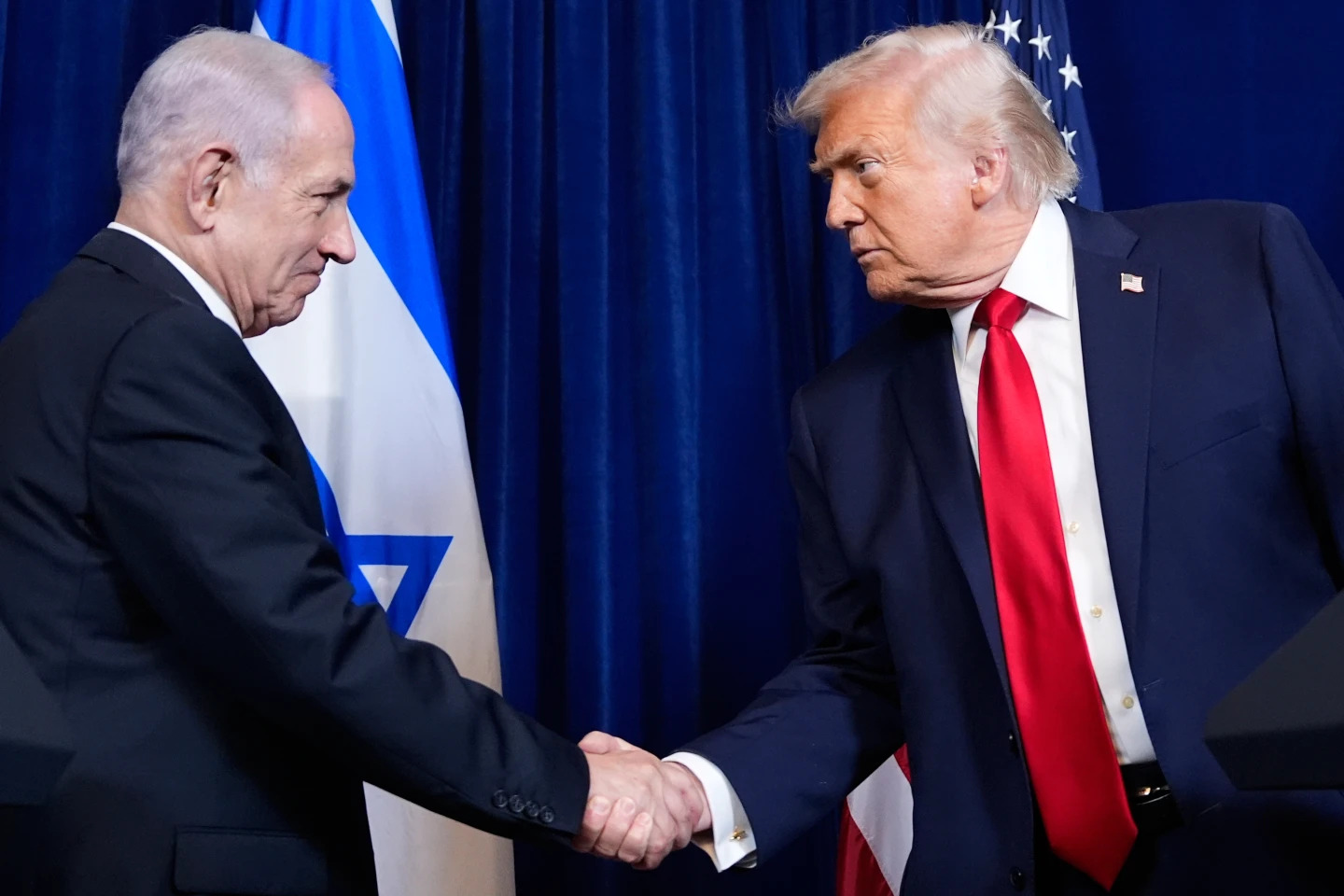
US President Donald Trump and Israeli Prime Minister Benjamin Netanyahu meet at Mar-a-Lago in Florida on December 29, 2025.
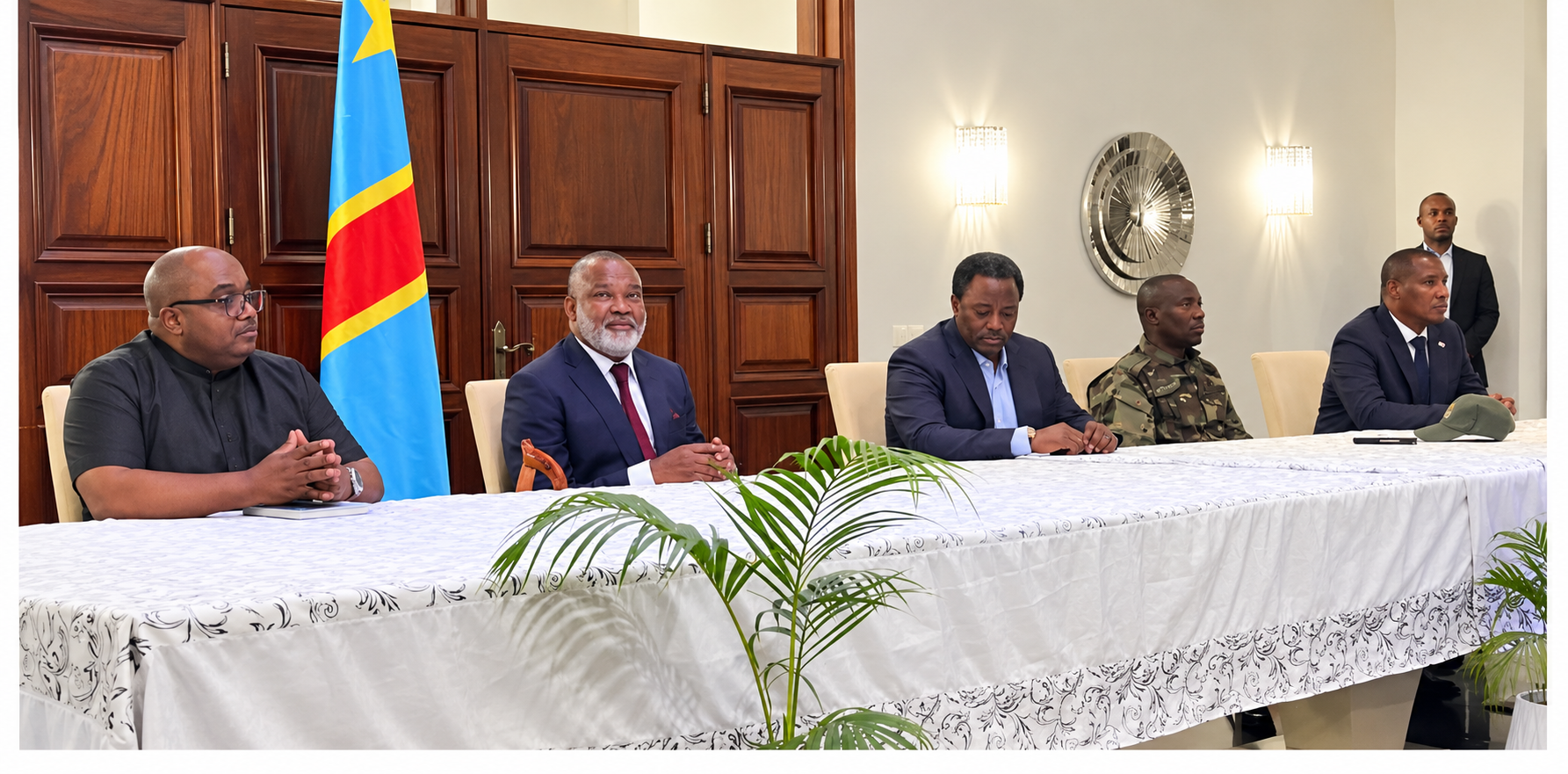
Uwizeyimana made the remarks on October 18, 2026, during an interview on Rwanda Broadcasting Agency (RBA), in which he discussed the possible implications of the formation of the Front pour la Refondation de la Nation (FRN), a political and military movement led by former DRC president Joseph Kabila.
Established on October 12, 2026, the movement replaced the AFC/M23 coalition, which has been fighting the government in Kinshasa.
Uwizeyimana said Tshisekedi had contributed to Kabila’s departure from the DRC but continued to put pressure on him during his exile, eventually pushing him to engage in political and military activities against the government.
“Kabila was pushed into a corner, to the point where he felt he had no other option. Tshisekedi played a role in the path Kabila chose because he was the one who pushed him into that position.
Kabila had lost everything and eventually received a death sentence. He decided to engage in both political and military warfare as someone who had nothing left to lose, because he had already lost everything he stood to lose,” Uwizeyimana said.
On September 30, 2025, the DRC’s High Military Court sentenced Kabila to death in absentia after finding him guilty of offences including treason and war crimes.
Uwizeyimana said that despite continued pressure from the Kinshasa government, Kabila retained financial resources and connections with influential figures internationally.
In the senator’s view, the main thing Kabila lacked was a military force, which he has now gained through his alliance with former members of AFC/M23.
“The army under Kabila was the DRC’s national army. Tshisekedi took control of it and gradually removed some of its members. He is the only person I have seen imprison more than 56 generals,” he said.
The senator said the alliance between Kabila and the former M23 movement benefited both sides.
Kabila gained a military force to support his struggle, while the movement gained an experienced politician with considerable influence in the DRC.
“Politically, no one has as much influence as Kabila. I cannot see a future for the DRC that does not involve him, and M23 has gained a highly influential figure,” he said.
Tshisekedi could find himself negotiating with Kabila
Uwizeyimana said one of the major challenges facing President Tshisekedi could be having to negotiate with Kabila, despite his administration having previously treated the former president as someone who should not be involved in political negotiations.
He believes the formation of FRN could require a reassessment of the Doha peace talks between the DRC government and AFC/M23, given the changes in leadership on the side opposing the government.
“The Doha talks are still ongoing, but the fact that they were being held with AFC/M23 does not mean they will automatically shift to FRN. The matter needs to be reconsidered.
It will not happen automatically because the other side is not a government that can simply continue from where it left off.
“Another issue is that Tshisekedi excluded Kabila from the list of people he was willing to negotiate with, yet Kabila is now the leader of FRN. Whether Tshisekedi accepts it or not, he will have to negotiate with Kabila, one way or another,” Uwizeyimana said.
In a statement issued on October 14, 2026, FRN announced that it had taken over AFC/M23’s responsibilities and agreements, including those related to the Doha peace talks.
Uwizeyimana believes Kabila could use his position within FRN to set conditions before entering negotiations with the Kinshasa government.
These could include seeking the reversal of the death sentence imposed on him, as well as other sentences handed down against individuals allied with him in leading FRN.
Could M23’s objectives change?
Although Uwizeyimana believes Kabila’s alliance with AFC/M23 has strengthened the forces opposing the Kinshasa government, he said the partnership could also raise questions about the direction of their struggle.
He explained that M23 initially said it was fighting for the rights of people who claim to face discrimination in their own country. However, Kabila’s involvement could broaden the movement’s objectives to include removing the current government from power.
Uwizeyimana added that Kabila could have a different view of how the DRC’s crisis should be resolved.
“Although I cannot speak for Kabila, he could tell them: ‘Why should we remain here when the problem is in Kinshasa? There is someone who will continue buying weapons and firing at us. Let us go and resolve the problem where it is,’” he said.
The senator believes this approach could change the direction of the struggle M23 initially said it was pursuing, shifting it from defending the rights of a section of the population towards a campaign to change the DRC’s government.
He said this would represent a significant shift because a conflict previously presented as a fight for people’s rights could instead come to be seen as a struggle for political power.
Kabila could also lose public trust
Uwizeyimana also warned that Kabila’s alliance with armed groups could have political consequences, particularly among Congolese citizens who may question why a man who served as president for 18 years has chosen to join forces with groups he previously opposed.
He said some people could question what Kabila intends to achieve for the DRC through his alliance with armed groups that he did not accomplish during his years in power.
The senator believes Kabila’s decision to ally with the fighters may have been the only option left to him after facing sustained pressure from Tshisekedi’s administration.
Uwizeyimana added that Kabila’s decision to join forces with former adversaries should not come as a major surprise, arguing that in politics, neither enemies nor friends are permanent, as shared interests can bring people together or drive them apart.
Senator Evode Uwizeyimana says President Félix Tshisekedi’s administration in the Democratic Republic of Congo (DRC) made a major political miscalculation by sentencing former president Joseph Kabila to death, despite the possibility that he may be needed in future peace negotiations.
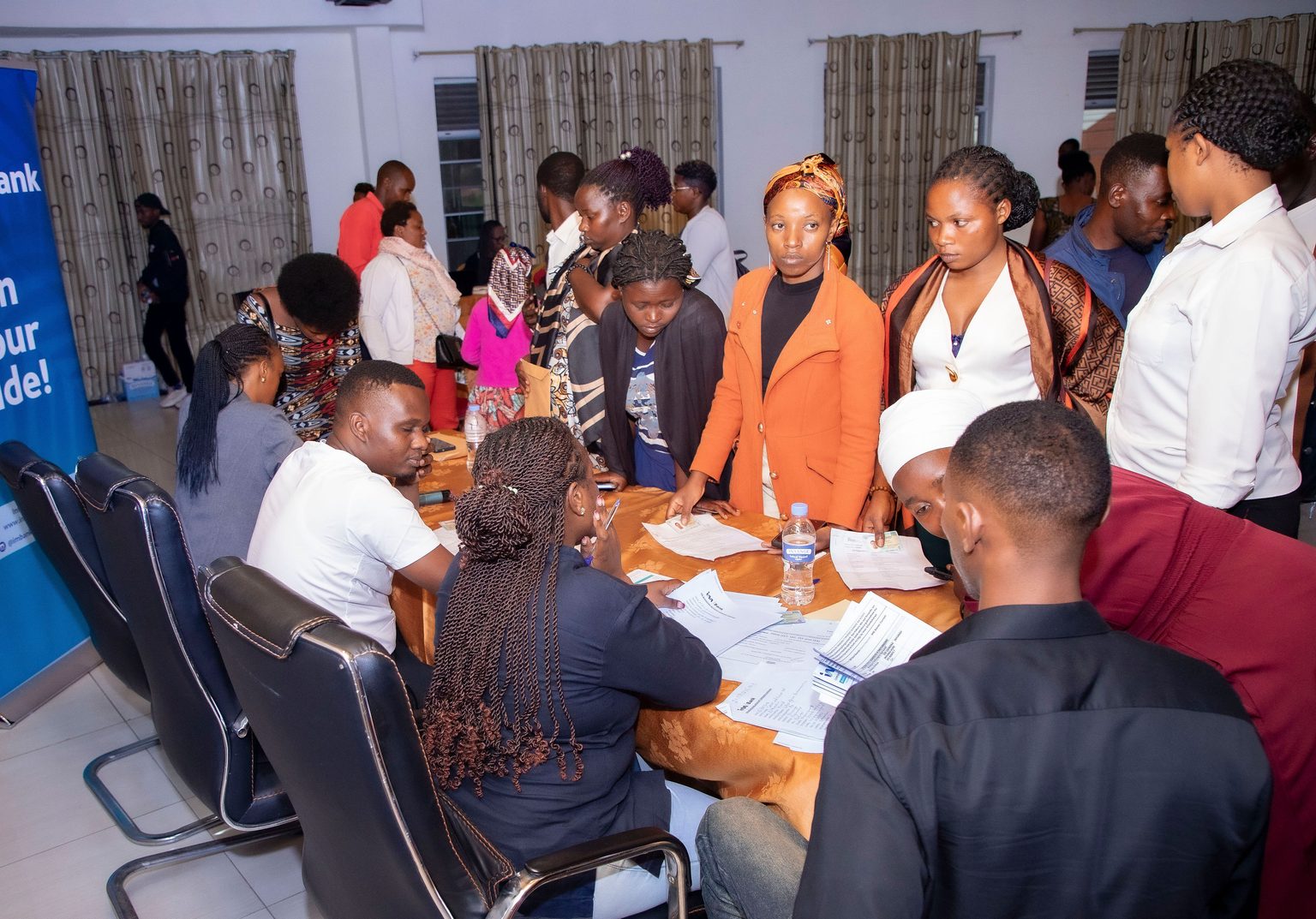
The engagement, held on October 16, 2026, brought together small and medium-sized enterprises (SMEs), particularly businesses operating in tourism, hospitality and related agricultural value chains.
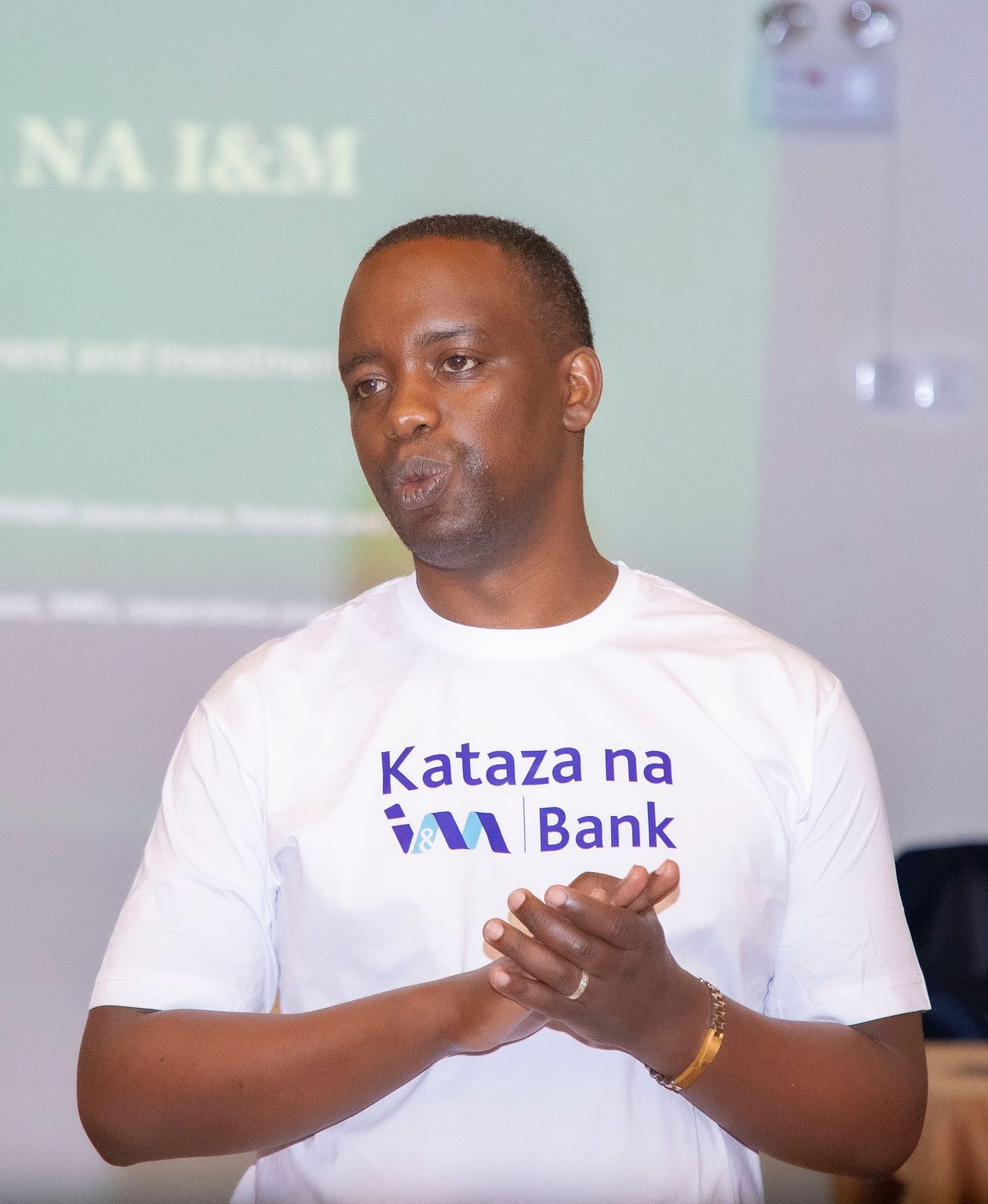
Kataza targets women and young entrepreneurs aged 18 to 35, offering loans of up to Rwf25 million at an interest rate of 9%, compared with rates of between 17% and 19% for conventional loans, according to information shared during the event.
The facility is offered by I&M Bank Rwanda in partnership with the Mastercard Foundation and the Development Bank of Rwanda (BRD).
The bank also presented Kwihaza, a financing facility targeting tomato, onion and avocado farmers, fish farmers and fish feed traders.
Kwihaza provides loans of up to Rwf150 million without collateral at an interest rate of 8%. The facility is offered in partnership with Access to Finance Rwanda (AFR), an organisation that works to expand access to financial services.
The engagement also featured business management training organised by I&M Bank Rwanda in partnership with Le Village de la Femme, an organisation that supports women entrepreneurs.
The training focused on improving financial management and helping business owners adopt professional practices in running their enterprises.
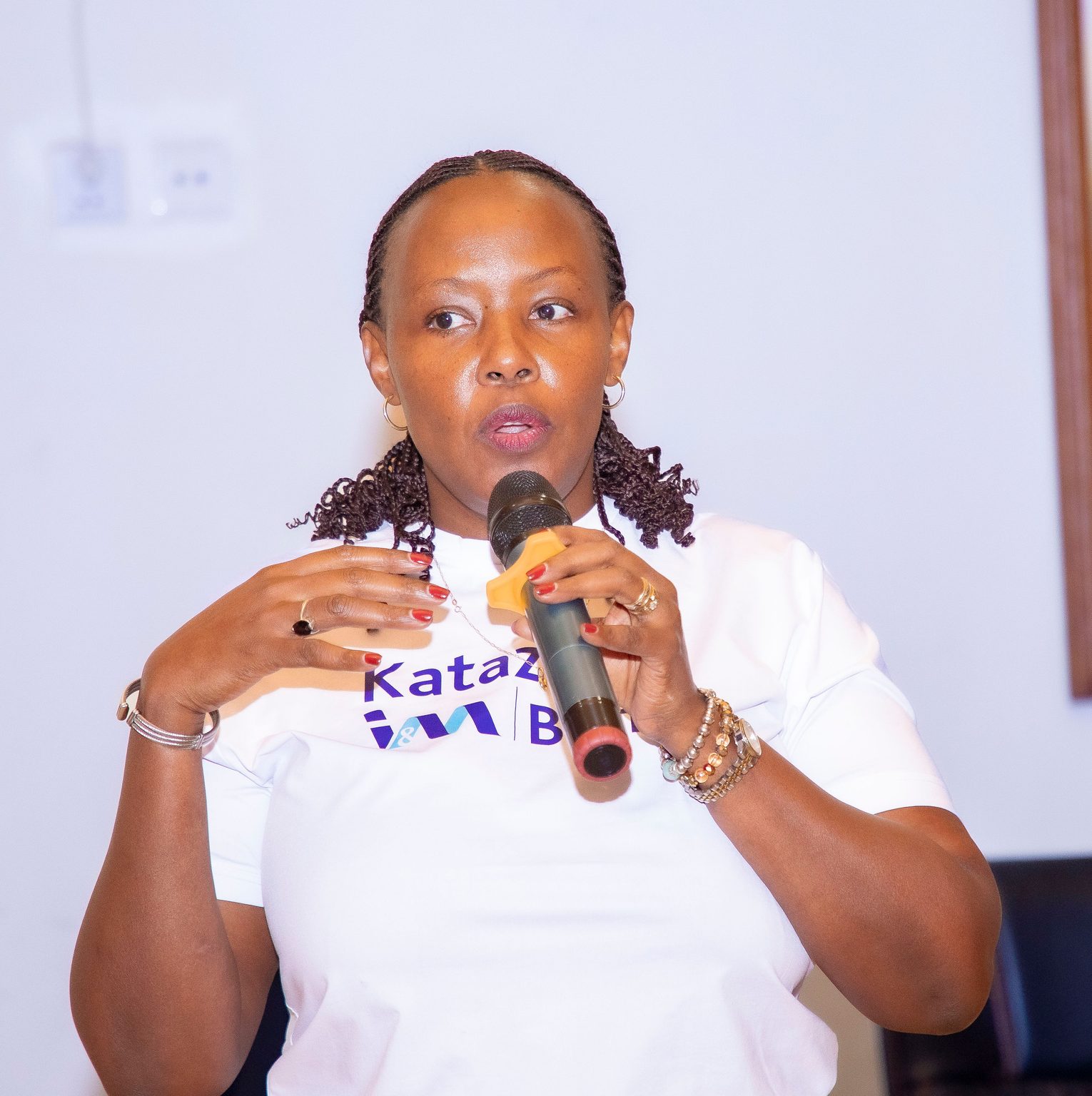
Gertrude Majyambere, Strategic Partnerships Manager at I&M Bank Rwanda Plc, said many entrepreneurs struggle to access financing because they lack proper financial records and systems for managing their businesses.
“Although we can provide guidance and advice, we often find that entrepreneurs have many things they have not yet organised or put in order. These include failing to distinguish between their personal accounts and business accounts, as well as not knowing how much they have invested or how much profit they have made,” she said.
Majyambere said separating personal and business finances and keeping track of investments and profits were essential practices that could help entrepreneurs manage their businesses more effectively and improve their chances of accessing credit.
She said Muhanga was selected for the engagement because of the area’s growing business activity.
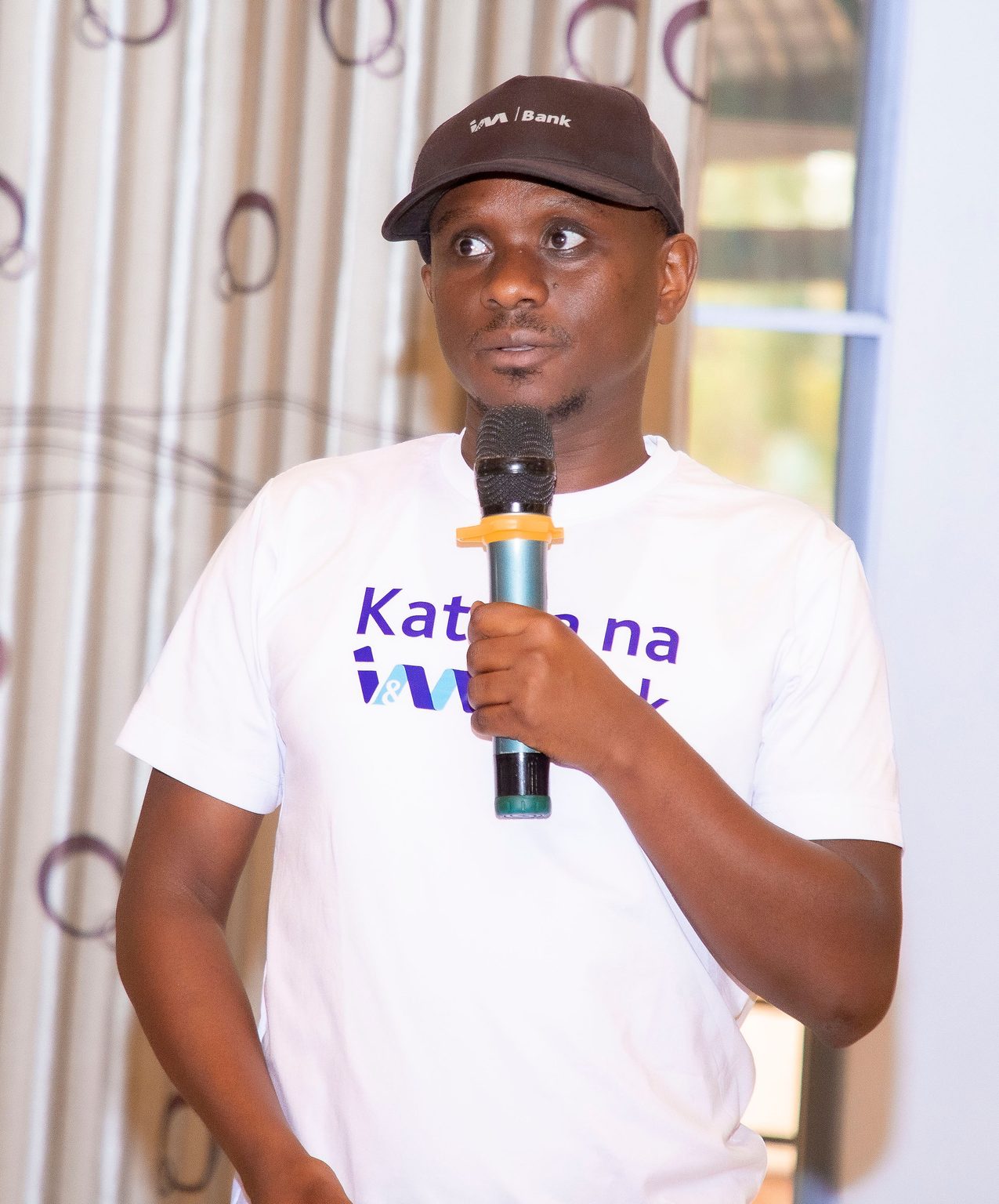
“Some people lack information and do not know that affordable loans are available. Others do not know that they can access loans without providing collateral. These engagements give us an opportunity to reach more customers while helping the district benefit from having more entrepreneurs,” she said.
Mukarugwiro Florida, an avocado trader in Muhanga, said access to capital had been a challenge for businesses like hers.
“Sometimes we need capital but do not know where to go to get a loan. When you apply, you may be asked to provide collateral that you do not have, or you may have to go through a lengthy process to obtain it. I&M Bank could make things easier for us because we were told that they would assess the businesses we operate without requiring collateral,” she said.
I&M Bank launched Kataza in April 2024, with a three-year target of supporting 500 small and medium-sized enterprises and helping them create more than 15,000 jobs.
Figures released by the National Bank of Rwanda in October 2026 show that banks extended more than Rwf7 trillion in loans during the first six months of the year, with agriculture accounting for 5% of the total.
The engagement, held on October 16, 2026, brought together small and medium-sized enterprises (SMEs), particularly businesses operating in tourism, hospitality and related agricultural value chains.Gertrude Majyambere, Strategic Partnerships Manager at I&M Bank Rwanda Plc, said many entrepreneurs struggle to access financing because they lack proper financial records and systems for managing their businesses.Wilson Muhirwa of Le Village de la Femme conducted a training session for small and medium-sized business owners in Muhanga District.
Speaking on the Dossier Podcast, Coulibaly argued that international reporting often overlooks the historical persecution of Congolese Tutsi communities, the presence of the Democratic Forces for the Liberation of Rwanda (FDLR) and the consequences of genocide ideology in the Great Lakes region.
Her remarks come amid renewed uncertainty over peace efforts in eastern DRC, where fighting has continued despite ceasefire commitments and international mediation. The Alliance Fleuve Congo (AFC) and the March 23 Movement (M23) have also been reorganised under a new political-military coalition, the Front for the Refoundation of the Nation (FRN), led by former Congolese president Joseph Kabila.
The Alliance Fleuve Congo (AFC), the political coalition linked to the M23 rebel movement in eastern Democratic Republic of Congo (DR Congo), has been replaced by a new political-military organisation led by former president Joseph Kabila.
The development has raised fresh questions about the future of negotiations aimed at ending the conflict, even as President Félix Tshisekedi’s administration faces renewed accusations of lacking the commitment and good faith needed to support peace initiatives, alongside scrutiny over its use of foreign mercenaries in the conflict.
Coulibaly challenged journalists and researchers to investigate events on the ground rather than rely on narratives that may reflect particular political interests.
“Being easily manipulated is also a choice,” she said, arguing that African conflicts are sometimes approached with less investigative depth than events in Europe and the United States.
A personal history shaped by war
Coulibaly’s interest in conflict is partly rooted in her experience of the Bosnian war, which began in 1992.
Born in the former Yugoslavia in the early 1980s, she was about 11 when her family fled their home near Sarajevo. They moved through Serbia and Croatia before travelling through Austria and Italy and eventually settling in France as political refugees.
She recalled her father asking her to choose one item from her bedroom before leaving home.
“I looked at my room and thought, what is that one thing I can take with me? Of course, I was 11 years old. I took a teddy bear with me and we left,” she said.
The family experienced bombing and sought shelter before fleeing. Their time as refugees exposed them to hunger, family separation and difficult living conditions.
Coulibaly said these experiences shaped her understanding of conflict and prompted her to examine how political ideologies and ethnic divisions can lead to mass violence.
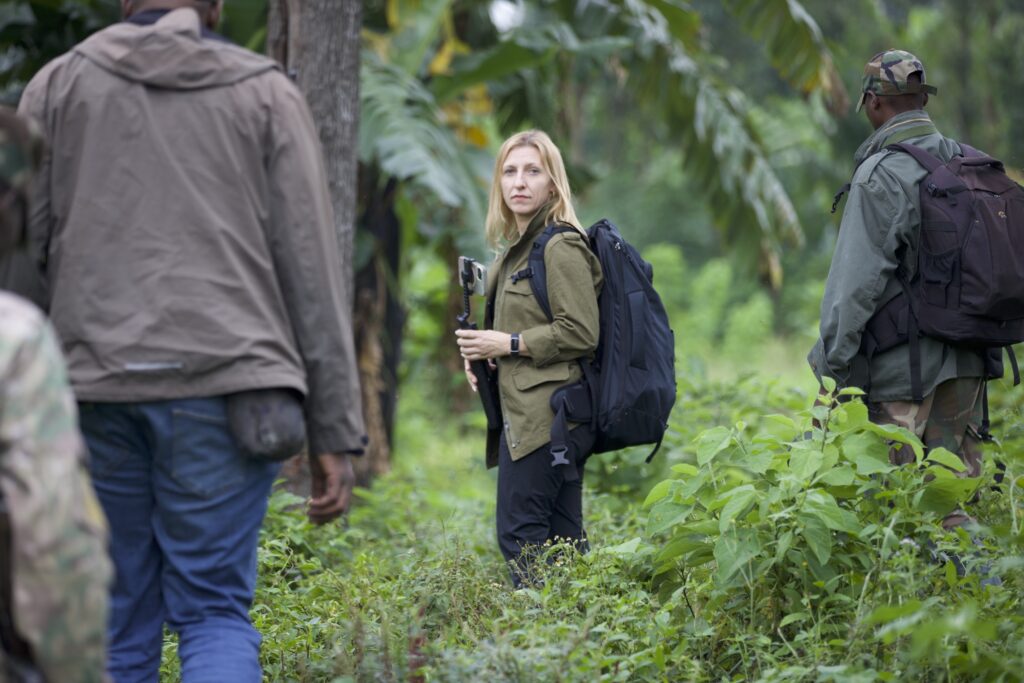
Coulibaly says she has regularly visited eastern DRC for nearly four years, spending extended periods investigating the conflict and speaking with people in affected communities.
The Genocide against the Tutsi in Rwanda in 1994 and the Srebrenica genocide in Bosnia in 1995 further influenced her thinking about international responses to mass atrocities.
She questioned why the international community failed to prevent the Genocide against the Tutsi in Rwanda, arguing that geopolitical interests have often influenced decisions about when and where to intervene.
“Genocide is a crime against humanity,” she remarked, emphasising that its consequences extend beyond the country or community directly targeted.
The history behind eastern DRC’s conflict
Coulibaly said her interest in eastern DRC developed over approximately two decades, initially through academic literature and documentaries before she began regularly visiting the region.
Her research into language, political communication and ideology led her to question how the conflict was presented in academic publications and media reports.
She said she began noticing rhetoric in late 2021 that reminded her of language used before the Genocide against the Tutsi.
According to Coulibaly, some accounts of eastern DRC give insufficient attention to the FDLR, an armed group formed by the perpetrators of the 1994 Genocide against the Tutsi in Rwanda, who fled into what was then Zaire after the genocide.
She argued that the group’s continued presence and activities should be considered when examining the region’s security challenges and the persecution of Congolese Tutsi communities.
Coulibaly also criticised accounts that trace the region’s recent history to the First Congo War of 1996–1997, framing the overthrow of Mobutu Sese Seko as a “Rwanda invasion” while overlooking the wider historical and political context.
She argued that beginning the narrative at that point can obscure earlier developments, including the flight of genocide perpetrators into Zaire and the subsequent attacks and insecurity affecting communities in the region.
“Once you start the story at a specific moment, it tells a completely different story,” she said, invoking the idea of a single narrative that can distort complex historical realities.
Her argument is that the region’s history should be examined in its entirety rather than through an account that focuses exclusively on one phase of the conflict.
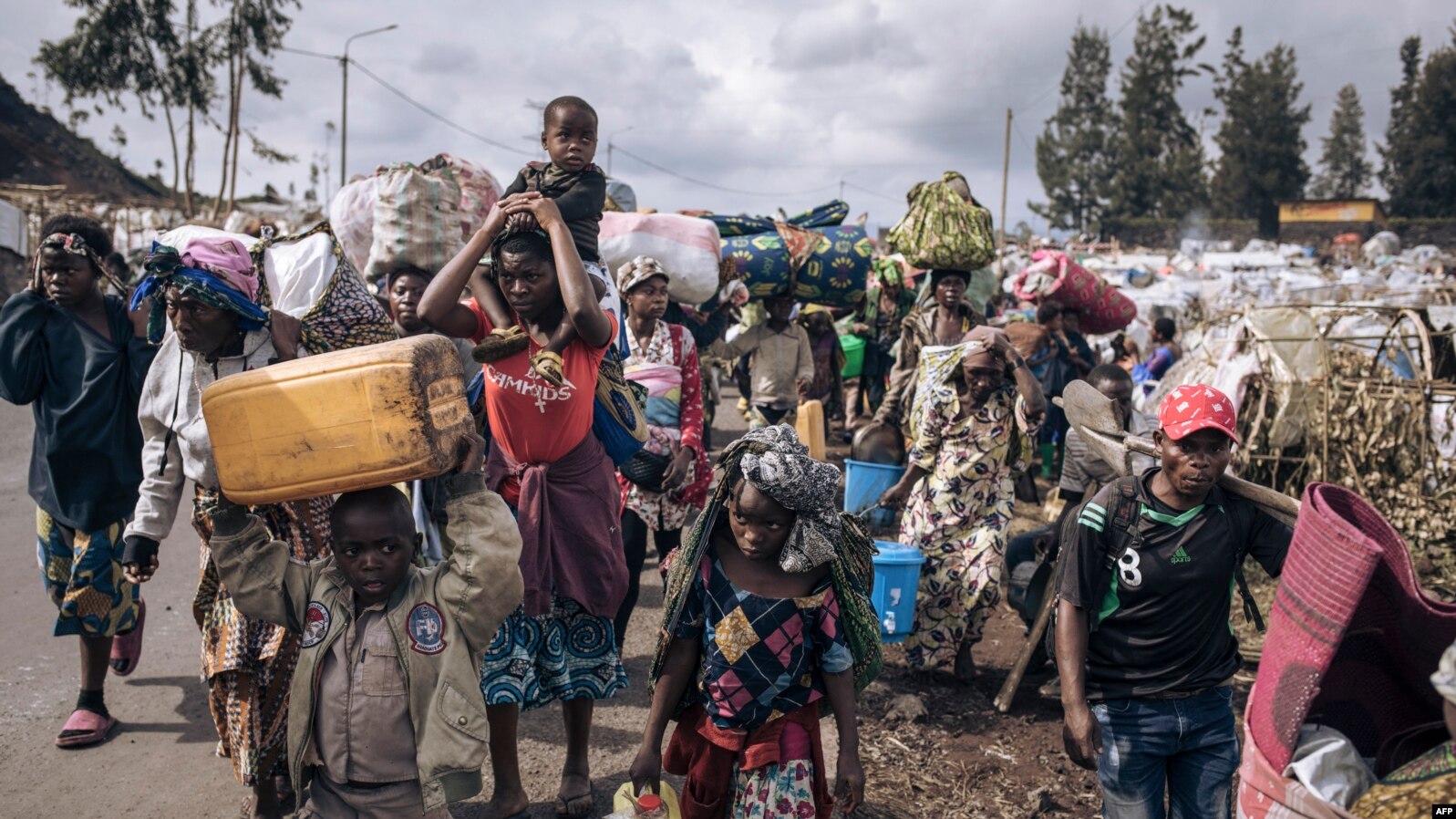
The conflict in eastern DRC has displaced many families over the years.
Media bias and the portrayal of suffering
Coulibaly was critical of a tendency among journalists and academics to repeat existing accounts without adequately verifying the information.
She argued that such practices can allow particular political narratives to become accepted explanations of complex conflicts, even when important historical context is missing.
She also questioned the tendency to portray eastern DRC primarily through images of violence, displacement and suffering.
Recalling conversations with foreign journalists covering the conflict, she described how some viewed witnessing killings as a successful reporting day.
“That’s a good day. It’s a day where they collected something that is worth reporting on,” she said, recounting the attitude she encountered.
Coulibaly argued that this emphasis on dramatic violence leaves less room for stories about the experiences, choices and aspirations of people living in the region.
She said her own fieldwork seeks to document those experiences, including the motivations of people who join armed movements and the daily lives of communities affected by conflict.
However, broadening coverage to include community experiences and resilience does not diminish the need to investigate civilian harm and alleged abuses by all parties.
Coulibaly also questioned the methods used by international organisations when documenting developments in eastern DRC, arguing that telephone interviews and satellite imagery may be insufficient without adequate local investigation and independent verification.
She alleged that some accounts were influenced by individuals with political interests, including actors aligned with authorities in Kinshasa.
Such allegations require independent evidence. Disagreement with the findings of international organisations does not, by itself, establish that their reports are fabricated.
Nevertheless, Coulibaly maintained that journalists and researchers should scrutinise their sources, cross-check competing accounts and be transparent about their methods.
“People don’t take the time,” she said, arguing that African conflicts are sometimes approached with insufficient investigative depth.
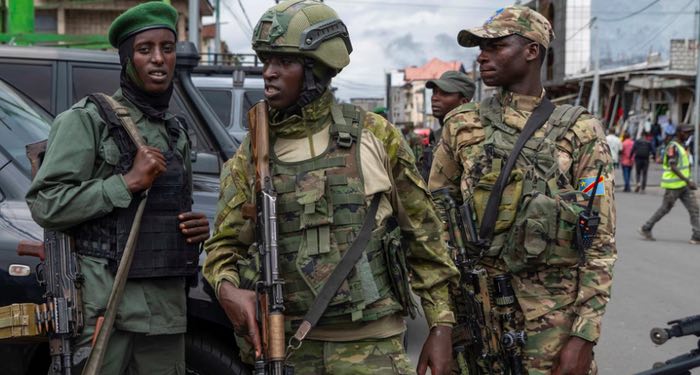
Confrontation between DRC allied forces and M23 rebels has continued despite ceasefire commitments and international mediation.
Ceasefire commitments and the search for peace
The debate over how eastern DRC is reported comes as diplomatic efforts have struggled to end the fighting.
In August 2026, the Congolese government and the AFC/M23 alliance agreed on a roadmap setting out steps and timelines for further negotiations under the Doha peace framework. However, fighting continued in parts of South Kivu, underscoring the challenges facing efforts to secure a lasting ceasefire.
The African Union’s panel of facilitators subsequently urged the parties to honour their commitments, respect the ceasefire and cooperate with mechanisms intended to monitor compliance.
The conflict has also entered a new political phase following the formation of the FRN under Kabila’s leadership in October. The rebranding is reportedly intended to present the movement as a broader national political project rather than an alliance primarily associated with eastern DRC. The coalition has said it intends to maintain commitments made during the Doha negotiations.
For Coulibaly, the persistence of conflict reinforces the need to examine the historical roots of violence, including the activities of armed groups and the treatment of communities targeted because of their identity.
Genocide ideology and ethnic discrimination
A central theme in Coulibaly’s analysis is the persistence of ethnic discrimination and genocide ideology in the Great Lakes region.
She traced some of these tensions to colonial-era racial classifications, which hardened social distinctions and contributed to the politicisation of identity.
Coulibaly also cited historical episodes in which Congolese Tutsi were denied recognition as members of the country’s national community, arguing that questions of nationality and belonging have contributed to recurring violence.
She warned that failing to confront discrimination and rhetoric that legitimises violence against particular communities risks perpetuating cycles of insecurity.
In her view, genocide ideology is not confined to national borders. Individuals and movements carrying extremist beliefs can operate across countries, making the issue a broader regional and international concern.
She urged researchers and journalists to examine how historical violence, contemporary political rhetoric and the treatment of minority communities intersect.
Taking research to the ground
Coulibaly said she has regularly visited eastern DRC for nearly four years, spending extended periods investigating the conflict and speaking with people in affected communities.
She said her approach involves questioning initial assumptions, cross-checking information and examining events directly rather than relying exclusively on second-hand accounts.
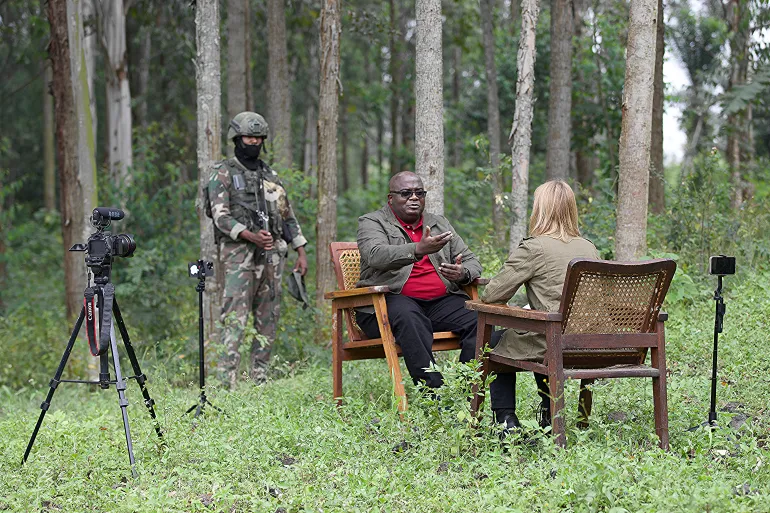
Her video reports with Burundian photojournalist Teddy Mazina are published through Conspiracy Tracker Great Lakes (CTGL), a platform they use to share field-based reporting. She has also published analytical work in outlets including The Pan-African Review.
Their work involves interviews, photography, translation and contextual analysis to make local experiences accessible to audiences unfamiliar with the region.
Coulibaly urged journalists and researchers to investigate the historical context of conflicts, scrutinise the language used to describe them and give people directly affected by violence an opportunity to explain their experiences.
“Once you understand realities, once you understand what is really happening, you can’t just go back,” she said.
For her, understanding eastern DRC requires looking beyond familiar narratives, examining the evidence behind competing explanations and recognising the human consequences of the stories through which the region is presented to the world.
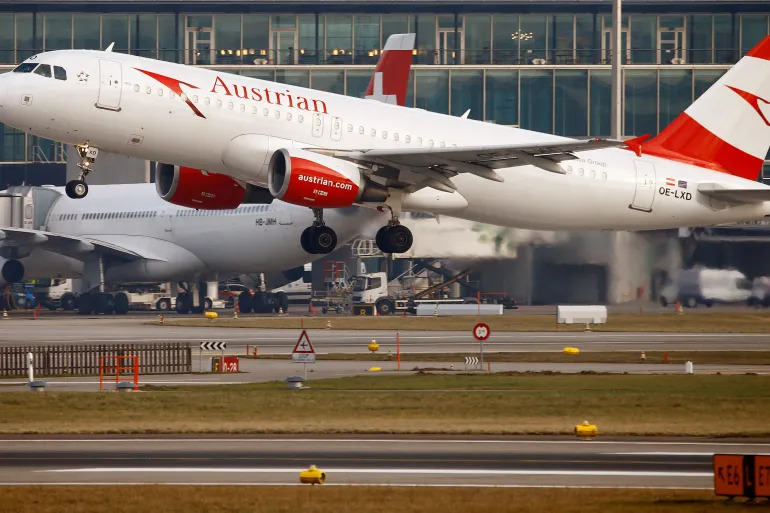
Flight OS82, an Airbus A320, landed safely in Sofia on Sunday, October 18, with 51 passengers and six crew members on board, according to the airline and Bulgarian authorities.
The aircraft was diverted as it approached the Romanian border after its crew reported receiving a bomb threat signal, Bulgaria’s Transport Ministry said.
“During the flight, on the border with Romania, the crew reported a bomb threat signal and decided to land in Sofia extraordinarily,” the ministry said in a statement.
The Bulgarian Air Force deployed a MiG-29 fighter jet to accompany the aircraft to Sofia Airport as part of established emergency procedures. The operation was coordinated with NATO’s Combined Air Operations Centre in Spain, according to Anadolu Agency.
Passengers were evacuated after the aircraft landed, and security teams began inspecting the plane. Bulgarian authorities also established a crisis response team to coordinate the response and investigate the incident.
Austrian Airlines confirmed that the threat had forced the flight to stop in Sofia and said passengers would be accommodated on alternative flights while security checks were conducted.
“Once the search of the aircraft is complete, the passengers will be rebooked onto alternative flights as quickly as possible,” the airline said.
No danger was found after security checks. In an update on Monday, Austrian Airlines said searches of the aircraft, passengers and crew in Sofia found no danger.
The flight subsequently continued from Sofia to Vienna with all passengers on board after they reboarded the aircraft, according to the airline.
Earlier reports by Israeli media said the warning had allegedly come from an Austrian citizen who claimed there was a bomb on the aircraft. The person was reportedly not travelling on the flight. The circumstances surrounding the threat remain subject to investigation.
The incident comes amid heightened scrutiny of aviation security following an attack on a Flydubai flight travelling from Dubai to Tel Aviv on September 30, 2026. During the flight, the co-pilot allegedly attacked the captain with an axe and attempted to crash the aircraft, forcing it to make an emergency landing in Saudi Arabia. The plane was carrying about 180 people, mostly Israelis, all of whom survived.
Following the incident, Israeli Prime Minister Benjamin Netanyahu ordered a review of security arrangements for foreign commercial flights to Israel. An Israeli Prime Minister’s Office spokesperson also said the country would strengthen security checks on pilots operating flights into Israel, including those employed by foreign airlines.
The motive behind the attack on the Flydubai flight remains under investigation. Israeli officials have, however, raised concerns about possible extremist influences.
An Austrian Airlines flight travelling from Tel Aviv to Vienna was forced to make an emergency landing in Bulgaria after a bomb threat was reported on board, prompting the Bulgarian Air Force to scramble a fighter jet to escort the aircraft.
The latest case involves a 49-year-old man who worked as a patient attendant at a hospital where Kenya’s first Ebola patient had received treatment.
“Today, 38 people were tested, and one tested positive for Ebola,” Kenya’s Director General for Health, Dr. Patrick Amonth said on Saturday.
The newly infected man reportedly developed fever, headache and muscle pain. He was not a healthcare worker but had worked as a patient attendant, cleaning utensils and linens at the hospital.
The patient is believed to have contracted the virus through contact with Kenya’s first confirmed case, a man who travelled from the Democratic Republic of the Congo (DRC) through Uganda and died at a Nairobi hospital on October 5.
The latest infection brings Kenya’s total to eight confirmed cases, including the initial patient who died. Health authorities have been tracing people who came into contact with infected patients and monitoring them for symptoms.
The outbreak has prompted Kenya to strengthen screening at border points and airports, isolate suspected and confirmed cases, and expand surveillance.
The World Health Organization (WHO) has supported Kenya’s response, including contact tracing and monitoring people exposed to the virus.
The WHO has said Ebola spreads through direct contact with the blood or bodily fluids of an infected person, or with objects contaminated by those fluids. It is not transmitted through the air.
The current outbreak involves the Bundibugyo strain of Ebola, for which there is no licensed vaccine. Treatment focuses on supportive care, including managing symptoms and preventing dehydration.
In the DRC, where the outbreak began, health authorities have confirmed 4,381 deaths among 9,066 cases spreading across eight provinces, while neighboring countries have stepped up border vigilance to prevent regional transmission.
Kenyan authorities have urged people who may have been exposed to the virus or who develop symptoms to seek medical attention and follow official public health guidance.
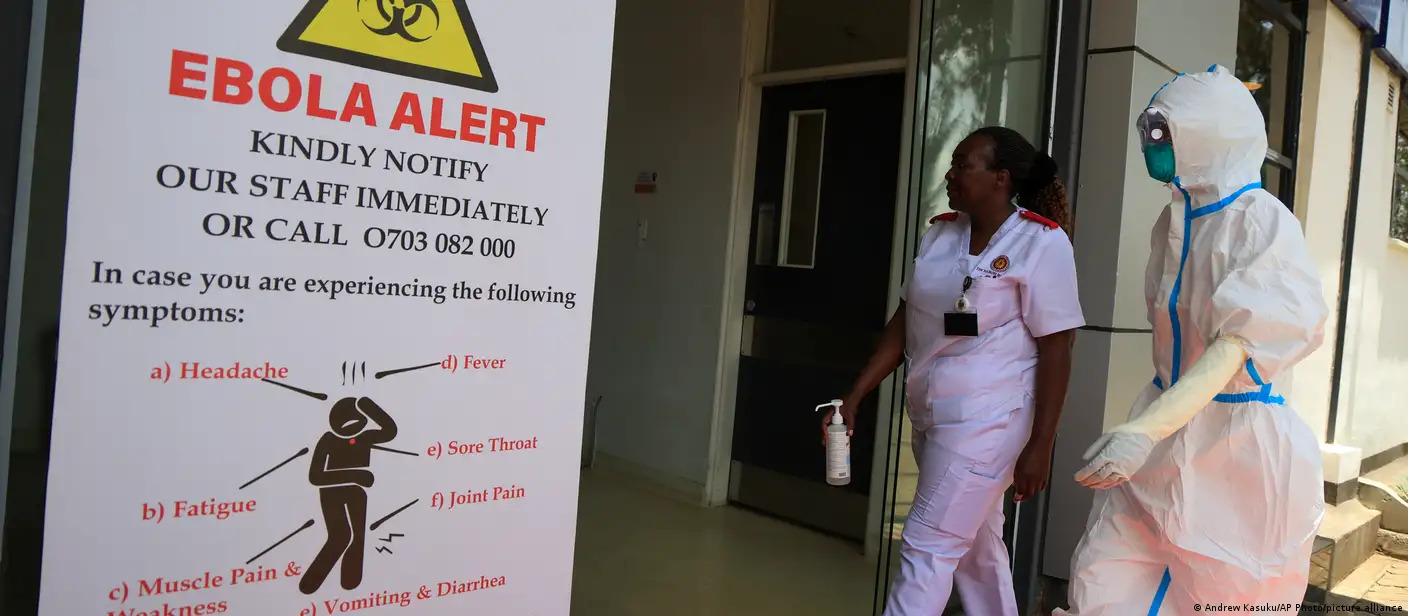
Kenya has been on heightened alert due to a major Ebola outbreak in Central Africa.
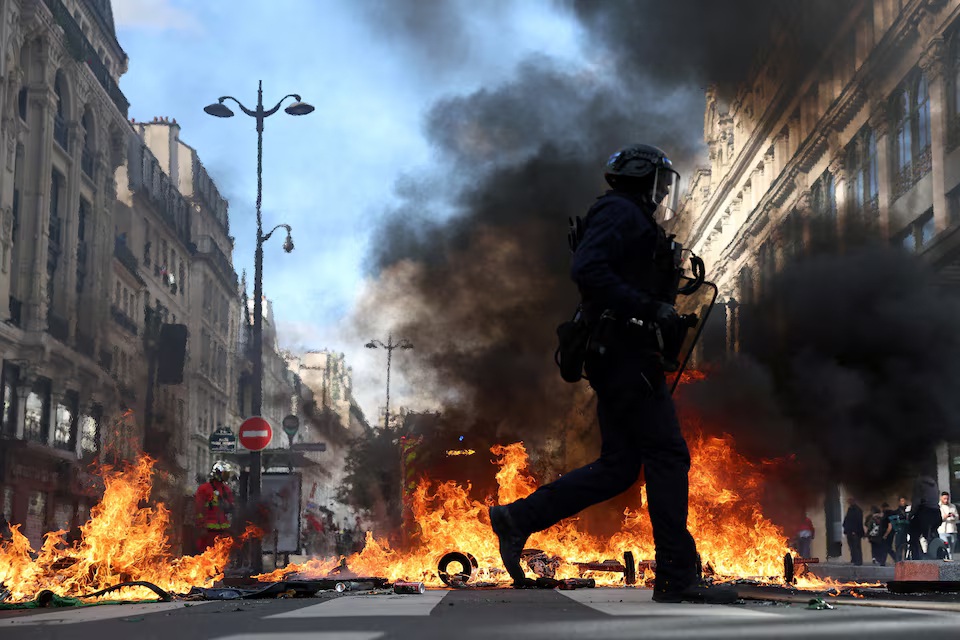
“Those who destroyed must pay. Those who looted must reimburse,” Macron said in a televised address, pledging judicial proceedings over offenses committed during the violence.
He voiced support for law enforcement officers, elected officials and shopkeepers affected by the violence, adding that Prime Minister Sebastien Lecornu would chair a crisis unit Monday to mobilize “the fastest possible assistance” and support those affected.
He called on the government to draw all the lessons from Saturday’s violence, particularly regarding intelligence gathering and anticipation, to ensure such incidents “cannot happen again.”
Meanwhile, Macron said he understood the “deep anxiety” expressed by young people in recent weeks at high schools and universities, adding that over the coming week, the government would work with students, teachers, trade unions, employers’ organizations and officials to develop responses to young people’s concerns.
Macron said the protests also reflected public concerns over the cost of living and fuel prices. He said the government was doing its utmost to address the key issue of residents’ purchasing power.
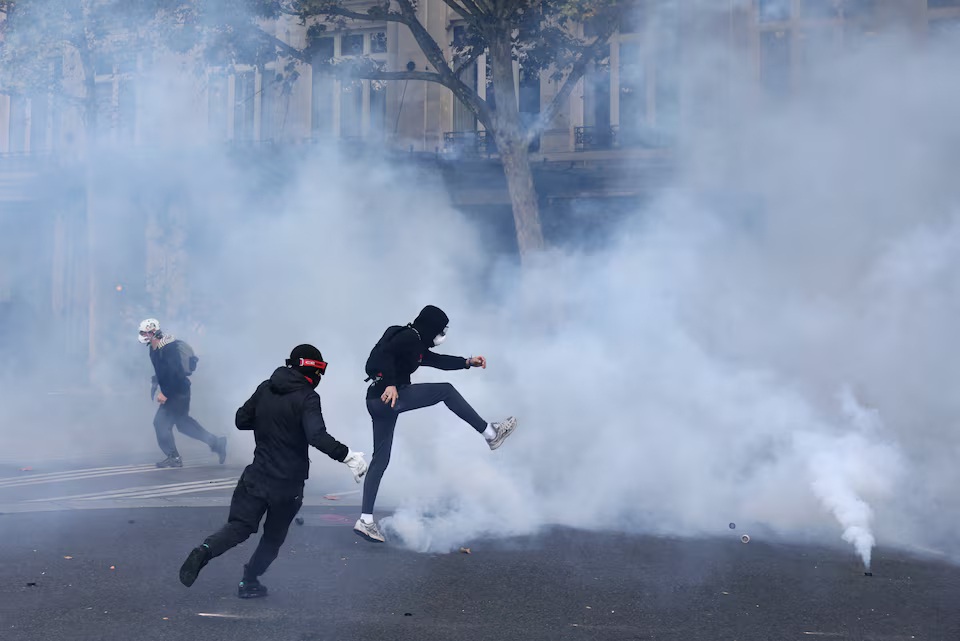
Around 550,000 people took part in protests across France on Saturday. According to local media reports, the demonstrations brought together farmers, climate activists, trade unions and students, who voiced demands concerning fuel prices, the cost of living, education and public services.
A total of 2,397 people were arrested during the protests, which were marred by violence, according to figures released by the French Interior Ministry on Sunday. A total of 997 police officers and gendarmes were injured, seven of them seriously.
Since September, France has witnessed multiple rounds of mass student protests demanding better educational conditions.
Around 550,000 people took part in protests across France on Saturday.
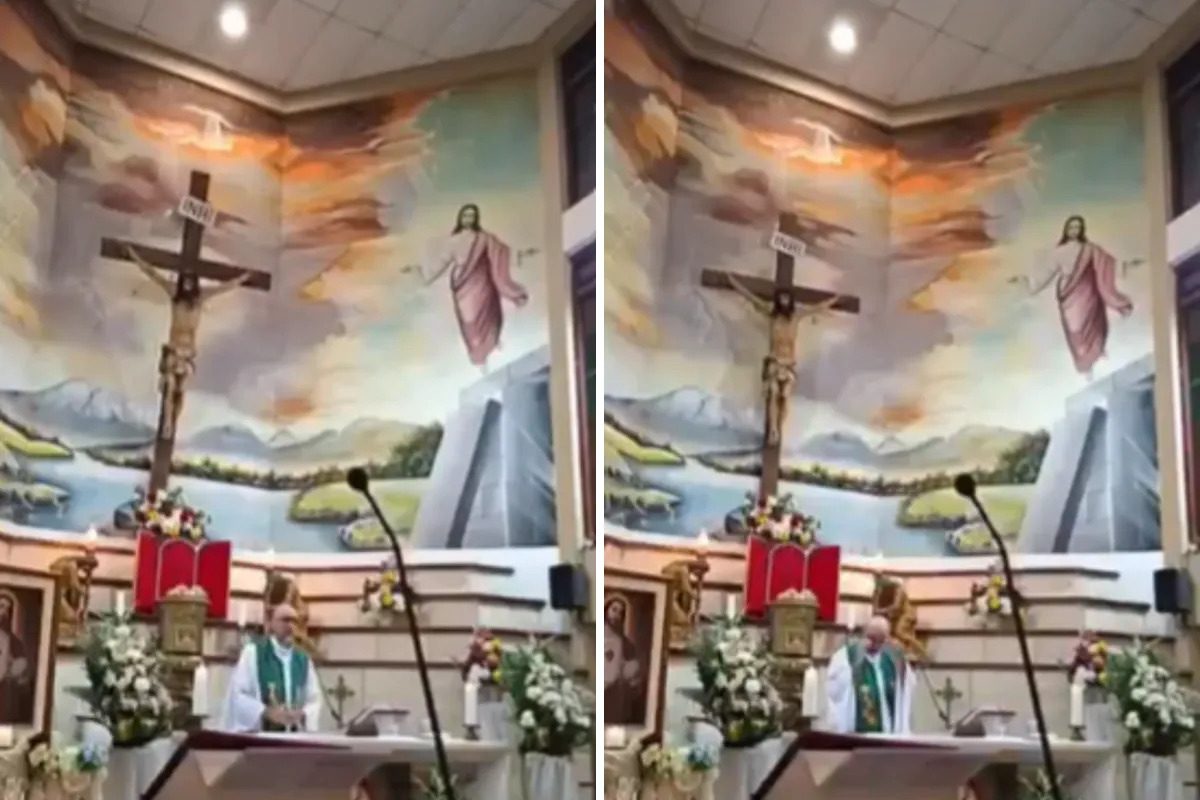
The Archdiocese of Guayaquil identified the priest as Patricio Alfredo Sánchez Molinari, who served as parish priest at Our Lady of Perpetual Help Church in Guayaquil, a coastal city about 265 kilometres southwest of the capital, Quito.
Footage of the service on Saturday night shows the large crucifix mounted behind the altar suddenly detaching from the wall and falling onto Sánchez as he celebrated Mass. The priest appeared unaware of the falling object before it struck him near the altar.
Worshippers could be heard crying for help as the livestream continued, with the incident bringing the service to an abrupt halt.
The Archdiocese confirmed Sánchez’s death on Sunday, expressing condolences to his loved ones and members of the Catholic community.
Sánchez was a member of the Congregation of the Most Holy Redeemer, a Roman Catholic religious order founded in 1732 that operates in about 80 countries.
The cause of the crucifix’s collapse remains unclear. Local authorities have not publicly commented on the incident, while church officials have yet to provide an explanation for how the heavy structure became detached from the wall.
Padiri Patricio Alfredo Sánchez Molinari yagwiriwe n'umusaraba munini wo mu kiliziya ubwo yasomeraga misa muri Kiliziya ya Bikira Mariya Umutabazi, arapfa. pic.twitter.com/fMf1NLxSSp