The Archdiocese of Guayaquil identified the priest as Patricio Alfredo Sánchez Molinari, who served as parish priest at Our Lady of Perpetual Help Church in Guayaquil, a coastal city about 265 kilometres southwest of the capital, Quito.
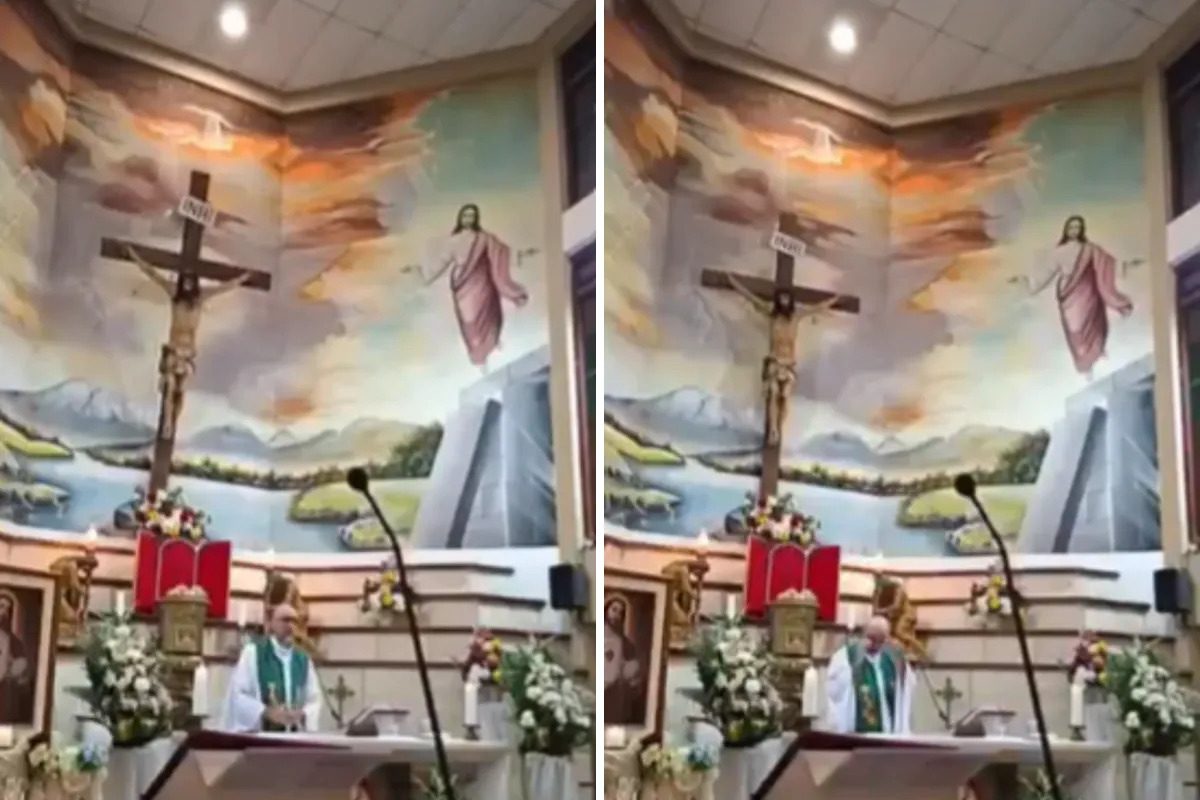
Footage of the service on Saturday night shows the large crucifix mounted behind the altar suddenly detaching from the wall and falling onto Sánchez as he celebrated Mass. The priest appeared unaware of the falling object before it struck him near the altar.
Worshippers could be heard crying for help as the livestream continued, with the incident bringing the service to an abrupt halt.
The Archdiocese confirmed Sánchez’s death on Sunday, expressing condolences to his loved ones and members of the Catholic community.
Sánchez was a member of the Congregation of the Most Holy Redeemer, a Roman Catholic religious order founded in 1732 that operates in about 80 countries.
The cause of the crucifix’s collapse remains unclear. Local authorities have not publicly commented on the incident, while church officials have yet to provide an explanation for how the heavy structure became detached from the wall.
Padiri Patricio Alfredo Sánchez Molinari yagwiriwe n'umusaraba munini wo mu kiliziya ubwo yasomeraga misa muri Kiliziya ya Bikira Mariya Umutabazi, arapfa. pic.twitter.com/fMf1NLxSSp
Araghchi made the remarks in an interview with Iran’s official news agency IRNA on the sidelines of the 52nd Session of the Council of Foreign Ministers of the Organization of Islamic Cooperation in the Iraqi capital Baghdad.
He said Iran’s conditions for ceasing hostilities and reopening the strait were “completely clear” and had been submitted to the United States under the seven-day plan.
Washington has presented its views on the plan, which Tehran is reviewing, he added.
“Iran’s plan is still on the table,” Araghchi said. “If they (the United States) meet those conditions, the Strait of Hormuz will be reopened on the sixth day, and negotiations will resume on the seventh.”
He said that Iran’s conditions were neither extraordinary nor unusual, adding that they were the same commitments “the United States had already committed itself in the peace memorandum of understanding (MoU) and other negotiations.”
Araghchi emphasized that Iran will not bow to threats and is prepared to defend itself, while remaining ready to pursue diplomacy.
On February 28, Israel and the United States launched joint attacks on Tehran and other Iranian cities. Iran responded with waves of missile and drone attacks targeting Israel and U.S. bases and assets in the region, and tightened its grip on the Strait of Hormuz.
A ceasefire was achieved between the warring parties on April 8. On June 18, Iran and the United States signed a MoU on ending the war in the region on all fronts.
Under the MoU, the two countries were scheduled to hold negotiations within 60 days, ending on Aug. 17, to reach a final agreement on Iran’s nuclear program and the removal of sanctions. However, they failed to make sufficient progress toward a deal.
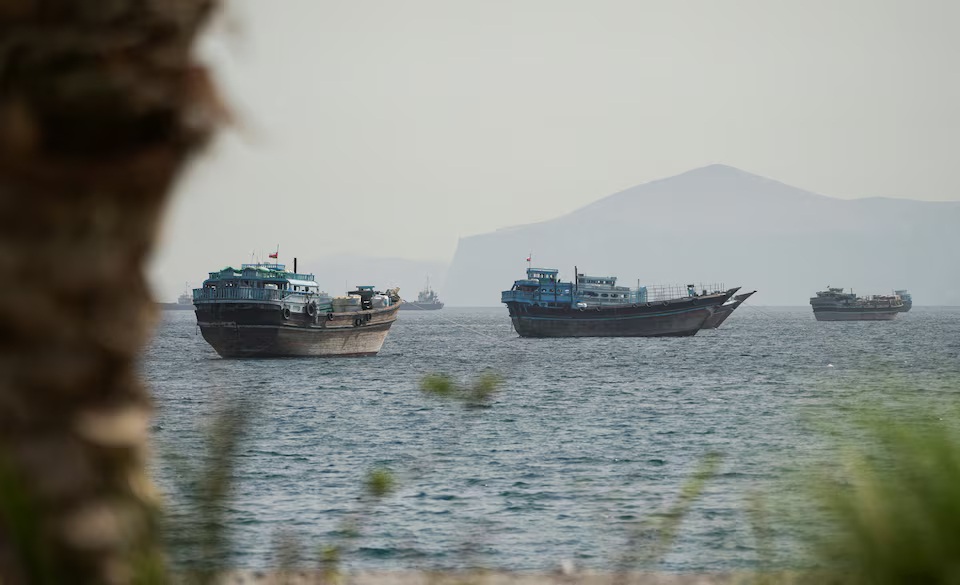
Vessels sail through the Strait of Hormuz, Musandam, Oman, May 22, 2026.
The continental franchise brings together housemates from across French-speaking African countries in a high-stakes game of secrecy, strategy, and social dynamics.
Kabagire, widely known for hosting the fashion show InStyle on Rwanda Broadcasting Agency (RBA), is among the housemates competing for a grand prize of more than CFA francs 20 million (approximately Rwf50 million).
Now in its third season, the show features around 20 contestants representing 16 Francophone African nations. Previous winners include Ivorian model Awa Sanoko, who took home the crown in the inaugural 2024 season, and Niger’s Moctar, who won the second edition in 2025.
Filmed at a specialized studio complex in Johannesburg, South Africa, Secret Story Afrique places contestants in a fully monitored house where they are completely isolated from the outside world, without access to mobile phones or television.
Each contestant enters the house guarding a personal secret. To stay in the game and build the prize pot, participants must protect their own secrets while attempting to uncover those held by fellow housemates through observation, social maneuvering, and strategic guessing.
Produced by Banijay Entertainment S.A., the three-month season airs on CANAL+ Pop from Monday to Friday at 8:15 p.m., with a weekly recap episode broadcasting on CANAL+ Magic on Saturdays at 10:30 p.m.
Secret Story Afrique is the continental adaptation of the hit French reality television format, which debuted on TF1 in 2007 and has run across European networks including RTL Plug for nearly two decades.
Kabagire follows in the footsteps of fellow Rwandan France Mpundu, who represented the country in the second season, finishing fourth overall. Mpundu’s run made headlines beyond the game after she accepted a marriage proposal from eventual season winner Moctar during the show’s finale period.
Kabagire, widely known for hosting the fashion show InStyle on Rwanda Broadcasting Agency (RBA), is among the housemates competing for a grand prize of more than CFA francs 20 million (approximately Rwf50 million).
Two men in their 20s were reported infected in the Wapinda health zone, one of whom has died. The report did not specify the source of infection.
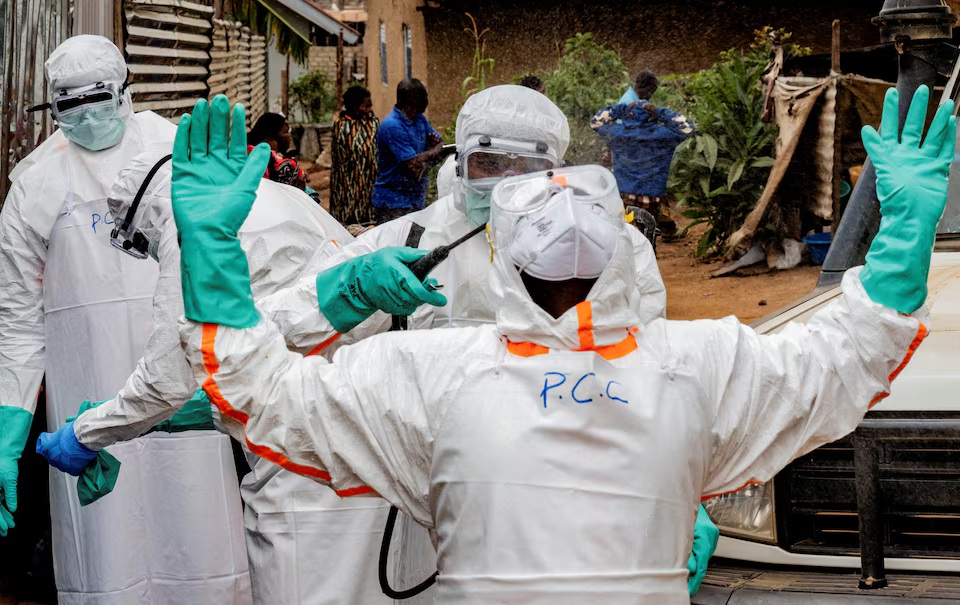
As of Friday, the country had recorded 9,415 confirmed cases, including 4,536 deaths, since the outbreak began in May, representing a case fatality rate of 48.2 percent.
The eastern province of Ituri remains the epicenter, accounting for more than 73 percent of all confirmed cases nationwide, followed by neighboring North Kivu Province. The outbreak has now affected 66 health zones across eight provinces.
Other affected provinces are Haut-Uele, Tshopo, South Kivu, Bas-Uele, and South Ubangi.
The Ebola outbreak declared in May has become the largest and deadliest ever recorded in the DRC and the second-largest Ebola outbreak globally, after the 2014-2016 West Africa epidemic.
As of Friday, the country had recorded 9,415 confirmed cases, including 4,536 deaths, since the outbreak began in May, representing a case fatality rate of 48.2 percent.
The Energy Development Corporation Limited (EDCL), a subsidiary of Rwanda Energy Group (REG), has invited qualified independent power producers (IPPs) to apply for pre-qualification to develop, install, operate and maintain the facility.
The proposed plant forms part of Rwanda’s efforts to expand access to affordable, clean energy and strengthen electricity supply to support economic growth, industrial development and other productive uses.
According to a pre-qualification notice seen by IGIHE dated October 12, 2026, the project is intended to increase electricity generation from renewable sources, support productive activities such as irrigation and industrial operations, and improve the stability of Rwanda’s national electricity grid.
The selected investor will be responsible for the project’s design, supply, installation, testing and commissioning, as well as its operation and maintenance.
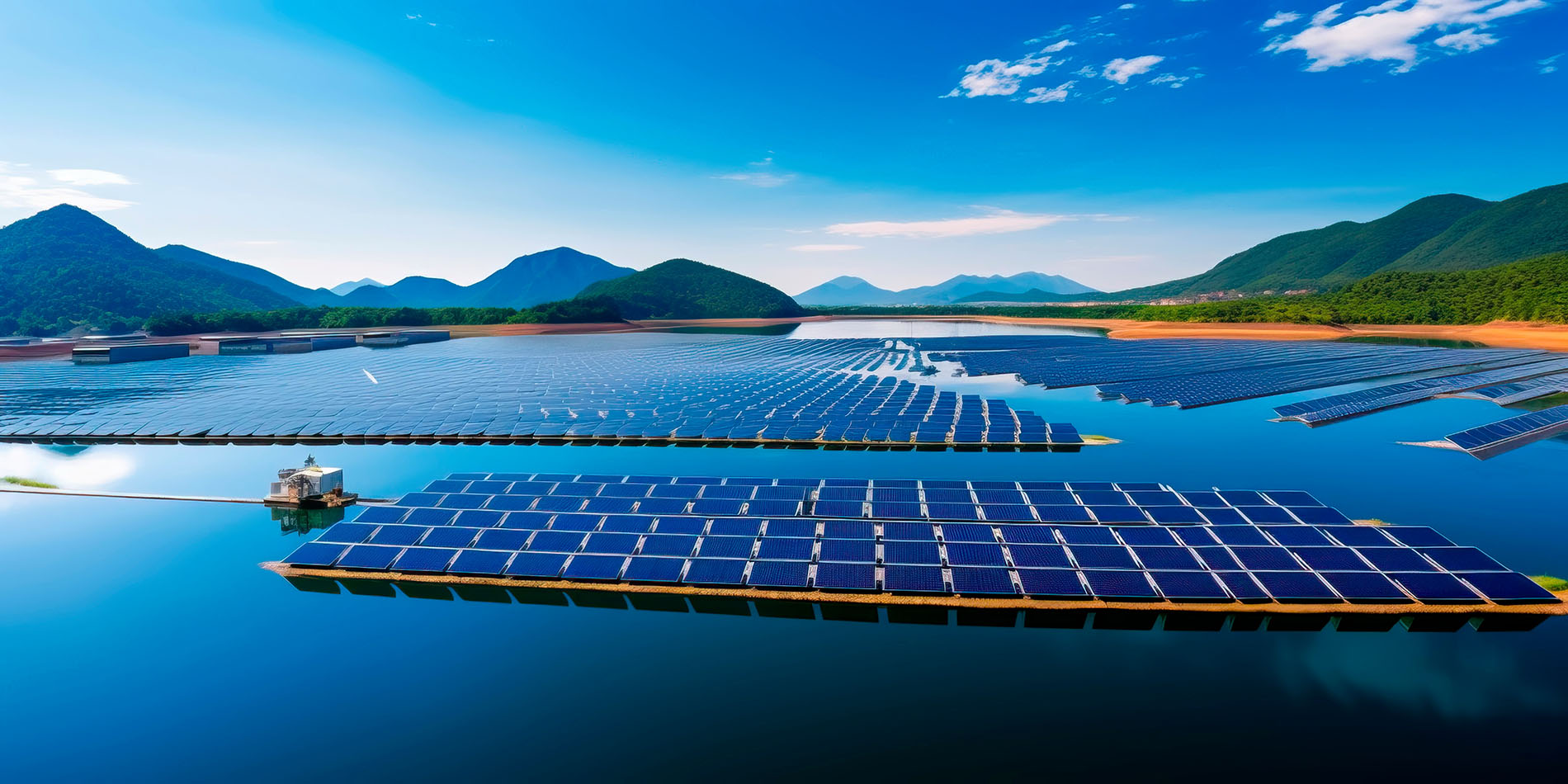
The planned infrastructure includes a floating solar photovoltaic system, battery storage facilities, a substation and a high-voltage transmission line connecting the plant to the national grid through a nearby substation on the 220-kilovolt transmission network.
The battery storage system will have a capacity of 800 megawatt-hours, equivalent to four hours of storage at the plant’s 200MW output.
It is expected to help shift solar-generated electricity to periods of higher demand, particularly during evening peak hours, while providing frequency and voltage support, reducing solar power curtailment and supporting grid recovery following certain outages.
Financial and technical requirements
EDCL is targeting experienced renewable energy developers with the technical expertise and financial capacity to deliver the project.
Applicants must demonstrate at least 10 years of experience in the design, supply, construction and management of renewable energy power plants.
They must also provide evidence of completed solar photovoltaic projects within the past decade. Experience in battery energy storage will be considered in the pre-qualification assessment, with higher scores awarded to applicants that have delivered larger solar and storage projects.
The notice sets a minimum average annual turnover of $300 million (about Rwf443 billion) for the 2023-2025 financial years. Applicants must also demonstrate access to at least $60 million in financial resources and a credit line of the same amount.
Companies may apply individually or form a joint venture, consortium or association with one other company, subject to the conditions set out in the pre-qualification documents.
The selection process will follow Rwanda’s Public Private Partnership guidelines dated July 16, 2018.
The notice provides for an 18-month implementation period covering the design, supply, installation, testing and commissioning of the facility.
The project will operate under an independent power producer arrangement, with a long-term power purchase agreement involving Rwanda Energy Group’s subsidiary, the Energy Utility Corporation Limited (EUCL), as the electricity off-taker.
The plant’s operation and maintenance arrangements will fall under a 25-year power purchase agreement, according to the notice.
EDCL has scheduled a site visit for prospective applicants on October 23, 2026. The visit is intended to help potential investors assess the site and understand the project’s requirements.
Applications must be submitted electronically to EDCL by November 12, 2026, at 5 p.m. Kigali time.
Theoneste Higaniro, Director of Generation and Transmission at EDCL, told The New Times that Lake Sake was selected partly because of the Eastern Province’s year-round sunshine.
He added that the government was also considering installing floating solar panels at the planned Nyabarongo II hydropower dam, where a similar project could generate up to 200MW.
Rwanda is implementing a 10-year strategic plan covering 2024–2034 that requires an estimated $3.25 billion in investment to expand electricity generation, improve access and strengthen the country’s energy infrastructure.
REG aims to increase installed electricity generation capacity to 1,066 megawatts by 2034. In December 2025, the utility reported that capacity had reached 467.142MW, up from 238.36MW in the 2020/2021 financial year.
Solar power accounts for about 2.6% of Rwanda’s installed electricity generation capacity, with 12.08MW of grid-connected solar capacity out of a national total of 467.14MW reported by the Rwanda Energy Group (REG) in December 2025.
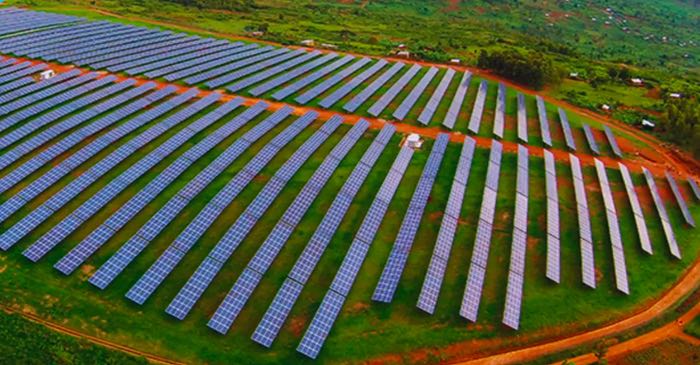
An illustrative image of a high-capacity floating photovoltaic (FPV) solar farm deployed across a lake reservoir, paired with an onshore Battery Energy Storage System (BESS) and high-voltage grid infrastructure to demonstrate the future of integrated renewable energy.The 8.5MW solar power plant at Agahozo-Shalom Youth Village in Rwamagana, Eastern Province. Solar power accounts for about 2.6% of Rwanda’s installed electricity generation capacity.
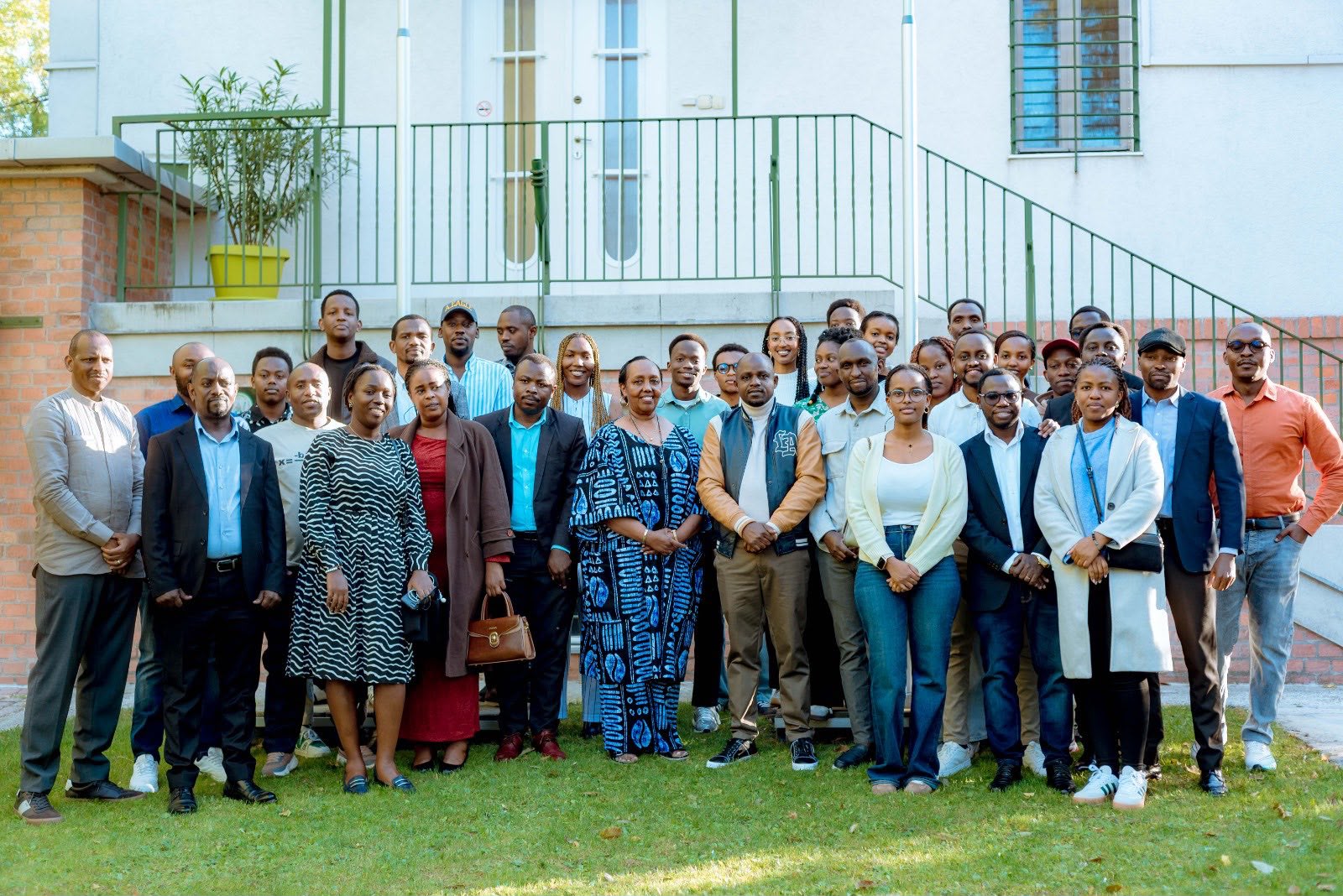
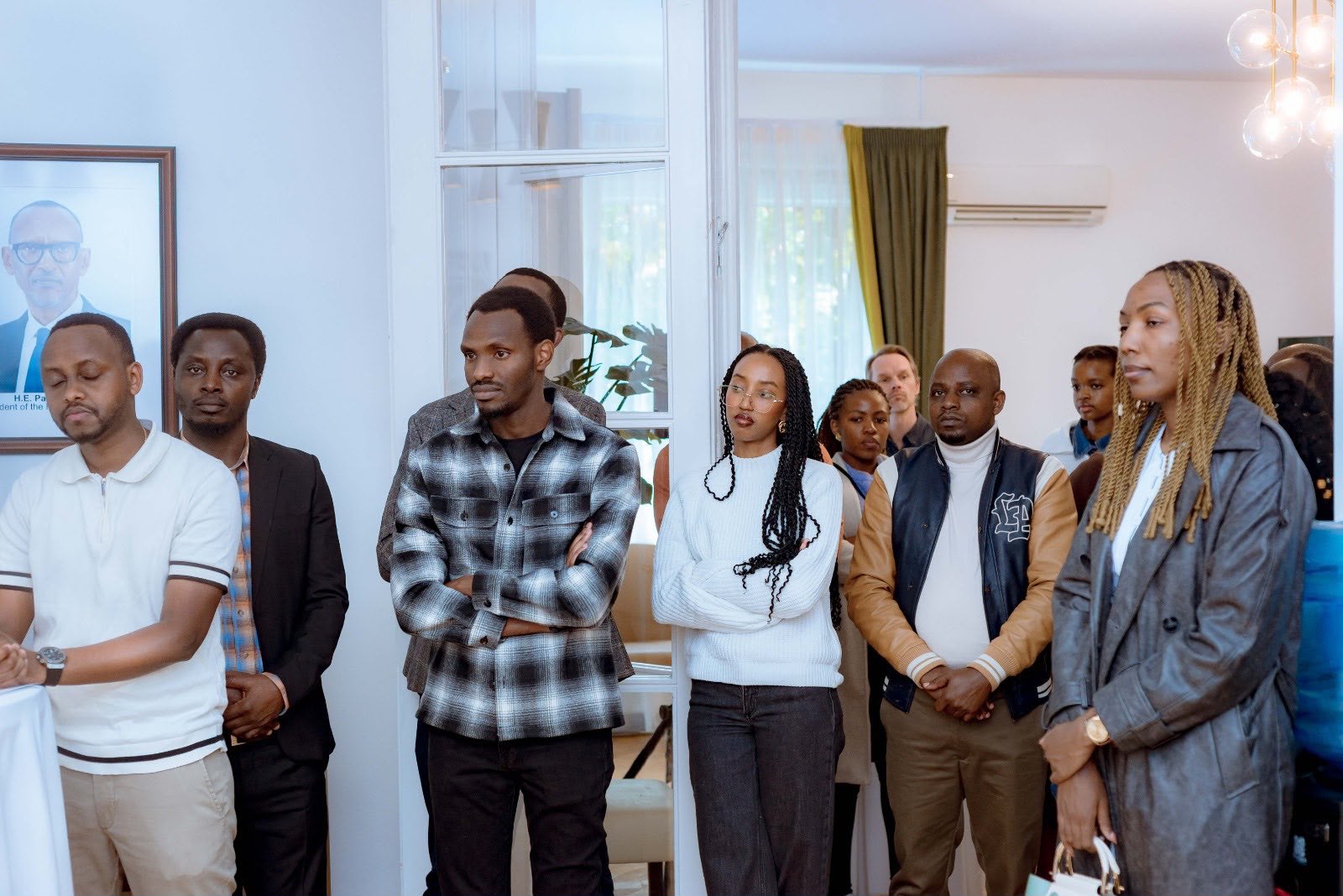
The gathering, organised by the embassy, brought together members of the Rwandan community to welcome students enrolled at various Hungarian universities and strengthen ties among Rwandans living in the country.
Hungary allocates 20 scholarship slots to Rwanda under the Stipendium Hungaricum Scholarship Programme, giving Rwandan students an opportunity to pursue higher education and acquire knowledge and skills that can contribute to their country’s development.
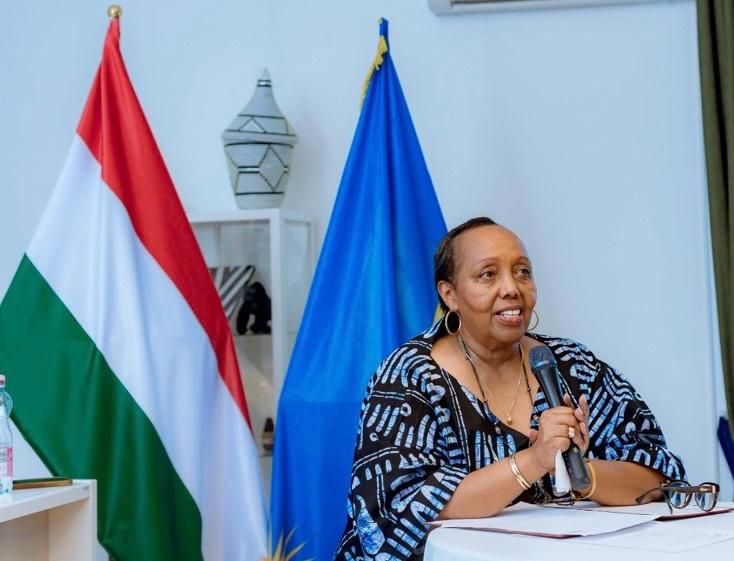
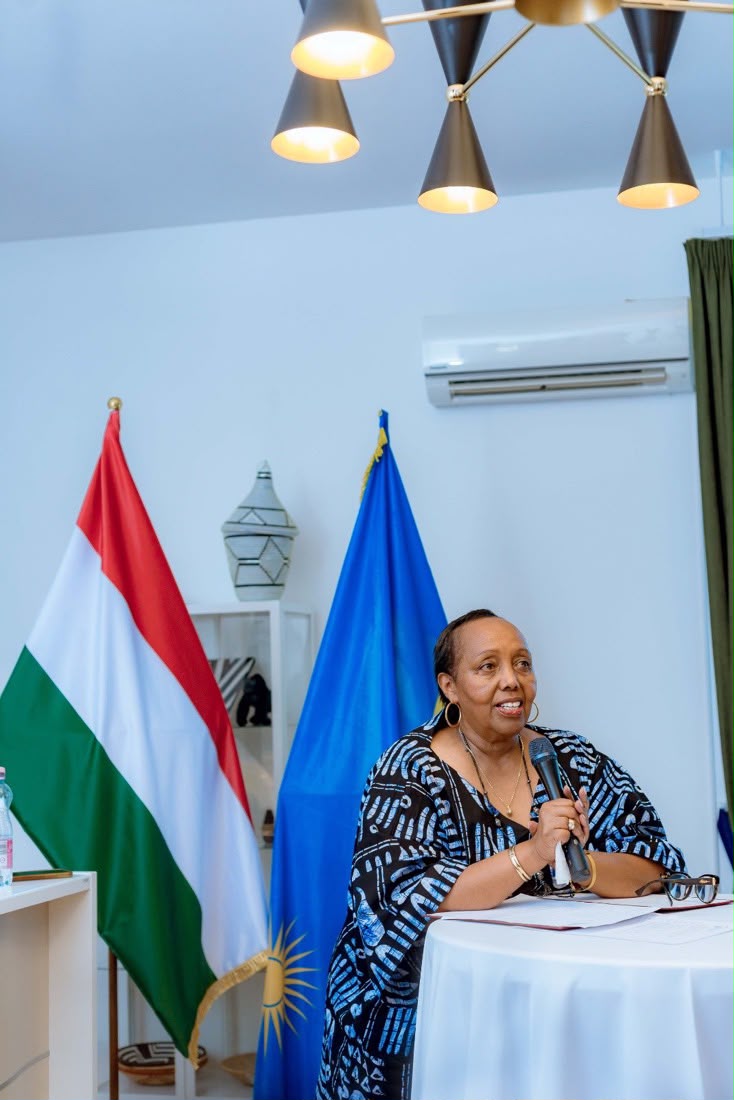
Addressing the gathering, Rwanda’s Ambassador to Hungary, Marguerite Nyagahura, encouraged the students to remain focused on their studies, work hard and make the most of the academic opportunities available to them.
She also urged them to be good ambassadors for Rwanda at their respective universities by demonstrating discipline, responsibility and exemplary conduct while representing their country abroad.
Nyagahura emphasised the importance of applying the knowledge and skills gained during their studies to Rwanda’s development.
The gathering also provided an opportunity to strengthen solidarity among Rwandans in Hungary and highlight the potential contribution of young people educated abroad to their country’s future.
Through such initiatives, the Rwandan community helps new arrivals adapt to their surroundings while encouraging students to pursue academic excellence and remain committed to Rwanda’s development.
The gathering, organised by RwandaInHungary, brought together members of the Rwandan community to welcome students enrolled at various Hungarian universities and strengthen ties among Rwandans living in the country.Addressing the gathering, Rwanda’s Ambassador to Hungary, Marguerite Nyagahura, encouraged the students to remain focused on their studies, work hard and make the most of the academic opportunities available to them.Hungary allocates 20 scholarship slots to Rwanda under the Stipendium Hungaricum Scholarship Programme.The scholarships allow Rwandan students to pursue higher education and acquire knowledge and skills that can contribute to their country’s development.
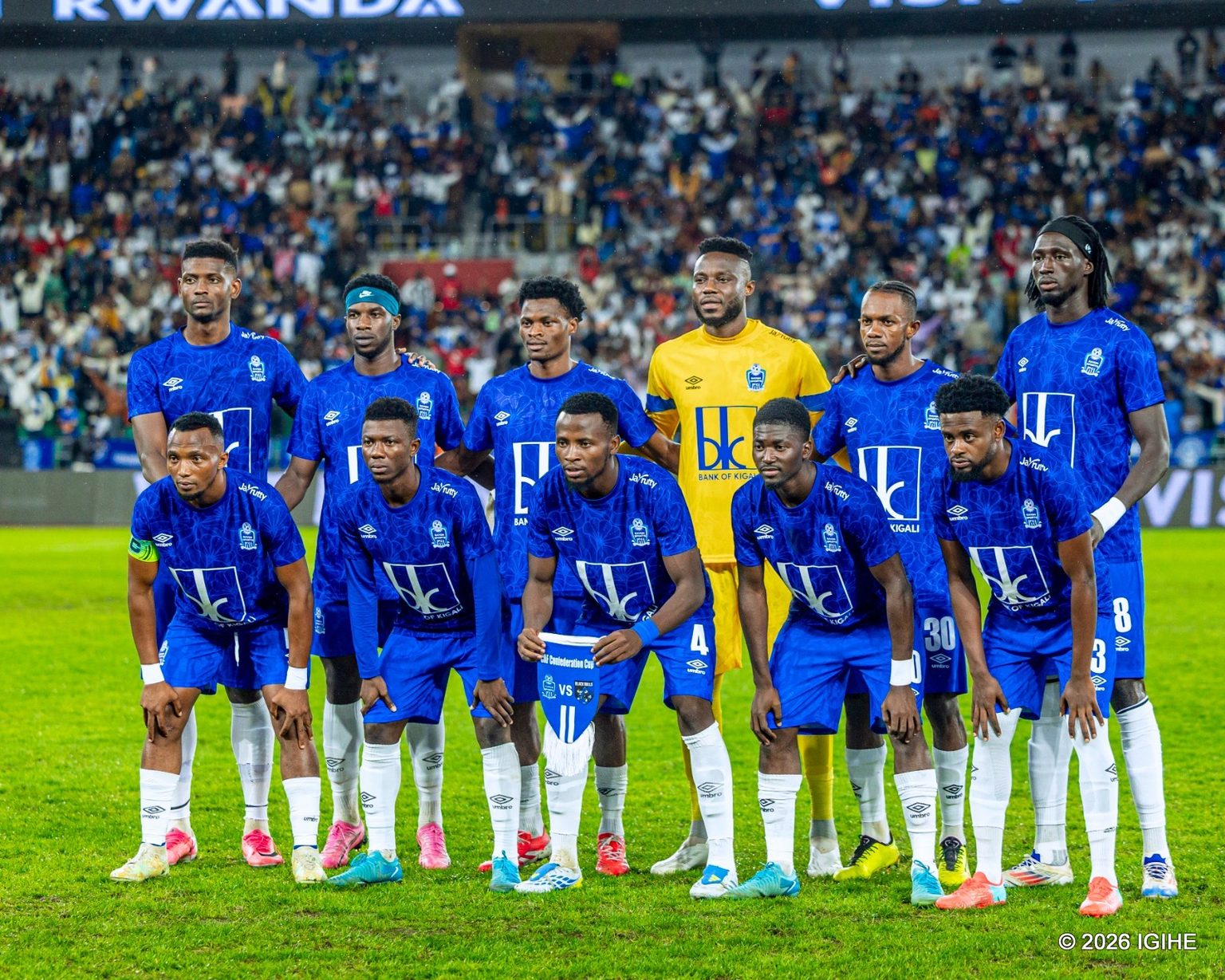
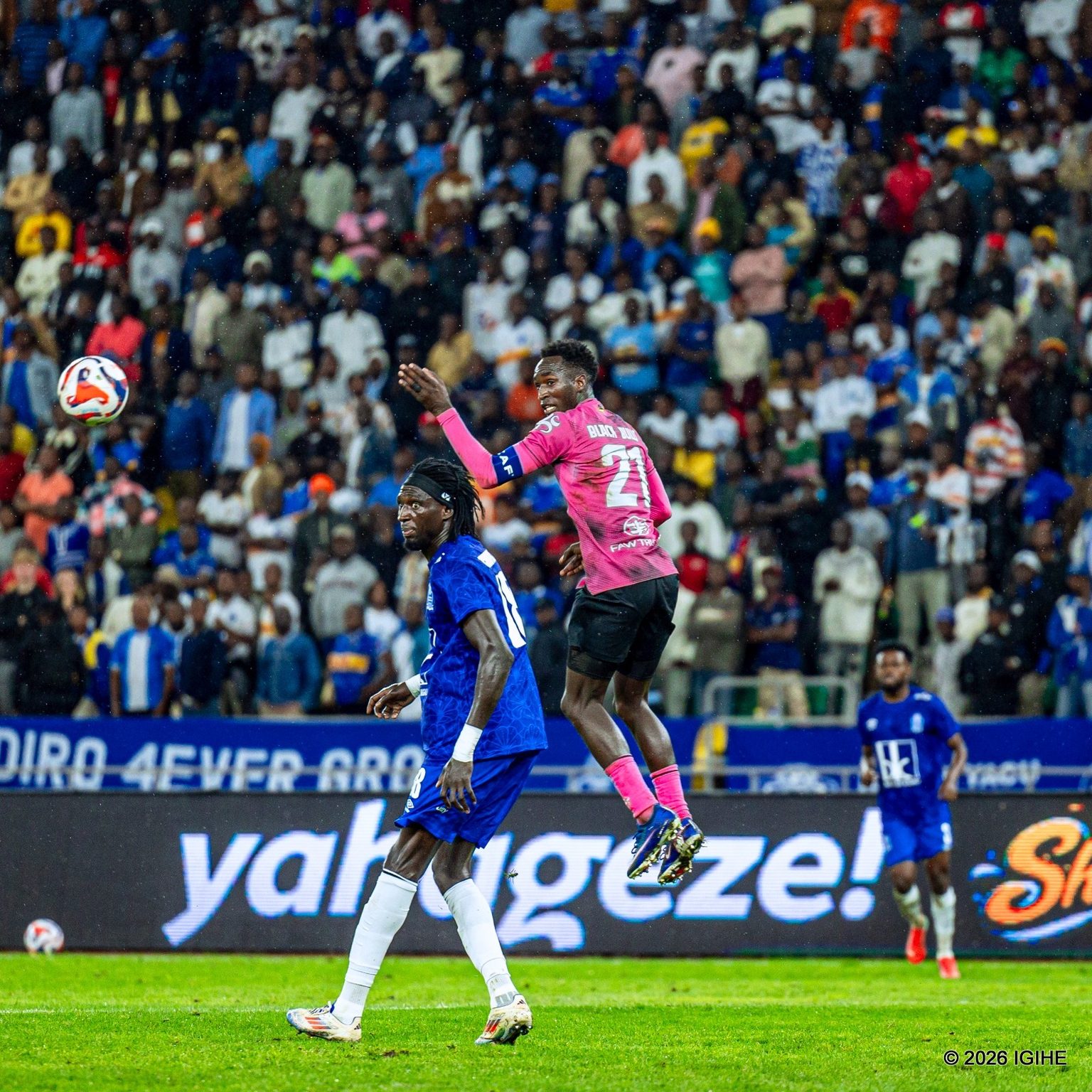
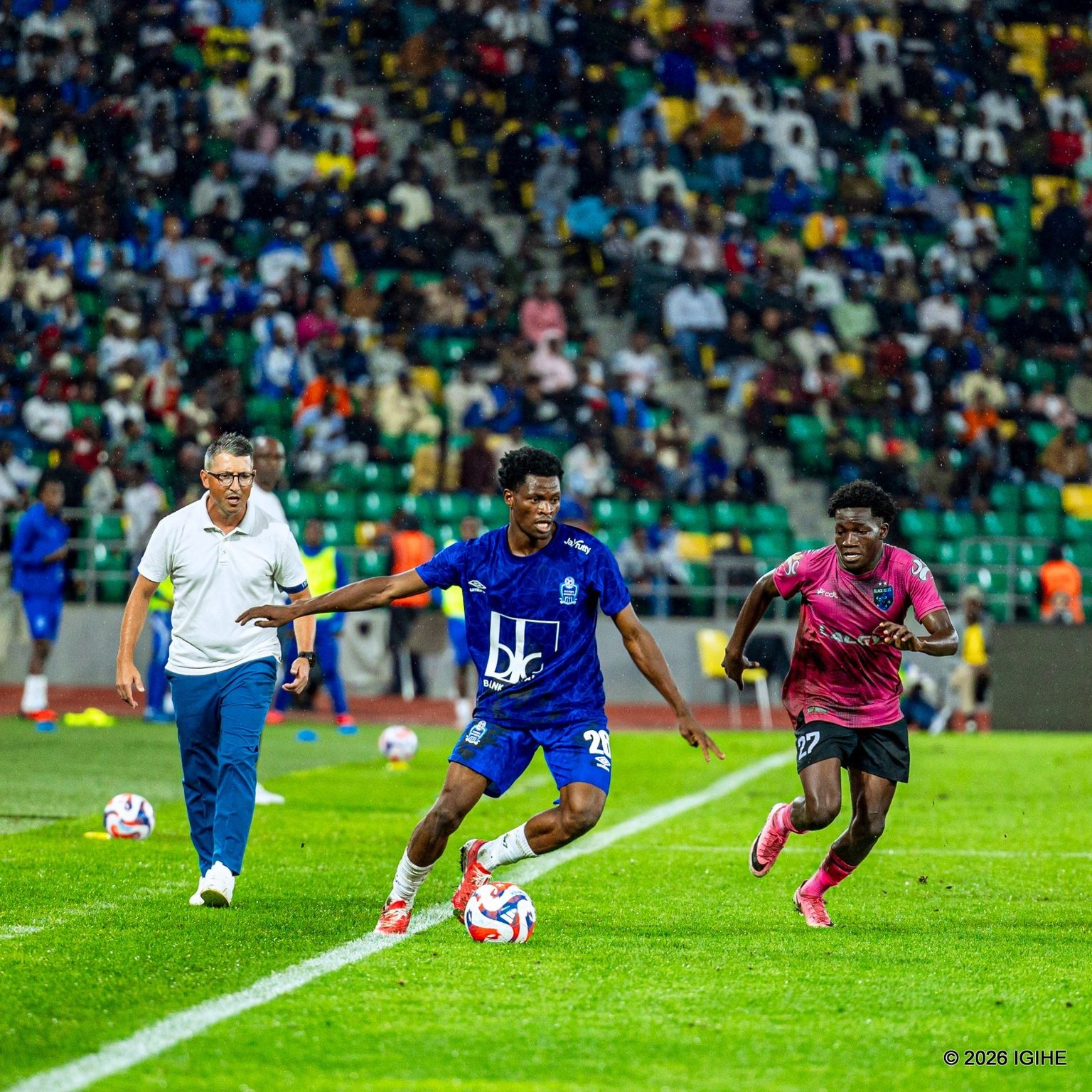
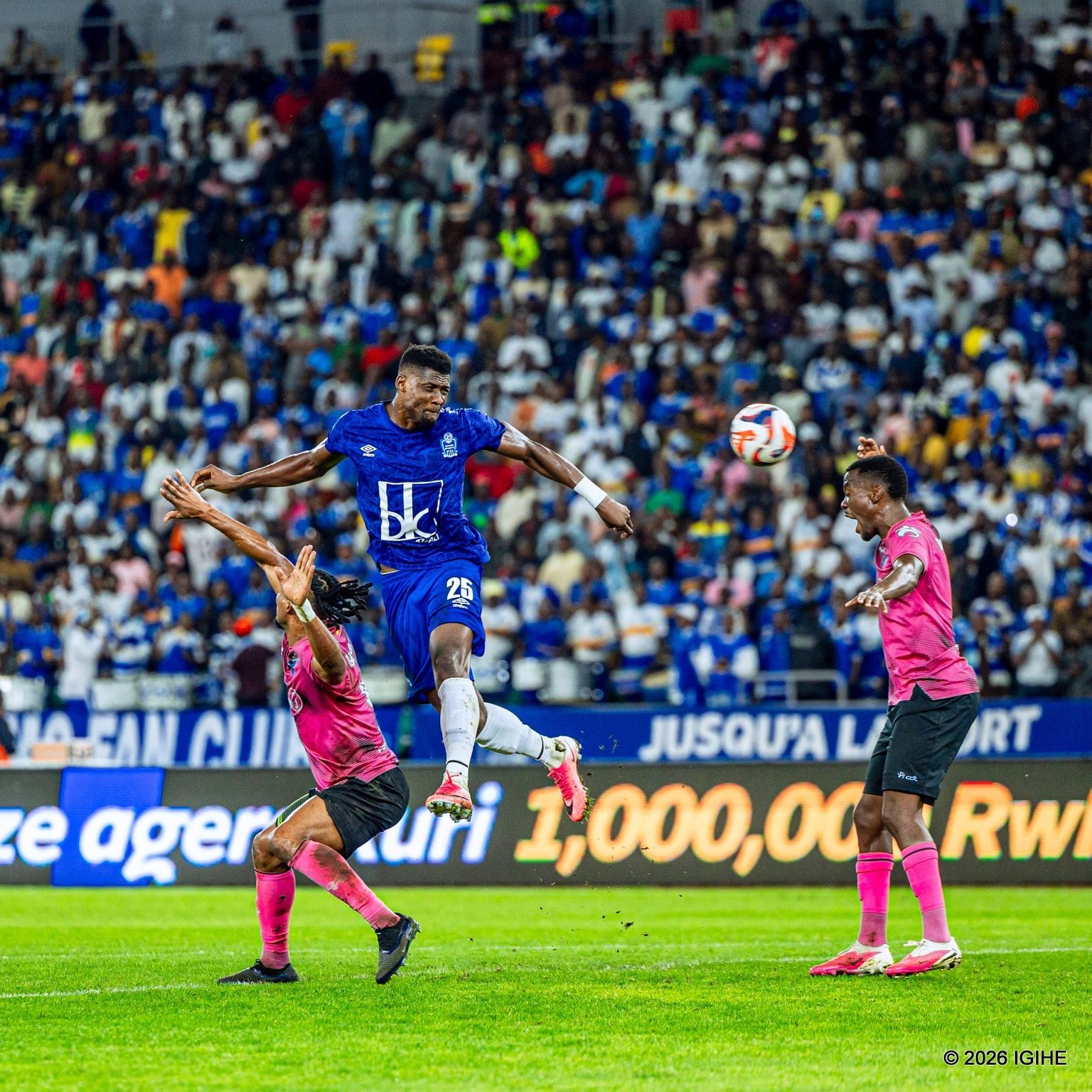
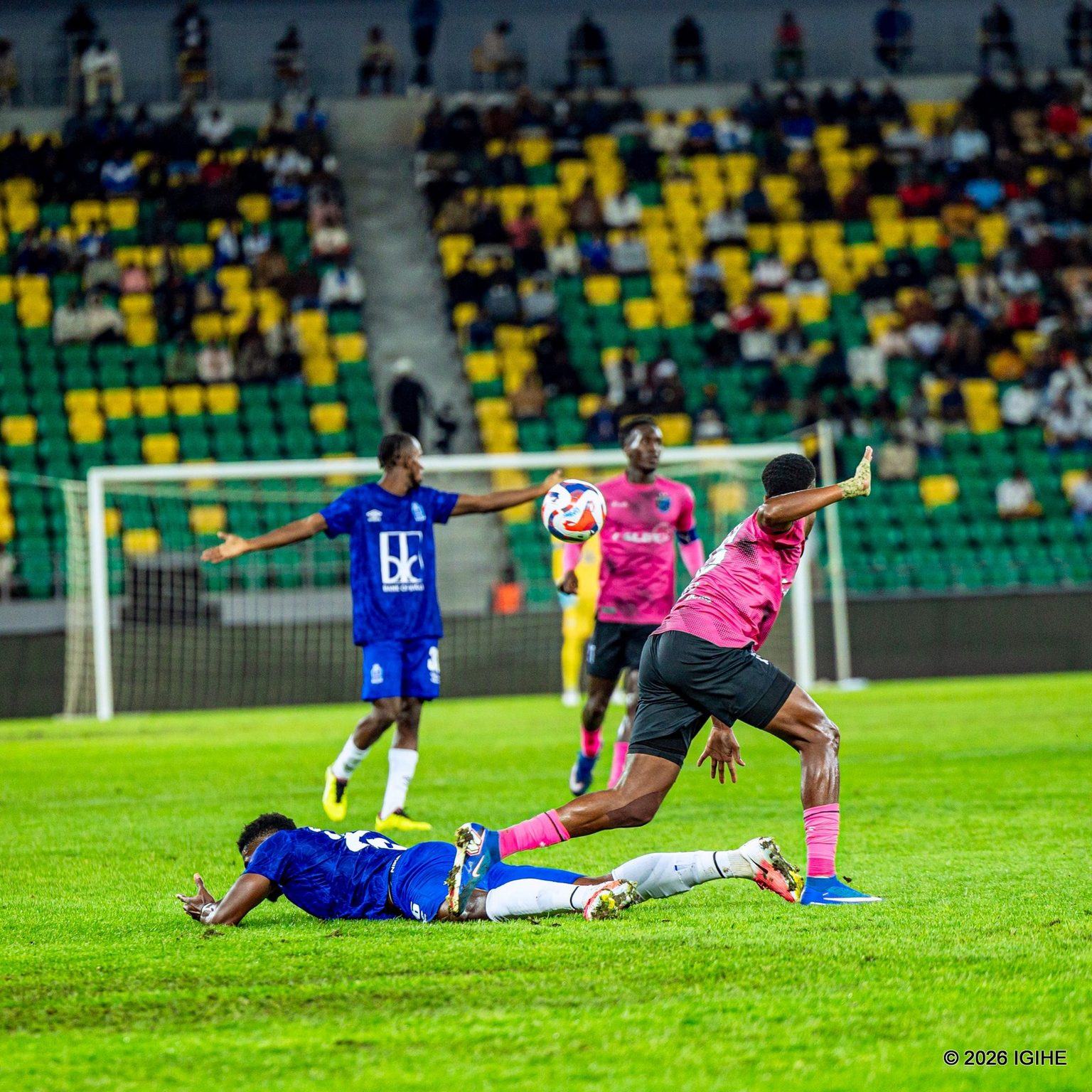
The Rwandan side suffered the defeat at Amahoro Stadium on Saturday, October 17, 2026, leaving them with a difficult task ahead of the return leg in Mozambique on October 24.
After the match, the Cameroonian striker shared footage on social media of an incident in which Rayon Sports appeared to have a potential goal-scoring opportunity ruled out for offside.
The incident occurred in the 44th minute when Issa Djiguiba received a pass from Atisso Kossivi Kodjo and moved towards the Black Bulls goal. However, the assistant referee raised the flag for offside.
Reacting to the decision, Kameni sarcastically thanked the match officials in an Instagram post, writing: “Dear referees, thank you. Mission accomplished ”
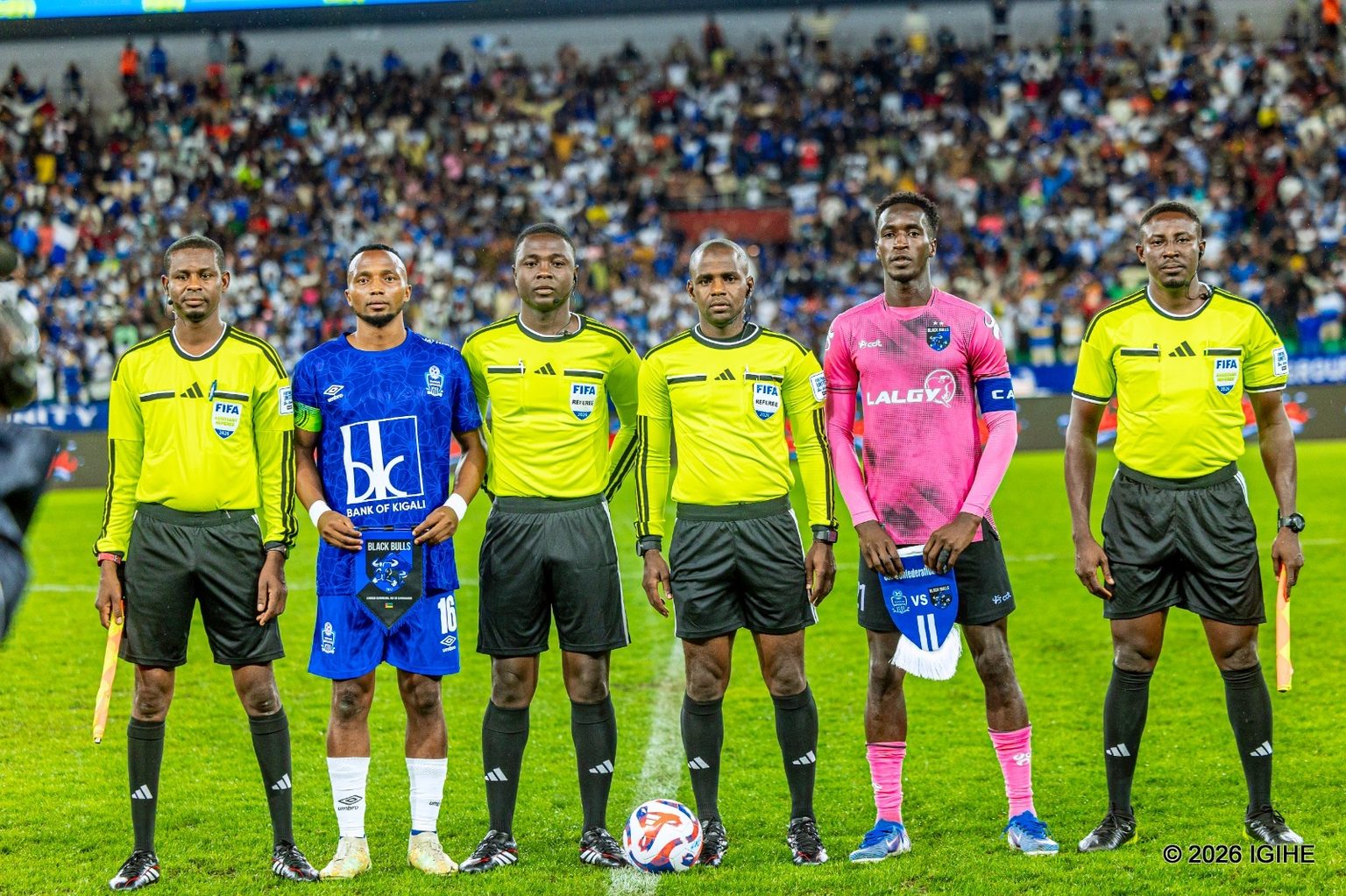
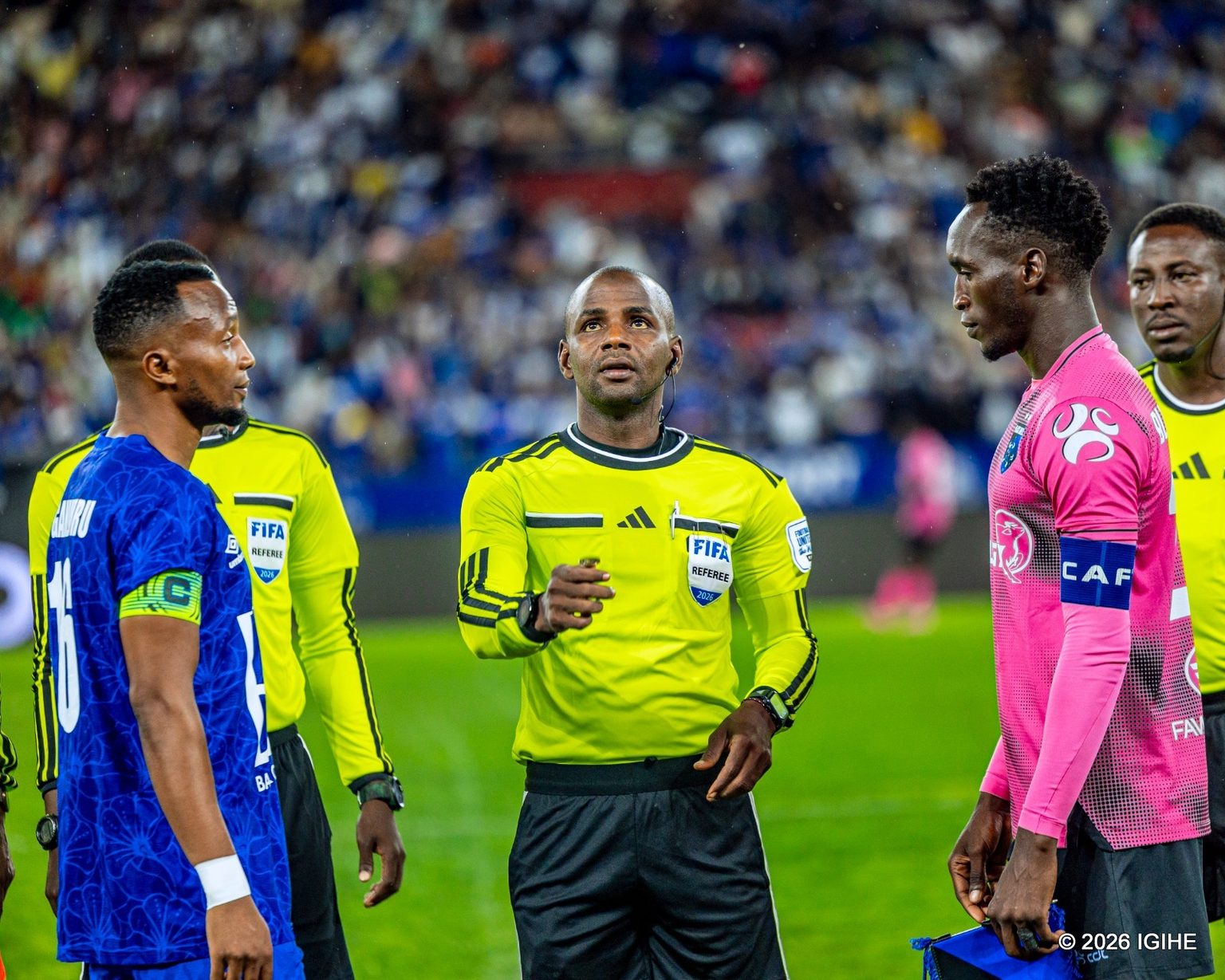
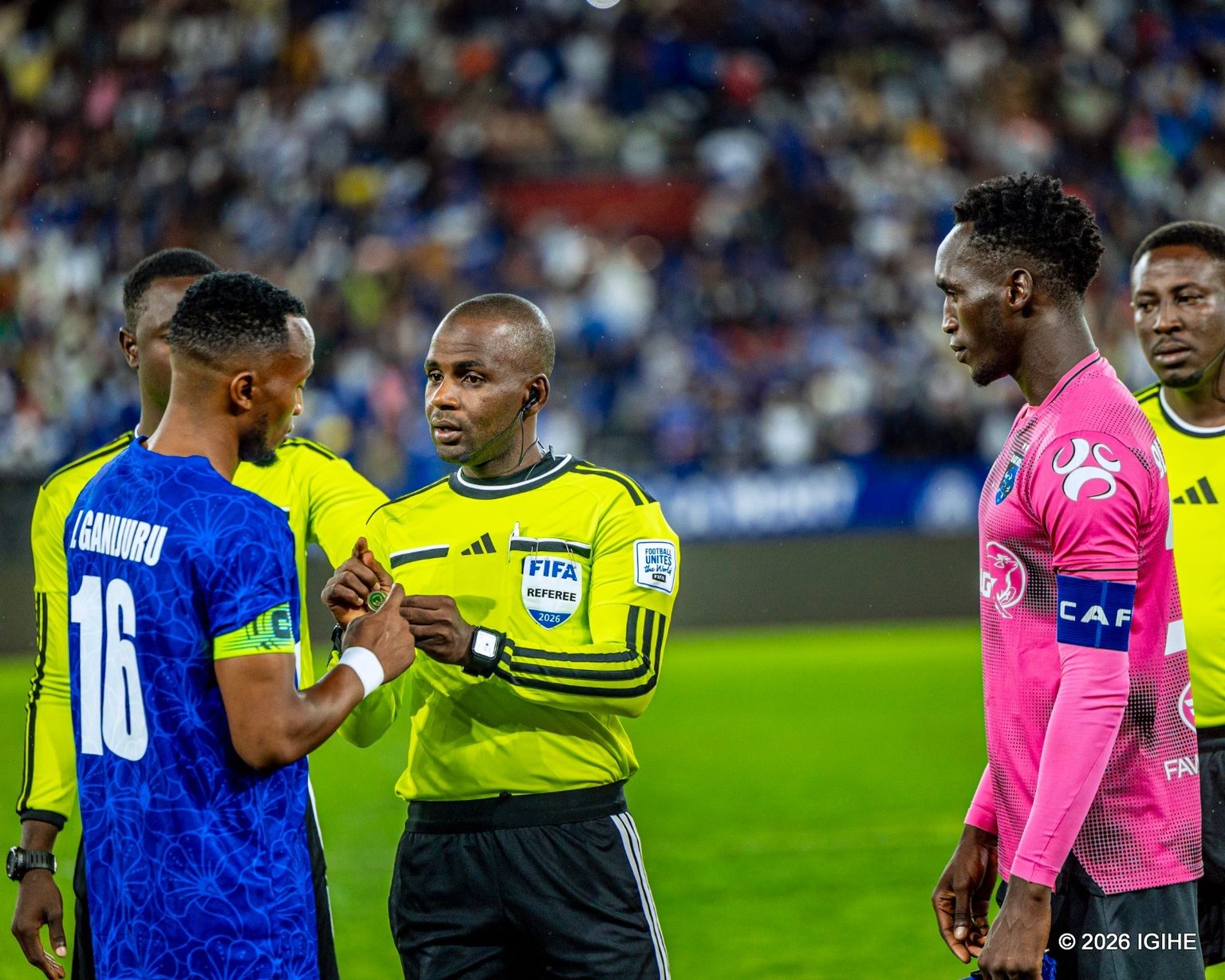
The match was officiated by a Nigerian team led by Salisu Basheer as the centre referee, assisted by Tejiri Digbori and Ahmad Tijjani Mustapha.
Fourth official Abubakar Abdullahi took over as centre referee in the 58th minute after Basheer sustained an injury that left him unable to continue running. Basheer subsequently assumed the role of fourth official.
Rayon Sports must now overturn the two-goal deficit in the return leg in Mozambique to keep their CAF Confederation Cup campaign alive.
The match was officiated by a team of Nigerian referees. Kameni Junior was unhappy with the refereeing during Rayon Sports’ match against Black Bulls.Salisu Basheer ni we wasifuye umukino
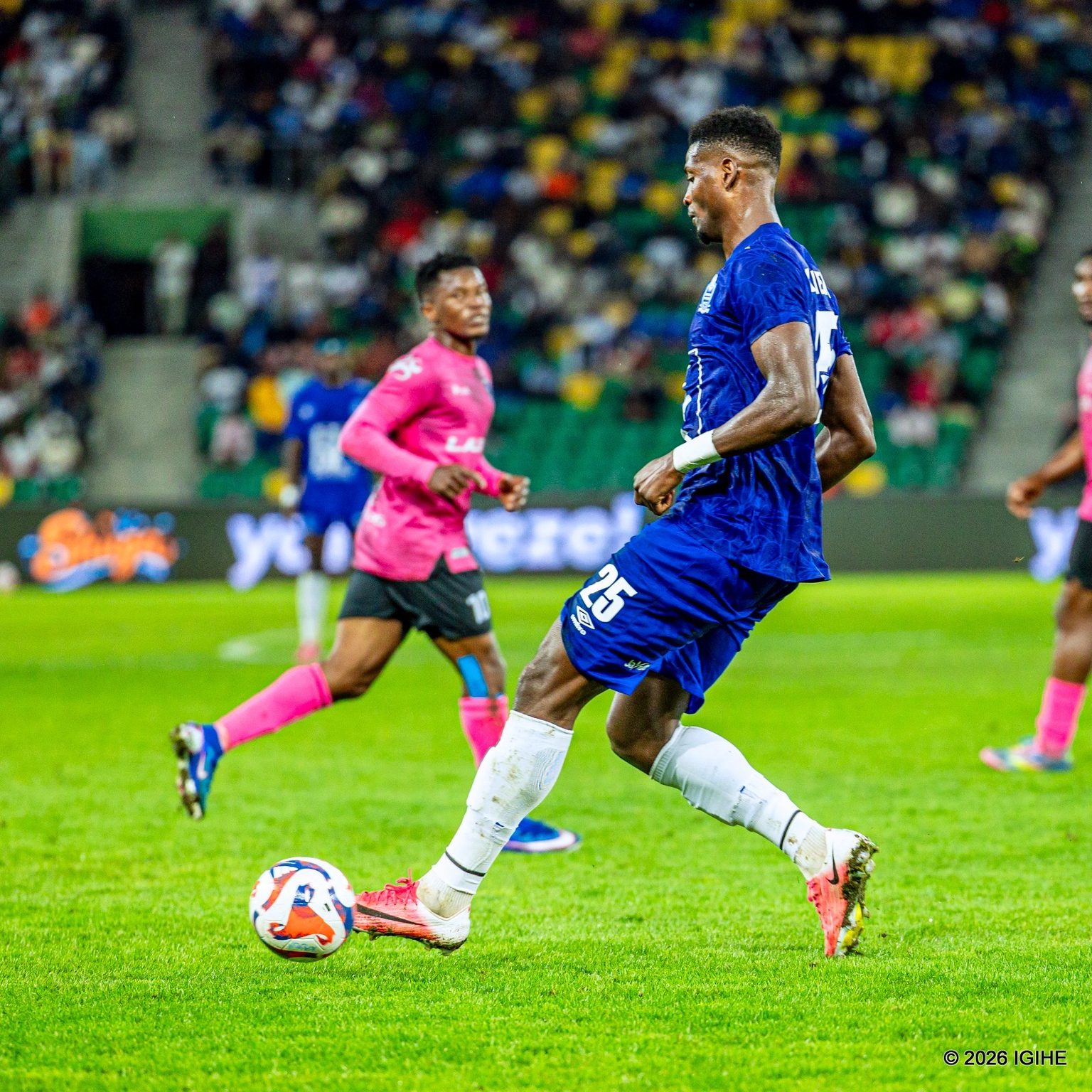
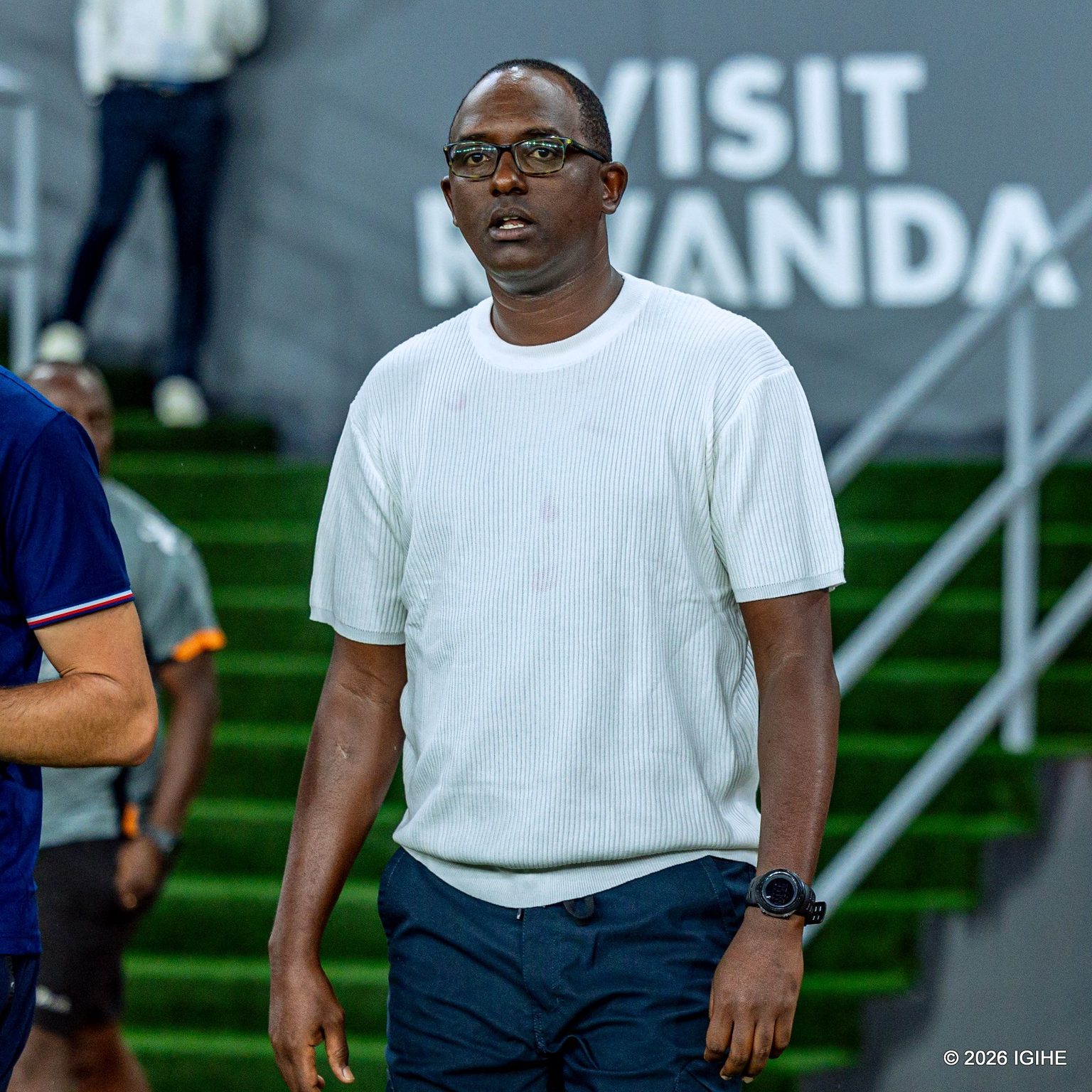
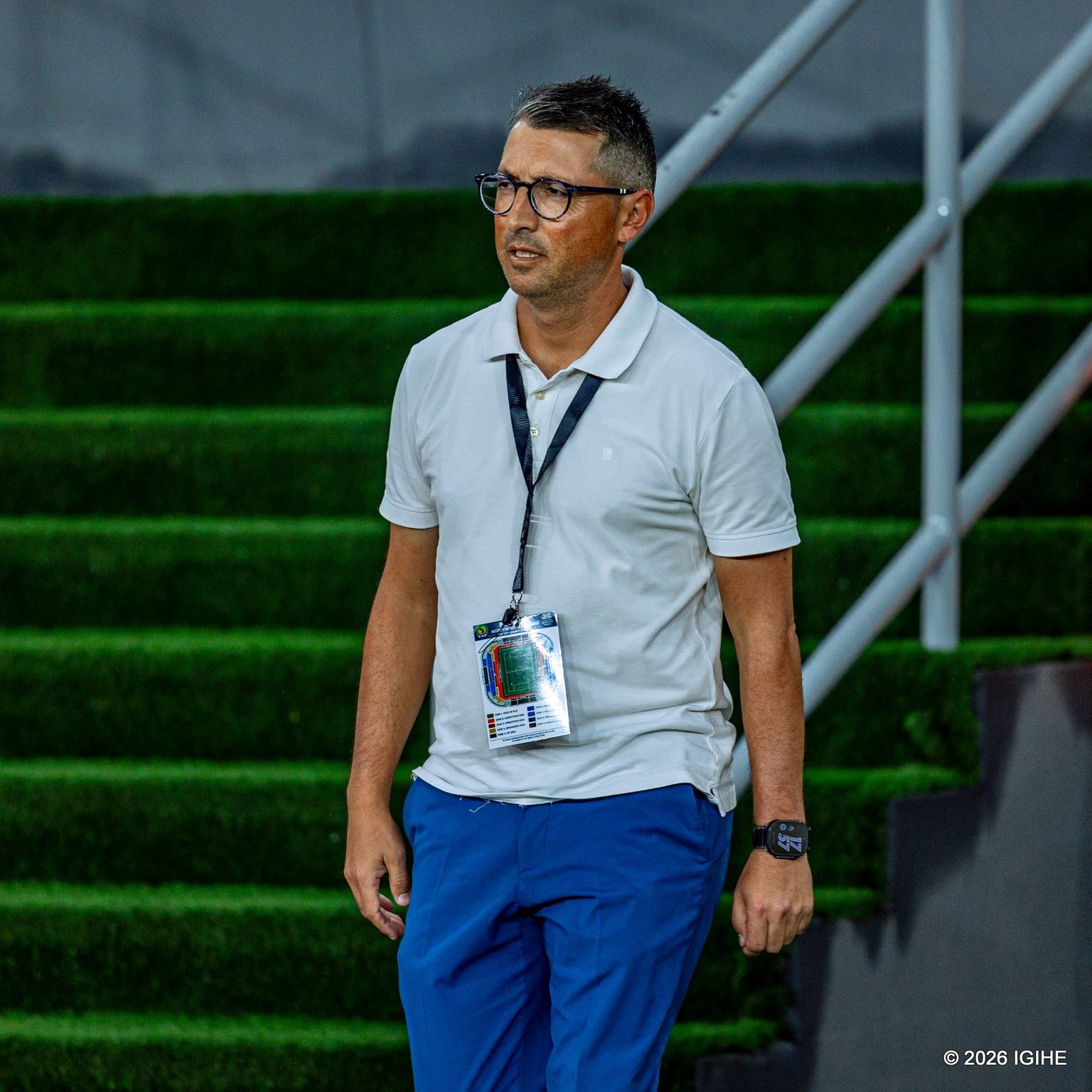
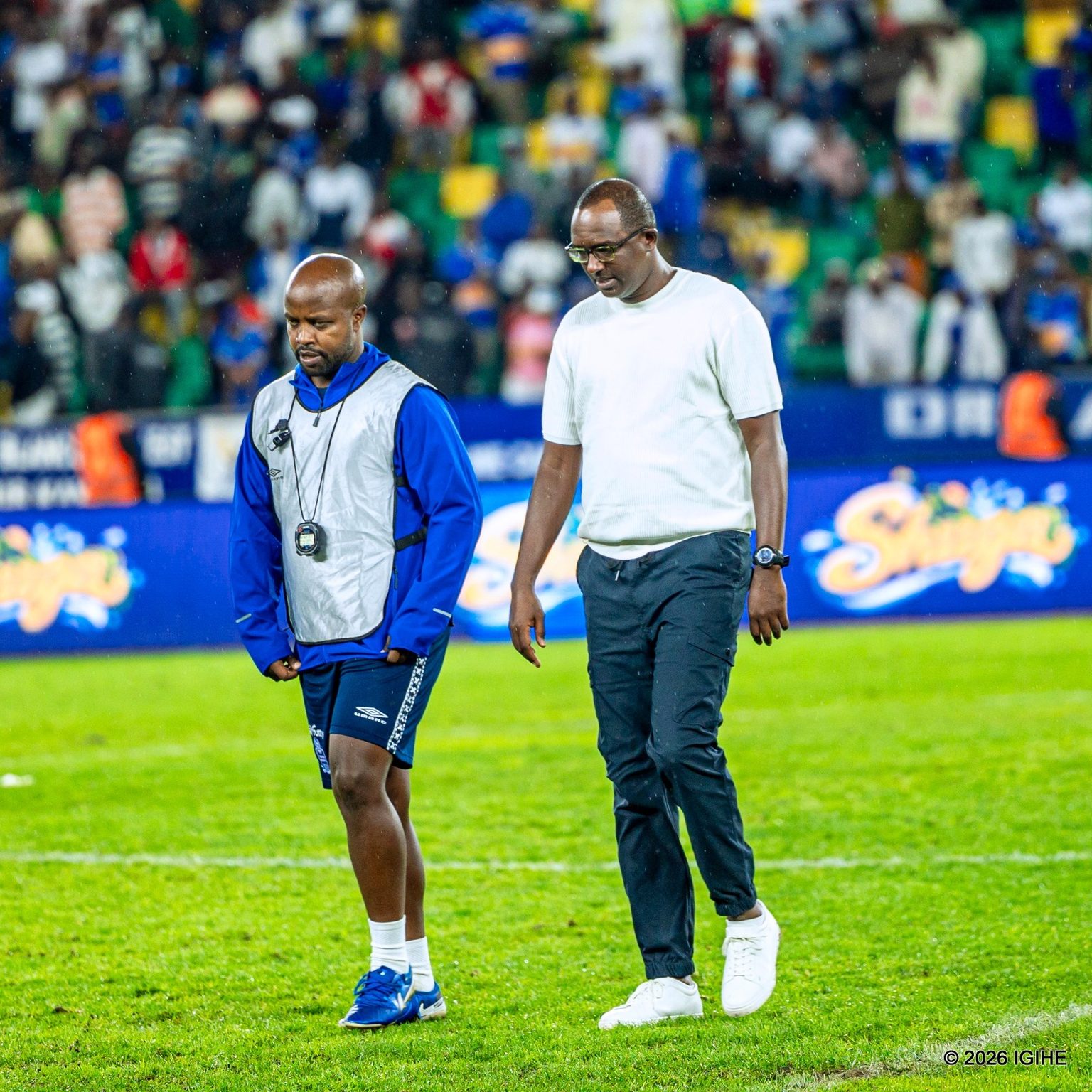
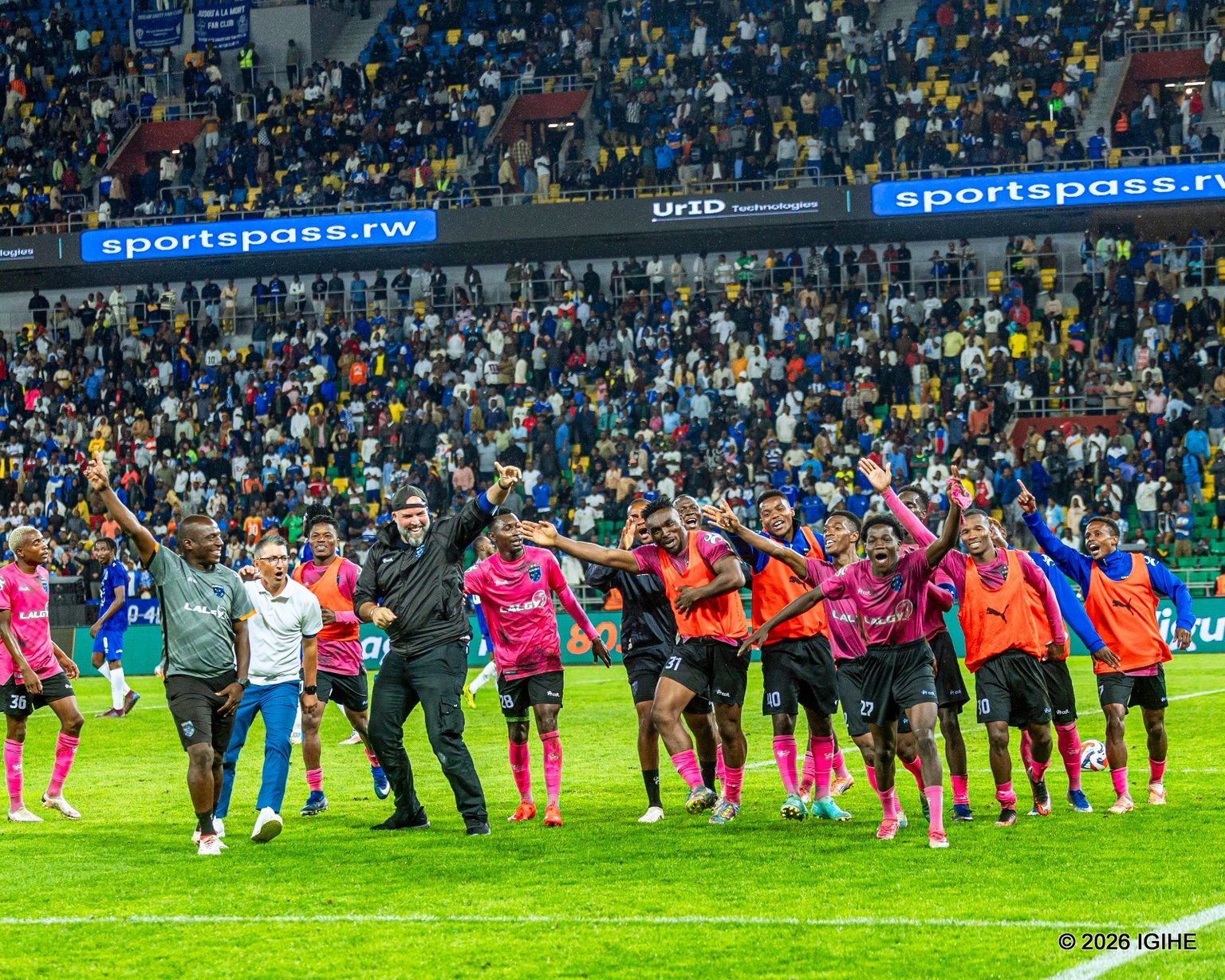
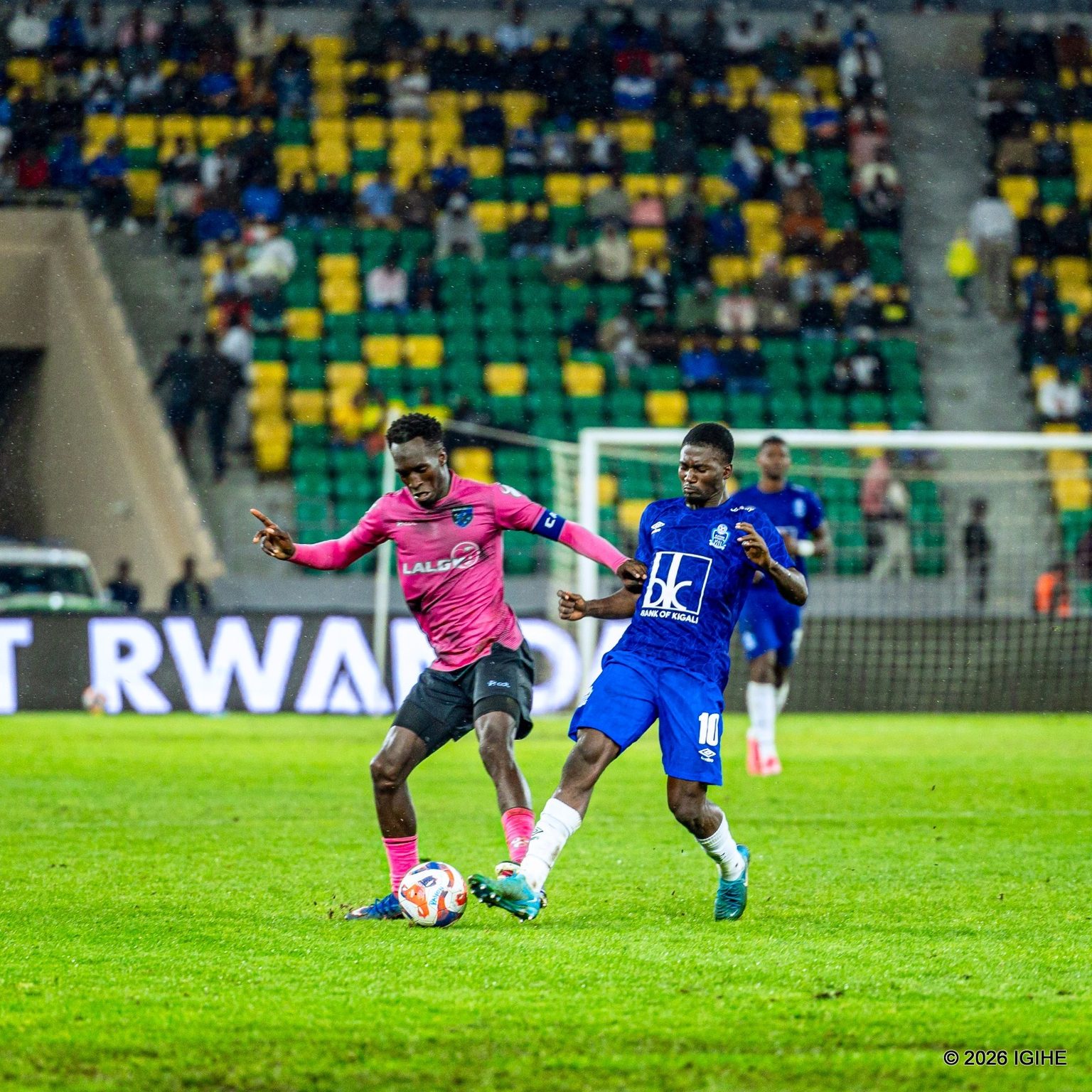
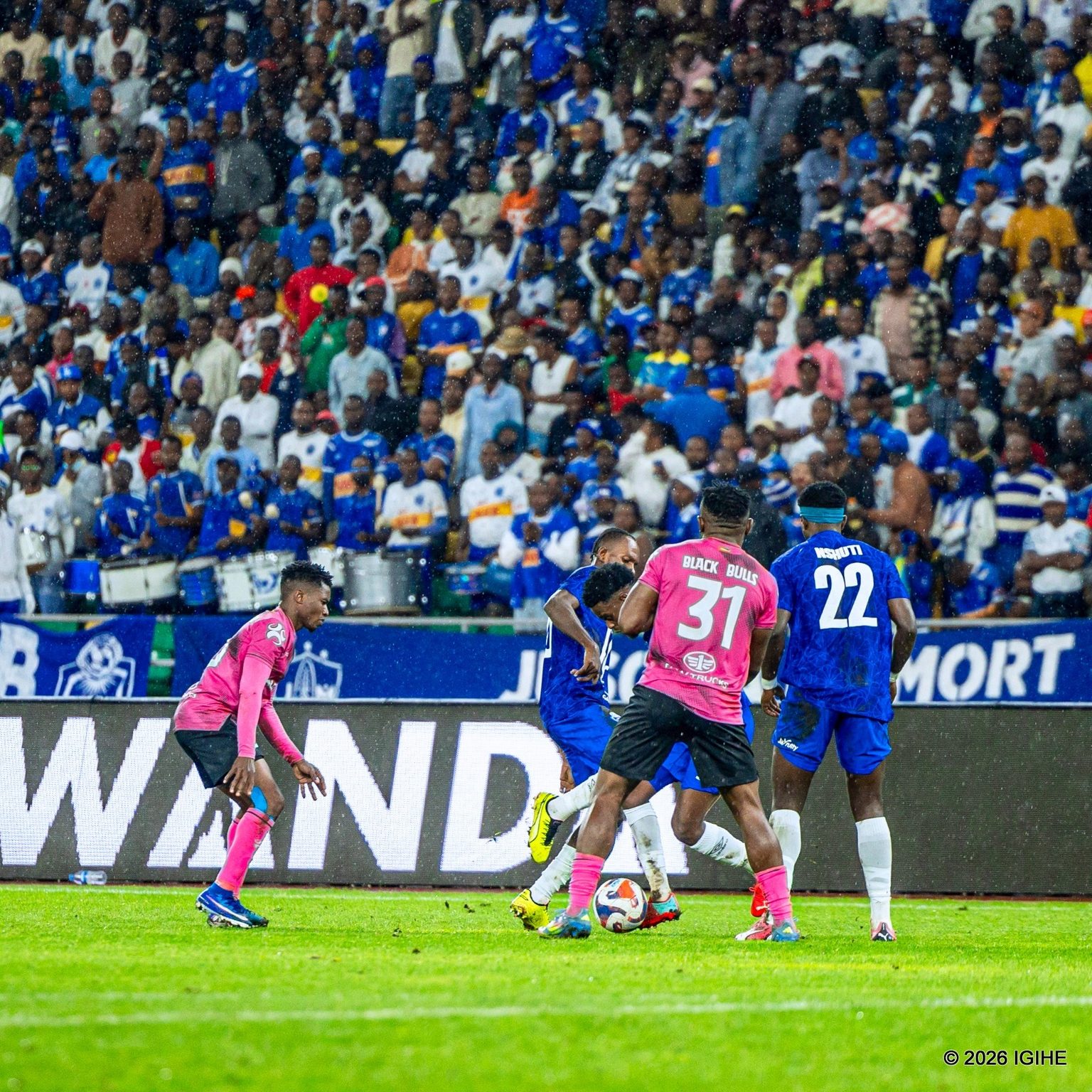
Salisu Basheer was the centre referee for the match. Rayon Sports’ starting lineup. Francis Haringingo lost the first leg of the tie for a place in the CAF Confederation Cup group stage. Nelson Santos takes Black Bulls a step closer to the CAF Confederation Cup group stage. Haringingo faces a tough task in the return leg. Black Bulls players celebrate their victory. Abdou Gueye (left) was instrumental in Black Bulls’ victory over Rayon Sports. Kameni Junior has criticised refereeing in Rayon Sports’ defeat to Black Bulls. Kameni Junior attempts a header on goal. Kameni Junior is on the ground after being fouled. Kameni Junior looks for an opening to shoot on goal. Tejiri Digbori flags Issa Djiguiba offside, denying Rayon Sports a potential goal-scoring opportunity.
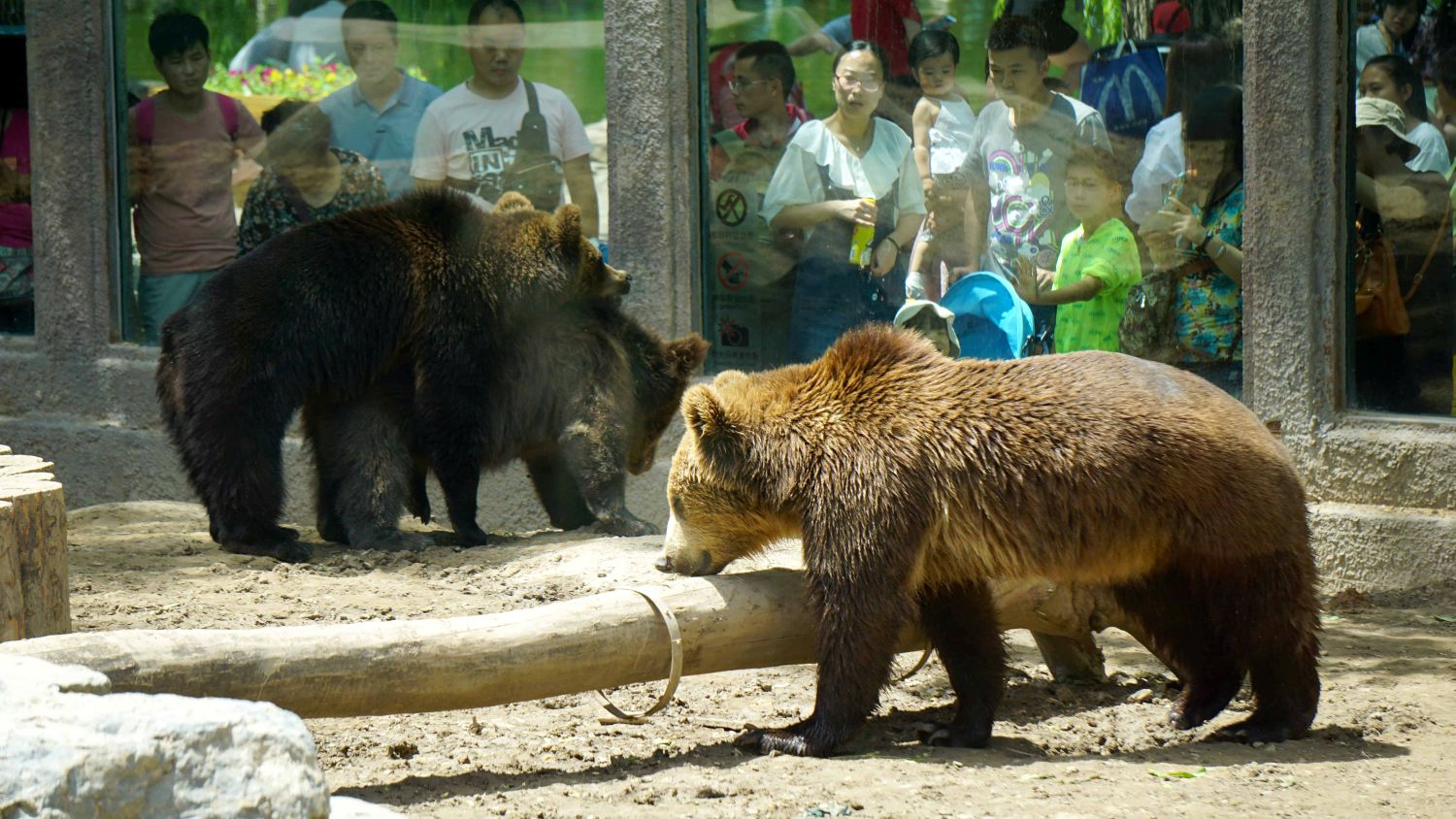
But standing only a few metres away from a giant bear inside Beijing Zoo, watching it walk slowly, eat and interact with its surroundings, those old stories suddenly felt real.
It was no longer a creature from a book or a documentary. It was alive, moving before visitors who had travelled from different parts of the world to see nature in the middle of one of Earth’s busiest cities.
Visitors watch two bears at Beijing Zoo.
The visit was not only about seeing animals. It was about discovering how Beijing, a city of more than 20 million people, created a place where wildlife conservation, science and urban life exist together.
Located at No.137 Xizhimenwai Street in Xicheng District, Beijing Zoo sits in an area surrounded by modern buildings, busy roads and the constant movement of the Chinese capital.
Outside the entrance, Beijing looked exactly as expected: crowded, fast and highly developed. Cars moved along busy streets, people rushed to their destinations and tall buildings dominated the skyline.
But after passing through the zoo gates, the city seemed to disappear.
The sounds of traffic were replaced by birds singing, children laughing and the movement of animals. Trees, lakes, gardens and green spaces created a completely different environment.
It did not feel like entering an ordinary zoo. It felt like entering a small wildlife city inside a giant modern capital.
Visitors moved along wide pathways connecting different sections of the park. Families walked with children, students took notes, tourists carried cameras, and researchers observed animals closely.
Because of its size, electric vehicles transport visitors across different areas, making it easier to explore the large space.
Modern facilities, information centres and digital systems have also transformed the visitor experience. In some areas, intelligent service robots attract attention by providing information and interacting with guests.
A zoo the size of a small town
One of the first things visitors notice is the size of Beijing Zoo.
The zoo covers approximately 80.05 hectares, an area equivalent to more than 110 football fields.
Walking from one animal section to another can take several minutes, and some areas are more than a kilometre apart. A visitor who wants to explore everything needs comfortable shoes and enough time.
“I am tired, but I hardly notice it because I am seeing so many new things here. In my home country, we do not have anything like this. Even seeing a fox was a great experience for me,” said Olivia Edward, a Mauritian journalist visiting the zoo.
“This is one of the best experiences I have ever had. It is amazing to see bears and pandas just a few centimetres away from me,” she added.
The size of the zoo allows different animals to have specially designed spaces, while visitors experience something closer to exploring a wildlife park rather than simply walking between cages.
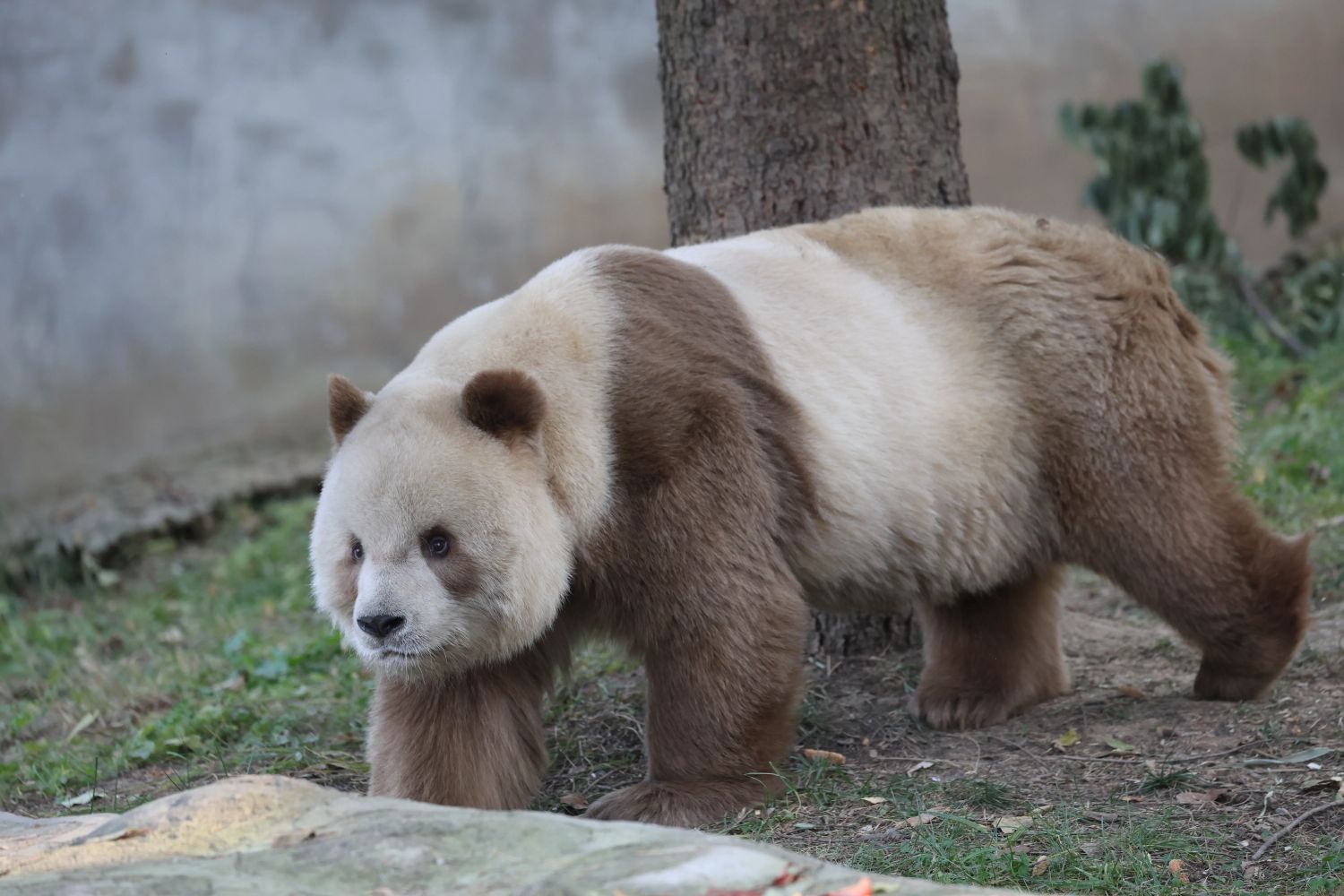
A brown-and-white giant panda in the zoo.
A 120-year journey from a small experiment
Beijing Zoo’s story began in 1906, during the late Qing Dynasty.
At that time, the area was created as an agricultural experimental centre outside Xizhimen. It focused mainly on agricultural studies, plants and animal observation.
The original facility was very small, covering about 1.5 hectares.
Few people could have imagined that the small experiment would eventually become one of China’s most recognised centres for wildlife conservation.
After the establishment of the People’s Republic of China, the institution continued expanding and was officially named Beijing Zoo in 1955.
Over more than a century, it transformed from a place where people came only to see animals into a centre involved in animal protection, scientific research and environmental education.
Today, it represents a unique example of conservation taking place in the middle of a major city.
According to Beijing municipal information, Beijing Zoo is home to more than 5,000 animals representing around 400 species.
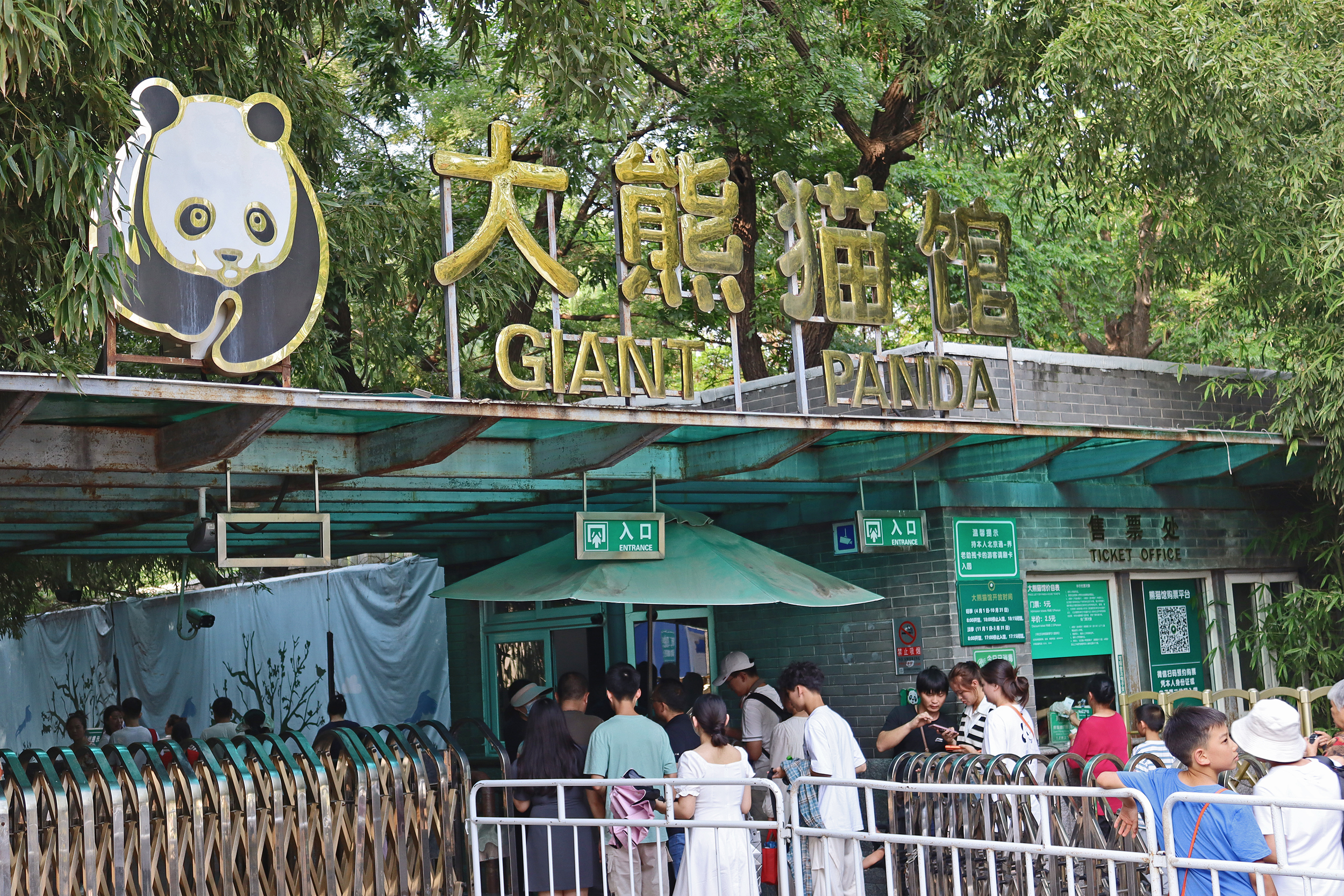
The most famous residents are the giant pandas, animals that have become a global symbol of China’s wildlife protection efforts.
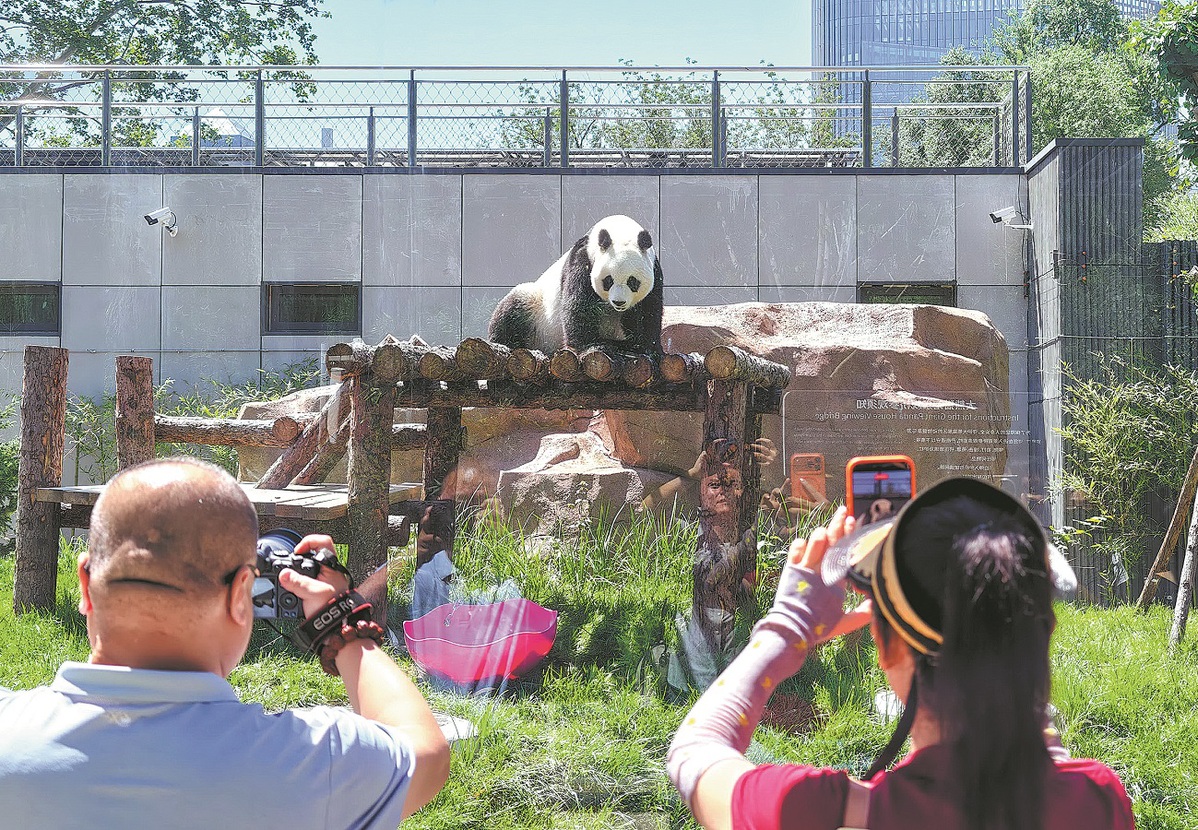
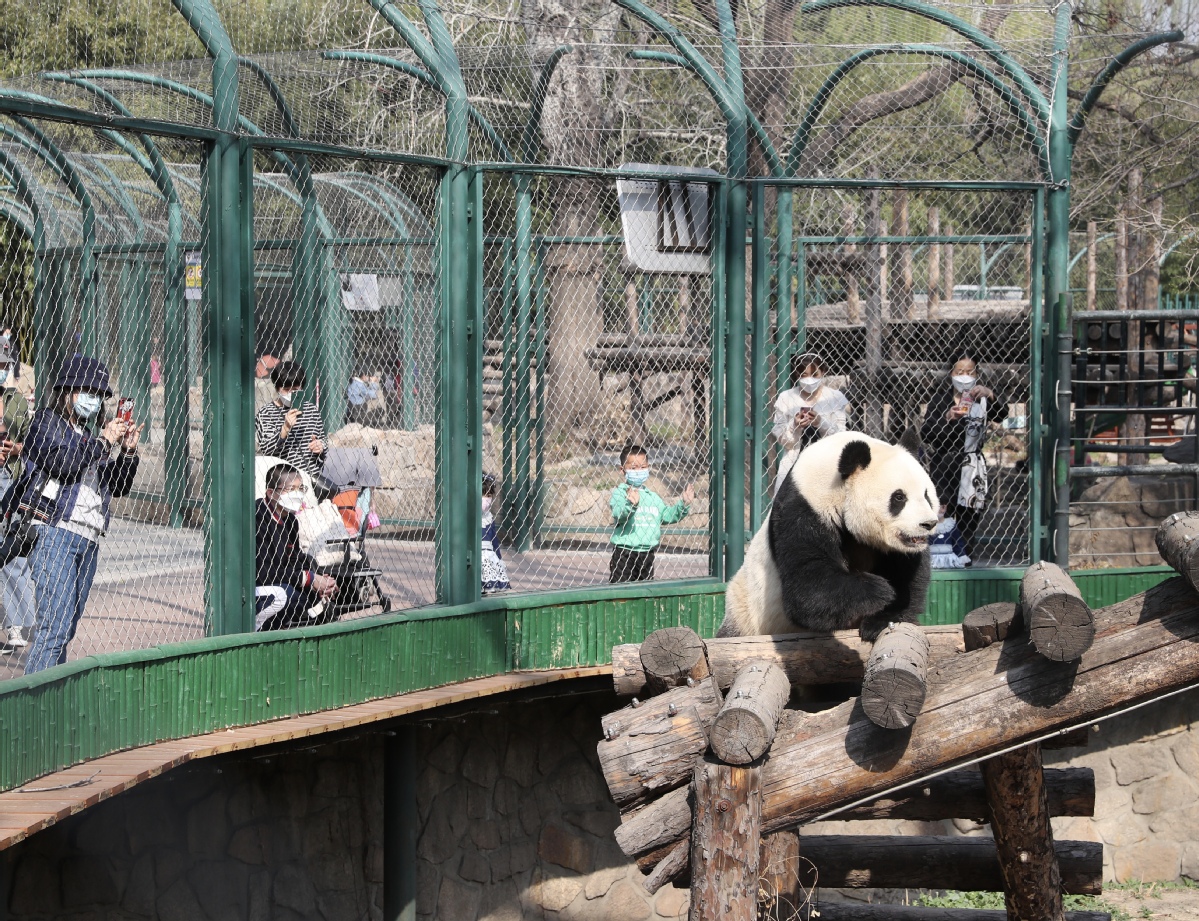
Inside the panda houses, visitors can watch these rare animals spend much of their day eating, climbing and resting.
Their lifestyle is surprisingly simple. Because bamboo provides limited energy, pandas must consume large amounts of it every day to survive.
Watching a panda slowly chewing bamboo while hundreds of visitors quietly observe creates one of the zoo’s most memorable moments.
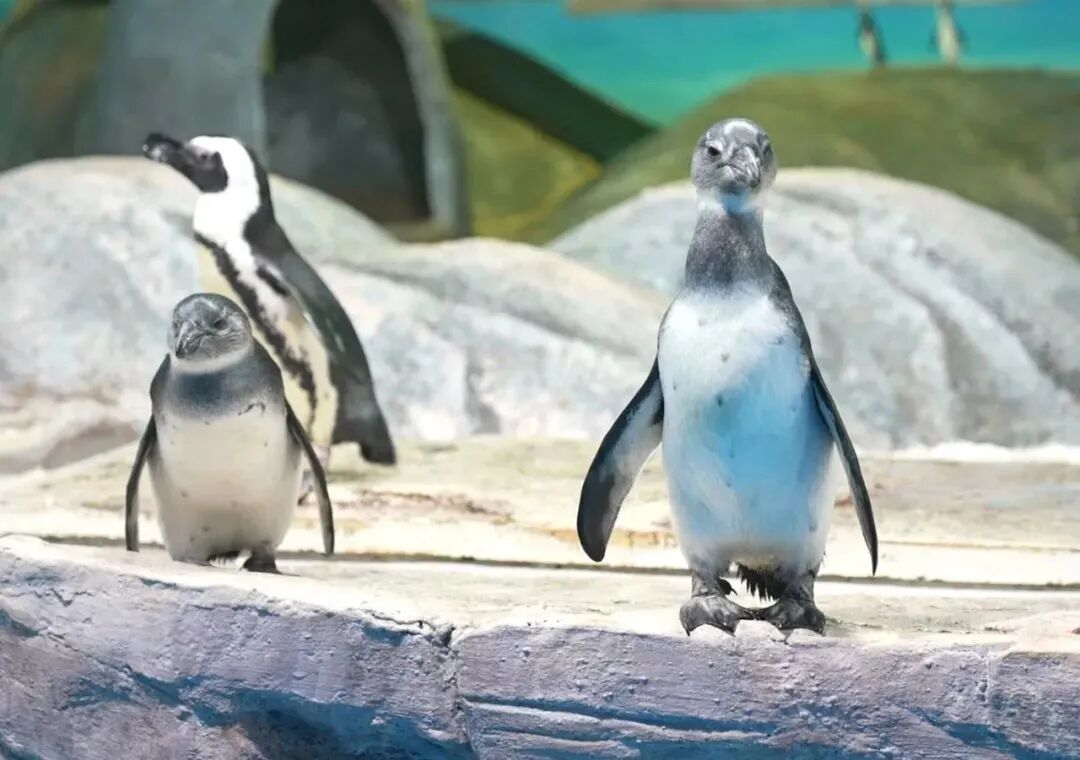
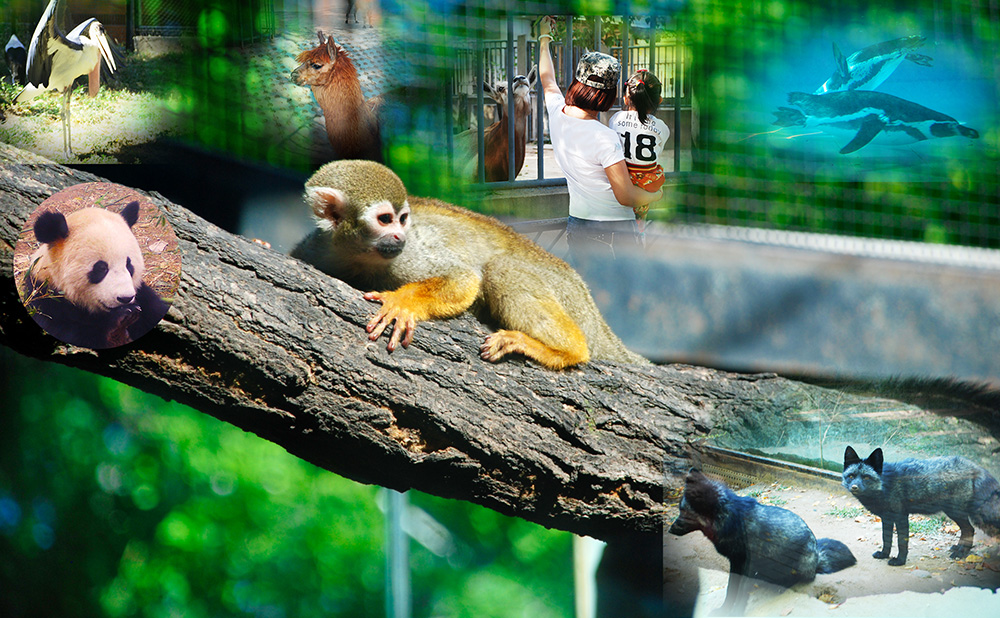
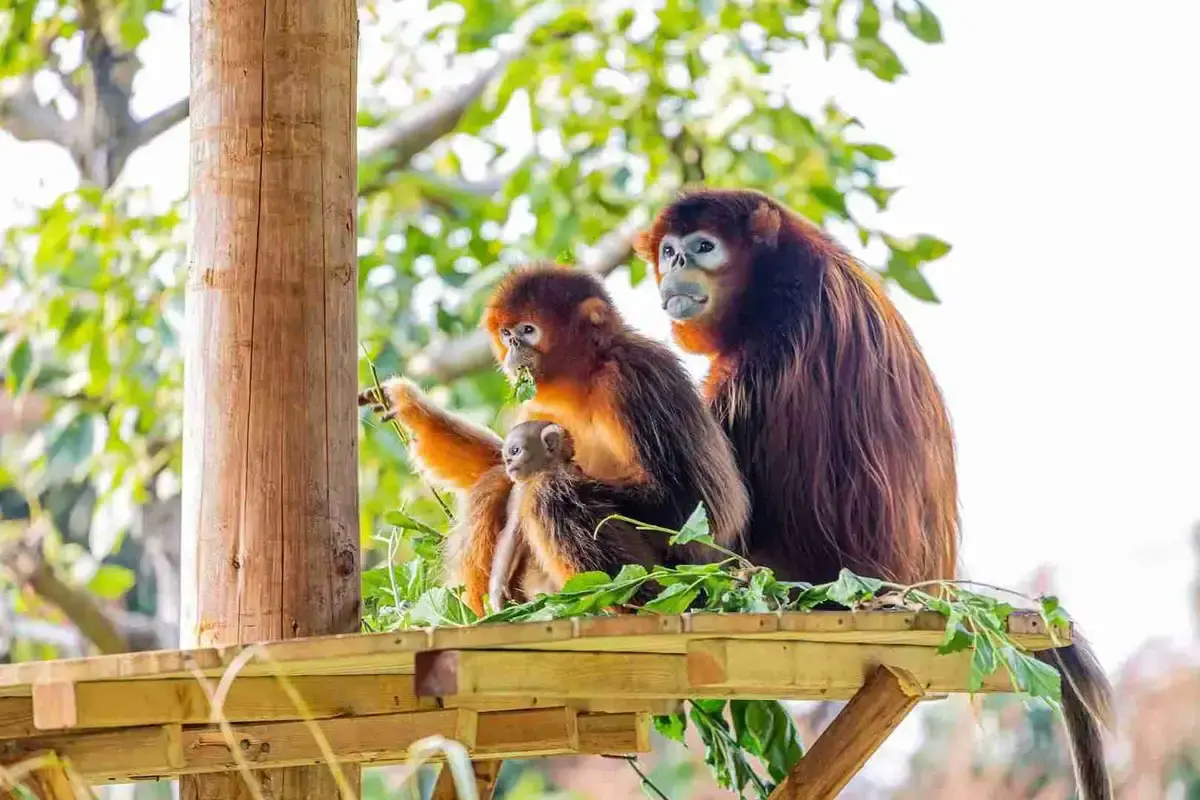
Beyond pandas, the zoo is home to lions, tigers, elephants, giraffes, golden monkeys, red pandas, penguins, reptiles and many bird species.
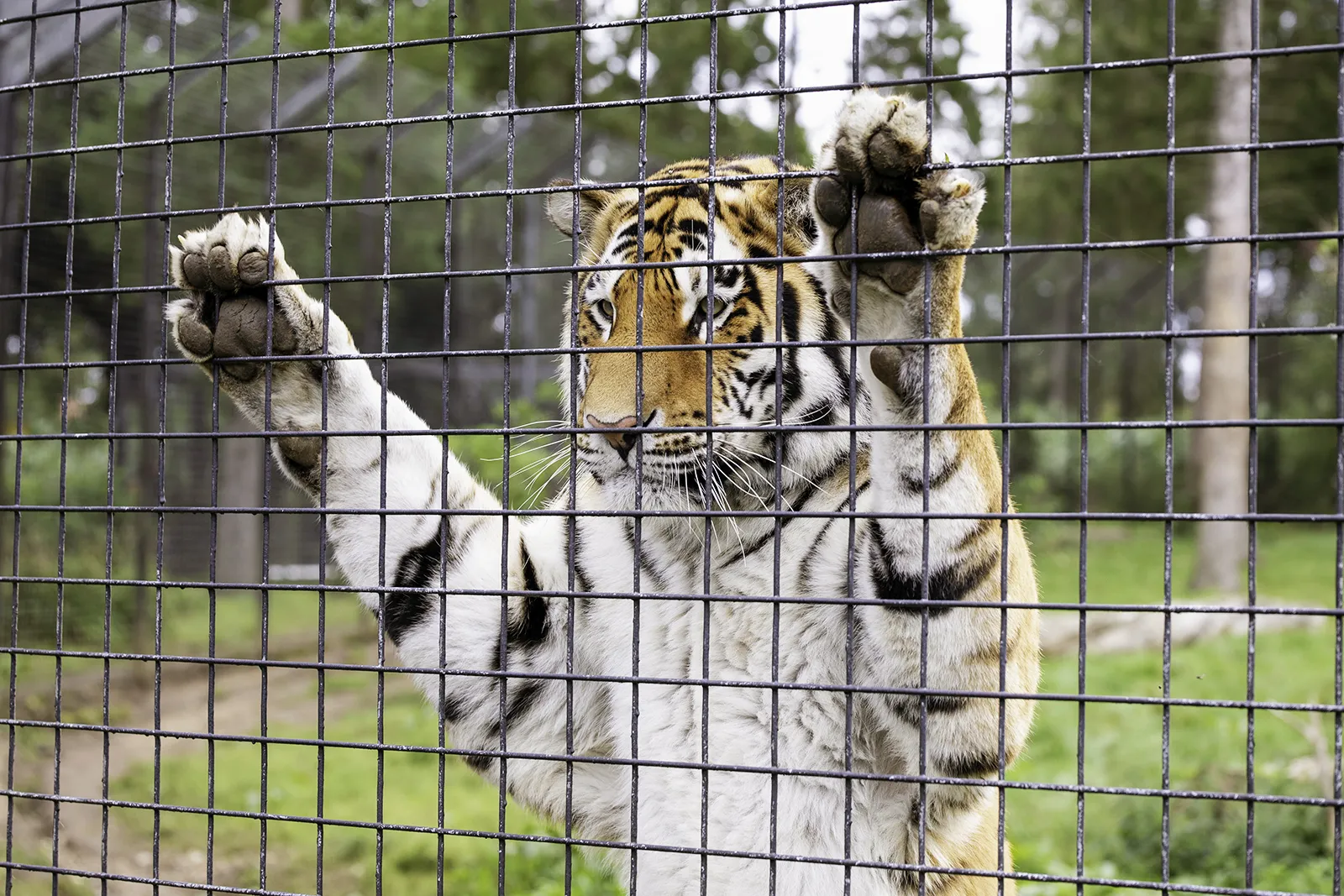
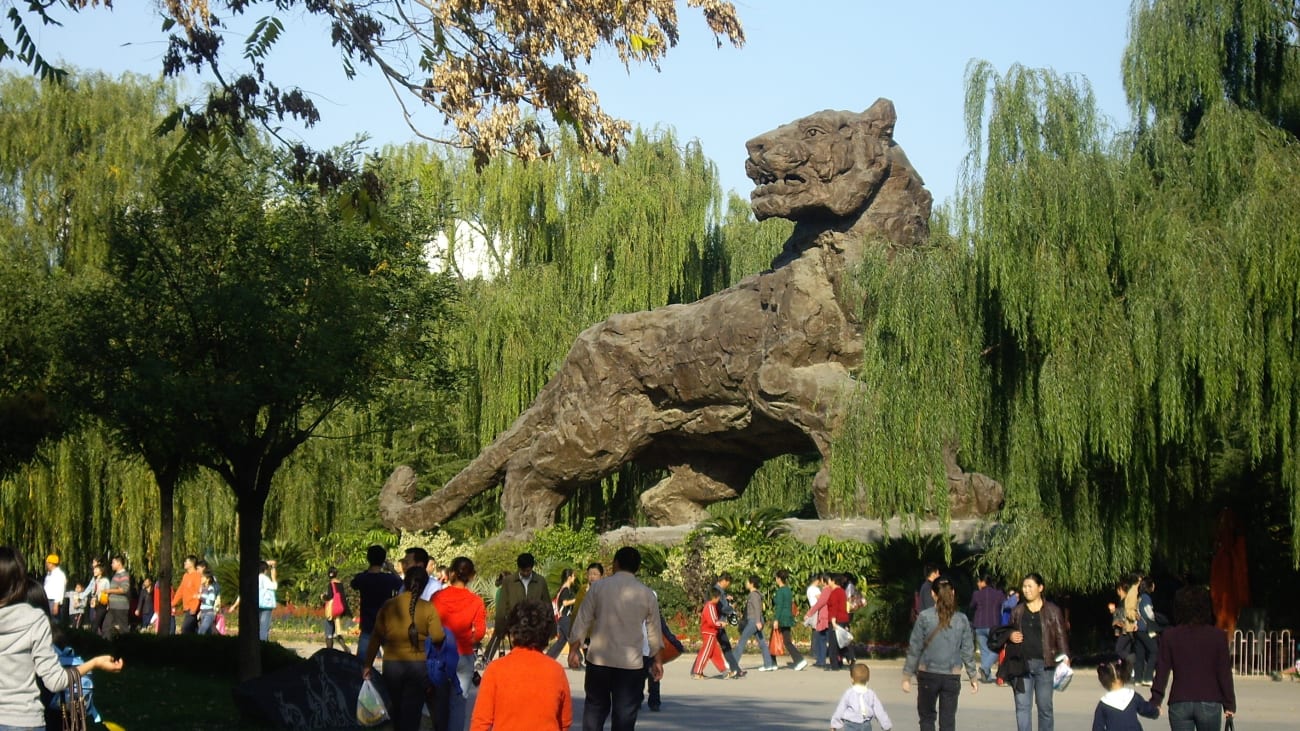
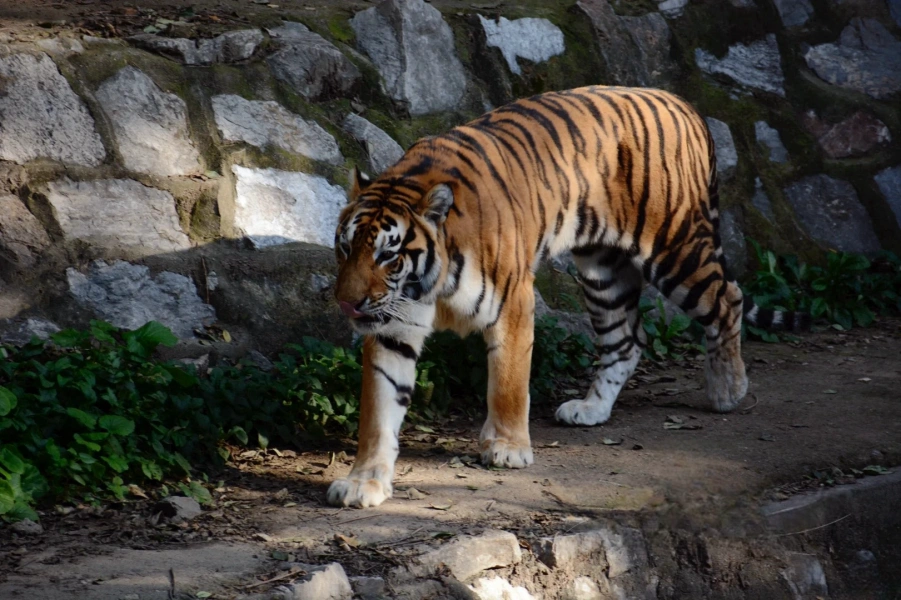
A tiger at Beijing Zoo.
The Lion and Tiger Mountain area, established in 1956, recreates a mountain-like environment for animals including African lions, white lions, Bengal tigers and Siberian tigers.
The bird section is another impressive area, displaying species such as eagles and vultures that many people normally only see through documentaries.
The reptile houses offer another fascinating encounter, where visitors can see snakes and other creatures that are often misunderstood but play important roles in ecosystems.
Beijing Zoo is not only an attraction. It also functions as a centre for research and education.
Experts study animal behaviour, breeding, health and conservation methods to support the protection of endangered species.
For many children, the zoo becomes their first real connection with wildlife.
Instead of only learning about animals from books, they can watch them move, feed and interact with their environment.
The experience creates curiosity and helps younger generations understand why protecting nature matters.
Beyond conservation, Beijing Zoo also contributes to the city’s tourism economy. It attracts around 9 million visitors annually, bringing millions of people into the area every year.
Visitors support not only the zoo but also nearby restaurants, transport services, hotels and shops.
Ticket prices remain relatively affordable. General admission is around 15 yuan, while combined tickets that include the Panda House cost about 19 yuan during peak periods.
If nine million visitors each paid the basic 15-yuan (about 3,000 Rwandan francs) ticket price, the estimated ticket revenue would reach about 135 million yuan (about Rwf30 billion) annually. This does not include additional income from restaurants, shops, special exhibitions and other services.
Penguins stand on rocks at Beijing Zoo.
Walking back through the green pathways, watching children excitedly describe the animals they had seen and families taking photographs, one thing became clear.
Beijing Zoo is much more than a place where humans observe animals.
Standing at the heart of one of the world’s largest cities, this wildlife kingdom shows that modern progress does not have to push nature away.
Here, ancient creatures meet modern technology, conservation meets tourism, and millions of visitors each year rediscover the extraordinary relationship between humans and the natural world.
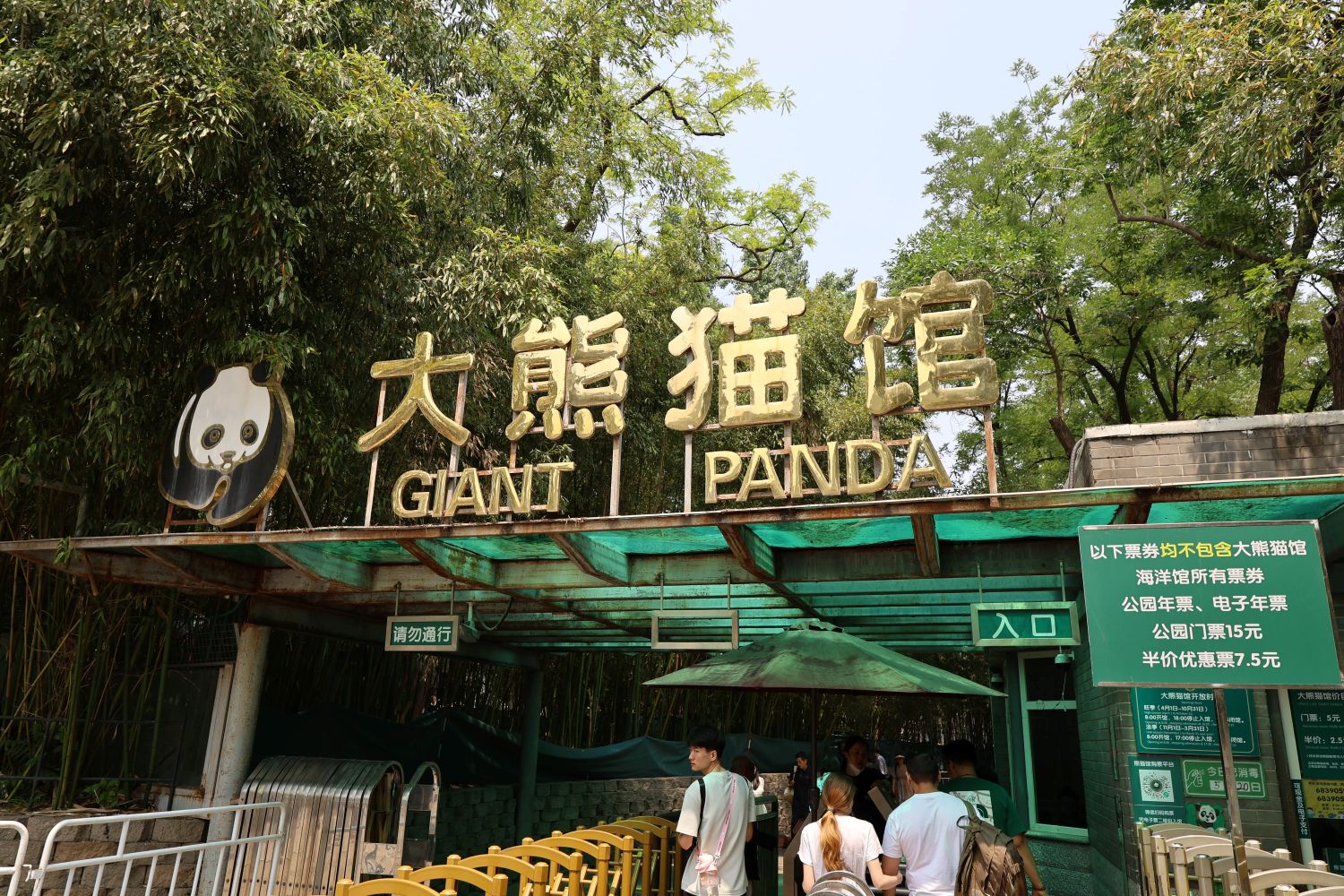
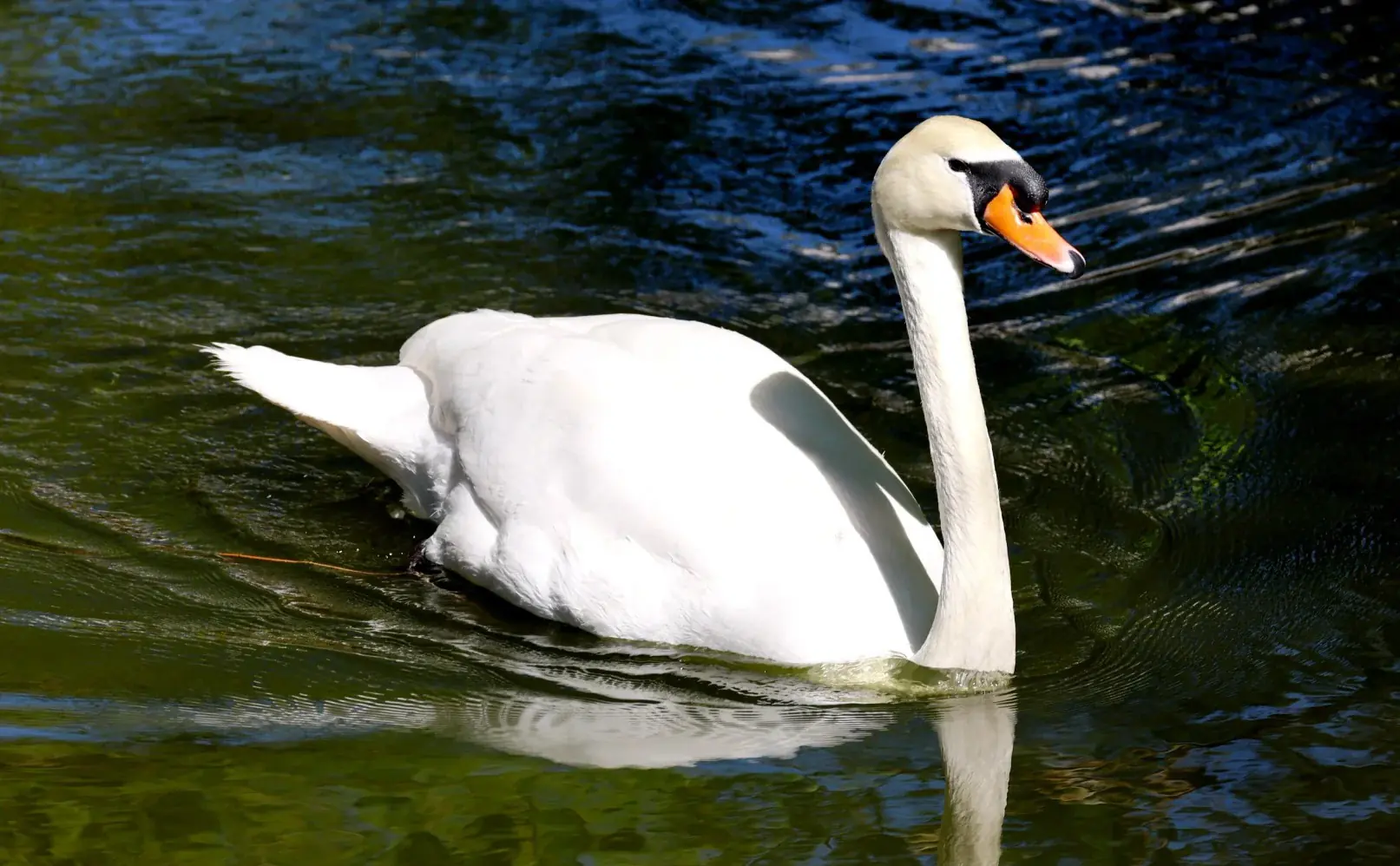
The entrance to the Giant Panda House at Beijing Zoo.Visitors arrive at the Giant Panda House at Beijing Zoo.Visitors photograph a giant panda on a wooden platform at Beijing Zoo.A giant panda rests on a wooden platform at Beijing Zoo.A monkey rests on a branch behind glass at Beijing Zoo. A tiger walks through its enclosure at Beijing Zoo.Two long-haired monkeys sit on a wooden platform at Beijing Zoo.A swan glides across the water at Beijing Zoo.
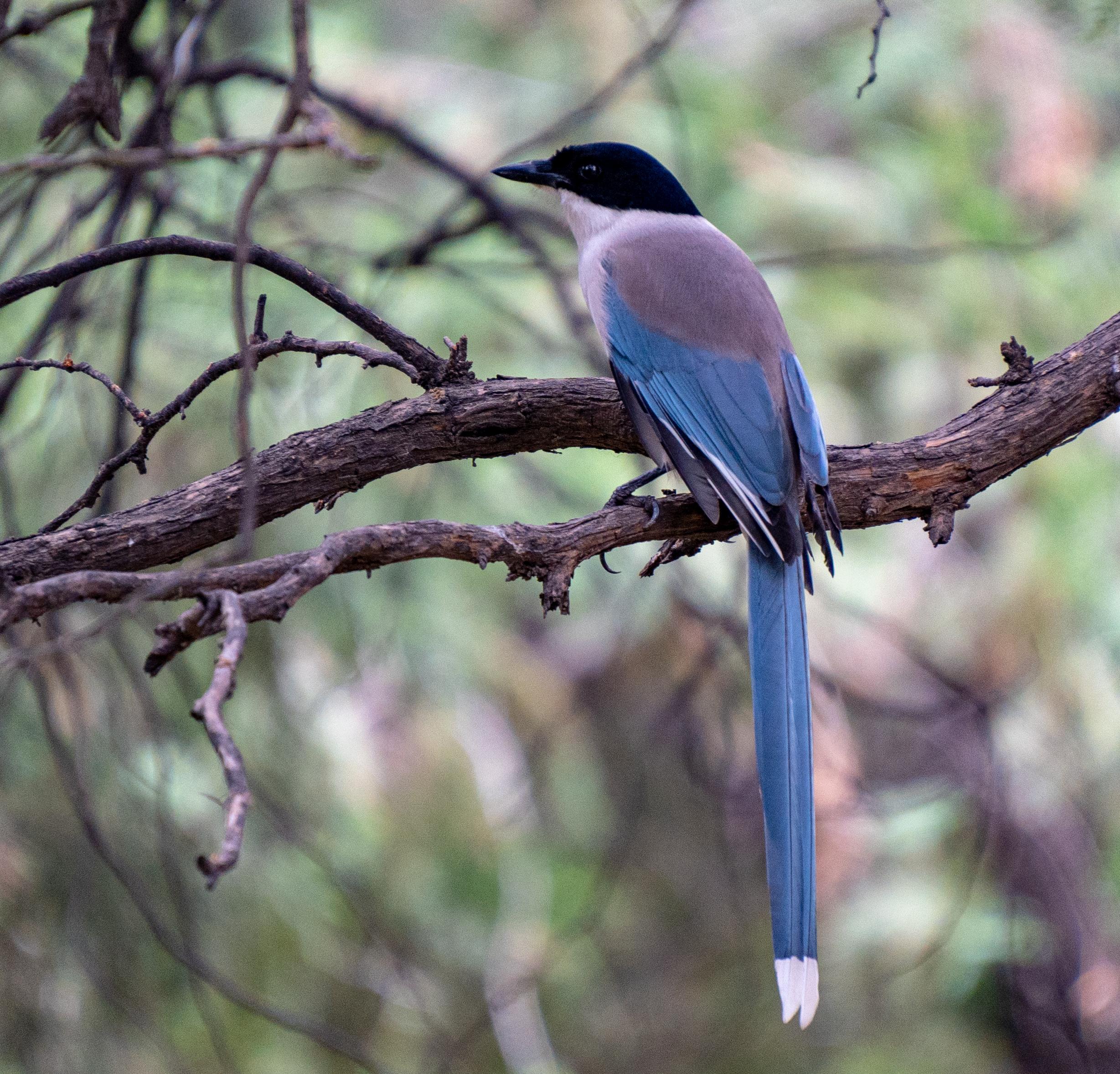
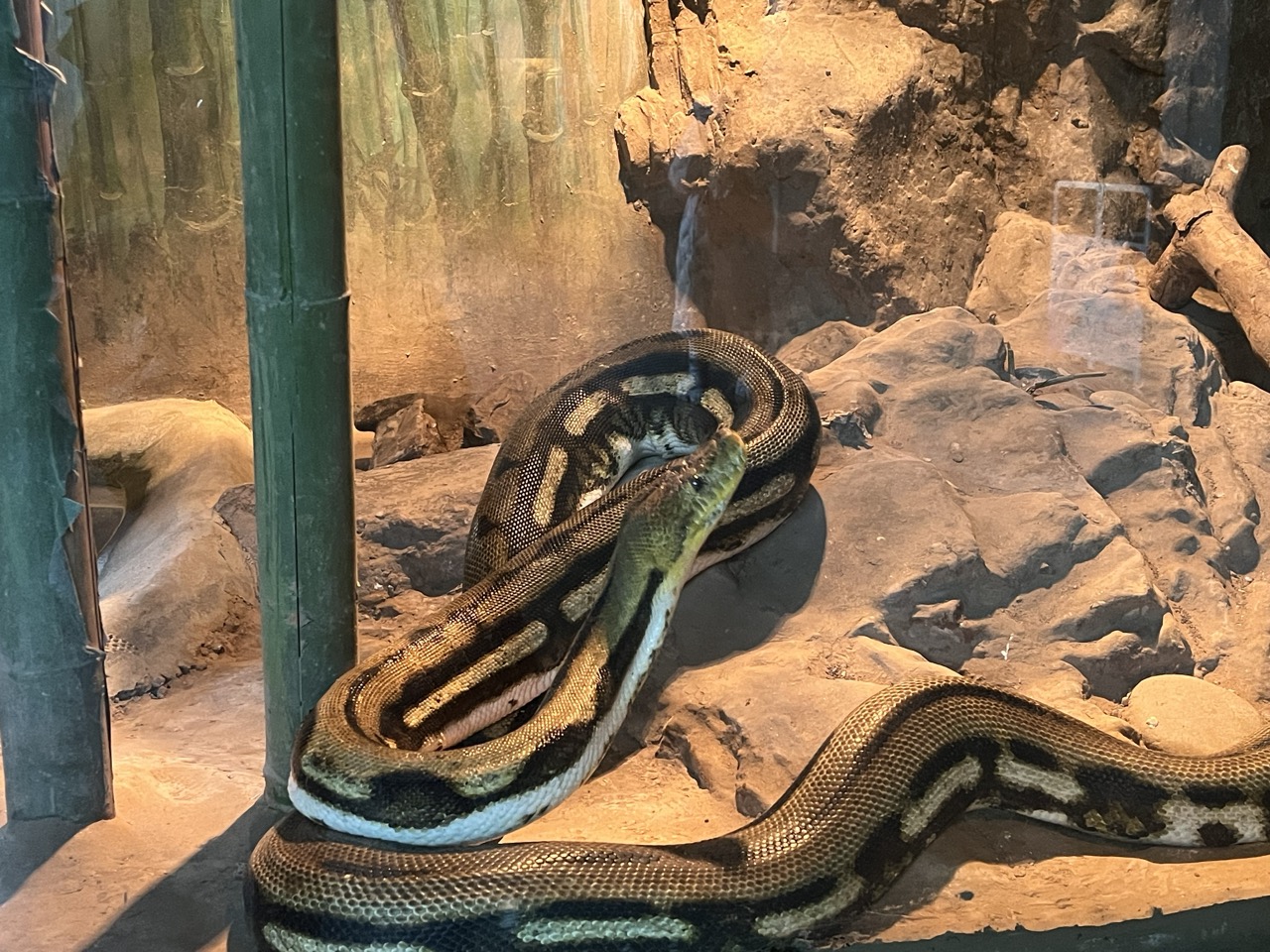
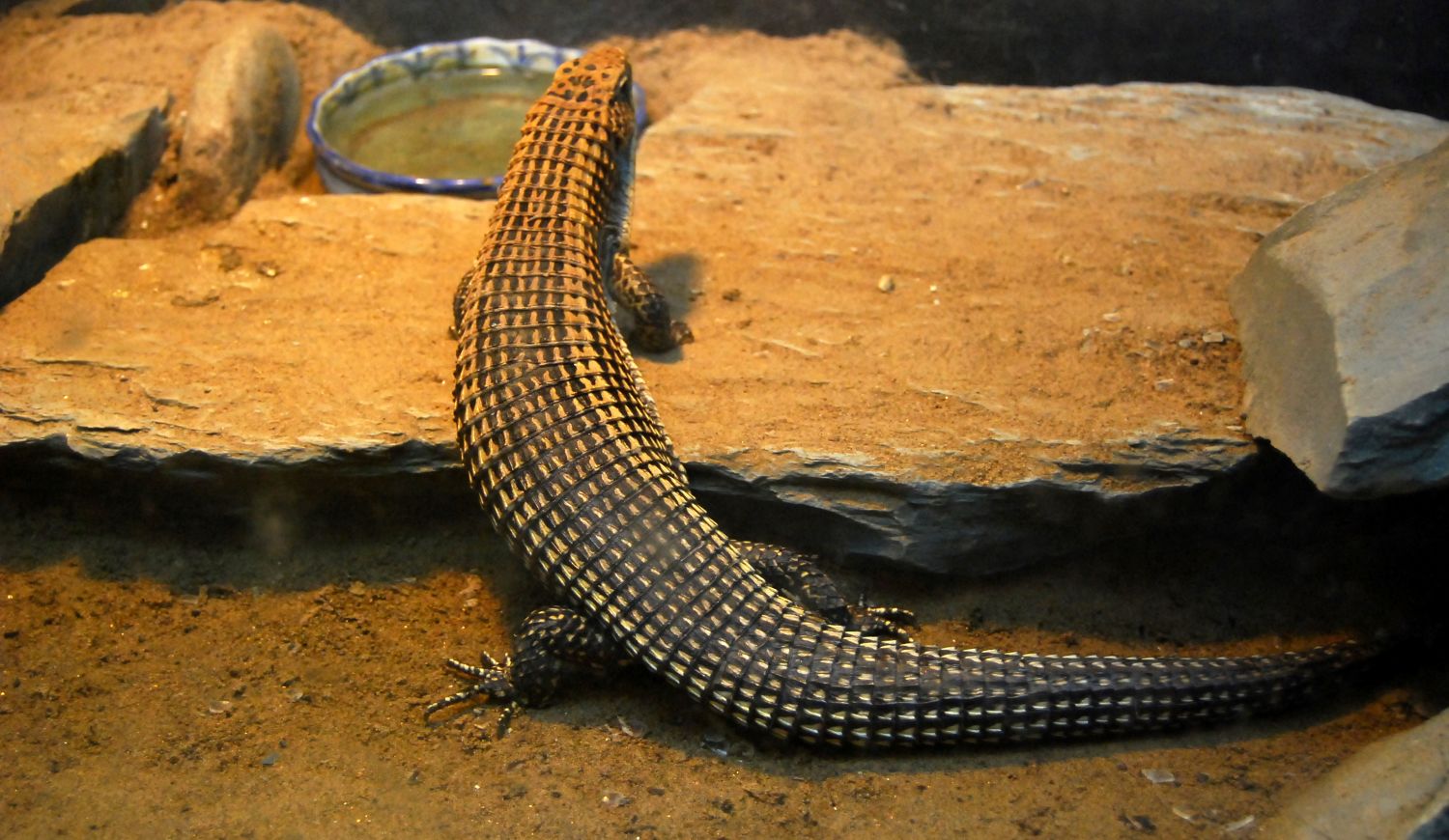
A long-tailed bird perches on a branch at Beijing Zoo. A snake coils around a branch behind glass at Beijing Zoo. A large lizard rests on a rock at Beijing Zoo.
The four patients include a close male relative of the first Ebola patient, who died, and three health workers who attended to him while he was in hospital, Patrick Amoth, director-general for health in Kenya’s Ministry of Health, said in a statement issued in Nairobi, the Kenyan capital.
“All four individuals developed fever as their first symptom and were immediately isolated, with specimens collected for testing,” Amoth said.
“All four tested positive for Ebola Bundibugyo virus disease at both the National Virology Reference Laboratory and the Kenya Medical Research Institute laboratory,” he added.
Amoth said all four patients were currently receiving supportive care from trained health personnel, while the risk of their transmitting the virus to their families and the general public remained low because they had been detected early at quarantine facilities.
“The Ministry wishes to reassure Kenyans that the risk to the general public remains low, as there is no evidence of community transmission of the disease,” Amoth said.
Kenya reported its first imported case of Ebola Bundibugyo virus disease on October 6 in a man who had lived in the Democratic Republic of the Congo for seven years.
The man died at a hospital in Nairobi while receiving treatment and was later given a safe and dignified burial at a public cemetery to prevent further spread of the virus.
On Wednesday, Kenya reported its second Ebola case, involving a 39-year-old man who was a close relative of the first patient. On Friday, the country announced its third case of Ebola Bundibugyo virus disease, involving a 65-year-old woman who was a primary contact and a close relative of the first and second patients.
Amoth said that of the 130 contacts who may have interacted with the first patient, 128 had been traced and were in quarantine for monitoring through the 21-day incubation period, during which symptoms of Ebola may develop.
He added that all people in quarantine facilities continued to receive mental health and psychosocial support. The country remained open for business, with no restrictions imposed on travel, trade or public gatherings.
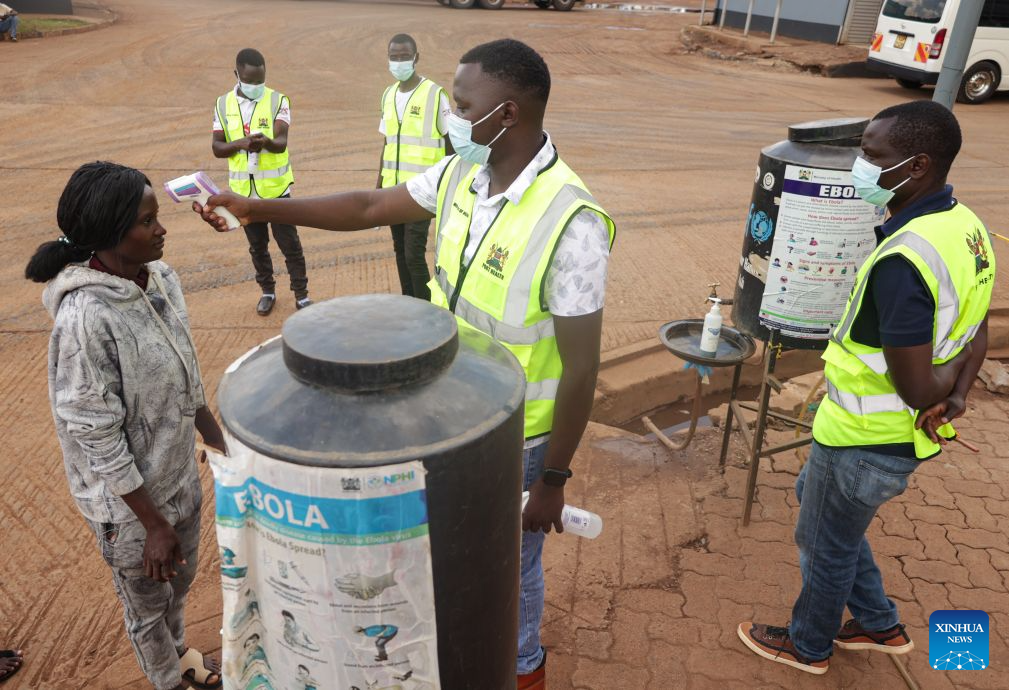
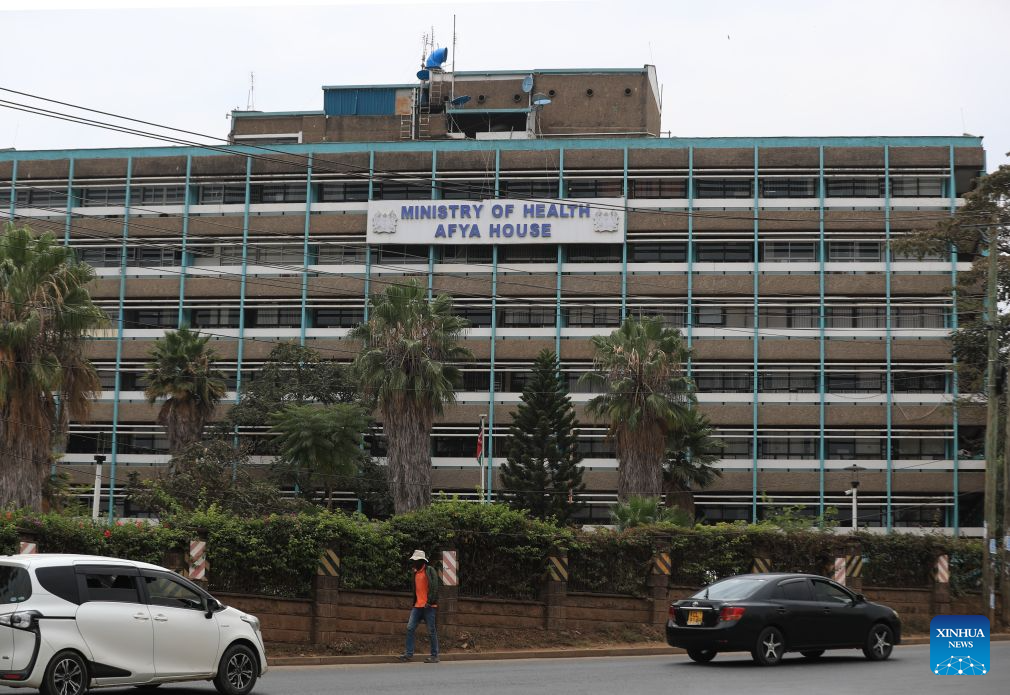
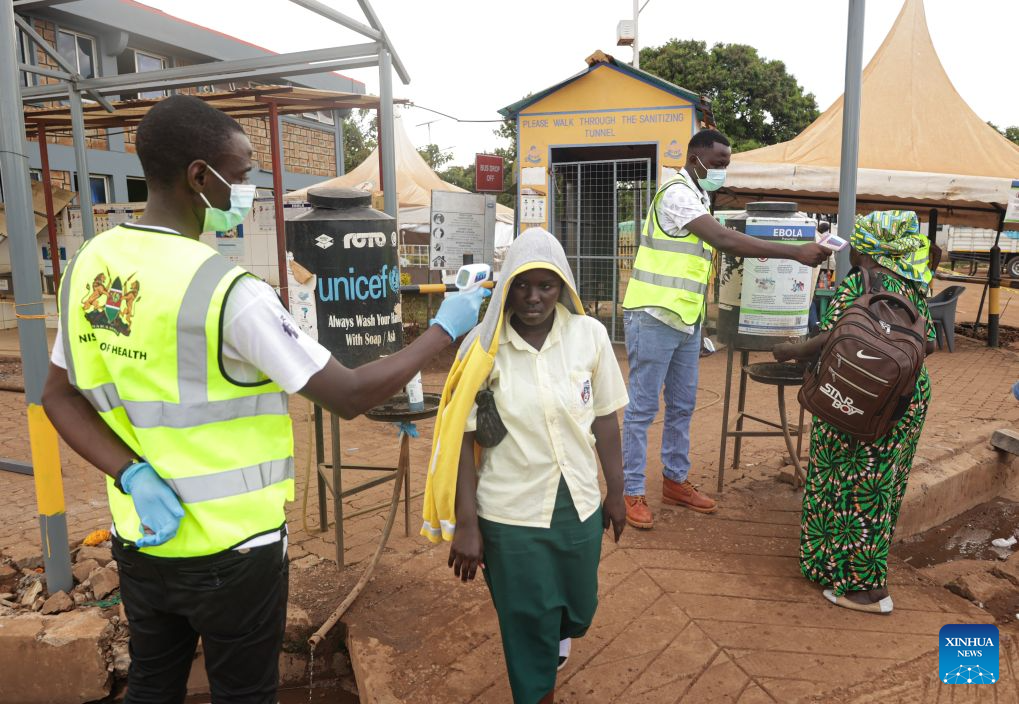
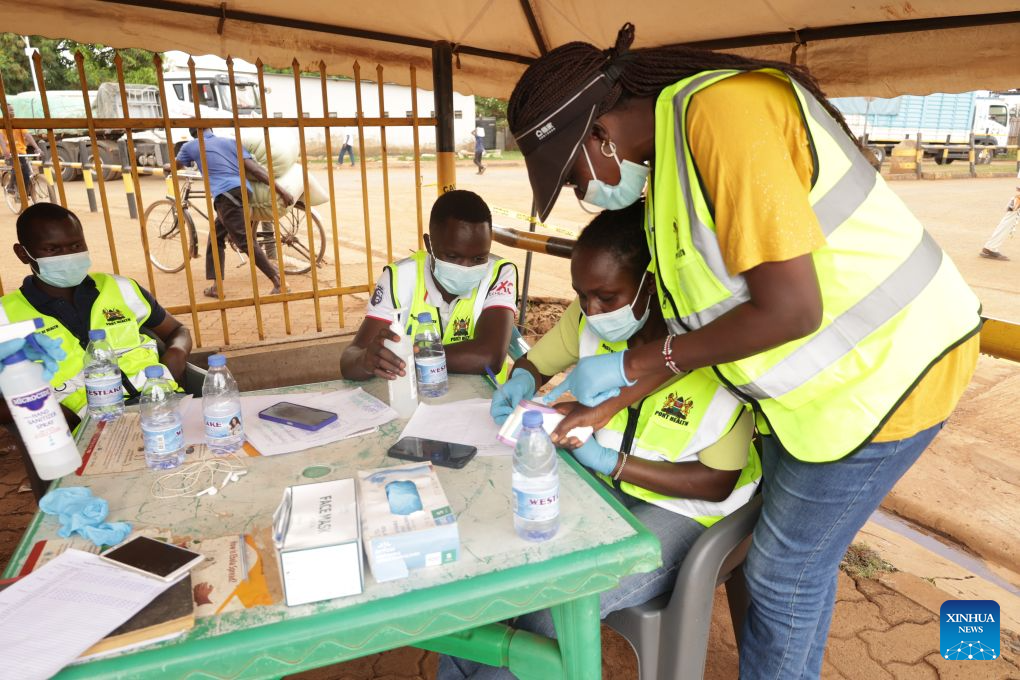
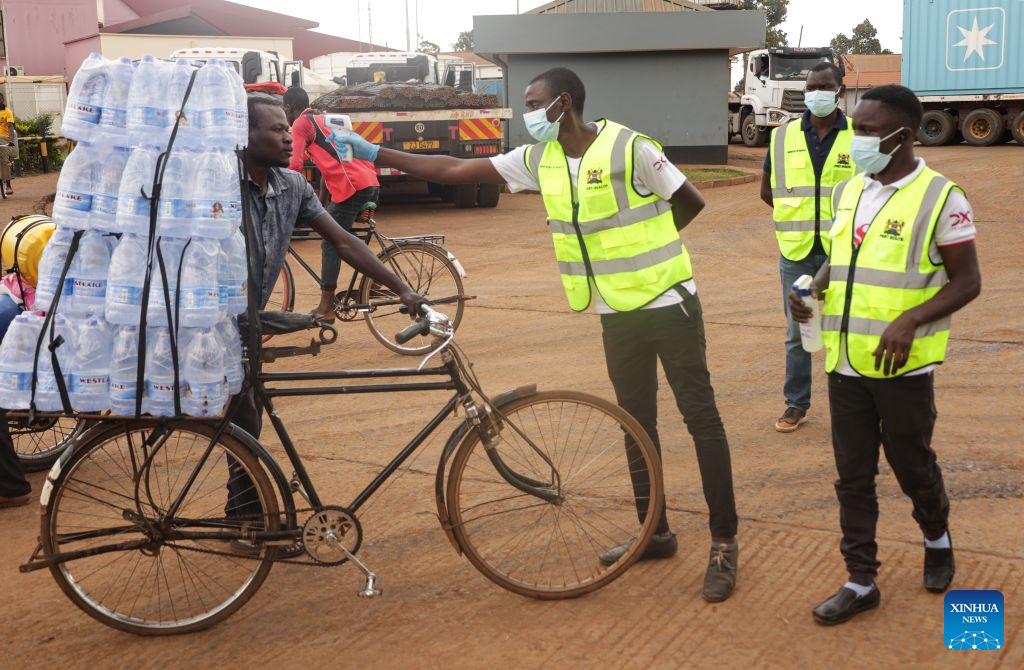
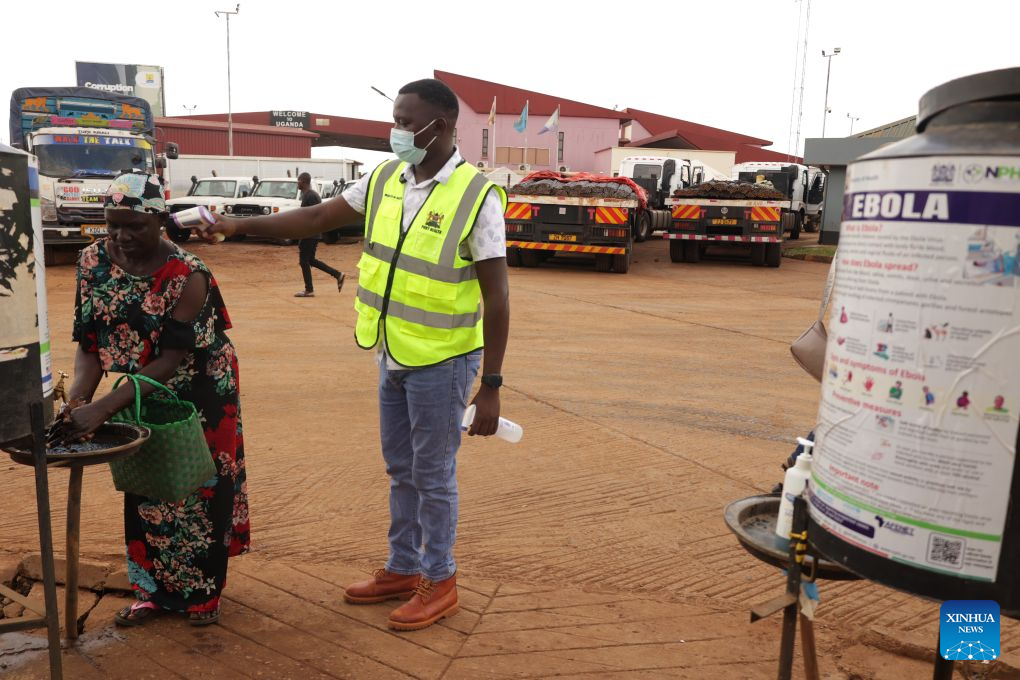
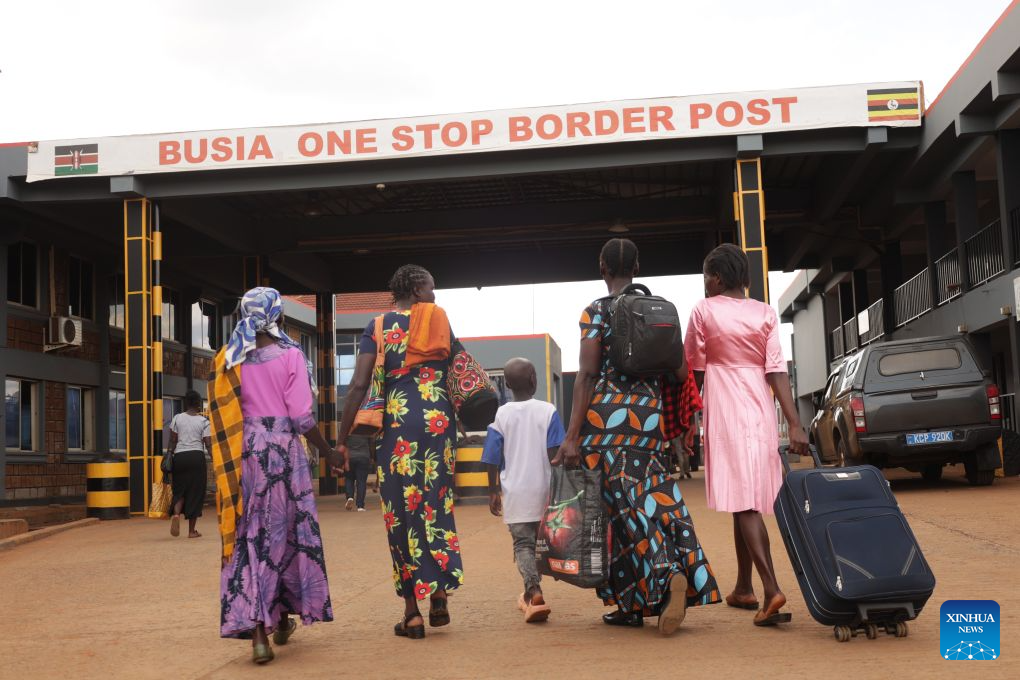
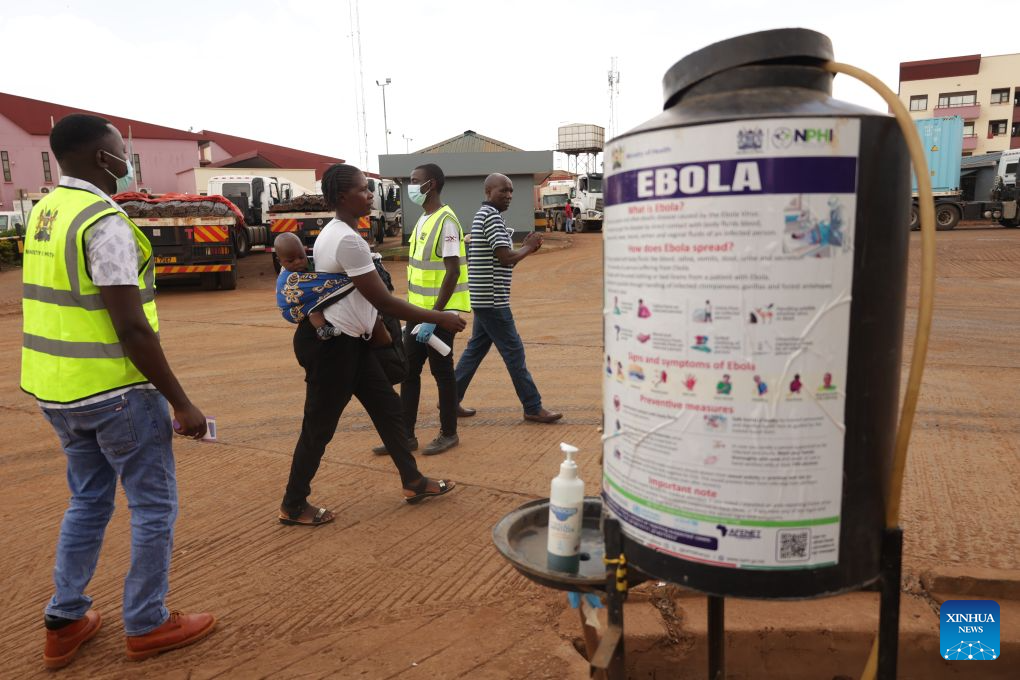
This photo taken on October 17, 2026, shows the building of Kenya’s Ministry of Health in Nairobi, Kenya. Kenya’s Ministry of Health on Saturday confirmed four new cases of Ebola Bundibugyo virus disease, bringing the total number of cases to seven, as efforts to prevent community transmission of the disease gathered pace. Health officials monitor the body temperatures of people entering Kenya at the One-Stop Border Post in Busia, Kenya, October 16, 2026. Health officials work at the One-Stop Border Post in Busia, Kenya, October 16, 2026. Health officials monitor the body temperatures of a man entering Kenya at the One-Stop Border Post in Busia, Kenya, October 16, 2026.Health officials monitor the body temperatures of a woman entering Kenya at One-Stop Border Post in Busia, Kenya, October 16, 2026.A Health official monitors the body temperatures of a lady entering Kenya at the One-Stop Border Post in Busia, Kenya, October 16, 2026.Travelers prepare to enter Kenya through the One-Stop Border Post in Busia, Kenya, October 16, 2026.Travelers enter Kenya through the One-Stop Border Post in Busia, Kenya, October 16, 2026.
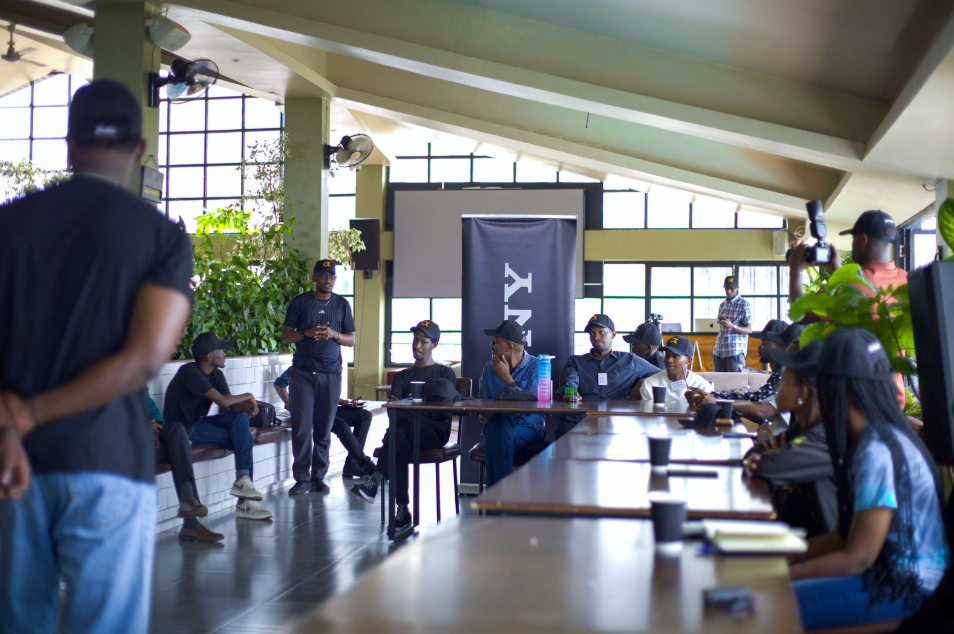
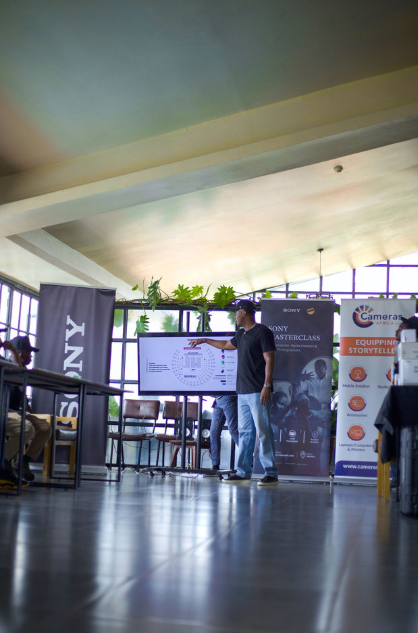
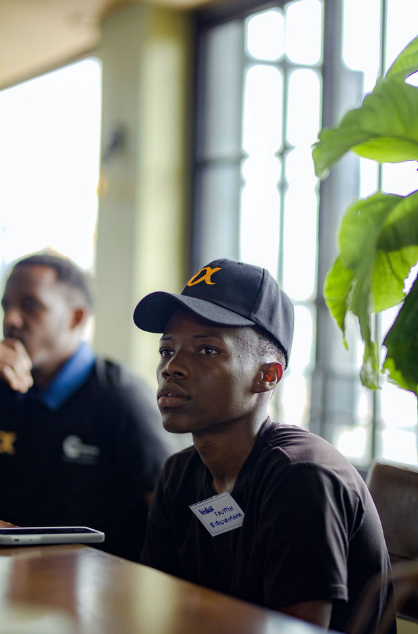
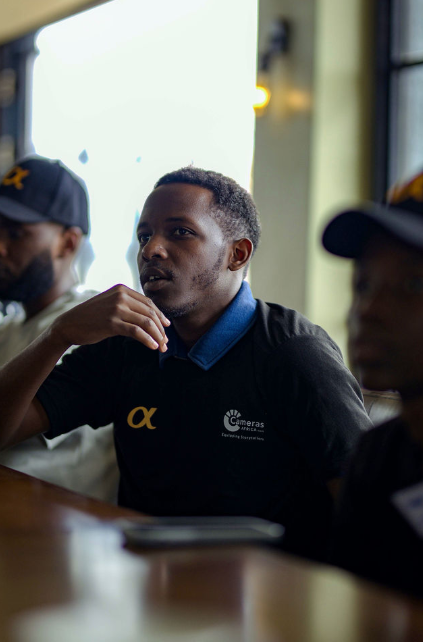
The inaugural Sony Masterclass in Kigali was organised through a partnership between Kwetu Film Institute, Sony and Cameras Africa, bringing together professionals working across film, corporate communications and event photography.
Rwandan filmmaker and director Cedric “Dric” Karemangingo led the session, which covered advanced commercial workflows, hybrid shooting techniques and practical execution on Sony cameras.
The hybrid shooting component focused on combining still photography and video within the same production. This approach is particularly useful for assignments that require both photographs and moving images, including corporate communications and event coverage.
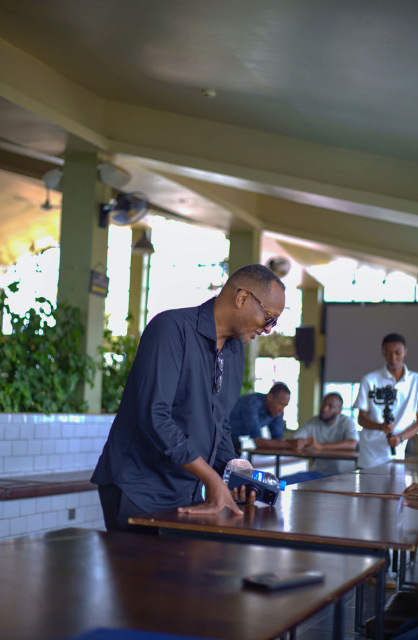
Eric Kabera, founder and president of Kwetu Film Institute, also took part in the masterclass. With about three decades in the industry, Kabera is a pioneer of modern Rwandan filmmaking and a mentor to many filmmakers who have entered the profession.
Alongside his filmmaking career, Kabera has helped create opportunities for others to learn and develop their craft. Through the Rwanda Cinema Centre and Kwetu Film Institute, he has contributed to training and supporting a generation of Rwandan filmmakers.
His film credits include “100 Days”, “Keepers of Memory” and “Africa United”. He also founded the Rwanda Film Festival, known as Hillywood, which helped bring films to communities and connect local filmmakers with international cinema.
Kwetu Film Institute provides education and training in film, television and other forms of screen production. The masterclass brought this educational work together with practical instruction on technology used in photography and filmmaking.
Sony is a Japanese multinational founded in 1946, with businesses spanning technology and entertainment. Its activities include electronics, music, film and gaming.
The company’s imaging equipment includes Alpha cameras for photography and video, as well as Cinema Line systems designed for filmmaking. The Kigali masterclass focused on applying knowledge of Sony camera systems to the practical demands of producing content for clients.
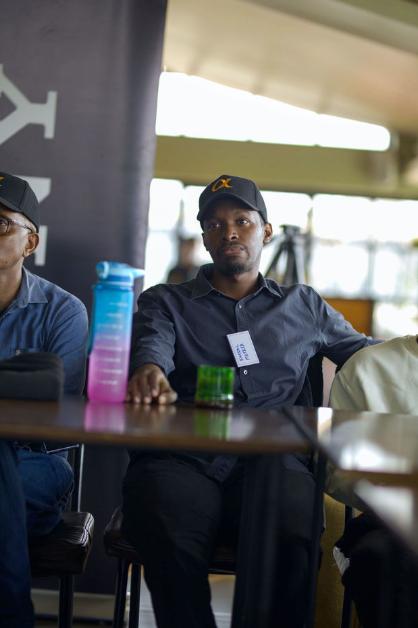
The inaugural Sony Masterclass in Kigali was organised through a partnership between Kwetu Film Institute, Sony and Cameras Africa, bringing together professionals working across film, corporate communications and event photography.The event was held at Kwetu Film Institute in Kigali on Friday, October 16, 2026.Thirty selected Rwandan filmmakers, corporate media creators and event photographers participated.