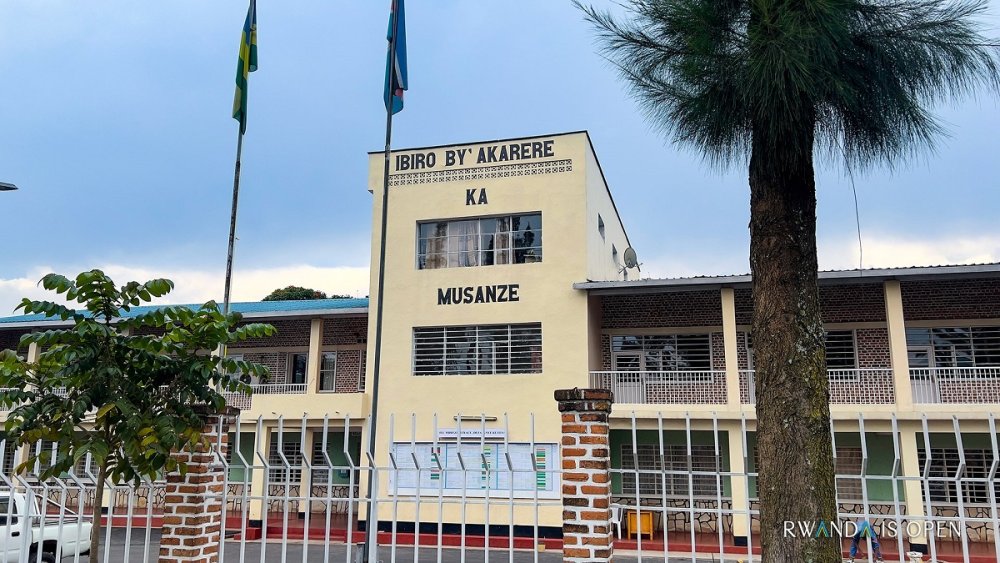
The incident occurred on August 25, 2026, in Rubindi Cell, Gataraga Sector, where the six women had gone to excavate soil used to make bricks.
Northern Province Police spokesperson CIP Ignace Ngirabakunzi confirmed the incident to IGIHE.
He said the excavation was being carried out illegally and that the site collapsed while the women were digging.
“The site was being used to illegally excavate soil for making bricks. It collapsed on six women, killing four and seriously injuring two others. It is suspected that they lacked the necessary knowledge of proper excavation and dug improperly, causing it to collapse,” he said.
Authorities and rescue teams arrived at the scene after the incident was reported. The two injured women were taken to Ruhengeri Hospital for treatment.
IGIHE has learned that the owner of the excavation site was arrested shortly after the incident and is currently being held at the Rwanda Investigation Bureau (RIB) station in Busogo.
CIP Ngirabakunzi urged residents to ensure that excavation activities are carried out safely, warning that improper practices can lead to accidents and loss of life.
He also urged residents to avoid illegal excavation activities and called on site owners to comply with regulations governing excavation and obtain the required insurance.
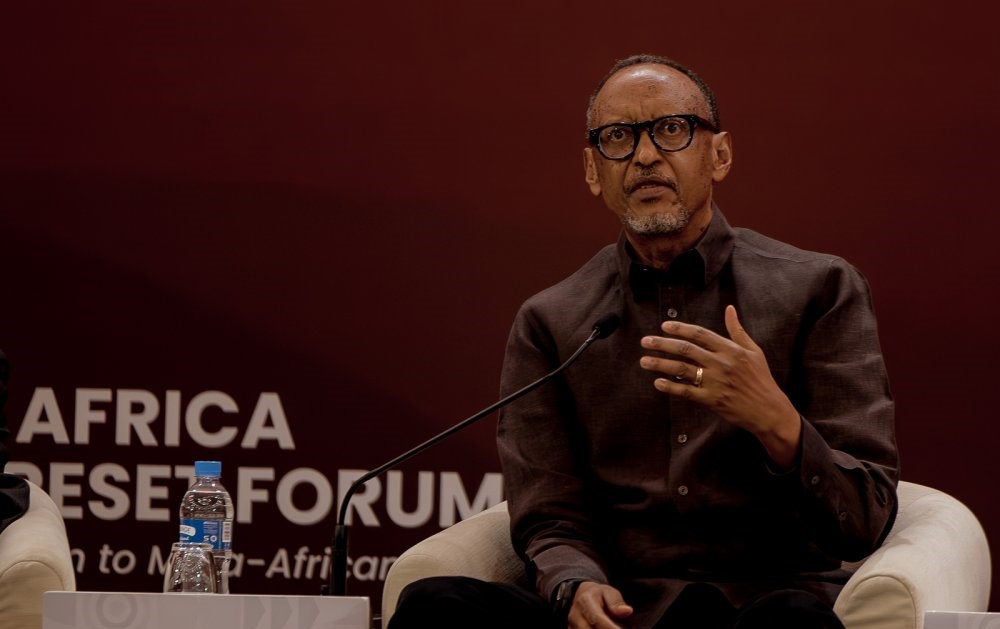
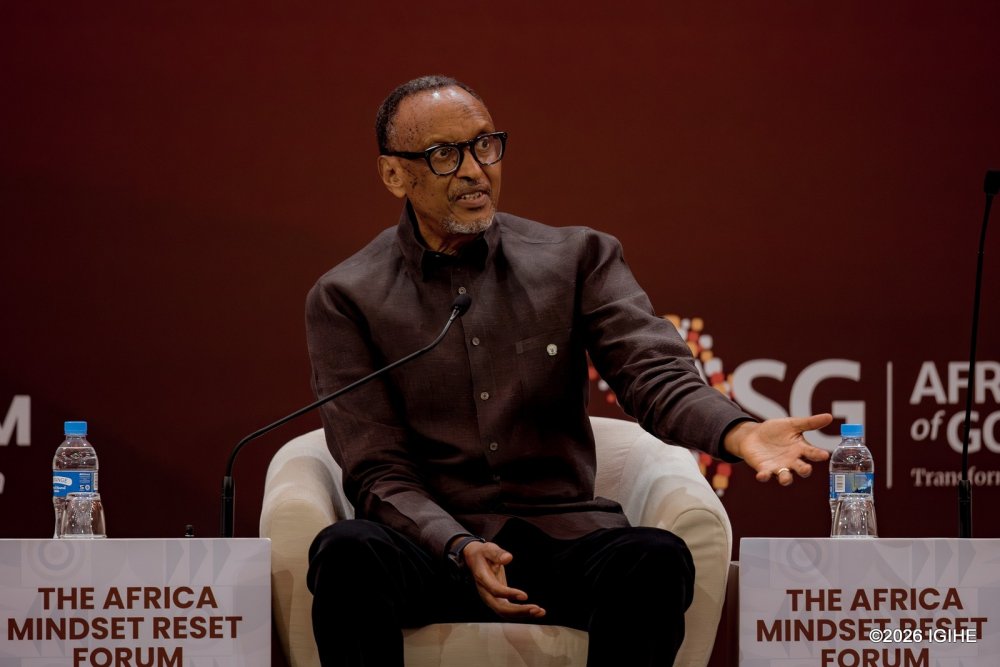
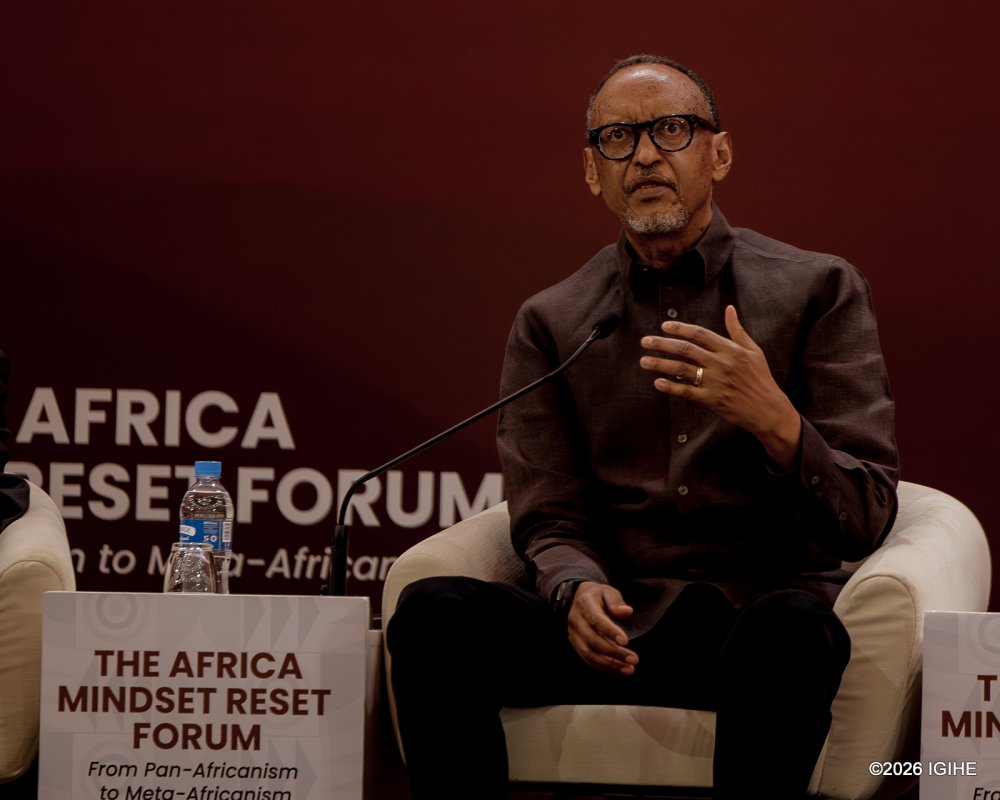
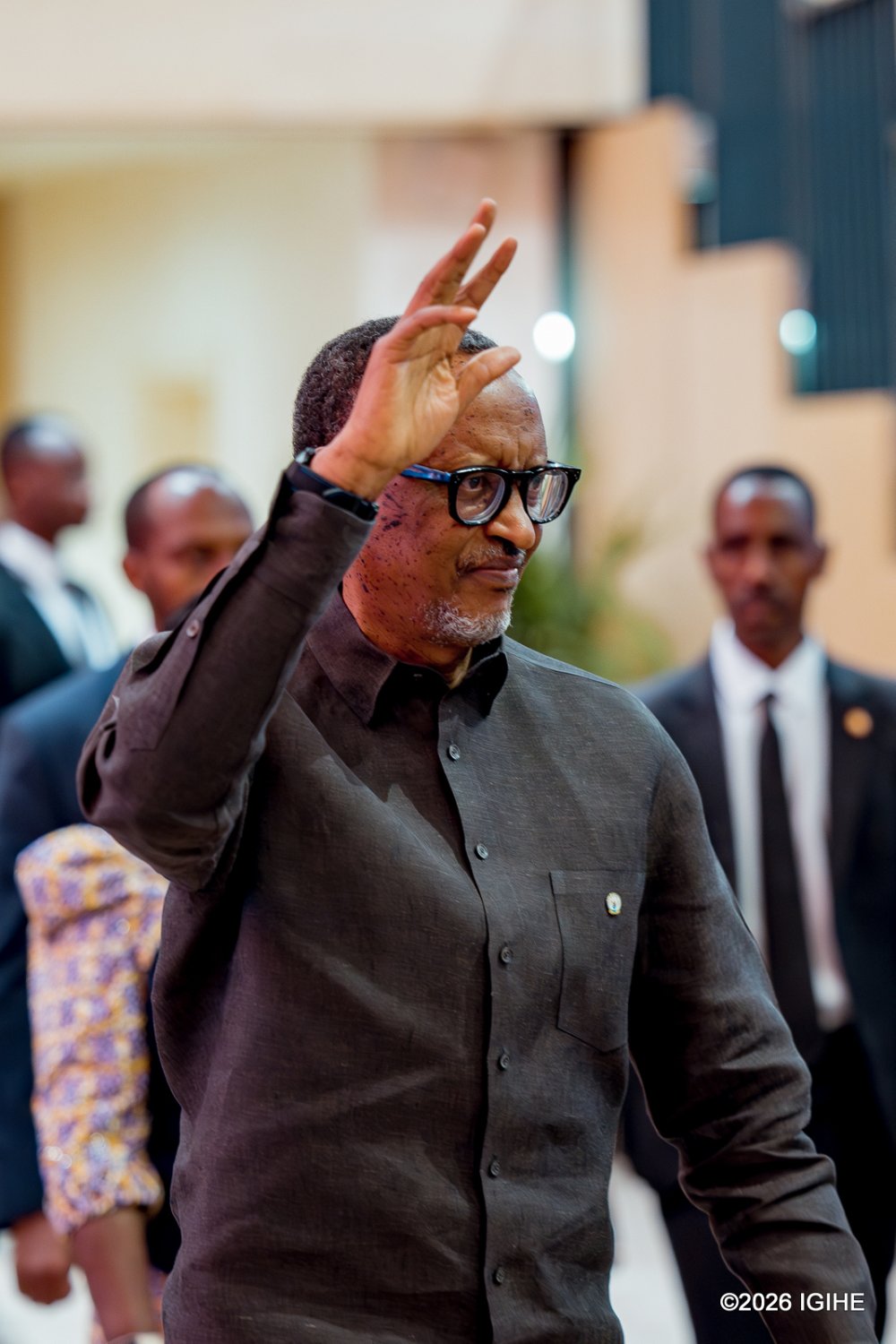
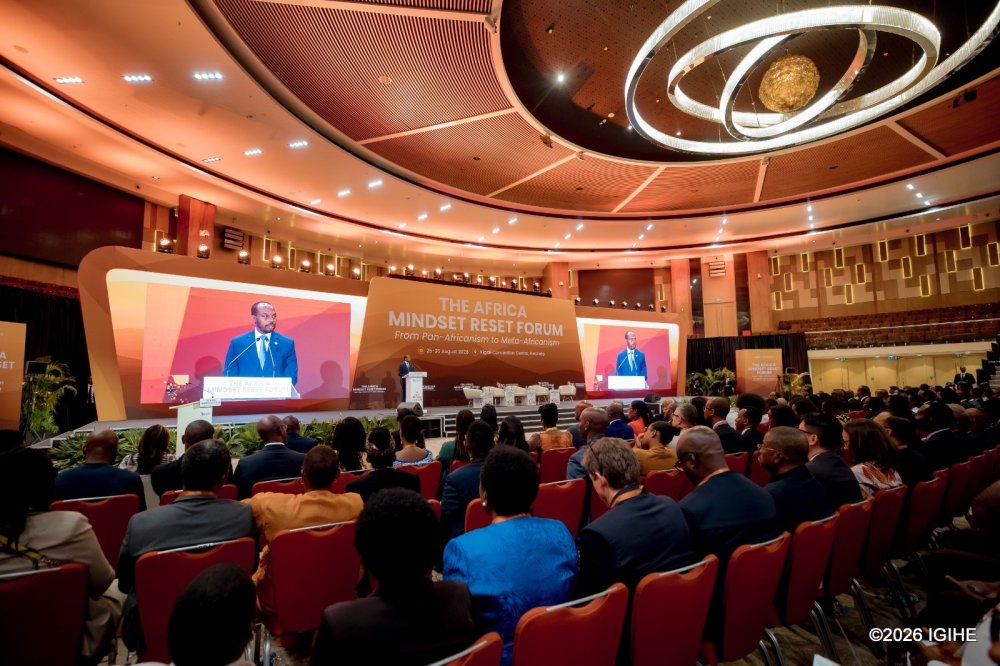
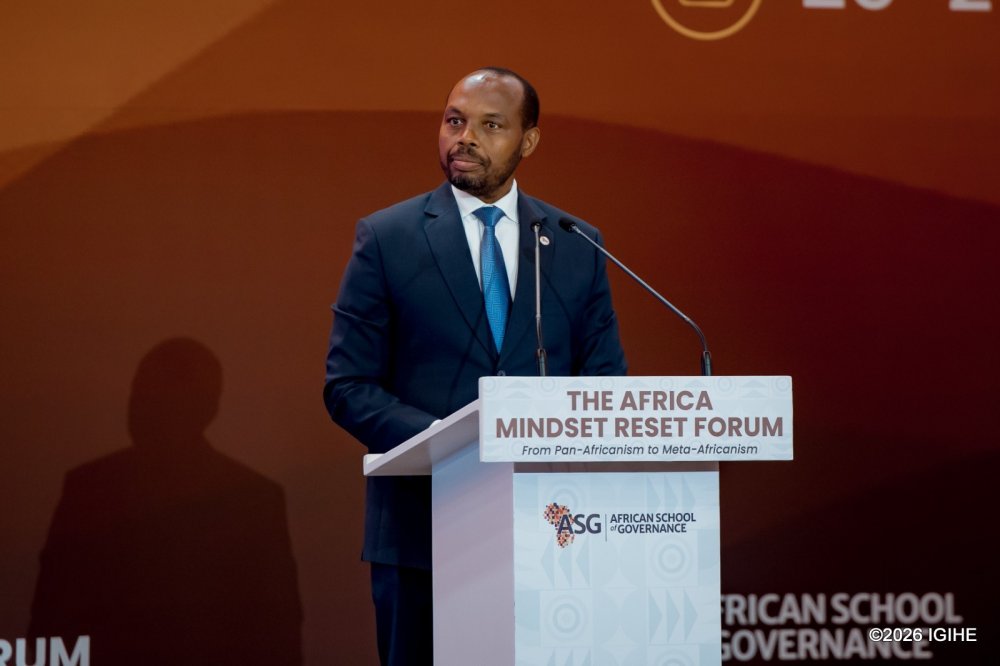
Speaking during a panel discussion at the Africa Mindset Reset Forum hosted by the African School of Governance (ASG) in Kigali on Tuesday, President Kagame said young people should not be driven into confrontation simply because they have the energy or ability to fight, but should first establish whether a cause is justified and worth the sacrifice it demands.
“You have to be selective. There has to be justification for a fight. Don’t just pick fights for the sake of it,” Kagame said.
“Don’t just pick a fight because you can fight. Choose a moment, choose what for. And it must be a just cause. And when you have been clear about it, you’ve done all the checks, then give it the fight it deserves. But be selective. Choose,” he stressed.
Kagame’s advice was rooted in his own experience as a Rwandan refugee. His family fled Rwanda amid persecution and violence in the early 1960s, and he spent much of his childhood and early life in Uganda as a refugee.
He told the forum that the hardships of life in exile shaped the determination among many Rwandans to reject a future of permanent displacement and seek a different life.
“We can’t live as refugees forever,” Kagame said, recalling the circumstances that pushed many Rwandans to make difficult choices about their future. He said some who had endured years of hardship reached a point where they felt they had to try to build “a life that is worth something” and one they could stand up and fight for.
In October 1990, the Rwandan Patriotic Front (RPF) launched an armed liberation struggle aimed at ending decades of exclusion and allowing refugees to return home. Kagame, who became commander of the RPF’s military forces, played a central role in the four-year struggle.
Reflecting on the decision to join the struggle, Kagame said it was a conscious choice made despite the enormous risks involved.
“When I was young, there were all kinds of problems that came with a silver lining, in the sense that they made a number of us who lived that life say, ‘We shouldn’t accept this,’” he recalled.
“Together with others, we made that choice, and we decided to shape the kind of life we wanted,” Kagame added, noting that those who took such decisions understood that the cost could be high.
The President said such choices also create a lasting sense of responsibility, particularly when they are made with the hope of improving the lives of others. Having taken risks to change their circumstances, he said, those who survive and succeed have an obligation to ensure that future generations do not experience the same hardships.
He urged young people to find a purpose that goes beyond themselves and to consider how their choices can affect the lives of others.
“It’s in your capacity, in your ability, in your every possibility to say, to give your life a purpose and to make a choice, a choice that you know, if you have made it, is not just going to be confined to your life, but it has impact on other people’s lives,” Kagame noted.
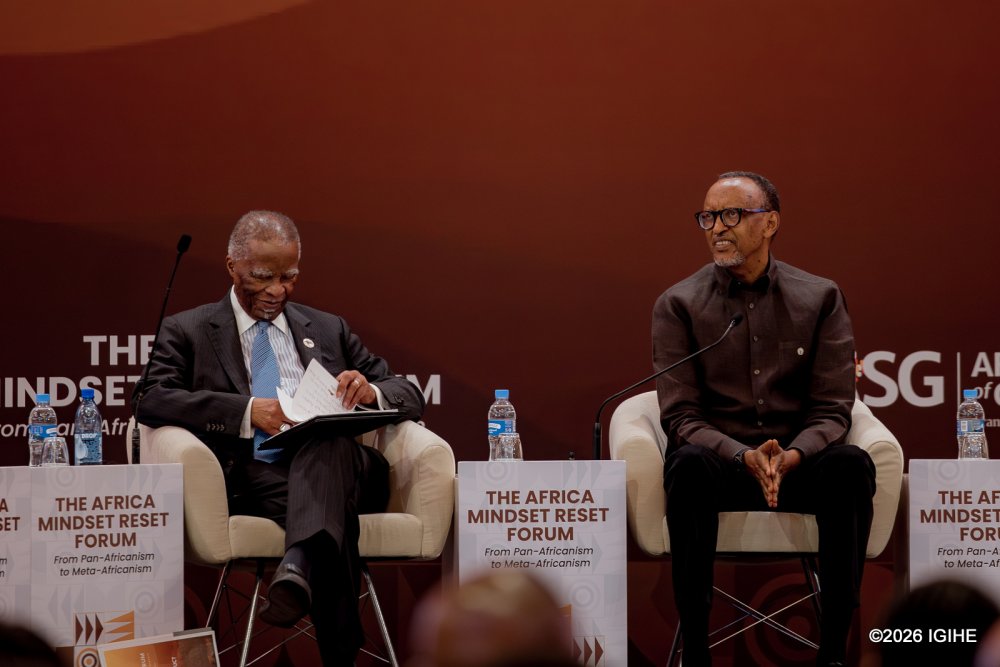
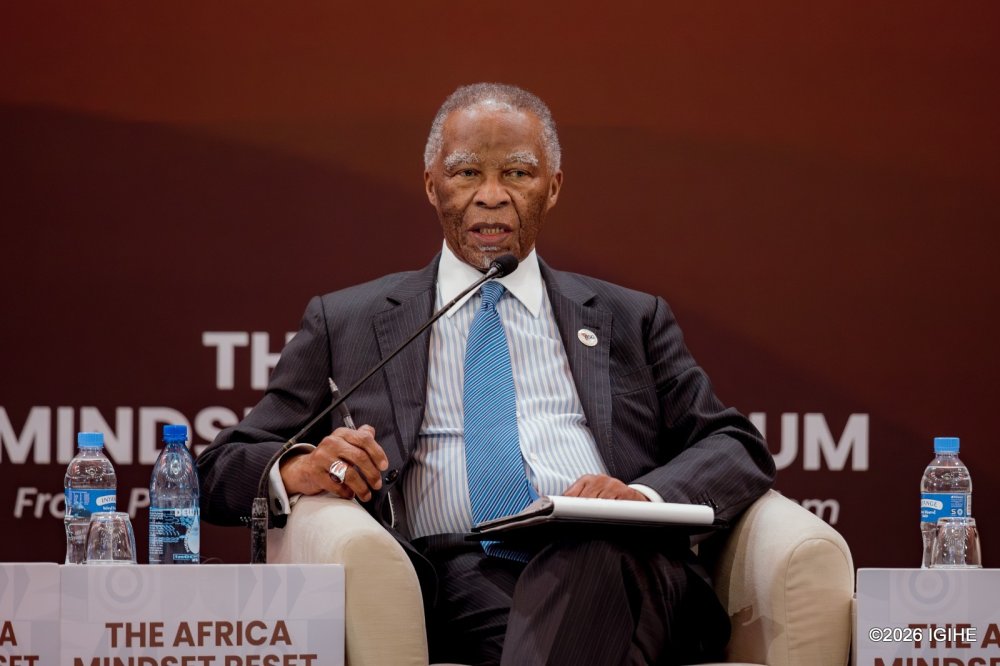
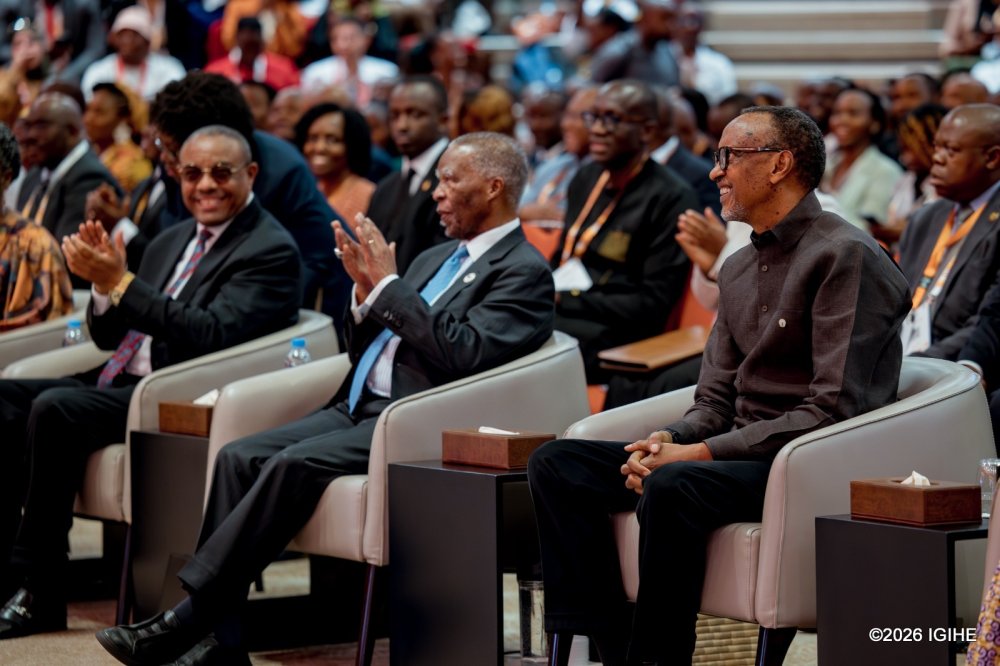
Former South African President Thabo Mbeki also reflected on his experience of joining the African National Congress Youth League at the age of 13, drawing lessons from South Africa’s long struggle against apartheid.
“The struggle hasn’t ended. So you stay with the struggle, you stay on course. The commitment you made as a 13-year-old, you stay with it,” he reflected.
He urged young Africans to persevere in the pursuit of “the Africa we want,” even when the journey becomes difficult, echoing Kagame’s call for young people to choose meaningful causes and commit themselves to them.
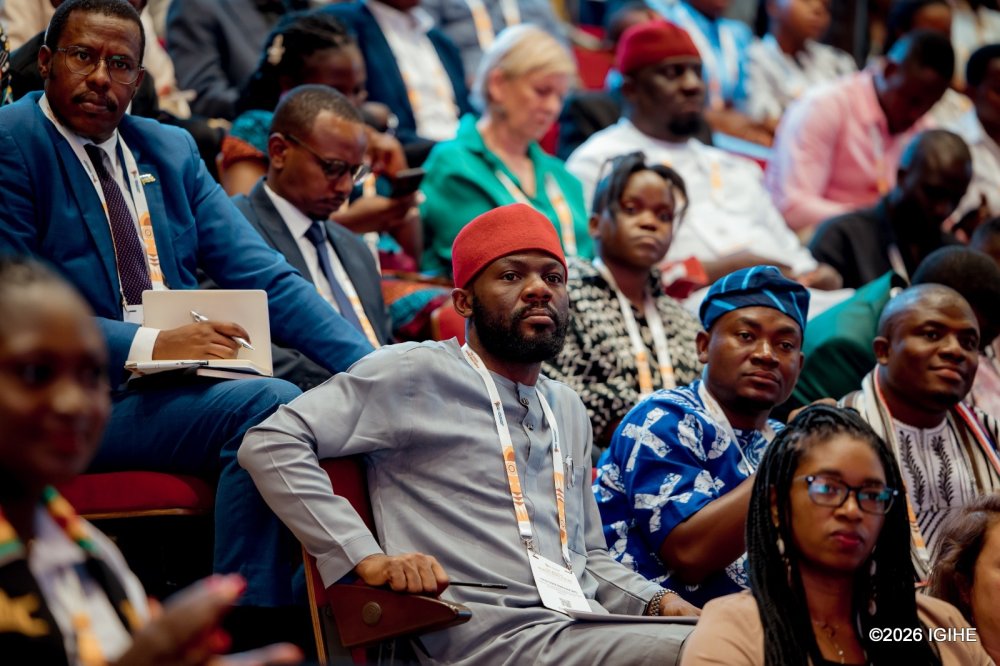
The discussion took place at the inaugural Africa Mindset Reset Forum, which seeks to encourage a shift in attitudes and approaches needed to accelerate Africa’s transformation, moving beyond identifying the continent’s challenges towards collective action and implementation.
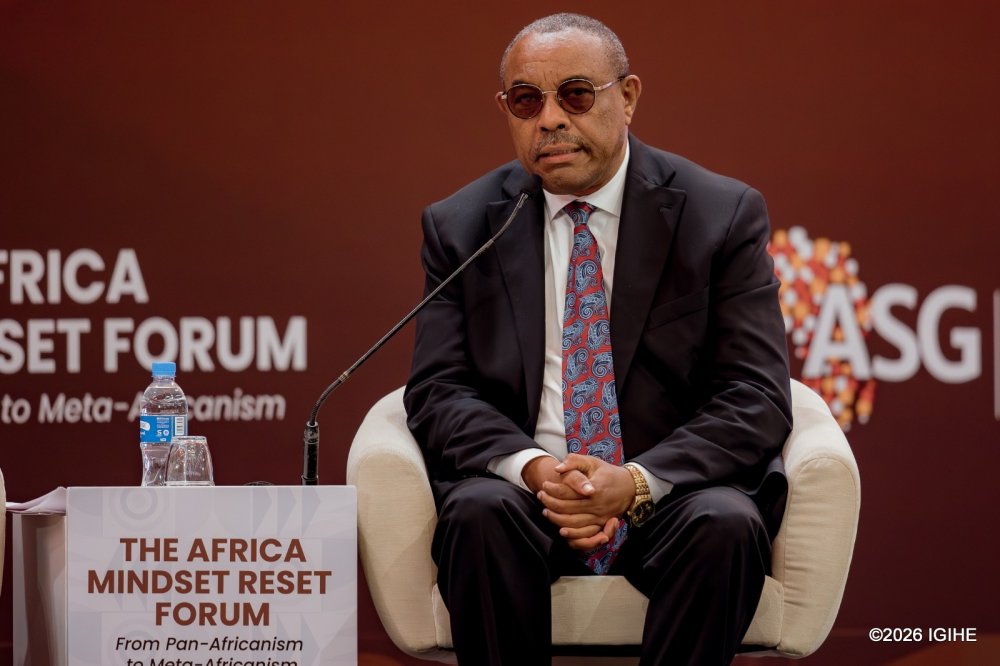
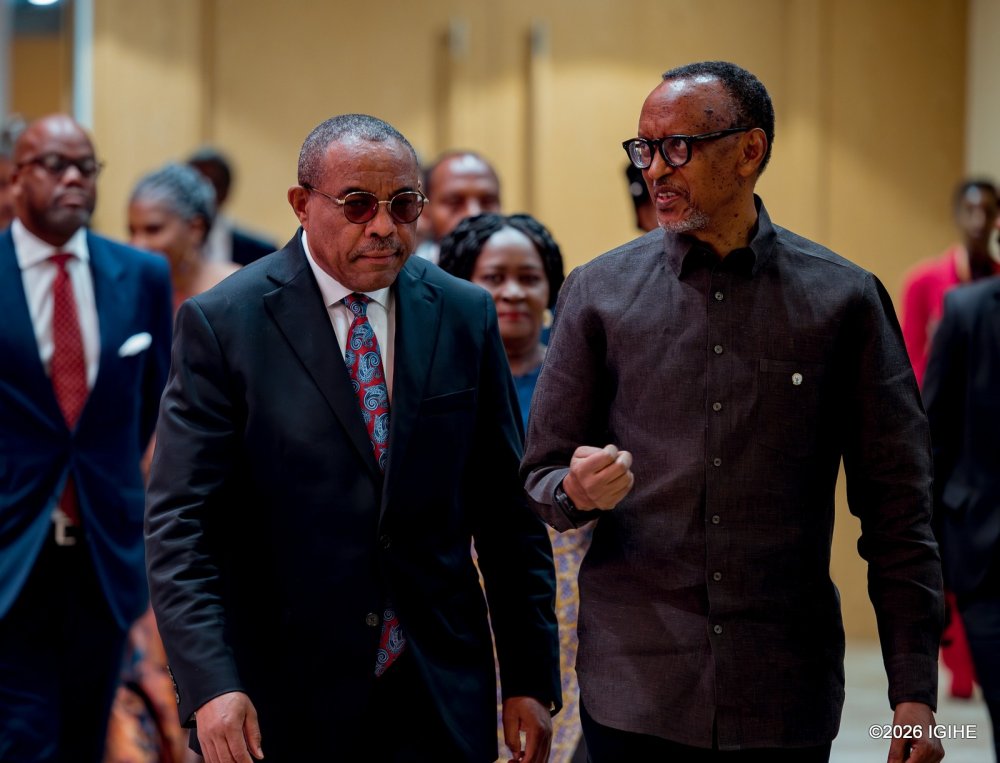
The two-day forum is being hosted by the African School of Governance, a pan-African institution for leadership, public policy and management co-founded by Kagame and former Ethiopian Prime Minister Hailemariam Desalegn. The school was officially inaugurated in January 2025 after receiving accreditation from Rwanda’s Higher Education Council.
In his opening remarks, ASG President Francis Gatare said the school was founded on the conviction that Africa does not lack ambition, resources or talent, but needs the leadership mindset required to build strong institutions and deliver results. He said its mission is to help develop a new generation of ethical African leaders with a transformative mindset and a commitment to public service.
Gatare also welcomed the school’s new cohort, comprising 238 participants from 22 African countries, who are beginning programmes ranging from the Master of Public Administration to executive education and leadership programmes for young, emerging and senior leaders.
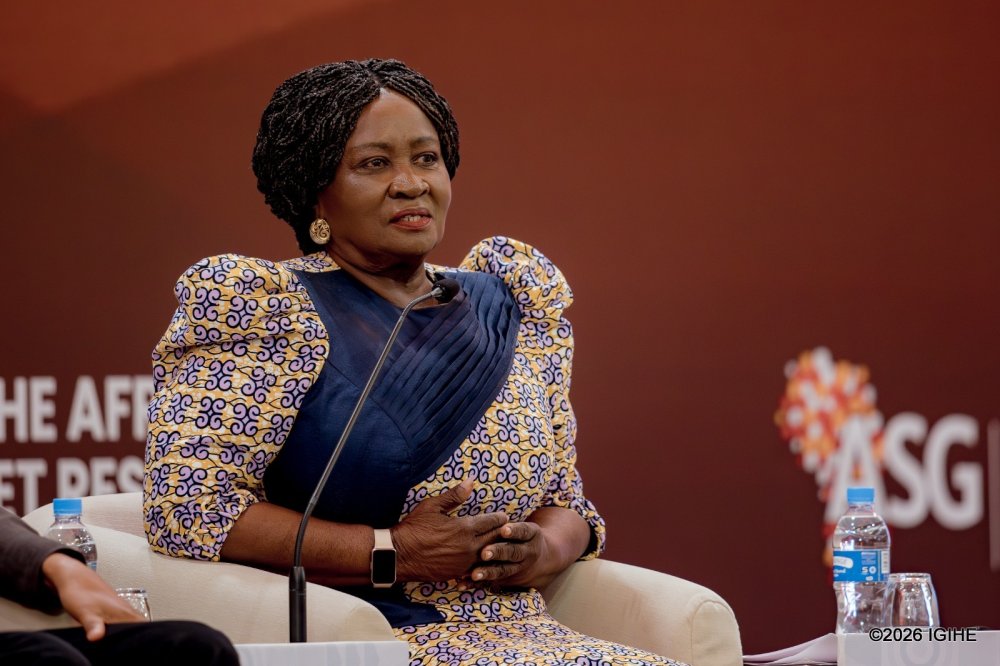
President Kagame was speaking during a panel discussion at the Africa Mindset Reset Forum hosted by the African School of Governance (ASG) in Kigali on Tuesday.President Kagame said young people should not be driven into confrontation simply because they have the energy or ability to fight, but should first establish whether a cause is justified and worth the sacrifice it demands.Former South African President Thabo Mbeki also reflected on his experience of joining the African National Congress Youth League at the age of 13, drawing lessons from South Africa’s long struggle against apartheid.Professor Jane Naana Opoku-Agyemang, the current Vice President of Ghana, was also a panellist at the forum.The African School of Governance was co-founded by Kagame and former Ethiopian Prime Minister Hailemariam Desalegn (pictured).ASG President Francis Gatare said the school was founded on the conviction that Africa does not lack ambition, resources or talent, but needs the leadership mindset required to build strong institutions and deliver results.
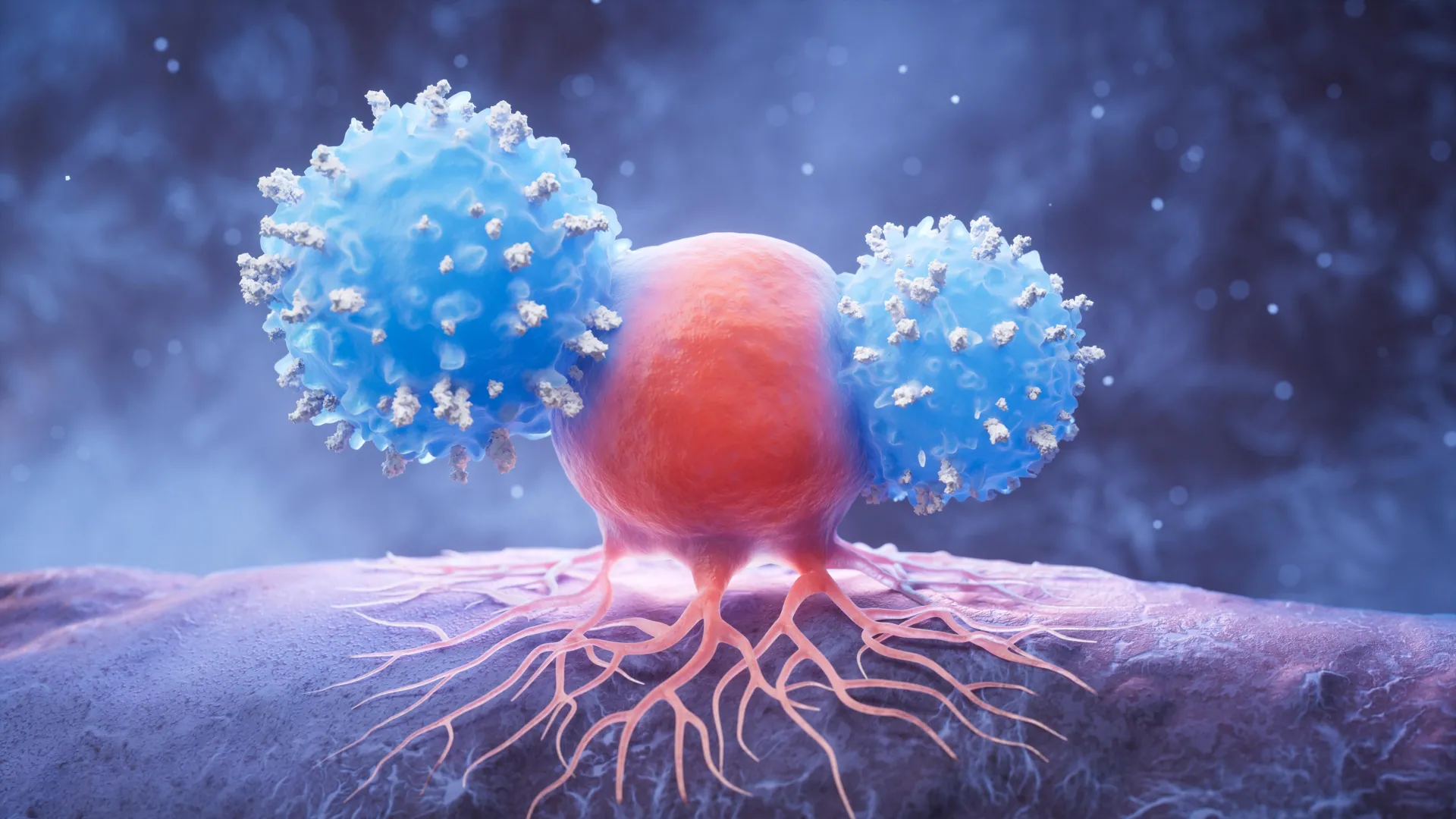
Researchers from Columbia University Vagelos College of Physicians and Surgeons found that the production of new neurons, a process known as neurogenesis, appears to stall in the hippocampus of adults with major depressive disorder.
The hippocampus is a region of the brain involved in memory and emotional responses. It is also one of the few areas of the adult brain where new neurons continue to develop.
The findings suggest that reduced production of these neurons could affect the brain’s ability to distinguish new experiences from memories of previous negative experiences.
This process, known as pattern separation, helps people recognize that similar situations are not necessarily the same.
For example, someone may have lunch with a friend who happens to be unusually quiet.
A healthy pattern separation process can help the person understand that the situation is different from previous experiences of rejection.
When pattern separation is impaired, however, the new experience may become mixed with painful memories, potentially leading to a more negative interpretation.
Researchers said newly formed neurons may help the brain create separate circuits for new memories, allowing people to respond to current experiences without automatically connecting them to previous negative events.
However, they stressed that the exact mechanism, particularly in humans, is not yet fully understood.
The study also found that depression affects more than the production of new neurons.
Researchers identified molecular changes across the hippocampal circuit, including genes involved in creating connections between brain cells, communication between neurons, energy production and the movement of materials inside cells.
The researchers also found signs of inflammation and cellular stress in the brain circuits involved in forming new emotional memories.
To investigate these changes, the team examined nearly half a million brain cells collected from people with depression and people without the condition shortly after their deaths.
Using advanced techniques, researchers analyzed gene activity in individual cells and examined changes in cellular proteins.
This allowed them to identify changes occurring in specific cells and locations within the hippocampus.
The researchers also found changes in genes previously associated with major depression, while some other changes appeared to involve epigenetic mechanisms.
Epigenetic changes can influence how strongly genes are switched on or off without changing the underlying DNA sequence. Researchers said these mechanisms can be affected by factors including stress, learning, ageing and environmental exposures.
According to the researchers, the wide range of biological changes observed could help explain why depression can affect people differently.
The findings could eventually contribute to new approaches to treating depression. Researchers are particularly interested in whether restoring neurogenesis could help some people by changing how the hippocampus processes memories.
However, the study does not mean that scientists have found a single cause of depression or that treatments capable of restoring neurogenesis are currently available.
Instead, researchers say the findings could help move the understanding of depression beyond the traditional focus on neurotransmitters such as serotonin and toward a more detailed understanding of the cellular and molecular changes involved.
The team also hopes that depression could eventually be classified according to its biological and molecular characteristics, potentially allowing treatments to be tailored to different forms of the disorder.
Scientists found changes in brain cell growth among people with depression.
Researchers found that supercentenarians, people aged 110 and above, have unusually high levels of a specialised immune cell known as CD4 cytotoxic T lymphocytes, or CD4 CTLs.
These immune cells can destroy abnormal cells and are involved in the body’s defence against infections and potentially cancerous cells.
The study, published in Cell Reports, examined blood samples from 28 people divided into three age groups: adults aged 70 to 99, those aged 100 to 109, and people aged 110 or older.
Researchers found that the proportion of CD4 CTLs increased with age. They accounted for about 4% of the relevant T cells among people aged 70 to 99, compared with 9.6% among those aged 100 to 109 and 17.6% among people aged 110 and above.
The researchers also found evidence that these immune cells undergo clonal expansion, meaning individual immune cells multiply to produce large numbers of genetically similar cells.
In one participant, a single clone accounted for more than half of all CD4 CTLs detected in the blood.
Some of the dominant immune-cell sequences were similar to sequences found in people with certain cancers, including lung, breast and liver cancer.
However, none of the supercentenarians studied had been diagnosed with those cancers.
Scientists caution that the findings do not prove that CD4 CTLs are responsible for exceptional longevity. The study was relatively small and focused on immune cells in blood.
Researchers now plan to investigate how these cells behave in different tissues.
The findings offer another clue into the biological mechanisms that may allow some people to remain healthy well beyond 100 years.
A new study has found unique immune cells in people who live beyond 110
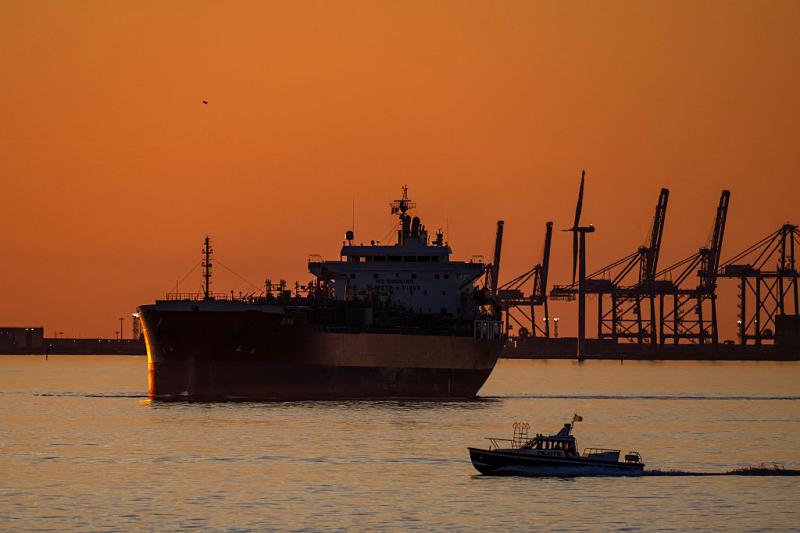
According to a Reuters analysis published on August 25, 2026, about 43% of global oil production is now linked to countries affected by conflict.
The situation has been worsened by the war involving Iran, alongside ongoing conflicts and disruptions in other major oil-producing countries, including Russia, Libya and Venezuela.
The developments have placed significant pressure on global oil supplies, refining capacity and fuel markets, raising concerns about higher energy prices and prolonged shortages.
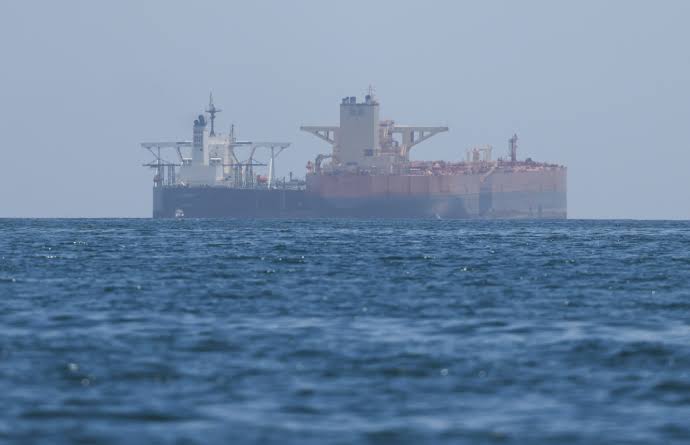
The conflict involving Iran has particularly affected oil transportation through the Strait of Hormuz, one of the world’s most important energy shipping routes.
The waterway previously handled a significant share of global crude oil and liquefied natural gas shipments.
Although some oil continues to move through the region, the security risks have increased transportation costs and forced energy companies and governments to look for alternative routes.
The crisis is also affecting oil refining. Ukrainian attacks on Russian energy infrastructure have reduced Russia’s refining capacity, while damage and disruptions in the Middle East have further tightened supplies of refined fuels.
Reuters reported that Russia has also restricted fuel exports because of domestic supply concerns, adding another layer of pressure to an already strained global market.
The impact is being felt beyond crude oil. Shortages of refined products such as diesel and gasoline have pushed fuel prices higher in several markets.
The International Energy Agency has responded by releasing emergency oil reserves in an effort to compensate for disrupted supplies.
However, global inventories have continued to decline, reducing the buffer available to protect consumers from further shocks.
The Strait of Hormuz remains a major concern. Gulf countries have explored alternative routes and pipelines to reduce their dependence on the waterway, but building or expanding such infrastructure takes time.
Energy companies are also facing higher transportation and insurance costs because of the security risks surrounding major shipping routes.
The situation has already contributed to elevated oil prices and growing concerns about inflation.
If disruptions continue, analysts warn that the pressure could spread further through the global economy as higher energy costs raise transportation, manufacturing and consumer prices.
For countries that rely heavily on imported fuel, prolonged disruptions could be particularly challenging.
The crisis therefore represents more than a regional conflict. With around 43% of global oil production now connected to conflict-affected countries, instability in several major energy-producing regions has created an unusually fragile global oil market.
As the Iran war enters its sixth month, the ability of producers to maintain supplies and of governments to keep alternative energy routes open will be critical in determining how much longer the global energy market can withstand the pressure.
Nearly 43% of global oil production comes from conflict-affected countries.
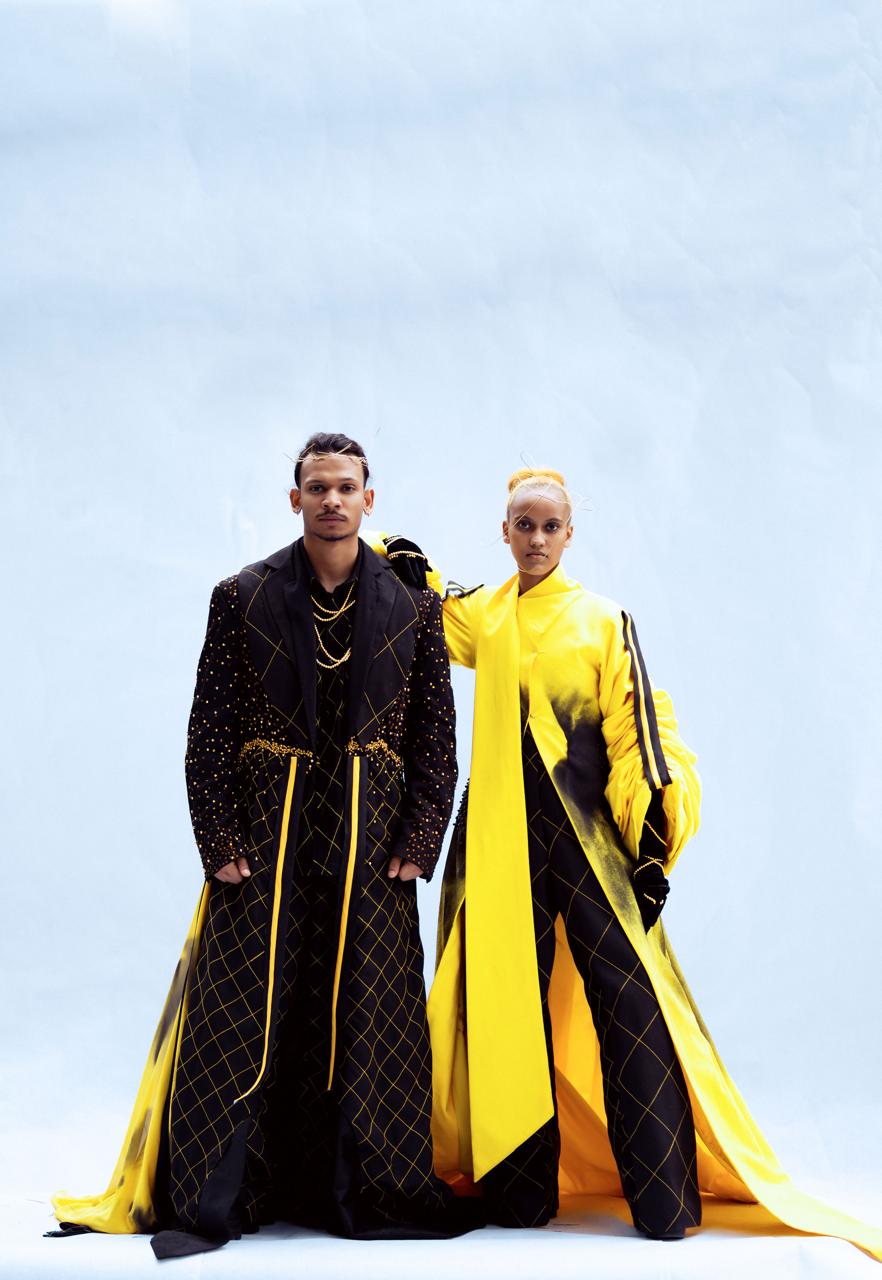
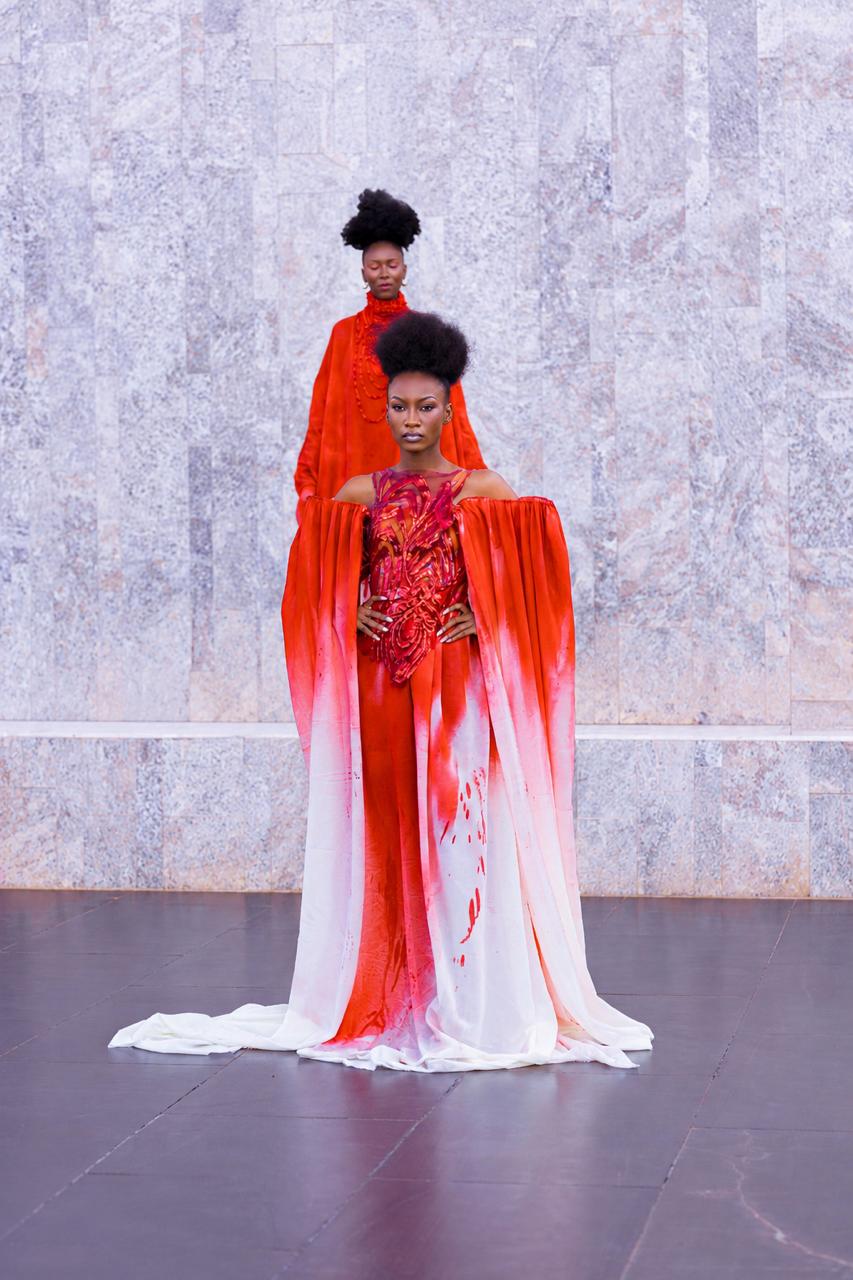
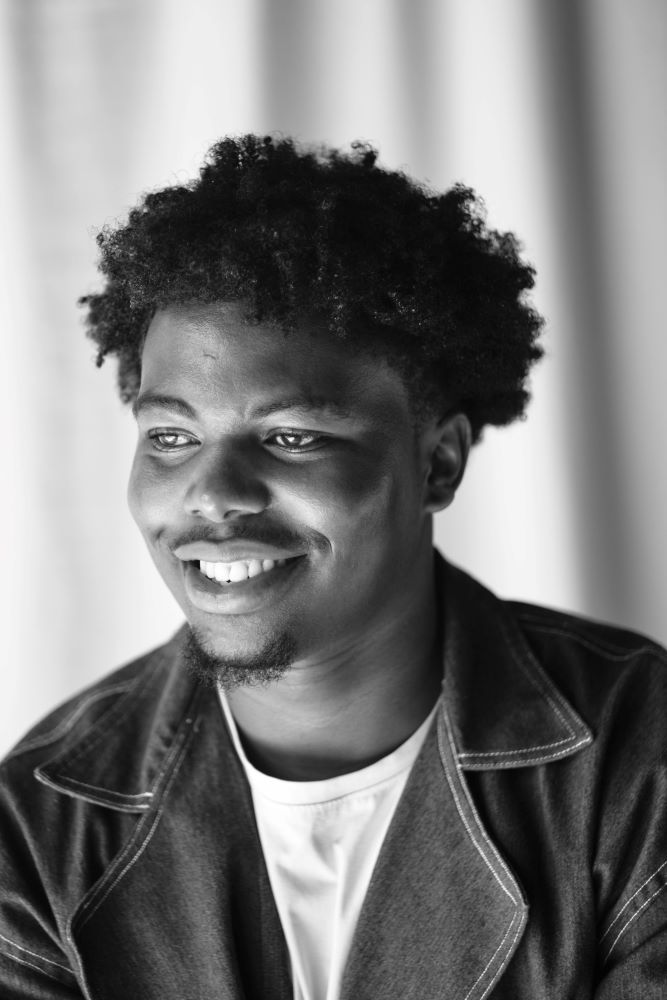
Nigiyena, a beneficiary of the British Council’s Creative DNA accelerator programme, participated in the eight-day AFWL 2026 programme held from August 17 to 23 at 8 Northumberland Avenue and the British Council Headquarters in London.
His participation marked the first time Rwanda was represented at the AFWL showcase through the Creative DNA programme, which supports emerging African fashion designers by strengthening their skills, expanding their networks and creating opportunities to access international markets.
The partnership between the British Council and AFWL built on the success of their debut collaboration last year and sought to connect African designers with new audiences while supporting the development of creative economy ecosystems across the continent.
The programme featured discussions on issues shaping the continent’s fashion industry, including African Fashion in Education, Creativity Beyond Borders and African Futures: Where African Design Is Going Now.
Nigiyena founded Matheo Studio, a fashion brand recognised for its cinematic and Afrofuturist approach, combining avant-garde silhouettes, African narratives and detailed craftsmanship.
His work has previously been showcased on major platforms, including Mercedes-Benz Fashion Week Kigali and international showcases connected to New York Fashion Week, contributing to Rwanda’s growing presence in global fashion.
Reflecting on his participation in the Creative DNA showcase, Nigiyena said the programme had played an important role in helping him develop his business.
“Matheo Studio has been a labour of love and I’m glad that Creative DNA has been by my side to help it get to the next level. My participation at the Creative DNA showcase at African Fashion Week London will be a great eye opener for my business,” he said.
British Council Rwanda Country Director Rebecca Picton said Nigiyena’s participation provided an opportunity to highlight Rwanda’s growing fashion and creative talent.
“Maurice is a great ambassador for the new wave of Rwandan and African designers. His participation at the Creative DNA showcase will not only be of great benefit to him and boost his potential as a creative to watch, but we also hope that it will help to shine a spotlight on the wealth of creative talent in Rwanda,” she said.
Nigiyena was among 10 designers selected to present under the Creative DNA banner at this year’s AFWL. The group included Bettydora Odhiambo of Atieno Studio from Kenya, Adedayo Ilori of Dimeji Ilori from Nigeria, Joan Nantege of Joan Jade from Uganda, Mastewal Belay of Mastewal Alemu from Ethiopia, Neema Nkatha Kinoti of Ohana Swimwear from Kenya, Chido Kaseke of Patch Maoko from Zimbabwe, Nyame-Nhyiraba Awura of Republic of Africa from Ghana, Ropafadzo Kuki Mapira of Soleil from Zimbabwe, and Solome Kiflu of Xufan from Ethiopia.
Creative DNA is the British Council’s fashion initiative aimed at supporting and strengthening Africa’s fashion ecosystem by nurturing designers’ skills, deepening their knowledge and expanding their professional networks.
The British Council said the initiative is designed to help emerging African fashion entrepreneurs build sustainable businesses and connect with international markets while contributing to the growth of creative industries across the continent.
The British Council is the UK’s international organisation for cultural relations and educational opportunities. It builds connections, understanding and trust between people in the UK and communities worldwide and operates in more than 100 countries.
Rwanda’s fashion talent took centre stage in London as designer Maurice Nigiyena showcased Matheo Studio at African Fashion Week London 2026.Rwandan designer Maurice Nigiyena joined 10 emerging African designers at African Fashion Week London 2026 under the British Council’s Creative DNA programme.Maurice Nigiyena brought Rwanda’s emerging fashion talent to the international stage with a showcase at African Fashion Week London 2026.
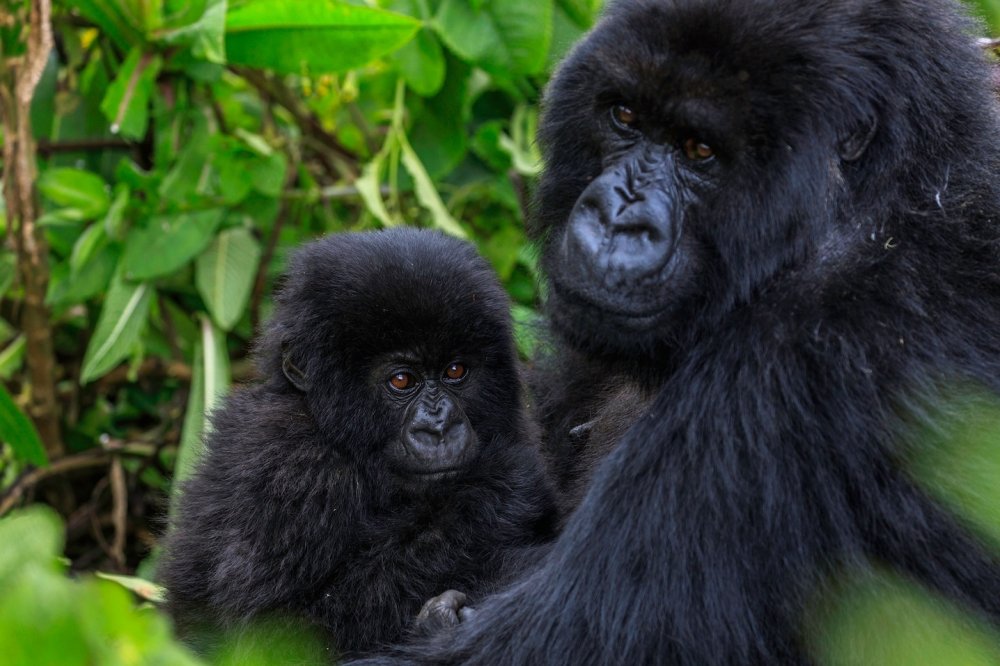
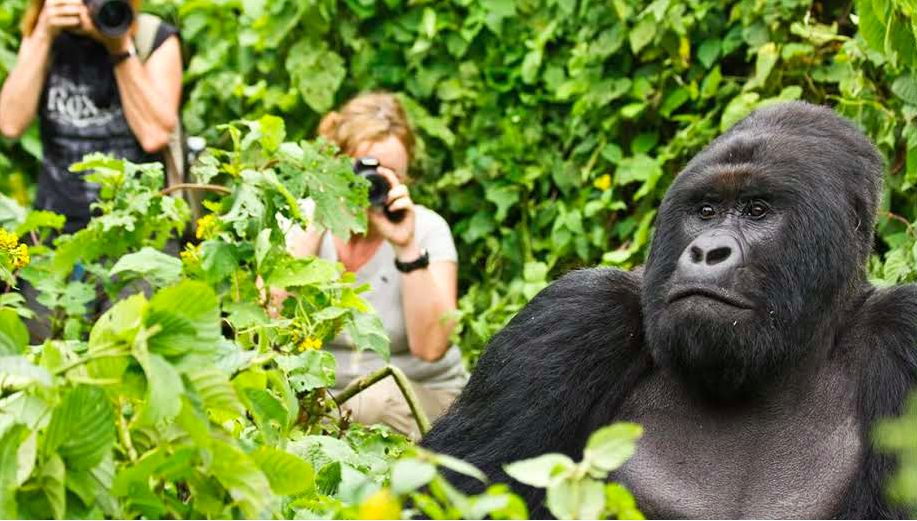
The connection between conservation and tourism is particularly evident in the country’s mountain gorilla tourism, which remains one of Rwanda’s most valuable tourism offerings.
According to the Rwanda Development Board’s (RDB) 2025 annual performance report, Rwanda’s tourism sector generated $685 million in revenue in 2025, nearly four times the $164 million recorded in 2021.
Tourism revenue rose to $455 million in 2022 as the sector recovered from the effects of the Covid-19 pandemic, before reaching $620 million in 2023 and $647 million in 2024.
In 2025, tourism revenue increased by 6% compared with the previous year, supported by growth in visitor numbers and air travel. Revenue from air travel rose by 9% to $594 million.
Gorilla tourism accounted for a significant share of those earnings, generating $248 million in 2025, an increase of 7%.
Rwanda received 1.49 million visitors during the year, up from 1.36 million in 2024, representing a 9% increase. Visitors arriving by air increased by 23%.
The growth illustrates how the conservation of a species once considered highly vulnerable has become closely intertwined with Rwanda’s tourism ambitions.
Rwanda received 1.49 million visitors during the year, up from 1.36 million in 2024, representing a 9% increase. Visitors arriving by air increased by 23%.
From 430 gorillas to more than 1,100
When Rwanda introduced Kwita Izina as an annual gorilla-naming ceremony in 2005, about 430 mountain gorillas were estimated to live in the Virunga Massif.
More than two decades later, the population has grown to more than 1,100 mountain gorillas across the Virunga Massif, which is shared by Rwanda, Uganda and the Democratic Republic of Congo.
The increase has followed years of conservation efforts involving governments, conservation organisations, researchers, veterinarians, park rangers and communities living around protected areas.
“Thanks to the leadership of Rwanda, the dedication of conservationists and the commitment of our communities, mountain gorillas have come back from the brink. Today, there are more than 1,000 mountain gorillas worldwide, including more than 600 in the Virunga Massif,” Prime Minister Dr. Justin Nsengiyumva remarked during last year’s 20th anniversary of the baby gorilla naming ceremony, reflecting on the species’ recovery.
For Rwanda, protecting the gorillas has gone beyond preserving an endangered species. It has created a tourism attraction that brings international visitors into the country and generates revenue that can in turn support conservation and communities.
Kwita Izina grows beyond gorilla naming
The story of this relationship is perhaps best captured by Kwita Izina.
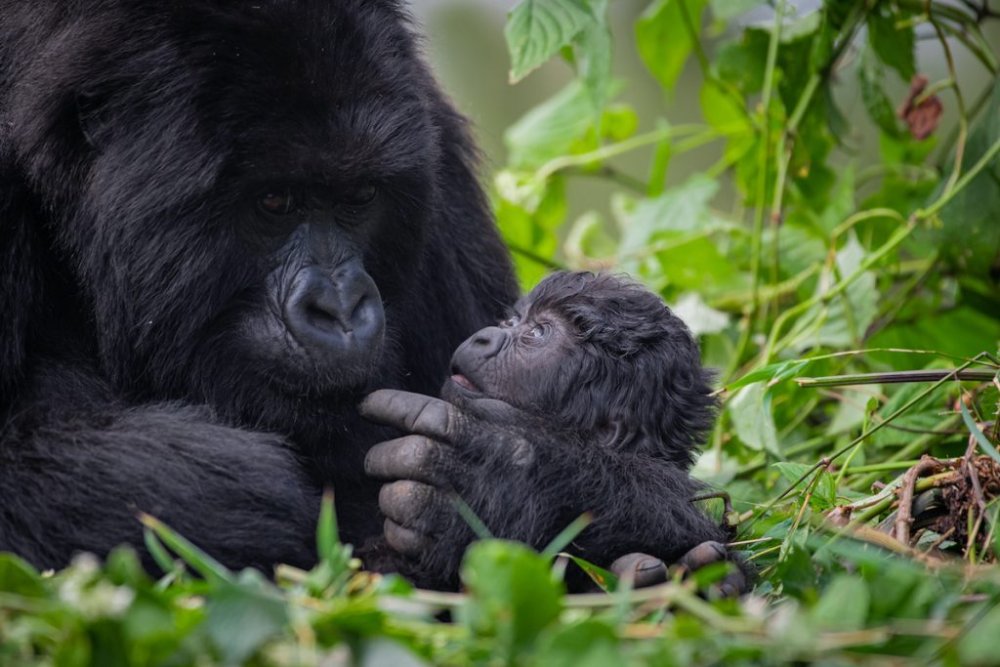
The 2026 ceremony will take place in Kinigi, Musanze District, on September 4, when 22 baby gorillas will be given names. Up through 2025, a total of 438 gorillas have been named since the event became an annual ceremony in 2005.
Over the years, Kwita Izina has evolved beyond the naming of gorillas. It has become a platform bringing together conservationists, researchers, government officials, business leaders and international visitors to discuss wildlife protection and the role of communities in conservation.
“For over two decades, Kwita Izina has showcased Rwanda’s belief that conservation is not simply about protecting wildlife. It is about creating opportunities for people, supporting communities, growing tourism and ensuring that future generations inherit a healthy and thriving natural environment,” RDB stated recently ahead of the 2026 edition.
The event has also become an important avenue for promoting Rwanda as a destination and highlighting the economic value of protecting its natural heritage.
Tourism growth beyond gorillas
While gorilla tourism remains an important source of revenue, Rwanda has continued to diversify its tourism products.
Visits to friends and relatives generated $180 million in 2025, an increase of 19%, while educational travel generated $64 million after growing by 17%. Business tourism contributed $112 million.
The diversification has helped broaden the sector while gorilla tourism continues to anchor Rwanda’s wildlife offering.
Bringing tourism benefits to communities
Rwanda has also sought to ensure that the economic value created by conservation reaches communities living near national parks.
Through its tourism revenue-sharing programme, 10% of tourism revenues is allocated to communities living around protected areas.
The funds are invested in projects such as schools, health centres, water infrastructure and other community facilities.
RDB says more than Rwf23 billion has been invested in nearly 1,300 community projects since the programme began.
The model is designed to strengthen the relationship between communities and conservation by ensuring that people living alongside protected areas benefit from the tourism economy generated by wildlife.
Expanding Volcanoes National Park
The next phase of Rwanda’s conservation efforts is also expected to expand the space available for wildlife.
Rwanda is implementing a $259 million, 10-year project to expand Volcanoes National Park by 3,740 hectares and establish an additional 6,620-hectare buffer zone.
The project includes the $30 million Smart Green Village in Rurembo, which is being developed for families relocated from areas designated for the park’s expansion.
The village will include water and electricity, schools, health facilities, farmland and livestock facilities.
The project is expected to improve the livelihoods of more than 17,000 people, including 547 households that will relocate to the village, while reducing human-wildlife conflict by 80%.
The expansion reflects the broader approach Rwanda has taken to conservation, combining the protection of natural habitats with efforts to address the needs of communities living around them.
As Rwanda prepares for another Kwita Izina ceremony, the annual event offers more than a celebration of newborn gorillas.
It represents a conservation journey that has helped Rwanda build one of its most recognisable tourism products, while creating a model in which wildlife protection, tourism revenue and community development are increasingly connected.
The 2026 ceremony will take place in Kinigi, Musanze District, on September 4, when 22 baby gorillas will be given names. Up through 2025, a total of 438 gorillas have been named since the event became an annual ceremony in 2005.
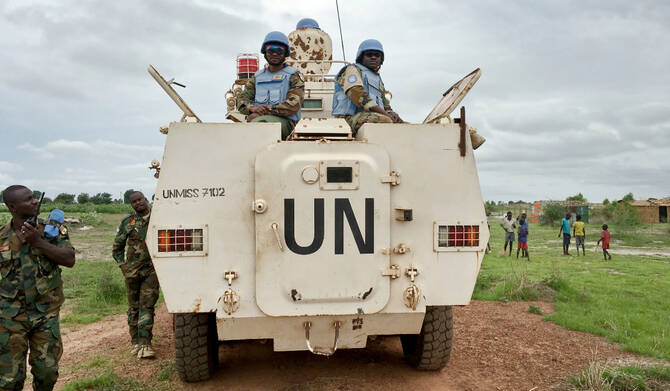
“The secretary-general condemns in the strongest possible terms Monday’s ambush by unidentified armed individuals on a United Nations Mission in South Sudan (UNMISS) patrol in Jonglei state in South Sudan,” said Stephane Dujarric, the spokesman, in a statement.
Two Ethiopian peacekeepers were killed in the attack, while seven others were injured — three Ethiopian blue helmets, two South Sudanese police personnel and two UNMISS civilian staff, said the spokesman.
“The secretary-general reminds that attacks against UN peacekeepers may constitute war crimes. All attacks on peacekeepers must be promptly investigated, and those responsible must be effectively prosecuted and held accountable,” said the spokesman.
Guterres expressed his deep condolences to the families of those killed and wished all those injured a swift and full recovery. He reaffirmed the United Nations’ commitment to stand with the victims and their families during this profoundly difficult time, said the spokesman.
In this Sunday, June 18, 2017 file photo, peacekeepers from the United Nations Mission in South Sudan (UNMISS) provide security during a visit of UNCHR High Commissioner Filippo Grandi to the U.N. Protection of Civilians camp in Bentiu, South Sudan. (AP)
“We are launching an economic onslaught against Iran’s financial connections around the globe,” said Bessent at a press conference. “Our objective is to sever every economic lifeline” that sustains the country, he said.
The U.S. Treasury Department said in a press release that the new sectoral sanctions determinations target five critical sectors — digital assets, technology, gold, aviation and shipping — that the U.S. says Iran has relied on to prop up its economy.
The measures marked the beginning of “a sustained and systematic campaign to close every financial resource” that supports Iran, the department said. It added that “any entity that facilitates money laundering or sanctions evasion on behalf of Iran risks being cut off from the U.S. financial system.”
The department is expanding the categories of “Iran-related conduct” that the United States might sanction in the future, and said “every country will be given a defined timeline to shut down the Iran-related activity” the United States has identified.
Bessent disclosed that U.S. President Donald Trump has been calling world leaders with specific requests to cease their interactions with Iran.
Simultaneously, the department’s Office of Foreign Assets Control (OFAC) sanctioned nearly 60 entities, individuals, and vessels in multiple jurisdictions that enable Iran’s activities, including illicit nuclear and missile technology procurement, cyber operations, and oil-revenue generation networks.
OFAC also suspended several general licenses that previously authorized certain remittance payments to Iran and Iranian access to the U.S. cultural and academic system.
Additionally, the Treasury Department released additional guidance on the sanctions risks associated with complying with Iranian demands regarding shipping in the Strait of Hormuz.
In a post on X, Iranian Parliament Speaker Mohammad Baqer Qalibaf responded to U.S. economic threats against Tehran by saying that, “Iran’s trading partners, both in the media and through messages sent to us, have made it clear that they don’t take these statements into account anywhere.”
“They cannot cut off our financial lifelines,” Iran’s Minister of Economic Affairs and Finance Seyed Ali Madanizadeh said in another X post, adding that Tehran has been “planning for some time to counter the sanctions.”
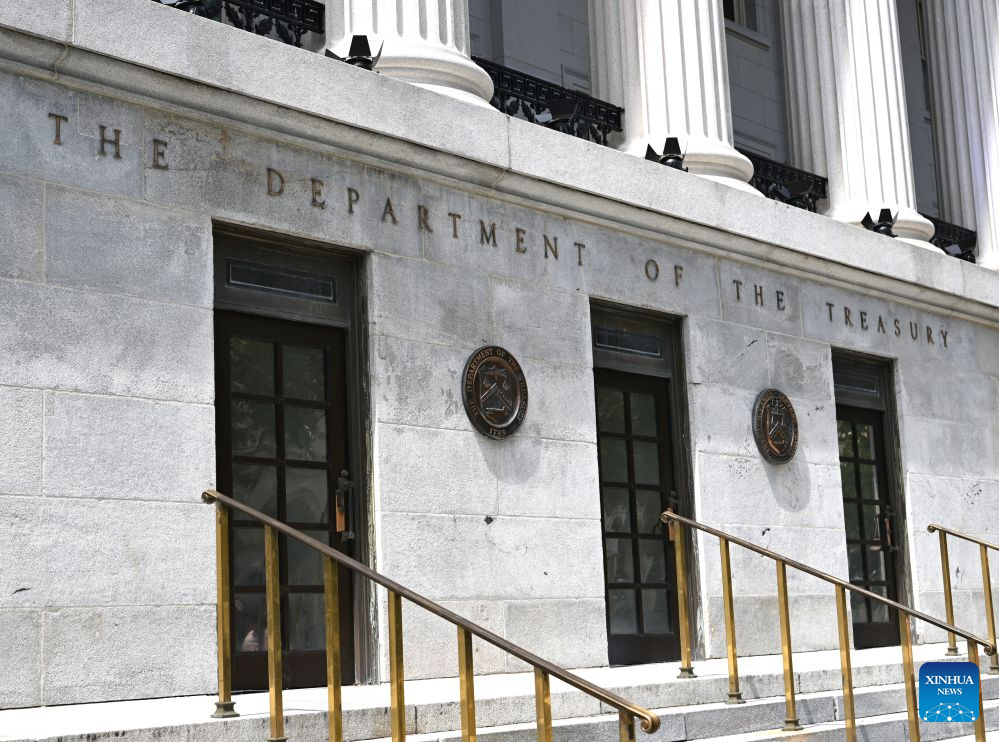
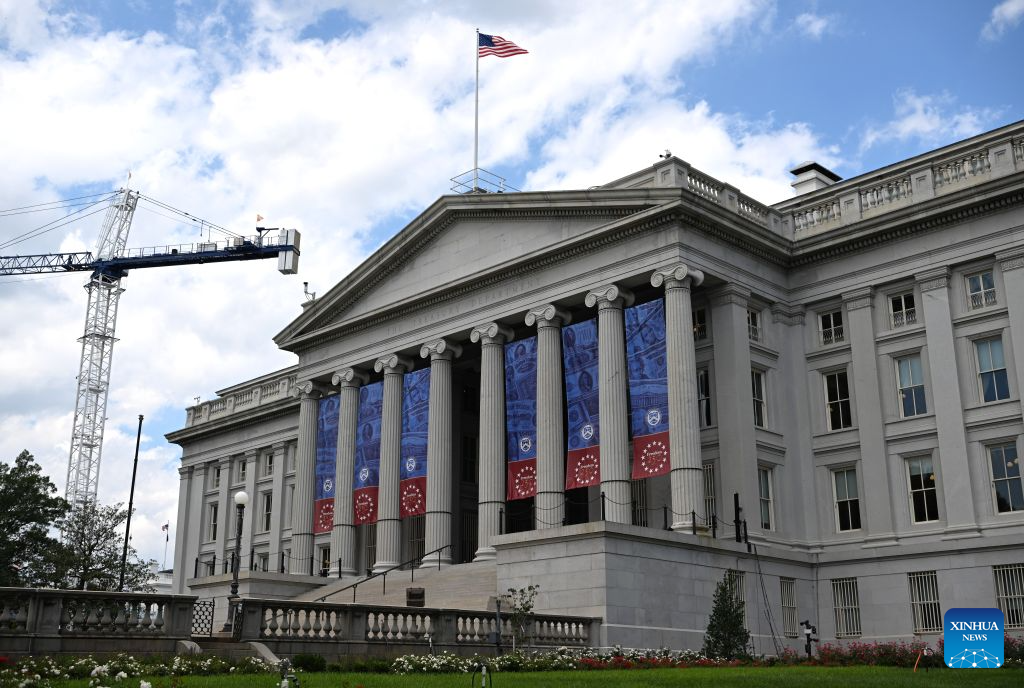
This photo taken on Aug. 24, 2026 shows the U.S. Department of the Treasury in Washington, D.C., the United States. U.S. Treasury Secretary Scott Bessent on Monday threatened Iran with “an economic D-Day,” announcing a wave of new sanctions aimed at further isolating the country. (Xinhua/Li Rui)
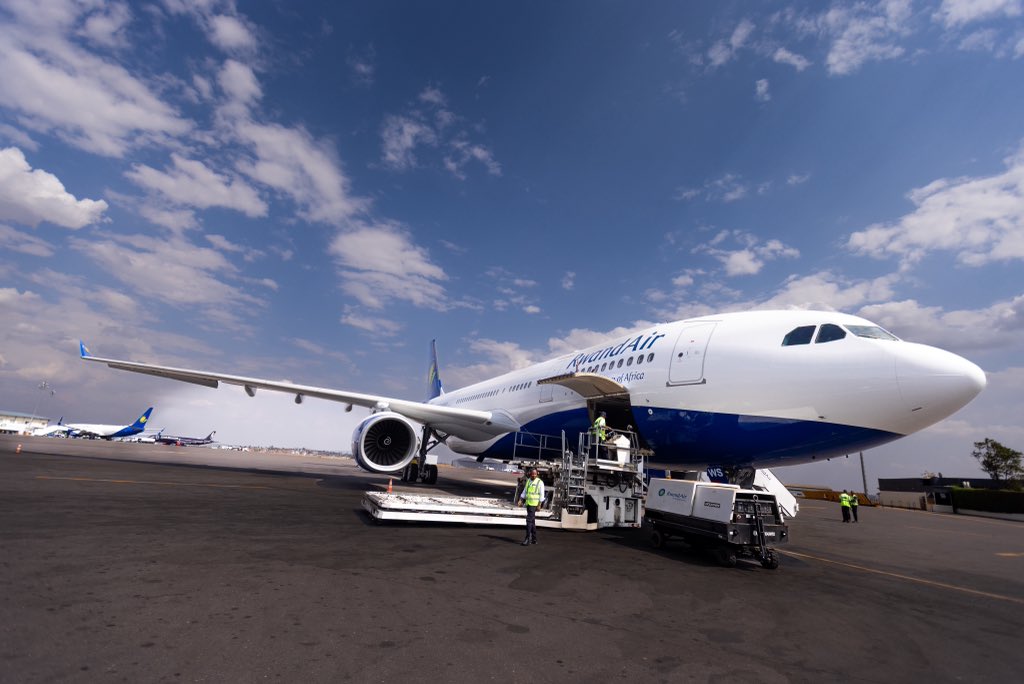
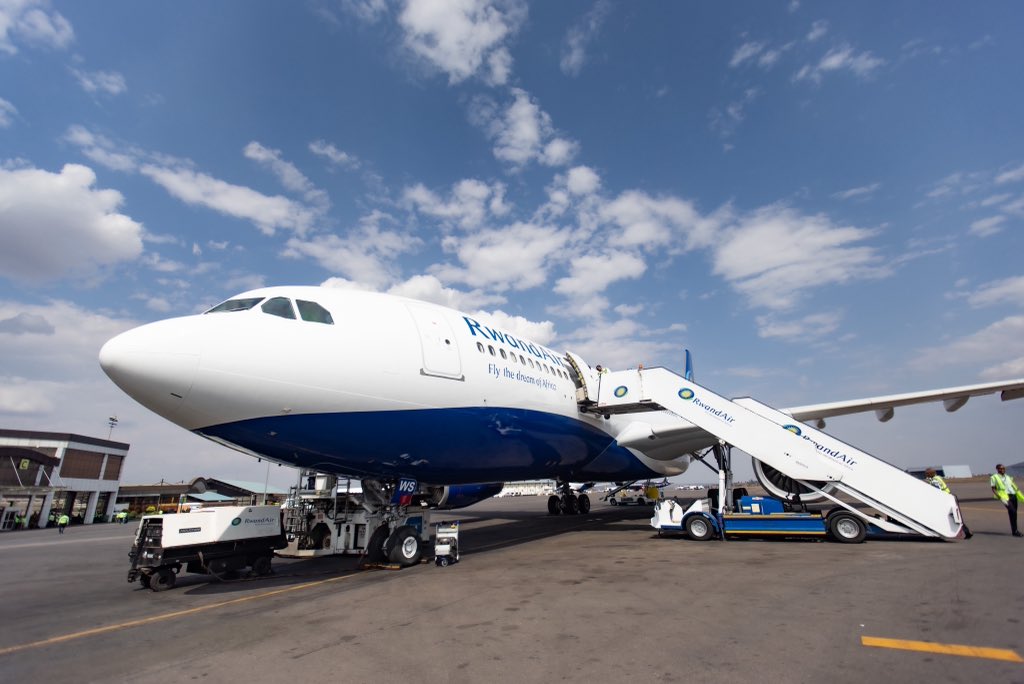
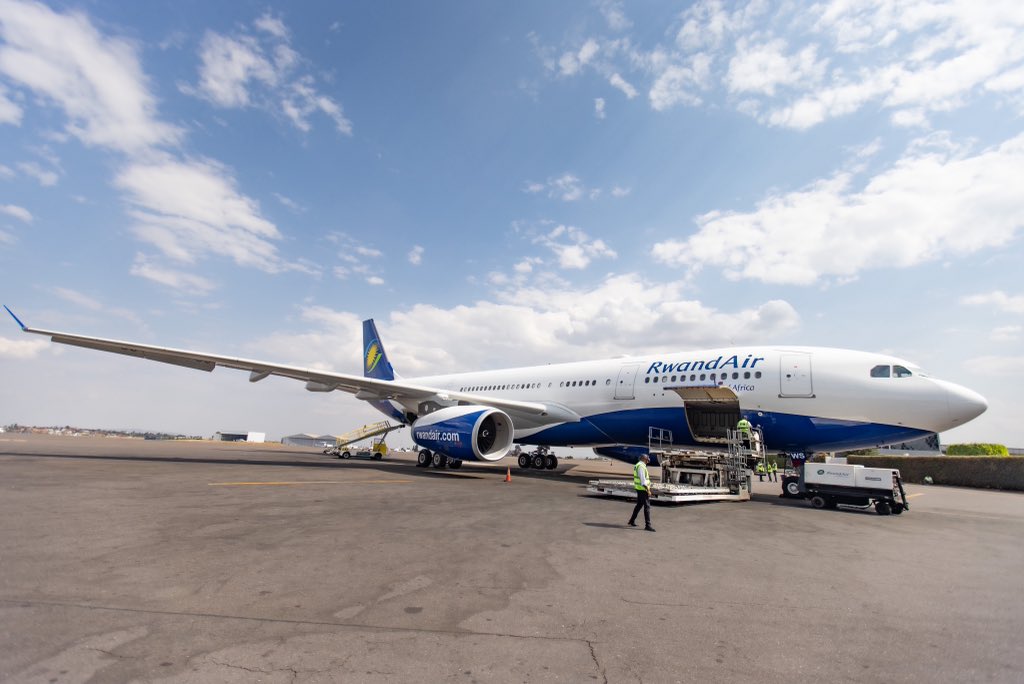
In a statement shared on Monday, August 24, RwandAir said the aircraft is the first of five A330s scheduled to join its fleet as part of efforts to support its continued expansion.
The airline said the addition will enhance passenger comfort and reliability while improving onboard connectivity, allowing travellers to stay connected throughout their journeys.
“This aircraft is the first of five A330s scheduled to join the fleet, strengthening our long-haul capabilities and supporting our continued growth,” RwandAir said.
The latest addition comes as the national carrier continues to expand its fleet to meet growing demand across its network.
In August 2025, RwandAir added two Boeing 737-800 aircraft to its fleet, primarily to serve short and medium-haul routes. Each of the aircraft has a passenger capacity of 174.
The fleet expansion is part of RwandAir’s broader growth strategy, with the airline investing in additional aircraft to enhance connectivity within Africa and beyond. In June 2025, the airline’s Chief Commercial Officer, Fouad Caunhye, said new aircraft would be delivered in phases to meet rising regional and international demand.
RwandAir operates a diverse fleet that includes A330-200s, A330-300s, Boeing 737 Next Generation jets, Bombardier CRJ900s and De Havilland Dash 8-400s, serving destinations across Africa, Europe, Asia, the Americas and the Middle East.
RwandAir said the aircraft is the first of five A330s scheduled to join its fleet as part of efforts to support its continued expansion.The airline said the addition will enhance passenger comfort and reliability while improving onboard connectivity, allowing travellers to stay connected throughout their journeys.