AFC/M23 stated that it conducted drone strikes on the airport on February 1 and March 1, 2026, targeting a section of the facility used by the DRC military and its allies.
The aim was to destroy part of the airport’s infrastructure utilized by the DRC military forces and their partners.
The alliance explained that the DRC military and its partners use the airport to prepare and launch drone strikes against AFC/M23 bases and civilians in North Kivu and South Kivu provinces.
Dr. Oscar Balinda, the Deputy Spokesperson for AFC/M23, revealed that the alliance has deployed commando units near Kisangani.
These units are tasked with carrying out operations aimed at disrupting the DRC’s plans to destabilize areas under AFC/M23 control.
“The commandos operate day and night, completing their missions and returning once the task is finished. Our goal is to halt this terror and restore peace so we can return to the negotiation table and work towards lasting peace,” he stated.
On March 2, 2026, AFC/M23 enrolled 1,518 special force recruits who were trained at the Rumangabo military camp in Rutshuru Territory.
The alliance clarified that these new recruits are specially trained commandos with advanced combat skills, prepared to undertake mobile operations and establish permanent bases.
Yannick Tshisola, Chief of Staff to AFC leader, hinted that these new fighters would be involved in future missions, similar to the recent strike on Bangoka International Airport.
Dr. Balinda stated that AFC/M23 fighters conduct targeted attacks in Kisangani before returning to their original positions.
The National News Agency reported that the victims included senior Hamas official Wassim Atallah al-Ali and his wife after an Israeli drone targeted their home in the camp.
One of al-Ali’s daughters was also injured and transferred to the hospital inside the camp for treatment.
Hezbollah on Monday fired missiles and drones toward Israel in retaliation for the killing of Iran’s Supreme Leader Ali Khamenei in a joint U.S.-Israeli strike and for repeated Israeli attacks on Lebanon.
Israel has responded with massive airstrikes on Hezbollah targets and deployed ground forces into southern Lebanon.
The report, produced by intelligence services in the Democratic Republic of the Congo in February 2019, details the activities of a coalition of armed groups known as P5, which was reportedly formed with the aim of overthrowing the Government of Rwanda.
According to the document, the coalition brought together several political and armed groups, including the Rwanda National Congress (RNC) led by former Rwandan army officer Kayumba Nyamwasa; FDU-Inkingi associated with Victoire Ingabire Umuhoza; CNRD-FLN linked to Paul Rusesabagina; RUD-Urunana led by Nshimiyimana Cassien; and the FDLR commanded by Victor Byiringiro.
The report claims that fighters from this coalition were recruited and trained at a military camp in Bijabo, located in Balala-Sud Groupement in the Tanganyika sector of Fizi Territory, South Kivu.
On the night of January 22, 2019, more than 1,500 fighters from the FDLR reportedly moved from Masisi Territory in North Kivu toward Shanje in Lowa-Numbi, within the Buhavu Chiefdom, where they were expected to link up with other P5 elements led by Nyamwasa.
The document further alleges that the coalition intended to establish operational bases in Burundi before launching attacks into Rwanda. At the time, Burundi was led by former president Pierre Nkurunziza, whose government is said to have provided logistical support and coordination for the coalition’s activities.
According to the report, Agricole Ntirampeba, then a senior adviser to President Nkurunziza, was responsible for coordinating FDLR activities in the region.
He reportedly facilitated cooperation among the various P5 groups with the goal of strengthening their ability to destabilize Rwanda and attempt to overthrow its government.
The 2019 attack in Musanze
In October 2019, about 67 fighters affiliated with groups linked to the P5 coalition, mainly members of RUD-Urunana, entered Rwanda through Volcanoes National Park near Kinigi, close to the border with the DRC.
According to figures from the Rwandan government, the attackers killed 14 civilians and injured several others. Homes and businesses were looted, shops were destroyed, and food supplies were stolen during the assault.
Rwandan security forces launched operations to pursue the attackers, killing some and arresting others.
Those captured were later brought before the Military High Court in Kigali, where prosecutors charged them with crimes including membership in an illegal armed group, attempting to wage war against the state, and terrorism-related offenses.
Allegations of long-standing cooperation
The report also points to what it describes as a long-standing relationship between Burundi and the FDLR. According to the document, members of the armed group have at times found refuge in Burundi, and some of their activities have allegedly been facilitated from within the country.
It further claims that Burundi’s ambassador to Kinshasa at the time, Agricole Ntirampeba, helped facilitate communication between Félix Tshisekedi, president of the DRC, and the FDLR.
This reportedly contributed to joint military operations involving Congolese forces, the FDLR terrorist group formed by individuals responsible for the 1994 Genocide against the Tutsi in Rwanda and Burundian troops against the AFC/M23 coalition.
On December 5, 2019, the then commander of CNRD/FLN, Wilson Irategeka, was reportedly assisted by Burundian officials to travel to Bujumbura for medical treatment via Nyangezi-Ngomo and Kamanyola in South Kivu. Congolese soldiers stationed in the region allegedly helped transport him by motorcycle and ensured his security during the journey.
Recently, when asked about Burundi’s cooperation with the FDLR, President Évariste Ndayishimiye acknowledged the relationship, citing the adage: “The enemy of my enemy is my friend.”
Critics argue that despite presenting himself as a stabilizing figure in the region, Ndayishimiye’s policies and continued engagement with armed groups have contributed to ongoing instability in the Great Lakes Region.
Attackers were tried before the Military High Court.Some of arrested assailants who took part in Kinigi attack in 2019.
There’s also the shrinking of civic space as well as increasingly organized pushback on gender equality and the regression of women’s rights, said Sarah Hendriks, UN Women’s director of the Policy, Programme and Intergovernmental Support Division, on the global launch of the UN secretary-general’s report, “Ensuring and Strengthening Access to Justice for All Women and Girls,” ahead of International Women’s Day 2026 and the 70th Session of the Commission on the Status of Women, which is scheduled for March 9-19.
Hendriks warned that there are women who choose not to report the violence they experience, because they fear that they won’t be believed; there are women who are paid less than their male counterparts in the very same work in places where the law does not actually require equal pay; and there are girls who don’t have birth registration, face heightened risk of child marriage, and face heightened risk of trafficking.
“No country in the world has achieved full legal equality between women and men,” she said.
According to the secretary-general’s report, globally, women have 64 percent of the legal rights of men, as discriminatory legal frameworks continue to prevail; 54 percent of countries lack consent-based legal definitions of rape, while 72 percent allow child marriage in all or some circumstances; and in 44 percent of countries, the law does not mandate equal remuneration for work of equal value, meaning women can still legally be paid less for the same work.
While progress is possible as 87 percent of countries have enacted domestic violence legislation, and more than 40 countries have strengthened constitutional protections for women and girls over the past decade, discriminatory social norms — stigma, victim-blaming, fear, and community pressure — continue to silence survivors and obstruct justice, allowing even the most extreme forms of violence, including femicide, to go unpunished.
Women’s access to justice is also prevented by everyday realities such as cost, time, language, and a deep lack of trust in the very institutions meant to protect them, the report showed.
In a press release, UN Women’s Executive Director Sima Bahous said that “when women and girls are denied justice, the damage goes far beyond any single case. Public trust erodes, institutions lose legitimacy, and the rule of law itself is weakened. A justice system that fails half the population cannot claim to uphold justice at all.”
“Now is the moment to stand up, show up, and speak up for rights, for justice, and for action – so that every woman and girl can live safely, speak freely, and live equally,” Bahous stressed.
According to the release, as backlash against longstanding commitments on gender equality intensifies, violations of the rights of women and girls are accelerating, fueled by a global culture of impunity, spanning from courts to online spaces to conflict.
As technology outpaces regulation, women and girls face growing digital violence in a climate of impunity where perpetrators are rarely held accountable. And in conflicts, rape continues to be used as a weapon of war, with reported cases of sexual violence rising by 87 percent in just two years.
In the release, UN Women calls for urgent and decisive action: end impunity, defend the rule of law, and deliver equality — in law, in practice, and in every sphere of life — for all women and girls.
Sarah Hendriks, director of UN Women’s policy, programme and intergovernmental division, at the launch of the Beijing+30 Action Agenda.
Burundi, the current chair of the African Union, has nominated Macky Sall, former president of Senegal, while Costa Rica has put forward Rebeca Grynspan, economist and former vice president of Costa Rica, for the post.
With the new nominations, there are currently four candidates vying for the position. The other two candidates are former Chilean president Michelle Bachelet, nominated by Chile, Brazil and Mexico, and Rafael Grossi, the current director general of the International Atomic Energy Agency, nominated by Argentina.
In a letter to UN member states on Wednesday, UNGA President Annalena Baerbock revealed the modalities of the interactive dialogues with the candidates, scheduled for the week of April 20.
The dialogues will be structured around the three pillars of the United Nations, namely peace and security, human rights and development. Each candidate will present their vision, followed by questions and engagement from member states, according to the letter.
Nominations must be submitted in advance of the interactive dialogues, and no later than April 1, for candidates to be eligible to participate, the letter added.
The report examines how much international visitors spend from the time they arrive in Rwanda until they depart, covering expenses such as accommodation, food, shopping, and other services.
In recent years, Rwanda has opened several high-end hotels capable of hosting international conferences that bring together thousands of participants from across the world to discuss different issues.
The country has also invested heavily in healthcare infrastructure, with existing facilities being expanded to increase capacity.
In the fourth quarter of 2025 alone, more than 1,400 people entered Rwanda specifically seeking medical services.
Among the most sought-after services are cancer treatment offered at Butaro Cancer Center of Excellence and specialized procedures such as heart surgery available in Kigali.
Sports infrastructure has also contributed to the inflow of international visitors. The recently completed Amahoro Stadium now hosts international matches organized by the Confederation of African Football (CAF) and FIFA.
During the 2025/2026 football season, Amahoro Stadium has hosted several continental matches after Al-Hilal SC reached the quarter-finals of the CAF Champions League.
The matches have attracted many foreign fans and officials to Rwanda, who in turn spend on services and goods during their stay.
In addition to football, Rwanda continues to host other international sporting events including cycling, handball, volleyball, and basketball competitions, as well as entertainment concerts that bring visitors from across the world to the “Land of a Thousand Hills.”
According to the Travel Expenditure Survey included in the fourth-quarter report, visitors who came to see Rwanda’s mountain gorillas were the biggest spenders during the period.
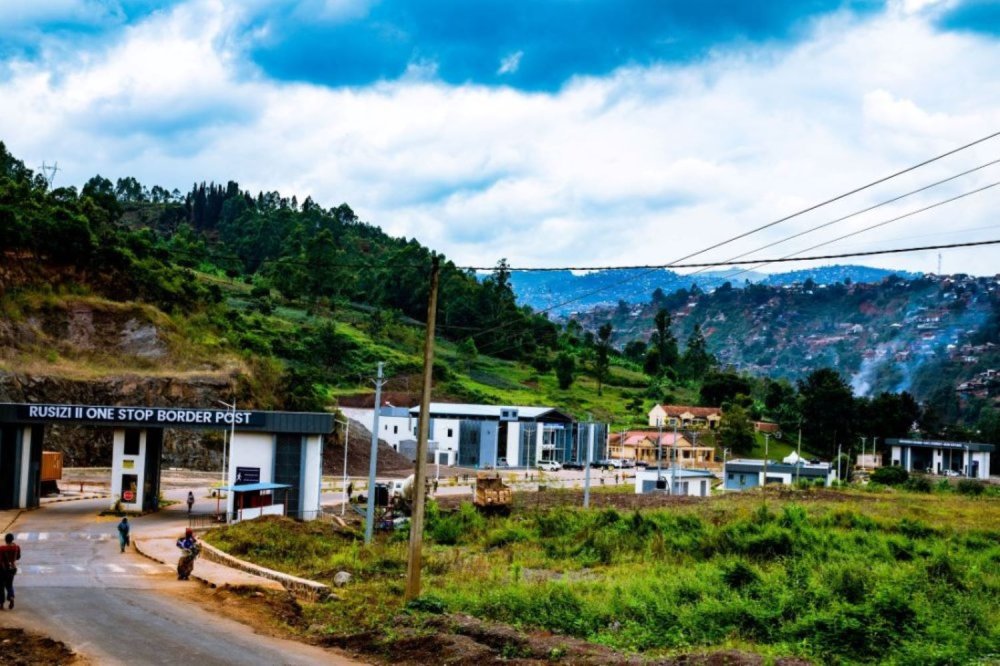
Data was collected from travelers passing through 11 border points, including Rusumo, Kagitumba, Buziba, Gatuna, Cyanika, Rusizi I, Rusizi II, Bugarama, La Corniche, and Kigali International Airport.
Information for foreign visitors was gathered at exit points, while data for Rwandans traveling abroad was collected when they re-entered the country.
In the fourth quarter of 2025, international visitors spent more than $161.5 million in Rwanda on shopping, accommodation, and other services.
Tourists traveling for holidays alone spent $65 million during the quarter, while revenue generated from gorilla tourism accounted for 71.4% of total tourism earnings.
NISR data also indicates that visitors from North America spent the most on shopping and purchasing goods in Rwanda, totaling $40.8 million.
Foreign travelers entering Rwanda by land spent about $24.9 million, with the majority traveling to visit friends and relatives, accounting for $11.3 million.
Strong performance in 2025
The report further shows that international visitors spent $130.7 million in the first quarter of 2025, $121.7 million in the second quarter, $190.6 million in the third quarter, and $161.5 million in the fourth quarter.
Leisure travelers made up the largest share of spending, accounting for 41.1% of total tourism revenue. They were followed by visitors traveling to see friends and relatives, while those visiting Rwanda for business and investment opportunities contributed 16.2% of the spending.
Meanwhile, Rwandans traveling abroad spent $83.7 million in the first quarter, $89.3 million in the second quarter, $90.1 million in the third quarter, and $95.9 million in the fourth quarter of 2025.
Rwandans who traveled abroad for business purposes accounted for the largest share of spending, representing 35.7% of the total. Those visiting friends and relatives spent 28.3%, while travelers seeking education-related services accounted for 23.1%.
A 2024/25 report from the Ministry of Trade and Industry shows that 1.15 million visitors entered Rwanda, including 37% who came for gorilla tourism, 24% visiting friends and relatives, and 17% traveling for business.
In the fourth quarter of 2025, international visitors spent more than $161.5 million in Rwanda on shopping, accommodation, and other services.
By a 53-47 vote, the Republican-led upper chamber blocked the resolution, which is intended to prevent Trump from ordering further military strikes on Iran without congressional approval.
In floor speeches before the vote, Democrats largely lashed out at the military strikes against Iran while Republicans predominately defended the president.
Veteran Democratic Senator Tim Kaine, who co-sponsored the measure, said that “the administration and their shifting set of rationales, and even in a classified setting, could produce no evidence, none, that the U.S. was under an imminent threat of attack from Iran.”
“Have we learned nothing from 25 years of war in the Middle East? 14,000 American troops and contractors killed in Iran and Afghanistan … hundreds of thousands of civilian deaths … in Iran and Afghanistan, more than 8 trillion spent that could have been spent on American health care, on American housing, on American education, spent on the war in Afghanistan and Iraq. And what did we get for it?” said Kaine.
Democratic Senator Patty Murray, vice chair of the Senate Appropriations Committee, said “we should not gamble American lives on incomplete plans, unclear objectives and completely uncertain future.”
Republicans argued that Trump’s actions in Iran were necessary and justified, accusing Democrats of objecting to Trump’s actions for partisan reasons.
A statement issued by the Directorate of Presidential Communications on Tuesday said the project forms part of broader efforts to position Tanzania as a competitive regional trade hub while addressing longstanding challenges in the receipt and storage of petroleum products.
Hassan highlighted that ongoing improvements at the port, including greater private-sector involvement in operations, have boosted efficiency, expanded cargo-handling capacity, and increased government revenue.
She emphasized that the new oil storage tanks will significantly enhance the port’s ability to handle petroleum shipments in a timely manner, reduce offloading delays, and ensure a reliable fuel supply for citizens and the productive sectors of the economy.
The project is undertaken by a joint venture between China Railway Major Bridge Engineering Group Co., Ltd. (CRMBEG) and WUHUAN Engineering Co., Ltd., according to Tanzania Ports Authority (TPA) Director General Plasduce Mbossa.
Mbossa said the facility, located at Tungi-Kigamboni in Dar es Salaam, will deliver 15 storage tanks with a total capacity of 378,000 cubic meters for diesel, petrol, and Jet A1 fuel.
As of Monday, overall implementation had reached 41 percent, with key completed works including site preparation, installation of 1,087 tank piles, and construction of pile caps, he added.
The incident occurred at the Rubaya mining sites, known for the coltan resources, in North Kivu province following “exceptionally heavy rains,” according to a statement issued by the DRC Ministry of Mines.
According to the provisional toll, more than 200 people lost their lives, including around 70 minors.
The Rubaya mining zone has been under the control of the March 23 Movement (M23) rebel group since 2024, making rescue operations particularly difficult, the statement said.
The ministry noted that the mining zone had previously been reclassified since November as a “red zone,” a designation that formally prohibits mining and mineral trading.
“There was indeed a landslide following heavy rainfall on the mountain known as Kasasa. The earth swallowed many people,” David Kasereka, an artisanal miner and resident of Rubaya, told Xinhua on Tuesday.
The M23 has not yet commented on the incident.
In January, at least 200 people were killed after several shafts collapsed at coltan mining sites in Rubaya. Local media reported that the death toll may have exceeded 400, excluding those still missing.
Coltan, or columbite-tantalite, is the main source of tantalum, a rare metal used in the production of advanced electronic devices. The United Nations estimated that the Rubaya mines alone account for about 15 percent of the global tantalum supply.
Miners load excavated ore at a coltan mining site in the town of Rubaya, the Democratic Republic of the Congo (DRC), on May 7, 2025.
The tour will include performances in multiple countries, starting with Uganda on May 1, 2026, followed by Kenya on May 8, 2026, and concluding in Kigali, Rwanda, on May 9, 2026.
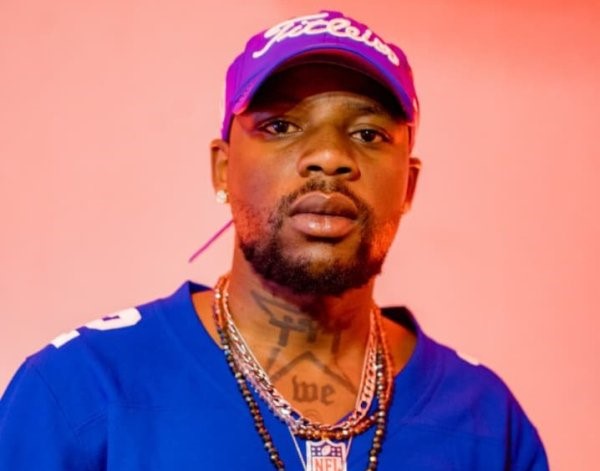
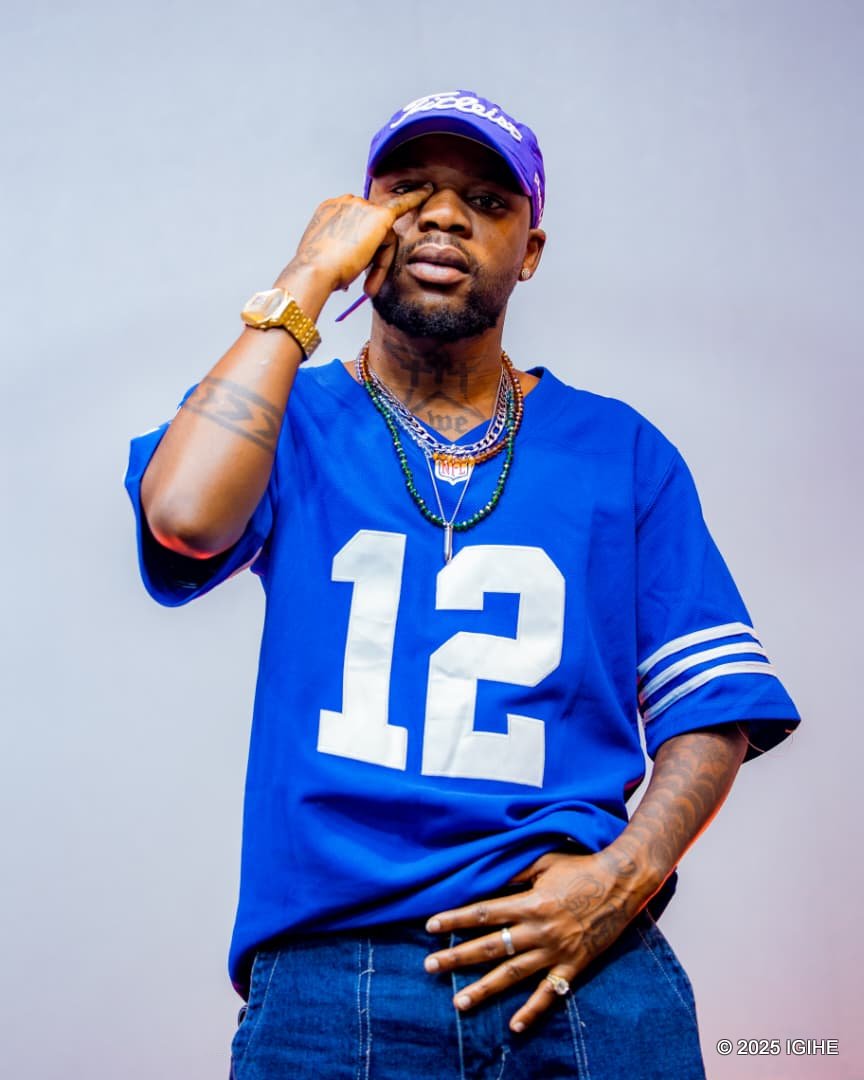
During these concerts, Vybz Kartel will perform alongside artists such as Element EleéeH, Bien, and Joshua Baraka. Additionally, each country on the tour will feature local artists who will join the performances to enhance the show.
A source close to the event shared, “These four artists will be the main performers, but in each country, local artists will also be added to the lineup to perform with them. In Kenya, they have their own local talent, Uganda has theirs, and in Kigali, we’ll showcase our local artists as well.”
Vybz Kartel, whose real name is Adidja Azim Palmer, is a renowned Jamaican artist famous for his contributions to the “Dancehall” genre. He began his rise to fame in 1993.
In 2014, Vybz Kartel was sentenced to life imprisonment after being convicted of the murder of Clive “Lizard” Williams. Despite being incarcerated, he remained active in music, releasing over 50 songs in 2016 alone, showing his unwavering commitment to his craft.
In 2024, after a lengthy legal battle, Vybz Kartel was acquitted and released from prison, having spent nearly ten years behind bars.
The artist is best known for hit songs like “Romping Shop” featuring Spice, “Clarks” featuring Popcaan, “Loodi” featuring Shensea, and “Wine to the Top” featuring WizKid. With his return to the stage, Vybz Kartel is set to continue making waves in the music industry.
Element is set to perform with Vybz Kartel on EAC tour in May.Joshua Baraka from Uganda will also join the tour.Bien from Kenya is among the artists on the lineup.Vybz Kartel is set to embark on an East Africa concert tour.