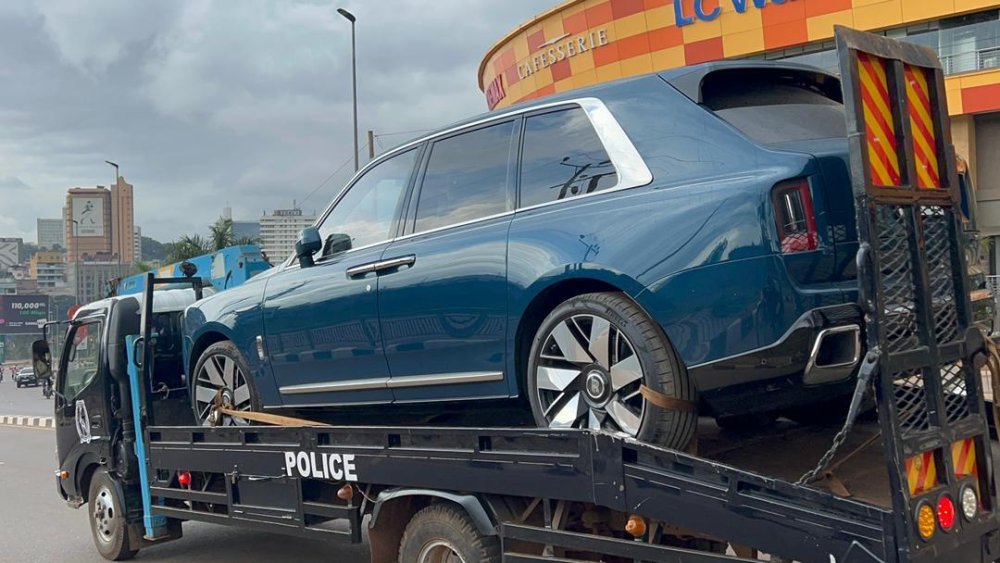
In a statement posted Tuesday evening on his official X account, Muhoozi said the luxury vehicle had already been “captured” by authorities.
“We captured the Rolls-Royce. It’s under our control. We shall auction it and recover the funds of the state,” the First Son wrote.
The remarks mark the latest twist in a fast-growing political controversy surrounding Among and the reported acquisition of the high-end vehicle, which has dominated online debate and political discussion in recent days.
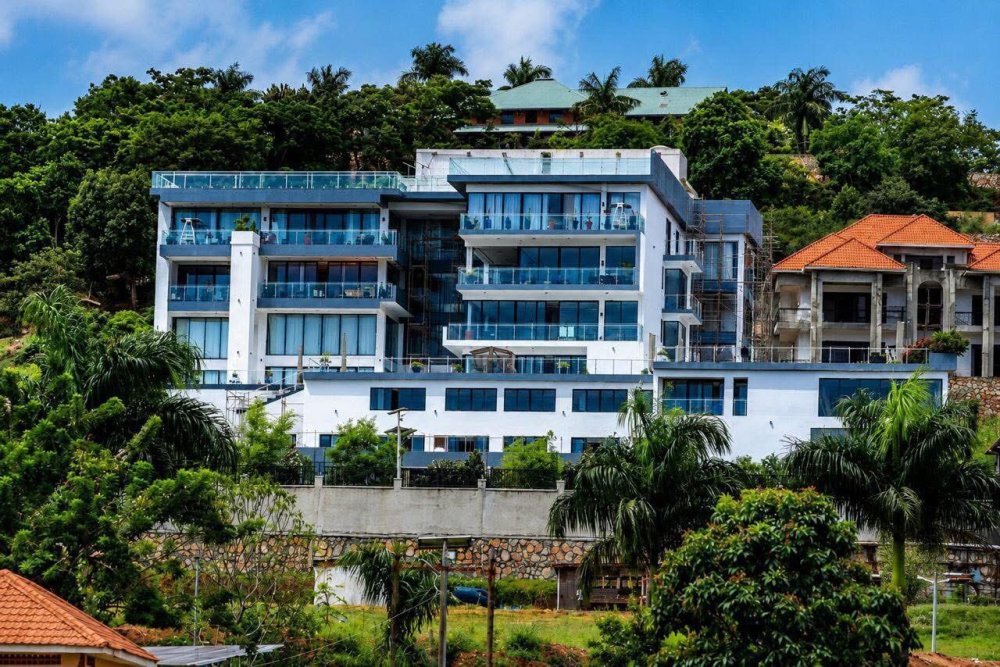
Photos and reports circulating on social media alleged that the Speaker had acquired a Rolls-Royce worth 3.4 billion Ugandan shillings (roughly $900,000), sparking criticism from sections of the public already frustrated by rising living costs, unemployment, and persistent corruption allegations involving public officials.
Although Among reportedly insisted the vehicle was a personal gift, the matter quickly evolved into a wider national conversation about wealth, accountability, and public service.
Gen. Muhoozi and members of his Patriotic League of Uganda (PLU) movement have been particularly vocal, accusing government officials of extravagant spending at a time when many Ugandans are struggling economically.
At the height of the online exchanges, Muhoozi remarked that despite being President Museveni’s son for over five decades, he had never ridden in a Rolls-Royce himself.
“I have been Mzee’s son for 52 years but I have never sat in a Rolls-Royce ever. I don’t think Mzee has sat in one either,” he said in an earlier comment.
The controversy unfolded alongside growing political pressure on Among ahead of the race for Speaker in the upcoming 12th Parliament.
Last weekend, Among announced she would not seek re-election for the Speakership and pledged support for candidates endorsed by President Museveni and the ruling National Resistance Movement (NRM).
Her withdrawal followed increasing political isolation and reports of investigations into alleged corruption and abuse of office involving parliamentary officials and expenditure.
In recent days, security agencies have reportedly intensified operations linked to procurement and financial investigations within Parliament.
In a statement posted Tuesday evening on his official X account, Muhoozi said the luxury vehicle had already been “captured” by authorities.Security operatives have in recent days conducted coordinated searches at properties belonging to Anita Among as investigations into alleged corruption and illicit wealth accumulation continue.
At least 54 ships transited the Strait of Hormuz between May 11 and 17, compared with only 25 during the previous week, the British shipping industry daily reported, citing vessel-tracking data.
The report said the increase came amid a surge in Iran-related trade activity. It also highlighted that a liquefied natural gas carrier owned by Abu Dhabi National Oil Company entered Gulf waters while operating with its automatic identification system switched off.
Data from London-headquartered maritime analytics company Windward showed that 19 vessels passed through the Strait of Hormuz on Monday, including nine inbound and 10 outbound ships.
Inbound traffic mainly consisted of cargo vessels flying the flags of countries including India and Sri Lanka. Outbound traffic included one tanker and nine cargo ships, five of which were flying the Iranian flag.
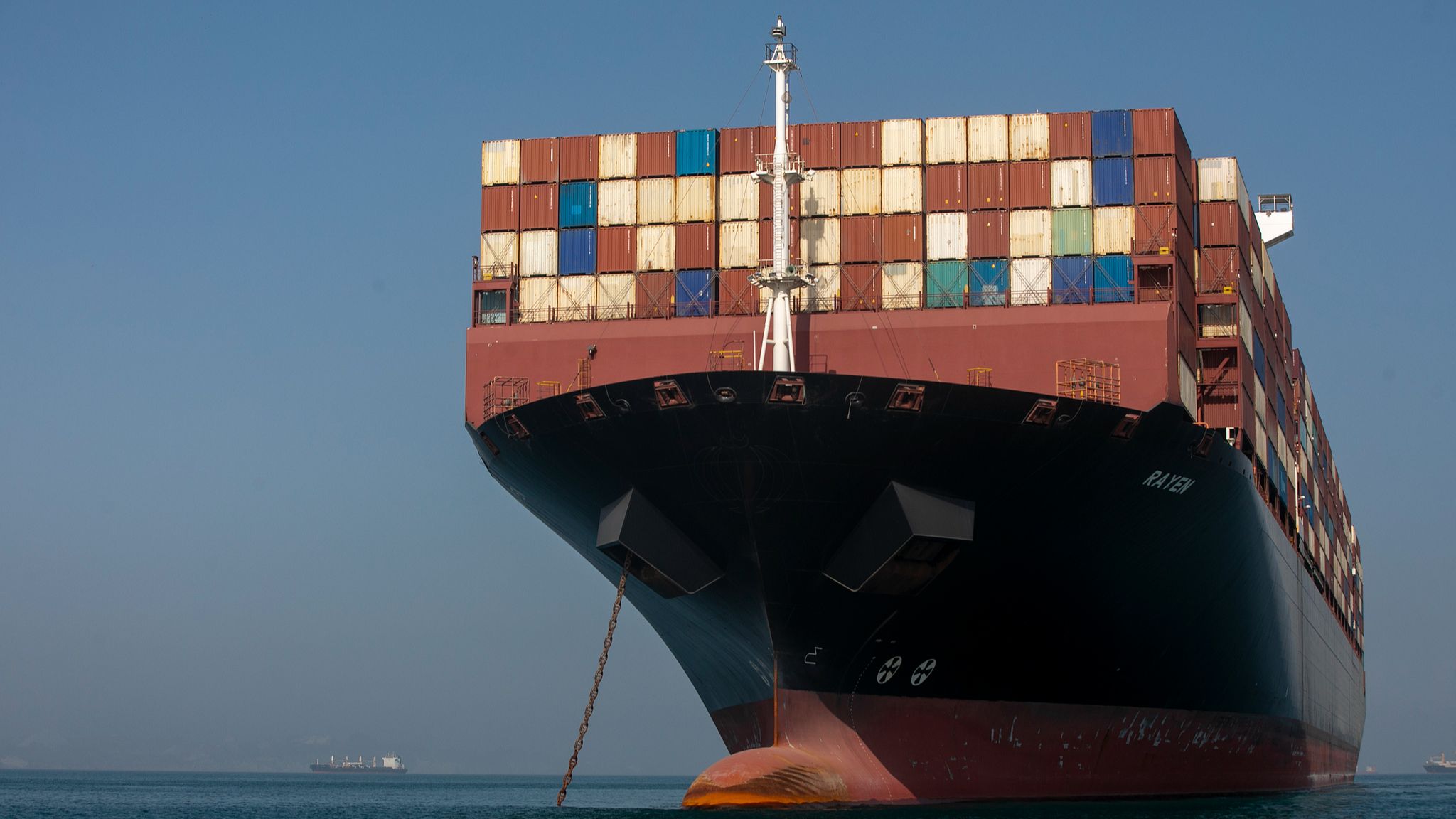
An Iranian-flagged cargo vessel Rayen is anchored on May 16, 2026 in the Strait of Hormuz near Larak Island, Iran. /VCG
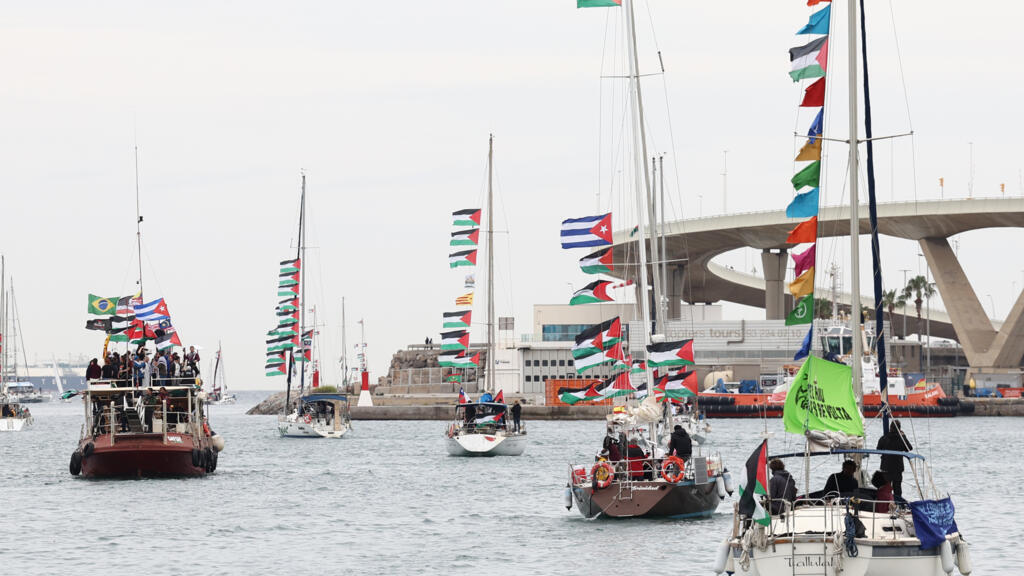
Organizers of the Global Sumud Flotilla said on their website that all boats in their humanitarian convoy were intercepted after Israeli naval vessels surrounded them in international waters, about 250 nautical miles from the coast of Gaza. They said that 428 activists were “kidnapped” by Israel.
Israel began intercepting the ships on Monday morning.
Around midnight Tuesday, the Israeli Foreign Ministry said in a statement that the activists “have been transferred to Israeli vessels and are making their way to Israel,” adding that they would be allowed to meet their consular representatives.
The ministry said Israel would not allow any breach of what it called the “lawful” naval blockade of Gaza. It described the flotilla as “a PR stunt at the service of Hamas.”
The flotilla set sail from Türkiye’s Marmaris coast Thursday in a third attempt to break Israel’s blockade of Gaza and deliver aid to Palestinians in the war-devastated enclave.
A previous flotilla, comprising about 20 boats and 175 activists, was intercepted by Israeli forces on April 30 near the southern Greek island of Crete. Two of the activists were detained for days before being released. Dozens of activists said they were mistreated, abused and beaten by Israeli forces.
The flotilla, carrying aid and medical staff, says it aims to draw international attention to dire conditions in Gaza, where much of the enclave lies in ruins. More than 72,000 people have been killed by Israeli fire and over 172,000 injured since October 2023, according to Gaza health authorities.
Israel began intercepting the ships on Monday morning.
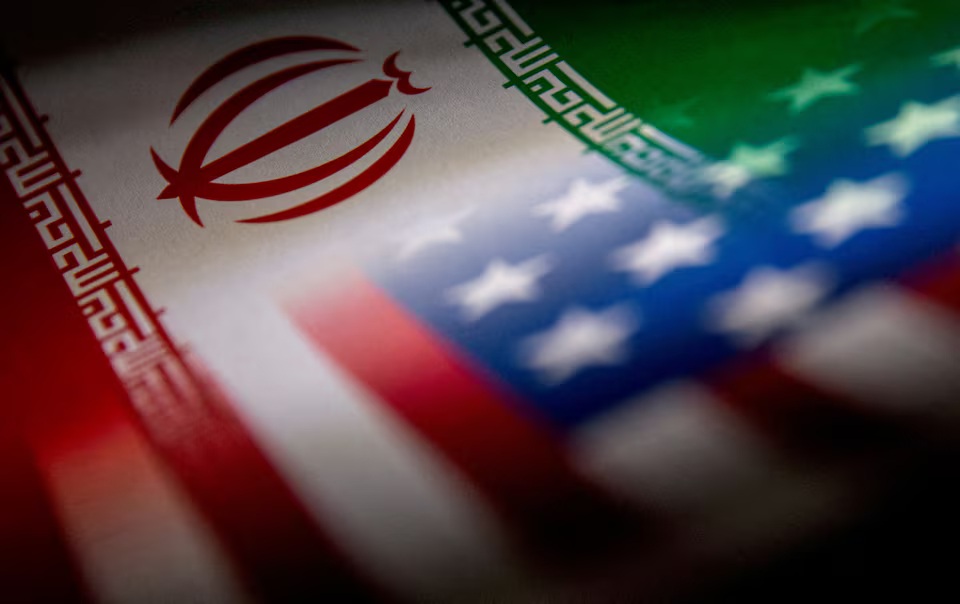
The action, part of the U.S. Economic Fury campaign, targets more than 50 companies, individuals and vessels generating revenue for Tehran, the department said in a press release.
In addition, OFAC also blocked 19 vessels involved in Iranian petroleum and petrochemical shipments to foreign customers, “transactions that have generated hundreds of millions of dollars in revenue.”
The department is also prepared to take action against foreign companies supporting illicit Iranian commerce, including airlines, and may impose secondary sanctions on foreign financial institutions that facilitate Iran’s activities, if necessary, the release said.
The U.S. Department of the Treasury’s Office of Foreign Assets Control (OFAC) on Tuesday designated and blocked a prominent Iranian foreign currency exchange house and associated front companies, claiming they oversee hundreds of millions of dollars in transactions on behalf of sanctioned Iranian banks.
Congo’s Minister of Public Health, Samuel Roger Kamba, said on Tuesday that authorities are still assessing how many of the reported deaths are directly connected to Ebola. At least 30 cases have so far been laboratory confirmed.
The outbreak has affected several urban areas, including Goma, one of the largest cities in eastern Congo. According to the World Health Organization, cases have also been reported across the border in Uganda, where two infections were confirmed in Kampala, including one death involving travelers from Congo.
Speaking during the World Health Assembly in Geneva, World Health Organization Director-General Dr. Tedros Adhanom Ghebreyesus said the organization was concerned about the scale and speed of the outbreak.
He noted that the WHO had declared the situation a public health emergency of international concern following consultations with health officials from both countries.
Health experts say the outbreak involves the Bundibugyo strain of Ebola, a relatively rare variant for which there are no approved vaccines or specific treatments. Previous outbreaks involving this strain were recorded in 2007 and 2012.
Ugandan authorities said surveillance teams have been deployed at border crossings to screen travelers, while laboratories and testing centers have also been activated to support the response.
The WHO said more than 40 experts were deployed to affected areas on Sunday. The agency has also delivered over 12 tons of medical supplies, including protective equipment for healthcare workers, laboratory materials, tents and medicines, with additional supplies expected.
The United States announced the deployment of a Disaster Assistance Response Team to support efforts in Congo and Uganda. Officials said up to 50 clinics in affected regions would receive support for emergency screening, triage and isolation services.
An American doctor working in eastern Congo also tested positive for Ebola after reportedly being exposed while treating patients at Nyankunde Hospital.
The doctor was later evacuated to a U.S. military base in Germany for further treatment, while other high-risk contacts, including family members, remain under quarantine and monitoring.
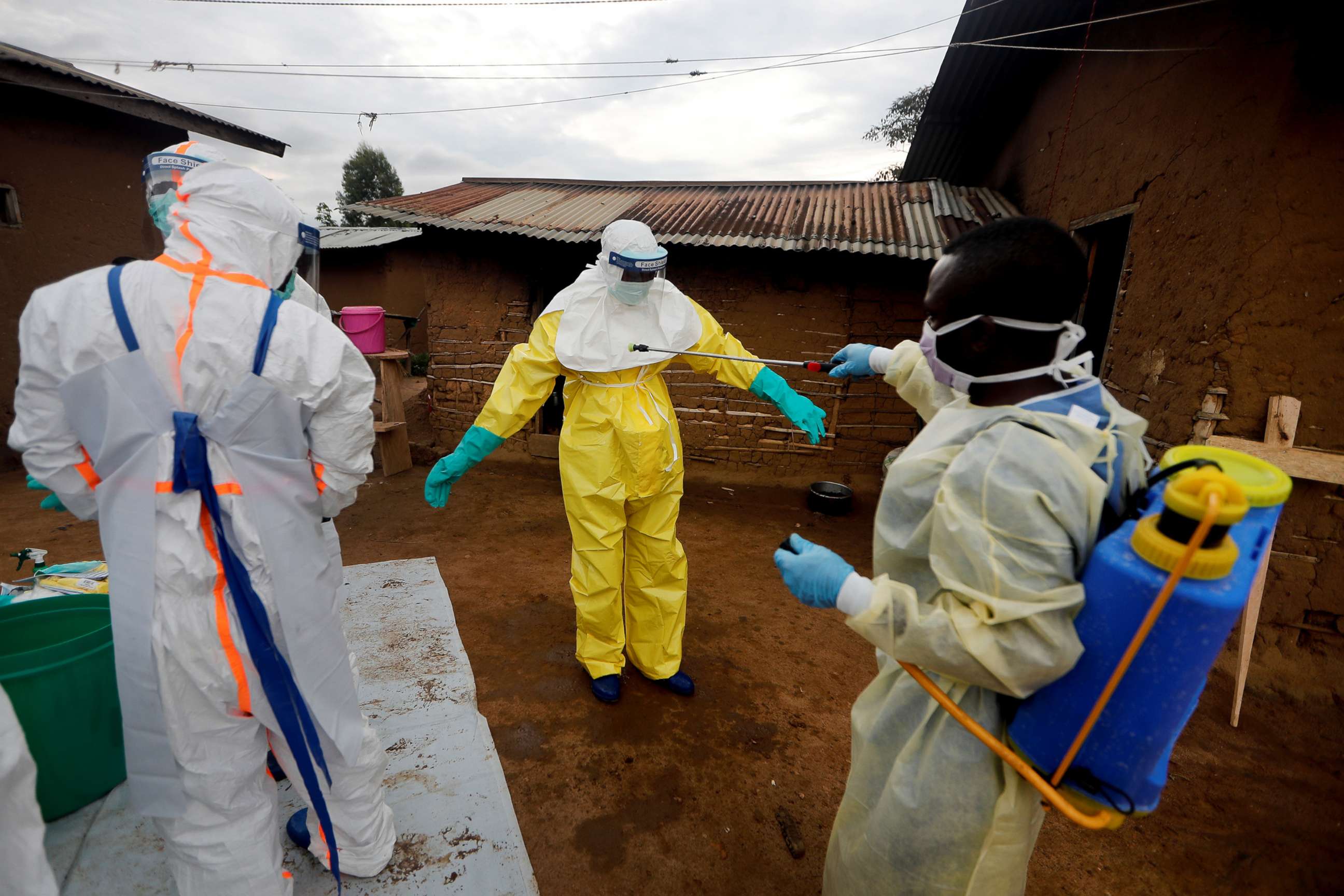
Kavota Mugisha Robert, a healthcare worker, decontaminates his colleague after he entered the house of 85-year-old woman, suspected of dying of Ebola, in the eastern Congolese town of Beni in the Democratic Republic of Congo, Oct. 8, 2019. Zohra Bensemra/Reuters
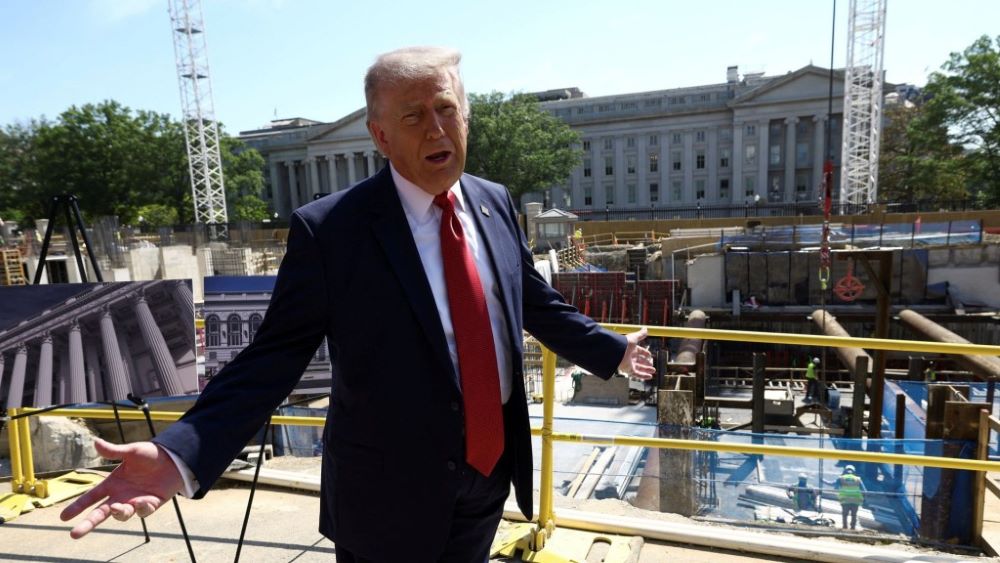
Speaking at the White House, Trump said Iran’s leaders were “begging” to make a deal, but warned that a new U.S. attack could take place in the coming days if no agreement is reached.
He said the timeline could be Friday, the weekend or early next week, stressing that Washington “can’t let them have a new nuclear weapon.”
Trump said several Gulf allies had told him there was progress in negotiations brokered by Pakistan toward a peace deal so he would allow a “limited period of time” — two or three days, at least — for talks to continue.
The president said on Monday that this time was “a little bit different” from previously stalled talks in which Washington thought a deal was close.
“We’ve had periods of time where we had, we thought, pretty much getting close to making a deal, and it didn’t work out. But this is a little bit different,” Trump told reporters one day earlier.
In an interview with Fox News on Monday, White House deputy press secretary Anna Kelly also said “Iran must renounce their nuclear ambitions for good.”
Iran will “open new fronts” against the United States if the latter resumes attacks, Iran’s ISNA news agency reported, citing Iran’s army spokesperson Mohammad Akraminia.
“If the enemy acts foolishly, falls into the Israeli trap and commits another aggression, we will open new fronts against them with new methods,” Akraminia was quoted as saying by ISNA on social media platform X.
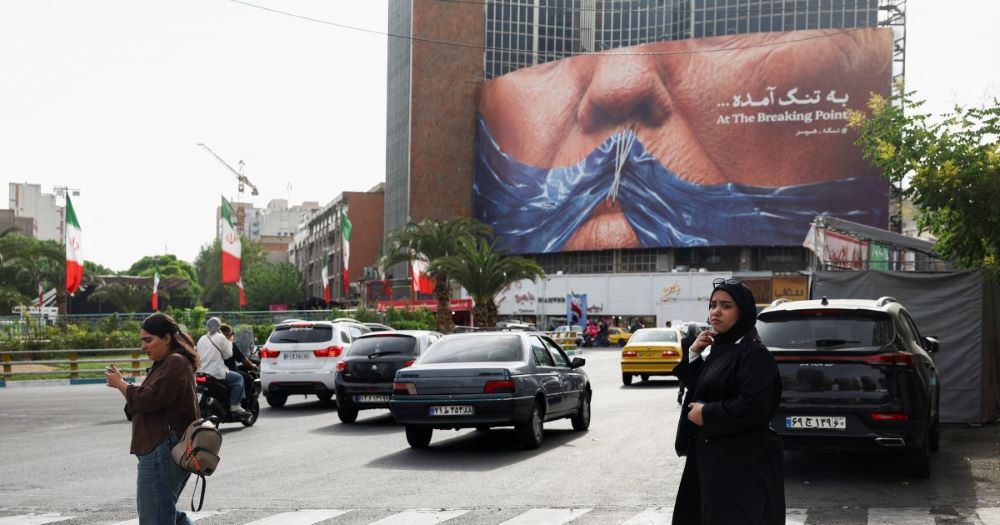
Speaking at the White House, Trump said Iran’s leaders were “begging” to make a deal, but warned that a new U.S. attack could take place in the coming days if no agreement is reached.A woman walks past an anti-US billboard depicting US President Donald Trump and the Strait of Hormuz, in Tehran, Iran on May 17. PHOTO: Reuters
Global GDP growth is now forecast at 2.5 percent for 2026, 0.2 percentage points below the January projection, and a modest recovery is projected at 2.8 percent in 2027, according to the report.
The shock delivered by the crisis is primarily felt in the energy sector, through constrained supply, surging prices, and rising freight and insurance costs, with effects cascading through supply chains and increasing production costs globally. While the surge in prices delivers substantial windfall gains for energy companies, it has intensified cost pressures for households and businesses worldwide.
A particular concern is food prices. Fertilizer supplies have been disrupted, pushing up costs, which could reduce crop yields, exerting upward pressure on food prices.
The conflict has halted the global disinflation trend underway since 2023, with inflation forecast to rise from 2.6 percent in 2025 to 2.9 percent in 2026 in developed economies, and from 4.2 percent to 5.2 percent in developing economies, the report said.
Solid labor markets, resilient consumer demand, and artificial intelligence-driven trade and investment support global activity but are unlikely to fully offset widespread headwinds, and the outlook is most challenging for fuel- and food-importing developing economies.
The impact of the crisis is highly uneven, with the most severe damage concentrated in Western Asia, where growth is projected to plunge from 3.6 percent in 2025 to 1.4 percent in 2026, driven not only by the energy shock but also by direct infrastructure damage and severe disruptions to oil production, trade and tourism, the report showed.
Elsewhere, outcomes vary widely, shaped above all by exposure and the capacity to respond.
“The Middle East crisis has intensified strains across developing economies,” said UN Under-Secretary-General Li Junhua, head of the UN Department of Economic and Social Affairs. “Rising borrowing costs and renewed capital flow pressures risk deepening debt vulnerabilities and constraining the resources available for sustainable development at a critical moment.”
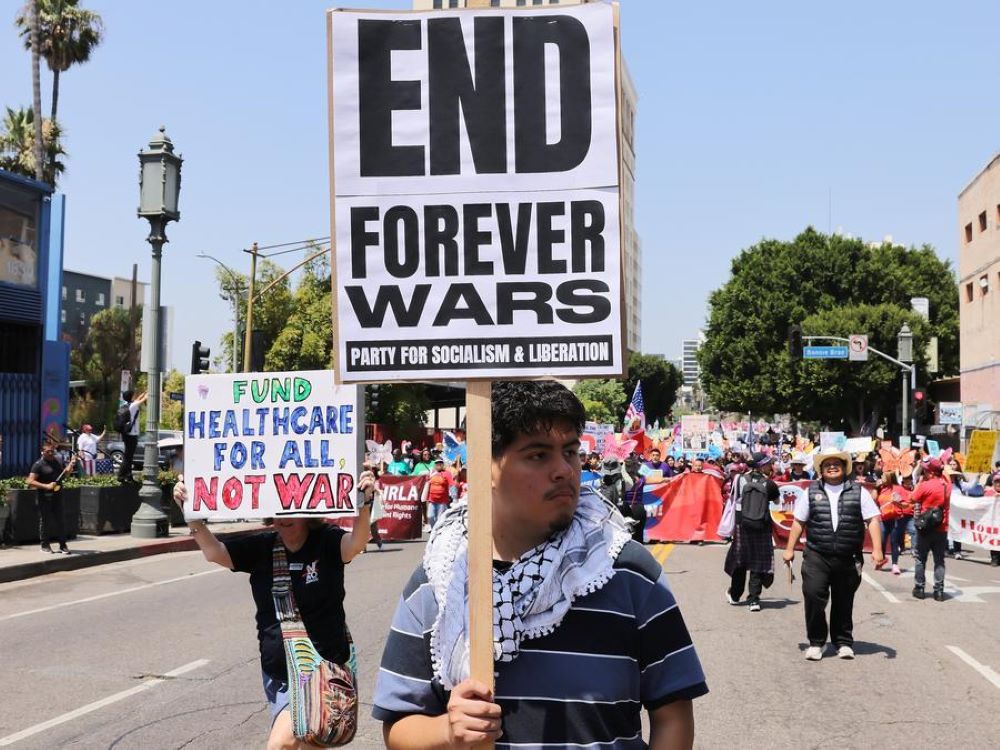
Demonstrators holding placards take part in a May Day rally in Los Angeles, California, the United States, on May 1, 2026. (Photo by Qiu Chen/Xinhua)
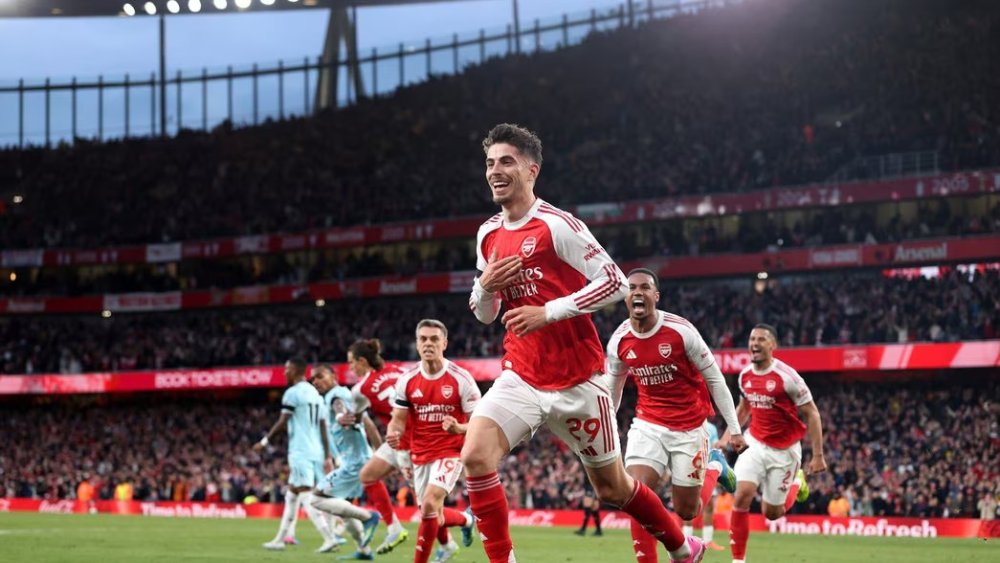
Arsenal were confirmed champions on May 19, 2026, after AFC Bournemouth held Manchester City F.C. to a 1-1 draw. The result left Manchester City on 78 points, four behind Arsenal’s 82 points, with only one match remaining in the season for both teams.
In a message shared on X, Kagame congratulated Arsenal on their achievement, describing the title as well deserved after a highly competitive season.
“Congratulations to Arsenal, our VisitRwanda partner, on being the Premier League champions after a hard fought season! A well-deserved title!” Kagame wrote.
This marks Arsenal’s first league title since the 2003/2004 campaign, when the club famously completed the season unbeaten. It is also the club’s fourth Premier League title, having previously won in 1997/98 and 2001/02. Overall, Arsenal have now won 14 English league titles.
Arsenal and Rwanda have partnered since 2018 through the Visit Rwanda campaign, which promotes Rwanda’s tourism sector through branding displayed on the club’s sleeves and at its stadium. Several Arsenal players have also visited Rwanda over the years as part of the partnership.
However, the partnership is expected to end after the 2025/2026 season. Arsenal will conclude their Premier League campaign with a home match against Crystal Palace F.C. on Sunday at 5:00 p.m.
The club’s pursuit of more history will continue in the UEFA Champions League, where Arsenal are set to face Paris Saint-Germain F.C.. Winning the competition would see Arsenal lift the Champions League trophy for the first time in the club’s history.
Arsenal and Rwanda have partnered since 2018 through the Visit Rwanda campaign, which promotes Rwanda’s tourism sector through branding displayed on the club’s sleeves and at its stadium.
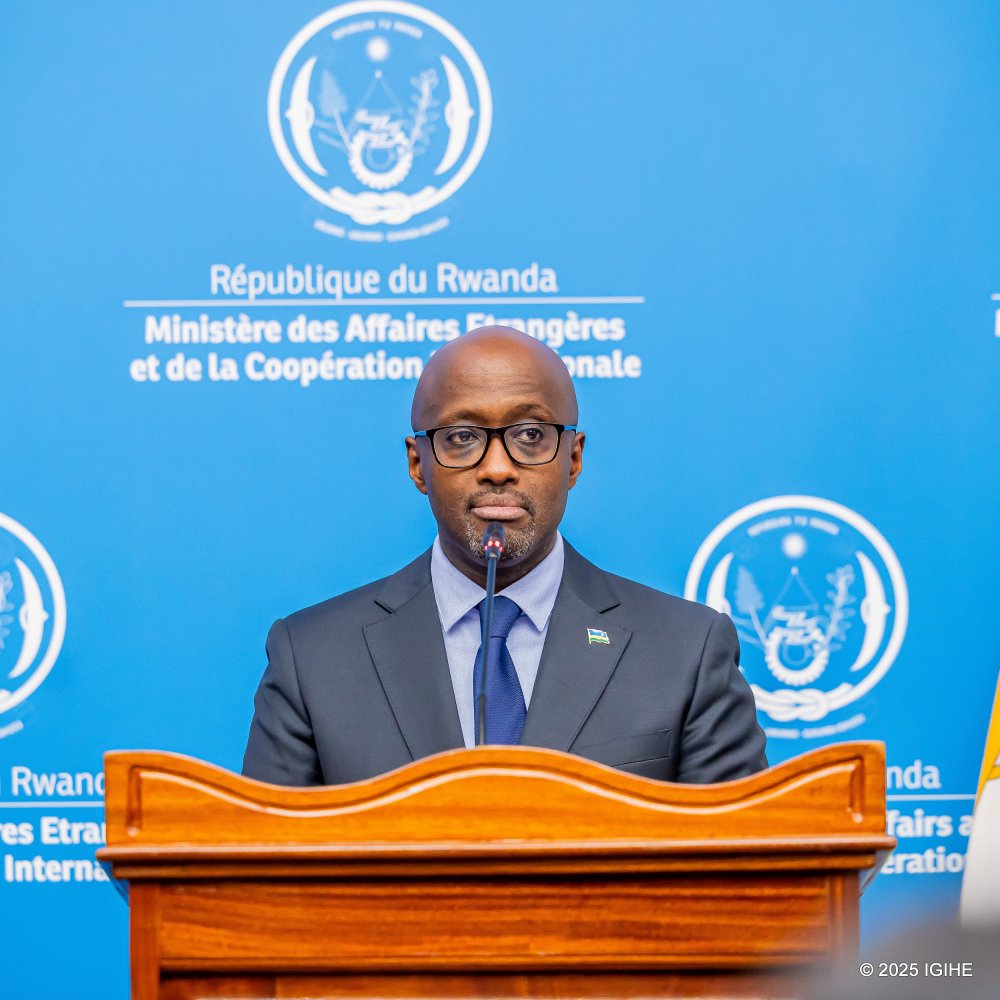
Commenting on the future of Rwanda’s deployment in northern Mozambique in a post on X, Nduhungirehe said the collaboration between Kigali and Maputo remains strong and effective, with the Government of Mozambique now directly securing funding for the continued presence of Rwandan security forces.
Rwanda deployed its security forces to Cabo Delgado in 2021 at the invitation of the Mozambican government to help combat insurgency and restore stability in the gas-rich region.
Nduhungirehe said the mission has delivered significant results over the past five years, including the restoration of peace and security, the return of displaced families, the reopening of businesses, and the resumption of education activities.
He also noted that the intervention created conditions for major international energy investments, including approximately $50 billion in liquefied natural gas (LNG) projects led by European and American companies, to safely resume operations.
During the mission, Rwanda received support through the European Peace Facility (EPF), although Kigali maintains that the assistance represented only a small fraction of the actual costs incurred by Rwanda in Mozambique.
Nduhungirehe criticised what he described as the politicisation of Rwanda’s requests for continued support from Brussels by certain EU member states, saying some countries, including “our two former colonial powers unfairly”, turned a successful regional security effort into criticism directed at Rwanda.
“Rwanda came back to the basics and decided to deal exclusively with the Government of Mozambique,” the minister said on Tuesday, emphasising that Maputo has committed to ensuring the necessary funding for Rwandan troops operating in Cabo Delgado.
The minister stressed that the partnership between the two countries remains appreciated by Mozambique and will continue along the same path as both nations work to preserve stability in the region.
Rwanda and Mozambique, in August last year, renewed the Status of Forces Agreement on Support to the Fight Against Terrorism in Mozambique during a visit by Mozambican President Daniel Francisco Chapo.
The agreement extended Rwanda’s military support in Mozambique’s Cabo Delgado province, where Rwandan forces have been deployed to combat Islamist insurgents.
“Thanks to this cooperation, we can see peace returning to the region,” President Chapo said, acknowledging Rwanda’s role in stabilising Cabo Delgado despite ongoing sporadic attacks.
Commenting on the future of Rwanda’s deployment in northern Mozambique in a post on X, Nduhungirehe said the collaboration between Kigali and Maputo remains strong and effective, with the Government of Mozambique now directly securing funding for the continued presence of Rwandan security forces.
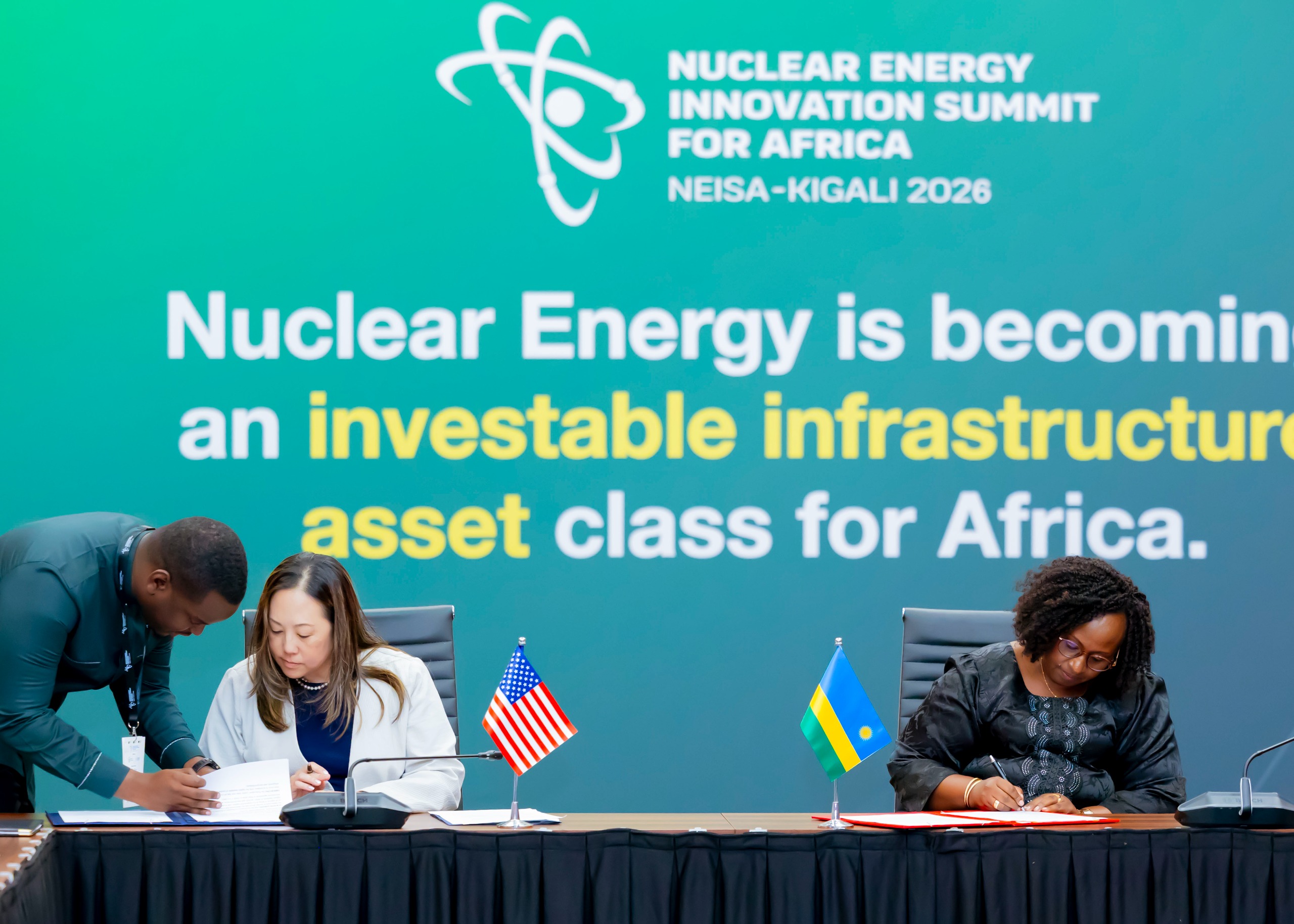
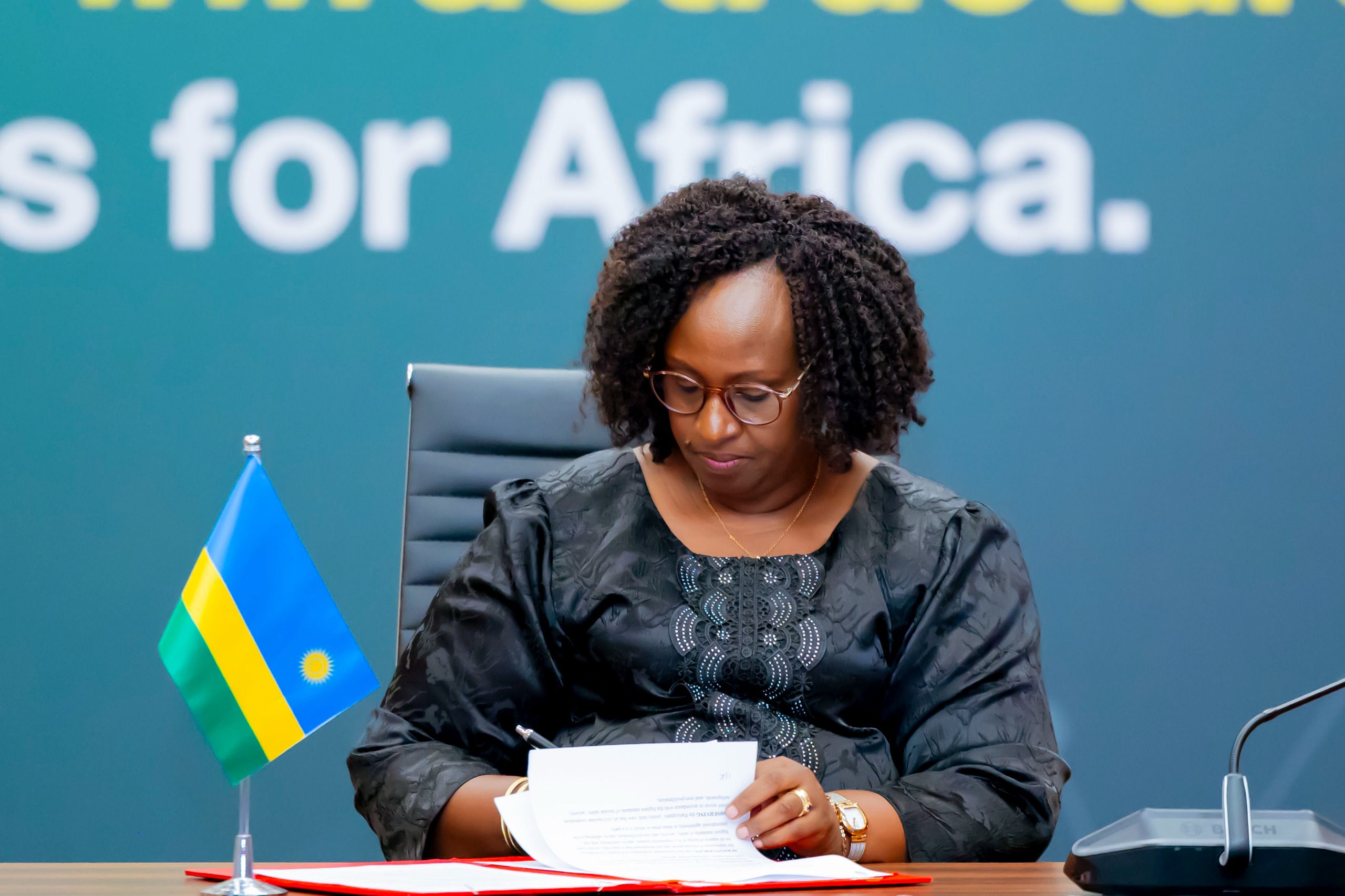
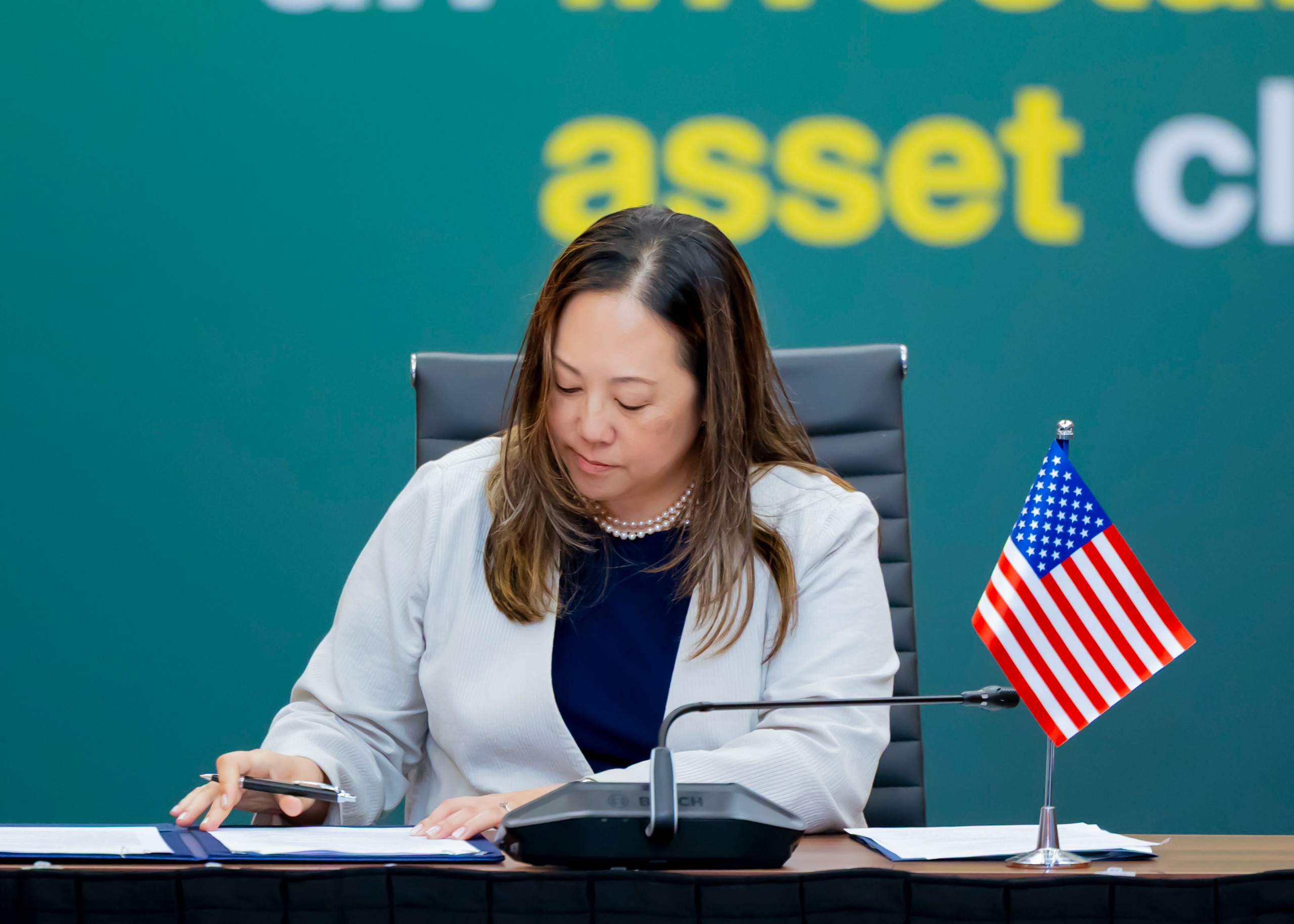
The agreement was signed on the sidelines of the Nuclear Energy Innovation Summit for Africa (NEISA) in Kigali on Tuesday by Rwanda’s Minister of State for Foreign Affairs and International Cooperation, Dr. Usta Kayitesi, and Renee Sonderman, Acting Principal Deputy Assistant Secretary in the U.S. State Department’s Bureau of Arms Control and Nonproliferation.
The MoU establishes a framework for cooperation in the peaceful use of nuclear energy, including regulatory capacity building, workforce development, scientific research, and the future deployment of advanced nuclear technologies such as small modular reactors (SMRs).
Speaking at the signing ceremony, Dr. Usta Kayitesi said the agreement reflects Rwanda’s commitment to diversifying its energy mix in line with the country’s Vision 2050 development agenda.
“Today, we are pleased to further deepen this cooperation into the field of peaceful nuclear energy where the United States is a world leader,” she said.
“Nuclear energy is a key component of Rwanda’s long-term energy strategy and broader national development ambitions. In line with Vision 2050, Rwanda aims to significantly diversify and expand its energy mix to meet the growing demand of consumers and industries alike.”
Kayitesi noted that under the framework, both countries intend to strengthen collaboration in nuclear energy development while promoting the highest standards of safety, security, and non-proliferation.
“I would like to reaffirm that today’s signing is a meaningful step forward in strengthening and structuring our cooperation in nuclear fields and in advancing the broader Rwanda-U.S. partnership in two new and strategic frontiers,” she added.
Renee Sonderman described the agreement as a key milestone in expanding bilateral cooperation on peaceful nuclear energy.
“This memorandum demonstrates our joint commitment on deepening bilateral
cooperation between the United States and Rwanda on the peaceful uses of nuclear energy and provides a key framework for enhancing cooperation between our governments in this strategically important area,” she said.
Sonderman praised Rwanda’s efforts to advance nuclear energy planning and highlighted the country’s interest in deploying SMR technology to meet growing energy demand and improve energy security.
“I’m very excited by the deliberate and serious approach that Rwanda is taking to facilitate the rapid deployment of small modular reactor technology,” she said.
She added that the United States is seeking to expand civil nuclear partnerships across Africa while positioning American companies to export advanced nuclear technologies to trusted international partners.
The MoU signing coincided with another major agreement announced during the summit between the Rwanda Atomic Energy Board (RAEB) and U.S.-based Holtec International.
The two parties signed a Comprehensive Development Agreement aimed at advancing the deployment of Holtec’s SMR-300 small modular nuclear reactors in Rwanda.
The agreement was signed by Dr. Fidele Ndahayo, CEO of RAEB, and Rafael Marin, Director of Holtec Europe.
Under the framework, Holtec and Rwanda will conduct technical cooperation activities including site assessments, feasibility studies, and data collection related to the potential deployment of SMR-300 reactors in Rwanda.
Officials said the project could eventually support up to approximately 5 GW of nuclear generation capacity to strengthen Rwanda’s long-term energy security and provide carbon-free baseload electricity.
“Through this agreement, Holtec and RAEB will work together to deploy SMR-300 units in Rwanda,” Rafael Marin said, adding that the initiative could position Rwanda as a pioneer of SMR deployment in Africa.
Dr. Ndahayo said Rwanda remains committed to introducing nuclear power by the early 2030s and views the partnership as part of a structured process toward future deployment.
At the summit, President Paul Kagame reiterated Rwanda’s commitment to integrating nuclear energy into its national energy strategy, saying the country remains on track to operationalise nuclear energy infrastructure in the early 2030s.
“We intend to have nuclear energy operational by the early 2030s. This assessment confirms that we are on track,” Kagame said after receiving the International Atomic Energy Agency’s Phase I Integrated Nuclear Infrastructure Review report from IAEA Director General Rafael Mariano Grossi.
Rwanda’s energy roadmap includes plans to expand electricity generation capacity significantly over the coming decades, with nuclear energy expected to complement renewable sources by providing stable and reliable power for industrialisation and economic transformation.
The Nuclear Energy Innovation Summit for Africa brought together African leaders, regulators, industry experts, and international partners to discuss investment opportunities and cooperation in nuclear energy development, amid growing continental interest in small modular reactor technology.
The agreement was signed on the sidelines of the Nuclear Energy Innovation Summit for Africa (NEISA) in Kigali on Tuesday by Rwanda’s Minister of State for Foreign Affairs and International Cooperation, Dr. Usta Kayitesi, and Renee Sonderman, Acting Principal Deputy Assistant Secretary in the U.S. State Department’s Bureau of Arms Control and Nonproliferation. Dr. Usta Kayitesi said the agreement reflects Rwanda’s commitment to diversifying its energy mix in line with the country’s Vision 2050 development agenda.Sonderman praised Rwanda’s efforts to advance nuclear energy planning and highlighted the country’s interest in deploying SMR technology to meet growing energy demand and improve energy security.The MoU establishes a framework for cooperation in the peaceful use of nuclear energy, including regulatory capacity building, workforce development, scientific research, and the future deployment of advanced nuclear technologies such as small modular reactors (SMRs).