His death follows a long battle with illness that lasted nearly 10 years, during which he was confined to his home, unable to walk.
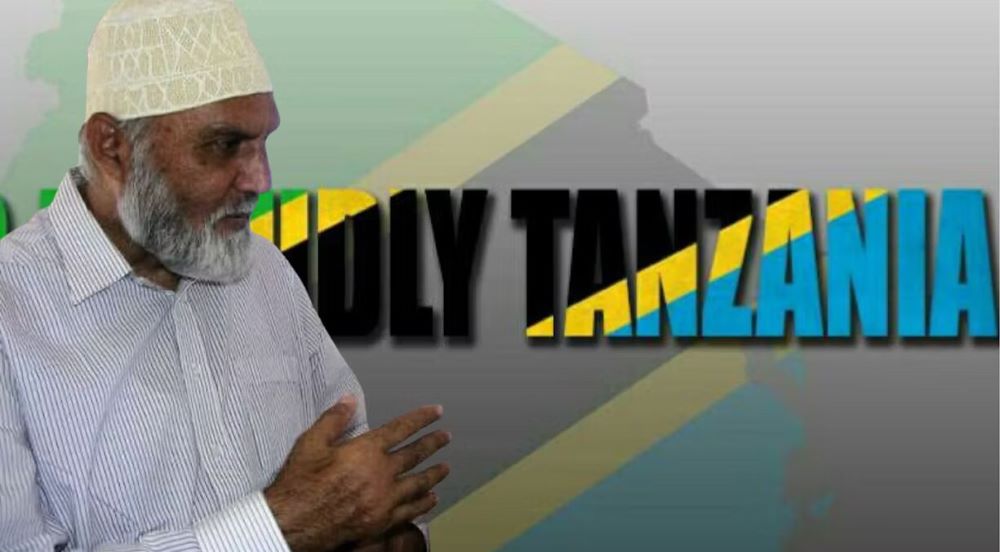
Born on August 8, 1944, in Tanga, Mohammed Iqbal Dar was the son of Dr Tufail Ahmad Dar, a well-known doctor who served in the Tanga and Morogoro regions of Tanzania.
Mohammed received his education at H.H. The Aga Khan School for his primary and secondary schooling and later attended Mzumbe Secondary School in 1964.
While studying at Mzumbe, he came across an advertisement in The Standard newspaper, calling for people to submit ideas for a new name for the union of Tanganyika and Zanzibar.
In a remarkable turn of events, Mohammed Iqbal Dar’s submission was selected as the winning idea, earning him a Sh200 award and a medal, which was presented by the then Minister for Information, Sheikh Idrisa Abdul Wakil.
Though he moved to the United Kingdom, Mohammed Iqbal Dar never lost his connection to Tanzania. He made several visits back to the country, contributing to various humanitarian efforts, irrespective of religious backgrounds.
He was also a regular attendee of the Ahmadiyya Muslim Jalsa Salana, an annual event held in Tanzania.
According to statement issued by the Ahmadiyya Muslim Jamaat Tanzania, Mohammed once shared the story of how he came up with the name ‘Tanzania’, with journalists.
The statement says he combined the first three letters of Tanganyika (TAN) and Zanzibar (ZAN), and then added an “I” from his own name, Iqbal, and his faith in Islam.
“Finally, remembering his affiliation with the Ahmadiyya Muslim sect, he added an “A” to honor the sect, forming the name “Tanzania.” reads the statement.
Throughout his life, Mohammed Iqbal Dar maintained a deep love for his homeland, and the name he gave to the country remains a lasting legacy of his contribution to Tanzania’s history.
This comes in the wake of allegations of supporting the M23 rebel group during the fighting with the Democratic Republic of Congo (DRC)’s army and its coalition.
Rwanda has repeatedly denied these claims while raising concerns about the DRC’s collaboration with the FDLR, a genocidal terrorist group that threatens its security.
In a statement released on March 4, 2025, Germany announced that it will suspend new financial commitments, review existing development cooperation with Rwanda, and halt high-level participation in development-related events organized by the Rwandan government.
Rwanda, in response, criticized Germany’s stance as “wrong and counterproductive,” accusing Berlin of reinforcing the DRC’s aggressive posture and prolonging the conflict.
“Germany contradicts its own claims of supporting the African-led process to resolve the conflict in eastern DRC by letting the DRC off the hook for numerous violations,” Rwanda’s Foreign Ministry stated.
The statement further condemned Germany for failing to acknowledge the threat posed by the DRC-backed FDLR militia, which has targeted both Rwandan security and Congolese Tutsi communities.
“For a country which prides itself on taking seriously the warning signs of ethnic extremism, Germany shows an utter lack of courage by ignoring the threat posed by DRC-backed FDLR genocidal militias,” the statement read.
Rwanda also called out Germany for adopting a one-sided approach, arguing that historical responsibility for the region’s instability should warrant a more balanced and constructive engagement.
“Countries like Germany that bear a historical responsibility for the recurring instability in this region should know better than to apply one-sided, coercive measures,” the statement emphasized.
Despite Germany’s actions, Rwanda reaffirmed its commitment to safeguarding national security while continuing to engage in the regional peace process.
“Rwanda will continue to protect its national security while remaining fully engaged in the ongoing regional peace process,” the government declared.
Germany’s move comes amid ongoing tensions in the Great Lakes region, where Rwanda has consistently called for international actors to take a more impartial approach in addressing security concerns.
M23 fighters moved into Mwenga on the evening of March 3, 2025, following clashes with the Wazalendo armed coalition.
A local resident reported, “Since the evening, AFC/M23 fighters have been seen in Kilungutwe. The Wazalendo fighters who were stationed there have retreated. Fighting started in Bwahungu earlier in the day and extended to an area called ‘Mise en Garde’ before reaching the Tibimbi groupement.”
According to the resident, M23 rebels continued their advance toward the Mufa area before crossing the Kadubo River, which separates Mwenga from Walungu Territory. They then entered the villages of Muduwe, Kilungutwe, and Kalama.
On March 3, M23’s political spokesperson, Lawrence Kanyuka, claimed that villages inhabited by the Banyamulenge community in Mwenga, Fizi, and Itombwe had come under attack by Congolese government forces and allied militias.
“Refugee camps have been burned, civilians are being killed, and villages are being destroyed. These acts must stop,” Kanyuka stated.
M23 has previously warned that it would intervene to protect the Banyamulenge communities, who have reportedly been targeted by government forces and militias in territories such as Fizi, Uvira, and Mwenga.
The Twirwaneho militia, which defends the Banyamulenge in South Kivu, recently announced its willingness to ally with M23 to safeguard civilians facing continued violence.
Currently, M23 fighters are present in six of South Kivu’s eight territories: Kalehe, Kabare, Walungu, Fizi, Uvira, and Mwenga.
The decision was announced in Prime Minister’s Order No. 008/03, issued on February 27, 2025, and published in the Official Gazette on March 3, 2025.
According to the order, Mulindahabi’s dismissal followed a proposal by the Minister of Public Service and Labour, which was reviewed and approved by the Cabinet during its session on March 30, 2023.
The Prime Minister’s directive also states that the Minister of Education, the Minister of Public Service and Labour, and the Minister of Finance and Economic Planning are entrusted with the implementation of this order.
In 2022, Mulindahabi and 19 others were investigated over allegations of theft and embezzlement of public funds at IPRC-Kigali.
As the institution’s head, he was accused of misappropriating public resources, including a water pump found at his residence and another machine used for water treatment.
On November 22, 2022, the Kicukiro Primary Court ordered the provisional release of Mulindahabi and 11 co-defendants in a case involving theft, forgery, and embezzlement of public property, while five others remained in custody.
At the time, the Prosecution was dissatisfied with the court’s ruling and appealed for Mulindahabi’s continued detention, though he insisted on release on bail.
The Prosecution highlighted the theft of various materials, including paint buckets, metallic doors and windows, cabinets manufactured at IPRC, machines, and other equipment.
The five individuals who were ordered to remain in custody, including casual laborers, admitted in court that they transported materials from IPRC Kigali for construction purposes on behalf of some of the accused officials.
Among the reportedly stolen items were tiles, cement, doors, construction metals, and other materials.
During his trial, Mulindahabi denied all charges, arguing that the Prosecution’s evidence was unreliable and inconsistent.
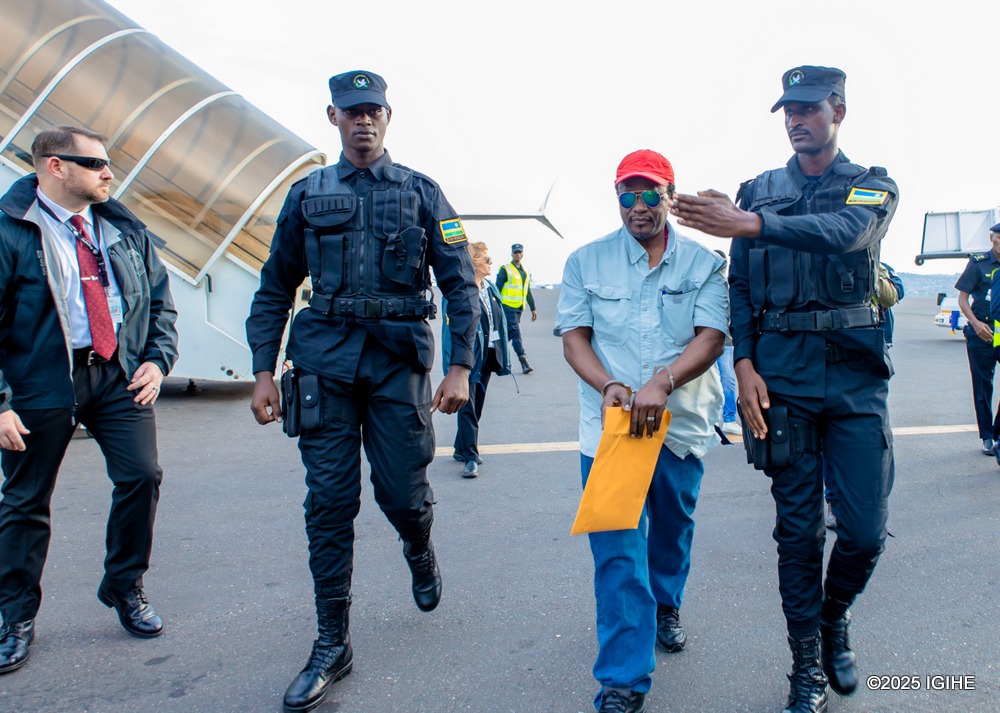
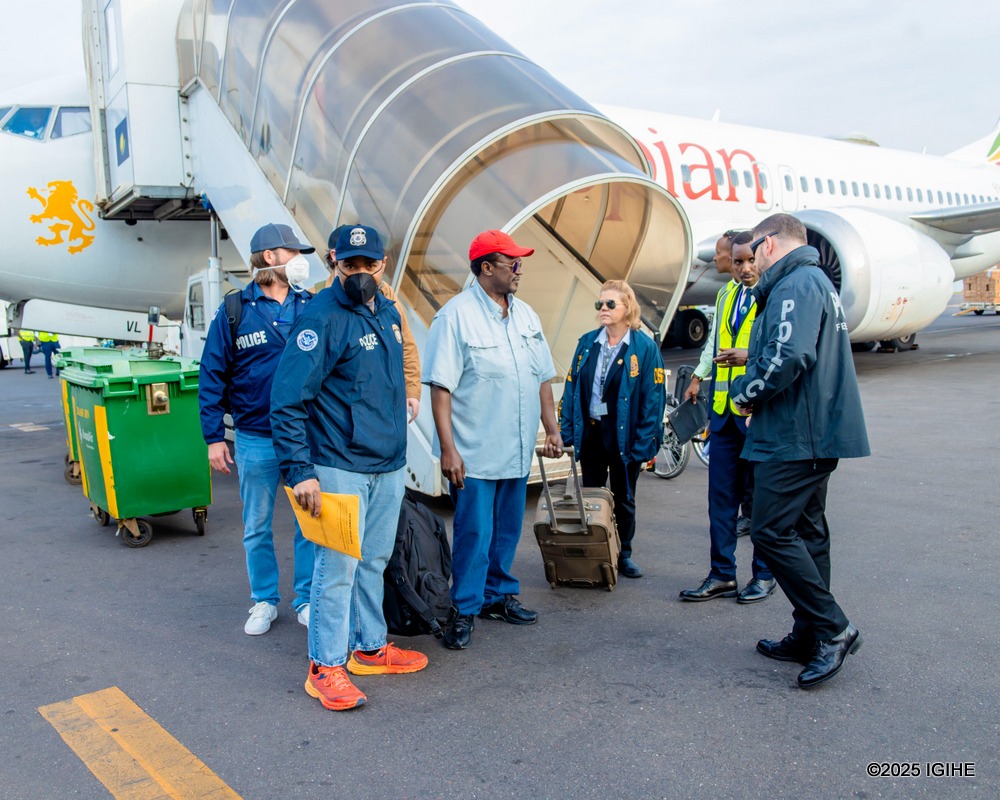
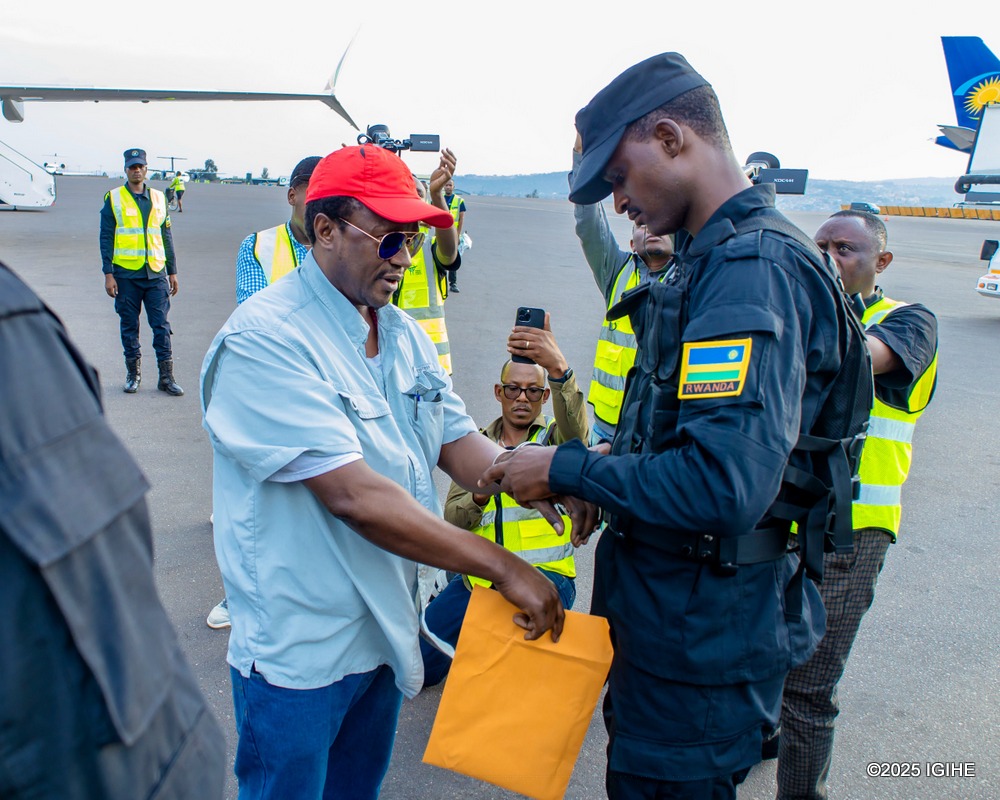
Mbonyunkiza, born in 1968, arrived at Kigali International Airport on the afternoon of Tuesday, March 4, 2025.
The U.S. authorities decided to deport and extradite Mbonyunkiza after he completed a 15-year prison sentence in the United States for a rape conviction.
According to Faustin Nkusi, spokesperson for Rwanda’s National Public Prosecution Authority, Mbonyunkiza had long been wanted for his involvement in the genocide and had already been tried and convicted in absentia by the Nyakabanda Gacaca Court.
“He was convicted by the Nyakabanda Gacaca Court in 2007 for his role in the Genocide against the Tutsi,” Nkusi confirmed.
Mbonyunkiza, a close associate of Matayo Ngirumpatse, served as the leader of the MRND party in Nyarugenge commune in 1992. Before that, he had been an active MRND member, leading its youth wing in 1991.
Nkusi commended the U.S. government for its commitment to fighting impunity and cooperating in prosecuting genocide suspects.
This is not the first time the U.S. has extradited genocide suspects to Rwanda.
In April 2021, Beatrice Munyenyezi was deported and later sentenced to life imprisonment by the Huye Intermediate Court.
She has since appealed the verdict, and her appeal is currently being heard by the High Council Chamber for International and Cross-Border Crimes in Nyanza.
In October 2021, the U.S. also extradited Oswald Rurangwa, who was convicted by Gacaca courts and sentenced to 30 years in prison for his role in the 1994 Genocide against the Tutsi.
Other genocide suspects previously deported by the U.S. to Rwanda include Enos Iragaba Kagaba (extradited in 2005), Jean Mary Vianney Mudahinyuka (2011), Marie Claire Mukeshimana (2011), and Dr. Léopold Munyakazi (2016).
Nkusi reiterated Rwanda’s appreciation for the judicial cooperation between the two countries, emphasizing the importance of ensuring that perpetrators of the Genocide against the Tutsi are brought to justice.
The suspension comes after a [tense Oval Office meeting->https://en.igihe.com/news/article/trump-and-zelenskyy-lock-horns-as-minerals-deal-flops] between President Donald Trump and Ukrainian President Volodymyr Zelenskyy, in which Trump urged Kyiv to accept a peace deal to end Russia’s invasion.
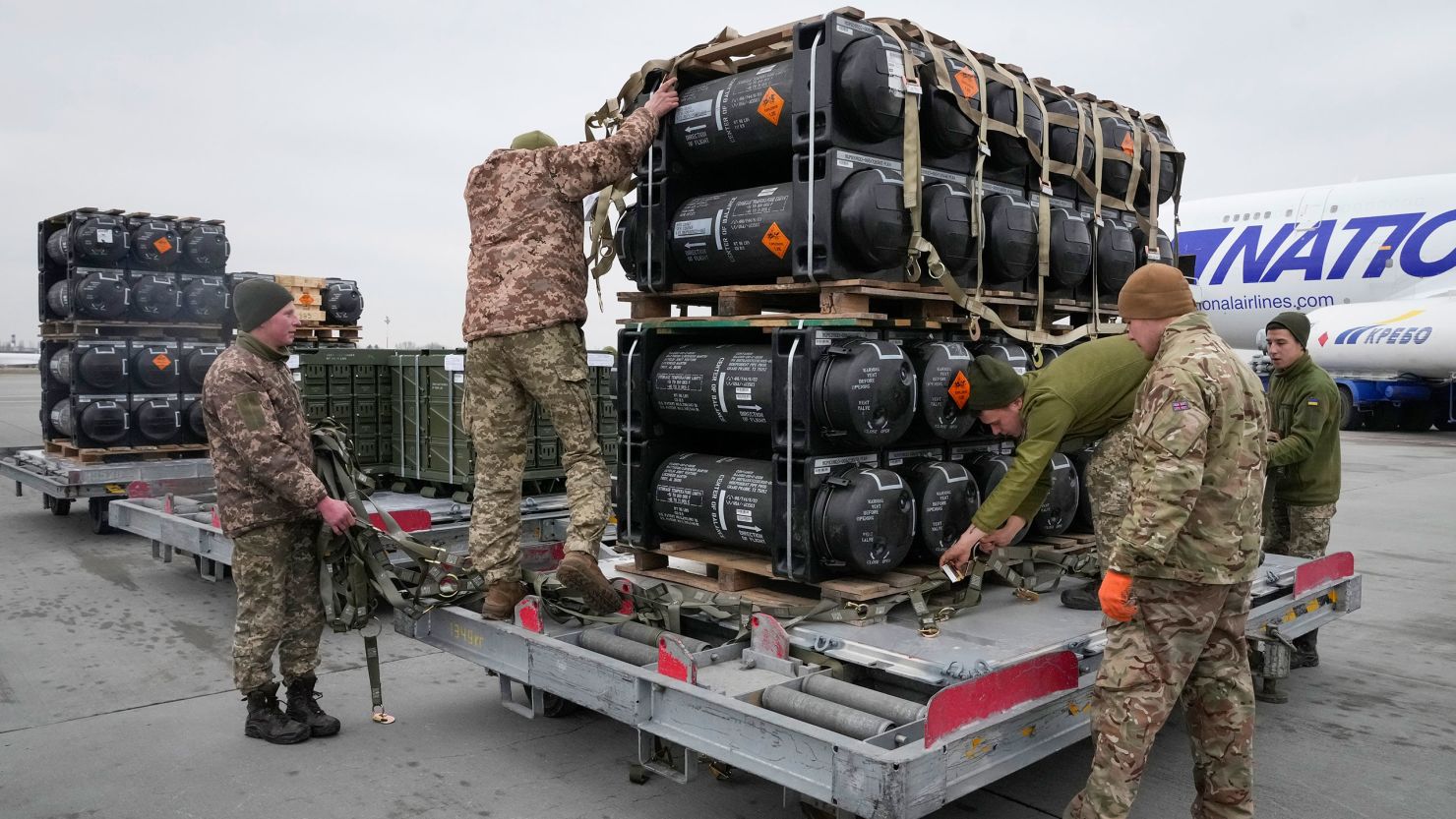
The freeze affects billions of dollars in military assistance, including ammunition, vehicles, and critical air defense systems—some of which were part of agreements made during Joe Biden’s presidency.
Since the beginning of Russia’s invasion nearly three years ago, the U.S. has allocated approximately $175 billion in aid to Ukraine, as reported by the nonpartisan Committee for a Responsible Federal Budget. Additionally, in December, shortly before the transition of power, former President Joe Biden announced an extra $5.9 billion in security and budget assistance.
With Ukraine relying heavily on Western aid to sustain its defense, officials warn that the suspension of military aid could have dire consequences.
{{Immediate consequences for Ukraine
}}
Oleksandr Merezhko, chair of Ukraine’s parliamentary foreign affairs committee, called the decision “shocking” and accused Trump of aiding Russian President Vladimir Putin.
“Trump is helping Putin to kill Ukrainians,” he said.
A Ukrainian intelligence official warned that the full impact of the aid suspension would be felt in two weeks, with ammunition shortages becoming critical by mid-summer.
“This is a black day for Ukraine and for Europe,” the official told ABC News, urging European countries to fill the gap left by the U.S.
Denys Shmyhal, Ukraine’s prime minister, expressed gratitude for past U.S. support but warned that the suspension could cost thousands of lives.
“We will continue to work with the U.S. through all available channels in a calm manner,” he said. “We only have one plan – to win and to survive.”
The aid freeze has also triggered concerns among European and NATO allies, who were not informed in advance.
Poland’s foreign ministry spokesperson, Paweł Wroński, emphasized that the decision was made without consultation.
“This is a very important decision, and the situation is very serious,” he stated.
Finnish Foreign Minister Elina Valtonen warned against withdrawing support at a critical moment, saying, “This definitely shouldn’t be a moment where we give in.”
Meanwhile, French Minister Delegate for Europe Benjamin Haddad stressed that the aid pause “means moving peace further away” and urged European nations to mobilize additional support for Ukraine.
European Commission President Ursula von der Leyen responded by announcing proposals to strengthen Europe’s defense industry, mobilizing close to €800 billion. The European Union is also set to hold an emergency summit to discuss the impact of the U.S. decision.
The Kremlin welcomed the move, with spokesperson Dmitry Peskov stating that the U.S. had been “the main supplier of this war so far” and suggesting that halting aid could be a step toward peace.
In the U.S., Democratic lawmakers criticized the suspension. Congressman Brendan Boyle called the move “reckless, indefensible, and a direct threat to our national security.”
Reports also indicate that the Trump administration is exploring ways to restore ties with Russia, with discussions underway to ease economic sanctions.
Despite the setback, Ukrainian officials insist that they have reserves to maintain their defense for at least six months.
“Ukraine will not collapse,” said Malcolm Chalmers, deputy director-general of the Royal United Services Institute. “But the effect will be cumulative.”
Ukrainian lawmakers remain determined to secure alternative sources of military aid.
“We are looking for ways for pragmatic cooperation and are ready to sign, including an agreement on minerals,” Prime Minister Shmyhal stated.
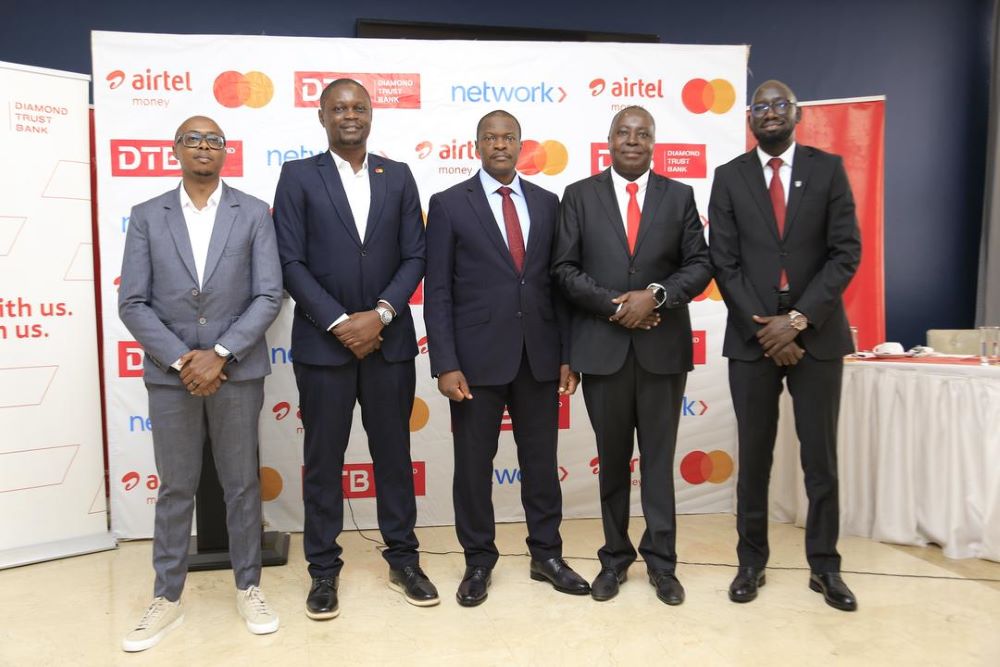
This collaboration with Mastercard will empower Airtel’s 150 million mobile phone users in 14 African countries with access to Mastercard’s global merchant network, enabling safer and more secure international transactions.
The Airtel Money GlobalPay Card is a virtual (non-plastic) payment solution that links directly to Airtel Money wallets. This card can be used for a wide range of payments across global online merchants, including major platforms such as Facebook, Netflix, Uber, Amazon, Google, AliExpress, and Alibaba.
Users will also have the ability to make payments for travel bookings, utilities, subscriptions, and purchase goods from international suppliers—all from the convenience of their mobile phones.
For Airtel Money customers, activating the Airtel Money GlobalPay Card is simple.
Customers simply need opt-in for the card, load it from Airtel Money wallet, and start shopping. No additional documentation, registration, or installations are required.
With this payment solution, Airtel and Mastercard aim to meet the growing demand for digital payments in Africa and support small businesses in cross-border trade.
The partnership aligns with Airtel Africa’s goal of enhancing financial inclusion by providing efficient and seamless payment solutions to mobile money users across the continent.
Commenting on the development, CEO of Airtel Money, Ian Ferrao, said: “At Airtel, we are continuously innovating to enhance the customer experience. By adding Mastercard’s secure virtual payment solution to Airtel Money, we are making International payments simpler and more accessible for our customers. This collaboration allows us to offer a global e-commerce experience.”
Mastercard’s global network and expertise in payment solutions will play a critical role in supporting financial inclusion efforts in Africa. The initiative aligns with Mastercard’s commitment to bring one billion people, 50 million small businesses, and 25 million women entrepreneurs into the digital economy by 2025.
Senior Vice President for Digital Partnerships at Mastercard Middle East and Africa, Muhammad Nana, stated: “Our digital partnerships strategy focuses on enabling the digital transformation of our partners, helping them provide their customers with access to a seamless global payment ecosystem. With over 150 million Airtel Africa consumers now connected to the global digital economy, we are helping more consumers access the benefits of e-commerce.”
With increasing mobile internet access and the growth of affordable smartphones, African consumers are poised to take full advantage of this new solution. The Airtel Money GlobalPay Card empowers users—both banked and unbanked—to shop globally, connecting them to digital products and services right from their mobile phones.
{{About Airtel Africa}}
Airtel Africa is a leading provider of telecommunications and mobile money services, with operations in 14 countries across sub-Saharan Africa.
Airtel Africa’s integrated offer provides national and international mobile voice and data services as well as mobile money services to over 156 million customers.
The company’s strategy is focused on delivering a great customer experience across the entire footprint and increasing digital and financial inclusion to transform lives across Africa, in line with our corporate purpose.
{{About Mastercard}}
Mastercard is a global payments technology company committed to delivering innovation and driving financial inclusion around the world. Mastercard is helping connect people to the digital economy with secure, fast, and easy payment solutions.
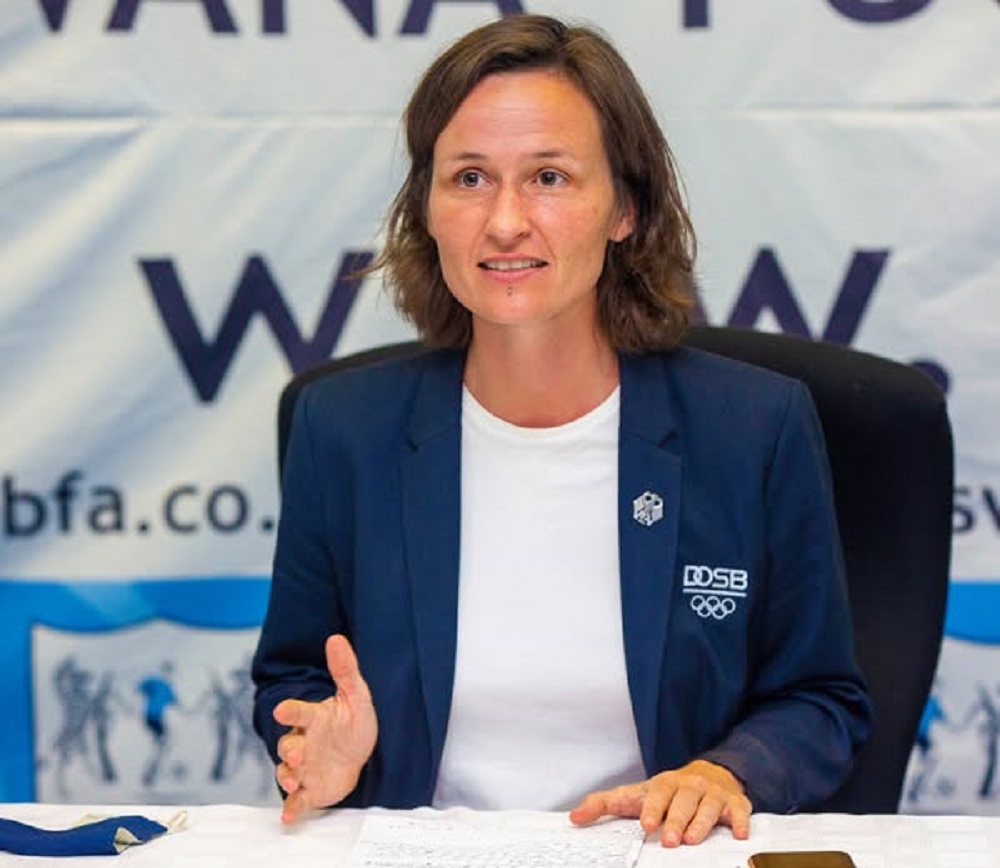
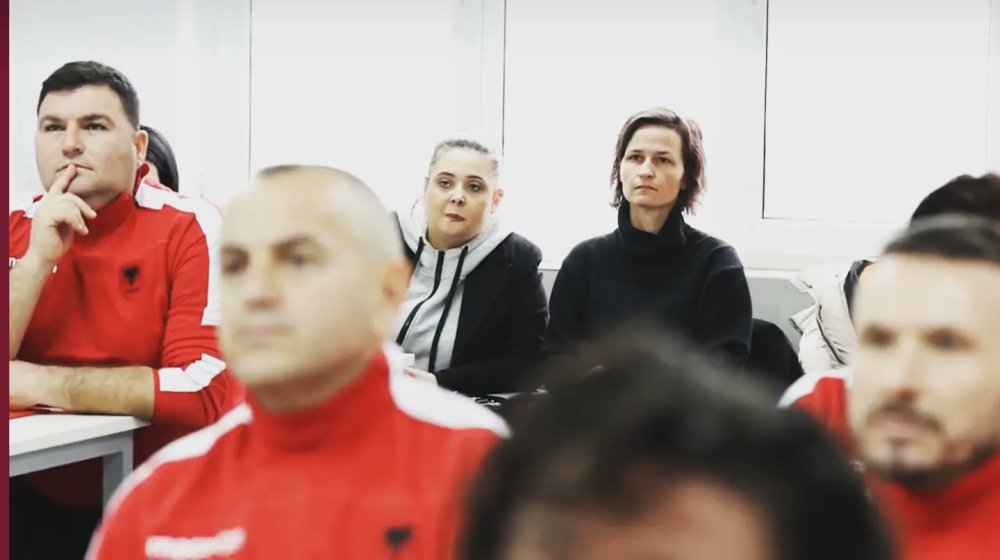
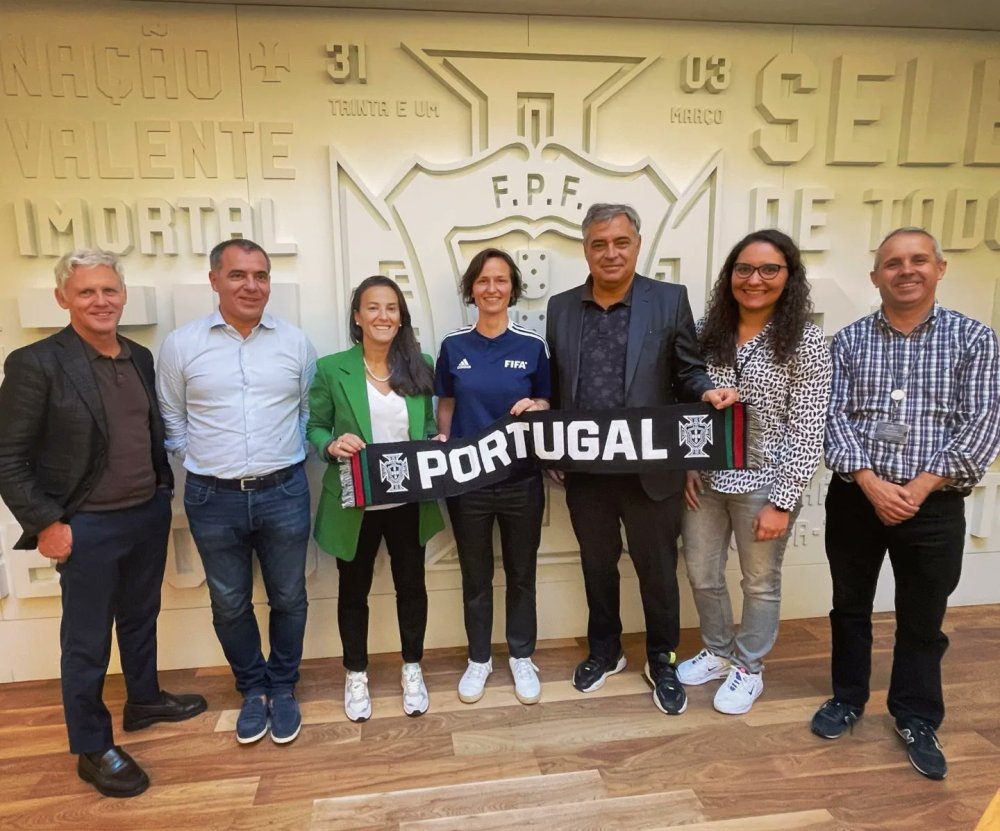
Braun is a highly experienced sports professional, particularly in football, with over 20 years of academic and practical experience in the field. Her journey in sports education began in 2005 at the Karlsruhe Institute of Technology (KIT) in Germany, where she studied until 2010.
During her studies, she also attended San Diego State University in California, USA, where she undertook an internship working with children struggling with obesity. After completing her studies, Dr. Braun returned to KIT to earn a PhD in sports development and youth talent promotion.
Upon graduation, she moved to Gambia to work with the Gambia Football Association (GFA), where she focused on encouraging girls to play football and increasing female participation in the sport.
Her impressive work in Gambia caught the attention of the German Football Association (DFB), which hired her to coach boys’ teams under the ages of 11 and 14. Between 2017 and 2019, she was promoted to a senior role overseeing the training of sports personnel, including DFB staff.
As part of the German Development Cooperation, she was sent to Namibia to launch the “Football4Life” project aimed at nurturing young football talent. She also worked in North Macedonia, where she combined coaching with training local coaches on how to identify and develop young players.
Braun’s expertise later took her to Botswana, where she served as the assistant coach to Algerian-born Adel Amrouche for the national team. From 2019 to 2021, they led Botswana through seven matches, one friendly and six Africa Cup of Nations (AFCON) qualifiers, achieving two wins, one draw, and four losses.
Beyond her assistant coaching duties, Braun was also an advisor for Botswana’s women’s national teams and served as the Technical Director while managing a joint football project between Germany and Botswana.
In 2021, FIFA appointed Dr. Braun as a technical expert responsible for training technical directors worldwide, a role she still holds today.
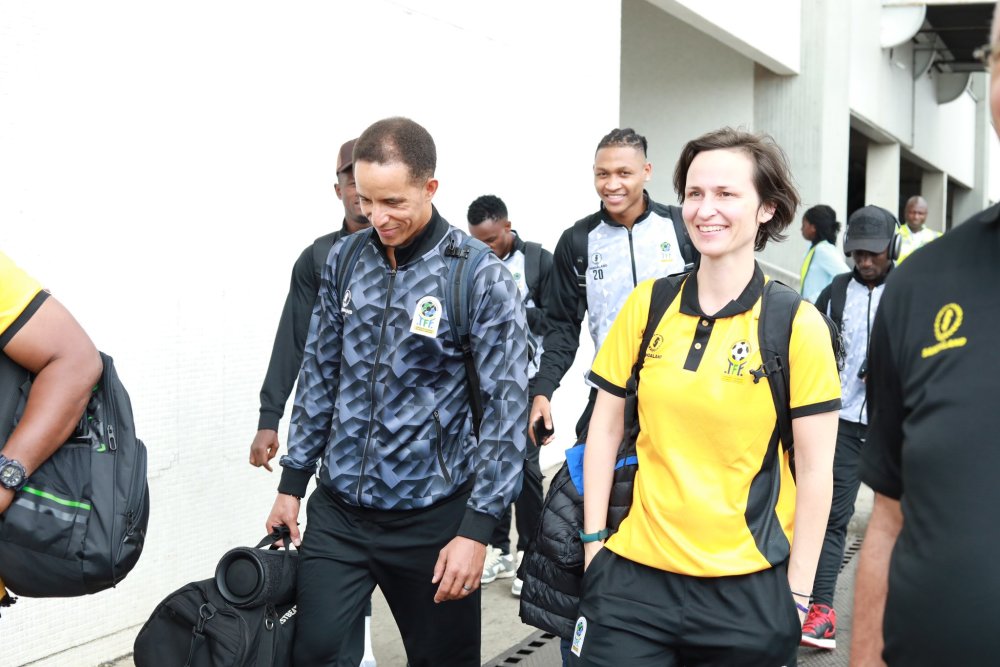
With a UEFA A coaching license, she left the Botswana national team in 2023 and joined Adel Amrouche to coach the Tanzanian national team. Under their leadership, Tanzania qualified for the 2023 Africa Cup of Nations before parting ways with the team.
Now joining Rwanda’s coaching staff alongside local coach Eric Nshimiyimana, Dr. Braun is expected to play a key role in identifying and developing young talent to strengthen the Amavubi squad for international competition.
The new coaching team will soon begin selecting players to represent Rwanda in the 2026 World Cup qualifiers. Amavubi will face Nigeria on March 18 and Lesotho on March 25, 2025, at Amahoro Stadium.
In a candid and reflective interview on Sanny Ntayombya’s “The Long Form” podcast, the chairperson of the Zimbabwe Anti-Sanctions Movement (ZASM) and founder of Zimbabweans Unite Against US War Sanctions (ZUAUWS) revealed a dramatic shift in perspective after visiting Rwanda for the first time, confronting his own ignorance and seeking reconciliation with a leader he once vilified.
“I’d apologize for my misguided words, born of ignorance, jealousy, and tribalism,” Matinyarare said when asked what he would say if he met Kagame. “I’m here to learn from his leadership, admired yet envied across Africa.”
The activist, known for his outspoken Pan-African advocacy, admitted to previously pushing narratives—such as claims that the Rwandan Patriotic Front (RPF) caused the 1994 genocide against Tutsis—that he now acknowledges were rooted in “helicopter journalism” and misinformation from books, exiled friends, and unverified reports.
“I was no different from the Western media I hated so much,” he confessed, citing a personal awakening spurred by Rwandans who approached him “without anger” to share their side.
Matinyarare’s apology comes amid a broader exploration of Rwanda’s role in the region. His visit, part of a documentary project on the Congo conflict, led him to reassess long-held beliefs about Rwanda, its president, and the ongoing crisis in the Democratic Republic of Congo (DRC).
{{M23 rebel group and the Congo crisis }}
Matinyarare offered a striking take on the conflict in eastern DRC, particularly regarding the M23 rebel group, which he met in Goma.
Far from seeing them as terrorists or Rwandan proxies—a narrative often perpetuated by the DRC government and other critics—he referred to them as “freedom fighters.”
“These are people separated from their land,” he said, tracing the conflict’s roots to colonial borders drawn at the Berlin Conference that split the Rwandan kingdom and fostered tribal divisions.
“They’re fighting for political, social, cultural, and human rights because colonial constructs persist under Black leadership.”
He recounted meeting M23 President Bertrand Bisimwa, first in Addis Ababa and later in Goma, debunking claims of their Rwandan origin.
“They’re Congolese people,” he insisted, noting their diverse tribal makeup and retreat to Uganda, not Rwanda, under persecution.
In Goma, he said he observed a vibrant city, not a war zone, with M23 patrolling the streets professionally, cleaning up, managing traffic, and earning public acceptance.
“The public didn’t seem intimidated,” he said, challenging the idea of coercion.
Visiting Nyakabande refugee camp in southwest Rwanda, Matinyarare said he was moved to tears by Congolese Kinyarwanda-speaking refugees, like a widow with eight children who claimed deep ancestral ties to Congo, not Rwanda.
“People are playing chess with people’s lives,” he lamented, rejecting narratives that these refugees are Rwandan imposters. He argued Rwanda, a small nation with limited resources, cannot sustainably absorb them, urging resolution over displacement.
{{Rwanda’s leadership and standards}}
Matinyarare revealed that his first impressions of Kigali, which he described as “a mind-blowing experience”, shattered his belief that its orderliness was a facade.
“I thought President Kagame was a magician pulling a rabbit out of a hat,” he admitted. “Only when I got here did I realize the meticulousness is real.”
Comparing Kigali’s manicured streets to Harare’s “shabby” decline, he attributed Rwanda’s success to disciplined leadership, contrasting it with Southern Africa’s “corrosion of corruption.”
He also debunked claims that Rwanda lacks resources, citing visits to mines like Trinity Metals’ tungsten operation—Africa’s largest—and Gatsibo’s cassiterite mine.
“I saw it with my own eyes,” he said, describing 15km underground shafts and rigorous regulation, refuting accusations that Rwanda steals Congo’s wealth through M23.
Defending his change of heart, the activist denied receiving payment from Rwanda to change his stance, saying, “My taxes would flag that immediately.”
He framed his journey as atonement and a push for African unity.
“I cannot fight to be right if my rightness means destruction,” he said, urging peace in Congo through negotiations that M23 claims to welcome.
{{Zimbabwe’s struggles and resilience}}
Addressing Zimbabwe’s current state, Matinyarare blamed 24 years of “illegal economic sanctions” since 1998 for its decline, freezing IMF loans and blocking trade, leading to brain drain and corruption.
Yet, he highlighted recovery: “We’re wheat self-sufficient, with the best tobacco, cotton, sugar cane, and Africa’s biggest steel plant.”
He criticized the West for targeting nations like Zimbabwe—and now Rwanda—with sanctions to suppress African potential, drawing parallels to his own past disinformation.
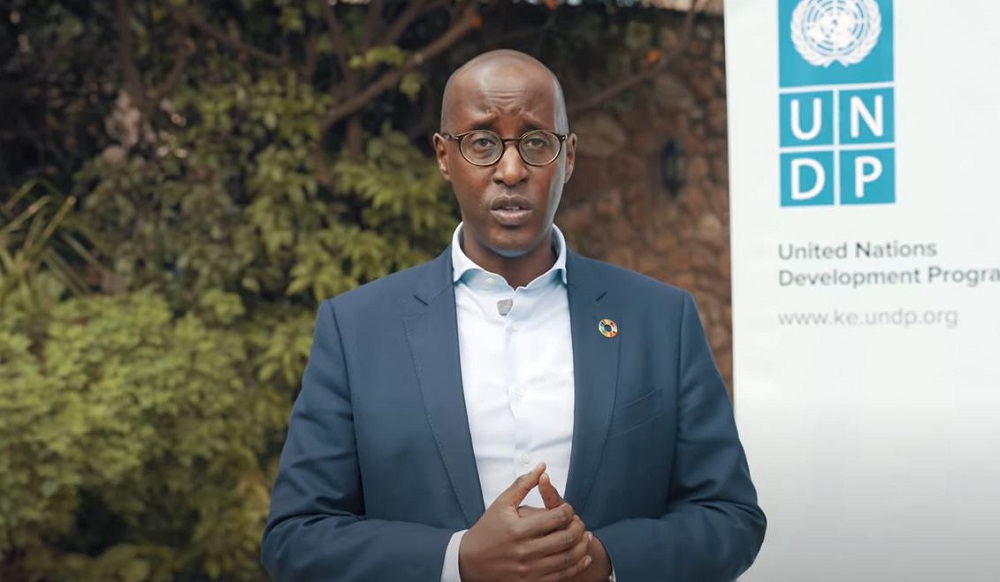
Ngororano has over 20 years of experience in sustainable development in leadership roles across the UN system and prior to this in the private sector.
Most recently, he served as the United Nations Development Programme (UNDP) Resident Representative to Kenya. Prior to that, he served as UNDP Resident Representative to the Islamic Republic of Mauritania.
Before his role in Mauritania, Ngororano served as Chief of the Executive Board Branch in the Office of the Executive Director of the United Nations Population Fund (UNFPA) in New York and he held several posts in UN Women including Country Representative in Haiti and Chief of the Africa Section in New York.
He served as the Senior Economic Adviser to the Prime Minister of Rwanda with the rank of Permanent Secretary and prior to that he held diverse positions with UNDP including Country Adviser in the Regional Bureau for Africa in New York, and in a range of policy, planning and programme roles in Nigeria, Zambia, and Rwanda.
Ngororano also worked as an investment banker with Citigroup N.A in Kenya and Tanzania after starting his career as an economist in the Ministry of Finance, Planning and Economic Development in Uganda.
He holds Master’s degrees in Development Economics and International Relations from the University of East Anglia and the University of Sussex respectively.
Ngororano also holds an MA (Honours) degree in Economics from the University of Edinburgh in Scotland.