Countries such as the United States, Canada, the United Kingdom, and Germany recently announced sanctions against Rwanda, which include halting development cooperation.
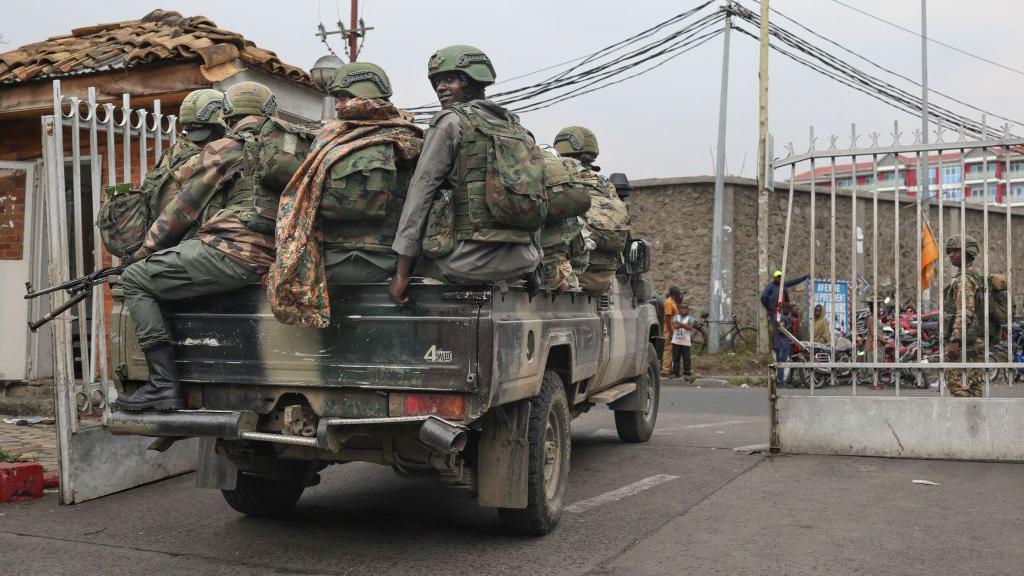
These nations accuse Rwanda of having troops in eastern DRC and supporting the M23 armed group.
However, the Rwandan government has strongly rejected these accusations, asserting that Rwandan forces are not on DRC’s territory and are not aiding the M23.
The government further clarified that, instead, the DRC government is cooperating with the FDLR, a terrorist group aimed at destabilizing Rwanda.
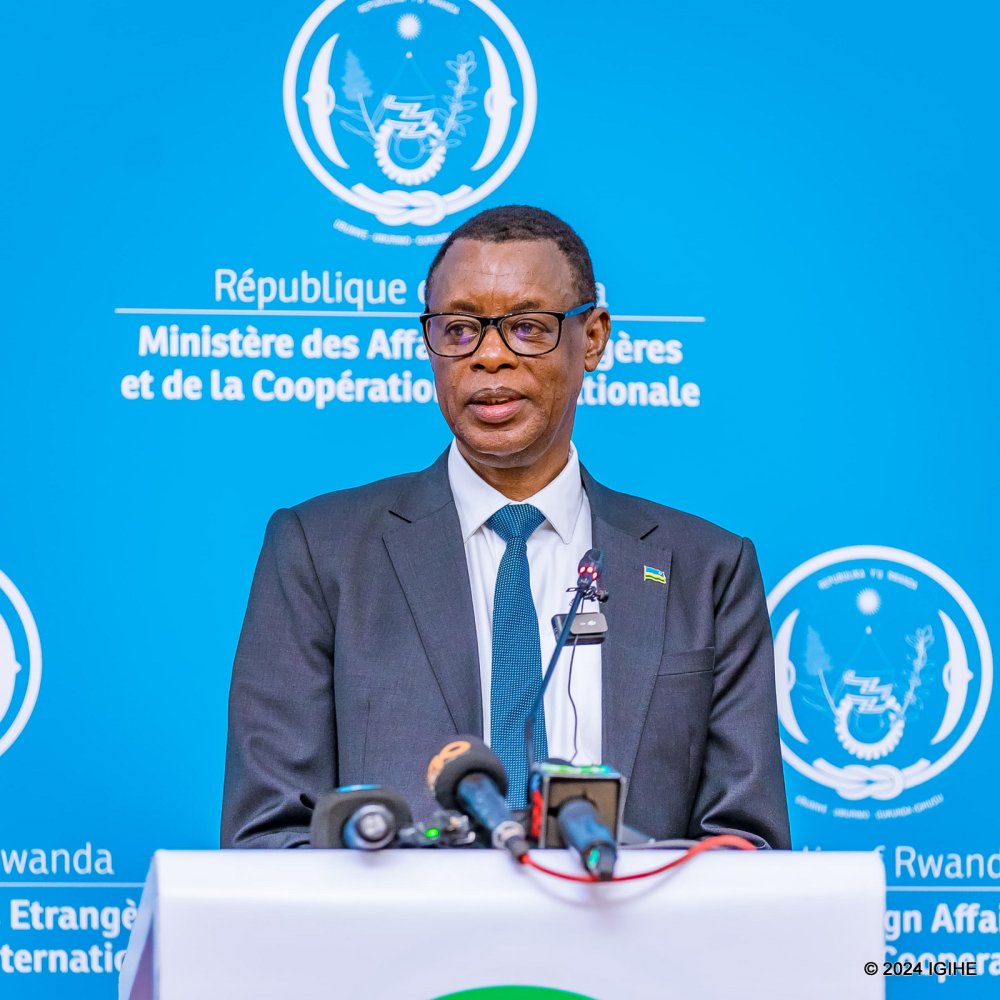
Gen (Rtd) Kabarebe emphasized that these countries should be supporting the processes initiated by African leaders to restore peace in eastern DRC, adding that sanctions would not provide a solution.
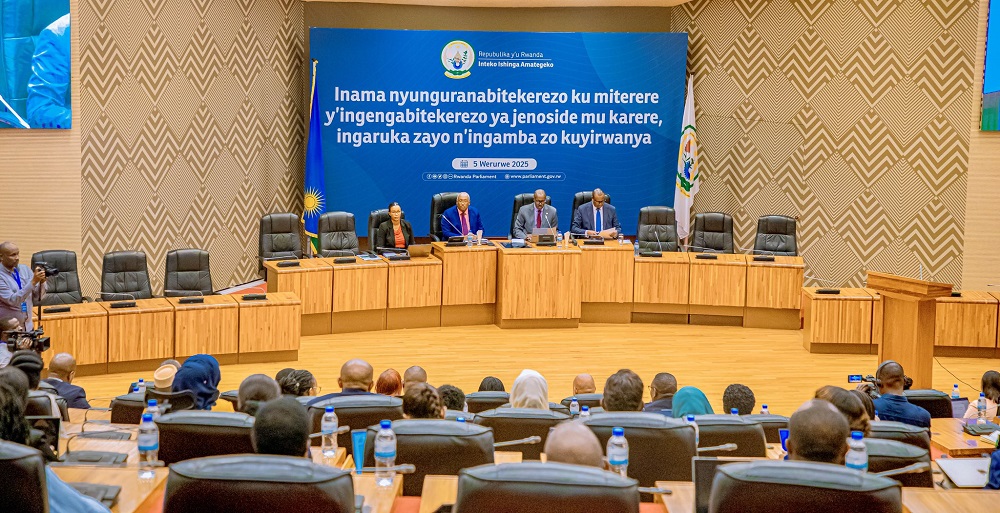
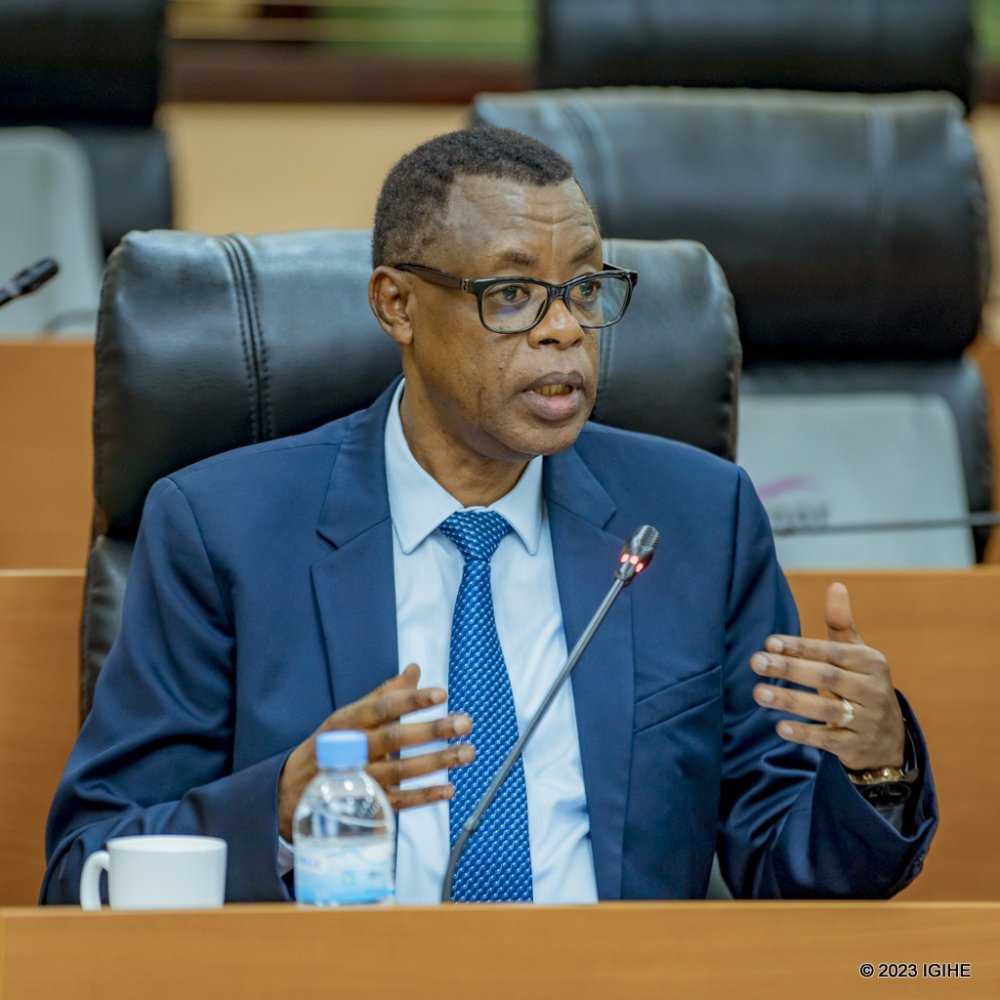
Gen (Rtd) Kabarebe made the disclosure during a consultation meeting with members of Parliament on March 5, 2025, where he emphasized that the sanctions imposed on Rwanda are driven by the countries’ own interests, particularly their desire for minerals from the DRC.
“All of them are after their own interests in Congo, nothing else. What they see in Congo is minerals,” he said.
Gen (Rtd) Kabarebe pointed to Canada as an example, noting that the country recently halted new trade cooperation with Rwanda.
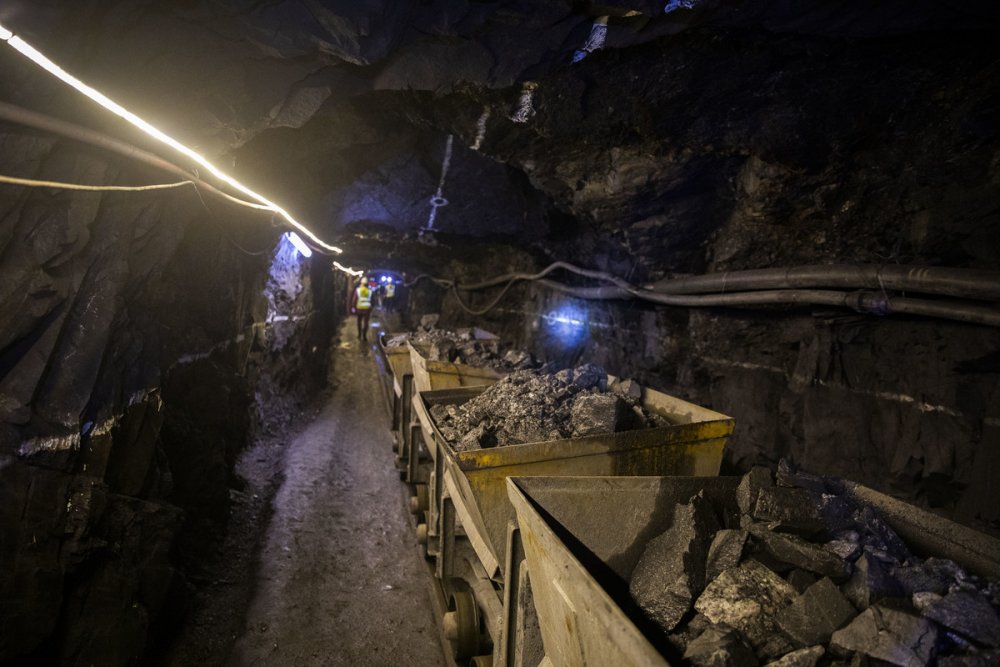
He highlighted that Canada controls a major mine in the Walikale territory in North Kivu, home to the world’s largest deposit of Cassiterite.
“For Canadians, it’s nothing else. In Walikale, they have the Cassiterite mine, the largest in the world, known as Alpha Mines. There is nothing surprising when they impose sanctions on Rwanda.”
Several European nations, including Belgium, Germany, and France, are home to individuals who spread genocide ideology through social media, published writings, and books.
According to the Rwanda Investigation Bureau (RIB), 3,179 people have been investigated for genocide-related offenses between 2019 and 2024.
Deputy Prosecutor General Bonaventure Ruberwa disclosed these efforts during a consultative meeting organized by Rwanda’s Parliament on March 5, 2025.
The discussion focused on the persistence of genocide ideology, its consequences, and strategies to counter it.
Ruberwa emphasized that Rwanda is gathering evidence against individuals living abroad who deny or trivialize the Genocide against the Tutsi, with the goal of prosecuting them in their host countries.
He noted that many of these individuals are concentrated in Belgium and France, despite both nations having laws that criminalize genocide denial.
“For some time now, we have observed that many of these individuals are in Belgium. Most of them are children of parents who committed the Genocide against the Tutsi. They established an organization called Jambo News, which runs media platforms that extensively spread genocide ideology. Others, like Father Thomas Nahimana, use social media to deny and trivialize the Genocide,” he said.
The NPPA is taking concrete steps to collect evidence, particularly in countries such as France and Belgium, where legal frameworks allow the prosecution of individuals, regardless of nationality, who engage in genocide denial while residing there.
“We are compiling evidence to file cases in these countries, given that their laws permit prosecuting individuals, whether citizens or foreigners, who spread genocide denial while on their soil,” Ruberwa explained.
He also urged the public to report any materials, such as books, articles, or social media content, that promote genocide denial or ideology so they can be used as evidence in legal proceedings.
“We call for cooperation in investigations to ensure these individuals face justice in their host countries. If you come across books, articles, or social media content that promote genocide denial, please report them. This is especially critical as young people are increasingly exposed to these messages through platforms like Jambo News,” he stated.
Rwanda’s Parliament has also raised concerns about the influence of anti-Rwanda rhetoric on communities living near border regions.
Lawmakers warned that some residents consume online content from individuals abroad who oppose Rwanda, potentially misleading them if they lack proper analytical skills and critical thinking.
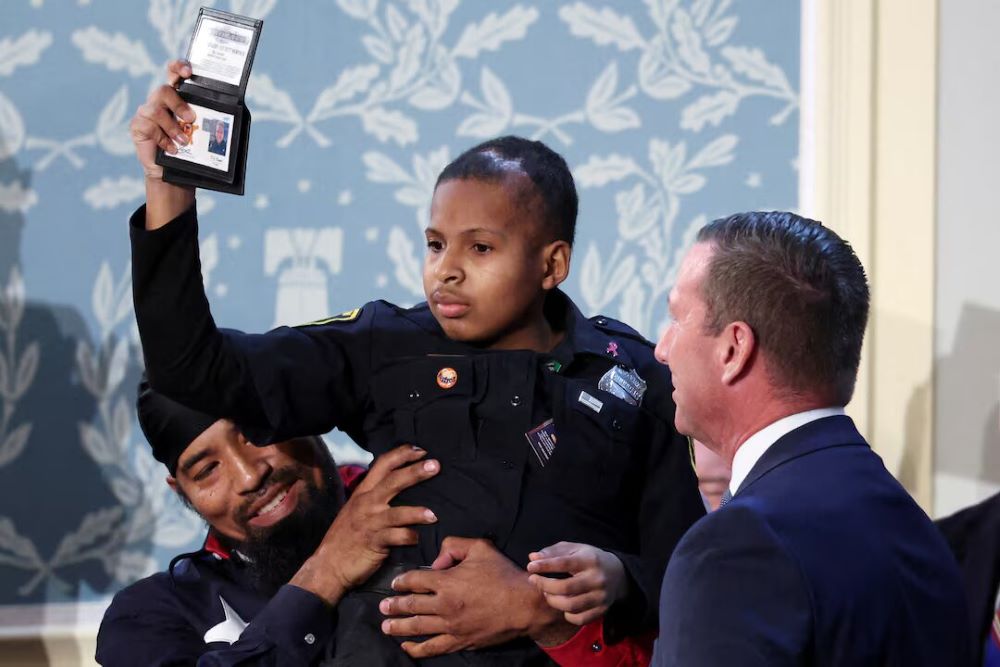
While talking about the 13-year-old and his commitment, Trump elevated his position and made him ‘an agent of the United States Secret Service.’ The big announcement seemed like a dream-come-true moment for Daniel and his family.
Introducing DJ Daniel, Trump said, “Joining us in the gallery is a young man who truly loves our police; his name is DJ Daniel. He is 13 years old and has always dreamed of becoming a police officer.”
DJ has been a warrior and fighting bravely against cancer since 2018, when he was diagnosed with brain cancer. The doctors treating him had given him 5 months at most to live.
But the strong and determined Daniel was not willing to give up. And ever since, he and his father have been on a quest to make his dream come true.
In a video released by the White House, Daniel was seen saying, “I had thirteen brain surgeries and that’s how many times my personality has changed. I wouldn’t have been here if it wasn’t for my dad, he is proud of me and I am pretty proud of him too.”
He added, “I would like to thank President Trump, because if it wasn’t him, I wouldn’t have been here today.”
Trump said, “DJ has been sworn in as an honorary law enforcement officer. The police departments love him, and tonight, DJ, we are going to do you the biggest honour. I am asking our new Secret Service director, Sean Curran, to officially make you an agent of the United States Secret Service.”
Further detailing on his health, Trump highlighted, “DJ’s doctors believe his cancer likely came from a chemical he was exposed to when he was younger. Since 1975, rates of child cancer have increased by more than 40%.
Reversing this trend is one of the top priorities for our new presidential commission to make America healthy again chaired by our new Secretary of Health and Human Services Robert F Kennedy Jr.”
Speaking at a consultative meeting with members of Rwanda’s Parliament on March 5, 2025, Gen (Rtd) Kabarebe discussed the spread of genocidal ideology in the region, its consequences, and strategies to counter it.
He disclosed that Tshisekedi became convinced of his ability to take over Rwanda when he aligned himself with the FDLR terrorist group in the fight against the M23 rebels.
According to Gen (Rtd) Kabarebe, Tshisekedi’s hostility toward M23 intensified after the group was excluded from peace talks in Nairobi in April 2022. He vowed to eliminate them and “send them back to Rwanda” simply because many of their fighters spoke Kinyarwanda.
“Instead of solely targeting M23, Tshisekedi turned his aggression toward Rwanda. He openly declared that he would fire at M23 fighters and drive them into Rwanda just because they spoke Kinyarwanda and shared aspects of Rwandan culture,” Gen (Rtd) Kabarebe explained.
He further revealed that Tshisekedi, along with FDLR leaders and his military generals, devised a plan to invade Rwanda after defeating M23 in North Kivu. The ultimate goal was to overthrow the Rwandan government, and Tshisekedi envisioned himself raising the DRC flag in Kigali.
“When Tshisekedi launched his offensive against M23, he relied on FDLR forces. The FDLR assured him they would crush M23, pursue them into Rwanda, and that by the time the Commonwealth Heads of Government Meeting [CHOGM] took place in Kigali on June 20, 2022, he would already be in the Rwandan capital, having hoisted the DRC flag. His generals and the FDLR fed him these illusions, and he believed them,” Gen (Rtd) Kabarebe stated.
The CHOGM summit, which brings together leaders from English-speaking nations, was held in Kigali from June 20 to 25, 2022. This event occurred shortly after FDLR and DRC military forces shelled Rwanda’s Musanze District in May and June of that year.
Gen (Rtd) Kabarebe attributed Tshisekedi’s misguided belief in an easy victory to his lack of military experience.
“He was a new president, a civilian with no understanding of warfare. The FDLR convinced him he would win, and he fell for it. He truly believed he could defeat Rwanda and intensified his efforts,” he said.
Despite calls from East African Community (EAC) heads of state urging him to halt attacks on Rwanda, Tshisekedi refused. Instead, he bolstered his military capabilities, preparing for direct confrontation with Rwanda.
As part of this strategy, he collaborated with various militias under the Wazalendo alliance, a coalition known for its anti-Rwandan and anti-Tutsi ideology.
“The Wazalendo militias, especially the Nyatura faction, were created by the FDLR, which embedded its commanders within their ranks to strengthen their influence. Essentially, these so-called Congolese ‘patriotic’ forces are an extension of the FDLR,” Gen (Rtd) Kabarebe explained.
On January 27, 2025, when M23 captured the city of Goma, the DRC army, FDLR, and Wazalendo forces launched an attack on Rwanda’s Rubavu District, killing 16 civilians. Gen (Rtd) Kabarebe revealed that this assault had been planned in advance.
Following M23’s takeover of Goma, Rwanda’s government confirmed intelligence reports indicating that DRC forces, in collaboration with the FDLR, had planned a major offensive against Rwanda. Heavy DRC artillery had been positioned facing Rwanda, ready for an attack.
However, Gen (Rtd) Kabarebe emphasized that Tshisekedi’s plan to invade Rwanda ultimately failed. He credited Rwanda’s robust defense strategies, reinforced after previous attacks on Musanze, for successfully repelling threats, including the attempted invasion on January 27.
The Office of the United Nations High Commissioner for Human Rights (OHCHR) had raised concerns over the alleged abductions, stating that M23 fighters stormed CBCA Ndosho Hospital and Heal Africa Hospital on the night of February 28.
According to OHCHR, 116 patients were taken from CBCA Hospital and 15 from Heal Africa in coordinated raids. They were accused of being DRC army soldiers or members of the pro-government Wazalendo militia.
However, in a statement issued on March 5, M23 rejected the allegations, insisting that the operation targeted illegal armed elements and was conducted peacefully, in adherence to international law.
“The operation conducted against 130 FARDC elements hiding in hospitals was carried out in a rigorously peaceful manner and in full compliance with international humanitarian law,” M23 said.
According to the rebel group, its actions were aimed at securing medical facilities that had allegedly been infiltrated by combatants posing as patients, thereby endangering both real patients and medical staff.
M23 further stated that the operation was conducted with the consent of hospital administrators, following reports of crimes committed by the alleged FARDC elements, including rape and theft.
“Under no circumstances have we attacked hospitals. On the contrary, our forces have secured these facilities to ensure access to medical care for those in urgent need,” the statement added.
In recent weeks, M23 has tightened its grip on strategic locations in eastern Congo, where it continues to fight what it describes as bad governance and decades of marginalization and persecution of Kinyarwanda-speaking Congolese.
He made these remarks during a consultative meeting organized by Parliament on March 5, 2025. The discussion focused on the prevalence of genocide ideology in the region, its consequences, and strategies for combating it.
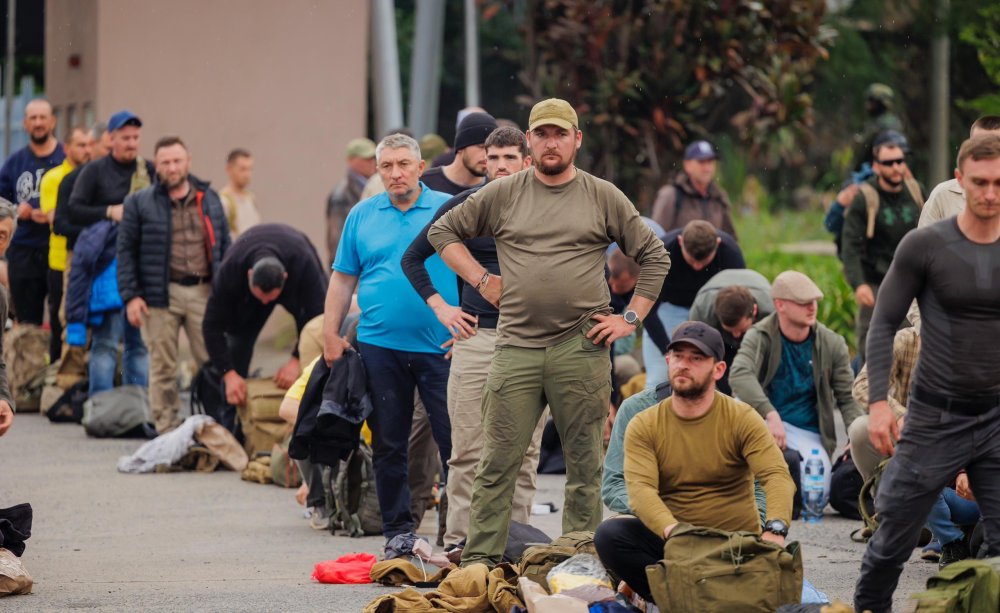
Gen (Rtd) Kabarebe highlighted that the ongoing conflict in eastern Democratic Republic of Congo (DRC) involves multiple armed groups, including the Congolese Armed Forces (FARDC), the FDLR genocidal terrorist group, and SAMIRDC. Notably, he pointed out the presence of European mercenaries fighting illegally under international law.
“The international community has never addressed the issue of mercenaries in the DRC, despite it being a clear violation of international law. When it was suggested that they exit Goma through Rwanda on their way home, there was strong opposition,” he stated.
“Western nations objected. Some embassies here strongly opposed the idea, warning us not to allow these individuals to leave MONUSCO camps and cross into Rwanda. What were they afraid of? They feared humiliation. They did not want to be exposed.”
He further explained that these countries deliberately concealed the presence of mercenaries to avoid disgrace.
“They completely covered it up to ensure these mercenaries remained unknown to the public. Another major concern was the optics of Rwandan soldiers and police searching White individuals at the border. Had these mercenaries been Black, their presence would have been acknowledged and widely reported. However, because they were White, they were shielded from public scrutiny, even to this day.”
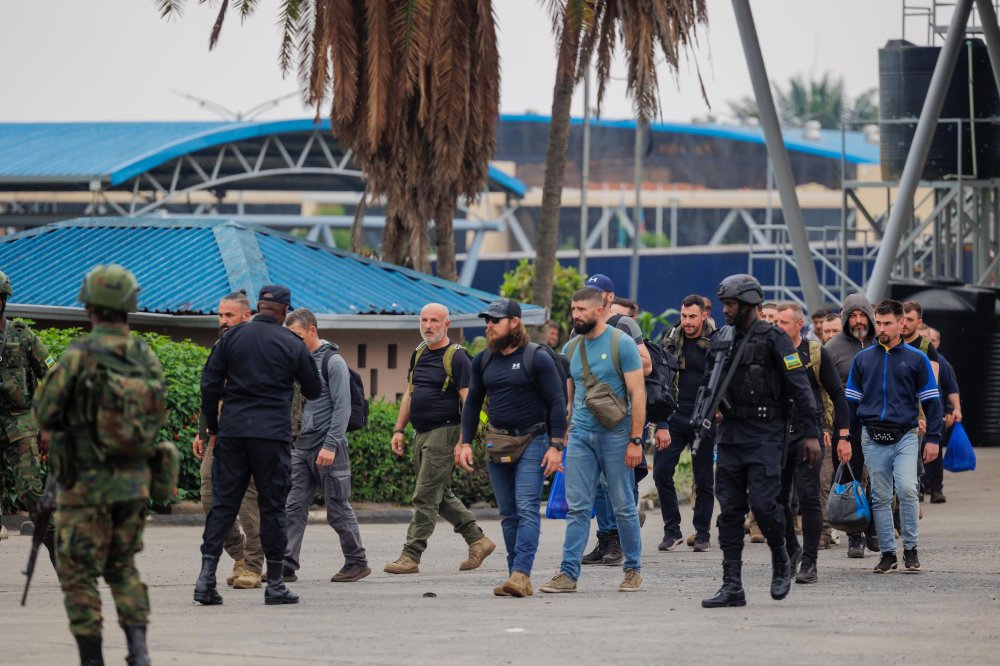
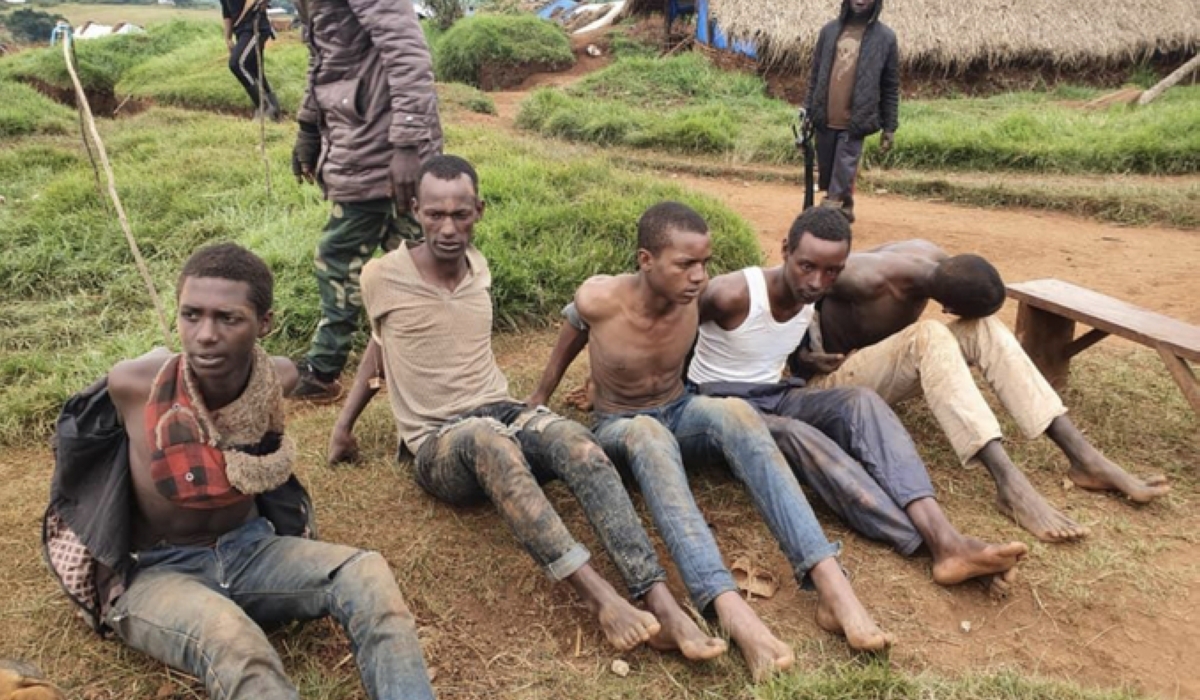
In late January 2025, more than 280 mercenaries were escorted through the Rwanda-DRC border after being captured by the M23 rebel group.
These mercenaries, belonging to the Romanian-based RALF group, had been fighting alongside the Congolese Army against M23 since 2022.
The report highlights that the overall industrial output in the formal sector increased by 7.9% year-on-year, with mining and quarrying making a notable contribution.
The report shows that the mining and quarrying index stood at 69.7 in January 2025, up from 66.8 in January 2024. As a key pillar of the economy, the sector continues to drive exports and job creation.
Rwanda’s mining sector has been experiencing significant expansion, with mineral exports surpassing $1.1 billion in 2023, up from $772 million in 2022—an impressive 43% increase.
According to the Rwanda Mines, Petroleum, and Gas Board (RMB), the surge was driven by increased value addition, professionalization of the sector, greater investment in mechanization, and the implementation of sustainable and responsible mining practices.
In the fourth quarter of 2023 (October to December), mineral export earnings reached $252.99 million, marking a 34.9% increase compared to the same quarter in 2022.
Gold was the highest revenue generator, with 3,158 kilograms exported, bringing in $202.6 million. Cassiterite exports totalled 1,293,608 kilograms, valued at $19.7 million, while coltan exports reached 468,577 kilograms, generating $18.9 million.
Wolfram also contributed significantly, with 640,987 kilograms exported, earning $7.9 million, while other minerals combined accounted for 3,775,389 kilograms, valued at $3.9 million.
Beyond mining, Rwanda’s industrial sector continued to expand in January 2025. The manufacturing sector recorded a 7.1% increase, primarily driven by a 16.7% rise in food processing and a 13.9% increase in beverage and tobacco production.
Electricity production also saw an increase of 4.2%, reflecting improvements in the country’s energy supply, while the water and waste management sector experienced the highest growth, surging by 20%.
For more than three decades, Kinyarwanda-speaking communities, particularly the Tutsi and Banyamulenge in eastern DRC, have faced targeted killings, forced displacement, and systematic persecution.
According to IBUKA, the recent surge in violence, fueled by state-sponsored hate speech and the collaboration between the Congolese government and genocidal forces such as FDLR represents a severe humanitarian and security crisis.
“The recent escalation of violence, compounded by state-sponsored hate speech and the open collaboration between the Congolese government and the FDLR, a recognized genocidal militia composed of remnants of those responsible for the 1994 Genocide against the Tutsi, represents a grave human rights crisis that the international community must urgently address,” IBUKA stated in a statement released on Tuesday, March 4, 2025.
IBUKA drew chilling parallels between the current situation in the DRC and the events leading up to the 1994 Genocide against the Tutsi in Rwanda.
The organization pointed out that inflammatory rhetoric from senior Congolese officials, coupled with mass killings and displacement, mirrors the propaganda and violence that preceded the genocide three decades ago. The organization warns that ignoring these warning signs could lead to a repeat of history.
“The systematic dehumanization of an ethnic group, the use of state media to incite violence, the collaboration with genocidal militias, and the failure of the international community to act, all these factors mirror the pre-genocide conditions that led to the mass
slaughter of more than one million Tutsi in Rwanda,” the statement reads.
Despite the urgent threat, IBUKA criticized the international community for failing to take decisive action against perpetrators of hate speech and violence. The statement highlights the continued presence of genocide fugitives in foreign countries, where they evade justice while spreading genocide ideology.
Moreover, IBUKA condemned certain Western media outlets and political figures for distorting narratives about Rwanda while downplaying the security crisis posed by the FDLR’s activities in the DRC.
As the violence intensifies, IBUKA has called for an immediate international response, urging governments, human rights organizations, and regional leaders to take concrete steps to stop the ongoing atrocities.
The organization stressed that the Congolese government must be held accountable for its role in enabling hate speech and genocide, and it called for the dismantling of the FDLR, whose presence continues to threaten regional stability and Rwandan security.
IBUKA is also calling for increased pressure on MONUSCO to take effective measures or be replaced with a competent intervention force and immediate protection and humanitarian assistance for Tutsi and Banyamulenge communities facing persecution.
“The world must not turn a blind eye to the unfolding crisis in eastern DRC. The ongoing violence is not only a humanitarian catastrophe but also a direct continuation of the genocidal ideology that led to one of the worst crimes against humanity in modern history,” IBUKA warned.
“The world cannot afford to ignore these warning signs. Silence is not an option. Decisive action must be taken now.”
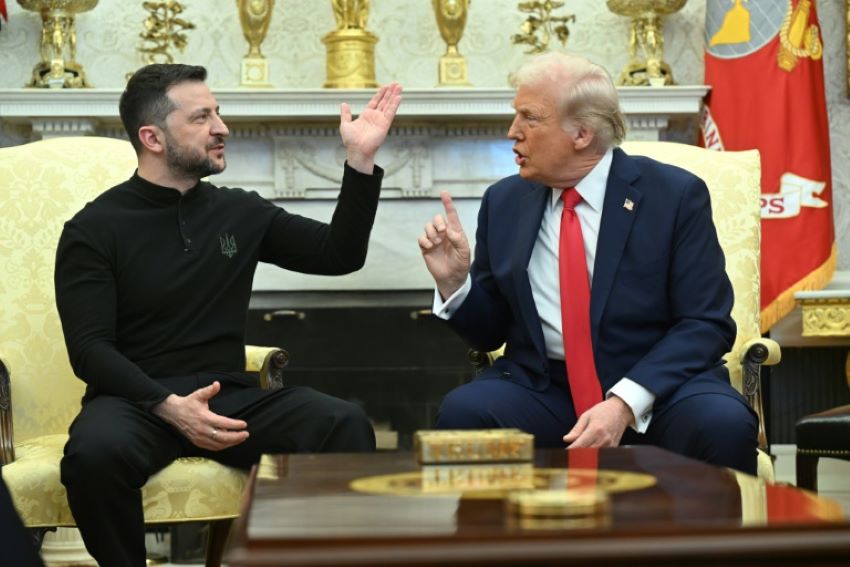
This move follows a tense Oval Office meeting with U.S. President Donald Trump, which led to the suspension of American military aid to Ukraine and the collapse of the proposed minerals deal.
On March 4, 2025, Zelenskyy took to the social media platform X to announce Ukraine’s readiness to comply with U.S. demands and work toward a swift end to the conflict with Russia.
He expressed willingness to sign the minerals agreement “at any time and in any convenient format” and proposed initial steps toward peace, including the immediate release of prisoners and a ceasefire with a ban on missile strikes and attacks on civilian infrastructure.
This announcement marks a significant shift in Zelenskyy’s stance following a heated exchange with Trump and Vice President J.D. Vance during their recent meeting.
The confrontation, fueled by accusations that Ukraine had shown insufficient gratitude for U.S. support, resulted in the abrupt cancellation of the minerals deal. The White House had made it clear that the agreement would not proceed unless Zelenskyy met their conditions.
By publicly accepting these terms, Zelenskyy aims to restore military aid from the U.S., which is vital for Ukraine’s defense against Russian aggression.
Washington had previously suspended all military assistance pending a review to ensure future aid contributes to a peaceful resolution. With Zelenskyy’s new statement, the path to restoring this critical support now seems more likely.
European allies have reacted swiftly to the evolving situation. French Foreign Minister Jean-Noel Barrot emphasized the need for Europe to reduce its dependence on American weaponry, while British Prime Minister Keir Starmer called for Europe to take greater responsibility for supporting Ukraine.
The United Kingdom, France, and Ukraine are now working together on an independent peace proposal to present to the U.S., reflecting a broader international effort to sustain support for Ukraine.
Meanwhile, the Kremlin has welcomed the suspension of U.S. aid as a positive step toward peace. Russian officials have reiterated their demands for Ukraine to demilitarize, remain neutral, and recognize current territorial realities. Moscow remains opposed to any NATO presence in Ukraine, including peacekeeping forces.
Zelenskyy’s acceptance of U.S. conditions is seen as a strategic move to repair relations with Washington and maintain crucial military and financial support. However, significant challenges remain, including addressing Russia’s demands and navigating the complexities of international diplomacy.
As the conflict continues, the coming days will be pivotal in determining whether Zelenskyy’s willingness to comply with U.S. conditions will reignite peace talks and secure the aid Ukraine urgently needs.
His latest move offers a renewed hope for a diplomatic resolution to the prolonged war while easing tensions with its most important ally.
This call follows the recent disbursement of rewards to at least 80 final consumers, equivalent to 50% of the penalties imposed on traders, who refused to issue invoices or issued inaccurate receipts. The penalties were based on credible information provided by the affected final consumers.
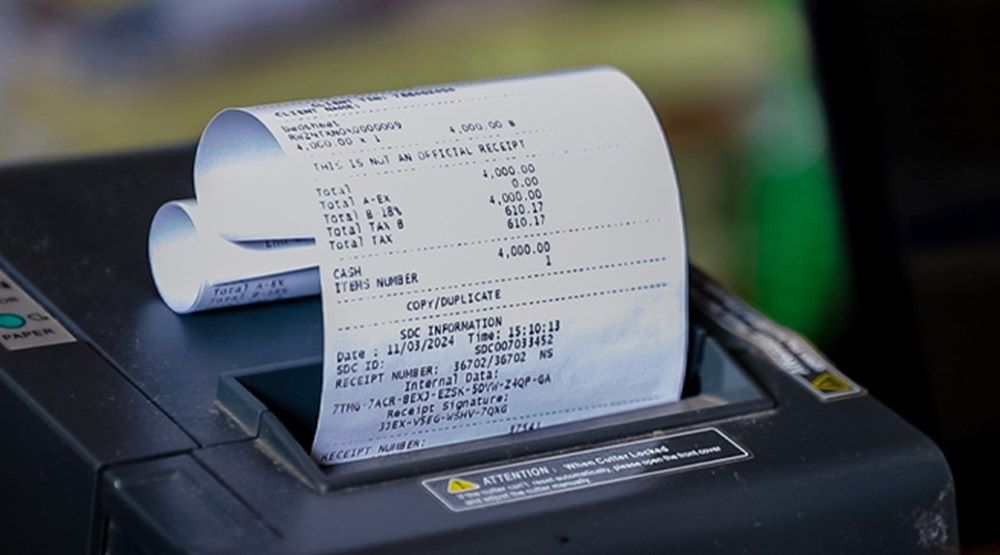
The rewards are in line with Ministerial Order No. 002/24/03/TC of 08/03/2024, determining the reward based on the Value Added Tax (VAT), stipulating that a final consumer is entitled to 10% of the VAT amount shown on the invoice issued.
However, when the consumer is denied an invoice and reports it to the Tax Administration, they receive an additional reward equivalent to 50% of the penalties paid on that invoice.
One of the beneficiaries received a reward of over Frw1.9 million, after reporting different traders, who denied him invoices. RRA followed up on these cases and imposed penalties.
Since registering, he made it a point to always request EBM receipts and ensure that the amounts matched what was paid. If any trader refused, he would report them.
Another recipient, who received Frw120,127, reported a trader who gave an undervalued receipt that didn’t match the amount paid. To date, about 58,000 people have joined the VAT reward program.
Jean Paulin Uwitonze, Assistant Commissioner for Taxpayer Services and Communications, emphasized the importance of compliance, noting that it is a legal requirement for traders to provide EBM receipts for all transactions.
“Many consumers are actively reporting non-compliant sellers, and we truly appreciate their efforts. We encourage them to continue as their proactive actions help to ensure that taxes are properly collected and do not end up in the pockets of those unwilling to provide an EBM receipt or who issue one with less amount, thus stealing government taxes,” Uwitonze said.
To participate in the VAT reward program, consumers need to first register by dialing *800# or via [MyRRA->https://myrra.rra.gov.rw/basic/login/indexLogin] system and following the prompts. For reporting, information is sent to the RRA WhatsApp number 0739008010, and consumers will be entitled to 50% of the penalties imposed on the trader.
“We should all embrace this program to support our country’s development agenda while also giving final consumers direct rewards,” Uwitonze noted.