The IGAD envoys from Djibouti, Eritrea, Ethiopia, Kenya, Somalia, Sudan and Uganda, who are based in Juba, the capital of South Sudan, said escalating tensions and armed clashes in Nasir County, which have left over 20 people dead and displaced many others, could undermine a permanent peace deal.
“We call upon all the parties and their affiliate groups to immediately cease hostilities and exercise maximum restraint,” the diplomats said in a joint statement issued in Juba.
Clashes erupted in mid-February between the South Sudan People’s Defense Forces and the armed civilian groups in Nasir County.
Tensions escalated further after the government announced plans to deploy new forces to Nasir County to rotate troops stationed in the area for several years, raising concerns among local communities that the incoming forces could target civilians or initiate a disarmament campaign.
More than 20 people have been reported killed and several others injured on the outskirts of the now-deserted town of Nasir, located near the border between South Sudan and Ethiopia.
According to the Ceasefire and Transitional Security Arrangements Monitoring and Verification Mechanism, a multinational body that monitors compliance with the South Sudan peace agreement signed in 2018, the security situation in Upper Nile State has significantly deteriorated in the past weeks.
The IGAD diplomats said the security situation in Nasir threatens to undermine the hard-won gains achieved in implementing the revitalized peace agreement and exacerbate the already dire humanitarian situation in the region.
“We emphasize the paramount importance of upholding the permanent ceasefire and adhering to the provisions of the peace agreement,” the envoys said while encouraging continued dialogue and consultations within the framework of the revitalized peace agreement.
With the fall of Goma and Bukavu, along with increasing territorial losses, Kinshasa is seeking to leverage its vast mineral wealth to secure military and diplomatic backing from global powers.
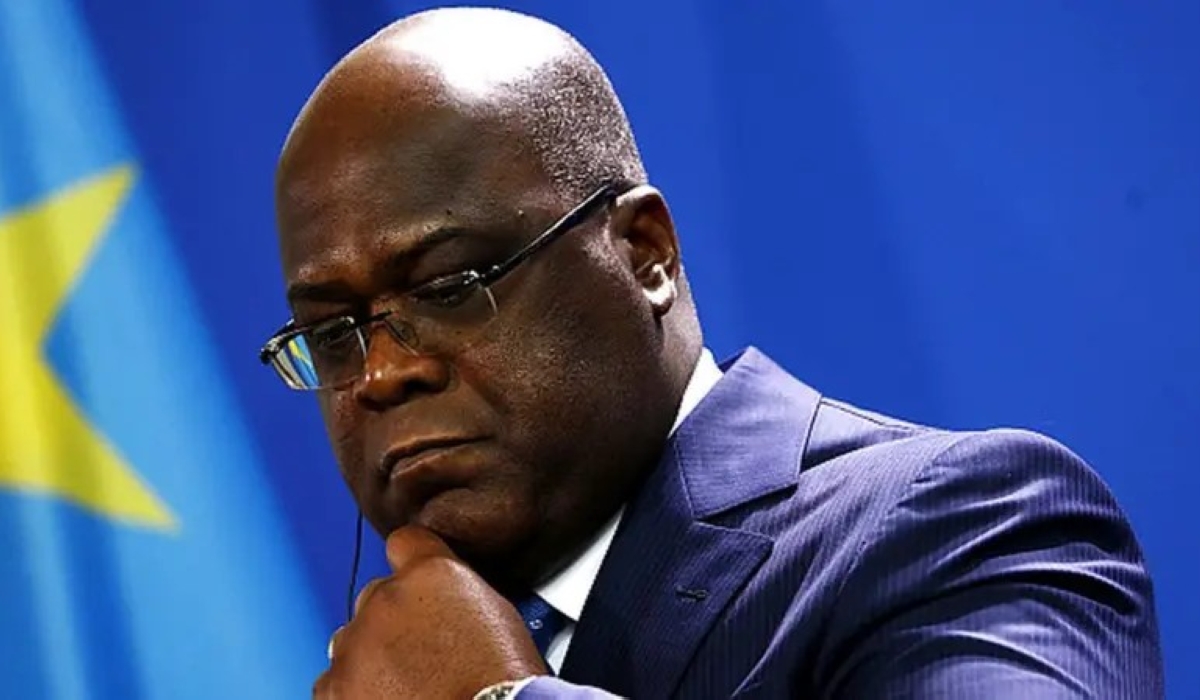
In a bid to pressure Rwanda, which Tshisekedi accuses of backing the M23 rebels, Congolese envoys were recently dispatched to Washington to negotiate deals granting U.S. companies privileged access to the DRC’s rich mineral reserves.
High-level delegations, including officials from Gécamines and other state mining enterprises, have engaged with American authorities, with Jacques Tshisekedi, the president’s brother, personally involved in security discussions.
Kinshasa’s strategy, drawing parallels with Ukraine’s reliance on Western support, is aimed at ensuring that Washington prioritizes DRC’s security interests. However, the reception has been lukewarm, with skepticism in some U.S. circles about Kinshasa’s reliability and governance.
Amid uncertainty over U.S. commitment, Tshisekedi has also turned to the United Arab Emirates (UAE) for emergency military assistance. Recent discussions between Kinshasa and Emirati officials included offers of mining concessions in Lualaba province, which is rich in cobalt and copper, in exchange for military equipment. Reports indicate that the DRC sought an upfront payment of at least $250 million as part of the deal.
Similarly, Kinshasa explored potential support from Russia, despite Tshisekedi’s historically pro-Western stance.
A presidential envoy traveled to Moscow, but with Russia preoccupied with its war in Ukraine, there was little interest in direct intervention. The DRC also attempted to gain military backing from Mali’s ruling junta and Chad, though the latter ultimately rejected the deployment of troops.
On the African front, Burundi remains the only country with a significant troop presence in eastern DRC, with around 10,000 soldiers engaged in operations against M23. However, Kinshasa is increasingly wary of Burundi’s long-term commitment, especially following recent security talks between Rwandan and Burundian officials in Kigali.
Fears are mounting that President Évariste Ndayishimiye might shift his stance, possibly striking a non-aggression pact with Rwanda, which could alter the balance of power in the region.
{{The high-stakes gamble
}}
Tshisekedi’s push to exchange mining assets for military and diplomatic support shows just how desperate the Kinshasa regime and the dire state of the conflict.
The DRC is home to some of the world’s most valuable minerals, including cobalt, copper, diamonds, and gold. These resources are crucial to global supply chains, making them a powerful bargaining chip. However, past experiences have shown that mining deals often fail to translate into lasting security gains, with local populations seeing little benefit from their country’s immense wealth.
Rwanda has repeatedly denied accusations of supporting M23, while the rebel group maintains that its fight is rooted in political grievances, particularly the treatment of Kinyarwanda-speaking communities in eastern Congo. M23 spokesperson Lawrence Kanyuka has insisted that the group’s objectives are not tied to mineral resources but rather to securing rights for marginalized populations.
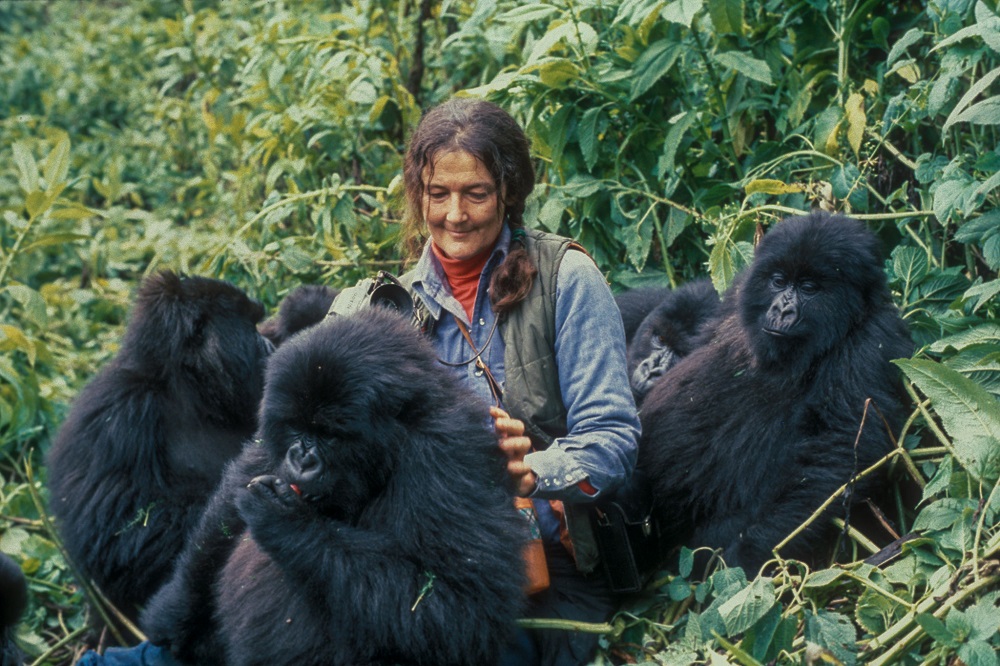
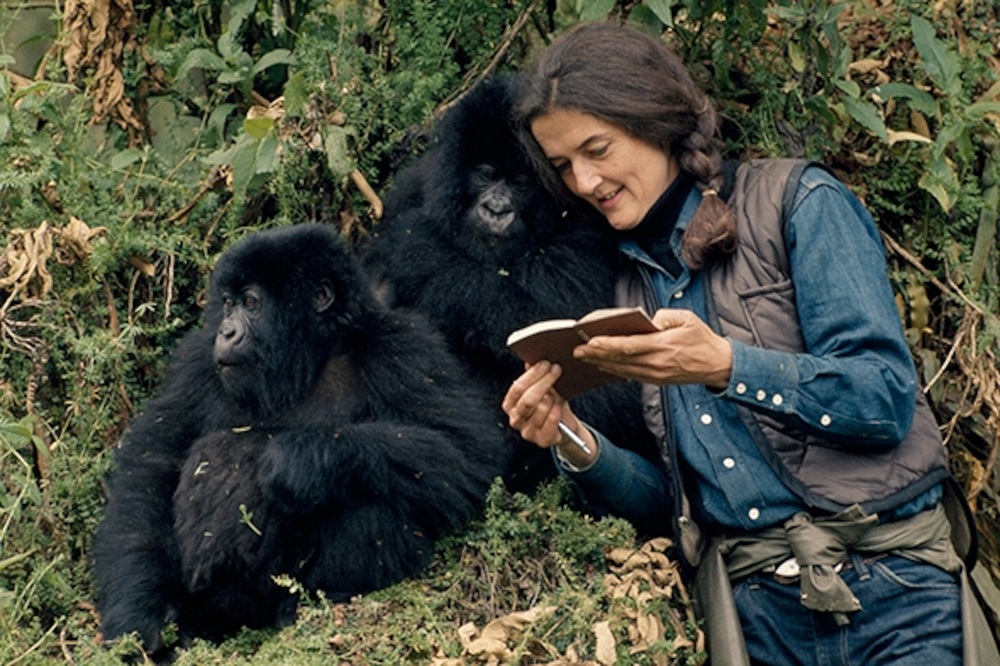
Originally from the United States, Nyiramacibiri played a significant role in preventing the extinction of gorillas in Volcanoes National Park. When she arrived, gorilla populations were dwindling due to poaching.
Nyiramacibiri arrived at the park in 1967 after spending time studying gorilla behavior. Over the 18 years she spent living among them, she gathered extensive knowledge on their feeding habits, social structures, emotional expressions, and more.
On the morning of December 27, 1985, the tragic news of her death spread throughout Rwanda, particularly in the former Ruhengeri Prefecture. She was found murdered in her cabin with six head and facial wounds, indicating she had been hacked to death with a machete.
Robbery was ruled out as a motive since the substantial cash she kept in her home was untouched. Additionally, her passport and a handgun remained undisturbed. Investigators found footprints of two individuals outside her cabin, and a hole had been cut into the wall.
Following her death, Rwandan authorities swiftly arrested her staff, including Emmanuel Rwelekana, who had previously guided Fossey during her fieldwork. While most were released the next day, Rwelekana remained in custody due to prior conflicts with Fossey that had resulted in his dismissal.
Nine months later, on September 29, 1986, the day before U.S. Embassy officials were scheduled to question Rwelekana, the Rwandan government announced that he had died in his cell, allegedly by hanging. This conclusion raised suspicions, especially among his family.
{{We have no proof that my father died- Rwelekana’s daughter}}
To this day, the circumstances of Rwelekana’s death remain unclear. His family never received his body nor any concrete evidence confirming his death.
Donata Mukarwego, born in 1980 in Rwambogo village, is Rwelekana’s daughter. In an interview with IGIHE, she recounted the day her father learned of Fossey’s death.
“My father was at home when he received the news. He immediately left the house after telling my mother that something terrible had happened,” she recalls. A few days later, gendarmes arrived to arrest her father and other staff members. Eventually, the family heard the news of his alleged death in prison.
“A man came to tell us that our father had died. Rumors spread that he either committed suicide or was killed. Among all the staff, only my father died, which left us devastated,” Mukarwego said.
Following Rwelekana’s death, his wife also passed away, leaving their children to face severe hardship.
Fossey died without ever conceiving a child
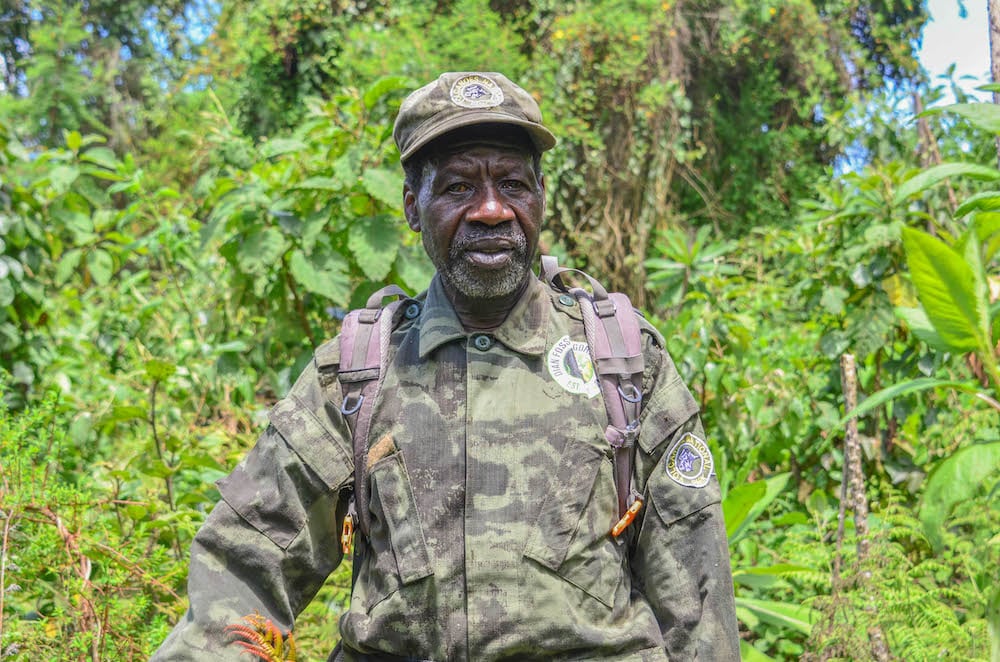
Jonas Nubaha, born in Kinigi in 1965, started working for Fossey at Karisoke Research Center in 1979. His duties included monitoring wildlife and setting traps for poachers.
“She hired people who knew the work well. We would report to her every morning with our findings,” Nubaha recalled. He remembered Fossey as a kind employer who treated her staff and local residents generously.
“On holidays, we would bring our families to celebrate with her. She provided food, drinks, and clothes for our children. She was a good person who treated us well,” he said. Despite working closely with the gorillas, Fossey’s staff remained cautious around them.
“She loved the gorillas deeply. We would stay back while she approached them. She played a major role in ensuring their protection,” Nubaha said.
Fossey’s work extended beyond wildlife conservation to supporting local communities, which earned her lasting admiration. “The problem is that she died without ever having a child. But even today, people continue to hold memorials in her honor,” Nubaha noted.
Fidèle Uwimana, another former staff member born in 1967 in Kinigi, described how he first encountered Fossey in 1984 during a community celebration. As a young volunteer, he would help with household tasks during staff holidays, receiving clothes in return.
Uwimana explained that the name “Nyiramacibiri” originally belonged to another researcher who was shorter than Fossey. When that researcher returned home, Fossey inherited the nickname.
{{Was Rwelekana wrongfully accused?}}
When asked whether Rwelekana was responsible for Fossey’s death, Nubaha remained skeptical. “Although some people suspected him, there was never clear evidence,” he said.
Rumors suggested that Fossey’s conflicts with local and foreign authorities might have played a role in her murder. Some believed that disagreements over whether the gorillas should be used for tourism rather than research created enemies for her.
Others speculated that she clashed with the Rwandan government, especially with local officials in Ruhengeri. Uwimana, who also knew Rwelekana and his brother, acknowledged that while Fossey and Rwelekana had a contentious relationship, the truth remains elusive.
“There were meetings at his home with foreign collaborators before Fossey died. It is hard to dismiss the possibility that he was involved,” he said.
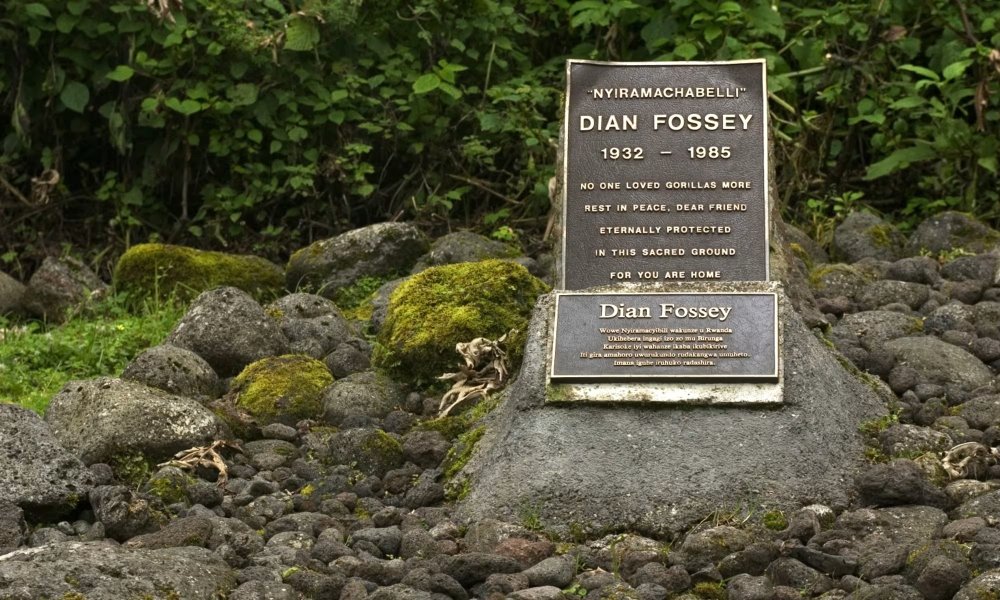
Fossey was buried at Karisoke among the gorillas she had cared for, fulfilling her wish to rest alongside the animals she loved so dear.
“The government granted us permission to bury her there. To this day, her grave remains a place of remembrance,” Uwimana said.
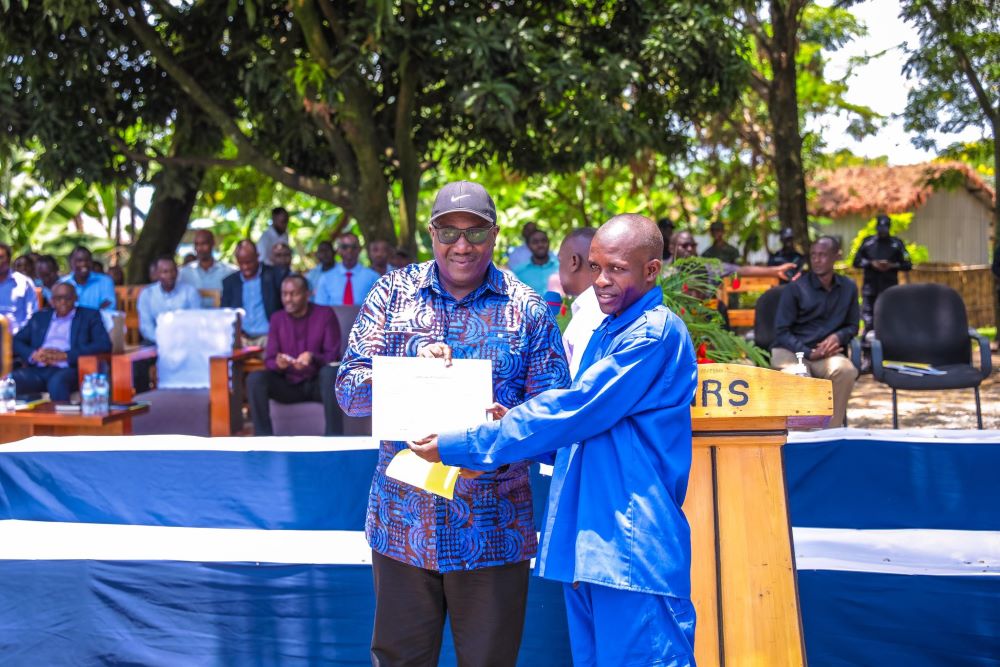
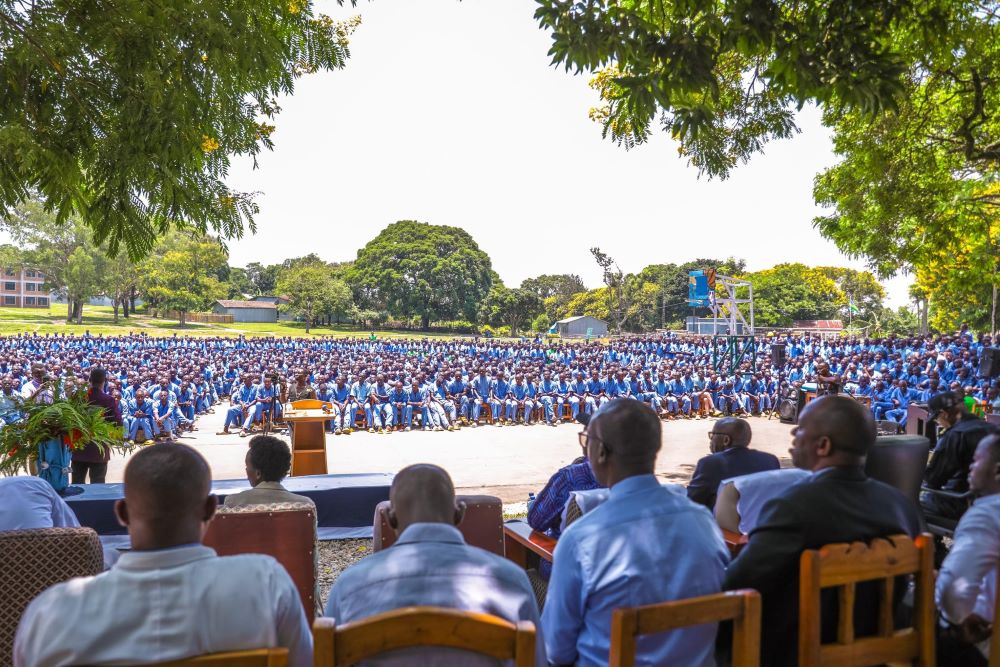
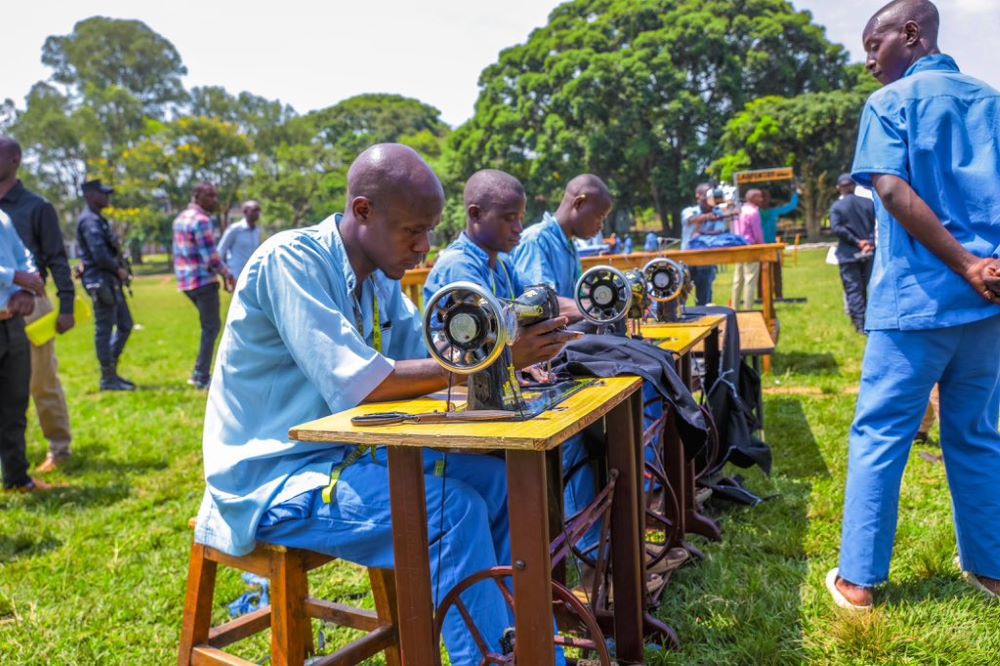
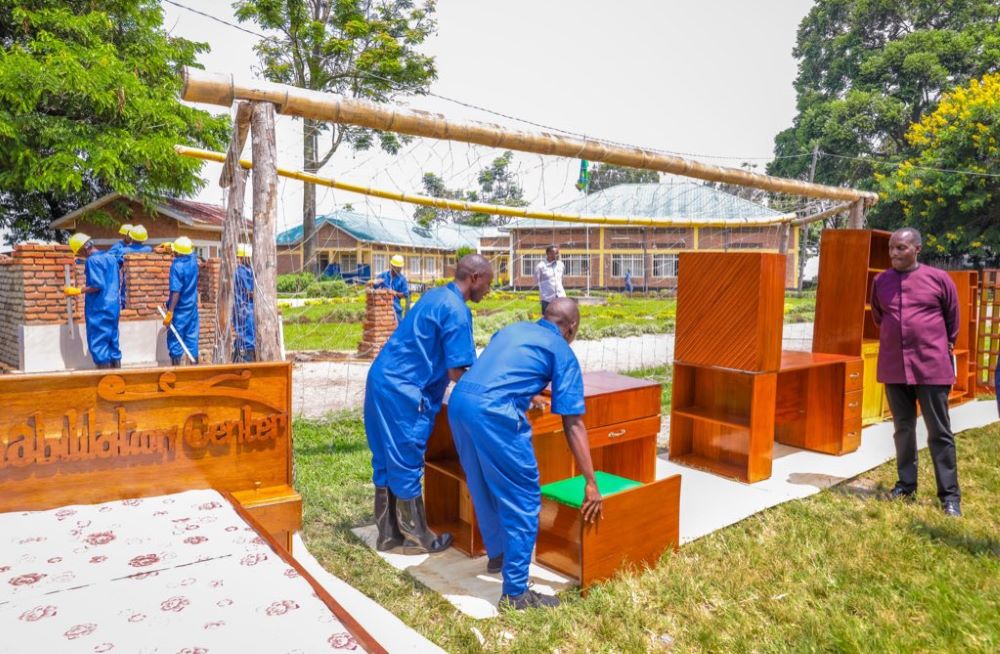
This 24th cohort saw graduates leave with a combined earning of more than Frw110million which they acquired through various projects during their rehabilitation period.
At Iwawa, where the largest group of 4,916 students graduated, participants earned income by engaging in construction work, including the building of multi-story staff accommodations.
The National Rehabilitation Service (NRS) stated that these funds will serve as capital to help the graduates start their own businesses and become more self-reliant.
One of the graduates, Omar Niziyimana, who lost his parents at the age of seven and has no known family, was recognized for his exemplary behavior during his three years at Iwawa.
In a public declaration during the ceremony, NRS officials offered him a permanent government position at the rehabilitation center and pledged to provide him with family-like support.
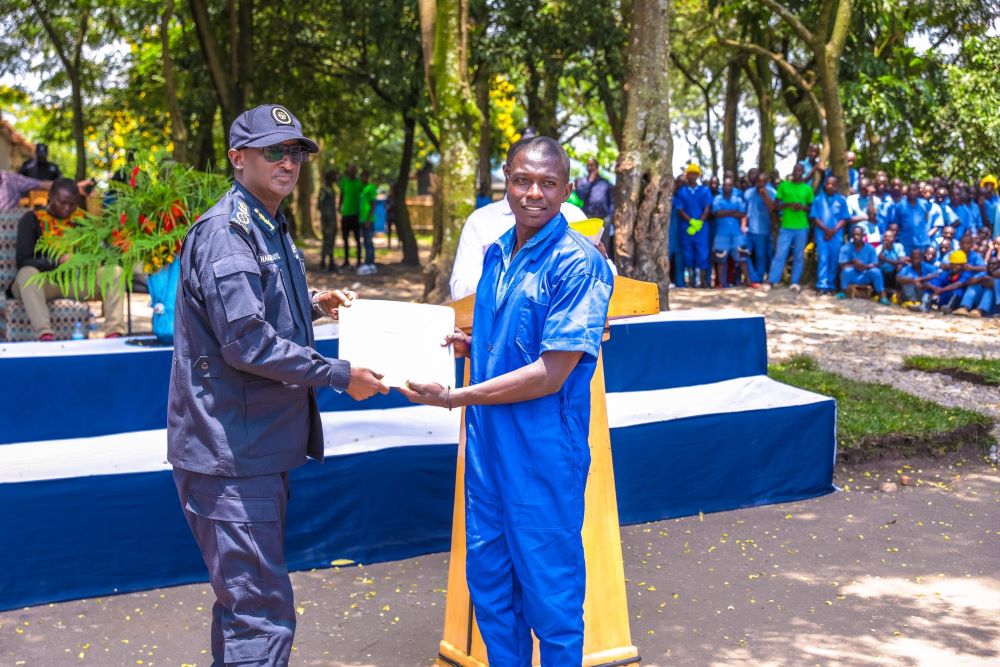
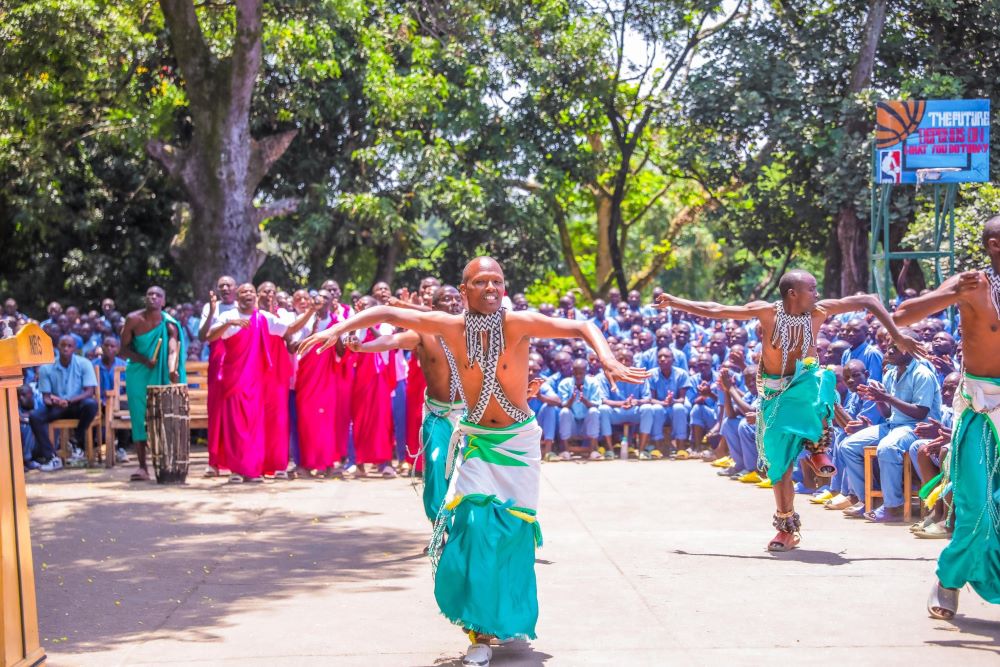
The graduation ceremony featured performances by the students, including songs reflecting their reformation and commitment to good citizenship. Each graduate took an oath to uphold positive behavior and contribute to their communities.
Despite concerns that some graduates from rehabilitation centers may struggle to find employment and risk relapsing into delinquent behaviors, the government has promised that no graduate will be left without a job.
Minister of Local Government, Dr. Patrice Mugenzi, assured the graduates that measures are in place to facilitate their reintegration into the workforce. “No student who has completed their program will be left without work that aligns with their skills,” said Mugenzi during his speech at the Iwawa ceremony.
Inspector General of Police (IGP) Felix Namuhoranye also addressed the graduates, urging them to work alongside fellow citizens to protect Rwanda’s security and to avoid any actions that could destabilize the country.
The NRS continues to implement income-generating initiatives for those undergoing rehabilitation, ensuring that they leave with practical skills and financial support to sustain their future.
This cohort’s achievements mark a significant milestone in the government’s ongoing efforts to rehabilitate and reintegrate citizens into a productive society.
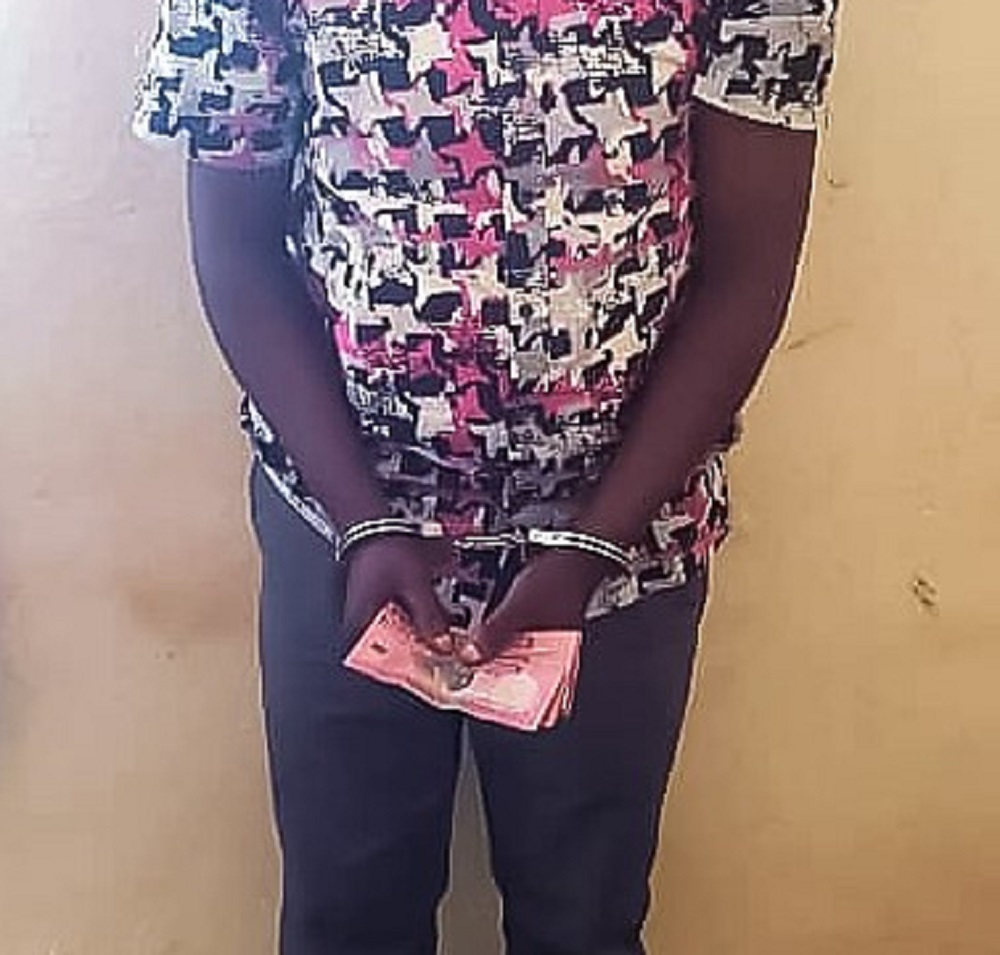
The suspect was apprehended in Kamembe Sector, where the police had deployed a mobile vehicle inspection station to bring services closer to motorists in Rusizi and neighboring districts. The man was seeking an inspection for his Toyota Land Cruiser.
Western Province Police Spokesperson, SP Bonaventure Twizere Karekezi, explained that instead of addressing the mechanical faults in his vehicle, the suspect tried to bribe the officer to obtain the certificate.
“On Monday, March 3, the driver brought his vehicle for inspection but failed the test due to several mechanical defects, including a malfunctioning handbrake and steering apparatus,” said SP Karekezi.
“Rather than fixing these issues, the suspect returned on Wednesday morning and offered the inspecting officer 50,000 RWF, consisting of ten 5,000 RWF notes. The officer immediately reported the attempt to his superiors, leading to the suspect’s arrest,” he added.
According to Article 143 of Presidential Decree No. 85/01 of September 2, 2002, vehicles that do not meet the required standards cannot receive an inspection certificate. A follow-up inspection is mandatory to confirm that identified defects have been corrected before issuing the certificate.
SP Karekezi reminded vehicle owners and drivers that failing a vehicle inspection test is an opportunity to repair their vehicles to prevent mechanical-related accidents that could endanger their lives and the lives of others.
He further emphasized that vehicles with identified faults should only be driven to a garage for repairs and back to the inspection station for re-evaluation. Attempting to bribe officers instead of following these procedures can lead to severe legal consequences, including imprisonment.
The suspect was handed over to the Rwanda Investigation Bureau (RIB) at Kamembe Station for further investigation.
Article 4 of Law No. 54/2018 of August 13, 2018, on combating corruption stipulates that anyone convicted of soliciting, offering, or accepting a bribe faces a prison sentence of between five and seven years and a fine ranging from three to five times the value of the bribe involved.
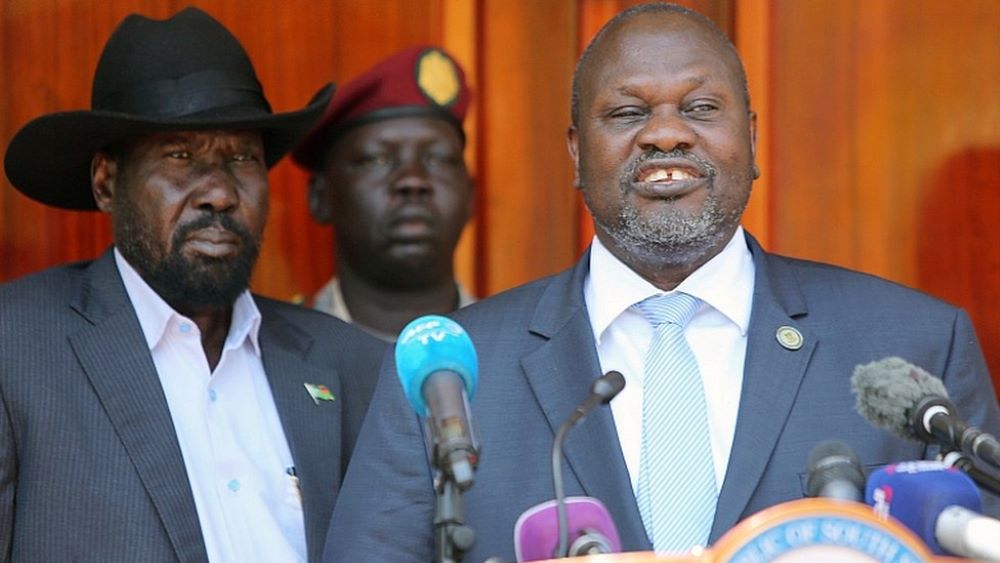
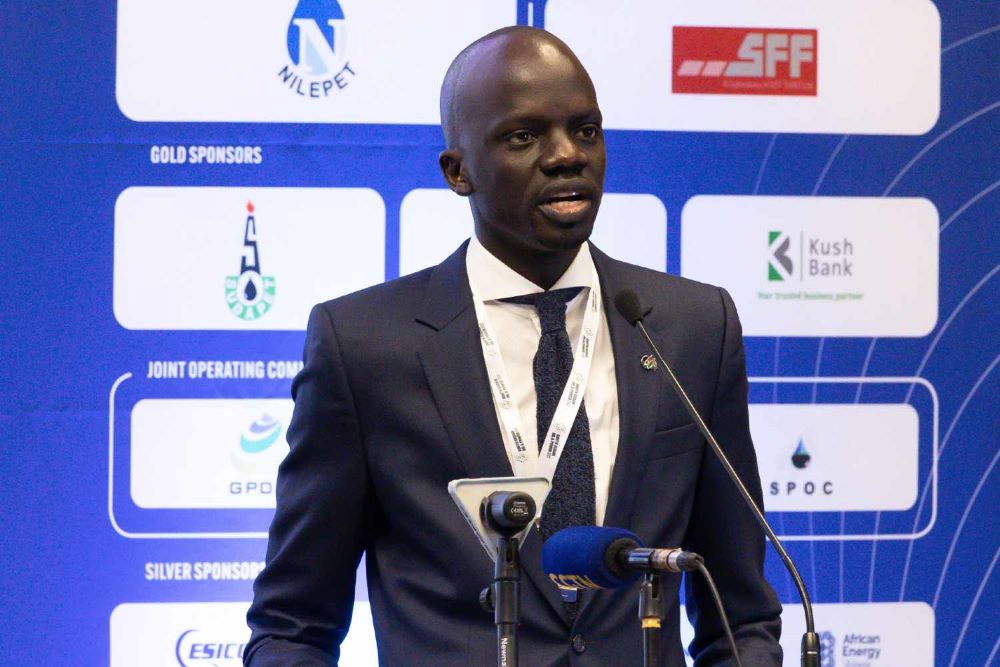
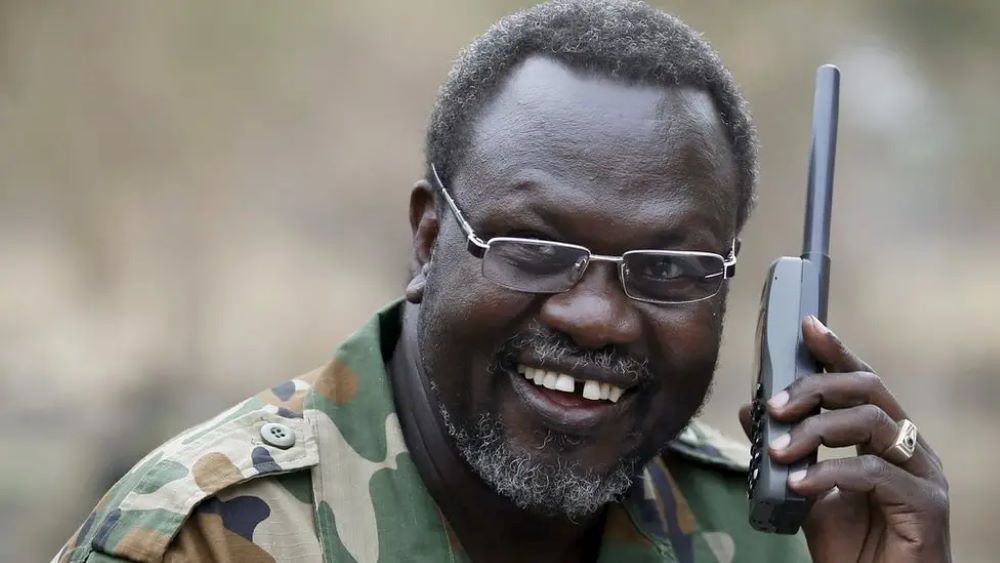
The arrests follow heavy clashes in Nasir, a strategic northern town, between government troops and the White Army militia, a loosely organized group mainly composed of armed Nuer fighters, Machar’s ethnic group.
The White Army previously fought alongside Machar’s forces during the 2013-2018 civil war. Minister Chol, a native of Nasir, was detained alongside Deputy Army Chief Gabriel Doup Lam.
Other military officials aligned with Machar were placed under house arrest. Baluang, stated that no explanation had been provided for their arrests.
In a worrying development, South Sudanese troops were also stationed around Machar’s residence. However, Baluang confirmed that Machar was still able to leave his home and report to his office, despite the increasing political tension.
The government’s Information Minister, Michael Makuei, has not responded to inquiries regarding the arrests but promised to address the issue in a press conference. This lack of immediate clarification has further fueled uncertainty and speculation across the country.
South Sudan’s civil war, which erupted in 2013, just two years after the country gained independence, resulted in 400,000 deaths and displaced 2.5 million people. While the 2018 peace deal ended large-scale fighting, tensions between Kiir and Machar’s factions remain high.
Witnesses reported an attack in Nasir’s central square where a grenade, allegedly aimed at a convoy carrying rebel leaders, failed to hit its target. The African Union and United Nations recently warned that rising violence in the region could spiral out of control.
Political analysts fear the arrests could reignite conflict. Ter Manyang, director of the Centre for Peace and Advocacy, warned that without intervention from South Sudan’s top leadership, the country risks descending back into war, endangering its fragile peace efforts.
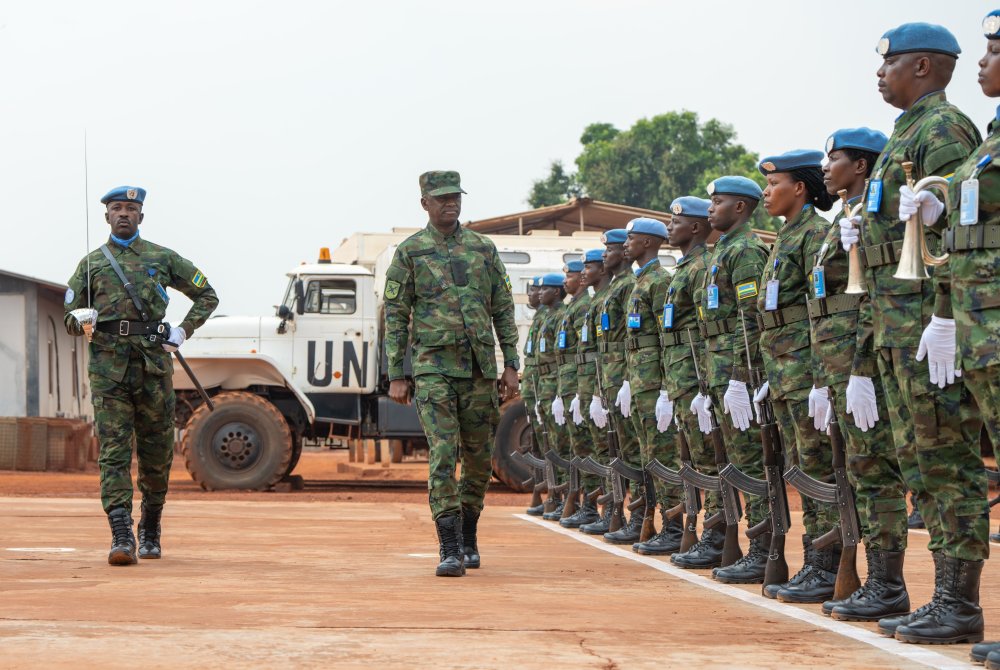
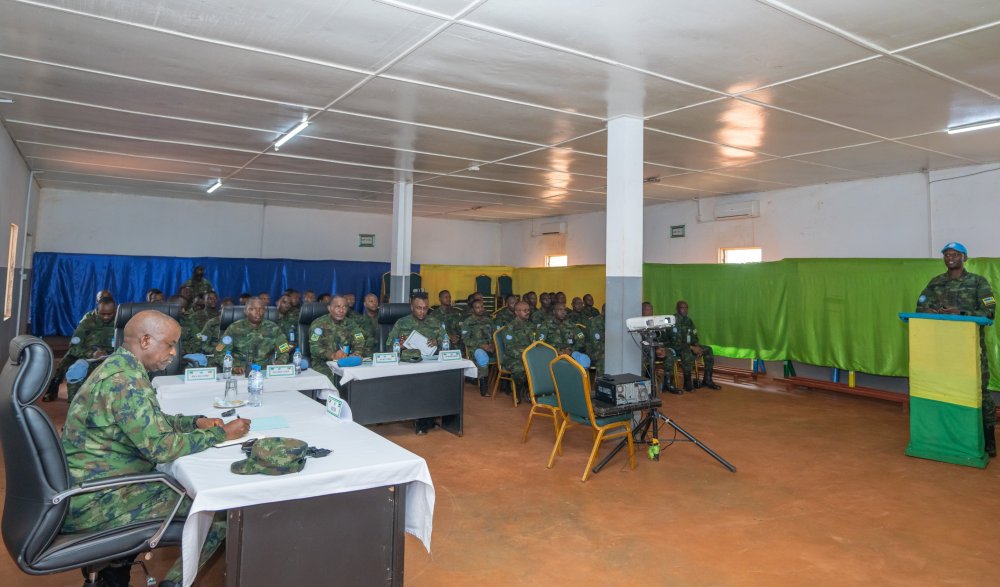
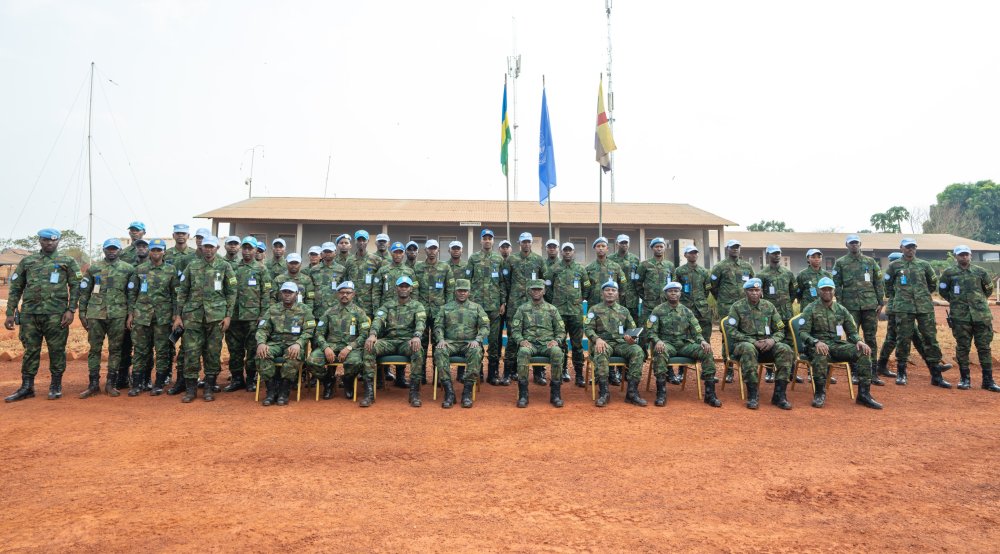
He was accompanied by the RDF Spokesperson, Brig Gen Ronald Rwivanga. According to the RDF, the visit took place on Wednesday, March 5, 2025.
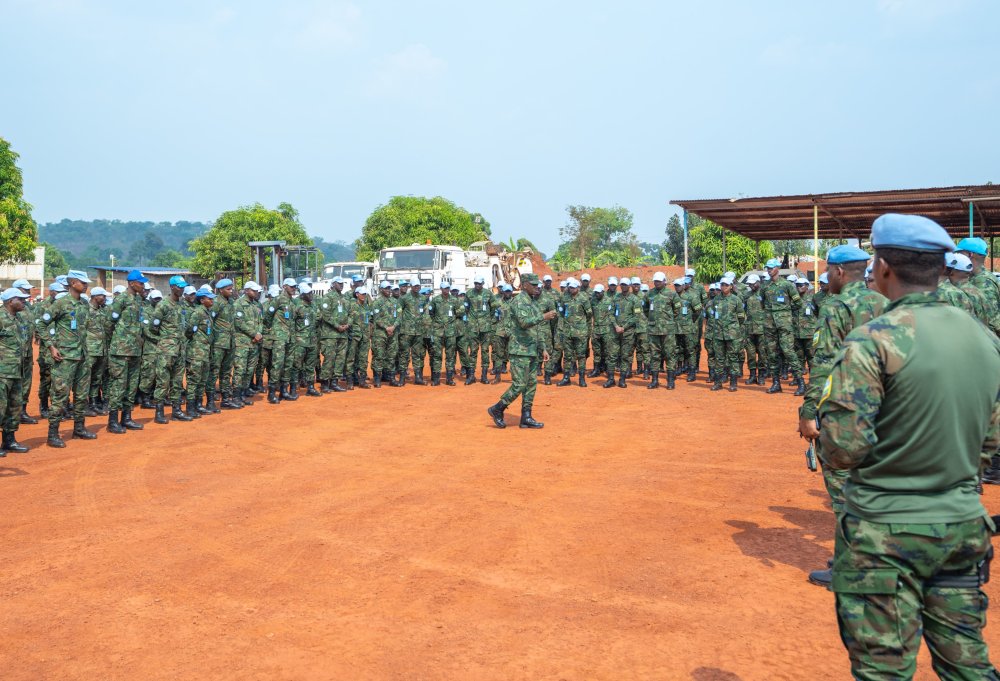
Upon arrival, Maj Gen Nyakarundi was welcomed by the Commander of the 7th Rwandan Contingent, Lt Col Willy Ntagara, who briefed him on the security situation and the activities undertaken to maintain peace and stability in the region.
During his address to the troops, Maj Gen Nyakarundi conveyed messages from President Paul Kagame and the RDF Chief of Defence Staff, commending them for their professionalism and dedication to their duties.
He acknowledged the efforts of the Rwandan troops, both under the UN mandate and bilateral agreements between Rwanda and the Central African Republic, in restoring peace and improving the welfare of local communities. He urged them to remain vigilant and to uphold exemplary conduct throughout their mission.
Maj Gen Nyakarundi also provided an update on the security situation in Rwanda and the region. He assured the troops that Rwanda’s borders are well-secured against any provocation from the Democratic Republic of Congo (DRC) due to enhanced defense measures in place.
The 7th Rwandan Contingent in Bria operates as a tank battalion and is part of the RDF forces deployed under the MINUSCA mission. They also manage a Level 2+ hospital that provides medical services to UN personnel stationed in the eastern part of the country.
The hospital offers surgical procedures, anesthesia, emergency care, physiotherapy, radiology, internal medicine, and dental services.
The contingent’s primary duties include protecting civilians, conducting day and night patrols, and maintaining main roadways. They also engage in community outreach activities such as public service work (Umuganda), offering free medical care, and other initiatives aimed at improving the local population’s welfare.
Bria, the capital of Haute-Kotto province, is located approximately 600 kilometers from Bangui, the capital city of the Central African Republic. It is about a 1.5-hour flight from Bangui, but due to poor road conditions, the journey by road can take up to three days.
The province covers an area of 86,650 square kilometers, more than three times the size of Rwanda, and is home to over 120,000 residents.
A significant portion of the population in Bria consists of refugees, some of whom fled from Sudan, while others were displaced by conflicts between Muslim and Christian communities.
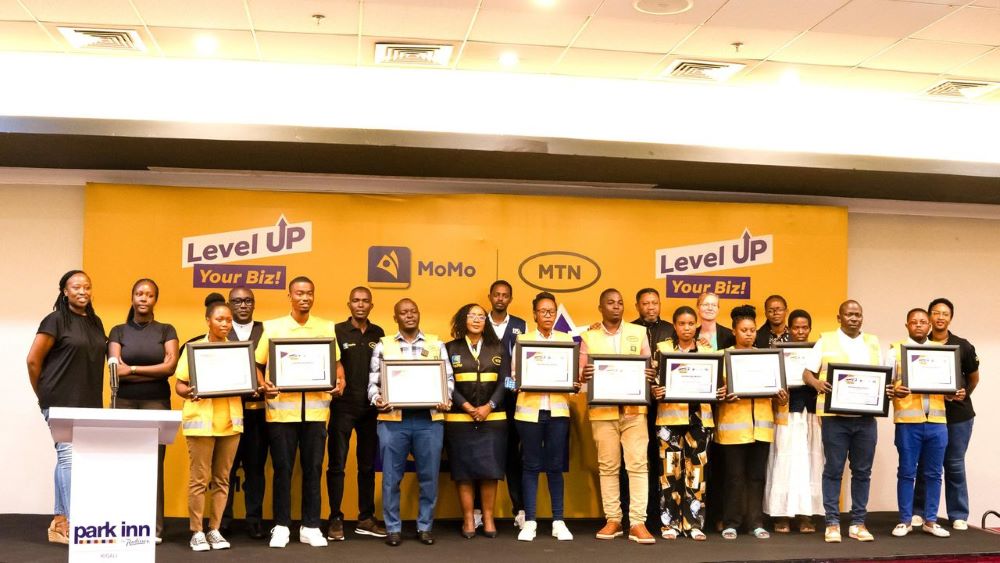
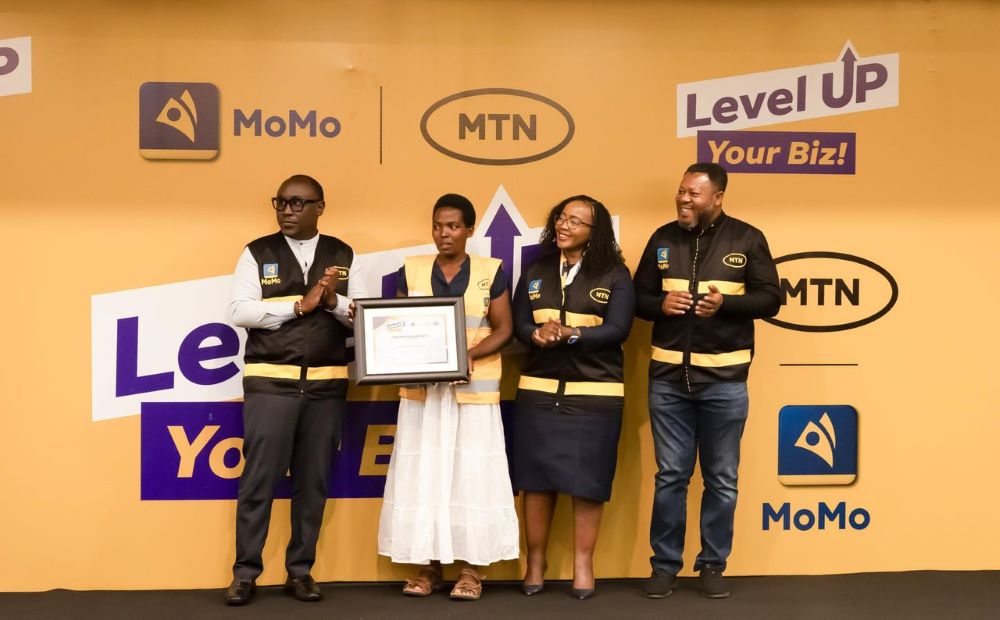
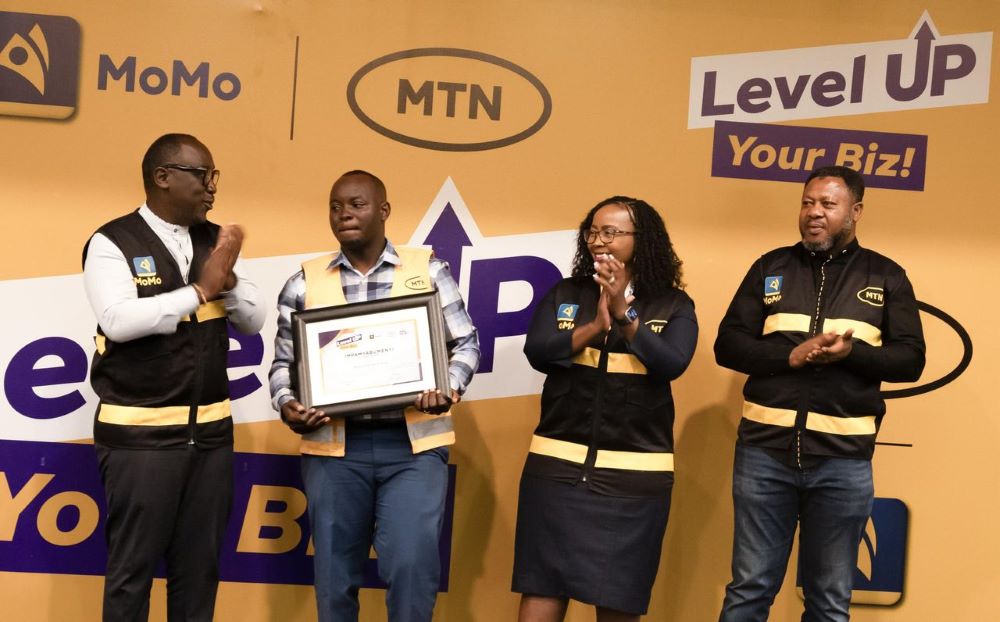
This year’s Level Up Your Biz edition empowered 40 MTN Agents with essential business skills to enhance their operations. Among them, 10 MTN Agents stood out with the most outstanding solutions to real distribution channel challenges, with the top three winners securing the highest recognition.
Mapula Bodibe, CSI Chairperson and MTN Rwanda Chief Executive Officer highlighted that, beyond providing communication and internet services, the initiative aligns with the telecom’s committment to contributing to Rwanda’s Vision 2050 of becoming a high-income country, .
“By equipping our agents with the necessary training, we empower them to become job creators, driving economic growth and transforming their lives. Inclusion is at the heart of what we do, and we believe that by working together, we can build a future that benefits all Rwandans,” she said.
Bayigana Alexis from Gasabo District clinched first place, winning Rwf 5 million in float, while Dusabimana Adelphine from Rulindo District secured second place with Rwf 3.5 million in float. Tuyishime Baraka from Nyamasheke District earned third place, receiving Rwf 2.5 million in float.
Beyond their cash prizes, the top three winners will also benefit from a revamp of their current working environment, further enhancing their business operations. The remaining seven MTN agents were each awarded Rwf 500,000 in float, reinforcing MTN Rwanda’s commitment to supporting and uplifting its agents.
“At Inkomoko we believe Solutions can be found here. The solutions to many challenges will be found by entrepreneurs on this continent. We are tremendously proud of the 10 agents from the pool of 5,000 who made it out. Our biggest wish is that your businesses will reach a new level and thrive and that this program will change your life,” said Helle Dahl Rasmussen, Business Growth Director, Inkomoko Rwanda.
MTN Rwanda is encouraging organizations across the country to join efforts in advancing Rwanda’s National Strategy for Transformation, playing an active role in driving sustainable development and achieving the Vision 2050 goal of becoming a high-income nation.
By creating jobs, the people of Rwanda are empowered with economic opportunities that improve their livelihoods, enhance financial inclusion, and drive innovation. This collective effort not only strengthens local businesses and industries but also contributes to a more resilient and self-sustaining economy, paving the way for long-term national prosperity.
{{About MTN Rwandacell }}
MTN Rwandacell Plc (MTN Rwanda) is the market leader in mobile telecommunications in Rwanda. Since 1998, it has continuously invested in expanding and modernising its network and leading digital solutions for Rwanda’s progress.
The telecom offers various services to subscribers, including innovative propositions such as personalised voice and data offers for individuals and corporates with a clear vision to lead the delivery of a bold, new digital world to customers with a belief that everyone deserves the benefits of a modern connected life.
{{About Inkomoko}}
Inkomoko is a consulting firm that supports micro and small enterprises across Africa so that they can grow to create jobs, improve livelihoods, and create thriving communities. It started its work in Rwanda eleven years ago and has now opened offices in Kenya, Ethiopia, South Sudan and Chad.
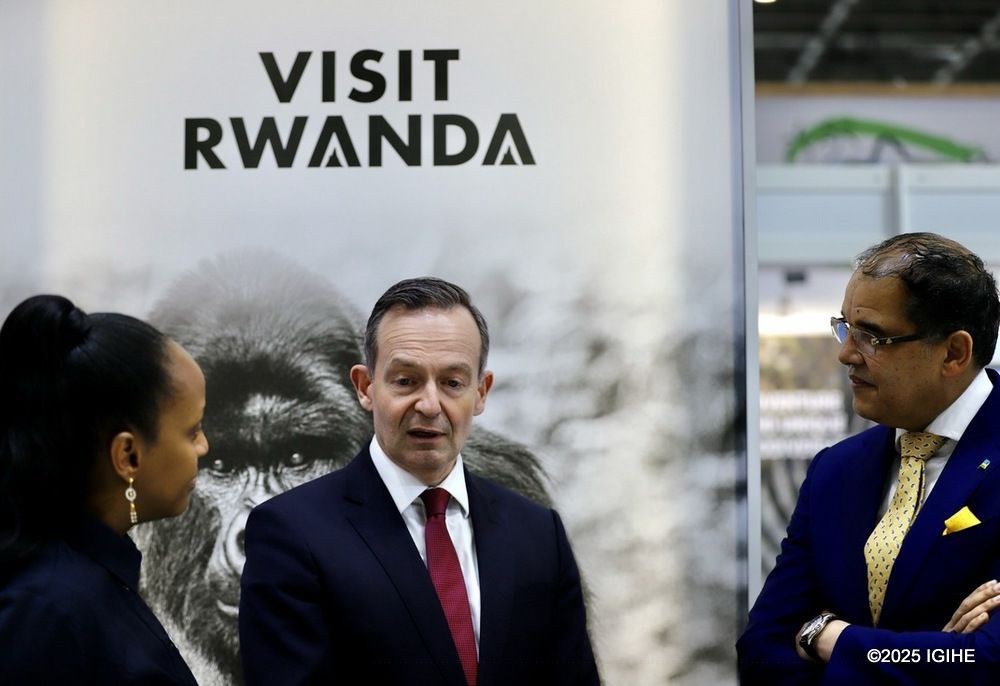
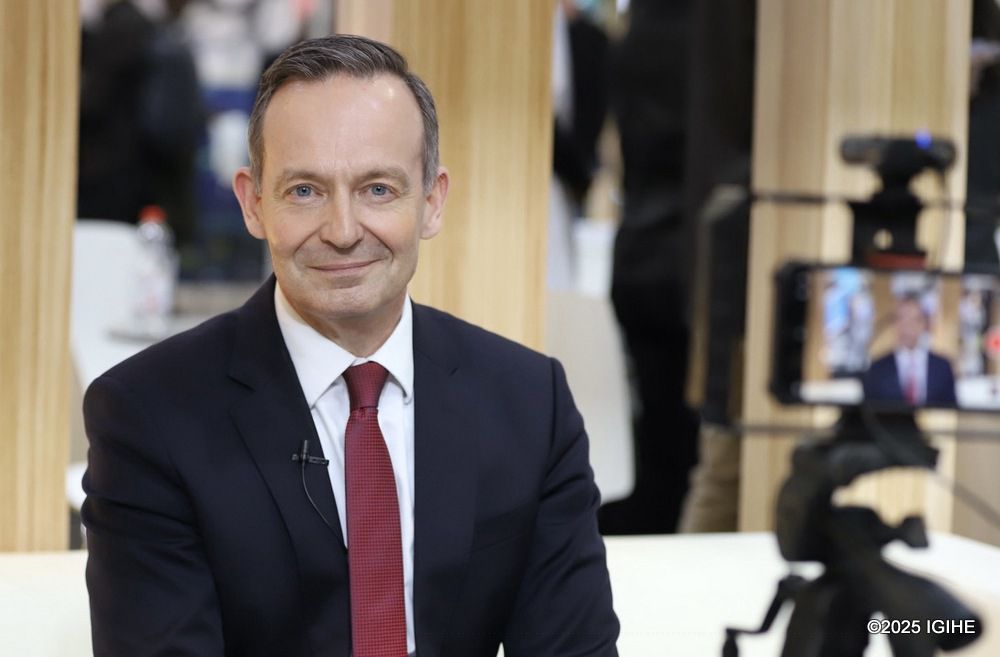
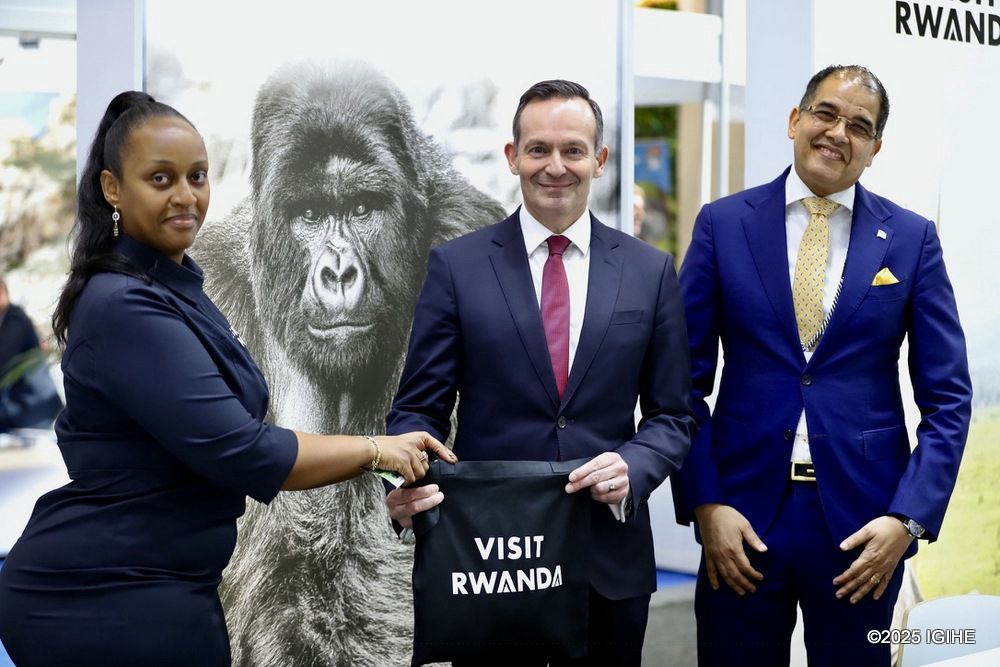
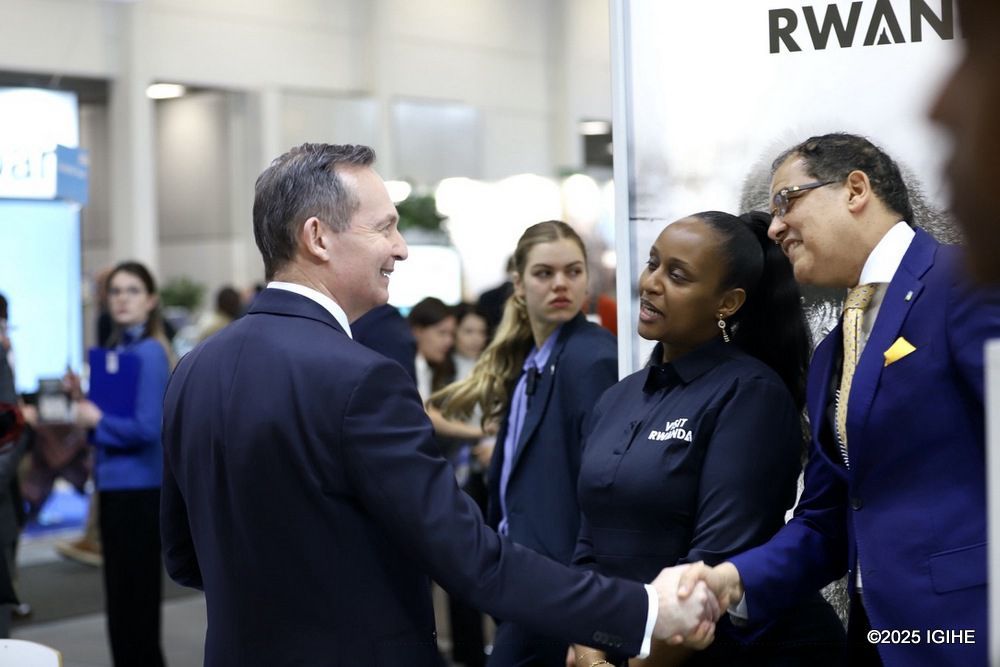
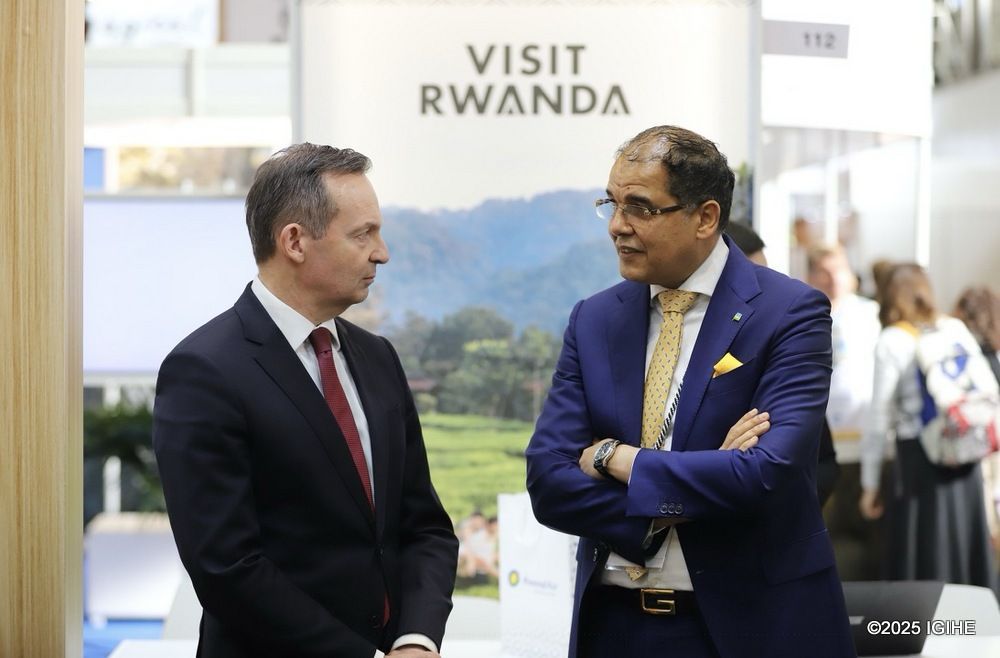
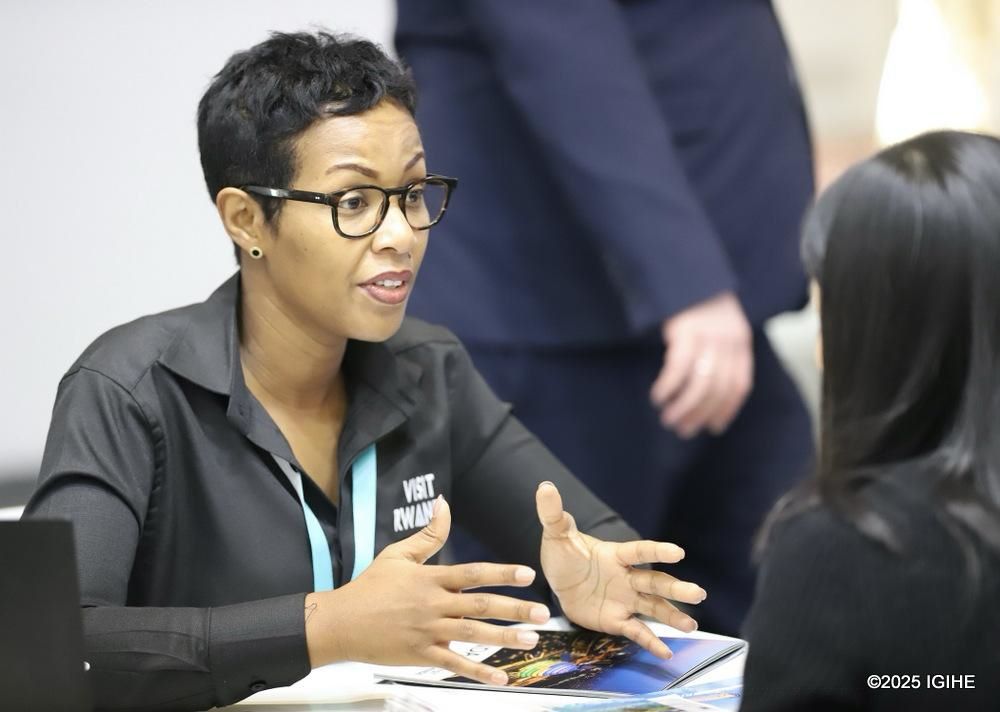
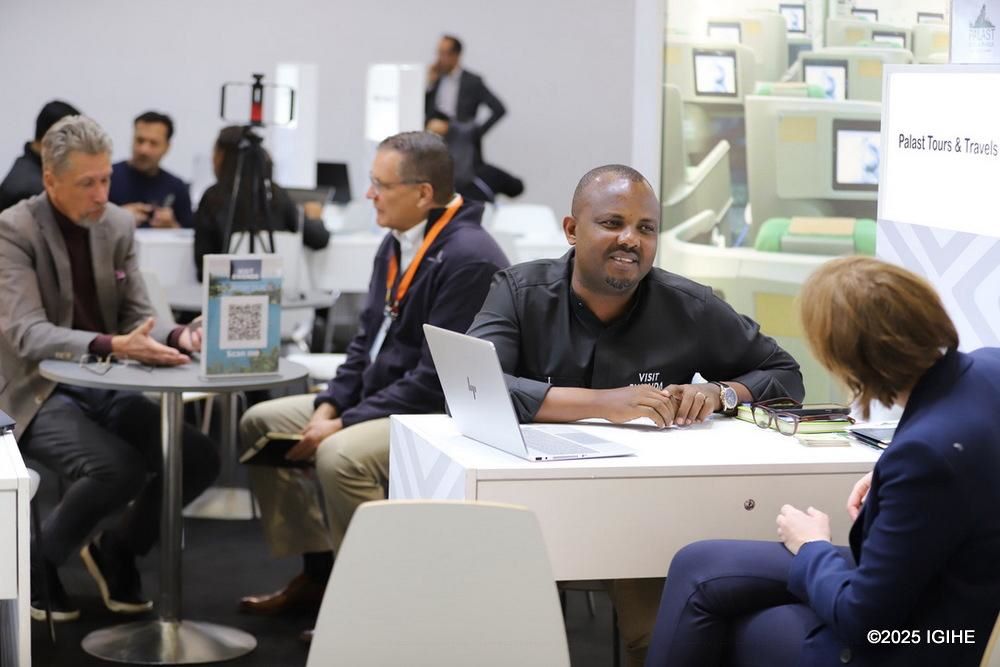
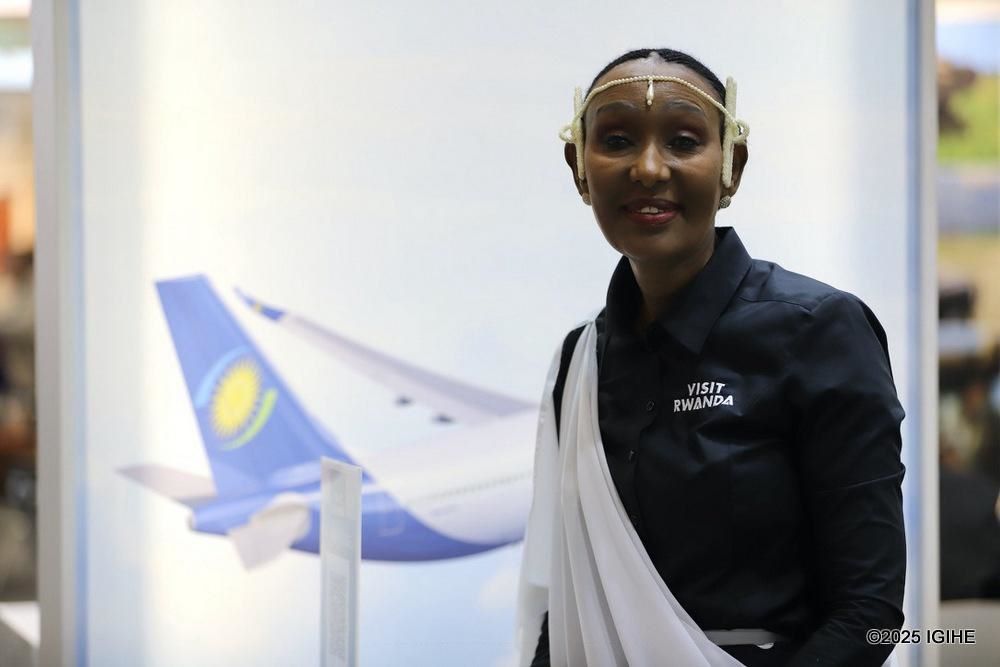
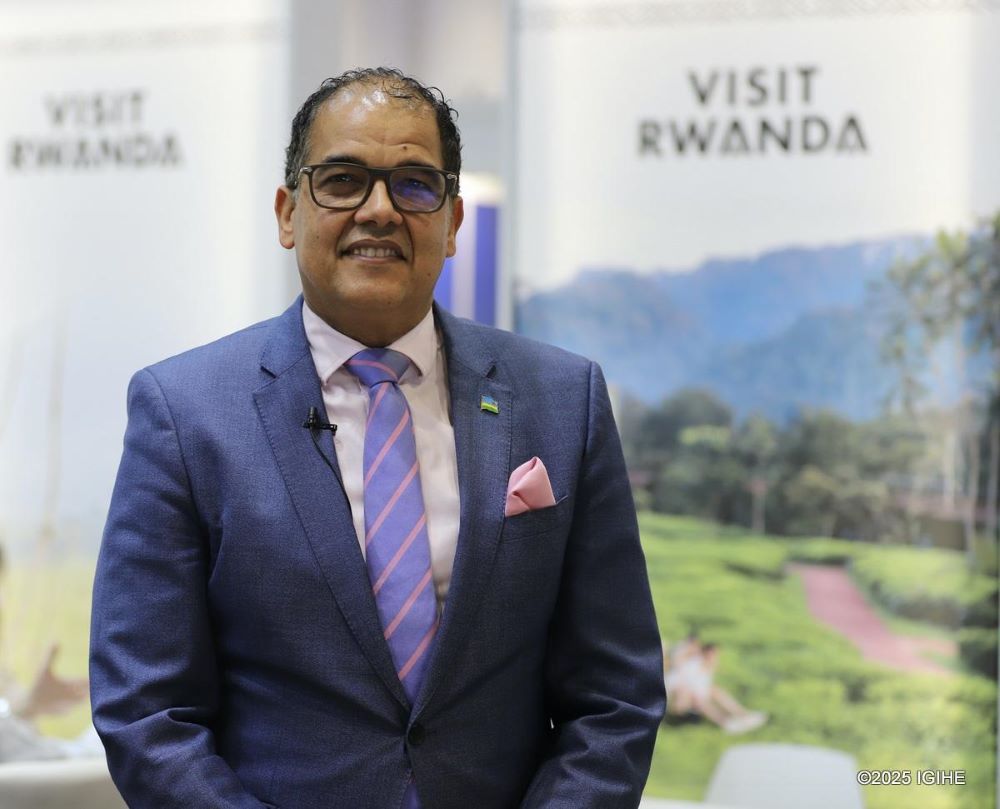
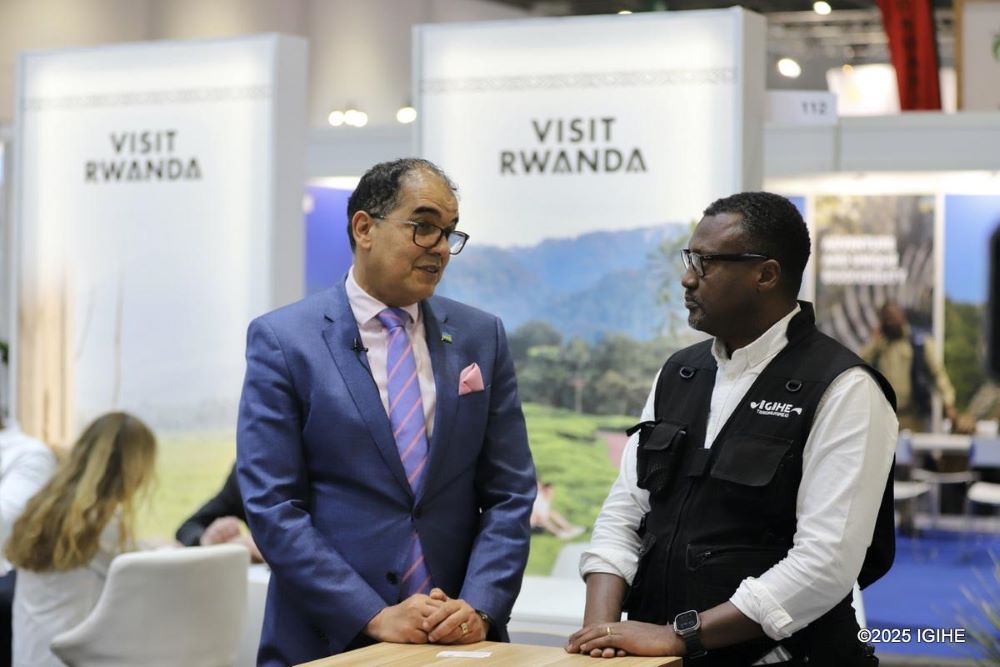
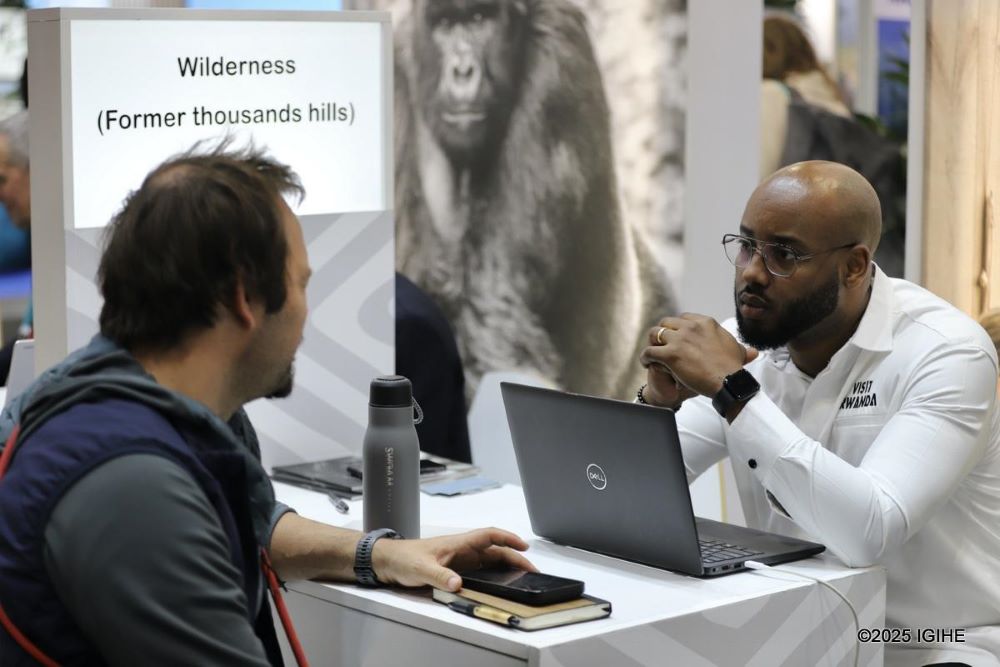
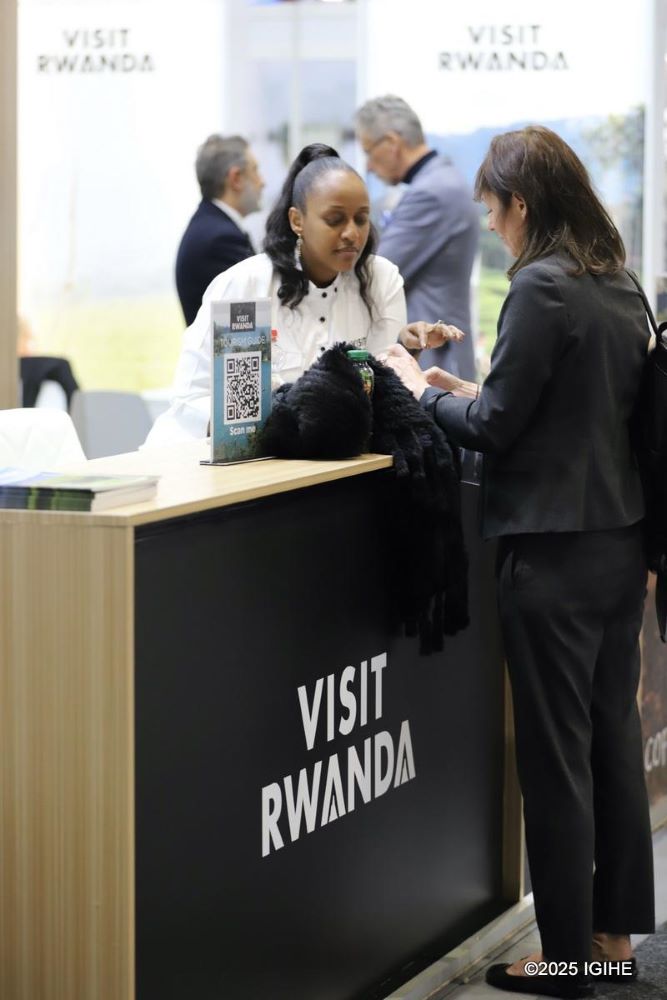
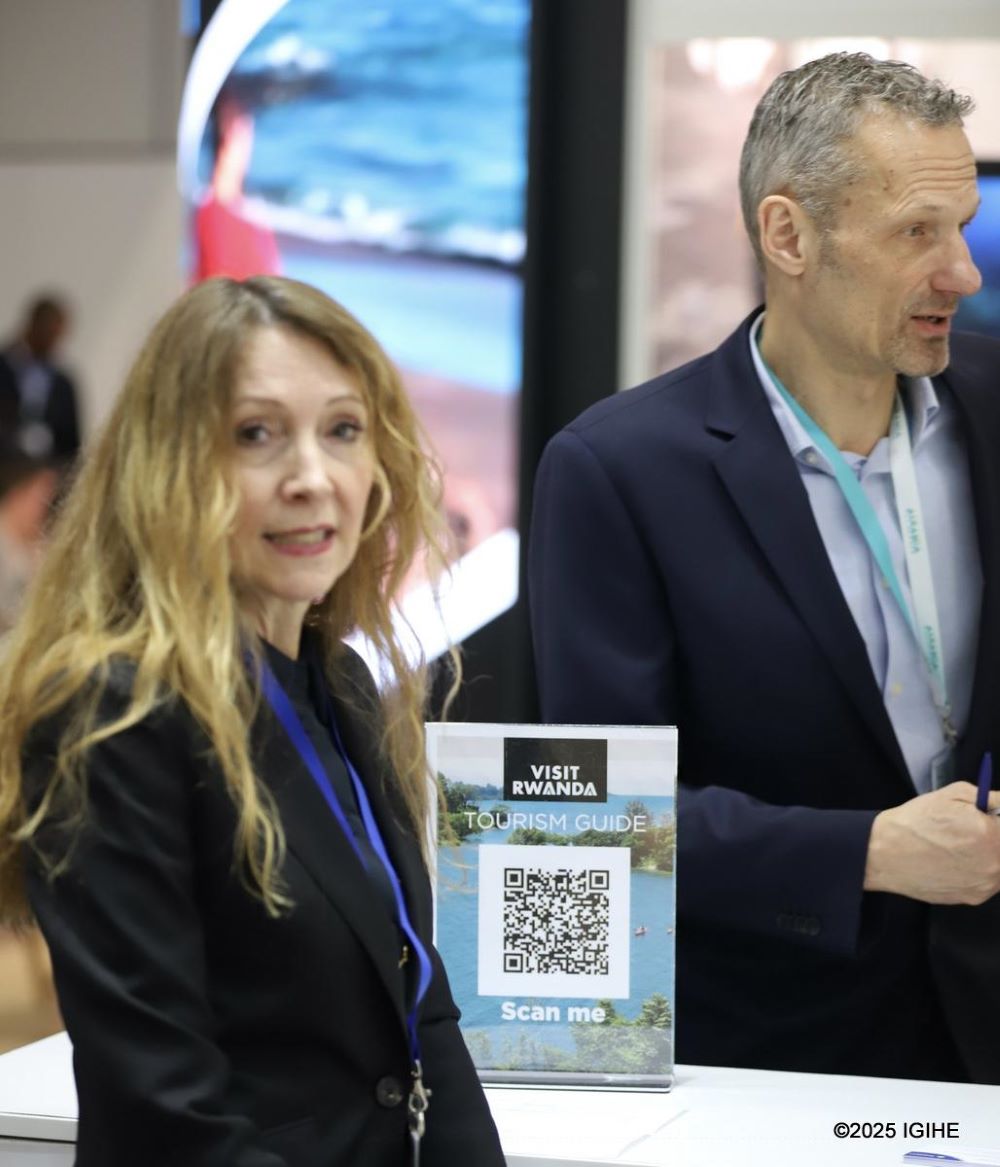
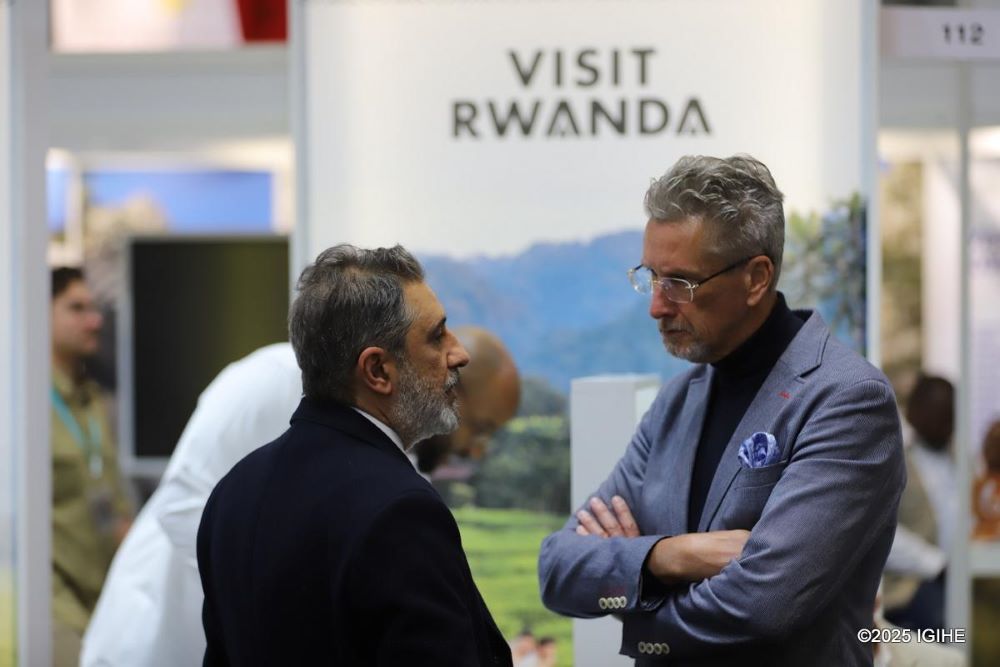
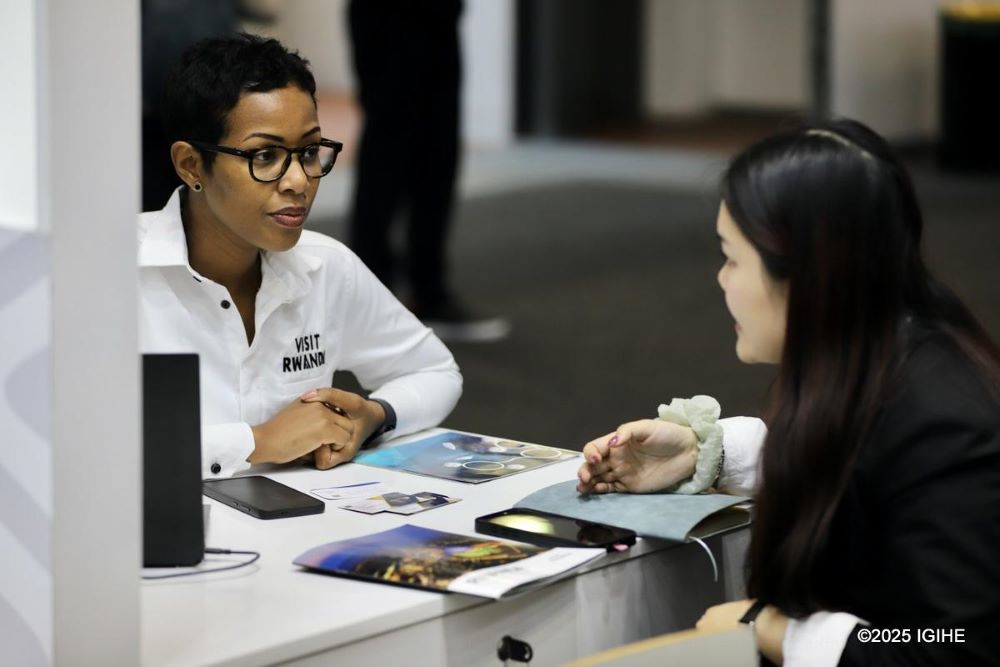
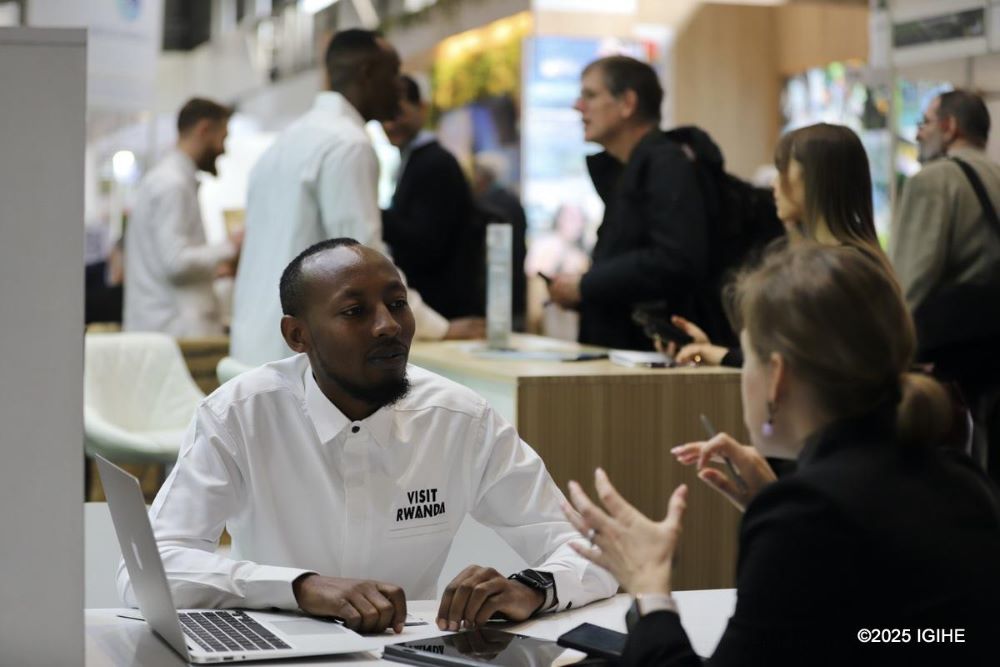
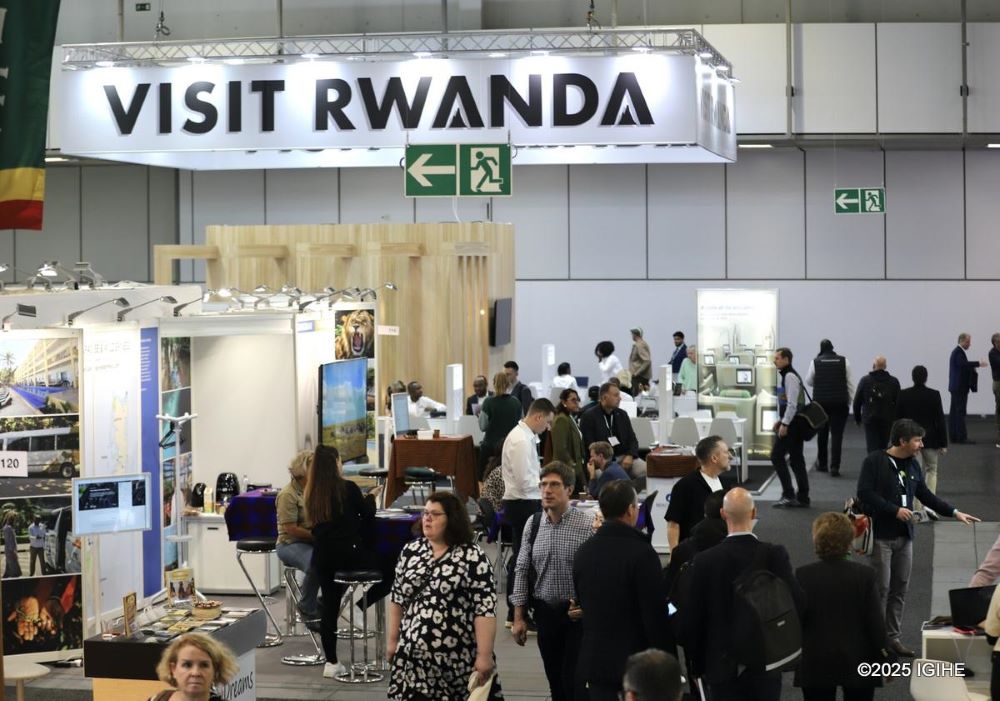
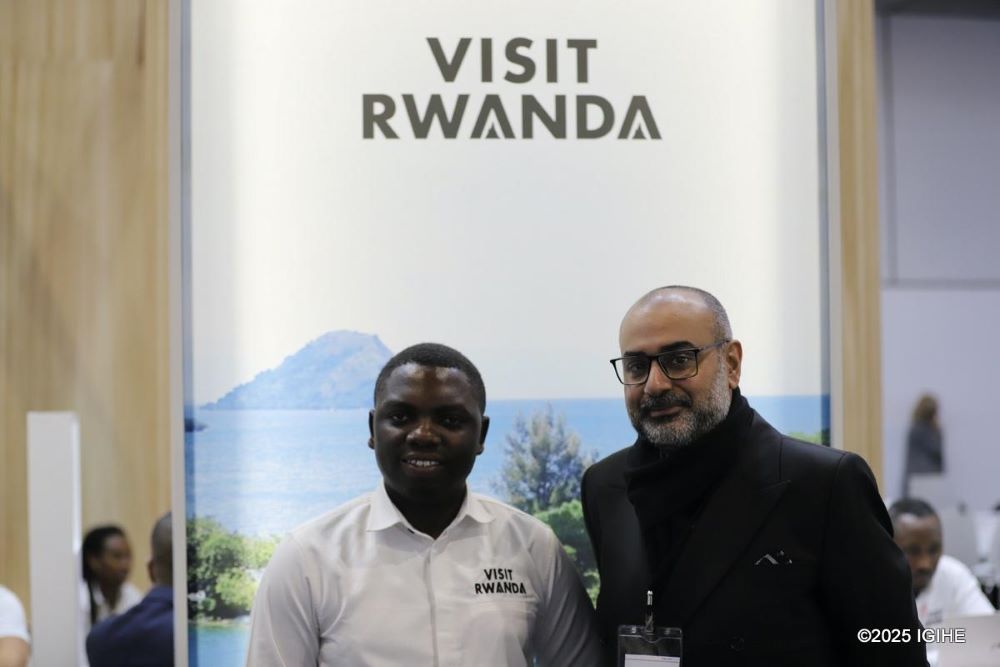
Dr. Wissing expressed his views in an interview with IGIHE after touring Rwanda’s booth at the trade fair, running from March 4–6, 2025, with over 160 countries taking part.
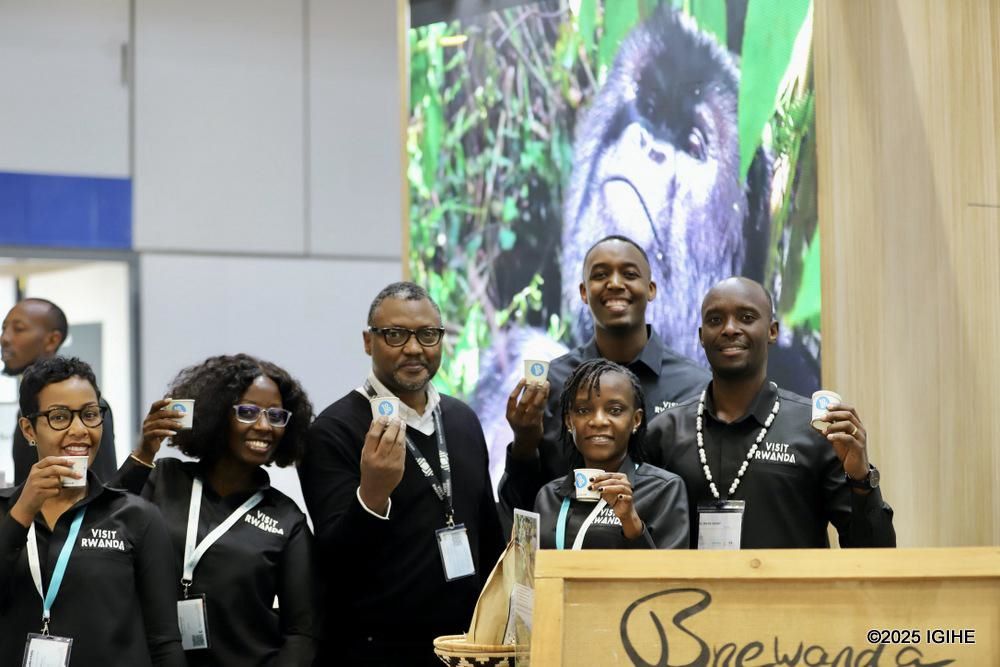
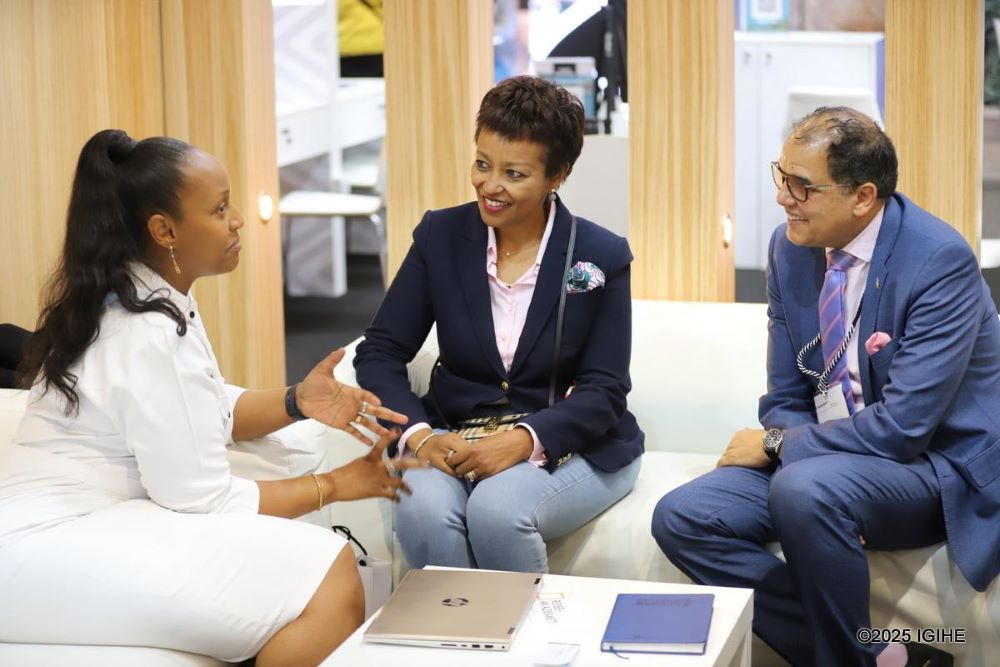
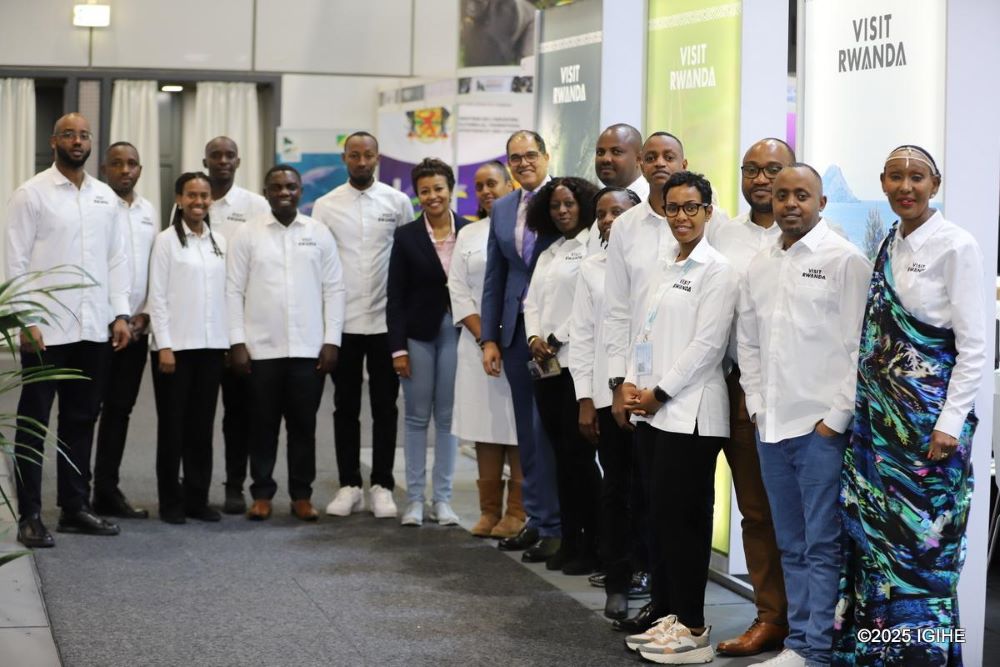
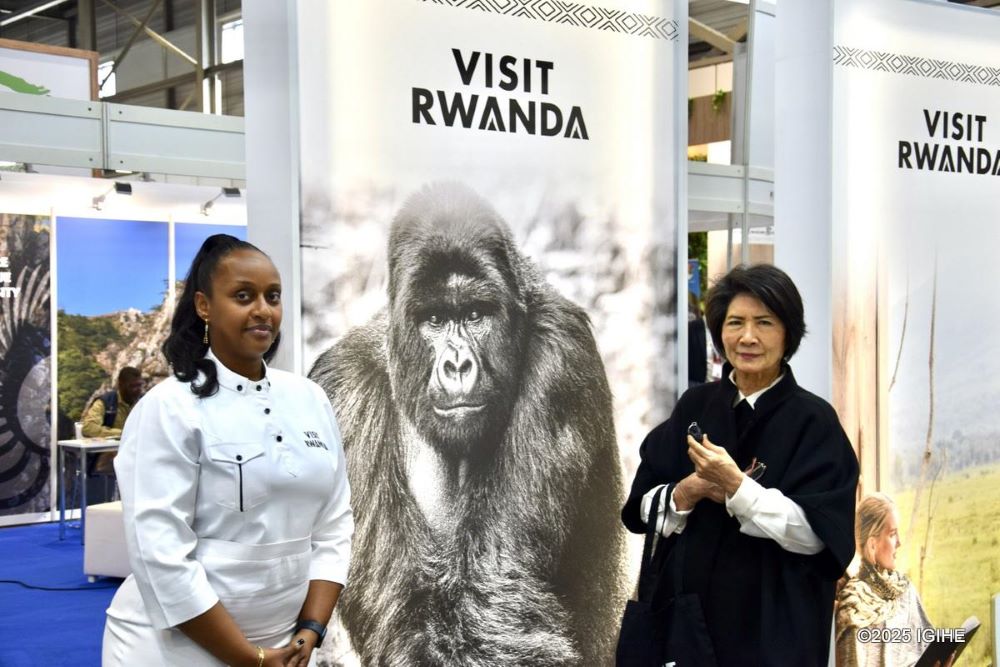
He was received by Irène Murerwa, the Chief Tourism Officer at the Rwanda Development Board (RDB), leading the Rwandan delegation alongside Igor Cesar, the Rwandan Ambassador to Germany.
“It’s a wonderful stand here at the ITB exhibition and Rwanda is presented from its best side. I can recommend discovering Rwanda, an amazing country with wonderful people and beautiful nature,” Dr. Wissing stated, expressing his admiration for the display.
Dr. Wissing, who has visited Rwanda multiple times, also shared his personal experience of the country, assuring potential travelers of Rwanda’s unique offerings.
“I had the opportunity to come to Rwanda several times, and every time it’s really a new discovery of wonderful people, beautiful nature. It’s a country very well developed with good infrastructure and economic growth, and of course, very attractive also for tourists,” he said.
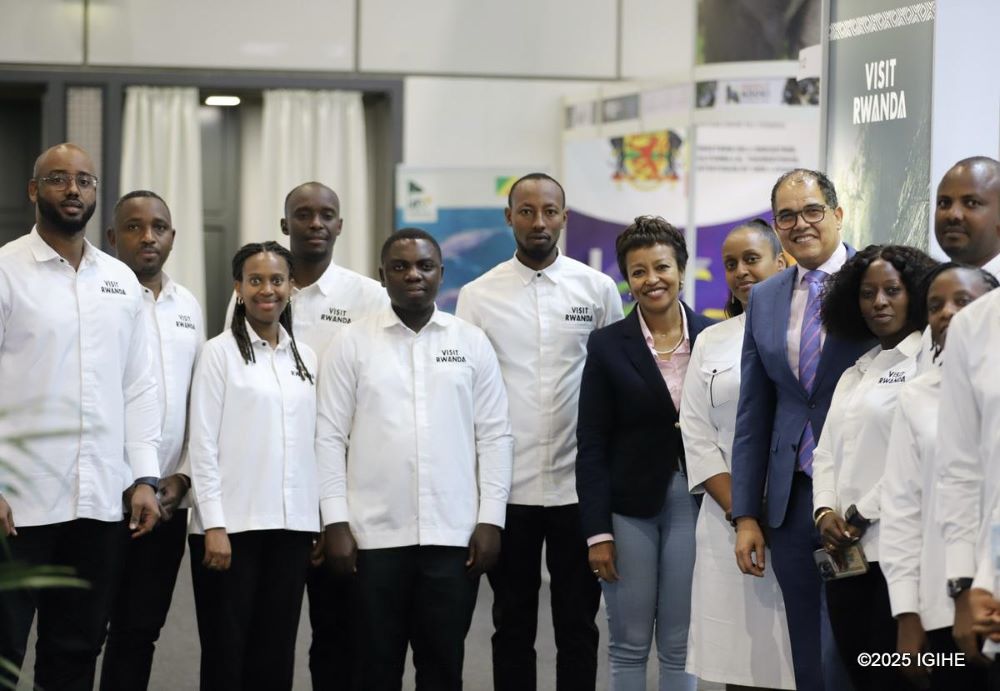
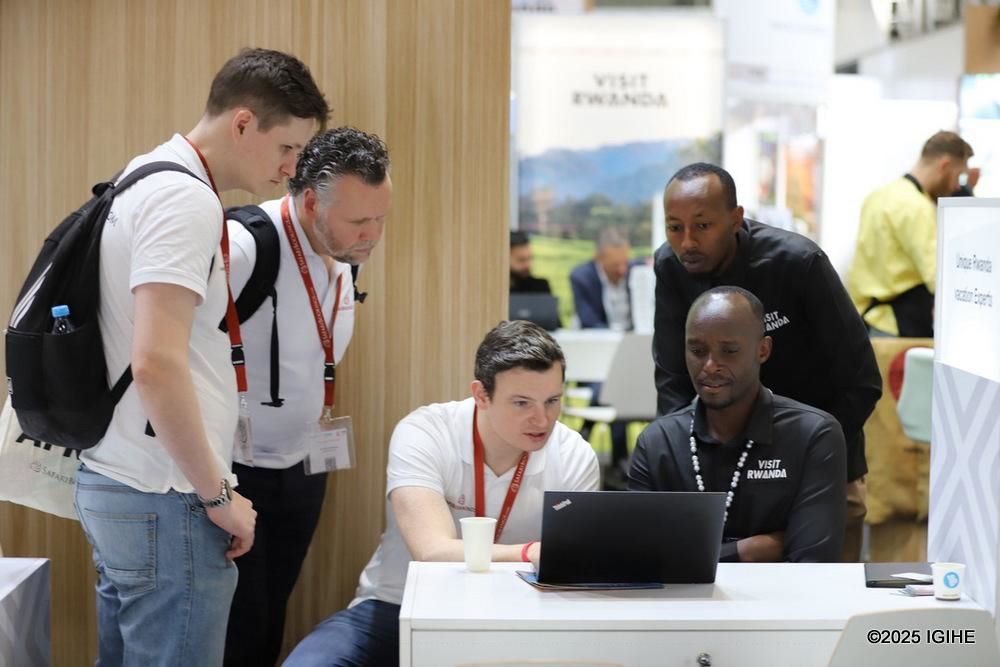
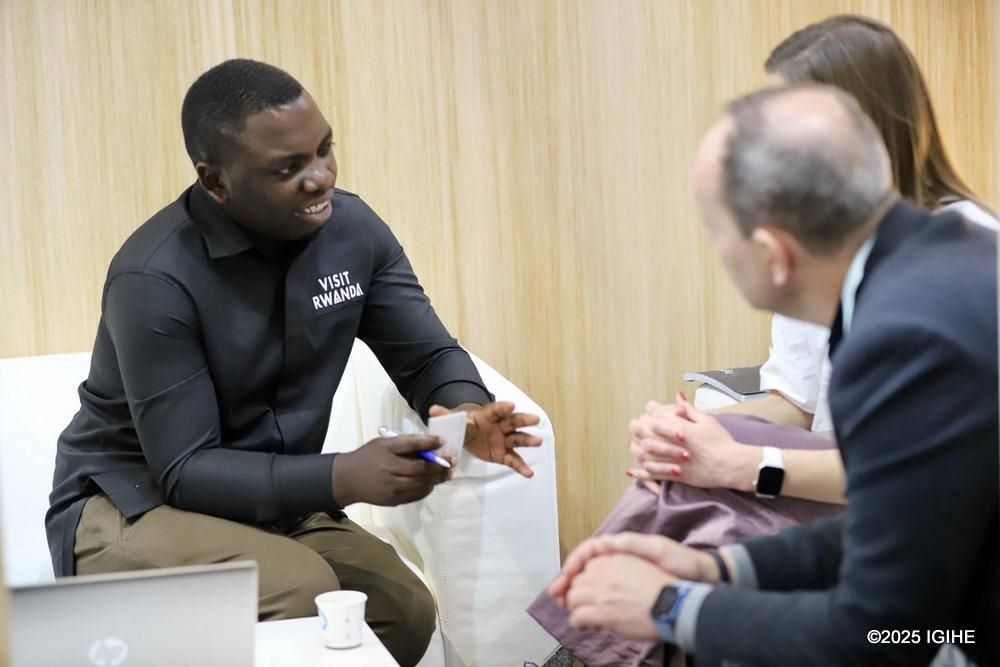
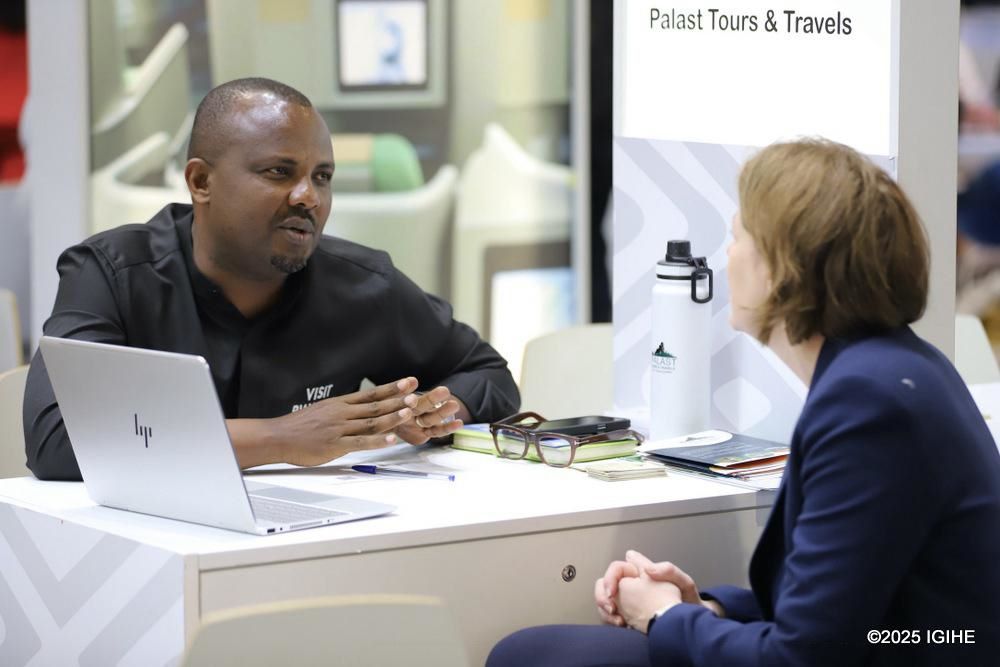
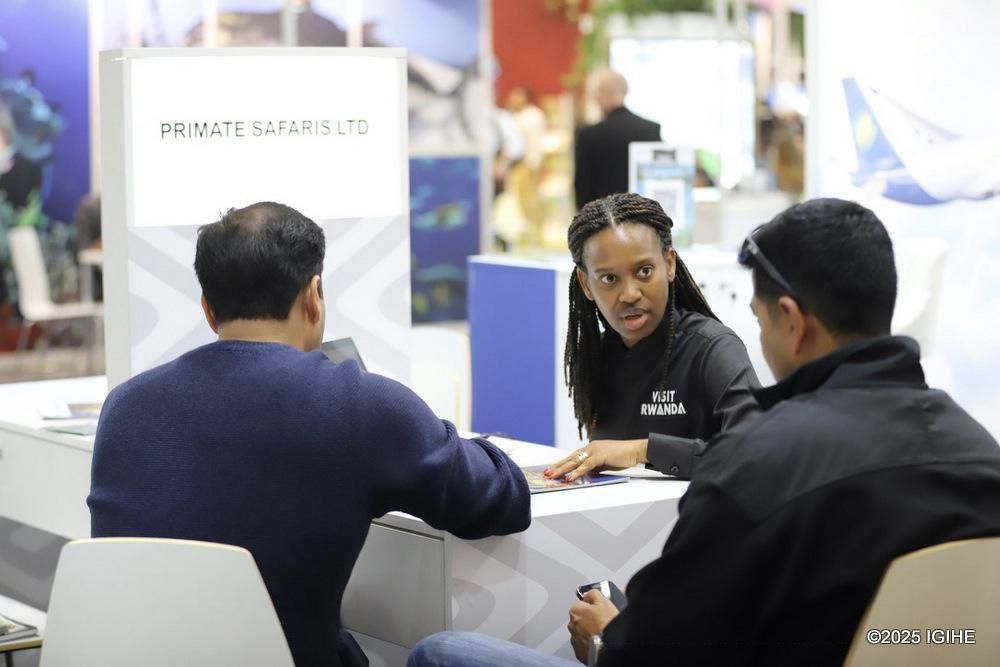
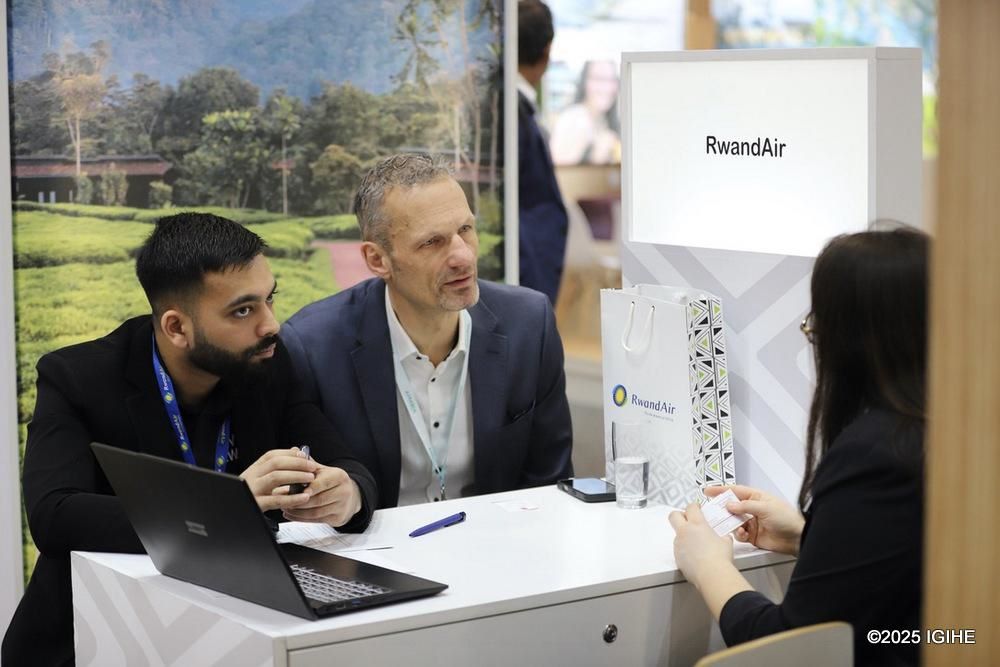
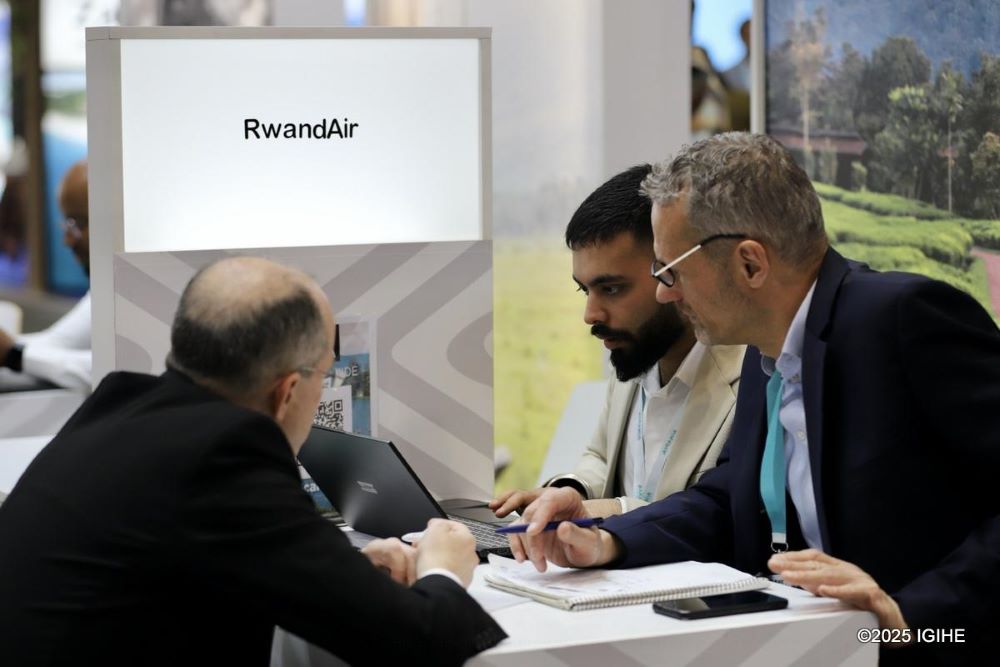
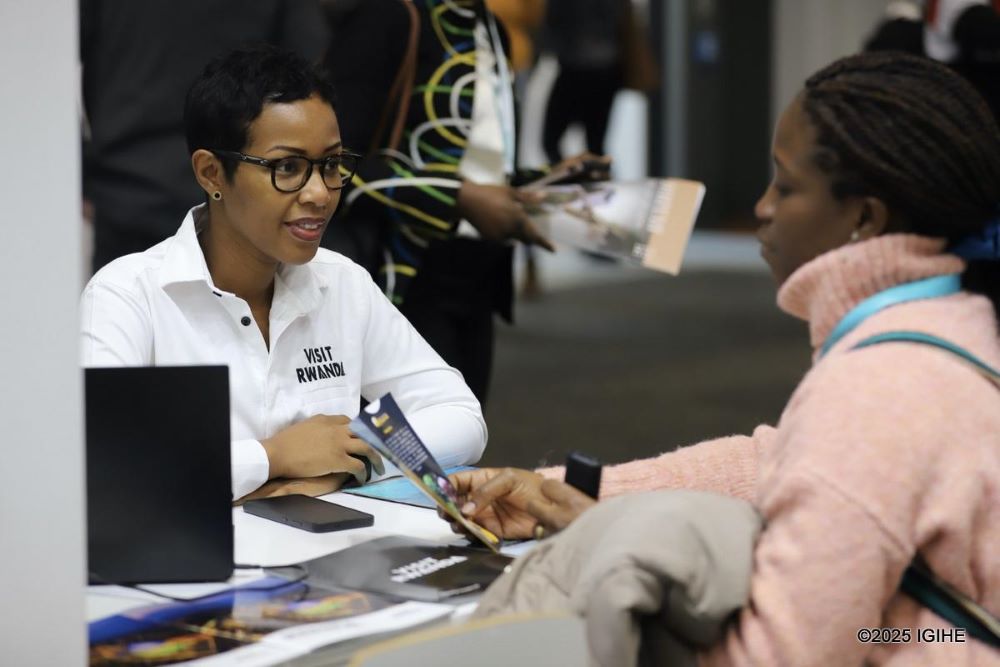
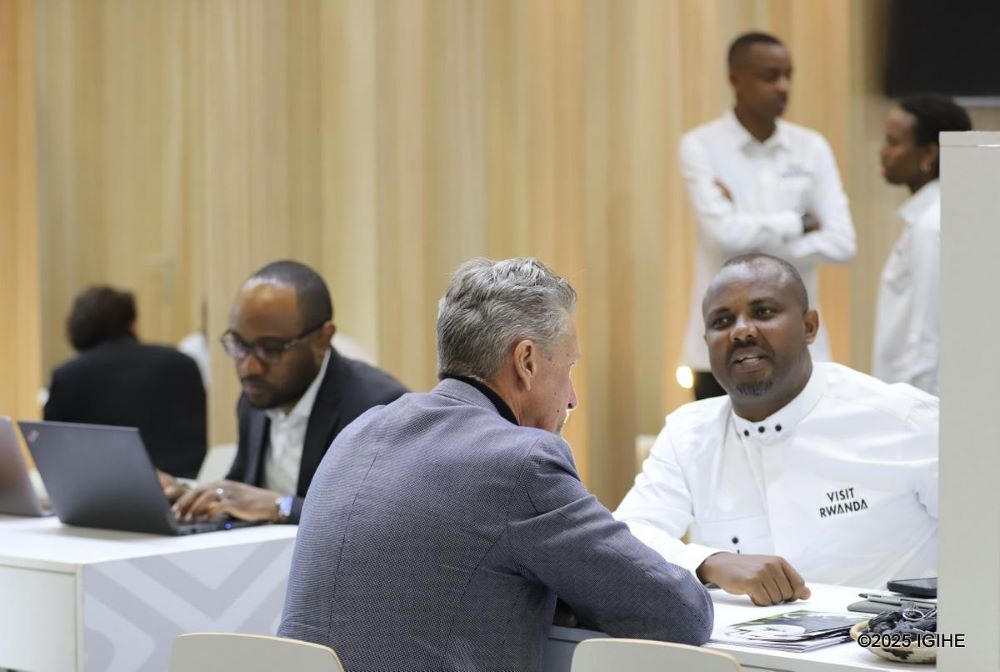
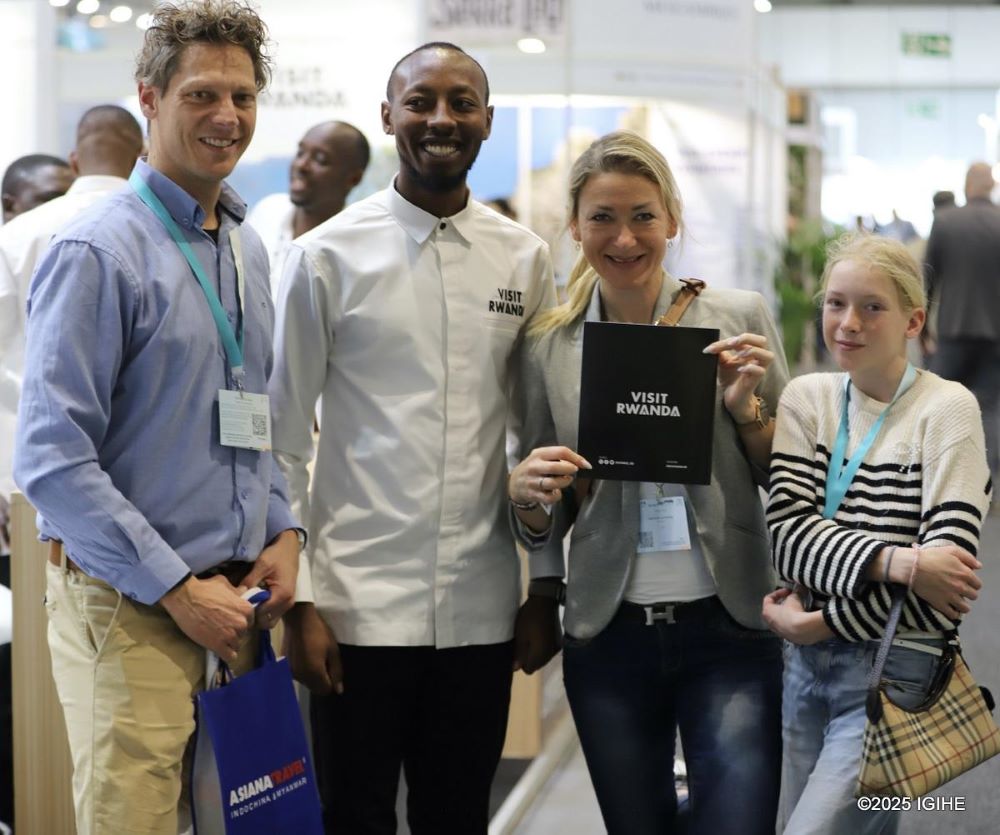
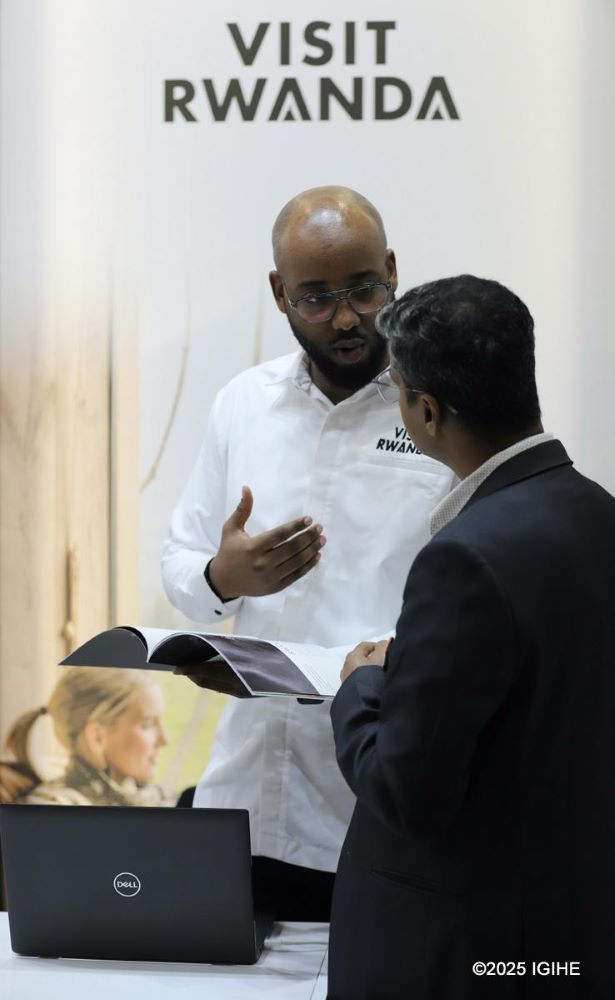
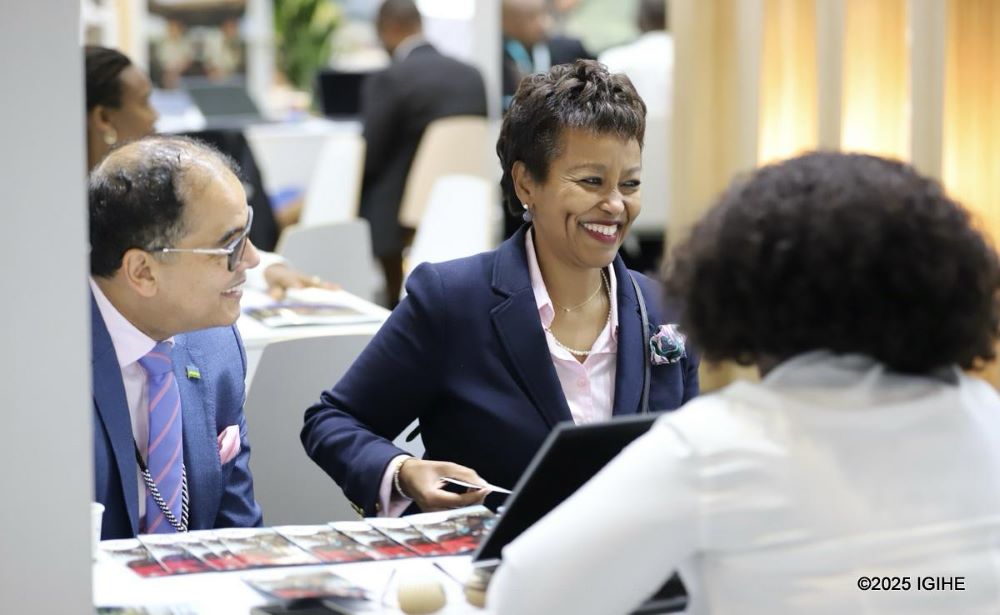
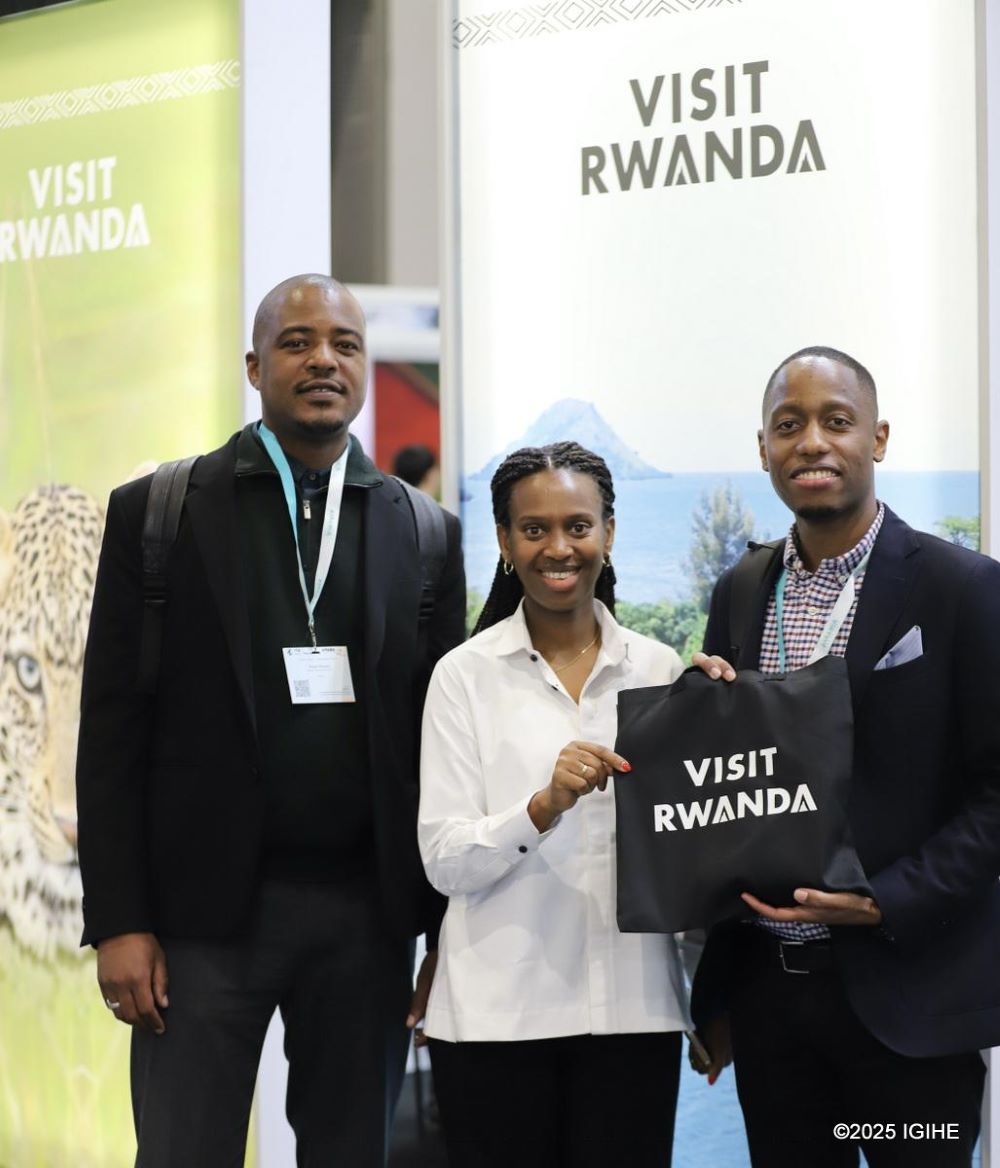
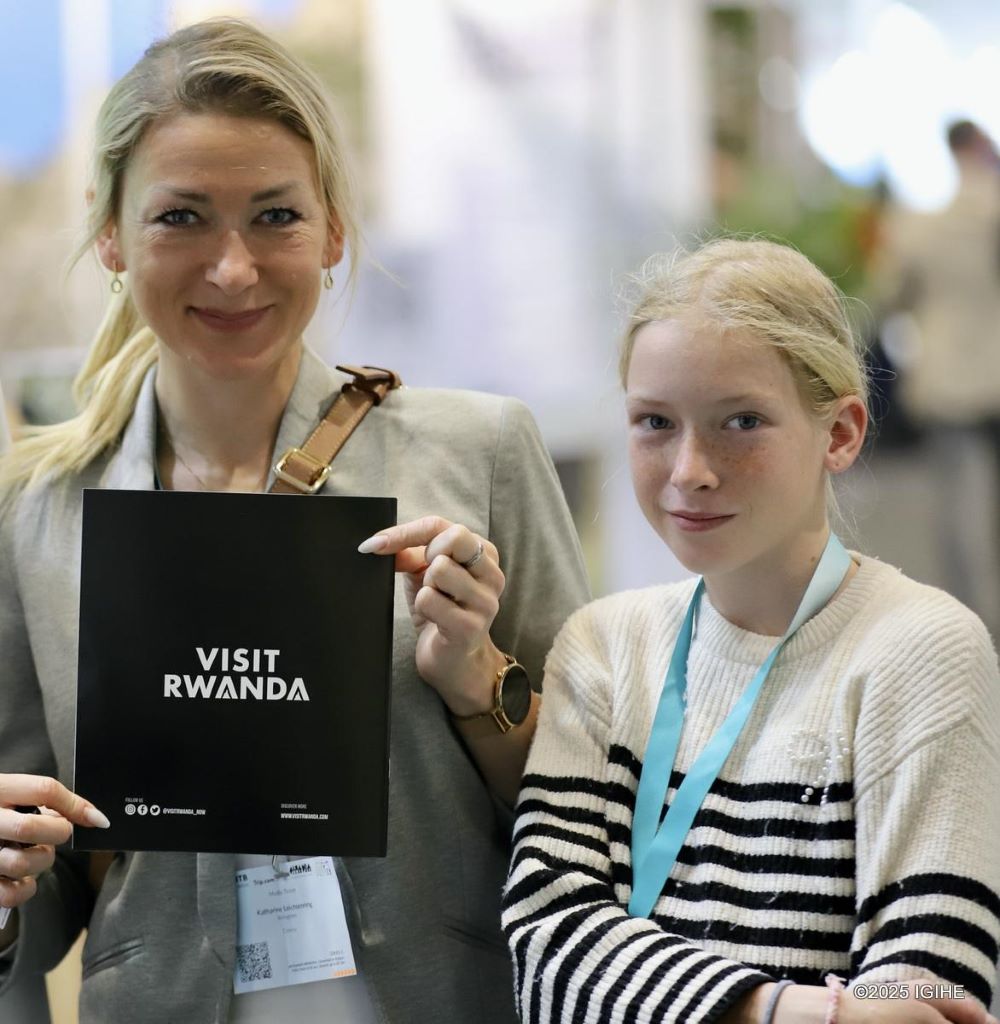
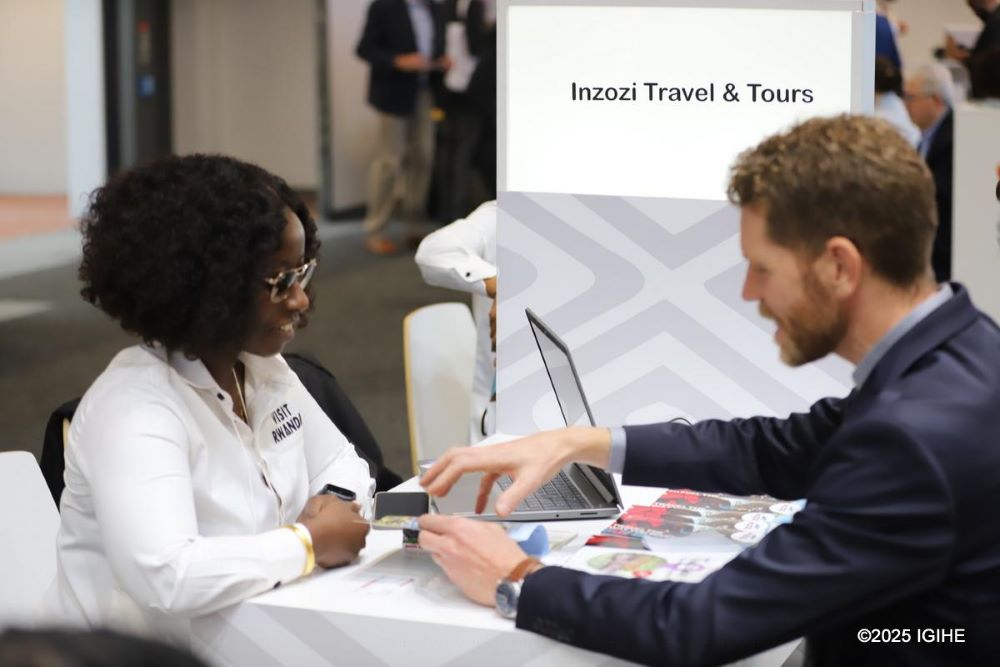
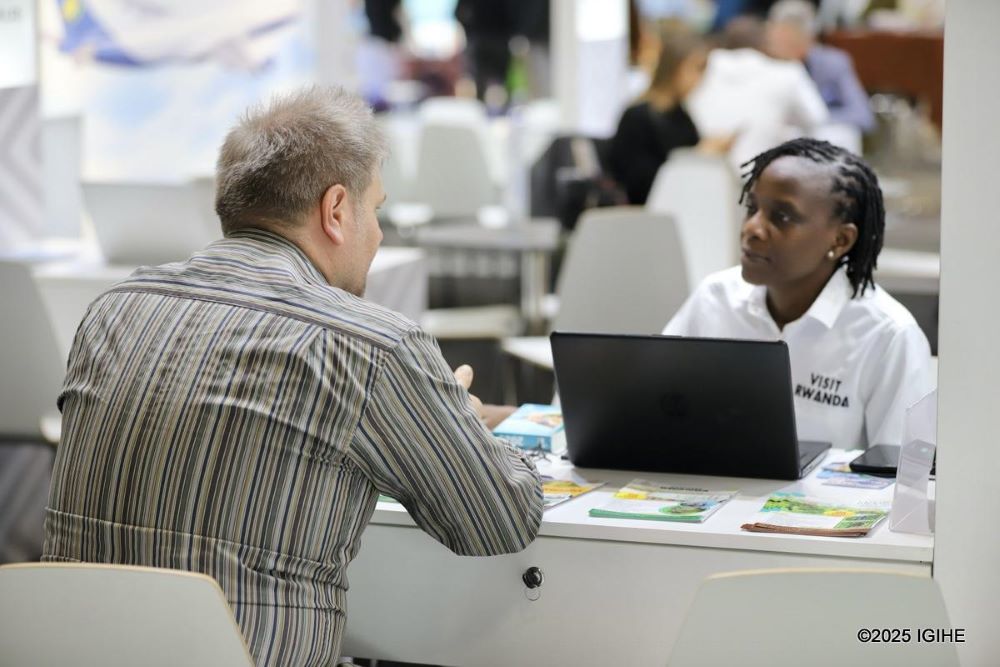
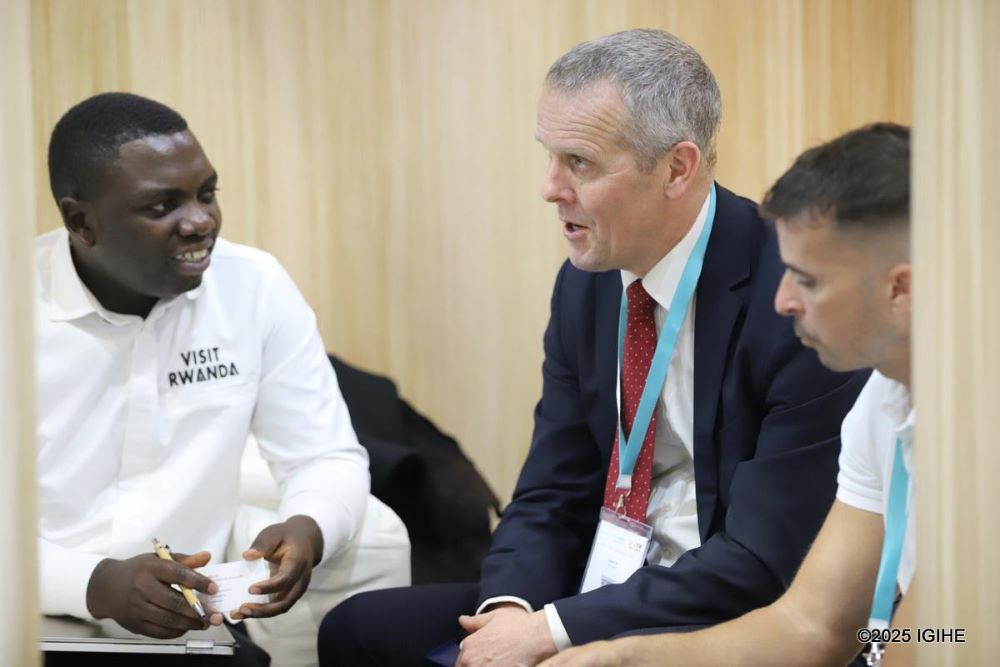
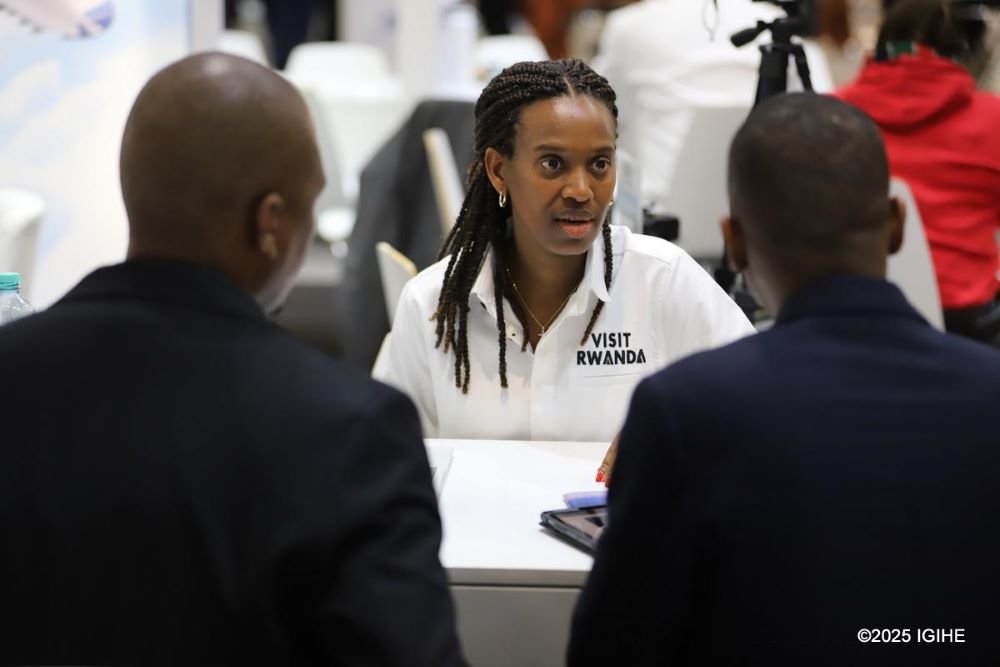
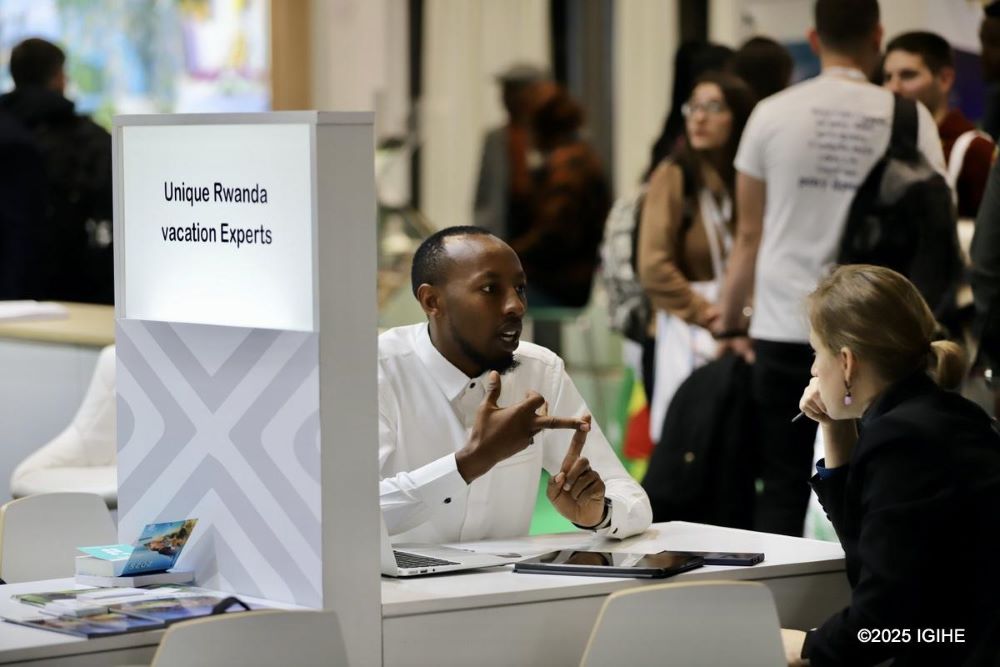
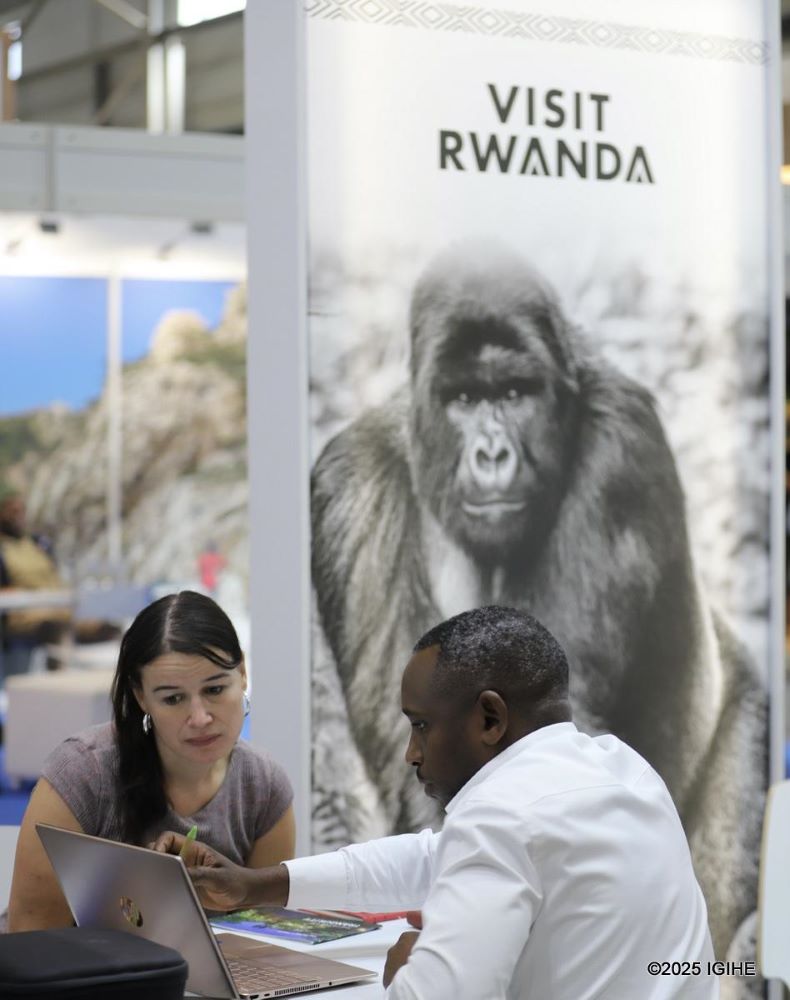
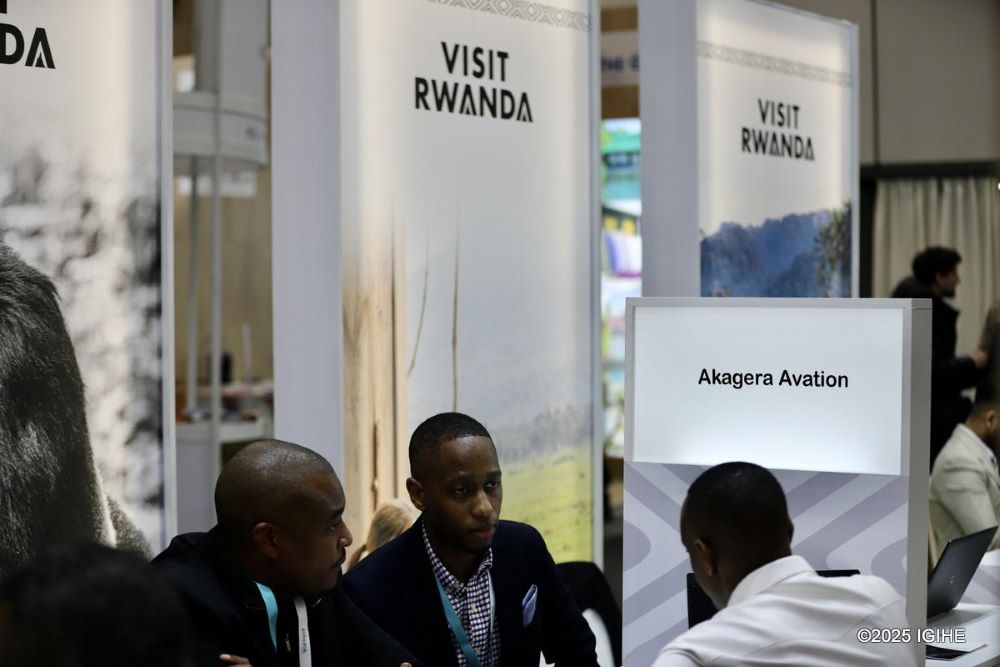
The Rwandan delegation, led by the Rwanda Development Board (RDB) alongside the Rwandan Embassy in Germany, is represented at ITB Berlin 2025 by 14 tour operators and travel agents.
The country is showcasing its diverse attractions, travel packages, and unparalleled wildlife experiences to a global audience. Rwanda’s presentation aims to solidify its position as a must-visit destination for international travelers.
Speaking about the importance of Rwanda’s participation in the event, Rwanda’s Ambassador to Germany, Igor Cesar expressed pride in the country’s growing prominence on the world tourism stage, highlighting the presence of over 5,800 tour operators at the exhibition.
“I’m very excited for the opportunity of Rwanda, Visit Rwanda, to be among the prime destinations of the world,” Ambassador Cesar noted.
He emphasized that Rwanda’s participation at the event offers great opportunities for tour operators to connect with the global market and expand their networks.
Known as the “Land of a Thousand Hills,” Rwanda offers a stunning blend of natural beauty, rich culture, and unique wildlife experiences.
From lush national parks teeming with wildlife to vibrant cities and the hospitality of its people, Rwanda is becoming a top destination for travelers seeking both adventure and relaxation.
Rwanda is particularly renowned for its mountain gorillas and chimpanzee trekking experiences, but it also offers luxury escapes, rugged camping, and much more.
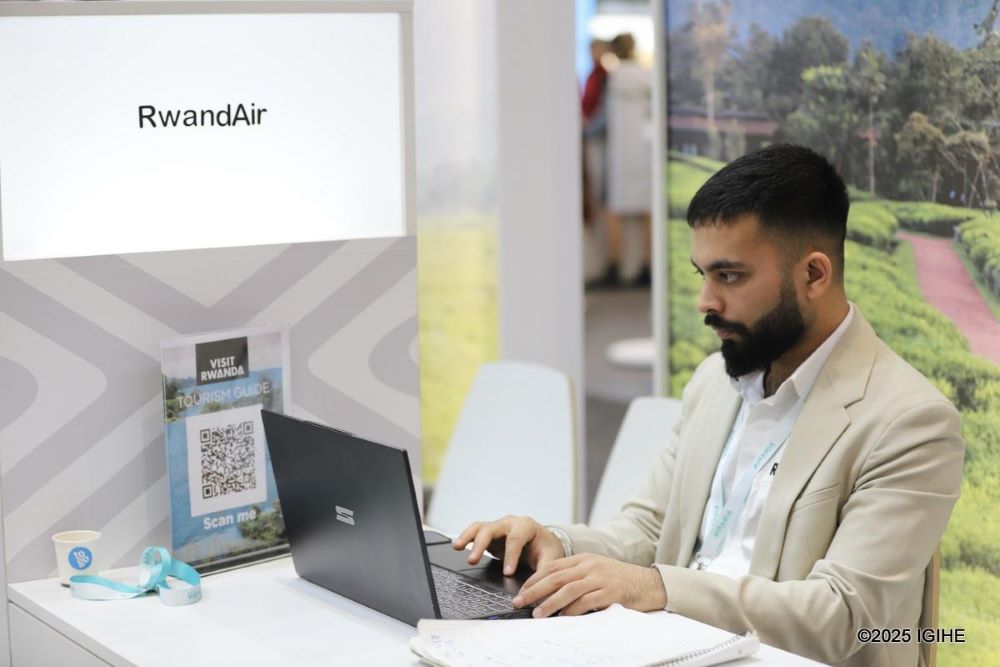
The country’s tourism industry has seen significant growth, with visitor numbers rising from 521,000 in 2021 to 1.4 million in 2023. Projections suggest this number will double by 2029, coinciding with the expansion of RwandAir’s routes and services.
Local tour operators continue to ensure a seamless and memorable experience for visitors, making Rwanda an increasingly popular choice for tourists from around the globe.
Countries such as the United States, Canada, the United Kingdom, and Germany recently announced sanctions against Rwanda, which include halting development cooperation.
These nations accuse Rwanda of having troops in eastern DRC and supporting the M23 armed group.
However, the Rwandan government has strongly rejected these accusations, asserting that Rwandan forces are not on DRC’s territory and are not aiding the M23.
The government further clarified that, instead, the DRC government is cooperating with the FDLR, a terrorist group aimed at destabilizing Rwanda.
Gen (Rtd) Kabarebe emphasized that these countries should be supporting the processes initiated by African leaders to restore peace in eastern DRC, adding that sanctions would not provide a solution.
Gen (Rtd) Kabarebe made the disclosure during a consultation meeting with members of Parliament on March 5, 2025, where he emphasized that the sanctions imposed on Rwanda are driven by the countries’ own interests, particularly their desire for minerals from the DRC.
“All of them are after their own interests in Congo, nothing else. What they see in Congo is minerals,” he said.
Gen (Rtd) Kabarebe pointed to Canada as an example, noting that the country recently halted new trade cooperation with Rwanda.
He highlighted that Canada controls a major mine in the Walikale territory in North Kivu, home to the world’s largest deposit of Cassiterite.
“For Canadians, it’s nothing else. In Walikale, they have the Cassiterite mine, the largest in the world, known as Alpha Mines. There is nothing surprising when they impose sanctions on Rwanda.”