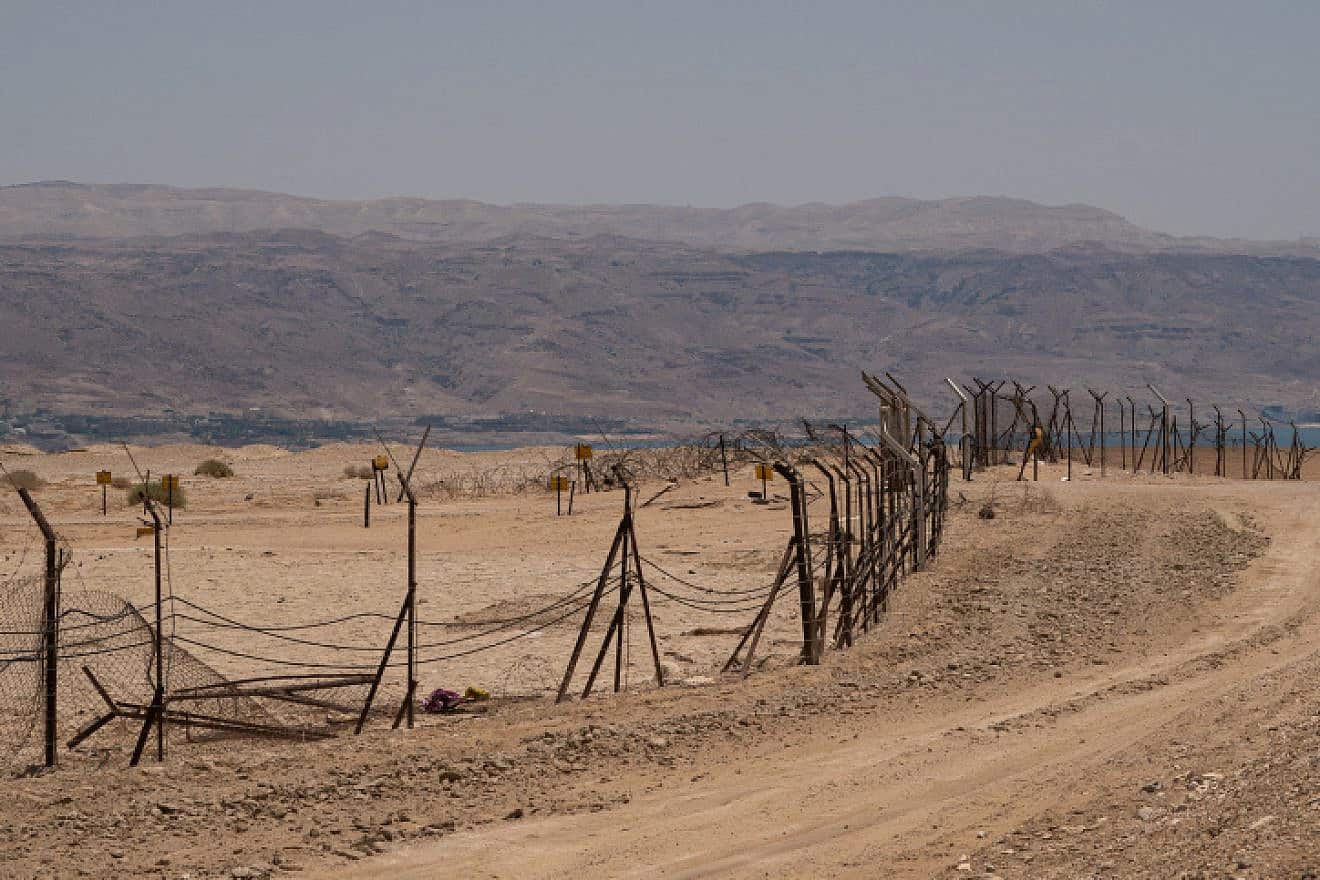
Katz outlined the plan during a tour of the Jordan Valley, stating in a video message that the 425-km barrier will stretch from the southern part of the Israeli-controlled Golan Heights, through the occupied West Bank, to the Samar sands, north of Eilat, in the south of the country.
The project, expected to be completed within three years, aims “to prevent weapons smuggling and terrorism, and strengthen settlements,” Katz said.
He also announced plans to establish new military outposts along the barrier’s route to “reinforce our hold on the area.”
According to Katz, weapons smuggled from Jordan to the West Bank have been used in attacks against Israelis.
Israel has long considered a new fence along the Jordanian border. In November 2024, the Defense Ministry began detailed engineering plans following a September attack at the Allenby Bridge Crossing that killed three Israelis and a Jordanian assailant.
In the West Bank, the Israeli forces continued operations, killing dozens and causing widespread destruction over the past weeks. Meanwhile, talks appear to have stalled on the second phase of a fragile ceasefire in Gaza between Israel and Hamas.
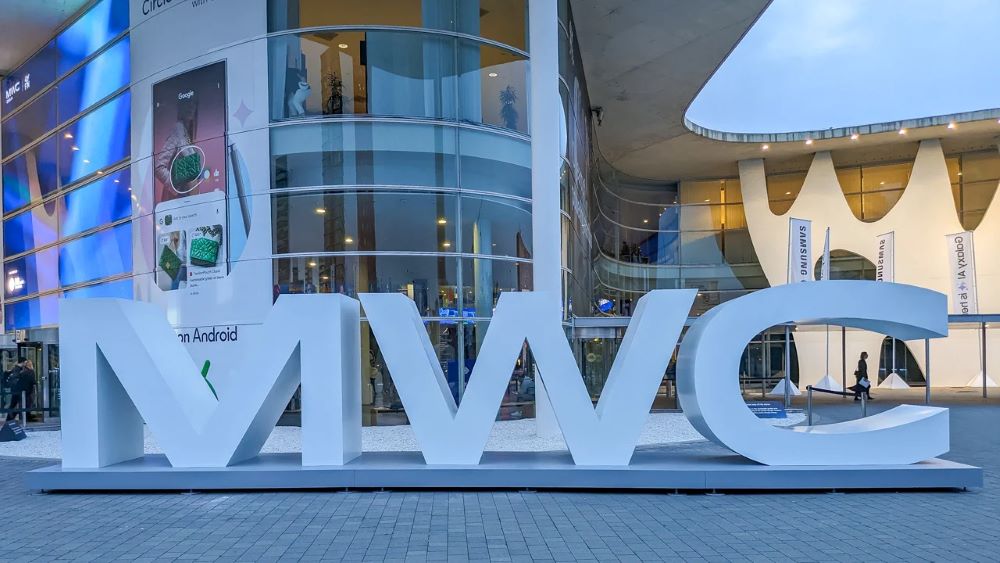
Held at the Fira Gran Via exhibition center in Spain and hosted by the GSMA, the four-day event carries the theme “Converge, Connect, Create,” emphasizing the integration of mobile technologies with AI-driven innovations.
Mats Granryd, the Global System for Mobile Communications (GSMA)’s director general, highlighted the swift global adoption of 5G, which has now surpassed 2 billion connections, making it the fastest-growing mobile generation in history.
He urged for the removal of barriers to further growth, calling for an acceleration in 5G’s development.
In conjunction with the event, the GSMA released the Mobile Economy Report 2025, which found that mobile technologies and services contributed 5.8% to global GDP in 2024, equating to $6.5 trillion.
The report projects this figure to rise to $11 trillion by 2030, driven largely by the growth of 5G, the Internet of Things (IoT), and AI.
MWC 2025 has attracted over 2,800 exhibitors and 1,200 speakers, with expectations of more than 100,000 attendees.
Among the many exhibitors are over 300 Chinese companies, including industry giants such as China Mobile, Huawei, ZTE, and Xiaomi, all showcasing their latest innovations in mobile technology.
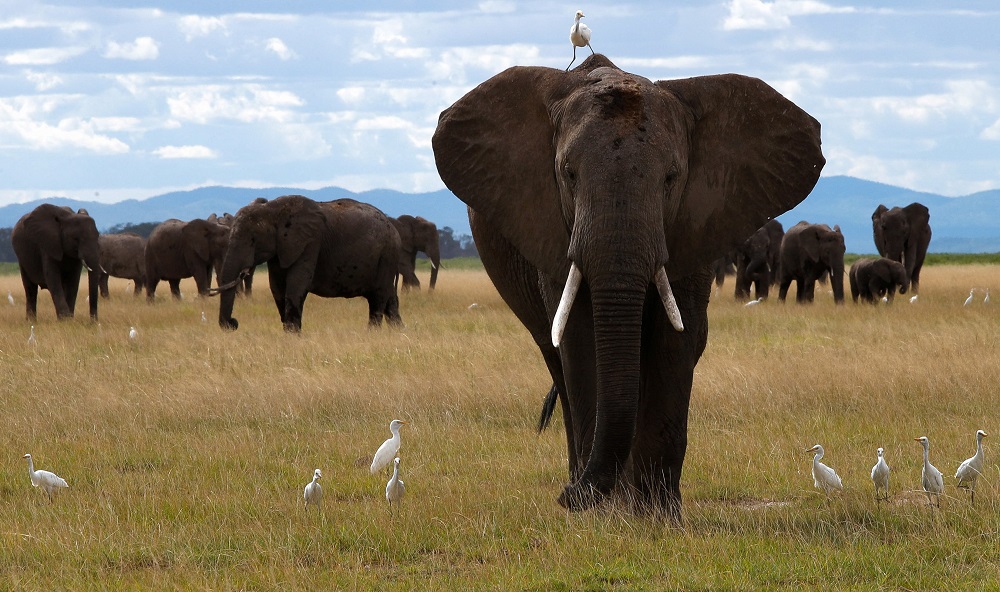
The call to action was made on Monday, marking World Wildlife Day.
Edith Kabesiime, wildlife campaign manager at World Animal Protection, highlighted that Africa’s iconic wildlife is under immense pressure from human activities, climate change, exploitative policies, and chronic underfunding of conservation efforts.
“Every year, thousands of animals are poached, trafficked, and kept in cruel conditions,” Kabesiime stated in Nairobi, urging stronger protections for wildlife in their natural habitats, rather than exploiting them for sport hunting or social prestige.
The campaigners also emphasized the critical need for adequate funding to sustain wildlife conservation efforts in Africa.
This year’s World Wildlife Day theme, “Wildlife Conservation Finance: Investing in People and Planet,” stressed the importance of securing financial resources for long-term conservation.
The call for action includes halting the expansion of captive farming for commercial purposes, promoting ethical tourism, and strengthening wildlife protection laws.
World Animal Protection advocates for a harmonious coexistence between wildlife and communities and called for a stronger commitment to ending the exploitation of wild animals.
The United Nations established World Wildlife Day in 2013 to raise awareness about the importance of wildlife in human survival and the urgent need to protect these species.
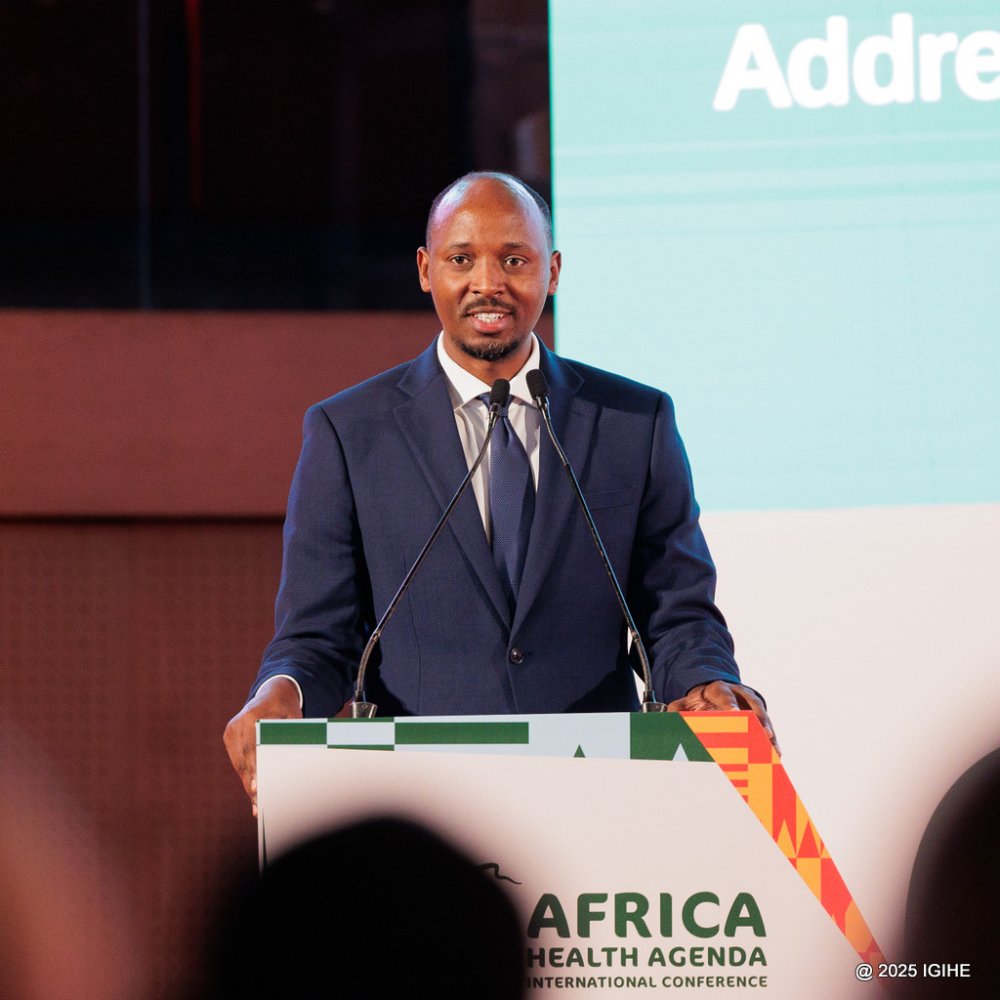
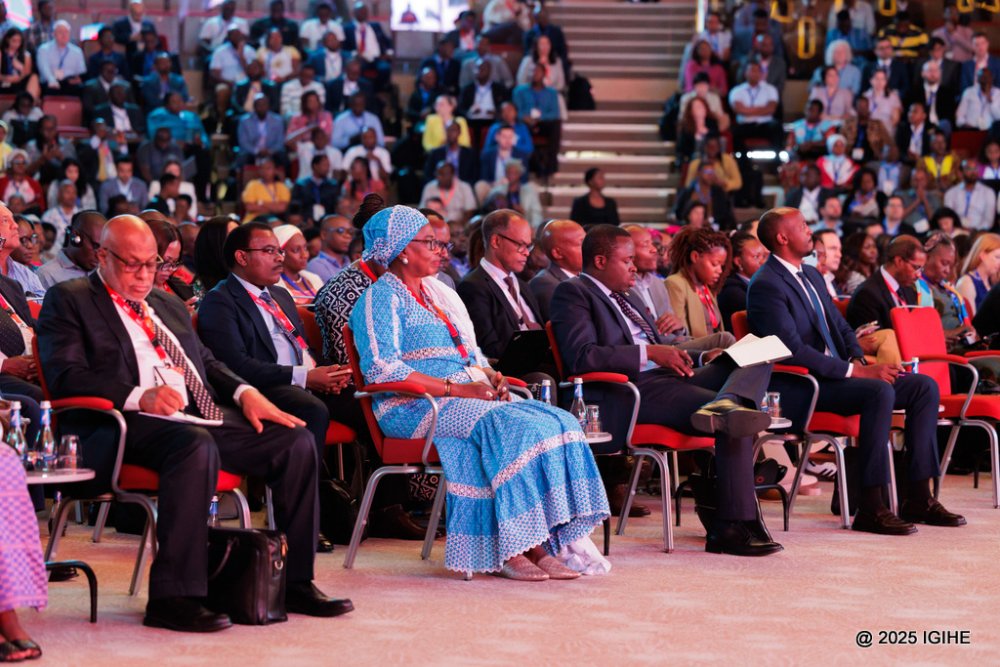
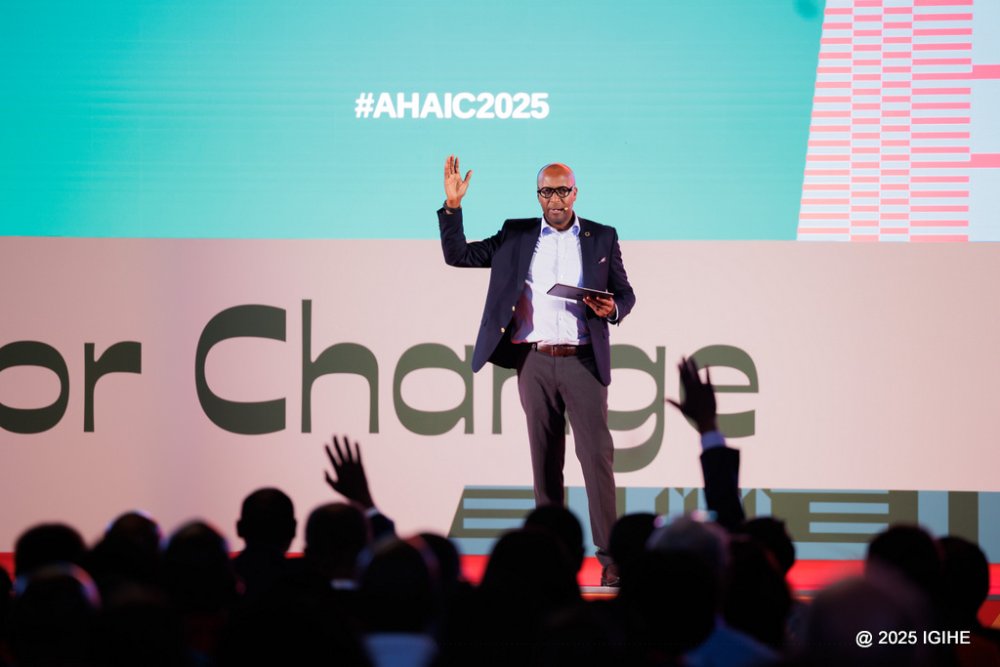
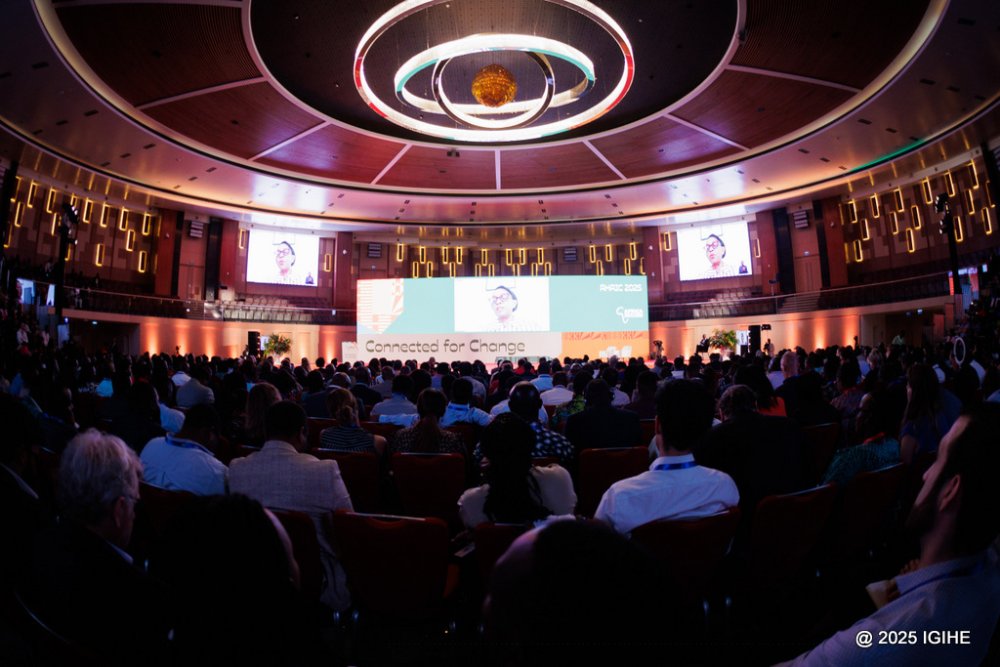
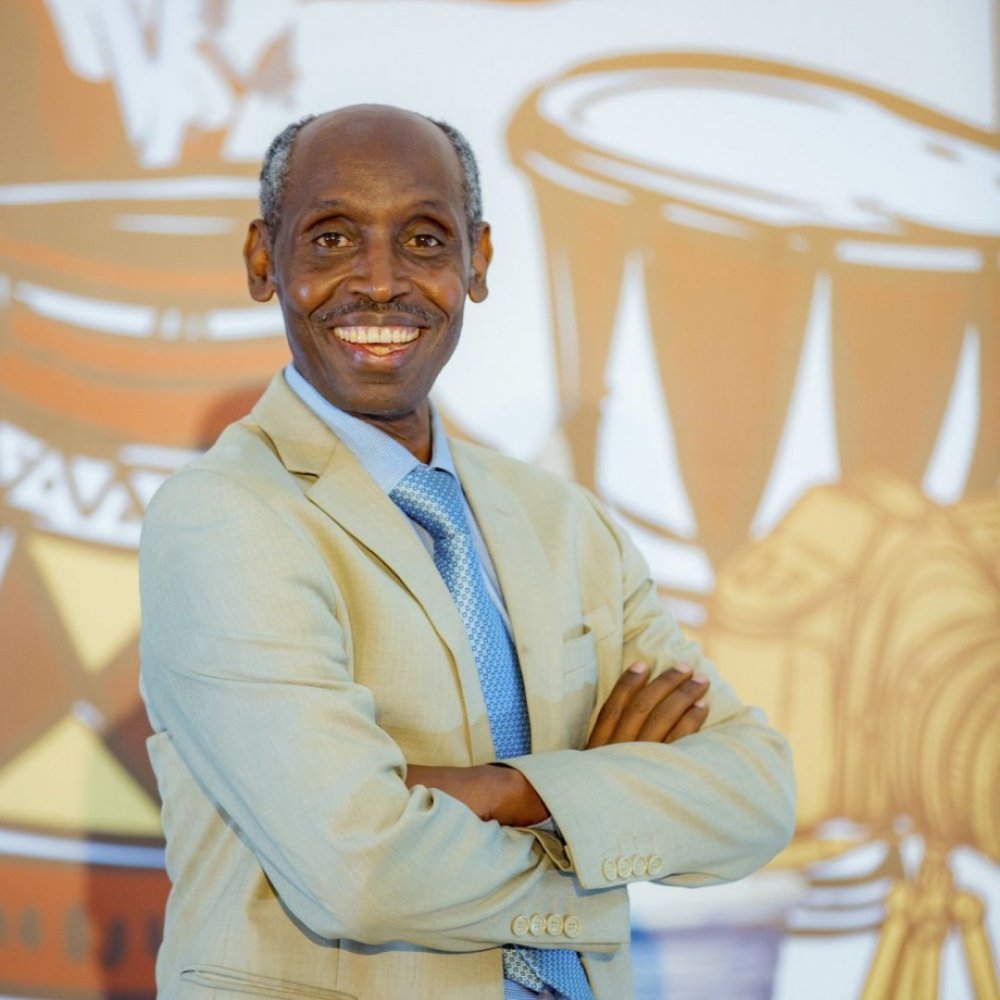
This was a key focus of discussions at the Africa Health International Conference Agenda (AHAIC 2025), currently taking place in Rwanda.
The conference has brought together over 1,400 participants from 56 countries worldwide.
Among the attendees are 51 delegates from the United States, 40 from South Africa, 20 from India, 29 from the United Kingdom, 309 from Kenya, 160 from Rwanda, 74 from Ethiopia, 42 from Nigeria, and 50 from Uganda, among others.
Rwanda’s Minister of Health, Dr. Sabin Nsanzimana, emphasized the urgent need for African countries to build resilient healthcare systems by prioritizing investments in the sector.
“We are in a critical phase where financing for global health in general is being affected, sometimes abruptly. We’re seeing programs for maternal and child health, malaria, disease prevention and control, very critical programs being stopped overnight by traditional supporters and funders,” he noted.
“And this looks like it’s going to continue. And we must be ready, as of yesterday, that if this happens, what are the options we have? […] The reality is that these are abrupt decisions. There will be effects, mainly to the poor communities across. But we also have the means, and we have the courage and the commitment to prevent these damages and the impact to happen to our communities and our programs,” Dr. Nsanzimana added.
Dr. Nsanzimana stressed that these challenges should serve as a wake-up call for African nations to explore self-sustaining solutions rather than relying solely on external aid.
He highlighted the need to rebuild Africa’s healthcare system with a focus on self-reliance and innovative solutions to existing challenges.
The Minister also pointed out that African countries should make strategic choices to cushion the effects of reduced foreign aid while minimizing negative consequences.
Additionally, Dr. Nsanzimana called for greater focus to take bold decisions to address the rising burden of diseases across the continent amid financing decline.
“Even if the disease burden is increasing, we must deal with it from the best. And even if we think that our traditional sources of financing are getting away, we can raise new financing mechanisms, starting from within and also from other partners who are willing and seeing this as an important investment for humanity,” he said.
He also emphasized the role of technology in healthcare, urging African nations to leverage digital innovations to improve healthcare delivery.
Dr. Githinji Gitahi, CEO of AMREF Health Africa, the organization behind the conference, encouraged Africans to view the decline in foreign aid not as a crisis but as an opportunity to develop long-term solutions.
“Today, therefore, we will say we must not have a mourning tone at this conference, because the health system in Africa has not died. We can’t mourn it. It’s been wounded because of a small bump that we expected ahead of the road, but we know where we are taking our communities,” he stated.
“And I think that the most important thing for us to reflect on in this conference is not the survival of our institutions, is not the survival of ourselves, it is what shall we do with the communities for whom global solidarity exists,” added Dr. Githinji.
Meanwhile, the Director-General of the World Health Organization (WHO), Dr. Tedros Adhanom Ghebreyesus, who addressed the conference virtually, reaffirmed the organization’s commitment to supporting African countries in strengthening their healthcare systems.
He urged African nations to work together to boost both domestic and international investment in healthcare to ensure long-term resilience and sustainability.
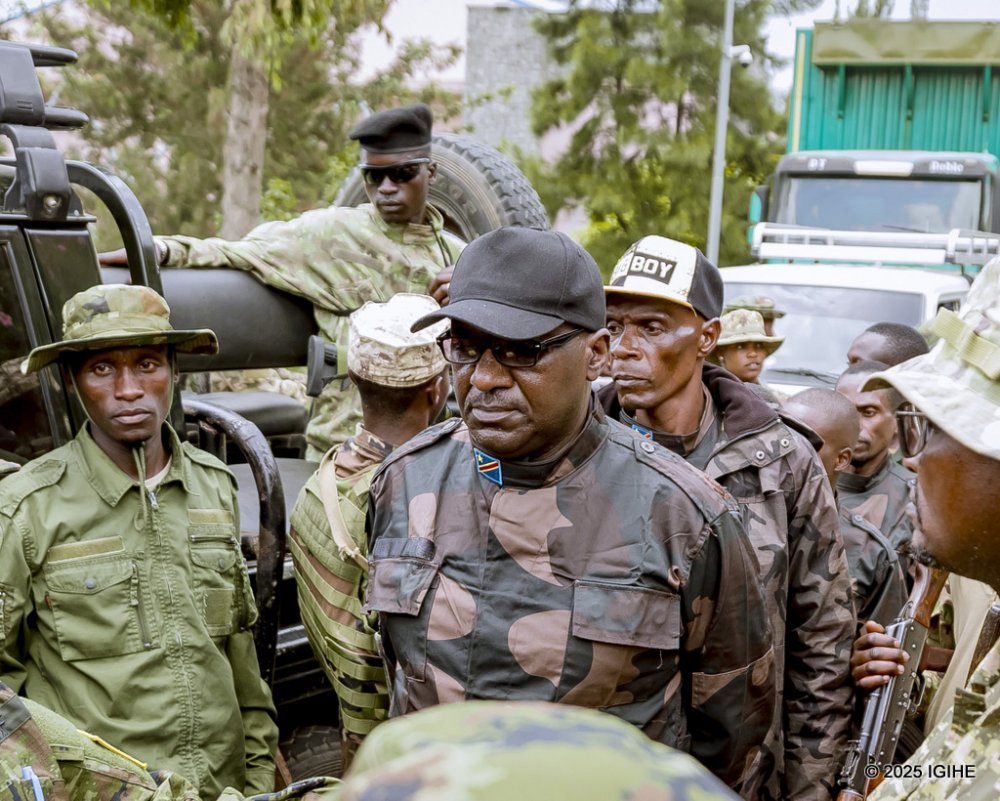
This contradicts earlier claims by FARDC spokesperson Major General Sylvain Ekenge and other DRC government officials, who alleged that Brig Gen Gakwerere was a Rwandan government employee and had never been in their country.
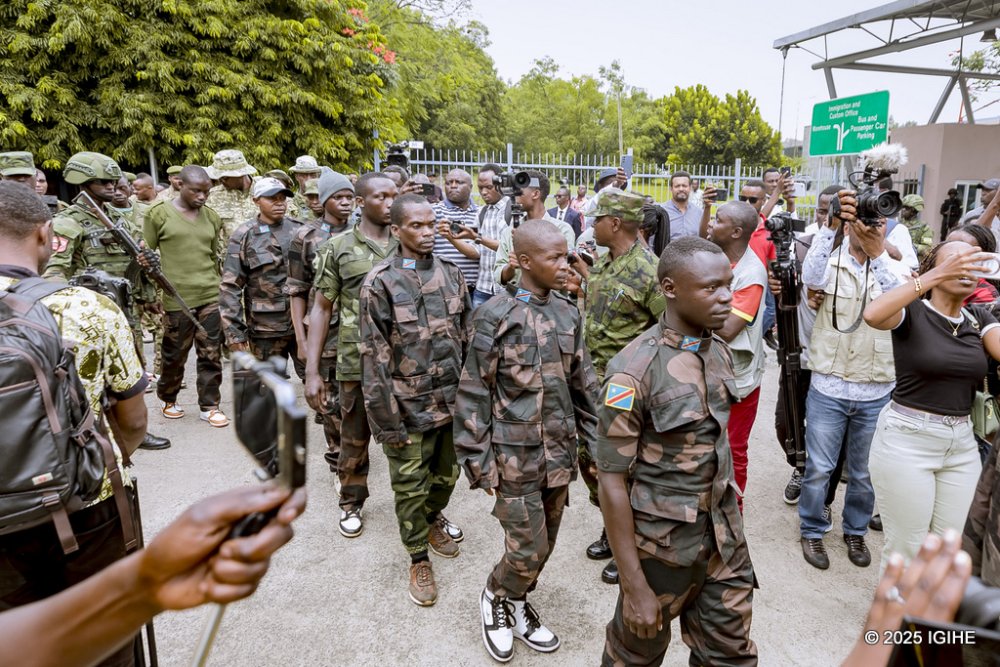
On March 1, 2025, Brig Gen Gakwerere and 13 other FDLR fighters were handed over to Rwanda by the M23 armed group via the La Corniche border in Rubavu.
M23’s deputy spokesperson, Dr. Oscar Balinda, stated that Brig Gen Gakwerere was captured in Goma, while the other fighters were arrested in various locations in January 2025.
FDLR spokesperson Cure Ngoma has told the BBC that Gakwerere was indeed a senior leader within the group and had been hiding in Goma due to illness.
“I can confirm he had been sick for a long time and was hiding in Goma. He had not been seen for some time because of his illness,” Ngoma stated.
Ngoma also acknowledged that the other captured fighters were FDLR members but expressed doubts about one individual, suggesting he may have been used for propaganda.
Brig Gen Gakwerere, also known as Sibomana Stany, Sibo Stany, and Julius Mokoko, was formerly the Secretary-General of FDLR and the group’s third-highest-ranking official, after its president and top military commander.
During the 1994 Genocide against the Tutsi, he held the rank of Lieutenant and served at the ESO/Butare military academy under Captain Ildephonse Nizeyimana, the school’s deputy commander.
Reports indicate that Gakwerere led a group of newly recruited soldiers, known as the “New Formula,” responsible for mass killings at roadblocks and other locations in Butare.
He is also believed to have been among the soldiers dispatched by Captain Nizeyimana to assassinate Queen Rosalie Gicanda on April 20, 1994.
Additionally, he is suspected of involvement in the murder of Jean Baptiste Habyarimana, the former governor of Butare Prefecture.
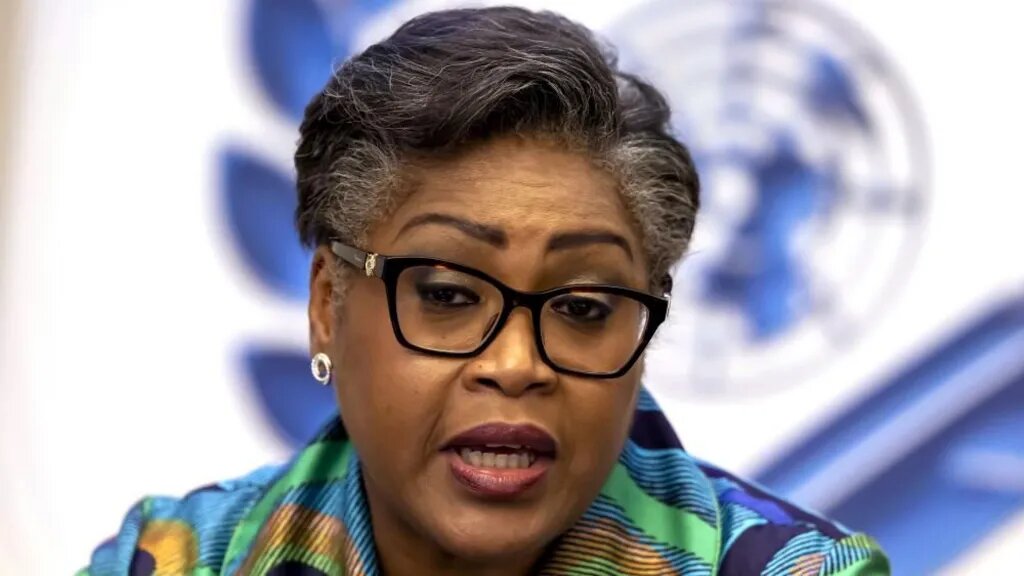
In a recent interview with the BBC, DRC Prime Minister Judith Suminwa Tuluka dismissed calls for an “inclusive dialogue” that includes M23. Instead, she stated that the country’s focus is on diplomatic engagement with Rwanda, which Congolese authorities accuse of fueling the conflict.
Regional leaders from the East African Community (EAC) and the Southern African Development Community (SADC) have urged direct talks between Kinshasa and M23, but the DRC has maintained its stance.
The Angolan-brokered peace talks collapsed in December after Rwanda demanded that the Congolese government negotiate with the rebels.
Despite the DRC government’s claims, Rwanda has repeatedly denied allegations of supporting M23, arguing that insecurity in eastern DRC stems from poor governance.
Kigali asserts that the Congolese government is attempting to divert international attention from the root causes of the conflict, including decades of marginalisation and persecution of Kinyarwanda-speaking Congolese.
In the wake of the capture of Goma and Bukavu, Corneille Nangaa, leader of the AFC rebel alliance, which includes M23, recently reiterated that the fighters are Congolese and do not rely on Rwandan support.
“Kinshasa continues to push a misleading narrative, claiming that any Congolese who speaks Kinyarwanda is Rwandan. Yes, some of our soldiers were born in Rutshuru, Masisi, and Nyiragongo and speak Kinyarwanda. Does that mean they are part of the Rwandan army?” Nangaa posed.
During her interview with the BBC, the prime minister denied any ties between the Congolese army and the FDLR, a group composed of remnants of the perpetrators of the 1994 Genocide against the Tutsi in Rwanda.
However, multiple reports, including those from United Nations (UN) experts, have documented cooperation between the Congolese army and FDLR fighters in their battle against M23 in North Kivu and South Kivu provinces.
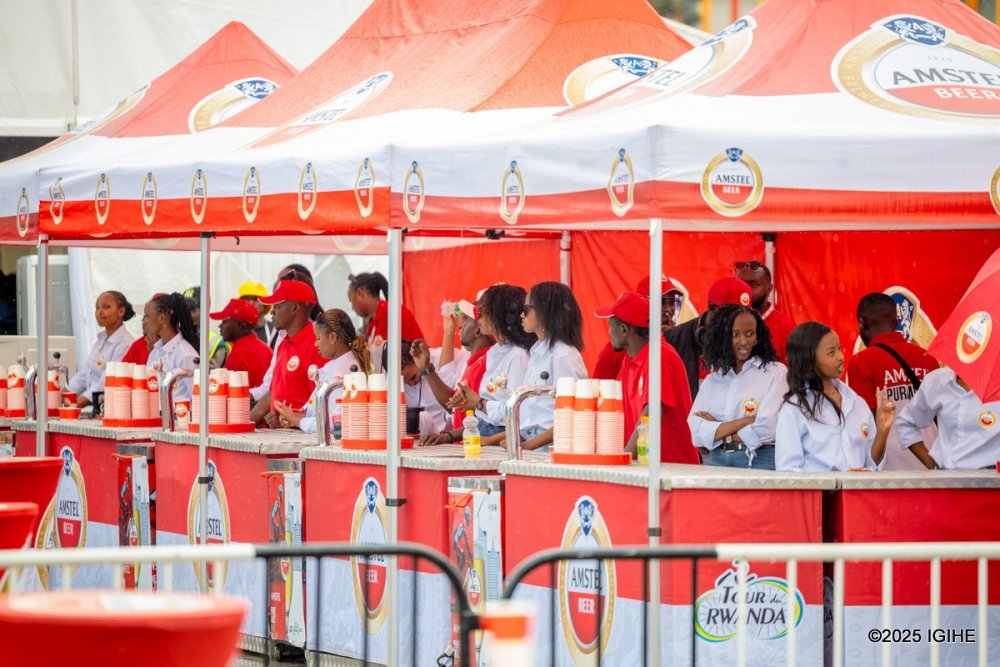
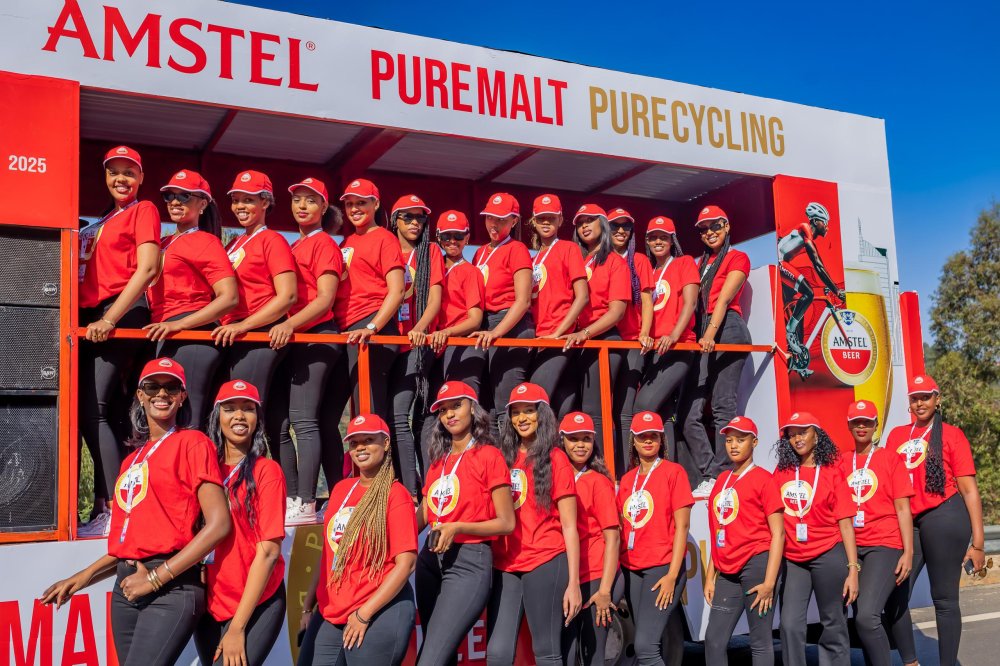
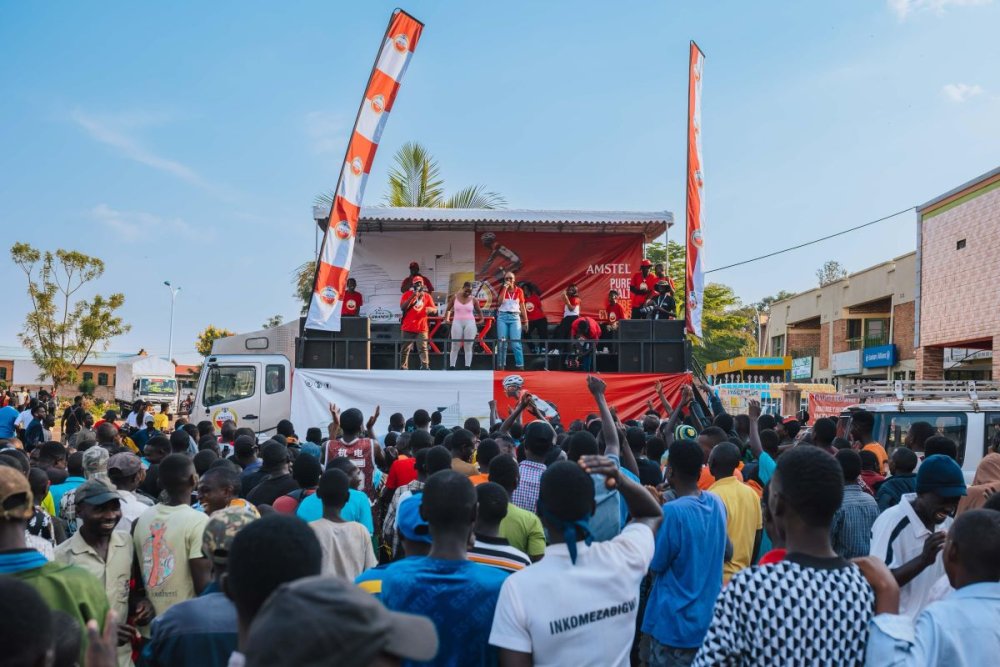
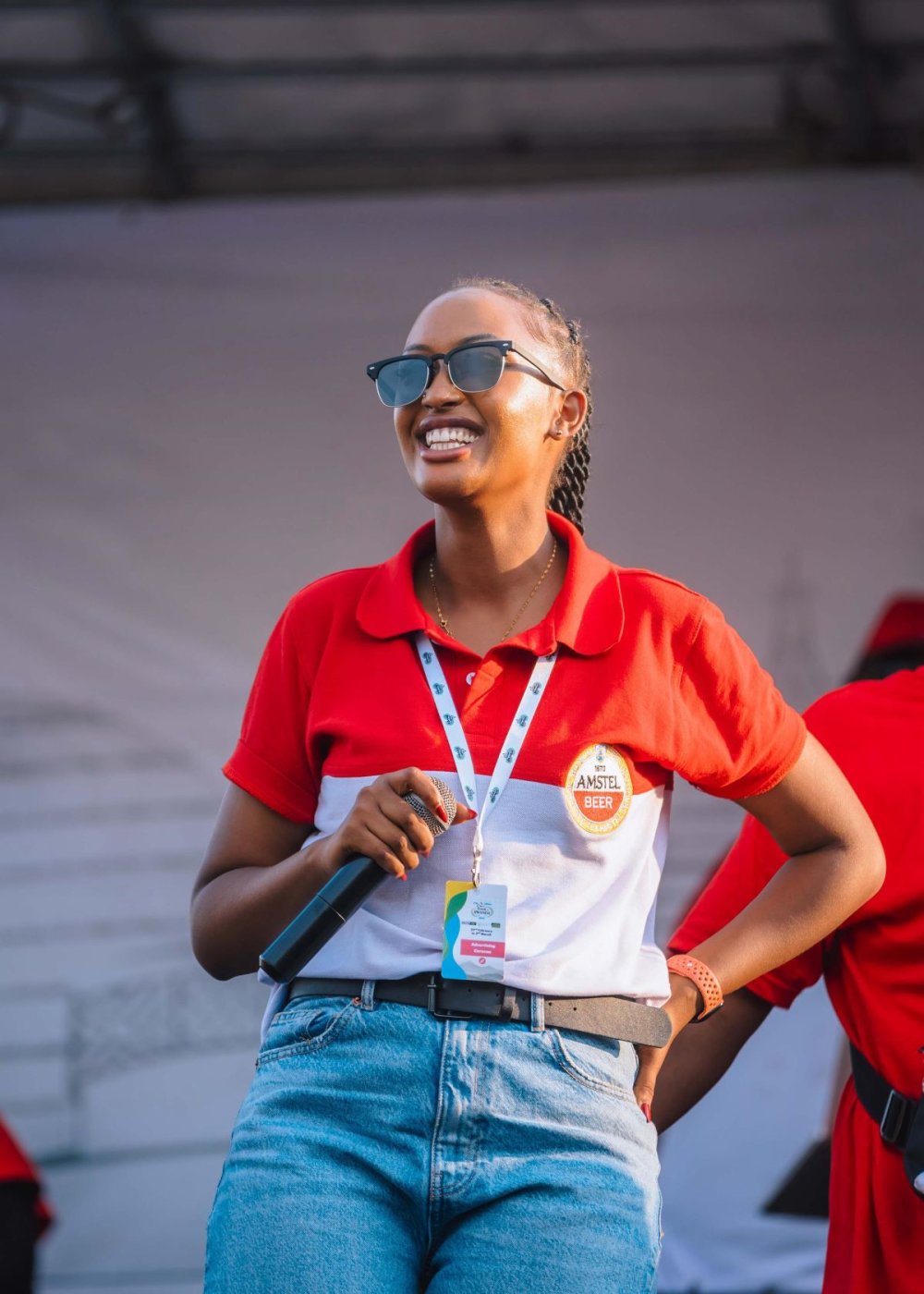
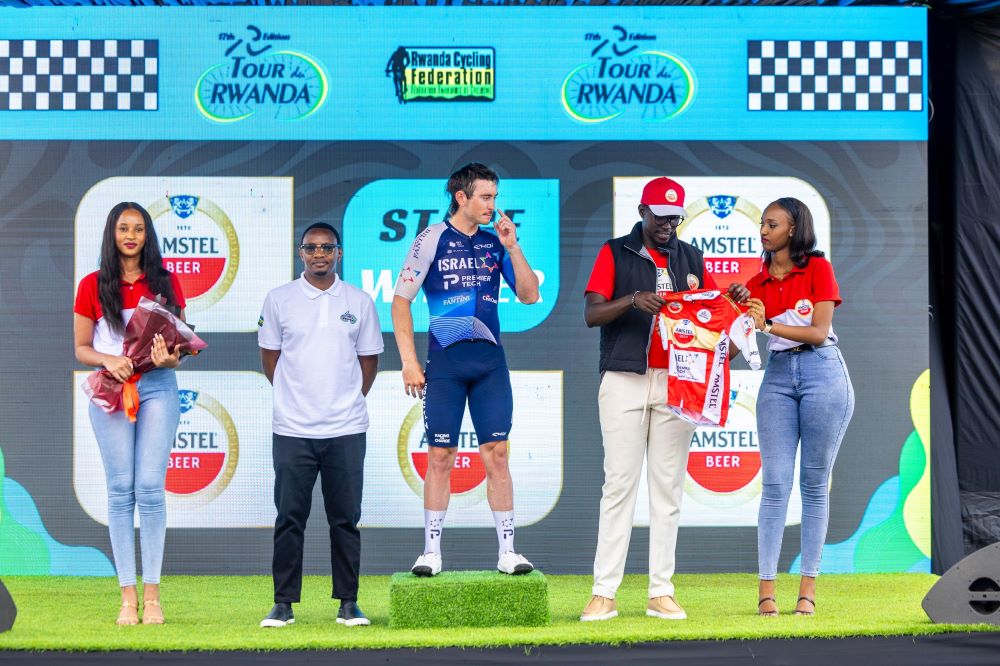
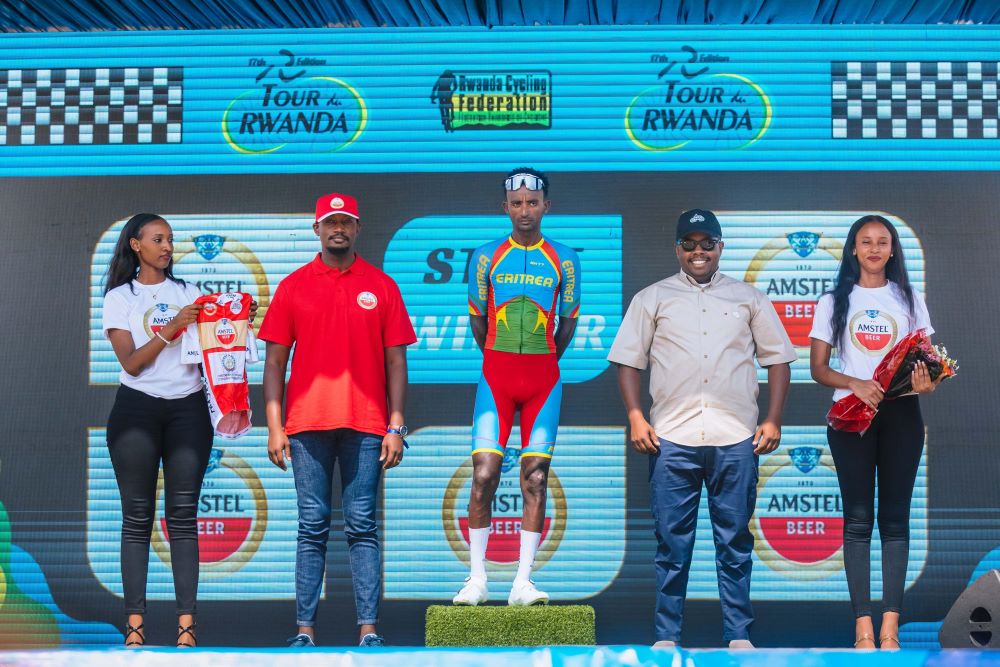
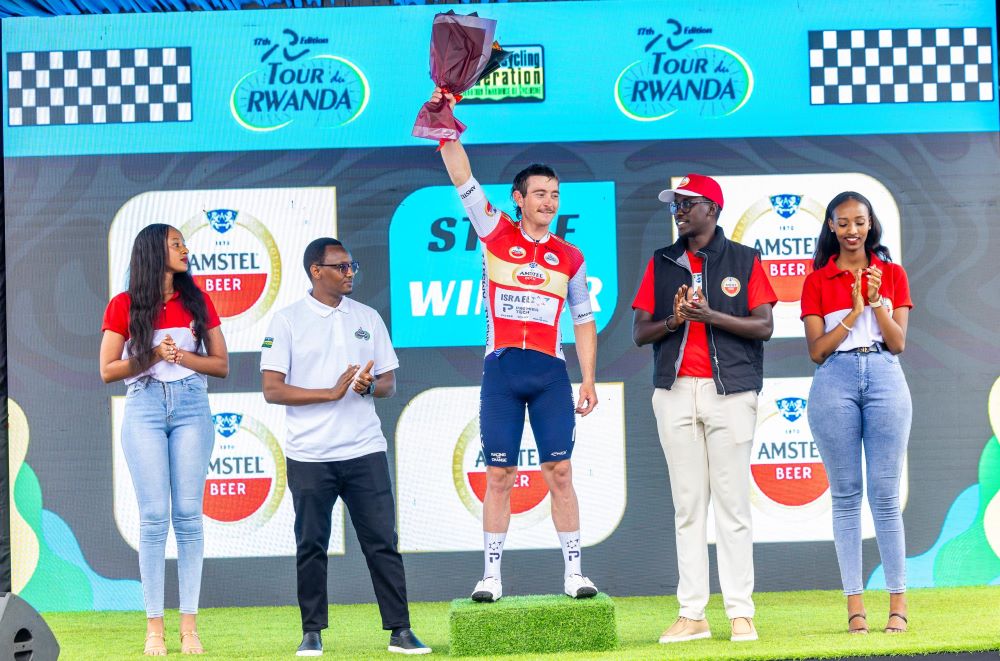
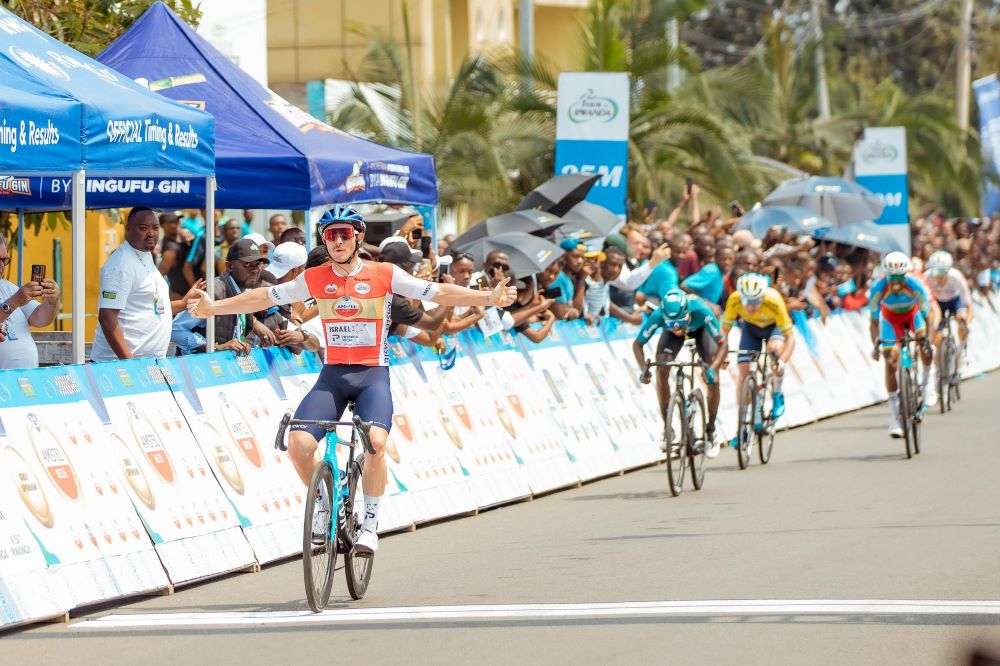
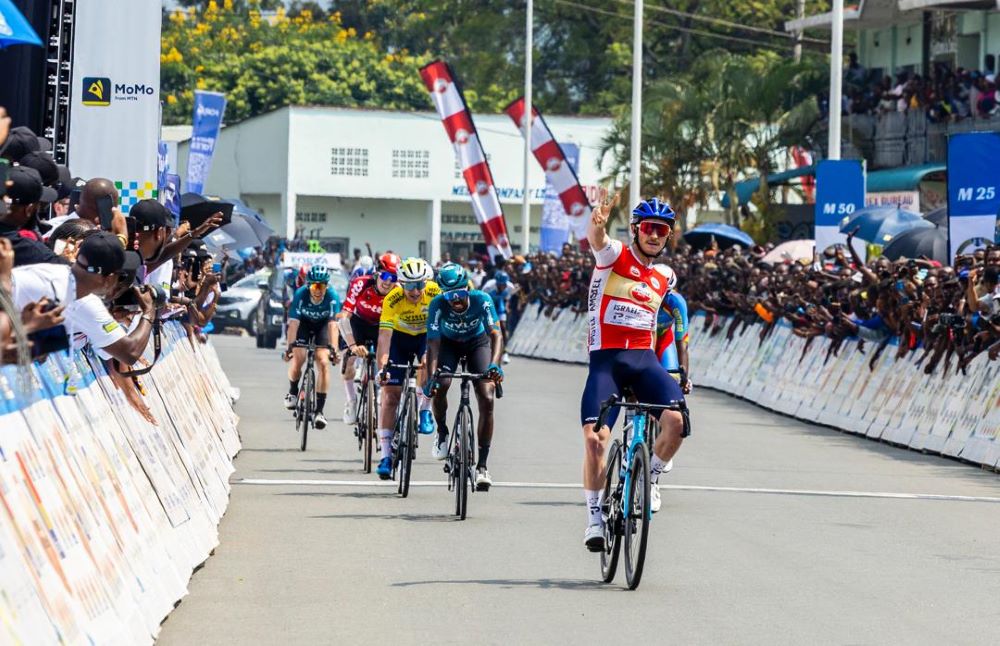
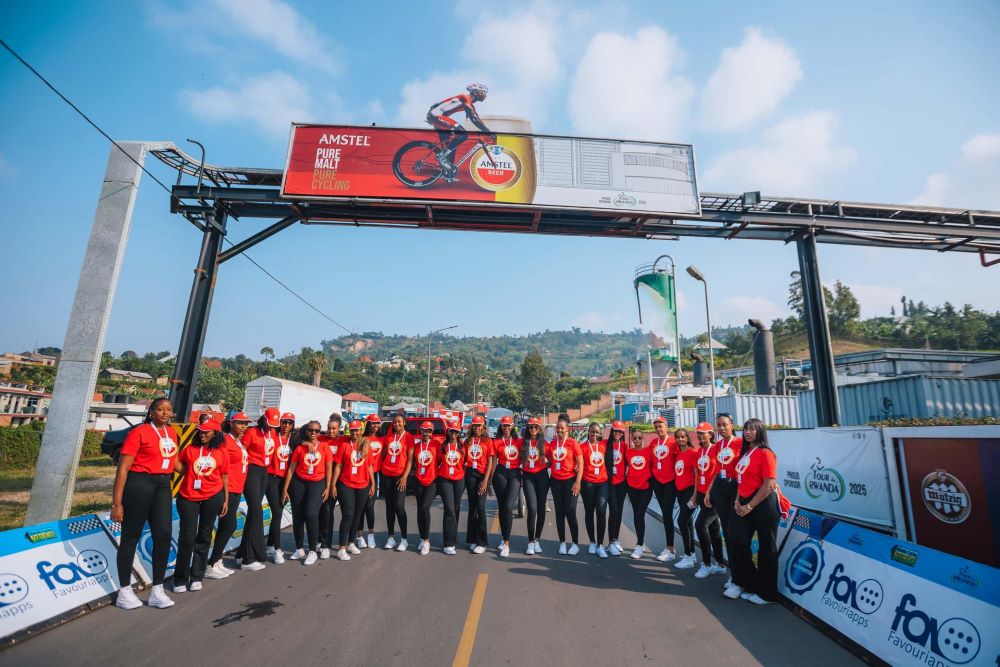
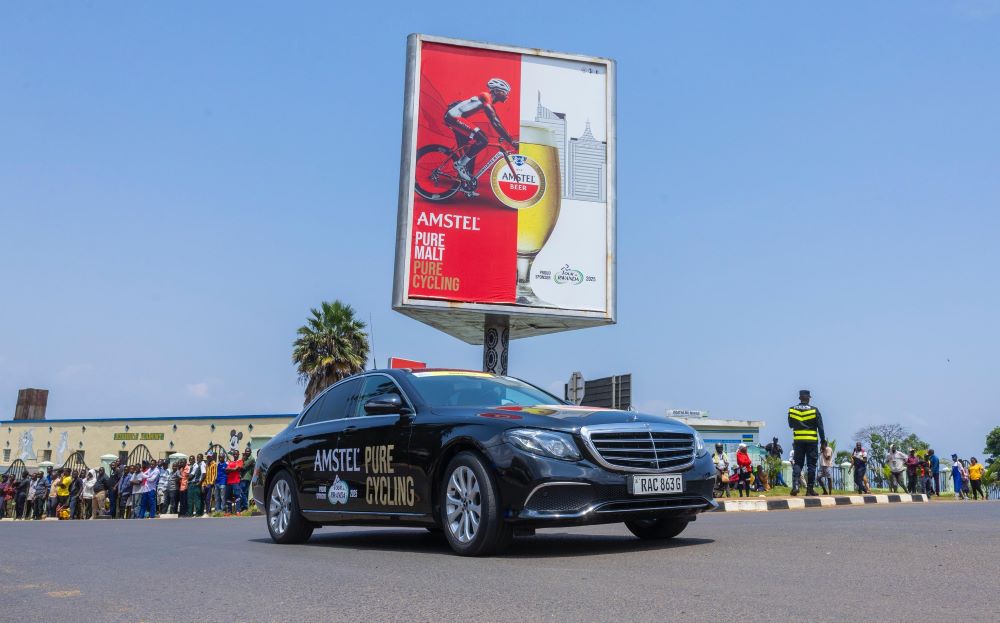
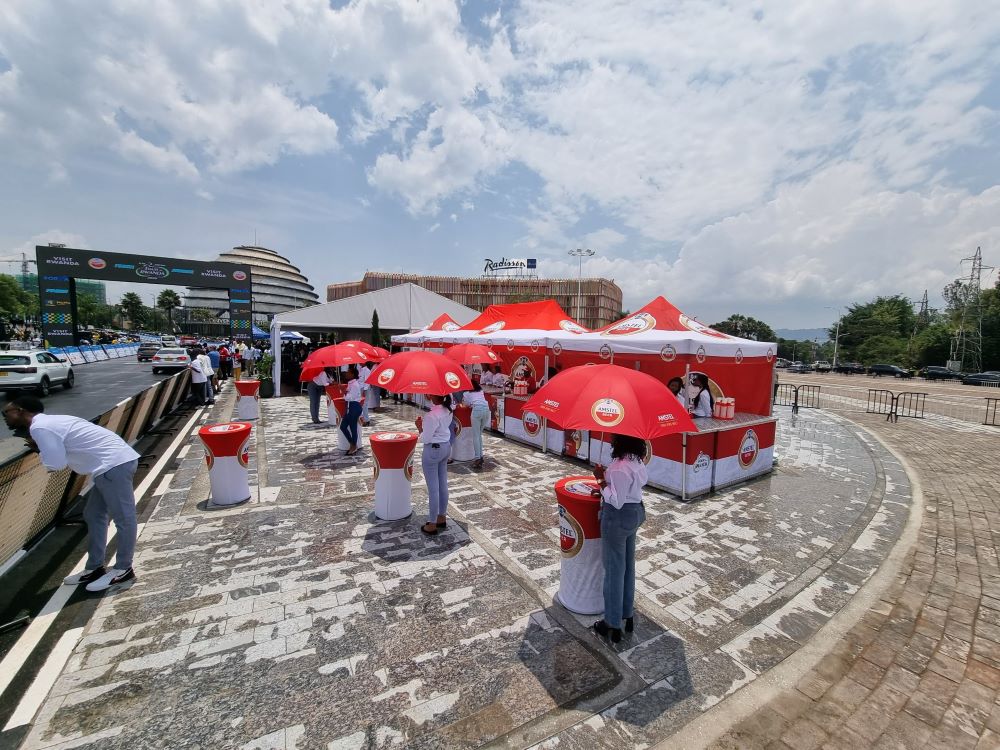
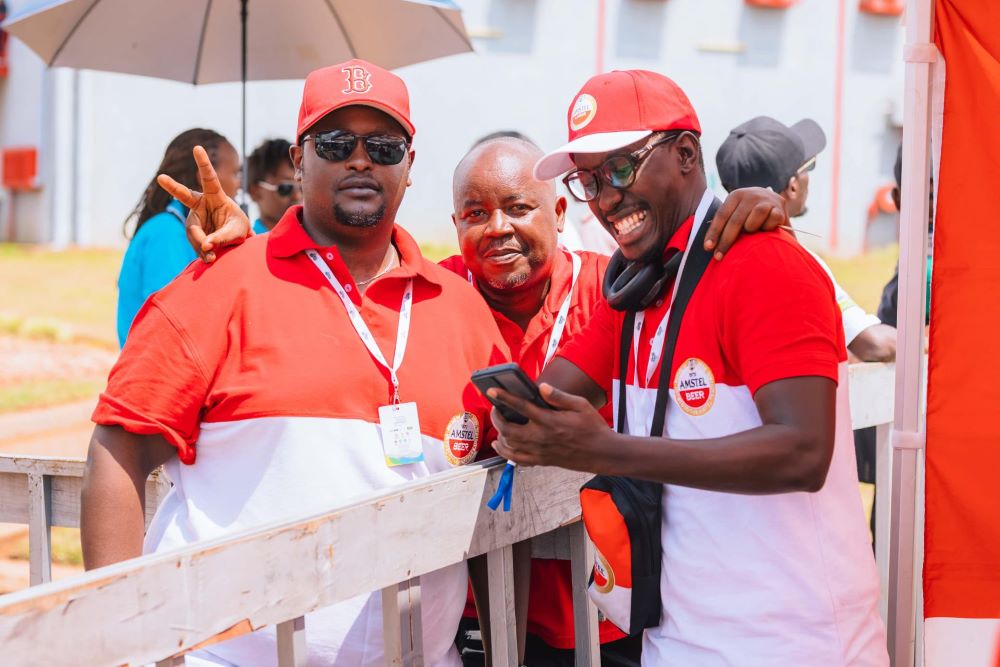
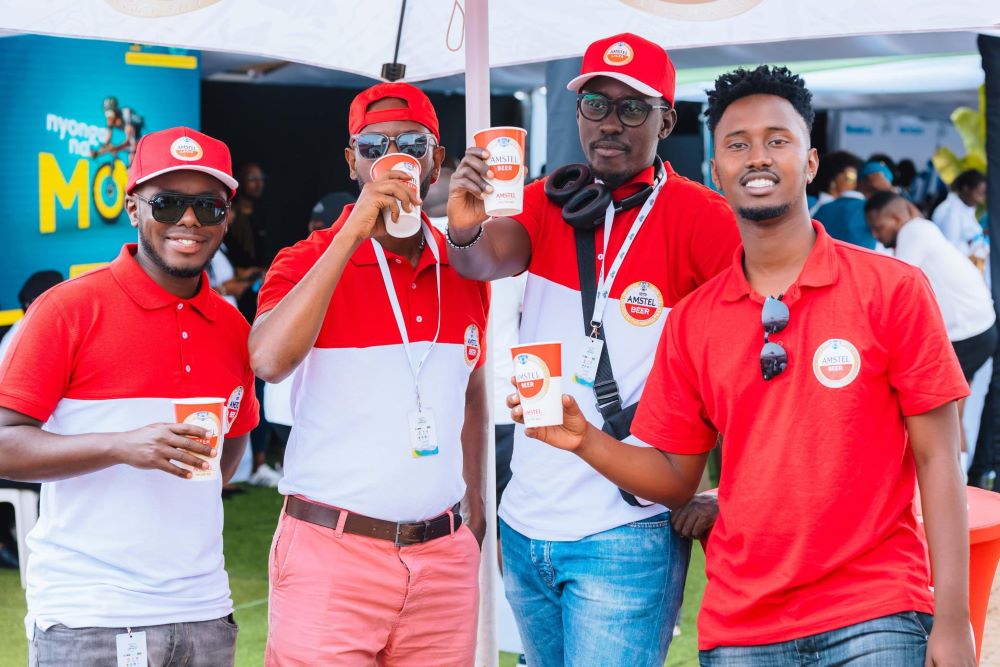
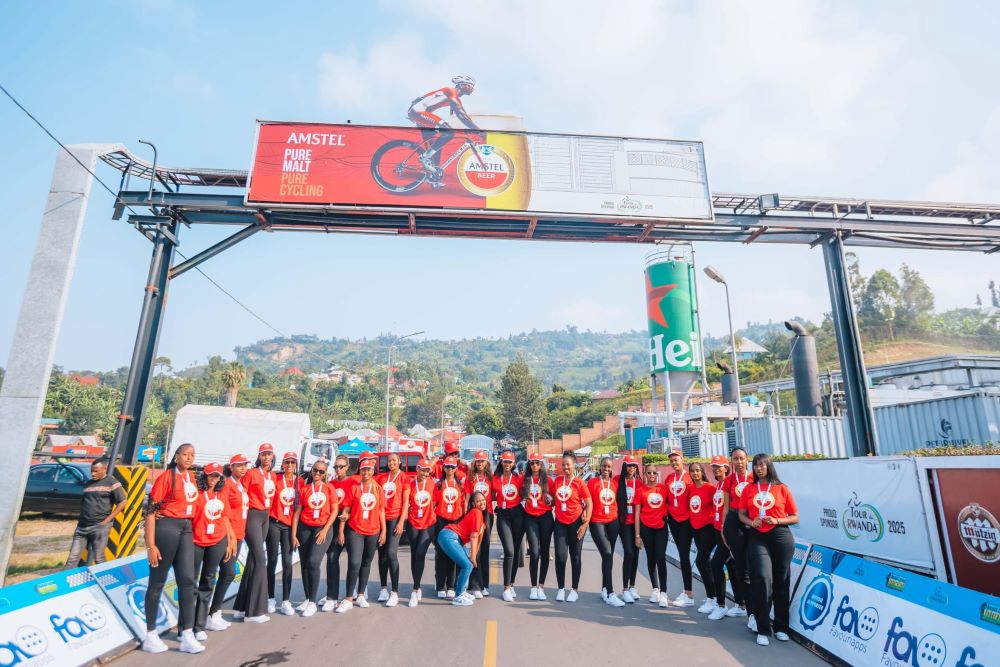
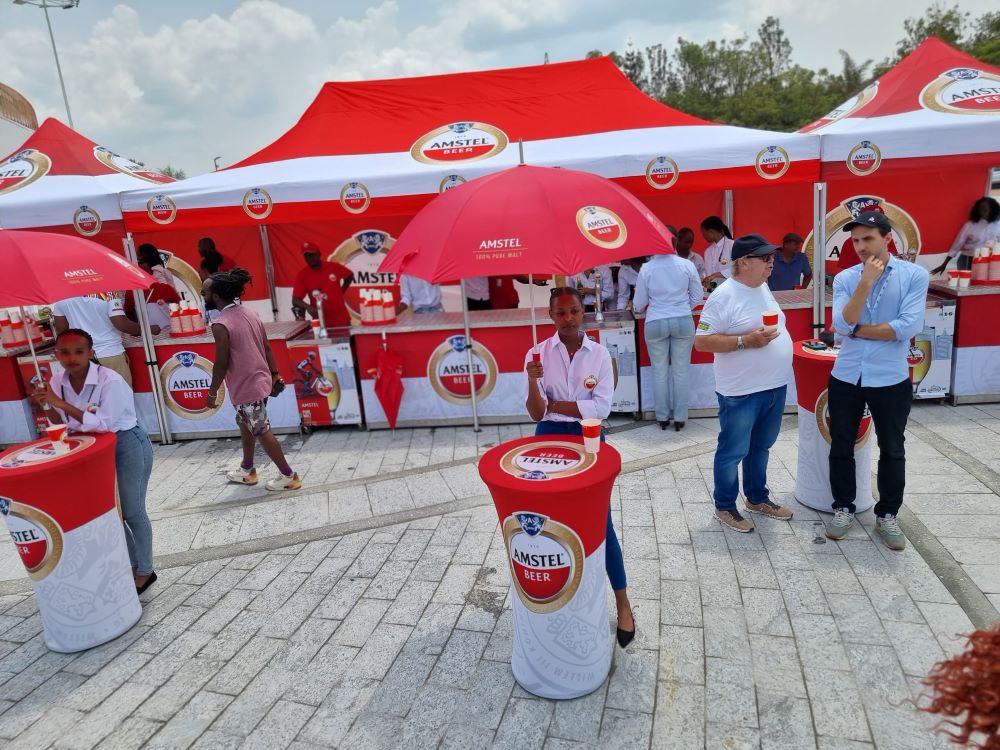
As usual, during this year’s race, Amstel organized accompanying events known as the “After Party,” adding excitement to the competition.
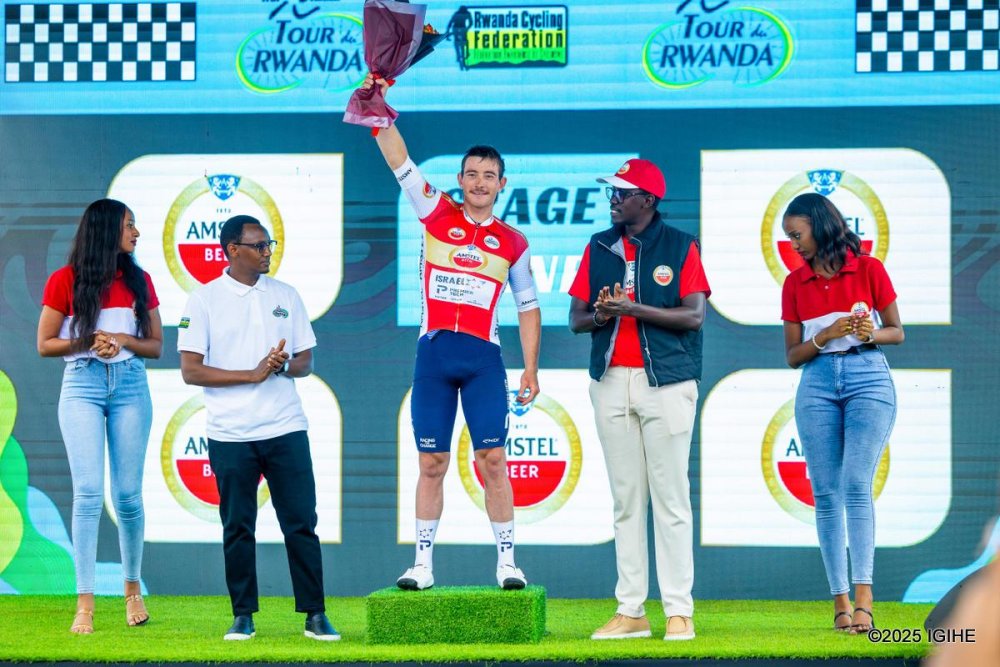
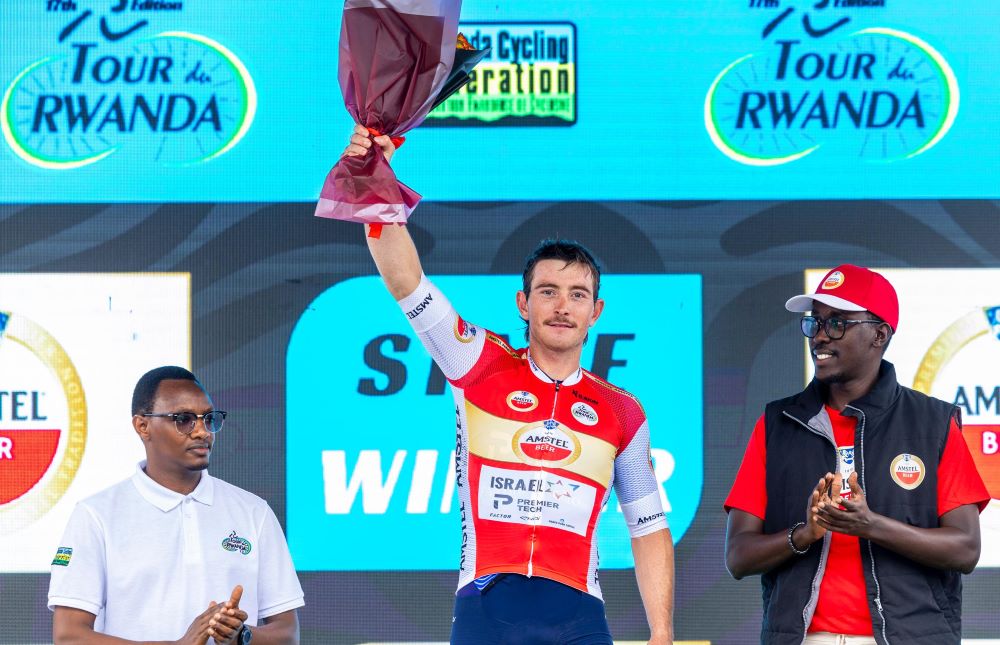
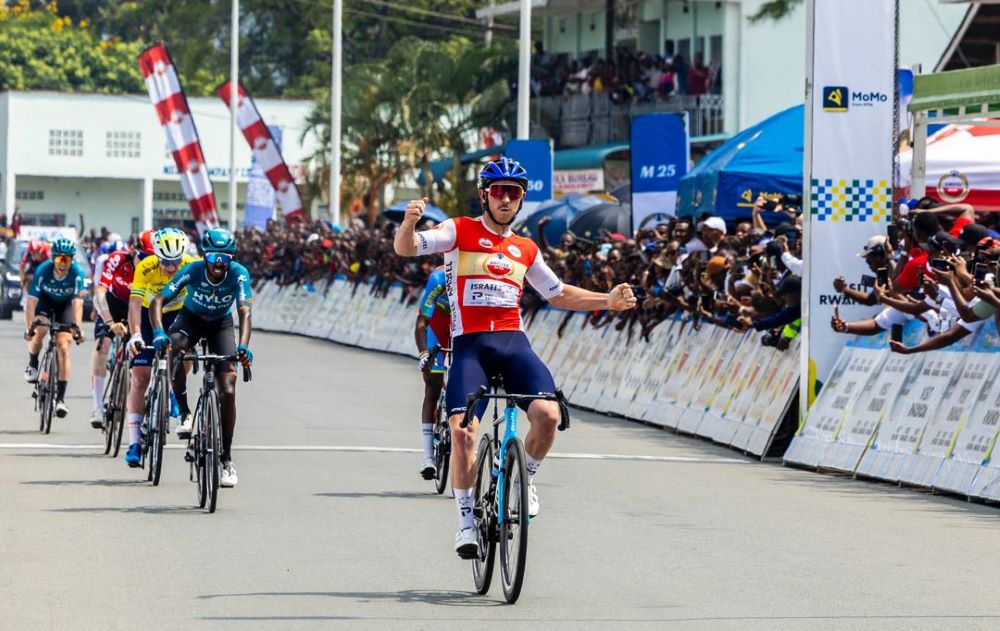
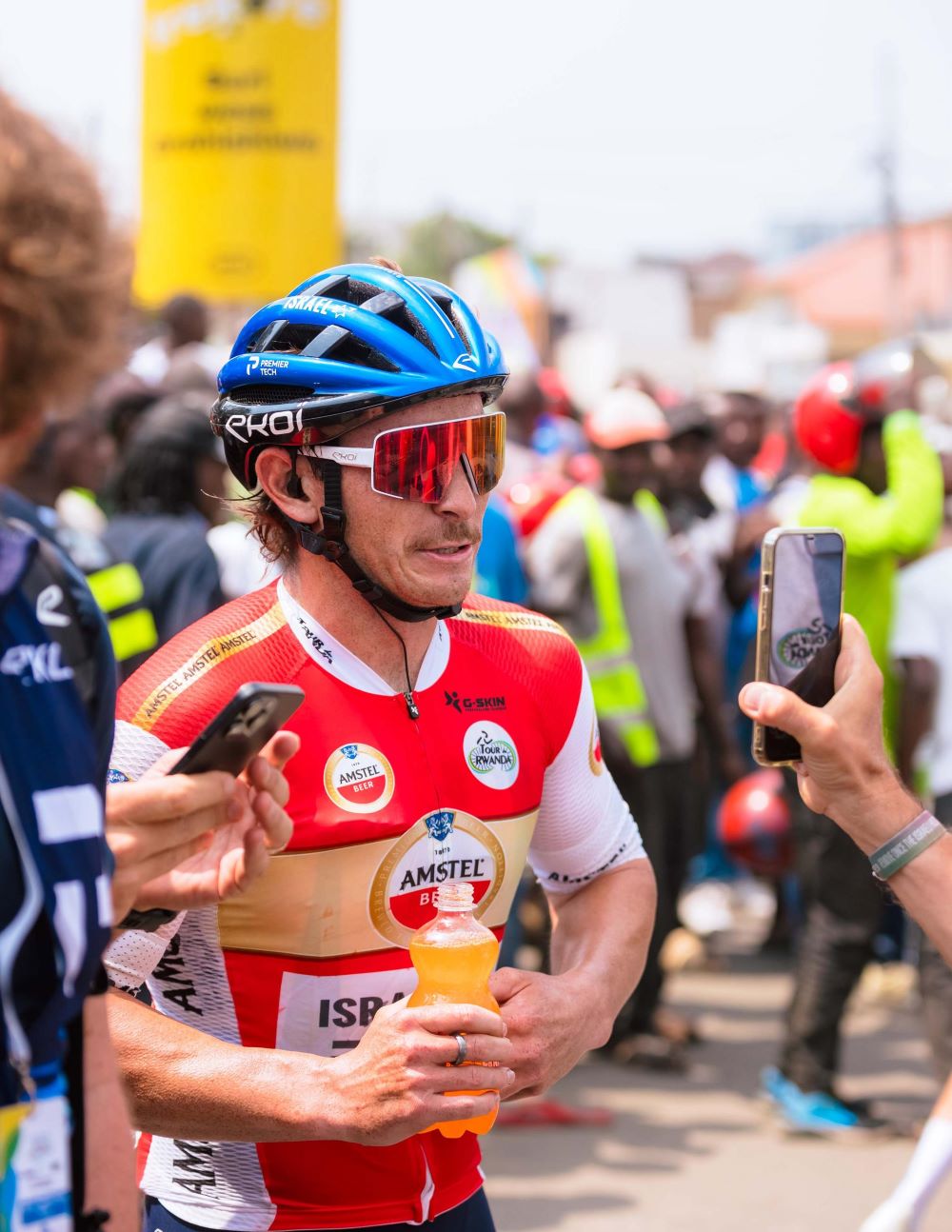
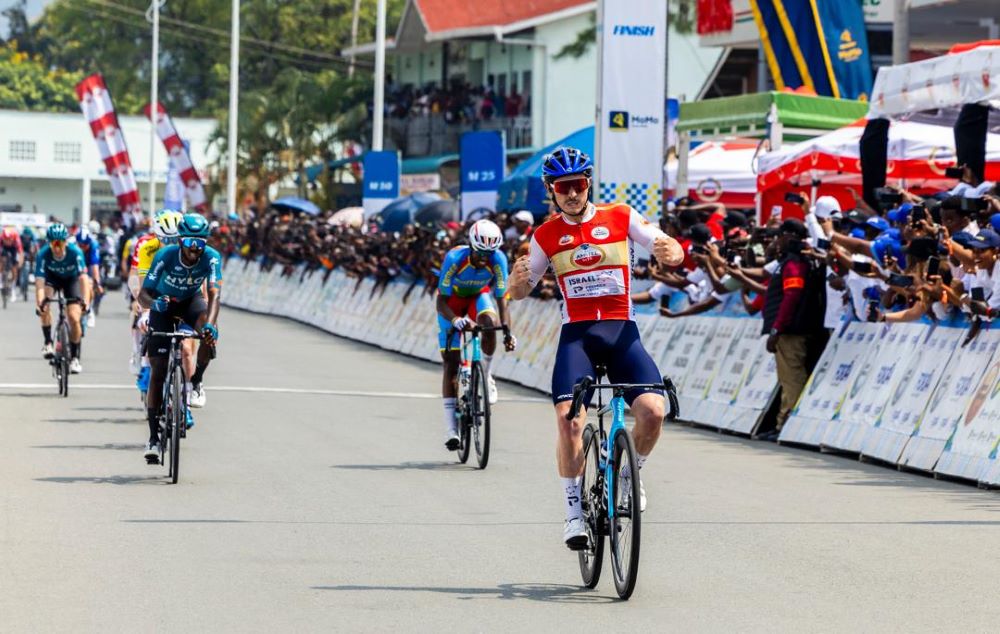
The 17th edition of the international cycling race concluded on Sunday, March 2, 2025, with French cyclist Fabien Doubey of Team TotalEnergies emerging as the overall winner.
Many attendees expressed their joy and appreciation for the festivities that accompanied the race.
Emmanuel Niyonkuru from Rubavu District shared his excitement about seeing Yampano, one of the most popular artists of the moment.
“I’m really happy. We got to enjoy a performance by Yampano, who is currently delivering amazing hits. We truly appreciate Amstel for bringing him to us for free,” he said.
Bruce Hirwa also praised these events, highlighting how they bring energy to the city.
“These concerts are fantastic. People spend the whole day on the streets watching the race, so in the evening, it’s great to have a place where we can relax and celebrate in a different way,” he said.
Bralirwa’s management stated that such activities bring joy to people and encourage social interaction, which aligns with Amstel’s mission and purpose. They also promised even more exciting activities for the next edition of the race.
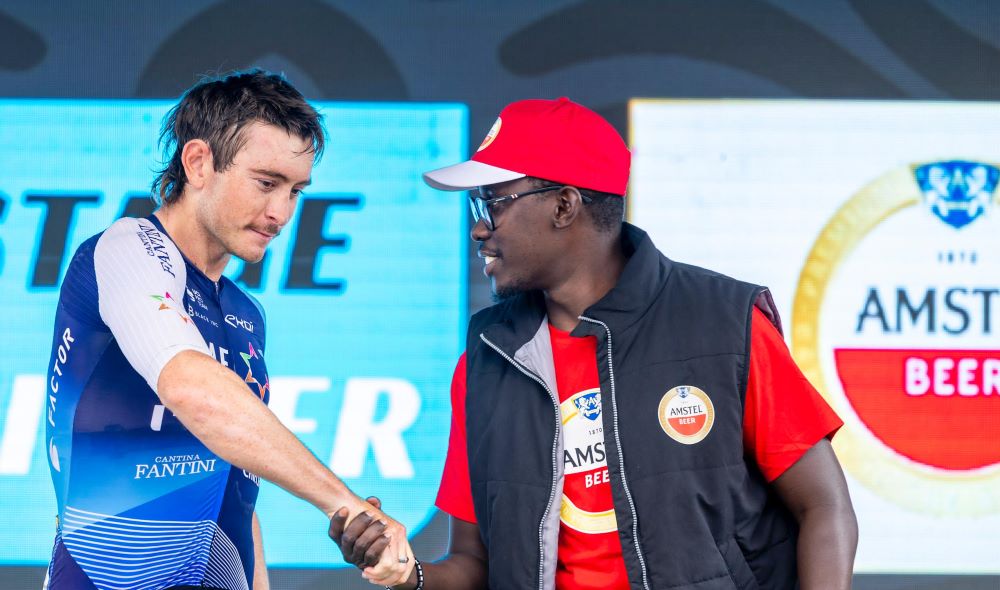
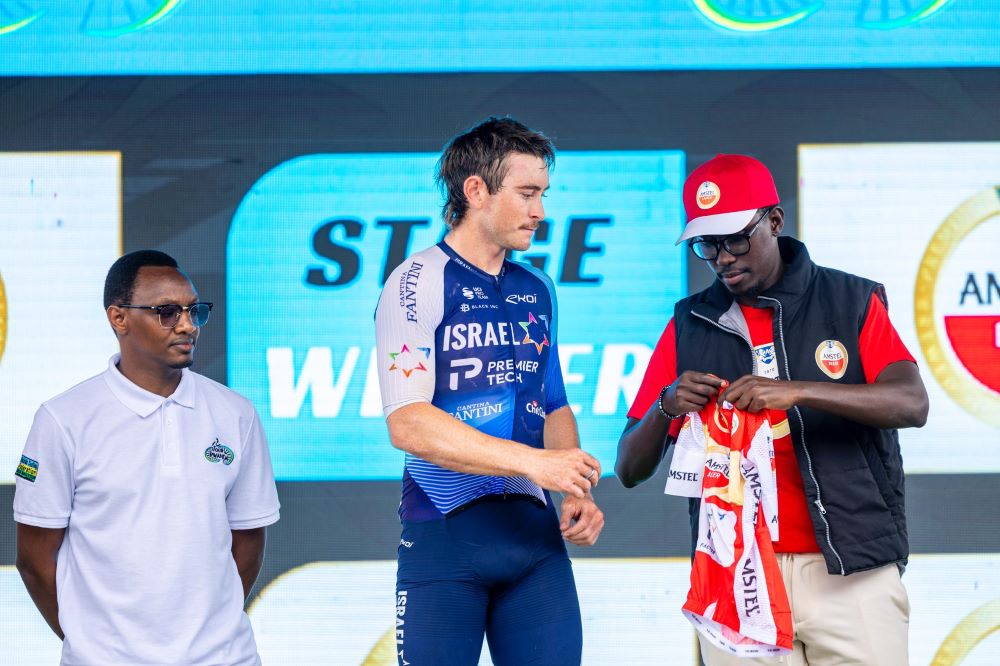
In addition to these events, Amstel also awards stage winners throughout the race.
The upcoming film, expected to be released by mid-2026, promises to deliver a powerful narrative focused on a young woman’s journey of self-discovery and empowerment amidst societal expectations and hidden family secrets.
Ntihabose’s previous work, Kinyarwanda, released in 2011, received international acclaim for its powerful portrayal of unity and reconciliation during the 1994 Genocide against the Tutsi.
The film highlighted acts of humanity, such as Muslims sheltering Christians in mosques and the struggles of those seeking refuge at Hôtel des Mille Collines, demonstrating the power of human connection in the face of tragedy.
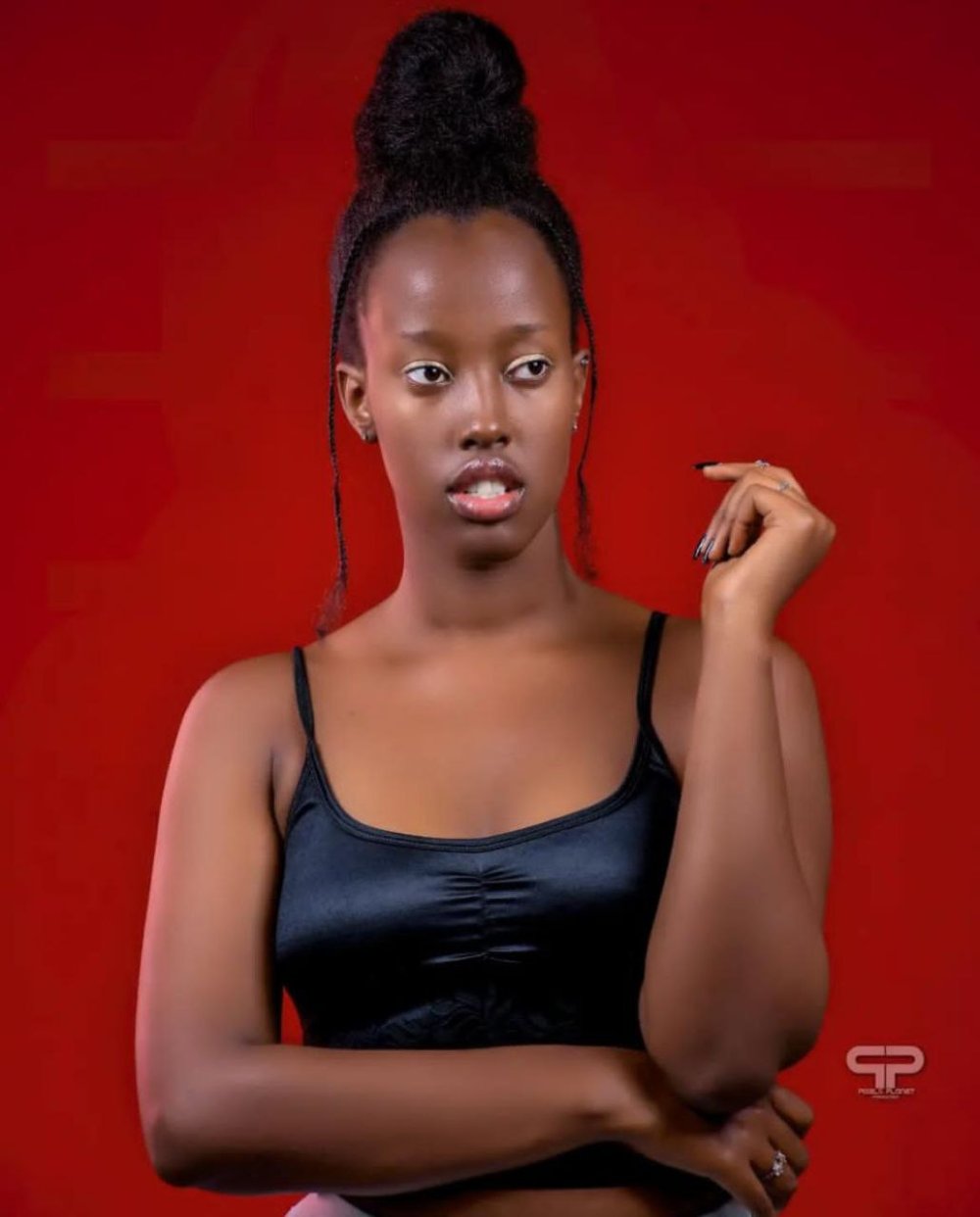
The Miss of The Country follows the story of Rose, a courageous young woman who challenges traditional norms by entering a prestigious national beauty pageant. Her pursuit of the crown becomes a catalyst for uncovering long-buried family secrets and reclaiming her identity. As Rose navigates the complexities of her past, she embarks on a transformative journey of self-discovery and empowerment.
The film boasts a talented cast, including renowned Rwandan actors Willy Ndahiro and Mazimpaka Jones Kennedy. Kanangire Laurene, known for her appearances in popular Rwandan music videos, will also feature prominently.
Casting is being led by Simon Iyarwema, a highly experienced industry professional whose impressive portfolio includes Shooting Dogs, Shake Hands with the Devil, Sometimes in April, Kinyarwanda, Petit Pays, Avenir, The Last King of Scotland, and Afrikanda. Additional cast members are currently being selected.
Celebrated musician Tom Close will contribute to the film’s soundtrack. Filming will take place across diverse and picturesque locations in Rwanda, including Kinigi in Musanze, Huye, and Kigali, showcasing the country’s natural beauty.
Upon completion, The Miss of The Country will be distributed on major international film networks.
Ntihabose’s return to filmmaking follows a six-year hiatus during which he pursued study and gained professional experience in Canada. He studied film and television at Collège André-Grasset and gained valuable industry experience working with Grandé Montréal (formerly Cinepool Canada), further honing his skills in international cinema.
With a compelling narrative and a talented cast and crew, The Miss of The Country promises to be another captivating film from Ishmael Ntihabose, expected to resonate with audiences worldwide.
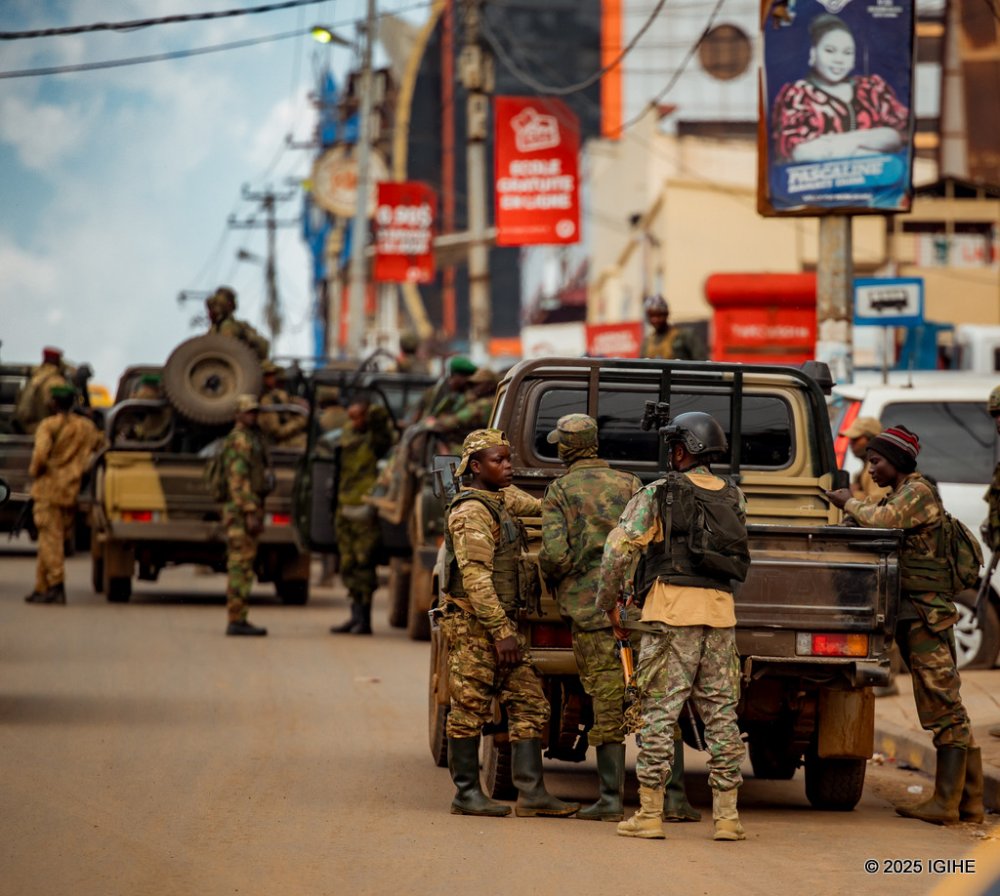
The Wazalendo fighters were sighted entering the city through the Camp TV area in Kadutu Commune on Monday morning. However, M23 forces quickly responded, forcing the Wazalendo fighters to retreat to the hills from which they had advanced within 20 minutes.
M23 has controlled Bukavu since mid-February after expelling Congolese government forces, including the Wazalendo fighters.
Since taking over the city, M23 has tightened security measures to enable residents resume their daily activities, including business operations.
To facilitate governance and security in Bukavu and the surrounding areas, M23 established a new administration for South Kivu province on February 28.
Emmanuel Birato Rwihimba was appointed Governor, while Dunia Masumbuko Bwenge will serve as Deputy Governor in charge of politics, administration, and legal affairs. Juvénal Bushinge Gasinzira was named Deputy Governor in charge of the economy, finance, and development.
M23’s leadership, which is part of the AFC rebel alliance, has in recent months intensified its offensive against President Félix Tshisekedi’s administration, which they accuse of discriminating against certain communities, particularly Kinyarwanda-speaking Congolese.
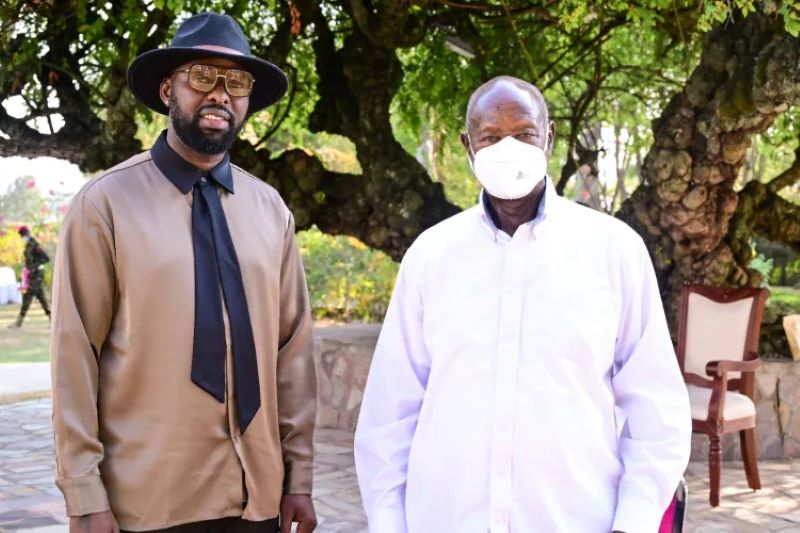
“When the tape recorders came, the main problem was recording someone’s song on the radio and multiplying it for economic gains. Now, this technology should be able to tell us who has played my song and where, or that what you have sung belongs to another person,” President Museveni stated.
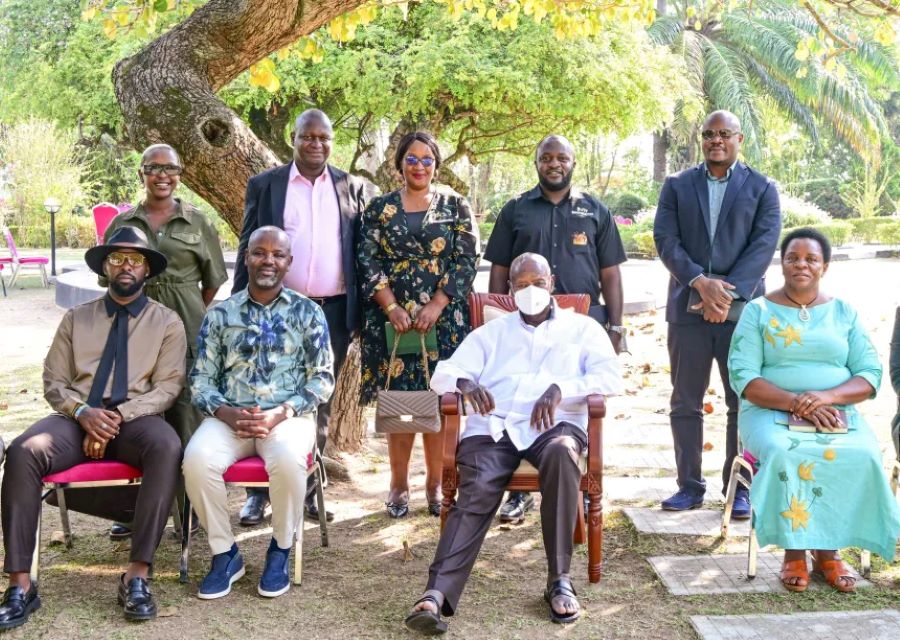
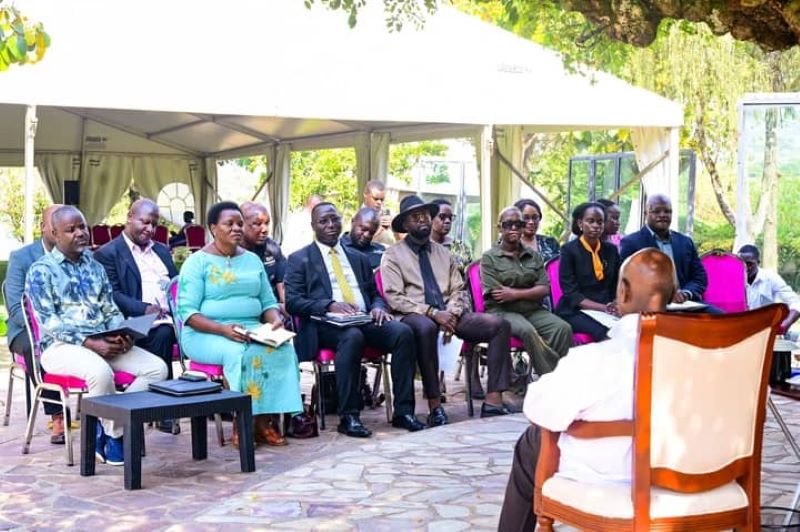
The announcement was made during a meeting held last week in Rwakitura, attended by Deputy Speaker of Parliament Rt. Hon. Thomas Tayebwa, Minister of State for Gender and Culture, Hon. Peace Mutuuzo, and a delegation of musicians led by Eddy Kenzo, Senior Presidential Advisor for Creatives and President of the Uganda National Musicians Federation (UNMF).
President Museveni expressed satisfaction that the copyright management system has been developed to address emerging challenges in copyright protection and safeguard content creators’ rights.
The integrated system will allow creatives to register their works, monitor their usage, and receive payments for their content where applicable.
According to Dr. Joel Isabirye, Principal Development Economist at State House, musicians will register their songs, and licensed venues that play their music will be monitored by the system.
Businesses using music for entertainment, such as bars and hotels, will be required to contribute a fee, ensuring artists are compensated for their work.
“Every business that plays music for entertainment charges people to get entertained. If a bar plays Afrigo Band music, customers pay for the experience. The President and artists believe that musicians should receive a share of the revenue since their work is being used to generate income,” Isabirye explained.
Similarly, media houses will also be expected to compensate musicians for the value their music brings to radio and television stations.
“Stations that play 100% local music attract advertisements because audiences tune in for artists like Sheebah Karungi and Juliana Kanyomozi. Musicians don’t want all the advertising revenue, but they seek a fair percentage for their contribution,” Isabirye added.
To enforce compliance, bars and entertainment venues will be required to install a monitoring device as a licensing condition under the Ministry of Local Government.
The system will track music usage, and attempts to tamper with the device will trigger alerts. The Uganda Communications Commission (UCC) and Uganda Police will oversee enforcement, ensuring that all entertainment venues comply.
“This is about cooperation, and the payments will be reasonable, just a way to acknowledge that businesses use musicians’ work to generate revenue. If a bar or media house fails to comply, the system will flag them, and UCC will take action,” Isabirye noted.
For years, Ugandan musicians have struggled to benefit fairly from their work due to weak copyright laws. The new system will distribute revenue based on song play frequency rather than artist popularity.
For example, if a bar, radio, or TV station contributes Shs.1 million as a licensing fee, an artist whose song is played 60 times will receive 60% (Shs. 600,000), while the remaining Shs. 400,000 will be shared among other artists based on airplay.
“Many musicians face financial struggles when their careers decline. With this system, artists will continue to earn from their past work, even in retirement or ill health. Their families and future generations will also benefit from royalties,” Isabirye emphasized, thanking President Museveni for supporting the initiative.
The meeting was attended by UNMF members and the State House science team, led by Engineer Sheba Kyobutungi, among others.
The initiative is expected to attract compliance and collaboration from regulatory agencies, including UCC, Uganda Police, Uganda Revenue Authority, and the Ministry of Local Government.