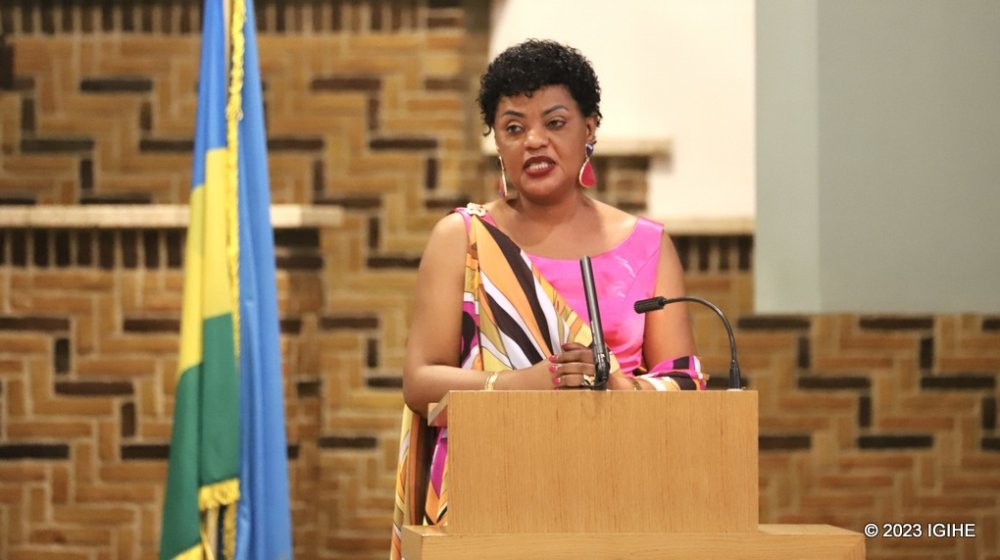
Rwanda’s Minister of Foreign Affairs and International Cooperation, Olivier Nduhungirehe, announced her passing on Sunday, March 2, 2025.
“I am heartbroken by the untimely passing of Ms. Safari Christine, Chairperson of Ibuka Netherlands. I offer my deepest condolences to her husband, Léon, and to her children,” Minister Nduhungirehe wrote in a heartfelt message on X.
“Christine, you fought a good fight for memory, reconciliation, and against genocide denial. As a former Ambassador of Rwanda to the Netherlands, who had the privilege to work with you, I will forever be grateful for your friendship, your courage, your perseverance, and your tremendous achievements,” he added.
“May your soul rest in eternal peace, together with that of our loved ones you dedicated your life to.”
Through collaboration with the Embassy of Rwanda in the Netherlands and Ibuka in the country, Christine played a huge role in initiatives such as commemorating the Genocide against the Tutsi, supporting vulnerable genocide survivors, and advocating for justice.
Ibuka-Netherlands has been instrumental in identifying and bringing to justice those responsible for the Genocide against the Tutsi.
Additionally, Christine championed efforts to secure the Dutch government’s support for constructing a Genocide memorial to serve as a site for remembrance.
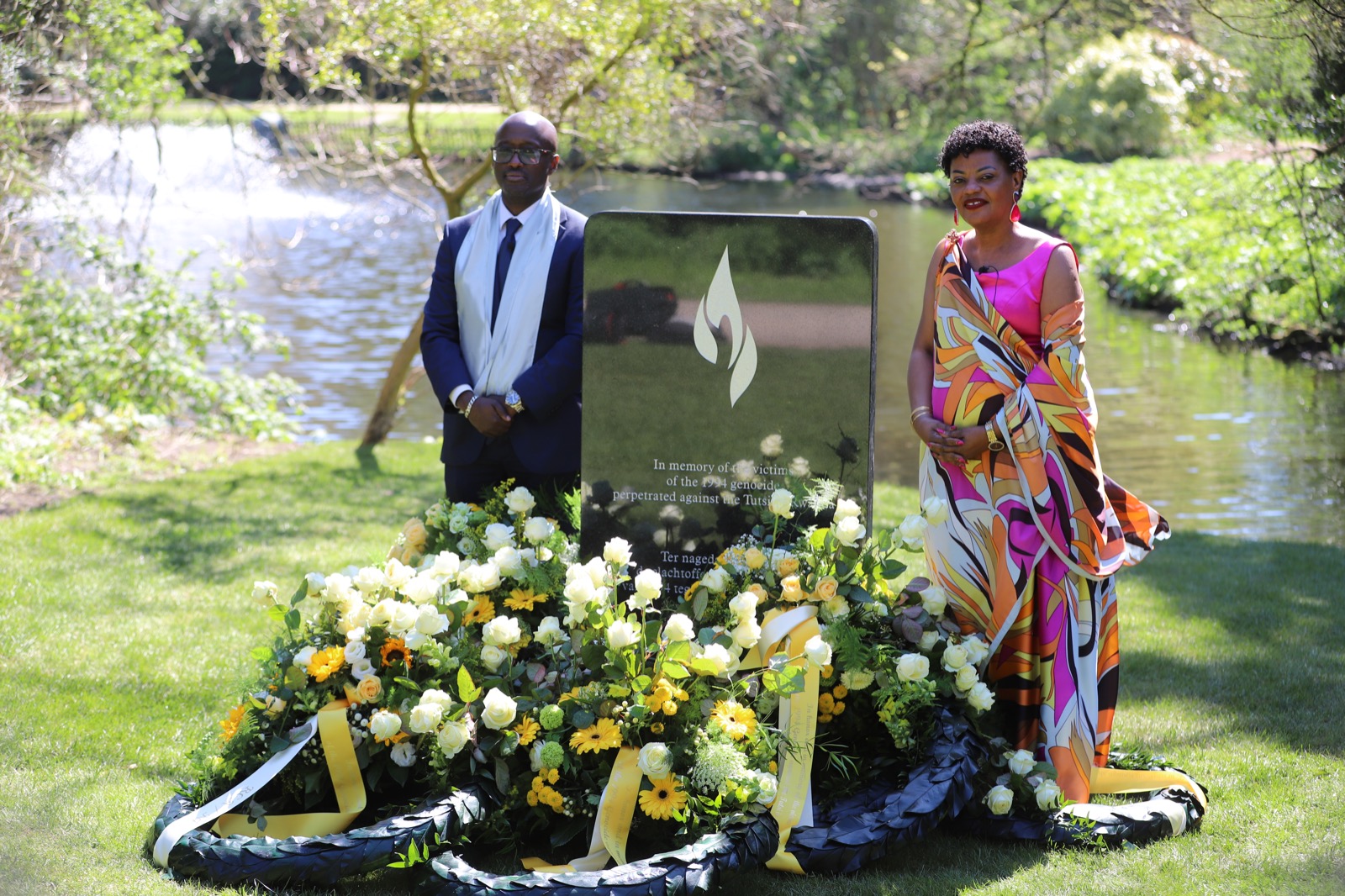
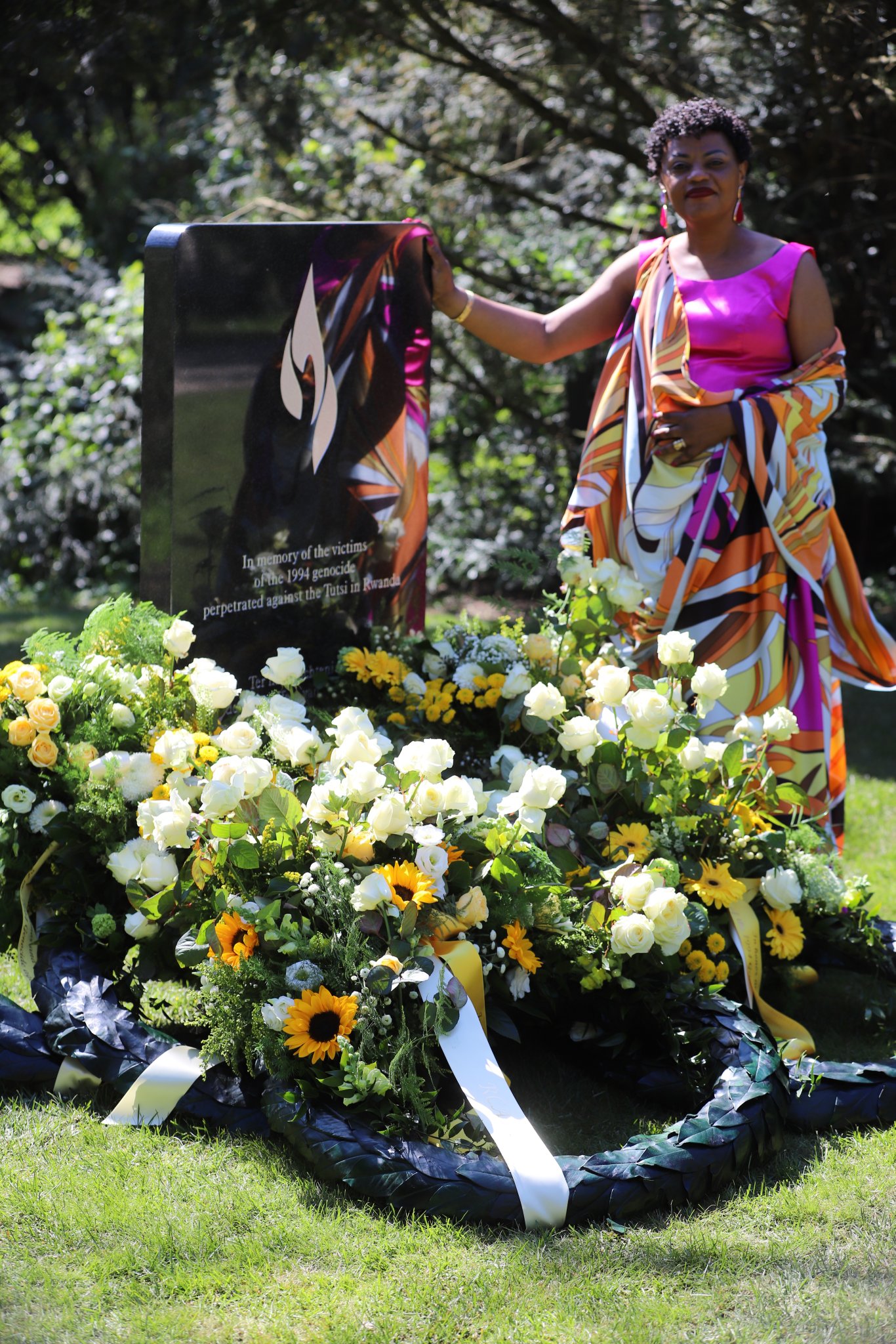
As a result of her advocacy, on April 19, 2023, a memorial for the Genocide against the Tutsi was inaugurated in the Netherlands.
At the time, she emphasized the significance of the memorial for herself, fellow genocide survivors, and anyone concerned with this history, highlighting its global importance.
“This memorial will help counter genocide denial and serve as an educational resource. It will be a place where we can find solace and remember our loved ones,” she stated.
“This is a major milestone for Ibuka-Netherlands. The Netherlands was the last country in Western Europe without a memorial for the Genocide against the Tutsi, despite having significantly contributed to justice efforts.”
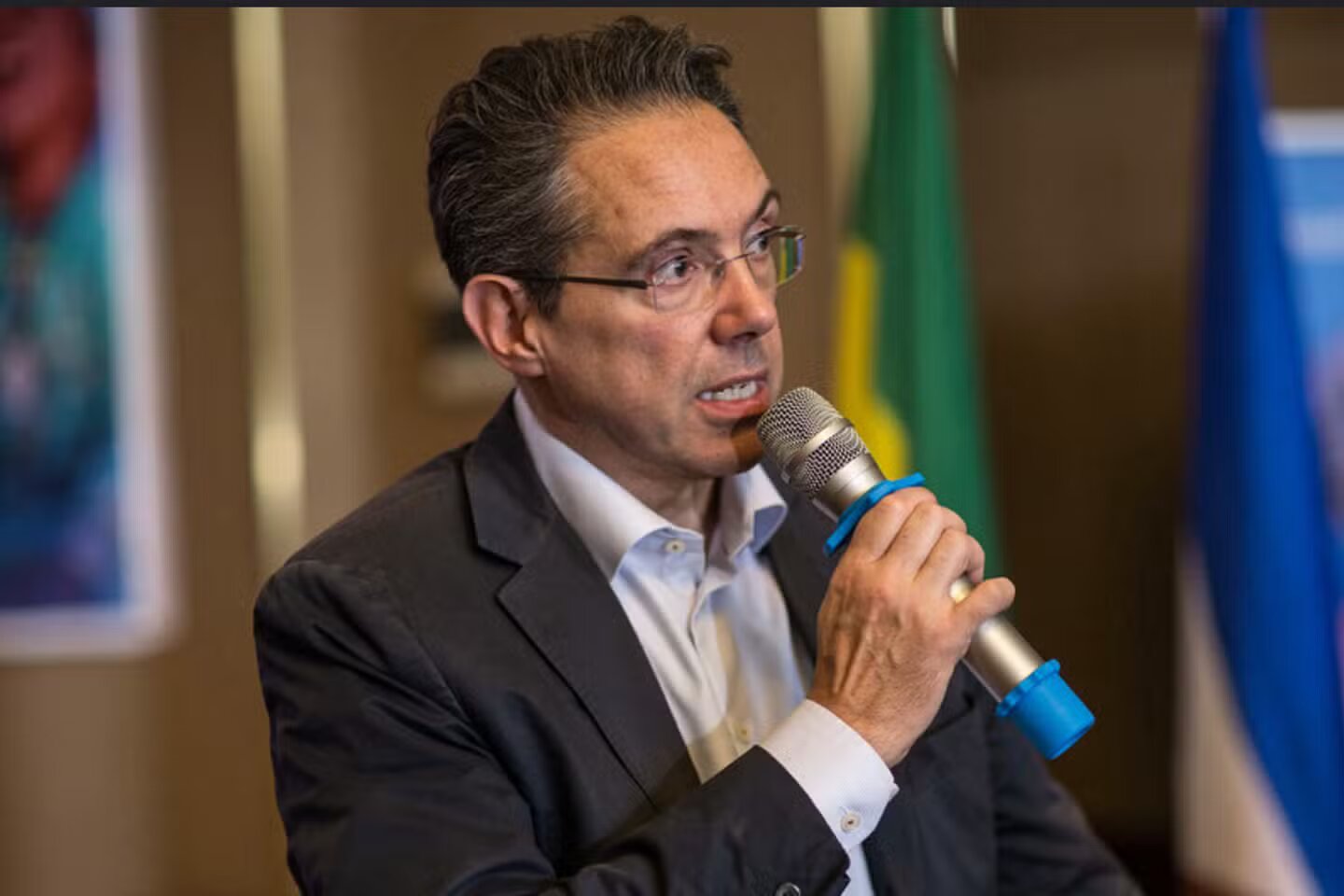
The envoy made the remarks in a statement released after completing his diplomatic visit to Rwanda, where he held high-level discussions with government officials and international partners regarding the crisis in eastern DRC.
During his visit to Rwanda, Borgstam met with President Paul Kagame, Minister of Defence Juvenal Marizamunda, and Gen. (Rtd.) Kabarebe, Minister of State for Foreign Affairs in Charge of Regional Cooperation.
Borgstam expressed concern over the escalation of conflict in eastern Congo, particularly the war involving M23 and Congolese coalition forces, including the FDLR militia, which consists of remnants of the perpetrators of the 1994 Genocide against the Tutsi in Rwanda.
Addressing Rwanda’s concerns about the genocidal group that continues to threaten its security, Borgstam stressed that the apprehensions must be respected. He also noted that the ethnic persecution of communities, particularly the Kinyarwanda-speaking Congolese in the east—which constitutes a central grievance of M23—must be addressed.
“We reiterate the responsibility of the DRC government to dismantle the FDLR militia. Additionally, we strongly condemn the rise of ethnic hate speech, which must be addressed by all governments in the region,” he stated.
At the same time, the EU reaffirmed its support for African-led peace initiatives, stressing that there is no military solution to the crisis.
“We welcome the outcome of the EAC-SADC summit of February 8 and encourage all parties to engage in constructive dialogue,” Borgstam stated.
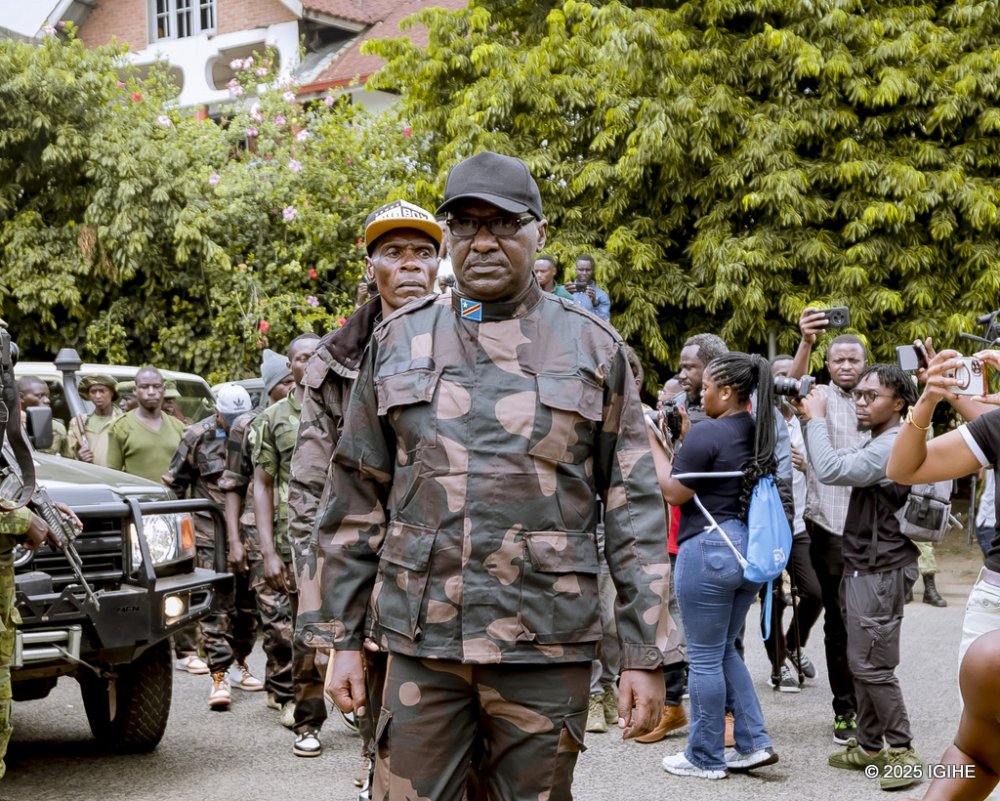
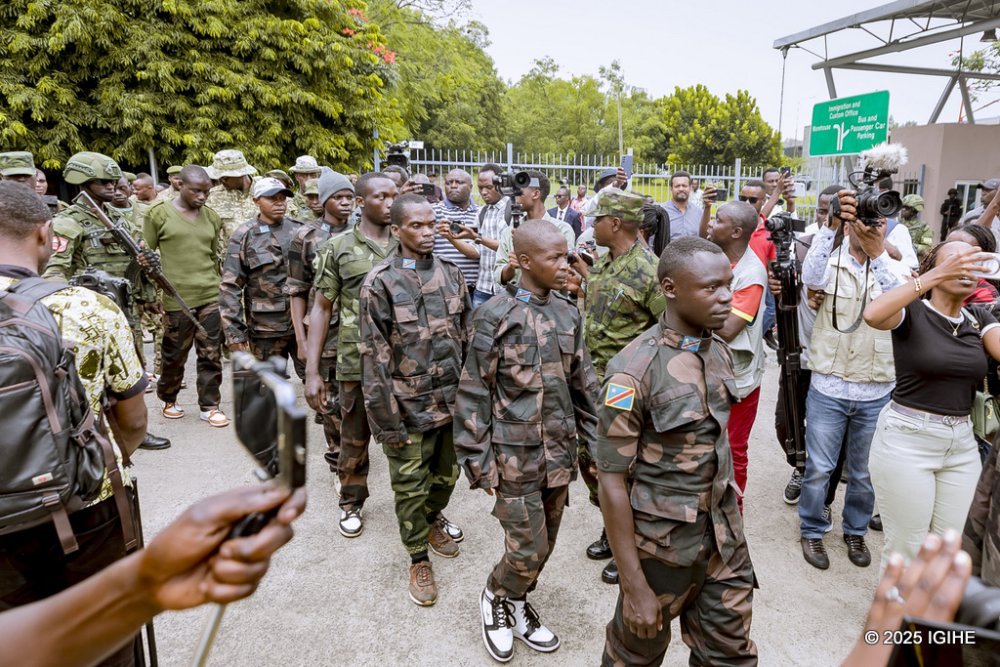
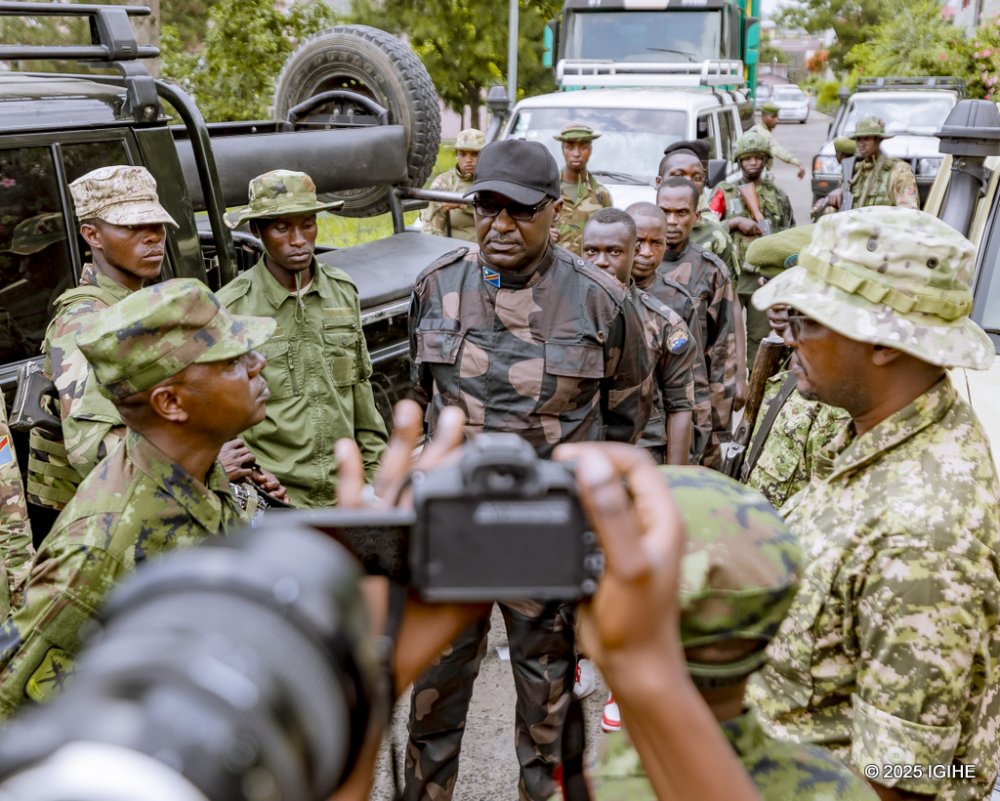
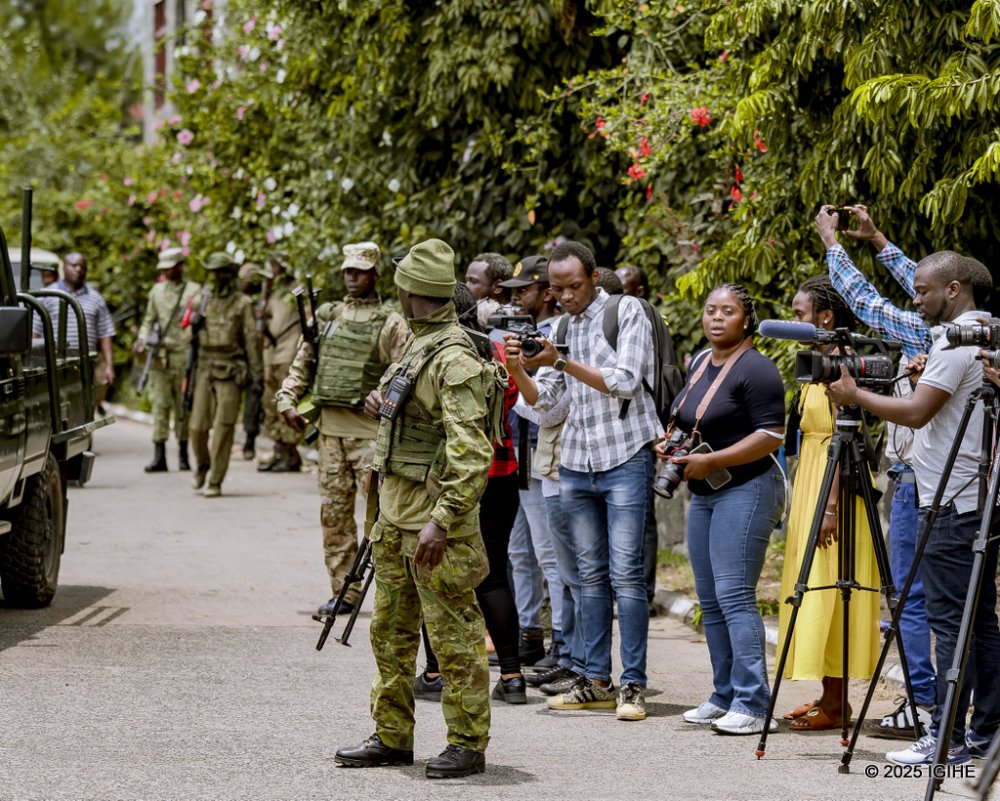
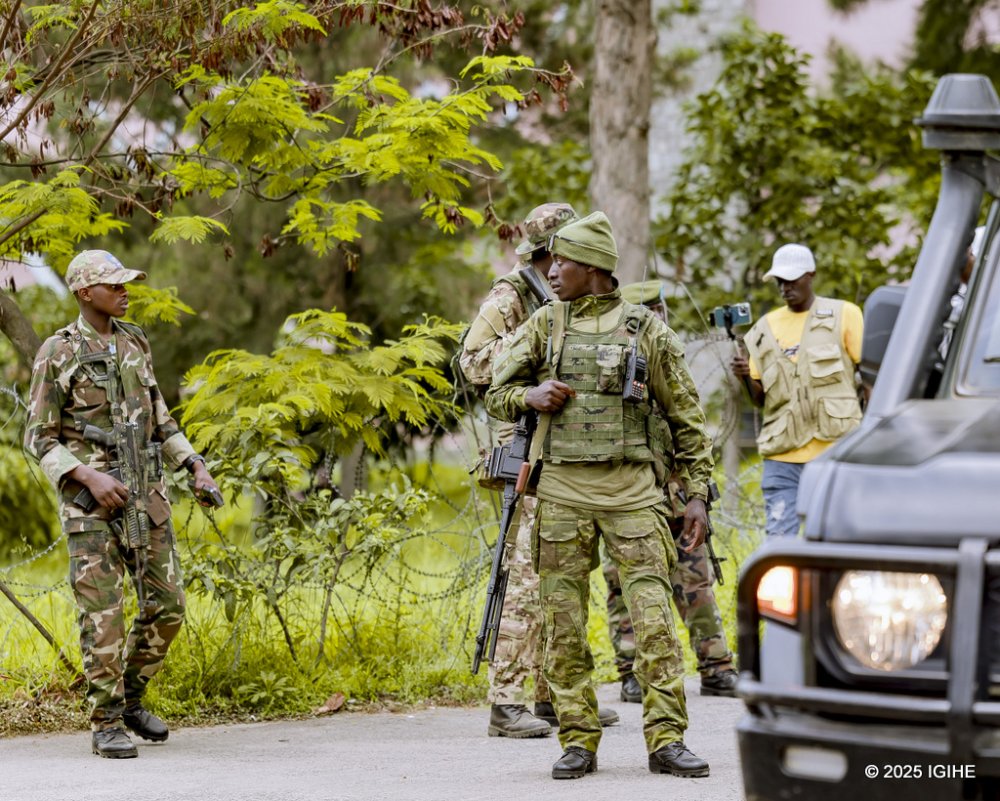
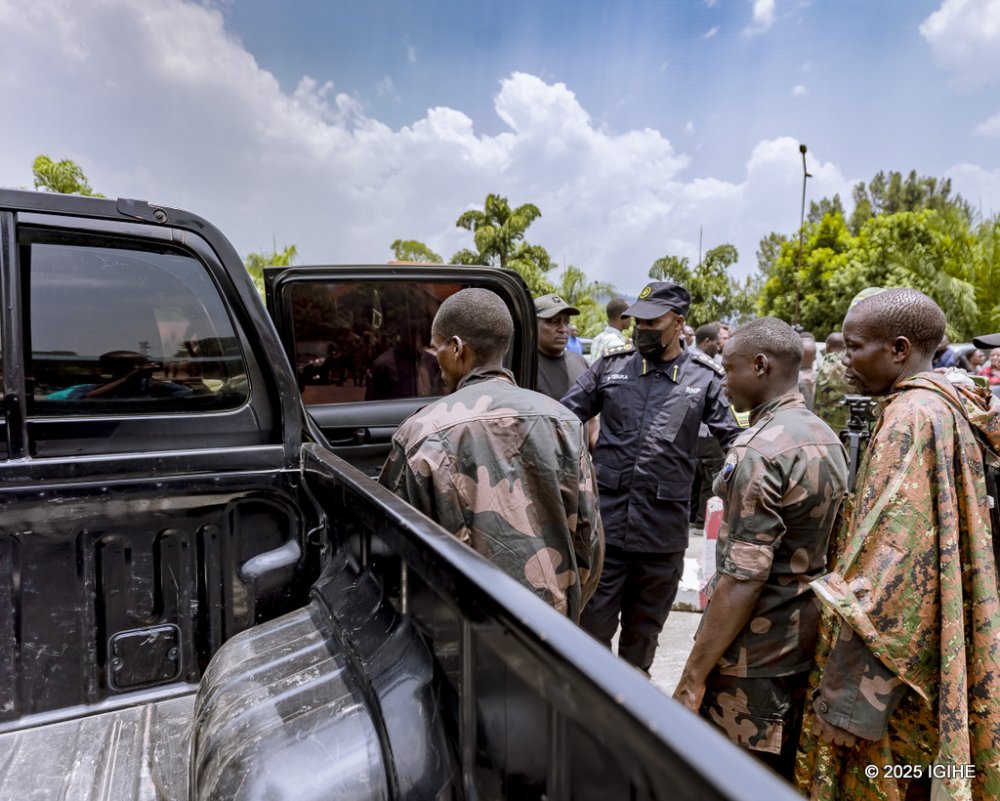
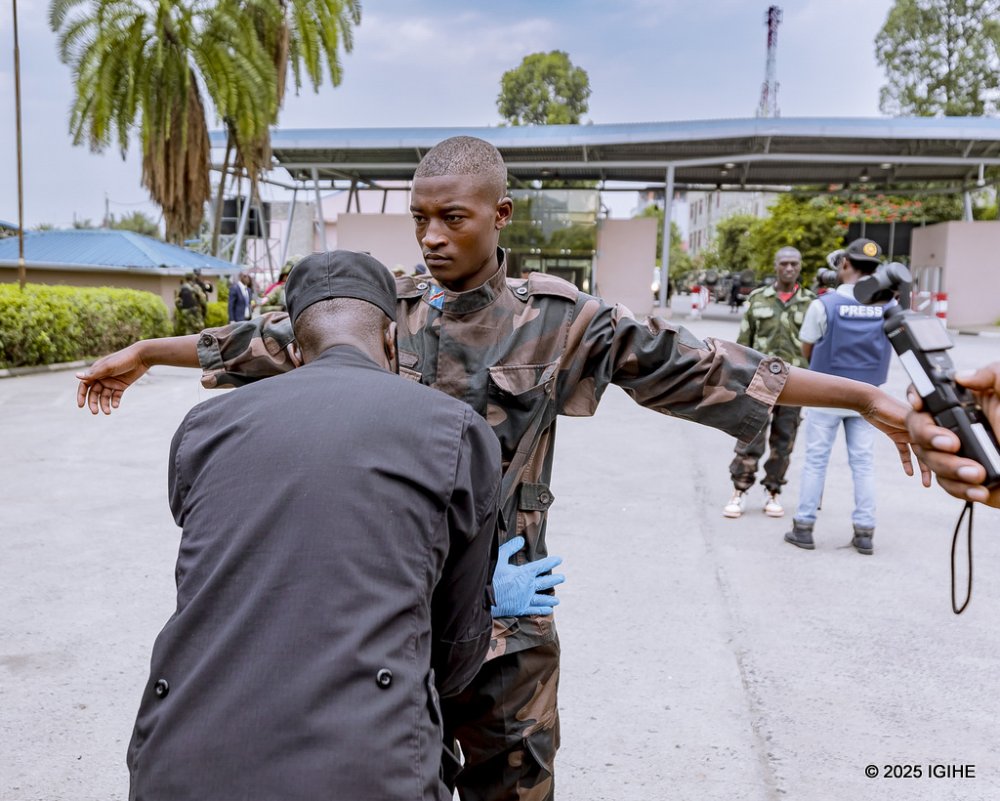
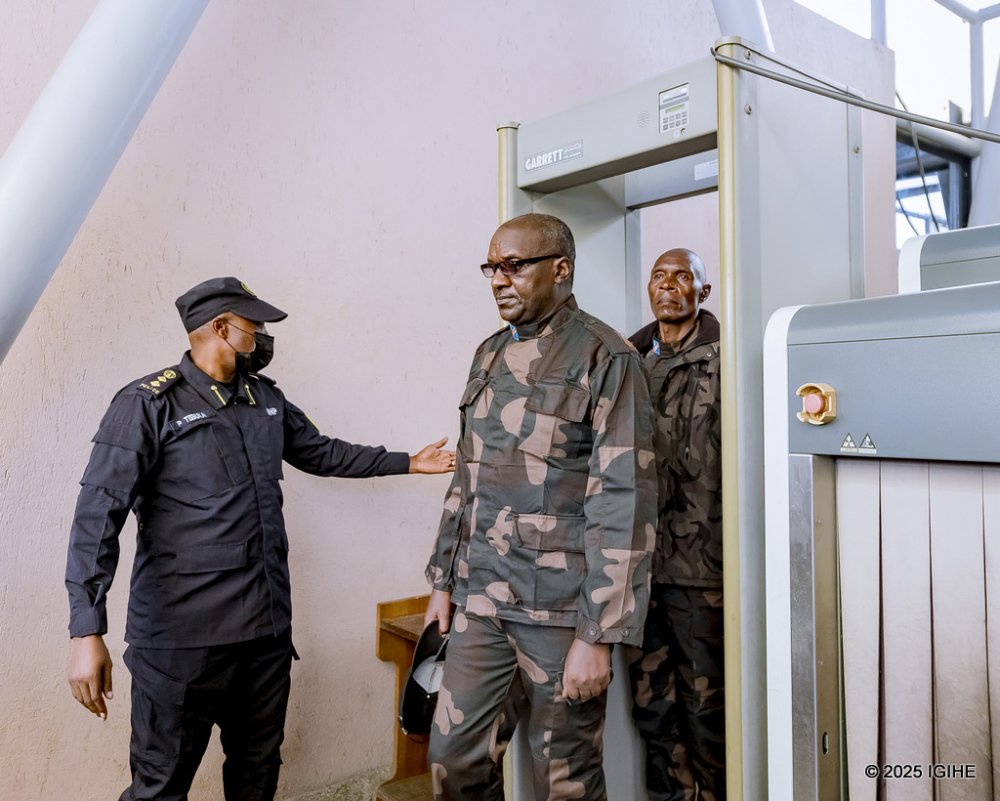
Borgstam’s remarks on the FDLR come even as the M23 rebel group, which recently captured Goma and Bukavu, handed over Brigadier General Gakwerere Ezechiel, a senior member of the DRC-based FDLR genocidal militia, along with 13 other fighters, to Rwandan authorities on Saturday, March 1.
Among those transferred were senior FDLR officer Major Ndayambaje Gilbert and several junior fighters.
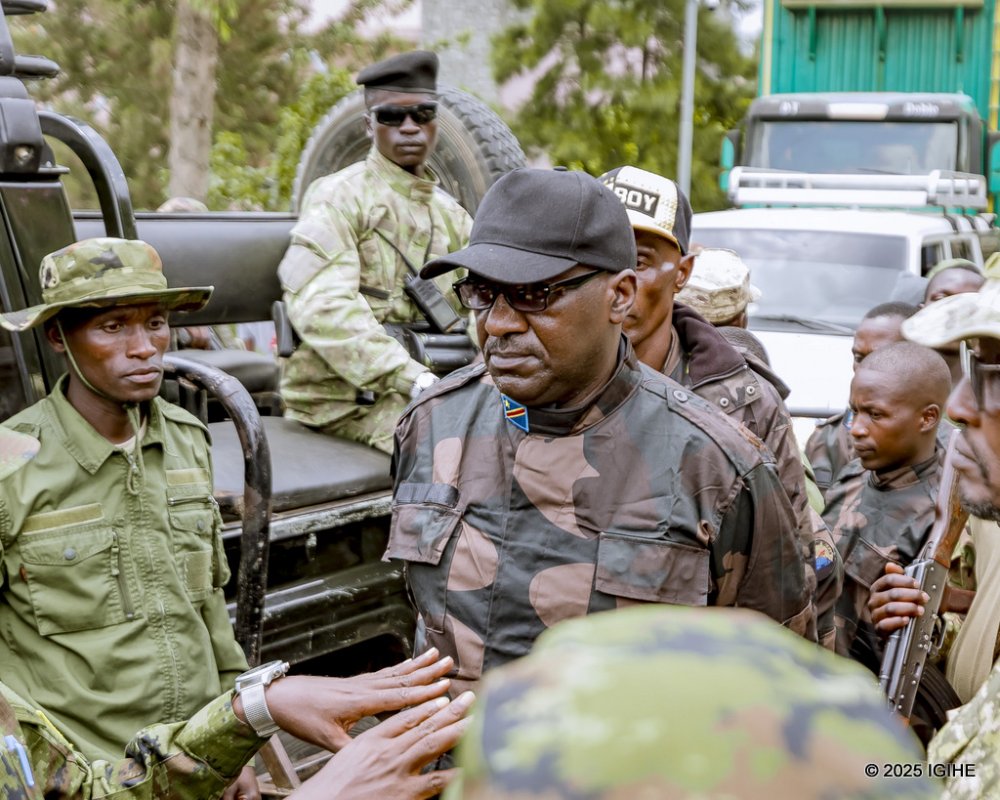
Brig. Gen. Gakwerere, who was dressed in a newly issued uniform of the Congolese Armed Forces (FARDC), is known by multiple aliases, including Sibomana Stany, Julius Mokoko, and Sibo Stany. His capture, along with other FDLR members, has raised fresh concerns about the DRC’s alleged support for the militia, which Kigali has long accused of seeking to destabilize Rwanda.
Speaking at the border, Colonel Joseph Mwesigye, Commander of the Rwanda Defence Force’s 509th Brigade, dismissed claims that the FDLR is an aging, ineffective group with no operational capacity.
“You can see there are young people among them. Some claim the FDLR consists only of old men who are no longer a threat, but this shows otherwise. The ideology of genocide does not fade with age,” he asserted.
He further stated that the capture of these fighters provides concrete evidence that the FDLR remains active, despite Congolese authorities’ claims that the group is no longer a major force.
The FDLR fighters handed over were among those captured during clashes with the M23 in Goma and surrounding areas. While some fighters have fled to areas such as Walikale and Virunga National Park, reports indicate that others are taking refuge in UN military facilities in North Kivu Province.
Brig. Gen. Gakwerere has a long and notorious history. Born in 1964 in Rukara Commune, Kibungo Prefecture—now part of Rwanda’s Kayonza District—he played a key role in the 1994 Genocide against the Tutsi.
As a Lieutenant at the time, Gakwerere was stationed at the Non-Commissioned Officers School (ESO) in Butare, where he worked closely with Captain Ildephonse Nizeyimana, a key architect of the Butare massacres.
Reports indicate that he led a notorious group known as the “New Formula”, responsible for mass killings at roadblocks and various locations in Butare. He is also accused of involvement in the murder of Queen Rosalie Gicanda on April 20, 1994, as well as the killing of Jean Baptiste Habyarimana, the former Governor of Butare Prefecture.
In London on Saturday, Zelensky and British Prime Minister Keir Starmer signed a loan agreement worth £2.26 billion (approximately $2.84 billion USD) to bolster Ukraine’s defense capabilities amid the ongoing war with Russia.
During their meeting at Downing Street, Starmer reiterated Britain’s “unwavering determination” to support Ukraine, emphasizing that the country has the “full backing” of the United Kingdom.
The loan, which will be repaid through profits from frozen Russian assets, is intended to enhance Ukraine’s weapons production capacity, helping the country defend itself against continued Russian aggression.
Zelensky expressed his gratitude for the support, calling the meeting with Starmer “meaningful and warm.”
He also praised the UK’s consistent backing since the start of the conflict, confirming that the funds would be directed towards the production of weapons in Ukraine.
“This is true justice – the one who started the war must be the one to pay,” Zelensky stated.
The loan agreement follows months of discussions and was first announced in October, with the funds set to bolster Ukraine’s frontline military equipment.
Zelensky’s visit also comes ahead of a major defense summit in London, where European leaders will discuss a peace plan for Ukraine, with Starmer suggesting that such a deal would require U.S. involvement.
Zelensky’s successful negotiation with the UK contrasts sharply with his tense meeting with U.S. President Donald Trump just a day earlier.
On Friday, Zelensky’s visit to the White House quickly descended into discord when U.S. Vice President JD Vance demanded that Zelensky be more thankful for America’s support and pressured him to consider a ceasefire with Russia.
The exchange escalated into a shouting match, with Zelensky being asked to leave the White House early.
Trump, who had hoped to secure a minerals deal with Ukraine during the meeting, accused Zelensky of “gambling with World War Three” by not agreeing to Washington’s terms for peace talks.
Tensions reached a boiling point when Zelensky warned Trump that appeasing Russia would only lead to more conflict, not peace, in Europe. The meeting ended without a signed agreement, leaving the planned minerals deal unfinished, with Trump turning to social media to write, “Come back when you’re ready for peace.”
During a parliamentary session on February 26, Lord Collins had claimed that Rwanda’s Foreign Minister Olivier Nduhungirehe had “actively denied and refuted” accusations of Rwanda’s involvement with the ADF during their meeting in Geneva.
The British minister, however, later admitted that the remarks were false in a private message to Rwanda’s Foreign Minister and pledged to send a letter to the House of Lords to correct the record.
The retraction follows strong criticism from Rwanda’s Ministry of Foreign Affairs and International Cooperation, which summoned the UK High Commissioner in Kigali over the remarks.
In the meeting with the UK envoy, Rwanda dismissed the statement as false, stating that the ADF was never discussed in the meeting in Geneva. The terrorist group recently killed 70 people in a church in Lubero, North Kivu in eastern DR Congo.
Rwanda condemned the comments as misleading and irresponsible, accusing the UK minister of fueling misinformation and undermining ongoing peace efforts in the region.
“It is dangerous and irresponsible for the UK Minister for Africa to make these comments that mislead the public, fuel the DRC propaganda machine and entertain conspiracy theories, as well as undermine the ongoing African-led peace process,” the ministry said in a statement on Saturday.
The government further rejected any suggestion of ties to the ADF, emphasizing that Rwanda is actively combating terrorism alongside Mozambican forces in Cabo Delgado.
While Lord Collins has acknowledged the mistake, Rwanda insists that a private message and a letter to the House of Lords are insufficient.
The Rwandan government has formally requested a public correction and an official apology from the UK government.
Rwanda’s ties with the UK have faced a strain following Britain’s move to push for sanctions against Kigali. The measures stem from allegations that Rwanda is involved in the ongoing conflict in the Democratic Republic of Congo, where M23 rebels are battling the Congolese army.
Rwanda has repeatedly denied the claims, insisting that the M23 rebels are Congolese citizens fighting against decades of persecution and marginalisation of Kinyarwanda-speaking communities. Rwanda has also accused the international community of ignoring the root causes of the conflict, thereby hampering efforts to fully resolve it.
The new service aims to provide fast and convenient financing to salary earners without requiring collateral. Customers can apply through the BK Mobile App or Internet Banking platform and receive funds in record time.
“We understand that when opportunities arise, speed matters. “By digitizing BK QUICK +, we empower our customers to take charge of their financial goals and contribute to Rwanda’s growing economy,” said Desire Rumanyika, Chief Retail and Digital Banking Officer at Bank of Kigali.
The application process is simple and takes only a few minutes. Customers need to log in to their BK Mobile App or Internet Banking, select “Loans” then “BK QUICK +”, submit the required documents, and wait for the system to assess their eligibility.
If approved, a loan offer is sent digitally, and once the customer signs the contract electronically, the funds are transferred to their account within 15 hours. The loan offers flexible repayment terms of up to five years.
This initiative aligns with Bank of Kigali’s commitment to advancing financial inclusion in Rwanda. By providing quick, secure, and fully digital loans, the bank aims to support Rwandans in meeting their personal and professional financial needs.
Bank of Kigali continues to position itself as a leader in digital financial innovation, simplifying access to essential financial products. With BK QUICK +, customers can now fund major purchases, cover emergencies, or pursue new opportunities without the traditional waiting periods.
Interested customers can apply for BK QUICK + today through the BK Mobile App or Internet Banking platform and receive funding in just 15 hours.
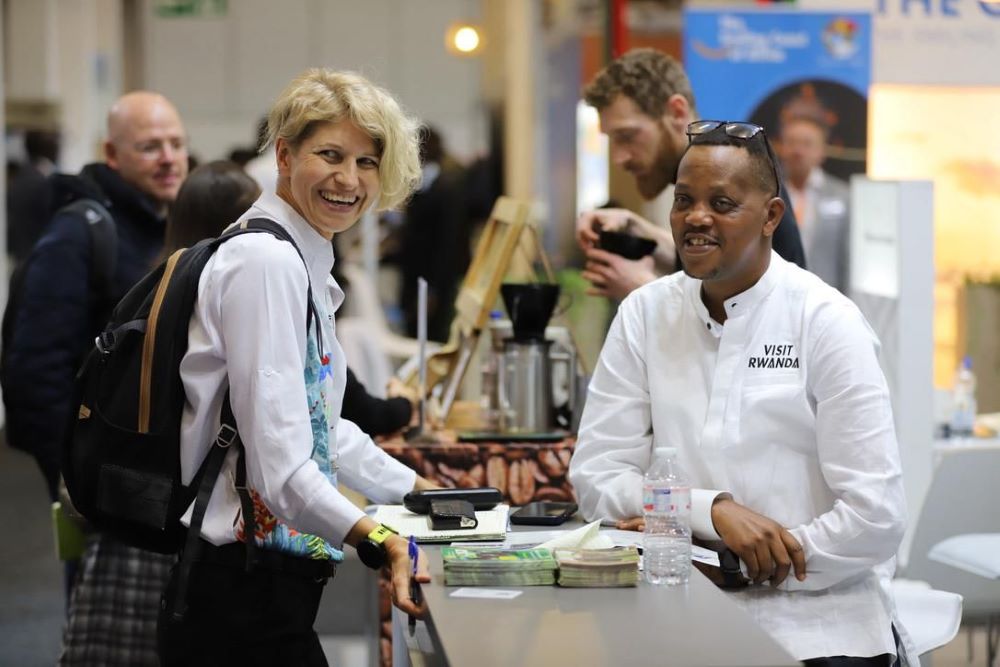
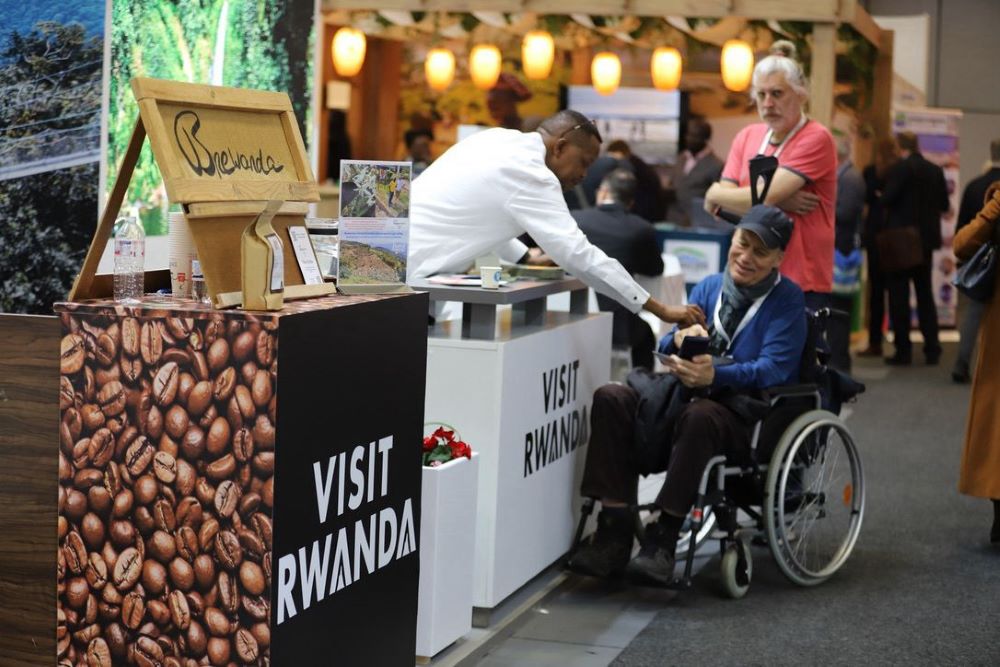
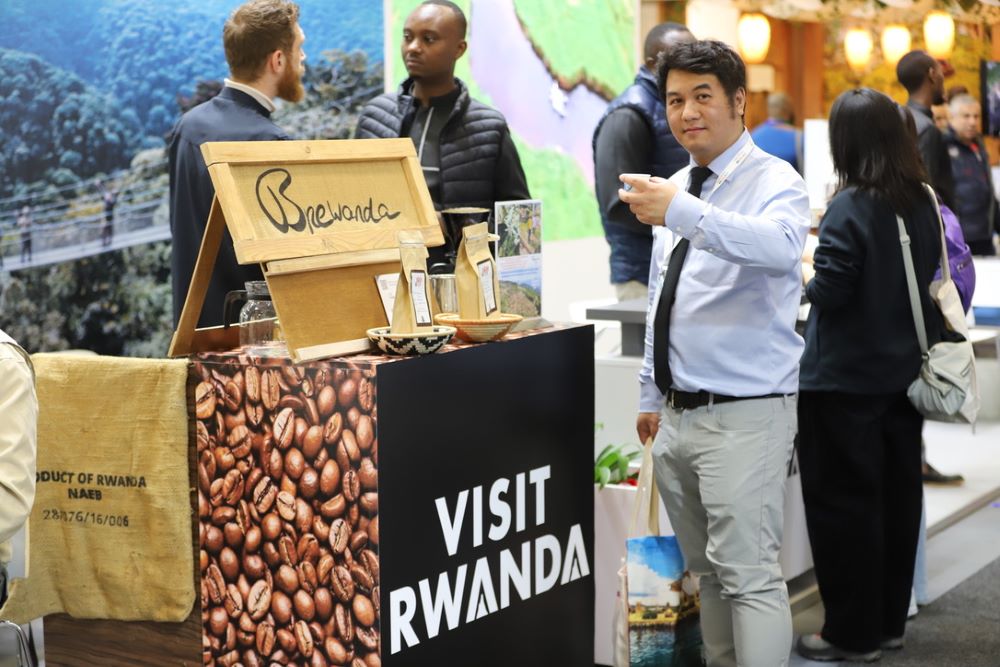
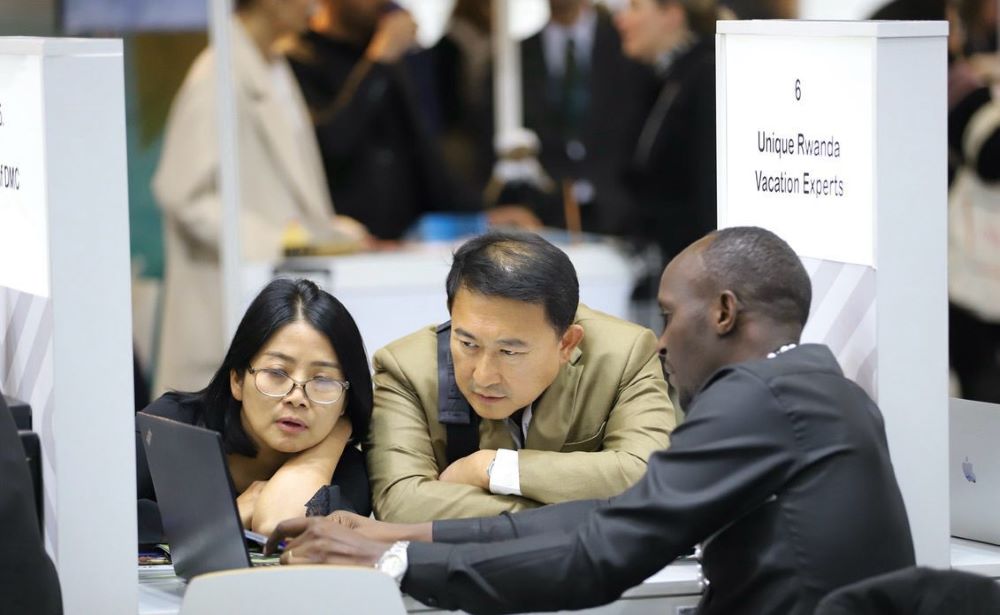
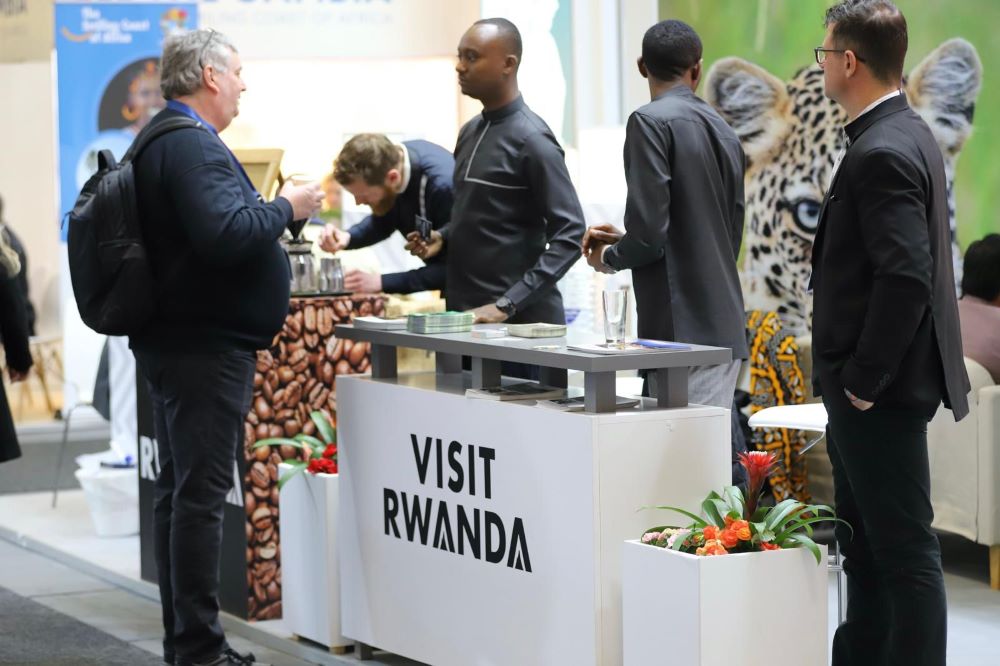
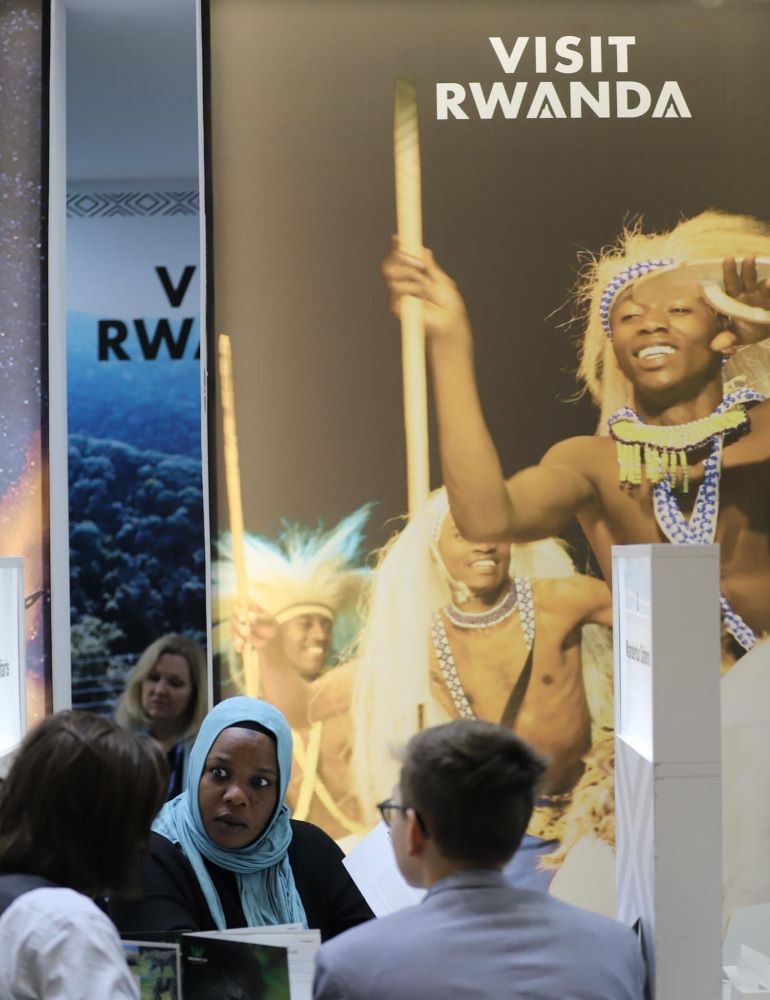
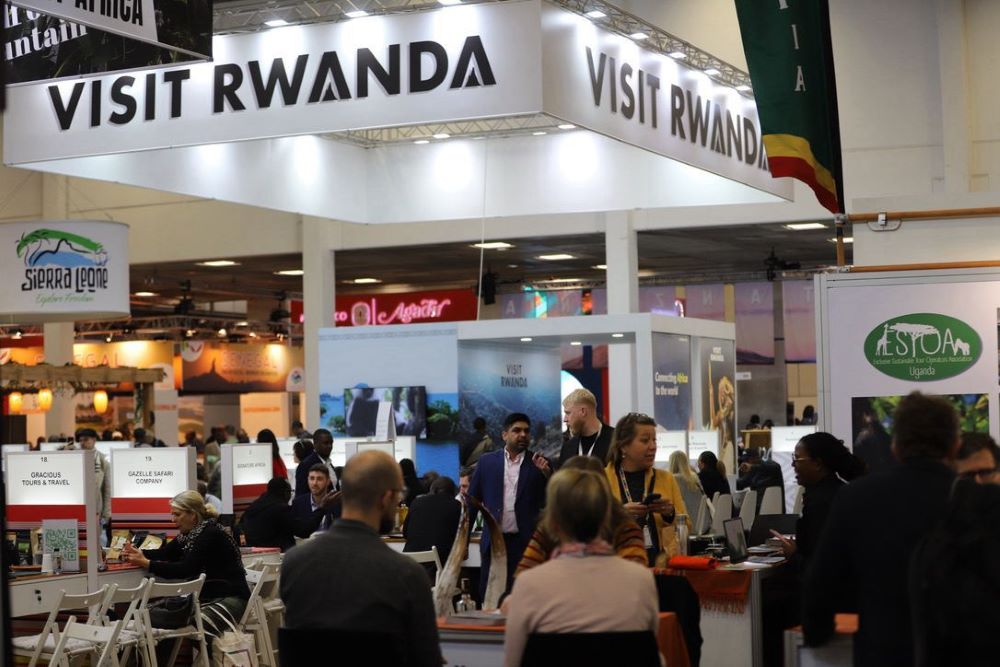
With increasing interest from travelers in Southern Europe, Asia, and Africa, Rwanda offers a range of experiences, from gorilla trekking in Volcanoes National Park to eco-lodges and cultural heritage sites.
The country’s approach to sustainable tourism and conservation will be a key focus during the event.
This year’s theme, “The Power of Transition Lives Here,” highlights how the industry is adapting to new opportunities and challenges.
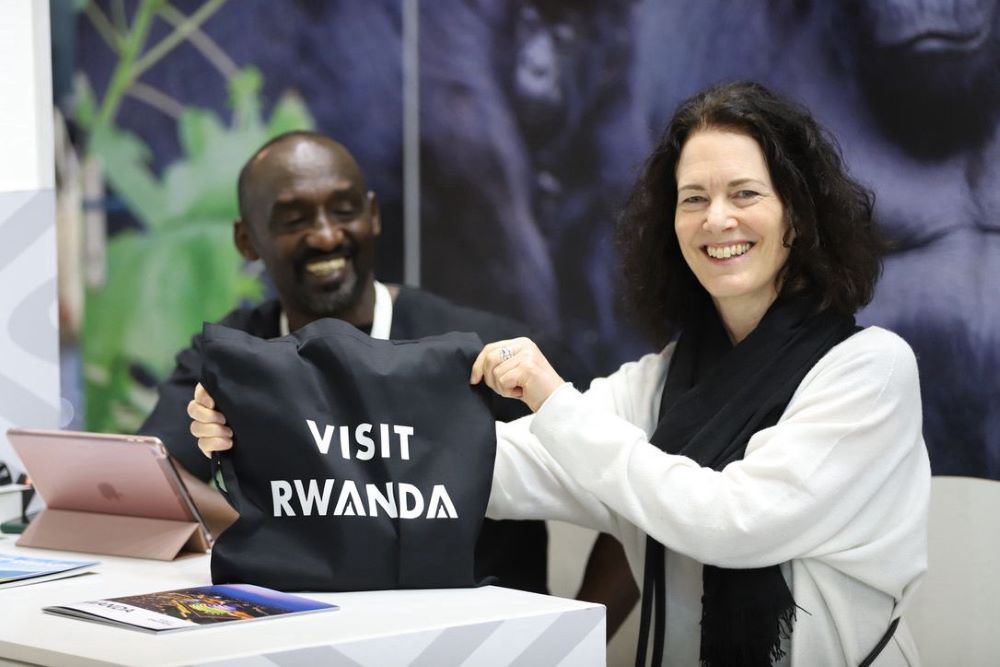
ITB Berlin provides a valuable platform for Rwanda to engage with tour operators, investors, and travel professionals, fostering new partnerships and collaborations.
{{Visit Rwanda Stand: Hall 21, Stand 112}}
{{Photos showing Rwanda’s participation at a past trade show}}
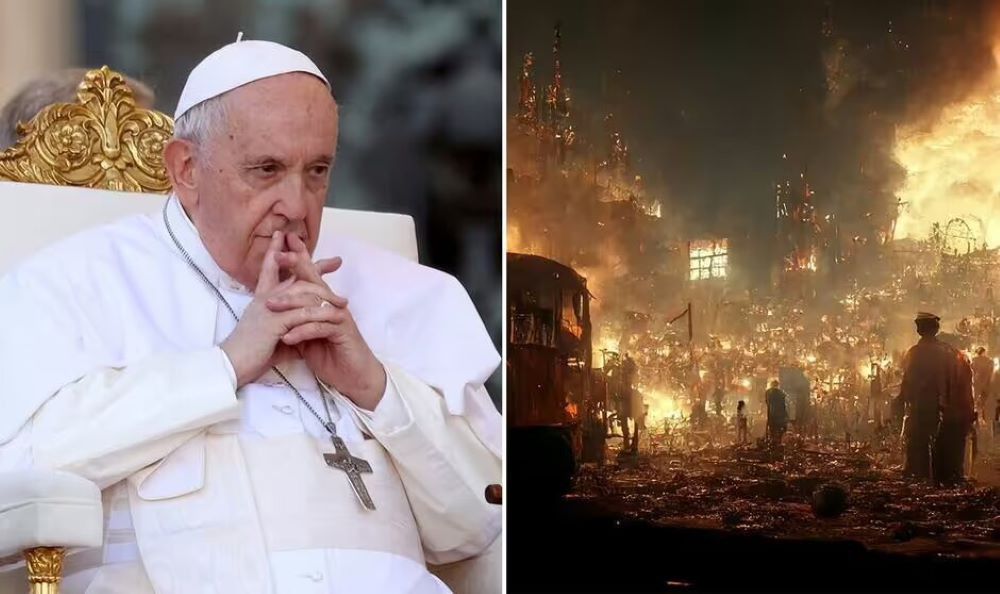
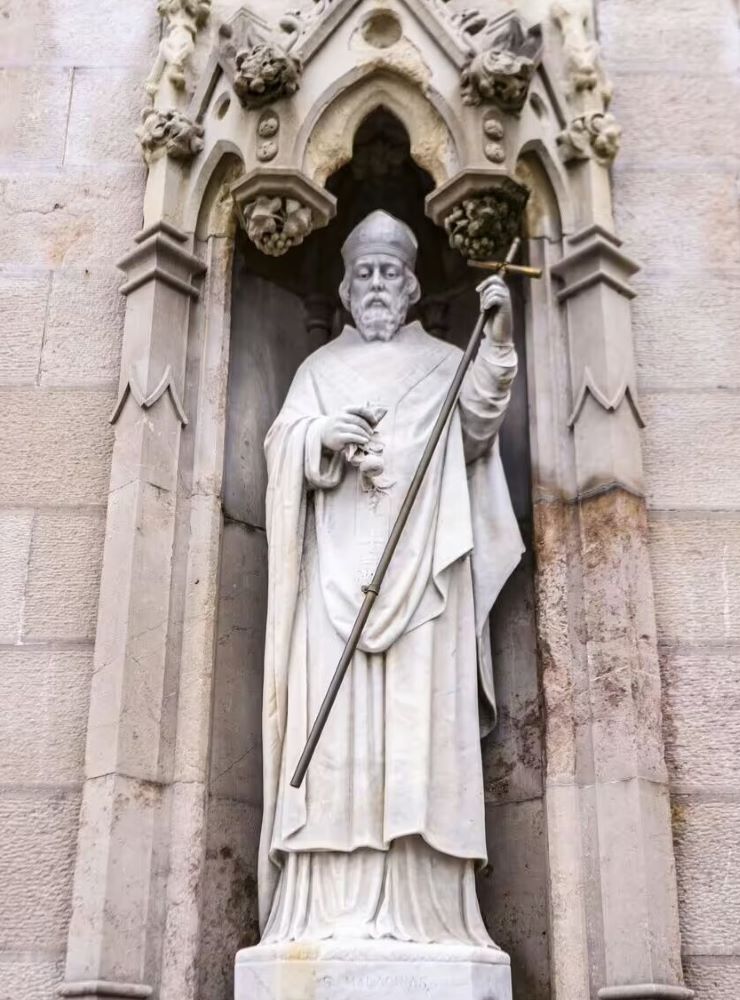
The prophecy originates from a mysterious text called ‘The Prophecy of the Popes,’ attributed to St. Malachy, an Irish archbishop who claimed to have received a vision during a visit to Rome in 1139.
This vision allegedly revealed the names and characteristics of 109 future popes, ending with a chilling prediction about the final pontiff.
Of the last pope, the prophecy states: “In the final persecution of the Holy Roman Church, there will reign Peter the Roman, who will feed his flock amid many tribulations, after which the seven-hilled city will be destroyed and the dreadful Judge will judge the people. The End.”
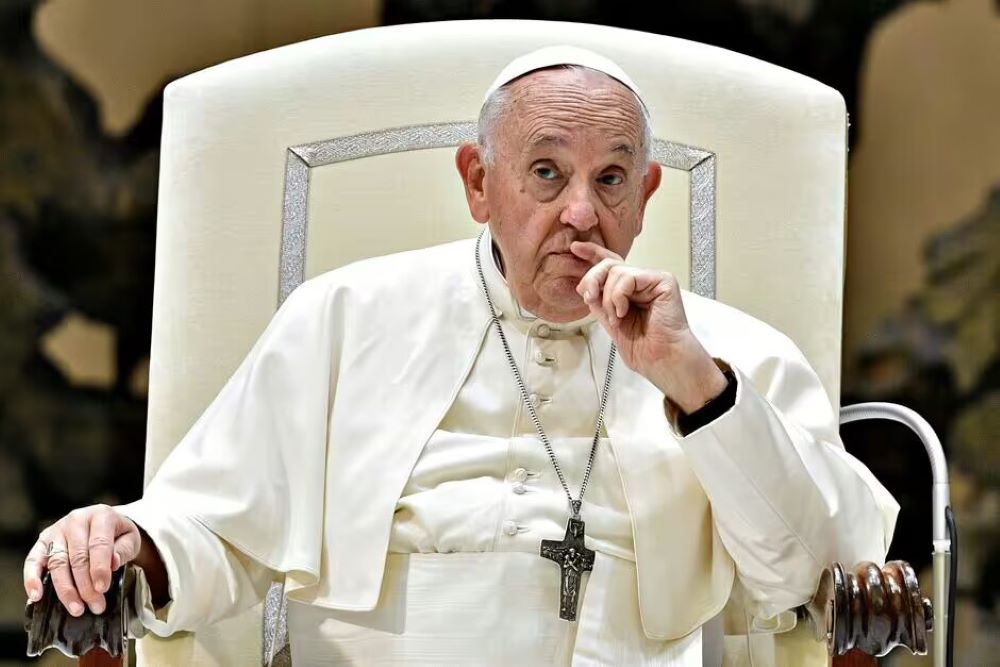
Pope Francis, as the 109th pope since St. Malachy’s prophecy was written, fits this description, raising anxiety that his death could fulfill the prophecy.
While many scholars question the authenticity of The Prophecy of the Popes, some aspects of St. Malachy’s predictions have been remarkably accurate.
Author Robert Howells, who has extensively researched the Catholic Church’s secrets, delves into these prophecies in his book The Last Pope. According to Howells, the accuracy of some descriptions cannot be easily dismissed.
“Malachy wrote the prophecies in the 12th century and gave them to Pope Innocent II in 1139. He listed 109 remaining popes, ending with the last one, Peter the Roman. It’s the only description in the prophecy with more than a few words,” Howells explains. “
Skeptics argue that the prophecy remained hidden in the Vatican archives until its publication in 1559, leaving room for potential embellishments. However, Howells points to examples that align with historical events.
For instance, Pope Benedict XV, who reigned from 1914 to 1922, was described by Malachy as “religion depopulated.” During his papacy, World War I claimed 20 million lives, the 1918 Spanish flu devastated Europe, and the Bolshevik Revolution spread atheism across Russia, an apt reflection of the phrase.
Similarly, Pope John Paul II, who served from 1978 to 2005, was called a “shining star.” His papal coat of arms prominently featured a shining star, lending further credence to the prophecy’s eerie accuracy.
According to Howells, such specific details are difficult to attribute to coincidence, particularly in cases where historical events align perfectly with Malachy’s brief descriptions.
Some Popes have even tried to fit themselves into the prophecy. In 1958, Cardinal Spellman sailed a boat filled with sheep down the Tiber River to match the prophecy’s reference to a “shepherd and mariner.”
Yet, as Howells emphasizes, the prophecy’s true power lies in instances where historical circumstances unfolded independently of Vatican influence.
Despite the intrigue surrounding St. Malachy’s visions, the Vatican maintains a strict policy of neither confirming nor denying the authenticity of prophecies. Nevertheless, the fact remains that Pope Francis is the 109th pontiff since the prophecy’s creation, leading many to wonder if his death could mark the beginning of the end.
Howells remains open-minded about how the prophecy could manifest. He suggests that the destruction of Rome may not necessarily involve a cataclysmic event. Instead, it could symbolize the weakening of the Catholic Church’s influence, driven by declining faith worldwide and a dwindling number of new priests.
“It says, ‘In the final persecution of the Holy Roman Church, there will reign Peter the Roman, who will feed his flock amid many tribulations, after which the seven-hilled city will be destroyed,’” Howells notes.
“That suggests that Rome itself could be affected by war, an earthquake, or even a comet, which was a common concern when the prophecy was written.” While the prophecy’s wording hints at apocalyptic scenarios, Howells cautions against interpreting it too literally.
“The destruction could be a thousand years away. It may simply mean that Pope Francis is the last pope on Malachy’s list, not necessarily that his death will trigger the end of the world.” he says.
Whether one views The Prophecy of the Popes as divine foresight or medieval forgery, the ongoing health crisis of Pope Francis adds an unsettling layer to the ancient text.
With history providing examples that seemingly align with Malachy’s descriptions, the question remains: Could the death of Pope Francis fulfill a prophecy nearly 900 years in the making?
The handover ceremony took place at the Rwanda-DRC border on March 1, 2025, with the group proceeding to Rubavu via the main border crossing (La Corniche).
Brig. Gen. Gakwerere, who was wearing a new uniform of the Democratic Republic of Congo’s Armed Forces (FARDC), is also known by other names, including Sibomana Stany, Julius Mokoko, and Sibo Stany.
Colonel Joseph Mwesigye, the Commander of the Rwanda Defence Force’s 509th Brigade, who received the fighters, stated that those found to have committed crimes would be prosecuted, while the others would be taken to the Mutobo demobilization and reintegration center.
“We will hand them over to the relevant authorities, who will investigate each one. If anyone is found to have committed genocide-related crimes, they will face justice. If there are other criminal charges, the appropriate institutions will handle them, and the rest will be transferred to Mutobo,” he said.
The Government of Rwanda has long accused the DRC of collaborating with the FDLR by providing weapons and other support, despite the group’s objective to destabilize Rwanda.
Addressing the media, Col. Mwesigye remarked, “You can see there are young people among them. Some claim the FDLR consists only of old men who are no longer a threat, but this shows otherwise. The ideology of genocide does not fade with age.”
He further emphasized that the capture of these fighters is clear evidence that the FDLR is still active, despite the DRC’s claims that the group only consists of elderly members or no longer exists.
The FDLR fighters handed over to Rwanda were among those captured during clashes with M23 in Goma and surrounding areas. Others have fled to regions such as Walikale and the Virunga National Park, while some are reportedly hiding within United Nations military facilities in North Kivu Province.
Brig. Gen. Gakwerere was born in 1964 in Rukara Commune, Kibungo Prefecture—now part of Kayonza District in Rwanda’s Eastern Province.
During the 1994 Genocide against the Tutsi, Gakwerere held the rank of Lieutenant and served at the Non-Commissioned Officers School (ESO) in Butare, where he was a trusted associate of Captain Ildephonse Nizeyimana, the Deputy Commander.
Reports indicate that Gakwerere was tasked with leading a group of soldiers known as the “New Formula,” who were responsible for killing many Tutsi at roadblocks and other locations in Butare.
Gakwerere is also accused of being among the soldiers sent by Capt. Nizeyimana to the residence of Queen Rosalie Gicanda on April 20, 1994, where she was killed. He is further implicated in the death of Jean Baptiste Habyarimana, the former Governor of Butare Prefecture.
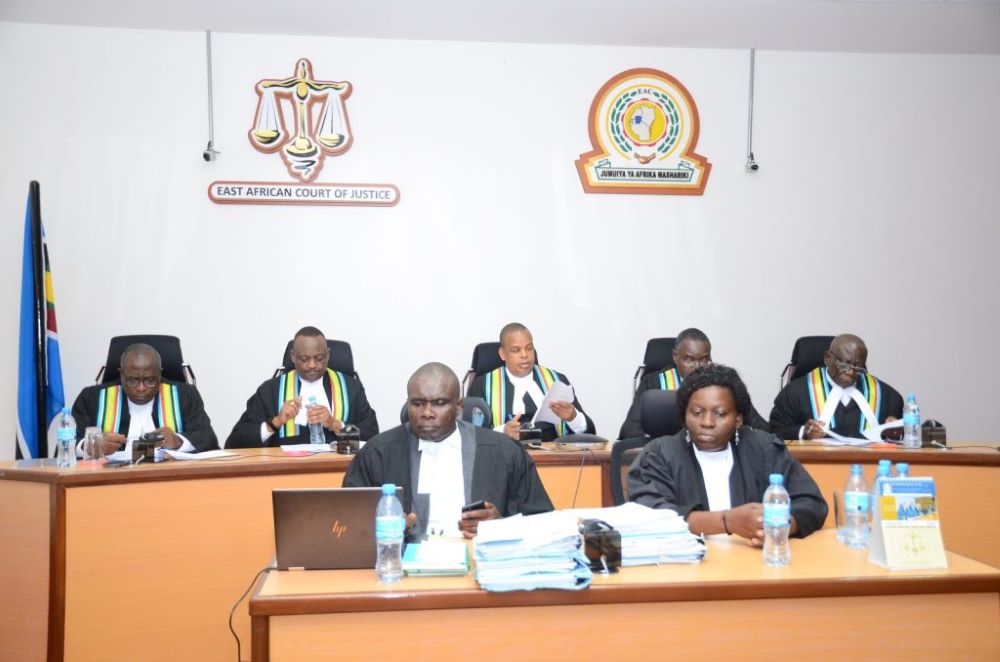
Charles Ouma, Uganda’s deputy solicitor general, and Mark Mulwabo from Tanzania’s Office of the solicitor general argued before a panel of five EACJ judges in Kigali, Rwanda, early this week that the appeal should be dismissed. They described it as a waste of national resources and a potential precedent for similar lawsuits.
The appeal was filed in December 2024 by the Africa Institute for Energy Governance (AFIEGO), the Centre for Food and Adequate Living Rights (CEFROHT), Natural Justice, and the Centre for Strategic Litigation from Kenya and Tanzania. This marks their second attempt to block the multi-billion-dollar project.
In November 2023, the EACJ’s First Instance Court dismissed a similar case filed by the CSOs in 2020, ruling that it was time-barred. The court maintained that the CSOs should have filed their case in 2017, when the two governments signed the Host Government Agreements, rather than in 2020.
In the appeal, the five judges of the Appellate Division of the EACJ, who heard the case on February 24, contended that the lower court had unfairly focused on the timeline, overlooking critical issues, including the risks to ecosystems.
They also argued that dismissing the case with costs was unjust, as it had been filed in the public interest by non-profit organizations for the benefit of all East African Community (EAC) member states. The appellants requested that the judgment be reversed.
The panel, led by Justice Nestor Kayobera, listened to arguments from both the appellants’ and respondents’ lawyers as part of determining whether the case merits further consideration or should remain dismissed, as the lower court ruled.
Justin Ssemuyaba, representing the appellants, informed the court that the claim that the suit was time-barred was invalid. He explained that the inter-governmental and host Ggvernment agreements related to EACOP were signed confidentially, preventing the CSOs from knowing about the agreements and challenging them in time.
Ouma, on behalf of Uganda’s government, stated that the case should be dismissed to avoid wasting national resources and to prevent setting a precedent for similar suits. He added that the appellants had known about the key agreements and should have refrained from filing the case.
Mulwabo, of Tanzania argued that the appellants could have challenged the project’s Environmental and Social Impact Assessment (ESIA) reports, which the two governments had already committed to, rather than contesting agreements that were already in place.
{{
The EACOP project}}
The EACOP project, described by the governments as unstoppable, is a 1,443-kilometre heated pipeline running from Hoima in Uganda to Tanga in Tanzania. It will transport Uganda’s crude oil, which is expected to be extracted starting in 2027.
The project is being developed by four partners: Total Energies (62% stake), China National Oil Company (CNOOC) (8%), Uganda National Oil Company, and Tanzania Petroleum Development Corporation (15% each).
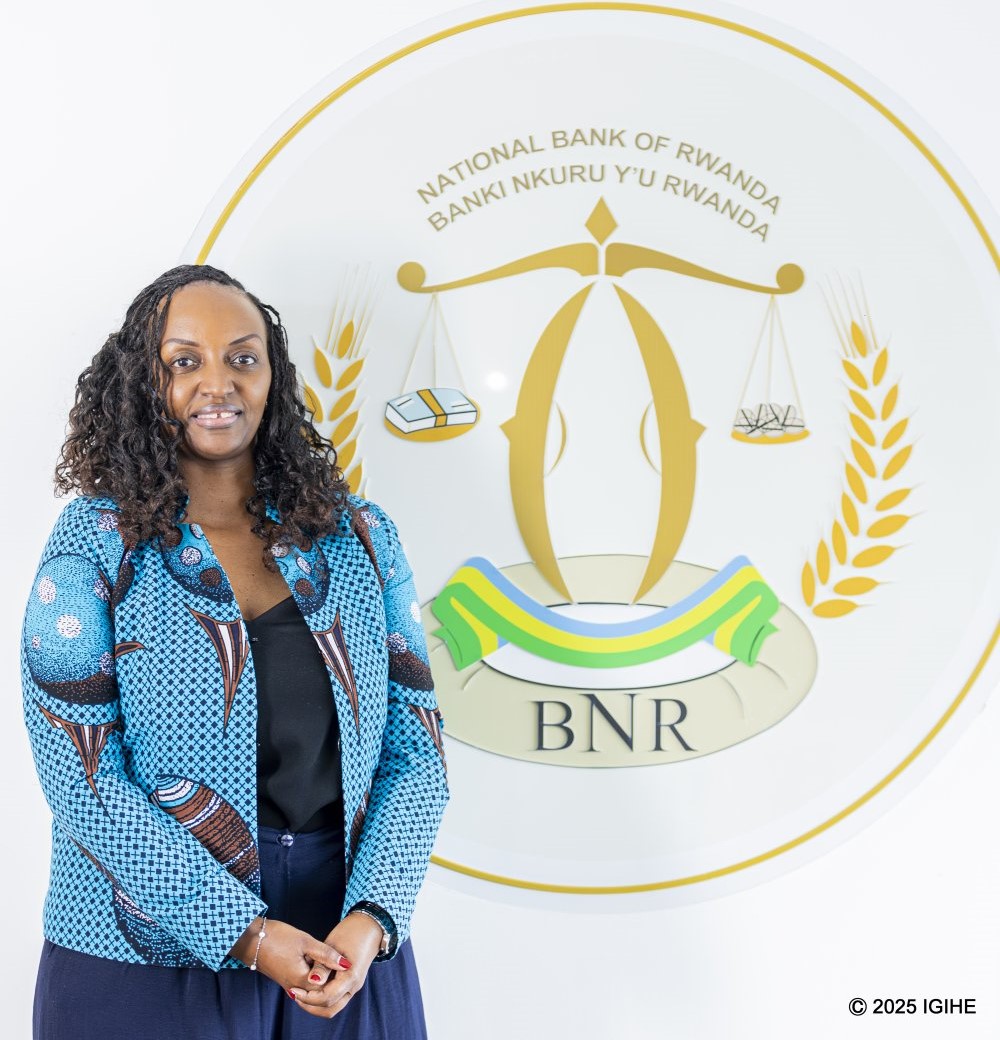
Hakuziyaremye had served as Deputy Governor of the National Bank since 2021. Her predecessor, John Rwangombwa, completed two six-year terms, having held the position since 2013.
Expressing gratitude for the appointment, Hakuziyaremye acknowledged the trust President Kagame continues to place in her.
In an exclusive interview with IGIHE, she shared her reaction to the new role, her priorities, and how the National Bank of Rwanda plans to address potential economic challenges.
{{QN}}: {{How did you receive the news of your appointment as the Governor of the National Bank of Rwanda?}}
{{ANS}}: It’s not something you expect because the President of the Republic holds the authority to appoint the leadership of the National Bank. I received the news with joy and gratitude for the continued trust that the President has confined in me across different roles in serving Rwanda.
I have been the Deputy Governor for four years, so I am familiar with the institution. This new role is a continuation of our work, and I am committed to collaborating with my colleagues to fulfill our responsibilities.
{{QN}}: {{What does it mean to you to be the first woman to lead the National Bank of Rwanda?}}
{{ANS}}: This milestone is not about me; it reflects the country’s commitment to gender equality. Our leadership has ensured that both men and women are given equal opportunities to contribute to national development.
Although I am the first woman to hold this position, two other women have previously served as Deputy Governors. Their contributions helped pave the way and demonstrated that women are capable of excelling in these roles.
{{QN}}: {{How are you preparing to take on this new responsibility?}}
{{ANS}}: These are significant responsibilities that no one can handle alone. Fortunately, I work alongside a capable leadership team and dedicated staff at BNR. Together, we will continue to deliver on our mandate.
Our work involves collaborating with other institutions to maintain economic stability. This is not new to us; we will continue to build on the solid foundation already in place.
The government’s NST2 program urges us to accelerate economic development. We also have Vision 2050, which sets the ambition for Rwanda to become an upper-middle-income country. These goals guide our work, and we are determined to achieve them.
{{QN}}: {{What will be your main focus moving forward?}}
{{ANS}}: Our primary focus is maintaining financial stability and ensuring that market prices remain under control. Additionally, we aim to protect consumers of financial services and promote financial sector development.
With the rapid growth of digital financial services in Rwanda, we want to ensure these services remain accessible and affordable for everyone.
We also plan to advance the Kigali International Financial Centre (KIFC) initiative. Working with the Ministry of Finance and Economic Planning, we will continue attracting investors to strengthen Rwanda’s financial sector.
Another priority is expanding the capital market. As the national bank, we facilitate the issuance of government bonds, and we want to encourage more public participation while ensuring the market provides the necessary financing for the country’s development.
{{QN}}:{{ How will you ensure Rwanda builds a resilient economy?}}
{{ANS}}: Rwanda’s economy remains strong. Although inflation reached 14% in 2023, it has since dropped to an average of 4.7%.
The financial sector is stable and continues to grow, whether in banking, insurance, or microfinance. Capital adequacy and profitability remain solid indicators of a healthy financial system.
{{QN}}: {{Are there concerns that market prices will continue to rise?}}
{{ANS}}: No, the rate of price increases has significantly slowed and remains within the 5% target range. This level supports economic growth without major disruptions.
{{QN}}: {{What measures are in place to promote digital financial services?}}
{{ANS}}: We recently hosted the Inclusive Fintech Forum to explore ways to advance digital financial services. The government has adopted a new Fintech policy to strengthen the sector.
Our main goal is to enhance technological literacy in financial services, particularly in payments, banking, and insurance. We are also working on regulations to safeguard the financial system from risks such as cybercrime.
We want to empower Rwandan Fintech startups, particularly young innovators, by connecting them with major financial institutions. This will help them grow and achieve the global standards we aim for.
{{QN: What can be improved to promote money transfers?}}
{{ANS}}: We should take pride in the progress Rwanda has made, especially when considering the volume of money transferred through digital platforms like Mobile Money, banks, and microfinance institutions.
These transactions now account for 300% of the country’s Gross Domestic Product (GDP). Fifteen years ago, this figure stood at just 0.3%, but it has increased significantly, especially during the COVID-19 pandemic, as more people turned to digital services.
This marked a turning point for the adoption of cashless payments, and we aim to ensure that those who have not yet adopted these methods are included.
Additionally, there is an ongoing e-cash project aimed at integrating banks and mobile money services. For example, a user with an MTN SIM card can now send money to an Airtel user without issues, and it is also possible to transfer money from a bank account to a mobile money wallet.
Our goal is to connect all these institutions, which will facilitate faster transactions and, we hope, reduce the costs associated with money transfers.
{{QN: How far along is the digital currency initiative?}}
{{ANS}}: It is a long-term initiative that we are approaching with caution. If and when digital currency is officially introduced, it must be a secure and beneficial tool for Rwandans.
The first phase of research has been completed, and we have engaged with various stakeholders and collected public feedback on the findings. This will inform a small-scale pilot test of the digital currency, which is our current focus.
We anticipate that in five or six months, we will present the results of this pilot. If the test confirms the potential we foresee, we will initiate a broader pilot involving a select group of Rwandan citizens.
The outcomes of this extended pilot will determine whether Rwanda fully adopts a digital currency. Research suggests that one of the most immediate benefits would be lower transaction costs for both domestic and international transfers.
Other countries that have introduced digital currencies have reported easier and more affordable cross-border trade. Additionally, digital currency could increase competition among payment service providers, driving innovation and better services.
{{QN: Why are there still significant concerns about digital currency?}}
{{ANS}}: The primary concern is that digital currency is a new concept. While research reports provide valuable insights, only through real-world trials we can identify and address potential risks.
This is why we are proceeding cautiously. Currently, 86 countries are conducting experiments and research on digital currency, and we continue to share knowledge and experiences with them.
For Rwanda, participating in this global effort is exciting but requires careful consideration. We want to avoid any unintended consequences that could arise from adopting digital currency.
{{QN: How is the BNR responding to global economic uncertainties?}}
{{ANS}}: Global changes are not new and will continue to occur. As the national bank, our approach is to employ highly skilled economists capable of conducting advanced financial analysis.
For example, when the COVID-19 pandemic emerged five years ago, no one had anticipated it. However, Rwanda successfully navigated the economic challenges and emerged stronger.
Similarly, we have adapted to the extreme price fluctuations caused by the Russia-Ukraine war and climate change, which continue to affect global markets. We understand that climate change, in particular, poses a significant threat to the agricultural sector, which in turn influences market prices.
Our ability to analyze economic data allows us to predict potential impacts of natural disasters and other shocks.
We collaborate with other institutions to mitigate risks early. Our current financial indicators suggest that we are maintaining economic stability. In the first three quarters of 2024, Rwanda’s economy grew by 9%, placing us among the top 10 fastest-growing economies globally.
This growth gives us confidence that we can weather future changes. While we cannot predict everything, we have strategies in place to ensure the continued stability of our economy.
We remain optimistic that our economy will continue to grow steadily. Our projections indicate that inflation will be 6.5% this year and 4.2% next year, reinforcing our position of economic strength and stability.