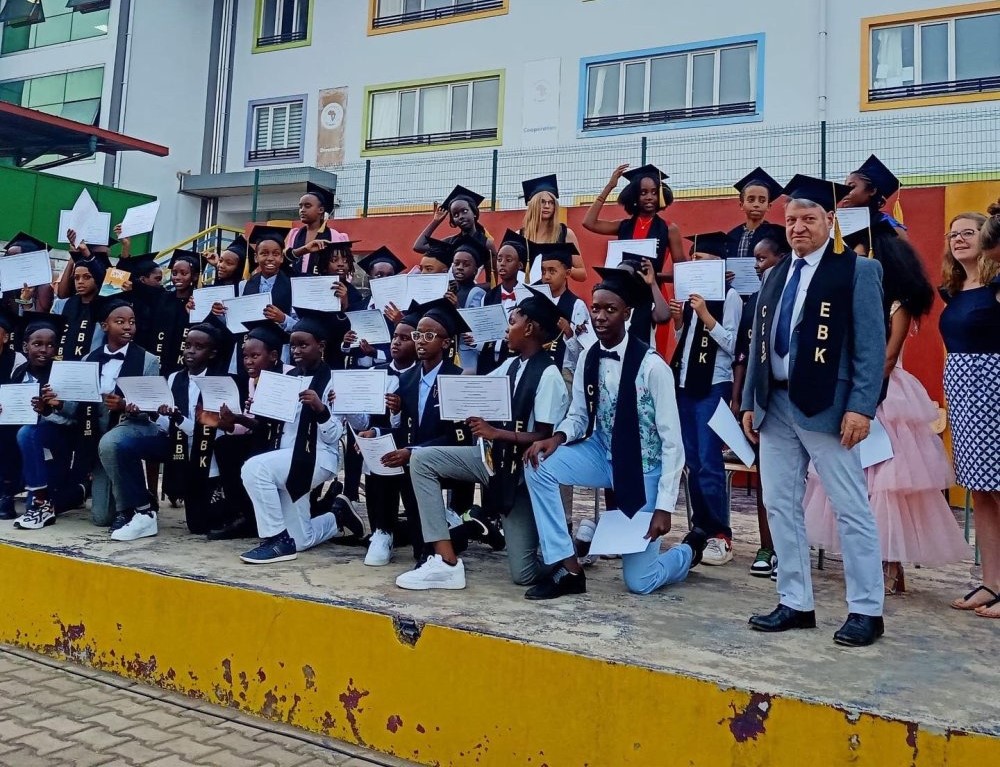
Dated April 8, 2025, the letter follows the Rwandan government’s decision to sever diplomatic and cooperative ties with Belgium, citing the country’s continued promotion of propaganda intended to isolate Rwanda from its partners.
The decision also references a directive issued on March 27, 2025, by the Rwanda Governance Board (RGB), which prohibits both local and international non-governmental organizations (NGOs), particularly those rooted in faith or public interest, from engaging in any cooperation with the Belgian government or its affiliated institutions.
“We advise you to begin preparing all necessary arrangements to transition to a different educational system for the 2025–2026 academic year,” the letter reads in part.
The ministry assured the school of its continued support throughout the transition process as it detaches from the Belgian educational model.
École Belge de Kigali has operated in Rwanda since 1965. In 2018, the school moved from Kiyovu in central Kigali to Gisozi Sector, Gasabo District, in line with Kigali’s master urban plan.
In the 2022/2023 academic year, the school had more than 500 students and 45 teachers. The École Belge network also operates in Burundi, the Democratic Republic of Congo (DRC), and Morocco.
The March 27 announcement from RGB further emphasized that no financial aid, donations, support, or funding from the Belgian government or its affiliated institutions would be permitted in Rwanda.
This includes budgetary support, project funding, technical assistance, and indirect financial contributions channeled through partner organizations. The governance agency warned that any entity violating these directives would face serious consequences.
Among the penalties outlined are suspension or revocation of operational permits, in accordance with laws governing NGOs, religious organizations, and other institutions. Additional administrative actions could be taken against any organization found to be in breach of these new regulations.
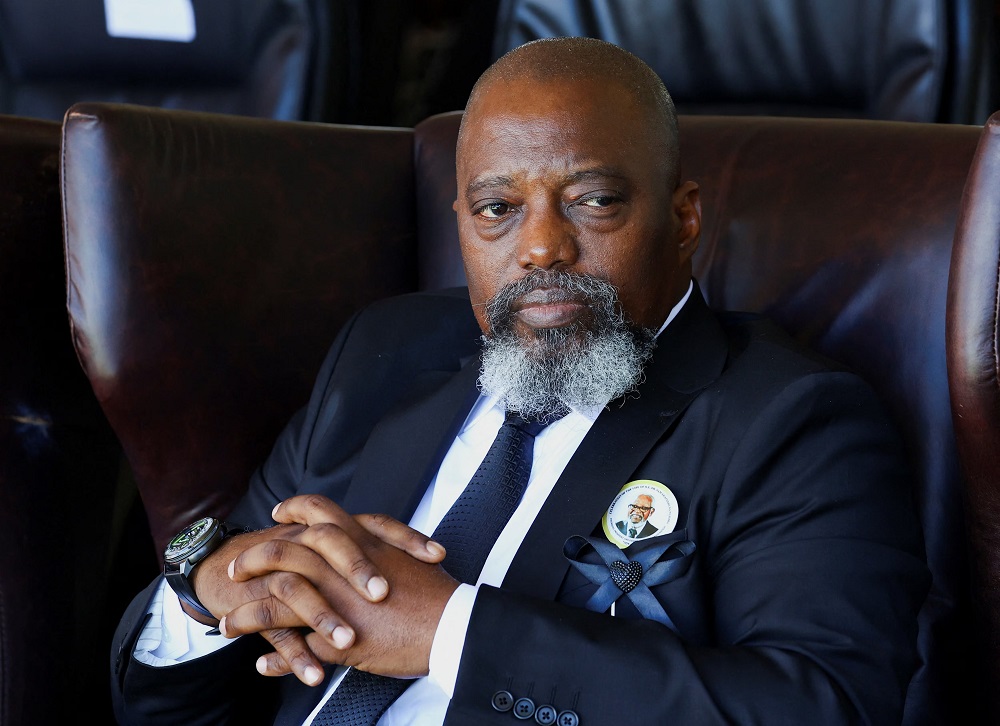
Kabila confirmed the decision to Jeune Afrique on April 8, 2025, stating. “After six years of complete retreat, one year in exile, and in light of the escalating security crisis, I have decided to return to the DRC without delay, in order to play a role in seeking a solution,” he said
He specified that he would return via the country’s eastern region because “there are dangers at home.” However, he did not clarify whether he would pass through Katanga or areas currently controlled by the AFC/M23 coalition.
Kabila explained that his decision to return came after consultations with several heads of state, former presidents, political actors in the country, and international organizations. This announcement comes after a period marked by signs of Kabila reemerging into the political scene and regaining media attention.
In December 2024, he met with opposition leaders Moïse Katumbi and Claudel Lubaya in Addis Ababa. In February 2025, he broke a six-year silence by publishing an article in the Sunday Times, focusing specifically on the security and governance crises plaguing his country.
Kabila has frequently voiced criticism of his successor, Félix Tshisekedi, accusing him of being the root cause of the country’s current troubles. He had not returned to the DRC since December 2023, when he discreetly left the country, avoiding the general elections.
He resurfaced in January 2024 in South Africa, where he had enrolled in a postgraduate program at the University of Johannesburg. Since then, he has also been seen in neighboring countries like Namibia and Zimbabwe.
In March 2025, Kabila announced he had been forced to suspend his studies due to the worsening security situation in eastern DRC.
“I had to put my studies on hold two or three months ago in order to make time for what’s happening back home,” he told a Namibian media outlet.
Meanwhile, the DRC’s Minister of Foreign Affairs, Thérèse Kayikwamba Wagner, recently stated that the Congolese government does not require Joseph Kabila’s involvement in resolving the security crisis in the eastern part of the country.
The conflict in eastern DRC has persisted for nearly three decades. Tensions escalated between Rwanda and DRC, with the latter accusing Rwanda of supporting the M23 rebel group in its fight against the Congolese army—an allegation that Kigali has vehemently denied.
Rwanda, in turn, accuses DRC of collaborating with the FDLR terrorist group, which is composed of individuals responsible for the 1994 Genocide against the Tutsi and has launched multiple attacks on Rwandan soil over the years.
The peace process took a step forward when DRC President Félix Tshisekedi and President Kagame met in Doha on March 18 to discuss potential solutions.
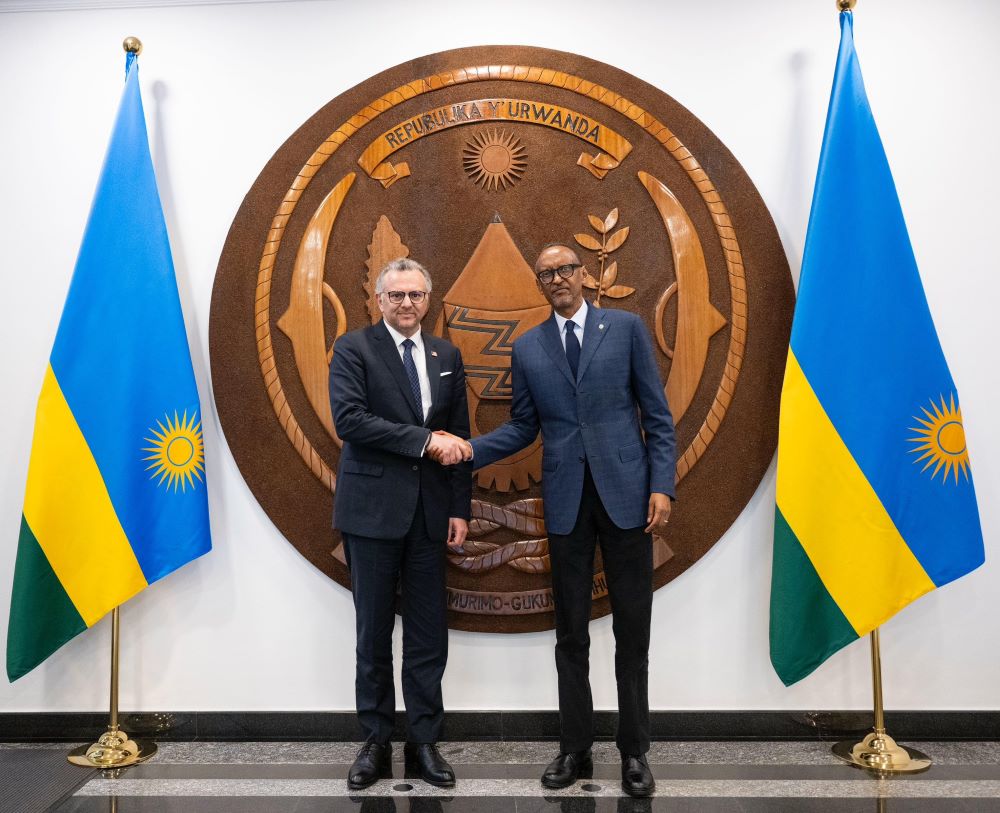
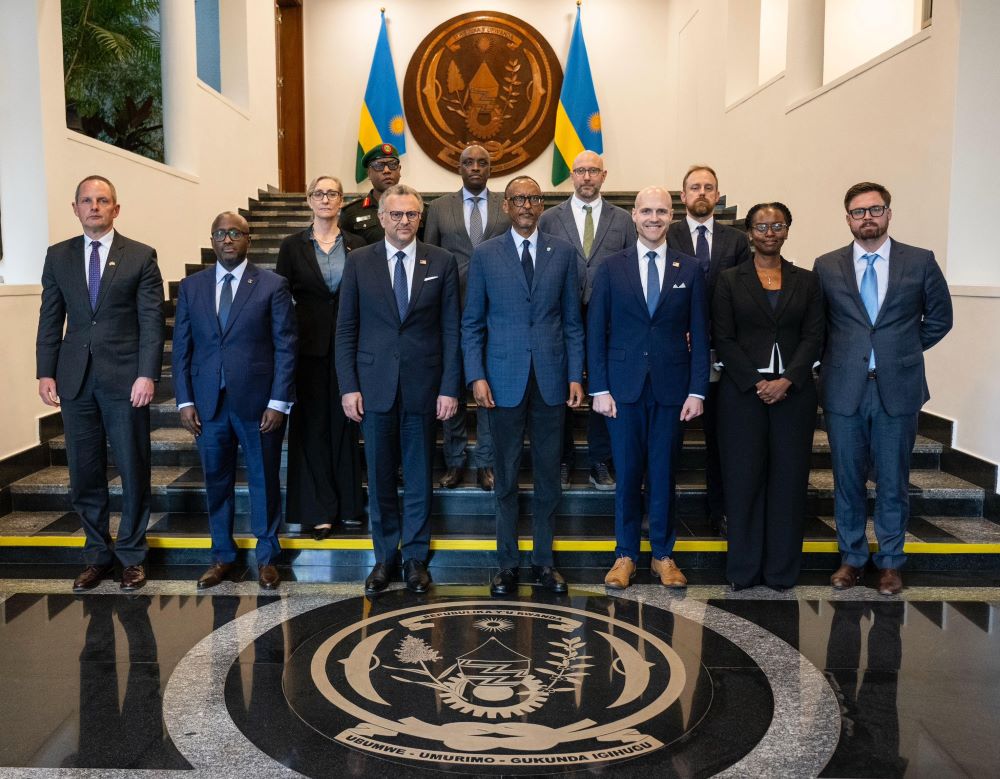
After his meeting with President Kagame, Massad outlined the vision for a closer partnership, emphasizing regional stability, peace, and economic development.
“We support the security and territorial integrity of all states in this region. There are many American companies already invested in Rwanda. The government of Rwanda has a vision of being an economic leader and has a society ready to drive this vision forward,” he noted.
“We are ready to work with Rwanda to achieve this goal, which is why finding a resolution to the conflict in eastern DRC is so essential as it will unlock the region’s untapped potential. During our discussions, President Kagame committed to pursuing this vision of peace,” Massad added.
Massad also reiterated the United States’ commitment to resolving the crisis in eastern DRC.
“I can confirm and I can affirm that the United States also remains committed to this effort and is ready to facilitate an end to the conflict, obviously a peaceful end to this conflict, an end that allows countries to secure their borders and lays the foundation for a thriving regional economy,” he stated.
“[…] This particular conflict in question has gone on for close to three decades. It’s about time to see an end, a peaceful end to it. The people of this region, of the Great Lakes, of DRC, of Rwanda, of the Great Lakes generally deserve better. We’ve lost, we’ve seen the losses of hundreds of thousands of lives, millions of displaced, and people have suffered for too long. It’s about time to end it,” he concluded.
Boulos’s visit to Kigali follows his discussions with Presidents Felix Tshisekedi of DRC, William Ruto of Kenya, and Yoweri Museveni of Uganda as part of his diplomatic mission to Africa.
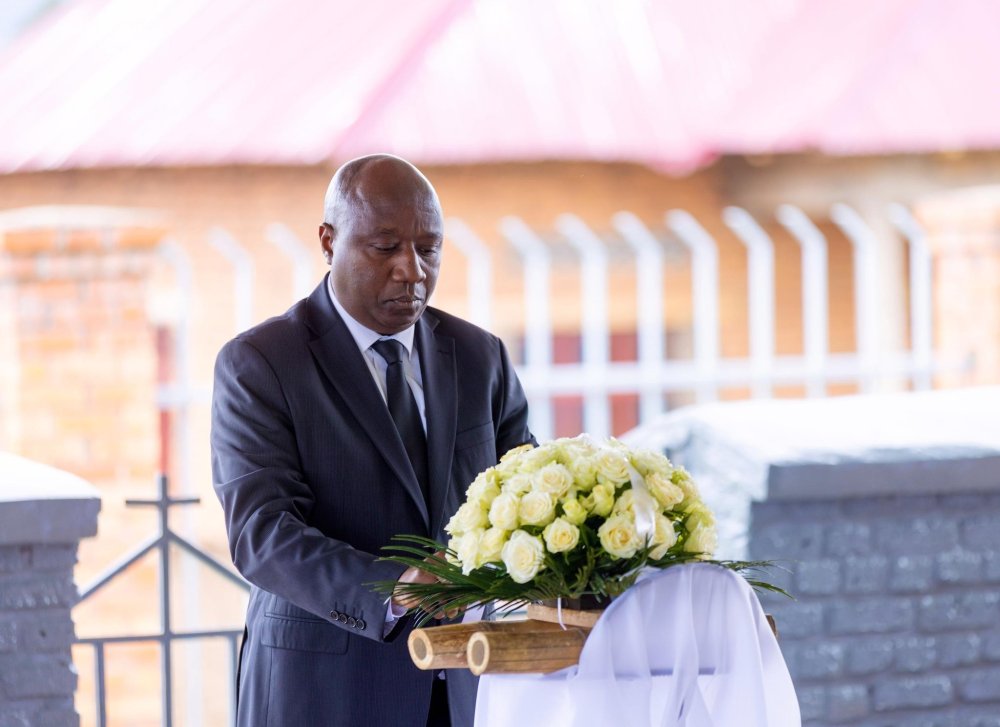
Premier Ngirente made these remarks on April 8, 2025, during the 31st commemoration of the 1994 Genocide against the Tutsi, held in Musanze District.
Together with other officials and residents, Prime Minister Ngirente paid tribute to the victims of the Genocide who were killed in the former Mukingo Commune and laid to rest at the Busogo Genocide Memorial. He reassured the local community that such atrocities would never happen again.
He stressed the importance of unity in ensuring lasting peace, noting that today, people can travel safely across the country—from Musanze to Rusizi or Rusizi to Nyagatare—thanks to the security guaranteed under President Kagame’s leadership.
“I cannot leave this district without mentioning the security we enjoy as a country—security in our families, in our communities, and among neighbors. Let us live in harmony within our homes and society, and let’s protect the nation’s peace.
The security we have is not something we should take for granted. To take it for granted would mean starting to undermine it, which would eventually lead to its loss. I believe we should all understand this,” he said.
Dr. Ngirente also warned against individuals and foreign entities attempting to sow division among Rwandans, calling for vigilance to prevent any return to the dark history of the past.
“We will not allow anything that threatens the security of our country, nor will we tolerate anything that risks dragging us back into the tragic history of the Genocide against the Tutsi,” he said.
The Prime Minister highlighted that the commemoration period is also a moment to express gratitude to the former Rwandan Patriotic Army (RPA-Inkotanyi) who stopped the Genocide.
“To honor them also means doing our part to build a better Rwanda for the future, which includes refusing to let anyone lead us down a path that could result in genocide again,” he added.
He further noted that remembrance is a time to reflect on the country’s painful history and strengthen national unity while rejecting any ideology that could lead to a repeat of those dark times.
Dr. Ngirente called on the youth to take a stand against genocide ideology and those who propagate it.
“Let’s be responsible youth. But to achieve that, parents have a key role to play. What values are we teaching our children at home? Let’s raise them with Rwandan values that promote harmony with others,” he urged.
He highlighted the need for combined efforts—by parents, teachers, and the government—to raise a generation committed to peace and unity.
“If we do this, Rwanda will remain a peaceful country, free from division and free from genocide,” he concluded.
The 31st commemoration of the Genocide against the Tutsi officially began on April 7 and will continue for 100 days.
According to the Office of the President, both leaders had a productive discussion on partnerships to achieve long-term peace in the Great Lakes, and plans to scale up U.S. investment in strategic sectors in Rwanda and the wider region.
His visit follows recent talks with Presidents Felix Tshisekedi of DRC, William Ruto of Kenya, and Yoweri Museveni of Uganda.
A Lebanese-born American, Boulos has held the role of senior advisor to U.S. President Donald Trump on Arab and Middle Eastern affairs. He also has close connections to the Trump family, notably through his son, Michael Boulos, who is married to Tiffany Trump, the daughter of the former president.
This visit coincides with heightened efforts to address the conflict in eastern DRC, where M23 rebels have seized significant territories, including the cities of Goma and Bukavu.
The peace process in the region took a step forward when DRC President Félix Tshisekedi and President Kagame met in Doha on March 18 to discuss potential solutions.
However, tensions remain between the two countries over the conflict, with Rwanda denying accusations that it supports the M23 rebels.
Rwanda maintains that its primary concern lies in the insecurity posed by the FDLR militia, which it claims has ties to the Congolese army.
This militia, made up of remnants from the 1994 Genocide against the Tutsi, is considered a major security threat due to its genocidal ideology.
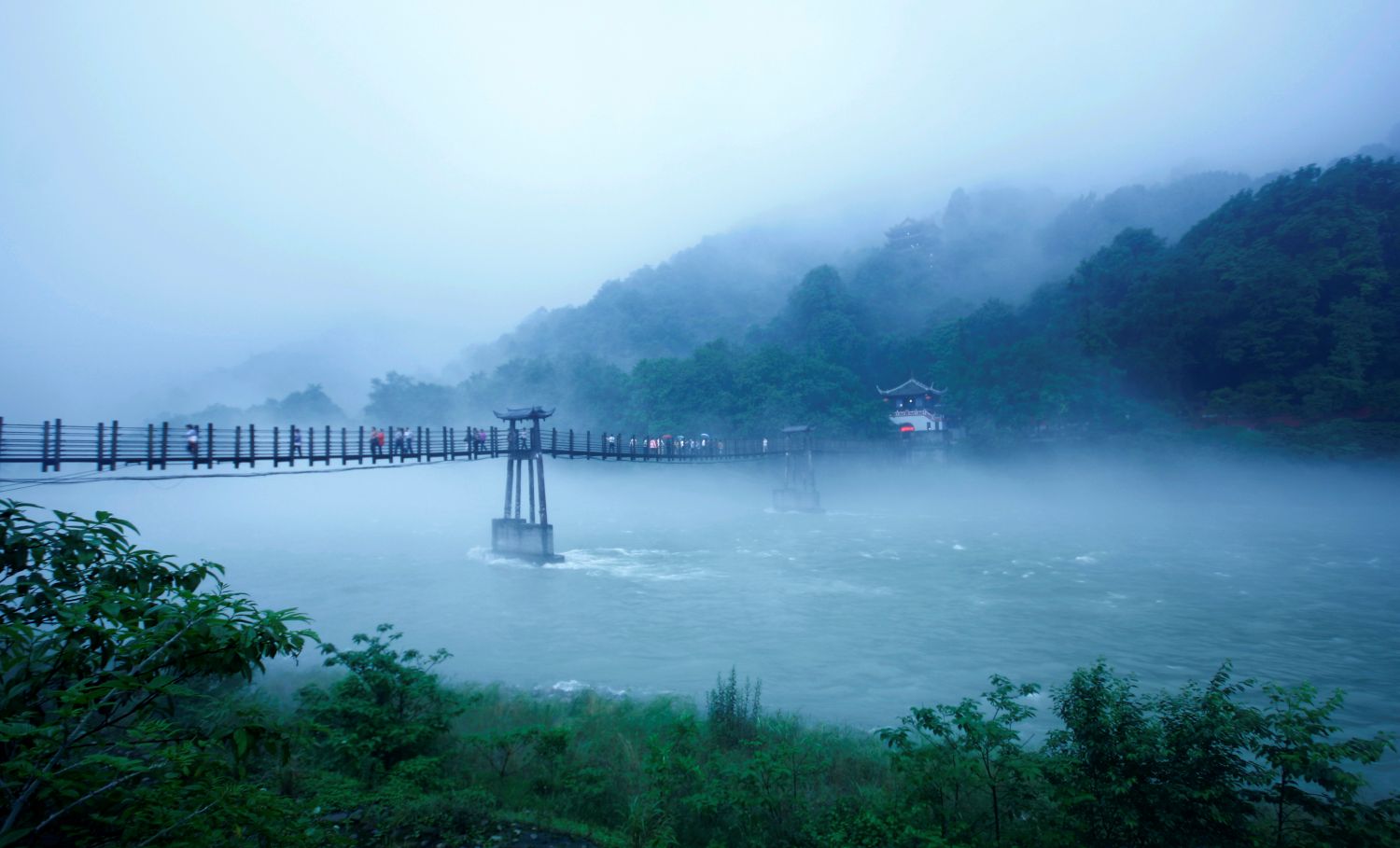
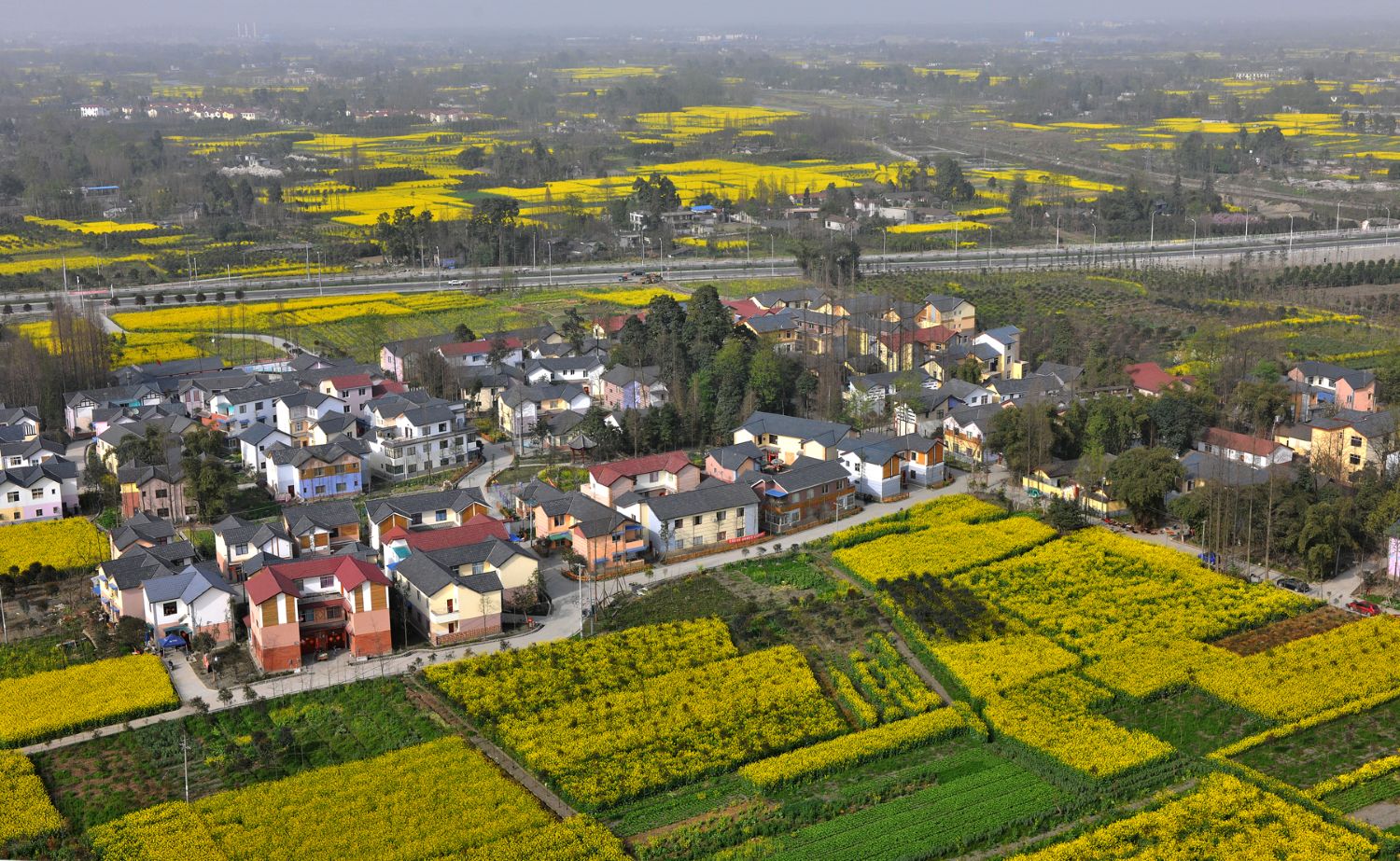
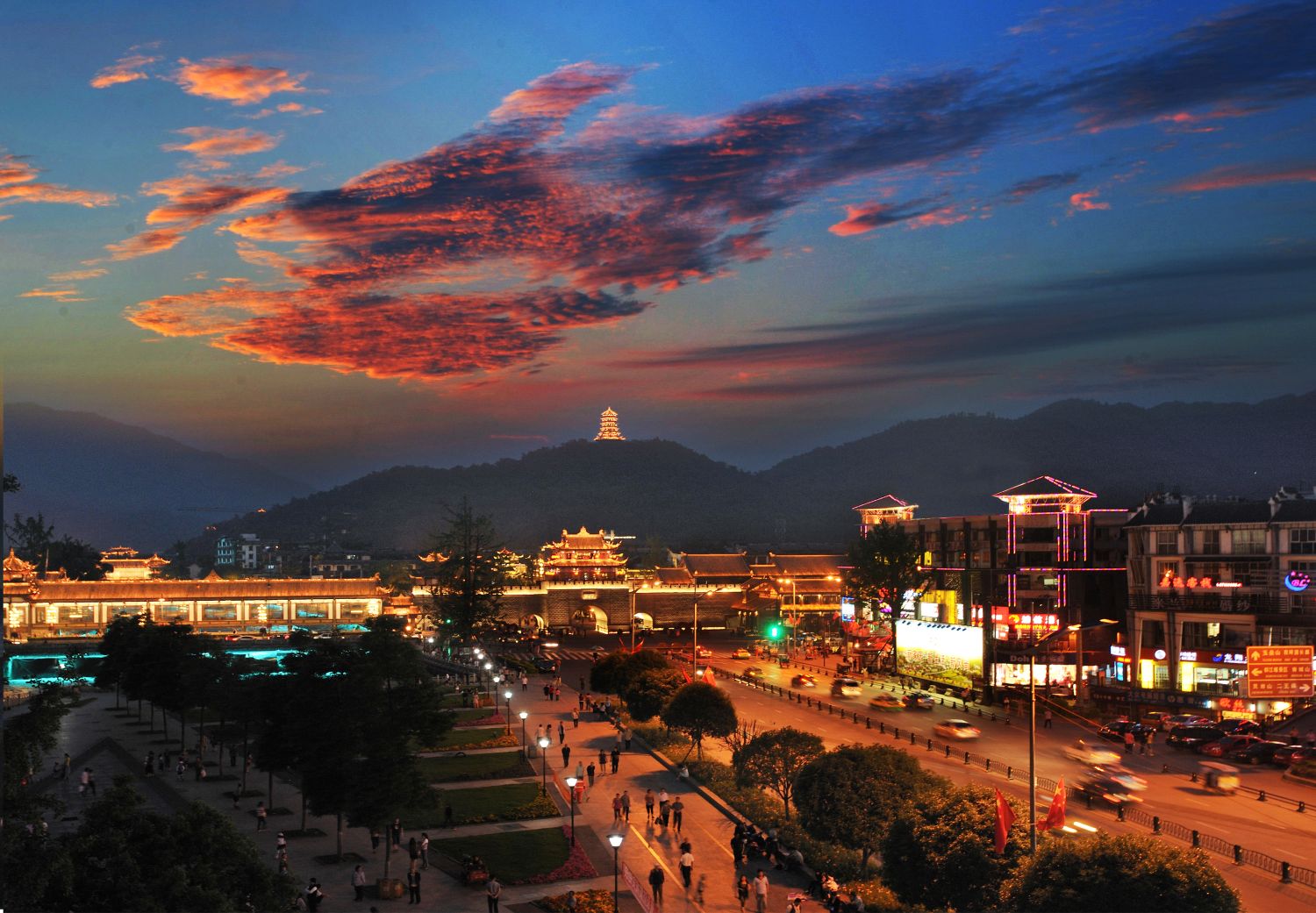
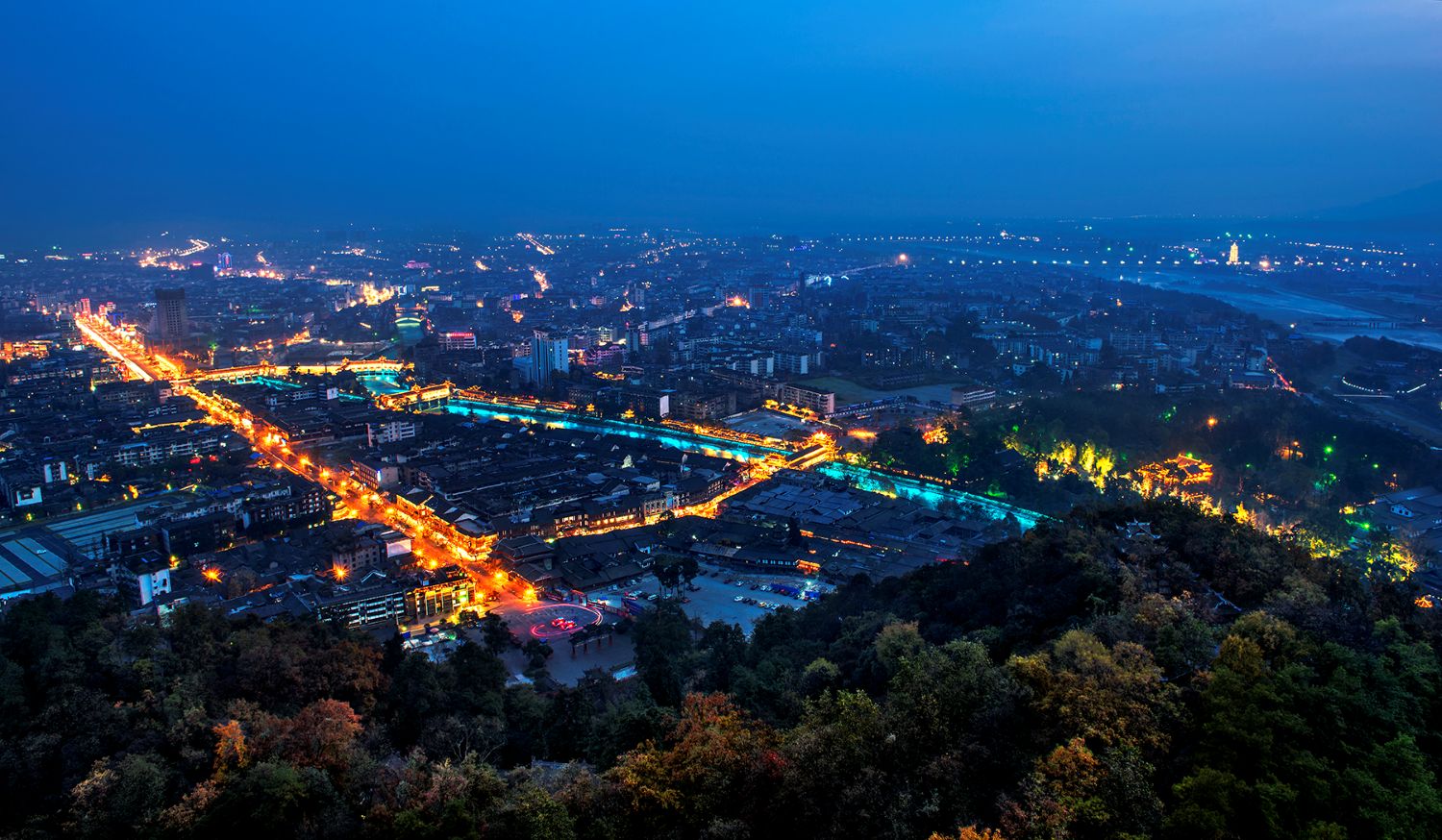
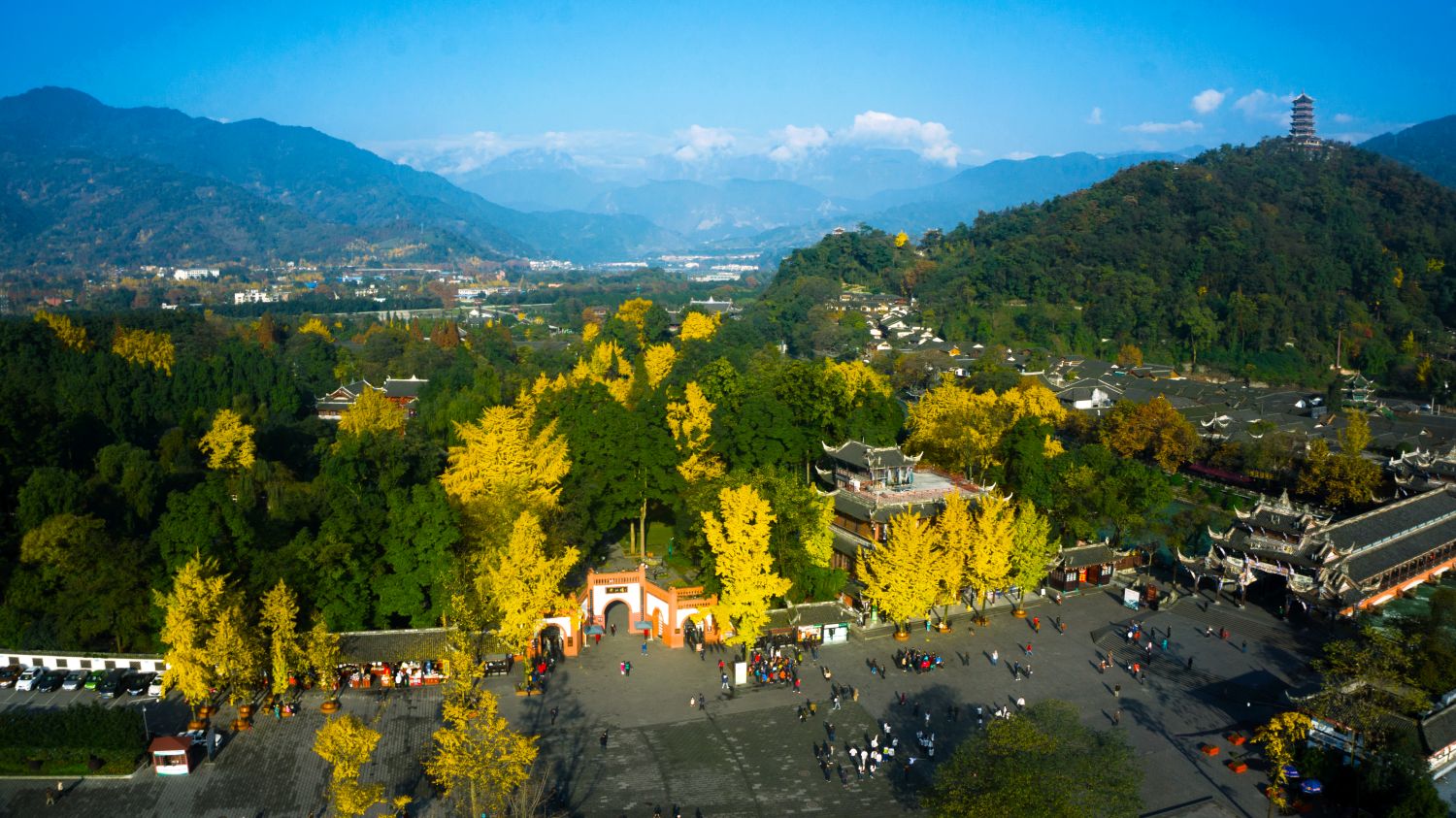
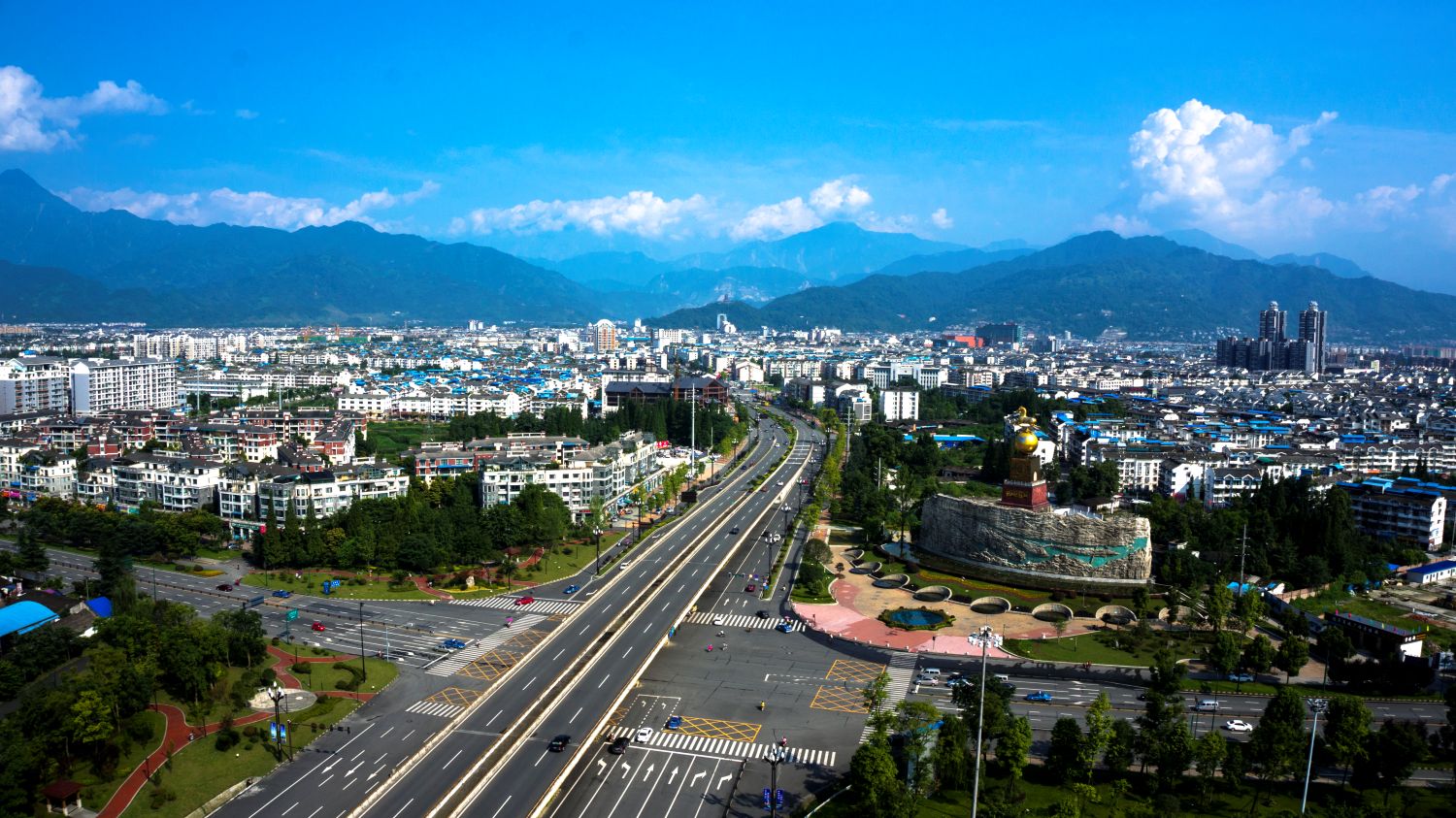
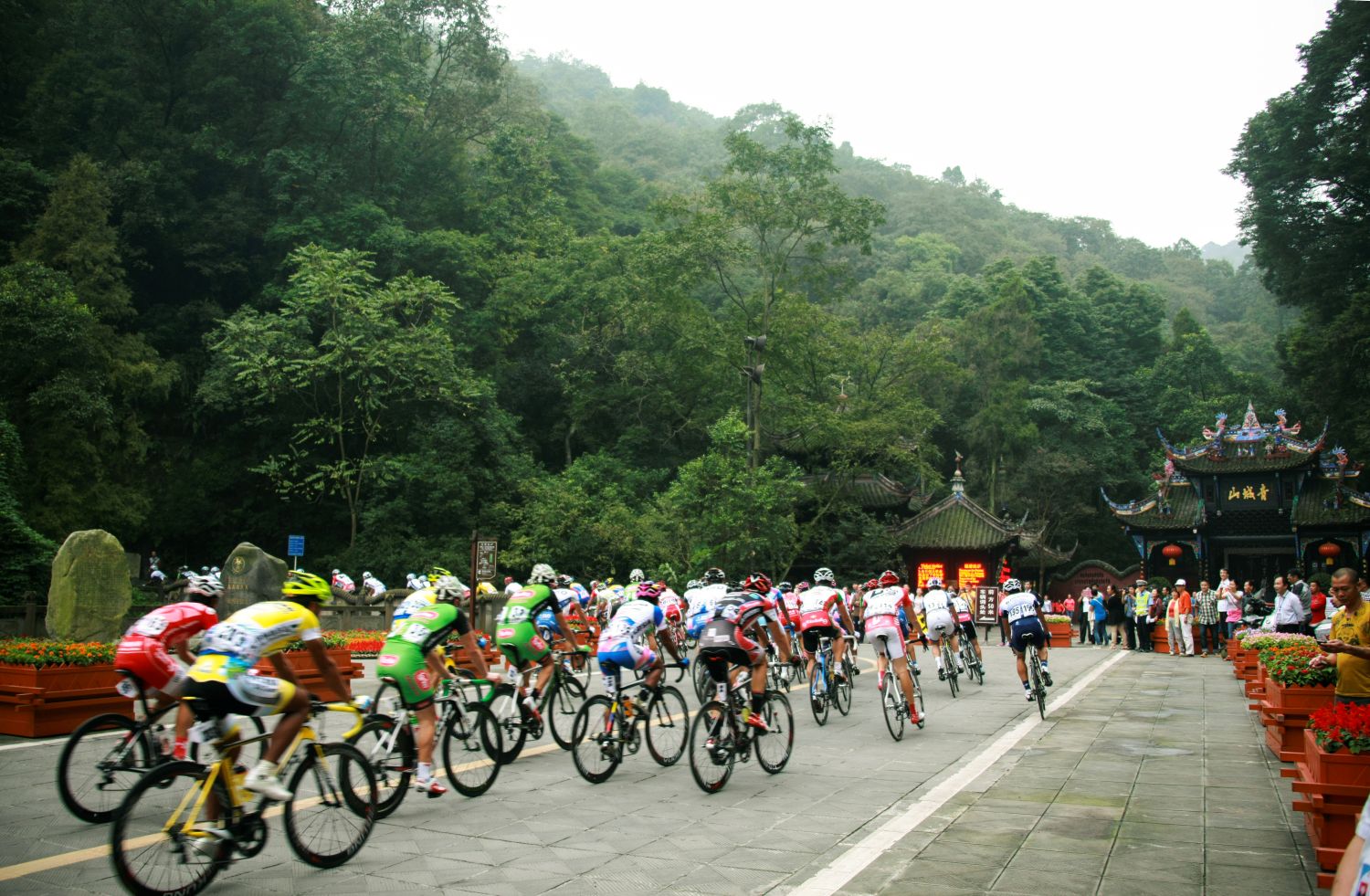
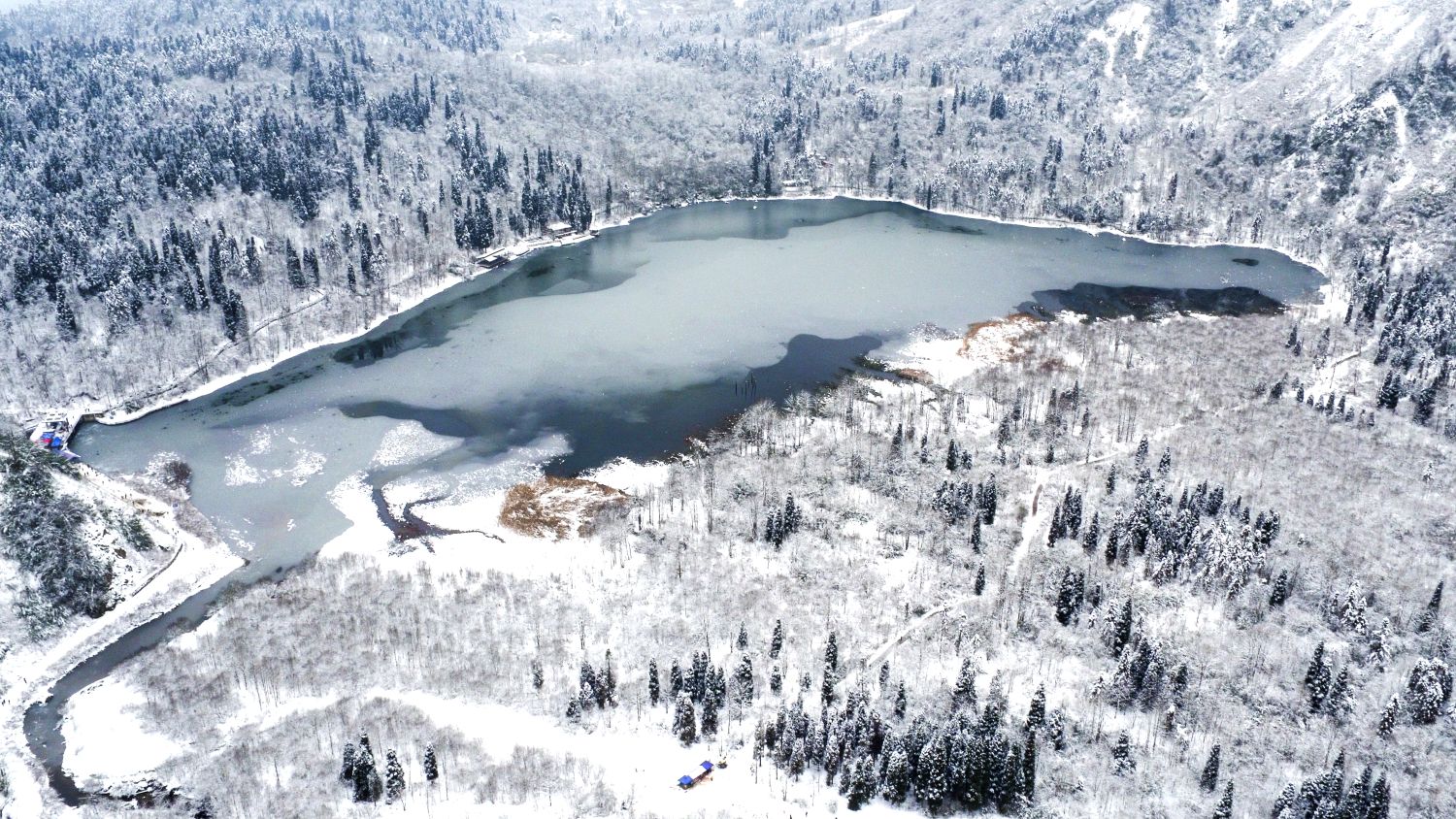
With a population of around 800,000 and covering over 1,200 square kilometers, Dujiangyan boasts clean air, lush forests, and a balance between tradition and modernity. During my visit, I found myself unexpectedly reminded of my hometown, Kigali, Rwanda. From its quiet, green environment to its peaceful energy, Dujiangyan felt like home.
When I landed in Sichuan Province, something clicked almost instantly. The calm streets, the green scenery, and the fresh air made me feel like I had returned to Kigali. Within thirty minutes of arriving in Chengdu, I found myself breathing deeply and smiling without even realizing it. The streets weren’t crowded, and trees were everywhere. Nature seemed to take the lead here—just like back home.
Every street in Dujiangyan whispered stories of peace and connection. I saw how a city could hold onto its cultural soul while still welcoming the new. It’s that same harmony I’ve always loved about Kigali, and finding it in Dujiangyan was both surprising and heartwarming.
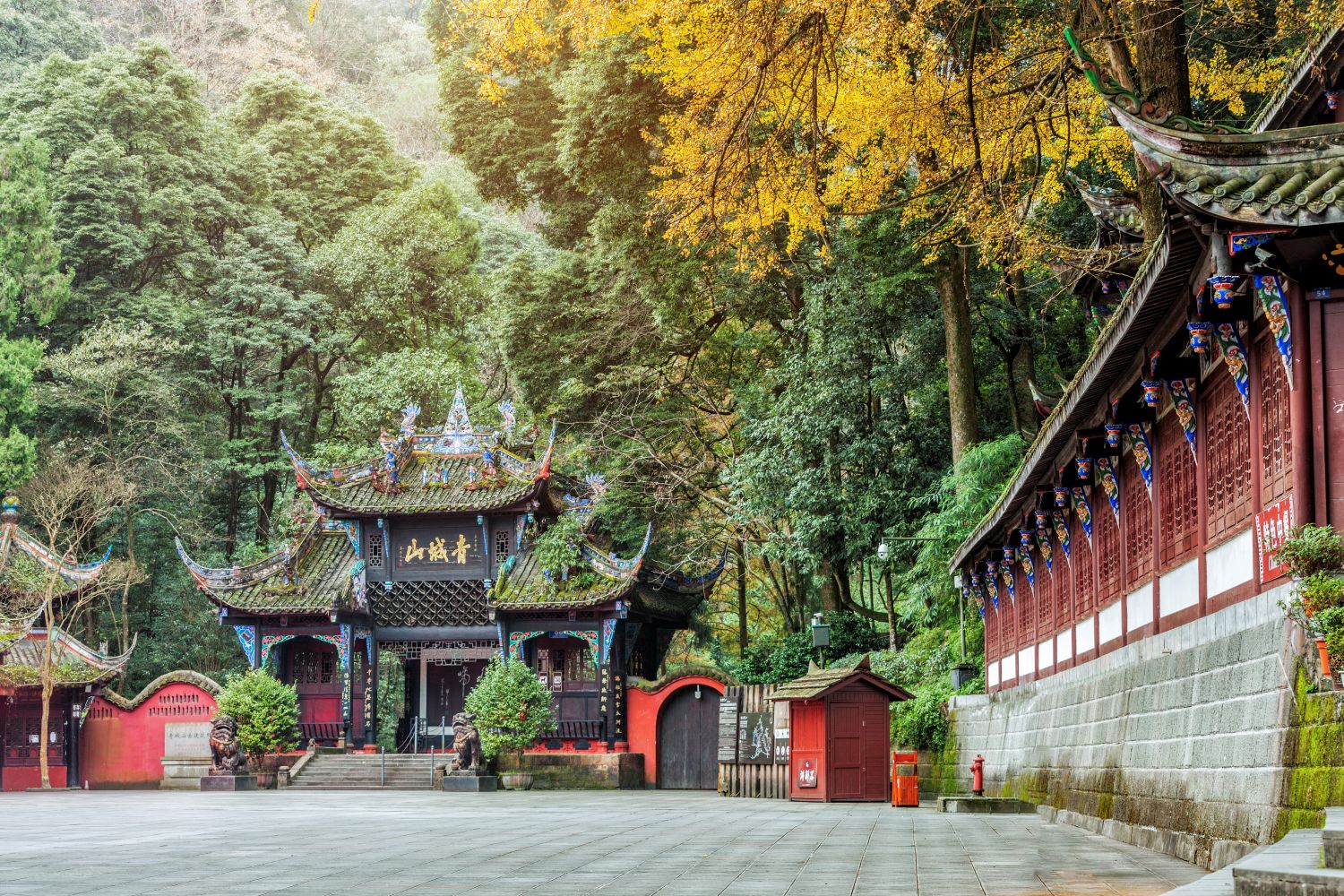
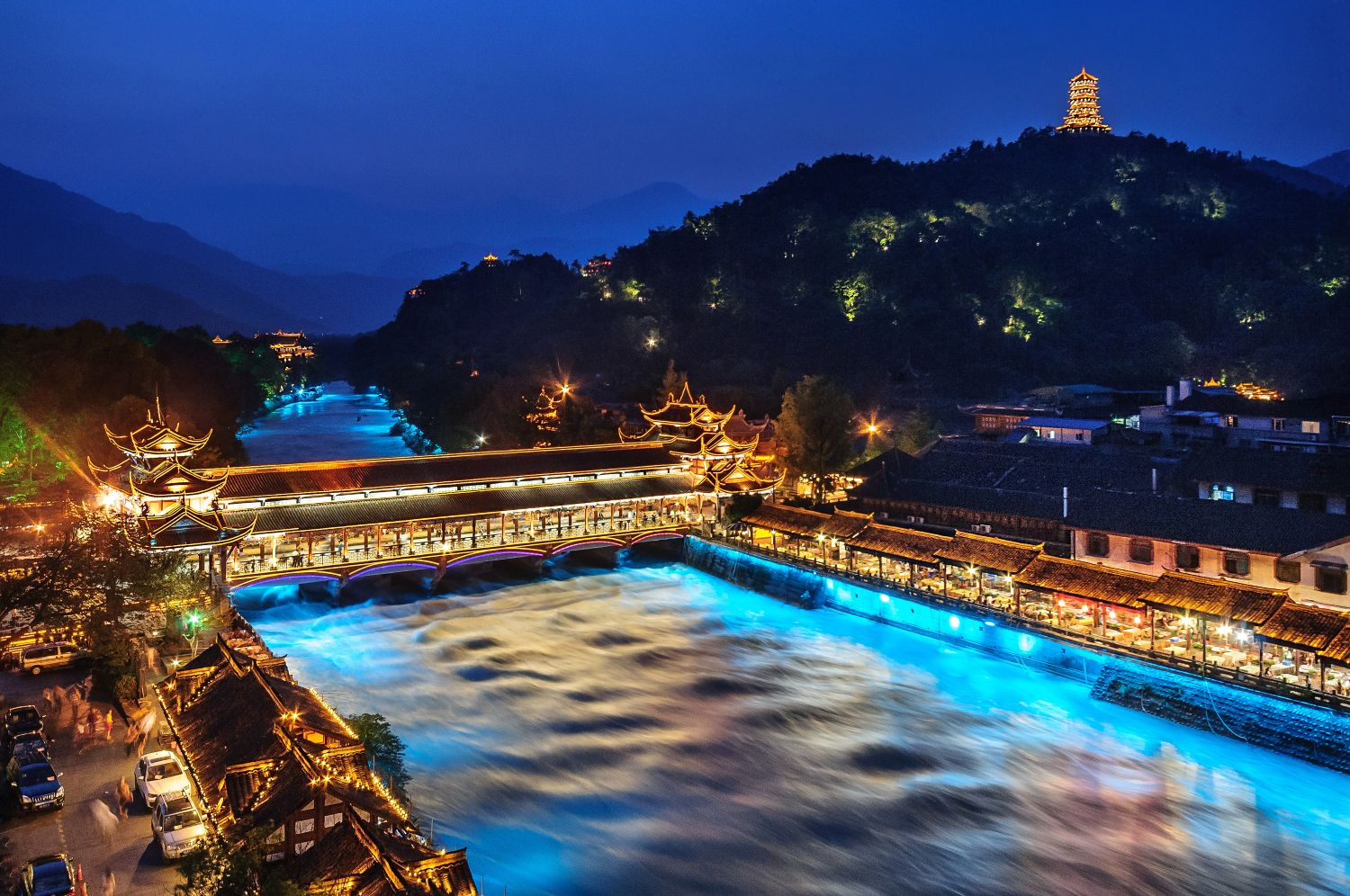
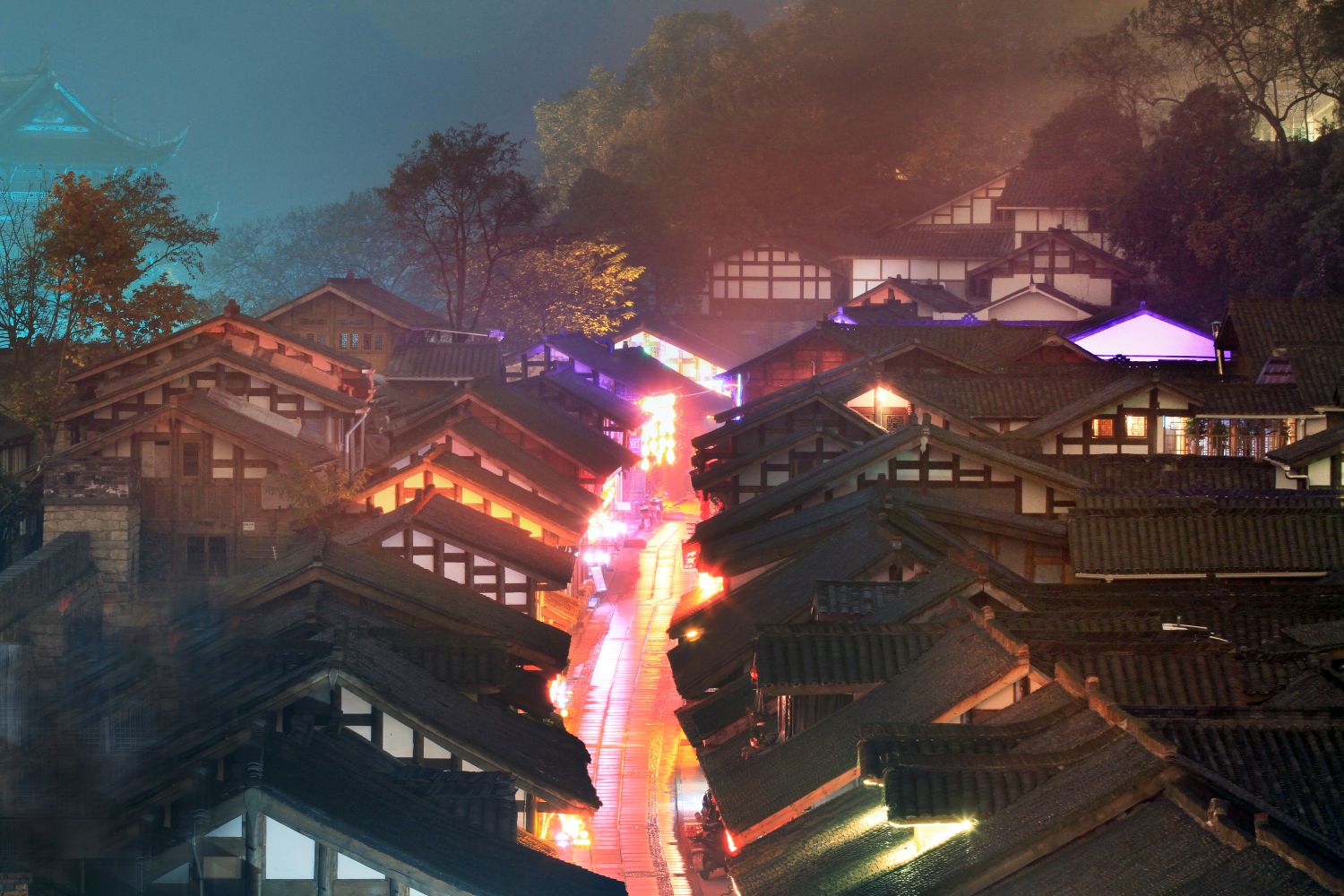
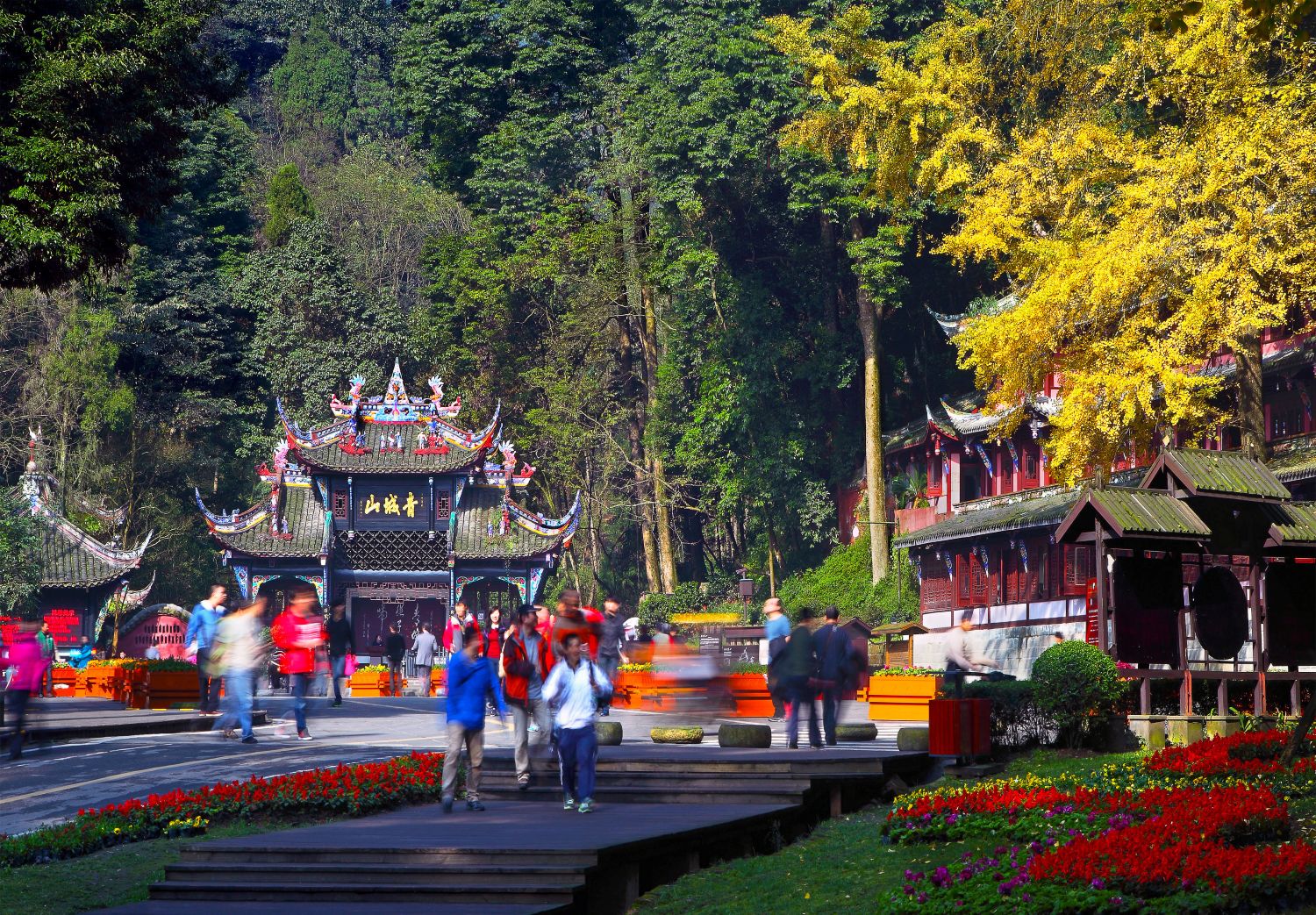
Dujiangyan’s ancient town is more than just a historic area—it’s a living symbol of China’s frontier trade history. Once a key stop on the ancient Tea Horse Road and the connection point between Chengdu and the Aba Autonomous Prefecture, this area was a thriving center for goods, travelers, and culture.
Centuries ago, it bustled with merchants and traders who built prosperous businesses such as teahouses, inns, cloth shops, and even money exchange shops. The commercial vibrancy of the town earned it the nickname “Small Chengdu.”
Today, the charm of that era lives on through its well-preserved architecture and winding stone streets, making it a must-see for anyone wanting to experience the soul of old China.
During my visit, I had the honour of listening to Li Huaqiang, Deputy Director of the Sichuan Foreign Affairs Office. In his speech, he highlighted how Dujiangyan has become not only a national ecological model and cultural treasure, but also an international partner.
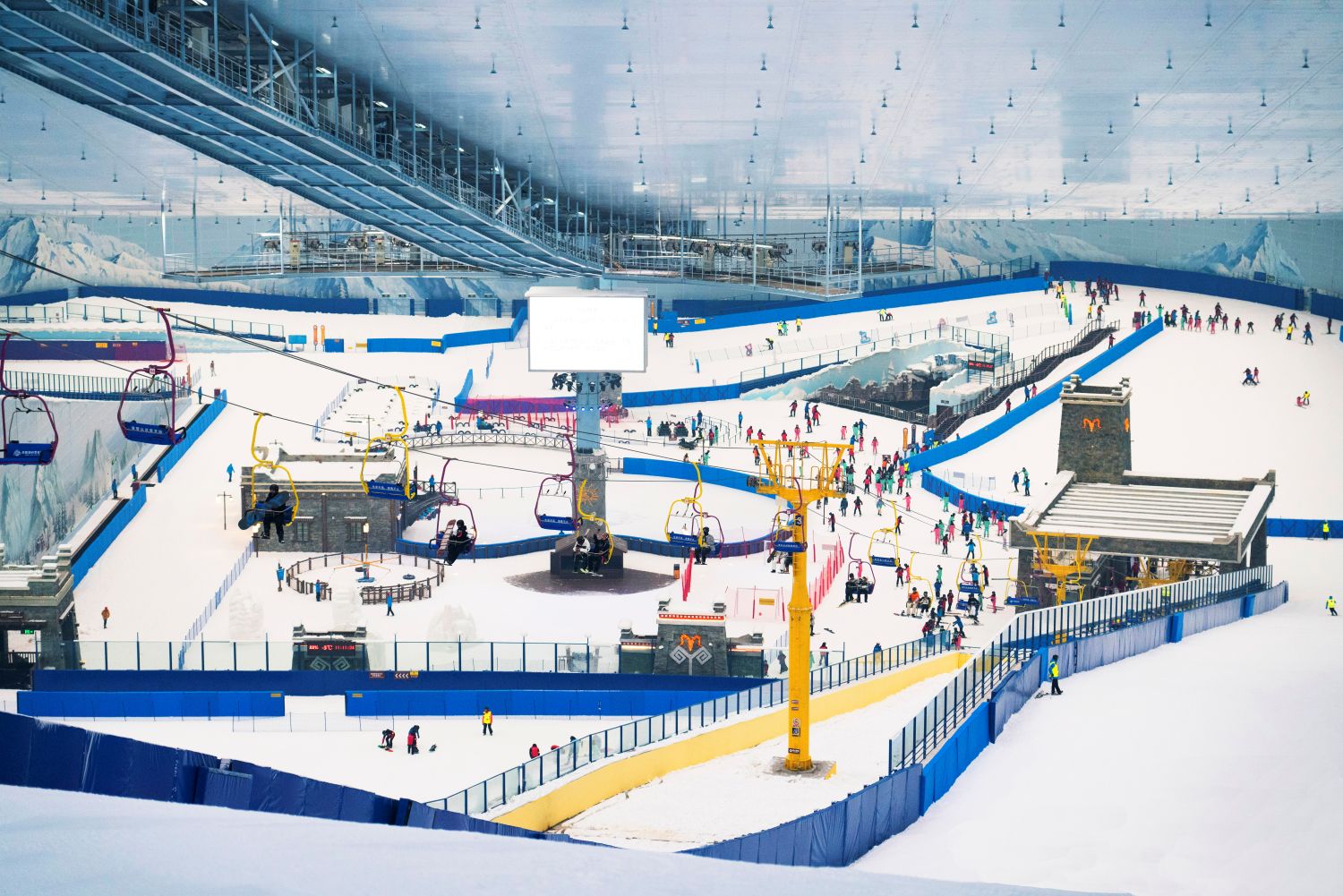
“Chengdu stands alone as the world’s only megacity where skyscrapers share the horizon with 6,000-meter snow-capped peaks. For 15 consecutive years, it has topped the list of the Happiest Cities in China. It’s a city you won’t want to leave once you arrive—and one you’ll always want to return to,” Li said.
The city is part of 10 international organizations and has built friendly relations with 36 cities across countries such as France, Germany, Japan, and the U.S.
Li emphasized the city’s commitment to openness and sustainable growth, noting how Dujiangyan continues to be a bridge between cultures and a model for integrated development.
{{Technological progress
}}
Despite its deep roots in history, Chengdu—which administers Dujiangyan as a county-level city—is a symbol of technological progress. The city is home to several groundbreaking enterprises that reflect China’s rapid development and innovation.
One of the companies I visited was Sichuan Huati Lighting Technology Co., Ltd., established in 2004. It stands out as the first and only mainboard-listed company in the road lighting field in China. With designations such as National Industrial Design Center and Green Factory, Huati is helping lead the way in sustainable city lighting solutions.
Another major player in the city’s industrial rise is TGOOD, a firm founded by German and Chinese engineers. It specializes in power distribution solutions such as prefabricated substations and switchgear.
Also based in nearby Chengdu is China Southwest Architectural Design and Research Institute Co., Ltd. (CSWADI)—one of China’s largest architectural firms, known for its blend of historical preservation and futuristic design.
“If implemented, this could amount to a death sentence for millions of people facing extreme hunger and starvation,” the WFP said in a statement on X.
The agency said it is currently in contact with the U.S. government to seek clarification and appeal for the continued support of its life-saving programmes.
The WFP acknowledged and expressed gratitude for the contributions it receives from the United States and other international donors, said the agency, reiterating its commitment to delivering “vital food assistance to vulnerable communities in hunger hot spots across the globe.”
U.S. President Donald Trump’s administration has decided to cancel most remaining U.S. aid, including food assistance, for Afghanistan, Yemen and other 12 countries, aid sources from the State Department and U.S. Agency for International Development said Monday.
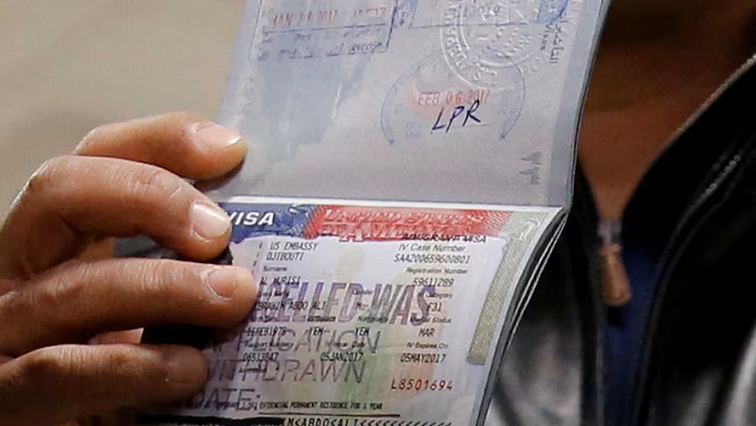
The move comes just days after U.S. Secretary of State Marco Rubio announced the immediate revocation of all U.S. visas held by South Sudanese nationals, citing Juba’s refusal to accept the return of its citizens subject to deportation. The U.S. also halted the issuance of new visas and threatened to block South Sudanese passport holders from entering the country.
In a statement released Tuesday, April 8, South Sudan’s Ministry of Foreign Affairs said the government had decided to allow the entry of Makula Kintu, the man at the center of the dispute, “in the spirit of the existing friendly relations” between the two countries.
Kintu had previously been denied entry at Juba International Airport on April 5 and 6, prompting the U.S. to take sweeping punitive action.
The ministry confirmed that relevant authorities have been instructed to facilitate Kintu’s arrival as early as Wednesday, April 9.
While South Sudan originally claimed that the man was not one of its nationals but a Congolese citizen who had been misidentified, it now says it will admit him and remains committed to facilitating the return of ‘verified South Sudanese nationals’ deported from the United States.
The diplomatic dispute marks the first instance since President Donald Trump’s return to office in January that the U.S. has imposed a blanket visa ban targeting all citizens of a single country. Trump’s administration, campaigning on a hardline anti-immigration platform, has promised widespread deportations and stricter enforcement of immigration laws.
“This is about national security and public safety,” Rubio said on Saturday. “The transitional government of South Sudan has failed to comply with basic international norms by refusing to accept its deported nationals.”
The U.S. government has dismissed South Sudan’s earlier defense that the deported individual was actually a Congolese national.
Deputy Secretary of State Christopher Landau argued that South Sudan’s embassy in Washington had previously certified the man as one of its citizens, making any subsequent disavowal “legally irrelevant.”
“It is unacceptable and irresponsible for South Sudanese government officials to second guess the determination of their own embassy,” Landau said.
The genocide had begun openly on April 7, 1994, following the assassination of President Juvénal Habyarimana when his plane was shot down. Within hours, mass killings of Tutsi civilians were underway across the country, particularly in the capital, Kigali.
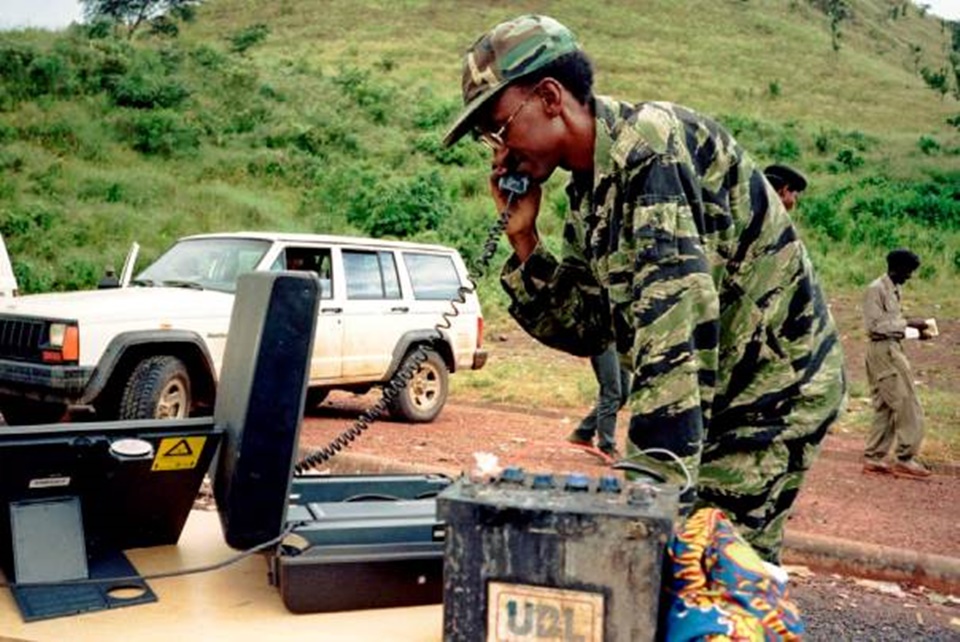
Recognizing the scale and urgency of the atrocities, Kagame issued immediate orders to his military commanders. Speaking from Mulindi in Byumba, the RPA’s main base at the time, he directed RPA forces to launch an offensive aimed specifically at halting the genocide.
The decision was quickly communicated to international diplomats and humanitarian organizations.
The first soldiers given the task of stopping the genocide were the 600 RPA troops already stationed at the CND (Parliament) in Kigali since December 28, 1993. Led by Charles Kayonga, this battalion included several high-ranking officers such as Maj Gen (Rtd) Charles Karamba (then a Captain), Jacob Tumwine, Emmanuel Rugazora, and Kwikiriza.
Originally, the soldiers’ mission was to protect FPR-Inkotanyi politicians who were expected to join the transitional government. But the downing of the president’s plane changed everything.
The soldiers, surrounded and attacked by government forces from Kanombe and Kacyiru, had to defend themselves and civilians who began seeking refuge.
On Kagame’s orders, the battalion transformed their CND post (now the Rwandan Parliament building) into a safe haven. Part of it became a makeshift hospital. Alone, they held their ground until April 11, when the Alpha Battalion under Sam Kaka arrived from Gicumbi, reinforcing them and allowing for a broader push across the city to stop the killings.
The goal was urgent and uncompromising—to defeat the enemy forces, dismantle roadblocks manned by the Interahamwe militia, and rescue Tutsi wherever they were being hunted. In every area secured by the RPA, they established safe zones, arranged for medical care, distributed food, provided clothing and shelter—restoring a measure of humanity in the face of systematic extermination.
Special squads were tasked with identifying and evacuating wounded survivors, abandoned children, and the elderly. The soldiers did everything: defending safe zones, administering first aid, collecting medicine, comforting victims, and gathering intelligence about others in hiding.
RPA troops faced fierce resistance from genocidal forces. Yet they pushed forward—fighting by day and rescuing by night. In Kigali, where the battlefield was chaotic and government troops were heavily concentrated, night missions were often the only way to search for and extract survivors. Soldiers combed through homes, bushes, streets—anywhere people might be hiding.
Survivors were taken to the battalion headquarters, where they received food, clothing (as many had been stripped or were barely dressed), medical care, and protection. Some were later relocated to pre-secured zones.
Intelligence teams also identified areas where Tutsi were being gathered for mass execution. The information was relayed to command centers, which then launched targeted assaults to liberate those zones. One example was the operation to rescue people trapped in Amahoro Stadium, which had become surrounded by killers. RPA troops stormed Remera and secured the area, saving hundreds.
When locations couldn’t be immediately seized, RPA soldiers infiltrated under the cover of night, battling their way in and evacuating victims. Such missions saved lives at Saint Paul, Saint André, and other high-risk areas.
Some soldiers went even deeper behind enemy lines—not only to gather military intelligence but to pinpoint the locations of genocidaires and, when possible, rescue Tutsi on the spot.
Ultimately, many people were saved through these night missions, and even more were rescued as the RPA took control of Kigali and expanded its reach across the country.
This extraordinary military effort, spearheaded by a resolve to stop the genocide regardless of international inaction, remains one of the most defining chapters in Rwanda’s history.
Kagame’s declaration on April 8, 1994, was more than a warning to the world; it was a promise kept.
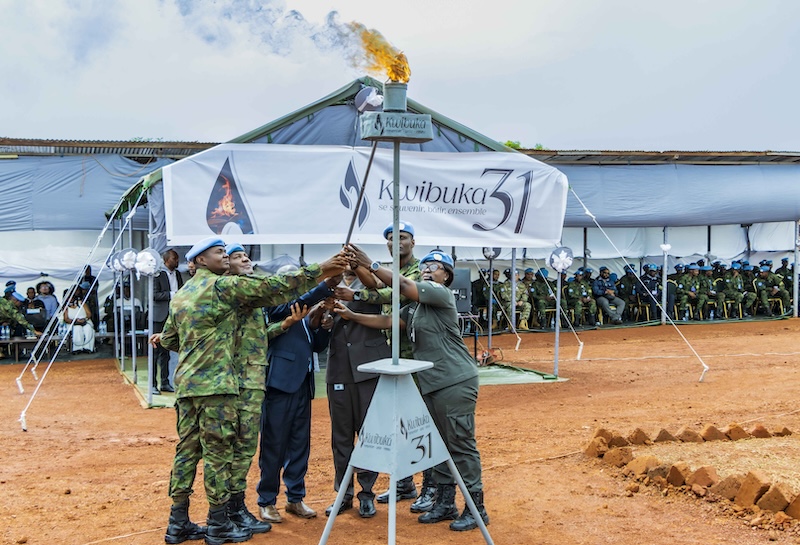
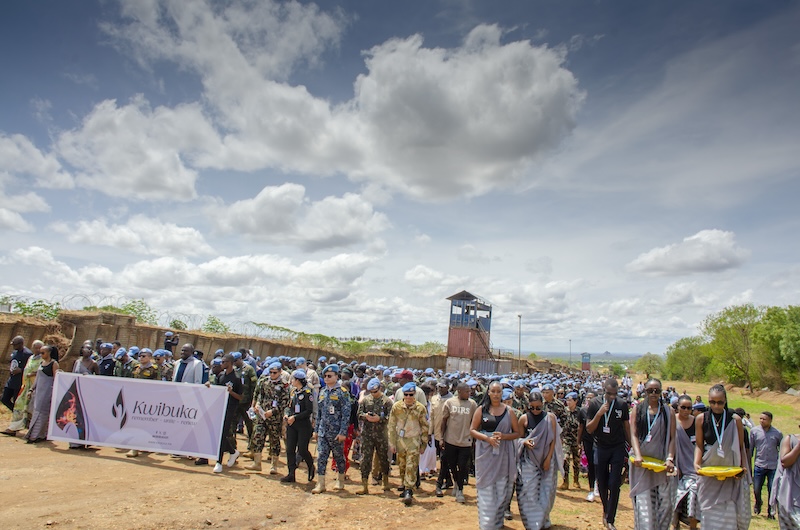
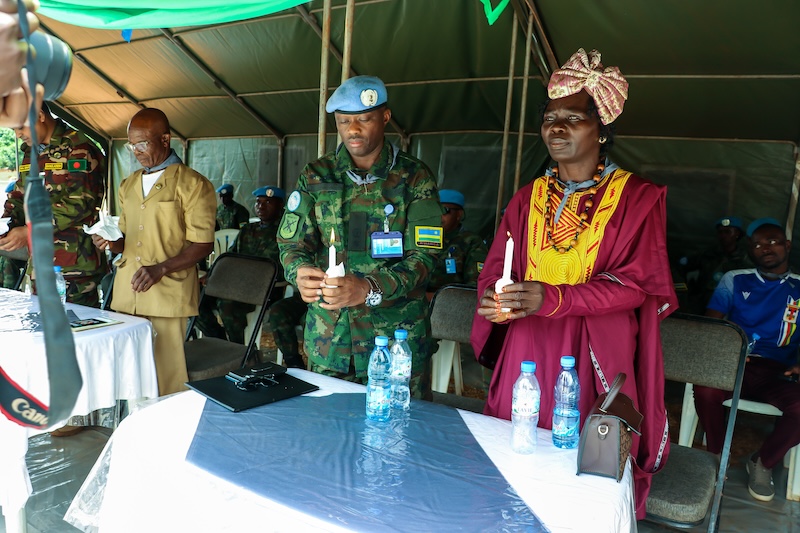
The commemoration was marked by a walk to remember, a moment of silence and lighting of flame in remembrance of over one million lives lost during the genocide.
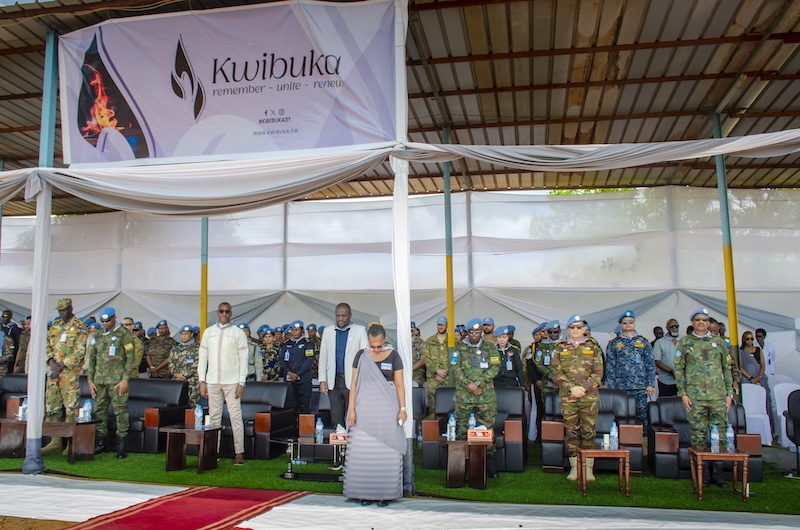
In the Republic of South Sudan, the commemoration was held at the UNMISS RWANBATT-3 Base Camp Durupi in Central Equatorial State in the outskirts of Juba City. Participants included South Sudan government officials, the UNMISS Military Component, UN agencies officials, Rwandan community and peacekeepers.
The Chairman of the Rwandan Community in South Sudan and guest of honour, Mr William Ngabonziza, said in his remarks that Rwanda has undergone a remarkable transformation since 1994 transitioning from horrors of the Genocide to become a beacon of hope and resilience.
He added that the country achieved significant strides in reconciliation, reconstruction, and socio-economic development through visionary leadership and collective efforts. He stressed that Rwanda’s journey of unity and peace serves as a testament to the resilience of its people and the power of forgiveness and reconciliation.
He also regretted that the International Community failed to intervene while Rwandans were in dire need of protection and called on the world to never let such atrocities happen again.
A separate commemoration was also organised by Rwandan community and peacekeepers in Malakal, Torit, Yambio, Kuajok, Bentiu, Bor, and Rumbek in South Sudan.
In Central African Republic, the Rwandan peacekeepers (Rwanda Battle Group VII and Level 2 Hospital in Bria, and RWANBATT-2 in Bossembele) serving under the United Nations Multidimensional Integrated Stabilisation Mission in the Central African Republic (MINUSCA), along with UN staff, local authorities, and the local community, marked the 31st commemoration of the 1994 Genocide against the Tutsi at the events held in Bria and Bossembele base camps.
Sous- Préfe Madam Nakomana Beatrice and the mayor of Bossembele as well as Local security commanders, were present Colonel Jean de la Croix Baziruwiha, Deputy Commander of Sector East highlighted the hard-earned lessons from Rwanda’s path of recovery, reconciliation, and resilience.
He reminded attendees that the Genocide against the Tutsi in 1994 was not an accident of history but a prepared campaign made possible by divisive ideology and poor leadership.
Lieutenant Colonel Ndanyuzwe Muzindutsi, the Contingent Commander of RWANBATT-2 in Bossembele, highlighted the systematic planning and execution of Genocide against Tutsi in Rwanda by the bad leadership; he reminded the contingent of their duty to uphold peace in their area of responsibilities.
The commemoration not only honours the lives lost in the 1994 Genocide against Tutsi, but also stresses Rwanda’s unwavering commitment to genocide prevention and promotion unity and peace both at home and across the globe through its peacekeeping missions.