After the Liberation Struggle and halting the Genocide, Rwanda embarked on a development path characterized by sustained peace and security; improved living standards and public health; good governance and international cooperation; inclusive education and women’s empowerment; among other areas.
This journey has brought visible infrastructure development, including schools, health centres, modern buildings, progress in technology, healthcare, modern agriculture and livestock, and much more.
These changes are evident to every Rwandan and affirm the country’s full liberation, a process driven by Rwandans themselves.
Though the armed struggle ended, the country has spent the last 31 years in a different kind of battle: rebuilding and developing toward a dignified life for every citizen.
The Seventh Integrated Household Living Conditions Survey (EICV7) showed that poverty in Rwanda dropped from 39.8% in 2017 to 27.4% in 2024, while extreme poverty fell from 11.3% to 5.4% during the same period.
The data also shows that Rwandans now earn an average of $1,040 per person per year. According to the National Institute of Statistics of Rwanda (NISR), there have been major changes in the country’s economy.
For example, the percentage of Rwandans with access to electricity increased from 11.1% in 2011 to 72% in 2024.
Those with access to clean water rose significantly as well — from 74.2% in 2011 to 89.7% in 2024.
Figures from the Rwanda Utilities Regulatory Authority (RURA) show that mobile phone users increased to 13,480,095 in September 2024, up from 12,538,106 in 2023.
The education sector has improved through the government’s commitment to universal access, though challenges remain in improving quality.
Tito Rutaremara, Chairperson of the Rwanda Elders’ Advisory Forum, noted that when the RPF-Inkotanyi launched the Liberation Struggle, it had clear goals for Rwanda and its people.
“The liberation struggle was just one step. We had a broader mission — ensuring national security, unity, building a democracy that suits our country, developing the economy, and establishing diplomatic relations based on mutual respect.”
He emphasized that in the 31 years since liberation, much has been achieved to improve Rwandans’ lives and that continued efforts will be needed to keep transforming those lives.
“We prioritized essential needs such as security for people and property, access to food and healthcare — and from there, we’ve continued building on those foundations.”
He stressed that, in today’s world, the country must fully embrace technology in all sectors to build a knowledge-based economy.
“We’ve reached a stage where we must integrate new innovations — technology and creative intelligence. That means embedding technology in every sector so that our economy and daily life are driven by both tech and ingenuity.”
In terms of service delivery, he noted that some improvements are still needed, particularly in digital transformation and speeding up access to public services.
Rutaremara added that Rwanda’s ongoing rebuilding efforts aim to ensure that every citizen can access the services they need, healthcare, education, and employment, without having to seek a better life elsewhere.
He projected that in the next 30 years, Rwanda should have reached this goal, in line with Vision 2050.
He concluded by emphasising the need to promote positive values and protect Rwanda’s cultural heritage so that other countries can learn from Rwanda’s experience.
The borders in question include the Grande Barrière (also known as “La Corniche”), Petite Barrière, which connect Rwanda with the DRC. These borders now open at 6:00 a.m. and close at 10:00 p.m.
Before the COVID-19 pandemic, more than 50,000 people crossed three official borders daily, with the Grande Barrière operating 24 hours a day.
Rubavu District Mayor, Mulindwa Prosper, told IGIHE that the number of people using the Rubavu–DRC border crossings has reached 43,000.
“The number of users at the Grande Barrière and Petite Barrière has increased to 43,000, not counting those who use the Kabuhanga border,” he said.
Residents working at the Gisenyi cross-border market told IGIHE that they now rely on trust-based trade, as many Congolese clients lack cash.
They cited reasons including the shut down of banks in Goma by the Tshisekedi administration, making it difficult for citizens to access their savings.
Sifa, a Congolese resident of Ndosho in Nyiragongo Territory, said that most products coming from Rwanda to her area are fruits and vegetables. She also confirmed that their current trade depends heavily on mutual trust.
“Banks are closed, so we’re using the little money we had at home or we take goods on credit based on trust. We go, sell them, and return to pay later,” she said.
Sifa added that reopening banks would give them access to much-needed capital.
The AFC/M23 rebel group began controlling the border posts between Rwanda and the DRC on the side of Goma in January 2025.
Gabriella, 18, secured her spot after winning the national round of Miss RSW Rwanda 2025, where she impressed judges with a strong score of 212.03 out of 300 (70.68%). She edged out competitors Asangwe Marie Osea and Irankunda Jeanine, who took first and second runner-up positions, respectively.
A student at King David Academy, Gabriella is known for her confidence, poise, and passion for innovation and entrepreneurship. She describes herself as a purpose-driven young woman who leads with both heart and intellect, and places faith and family at the centre of her life.
“It’s an incredible honour to represent every Rwandan woman with a dream,” she shared. “I’m coming with a heart full of love and a vision that can’t be hidden.”
Gabriella will compete under the East Africa bloc, alongside Nycie Gracia Dushime of Burundi, a Miss Burundi 2025 semifinalist, and Diana Nakeza Mushagalusa from the DRC.
Judges from across the world, including the U.S., U.K., Australia, Canada, Ireland, and New Zealand, applauded Gabriella for her cultural insight, eloquence, digital savvy, and Christ-centred values. Her respect for Rwandan heritage and polished public speaking skills also stood out.
The Miss Rise and Shine World pageant, launched in 2012 by Bishop Justin Alain and Marlene Justin, is now present in over 50 countries. It aims to empower young women through leadership grounded in faith and purpose.
The international finals will bring together contestants from across continents for a week-long celebration of beauty, culture, and inspiration.
Jay-Jay Okocha, the Nigerian midfield maestro now aged 51, played for PSG from 1998 to 2002, making 84 appearances and scoring 12 goals. His former teammate, French right-back Didier Domi, 47, had two spells at the club, first from 1996 to 1998 and later from 2001 to 2004.
Okocha arrived at Kigali International Airport at 9:20 PM wearing PSG-branded gear, where he was welcomed by Domi, who had landed earlier.
The visit is part of a multi-day tour running through July 11. During their stay, the PSG legends are expected to explore Rwanda’s iconic sites, including Volcanoes National Park and various cultural and historical museums.
The Visit Rwanda–PSG partnership, initiated in 2019 by the Rwanda Development Board (RDB), promotes Rwanda as a premier tourism and investment destination. The collaboration showcases Rwanda’s natural beauty, vibrant culture, and locally made products to a global audience of football fans.
Through this partnership, PSG stars and international celebrities visit Rwanda to engage with its art, music, sport, and tourism sectors — enhancing the country’s image worldwide.
In April this year, Visit Rwanda and PSG renewed their partnership agreement through 2028, citing successful outcomes on both sides.
As part of the deal, PSG promotes the Visit Rwanda brand at its home ground, Parc des Princes, and features it on training kits. The club will also wear the Visit Rwanda logo on its sleeve during the Club World Cup semifinal clash against Real Madrid in the United States on Wednesday, July 9.
According to the World Health Organisation, low back pain is now the leading cause of disability worldwide, affecting over 619 million people in 2020, with numbers projected to soar to 843 million by 2050.
These figures highlight how essential it is to care for our spines, not just to avoid discomfort but to preserve overall well-being.
The good news? Most spine problems are preventable with simple, everyday habits. Here are ten expert-backed tips to help you maintain a strong, healthy spine for life.
{{1. Maintaining good posture
}}
Whether you’re sitting at your desk, standing in line, or scrolling on your phone, slouching can put real strain on your spine. Health experts say keeping your shoulders relaxed, your back straight, and your head aligned over your shoulders can go a long way in preventing long-term pain and stiffness.
{{2. Regular physical activity
}}
Exercise strengthens the muscles that support the spine, improves flexibility, and helps manage weight, all factors that lower the risk of back pain.
Activities like walking, swimming, yoga, and Pilates are excellent for maintaining spinal health, as they promote gentle stretching and muscle balance.
{{ {{3. Lift smarter, not Harder
}}
}}
Safe lifting techniques are another key factor often overlooked until injury strikes. Bending from the knees and hips rather than the waist, keeping objects close to the body, and avoiding twisting motions are vital to protect the lower back. Improper lifting remains a common cause of sudden back injuries, both at work and at home.
{{4. Watch your weight
}}
Extra body weight, especially around your waist, puts stress on the lower back and can accelerate disc problems or joint pain. People who maintain a healthy weight have lower rates of chronic back pain, making healthy eating and regular exercise essential.
A study by R. Shiri, a professor of hepatic inflammation and metabolic health at Maastricht University in the Netherlands, found a clear link between obesity and chronic low back pain, highlighting the importance of maintaining a healthy weight as a powerful tool for preventing spinal problems.
{{5. Sleep in spine-friendly positions
}}
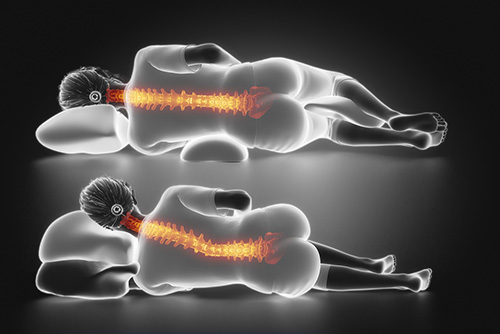
The way you sleep can affect how your spine feels all day. Doctors recommend sleeping on your side with a pillow between your knees, or on your back with a pillow under your knees to help maintain the spine’s natural curves. A supportive mattress also makes a big difference.
6. Regular stretching
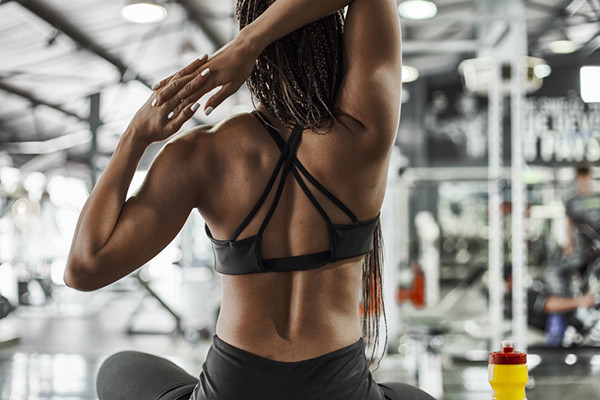
Flexibility, often underestimated, is critical in preventing injuries and maintaining spinal health. Regular stretching keeps the muscles and connective tissues supple, reducing stiffness and improving range of motion. Even a few minutes of gentle stretches each day can make a meaningful difference.
{{7. Avoiding prolonged sitting
}}
Spending hours sitting, especially without breaks, compresses spinal discs and weakens muscles. Researchers have found that sitting more than eight hours a day is linked to a higher risk of chronic back pain. Stand up, stretch, or take a short walk every hour to give your back a break.
{{8. Supportive footwear
}}
Believe it or not, your choice of shoes can affect your spine. Poor footwear can throw off your posture and gait, leading to back pain over time. Opt for shoes with good arch support and cushioning, especially if you spend a lot of time standing or walking.
{{9. De-stress to protect your back
}}
Mental well-being is intertwined with physical health, including spinal health. Stress and anxiety can cause muscle tension, particularly in the neck and shoulders, which may radiate pain to the back. Practices like deep breathing, mindfulness, and engaging in enjoyable hobbies help reduce stress and protect the spine.
{{10. Don’t ignore persistent pain
}}
Persistent or severe back pain should never be ignored. Seeking timely medical advice can prevent small problems from escalating into serious conditions requiring extensive treatment. Health professionals such as doctors, physiotherapists, or chiropractors can offer personalised guidance for managing or preventing spinal issues.
In a world increasingly shaped by sedentary work and digital devices, caring for our spines has never been more crucial. Small, consistent habits can go a long way toward ensuring that our backbone both literally and figuratively remains strong, flexible, and pain-free. As the global burden of back pain rises, prioritising spinal health is an investment not just in comfort but in long-term quality of life.
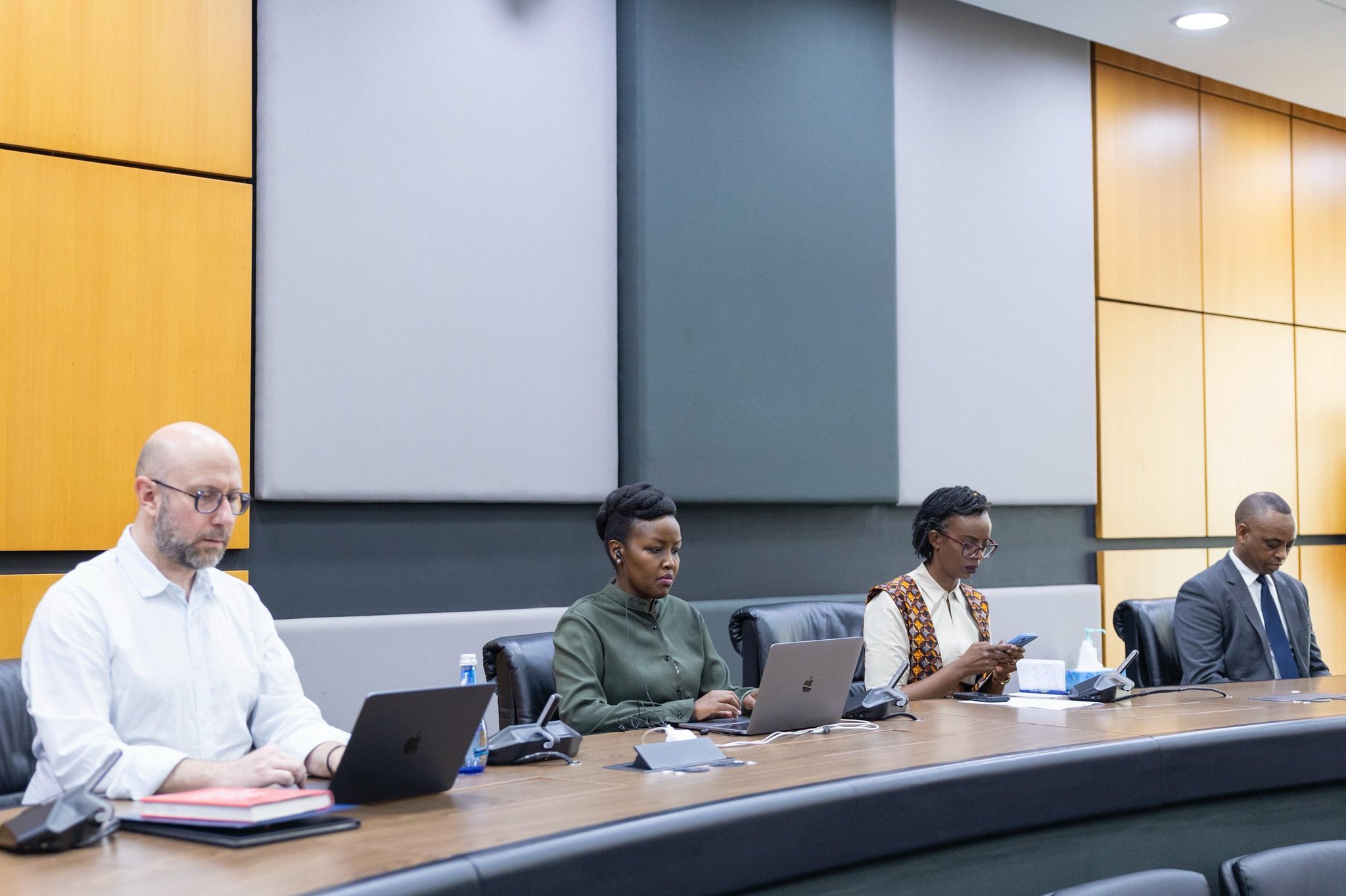
President Kagame co-chairs the Commission alongside Mexican business magnate Carlos Slim.
Sunday’s session was led by Doreen Bogdan-Martin, Secretary-General of the International Telecommunication Union (ITU).
The event celebrated 15 years of progress in advocating for meaningful and inclusive broadband connectivity, especially in underserved regions.
Rwanda’s Minister of ICT and Innovation, Paula Ingabire, was among the leaders who attended the online session.
Established in 2010 by the ITU and UNESCO, the Broadband Commission serves as a high-level public-private partnership promoting digital cooperation. Its founding members include President Kagame and Carlos Slim, both of whom have played a pivotal role in elevating broadband to the forefront of global development discussions.
The Commission brings together more than 50 leaders from across sectors, including CEOs, policymakers, UN agencies, academia, and civil society, working to advance broadband adoption and digital inclusion globally. Its mission aligns closely with the United Nations’ 2030 Agenda for Sustainable Development, emphasizing broadband as a foundational enabler of all 17 Sustainable Development Goals (SDGs).
Over the years, the Commission has produced influential policy recommendations and flagship reports, including the annual State of Broadband report. Its advocacy has focused on bridging digital gaps, promoting affordable and safe connectivity, and shaping national broadband strategies, particularly in the Global South.
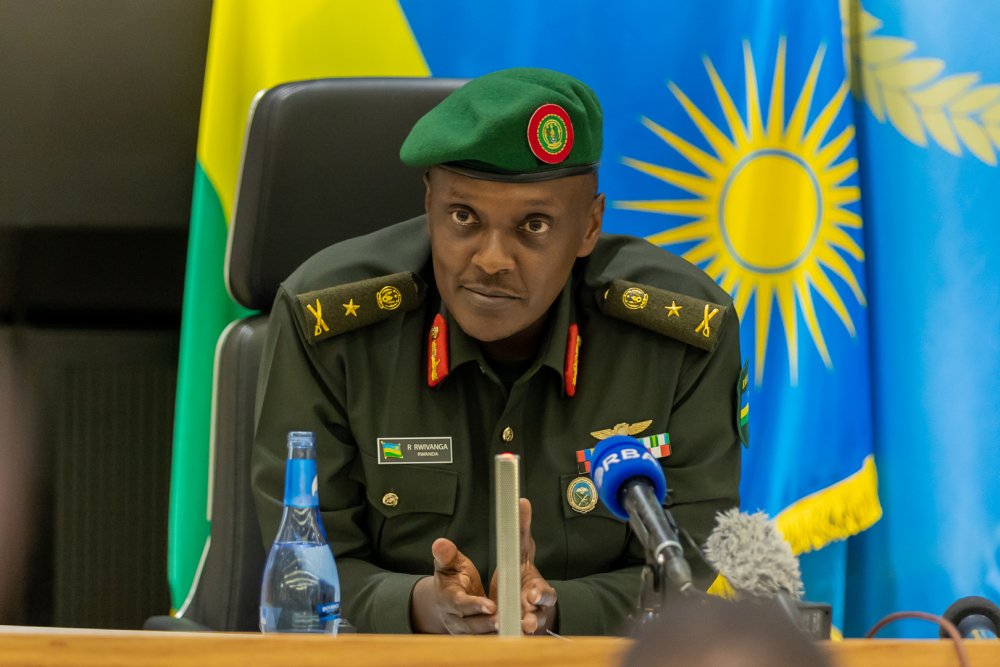
Speaking to RBA in a recent interview, he emphasised that over the past 31 years, the RDF has built robust capabilities to safeguard Rwanda’s security, sovereignty, and borders, with capacities that even extend to assisting other nations.
Brig Gen. Rwivanga stated that no one should doubt the RDF’s ability to guarantee full security, as its capacity is evident in its operations.
“I want to assure Rwandans that security is fully ensured. We are protecting our borders, and this is clear because any attempted attacks are swiftly repelled. Our forces are ready and are doing their job as they should. We pledge to keep improving in order to provide complete security,” he said.
He went on to explain that the RDF’s capabilities have significantly improved across the board, enabling the military to not only defend Rwanda comprehensively but also support other countries.
“We have the capacity. We’ve been trained, and we can defend our borders while also helping others to achieve what we have. Our capabilities have increased in terms of training, equipment, knowledge, and professionalism, all of which are at a high level. RDF will continue to defend the country’s sovereignty to the fullest extent possible.”
The Commander of the United Nations peacekeeping mission in the Central African Republic (MINUSCA), Lt Gen Humphrey Nyone, recently praised the professionalism and effectiveness of Rwandan troops, noting that their presence brings tangible peace.
“Due to the trust they have earned and the excellent work they are doing, they have earned trust and respect. People want to see tangible results rather than hear unfounded stories. Their actions speak for themselves,” Nyone said in March following discussions with the Rwandan Army Chief of Staff for Land Forces, Major General Vincent Nyakarundi, who visited the MINUSCA headquarters in the Central African Republic.
Among the eight pillars of governance in Rwanda, the security pillar consistently ranks highest, thanks to strong public satisfaction.
According to the Rwanda Governance Scorecard (RGS), an annual survey conducted by the Rwanda Governance Board (RGB), the 2024 edition, released in November, showed that security and citizen tranquillity were the most appreciated aspects of governance that year, scoring 93.82%.
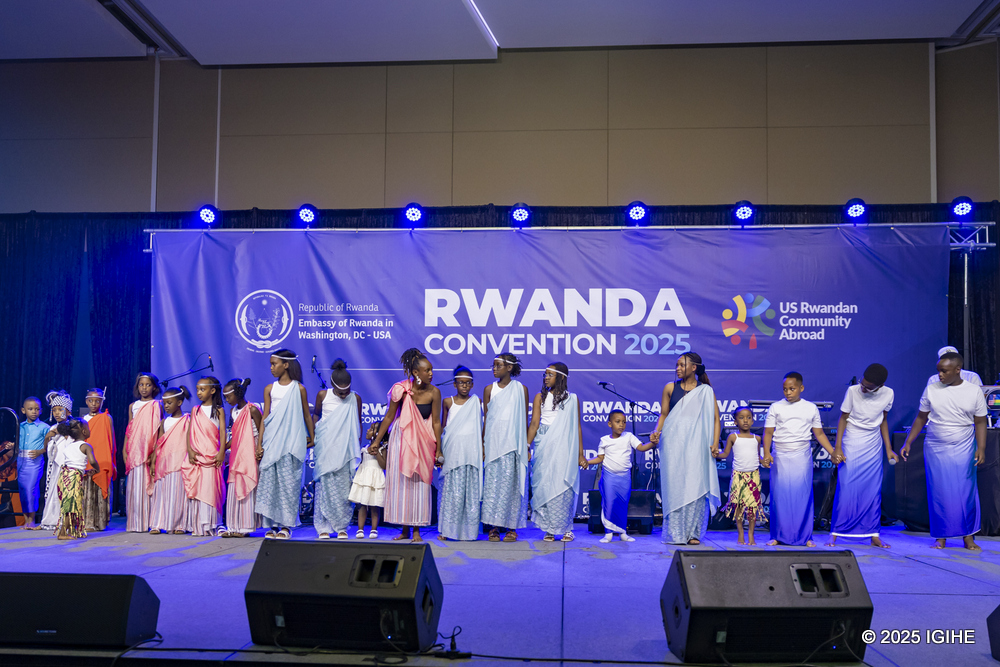
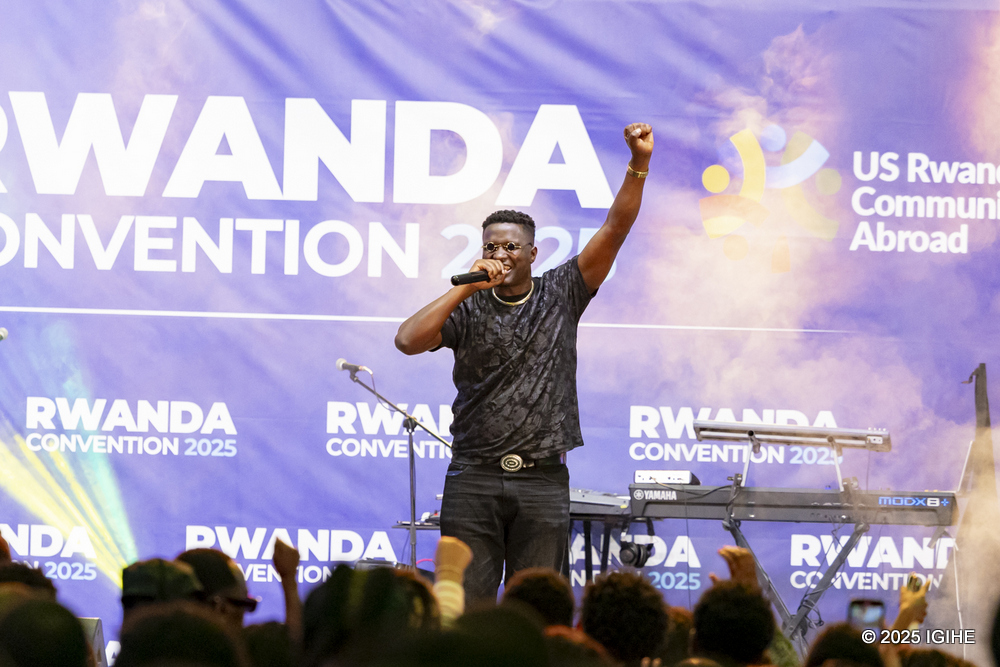
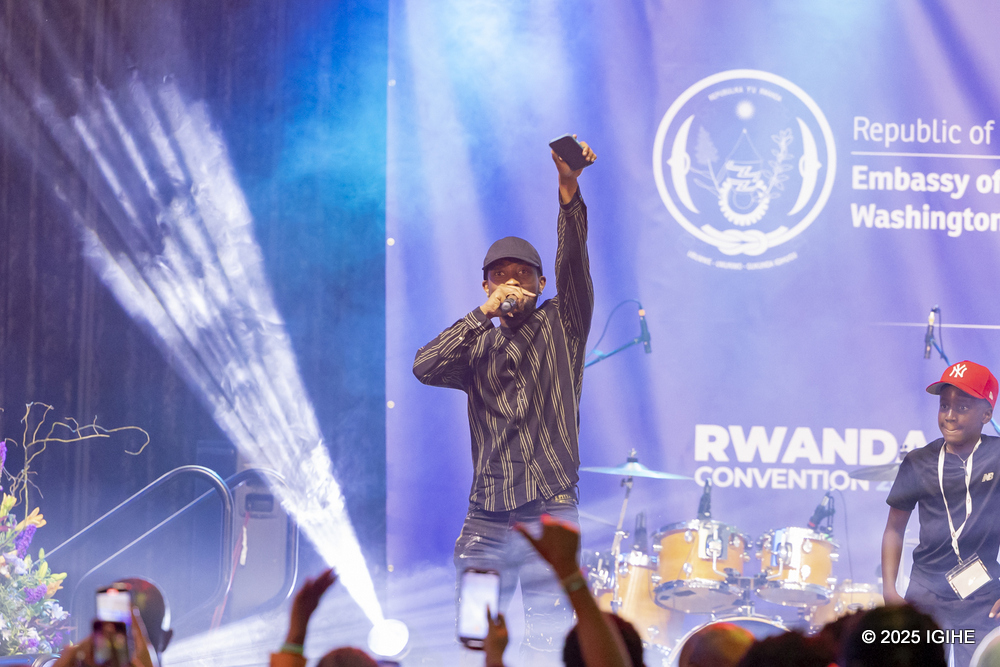
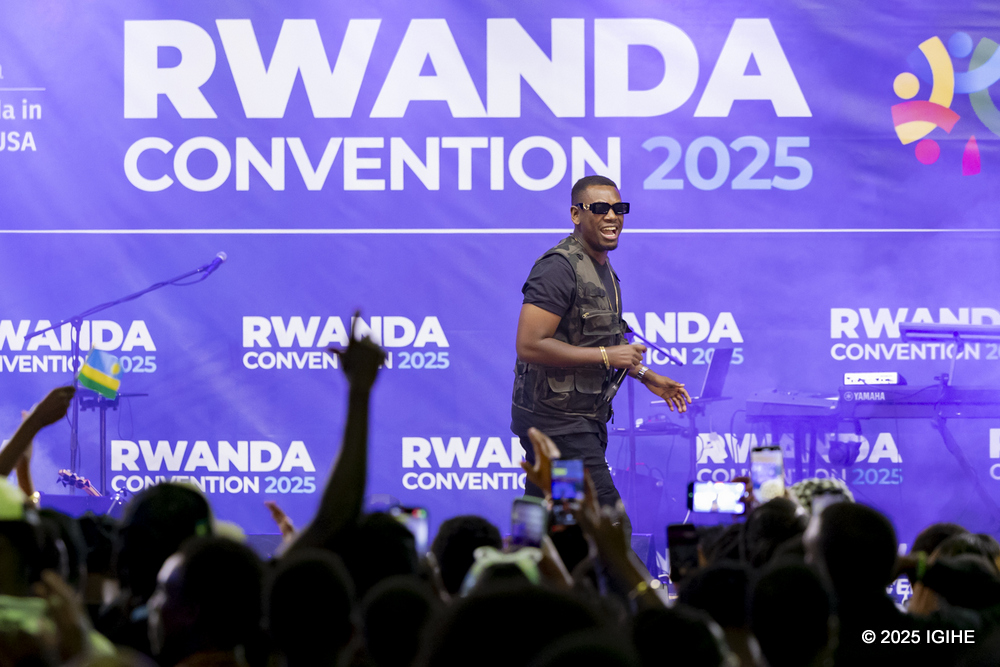
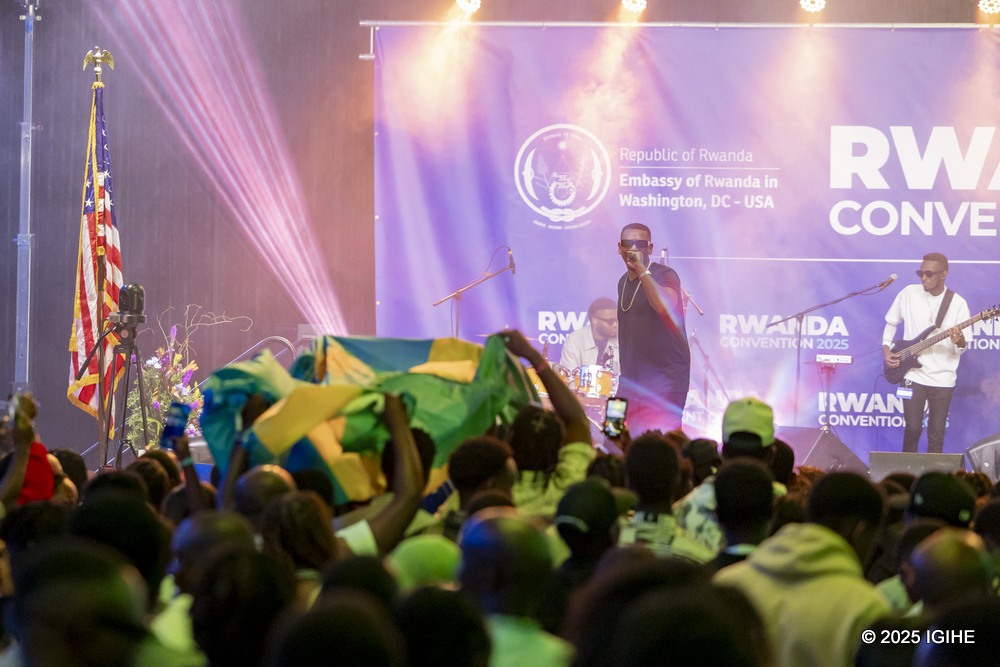
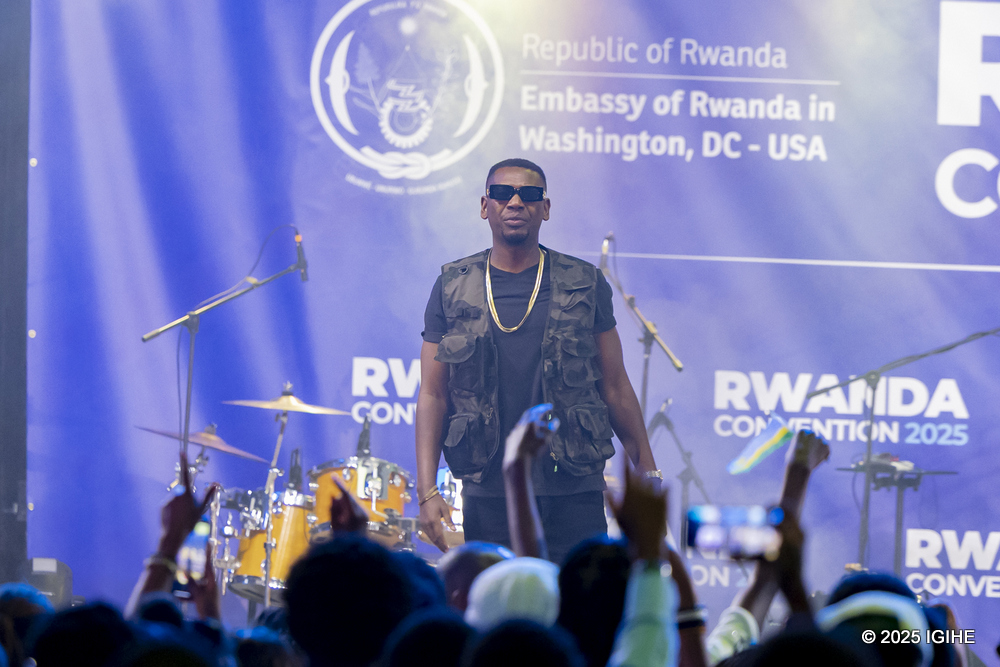
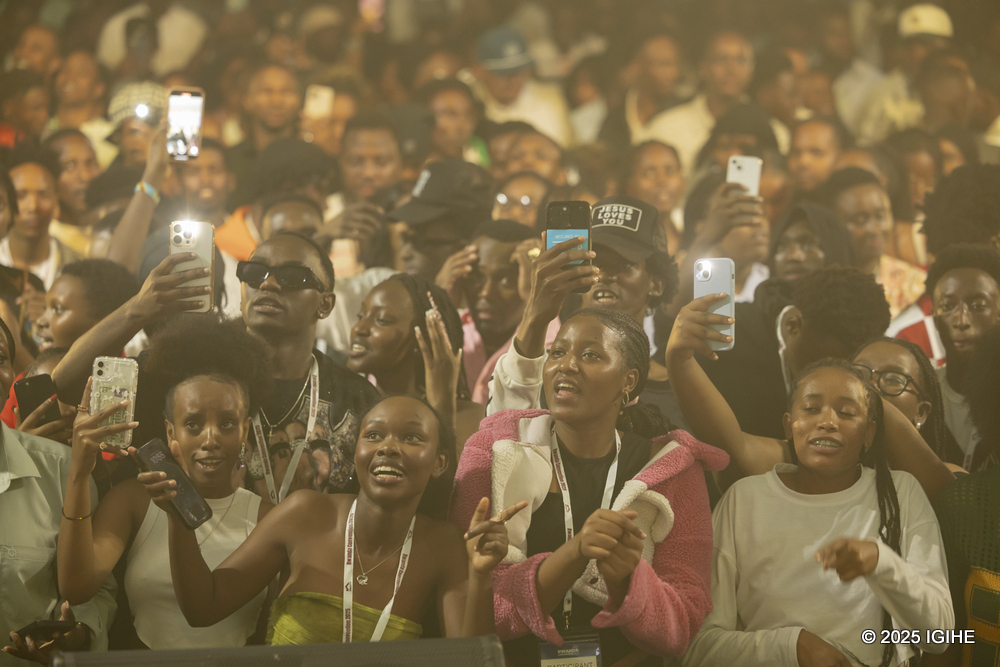
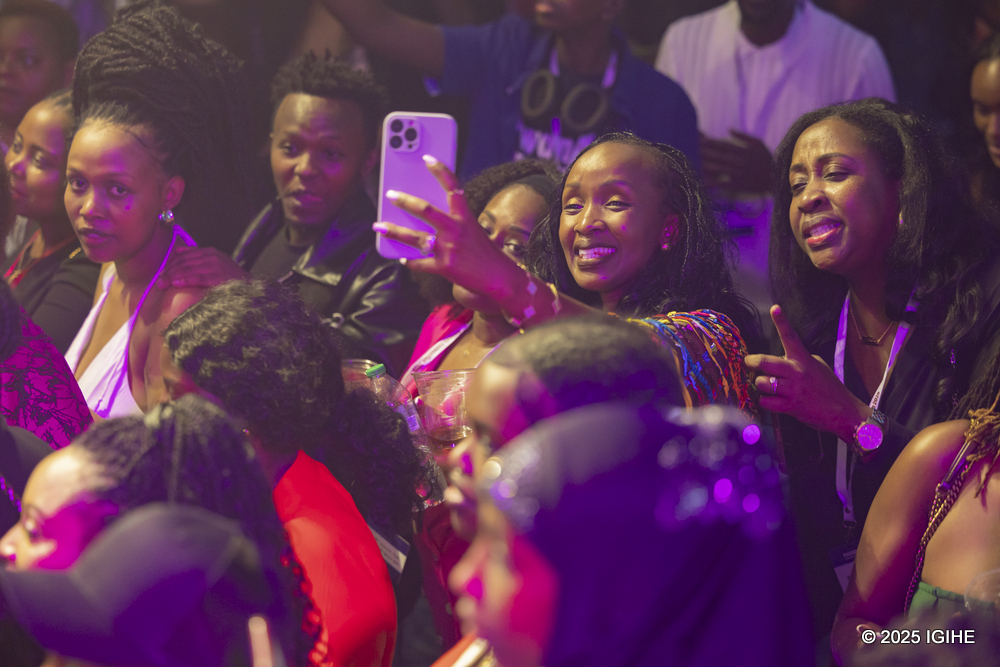
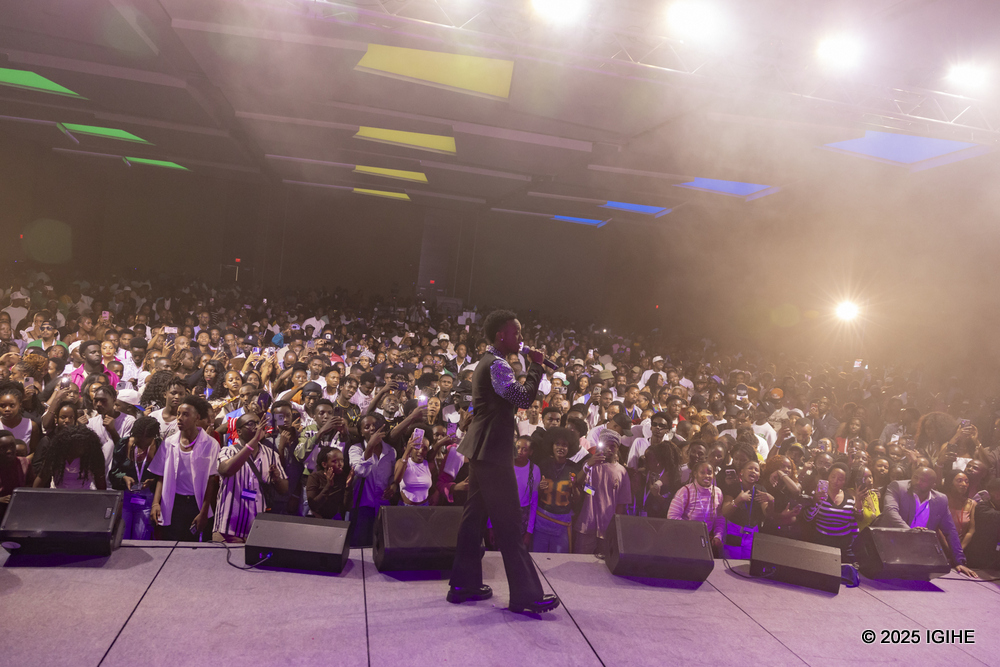
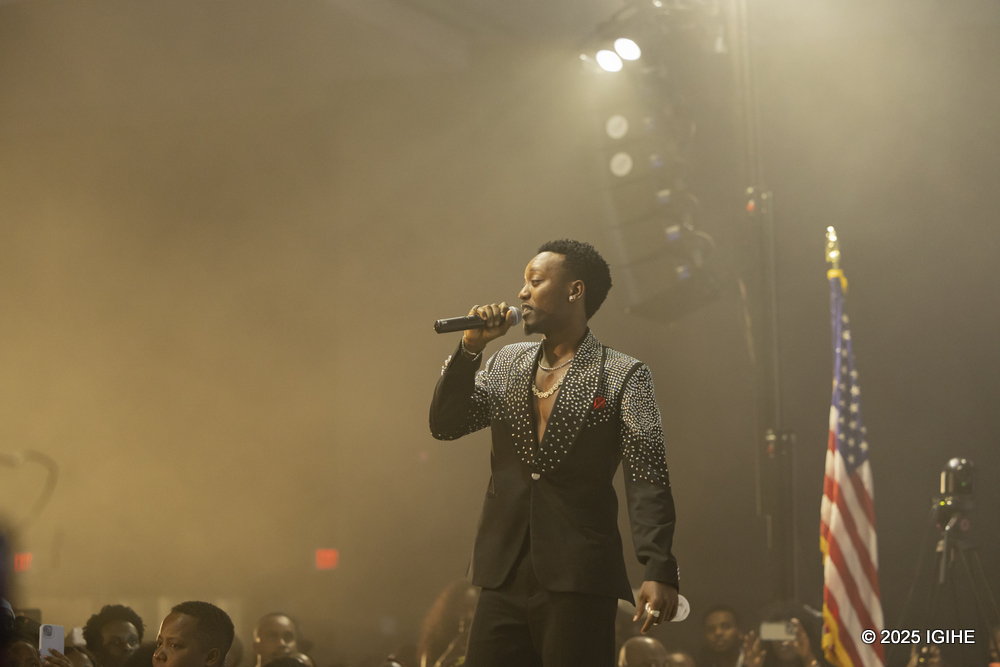
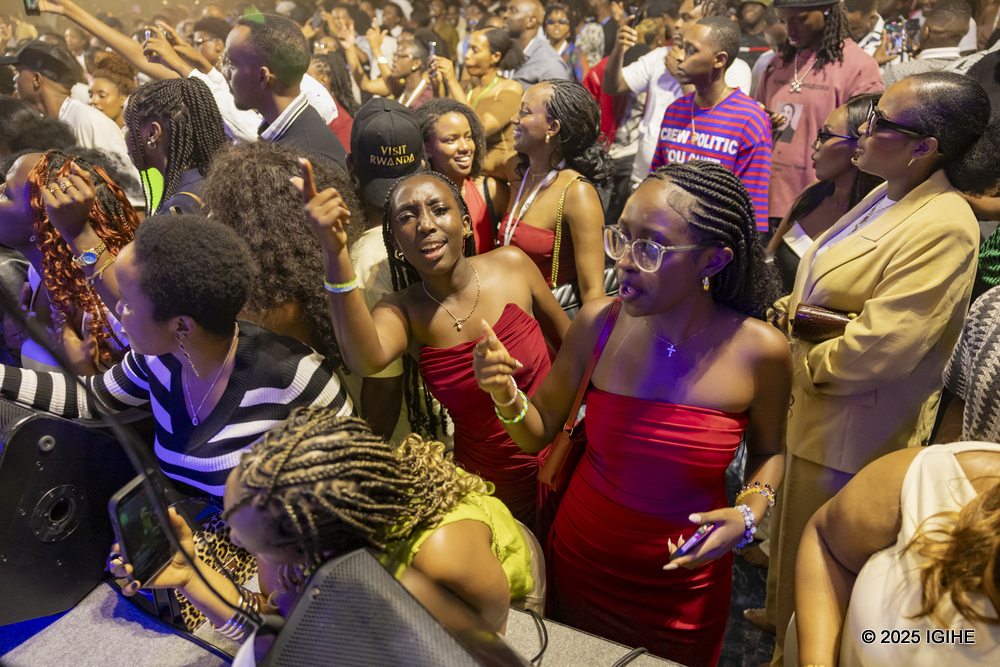
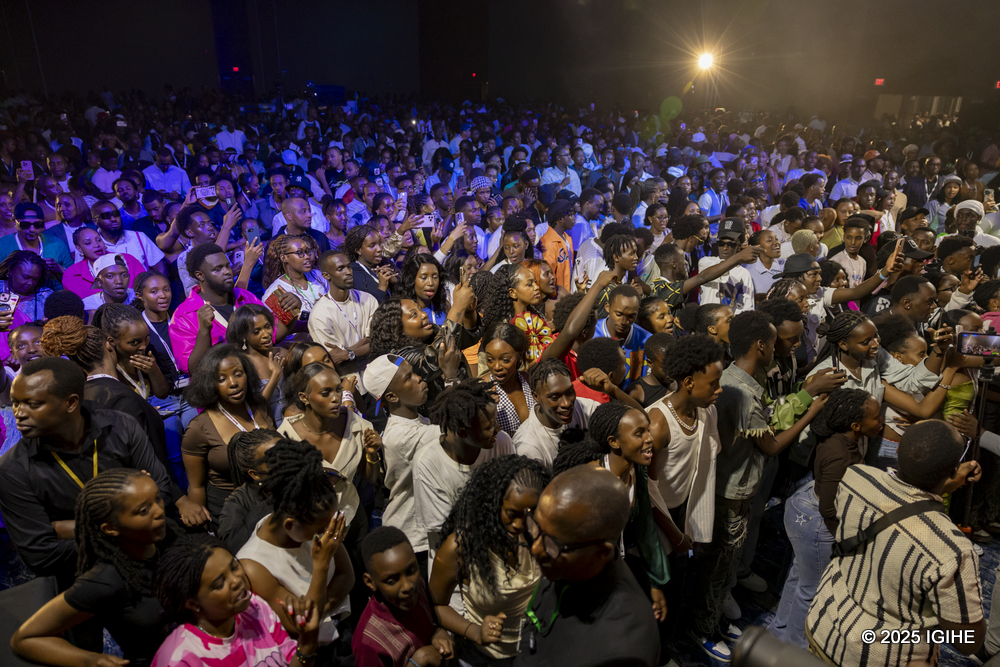
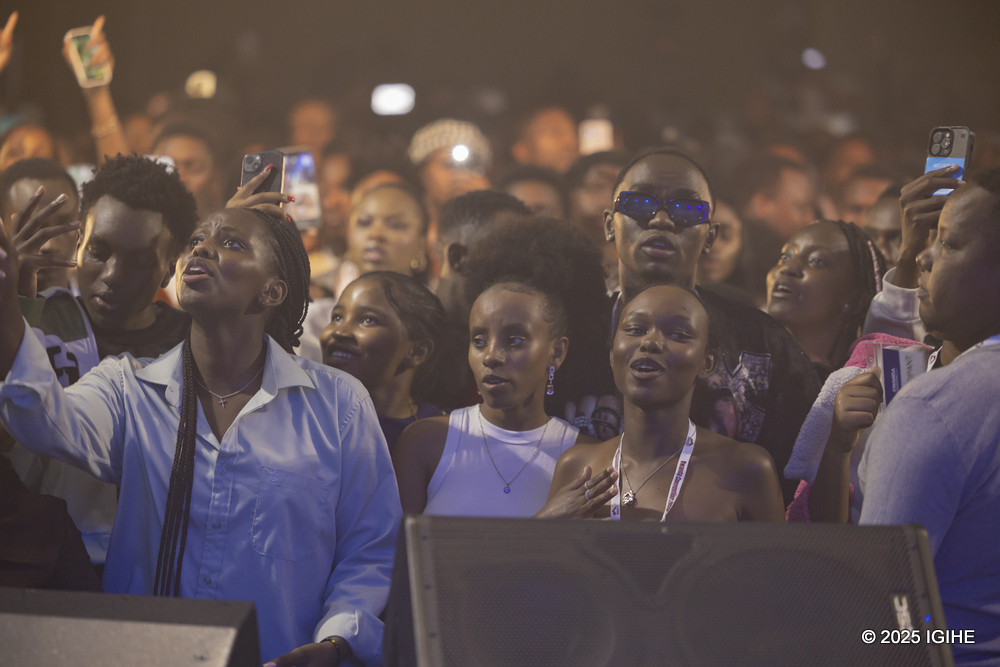
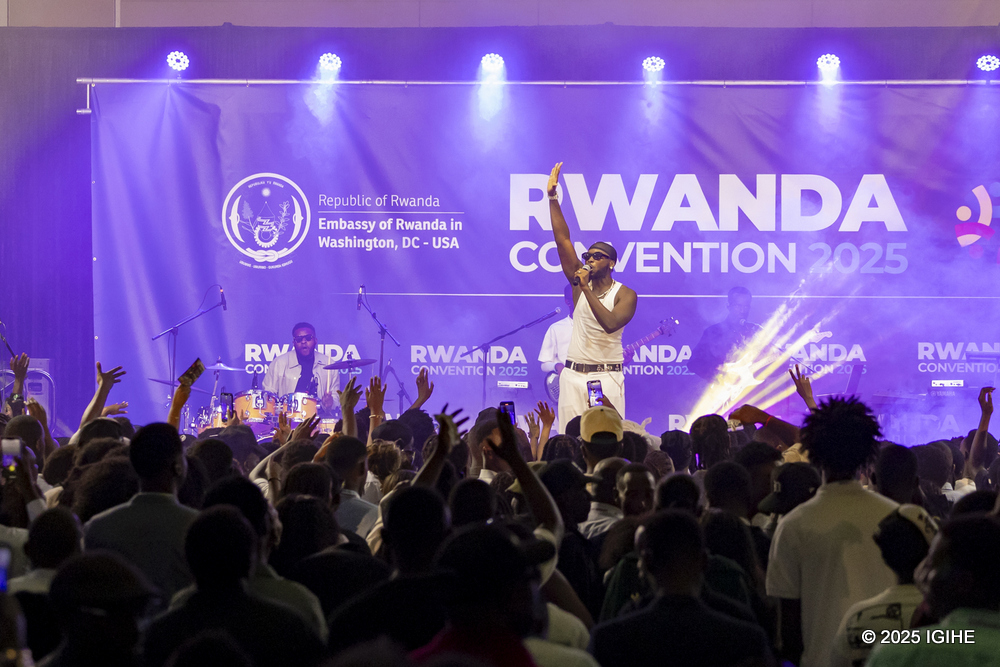
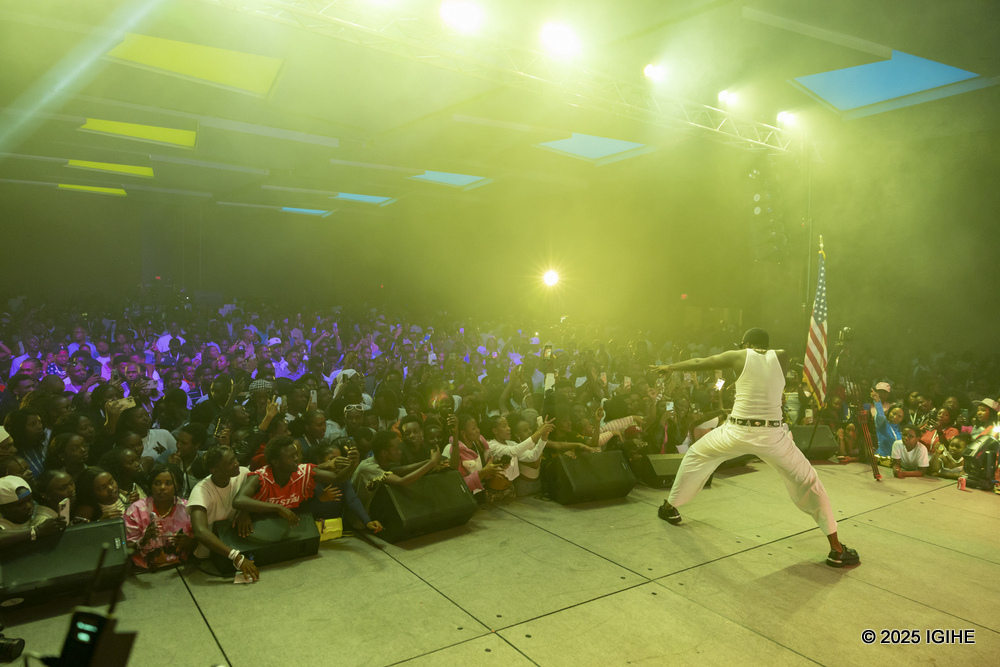
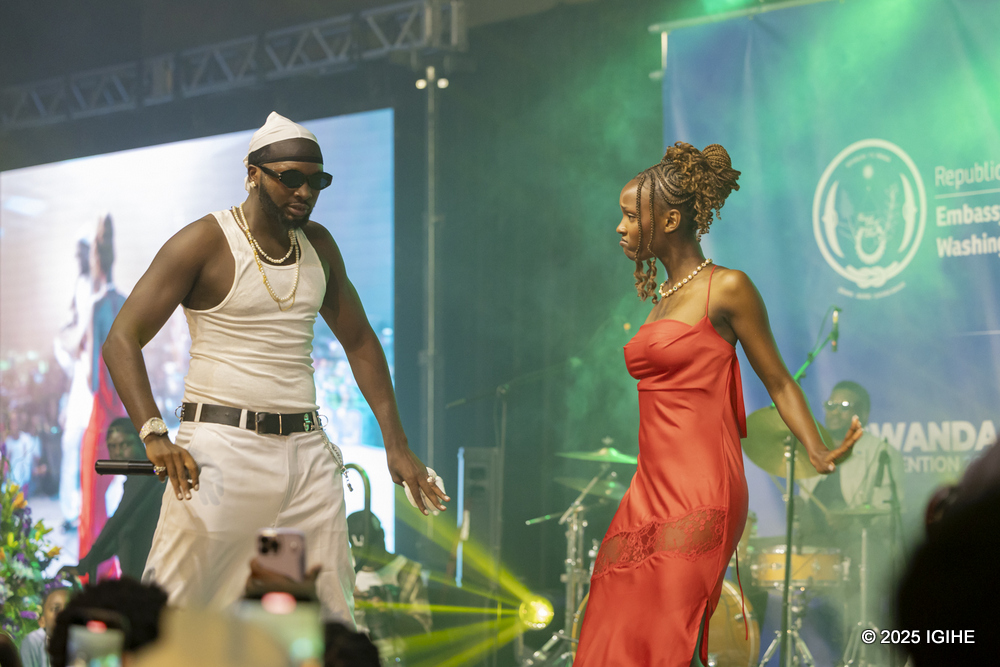
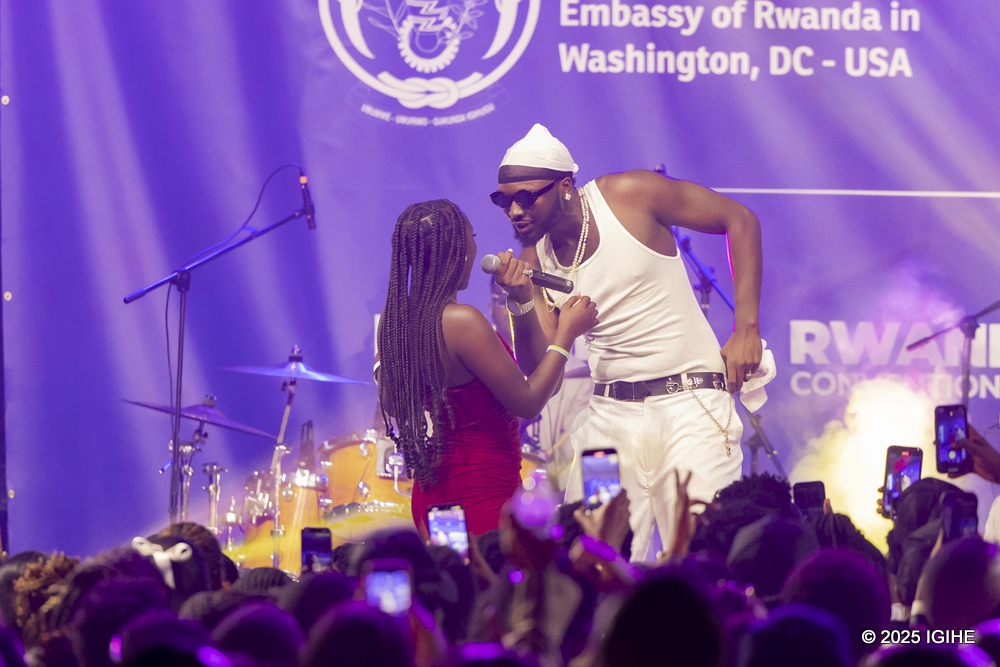
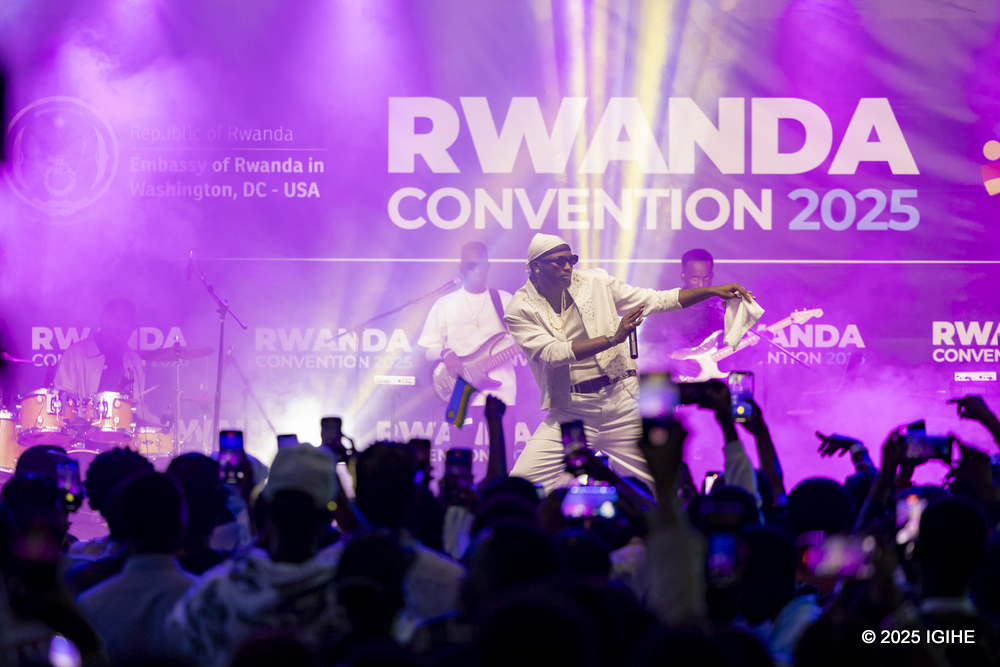
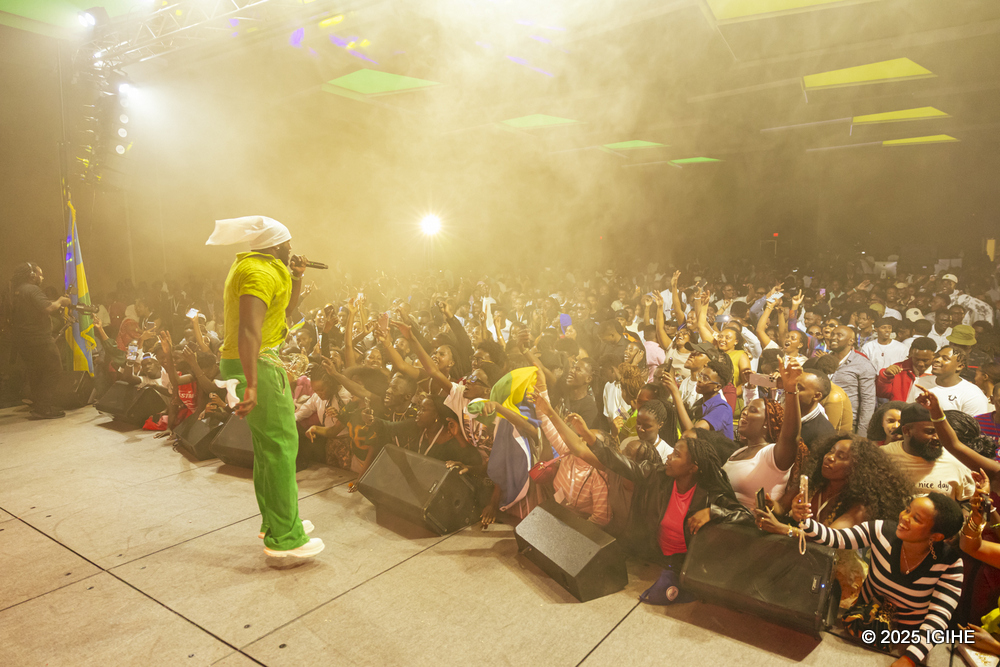
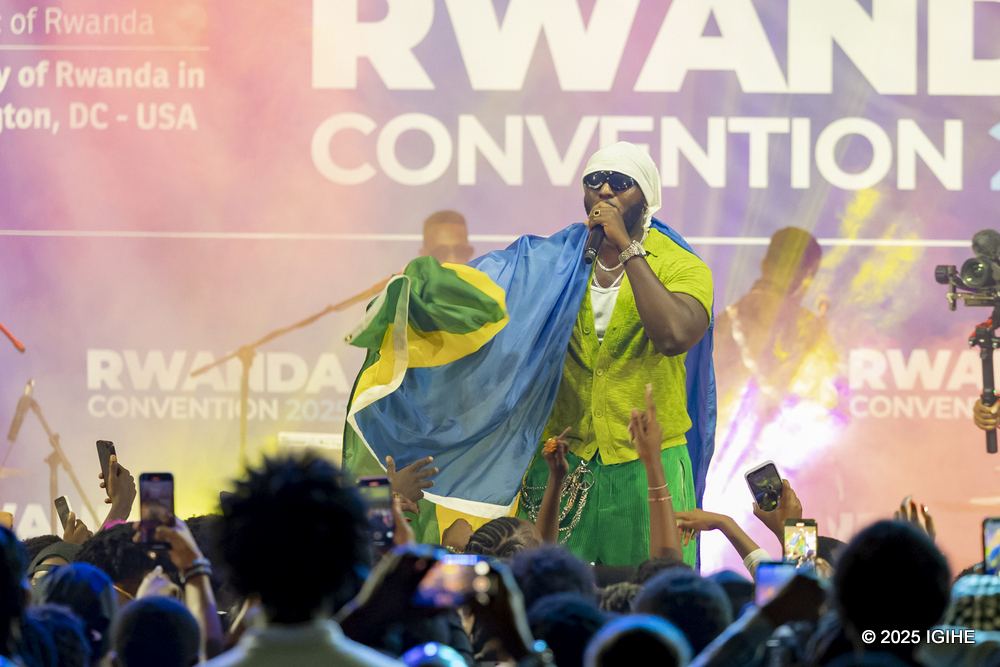
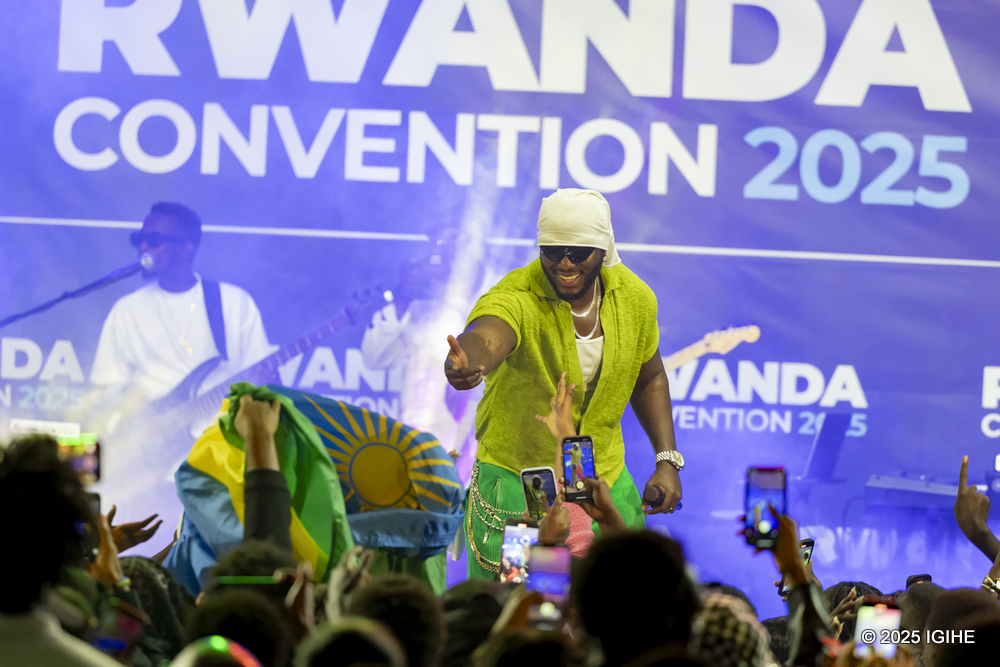
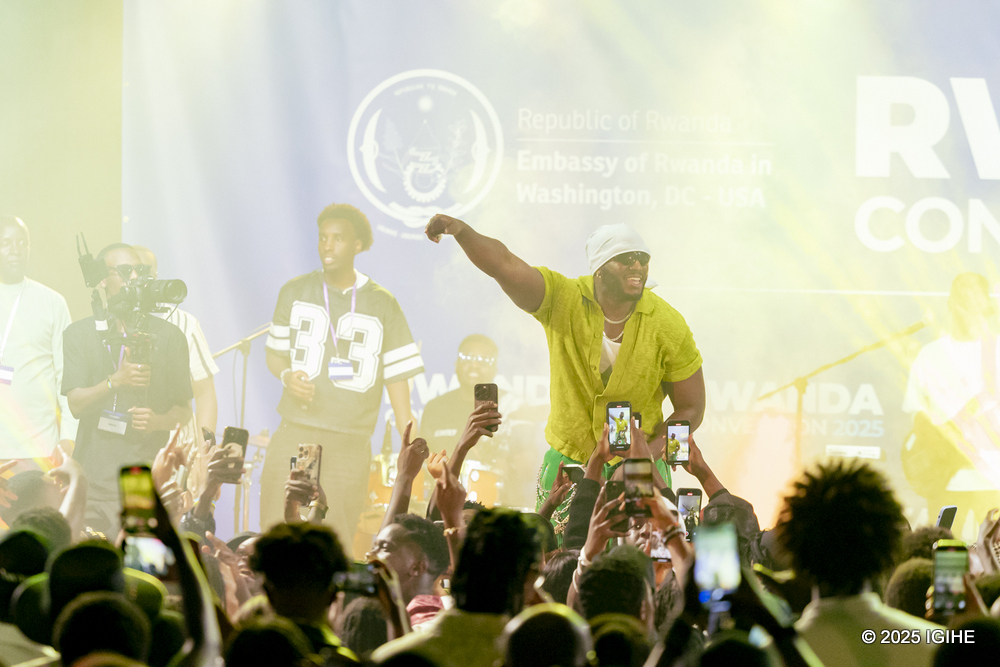
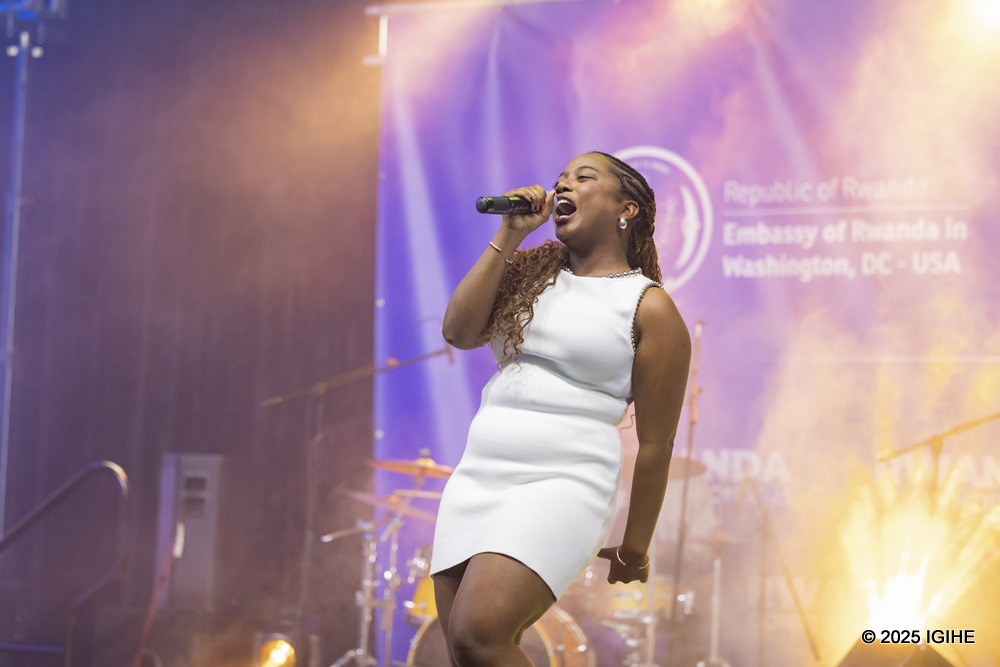
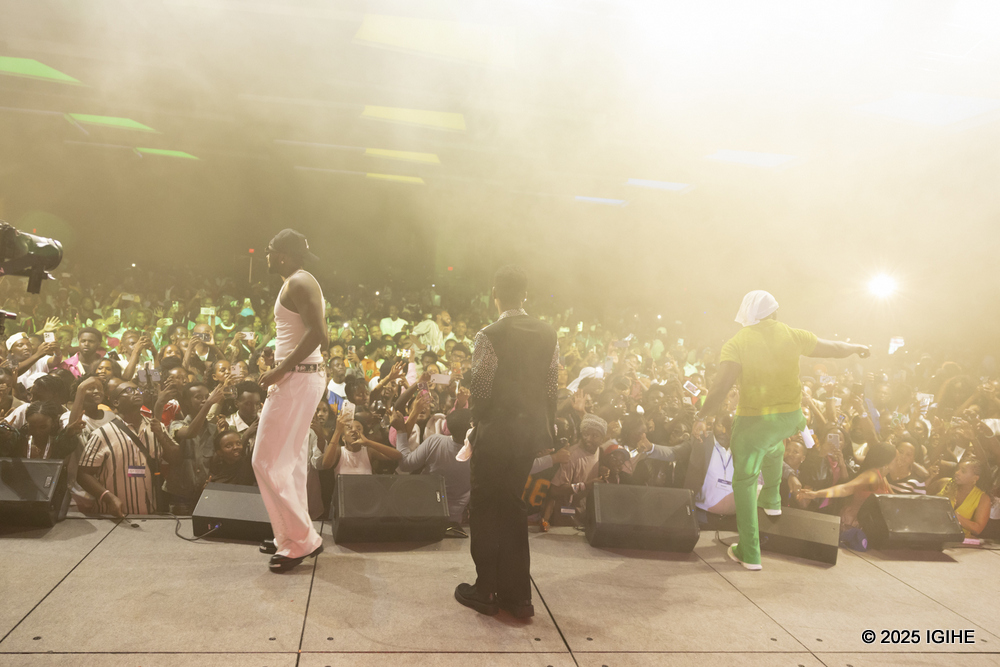
The concert took place on Saturday evening, in Texas, as part of the ongoing convention scheduled to close today, July 6.
Hosted by renowned media personality Ally Soudy, the event brought together Rwandans from across the globe for a night of celebration, culture, and music.
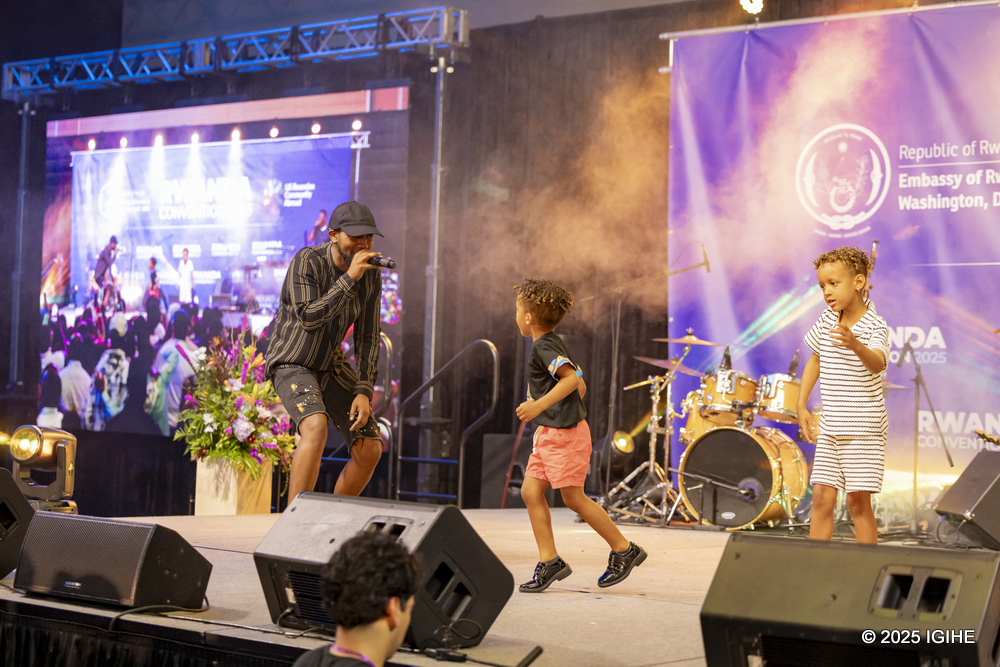
The evening kicked off with a nostalgic performance by Navytune [MYP], a veteran of the iconic group KGB. Midway through his set, he surprised fans by inviting his children on stage, creating a heartfelt moment as they sang together.
He was followed by TMC, formerly of the popular duo Dream Boyz, who took the audience down memory lane with a selection of their classic hits. His solo set was a reminder of the group’s lasting impact, even years after their split.
A live band then took over, setting the stage for Kevin Kade, who performed four of his trending tracks, marking his debut performance on American soil. Element followed with a powerful set of his own hits, receiving an enthusiastic response from the crowd.
In one of the night’s standout moments, Kevin Kade returned to the stage to join Element and The Ben for a joint performance of their collaboration “Sikosa.” After the energetic trio performance, Element and Kade exited the stage, leaving The Ben to take centre stage for a memorable headlining set.
Having lived in the U.S. from 2010 to 2017, The Ben’s performance was both a homecoming and a celebration. He treated fans to a mix of old favourites and newer hits, with the crowd singing along throughout.
The evening ended on an emotional note as The Ben was presented with a framed portrait of his late grandmother, who passed away last year, a touching tribute to close out a night filled with energy, unity, and musical excellence.
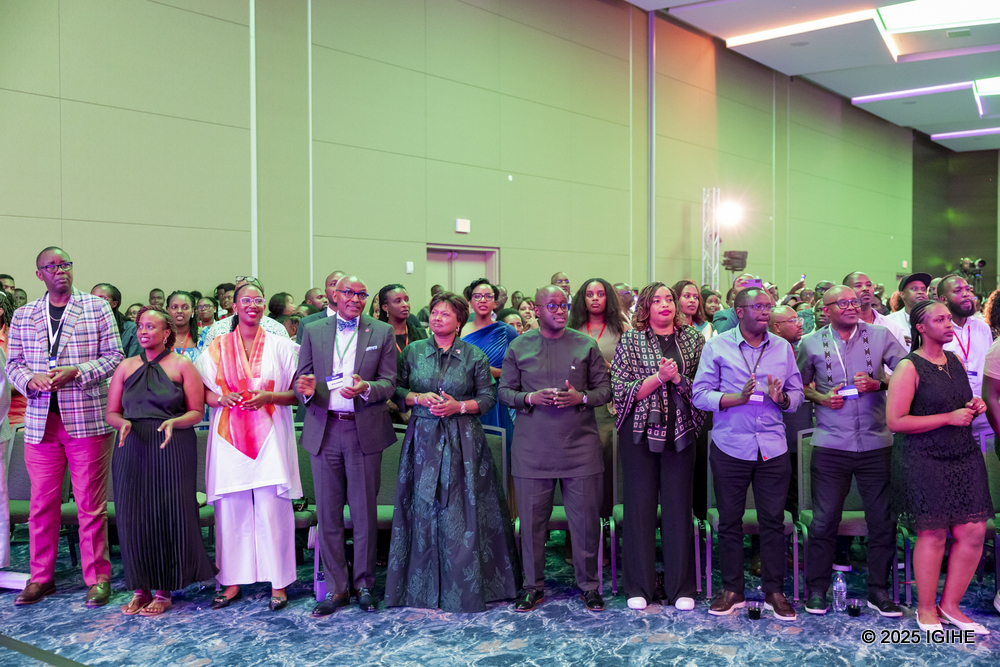
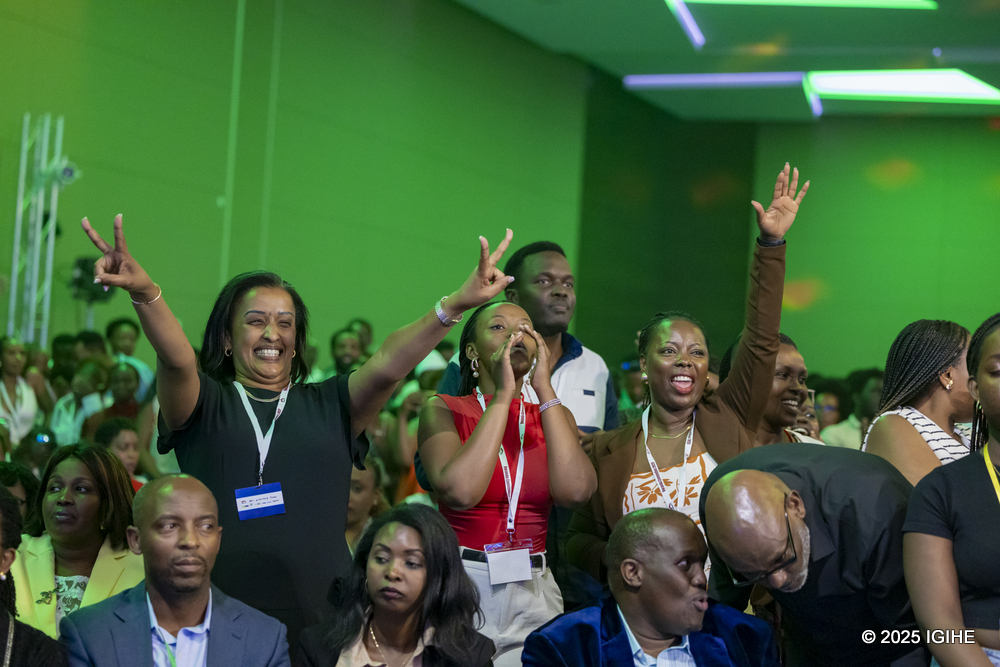
Fairbanks was speaking on Saturday, July 5, at the Rwanda Convention 2025 in Dallas, Texas, a gathering of Rwandans in the diaspora attended by high-ranking officials, including Foreign Affairs Minister Olivier Nduhungirehe.
A central theme of his message was the contrast between dysfunctional and thriving value chains. Drawing from a personal experience in Colombia, Fairbanks illustrated how closed systems, lack of accountability, and absence of competition can stifle economic development.
“In Colombia,” he said, “everyone in the leather supply chain blamed someone else for failure, from the ranchers to the tanneries, until the blame landed on the cows themselves. They said, ‘We have dumb cows.’ That’s when I knew the problem wasn’t the cows, it was a broken system with no incentive to innovate or cooperate.”
In Rwanda, Fairbanks noted, the opposite is true. “We embrace competition as a positive force,” he said. “Even when we fail, we learn why we failed.”
He highlighted several key characteristics that have enabled Rwanda’s value chains to flourish. Among them is a spirit of healthy competition, where open market dynamics and clearly defined rules encourage innovation and raise the standard of quality across industries.
Fairbanks also pointed to the strength of cultural continuity, an enduring sense of shared identity among Rwandans, including those in the diaspora. This deep-rooted connection fosters strong bonds of trust and purpose, a phenomenon he described using political scientist Francis Fukuyama’s term, “spontaneous sociability.”
Another defining trait is collective accountability. In contrast to his Colombian case study, where stakeholders deflected blame at every level, Rwandans tend to confront challenges directly and take ownership of outcomes.
Finally, he emphasised the nation’s optimism and clarity of vision. Rwanda’s well-structured governance and unified national goals provide a roadmap that aligns stakeholders and drives coordinated progress.
“You pay your taxes better than most, you believe in the future, and you know where you’re going. That’s why Rwanda’s value chains are working—and why the future is so bright.”
He also commended the diaspora for preserving Rwandan culture, citing traditional games and shared experiences that kept communities connected across borders.
“Whether in Congo, Burundi, Uganda, or Brussels, Rwandans played the same games and ate the same food. That unity matters,” he said.
The Rwanda Convention in Dallas is a diaspora-led initiative aimed at strengthening ties between Rwandans abroad and their homeland, recognising the diaspora’s vital role in national development through investment, remittances, and knowledge exchange.