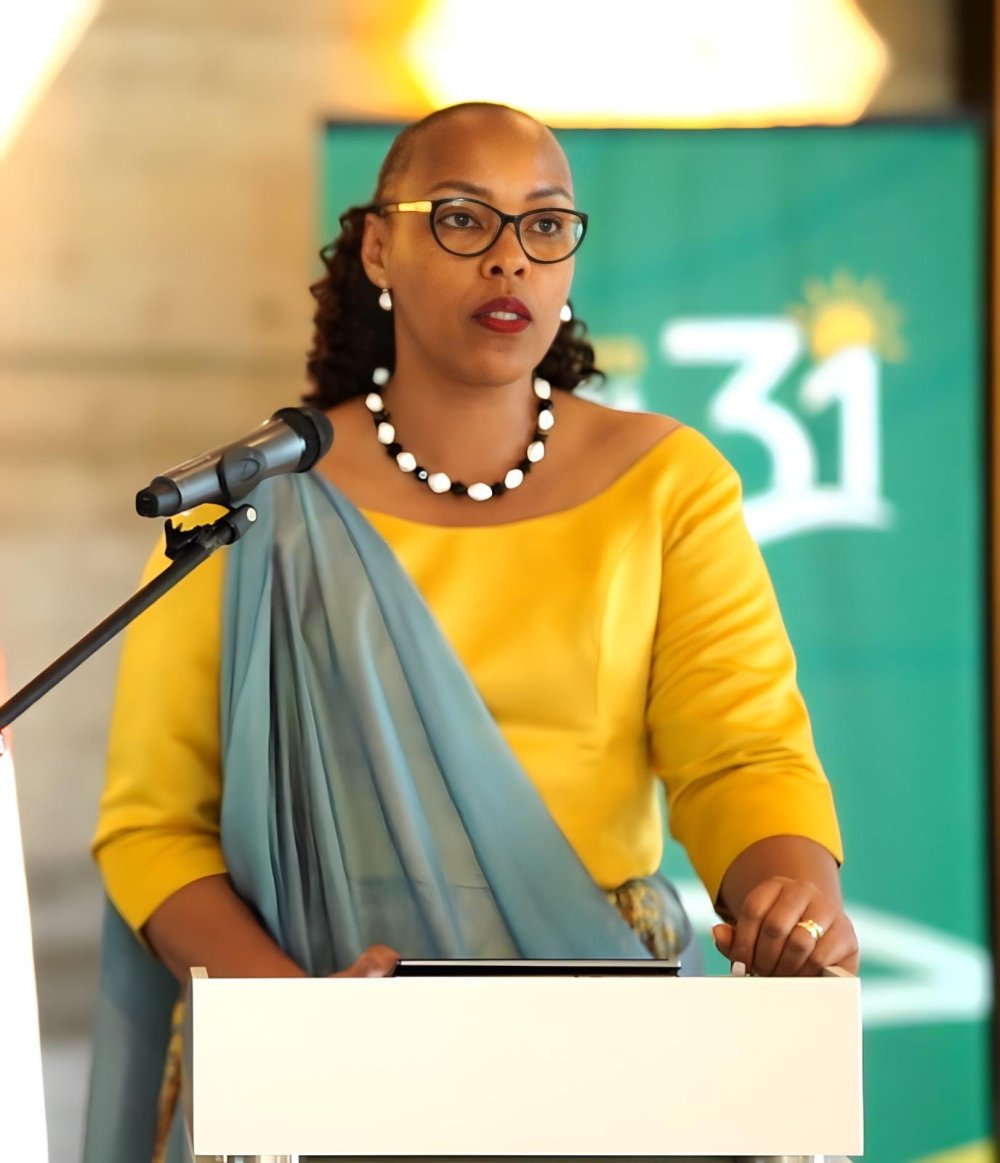
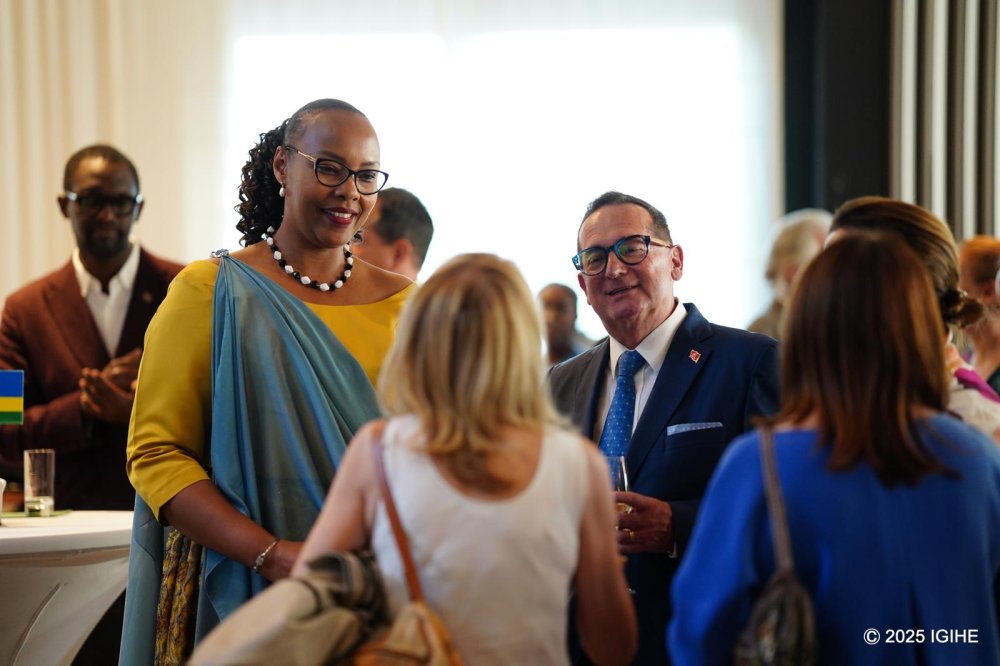
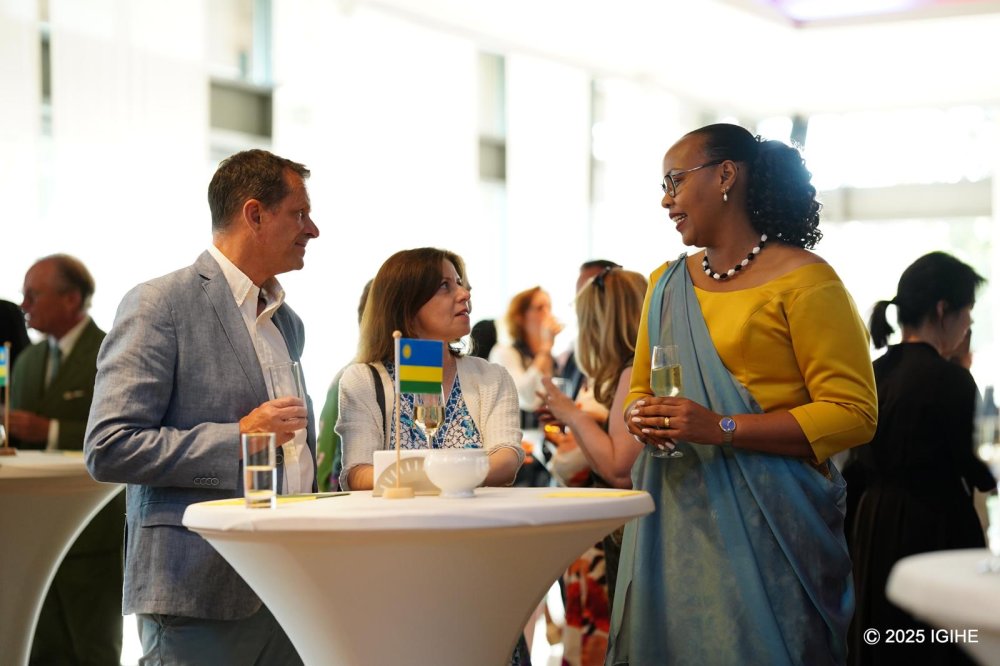
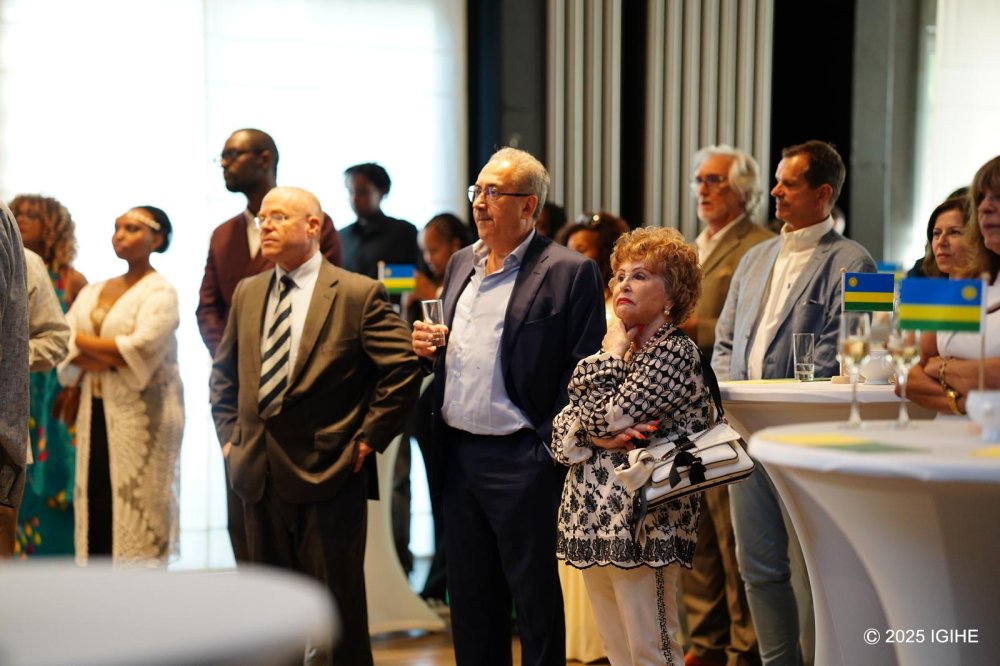
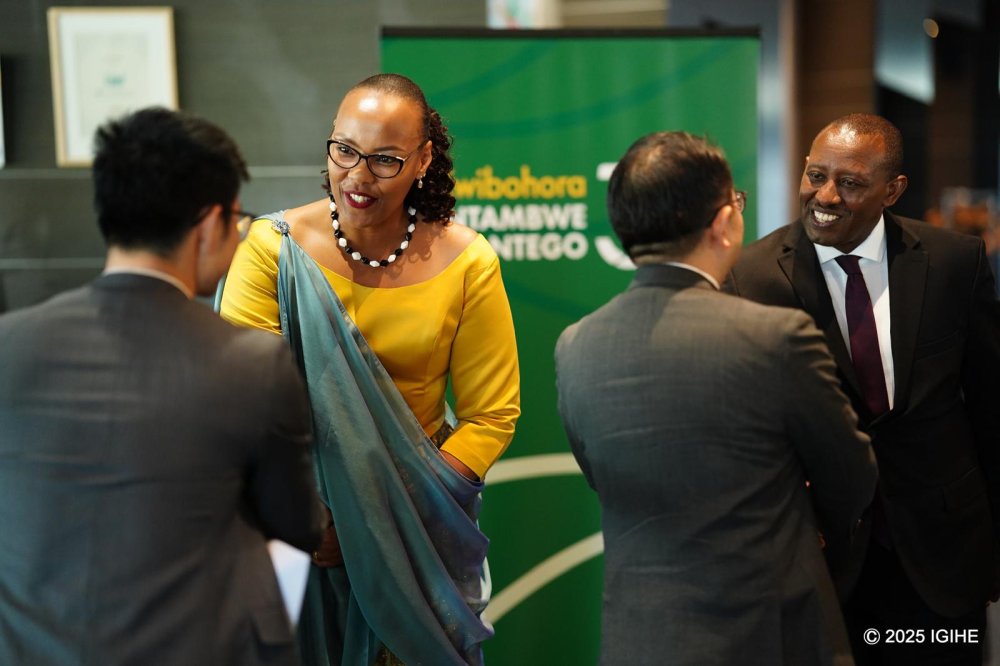
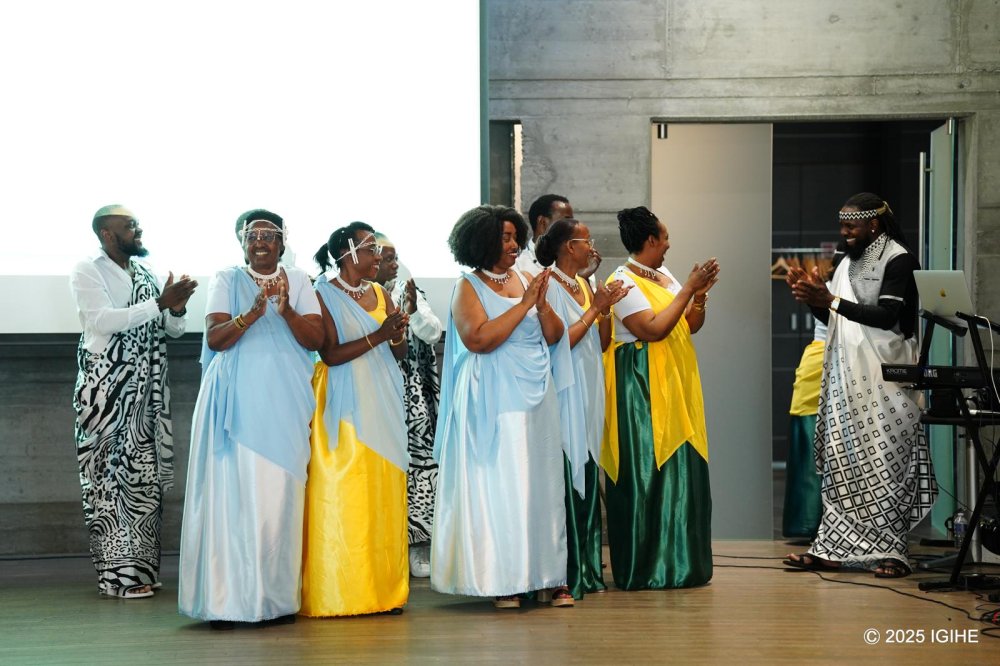
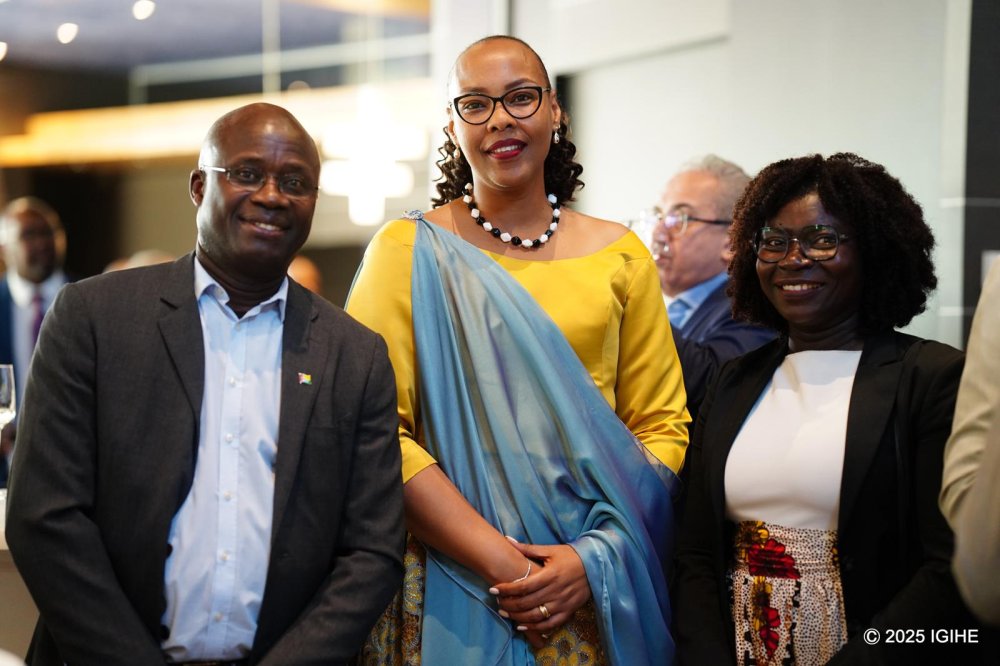
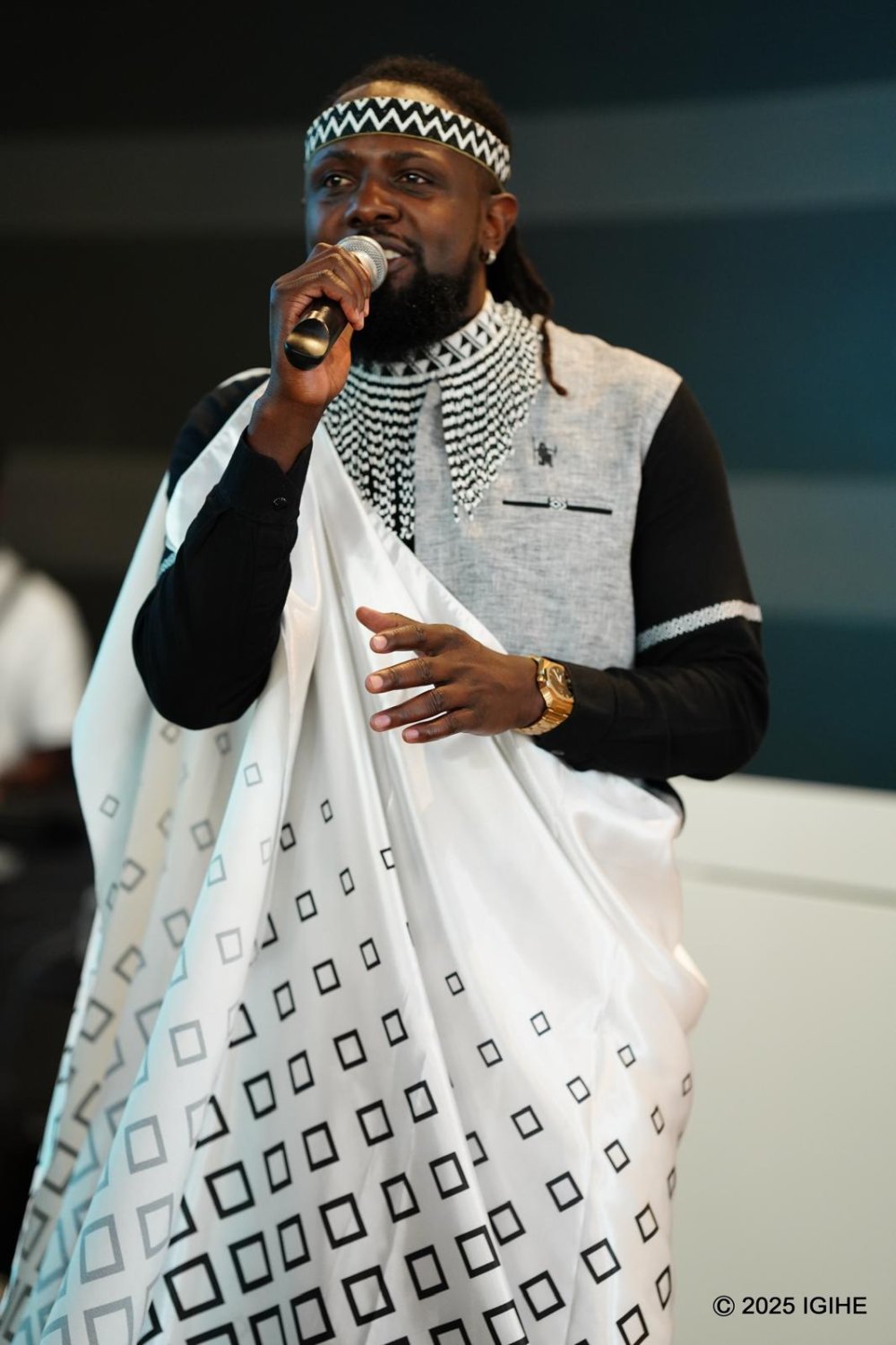
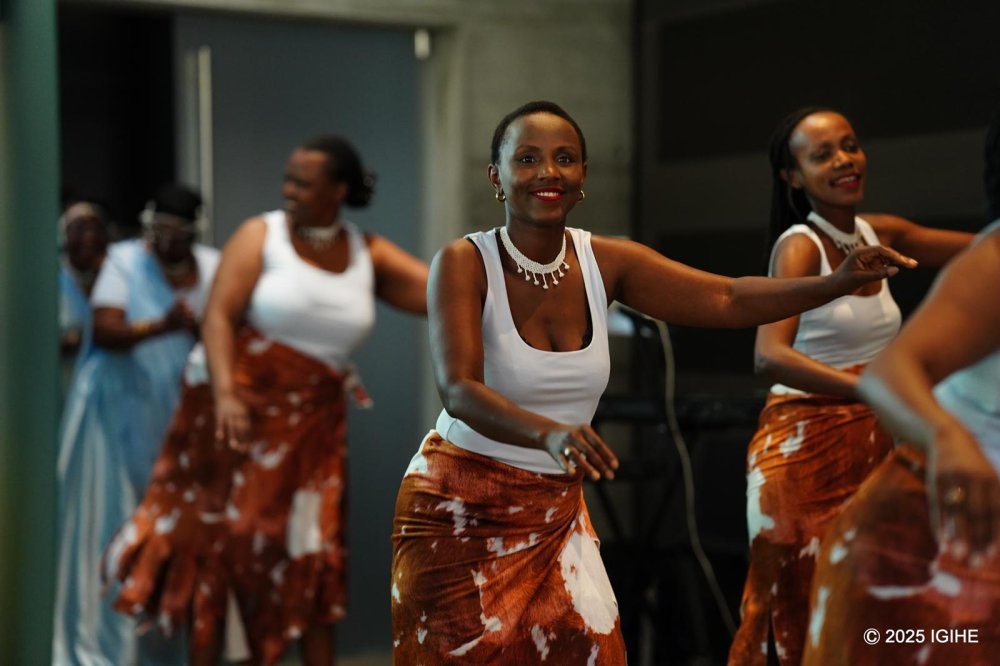
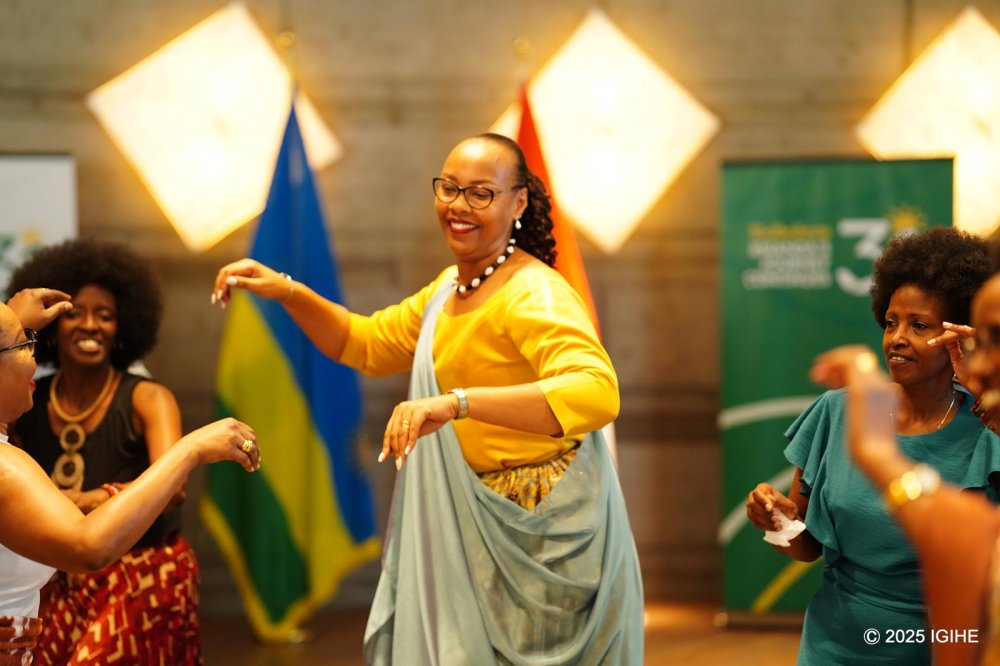
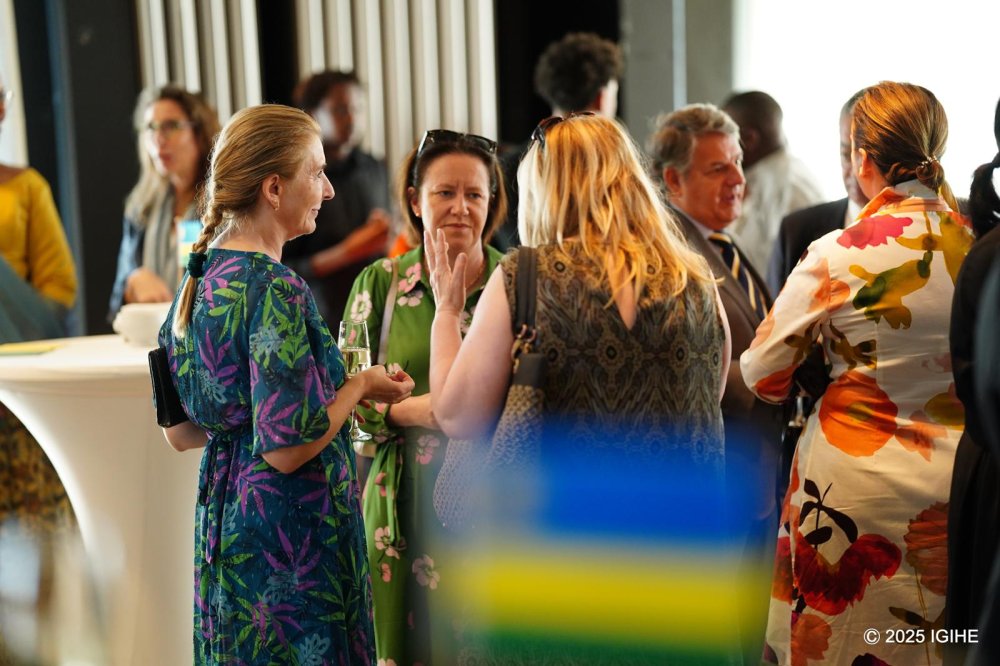
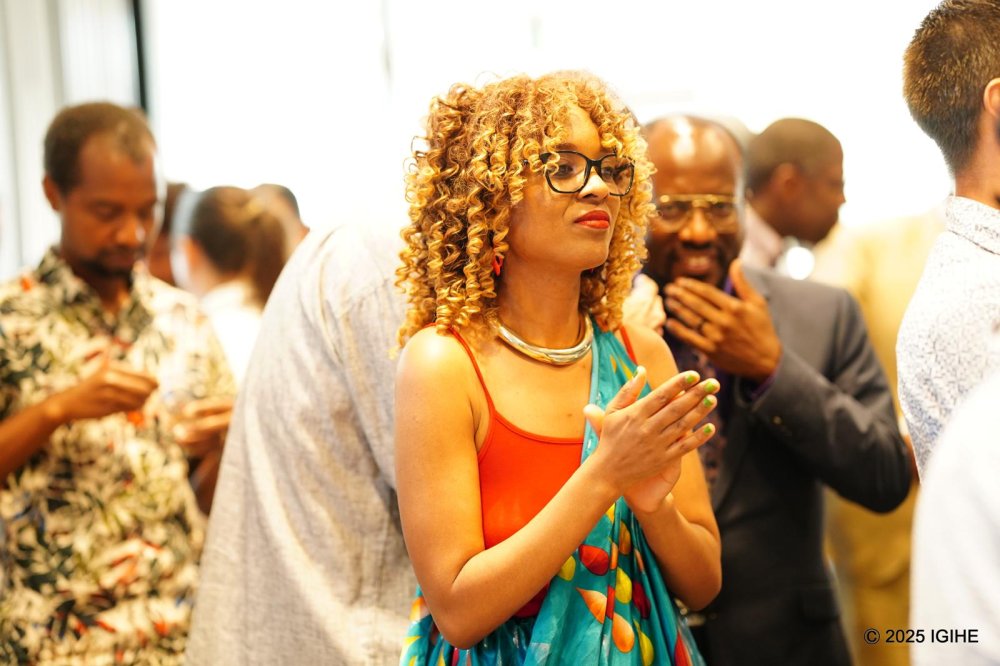
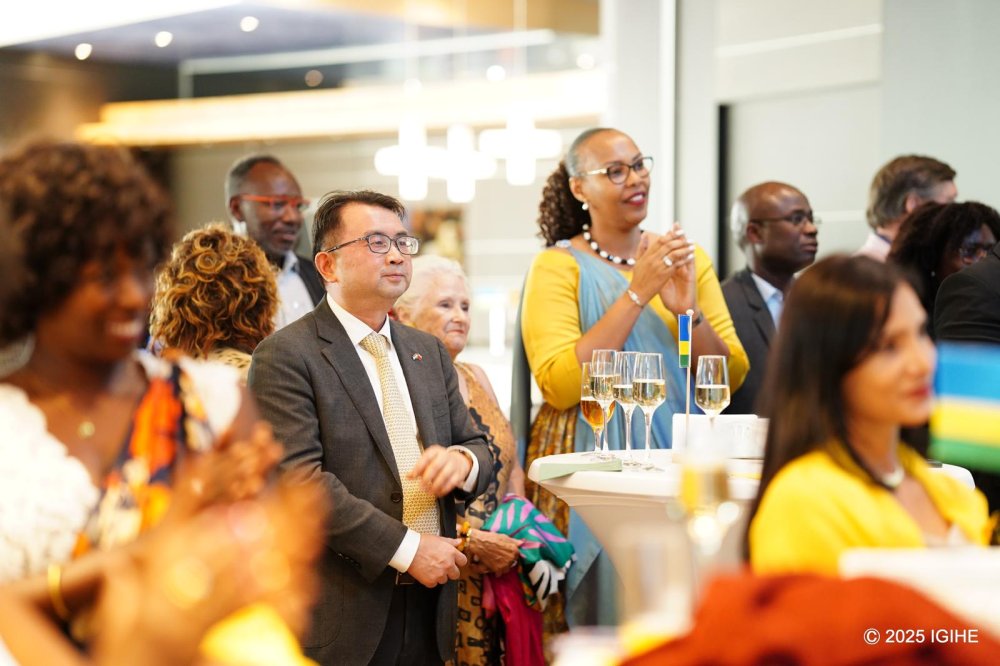
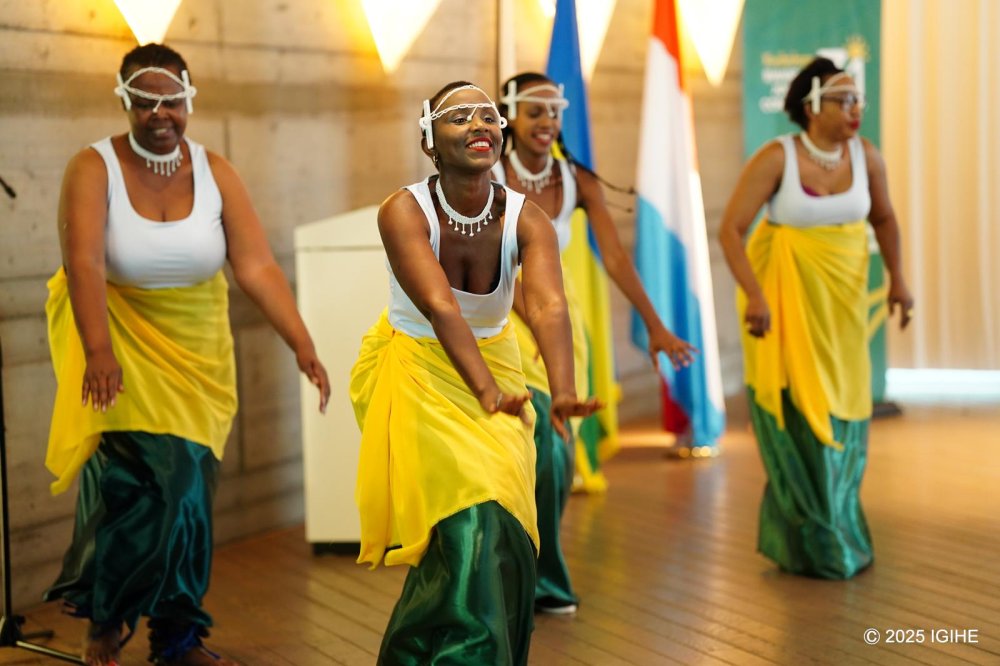
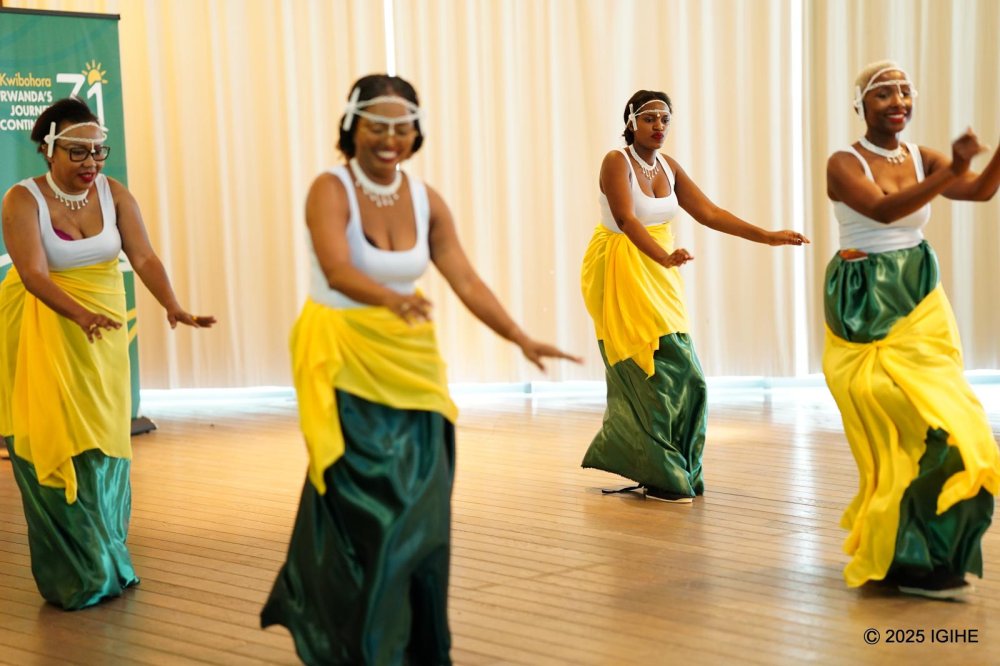
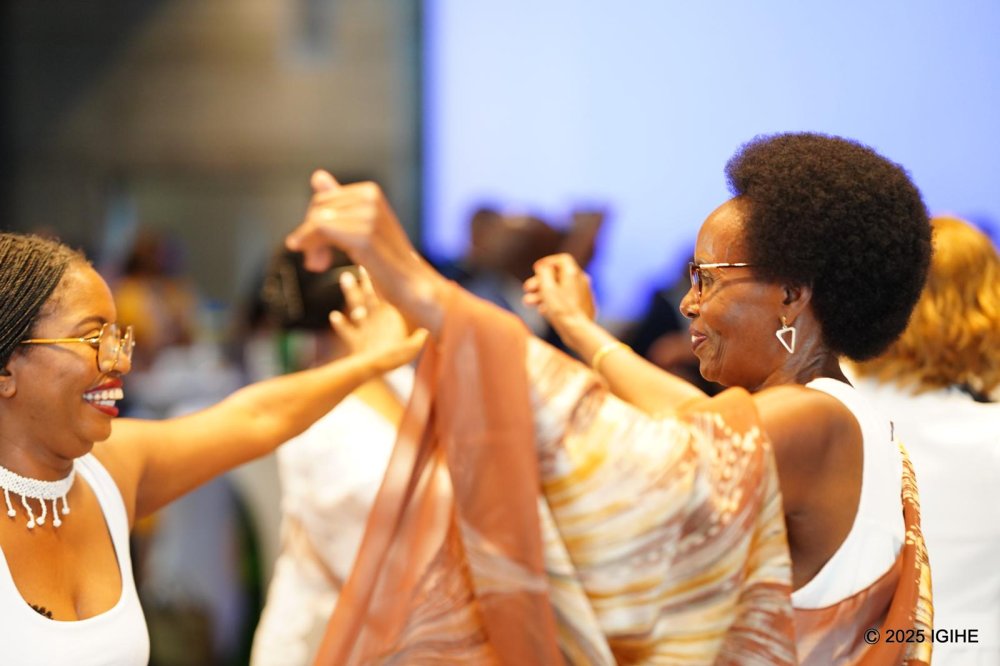
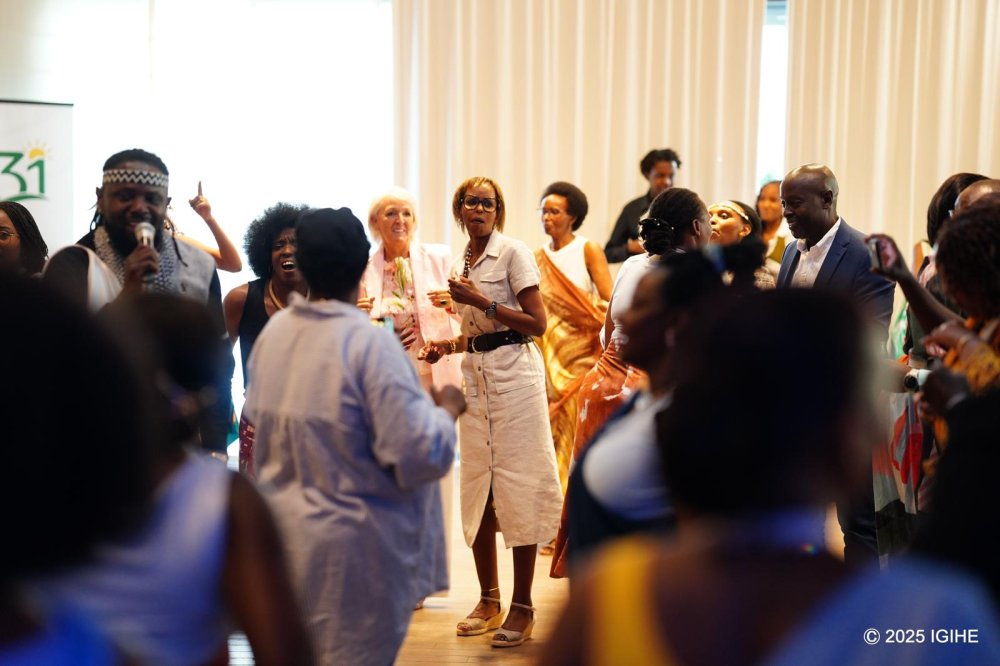
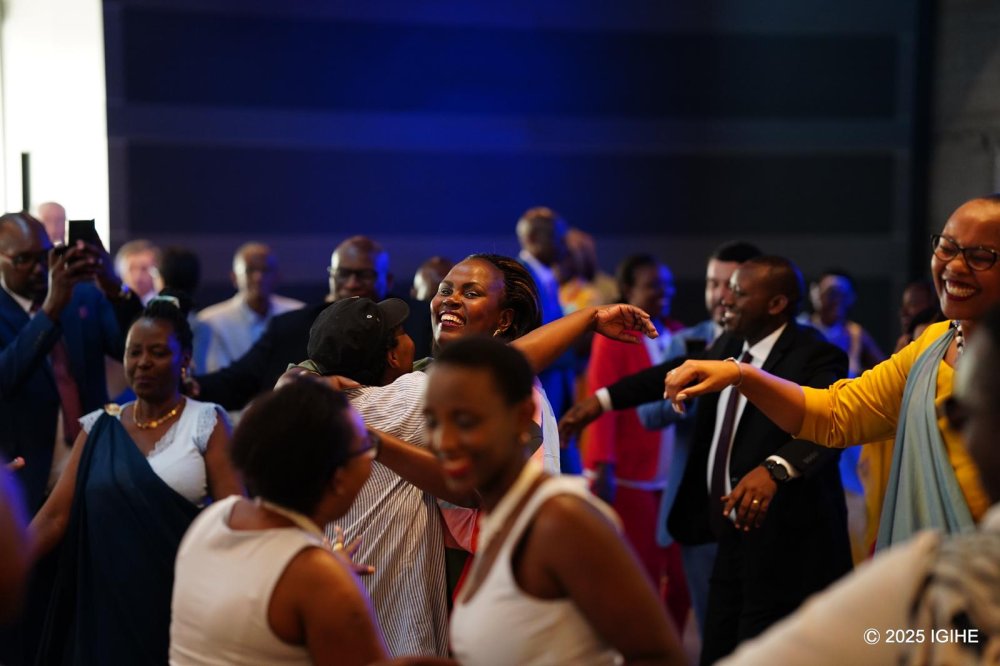
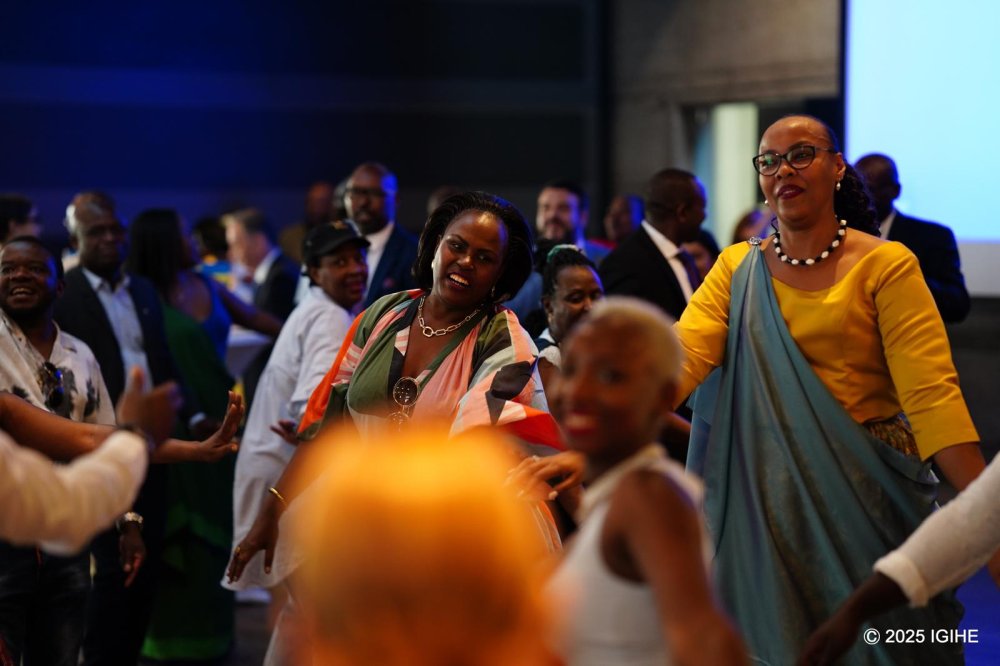
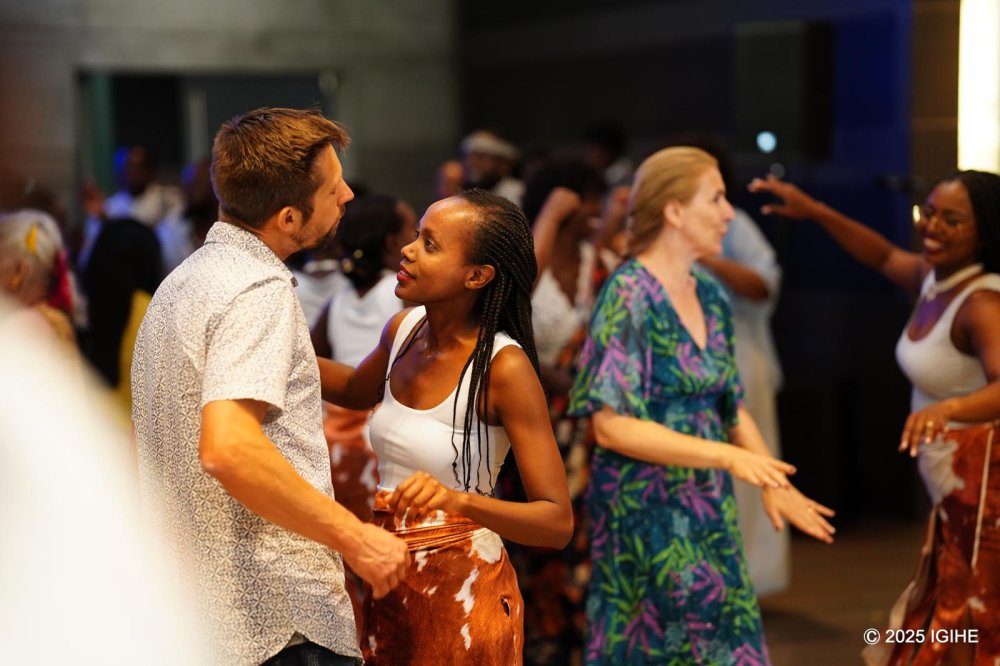
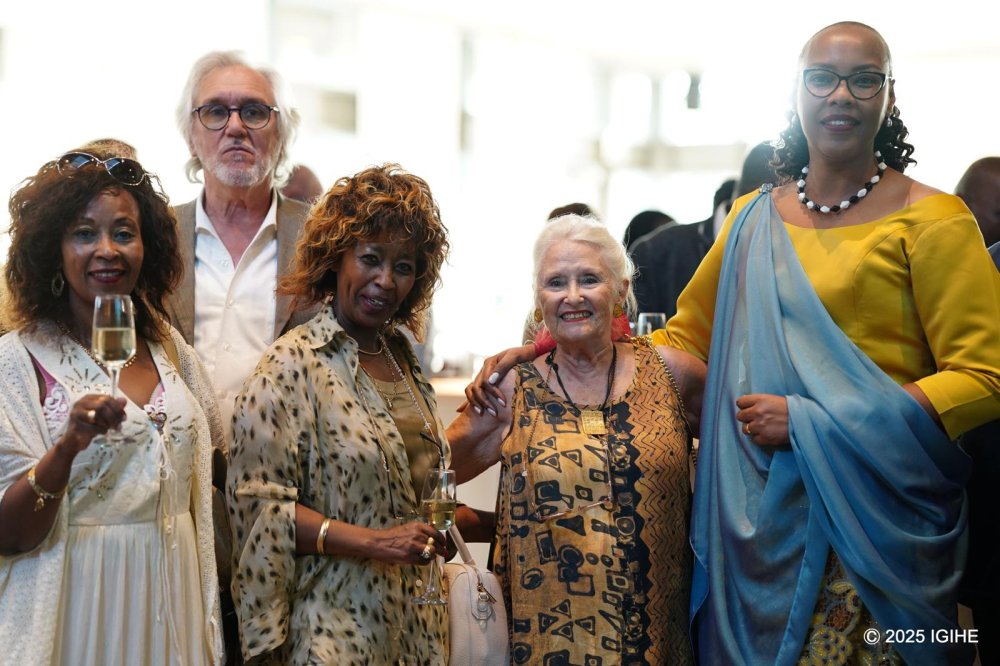
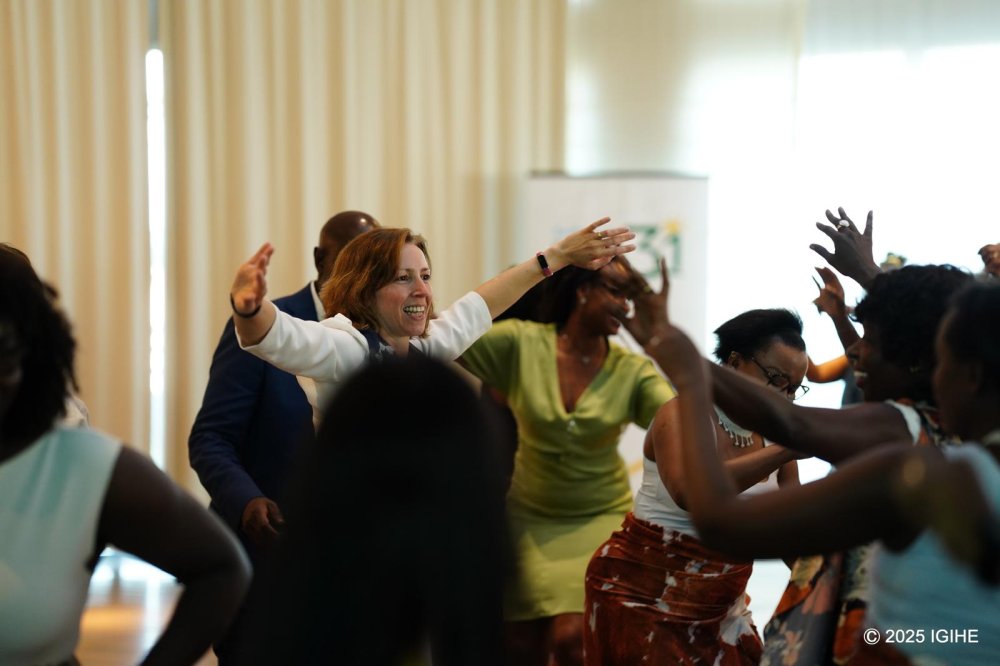
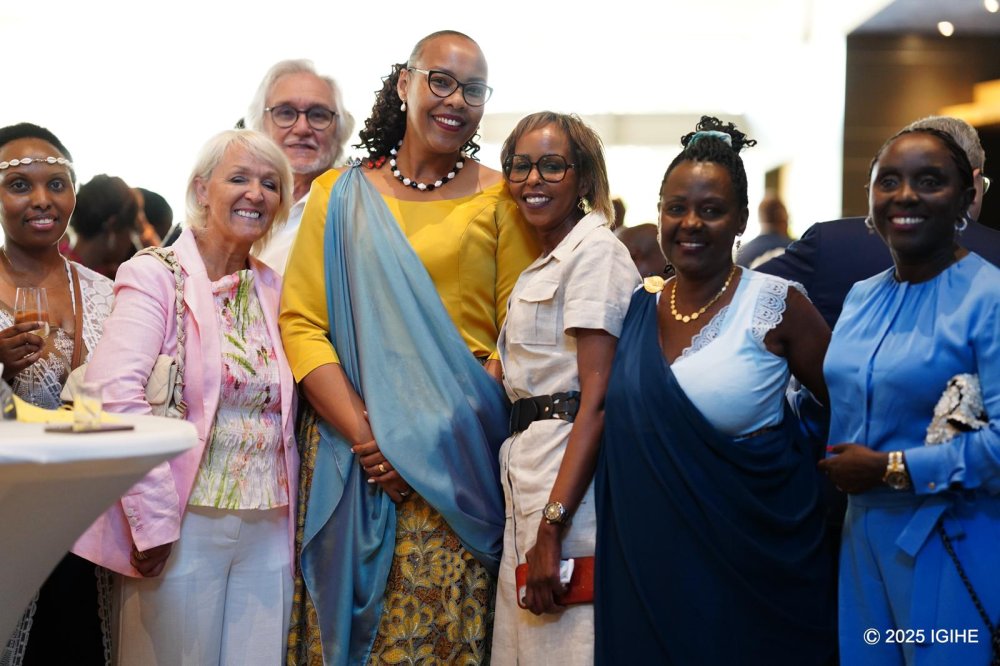
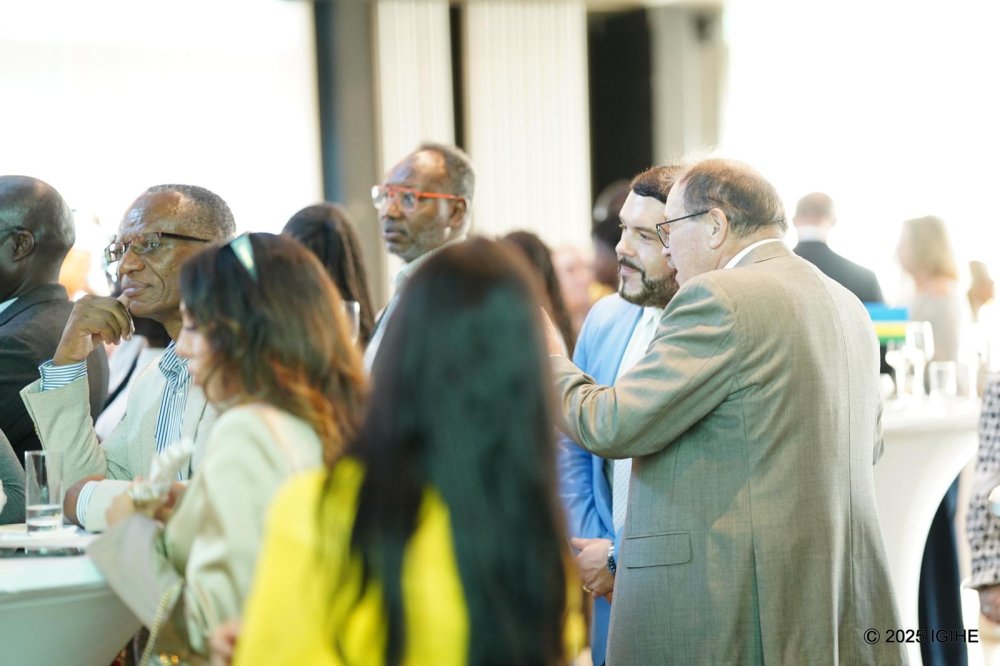
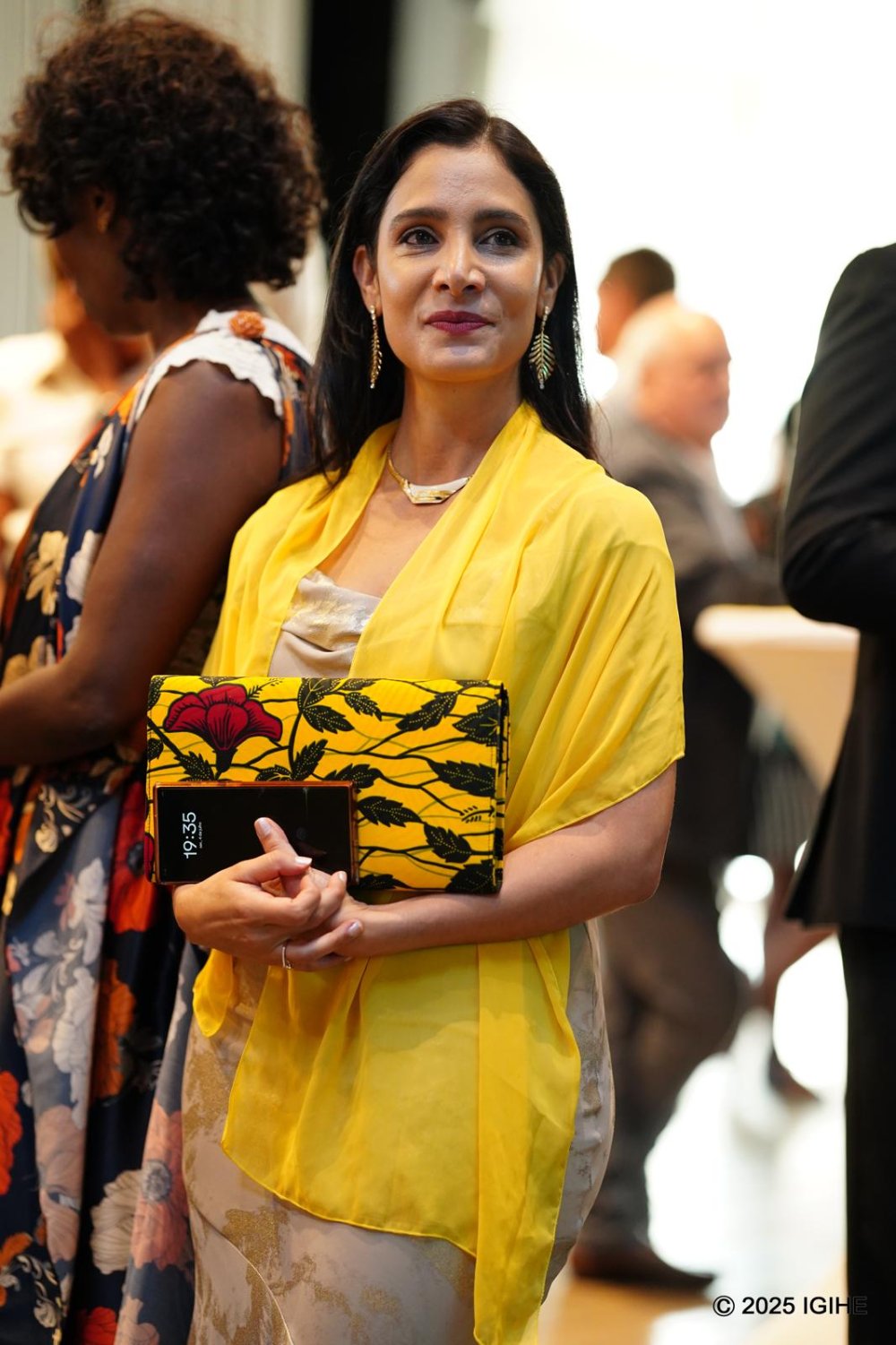
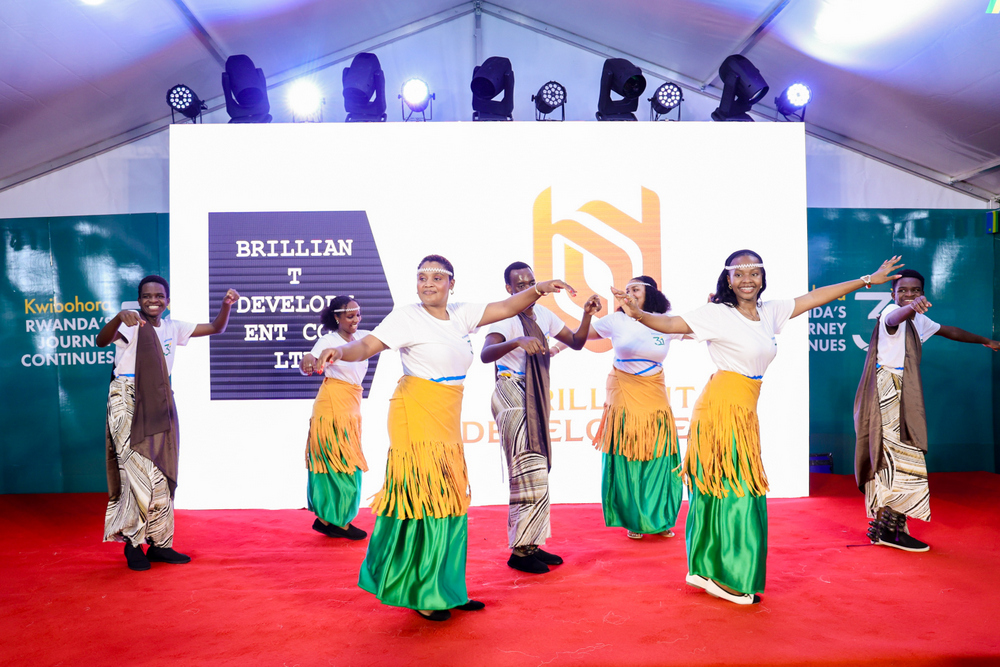
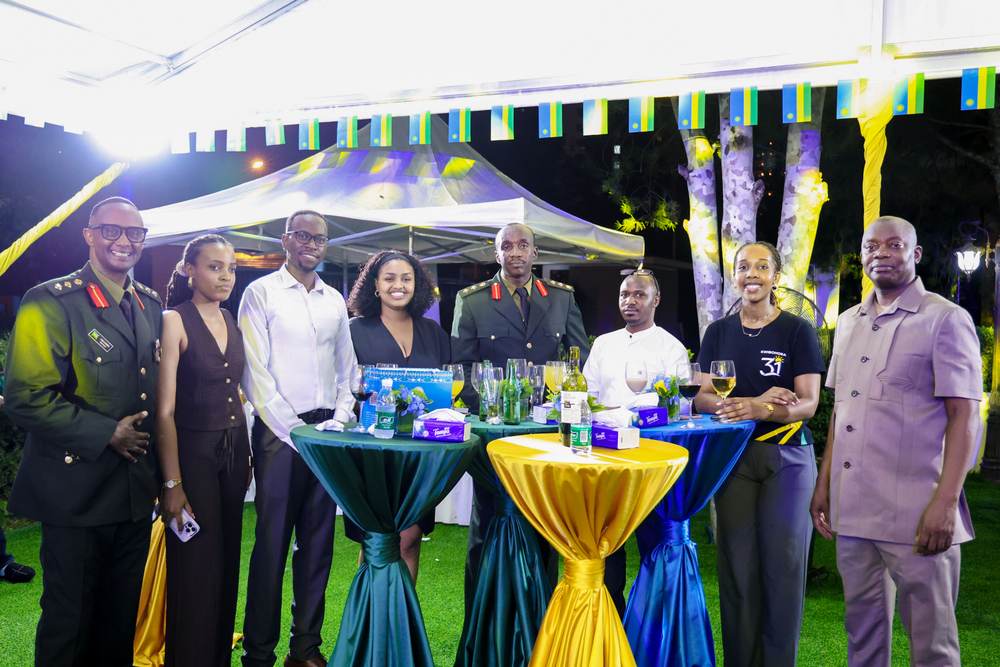
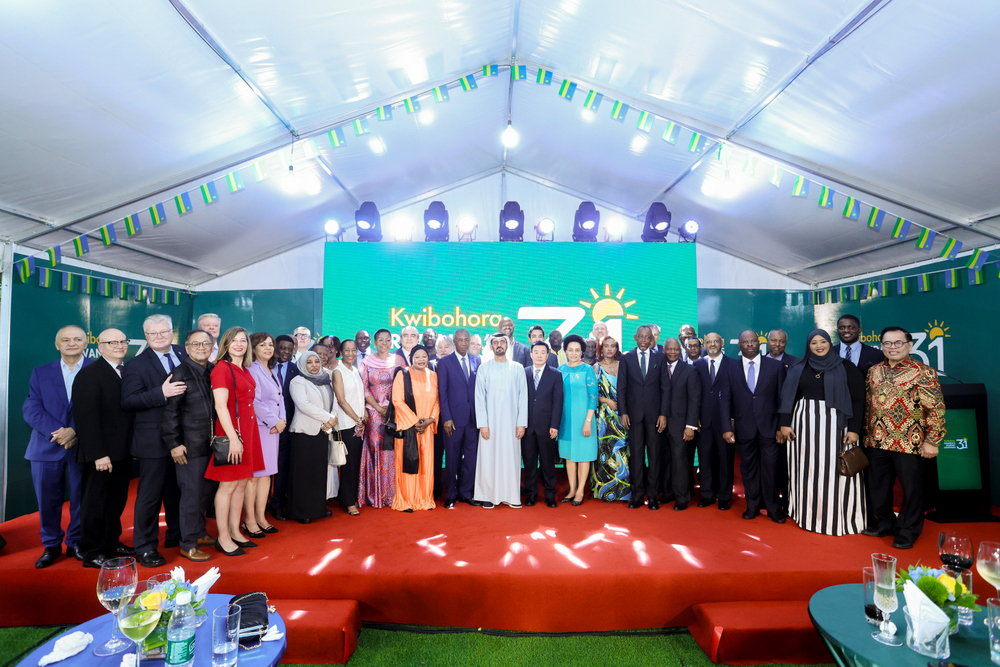
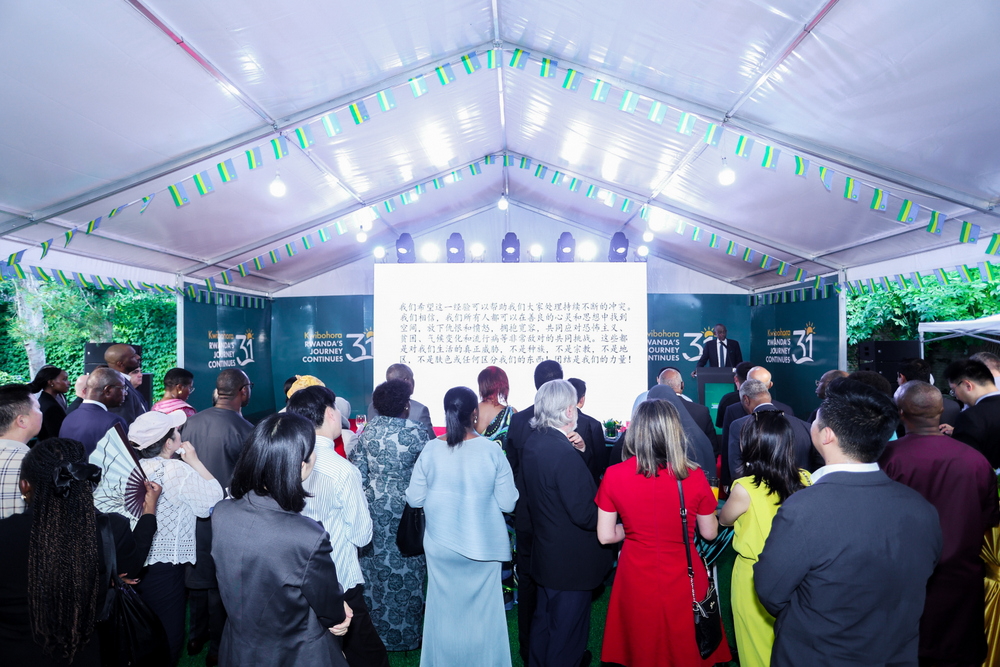
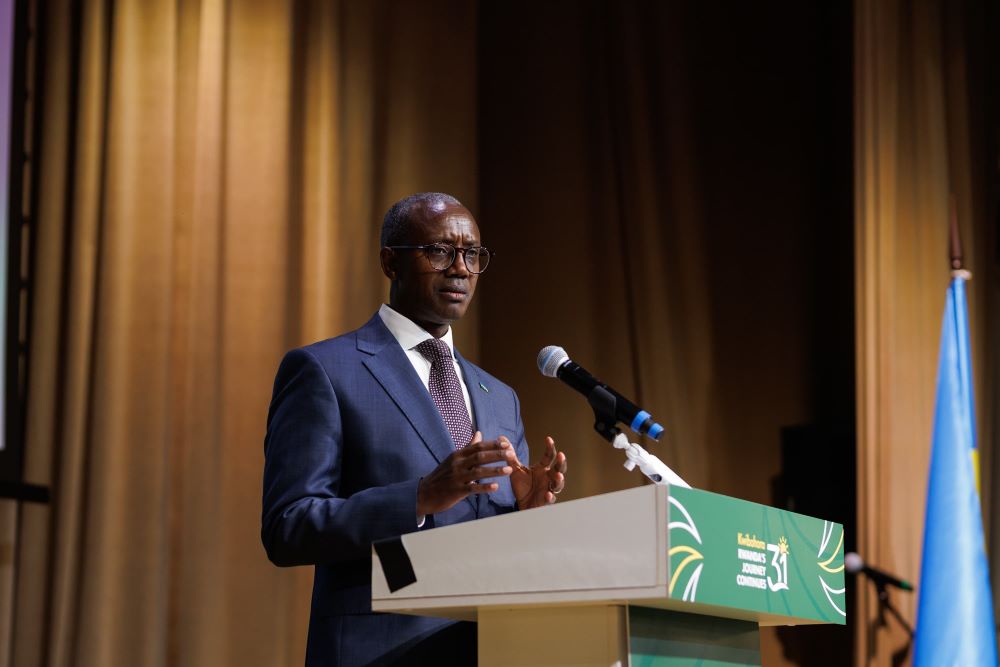
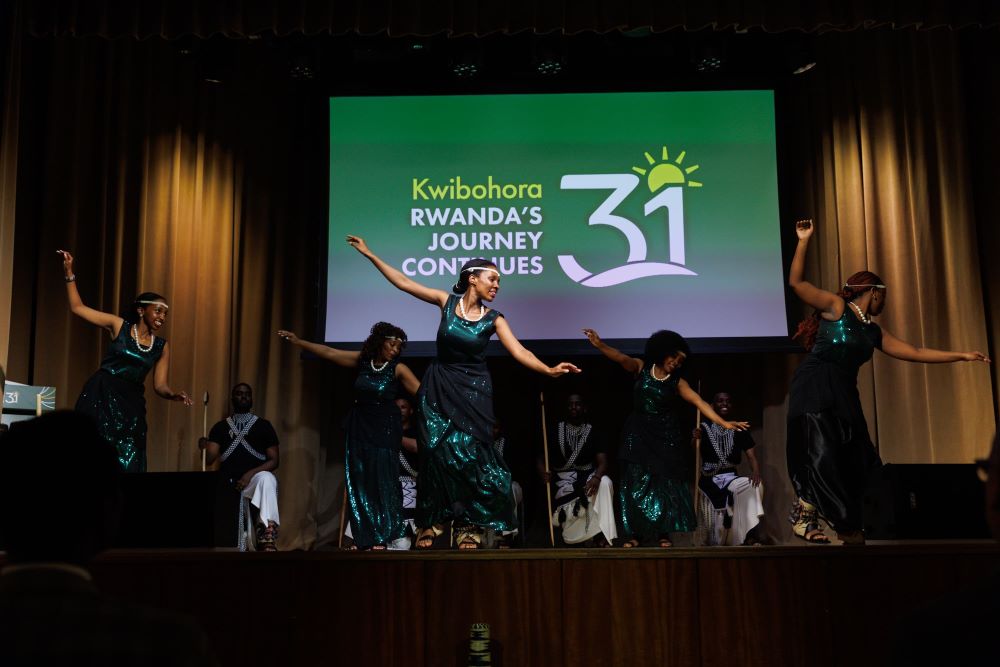
In her remarks, she reflected on the country’s journey since the 1994 Genocide against the Tutsi, describing Liberation Day celebrated on July 4, as a turning point that ushered in a new era of unity, dignity, and national renewal.
She underscored the decisive role played by the Rwandan Patriotic Front (FPR), under the leadership of President Paul Kagame, in ending the genocide and laying the foundation for Rwanda’s rebirth. Munyangaju reminded attendees that liberation was not a one-time event, but the beginning of a long process of reconciliation, resilience, and nation-building.
Since then, Rwanda has made significant strides, emerging as one of the most stable and forward-looking countries on the continent. The Ambassador noted that the country had established itself as an international financial hub, attracting partnerships and investments while advancing in areas such as business, education, logistics, and innovation, particularly in health and digital technologies.
She also pointed to Rwanda’s growing international presence, highlighting major upcoming events such as the 2025 UCI World Cycling Championships, which Rwanda was set to host in September, the first time an African country would organize the event since its inception in 1921.
In addition, Munyangaju spoke about Kwita Izina, the annual baby gorilla naming ceremony, describing it as a powerful symbol of Rwanda’s commitment to environmental conservation. The event, she noted, had become a global platform that attracted scientists, artists, and policymakers in support of biodiversity protection.
As the country marked 31 years since its liberation, the Ambassador emphasized the importance of safeguarding Rwanda’s achievements and passing on a legacy of peace and unity to future generations.
She also expressed gratitude to the Grand Duchy of Luxembourg for its continued support, underlining the value of solidarity and international cooperation.
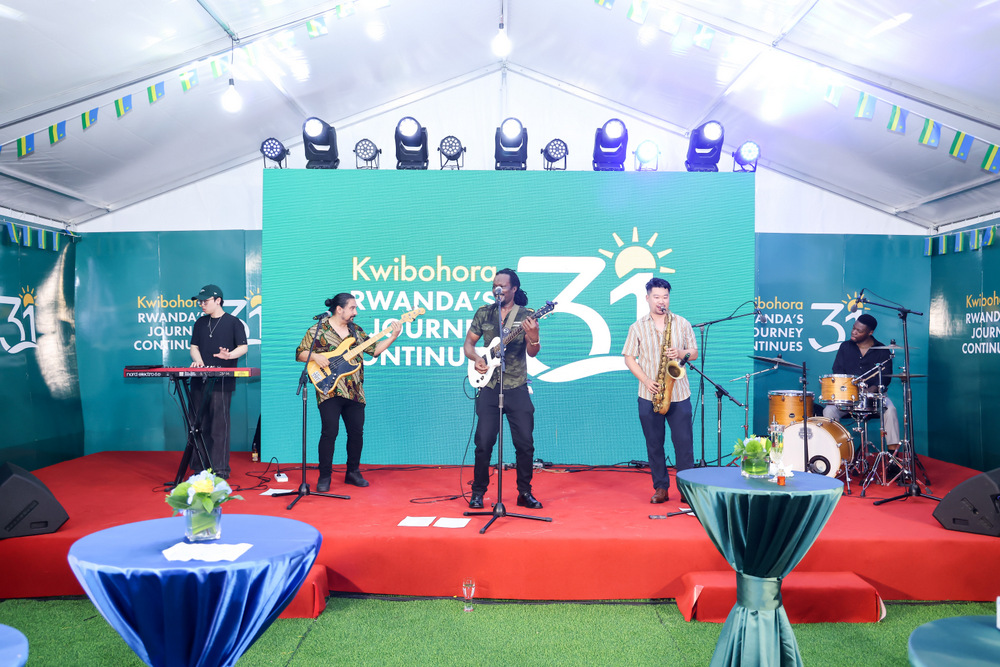
The ceremony concluded on a hopeful note, with a collective call to continue building a modern, inclusive Rwanda rooted in the principles of reconciliation and shared national identity.
The state-run institution currently manages assets worth over Frw 3.5 trillion (approximately $2.5 billion), with a strategic focus on channeling the resources into sectors that drive economic growth, social impact, and long-term returns.
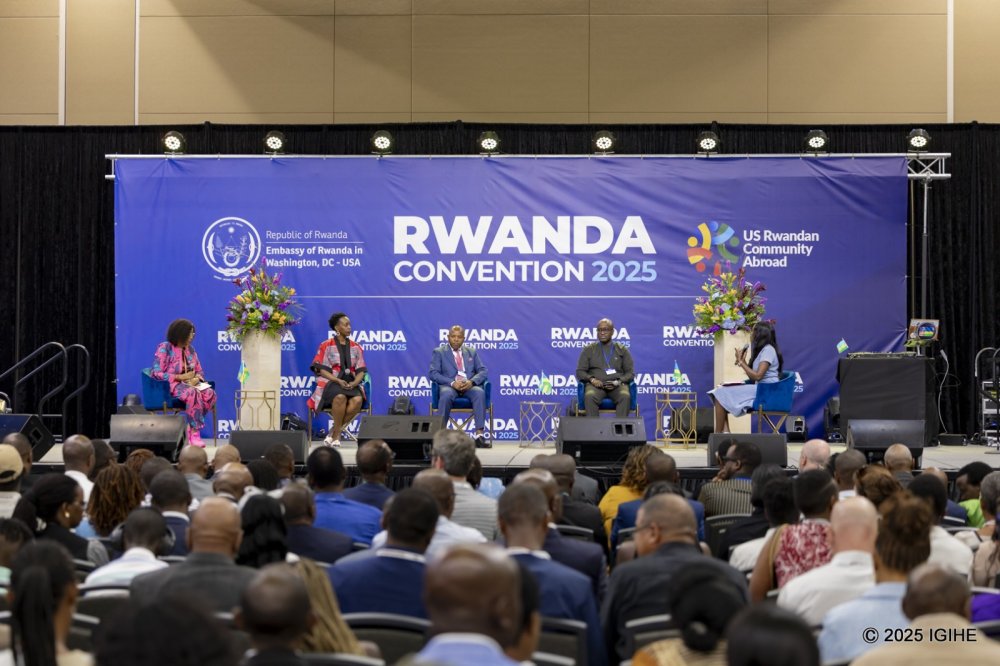
Speaking to the Rwandan diaspora during the Rwanda Convention 2025 held in Texas, USA, on July 5, Louise Kanyonga, Deputy CEO of the RSSB, emphasised the institution’s dual mission, social protection and nation-aligned investments, and highlighted key opportunities available both in Rwanda and abroad.
“RSSB is truly owned by every single Rwandan,” said Kanyonga. “We manage assets of about $2.5 billion across all the different asset classes… we invest towards the transformation of the country.”
A highlight of RSSB’s efforts is Ejo Heza, the national long-term savings scheme now being actively marketed to the diaspora. Designed for both informal sector workers and Rwandans living abroad, Ejo Heza offers an impressive 10–11% annual return, compounded over time.
“If you want to make sure you’re securing a long-term financial future for your loved ones and families back home, I really encourage you to learn more about Ejo Heza,” said Kanyonga.
“It’s a super attractive opportunity for you. You too can save and watch your savings grow over time,” she added.
The scheme not only ensures retirement security, but also reinforces financial inclusion in a country where most of the population works outside the formal economy.
{{Vision City II and Heza Estate
}}
In real estate, RSSB continues to lead the market as Rwanda’s largest developer. Two major housing projects were spotlighted at the convention:
Vision City II, set to begin construction in September 2025, will be three times larger than the first phase, featuring a diverse range of villas, apartments, and townhouses.
“The residential units you have in Vision City I are almost sold out… We’re starting the second phase in September,” Kanyonga confirmed.
Heza Estate, another upcoming development, will cater to the middle-income segment with approximately 500 units priced from $70,000. The estate will include both apartments and standalone homes, offering options for homeowners and investors alike.
“Please check it out at the stand. Pricing is very competitive and attractive… It’s a really exciting opportunity,” she said.
{{SME financing
}}
Kanyonga also announced the creation of a new $30 million SME fund, aimed at unlocking long-term capital for small and medium-sized enterprises. The fund is expected to grow to $100 million, with regulatory clearance anticipated by August 2025.
“This SME fund is really for you,” she told diaspora entrepreneurs. “We want to be exposed to the real economy and actually finance real businesses.”
Unlike commercial bank loans, which can be expensive and short-term, the RSSB fund will offer patient capital, including equity and flexible financing terms tailored to the realities of local businesses.
{{Strategic sector investments
}}
RSSB is already firmly embedded in several of Rwanda’s most strategic and high-impact sectors, according to Kanyonga. In healthcare, the institution manages Mutuelle de Santé, the national health insurance program that now covers advanced medical services such as kidney transplants and cancer treatment, a major step toward reducing the country’s reliance on outbound medical referrals.
In the realm of innovation, RSSB has positioned itself as a forward-thinking investor, having been an early backer of Zipline, the drone delivery company revolutionising medical logistics across Rwanda. It has also directed capital into pharmaceutical manufacturing, further strengthening the country’s healthcare self-sufficiency.
RSSB is also making major contributions to hospitality and tourism, with investments in landmark assets such as the Kigali Convention Centre, the newly upgraded Kigali Golf Club, and hospitality infrastructure around Akagera National Park, bolstering both domestic and international tourism.
Beyond Rwanda’s borders, the institution is participating in pan-African investment through the $250 million Buranga Fund, a joint venture with the Qatar Investment Authority, which is already supporting Rwandan companies and eyeing broader regional opportunities.
{{Invest, don’t just remit
}}
Closing her remarks, Kanyonga urged the diaspora to move beyond remittances and take part in long-term investment.
“Let’s think about moving beyond just remittances to actually investing actively in the economy. There’s so much you can do,” she said. “Every single franc we invest [should] bring in three times the productivity.”
She also encouraged young professionals abroad to consider careers with RSSB, which operates a digital factory employing up to 60 Rwandans and building high-impact tools in-house.
“We’re building amazing products and services… 11 million Rwandans are our clients directly because of a service we offer,” she added.
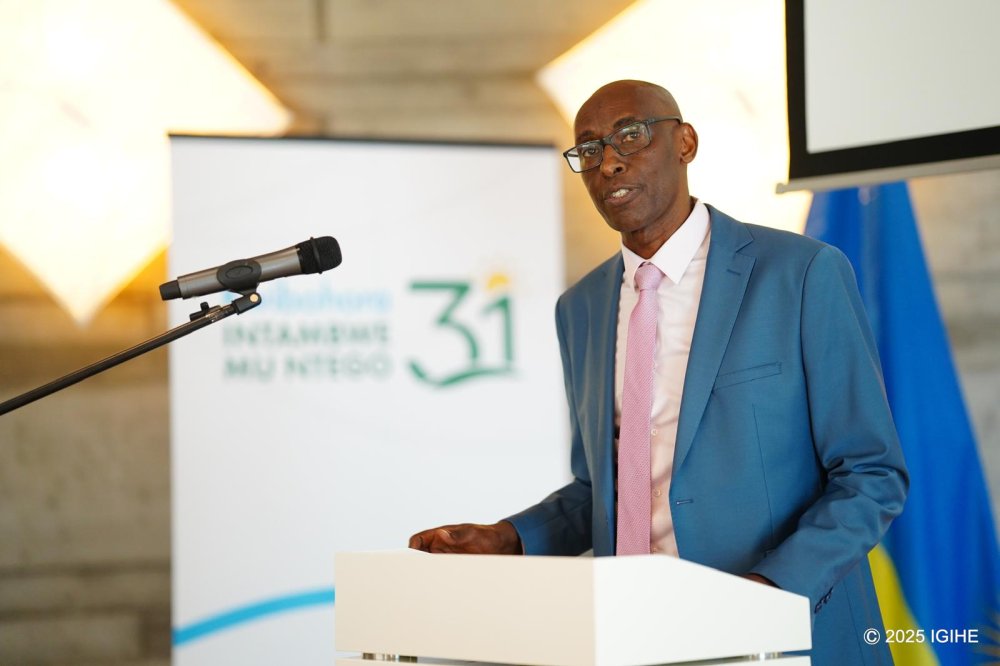
Addressing a vibrant audience, Rwanda’s Ambassador to China, James Kimonyo, delivered a stirring message that especially resonated with young Rwandans, urging them to “carry the torch of Kwibohora” and lead the next chapter of Rwanda’s transformation.
“To the youth of Rwanda, the leaders of tomorrow, I say this: your generation carries the torch of Kwibohora. You carry a huge responsibility to take Rwanda even further,” he said. “The future is in your hands — and it is bright.”
Liberation Day, commonly known as Kwibohora, commemorates July 4, 1994 — the day the Rwandan Patriotic Army (RPA-Inkotanyi) ended the Genocide against the Tutsi and ushered in a new era of unity and hope.
It marked the end of a brutal regime defined by ethnic division, exile, conflict, and mass killings. The liberation struggle, which began on October 1, 1990, culminated in the military defeat of genocidal forces under the leadership of President Paul Kagame, heralding a new dawn for Rwanda.
“Kwibohora is more than just a day to celebrate our freedom,” said Amb. Kimonyo. “It is a day to recognize how far we have come as a nation and to reflect on the progress we have made together — as we look to the future.”
The Ambassador highlighted Rwanda’s extraordinary post-genocide transformation — from a deeply broken society to one of Africa’s most admired nations.
With an average economic growth rate of 8%, major investments in technology, infrastructure, and industry, and leading global rankings in governance and safety, Rwanda is steadily building toward its Vision 2050 goal of becoming a high-income country.
But beyond the statistics, Amb. Kimonyo emphasized values: unity, resilience, and responsibility. He urged young Rwandans not to take the legacy of liberation for granted, but to embody its spirit in their actions and ambitions.
“The liberation we celebrate today is not an end in itself,” he said. “It calls for sustained hard work, discipline, and commitment to our founding ideals.”
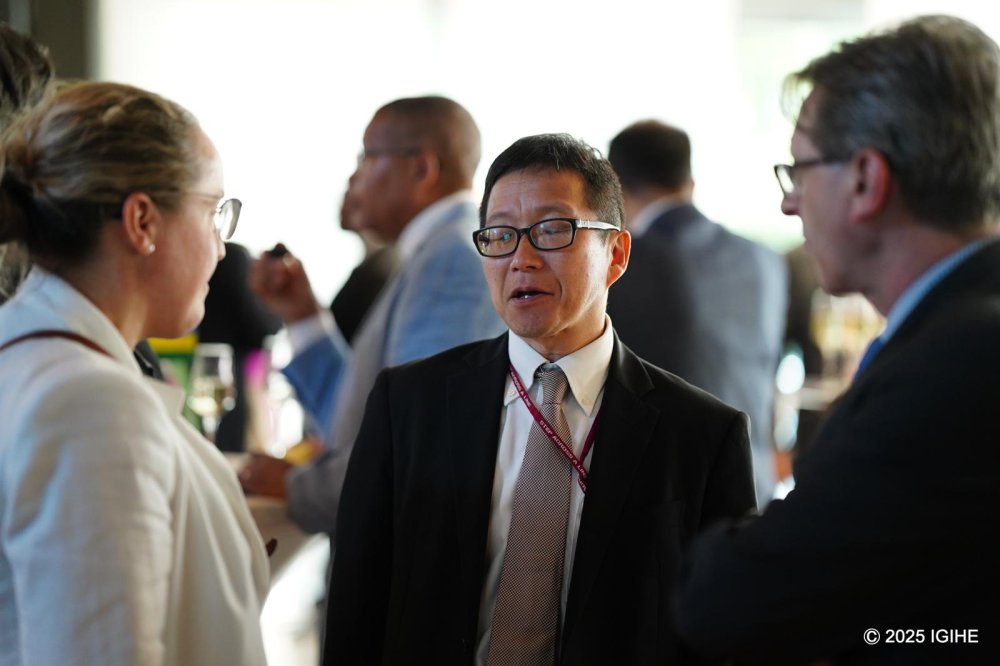
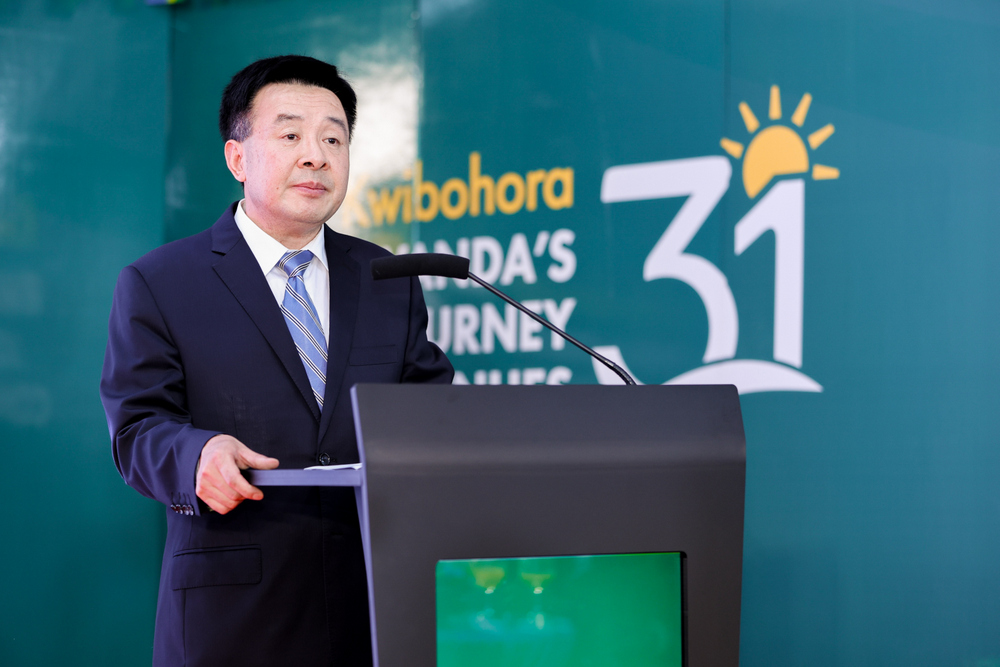
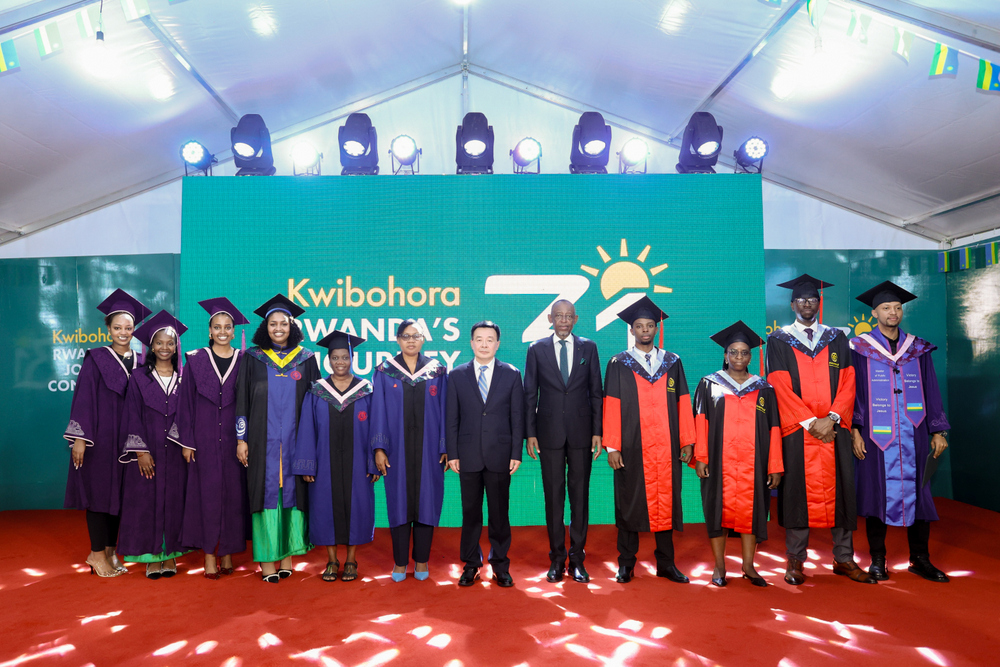
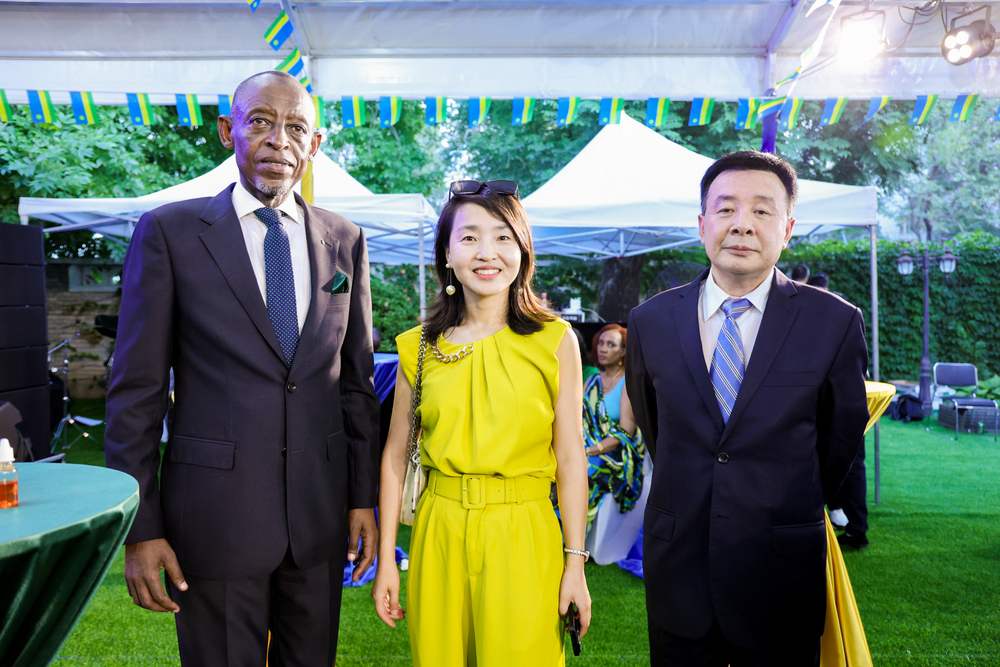
The ceremony also featured remarks by Ambassador Lei Kezhong, representing the Government of the People’s Republic of China. He praised Rwanda’s leadership and progress, highlighting the growing strategic partnership between the two nations.
“Rwanda has successfully taken control of its own destiny and is making solid progress toward realizing its Vision 2050,” said Amb. Lei. “China is ready to continue supporting Rwanda through high-level cooperation, infrastructure development, and enhanced market access.”
China remains one of Rwanda’s most significant development partners, contributing to transformative projects such as Masaka Hospital, Nyabarongo II Hydropower Plant, and technology-focused initiatives like satellite remote sensing.
In his closing remarks, Amb. Kimonyo called on all Rwandans to safeguard the hard-won gains and reject the forces of division.
“Let us pledge to protect and uphold the progress we have made,” he urged. “This is a journey that will ensure future generations live in a society where justice, equality, and peace are their birthright.”
As Rwanda marks Kwibohora31, the focus shifts from military victory to a new kind of liberation — one that will be won through innovation, purpose, and the unwavering resolve of a united people, with the youth at its forefront.
Speaking at the Rwanda Convention 2025 in Texas, USA, running from July 4 to 6, he highlighted the significance of the deal, which aims to address longstanding tensions in the Great Lakes region.
The convention, resuming after a six-year hiatus, brought together hundreds of Rwandans from the diaspora and guests from Rwanda to celebrate culture, unity, and national development.
The peace agreement, brokered in Washington with U.S. support, is comprehensive, covering political, security, economic, and humanitarian aspects.
“We are optimistic because those three aspects are taken care of.
However, we are cautiously optimistic because we have an experience with the DRC of signing agreements without implementing them,” he noted.
Minister Nduhungirehe emphasized that Rwanda’s security concerns, particularly the threat posed by the FDLR, a genocidal force, are central to the agreement.
“We have decided together to ensure that this movement, this FDLR, is neutralized once and for all, which will allow Rwanda to lift its defensive measures,” he stated.
On the economic front, the agreement fosters joint investments between Rwanda and the DRC, supported by U.S. companies.
“This kind of positive collaboration would be a good incentive for permanent peace and prosperity in our region,” Nduhungirehe noted.
Politically, the agreement supports dialogue between the DRC government and the M23 movement, addressing root causes of conflict such as the persecution and marginalization of Congolese Tutsi communities.
Ongoing talks in Doha, Qatar, mediated by Qatar, mark progress, as the DRC has now agreed to engage with M23, a commitment absent in prior failed agreements.
However, Nduhungirehe tempered optimism with caution, citing the DRC’s history of signing but not implementing agreements.
Since the 1999 Lusaka ceasefire, at least 10 agreements, including the 2009 Goma accord that gave M23 its name, have gone unimplemented.
He also raised concerns about DRC’s militarization, including new weapons, attack drones, armored vehicles, and mercenaries, such as Colombian operatives hired by Blackwater during Washington negotiations.
“We know that the DRC has not implemented previous agreements… Rwanda will do its part of the deal, and we hope that the DRC will also follow through,” he said.
Addressing differences from past efforts, Nduhungirehe noted that the current agreement builds on the Luanda Process, mediated by Angola’s President Joao Lourenço in 2024, which collapsed due to the DRC’s refusal to negotiate with M23.
The inclusion of economic cooperation and U.S. support distinguishes this deal. He also responded to critics of the Trump administration, which facilitated the agreement, saying, “So what? Having interests in the region is not a problem, provided they are interested in helping Rwanda and DRC achieve peace and stability.”
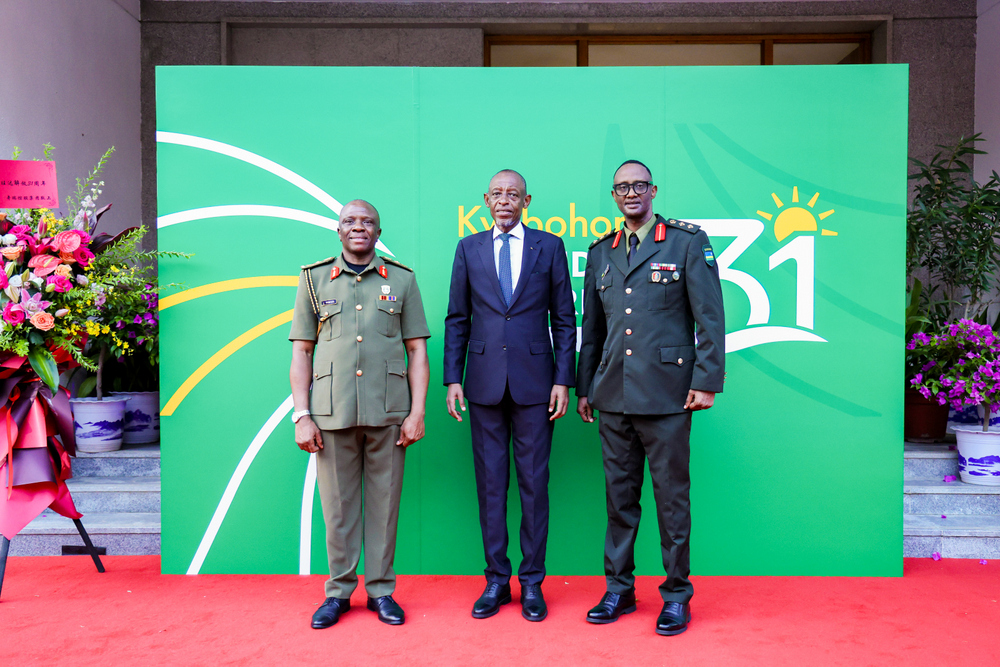
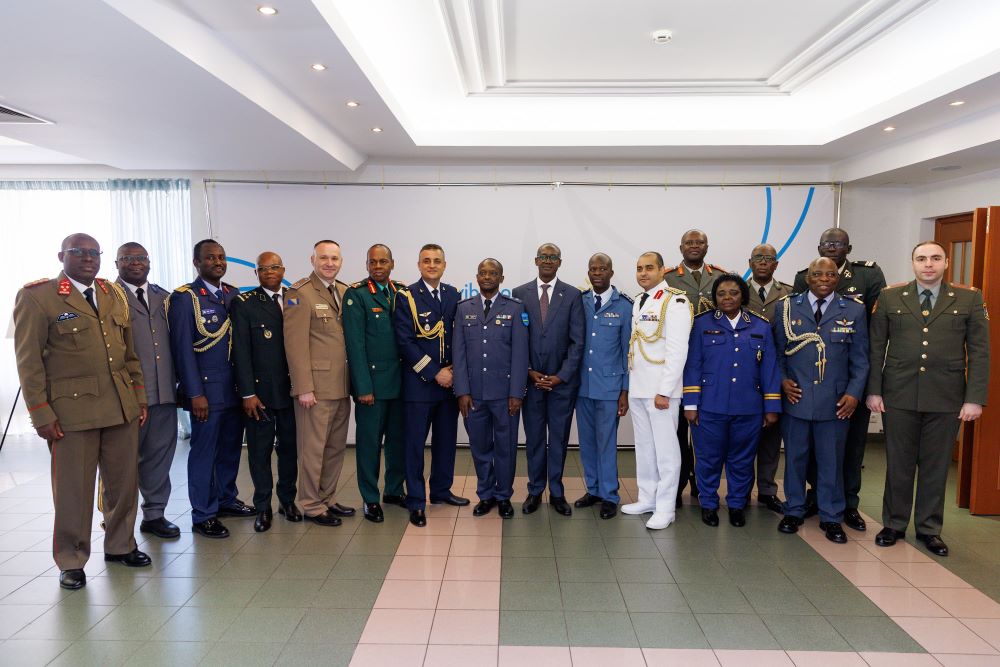
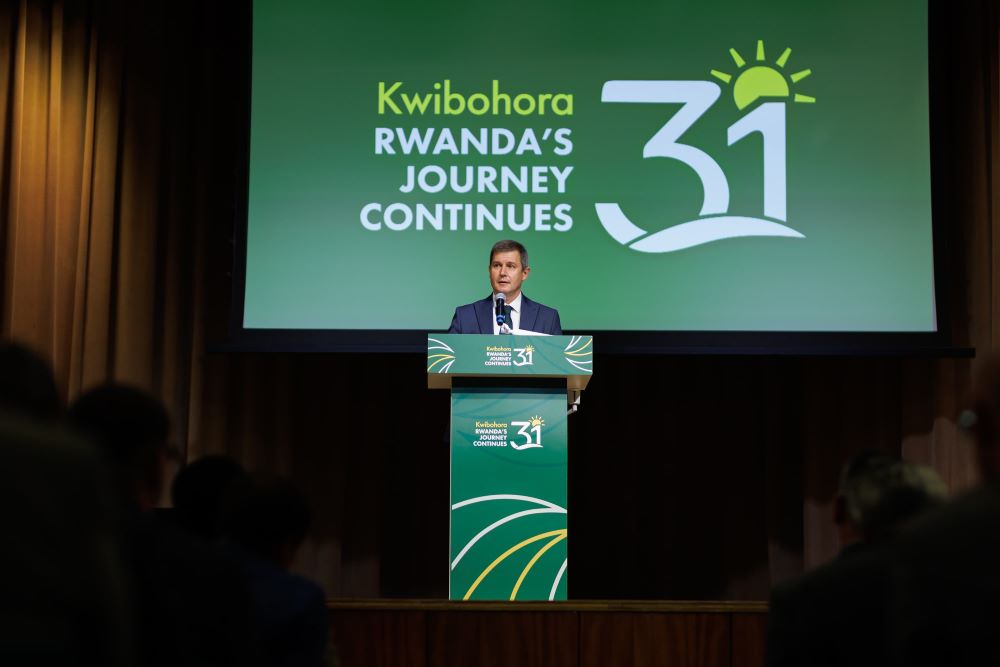
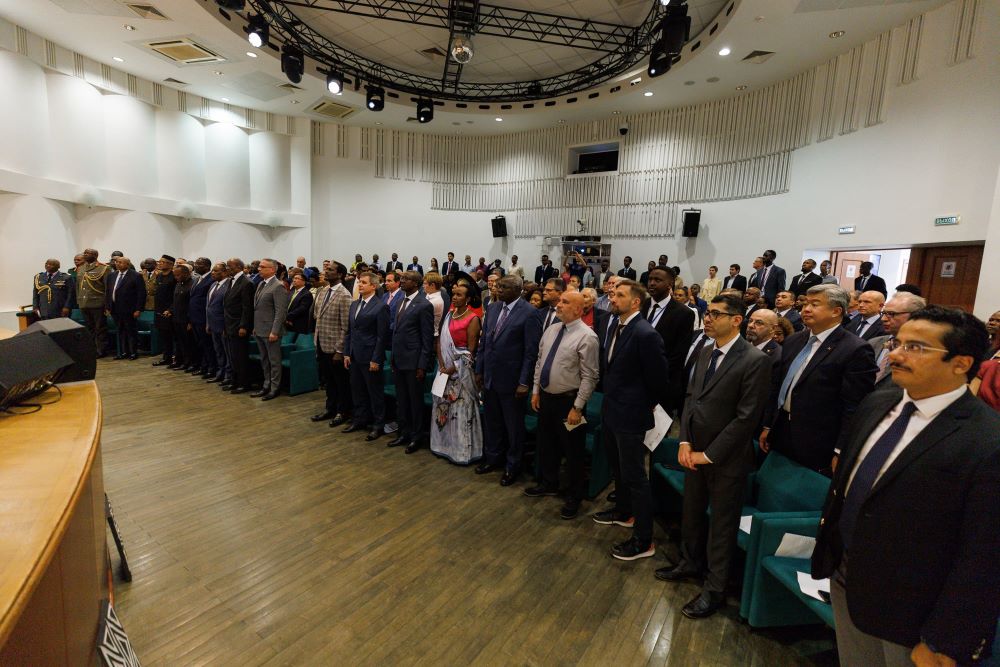
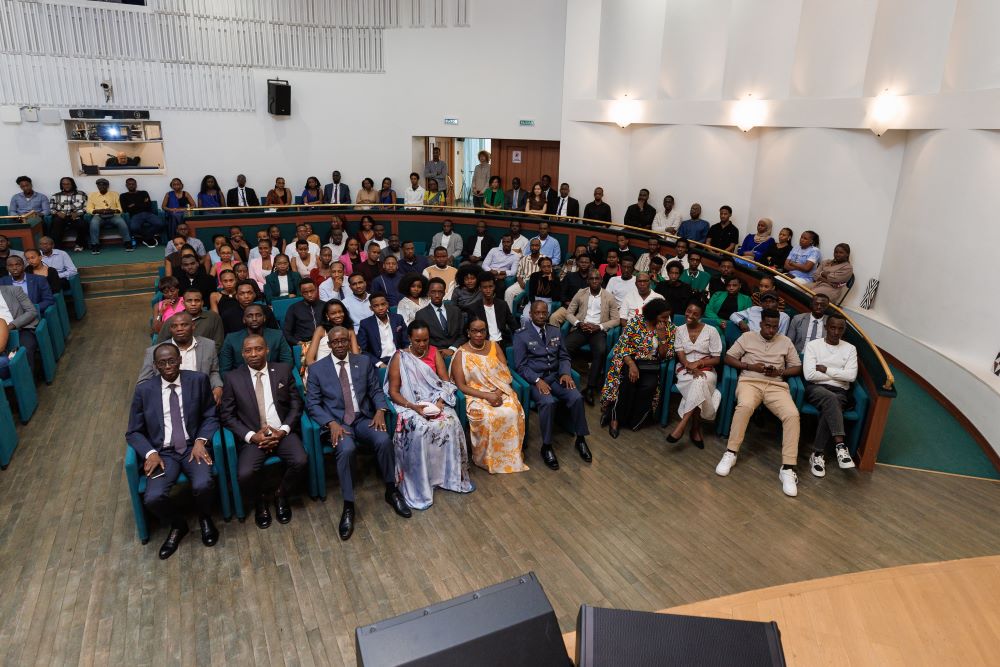
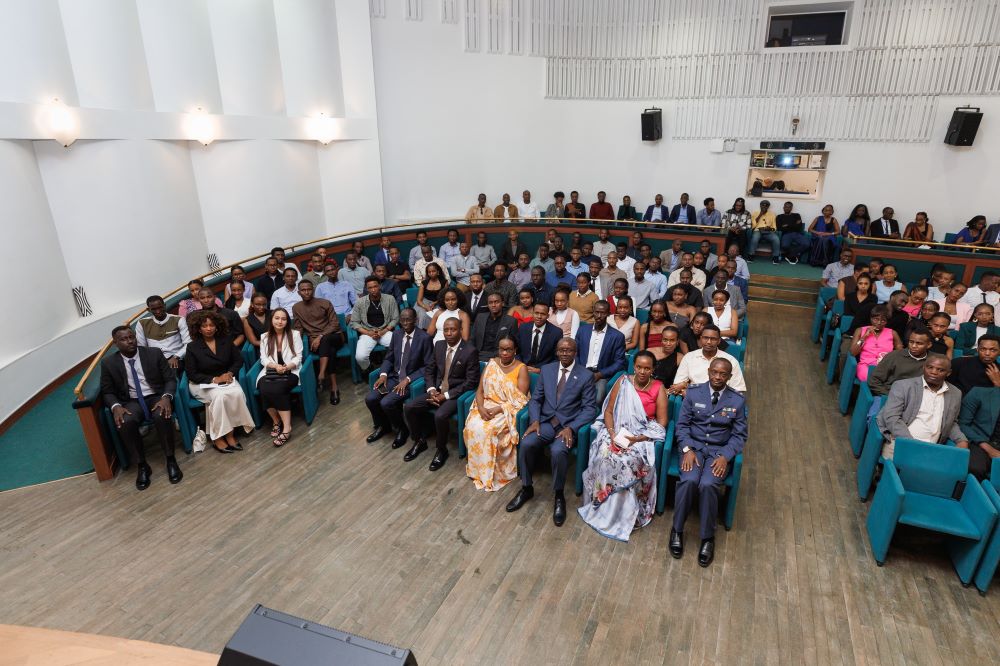
In his speech, Rwanda’s Ambassador to Russia, Maj Gen Joseph Nzabamwita, paid tribute to the Rwandan Patriotic Army (RPA) for liberating the country and honored those who sacrificed their lives in the struggle.
He expressed deep appreciation for the dedication of men and women in Rwanda’s military and police forces who have worked for over 31 years to maintain peace and security both within Rwanda and across various parts of the African continent.
Amb. Nzabamwita highlighted that Liberation Day is a moment to reflect on Rwanda’s journey over the past 31 years, a journey that has seen significant progress in both social development and economic growth. He attributed this success to wise leadership, sound policies, and strategic national programs.
He noted that under this leadership, Rwanda has significantly reduced poverty, from 39% to 27% in the past seven years, lifting 1.5 million people out of poverty. He added that in 2024, the economy grew by 8.9%, enabling job creation, especially for the youth, and strengthening the fight against poverty.
The ambassador also commended the growing relationship between Rwanda and Russia, reaffirming Rwanda’s commitment to strengthening bilateral ties for the mutual benefit of both nations.
Amb. Georgiy Chepik, Deputy Director of the Department of African States
at Russia’s Ministry of Foreign Affairs and the guest of honor, acknowledged Rwanda’s remarkable progress following its tragic history.
He praised Rwanda’s success in reconciliation, peacebuilding, and socio-economic transformation, noting that the country is steadily advancing toward sustainable development.
Chepik reiterated Russia’s continued support for Rwanda’s sovereignty and expressed satisfaction with the current cooperation between the two countries, particularly in political, trade, and economic spheres.
He also welcomed Rwanda’s active participation in the inaugural Russia-Africa Ministerial Conference held in November 2024.
During this conference, both countries signed a visa waiver agreement for holders of diplomatic and service passports, a deal that has been in effect since February 2025.
In his closing remarks, Chepik expressed confidence that the friendship between Rwanda and Russia will continue to grow, fostering peace and prosperity for both nations and contributing to lasting peace across the African continent.
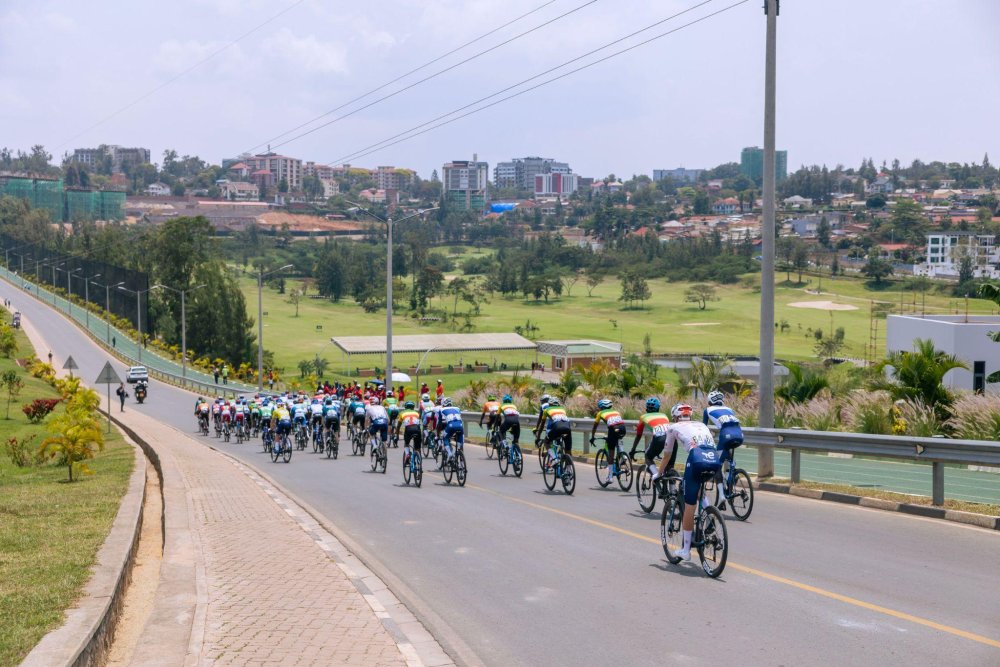
The UCI Road World Championships is an annual international road cycling competition, bringing together national teams from around the world under the organization of the Union Cycliste Internationale (UCI).
For the first time, the event is set to take place on the African continent, with Rwanda chosen as the host after beating Morocco in the selection process in September 2021.
In preparation for the upcoming Road World Championships, Rwanda is implementing various infrastructure projects, including the construction and upgrading of roads to meet international standards.
Emma Claudine Ntirenganya, Director General in charge of Communication and Education at the City of Kigali, has told IGIHE that the roadworks are being carried out in accordance with the competition’s requirements, which include the removal of speed bumps along the designated race routes.
“One of the key conditions is that roads used for the race must be free of speed bumps. As such, all speed bumps along the planned routes are currently being removed,” she explained.
When asked whether the speed bumps would be reinstalled after the event, she noted: “There are still several months ahead, so the situation could evolve. However, what is clear for now is that once the race is over, the speed bumps on those roads will be reinstated.”
The Road World Championships is expected to attract numerous participants from across the globe, along with visitors who will come for both the event and tourism activities.
First held in 1921 in Copenhagen, Denmark, the most recent edition of the championship took place in Zürich, Switzerland, in 2024.
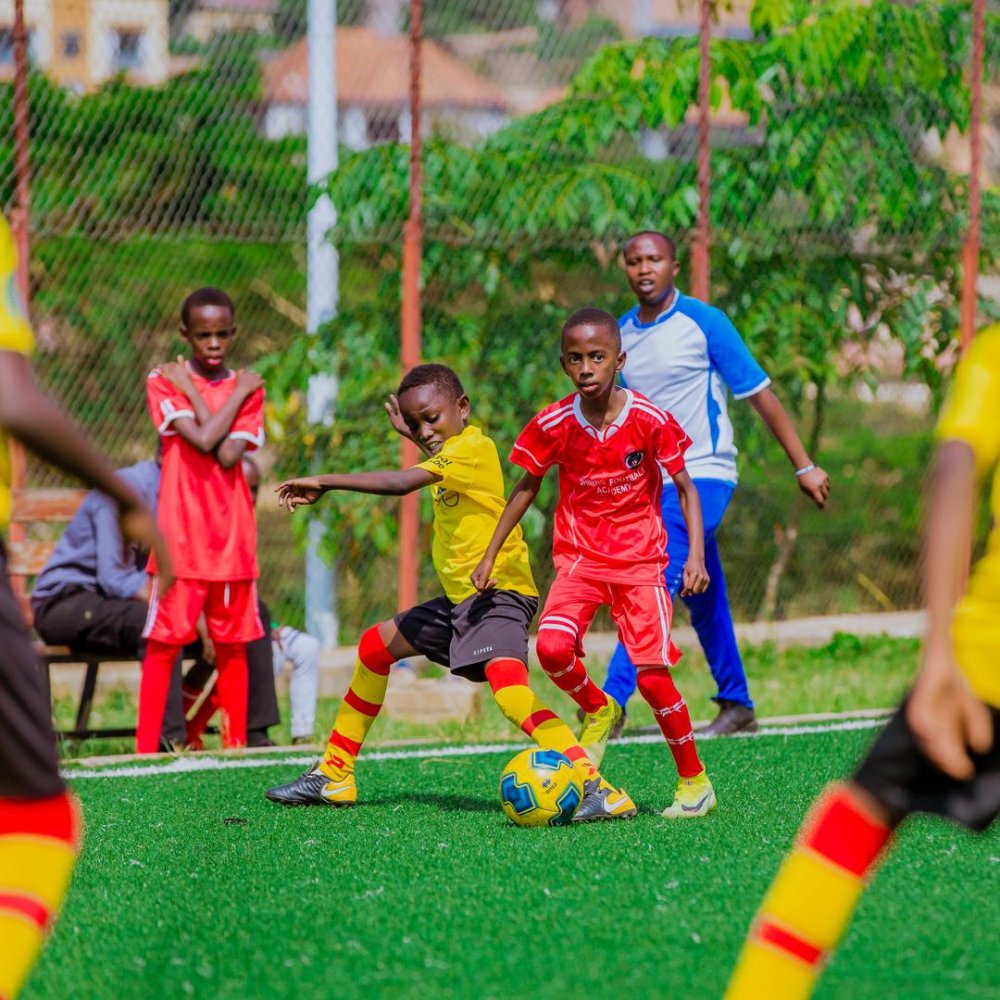
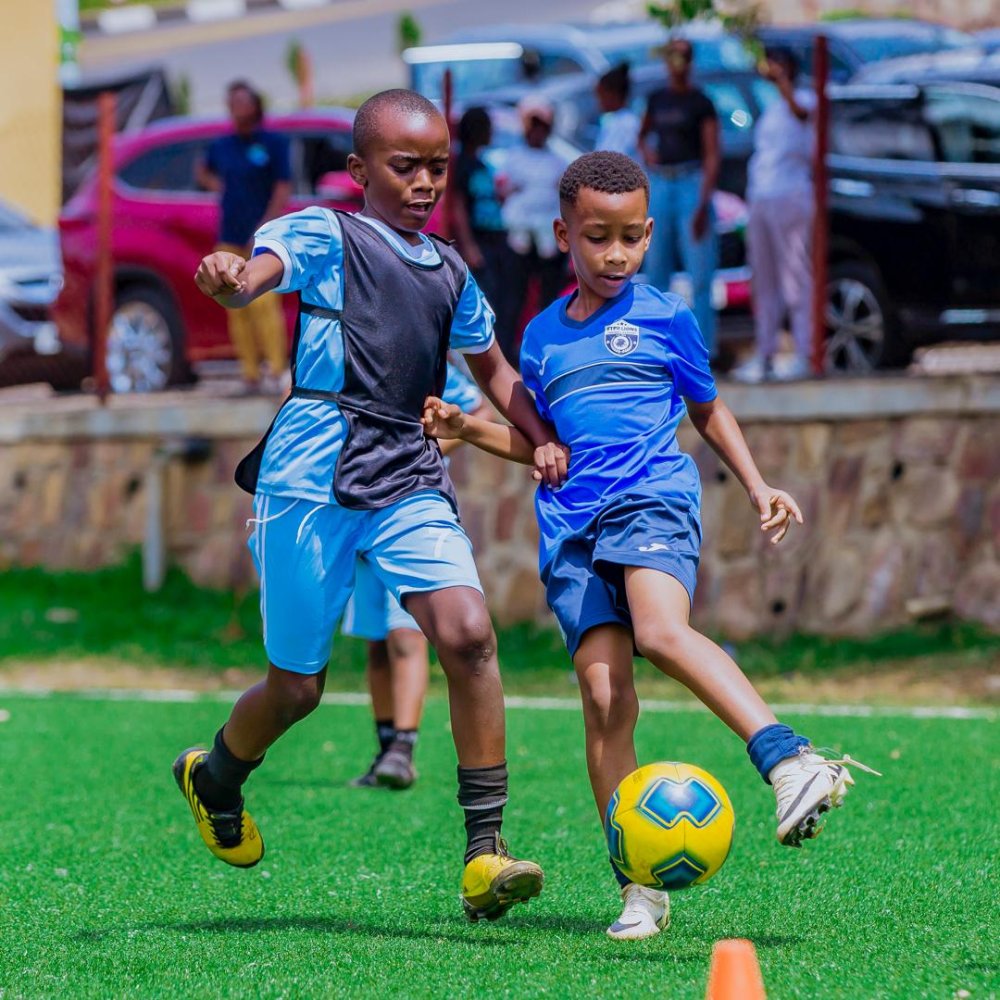
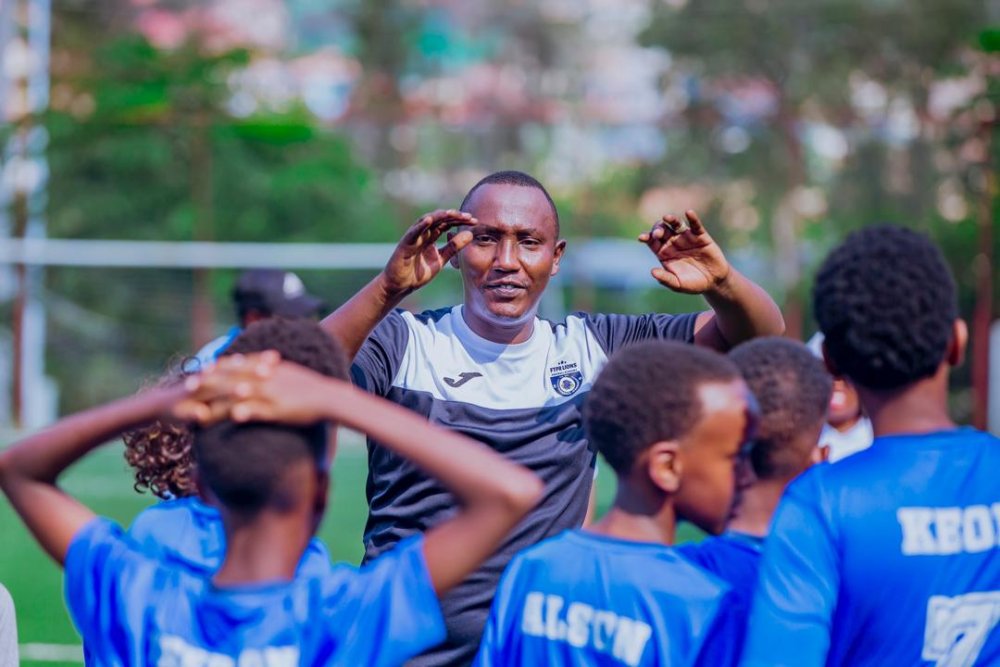
The selection process, held at Green Hills Academy in Kigali on July 4, 2025, involved children from various football academies across Kigali City, with a significant number from FTPR Lions Academy.
The event featured competitive matches among the participants, allowing coaches to evaluate and identify the most promising players.
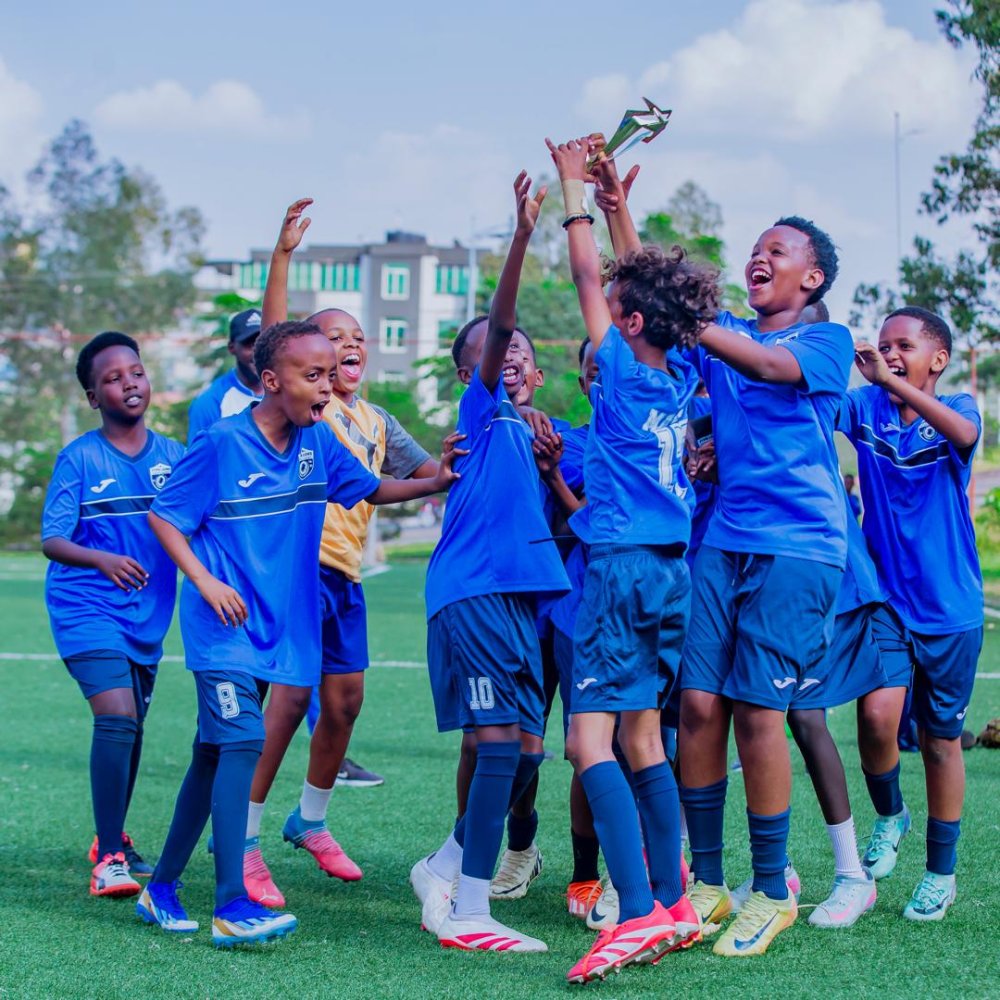
Shining Football Academy claimed victory in the Under-9 category, while FTPR Lions Academy secured the overall title, outperforming other academies, including Agaciro Football Academy, Centre Gikondo, and Esperance Football Academy.
The selected twelve will travel to England next week, supported by Green Hills Academy and Kigali International Community School.
Alain Mbabazi, Athletic Director at Green Hills Academy, expressed confidence in the initiative’s success, noting that the chosen players are expected to excel.
He also highlighted the potential for Arsenal to retain some of these talents based on their performance during the camp.
In a statement published on his X account, Turkish Interior Minister Ali Yerlikaya said that 44 suspects were detained in relation to 65 forest fires that occurred in 12 provinces between June 26 and July 4, 10 of them were arrested, and judicial control measures were imposed on six of them.
Earlier in the day, Turkish Minister of Agriculture and Forestry Ibrahim Yumakli announced that the forest fire in Cesme, a popular resort town, was brought under control by Friday morning. Efforts to contain the blazes in Odemis and Buca districts are still ongoing.
Two people lost their lives in Odemis — an 81-year-old bedridden man and a forestry worker who died while battling the blaze, according to Yumakli.
Authorities have not yet confirmed the cause of the fires, but high temperatures, low humidity, and powerful winds have created ideal conditions for forest fires to spread rapidly. Investigations are underway to determine whether negligence or arson may have played a role.
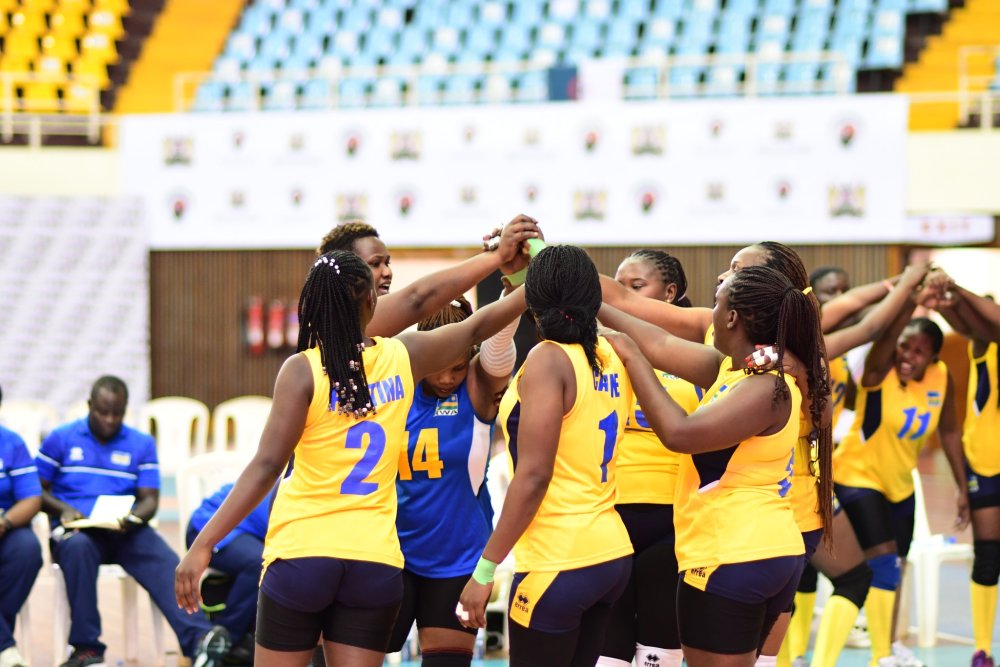
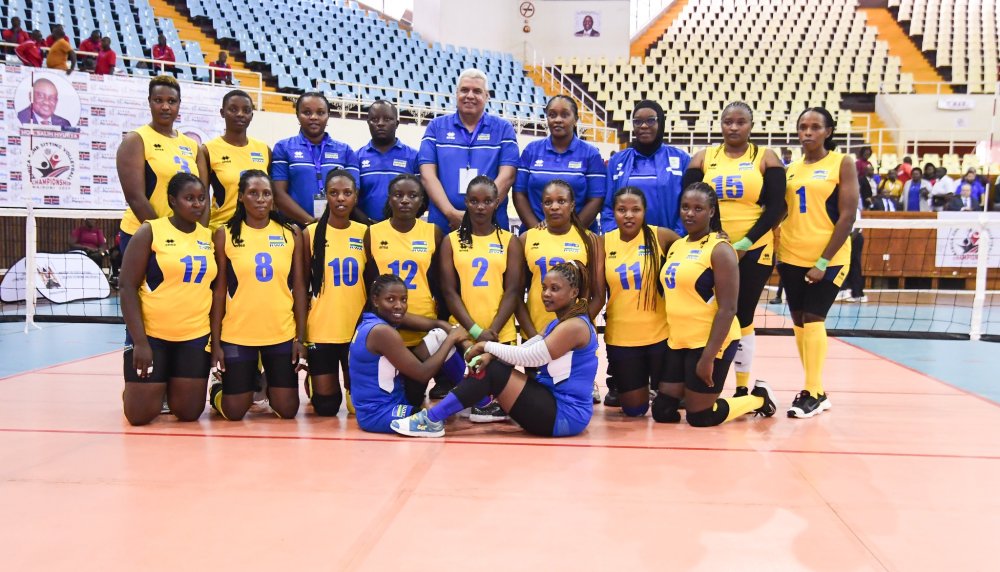
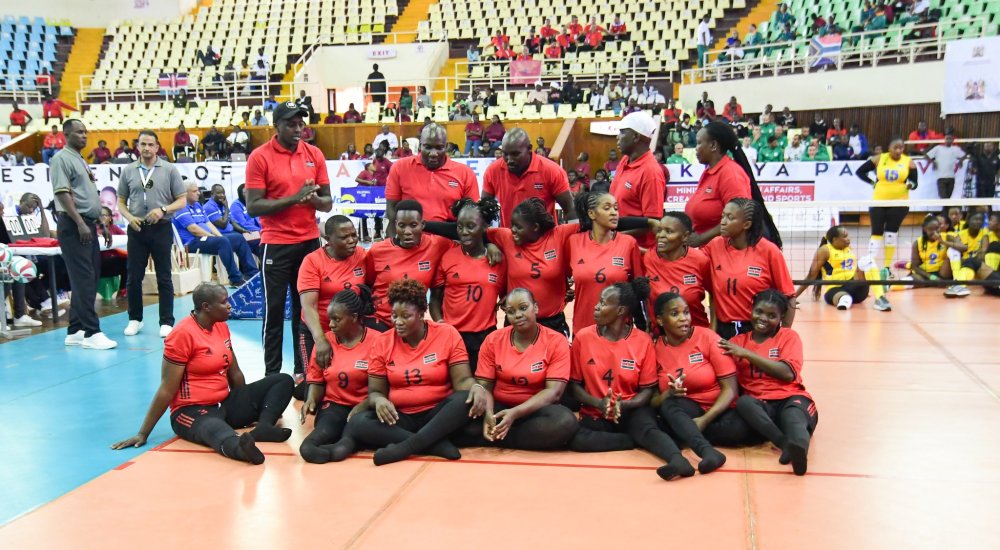
Rwanda and Kenya secured automatic qualification for the African Women’s Championship, as they were the only two countries to participate in the competition, which offered two available slots.
Nigeria was among the three countries that had initially confirmed participation in the tournament taking place in Nairobi but withdrew at the last minute.
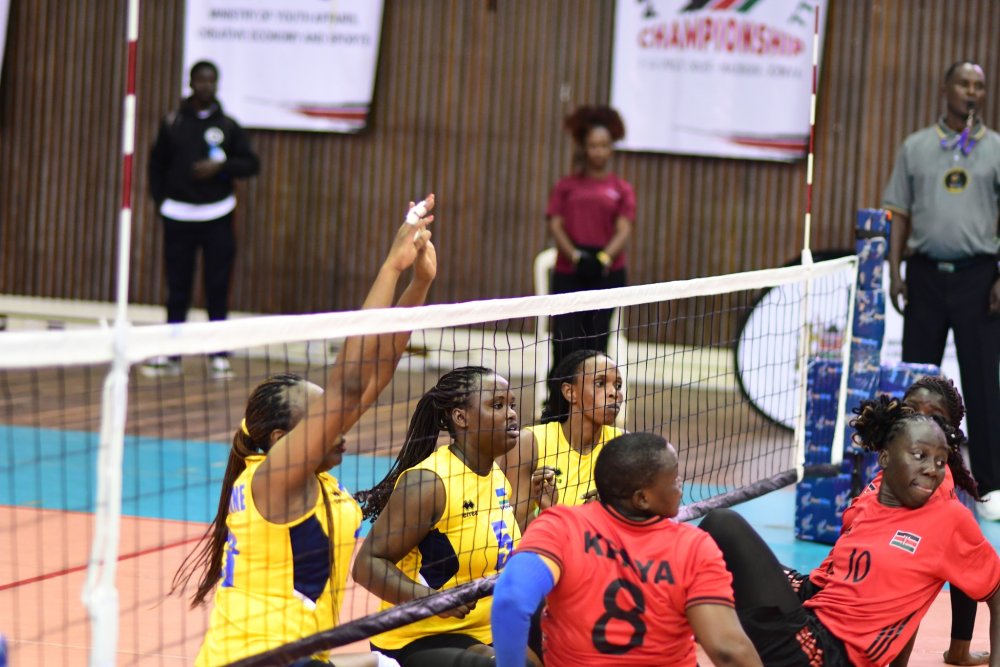
In the match played on Friday at Kasarani Indoor Stadium, Rwanda defeated Kenya in straight sets 3-0 (16-25, 15-25, and 20-25).
Rwanda and Kenya are scheduled to play five matches in this tournament, which will conclude on Thursday, July 10, 2025.
In the men’s category, the competition has attracted six countries, including Rwanda, which will play its first match on Saturday against Algeria at 4:00 p.m.
Rwanda is in Group A alongside Kenya and Algeria, while Group B comprises Egypt, Morocco, and South Africa.
In 2024, Rwanda won the women’s title after defeating Kenya in the final, while the men’s team finished in third place after beating Algeria.
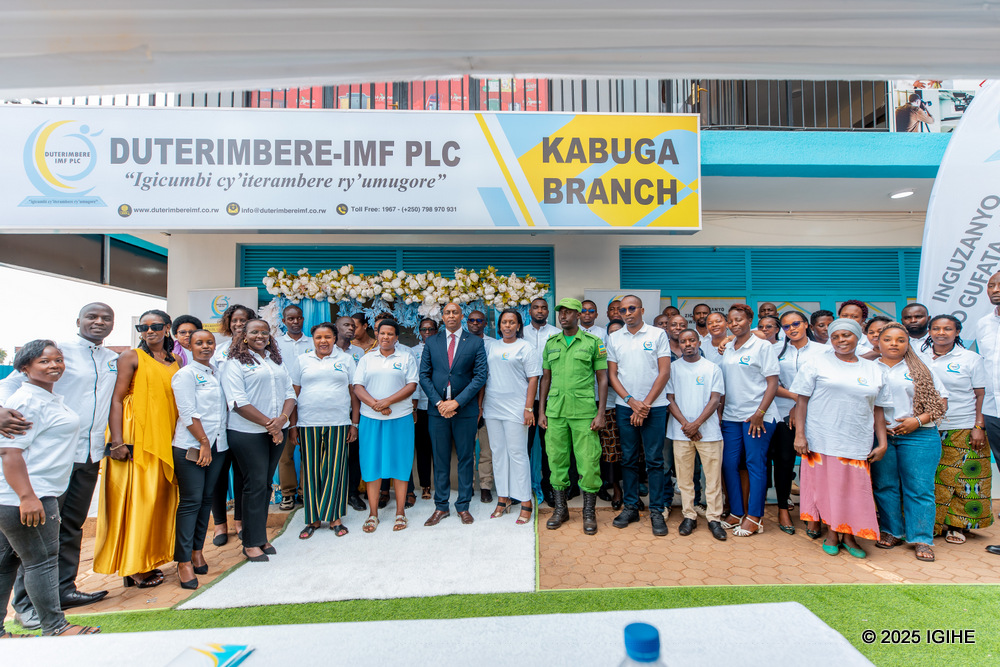
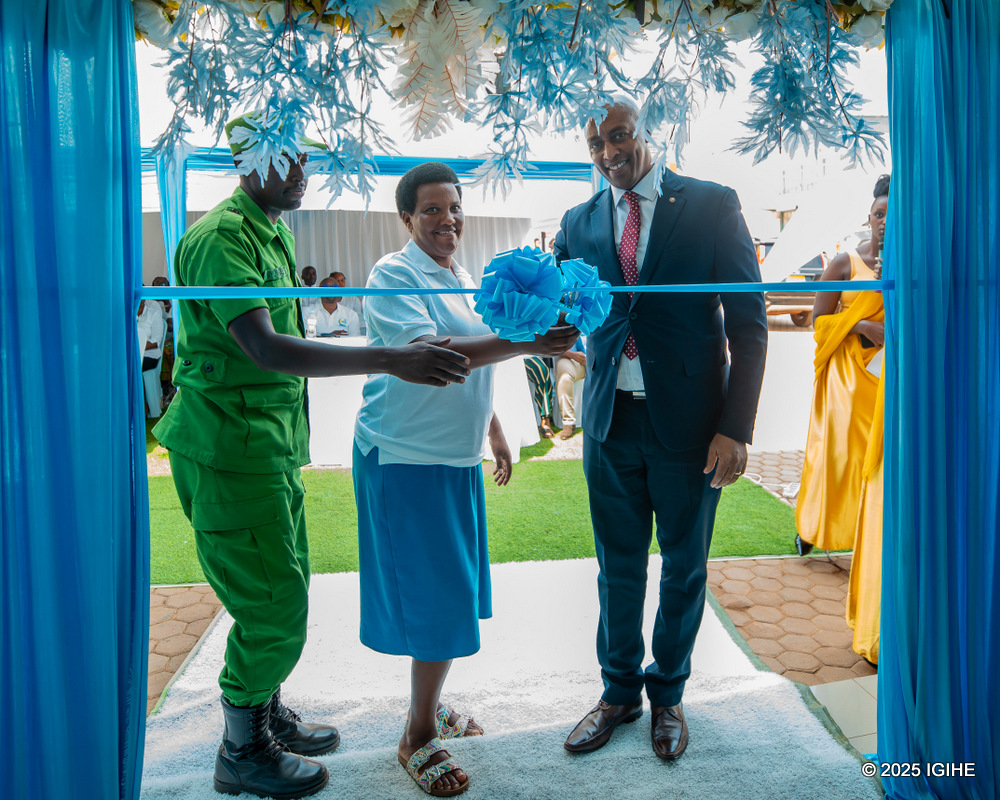
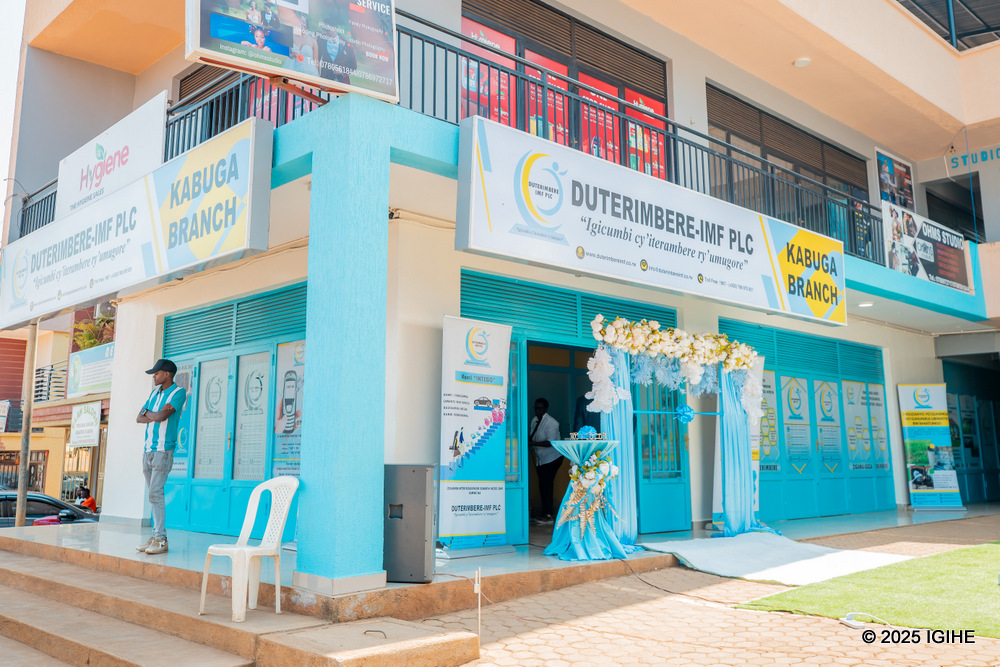
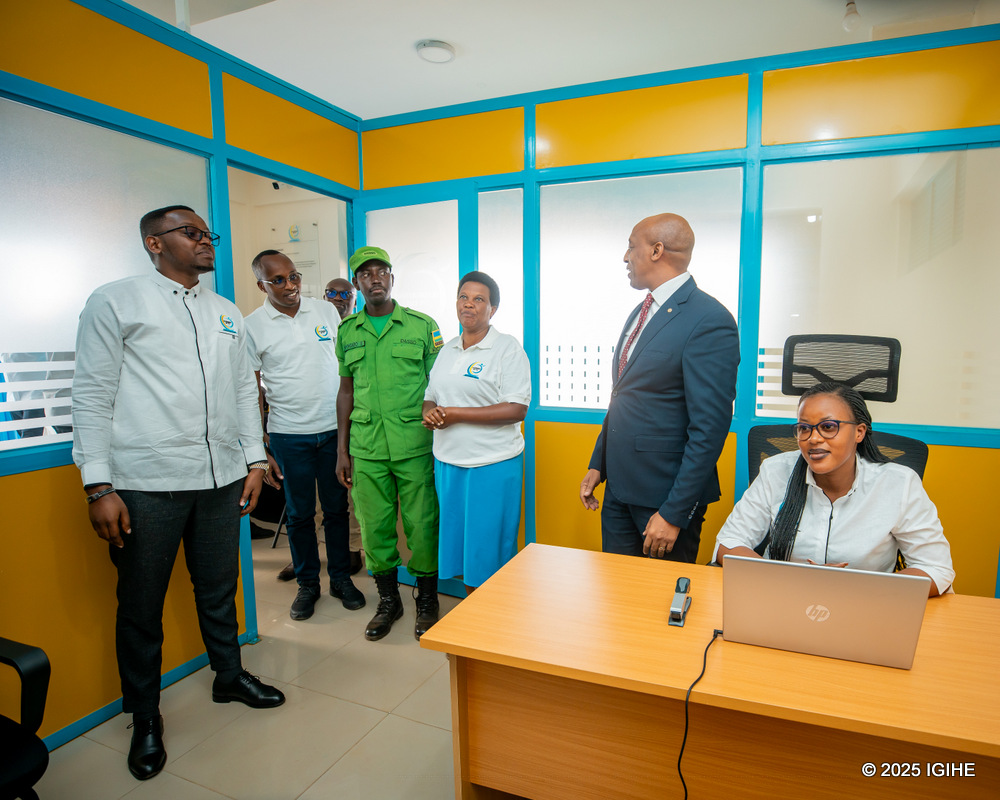
The new branch, located in Cyugamo Village, Gako Cell, Masaka Sector of Kicukiro District, officially opened on June 30, 2025.
It launched with a team of five staff members, including officers responsible for regular savings and withdrawals, loan and project analysis, as well as a branch manager overseeing operations.
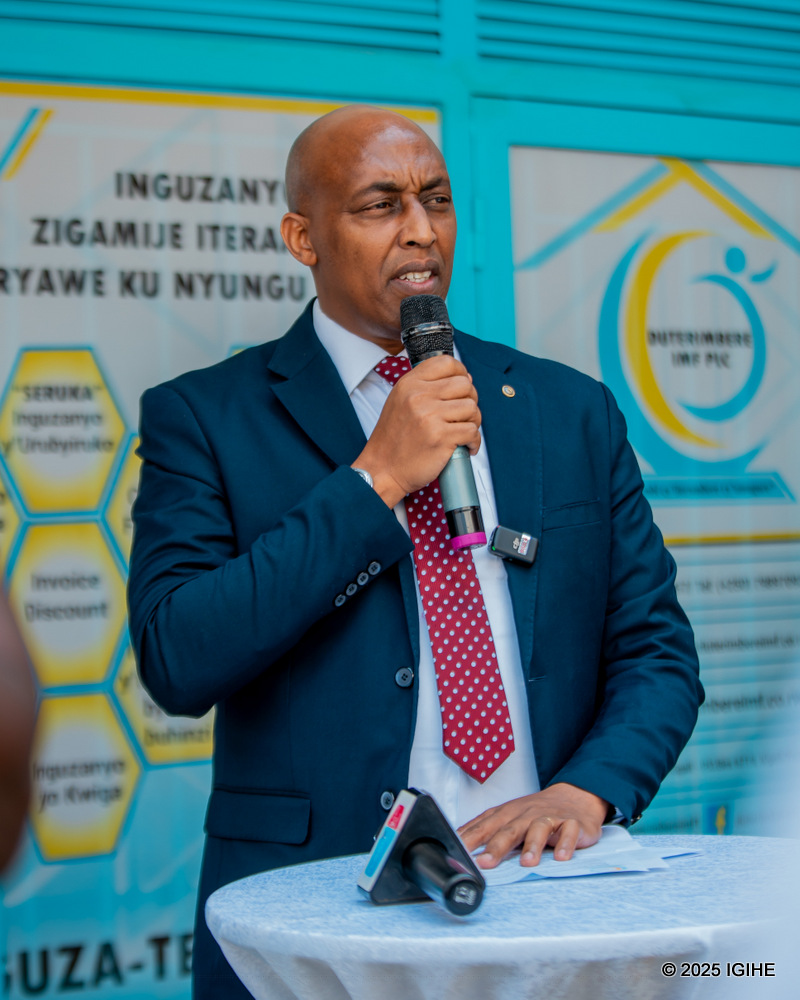
The CEO of Duterimbere IMF PLC, Alphonse Ngabonziza, stated that the branch was opened in response to requests from residents of the area, who expressed challenges in accessing services from the city center, which previously housed the nearest branches.
“This is a rapidly developing area, yet it is evident that financial institutions here are still limited. That’s why we brought our services closer to the local population to help them continue advancing economically.”
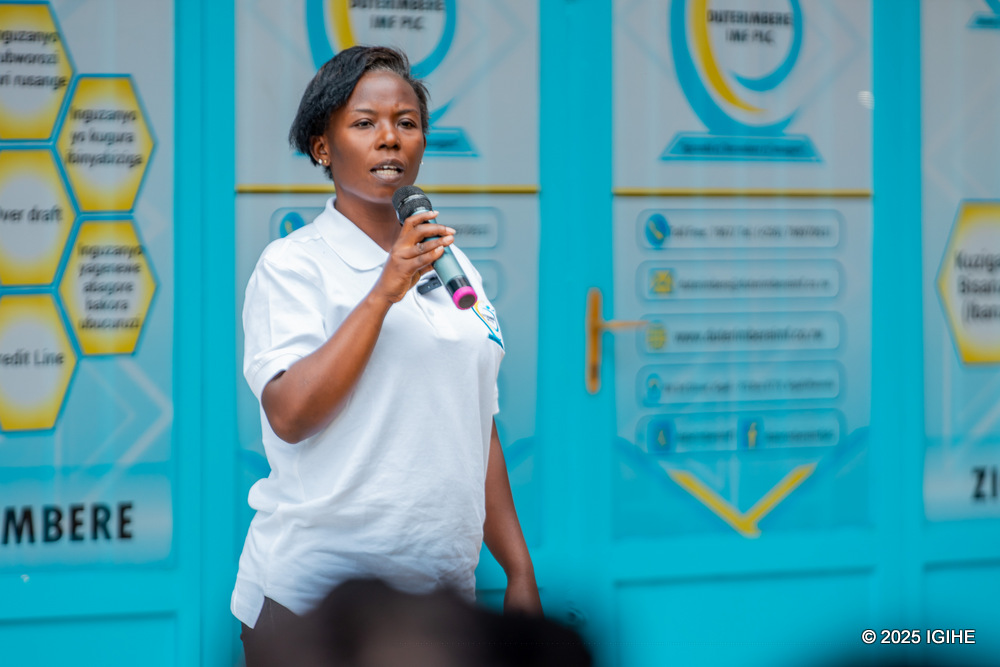
Jeannette Mukamana, a client of Duterimbere IMF PLC, shared that she used to face challenges accessing the institution’s services because it required her to travel to downtown Kigali, which negatively affected her business operations.
At times, when she urgently needed funds, she had to set aside an entire day just to reach another branch, costing her valuable time.
She said: “I started out only selling gas, but after receiving a loan from Duterimbere IMF PLC, I have now expanded my business to include a hardware shop as well. Previously, I had to go to the city center for their services, but now that the branch is closer to me, it will make my business much easier.”
Duterimbere Duterimbere IMF PLC is a microfinance institution that specializes in providing financial services to women, offering them low-interest loans that are disbursed in a short period of just seven days.