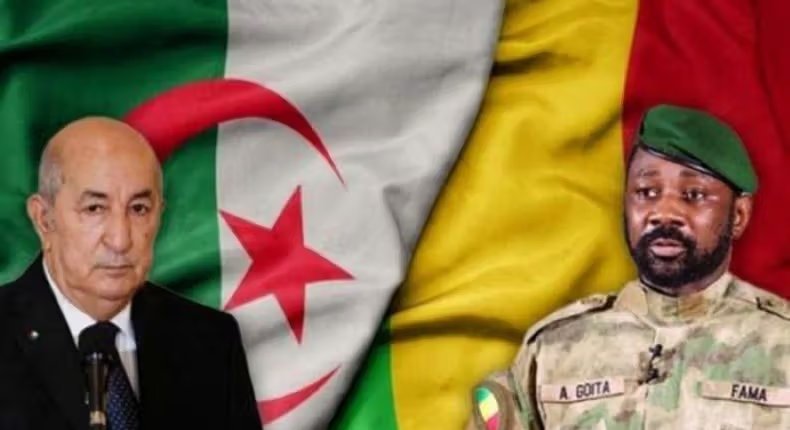
According to the statement, the closure applies to all flights departing from or destined for Mali.
It marks an escalation in tensions between Algeria and Mali, which began Sunday when Mali and its allies Niger and Burkina Faso recalled their ambassadors to Algeria in protest against the downing of a Malian military drone between March 31 and April 1 by Algerian forces.
The three governments, in a joint statement, “strongly condemned” the drone incident, saying it was part of a “premeditated hostile act” by Algeria and “disrupted an operation targeting a group planning a terrorist attack.”
The statement claimed that the drone crashed within Malian territory, about 9.5 km from the Algerian border, and “almost fell vertically,” which it said strongly suggested a hit by a surface-to-air or air-to-air missile.
In response, Algeria’s Foreign Ministry, in a statement earlier in the day, denounced the accusations as “serious, false, and unfounded,” saying the drone was downed as it infiltrated Algerian airspace, citing the Defense Ministry’s radar data.
The Foreign Ministry also announced the recall of ambassadors from Mali and Niger, as well as a delay in the accreditation of a new envoy to Burkina Faso, under “the principle of reciprocity.”
Tensions between Mali and Algeria have persisted in recent years, with the Malian side accusing Algeria of “harboring terrorist groups in border regions.”
In a narrow 5-4 decision issued Monday, the justices ruled that the Trump administration can resume deportations under the 1798 Alien Enemies Act (AEA), a law previously invoked only during declared wars.
The ruling also clarified that migrants targeted under the act must be allowed an opportunity to challenge their removal in court.
“The notice must be afforded within a reasonable time and in such a manner as will allow them to actually seek habeas relief in the proper venue before such removal occurs,” the justices wrote in an unsigned opinion.
The Court determined the legal challenge filed by the American Civil Liberties Union (ACLU) on behalf of five Venezuelan migrants was improperly brought in Washington, D.C., rather than Texas, where the migrants are being held.
The case centers on a controversial March 15 deportation of planeloads of Venezuelan men to a maximum-security prison in El Salvador, which Trump justified under the AEA.
The administration argued the deportees were members of Tren de Aragua, a transnational gang Trump labeled a foreign terrorist organization. The group has been linked to sex trafficking, drug smuggling, and violent crimes in both Latin America and US cities.
Trump celebrated the decision on his Truth Social platform, calling it a “great day for justice in America!”
“The supreme court has upheld the rule of law in our nation by allowing a President, whoever that may be, to be able to secure our Borders, and protect our families and our Country, itself,” he wrote.
While the administration claimed the migrants were “carefully vetted” and verified as gang members, US Immigration and Customs Enforcement (ICE) acknowledged that many had no criminal records.
Some families say their loved ones were wrongly deported based on tattoos or mistaken identity. Civil rights groups were divided in their reaction. The ACLU called the ruling both a disappointment and a partial victory.
“We are disappointed that we will need to start the court process over again in a different venue. But the critical point is that the Supreme Court said individuals must be given due process to challenge their removal under the Alien Enemies Act,” said Lee Gelernt, lead attorney for the ACLU.
Conservative Justice Amy Coney Barrett joined the Court’s three liberal justices in dissent, warning that the administration’s approach posed “an extraordinary threat to the rule of law.”
The lower court’s block was initially imposed by district judge James Boasberg, who found the government’s justification for using the law inadequate. His injunction was upheld by a federal appeals court before being overturned by the supreme court.
Boasberg had blasted the administration’s response to his order as “woefully insufficient,” noting that deportations had already begun when his ruling was issued. At least 137 people have been deported under the AEA so far.
Critics argue that Trump’s use of the AEA sets a dangerous precedent. The law, passed in 1798 during tensions with France, grants the president sweeping authority to detain or deport citizens of an enemy nation.
Until now, it had only been used during officially declared wars, none of which the US currently has. Legal experts and human rights organizations warn that invoking such powers in peacetime, without congressional war authorization, could erode long standing constitutional protections.
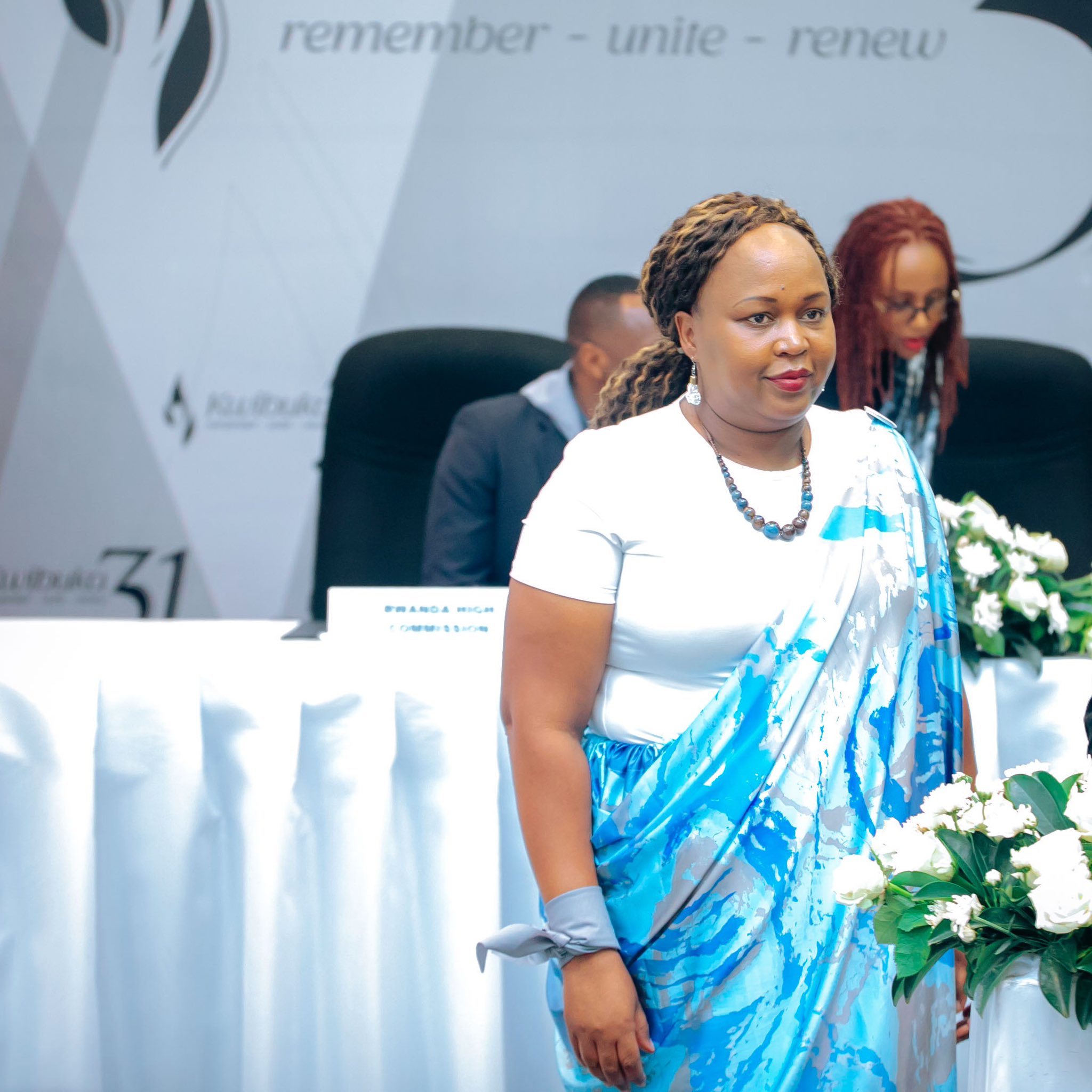
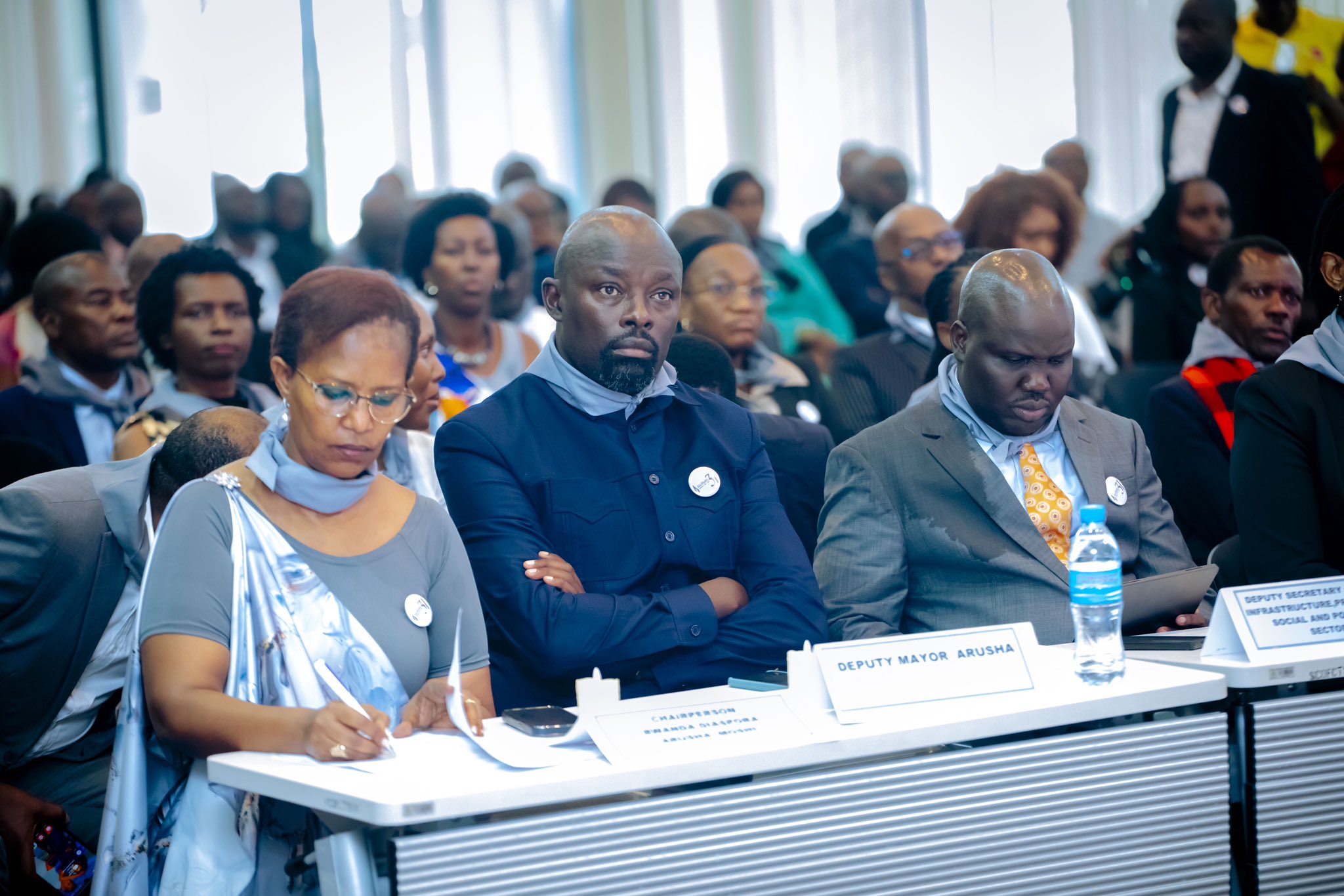
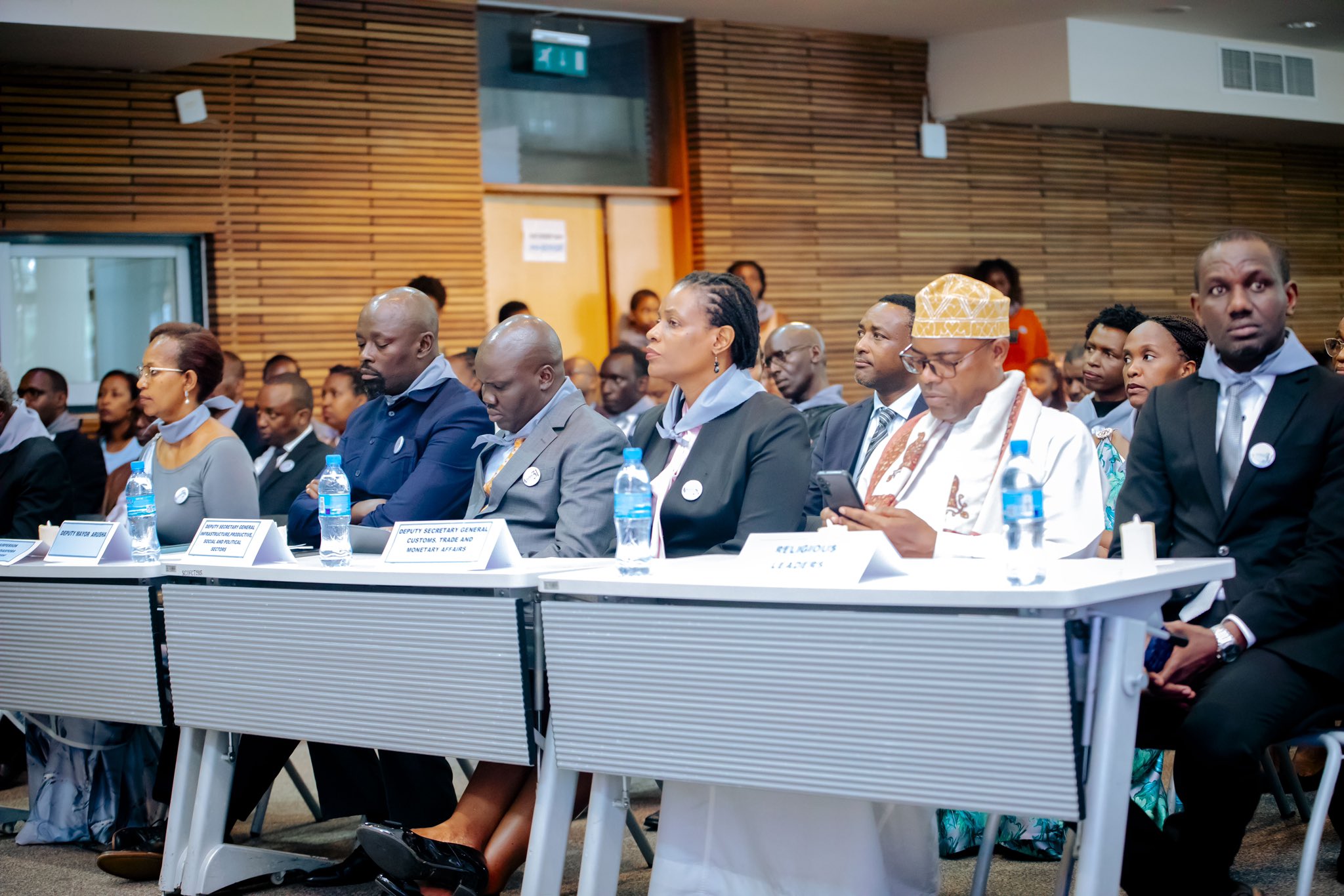
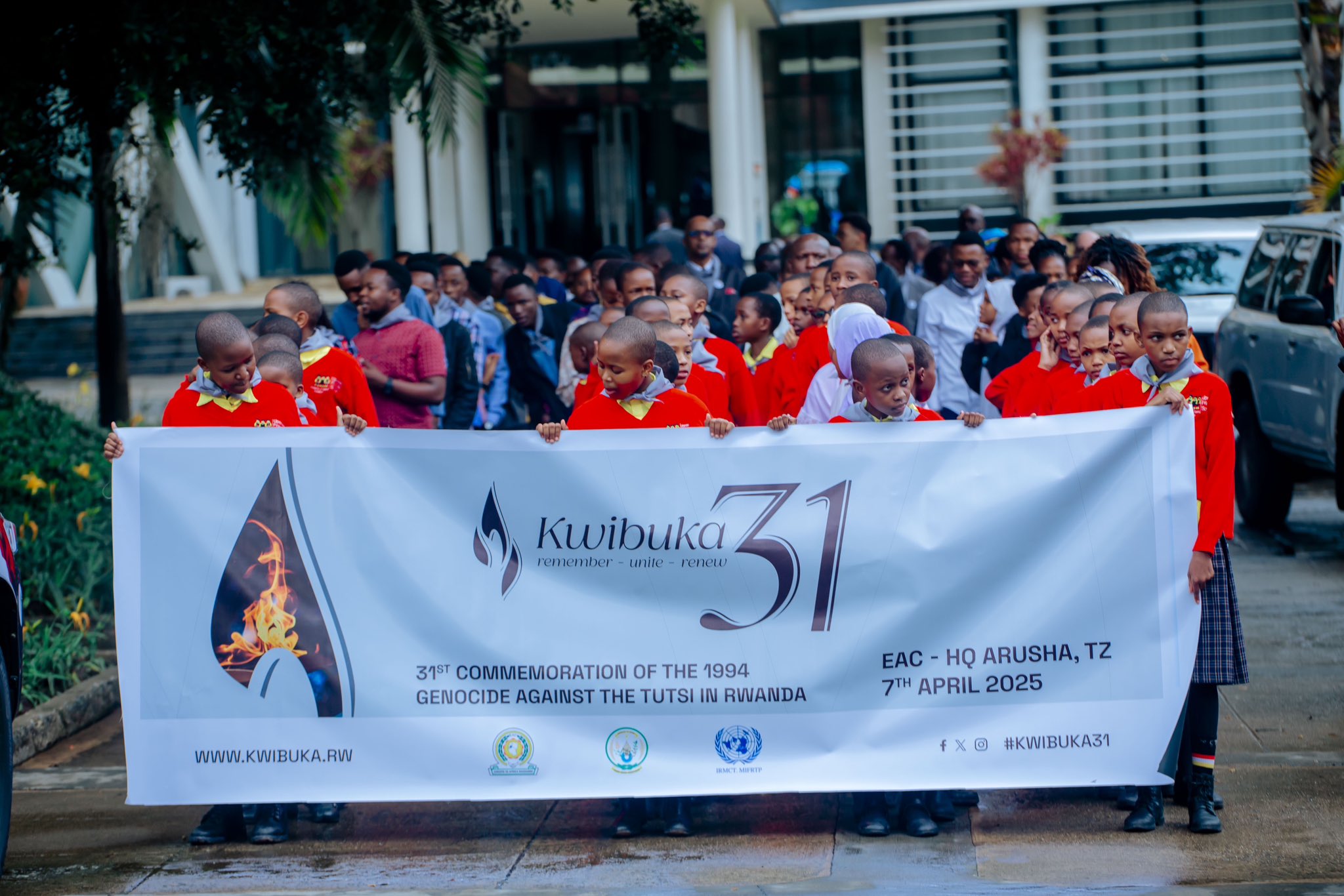
In remarks delivered during a commemoration event held at the EAC headquarters in Arusha, Tanzania, Nduva paid tribute to the more than one million lives lost in 100 days and lauded the resilience of survivors, calling their journey of healing, forgiveness, and reconciliation a source of inspiration for the region.
“Despite enduring deep pain and trauma, they have chosen to forgive and reconcile. They are the epitome of hope, renewal and inspiration for us all to recommit to, ‘Never Again to Genocide,’” Nduva stated.
Highlighting the genocide’s chilling warning signs—hate speech, ethnic profiling, incitement, and dehumanisation—the Secretary General warned that these patterns remain evident in some parts of the region today, and are now amplified by social media, disinformation, and broader socio-political vulnerabilities.
“Genocide is not spontaneous; it is a process,” she noted, referencing the eight stages of genocide developed by Prof. Gregory Stanton. “Timely, strategic interventions are key to disrupting this process before it escalates into mass violence.”
The EAC has taken steps in recent years to institutionalise early warning systems, including the establishment of a regional early warning centre and national hubs in some partner states. The Secretary General stressed the need to expand and strengthen these systems, ensuring timely data collection, analysis, and response.
The call for stronger prevention mechanisms comes amid growing concern over rising hate speech and ethnic tensions in the eastern Democratic Republic of Congo, where the M23 rebels accuse the government of perpetuating ethnic persecution of Congolese Tutsis, further escalating tensions in the region.
The EAC urged partner states to intensify collaboration through a joint mechanism on genocide prevention, in line with Article 5(2)(b) of the Protocol on Peace and Security, and to ensure justice for victims by pursuing accountability for perpetrators.
“As we remember the atrocities of 1994, we must also confront present-day threats with urgency and coordination. Prevention is a shared responsibility—no nation is immune,” the Secretary General emphasised.
Since 2014, the EAC has maintained a Genocide Memorial at its headquarters to honour victims and reaffirm its commitment to the principle of “Never Again.” The Secretariat also partners with the Government of Rwanda and international institutions during annual commemorative activities, including the symbolic Walk to Remember.
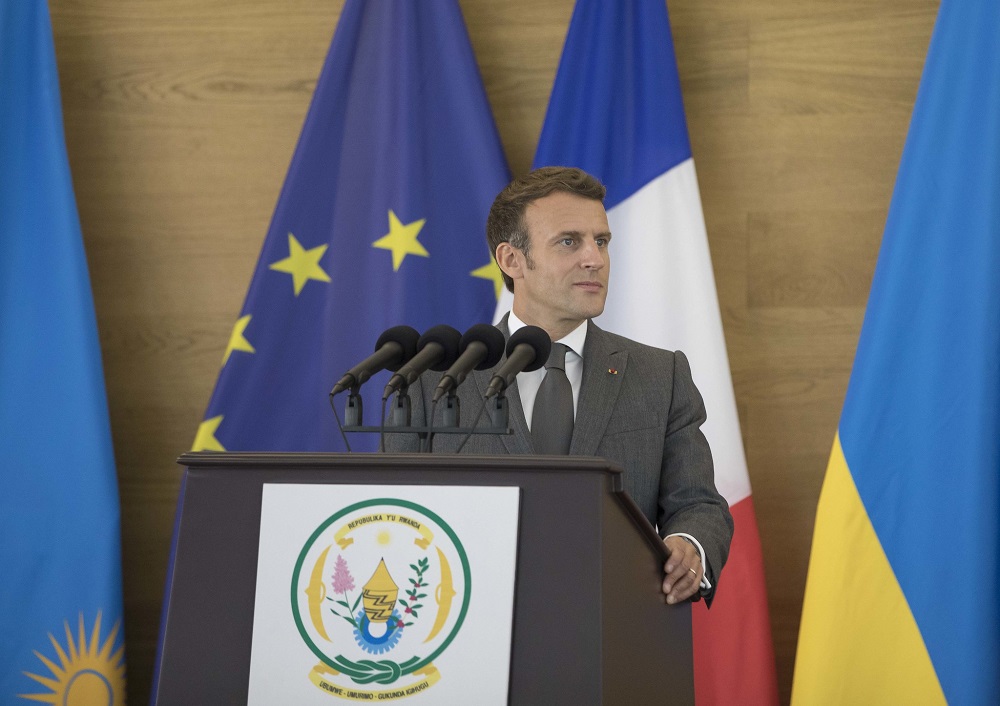
“Today, France extends its deepest thoughts and support to the Rwandan people. France honors the remarkable resilience of the Rwandan people, who have risen and built a future based on reconciliation and unity,” Macron stated, acknowledging the strength of Rwanda’s recovery.
Macron also reaffirmed his commitment to preserving the memory of the genocide, especially in the face of growing revisionism and intolerance.
“On this day of remembrance, I reaffirm my commitment to keeping the memory of this tragic event alive, in the face of the challenges posed by revisionism and intolerance,” he said.
Macron further stated that the harrowing testimonies of survivors serve as a reminder of the urgent need to combat all forms of hatred.
Since 2019, April 7 has been officially recognized in France as a national day of commemoration for the Genocide against the Tutsi. This day reflects the desire to pass on the lessons of this painful chapter in history to future generations through education, historical research, and justice.
In line with France’s commitment to justice, Macron assured that the country’s legal system continues to pursue genocide perpetrators who reside in France.
“In line with my commitment, justice continues to move forward to prosecute and try the alleged perpetrators of the genocide who reside in France. Several major trials have taken place and justice has been served,” he affirmed.
The French judicial system has prosecuted several individuals involved in the genocide, and many have been convicted.
Among the notable cases are the trials of Capt. Pascal Simbikangwa, Laurent Bucyibaruta (former Prefect of Gikongoro), Dr. Eugène Rwamucyo, Dr. Sosthène Munyemana, Philippe Hategekimana, Octavien Ngenzi, and Tito Barahira, all of whom were found guilty and sentenced to various prison terms.
In 2020, France also made headlines with the arrest of Félicien Kabuga, a key financier of the genocide. Kabuga was arrested and handed over to the United Nations court for prosecution.
France’s efforts to ensure justice extend beyond the direct perpetrators. In 2024, Charles Onana, a French national of Cameroonian descent, was convicted for genocide denial. He was fined €8,400 and ordered to pay €11,000 in damages.
Macron also shared that the French prosecution service is continuing to pursue 40 cases of individuals suspected of involvement in the Genocide against the Tutsi. “These efforts reflect our country’s unwavering determination to fight impunity and forgetfulness,” he said.
French courts continue to handle genocide-related cases, with an average of two such cases being processed each year, further demonstrating France’s commitment to justice for the victims of the 1994 Genocide against the Tutsi.
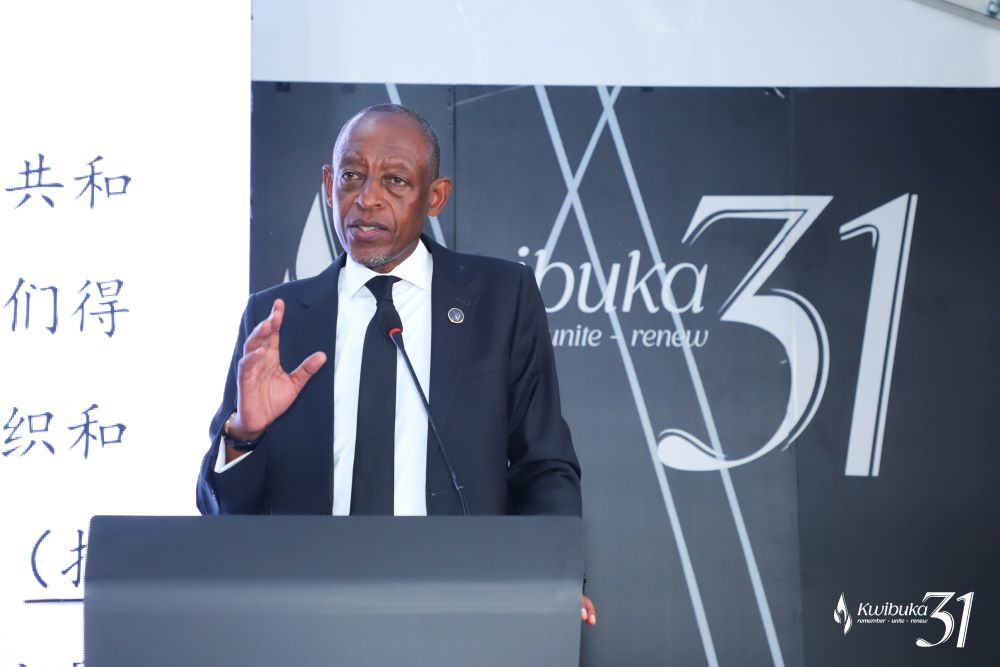
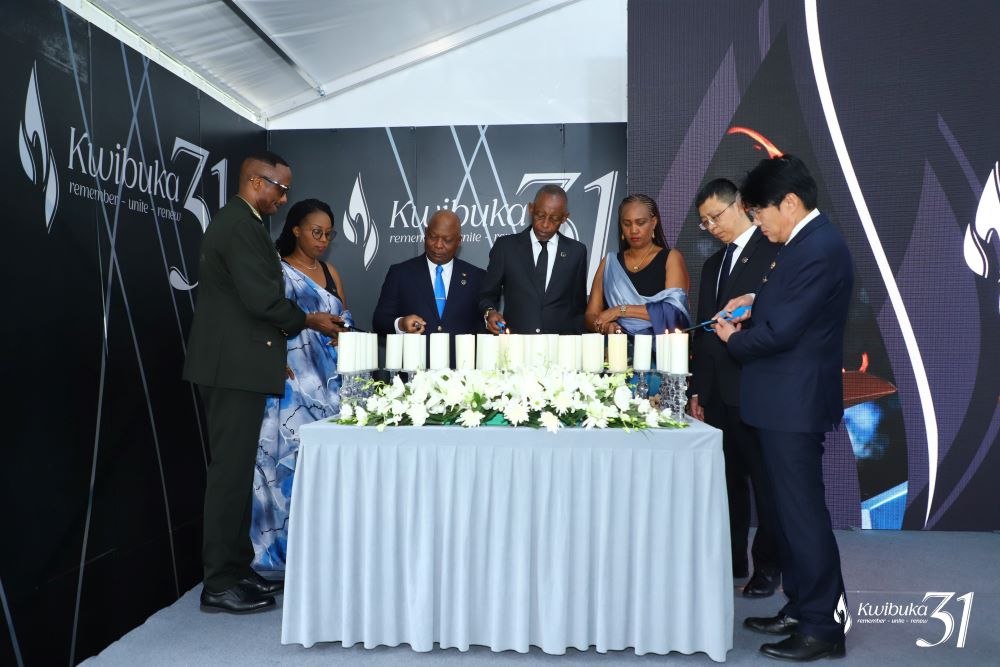
Speaking on April 7, 2025, as Rwandans living in China gathered to commemorate the 31st anniversary of the Genocide against the Tutsi, Kimonyo noted striking parallels, warning that history appears to be repeating itself.
The event, held at the Rwandan Embassy in Beijing, brought together members of the Rwandan community, friends of Rwanda, diplomats, and other invited guests.
Kimonyo expressed concern that the international community has not drawn enough lessons from past atrocities. “I feel like with a lot of confidence, I can state without fear of contradiction, that we seem not to have learnt enough lessons,” he noted.
“What is happening in our neighborhood in the eastern DRC, is the mirror image of what happened in Rwanda during the times that led up to the 1994 Genocide against the Tutsi,” he added.
Ambassador Kimonyo noted that after the Genocide against the Tutsi was stopped, the perpetrators fled to various neighboring countries, including Uganda and Tanzania, where strict measures were enforced to prevent the entry of individuals with weapons.
In contrast, he pointed out, the DRC (then Zaire) willingly welcomed the genocidaires, allowing them to settle with their arms, which later contributed to the ongoing instability in the region.
“DRC allowed the soldiers, the militias, intact in their command formation, and crossed over with the same ideology and enough logistics to carry out similar killings in Rwanda and whoever they thought was a Tutsi,” he explained.
From then, he said, they regrouped and started causing havoc in eastern Congo as well as mobilized the populations to begin the ethnic killings in DRC beginning with the Tutsi found in Congo.
Last year, Alice Nderitu, who was the United Nations Secretary General Special Representative of Genocide, described the situation in Eastern DRC as a warning sign of a threat of fragility and proof of the enduring presence of the conditions that allow large-scale hunting and violence.
She reminded the United Nations, that the presence of these militias is a recipe for another genocide.
Kimonyo criticized the international community for failing to uphold its responsibilities in the region. He pointed out that despite the presence of over 17,000 peacekeeping troops representing various international actors in the region, little action has been taken to address the ongoing crisis.
“And if indeed we have learnt any lessons, why would we allow, 31 years later, people being condemned to death because they are Tutsi or Tutsi affiliated? And unfortunately, the genocide against the Tutsi being distorted to fit into biased narratives?” he wondered.
He noted that the continued dismissal of the situation in eastern DRC and making it look like a conventional scramble for resources, is distorted, and only serves those who benefit from chaos.
The commemoration featured a testimony from Dimitri Sissi, a survivor of the Genocide against the Tutsi, who shared her personal story of survival. The event also included performances of remembrance songs and a poem reflecting on Rwanda’s history, the resilience of its people, and the path forward.
The warning follows China’s announcement of a 34% levy on American goods, a response to Trump’s earlier imposition of similar duties under his “Liberation Day” policy, which introduced a global 10% minimum tariff and a specific 34% charge on Chinese imports.
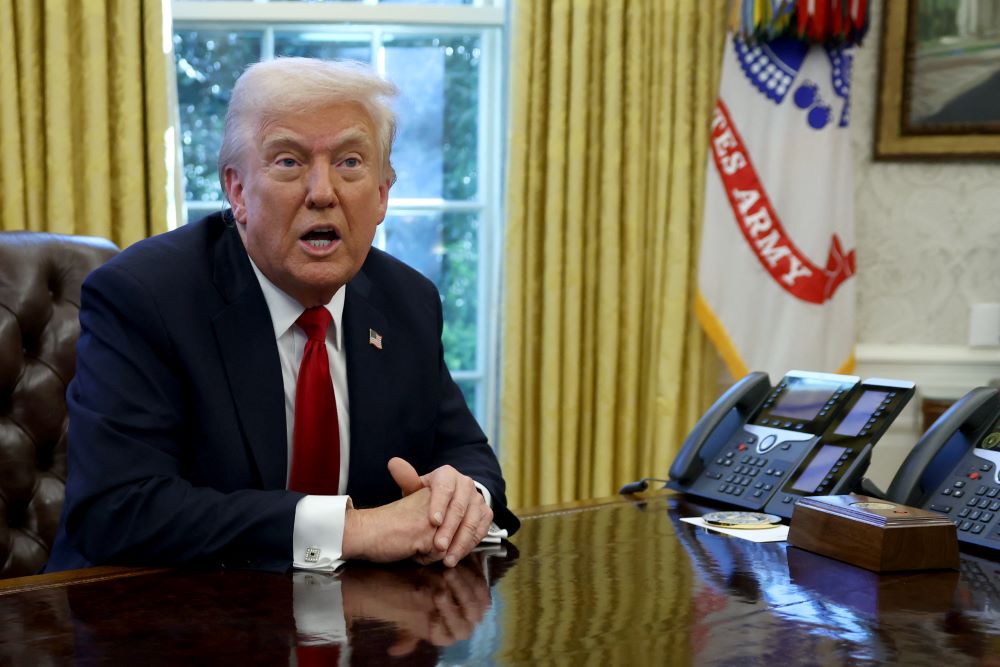
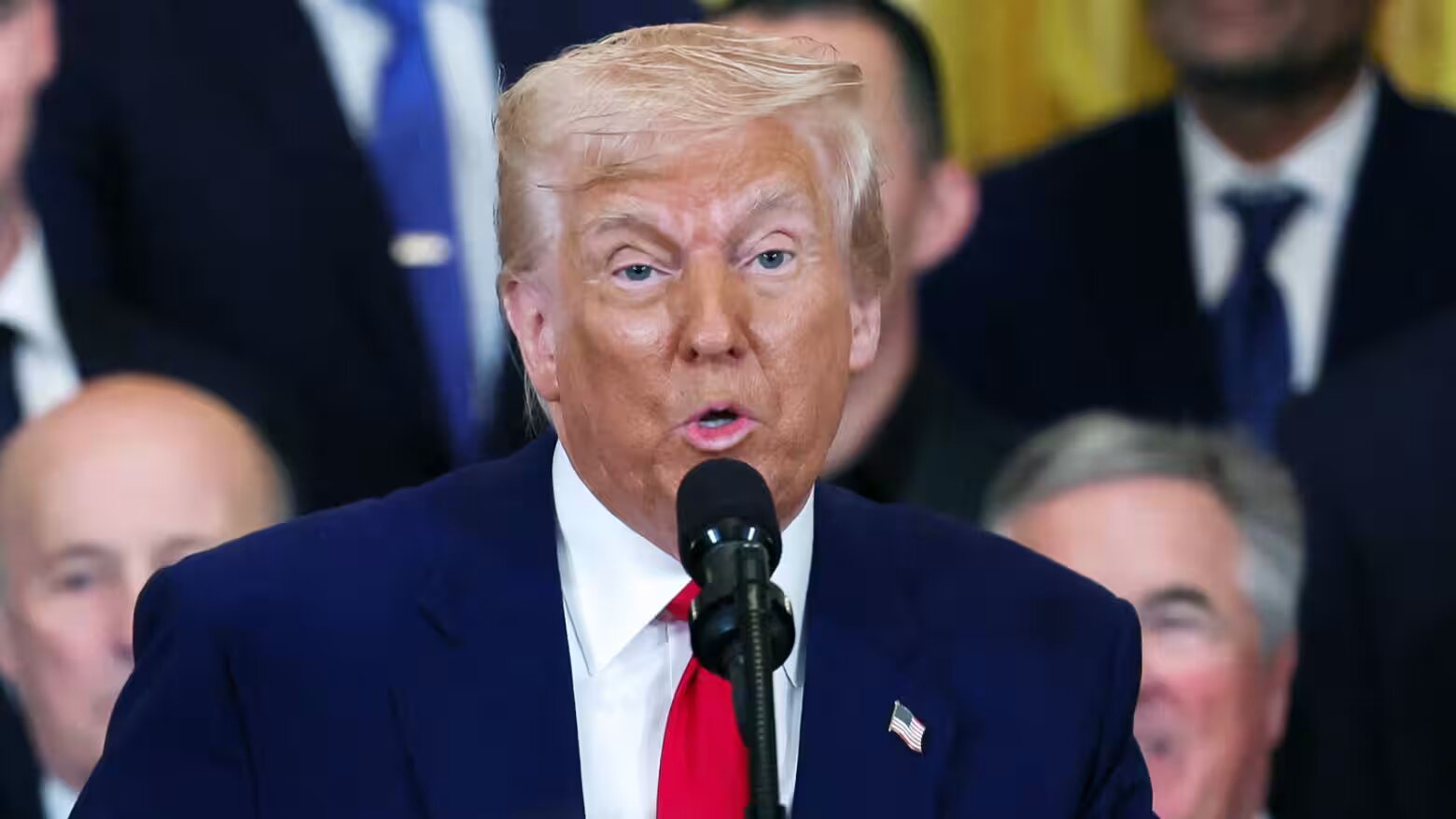
Posting on his social media platform Truth Social, Trump gave Beijing a tight deadline to reverse its decision or face what would be one of the most aggressive tariff increases in recent trade history.
“Any country that retaliates with further tariffs will be met with significantly higher tariffs from the U.S.,” he declared, singling out China for what he called “decades of abusive trading practices.”
Should the threat materialise, combined U.S. duties on Chinese goods would soar to a staggering 104%, accounting for previous rounds of tariffs including a 20% charge implemented in March and the recent 34% increase.
The Chinese embassy in Washington fired back, labelling the move as “economic intimidation” and a “textbook example of protectionism.”
Spokesperson Liu Pengyu said Beijing would not bow to pressure and vowed to defend its economic interests through “firm countermeasures.”
Trump’s stance has rattled global financial markets, which have been jittery since the introduction of sweeping tariffs earlier this month.
Stock indices across Asia and Europe recorded sharp losses on Monday, with Hong Kong’s Hang Seng experiencing its worst single-day drop since the late 1990s. U.S. markets also opened in the red, continuing a week-long slide driven by fears of a deepening trade standoff.
Despite growing anxiety among investors and trade experts, Trump doubled down, suggesting that negotiations with countries seeking exemptions or revisions to tariffs would proceed—but on U.S. terms.
“We’re not backing down,” he told reporters outside the White House, adding that other nations must come forward with “fair and balanced proposals.”
He also revealed that trade discussions had begun with both Japan and Israel, while accusing the European Union of building barriers intended to disadvantage the U.S.
“They were set up to hurt American trade,” Trump claimed, dismissing recent EU offers to negotiate reciprocal tariff cuts.
Critics argue that the administration’s tariff campaign is likely to drive up consumer prices. According to an analysis from the Yale Budget Lab, American households may already face an additional $3,800 in annual costs due to rising import duties—excluding the potential 50% tariff hike.
Still, Trump maintains that tougher trade policies are necessary to level the playing field. “It’s not just about tariffs—it’s about fairness,” he said. “America has been taken advantage of for too long.”
Currently, China’s top exports to the U.S.—which include electronics, computers, and consumer goods—stand to be most affected by the proposed hike. Meanwhile, American products hit by Chinese tariffs include key exports like grains, aircraft, and pharmaceuticals.
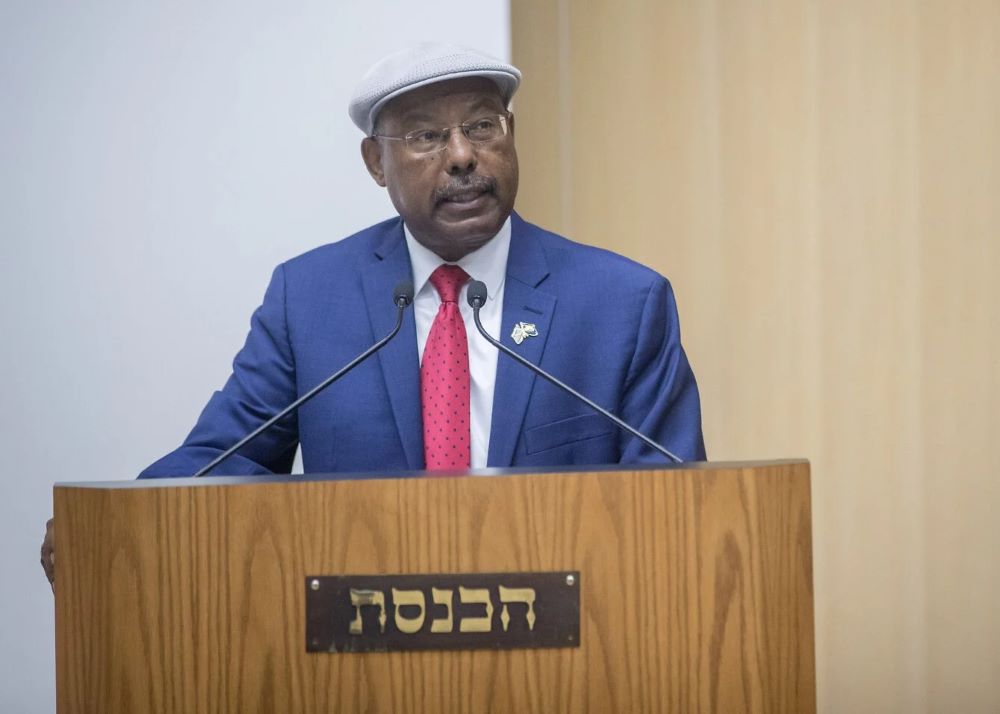
A Foreign Ministry statement said that Neguise was thrown out after member states refused to participate alongside him in the conference.
The ministry also condemned statements made by Mahmoud Youssouf, Chairperson of the African Union Commission, during the event.
“It is outrageous that at an event commemorating the victims of the Tutsi genocide in Rwanda, to which the Israeli ambassador in Addis Ababa was invited, [Youssouf] chose to introduce anti-Israel political elements,” it said.
In July 2021, Israel said that it had rejoined the African Union4 as an observer member. Neguise, a former lawmaker for the ruling Likud Party, has been Israel’s ambassador to Ethiopia since August 2024.
In February 2023, an Israeli diplomat was expelled from the 36th African Union summit of heads of state held in Addis Ababa.
The incident came as the Israeli army renewed a deadly assault on Gaza on March 18 and has since killed more than 1,400 people, injured over 3,400 others, and shattered a January ceasefire and prisoner exchange agreement in the enclave.
Over 50,700 Palestinians have been killed in Gaza in a brutal Israeli onslaught since October 2023, most of them women and children.
The International Criminal Court issued arrest warrants last November for Israeli Prime Minister Benjamin Netanyahu and his former Defense Minister Yoav Gallant for war crimes and crimes against humanity in Gaza.
Israel also faces a genocide case at the International Court of Justice for its war on the enclave.
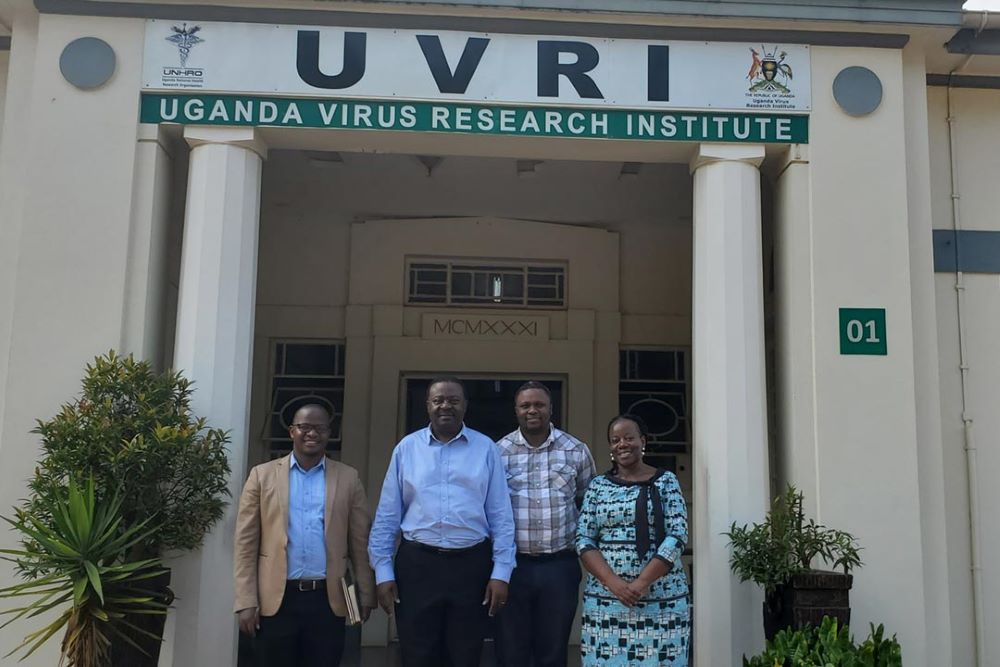
Led by the Target Malaria project at the Uganda Virus Research Institute (UVRI), the initiative seeks to use “gene drive” technology to reduce the number of malaria transmitting mosquitoes without relying on traditional tools like insecticide-treated bed nets or indoor spraying.
“We are developing genetically modified mosquitoes that, once released, could drastically lower the population of the vectors responsible for malaria transmission,” says Krystal Birungi, an entomologist with Target Malaria Uganda.
The approach focuses on two genetic modifications; reducing female mosquito fertility and altering the sex ratio of offspring. By engineering mosquitoes to lay fewer eggs or produce mostly male offspring, which do not bite or transmit malaria, scientists aim to gradually suppress mosquito populations in the wild.
“For instance, instead of a mosquito laying 300 eggs, gene editing could reduce that to 10. And instead of an even split between male and female offspring, we aim for about 295 males to just five females. Over time, this significantly reduces the number of biting mosquitoes and disrupts malaria transmission,” Birungi explains.
Uganda remains one of the countries hardest hit by malaria. According to the World Health Organization, the country recorded over 12 million cases and nearly 16,000 deaths in 2023 alone. The disease places a significant financial and health burden on both individuals and the government.
Current malaria control methods, bed nets, antimalarial drugs, and insecticide spraying have proven effective but face limitations due to changing mosquito behavior, resistance, and inconsistent usage.
Charles Ntege, senior entomology advisor at the Ministry of Health’s Malaria Control Program, says the new approach offers promise. “We need innovations that are less dependent on constant human behavior or expensive maintenance,” he noted.
“Gene drive mosquitoes could operate in the background, reducing transmission without requiring daily human intervention,” he emphasized.
However, the project has sparked concerns among conservationists. Critics worry about unforeseen ecological consequences, particularly how altering the mosquito population could affect species that feed on them, like fish, birds, bats, and frogs.
“In science, we follow the precautionary principle. We don’t yet fully understand how genetically modified genes might affect ecosystems or predators of mosquitoes. Yet, once released, we can’t call them back,” warns Dr. Edward Mwavu, an ecologist at Makerere University.
In response, Birungi assured that the project is proceeding cautiously. “We’re only targeting three out of about 3,400 mosquito species. The goal is specific and backed by ecological studies. So far, we’ve found no species that depend exclusively on mosquitoes for survival.”
She adds that their work is closely monitored by regulatory bodies, and no modified mosquitoes will be released without thorough risk assessments and public engagement.
Target Malaria is a multinational research collaboration working in Uganda, Mali, Ghana, and Burkina Faso. The project has received over $170 million in funding between 2005 and 2025 to explore genetic solutions to malaria.
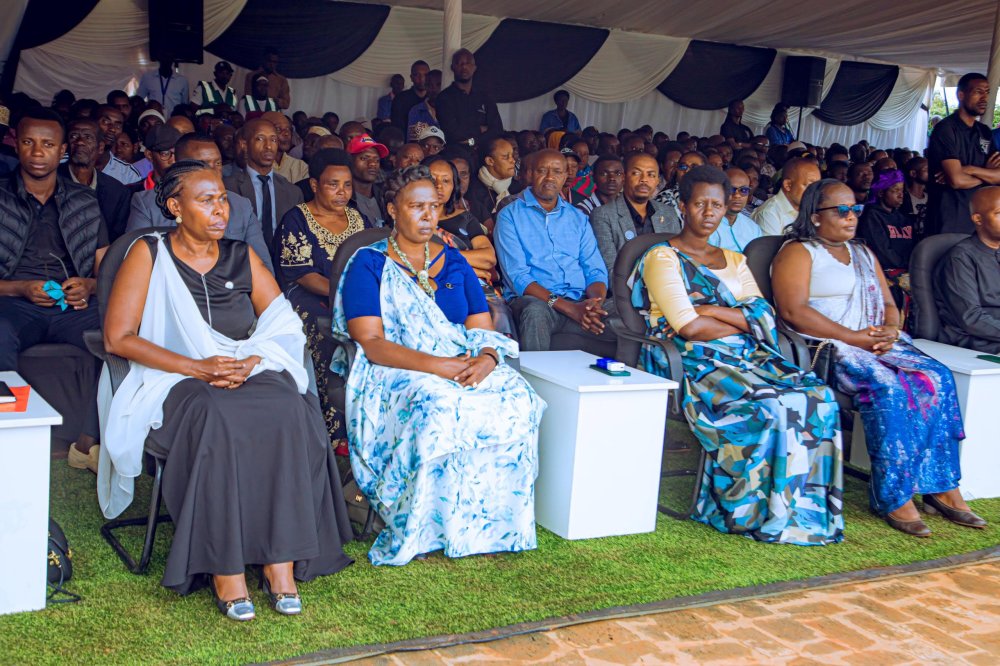
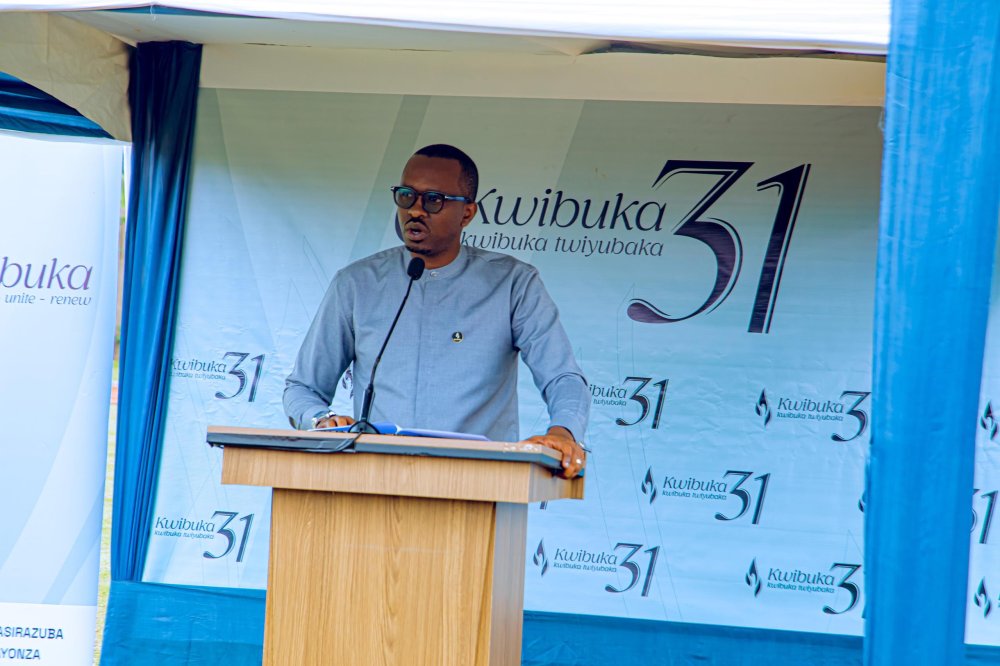
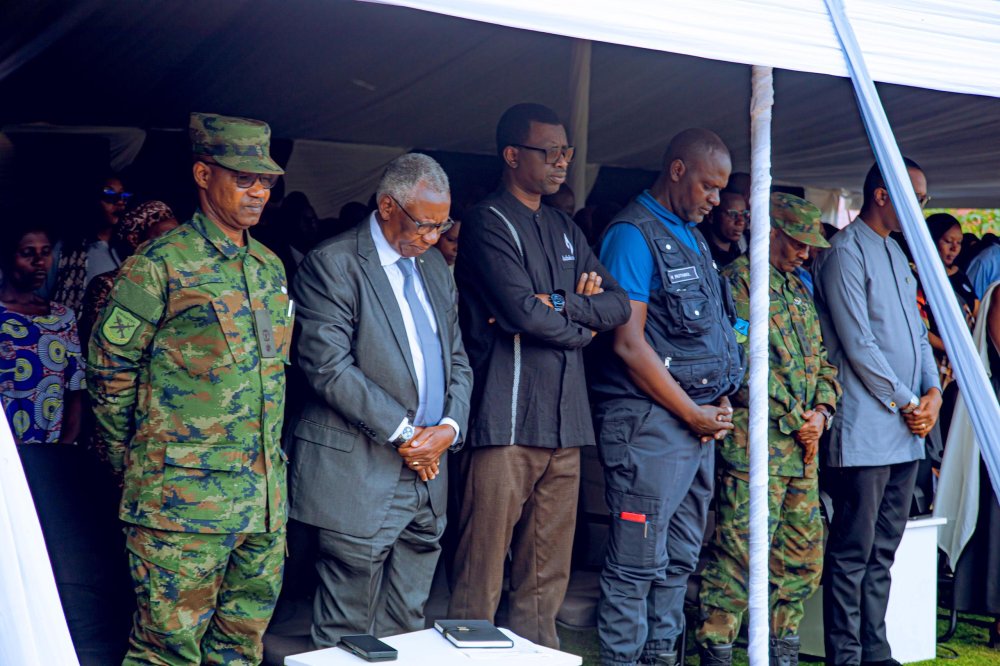
This was disclosed on April 7, 2025, during the launch of the national mourning week and the 100-day commemoration of the 31st anniversary of the Genocide against the Tutsi, an event held at the Mukarange Genocide Memorial.
Ndindabahizi called upon anyone who might know the locations of the missing remains to come forward and help ensure they are laid to rest with dignity. He emphasized how important this would be for families who still have no closure.
He explained that the former communes of Rukara, Kayonza, Kabarondo, Muhazi, Kigarama, and part of Rukira were merged into what is now Kayonza District, which was home to over 50,000 Tutsis before the Genocide.
“However, when you count the survivors and those who died from other illness afterward, the number doesn’t exceed 10,000. This means that about 40,000 Tutsis were killed in less than 14 days, since after that the area had already been liberated by the RPF-Inkotanyi,” he said.
Ndindabahizi added that only fewer than 30,000 bodies have been buried in the four genocide memorials across the district, “Which means that over 10,000 bodies are still missing. This is a unique challenge we face here.”
He explained that some victims died while trying to flee through Akagera national park towards Tanzania. Others were devoured by wild animals, some were killed in forests by hunters, and others drowned while attempting to cross the Akagera River.
“These people are among the many who are considered completely missing. Some victims were killed in pit latrines, thrown into ditches, and others into rivers, streams, particularly into Lake Ruramira,” he noted.
“In partnership with the district, we managed to retrieve a few from the lake, at great effort and buried them. For the rest, we have buried them in our hearts,” he said.
Ndindabahizi noted that some individuals still know the locations of these remains but are refusing to come forward. “We urge the government and citizens to help us so these remains can be buried respectfully.”
“We won’t do it with violence or threats, but we will continue to speak up and ask questions wherever and whenever necessary,” he said.
The Executive Secretary of the Eastern Province, Dr. Jeanne Nyirahabimana, thanked the RPF-Inkotanyi for halting the Genocide and continuing to build a united, discrimination free country.
She urged everyone with information about the location of remains to come forward and warned against flirting with genocide ideology.
“We must not sit idly when we hear speech laced with genocide ideology. No one ‘plays’ or ‘jokes’ with genocide ideology. No one ‘discusses’ genocide ideology, it must be denounced wherever it is found, and those responsible must be held accountable,” she warned.
Jean Baptiste Rutayisire, a genocide survivor who hid in Mukarange Church, gave an account of how Interahamwe and government soldiers killed many people there.
He thanked the Inkotanyi who saved him after finding him with a deep machete wound on his head and a spear injury to his chest, and still nursed him back to life.
Mukarange Genocide Memorial is home over 9,300 victims, most of whom were Tutsis who had sought refuge in the church but were attacked by the Interahamwe militia in collaboration with soldiers of the former government forces.
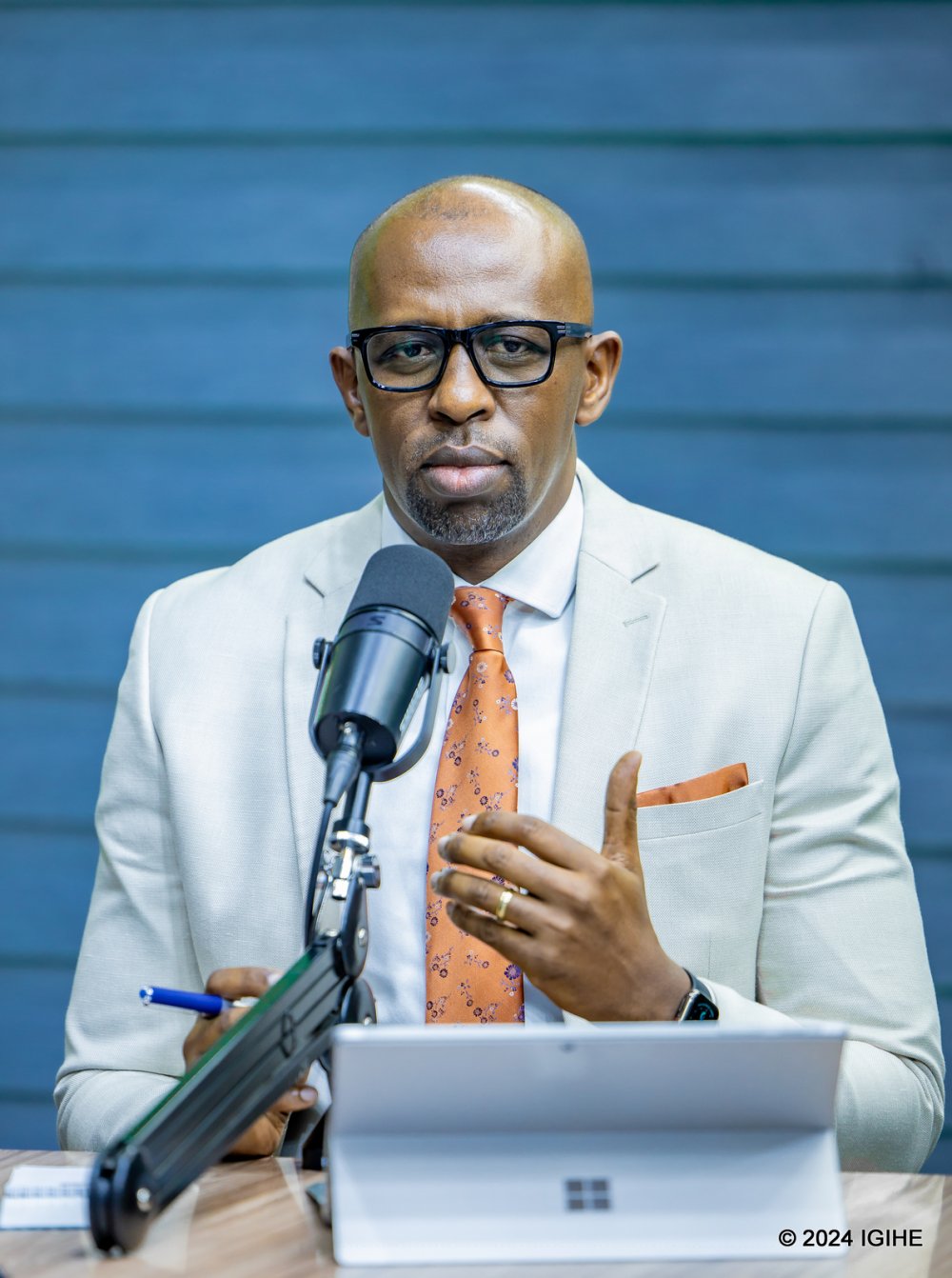
Speaking during a talk show called Inkuru mu Makuru on the national broadcaster, RBA, he said, “I once made a statement about celebrities and how many of them are absent when it comes to the fight against genocide ideology. Afterward, someone called me and asked, ‘Don’t you think you went too far? Do you really expect celebrities to get involved in that?’”
In response, Murangira challenged that mindset, “They are enjoying the peace in this country, they are satisfied with the security, they’re earning money through infrastructure that supports their work, do they forget that this peace was built by people who fought against genocide? They, too, should play their part. They shouldn’t just be onlookers coming to harvest the benefits.”
He emphasized that when celebrities remain silent, they are essentially committing an act of cowardice.
“If you have millions of followers, even one statement you make against genocide ideology is a powerful contribution in your own way.”
As for the common excuse that artists and celebrities avoid political matters, Dr. Murangira dismissed that as evading responsibility.
“Fighting genocide and its ideology is not a political act, it’s a responsibility for everyone. You cannot just enjoy what the country has achieved and forget where it came from, only to then remain silent when someone tries to drag us backward.”
He reiterated that all Rwandans share the responsibility of protecting national unity.
“We all know that national unity is the foundation upon which this country is built. So in your influence, when you have a large following, you, too, must play a role in building a peaceful Rwanda. After all, where will you perform if the country has no peace?”
Murangira made these remarks as the world marks the 31st commemoration of the 1994 Genocide against the Tutsi.