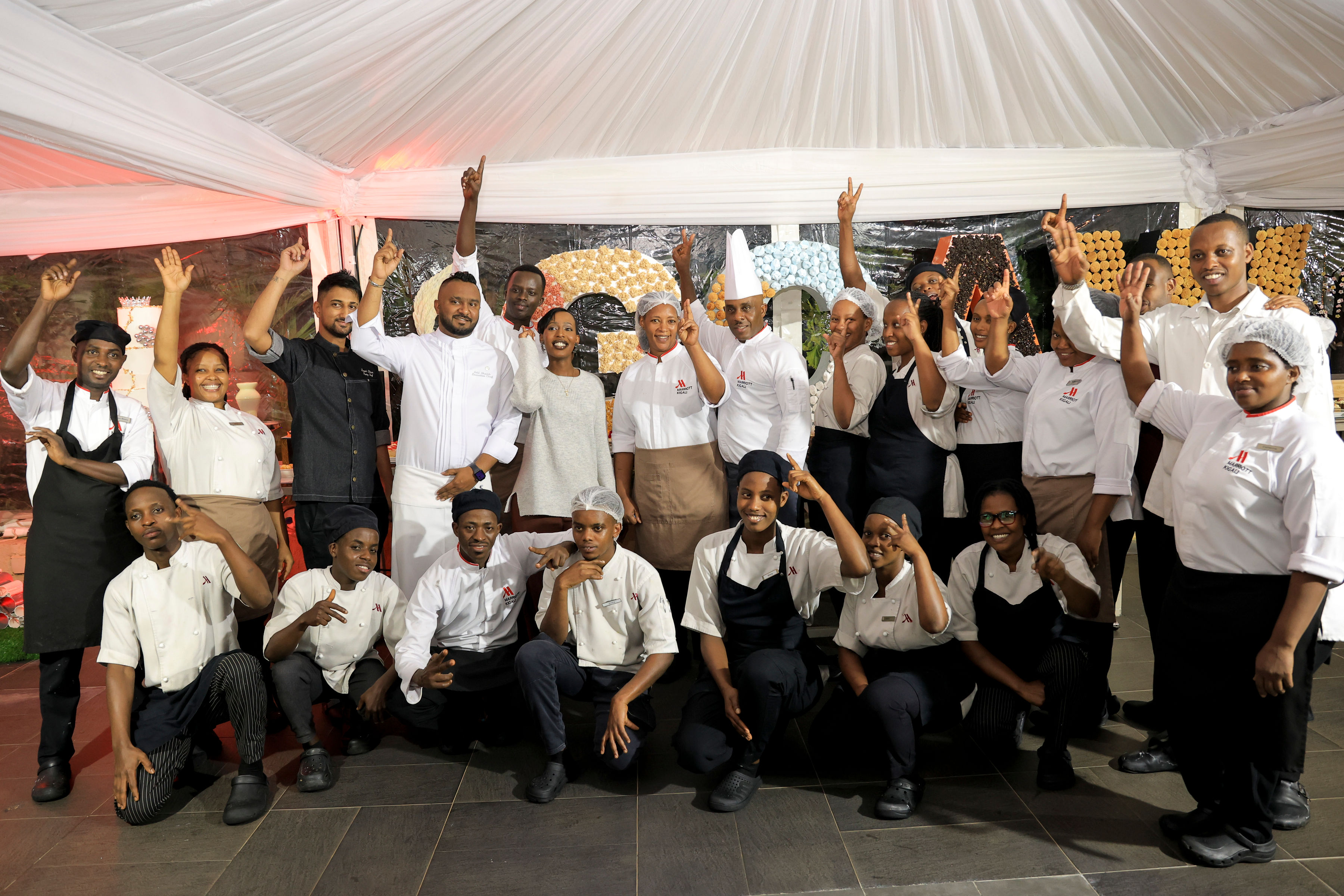
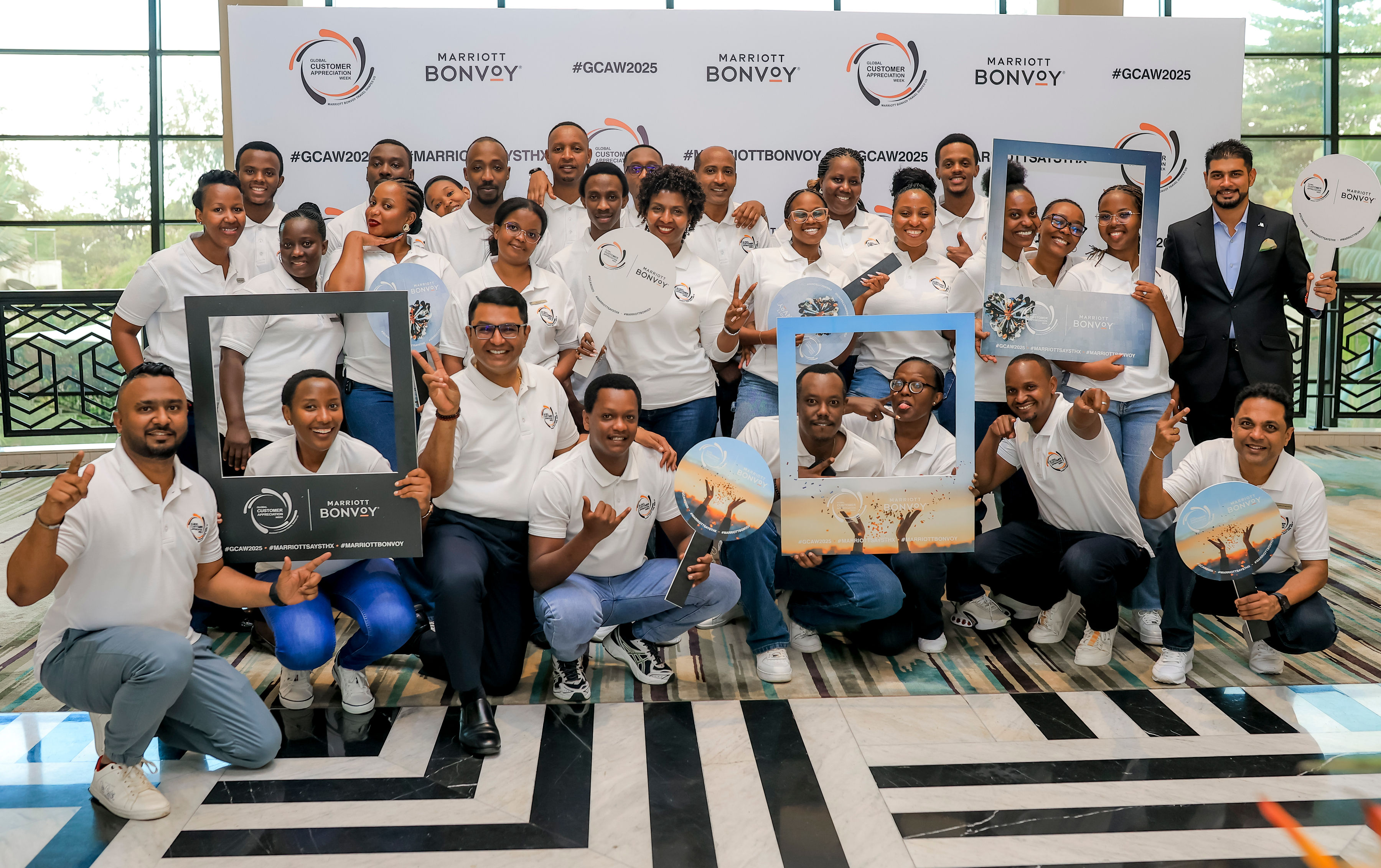
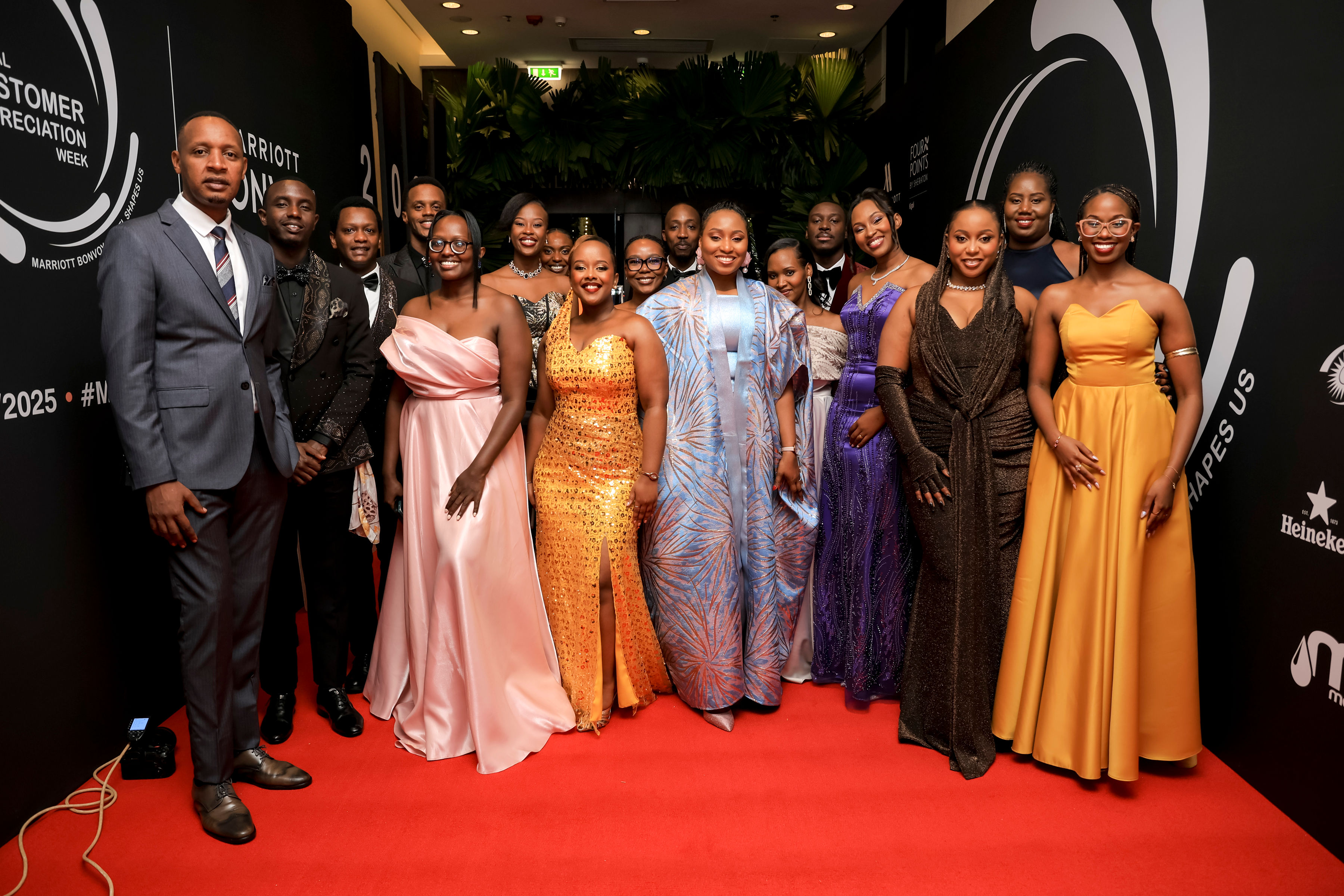
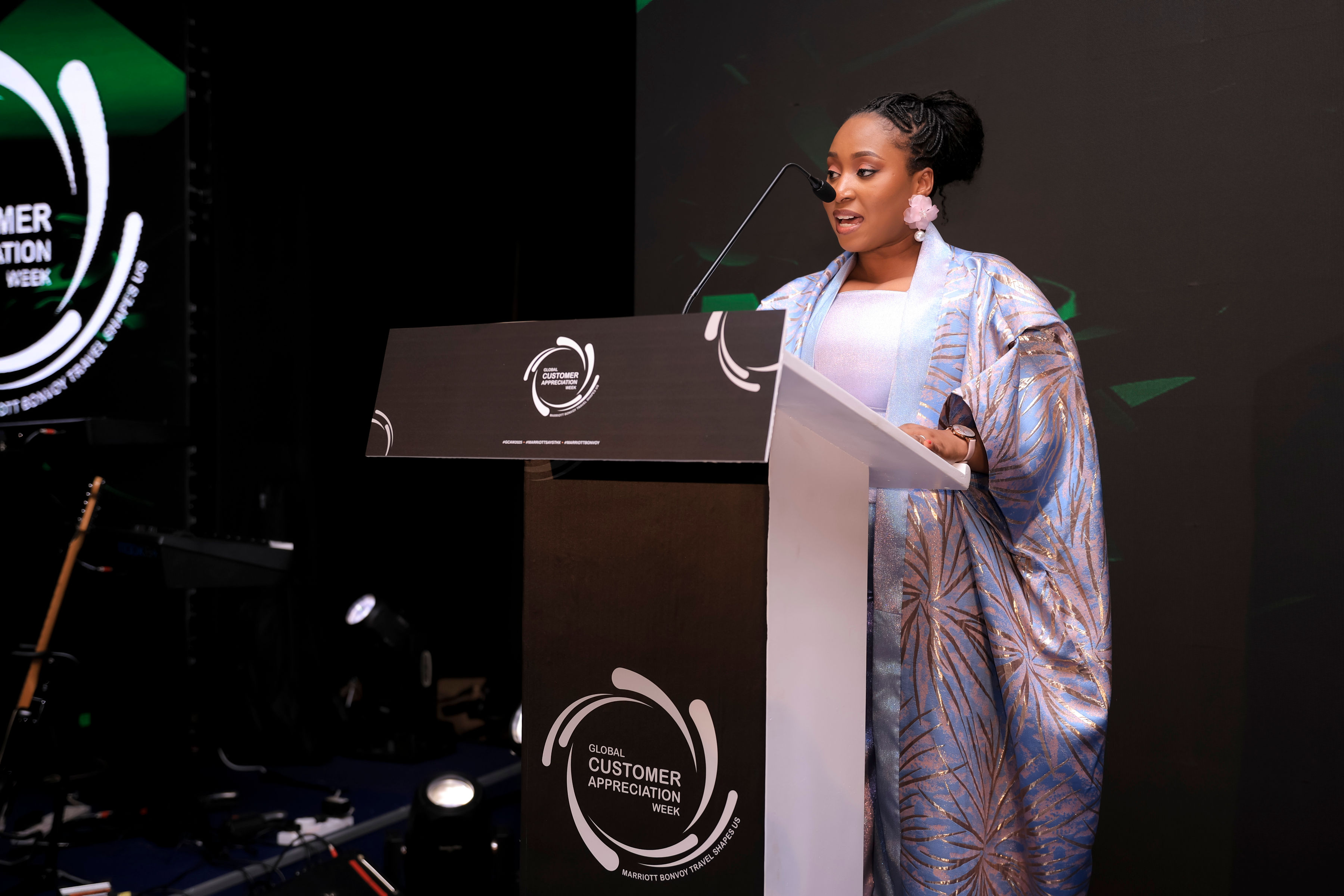
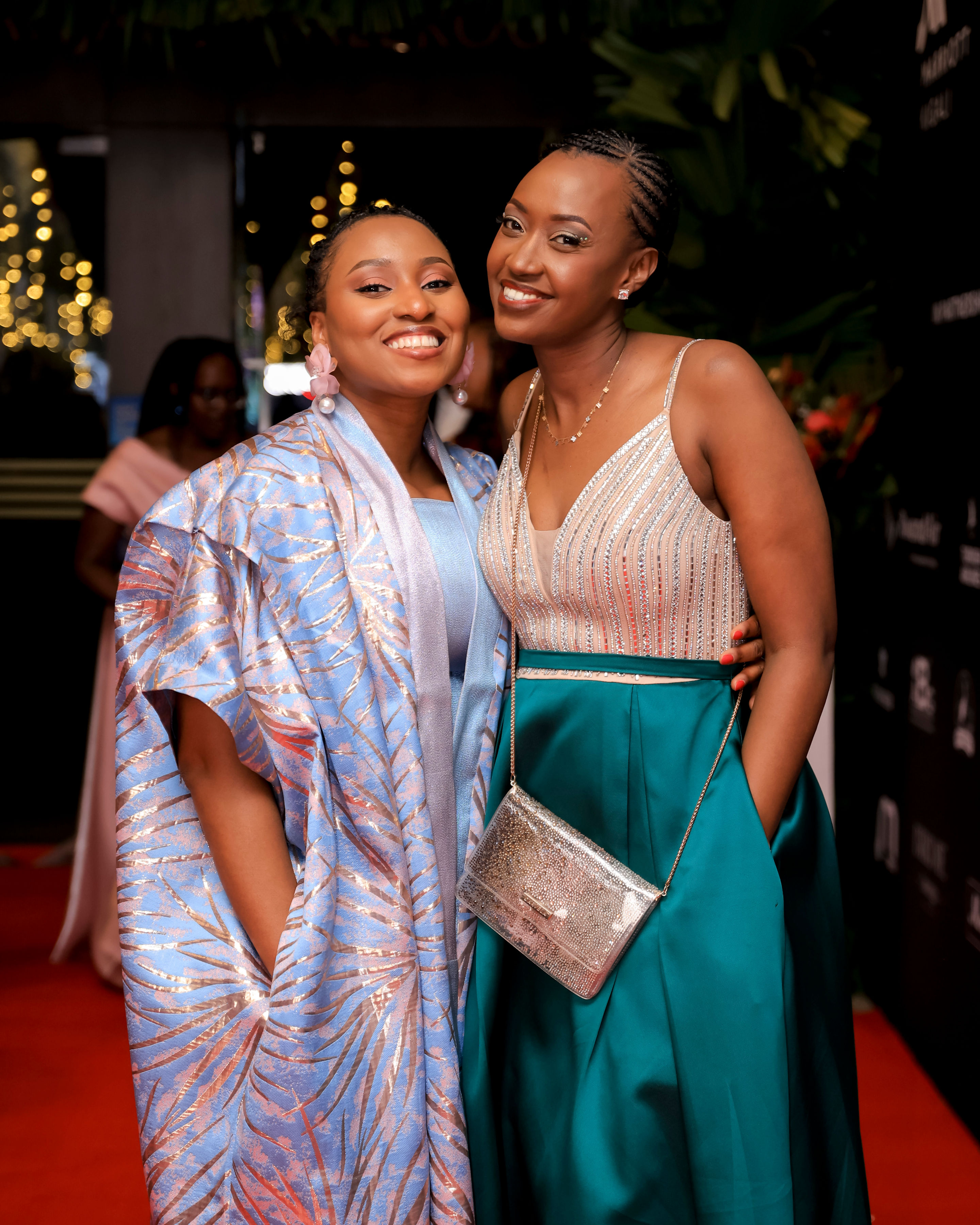
The week-long celebration went beyond formalities, serving as a genuine expression of gratitude to the people who make the hotels special. From loyal guests to trusted partners, every moment was dedicated to saying “thank you” in meaningful and memorable ways.
This year’s festivities began with lively lobby hosting sessions, where warm greetings and personal interactions transformed every arrival into a welcoming experience. The hotels’ lobbies buzzed with energy, reflecting the core belief that hospitality is about people and personal connections.
The spirit of appreciation extended beyond the hotels’ walls as the sales team visited clients and partners in person. These visits fostered open conversations, strengthened relationships, and underscored the importance of genuine human connections in business.
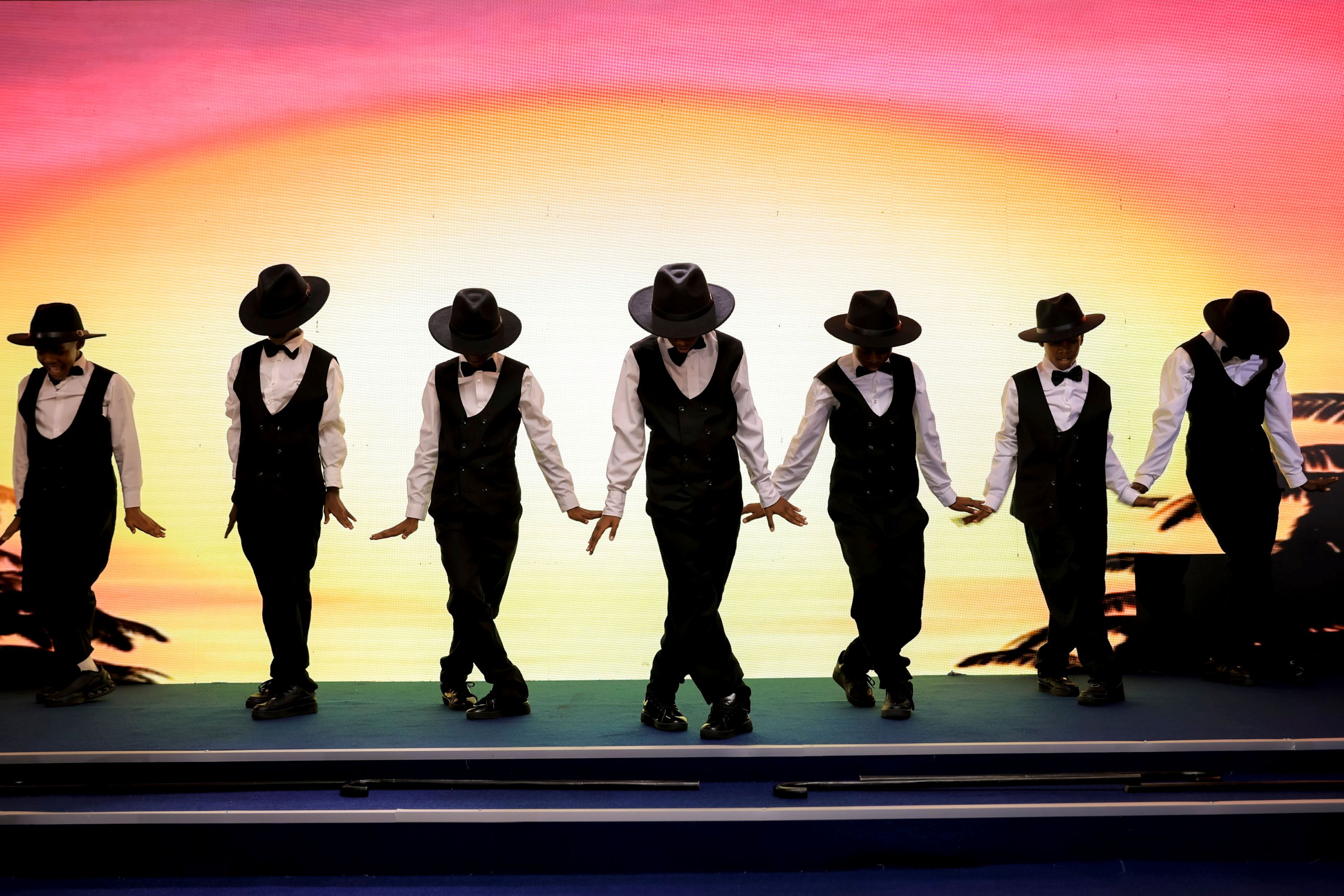
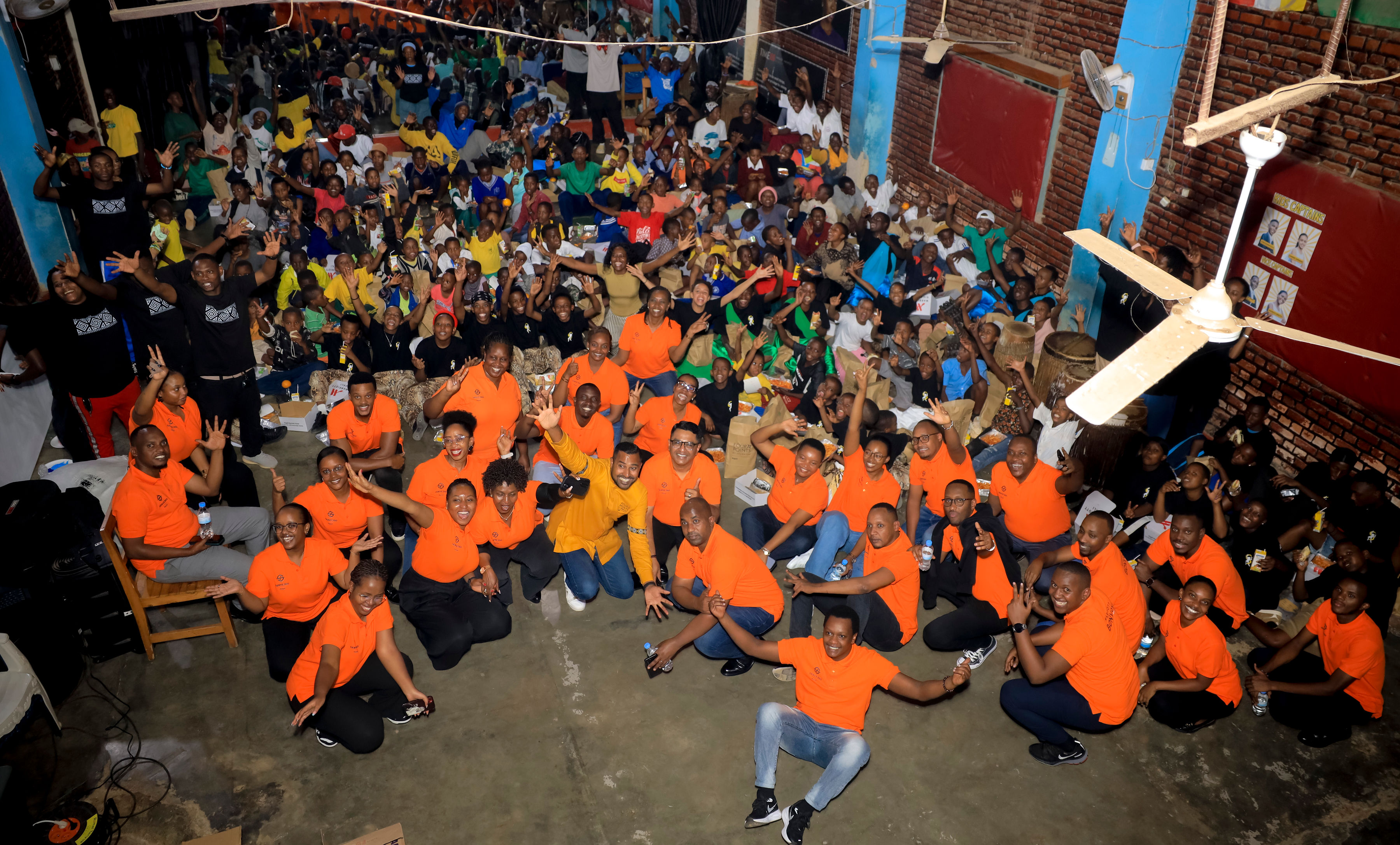
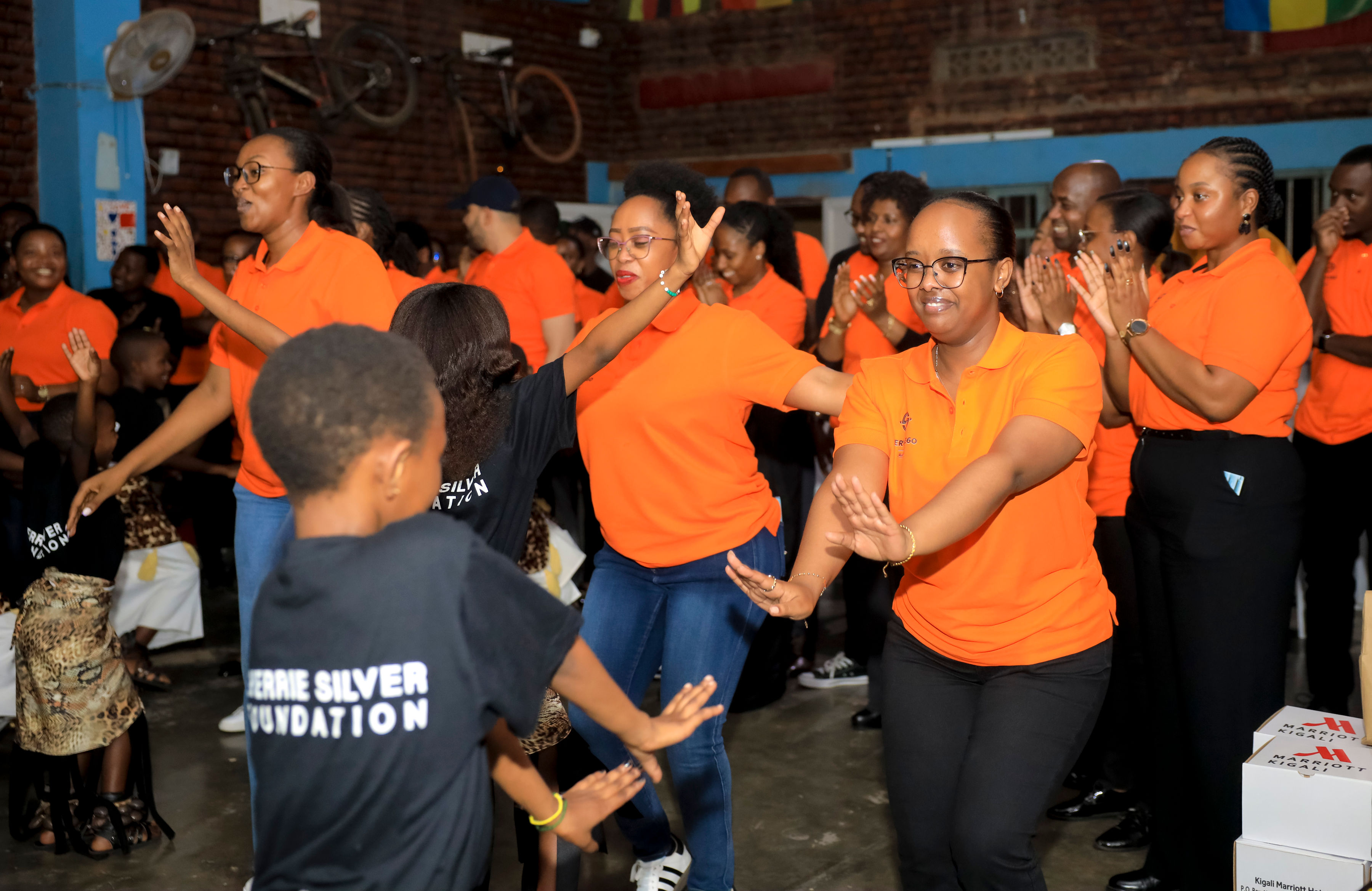
In line with Marriott International’s proud value of “Spirit to Serve,” the team also reached out to the community by spending a joyful day at the Sherrie Silver Foundation. They shared laughter, donated food and school supplies, and were touched by heartfelt performances from the children; moments that reminded everyone why giving back is at the heart of the hotel’s mission.
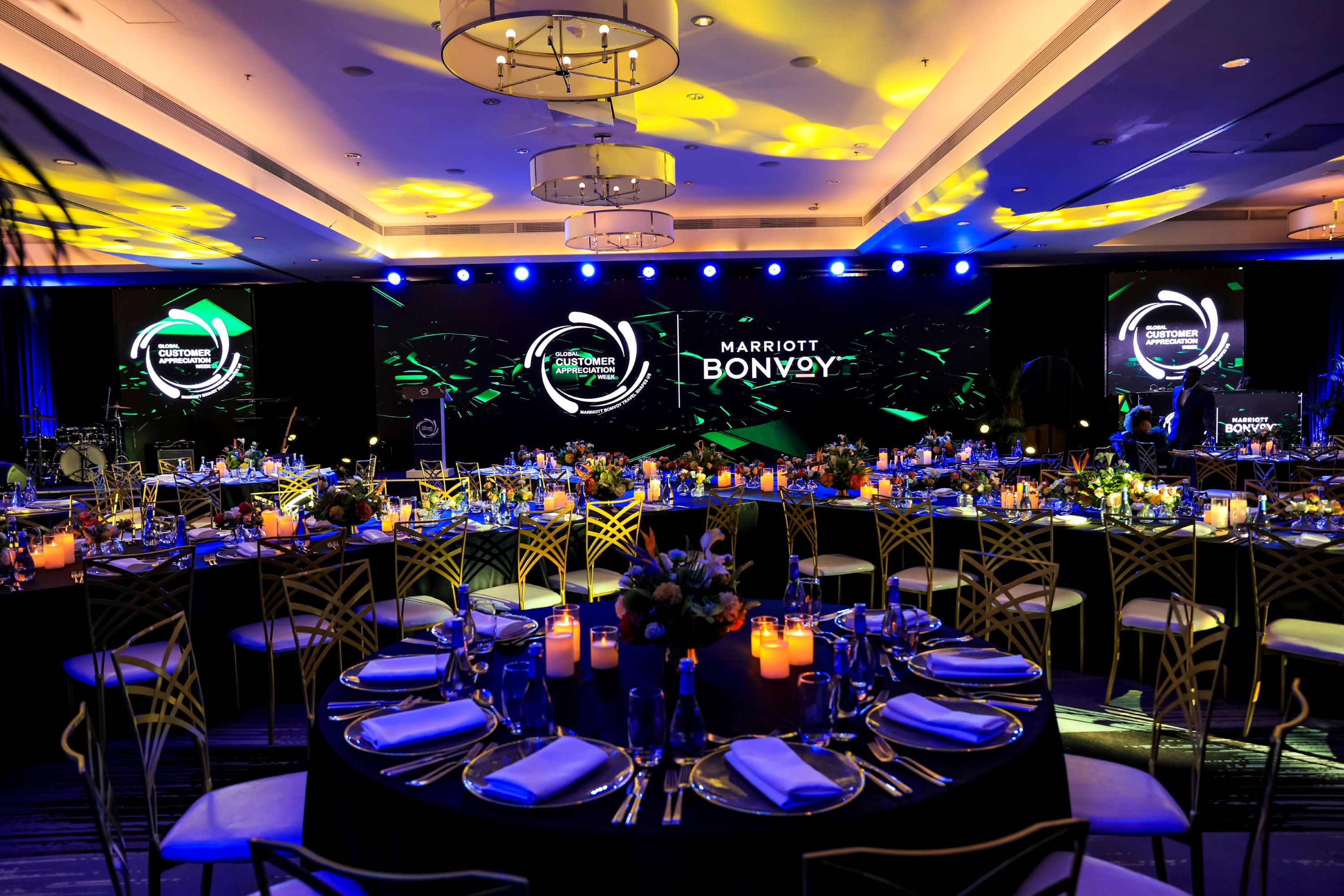
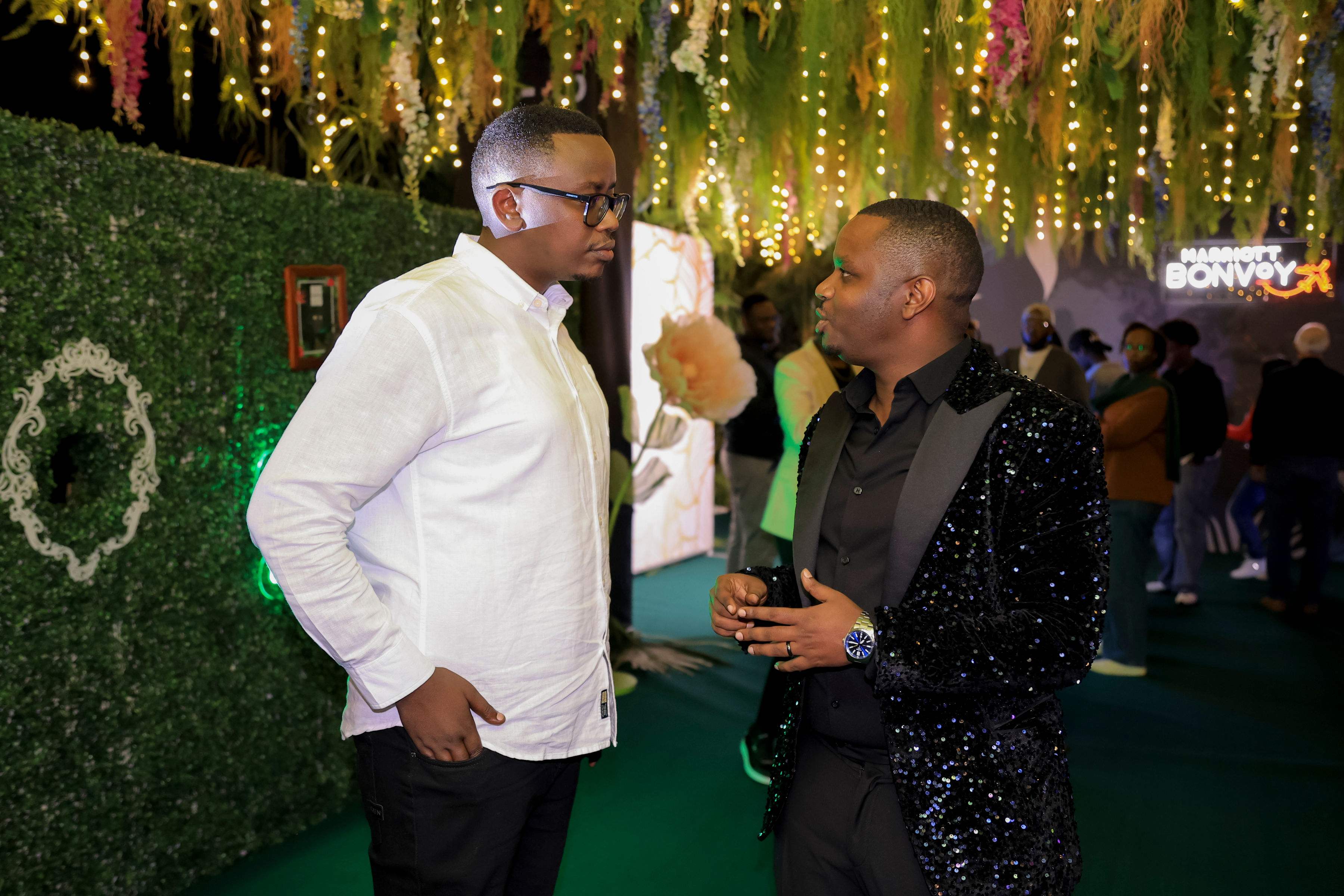
The celebration culminated in a grand Customer Appreciation Event, featuring a variety of dining experiences, lively entertainment, and exciting prize giveaways. Guests left with lasting memories, feeling truly recognized and celebrated.
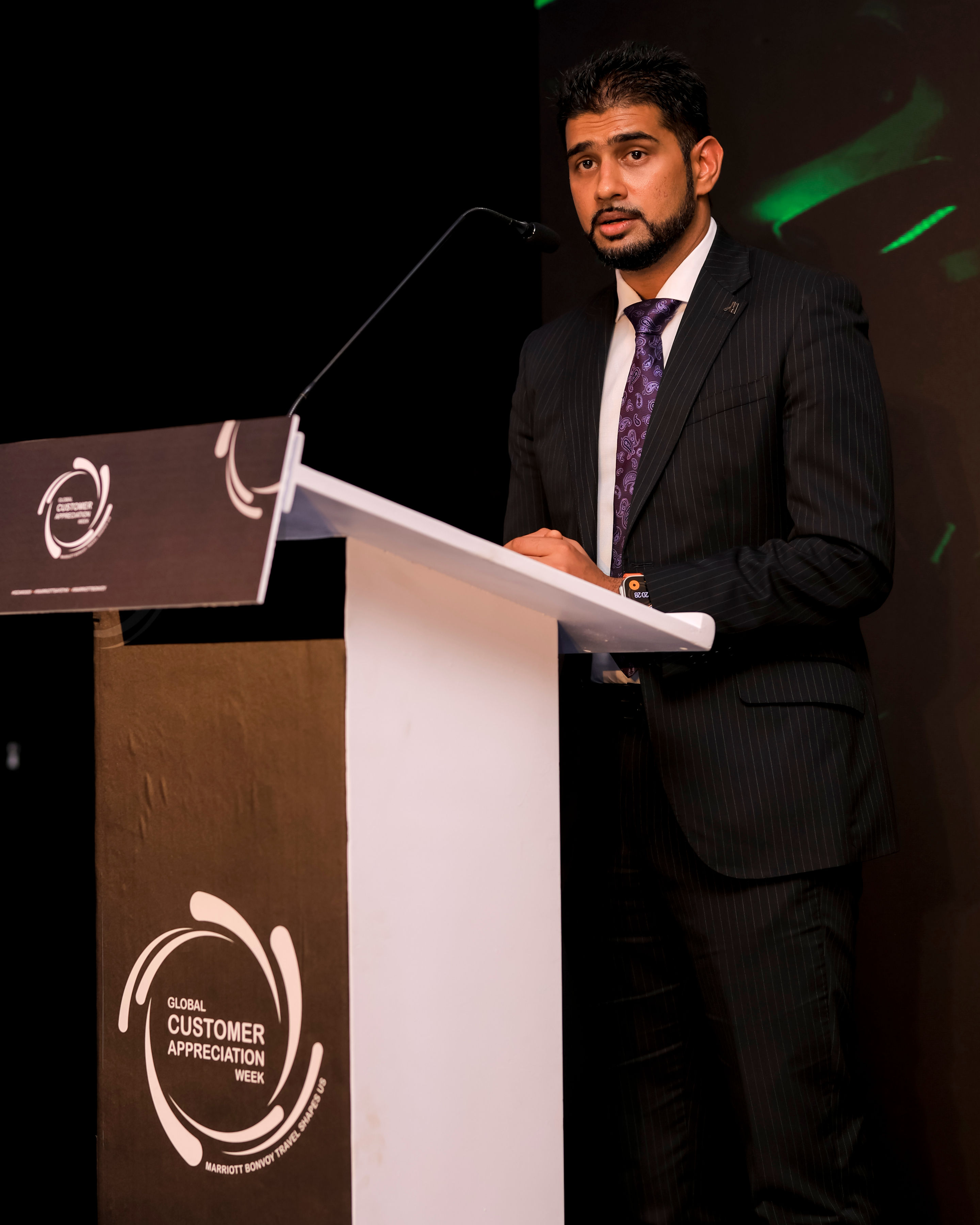
“Global Customer Appreciation Week gives us the chance to pause and sincerely thank the incredible people who choose Kigali Marriott: our guests, partners, and community,” said Aditya Chacko, Multi-Property General Manager.
“Hospitality is more than just service; it’s about building real connections and making a positive difference beyond our doors. At our hotels, we are dedicated to delivering warm, personalized hospitality where every guest feels valued and connected through thoughtful service and meaningful community engagement.”
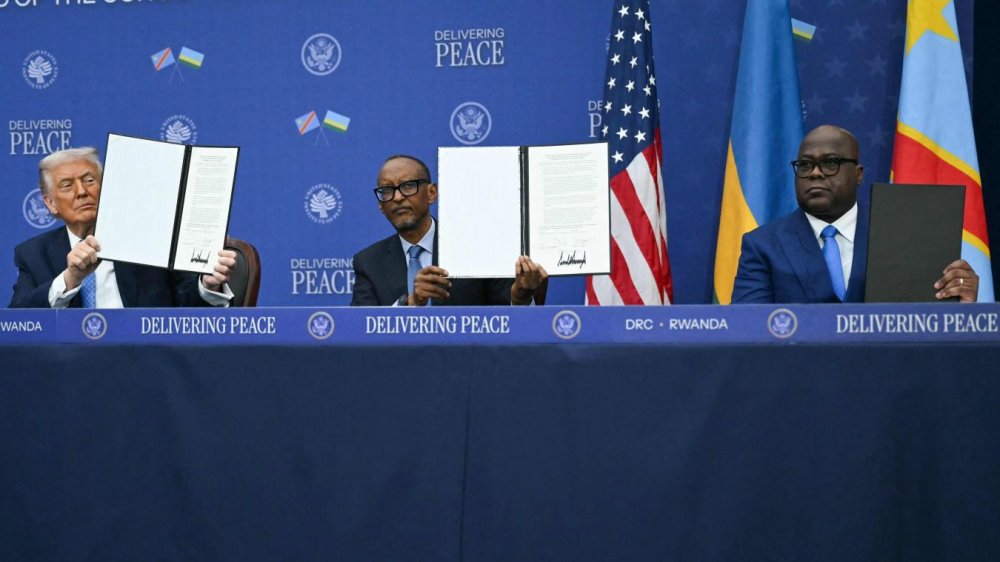
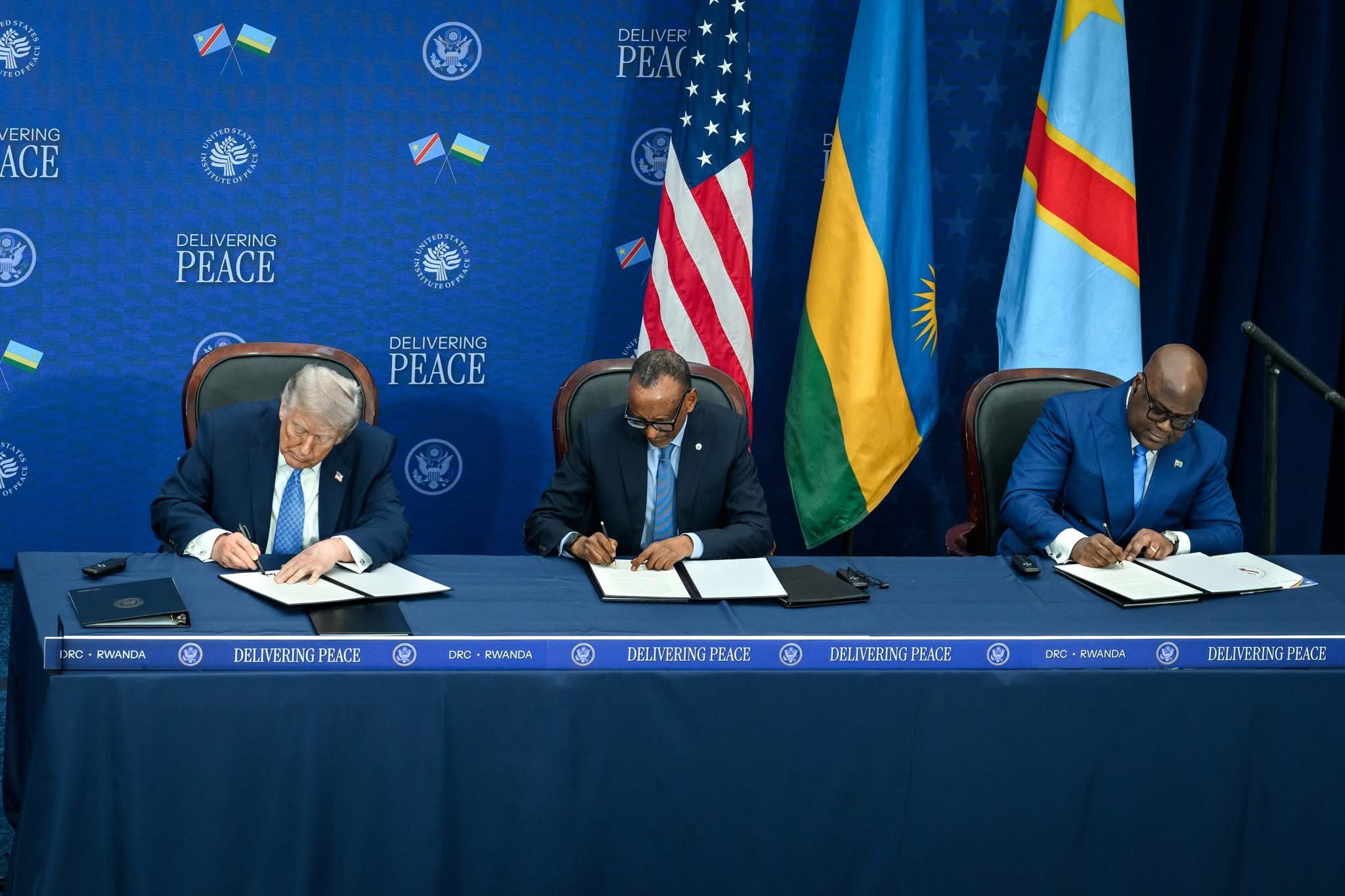
The signing followed a landmark ceremony earlier in the day in Washington, D.C., where Rwanda and the DRC formalised a US-brokered peace accord aimed at ending decades of conflict, enhancing regional security, and unlocking new opportunities for cooperation. The Washington Accord was witnessed by US President Donald Trump, President Paul Kagame, DRC President Félix Tshisekedi, and several African and international leaders.
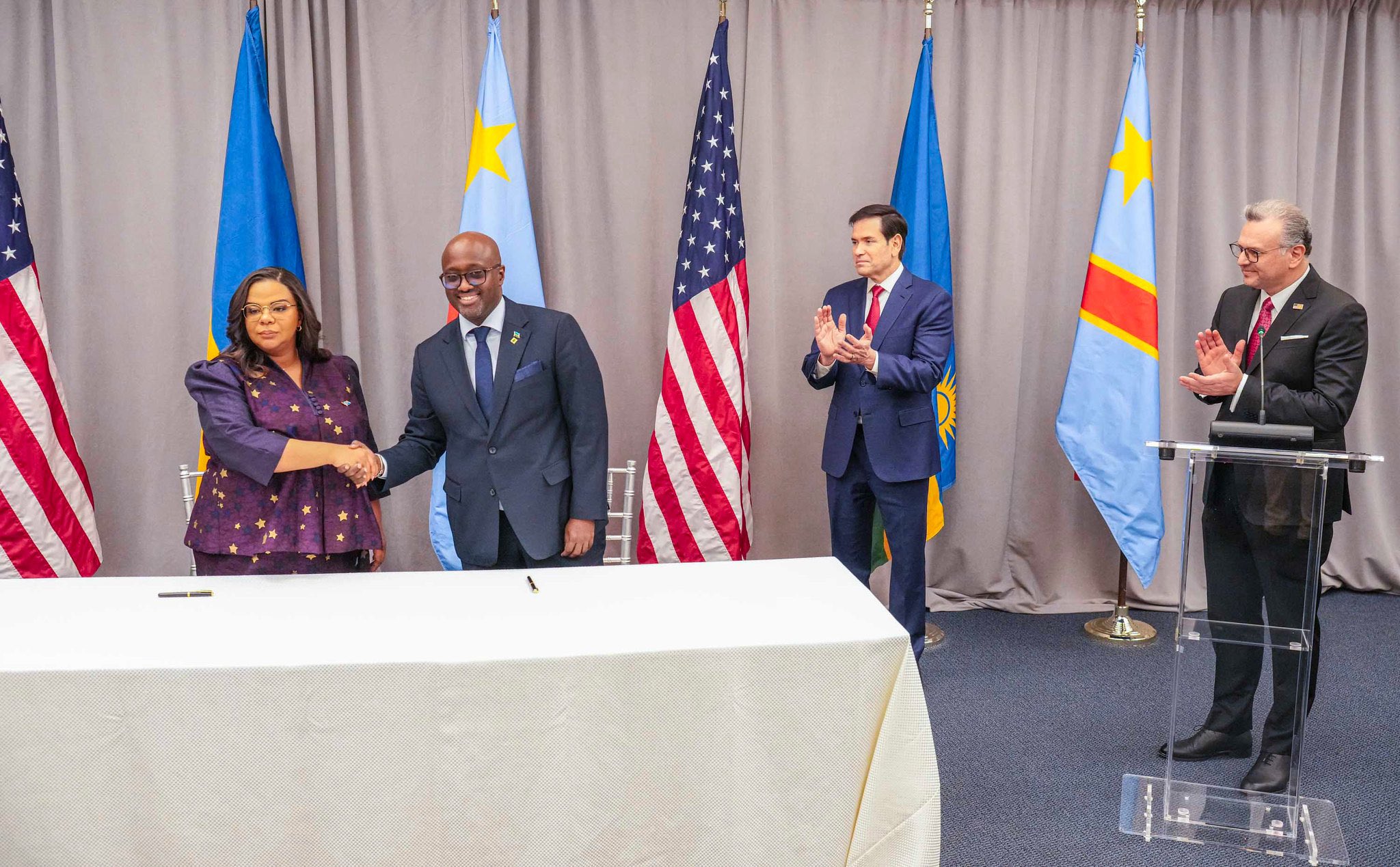
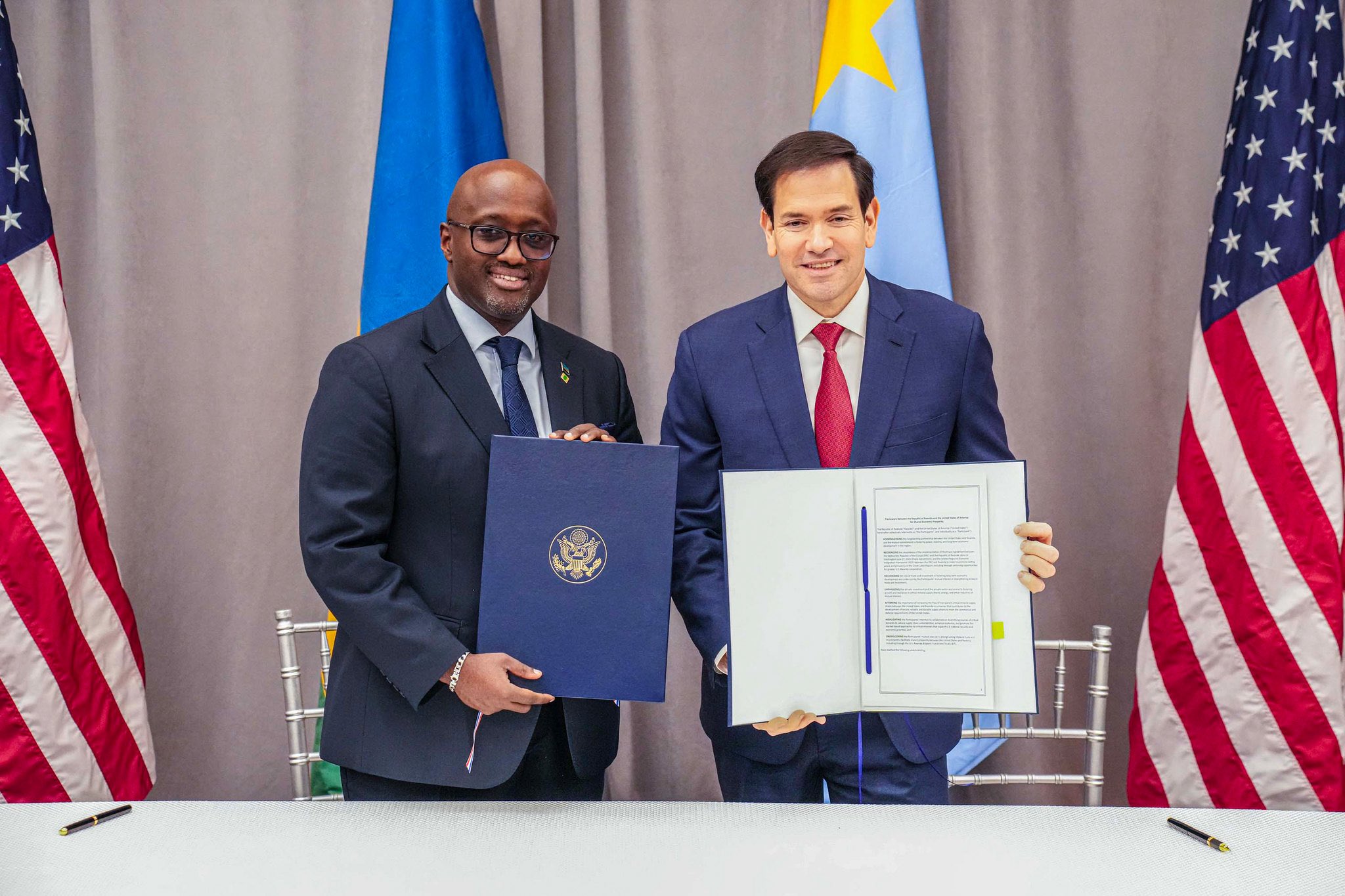
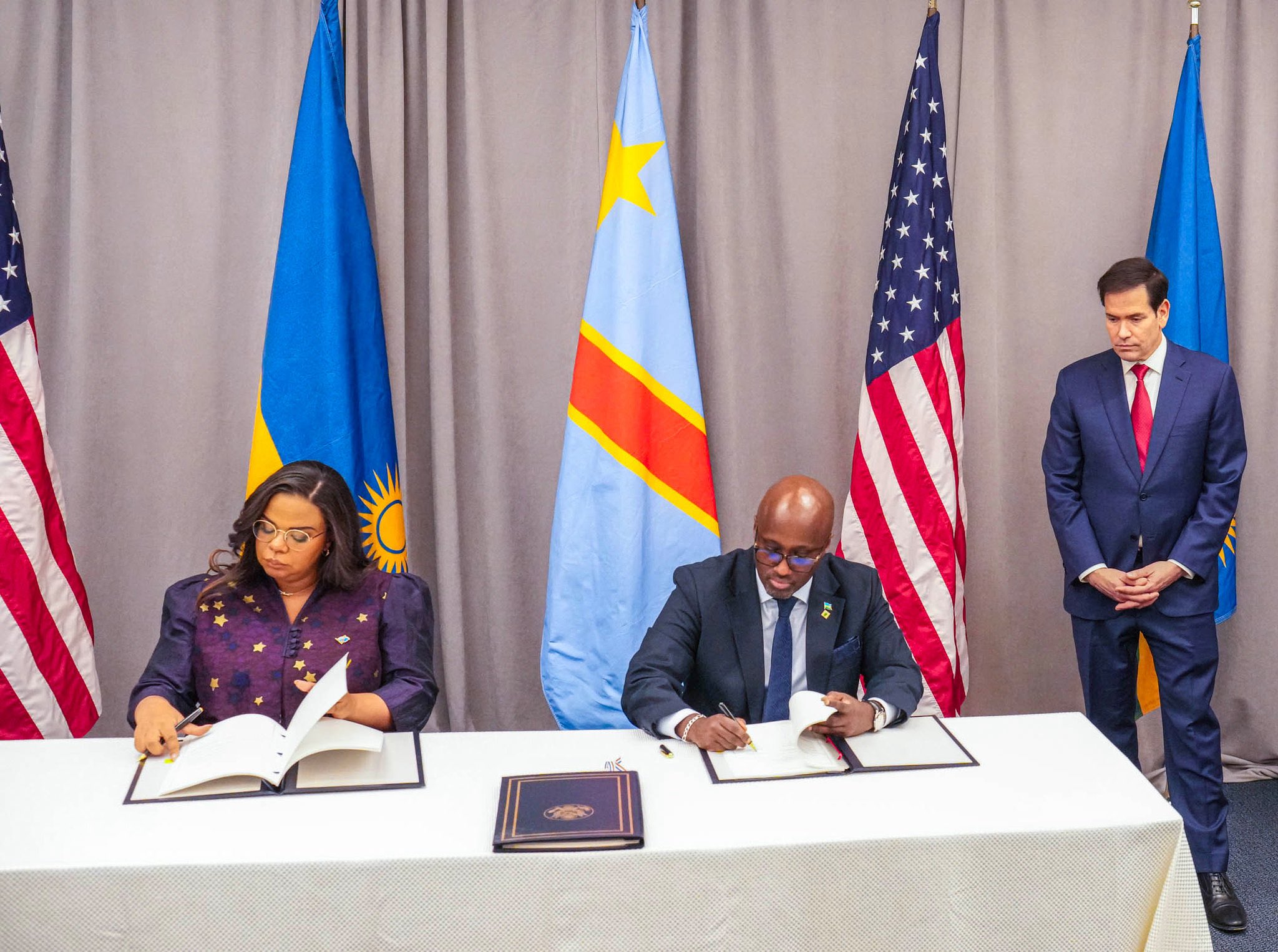
In addition to the peace compact, Rwanda’s Minister of Foreign Affairs, Olivier Nduhungirehe, concluded two separate economic agreements: the Regional Economic Integration Framework (REIF) with his DRC counterpart, Thérèse Kayikwamba Wagner, and the Framework Between the United States and Rwanda for Shared Economic Prosperity with US Secretary of State Marco Rubio.
According to the Ministry of Foreign Affairs, the agreements are designed to accelerate economic integration and promote shared prosperity across the region.
{{Rwanda–DRC economic integration framework
}}
Minister Nduhungirehe said the newly signed REIF creates a structured platform for Rwanda and the DRC to make joint investments in five priority sectors: energy, infrastructure, mineral supply chains, national park management and tourism, and public health.
He noted that the framework provides both countries with pathways to strengthen cross-border trade and cooperation, complementing the security commitments embedded in the Washington Accord.
“This agreement opens economic opportunities for Rwanda and the DRC to work together in a coordinated and mutually beneficial way,” Nduhungirehe said.
The economic components of the REIF align with the broader objectives of the Washington Accord, which emphasises regional economic integration as a foundation for durable peace.
{{Rwanda–U.S. framework for shared economic prosperity
}}
A second agreement signed with Secretary of State Marco Rubio establishes a bilateral framework for economic cooperation between Rwanda and the United States. The partnership focuses on mining and mineral processing, energy, and broader trade and investment promotion, operating outside the scope of the REIF.
The framework is expected to strengthen Rwanda’s position as a reliable partner in critical mineral supply chains and expand American investment opportunities in the country.
The peace and economic agreements come at a pivotal moment as Rwanda and the DRC seek to turn the page on three decades of instability in eastern Congo. During the signing of the Washington Accord, President Trump hailed the development as “a great day for Africa,” underscoring the accord’s potential to bring lasting stability and unlock new economic prospects.
President Kagame emphasised that the success of the agreement and the new economic frameworks rests primarily with African leadership and commitment.
“Rwanda will not be found wanting,” he said, reaffirming Rwanda’s readiness to play its part decisively.
DRC President Félix Tshisekedi described the accord and its accompanying frameworks as a turning point that offers a pathway out of the “cycle of violence, mistrust, and forced displacement” that has long affected both nations.
By committing to deeper cooperation in sectors ranging from energy to mineral supply chains, Rwanda, the DRC, and the United States aim to lay the groundwork for a more stable, interconnected, and prosperous Great Lakes region.
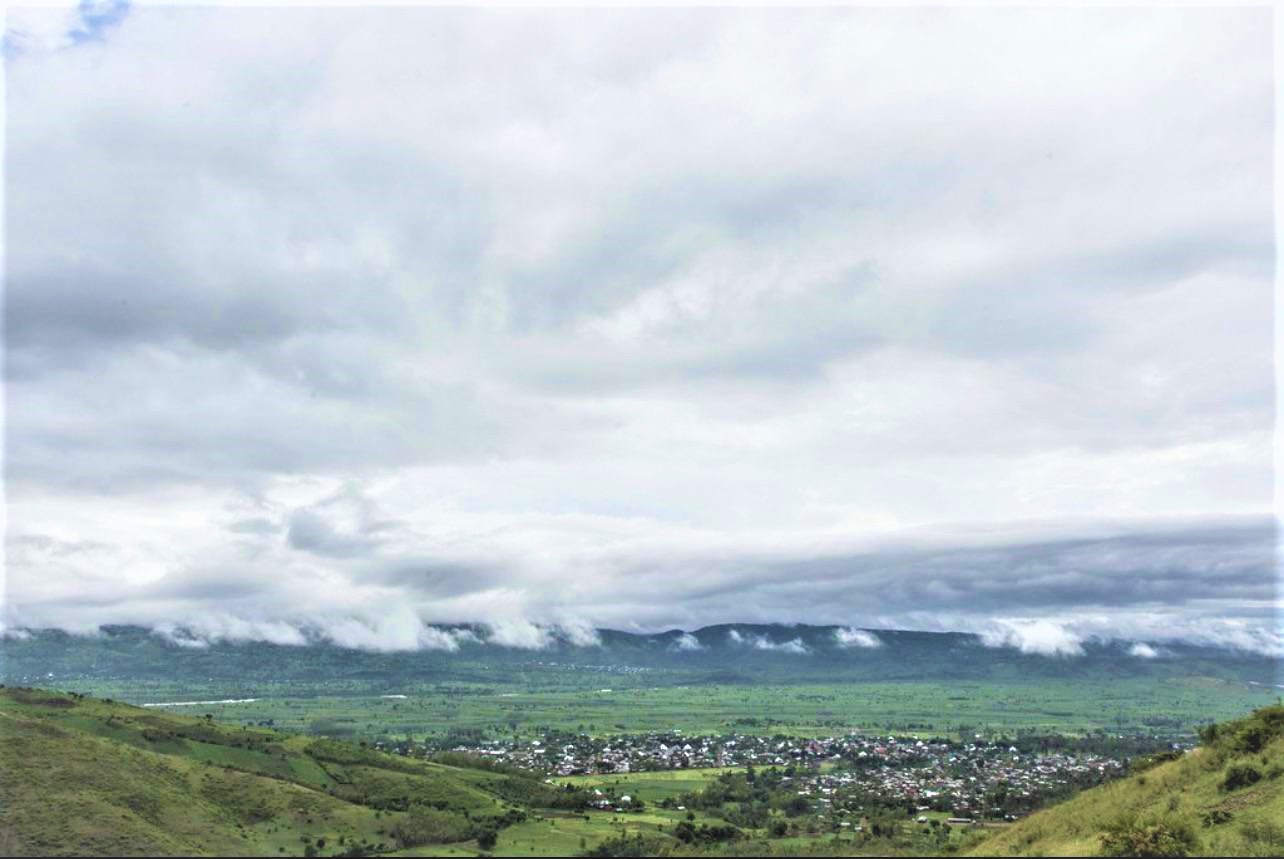
Since the morning of December 5, 2025, DRC, Burundian, and Wazalendo forces have launched attacks in parts of Uvira territory, including Katogota, Kamanyola, and the Luvungi groupement.
Shelling in Luvungi has forced residents to flee to other areas of Uvira that are not affected by the clashes, including Sange, Runingu, Ndolera, and Uvira town.
Bertrand Bisimwa, the AFC/M23 rebellion’s deputy coordinator, said Burundian forces stationed in Burundi were targeting Kamanyola, Katogota, and Luvungi.
“This morning, Burundian troops in Burundi shelled densely populated areas in Kamanyola, Katogota, and Luvungi, causing civilian casualties, including children, and destroying homes, schools, churches, and markets,” Bisimwa said.
Footage shared on social media shows homes destroyed by the shelling. In one clip, a resident near Ngomo hill in Kamanyola reported, “The first shell fell here. All the houses were destroyed. Six people died near Ngomo. Things are terrible.”
Lawrence Kanyuka, AFC/M23 spokesperson, added that the shelling of civilian areas began more than three days ago and that the group’s fighters remain prepared to defend affected populations.
The fighting erupted despite ceasefire commitments made by both parties during the ongoing mediation efforts in Doha, Qatar, raising concerns about escalation of violence.
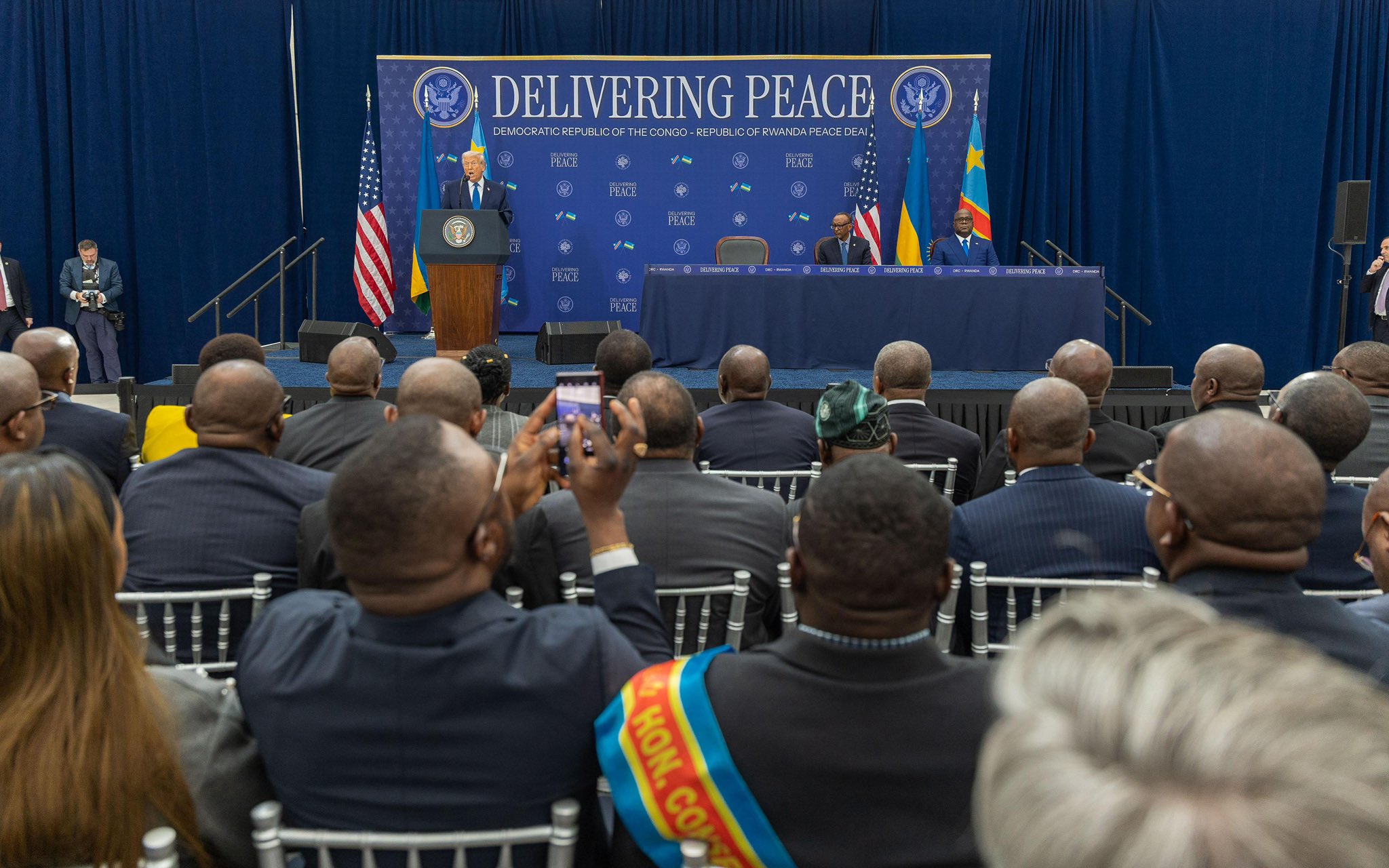
The ceremony, held at the newly inaugurated United States Institute of Peace, was attended by US President Donald Trump, African leaders, and key international dignitaries.
In his opening remarks, President Trump described the event as “a great day for Africa, a great day for the world, and a great day for these two countries.” He praised the leaders of Rwanda and the DRC for their courage and persistence in bringing the long-running conflict in eastern Congo to a potential close after three decades.
“This compact we are signing today, known as the Washington Accords, formalises the terms agreed to in June, including a permanent ceasefire, disarmament of non-state forces, provisions for refugees to return home, and justice for those who have committed atrocities,” Trump said.
The US Head of State also emphasised the accord’s economic dimension, highlighting the potential for regional economic integration and US investment in the two countries’ mineral wealth.
President Paul Kagame, who spoke after Trump, expressed deep gratitude to all parties involved, singling out President Trump, Secretary of State Marco Rubio, and Senior Advisor Massad Boulos for their pivotal roles in creating a space for breakthrough negotiations.
Kagame emphasised that the responsibility for the success of the accord ultimately rests with African nations themselves.
“If this agreement falters and things do not work out as they are supposed to, the responsibility will not lie with President Trump, but with ourselves,” he said. He reassured that Rwanda will play its part decisively:
“It is up to us in Africa, working with our partners, to consolidate and expand this peace. There will be ups and downs on the road ahead. There is no doubt about it. Rwanda, I know, will not be found wanting. I can assure you of that.”
He framed the accord as a clear path toward a prosperous and stable future for Rwanda, emphasising the country’s commitment to security and development after enduring years of tragedy.
DRC President Félix Tshisekedi also hailed the accord as a turning point, describing it as more than just a document, but “a framework for regional economic integration and cooperation that finally overcomes the cycle of violence, mistrust, and forced displacement.”
He reaffirmed the DRC’s commitment to fully implementing its obligations under the agreement and called for mutual respect and collaboration between the two nations.
The Washington Accord represents not only a formal ceasefire but also a framework for justice, economic cooperation, and regional integration. It aims to dismantle the FDLR militia, composed of remnants of those responsible for the 1994 Genocide against the Tutsi who fled to the DRC and have continued to promote genocidal ideology, posing a threat to Rwanda’s security along the border.
The agreement also aims to facilitate refugee returns and create new opportunities for prosperity in both countries.
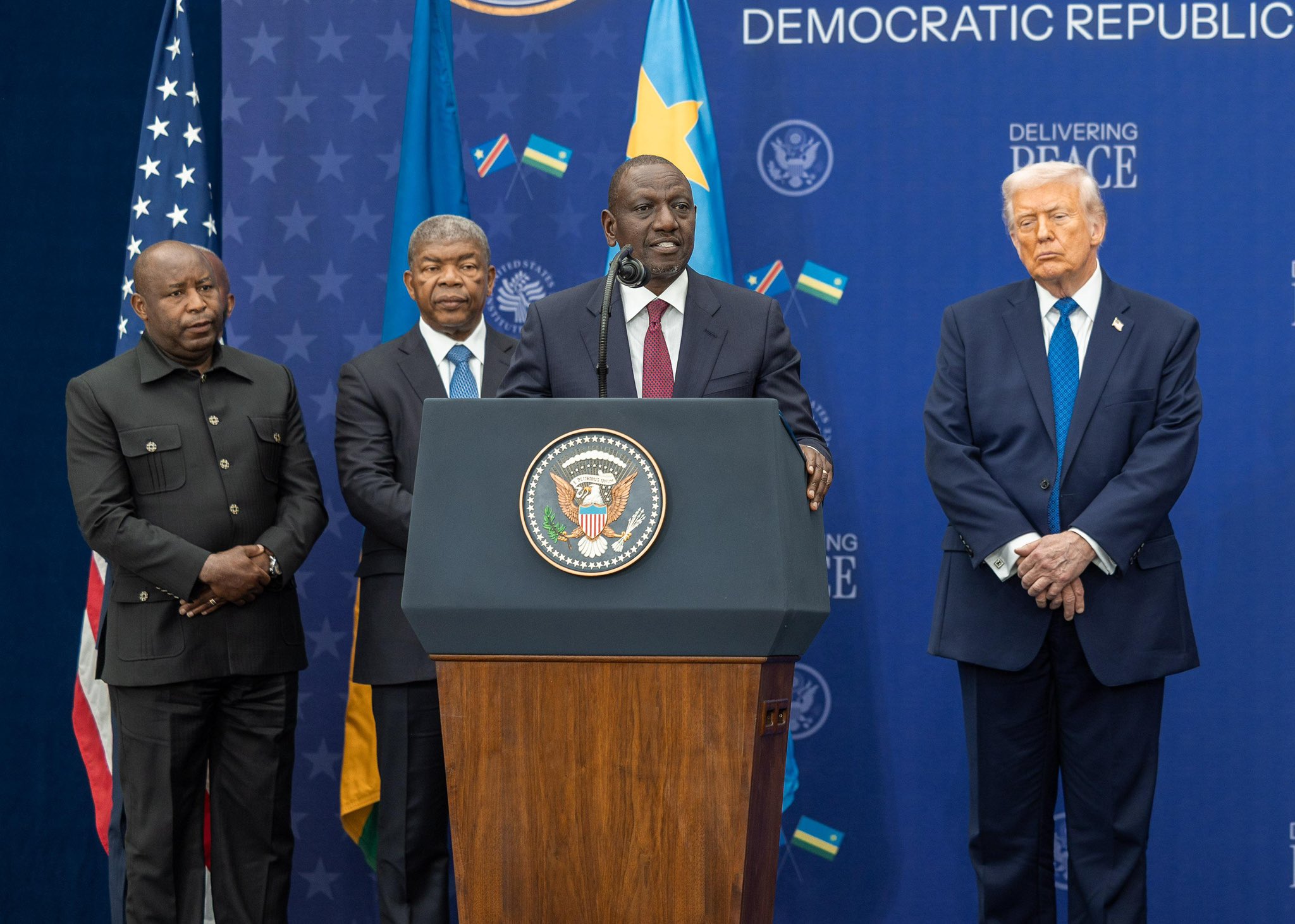
The signing ceremony was attended by African leaders, including Évariste Ndayishimiye of Burundi, William Ruto of Kenya, João Lourenço of Angola, and Jean-Lucien Savi de Tové of Togo, as well as representatives from Uganda, Qatar, the United Arab Emirates, and the African Union.
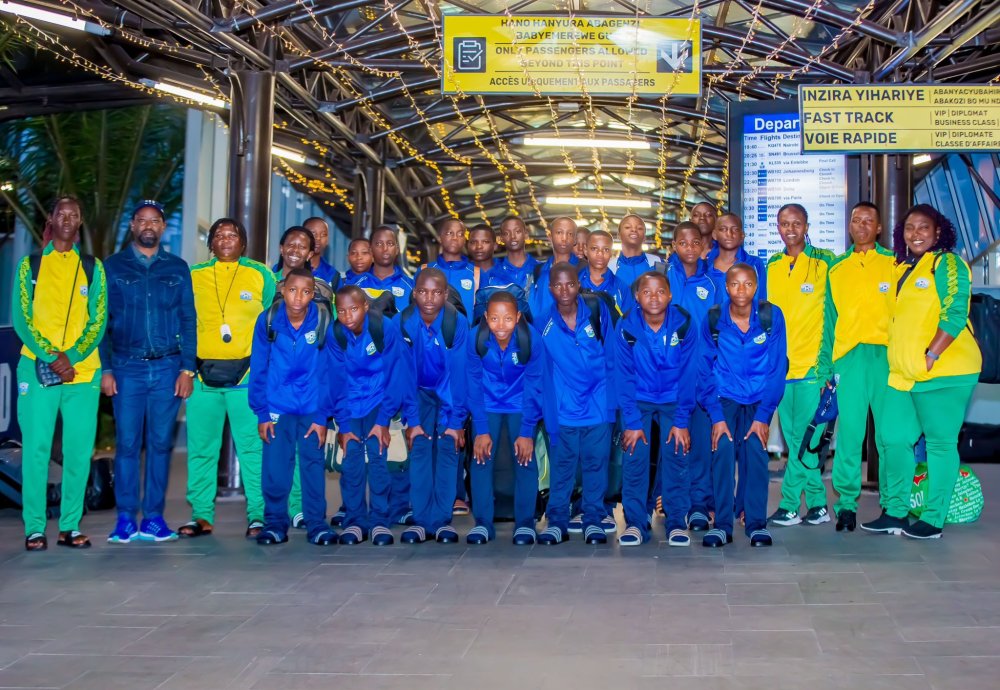
The regional tournament, scheduled for December 6–9, 2025, will bring together ten countries from the East and Central African region as they vie for places in next year’s continental finals for school-based teams.
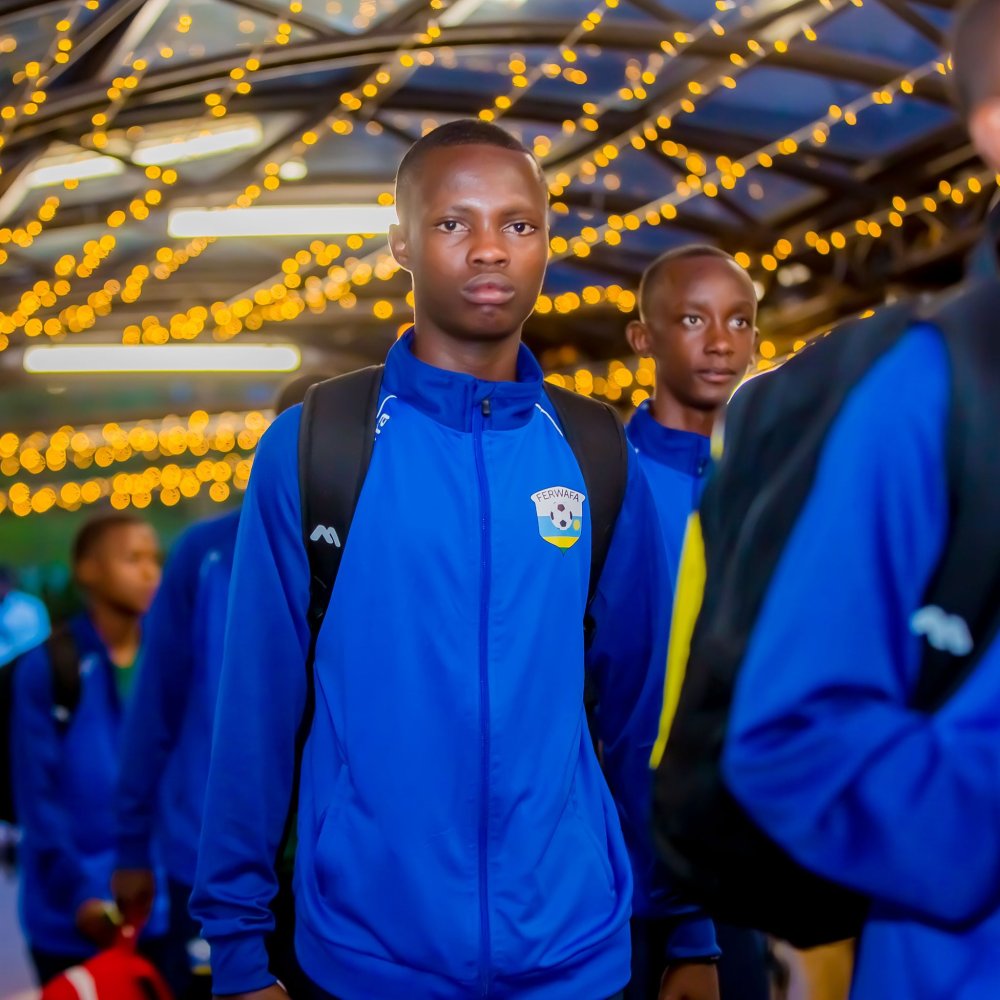
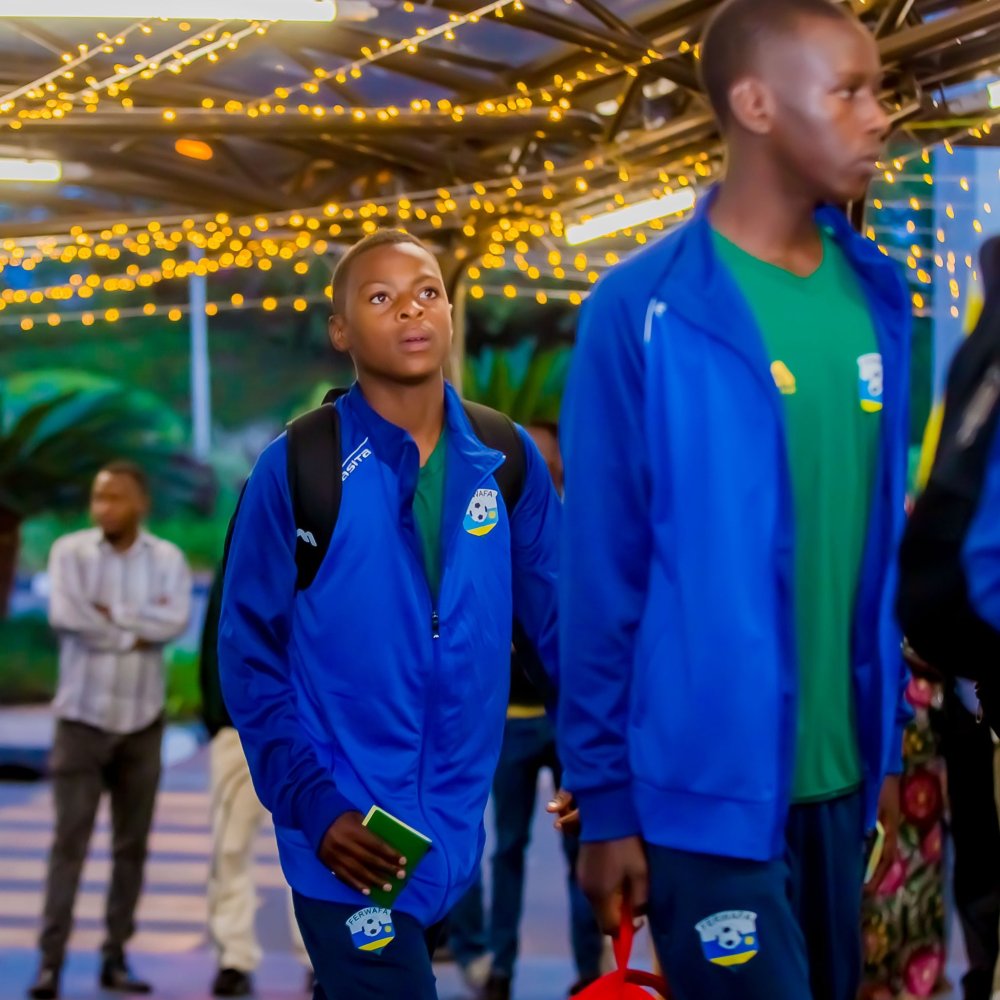
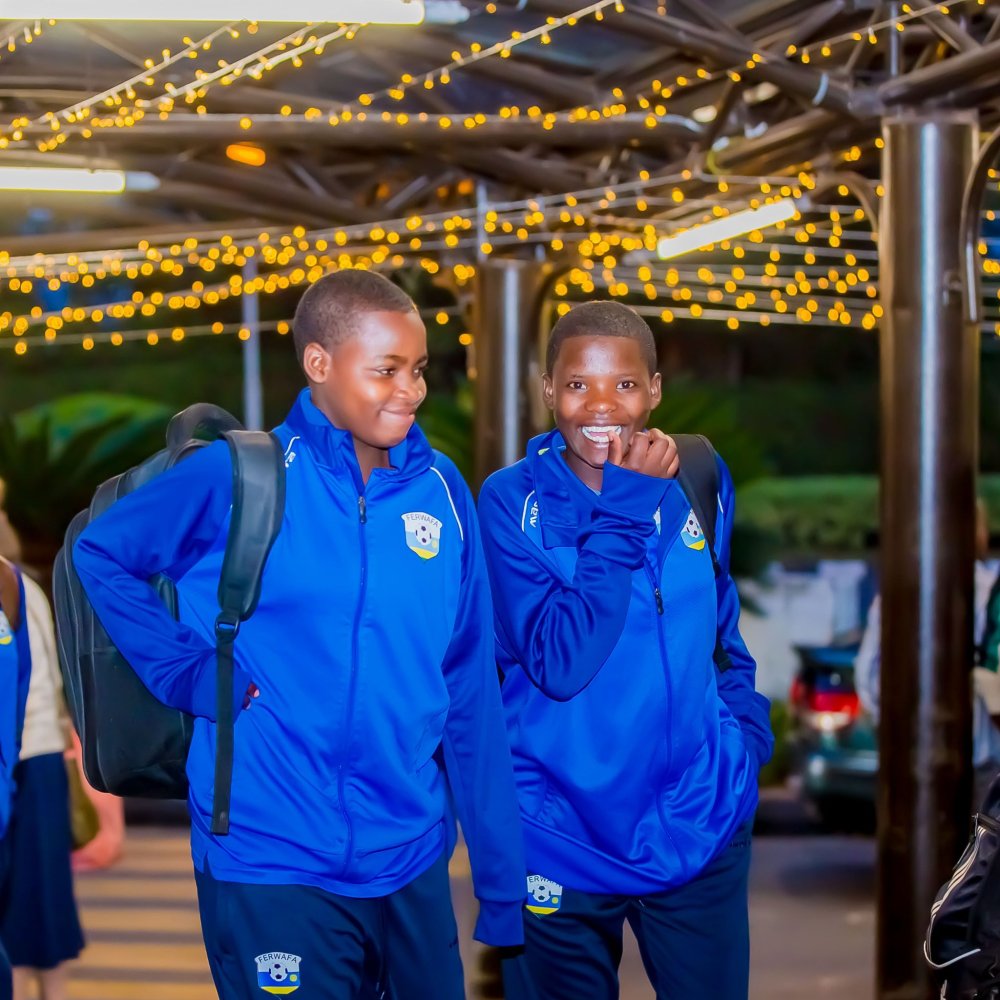
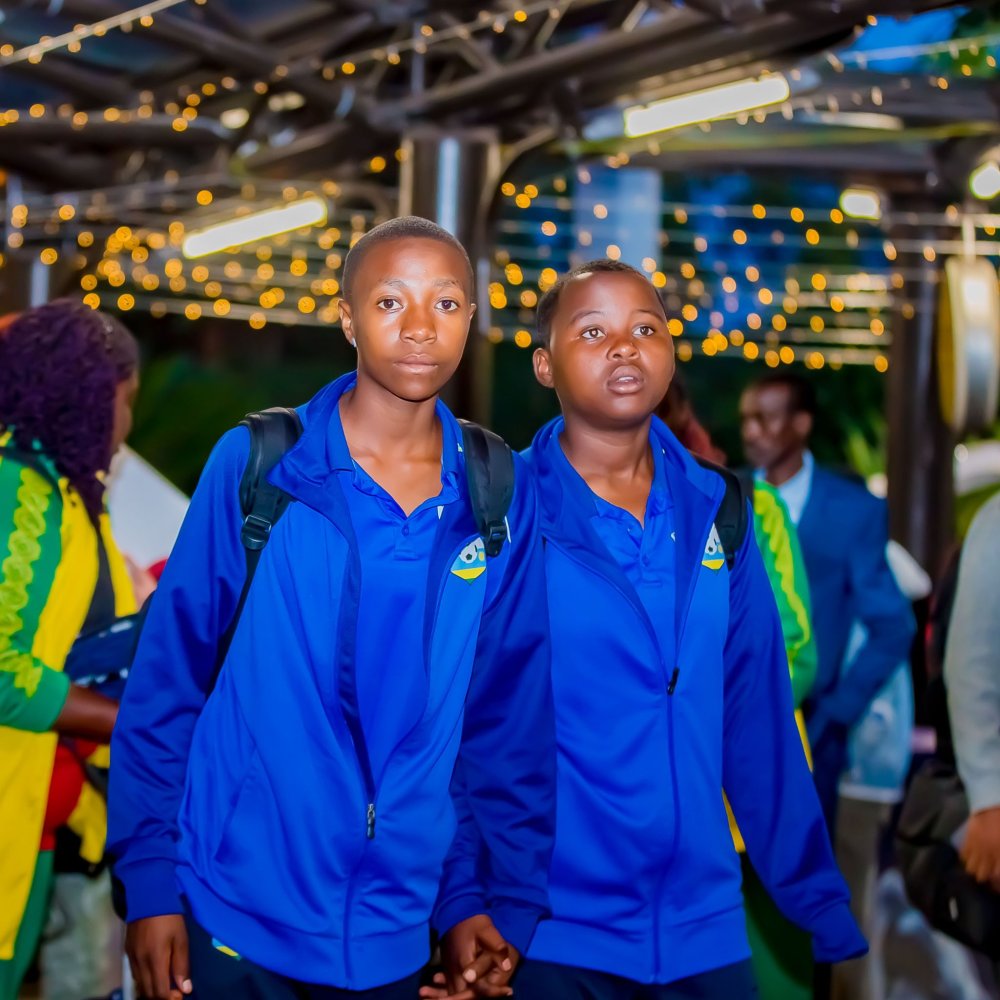
Rwanda is among the nations fielding both boys’ and girls’ squads. The teams left Kigali early on Thursday, December 4, 2025, ahead of the CAF African Schools Championship CECAFA Zonal Qualifiers.
Before departure, Louise Ndengeyingoma, Chairperson of the Governance and Legal Commission at FERWAFA, encouraged the young players to aim high and uphold discipline.
“You carry the national flag on your chest,” she said. “Approach your matches with focus, display discipline, and remember to balance your education with your talent. This journey is not just about winning a single game; it is about raising Rwanda’s profile.”
The boys’ tournament will feature Burundi, Djibouti, Ethiopia, Kenya, Rwanda, South Sudan, Sudan, Tanzania, Uganda, and Somalia.
The girls’ competition will include Uganda, Burundi, Djibouti, Ethiopia, Kenya, Rwanda, Tanzania, and South Sudan.
The qualifiers will also feature young referees participating under CAF’s talent development programme and will include D-level coaching clinics.
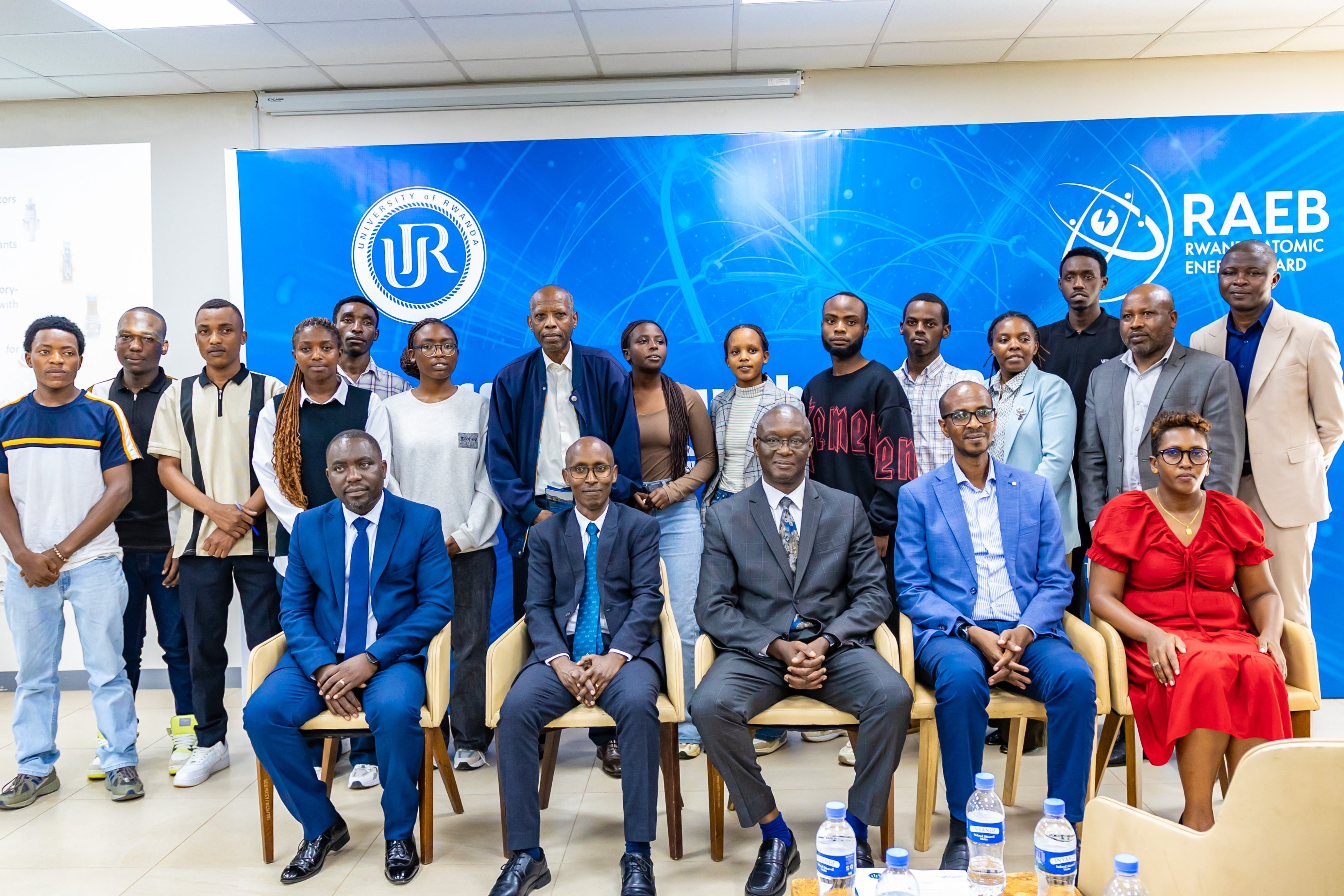
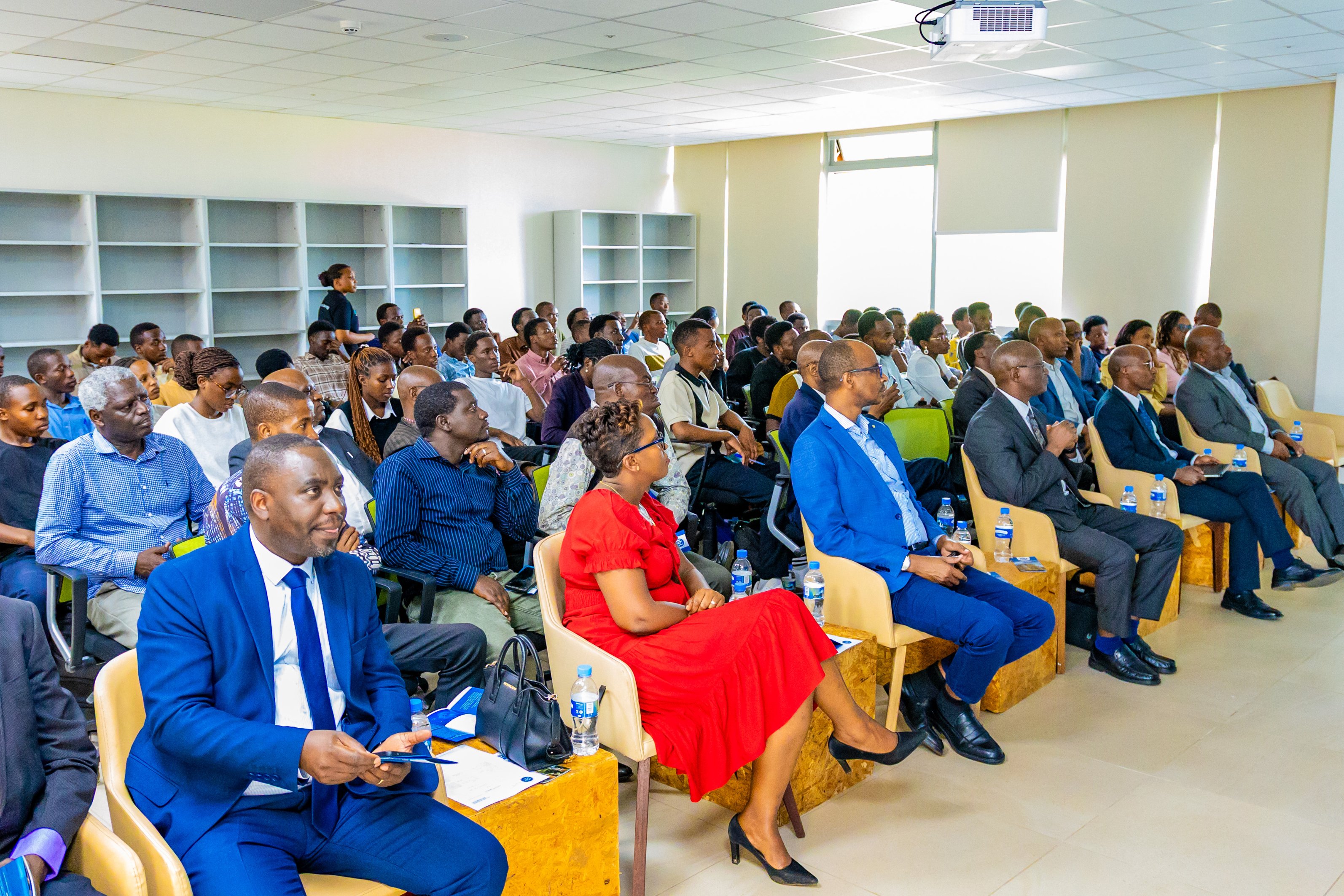
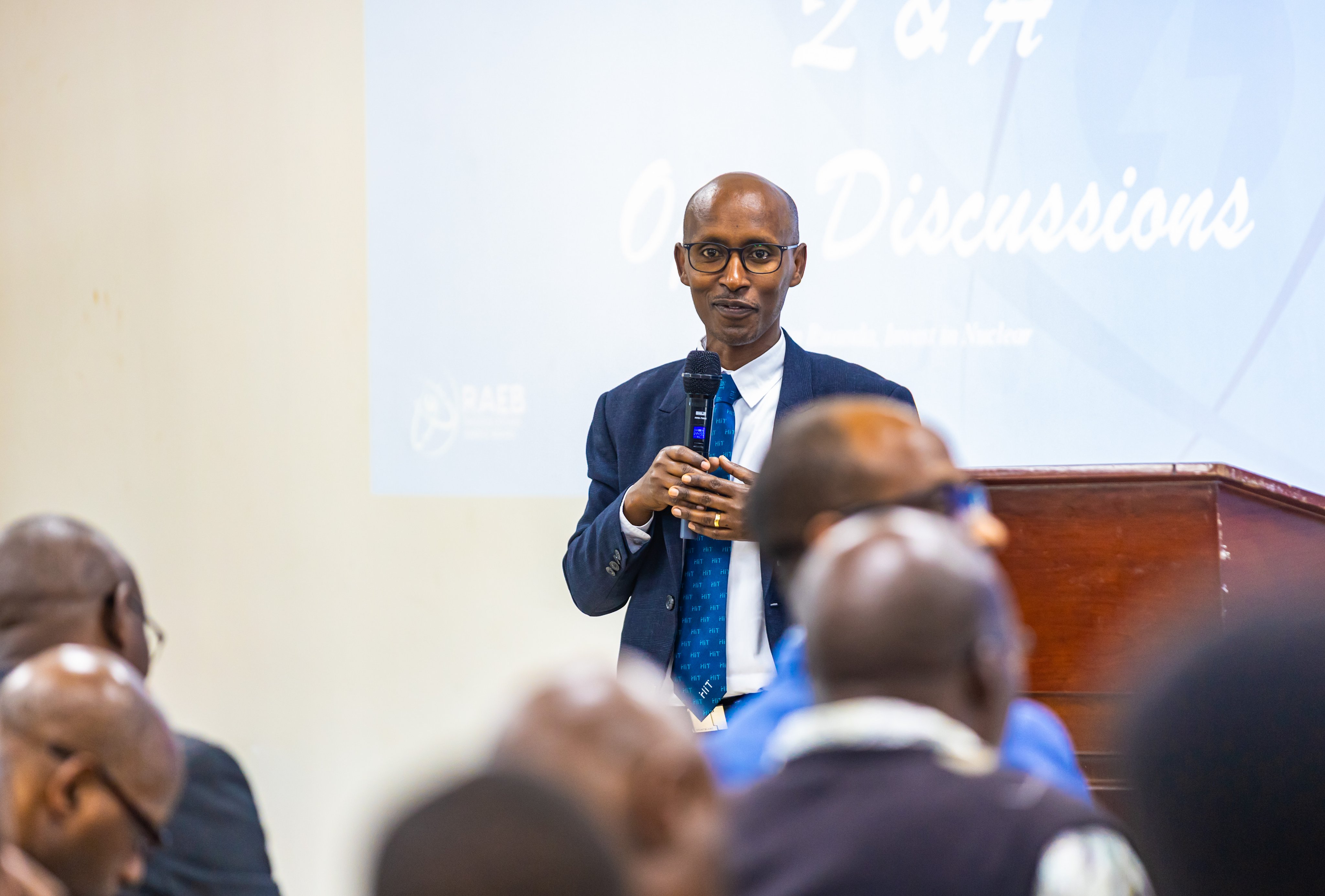
The four-year programme combines rigorous theoretical training with hands-on experience in state-of-the-art laboratories, including a dedicated Nuclear Science Lab. Students will specialise in areas such as nuclear techniques, health physics, radiation protection, and environmental monitoring, while participating in industrial attachments and research projects that bridge classroom learning with real-world applications.
The inaugural cohort of 52 students, enrolled for the 2025–2026 academic year, was selected based on strong backgrounds in mathematics and physics.
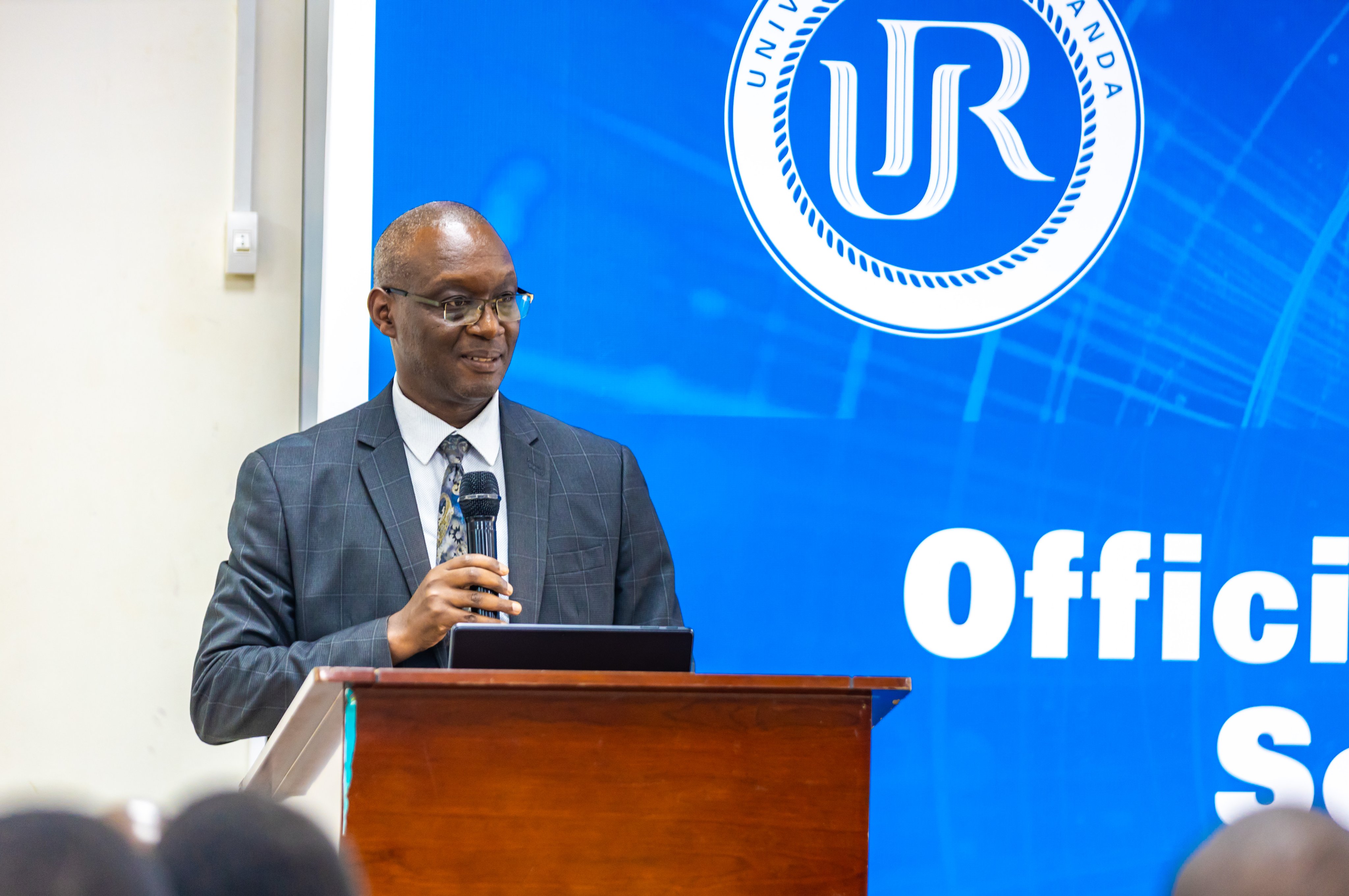
“This programme is a milestone for Rwanda and Africa,” said Associate Professor Kayihura Muganga Didas, Acting Vice Chancellor of the University of Rwanda. “It will prepare a skilled workforce capable of supporting nuclear reactor operations, medical physics, radiation safety, and other critical applications essential for sustainable development.”
The initiative aligns with Rwanda’s national development plans under the second National Strategy for Transformation (NST2) and Vision 2050, and complements broader ambitions in nuclear energy and technology. Beyond energy generation, nuclear science applications extend to healthcare, agriculture, water resource management, industry, environmental protection, and national security.
Dr. Fidèle Ndahayo, CEO of the Rwanda Atomic Energy Board, described the launch as a strategic step in building homegrown expertise. “This programme equips our young people with the skills and technical competencies to integrate nuclear solutions in energy, health, agricultural, industrial, and environmental sectors,” he said.
The academic programme also supports Rwanda’s plan to establish a nuclear research centre in collaboration with Russia. The centre will focus on producing radioactive materials for cancer diagnosis and treatment, improving agriculture through radiation technologies, and advancing industrial testing methods. Additionally, Rwanda is preparing to host Africa’s first demonstration of a Dual Fluid nuclear reactor and is exploring small modular reactor (SMR) technology to meet the country’s growing energy demands sustainably.
With national energy capacity currently estimated at 650–700 MW, Rwanda needs to boost output to as much as 4.5 GW by 2050 to fuel economic growth.
By producing professionals capable of contributing across energy, healthcare, agriculture, pharmaceuticals, and mining sectors, the new BSc in Nuclear Science and Technology positions Rwanda as a continental leader in nuclear innovation, supporting a vision where Africa is a generator, not just a consumer, of advanced nuclear technologies.
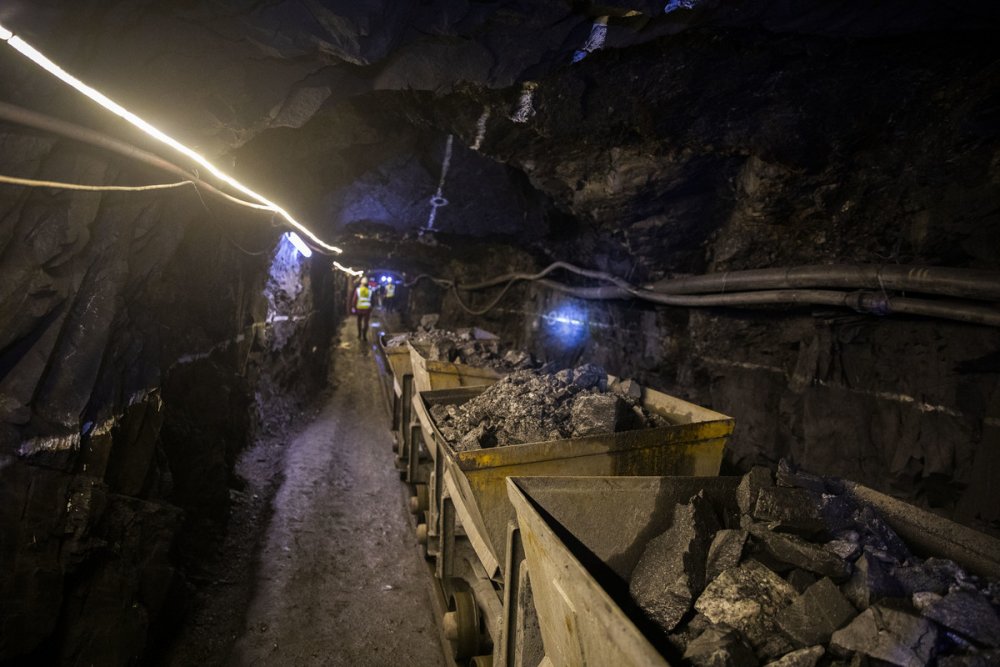
The sites, covering a combined 14,020 hectares across the country, are categorised into medium- and large-scale mining zones, with four designated for extraction of the 3Ts (tin, tungsten, tantalum), four set aside for exploration, and two dedicated to gemstone mining.
RMB, which is hosting the mining week, noted that the minerals remain in high global demand due to their use in construction, aviation, military equipment, electronics, batteries, and jewellery.
Among the identified extraction zones is Binyeri in Rukoma Sector, Kamonyi District (70 ha), which contains cassiterite, lithium, and beryllium and is earmarked for medium-scale mining. In Bugesera District, the Musenyi site spans 1,000 hectares and is designated for large-scale mining of cassiterite, coltan, lithium, and beryllium.
Gatsibo District’s Rubiha site (450 ha) contains high-grade cassiterite with purity levels between 90.5% and 99.08%, while the Minazi zone in Gakenke District (700 ha) features cassiterite, coltan, and gemstones.
RMB also listed several exploration zones, including Shyorongi in Rulindo District (3,175 ha), where cassiterite, wolfram, coltan, and gold deposits were identified. Other exploration sites include Kabagari–Kinihira in Ruhango District (1,500 ha) and Bihembe in Rwamagana District (1,600 ha).
In Rubavu District, the Kivumu–Nyamyumba zone (875 ha) contains cassiterite, coltan, wolfram, and beryllium. For gemstones, the Bushekeri–Rangiro area in Nyamasheke District (1,400 ha) hosts sapphire, amethyst, smoky quartz, and ruby, while Kanama in Rubavu District contains tourmaline, sapphire, beryl, and almandine.
RMB CEO Alice Uwase encouraged investors to apply for licences, emphasising financial capacity, technical expertise, and appropriate equipment as key requirements. Applications are open from December 3, 2025, to March 3, 2026, with RMB planning guided site visits in January 2026.
“We expect strong interest. In the last licensing cycle, we received 73 applications for 10 sites, and we anticipate that number will double this year,” Uwase said, urging investors to consider partnerships or joint ventures to meet regulatory thresholds.
This is the second major discovery announcement in 2025. In May, RMB unveiled 10 mineral-rich sites covering 13,454 hectares.
Rwanda’s mining sector, which employs over 92,000 people, generated $1.75 billion in 2024. The country aims to reach $2.2 billion in mineral export revenues by 2029 and increase mineral traceability and collection rates from 40% to 80%.
Speaking during an interview on Newsmax’s “American Agenda” ahead of Thursday’s signing ceremony, Rwanda government spokesperson Yolande Makolo described the deal as “the best chance for peace, stability, and prosperity that our two countries and the region have.”
She highlighted that the initiative began when the DRC requested U.S. mediation and praised the role of the Trump administration in addressing the root causes of the conflict.
“The Trump administration is focusing on the real obstacles to peace, particularly the security threat posed by militias in Eastern Congo,” Makolo said. “They are also looking at the economic opportunities for both Rwanda and the DRC, including investment from American companies, which is important for regional development.”
The conflict, Makolo told the American cable network, traces back to the 1994 Genocide against the Tutsi in Rwanda, after which perpetrators fled into the DRC and now lead militias, including at least 12 commanders of the FDLR, who continue to pose a security threat to Rwanda.
The spokesperson noted that the security threats have forced Rwanda to defend its borders against incursions by the genocidal militia group for the past 31 years.
Makolo explained that the Washington Accord, which President Paul Kagame and DRC President Félix Tshisekedi are set to sign at the White House, builds on a preliminary agreement reached in June. The accord provides for the neutralisation of the FDLR, the cessation of border hostilities, and measures to facilitate regional security.
“Some progress has been made since June, but there is still work to be done,” Makolo said. “Ceasefire violations continue, and the DRC government must fulfil its commitments to deal with the genocidal groups before Rwanda can relax its defensive measures.”
In addition to the peace agreement, the two leaders are expected to ratify a Regional Economic Integration Framework that will strengthen cross-border trade and cooperation.
“This is an important step, and we hope to continue U.S. engagement to ensure the process reaches its conclusion,” Makolo said, underscoring Rwanda’s commitment to a lasting resolution.
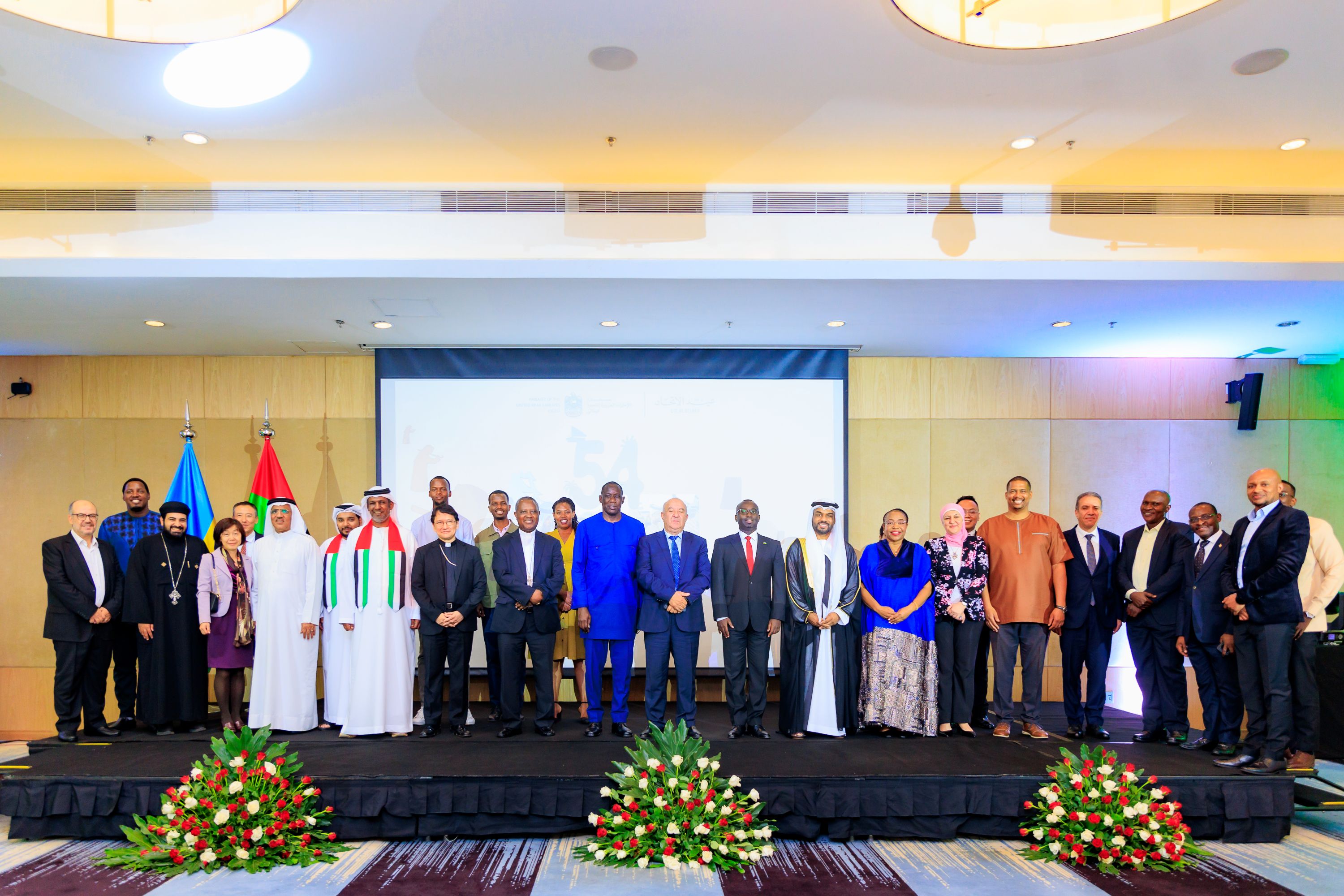
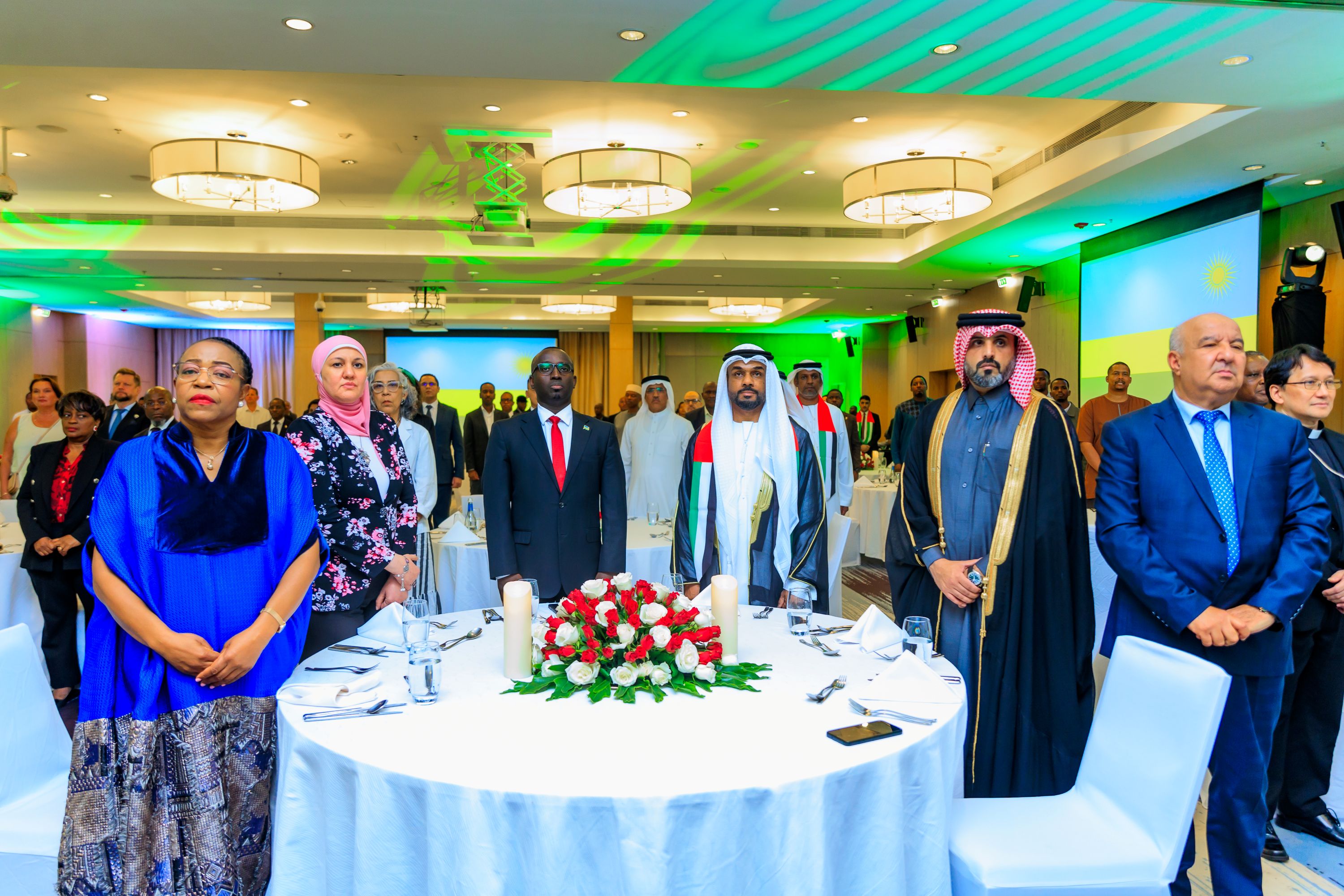
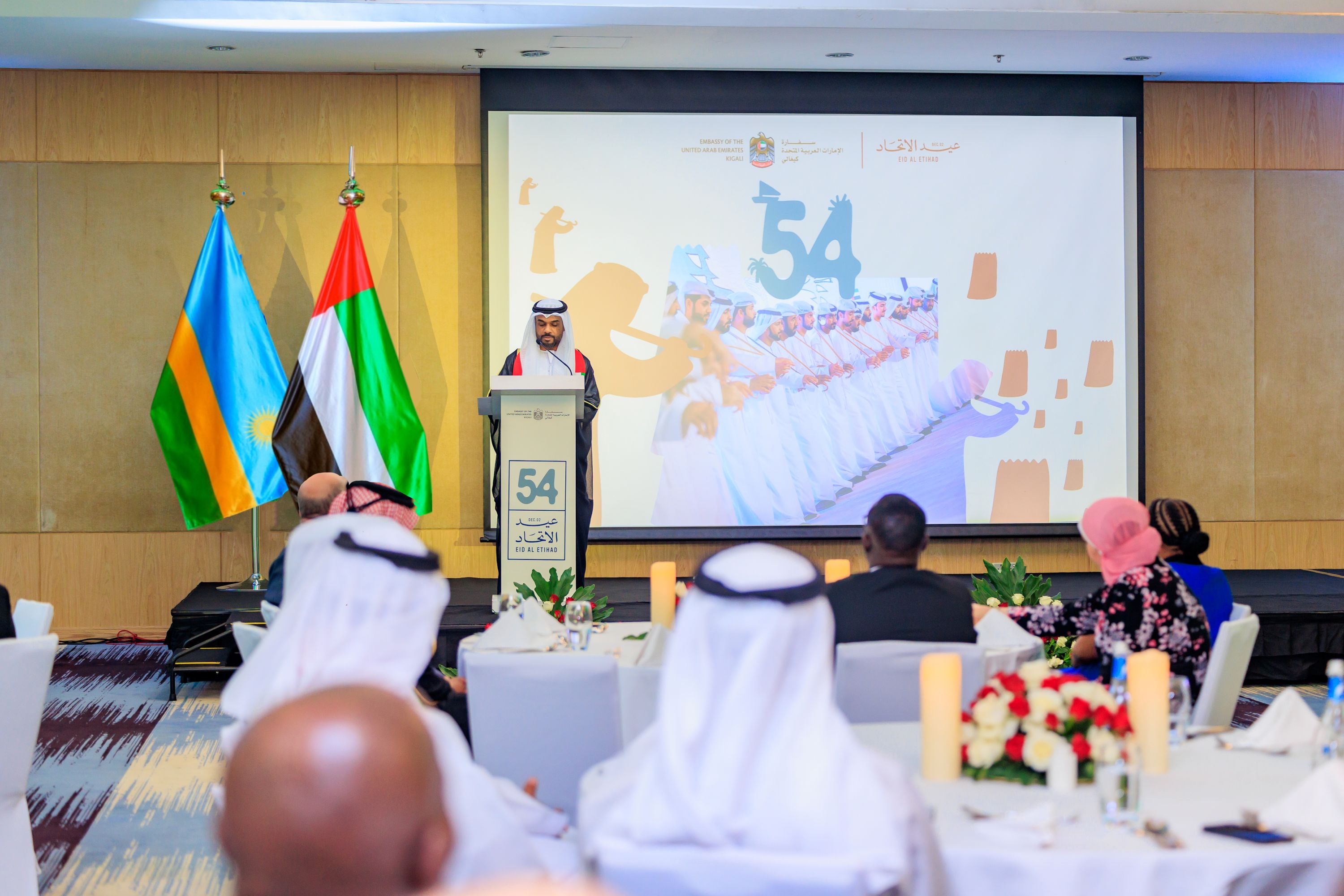
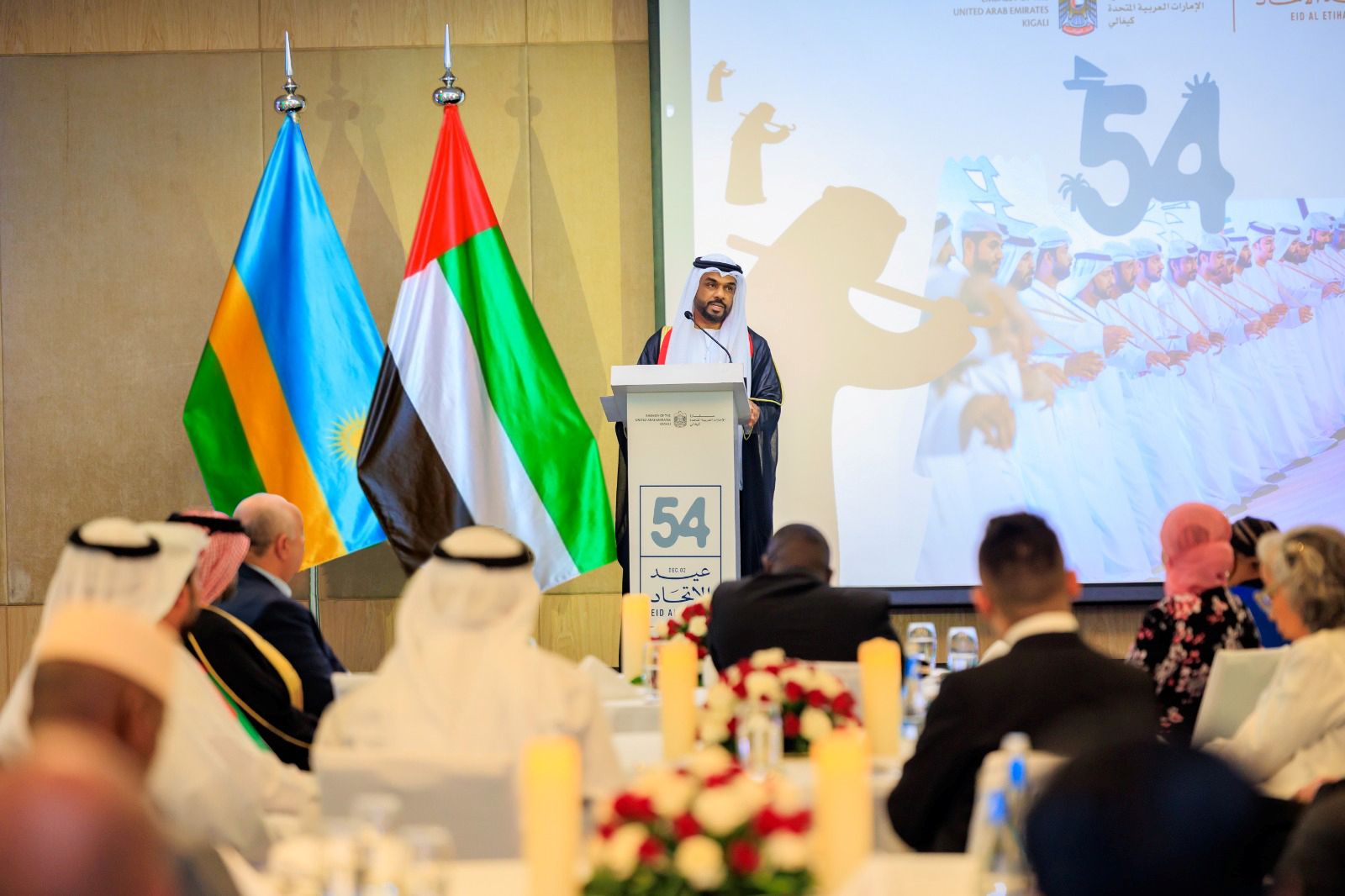
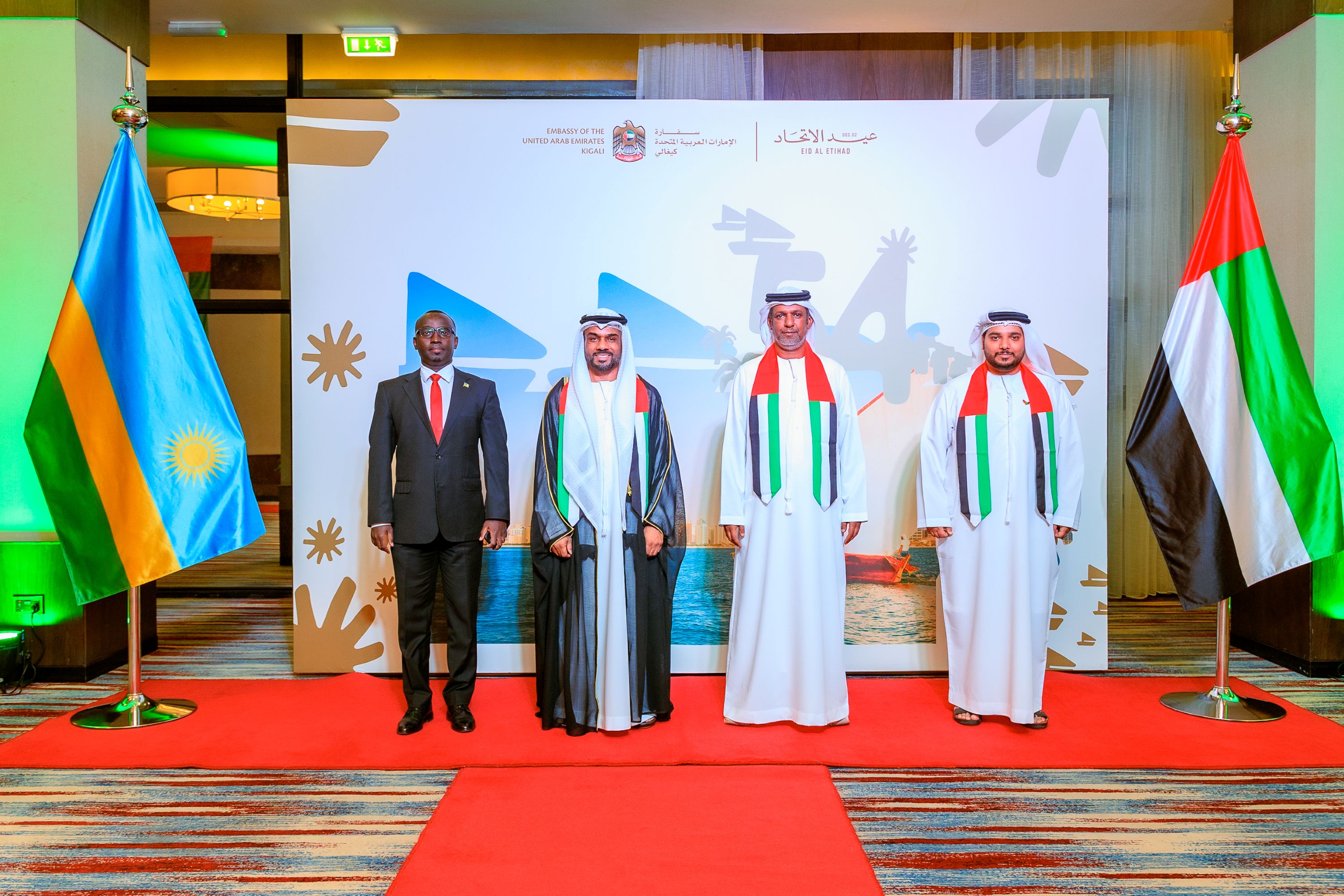
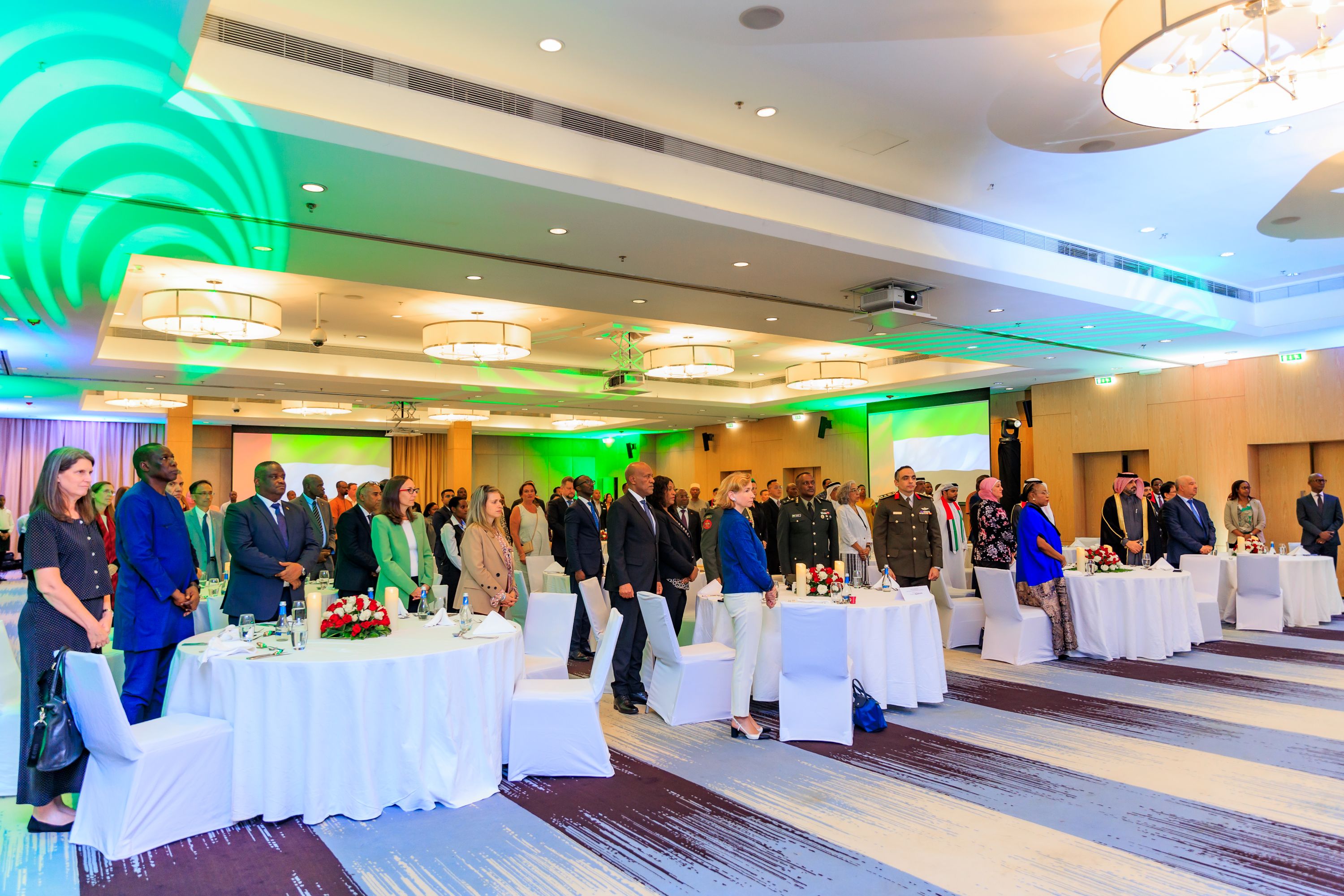
The colourful ceremony, held at Kigali Marriott Hotel, brought together government officials, diplomats, business leaders, and distinguished guests to commemorate the UAE’s formation under the theme “United.”
The celebration marks a significant milestone for the UAE, reflecting on the vision of its founding fathers, particularly Sheikh Zayed bin Sultan Al Nahyan, who united the seven Emirates under one flag on December 2, 1971. The historic day not only heralded the birth of the United Arab Emirates but also laid the foundation for its commitment to international cooperation and responsible governance, with the first Council of Ministers formed just a week later and the UAE joining the United Nations.
In his keynote speech, Mohammed AlKaabi, Chargé d’Affaires of the UAE Embassy in Kigali, highlighted the nation’s remarkable progress over the past five decades.
“From infrastructure, aviation, and renewable energy to space exploration and artificial intelligence, the UAE has chosen to shape the future rather than wait for it,” he noted.
He also emphasised the UAE’s global initiatives, including Expo 2020 Dubai and COP28, underscoring the country’s commitment to sustainable development, innovation, and climate action.
The 2025 Union Day celebrations also coincide with the UAE’s designation of the year as the “Year of the Community,” a reflection of the nation’s focus on social cohesion and inclusivity. With over 200 nationalities residing in the UAE, the initiative highlights the importance of diversity, mutual respect, and shared development.
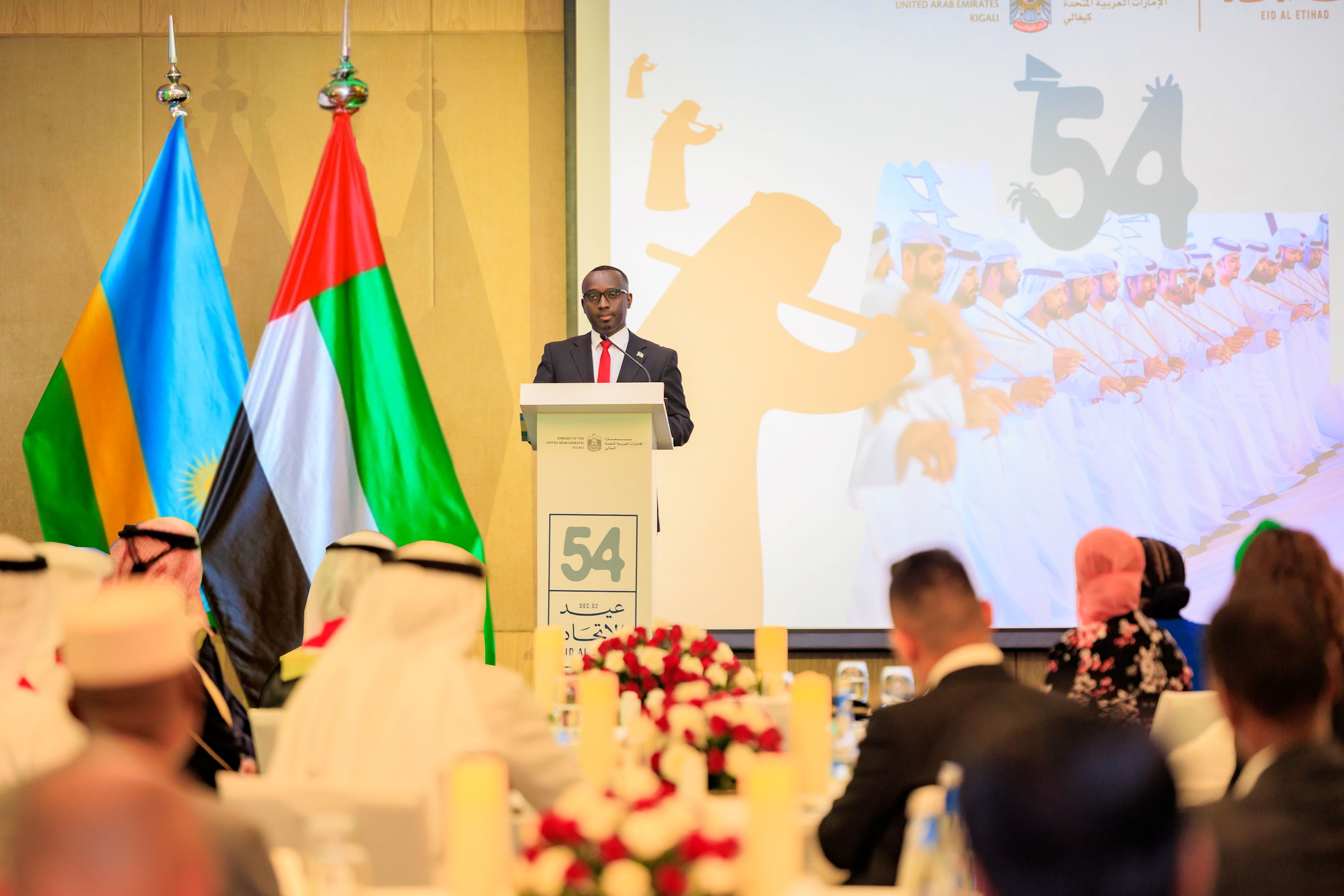
Rwanda’s presence at the event was led by the Guest of Honour, Virgile Rwanyagatare, Director General for Asia, Middle East & Pacific Affairs at Rwanda’s Ministry of Foreign Affairs & International Cooperation.
In his address, Rwanyagatare extended Rwanda’s heartfelt congratulations to the UAE on its 54th Union Day. He emphasised the strong bilateral ties that have grown steadily over the years, particularly in trade, investment, aviation, hospitality, education, and infrastructure.
“Over the past thirty years, Rwanda has undergone rapid transformation across multiple sectors with the support and investment of partners like the UAE,” Rwanyagatare said.
He highlighted that the UAE has emerged as Rwanda’s top export market, with bilateral trade surpassing USD 1.5 billion in the last year, reflecting the complementary strengths of both economies and the confidence businesses place in each other.
Economic cooperation has been bolstered by projects such as DP World’s Kigali Logistics Platform and the new Rubavu Logistics Hub, which strengthen Rwanda’s role as a regional trade and logistics hub connecting the country to regional seaports and global supply chains. The Abu Dhabi Fund for Development (ADFD) has also supported Rwanda through initiatives like the expansion of the Karenge Water Treatment Plant, enhancing water security and service delivery for communities and businesses.
Beyond economics, the UAE and Rwanda have deepened collaboration in capacity building and governance through the Government Experience Exchange Program, as well as in security and defence, contributing to regional stability. Both countries continue to share values centred on human capital development, innovation, sustainable development, and climate action.
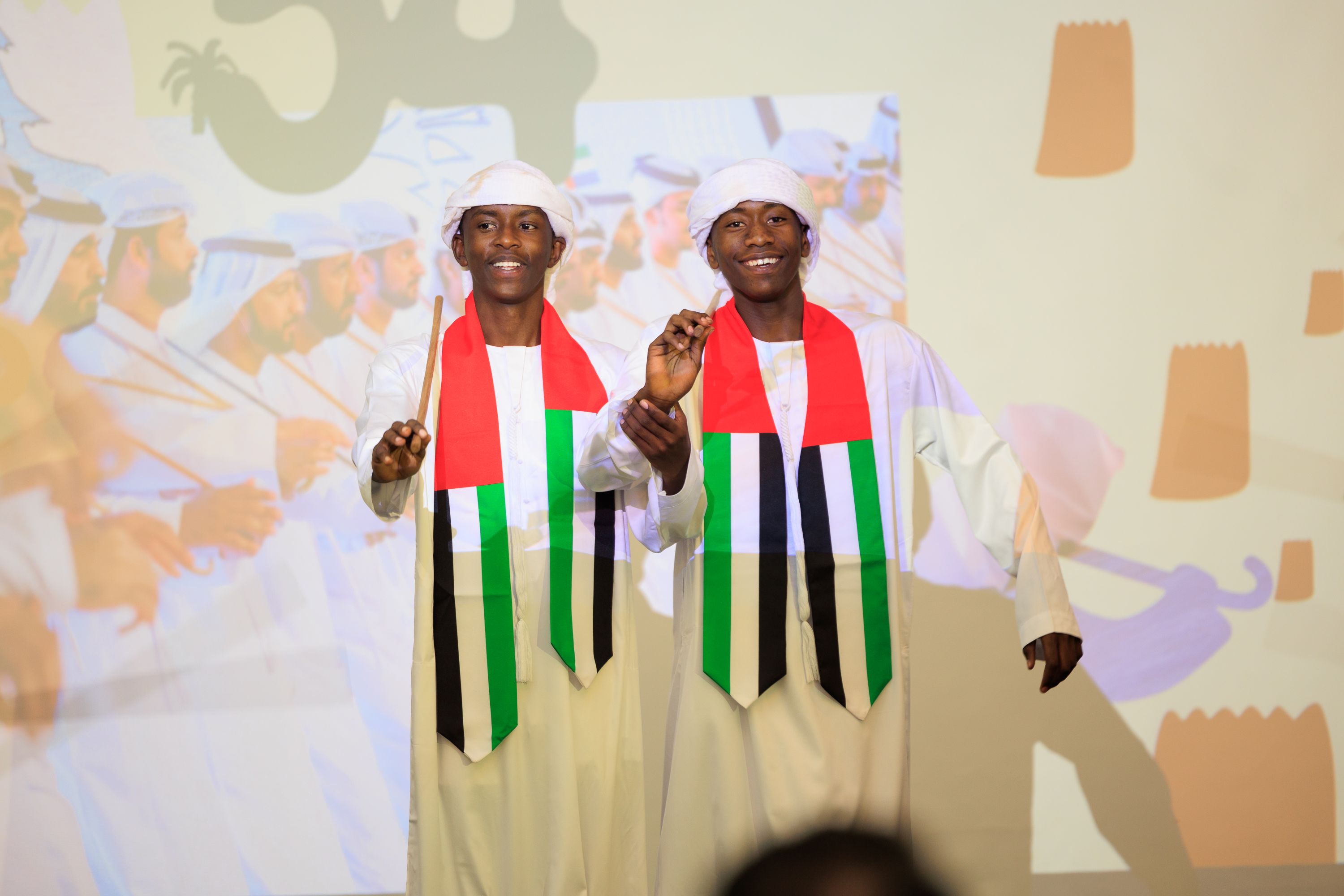
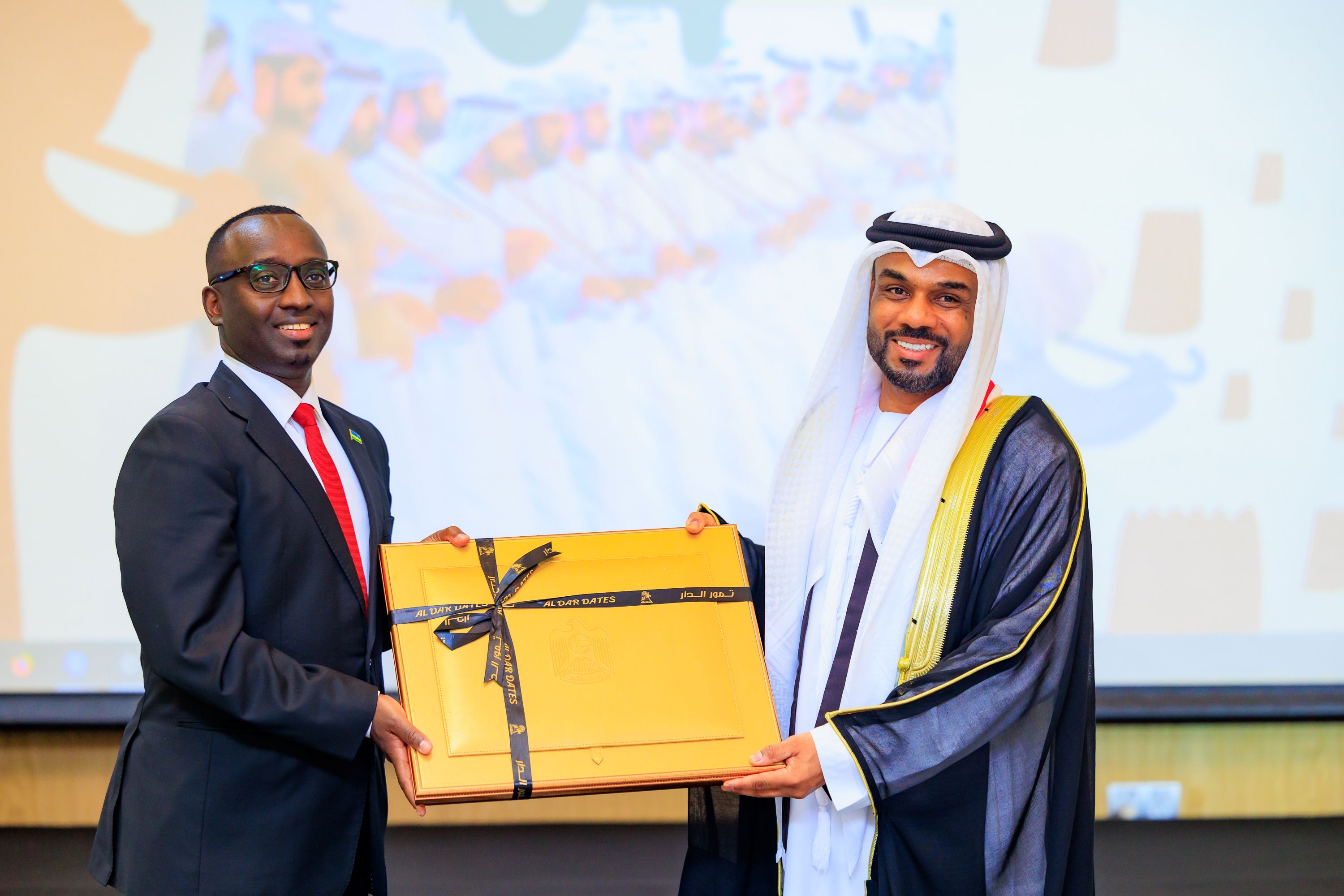
The evening’s program featured a blend of cultural and diplomatic engagements, including UAE and Rwandan national anthems, a traditional UAE folk dance ‘Al Harbiah’, Rwandan traditional dance performances by students from the Islamic Secondary School for Sciences, a self-service buffet featuring UAE dishes, and the ceremonial cutting of the Union Day cake. Guests were also presented with symbolic gifts, marking the significance of the occasion.
Since the opening of the UAE Embassy in Kigali in March 2018, this marks the eighth time Union Day has been celebrated in Rwanda. The event provided an opportunity to reflect on the UAE’s achievements over more than five decades while reaffirming the shared commitment of both nations to further strengthen their partnership for peace, prosperity, and mutual growth.
As the celebrations concluded, both AlKaabi and Rwanyagatare toasted to the continued friendship between Rwanda and the UAE, reaffirming that the ties between the two nations are poised to grow even stronger in the years to come.
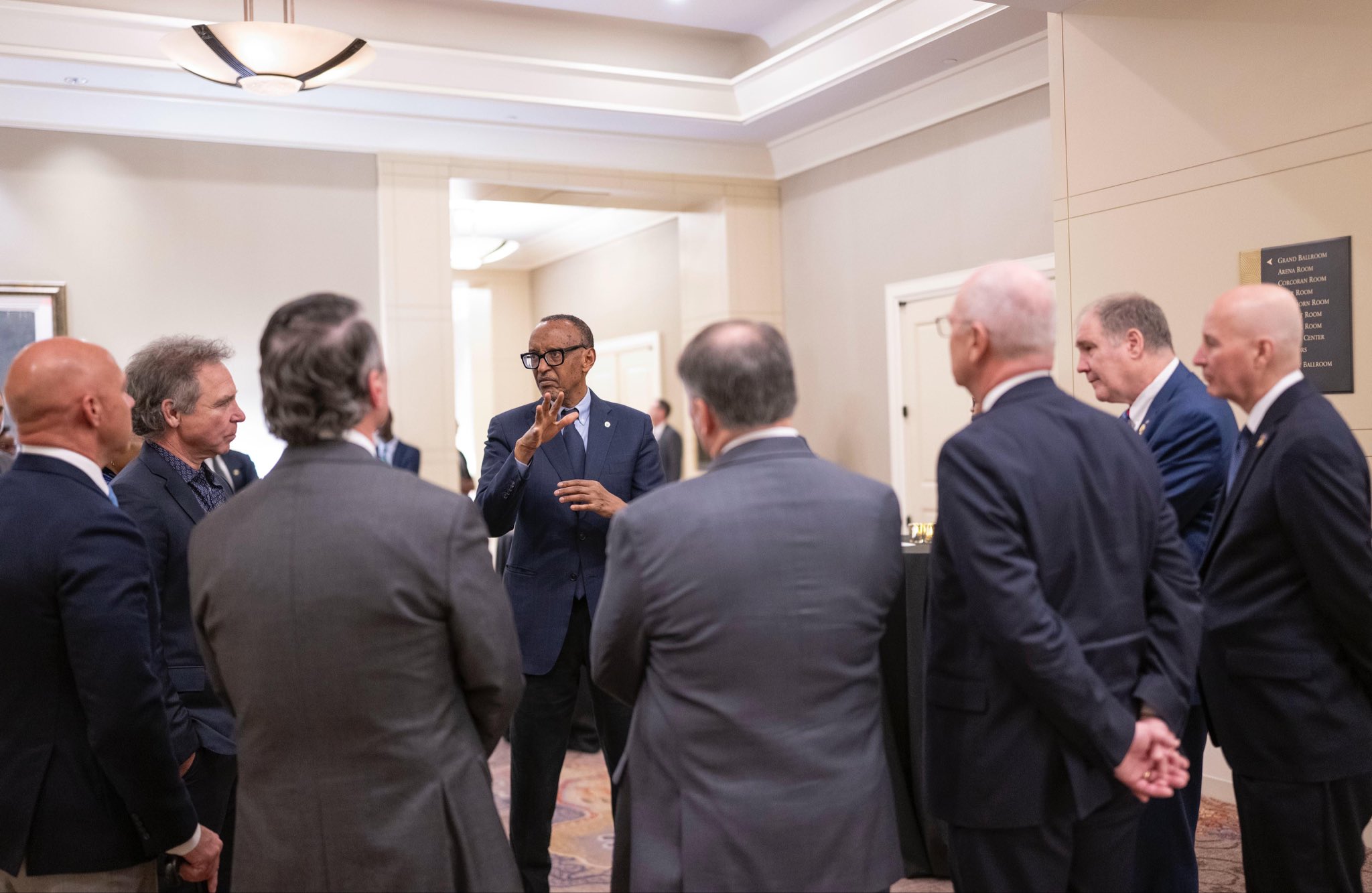
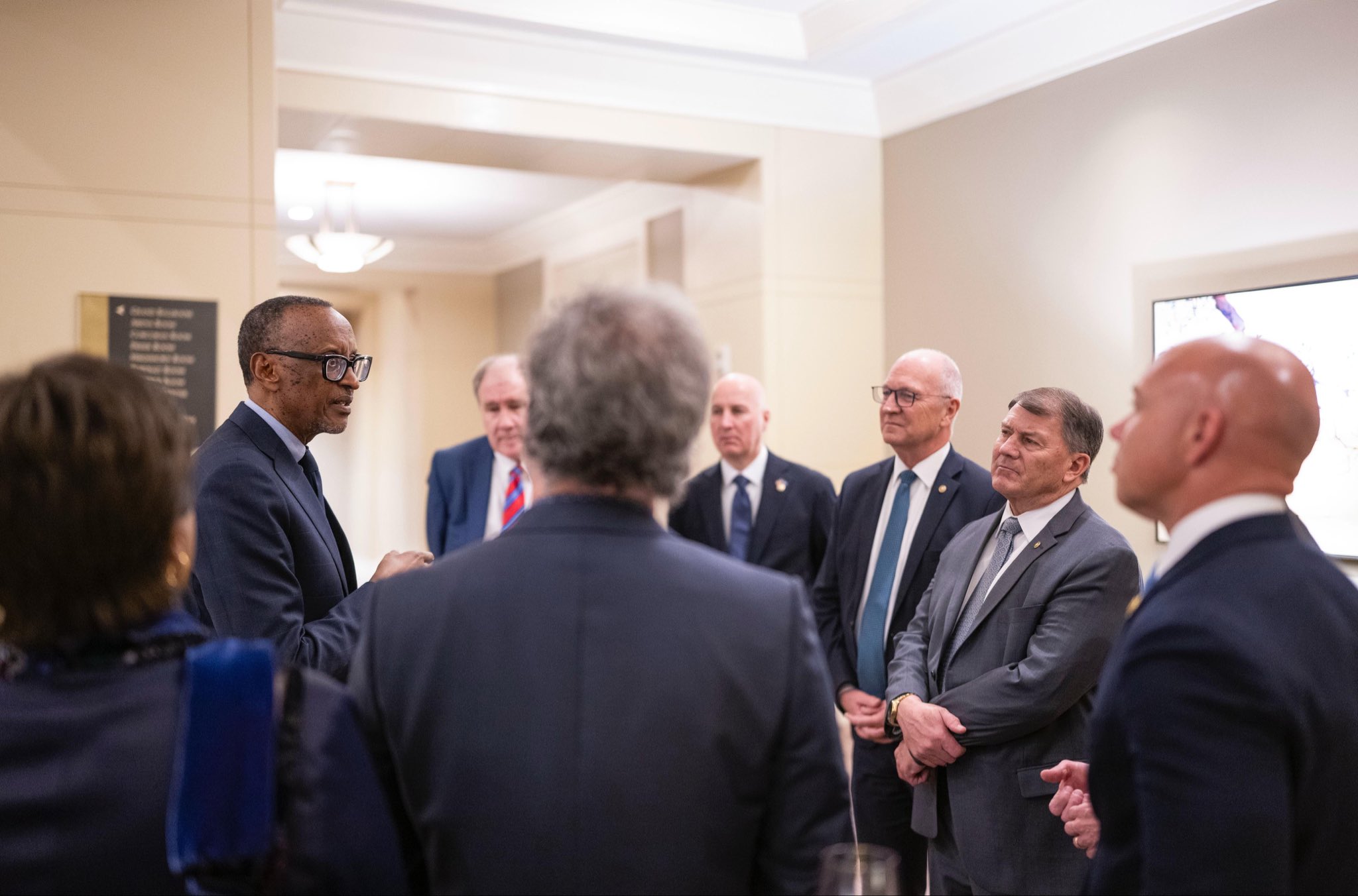
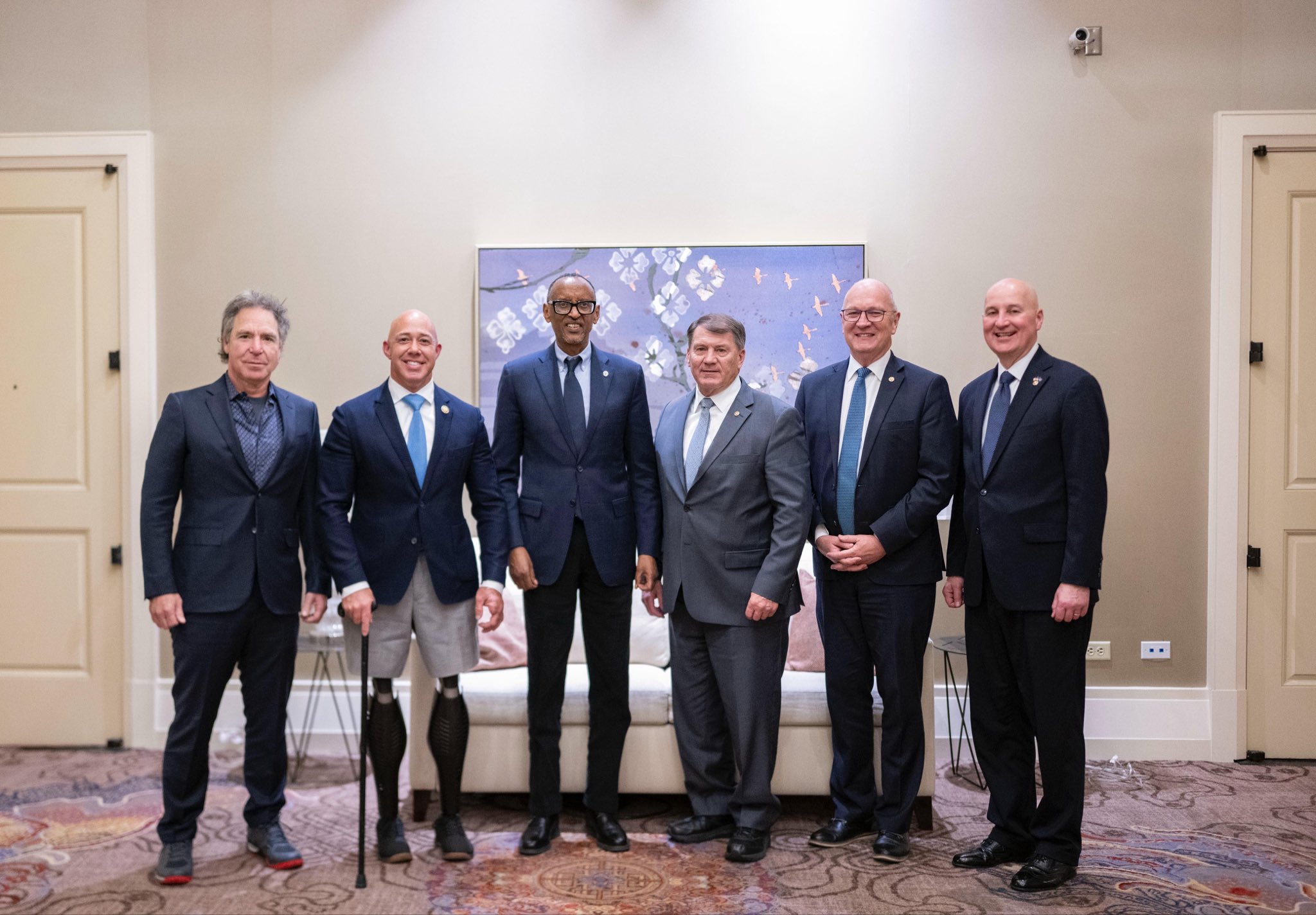
According to the Office of the President, President Kagame hosted a dinner with Members of Congress, including Senator Mike Rounds, Chairman Rep. Brian Mast, Senator Kevin Cramer, Senator Pete Ricketts, Rep. Ronny Jackson, and Rep. Trent Kelly. Discussions focused on strengthening bilateral cooperation through key initiatives that contribute to lasting stability and prosperity.
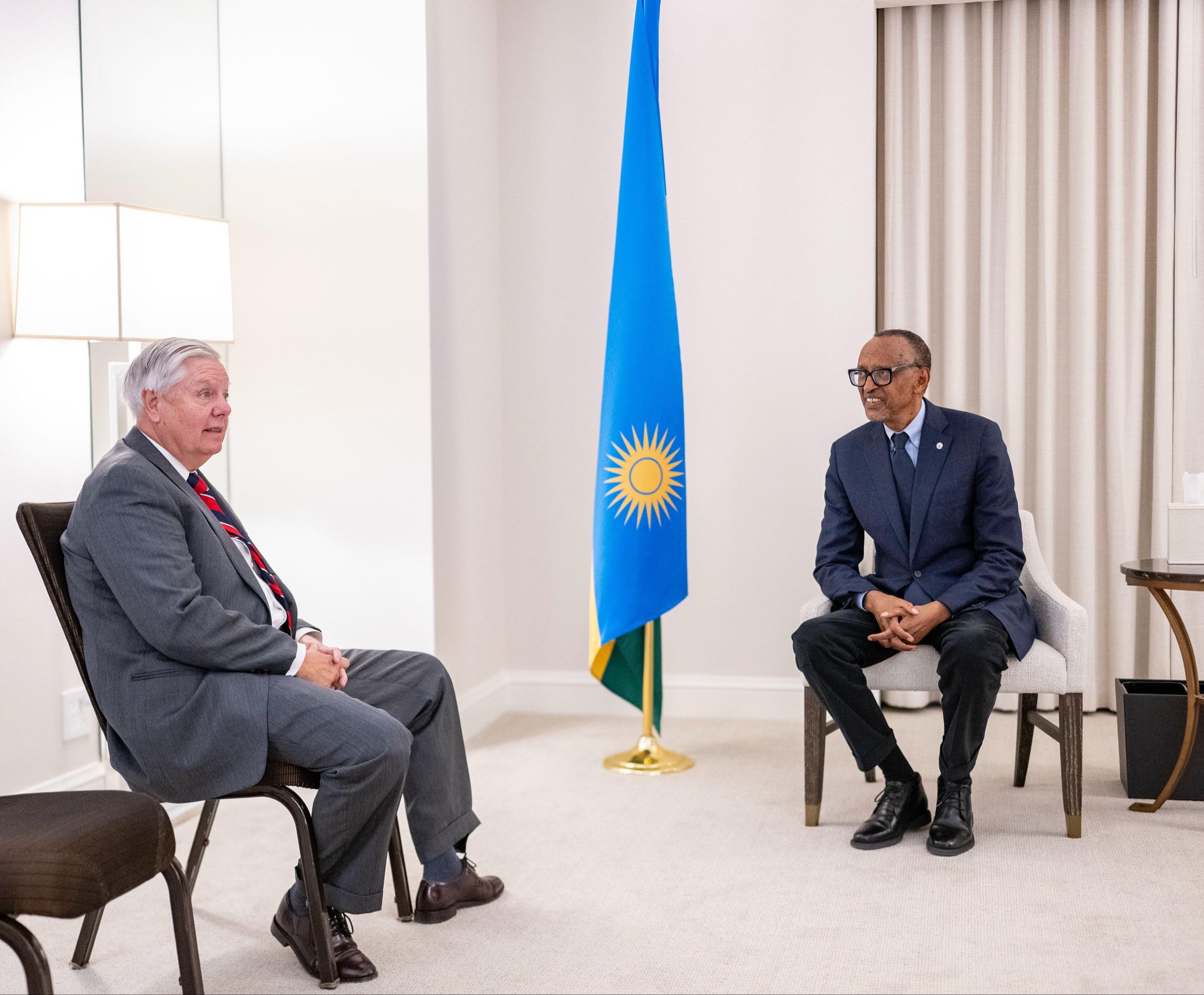
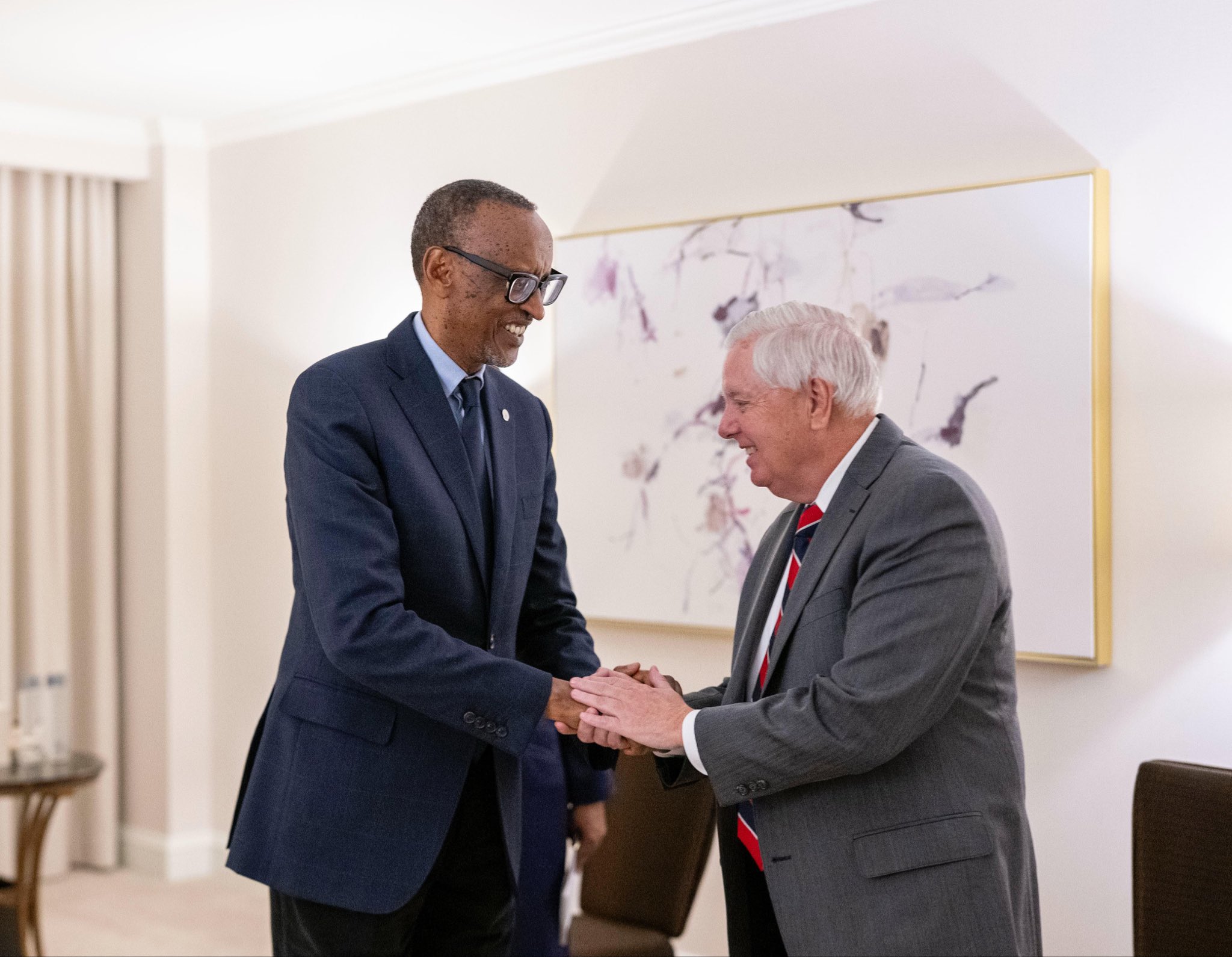
Earlier in the evening, President Kagame met separately with Senator Lindsey Graham. Their conversation centred on expanding Rwanda–U.S. collaboration in strategic areas such as conservation, security and economic partnerships.
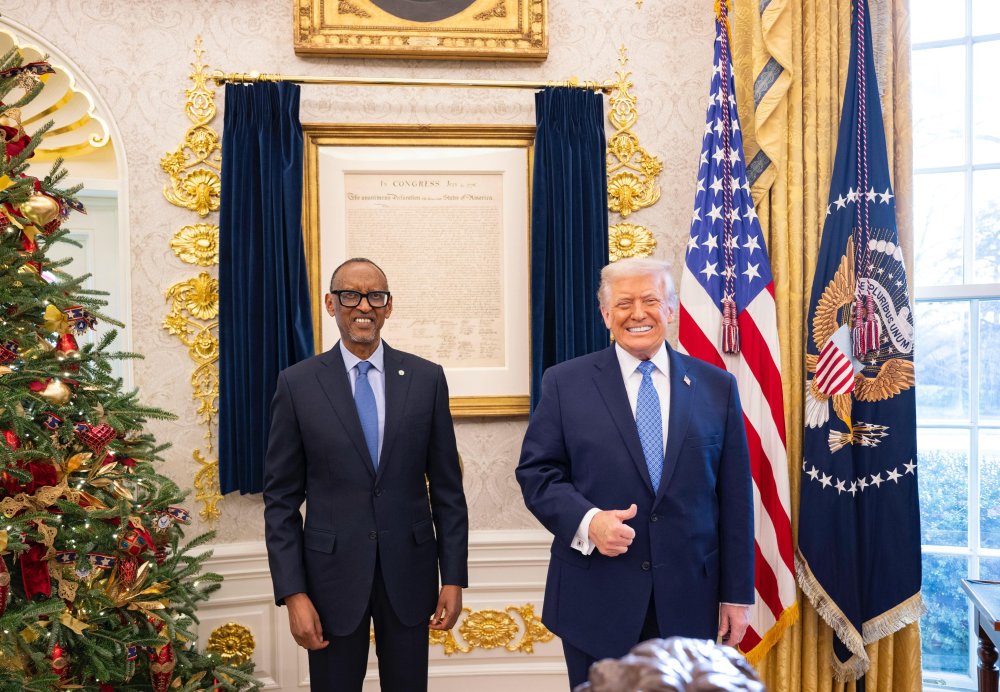
President Kagame arrived in Washington earlier on Wednesday and is expected to meet with President Donald Trump before joining the signing of the Washington Accord alongside his Congolese counterpart, President Félix Tshisekedi.
The accord, brokered by the United States and scheduled for signing later on Thursday, seeks to end years of conflict in eastern Democratic Republic of Congo. It follows months of intensive diplomatic negotiations led by President Trump, building on an initial framework agreed upon in June.
In addition to the peace agreement, Kagame and Tshisekedi are also expected to ratify a Regional Economic Integration Framework, finalised last month, which outlines mechanisms to boost cross-border trade and cooperation.
The Washington Agreement includes provisions for the neutralisation of the FDLR and the lifting of Rwanda’s defensive border measures.
The upcoming signing is being closely watched as a significant step toward stabilising eastern Congo and advancing regional cooperation across the Great Lakes region.