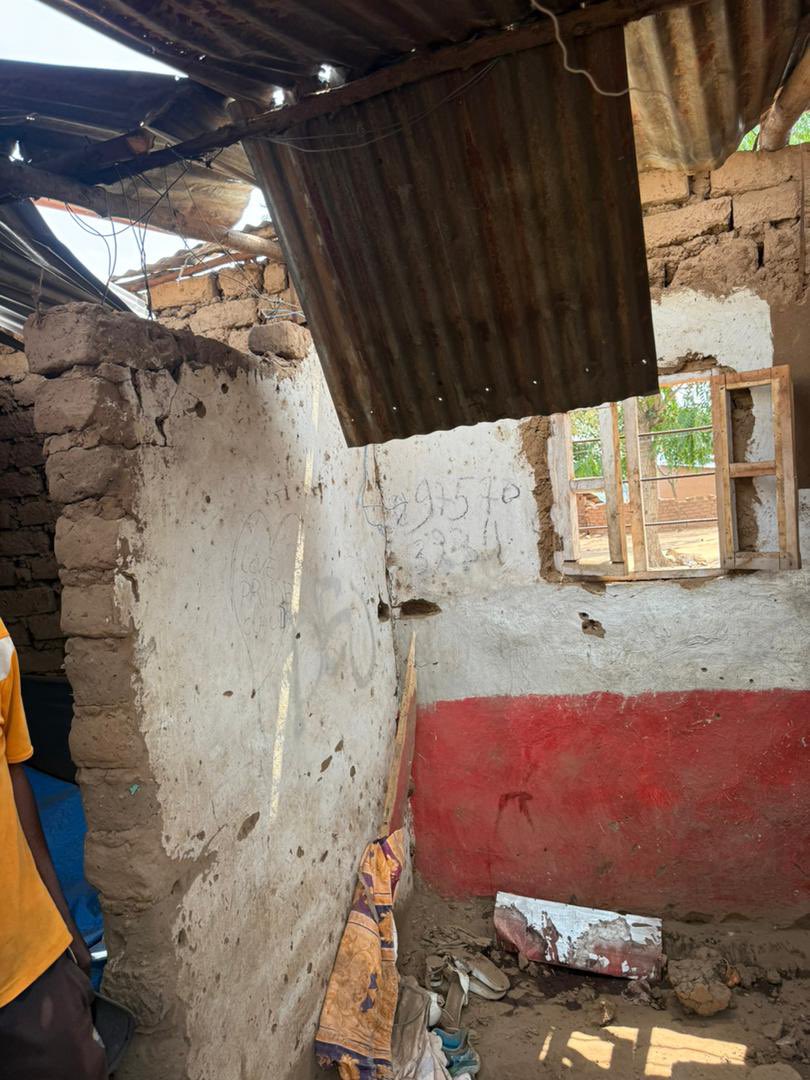
A spokesperson for AFC/M23, Lawrence Kanyuka, announced on the afternoon of December 2, 2025, that the five injured included one man, one woman, and three children.
Kamanyola is located in the Walungu territory in the South Kivu province and has been under the control of AFC/M23 fighters since February 2025.
Fierce fighting occurred in areas not far from Kamanyola, such as Katogota and Luvungi in the Uvira territory. These clashes, which started in the early morning, pitted AFC/M23 fighters against the DRC military, supported by Wazalendo, FDLR, and Burundian forces.
Residents of Kamanyola reported that before the fighting started, they saw hundreds of soldiers with tanks and heavy weapons moving to set up defense in the surrounding areas.
These residents, along with those from other areas like Katogota and Luvungi, said that the fighting has prevented them from carrying out their daily activities due to its intensity.
In Bukavu, a city controlled by AFC/M23 since February, residents also reported hearing gunfire, suggesting that fighting was taking place there as well.
The ongoing battles between AFC/M23 and the coalition of DRC government forces present a major challenge for the government of Qatar. Not long ago, Qatar brokered an agreement between the two sides for a ceasefire, hoping it would lead to productive peace talks.
Qatar’s Minister of State at the Ministry of Foreign Affairs, Dr. Mohammed bin Abdulaziz Al-Khulaifi, mentioned in mid-November that it was extremely difficult to bring together sides that continue to fight, but that their country would continue to work towards achieving peace.
Born in 1964 in Gasebeya Sector, Commune Gaseke, in the former Gisenyi province, General Omega fled to the eastern Democratic Republic of Congo (DRC) after Habyarima’s soldiers’ defeat by the Rwanda Patriotic Army (RPA). He held the rank of Lieutenant at the time.
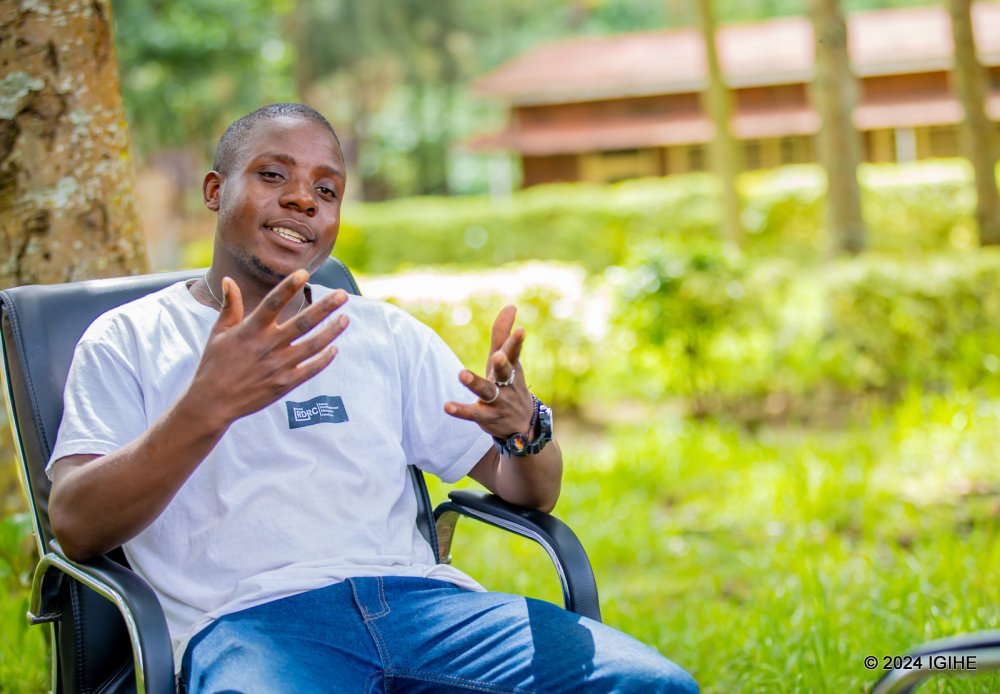
Innocent Tuyubahe, who served as General Omega’s bodyguard from 2016 to 2022, returned to Rwanda nearly two years ago. He shared extensive insights with IGIHE about Omega’s life in the forested regions of DRC.
Despite the DRC government’s claims that FDLR fighters, especially its aging leaders, are no longer strong, Tuyubahe insists that Gen Omega is still a powerful figure.
{{A paranoid leader}}
Gen Omega is known for his reluctance to trust those around him, including his fellow rebels.
His distrust is so deep that he often takes measures such as secretly inspecting military facilities and monitoring his subordinates by seizing their phones to check their contacts, especially those with people in Rwanda.
“Omega, in his personal life, is a very distrustful person. Even those guarding him at his base aren’t trusted. Nobody can be seen fraternizing with him. He often looks as though he’s angry, restless, and always moving around. He’s constantly checking, even taking our phones to investigate who we’re communicating with,” explained Tuyubahe.
It is not uncommon for FDLR fighters to seek out phone numbers of their family members back in Rwanda to coordinate plans for potential return. Gen Omega has been known to impose severe punishments on anyone caught trying to make such contact, including transferring them to a distant base, subjecting them to severe beatings (between 200 and 300 lashes), or even execution.
“If you lived in the camp, he would immediately transfer you to another battalion, accusing you of being a traitor. He would send you away, ensuring you never cross paths with others. And you would be beaten, 200 to 300 lashes,” Tuyubahe added.
{{Punishing alleged traitors}}
There was an instance when Tuyubahe himself was caught after talking to his sisters. Omega held an emergency meeting and interrogated him, demanding to know if his conversation involved any plans to return to Rwanda. Tuyubahe denied it, but Omega insisted on punishing him severely, ordering 300 lashes and seizing the phone he had used to communicate with his family.
As he said, Omega’s leadership is characterized by brutal decision-making. If he suspects someone of betrayal, he might sentence them to death.
However, Tuyubahe says, he tries to avoid being directly implicated in their deaths, often ordering other soldiers to carry out executions, ensuring it appears as though the victim died in an ambush laid by local militias like the Nyatura or Mai Mai.
{{Omega’s spiritual side}}
Tuyubahe described General Omega as a Catholic who regularly attends Mass. He also has a group of spiritual advisers, whom he consults for guidance about his future and the fate of the FDLR.
“Did you know that while we were in Paris (a camp in Rutshuru), he had a group of spiritual advisers, including Chantal and another woman named Francine? Their pastor, Mulume, had recently died before we left Paris,” he shared.
Tuyubahe also disclosed that FDLR fighters often hold religious services before going into battle, seeking divine approval. These prayers are typically held at night, between 3:00 a.m. and midnight. Once the prayers conclude, leaders assign tasks to the fighters based on their visions.
“These prophets are highly trusted, sometimes they have the power to either kill or save someone. If a prophet and a fighter have a dispute, the prophet can lie to Omega, accusing the fighter of being a traitor,” Tuyubahe explained.
{{Omega’s refusal to return to Rwanda}}
Gen Omega has been approached several times by Rwandan officials, including the former State Minister for Foreign Affairs, General (Rtd) James Kabarebe, who urged him to return to Rwanda and join the process of national rebuilding, reassuring him that he would not face justice because he played no role in the 1994 Genocide against the Tutsi. Despite these appeals, Omega has remained resolute in his refusal.
Gen (Rtd) Kabarebe reminded Omega that his military skills were being wasted and that if he returned to Rwanda, he would not be prosecuted for his involvement in the Genocide.
However, Omega responded firmly, stating that he would never return to Rwanda as long as the Tutsi were still alive there. In response, Kabarebe said that Omega would never step foot in Rwanda alive.
Tuyubahe recalled a conversation with Omega, during which he asked what would happen if he were captured. Omega replied, “I would shoot myself,” showing his determination never to return to Rwanda alive.
{{Omega’s escape plans}}
Whenever the FDLR camps are about to be attacked, Omega prepares to escape, ensuring his personal safety while leaving many of his fighters behind.
Tuyubahe described how, during operations, Omega would flee with only a handful of bodyguards, leaving the rest of the FDLR fighters to fend for themselves.
“During operations, when the enemy came to attack, Omega would take only about 12 of his guards, leaving the others to escape in smaller groups and regroup later,” said Tuyubahe.
He went on to explain that during rare trips to visit the FDLR camps, Omega would address the fighters, motivating them and boosting morale. He would remind them not to be like those who ran away from battles, and ensure that they remained loyal to the cause.
When Tuyubahe last encountered Omega, he had no significant personal property, unlike Ruvugayimikore Protogene, also known as ‘Colonel Ruhinda,’ who owned farms.
Omega was often seen carrying a small bag with money, while other funds were stored by those responsible for managing finances within the FDLR. During Omega’s time at the Paris camp, Lt Gen Byiringiro was stationed at the political headquarters in Kazaroho.
Tuyubahe noted that, despite both being key figures in the FDLR, these two leaders rarely interacted, even when they were both present at senior leadership meetings.
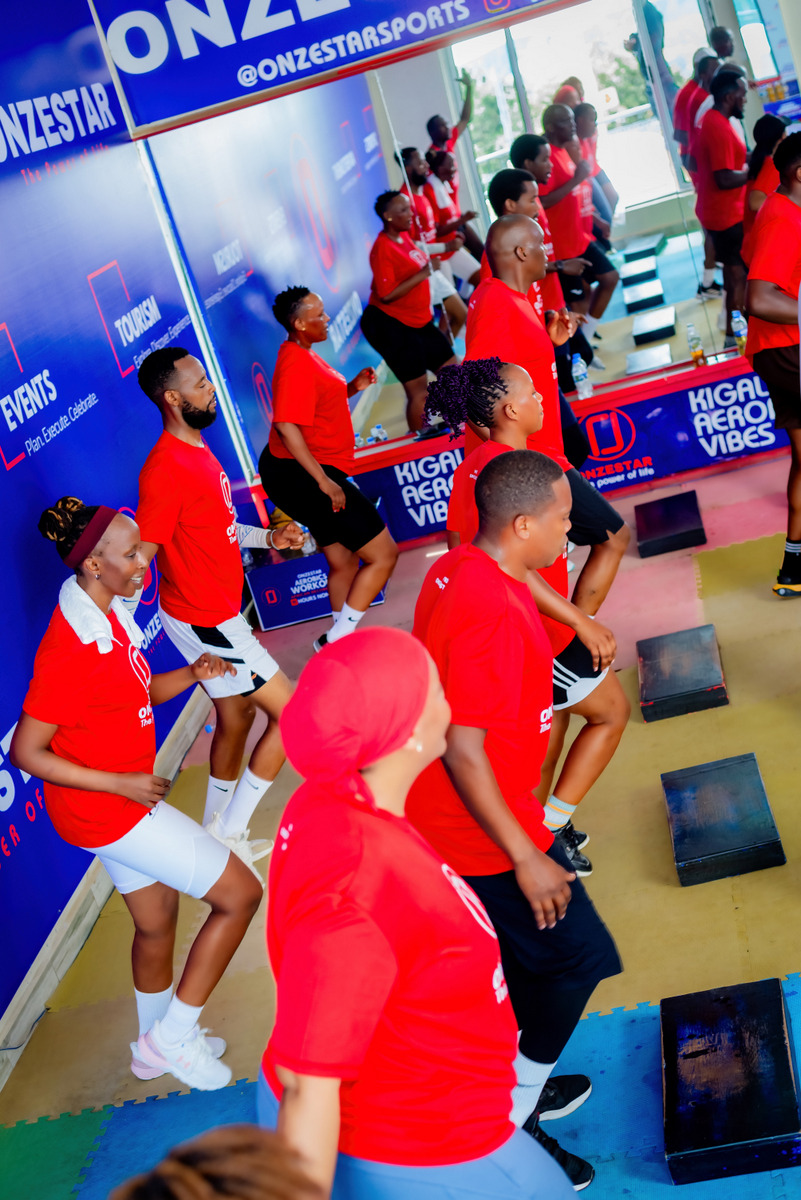
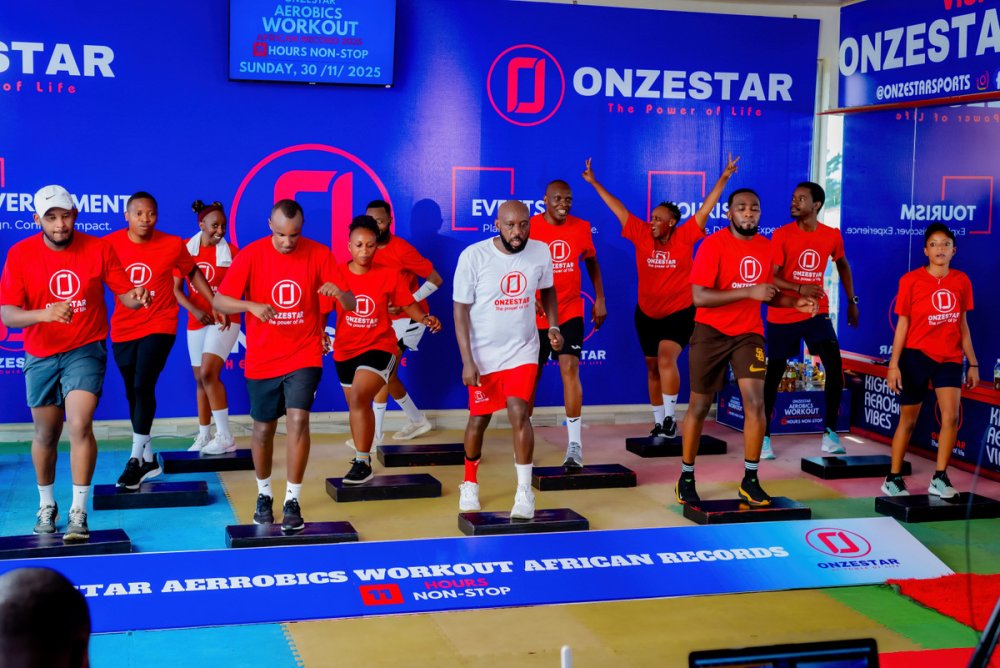
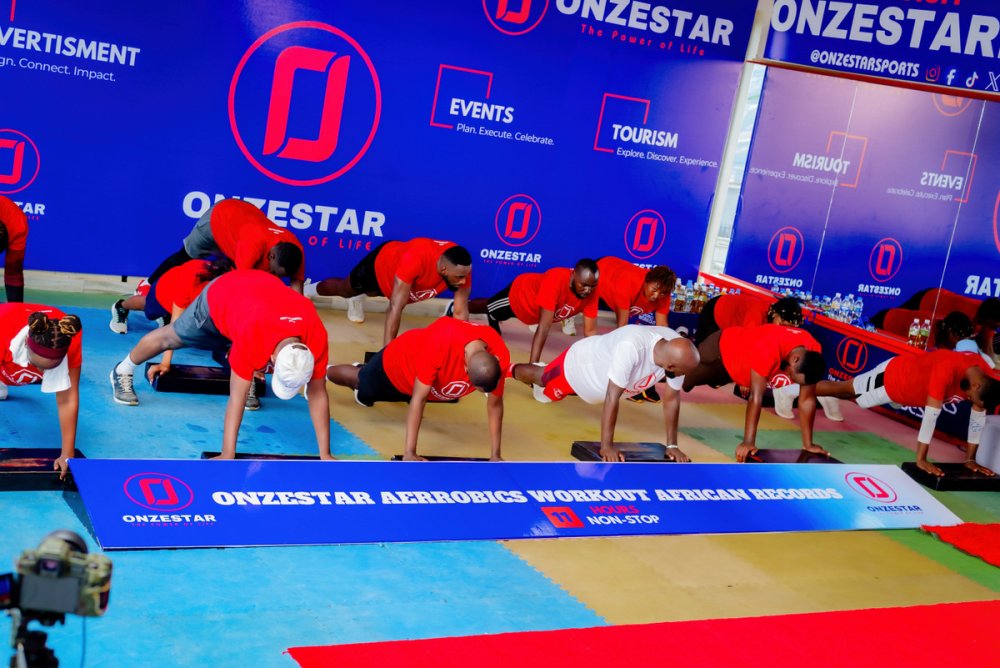
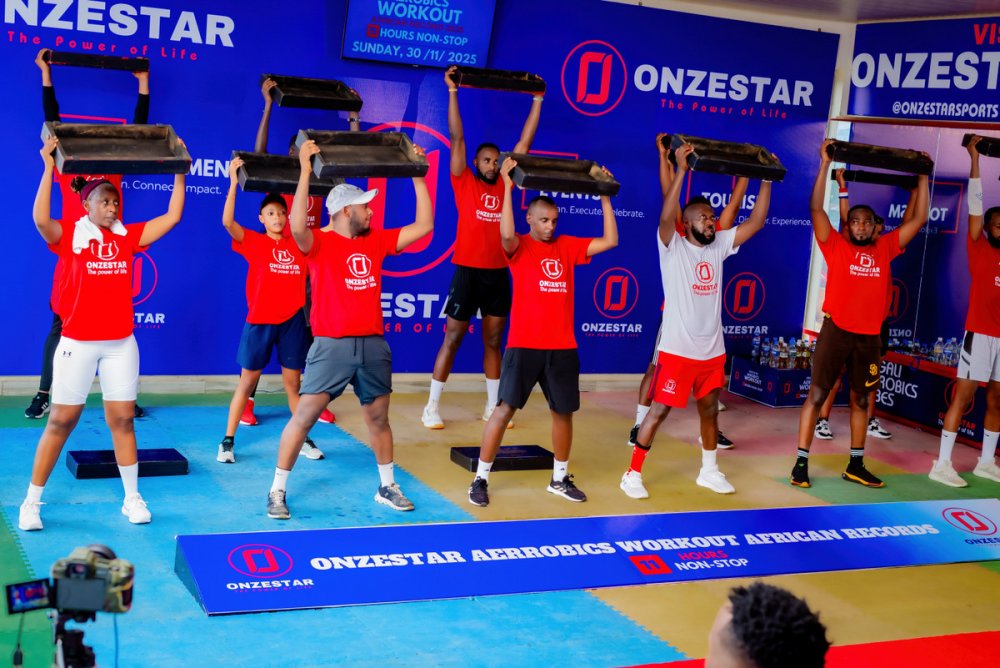
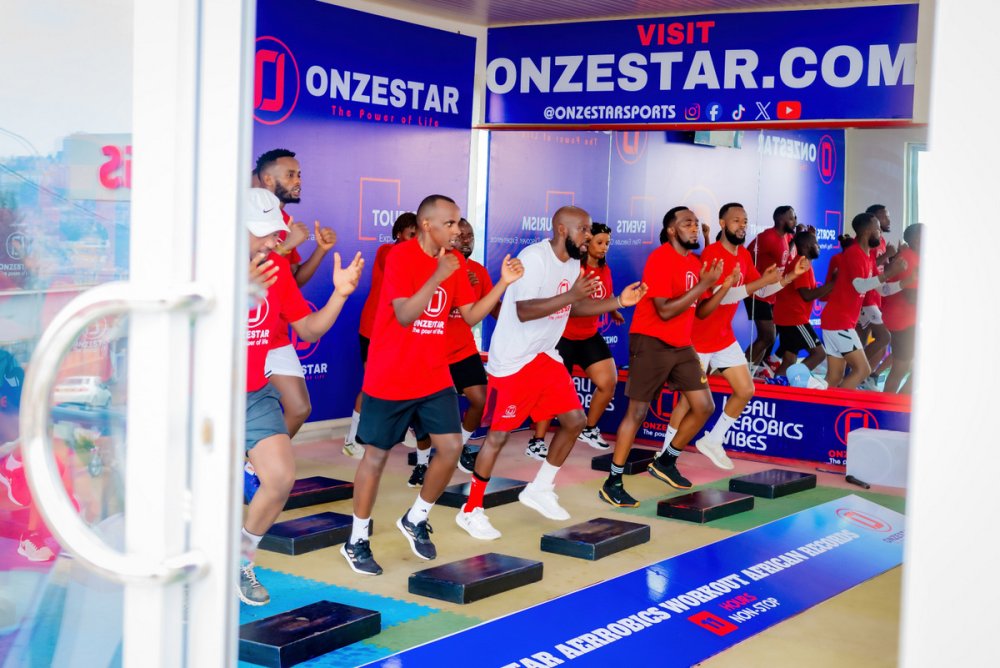
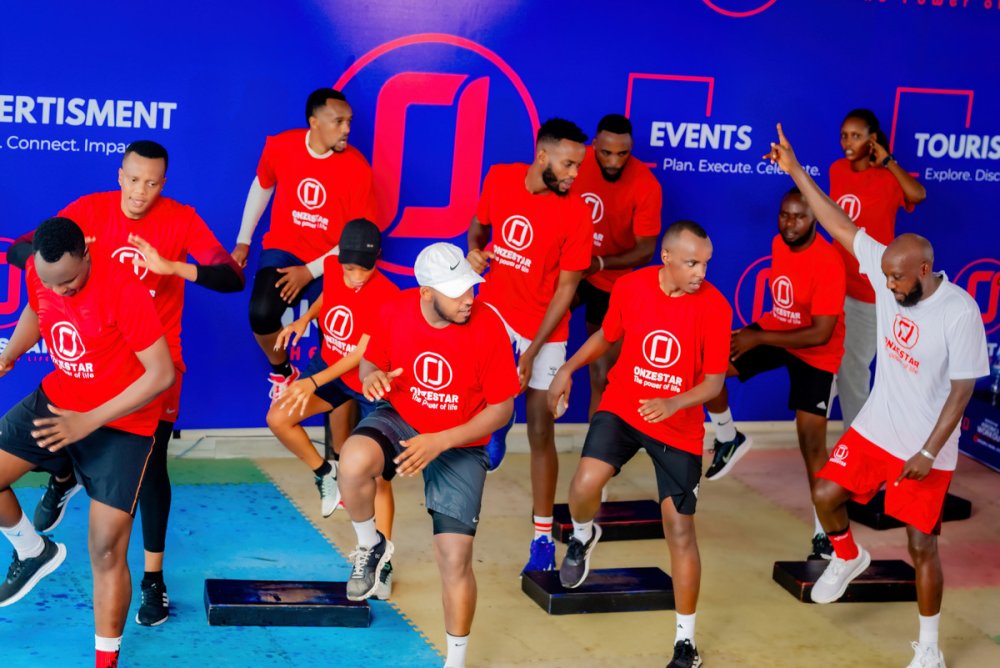
Phocas worked with five groups of 11 participants each, rotating every two hours and 12 minutes. The event aimed to surpass the previous African record held by South Africa’s Team Durban Fit Squad, which completed eight hours of aerobics in 2022.
Phocas told IGIHE that he focused on the “aerobics workout step,” the style his team regularly practices.
“I wanted to attempt an African record under our Onzestar name. The world record is much longer, up to 39 hours, with varied activities. I chose to focus on what we know best,” he said.
At the conclusion of the 11-hour session, participants celebrated their achievement. Though visibly fatigued, Phocas praised his team, saying, “This was a major event for Africa and for Rwanda. I told my team I was representing our country. Sometimes, dedication to your nation is necessary, even when it is challenging.”
The event was livestreamed on YouTube to allow independent verification. Guinness World Records rules allow five minutes of rest after every hour. Phocas structured the event in two-hour blocks with 10-minute breaks, which also served to thank participants. The achievement is currently awaiting official confirmation from record authorities.
Phocas highlighted the extensive preparation required: “We trained for five months. You cannot attempt this in a single day without preparation. Normally, we train one and a half hours daily, gradually increasing weekly to ten hours. This ensured we were ready for the challenge.”
During the marathon, participants relied on water, juice, and fruit to sustain energy. Participants described the preparation as essential for completing the event.
William Uwiringiyimana said, “It was a well-organised event showcasing the importance of sports. It required effort, but our commitment paid off.”
Zache Niyonkuru added, “We prepared for days, even practising uphill exercises. During the first five hours, it is easy to get exhausted, but determination kept us going to finish the challenge.”
Phocas Kagorora has been a fitness trainer since 2017 and founded Onzestar to promote sports, tourism, and outdoor activities such as hiking.
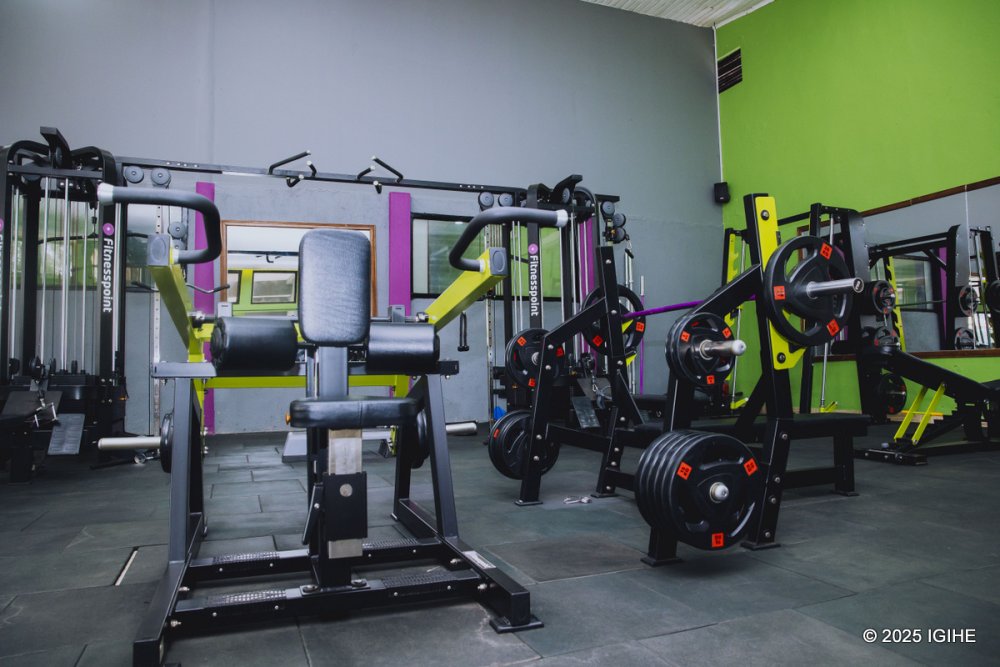
The developments mark the latest phase in the company’s efforts to enhance service quality and meet rising demand for modern fitness facilities in the city.
The fitness centre has expanded training spaces, installed new equipment, and bolstered its coaching staff in recent months. Management says the improvements are part of a broader strategy to deliver a safer, more efficient, and motivating environment for its members.
“Our focus has always been on giving our members real value, better equipment, more classes, and professional guidance,” the FitnessPoint Management Team said in a statement. “The improvements we’ve made are all geared toward creating an elevated fitness experience for everyone who trains with us.”
Alongside the upgrades, FitnessPoint has introduced special promotional prices valid from 2 to 31 December. The discounts precede a revised pricing structure that will take effect in January 2026.
Under the festive-season offer, a six-month membership has been reduced to Rwf 300,000 from Rwf 350,000. Couples will pay Rwf 880,000, equivalent to Rwf 440,000 per person, down from Rwf 990,000.
Annual membership has also been revised to Rwf 490,000 from the previous Rwf 600,000.
“These festive-season prices are our way of saying thank you to our community,” management added, encouraging members and new clients to take advantage of the limited-time rates.
FitnessPoint says the upgrades and temporary discounts underline its commitment to promoting healthier lifestyles in Rwanda by providing accessible and professional fitness services.
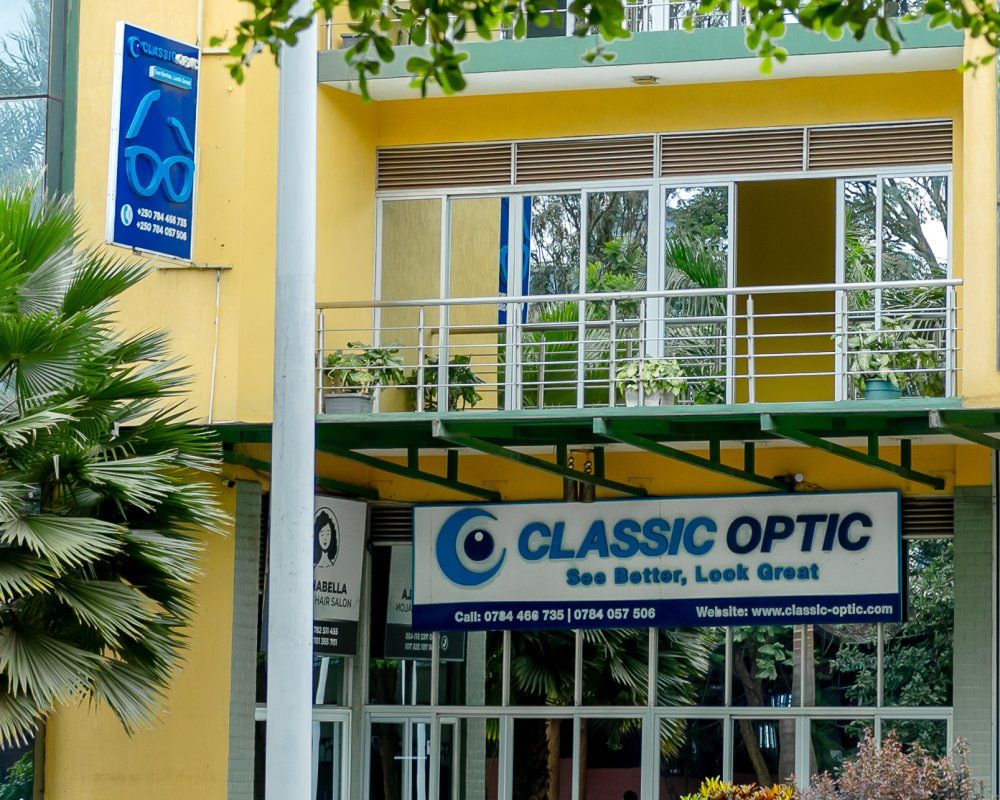
Classic Optic’s journey began in humble surroundings on the ground floor of the Umyenzi Plaza building in Remera, Kigali.
Despite a small team, the company quickly garnered a loyal following, thanks to its exceptional customer service and attention to the unique needs of each client.
The professionalism of the staff and their commitment to patient care played a key role in establishing the company as a trusted name in Kigali’s optical sector.
{{Key milestones}}
Over the years, Classic Optic has achieved significant milestones in its expansion strategy. In 2018, the company opened its first branch in Gisenyi, followed by another in downtown Kigali at the MIC Building in 2020.
Though some branches faced challenges and were short-lived due to internal reasons, the company’s growth has been steady and impactful.
Furthermore, Classic Optic has developed partnerships with insurance companies and international organizations, ensuring it stays at the forefront of innovation with the latest optical equipment and technology.
The company’s success can largely be attributed to the loyalty of its customers, whose experiences highlight the personalized care and attention they receive.
One client shared, “Thanks to Classic Optic, I regained visual comfort at work. Their team was attentive from start to finish.” Another added, “Beyond just glasses, I received real support and advice tailored to my vision and budget.”
{{A decade of dedication and forward-looking vision}}
As it looks toward the future, Classic Optic has ambitious plans for the next decade. The company intends to expand its presence by opening new branches in every city across Rwanda, while also fostering the training and development of young Rwandans in the fields of optics and optometry.
According to the management, continuing education for its staff will remain a priority to maintain a high level of expertise with a clear goal to provide accessible, high-quality visual health services for everyone, without compromise.
Ten years after its establishment, Classic Optic remains steadfast in its mission to deliver technical excellence, innovative solutions, and close relationships with both clients and partners.
For Samson Botoh and his team, this anniversary marks not an end, but the beginning of an exciting new chapter in their dedication to the vision and well-being of the people of Rwanda.
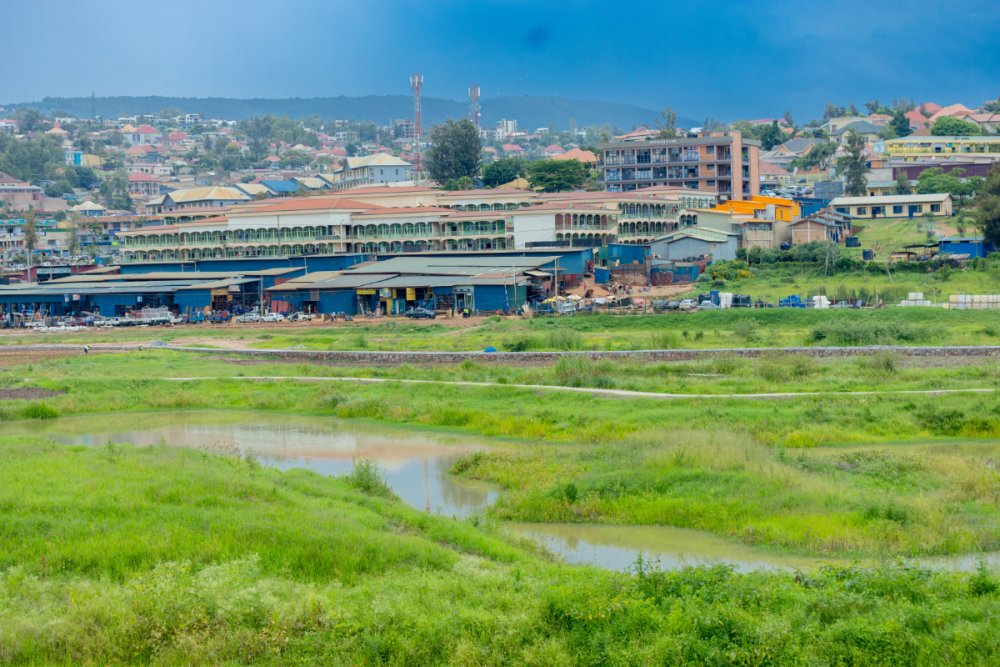
The wetlands being restored include Kibumba, Gikondo, Rugenge Rw’Intare, and Nyabugogo, with Real Contractors Limited collaborating with NPD, another construction company in Rwanda.
The total area under restoration spans 491 hectares, with Gikondo covering 162 hectares, Nyabugogo 131 hectares, Kibumba 68 hectares, and Rugenge-Rwintare 65 hectares.
Fred Bugingo, Managing Director of Real Contractors Limited, stated that the restoration of these wetlands is aimed at preventing flooding in Kigali, protecting biodiversity, and filtering water that flows through the area.
“The restoration of these wetlands will help the City of Kigali mitigate flooding, especially in areas like Nyabugogo, where flooding was once a significant issue,” Bugingo explained.
To further protect the environment, the company has installed waste collection traps to capture debris that typically flows into the wetlands from rainwater and surrounding areas.
“We’ve been installing traps designed to capture waste in rainwater, as it often carries significant debris,” he added.
In total, 142 waste collection traps have been installed across the wetlands. Gikondo has 24 traps, Kibumba 16, Rugenge-Rwintare 48, and Nyabugogo 30.
The Gikondo wetland will include special features aimed at attracting tourists, such as educational spaces, a restaurant, and rest areas.
Rugenge-Rwintare will feature a large 5-hectare pond that collects water from Rwampara and Gikondo, designed to showcase Rwanda’s advancements in environmental conservation.
The Kibumba wetland will focus on fishing, with several ponds and a designated area for a flower garden, along with a facility for showcasing fishing-related activities in Rwanda.
The Nyabugogo wetland will be dedicated to research and education focused on biodiversity conservation.
Since the restoration began, wildlife has already begun returning to the wetlands, according to the management at Real Contractors Limited.
In a statement released by the U.S. State Department, Washington said its priorities will include “unleashing economic prosperity by limiting regulatory burdens,” ensuring “affordable and secure energy supply chains,” and “pioneering new technologies and innovations.”
The U.S. framed its leadership of the G20 as an opportunity to return the multilateral forum to its core mission of driving global economic prosperity.
The transition comes amid a diplomatic rift with South Africa, the previous G20 chair, after Washington boycotted the 2025 G20 summit held in Johannesburg, South Africa
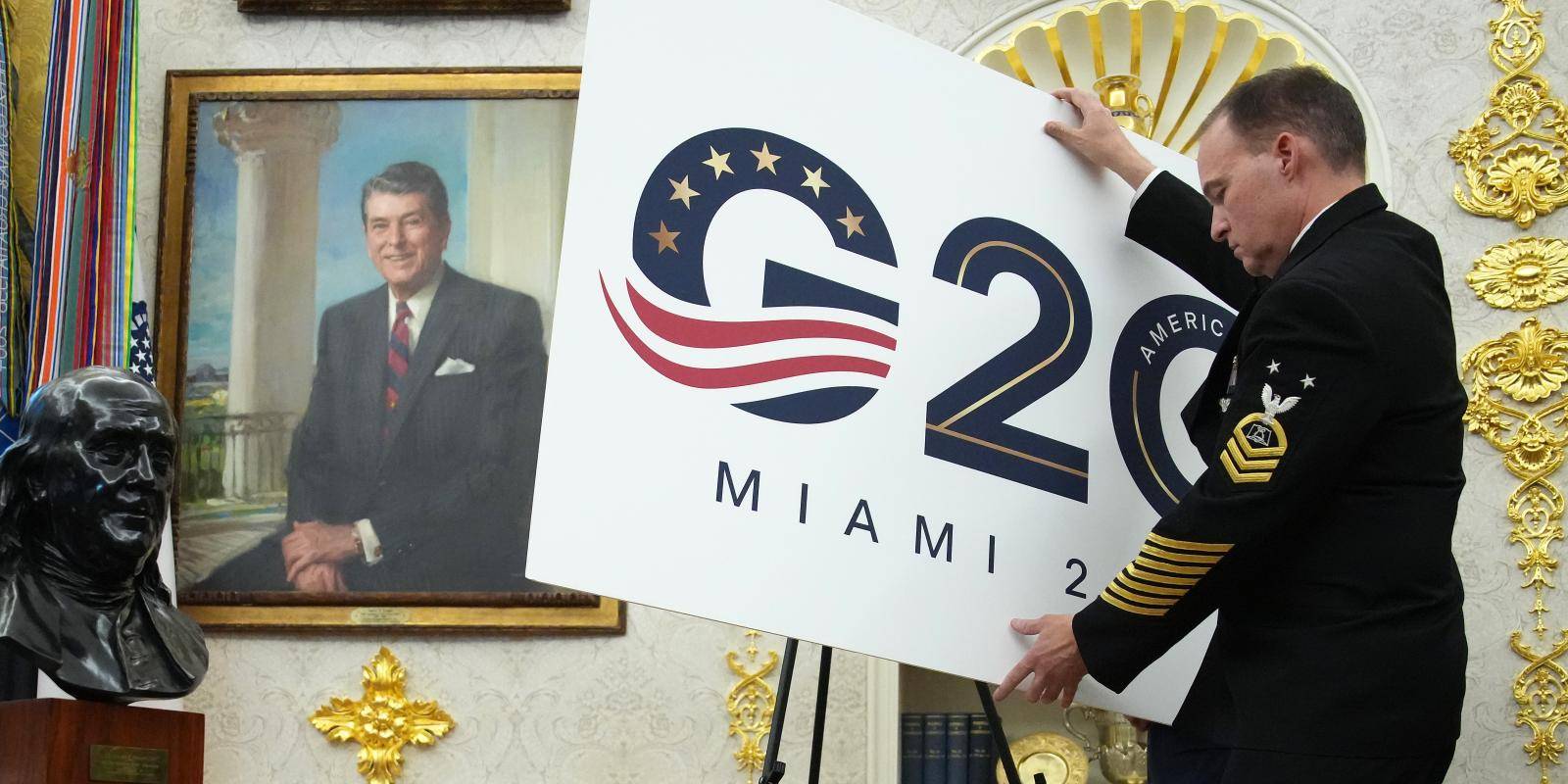
Under the new U.S. presidency, the next G20 leaders’ summit is scheduled to take place in Miami at a resort owned by Donald Trump.
The decision to relocate the summit and the U.S. boycott of the previous meeting has already created friction among member states, with some leaders urging return to collaboration over controversy.
Analysts say the U.S. agenda under its presidency could reshape global economic cooperation especially if Washington achieves reforms in regulation, energy, and technology sectors.
However, given the existing divisions within the G20 over issues ranging from debt relief to energy policy, accomplishing broad consensus will likely be challenging.
The report, titled “The Next Great Divergence: Why AI May Widen Inequality Between Countries”, outlines the potential risks posed by AI technologies in deepening the already widening development gaps.
While AI offers vast opportunities for growth, particularly in sectors like health, finance, and education, its benefits are not likely to be evenly distributed.
Countries starting from different levels of technological and economic development will experience very different outcomes.
The Asia and Pacific region, which is home to more than half the world’s population, has been quick to adopt AI.
According to the report, over half of the world’s AI-related startups and innovations are now based in this region, with AI potentially boosting GDP by up to 2% per year in some countries.
The technology also has the potential to improve productivity across sectors like healthcare, agriculture, and public services.
However, the UNDP cautions that unequal access to AI-related technologies and digital infrastructure could deepen divides, especially if low-income countries do not have access to the resources necessary to adopt AI. This could result in a “two-speed” world, where wealthy nations thrive on AI while developing nations are left behind.
The report highlights the vulnerabilities that accompany AI adoption, particularly job displacement. Many routine and manual jobs, especially those held by women and youth in developing countries are at risk of being replaced by automation.
Without proper policies to address this, millions of workers could lose their livelihoods. Women, who are often employed in routine service jobs such as caregiving, retail, and hospitality, could be disproportionately impacted.
The rise of AI also introduces new risks around ethical concerns. AI systems that rely on biased data could perpetuate existing inequalities or even create new forms of discrimination. The lack of transparency in AI algorithms could lead to situations where certain groups are unfairly excluded from services, opportunities, or decision-making processes.
To avoid these outcomes, the UNDP emphasizes that inclusive, people-centered policies are essential. Governments must invest in education and skills training to equip workers with the tools they need to thrive in an AI-driven economy. Additionally, fostering international cooperation and collaboration will be critical to ensuring that AI benefits are shared globally.
The UNDP calls for ethical AI governance frameworks that are aligned with human development goals. This includes ensuring that AI systems are designed and implemented with fairness, accountability, and transparency at their core. The report also stresses the importance of strengthening global cooperation to ensure that the deployment of AI is equitable, focusing on addressing the digital divide and empowering countries with the means to compete in the AI space.
The global impact of AI is still unfolding, but the UNDP’s report provides a crucial warning: without deliberate actions to ensure inclusivity, the world risks entering a new era of development divergence, where inequality is amplified by the very technology that should be used to solve it.
With smart policies, investments in technology, and global collaboration, AI could transform global development for the better. But without proper oversight and inclusive frameworks, the technology could reinforce and even worsen global inequalities.
The funding, provided through the World Bank’s International Development Association (IDA), will finance the Revenue Improvement and Spending Efficiency Program-for-Results (PforR). The program aims to modernise tax administration, reinforce public investment management, and promote accountability across government systems, ensuring that development outcomes reach citizens and businesses more effectively.
“This program reflects our strong partnership with Rwanda and our shared ambition to scale up transformational governance reforms that create jobs, strengthen fiscal resilience, and improve service delivery for all Rwandans,” said Sahr Kpundeh, World Bank Country Manager for Rwanda, in a statement released in late November.
“By supporting both national institutions and local government structures, the program reinforces Rwanda’s decentralisation agenda and helps ensure that development outcomes reach citizens where they live and work.”
The initiative aims to increase domestic revenue mobilisation by expanding the use of electronic billing machines (EBMs) for VAT compliance and modernising property tax registration and valuation systems. It also seeks to enhance national-level public spending efficiency and transparency through improved project feasibility studies, institutionalised asset management, strengthened procurement, and better oversight of state-owned enterprises.
At the local level, the program focuses on improving planning and accountability, ensuring that districts prepare evidence-based development strategies, publish budget performance reports, strengthen financial management practices, and design viable local economic development projects.
The program is aligned with Rwanda’s Second National Strategy for Transformation (NST-2), which emphasises an efficient, transparent, and citizen-centred public sector. It builds on over two decades of World Bank support for Rwanda’s public financial management reforms, which have positioned the country as a regional leader in accountable governance.
The reforms also leverage technology, including piloting AI-enabled functionalities within the Integrated Financial Management Information System (IFMIS), aimed at reducing operational inefficiencies and enhancing financial oversight.
“This program represents a significant step forward in Rwanda’s efforts to expand its domestic resource base and ensure that every franc is used efficiently,” said Meron Tadesse Techane, World Bank Senior Financial Management Specialist.
“By leveraging technology, strengthening institutions, and incentivizing good practices at both national and district levels, the program will help the government deliver better services, build trust with citizens, and expand opportunities for private sector–led job creation.”
Direct beneficiaries include national ministries, state-owned companies, and all 30 districts, while citizens and businesses will benefit indirectly from a more predictable public finance system, higher-quality services, and better-managed public investments.
The IDA, established in 1960, helps the world’s poorest countries by providing grants and low- or zero-interest loans for projects that stimulate economic growth, reduce poverty, and improve lives. Rwanda is among the 40 African countries benefiting from IDA financing.
The directive, published on November 26, 2025, follows assessments showing persistent gaps in promoting and monitoring hygiene practices at individual, household, workplace and community levels.
{{Personal hygiene requirements
}}
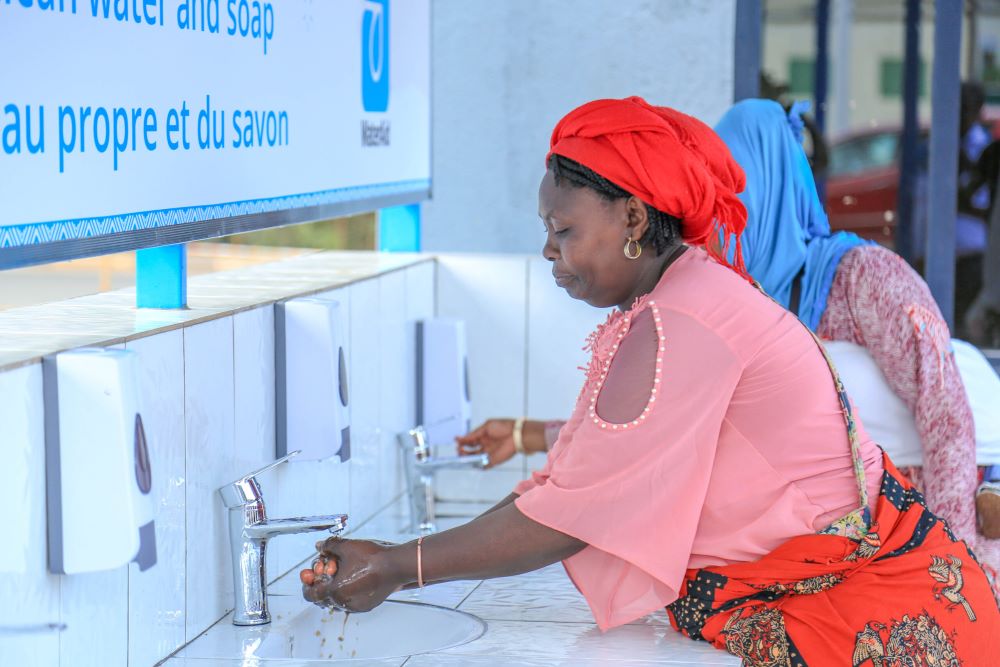
Under the new rules, all Rwandans are required to bathe the entire body at least once a day; brush their teeth at least twice daily using a toothbrush and toothpaste; maintain clean hair and short, clean nails; and wash hands routinely, before preparing or eating food, before breastfeeding or feeding a child, after using the toilet, after cleaning a child, after handling waste, or anytime hands are visibly dirty. Individuals must also wear clean clothing and footwear, and sleep in clean bedding.
{{Household hygiene standards
}}
Every household must have a latrine built to a minimum depth of six meters where possible, properly constructed, covered and kept clean. A handwashing facility must be installed near the latrine. Homes are also required to have an enclosed bathroom, cemented or tiled where possible, and a clothesline for drying laundry.
Residents must ensure animals do not sleep indoors and must properly manage wastewater from the home, as well as rainwater, through designated drainage channels. It is prohibited to dump waste in drainage systems.
Households must also ensure safe storage and treatment of drinking water; clear bushes and stagnant water around the compound; segregate biodegradable and non-biodegradable waste; and maintain a clean kitchen and dish-drying area. Houses and their surroundings are to be swept or mopped daily.
Compounds should be kept orderly and, where possible, include vegetable gardens, fruit trees, ornamental plants or flowers. Water storage tanks for clean water and rainwater must be cleaned at least once every six months. In urban areas, waste must be disposed of in covered bins or designated areas until collected by licensed waste-management companies.
{{Hygiene in cemeteries, roads and places of worship
}}
The guidelines also set minimum standards for cemeteries. Burial sites must be located away from rivers, springs and groundwater sources to prevent contamination. Cemeteries must have waste-management systems, clean access paths and sanitation workers to clean after funeral ceremonies.
Additionally, wilted flowers must be removed within two days, and a handwashing facility with clean water and soap must be placed at the entrance.
Cemeteries must also have separate public toilets for men and women, equipped with toilet paper, waste bins and handwashing areas.
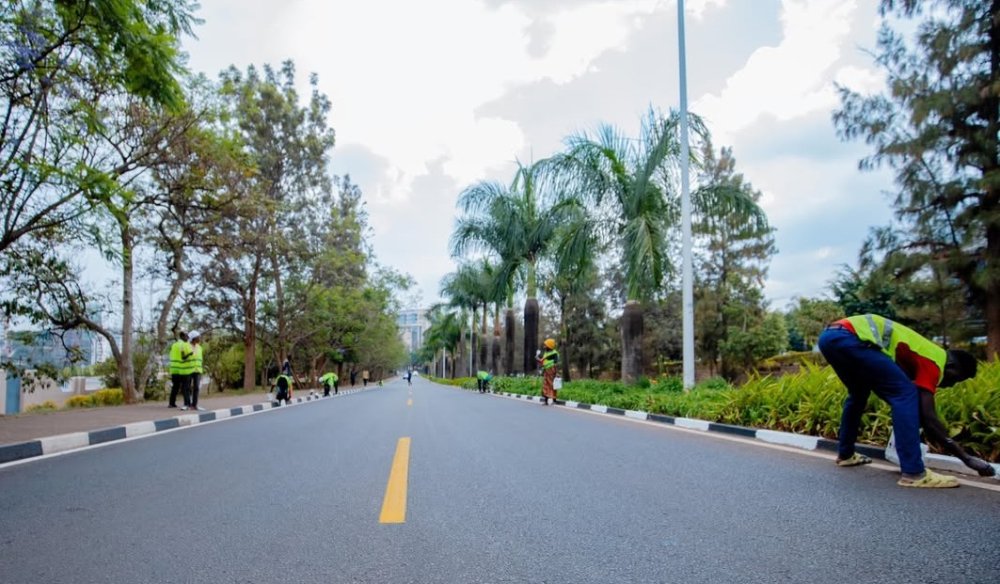
On road hygiene, the directive requires roads to be swept regularly and kept free of waste or unauthorised structures, with waste bins placed at least every 100 meters. Public urination and defecation on roads is prohibited. Inter-district roads must have public toilets, and all roads must have adequate rainwater drainage. Trucks transporting goods are barred from dropping waste onto roadways.
Places of worship, including churches, parishes and mosques, must have separate toilets for men, women and persons with disabilities, with handwashing facilities and covered waste bins. They must maintain contracts with waste-collection companies and ensure proper management of rainwater and wastewater. Facilities conducting water baptisms must use clean, designated water.
{{Requirements for rehabilitation centres and prisons
}}
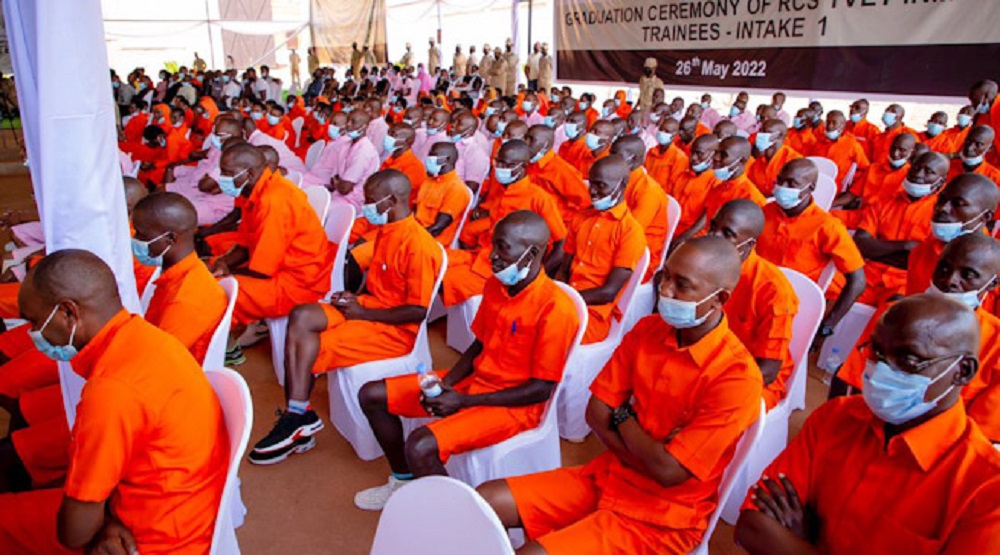
Rehabilitation centres and prisons are required to maintain adequate supplies of clean water; separate toilets for men, women and persons with disabilities; and secure, well-maintained sanitation facilities. They must have functioning rainwater harvesting and wastewater systems; clean water storage tanks for use during shortages; clean, well-equipped kitchens; appropriate laundry and drying facilities; and adequate bathing areas.
Facilities must also implement regular pest-control programs, ensure constant cleaning of premises, provide mosquito nets, bedsheets and mattresses for every inmate, and maintain waste-collection contracts with licensed service providers.
According to the Ministry of Health, the guidelines form part of a broader strategy to establish a permanent hygiene and sanitation inspection framework from national to local levels. The initiative aims to enforce compliance, strengthen accountability and ensure that individuals, households and institutions contribute to improving hygiene standards across the country.