The “yellow line” marks the zone from which Israeli troops have not withdrawn in the Palestinian enclave, as part of the ceasefire arrangements that took effect on Oct. 10.
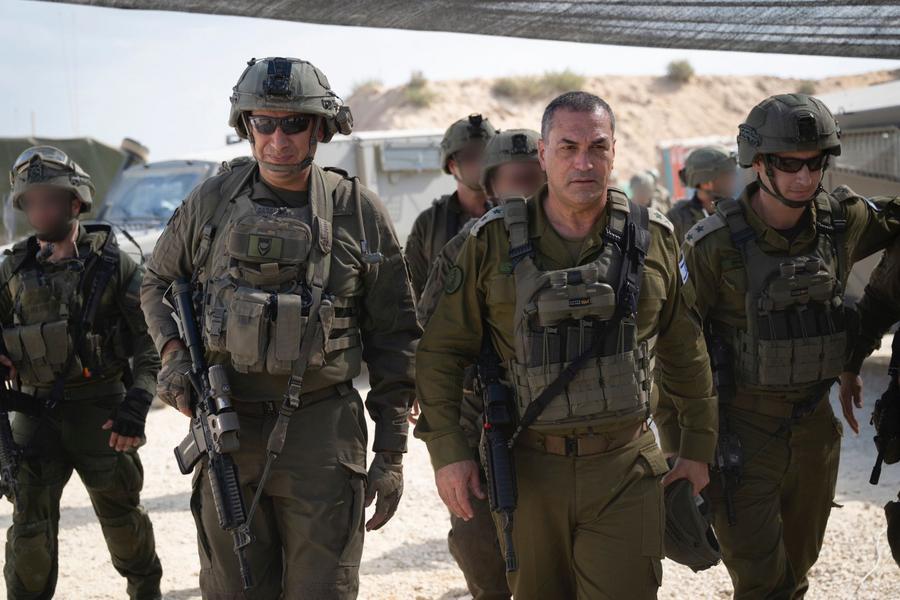
“The ‘yellow line’ is a new borderline, serving as a forward defensive line for our communities and a line of operational activity,” Zamir said during a visit to Beit Hanoun and Jabaliya in Gaza, where he met division commanders.
He said the military has assumed “operational control over extensive parts of the Gaza Strip,” adding that Israeli forces “will remain” in those areas.
Zamir added the army “will not allow Hamas to reestablish itself” and is preparing for “surprise attack scenarios,” which he described as a cornerstone of the military’s upcoming multi-year plan.
He said that the mission will not be complete until the last deceased hostage in Gaza, Ran Gvili, a police officer, is brought home. Hamas has released all 20 remaining living hostages and the bodies of 27 deceased hostages, except Gvili.
Israeli troops have shot and killed dozens of Palestinians, saying they were suspects who crossed the “yellow line.” More than 370 people have been killed by Israeli fire since Oct. 11, bringing the Palestinian death toll since the start of the Israel-Hamas conflict in October 2023 to 70,360, according to figures from Gaza’s health authorities.
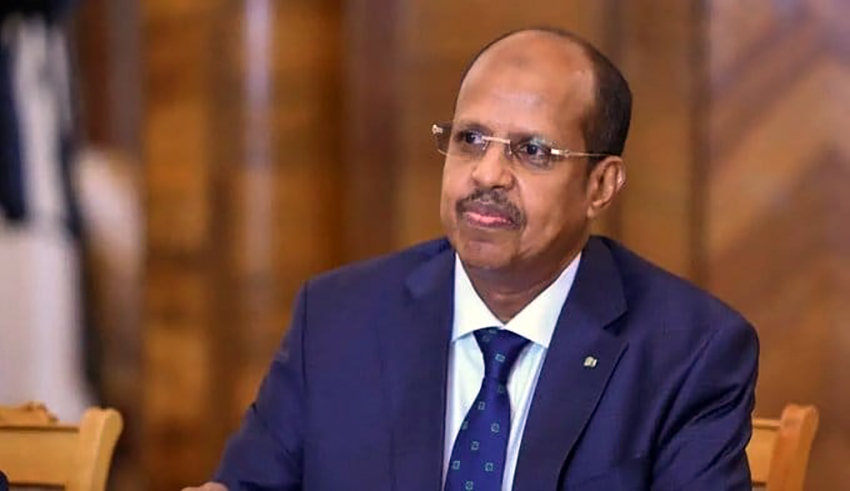
“Any form of military interference in political processes constitutes a grave violation of the fundamental principles and values of the African Union,” the chairperson stresses in a press statement.
Youssouf called on all actors involved in the coup attempt to immediately cease all unlawful actions, to fully respect the country’s constitution, and to return without delay to their legitimate barracks and professional obligations.
He further encouraged all national stakeholders in Benin to prioritize unity, dialogue, and the preservation of national peace.
Meanwhile, the AUC chief expressed “deep concern over the troubling proliferation of military coups and coup attempts across parts of the region.” He underscored that such actions continue to undermine continental stability, threaten democratic gains, and embolden military actors to act outside constitutional mandates.
He emphasized that the pan-African bloc remains firm and consistent in defending democratic governance, the rule of law, and the sovereign will of the African people.
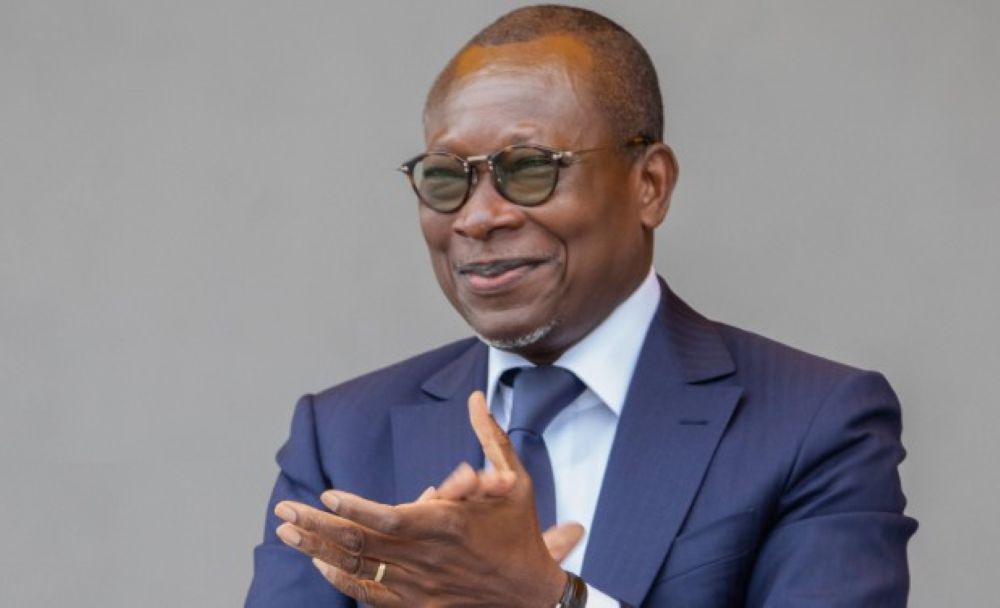
Benin’s armed forces have foiled an attempted mutiny aimed at destabilizing the state and its institutions, Minister of Interior and Public Security Alassane Seidou said in a statement on Sunday.
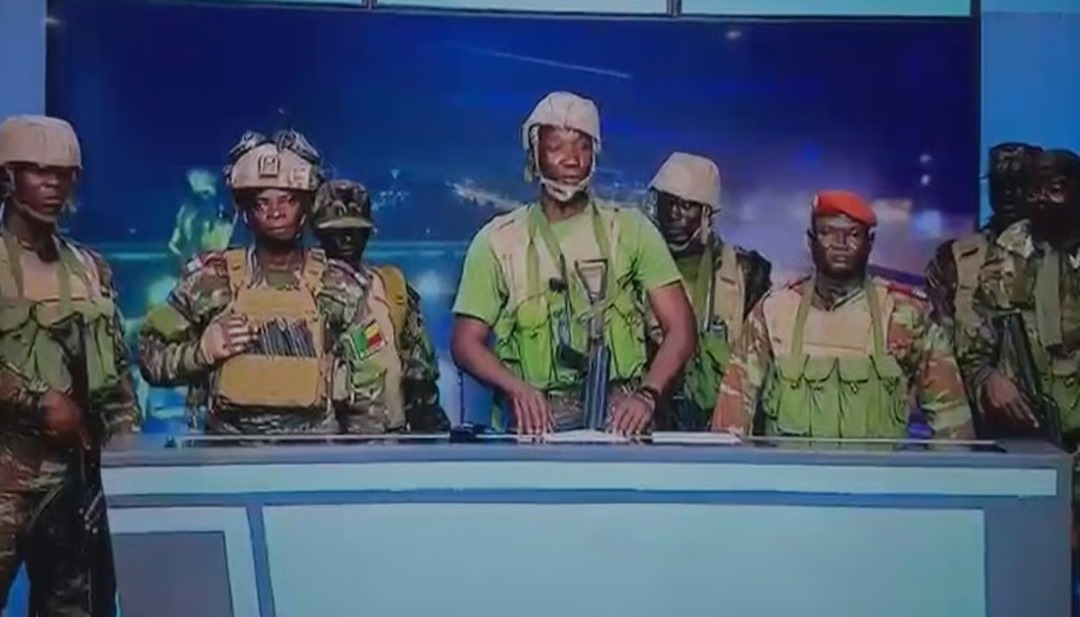
Seidou made the remarks after a group of soldiers announced earlier in the day on state broadcaster Benin TV that President Patrice Talon had been “removed from office.”
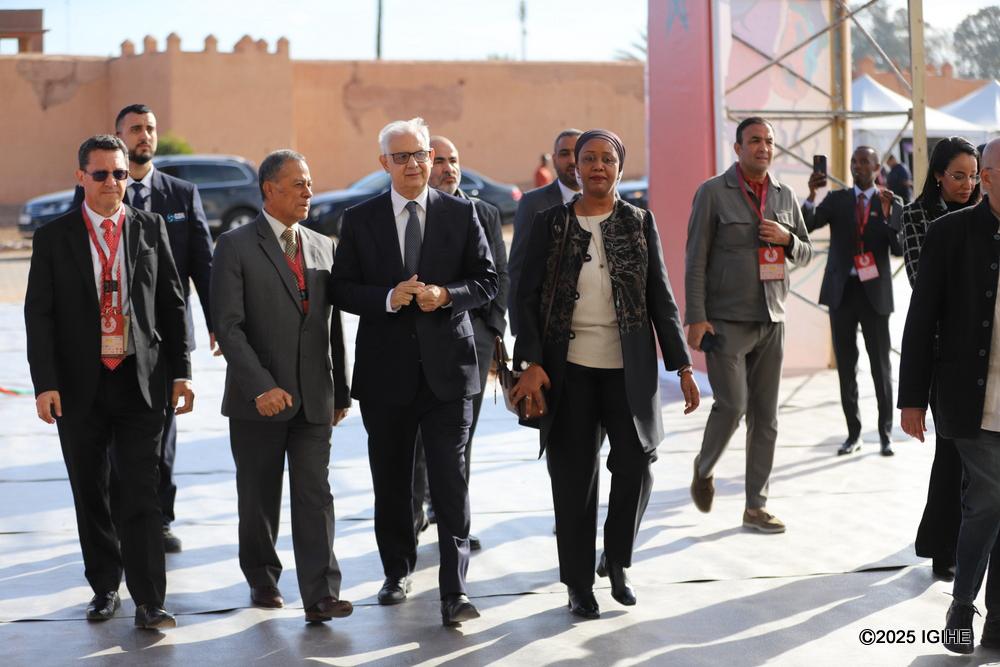
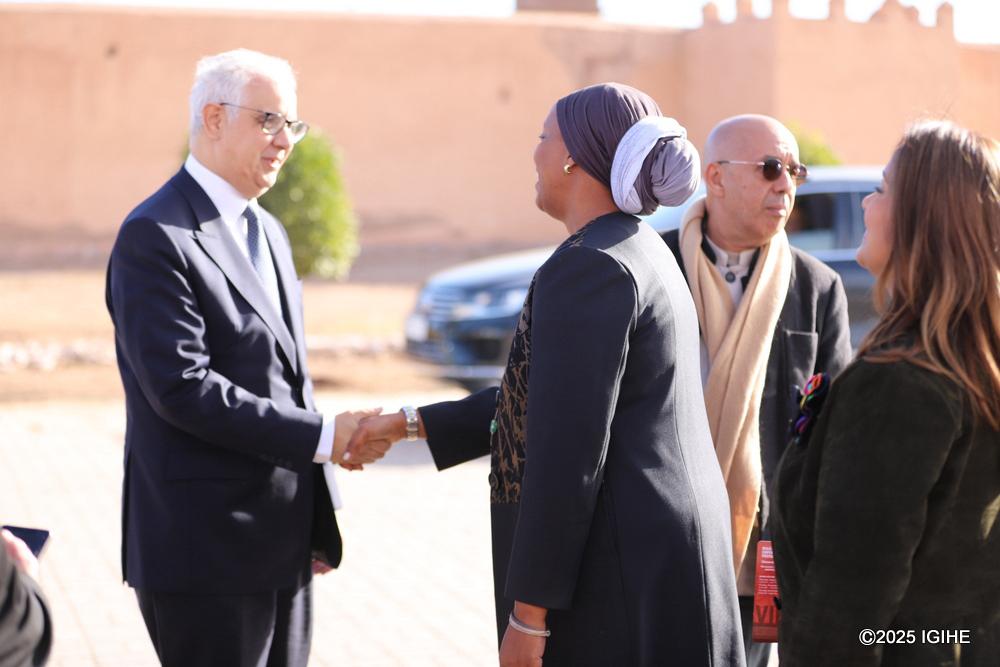
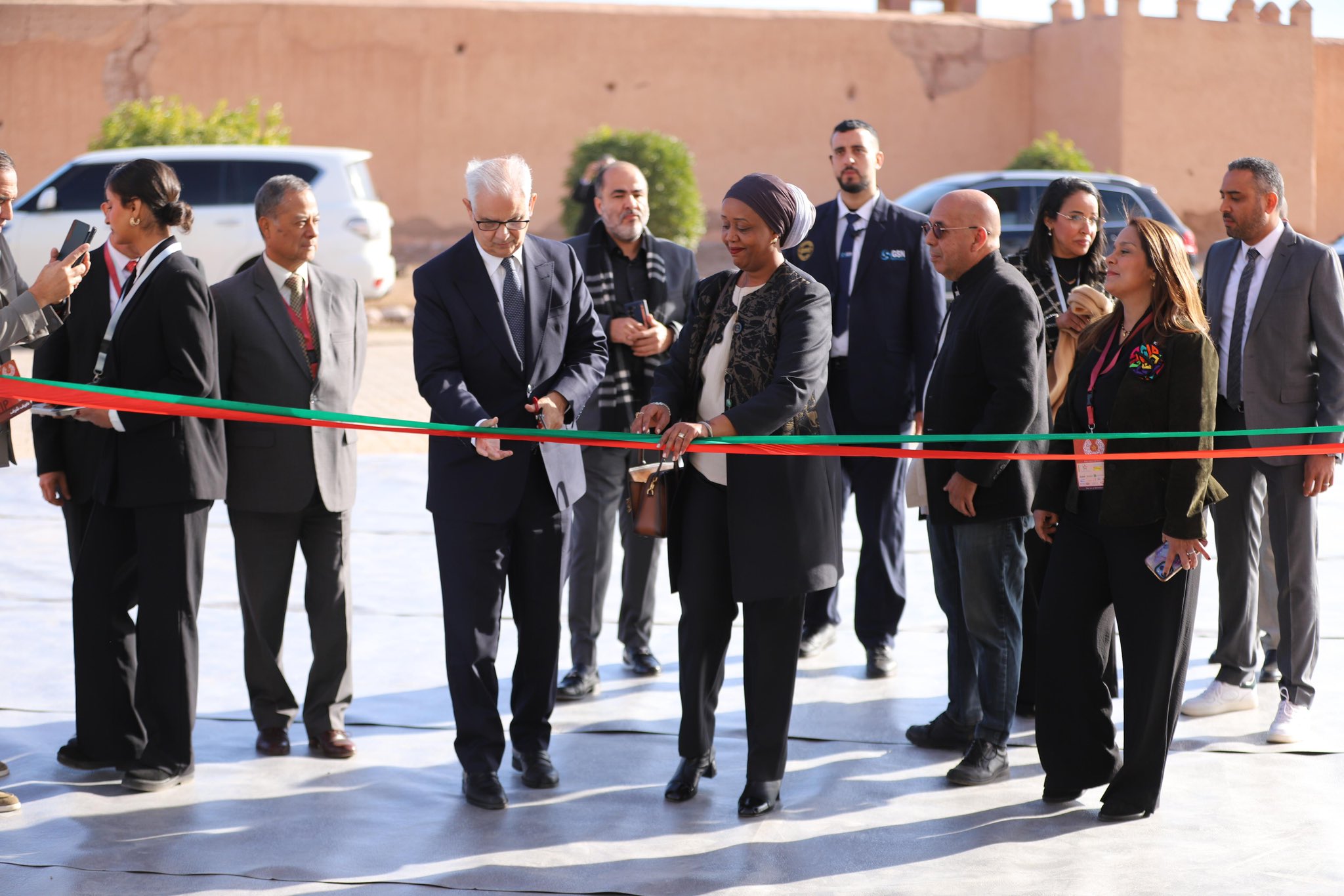
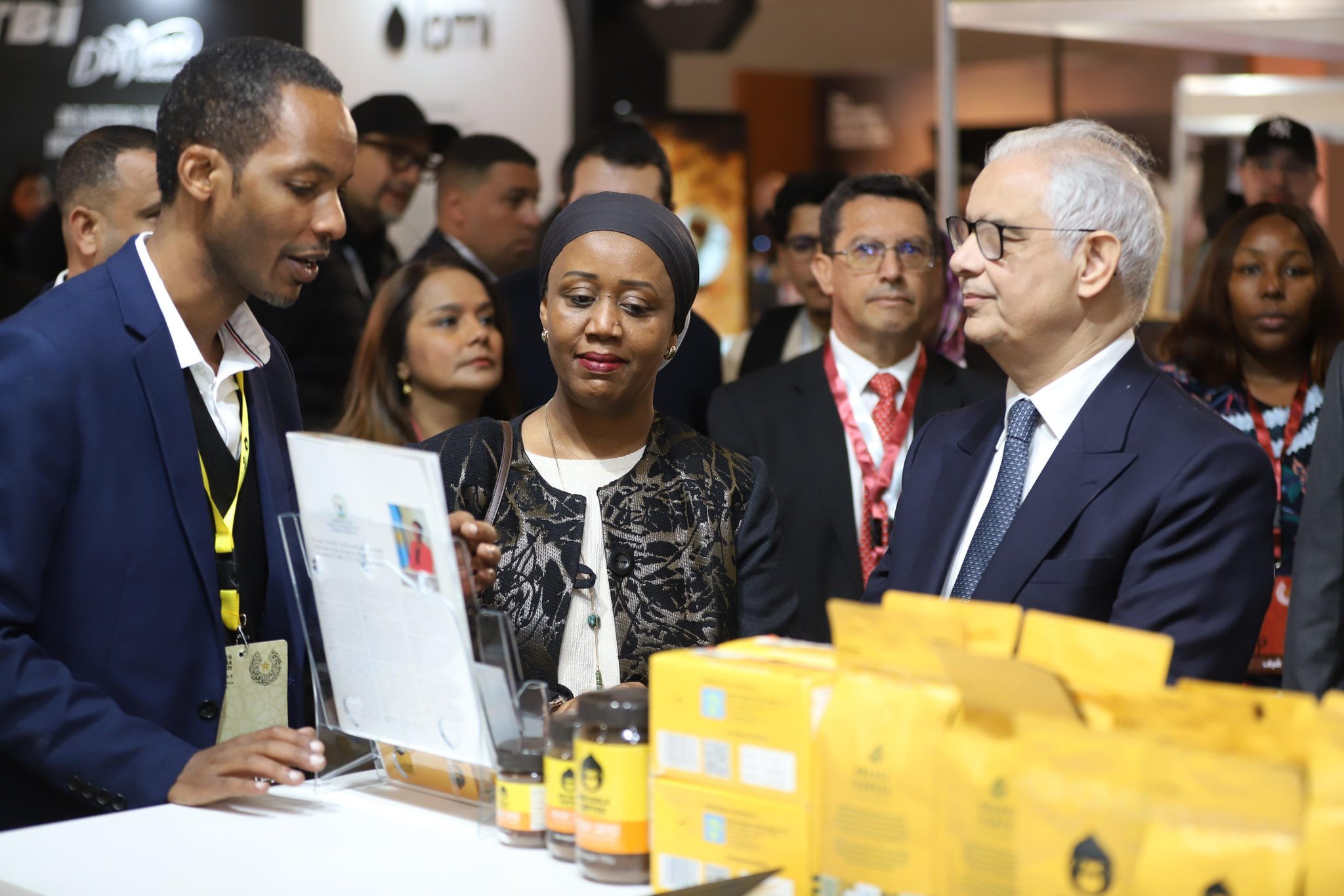
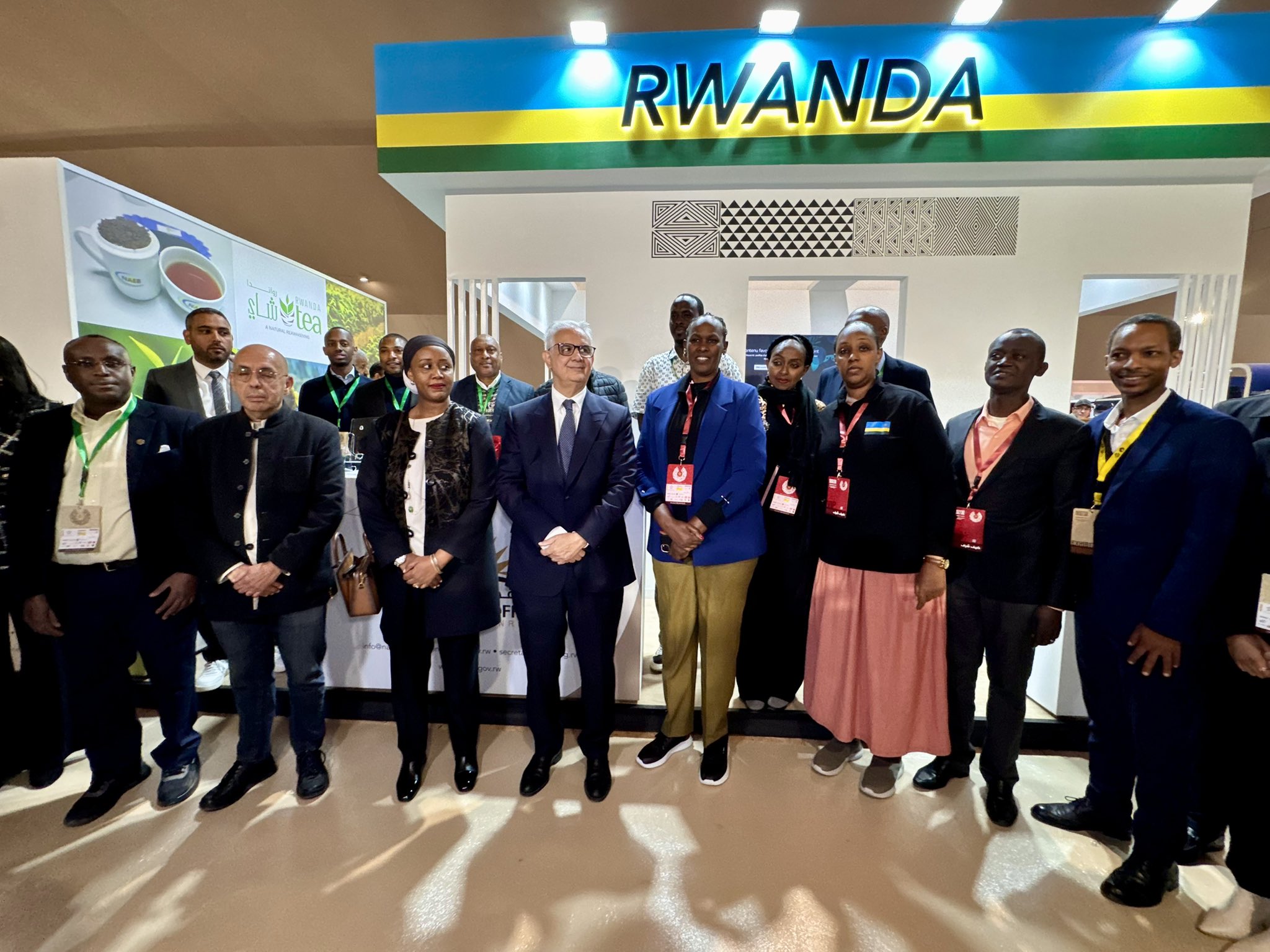
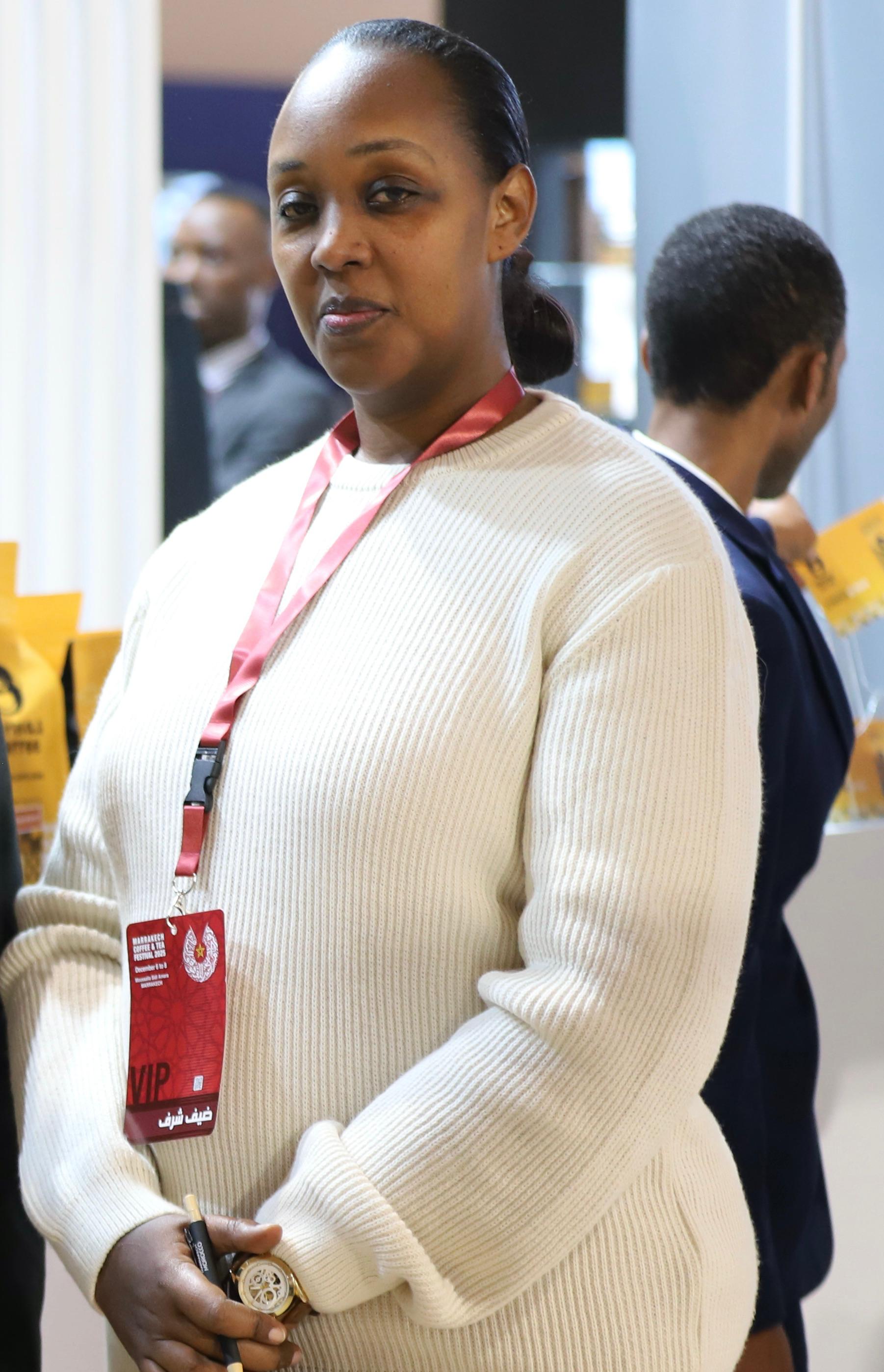
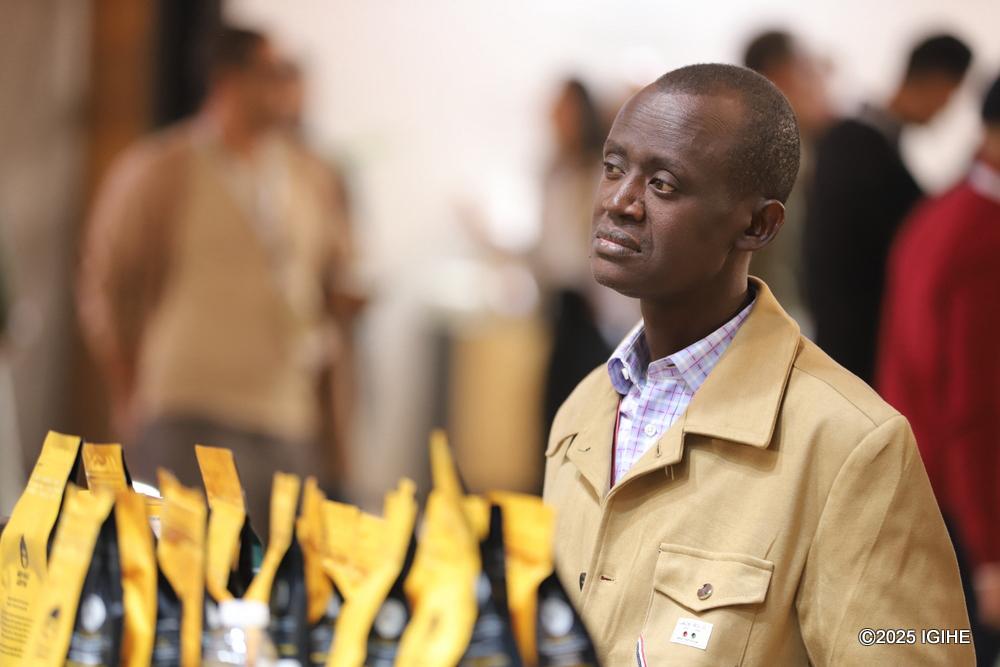
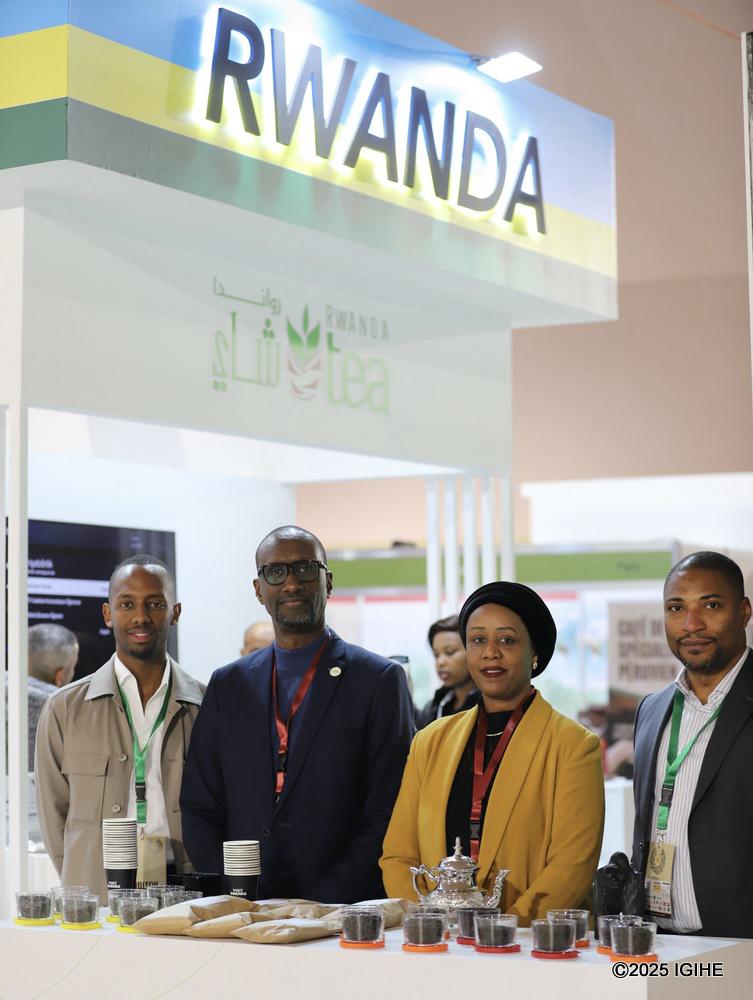
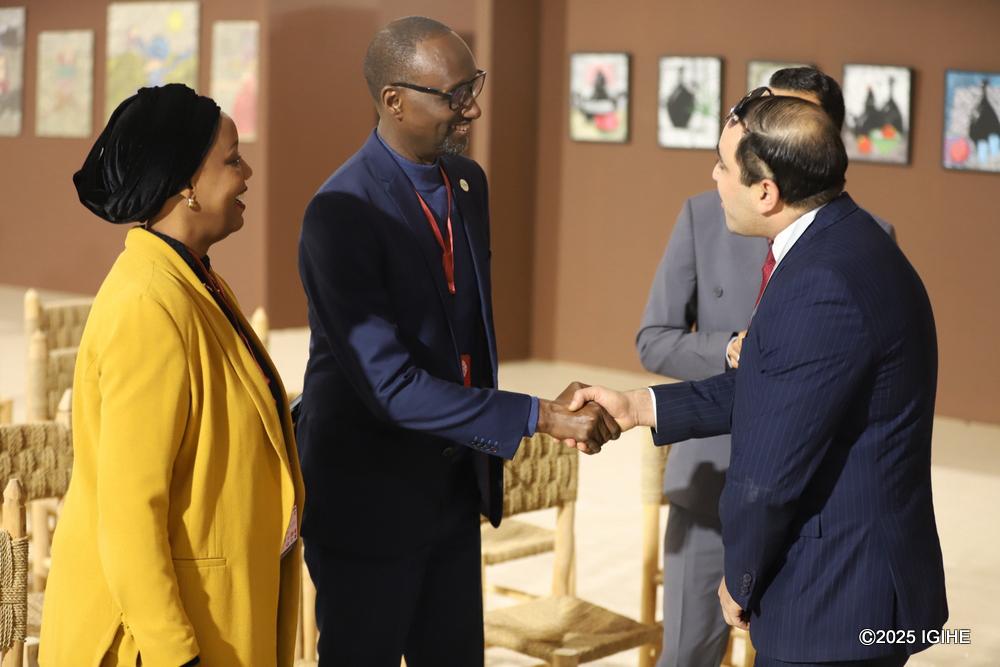
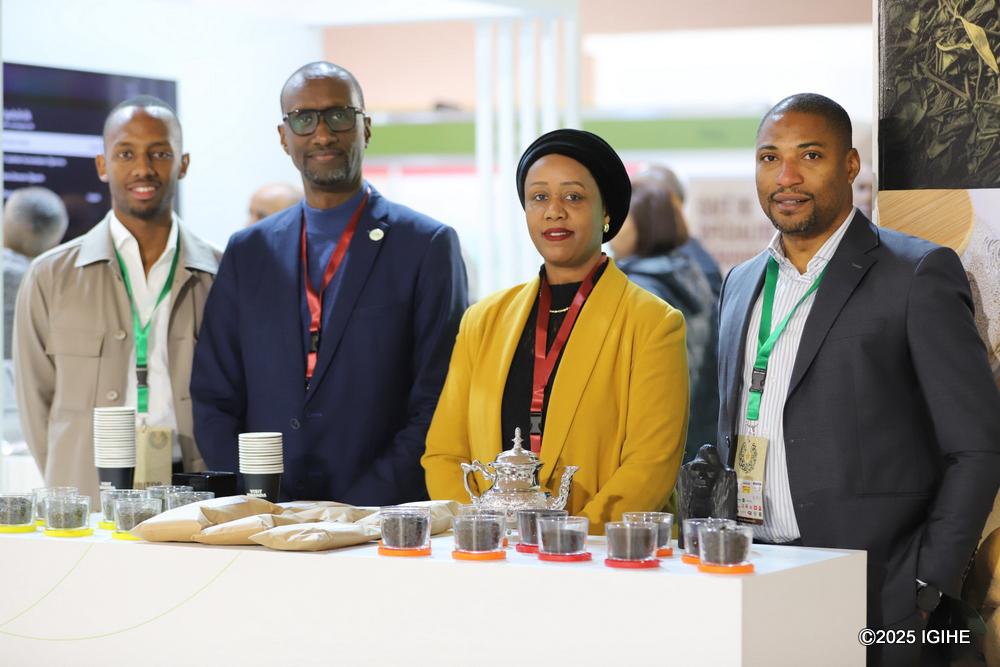
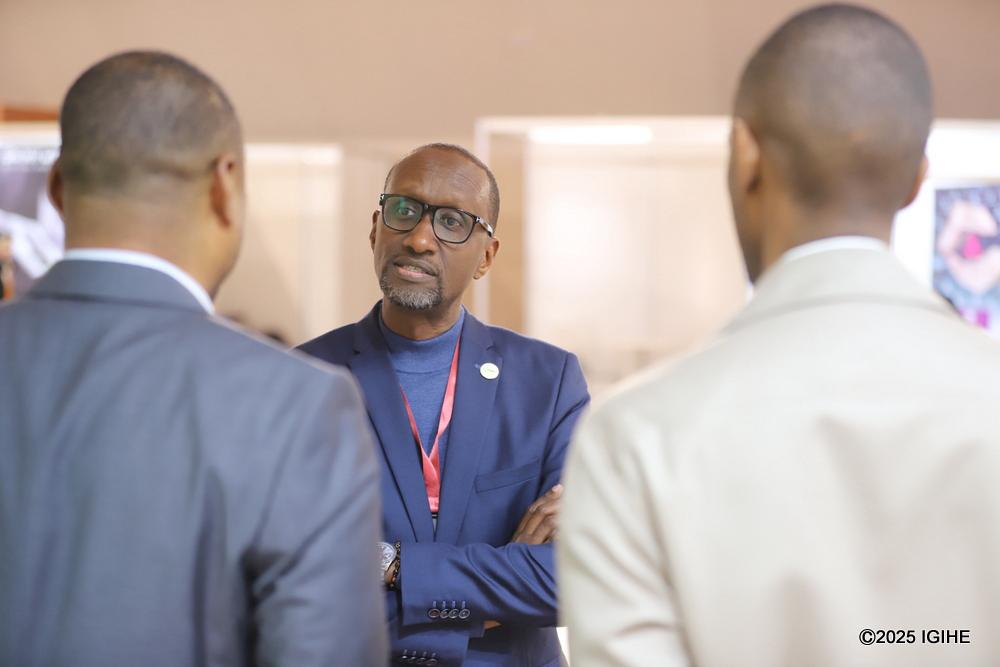
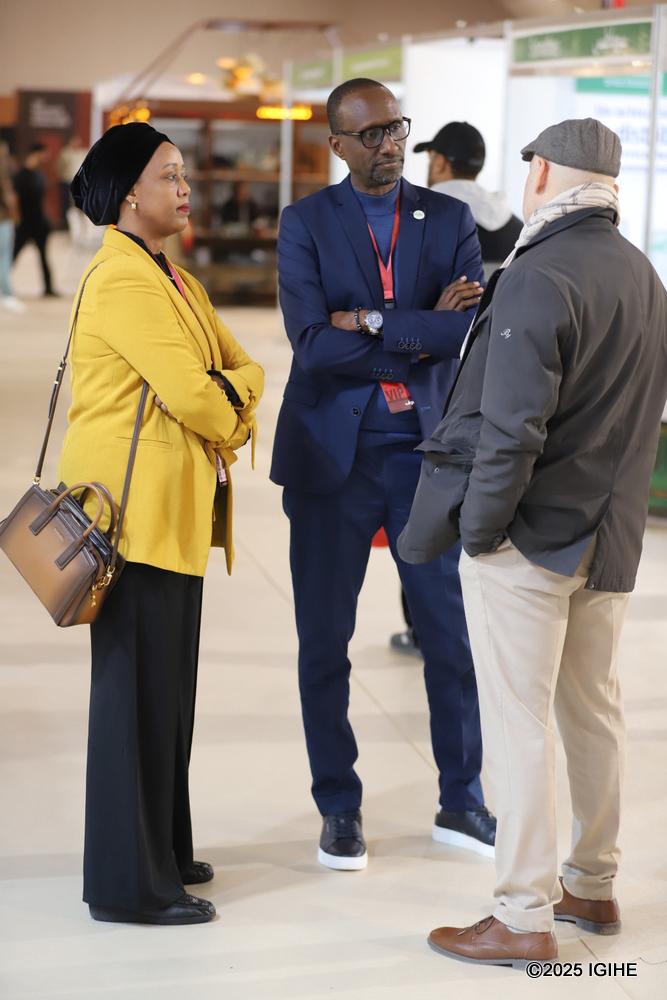
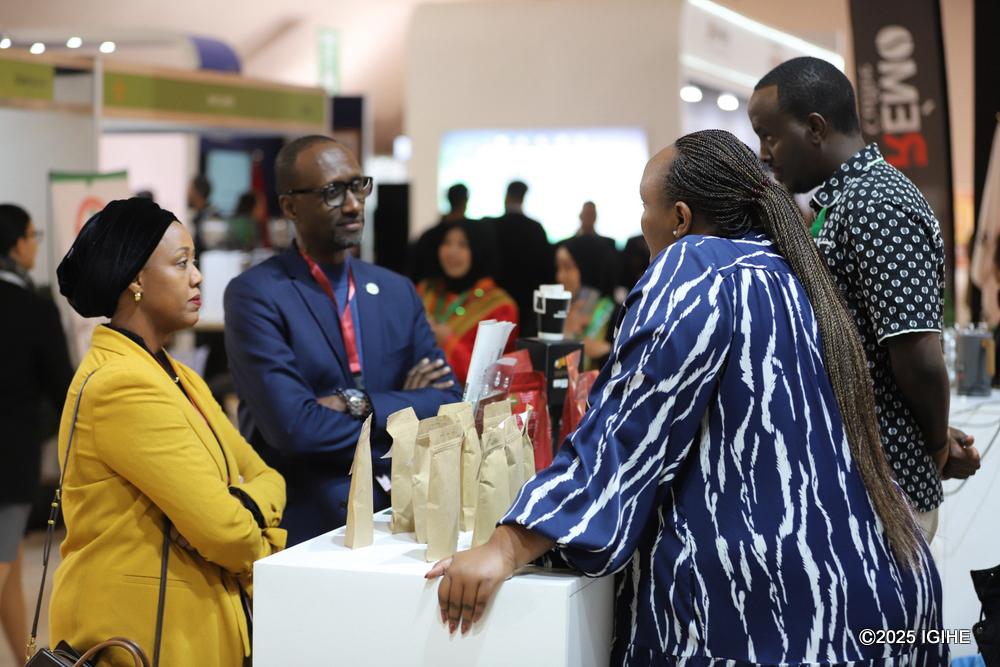
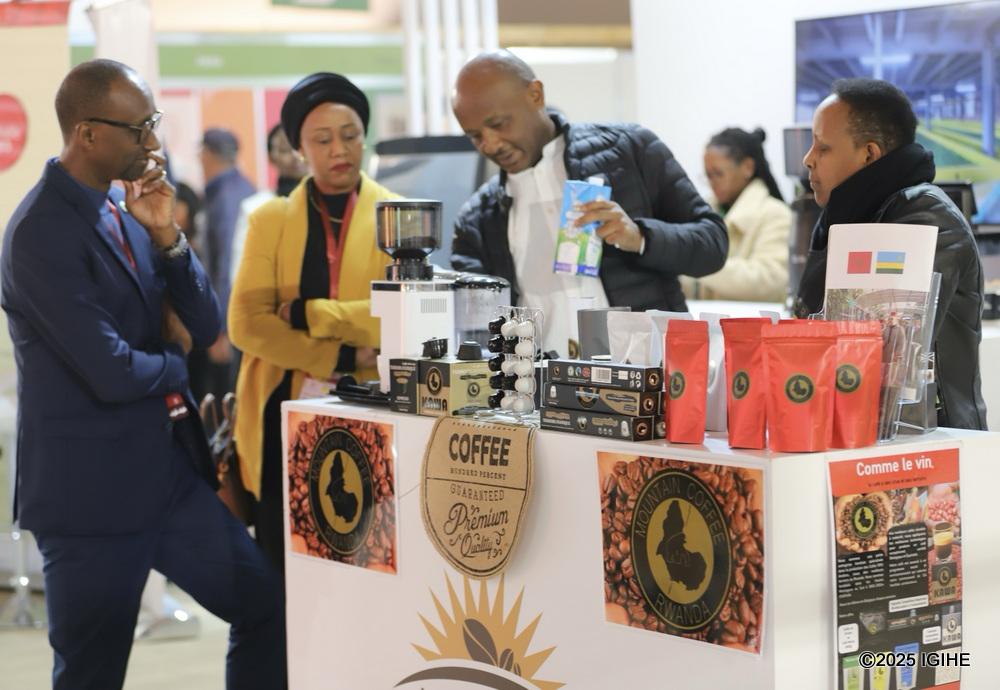
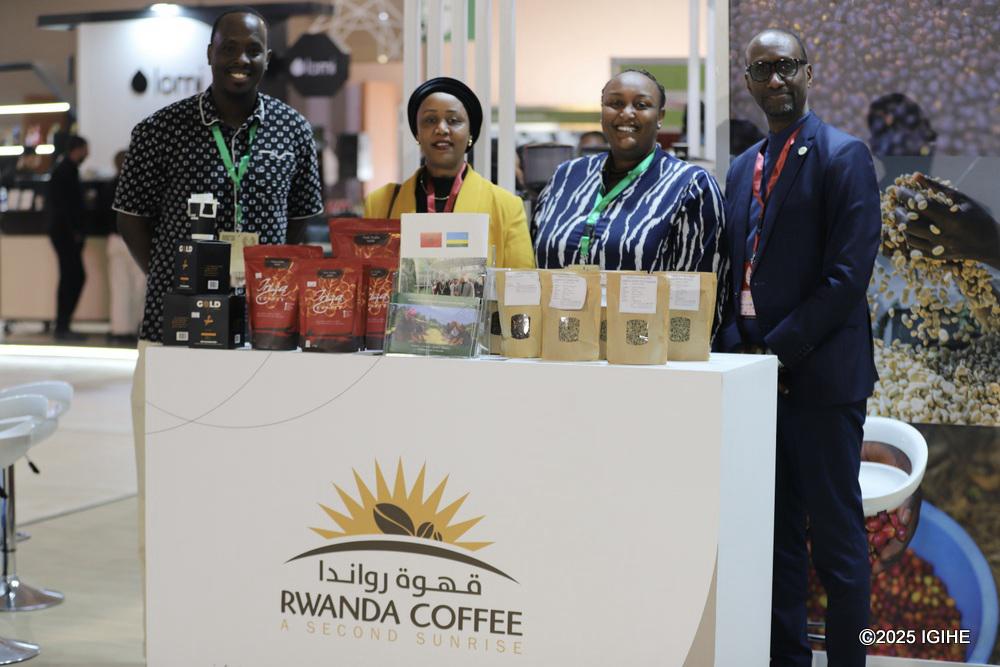
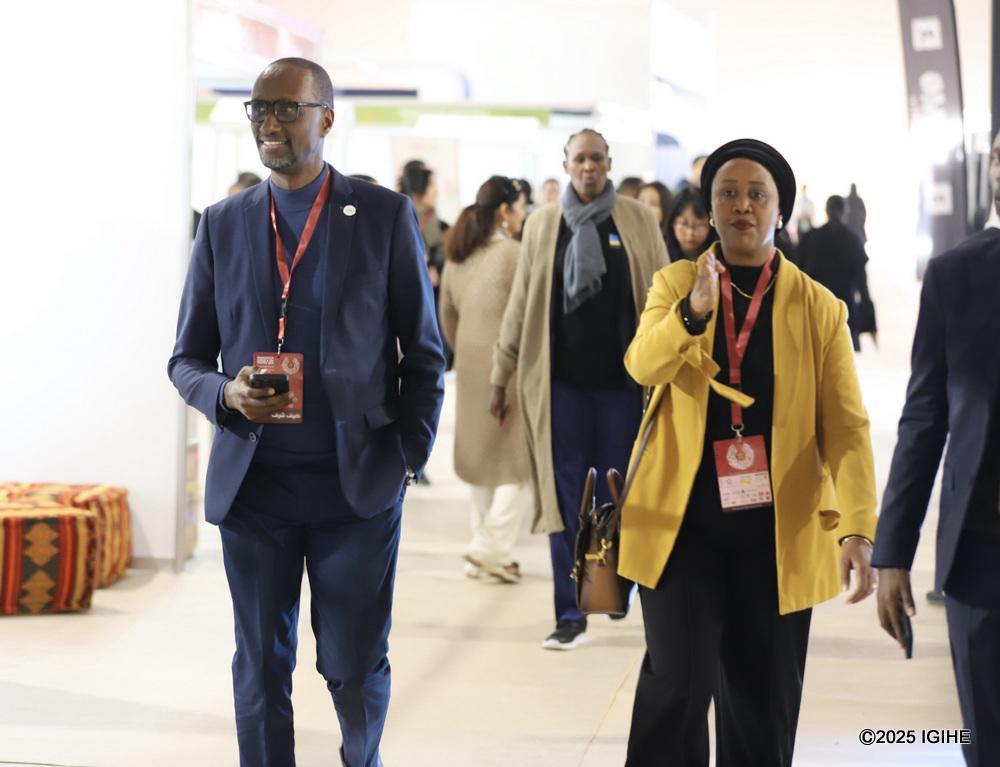
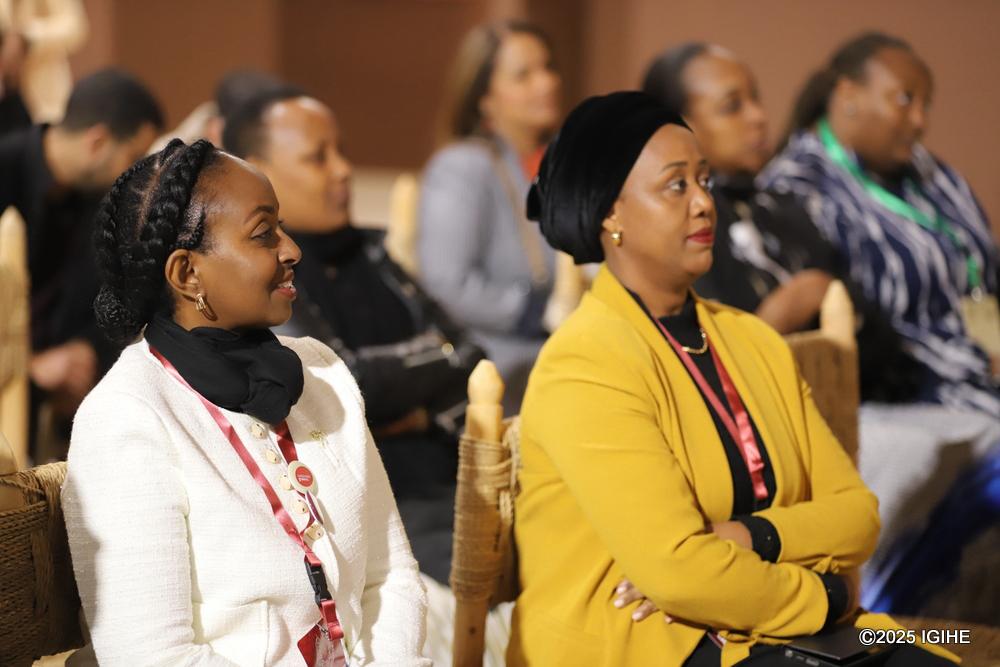
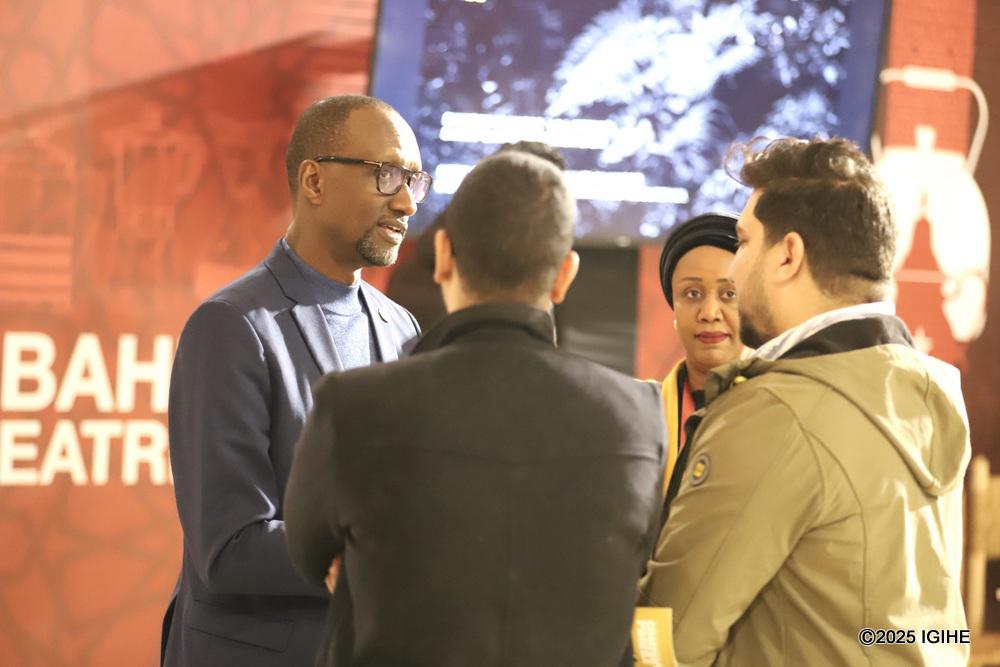
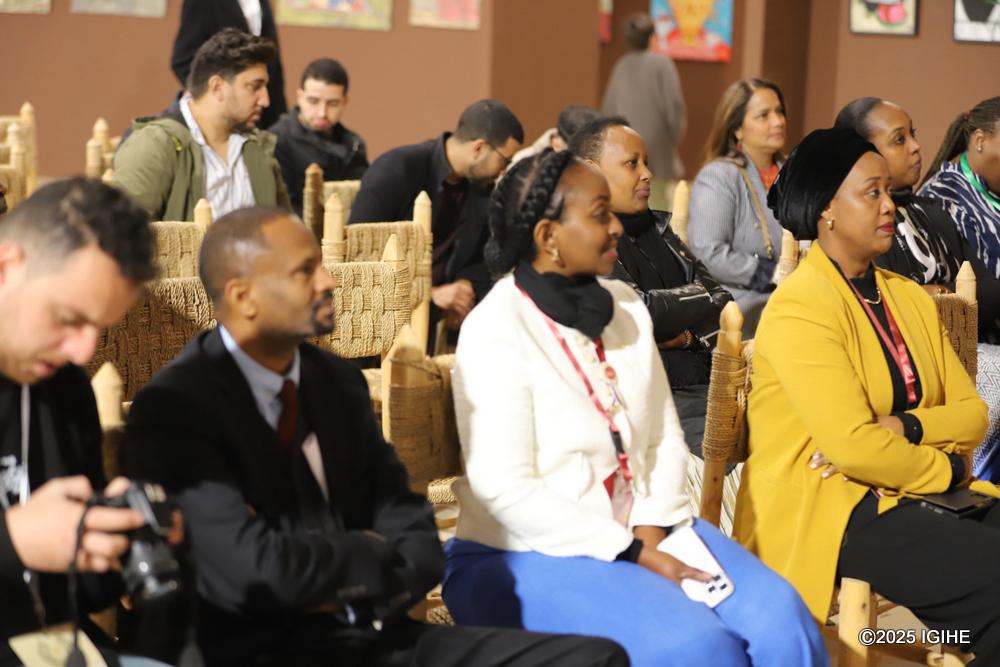
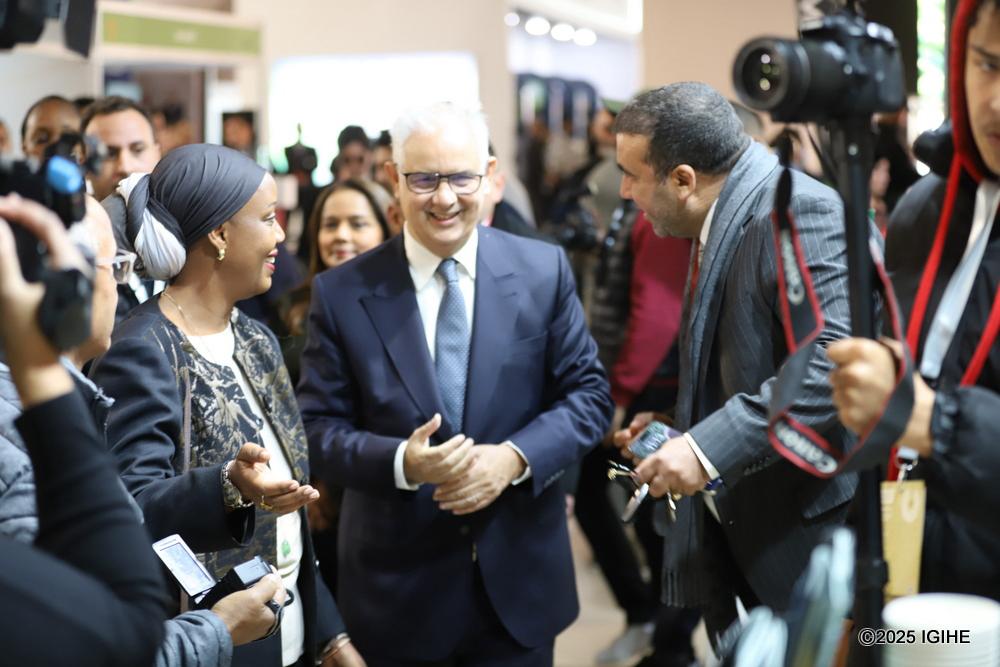
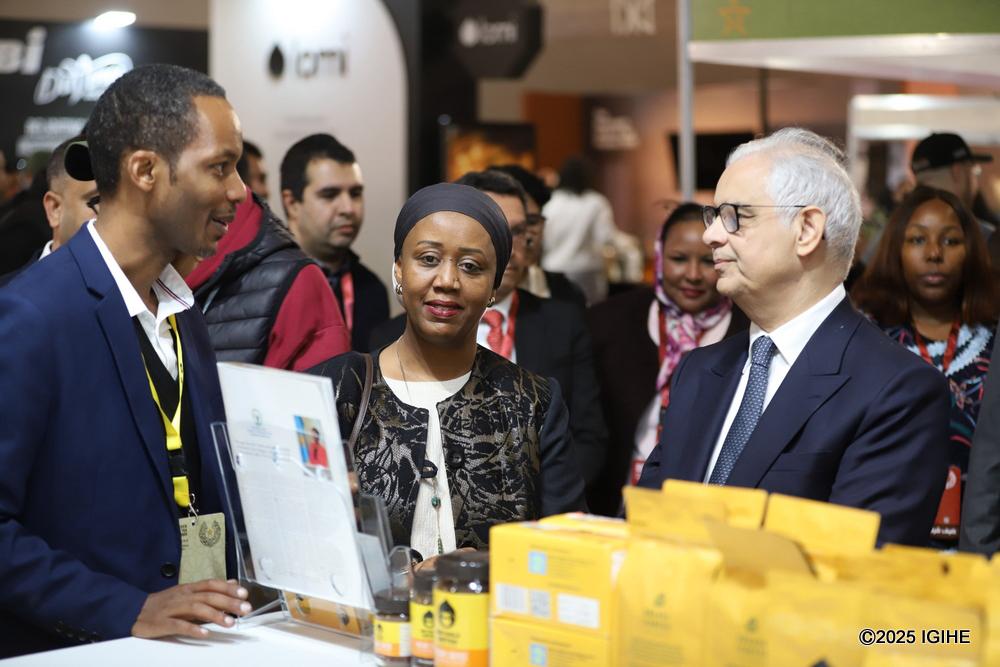
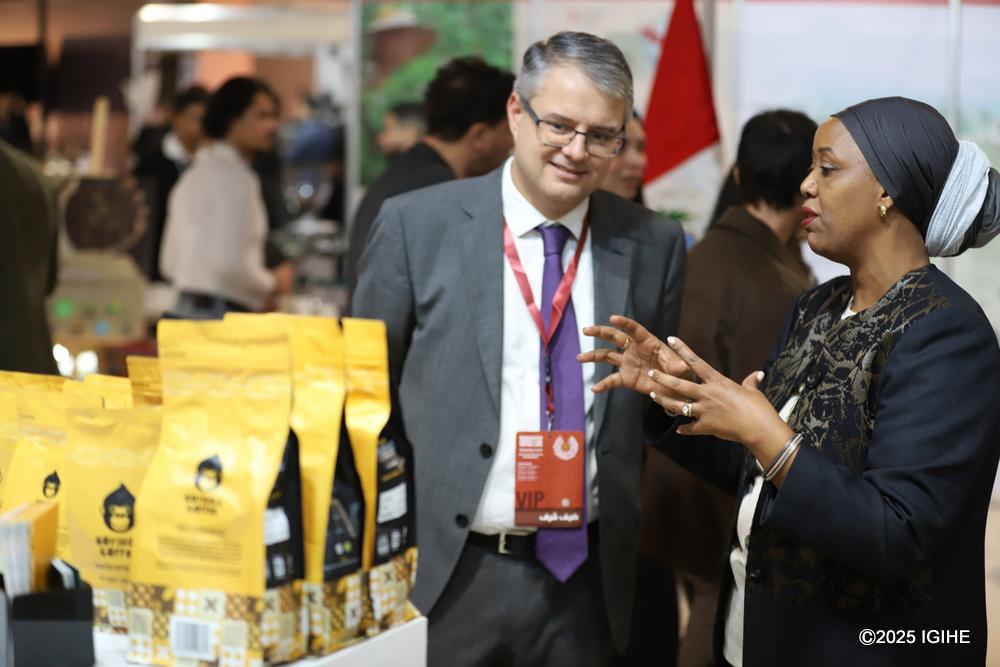
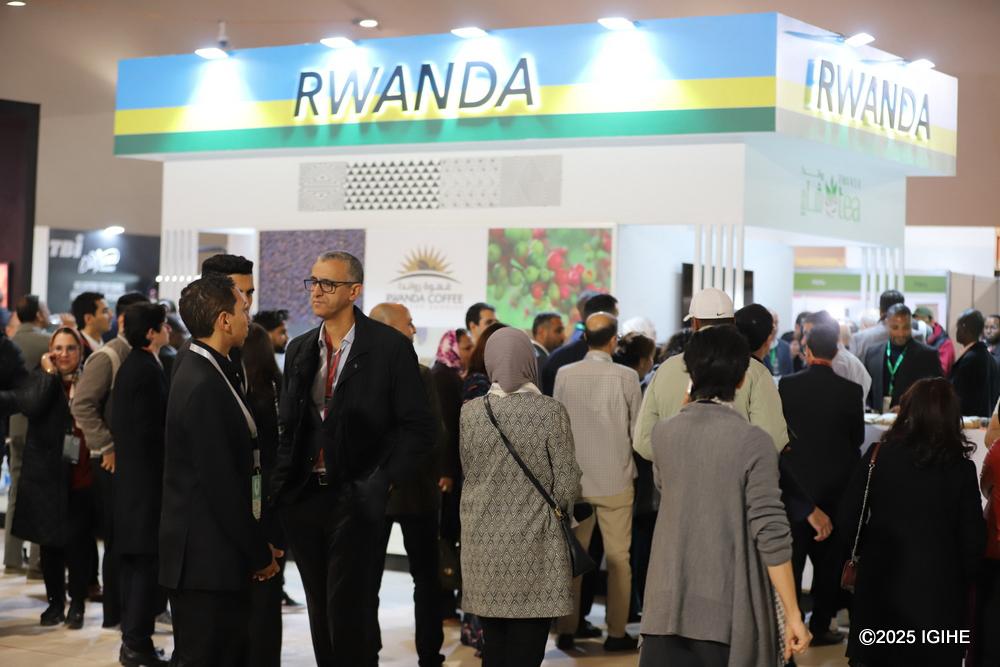
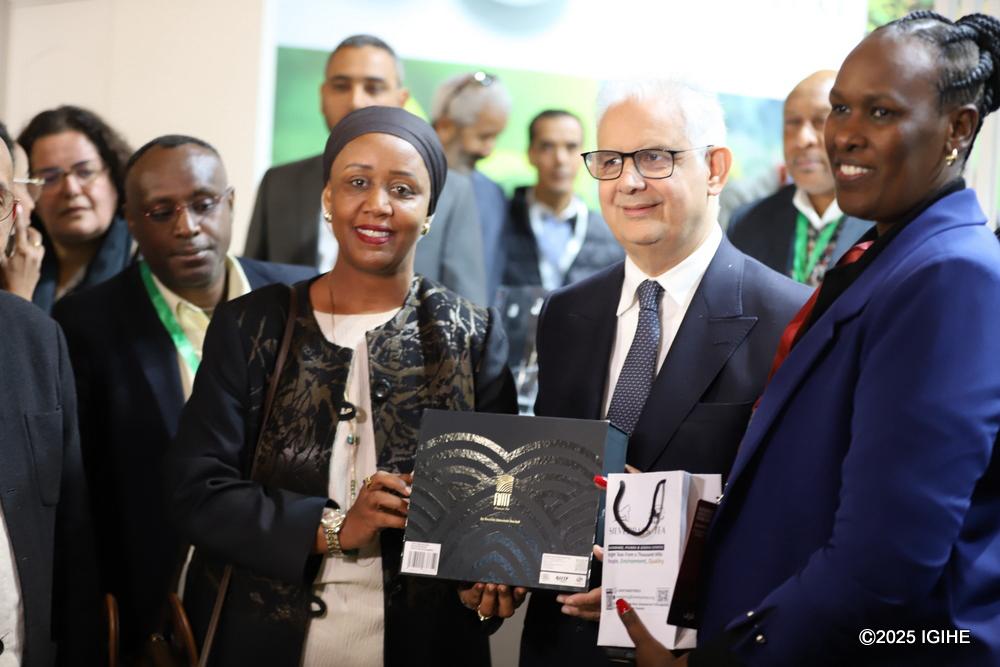
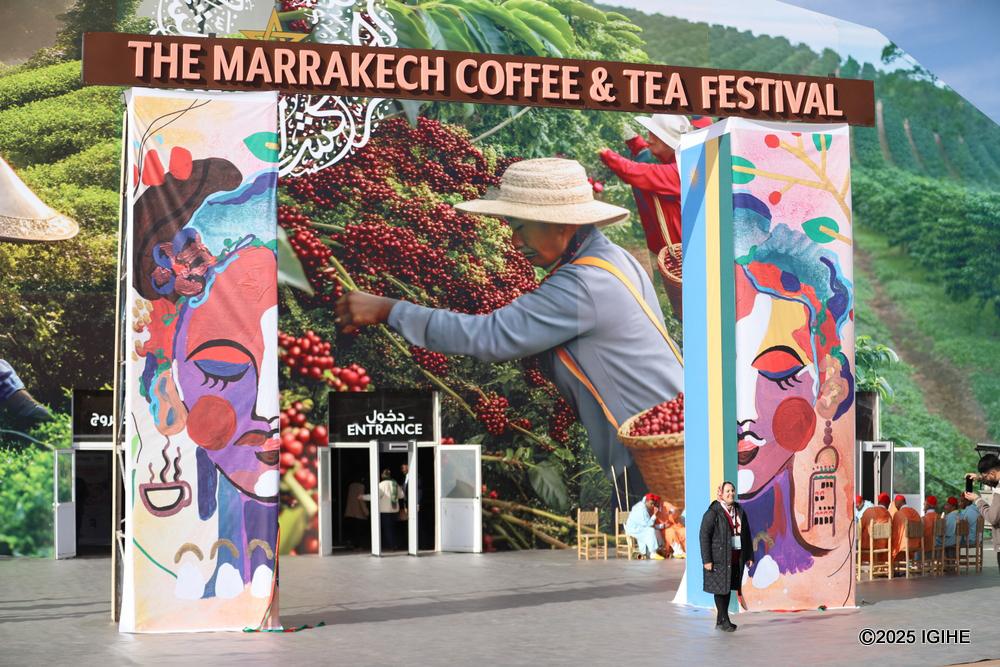
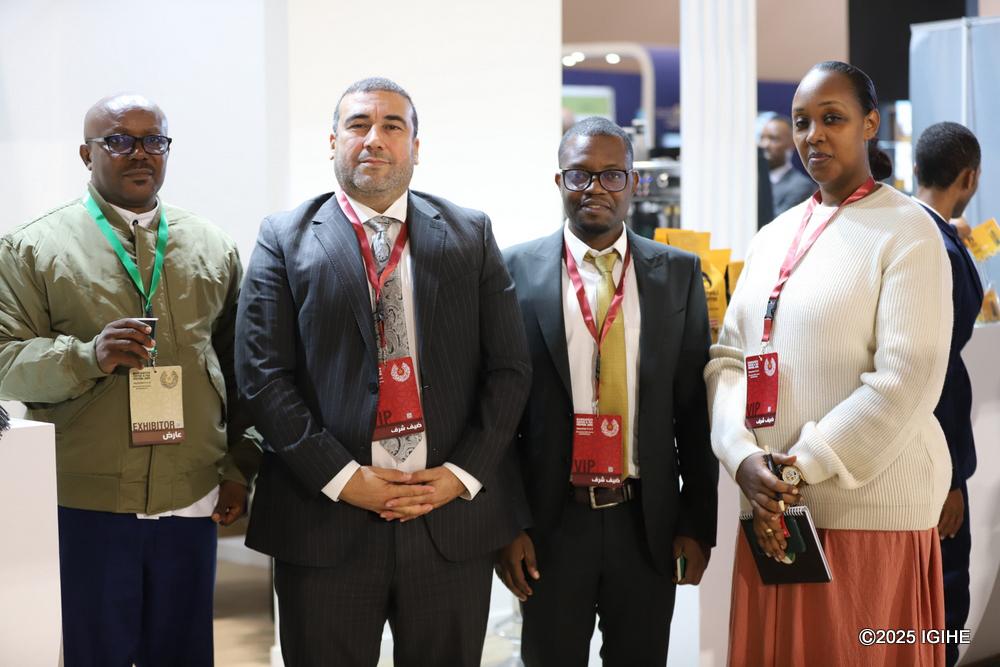
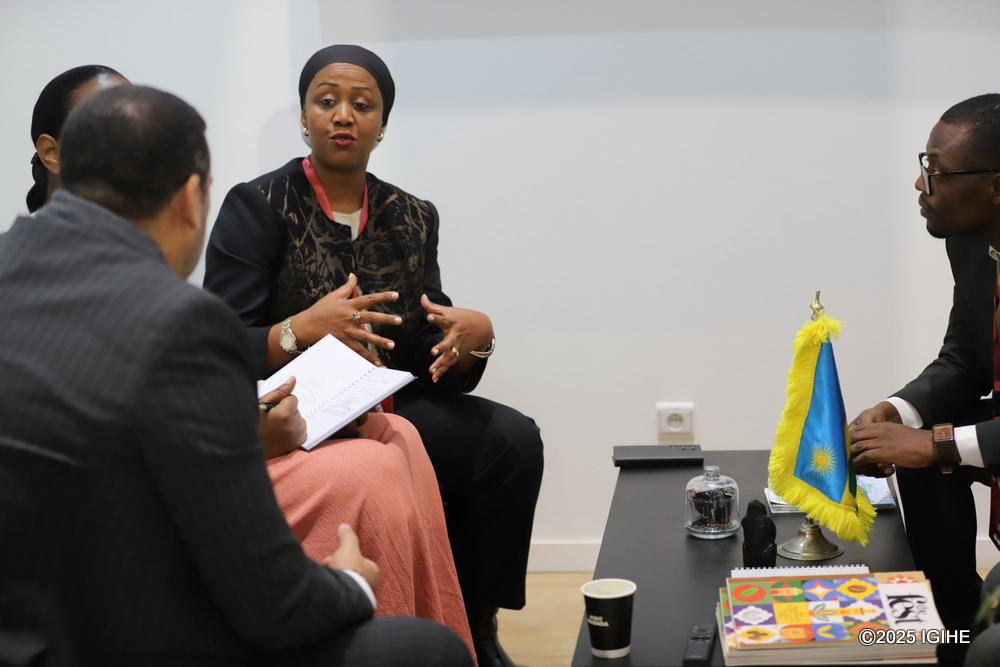
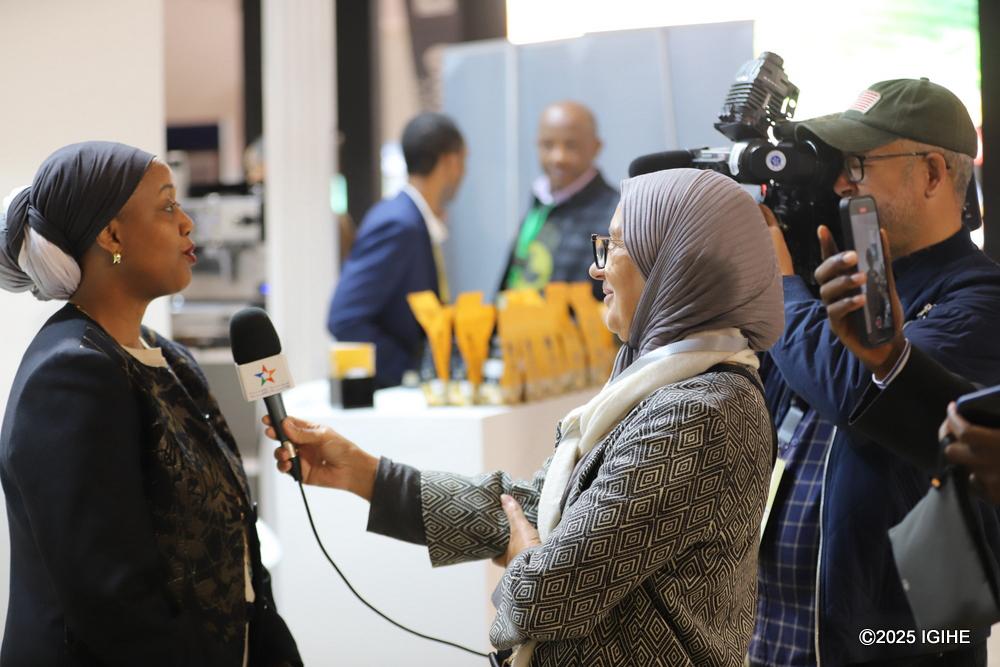
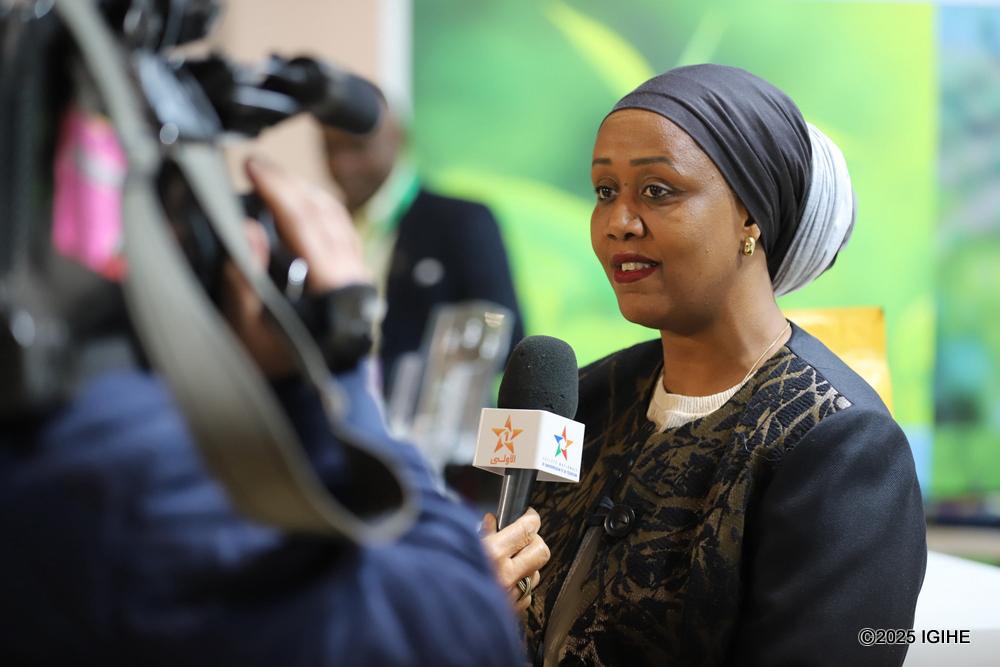
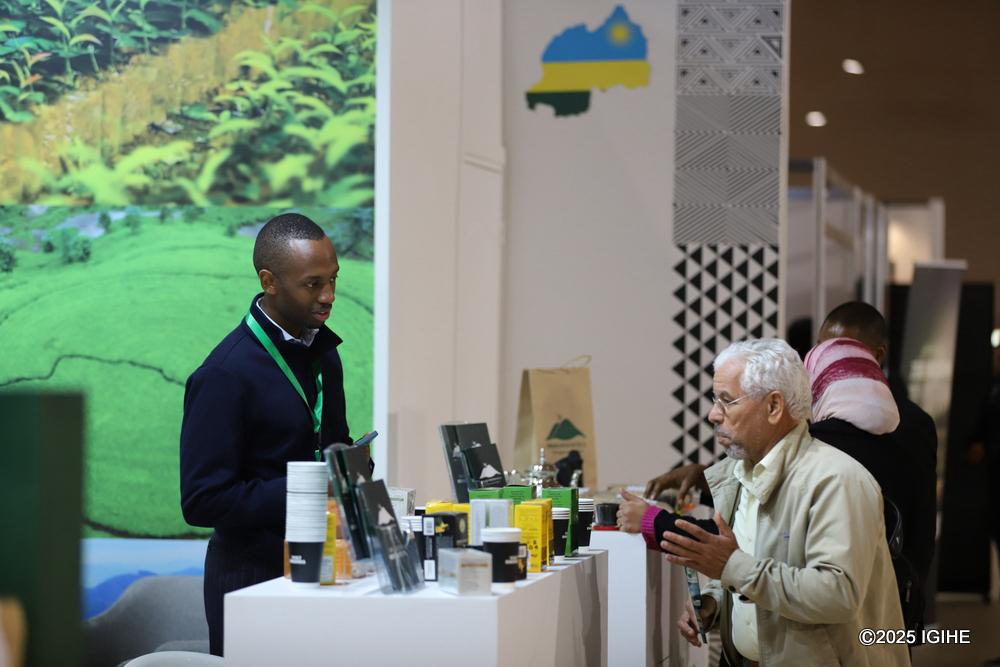
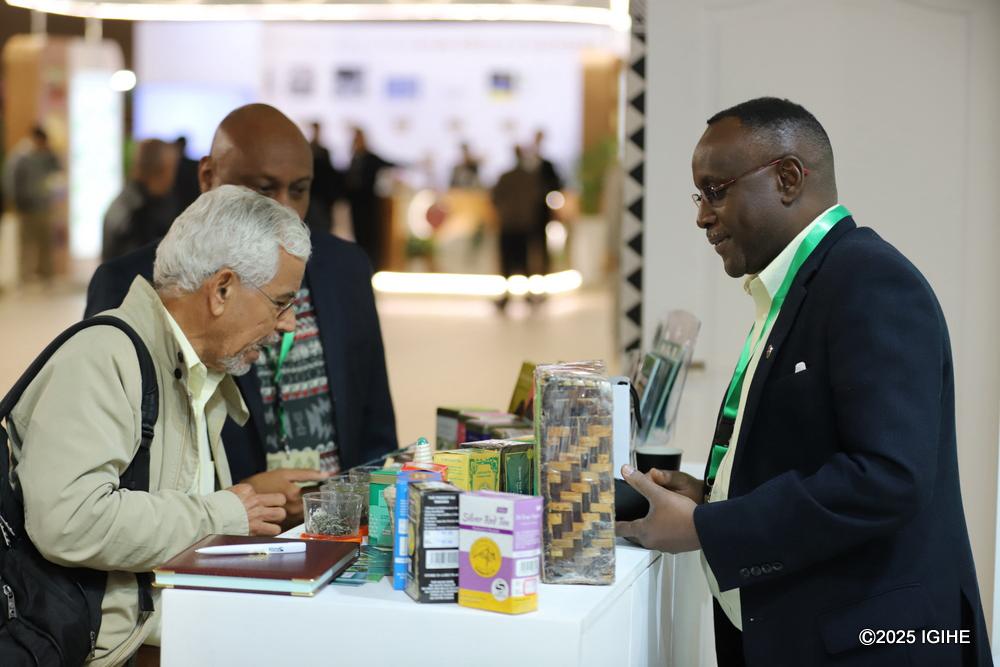
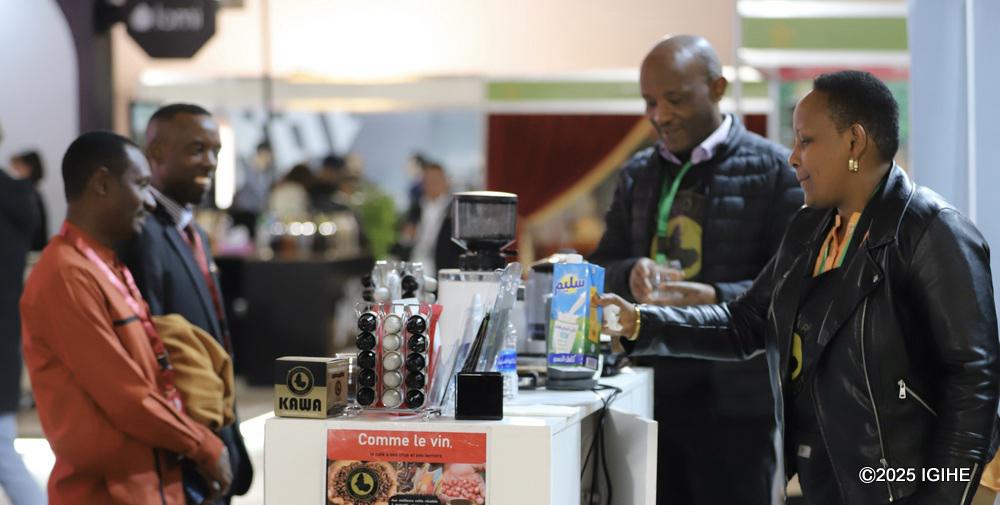
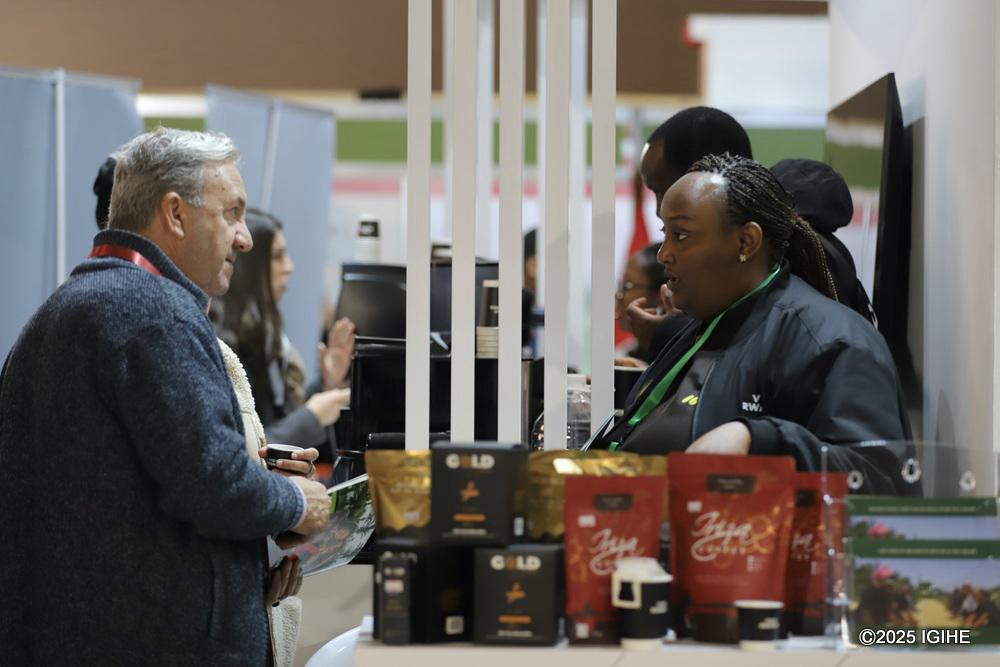
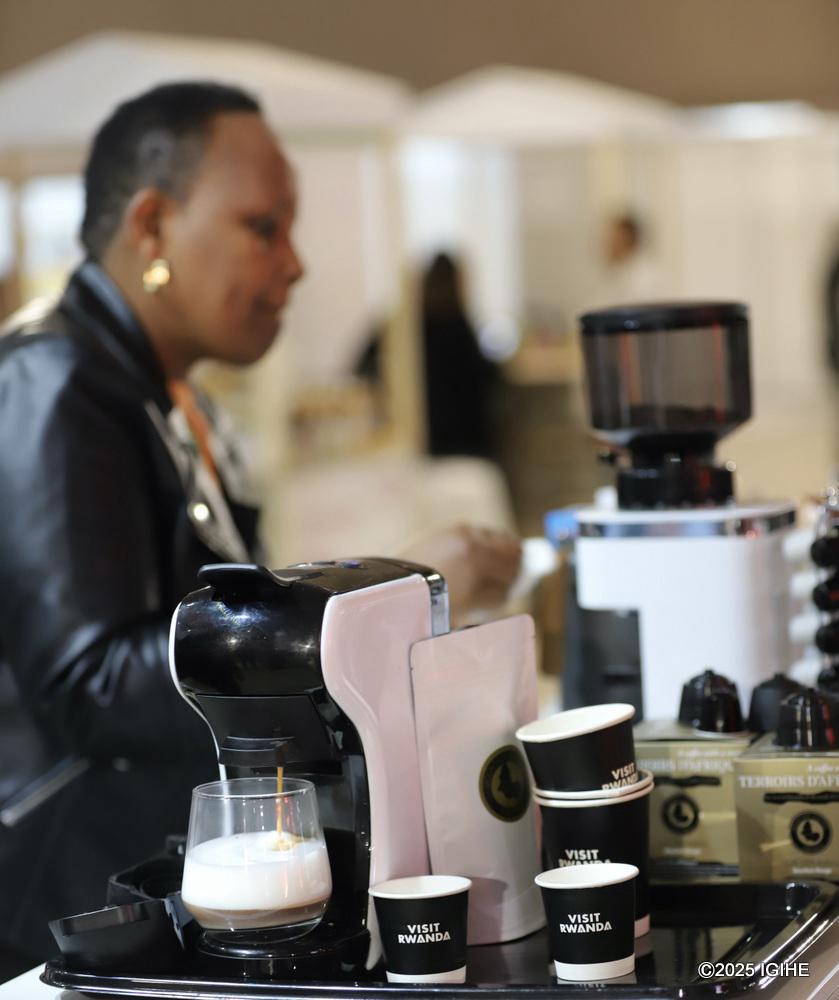
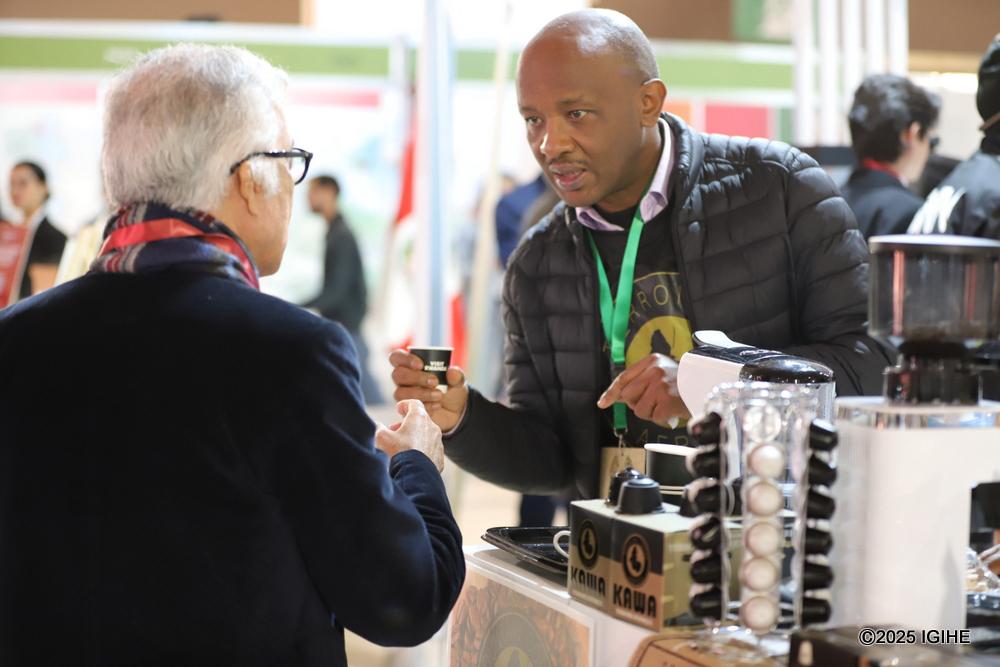
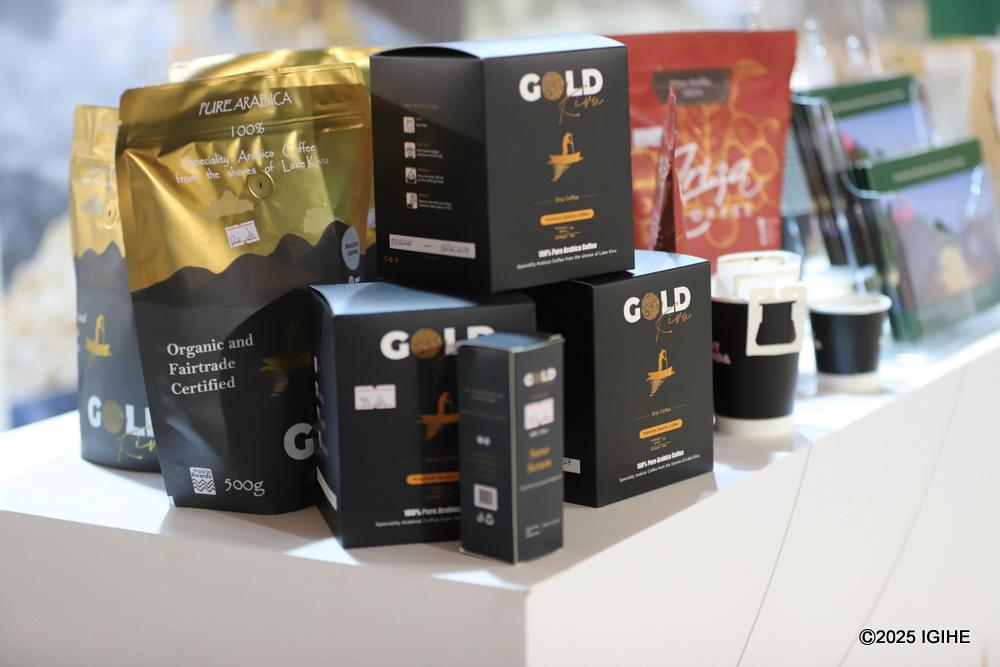
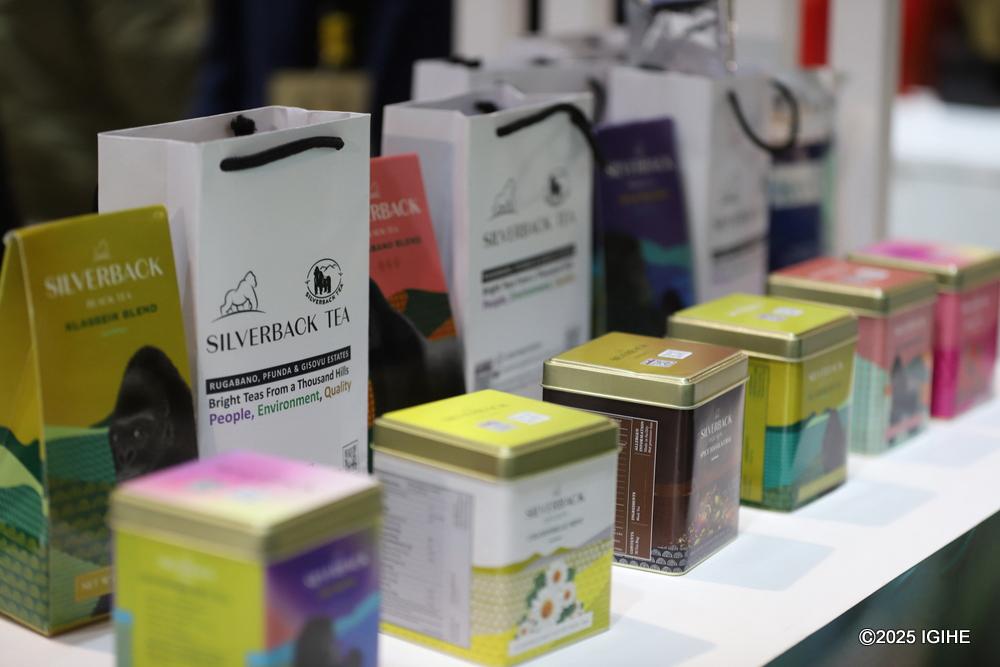
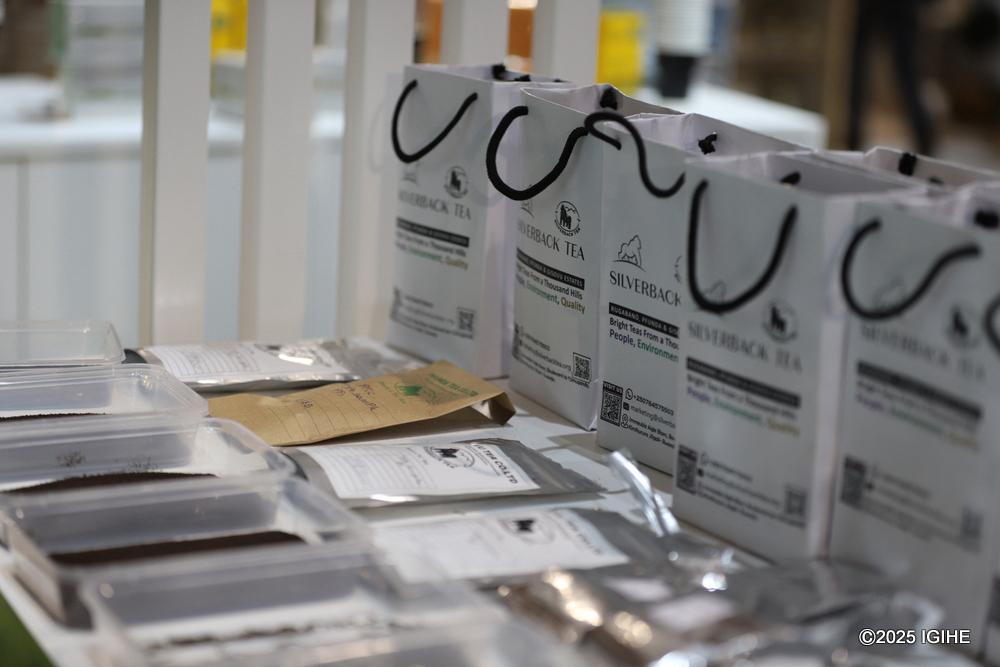
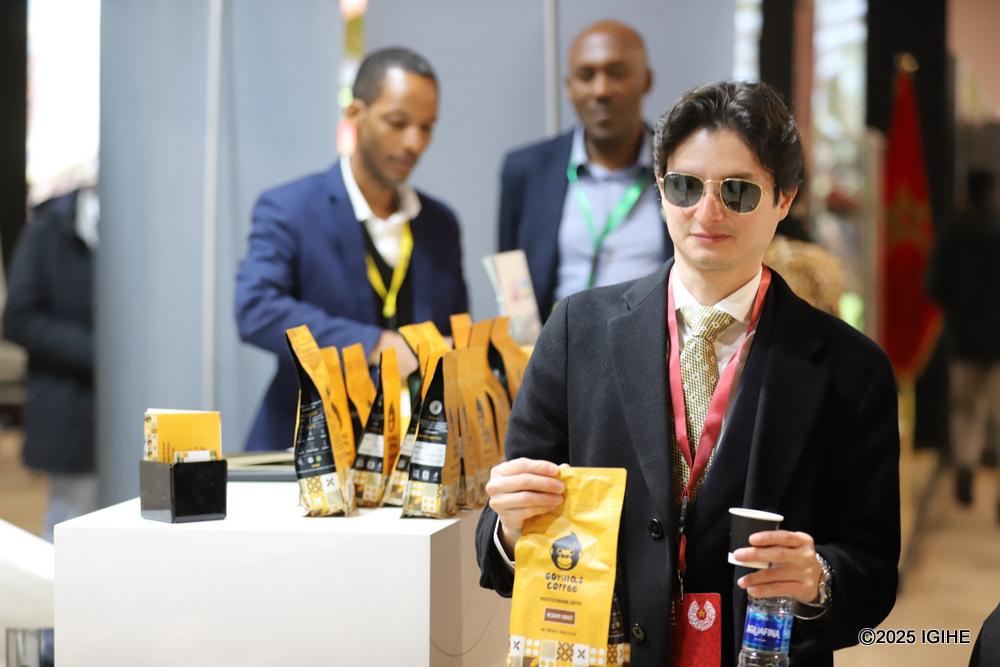
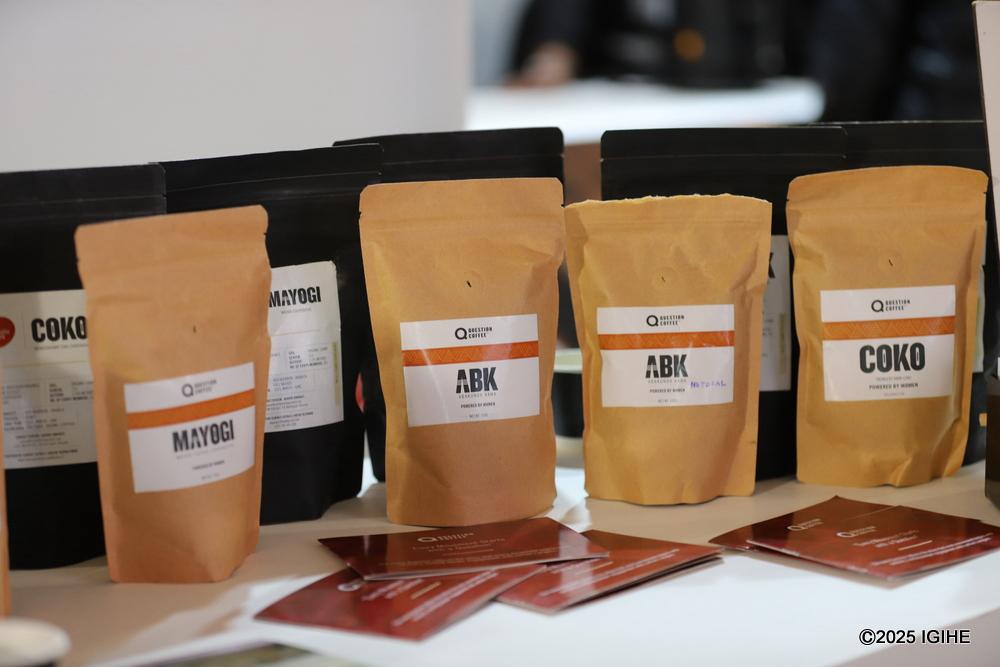
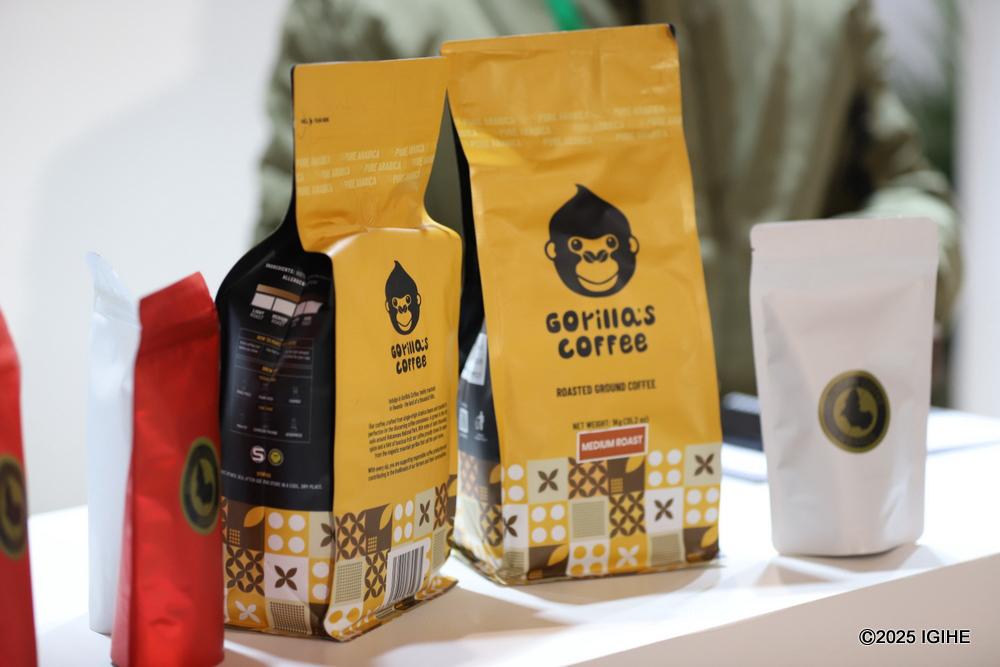
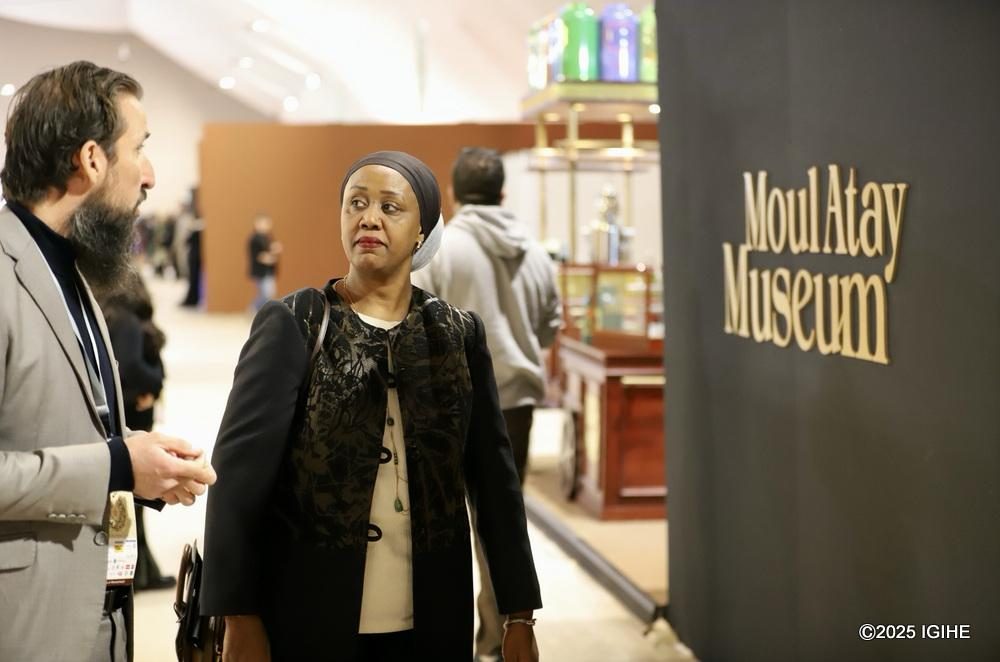
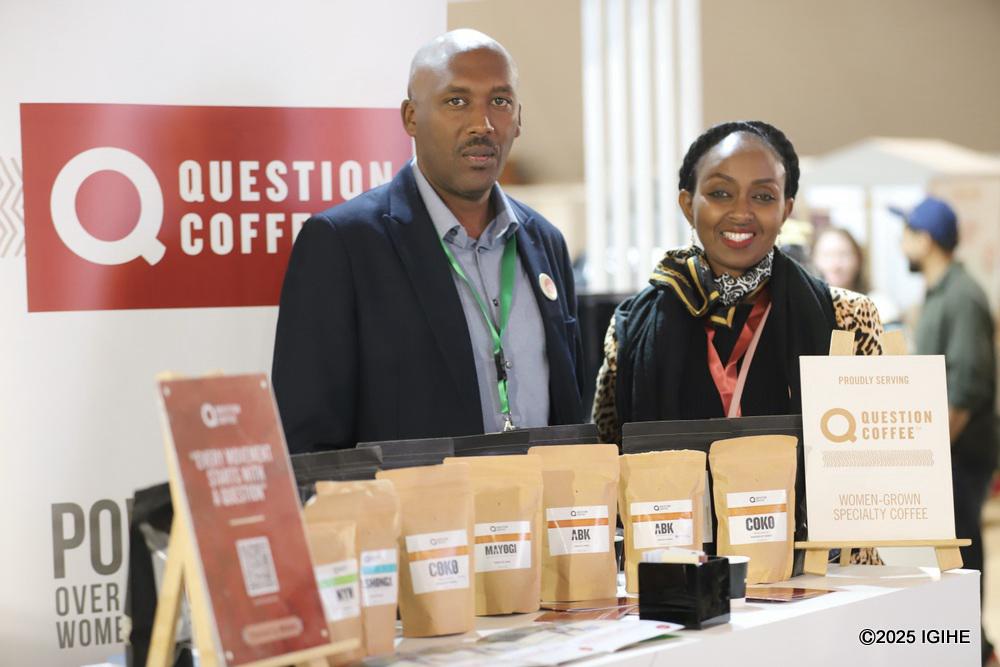
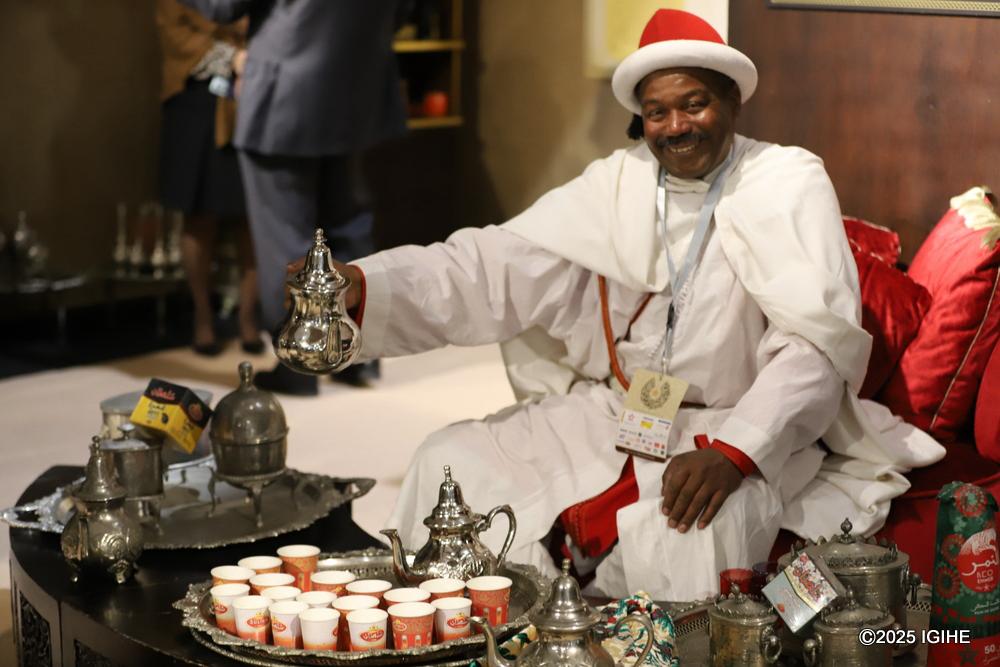
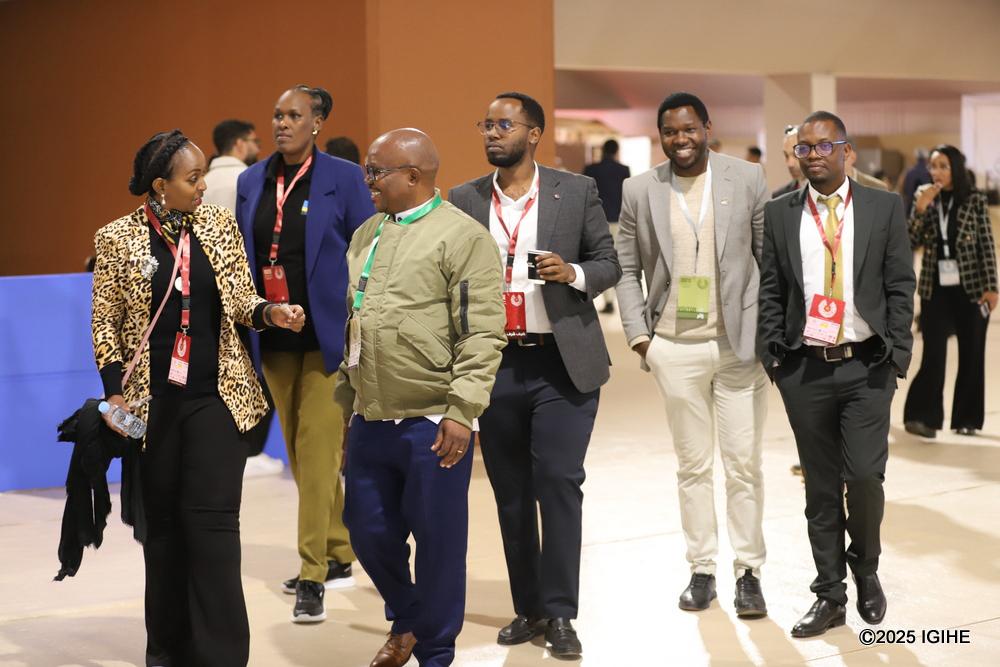
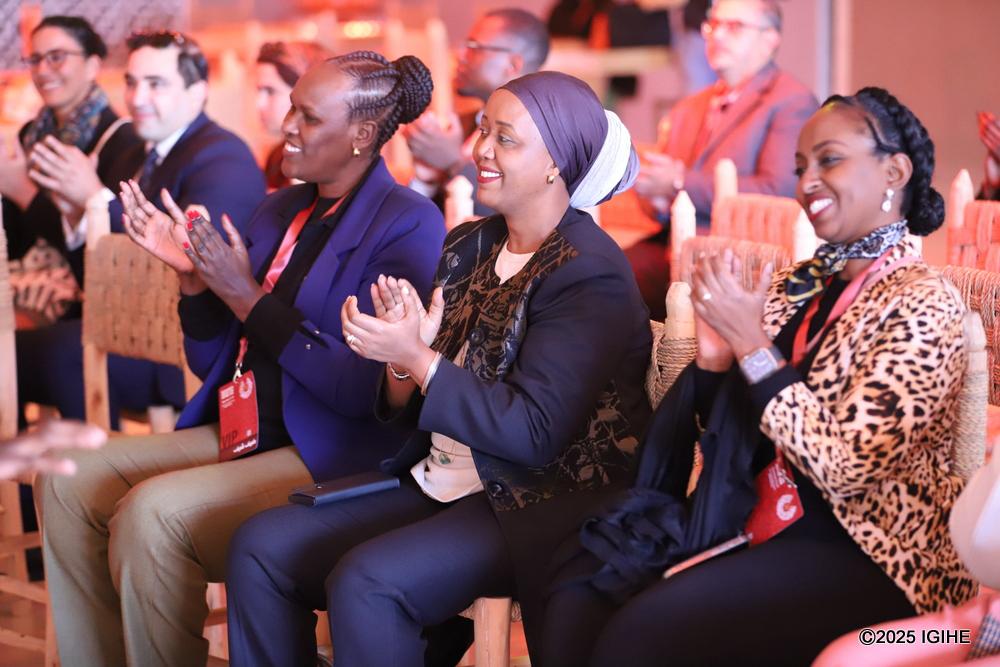
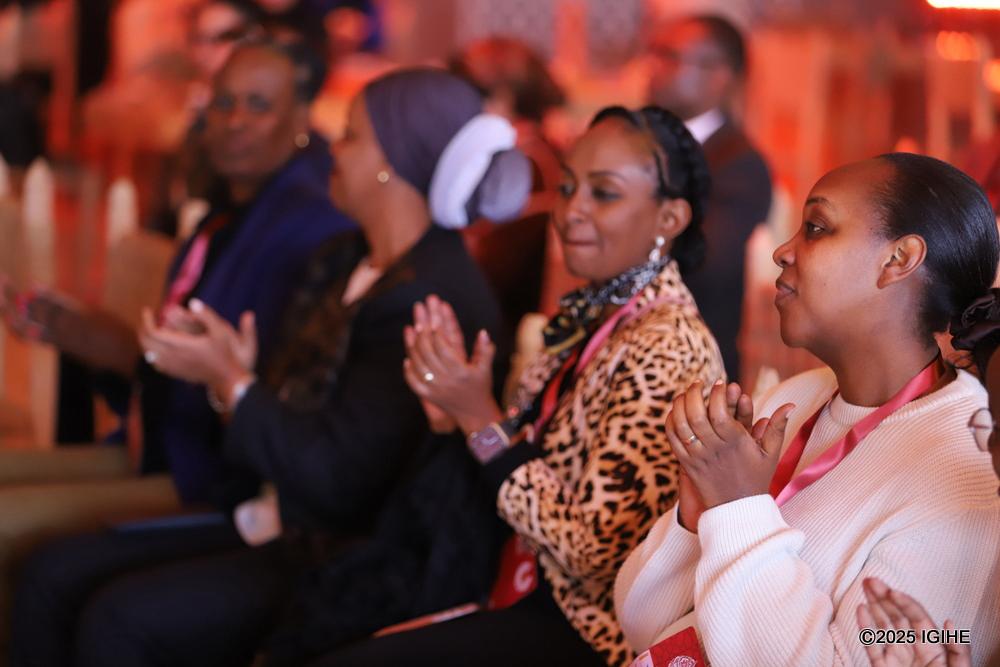
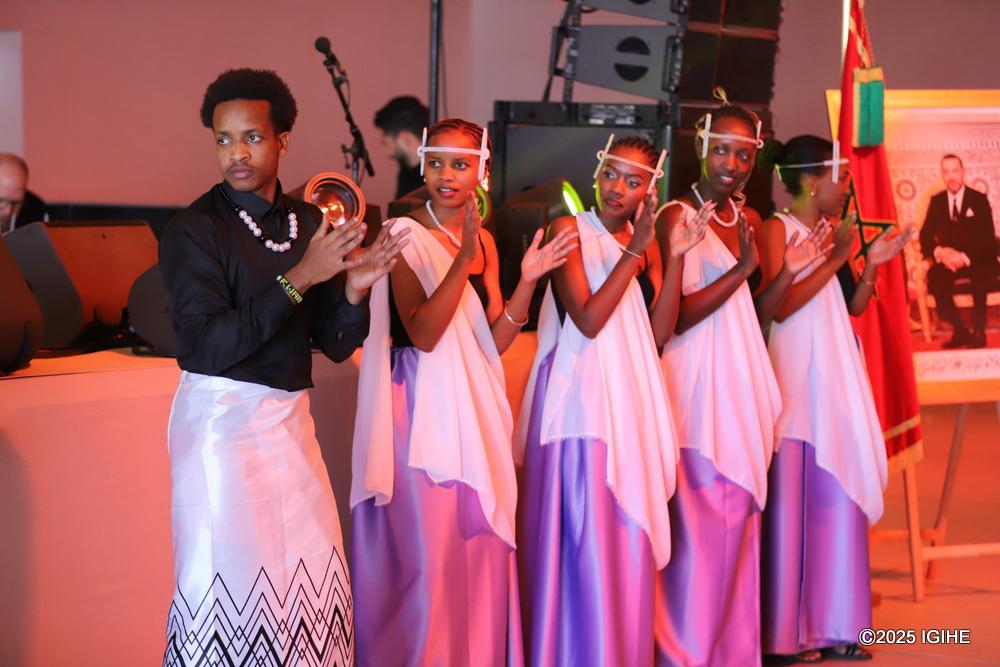
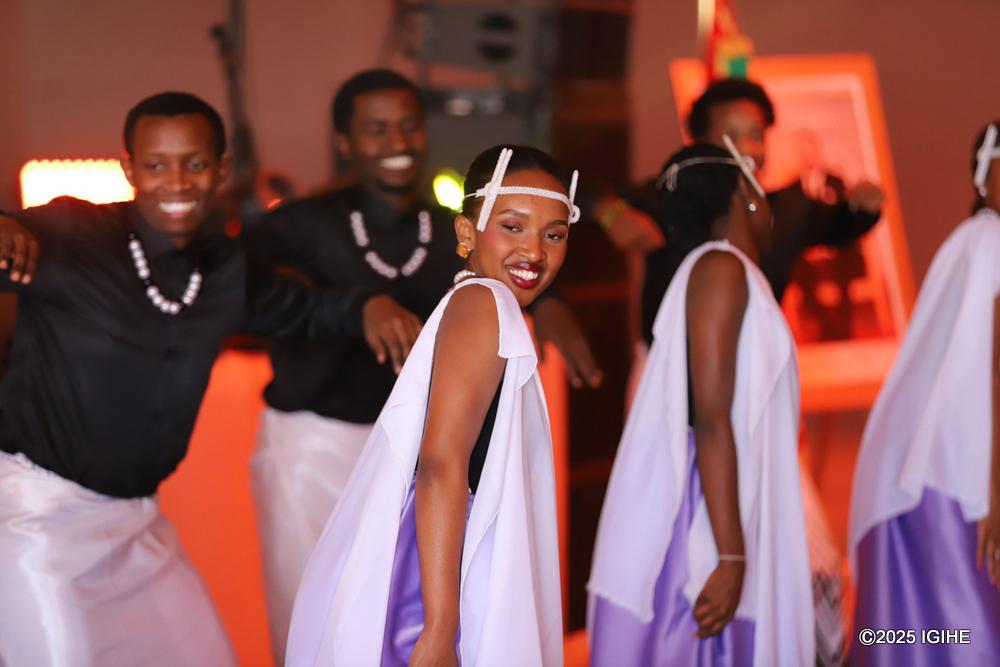
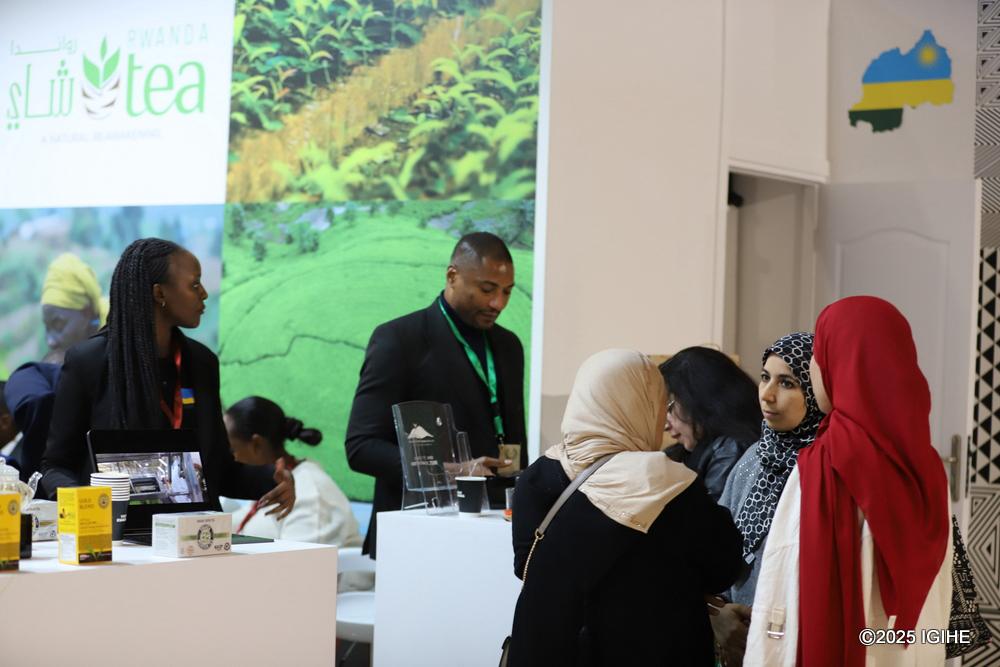
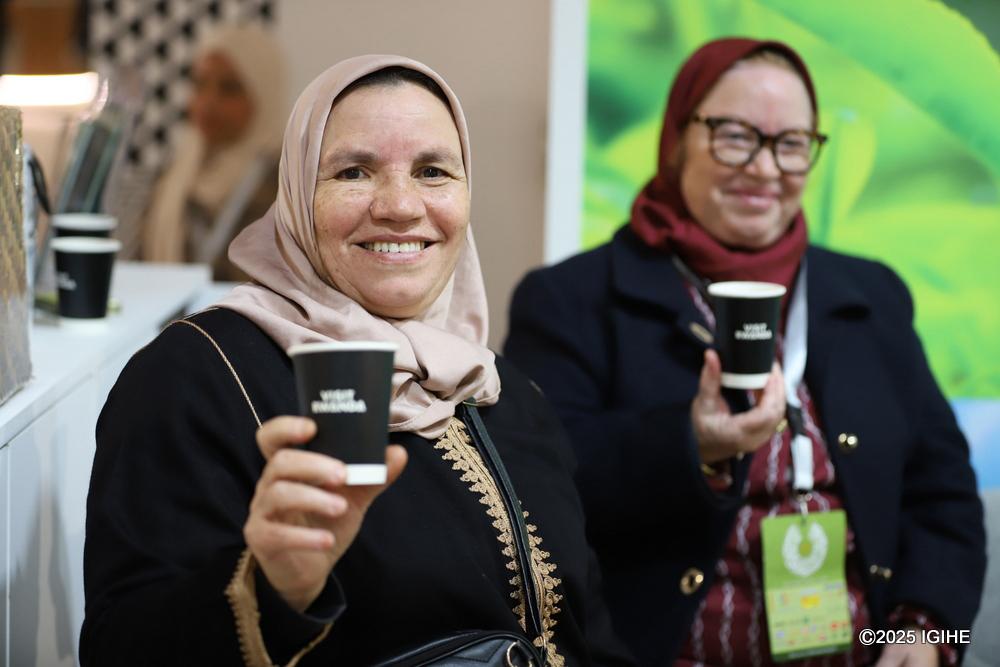
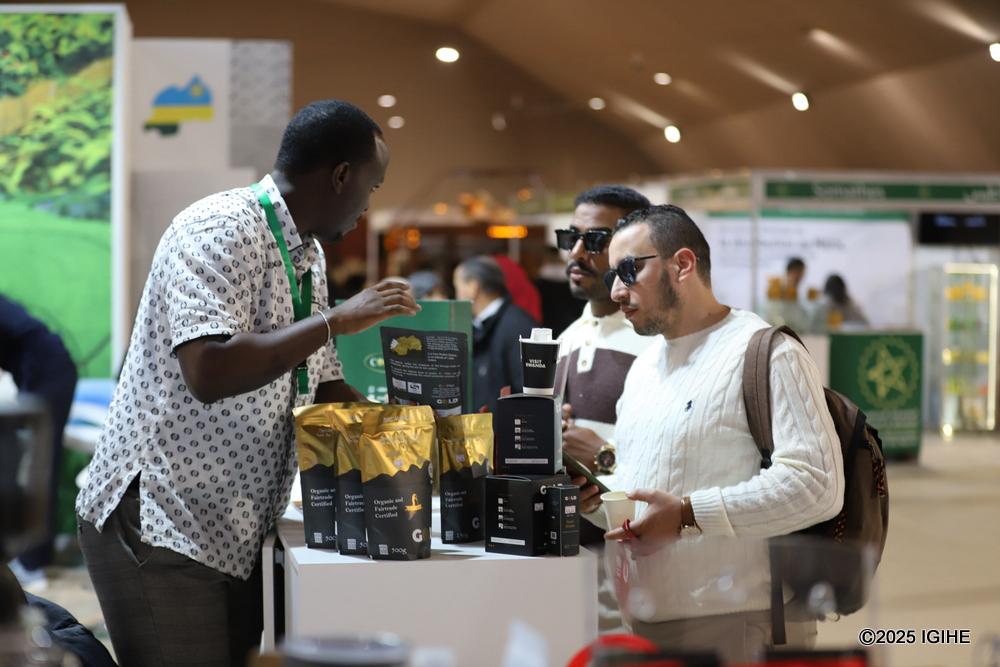
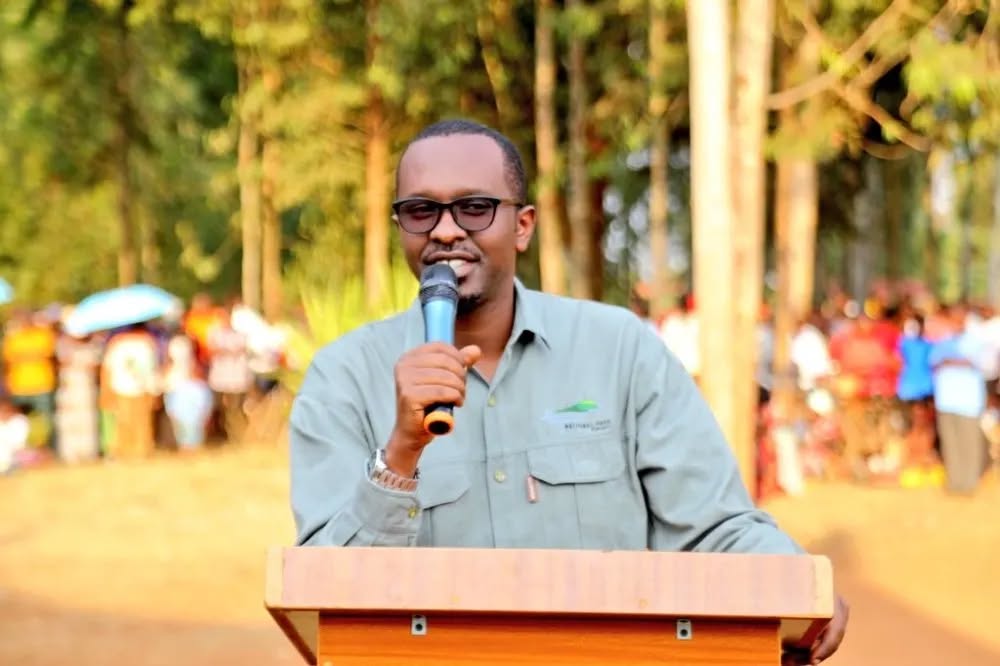
Sixteen Rwandan exporters, supported by the National Agricultural Export Development Board (NAEB), the Rwanda Development Board (RDB), the Private Sector Federation (PSF), and the Embassy of Rwanda in Morocco, are showcasing the country’s finest coffees and teas, products increasingly recognised for their quality, traceability, and smallholder-driven production.
{{Strong early interest from Moroccan buyers
}}
RDB reported highly encouraging early engagements with prospective buyers, noting that several exporters held constructive and forward-looking discussions. According to RDB, these interactions “signal significant potential for establishing new trade partnerships within the Moroccan market.”
The strong interest comes as Rwanda posts rising export revenues. Tea earned $114.88 million in 2023/2024, a 7.1% increase from the previous year, while coffee revenues surged 47.4% in the 2024/2025 season to $116.1 million. NAEB projects coffee earnings could reach $192 million this year, driven by expected exports of 32,000 tonnes.
{{Rwanda showcases quality, consistency and farmer-centred production
}}
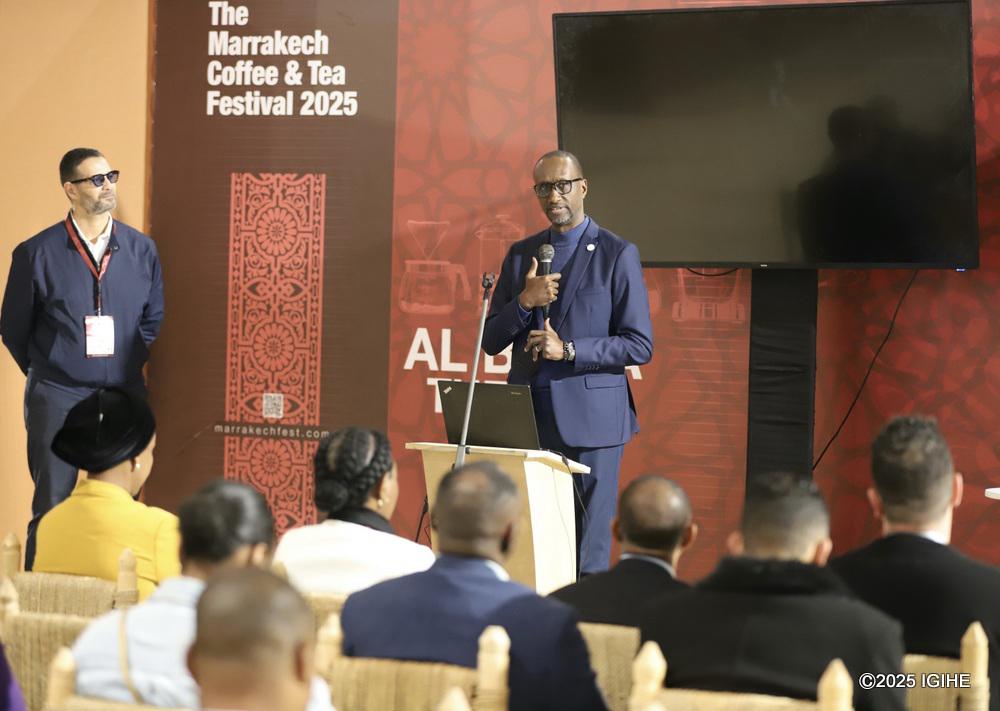
Rwanda’s speciality profile was highlighted throughout the festival. NAEB CEO Claude Bizimana, speaking during the opening engagements, underscored Rwanda’s reputation for excellence:
“Rwanda is internationally recognised for producing some of the finest Arabica Bourbon coffees, grown at high altitudes and known for their sweetness, bright acidity, and exceptional body.”
Rwanda’s coffee sector is sustained by around 400,000 farmers, each tending an average of 300 trees. Together, they produce 330,000–380,000 bags annually, equivalent to 20,000–23,000 metric tons.
To meet the needs of speciality buyers, Rwanda has diversified its processing methods, offering fully washed, honey, natural, and increasingly anaerobic coffees. These innovations have strengthened Rwanda’s competitiveness in premium markets.
Bizimana added that Rwanda’s tea sector remains equally strong, producing high-grade CTC, orthodox teas, and growing volumes of green tea. “Rwandan tea ranks among the best in international auctions, and we are eager to bring more of it to the Moroccan market, where quality is highly valued,” he noted.
{{Morocco is a gateway market
}}
The Private Sector Federation (PSF) sees the festival as a strategic entry point into Morocco’s dynamic food and beverage landscape.
Speaking at the event, PSF Chief Operations Officer Faustin Karasira highlighted the readiness of Rwandan companies to scale up commercial engagement.
“The Moroccan market has shown remarkable openness toward Rwandan products. We see strong potential for partnership with the Chamber of Commerce, Industry and Services of Marrakech, especially in strengthening trade missions and creating sustainable supply chains,” Karasira noted.
He emphasised that Rwanda’s traceable, speciality-grade coffees and teas align well with shifting consumer preferences in Moroccan hotels, cafés, and retail chains. PSF confirmed that discussions with CCISM will continue, including plans for reciprocal trade missions and market access initiatives.
{{Production expansion to meet rising demand
}}
Rwanda’s growing visibility is supported by investments aimed at increasing production. NAEB plans to plant 2.9 million new coffee seedlings across 1,043 hectares this year, while rejuvenating 443 hectares of ageing trees, building on last year’s 1.3 million seedlings planted. Tea production, meanwhile, is projected to reach $164 million by 2029, supported by rising factory capacity and expanded plantations.
{{A gateway to North Africa
}}
For Rwandan exporters, the festival’s B2B platforms offer the chance to secure distribution channels, explore joint ventures, and better understand Morocco’s hospitality and retail ecosystem. Many see Morocco as a natural gateway to the broader North African market, where demand for high-quality coffees and teas is increasing.
“We are here not just to exhibit, but to build bridges. Morocco has welcomed us with warmth and professionalism, and we look forward to turning these engagements into concrete business partnerships,” Karasira concluded.
As the guest country of honour, Rwanda has a platform to deepen partnerships, attract buyers, and negotiate export and processing deals. Visitors can access traceable micro-lots and products tailored for international markets. Morocco, with its growing demand for fine coffee and tea, is a strategic market for Rwanda.
Rwanda’s presence also positions East Africa as a source of exceptional speciality beverages, highlighting a shift toward quality, innovation, and sustainability in African agriculture.
Seidou made the remarks after a group of soldiers announced earlier in the day on state broadcaster Benin TV that President Patrice Talon had been “removed from office.”
According to the minister, the armed forces and their command, “faithful to their oath,” responded in a republican manner and were able to keep the situation under control, thwarting the attempt. The government called on the public to continue their activities as normal.
Speaking separately to the French weekly magazine Jeune Afrique on Sunday morning, Romuald Wadagni, minister of state in charge of economy and finance, said the situation was “under control.”
“The mutineers are trapped. We are clearing the area, but it is not over yet. We are safe.” He said, adding that helicopters were patrolling the city and that the central Cotonou was heavily secured by the armed forces.
Local residents told Xinhua that in Cotonou, the country’s economic capital and largest city, and its surrounding areas, armed soldiers were mainly deployed at key intersections, while residents continued their daily activities and major markets remained open.
Earlier Sunday, the group of soldiers, identifying themselves as the “Military Committee for the Refoundation (CMR),” convened and decided that “Mr. Patrice Talon is dismissed from his functions as president of the republic.”
Gunshots were reported at Camp Guezo, near the president’s residence in Cotonou, and local media said the soldiers had taken control of the state broadcaster. However, the Presidency said the president is safe and that government forces have regained control of the situation.
Benin, located in West Africa, covers an area of about 112,000 square km and has a population of roughly 14 million.
Historically considered one of the more peaceful and stable countries in the region, Benin has nevertheless experienced several coups and attempted coups following gaining independence from France in 1960.
Political stability has largely been maintained since 1991, after the two-decade rule of Mathieu Kerekou, who had renamed the country the People’s Republic of Benin.
Talon first came to power in March 2016 and was re-elected in April 2021. He was scheduled to step down after the presidential election in April 2026. Wadagni had been widely regarded as the frontrunner, while opposition candidate Renaud Agbodjo was barred by the electoral commission due to insufficient sponsorship.
In November, the national legislature approved an extension of the presidential term from five to seven years, while retaining the two-term limit.
The current events in Benin come amid a wave of military takeovers in West Africa. Just in late November, a coup in Guinea-Bissau ousted President Umaro Embalo following a disputed election in which both the incumbent and opposition declared victory.
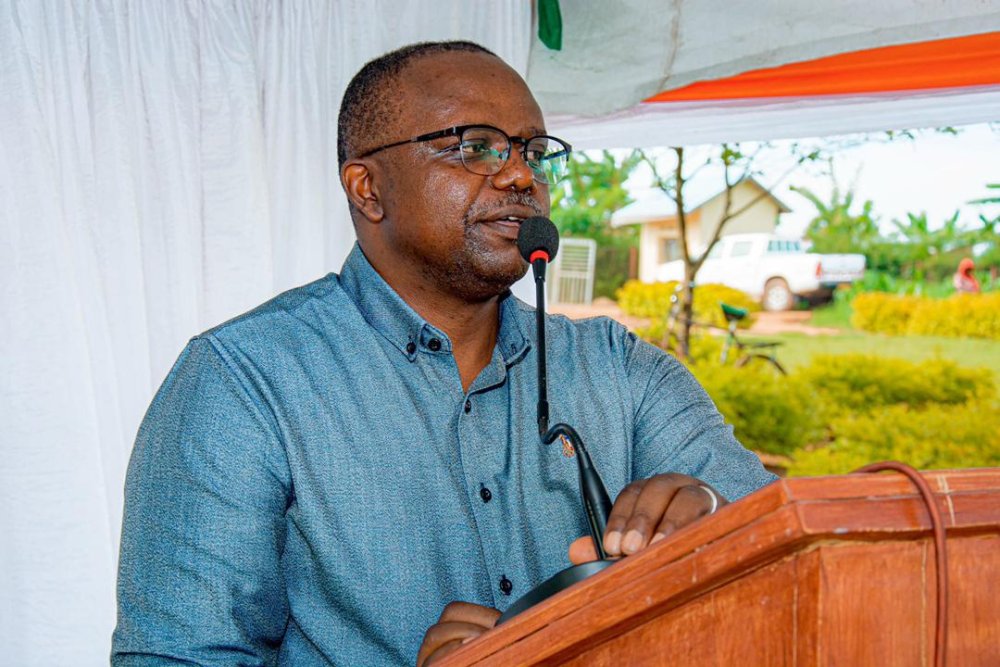
The decision was taken during an extraordinary district council meeting held on Sunday, December 7, 2025.
According to reliable sources, the officials were removed after failing to address pressing issues affecting residents, particularly in the Ndego and Mwiri sectors. Communities in the areas have faced severe food shortages due to prolonged lack of rainfall. Reports indicate that while government food supplies were available, delays and mismanagement in distribution left residents struggling to meet basic needs.
The council also cited frequent disagreements among the leadership, with officials reportedly clashing over key decisions multiple times, contributing to governance challenges within the district.
John Bosco Nyemazi was elected Mayor in December 2021. Hope Munganyinka joined the district’s executive committee in 2018 and was later re-elected. Jean Damascene Harerimana was elected Vice Mayor in 2016 and re-elected in 2021.
Kayonza District has faced ongoing challenges related to drought, despite the implementation of major irrigation projects, including KIIWP1, KIIWP2, and others, with investments totalling over 100 billion Rwandan francs. However, residents in Ndego and Mwiri continue to experience hardships each year, prompting repeated complaints.
Identifying themselves as the “Military Committee for the Refoundation (CMR),” the soldiers said they convened on Sunday and decided that “Mr. Patrice Talon is dismissed from his functions as president of the republic.”
Gunshots were reported at Camp Guezo, near the president’s residence in the largest city of Cotonou, and local media said soldiers had taken control of the state broadcaster.
However, the Presidency said the president is safe and that government forces have regained control of the situation.
The current events in Benin come amid a wave of military takeovers in West Africa. Just in late November, a coup in Guinea-Bissau ousted President Umaro Embalo following a disputed election in which both the incumbent and opposition declared victory.
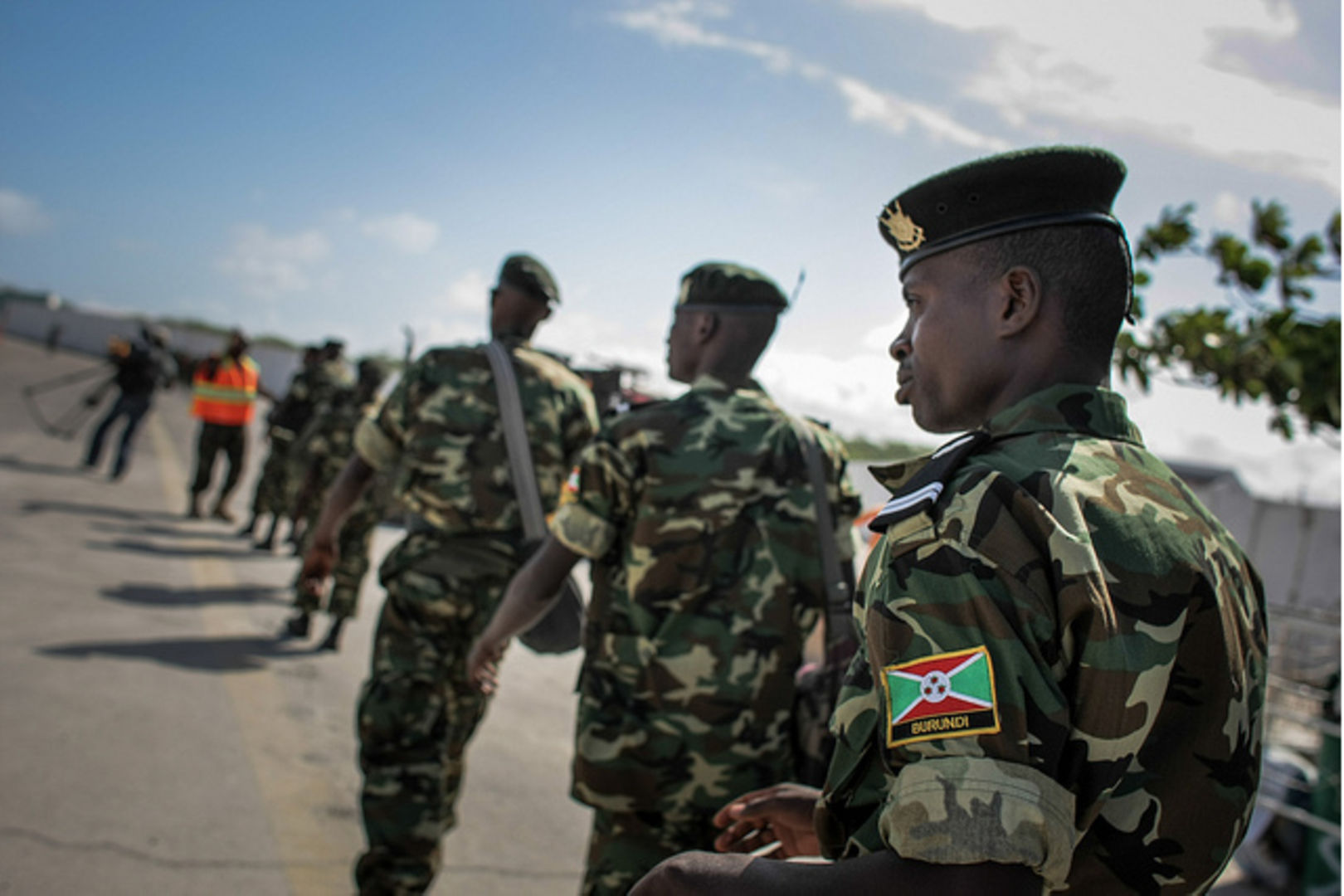
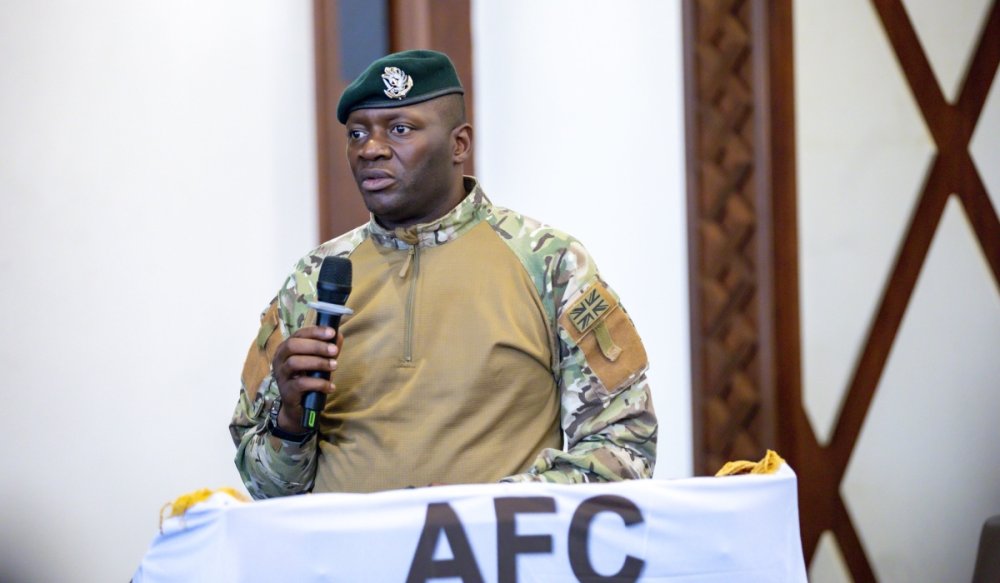
In a statement released on December 6, 2025, AFC/M23 clarified that the movement does not claim any territory outside the DRC and has no ambitions in Burundi, despite the country’s ongoing involvement in destabilizing eastern DRC.
“The world has witnessed the extensive destruction caused by bombs launched from Burundian territory by Burundian forces: roads and bridges destroyed, schools damaged, health centres affected, and homes and places of worship destroyed,” the statement read.
“These attacks, carried out from beyond our borders, continue to harm our communities, spread fear, and force thousands of families to flee their homes.”
The statement also highlighted that Burundian forces, armed and supported by the Kinshasa regime, are being used to target Tutsi Banyamulenge populations in Minembwe. AFC/M23 pledged to stand by civilians and urged residents to remain calm while continuing daily activities.
The call for Burundian withdrawal comes amid heavy fighting in South Kivu. Over the past five days, clashes between DRC forces and AFC/M23 have intensified in areas including Kamanyola, Kaziba, and Rurambo in Uvira territory. AFC/M23 fighters have captured Rurambo and are attempting to seize Lubarika, while DRC forces try to regain control of Katogota and Kamanyola.
Reports indicate heavy shelling in Kamanyola originating from Luvungi, while other shells have fallen in Luvungi from Kamanyola. Civilian homes and infrastructure, including schools, have been destroyed, leaving many dead or injured and forcing thousands to flee.
A displaced resident from Kamanyola recounted the harrowing experience: “They were firing shells that landed in houses. People were dying, others were injured, houses were burning. I have a family of seven: my husband, five children, and I. We fled the war.”
Burundi’s forces have been implicated in the cross-border shelling. AFC/M23 condemned the attacks and vowed to continue protecting civilians, while elite fighters reportedly launched a major counterattack on December 4 against Burundian army positions in South Kivu, killing multiple soldiers, including Lt. Col. Athanase Minani, and taking others captive.
Burundian forces have been openly operating in South Kivu Province since 2022, after Burundi and the DRC signed a military cooperation agreement in an attempt to neutralise M23 rebels.
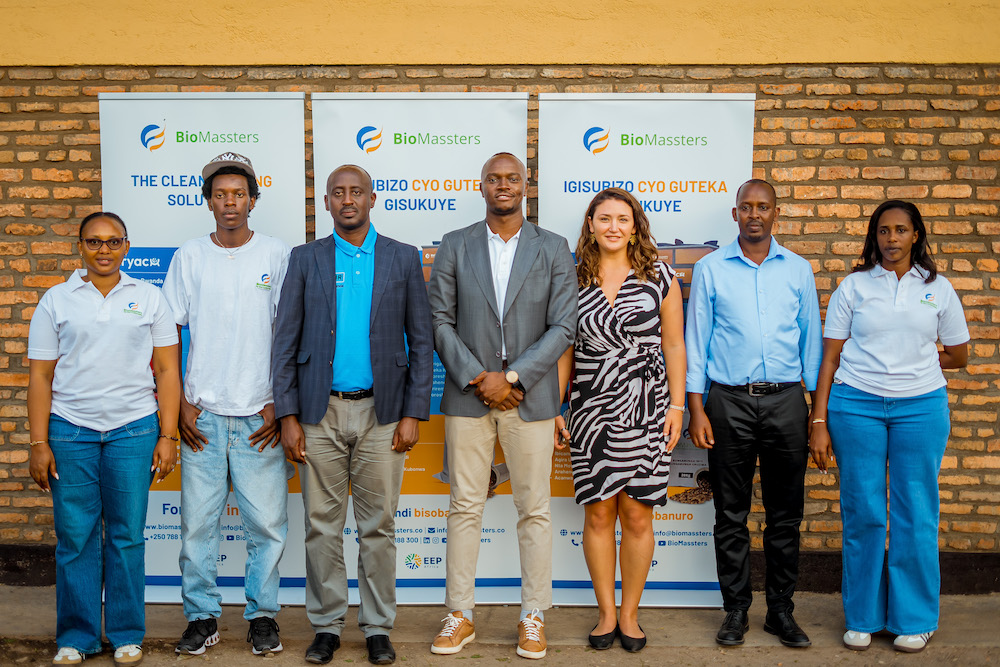
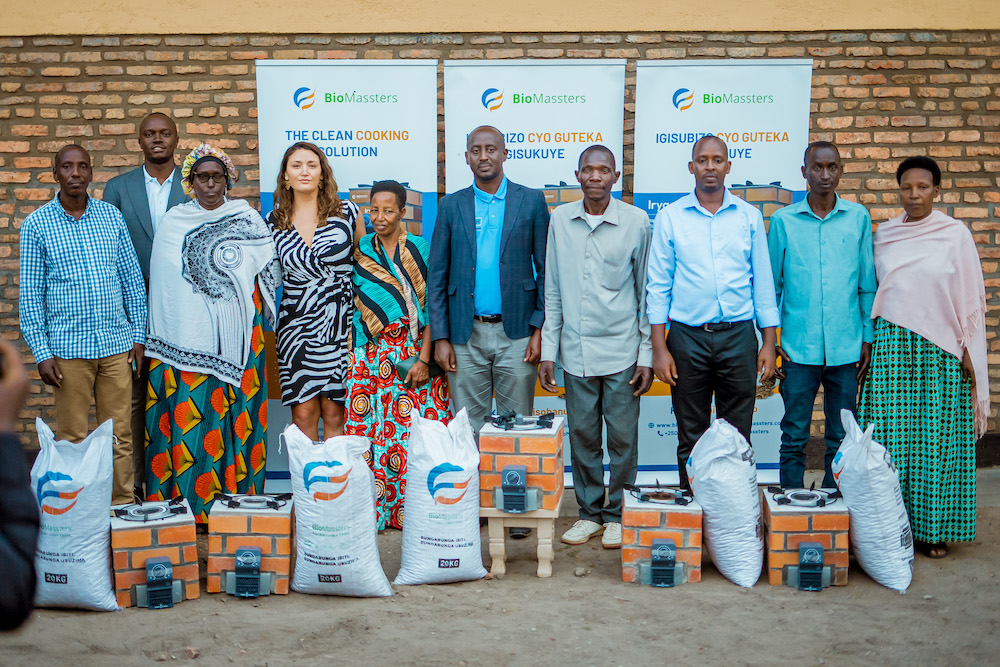
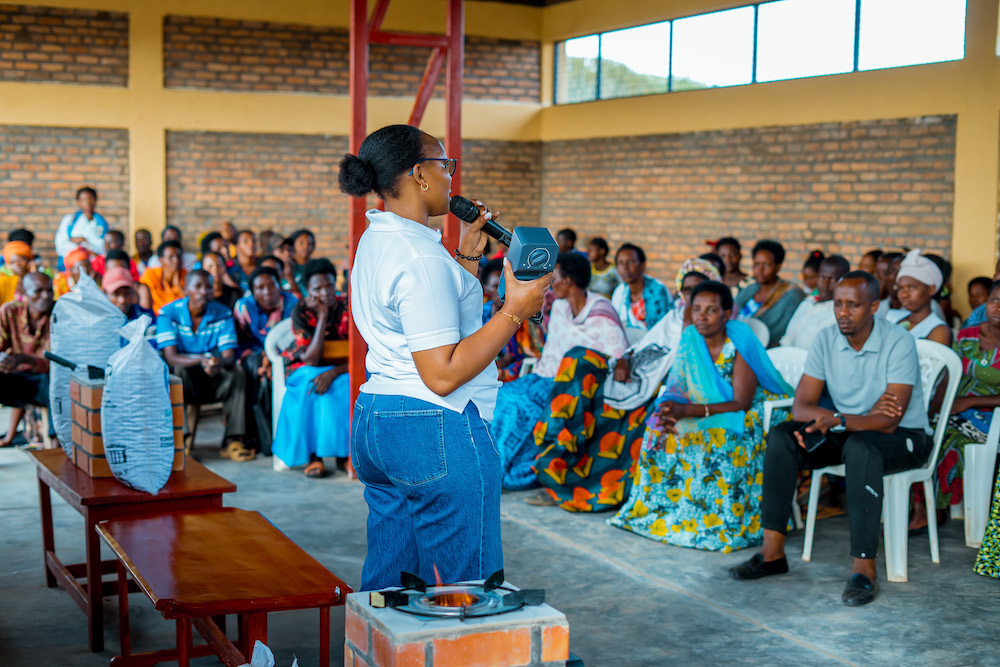
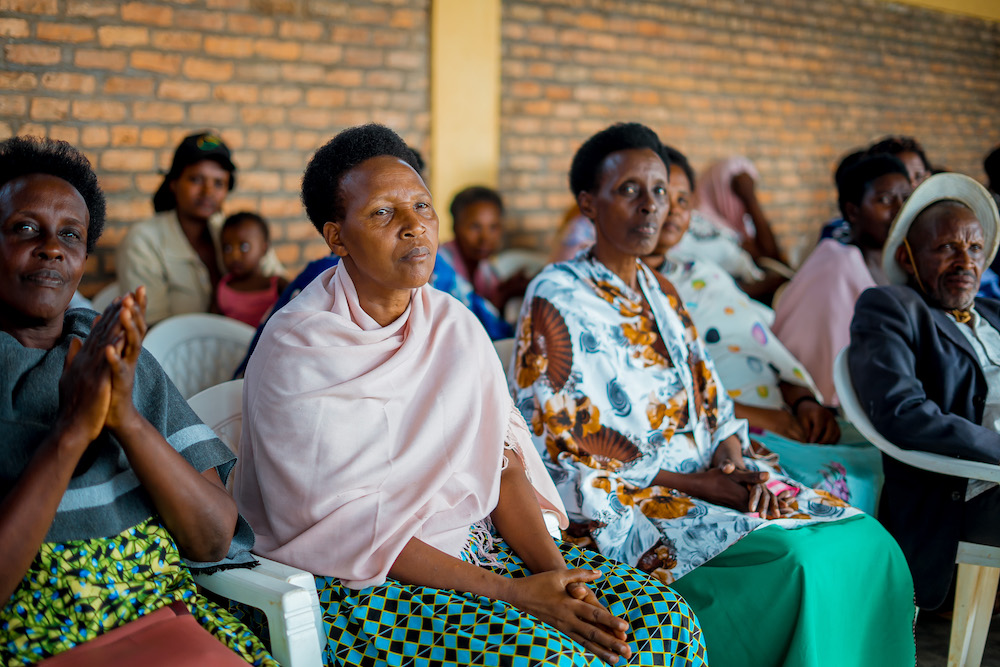
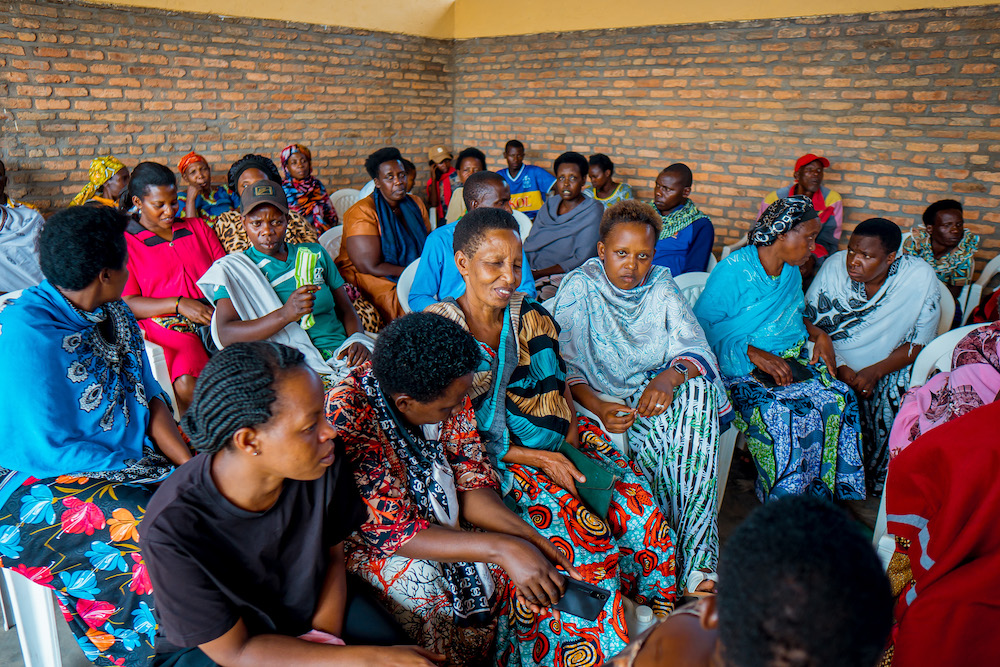
The handover event took place on December 3, 2025, in a ceremony organised in partnership with the Eastern Province, Nyagatare District, and the Rwanda Housing Authority.
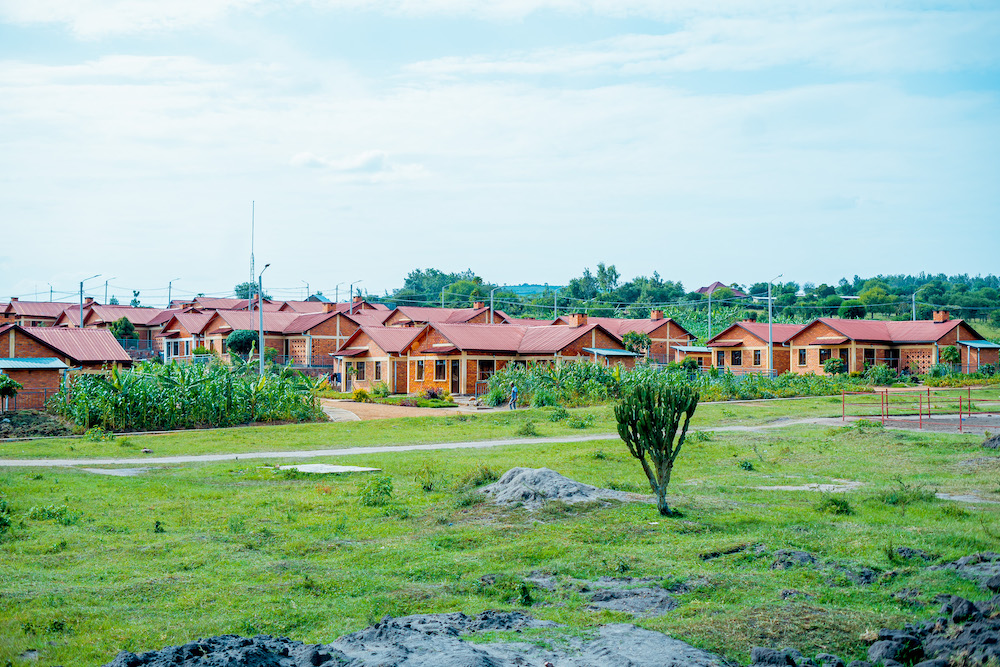
The beneficiaries are 125 families resettled in the model village located in Karangazi Sector, Ndama Cell, Rwabiharamba Village.
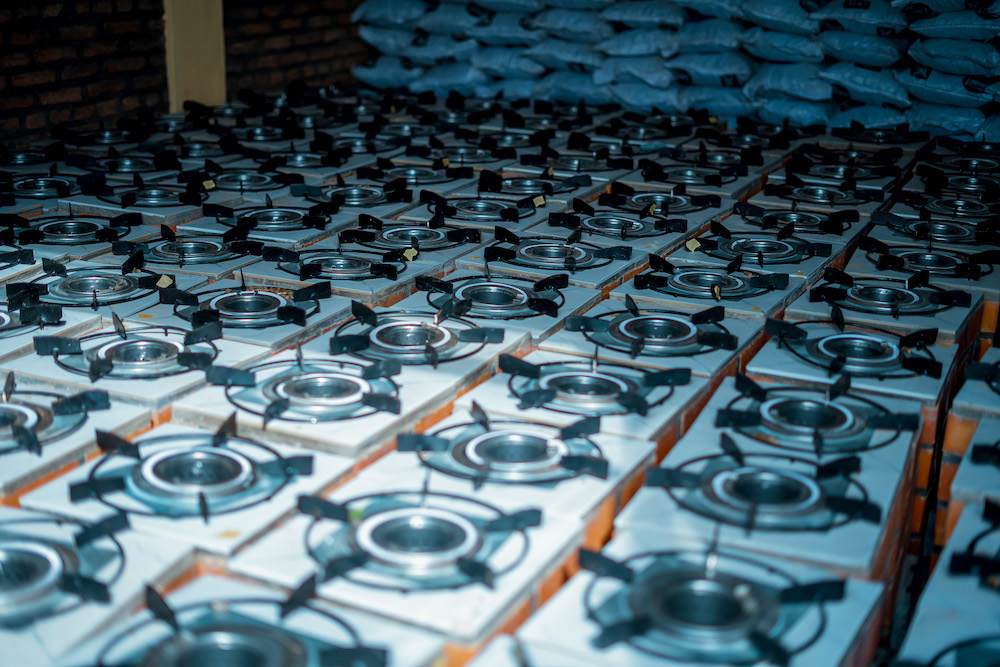
Founded in 2020 and operational since 2023, BioMassters aims to address climate change by promoting clean and affordable cooking solutions.
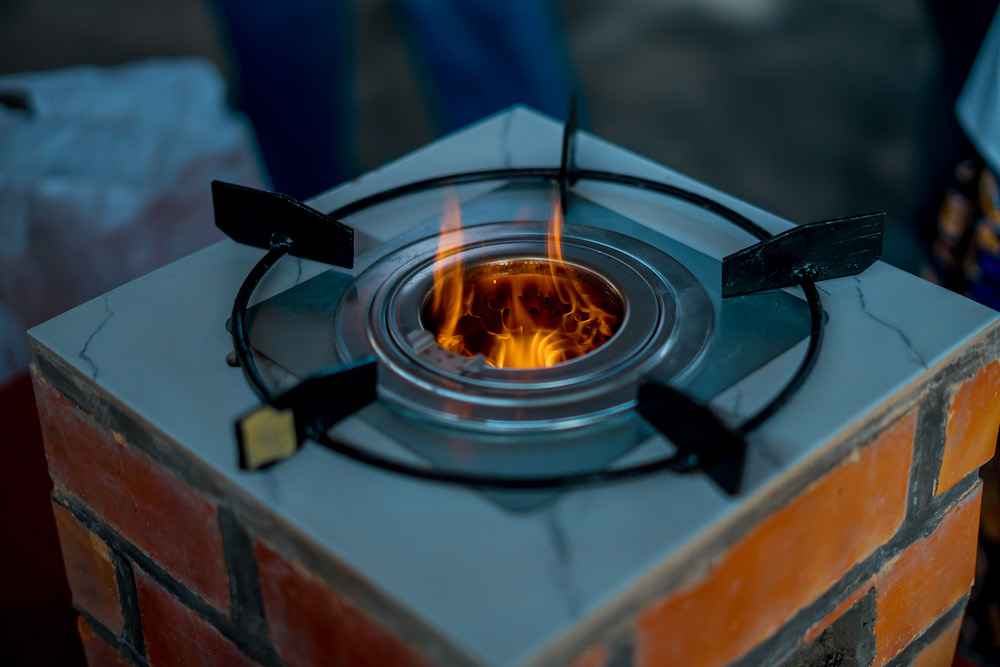
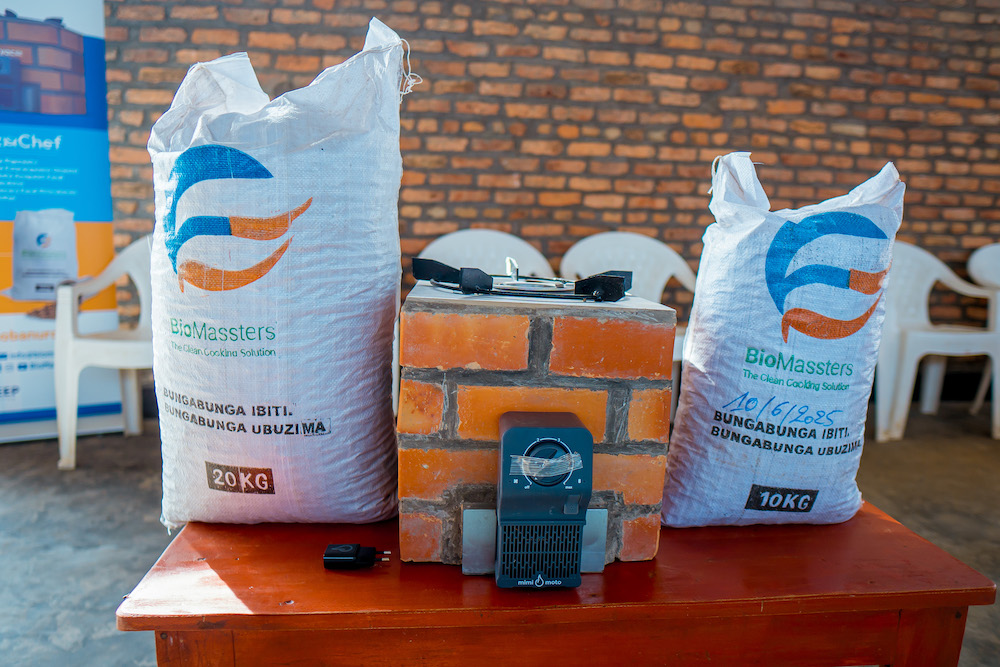
The company operates a production facility in Rubavu and several outlets in Kigali. Over the past two years, it has supplied two stove models: the clay-based Iryacu and the metal Inzuchief. Both are known for their durability, cleanliness, and ability to reduce fuel costs by up to 50% compared to charcoal. Importantly, the stoves cook without producing smoke, improving household health.
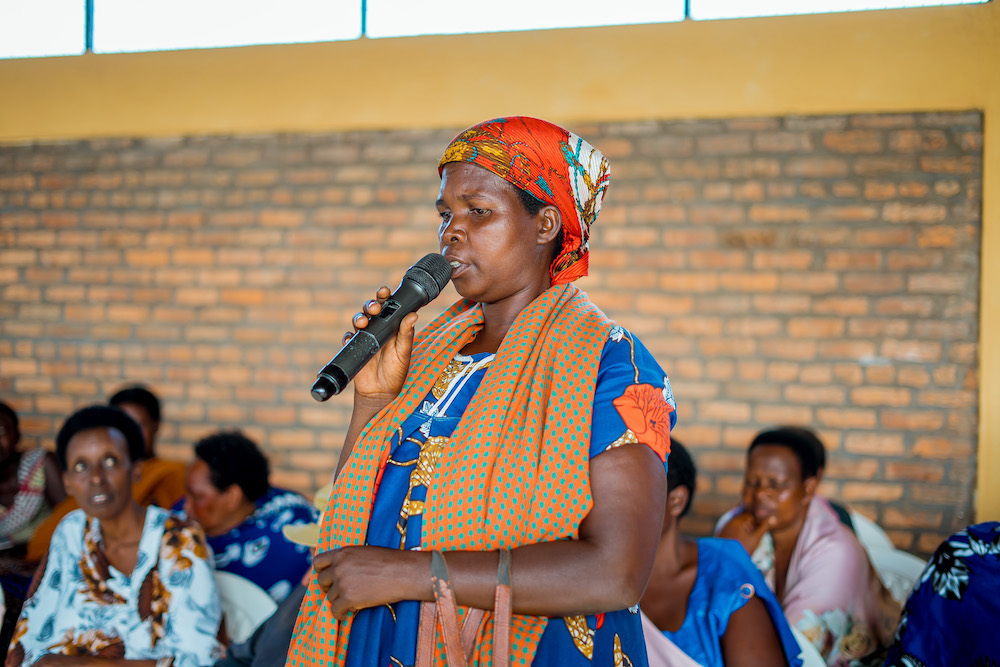
Bosco Nsanzabandi, one of the recipients, welcomed the initiative, noting that the new stove will help resolve the persistent problem of indoor smoke.
“We thank our government for caring about citizens like us. In this area, we faced severe smoke-related challenges. These stoves will help us protect the environment and also reduce what we spend on charcoal and firewood,” he said.
Another beneficiary, Grace Umwari, said the stove would not only eliminate smoke but also ease the burden of sourcing firewood, which had become increasingly difficult.
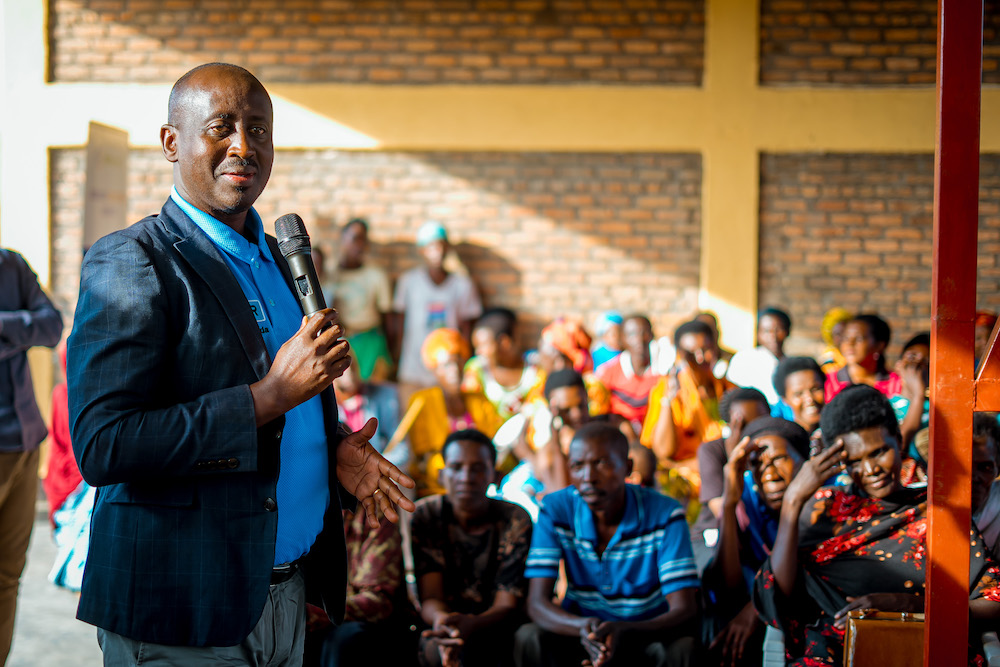
Nyagatare Vice Mayor in charge of Economic Development and Finance, Gonzague Matsiko, urged residents to maintain the stoves properly, emphasising their impact on reducing smoke emissions, fuel expenses, and cooking time.
“Our citizens are no longer mere beneficiaries but partners, because we work together to protect the environment. One of the ways to do this is by reducing the pressure we put on trees,” he said.
He added that the stoves do not rely on wood or charcoal, and encouraged residents to purchase the affordable fuel that will be brought closer to them to ease their cooking activities.
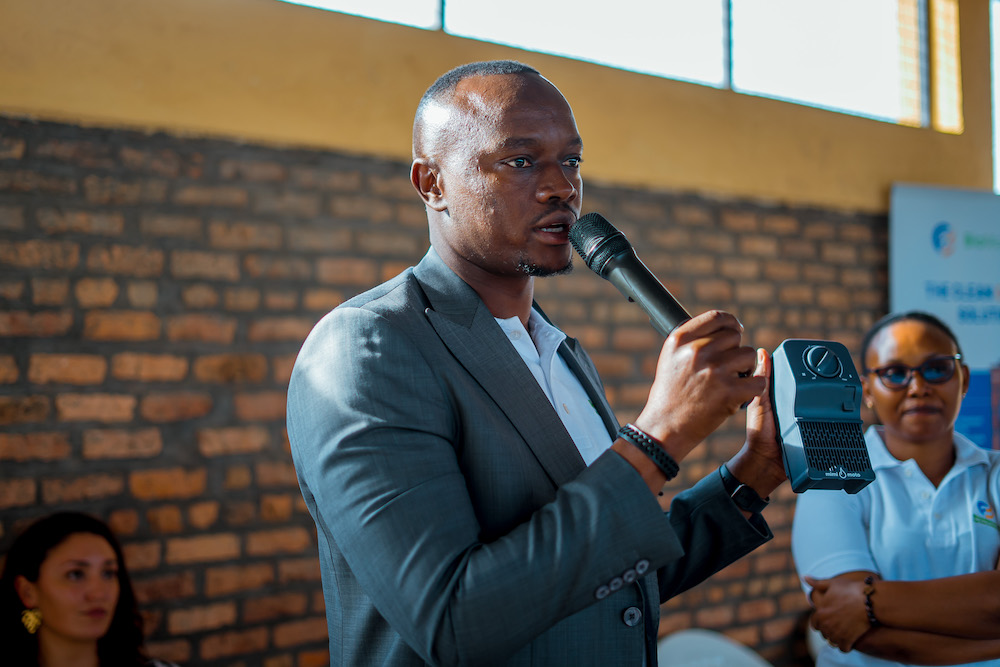
BioMassters’ Director of Business Development and Sales, Sylvain Rucyaha, said the company’s mission is to make cooking safer and more affordable while safeguarding the environment.
“At BioMassters, we strive to ensure people cook in safe, smoke-free conditions and at a reasonable cost. That is why we implement projects like this: to respond to the challenges faced by families struggling to access clean cooking fuel,” he said.
To date, BioMassters has distributed nearly 8,000 stoves and reached more than 70,000 users nationwide. The Iryacu model distributed in Nyagatare retails at Rwf 40,000, while the Inzuchief costs Rwf 50,000.
BioMassters’ Chief Operations Officer, Yasmine Karam, said the company is steadily achieving its long-term goal of expanding access to clean cooking solutions in Rwanda.
“The aim was to find a clean and efficient cooking solution and introduce it to Rwanda. This technology creates jobs while helping us meet the needs of Rwandans, and we are seeing continuous progress,” she said.
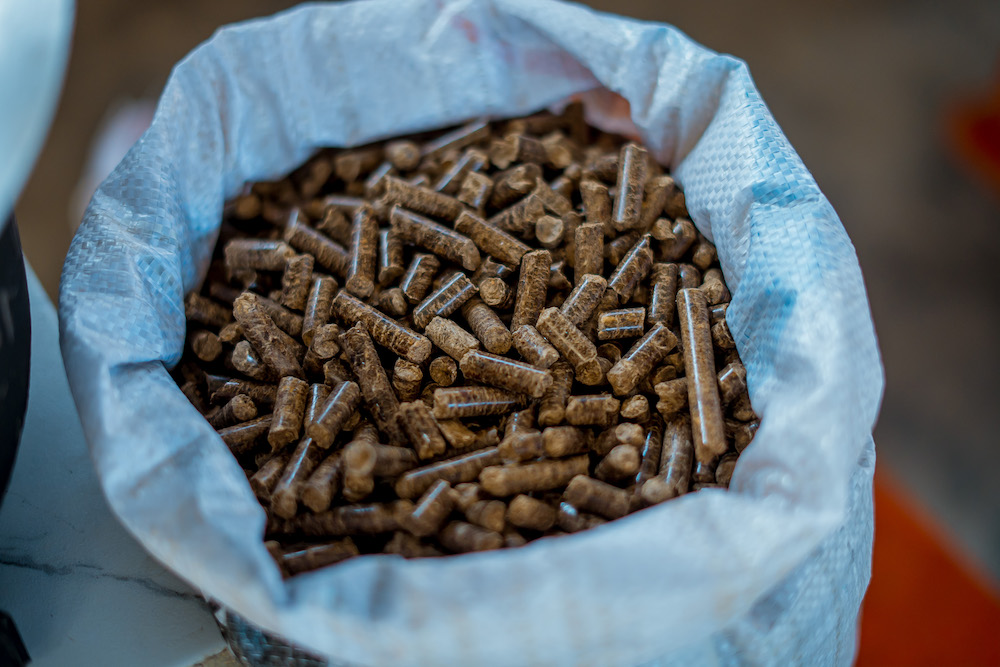
BioMassters stoves use pellets made from wood and agricultural residues, which are environmentally friendly and affordable. A kilogram costs Rwf 350 in Kigali shops and Rwf 380 at partner outlets across the country.
The company is also working closely with the Ministry of Education. Six schools have already adopted the clean cooking system, and the number is expected to rise to 10 by the end of the year.
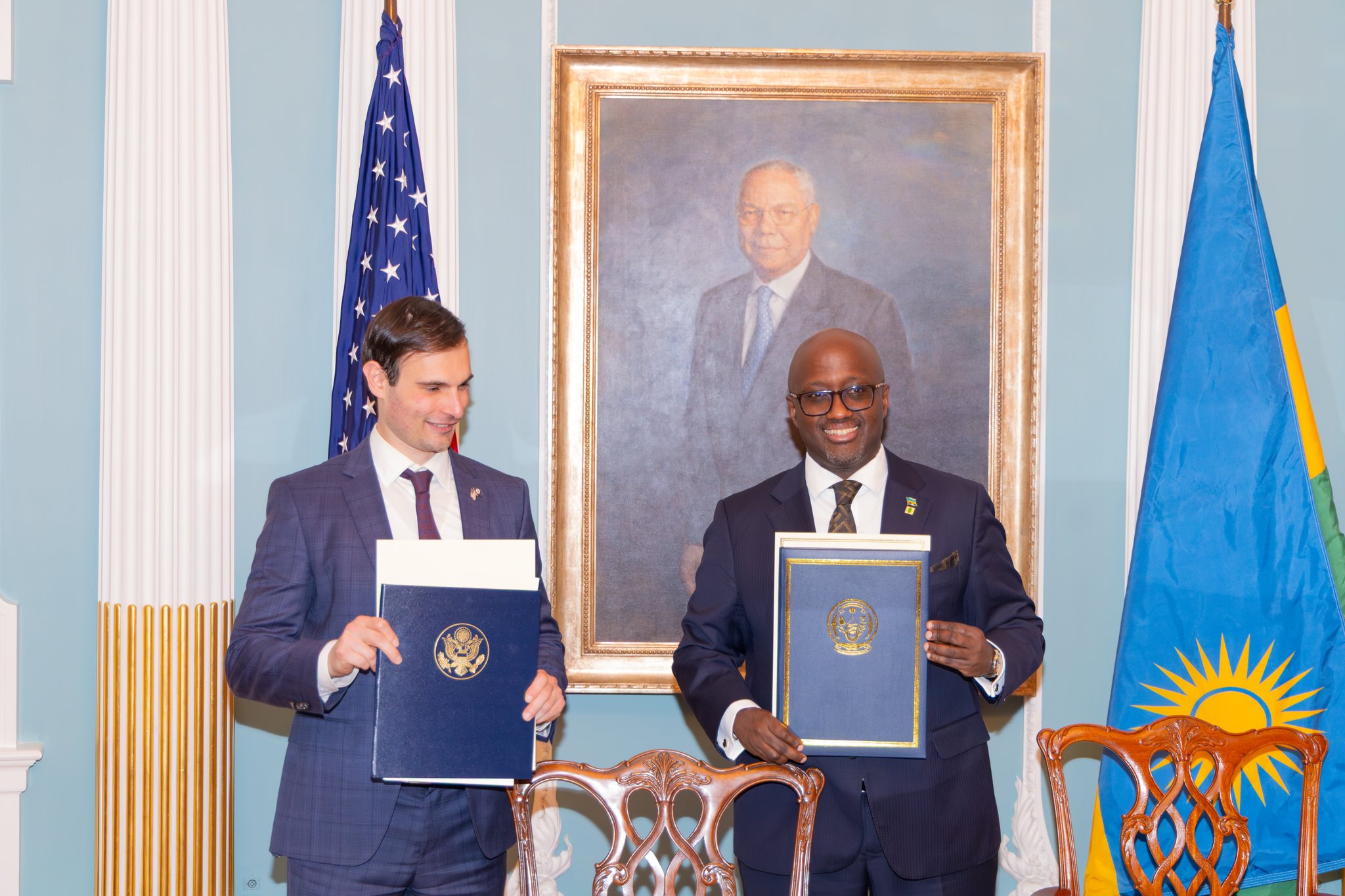
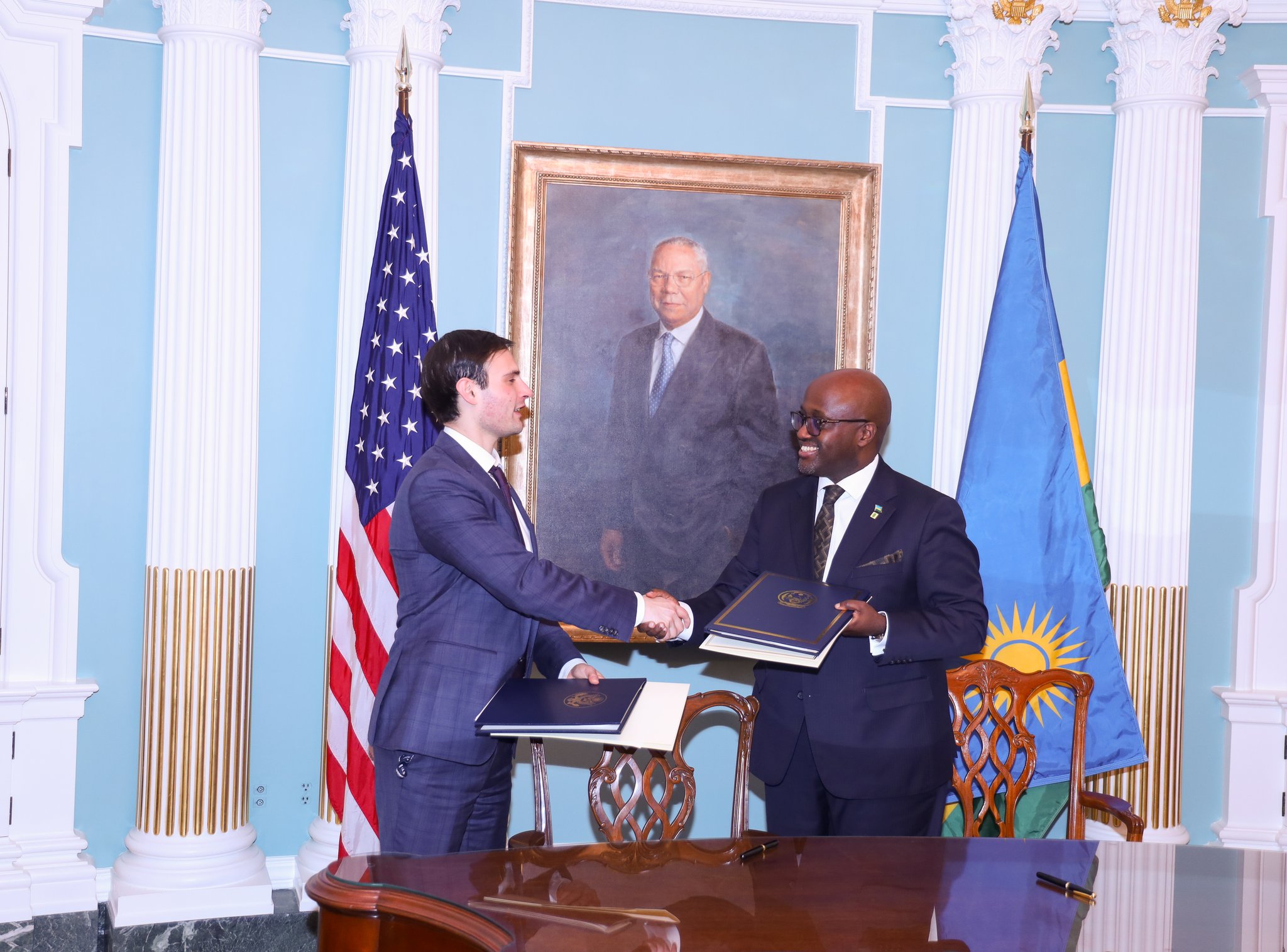
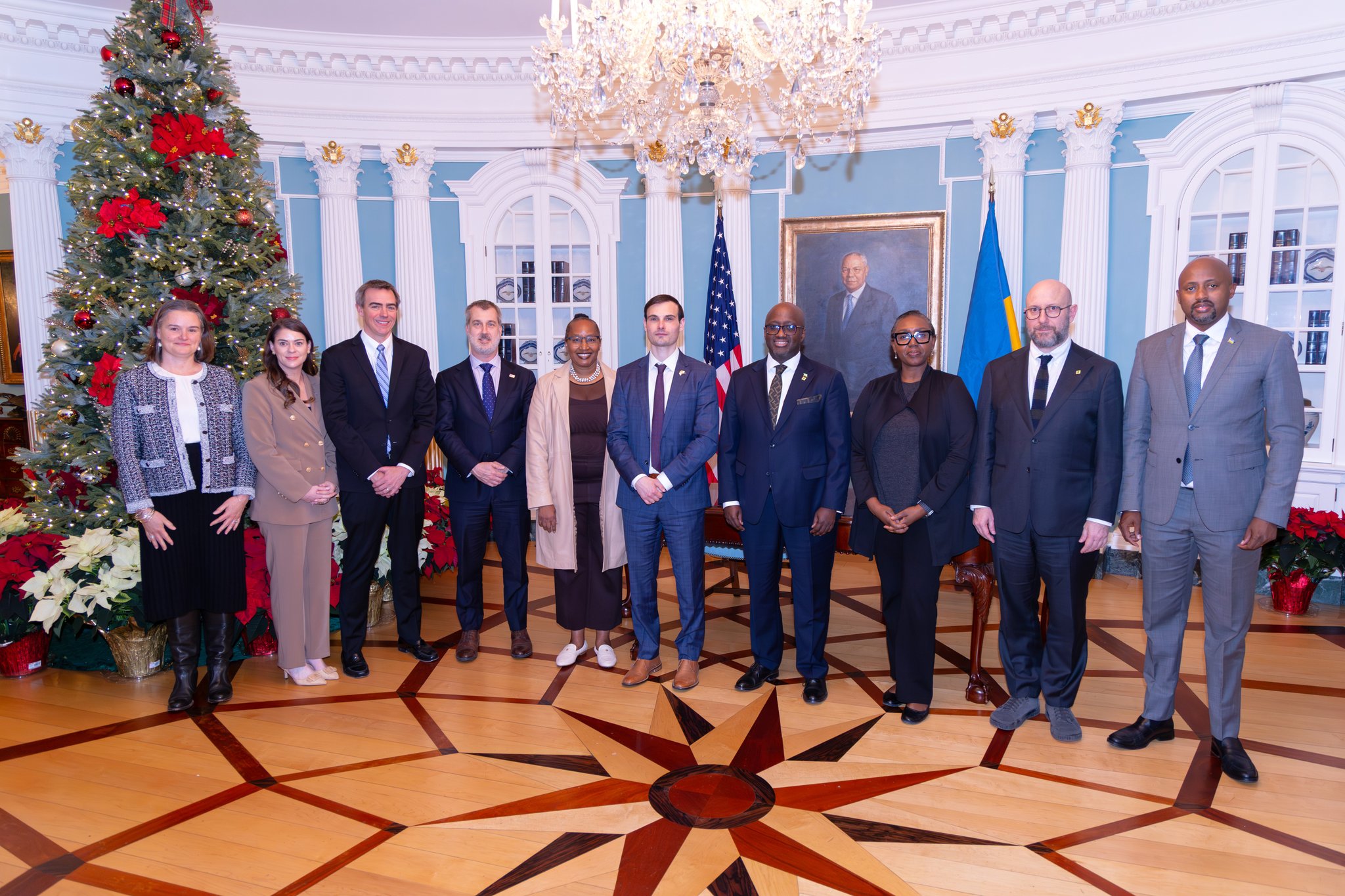
The deal was formalised on Friday, December 5, in Washington by Jeremy Lewin, Senior Official, Under Secretary for Foreign Assistance, Humanitarian Affairs, and Religious Freedom, and Olivier Nduhungirehe, Rwanda’s Minister of Foreign Affairs and International Cooperation.
The memorandum of understanding (MoU) outlines a comprehensive plan to strengthen Rwanda’s health system, save lives, and enhance U.S. national interests through global health engagement. It builds on Rwanda’s significant progress in addressing HIV/AIDS, where the country has reached the 95-95-95 epidemic control goals.
“This partnership builds on Rwanda’s progress by moving away from parallel NGO delivery systems, investing in cutting-edge health infrastructure, fostering greater national ownership over health delivery systems and frontline workers, and putting Rwanda on an accelerated path to a more durable, responsive, and sustainable health system, including Rwanda taking over full control of its HIV/AIDS response by year four of the partnership,” the U.S. Department of State said in its statement.
Under the partnership, the United States will provide up to $158 million over five years to support Rwanda’s efforts to combat HIV/AIDS, malaria, and other infectious diseases, while also strengthening disease surveillance and outbreak response capabilities. Rwanda, in turn, will contribute an additional $70 million from its own domestic health budget, gradually assuming greater financial responsibility as U.S. support declines.
The agreement emphasises national ownership of healthcare delivery, moving away from parallel NGO systems, and investing in cutting-edge health infrastructure. By year four of the partnership, Rwanda is expected to take full control of its HIV/AIDS response, reinforcing a sustainable and self-reliant health system.
The MoU also fosters U.S. commercial interests in Rwanda and the broader region. The deal builds on the U.S. Department of State’s November 2025 award to Zipline International Inc., supporting the construction of American-made advanced robotics for delivering life-saving medical products. Rwanda, as an early adopter of Zipline technology in Africa, will manage and maintain this infrastructure. Additionally, the agreement includes $10 million for U.S. biotech firm Ginkgo Bioworks to expand disease outbreak surveillance in Rwanda, establishing a regional biothreat radar system.
Other areas of collaboration include next-generation HIV treatments and the deployment of artificial intelligence in healthcare, further reinforcing Rwanda’s health system and promoting sustainable development.
This agreement follows Kenya’s recent signing under the America First Global Health Strategy, which was launched in September 2025. The strategy aims to enhance the self-reliance of recipient countries in managing their health sectors and replaces certain funding previously provided by USAID.
The U.S. government plans to continue signing multi-year bilateral health agreements with additional countries in the coming weeks, advancing the objectives of the America First Global Health Strategy.
The figure, agreed upon by the two ministries, represents a decrease from the 117.5 billion shekels allocated in 2024 and the 135.7 billion shekels this year, during which Israel was engaged in fighting on several fronts.
The ministries said the reduction is due to a significant expected drop in the recruitment of reserve soldiers next year following the Gaza ceasefire that took effect on October 10.
Despite the decrease compared to the wartime budgets, the 2026 figure is still 47 billion shekels higher than the 2023 defense budget, which covered most of the period before the Gaza war erupted in October that year.
The new defense budget, subject to parliamentary approval as part of the 2026 state budget, was agreed upon after extensive discussions between the two ministries.
The ministries noted that the planned defense budget allows the government to avoid tax increases next year and even creates room for potential tax relief within the state budget.
They also agreed on a separate three-year budget package of around 725 million shekels to reinforce security infrastructure in the occupied West Bank, including travel protection measures, new road construction, military facilities, and projects along the eastern border with Jordan.