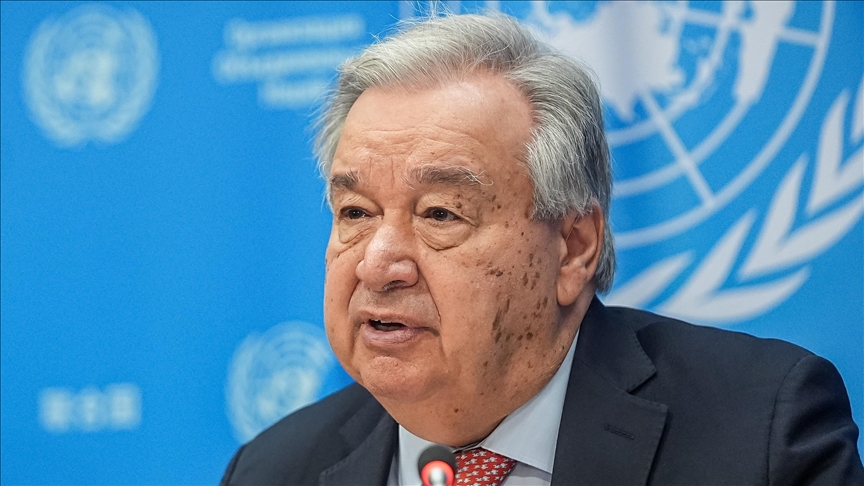
The border dispute between Cambodia and Thailand has already resulted in significant civilian casualties, damage to civilian infrastructure, and displacement on both sides of the border, spokesperson Stephane Dujarric said in a statement.
The UN chief stresses that both parties must protect civilians and facilitate humanitarian relief, and urges both parties to exercise restraint and avoid further escalation, the spokesperson said.
Dujarric said the secretary-general reiterates his call on the parties to return to the framework of the Joint Declaration signed on Oct. 26, recommit to the ceasefire, and implement de-escalation and confidence-building measures.
Guterres calls on both parties to make full use of all mechanisms for dialogue to find a lasting solution to the dispute through peaceful means, the spokesperson said.
“The United Nations stands ready to support all efforts aimed at promoting peace, stability, and development in the region,” Dujarric said.
Border clashes broke out again between Thailand and Cambodia from Sunday to Monday, with artillery fire reported in several areas and residents rushing to evacuate in multiple provinces, less than two months after the two countries signed a joint peace declaration.
This figure was revealed by the Commissioner General of the Rwanda Correctional Service, CG Evariste Murenzi, who stated that since the beginning of 2025, the service has received over 23,000 people sentenced by the courts.
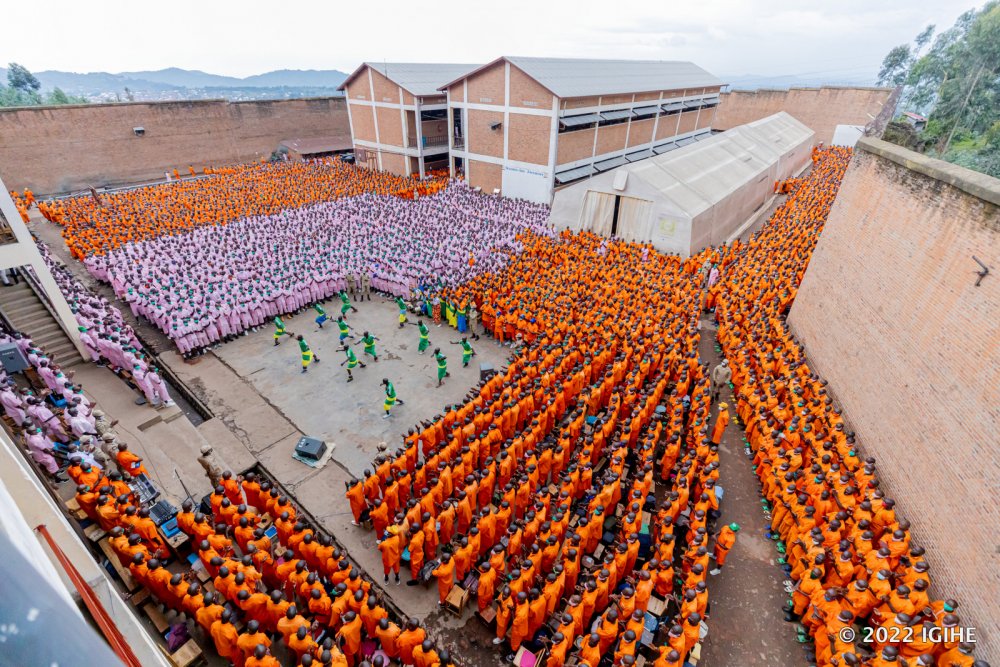
On average, this means that at least 2,090 people are imprisoned each month. Currently, the total number of incarcerated individuals is over 70,000, with 23,000 new inmates received this year alone.
The Rwanda Human Rights Commission recently noted a decrease in the number of detainees, contributing to a reduction in overcrowding in prisons by 24.3%, from 134.3% to 110%.
The Commission also revealed that the total number of prisoners is 74,253, including 68,944 men, 4,773 women, and 536 children.
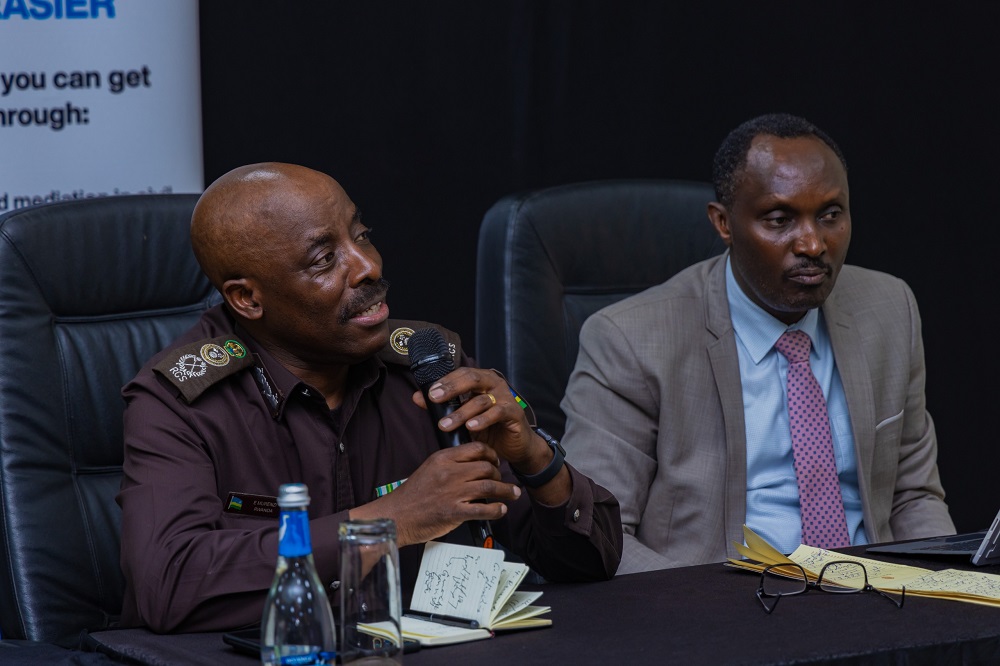
CG Murenzi emphasized that RCS is focused on rehabilitating offenders rather than punishing them as was done in the past.
He added that work-release programs are being implemented to reduce overcrowding, which allow inmates to work outside of prison three days a week, benefiting both the individual and their community.
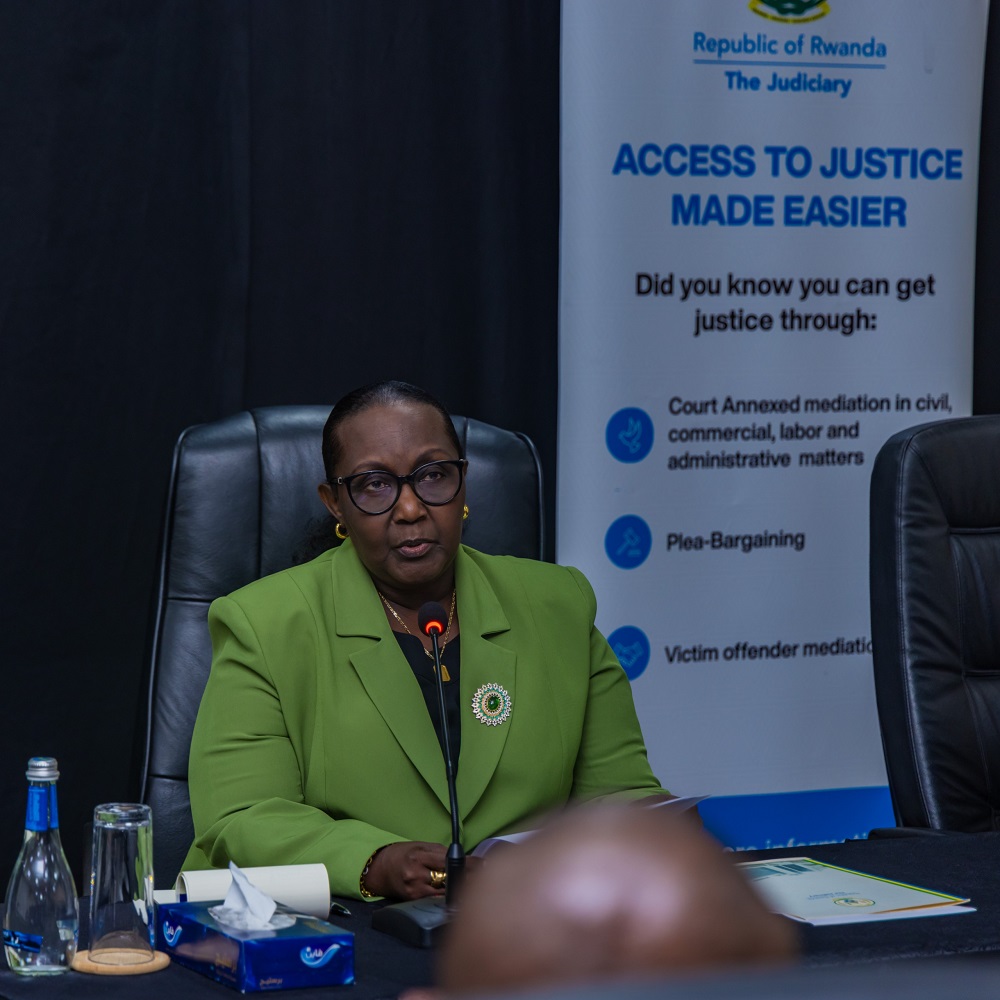
President of the Supreme Court, Mukantaganzwa Domitilla, stated that efforts to promote reconciliation and restorative justice would further reduce incarceration rates.
The cost of detaining prisoners accounts for a significant portion of the budget. For example, last year, the Rwanda Correctional Service (RCS) was allocated over Frw 40 billion, with 60% of this amount used for the care of inmates across various correctional facilities.
This means that more than Frw 24 billion was spent on this, while the remaining funds were used for other activities.
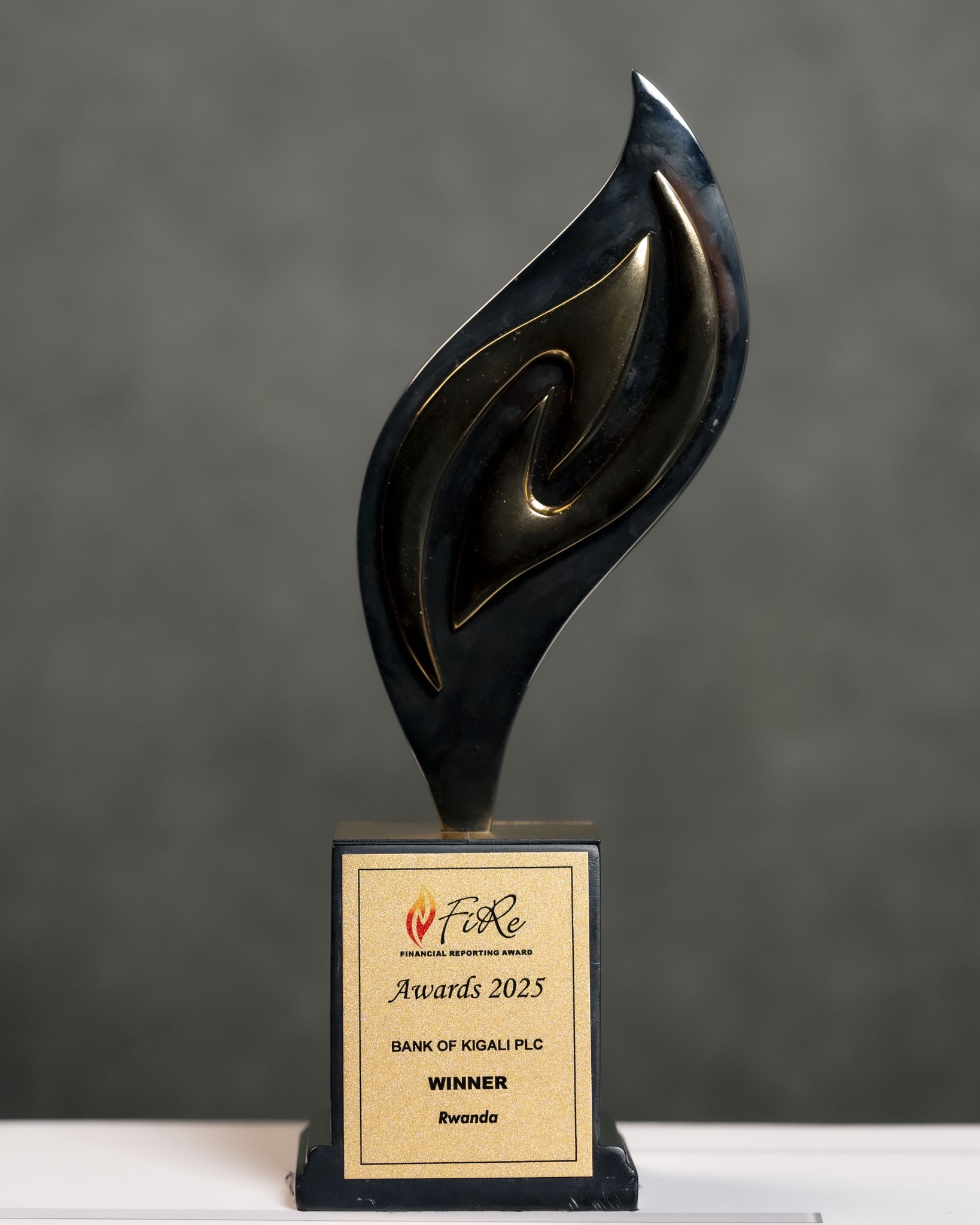
The FiRe Award, presented by the Capital Markets Authority Kenya, Institute of Certified Public Accountants of Kenya, Nairobi Securities Exchange, Public Sector Accounting Standards Board – Kenya, and the Retirement Benefits Authority, celebrates organisations that demonstrate outstanding integrity, clarity, and responsibility in reporting.
Now in its 18th edition, the platform is widely regarded as the region’s benchmark for best practice in financial reporting.
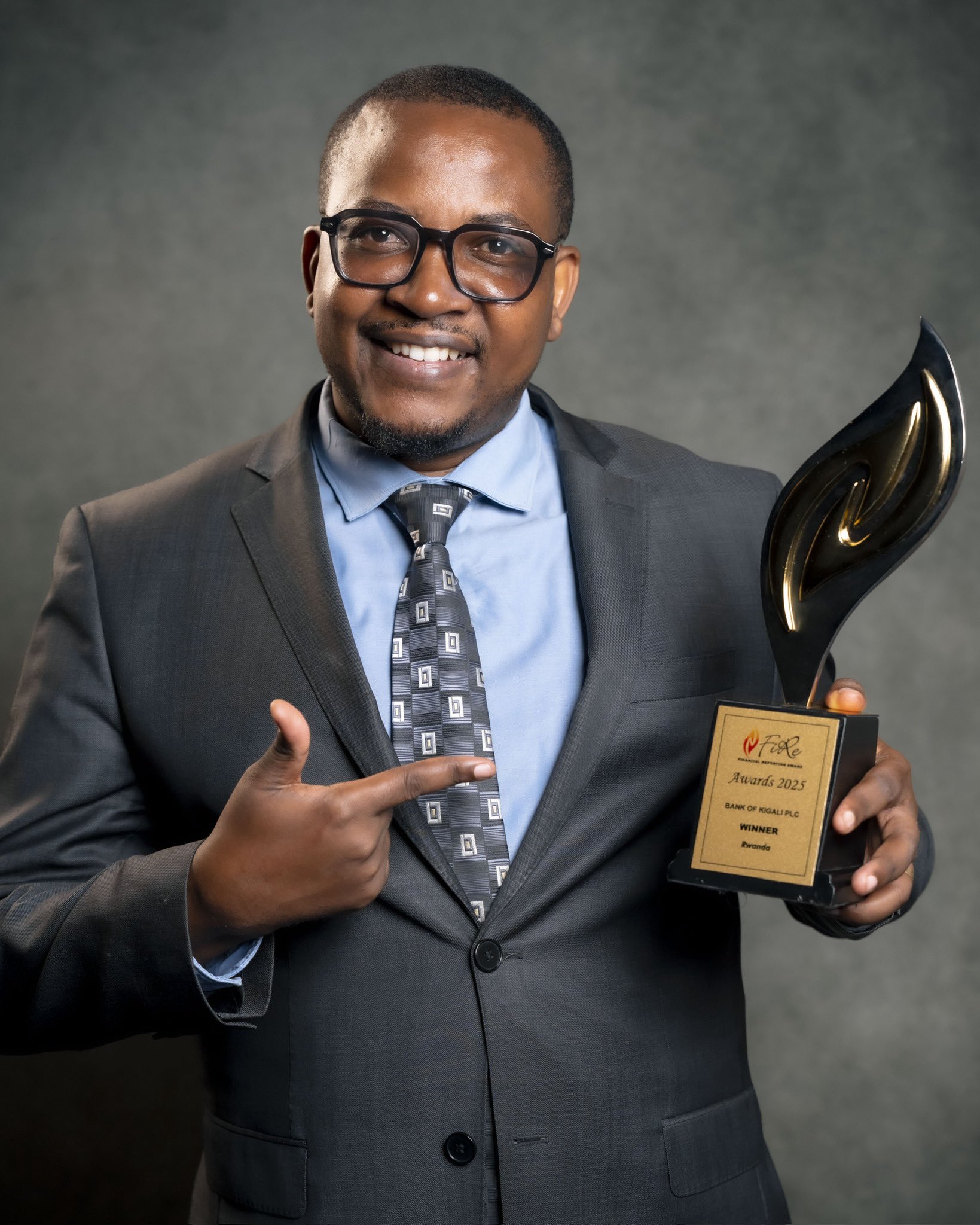
Speaking after the announcement, Bank of Kigali’s Chief Finance Officer Anita Umuhire said the recognition affirms the bank’s commitment to openness and professionalism.
“Winning the FiRe Award reflects the professionalism that define everything we do at Bank of Kigali,” said Umuhire. “It’s a recognition that our commitment to transparency not only strengthens trust with our customers but also sets a benchmark for the Rwandan financial sector and beyond.”
Chief Executive Officer Dr. Diane Karusisi described the win as a reflection of the dedication of staff, partners, and regulators.
“We dedicate this award to our dedicated teams, regulators, partners, and every customer whose confidence inspires us to raise the bar every year. This recognition motivates us to continue leading with excellence in all we do,” stated Dr. Karusisi.
The recognition comes on the back of a solid half-year performance. The bank reported a Profit After Tax of Rwf 52.2 billion for the first half of 2025, a 12.9 percent increase from the previous year. Growth was supported by a loan book expansion of more than Rwf 231 billion, improved asset quality, and an increase in customers.
Total assets rose to Rwf 2.6 trillion, while loans reached Rwf 1,75 trillion, underscoring the bank’s central role in financing Rwanda’s economic activity. SMEs accessed Rwf 238 billion in credit, retail lending climbed to Rwf 313 billion, and agribusiness financing increased sharply to Rwf 95 billion, one of the fastest-growing segments.
Corporate and institutional lending rose to Rwf 1.1 trillion, supporting investment across infrastructure, transport, tourism, health, and education. A newly introduced Institutional Banking segment has also begun enhancing service delivery to NGOs and faith-based organisations.
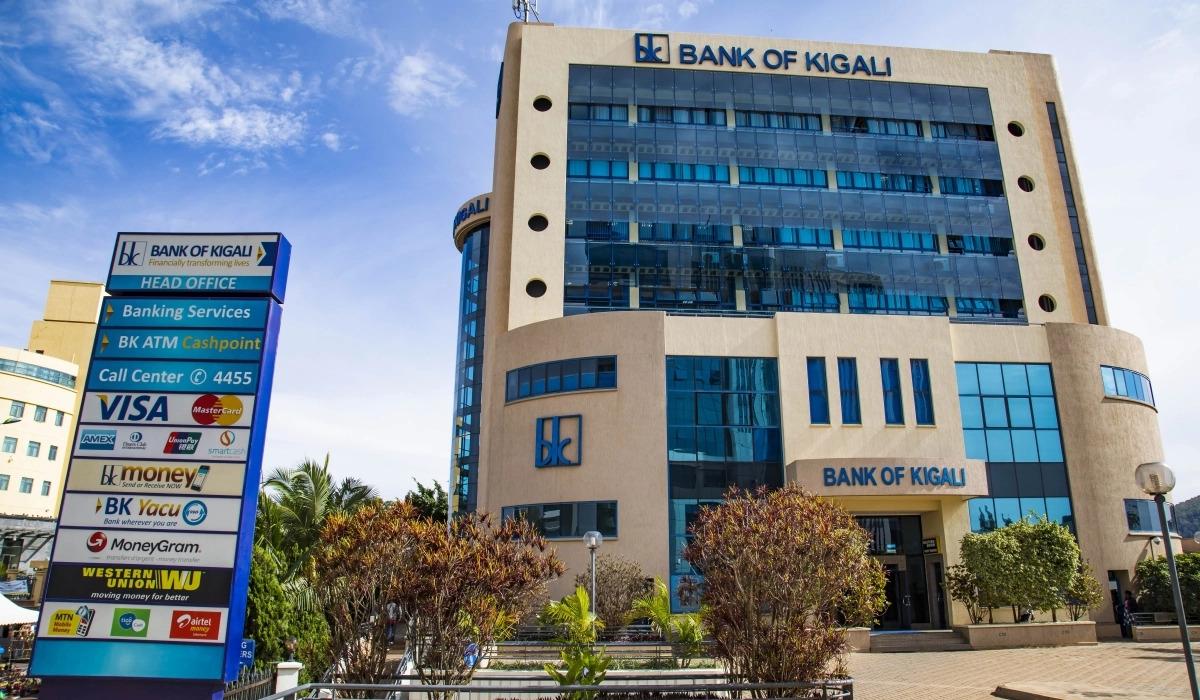
Established in 1966, Bank of Kigali is Rwanda’s largest commercial bank and serves more than one million customers nationwide. Its performance has earned repeated international accolades, including multiple honours from Euromoney Awards for Excellence and Global Finance Magazine.
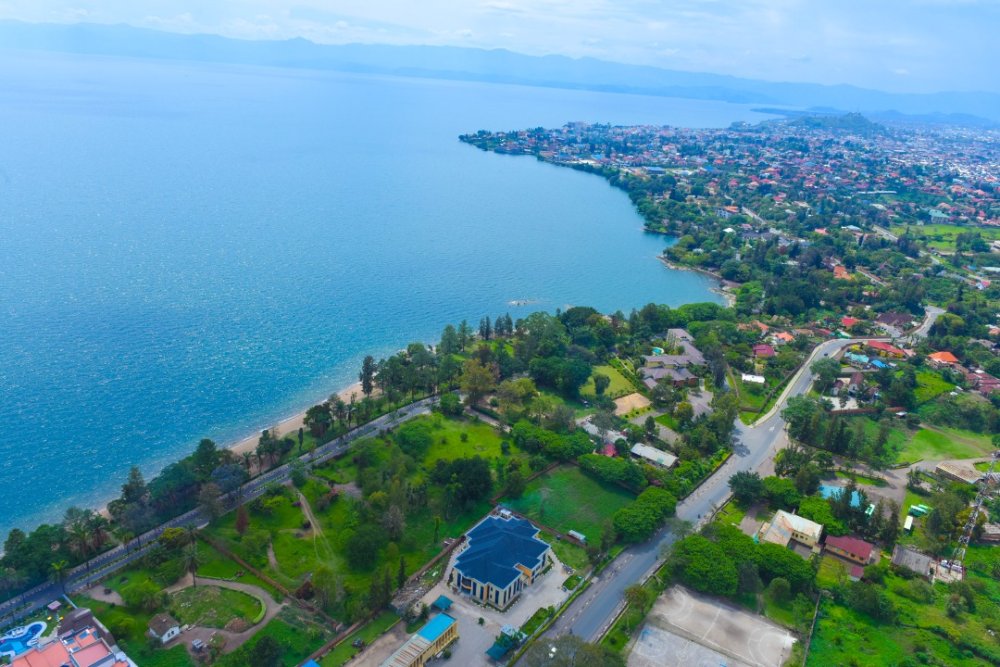
Rubavu is a popular hub for entertainment and tourism in Rwanda. On weekends, people of all ages flock to enjoy the beaches of Tam Tam, the hot springs known as Amashyuza in Nyamyumba, and other scenic spots that offer stunning views of the city of Goma and the surrounding hills of Lake Kivu.
The district’s administration unveiled these major projects during a retreat that brought together various stakeholders in the district’s development.
The Rubavu district authorities say that in the next five years, five new hotels will be built along the shores of Lake Kivu, along with other initiatives that will transform the region’s tourism landscape.
Speaking to IGIHE, the Mayor of Rubavu District Prosper Mulindwa, stated that they are continuing to support local and international investors who wish to invest in hotels and tourism.
“These five hotels will be built by establishing large tourism investment zones, in collaboration with the Rwanda Development Board [RDB] and local and international private investors. We will continue to encourage investment in hotel services, offering support in planning, permits, roads, and basic infrastructure,” he said.
Mulindwa added that these hotels will offer international standard services, provide training for tourism service providers, and be places for learning and work.
The hotels are also expected to increase the number of modern rooms for international conference attendees and tourists, help youth with entrepreneurship, and boost the economy through services.
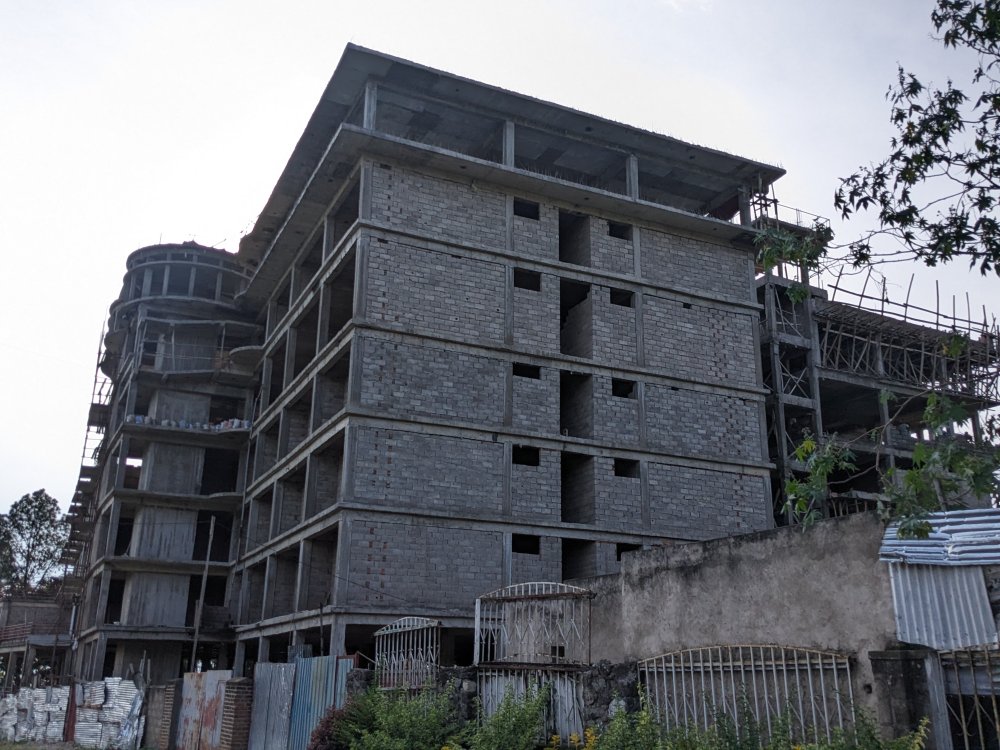
For instance, just below Serena Hotel, near the Rubavu district offices, a tall hotel building is under construction, although the name has not yet been revealed.
According to information obtained by IGIHE, the hotel, being built by the family of former President Pasteur Bizimungu, will be a five-star establishment.
Reports suggest that this hotel will stand out in Rubavu as it will have over 80 rooms, making it the largest in the city. It will also feature a large conference room, a rare addition for hotels in Rubavu.
Additionally, the hotel will have an outdoor pool, offering a view of Lake Kivu from the top.
In Nyamyumba, another five-star hotel is under construction. This hotel will feature a unique system that uses hot springs in the rooms, replacing traditional water heating systems.
Currently, Rubavu has 24 hotels, offering a total of 2,059 rooms, with 1,471 of these located in Gisenyi sector. The largest hotel is Serena Hotel, with 69 rooms, followed by Stipp Hotel with 50 rooms.
Speaking across several high-level panels, the Chief Executive Officer of the Capital Market Authority (CMA), Thapelo Tsheole, positioned institutional investors, pension funds, insurers, collective investment schemes, and banks as the bedrock of Rwanda’s next growth phase. With long-term horizons and sizeable asset bases, these investors offer the stability and scale required to support market depth and sustained capital formation.
Tsheole acknowledged the challenges of deploying long-term capital in frontier markets, noting the need for strong governance, technical capacity, and robust risk frameworks to safeguard investors’ interests while driving productive investment.
He also emphasised Rwanda’s regulatory model, rooted in clarity, predictability, and investor protection. The CMA follows a consultative approach and in 2025 engaged more than 700 enterprises nationwide to ensure that regulation remains proportionate, practical, and responsive to a rapidly evolving market landscape.
Regionally, Rwanda continues to collaborate through the East African Securities Regulatory Authorities (EASRA), advancing cross-border listings, shared innovation frameworks, and harmonised oversight standards. This enhances market connectivity and widens access to capital across East Africa.
On foreign participation, Tsheole pointed to the Multicurrency Securities Directive as a breakthrough for diaspora and international investors. Rwanda’s diaspora remits between USD 600–800 million annually, roughly 6% of GDP. New instruments such as diaspora bonds and digital savings products aim to channel a portion of these flows into long-term national investment priorities.
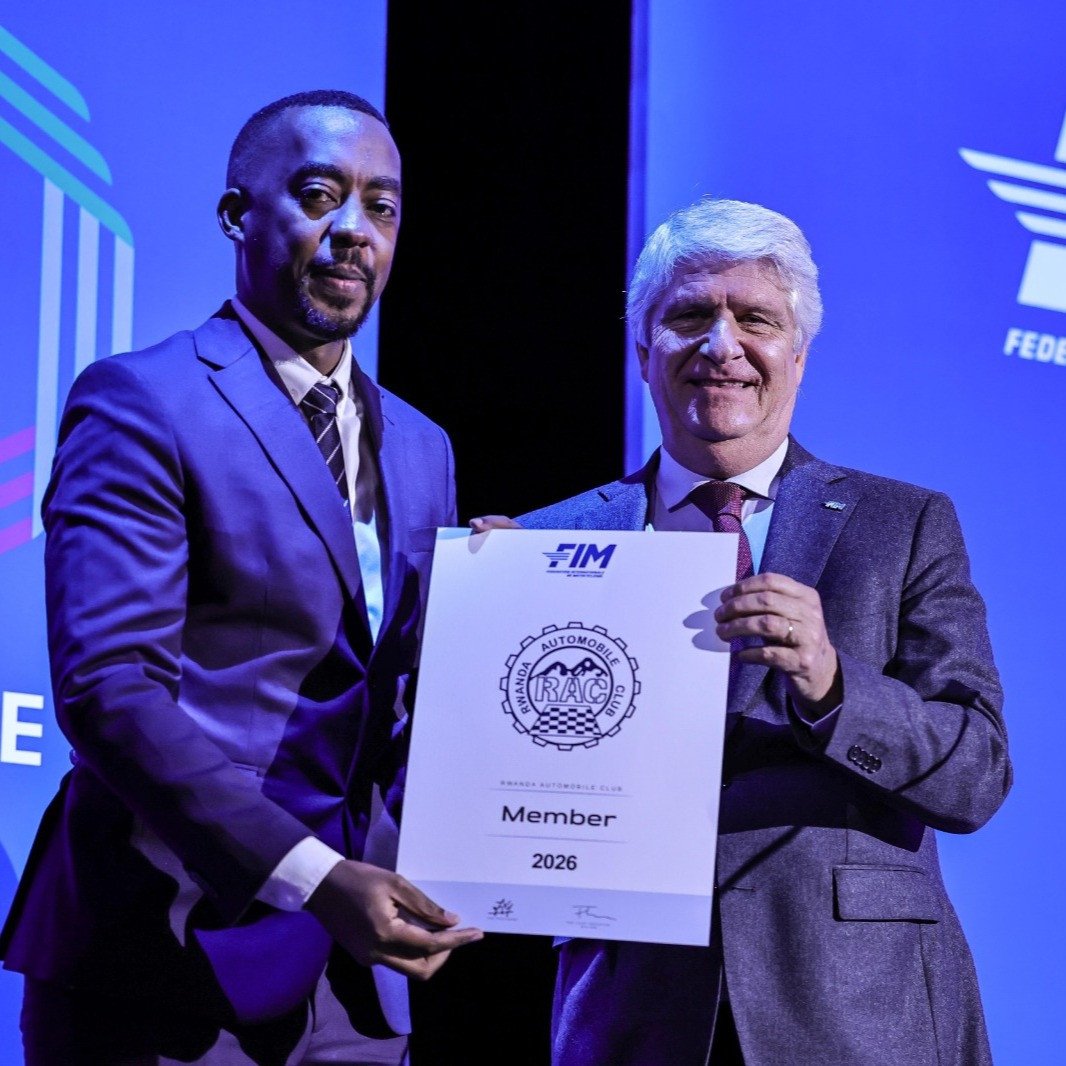
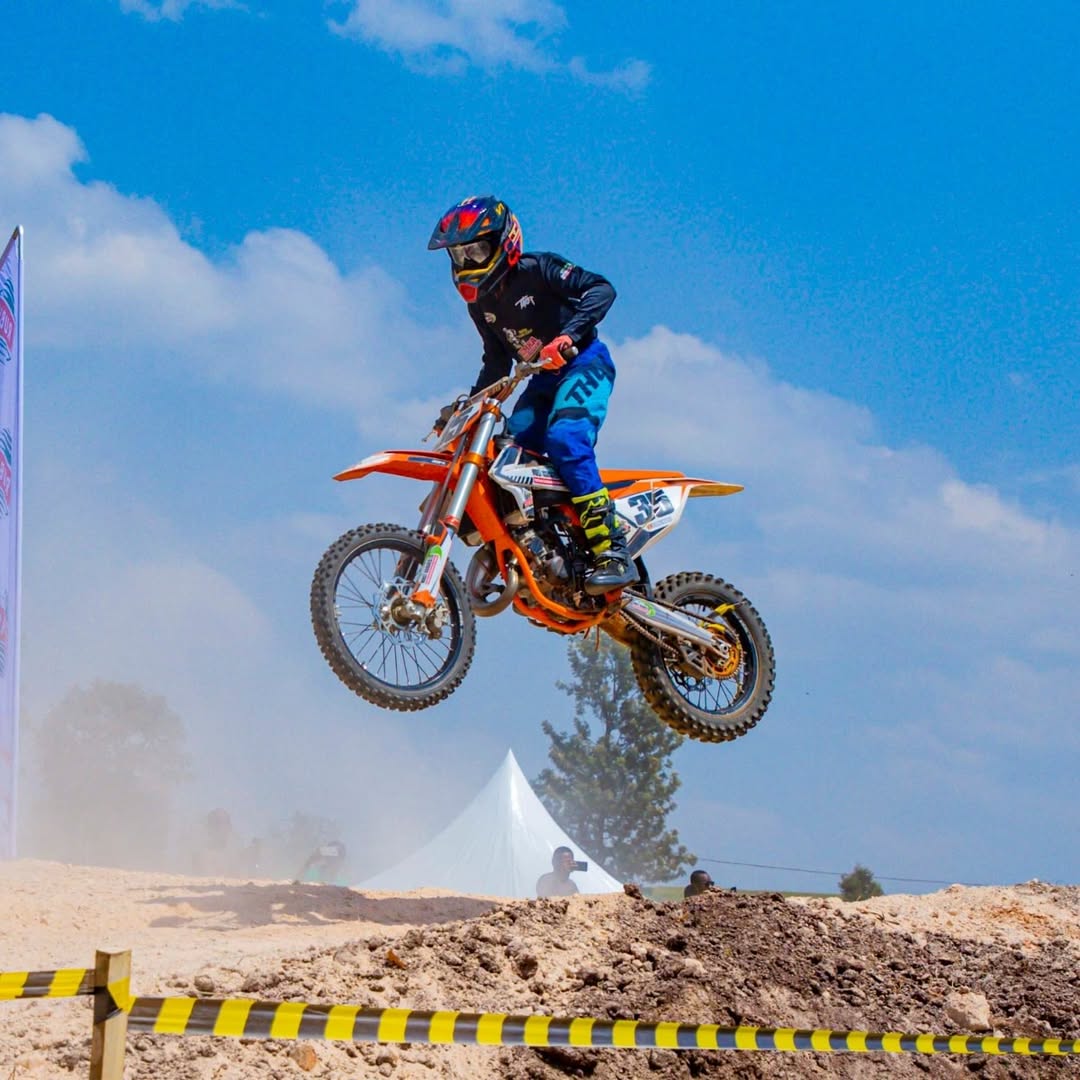
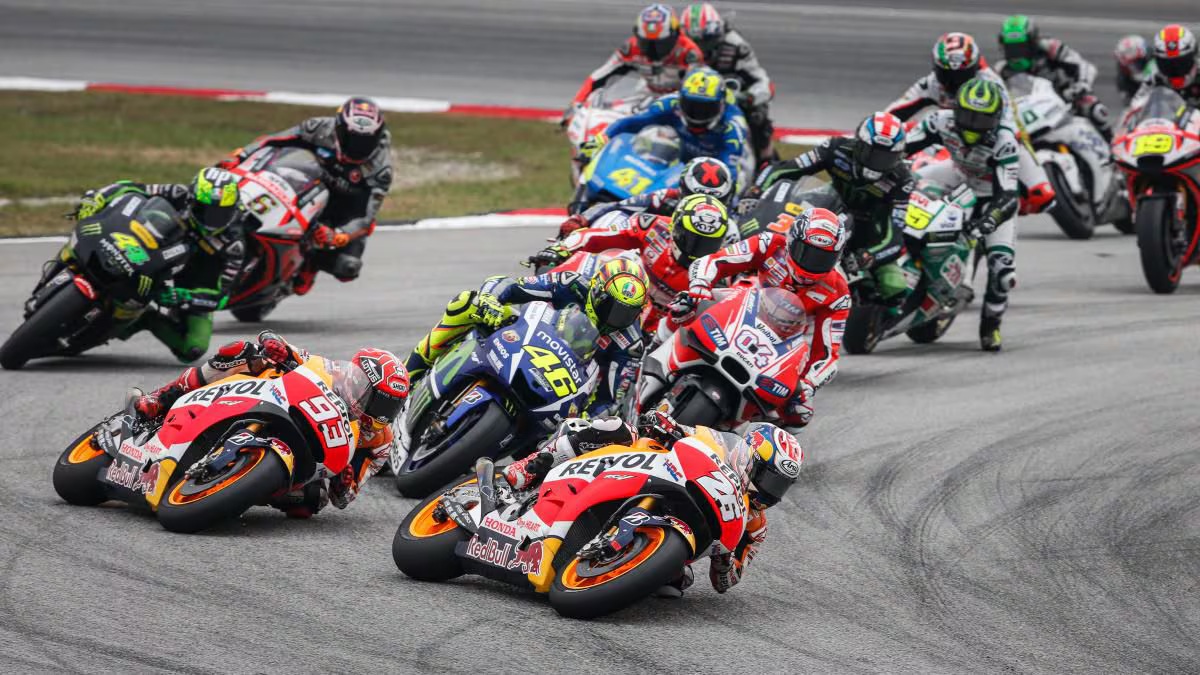
The move positions Rwanda as an emerging motorsport hub on the continent, strengthening its capacity to develop new riding disciplines, nurture local talent, and ultimately host international motorcycling events.
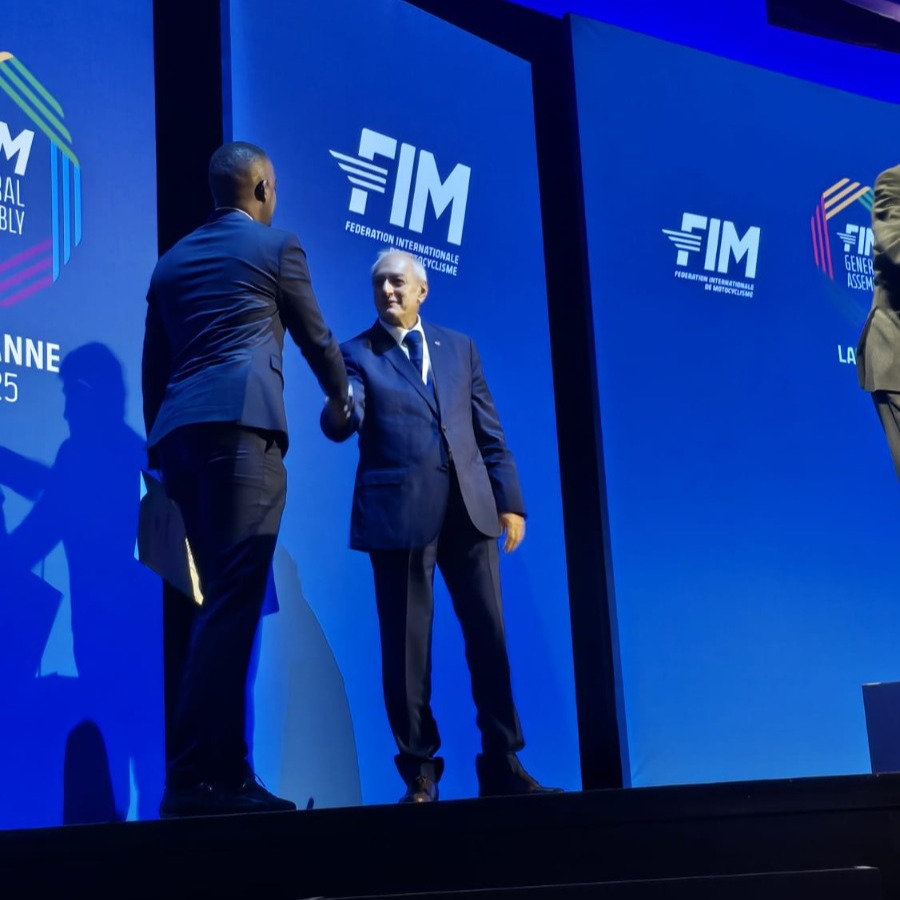
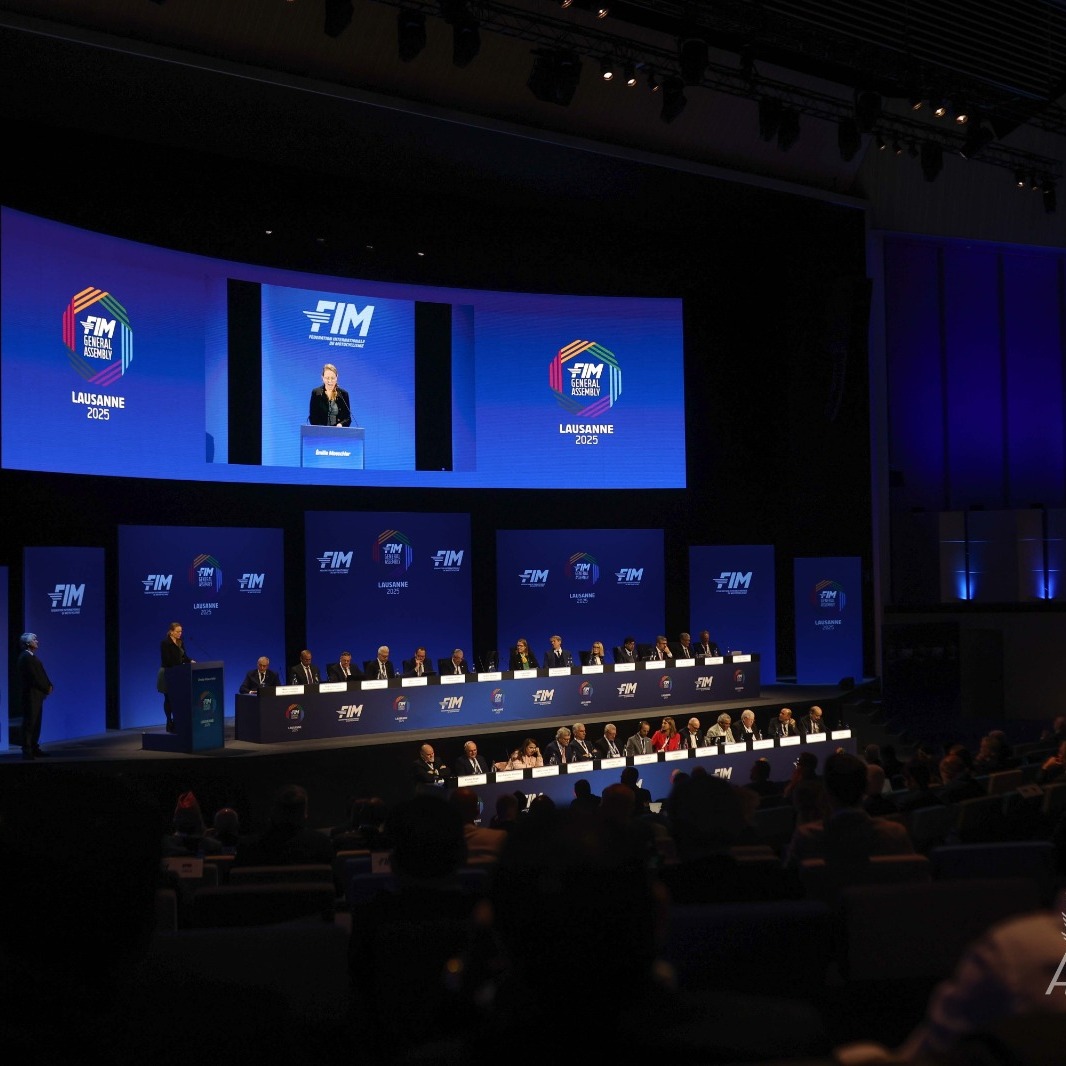
During the Assembly, FIM President Jorge Viegas welcomed Rwanda into the global motorcycling community, describing the nation’s admission as an important addition to the federation’s expanding membership.
Christian Gakwanya, President of the Rwanda Motorsport Federation, represented the country at the Assembly and hailed the milestone as a transformative moment for the sector.
“We are extremely happy for this achievement. Motorcycling has been part of our motorsport activities for years, and with the support and guidance of our government through the Ministry of Sports, we have developed a new roadmap focused on diversification, capacity building, and the ambition to host international events, including major motorcycling competitions,” he said.
Gakwanya extended gratitude to member federations for their support, adding that Rwanda looks forward to active collaboration within the FIM community.
The achievement builds on Rwanda’s rising global profile in motorsport, coming just one year after the country successfully hosted the FIA General Assembly and Awards in Kigali, a historic event that reinforced international confidence in Rwanda’s organisational capacity and commitment to motorsport development.
Following the admission, beginning January 2026, Rwanda’s national motorsport calendar will expand to include new disciplines such as motocross, enduro, and trials, opening pathways for new riders and elevating local competition standards.
{{Rwanda’s push for Formula 1
}}
Rwanda’s motorsport ambitions extend beyond motorcycling. On December 13, 2024, President Paul Kagame announced that the country is formally bidding to host a Formula 1 Grand Prix, a move that would bring the world’s most prestigious racing series back to Africa for the first time since 1993.
The initiative follows months of discussions between Rwandan officials and Formula 1 leadership, including CEO Stefano Domenicali, with the nation positioning itself as a strong candidate to revive Africa’s presence on the F1 calendar.
“I am happy to formally announce that Rwanda is beginning to bring the thrill of racing back to Africa by hosting the Formula 1 Grand Prix,” President Kagame said during the FIA General Assembly in Kigali. “We are approaching this opportunity with the seriousness and commitment it deserves. Together, we will build something we can all be proud of.”
The bid aligns with Rwanda’s broader strategy to attract major global sporting events and strengthen its reputation as a dynamic, forward-looking sporting destination.
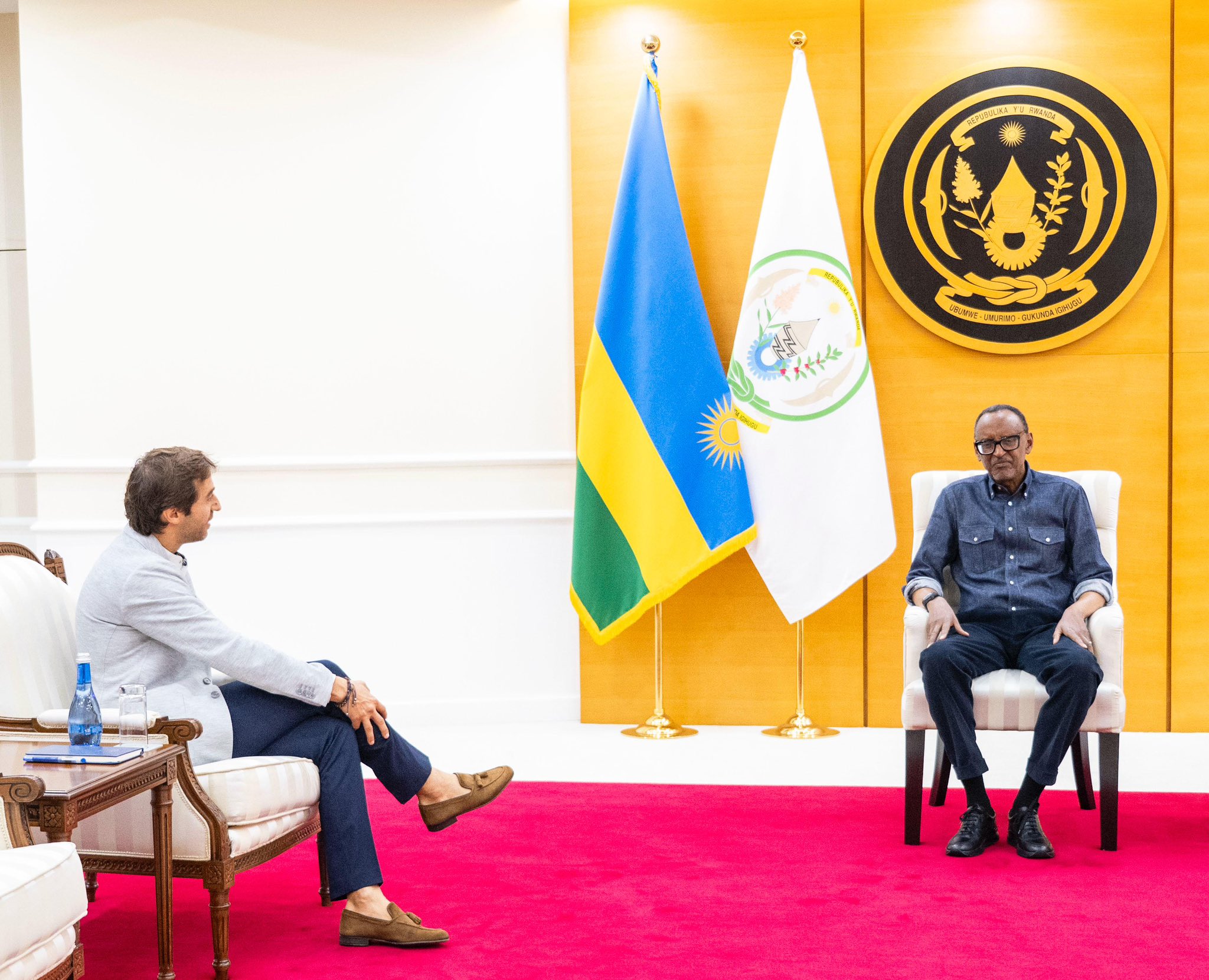
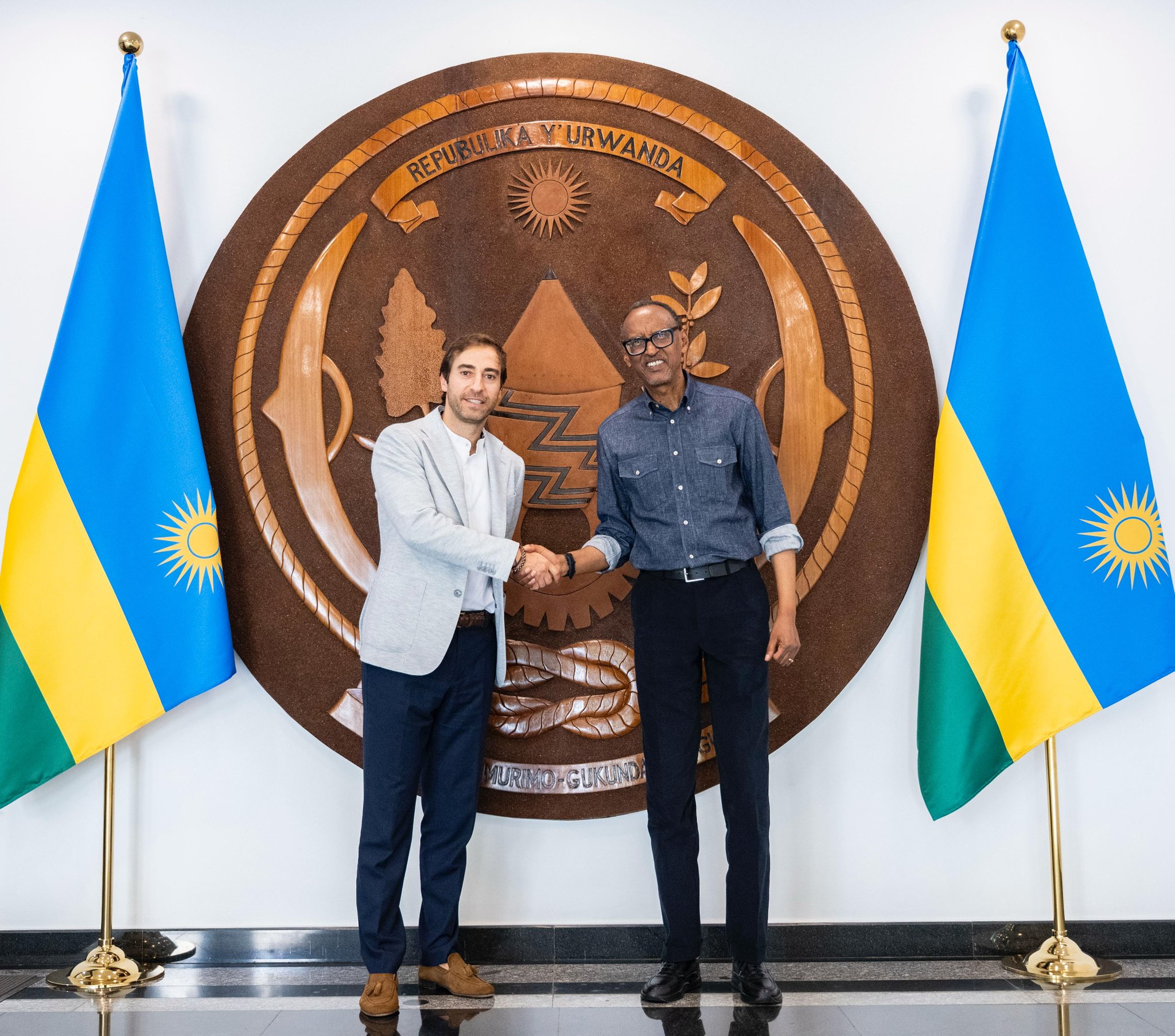
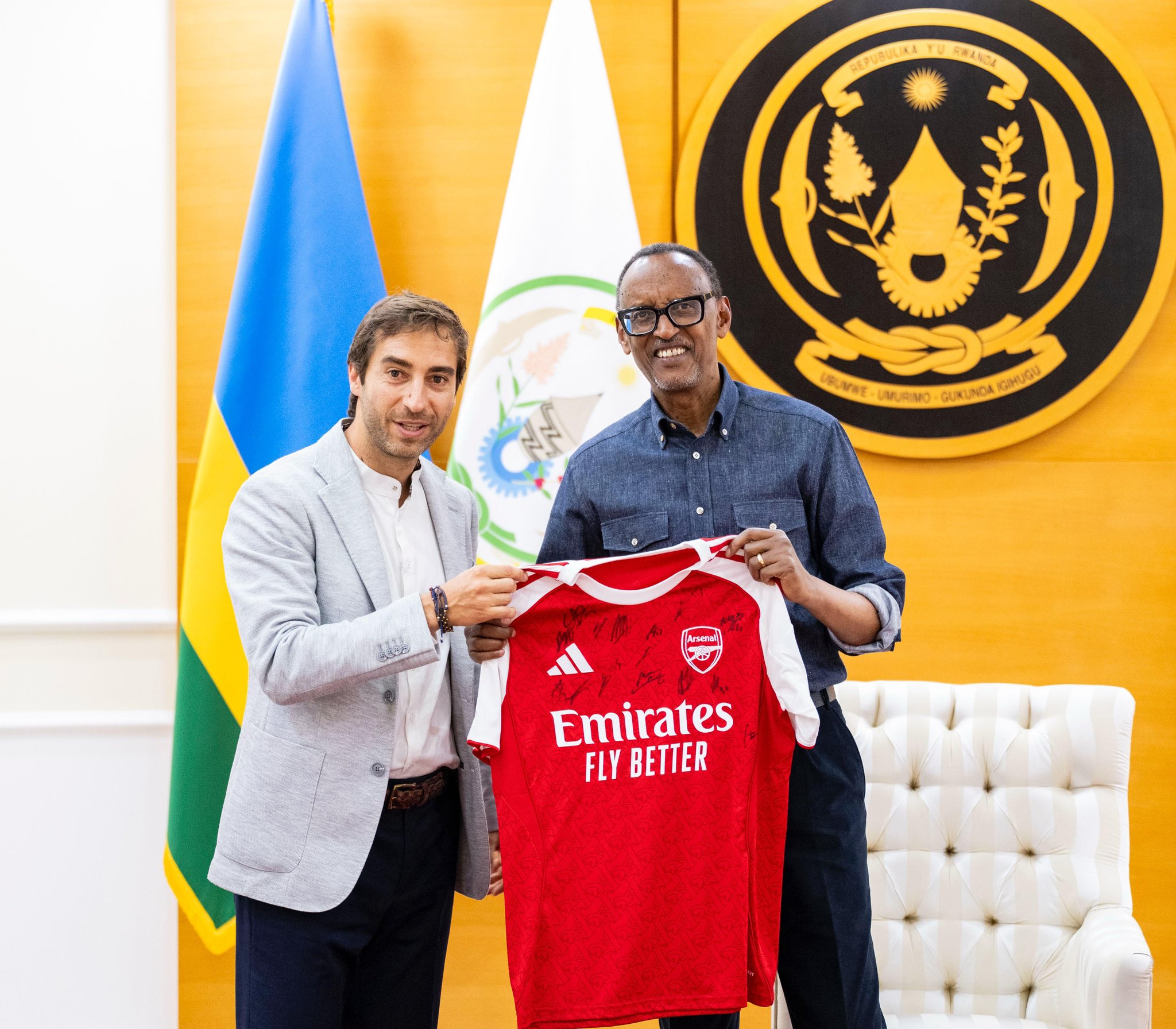
In a social media post shared on Monday, December 8, 2025, Flamini reflected on his recent visit to the country, a journey that blended conservation, culture, and community engagement.
Flamini, now CEO of GFBiochemicals and widely recognised for championing environmental innovation, was invited by the Government of Rwanda in his capacity as an Arsenal ambassador. His visit highlighted Rwanda’s growing reputation as a global model for sustainability and eco-tourism.
During his stay, Flamini attended the 20th edition of the Kwita Izina baby gorilla naming ceremony, held on Friday, September 5, 2025, at the foothills of Volcanoes National Park in Kinigi, Musanze District. Thousands of Rwandans, conservation partners, international guests and friends of Rwanda gathered for the annual event, which celebrates the protection and expansion of Rwanda’s mountain gorilla population.
Flamini had the privilege of naming a baby gorilla Rubuga, a male born on November 30, 2024. The name means “platform”, symbolising a foundation for growth and progress, values closely tied to Rwanda’s conservation journey.
Other international stars who joined the ceremony included Argentine and PSG legend Javier Pastore, Grammy-nominated Nigerian Afropop singer Yemi Alade, UNDP Goodwill Ambassador and award-winning actress Michelle Yeoh Todt, and former Arsenal defender Bacary Sagna.
Flamini said his time in Rwanda left a lasting emotional impact, particularly his close encounter with Rambo’s gorilla family inside Volcanoes National Park.
“Spending a day with Rambo’s gorilla family, just a meter and a half from a silverback, was a calm, powerful reminder of our place in nature and our responsibility to protect it,” he wrote.
He highlighted the extraordinary dedication of Rwandan communities who have transformed tourism into a sustainable, community-driven economy.
Rwanda’s monthly nationwide community service day, Umuganda, also caught his attention as a powerful cultural practice shaping the country’s environmental leadership.
Flamini was also received by President Paul Kagame, with whom he discussed Rwanda’s long-term sustainability strategy, environmental protection efforts, and the country’s forward-looking approach to green growth.
“Rwanda’s leadership in addressing climate change left a strong impression on me,” he noted. “It’s an approach many countries could learn from.”
In his reflection, Flamini emphasised that what moved him most was the spirit of the Rwandan people, their unity, resilience, and remarkable journey of rebuilding.
“A nation that has faced immense hardship now stands as a testament to resilience and unity,” he said.
“The warmth and openness of its people left me with a quiet but lasting sense of hope.”
Flamini closed his message by thanking President Kagame, Arsenal Football Club and the people of Rwanda for making his experience meaningful.
“Rwanda will forever hold a place in my heart.”
His words add to the growing international voices recognising Rwanda as a leader in conservation, sustainable tourism, and community-centred development and reaffirm the global significance of initiatives like Kwita Izina in shaping a greener future.
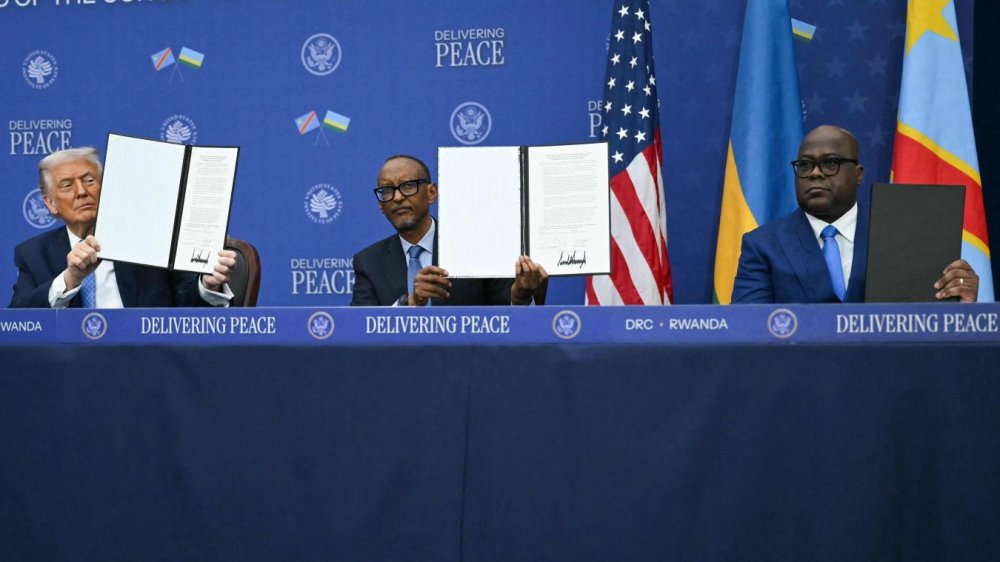
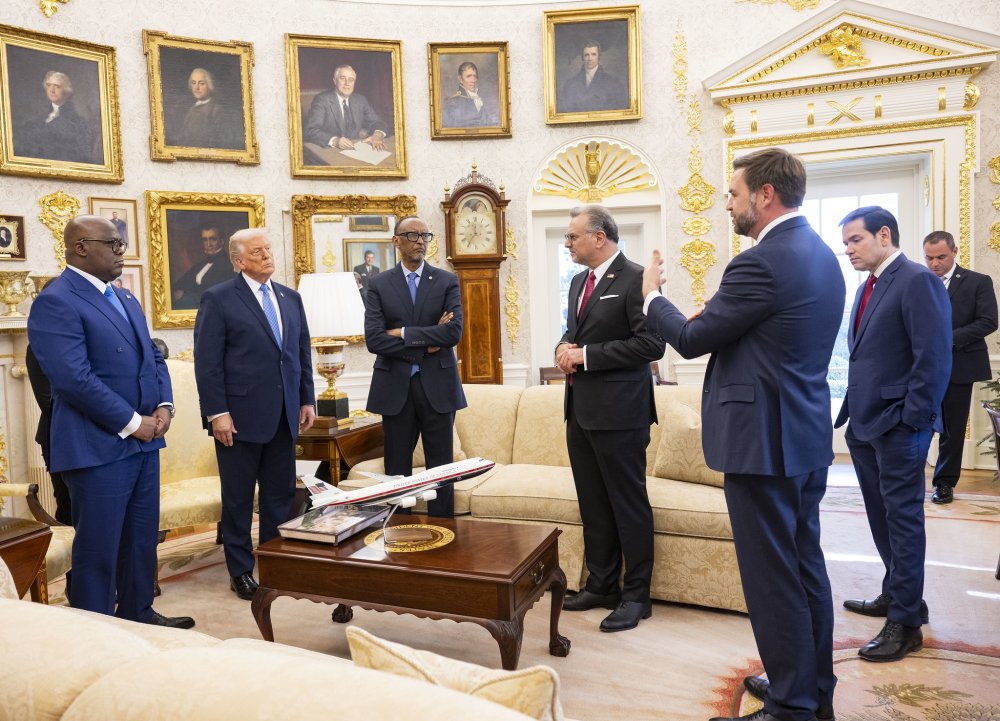
The ceremony, held at the newly inaugurated United States Institute of Peace, brought together US President Donald Trump, President Paul Kagame, DRC President Félix Tshisekedi, African leaders, and diplomats from around the world.
The accord formalises commitments first outlined in June, including a permanent ceasefire, disarmament of non-state armed groups, the return of refugees, and mechanisms for accountability for atrocities committed in eastern Congo. Trump hailed the moment as “a great day for Africa, a great day for the world, and a great day for these two countries.”
But while Thursday’s signing was historic, an interview recorded with President Kagame ahead of the signing ceremony offers a deeper and more cautious view of what lies ahead.
{{Nothing like this before
}}
Speaking to Al Jazeera’s Steve Clemons, Kagame said the US-led initiative marked an unprecedented level of focus and political weight behind attempts to resolve the Rwanda–DRC conflict.
“We have never had anything like this, where there is focus, there is attention, to this level, where the two leaders of Rwanda and the DRC meet the President of the United States, who has paid attention to this problem,” Kagame said.
“The visibility, energy, maybe pressure, it has never been like this before.”
For Kagame, the strength of the accord lies in its three-pillar design: political, security, and economic. These components, he said, “capture everything” required to address the root causes of instability, though implementation remains the difficult part.
Asked what distinguishes the Trump administration’s engagement, Kagame contrasted traditional Western rhetoric on democracy and human rights with what he described as Trump’s more results-oriented posture.
“You have the theory of democracy, human rights, but in practice, people’s lives don’t improve,” Kagame argued.
“Then you have the other, which focuses on some tangible things, if it is trade, different economic interests, how they translate into improvements of people’s lives, and focusing on the real things… I think, in my personal opinion and experience from our own situation, I prefer the latter.”
President Kagame emphasised that African governments must ultimately shoulder responsibility for their own governance and peace, saying he does not want to “blame others” for Africa’s unresolved problems.
He also acknowledged Qatar’s role in mediating the conflict, particularly in the dispute between M23 and the DRC government.
Kagame clarified that it was President Tshisekedi, not Rwanda, who requested that aspects of the mediation be moved to Doha.
“People were blaming Rwanda for leaving African initiatives and going to Qatar or Washington. But it was Tshisekedi who initiated that,” Kagame said.
He accused the Congolese leader of hoping to manipulate both the Washington and Doha processes “in his favour,” but said the separation ultimately sharpened the negotiations.
Kagame credited Qatar for its continued “availability and resources” in facilitating peace efforts across the region.
{{Trust, uncertainty, and the ‘devil in the details’
}}
With the accord now signed, Clemons pressed Kagame on whether he trusts Tshisekedi to enforce the agreement, given a long history of stalled or reversed commitments.
Kagame was diplomatic but frank: “First things first, we are here, and we are agreeing to sign. That is important. But we have had experiences where DRC has been reaching an agreement with different parties, including ourselves. And the next day, after agreeing, they are saying the opposite. And it has happened not once, not twice, not three times, but more.”
Despite this, Kagame said both the US and Qatar are now invested in monitoring compliance and should be equally vocal if either party deviates from what was agreed.
{{Minerals, geopolitics, and accusations of blame
}}
The interview also touched on the global scramble for critical minerals, tin, tungsten, tantalum, and lithium, resources that are increasingly strategic to US–China competition.
Kagame dismissed longstanding accusations that Rwanda’s exports originate from Congolese smuggling networks, calling them part of an international “blame game” tied to historical narratives about the region.
“Tungsten, tin, tantalum, all of these exist in Rwanda, and of super quality. What we have has nothing to do with DRC,” Kagame insisted.
He argued that Rwanda’s stability and growth have made it a target for simplified narratives that drag the country into their problems for geopolitical ends.
{{A Nobel Prize for Trump?
}}
When asked whether President Trump or regional leaders deserved consideration for a future Nobel Peace Prize, Kagame brushed off the idea for himself.
“Others could be considered, not myself. I don’t think I’m there yet.”
Pressed on Trump, Kagame didn’t rule it out.
“Why not? Given what he has done in a short time, trying to stabilise things… But he cannot deliver results alone. If we fail to solve this conflict, you don’t blame the one trying to help.”
He added that Trump’s focus on outcomes rather than rhetoric gives this mediation a stronger chance of success than past attempts.
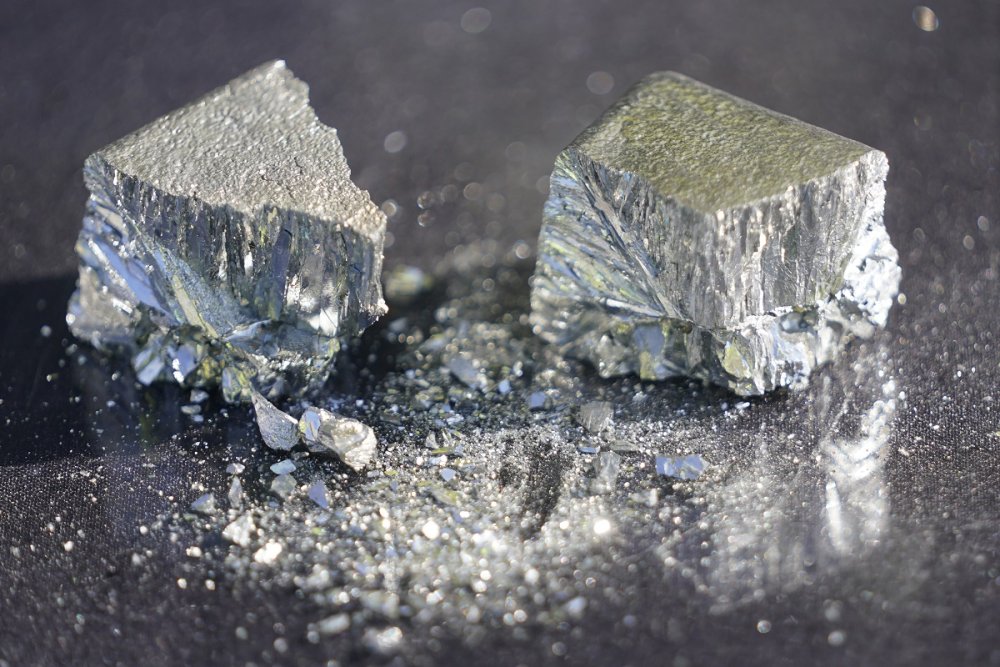
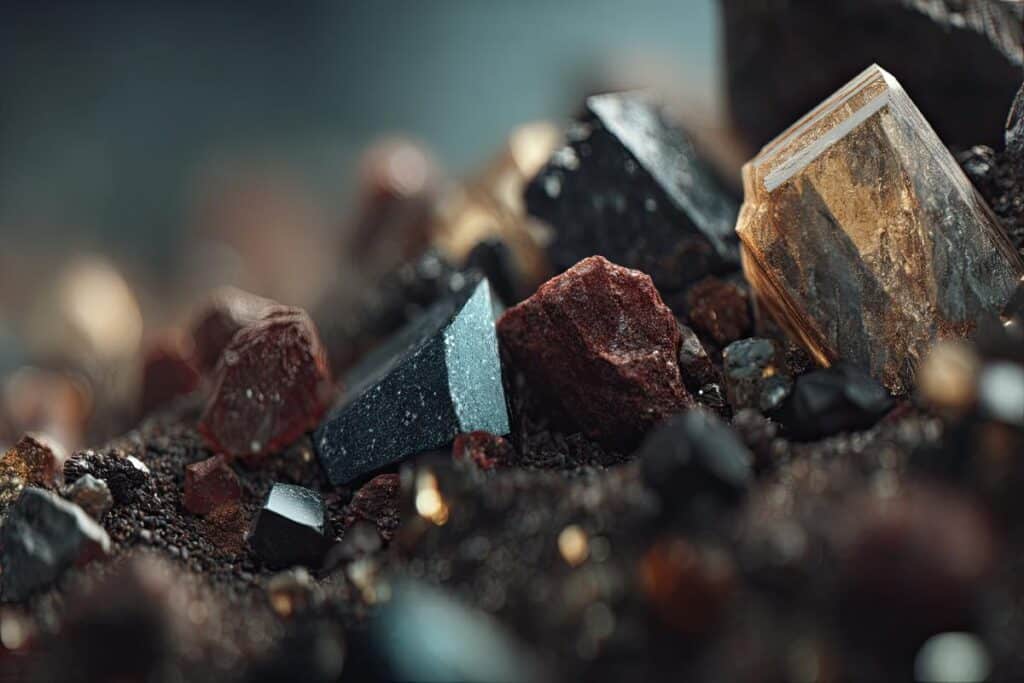
These minerals are challenging to process because a single stone extracted from the earth can contain a mix of different types of minerals. Additionally, only a few countries are abundant in them.
China currently controls nearly 80% of the global market for processing rare earth minerals. Globally, there are approximately 130 million tons of these minerals. China holds over 44 million tons, Vietnam possesses 22 million tons, Brazil has 21 million tons, and Russia controls 12 million tons. The United States, in comparison, has about 1.2 million tons.
For the U.S., securing rare earth minerals is crucial for maintaining its position as a global superpower. These minerals are essential to its technological leadership, supporting everything from electric vehicles to 5G internet, and reducing reliance.
To illustrate the importance, Apple, one of America’s leading tech companies, has announced it will invest $500 million in mining and processing these minerals within the United States.
The U.S. also aims to capitalize on Ukraine’s vast mineral wealth, which is valued at an estimated $14 trillion. It’s reported that the U.S. plans to replace its dependence on Chinese rare earth minerals with those sourced from Ukraine, given that the country is rich in these resources.
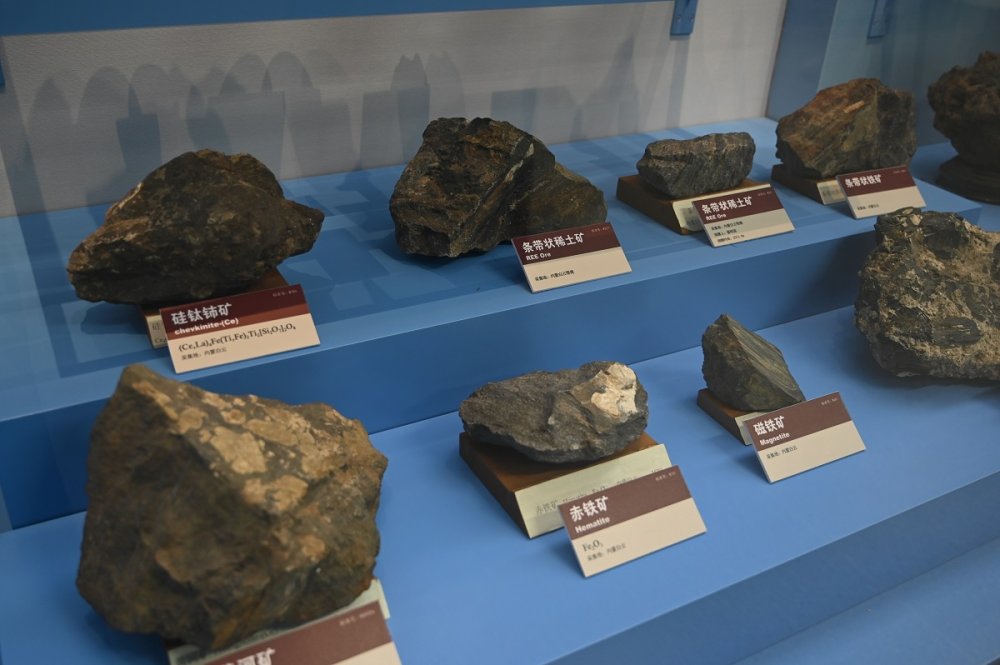
The minerals in question include Bastnaesite, Monazite, Xenotime, Allanite, Eudialyte, Loparite, Gadolinite, Cerite, Samarskite, Fergusonite, Parisite, Fluorite, and others.
These minerals are processed into valuable metals like Lanthanum, Cerium, Praseodymium, Neodymium, Promethium, Samarium, Europium, Gadolinium, Terbium, Dysprosium, Holmium, Erbium, Thulium, Ytterbium, Lutetium, Scandium, and Yttrium. These are used in various industries, such as electronics, energy production, and medical technologies.
The cost of these minerals can vary significantly. For example, a ton of Cerium may cost between $2,000 and $4,000, while the price of Dysprosium can range from $300,000 to $500,000 per ton. The most expensive mineral is Terbium, which can cost up to $1.5 million per ton.
{{Rwanda’s rich potential in rare earth minerals}}
Rwanda is one of the countries actively developing research in rare earth minerals through advanced technologies. History shows that these minerals have been mined in the country, and their presence continues to be significant today.
Jean Claude Ngaruye, Mining Exploration Division Manager at the Rwanda Mines, Petroleum and Gas Board (RMB), has told IGIHE that Rwanda has abundant reserves of these minerals.
“These minerals were mined before and after independence. Three types were particularly extracted: Monazite, Zircon, and Xenotime. These minerals are in high demand due to their use in modern technology, with Zircon also being utilized in the nuclear industry.”
The regions with the most significant mining activity are located in Rwanda’s Southern Province. These include areas like Rukarara in Nyamagabe, Nshili in Nyaruguru, and near Munanira rock.
According to Ngaruye, “These sites were part of the former Butare, with one area located in the Gishamvu sector of Huye District.”
Minerals are also found in Musebeya, a region that stretches across Karongi, Nyamagabe, and Nyamasheke.
Monazite, for example, yields metals like Cerium, Lanthanum, Neodymium, Praseodymium, and Samarium, which are essential for producing batteries, audio systems, aircraft engines, and other high-tech devices.
These minerals are highly valuable. For instance, Neodymium is priced at about $70,500 per ton, while Praseodymium costs around $71,350 per ton.
Ngaruye pointed out that the reason these minerals are in such high demand is not due to their low cost but because of their crucial role in technological development and environmental protection.
“Mining is like any other business. When something is in high demand, prices rise. If supply exceeds demand, prices drop. […] The prices of rare earths have decreased, which has led to our reduced interest. You wouldn’t go looking for an unnecessary stone in the market. The reason America is pursuing them so aggressively is to build its own large stockpile and compete with China,” he said.
Despite Rwanda’s wealth of these minerals, Ngaruye observed that the country does not yet have a large-scale market for them. However, he believes there is potential for specific buyers to access these minerals.
“They were present. Although most of the mining has been done in the Southern Province, there are also signs of these minerals in other regions like Rulindo, Gatumba in Ngororero, and other areas. Research could be easy if anyone is interested.”
{{Rwanda’s mining growth}}
Although Rwanda is rich in rare earth minerals, processing these minerals, particularly Monazite, presents challenges. Monazite often contains Uranium and Thorium, which require advanced processing methods and significant investment.
Rwanda’s revenue from mineral exports has seen steady growth, rising from $373 million in 2017 to $1.7 billion in 2024.
The country has set a target of reaching $2.2 billion in mineral production by 2029. This goal includes increasing the processing rate of extracted minerals from 40% to 80%. To achieve this, research will be conducted to identify new mineral-rich areas.
As of May 2025, the RMB has identified over 27,000 new hectares of land with significant mineral deposits.
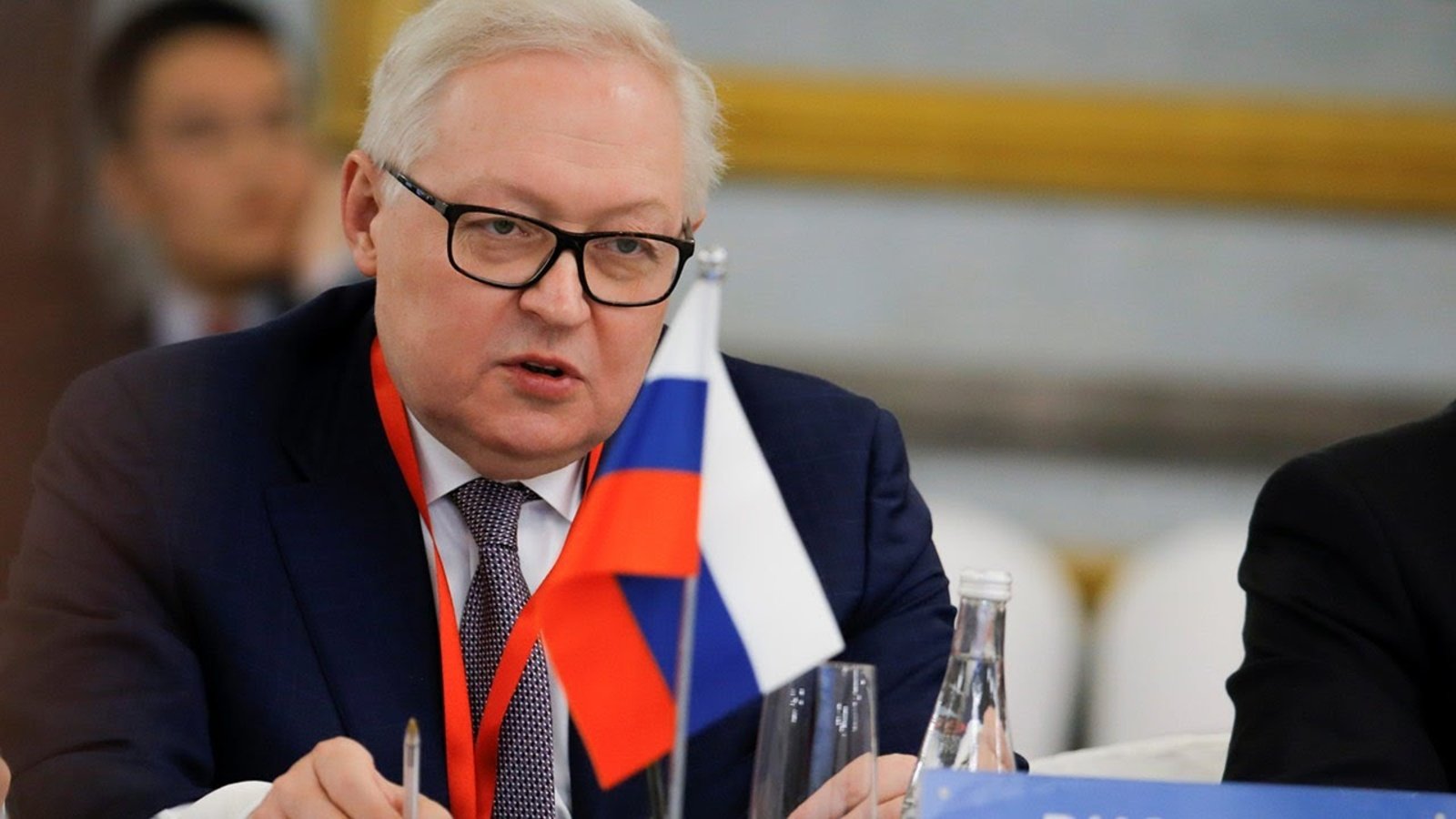
Moscow views recent developments in Venezuela with deep concern, and tensions remain high and continue to grow. “This is primarily linked to Washington’s desire to assert unquestioned dominance in the region, a trademark of the Trump administration,” Ryabkov was quoted by TASS news agency as saying.
Ryabkov stressed that Russia maintains strong solidarity with Venezuela, referring to the recently concluded agreement on strategic partnership and cooperation between the two countries. “We support Venezuela, just as it supports us … In this trying time, we stand with Caracas and its leadership shoulder to shoulder,” Ryabkov said.
The U.S. has increased its military presence in the Caribbean Sea. The Pentagon has carried out at least 22 known strikes on alleged drug vessels in the Caribbean and eastern Pacific Ocean since Sept. 2, killing more than 87 people aboard.