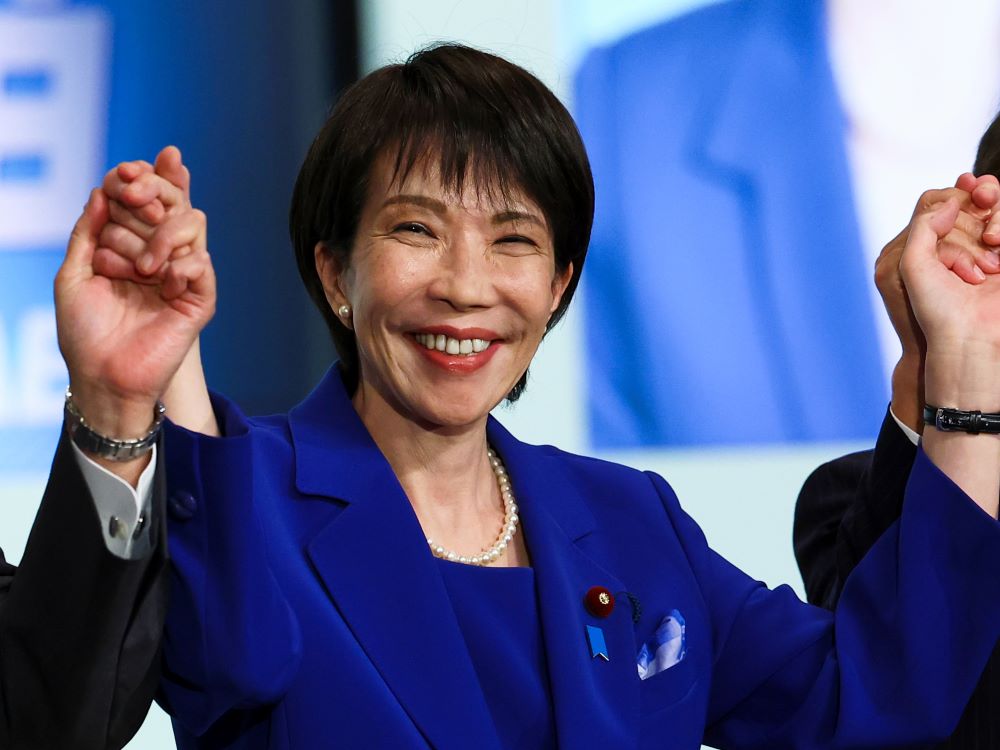
At a meeting of the Budget Committee of the House of Representatives on the day, Takaichi expressed her deep regret as the chapter representative for accepting donations in violation of the political funds control law, adding that her chapter had already returned the exceeded amount, the report said.
On Dec. 4, Kobe Gakuin University Professor Hiroshi Kamiwaki filed a complaint against Takaichi with prosecutors, saying the local chapter of the LDP in Nara Prefecture, represented by Takaichi, received a donation of 10 million yen (about 64,400 U.S. dollars) from a Tokyo company on Aug. 26 last year, surpassing the 7.5 million yen limit allowed by law for that particular type of donor.
The cases add to the ruling LDP’s slush fund scandal, first revealed in 2023, in which some party factions of the LDP allegedly instructed member lawmakers to sell political fundraising party tickets beyond their assigned quotas without recording the amount as revenue in its political fund reports, and then funneled the surplus back to lawmakers as kickbacks, creating off-the-books funds.
Among the senior officials Takaichi appointed after taking office in October, seven have been linked to the LDP’s slush fund scandal. Critics said her ambiguous stance on the scandal suggests limited willingness to push for fundamental reform.
This condemnation was issued in a statement released by the Ministry of Foreign Affairs on December 10, 2025.
The statement emphasizes that the responsibility for the ongoing attacks and fighting in South Kivu DRC cannot be placed on Rwanda.
It accuses the FARDC and FDNB, in coalition with the DRC-backed FDLR genocidal militias, Wazalendo, and foreign mercenaries, of bombing civilian villages, and which the AFC/M23 has said it has been forced to counter.
“Rwanda condemns the Congolese Army [FARDC] and the Burundian Army [FDNB], together with its coalition of the DRC-backed FDLR genocidal militias, Wazalendo and foreign mercenaries, and have been systematically bombing civilian villages close to the Rwandan border,” the statement reads.
“These deliberate violations of recently negotiated agreements constitute serious obstacles to peace, resulting in the continued suffering of the population in Eastern DRC, as well as a security threat to Rwanda’s western border,” adds the statement.
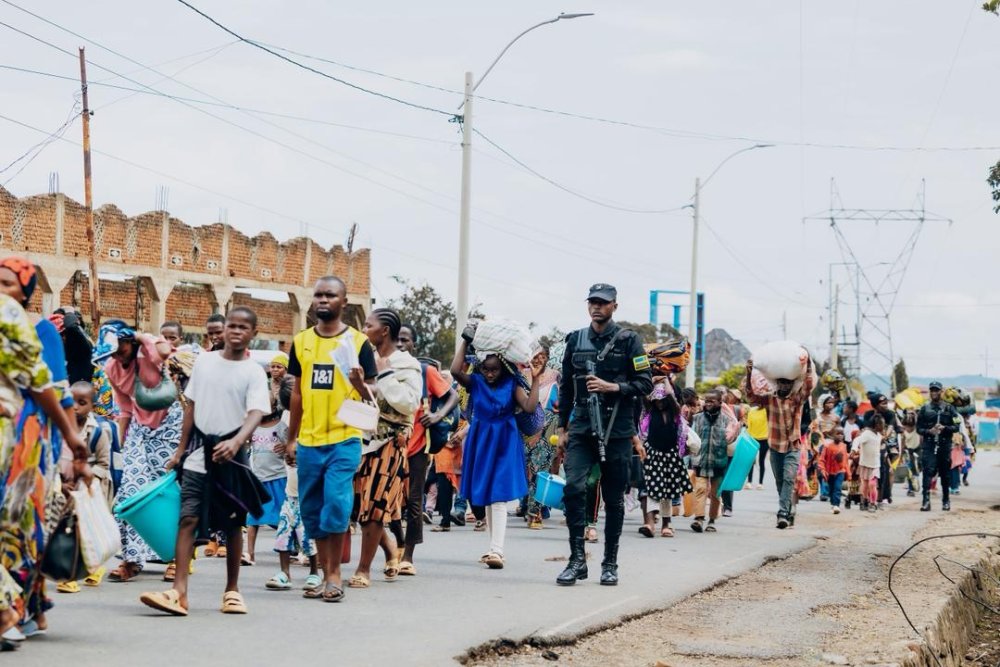
The statement further highlights the consequences of these actions, specifically the past week’s bombing of Kamanyola from Burundi, which has led to the displacement of over 1,000 Congolese citizens.
These refugees have crossed into Rwanda and are being accommodated at the Nyarushishi Transit Camp in Bugarama, Southern Rwanda.
The Burundian Army, which has reportedly amassed close to 20,000 troops in South Kivu, is accused of laying siege to Banyamulenge villages in Minembwe. This siege is described as a deliberate attempt to starve the residents and further exacerbate the humanitarian crisis in the region.
The statement also pointed out DRC’s relenting commitment having openly stated its intention to disregard the ceasefire and continue its military offensive to recapture territories lost to AFC/M23, even while peace talks were ongoing.
In addition, the failure of the DRC to neutralize the FDLR as stipulated in the June 2025 Peace Agreement continues to delay the resolution of the conflict in Eastern DRC, the ultimate goal of the Washington Accords.
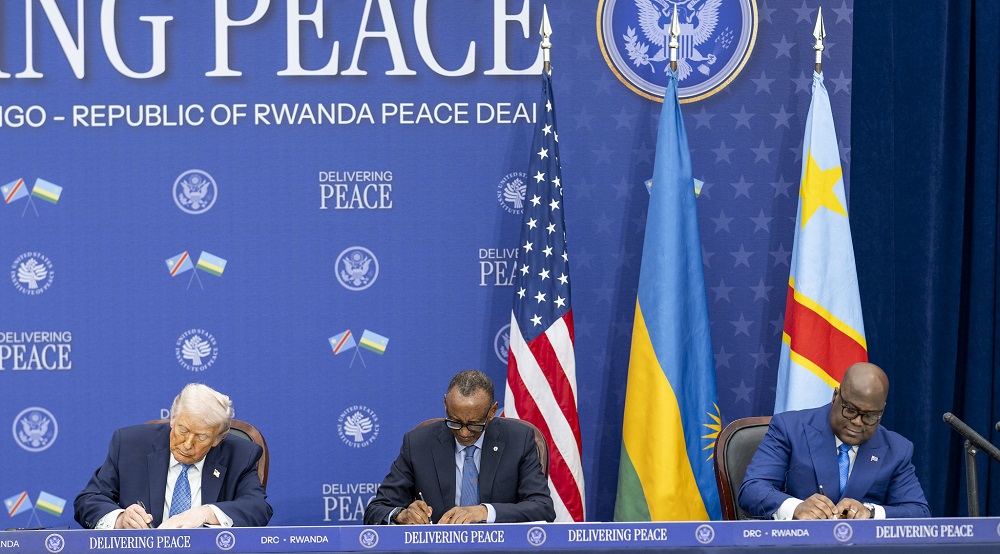
“It is now clear that the DRC was never ready to commit to peace, even as President Tshisekedi participated in the 4th December ceremony, as if forced to sign the Accords,” the statement reads.
In the past week, the European Commission opened two antitrust investigations into U.S. tech giant Google and Meta, and fined Elon Musk’s platform X 120 million euros (about 139.49 million U.S. dollars) in its first non-compliance decision under the Digital Services Act (DSA).
Simultaneously, the White House published a new National Security Strategy warning that Europe faces the “prospect of civilizational erasure.” This has triggered an unusually sharp backlash from European leaders.
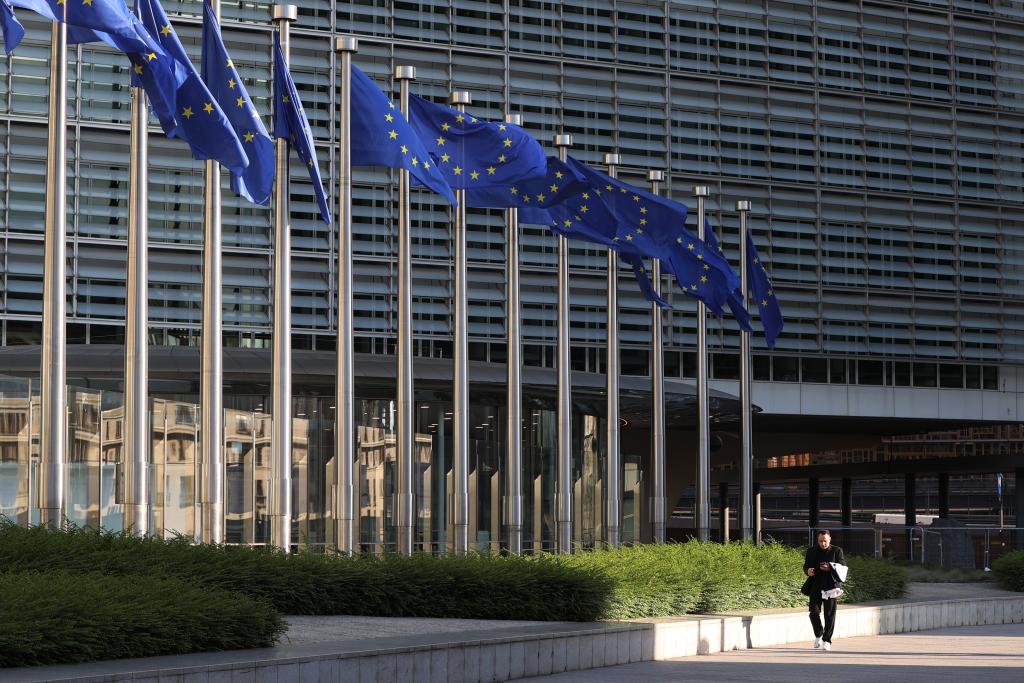
Analysts say the rift between the United States and Europe is widening, a trend that is reinforcing Europe’s drive for greater “strategic autonomy” and making the split increasingly difficult to reverse.
{{Digital sovereignty dispute }}
On Dec. 5, the European Commission issued its first non-compliance decision under the DSA, fining X 120 million euros for the deceptive design of its blue checkmark, a lack of transparency in its advertising repository, and failing to provide researchers with access to public data.
X owner Elon Musk then blasted the European Union (EU) for the fine, warning that his response would target the officials responsible for the penalty.
U.S. Secretary of State Marco Rubio has condemned the fine as an attack on American companies and an act of censorship against Americans online. Meanwhile, Deputy Secretary of State Christopher Landau argued that the EU’s regulatory stance could damage shared Western security and values.
However, EU tech chief Henna Virkkunen has insisted the law “has nothing to do with censorship.”
On Tuesday, the Commission opened a separate antitrust investigation into whether Google has breached EU anticompetitive rules.
U.S. National Public Radio said that Europe has been striving to establish itself as the global authority for digital regulation. The Trump administration has pushed back against perceived curbs on U.S. companies’ profits, highlighting a growing division over the concept of digital sovereignty, which has transformed long-standing allies into competitors.
{{U.S. security strategy rattles Europe}}
While the tech battles have exposed an economic rift, the new U.S. National Security Strategy has raised the issues of identity and values.
Several U.S. and European outlets have pointed out that in the 30-page document, barely two and a half pages are devoted to Europe, a level of neglect they say no previous U.S. strategy document has shown toward its European allies.
Analysts believe the new Strategy underlines how Europe is being pushed down the list of U.S. priorities. “For Trump, however, Europe seems increasingly irrelevant or, on a bad day, even an adversary,” said Leonard A. Schuette, an international security program fellow at the Belfer Center at the Harvard Kennedy School.
Some experts also argue that the strategy extends the rift into the realm of the shared values that once underpinned the transatlantic security alliance. The Financial Times reported that the document “highlights the ideological gulf that has opened up between Washington and its traditional allies.”
The Strategy also calls on the U.S. to “cultivate resistance within European nations” to what it describes as Europe’s current trajectory, and commends far-right “patriotic” parties across the continent.
Liana Fix, a senior fellow for Europe at the Council on Foreign Relations, pointed out that the document frames Europe’s problems in “civilizational” terms, which is radically different from any past administration’s view of Europe. Fix concluded that it “marks the end of the transatlantic alliance based on liberal values.”
{{Strategic autonomy becoming more urgent}}
Europe’s drive for strategic autonomy is looking more urgent than ever, faced with tariff threats, tech enforcement battles, and the new U.S. strategy document.
From U.S. Vice President JD Vance’s blunt criticism of Europe at the Munich Security Conference early this year, to the U.S. tendency to bypass European allies in negotiations on Ukraine, the pattern of “America First” decisions has pushed Europe toward strengthening its own strategic autonomy.
In recent months, the EU has invoked its digital regulations to launch a series of enforcement actions against major U.S. tech firms. Analysts describe these moves as a direct response to the U.S. use of tariff threats to interfere with the bloc’s digital regulatory agenda.
At the same time, several European countries have begun raising defense budgets and expanding joint military cooperation in an effort to reduce long-standing dependence on the U.S. in security and defense.
A recent paper published by the European Union Institute for Security Studies warns that Europe is not facing a “storm that will pass.” It is a multi-round contest in which power, alliances, and resilience are built over time, the paper said.
To prepare for what comes next, the paper urges Europe to “collect more cards and learn to play them smartly,” including boosting defense capabilities, investing in strategic industries, and rebuilding Europe’s economic security, so it can safeguard its own security and democratic future. (1 euro = 1.16 U.S. dollars)
According to a statement from the Tunisian Ministry of Foreign Affairs, the two-day forum provides a key platform to advance the agenda on women’s rights, peace, and security.
In his opening remarks, Tunisian Foreign Minister Mohamed Ali Nafti welcomed the African Union’s (AU) decision to hold the forum in Tunisia for the first time outside AU headquarters, noting that it reflects Tunisia’s commitment to strengthening cooperation with African partners at both bilateral and multilateral levels.
He emphasized that the current global context calls for greater solidarity and coordinated action to tackle shared challenges, particularly in peace and security.
Nafti also stressed that lasting peace requires preventive, comprehensive approaches that address structural causes such as inequality and poverty, which fuel marginalization and exclusion.
The opening session brought together representatives of AU member states, regional and international organizations, and civil society groups.
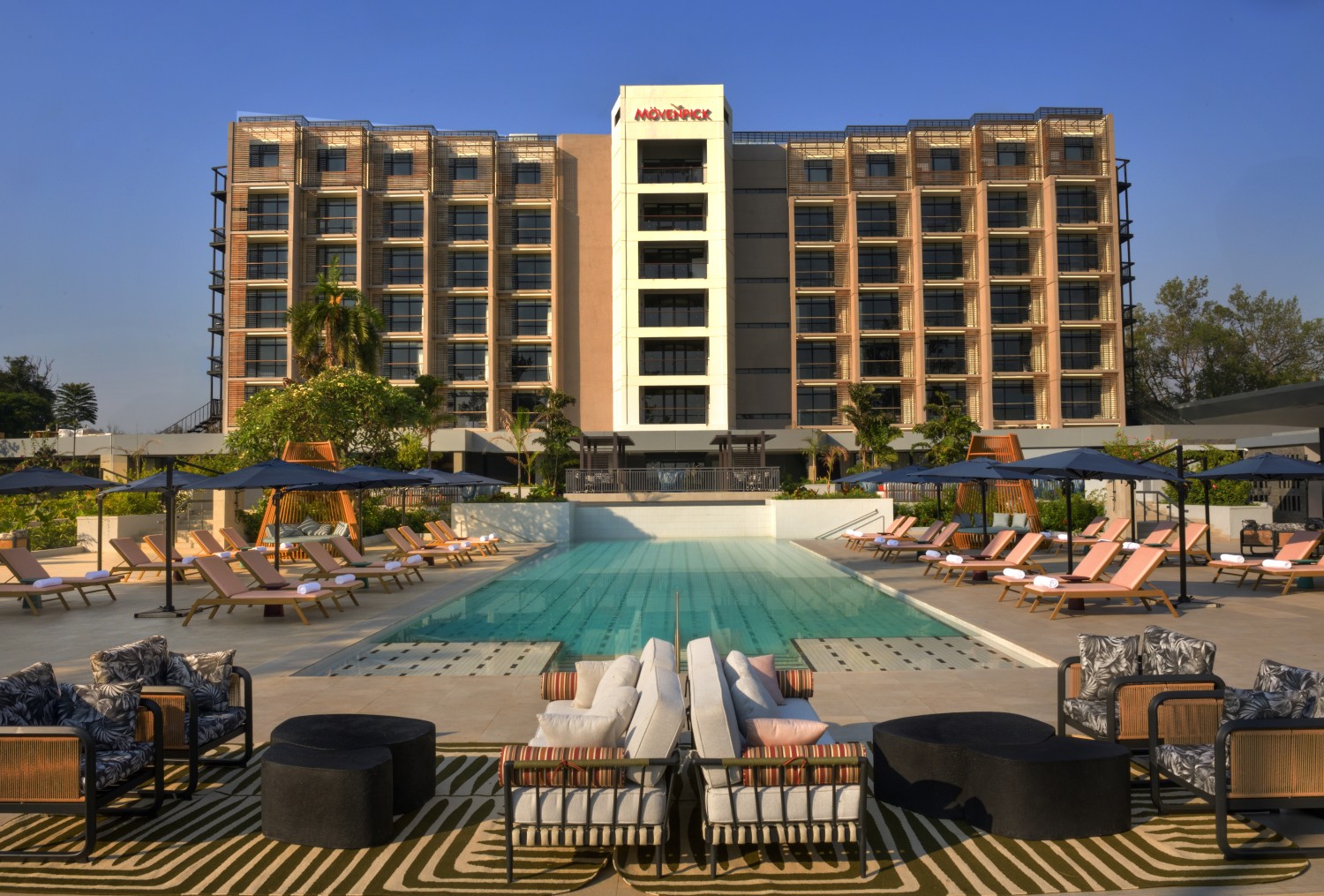
Located in Kacyiru, one of Kigali’s most dynamic neighbourhoods, the new hotel sits on the historic grounds of the former Umubano Hotel, once among the city’s first international hospitality landmarks. Its transformation into Mövenpick Kigali marks both a renewal of the site’s legacy and an investment in Rwanda’s fast-growing tourism and business ecosystem.
Just minutes from Kigali International Airport and within close reach of the Kigali Convention Centre, BK Arena, and major diplomatic institutions, the hotel is strategically positioned at the heart of the capital’s diplomatic and lifestyle district.
Owned by Kasada Capital Management, in partnership with the Qatar Investment Authority and Accor, the project aims to redefine urban hospitality in Kigali through sustainability, community-centred initiatives, and thoughtful design.
“Our goal is to create joyful moments of genuine reconnection, where every guest feels both inspired and at home,” said Mediatrice Umulisa, General Manager of Mövenpick Kigali, in a statement on Monday, December 8, 2025.
“Our approach blends Swiss hospitality, heartfelt Rwandan service, and thoughtful design to create an experience that feels warm, contemporary, and deeply rooted in place. Whether guests join us for business, relaxation, or culinary discovery, we want them to feel the joy of a stay that is nourishing, generous, and full of meaning.”
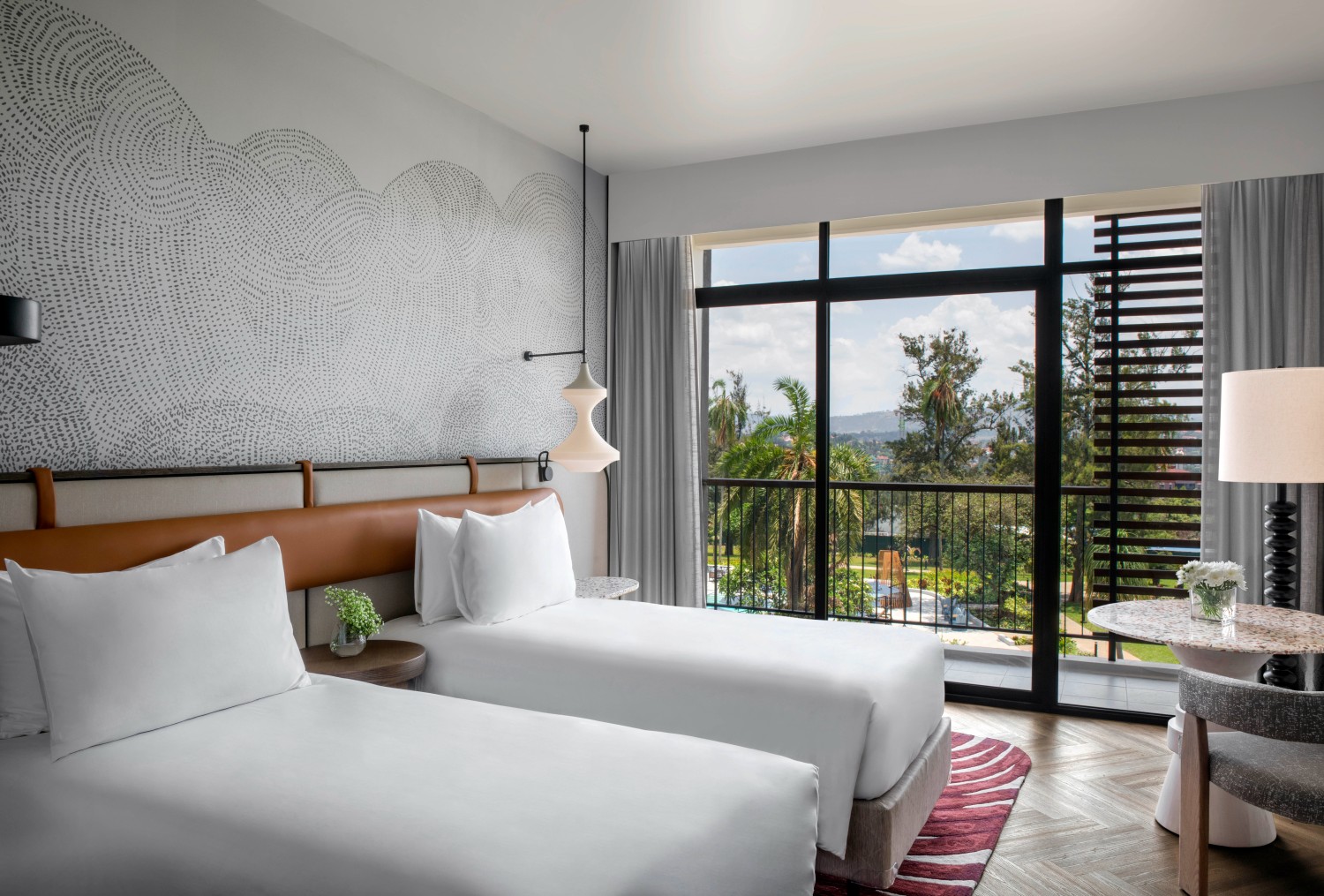
The hotel features 124 elegantly designed rooms and suites, many overlooking Kigali’s green, hilly skyline. Interiors, developed by Shelter Group Africa, incorporate biophilic design and Rwandan cultural motifs to create calming, modern spaces that reflect both the country’s heritage and the brand’s global standards.
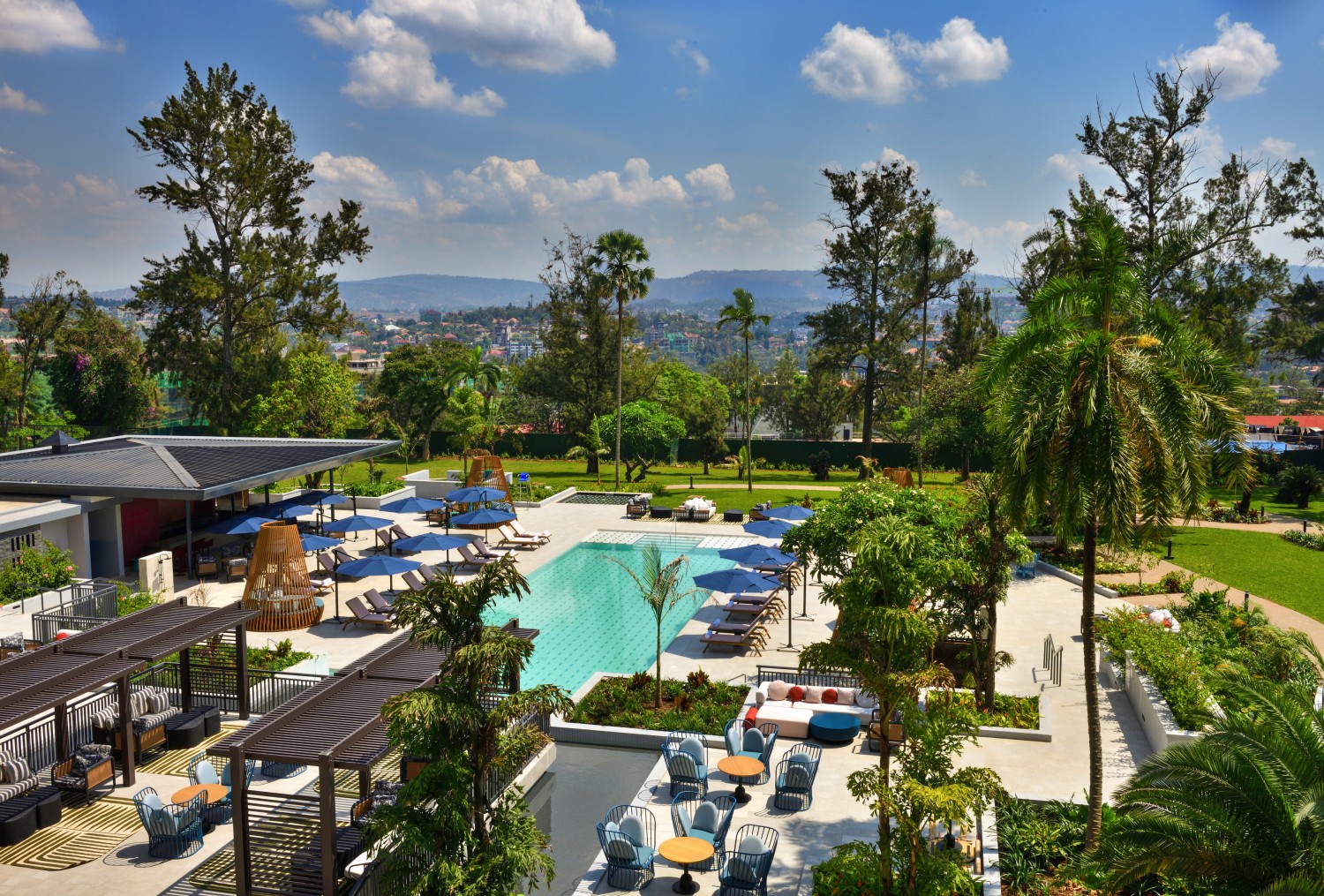
Guests can enjoy signature Mövenpick offerings, including the beloved Chocolate Hour, an afternoon celebration of Swiss indulgence, and RAAVA, the hotel’s new all-day dining restaurant serving an eclectic mix of local and international cuisine. A poolside bar further enhances the relaxed, resort-style atmosphere.
Designed to cater to both business and leisure travellers, the hotel includes four flexible meeting rooms with capacity for up to 300 people. Each space offers panoramic city views, making it an attractive venue for conferences, corporate events, and co-working.
Additional facilities include a heated outdoor swimming pool, a wellness spa, and a fully equipped fitness centre. Families are also well-served through the “Little Birds Club,” an engaging space tailored for young guests.
Raki Phillips, Accor’s Regional President for the Premium, Midscale and Economy division across the Middle East, Africa & Türkiye, described the opening as a milestone for the brand in Rwanda.
“The opening of Mövenpick Kigali marks a proud new chapter for our brand in Rwanda, a country known for its warmth, and forward momentum. Mövenpick Kigali is a bridge between past and future, reimagining a beloved landmark while contributing to the city’s continued transformation,” Raki remarked.
“Through the creation of meaningful local employment, investment in young talent, and a deep commitment to sustainability, this opening reflects our belief that hospitality should leave a positive imprint both for our guests and the communities we serve.”
More than 160 permanent jobs are expected to be created, with a strong focus on hiring local talent, including graduates from Rwanda’s top hospitality schools and former Umubano Hotel staff.
Sustainability is central to the hotel’s operations. Mövenpick Kigali is working toward Green Globe certification and has adopted a full no-single-use-plastic policy, alongside other eco-friendly measures designed to reduce its environmental impact.
Jean-Guy Afrika, CEO of the Rwanda Development Board, praised the project’s contribution to Rwanda’s tourism and investment landscape.
“The launch of Mövenpick Kigali is both a renewal and a continuation of history. This site holds deep significance in Rwanda’s hospitality journey. Mövenpick’s arrival honours that legacy while ushering in a new era of excellence.”
To mark the opening, members of ALL, Accor’s lifestyle loyalty programme, will earn four times the usual Reward points for stays between December 21, 2025 and April 26, 2026, when booked by December 21, 2025.
With its blend of Swiss precision, Rwandan hospitality, and a modern vision for sustainable tourism, Mövenpick Kigali is set to become one of the capital’s standout destinations for travellers, residents, and global investors alike.
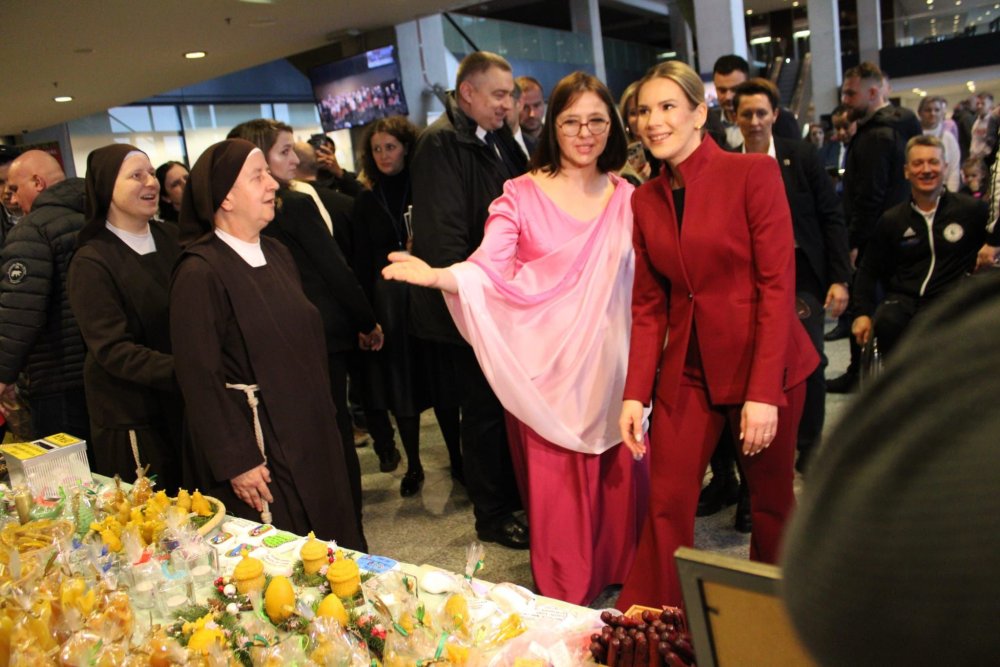
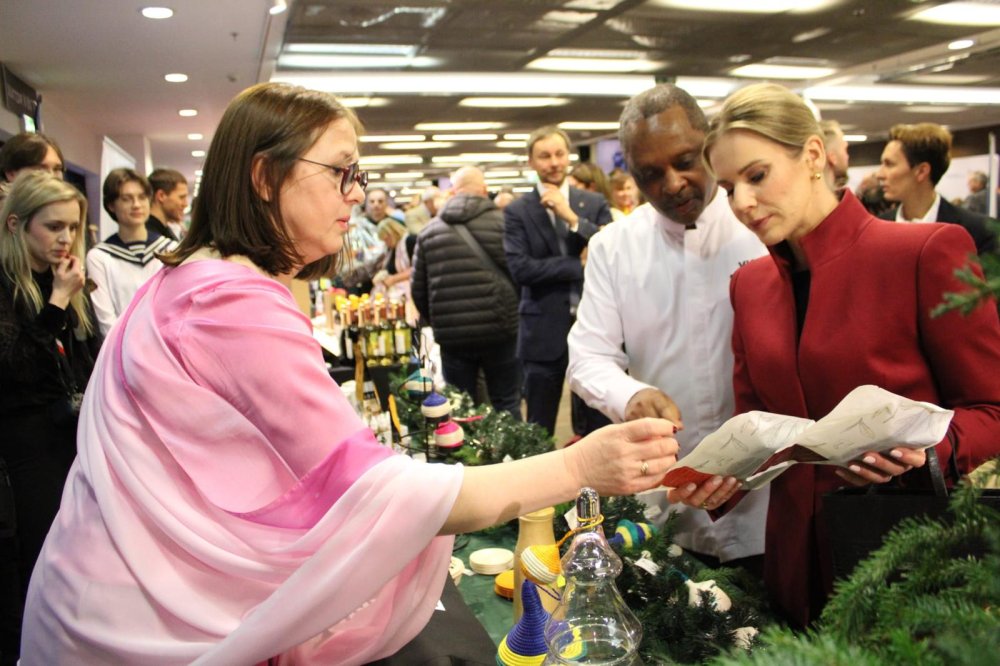
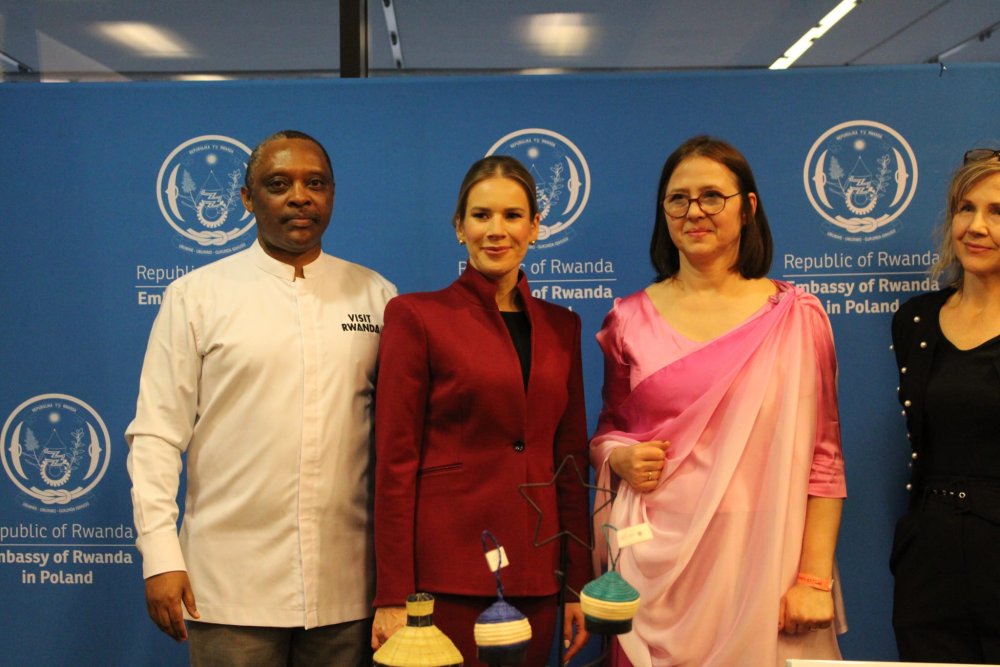
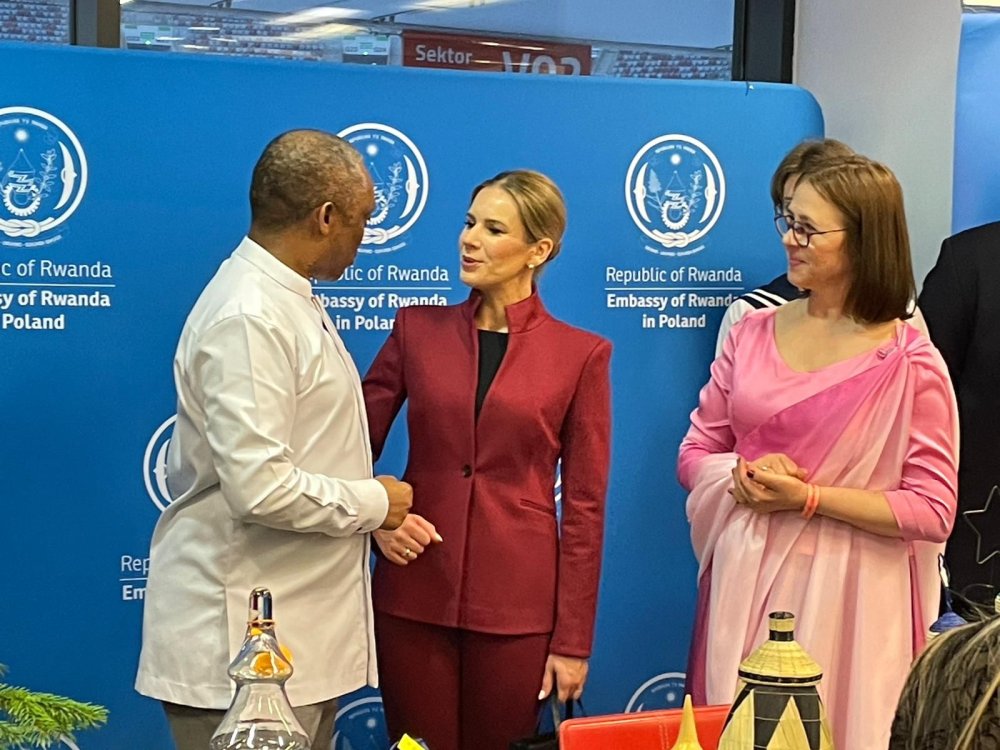
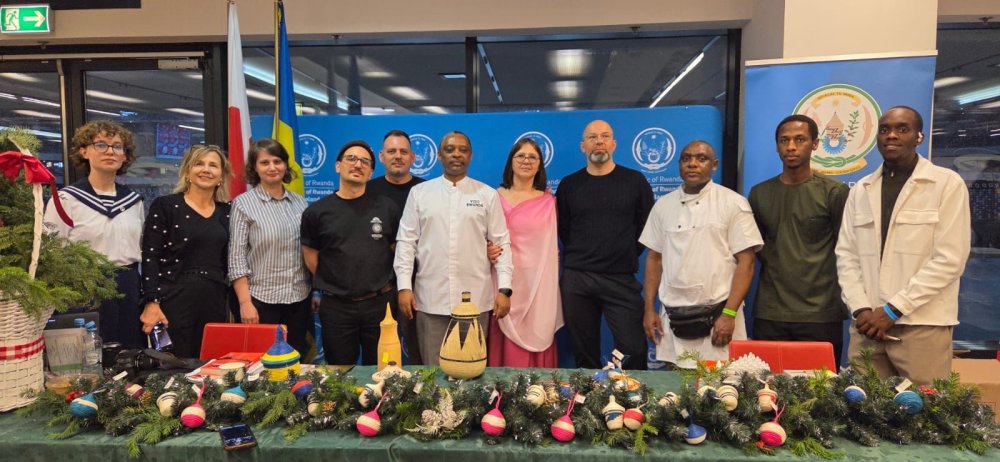
This year’s event was attended by Marta Nawrocka, the wife of Polish President Karol Nawrocki, who took the opportunity to explore various exhibits from around the world, including Rwanda’s unique offerings.
The SHOM Charity Bazaar, which highlights the best products from participating countries, raises funds for charitable initiatives supported by non-governmental organizations in Poland and abroad.
This year, the event aimed to assist 17 organizations, including a Polish initiative that established a school for visually impaired children in Kibeho, Rwanda.
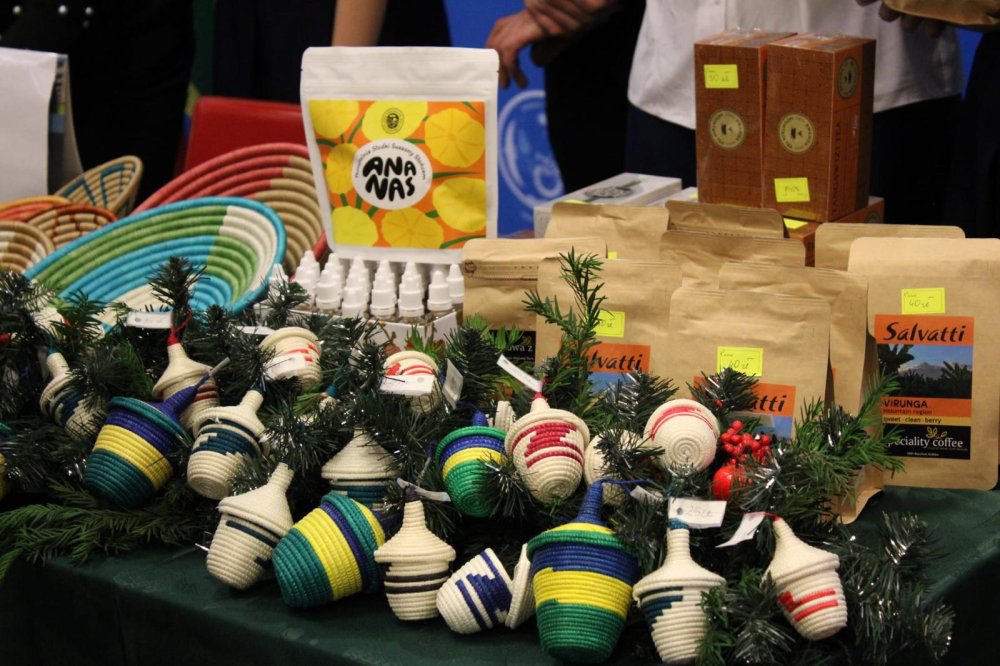
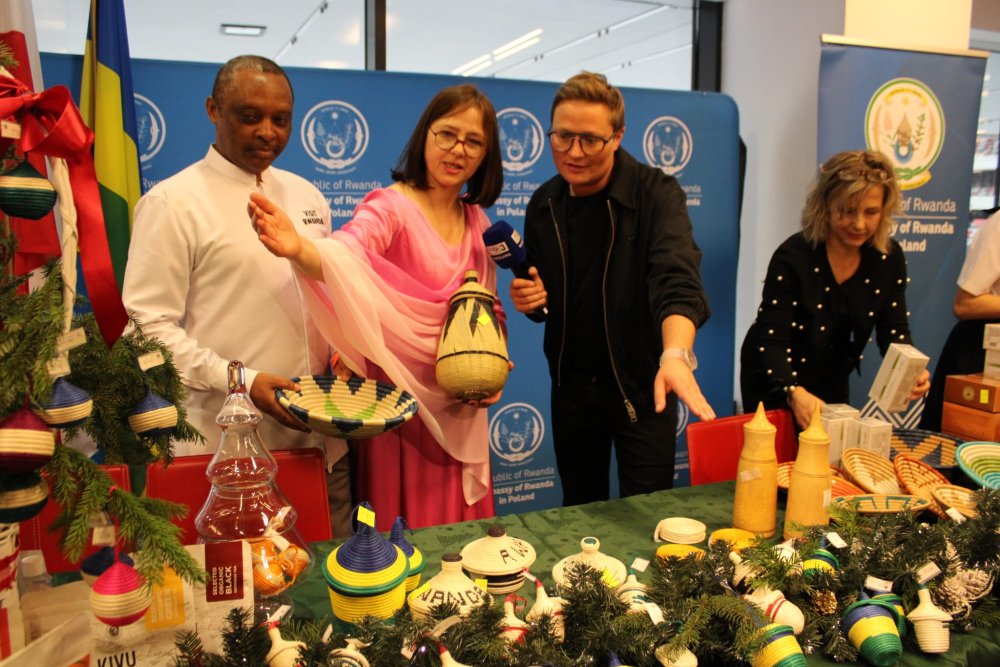
Rwanda’s booth featured a selection of its renowned products, including coffee, tea, baskets, and traditional crafts, which attracted a large crowd.
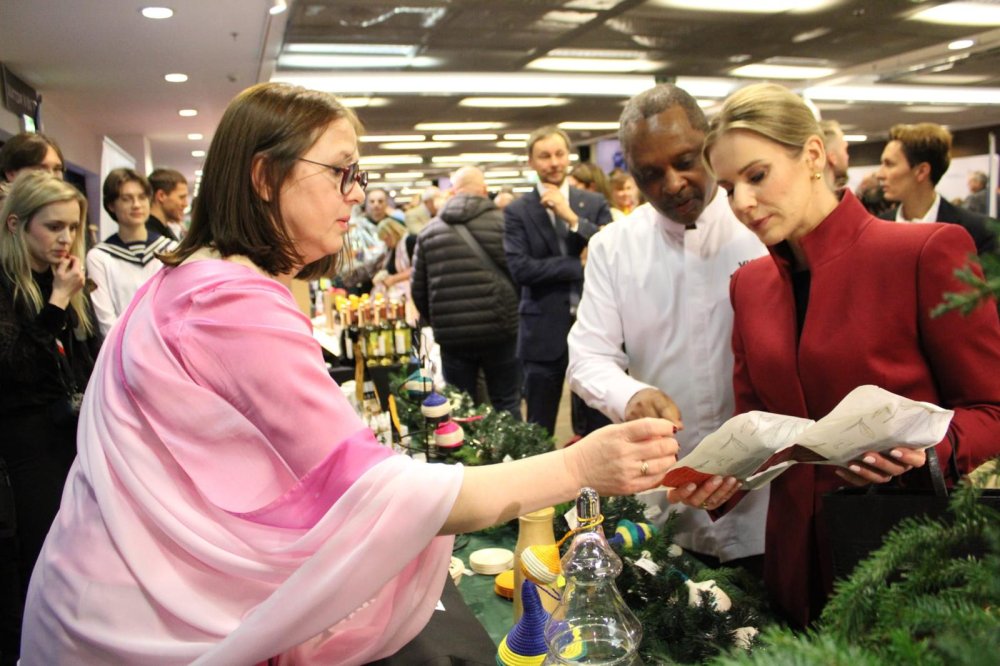
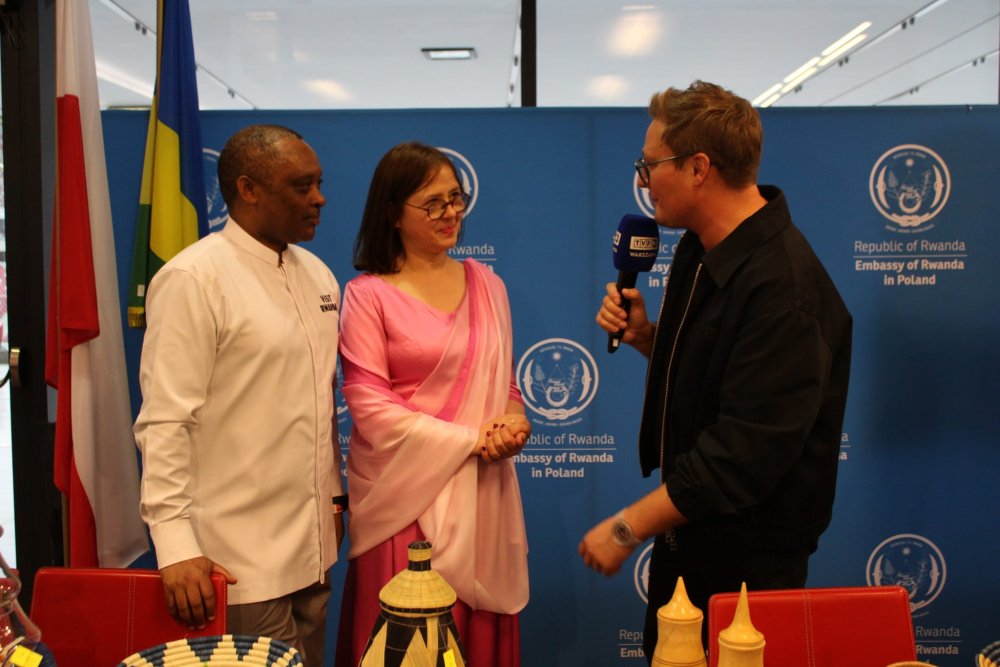
Marta Nawrocka visited the Rwandan booth, where she was warmly welcomed by Rwanda’s Ambassador to Poland, Prof. Shyaka Anastase, and his wife, Beata Shyaka. They took the opportunity to explain the significance of Rwanda’s products and the country’s rich culture.
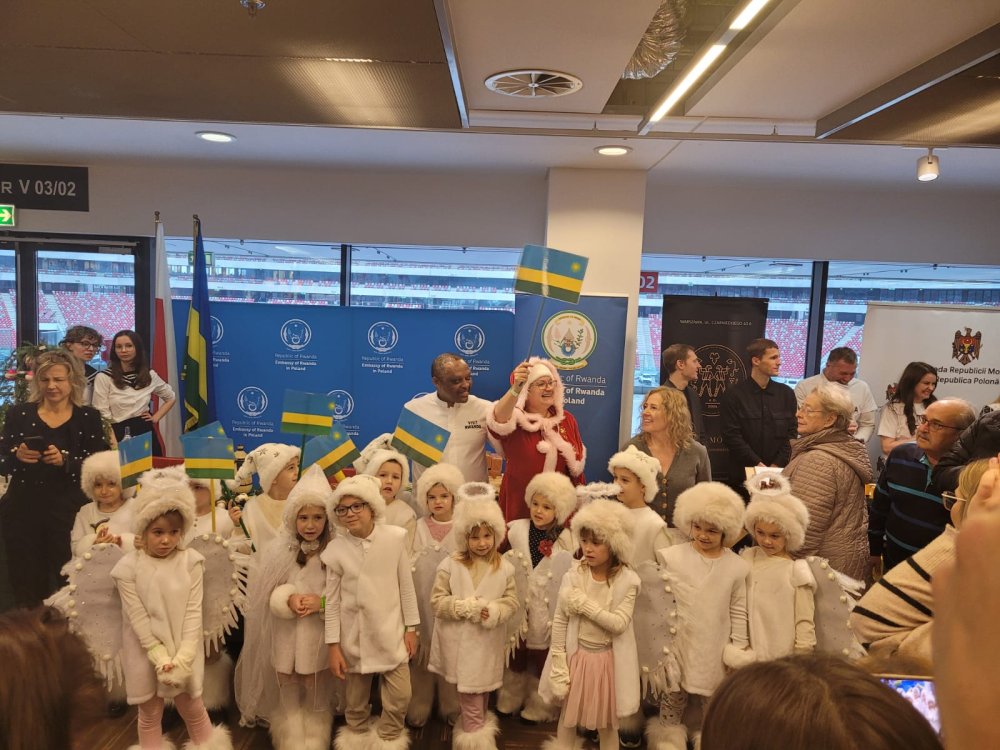
The event, which took place just ahead of Christmas, was also attended by children from a local kindergarten in the Siemiatycze district.
Upon reaching the Rwandan booth, the children were greeted by Ambassador Shyaka and performed Christmas songs in Kinyarwanda, proudly waving Rwandan flags.
Amb. Shyaka expressed his heartfelt appreciation to all those who contributed to showcasing Rwanda’s cultural and artisanal treasures.
He particularly thanked the children for bringing the spirit of Christmas to the event through their songs in Kinyarwanda, offering a glimpse of Rwanda’s vibrant culture to attendees at the charity bazaar.
The advance comes after days of heavy fighting in the Rusizi valley, where AFC/M23 fighters have pushed back DRC government forces across several areas. Prior to taking Kiliba, the coalition captured the town centre of Runingo and other localities, including Katogota, Rurambo, Luberizi, Luvungi, Mutalule, Bwegera, Nyakabere, and Sange.
Media reports indicate that gunfire was heard in Uvira city even before Kiliba fell, allegedly from fighters associated with the Wazalendo coalition. The escalating insecurity has forced businesses and schools in Uvira to close temporarily.
Sources in South Kivu say that Burundian troops stationed in captured areas, including Runingo, withdrew after facing heavy resistance from AFC/M23 fighters. Similar reports emerged on December 8, when Burundian forces, alongside DRC and Wazalendo fighters, reportedly retreated following the loss of Sange town centre.
The situation remains fluid, with residents and authorities closely monitoring the unfolding security dynamics along the Uvira corridor.
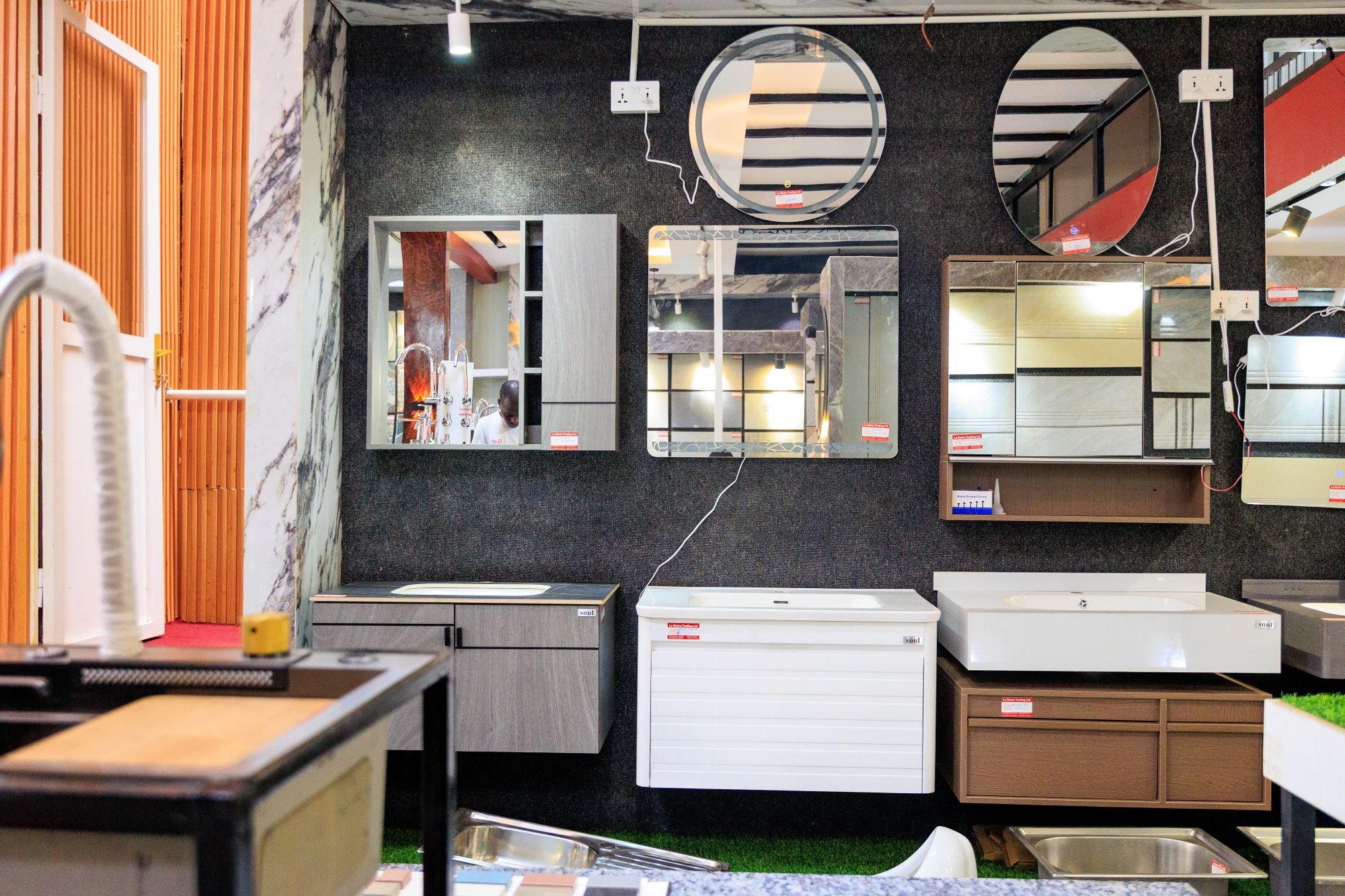
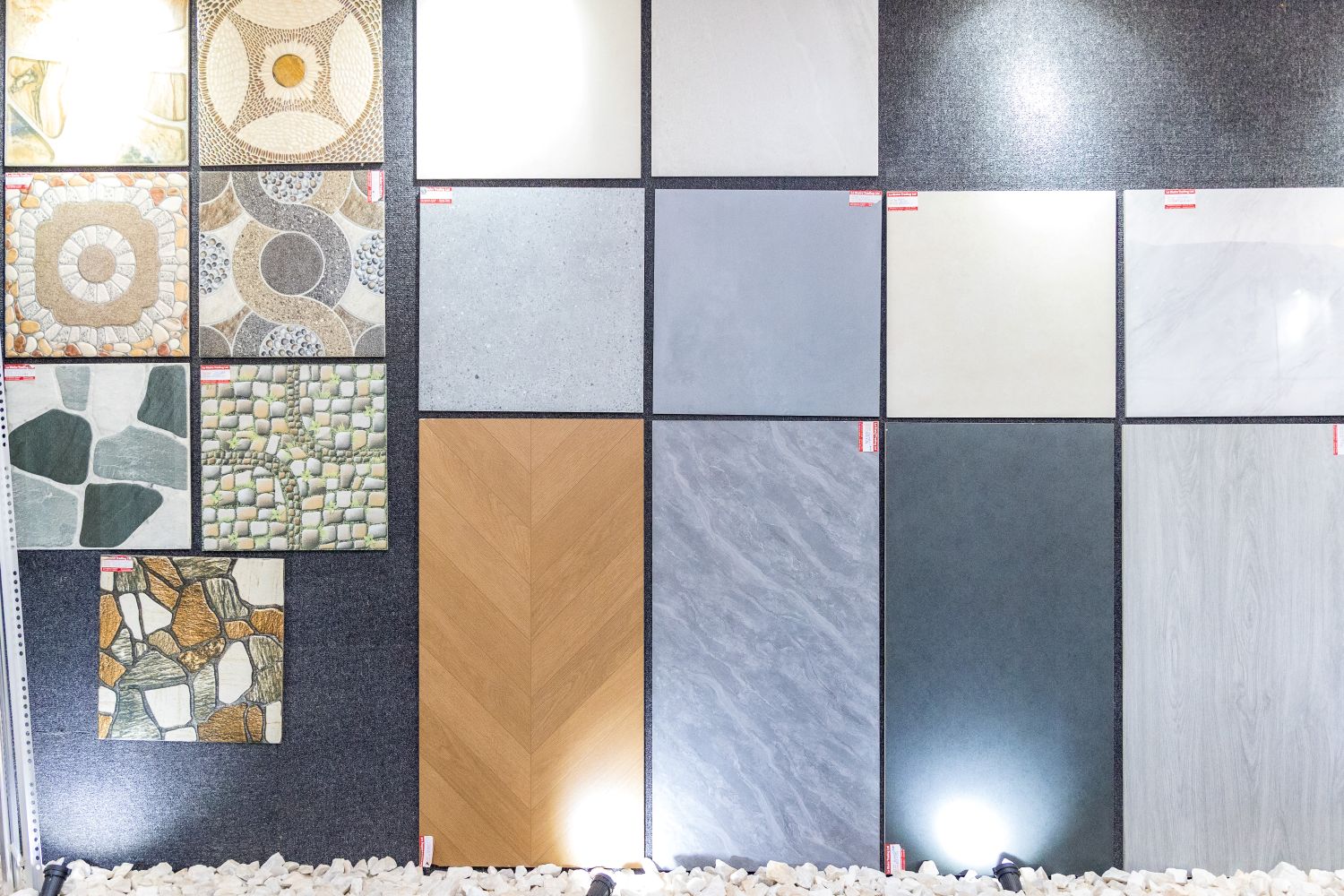
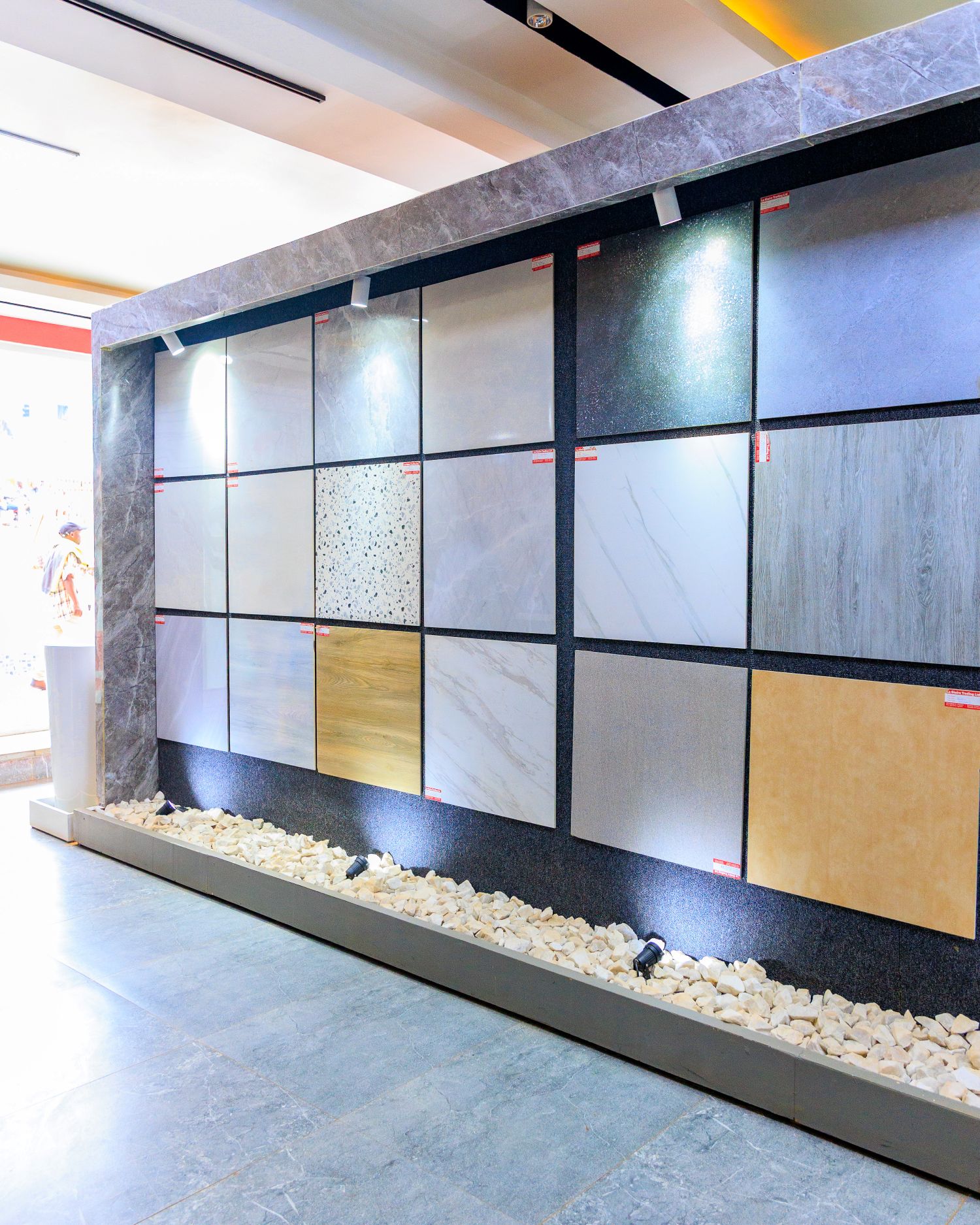
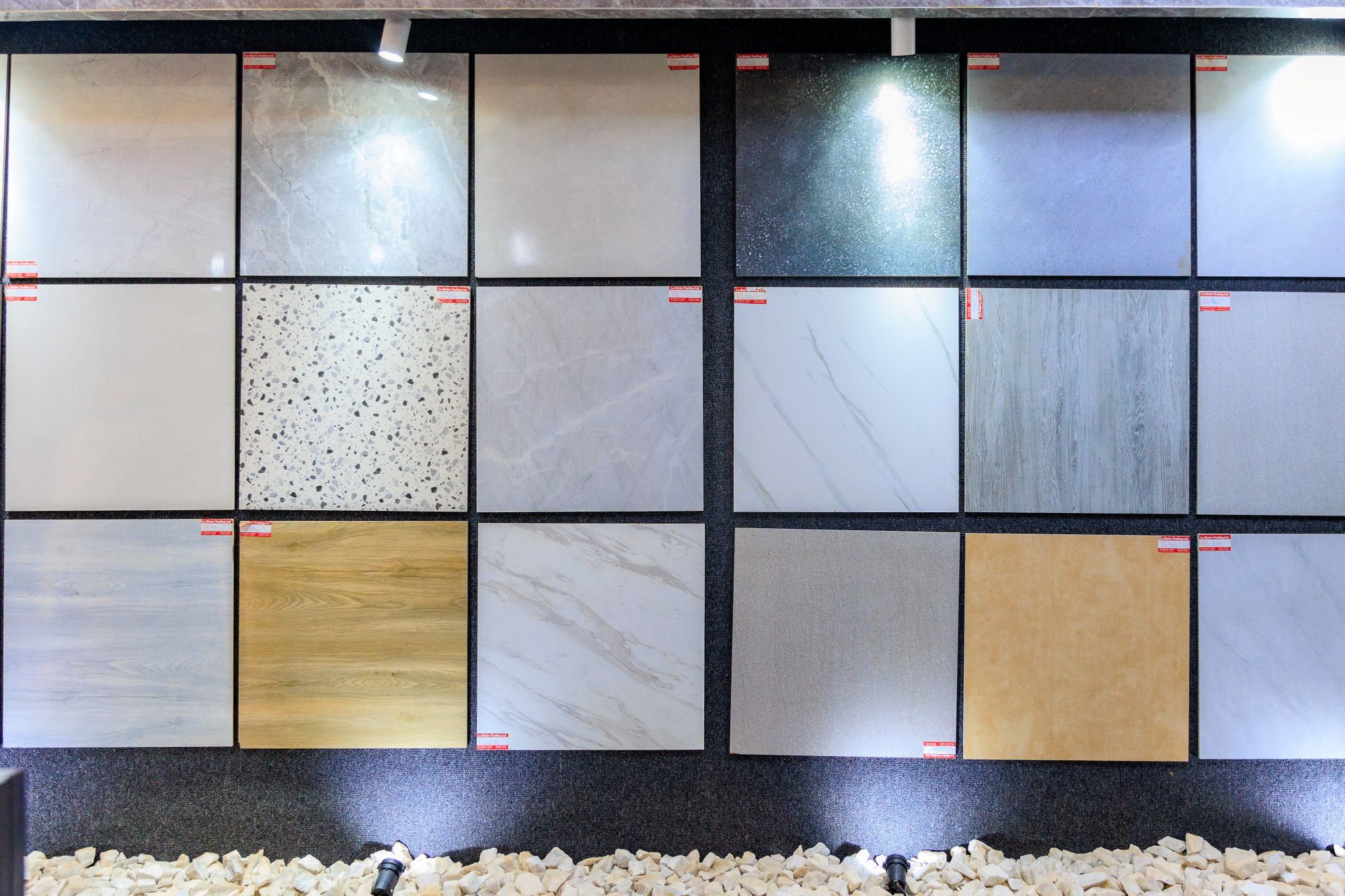
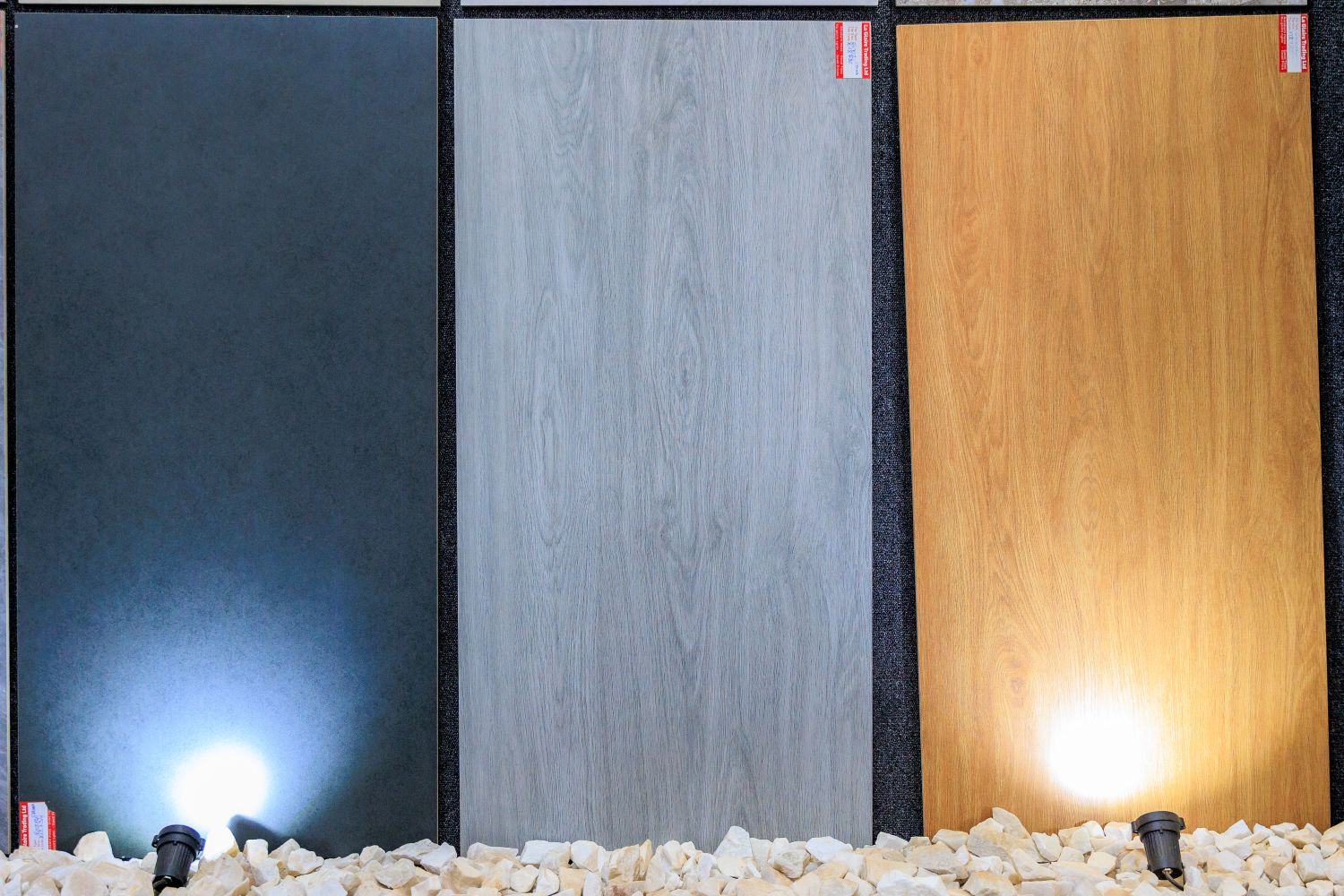
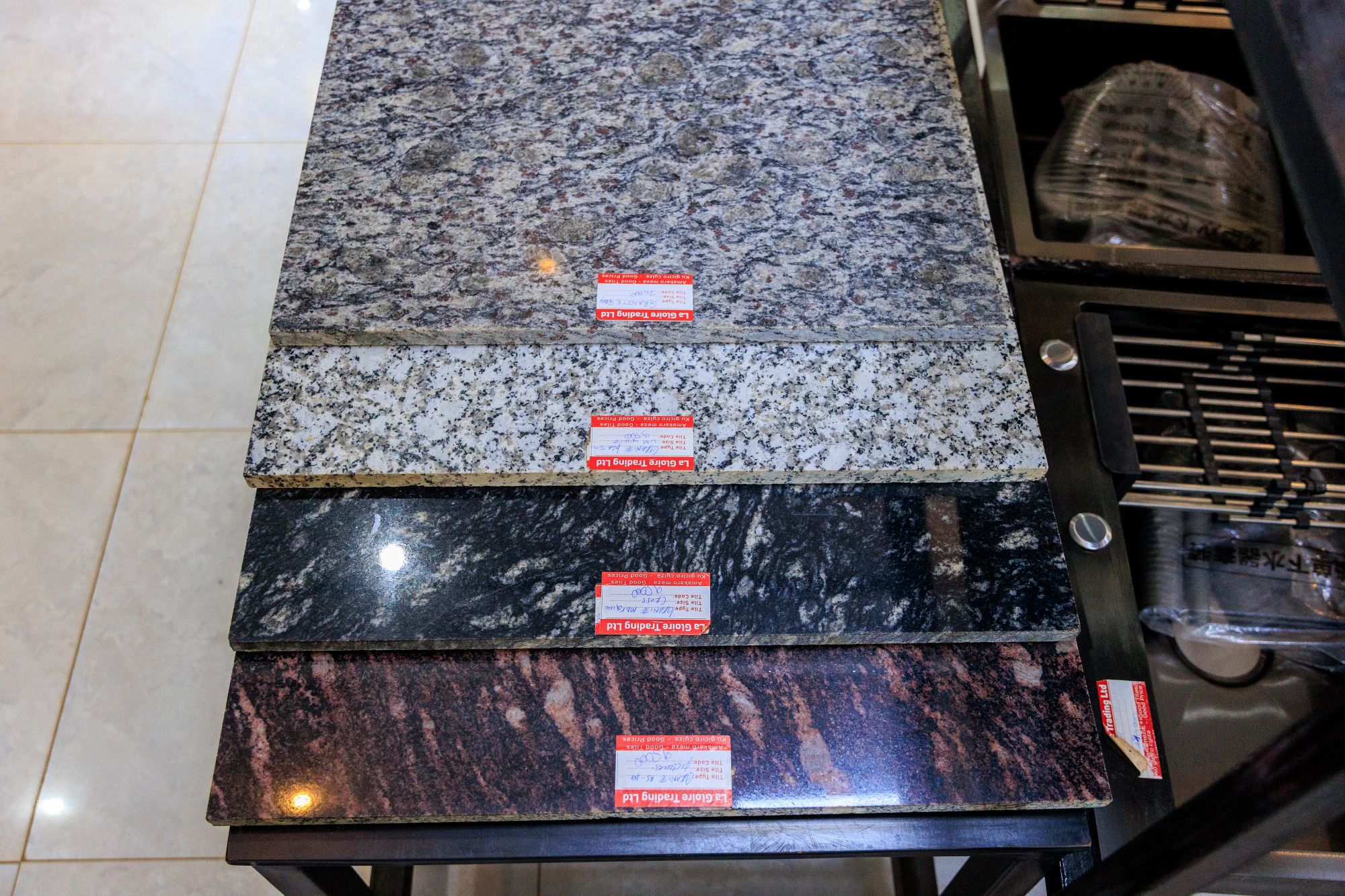
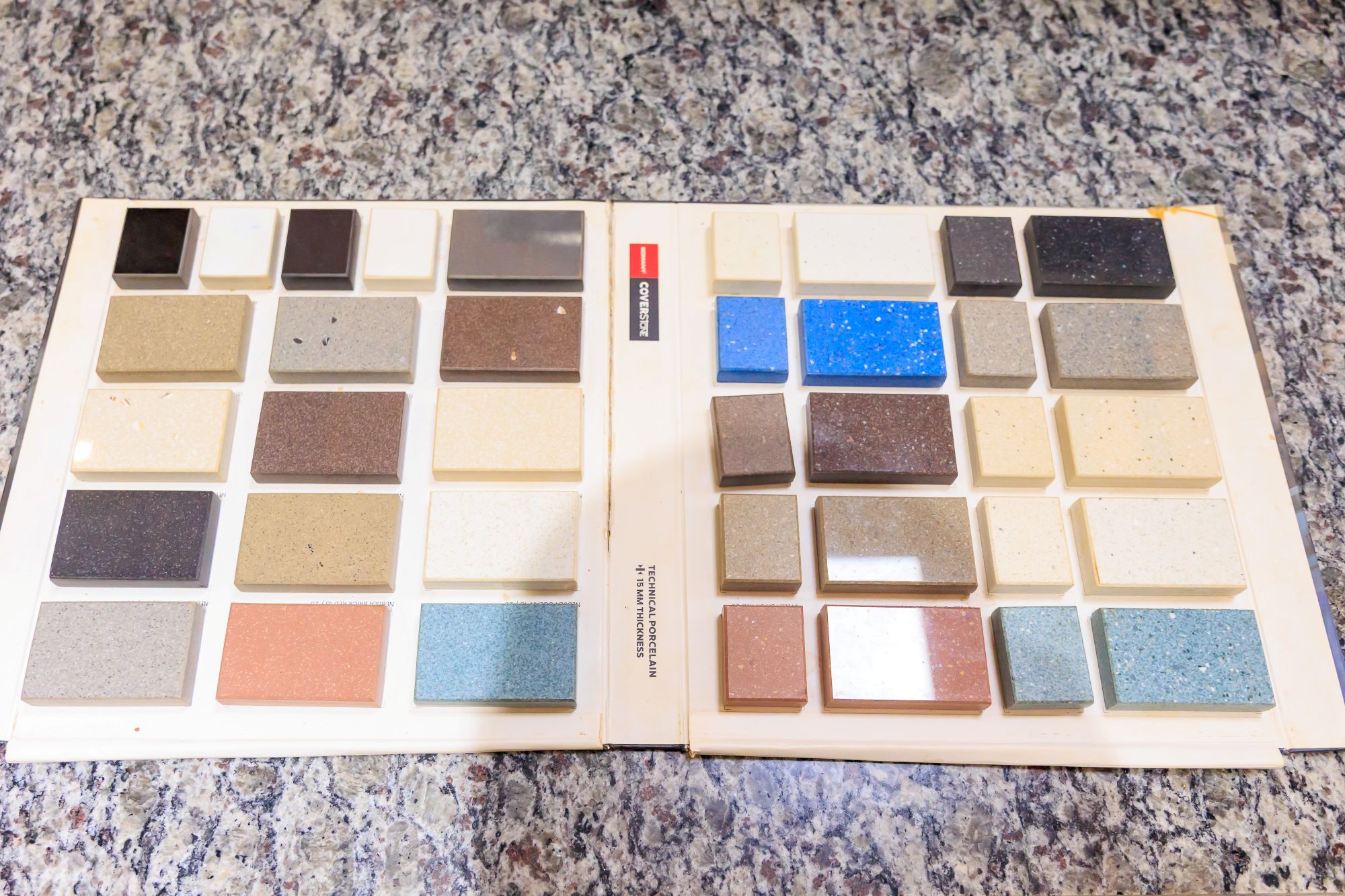
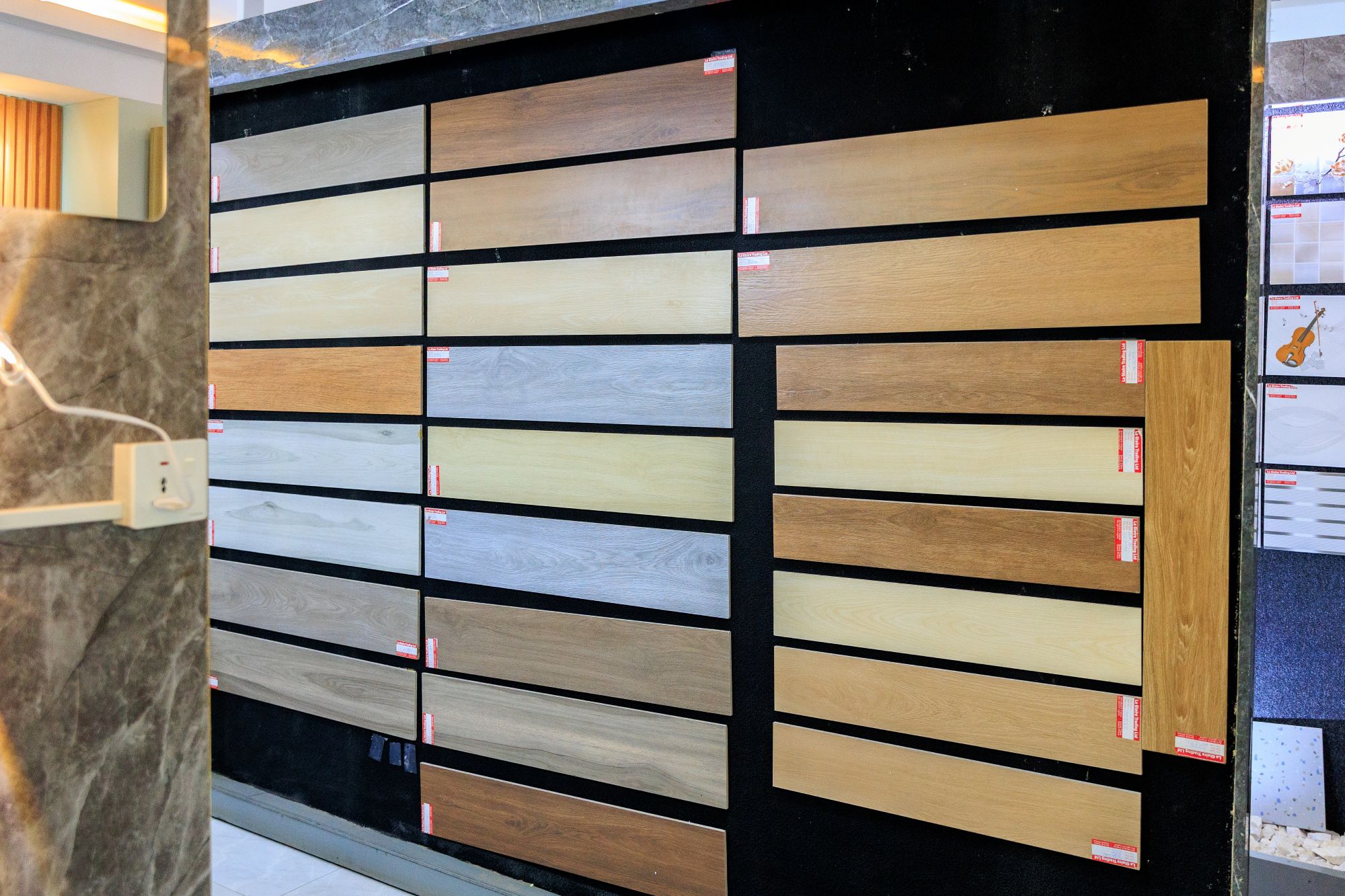
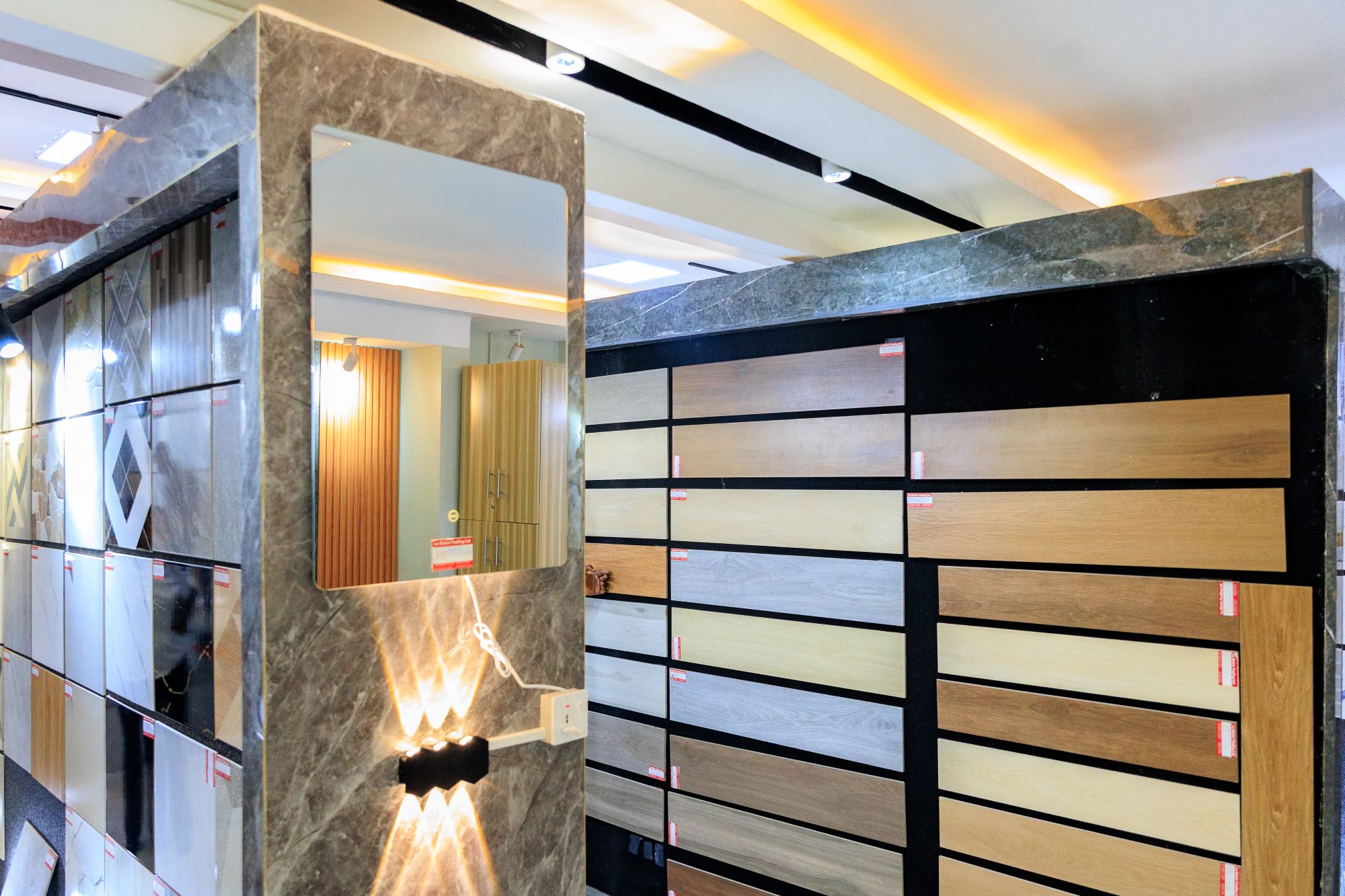
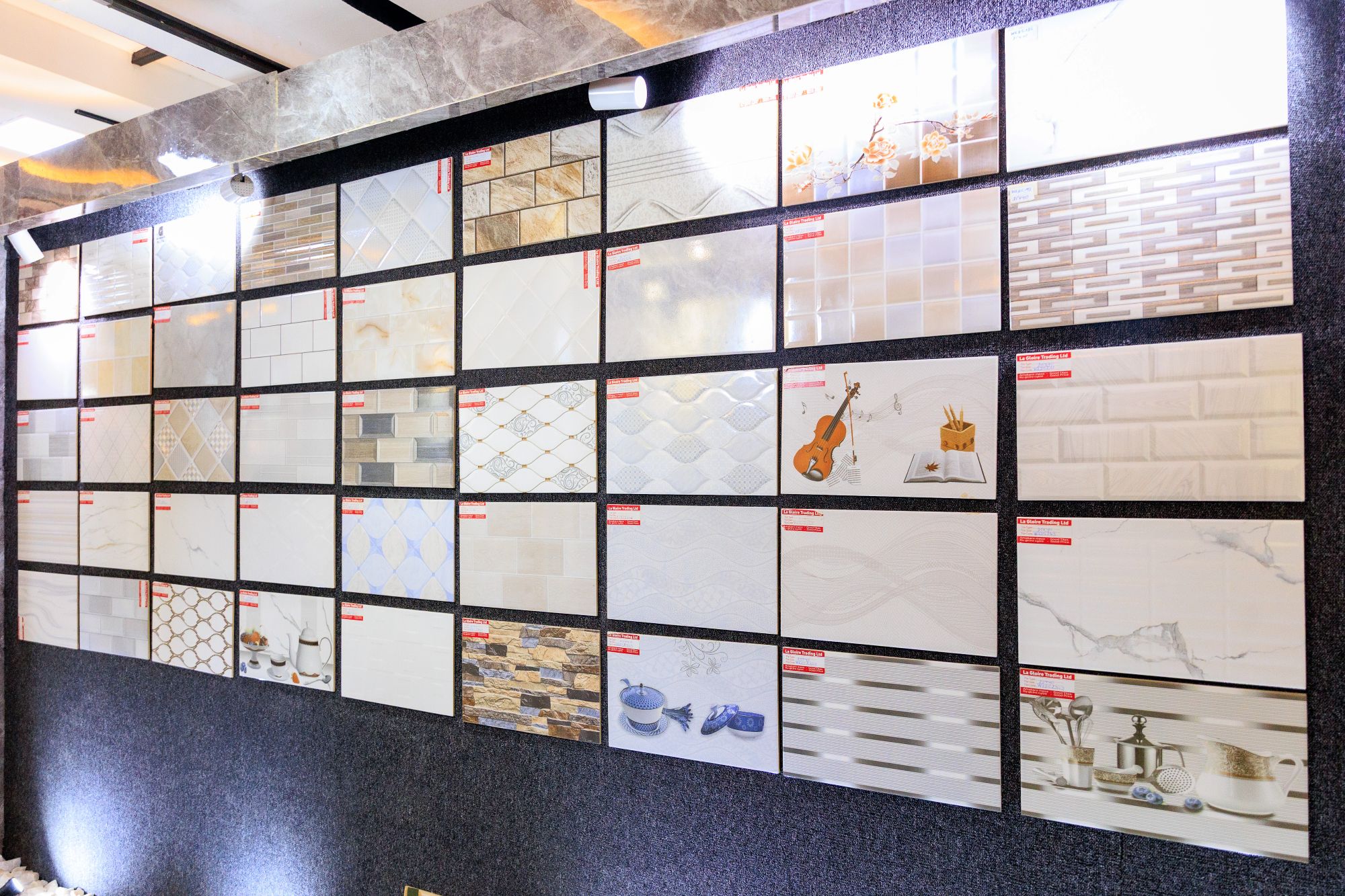
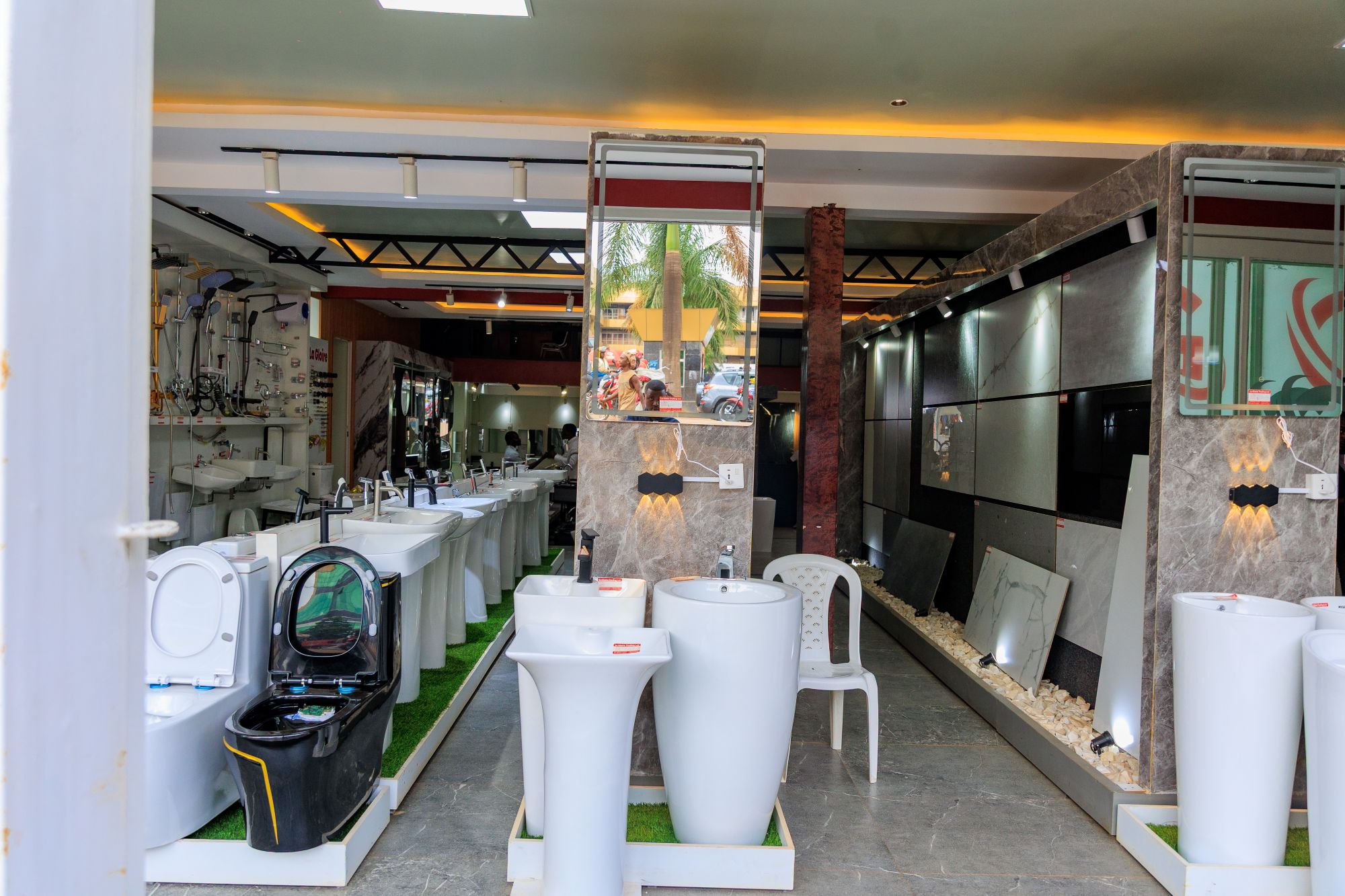
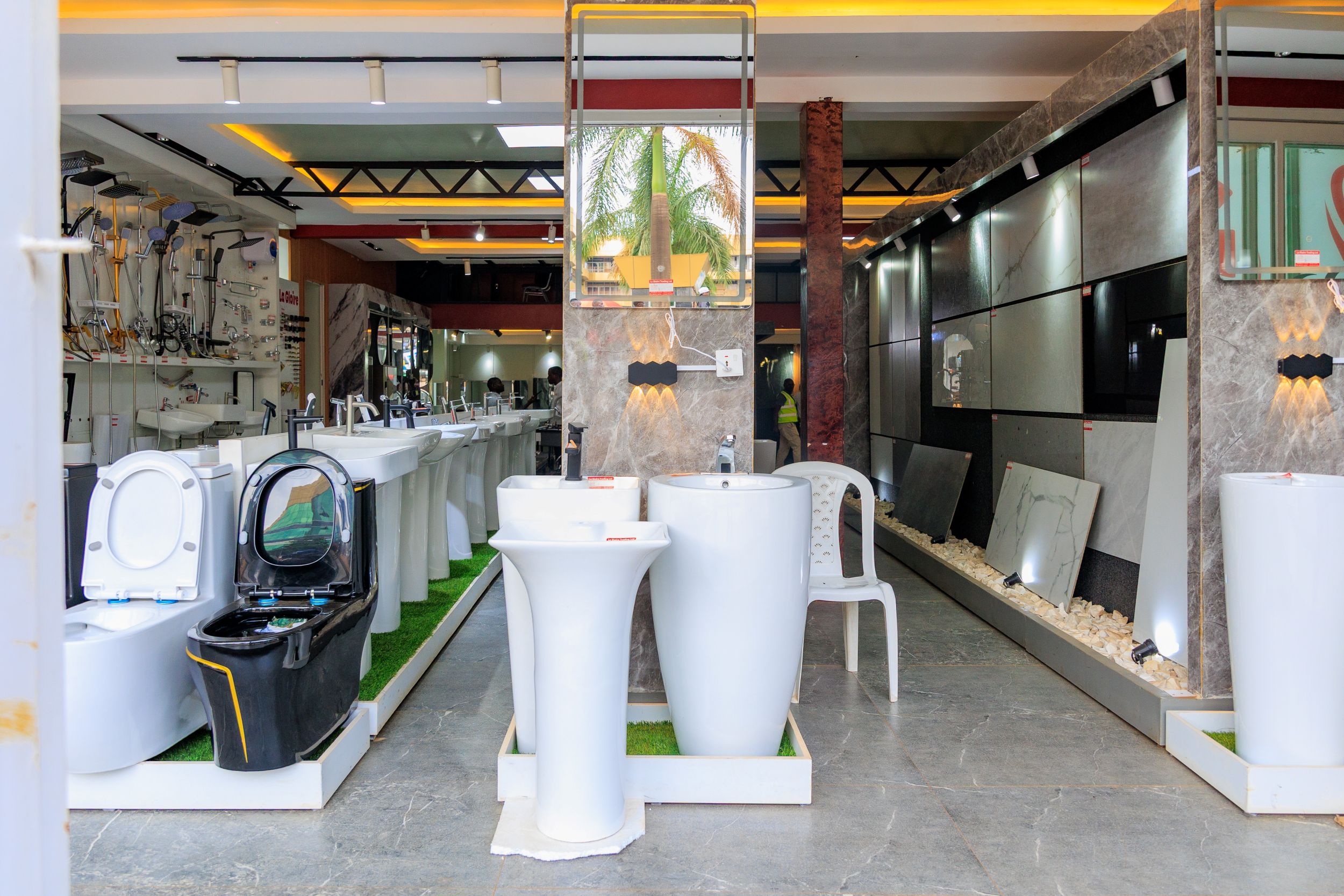
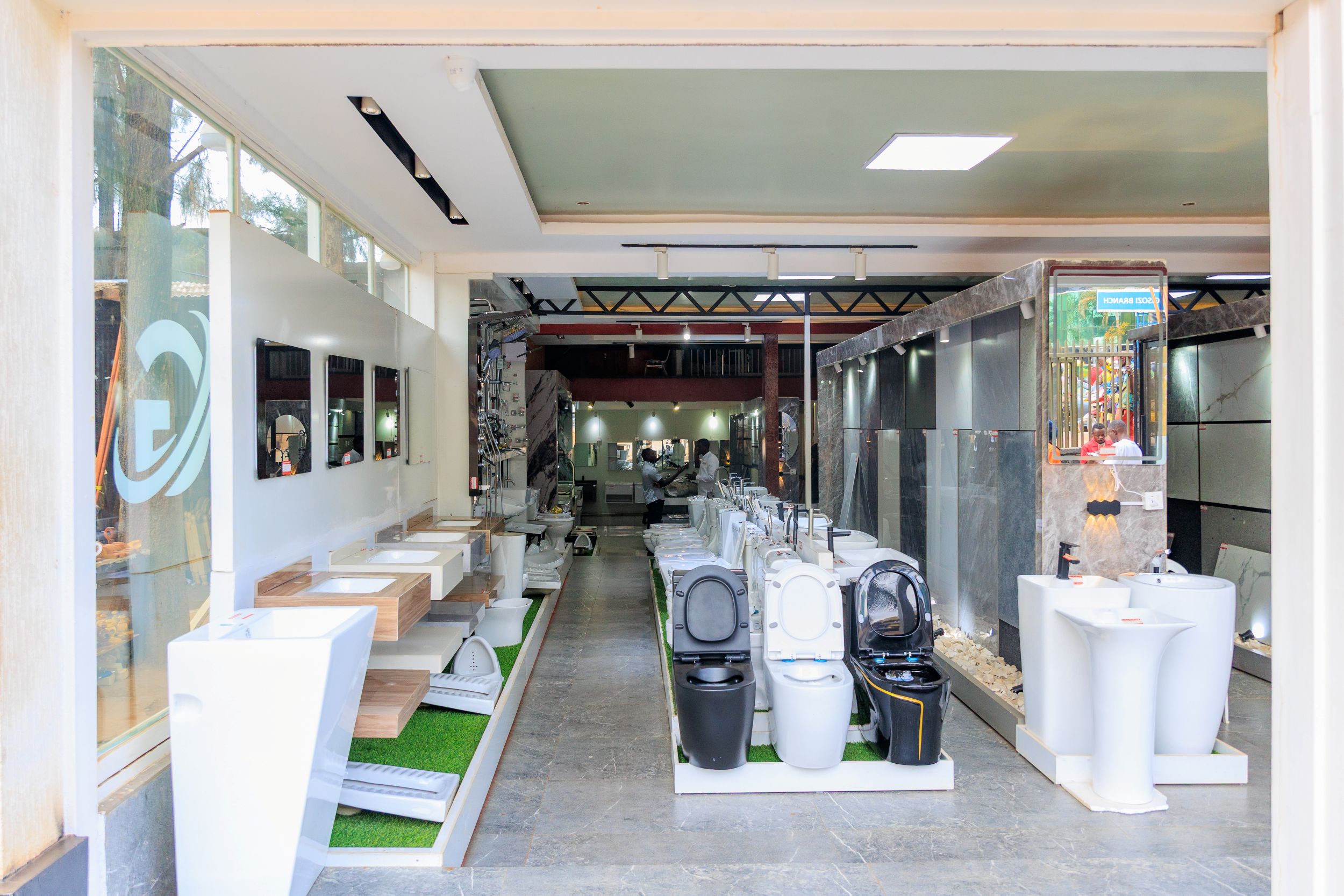
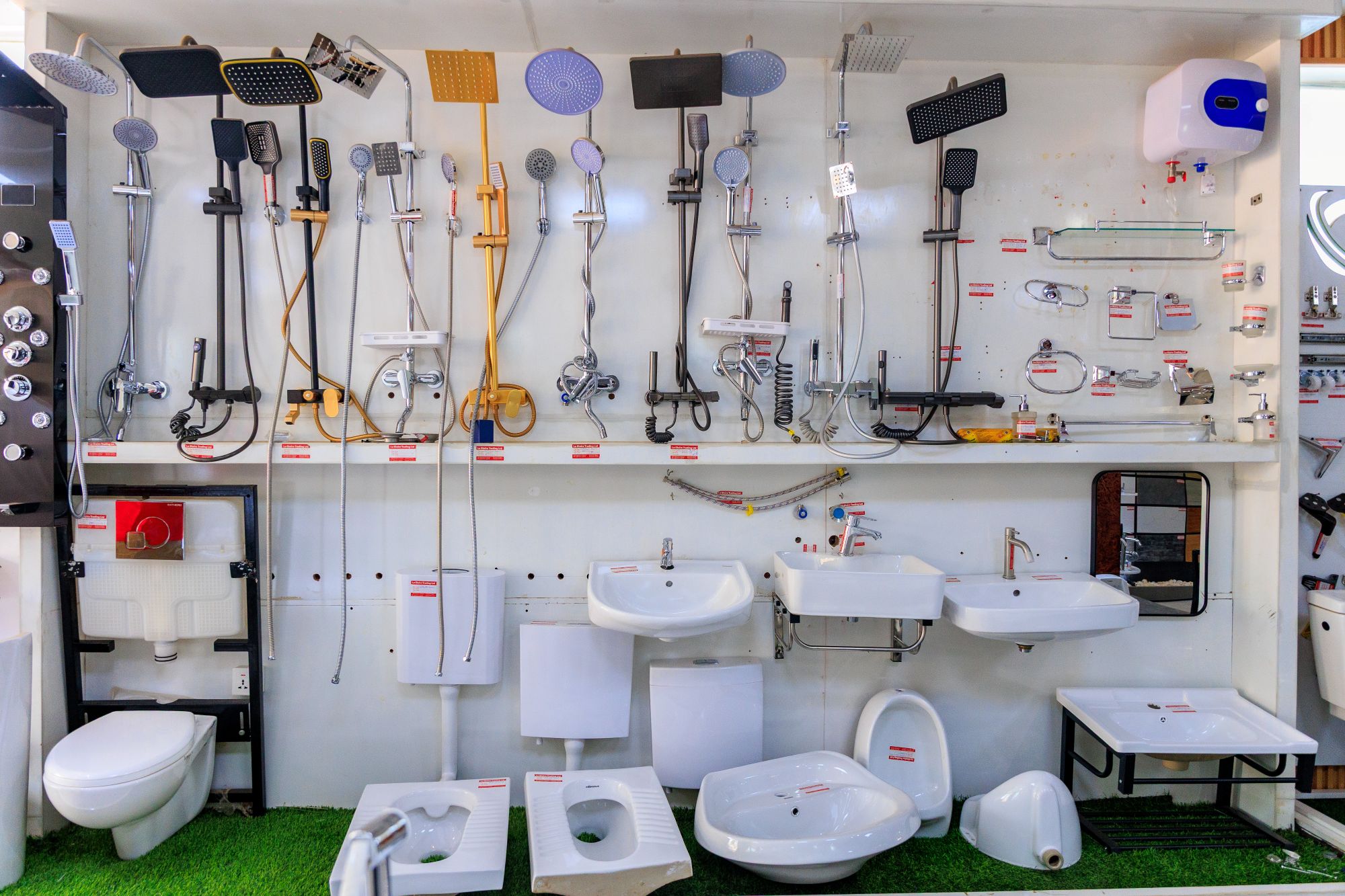
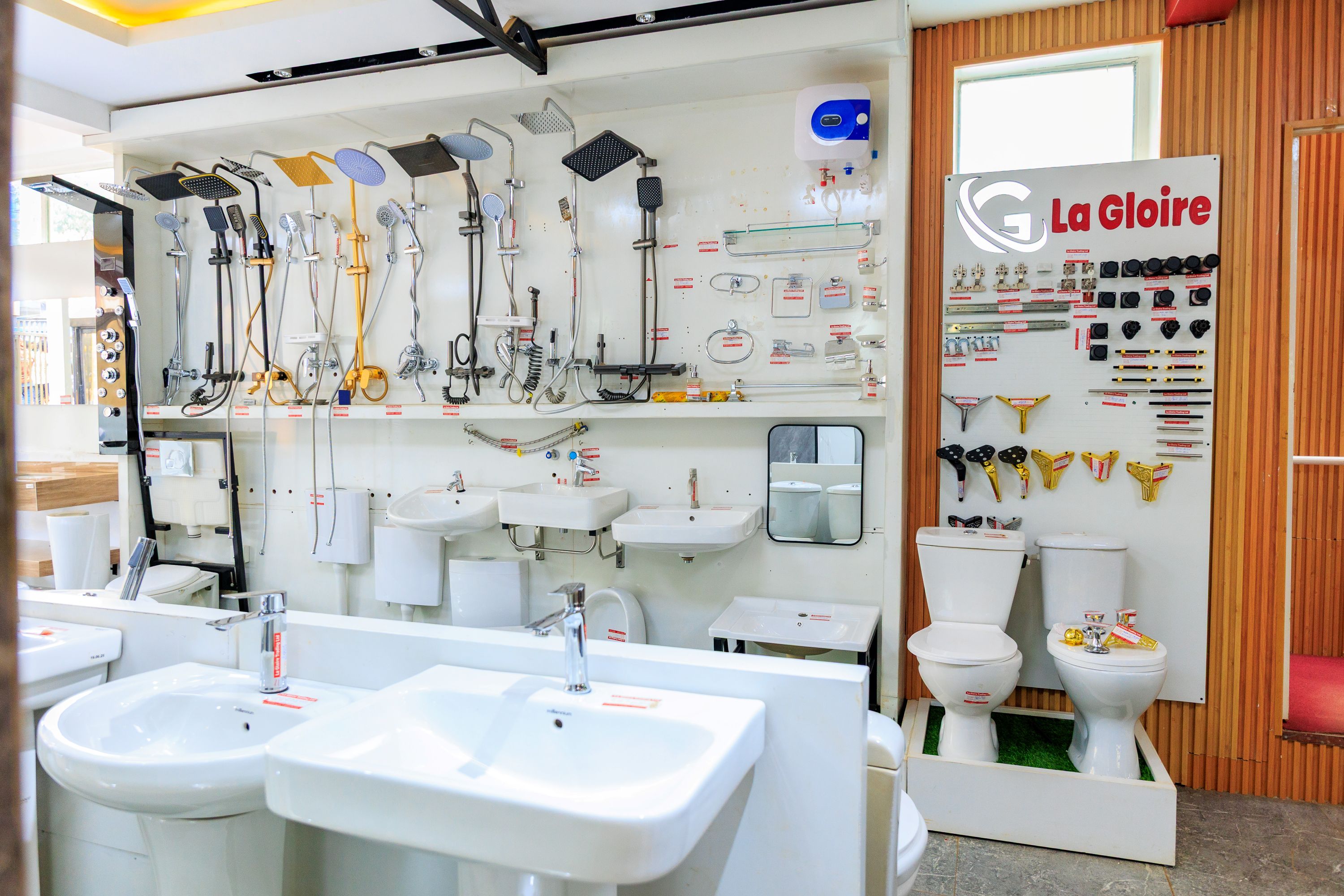
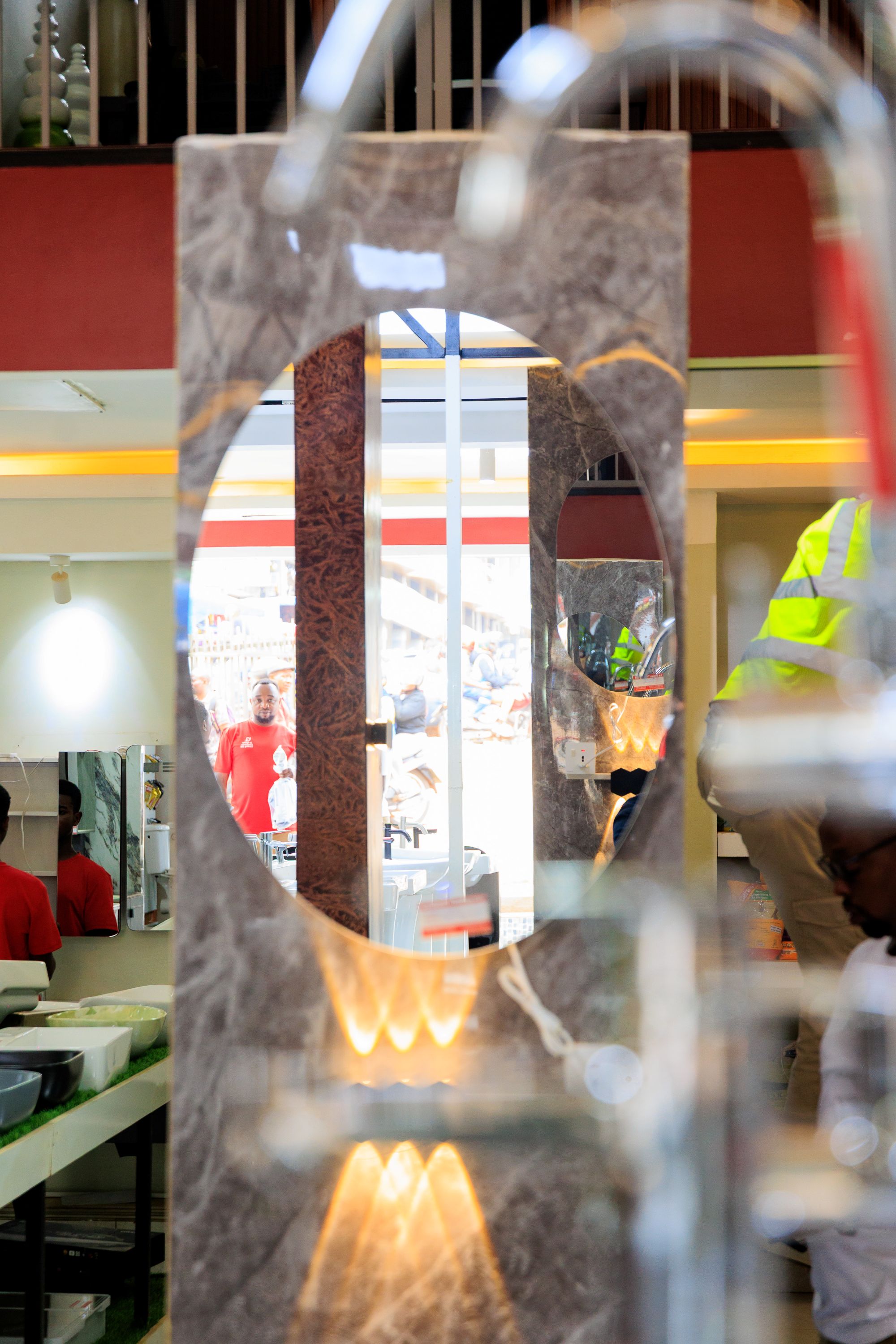
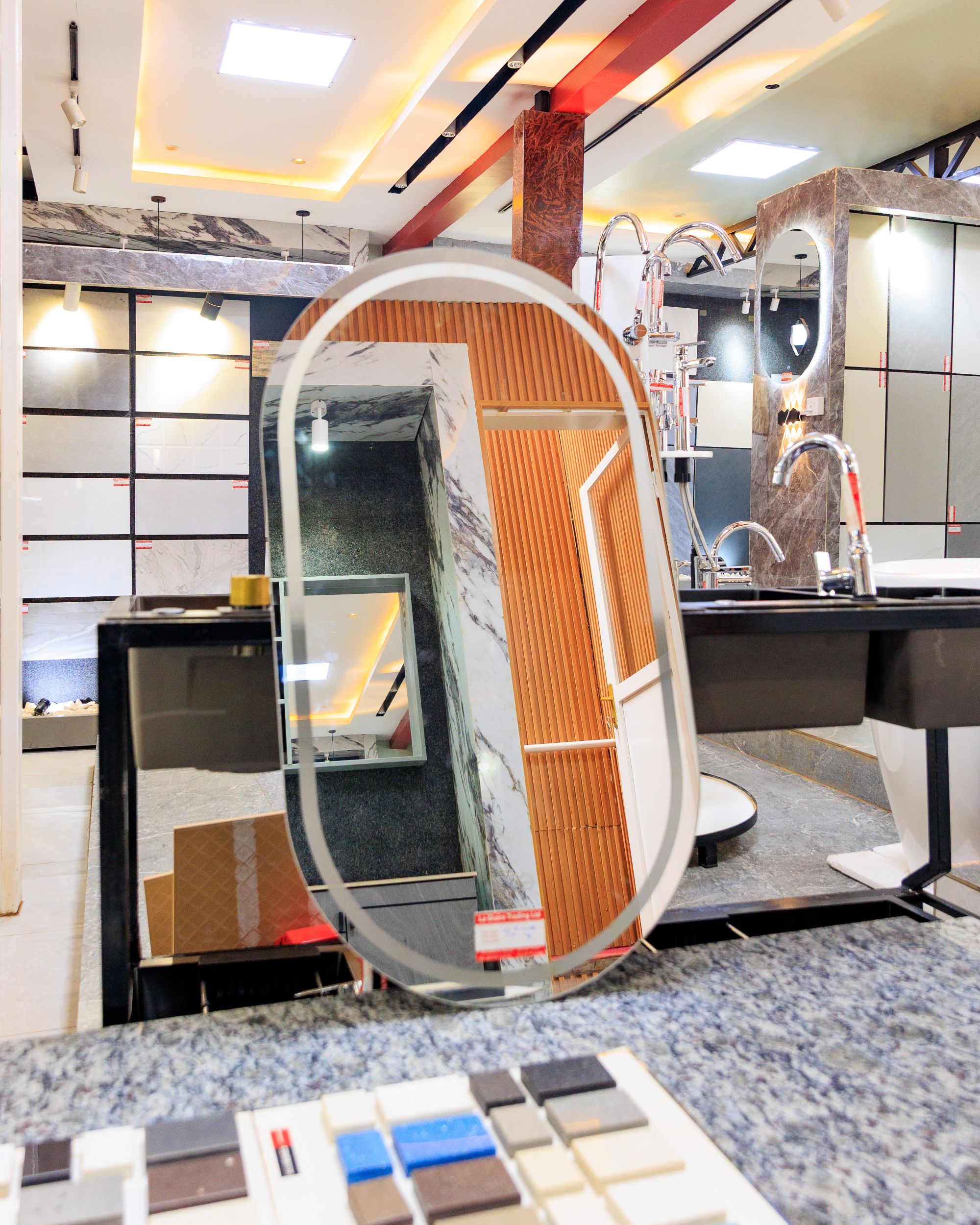
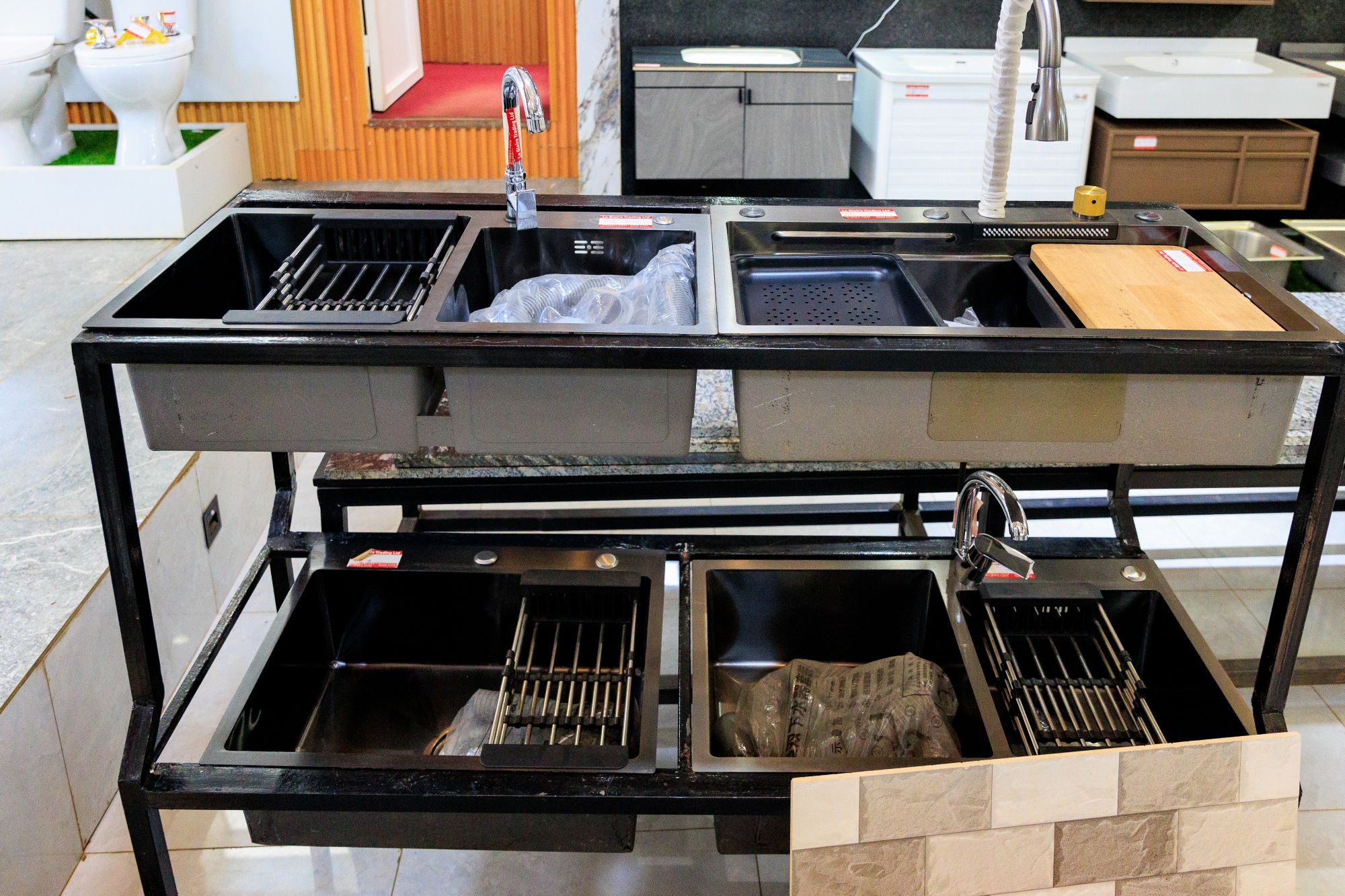
From homeowners working on modest upgrades to contractors handling large-scale developments, La Gloire has built a reputation for offering products that suit every budget.
{{A humble start with tiles
}}
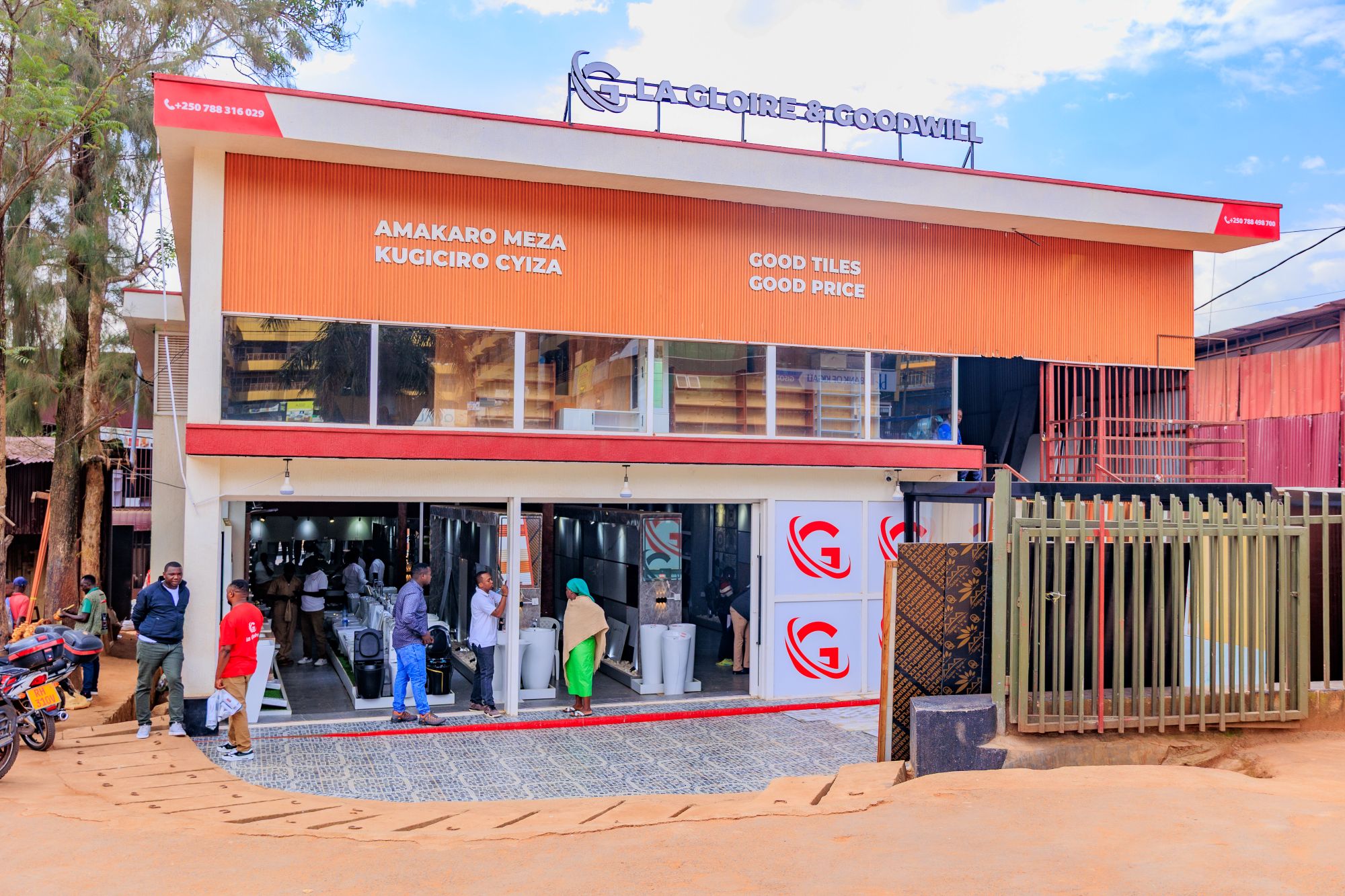
La Gloire began its journey in 2019, initially focusing on supplying tiles through a partnership with Goodwill Tiles. Salesperson Kevin Gashugi explains that, in the early years, the business served mainly retailers, though individual clients were also welcomed. Word-of-mouth quickly became their strongest form of marketing as satisfied customers recommended the store to others.
“We started mostly with tiles, offering different sizes to satisfy all kinds of customers,” Kevin reflected on those early days during a recent visit by IGIHE to the supplier’s showroom in Gisozi.
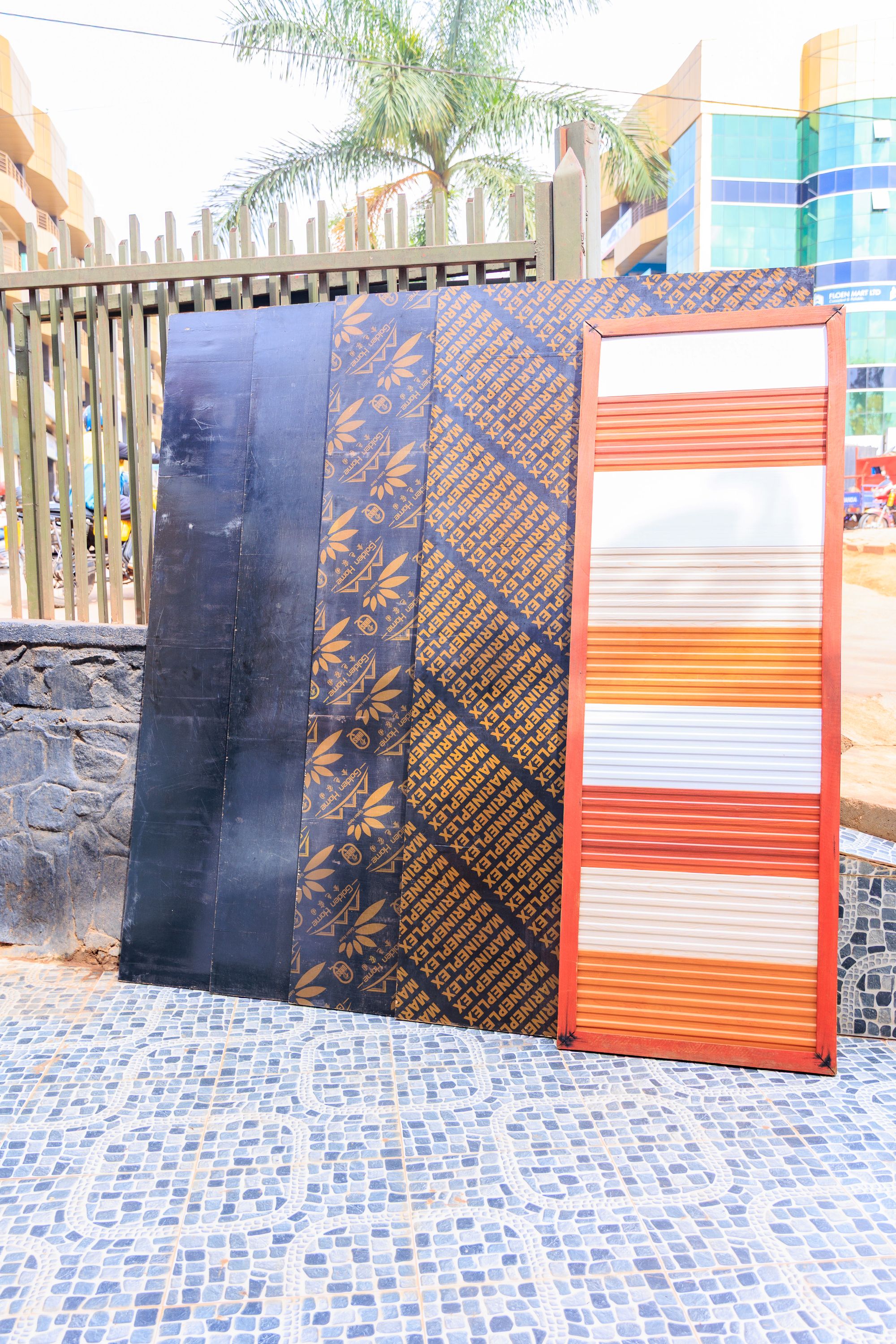
As demand grew, clients began asking for more than just tiles, prompting the company to expand its range. By 2022, customers were requesting toilets, cabinets, MDF boards, marine boards and other essential finishing materials, an opportunity that guided La Gloire’s evolution into a more comprehensive supplier.
According to Kevin, the company’s goal was to make it easier for customers to find everything they needed in one place. This led to key milestones: in 2023, La Gloire became the sole representative of BNBM gypsum products, and partnered with Golden Home and Acacia Factory from Uganda for marine boards.
In December 2024, the company also introduced large-format tiles from China and India and became a representative of the Somany brand from India. These expansions diversified the showroom and strengthened La Gloire’s presence in the finishing materials market.
{{Tiles for every space and budget
}}
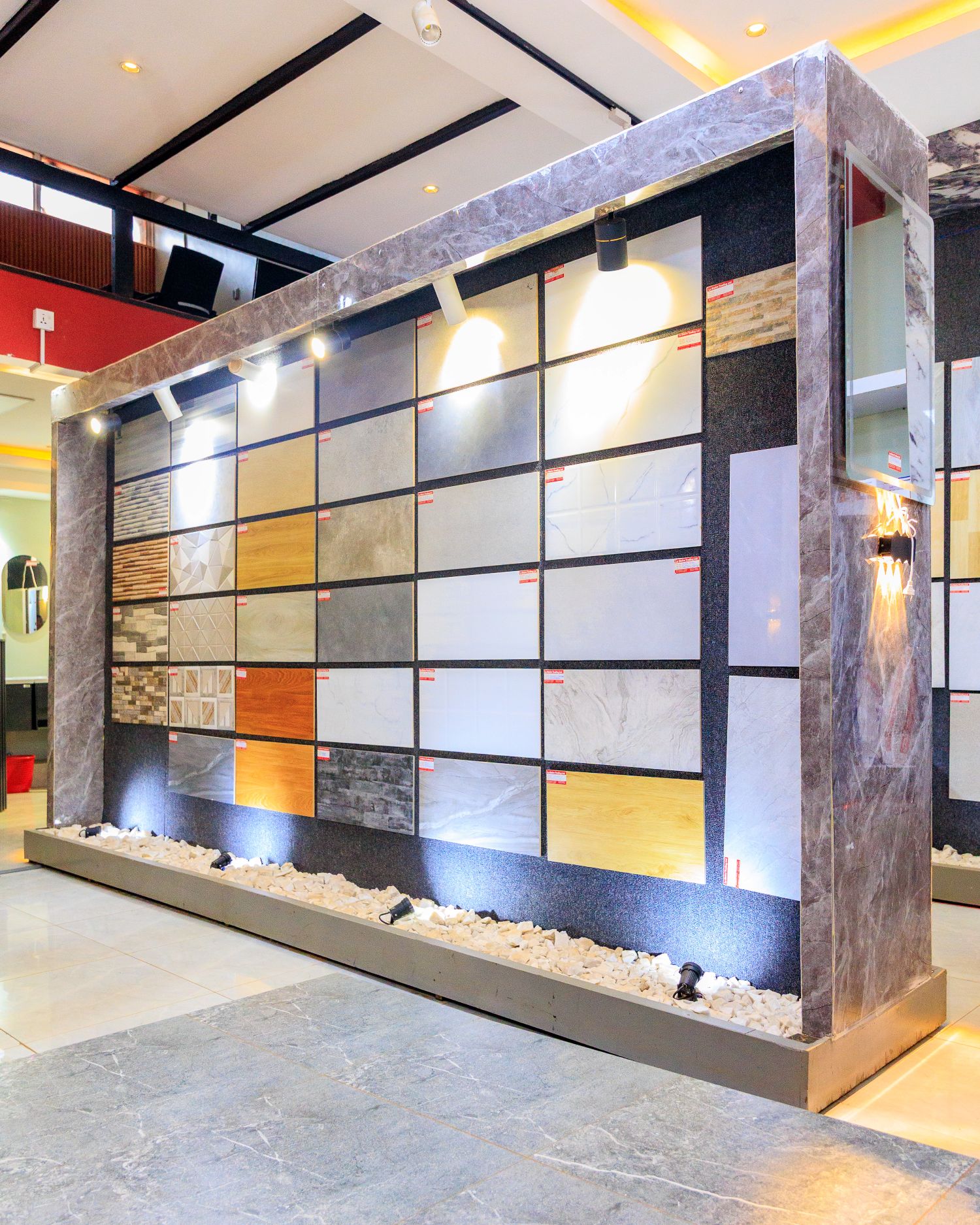
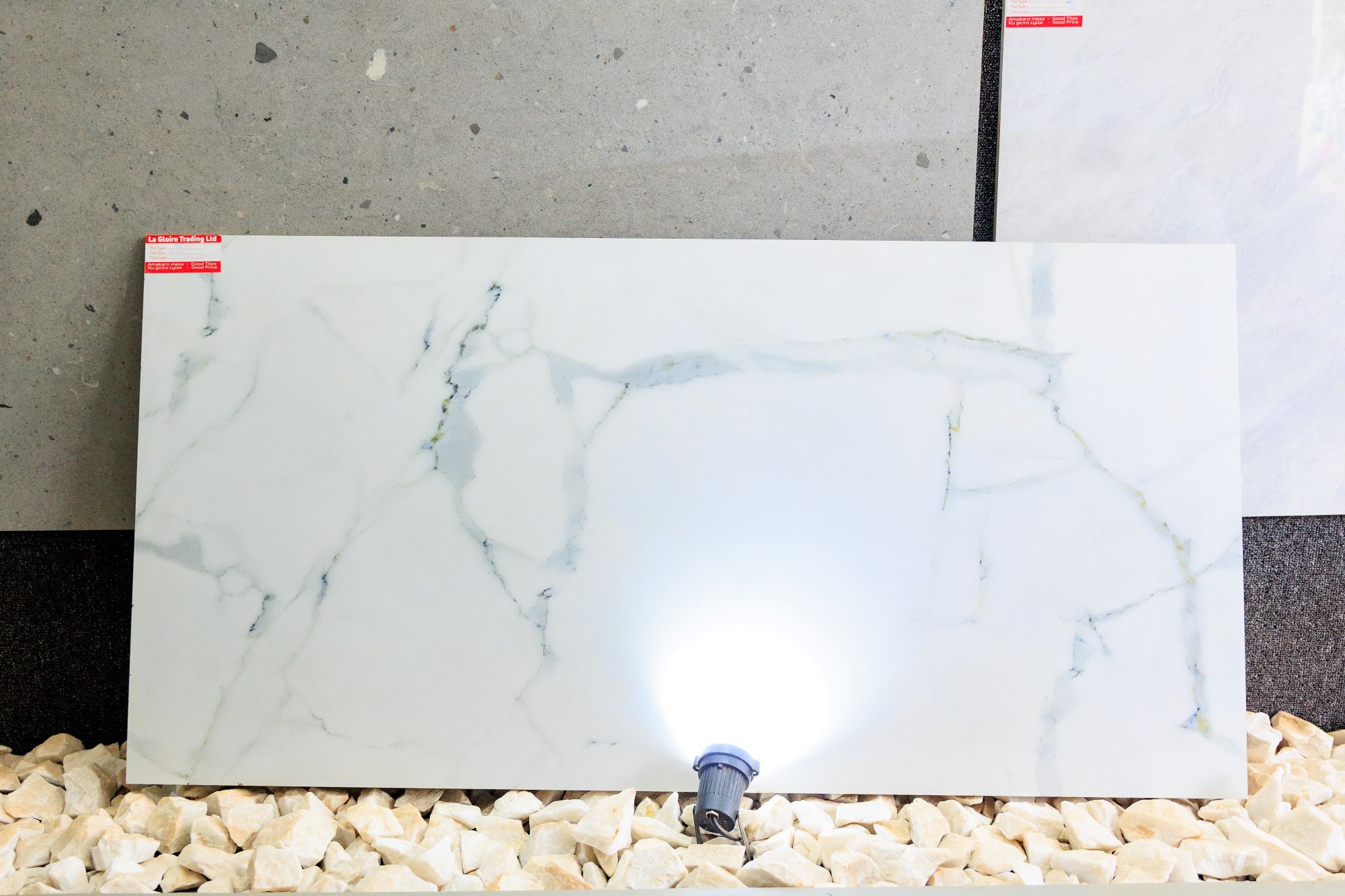
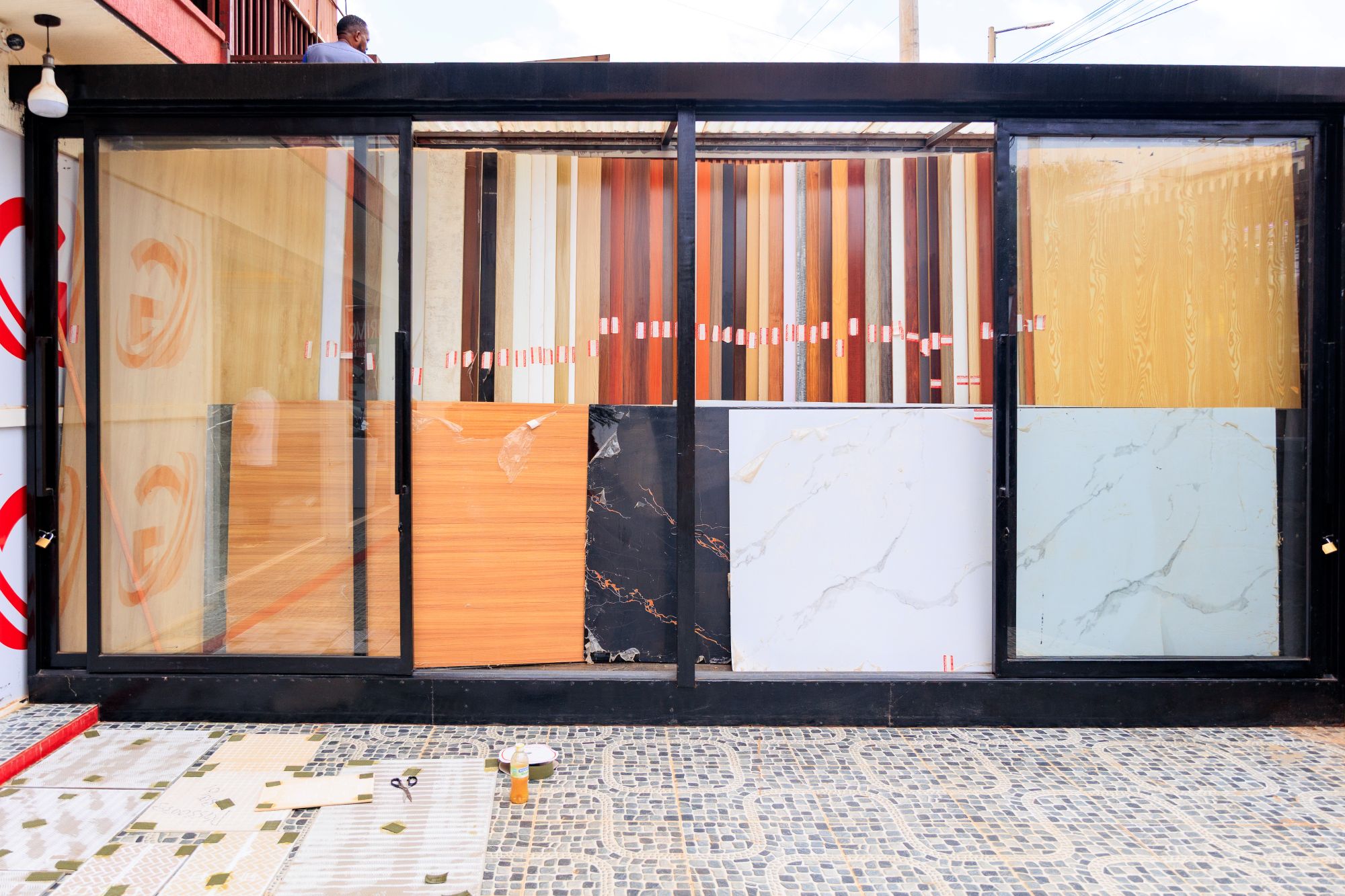
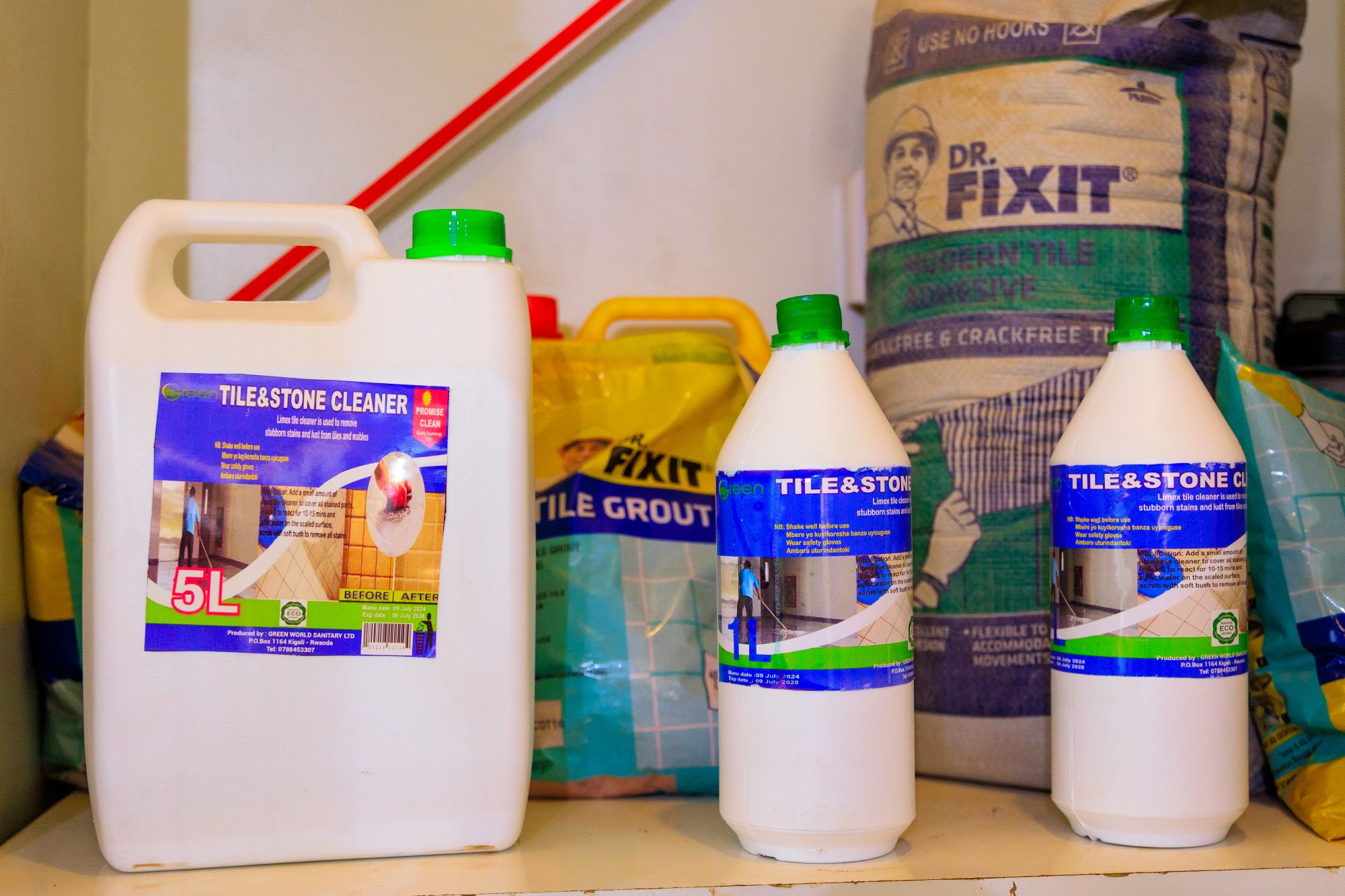
Today, the company offers an impressive range of products. Its tile collection includes modern large-format tiles such as 75×150cm, 80×80cm and 60×120cm, as well as more standard and affordable sizes like 60×60cm, 50x50cm, 40×40cm and 30×30cm. Customers can also find outdoor tiles and solutions for stairs.
“We want to make sure everyone finds something that works for them,” Kevin says, emphasising that every client is guaranteed to find an option that suits their style and budget.
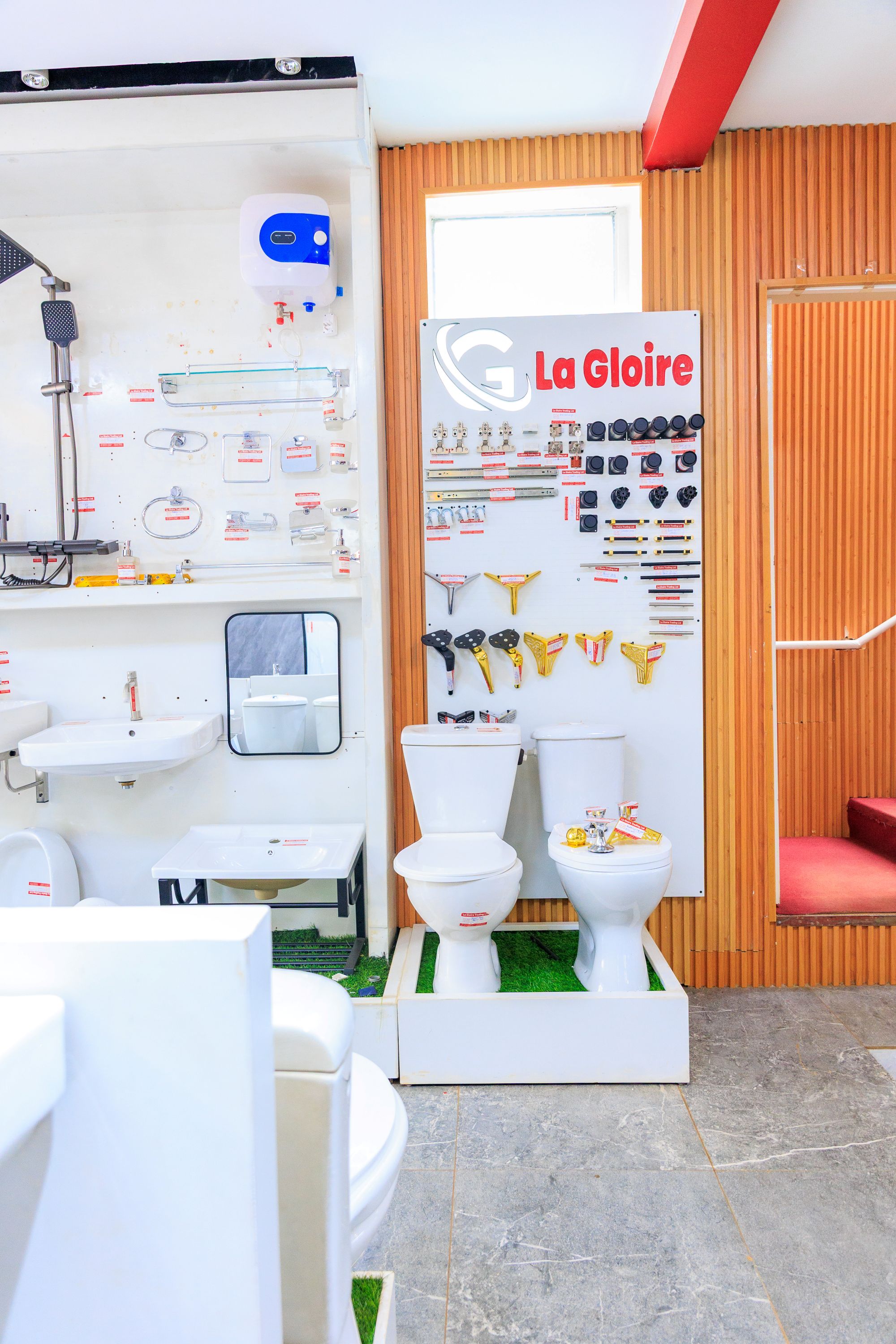
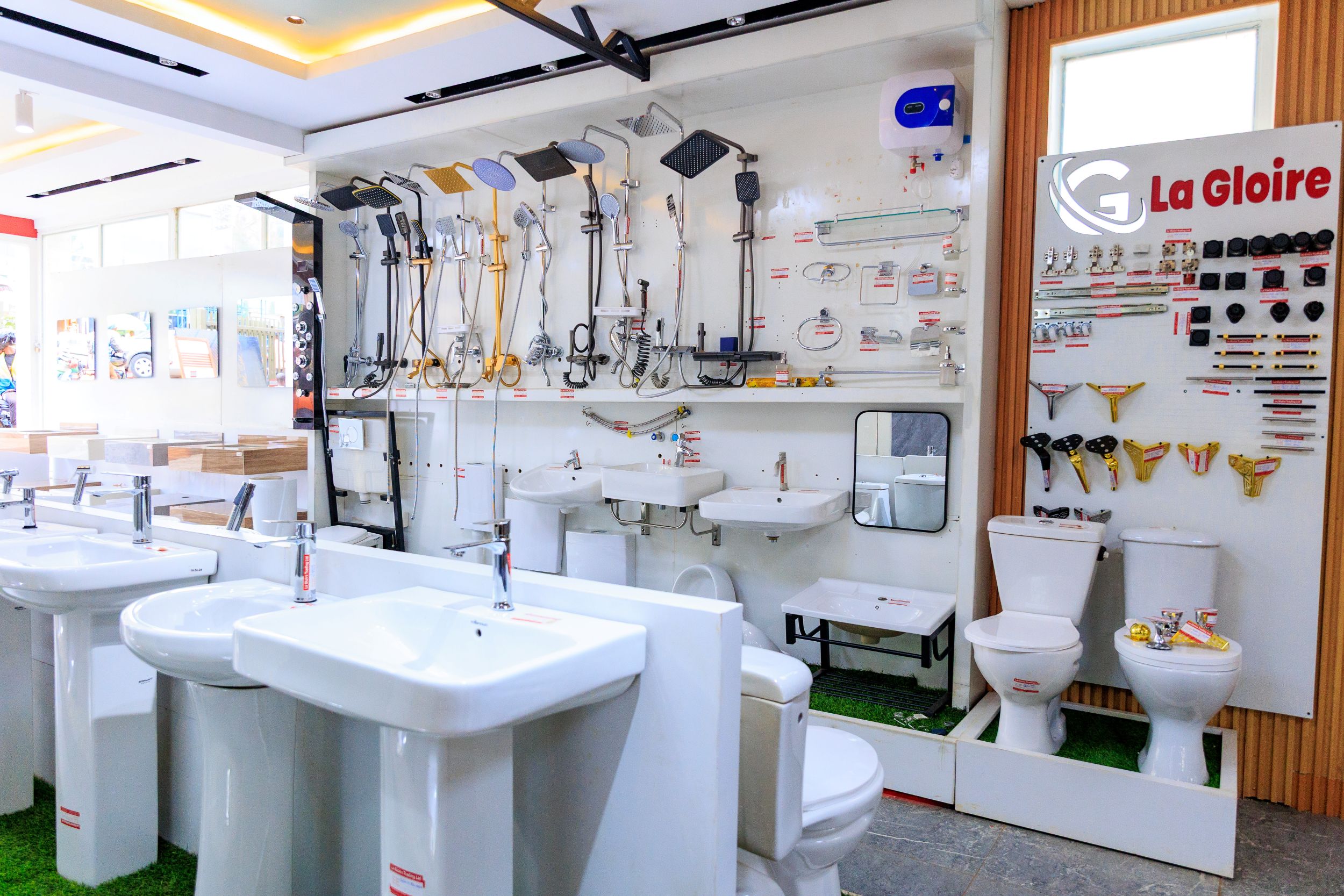
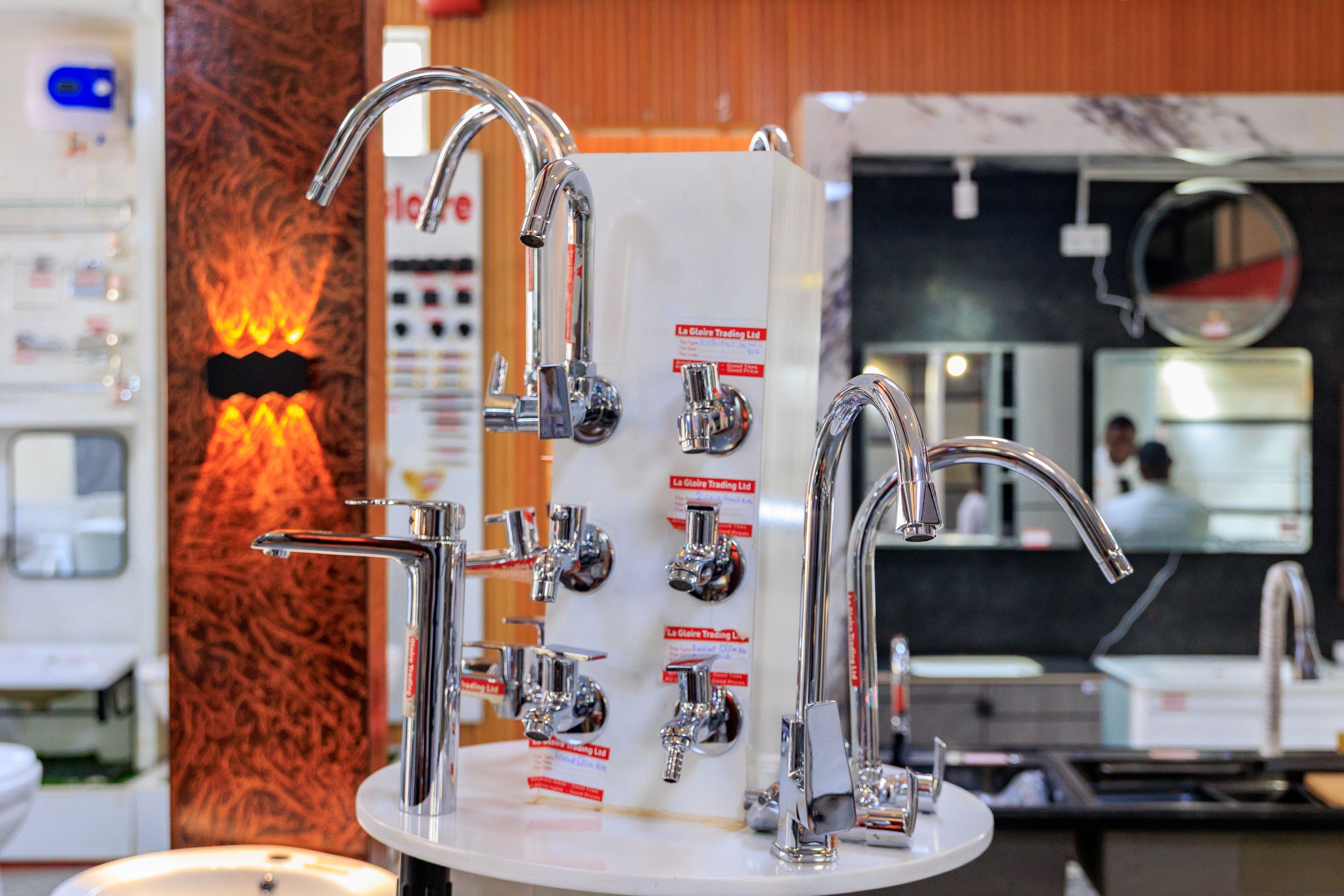
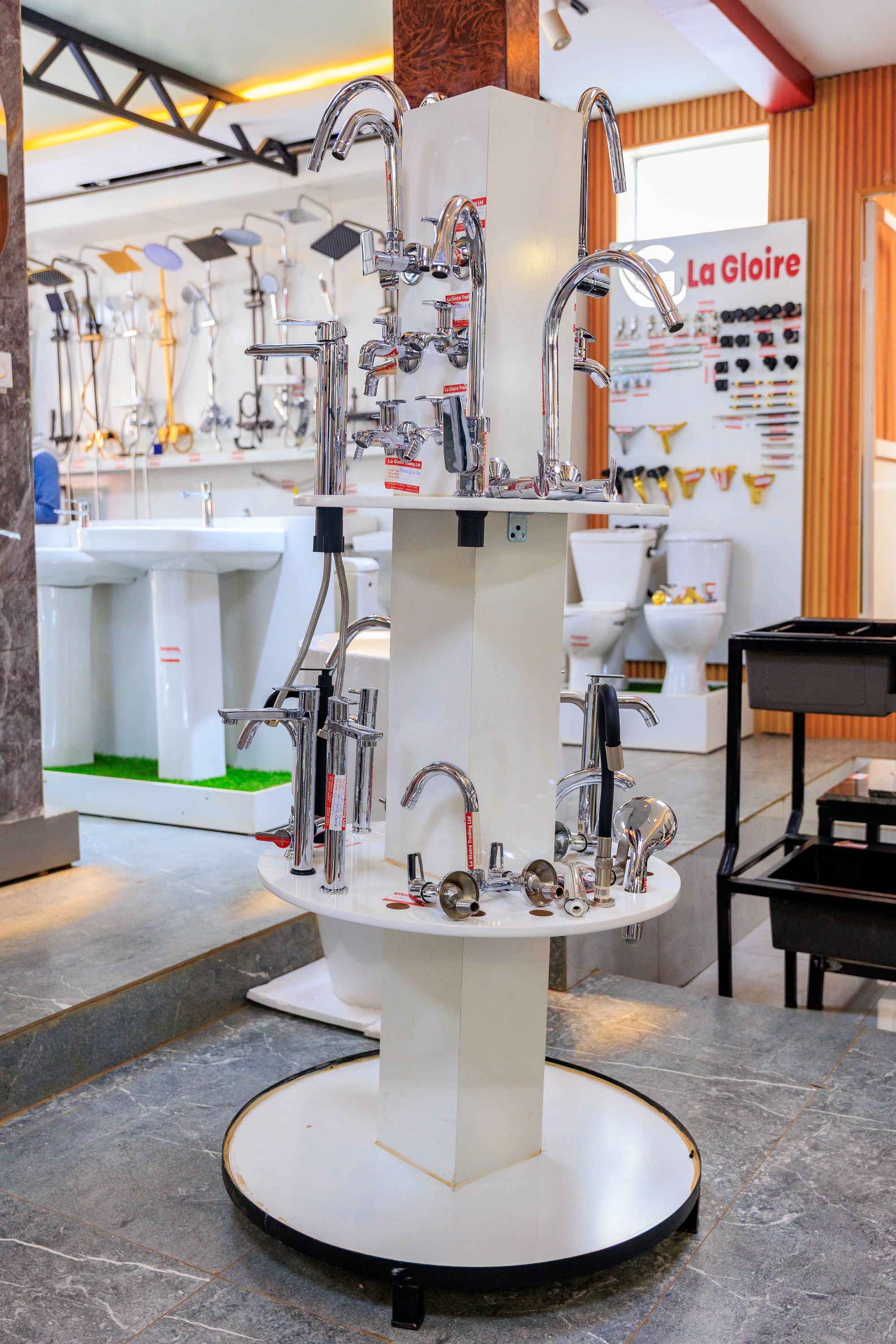
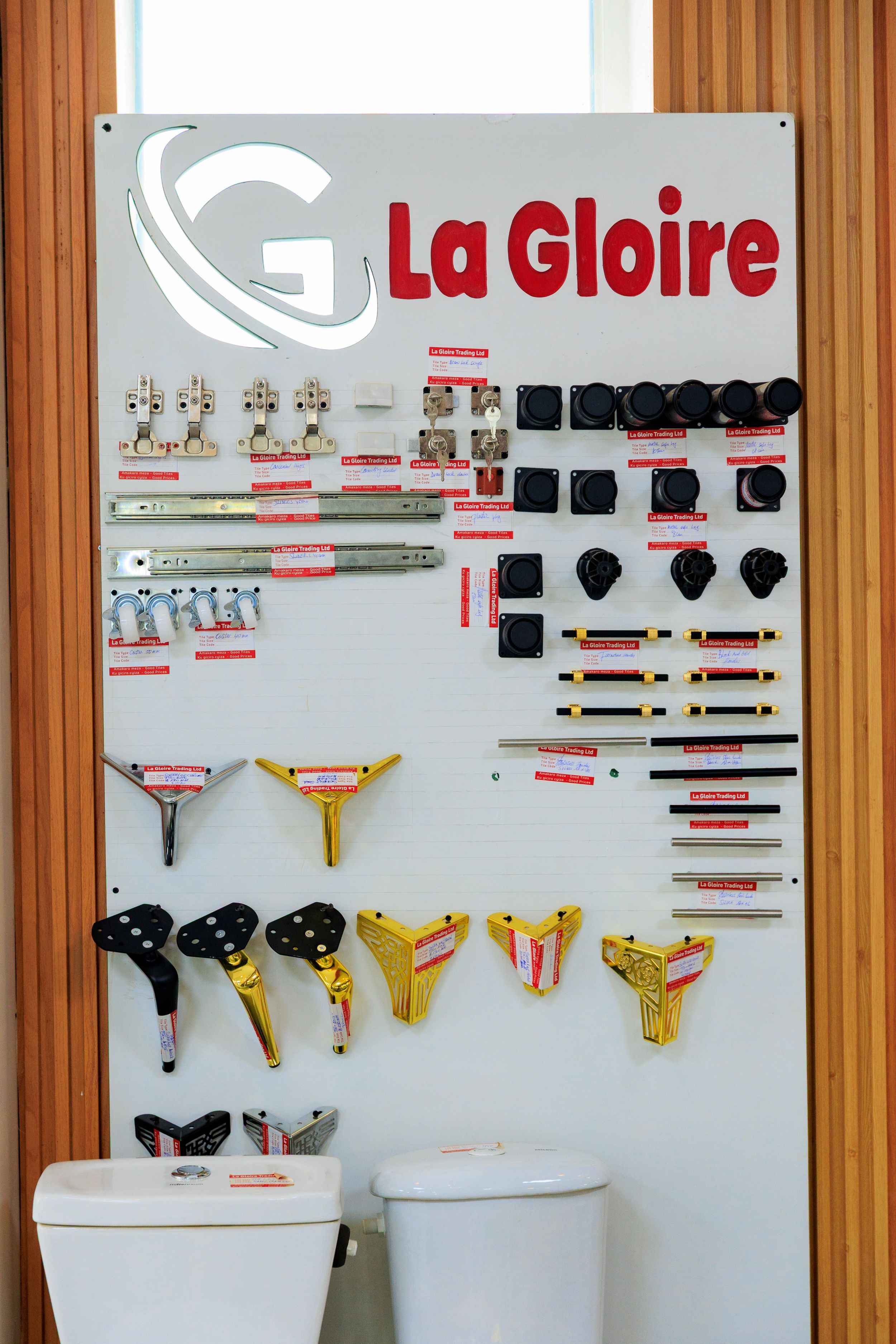
For interior finishing, La Gloire supplies MDF boards commonly used for kitchen cabinets, wardrobes and furniture, along with water-resistant marine boards preferred for areas exposed to moisture. To complete these installations, the store also stocks accessories such as handles, sofa legs, taps and cabinet fittings, allowing customers to source everything they need without moving between multiple suppliers.
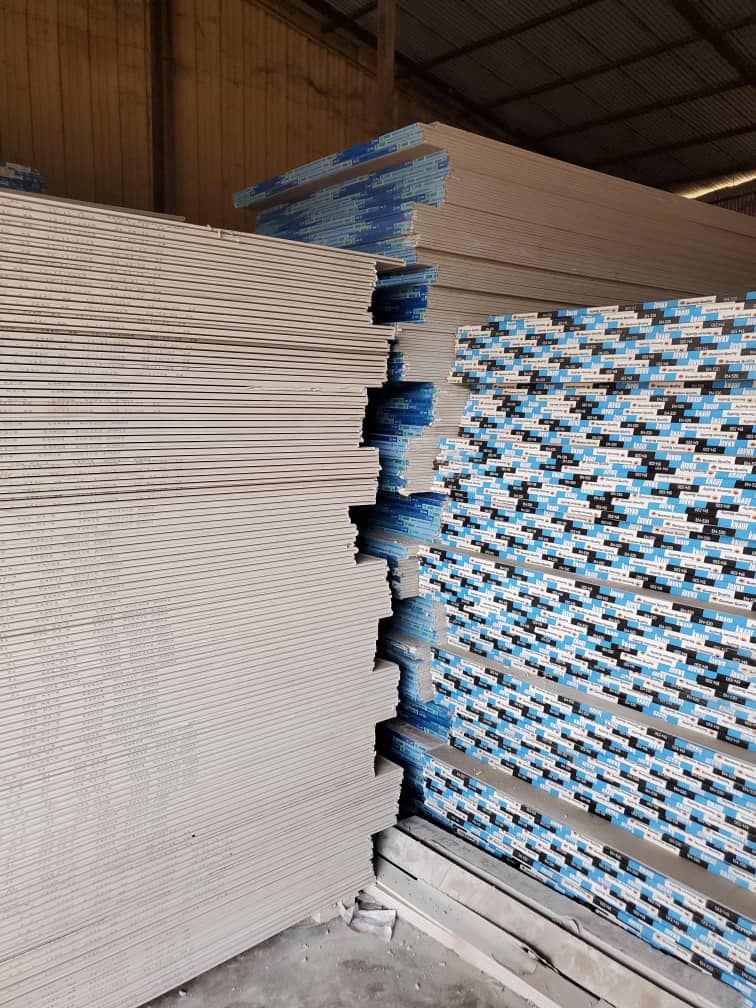
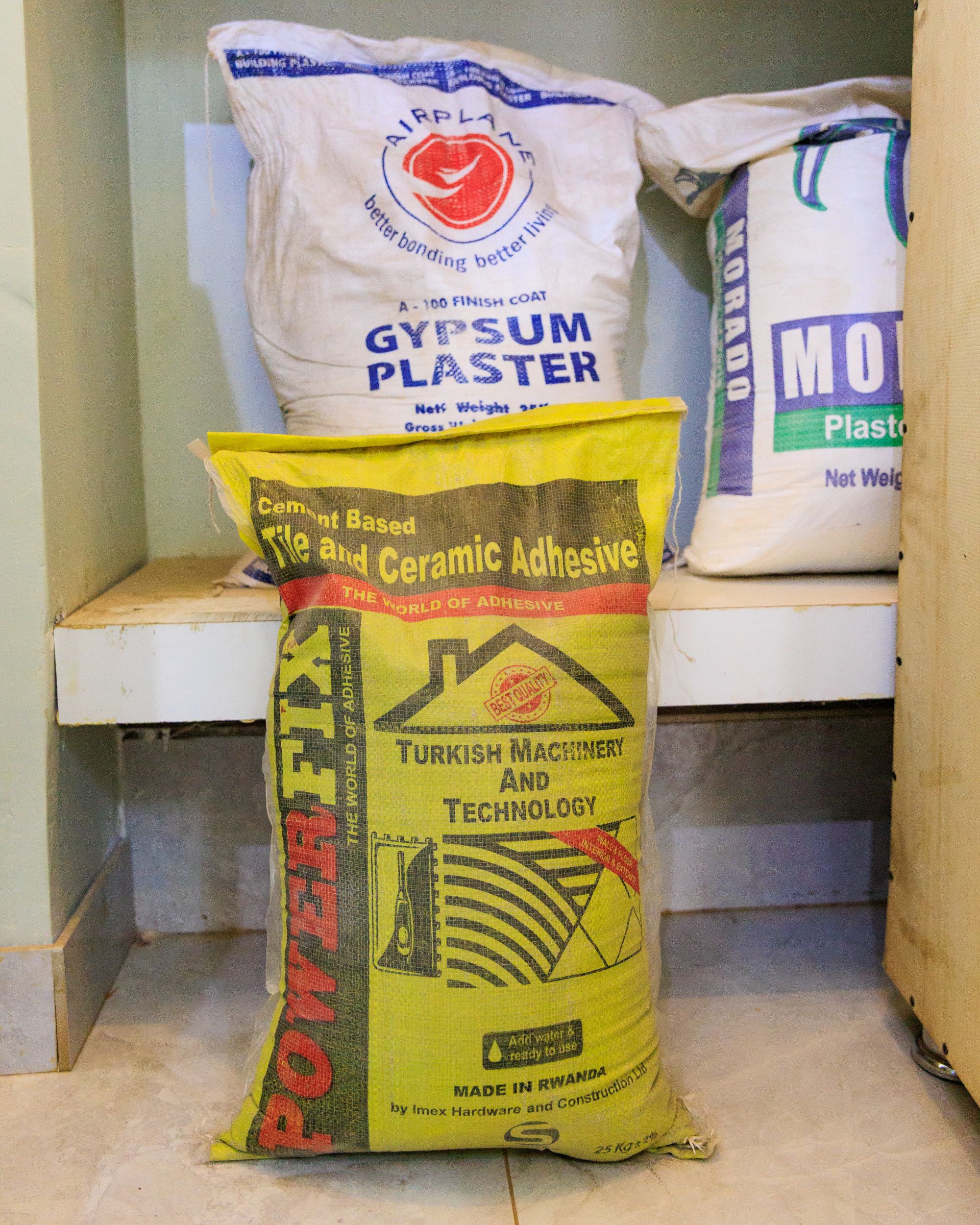
The company’s gypsum section has equally grown in demand. Clients can choose from BNBM, German and Sunshine gypsum boards, along with the necessary gypsum powder and plaster. These products are popular for ceilings, partitions and decorative work because they offer a clean finish and a modern look while being easy to install.
{{Expanding bathroom and sanitaryware solutions
}}
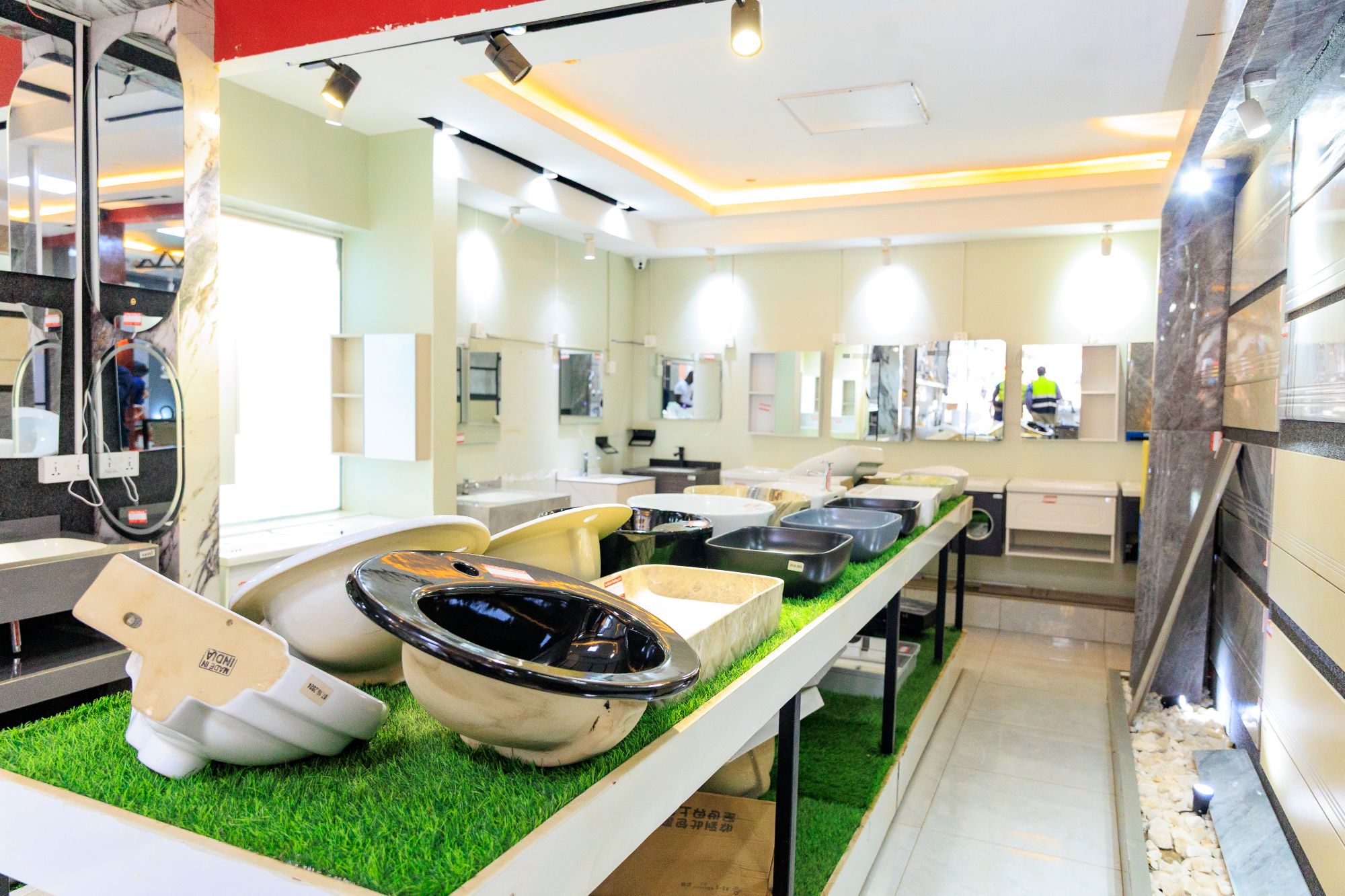
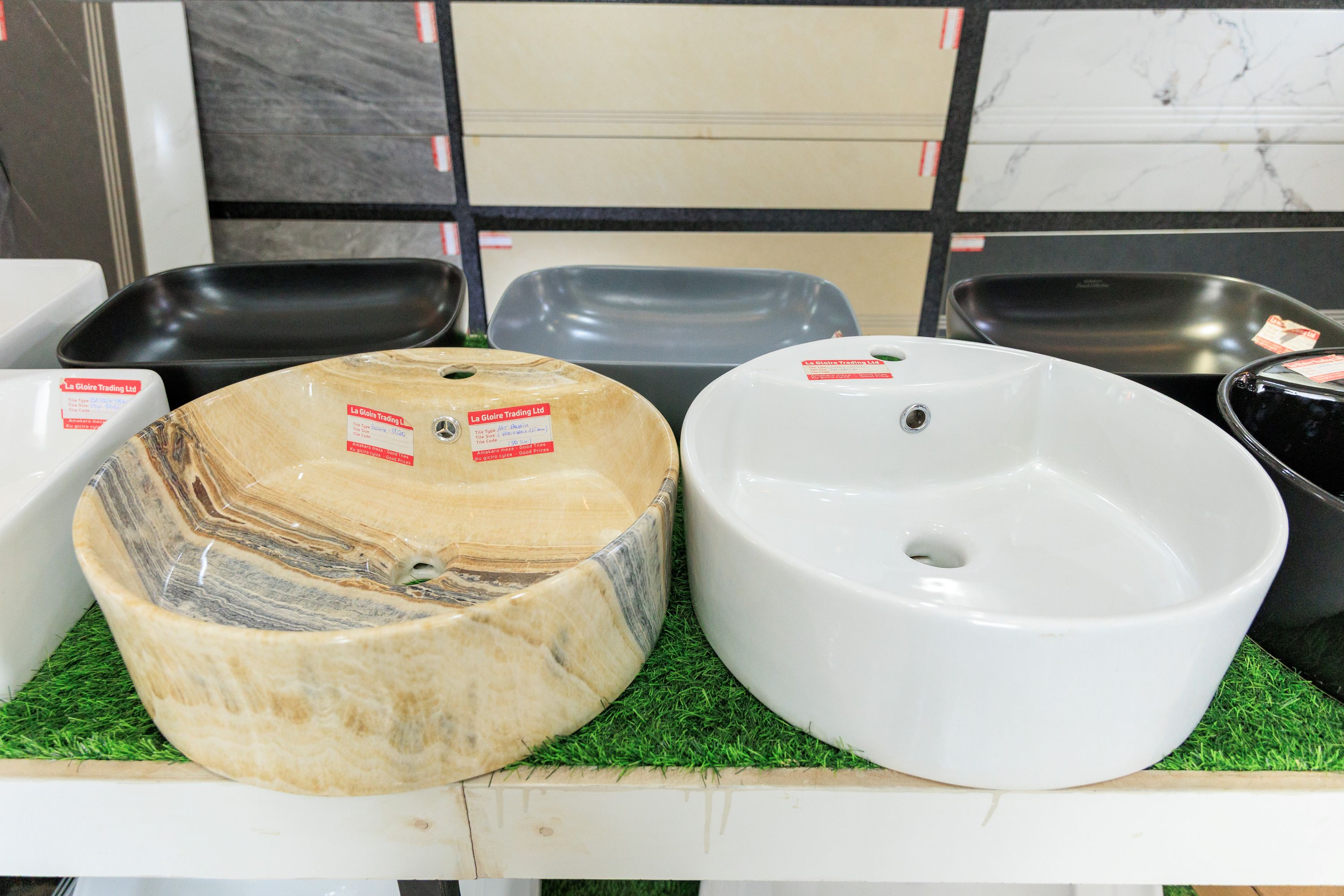
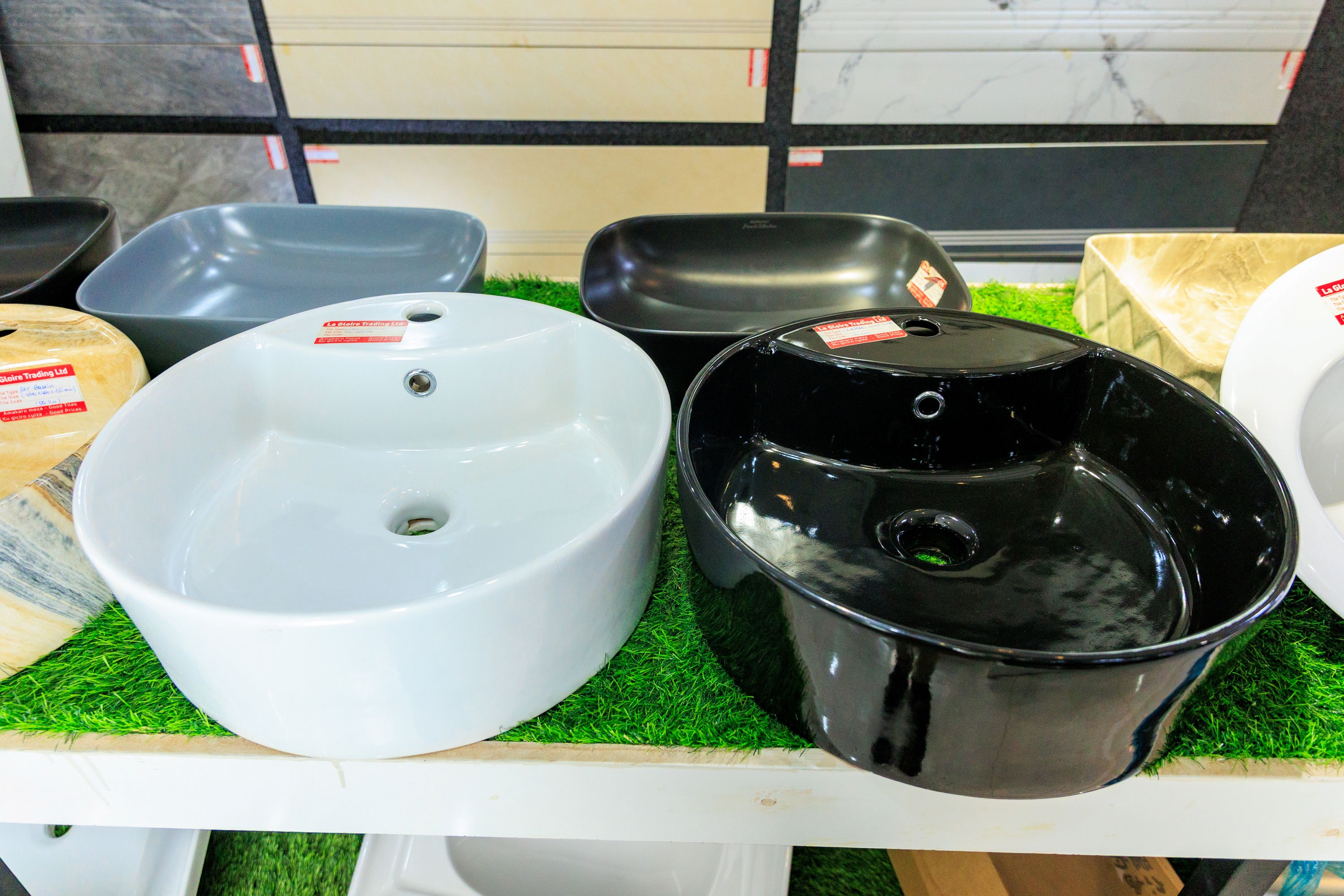
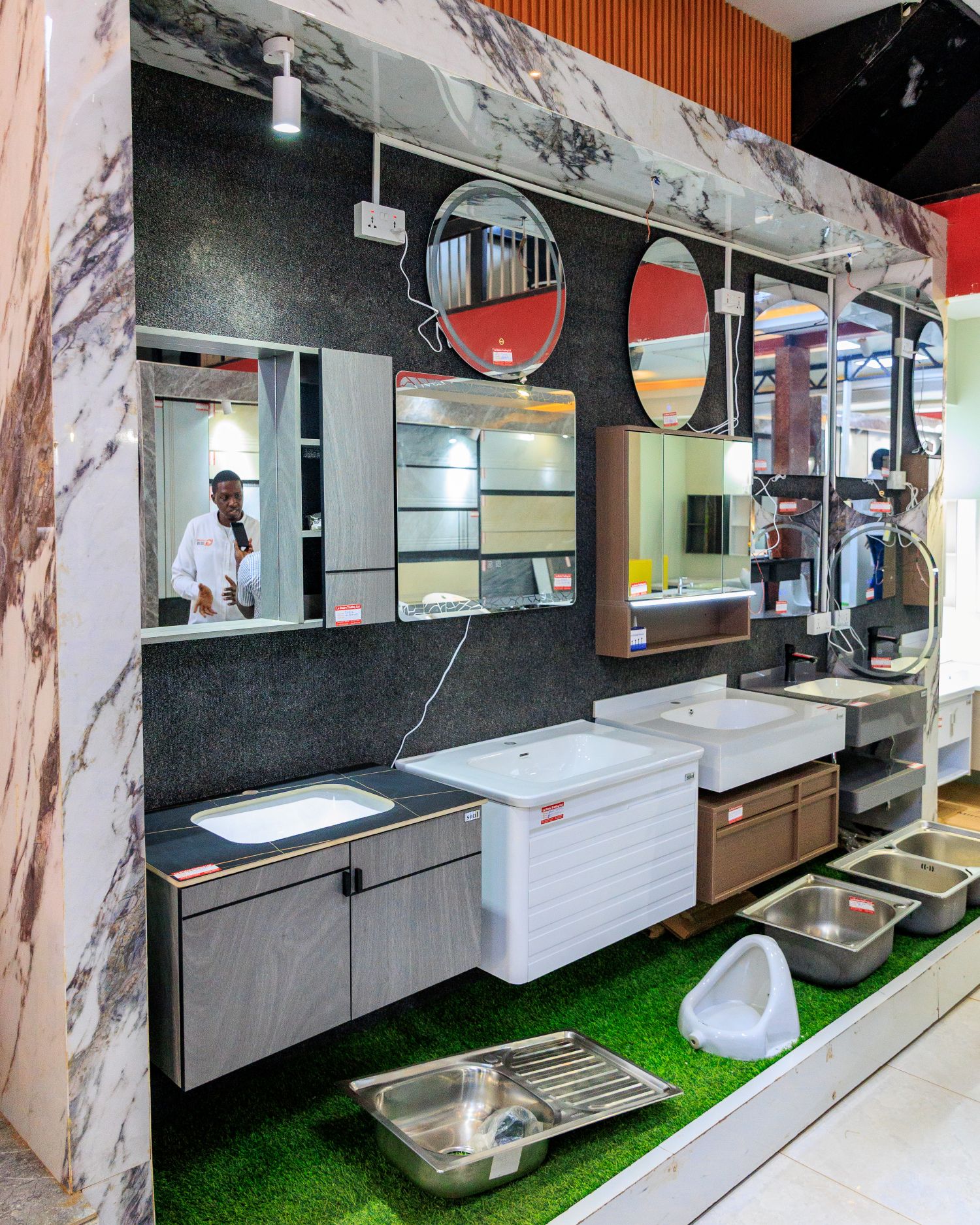
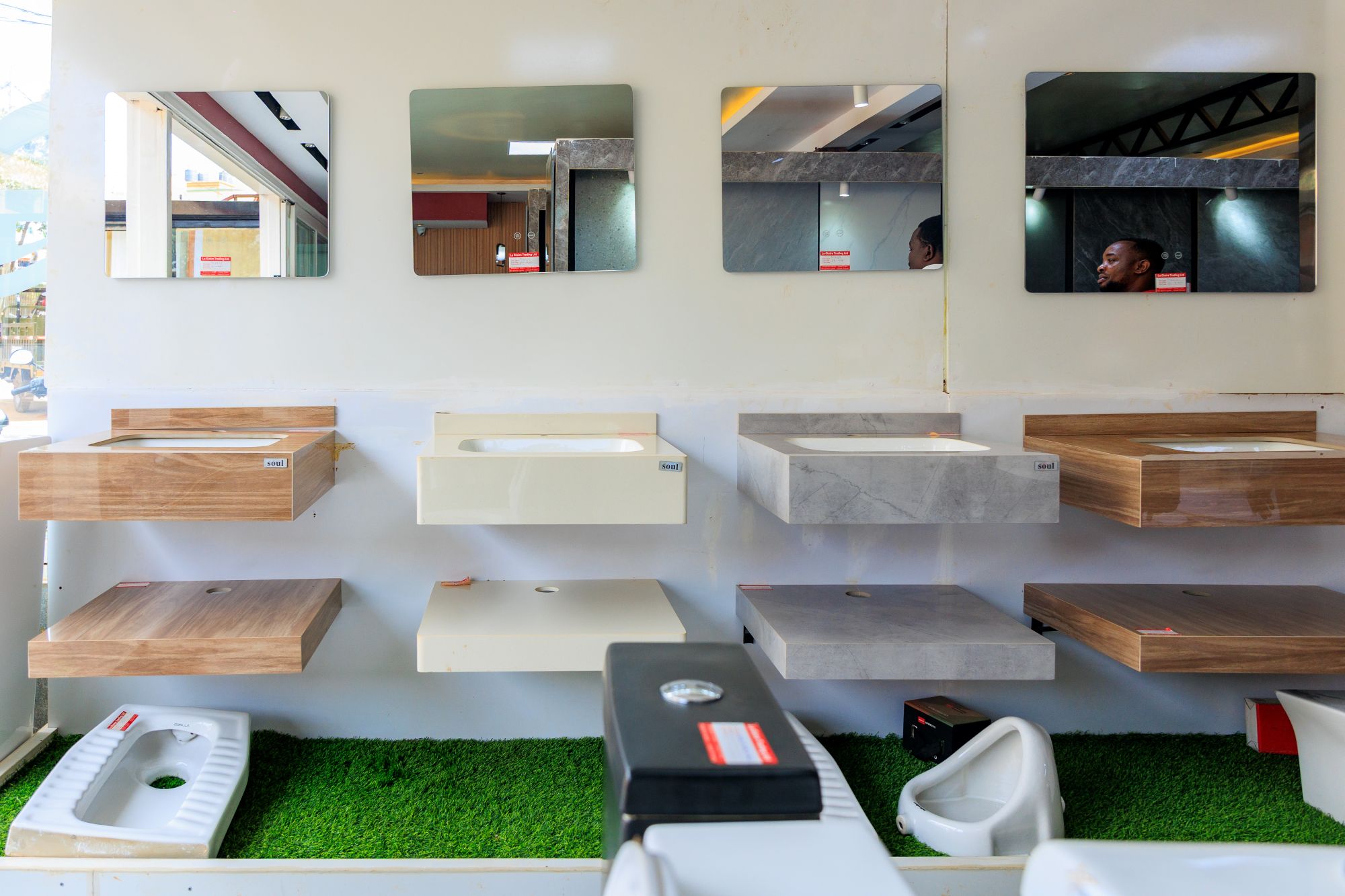
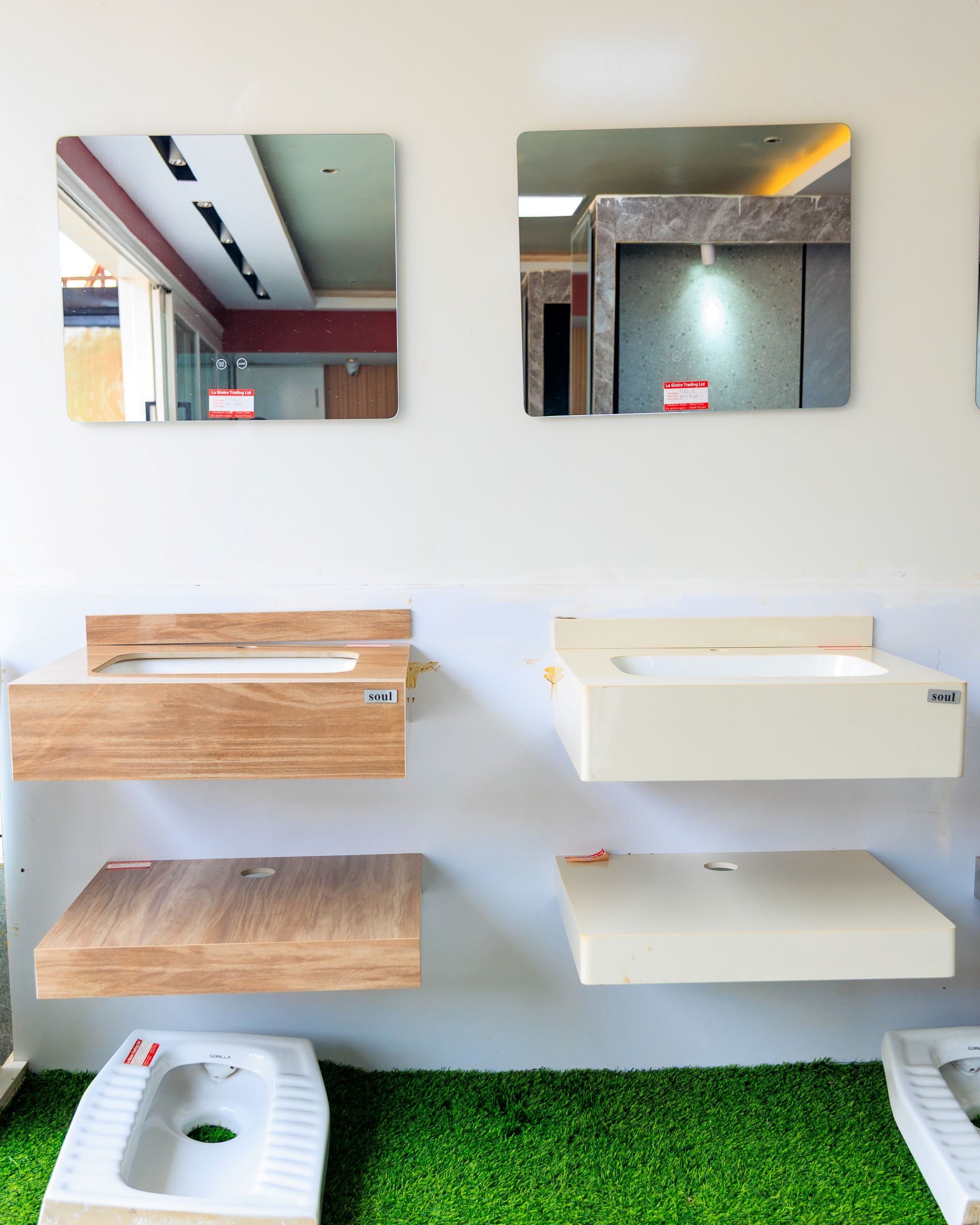
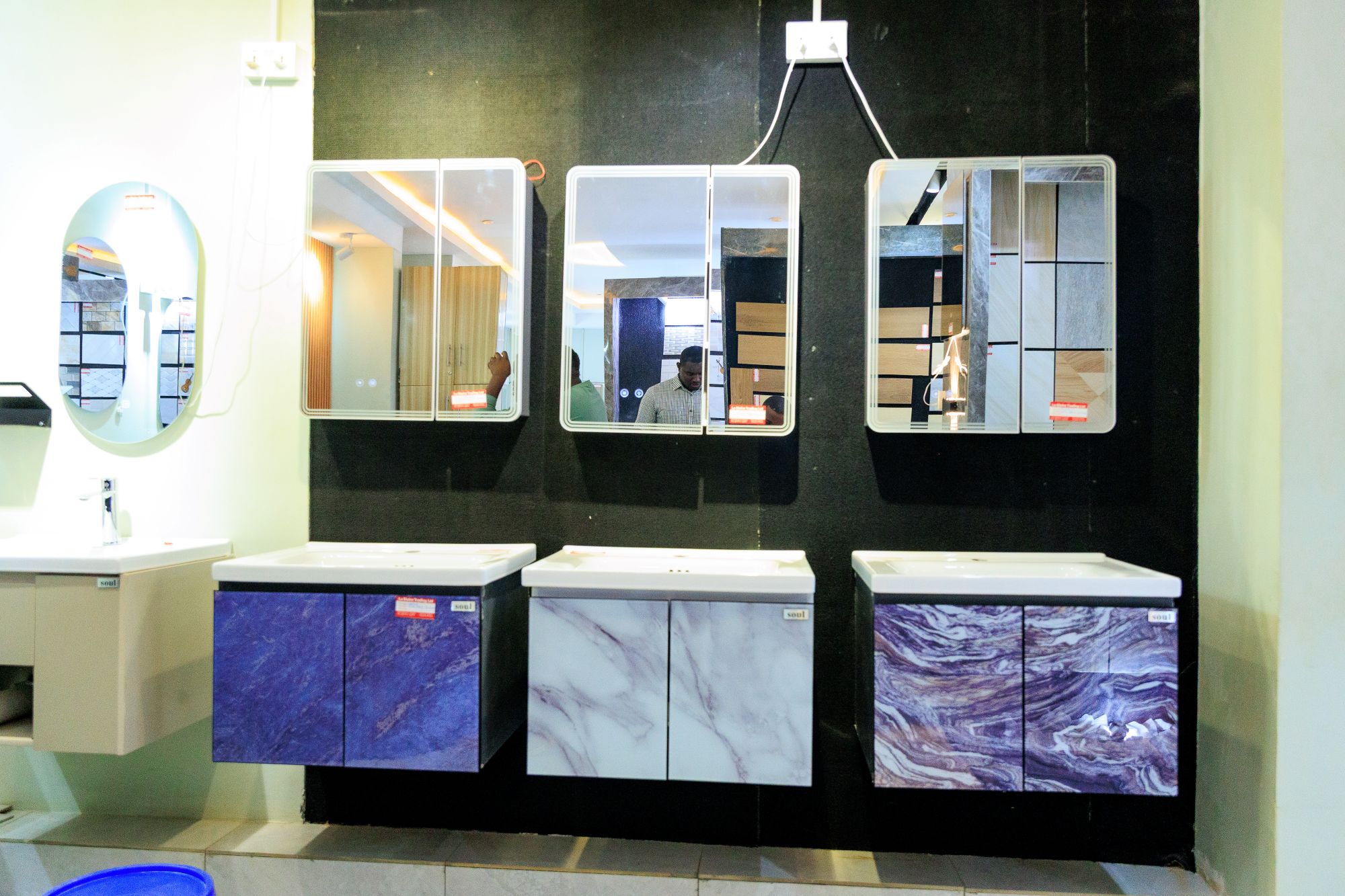
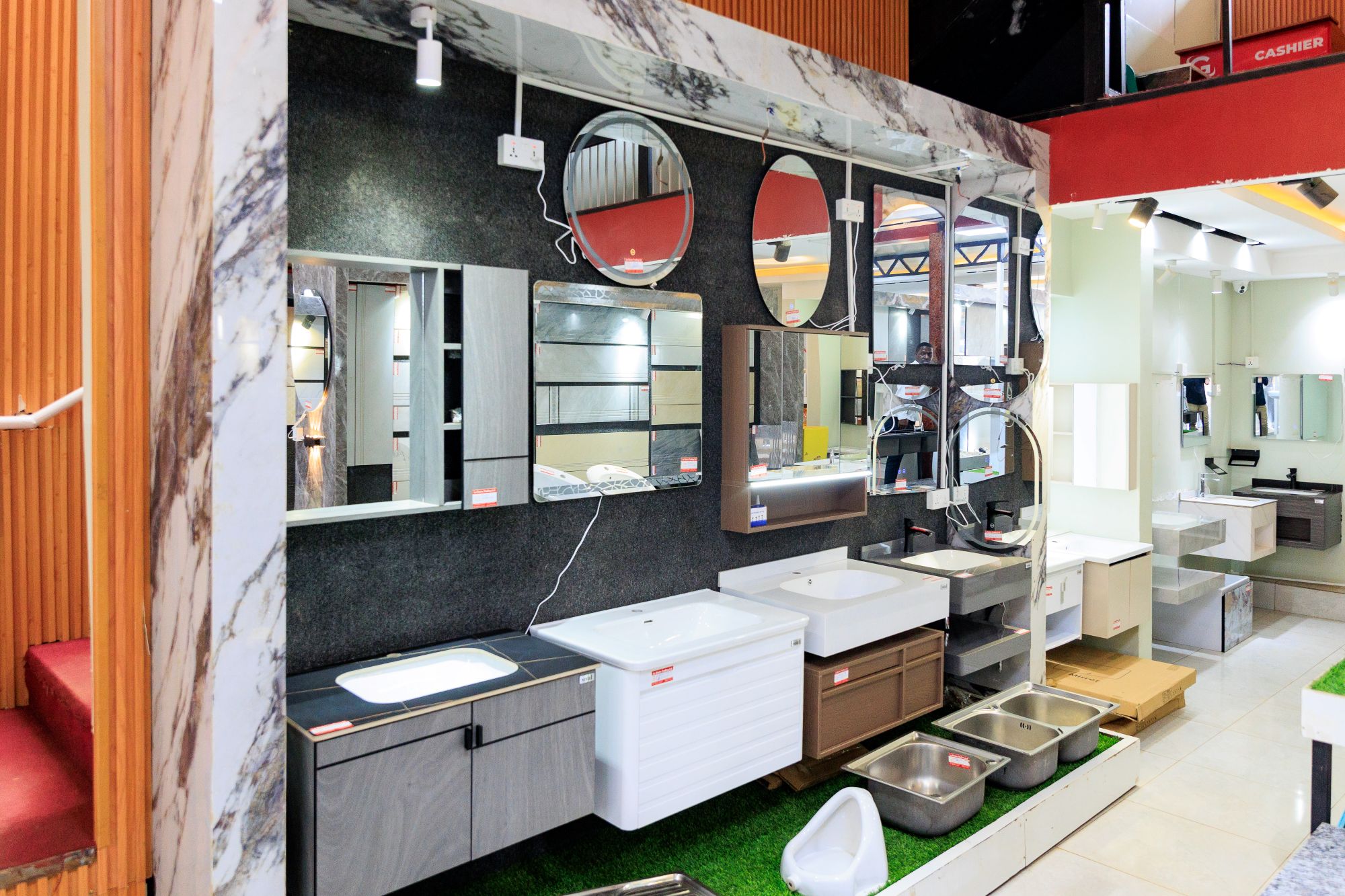
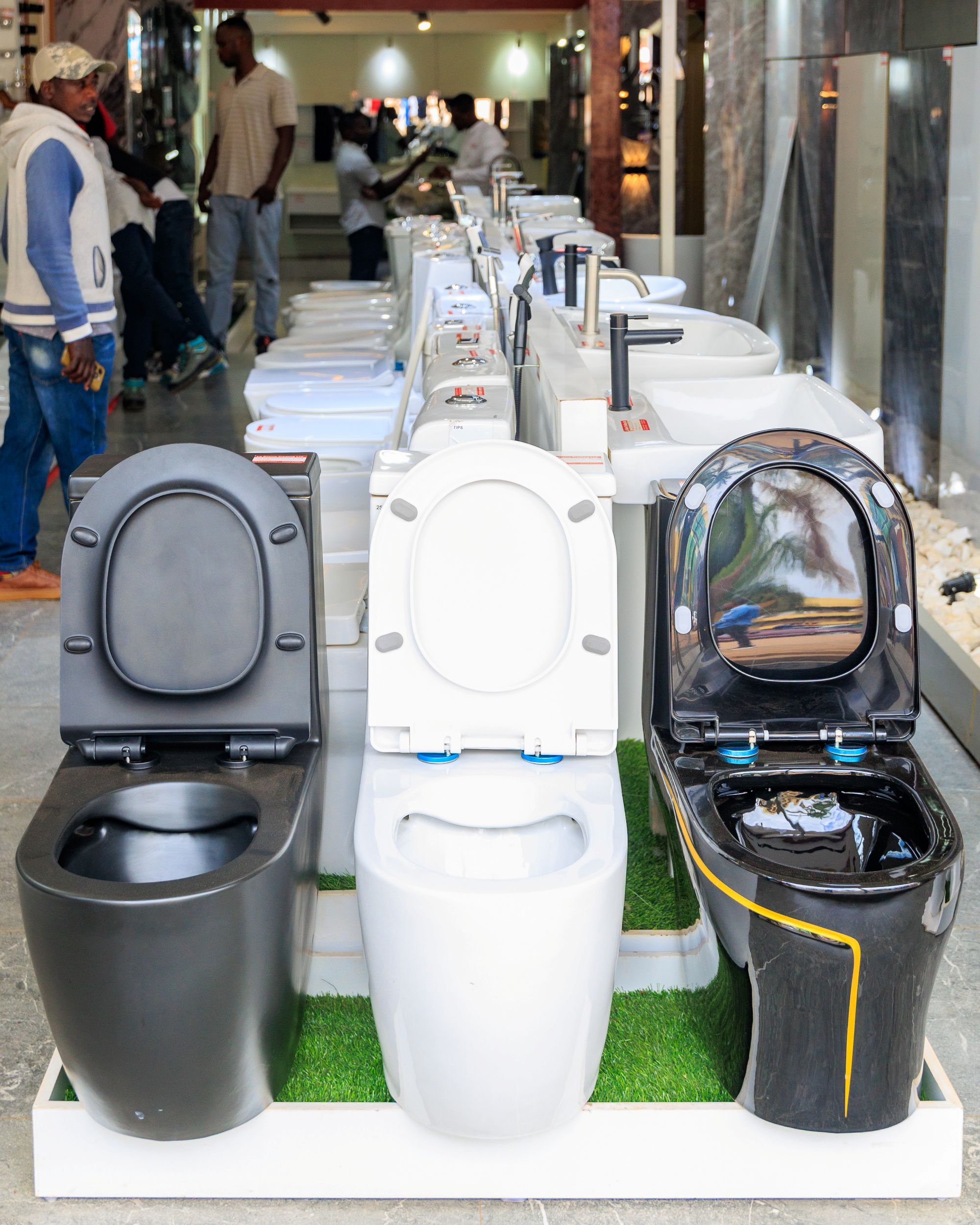
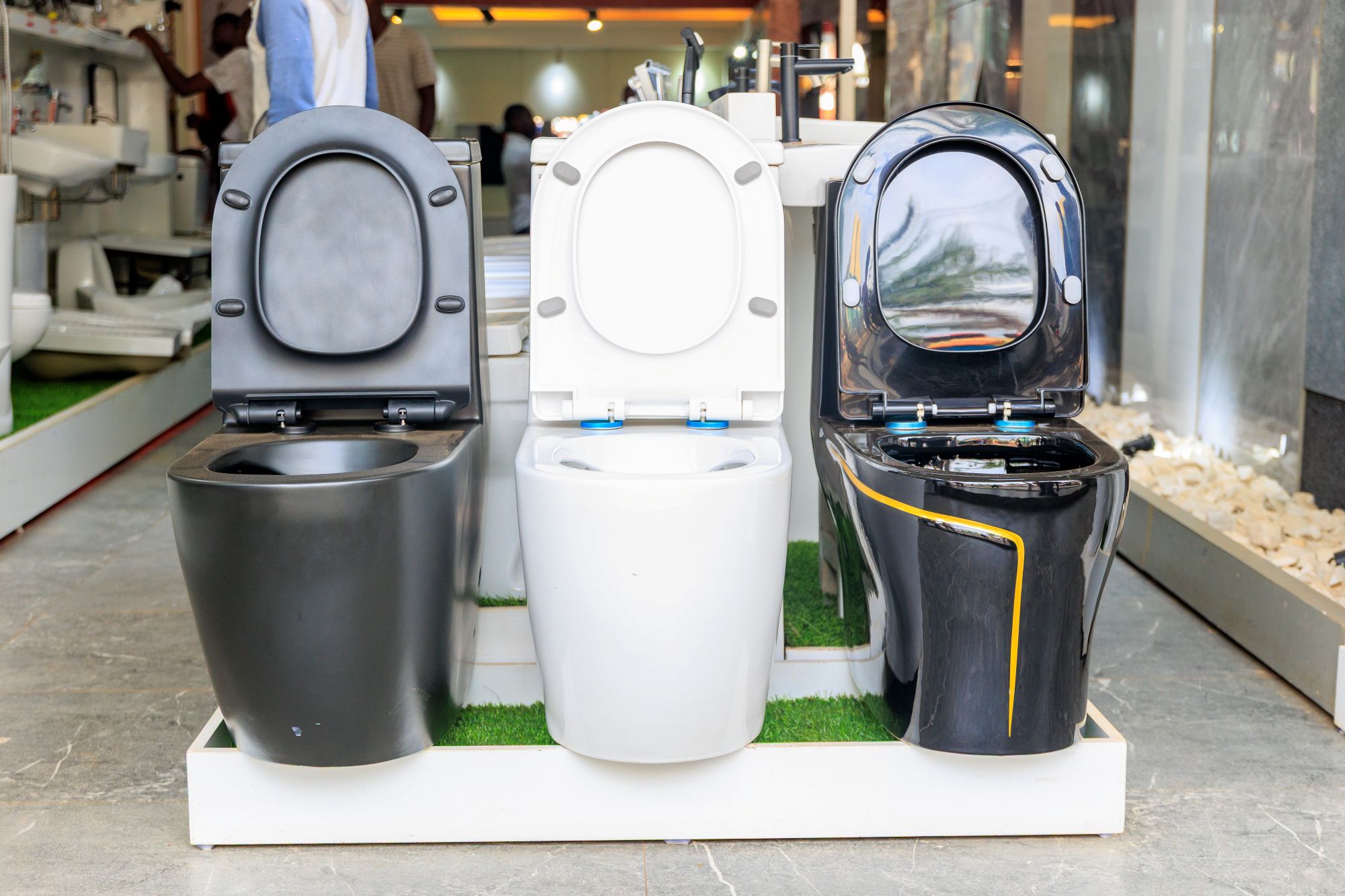
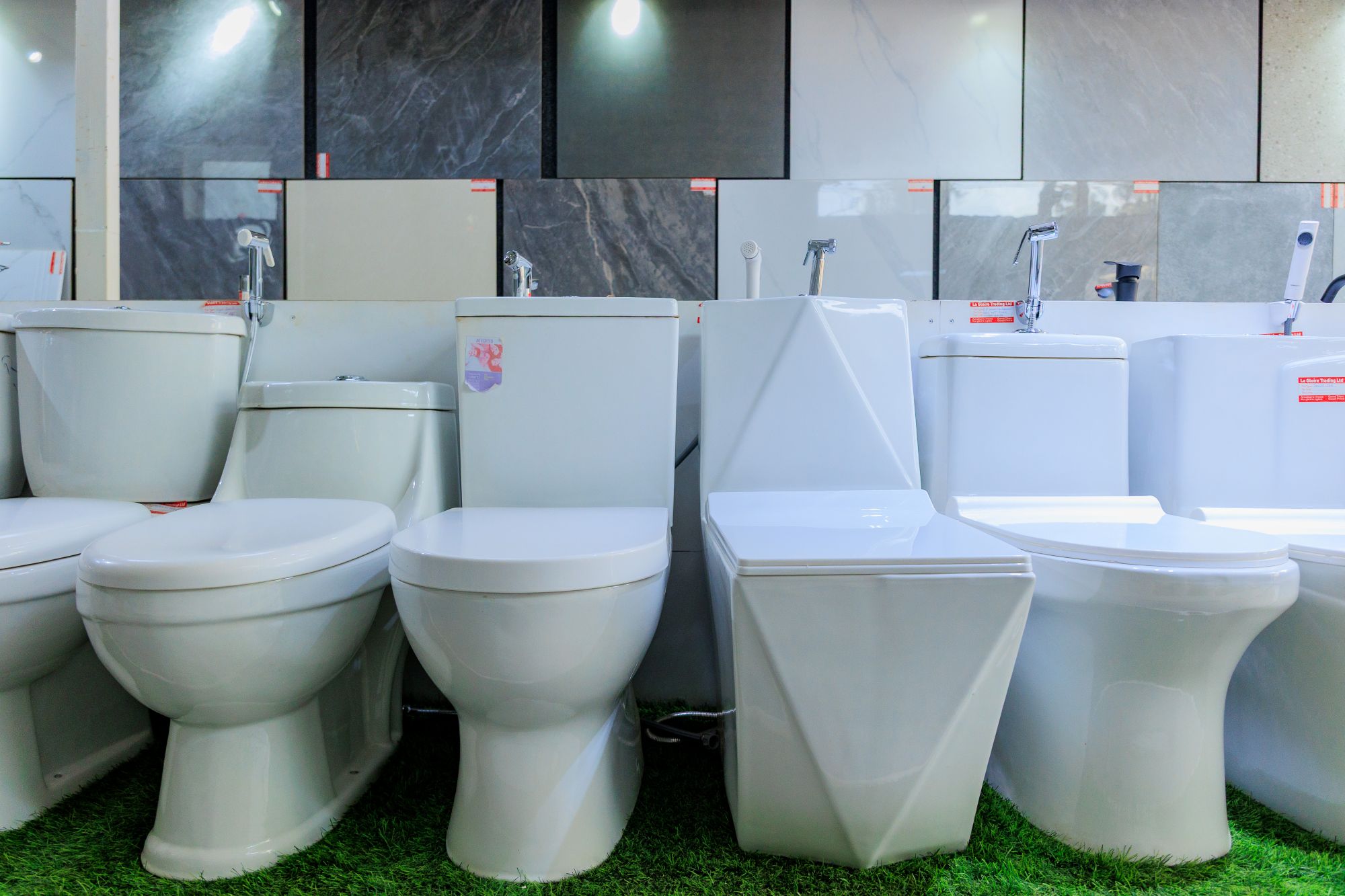
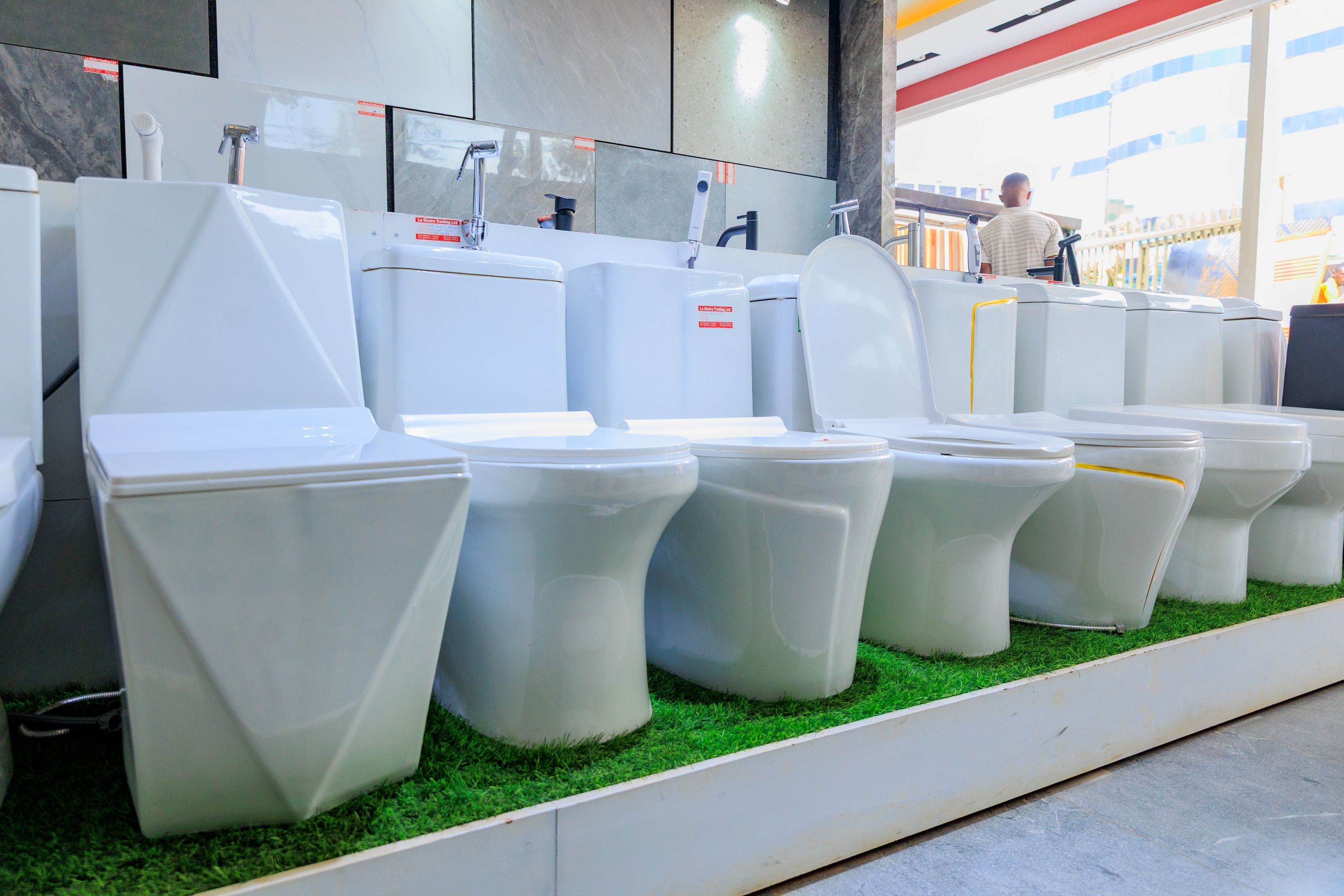
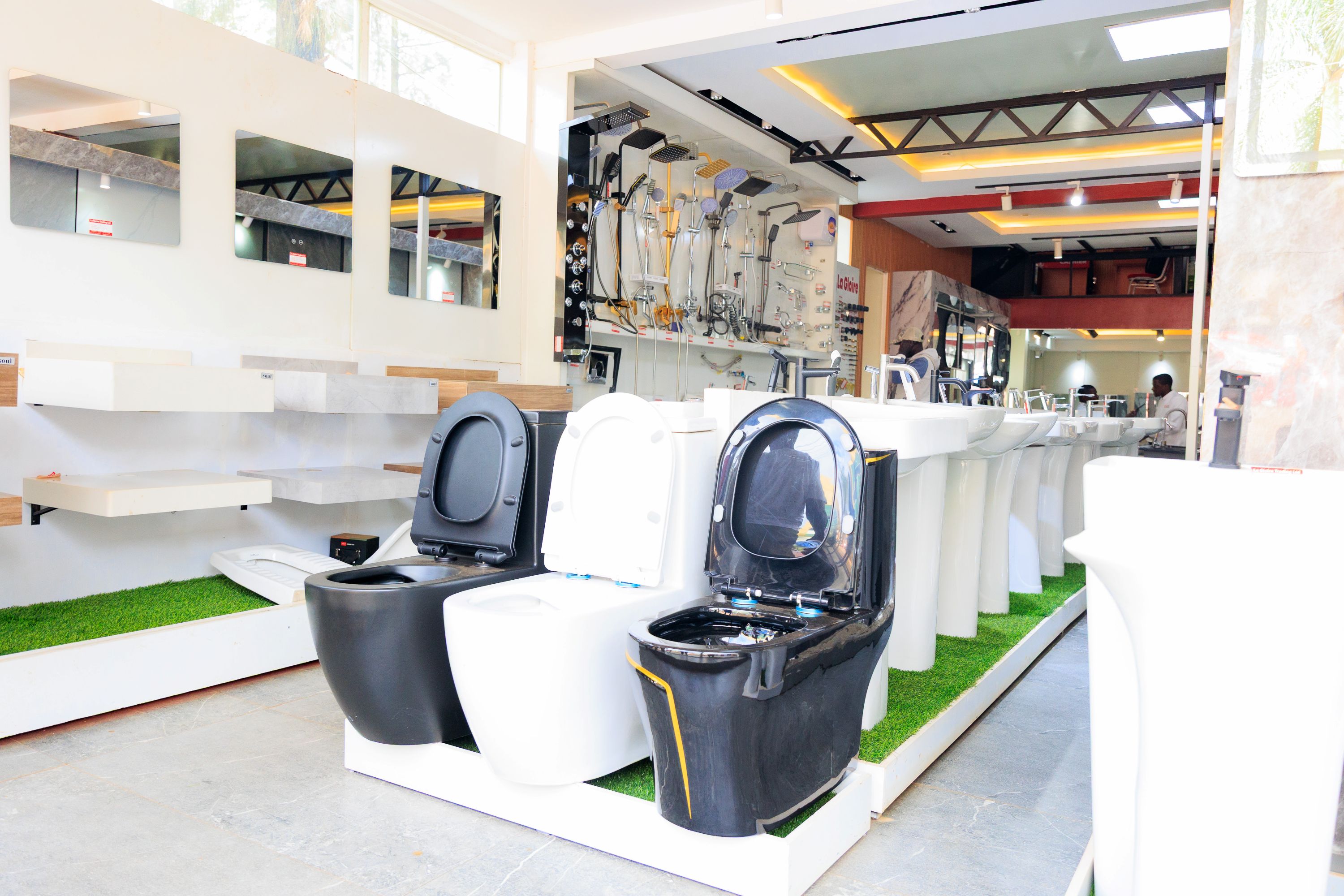
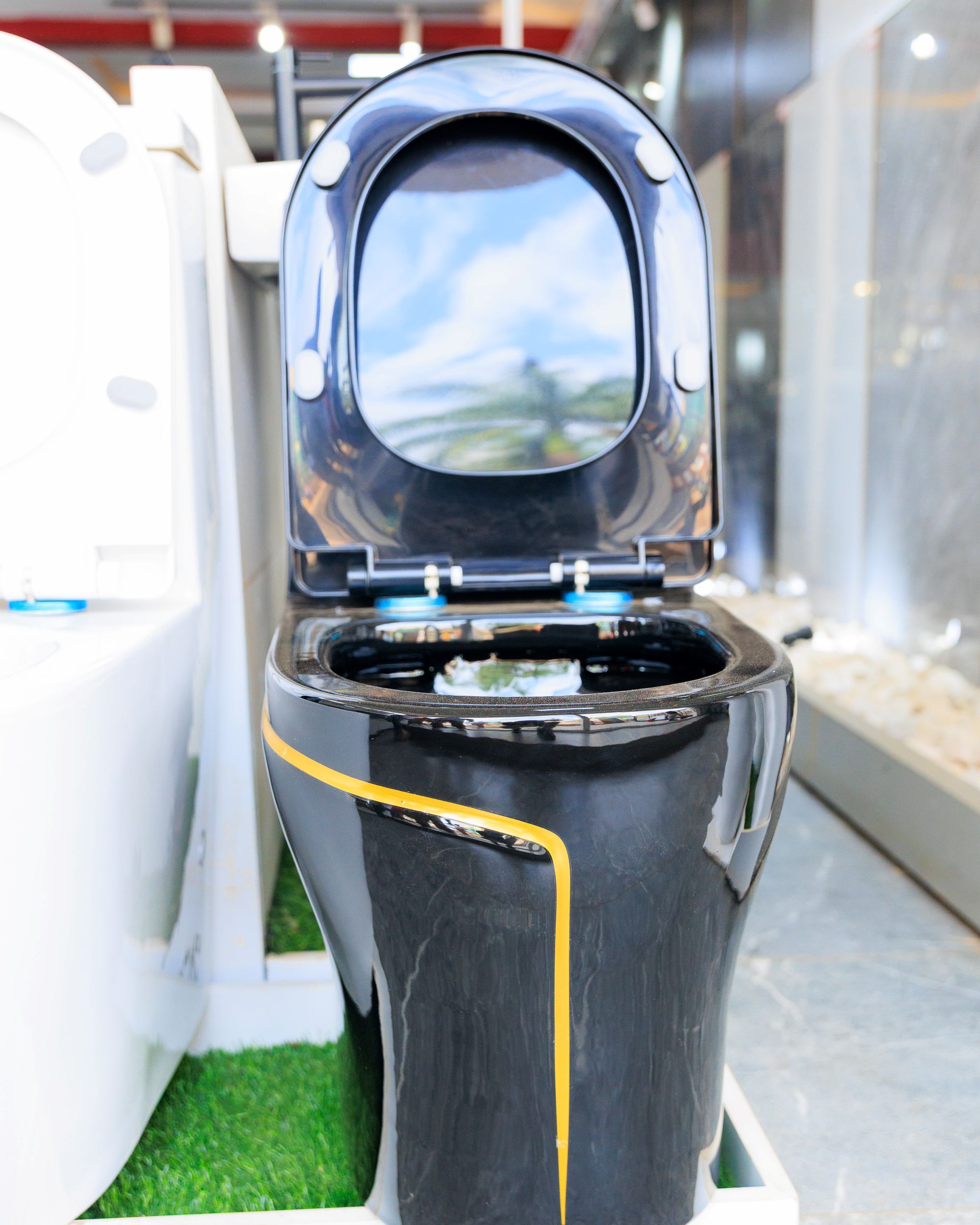
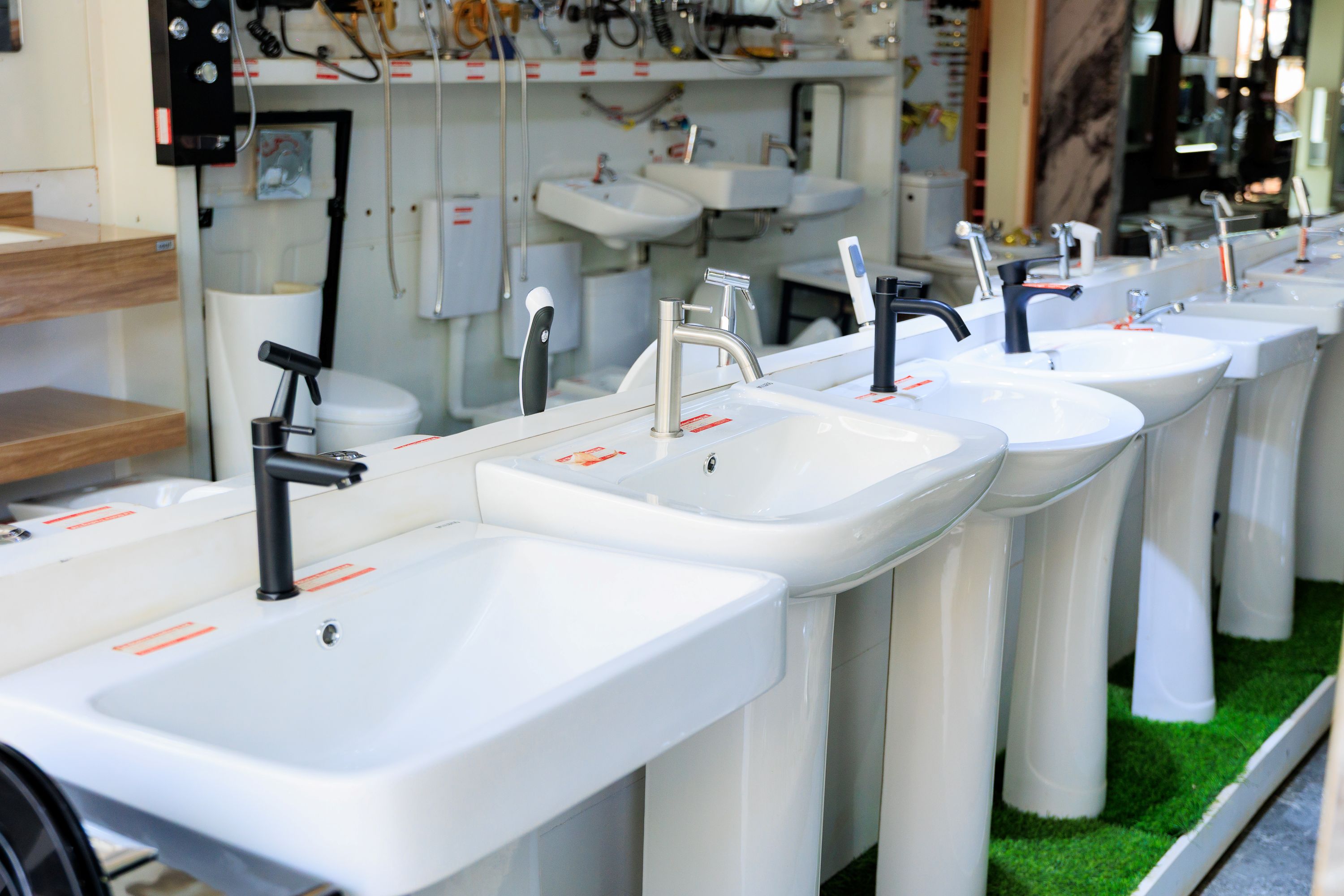
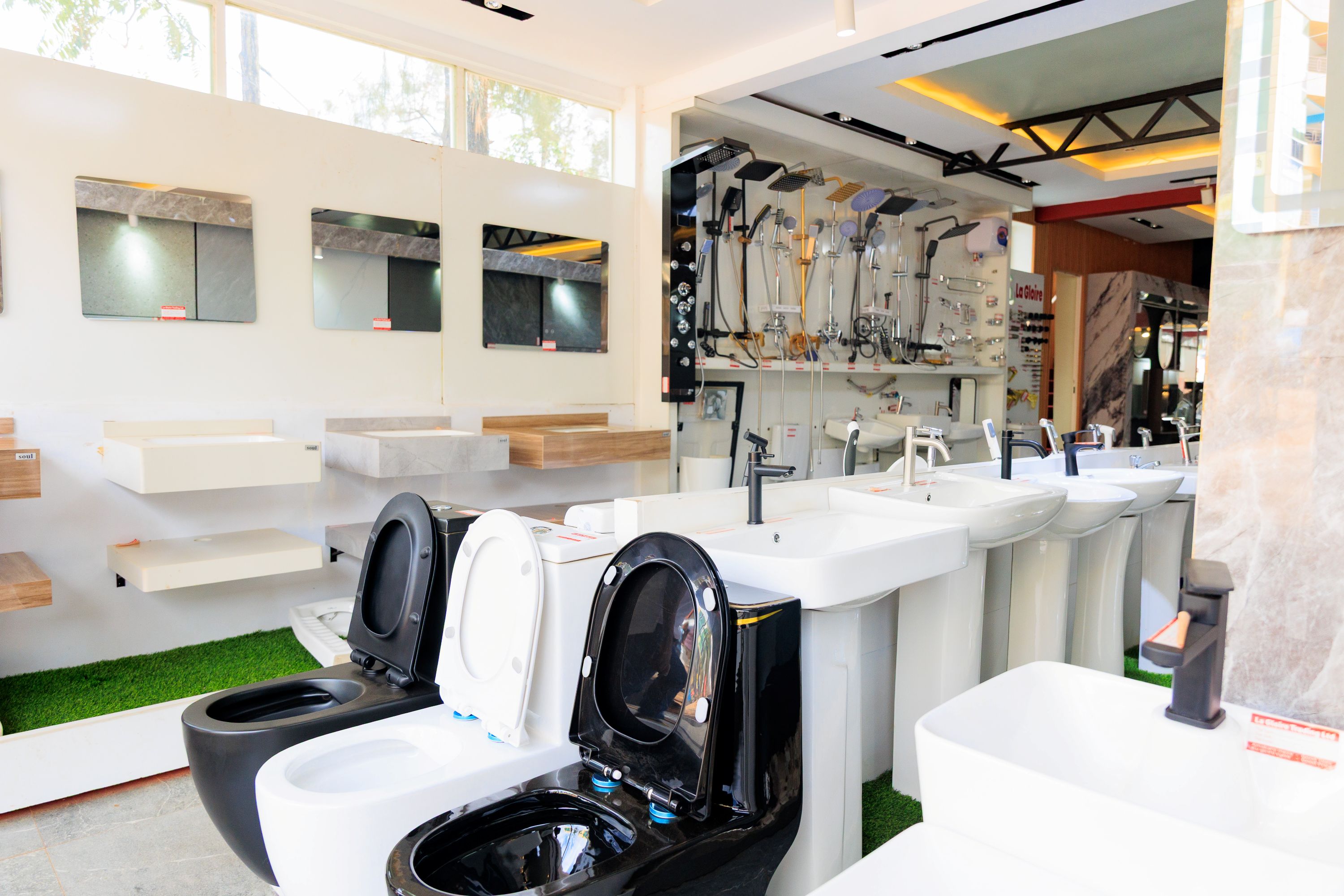
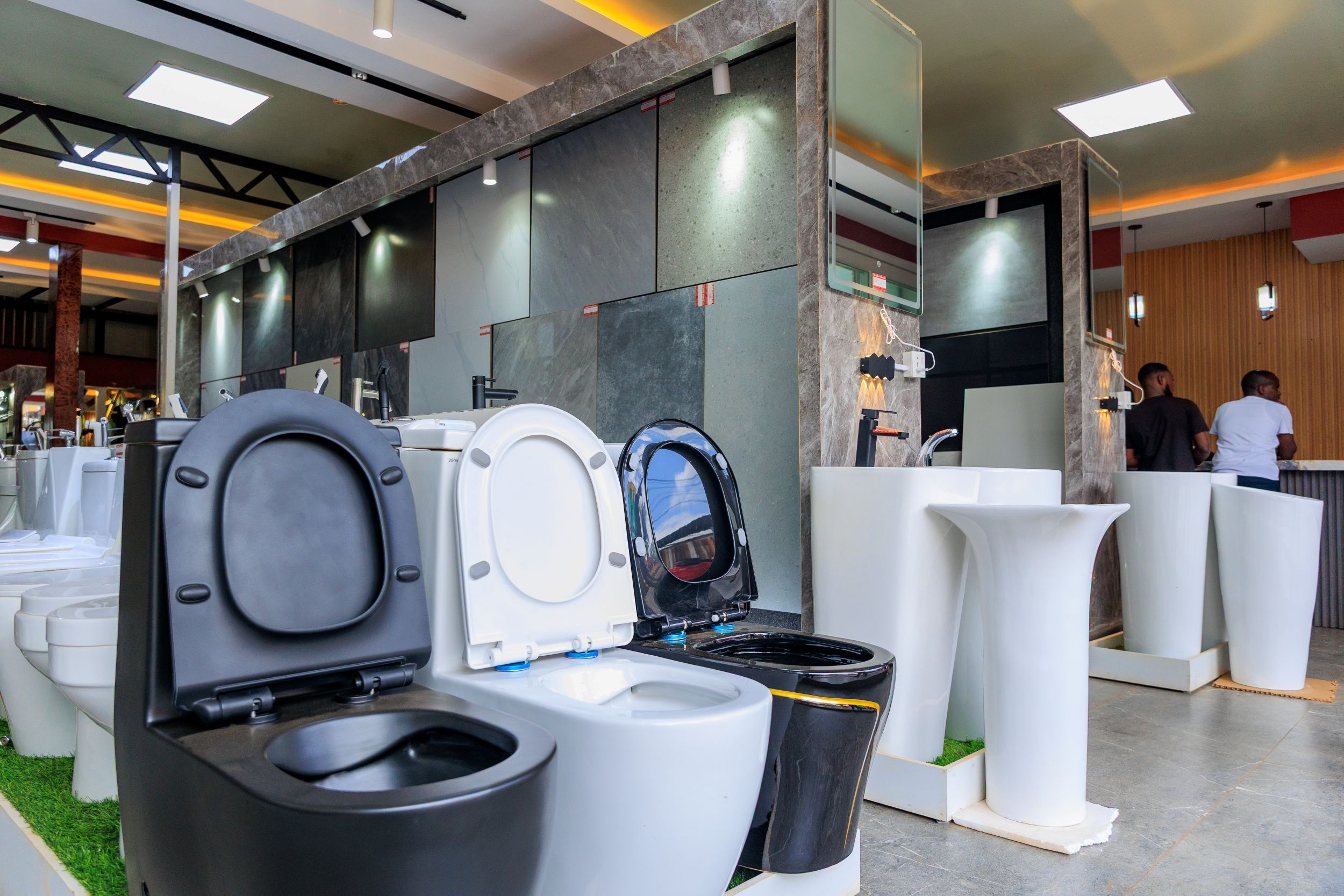
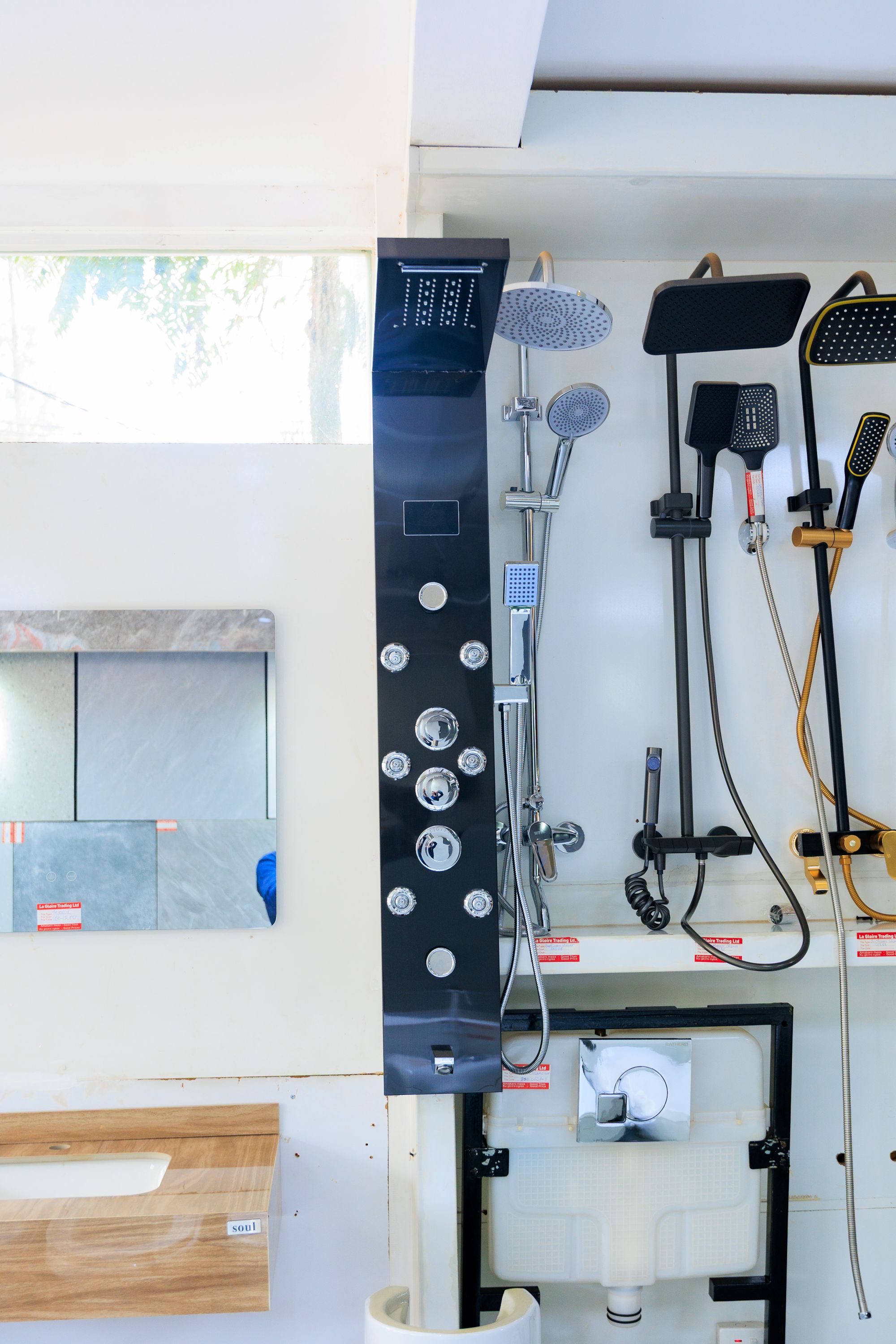
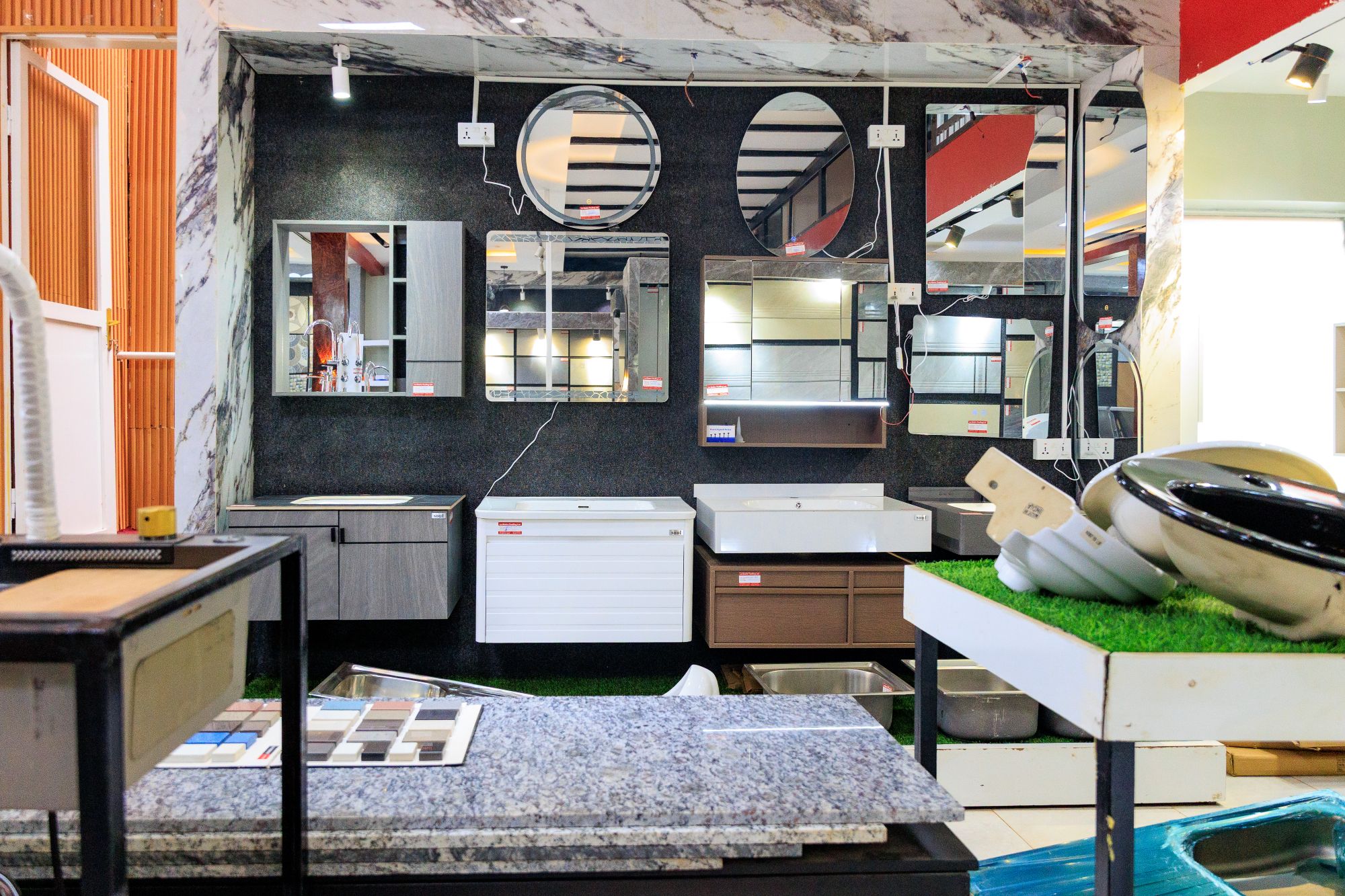
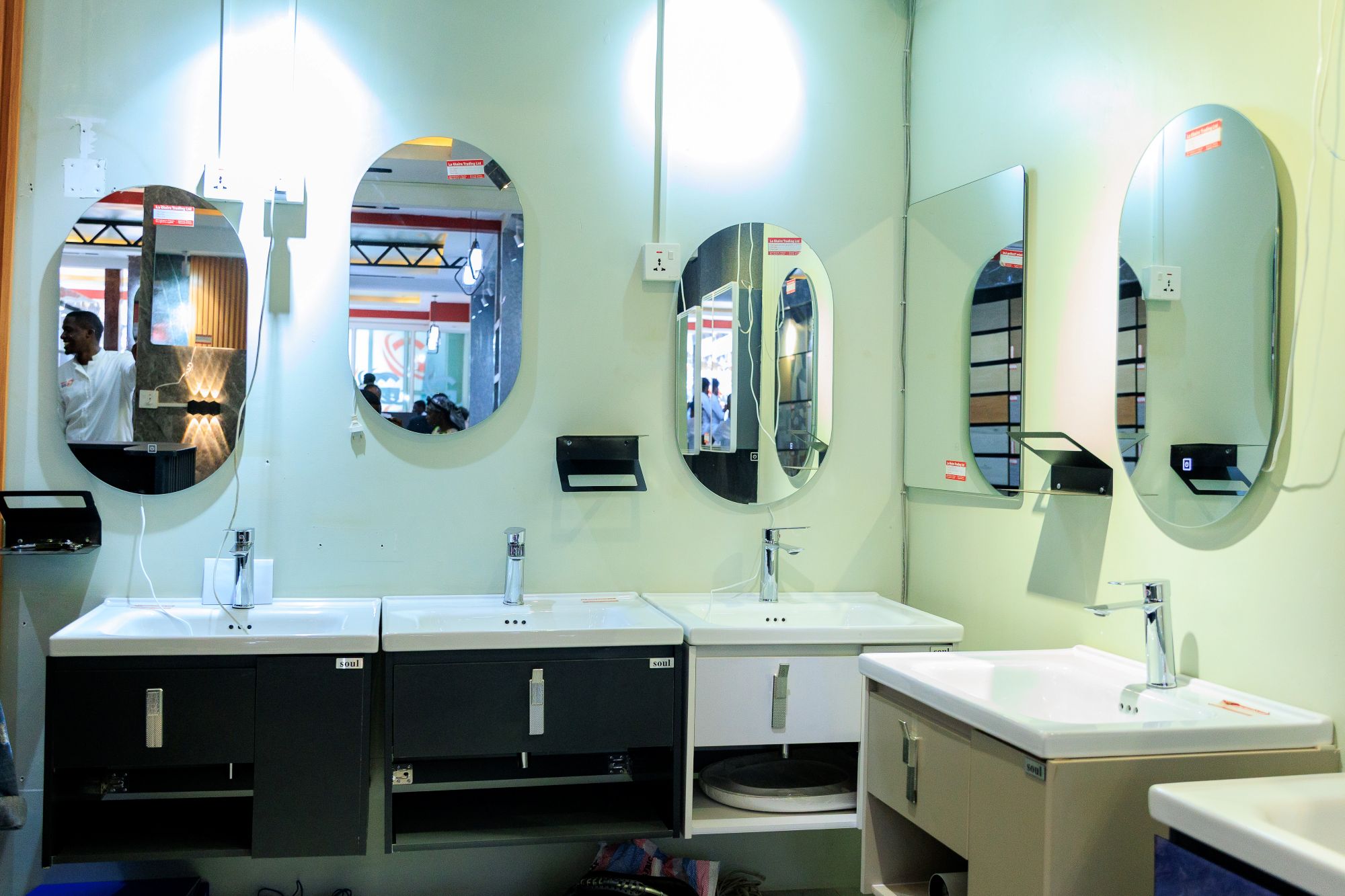
La Gloire’s bathroom and sanitaryware section is one of its fastest-growing departments. Customers can explore a wide selection of toilets, including water-saving and soft-close models, smart mirrors with lighting and anti-fog features, bathroom cabinets in modern designs and premium showers. Among the popular innovations are showers with temperature displays, which help users heat water more efficiently and reduce unnecessary energy use.
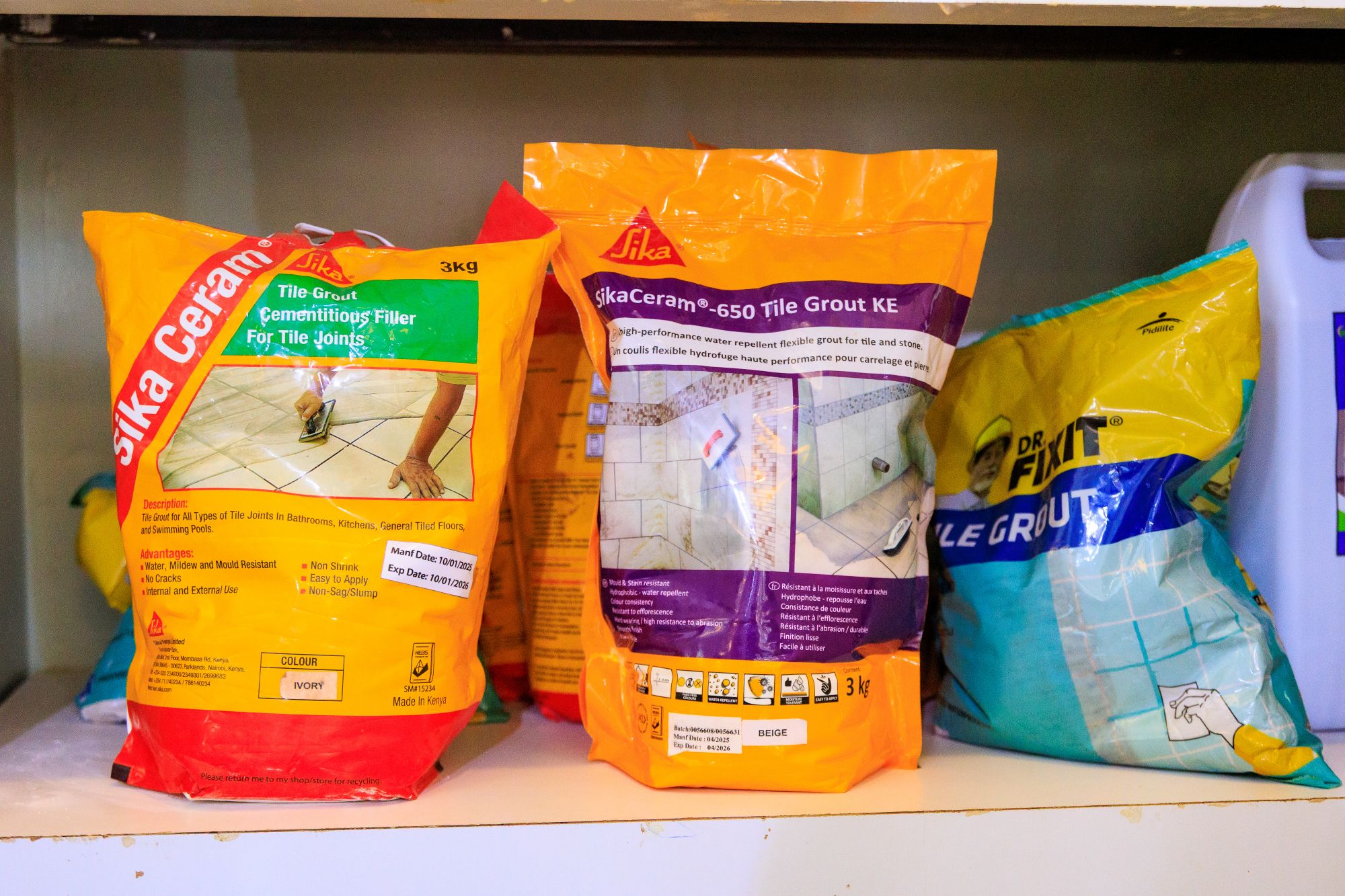
Beyond finishes, the store also provides essential plumbing items such as flexible tubes, valves, fittings and water heaters. Kevin notes that the water heaters stocked at La Gloire are preferred for their efficiency because they heat water only when needed, making them ideal for reducing household electricity consumption. For waterproofing needs, the company supplies trusted Sika products used to protect bathrooms, balconies and other moisture-prone areas.
{{Customer satisfaction at the core
}}
A strong focus on customer satisfaction continues to set La Gloire apart. Bulk buyers receive negotiable discounts, and delivery services are arranged based on the size and fragility of the order.
The team also follows up with clients to understand how the products performed in their projects, a practice Kevin says helps the company decide which new items to introduce. He adds that all products meet international quality standards, reinforcing the company’s commitment to durability and customer trust.
From a single outlet, La Gloire has expanded to more than 10 branches across Kigali, Musanze, Rubavu and other districts, with plans to continue widening its reach. The company sources products from Rwanda, India, China, Egypt and Uganda, giving customers a wide variety of options without compromising on quality or affordability.
Whether someone is renovating a home, furnishing new spaces or working on commercial buildings, La Gloire offers solutions that are practical, modern and accessible.
“Any budget constraint you may have, come and talk to us. We have experts who can advise you, products that fit every need and solutions tailored to your project,” Kevin assures.
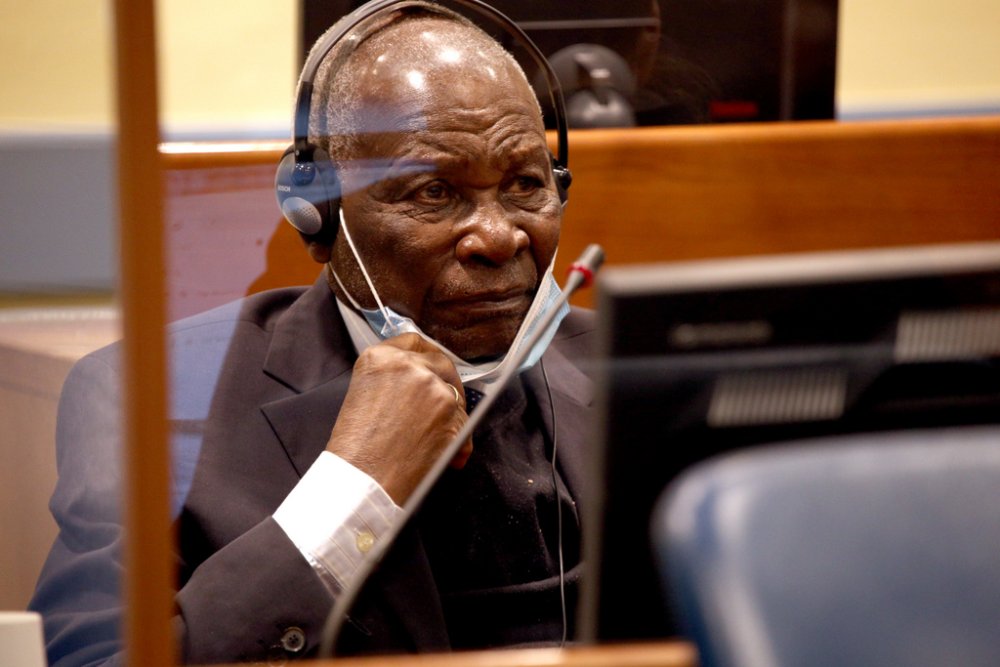
On August 7, 2023, IRMCT judges decided to suspend Kabuga’s trial, explaining that he was unable to stand trial due to his medical condition, including dementia.
After receiving a request from the prosecution to temporarily release Kabuga and send him to Rwanda—the only country willing to accept him— the Trial Chamber rejected the request on November 14, 2025, deciding that there was no need to consider whether Rwanda would be an appropriate State for Kabuga’s release.
On November 28, the prosecution filed an appeal, urging IRMCT judges to reverse their decision and send Kabuga to Rwanda to avoid continued detention, arguing that no other country had agreed to accept him.
The prosecution further explained that the judges’ decision on November 14 overlooked reports from doctors, including Dr. Liam Scott, which indicated that Kabuga could be transported by air ambulance to Rwanda without endangering his health.
The prosecution emphasized that there was no hope of finding another country willing to accept Kabuga, citing that in 2023 alone, one European country rejected his request for asylum three times, and another rejected it once.
Kabuga’s continued detention at the IRMCT detention facility in The Hague is also financially burdensome. The prosecution stated that Kabuga and three other detainees cost the tribunal $2 million annually.
In a recent ruling led by Iain Bonomy, the judges called for European countries that had rejected Kabuga’s transfer to reconsider their stance. Prosecutor Serge Brammertz has described this as pressure on the countries to accept Kabuga.
The prosecution noted, “The Trial Chamber’s November 2025 request for these European States to reconsider Kabuga’s requests for residency underscores its inability to resolve the matter. This renewed pressure on these States to welcome Kabuga into their territory is difficult to understand.”
The prosecution argued that Kabuga, who is facing charges related to genocide, does not qualify for protection under European refugee laws due to the serious international crimes he is accused of.
It further stated, “Kabuga, indicted for genocide, is excluded from protection under the Refugee Convention and European law, considered ‘undeserving of international protection’ because there are ‘serious reasons’ for considering that he committed international crimes.
“Not only is he subject to a confirmed genocide indictment—he also has a long history of evading justice, including in at least one of the States where he seeks release.”
The prosecution reminded the judges that the decision made two years ago to delay Kabuga’s trial clearly indicated the urgency of his temporary release, and that efforts should be made to release him to Rwanda.
It stated, “The record is clear that Rwanda is the only realistic option and that an air ambulance can safely fly him there.”
The IRMCT Appeals Chamber has been asked to intervene in this case and make a decision on whether to temporarily release Kabuga to Rwanda, or to submit the case to the President of the Tribunal, Graciela Gatti Santana, to make a ruling based on the authority granted by law.
On December 8, 2025, President of the IRMCT, Santana, decided to appoint a panel of three judges—Carmel Agius, Burton Hall, and Liu Daqun—to review the prosecution’s appeal.
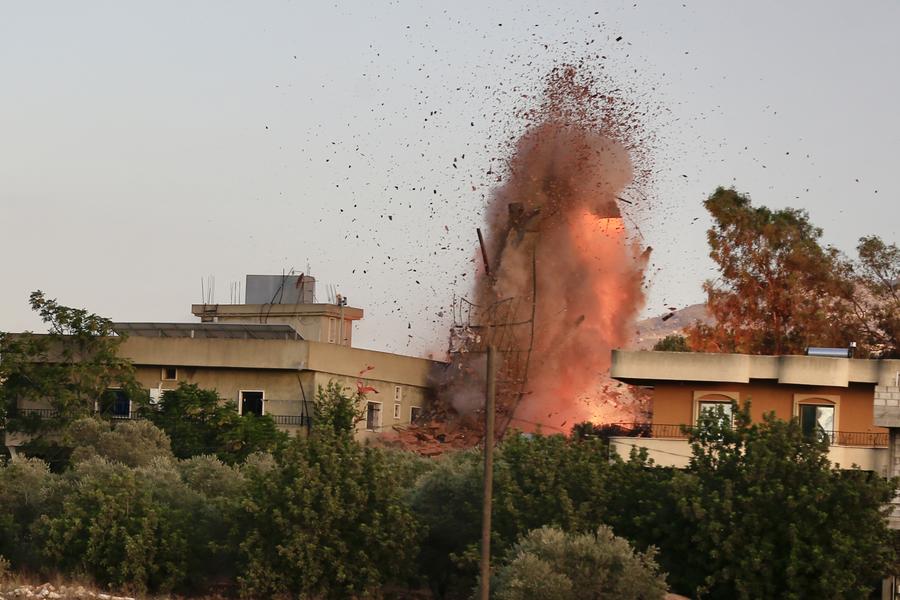
In a statement, the Israeli military said the strikes hit a compound used by Hezbollah’s Radwan Force for training activities. Additional military structures and a launch site belonging to Hezbollah were also targeted.
Video circulating on social networks showed large flames rising above buildings, while Lebanon’s Al-Mayadeen TV reported that violent air raids targeted the Iqlim al-Tuffah area and Mount Safi.
There were no immediate reports of casualties.
The attack was the latest of recent intensified Israeli strikes in Lebanon, despite a ceasefire that came into effect in November 2024.