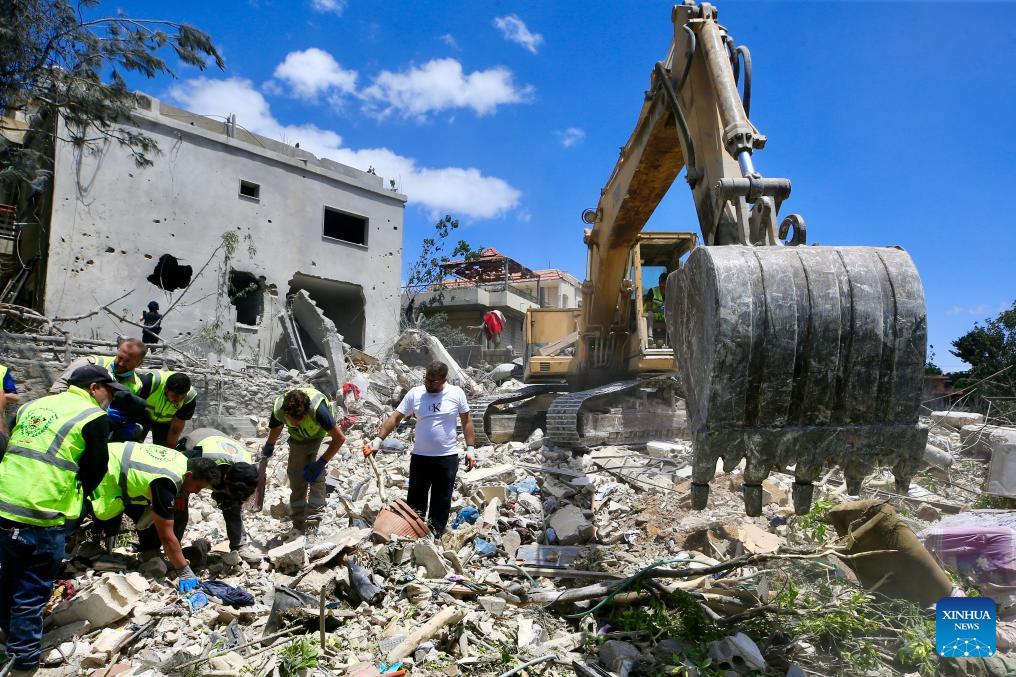
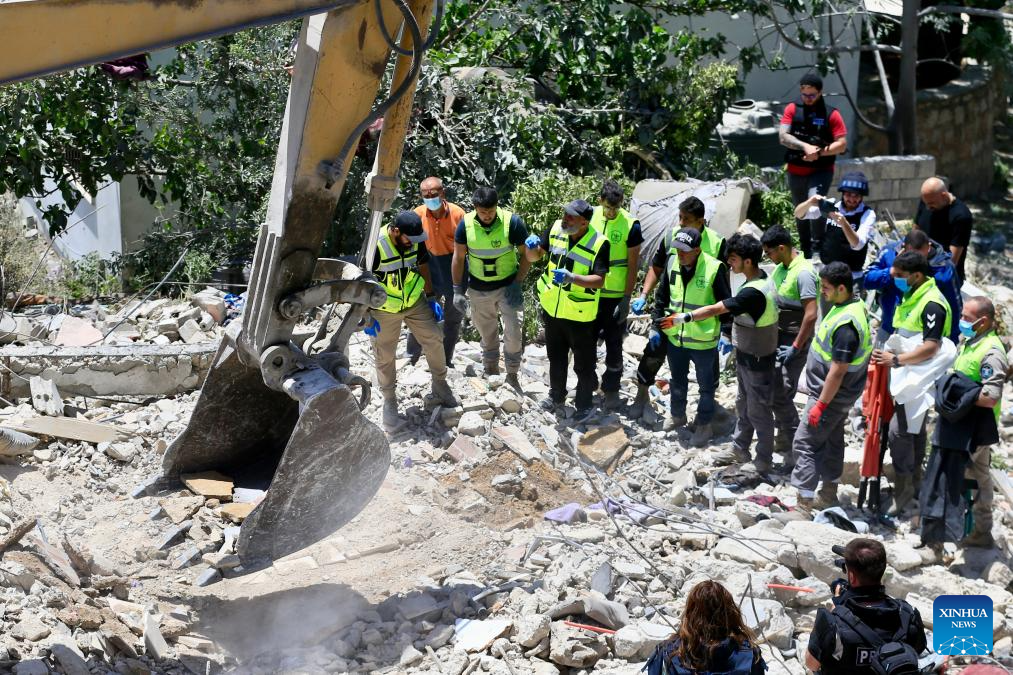
The strikes hit several towns in the South and Nabatieh governorates, targeting residential neighborhoods, areas near a government hospital, and a motorcycle on a road, the NNA said.
The deadliest bombardment struck a town in the Tyre district of South Governorate, near the Israeli border, killing 12 people, including a Syrian national, it reported.
Meanwhile, Hezbollah said its fighters clashed with Israeli forces near the southern Lebanese town of Haddatha and targeted Israeli troop gatherings in southern Lebanon.
Israeli forces also carried out a large demolition operation between the border villages of Blida and Mays al-Jabal, triggering a powerful blast.
Lebanese Prime Minister Nawaf Salam said negotiations remain the only way to end the conflict and stressed that weapons should be under the exclusive control of state forces.
Lebanon’s Health Ministry said Israeli attacks since March 2 have killed 3,073 people and wounded 9,362 others.
A ceasefire between Israel and Lebanon took effect in April and has been extended several times, but both sides have continued exchanging attacks.
Speaking Wednesday at the World Health Assembly in Geneva, Lebanese Health Minister Rakan Nasreddine said ongoing Israeli attacks had severely damaged Lebanon’s health sector.
He said 116 healthcare workers had been killed, 16 hospitals damaged, 147 ambulances attacked, and 45 healthcare centers forced to close since March 2.
Rescuers search through the rubble for three people reported missing at the scene of an Israeli airstrike in Deir Qanoun En Nahr, near the southern Lebanese city of Tyre, on May 20, 2026. Israeli airstrikes across southern Lebanon overnight into Wednesday killed at least 29 people, including women and children, and wounded dozens more, according to the state-run National News Agency (NNA). (Photo by Ali Hashisho/Xinhua)
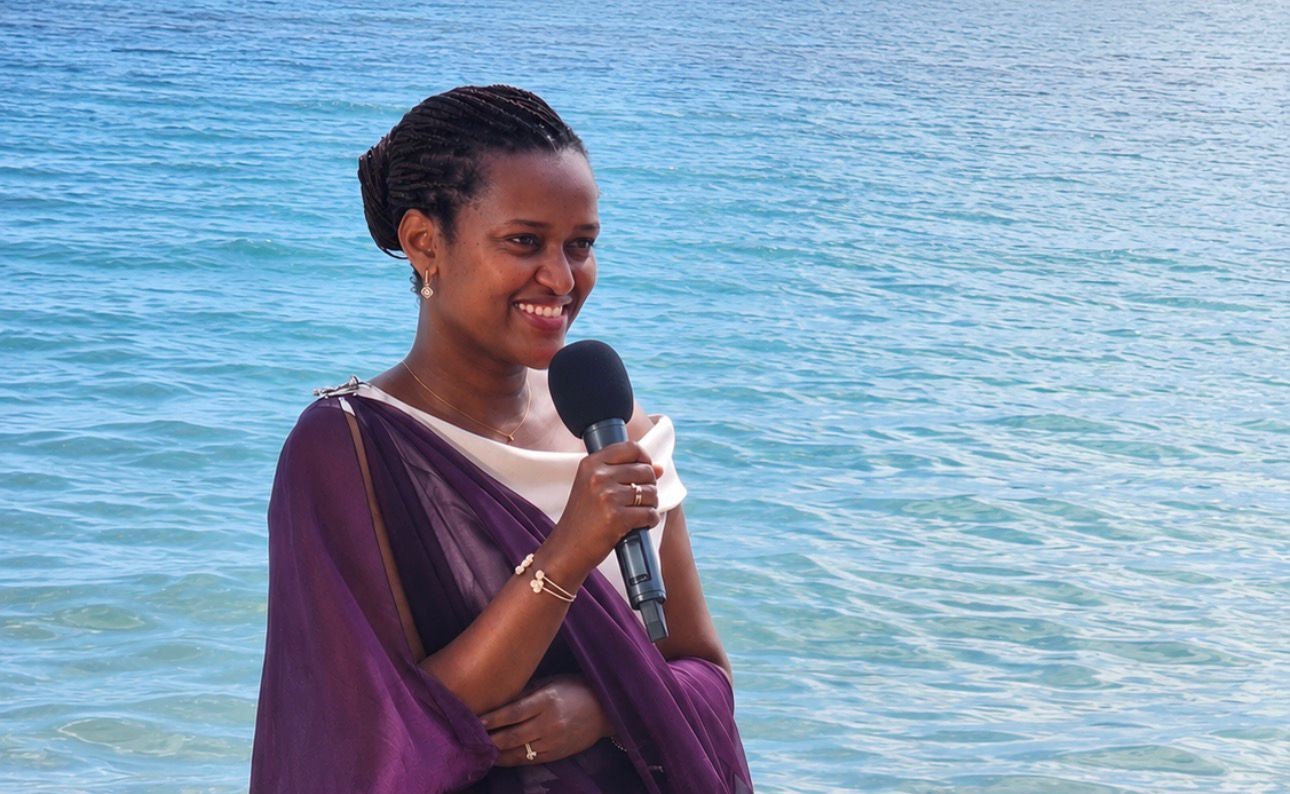
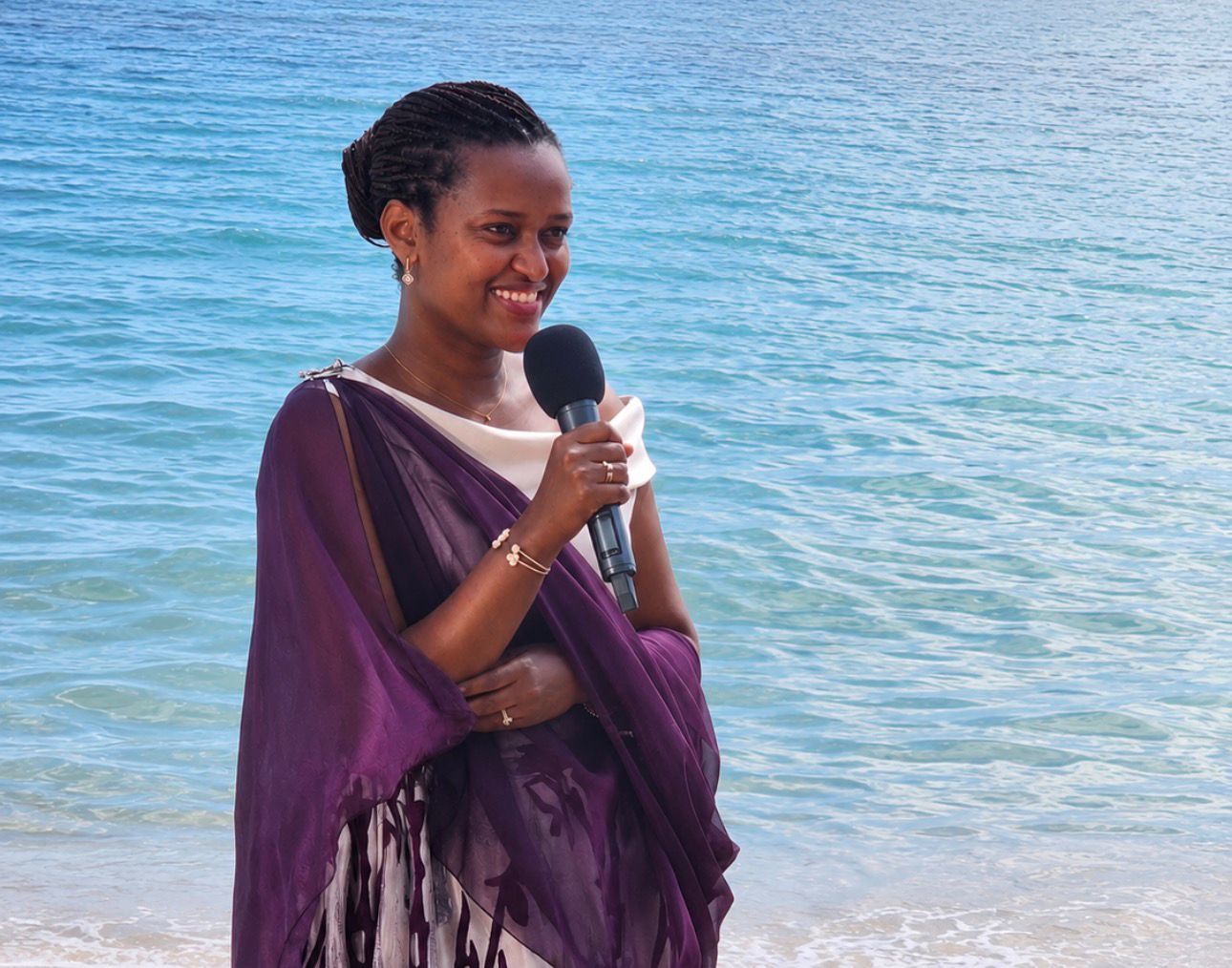
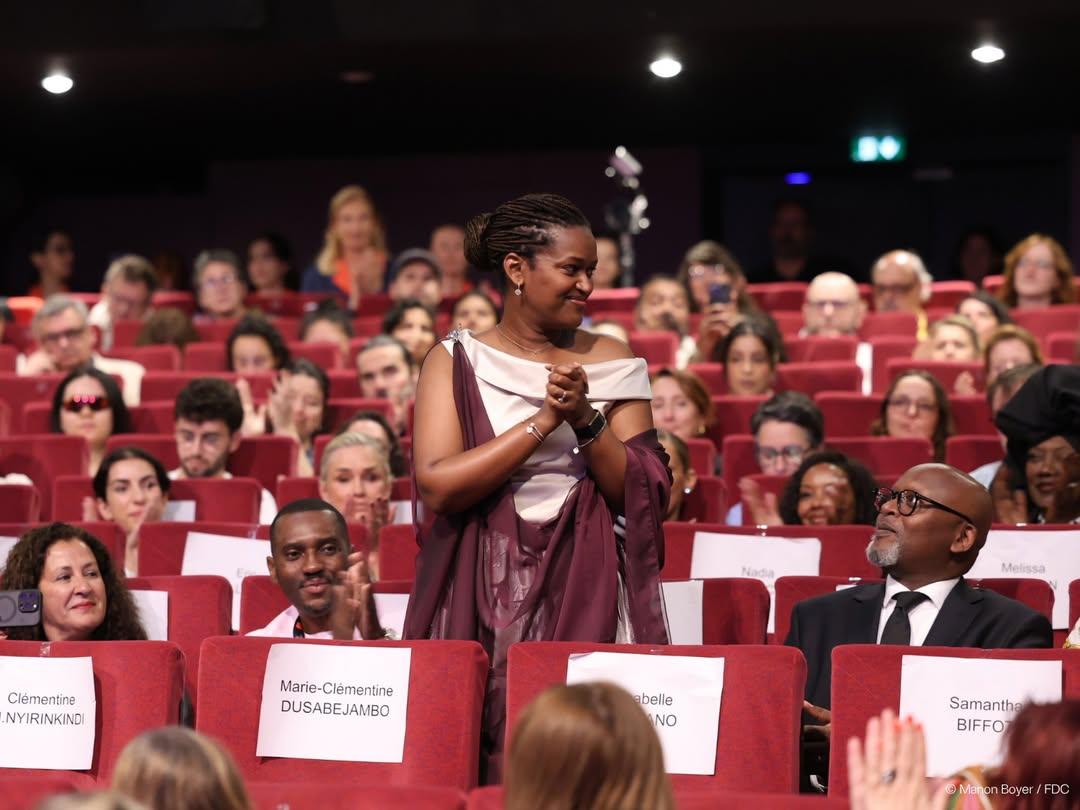
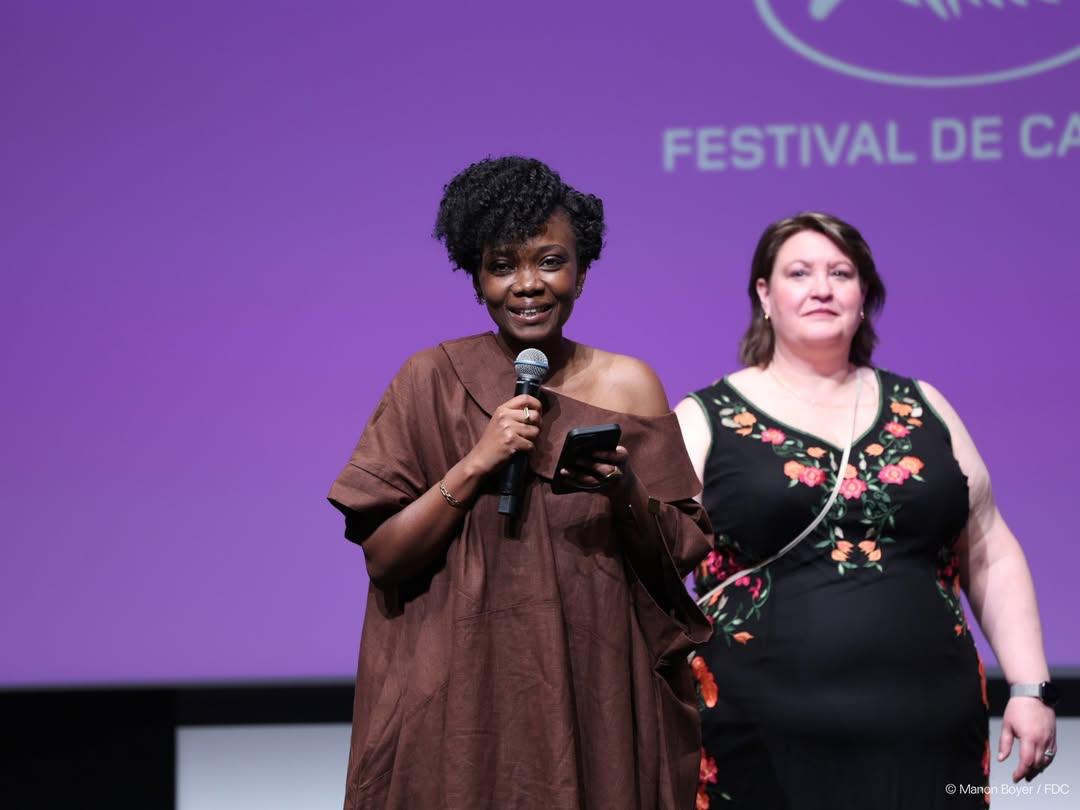
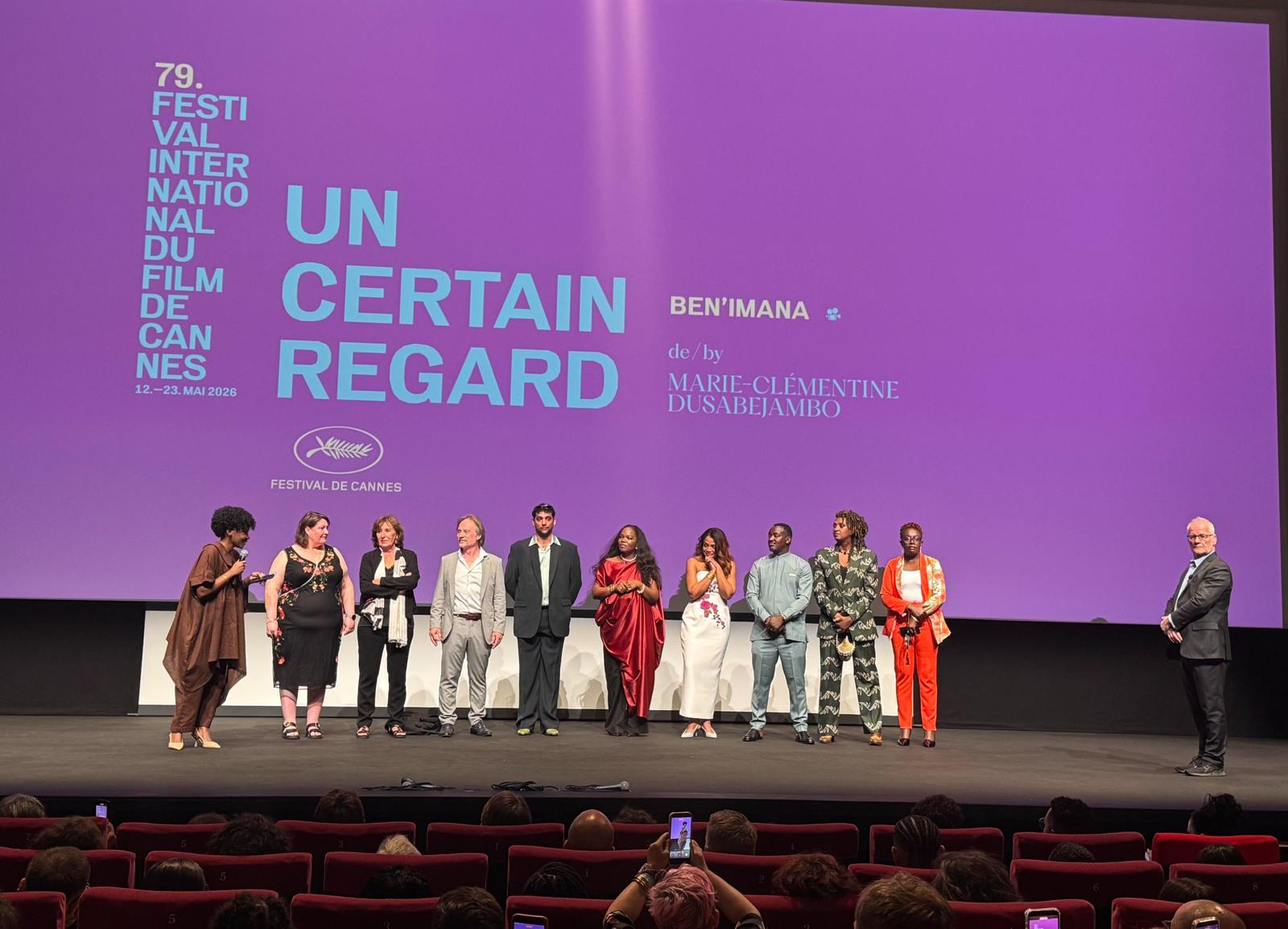
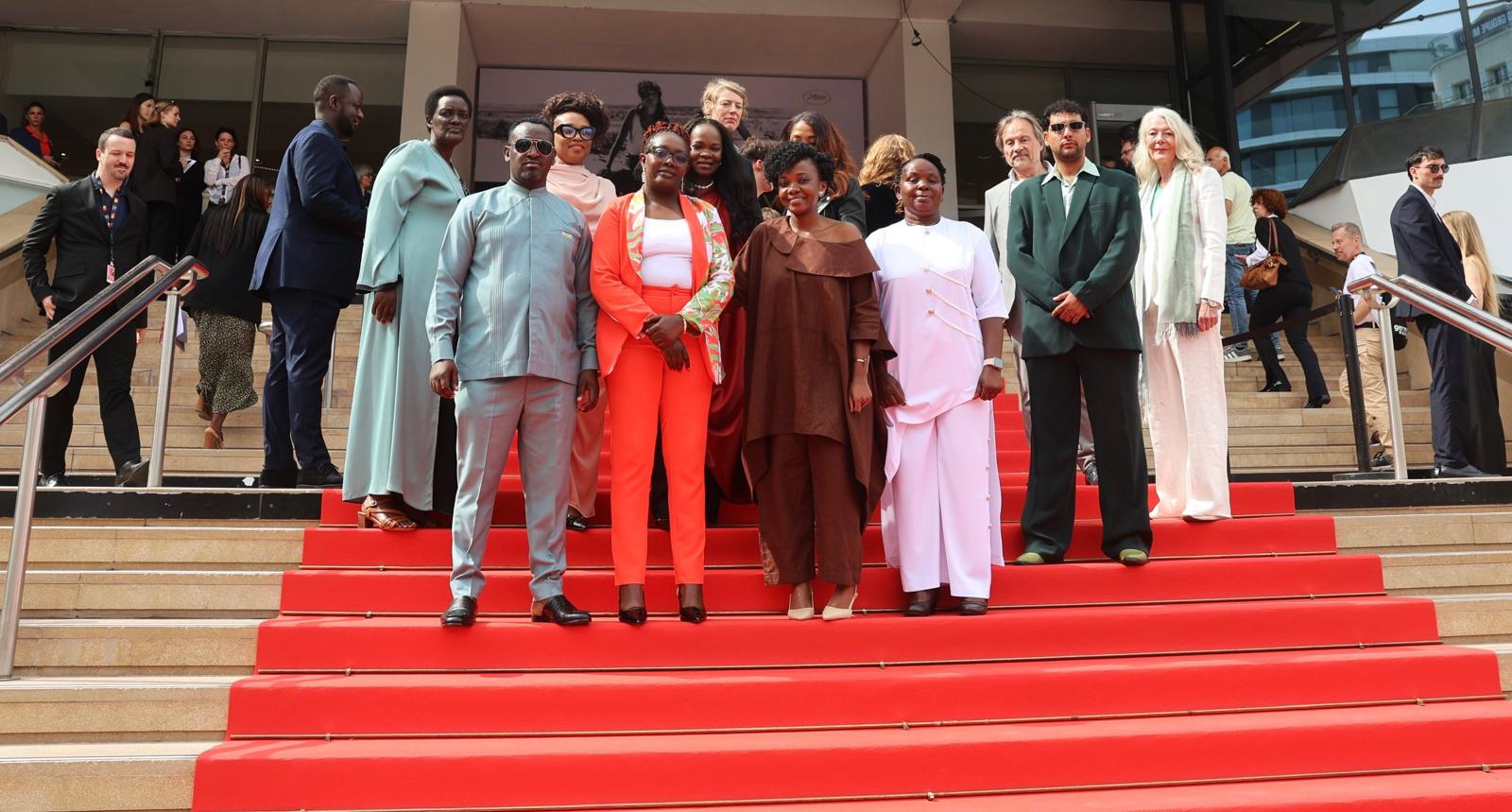
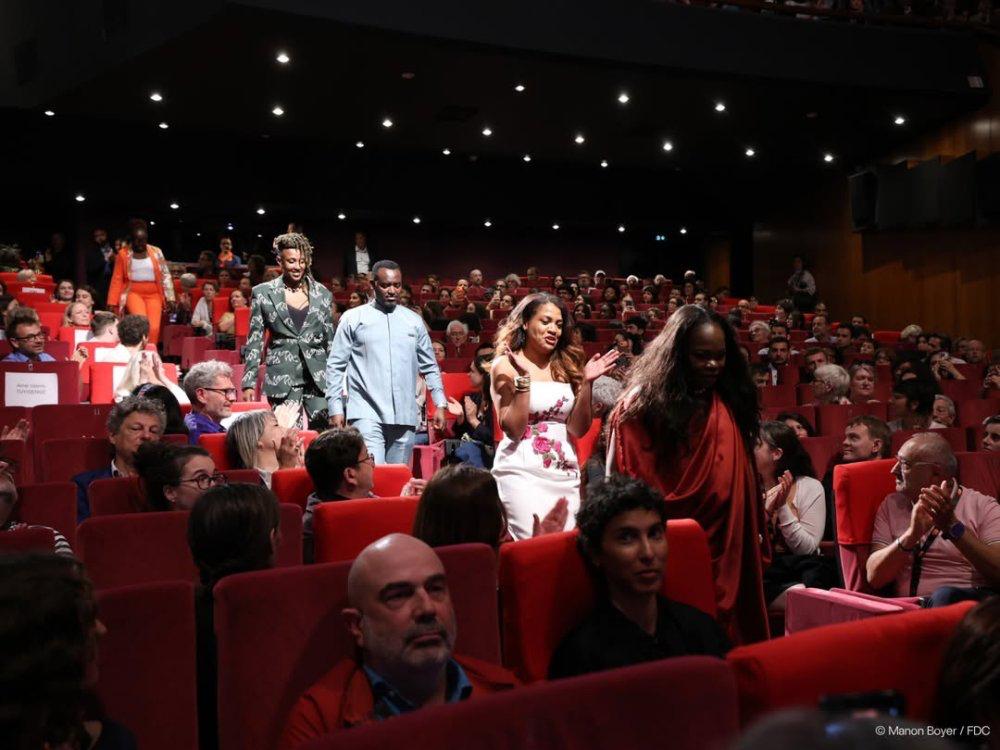
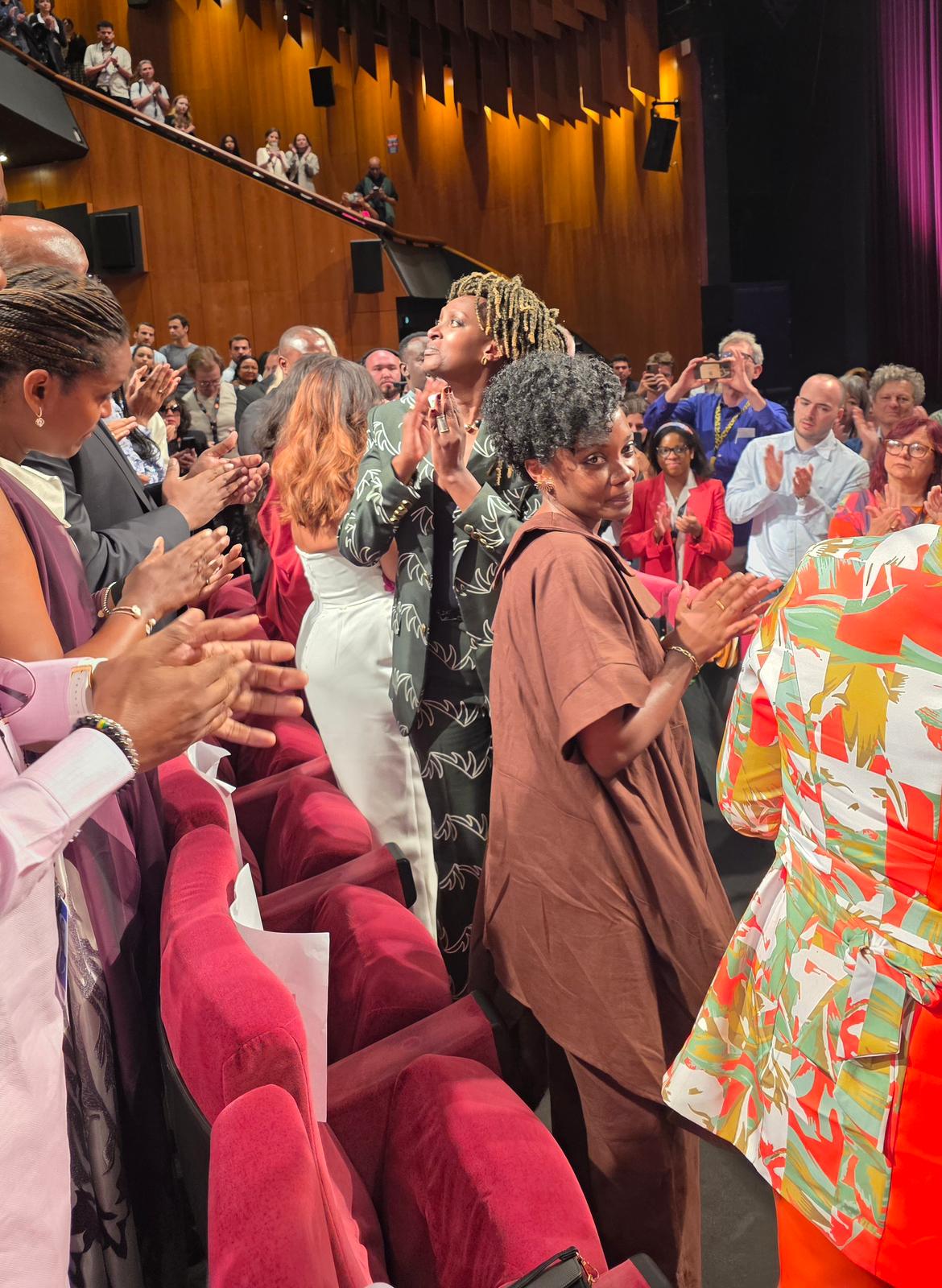
Speaking to IGIHE, the minister reflected on the screening, which took place in a theater hosting more than 1,200 people, including prominent figures from the worlds of cinema, fashion, music, as well as passionate film enthusiasts attending the festival.
According to her, the audience gave the film a long standing ovation at the end of the screening.
“We received applause that lasted nearly ten minutes,” she said, emphasizing that viewers were particularly touched by the beauty of the cinematography and the delicate way director Marie-Clémentine Dusabejambo brought the story to the big screen.
Umutoni also noted that the film is the result of nearly thirteen years of creative work and perseverance.
“This is a film that honors Rwandan mothers and the depth of emotions they continue to carry after the 1994 Genocide against the Tutsi,” she explained.
The minister also highlighted the pan-African dimension of the project. Ben’Imana is a Rwandan-Gabonese co-production directed by Marie-Clémentine Dusabejambo in collaboration with Gabonese filmmaker Samantha Biffot, with support from France and Norway.
For Umutoni, this collaboration demonstrates how partnerships between African countries can enable African cinema to reach the highest international platforms.
She further stated that reactions from critics, organizers and the international press have been overwhelmingly positive, with several observers predicting a strong international journey for the film.
The film explores themes of reconciliation, forgiveness, resilience and rebuilding after the 1994 Genocide against the Tutsi.
“When you remain authentic and faithful to your culture, you can go very far,” the minister said, adding that Ben’Imana will also open doors for a new generation of African filmmakers.
According to her, several international producers and distributors have already expressed interest in screening the film in different countries around the world.
Minister Sandrine Umutoni has noted that Ben’Imana film is the result of nearly thirteen years of creative work and perseverance.Minister Umutoni Sandrine explained that the film pays tribute to Rwandan mothers and to the depth of the emotions they continue to carry after the 1994 Genocide against the Tutsi. The film Ben’Imana was directed by Marie‑Clémentine DusabejamboThe first screening of the film Ben’Imana at the Festival de Cannes.
The BAL Playoffs are scheduled to run from May 22 to May 31, 2026, in Kigali, with Bien officially confirmed as one of the headline halftime performers during the tournament.
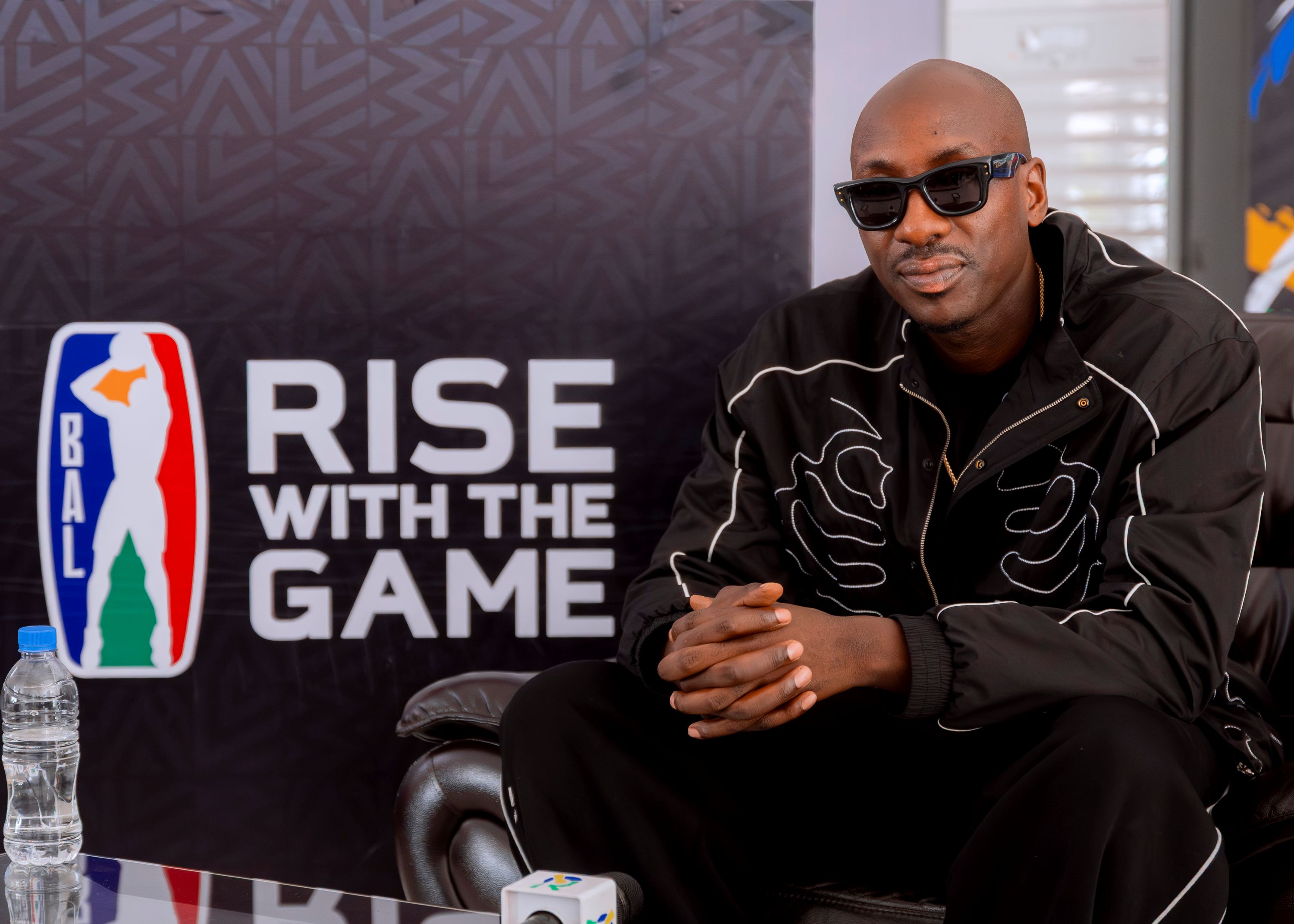
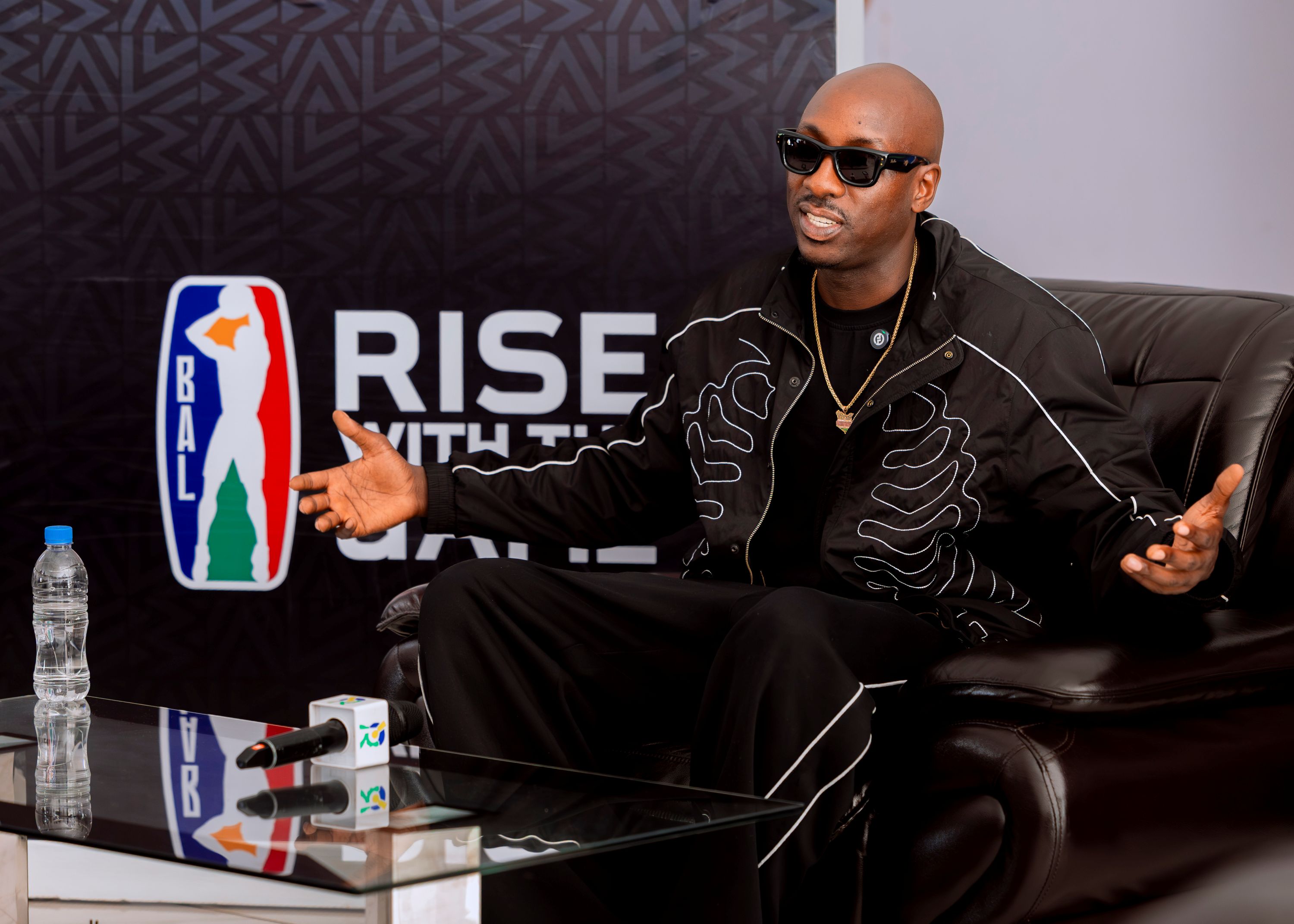
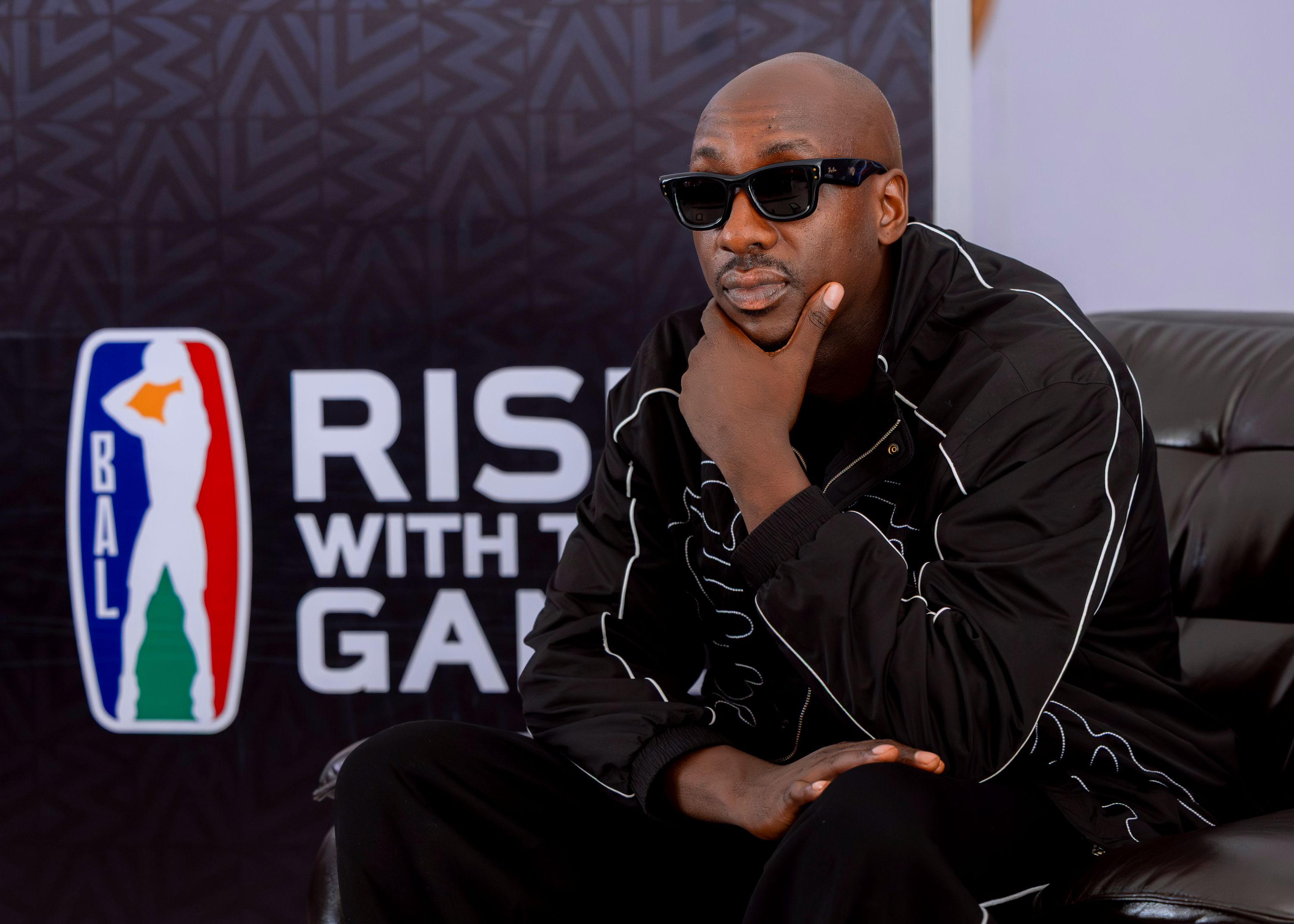
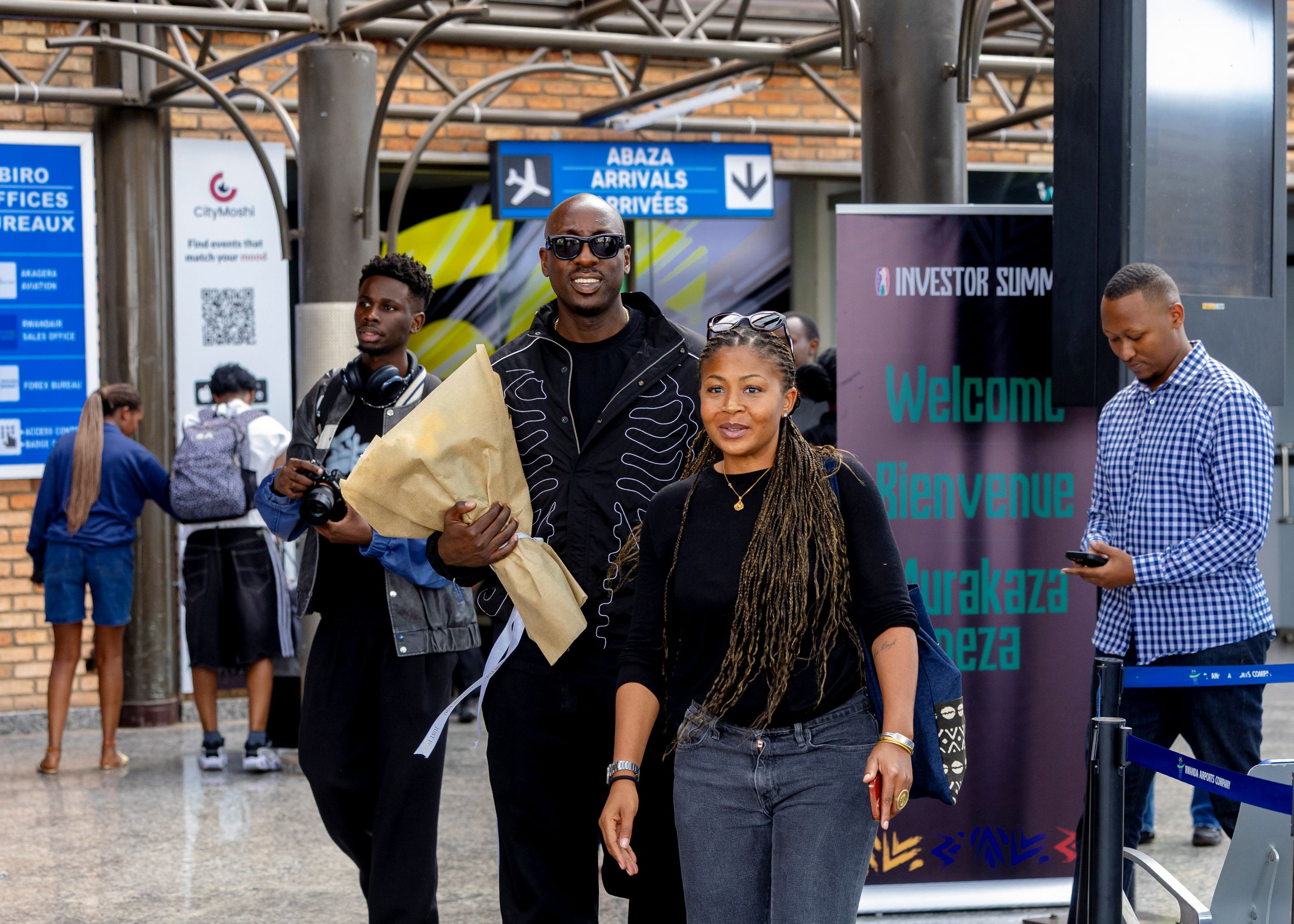
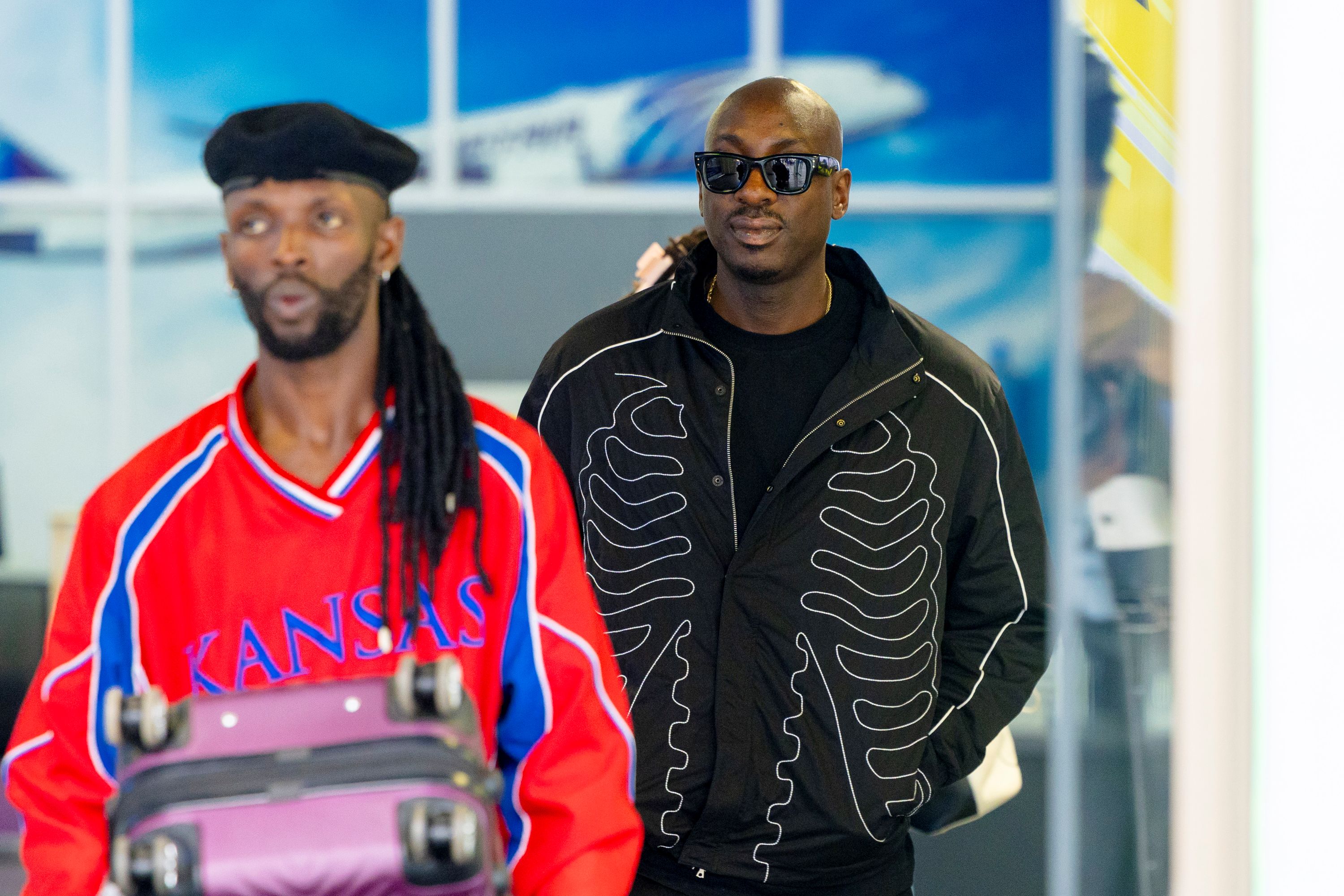
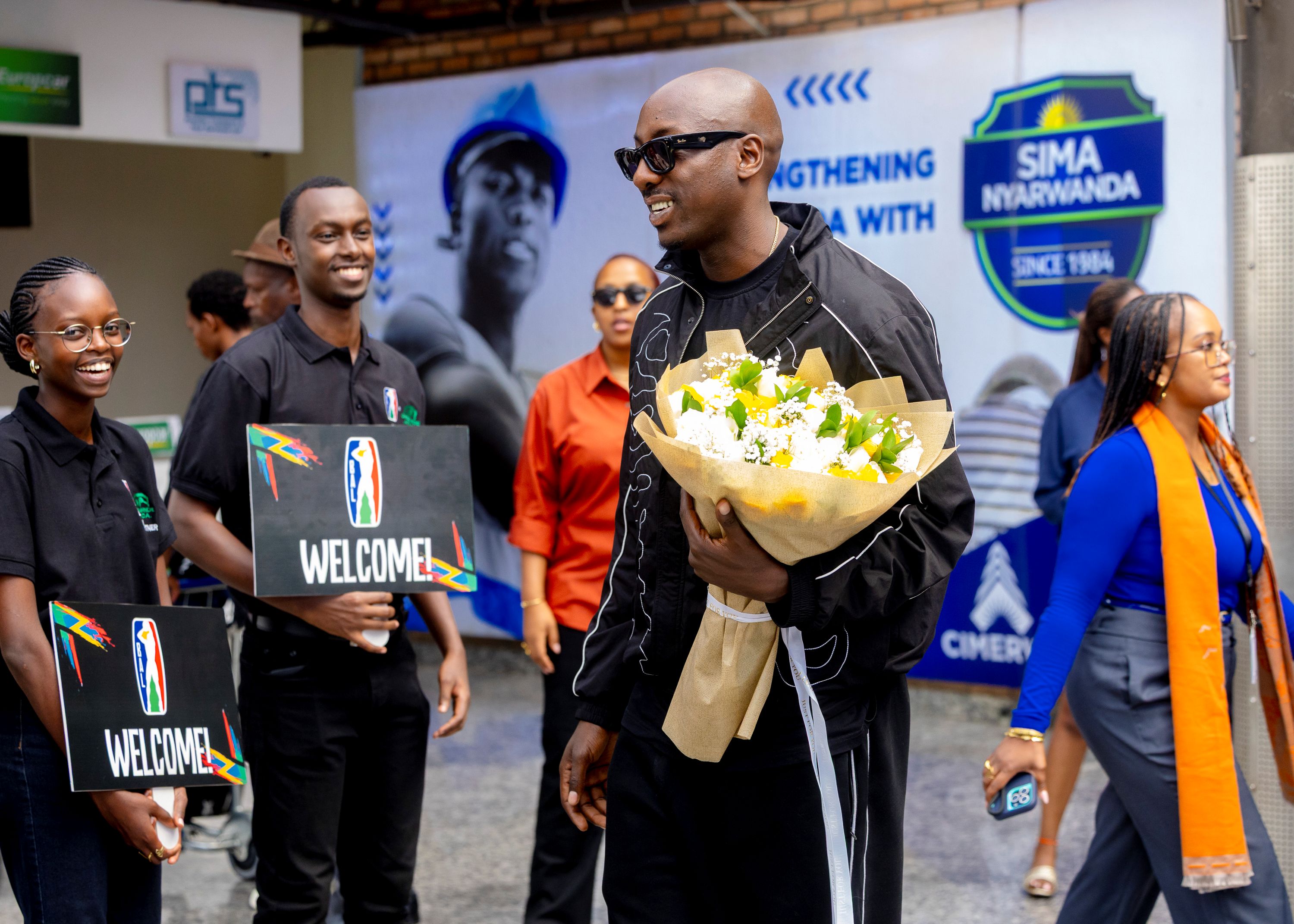
Speaking to the media shortly after landing at Kigali International Airport on Wednesday, May 20, Bien expressed excitement about returning to Rwanda, praising Kigali’s beauty, the country’s peaceful atmosphere, and the growing influence of East African music and sports culture.
Bien expressed excitement about returning to Rwanda.
“I love basketball”
The former member of the popular Sauti Sol boy band, which announced an indefinite hiatus in 2023, said his connection to the BAL goes beyond music, revealing that basketball has been part of his life since childhood.
“I’m sure I’m going to enjoy the games,” Bien said. “I was in Johannesburg a couple of weeks ago, and I really enjoyed the games, especially watching the Rwanda team. They really brought a good game.”
The singer added that basketball remains one of his greatest passions.
“I don’t know if there’s an African artist who has played basketball more than me because I grew up playing basketball. That’s my sport. So I love it and I can’t wait to see what the games have in store for us.”
The singer said basketball remains one of his greatest passions.
Meeting President Kagame
Bien also reflected on his meeting with Paul Kagame during the 2026 NBA All-Star Weekend in Los Angeles earlier this year, describing the Rwandan leader as one of Africa’s strongest champions for sports development.
“Every time I meet President Kagame, it’s very special to me because I look up to him as a leader and a father figure,” he said.
According to Bien, their discussions centered around the future of basketball in Africa and opportunities for young African athletes.
“We spoke about young basketball players and talented sportsmen and women looking to take their gifts to the next level. It was a beautiful moment.”
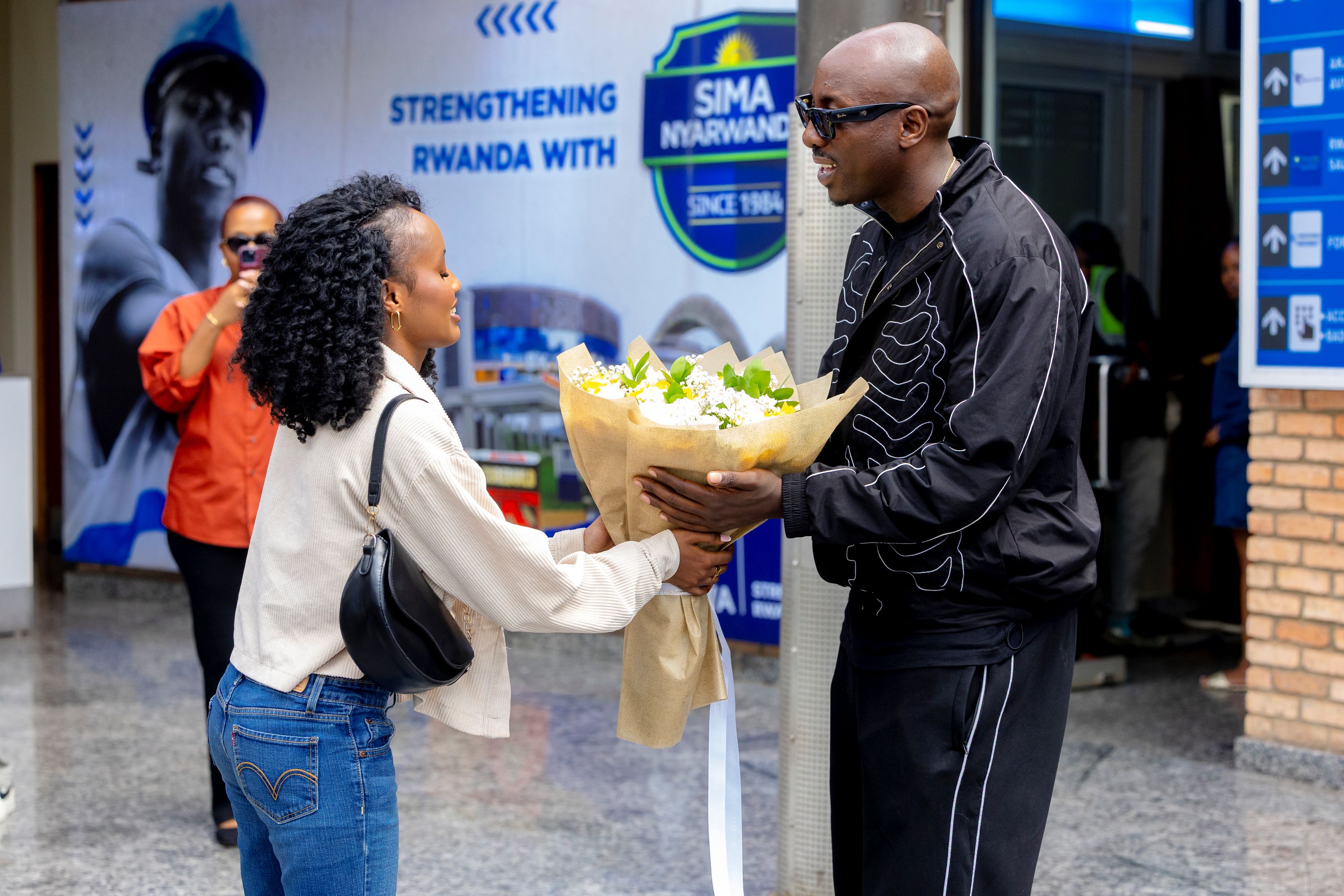
The singer was warmly received at the airport by the Rwandan organisers. He praised the calm and welcoming nature of Rwandans.
“Kigali is what Africa should look like”
One of the strongest moments from Bien’s interaction with journalists came when he explained why Rwanda continues to draw him back year after year.
“The food, man,” he revealed. “I just want to come eat Rwandese food, eat sombe with goat meat inside.”
But beyond the cuisine, the artist said Kigali represents a vision of what modern African cities can become, following the city’s innovation and development over the past three decades since the Genocide against the Tutsi.
Kigali is widely recognised for its clean and well-organised urban planning, efficient public services, strong emphasis on safety and order, and relatively smooth traffic management.
The city has also built a reputation for environmental cleanliness, supported by innovative sanitation policies and community-driven cleanliness efforts, alongside a growing reputation as a regional hub for conferences, technology, and creative industries.
“I come to Rwanda to see what Africa should look like,” Bien said. “For a long time, whenever people talk about model cities, they mention Geneva and Switzerland and all these places. I’m always telling people there’s Kigali.”
He also praised the calm and welcoming nature of Rwandans.
“The people are peaceful. They’re amazing,” he added.
One of the strongest moments from Bien’s interaction with journalists came when he explained why Rwanda continues to draw him back year after year.
BAL showcases East African talent
Bien hailed the BAL for assembling a predominantly East African entertainment lineup for this year’s playoffs, like Ugandan sensation Joshua Baraka and Tanzania’s Abigail Chams, saying the moment reflects the growing global recognition of East African music.
“For a long time, East African art was made to feel like we weren’t worthy of certain spaces,” he said. “I want to thank the BAL for proving to everybody that East Africa has heavy-hitting music.”
The artist also expressed excitement about sharing the stage with fellow regional stars, while revealing disappointment that Rwandan producer Mugisha Fred Robinson, better known as Element Eleéeh, would not be available for a planned joint performance due to commitments in the United States.
Arsenal, “Finale,” and a champion mindset
An outspoken supporter of Arsenal F.C., Bien also opened up about his hit collaboration “Finale” with Tanzanian superstar Alikiba and the inspiration behind the song.
According to Bien, the track was written with the intention of putting listeners into a “champion mindset.”
“I wanted to make a song that prepares people as if they’re preparing for a final,” he explained. “Whether you’re going to work, going to the gym, or preparing for life, every day could be your final.”
The singer laughed while recalling how he and his wife decided to feature Arsenal supporters in the song’s music video long before the club’s recent success, which saw the club lift the English Premier League title after 22 years on Tuesday.
“Deep down, I knew this was going to be our season,” he joked, adding, “And I hate to say I’m a prophet, but you can see what’s happening now.”
Praise for Rwandan artists
Bien reserved special praise for Rwanda’s music industry, calling local musicians some of the most talented in East Africa.
He singled out Bruce Melodie as “the most talented vocalist in East Africa,” while also applauding producer Element Eleéeh for capturing “the soul of East Africa” through his sound.
The singer further revealed he has several unreleased collaborations with Mike Kayihura and other Rwandan artists, including Kivumbi King.
“I love working with Rwandese musicians,” he said. “They are beautiful people and very musical.”
The BAL Playoffs are scheduled to run from May 22 to May 31, 2026, in Kigali, with Bien officially confirmed as one of the headline halftime performers during the tournament.
Hinting at a solo Kigali concert
Although he has previously performed in Kigali alongside Sauti Sol, Bien admitted he has yet to stage a major solo concert in Rwanda under his own name.
“I would love to come and do a Bien show and invite all my brothers I’ve collaborated with over the years,” he said, hinting at future plans for a standalone Kigali concert.
Sports, music and Africa’s future
Beyond entertainment, Bien spoke passionately about the economic power of sports and music, saying events such as the BAL can create opportunities for young Africans across the continent.
Reflecting on his experience attending the NBA All-Star Weekend in Los Angeles, he said witnessing the economy built around sports and entertainment inspired him to think more deeply about Africa’s potential.
“Music and sport are the two things that unite people the most,” he said.
“These events empower youth and show them that sports can become a viable career path.”
He also argued that East African music is currently enjoying one of its strongest moments yet, with regional artists increasingly dominating charts across Rwanda, Kenya, and Uganda.
“To East Africans, we are now global ambassadors,” Bien said. “All we need to do is keep telling our story and keep making great music.”
As the BAL Playoffs prepare to tip off at BK Arena, Bien says he is ready to deliver both energy and soul to fans in Kigali.
“The show is going to be amazing,” he said. “I’m here with my entire crew and I can’t wait to come and give and share.”
Watch the full video of Bien’s interaction with journalists in Kigali below.
This major international scientific gathering will bring together researchers, forensic pathologists, scientists, investigators, magistrates and forensic experts from around the world to discuss key issues related to forensic sciences, legal medicine and technologies applied to justice.
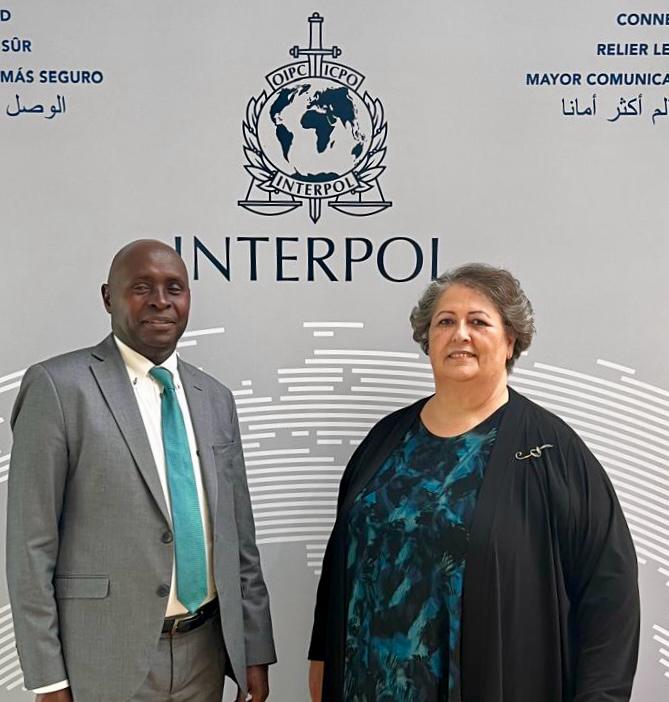
The Rwandan delegation will be represented by the Rwanda Forensic Institute (RFI) in collaboration with the African Forensic Sciences Academy (AFSA), whose continental headquarters has been based in Kigali since 2022.
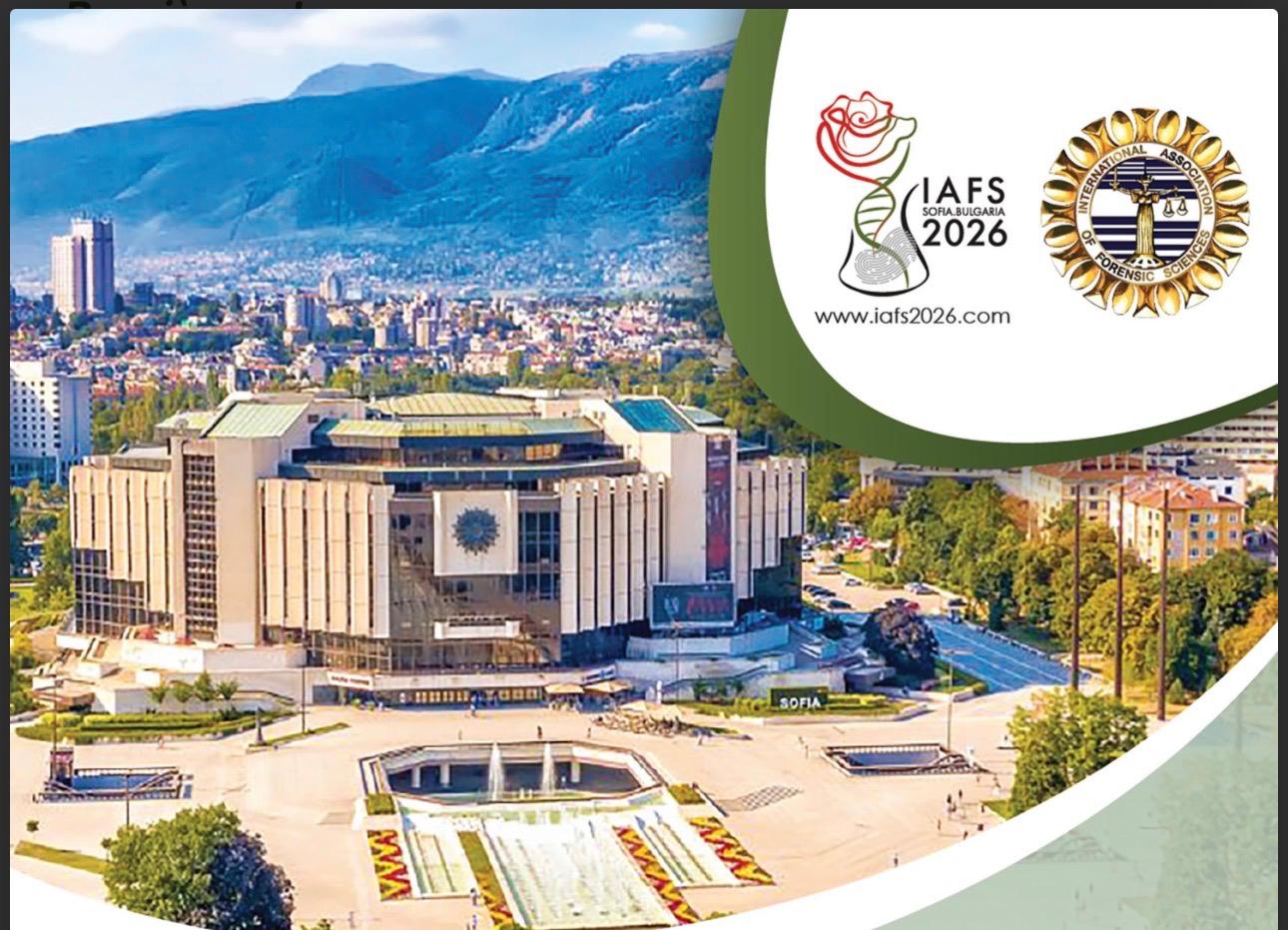
Founded in 1957, the IAFS is today regarded as the world’s leading platform dedicated to forensic sciences. Since its establishment, the conference has been held in Europe, North America, Asia and Oceania, but never on the African continent.
Rwanda’s growing presence in forensic sciences
Over the years, Rwanda has strengthened its participation in major international forensic science conferences. The country has notably taken part in the International Association of Forensic Sciences (IAFS) 2023 conference held in Sydney, Australia, as well as the American Academy of Forensic Sciences (AAFS) 2025 meeting in Baltimore, United States. Rwanda has also participated in the European Academy of Forensic Science (EAFS) 2025 conference held in Dublin, Ireland.
Rwanda continues to highlight the rapid development of its forensic science sector, its modern infrastructure, secure environment and strong experience in hosting international conferences.
Kigali already hosts several African scientific initiatives, including the African Forensic Sciences Academy (AFSA), whose inaugural conference was held in Rwanda in 2024.
Sofia 2026: A strategic meeting for the future
The IAFS 2026 meeting in Sofia will also provide an important opportunity for member countries and partners to discuss the future of forensic sciences, international cooperation and the strengthening of scientific capacities across Africa.
Among the topics to be discussed will also be the selection of the host country for the 2029 edition of the IAFS. Rwanda is among the countries interested in hosting this prestigious international scientific congress in the future.
The official announcement of the country selected to host the 2029 edition is expected on May 29, 2026, in Sofia, Bulgaria.
The Rwanda Forensic Institute is a Rwandan institution specializing in forensic sciences and medico-legal analysis.
It supports criminal investigations through DNA analysis, forensic medicine, victim identification, and other scientific expertise that aids justice and public security.
The institute also contributes to building national capacity by training professionals and strengthening forensic and medico-legal systems in Rwanda.
The meeting will take place in Sofia, Bulgaria.Lt Col (Rtd) Dr Charles Karangwa, Director General of the Rwanda Forensic Institute (RFI), and Dr Antonel Olckers, President of the African Forensic Sciences Academy (AFSA).The IAFS 2026 meeting in Sofia will also provide an important opportunity for member countries and partners to discuss the future of forensic sciences.
During the five-day period, Rwanda exported a total of 10,154 tonnes of agricultural and livestock products to international markets.
Coffee exports accounted for 288 tonnes, generating about Rwf2.1 billion. Tea exports exceeded 1,000 tonnes and earned Rwf4.2 billion, making it one of the top-performing export products during the period.
Vegetable exports reached 316 tonnes, bringing in more than Rwf630 million, while fruits totaled 462 tonnes and earned over Rwf454 million.
Flowers exported during the same period amounted to 14 tonnes and generated about Rwf113 million.
Other agricultural products, including tubers, legumes, cereals and related crops, made up the largest share with 7,795 tonnes exported, earning about Rwf.6 billion.
Livestock and animal products contributed 270 tonnes, bringing in more than Rwf565 million.
Officials said Rwanda’s main export destinations included the United States, the United Arab Emirates, Oman, the United Kingdom, the Netherlands, France, and several countries across Africa.
During the five-day period from May 11 to 15, Rwanda exported a total of 10,154 tonnes of agricultural and livestock products to international markets.
Christie’s sold more than $1.1 billion worth of artworks in a single evening in New York, in a record-breaking auction that saw major paintings and sculptures sell for extremely high prices within hours.
The auction began strongly on Monday, with over $630 million in sales recorded in just 40 minutes. It later closed the night with an additional $490 million, bringing the total to about $1.1 billion.
The sale featured works from the collection of the late media owner S.I. Newhouse, whose art holdings have been auctioned in several stages over the years. His collection included major modern and contemporary artists such as Jackson Pollock, Pablo Picasso and Andy Warhol.
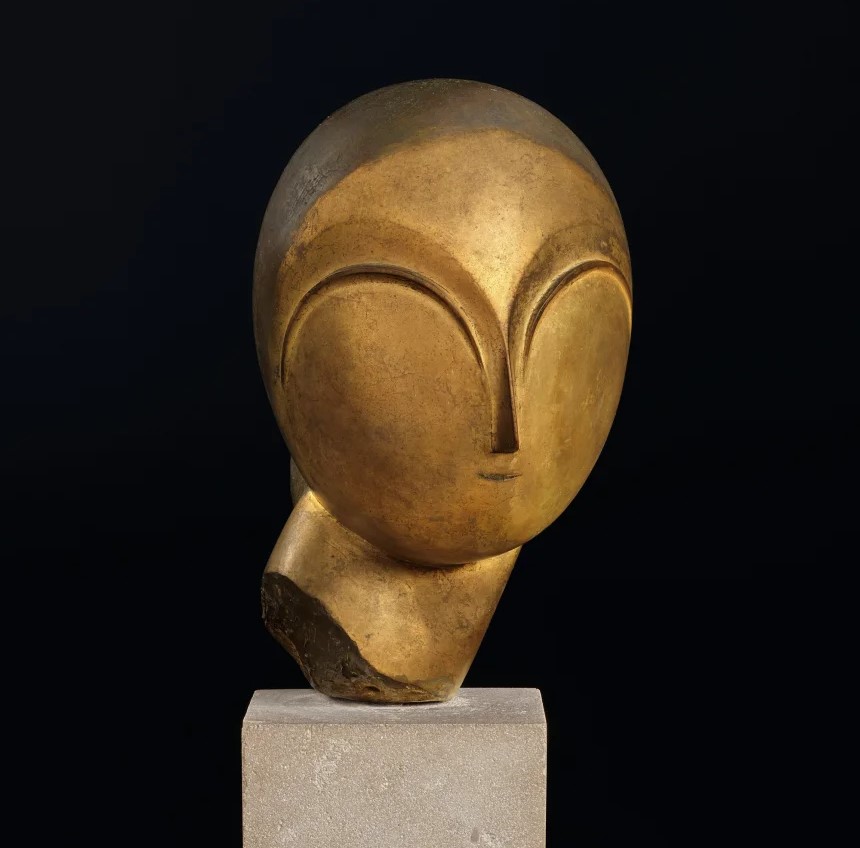
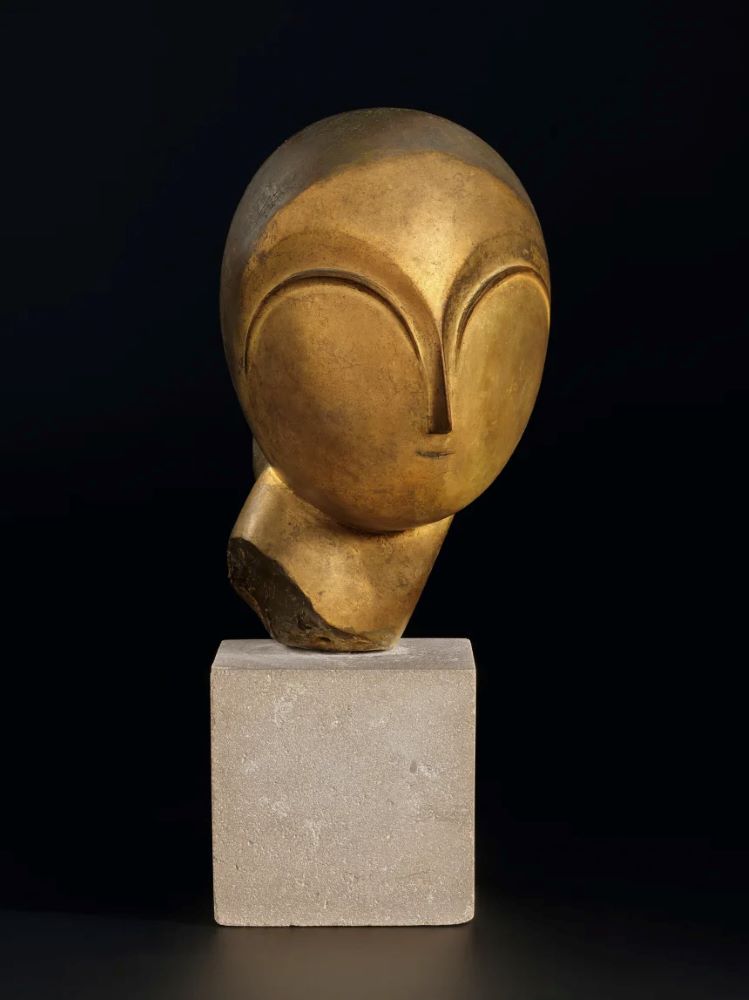
One of the biggest highlights of the night was a painting by Jackson Pollock, which sold for $181.2 million, setting a new record for the artist at auction. Another record was broken by a sculpture from Constantin Brancusi, which sold for $107.6 million.
Ahead of the auction, Christie’s used a promotional campaign featuring Hollywood actress Nicole Kidman, who appeared in a short video highlighting one of the key artworks. The campaign was part of the auction house’s effort to attract global attention to the sale.
The artworks came from a collection once owned by media businessman S.I. Newhouse, who built one of the most valuable private art collections in the world. His works have previously helped set major auction records.
The strong results come as major auction houses, including Christie’s and Sotheby’s, try to recover momentum in the high-end art market by selling rare, high-value collections owned by wealthy individuals.
Experts say the presence of very wealthy buyers continues to drive record-breaking sales, even as the wider global economy faces uncertainty.
Before the auction, thousands of visitors viewed the artworks on display at Christie’s, showing strong public interest in the collection before it returned to private ownership.
“Danaïde” is based on a Greek myth of the daughters of Danaus condemned to carry water in a sieve for eternity. Brancusi’s modernist take was a star lot of the night. Courtesy Christie’s
Her children announced that she died from a heart attack, describing her as a woman who carried the culture and memory of the Colombian people to the world through her music.
Born Sonia Bazanta Vides in 1940 in northern Colombia, Totó grew up in a family of musicians before becoming known internationally for performing traditional Colombian styles such as cumbia and porro.
Her music drew heavily from African roots found along Colombia’s Caribbean coast, mixing rhythms and traditions passed down through generations. She became known for preserving musical styles such as chandé, mapalé, bullerengue and fandango while introducing them to global audiences.
Totó began performing with her band in the late 1960s and later gained international recognition through collaborations with artists and producers including Peter Gabriel. Her songs were later sampled by major international artists including Jay-Z, 50 Cent and Major Lazer.
She spent part of her life in exile in France after being blacklisted in Colombia because of her political views.
Over the years, Totó received several international honors, including a Lifetime Achievement Award at the Latin Grammys in 2013.
She often described traditional music as something living and evolving, saying it helped people preserve identity and dignity.
Totó received several international honors, including a Lifetime Achievement Award at the Latin Grammys in 2013.
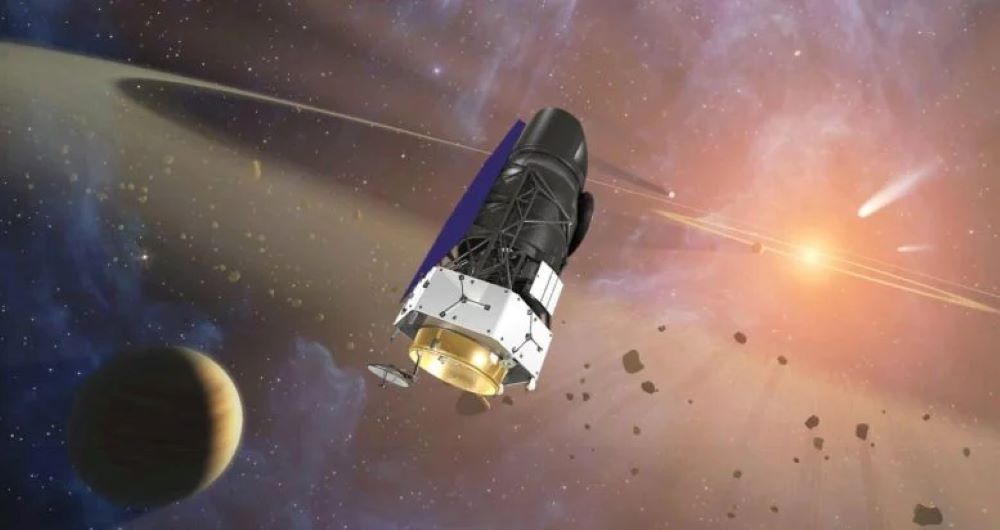
The telescope is expected to help scientists search for distant planets, study dark matter and dark energy, and explore parts of the universe that remain poorly understood.
NASA had previously planned to launch the mission no later than May 2027, but officials now say development is progressing faster than expected.
NASA Administrator Jared Isaacman described the project as an example of successful cooperation between government institutions and private companies.
The Roman Space Telescope is designed to capture enormous areas of space using high-resolution infrared imaging. Scientists say its technology will allow researchers to study the universe on a much larger scale than before.
During its planned five-year mission, the telescope is expected to collect around 20,000 terabytes of scientific data. Researchers hope to use the information to study nearly 100,000 planets outside the solar system, known as exoplanets, along with hundreds of millions of galaxies and billions of stars.
Scientists also believe the mission could uncover unusual cosmic events and objects never previously observed.
NASA plans to launch the telescope aboard a SpaceX Falcon Heavy rocket from the Kennedy Space Center in Florida.
The mission is being managed by NASA’s Goddard Space Flight Center with support from several research institutions, including the Jet Propulsion Laboratory and the Space Telescope Science Institute.
Experts say the telescope could provide major new insights into how the universe formed and evolved over billions of years.
NASA’s Roman Space Telescope could launch in 2026 and dramatically expand humanity’s view of the universe. The mission will scan billions of stars and galaxies while searching for hidden planets and mysterious cosmic phenomena. Credit: NASA
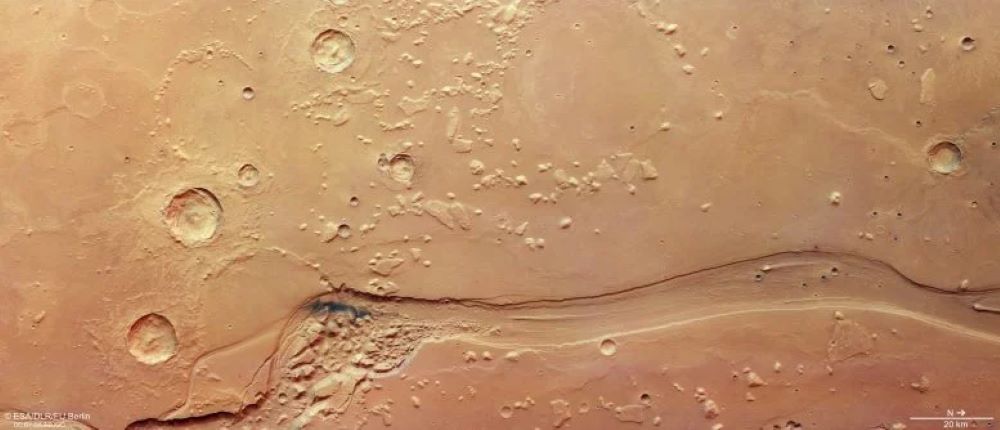
The images were captured by the Mars Express spacecraft, which has been studying Mars since 2003. They focus on Shalbatana Vallis, a huge valley near the Martian equator stretching about 1,300 kilometers, roughly the length of Italy.
Scientists believe the valley formed around 3.5 billion years ago when large amounts of underground water suddenly burst through the planet’s surface. The powerful floods are thought to have carved deep channels as water rushed across the landscape.
Parts of the valley are around 10 kilometers wide and up to 500 meters deep. Researchers say the channel may once have been even deeper before sediments and dust partially filled it over time.
The area also contains signs of volcanic activity, impact craters and collapsed rocky terrain. Dark patches seen in some images are believed to be volcanic ash later spread by Martian winds.
Shalbatana Vallis leads toward Chryse Planitia, one of the lowest regions on Mars. Because many large channels end there, some scientists think the area may once have held a huge ocean when Mars was warmer and wetter than it is today.
The images also reveal smooth surfaces likely formed by ancient lava flows, along with hills and ridges shaped over billions of years.
Scientists say the findings continue to provide important clues about the geological history of Mars and the possibility that water once existed in large amounts on the planet.
This image from ESA’s Mars Express shows part of Shalbatana Vallis, a large channel in Mars’s equatorial region. This image comprises data gathered by Mars Express’s High Resolution Stereo Camera (HRSC) on October 22, 2024 (orbit 26265). Credit: ESA/DLR/FU Berlin
The agreement was signed on the sidelines of the World Health Assembly following a meeting between Russia’s Health Minister, Mikhail Murashko, and Rwanda’s Minister of Health, Dr. Sabin Nsanzimana.
The assembly runs from May 18 to 23, 2026.
According to information shared by Rwanda’s Embassy in Russia, the cooperation covers several areas.
These include strengthening healthcare systems, professional development of medical personnel, prevention, diagnosis, treatment and rehabilitation of both communicable and non-communicable diseases, as well as state regulation of medicines and medical devices and medical scientific research.
It also includes protection of maternal and child health, nuclear medicine, and other related fields.
Nuclear medicine is among the advanced medical fields being developed in Rwanda as part of efforts to expand access to modern diagnostic and treatment technologies.
The technology uses imaging tools such as PET and SPECT scans, combined with radioactive tracers, to detect diseases that are often difficult to identify through conventional imaging. It is used in the diagnosis of conditions such as cancer, heart disease and neurological disorders.
In November 2025, Rwanda’s Cabinet approved partnership agreements to introduce nuclear medicine services as part of efforts to strengthen specialized healthcare delivery.
The country has already acquired a PET Scan machine and is preparing to roll out nuclear medicine services using Cyclotron technology, which produces radiotracers used in early disease detection. The services are expected to be operational in 2026.
These services are planned to be based at the Rwanda Military Hospital in Kanombe, which hosts the Rwanda Cancer Centre, with further expansion expected at King Faisal Hospital following its upgrade.
The agreement adds to ongoing cooperation between Rwanda and Russia in the health sector, particularly in training, research, and healthcare system strengthening.
The MoU was signed between Russia’s Health Minister, Mikhail Murashko and Rwanda’s Minister of Health, Dr. Sabin Nsanzimana. The agreement was signed on the sidelines of the World Health Assembly.