The planet, known as TOI-199b, is about the size of Saturn and orbits a star located more than 330 light years from Earth. The findings were published in the Astronomical Journal on May 20 by researchers from Penn State and NASA Jet Propulsion Laboratory.
The James Webb Space Telescope is the world’s most powerful space telescope. Launched in 2021, it was designed to study distant planets, stars and galaxies using advanced infrared technology that can detect heat and light invisible to human eyes.
Scientists said giant planets are usually either extremely cold, like Jupiter and Saturn, or extremely hot planets known as “hot Jupiters” that orbit very close to their stars. However, TOI-199b falls somewhere in between, making it a rare “temperate” giant planet.
Researchers estimate the planet’s temperature at around 175 degrees Fahrenheit. While still too hot for humans, it is much cooler than many giant planets previously discovered.
Using the James Webb telescope, scientists studied the planet’s atmosphere as it passed in front of its star. By analyzing how the starlight changed, they identified gases present in the atmosphere.
According to researcher Aaron Bello-Arufe from NASA’s Jet Propulsion Laboratory, the telescope detected methane, while signs of ammonia and carbon dioxide were also observed.
Scientists say studying planets like TOI-199b could improve understanding of how planets and atmospheres form and evolve, including Earth’s own atmosphere.
Artist’s impression of a gas giant planet orbiting its distant host star. New research, led by astronomers at Penn State and the Jet Propulsion Laboratory, used NASA’s James Webb Space Telescope to analyze the atmosphere of a gas giant planet about the size of Saturn but with Earth-like temperatures and found it to be rich in methane. Credit: NASA/JPL-Caltech
Officials say the success of this plan depends heavily on Rwanda’s long-term ambition to develop nuclear energy capacity of 600 megawatts by 2030 and up to 1.5 gigawatts by 2050, which is expected to provide the stable, high-volume electricity needed to support energy-intensive sectors such as data centers, mining, and advanced manufacturing.
Global demand for artificial intelligence, cloud computing, and digital services is rapidly increasing, placing unprecedented pressure on electricity systems worldwide. Experts estimate that by 2030, AI could contribute up to $15 trillion to the global economy, but this growth depends on reliable energy infrastructure.
Data centers, which operate continuously to store and process information, are among the fastest-growing sources of electricity demand. In 2024, global data center consumption reached roughly 415 terawatt-hours and is projected to double by 2030.
Major technology companies including Google, Microsoft, Amazon, and Meta continue to expand infrastructure investments to meet this rising demand.
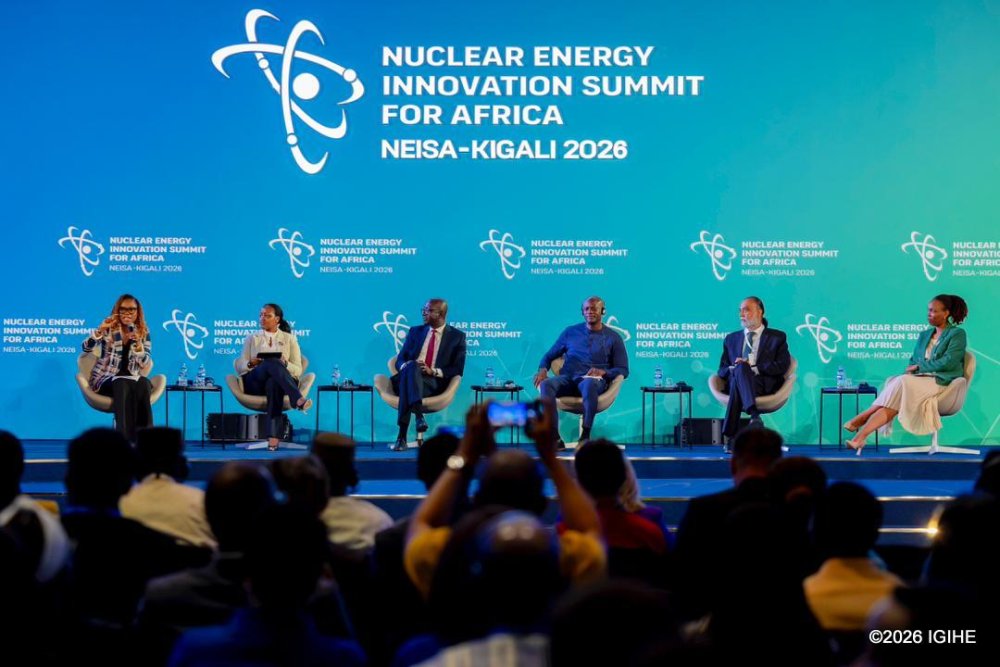
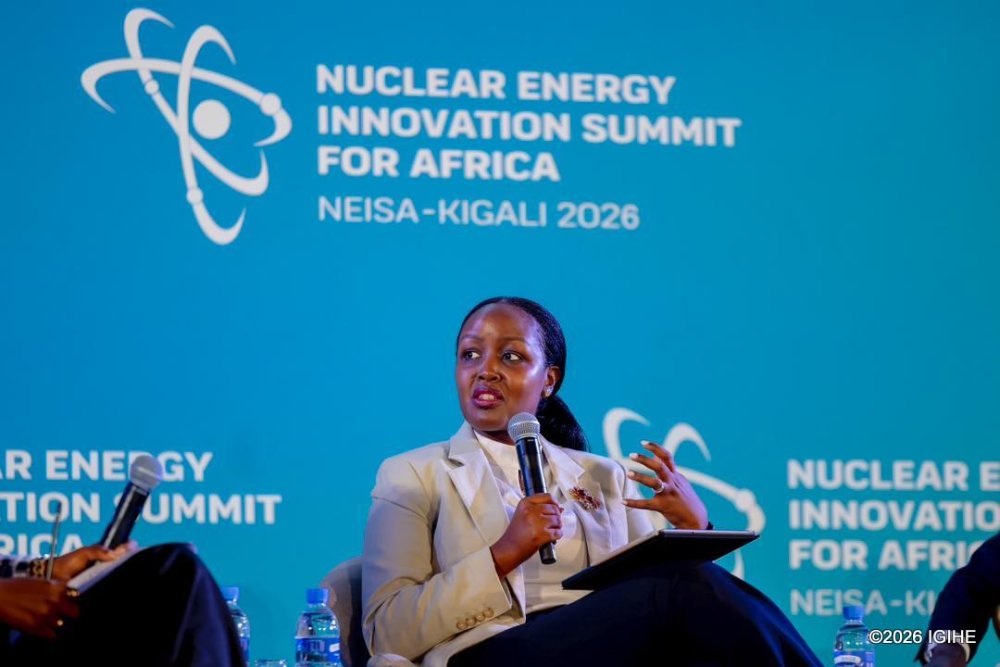
Various officials discussed the importance of nuclear energy in technology and mining operations at the recent Nuclear Energy Innovation Summit on Africa (NEISA) held in Kigali.
Industrial sectors competing for electricity
Beyond digital systems, heavy industries also place significant pressure on electricity supply. Mining and mineral processing operations require continuous and stable power, particularly in processes such as smelting, which can reach temperatures of up to 1,600°C.
Global firms such as Rio Tinto and Alcoa consume large amounts of electricity across their industrial operations, often at scales far beyond the current generation capacity of many developing economies.
Rwanda currently produces electricity in the range of hundreds of megawatts, highlighting a significant gap between existing supply and the requirements of large-scale industrial and digital expansion.
Nuclear energy positioned as long-term solution
Nuclear power is being considered as a key solution to meet this growing demand due to its ability to provide continuous, high-output, low-emission electricity.
Unlike intermittent renewable sources, nuclear plants deliver stable baseload power suitable for industries that cannot afford interruptions, such as data centers and mineral processing facilities.
One kilogram of uranium, for example, can generate energy equivalent to thousands of tons of coal, without producing greenhouse gas emissions during operation.
Senior officials, including Minister of ICT and Innovation Paula Ingabire and Rwanda Mines, Petroleum and Gas Board CEO Alice Uwase, have emphasized that Rwanda’s digital and mining ambitions are closely tied to the availability of stable electricity.
Minister Paula Ingabire said that Rwanda plans to develop a $5 billion data center.
Officials note that nuclear projects require substantial upfront investment and long payback periods, making clear financing models and guaranteed demand essential for viability.
According to Ingabire, nuclear energy becomes more attractive to investors when 60%–70% of generated electricity is secured through long-term contracts with large industrial users rather than reliance on government off-take alone.
Mining and telecommunications expansion driving demand
Rwanda’s mining sector, which employs more than 90,000 people, is increasingly focused on value-added processing of minerals such as gold, coltan, and tin. However, limited electricity supply has constrained further industrial expansion, forcing some operations to rely on costly backup generators.
At the same time, telecommunications infrastructure is expanding rapidly. By the end of 2025, Rwanda had deployed 1,781 mobile network towers and nearly 25,000 kilometers of fiber-optic infrastructure.
Government projections indicate that more than 2,500 towers will be required to achieve full national coverage, further increasing electricity demand across the sector.
The CEO of the Rwanda Mines, Petroleum and Gas Board, Alice Uwase, noted that several large-scale mining projects require nuclear energy to sustain continued operations.
Officials argue that combining reliable nuclear energy with large-scale data infrastructure could position Rwanda as a regional hub for digital services. Even a 5-megawatt data center requires tens of millions of kilowatt-hours annually, highlighting the scale of energy required to support the sector.
Global technology firms such as Amazon, Google, and others continue to prioritize locations with stable, clean, and uninterrupted electricity supply, factors Rwanda aims to strengthen through its long-term energy strategy.
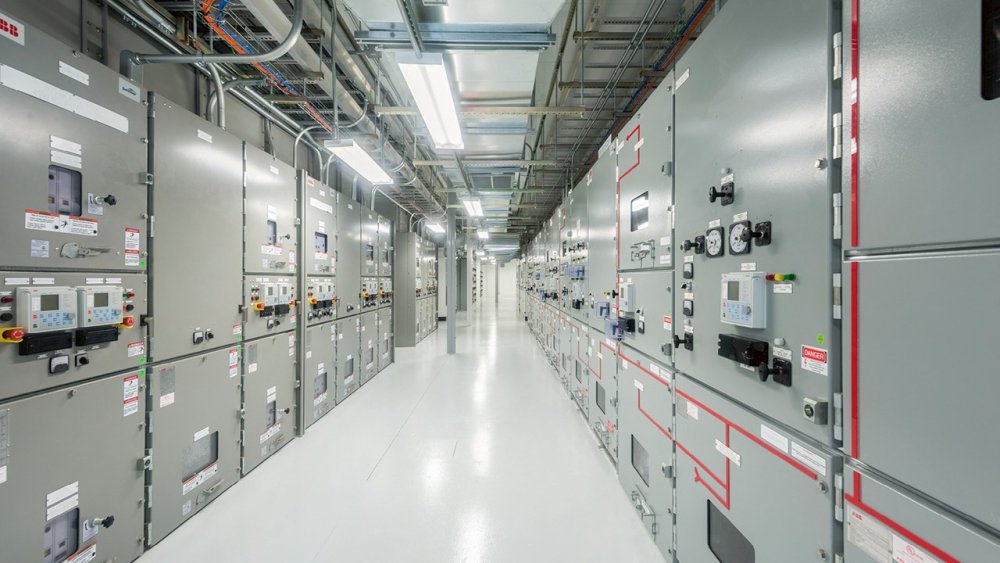
Data centers are among the most electricity-intensive infrastructure systems.
The findings were published in the journal Aging-US by researchers David Gems, Alexander Carver and Yuan Zhao.
According to the scientists, the first stage begins earlier in life when the body experiences damage from infections, injuries or genetic changes.
Although the body repairs much of this damage, some hidden problems may remain for years without causing illness.
The second stage happens as people grow older and the body gradually becomes weaker. Researchers say this makes it harder for the body to control earlier damage, allowing diseases to slowly develop.
The scientists believe this may explain why some illnesses appear mainly in old age even though their causes may have started decades earlier.
For example, viruses that stay inactive in the body for years can become active again when the immune system weakens, leading to diseases such as shingles. Injuries suffered during youth may also later contribute to arthritis as body tissues age and lose strength.
The review also suggests that some inherited genetic mutations may remain harmless for many years before increasing the risk of diseases like cancer later in life.
Researchers say the new model could help doctors and scientists find better ways to prevent chronic diseases by reducing damage earlier in life and improving health during aging.
The study presents aging as a complex process caused by many factors working together over time.
Researchers are offering a new way to understand why aging is so closely connected to chronic illness. AI generated photo
The comet, officially named C/2025 K1 (ATLAS), was not the original object researchers intended to observe. According to researchers from Auburn University, technical challenges forced them to switch to another target, only for the comet to suddenly split during observation.
A comet is a giant icy object made of frozen gases, dust and rock that travels through space. Scientists consider comets to be ancient remains from the birth of the solar system billions of years ago. When they move close to the Sun, heat causes their ice to melt, creating bright glowing tails visible from Earth.
Research professor John Noonan said the team only realized what had happened after reviewing Hubble’s images the next day. Instead of seeing one comet, they found four separate pieces.
The researchers explained that the comet likely broke apart after passing very close to the Sun, where extreme heat and pressure weaken such icy bodies. Before splitting, the comet was estimated to be about eight kilometers wide.
According to the scientists, the breakup may help reveal ancient material hidden inside the comet for billions of years, giving researchers a better understanding of how the solar system formed.
The study also revealed another mystery. Scientists expected the comet to brighten immediately after splitting, but the increase in brightness happened more slowly than expected.
The comet fragments are now drifting farther away from Earth and are unlikely to ever return to the solar system.
This diagram shows the path the long-period comet C/2025 K1 (ATLAS), or K1 for short, took as it swung past the Sun and began its journey out of the Solar System. On November 10, 2025, Hubble captured the inset image of the fragmenting comet. Hubble took this image just a month after K1’s closest approach to the Sun, called perihelion. During perihelion, a comet experiences its most intense heating and maximum stress. Just past perihelion is when some long-period comets like K1 tend to fall apart. K1’s perihelion was inside Mercury’s orbit, about one-third the distance of the Earth from the Sun. This is the first time Hubble has witnessed a comet so early in the process of breaking up. Credit: NASA, ESA, R. Crawford (STScI)
At the ongoing third edition of Biashara Afrika in Togo, an annual pan-African business and investment forum organized by the AfCFTA Secretariat, participants stressed that without a strong common protocol, unfair practices such as market abuse, unfair trade practices, cartels, and monopolies would undermine the goal of the AfCFTA.
Speaking at a high-level conference on competition policy and law held on the sidelines of the event on Tuesday, Simeon Koffi, director-general of the Economic Community of West African States (ECOWAS) Regional Competition Authority, said that cross-border anti-competitive practices, differences in national legal frameworks, and a lack of funding are among the key challenges facing competition authorities in member states.
Koffi added that barriers to market entry, the dominance of informal economic activity, institutional weaknesses, and inconsistent enforcement of regional trade rules further deepen the bottlenecks that require urgent attention.
While noting that ECOWAS has made significant progress in establishing regional competition rules, he acknowledged that implementation remains a major challenge requiring stronger continental cooperation.
“Purely national solutions have shown their limits. What we need is a stronger collaboration between regional competition authorities and the proposed AfCFTA competition authority to ensure coordinated market regulation across the continent,” the official urged.
In his keynote speech, Togolese Director-General for Trade Claude Talime Abe highlighted that a unified protocol on competition is needed as a strong pillar for fairness, transparency, and security within Africa’s nascent single market.
On strengthening cooperation between governments, regulators, and the private sector, Talime called for the harmonization of competition principles at both national and regional levels.
“Competition policy and law are essential for promoting trade exchanges within a framework of fairness, security, and healthy competition. But competition law must go beyond policy declarations and focus on practical implementation mechanisms capable of supporting sustainable regional trade,” Talime said.
Wamkele Mene, secretary-general of the AfCFTA Secretariat, emphasized that the current level of implementation of intra-regional trade under AfCFTA has highlighted the importance of competition policy and other policy enablers in an integrated market.
He said the protocol of competition contains various provisions that provide the required complementarity in terms of jurisdiction between the regional and national authorities on the one hand and the continental authority on the other hand.
“We have built into the treaty these legal complementarities to enable the national authorities and the regional authorities to continue their work in a complementary manner between the two,” he said.
“What we are seeking to achieve is a common policy and legal framework of competition for our continent, both for the benefit of big economies and small economies, and more importantly, for the benefit of Africans and consumers,” Mene added.
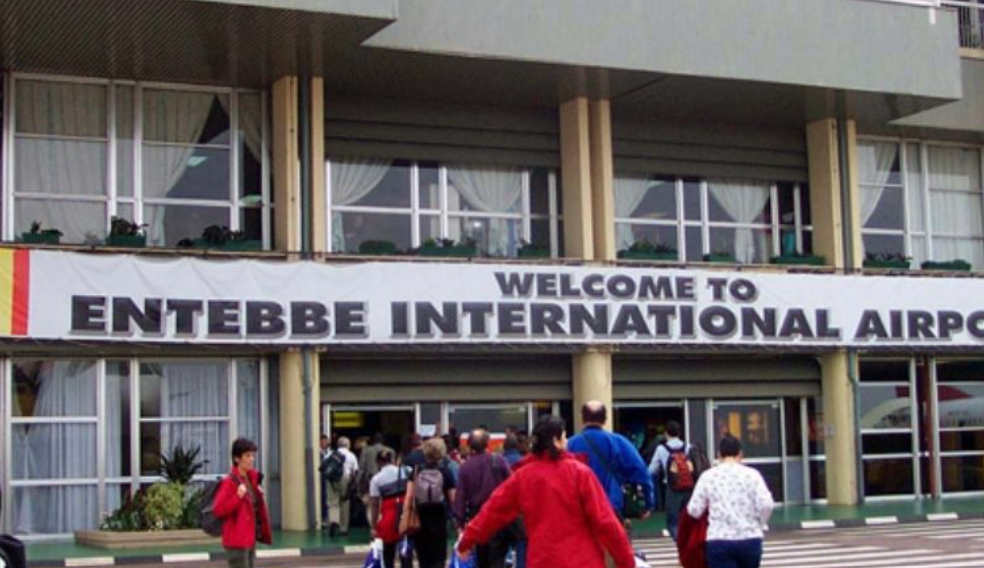
Diana Atwine, permanent secretary at the Ministry of Health, said in a statement issued in Kampala that the National Task Force (NTF), chaired by Uganda’s Vice President Jessica Alupo, had resolved to suspend all flights between Uganda and the DRC, with the measure taking effect within 48 hours.
The move follows the detection last week of two imported Ebola cases in Kampala, the Ugandan capital.
A 59-year-old Congolese man died from the virus at Kibuli Muslim Hospital in Kampala, while another patient remains in isolation at Mulago National Referral Hospital. A total of 127 contacts have been identified and are in institutional quarantine.
“The NTF has resolved for temporary suspension of all flights to and from the DRC to Uganda. This takes effect within 48 hours,” Atwine said.
She added that the government had also temporarily suspended public passenger ferry services on the Semuliki River, cross-border bus operations and all public passenger transport between Uganda and the DRC for the next four weeks, while allowing the continued movement of goods and food supplies.
According to the ministry, weekly markets in border sub-counties across high-risk districts have also been suspended for four weeks.
The NTF has activated a series of preparedness and response measures, including the suspension of cultural celebrations and commemorative events that draw large crowds along the Uganda-DRC border.
“The ministry further emphasises that ultimate control of the outbreak depends on the interrupting transmissions in the DRC and affirms Uganda’s commitment to supporting regional efforts,” Atwine said.
Over the past 24 hours, health authorities in the DRC and the World Health Organization have reported a worsening outbreak across the central African nation, with around 600 suspected cases and 139 probable deaths recorded since the outbreak was officially declared on May 15.
Initially concentrated in Ituri Province, the outbreak has since spread to North Kivu and South Kivu, while two confirmed imported cases have also been reported in neighboring Uganda.
Initially concentrated in Ituri Province, the outbreak has since spread to North Kivu and South Kivu
On Thursday, the March 23 Movement (M23) rebel group confirmed a new case in Bukavu, the capital of South Kivu.
The group, which has been capturing the city since February 2025, said that a 28-year-old man had traveled from Kisangani, the capital of Tshopo Province, and died before his diagnosis was confirmed.
Though Tshopo has not seen any cases to date, Kisangani, one of the DRC’s busiest transport hubs, has emerged as a new area of concern, as authorities race to determine how far the virus may have already spread before detection.
Caseload climbs
The outbreak, initially reported in Ituri Province, has now affected North Kivu and South Kivu, while two confirmed cases have also been reported in the neighboring country of Uganda.
According to the figures released Thursday by DRC Health Minister Roger Kamba, 626 suspected cases and 159 probable deaths have been recorded since the country declared its 17th outbreak on May 15.
In areas under its control, the M23 said that more than 200 samples from suspected cases had been sent to Goma, the capital of North Kivu, for laboratory analysis. In Goma, one confirmed case remains under strict medical supervision, while identified contacts have been isolated, it added.
World Health Organization (WHO) Director-General Tedros Adhanom Ghebreyesus has warned that the number of cases is expected to keep rising, given the length of time the virus appeared to have circulated before the outbreak was detected.
“So far, 51 cases have been confirmed in the DRC, in the northern provinces of Ituri and North Kivu, including in the cities of Bunia and Goma, although we know the scale of the epidemic in DRC is much larger,” he said on Wednesday.
Delayed detection of rare strain
According to WHO officials, investigations are still underway to determine exactly when and where the outbreak began, but the scale of the epidemic suggests the virus may have been circulating for some time before being confirmed.
“We are thinking that it has started probably a couple of months ago,” Anais Legand, a WHO technical officer on viral hemorrhagic fevers, said Wednesday, stressing an immediate priority to cut transmission through contact tracing, isolation, and care for suspected and confirmed cases.
Abdirahman Mahmoud, director of WHO’s alert and response operations, said preliminary information pointed to a suspected index case in late April, followed by a possible superspreading event linked to funeral practices and community transmission.
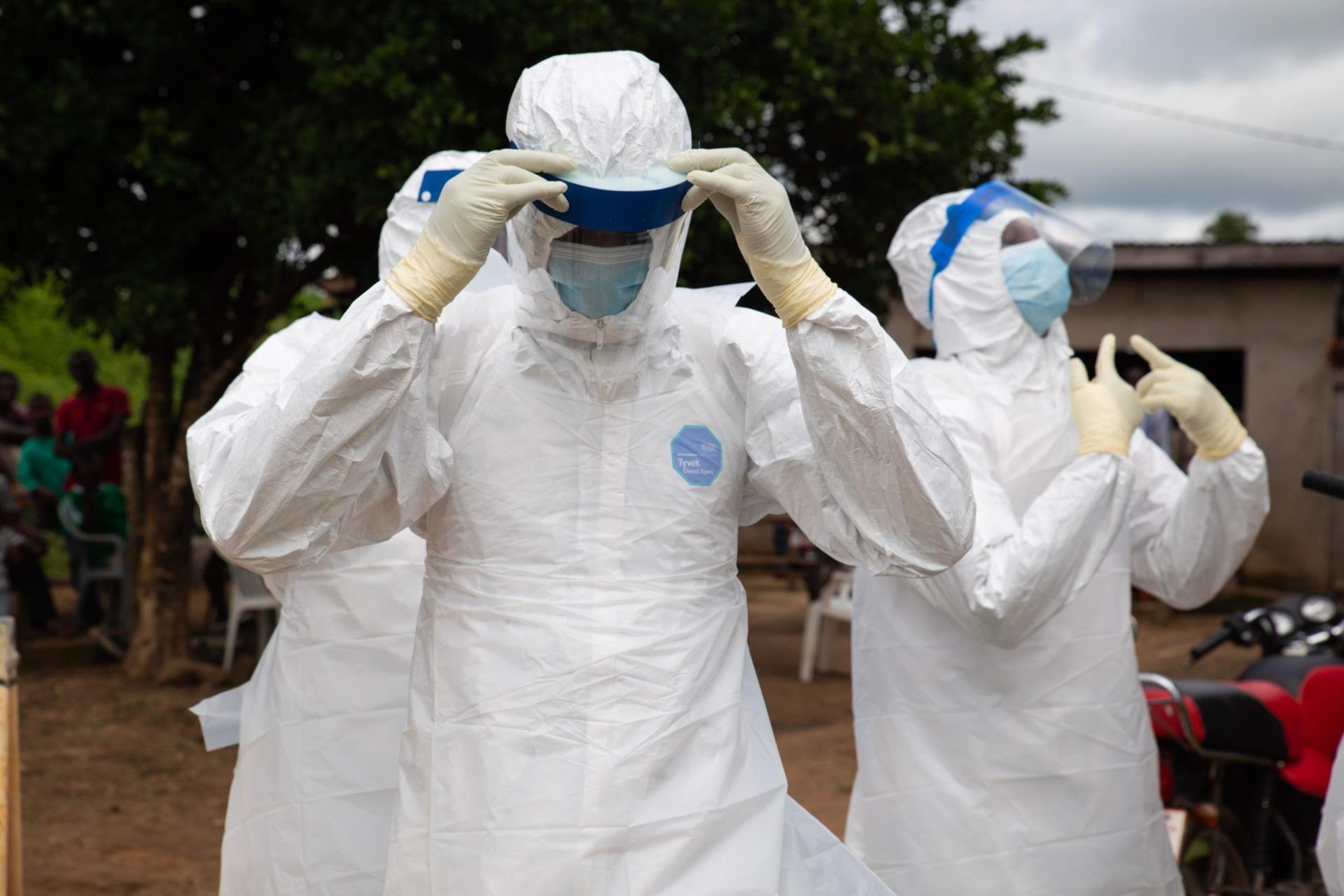
Meanwhile, Tedros said that rapid field tests commonly used in previous Ebola responses were optimized for the Zaire strain, while the current outbreak involves the Bundibugyo strain, a less common strain first detected in 2007 in Uganda with a fatality rate from 30 to 50 percent.
This is one of the rare outbreaks caused by the Bundibugyo strain, for which there is currently no approved vaccine or specific treatment. Existing Ebola vaccines are mainly designed against the Zaire strain, which has caused several previous outbreaks in the DRC.
WHO research officials said several candidate vaccines are being considered. However, they cautioned that doses are still months away at the earliest.
Legand said that while preparations for possible trials continue, the priority is to set up safe and optimized treatment centers, establish patient referral pathways, and ensure that every suspected case is detected and cared for early.
Community resistance
Community resistance has become another obstacle to the response.
DRC Health Minister Roger Kamba said Tuesday that the alert had been delayed within affected communities, as some residents believed the illness was “mystical.”
Jean-Jacques Muyembe, head of the National Institute of Biomedical Research, also told Xinhua that distrust of outsiders could weaken the Ebola response.
“When people see that instructions and measures are announced by people from their own area, they believe them. If it is someone from Kinshasa, they doubt,” Muyembe said, stressing that the primary task is to build trust between health workers and people.
On Thursday, in Rwampara, the outbreak’s epicenter in Ituri, Xinhua reporters saw an Ebola isolation site set on fire after clashes at the facility.
According to witnesses, relatives of several people who died while in isolation voiced anger over the handling of the response. The situation escalated into conflict, and one isolation tent with about 10 beds was burned before military and police forces intervened.
On-site medical workers declined interview requests, expressing anger over the incident.
Former New Zealand Prime Minister Helen Clark, co-chair of the Independent Panel for Pandemic Preparedness and Response, noted that the outbreak reflected a “perfect storm” of delayed detection, fragile health systems, conflict, and declining global health funding.
The WHO said more than 35 experts and first responders from the organization and the DRC Ministry of Health have been deployed to the field, with additional teams being sent to reinforce surveillance, clinical care, infection prevention and control, community engagement, and safe burial measures.
Tedros said he had approved an additional 3.4 million U.S. dollars from the WHO Contingency Fund for Emergencies, bringing the organization’s total emergency allocation for the response to 3.9 million dollars.
The WHO made it clear that the risk from the outbreak was assessed as high at the national and regional levels, but low globally.
The outbreak, initially reported in Ituri Province, has now affected North Kivu and South Kivu, while two confirmed cases have also been reported in the neighboring country of Uganda.
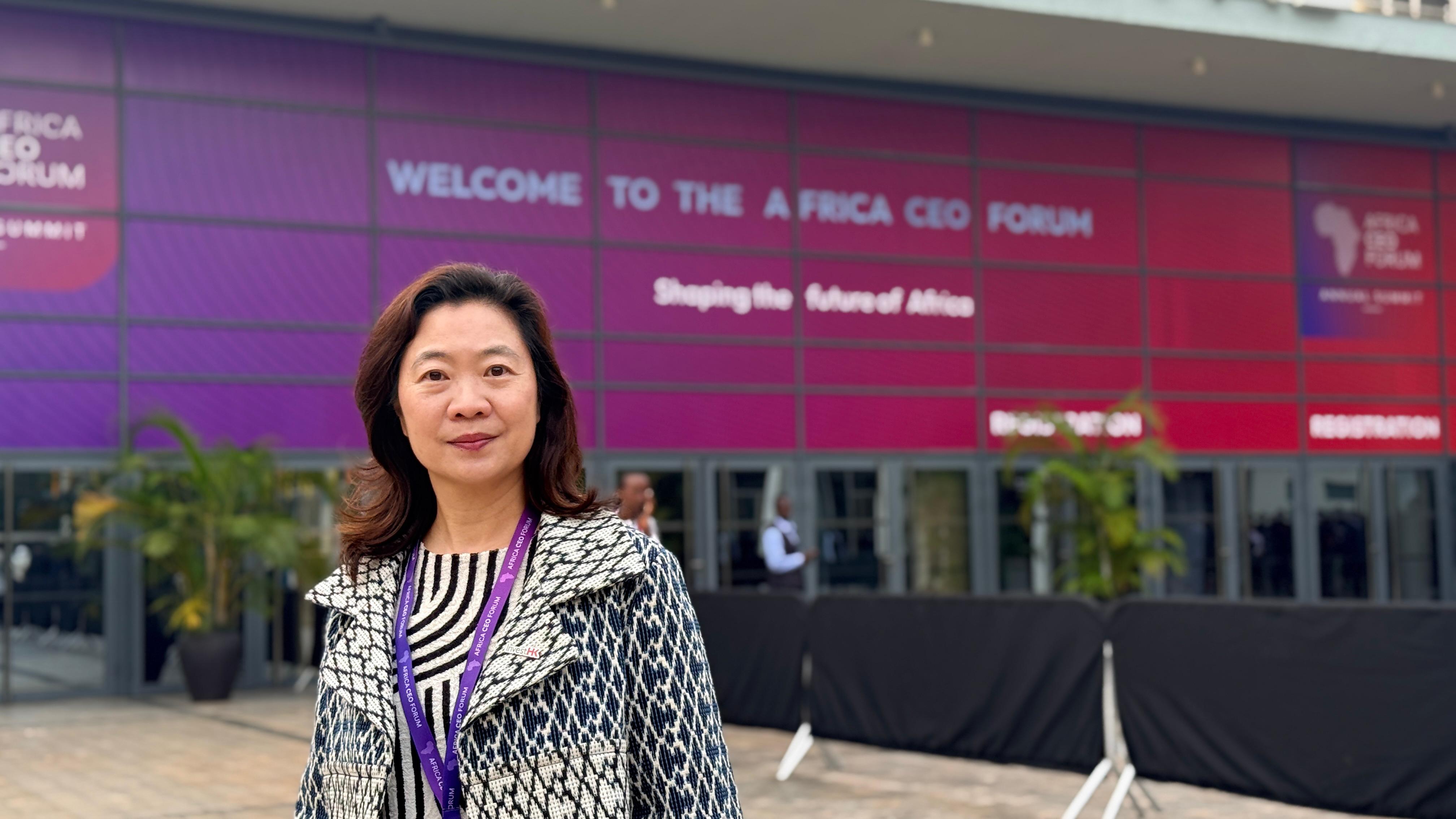
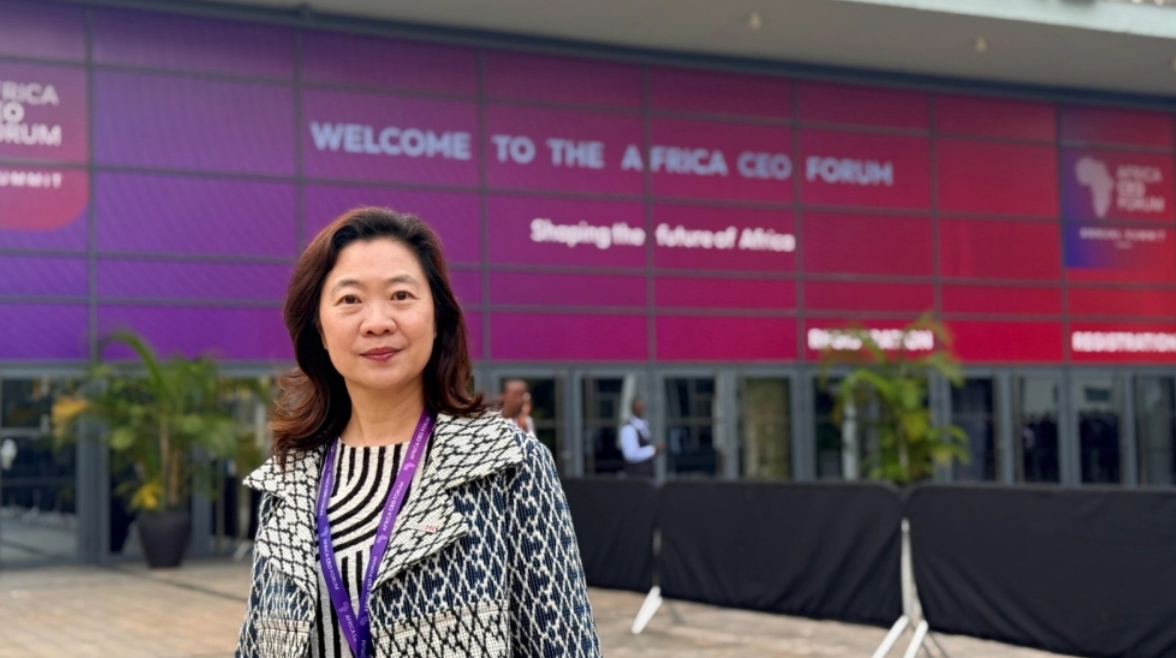
Speaking in an exclusive interview with IGIHE during the recently concluded Africa CEO Forum held in Kigali, Ms Loretta Lee, Associate Director-General of Investment Promotion at Invest Hong Kong, said the city with a population of around 7.5 million people is actively engaging African businesses to explore Hong Kong as a launchpad into the Asia-Pacific region.
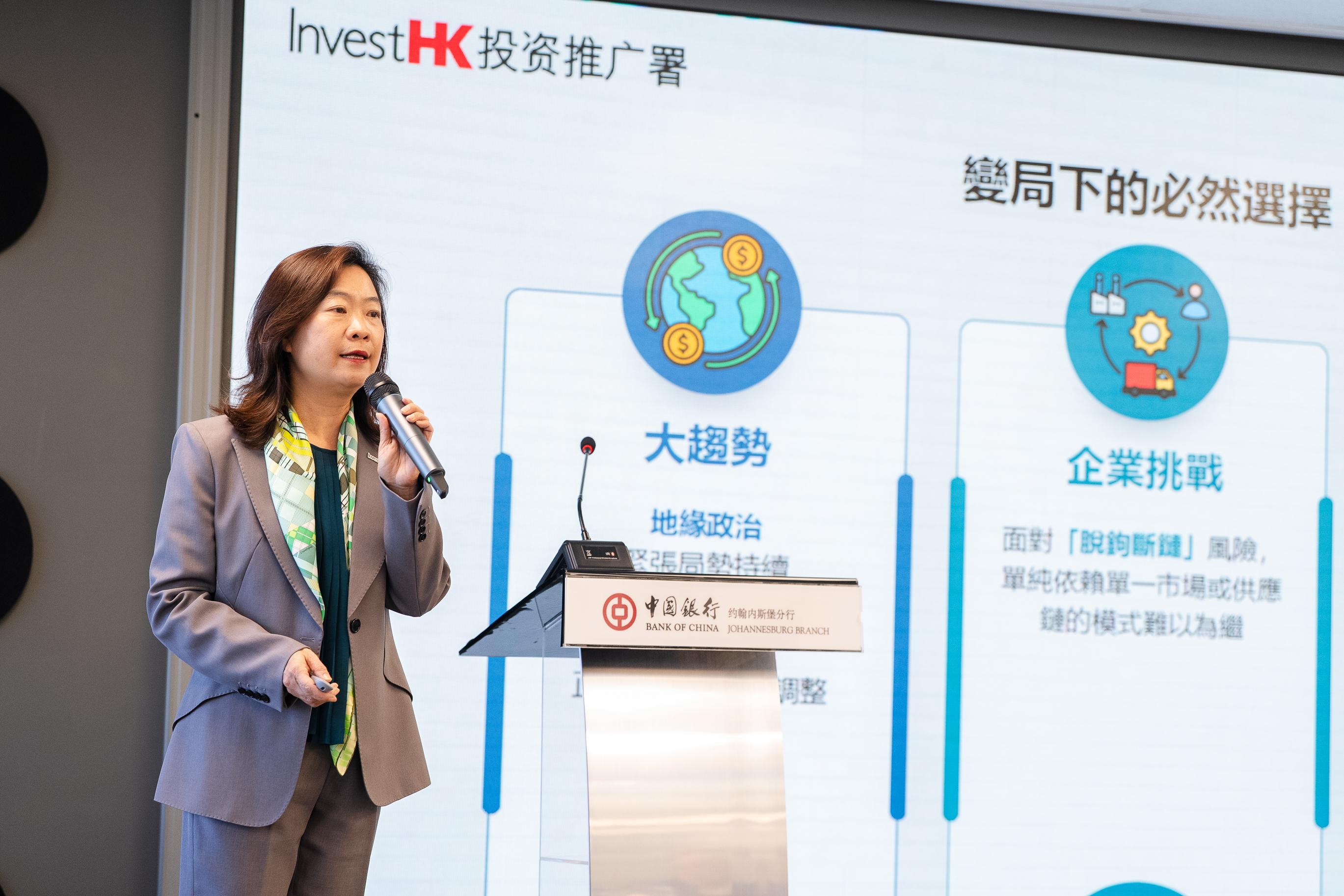
“This is my first time in Rwanda and my first time on the African continent,” Ms Lee said in Kigali following another trip to Johannesburg, South Africa. “We are truly excited about the opportunities for future collaboration between Hong Kong, Rwanda, and Africa.”
Ms Loretta Lee, Associate Director-General of Investment Promotion at Invest Hong Kong, said Hong Kong is actively engaging African businesses to explore Hong Kong as a launchpad into the Asia-Pacific region.
Hong Kong’s push to become a “gateway to Asia”
Hong Kong is positioning itself as a regional hub for African companies aiming to access Asian markets, particularly China and the wider Asia-Pacific region. According to Ms Lee, the strategy is built on Hong Kong’s established strengths in trade facilitation, financial services, and professional support.
“We would like to position Hong Kong as the bridge between Africa and the East,” she said. “Hong Kong is the Asian hub for companies that decide to expand into the Asia-Pacific.”
The message was echoed during the Kigali forum, where Hong Kong officials engaged with African business leaders exploring eastward expansion.
A key pillar of Hong Kong’s strategy is its tax regime, which Ms Lee described as simple, competitive, and business-friendly.
Hong Kong’s profits tax rate stands at 16.5%, with a reduced rate of 8.25% for the first HK$2 million of profits. The territory does not impose value-added tax, sales tax, or withholding tax, making it one of the most streamlined tax environments globally.
“Our tax system is very simple,” Ms Lee said. “We don’t have VAT, we don’t have sales tax, and we don’t have withholding tax. It makes it very easy for companies to navigate.”
According to InvestHK, these conditions are intended to encourage more African enterprises to establish operations in Hong Kong as a base for regional expansion.
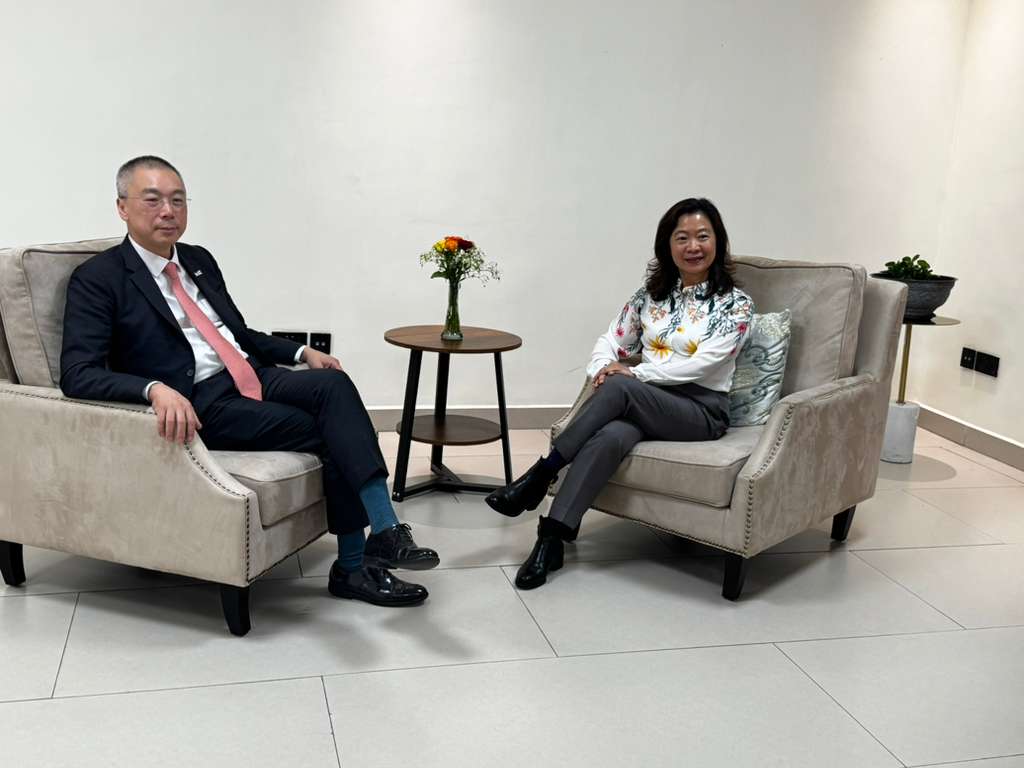
K.C. Lam, Deputy Head of International Markets, Consulates and Chambers (R), and Loretta Lee, Associate Director-General of Investment Promotion at Invest Hong Kong (InvestHK).
Scaling African businesses through Hong Kong
Beyond taxation, Hong Kong is also promoting its ecosystem of banking, legal, and professional services as tools to help African companies scale internationally.
Ms Lee highlighted that Hong Kong acts as a platform for growth, particularly for companies seeking capital and cross-border expansion.
“I believe scaling up is very important for African companies,” she said, referring to the significance of this year’s Africa CEO Forum in Kigali and its central theme on the imperative to “scale or die.” “With Hong Kong, we can provide business and professional services and financial services to help companies scale up.”
She added that Hong Kong’s role as a global financial centre allows companies to raise capital efficiently and deploy it across emerging markets.
Linking Kigali and Hong Kong’s financial ecosystems
A key area of potential collaboration identified during the visit is between Hong Kong and Rwanda’s emerging financial ecosystem, including the Kigali International Financial Centre.
Ms Lee said both jurisdictions could complement each other as regional financial gateways, Hong Kong for Asia and Kigali for Africa.
“We see Invest Hong Kong and the Kigali International Financial Centre as partners in Africa and Asia,” she said.
Hong Kong is also positioning itself within broader China–Africa economic flows. Ms Lee noted that African demand for Chinese technology, particularly in manufacturing and electric vehicles, aligns with Hong Kong’s role as a funding and facilitation hub.
She cited Chinese firms already active in Africa, including companies in consumer electronics and EV manufacturing as examples of how Hong Kong channels capital into overseas markets.
“We see Chinese companies using Hong Kong as a funding hub, raising funds in Hong Kong and investing in Africa,” she remarked.
Strong interest from African enterprises
During the Kigali discussions, Ms Lee said there was clear interest from African companies looking eastward, particularly toward China and Hong Kong as entry points into Asia.
Invest Hong Kong reported that around 11,000 overseas and mainland companies are currently based in Hong Kong, including 1,500 regional headquarters, underscoring the city’s position as a global business base.
Ms Lee said the goal is to attract more African firms into this ecosystem.
“We would like to see more African companies set up in Hong Kong,” she reiterated.
Ms Loretta Lee, Associate Director-General of Investment Promotion at Invest Hong Kong, together with her delegation, attended the Africa CEO Forum in Kigali, held from 14–15 May 2026.
Hong Kong’s “Go Global” strategy
Hong Kong’s outreach is also tied to its broader “Go Global” initiative, which supports mainland Chinese companies expanding internationally using Hong Kong as a platform for finance, services, and regulatory support.
This framework, Ms Lee said, also creates spillover opportunities for African firms, particularly in technology and manufacturing partnerships.
Ms Lee emphasised that the Kigali engagement is not symbolic but part of a structured follow-up process.
“We focus very much on efficiency,” she said. “We will follow up promptly, line up Zoom calls, and help companies take things forward.”
She added that InvestHK’s model includes end-to-end support, from initial market research to business setup and post-establishment promotion, noting, “Invest Hong Kong is here to help.”
Known for its cleanliness, safety and strong governance, the city has become a regional hub for business, tourism and international events, attracting visitors through conferences, sports competitions, cultural experiences and eco-tourism initiatives.
Ongoing investments in urban development, sustainability and tourism promotion continue to create opportunities for both local and international investors, particularly in the tourism sector, which still holds significant untapped potential.
Below are some of the key investment opportunities in Kigali’s tourism industry.
Environment and Eco Tourism
The City of Kigali has made major investments in environmental conservation and ecological restoration over the past decade. One of the key initiatives has been the rehabilitation of wetlands and their transformation into eco-tourism destinations, environmental conservation areas, and research hubs.
This transformation has created unique opportunities for investment in eco-tourism related services and infrastructure.
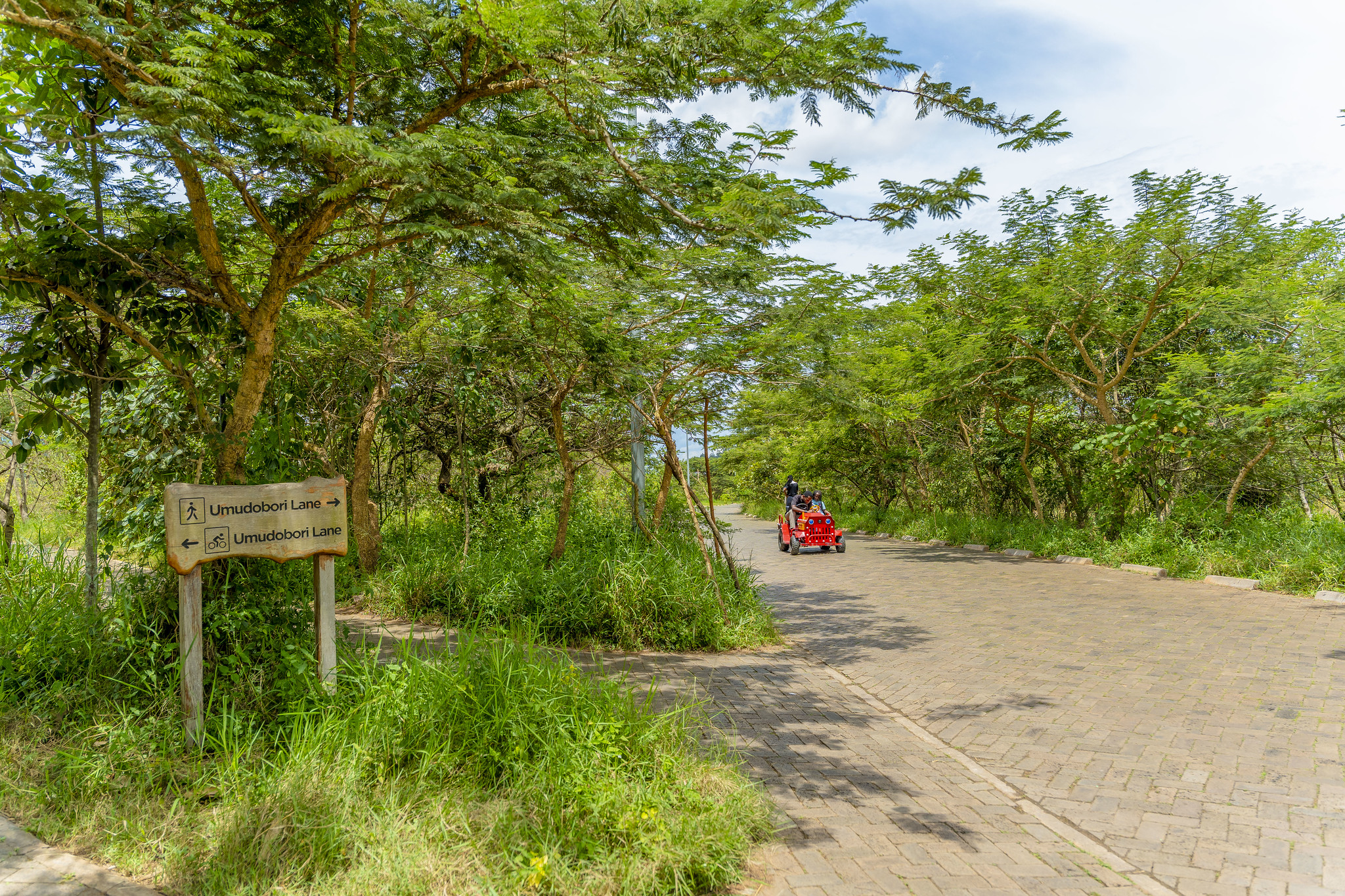
Nyandungu Eco Tourism Park stands as one of the leading examples of this vision. Once a degraded wetland, the area has been transformed into a modern eco-tourism destination attracting both residents and international visitors.
Due to its growing popularity and visitor traffic, the park continues to provide strong opportunities for investment in tourism related businesses and recreational services.
The success of Nyandungu has also gained international recognition, with the park being ranked among the top 10% of places to visit globally by TripAdvisor in 2025.
In addition to Nyandungu, several other wetlands in Kigali are currently undergoing restoration and transformation into eco-tourism attractions, biodiversity conservation spaces, and research centers. These include Gikondo, Rwampara, Nyabugogo, Rugenge Rwintare, and Kibumba wetlands.
Nyandungu Eco Tourism Park has become one of Kigali’s leading eco-tourism attractions, welcoming both residents and international visitors.Wetland restoration projects across Kigali are transforming formerly degraded areas into eco-tourism and conservation spaces.The restoration of Kigali’s wetlands is contributing to both environmental protection and urban tourism development.Kigali continues to combine environmental conservation with economic opportunities through large-scale wetland restoration initiatives.
Conference and business tourism
Kigali has built a strong reputation as one of Africa’s leading destinations for international conferences, meetings, and business events.
Over the years, the city has successfully hosted numerous regional and international gatherings bringing together participants from across the world.
Some of the major international events hosted in Kigali in recent years include the Commonwealth Heads of Government Meeting (CHOGM), the Women Deliver Conference, the World Economic Forum on Africa, the International Conference on AIDS and STIs in Africa (ICASA), and the Global AI Summit on Africa, among many others.
These events continue to strengthen Kigali’s reputation as a trusted destination for global gatherings while creating increasing demand for conference related infrastructure, hospitality services, event management, transport, entertainment, and business tourism investments.
The Kigali Convention Centre remains one of the country’s most iconic landmarks and symbolizes Rwanda’s commitment to positioning Kigali as a global meetings and conference destination. Its modern design and world-class facilities continue to attract major international events and business gatherings.
The Kigali Convention Centre remains one of the country’s most iconic landmarks
Sports tourism
Sports tourism is another rapidly growing area within Kigali’s tourism sector.
The City of Kigali has continued investing in sports infrastructure and facilities aimed at promoting sports development, entertainment, and the hosting of international tournaments for both professional and amateur athletes.
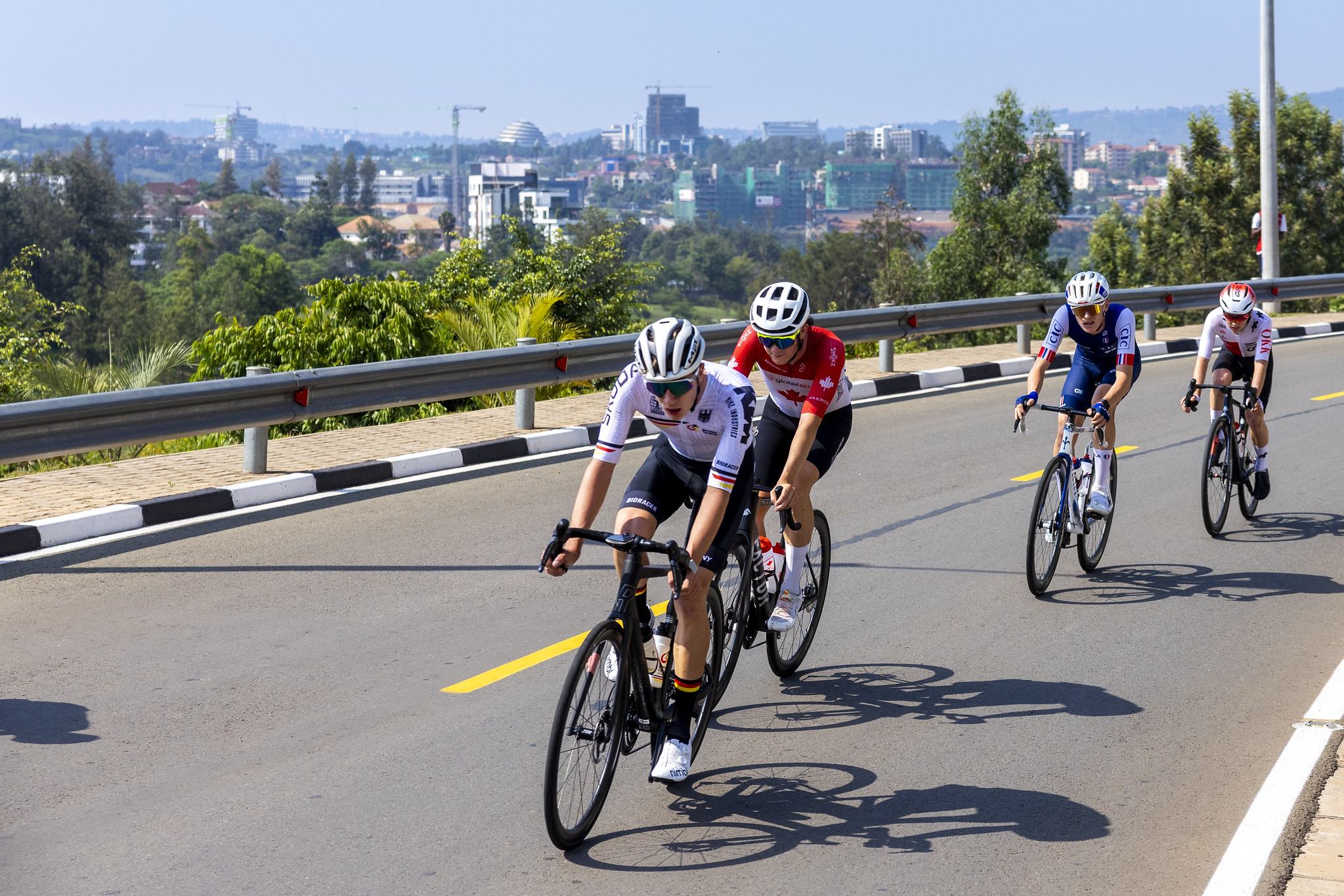
Kigali has already hosted several major international sporting events, including the FIFA Series, the Basketball Africa League (BAL), and the historic UCI Road World Championships, the first edition ever held on the African continent.
These achievements have been supported by investments in world-class facilities such as Amahoro Stadium, BK Arena, Zaria Court, and the Nyarutarama Golf Course, among others.
The continued growth of sports and entertainment activities presents strong opportunities for investors interested in sports tourism, event hosting, hospitality, recreation, and related services.
Kigali became the first African city to host the UCI Road World Championships, marking a major milestone for sports tourism on the continent.International sporting events hosted in Kigali continue to boost tourism, hospitality and entertainment opportunities across the city.
Culture and historical tourism
Culture remains one of Rwanda’s strongest tourism assets, and Kigali continues to play a central role in promoting and preserving the country’s rich cultural heritage.
Through cultural performances, creative arts initiatives, exhibitions, and entertainment events, the City of Kigali continues to create opportunities for cultural exchange and culture based tourism investments.
Key attractions such as Agaseke Women Centre and the Richard Kandt House Museum provide visitors with opportunities to explore Rwanda’s history, traditions, and cultural identity.
Kigali Cultural and Exhibition Village is another unique tourism destination offering space for cultural exhibitions, concerts, conferences, festivals, and various tourism related activities.
The Gihanga Institute of Contemporary Art (GICA), Rwanda’s first non-profit institution dedicated to contemporary art, officially opened in Kigali on December 20, 2025.
Why invest in Kigali
Kigali offers investors a safe, clean, and rapidly growing urban environment supported by investor-friendly policies and a leadership committed to sustainable development.
Rwanda has established efficient systems that simplify business registration, investment procedures, and service delivery, making it easier for investors to establish and grow their businesses.
Investors in Kigali benefit from access to a growing market, increasing consumer confidence, technological advancements, and a national vision focused on innovation and long-term development.
As the City of Kigali continues advancing sustainable urban development and strengthening its tourism sector, investors remain important partners in this journey.
For investors seeking opportunities in a growing and dynamic market, Kigali offers strong potential, particularly within the tourism sector.
Known for its safety, cleanliness and modern urban planning, Kigali is steadily emerging as a leading tourism hub in East Africa.
In countries such as the Netherlands, Belgium and Luxembourg, euthanasia is permitted under strict legal conditions for patients with incurable illnesses who repeatedly request assistance to end their suffering.
Depending on the law, doctors may either administer life-ending medication directly or prescribe medication for the patient to take themselves, a practice known as medically assisted suicide.
In the Netherlands, more than 10,000 euthanasia cases were recorded in 2025, representing around 6% of all deaths in the country.
A recent poll conducted by IGIHE on social media asked whether Rwanda should consider allowing euthanasia for patients experiencing severe pain with no hope of recovery. Around 1,700 respondents supported the idea, while more than 900 opposed it and hundreds said they were undecided.
Supporters cite dignity and relief from suffering
Several people interviewed by IGIHE, particularly younger respondents from Southern and Western Rwanda, said terminally ill patients should be allowed to choose a dignified death instead of enduring prolonged suffering.
Nineteen-year-old Philbert Irankunda said some illnesses leave patients in unbearable pain with no realistic chance of recovery.
“There are situations where a patient suffers so much that they may personally wish for their pain to end,” he said.
Claude Niyomugabo, 20, said the emotional and financial burden on families can also become overwhelming when treatment offers little hope.
“Some families spend everything they own on treatment even when doctors already know the patient will not recover,” he said. “In such cases, some people believe allowing the patient to die peacefully may be the more humane option.”
Fidele Kanyanzira, 68, expressed a similar view, particularly for elderly patients with irreversible conditions. “If someone is very old, in constant pain and cannot recover, helping them die peacefully can spare them unnecessary suffering,” he said.
He noted, however, that he would not support such a decision for children or young people.
Religious and cultural beliefs drive opposition
Many opponents of euthanasia said their views are rooted in religious beliefs and the conviction that only God should determine when life ends.
Jean Bosco Akumuntu said Christians believe life is sacred and should not be deliberately ended by human intervention.
“Life comes from God, and only God decides when it ends,” he said. “Helping someone die is something many believers would consider morally wrong.”
An elderly woman interviewed by IGIHE also rejected the idea, arguing that even patients in severe pain should be allowed to die naturally.
“God already knows when a person’s life will end,” she said. “Ending life intentionally is not acceptable.”
Medical professionals highlight ethical dilemmas
A doctor working in Rwanda’s Southern Province told IGIHE that families sometimes exhaust their savings, sell land and lose property trying to care for relatives with terminal illnesses.
“There are cases where families know the patient will not recover, but they continue spending everything they have in search of treatment,” he said.
The doctor explained that euthanasia, where legal, is intended to ease suffering rather than cause harm, as patients are given medication designed to allow a peaceful and painless death.
“The final stages of some illnesses can involve extreme pain,” he said. “Some people believe patients should be allowed to die with dignity rather than continue suffering unnecessarily.”
He added that cultural traditions and strong religious beliefs remain among the main reasons euthanasia — much like cremation — remains widely rejected in Rwanda.
In some countries, euthanasia is permitted under strict legal conditions for patients with incurable illnesses who repeatedly request assistance to end their suffering.