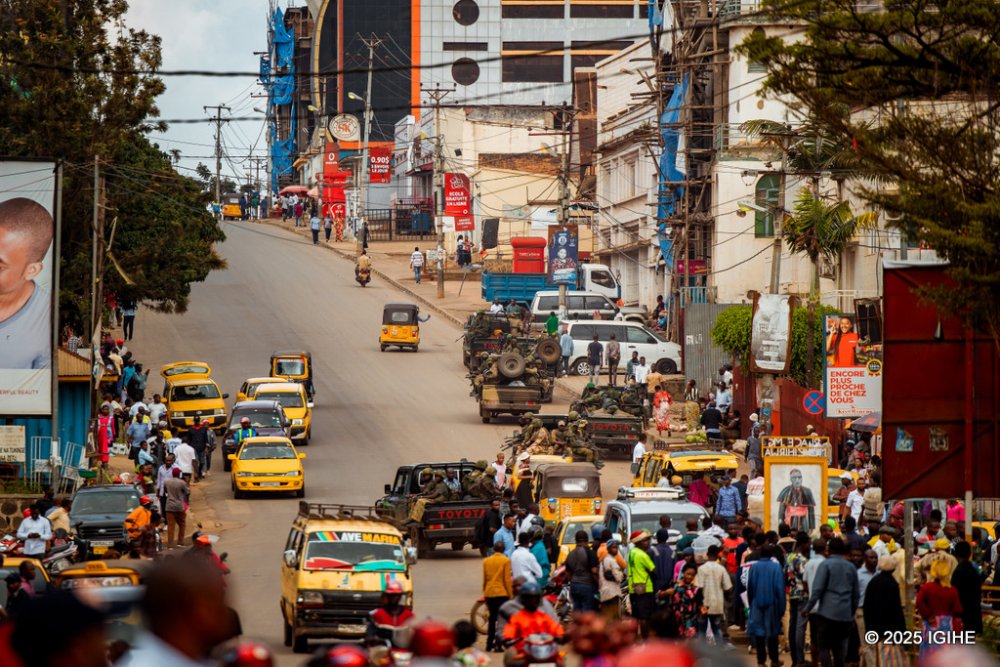
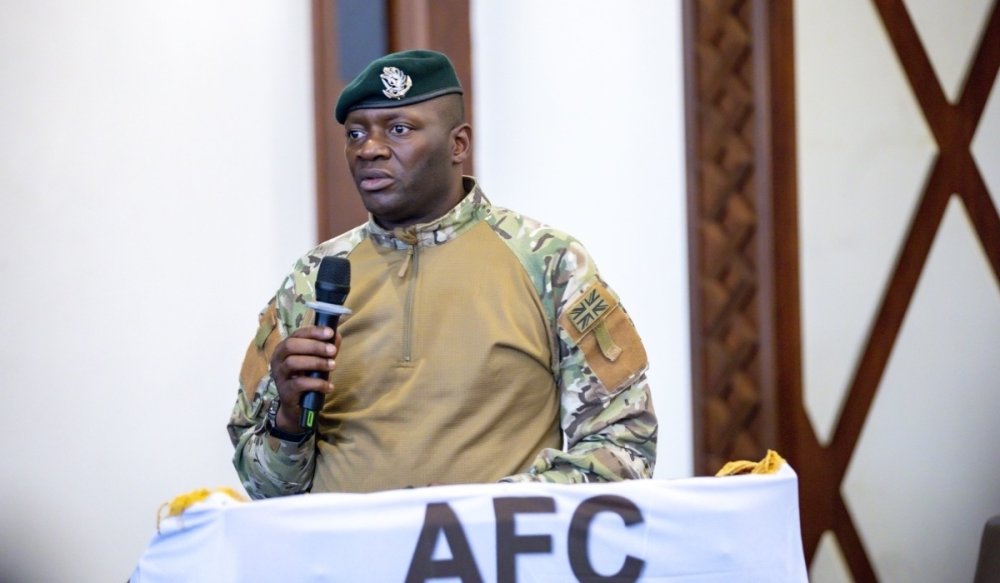
AFC/M23 spokesperson Lawrence Kanyuka said the latest case was identified after a separate Ebola infection was recently confirmed in the city of Goma.
According to Kanyuka, more than 200 samples have so far been collected from people suspected of having contracted the virus following the detection of the case in Goma.
He said all individuals who came into contact with the infected patient were identified and placed under quarantine in line with public health guidelines, adding that no additional Ebola cases have been detected in Goma.
Kanyuka also stated that the patient receiving treatment in Goma remains under close medical supervision.
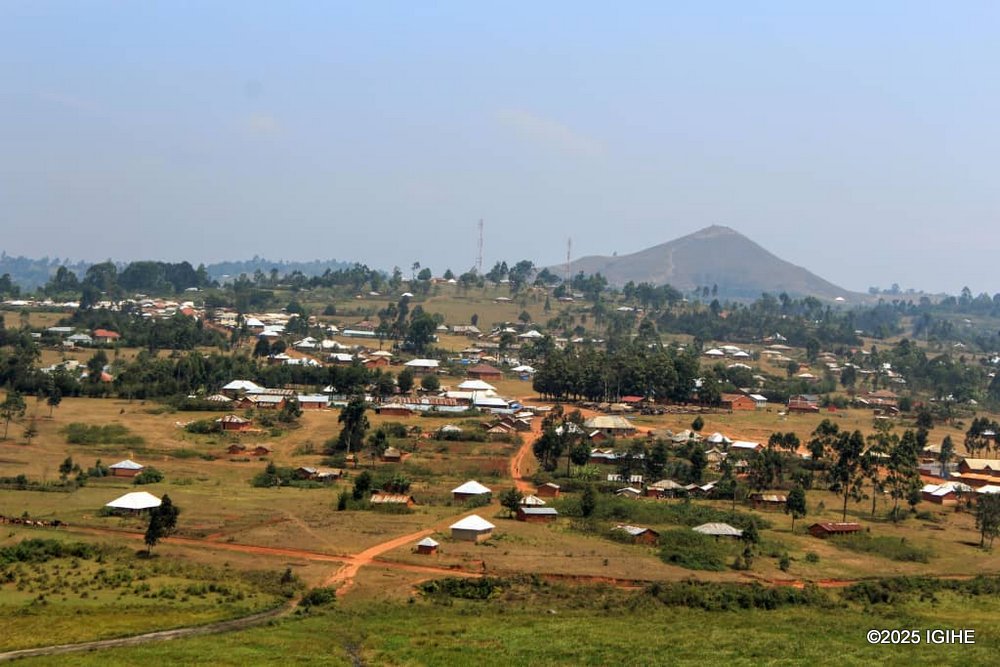
Referring to laboratory results released on April 20, 2026, by the national laboratory in Goma, Kanyuka said one positive Ebola case had been confirmed from samples collected in Kabare Territory near Bukavu.
“The patient, a 28-year-old Congolese national, died before the test results were released,” Kanyuka said. “In accordance with health protocols, the burial was conducted under strict safety and protective measures reserved for suspected Ebola cases.”
AFC/M23 said the victim had recently traveled from Bukavu to Tshopo Province, suggesting the outbreak may now have spread to a fourth province after Ituri, North Kivu and South Kivu.
The coalition urged residents in areas under its control to remain calm and follow preventive measures put in place to limit the spread of the disease.
The latest case in Bukavu was identified after a separate Ebola infection was recently confirmed in the city of Goma.According to Kanyuka, more than 200 samples have so far been collected from people suspected of having contracted the virus following the detection of the case in Goma.
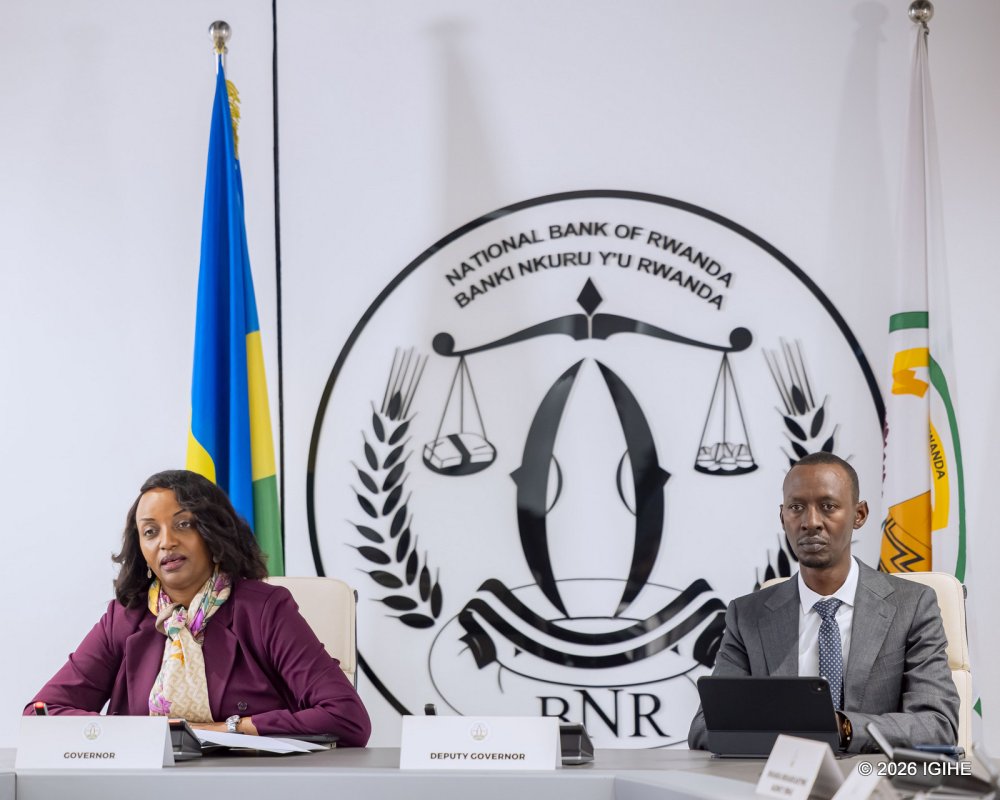
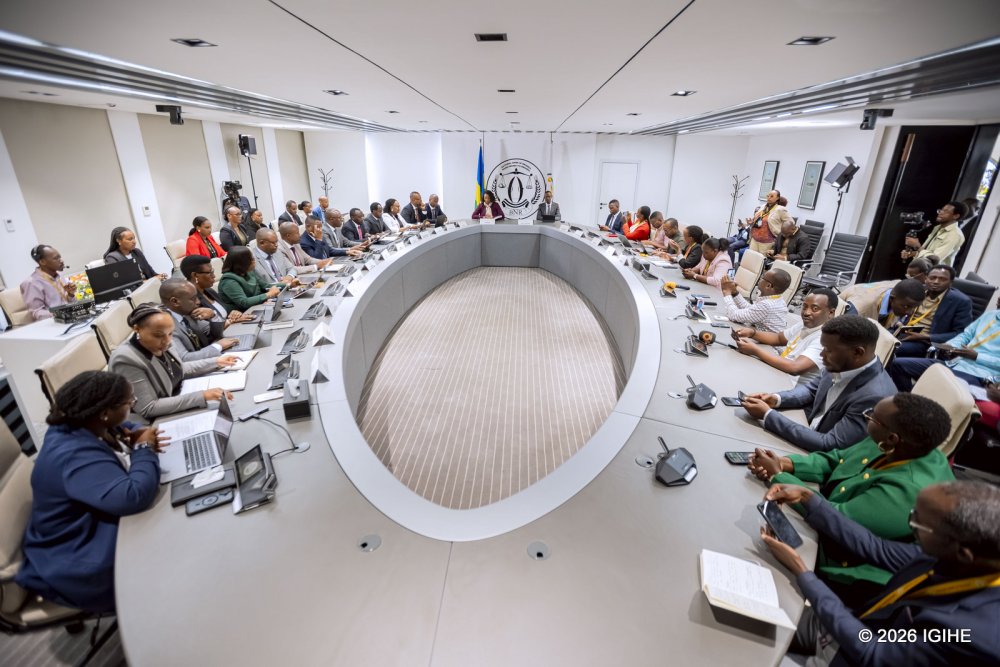
The decision was announced on Thursday, May 21, by BNR Governor Soraya Hakuziyaremye during a Monetary Policy Committee (MPC) and Financial Stability Committee press conference in Kigali.
According to the Monetary Policy Committee statement issued following its May 20, 2026, meeting, the policy tightening aims to steer inflation back toward the 5% medium-term target while containing growing price pressures across the economy.
This is the second time BNR has raised the rate, after increasing it by 50 basis points to 7.25% in February.
The rate hike works by raising the cost of money across the local banking sector. When the BNR increases its benchmark rate to 8.25%, it directly drives up the cost of short-term borrowing for commercial banks. To protect their margins, commercial lenders will likely pass this increase down to the market, making business loans and personal credit more expensive.
By making borrowing less attractive, the policy aims to gently ease consumer spending and corporate expansion, giving supply chains time to adjust and helping bring inflation back toward its 5% target.
Inflation pressures intensify
The MPC noted a sharp rise in inflation in recent months. Headline inflation increased to 9.1% in the first quarter of 2026, up from 7.4% in Q4 2025, driven by higher core, fresh food, and energy prices.
Price pressures strengthened further in April 2026, with inflation rising to 13.0% from 9.2% in March, well above the central bank’s target band of 2% to 8%.
Energy inflation recorded a particularly steep increase, alongside rising costs in food and core categories such as housing, hotels, and restaurants.
Outlook revised upward
The central bank has revised its inflation outlook upward, now projecting an average inflation rate of 13.9% in 2026, compared to a previous forecast of 9.4% made in February.
“The MPC has decided to increase the CBR to 8.25 percent. The MPC considers this level appropriate to help steer inflation back toward the 5 percent objective over the medium term,” Governor Hakuziyaremye told members of the press.
The revision reflects both domestic and external factors, including higher global energy prices linked to geopolitical tensions in the Middle East, as well as increased transport costs caused by supply chain disruptions.
Inflation is expected to ease to around 7.4% in 2027, supported by tighter monetary policy, improved agricultural output, and other stabilisation measures.
Despite inflationary pressures, Rwanda’s economy continues to show strong performance. Real GDP grew by 9.4% in 2025, while economic activity expanded further in early 2026, with the Composite Index of Economic Activities (CIEA) rising by 16.5% in Q1 2026.
External trade also strengthened, with merchandise exports increasing by 63.2% year-on-year in Q1 2026, driven by higher coffee and mineral export volumes and stronger prices. Non-traditional exports rose by 64.8%, led by processed cooking oil and wheat flour.
The MPC reported improved monetary policy transmission, with the interbank rate rising to 7.13%, moving closer to the CBR following earlier policy tightening.
However, deposit rates declined to 9.15%, while lending rates eased slightly to 15.67%, reflecting shifts in deposit composition and corporate lending conditions.
The central bank said the rate increase reflects its commitment to maintaining price stability and protecting household purchasing power, while supporting broader macroeconomic stability.
The bank added that the Monetary Policy Committee would continue to closely monitor global and domestic developments amid persistent upside risks to inflation.
The decision was announced on Thursday, May 21, by BNR Governor Soraya Hakuziyaremye (left) during a Monetary Policy Committee (MPC) and Financial Stability Committee press conference in Kigali.BNR Governor Soraya Hakuziyaremye and her deputy Nick Barigye during a Monetary Policy Committee (MPC) and Financial Stability Committee press conference in Kigali on Thursday, May 21, 2026.
The call was made at the end of a three-day retreat held in Gatsibo District from May 18 to 20, 2026.
The gathering brought together 59 leaders from AER member churches and Christian organizations, including pastors and senior representatives, to reflect on the role of faith-based institutions in promoting national unity, values and sustainable development.
Discussions focused on several themes, including “Ndi Umunyarwanda,” Pan-Africanism and self-reliance, with participants exploring how churches can contribute to social cohesion and national progress.
AER President Anfred Gatabazi said the retreat aimed to evaluate the alliance’s progress in aligning church programs with Rwanda’s Vision 2050 goals.
“We invited representatives from the Pan-Africanism Movement to help our pastors better understand programs such as Ndi Umunyarwanda and their importance,” he said. “We also resolved to strengthen gender equality in churches, fight violence against girls and encourage church leaders to address harmful social behaviors while increasing awareness of national programs among believers.”
Ada Darlene Kiyange, head of AER’s Family Development Commission, said participants also discussed ways churches could strengthen financial independence through income-generating initiatives.
“We reflected on how to promote the values of Ndi Umunyarwanda and a spirit of love for Africa so that Christians develop a stronger sense of identity, unity and shared responsibility,” she said.
Prof. Emile Rwamasirabo of the Pan-African Movement Rwanda said churches have an important role to play in promoting a culture of cooperation and solidarity among Africans.
“We want to see a shift in mindset that encourages collaboration and mutual support,” he said. “Churches can help shape that change by teaching values that reject division and hatred.”
Participants at the retreat also agreed to reinforce good governance within AER institutions by promoting transparency, accountability and integrity.
They further resolved to expand income-generating projects aimed at reducing dependence on foreign aid and strengthening self-reliance among member organizations.
The retreat concluded with a commitment to integrate the values of “Ndi Umunyarwanda” and Pan-Africanism more deeply into church programs and community activities, while aligning annual plans with national strategies such as NST2 and Vision 2050.
Founded in 1992, the Evangelical Alliance of Rwanda brings together 91 churches and Christian organizations across the country.
The gathering brought together 59 leaders from AER member churches and Christian organizations.
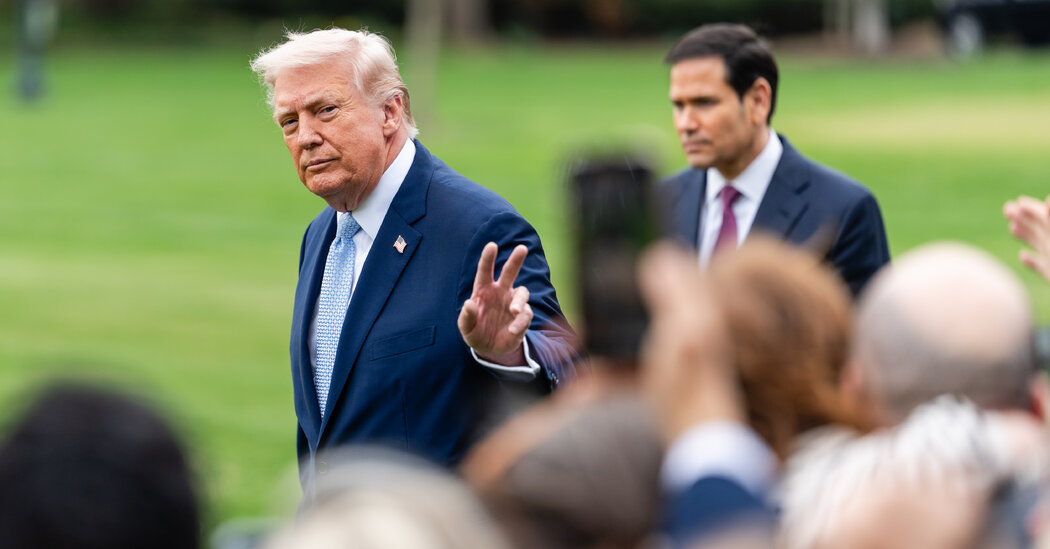
“There won’t be escalation. I don’t think there needs to be,” Trump told reporters. He also reiterated what he said before that the United States is “freeing up Cuba.”
Trump’s remarks also came after the U.S. Southern Command announced that the Nimitz Carrier Strike Group, which includes the aircraft carrier, its carrier air wing, and at least one guided-missile destroyer, has arrived in the Caribbean.
“The aircraft carrier USS Nimitz (CVN 68), the embarked Carrier Air Wing 17 (CVW-17), USS Gridley (DDG 101) and USNS Patuxent (T-AO 201) are the epitome of readiness and presence, unmatched reach and lethality, and strategic advantage,” the command said in a post on X Wednesday.
Earlier on Wednesday, a grand jury from the U.S. District Court for the Southern District of Florida indicted Raul Castro for his alleged role in ordering the striking down of two planes operated by a Cuban exile group in the United States named “Brothers to the Rescue” in 1996. Castro, born in June 1931, served as Cuba’s minister of the Revolutionary Armed Forces at the time of the incident.
Analysts here in the United States view the indictment as potentially laying the groundwork for a U.S. military intervention in Cuba, pointing to the capture of Venezuelan President Nicolas Maduro, who had already been indicted before U.S. forces raided Caracas and brought him to New York by force to stand trial.
The Trump administration has intensified sanctions on Cuba following the Jan. 3 capture of Maduro, restricting the island’s access to imported fuel as Cuba grapples with a worsening humanitarian and energy crisis marked by severe fuel shortages and prolonged nationwide blackouts.
Also, Trump has hinted recently that the next target of the U.S. military operations would be Cuba after the Iran war is over.
Responding to the U.S. indictment against Raul Castro, Cuban President Miguel Diaz-Canel said Wednesday that the U.S. charges are just a “political maneuver” with “no legal basis whatsoever.”
Any U.S. military attack on Cuba would cause “a bloodbath with incalculable consequences” and a devastating impact on peace and stability in Latin America and the Caribbean, he warned Monday.
U.S. President Donald Trump said Wednesday that there “won’t be escalation” against Cuba, after U.S. federal prosecutors indicted Cuban Revolution leader Raul Castro and a U.S. aircraft carrier arrived in the Caribbean.
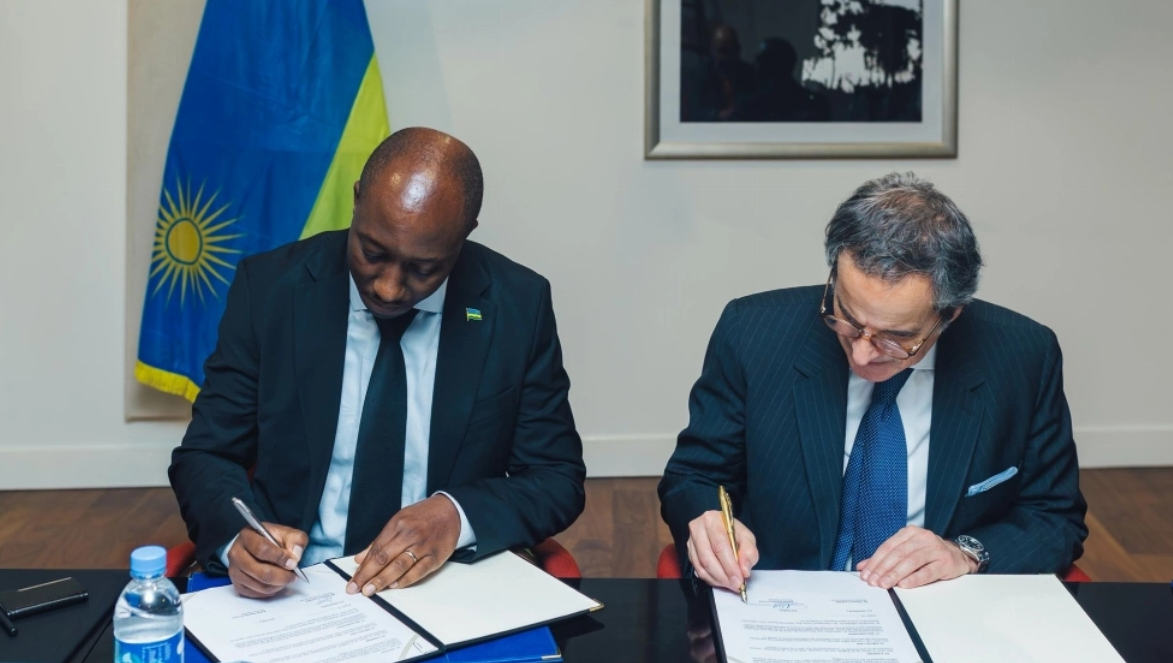
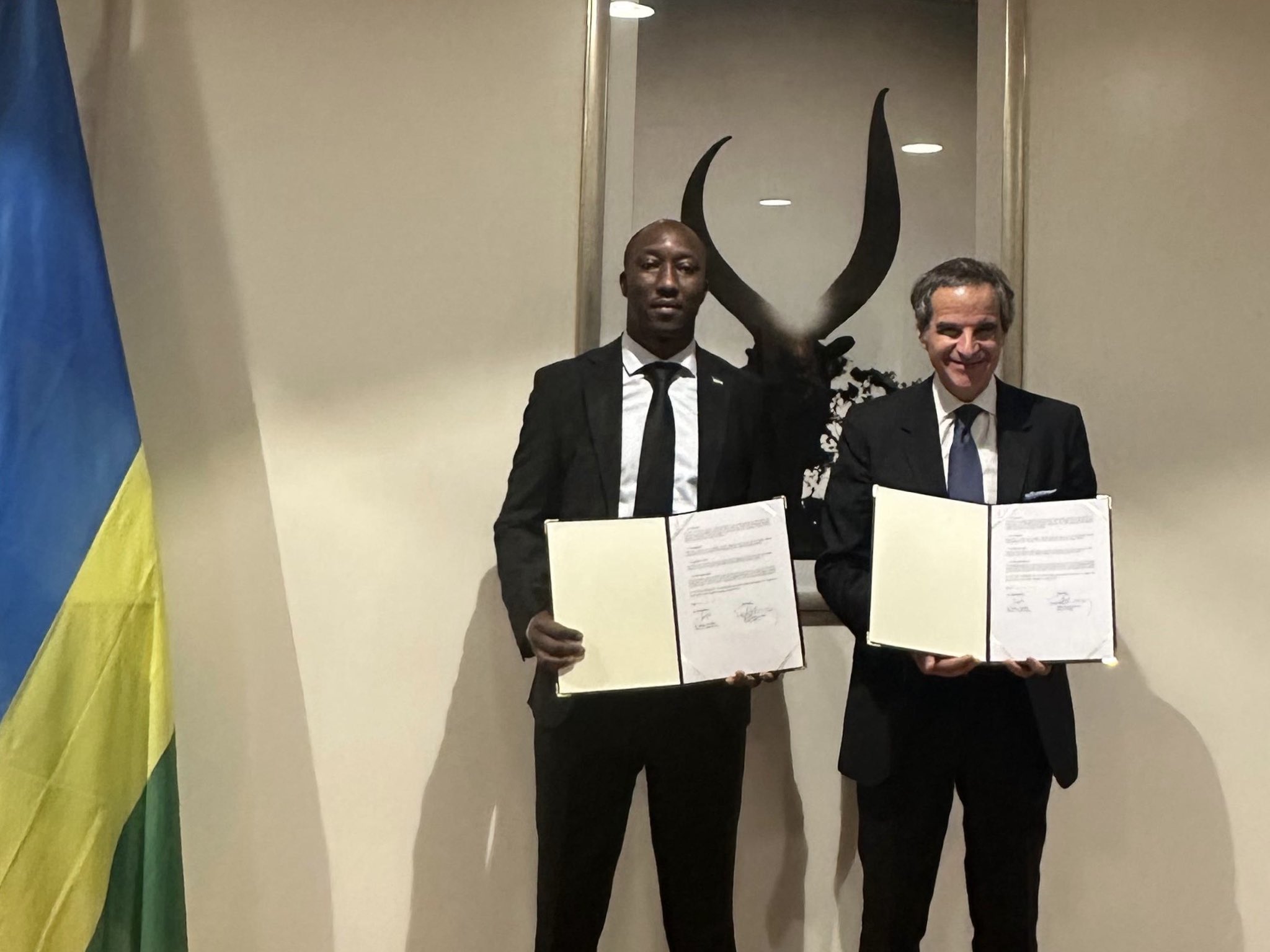
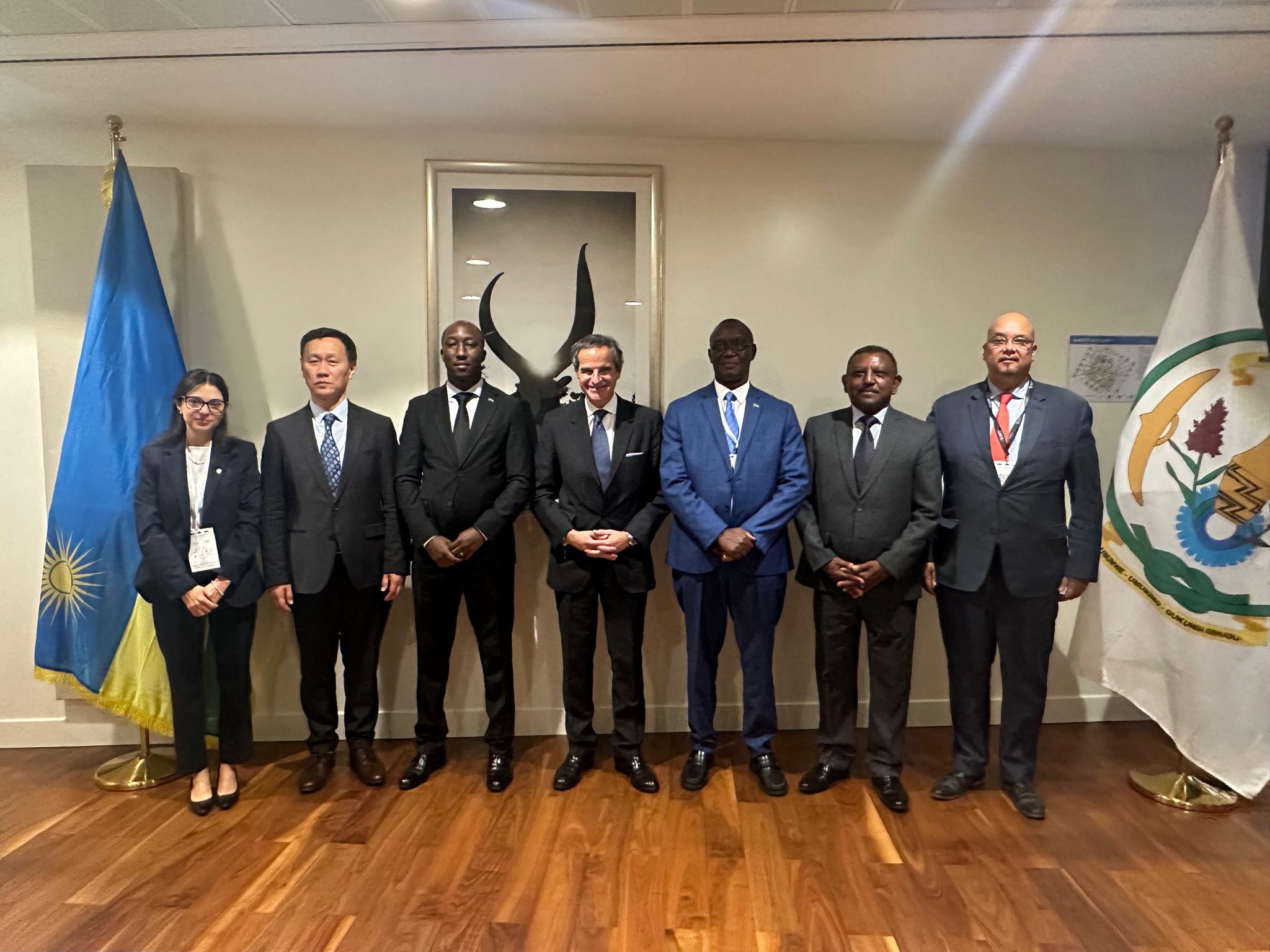
The agreement was signed by Rwanda’s Minister of Infrastructure, Jimmy Gasore, and IAEA Director General Rafael Mariano Grossi during the Nuclear Energy Innovation Summit for Africa (NEISA 2026) held in Kigali.
Under the partnership, Rwanda will receive technical and institutional support in key areas such as energy planning, infrastructure development, workforce training, stakeholder engagement, financing, and capacity building. The cooperation is intended to help the country prepare for potential nuclear power deployment in the coming years.
The signing came shortly after Rwanda received a report from the IAEA confirming its transition to Phase Two of its nuclear power programme. This stage focuses on preparatory activities ahead of a possible government decision to proceed with the contracting and construction of a nuclear power plant.
Phase Two also involves the establishment of key institutions, strengthening human resource capacity, and the development of legal and regulatory frameworks required to support nuclear energy implementation.
The agreement was signed by Rwanda’s Minister of Infrastructure, Jimmy Gasore, and IAEA Director General Rafael Mariano Grossi during the Nuclear Energy Innovation Summit for Africa (NEISA 2026) held in Kigali.
Rwanda completed Phase One of the programme in March following an Integrated Nuclear Infrastructure Review (INIR) mission conducted by the IAEA. The assessment evaluated the country’s readiness to begin a nuclear energy programme and identified areas that still require further development.
The INIR process is part of the IAEA Milestones Approach, which guides countries through structured phases of nuclear infrastructure development, from initial consideration through to construction and operation. Phase One focuses on early planning steps, including feasibility studies and defining a national position on nuclear energy.
Small Modular Reactors are being considered as a key option for Rwanda due to their flexibility, relatively lower upfront costs, and smaller land requirements compared to conventional nuclear power plants.
Rwanda’s leadership says nuclear energy is expected to play a central role in supporting industrial growth and strengthening long-term energy security.
President Paul Kagame emphasised the importance of the milestone, saying:
“Rwanda is pleased to have successfully completed the IAEA’s Phase 1 Integrated Nuclear Infrastructure Review (INIR). We intend to have nuclear energy operational by the early 2030s, and this assessment confirms that we are on track. For Africa, energy is not simply a development issue. It is the foundation of industrial growth and competitiveness.”
Rwanda aims to generate up to 1.5 gigawatts of electricity from nuclear power by 2050.
Under the partnership, Rwanda will receive technical and institutional support in key areas such as energy planning, infrastructure development, workforce training, stakeholder engagement, financing, and capacity building.
IAEA Director General Rafael Mariano Grossi highlighted the broader continental context of nuclear development, noting:
“Africa’s energy future will be built by Africans, and the IAEA is ready to continue supporting countries across the continent, from infrastructure development and capacity building to new technologies such as SMRs.”
With Phase Two now underway and the new agreement in place, Rwanda’s nuclear energy programme is entering a more advanced stage of preparation, marking a significant step toward potential future deployment.
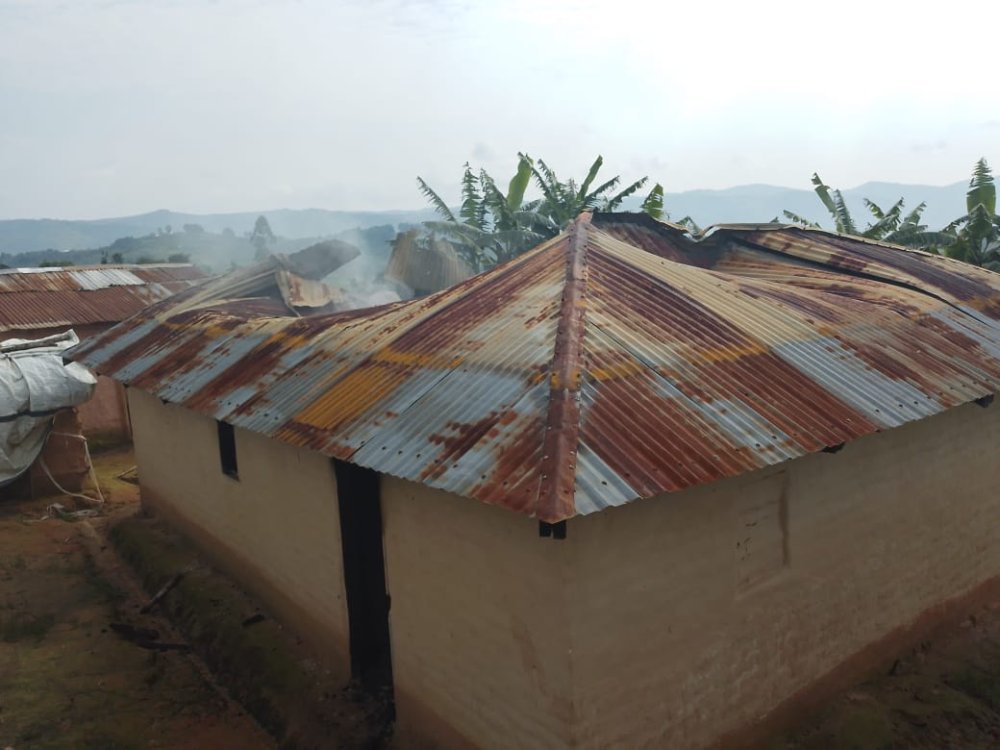
In a statement released on the evening of May 18, AFC/M23 spokesperson Lawrence Kanyuka said several densely populated parts of Minembwe had come under heavy attack from armed drones.
“Drone strikes are currently targeting populated neighborhoods in Minembwe, spreading panic among civilians,” Kanyuka said. “Homes are being destroyed and families are fleeing as explosions and fires continue across the area.”
The coalition claimed the attacks are part of a broader campaign targeting communities in Minembwe and neighboring areas, particularly members of the Banyamulenge community. AFC/M23 accused Burundian troops, FDLR terrorist group and Wazalendo militias of taking part in the operations alongside Congolese government forces.
On the same day, Col Fidèle Rugabo of the MRDP-Twirwaneho armed group, which operates in Minembwe, condemned what he described as a violation of the ceasefire.
“We are alerting both the international community and the Congolese population about these attacks,” Rugabo said. “We will continue defending ourselves until the very end.”
According to AFC/M23, further strikes were carried out on May 19 and 20 in areas including Kalingi, Bidegu and Gakenke, allegedly using Chinese-made KT-6 and CH-4 drones.
The renewed fighting is also said to be disrupting humanitarian activities that had recently resumed in Minembwe. Since late April 2026, teams from the International Committee of the Red Cross had restarted deliveries of medicines and medical supplies to the area.
AFC/M23 further alleged that humanitarian aid vehicles heading to Minembwe on May 19 were intercepted by Wazalendo fighters at Point-Zéro and forced to turn back.
“Kinsasha and its allied forces continue blocking access routes to Minembwe, worsening an already critical humanitarian situation and putting thousands of civilians at risk,” Kanyuka stated.
The coalition also reported fresh overnight attacks between May 20 and the morning of May 21 in Gakenke, Kalingi, Kalonge and Bidegu, again involving suicide drones.
In North Kivu Province, AFC/M23 said Congolese forces also launched attacks around Katoyi center in Masisi Territory.
Despite the continued clashes, AFC/M23 said it would keep fighting to protect civilians and their property.
The AFC/M23 coalition has accused the Democratic Republic of Congo’s army of intensifying military operations in Minembwe and nearby areas of South Kivu Province,
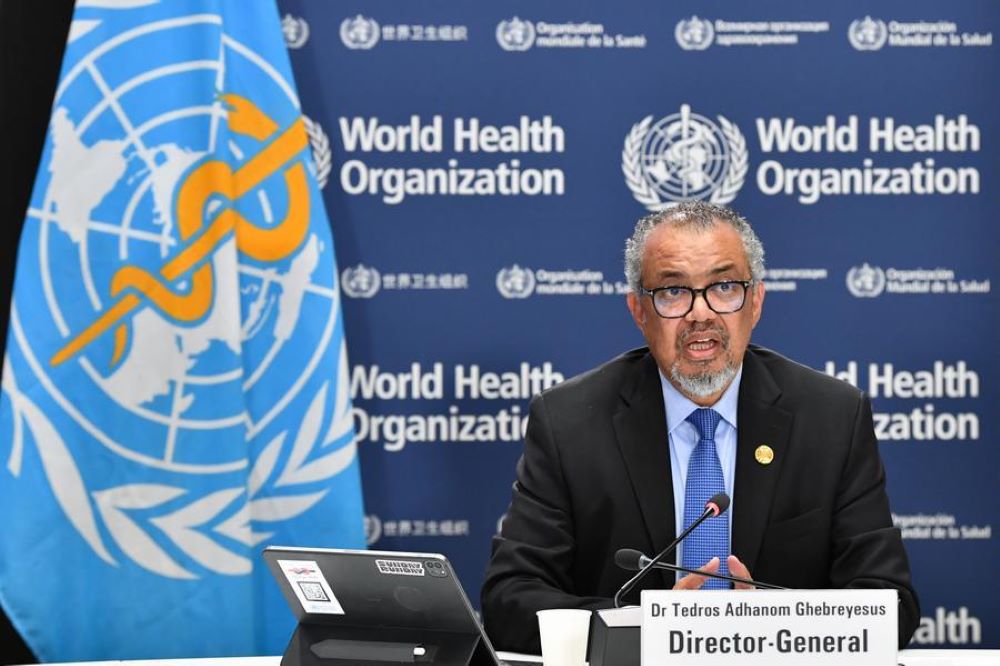
Speaking at a press conference, WHO Director-General Tedros Adhanom Ghebreyesus said that a WHO Emergency Committee met on Tuesday and agreed with his earlier assessment that the Ebola situation in the Democratic Republic of the Congo (DRC) and Uganda is a public health emergency of international concern (PHEIC), but is not a pandemic emergency.
Tedros early on Sunday declared the PHEIC for the Ebola outbreak in the two countries, marking the first time a WHO chief had done so without first convening an Emergency Committee.
So far, 51 cases have been confirmed in the northern provinces of Ituri and North Kivu of the DRC, said Tedros, adding that the scale of the epidemic in the DRC is much larger.
Uganda has also informed WHO of two confirmed cases in the capital Kampala, including one death, among two individuals who traveled from the DRC to Uganda, he said, adding that a U.S. national working in the DRC has also been confirmed positive.
Beyond the confirmed cases, there are almost 600 suspected cases and 139 suspected deaths, said Tedros.
He said the WHO expects the numbers to keep increasing, given the amount of time the virus was circulating before the outbreak was detected.
Tedros said that it was urgent to act immediately to prevent more deaths and mobilize an effective and international response.
The WHO has deployed people, supplies, equipment and funds to support national authorities to respond, he said.
The WHO chief said he has approved an additional 3.4 million U.S. dollars from the Contingency Fund for Emergencies, bringing the total to 3.9 million U.S. dollars.
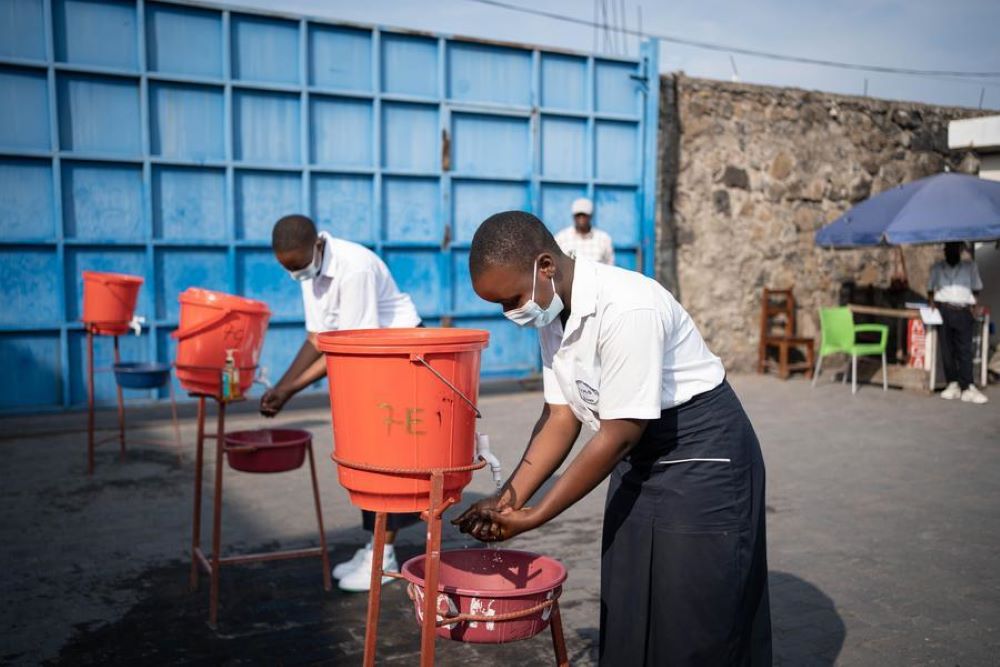
Local residents wash hands under the instruction of medical workers in Goma, the Democratic Republic of the Congo (DRC), on May 19, 2026. (Str/Xinhua)
Head of the World Health Organization (WHO) Tedros Adhanom Ghebreyesus speaks during a press briefing in Geneva, Switzerland, Aug. 7, 2025. (Xinhua/Lian Yi)
“The path to climate justice runs through a rapid, just, and equitable transition away from fossil fuels towards renewable energy,” Guterres said in a statement on the adoption of the UN General Assembly (UNGA) resolution on the advisory opinion of the International Court of Justice (ICJ) on the obligations of states in respect of climate change.
Welcoming the adoption of the resolution, the UN chief said it is “a powerful affirmation of international law, climate justice, science, and the responsibility of states to protect people from the escalating climate crisis.”
“Those least responsible for climate change are paying the highest price,” he said. “That injustice must end.”
“The task ahead is clear — keep 1.5°C within reach and build a safer, fairer, and more resilient future for all,” said Guterres, stressing that renewables proved to be the cheapest and the most secure form of energy supply.
Earlier on Wednesday, the UNGA adopted a draft resolution welcoming the ICJ advisory opinion on states’ obligations on climate change by a recorded vote of 141 in favor, eight against, and 28 abstentions.
The resolution welcomes the ICJ’s advisory opinion in July 2025 on the obligations of states in respect of climate change, affirms the importance of the court’s advisory opinion as an authoritative contribution to the clarification of existing international law, and calls upon all states to comply with their respective obligations under international law to ensure the protection of the climate system and other parts of the environment from anthropogenic greenhouse gas emissions, as identified by the court.
Oil pumpjacks at the Inglewood Oil Field in Culver City, California, the US, May 4, 2026. /VCG
Brig Gen Rwivanga, who has served as the spokesperson of the Rwanda Defence Force since December 2020, was appointed to the new role at the end of last year. His office will be based in Karen, Nairobi, Kenya, where the EASF Secretariat is located.
The handover ceremony took place at the Ministry of Defence and Veteran Affairs Headquarters in Mbuya, Kampala, and was presided over by Uganda’s Defence Minister Jacob Marksons Oboth, who chairs the EASF Council of Ministers.
Oboth urged the new Director to build on existing gains and strengthen regional cooperation amid declining external support, calling for greater self-reliance among member states.
“You are stepping into big shoes. You inherit not only the achievements of the past, but also high expectations and a community committed to working with you in unity, professionalism, and purpose,” he remarked.
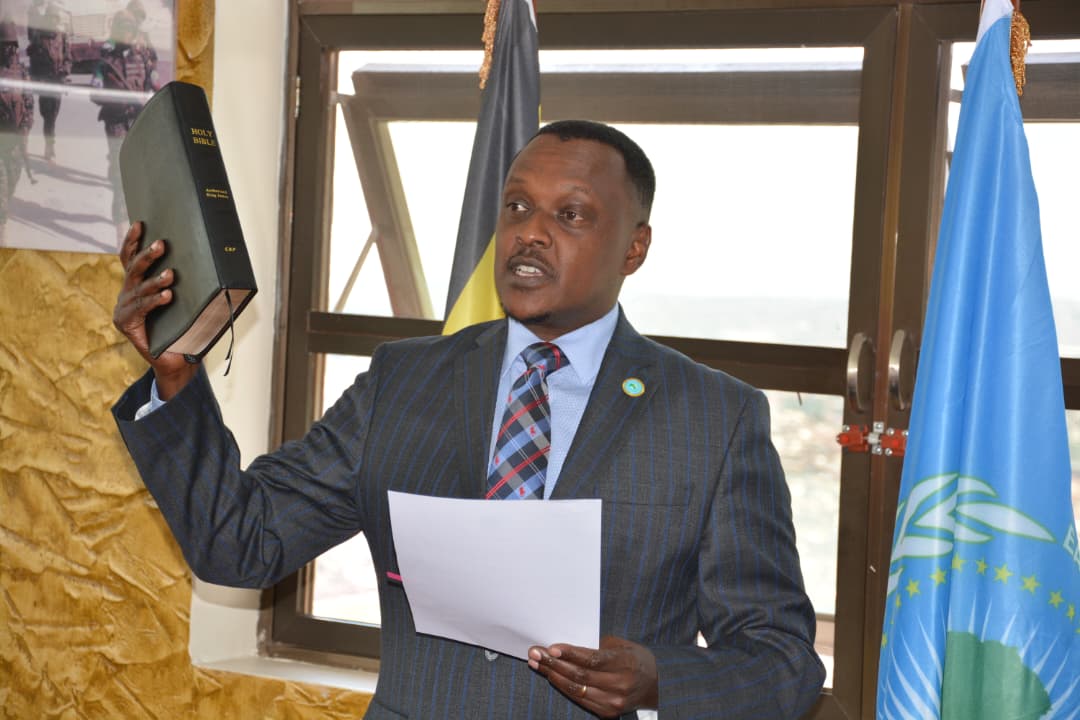
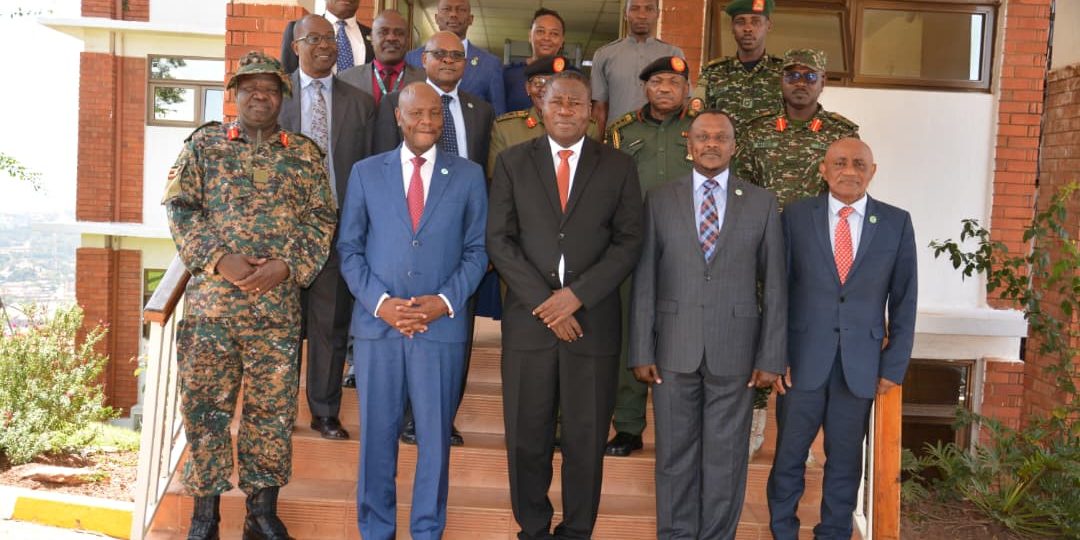
The handover ceremony took place at the Ministry of Defence and Veteran Affairs Headquarters in Mbuya, Kampala, and was presided over by Uganda’s Defence Minister Jacob Marksons Oboth, who chairs the EASF Council of Ministers.
In his remarks, Brig Gen Rwivanga pledged to lead with transparency, professionalism, and accountability, describing his appointment as both an honour and a solemn responsibility to advance collective peace and security in the region.
He noted that Africa’s security landscape continues to evolve rapidly, with emerging threats including terrorism, violent extremism, cybercrime, unconstitutional changes of government, as well as climate-induced disasters and humanitarian crises.
Rwivanga called for sustained political, operational, and financial support from member states, stressing that predictable funding remains essential to strengthening EASF’s readiness and overall effectiveness.
He further underscored the importance of maintaining strong humanitarian and disaster response capabilities, saying the force must remain ready to support member states in times of floods, droughts, disease outbreaks, and population displacement.
“We have committed ourselves as EASF that whenever there is a humanitarian issue or disaster, whether floods, droughts, earthquakes, diseases like Ebola, or displaced people, the force stands ready to support member states whenever such disasters strike,” he said.
The Eastern Africa Standby Force is one of the African Union’s regional standby mechanisms established to support peacekeeping operations, conflict prevention, humanitarian assistance, and regional security interventions across Eastern Africa.
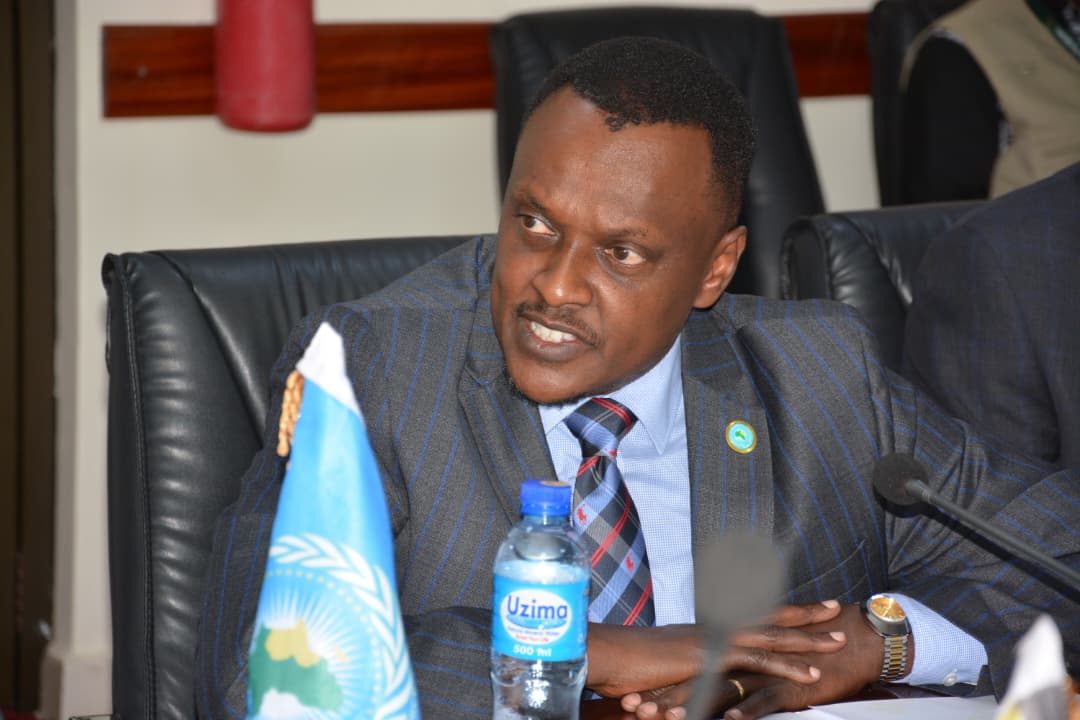
Brig Gen Rwivanga pledged to lead with transparency, professionalism, and accountability, describing his appointment as both an honour and a solemn responsibility to advance collective peace and security in the region.
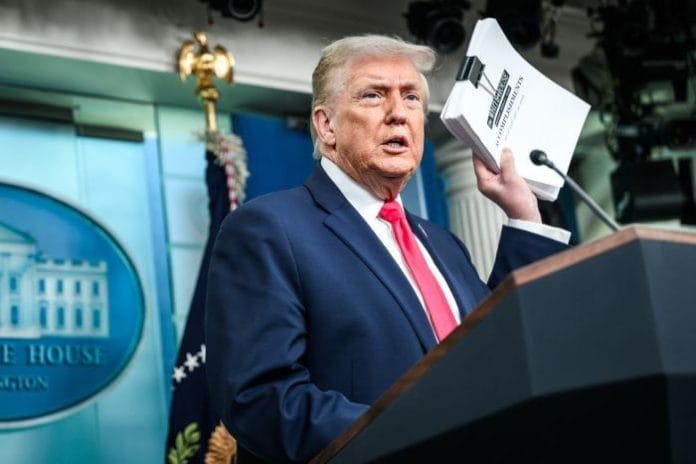
“We’re in the final stages of Iran,” Trump told reporters. “We’ll see what happens.”
“We’ll either have a deal or we’re going to do some things that are a little bit nasty. But hopefully that won’t happen,” he added.
The president claimed he is in “no hurry” to finalize a peace agreement with Iran, suggesting that he would not consider making a “limited deal” only focused on reopening the Strait of Hormuz.
“We’re going to give this one shot,” Trump said of a potential deal, ruling out the idea of a partial compromise.
“I’m in no hurry. You never think, ‘Oh, the midterms, I’m in a hurry.’ I’m in no hurry,” Trump said.
The president added that he had a “very good” phone call with Turkish President Recep Tayyip Erdogan earlier on Wednesday. Türkiye is seen as one of key mediators during U.S.-Iran negotiations.
Iran’s Islamic Revolution Guard Corps on Wednesday warned that if the U.S. and Israeli aggression against the country is repeated, the war will extend beyond the West Asia region.
On the same day, Iranian Foreign Minister Seyed Abbas Araghchi warned in a post on X that returning to war with Iran will have many more surprises for the United States, citing a recent report by the U.S. Congress that acknowledged the loss of dozens of aircraft.
On Feb. 28, the United States and Israel launched joint attacks on Tehran and several other Iranian cities, killing Iran’s then Supreme Leader Ali Khamenei, along with senior military commanders and civilians. Iran responded by launching waves of missile and drone strikes targeting Israeli and U.S. bases and assets in the Middle East.
A ceasefire was reached between the warring parties on April 8, followed by one round of peace talks in Pakistan’s capital Islamabad on April 11 and 12, which failed to yield an agreement.
U.S. and Israeli officials have escalated threats of repeating military attacks against Iran over the past few days. Trump on Tuesday claimed Iran’s leaders were “begging” to make a deal, warning that a new U.S. attack could take place in the coming days if no agreement is reached.
The president claimed he is in “no hurry” to finalize a peace agreement with Iran, suggesting that he would not consider making a “limited deal” only focused on reopening the Strait of Hormuz.