According to the military, Israeli forces have moved beyond the five positions currently held by Israel, expanding their presence further inside southern Lebanon. The deployment, the IDF says, is intended to strengthen defensive lines amid escalating tensions with Hezbollah.
The army said soldiers from the 91st “Galilee” Regional Division are now positioned at several points near the border area under the reinforced defense strategy.
In a statement, the IDF emphasized that the operations are aimed at “creating an additional layer of security for residents of northern Israel,” as cross-border hostilities continue.
The announcement comes as Israel continues air and artillery strikes targeting positions linked to Hezbollah in southern Lebanon.
Hezbollah has stepped up rocket and missile fire toward northern Israel in recent days, saying the attacks are in retaliation for the reported assassination of Ali Khamenei, Iran’s Supreme Leader, over the weekend by joint U.S.-Israel strikes.
The killing has dramatically escalated tensions across the region, drawing in multiple actors and raising fears of a wider conflict.
Israeli officials maintain that operations near the Lebanese border are focused on neutralizing immediate threats and preventing further cross-border attacks.
This picture released by the Israeli army on October 8, 2024, shows Israeli troops operating on the ground near the border with Israel in southern Lebanon.
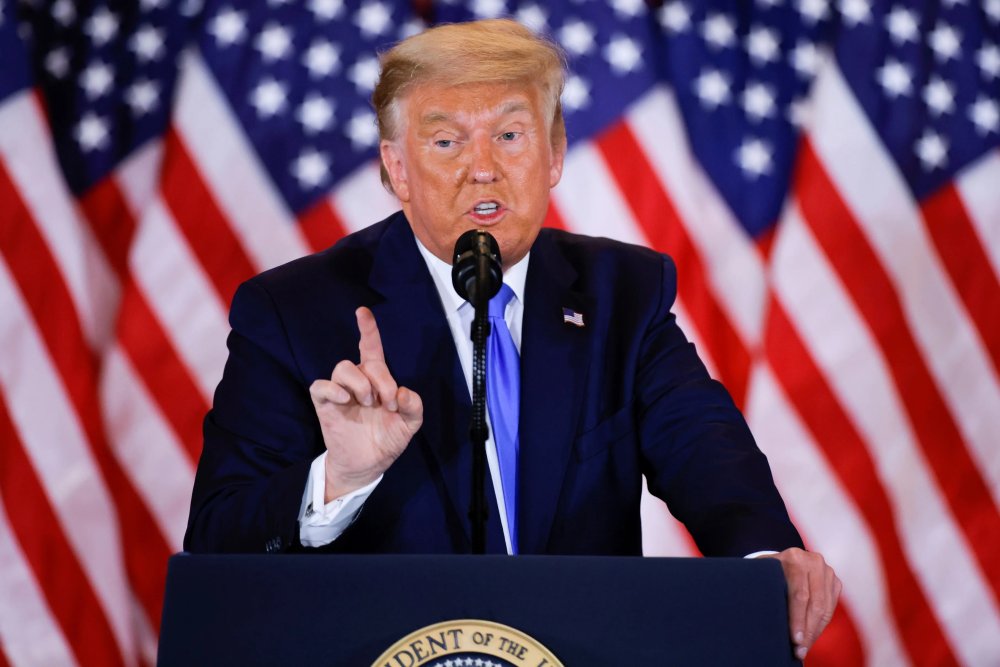
In a series of posts on X on Monday evening, Kellie Meyer, White House Correspondent for News Nation, said she just spoke to Trump in a two-minute call.
In his first reaction to the attack on the U.S. Embassy in Riyadh, Trump told Meyer that “you’ll find out soon” what his retaliation will be.
When asked on the threshold of U.S. boots on the ground, Trump said, “I wouldn’t give you anything on that. I mean I don’t think they’ll be necessary.”
Trump’s remarks came a few hours after Secretary of State Marco Rubio said the Trump administration believes that its objectives against Iran “can be achieved without ground forces.”
“Right now, our focus is on the destruction of their ballistic missile launchers, their ballistic missile stockpiles and their ballistic missile manufacturing capability, as well as their one-way attack drones and their Navy,” Rubio told reporters on Capitol Hill before a classified briefing for congressional leaders on Monday afternoon.
Meanwhile, Amir Saeid Iravani, Iran’s permanent representative to the United Nations, called on the UN Security Council to “act firmly, clearly, and without ambiguity” in response to the U.S. and Israeli attacks.
In a statement to the press, Iravani said the United States, in full coordination with Israel, launched “a second deliberate and unprovoked” military attack against Iran, which was “a calculated act of aggression.”
Iravani accused the United States and Israel of “deliberately targeting civilians and civilian infrastructure,” resulting in the death of 165 schoolgirls in a school in southern Iran’s Hormozgan province, saying that “these acts constitute aggression. They constitute war crimes. They constitute crimes against humanity.”
U.S. President Donald Trump said on Monday evening that he doesn’t think boots on Iran’s ground will be necessary.
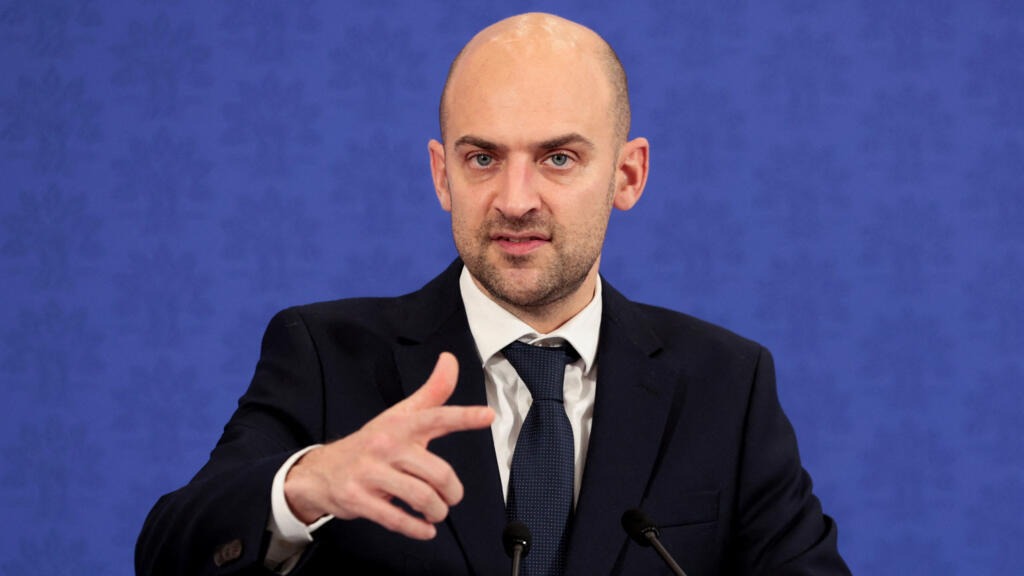
Speaking at a press conference, Barrot said the military action against Iran should have been debated before the United Nations Security Council before unilateral moves by Israel and the United States.
He also called for an end to the conflict, warning that the indefinite continuation of military operations without a clear objective “carries the risk of a spiral that could draw Iran and the region into a prolonged period of instability.”
The remarks came as Britain, France and Germany said in a joint statement released on Sunday that they are ready to take “necessary and proportionate defensive action” against Iran, including steps aimed at destroying its capability to fire missiles and drones at their source.
Zorgenfreija told the LETA news agency that events in the Middle East have once again highlighted one of the classic global economic risks — disruptions in energy resource supply chains.
She noted that the escalation of the conflict, including strikes on Iran and its oil infrastructure, a pause in shipping through the Strait of Hormuz, and the rise in ship insurance costs, has triggered a sharp price reaction in the markets.
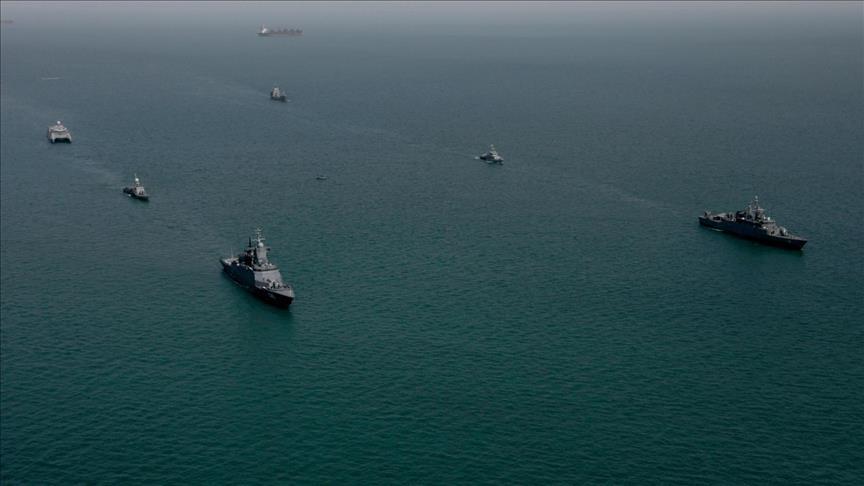
Roughly one-fifth of the world’s oil and gas flows through the Strait of Hormuz. Iranian media reported that the Islamic Revolution Guards Corps had closed the strait to shipping, declaring the waterway unsafe due to U.S. and Israeli attacks. In light of the regional tension, vessel traffic via the strait has dropped considerably since Saturday, according to several sources monitoring ship-tracking data.
Zorgenfreija said the conflict means higher energy prices worldwide, including in Latvia, and in the most negative scenario, Brent oil prices could exceed 100 U.S. dollars per barrel, while gas prices could double.
The rise of energy prices depends on how long the conflict will last, how prolonged the shipping pause through the Strait of Hormuz will be, and to what extent oil and gas production will be disrupted or infrastructure damaged, she noted.
She added that for Europe and Latvia, such a situation means a direct and rapid rise in energy resource prices, exerting pressure on both household expenditures and business costs.
Moreover, secondary effects will come through the prices of other goods and services, resulting in higher inflation than previously forecast, she said.
In a statement, Sudan’s Ministry of Foreign Affairs and International Cooperation said the authorities “had been monitoring throughout February and early March the entry of drones from inside Ethiopian territory, engaging targets within Sudan.”
The ministry described these actions as “condemned and unacceptable hostile behavior, representing a flagrant violation of Sudan’s sovereignty and a clear act of aggression against the Sudanese state.”
Khartoum warned the Ethiopian authorities of what it termed “the consequences of these hostile acts,” affirming that it reserves the right to defend its sovereignty and territorial integrity by the means it deems appropriate, according to the statement.
This marks the first time the Sudanese government has announced direct official accusations against Ethiopia of interfering in the ongoing war in Sudan.
Fighting between the Sudanese Armed Forces and the paramilitary Rapid Support Forces erupted in April 2023 and has killed tens of thousands of people and displaced millions inside Sudan and across its borders.
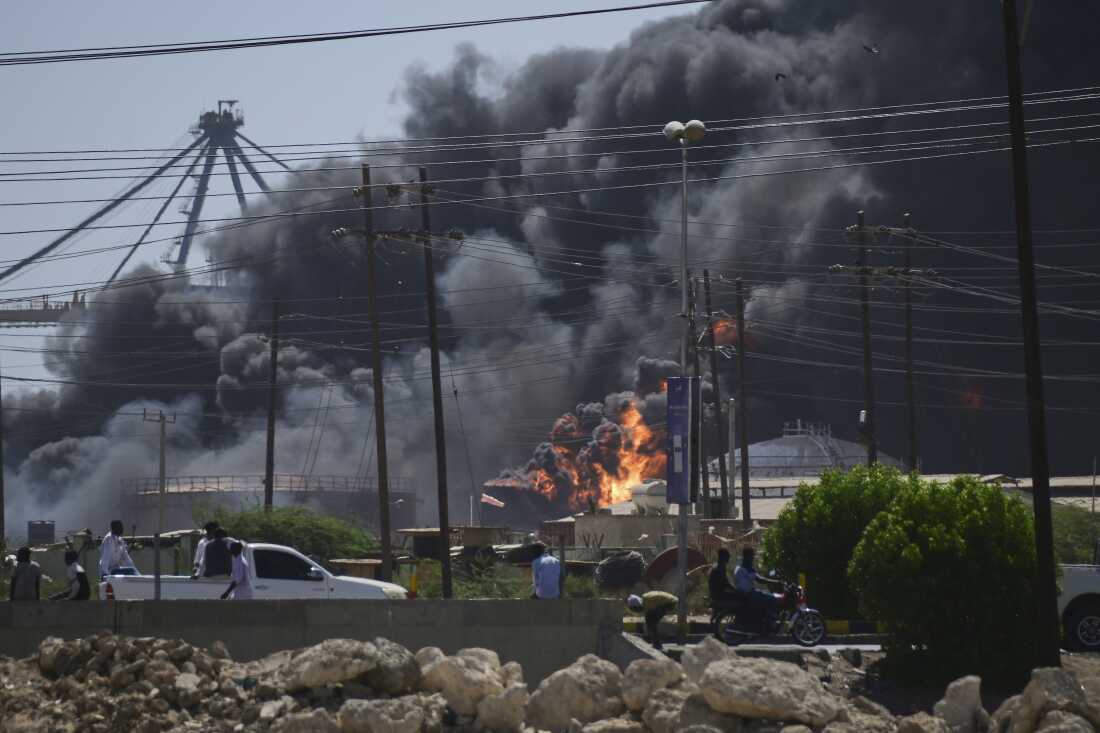
Smoke billows after drone strikes by the paramilitary Rapid Support Forces (RSF) targeted the northern port in the Red Sea city of Port Sudan, Sudan, Tuesday, May 6, 2025. (AP Photo)
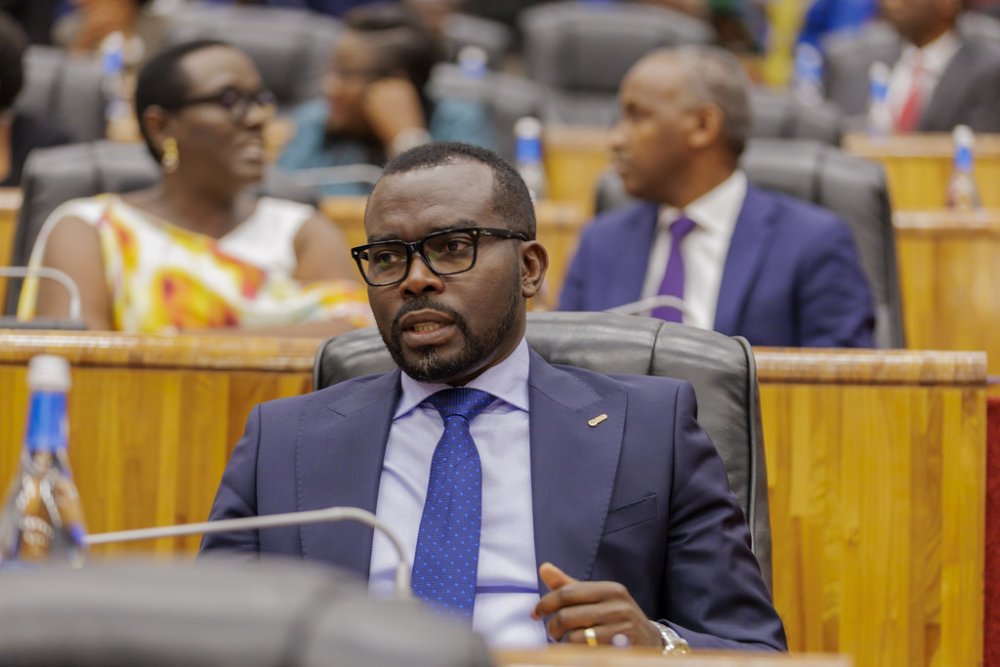
Minister of Trade and Industry, Prudence Sebahizi, said the closure of the Strait of Hormuz, a key route for global oil trade, poses challenges for oil-importing countries worldwide, including Rwanda. However, he noted that Kigali has activated contingency plans to prevent immediate disruptions for consumers.
Heavy strikes by the United States and Israel began on February 28, 2026, with Iran retaliating against neighboring countries such as Qatar, Saudi Arabia, Kuwait, and Bahrain. The escalation has disrupted traffic through the Strait of Hormuz, which carries roughly 20 percent of globally traded oil.
Speaking to the Rwanda Broadcasting Agency, Sebahizi highlighted the immediate impact on petroleum products.
“Nearly one-fifth of the world’s traded oil passes through that corridor. Countries that rely on imported petroleum products will inevitably be affected,” he said, noting that much of the fuel supplied to East Africa transits through this route.
Rwanda, a landlocked country dependent on imports, is working with suppliers to ensure that shipments already in transit reach the country without delay, and to strengthen national reserves.
“We are coordinating with importers to ensure that fuel shipments already in transit, particularly those that have cleared the conflict-affected routes, arrive promptly. The objective is to build sufficient stock so that if tensions ease within the coming months, we will have maintained stability in the domestic market,” Sebahizi explained.
The Strait of Hormuz lies between Iran and Oman and facilitates the daily passage of between 16 and 21 million barrels of oil. Major exporters under the Organization of the Petroleum Exporting Countries, including Iran, Saudi Arabia, the United Arab Emirates, and Kuwait, rely heavily on this corridor to supply Asian markets.
Fuel prices in Rwanda have already risen in recent months, with petrol at Rwf 1,989 per litre and diesel at Rwf 1,900 per litre since November 2025. Sebahizi said the government is taking steps to ensure that adequate reserves are maintained to reduce exposure to supply disruptions.
He added that private investors have committed to building additional storage facilities, which will allow Rwanda to hold larger fuel reserves in the future.
“We must accelerate the development of storage infrastructure so that, in the future, the country can hold fuel for longer periods and reduce vulnerability to external shocks,” Sebahizi said.
The minister also noted that authorities are reviewing trade strategies, including diversifying sourcing options for goods imported from Asia, to manage potential disruptions or price increases in global markets.
Minister Sebahizi says closure of the Strait of Hormuz poses challenges, but Rwanda has plans to avoid immediate fuel disruptions.
On March 2, 2026, the U.S. Department of the Treasury’s Office of Foreign Assets Control (OFAC) announced sanctions against the RDF as an institution and four senior military officials; Chief of Defence Staff Gen Mubarakh Muganga; Army Chief of Staff Maj Gen Vincent Nyakarundi; Commander of the RDF Special Operations Force, Brig Gen Stanislas Gashugi; and Commander of the RDF’s Fifth Division, Maj Gen Ruki Karusisi.
In early December 2025, Rwanda and the DRC signed the Washington Accords in Washington, D.C., aimed at restoring peace in eastern DRC.
Despite the agreements, however, a DRC-allied coalition—including the genocidal FDLR militia, mercenaries, Burundian soldiers, and Wazalendo militia, has continued launching attacks on AFC/M23 positions and densely populated areas using ground and drone offensives.
The DRC has accused Rwanda of supporting the AFC/M23 rebel coalition, which resumed fighting in 2021 to defend the rights of marginalized Tutsi communities targeted by the DRC government after previous talks failed.
The United States statement imposed sanctions, accusing Rwanda of backing the M23, allegations Kigali has consistently denied, while urging the Democratic Republic of the Congo to end its collaboration with the FDLR, which has launched attacks on Rwandan territory on multiple occasions.
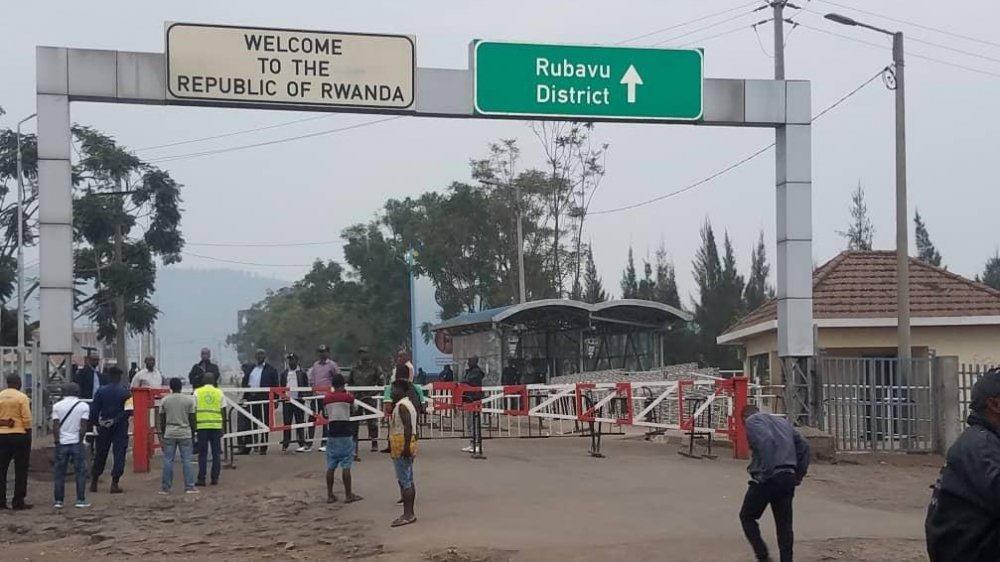
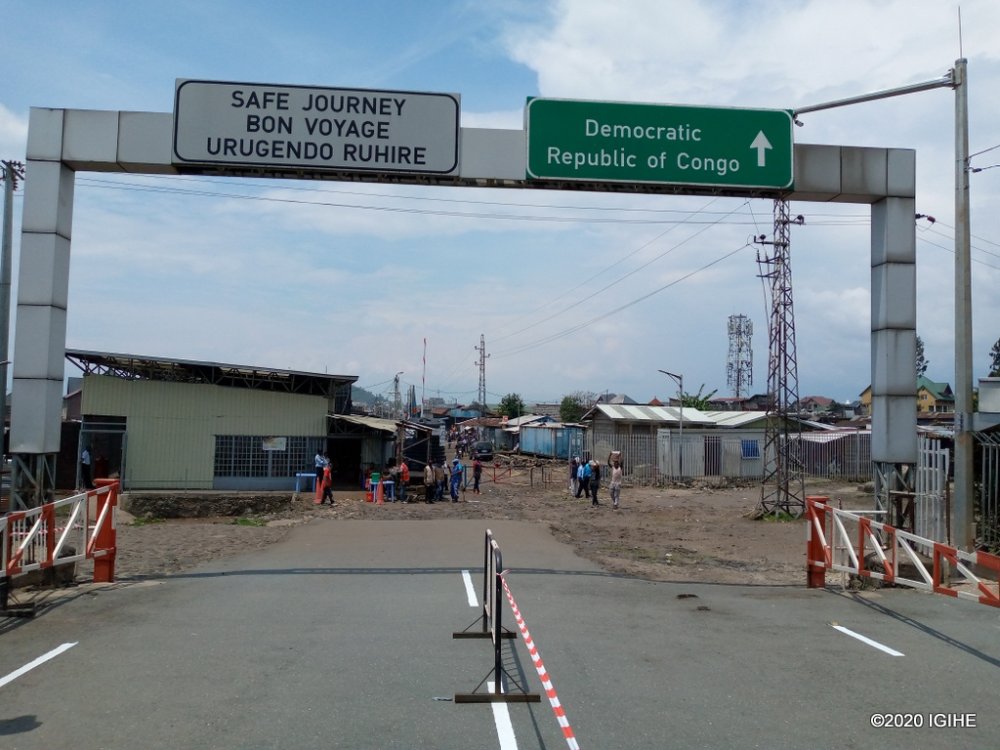
During the fighting in DRC, Rwanda was targeted multiple times, prompting the country to establish defensive measures along its border.
In its statement released on March 2, 2026, the Rwandan government insisted that the sanctions unfairly target only one party to the peace process while ignoring violations by the DRC side.
“The sanctions issued today by the United States unjustly targeting only one party to the peace process misrepresent the reality and distort the facts of the conflict in eastern Democratic Republic of Congo,” reads the statement.
“Consistent and indiscriminate drone attacks and ground offensives constitute clear violations of ceasefire agreements by the DRC, and continue to cost many lives. Protecting Rwanda is a badge of honour which the Rwanda Defence Force carries very proudly,” the statement adds.
Since the Washington Accords were signed on December 4, 2025, Rwanda has repeatedly affirmed its readiness to comply, stating that its defensive measures will only be lifted once the DRC has fully dismantled the FDLR.
In the statement released today, Rwanda has again reaffirmed its full commitment to the Washington Accords.
“The DRC committed, in the Washington Accords, to an irreversible and verifiable end to state support for the FDLR and associated militias, but have not taken any steps to do so. […]
“Rwanda welcomes the resumption of the implementation process, including the Joint Oversight Committee, which requires an even-handed approach from all partners. Rwanda remains committed to delivering on all aspects of the Washington Accords, including the Regional Economic Integration Framework,” the statement concluded.
The fighting in eastern DRC, prompted Rwanda to set up defensive measures along its border.
Founded five years ago in Belgium and headquartered in Luxembourg, CTC collaborates with the European Business University of Luxembourg to provide specialized training and internationally recognized certifications.
In an interview with IGIHE, founder and CEO Nzamutuma Janvier outlined the company’s journey, which began by training a single individual and grew to delivering over 90 certifications in 2024.
“As CTC expands, we see an increasing number of beneficiaries entering the workforce. The more enrollments we have, the more our learners find professional opportunities,” he explained.
Driven from the start by the ambition to expand into Rwanda, Nzamutuma registered the company with the Rwanda Development Board (RDB).
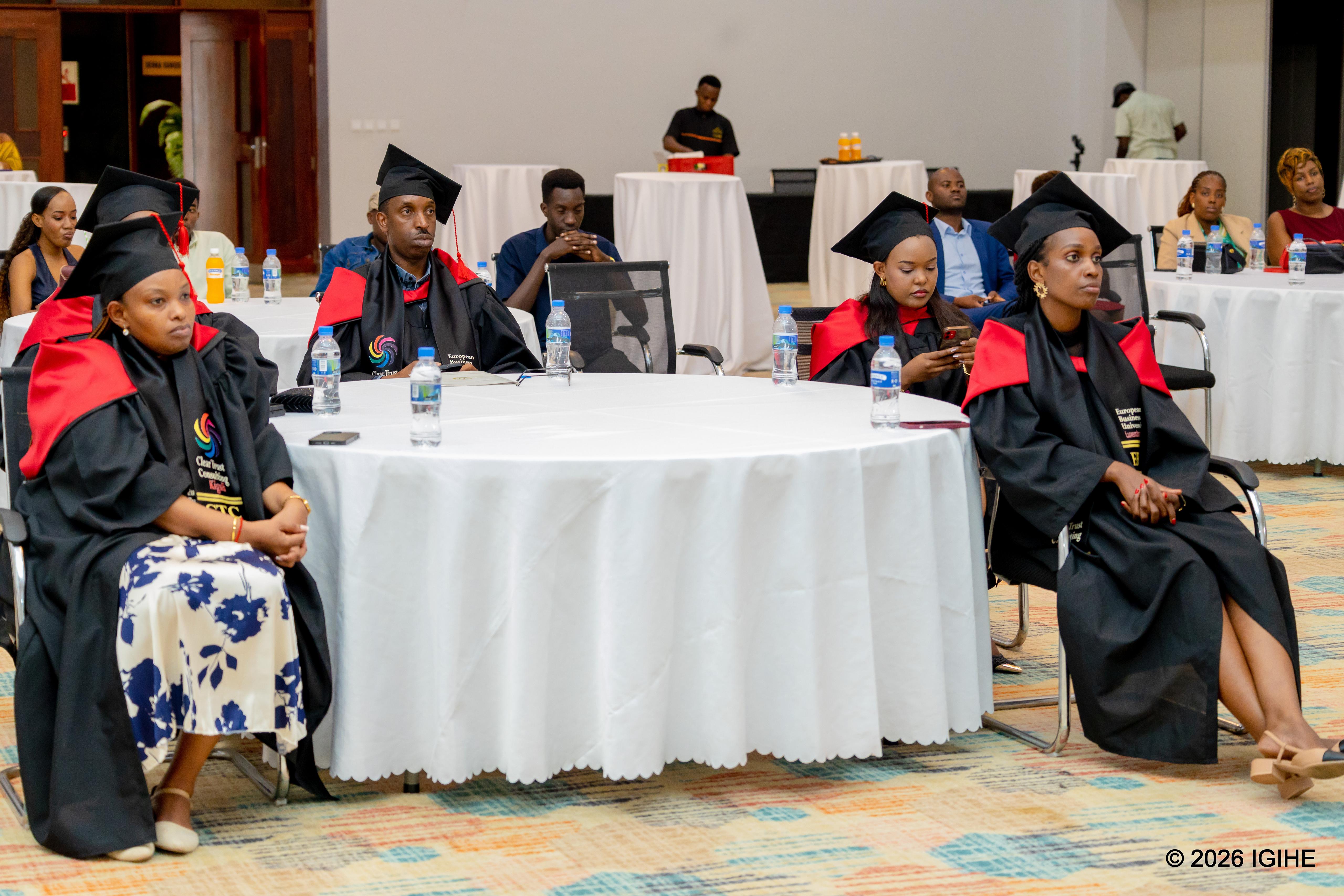
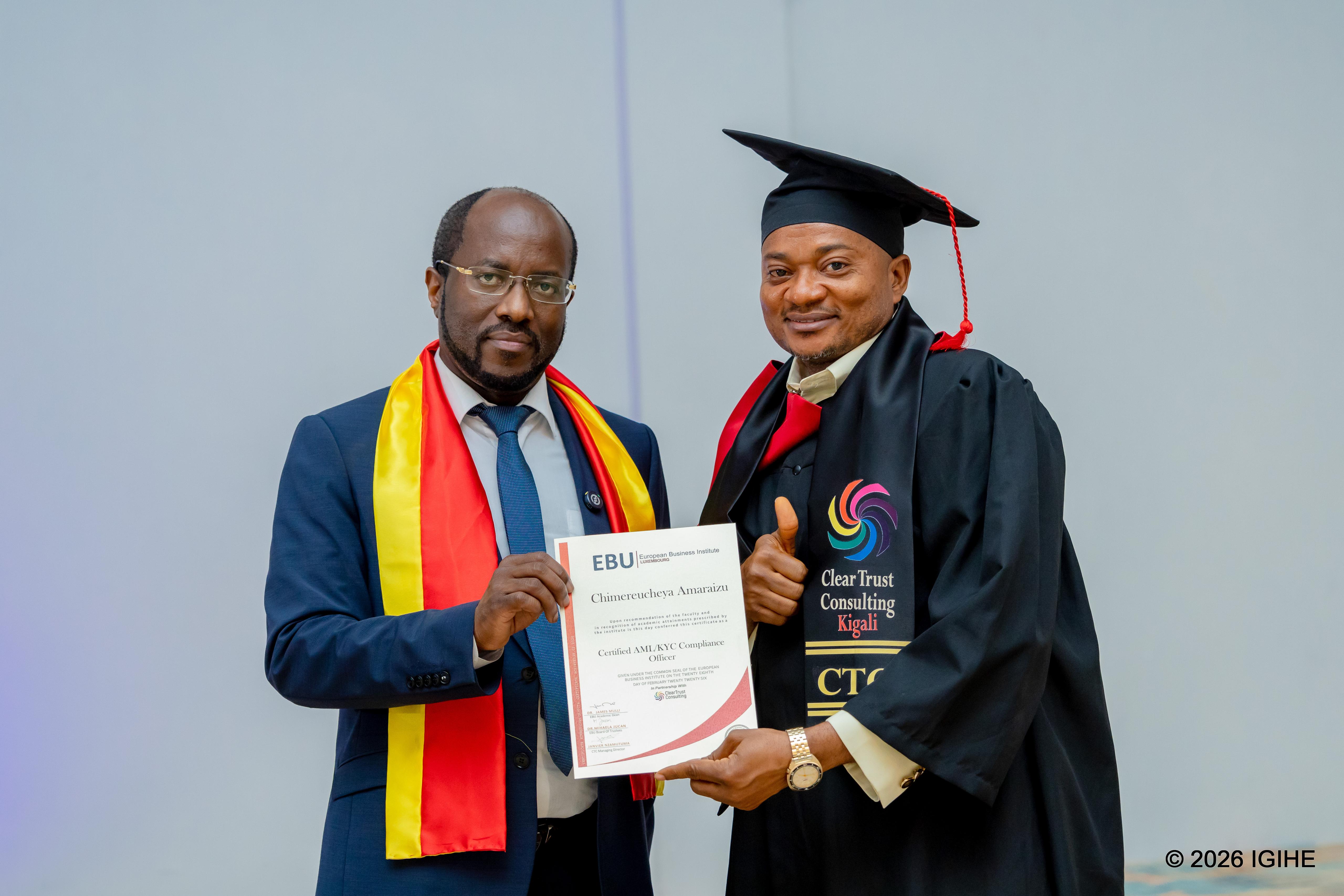
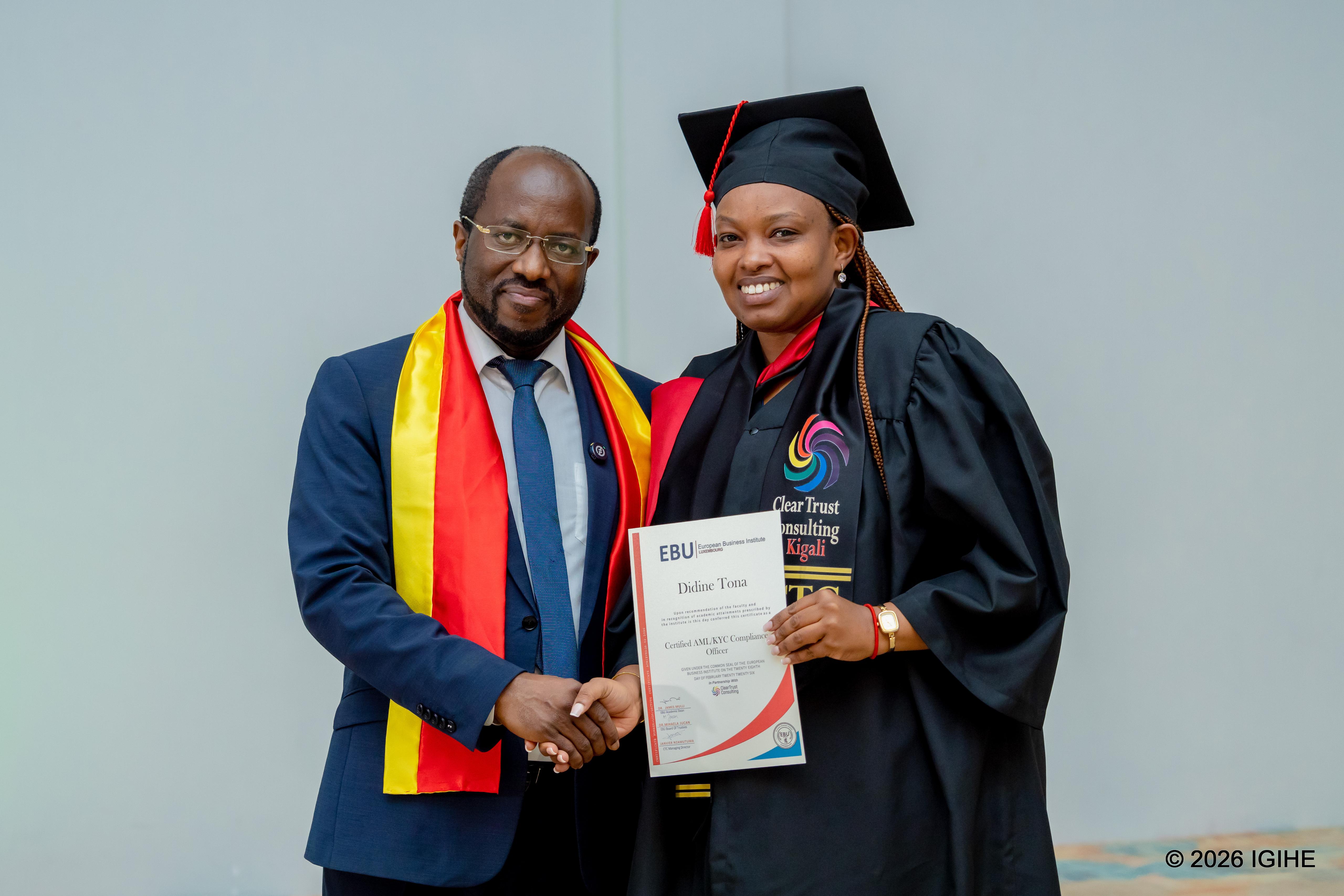
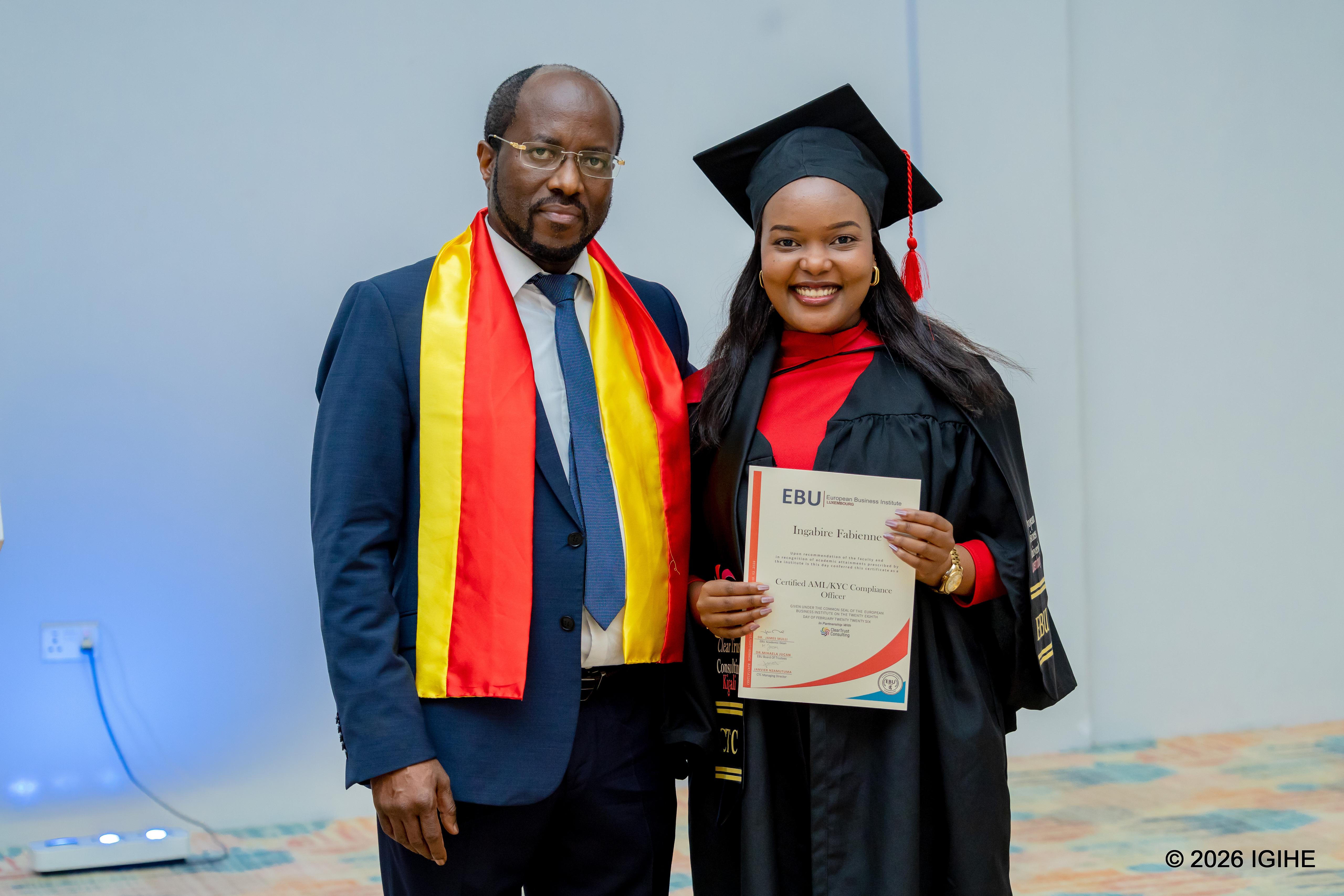
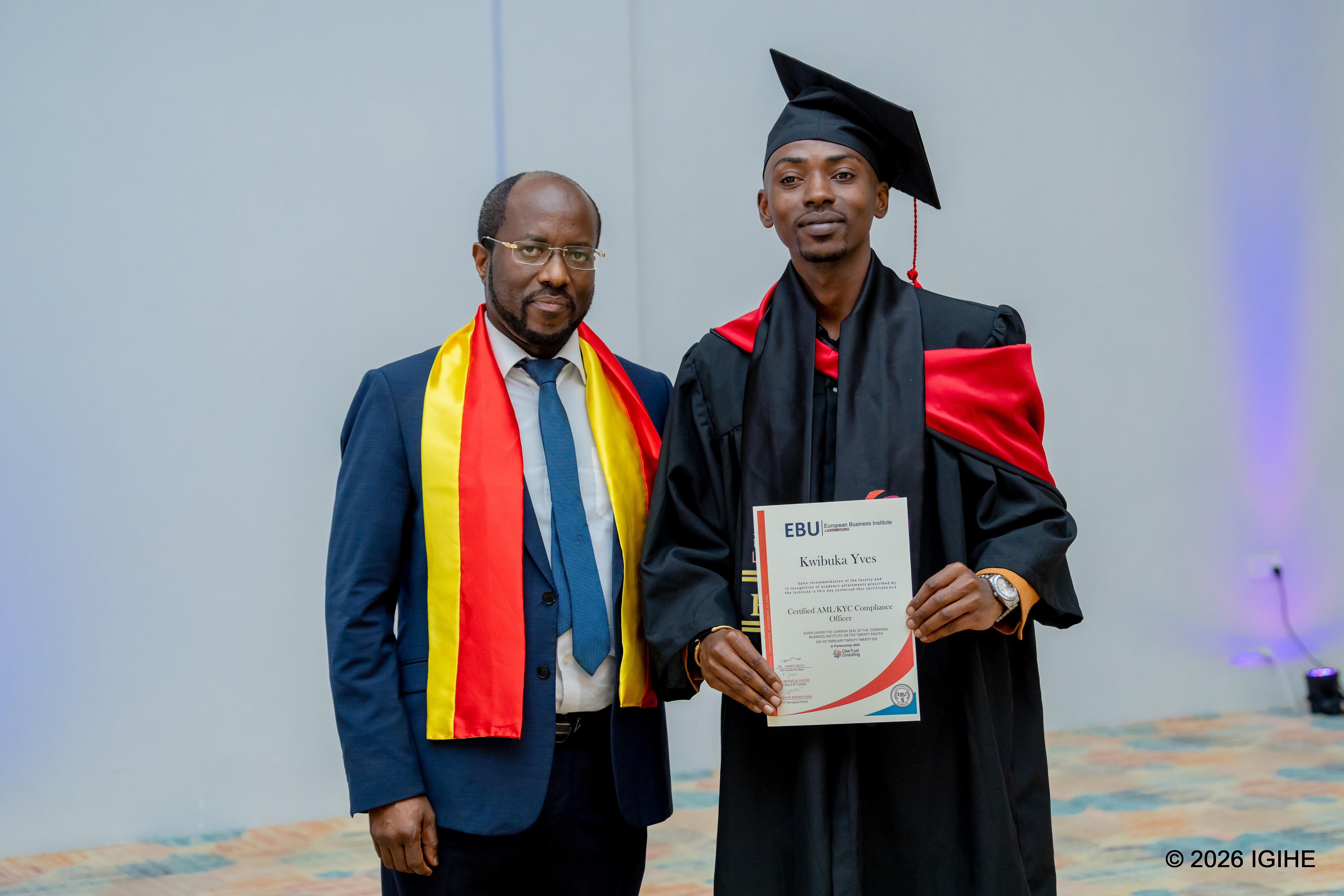
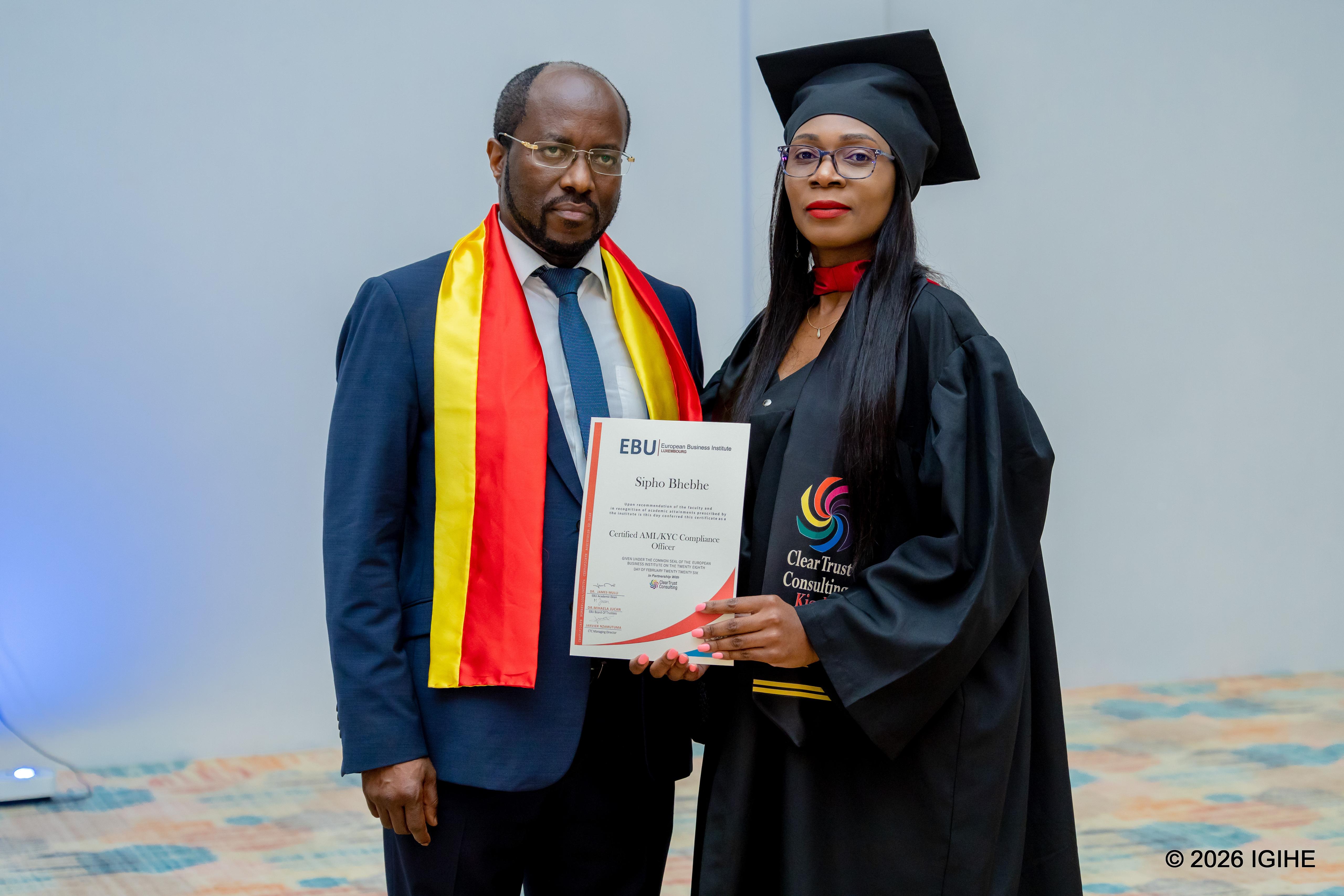
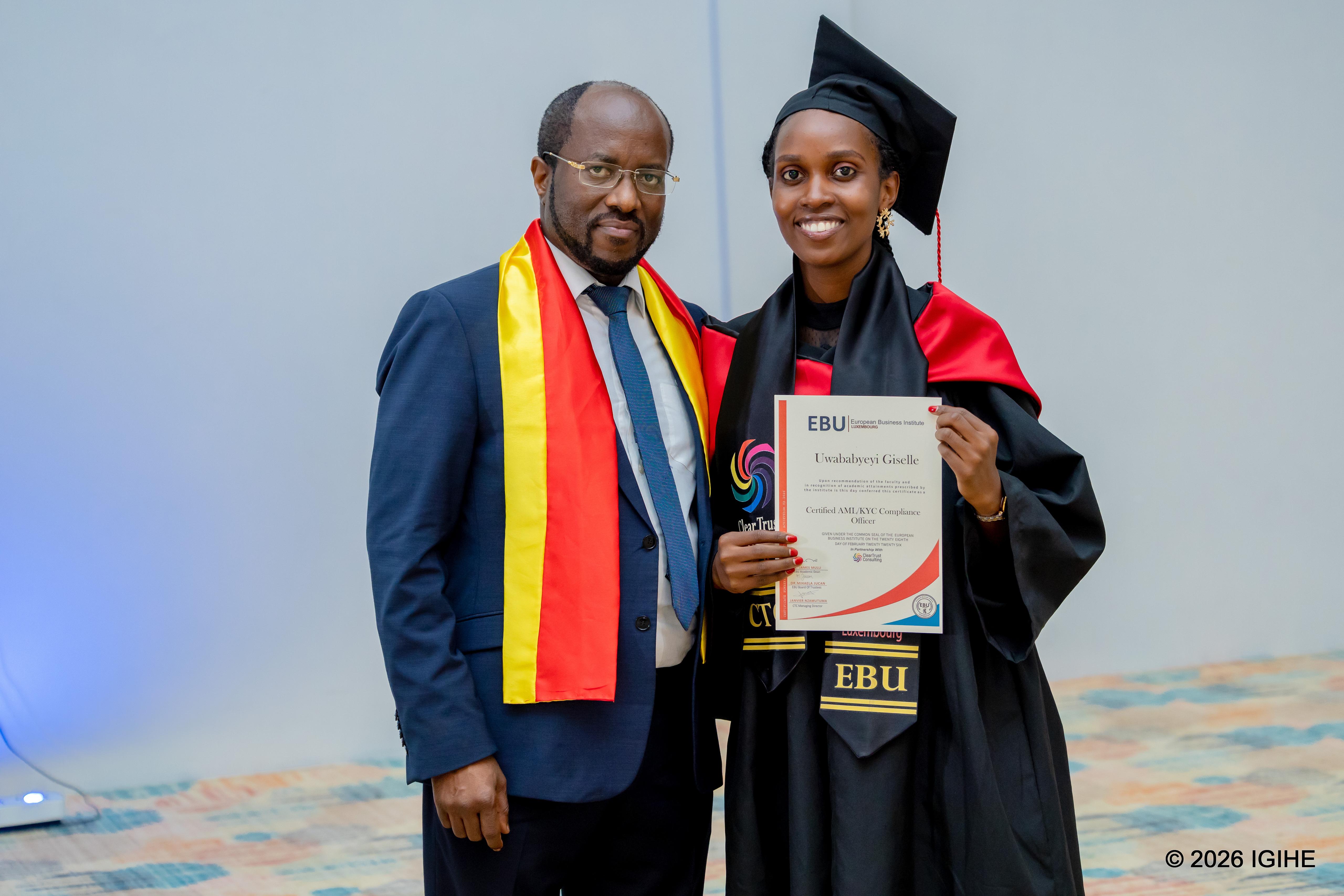
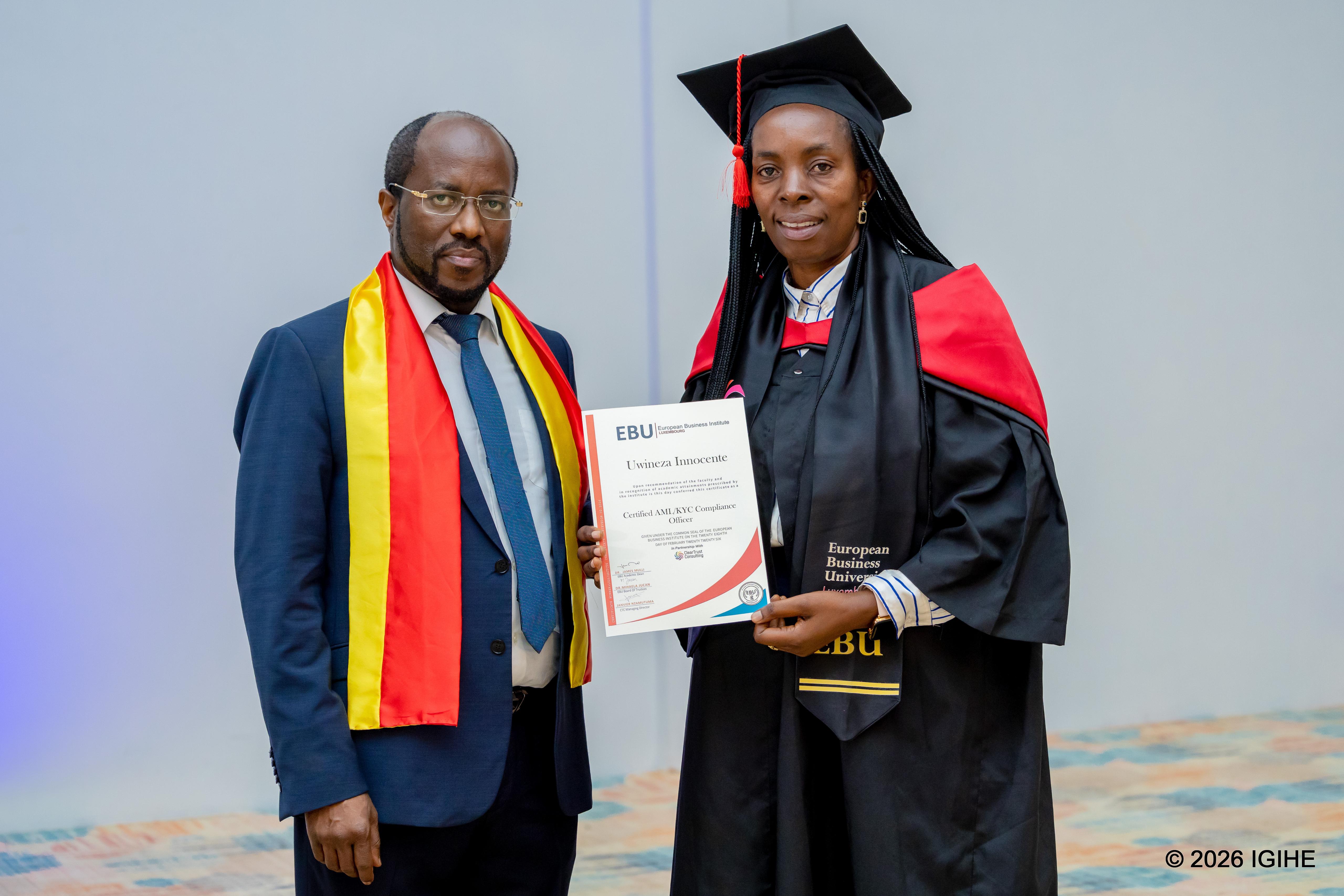
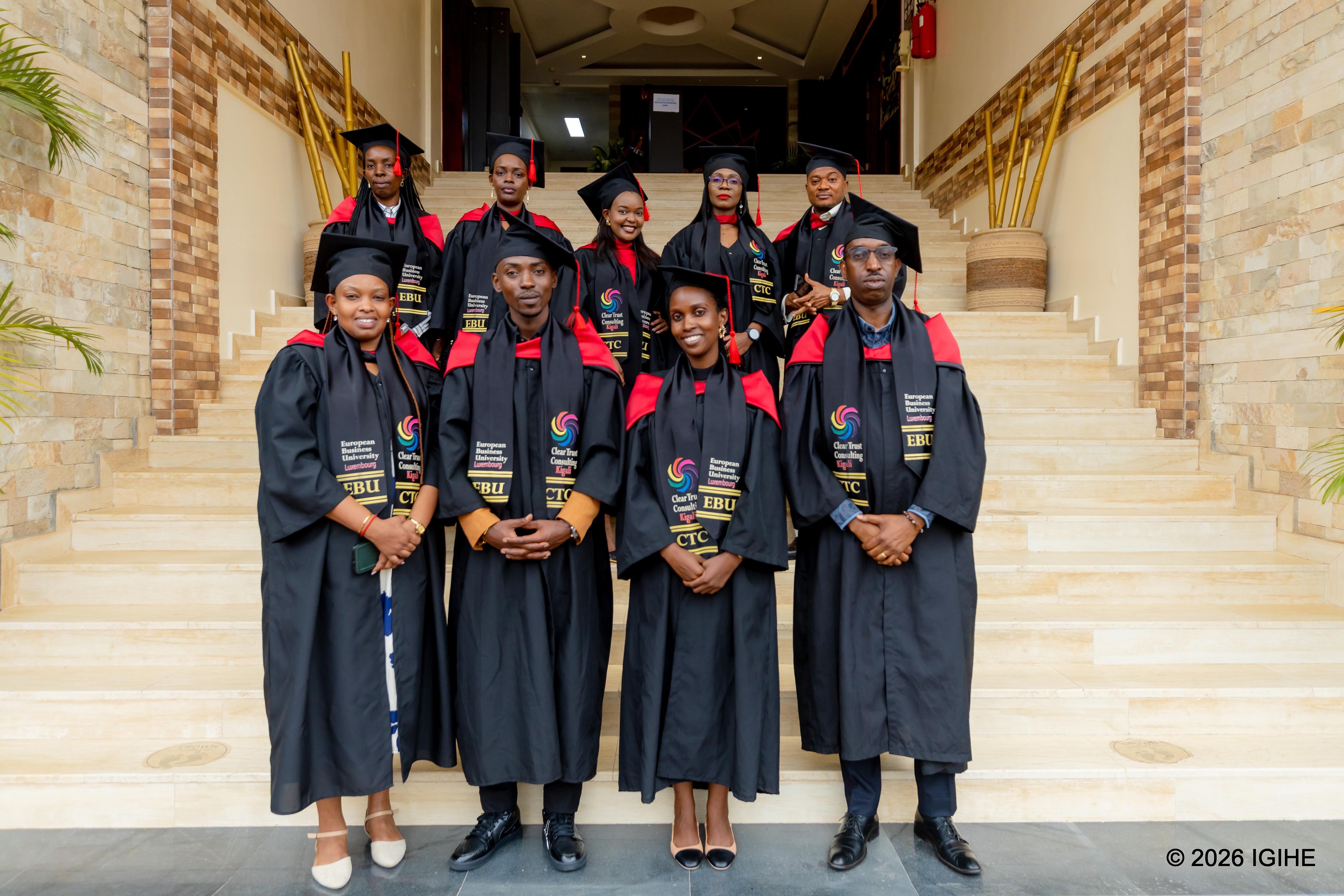
For him, February 28 marks a historic milestone: ten students graduated in Kigali, including seven Rwandans and two international students from South Africa and Nigeria.
“Everything starts modestly. We began with a single learner in Belgium and Luxembourg; today, we have nearly 200 beneficiaries. Starting with ten graduates in Rwanda is already a great achievement,” he said.
Nzamutuma believes Rwanda’s economic development offers a favorable environment for training highly skilled experts capable of meeting the growing demands of the financial sector.
He also thanked CTC’s partners, emphasizing that their collaboration ensures internationally recognized certifications and skills tailored to labor market needs.
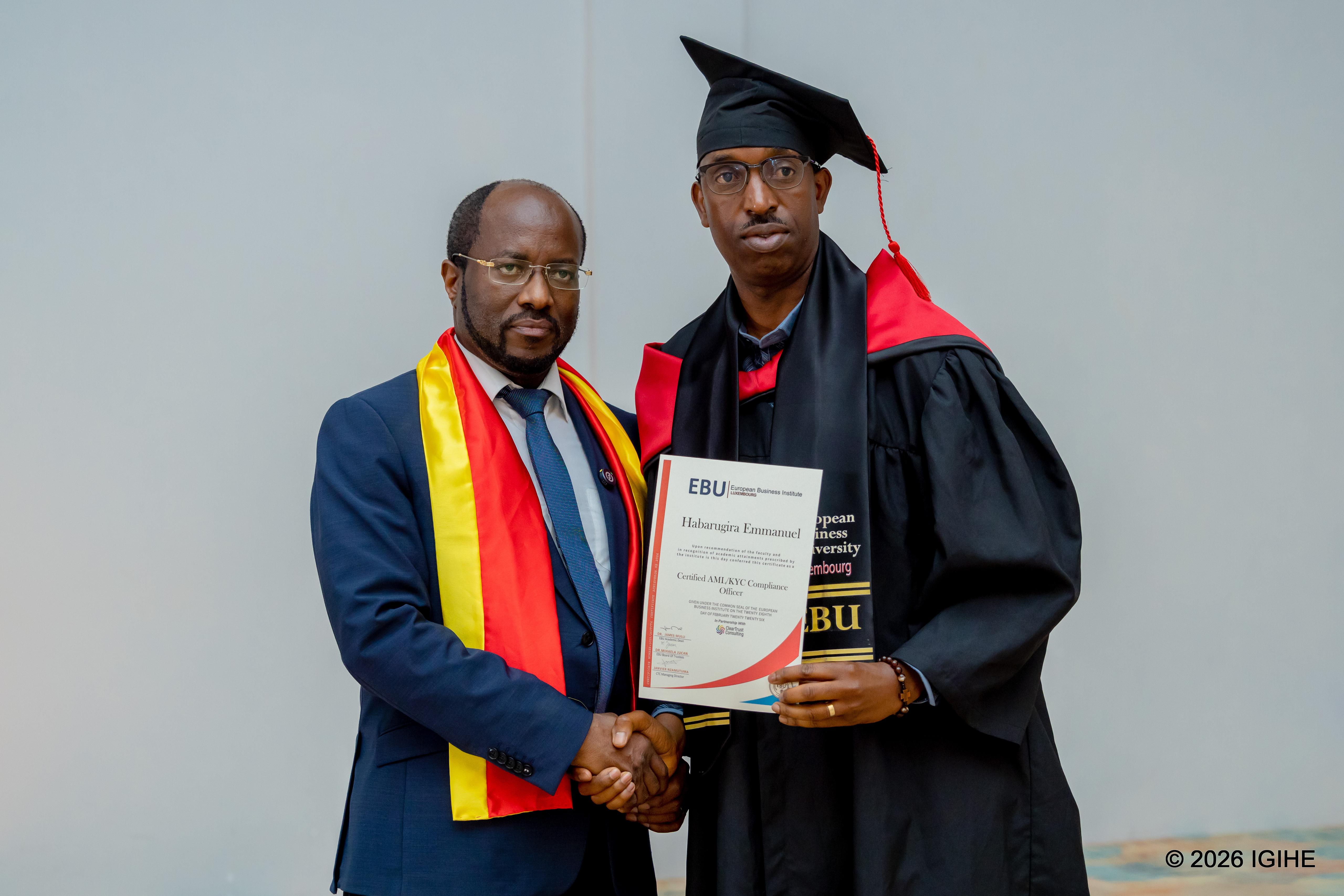
Emmanuel Habarugira, an employee in the financial sector at the National Bank of Rwanda (BNR), is among the first graduates trained in Kigali. He discovered CTC through an article run by IGIHE, contacted the founder, and traveled to Europe for further information.
According to him, the training perfectly aligns with his professional field, particularly in combating illicit financial flows, ensuring fund traceability, and meeting regulatory compliance requirements.
“Although I studied economics at university, the training provided by CTC allowed me to deepen and broaden my knowledge, with a more practical approach adapted to professional realities,” he said.
He believes these courses are essential in a context where Rwanda’s financial sector is rapidly growing and requires experts with international qualifications.
An international reach
CTC’s fifth cohort included participants from countries such as Belgium, Luxembourg, Finland, Austria, the United Kingdom, Canada, Burundi, Senegal, Nigeria, the Democratic Republic of the Congo, Kenya, Germany, Spain, and Togo.
Finally, Nzamutuma highlighted that the growing interest in these programs is partly due to changes in European financial regulations since 2008, which have strengthened requirements for compliance and transparency.
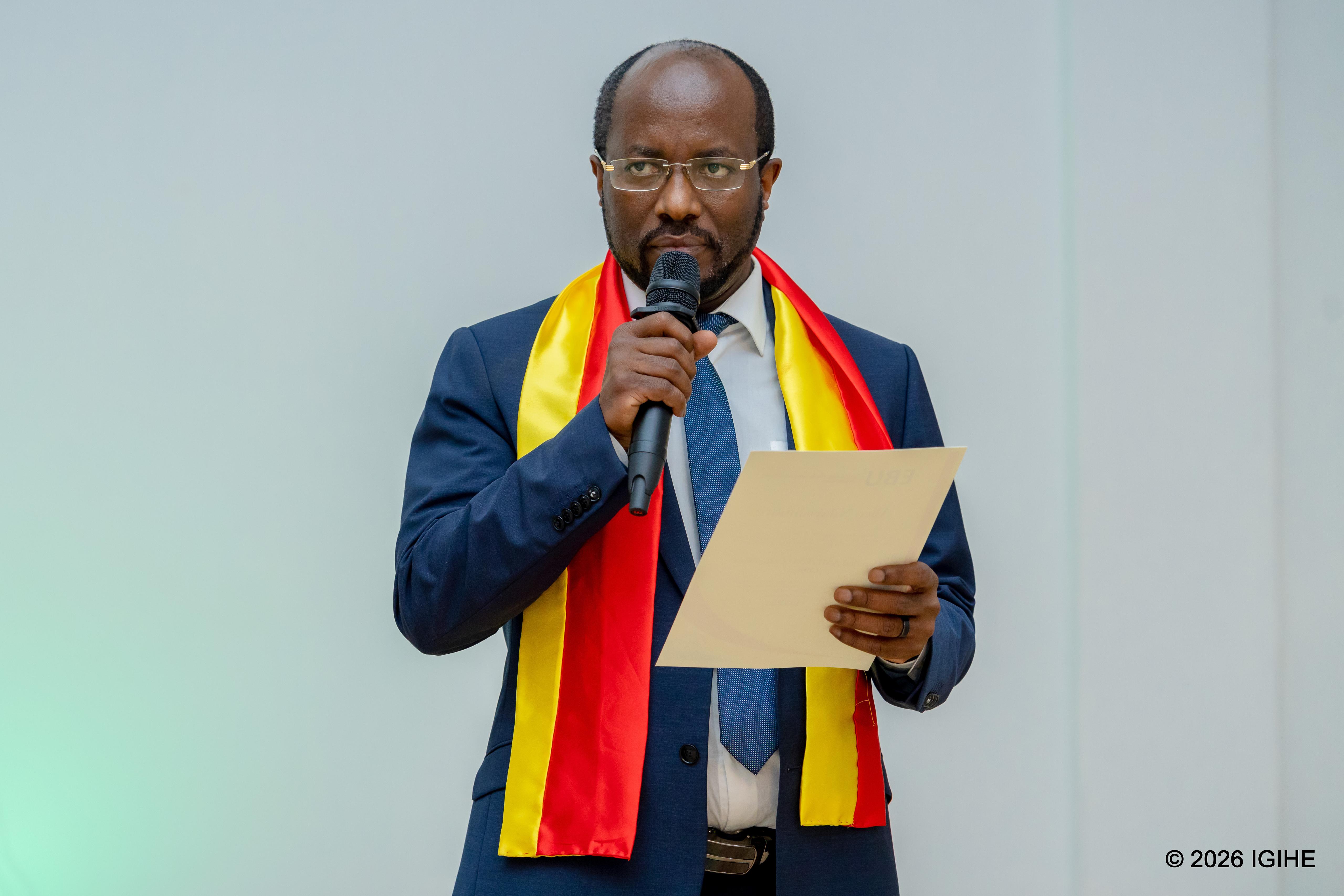
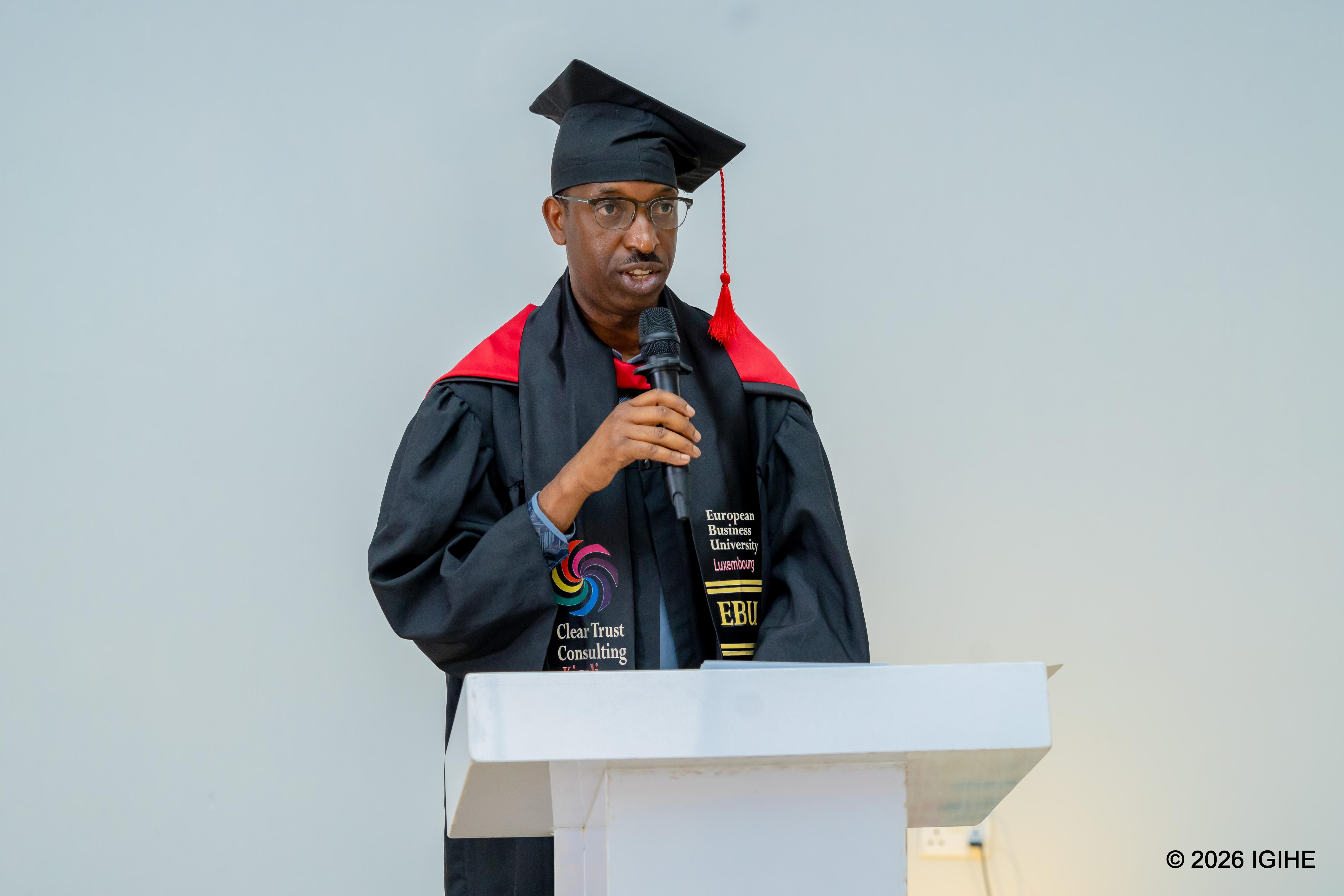
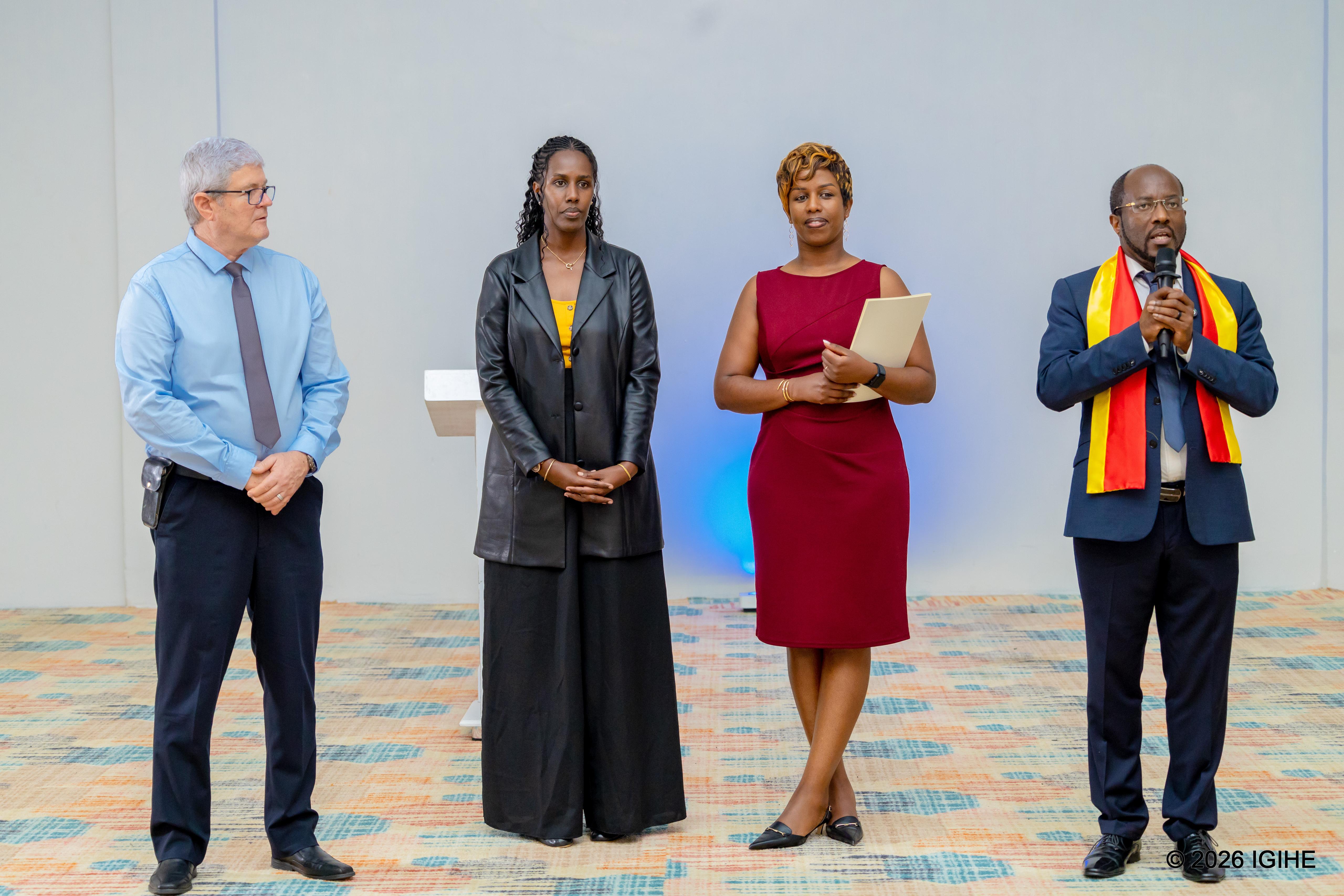
Nzamutuma Janvier , the founder and CEO of CTC speaking at the official launch. Habarugira Emmanuel, one of graduates sharing his experience.
The Producer Price Index (PPI) measures the average change over time in prices received by domestic producers for their goods and services, essentially the price at which products leave the factory gate.
The annual increase was largely driven by strong price growth in mining and utilities. Mining and quarrying prices rose 20.4 percent year-on-year, while electricity, gas and steam supply surged by 34.8 percent. Manufacturing prices recorded a more moderate annual increase of 2.5 percent.
On a monthly basis, the General PPI rose 1.1 percent compared to December 2025, mainly due to a 1.2 percent increase in manufacturing prices. Mining and utility prices remained unchanged over the month.
The data also reveals a divergence between domestic and export markets. Producer prices for locally sold goods increased by 2.8 percent year-on-year and 1.3 percent month-on-month. Electricity costs played a significant role in the annual rise, while manufacturing prices for local sales rose marginally by 0.2 percent.
Export prices, however, climbed sharply by 15.3 percent compared to January 2025. This growth was largely supported by higher mining prices, which account for more than half of the export index weight. Despite the strong annual growth, export prices declined by 1.3 percent month-on-month, reflecting a 3.1 percent drop in manufacturing export prices.
Overall, the January figures suggest that while producer prices remain elevated, particularly in export-oriented sectors, inflationary pressures at the production level are more moderate than the double-digit increases recorded in mid-2025. The continued rise in electricity prices remains a key structural factor influencing production costs across the economy.
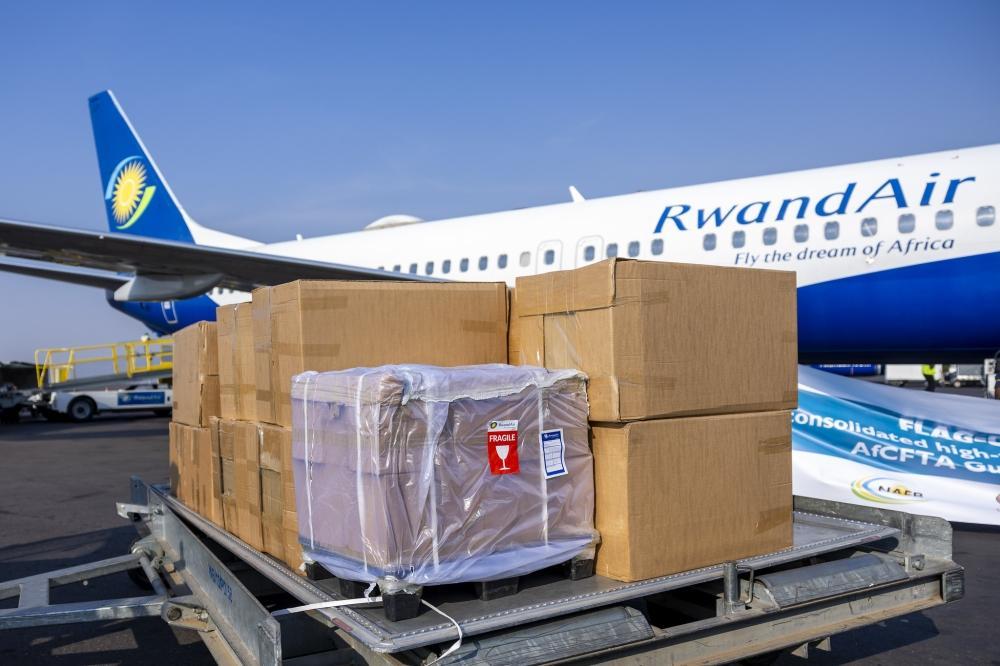
Rwanda’s export prices rose sharply by 15.3 percent compared to January 2025, according to the latest Producer Price Index (PPI).
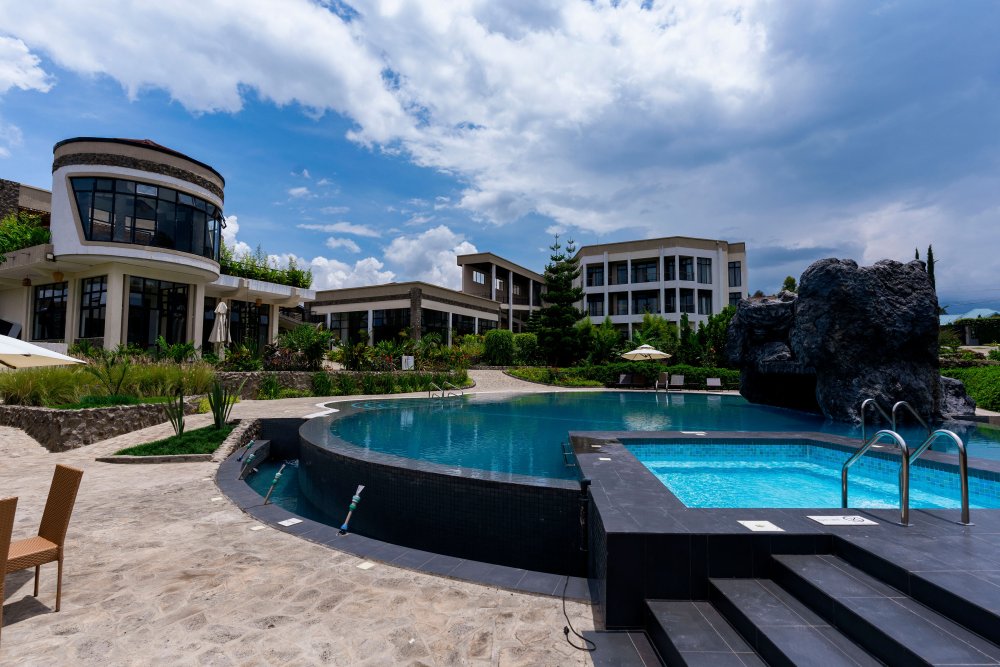
Scheduled from March 7 to March 8, 2026, the event will take place at Grotta Resort in Musanze District, offering participants a unique opportunity to relax, connect, and enjoy a variety of health and wellness activities.
This will be the first edition of the event, designed to help attendees unwind, socialize, and gain valuable insights through expert-led discussions on maintaining a healthy lifestyle. The sessions will cover topics relevant to women, men, and couples, aiming to promote overall well-being.
Participants will also have the chance to engage in recreational activities such as swimming, beach volleyball, beach soccer, and pickleball. In addition, the resort will provide access to its wellness facilities, including a Jacuzzi, massages, a fire pit, gym, infrared sauna, and specially prepared nutritious meals that highlight Grotta Resort’s signature approach to health.
Families are encouraged to attend, as arrangements have been made for children to enjoy their own activities in a safe and supervised environment, allowing parents to fully participate in the event. Ticket options vary, with a single or double room for one night priced at Rwf 585,000, a premium room at Rwf 825,000, and a family room accommodating up to three people at RwfF 900,000 per night.
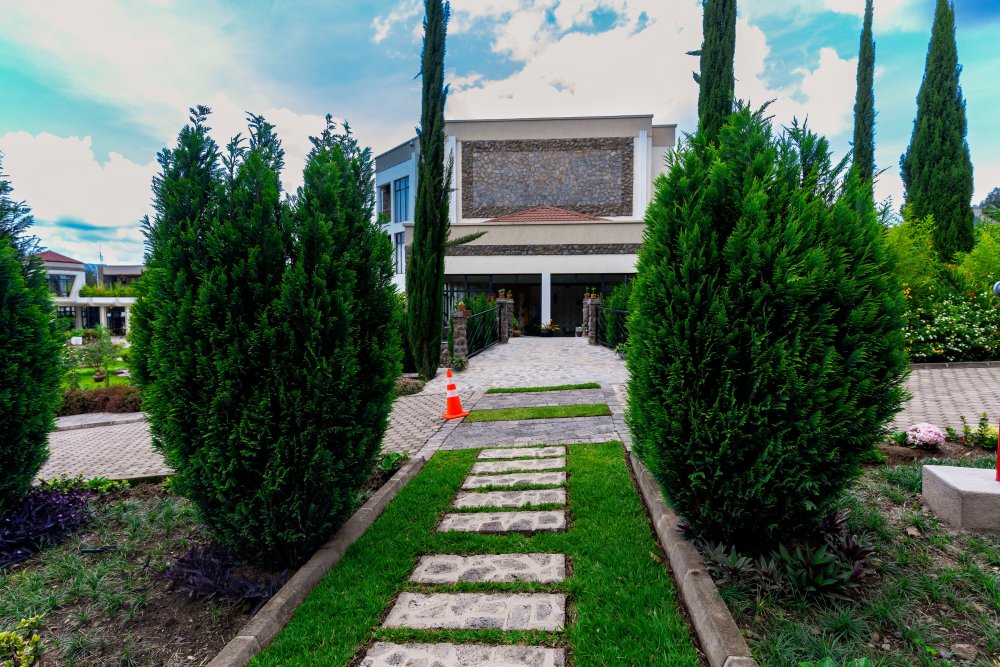
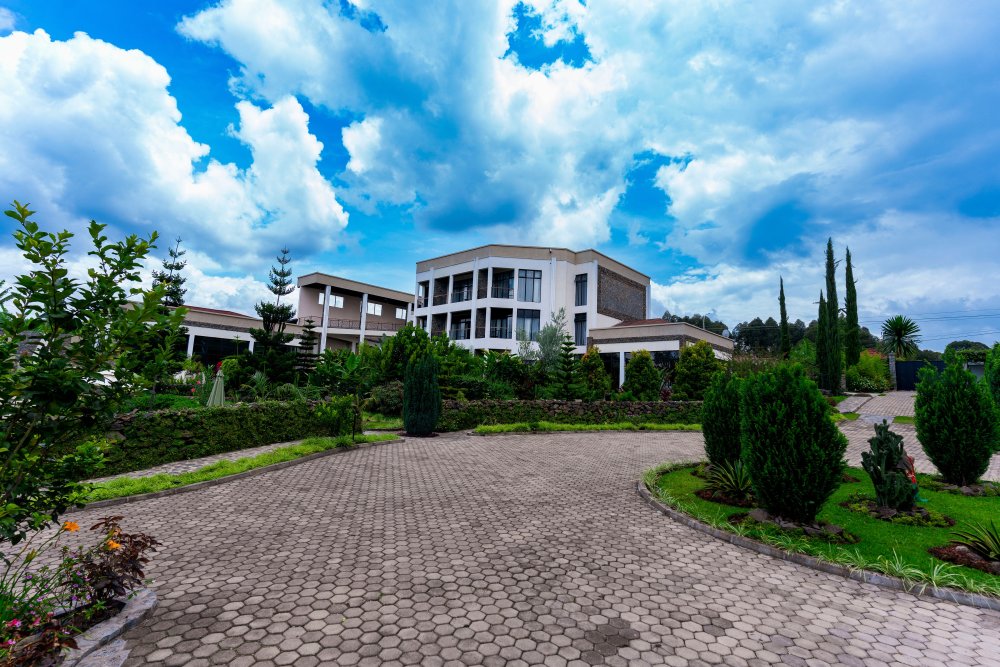
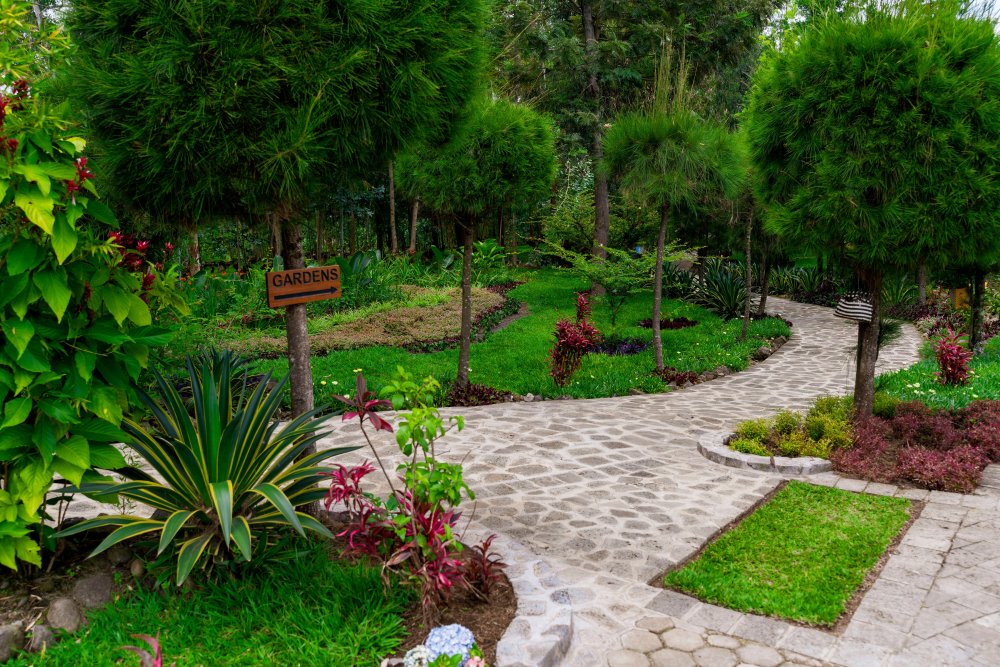
Grotta Resort is among the most modern resorts in Musanze District, with 26 fully equipped rooms and facilities that promote relaxation, wellness, and family bonding. Fitnesspoint, a leading fitness center in Kigali, operates three major branches in Kimihurura, Remera, and Gacuriro, offering comprehensive facilities and state-of-the-art equipment.
Scheduled from March 7 to March 8, 2026, the event will take place at Grotta Resort in Musanze District. The event will allow participants to relax, connect, and enjoy a variety of health and wellness activities.Grotta Resort is located in Musanze District.