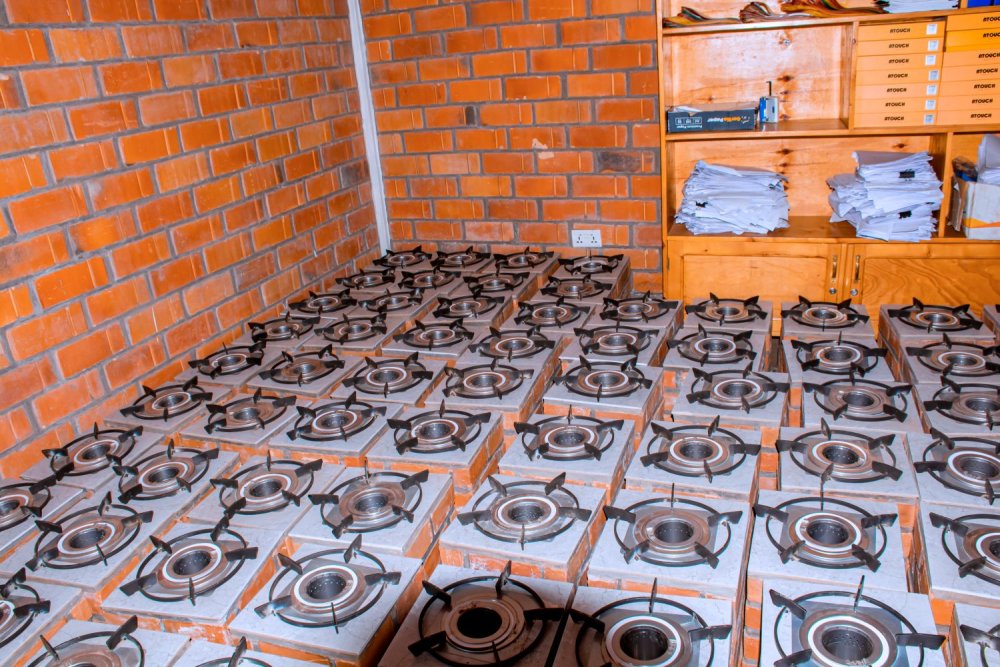
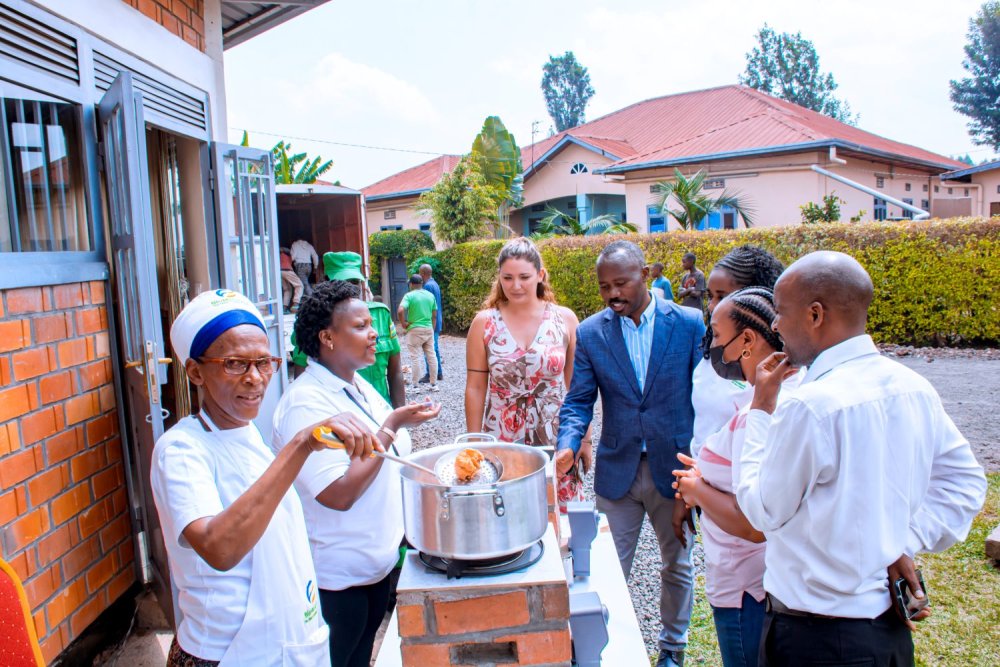
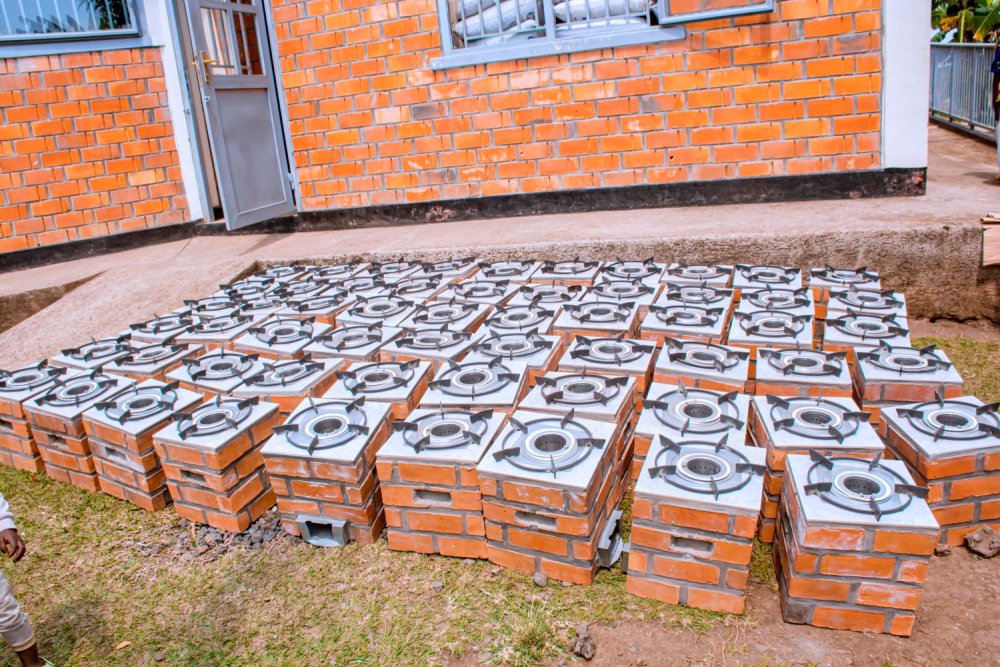
The donation comes shortly after the company launched a new factory in Rubavu with the capacity to produce 15 tonnes of clean fuel pellets per day, strengthening the availability of sustainable cooking fuel while helping reduce greenhouse gas emissions and dependence on traditional fuels.
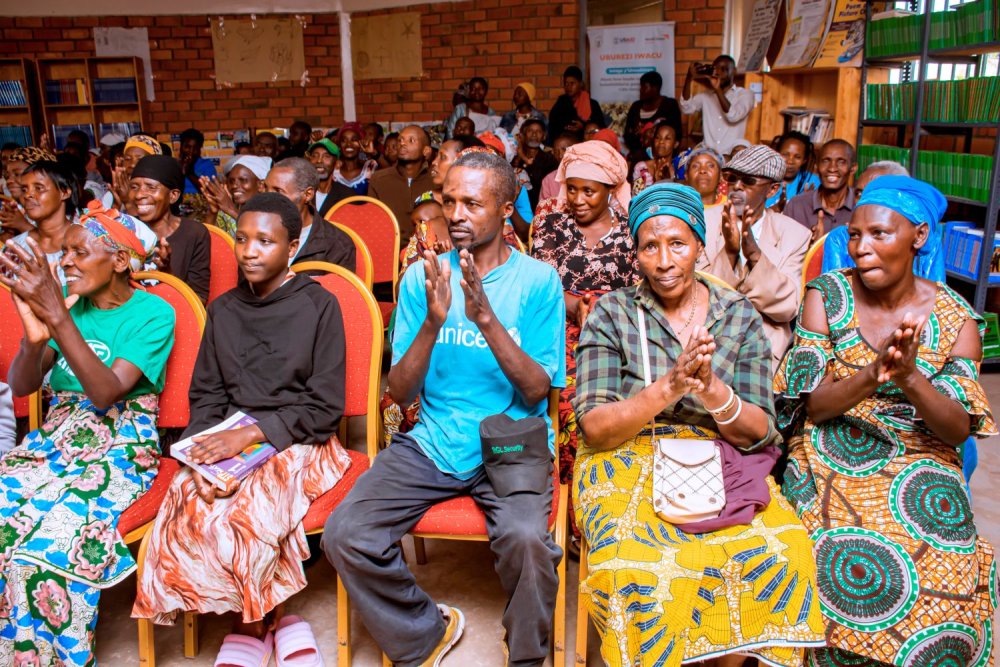
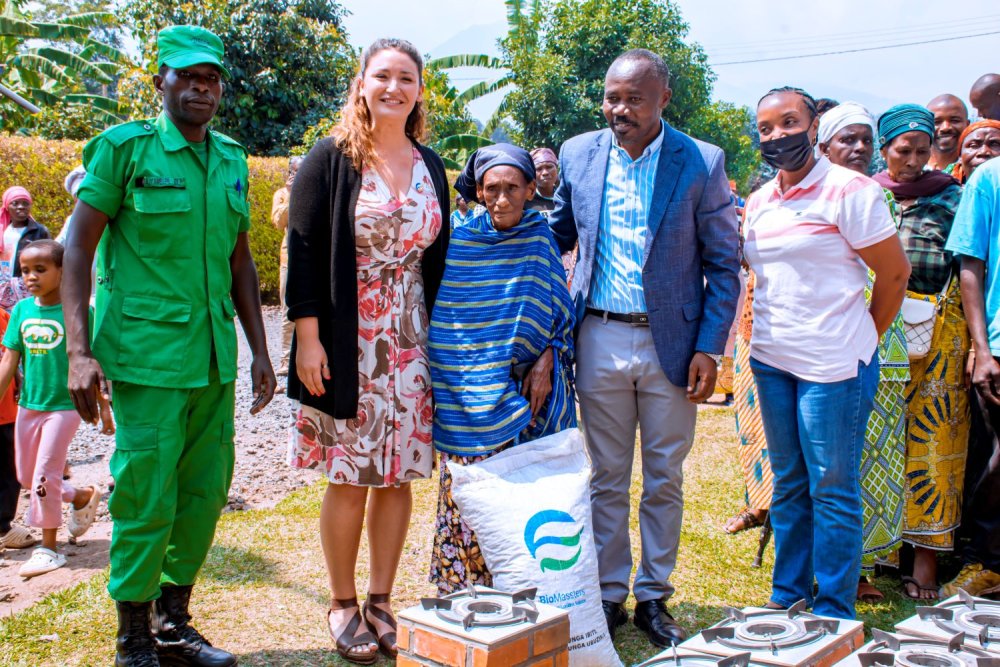
The cookstoves were distributed to 155 families living in the Muhira Model Village in Rugerero Sector during a ceremony held on Thursday, July 16, 2026. The event was attended by BioMassters executives, Rubavu District officials and representatives from various institutions.
Rwanda has continued to make progress in the adoption of clean cooking solutions. According to the Seventh Integrated Household Living Conditions Survey (EICV7), the proportion of households using environmentally friendly cooking fuels increased from 1% in 2017 to 5.4% in 2024.
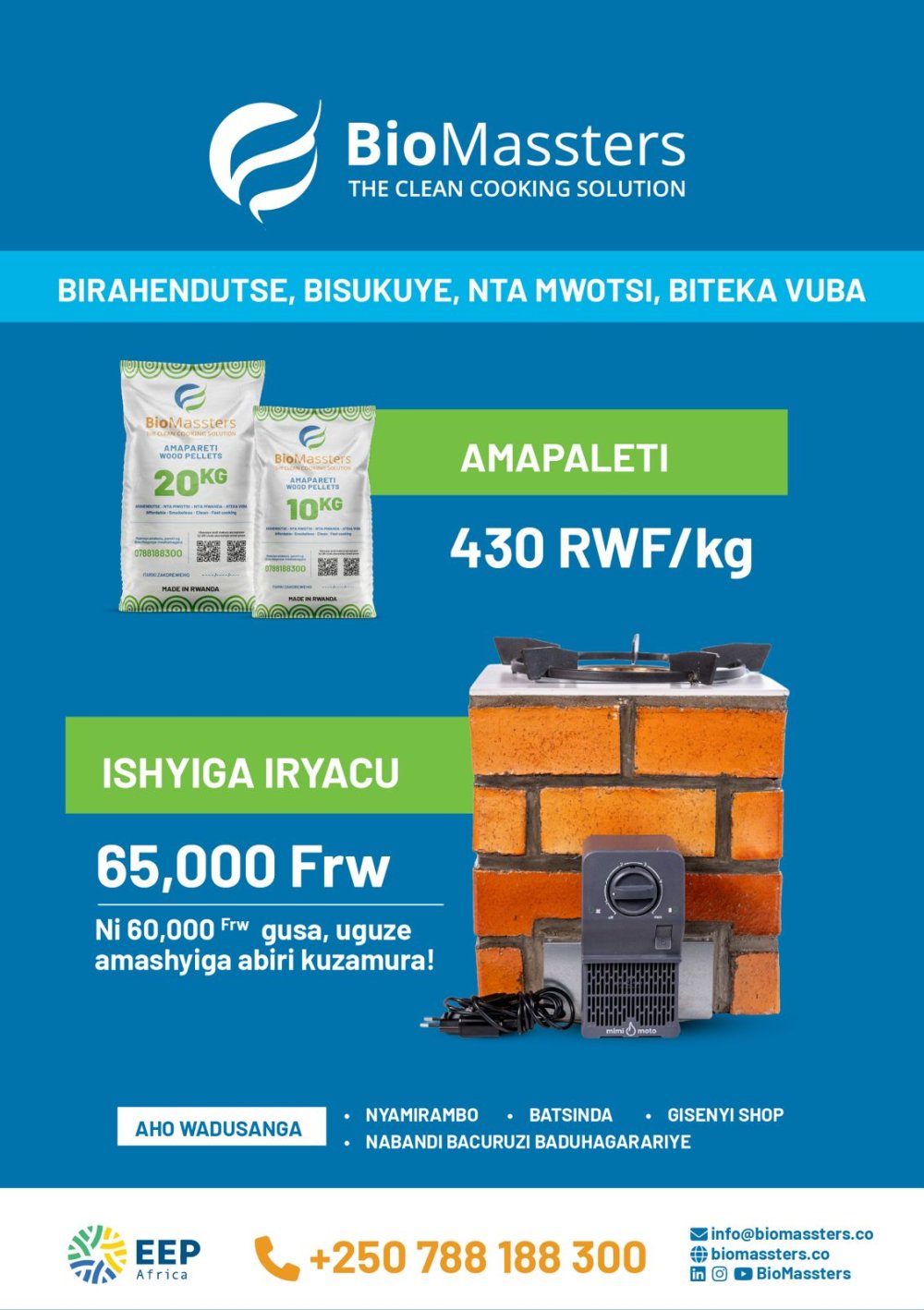
Over the past four years, BioMassters has been manufacturing two types of clean cookstoves: the Iryacu stove, locally produced in Rwanda using bricks, and the InzuChief stove, made from metal.
Both models are designed to be durable, produce minimal smoke and use fuel pellets that cost about 50% less than charcoal, offering households a cleaner and more affordable alternative.
One of the beneficiaries, Valentine Nyirandimubanzi, said the donation would ease the financial burden on families while improving hygiene in their homes.
“These cookstoves will help us save money. We used to spend Rwf700 on a kilogram of charcoal, and it did not last long. A kilogram of pellets costs only Rwf430. We are delighted because these are high quality stoves that many of us would not have been able to afford,” she said.
She added that replacing charcoal with pellets would also help keep their kitchens cleaner, as charcoal often left cooking areas covered in soot.
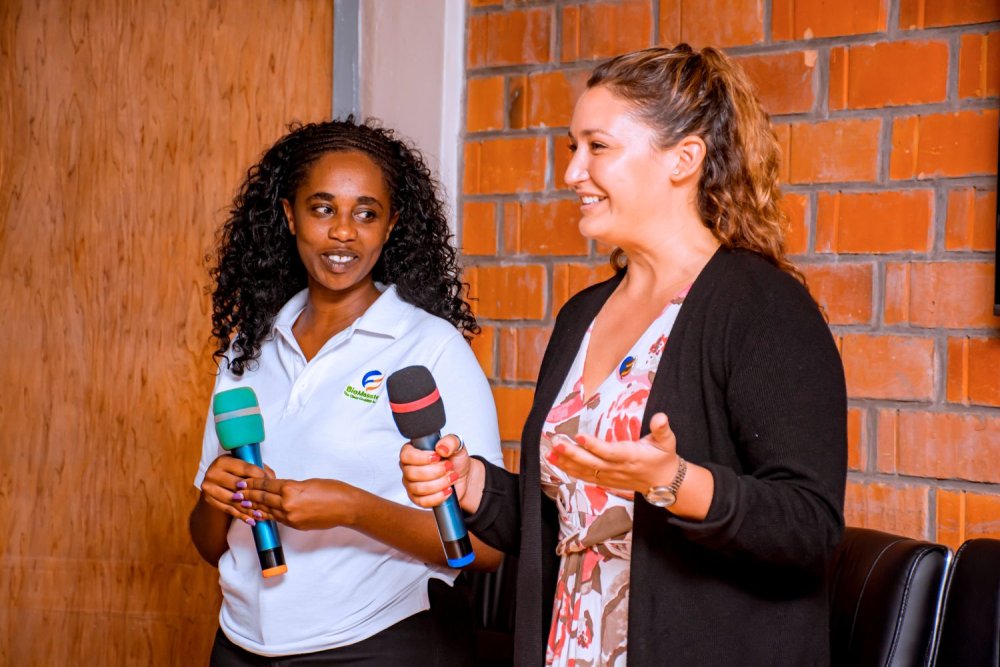
BioMassters Chief Operating Officer Yasmine Karam said the company’s vision is to ensure that more Rwandans have access to modern, affordable and environmentally friendly cooking solutions.
“We started by supporting 125 households in Nyagatare. Today, we are providing clean cookstoves to families in the Muhira Model Village, and our ambition is to reach many more Rwandans. We are expanding our operations across the country so that every household can have the opportunity to own one of these clean cookstoves,” she said.
Karam noted that BioMassters was established in response to the rising cost of conventional cooking fuels, including firewood, charcoal and liquefied petroleum gas (LPG). She explained that the company is committed to keeping the price of its fuel pellets affordable since they are produced from recycled wood and agricultural residues, making clean cooking more accessible to households.
Rubavu District Mayor Prosper Mulindwa said the initiative would help families significantly reduce their cooking fuel expenses while contributing to environmental conservation.
“Charcoal should no longer be used in this model village. These households have received cookstoves that use affordable fuel pellets, which will lower their fuel costs, help keep their homes clean and protect the environment. This single intervention addresses several challenges at once, including the conservation of our forests,” he said.
Mulindwa also called on development partners to continue investing in sustainable initiatives that create lasting benefits and respond to the real needs of communities.
The initiative forms part of broader efforts to accelerate the adoption of clean cooking technologies in Rwanda, reducing pressure on forests, lowering household energy costs and improving public health through cleaner indoor air.
BioMassters clean cookstoves help protect the environment by promoting cleaner and more sustainable cooking.BioMassters staff demonstrated how to use the company’s environmentally friendly cookstoves to residents.These residents were also provided with fuel pellets used in BioMassters cookstoves.BioMassters has donated eco-friendly cookstoves worth over Rwf15 million to Rubavu residents.Families who received cookstoves from BioMassters expressed joy and appreciation.The cookstove donation ceremony was attended by representatives from various institutions.BioMassters cookstoves will help residents improve cleanliness in their homes, beneficiaries say.BioMassters Chief Operating Officer Karam Yasmine interacts with children at the Muhira IDP Model Village.Rubavu District Mayor Prosper Mulindwa urged residents who received the cookstoves to take good care of them.
The healthcare workers committed to working together in raising awareness, promoting early screening and ensuring that patients receive timely medical care for a disease that continues to affect many people in Rwanda and across the world.
Cancer remains one of the fastest-growing health challenges globally. According to the World Health Organization (WHO), about 20 million new cancer cases are diagnosed every year, while nearly 10 million people die from cancer annually.
Although the exact cause of breast cancer remains unknown, experts say several factors may increase the risk of developing the disease, including age, gender, family history and other biological factors.
Breast cancer affects both women and men, although it is more common among women.
Figures from the Rwanda Biomedical Centre (RBC) show that in 2023, a total of 719 women were diagnosed with breast cancer, compared to 32 men.
To strengthen the response to cancer, the Government of Rwanda has continued investing in improving healthcare services and building the capacity of medical professionals.
As part of these efforts, the Ministry of Health (MINISANTE) has introduced training programmes to equip nurses and midwives with knowledge on cancer prevention, early detection and patient support.
The latest training was organised by the Rwanda Nurses and Midwives Union (RNMU) for its members in Rubavu District, focusing on breast cancer awareness, screening methods and appropriate referral of patients for treatment.
Prof. Madeleine Mukeshimana, First Vice President of RNMU and lecturer at the University of Rwanda, said the increasing number of cancer cases is partly linked to late diagnosis, as many patients only seek medical attention when the disease has reached an advanced stage.
She noted that nurses often serve as the first point of contact for many patients, making their role essential in detecting warning signs early.
“We are reminding them how to examine breasts and identify signs of breast cancer at an early stage so that patients can be referred to the right healthcare facilities. When breast cancer is detected early, it can be treated successfully,” Prof. Mukeshimana said.
She also urged nurses and midwives to prioritise their own health while caring for others, reminding them that their wellbeing is equally important.
Prof. Mukeshimana encouraged them to maintain healthy lifestyles through regular exercise, eating balanced meals, avoiding excessive alcohol consumption and sharing health advice with the communities they serve.
One of the participants, Jonathan Ndagijimana, said the training had improved their understanding of cancer and would help them provide better care and guidance to patients.
“Through this training, we learned that cancer is a serious health challenge affecting the country. The knowledge we gained will help us properly screen patients, listen to their concerns, provide accurate information and guide them on the right steps to take,” he said.
Marie Louise Uwingeneye, a nurse at Gisenyi Hospital working in the neonatal care department, said the training had helped address knowledge gaps that previously made it difficult for healthcare workers to respond to some breast-related concerns raised by mothers.
“Although my work focuses on newborn care, we interact with mothers regularly because they support us in caring for their babies. Sometimes a mother would come with breast-related problems, such as difficulties producing breast milk, but it was challenging to provide proper guidance because we lacked enough knowledge about such conditions,” she said.
The training is expected to strengthen the role of nurses and midwives in promoting breast cancer awareness, encouraging early detection and ensuring that more patients access timely treatment.
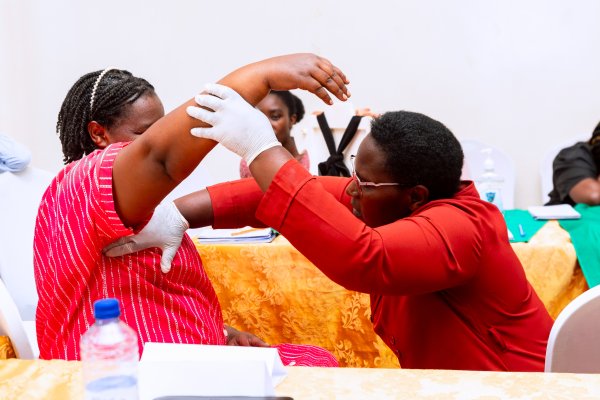
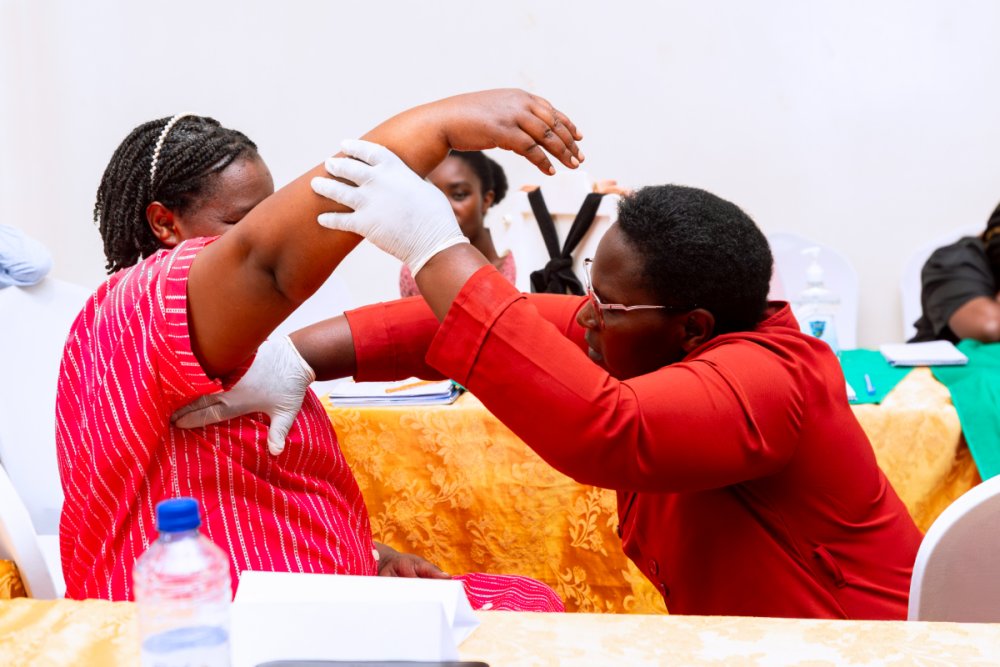
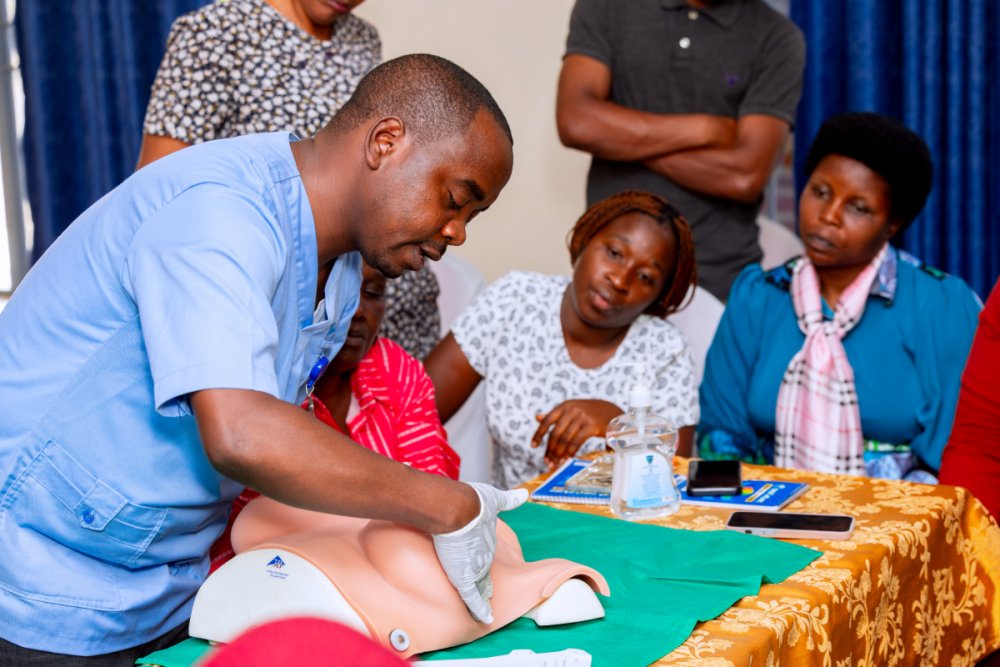
The training was delivered by Hitayezu Jean Bosco, who has extensive experience in nursing and midwifery.Participants also conducted practical exercises on how to screen for cancer.They were trained on how to screen for breast cancer and other common breast-related diseases.RNMU members in Rubavu District were trained on cancer screening methods.
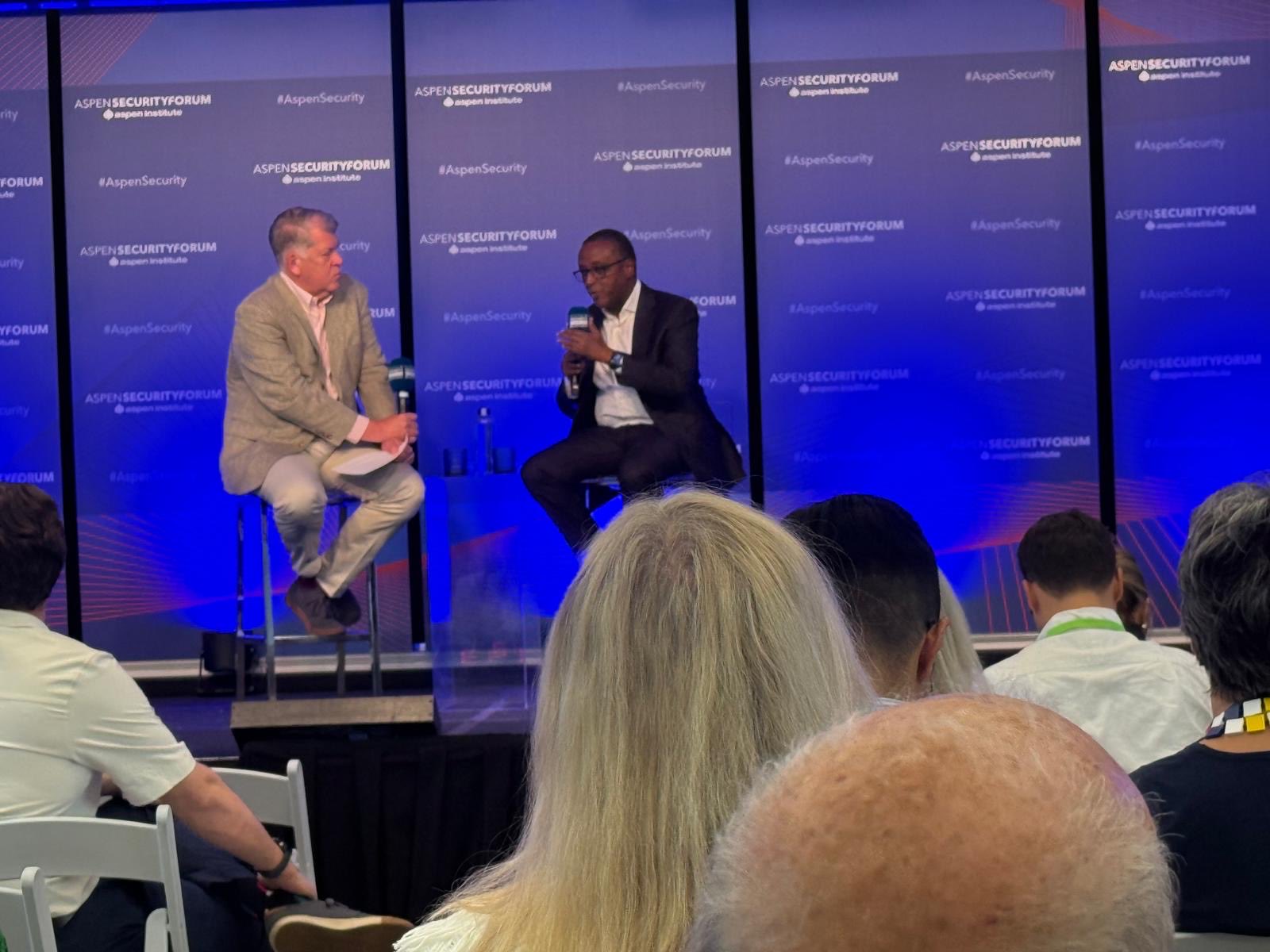
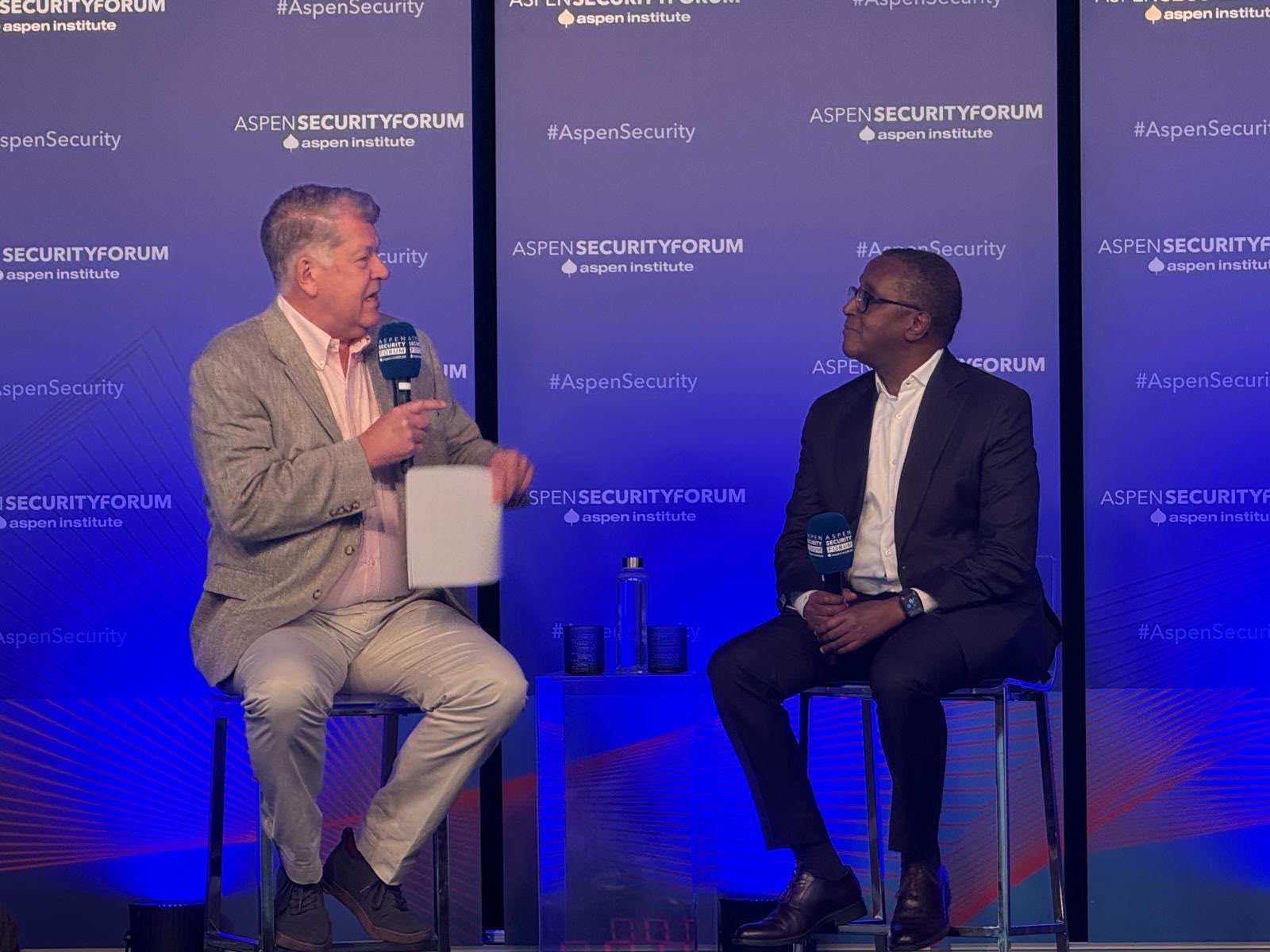
Dr. Biruta made the remarks during a fireside chat at the Aspen Security Forum, held from July 14 to 17, 2026, where he discussed regional security, migration, and Rwanda’s international partnerships.
Speaking during the session moderated by Steve Clemons, Editor at Large at The National Interest; Dr. Biruta said Rwanda considers the Washington peace agreement, brokered with the involvement of US President Donald Trump, a significant opportunity to address security challenges and promote economic cooperation in the Great Lakes region.
“The Washington Accords for Peace and Prosperity is a very good agreement and we appreciate the leadership of President Trump in achieving that,” Dr. Biruta said.
However, he said Rwanda remains concerned about what he termed an imbalance in the implementation process, arguing that Kigali has fulfilled its commitments while expecting similar action from Kinshasa. The peace deal was signed in December 2025.
“Seven months after the agreement was signed, we see a lack of balanced approach from the mediation, the US mediation,” Biruta said.
“Rwanda has done its part. We are implementing our obligations under the agreement. We have even offered a de-escalation plan to lift the defensive measures without even waiting for the government of DRC to do its part, which is related to the FDLR genocidal armed group.”
Dr. Biruta said Rwanda had taken steps to support the peace process but questioned the decision to impose sanctions on Rwanda while, according to him, obligations expected from the DRC government had not been implemented.
“Even though the government of Congo is not implementing its obligation, we are seeing the government of the US imposing sanctions on Rwanda,” he said.
“We are concerned about that lack of balance in the approach. But we are committed to the agreement and we expect the US government, the mediation, to have a more balanced posture for us to be able to have that agreement fully implemented.”
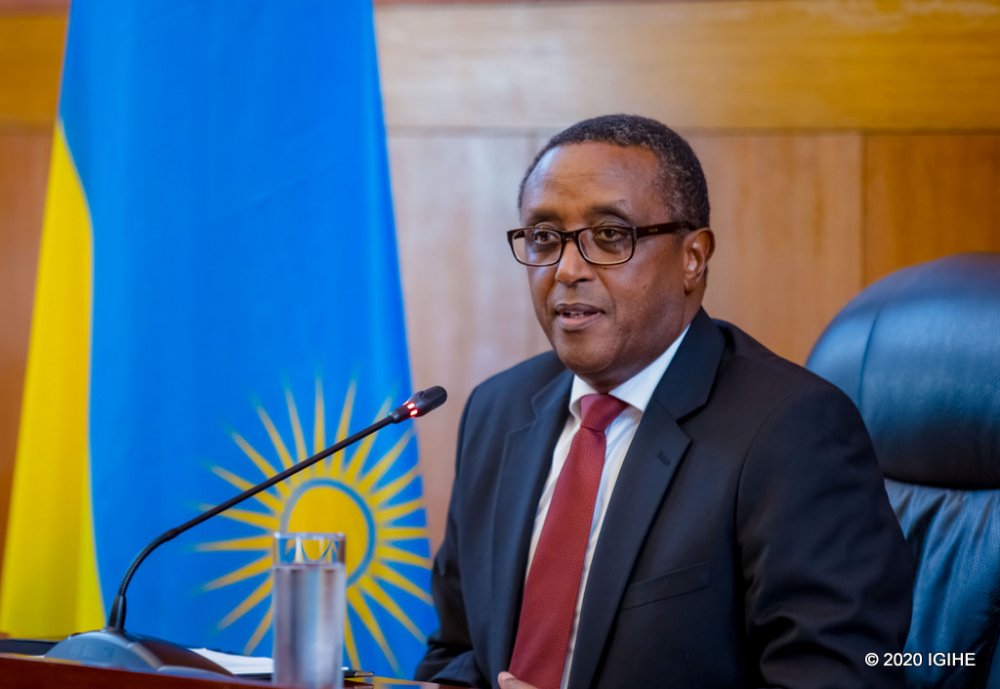
Dr. Vincent Biruta, Rwanda’s Minister of Interior, speaks during a fireside chat at the Aspen Security Forum.
Security concerns and the FDLR issue
During the discussion, Dr. Biruta also highlighted Rwanda’s long-standing security concerns linked to the Democratic Forces for the Liberation of Rwanda (FDLR), an armed group created by individuals responsible for the 1994 Genocide against the Tutsi.
He said members of the group fled into eastern DRC after the genocide and continued organizing with the objective of destabilizing Rwanda.
“The FDLR crossed the border with weapons, but also with the ideology, which is even more dangerous than the weapons,” Dr. Biruta said.
He argued that addressing the presence of the FDLR remains central to achieving lasting peace in eastern DRC.
According to Dr. Biruta, the emergence of groups such as M23 should also be understood within the context of governance challenges and insecurity affecting communities in eastern DRC.
“There could be stability. We just need to neutralize the FDLR armed group, and we need to have conditions in eastern DRC just to give the rights to all the communities in that country,” he said. He also rejected claims that Rwanda has territorial ambitions in eastern DRC, saying there is no border dispute between the two countries.
“There is no border issue between DRC and Rwanda. There is no claim over the territory of DRC by Rwanda. That is clear,” Dr. Biruta said.
He added that members of M23 are Congolese citizens who share cultural and historical links with communities in Rwanda but are fighting over issues within their own country.
“They are Congolese, and they are fighting for their rights in their own country,” he said.
Call for a different approach to peacekeeping
The Minister also questioned the effectiveness of international peacekeeping efforts in eastern DRC, particularly the United Nations mission that has operated in the region for decades.
Responding to a question about the role of peacekeepers, Dr. Biruta said the continued instability in eastern DRC raised questions about the impact of the mission.
“Peacekeepers have been there for, I think, the last 20 years or so, but to say that they have done something, it is difficult, because if they had achieved anything there, we would not be in the situation we are in today,” he said.
“That mission has cost billions of dollars, but the situation has not changed. It has even deteriorated.”
Beyond regional security, Biruta also discussed Rwanda’s relationship with the United States, saying Kigali continues to view Washington as an important partner despite ongoing disagreements.
He cited cooperation in areas including health, energy, mining, and technology, while noting Rwanda’s efforts to expand partnerships with different countries as it pursues development goals.
“We need all of them,” Dr. Biruta said when asked about Rwanda’s partnerships with the United States and Russia, adding that different partners contribute to different aspects of Rwanda’s development agenda.
The Aspen Security Forum brought together policymakers, security experts, and leaders from around the world to discuss pressing global security challenges.
Dr. Vincent Biruta has shared Rwanda’s security concerns and perspectives on regional stability, the FDLR threat, and the implementation of the US-brokered Washington Accords during a discussion at the Aspen Security Forum.
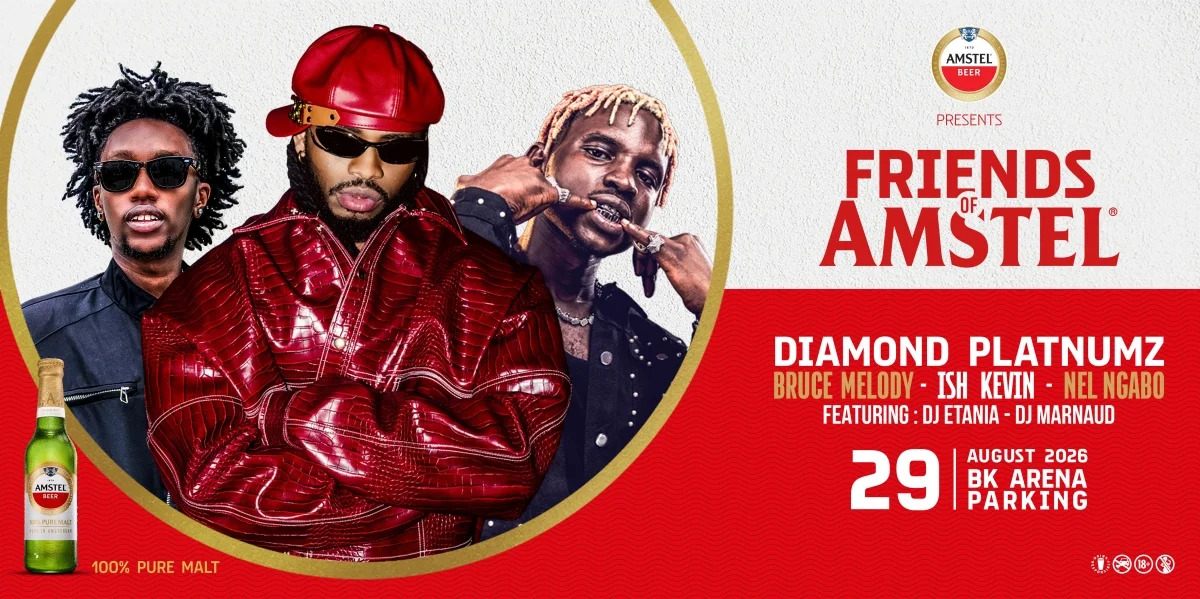
Scheduled for Saturday, August 29, 2026, at the BK Arena Parking Lot, the event will open its gates at 3:00 PM and promises a vibrant festival atmosphere featuring world-class entertainment, exciting games and giveaways, food, Amstel refreshments, and the unique experiences that have made Friends of Amstel one of Kigali’s most anticipated events.
Leading this year’s line-up is East African music star Diamond Platnumz, who will be joined by some of Rwanda’s biggest names in music, including Bruce Melodie, Nel Ngabo and Ish Kevin.
The entertainment experience will also feature Uganda’s Etania – Life of the Party and DJ Marnaud, who will bring their energy and sounds to a celebration centred around friendship, music and unforgettable moments.
More than a music festival, Friends of Amstel is Amstel’s signature celebration of friendship, designed to bring people together through great music, premium beer and shared experiences. The 2026 edition is expected to attract thousands of guests for a memorable outdoor festival experience in Kigali.
Tickets will be available soon through Ticqet.rw, with special group packages planned to reward friends attending together.
Fans are encouraged to secure their tickets early as availability will be limited. The event is strictly reserved for guests aged 18 and above.
Amstel has reminded guests that alcohol is not for sale to persons under the age of 18 or pregnant women, and encouraged everyone to enjoy responsibly by avoiding drinking and driving.
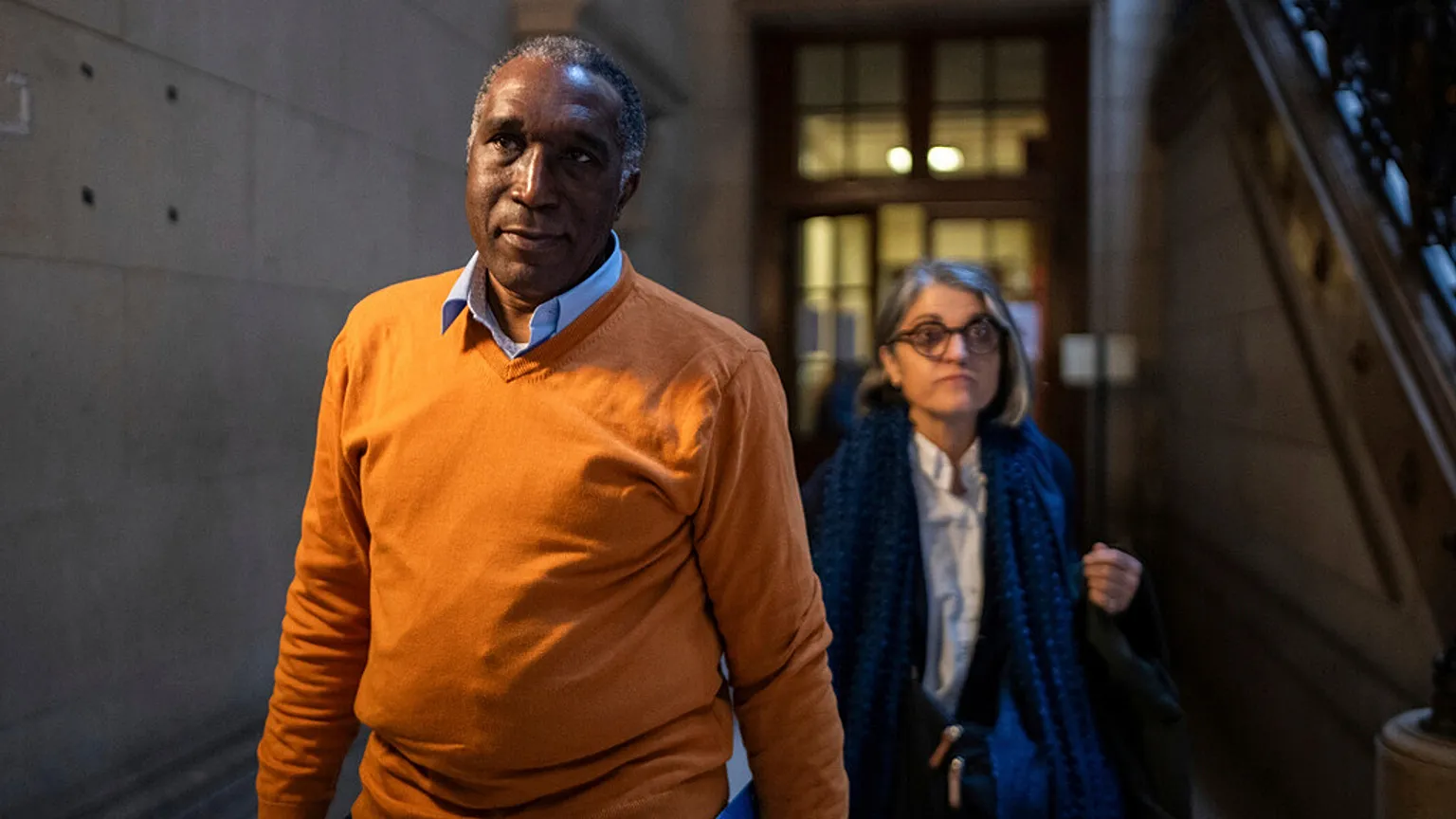
The appeal judgment, delivered shortly after midnight on July 18, 2026, leaves unchanged the verdict handed down on October 30, 2024, when the court found the former Rwandan doctor guilty on both counts and sentenced him to 27 years in prison.
After losing his initial trial, Dr. Rwamucyo replaced the two lawyers who represented him in 2024, Françoise Marthe and Philippe Meilhac. For the appeal, he assembled a seven-member legal team comprising Daniel Fellous, Raphaël Constant, Salome Cohen, Michèle Siari, Jean-Baptiste Harelimana and Alexandre Sztulman.
Dr. Rwamucyo, a former head of the Centre for University Public Health (CUSP) at the former National University of Rwanda, was prosecuted over his role during the 1994 Genocide against the Tutsi.
Among the evidence examined by the court was his participation in a meeting held at the university on May 14, 1994, chaired by the then Prime Minister, Jean Kambanda.
Prosecutors argued that the gathering encouraged intellectuals to participate in the genocide and alleged that Dr. Rwamucyo addressed the meeting in support of the killings.
The prosecution also accused him of coordinating the burial of victims in various parts of Butare Prefecture using heavy machinery, including a bulldozer, in what it said was an effort to conceal evidence of the genocide.
According to the prosecution, he played a role in the burial of more than 214,000 victims in Butare with the intention of destroying evidence.
Throughout the proceedings, Dr. Rwamucyo denied the allegations. He told the court that he had never sought to conceal the bodies of genocide victims, arguing that it would have been impossible to hide atrocities that had unfolded over several weeks in full public view.
Following the ruling, lawyers representing the civil parties welcomed the appellate court’s decision.
“It is very good news for the civil parties from Rwanda, who have waited 32 years for this decision. They can now begin a new chapter on the path toward reconciliation,” said lawyer Alice Zarka.
Dr. Rwamucyo’s daughter expressed disappointment with the outcome, saying she had not expected the appeal to fail and was deeply saddened by the judgment.
During the appeal, the prosecution had sought a 30-year prison sentence, while the defence requested a full acquittal and Dr. Rwamucyo’s immediate release.
The Paris Court of Assizes in France has upheld the conviction of Dr. Eugène Rwamucyo for genocide and crimes against humanity
Africa, with its abundant natural resources, demographic potential and development advantages, will play an increasingly important role in global economic governance, Urama told Xinhua in an interview.
The 2026 African Economic Conference was held from July 10 to 12 in Abidjan under the theme “Strengthening Africa’s Geopolitical Agency and Trade Resilience in a Multipolar World.” Researchers, government officials and representatives of regional and international institutions gathered to discuss how Africa can strengthen its strategic autonomy, enhance trade resilience and better participate in global economic governance.
Urama observed that multipolarity provides more countries with opportunities to participate in global governance. “More countries are at the table, and we are going to have more inclusive and greater options for countries to decide on partnerships, on trade relations, and on other things.”
Speaking about Africa’s role in this process, Urama said the rise of emerging economies is contributing to the multipolarization of the global economic order.
According to Urama, at this conference, the AfDB, the United Nations Development Programme (UNDP), the UNDP’s Regional Bureau for Africa, and the Organization for Economic Co-operation and Development called on economists and global policy actors to discuss how Africa should engage to strengthen its own geopolitical agency within this changing global economic order.
He said Africa’s abundant land resources give the continent an important voice in shaping the future global economy. With 60 to 65 percent of the world’s remaining arable land, Africa will have a significant influence on global food security and sustainability.
He added that Africa’s rich natural resources, including about 30 percent of global mineral reserves and vast global renewable energy potential, give the continent strategic importance in the transformation of global industries.
“So this continent has a great voice, a great opportunity to help shape the global economic order,” he said.
Urama also highlighted Africa’s demographic advantage as an important driver of future development.
“And then if you think about people, we as human beings, one of four human beings in the world by 2050 will be African,” he said.
He said Africa’s large and youthful population will be a key driver of the continent’s future development, with its population expected to reach 2.5 billion by 2050 and more than 60 percent of people being young.
“We have a young, growing population in Africa. So whether you are talking about human capital, or you are talking about natural capital … Africa has a great role to play in this new global economic order,” he said.
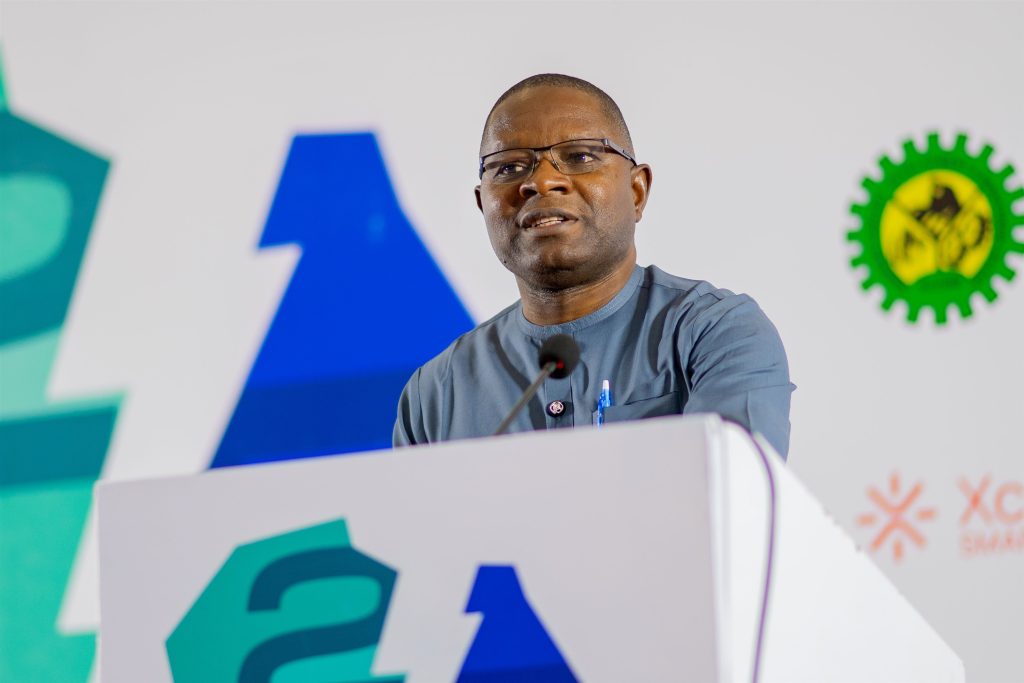
Kevin Chika Urama, chief economist and vice president of the African Development Bank Group (AfDB), observed that multipolarity provides more countries with opportunities to participate in global governance.
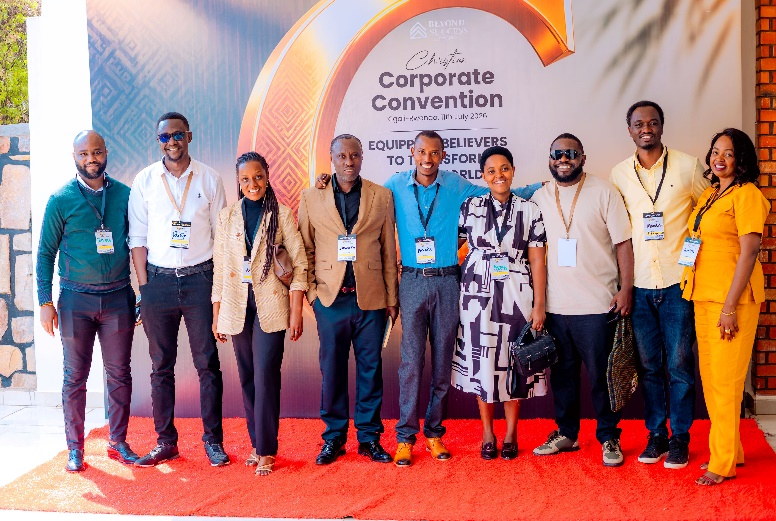
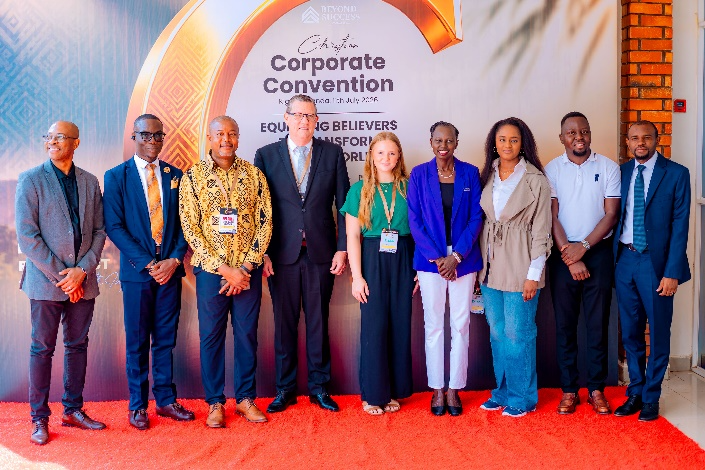
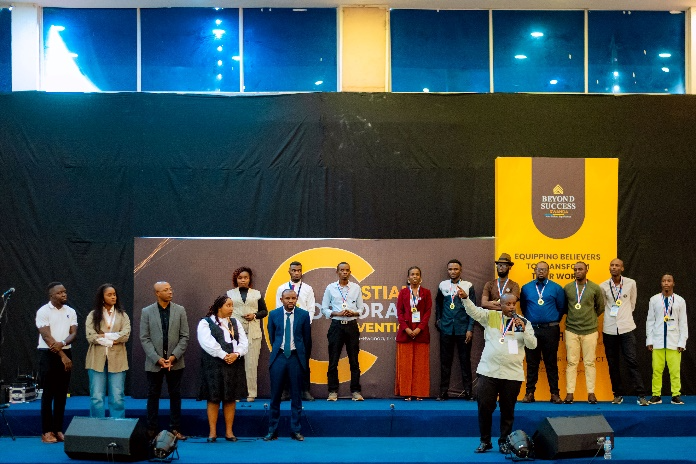
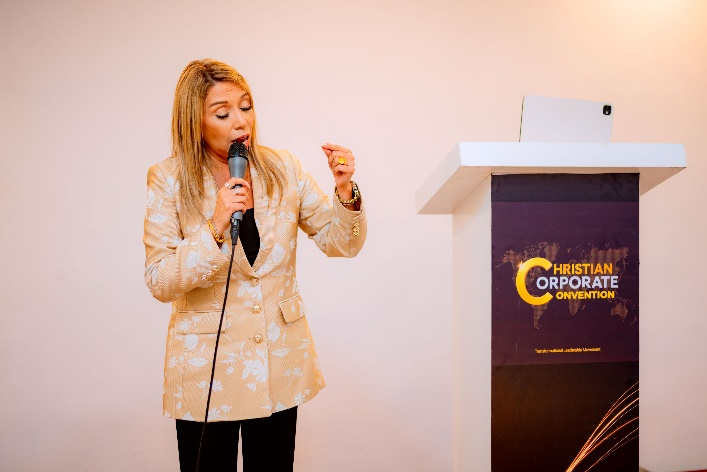
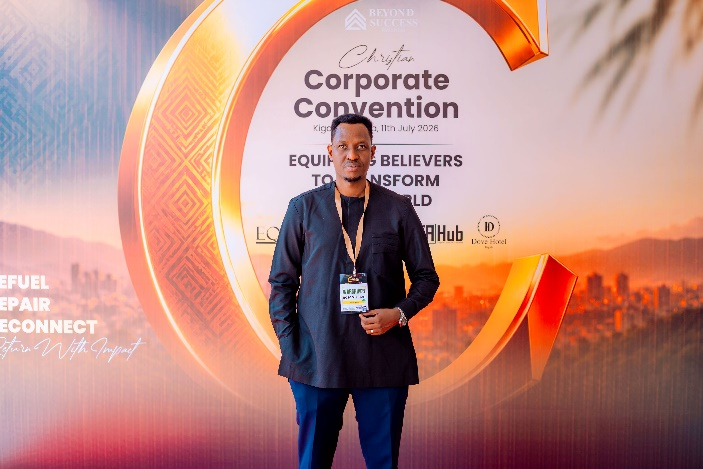
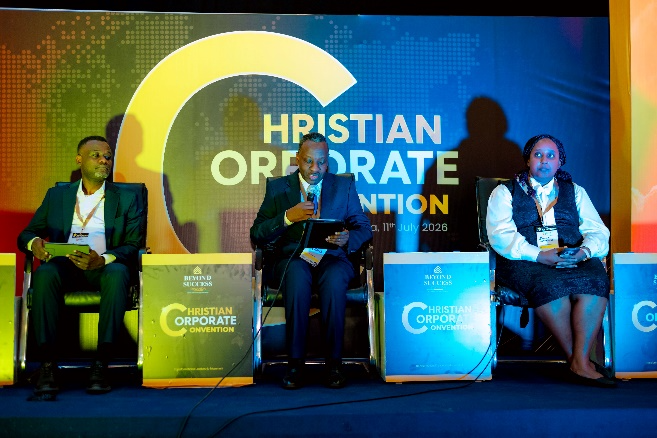
That uncomfortable question sat at the center of the inaugural Christian Corporate Convention, held on July 11 in Kigali and organized by Beyond Success Rwanda under INA Hub.
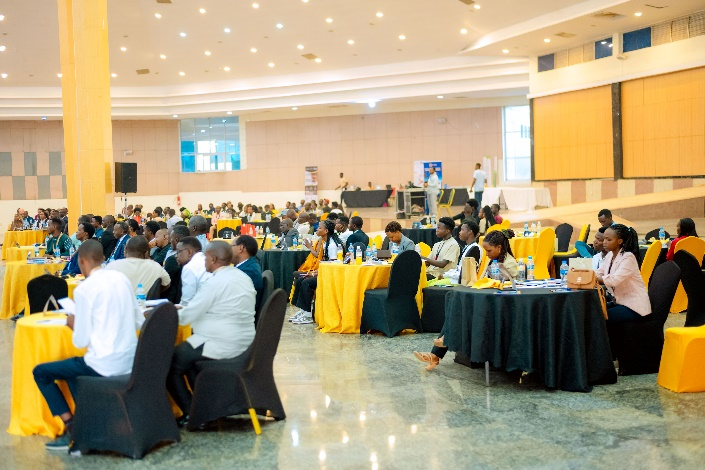
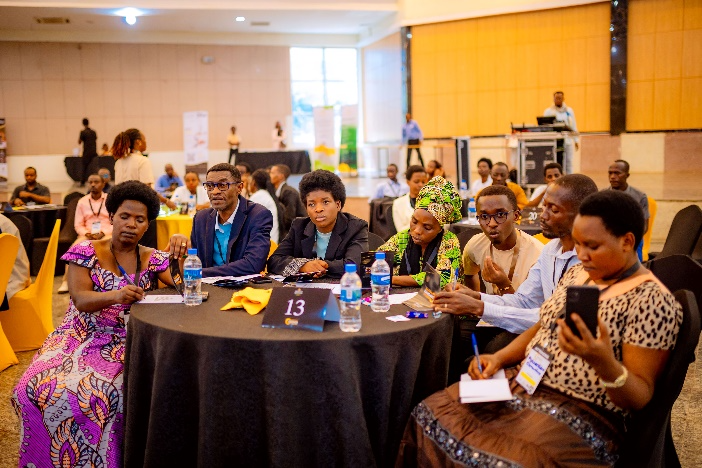
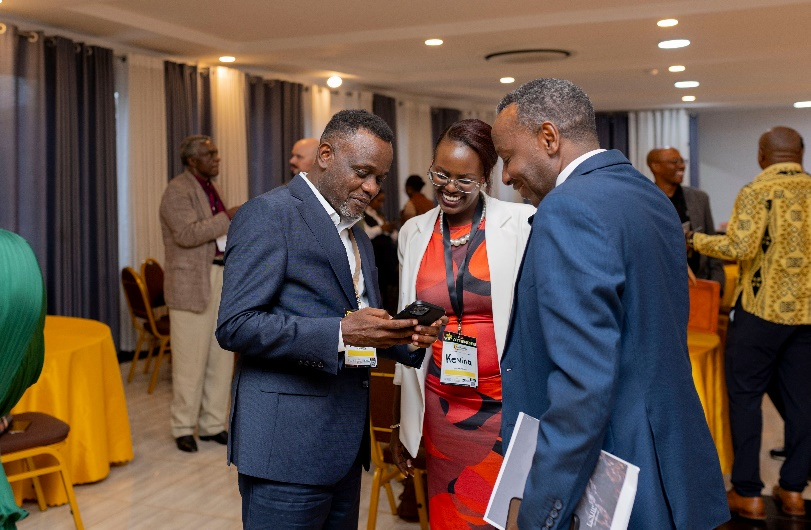
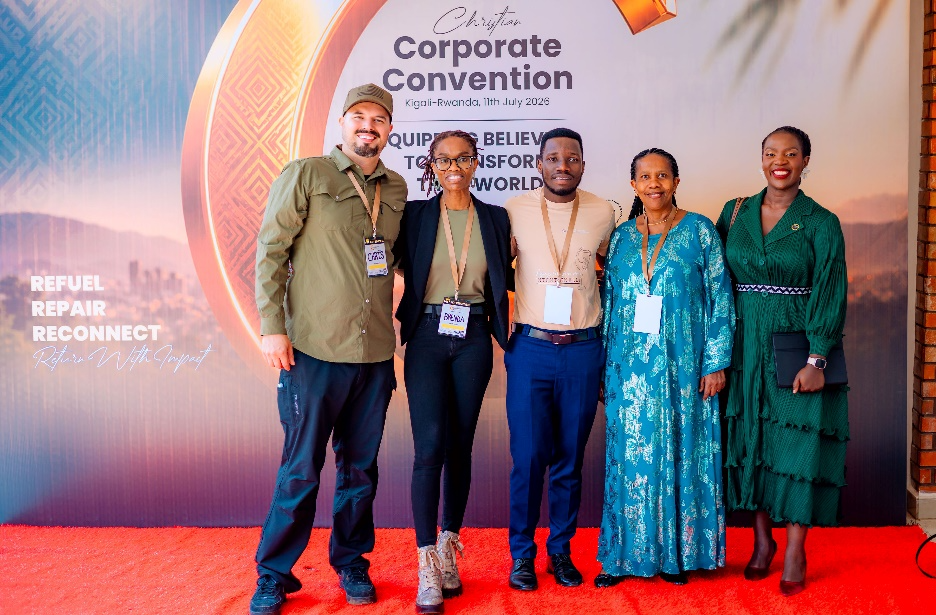
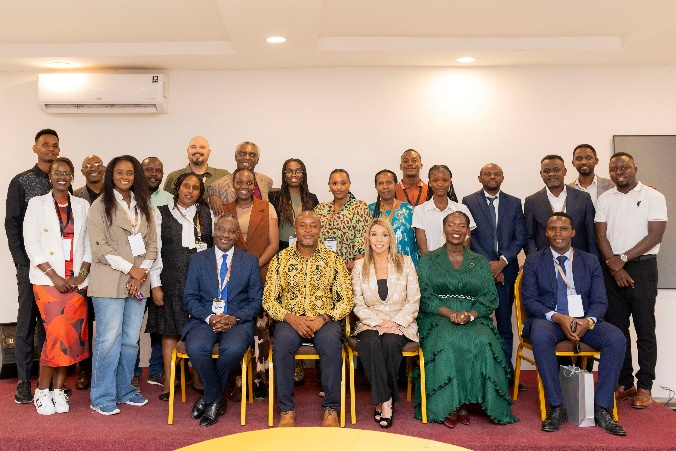
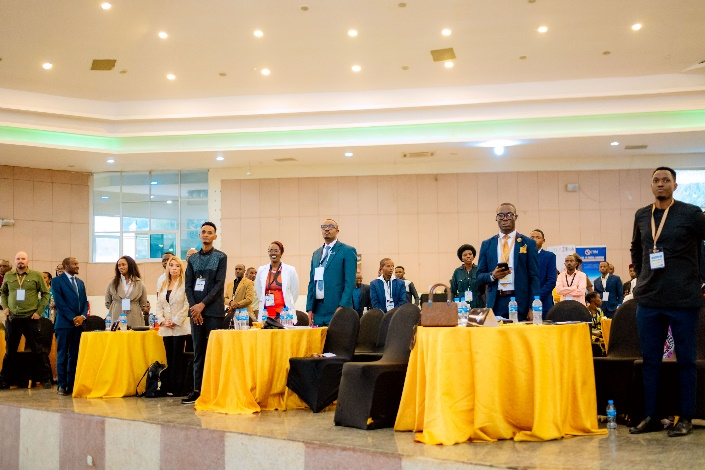
The gathering brought together more than 170 professionals, entrepreneurs, executives and organizational leaders from Rwanda, alongside delegates from Kenya, Liberia, Eswatini, Malawi, Nigeria, Senegal, Burundi and the United States.
They did not come simply to attend another leadership conference. They came for what organizers described as a leadership pit stop. A moment to refuel, realign, reconnect and return better equipped to make a difference where they work and lead.
Unlike most conferences, the Convention was built around a single premise. Knowing your calling and living it out in the workplace are two very different things. Too often, the gap between the two remains unaddressed.
Rather than discussing that reality from a stage, organizers chose to put it on trial.
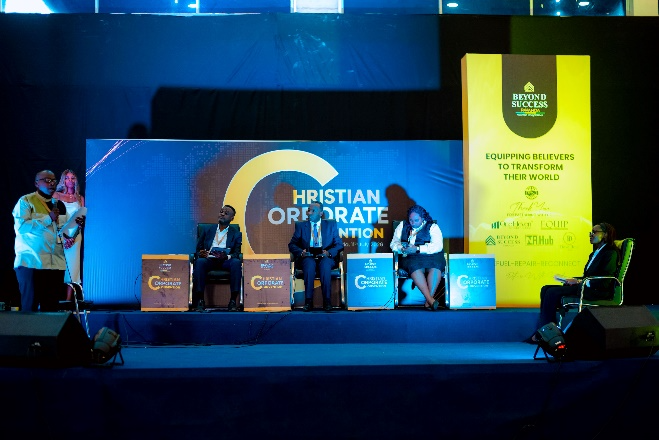
Members of the Kingdom Marketplace Courtroom panel examine the case during a symbolic trial that challenged Christian professionals to reflect on their influence and impact in the workplace.
In one of the Convention’s most iconic sessions, the Kingdom Marketplace Courtroom, the influence of Christian professionals was put on trial.
The charge: Despite occupying positions of authority, expertise, and influence across every sector of society, they had failed to significantly transform the marketplace.
The prosecution presented its case. The defense responded. Witnesses testified. Then the panel of judges, led by Chief Judge Dr. Norman Paul Désiré alongside Mr. Bosco Ruhinda and Mrs. Betsy Sheila from Kenya, delivered its verdict.
Guilty, with mitigating circumstances.
The judges acknowledged the complexity of today’s workplace and the pressures professionals face. Even so, they concluded that difficult environments do not remove the responsibility to lead with integrity, ethical courage, and intentional influence.
Their symbolic sentence challenged every participant to return to their workplace committed to servant leadership and measurable, tangible impact.
It was a theatrical session, but it carried the Convention’s central message.
Leadership is not measured by intentions; it is measured by application.
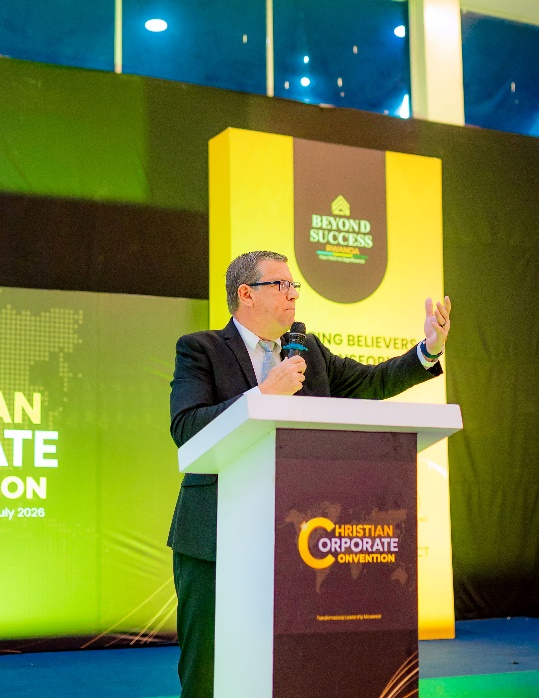
Mr Ray Popham-the vice president of beyond success Global, delivering his keynote address
That same challenge echoed through the keynote address delivered by Ray Popham, Vice President of Beyond Success Global.
He reminded participants that faith was never intended to remain within church walls but should become visible through the way people work, lead and serve.
Quoting fourth-century theologian St. John Chrysostom, he reflected on work as an act of worship.
“You can see this altar lying around everywhere, both in streets and in marketplaces… you invoke the Spirit, not by speech, but by deeds.”
For Popham, the marketplace itself is an altar where professionals worship God through excellence, integrity and service. Every decision, every meeting and every interaction becomes an opportunity to add value and reflect the values they profess.
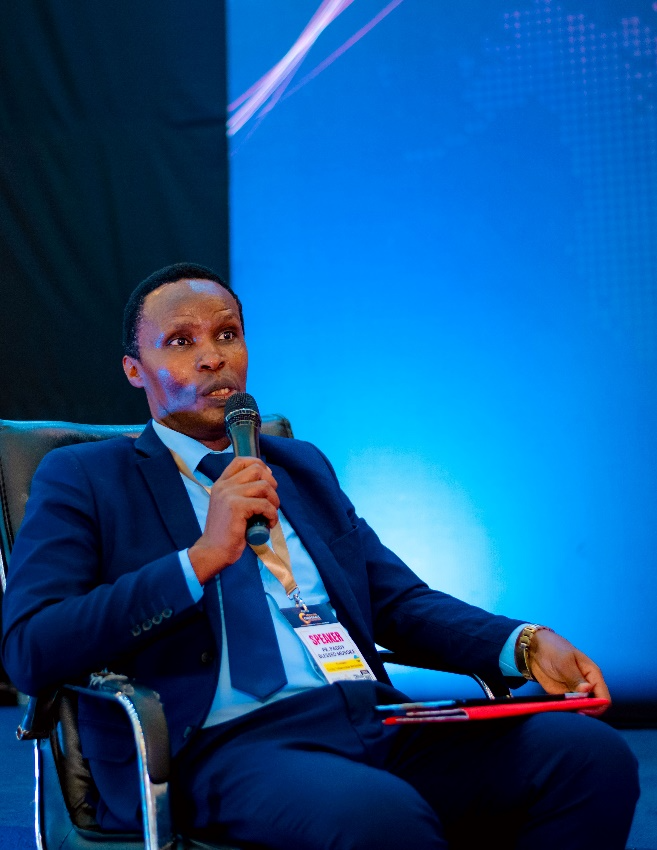
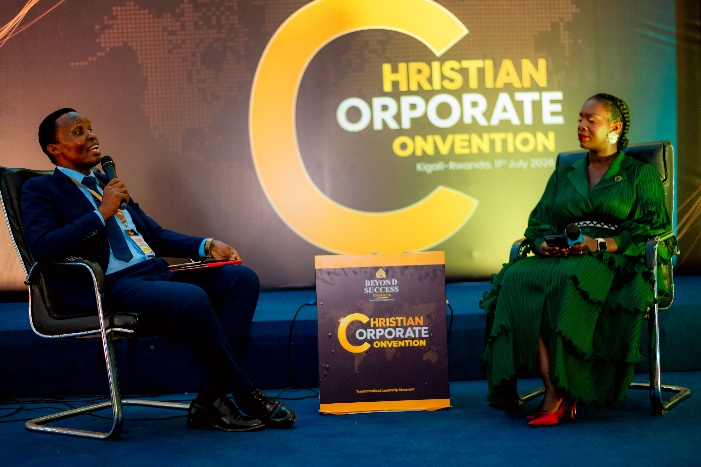
Pr. Paddy Blessed Musoke, leading the legacy chair session
The conversation deepened during the Legacy Chair Conversation with Pastor Paddy Blessed Musoke, with over 16+ years of experience in equipping Christian professionals across Africa.
He observed that Christian professionals are a great but scattered army, often working in isolation. As a result, collective influence is weakened by fragmentation rather than strengthened through collaboration.
He challenged leaders to intentionally build relationships across industries, organizations and sectors, noting that sustainable transformation begins with personal responsibility before extending to teams, institutions and society.
Throughout the day, participants were repeatedly invited to examine not only their organizations, but themselves.
One question, in particular, stayed with many long after the sessions ended. Do people follow you because they want to, or because they have to?
It is a simple question, yet one that strips leadership down to its foundation, reminding every leader that genuine influence is earned through character, trust and service rather than position or authority.
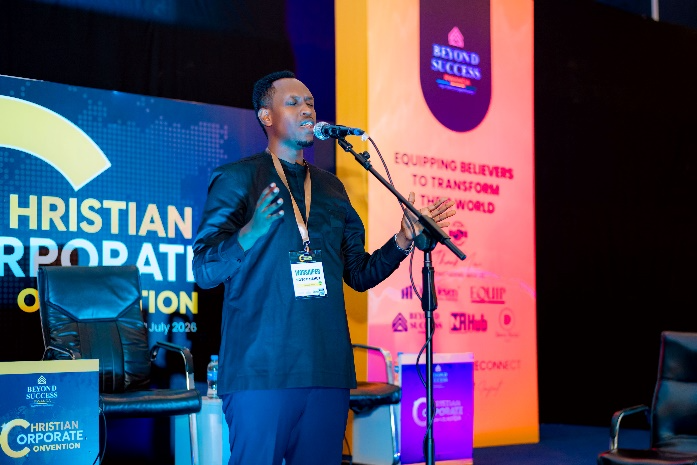
The Convention also featured a worship experience led by renowned gospel artist Bosco Nshuti, creating moments of reflection between the leadership conversations.
VIP participants later gathered for an exclusive Lunch and Learn, where discussions became even more practical, exploring how the day’s lessons could be implemented within businesses and organizations.
Unlike most conferences, however, the Christian Corporate Convention does not end when participants leave the venue.
Those in the VIP experience will now enter a one-month Leadership Coaching Cohort, receiving continued coaching, accountability and practical guidance as they implement what they committed to in their workplaces.
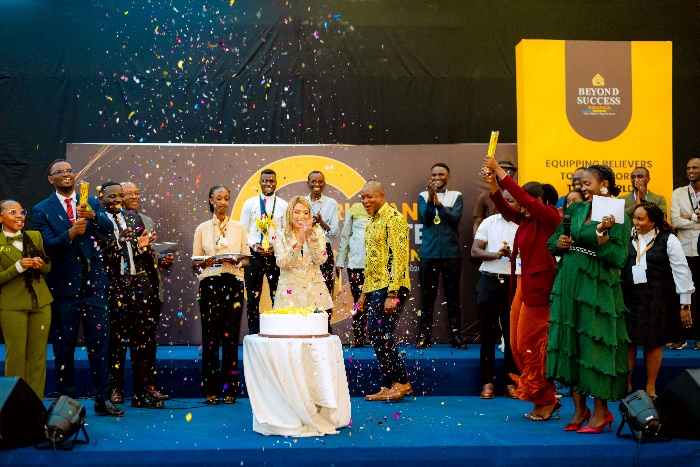
The gathering also marked another important milestone for Beyond Success Rwanda as the organization celebrated five years of equipping individuals to maximize their potential and bring positive impact in their communities through roundtable discussions.
Individuals whose partnership has significantly contributed to the movement’s growth over the past five years were recognized during the celebration.
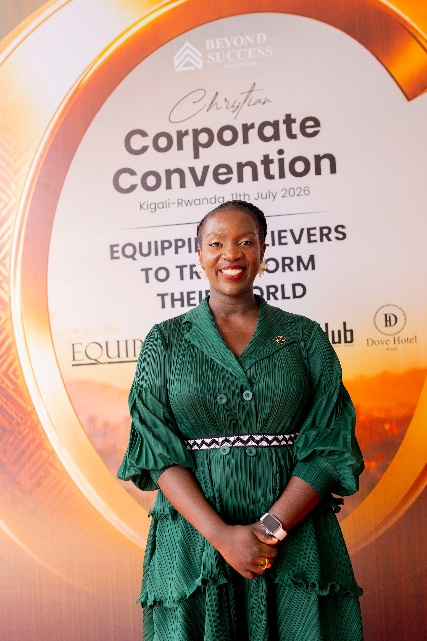
Reflecting on the day’s significance, Country Coordinator Amanda Mihigo described the Convention as the beginning of something much larger than a single event.
“The Convention has come to an end, but the journey is just beginning. We are going back as equipped believers, ready to transform our world. Thank you for believing in this vision and for becoming part of this movement. Now, let’s go back and make a difference.”
That sense of purpose was shared by participants from across the continent.
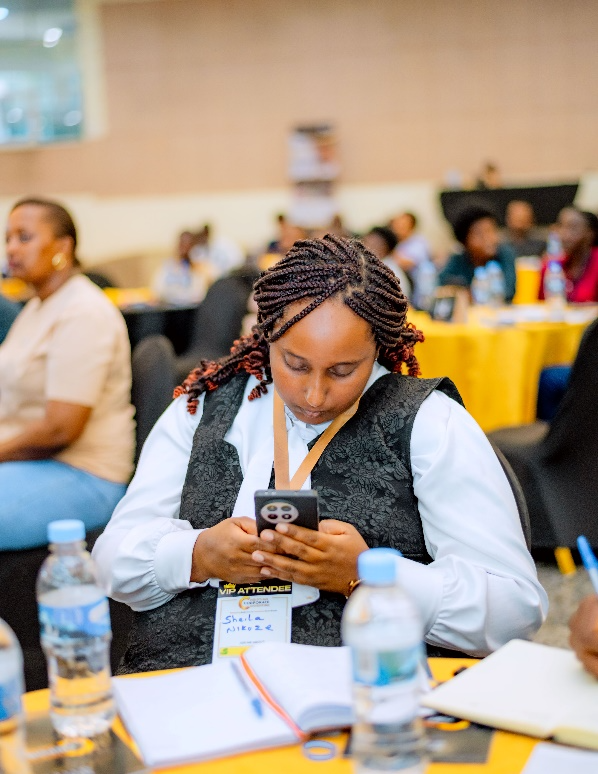
Sheila Nikuze Munyira from Beyond Success Kenya said the Convention reminded her that leadership carries responsibility beyond individual success.
“We came to be recharged, and we leave challenged to become a greater influence in our different spheres of leadership. This experience reminded us to discover our purpose, live it and love it.”
For a first edition, the Christian Corporate Convention exceeded expectations.
Nine countries. More than 170 leaders. A courtroom that challenged its own audience before asking them to change the world around them.
Perhaps the most interesting verdict was not the one delivered from the judges’ bench.
It is the one that will be delivered over the next twelve months, in boardrooms, businesses, government offices, classrooms and communities, as participants return to prove whether the Convention was simply an inspiring event or the beginning of a movement capable of transforming the marketplace.
If the conversations in Kigali are any indication, many will already be counting down to the next Christian Corporate Convention.
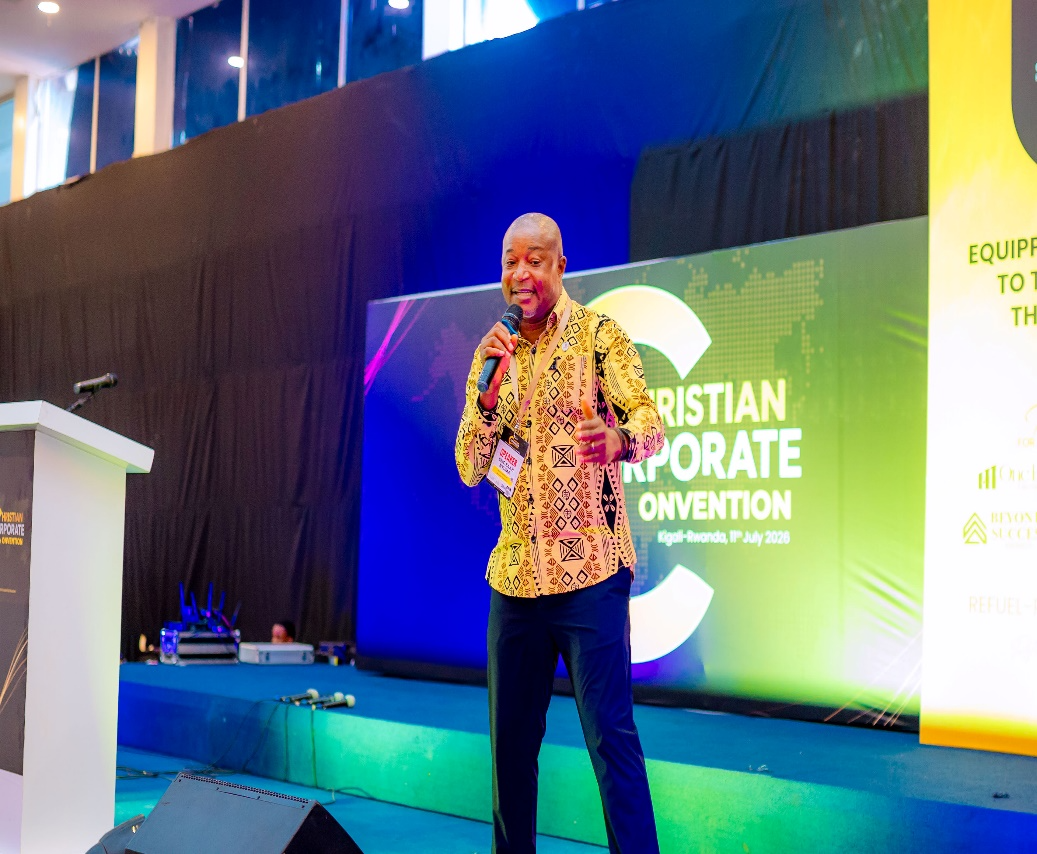
Mr. Eric Saah Nyuma, the Africa Director of Beyond Success, one of the speakers at CCCDr. Betty Ogiel, CEO of Initiative Solutions, one of the speakers in the CCCLeaders from different countries were represented in the Christian Corporate ConventionMrs Nikuze sheila Betsy Mnyira, delegate from Beyond Success KenyaMrs Amanda MIHIGO, the country coordinator of Beyond Success RwandaThe gathering also marked another important milestone for Beyond Success Rwanda as the organization celebrated five years anniversary. osco NSHUTI performing at the Christian Corporate Convention
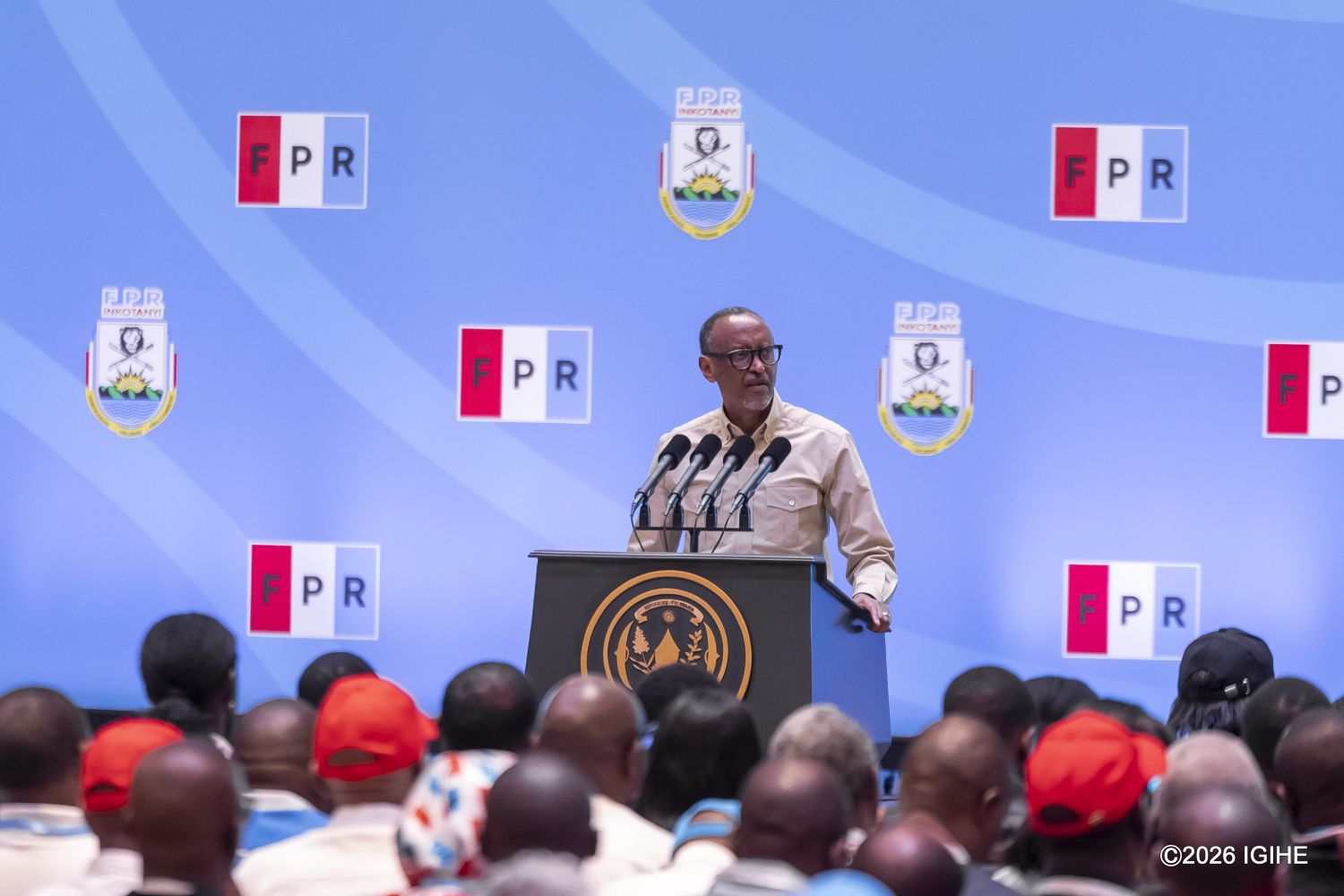
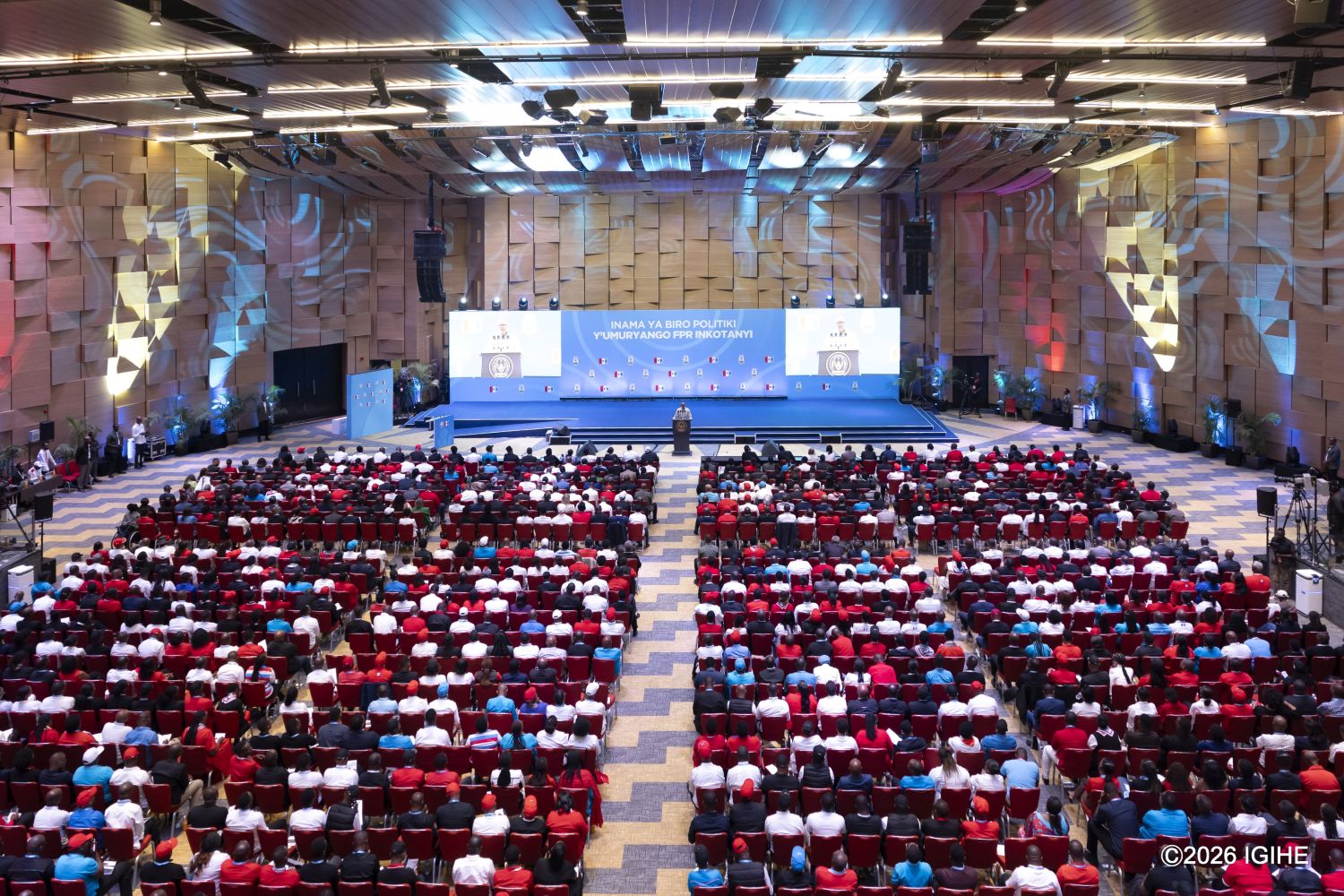
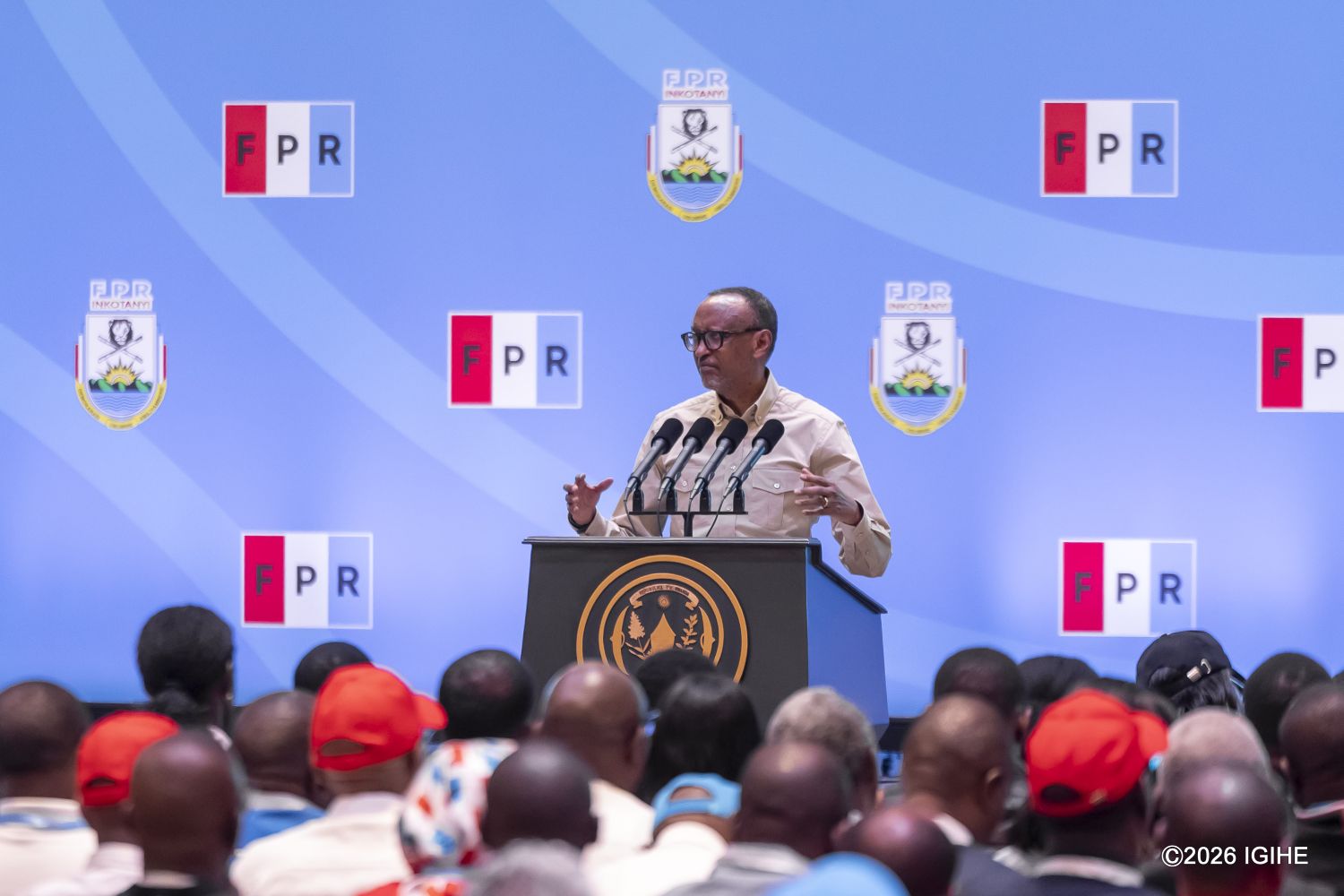
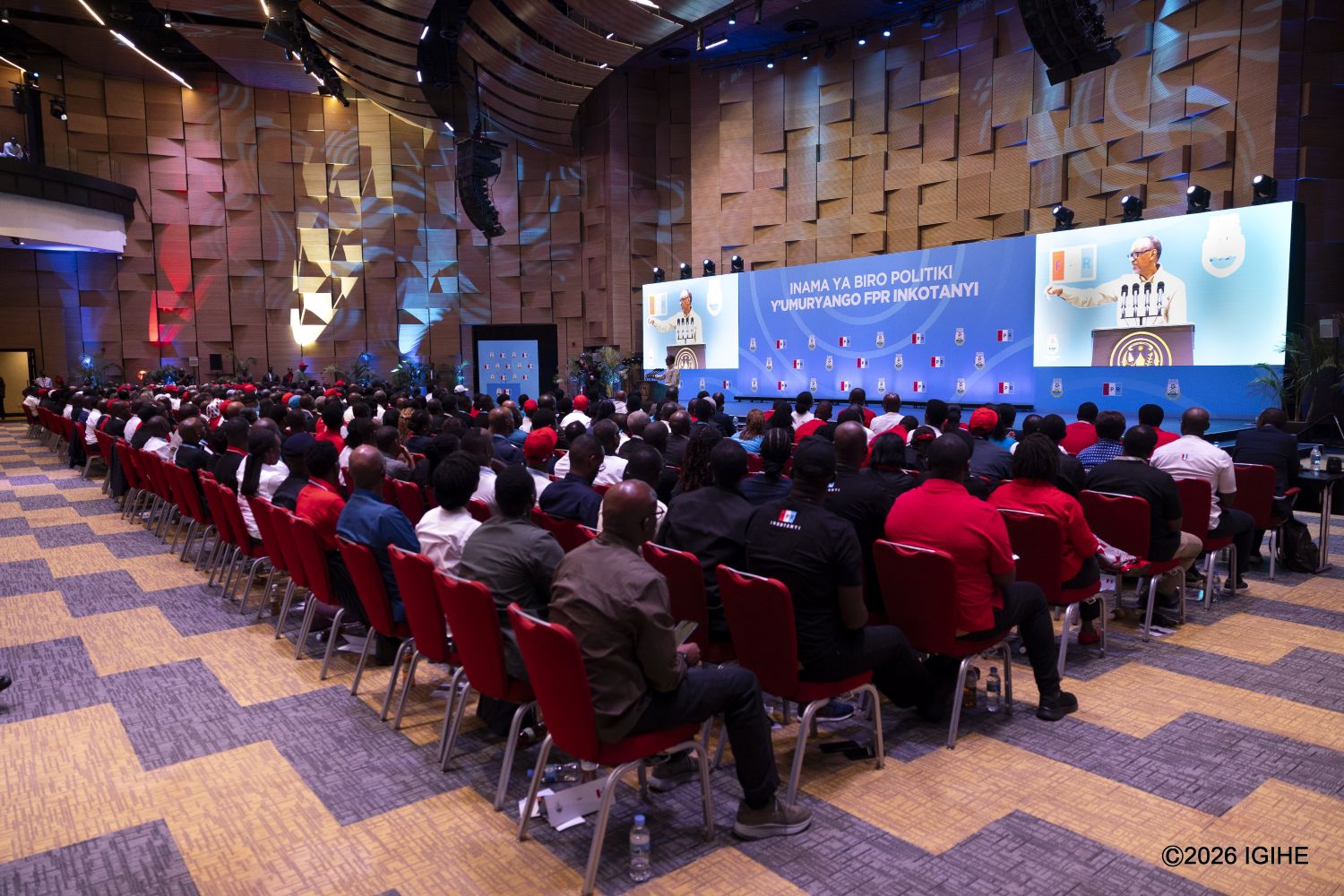
“I will only shut up when I’m dead. That is the only way to make me shut up,” Kagame said on Friday, July 17, during the Rwanda Patriotic Front (RPF-Inkotanyi) Political Bureau meeting at Intare Arena, attended by more than 2,000 party members, government officials, diplomats, representatives of political parties and young professionals.
The President’s remarks came as he defended Rwanda’s position on the security situation in eastern Democratic Republic of Congo (DRC), insisting that Kigali’s concerns have repeatedly been ignored despite clear evidence of threats posed by the FDLR and attacks against the Banyamulenge community.
Kagame argued that the conflict in eastern DRC did not originate in Rwanda and should not be portrayed as Rwanda’s war.
“This conflict we have in eastern Congo was not started by Rwanda at all,” he said, maintaining that the root causes of the conflict lie within the DRC and the Kinshasa government’s refusal to address longstanding grievances raised by the M23 rebels and the communities they represent.
He noted that Rwanda was drawn into the conflict due to the continued presence of the FDLR, a militia founded by individuals involved in the 1994 Genocide against the Tutsi that continues to pose a security threat to Rwanda.
He said Rwanda has for years urged the Congolese government and the international community to dismantle the FDLR and prevent the group from posing a threat across the border, but those calls have largely gone unanswered.
President Kagame insisted that Kigali’s concerns have repeatedly been ignored despite clear evidence of threats posed by the FDLR and attacks against the Banyamulenge community.
According to Kagame, repeated attempts to resolve the crisis through regional and international mediation have failed because, in his view, the underlying security issues affecting Rwanda have not been addressed.
He cited talks held in various capitals, including Nairobi, Doha and Washington, saying discussions consistently overlooked Rwanda’s concerns while placing pressure on Kigali.
Kagame also criticised sanctions imposed on Rwanda, saying they were introduced without giving the country an opportunity to fully present its case.
“There is no time for Rwanda to be listened to. It’s just sanctions, sanctions, sanctions,” he said, arguing that punitive measures have become a substitute for genuine dialogue.
The President further accused some international actors of trying to shape the narrative around the conflict while disregarding facts presented by Rwanda.
“There are people who think they just dictate what the truth should be and what should happen, and for the rest, you just shut up,” he said.
Kagame drew parallels between the international community’s response to Rwanda’s current security concerns and historical failures to heed warning signs before the 1994 Genocide against the Tutsi.
He recalled that during the liberation struggle, he received a warning from a French official during a 1991 visit to Paris: “Even if you take Kigali, you will not find your people.” He said the meaning of the statement only became clear after the genocide unfolded.
The President also expressed concern over recent violence targeting the Banyamulenge community in the Minembwe area of eastern DRC.
He said Rwanda had raised concerns about attacks on civilians, only to be told the issue was “none of your business.”
“It’s like, shut up, it’s none of your business,” Kagame said. “If it is not my concern, maybe it should be yours. Why are you not concerned?”
He argued that dismissing warnings about atrocities against vulnerable communities risks repeating mistakes that have had devastating consequences in the past.
Responding to attempts to pressure Rwanda into silence, Kagame insisted that speaking out against threats to the country’s security is not a matter of political choice but of responsibility.
“Making people shut up, just shut up, I think it’s going to be probably more difficult than people think,” he said.
While acknowledging that Rwanda is a small country that can face external pressure, Kagame said its people should not expect others to guarantee their security.
“You can do much harm to us, granted. But wishing us away is not a small thing,” he said.
He concluded by urging Rwandans to remain vigilant and to take responsibility for safeguarding the country’s future rather than relying on others.
“If you are there waiting for handouts, or for people to do you a favour so that you can live, it is very sad and absurd,” Kagame stated.
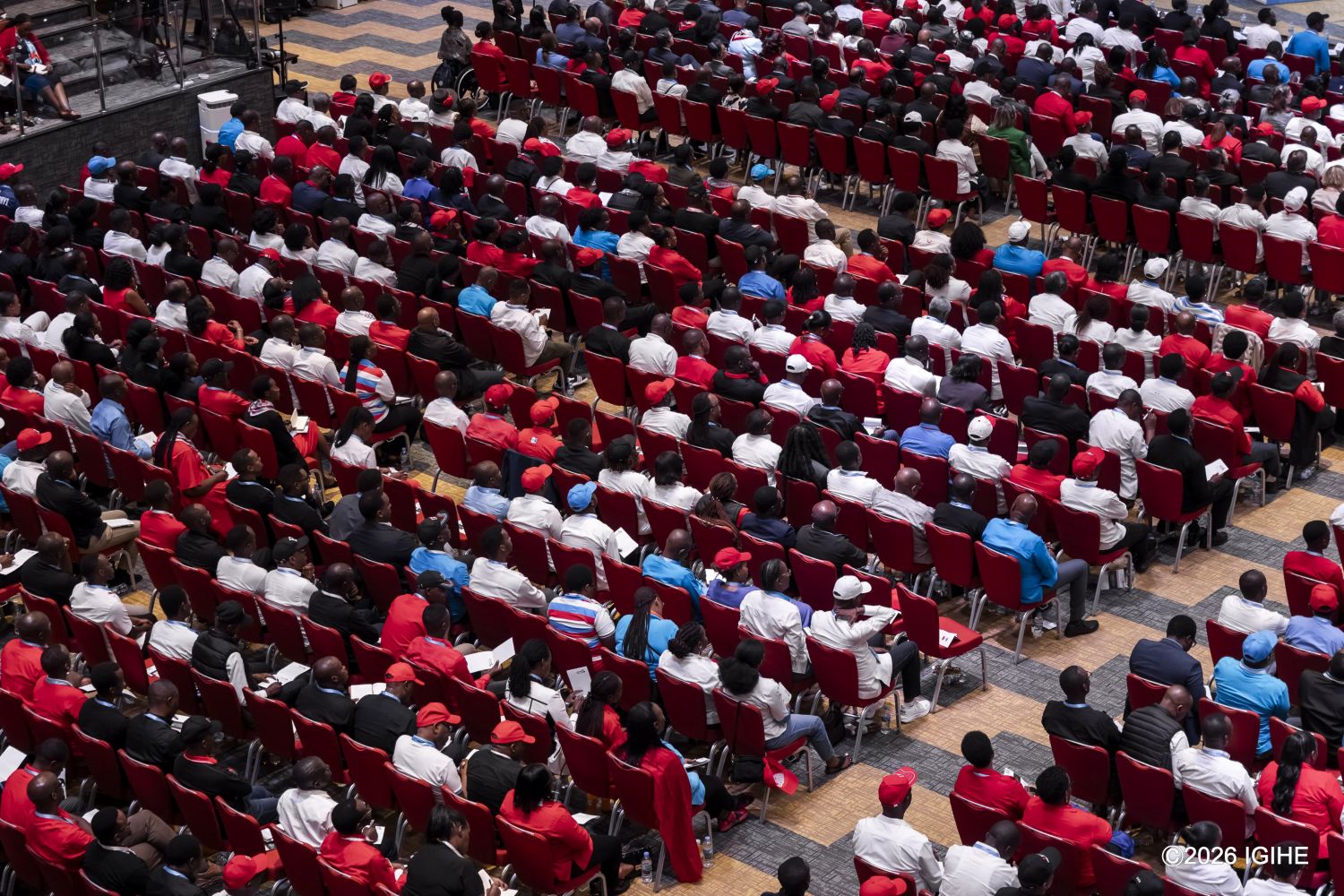
The meeting was attended by more than 2,000 participants, including RPF members, government officials, diplomats and representatives of political parties.
Kagame, who was then the Vice Chairman of the Rwanda Patriotic Front (RPF) and a commander in the liberation struggle, shared the account on Friday, July 17, during an RPF Political Bureau meeting attended by more than 2,000 participants, including RPF members, government officials, diplomats and representatives of political parties.
He said the RPF leadership had initially advised him against travelling to Paris in September 1991 because of security concerns, as fighting between the RPF and the then-government forces was ongoing.
Despite the risks, Kagame insisted on making the trip, arguing that refusing to attend the talks would reinforce the perception that the RPF was only interested in fighting rather than seeking a peaceful solution.
“I insisted. I said I’m going, because if we don’t show up, they will think we are just there fighting, and we don’t want to meet,” Kagame recalled.
During the visit, Kagame met Paul Dijoud, then a senior French foreign affairs official, whom he said repeatedly urged the RPF to stop fighting.
Kagame said he tried to explain that the RPF had taken up arms because of decades of persecution, discrimination and the denial of refugees’ right to return to Rwanda.
According to Kagame, the discussion became increasingly tense before Dijoud made a remark that he initially struggled to understand.
“He said, ‘You must stop fighting, because even if you take Kigali, you will not find your people,’” Kagame recalled.
“At first I couldn’t understand what it meant. But it actually meant they would be killed.”
As the meeting ended, Kagame said Dijoud made a sarcastic remark in the corridor, telling him he hoped to meet him again “when you are the commander of the new army of Rwanda.” Kagame said he replied that if that happened, he would do a good job of it.
Kagame said that after the 1994 Genocide against the Tutsi, in which more than one million people were killed, he concluded that the statement had foreshadowed what was to come.
“Connecting that with the history, with what happened eventually, I could not but conclude that was the meaning. They were privy to what was going on,” he said.
President Paul Kagame recalled a chilling warning he received from a French official during a peace mission to Paris in 1991, saying the remark only made sense years later after the 1994 Genocide against the Tutsi.
Detention overnight
President Kagame also recounted how, after the meetings, he and two colleagues, Dr. Ndahiro and Tom Byabagamba, were arrested in the middle of the night by armed plainclothes officers while staying at a hotel in Paris.
He said they were taken to a detention facility, where they were questioned about the people they had met during the visit.
Kagame recalled refusing to undergo a polygraph test and rejecting food offered to him while in custody. The three were released later that day before Kagame left France via Brussels.
The President said the experience has remained vivid in his memory, particularly in light of what unfolded in Rwanda less than three years later.
He made the remarks while reflecting on the historical roots of the Genocide against the Tutsi and longstanding efforts by some international actors to ignore or downplay threats against Rwandans.
Kagame also linked the episode to Rwanda’s current security concerns, arguing that warnings about threats posed by the FDLR and attacks against Banyamulenge communities in eastern Democratic Republic of Congo have similarly been dismissed by sections of the international community.
He drew a parallel between Dijoud’s warning and more recent remarks by regional actors dismissing concerns raised over killings in the Minembwe area of eastern DRC, saying both carried the same underlying message: that the fate of a targeted population was “none of your business.”
“It’s like, shut up, it’s none of your business,” Kagame said. “If it is not my concern, maybe it should be yours. Why are you not concerned?”
The President also delivered a strong message to those he said expect Rwanda to remain silent in the face of such threats.
“Making people shut up, just shut up, I think it’s going to be probably more difficult than people think,” Kagame said, adding that he would continue speaking out against existential threats to Rwanda and vulnerable communities in the region.
“I will only shut up when I’m dead. That is the only way to make me shut up,” he declared, arguing that silence in the face of threats would amount to abandoning the responsibility to protect people’s lives.
Kagame, who was then the Vice Chairman of the Rwanda Patriotic Front (RPF) and a commander in the liberation struggle, shared the account on Friday, July 17, while chairing an extended RPF Bureau Politique meeting. The meeting was attended by more than 2,000 participants, including RPF members, government officials, diplomats and representatives of political parties.
He made the remarks on Friday, July 17, 2026, during the Rwanda Patriotic Front (RPF-Inkotanyi) Political Bureau meeting taking place at Intare Arena in Rusororo, Gasabo District.
It brought together over 2000 RPF members, leaders from the public and private sector, representatives of other political parties, members of the diplomatic corps and young professionals.
President Kagame said the identity of RPF-Inkotanyi is rooted in its history, which defines the responsibilities of every Rwandan wherever they may be and reflects the country’s aspirations.
He noted that every citizen has a role in helping Rwanda achieve its national goals, but stressed that the country’s progress should ultimately be assessed based on how it is experienced by Rwandans.
The Head of State said that when citizens hear leaders speak about government achievements, they naturally ask themselves whether those accomplishments are reflected in their own lives. “Every morning when you wake up, ask yourself that question,” Kagame said.
He stressed that it is impossible to invent achievements when citizens cannot see or experience them, as the absence of tangible results is evident.
“You cannot create results on your own and expect people to see them when they do not exist. You cannot fabricate them. If children are not in school, they are not in school. You cannot claim you have achieved the goal of ensuring Rwandan children are in school when that is not the reality,” he said.
Kagame added that the same principle applies to healthcare.
“If people do not have good health or access to healthcare, you cannot claim that Rwandans enjoy quality healthcare when they do not. When those results are absent, making such claims only creates accountability that you will eventually have to answer for,” he said.
The President explained that the RPF Political Bureau meeting serves as an opportunity to remind members of their responsibilities while encouraging self-evaluation.
He cautioned that failing to assess one’s performance honestly carries consequences.
“If you examine yourself and make the wrong assessment, there are consequences. If you examine yourself and conclude that you are not sick when you actually are, the illness will eventually kill you because you were mistaken,” Kagame said.
President Paul Kagame has warned officials against exaggerating achievements, saying Rwandans will judge progress based on what they experience in their daily lives.