The ministry further indicates that between 1994 and 2025, a total of 3,503,173 Rwandans had already returned from various countries, mainly those neighbouring Rwanda.
In 2025 alone, Rwanda received 6,043 returnees from the Democratic Republic of Congo.
Since January 2026, an additional 2,153 Rwandans had returned before the latest group of returnees.
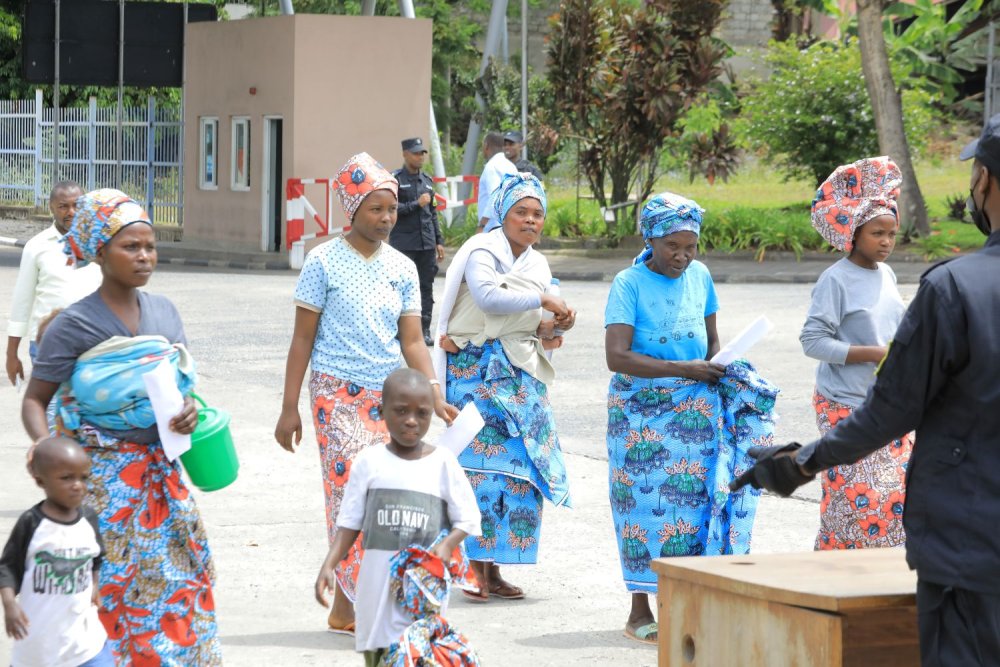
The latter comprises 317 Rwandans including 15 men, 76 women, and 226 children who returned home on April 24, 2026. They were received and transported to Kijote Transit Camp in Nyabihu District for temporary support and processing.
The returnees had been staying at a temporary camp in Goma after leaving different areas in eastern DRC, where they say they had been held captive by FDLR.
The Vice Mayor of Rubavu District in charge of economic development, Déogratias Nzabonimpa, told IGIHE that the returnees represent a valuable addition of human resources to the country.
“The country has gained back the people it had lost. Their continued return weakens the enemy that had held them captive, as these are productive citizens. We also continue working with them to encourage those still in the forests to return home,” he said.
He also urged the returnees to remain committed to Rwanda and to encourage others still abroad or in hiding to come back and contribute to national development.
He assured them of government support to help them reintegrate into normal life, including basic assistance. Returnees aged 18 and above will receive $188, while those below 18 will receive $113, in addition to basic food support valued at 45,000 Rwandan francs per person.
Rwanda received 6,043 returnees from the Democratic Republic of Congo in 2025.
At just 12 years old, Geraldine’s life took a dramatic turn when she was diagnosed with Type 1 diabetes, a condition that requires constant insulin therapy and careful monitoring. Living in the UK, she faced not only the physical demands of managing her condition but also the emotional challenges of being misunderstood by teachers and coaches.
Dropped from her netball team and labeled a “burden,” she struggled with her self-confidence and fell into depression. Her mother, Tracy Mutesi, a caregiver to Geraldine’s grandfather who lived with Type 2 diabetes, became her unwavering support, encouraging her to see beyond her diagnosis.
During a trip to Rwanda in 2019, Geraldine visited Muhima Hospital in Kigali, where she met young Rwandans also living with Type 1 diabetes. The stark contrast between their healthcare access and hers in the UK deeply impacted Geraldine.
Recognizing the disparity in opportunities, she decided to use her story to create change.
“I could turn this pain into purpose,” she realized, aspiring to be a role model and show others that they were not alone.
In 2019, Geraldine co-founded the Geraldine Trada Foundation (GT Foundation) with her mother. The foundation aims to educate, support, and empower young people with Type 1 diabetes in Rwanda, breaking the stigma surrounding the condition.
The foundation runs programs like school awareness campaigns, outreach to rural areas, and empowering camps for youth and caregivers.
It started with modest funding from family and friends but has since expanded with multi-year funding in 2024, growing through local partnerships and media storytelling.
Geraldine is passionate about educating the public on the differences between Type 1 and Type 2 diabetes. She aims to challenge harmful myths that suggest diabetes is caused by poor lifestyle choices, especially in relation to sugar consumption.
As an award-winning Economics graduate pursuing an MSc in International Development, she advocates for better access to diabetes care, having served as a Campaign Champion with Diabetes UK.
Looking forward, Geraldine envisions a future where no young person feels limited by diabetes.
She dreams of creating a hub that offers education, support, and a community for youth and caregivers, with the goal of empowering young people to live without barriers.
Geraldine also encourages anyone newly diagnosed to remember, they are not alone.
“The challenges you face today are ones I once faced too, but you can overcome them.”
Today, at 23, Geraldine balances her studies in the UK with her work in Rwanda, proving that personal adversity can spark a global movement of hope, education, and empowerment.
The Geraldine Trada Foundation continues to make a lasting impact, standing as a reminder that resilience, family love, and purposeful action can transform challenges into platforms for progress.
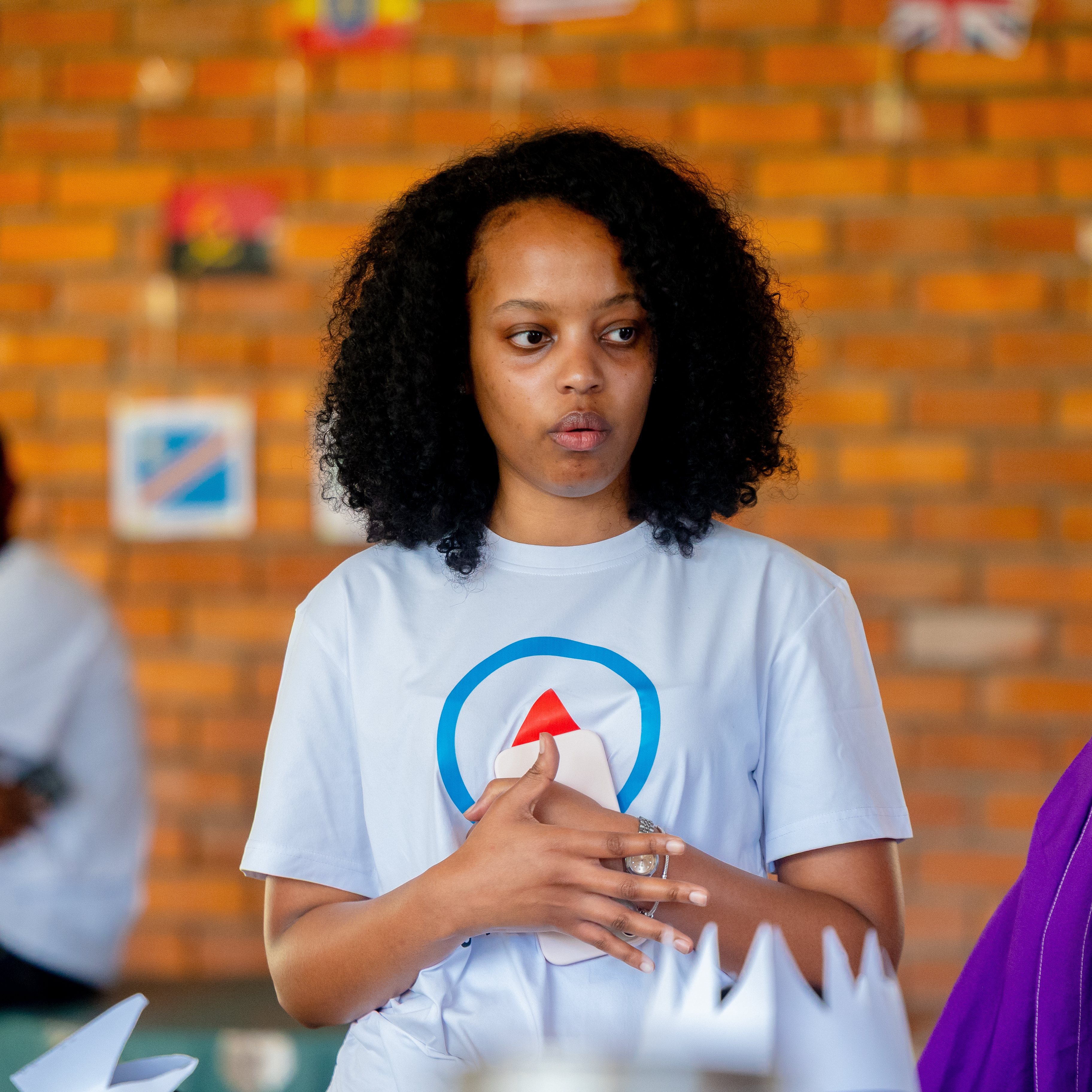
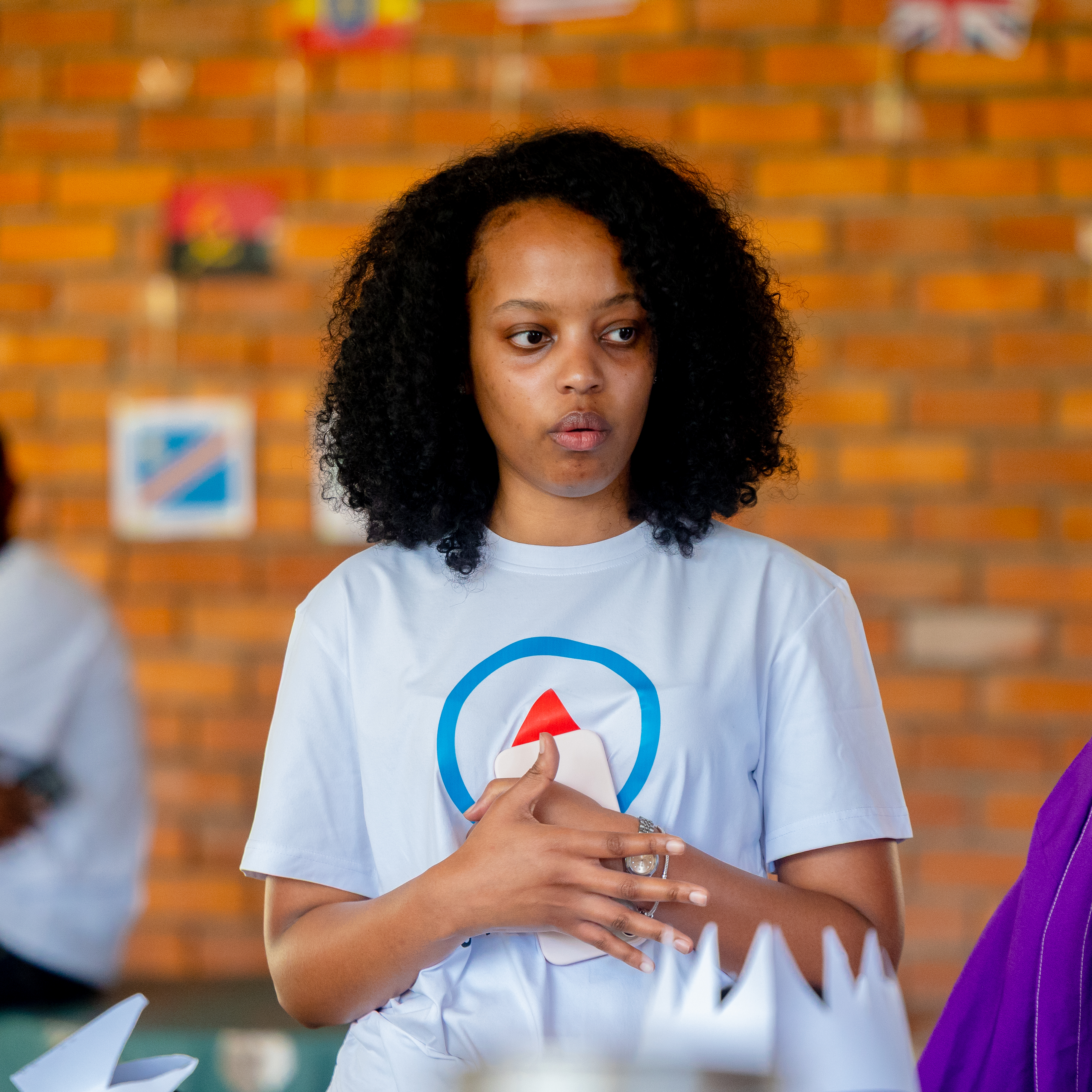
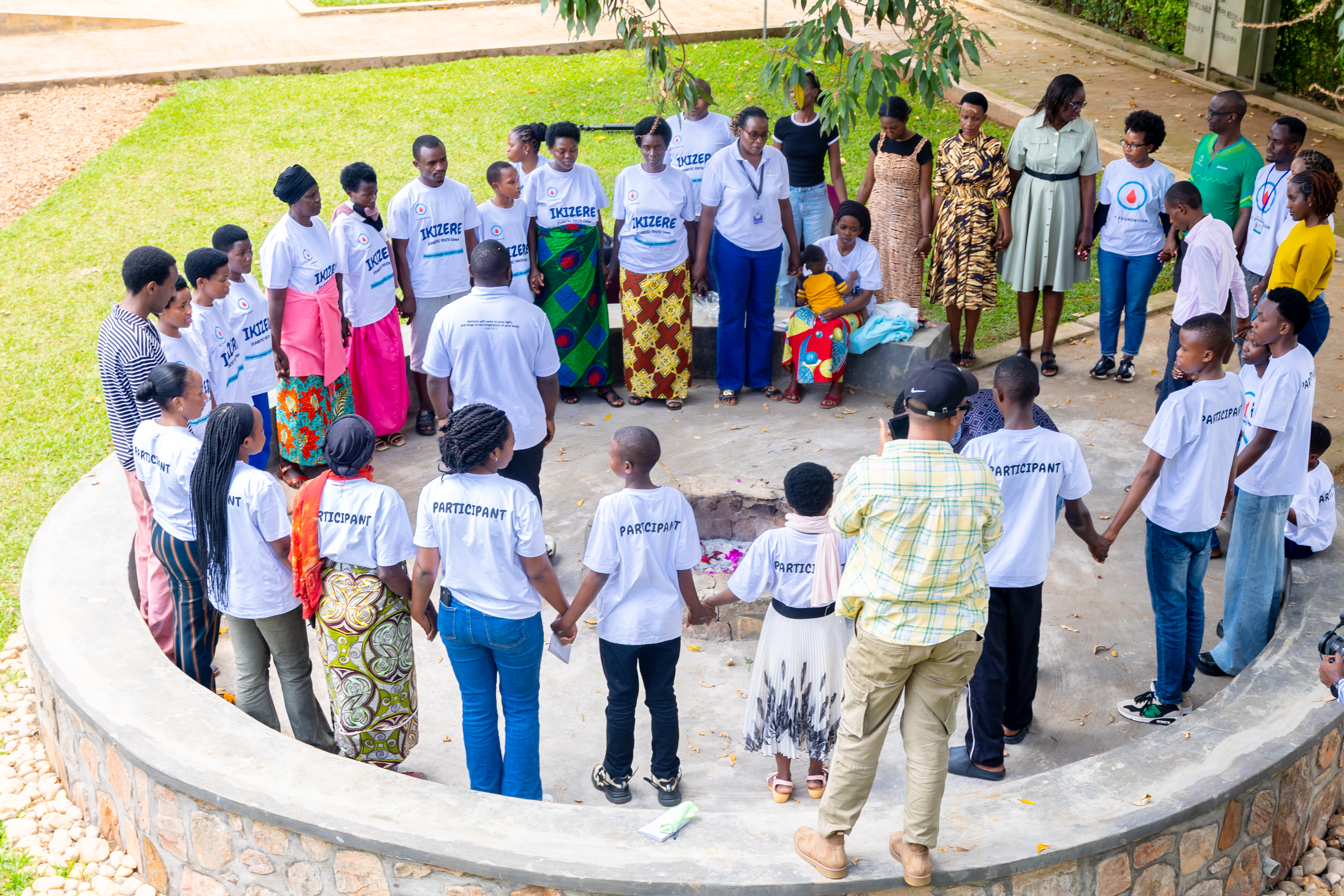
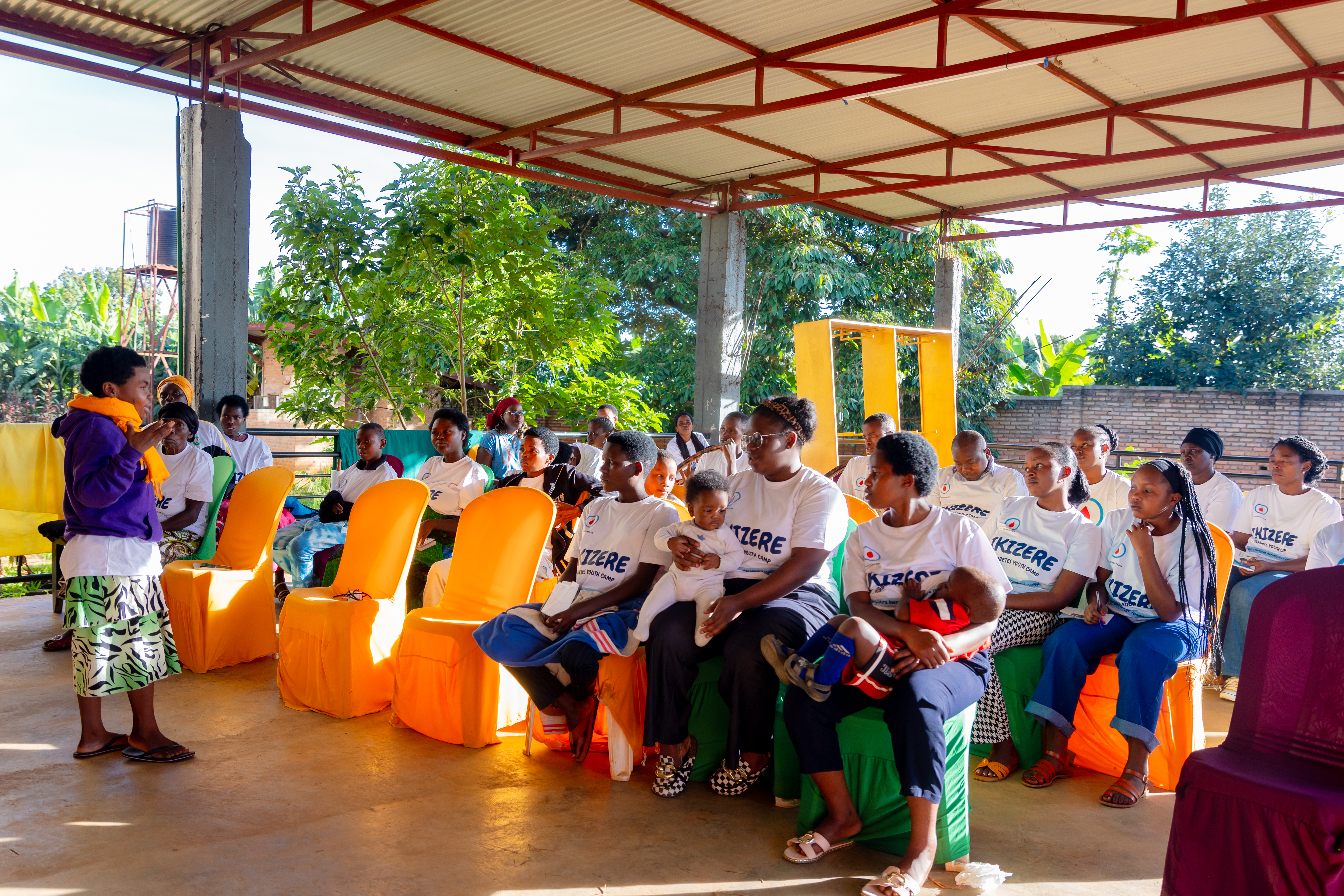
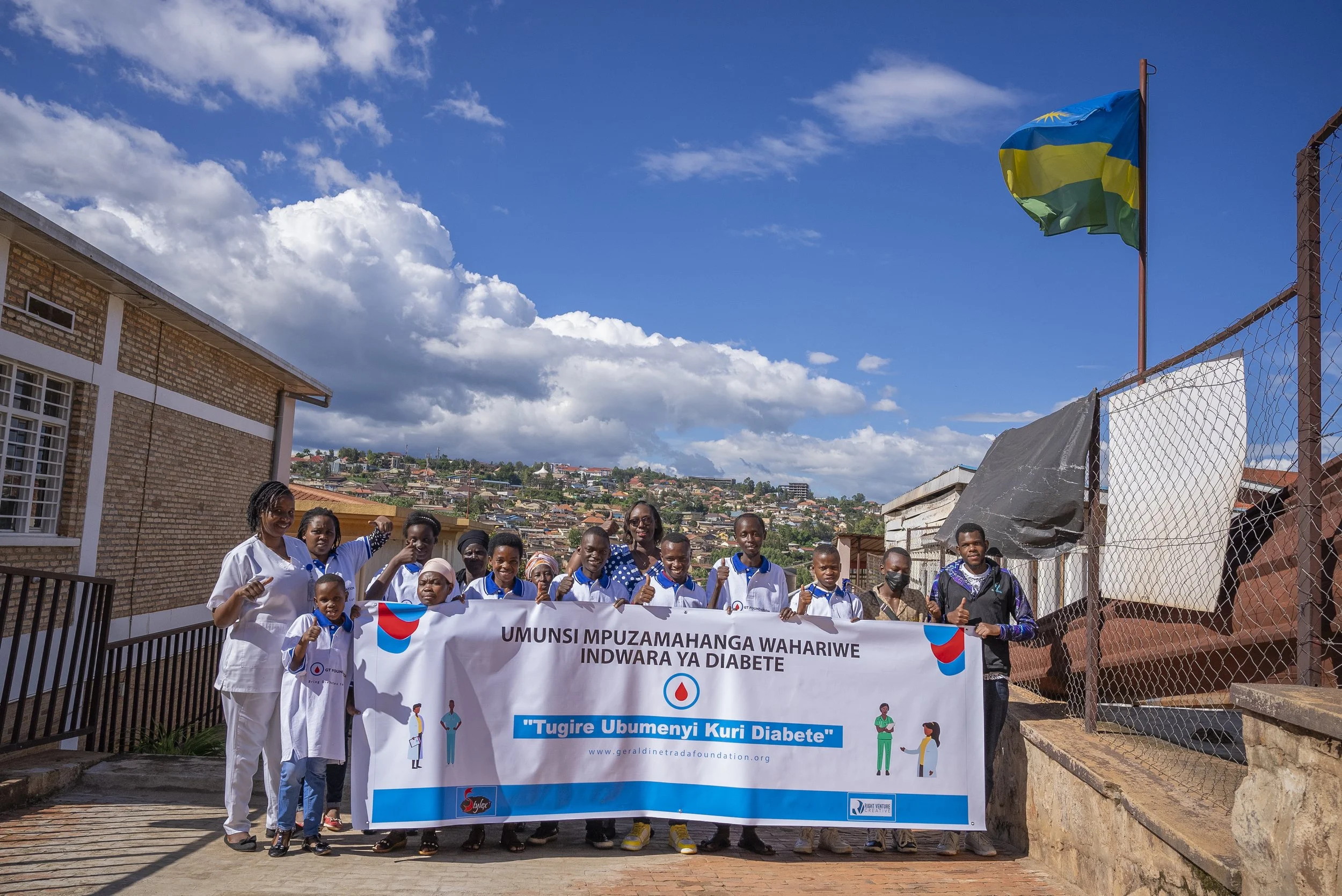
Geraldine Trada decided to use her story to create change recognizing the disparity in opportunities. Members of the Geraldine Trada Foundation community gathering, uniting to share strength, support, and hope in their journey with diabetes. Participants at the Ikizere Camp engaging in educational sessions, learning effective strategies for managing and living with diabetes.
Traditionally, observing ocean currents, especially the small, rapid ones has been extremely difficult. Satellites can measure large‑scale patterns like sea surface height, but they revisit the same area only every several days, leaving a gap in our view of fast‑changing and smaller features.
Now, a team from the University of California‑San Diego and collaborators have cracked this challenge by combining weather satellite images with advanced machine learning.
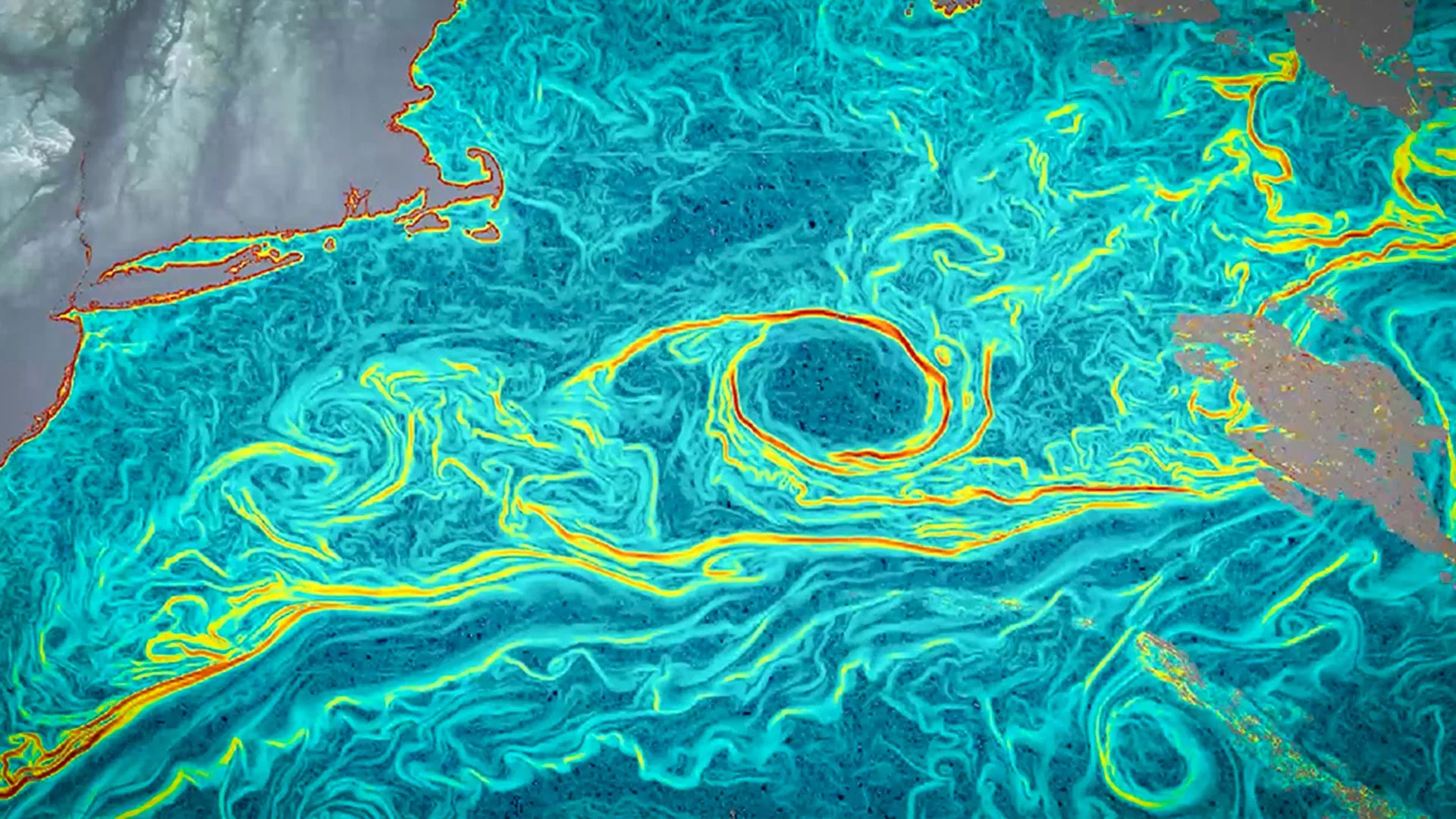
The method, dubbed GOFLOW (Geostationary Ocean Flow), analyzes consecutive thermal images from weather satellites images originally designed to track clouds and temperature and turns them into detailed maps of ocean movement.
By training a deep learning model to recognize how temperature patterns shift over time, researchers can infer how the underlying water is flowing.
According to the lead researcher, Luc Lenain from the Scripps Institution of Oceanography, “Weather satellites have been observing the ocean surface for years. The breakthrough was learning how to turn that time‑lapse into hourly maps of currents.”
This statement highlights how the team transformed ordinary satellite data into something far more powerful viewing currents as if watching a movie of the ocean itself.
This AI‑driven system doesn’t require new or costly satellites. Instead, it maximizes the value of existing orbiting weather instruments, making the approach both efficient and cost‑effective.
It can detect fast‑moving currents and small eddies swirling water features previously hidden from direct view which are crucial for understanding vertical mixing.
Vertical mixing is a key process that brings nutrients from deep waters up toward the surface and helps store carbon in the ocean both essential for marine life and climate regulation.
The research team also includes Kaushik Srinivasan, a former Scripps researcher now at UCLA, as well as Roy Barkan of Tel Aviv University and Nick Pizzo of the University of Rhode Island. Their findings were published in Nature Geoscience, a leading scientific journal.
Because the new technique works with existing geostationary satellites which constantly observe large parts of the Earth, scientists hope GOFLOW could soon be integrated into climate models and weather prediction systems, improving forecasts and helping us better understand ocean‑climate interactions.
This AI‑powered discovery offers a detailed and dynamic look at ocean currents for the first time, turning everyday satellite data into a powerful tool for science, climate study, and environmental monitoring.
AI technology has revealed unseen ocean currents, transforming climate research.
The artist had initially planned to hold a concert in Kigali in April 2026, but he found it difficult to proceed with the trip as he was expecting his third child and did not want to leave his wife at that time.
After postponing his Kigali concert, Patient Bizimana said he now plans to officially introduce his new album through a different approach.
He said, “All the songs are almost finished. I now think the next step is to release them one by one until the full album is complete.”
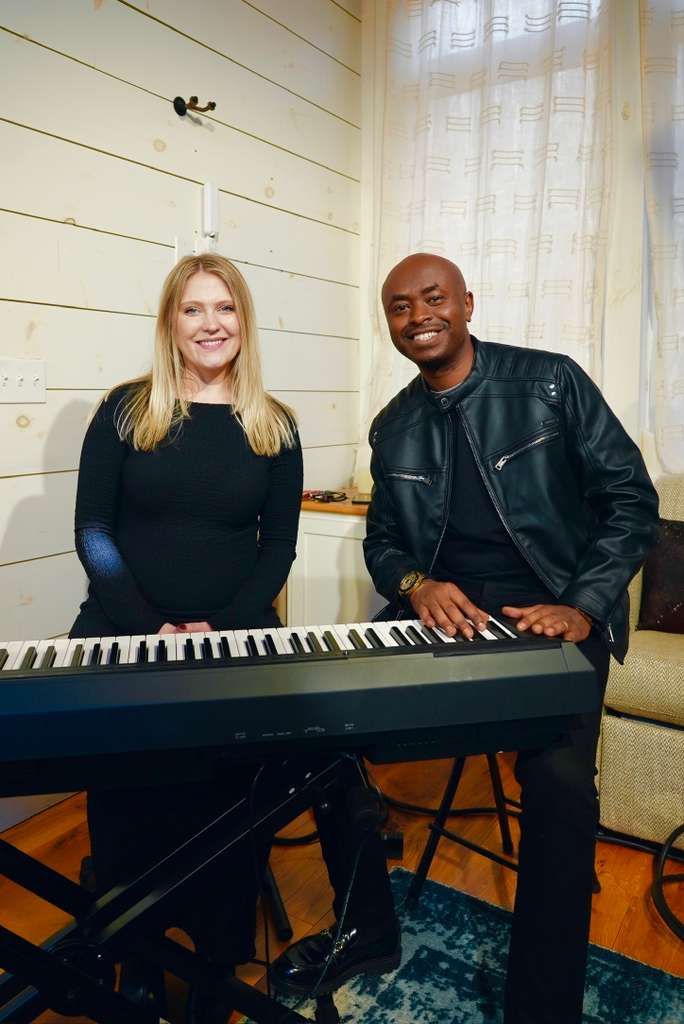
For this project, Bizimana has already released a new song titled “Ndi Hano”, which is the second release from his upcoming album titled “Agakiza”. The song features Kimber Terry, a worshipper based in Nashville, United States, where both artists currently live.
Bizimana is among the established names in gospel music. He relocated to the United States in 2022, where he joined his family.
After four years in the United States, he has since welcomed three children.
The new song features Kimber Terry, a worshipper based in Nashville, United States, where both artists currently live.After postponing his Kigali concert, Patient Bizimana said he now plans to officially introduce his new album through a different approach.
The Government of Rwanda launched the nationwide program in 2019 to streamline Genocide memorials, with the aim of better preserving the history and evidence of the 1994 Genocide against the Tutsi.
Vedaste Ngarambe, President of Ibuka and also Chairperson of the District Advisory Council in Karongi, said the process is underway in the district.
Among the memorials already consolidated are Murangara, whose remains were transferred to Mubuga, and Bukiro, which was merged into Nyange Memorial in Ngororero District.
“The process is ongoing. The Gahunduguru memorial in Ruganda Sector will be relocated to Birambo Memorial in Gashali Sector. Mukimba memorial in Rugabano Sector will also be moved to Birambo,” he said.
District officials explained that the remaining consolidations have been delayed due to the need to upgrade Birambo Memorial, which is set to receive additional remains. However, feasibility studies have been completed, and construction is expected to begin next year.
Karongi District Mayor Gelard Muzungu said that once the process is complete, nine memorial sites will remain. These include Birambo, Mubuga, Ngoma, Bisesero, Gitesi, Rubengera, Gatwaro, Home Saint Jean, Saint Pierre, and Nyamishaba.
“We still have memorials that require construction or rehabilitation. As a priority, we plan to begin with Birambo next year, where we will relocate remains currently buried in inadequate conditions at Mukimba and Gahunduguru,” he said. “Gitesi memorial has not yet been built and is in worse condition than Home Saint Jean and Saint Pierre.”
Muzungu added that the district plans to construct or upgrade at least one memorial each year to ensure that all sites properly preserve the remains of victims, as well as the history and evidence of the Genocide against the Tutsi.
In 2022, Karongi District had initially planned to retain five memorial sites under the consolidation program. However, additional sites—Home Saint Jean, Saint Pierre, Nyamishaba, and Gitesi—were later included, bringing the total to nine.
This adjustment followed further assessment of the specific circumstances and historical significance of different locations during the Genocide.
Nyamishaba Memorial, for instance, was retained because it holds many remains recovered from Lake Kivu and will serve as a key site for commemorating victims who were thrown into the lake during the Genocide.
In 2022, Karongi District had initially planned to retain five memorial sites under the consolidation program. However, additional sites—Home Saint Jean, Saint Pierre, Nyamishaba, and Gitesi—were later included, bringing the total to nine.
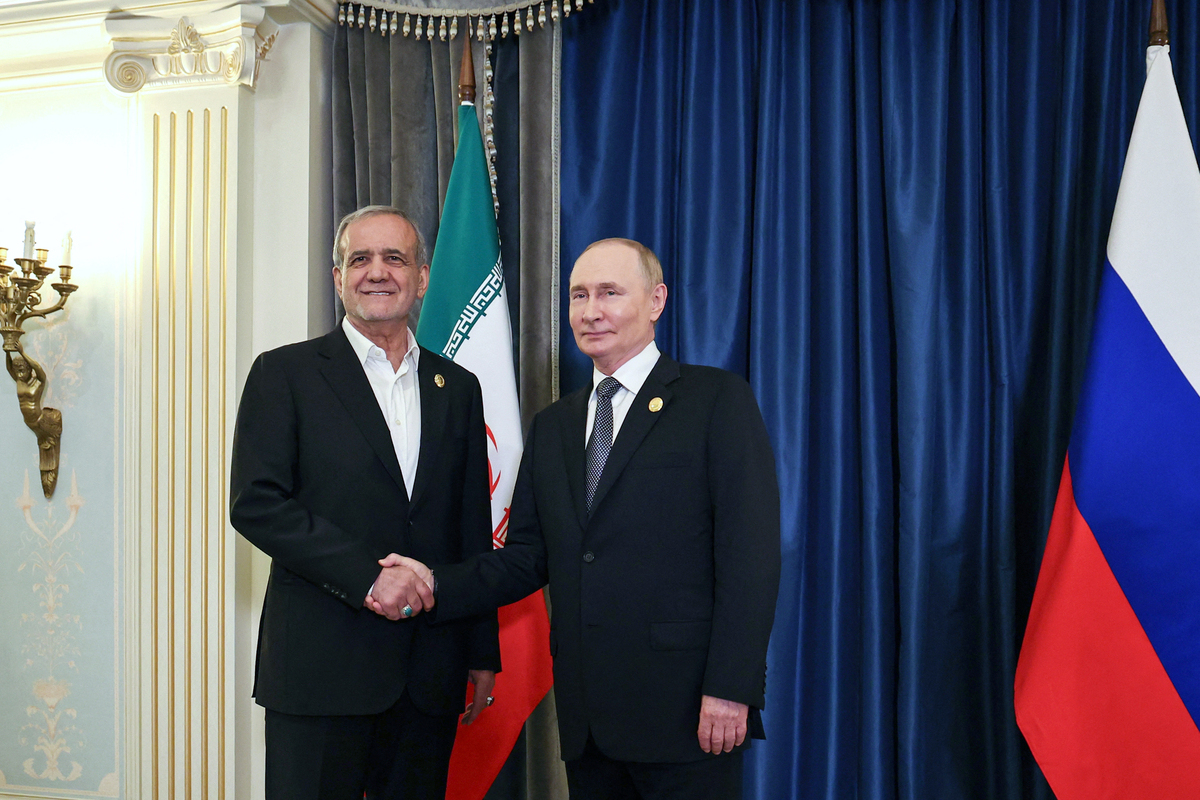
Putin and Pezeshkian have spoken by phone three times since Feb. 28, Jalali said. “Our presidents maintain very good contact. The foreign ministers of the two countries also have very strong relations.”
During their latest phone call on April 12, Jalali said Moscow stands ready to continue facilitating efforts to resolve the conflict and help achieve a just and lasting peace in the region.
“We thank Russia for this voice and support, which testifies to the stable and deep relations between our countries,” Jalali said.
In this pool photograph distributed by the Russian state agency Sputnik, Russia’s President Vladimir Putin shakes hands with Iran’s President Masoud Pezeshkian during a meeting on the sidelines of the Shanghai Cooperation Organisation (SCO) Summit in Tianjin on September 1, 2025.
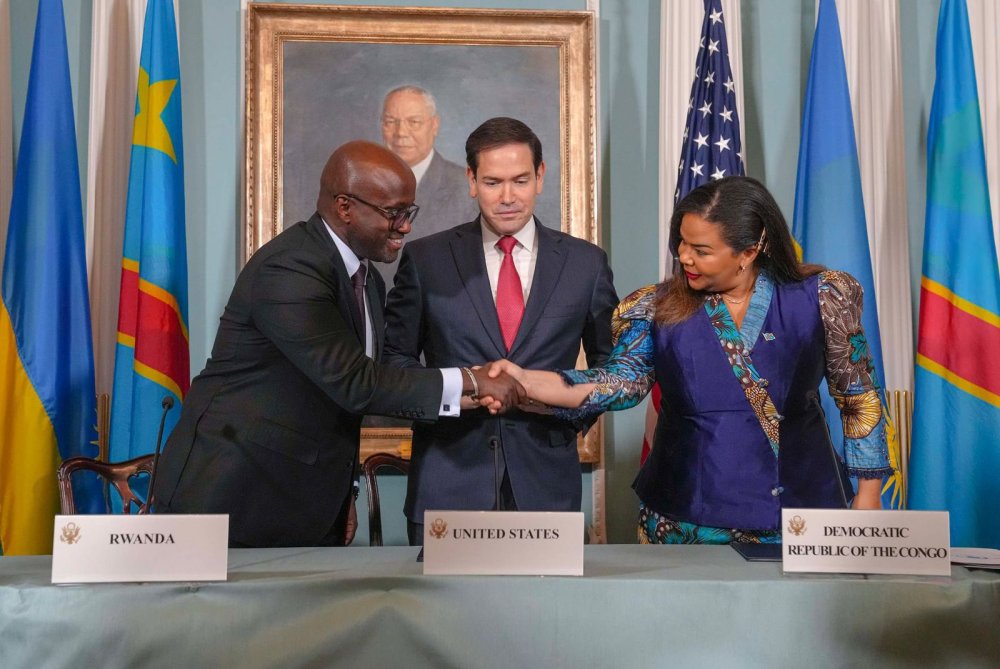
The meeting, held under the framework of the Joint Oversight Committee, marked its fifth session since the agreement was signed on June 27, 2025, in Washington, DC.
According to the joint statement released by the U.S. State Department, the Committee reviewed progress made since the March 17–18, 2026 meeting, with both Rwanda and the DRC providing updates on efforts to ease tensions and advance implementation of agreed measures on the ground.
The State of Qatar also briefed the meeting on ongoing negotiations between the DRC and AFC/M23. The Committee expressed strong support for these talks and welcomed Switzerland’s role in hosting the latest round of discussions in Doha, stressing the importance of this track in reinforcing the broader peace process.
Participants reaffirmed their commitment to sustaining momentum in the implementation of the agreement and building on the progress already achieved.
Rwanda and the DRC also expressed appreciation to the United States, Qatar, the African Union Commission, and Togo for their continued support in promoting peace and stability in eastern DRC and the wider Great Lakes region.
The Washington Peace Agreement outlines key measures, including efforts to dismantle the FDLR terrorist group, address security concerns, and contribute to long-term regional stability.
Massad Boulos, Senior Advisor to the U.S. President Senior Advisor for Arab and African Affairs, said both sides had reiterated their commitment to de-escalation and continued implementation of the agreement.
“The State Department hosted a productive meeting with our partners on the Joint Oversight Committee to review progress on the DRC-Rwanda Peace Agreement signed last June.
“Both the DRC and Rwanda reaffirmed their commitment to de-escalation and continued implementation of the Peace Agreement, building on progress from our March meetings in Washington. Grateful to the African Union, Togo, and Qatar for their contributions as we work to support a lasting peace in the Great Lakes,” he wrote on X.
The peace agreement signed in June last year had set a 90-day timeline for dismantling the FDLR and lifting Rwanda’s defensive measures. However, nearly a year later, little progress has been achieved.
Although on March 29, the Congolese army announced plans to launch operations against the FDLR, Rwanda maintains that the group continues to operate freely.
Massad Boulos, senior advisor to President Donald Trump, addresses the media at the U.S. Embassy in Kigali, Rwanda, Tuesday, April 8, 2025. Nearly a year after signing Washington peace agreement, little progress has been achieved.
Data from the Rwanda National Police Fire and Rescue Brigade shows that between 2020 and March 2025, the country recorded 1,118 fire incidents linked to various causes. The number of cases has generally increased over the years, rising from 136 in 2020 to 362 in 2024.
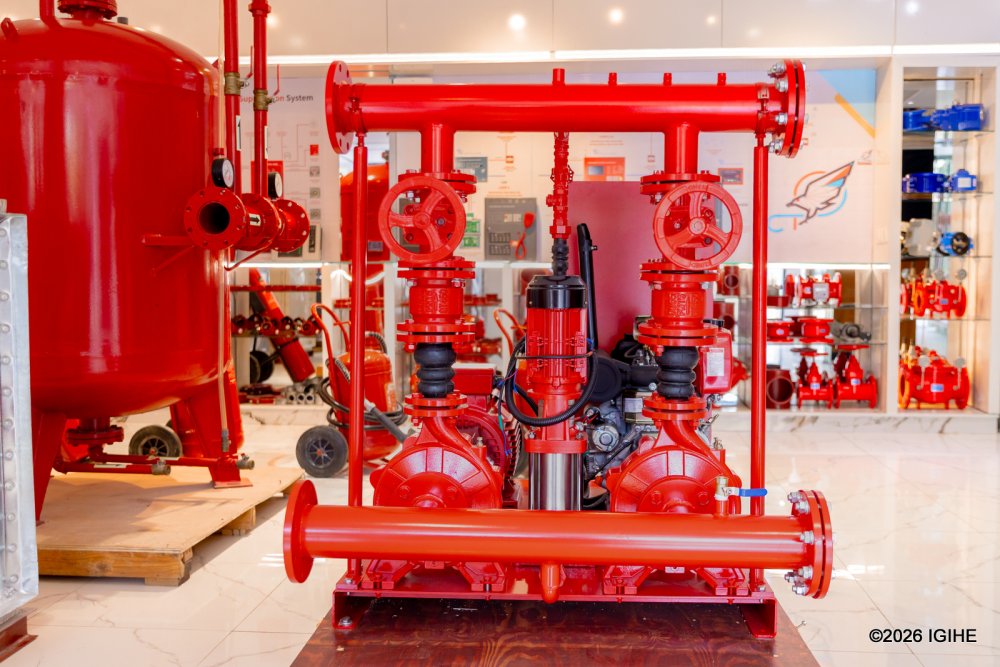
Fire response largely depends on specialized equipment such as fire extinguishers, most of which are currently sourced from abroad.
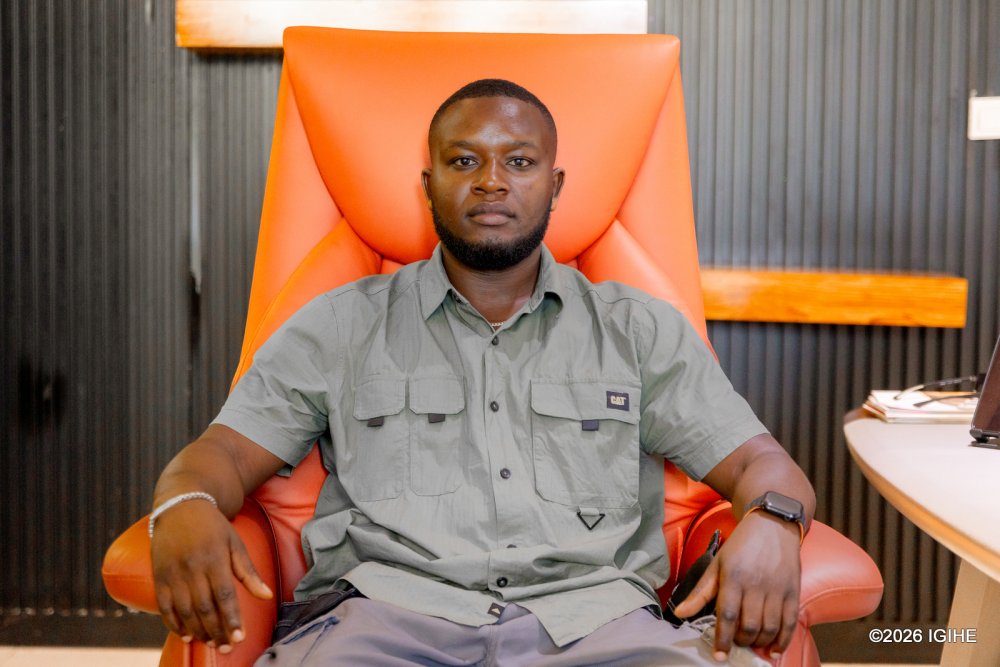
Habimana, who owns Cyusa Technology Africa, a company dealing in fire safety equipment, now plans to shift toward local production.
Construction of the factory is expected to begin in 2027, with operations projected to start by late 2028. The project, valued at Rwf 5 billion, is set to create around 400 jobs. It will be located in Jabana Industrial Zone in Gasabo District.
Speaking to IGIHE, Habimana said preparations are already underway, including land acquisition and design planning.
“We have secured two hectares in Jabana for the factory. We are also working with our partners in China, where we currently source some equipment, and we are finalizing the plant’s design,” he said.
He explained that the factory will initially focus on assembling fire extinguishers using imported components, with plans to build a strong local supply chain over time. With an already established client base, he believes the factory will provide a reliable local alternative to imported equipment.
In addition to supplying fire safety equipment, Cyusa Technology Africa offers services such as designing fire prevention systems, installing equipment, and assessing safety needs for institutions.
The company has previously worked with several prominent establishments, including the National Bank of Rwanda, Rwanda Airports Company, Kigali Heights, Marriott Hotel, and Four Points by Sheraton.
Habimana’s planned factory aims to cut reliance on imported fire safety equipment.The new plant could improve access to fire-fighting equipment across Rwanda.Habimana eyes local market with Rwf 5bn fire equipment investment.Cyusa Technology Africa offers services such as designing fire prevention systems, installing equipment, and assessing safety needs for institutions.
Meta had a global workforce of 78,865 employees as of Dec. 31, 2025, according to its annual report, meaning the latest move would affect roughly 8,000 jobs.
In its latest annual report and earnings materials, Meta said it remains focused on “operating efficiently” while investing heavily in AI and infrastructure.
The company said it expects 2026 capital expenditures to be in the range of 115 billion to 135 billion U.S. dollars, with the year-on-year increase driven by investments supporting its Meta Superintelligence Labs efforts and core business.
According to media reports citing an internal memo, Microsoft’s chief people officer Amy Coleman introduced a one-time voluntary retirement program for a small percentage of the company’s long-serving U.S. employees, a move that reports say could cover thousands of U.S. employees.
As of June 30, 2025, Microsoft employed approximately 228,000 people on a full-time basis, including 125,000 in the United States, according to its annual report.
The company has also been spending aggressively on AI infrastructure. In its fiscal 2026 second-quarter earnings call in January, Microsoft said capital expenditures reached 37.5 billion dollars in the quarter, with roughly two-thirds of that spending going to short-lived assets, primarily GPUs and CPUs.
The moves underscore how major U.S. technology companies are continuing to adjust their workforce structures and cost bases while pouring more resources into AI-related infrastructure, products and technical talent.
In its latest annual report and earnings materials, Meta said it remains focused on “operating efficiently” while investing heavily in AI and infrastructure.
“We’ve currently provided exceptions for some countries, but I don’t know what will happen in the future. However, our foreign ministry is currently trying to implement the exceptions envisioned for friendly countries, such as Russia,” the ambassador said.
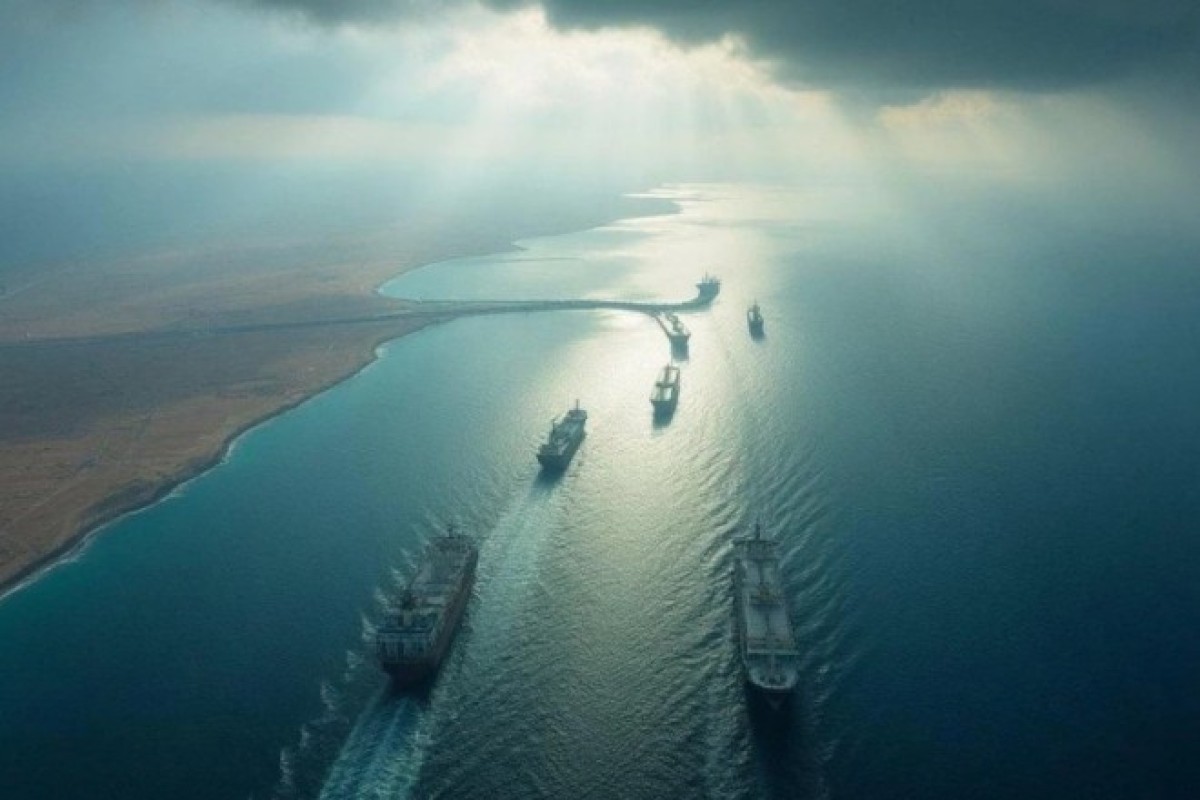
Iran has announced plans to charge fees on passage through the Strait of Hormuz following U.S.-Israeli attacks against the country, citing costs associated with ensuring the security of the key waterway. It said it has closed the strait and will reopen it once the U.S. naval blockade is fully lifted.
First Deputy Speaker of the Iranian parliament Hamid Reza Haji Babaei said Thursday that Iran has received fees for transit through the strait for the first time, with funds transferred to the country’s central bank.
The strait, a narrow checkpoint between the Persian Gulf and the Gulf of Oman, is the only maritime outlet to the open ocean, with about 20 million barrels of oil passing through it daily before the war — about a fifth of global consumption.
Iran has granted exemptions to some countries, including Russia, in transit fees for passage through the Strait of Hormuz,