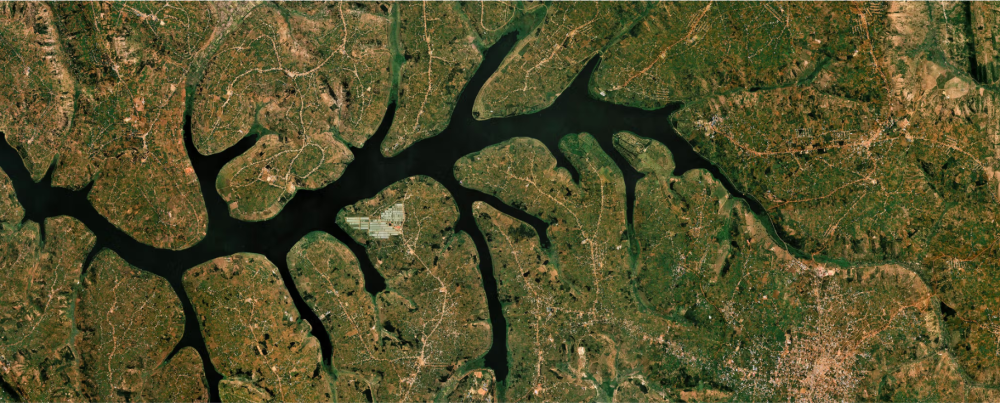
The programme, led by the Rwanda Space Agency (RSA), is designed to support a wide range of national development activities across the country.
The partnership follows a pilot project implemented in Zanzibar with support from the Tony Blair Institute and the World Bank. It marks Planet’s first national-scale satellite data partnership in Africa.
At government level, the programme will make high-resolution satellite imagery available to support policymaking and national planning.
The data will be used to monitor agriculture and food security, track forest health and resilience, improve urban planning and zoning, and support land-use management. It will also help strengthen disaster preparedness, prevention and response, including assessing and repairing damage caused by disasters.
The Rwanda Space Agency is working to make satellite imagery one of the key tools used by government institutions to inform decision-making at different levels.
The programme also includes an education component. Public universities in Rwanda will use Planet’s imagery and data for teaching, developing new courses and advancing technology-driven research.
The partnership will also help build local capacity by equipping people with the skills and knowledge needed to analyse and use satellite data effectively.
Selected startups operating in key sectors of national development will also have access to Planet’s near-daily data. They will use the information to develop new solutions and services, with the broader goal of promoting inclusive economic growth.
Planet Labs PBC is a U.S.-based Earth observation company founded in 2010 by three former NASA scientists. The company designs, builds and operates a large fleet of Earth-imaging satellites and provides satellite imagery, geospatial data and analytics to governments, businesses and research institutions.
Planet says its fleet of approximately 200 Earth-imaging satellites can capture imagery covering the world’s landmass daily, making it possible to monitor changes on the ground at a much higher frequency than traditional satellite imagery.
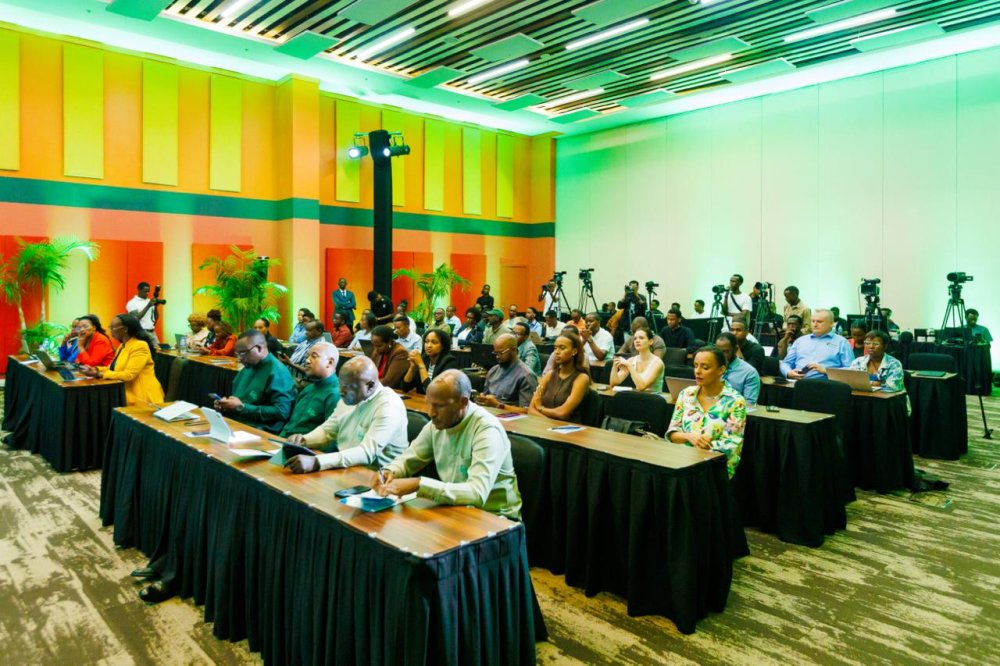
Rwandan institutions are set to start using near-daily satellite imagery and data to support evidence-based decision-making, thanks to a new partnership with Planet.
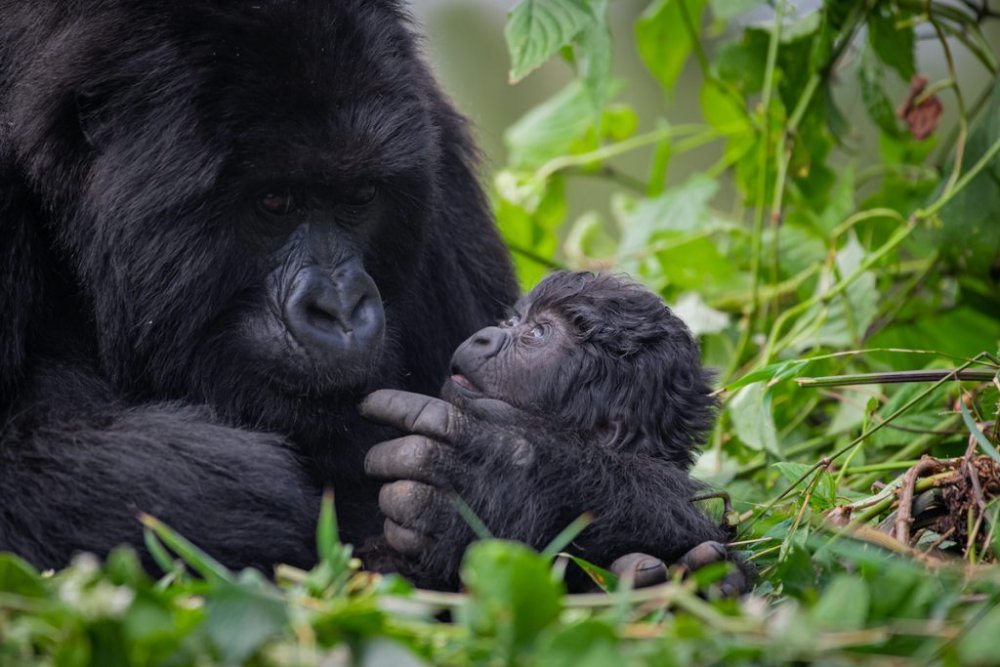
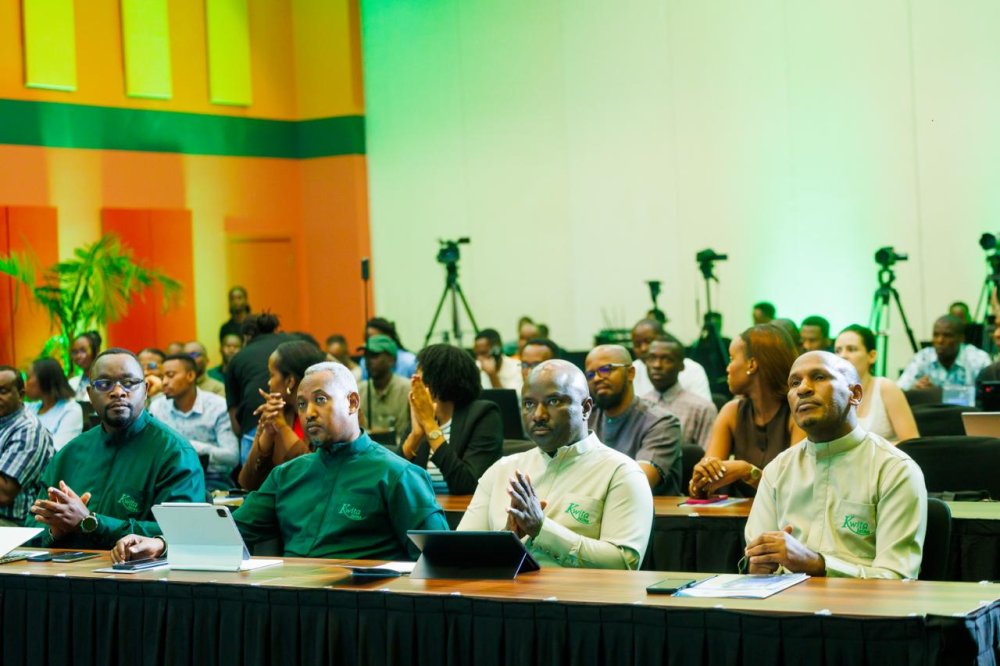
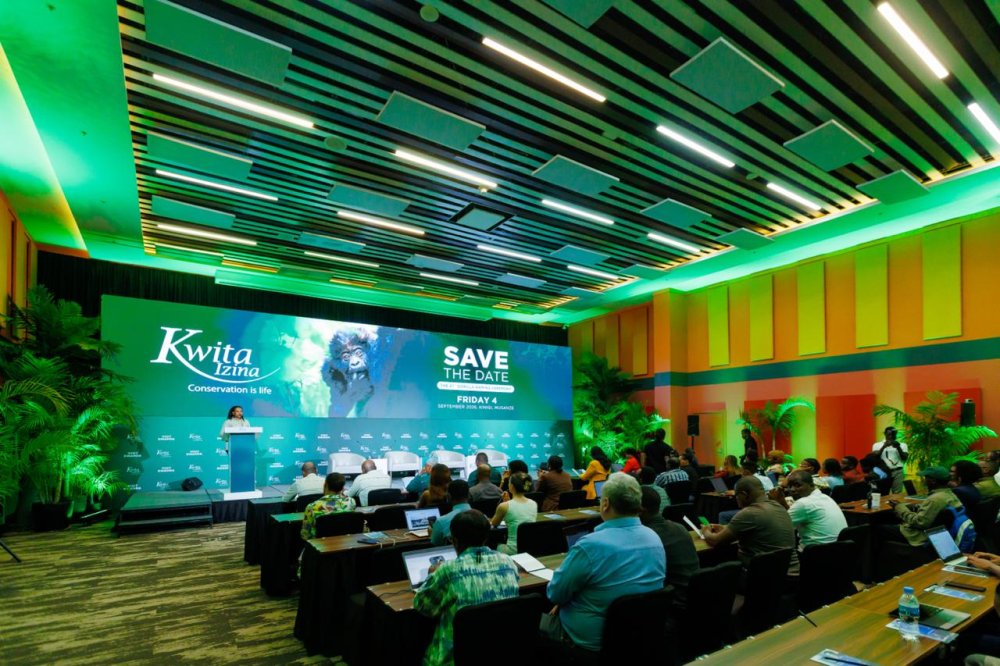
The annual event, one of Rwanda’s flagship conservation celebrations, will honour gorillas born over the past year while highlighting the country’s long-standing commitment to wildlife conservation and community development.
Speaking at a press briefing in Kigali on Tuesday, August 11, Eugene Mutangana, Executive Secretary of the Rwanda Nature Foundation (RNF), the agency that now manages Volcanoes National Park, said the ceremony comes as mountain gorilla conservation continues to deliver encouraging results across the Virunga Massif.
“There are about 1,100 mountain gorillas in the Virunga Massif. They remain the only great ape whose population continues to grow. This is an extraordinary conservation achievement, but it is not one that Rwanda has accomplished alone,” Mutangana said.
He attributed the growth in the endangered species’ population to decades of collaboration involving governments, conservation organisations, researchers, veterinarians, park rangers, regional partners and communities.
Since the launch of Kwita Izina in 2005, a total of 438 gorillas have received names. This year’s 22 newborns will raise that figure to 460.
Mutangana said each newborn gorilla symbolises the continued success of conservation initiatives, reflecting the sustained work being carried out to protect habitats, monitor animal health and ensure the species continues to thrive.
He added that Kwita Izina has evolved beyond a naming ceremony into a broader platform that promotes conservation, tourism and community development.
The announcement comes as Rwanda’s tourism industry continues to record strong growth. The sector generated more than $685 million in revenue in 2025, up from $647 million in 2024, driven by more than 1.49 million international visitors.
This year’s programme will feature several activities leading up to the main ceremony, including the launch of a community development project, familiarisation tours for international travel media and tourism trade representatives, a conservation exhibition and guided gorilla trekking experiences.
The event also underscores the link between conservation and socio-economic development. Through Rwanda’s tourism revenue-sharing programme, more than Rwf 23 billion (about $16 million) has been invested in nearly 1,300 community projects, including schools, health facilities, water infrastructure and livelihood initiatives in areas surrounding national parks.
Kwita Izina continues to play a key role in promoting Rwanda as a leading ecotourism destination while reinforcing the country’s conservation model, which seeks to ensure that protecting wildlife also delivers tangible benefits to neighbouring communities.
Speaking at a press briefing in Kigali on Tuesday, August 11, Eugene Mutangana, Executive Secretary of the Rwanda Nature Foundation (RNF), the agency that now manages Volcanoes National Park, said the ceremony comes as mountain gorilla conservation continues to deliver encouraging results across the Virunga Massif.
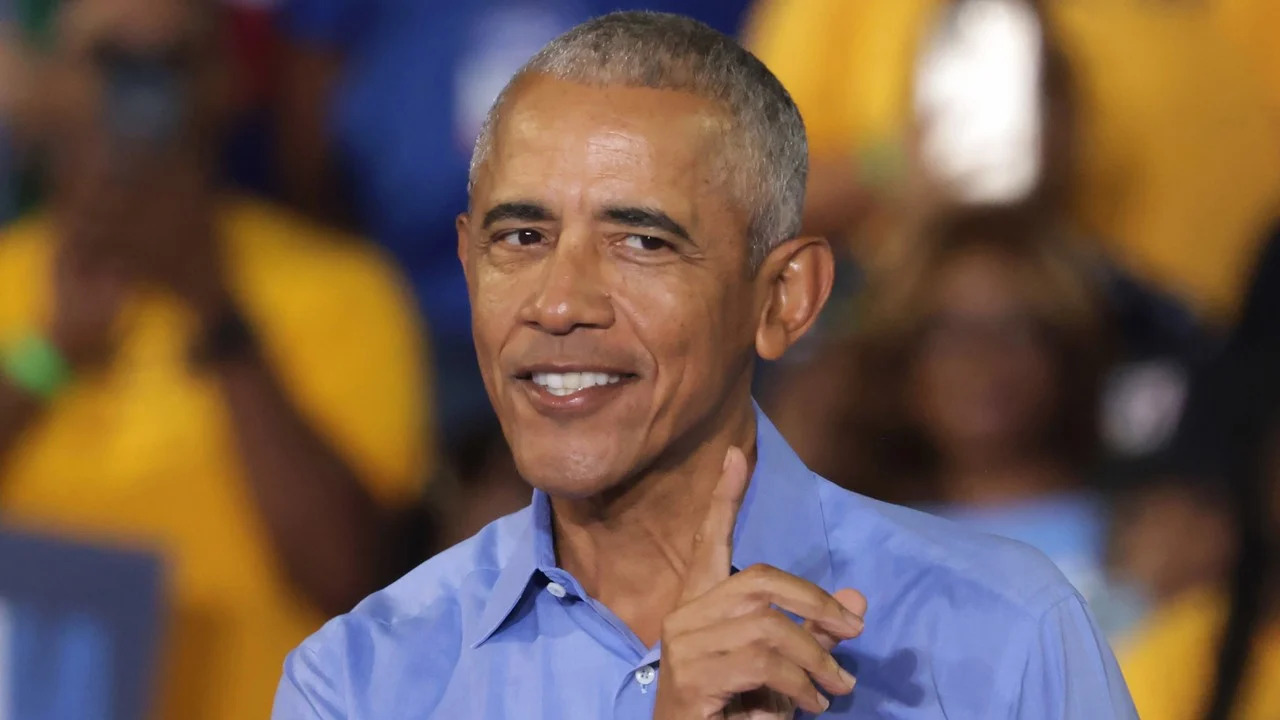
Titled A Great Book with Barack Obama, the series will premiere exclusively on Audible on September 24. It is being produced by Audible in collaboration with Higher Ground, the production company founded by Obama and former first lady Michelle Obama.
Each episode will focus on one of six books chosen by Obama, with the former president discussing the work with a guest. The guests have not yet been announced.
Obama’s selections span a range of literary styles and subjects. They include Toni Morrison’s Song of Solomon, James Baldwin’s The Fire Next Time, Cormac McCarthy’s All the Pretty Horses, Marilynne Robinson’s Gilead, Robert Penn Warren’s All the King’s Men and John le Carré’s Tinker Tailor Soldier Spy.
“Great books have always helped me figure out who I am and what I believe,” Obama said in announcing the series. He said the six books had remained with him throughout his life and each offered something to teach about the human experience.
The conversations will examine why the books have resonated with Obama, how literature can influence the way people understand themselves and others, and the continuing importance of reading.
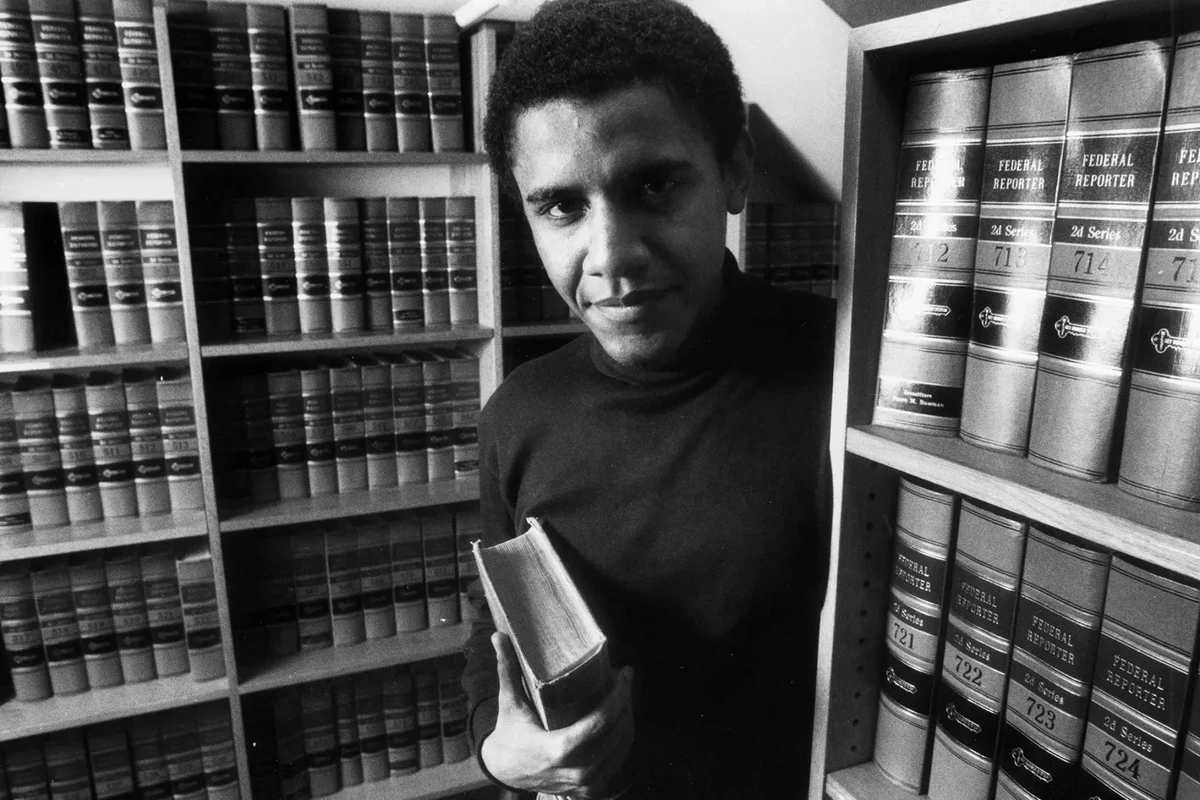
Barack Obama in the office of “The Harvard Law Review,” on February 5, 1990.
The project is the latest in a series of creative ventures pursued by Obama since leaving the White House. Higher Ground has produced films, documentaries and podcasts, including the 2021 series Renegades: Born in the USA, which Obama co-hosted with musician Bruce Springsteen.
The new podcast also continues Obama’s long-standing public interest in literature. He regularly shares reading recommendations, including annual summer and end-of-year book lists. His latest summer selections, published in July, included works by Tayari Jones, George Saunders, Elizabeth Strout, Ben Lerner and Colson Whitehead.
Unlike many of his recent recommendations, the books selected for A Great Book are largely older works. Five were published in the 20th century, while Robinson’s Gilead was released in 2004.
The podcast marks the first Audible project in which Obama himself serves as host under Higher Ground’s partnership with the platform.
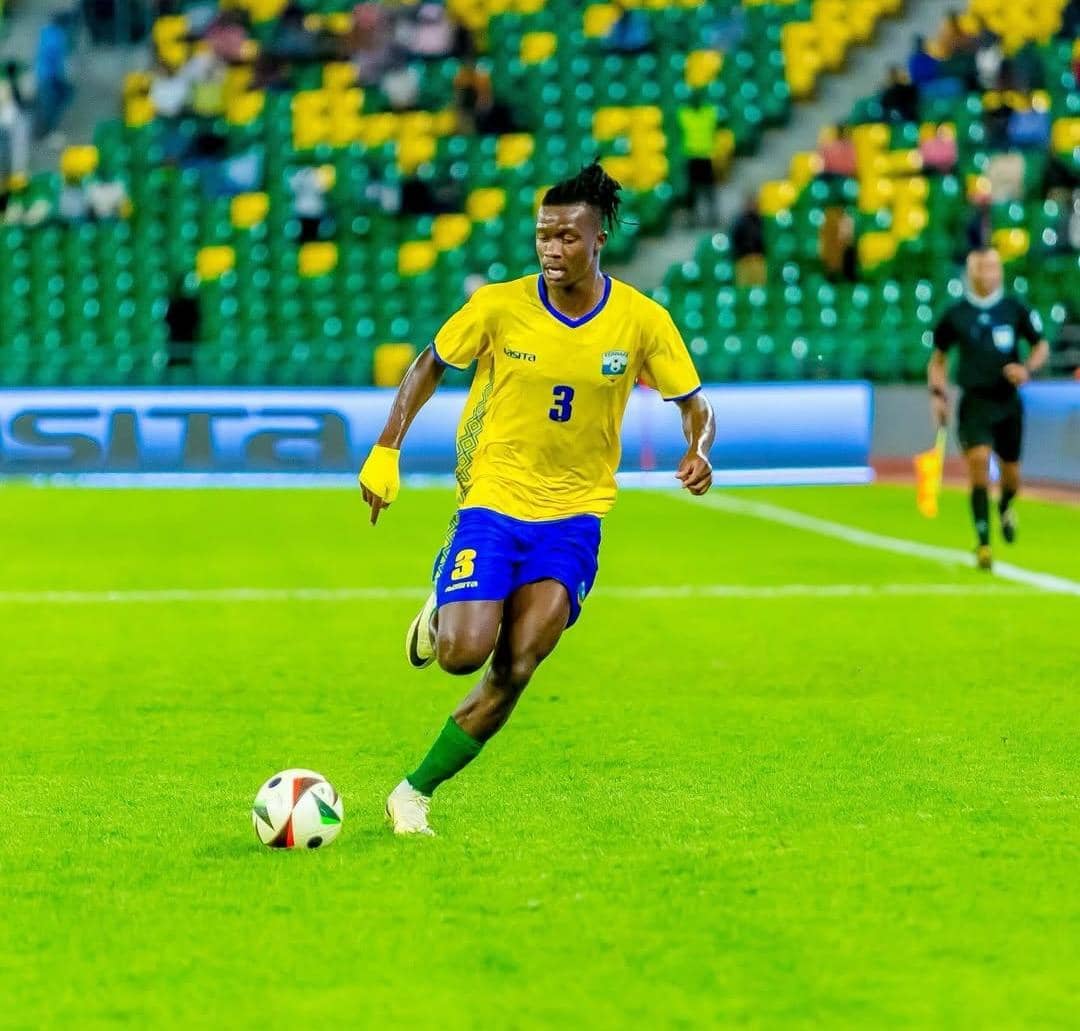
The 31-year-old Amavubi left-back arrives in India after two seasons with Cypriot top-flight club AEL Limassol, where he made 33 league appearances across the 2024-25 and 2025-26 campaigns. His experience and ability to operate in multiple defensive positions are expected to add further depth to Chennaiyin’s backline.
Primarily a left-back, Imanishimwe can also play as a left-sided centre-back or wing-back. That versatility could give Chennaiyin head coach Clifford Miranda greater tactical flexibility, particularly when switching between defensive systems during matches.
Imanishimwe, or ‘Mangwende’ as he is popularly known, began his senior career with Rayon Sports during the 2014-15 season before moving to APR FC in 2016. He went on to spend five seasons with APR, establishing himself as one of Rwanda’s prominent defenders while winning four Rwandan Premier League titles and a Peace Cup.
His performances also earned him opportunities in African continental competitions, including the CAF Champions League and CAF Confederation Cup. In 2021, he took the next step in his career by joining Moroccan club AS FAR Rabat.
The move proved successful, with Imanishimwe making more than 70 appearances across competitions during his three-season spell. He featured 24 times in the league during the 2022-23 campaign as AS FAR won the Botola Pro title with 67 points, ending a 15-year wait for the Moroccan championship. He also contributed three assists that season.
Imanishimwe moved to Europe in July 2024, joining AEL Limassol. During the 2025-26 season, he made 20 league appearances and played 1,622 minutes, maintaining a regular role in the Cypriot side’s defensive setup.
His move to India now represents another chapter in a career spanning three different footballing environments.
For Chennaiyin, the Rwandan international offers more than defensive cover. His experience of playing in four-man and three-man defensive systems could allow Miranda to deploy him according to the demands of different opponents.
With foreign-player slots an important consideration in ISL squad building, Imanishimwe’s ability to cover multiple positions could make his addition particularly valuable as Chennaiyin prepare for the new campaign.
The 31-year-old Amavubi left-back arrives in India after two seasons with Cypriot top-flight club AEL Limassol, where he made 33 league appearances across the 2024-25 and 2025-26 campaigns.
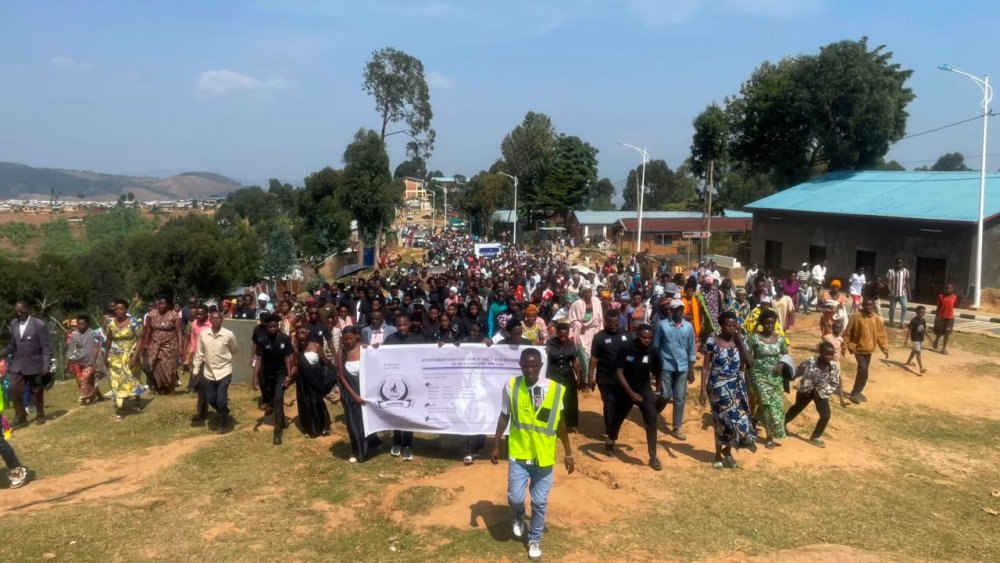
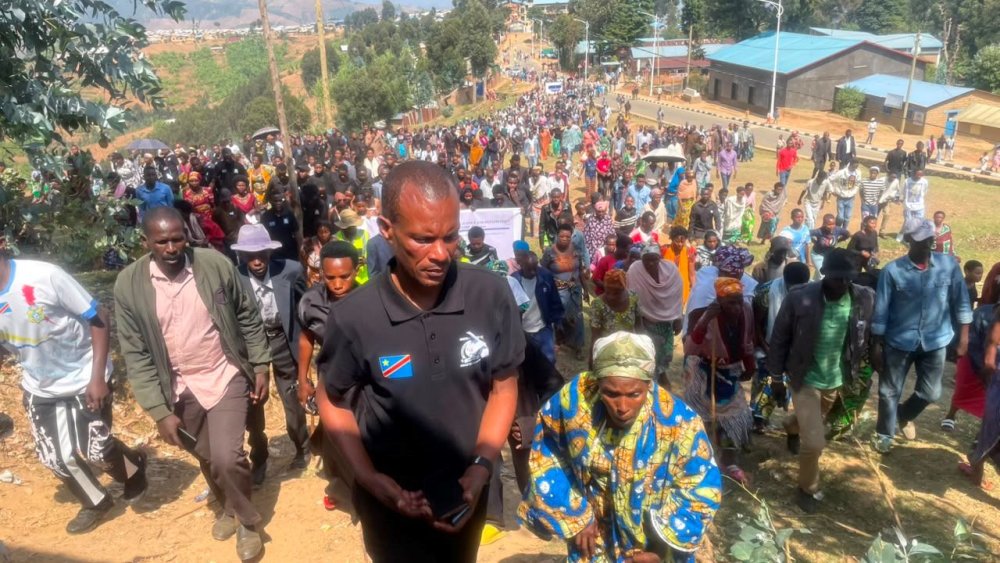
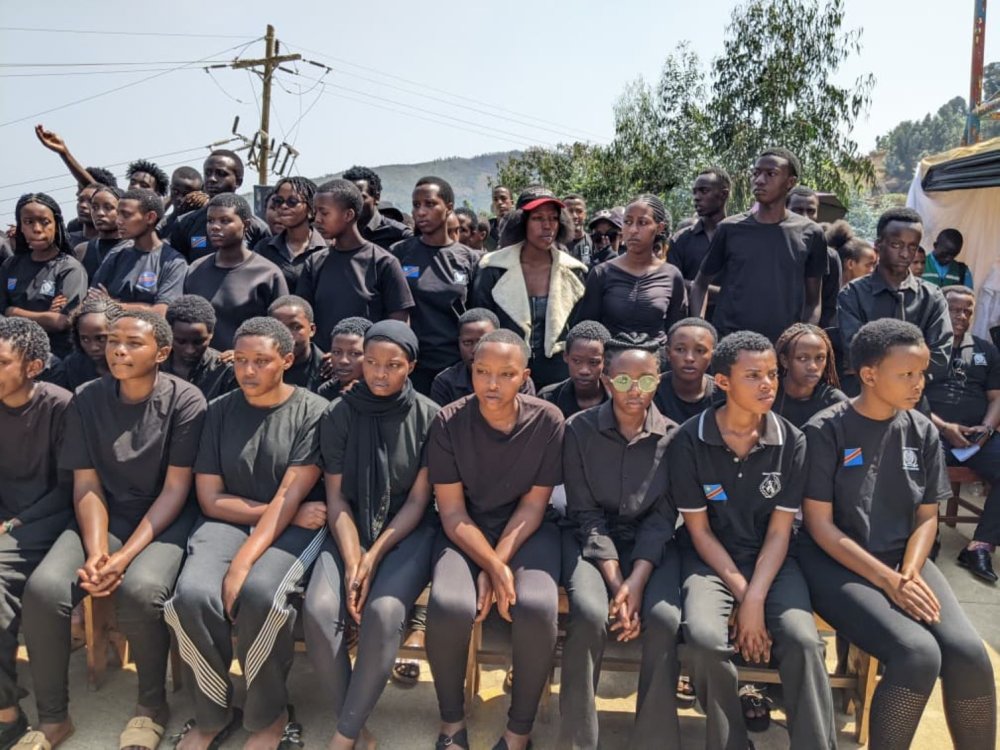
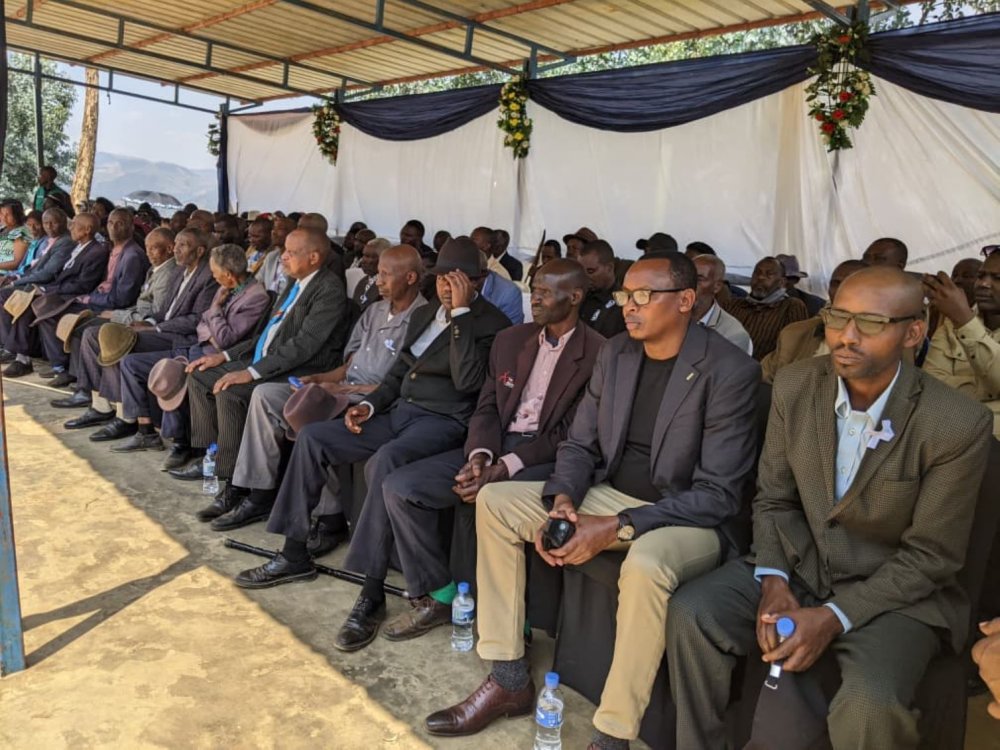
The refugees made the allegations on August 10, 2026, during a commemoration marking the 22nd anniversary of the massacre of Congolese Tutsi at 14 different locations, including the Gatumba refugee camp in Burundi.
The commemoration was preceded by a memorial walk and a candle-lighting ceremony. The refugees, some of whom have spent more than 30 years in Rwanda, said they remain hopeful that they will eventually return to the DRC and obtain justice.
The commemoration comes as the DRC advances plans to revise its Constitution, a process critics say could pave the way for Tshisekedi to seek a third presidential term.
Joseph Mpumuro, coordinator of Congolese refugee camps in Rwanda, alleged that the proposed constitutional changes are also intended to deprive Congolese Tutsi of their citizenship.
“Apart from seeking to run for a third term, Tshisekedi wants to strip us of our citizenship so that he can eliminate us,” Mpumuro said.
He said discrimination against Congolese Tutsi dates back 141 years, linking its origins to the 1885 Berlin Conference, which established colonial boundaries in Africa and resulted in territories that had previously been linked to Rwanda being incorporated into what is now the DRC.
“Congolese refugees want justice. We want to return home to Congo,” Mpumuro said. “Young Congolese refugees should work towards returning home rather than focusing on going abroad, because you cannot live in a foreign land without a homeland.”
Benjamin Ndarishize, a survivor of the Gatumba massacre, recalled how they fled Uvira and sought refuge in Burundi, where they were placed in a camp near the border. In 2004, attackers reportedly stormed the camp, setting it on fire, hacking survivors who escaped the flames and shooting others.
“Burundian soldiers were nearby but never came to our rescue. It was a conspiracy against us,” Ndarishize said. “We are seeking justice because those who killed us have never been punished. Agathon Rwasa went to the media and claimed responsibility.”
Albert Bisore Ngemanyi, who represents the Congolese Tutsi Survivors Voice, an organisation involved in organising commemorations for Congolese Tutsi victims, told IGIHE that more than 15,000 people have been killed in what he described as atrocities against Congolese Tutsi since 1992.
“We are calling for justice from the governments of Burundi and Congo. They should pursue Gen. Ekenge and Bitakwira over their use of hate speech,” he said.
Bisore alleged that attacks against Congolese Tutsi are still taking place, claiming that aircraft from Kinshasa have been used to attack Tutsi communities in Minembwe.
Karongi District Mayor Gerald Muzunguthanked the refugees for maintaining a spirit of resilience despite the challenges they have faced.
“Everything has an end. This is how the world is; people must seek solutions to their challenges,” he said. “We urge you to continue building unity, cooperation and mutual respect, and to send your children to school so that they can have a better future.”
As of March 2026, Rwanda was hosting more than 79,000 Congolese refugees.
In addition to Kiziba, the 22nd commemoration of Congolese Tutsi victims was held in other refugee camps hosting Congolese refugees, including Mahama, Nyabiheke, Kigeme and Mugombwa.
A memorial walk preceded the 22nd commemoration of Congolese Tutsi killed because of their identity.The commemoration event took place on August 10, 2026Congolese refugees have lived in Rwanda for more than 30 years.Kiziba Refugee Camp is currently home to more than 12,000 Congolese refugees.
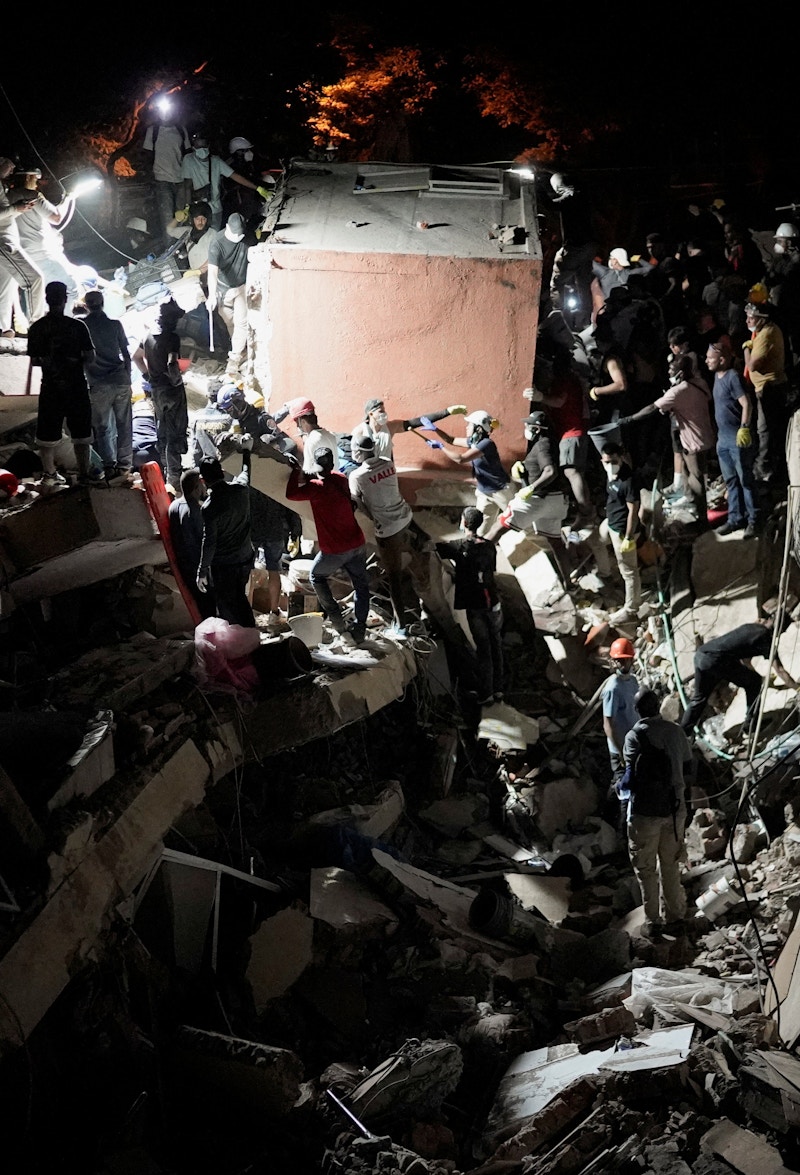
The earthquake, described by Reuters as Colombia’s strongest of the 21st century, struck western parts of the country and caused widespread destruction in several cities, including Cali, Pereira, Armenia and Manizales.
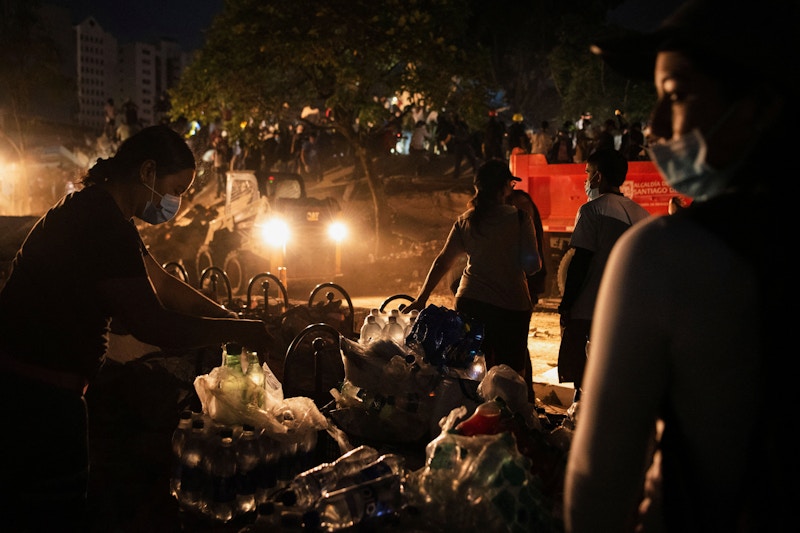
Rescue teams and local residents worked through the night to search collapsed buildings for survivors as authorities assessed the extent of the damage.
The earthquake was centred near San José del Palmar in the Chocó region. The United States Geological Survey recorded the quake at a depth of about 107 kilometres.
Its powerful tremors were felt across much of Colombia, including the capital Bogotá, as well as in neighbouring Ecuador and Panama.
Cali, Colombia’s third-largest city, was among the areas heavily affected by the earthquake.
Reuters reported that dozens of people were killed in the city and hundreds were injured, while several buildings collapsed.
Pereira also suffered heavy casualties. Earlier reports said 18 people had been killed there, while authorities continued searching buildings where people were believed to be trapped.
Manizales also reported deaths and significant damage.
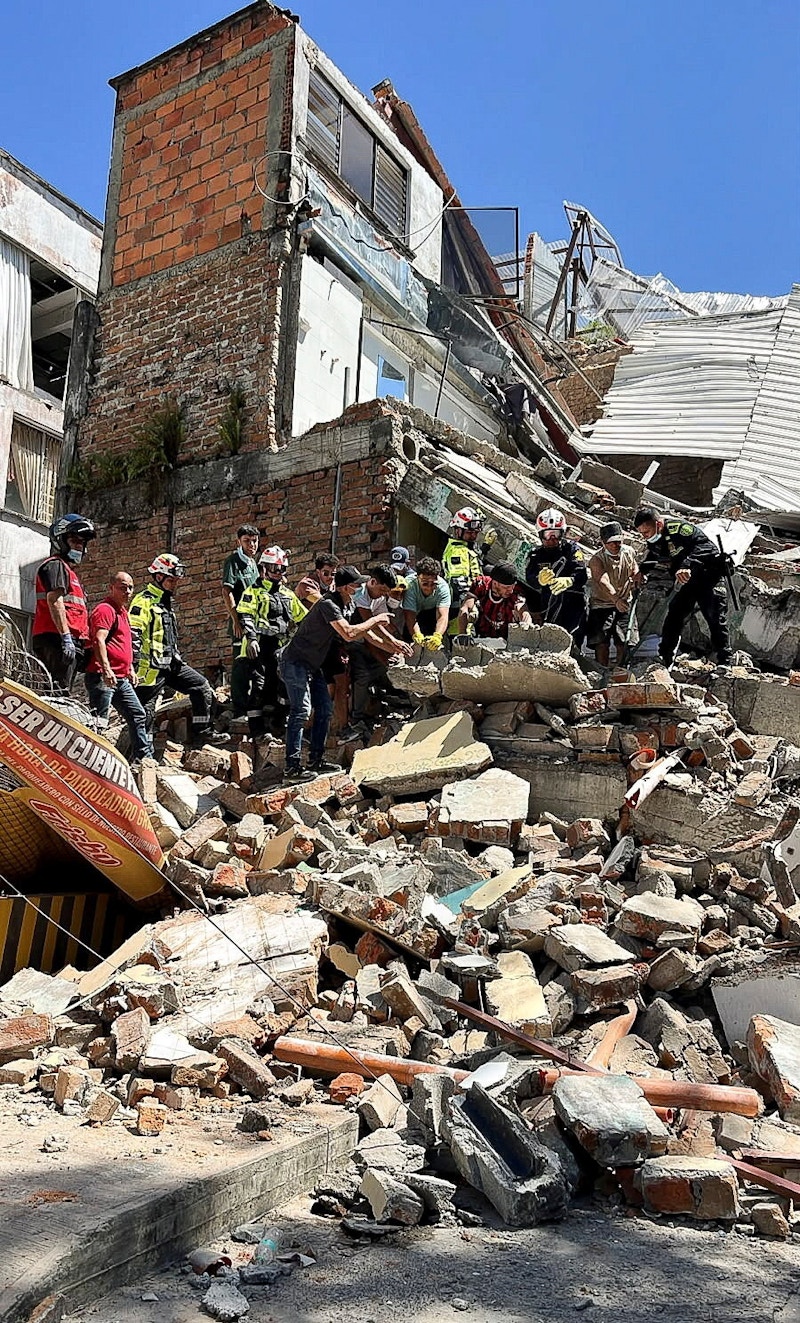
Rescue workers search through the rubble after the powerful earthquake struck western Colombia.
Images from the affected areas showed residents and emergency workers digging through piles of rubble in an effort to locate survivors and recover victims.
The earthquake also damaged hospitals and other essential infrastructure, complicating the emergency response.
Several airports in the affected region were temporarily closed for safety inspections following the tremor.
Colombia’s newly inaugurated President Abelardo De La Espriella declared a national state of emergency as the government mobilised resources for rescue and relief operations.
The president, who had taken office only days before the disaster, said the government would prioritise saving lives and assisting communities affected by the earthquake.
Authorities also deployed additional security personnel to affected areas as emergency teams continued rescue operations and cities introduced measures aimed at maintaining public order.
Rescue workers were assisted by volunteers as they searched through damaged buildings.
Among those rescued were a mother and her baby.
The earthquake was followed by a series of aftershocks, prompting continued warnings for residents and emergency teams working around damaged structures.
Colombia is located in a seismically active part of the world, making earthquakes a recurring risk.
The latest disaster has renewed concerns about the vulnerability of buildings and infrastructure in some of the country’s urban areas.
The scale of the destruction also brought back memories of Colombia’s devastating 1999 earthquake, which killed more than 1,000 people.
As rescue operations continue, authorities are expected to provide further updates on casualties, missing people and the extent of the damage.
Residents inspect damaged buildings following the deadly earthquake that left dozens dead and hundreds injured.
“The majority of these visas were revoked due to law enforcement encounters for a range of criminal activity, with assault, driving under the influence, theft, and drug crimes being the leading causes,” the department said in a statement.
“A significant share of visas were revoked for reckless driving, sexual assault, child abuse, fraud and embezzlement, and other crimes,” the statement said.
“A U.S. visa is a privilege, not a right. The Department remains committed to using every tool available to protect our communities from those who abuse it,” the statement added.
Since Trump returned to the White House, his administration has tightened immigration policies, cracking down on undocumented immigrants and increasing scrutiny of U.S. visa holders.
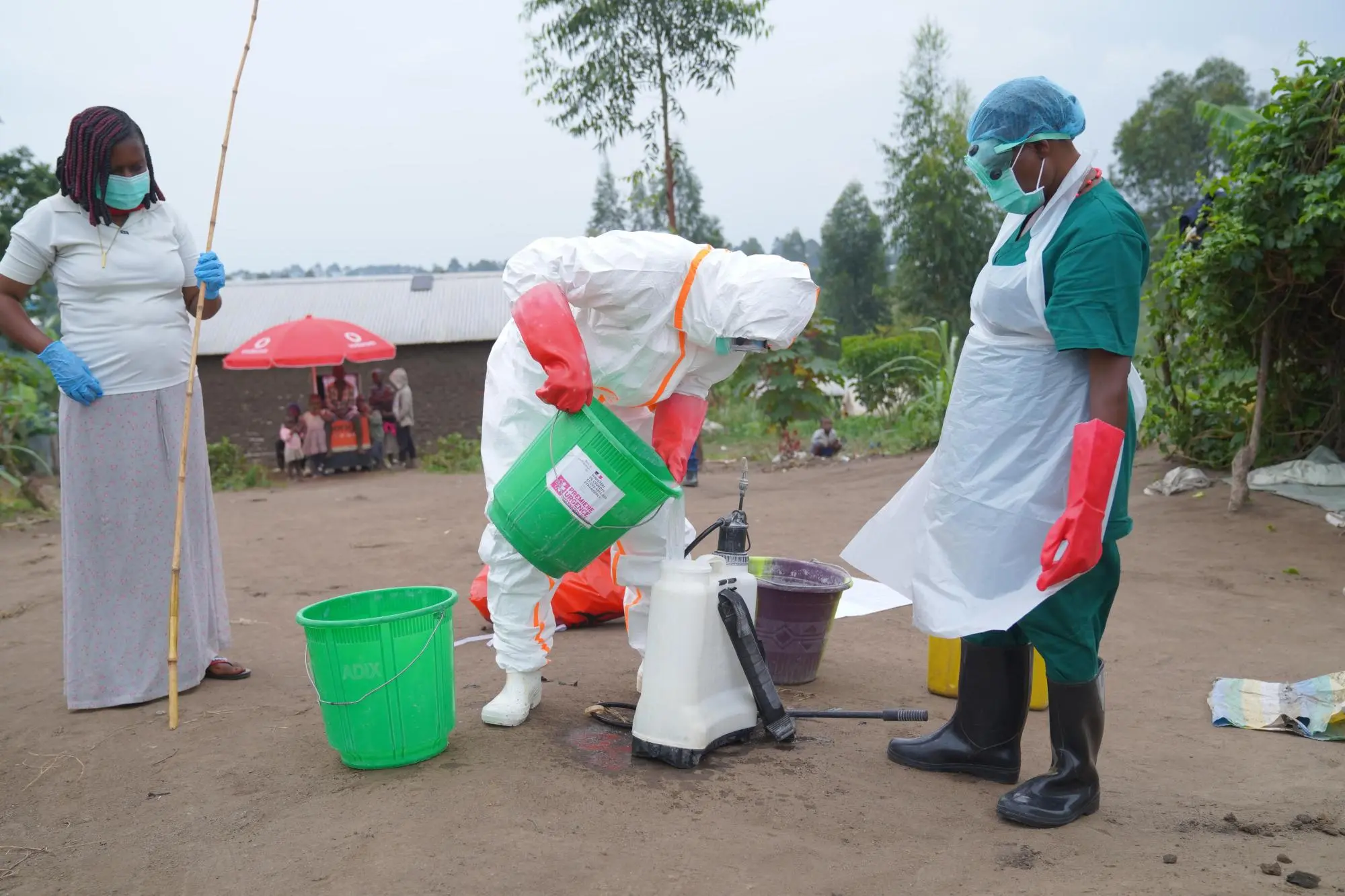
Speaking at a press conference in Bunia, capital of the eastern Ituri Province and the epicenter of the outbreak, WHO Regional Director for Africa Mohamed Yakub Janabi said genetic sequencing indicated that the virus had likely been circulating for months before the outbreak was detected.
The DRC officially declared outbreaks of Ebola disease caused by the Bundibugyo virus on May 15.
According to the latest figures released by local authorities, the DRC had recorded 4,209 confirmed cases, including 1,916 deaths, as of Aug. 7. Cases have been reported in Ituri, North Kivu, South Kivu, Haut-Uele, and Tshopo provinces in the country’s east.
“We are chasing the virus. The virus is ahead of us,” Janabi said, pointing to the prolonged period during which transmission may have gone undetected.
Some infections during the early phase of the outbreak may have initially been attributed to other illnesses, including malaria and typhoid, contributing to delays in recognizing the extent of Ebola transmission, Janabi said, warning of prolonged undetected circulation.
He also noted that the virus is spreading faster than initially anticipated, while the current outbreak differs from previous outbreaks caused by the Bundibugyo virus in Uganda in 2007 and the DRC in 2012.
Meanwhile, the response teams are still detecting only a fraction of infections early enough, Janabi said, adding that around 60 to 70 percent of deaths were reported outside the treatment centers.
On Aug. 7, a WHO technical advisory group recommended that the Ervebo vaccine be prioritized for inclusion in a randomized clinical trial in the context of the ongoing outbreak.
Marie Roseline Belizaire, a WHO expert, said that research suggested the possibility of cross-protection, and discussions are underway on clinical studies to assess whether the vaccine could provide protection against the Bundibugyo virus in humans.
WHO Representative in the DRC Anne Ancia said that a large population in North Kivu got vaccinated with Ervebo during the country’s 2018-2020 Ebola outbreak.
Information showed that previously vaccinated health workers infected with the Bundibugyo virus during the current outbreak survived and appeared to develop milder illness, she said, suggesting a possible cross-protective effect that still needs to be confirmed through further studies.
Janabi said stronger community participation, earlier case detection, and decentralized treatment would be critical to changing the trajectory of the outbreak over the coming eight to 12 weeks.
The current outbreak is the 17th Ebola outbreak in the DRC. It is now the country’s largest on record and the second-largest Ebola outbreak globally, only behind the 2014-2016 West Africa epidemic.
Wiza Bondele, center, a health worker on the prevention and control team, seen at work in Ituri province, eastern Congo, Wednesday, Aug 5, 2026. (AP Photo/Dieudonne Dirole)
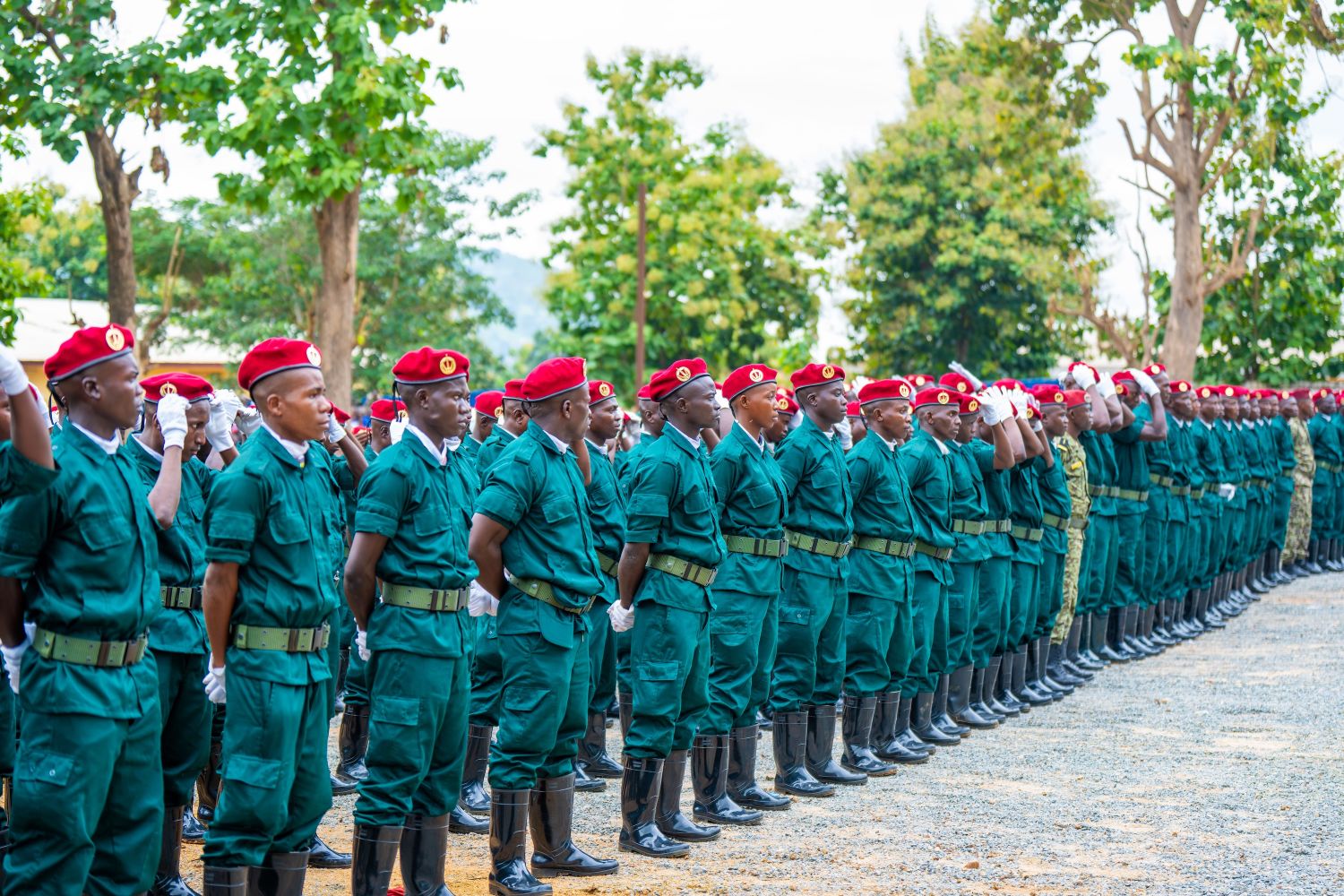
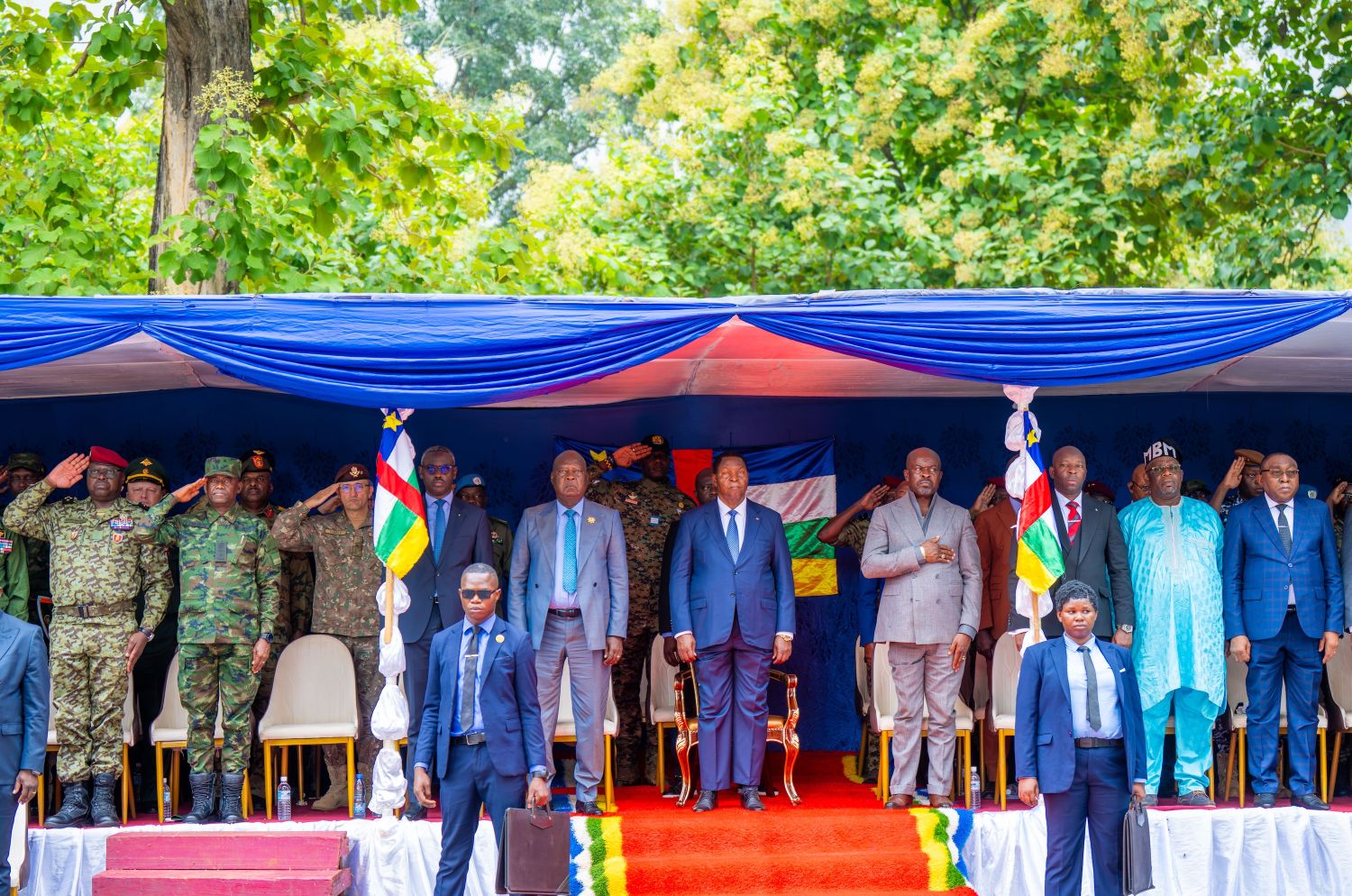
An additional 104 personnel, including senior non-commissioned officers, completed four months of career training under the same programme.
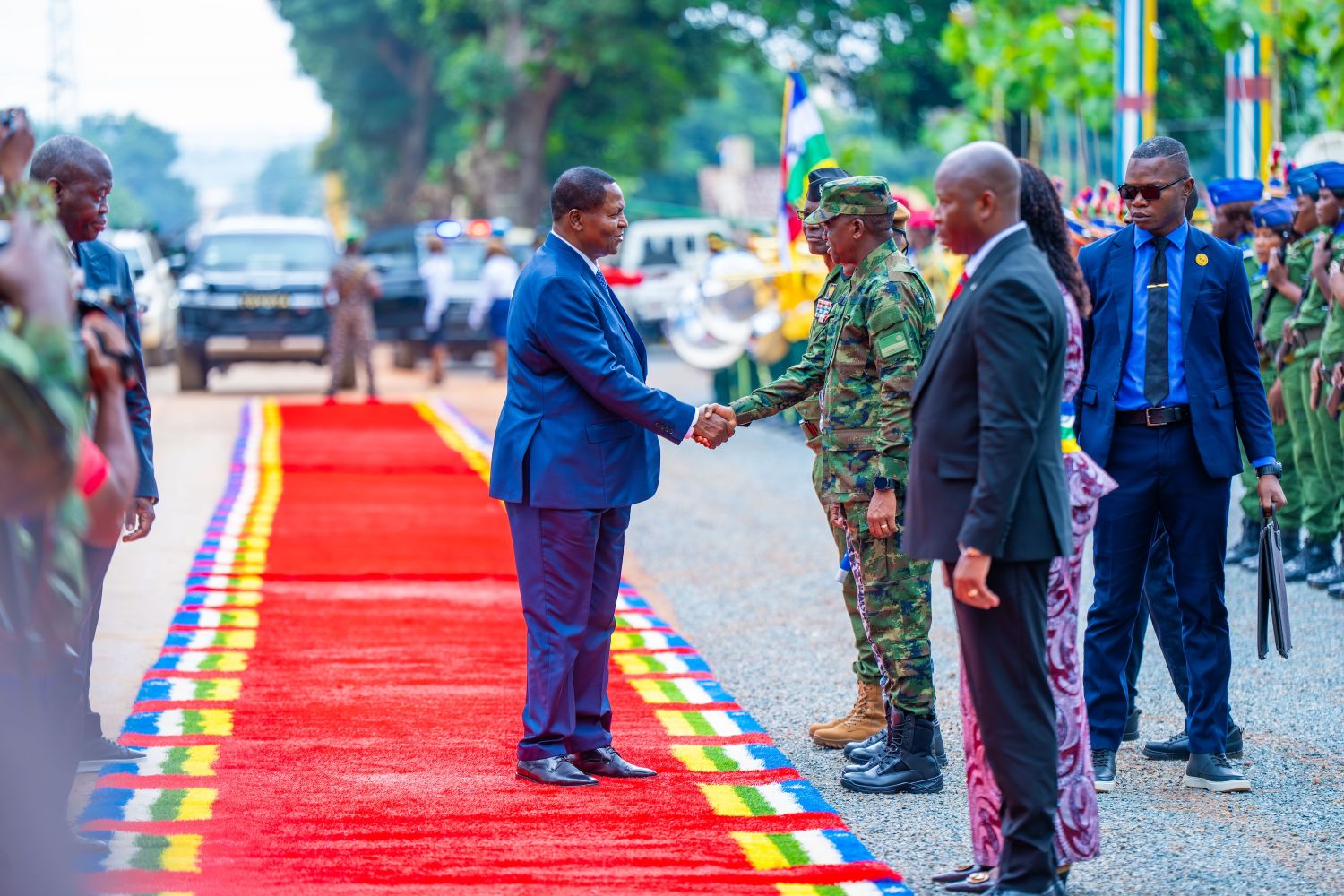
The pass-out ceremony was held on August 10 at Camp Kassaï military barracks in Bangui and was presided over by Central African Republic President and Commander-in-Chief of the armed forces, Faustin-Archange Touadéra.
The ceremony was attended by RDF Army Chief of Staff Maj Gen Vincent Nyakarundi, Rwanda’s Ambassador to the Central African Republic, Kayumba Olivier, senior government officials and defence attachés accredited to the Central African Republic.
The training was conducted as part of bilateral military cooperation between Rwanda and the Central African Republic, which includes efforts to strengthen the capabilities of the FACA and joint peacekeeping initiatives.
FACA Chief of General Staff Gen Zéphirin Mamadou welcomed the newly trained personnel, saying they would join other soldiers in protecting the country’s territorial integrity.
He thanked Rwandan President Paul Kagame for Rwanda’s military cooperation with the Central African Republic, which he said had yielded positive results.
“This graduation marks the completion of the fifth intake by military instructors from the Rwanda Defence Force, with the ultimate objective of preventing the activities of the enemies of peace,” Mamadou said. “I have no doubt that the skills acquired during this course will contribute to protecting the country and its people.”
Maj Gen Nyakarundi said the ceremony reflected the dedication, discipline and commitment demonstrated by the trainees throughout their training.
He said the graduates had demonstrated their readiness to serve professionally and uphold the values and responsibilities entrusted to them as soldiers, having acquired skills needed to perform their duties effectively.
Rwanda has maintained troops in the Central African Republic since 2020 under bilateral arrangements aimed at supporting efforts to counter armed groups threatening civilian security.
The two countries have since expanded their military cooperation, with Rwanda also supporting efforts to build the capacity of the Central African armed forces.
In November 2025, Rwanda’s Ministry of Defence said the RDF had trained 2,409 junior soldiers from the Central African Republic, along with 300 non-commissioned officers.
The latest graduation marks the fifth intake of FACA personnel trained by RDF instructors.
The new recruits join more than 2,400 others trained by the RDF.RDF Army Chief of Staff, Maj Gen Vincent Nyakarundi and Rwanda’s Ambassador to the Central African Republic, Olivier Kayumba, attended the ceremony.
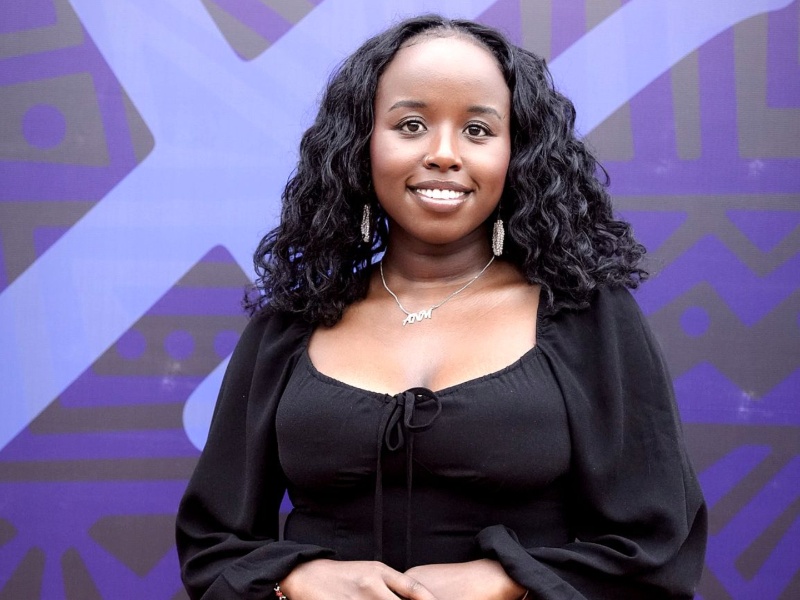
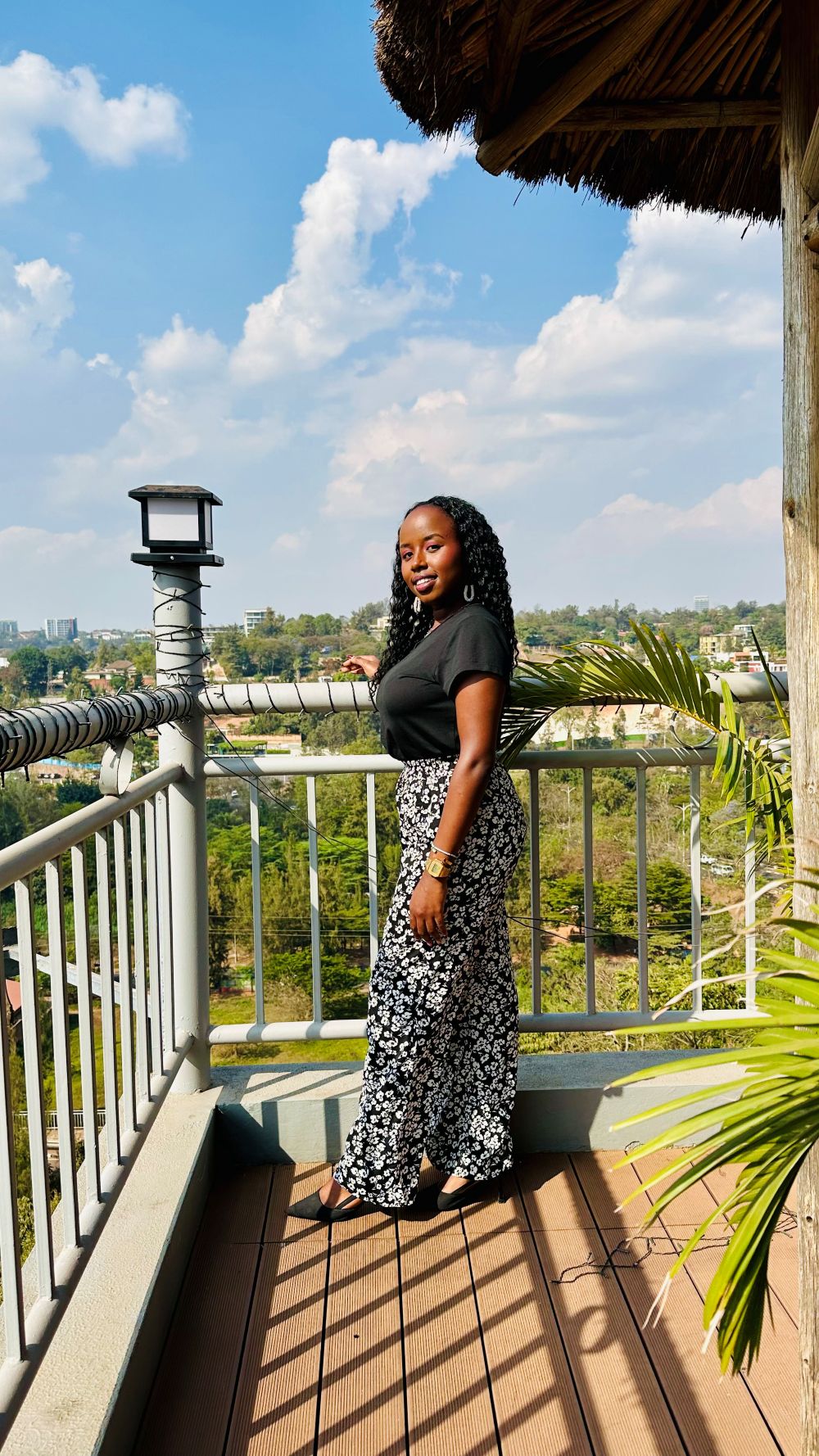
The Kenyan creator had been experimenting with the language she was learning after moving to Rwanda. When the video drew attention, she decided to keep going, and Kinyarwanda gradually became part of her creative identity.
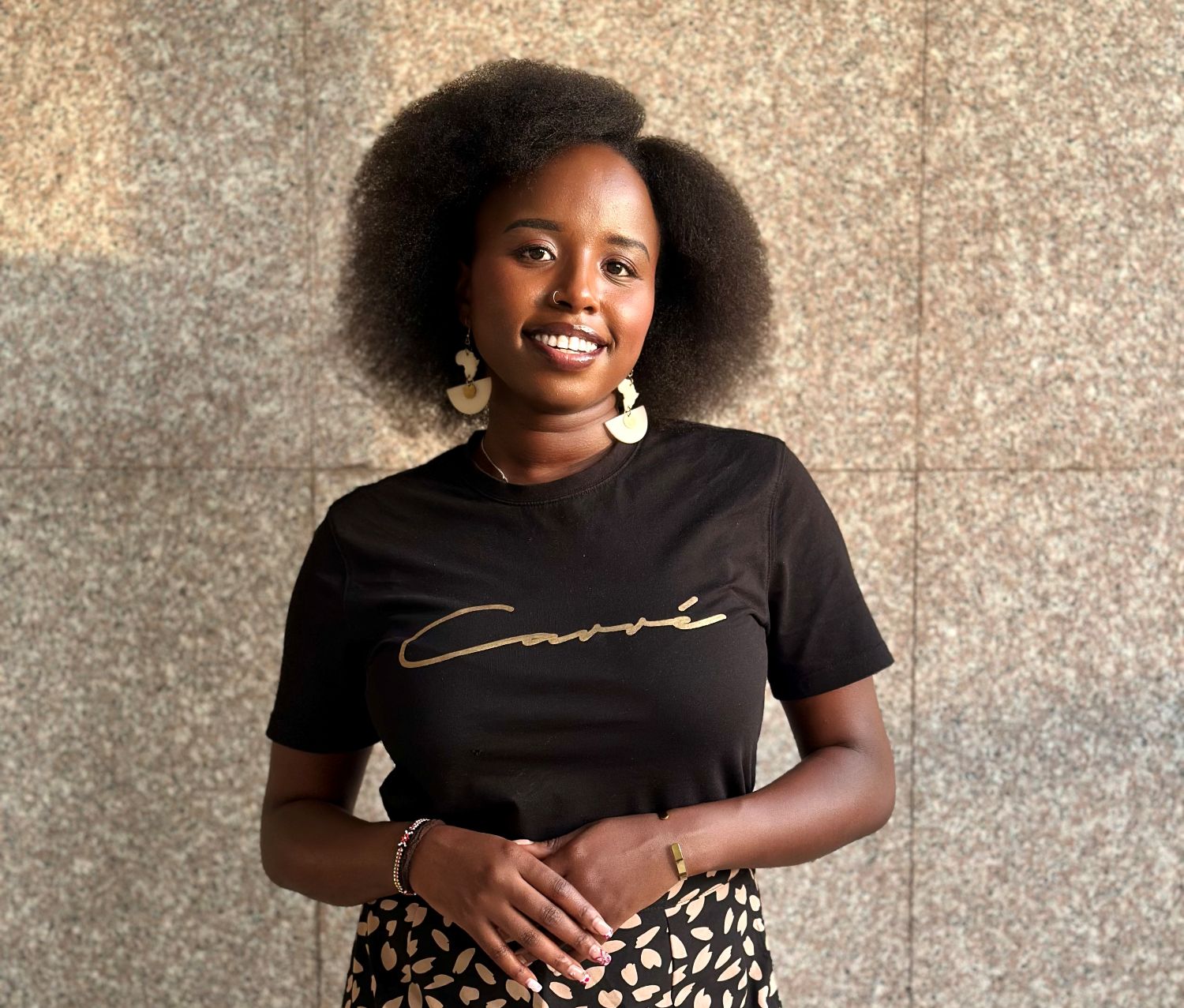
Today, Njoki combines Kinyarwanda, humour and storytelling in her videos while working as a communications strategist at Blue Oceans Rwanda.
Through Unscripted with Njoki, her interview series on Instagram and TikTok, she features personalities from Rwanda’s sports and entertainment scene, alongside content about everyday life and her experiences in the country.
But the journey that brought her to Rwanda was not exactly planned.
Njoki combines Kinyarwanda, humour and storytelling in her videos while working as a communications strategist at Blue Oceans Rwanda.
Njoki came to Rwanda in November 2021 to visit her cousin during her gap year. What began as a short visit eventually led to university and a career.
She enrolled at East African University Rwanda, where she studied journalism and mass communication and graduated at the top of her class. Nearly five years later, she has established herself professionally while growing her online presence.
“I love Rwanda. Rwanda is nice. It’s been nice. It’s been a good ride so far. I’m enjoying myself. I’m putting out content, you know, I’m living life every day, one day at a time,” Njoki remarked during an exclusive interview with IGIHE.
For Njoki, her Rwanda experience has been about more than work and social media. It has involved learning a new language, navigating a different culture, being away from family and adapting to a different pace of life.
And somewhere along the way, Kinyarwanda, once one of her biggest challenges, became one of the ways she connected with Rwanda.
From struggling with Kinyarwanda to going viral
Learning Kinyarwanda was initially one of Njoki’s biggest challenges after moving to Rwanda.
“Kinyarwanda is not easy. It is not easy. At first, the language was like, ‘Yo, I’m so lost. I can’t get anything.’ But with time, I learned it,” she recalled.
She picked up much of the language from friends at university and colleagues at work. Her Kikuyu background also helped her recognise similarities between some words in the two Bantu languages.
Even after years in Rwanda, Njoki says learning Kinyarwanda remains an ongoing process.
“Sometimes I forget some words. It’s a learning process. It never ends,” she explained.
Her experience with the language eventually became an unexpected source of inspiration.
After seeing Kenyan content creator Debby Rono do an impression of how Kinyarwanda sounded to her, Njoki decided to try her own version, drawing on the words she had learned.
“I did that, and the first video got a lot of attention, and I was like, ‘Oh, this works. Let me do more,’” she recalled.
The response encouraged her to keep experimenting, and Kinyarwanda soon became a recurring feature of her videos.
For Njoki, the language is not simply a way to entertain. It has also become a
way of engaging with Rwandan culture and sharing her experience as a Kenyan living in the country.
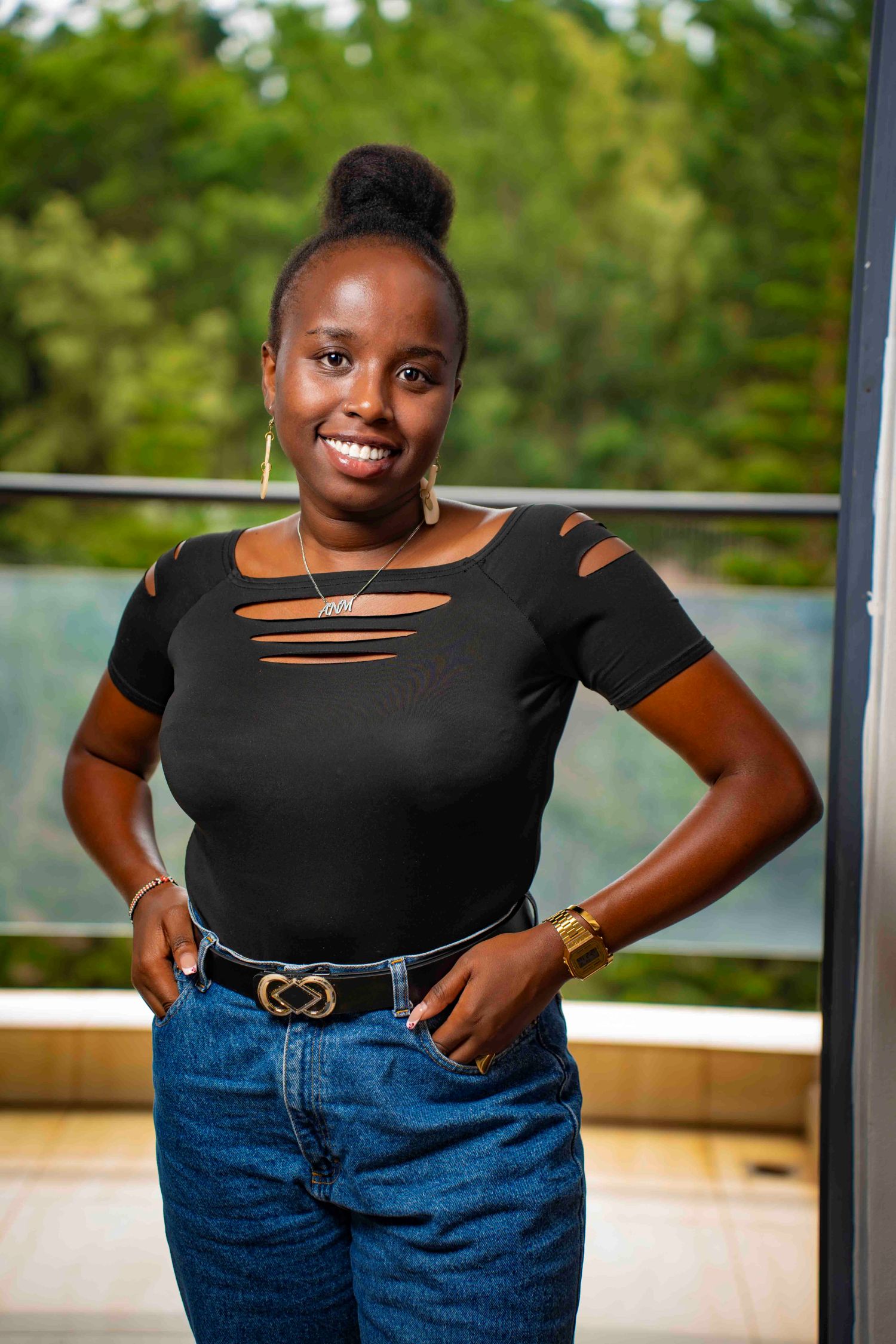
Njoki came to Rwanda in November 2021 to visit her cousin during her gap year. What began as a short visit eventually led to university and a career.
Finding a different pace of life
One of the biggest ways Rwanda has influenced Njoki, she says, is by changing how she approaches everyday life.
Coming from Kenya, she describes life there as fast-paced and energetic. In Rwanda, she learned to slow down, be more approachable and take things as they come.
“Rwanda has taught me that you can actually become. You don’t have to always be in a rush every time, in like defensive mode every time,” she noted.
“I feel like since I came to Rwanda, I’ve learned how to be a bit calmer, and just chill, and take a minute to take in life as it comes.”
She says the experience has also broadened her perspective and exposed her to different cultures.
“Rwanda has also taught me to open up my mind and embrace different cultures, the Rwandan culture. And because we have so many foreigners here, you’re exposed to a lot,” she added, noting that adjusting to life away from home came with challenges, including learning Kinyarwanda, being separated from her family and adapting to Rwanda’s food culture.
Kenya and Rwanda: Different cultures, familiar people
Njoki sees clear cultural differences between Kenya and Rwanda.
She describes Kenyans as generally more outspoken and energetic, while she sees Rwandans as quieter and more reserved.
“Kenyans are rowdy. There is a lot of chaos, there’s a lot of loudness,” she observed.
Despite those differences, she says the two countries share similarities in areas such as religion, food and aspects of everyday life.
Ultimately, Njoki says Rwanda gives her a strong feeling of home.
“When I’m in Rwanda, I feel like I’m at home. People are the same,” she reflected.
Even after years in Rwanda, Njoki says learning Kinyarwanda remains an ongoing process.
What makes Rwanda stand out
Among the things Njoki admires most about Rwanda is what she sees as the country’s deliberate efforts to promote women’s participation and empowerment.
“I love the fact that you guys actually are very intentional when it comes to uplifting women, and the fact that we have so many women in parliament,” she said.
She praised efforts to ensure women are not left behind, including discussions around workplace equality and pay gaps.
“They talk about it and they actually do it,” she added.
Njoki also highlighted Rwanda’s security and cleanliness, saying the country’s reputation for being clean is reflected in everyday life.
“I like the fact that people here don’t litter. You’ll see someone walking with a bottle up to home or up to where you’ll see a dustbin,” she noted.
Bigger ambitions for her career
Looking ahead, Njoki hopes to take her work to a much bigger stage.
Over the next five years, she wants to work with brands, secure partnerships, MC events, travel and develop new skills.
“I want to be doing content on a full scale. I want to work with brands. I want brand deals, to advertise for people, MC for people. I want to travel more,” she stressed.
She also hopes to use her growing platform to give back to others.
“Just pick up as many skills as I can, and just be able to give back more to people than I’m taking,” she added.
“Don’t let anyone shame you for trying”
For young people who are afraid of being judged when pursuing their ideas, Njoki urged them not to let criticism or embarrassment hold them back.
“Don’t let anyone shame you for trying,” she urged.
She encouraged young people not to abandon their ideas simply because others consider them embarrassing or “cringe.”
“You see that thing people are calling cringe? Nah, do it,” she remarked.
Her advice is to keep trying, take things one day at a time and remember that no one has everything figured out.
“No one has everything figured out. So, just try and don’t let anyone shame you for trying.”