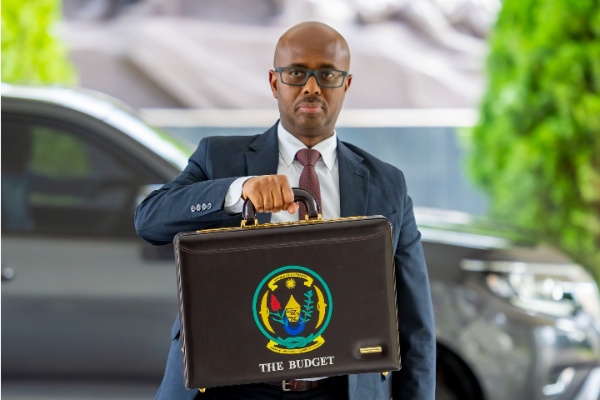
The framework, presented by the Minister of Finance and Economic Planning, Yusuf Murangwa, outlines the country’s spending and revenue priorities over the 2026/27 to 2028/29 period.
It also reflects a significant increase of Rwf 844.2 billion compared to the revised 2025/26 budget, signaling expanded government investment in key sectors. Murangwa said Rwanda’s economy continues to show resilience despite global uncertainties.
“Rwanda’s growth momentum remains strong, despite a challenging environment caused by war in the Middle East, climate change effects, geopolitical tensions, trade wars, among other factors,” he said, adding that the government remains committed to maintaining macroeconomic stability and promoting inclusive growth through investment in strategic sectors.
According to the framework, the Rwf 7.8 trillion budget will be financed mainly through domestic revenue, which is projected at Rwf 5,273.8 billion. This includes Rwf 4,429.1 billion in tax revenue, Rwf 582.4 billion in other revenues, Rwf 138.8 billion in domestic financing, and Rwf 123.6 billion from financial assets. External financing will also contribute, with grants estimated at Rwf 548.3 billion and loans at Rwf 1,974.1 billion.
On the spending side, the government plans to allocate Rwf 4,779.1 billion to recurrent expenditure, including salaries and operational costs, while Rwf 3,017.2 billion will go toward capital investments.
The increased capital investment is expected to support major projects such as the construction of the New Kigali International Airport in Bugesera, the expansion of RwandAir, and continued subsidies for fertilizers to strengthen agricultural productivity and cushion external shocks.
The Budget Framework Paper also comes on the back of strong economic performance in 2025, when Rwanda recorded 9.4 percent growth, surpassing the earlier projection of 7 percent. Growth was driven by industry at 11 percent, services at 9 percent, and agriculture at 7 percent, reflecting broad-based expansion across key sectors.
Minister Murangwa noted that the government will continue prioritizing investments that enhance resilience and inclusive development, particularly in energy, agriculture, manufacturing, healthcare, education, and social protection.
The framework aligns with Rwanda’s long-term development vision under Vision 2050 and the National Strategy for Transformation (NST2), which emphasizes economic transformation, social development, and improved governance.
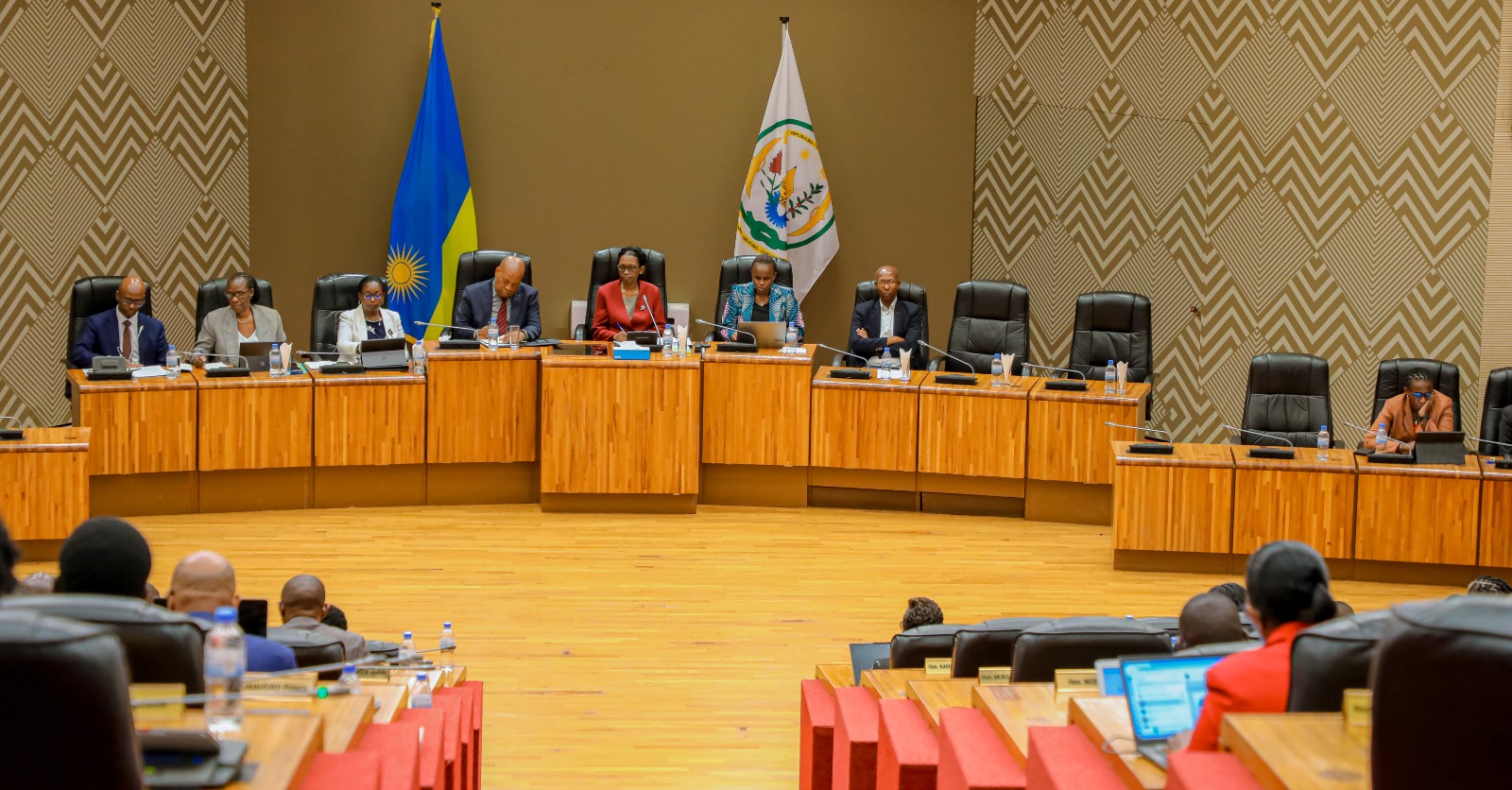
The full national budget for the 2026/27 fiscal year is expected to be tabled before Parliament in June 2026, where detailed sector allocations will be further debated and approved.
The framework, presented by the Minister of Finance and Economic Planning, Yusuf Murangwa, outlines the country’s spending and revenue priorities over the 2026/27 to 2028/29 period.
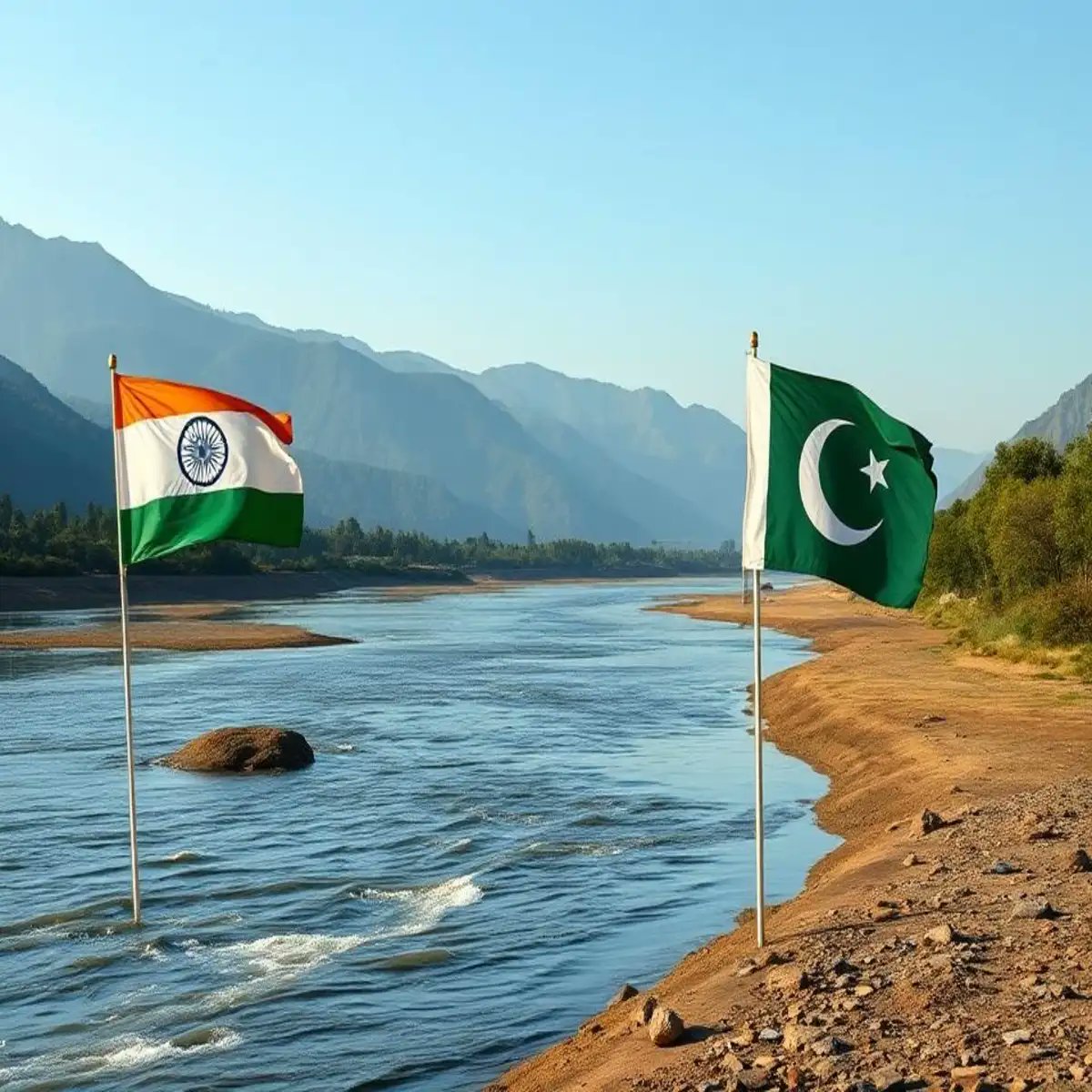
Signed in 1960 with the support of the World Bank, the treaty divided the six rivers of the Indus Basin between the two countries. While Pakistan received rights over the western rivers — the Indus, Jhelum, and Chenab — India retained control over the eastern rivers — Ravi, Beas, and Sutlej. India was also granted limited rights to develop hydropower projects on the western rivers under strict technical and operational conditions.
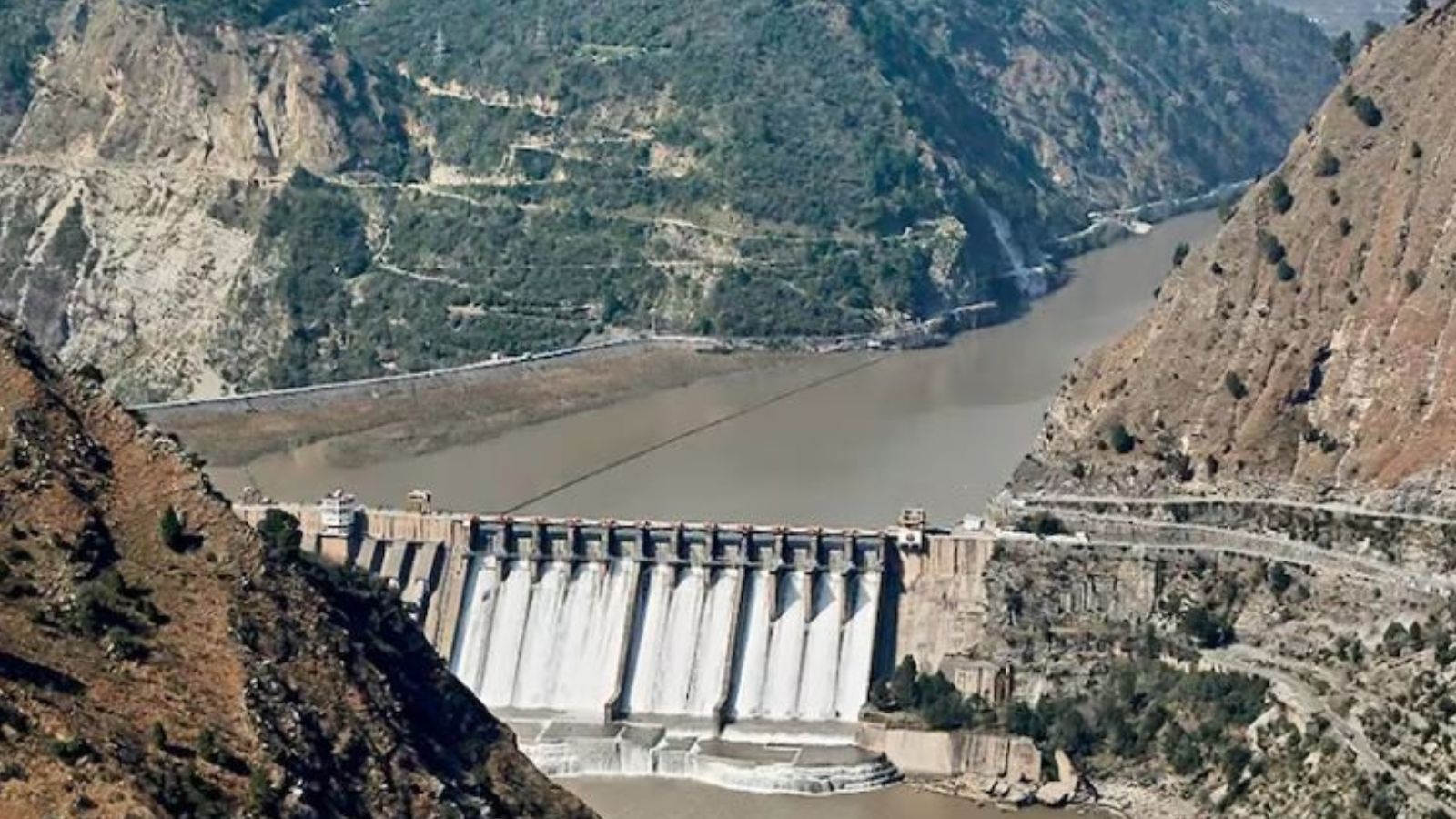
Over the years, however, several Indian projects on the western rivers have faced repeated objections from Pakistan. Hydropower developments such as Baglihar, Kishenganga, Pakal Dul, and the Tulbul navigation project have all been challenged through the treaty’s dispute-resolution mechanisms.
Critics in India argue that Pakistan has systematically used these legal and technical processes to delay projects rather than resolve genuine treaty concerns.
Reports suggest that even projects considered permissible under the treaty have faced prolonged scrutiny, arbitration requests, and objections from Islamabad. Indian analysts also point to what they describe as Pakistan’s long-standing “water war” narrative, in which India is portrayed internationally as a potential threat to Pakistan’s water security despite India maintaining compliance with the treaty since its signing.
According to reports, India has not suspended water flows to Pakistan even during major military confrontations, including the wars of 1965 and 1971, as well as the 1999 Kargil conflict. Indian officials and commentators often cite this record as evidence that New Delhi has consistently honoured the agreement despite decades of political and security tensions between the two countries.
The treaty’s restrictions are also seen by critics as having broader developmental consequences for India, particularly in regions such as Jammu and Kashmir. The territory, through which several western rivers flow, possesses significant hydropower potential that remains only partially developed.
Reports indicate that treaty restrictions on storage, dam design, and water usage, combined with prolonged disputes over proposed projects, have slowed infrastructure development and limited the region’s ability to fully utilize its natural resources. Some local communities and political voices in the region have increasingly questioned whether the treaty disproportionately limits economic opportunities in areas directly connected to the river system.
Beyond regional concerns, energy experts in India argue that restrictions affecting hydropower development have implications for the country’s wider energy security goals. Hydropower is considered a key renewable energy source, and critics contend that constraints linked to the treaty have prevented India from maximizing clean energy generation from rivers flowing through its own territory.
Debates surrounding the treaty have also intensified amid broader tensions between India and Pakistan over cross-border militancy and security issues. Indian officials and commentators increasingly argue that long-term bilateral agreements should function within a broader framework of mutual trust and cooperation.
Some analysts in India contend that Pakistan’s alleged support for cross-border militancy has weakened the spirit of goodwill that originally underpinned the treaty.
They point to attacks such as the 2001 Indian Parliament attack, the 2008 Mumbai attacks, and the April 2025 attack in Pahalgam as events that have further strained bilateral relations.
Despite growing criticism, supporters of the treaty continue to view it as an important stabilizing mechanism between two nuclear-armed neighbours with a long history of conflict. Many international observers argue that the agreement has helped prevent water disputes from escalating into wider regional crises.
Still, discussions over the future of the treaty are becoming increasingly prominent in India, particularly as concerns over water security, regional stability, energy demand, and geopolitical tensions continue to evolve across South Asia.
Signed in 1960 with the support of the World Bank, the treaty divided the six rivers of the Indus Basin between the two countries.
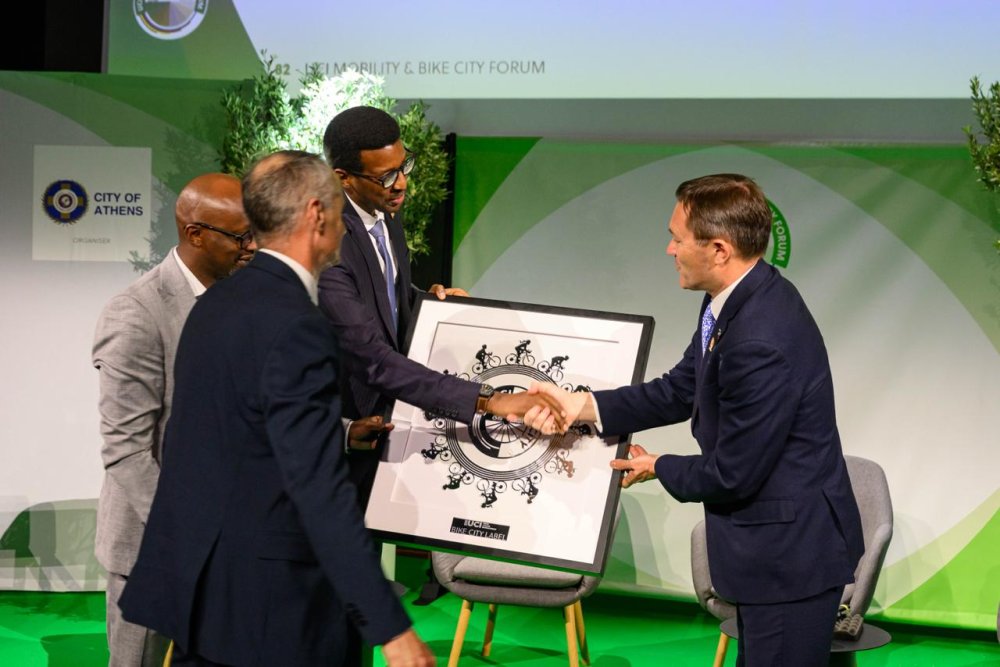
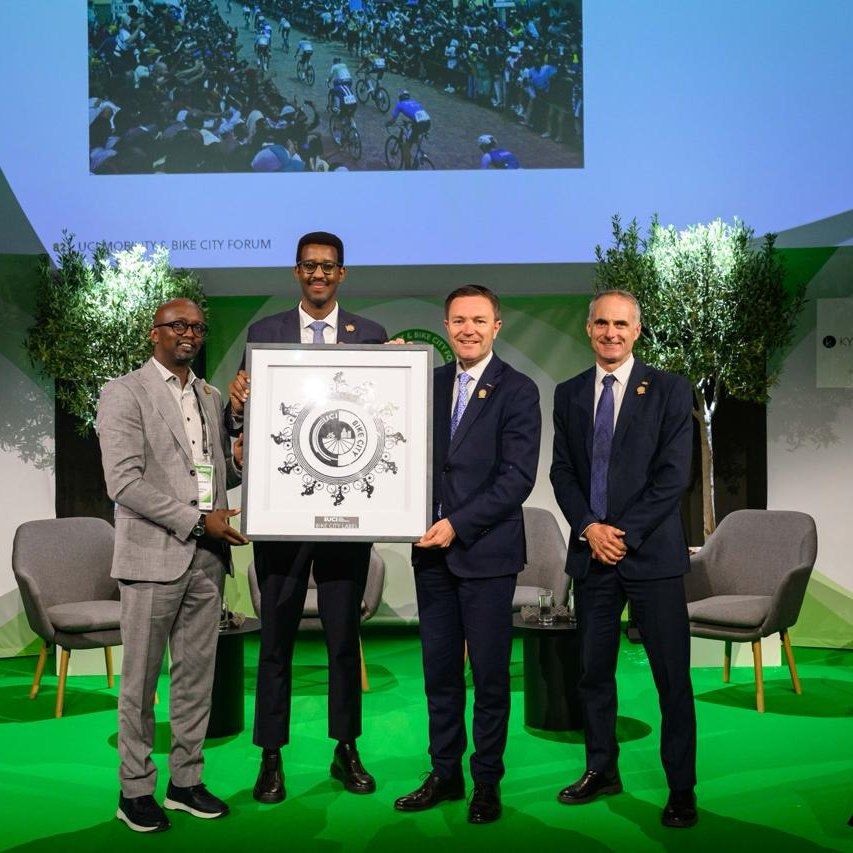
The award was presented during the international “UCI Mobility & Bike City” conference held in Athens, Greece, from May 10 to 11, 2026.
The conference brought together city leaders and experts in urban mobility and transportation to exchange ideas on best practices and strengthen international cooperation in cycling and sustainable transport systems.
Rwanda was represented by the State Minister for Sports, Rwego Ngarambe, and the president of FERWACY, Samson Ndayishimiye.
The “UCI Bike City” label is awarded to cities that demonstrate excellence in hosting major cycling events and promoting cycling-friendly mobility systems.
For Kigali, the recognition reflects Kigali’s growing vision of becoming a more people centred, active, and environmentally conscious city.
In February, UCI President David Lappartient said that by hosting the championship for the first time in Africa, Kigali had made history in the world of cycling. Kigali became the 31st city in the world to receive the award and the first in Africa to earn the distinction.
Rwanda is now the 17th country globally, and the first in Africa, to receive the recognition, highlighting the country’s achievements in organizing international competitions and promoting cycling, urban development, and quality of life.
Kigali became the 31st city in the world to receive the award and the first in Africa to earn the distinction.David Lappartient, President of the Union Cycliste Internationale (UCI), presents the “UCI Bike City Label Award” to the State Minister for Sports, Rwego Ngarambe, in recognition of the City of Kigali for successfully hosting the 2025 UCI Road World Championships.
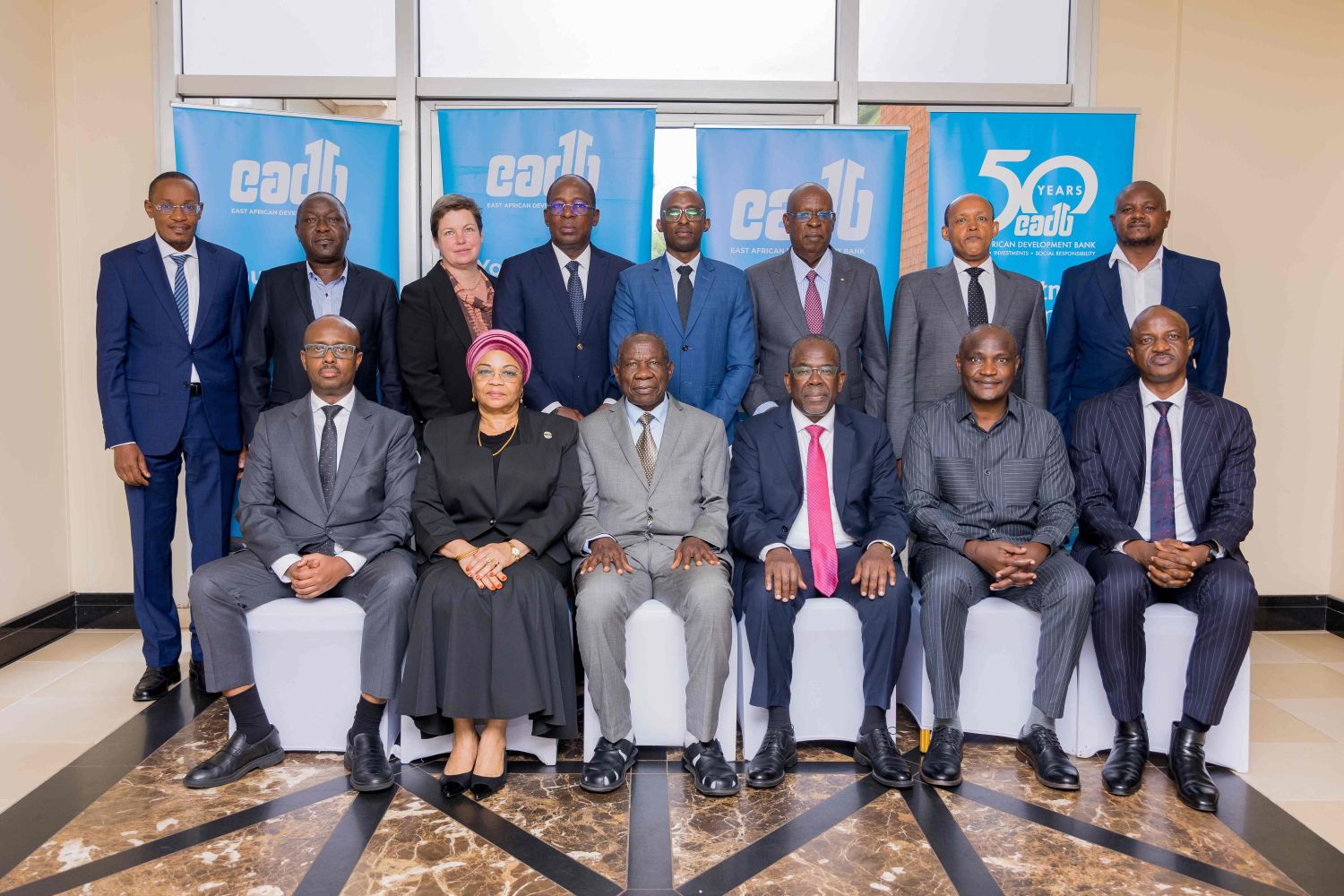
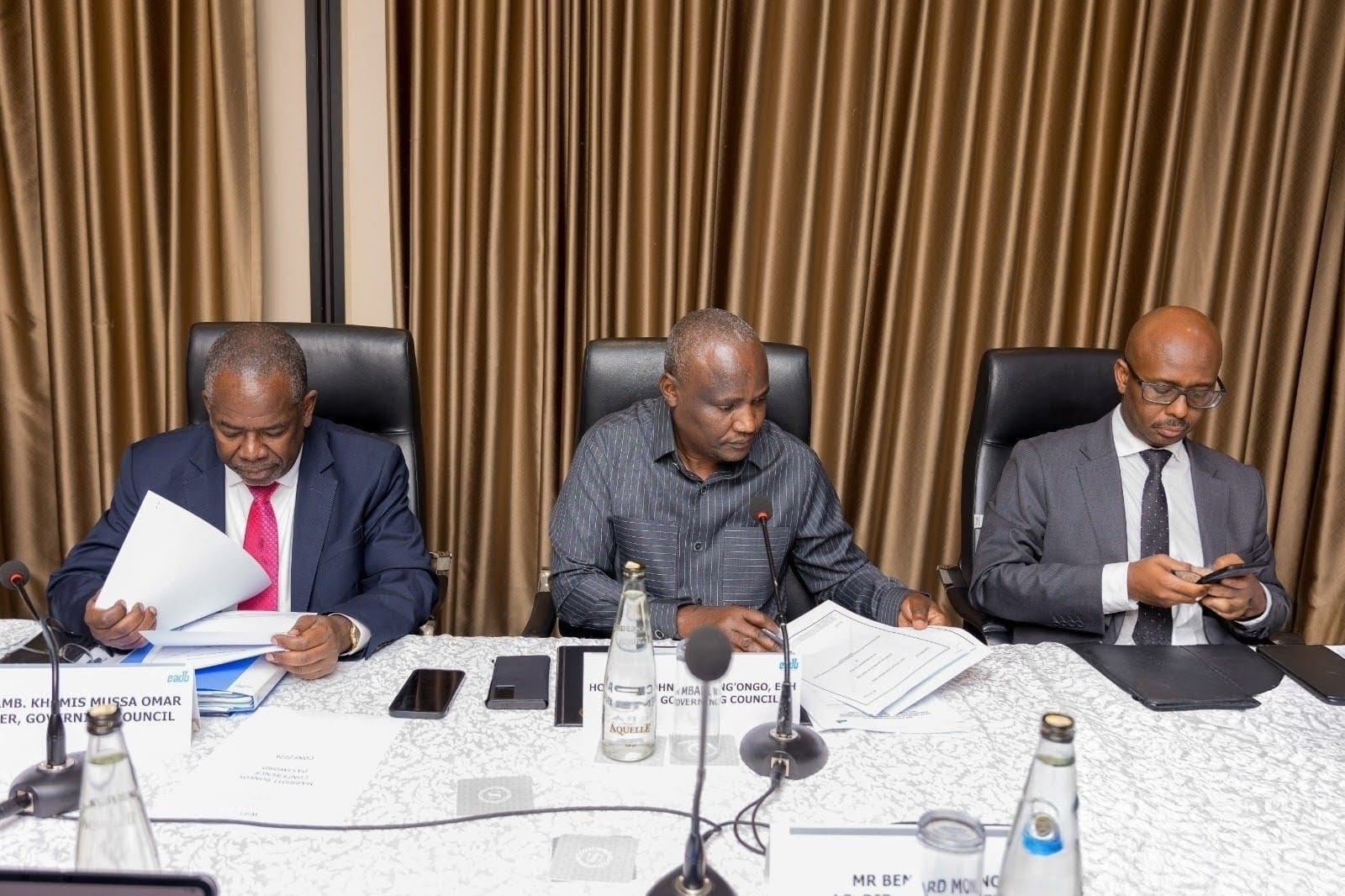
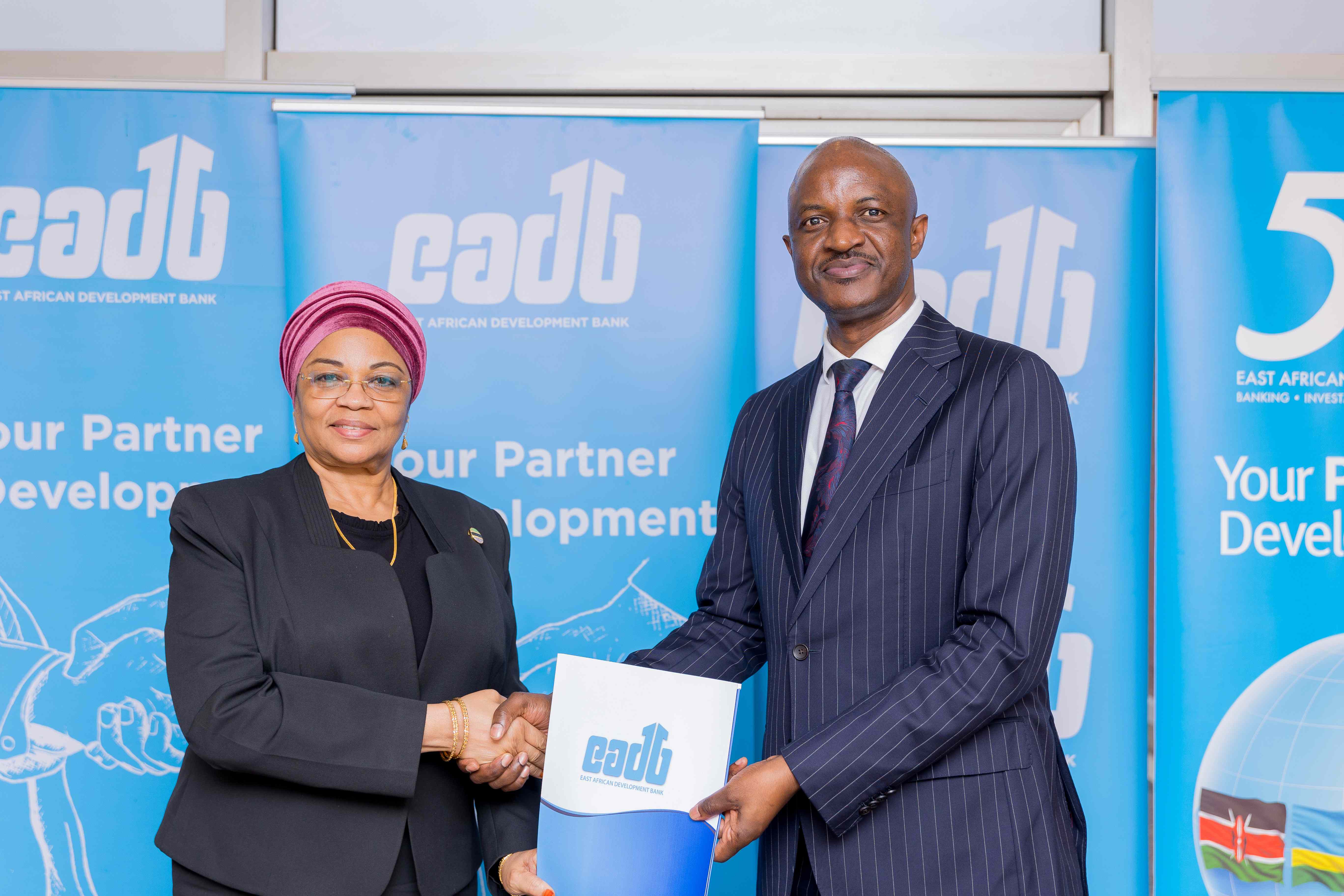
The unveiling of the new leadership and the fund took place during the EADB Governing Council meeting held in Kampala, Uganda, where regional finance ministers and senior officials gathered to review the Bank’s performance and leadership transition.
In a press statement issued on Monday, May 11, EADB said the newly launched fund is part of its 2024–2028 Strategic Plan and aims to boost access to financing for women and youth-led businesses across the region.
Outgoing Governing Council Chairperson Matia Kasaija said the initiative reflects the Bank’s recognition of the role youth and women play in East Africa’s economic transformation.
“We recognise that youth and women are critical drivers of economic growth and innovation across East Africa. The establishment of this Fund is a strategic step towards scaling enterprises led by these groups through prudent and targeted financing,” Kasaija said.
He added that the fund will initially be financed from the Bank’s profits, while management has been directed to mobilise additional resources from development partners to ensure long-term sustainability and greater regional impact.
The fund announcement came as EADB reported strong financial performance for the year ended December 2025. The Bank posted a 51 percent increase in profit before tax, rising to $16.93 million from $11.20 million in the previous financial year.
EADB also reported significant expansion in its lending activities, with loan disbursements increasing by 140 percent and outstanding loans growing by 52 percent, indicating improved operational efficiency and loan portfolio performance.
Kasaija attributed the growth to the Bank’s enhanced ability to mobilise capital and deploy innovative financing solutions across member states.
“This strong performance is a testament to EADB’s enhanced capacity to mobilize resources and deploy innovative financing solutions. In the past year, we supported a more diverse range of projects across key sectors in our member states,” he said.
In line with the Bank Charter, the meeting also marked key leadership changes within the institution. Rwanda’s Murangwa officially succeeded Kasaija as Chairperson of the Governing Council.
Meanwhile, Uganda’s Permanent Secretary at the Ministry of Finance, Planning and Economic Development, Ramathan Ggoobi, was appointed Chairperson of the EADB Board of Directors for a two-year term, replacing Tanzania’s Finance Ministry Permanent Secretary Natu Mwamba.
Other leaders who attended the meeting included Kenya’s Cabinet Secretary for the National Treasury and Economic Planning, John Mbadi Ng’ongo, and Tanzania’s Finance Minister, Khamis Mussa Omar.
Established in 1967, the East African Development Bank serves Kenya, Uganda, Tanzania and Rwanda, providing development finance aimed at promoting regional integration and socio-economic growth.
The East African Development Bank (EADB) has unveiled a new $13 million fund aimed at supporting youth and women-led enterprises across East Africa, while also confirming Rwanda’s Finance and Economic Planning Minister, Yusuf Murangwa, as the new Chairperson of the Bank’s Governing Council.The fund announcement came as EADB reported strong financial performance for the year ended December 2025. The Bank posted a 51 percent increase in profit before tax, rising to $16.93 million from $11.20 million in the previous financial year.Uganda’s Permanent Secretary at the Ministry of Finance, Planning and Economic Development, Ramathan Ggoobi, was appointed Chairperson of the EADB Board of Directors for a two-year term, replacing Tanzania’s Finance Ministry Permanent Secretary Natu Mwamba.
The move marked the second withdrawal by AFC/M23 from the region in recent months. In January 2026, the coalition pulled its fighters out of Uvira town and surrounding areas, redeploying them to northern localities including Sange, Lubirizi, Bwegera and Luvungi.
Before the latest withdrawal, AFC/M23 had called on the international community to deploy neutral monitoring forces in the area, arguing that the return of Congolese troops and Wazalendo militias would once again expose civilians to insecurity, as had allegedly happened before the coalition took control of the region.
However, with no neutral force deployed, AFC/M23 remained relatively close to Uvira. At the same time, the United States reportedly continued pressing the coalition to return to positions it occupied before fighting intensified in the Ruzizi Plain in December 2025.
Reports indicated that Washington wanted AFC/M23 fighters to pull back as far as Kamanyola Centre in Walungu Territory, a proposal that reportedly created a dilemma for the coalition, which maintains that many residents in the newly captured areas viewed it as a source of protection.
According to the coalition, the United States had assured AFC/M23 that if it withdrew within a distance of about 75 kilometers, neutral forces would then be deployed to freely monitor the vacated zones. Despite those assurances, confidence in such guarantees remained low.
The skepticism stems partly from previous AFC/M23 withdrawals, after which Congolese troops and Wazalendo militias quickly re-entered the areas. The coalition claims many civilians fled during those developments, while international actors, including the United States, remained largely silent.
AFC/M23 has also argued that since the return of Congolese forces, Wazalendo militias, Burundian troops and FDLR elements to Uvira, security conditions in the city have deteriorated, with civilians facing increasing insecurity.
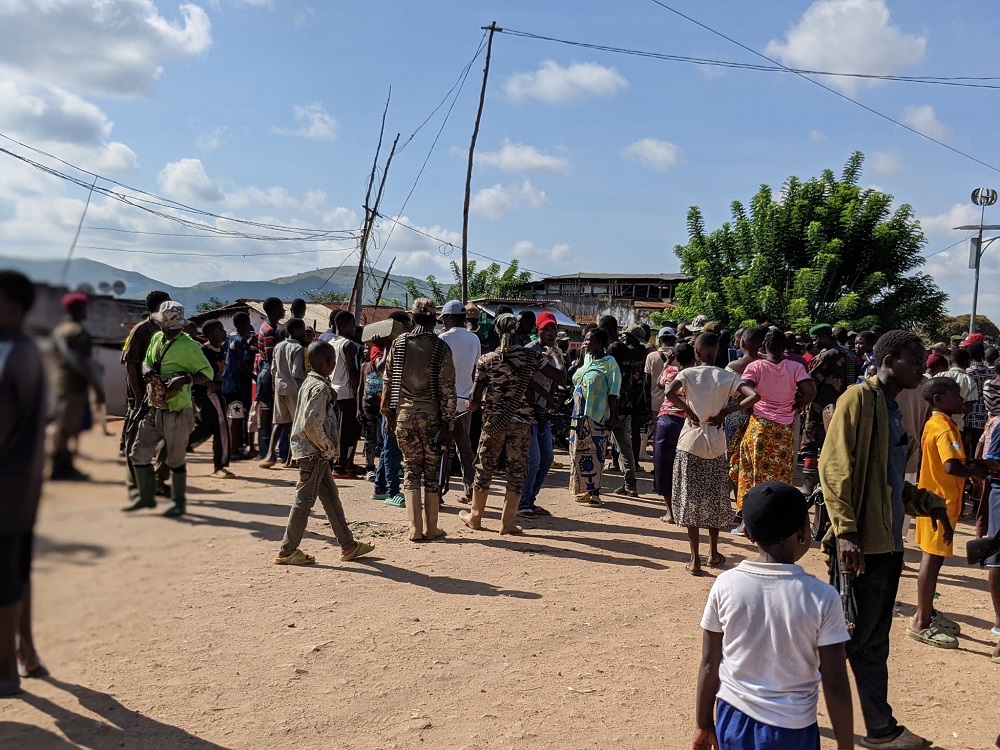
On May 10, as AFC/M23 fighters withdrew from areas including Sange, Lubirizi and Kabunambo, some residents reportedly followed them out of fear of possible reprisals from opposing forces. Shortly afterward, Congolese troops and Wazalendo fighters moved in and took control of the vacated areas.
According to Radio Maendeleo, large numbers of AFC/M23 fighters were seen on the morning of May 11 in Luvungi Centre, occupying roads and sports grounds in the area.
Civilian movement between Uvira and Bukavu along the RN5 highway has meanwhile been disrupted due to the movement of AFC/M23 fighters and ongoing clashes near the road.
Prospects for the deployment of neutral forces remain uncertain. Current discussions are reportedly focusing instead on the possible deployment of ceasefire monitors from the Expanded Joint Verification Mechanism Plus (EJVM+), who are expected to work alongside United Nations peacekeepers.
The agreement launching EJVM+ operations was signed in Montreux, Switzerland, in April 2026 during peace talks between the Congolese government and AFC/M23.
However, fighting has continued in eastern DR Congo, and no monitoring mechanism has yet publicly identified violations of the ceasefire.
Amid the ongoing tensions, AFC/M23 coordinator Corneille Nangaa wrote to U.S. Secretary of State Marco Rubio on May 7, accusing Washington of siding with the Congolese government.
Nangaa argued that Kinshasa had failed to honor commitments made during negotiations, including the release of 317 AFC/M23 detainees and the suspension of military offensives. He maintained that AFC/M23 had respected its own commitments, including releasing government prisoners and withdrawing from parts of Uvira and Walikale.
In December 2025, the United States and the Congolese government signed a minerals cooperation agreement. Nangaa alleged that Kinshasa was using the partnership as political cover while continuing what he described as a strategy of escalating the conflict.
On May 10, as AFC/M23 fighters withdrew from areas including Sange, Lubirizi and Kabunambo, some residents reportedly followed them out of fear of possible reprisals from opposing forces.
Rwanda’s Minister of Foreign Affairs and International Cooperation, Olivier Nduhungirehe, said the summit will bring together nearly 30 heads of state and focus on innovation, economic transformation, peace, and international finance. It marks the first time such a high-level gathering is being held in an English-speaking African nation.
“Nearly 30 heads of state are expected to attend the summit. Discussions will centre on peace and security, international finance and how African countries can benefit from it, as well as innovation. Industries and business companies from Africa and France will also take part,” he said.
Nduhungirehe noted that the summit will also examine mediation efforts aimed at promoting peace across Africa, migration challenges, and broader cooperation between African countries and France. He added that the discussions will be open and interactive, allowing participants to exchange views freely.
Rwanda is also expected to feature prominently in discussions on artificial intelligence, with President Kagame set to co-chair a high-level roundtable on AI, underscoring the country’s growing role as a continental leader in digital innovation and technology-driven development.
The cultural and creative industries are also expected to receive attention during the summit, with internationally recognised Rwandan choreographer and creative artist Sherrie Silver set to participate in discussions on the role of African creativity in economic transformation and youth empowerment.
Nduhungirehe said Rwanda’s participation reflects its strong ties with both Kenya, the host nation, and France, which co-organised the summit, as well as the country’s interest in advancing economic and diplomatic cooperation.
“As you know, Rwanda is a country that promotes innovation, economic transformation, trade, and investment. We will therefore participate in all discussions to ensure Africa continues to progress and that cooperation between Africa and France advances on the basis of mutual interests,” he said.
French President Emmanuel Macron arrived in Kenya on May 10 ahead of the summit. He stressed that cooperation between Africa and France should deliver mutual benefits and be built on mutual respect.
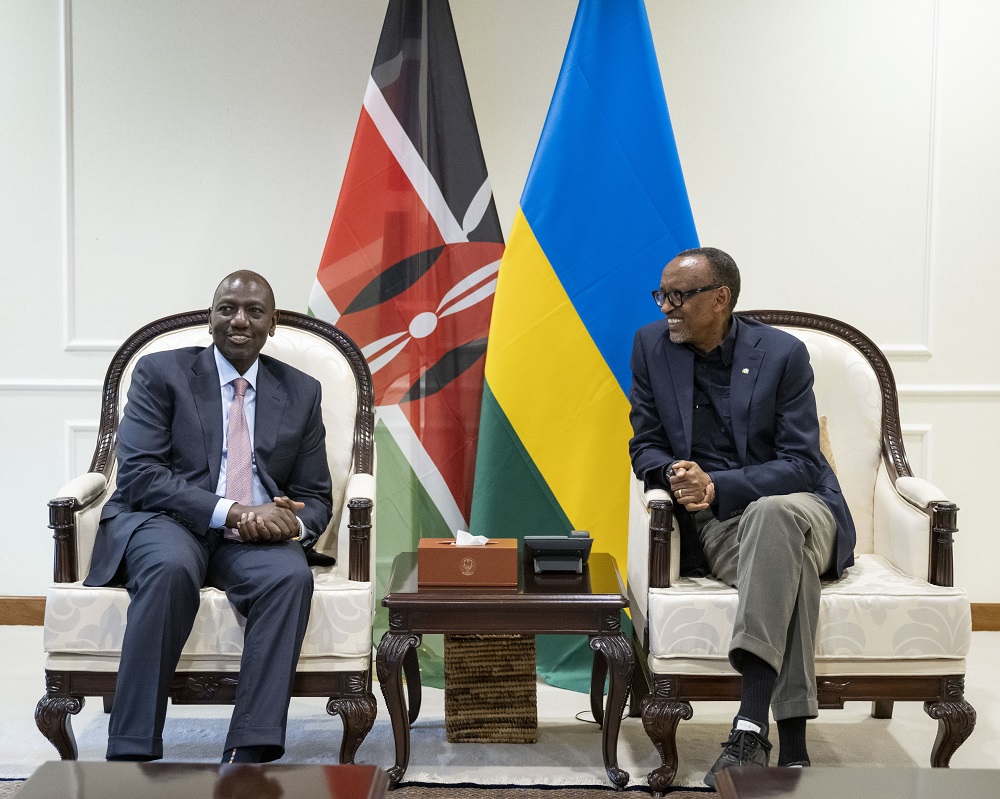
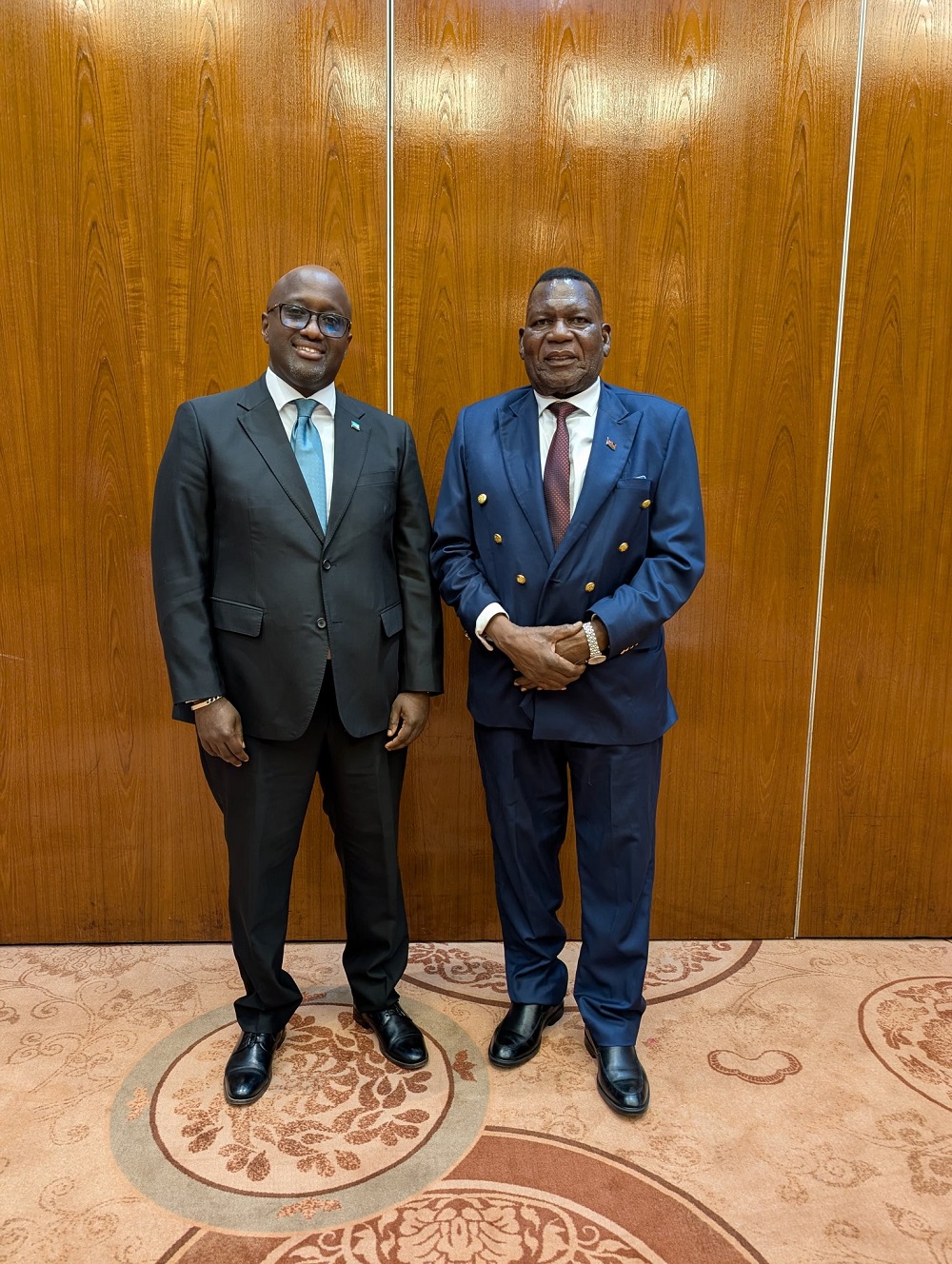
President Paul Kagame is expected to take part in the Africa Forward Forum, slated for May 11–12, 2026.Minister Olivier Nduhungirehe, already in Nairobi for the summit, met Dr George Chaponda, Malawi’s Minister of Foreign Affairs, on the sidelines of the Africa Forward Summit to discuss strengthening bilateral ties, multilateral cooperation, and sharing experiences in socio-economic transformation.
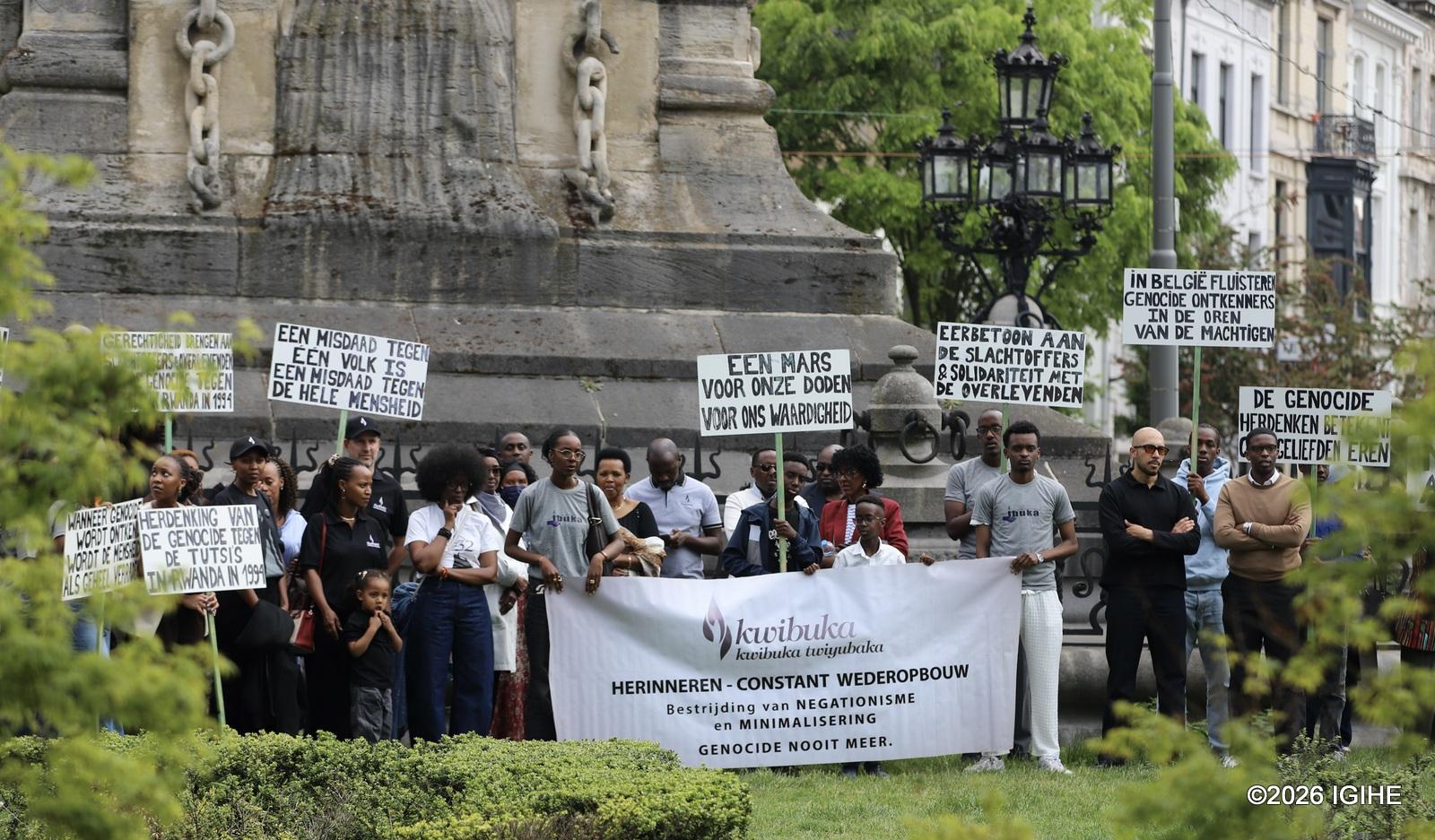
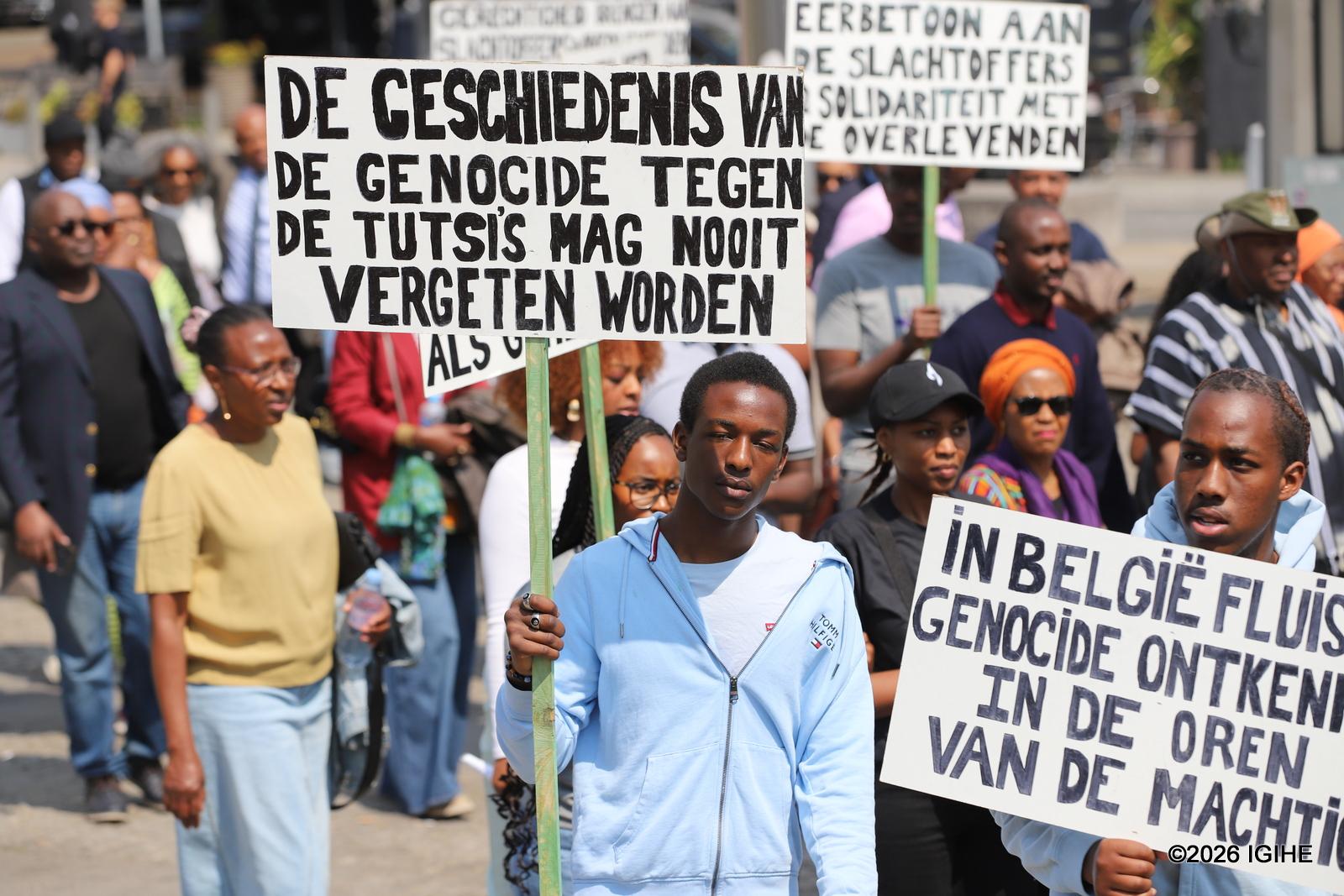
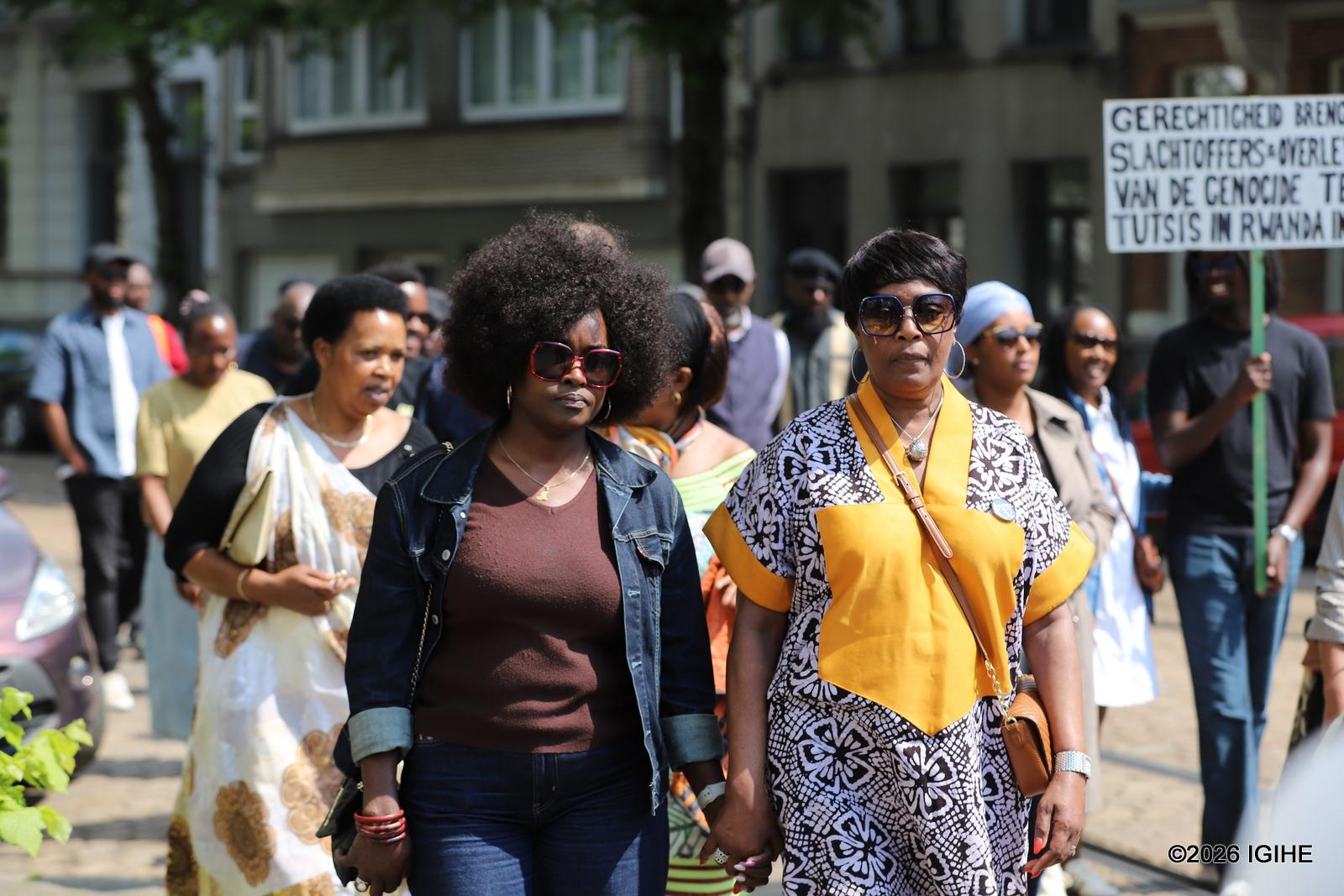
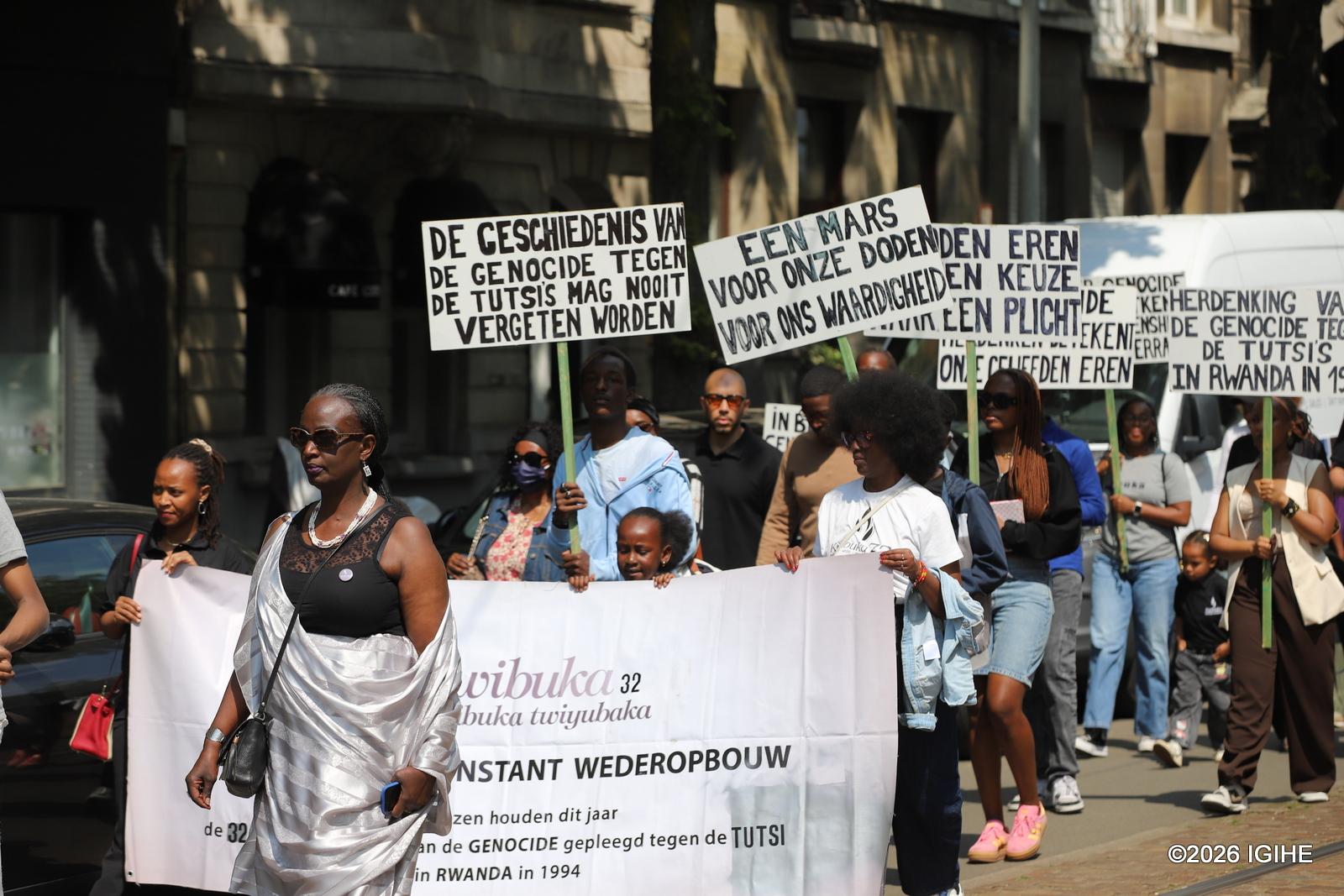
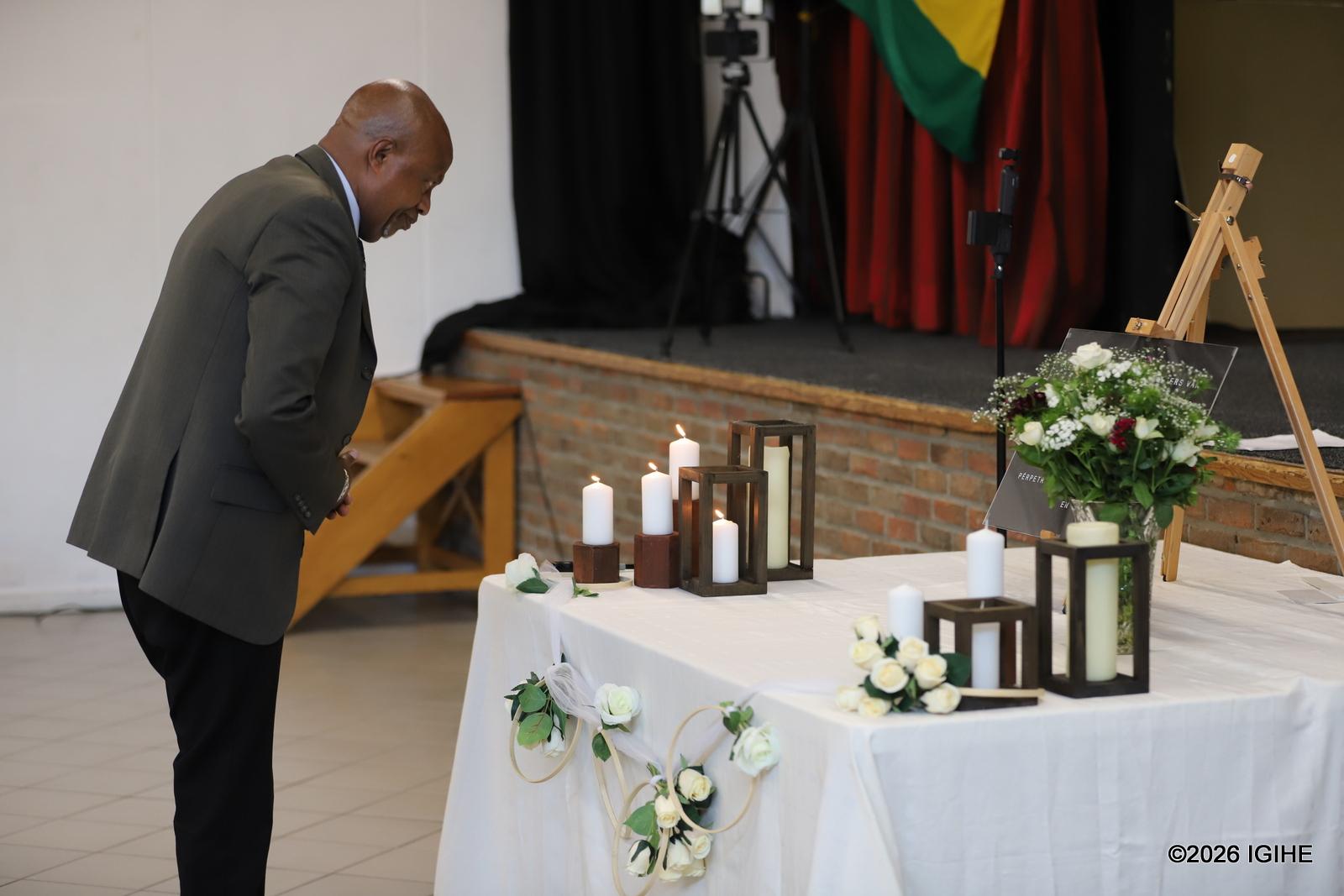
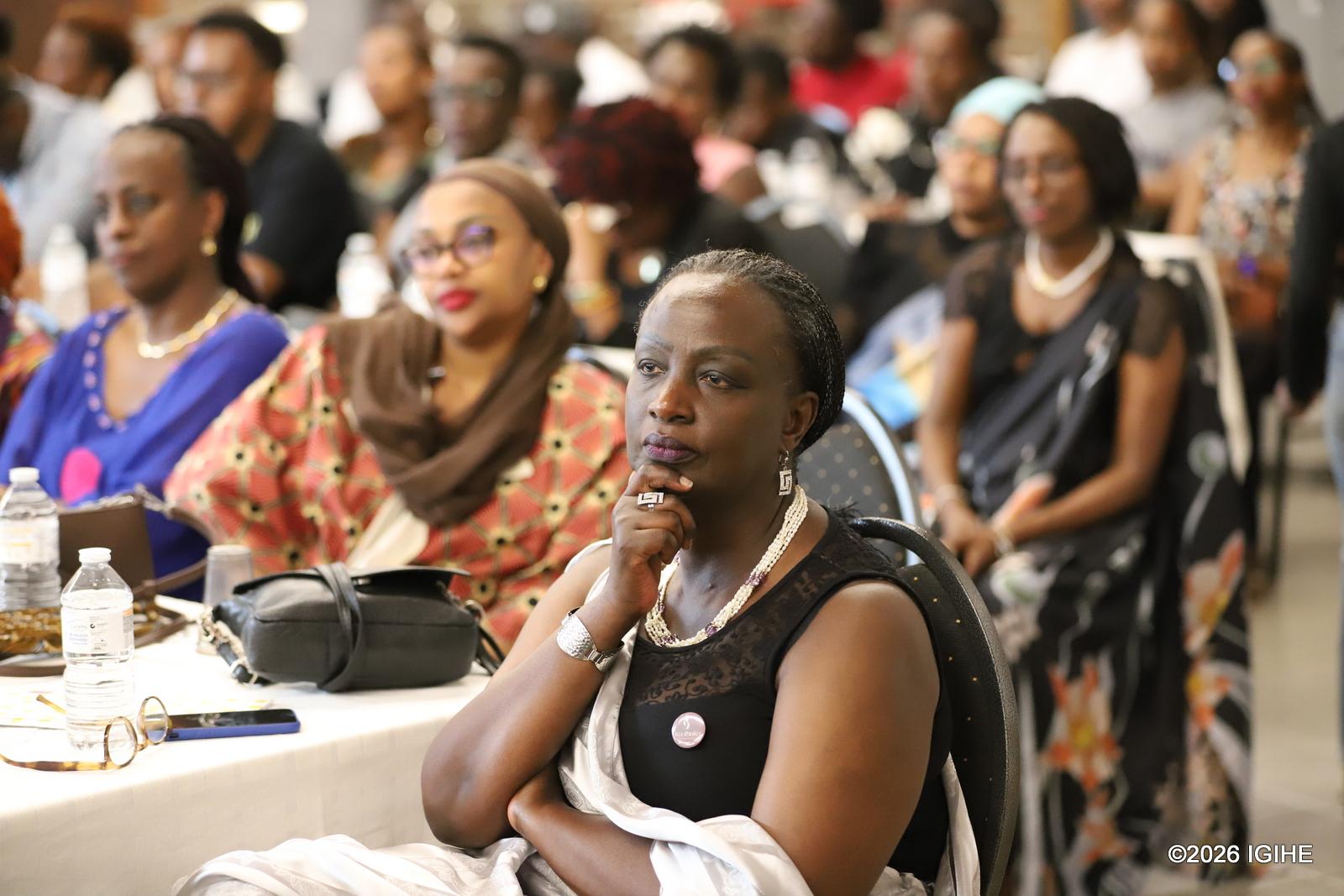
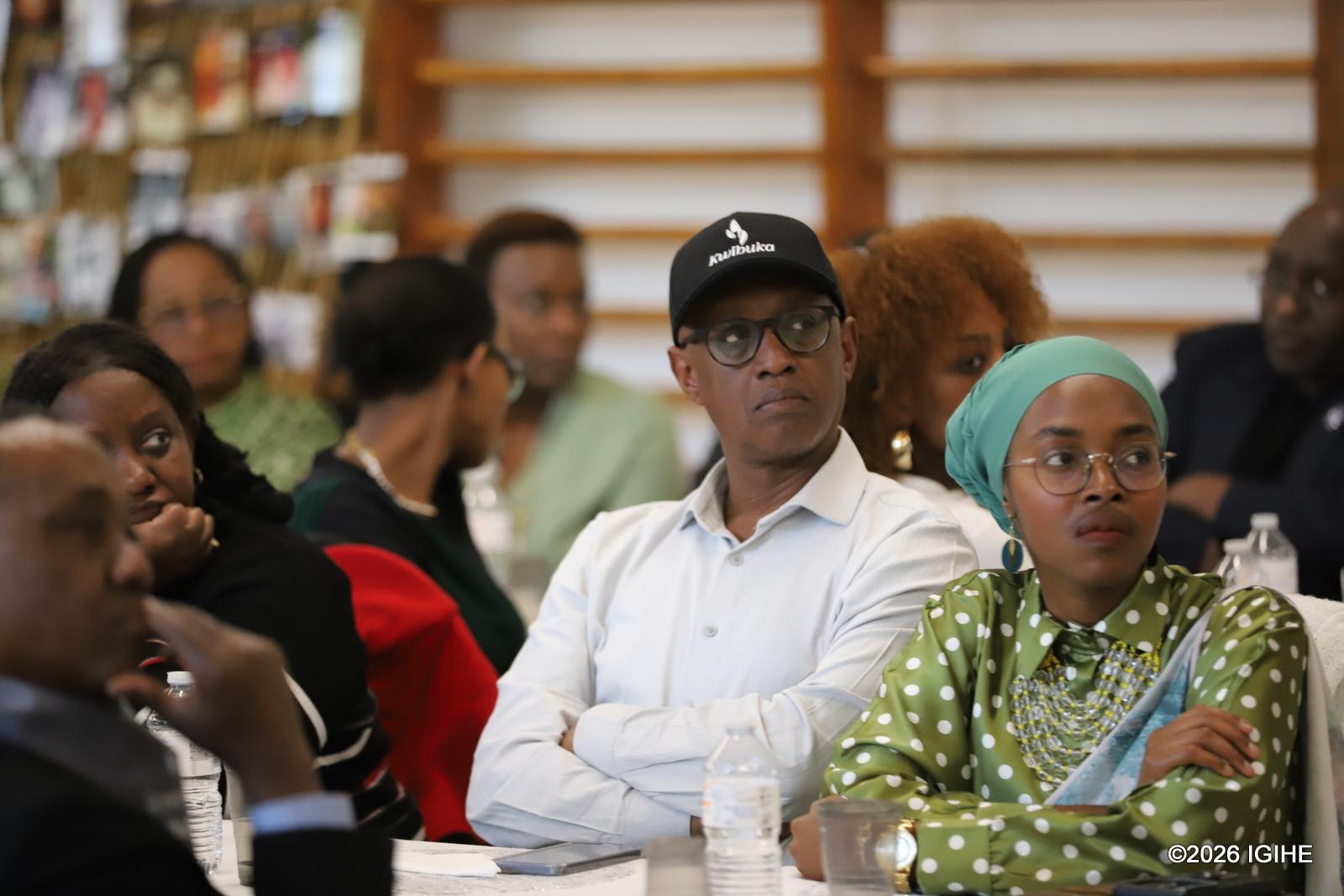
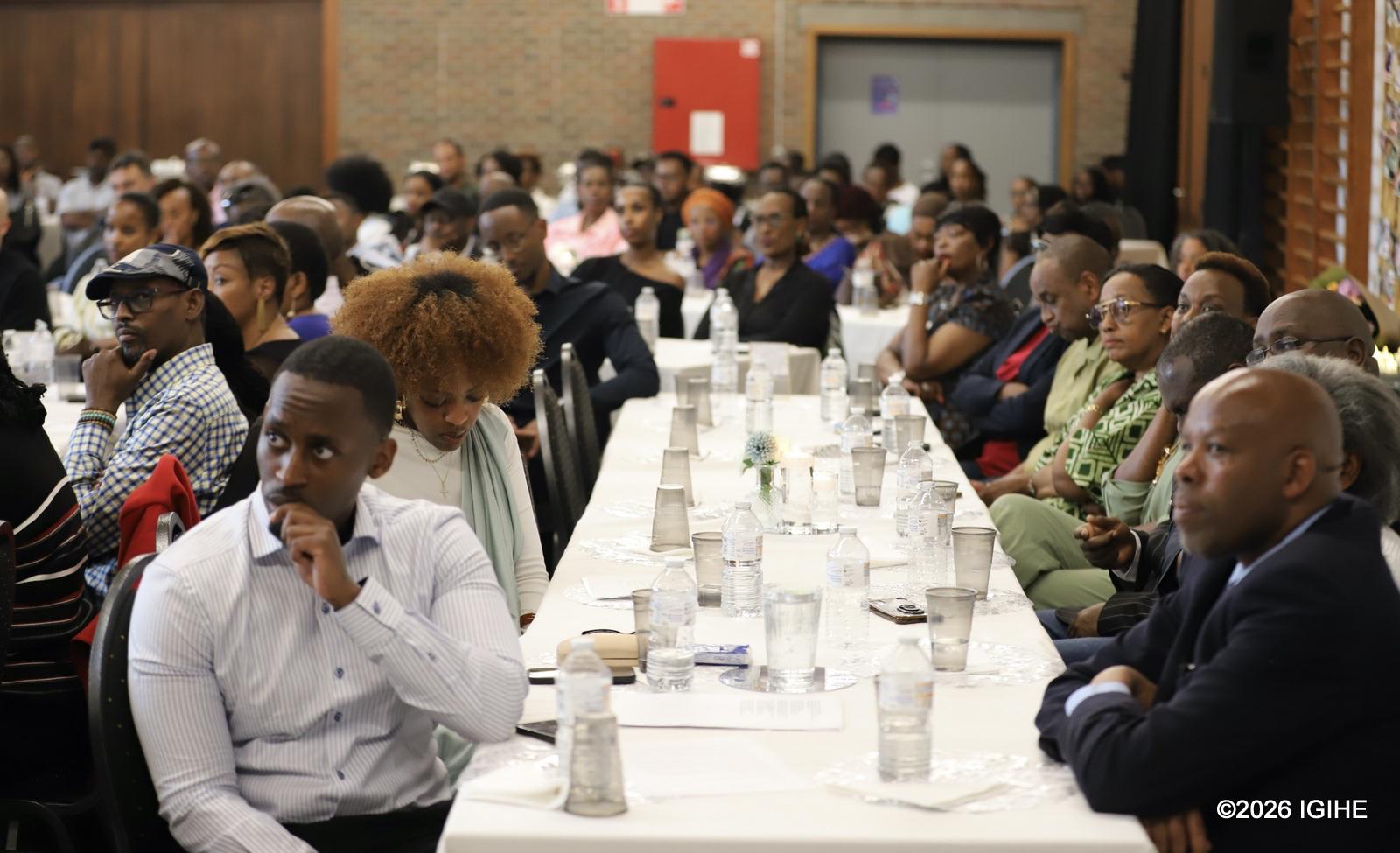
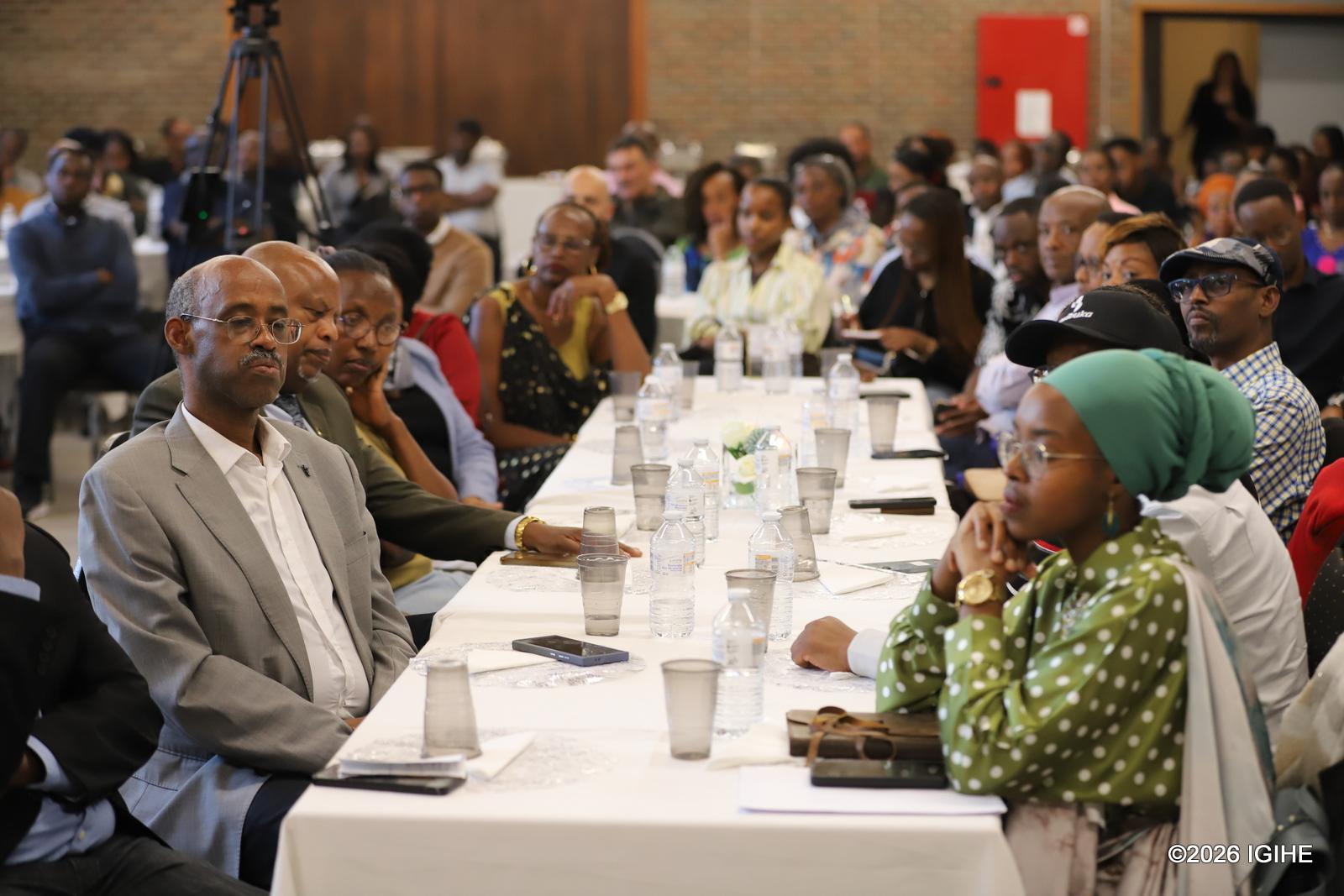
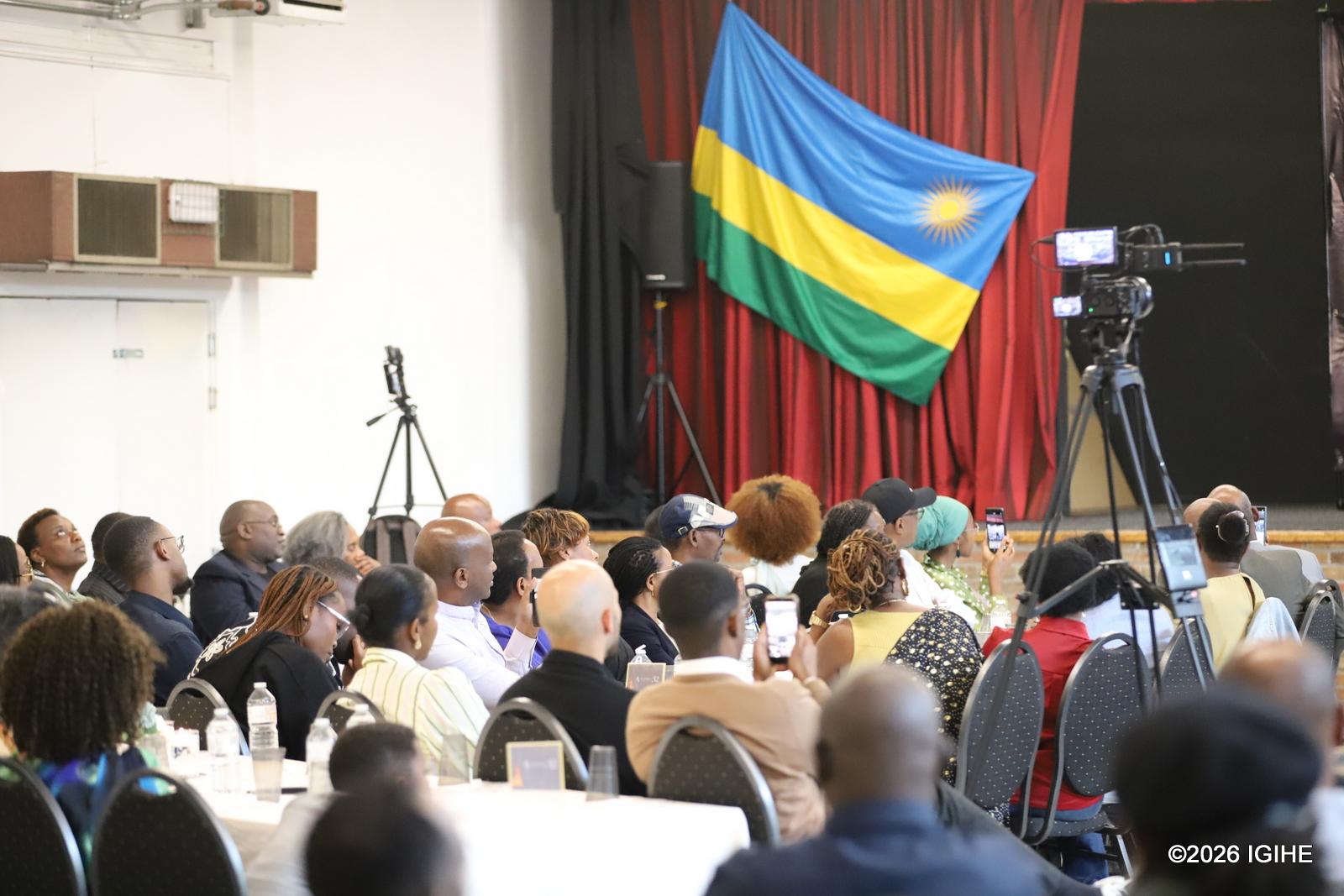
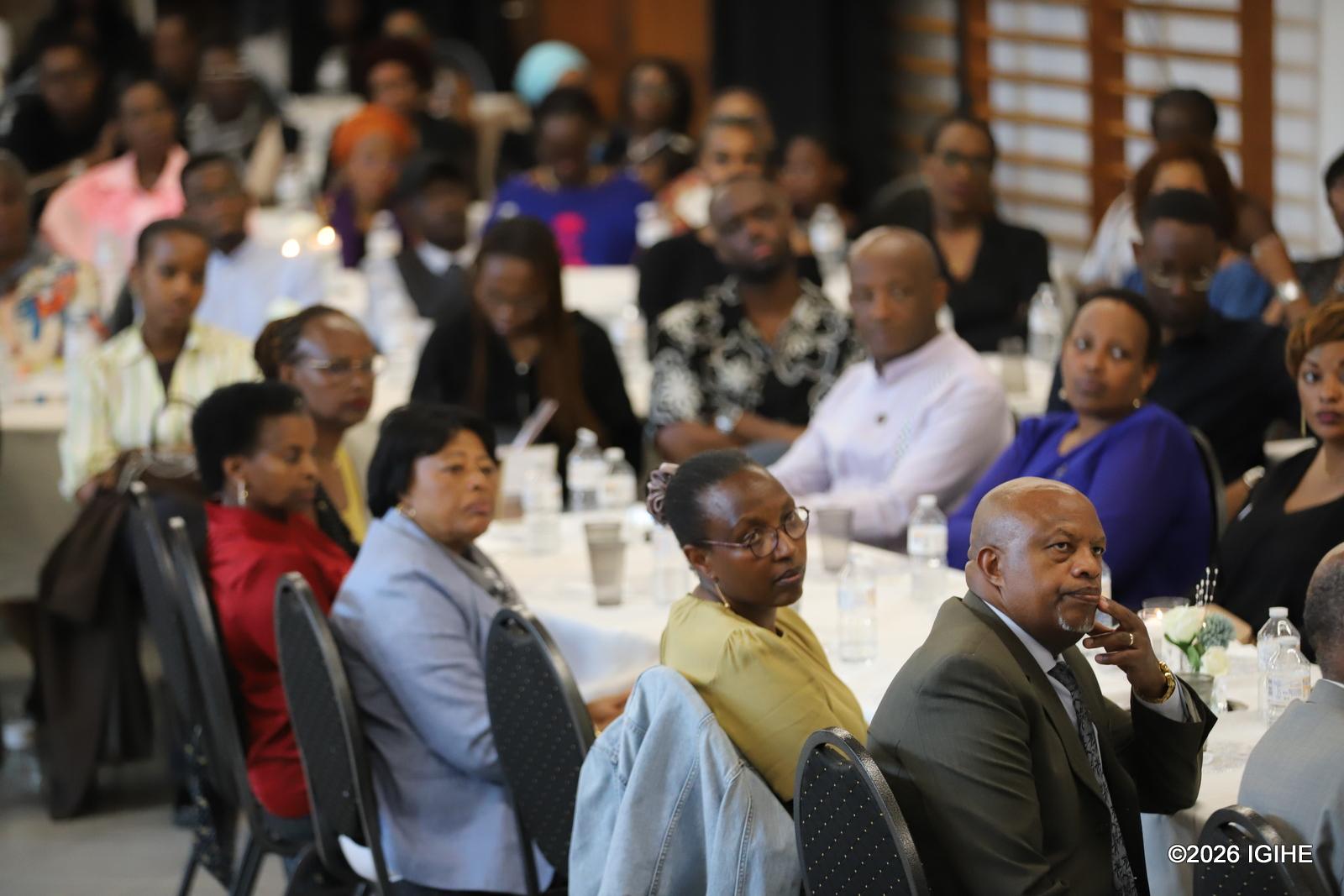
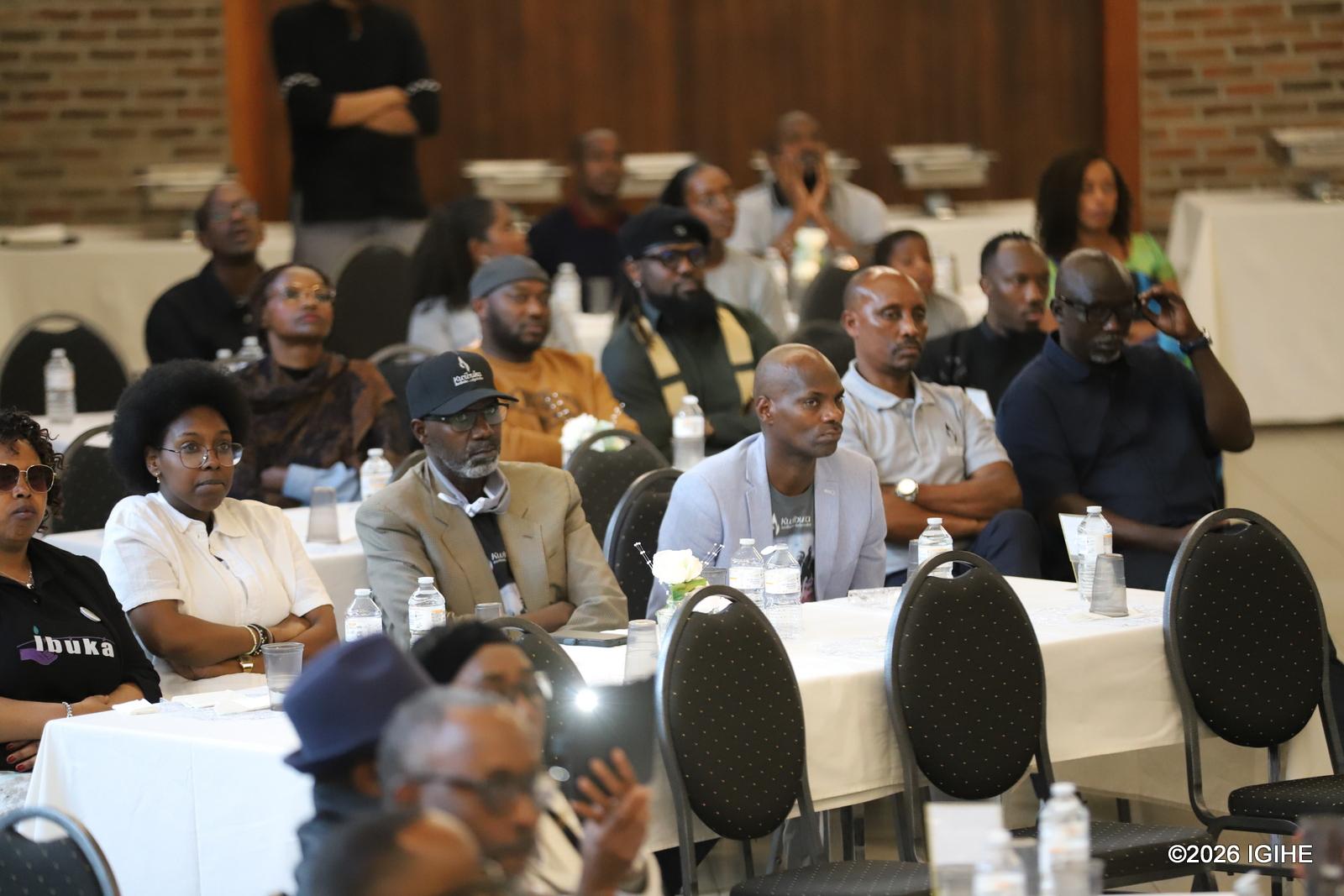
The event followed commemorative activities held in other Belgian cities, including Brussels, Liège, Bruges, Namur, and Ottignies-Louvain-la-Neuve.
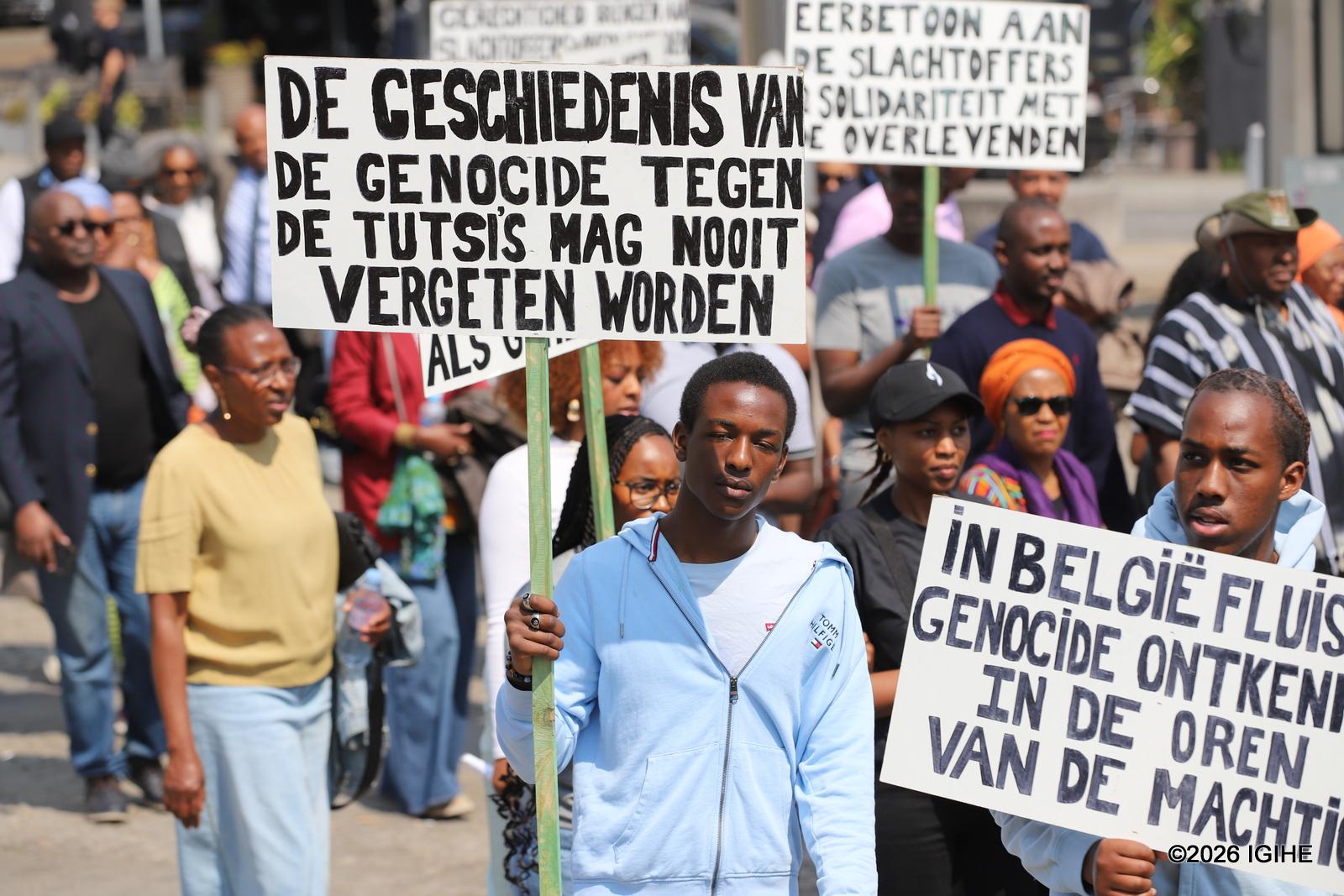
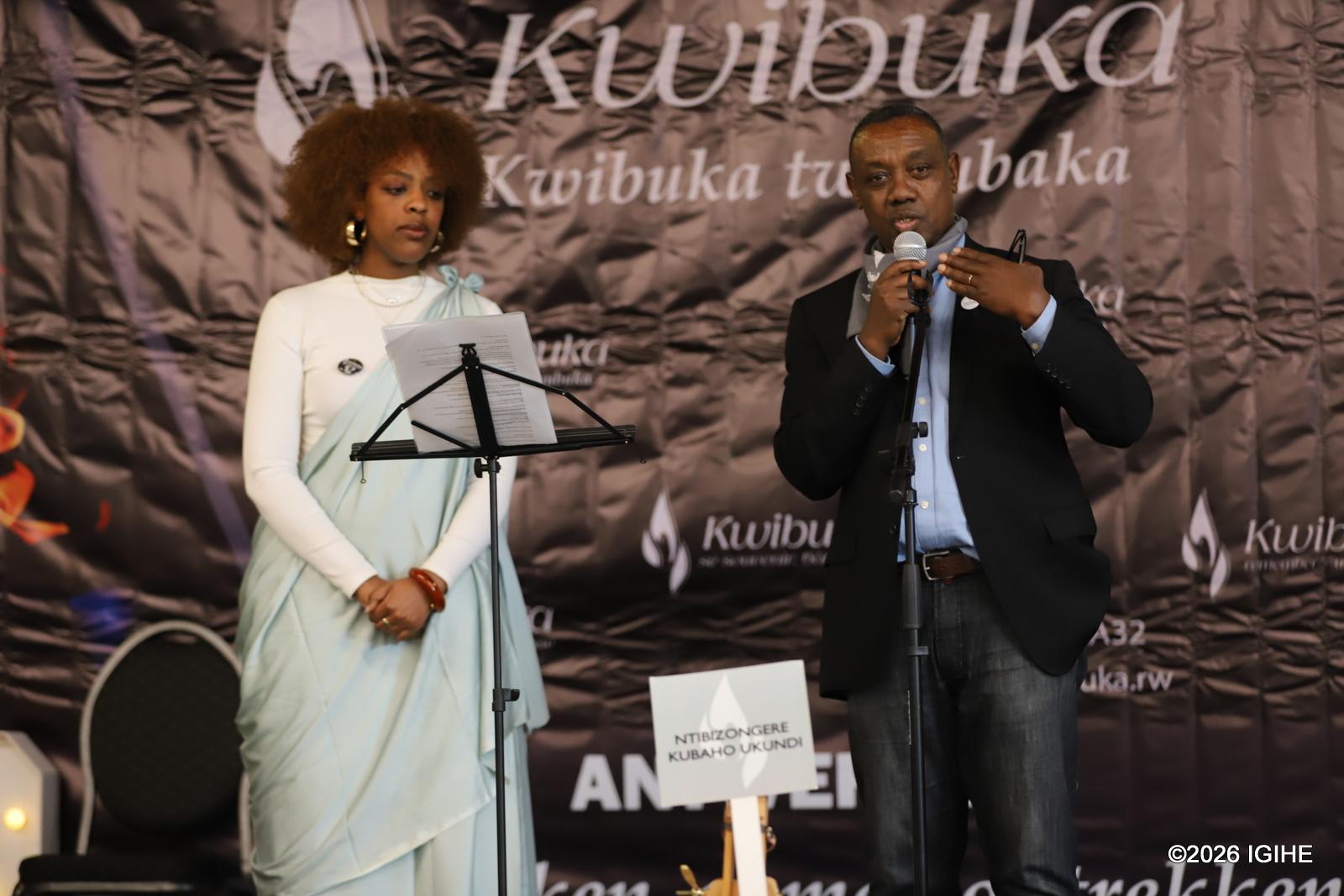
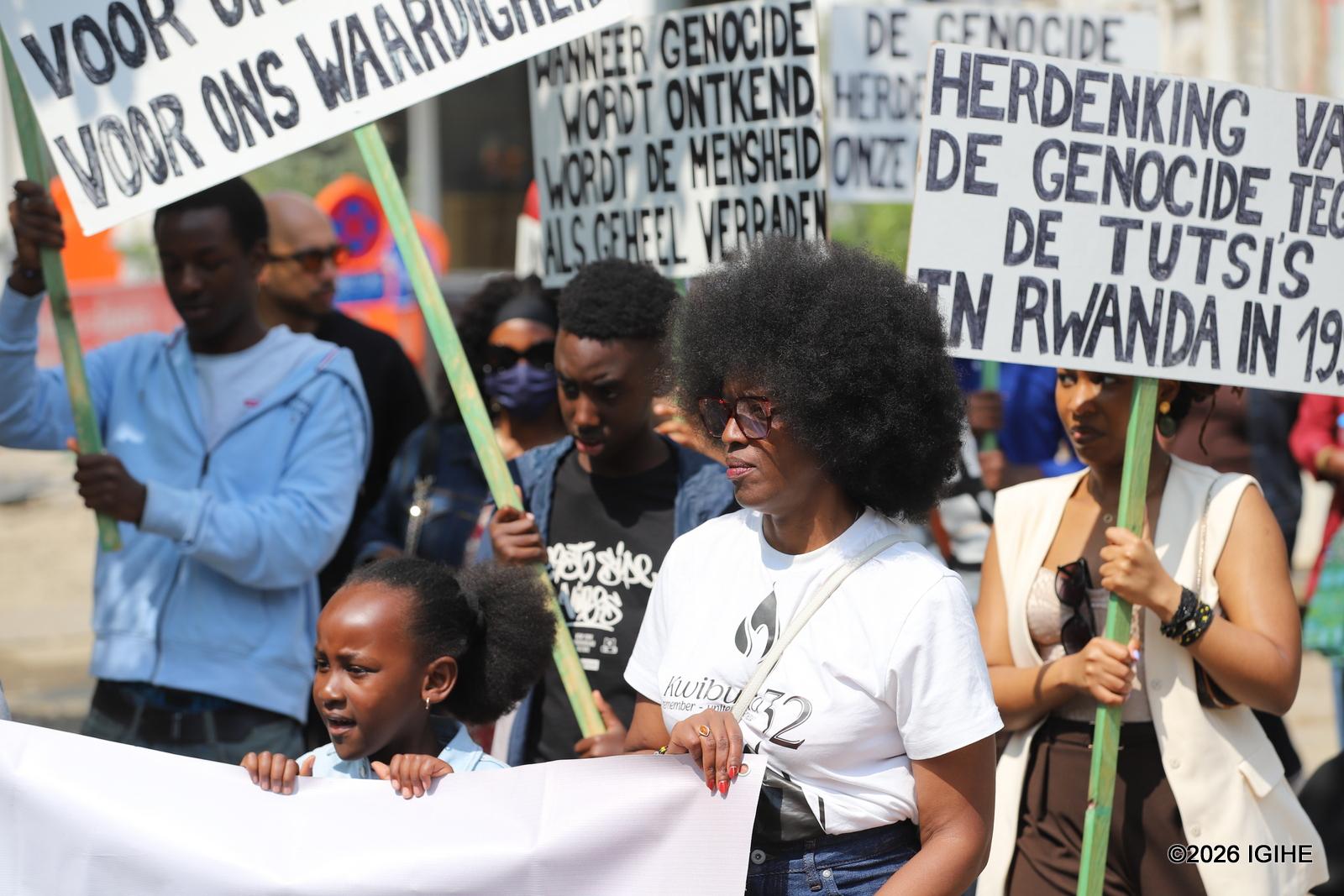
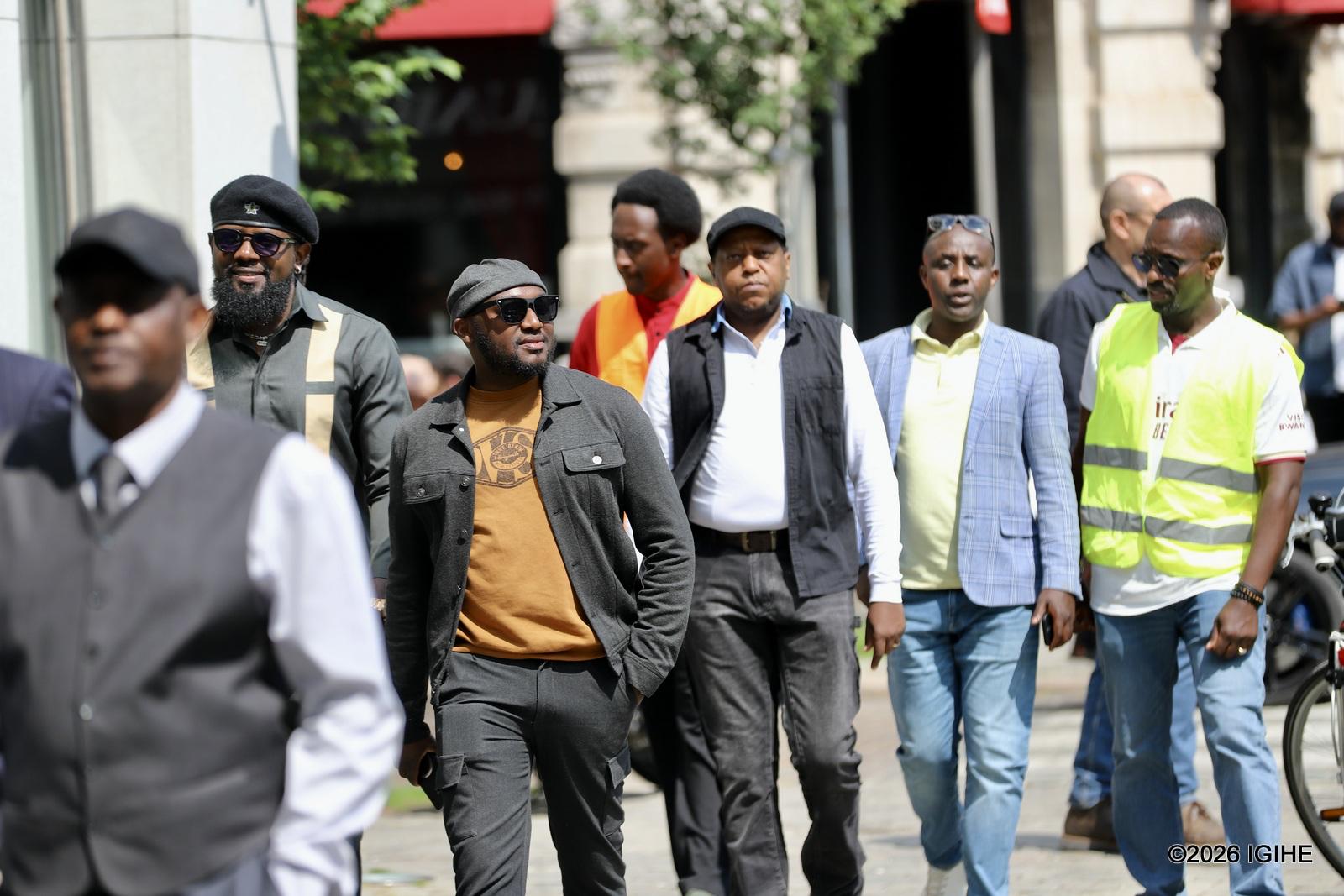
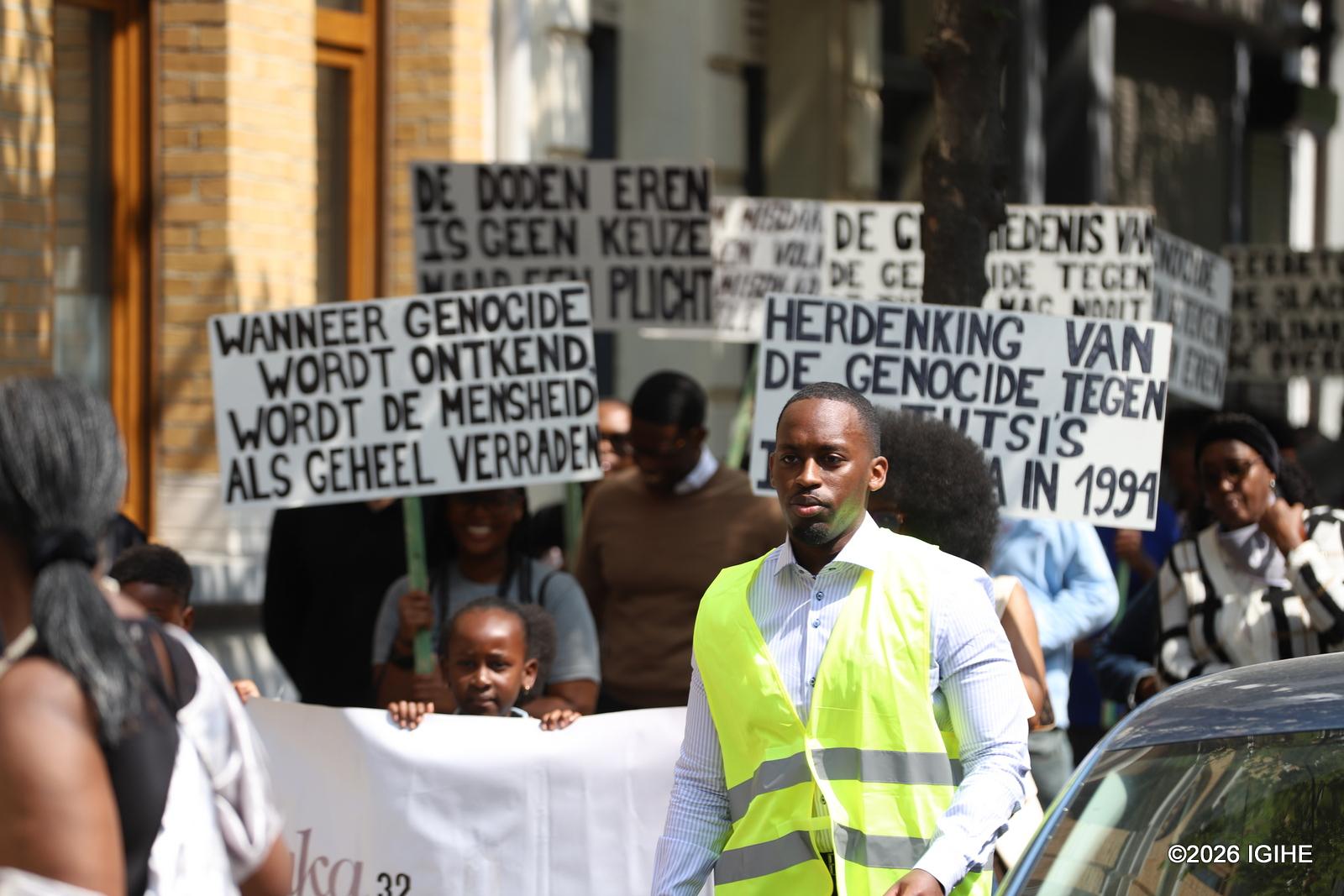
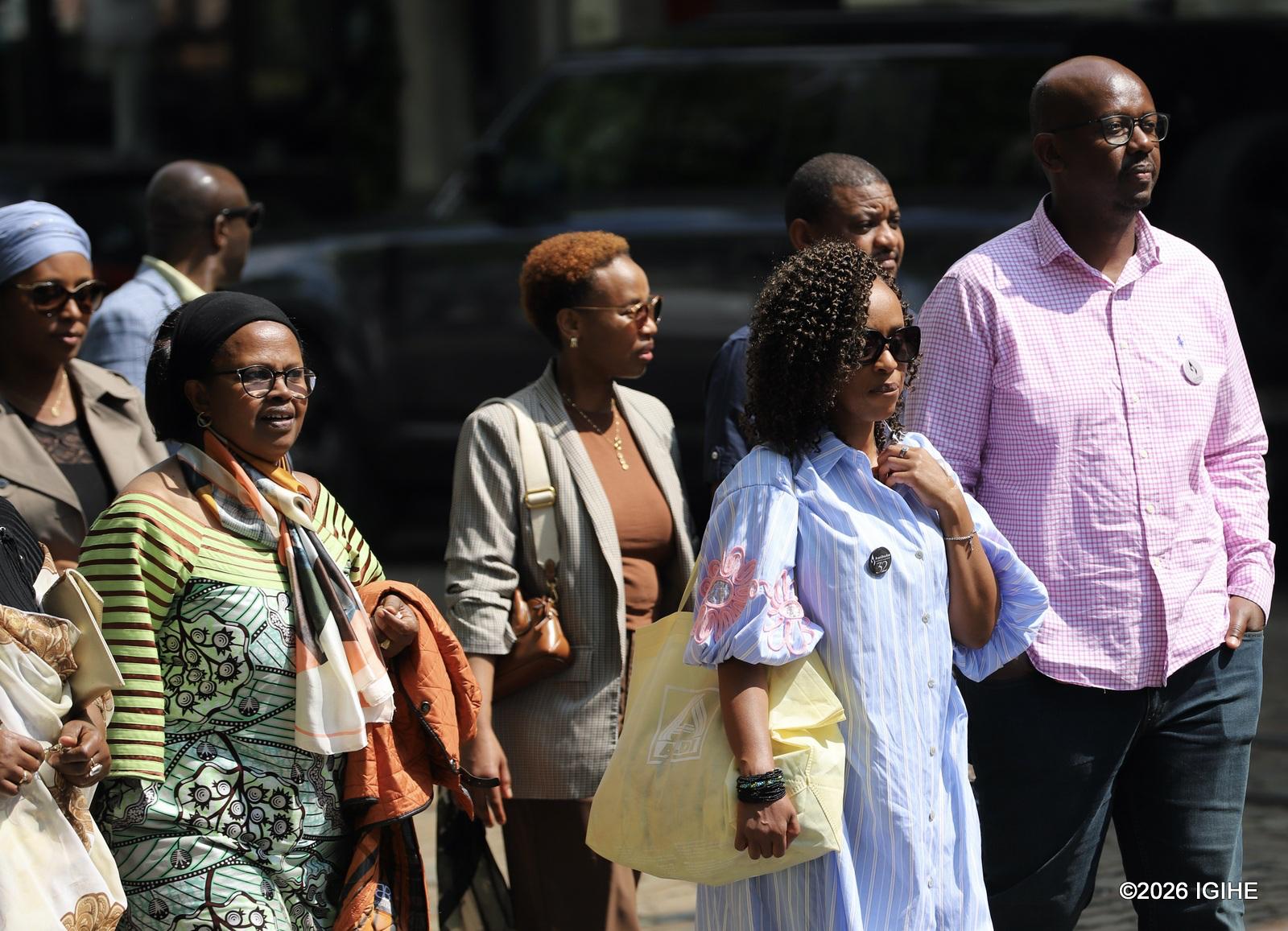
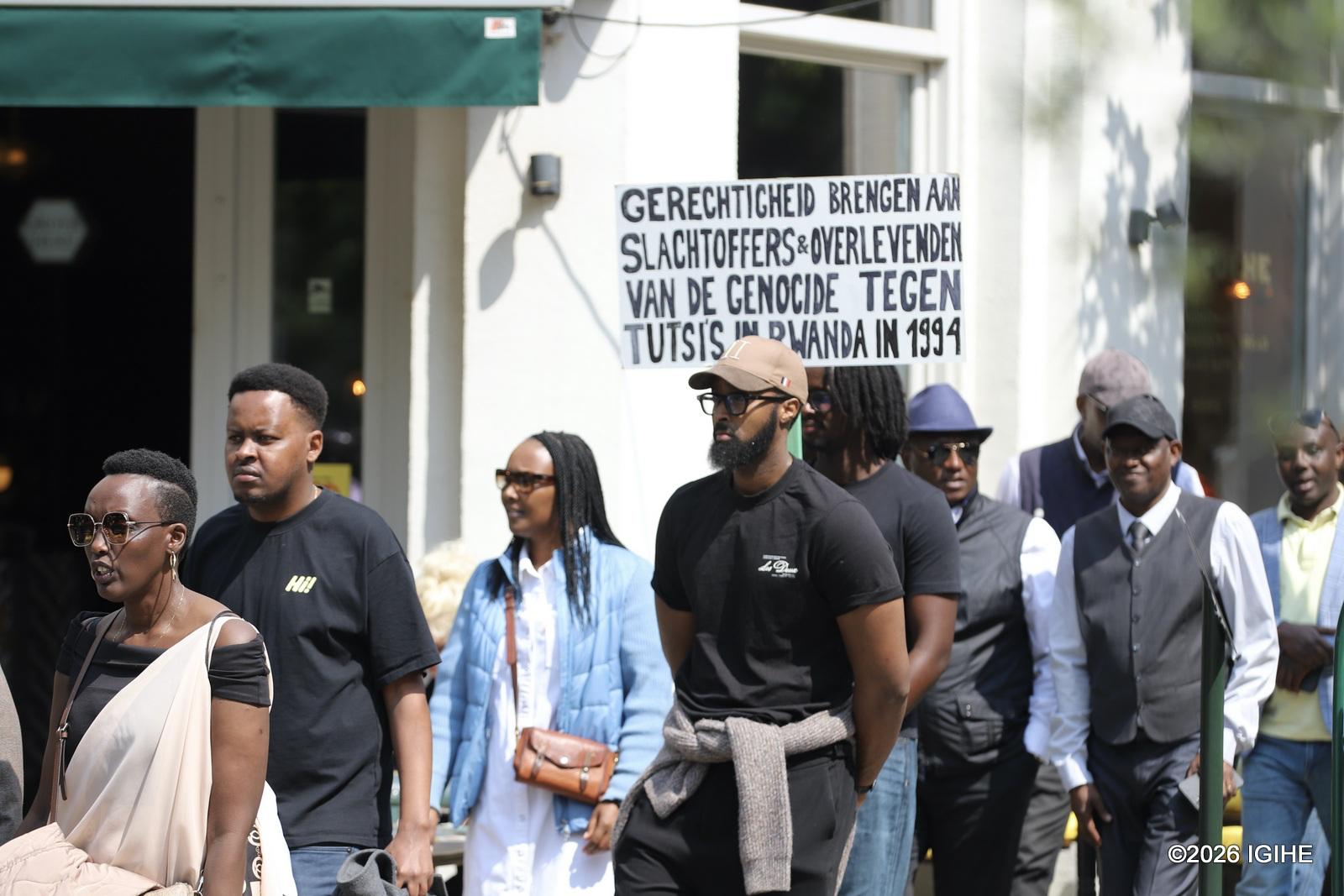
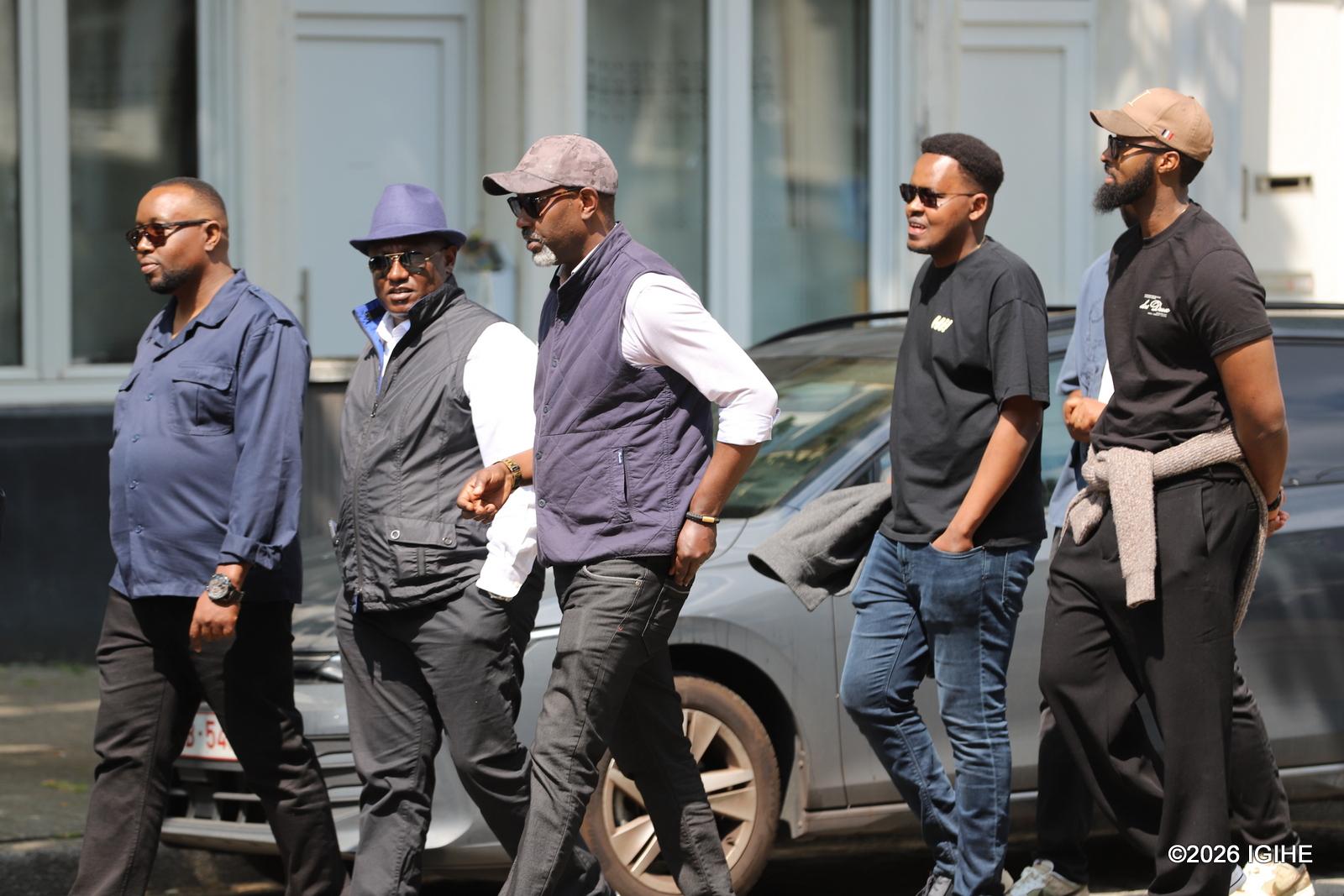
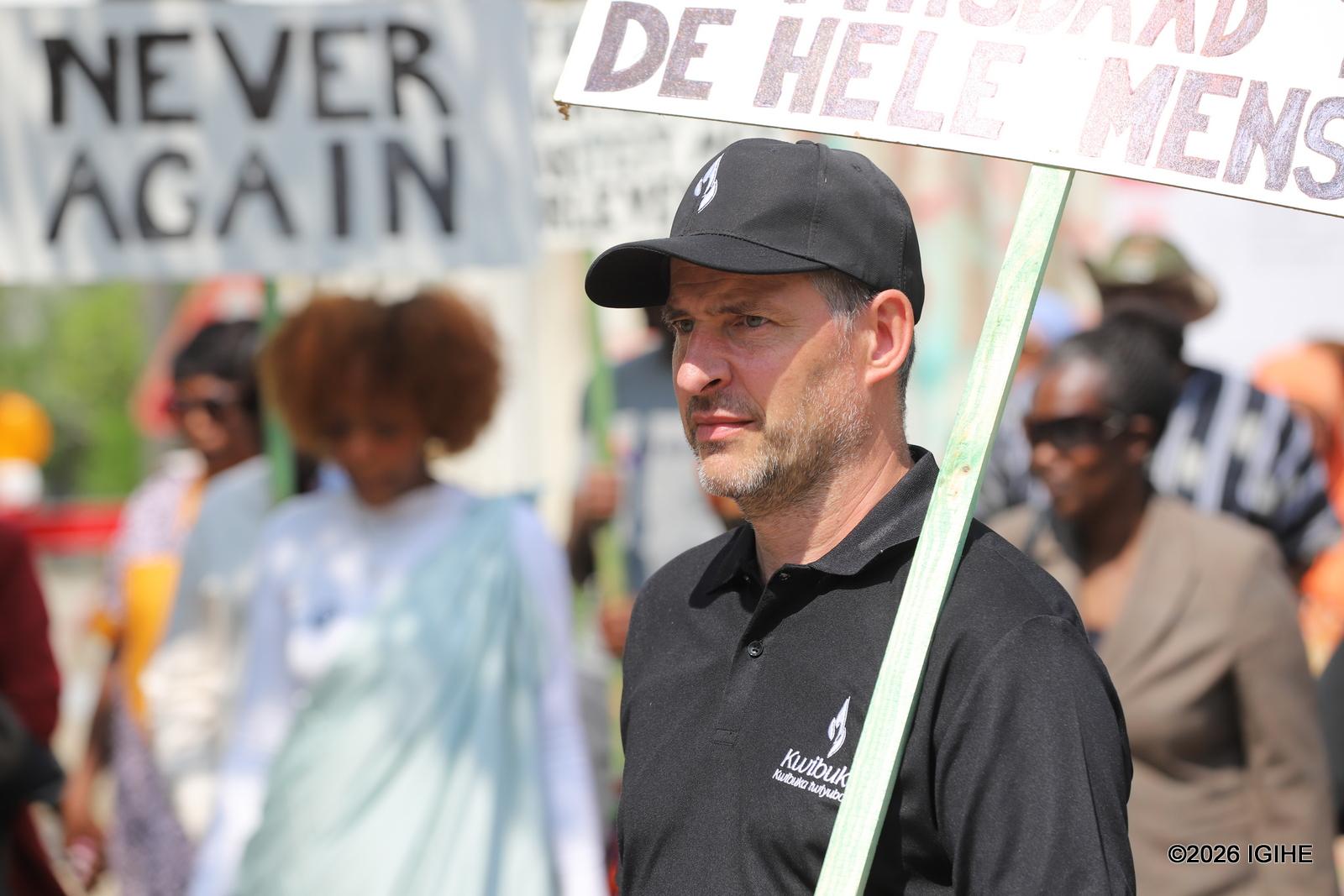
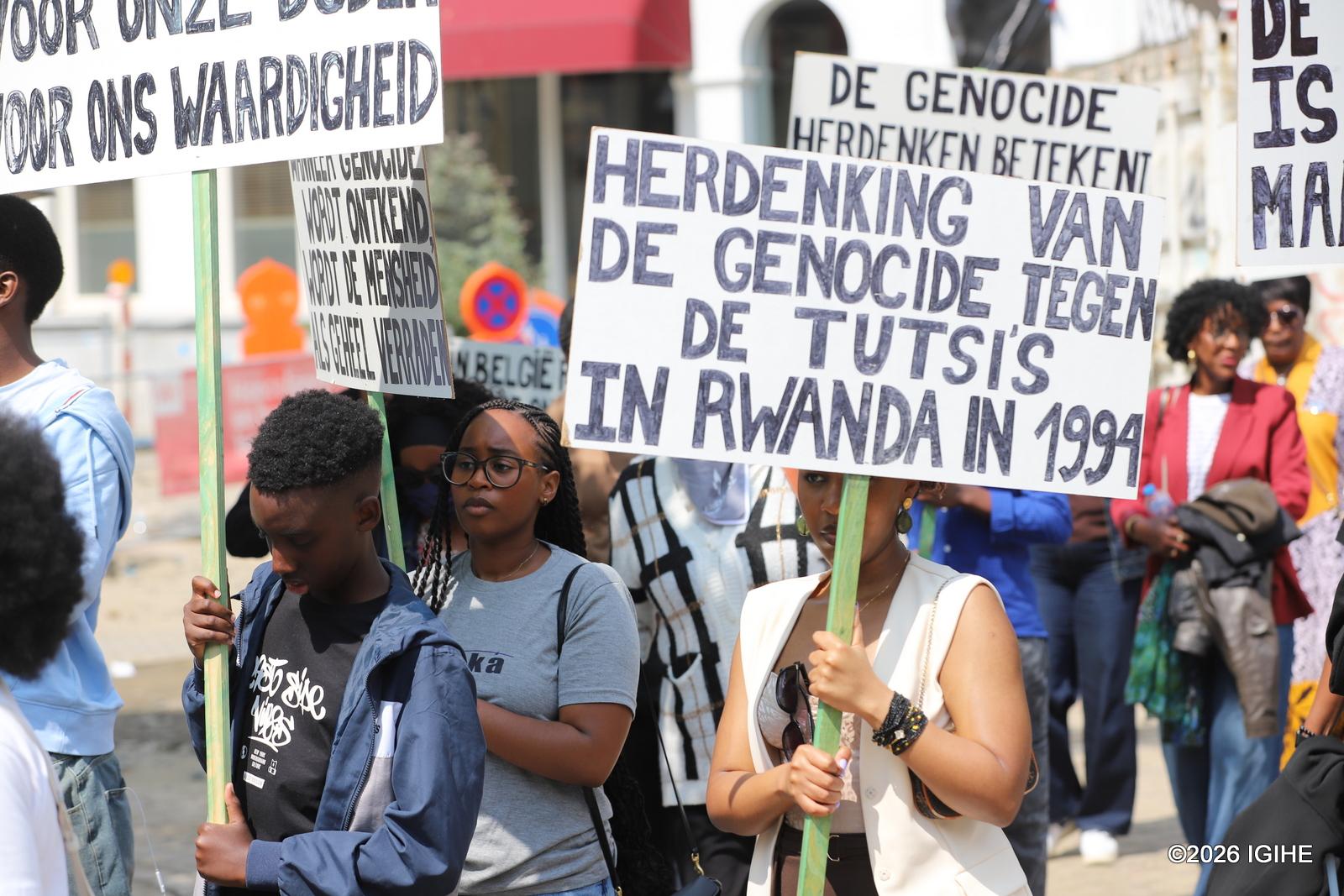
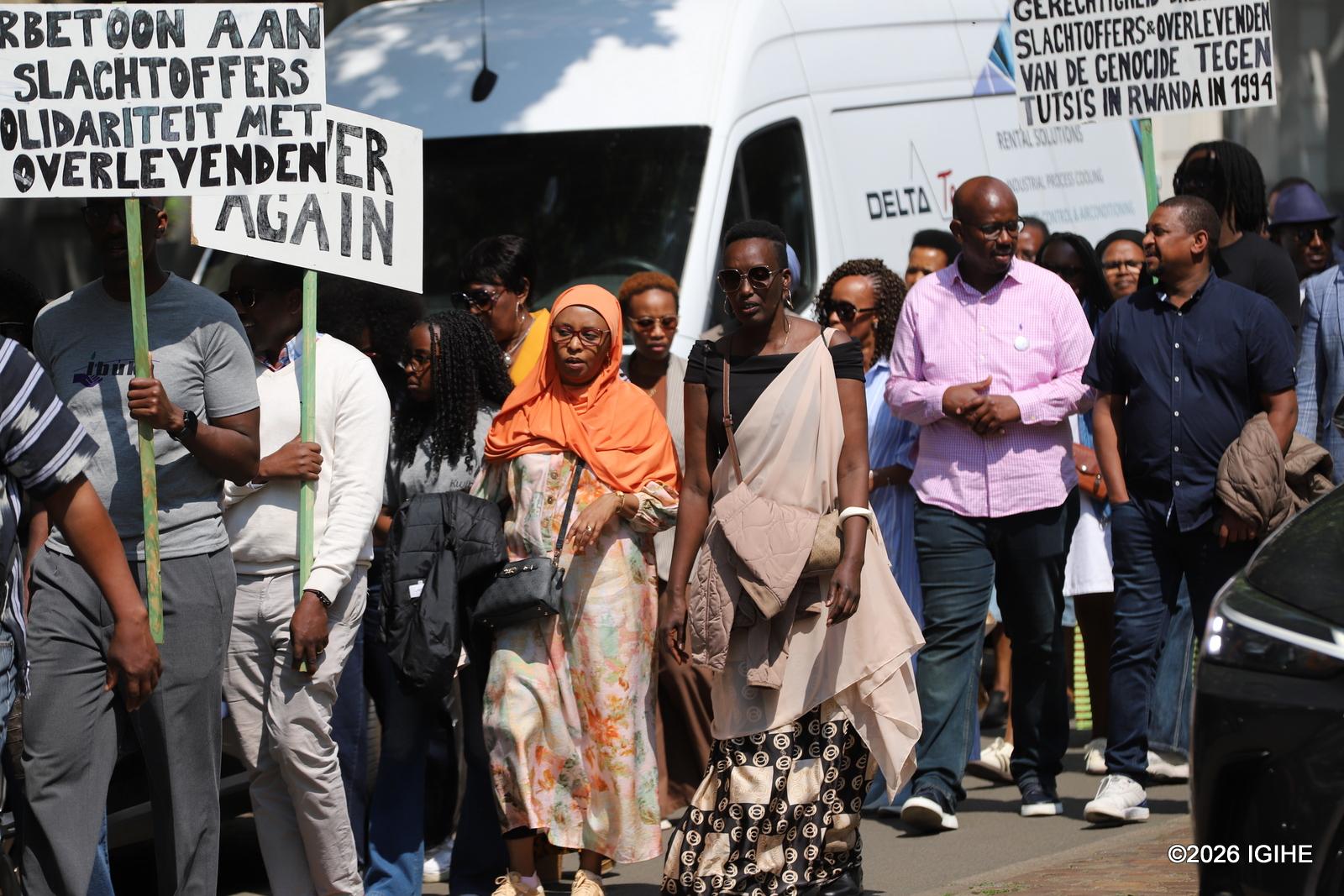
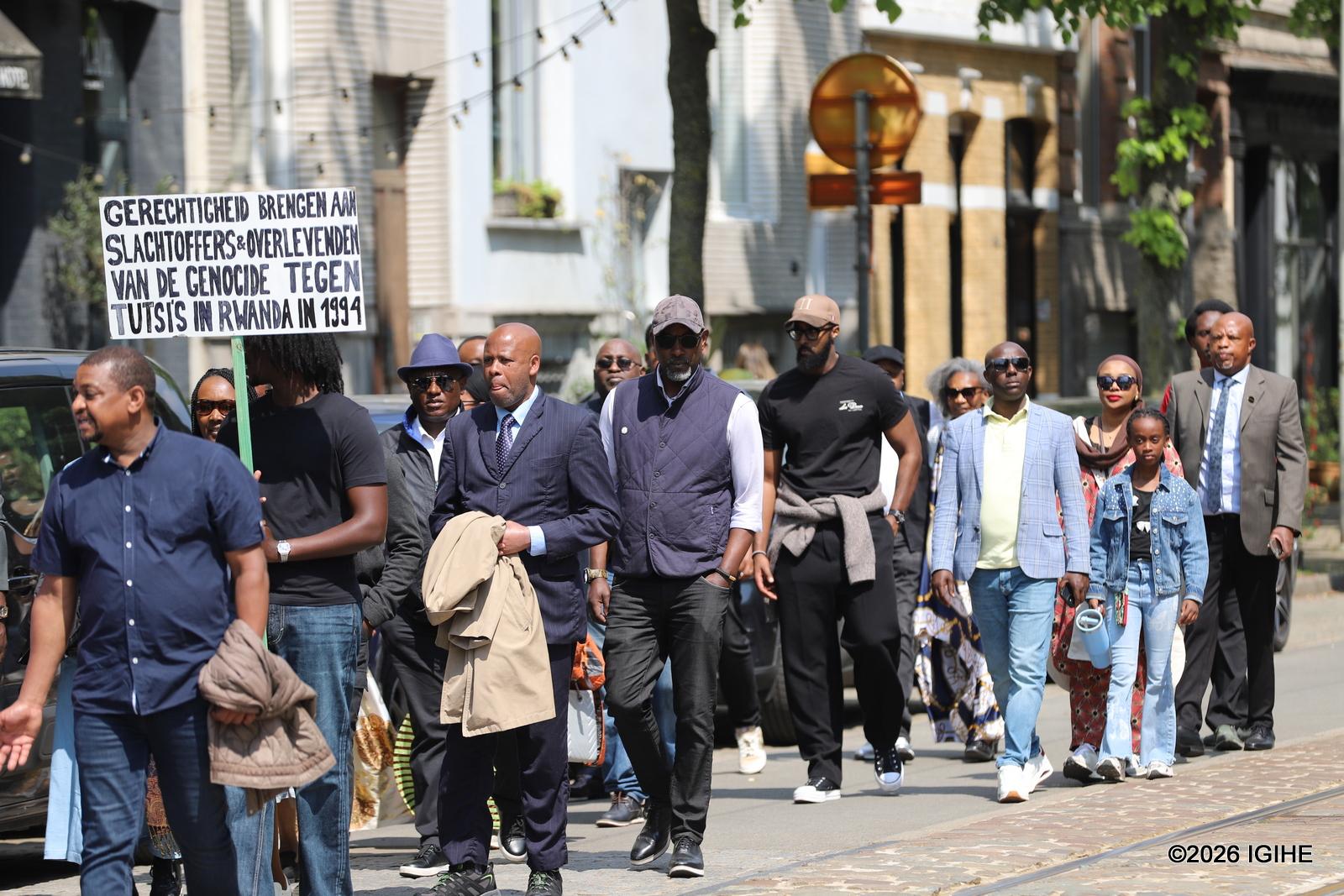
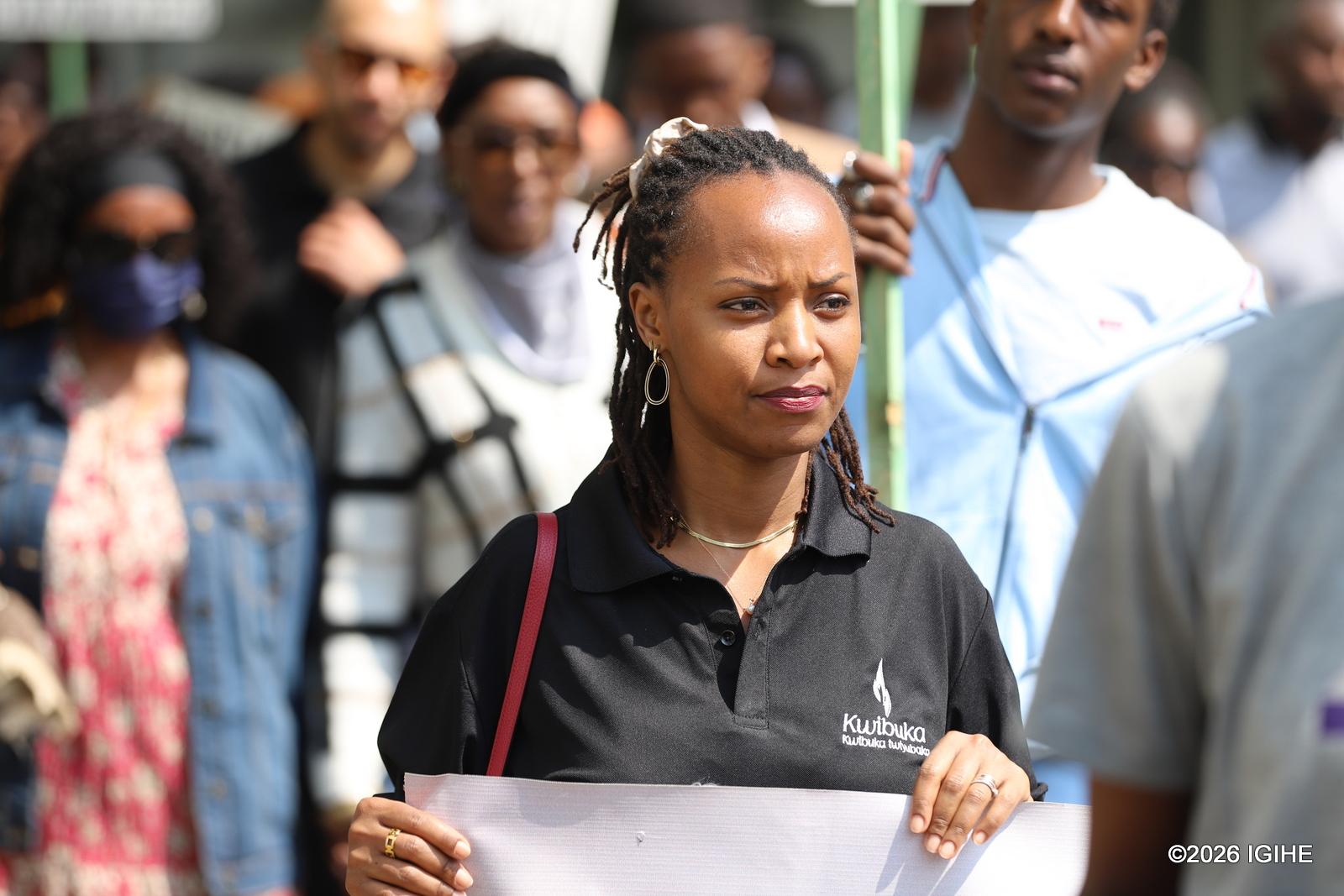
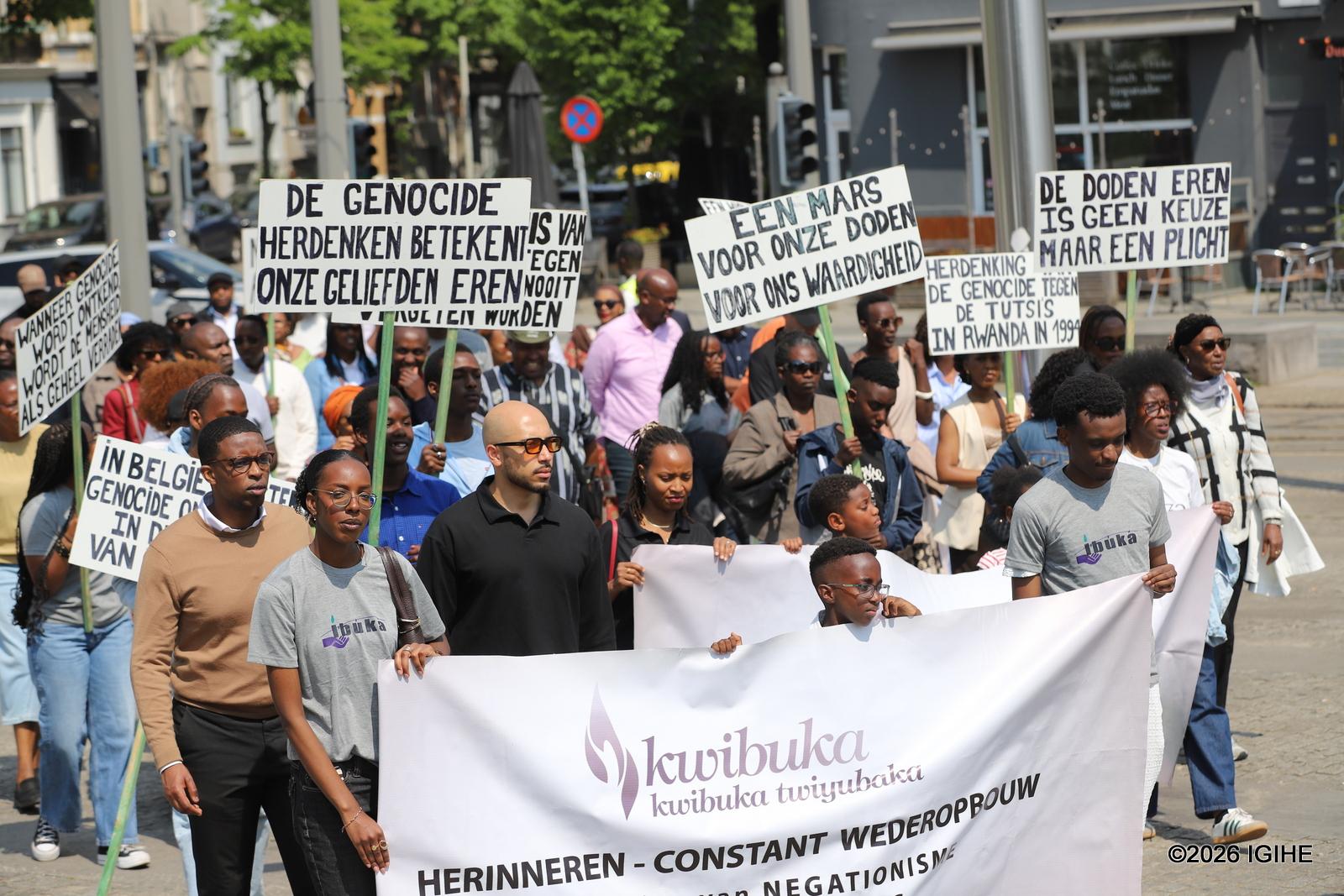
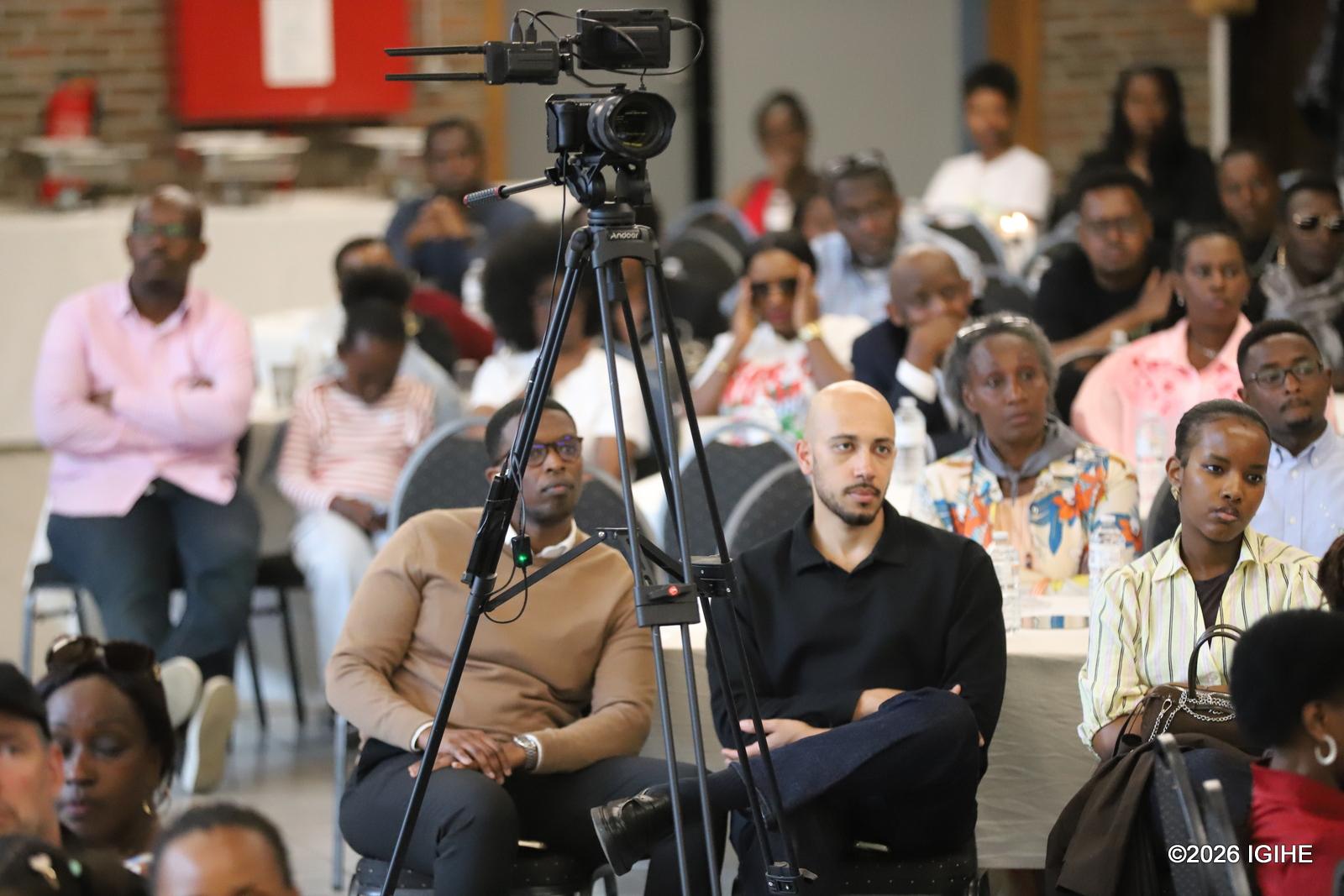
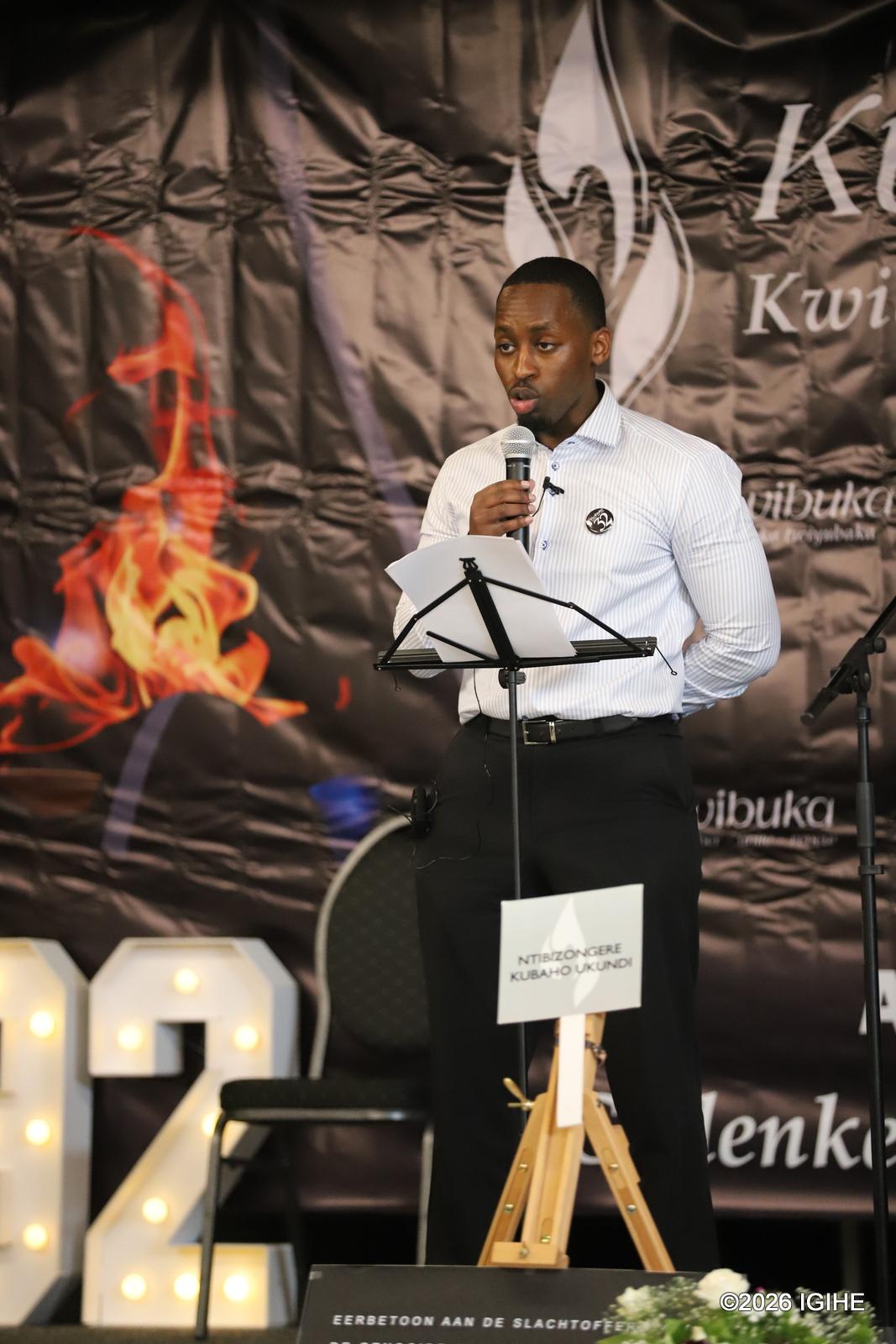
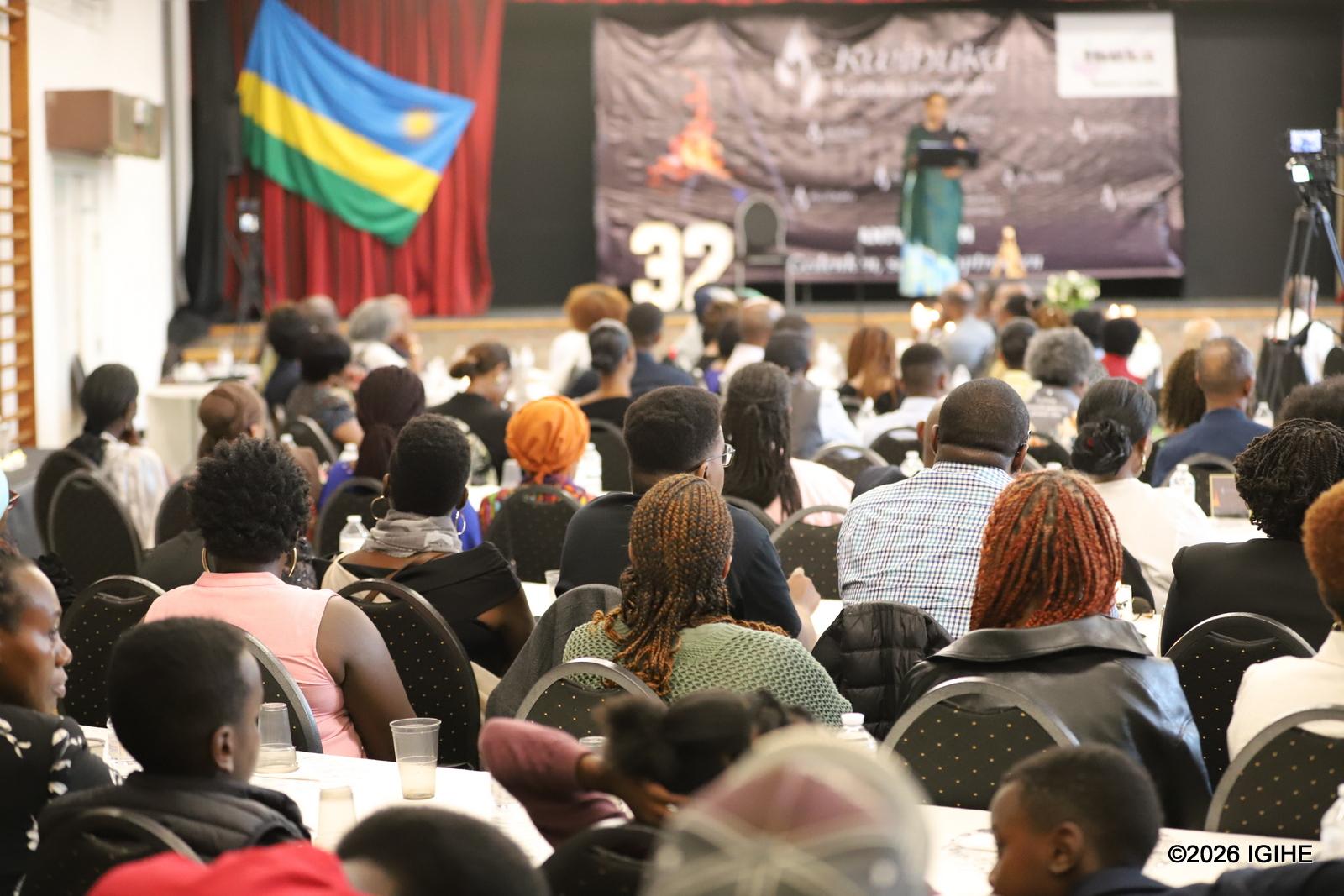
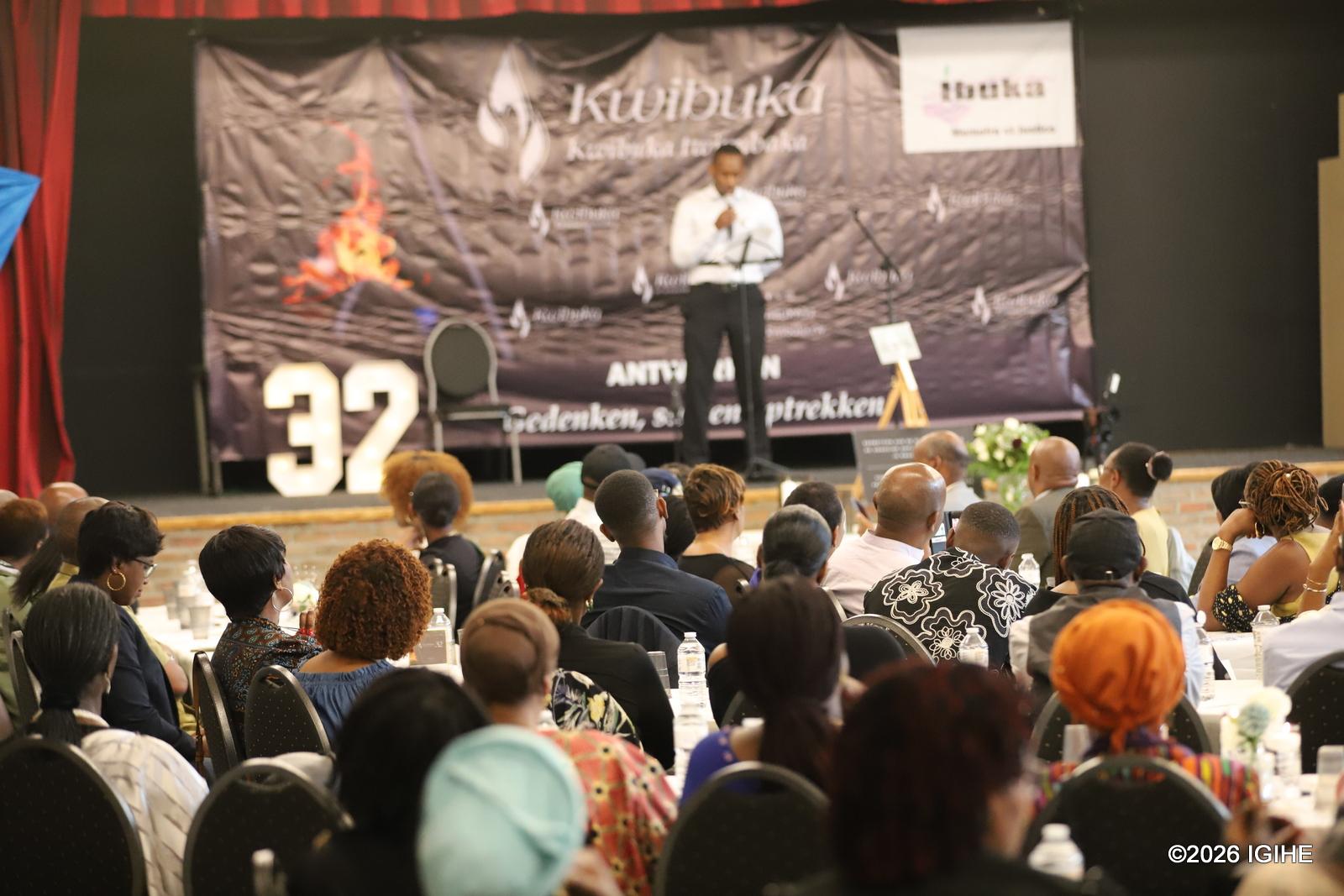
As customary, the day began with a remembrance walk from Marnixplaats in Antwerp to the city’s Palace of Justice. At the venue, speeches were delivered by young people involved in organizing the 32nd commemoration of the Genocide against the Tutsi in 1994.
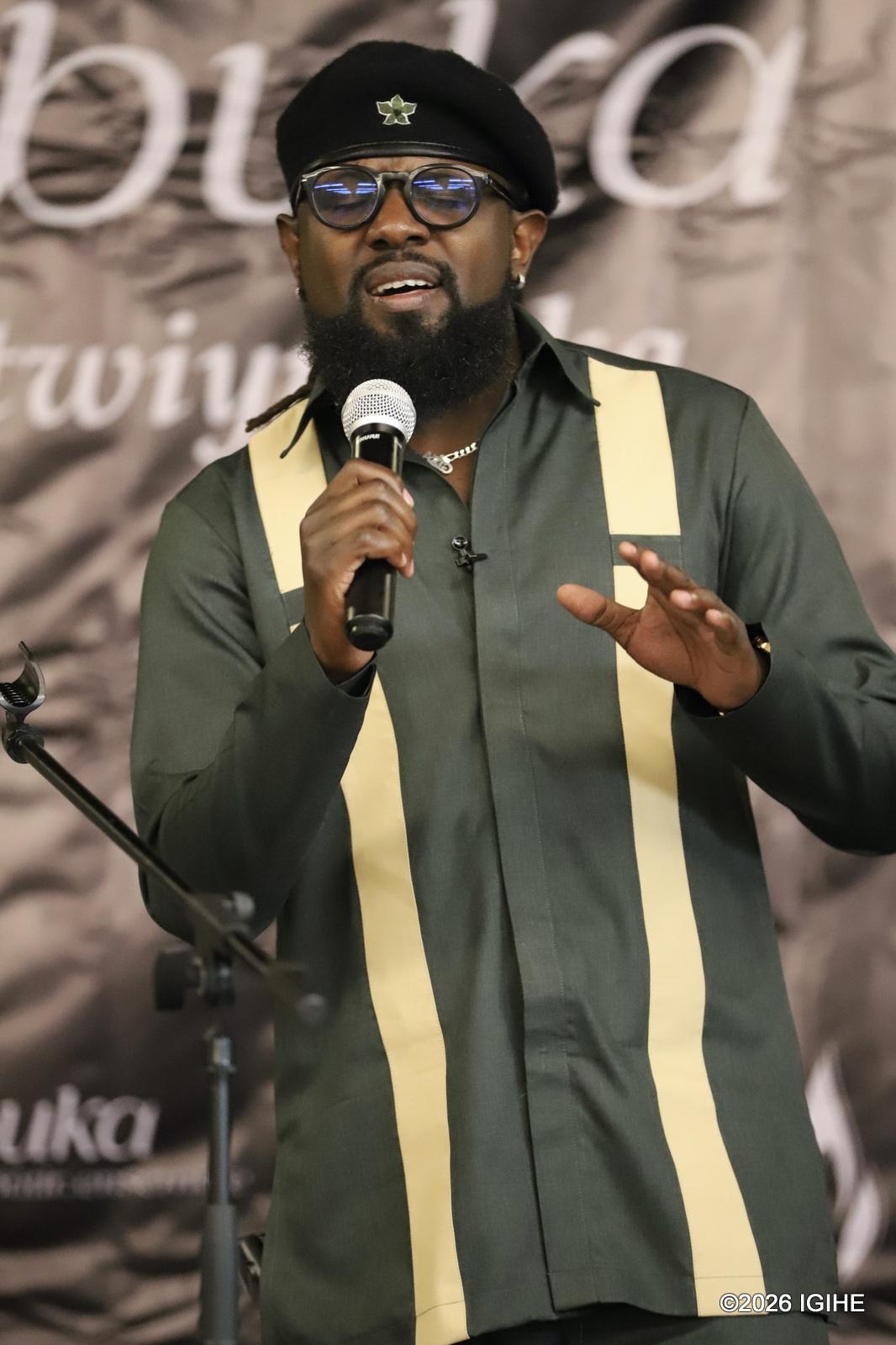
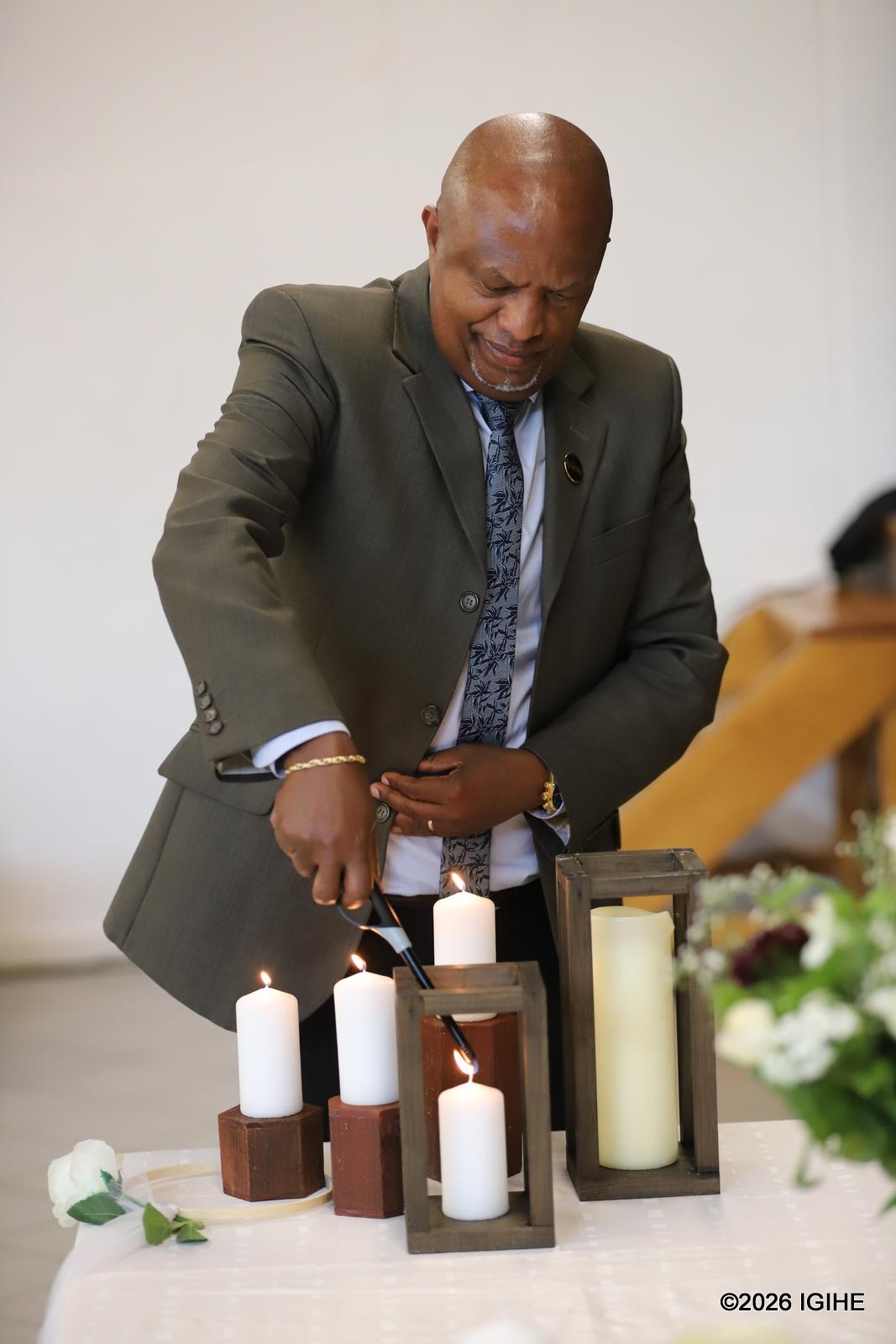
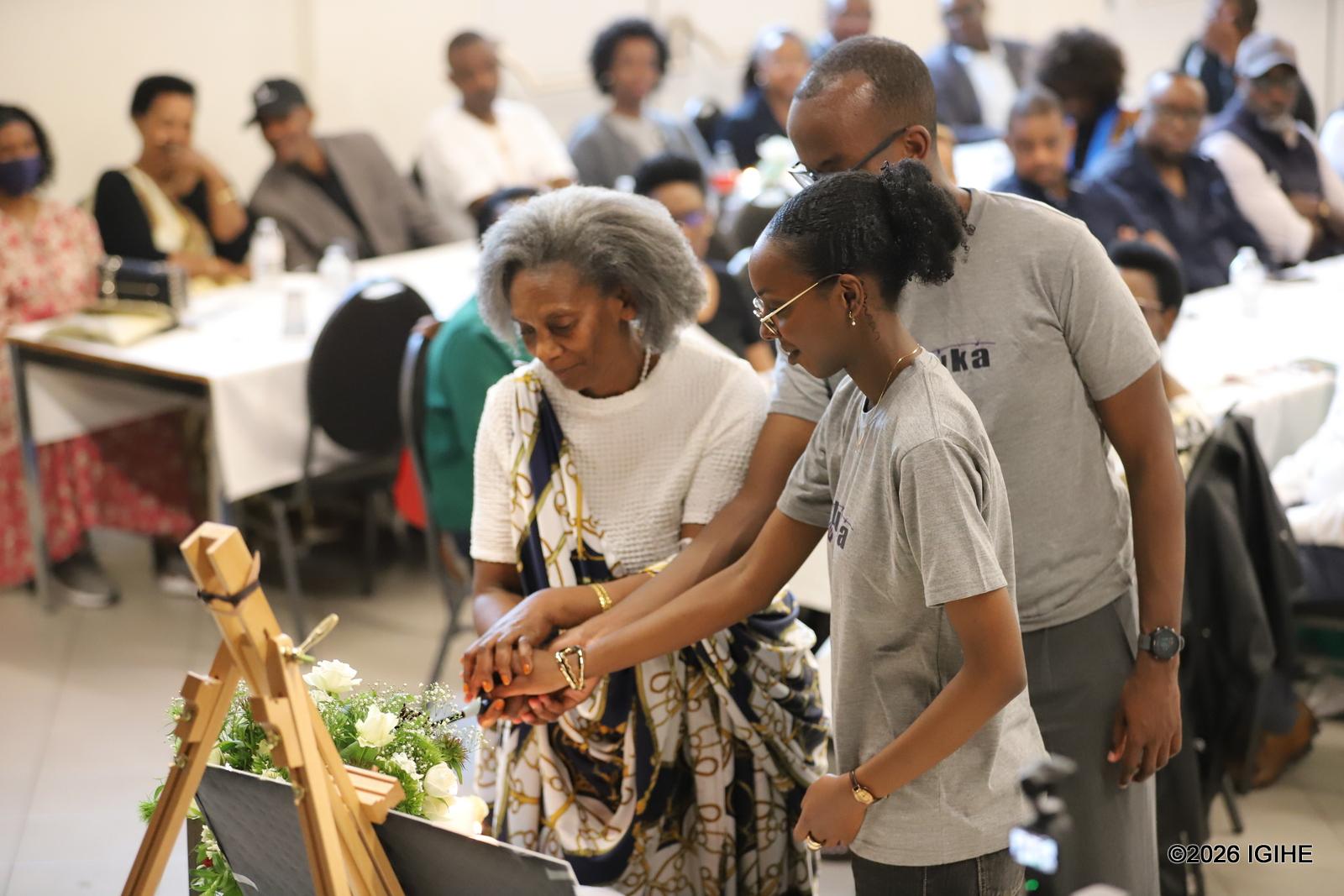
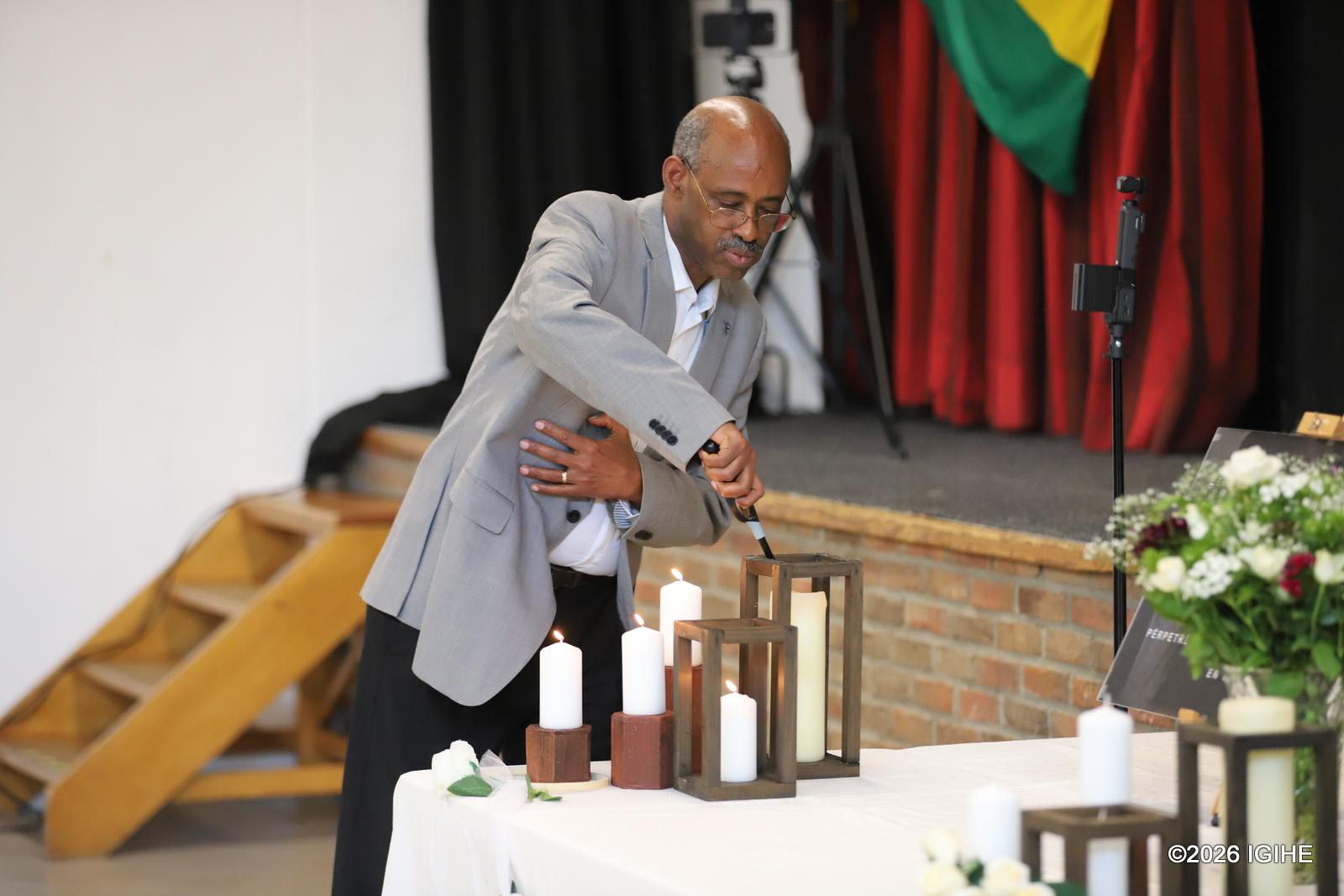
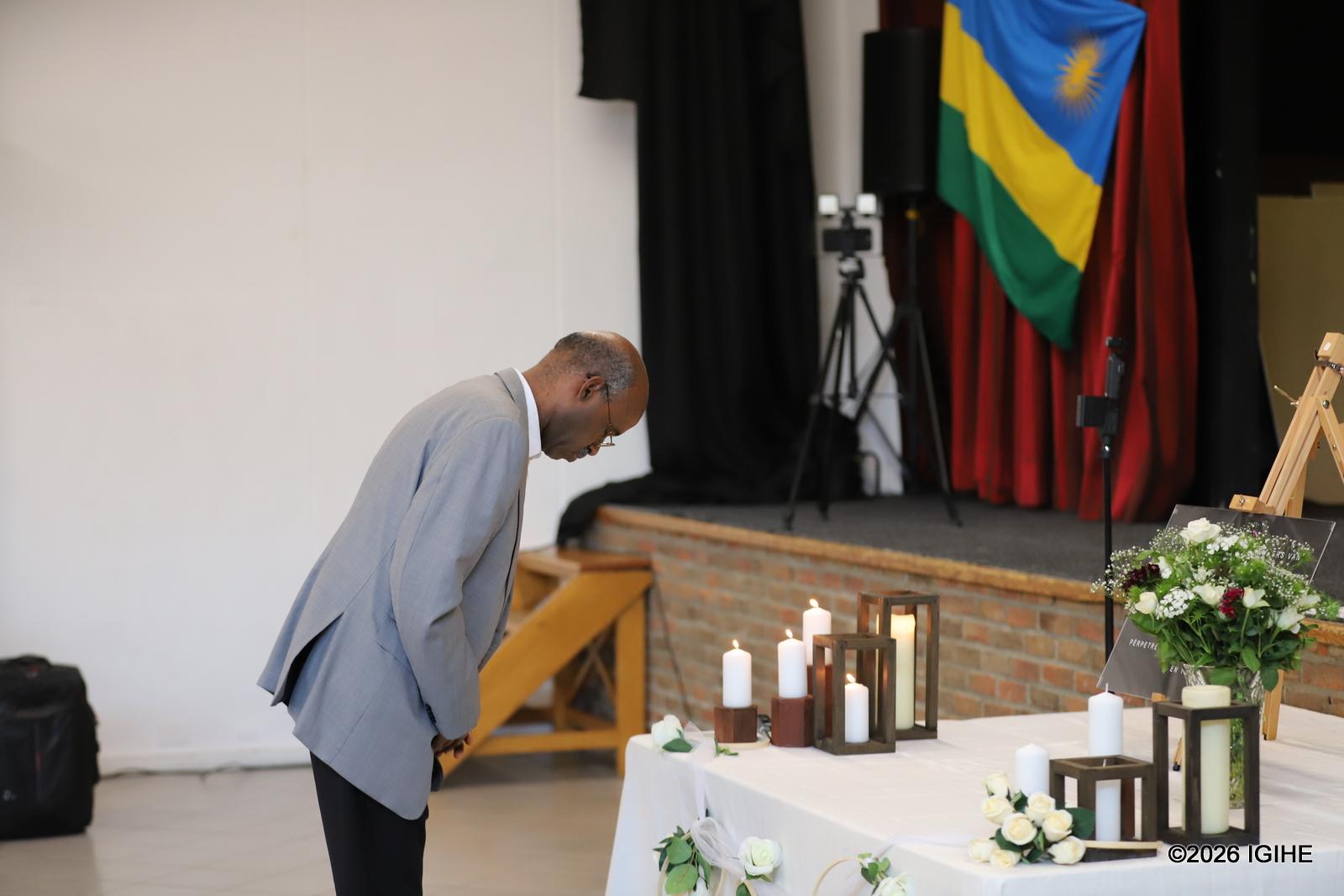
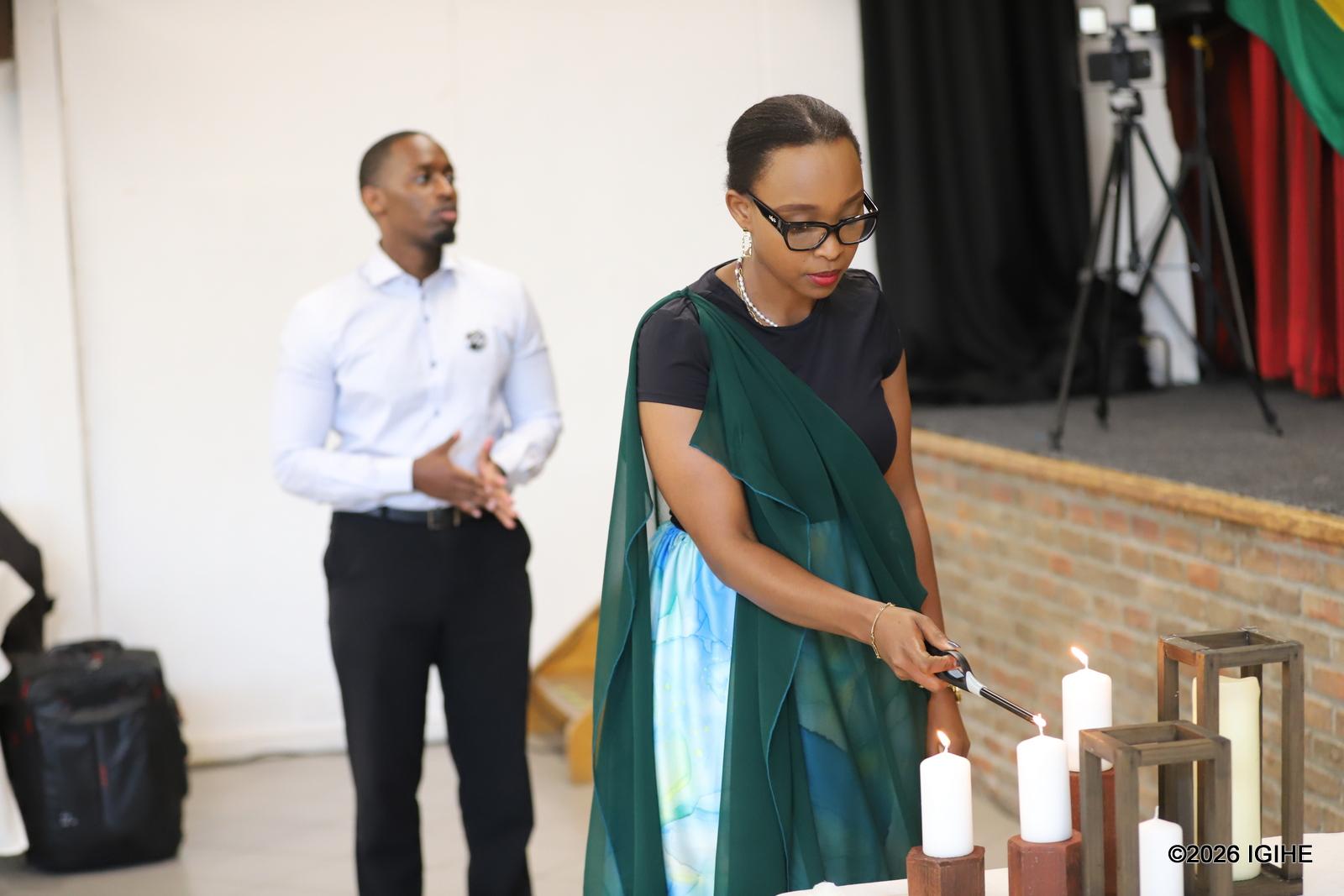
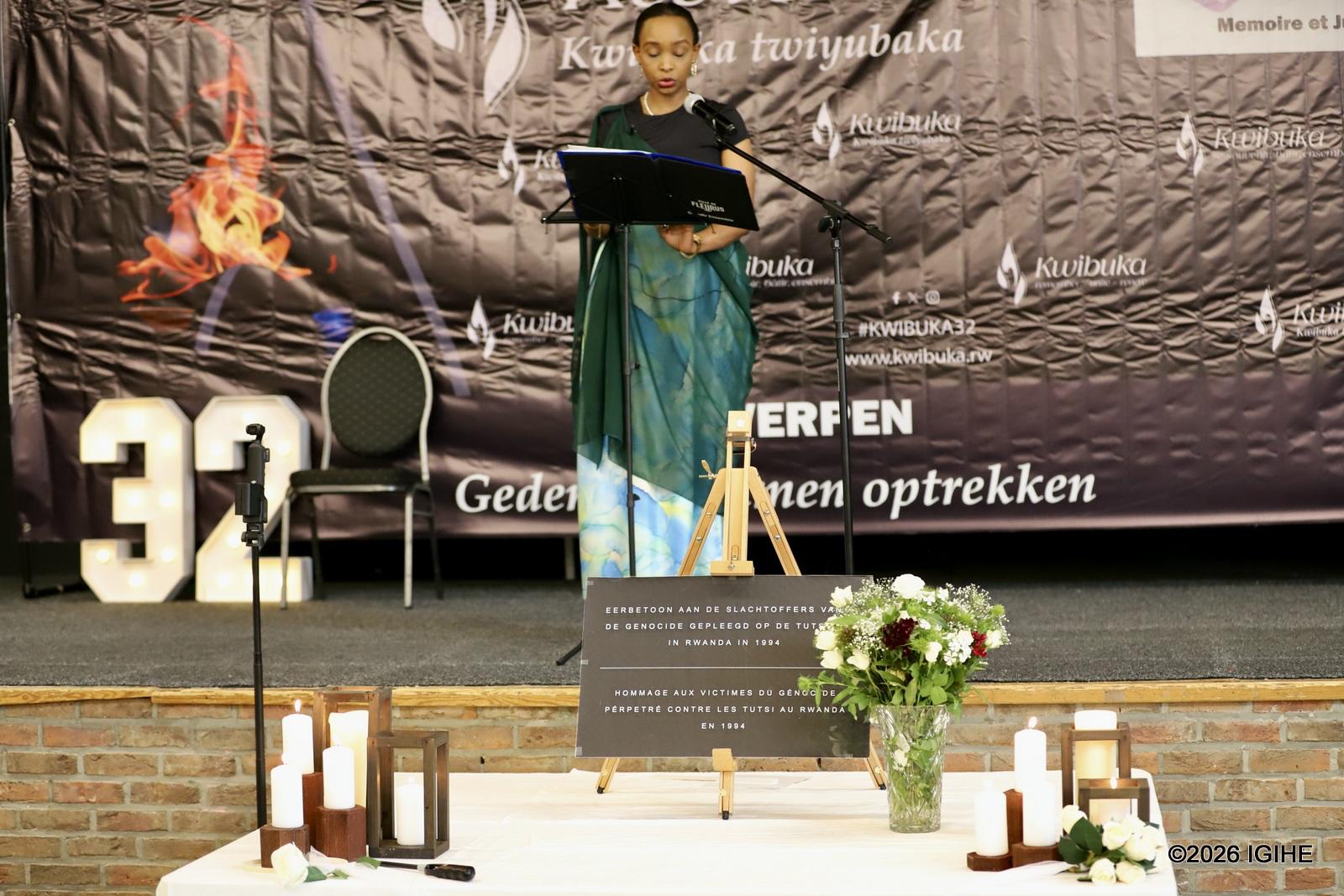
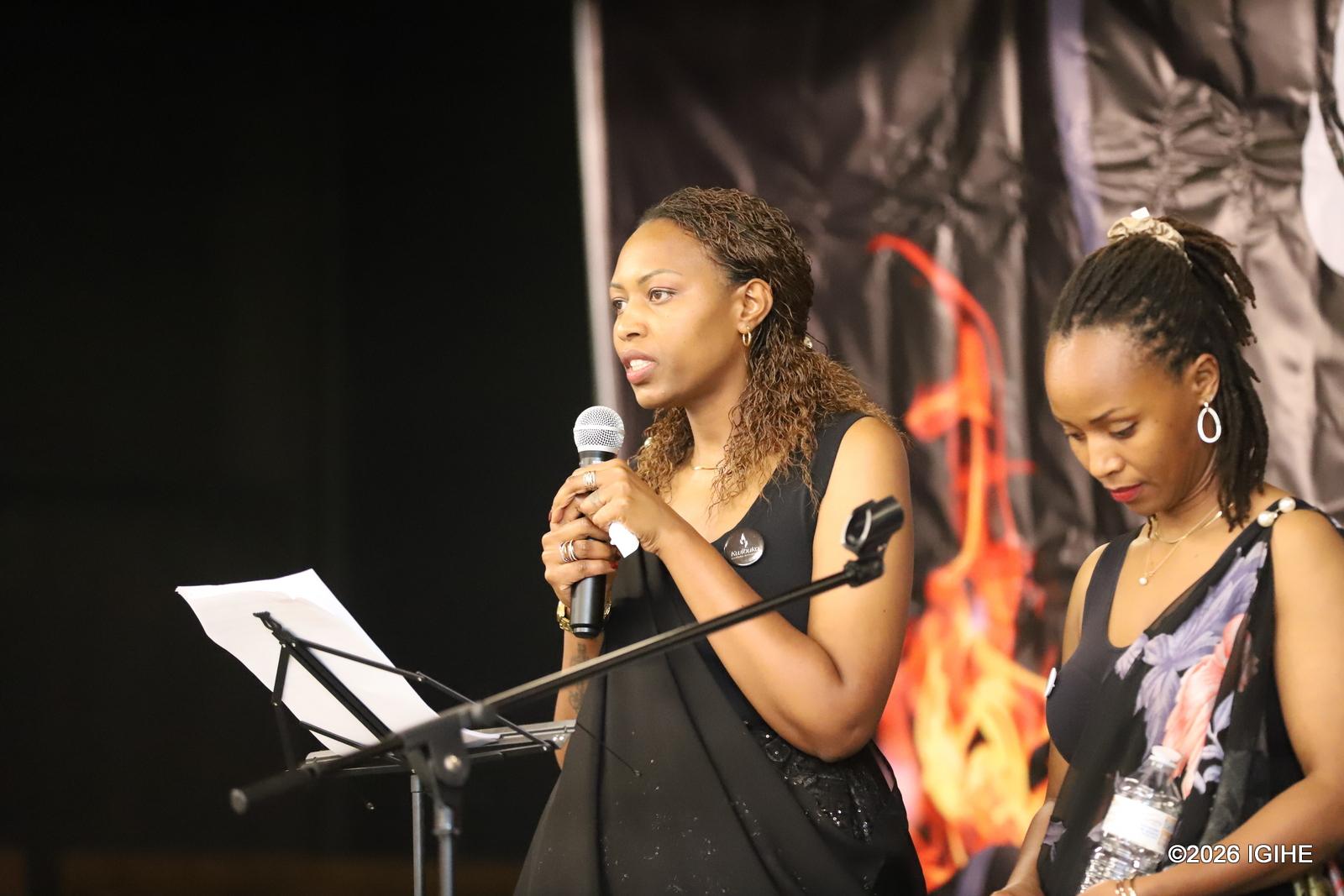
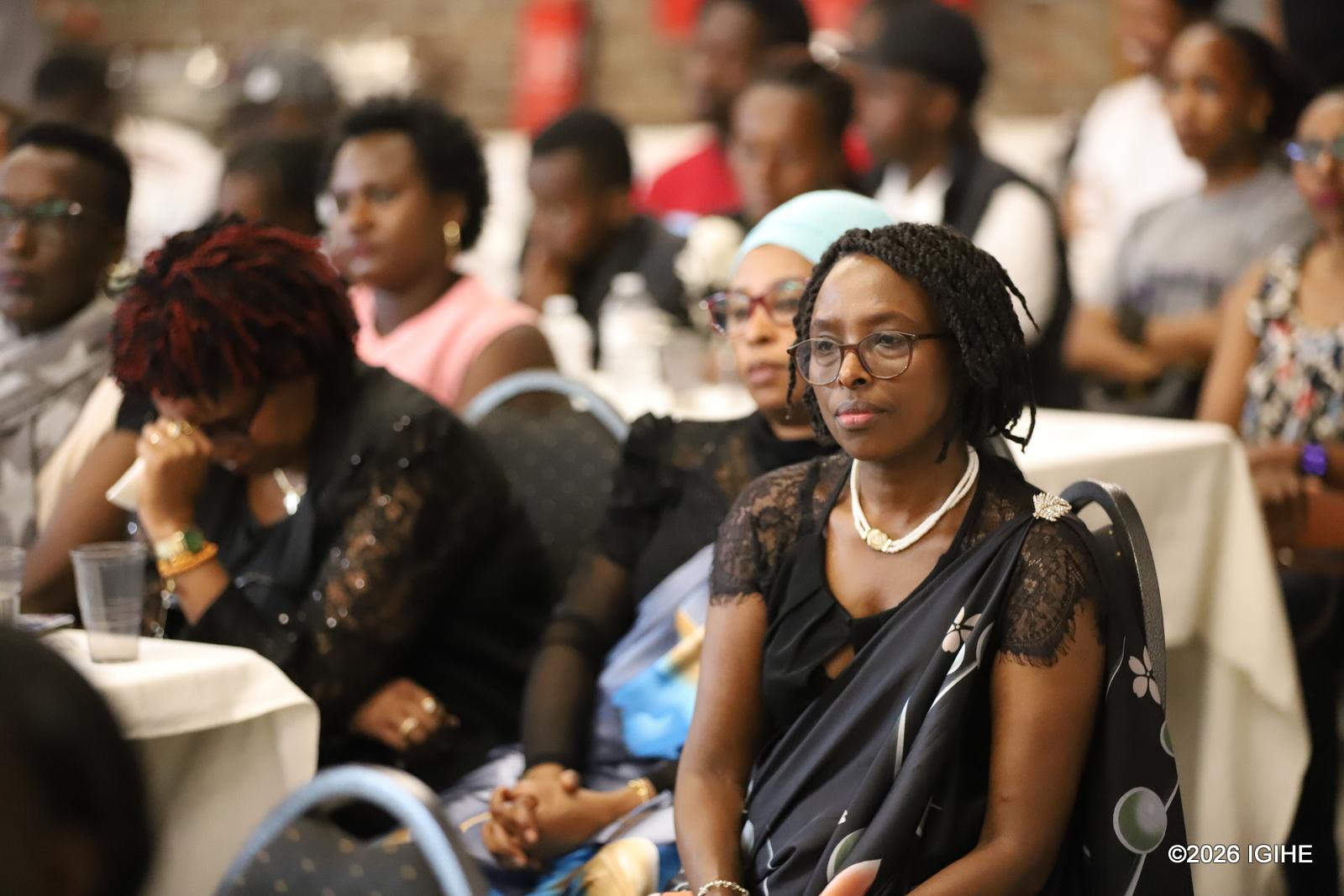
The second part of the day took place in the Berchem district of Antwerp and featured the lighting of the Flame of Hope, speeches, testimonies, and commemorative songs performed by Lionel Sentore.
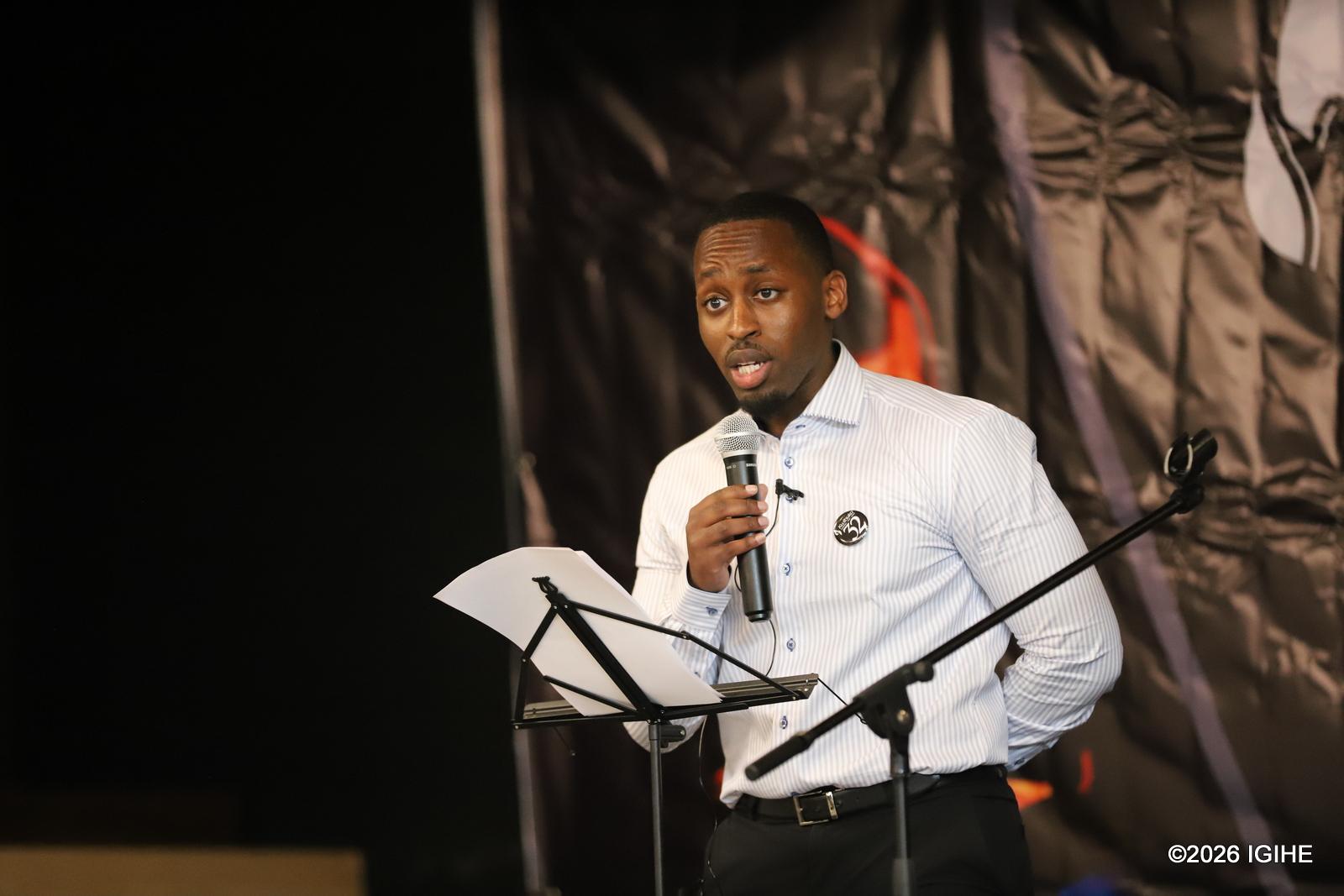
In his speech, Steve Rugamba, head of DRB-Rugali in Antwerp, thanked participants who had traveled from different parts of Belgium to join the commemoration and highlighted the significance of remembering.
“Remembering is not only about looking back at the past. Remembering is also about protecting our dignity. It is about reminding the world that no one should tell us who we are. No one should define our worth or rewrite our history in ways that diminish us,” he said.
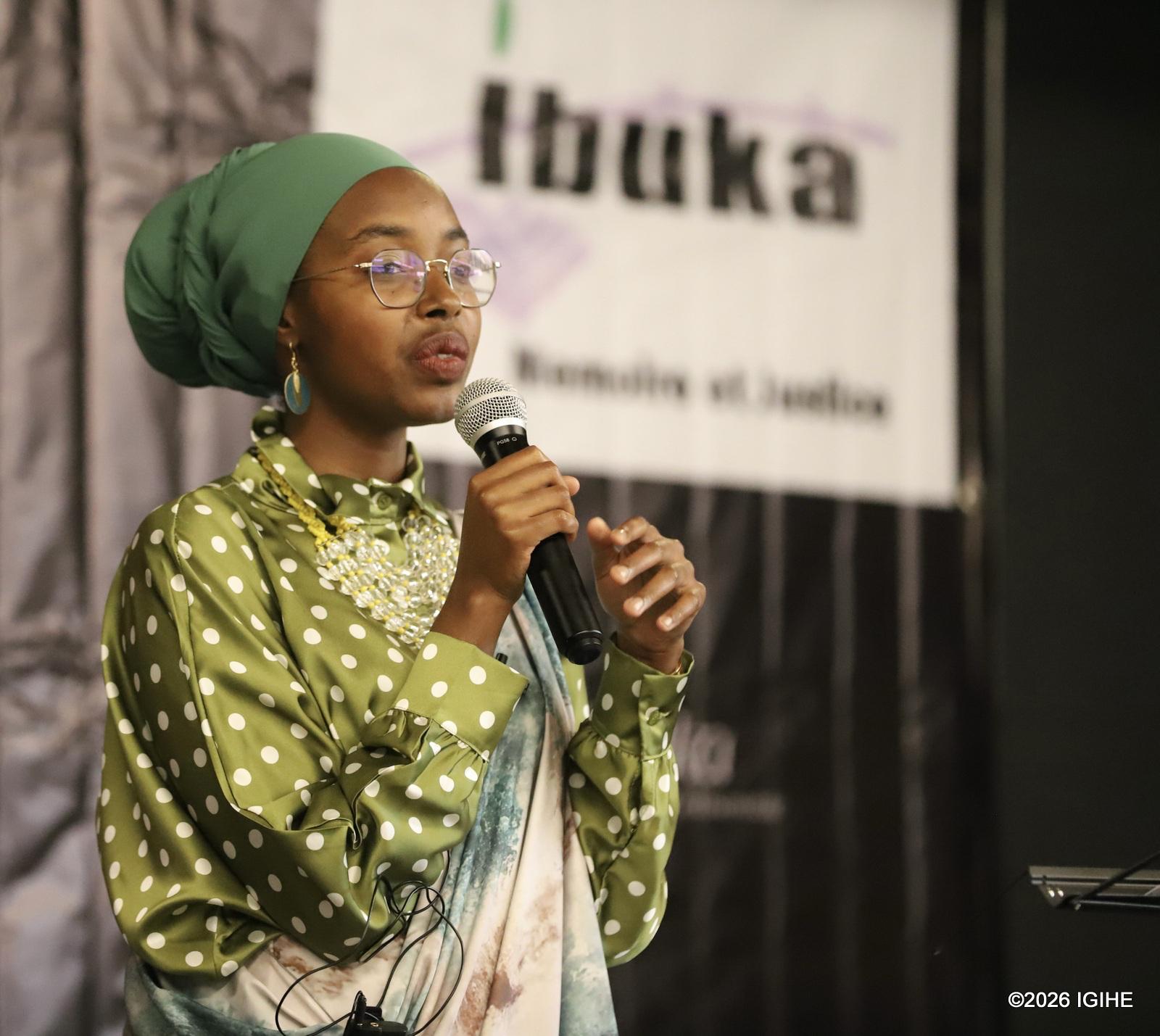
Claire Kayirangwa, Secretary of Ibuka-Mémoire et Justice-Belgique, speaking on behalf of the organization, reflected on the deep meaning of remembrance. She encouraged young people to continue carrying this history forward while rejecting hatred, which only leads to evil, and continuing to stand for truth.
She also paid tribute to the soldiers of the Rwandan Patriotic Army (Inkotanyi) who stopped the Genocide against the Tutsi, stressing that without them, it would not be possible today to speak openly about this history. She further praised the role of President Paul Kagame in Rwanda’s development and in promoting national unity free from discrimination.
The third part of the day was marked by a night vigil led by Miheto Tatien, featuring testimonies, the screening of photographs of some victims of the Genocide against the Tutsi, and remembrance songs performed in an atmosphere of reflection and mourning.
Commemoration activities for the 1994 Genocide against the Tutsi in Belgium began on April 7, 2026, and will continue in the cities of Mons, Charleroi, Tournai, and Leuven.
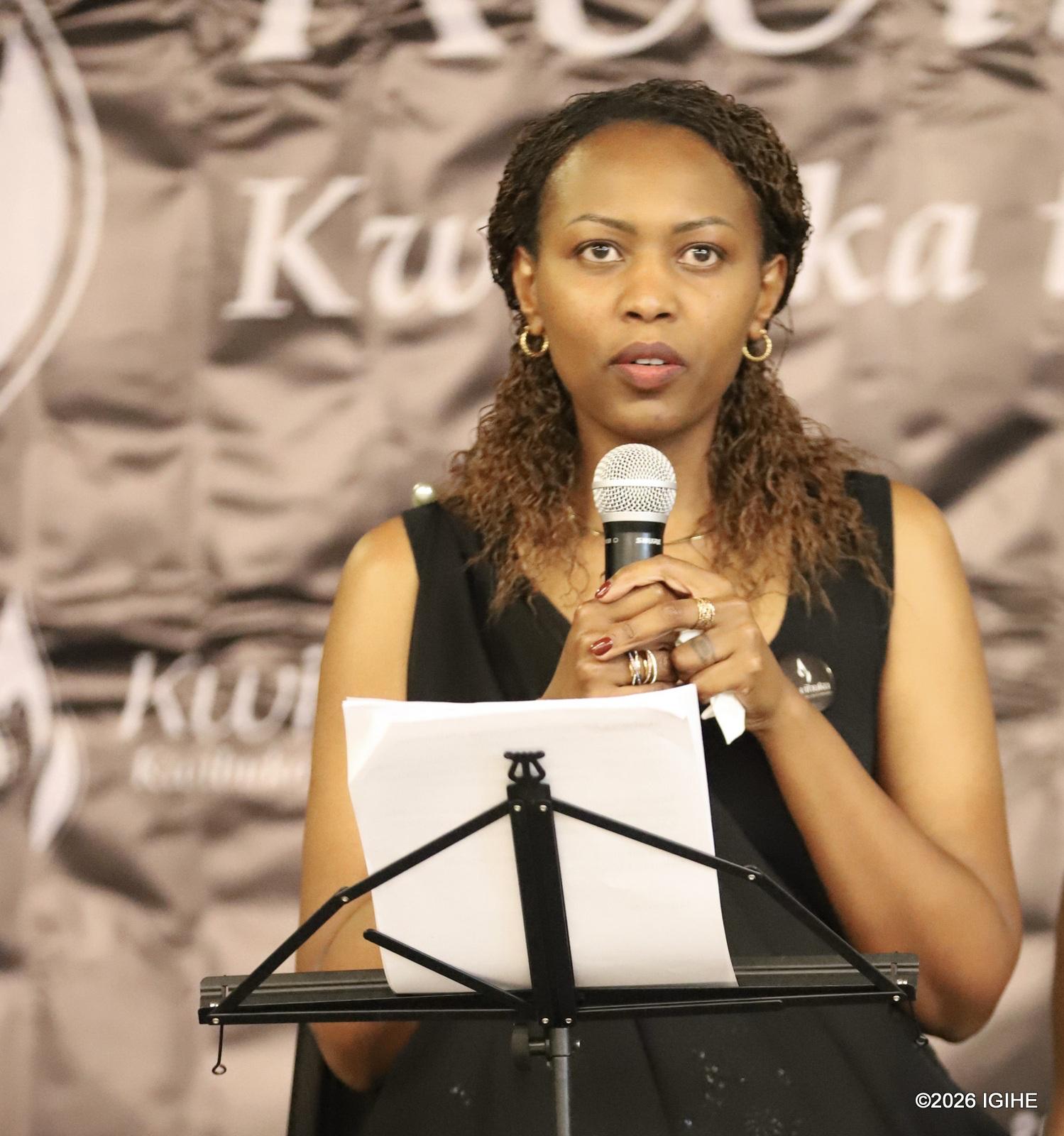
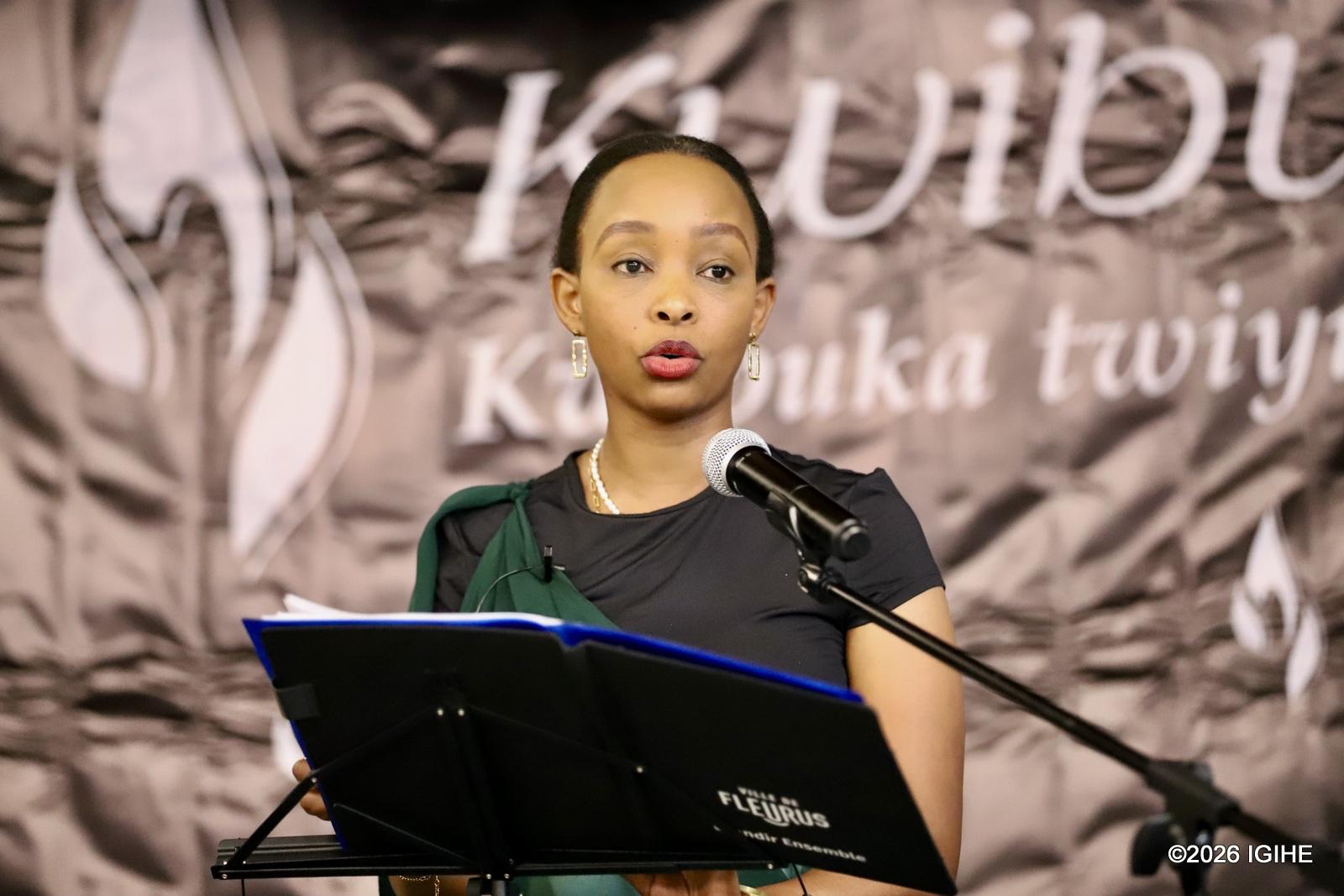
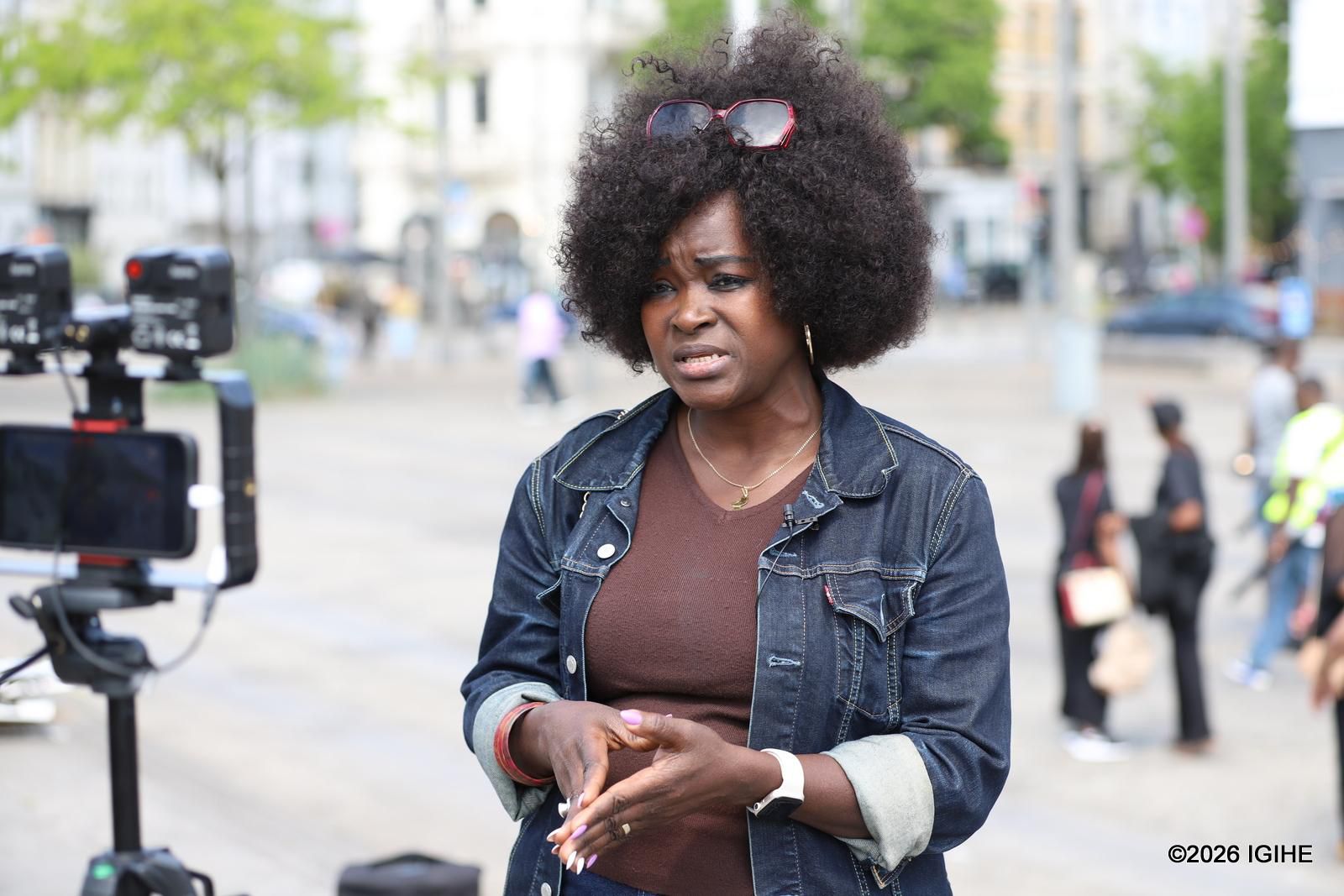
Steve Rugamba, head of the Rwandan Diaspora – Antwerp section.Lina Mukandoli delivered a testimony through poetry.Kayitesi Chantal shared testimony about how she survived in Kibirira.Léna Rutagira and Charles Mwunvirangoma coordinated the second part of the commemoration evening.Claire Kayirangwa, representing Ibuka-Mémoire et Justice-Belgique, delivering the speech of the day.Yaowo, a politician and councillor in the City of Antwerp said that it is very important to commemorate and give space to the memory of the victims of the Genocide against the Tutsi, while also supporting the survivors they live alongside every day.Artist Lionel Sentore performed at the event.
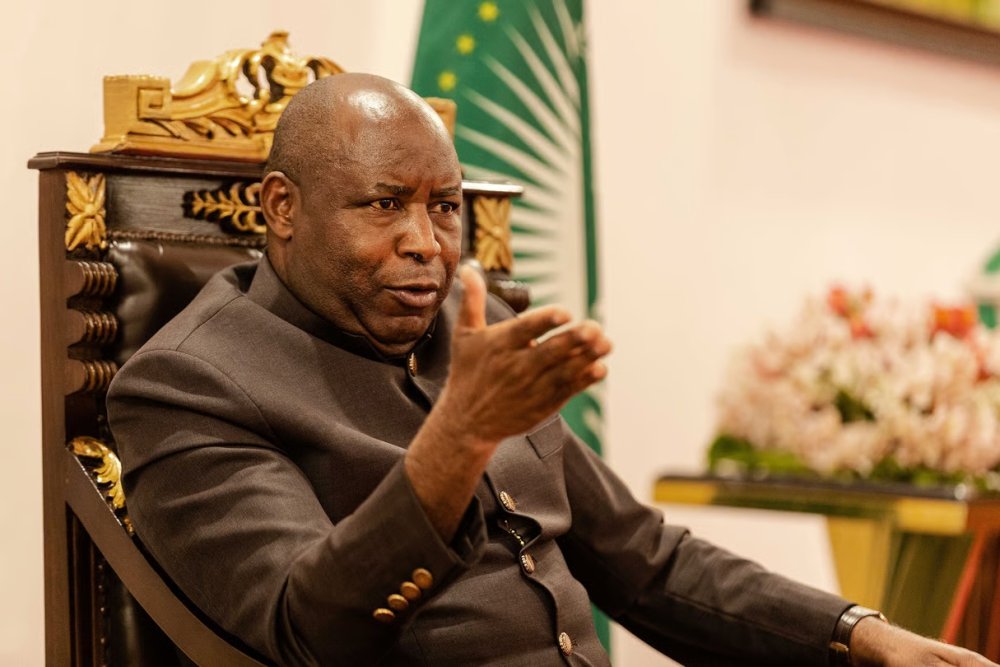
In an interview with Jeune Afrique published on May 10, 2026, Ndayishimiye discussed the closure of the Gatumba and Vugizo border crossings between Burundi and DR Congo on the South Kivu side. He claimed the decision was linked to the proximity of M23 fighters near Burundi’s borders, alleging that the group operates with Rwanda’s backing.
According to Ndayishimiye, Burundi considers the presence of M23 fighters near its borders as a security concern, although he expressed hope that the Washington peace agreement would increase pressure aimed at ending the tensions.
The Burundian leader also repeated accusations that Rwanda supports RED Tabara, a group Burundi describes as a terrorist organization responsible for attacks inside the country. Rwanda has consistently denied the allegations, insisting that it does not support any group seeking to destabilize Burundi.
Under bilateral agreements signed between Burundi and DR Congo in 2022 and 2023, Burundi deployed more than 20,000 troops to South Kivu. The deployment was reduced in early December 2025 after M23 fighters captured several areas in the Ruzizi Plain and the city of Uvira.
Ndayishimiye maintained that Burundian troops were sent to DR Congo to assist Congolese forces against their enemies rather than to defend Burundi itself. He explained that the deployment was carried out under regional arrangements that assigned South Kivu as Burundi’s operational zone.
He further argued that despite efforts by regional actors, fighting continued because some countries failed to contain the conflict. According to him, only Uganda and Burundi remained actively engaged, with Burundian troops operating under the directives of the Congolese army.
Between 2022 and 2023, Burundi maintained two categories of troops in DR Congo. One contingent operated under bilateral agreements between Burundi and DR Congo, while another formed part of the East African Community Regional Force (EACRF), which had been deployed to separate warring parties and create conditions for peace talks.
The bilateral contingent, known as TAFOC, began operations in South Kivu in 2022 alongside Congolese forces against armed groups including RED Tabara, FOREBU, FNL and Twirwaneho.
Meanwhile, Burundian troops under EACRF were deployed to Masisi Territory in North Kivu in 2023. The regional force had not been mandated to conduct offensive operations but rather to position itself between M23 and FARDC forces in order to support de-escalation and encourage dialogue.
However, the Congolese government later requested that troops from Burundi, Kenya, Uganda and South Sudan join military operations against M23. While the EACRF leadership rejected the proposal, Burundi increasingly aligned itself with FARDC and the Wazalendo militias.
At the end of 2023, the East African Community resolved to withdraw its regional force. Troops from participating countries returned home, but Burundi kept its forces in Masisi, where they continued operating alongside Congolese forces in a manner similar to deployments in South Kivu. The former EACRF Burundian contingent effectively became integrated into TAFOC operations.
Since November 2021, Uganda has also maintained troops in North Kivu and Ituri under “Operation Shujaa,” targeting the Allied Democratic Forces (ADF). Although Ugandan troops serving under EACRF later withdrew, those operating under the anti-ADF arrangement remained in place.
Unlike the EAC regional force, whose mission focused on preventing clashes, both Burundian and Ugandan troops currently operating in DR Congo are deployed under bilateral agreements that permit combat operations.
Reports have also suggested that Ndayishimiye initially sought to avoid international attention regarding Burundi’s continued military presence in Masisi after the withdrawal of other EACRF troops. During a regional summit, while discussions emerged about Burundian soldiers allegedly captured by M23, he reportedly denied that the fighters were members of the Burundian army.
At one stage, Ndayishimiye claimed that the individuals presented by M23 as captured Burundian soldiers were in fact RED Tabara fighters because they spoke Kirundi. However, the explanation later faced scrutiny after the individuals were reportedly found carrying identification documents issued by the Burundian military.
Questions over alleged cooperation with FDLR
During the interview, journalist Romain Gras also raised Rwanda’s accusations that Burundi collaborates with the FDLR, a errorist group founded by individuals responsible for the 1994 Genocide against the Tutsi and which Rwanda accuses of threatening its security from eastern DR Congo.
In response, Ndayishimiye argued that he had previously asked President Paul Kagame to provide intelligence on FDLR positions, insisting that Burundi would attack the group if such information were made available.
He maintained that Burundi could not be accused of supporting FDLR without proof, arguing that military action against the group would demonstrate Burundi’s willingness to dismantle it.
When asked how Burundian troops could avoid cooperating with FDLR while operating alongside FARDC, which has repeatedly been accused of collaborating with the group, Ndayishimiye acknowledged that Congolese forces work with FDLR. However, he argued that Burundian troops operate separately under Congolese command structures and do not mix with those groups because each force has distinct operational methods and areas.
He also indicated that he had advised Congolese President Félix Tshisekedi to avoid situations likely to fuel suspicions regarding cooperation between Burundian troops and FDLR.
Ndayishimiye further stated that regional leaders, including Tshisekedi, agreed on the need to fight FDLR, though he argued that limited operational capacity remained a challenge. He proposed coordinated military action involving Rwanda, DR Congo, Burundi and Uganda against armed groups operating in the region, saying such cooperation could help reassure Rwanda about its security concerns.
Despite Ndayishimiye’s denials, reports by United Nations experts indicate that relations between Burundi and Rwanda deteriorated again in late 2023, accompanied by increased cooperation between Burundi and armed groups opposed to Rwanda.
Reports also emerged alleging that Burundian military officials met in Bujumbura with leaders of FDLR and CNRD-FLN to discuss plans related to destabilizing Rwanda.
Burundian President Évariste Ndayishimiye has again attracted attention following false remarks on the strained relationship between Burundi and Rwanda.
A new report released on Monday by Britain’s interior ministry, the Home Office, said ticket scams rose 36 percent over the past six months compared with the same period a year earlier.
The report said victims of ticket fraud lost an average of 215 pounds (292 U.S. dollars), although some lost much more. The total amount of money lost by victims rose 42 percent compared with the same six-month period a year earlier.
“Some fans paid hundreds or even thousands of pounds for ‘season tickets’ or VIP seats that never existed,” it added.
“Hopeful football fans are expected to pay much more for expensive World Cup tickets, meaning the potential loss for victims could be devastating – especially for those forking out on extra costs to travel across the Atlantic.”
Almost a third, or 32 percent, of all ticket scams are football-related, with fraudsters expected to exploit international demand for the biggest games of the year.
The Home Office’s warning to football fans comes just weeks before the FIFA World Cup kicks off in North America.
The Home Office is leading a “Stop! Think Fraud” campaign together with law enforcement agencies, banks, technology companies, retailers and charities. The campaign aims to equip individuals and small businesses with the tools and knowledge they need to protect themselves from fraud.
The Home Office also issued a checklist to help fans identify whether they are being cheated.
Fans of Premier League clubs Arsenal, Liverpool, Chelsea and Manchester United have emerged as the main targets for fraudsters selling worthless fake tickets.
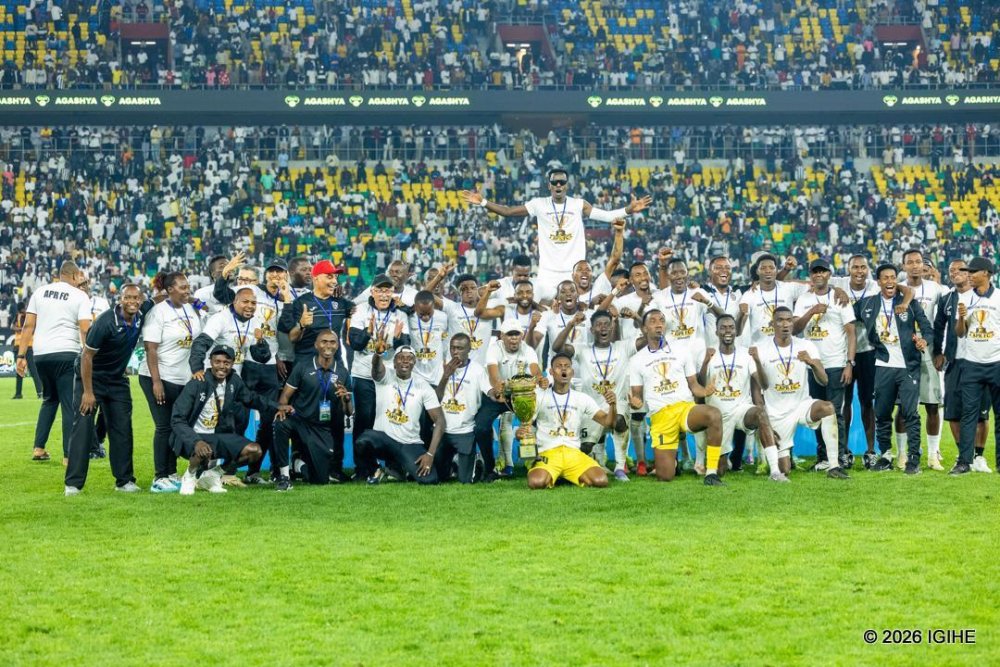
The army side moved closer to securing a seventh consecutive league crown after edging AS Kigali 2-1 on Sunday.
APR FC now sit eight points clear of Rayon Sports and require just one point from their remaining three fixtures against Rutsiro FC, Al-Merrikh SC, and Gicumbi FC to mathematically secure the title.
Following the victory over AS Kigali, head coach Taleb Abderrahim urged supporters to turn out in large numbers for Sunday’s clash against Rutsiro FC, where a draw or victory would officially confirm the championship.
“This was a match we had to win to move closer to the title. There are now three games left and we only need one point, God willing, next week,” he said. “I invite our fans to come and support us. If we win or draw, we will celebrate the title together.”
Title success could deliver nearly Rwf250 million
Questions remain over how the league trophy will be awarded this season after the Rwanda Premier League admitted Sudanese guest clubs, with Al-Hilal SC currently on course to finish top of the overall standings.
However, the situation is not expected to affect prize allocations for Rwandan clubs. In October, Rwanda Premier League officials stated that two trophies would be awarded if the overall leader was not a domestic side, although discussions are ongoing over the possibility of presenting only one trophy.
Should APR FC secure the point they need, they would become the first Rwandan club to receive Rwf80 million for winning the league title after the new FERWAFA administration led by Shema Fabrice increased prize money this season.
Previously, the men’s league champions earned Rwf25 million, with no prize money distributed beyond the winner. This season, however, the top eight clubs will share a combined prize pool of Rwf280 million.
APR FC are also set to qualify for the CAF Champions League, where clubs participating in the preliminary round have been guaranteed $100,000 (about Rwf146.2 million) since the 2024/25 campaign.
The club is further expected to receive Rwf10 million from StarTimes, the broadcaster of the Rwanda Premier League, and another Rwf10 million from Bank of Kigali distributed to all participating clubs.
According to information obtained by IGIHE, teams could start earning up to Rwf30 million annually beginning next season under a new five-and-a-half-year sponsorship agreement recently signed between Bank of Kigali and Rwanda Premier League, which will see the competition rebranded as the “BK Pro League.”
League organisers are also reviewing a new revenue-sharing structure that would provide clubs with equal baseline funding while allocating additional financial rewards based on performance in a bid to increase competitiveness across the league.
APR FC are set to earn nearly Rwf250 million if they win this year’s league title.APR FC moved a step closer to clinching the league title after a 2-1 victory over AS Kigali on Sunday.