The veto power is a special right held exclusively by the five permanent members of the UN Security Council (China, France, Russia, the United Kingdom, and the United States). Under this system, a single negative vote from any of these five nations can block the adoption of any “substantive” resolution, regardless of how much international support it receives from the rest of the world.
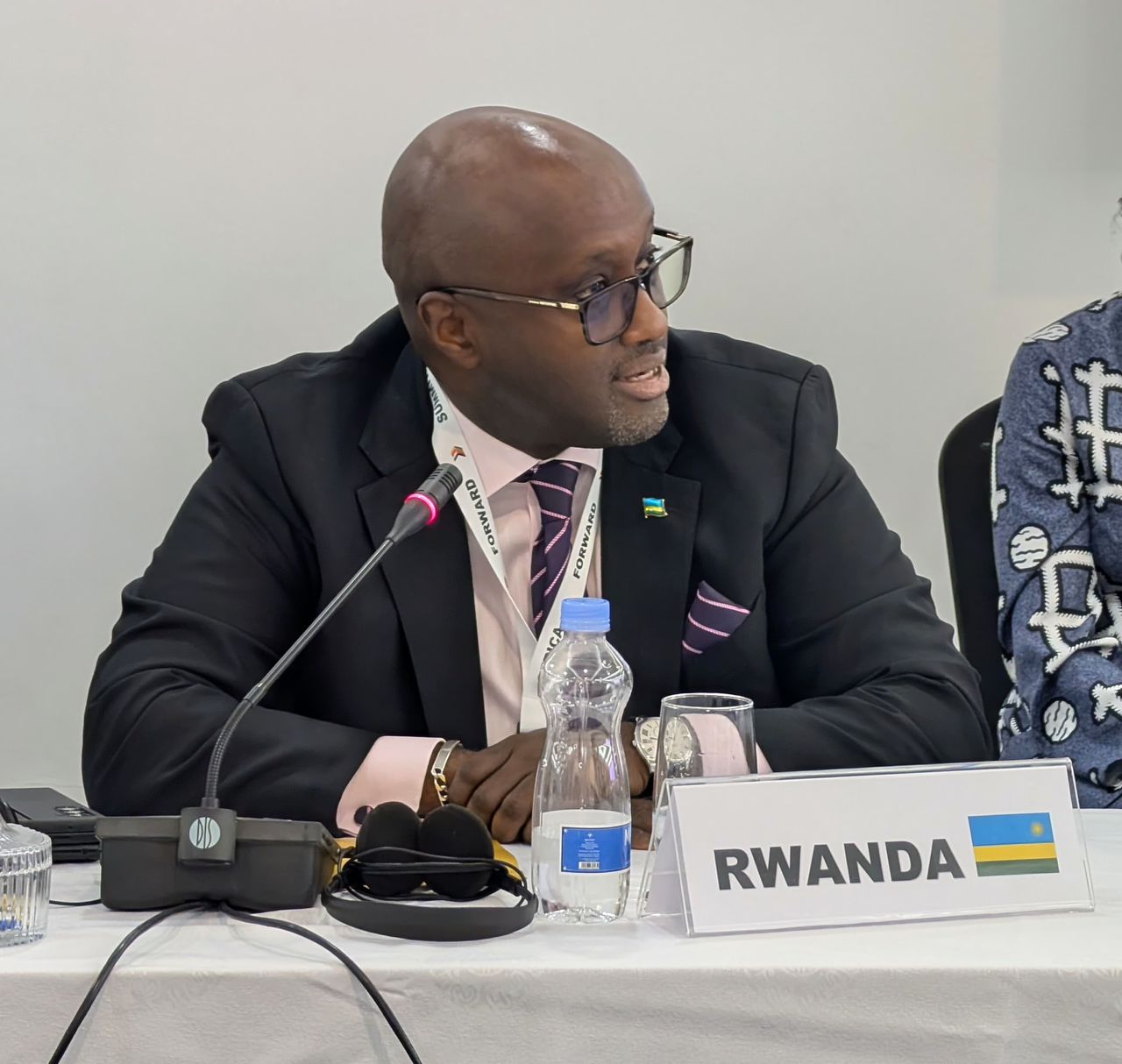
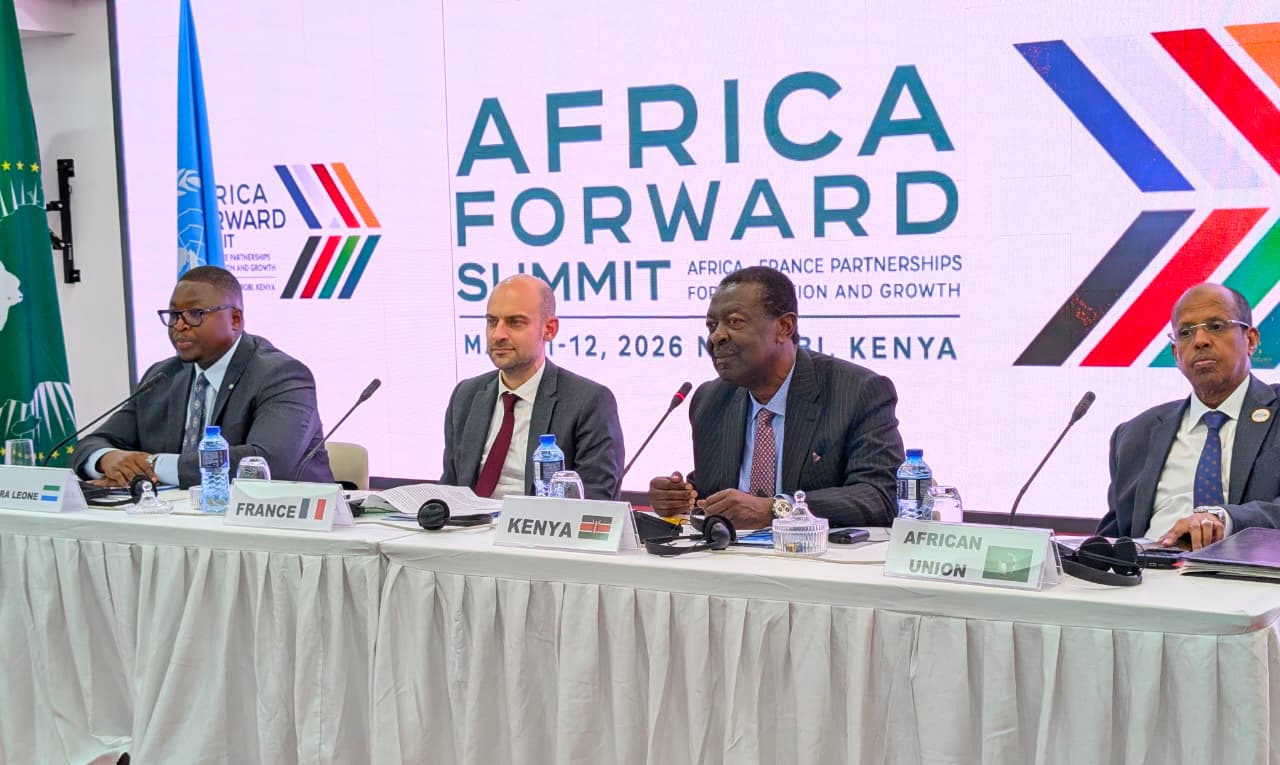
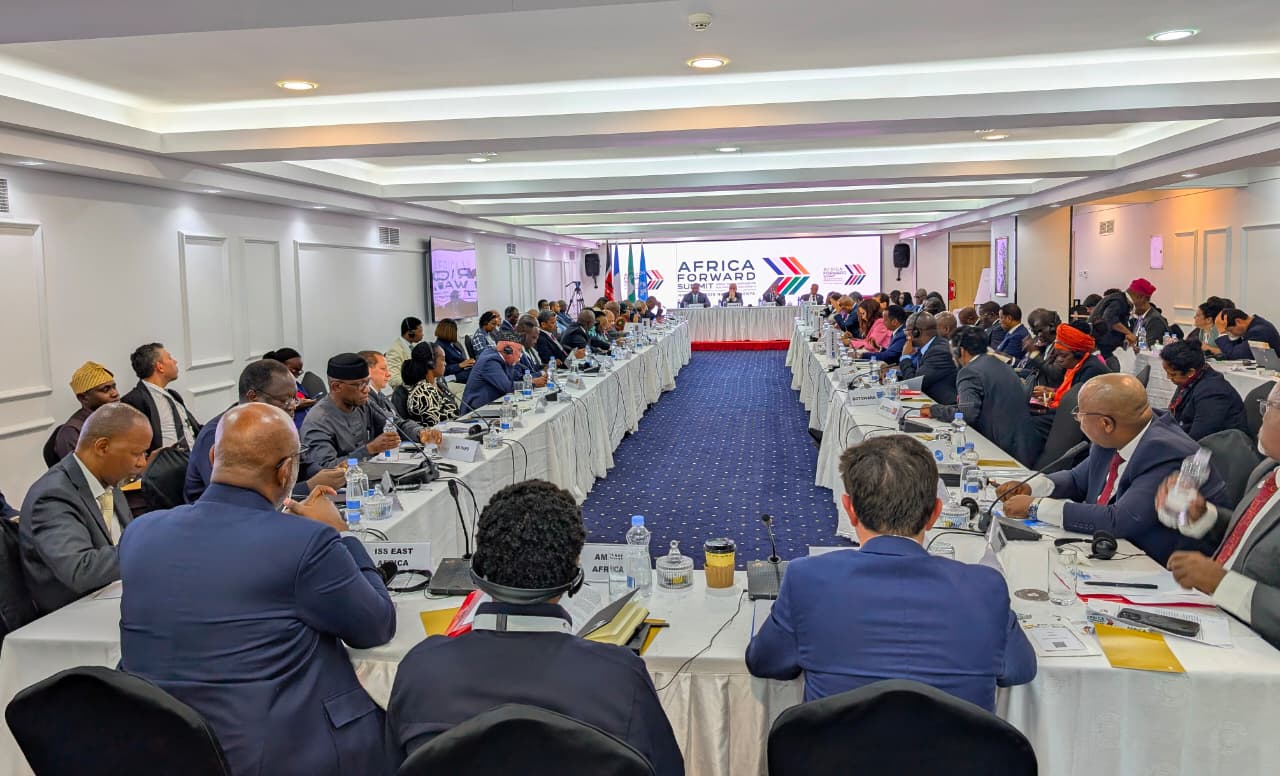
Speaking during a ministerial-level strategic dialogue on UN Security Council reform on the sidelines of the Africa Forward Summit in Nairobi, Nduhungirehe said the use or threat of veto has frequently been used to pressure member states and prevent serious consideration of humanitarian interventions.
“For a long time, the use of veto rights or the threat of its use has repeatedly been employed to pressure member states or block serious consideration of humanitarian interventions, thereby paralysing the Council’s primary responsibility for the maintenance of international peace and security,” he said.
He warned that this has contributed to delays or obstruction in addressing urgent humanitarian situations, undermining the Council’s core mandate.
Nduhungirehe reiterated Rwanda’s alignment with the Common African Position, which calls for equitable representation of Africa on the UN Security Council, including permanent seats with full rights and privileges.
However, he stressed that reform efforts must go beyond representation to also address how the Council operates.
“Structural reform must go hand in hand with reforms to the Council’s working methods, including improvements in transparency and accountability,” he said.
The summit, which closes today, is being co-hosted by Kenyan President William Ruto and French President Emmanuel Macron, with President Paul Kagame among the heads of state in attendance.
The two-day gathering has attracted more than 4,000 participants, including over 25 African heads of state and government, according to organisers.
Rwanda’s Minister of Foreign Affairs and International Cooperation, Olivier Nduhungirehe, has raised concern over the use of veto powers at the United Nations Security Council, saying the practice has often blocked humanitarian action and weakened the body’s ability to respond to global crises.Nduhungirehe raised the concerns during a ministerial-level strategic dialogue on UN Security Council reform on the sidelines of the Africa Forward Summit in Nairobi.
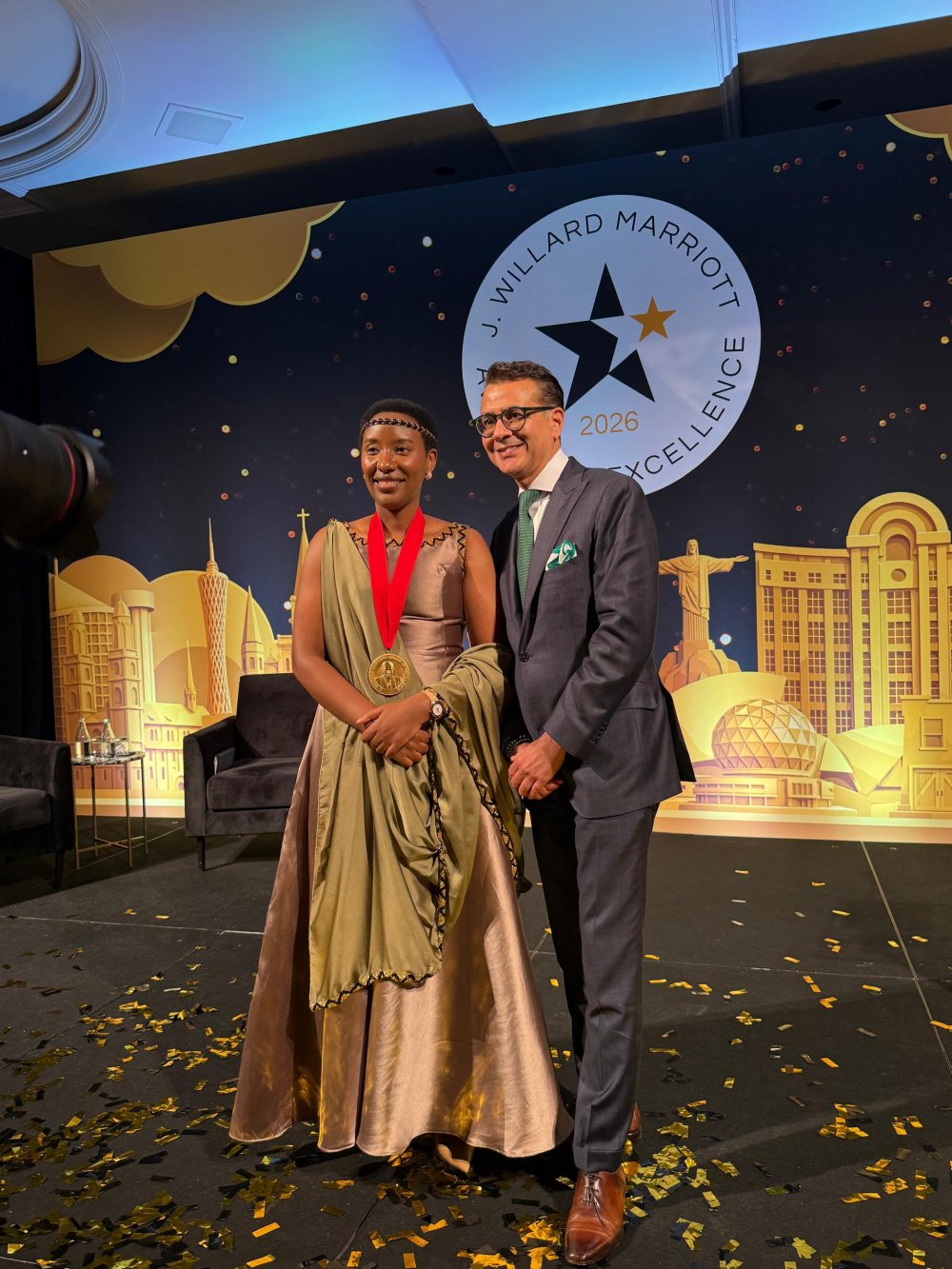
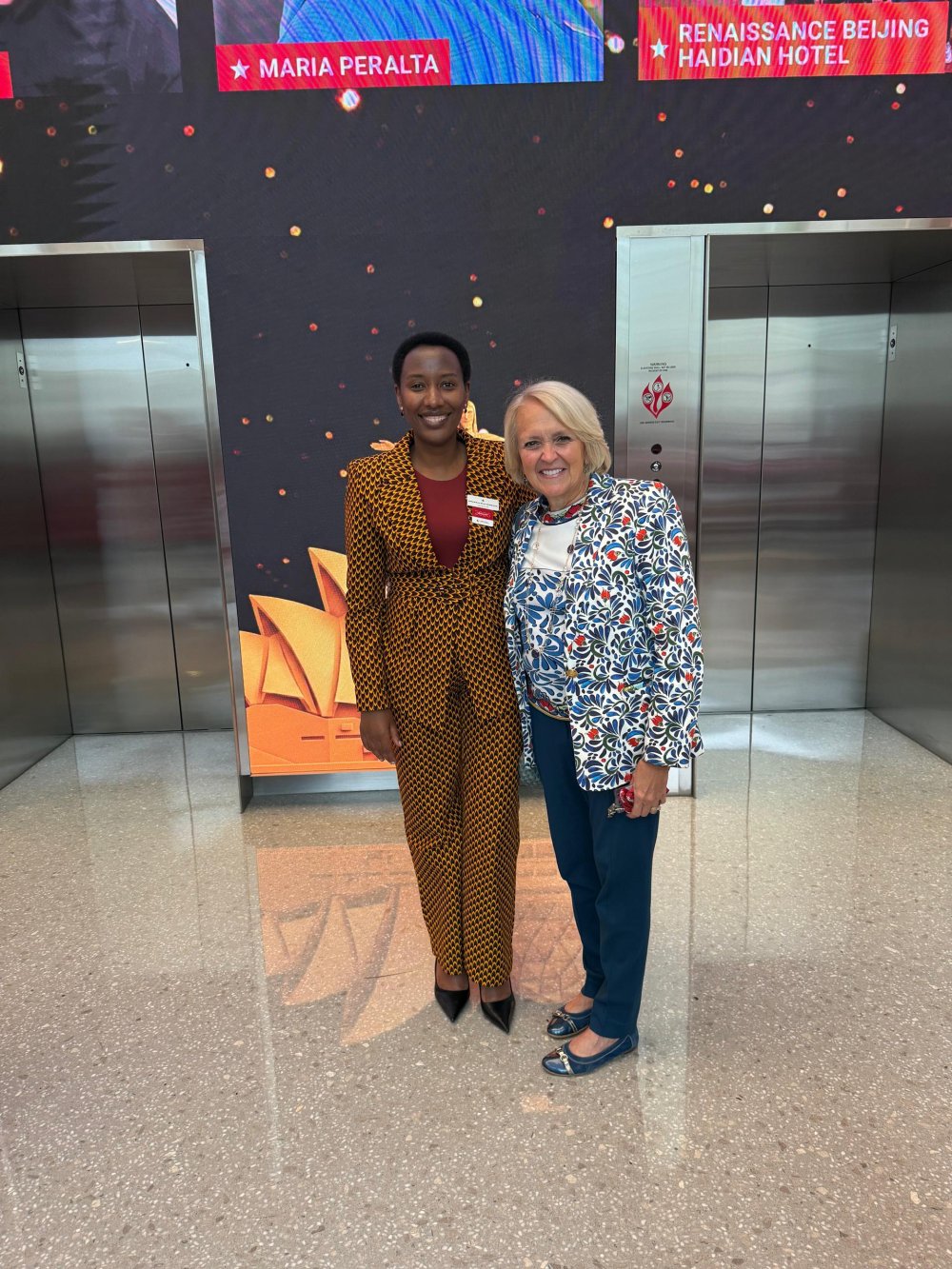
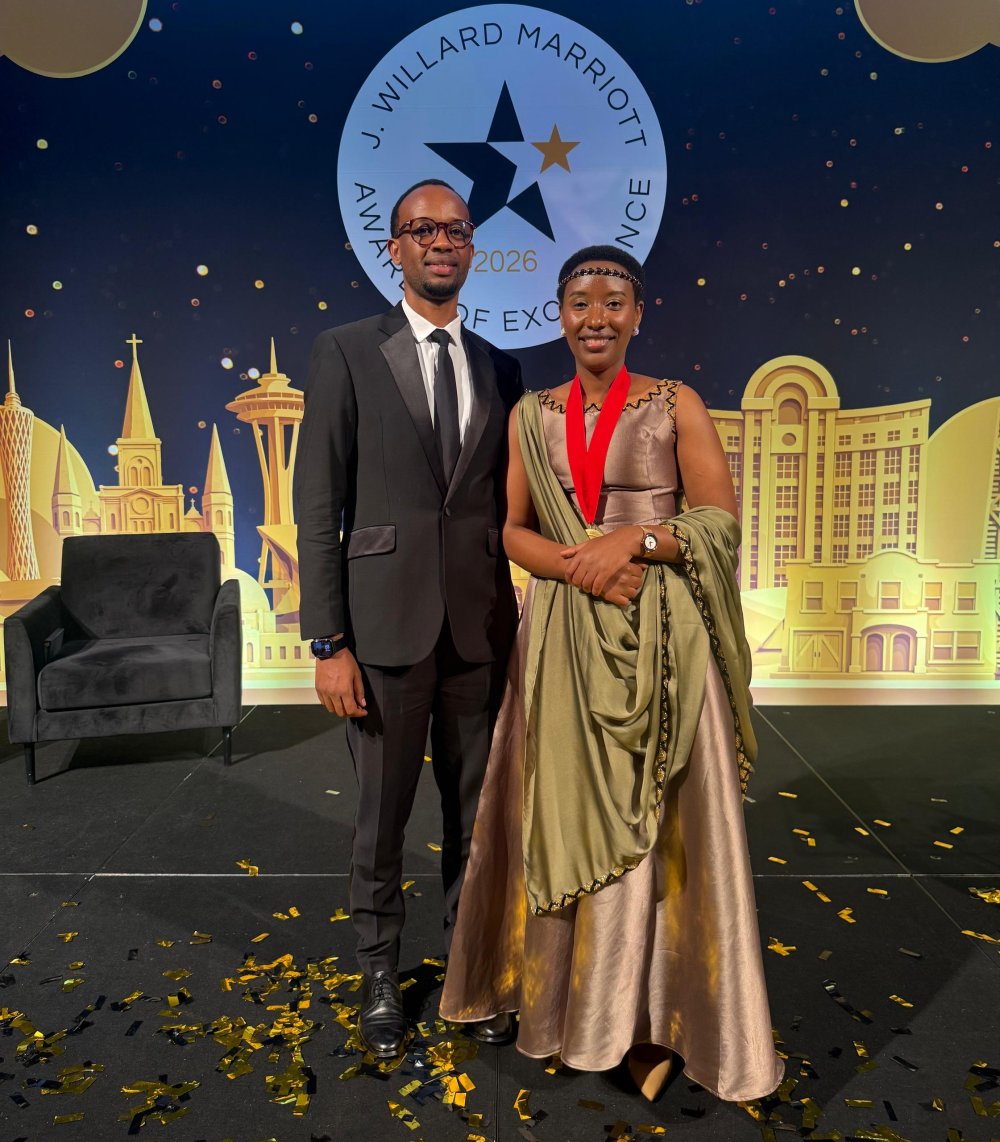
Uwimbabazi received the “J. Willard Marriott Award of Excellence,” an award given every year to only 10 employees across Marriott International’s worldwide operations who demonstrate exceptional service and leadership in the hospitality industry.
The award ceremony took place at Marriott International’s headquarters in Washington, D.C. on May 11, 2026.
Employees considered for the award are nominated by the hotels where they work based on their performance and achievements. Marriott International evaluates candidates on customer care, teamwork, leadership and professionalism.
Uwimbabazi works as the Director of Rooms Operations at Kigali Marriott Hotel. She became the first employee from East Africa to receive the award.
Her leadership and ability to provide efficient and high-quality services to guests from different backgrounds were among the reasons she was recognised.
After receiving the award, Uwimbabazi thanked those who had trusted her and expressed pride in representing Rwanda on the international stage. She noted that becoming the first Rwandan woman and the first employee from East Africa to receive the award was not simply a personal achievement, but also a responsibility.
She added that the recognition belonged to every African working in the hospitality industry, especially women.
Uwimbabazi also highlighted that the values and confidence she gained as a Rwandan inspired her to love her work and helped her achieve international recognition.
Rwanda’s Ambassador to the United States, Mathilde Mukantabana, thanked Uwimbabazi for making Rwanda proud, noting that she deserved the recognition of her commitment to excellence.
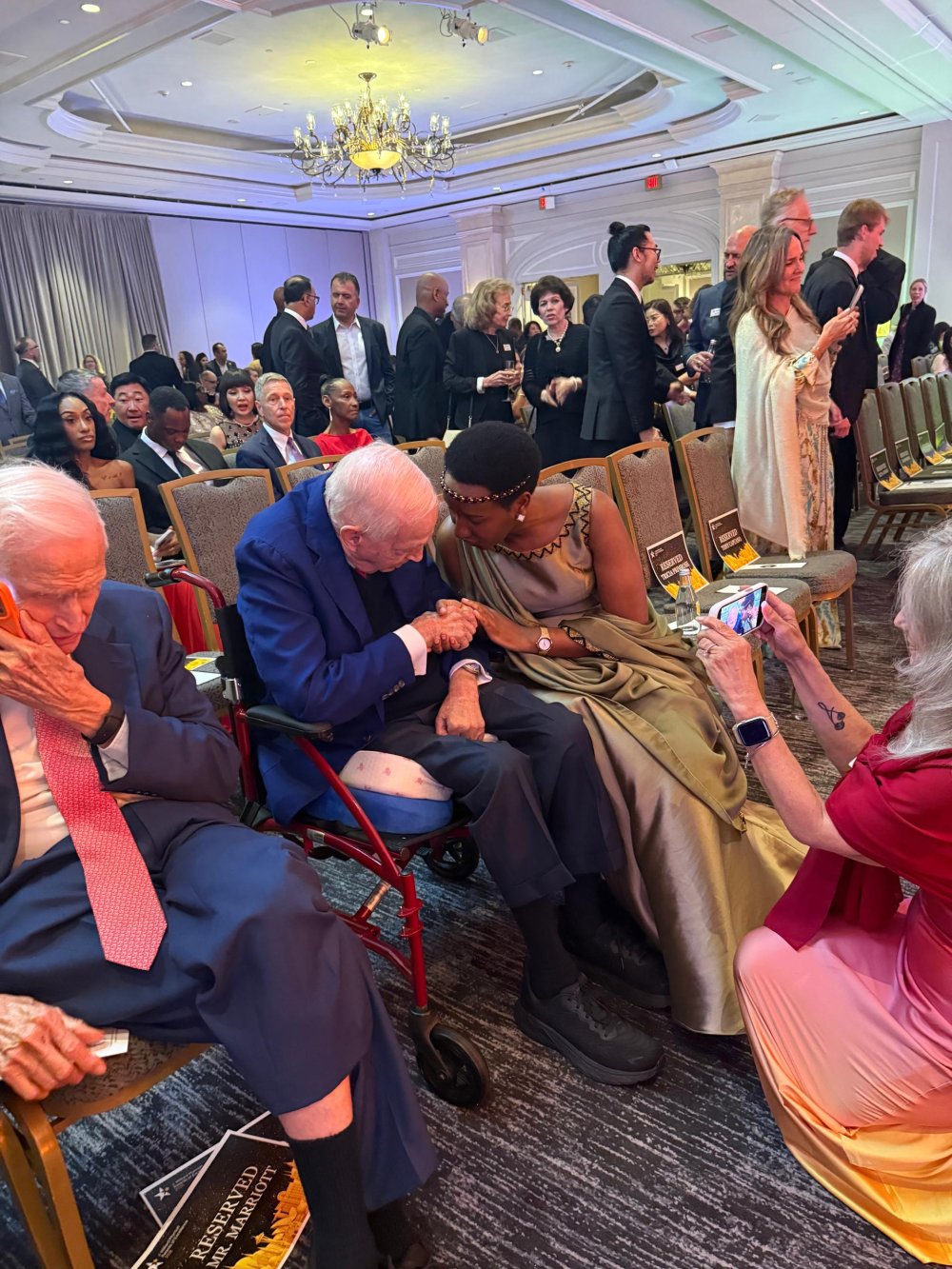
Deborah Marriott Harrison, a member of the Board of Directors of Marriott International also congratulated Uwimbabazi. Uwimbabazi was accompanied by her husband, Ribani Eric.Bill Marriott, the Executive Chairman of Marriott International and son of the company’s founder J. Willard Marriott, congratulated Uwimbabazi. Sandeep Walia is the Chief Operating Officer (COO) for Marriott International in the Middle East & Africa congratulated Uwimbabazi.
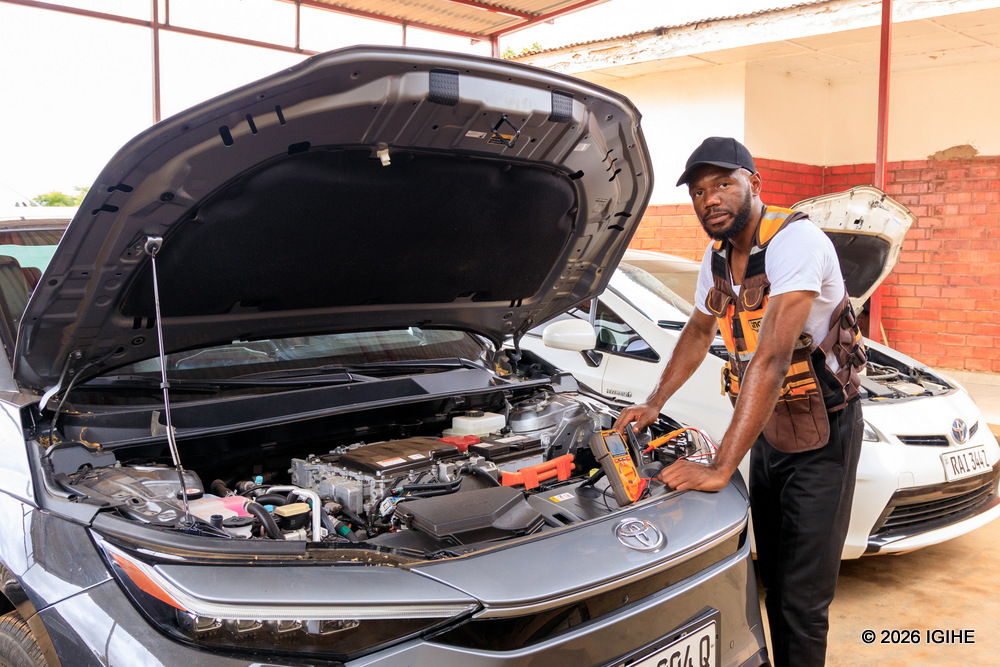
Rwanda’s mountainous terrain presents unique driving challenges, and, according to Obi, hybrid vehicles are an excellent match for these conditions.
“Hybrid cars take advantage of the surroundings to give you efficiency, fuel economy, and that comfort you would get and that power you would get in a diesel engine,” he explains.
Hybrids utilise both a gasoline engine and electric motors. The electric motors provide instant torque, assisting with hill climbs, much like a turbocharger in a diesel engine, but in a cleaner, more efficient way.
Obi points out that a major challenge with hybrid vehicles in Rwanda is a lack of understanding about their systems. One common misconception is that hybrid cars can automatically switch to electric power when they run out of gasoline.
“This is not the case for hybrid vehicles. It needs the engine to work, and if there’s no fuel in the car, the engine will not operate,” he warns.
This misunderstanding often leads to damage to the battery, which can be costly to replace.
Using the popular Toyota Prius as an example, Obi explains that the battery pack consists of 28 pieces of batteries, each costing Rwf 90,000. Without preventive maintenance, which costs about Rwf 150,000, Rwandan owners risk spending over Rwf 2 million on replacement batteries.
Rwanda’s mountainous terrain presents unique driving challenges, and, according to Obi, hybrid vehicles are an excellent match for these conditions.
When comparing hybrid vehicles to electric ones, Obi is clear about which technology he prefers for the Rwandan context: “If you want to put it in comparison… I would still pick hybrid cars.”
He points out several advantages that hybrid cars offer over EVs in Rwanda:
Minimal infrastructure requirements: Rwanda’s improving road network is already sufficient for hybrid vehicles.
Excellent fuel efficiency: Many hybrid drivers report impressive mileage when the car is driven properly.
No range anxiety: Hybrid cars provide the convenience of long-distance travel without worrying about finding charging stations in remote areas.
Immediate environmental benefits: With lower emissions, hybrid cars contribute to cleaner air.
While electric vehicles show great promise, Obi acknowledges that the sector still faces logistical hurdles.
“Electric cars have few public charging stations for now… range anxiety is an issue,” he says.
However, the landscape is shifting rapidly. As of early 2026, Kigali has established itself as the country’s e-mobility hub with approximately 200 charging points, comprising roughly 35 dedicated car stations and 165 battery-swapping points for electric motorcycles.
While urban access is growing, rural areas and remote provinces still see limited density, with only about 24 public car-charging stations currently operating outside the capital.
To bridge this gap, the government’s National E-Mobility Plan has used geospatial mapping to identify 226 potential sites across the country, aiming to ensure that no driver is ever more than 50 kilometers from a charger.
Despite these challenges, Obi remains hopeful about future developments. He notes that Rwanda’s aggressive efforts in power generation, including diversifying the energy mix with solar and hydro projects, will significantly improve the outlook for sustainable transport in the coming years.
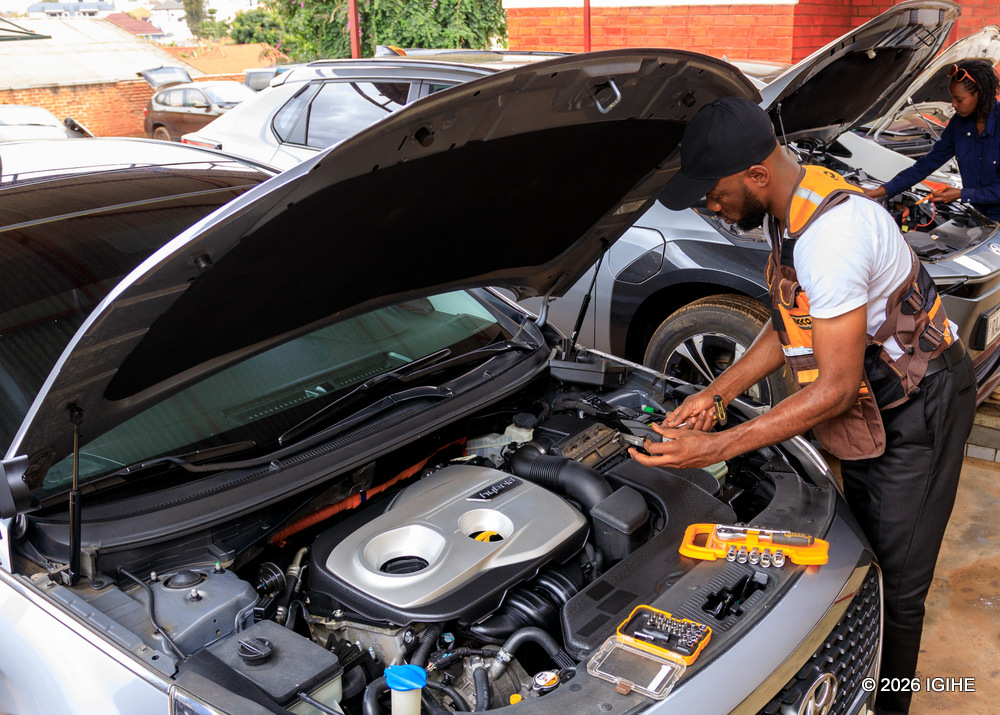
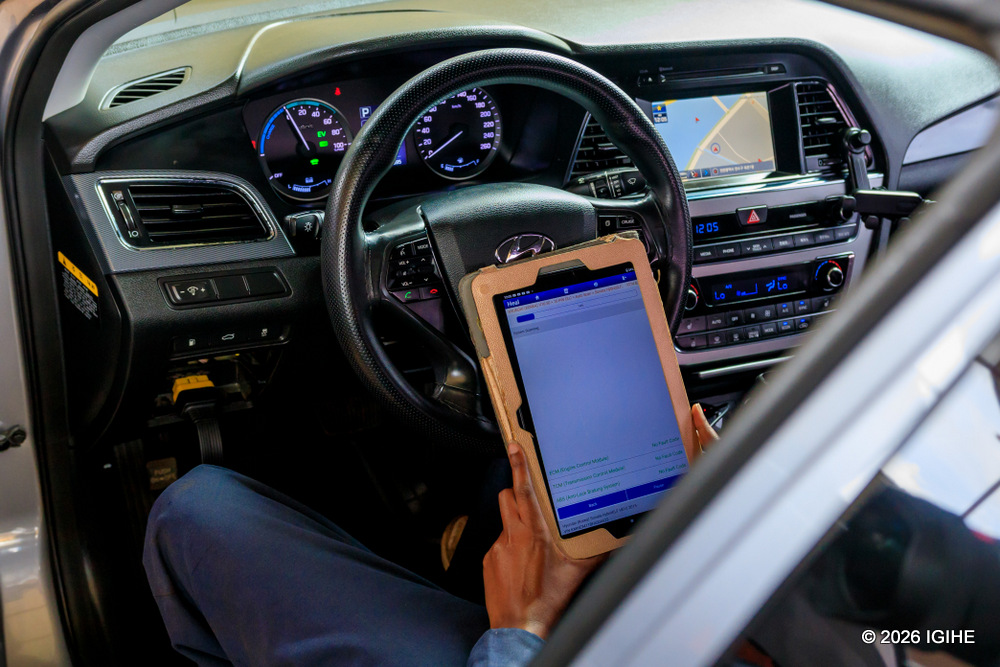
For hybrid vehicles, one of the main barriers to adoption in Rwanda is the availability of spare parts and the quality of repairs. Obi stresses that many mechanics rely on online tutorials for repairs, which can be risky and ineffective.
“Every car has a different genesis on how the issue came to be,” Obi explains, highlighting the importance of professional diagnostics for proper repairs.
As for electric vehicles, the priority lies in expanding Rwanda’s power grid and building a reliable charging network. Obi is optimistic about Rwanda’s future, stating, “Rwanda is far ahead… the country is already there when it comes to infrastructural development.”
Embrace green mobility with hybrid vehicles that offer both power and environmental benefits.
Obi encourages Rwandans to embrace greener mobility, stating, “Embrace green earth. Assist the government in playing your role in promoting a green earth.”
He also advises hybrid vehicle owners to maintain their vehicles properly. “Hybrid vehicles do not require high maintenance costs if you commit to preventative care.”
Watch the full conversation below:
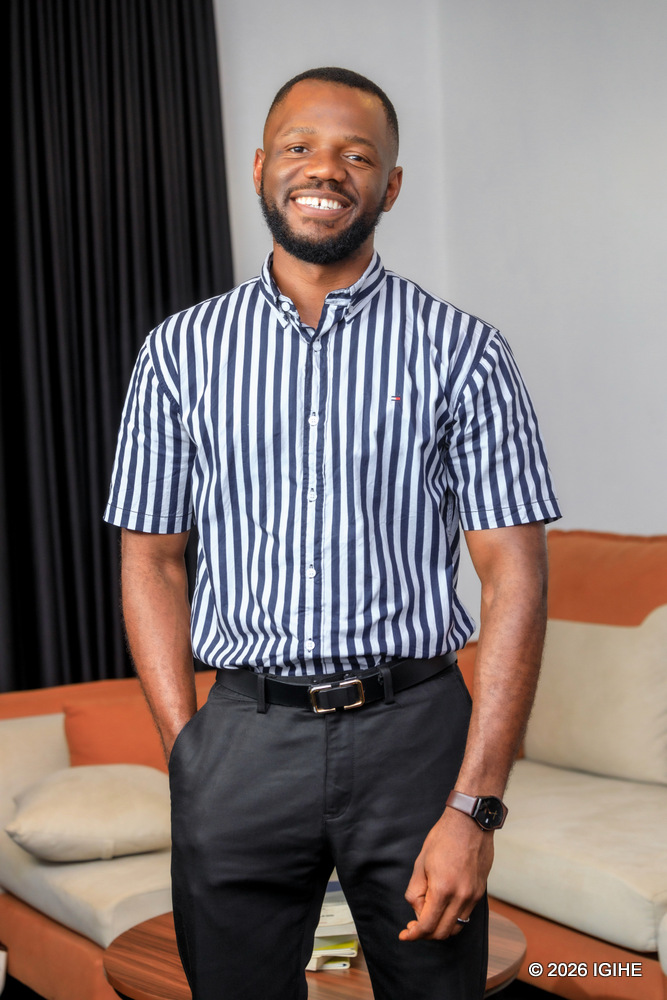
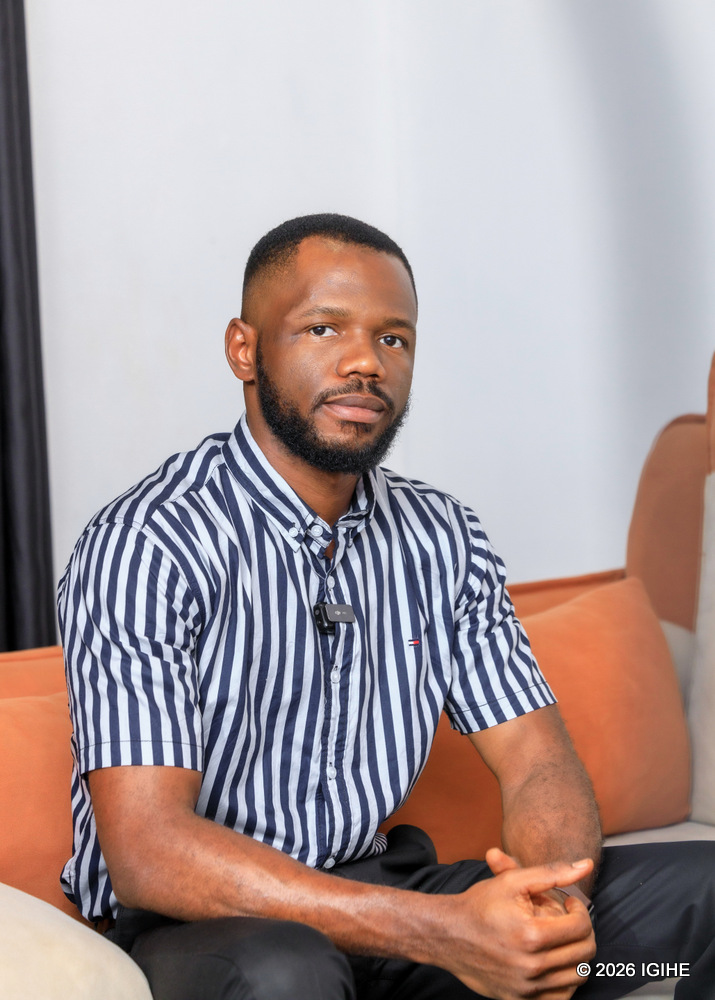
With over 15 years of expertise, Obi Dickson brings valuable insights into why hybrid cars are the ideal choice for Rwanda’s roads.Hybrid cars offer the perfect balance of fuel efficiency and power for Rwanda’s hilly terrain.Obi Dickson explains why hybrid cars are the future of Rwanda’s automotive landscape.
Held under the theme “The Scale Imperative: Why Africa Must Embrace Shared Ownership,” the forum is expected to attract more than 2,000 participants from over 75 countries, including CEOs, investors, heads of state, ministers and development finance institutions.
Here are 10 things to know about this year’s Africa CEO Forum.
1. The forum focuses on Africa’s need for scale
The central message of the 2026 summit is that African economies and businesses must scale up through regional cooperation and shared ownership models. Organisers argue that fragmented national markets are no longer enough in a rapidly changing global economy where scale determines competitiveness.
2. Kigali is hosting for the third time
This is the third time Kigali will host the forum after previous editions in 2019 and 2024. The return of the summit to Rwanda highlights the country’s growing role as a continental hub for investment, innovation and business diplomacy.
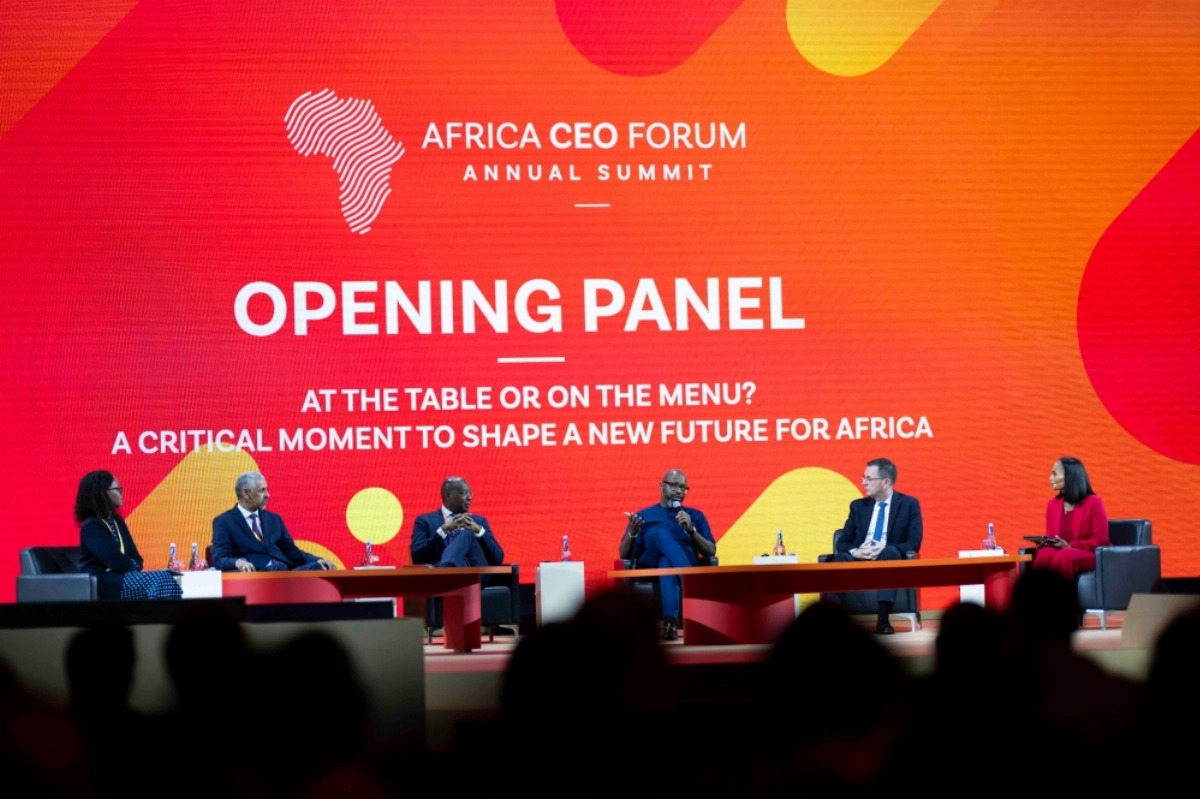
The 2024 edition of the Africa CEO Forum was held in Kigali under the theme “At the Table or on the Menu? A Critical Moment to Shape a New Future for Africa.”
3. More than 2,000 delegates are expected
The summit is anticipated to attract over 2,000 participants from more than 75 countries. Attendees include over 1,000 CEOs, global investors, policymakers, development finance institutions and journalists covering Africa’s economic transformation.
4. Several African presidents will attend
At least six African presidents have confirmed participation, including Paul Kagame of Rwanda, Bola Ahmed Tinubu of Nigeria, Brice Clotaire Oligui Nguema of Gabon, Mohamed Ould Ghazouani of Mauritania, Mamadi Doumbouya of Guinea and Daniel Chapo of Mozambique.
Several prime ministers and ministers from across Africa are also expected to participate, including Prime Ministers Maria Benvinda Levi of Mozambique, Robert Beugré Mambé of Côte d’Ivoire, Amadou Oury Bah of Guinea and Justin Nsengiyumva of Rwanda.
5. The forum was founded in 2012
The Africa CEO Forum was founded in 2012 by Jeune Afrique Media Group and is co-hosted by IFC, a member of the World Bank Group. Over the years, it has grown into one of Africa’s leading platforms for public-private dialogue and investment networking.
6. Discussions will centre on shared ownership
The 2026 edition will focus on three strategic pillars: shared equity through cross-border investment, shared infrastructure to connect African markets, and shared regulatory frameworks to support trade and capital flows.
Organisers believe these approaches are necessary to create continental African champions capable of competing globally.
7. The forum goes beyond discussion
The summit is designed not only as a networking platform but also as a deal-making space. Investment sessions known as “Invest In” meetings connect CEOs and investors directly with government officials to discuss investment pipelines and strategic sectors.
Over the past two editions, the forum has reportedly facilitated more than $1 billion in investment commitments.
8. Key economic sectors will be discussed
Panels and meetings will focus on sectors considered essential for Africa’s long-term growth, including energy and mining integration, infrastructure development, industrialisation, real estate financing, digital sovereignty, cross-border trade and payment systems, and institutional capital mobilisation.
The discussions are expected to examine how African countries can work together to strengthen regional value chains.
9. AfCFTA will be a major topic
Ten years after negotiations for the African Continental Free Trade Area began, the forum will revisit the continent’s integration agenda and the role of free trade in building larger African markets.
Leaders are expected to discuss how to turn AfCFTA ambitions into concrete investments, industrial partnerships and regional business expansion.
10. Leaders say Africa must “scale or fail”
The summit’s central message is “scale or fail.”
Amir Ben Yahmed, Founder and President of the Africa CEO Forum 2026, said Africa must move beyond “economic patriotism” and embrace cross-border African investment and partnerships.
Meanwhile, Makhtar Diop, Managing Director of International Finance
Corporation, emphasised that Africa already has the capital needed for growth, but must deploy it more effectively through trust, shared risk and regional investment cooperation.
According to Jean Guy Afrika, Chief Executive Officer of the Rwanda Development Board, the forum represents an opportunity for Africa to transform fragmented success into collective economic strength capable of driving sustainable and inclusive growth.
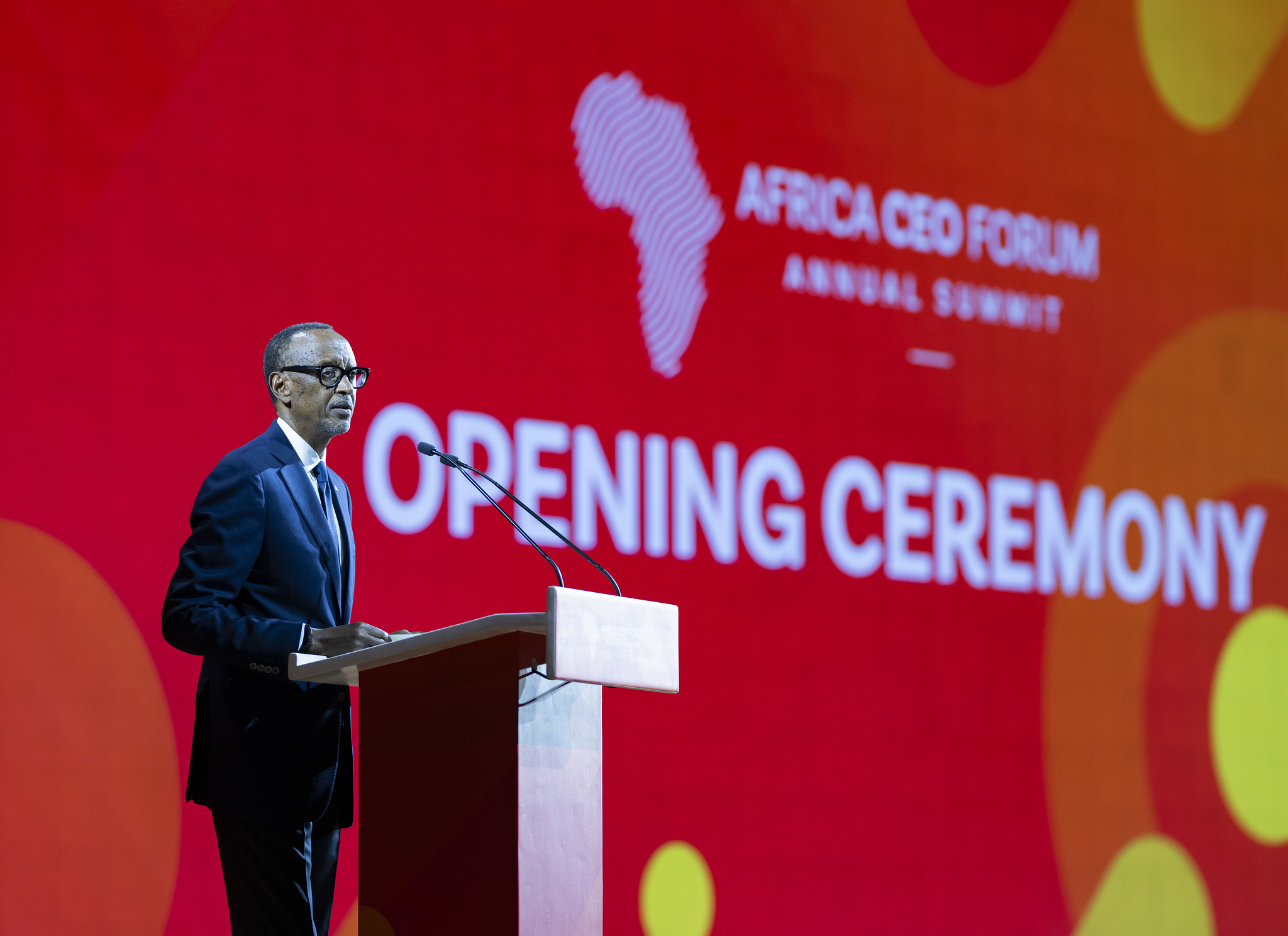
President Paul Kagame during the opening ceremony of the Africa CEO Forum in Kigali in 2024.
The telecom operator announced on Monday that its service revenue grew by 21.2% year-on-year to Rwf 81.4 billion, as more customers adopted digital and financial services on its network.
The company said the performance reflected “disciplined commercial execution” within what it described as a supportive regulatory environment that continues to encourage investment and innovation in Rwanda’s digital economy.
MTN Rwanda’s subscriber base increased by 10.6% to 8.4 million customers during the quarter. Active data users rose by 19.6% to 2.7 million, while monthly active mobile money users grew by 20.5% to 6.3 million.
Mobile money remained the company’s strongest revenue driver, growing by 30.2% and contributing 52.7% of total service revenue.
Transaction volumes on the MoMo platform increased by 32% during the quarter, reflecting growing reliance on digital payments among individuals and businesses.
The company said more than four million customers are now transacting through MoMoPay, as digital financial services continue gaining traction across the country.
During the quarter, Mobile Money Rwanda also launched “MoFlex”, a flexible credit product developed in partnership with Ecobank Rwanda Plc and Yabx, aimed at expanding access to credit for individuals and businesses.
Chantal Kagame, Chief Executive Officer of Mobile Money Rwanda Limited, said customer trust in MoMo services continues to drive growth beyond payments into broader financial services.
“Beyond payments, we are deepening access to financial services, enabling businesses, supporting lenders and creating practical solutions that work for every Rwandan,” she said.
Data revenue rose by 10.7%, supported by a 64.7% increase in data traffic as more subscribers migrated from 3G to 4G smartphones. Smartphone penetration on the network reached 44.9%.
Voice revenue also recovered strongly, increasing by 8.2% after the reintroduction of mobile termination rates, which the company said helped restore commercial balance in the interconnect market.
MTN Rwanda Chief Executive Officer Monzer Ali said Rwanda’s regulatory framework continues to provide confidence for long-term investment and expansion.
“With a clear policy direction and unwavering focus on equality of access to digital services for all Rwandans, investment decisions are easier and we can focus on what matters most: product innovation, providing quality customer experience and delivering second to none connectivity operations,” he said.
The company’s earnings before interest, tax, depreciation and amortisation (EBITDA) grew by 32.8% to Rwf 34 billion, while EBITDA margins improved to 41.5%.
MTN Rwanda also invested Rwf 11.2 billion in capital expenditure during the quarter to expand network coverage and improve service quality.
Beyond commercial performance, the telecom firm continued supporting Rwanda’s digital agenda through partnerships in education and skills development.
During the quarter, MTN Rwanda signed a memorandum of understanding with Rwanda’s Ministry of Education to explore digital solutions for the education sector and launched a Digital Skills for Digital Jobs platform under the MTN Skills Academy.
The academy offers free access to more than 500 courses in digital literacy, data analytics and financial capability.
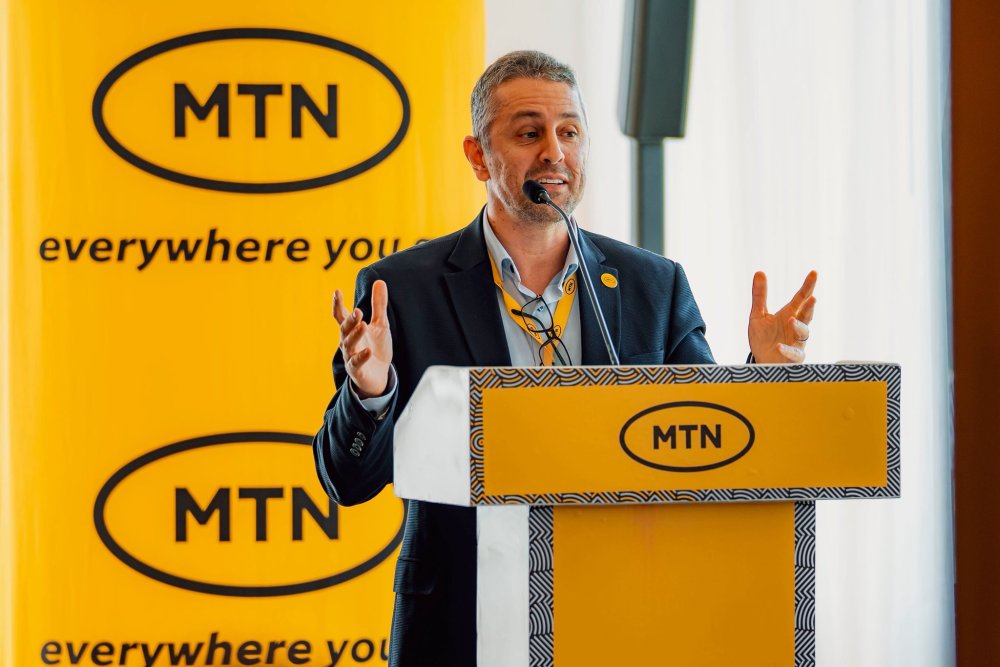
MTN Rwanda Chief Executive Officer Monzer Ali said Rwanda’s regulatory framework continues to provide confidence for long-term investment and expansion.
Speaking at a weekly news conference in Tehran, Baghaei said Iran’s demands included ending the war in West Asia, lifting the U.S. naval blockade on Iranian shipping, releasing Iranian assets frozen abroad, ensuring safe passage through the Strait of Hormuz and restoring regional stability.
“We have not demanded any concession. The only things we demanded are the Iranian nation’s legitimate rights,” he said.
Baghaei described Tehran’s proposal as “reasonable and responsible,” saying it was aimed at protecting Iran’s interests as well as regional and global security.
He also noted that nuclear issues would be discussed later as Tehran was currently focused on ending the conflict.
U.S. President Donald Trump branded Iran’s terms for ending the war “totally unacceptable.” Baghaei accused Washington of pursuing “unreasonable demands” influenced by Israel.
Commenting on reports that European countries, including France and Britain, had deployed warships to safeguard shipping in the Strait of Hormuz, Baghaei warned against outside involvement in the region.
“Any interference in issues on the Strait of Hormuz and West Asia will only further complicate the situation,” he said.
Iran, the United States, and Israel agreed to a ceasefire on April 8 after 40 days of fighting triggered by U.S. and Israeli strikes on Iran on Feb. 28.
Iranian and U.S. delegations later held talks in Islamabad on April 11-12 but failed to reach an agreement. Since then, the two sides have exchanged several proposals through Pakistan, while sporadic clashes have continued in and around the Strait of Hormuz.
Separately, Baghaei denied Western media reports that Iran had been dumping oil into the sea because its storage facilities were full.
He called the claims “complete lies” and dismissed reports of an oil slick near Iran’s Kharg Island as “fabricated.”
London-based maritime risk intelligence firm Windward said Friday that satellite imagery had detected an oil spill near Kharg Island, Iran’s main oil export terminal. The company said the spill was first identified on May 5 and later confirmed through three satellite observations over 20 hours.
After post-ceasefire talks collapsed, the United States imposed a naval blockade in the Strait of Hormuz aimed at restricting vessels traveling to and from Iranian ports, which Tehran says is intended to curb its oil exports.
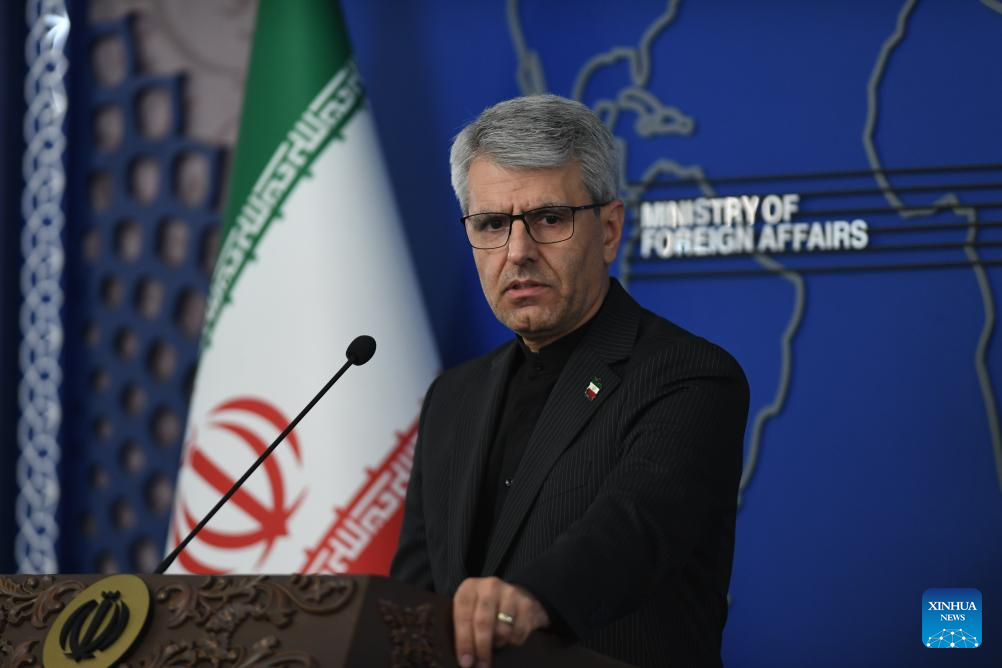
Iranian Foreign Ministry spokesperson Esmaeil Baghaei said Monday that Tehran had sought only its “legitimate rights” in a new peace proposal delivered to the United States through Pakistan.
The memorial site holds the remains of more than 59,000 victims, including over 30,000 people who were killed within a very short period after seeking refuge at the Nyarubuye Catholic Church, in the hope that it would be a safe place.
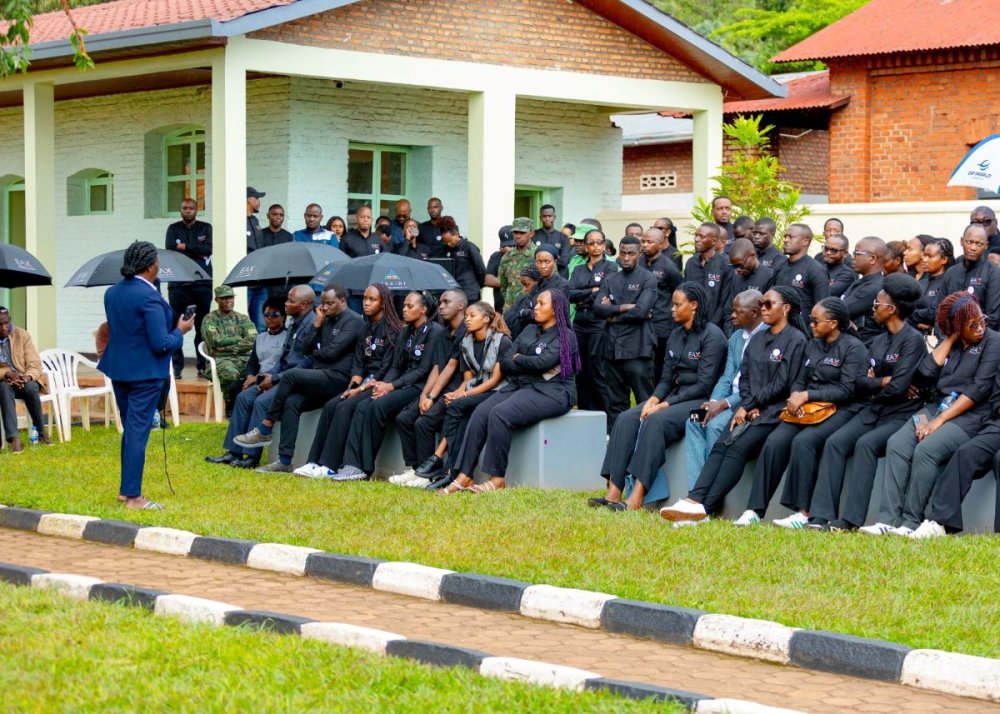
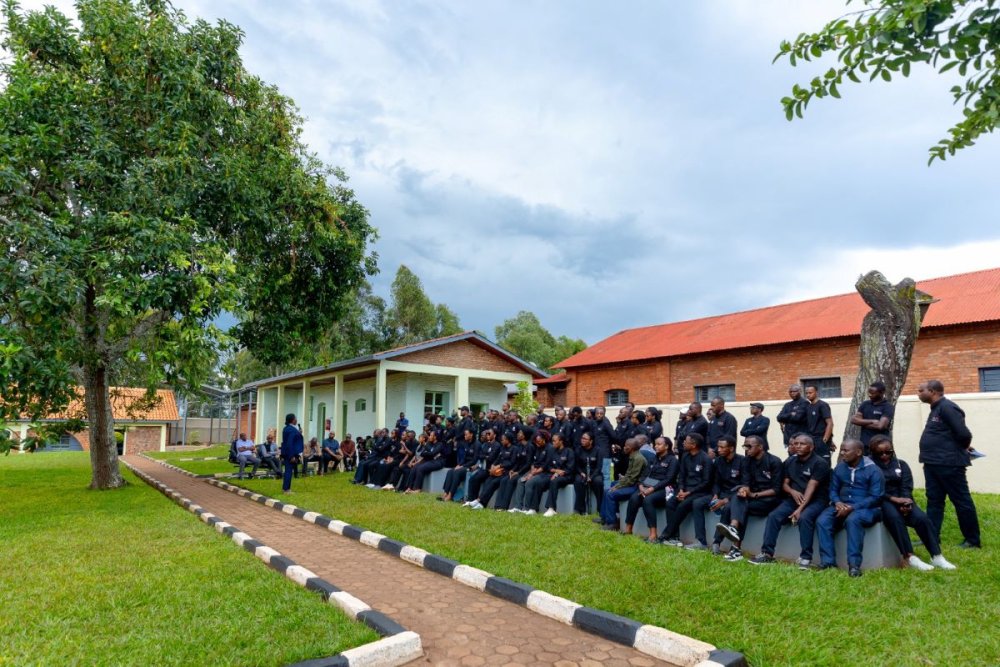
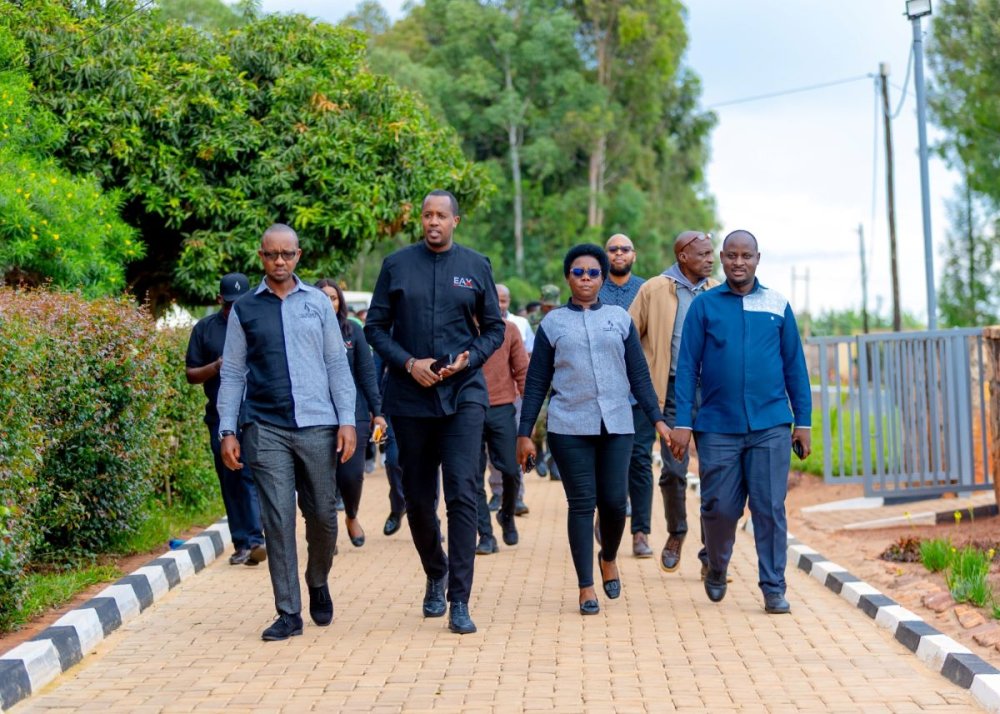
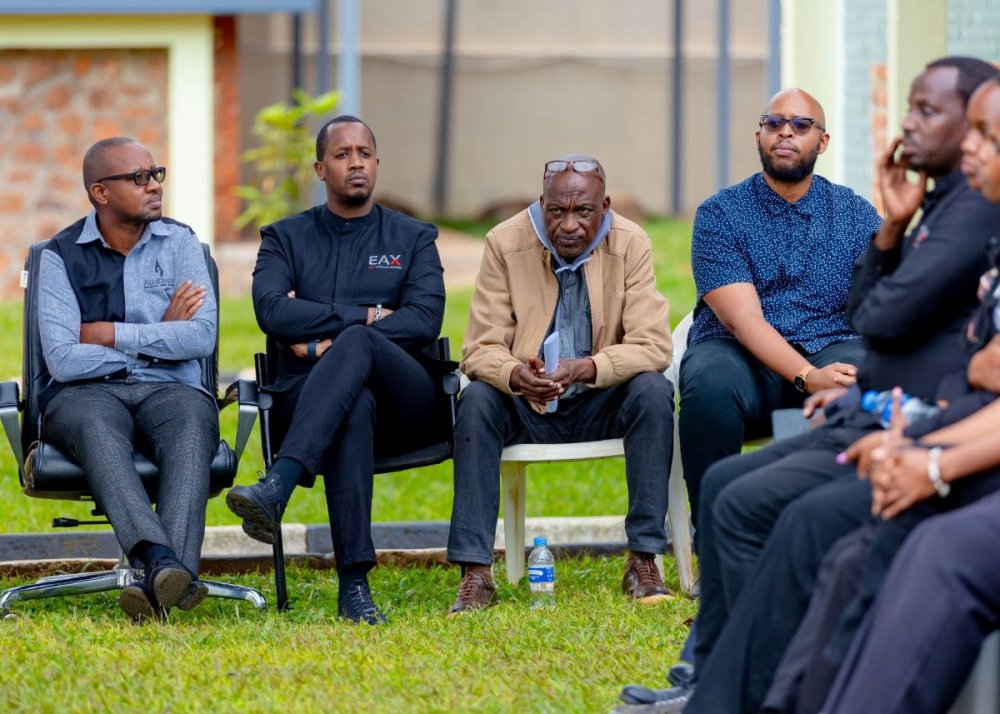
During the guided tour, EAX staff were presented with detailed accounts of the extreme cruelty that characterized the killings.
Survivors and guides described acts such as opening victims’ chests, placing blood in containers to mockingly test whether it could turn into milk, and spreading pepper on bodies to check for signs of life. Children were also violently killed, including being smashed against walls, alongside other forms of brutality.
One survivor, Léoncie Mukandayambaje, who lived through the massacre at Nyarubuye Church, gave testimony of how her baby was killed in front of her after being cut with a machete.
She herself survived after being rescued by the Rwandan Patriotic Army, despite suffering severe injuries.
Commitment to remembrance and education
Paradie Ritha Nimusabe, an employee of East Africa Exchange Ltd, said the visit was particularly meaningful for young people born after the genocide.
She stated that the experience strengthened her resolve to fight genocide denial and ensure such atrocities are never repeated, noting that the cruelty witnessed at Nyarubuye should never happen again.
Similarly, Jean Marie Vianney Nizeyimana said the visit helped him understand how the genocide was carefully planned and how ordinary civilians in Nyarubuye were killed simply for being Tutsi. He added that he intends to pass on these lessons to his children so they grow up valuing unity, love, and historical awareness.
Aimé Gilbert Tuyisenge also reflected on the visit, saying he had heard about Nyarubuye before but had never visited. He described being shocked by testimonies of sexual violence and humiliation suffered by women and girls during the genocide. He emphasized the importance of teaching younger generations Rwanda’s history so that they can learn from it and actively confront denial.
The Chief Executive Officer of EAX, Clement Kayitakire, said the company deliberately organized the visit to Nyarubuye Genocide Memorial to help employees learn the history firsthand and pass it on to younger generations.
He stressed the importance of youth engagement in telling the truth about history, especially at a time when misinformation and genocide denial are spreading on social media.
“It is our responsibility, especially for young people, to tell the truth about this history. On social media today, there are people who distort and deny the Genocide against the Tutsi. That is why we must learn this painful history and be able to respond with facts,” he said. The Mayor of Kirehe District, Rangira Bruno, praised EAX for taking its staff to learn about the history of Nyarubuye. He urged them to take up the responsibility of fighting genocide denial and educating younger generations.
He recalled the extreme brutality of the killings, noting that victims included men, women, children, and the elderly, and that perpetrators went as far as mutilating bodies and desecrating remains in an attempt to maximize suffering. He also acknowledged the role of the Rwandan Patriotic Front in stopping the genocide and restoring peace.
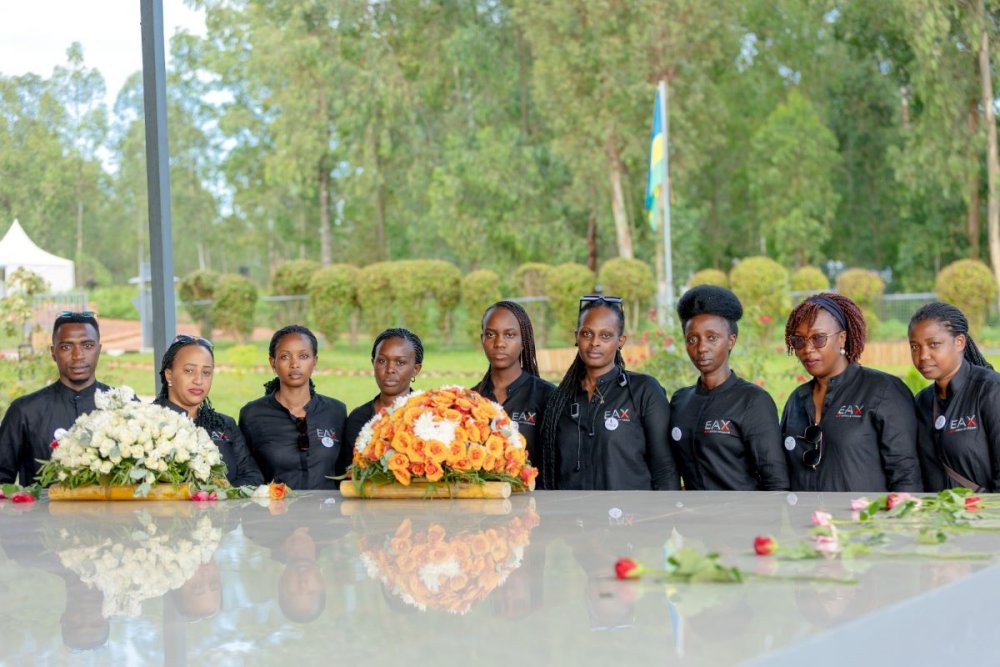
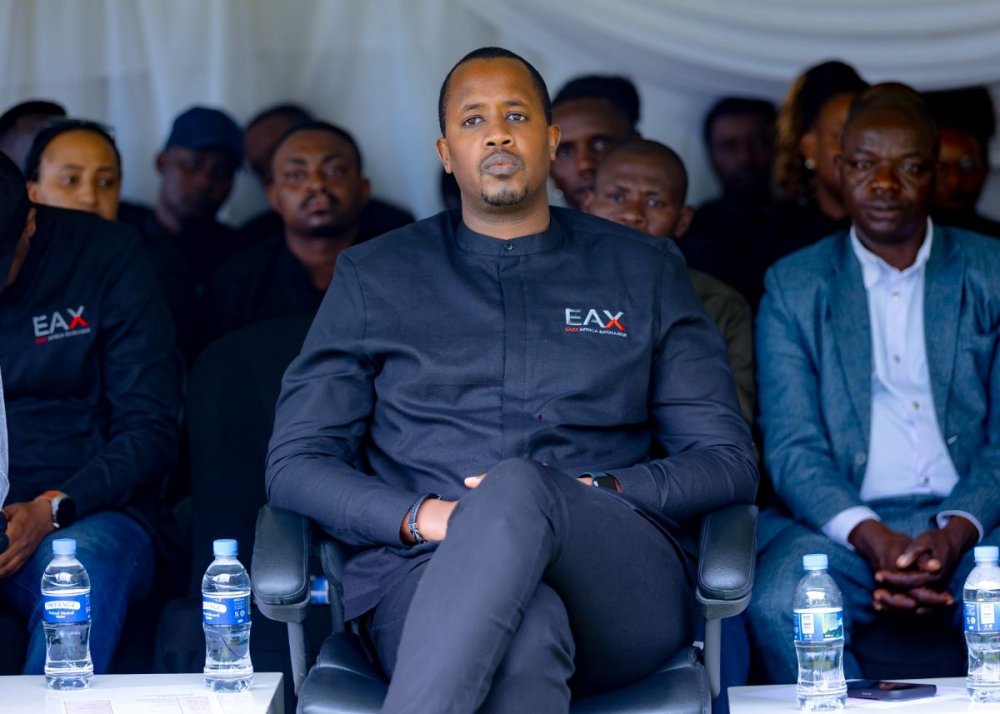
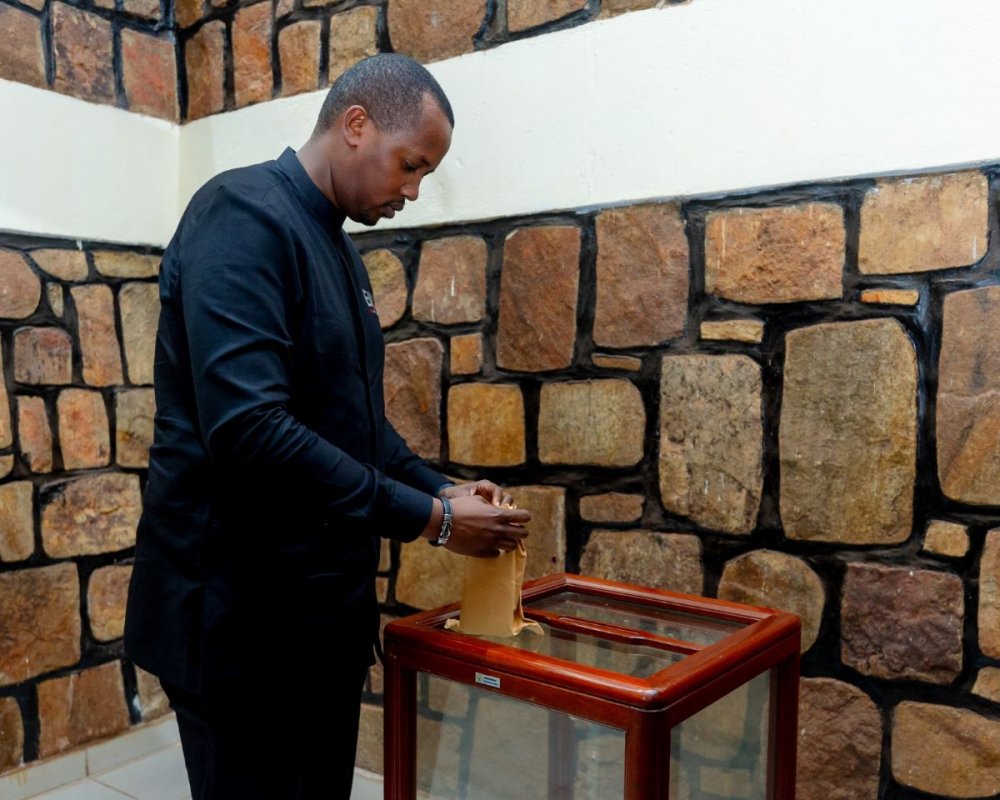
Kirehe District Mayor Bruno Rangira commended EAX for taking its staff to learn about the history of the 1994 Genocide against the Tutsi at Nyarubuye.EAX Chief Executive Officer Clement Kayitakire said the company wants young people to play a role in fighting Genocide denial and revisionism.EAX Chief Executive Officer Clement Kayitakire lays a wreath at Nyarubuye Genocide Memorial.Florentine Nyirakamana from the Ministry of National Unity and Civic Engagement explained the history of the 1994 Genocide against the Tutsi in Nyarubuye to EAX staff.IBUKA President in Kirehe District, Bonaventure Nduwimana, appreciated EAX for taking its employees to learn about the history of the Genocide against the Tutsi at Nyarubuye.Leoncie Mukandayambaje shared an emotional testimony about how she survived the Genocide against the Tutsi.EAX staff were briefed on the history of the 1994 Genocide against the Tutsi in Nyarubuye.EAX employees pledged to continue fighting Genocide denial and revisionism.
The Global Forest Goals Report 2026 found that only seven of the 26 targets have been broadly achieved, while 17 are partially on track and two remain off target.
Drawing on voluntary national reports from 48 countries that account for 51 percent of global forest coverage, along with the latest international data, the report offers the most current assessment of progress under the UN Strategic Plan for Forests 2017-2030 and its six Global Forest Goals.
The report noted that global forest area shrank by more than 40 million hectares between 2015 and 2025. It also highlighted a major shortfall in financing for sustainable forest management.
Despite these setbacks, many countries have introduced policy reforms, expanded forest restoration programs, strengthened governance and increased international cooperation on forest protection.
Progress, however, remains uneven across regions. The report cited improvements in protected forest areas, long-term management planning and forest monitoring systems, but warned that deforestation, climate change, wildfires, pests and illegal activities continue to threaten forests worldwide.
The report outlines pathways for accelerating action, including halting deforestation, restoring degraded lands, expanding protected and sustainably managed forests, strengthening forest-related governance, closing the financing gap for sustainable forest management and advancing innovative financing mechanisms.
The report was released at the opening of the 21st session of the UN Forum on Forests at UN Headquarters, where member states and partners are gathering to advance implementation of the Global Forest Goals.
The report noted that global forest area shrank by more than 40 million hectares between 2015 and 2025.
Museveni, 81, was declared the winner of the presidential poll by the Electoral Commission in January, securing a seventh term in office. Official results showed that he obtained about 72 percent of the vote, while his closest challenger, Bobi Wine, garnered around 25 percent.
Tuesday’s swearing-in ceremony unfolded under heavy security and strict protocol, bringing together regional heads of state, senior government officials, diplomats, and dignitaries from across Africa.
Security was visibly heightened across Kampala ahead of the event, with security agencies deploying personnel to manage crowds, secure key routes, and ensure a smooth and orderly inauguration process.
Grand ceremonial display at Kololo
The ceremony featured elaborate military and constitutional rituals at Kololo Independence Grounds. President Museveni arrived under heavy security escort, with supporters lining the venue to witness the occasion.
He received the final salute of his outgoing term as Commander-in-Chief, followed by the national anthem, marking the formal commencement of the inauguration proceedings. Museveni later inspected a ceremonial parade and briefly interacted with visiting heads of state and foreign dignitaries, underscoring the diplomatic significance of the event.
The presidential standard was later lowered, symbolically marking the end of his previous term and temporarily rendering the presidency vacant in line with constitutional procedure.
Prayer, electoral declaration, and oath of office
Religious leaders led national prayers, with Archbishop Samuel Stephen Kaziimba Mugalu offering blessings for wisdom, justice, and good health for the President and First Lady Janet Museveni.
Vice President Jessica Alupo presided over the constitutional segment of the ceremony before Electoral Commission Chairperson Justice Simon Byabakama officially declared Museveni the winner of the election.
“From the declared results, Museveni emerged winner after satisfying the legal requirement that a candidate must obtain more than 50 percent of valid votes cast,” Byabakama said.
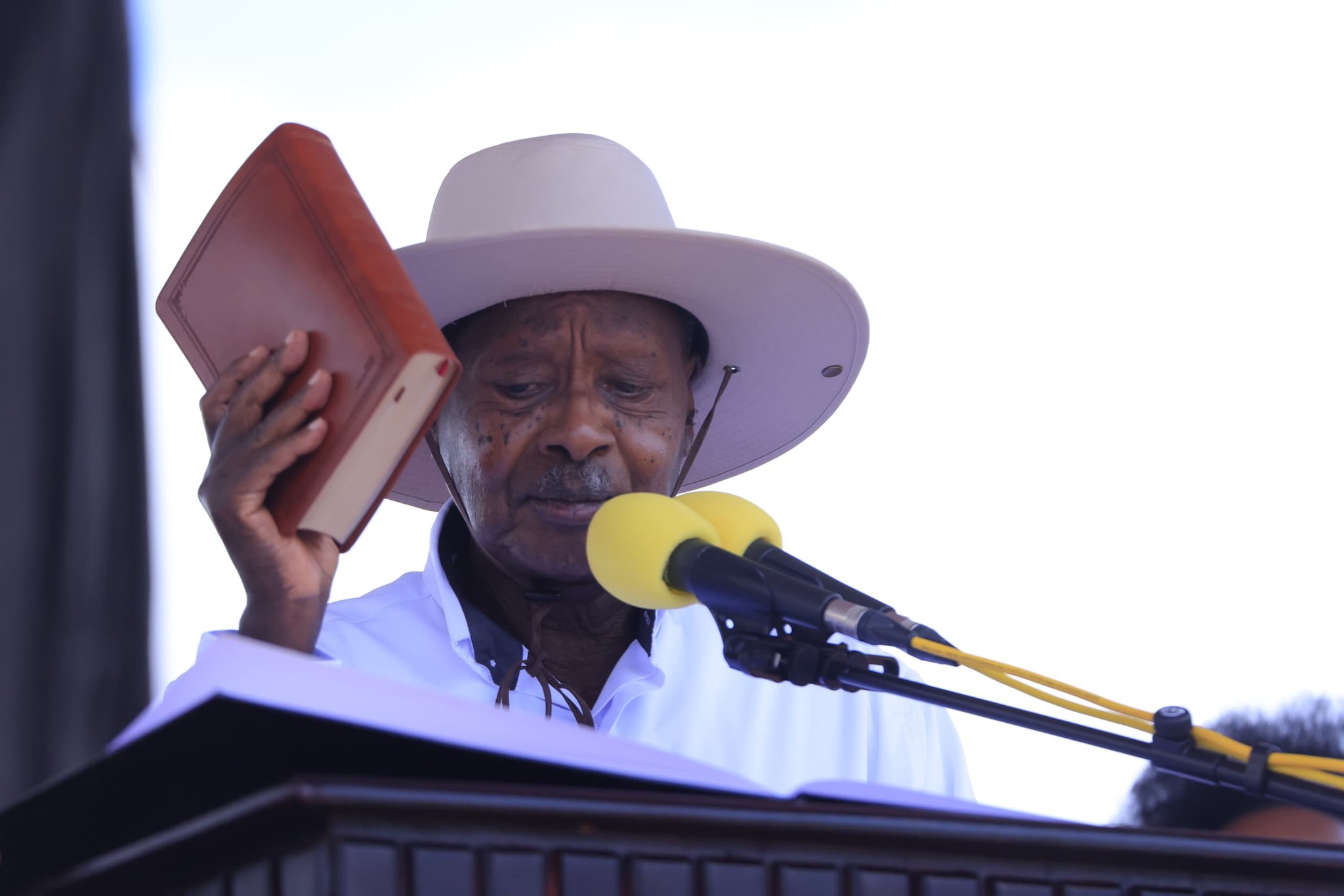
Museveni then took the oath of allegiance and the presidential oath before Flavian Zeija, accompanied by his daughter Natasha Karugire. Military honours were rendered as he stepped forward, drawing applause from attendees.
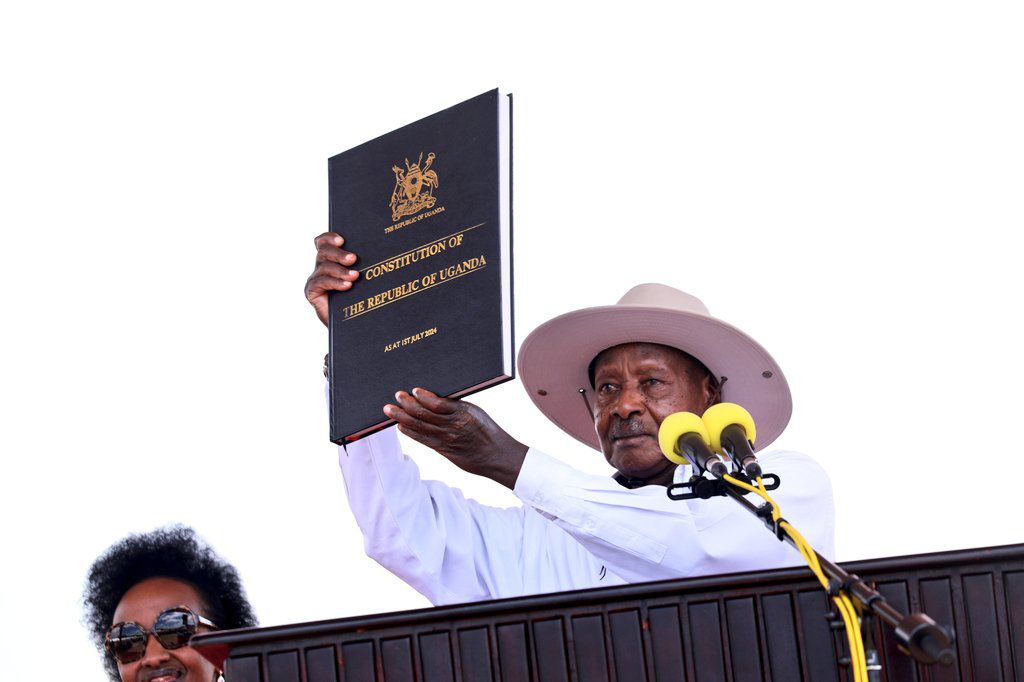
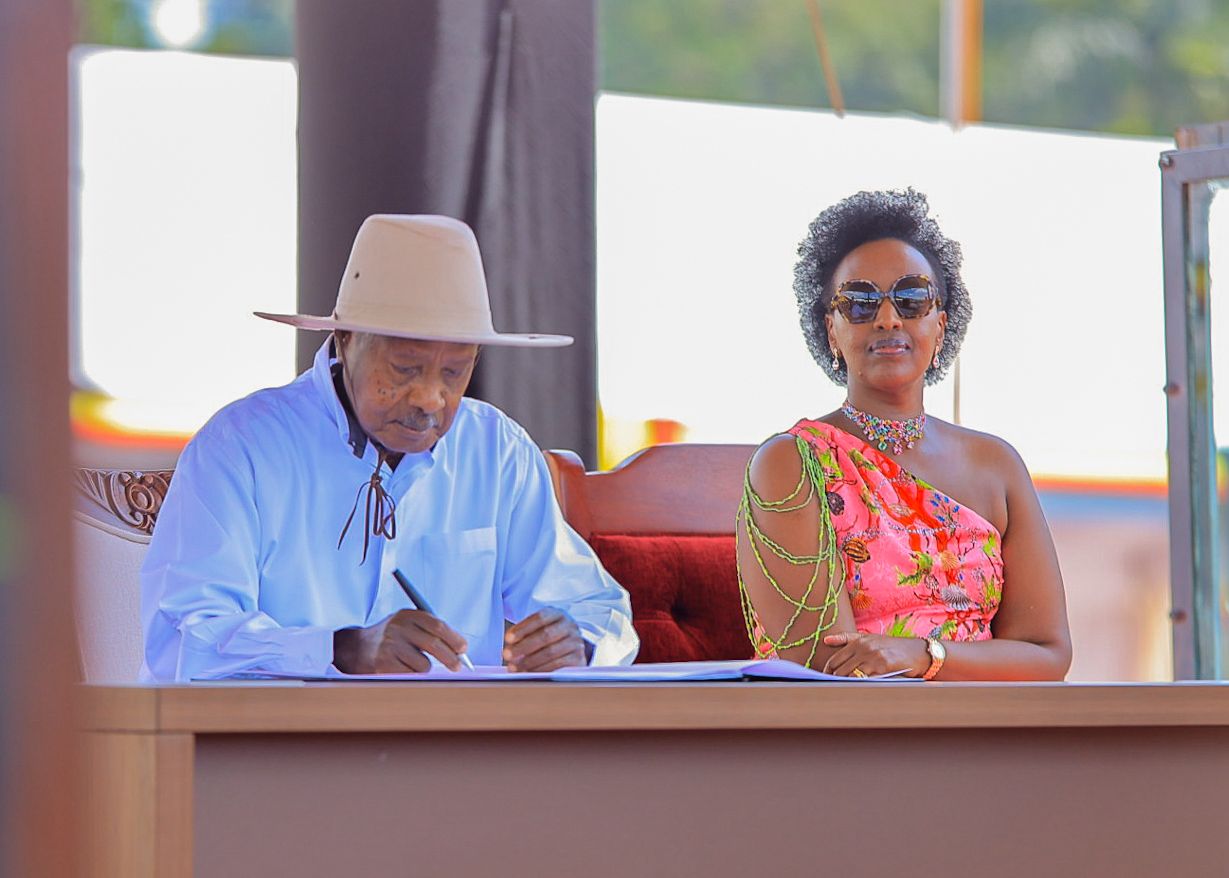
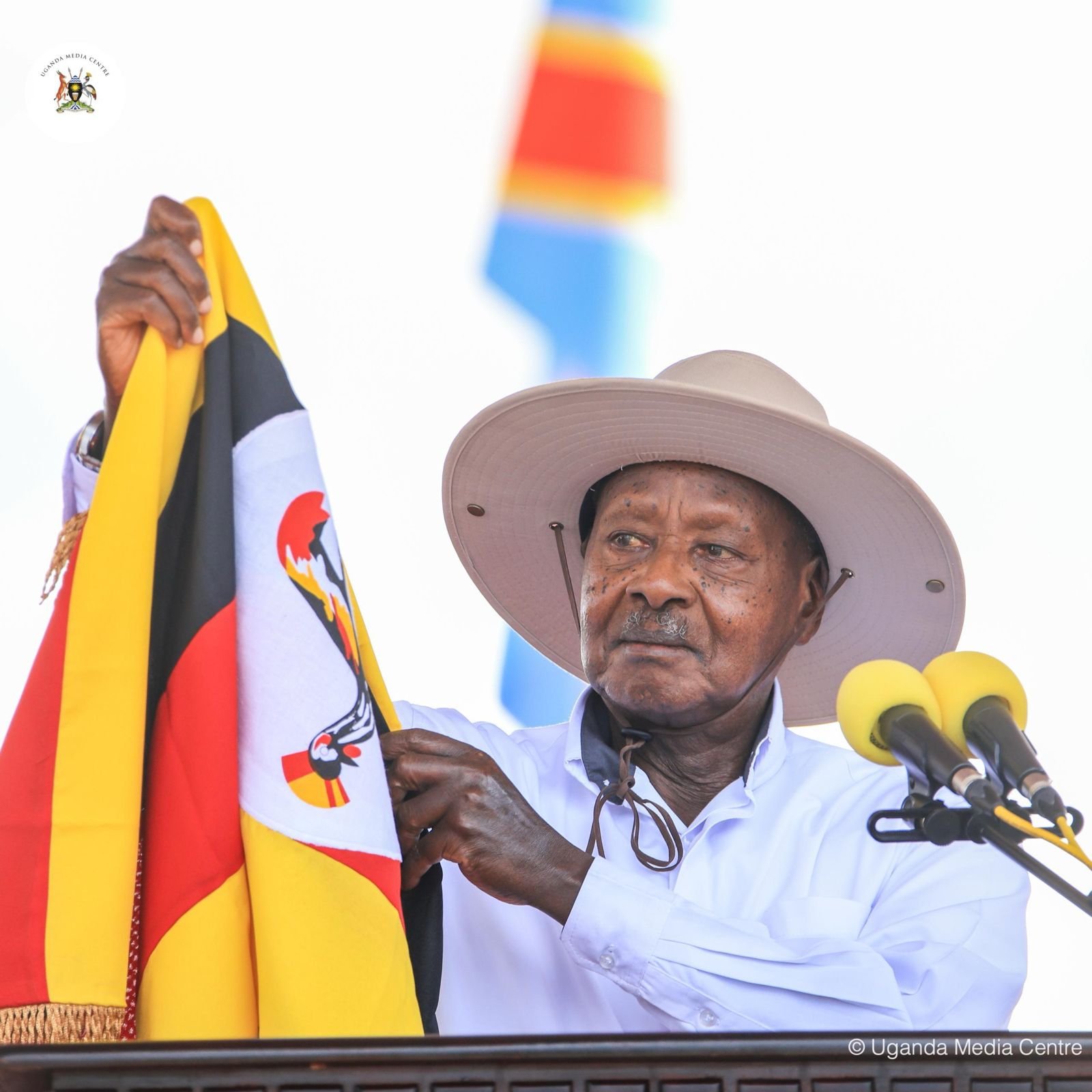
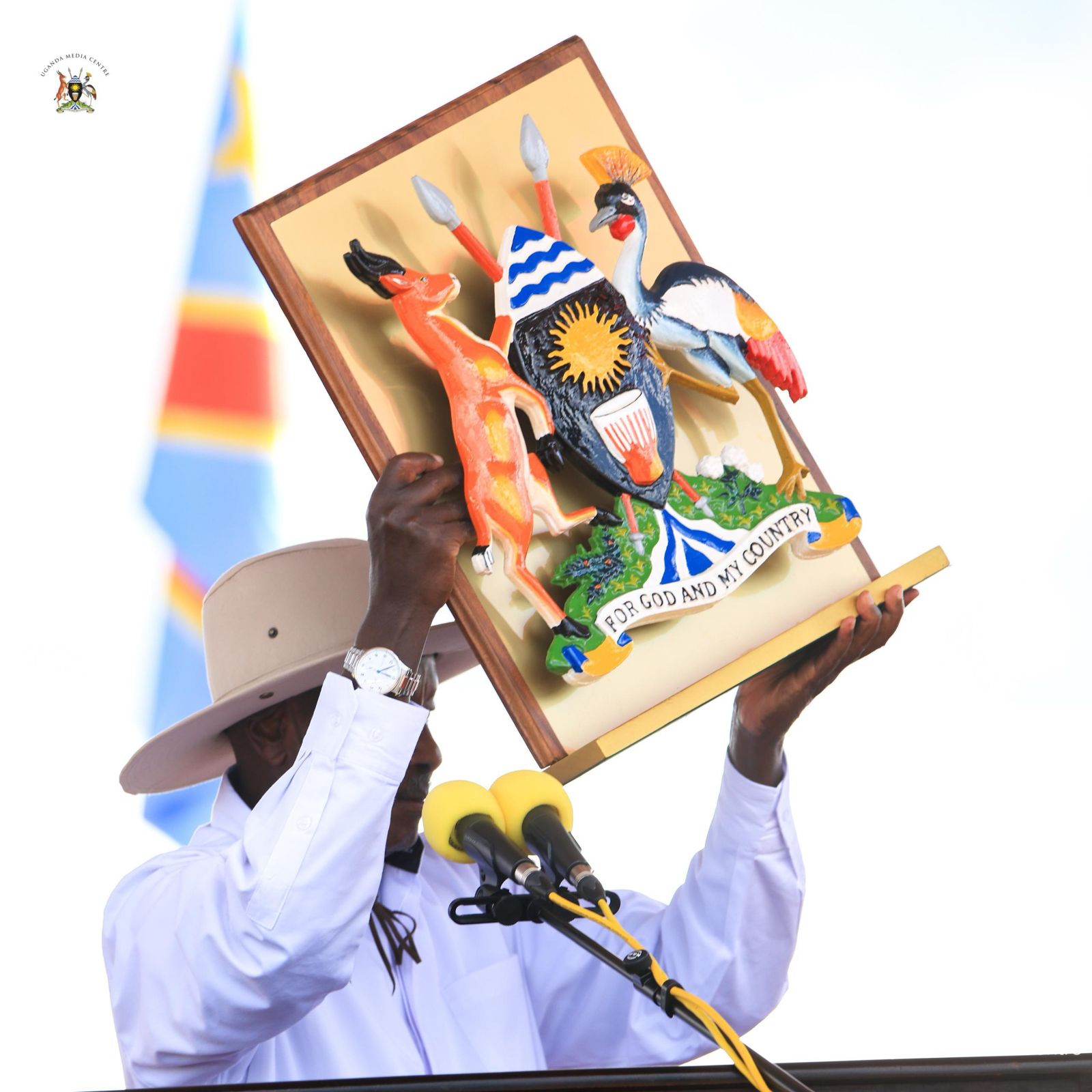
Following the swearing-in, President Museveni signed official instruments and received key national symbols, including the Constitution, the national flag, the presidential standard, the coat of arms, and the public seal.
A presidential salute was fired, followed by the national anthem and a 21-gun salute as the presidential standard was raised again, signalling the formal start of his new term in office.
Museveni later inspected the military parade as the newly inaugurated President and Commander-in-Chief of the armed forces.
Regional significance and policy direction
Museveni has consistently emphasised priorities such as infrastructure expansion, economic transformation, and regional integration. In his renewed mandate, he pledged to continue advancing Uganda’s development agenda while strengthening regional cooperation and promoting economic growth and stability.
The ceremony comes as East African nations increasingly focus on improving trade links, enhancing security cooperation, and expanding regional connectivity initiatives aimed at boosting economic integration.
President Yoweri Kaguta Museveni has been sworn in for a new presidential term following a vibrant and tightly orchestrated inauguration ceremony.Following the swearing-in, President Museveni signed official instruments and received key national symbols, including the Constitution, the national flag, the presidential standard, the coat of arms, and the public seal.President Museveni holding the Constitution.President Museveni receives the national flag of Uganda.President Museveni receives the coat of arms.
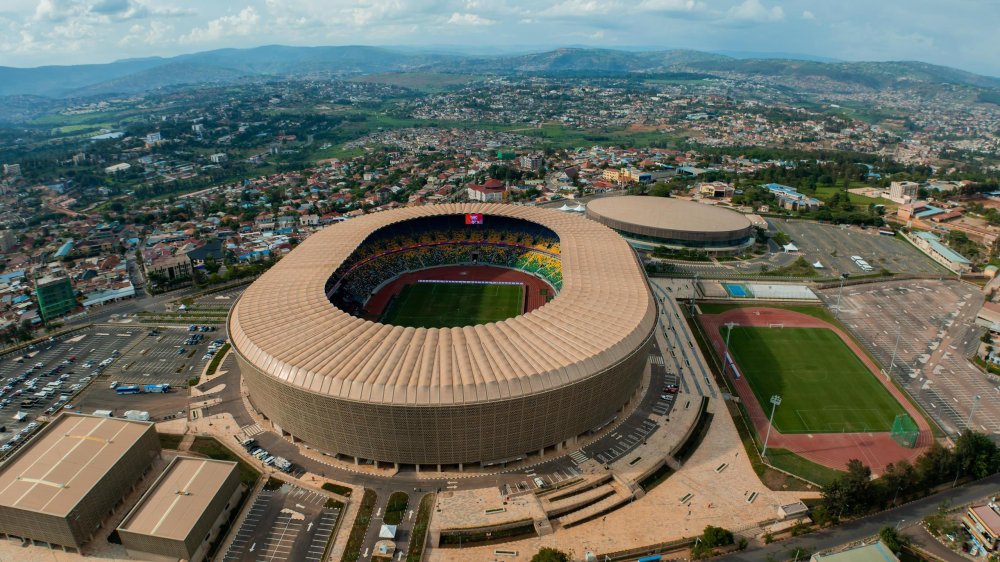
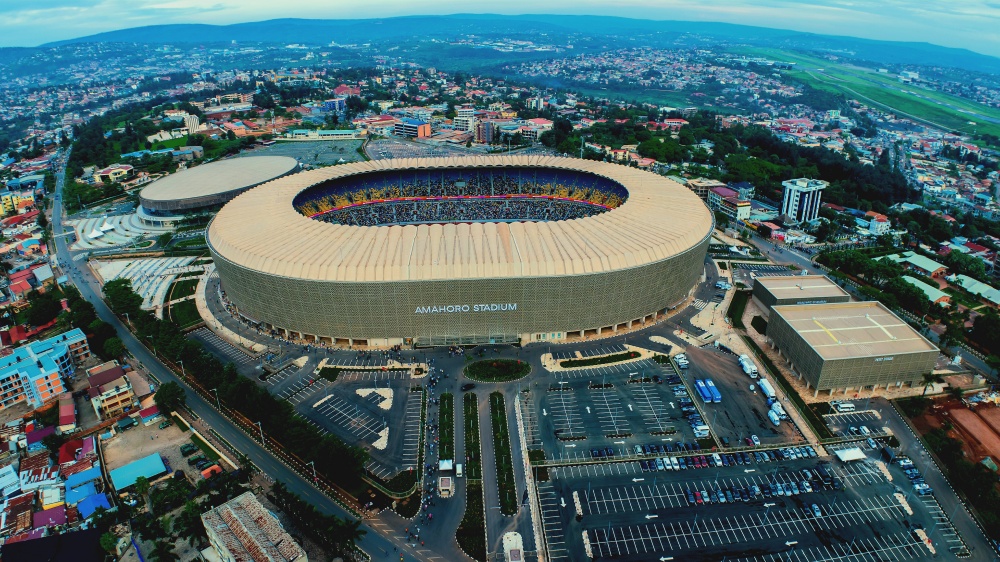
Amahoro Stadium, which was reopened in 2024 after a major renovation costing more than $160 million, has a seating capacity of 45,000 people. BK Arena, completed in 2019 at a cost of $104 million, can host up to 10,000 spectators.
The two venues have become central to Rwanda’s ambition of positioning itself as a destination for international conferences, sports and entertainment events. They have hosted major events including the FIFA Congress, the Basketball Africa League, Move Afrika and Giants of Africa.
However, despite their growing importance, event organizers and members of the public have repeatedly raised concerns over what they describe as expensive rental fees and restrictive operational requirements.
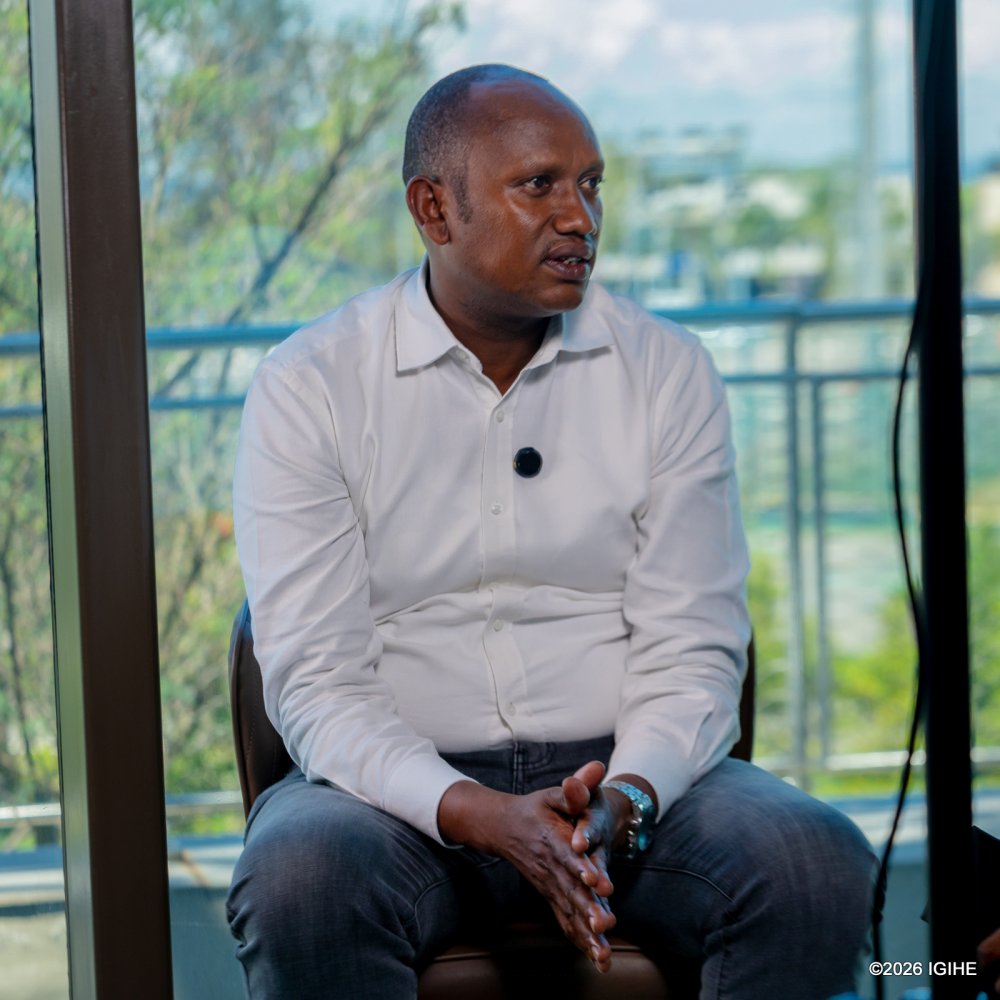
In an interview with IGIHE, John Ntigengwa, the Country Director of QA Venue Solutions which managed both facilities, addressed the concerns and defended the company’s management approach.
Ntigengwa explained that QA Venue Solutions operates the facilities under an agreement with the Government of Rwanda, with responsibilities that include maintaining the venues and ensuring they generate revenue.
He said one of the biggest challenges remains the fact that many people still cannot afford to use the facilities.
According to him, operating and maintaining such large infrastructures comes at a high cost, making it impossible to lower prices beyond a certain level.
“For BK Arena, the average base price over the last five years has been around Rwf5 million,” he explained, noting that this amount only covers the minimum operational requirements for an event.
He added that the actual daily operational cost for events at BK Arena reaches about Rwf9 million before additional expenses such as security, protocol staff and cleaning services are included.
Regarding Amahoro Stadium, Ntigengwa revealed that the initial minimum operational fee had been estimated at Rwf16 million.
However, after discussions with stakeholders including the Rwanda Premier League, the base price was reduced to around Rwf3 million in an effort to make the stadium more accessible, especially for football clubs.
He said the company is also seeking more partnerships, particularly with advertisers and sponsors, to further reduce operational costs and make the venues more affordable.
John Ntigengwa says maintaining BK Arena and Amahoro Stadium comes with high operational costs.
Addressing complaints that BK Arena is more expensive than Amahoro Stadium, Ntigengwa argued that when all operational costs are considered, the expenses are nearly similar.
He also explained that most event organizers rely heavily on sponsorships because the local market alone is often not sufficient to cover the costs of staging large events.
Another issue frequently raised by organizers concerns the requirement to use venue-approved protocol staff, security teams and, in some cases, sound equipment providers.
Ntigengwa said those policies are primarily aimed at ensuring professionalism and safety.
He explained that protocol and security personnel assigned to the venues receive specialized training and are familiar with the infrastructure, making it risky to allow untrained teams to manage crowds in the facilities.
On technical equipment, he said the company only requires service providers who meet specific professional standards, especially for complex installations such as suspended lighting and sound systems.
However, he denied claims that QA Venue Solutions works exclusively with one supplier, saying organizers with smaller technical needs are sometimes allowed to work with their preferred providers.
The company also responded to complaints from event promoters who accuse the venue management of generating additional revenue from food and beverage sales during events without sharing profits.
Ntigengwa said food and drinks sold at the venues must meet strict safety and quality standards, which is why the company limits who can operate inside the facilities.
He added that the company intentionally keeps rental fees below actual operational costs and compensates through other revenue streams such as concessions and commercial activities inside the venues.
“If an event at BK Arena costs us at least Rwf9 million to operate but we charge the organizer Rwf5 million, it does not mean we are choosing to make losses,” he said. “We look for other ways to generate revenue while keeping the venue accessible.”
On VIP suites at BK Arena, Ntigengwa explained that out of the 14 available suites, organizers typically receive only two because the others are reserved for clients who lease them on annual contracts.
He also addressed criticism over ticketing fees, where organizers have complained about a 15 percent deduction on ticket sales.
According to him, QA Venue Solutions only takes 3 percent, while ticketing service providers receive 12 percent, with the remaining amount going to the event organizer.
Despite the criticisms, Ntigengwa said the company remains open to dialogue and welcomes suggestions from clients and partners on how operations can be improved.
“We encourage people not to rely only on rumors that these venues are too expensive,” he said. “Anyone interested in using them should come and discuss their project with us because every case is different.”
He also acknowledged that attracting international artists remains costly, although the company hopes to organize at least two major concerts annually at BK Arena and one at Amahoro Stadium.
Ntigengwa dismissed reports suggesting that negotiations to host major artists such as Chris Brown and Burna Boy for a grand Amahoro Stadium inauguration concert had been finalized, saying discussions remain at an early stage.
He nevertheless confirmed preparations are progressing for the upcoming concert by UB40 featuring Ali Campbell scheduled for June 9, 2026, at BK Arena.
Ntigengwa also praised King James after tickets for the artist’s concert reportedly sold out within three days, describing it as proof of the musician’s strong fan base and hinting that discussions for a second day show were ongoing.
BK Arena and Amahoro Stadium have become key venues for Rwanda’s international sports and entertainment ambitions.