A community’s request for a school, health centre, better roads, or improved public services reflects its aspirations for a better future. But how can citizens know whether their priorities have been considered in the national budget? Which projects have been selected for funding, and how can communities follow up on the government’s commitments?
In Rwanda, the Citizen’s Guide to the National Budget seeks to answer these questions by making budget information easier to understand and use. Through collaboration between CLADHO and its partners, the Guide aims to strengthen public understanding of how the national budget works, improve access to budget information, help citizens understand the many ways in which the national budget affects their lives, and promote their meaningful participation in the planning and implementation of budget priorities.
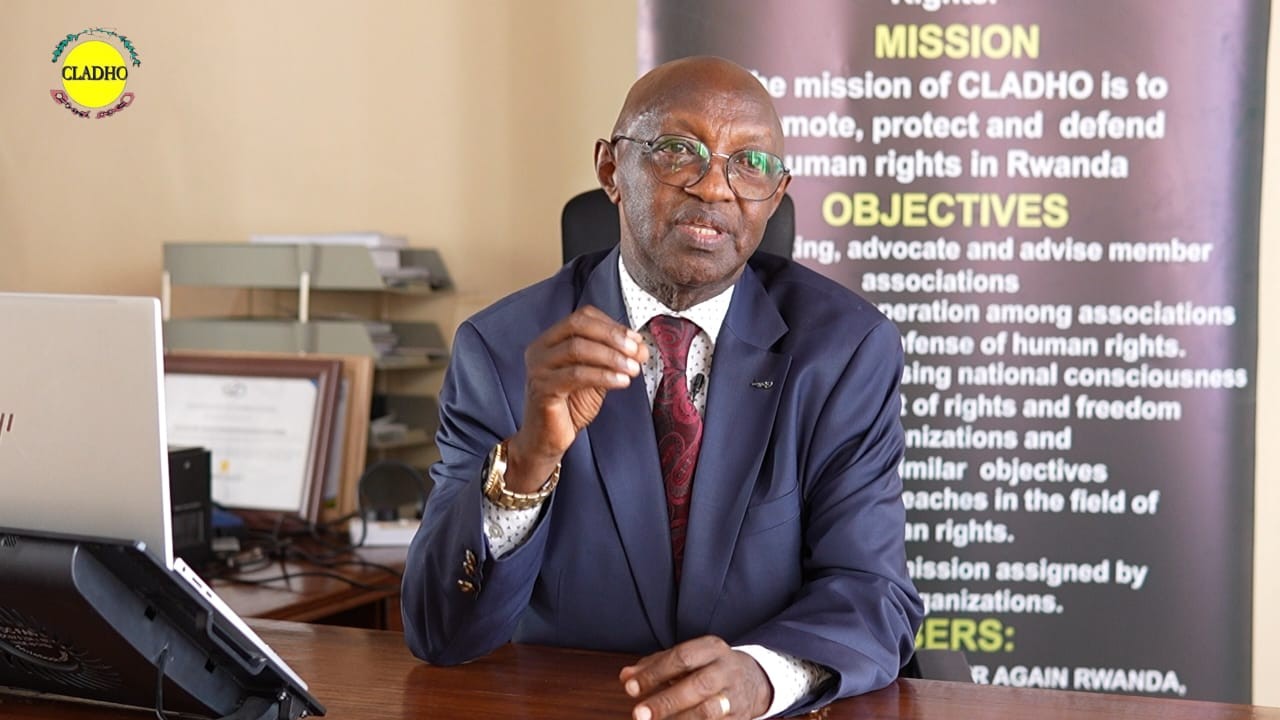
For Dr. Emmanuel Safari, Executive Secretary of CLADHO, the initiative addresses a fundamental challenge: ensuring that citizens can access and understand information on how the government mobilizes and allocates resources to national priorities agreed upon during the planning and budgeting process, while also enabling them to participate meaningfully in the implementation and monitoring of those priorities.
“One of the main reasons we developed this booklet is that the national budget was not always easy for citizens to understand,” Dr. Safari explains. “Through our collaboration with MINECOFIN, we want to make budget information accessible in languages that Rwandans can easily understand.”
By making much of the budget information available in Kinyarwanda, English, and French, the Guide helps bridge the gap between technical government documents and citizens’ everyday experiences, enabling more people to understand and engage with decisions that affect their lives and communities.
Connecting community priorities to public spending.
The national budget is a critical instrument for financing public services, implementing government policies, and advancing national development priorities. However, without accessible and understandable budget information, it can be challenging for citizens to know how their needs and priorities are reflected in budget decisions and to participate meaningfully in the implementation and monitoring of those priorities.
The Citizen’s Guide explains how the national budget is prepared, how community priorities and proposals move through different administrative levels, and how projects are considered and selected for funding.
During community meetings, residents may identify and propose priorities such as schools, health facilities, roads, and other infrastructure and public services. These priorities are then forwarded to the sector and district levels, where they are assessed and considered for inclusion in development plans and budgets.
The Guide helps citizens understand this process by providing information on the priorities selected for implementation and the projects completed during the previous fiscal year. This enables citizens to follow up on planned interventions, benefit from completed projects and public services, and contribute to monitoring their continued functionality and sustainability.
Dr. Safari notes that there has been a common perception that the national budget is prepared exclusively by the Ministry of Finance, a view he says he once shared. “Before this initiative, many Rwandans believed that the national budget was prepared solely by the Ministry of Finance. I also held that view before becoming involved in this work,” he says.
He explains that the national budget, approved annually in June, outlines the Government’s priorities, planned projects, and resource allocations for the coming fiscal year, while the Guide also provides information on projects completed during the previous fiscal year. Understanding this information helps citizens see how national development commitments translate into actions within their communities, how public resources are allocated to support their implementation, and how they can follow up on progress.
Strengthening accountability through information
Access to national budget information is essential for meaningful citizen participation and accountability. When citizens understand government priorities, commitments, and resource allocations, they are better equipped to engage with their leaders, follow up on implementation, monitor progress, and ask informed questions about development projects and public services.
For Dr. Safari, one of the Guide’s key contributions is enabling citizens to know which of their priorities have been selected for implementation during a particular financial year.
“Of the ten or twenty priorities they may have proposed, they can see which ones were selected and given priority,” he explains.
This information helps communities understand which of their proposals have been incorporated into annual plans and budgets and provides a basis for constructive dialogue with public institutions on their implementation and progress.
The Guide is intended to be more than a document that people read once. Citizens can consult it to identify projects planned for their districts, understand government commitments, follow up on implementation, and engage more meaningfully in decisions affecting the development of their communities.
Dr. Safari emphasizes the importance of reaching as many people as possible, acknowledging the collaboration with MINECOFIN and the support of Norwegian People’s Aid, with funding from the Danish Government.
He also challenges the perception that written information is often inaccessible or underutilized in African communities.
“There is a saying that if you want to hide something from an African, you should put it in writing. We want to challenge that perception by bringing written information closer to citizens and showing them how useful it can be,” he says.
His message underscores the importance of ensuring that information produced through such initiatives reaches the people it is intended to serve and becomes a practical tool for enhancing understanding, participation, and accountability.
A citizen’s perspective on development opportunities
For residents, the Guide’s value lies in connecting national planning and budgeting with local development needs and practical opportunities.
Mukarugomwa Rita, a resident of Gisagara District, believes the Guide provides valuable insights into development projects and ambitions that citizens might otherwise not know about.
“Based on what I have read, I believe this booklet has been well prepared,” she says. “It contains projects that I had never imagined could be included, as well as ambitious initiatives that reflect the level of development I believe Rwanda can achieve.”
Rita highlights how the Guide enables citizens to see whether their priorities and proposals have been considered and to better understand how their participation contributes to development planning and budgeting.
She also sees the Guide as a useful resource for helping people plan for their economic future. Knowing which development projects are planned can help residents anticipate potential employment, investment, and business opportunities associated with their implementation.
“In this way, the projects being implemented can also create financial opportunities and benefits for citizens,” she says.
Her perspective demonstrates that accessible budget information can support not only transparency and accountability but also informed decision-making and greater citizen participation in local economic development.
The Citizen’s Guide to the National Budget represents a collaborative effort to make budget information accessible, understandable, and relevant to Rwandans. Its impact depends on citizens being aware of the resource, accessing and using it, and applying the information to participate meaningfully in development planning, follow up on the implementation of budget priorities, and monitor progress.
Leave a Reply