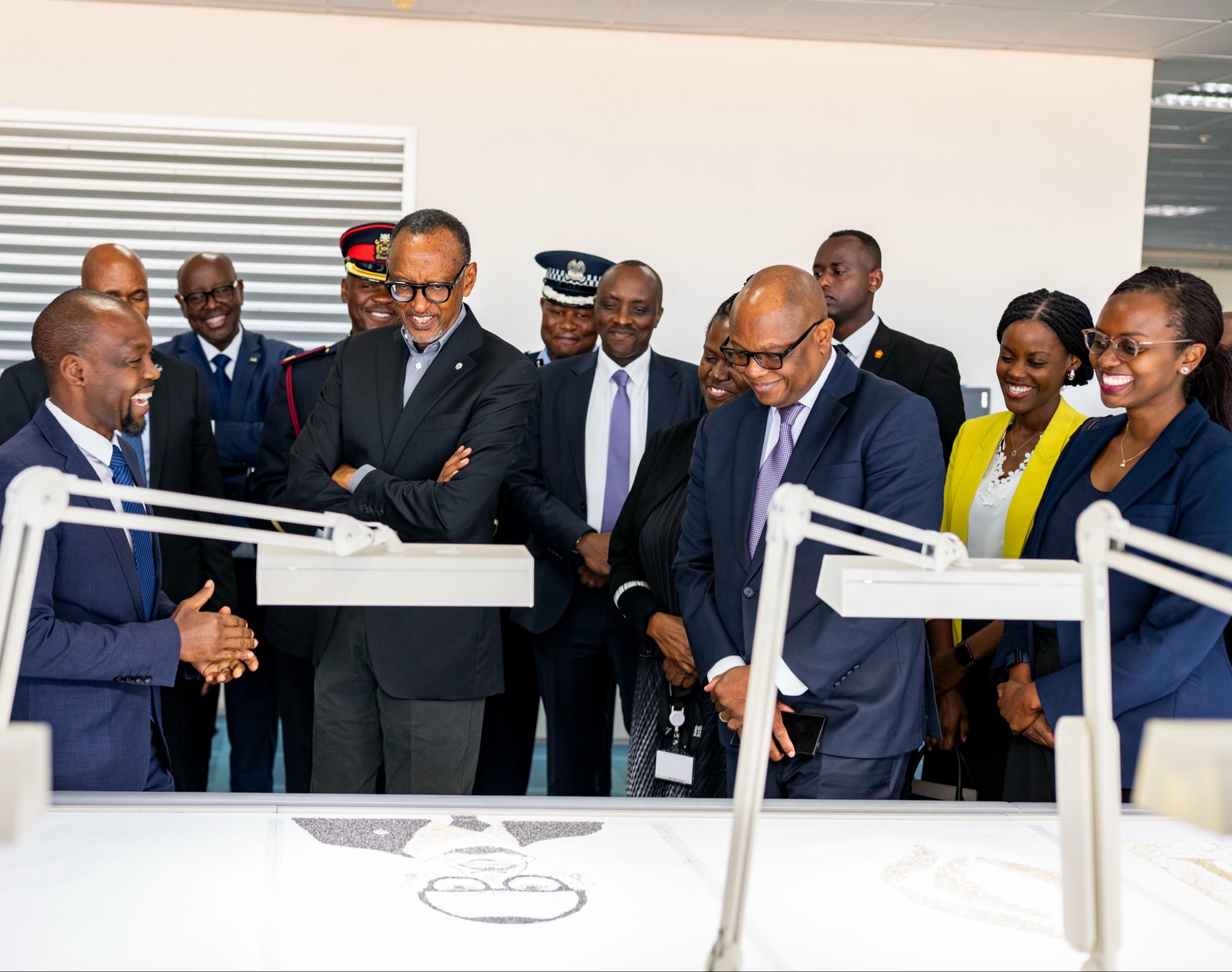
The development has been confirmed by Rwanda’s Office of the President.
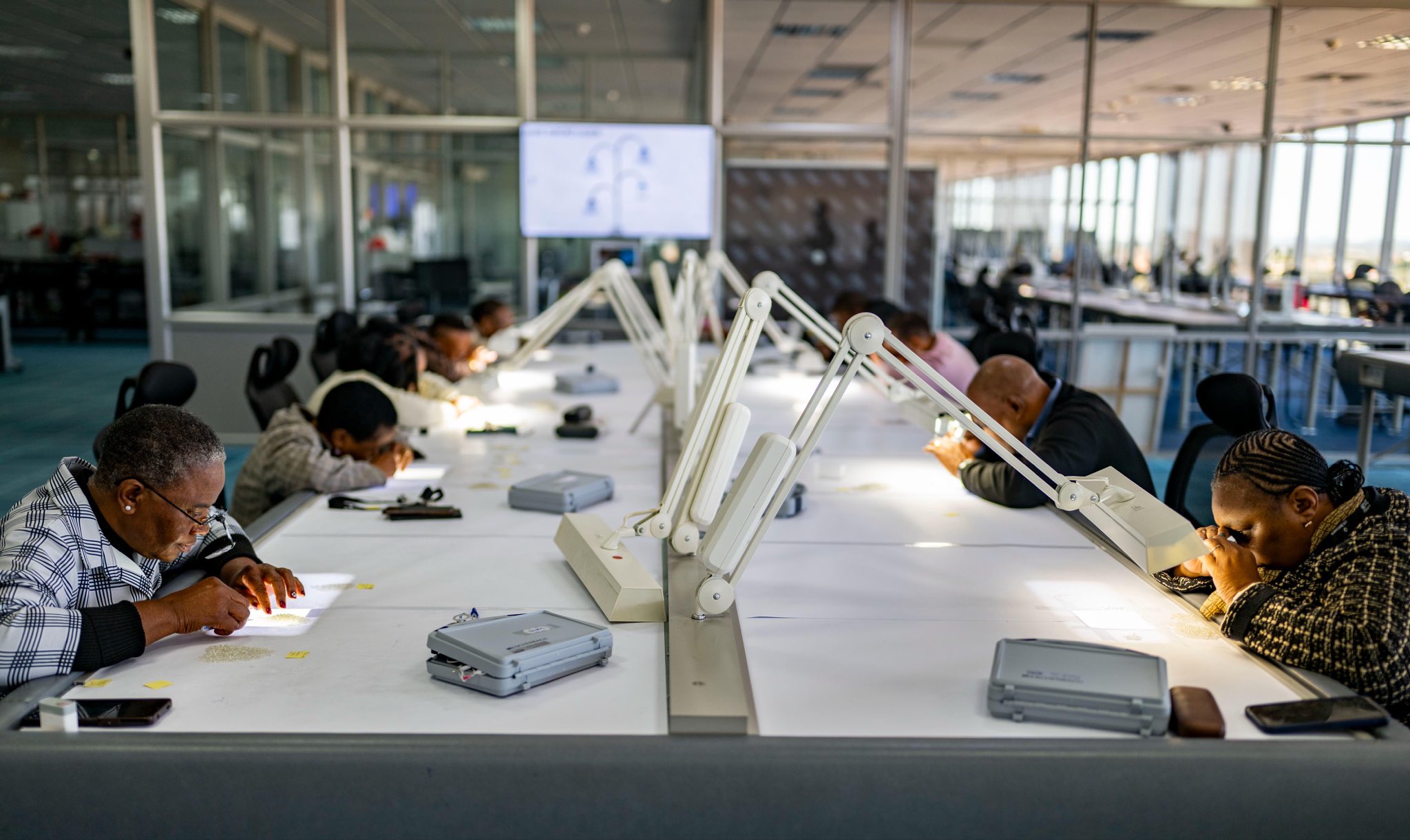
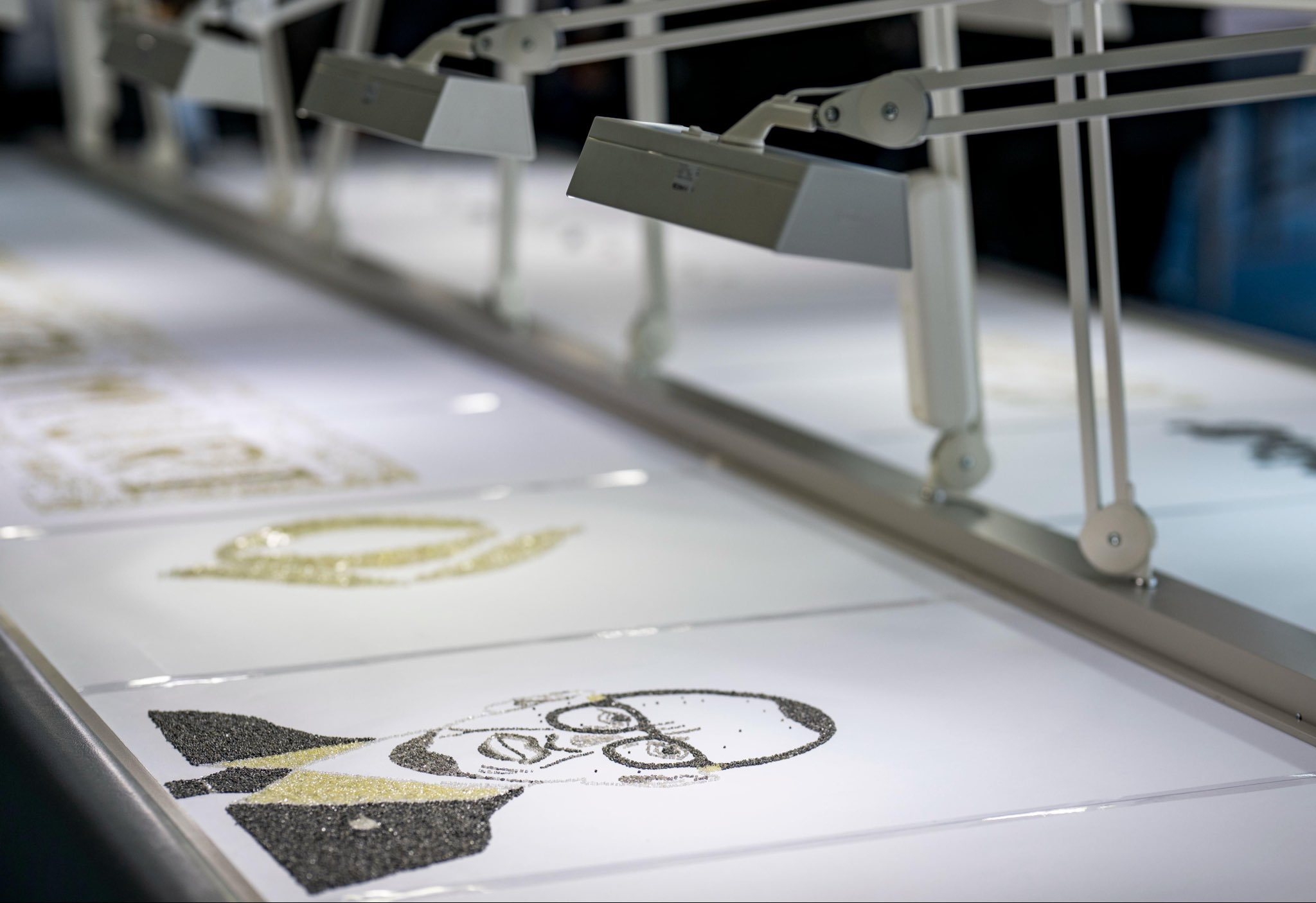
DTC Botswana is a 50/50 joint venture between the Government of Botswana and De Beers. The company is regarded as the world’s largest and most sophisticated rough diamond sorting and valuing operation, with the capacity to sort up to 45 million carats annually.
The visit to the diamond facility comes amid renewed efforts by Rwanda and Botswana to deepen economic cooperation and strengthen investment partnerships between the two countries.
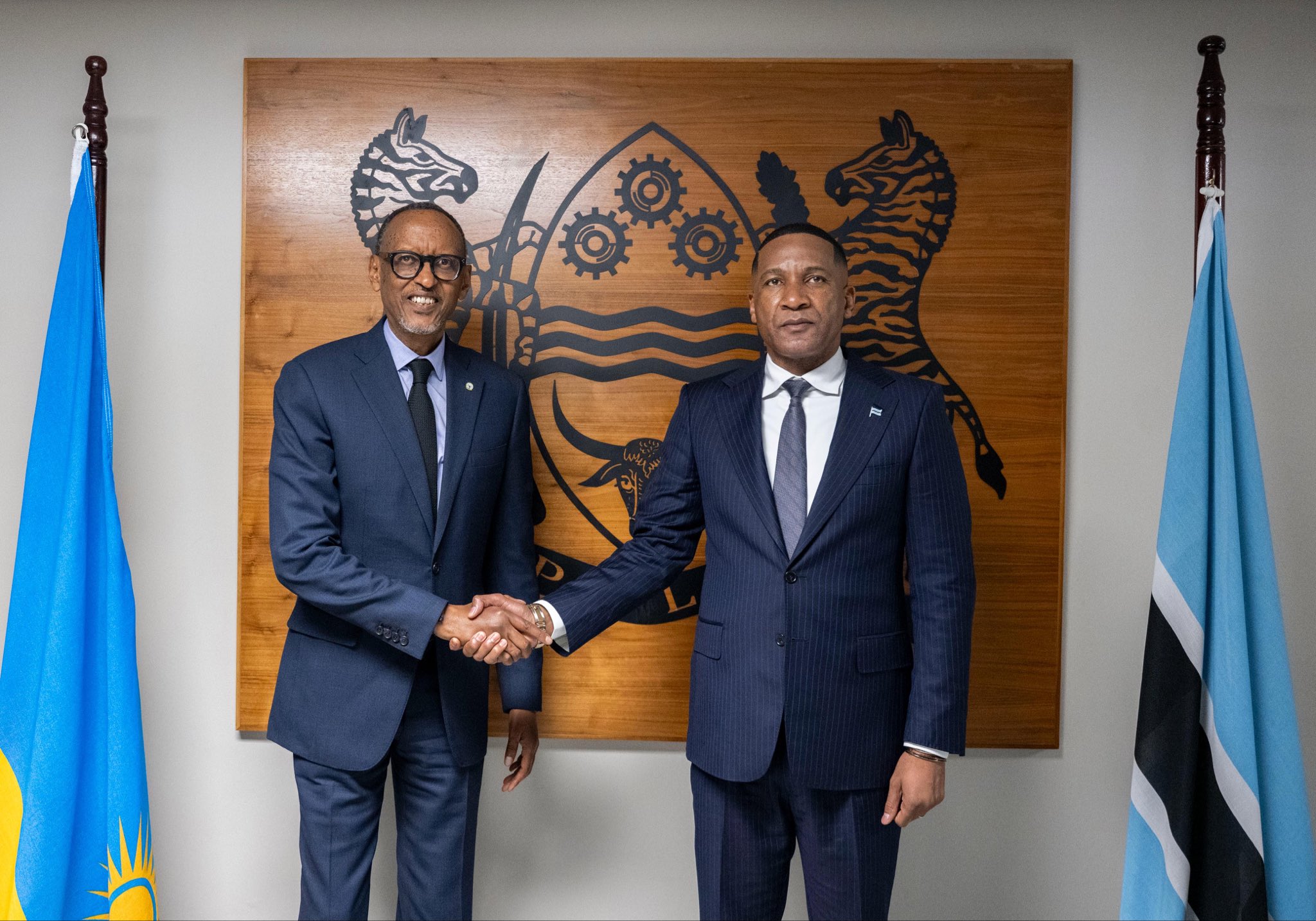
On Wednesday, President Kagame and Botswana’s counterpart Duma Boko witnessed the signing of several bilateral agreements at the State House in Gaborone following bilateral talks between the two delegations.
The agreements covered avoidance of double taxation, visa exemption for holders of diplomatic, official, and national passports, air services, health cooperation, and broader economic, trade, and investment partnerships.
A cooperation framework between the Rwanda Development Board and the Botswana Investment and Trade Centre was also signed to promote private sector collaboration and facilitate investment flows.
During the engagements, President Kagame praised Botswana’s approach to natural resource management, particularly in the diamond sector, describing it as an example of forward-looking governance.
President Boko said the visit marked a strategic realignment between the two countries and stressed the need for swift implementation of the signed agreements.
President Kagame’s visit is his first State Visit to Botswana since 2019, when both countries agreed to establish the Joint Permanent Commission on Cooperation framework aimed at strengthening bilateral ties.
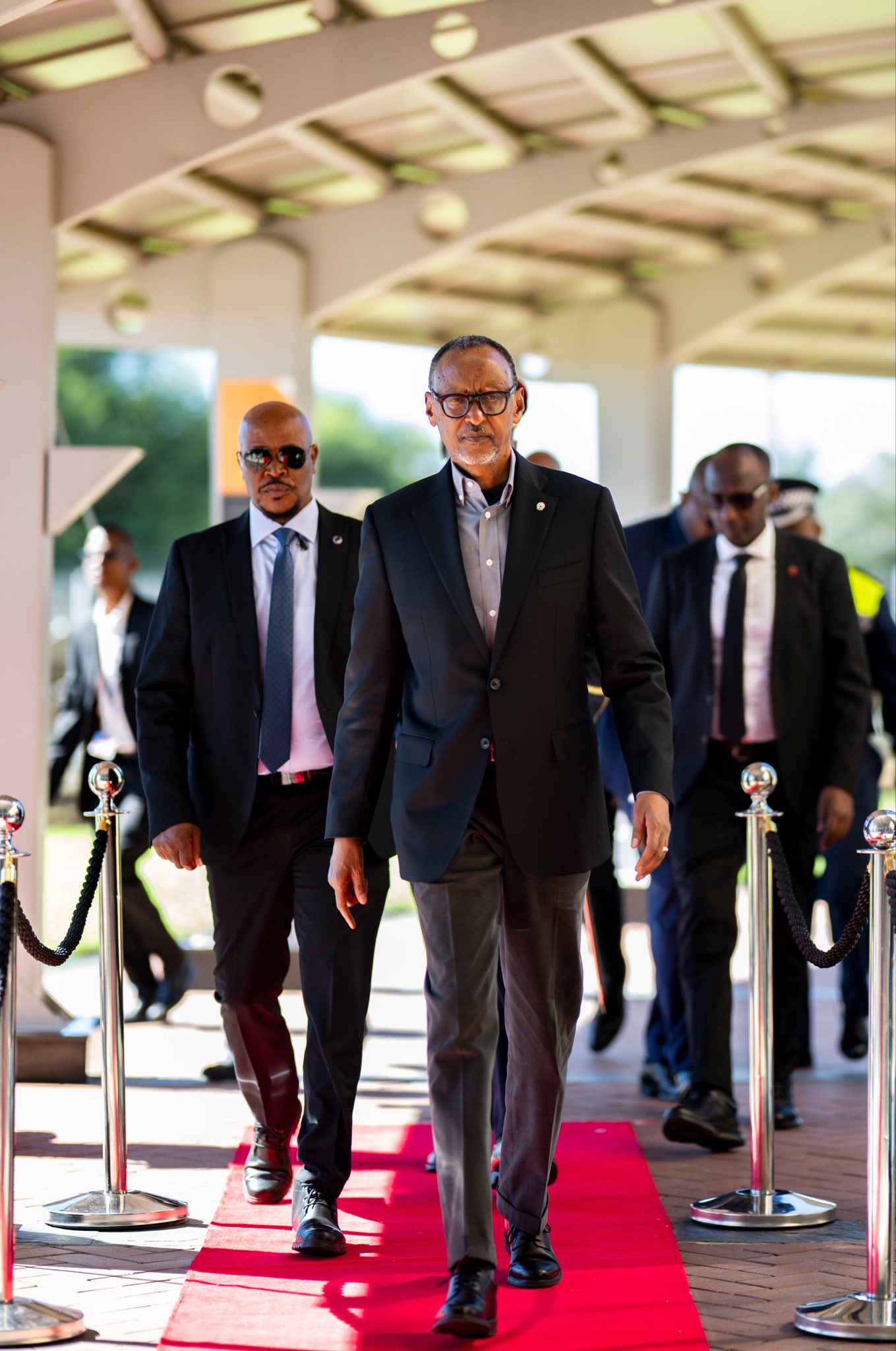
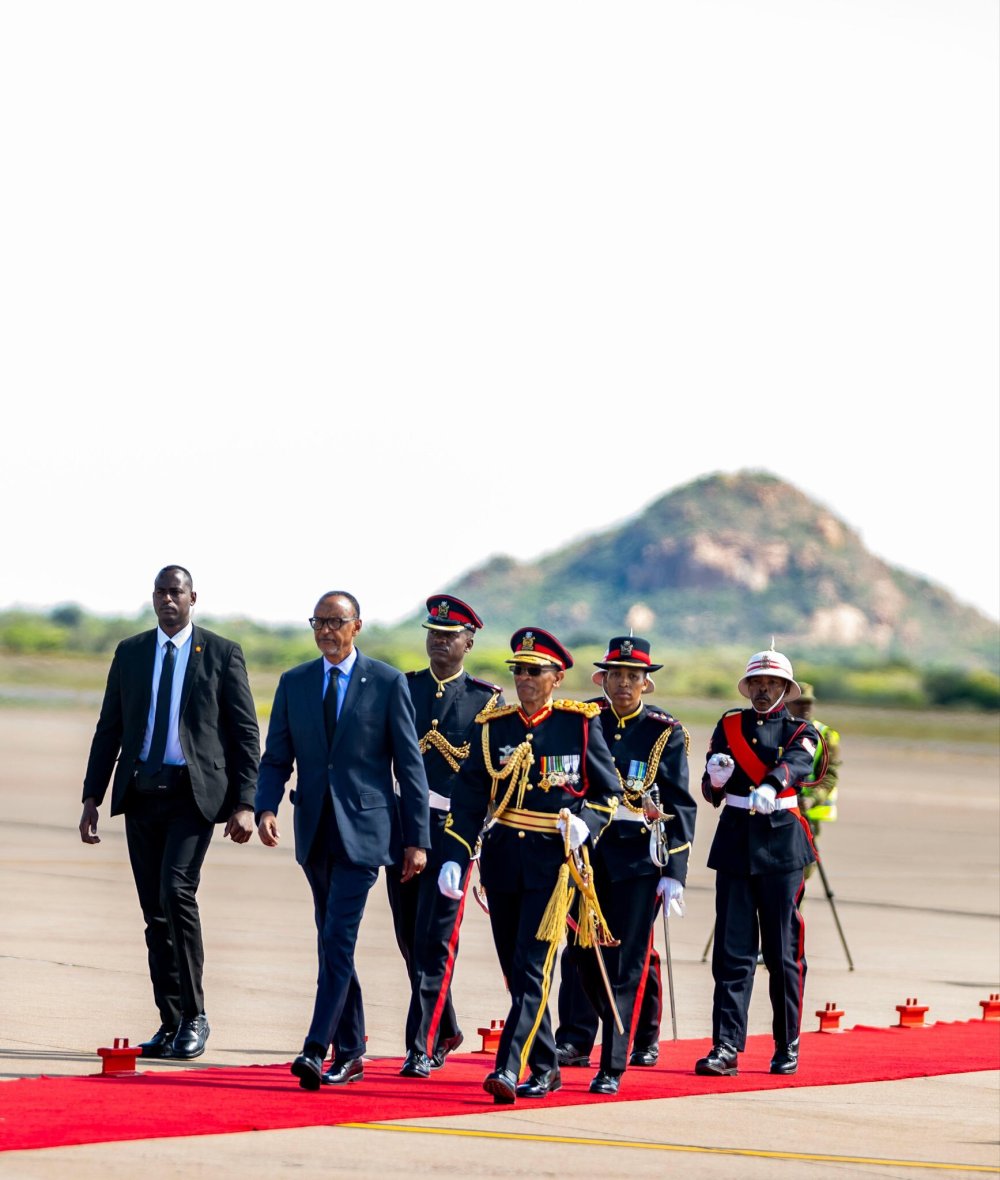
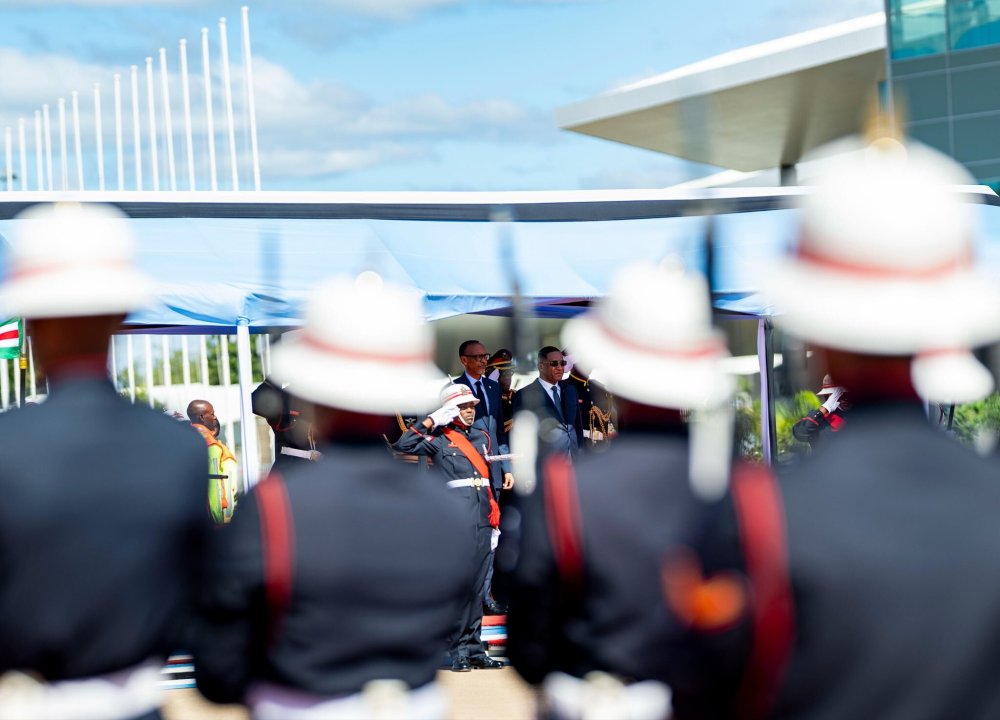
Kagame arrived in Botswana on Wednesday, May 6, 2026, where he was welcomed by his counterpart Duma Boko at Sir Seretse Khama International Airport.
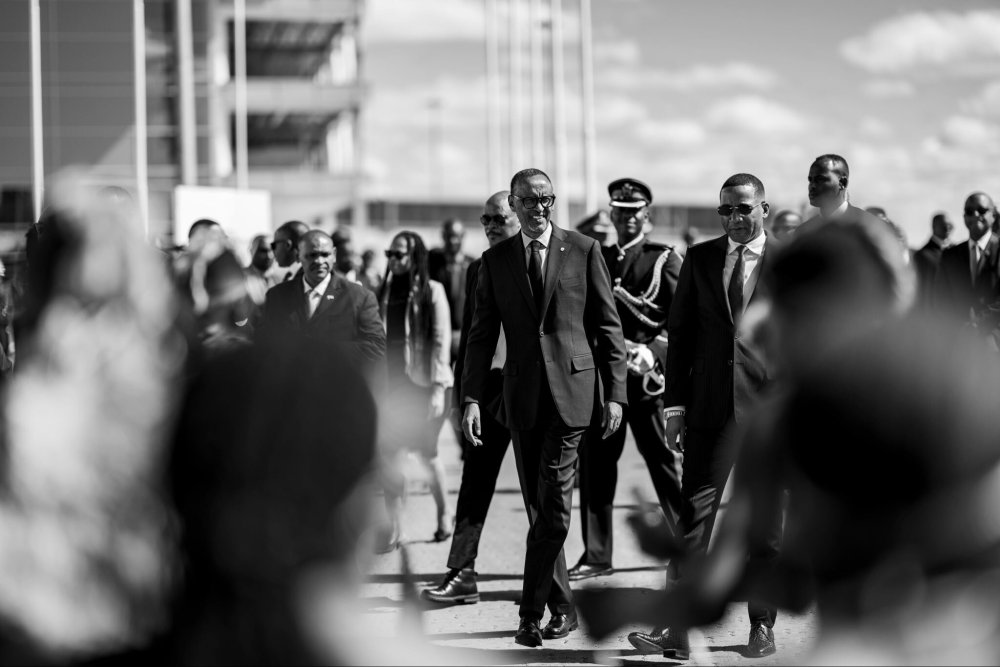
Kagame explored Botswana’s diamond industry during a two-day State Visit.President Kagame toured DTC Botswana, the world’s largest rough diamond sorting and valuing facility, during his State Visit to Botswana.President Kagame’s Botswana visit featured high-level engagements, including a tour of one of the world’s most sophisticated diamond operations.
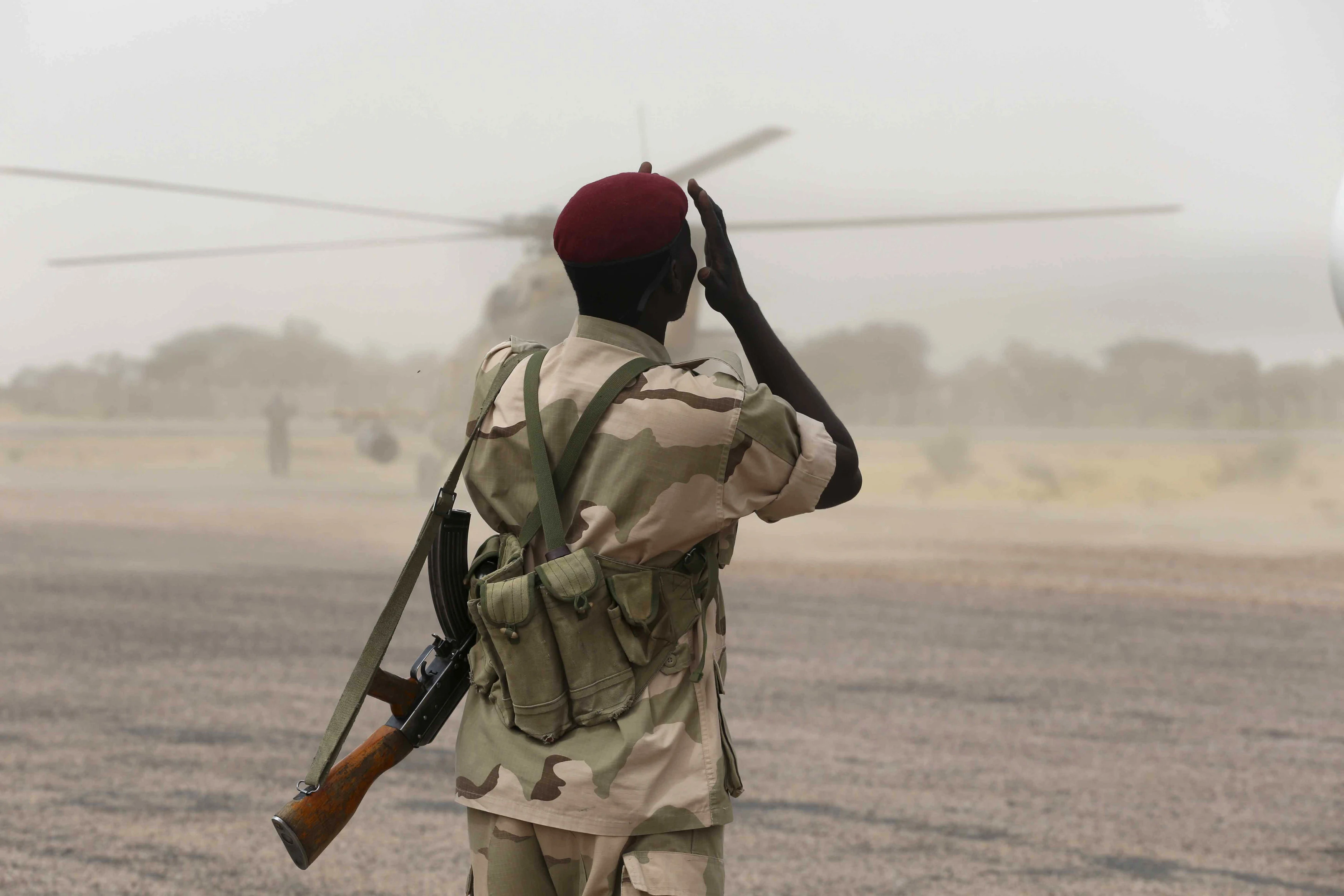
Twenty-three soldiers were killed and 26 others injured on Monday in an assault by Boko Haram militants on the Barka Tolorom island military base in the region.
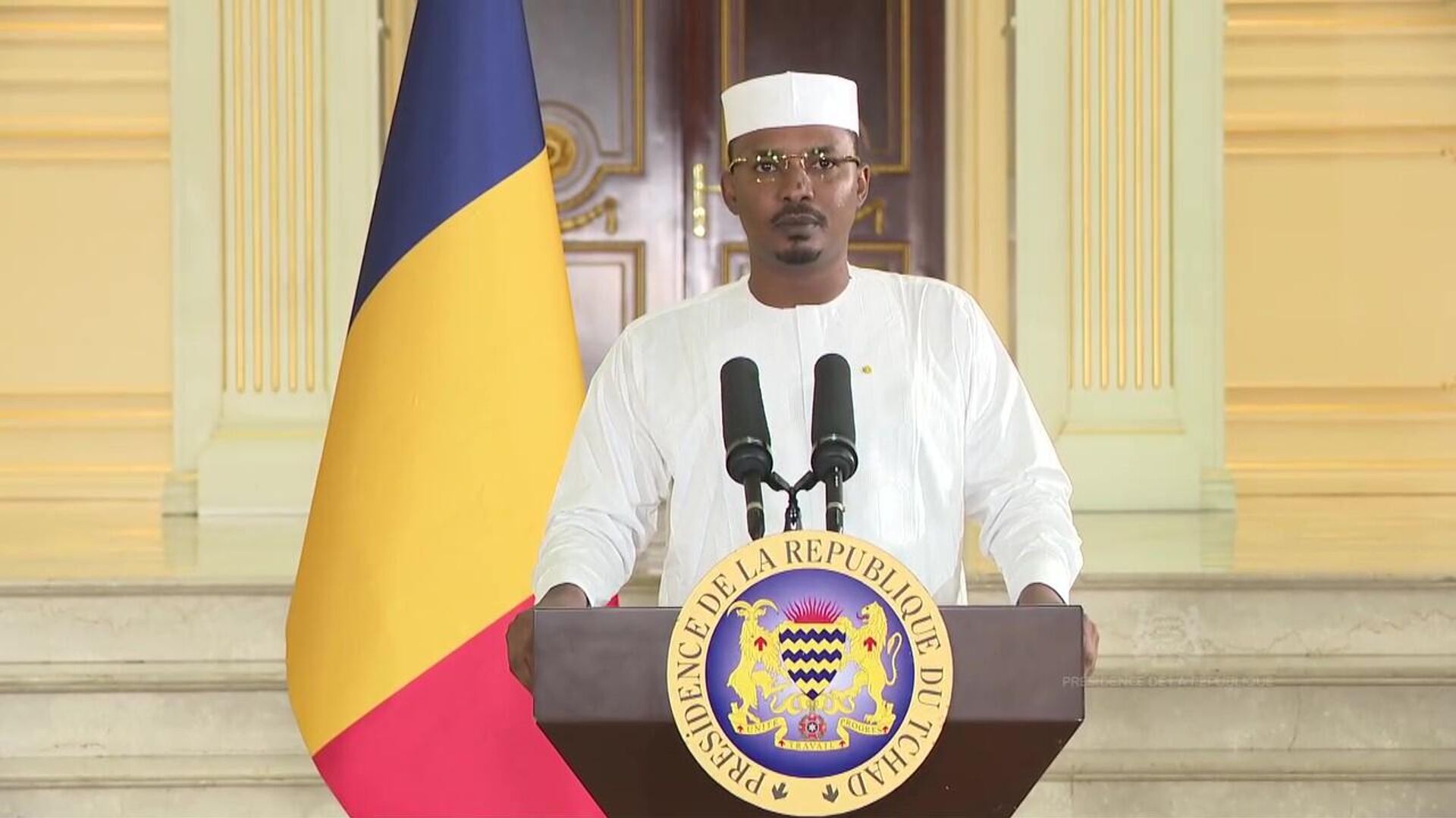
Late Wednesday, Chadian President Mahamat Idriss Deby Itno signed a decree declaring the mourning.
“During this period, flags are flown at half-mast and all festive activities are prohibited. Only religious music and prayers are permitted in the media and places of worship,” the decree stated.
The mourning declaration came just hours after local media reported another deadly Boko Haram attack on soldiers in Lake Chad on Wednesday. There was no official announcement regarding the number of casualties.
The Lake Chad region, bordering Nigeria, Niger and Cameroon, has long faced attacks by Boko Haram and its splinter faction, the Islamic State West Africa Province.
Chadian President Mahamat Idriss Deby Itno signed a decree declaring the mourning on Wednesday.
In December 2023, while concluding his campaign for a second presidential term, Tshisekedi had declared that if a single bullet fired by the AFC/M23 coalition landed in the city of Goma, he would seek authorization from both chambers of parliament to launch attacks on Rwanda.
“At present, our army can strike Kigali while stationed in Goma. Kagame will not sleep in his house; he will sleep in the forest. He may play games with others, but not with Fatshi Béton,” Tshisekedi had said to cheering supporters.
He added that if even a small provocation occurred or any territory around Goma was captured, he would convene parliament and request permission to declare war on Rwanda.
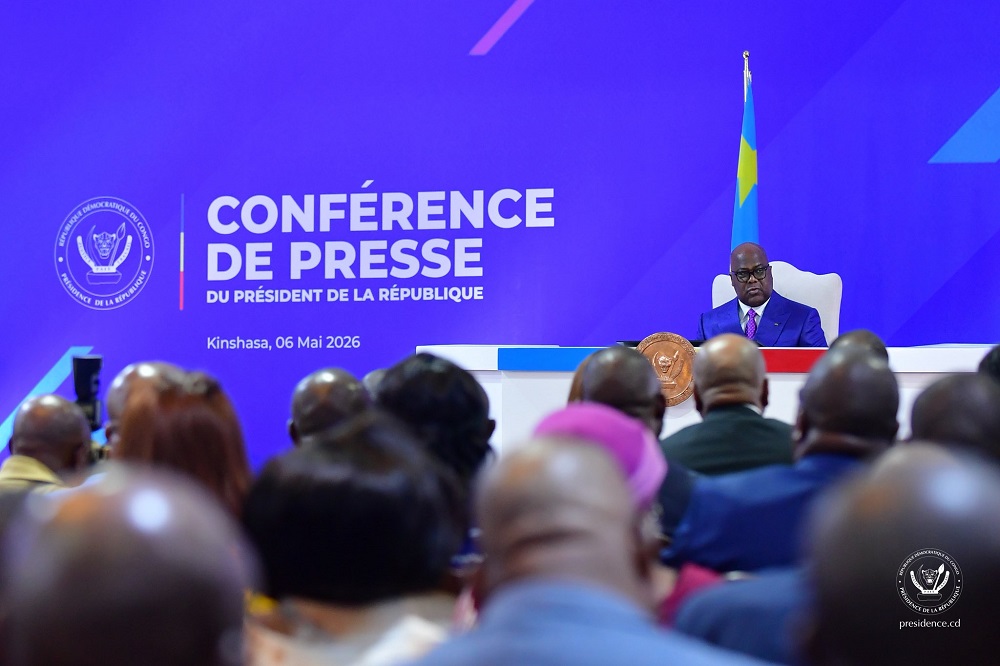
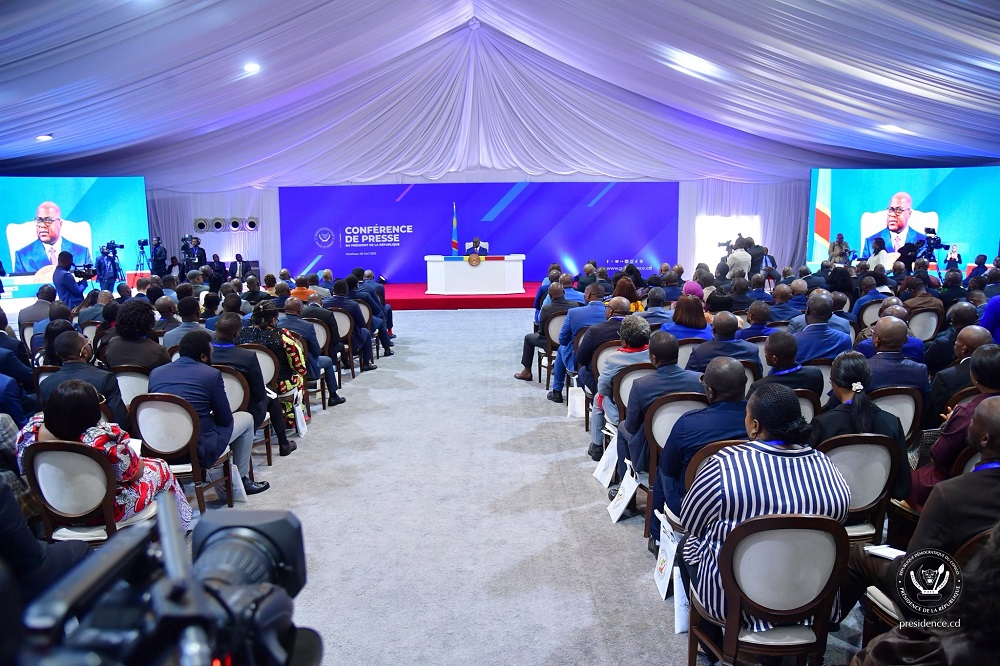
Speaking during a press conference in Kinshasa on May 6, a journalist told Tshisekedi that he appeared to prioritize diplomacy more than military strength, despite many historical thinkers emphasizing the importance of military power in securing peace.
The journalist referenced the famous saying attributed to Vegetius Renatus, “If you want peace, prepare for war,” and cited political philosopher Niccolò Machiavelli as well as comments once made by Barack Obama concerning peace in eastern Congo.
The journalist then asked Tshisekedi when the cities of Goma and Bukavu would be liberated. Responding to the question, Tshisekedi acknowledged that the criticism about his diplomatic approach was understandable.
“You must understand that as a civilian like me, with no military training or background whatsoever, the first instinct when such events happen is diplomacy. But I must also tell you that this comes after an honest assessment of the situation,” he said.
Tshisekedi recalled statements he made during the 2023 election campaign regarding possible military action against Rwanda in response to what he described as provocations.
“Today, I want to take this opportunity to apologize to the Congolese people, not because I was rushed into speaking, but because I had been given false information about our military,” he said. He went on to explain that the Congolese army lacked the capacity to confront Rwanda in the way he had initially envisioned. He revealed that some soldiers and officials are now being arrested and punished over failures within the military structure.
“Today you can see punishments and arrests taking place. These are the consequences. It means we were being kept from the truth about the condition of our army. We could not go to war with a military that lacked direction and was deeply divided,” Tshisekedi said.
He added that the army lacked uniforms, weapons and sufficient ammunition for combat operations.
“How could we enter a war under those conditions? That is not how I think. It is important to face reality and use other available means, and I believe we achieved a lot through that approach,” he stated.
Tshisekedi further claimed that the Congolese military had been infiltrated from within by hostile elements who weakened it under the cover of peace agreements.
“Today we have the information, and that is the good thing. We now know our military had been infiltrated and destroyed from within. There were people inside it whose objective was to seize part of our country. That is the truth,” he said.
According to Tshisekedi, diplomacy became the only viable option available to his government at the time.
“We had no other choice except diplomacy. That became our weapon. There is no debate about it,” he said.
He added that the Democratic Republic of the Congo now has international allies helping it restore peace while also benefiting from the country’s natural resources.
Speaking during a press conference in Kinshasa on May 6, Tshisekedi apologized to Congolese, noting that he abandoned plans to attack Rwanda after discovering that he had been misled about the true capabilities of his country’s military.
The engagements took place at the State House in Gaborone, where President Kagame is on a State Visit, his first since 2019, when Rwanda and Botswana agreed to establish the Joint Permanent Commission on Cooperation (JPCC) as a framework for structured bilateral engagement.
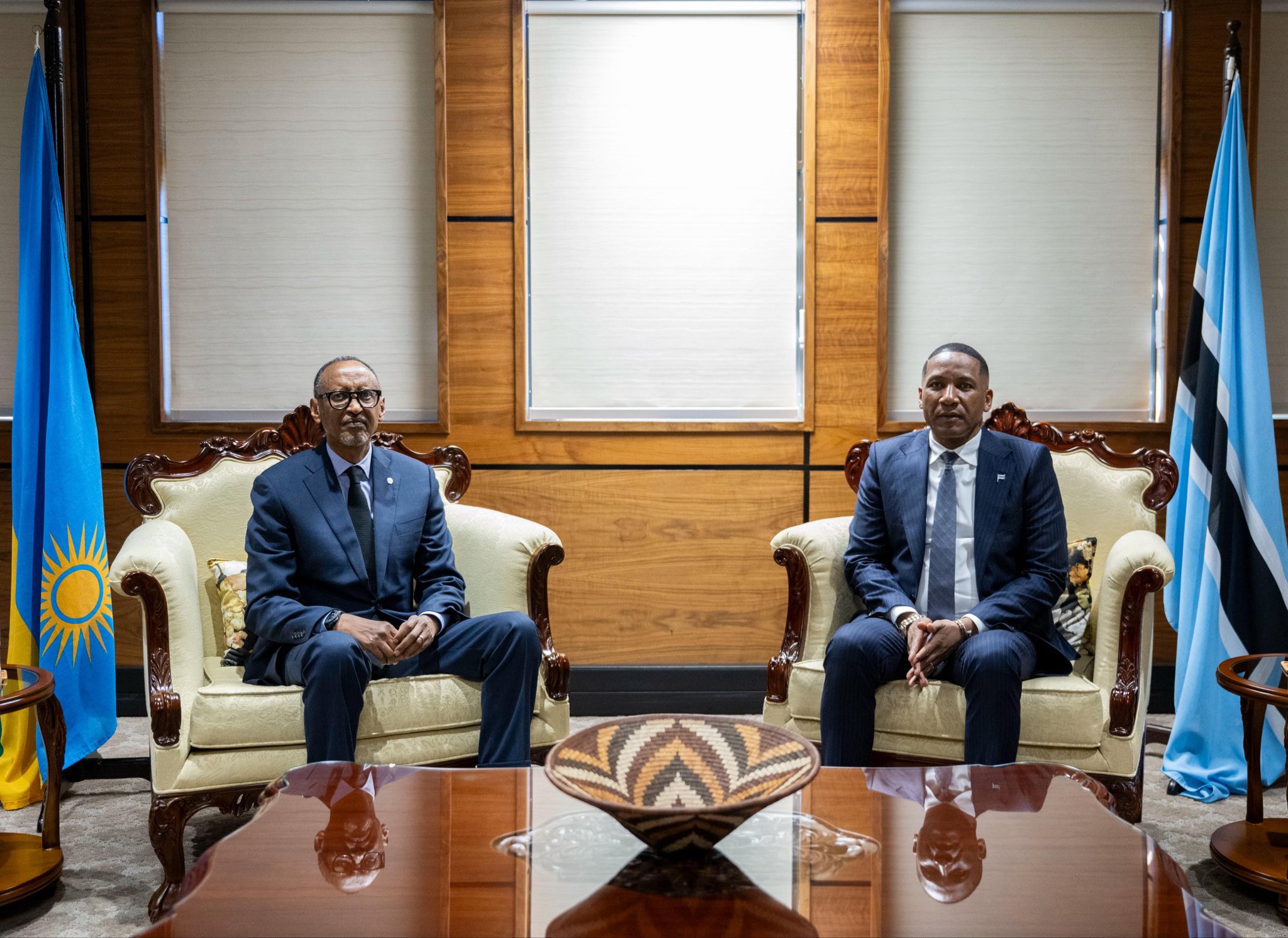
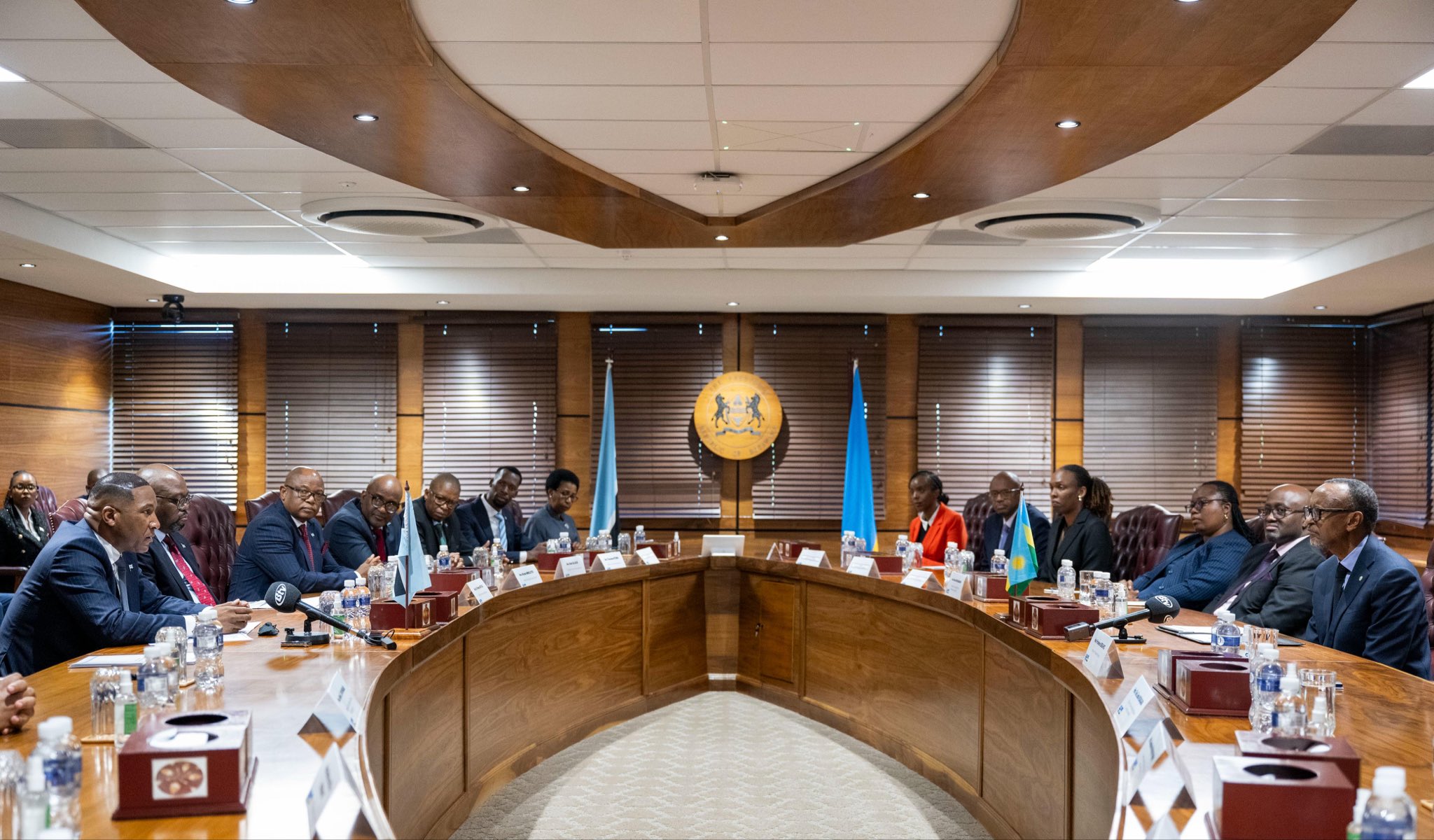
The visit began with a tête-à-tête between the two Heads of State, followed by expanded bilateral talks between their respective delegations. The leaders later oversaw the signing of agreements covering avoidance of double taxation, visa exemption for holders of diplomatic, official, and national passports, air services, health cooperation, and broader economic, trade, and investment partnerships.
Also signed was a cooperation framework between the Rwanda Development Board and the Botswana Investment and Trade Centre, aimed at promoting private sector collaboration and facilitating increased investment flows between the two countries.
In their remarks, both Presidents underscored the importance of moving beyond diplomatic engagement to practical implementation and measurable outcomes.
President Kagame thanked Botswana for the warm reception and reaffirmed Rwanda’s commitment to a results-driven partnership.
“What defines the relationship between Rwanda and Botswana is not only a friendship but also a shared sense of purpose,” Kagame said.
He emphasised the need to remove barriers to trade and investment, highlighting ongoing efforts in areas such as air connectivity, visa facilitation, and taxation frameworks.
He also commended Botswana’s leadership in natural resource management, particularly diamonds, and its efforts to strengthen health security through investment in pharmaceutical capacity, describing them as examples of forward-looking governance that resonate with Rwanda’s own priorities.
President Kagame further noted that cooperation in justice and security had continued to deepen, while new opportunities were emerging in trade and private sector engagement. He stressed that the success of the partnership would ultimately be measured by its impact on citizens’ livelihoods.
“Ultimately, what we agree here must translate into tangible improvements in the lives of our citizens. That is the true measure of success,” he said.
President Duma Boko welcomed President Kagame and his delegation, describing the visit as a moment of strategic realignment between the two countries.
“We did not meet to merely exchange diplomatic pleasantries. We met for strategic realignment, for a reaffirmation of our shared vision,” President Boko said.
He emphasised the importance of swift and disciplined implementation of agreements, noting that both countries were “in a race against time” to deliver results. He called for precision, strict timelines, and continuous innovation in executing agreed initiatives.
President Boko also highlighted the removal of visa barriers by Rwanda, which he said extended visa-free access for Botswana nationals to six months, describing it as an exemplary gesture. He said Botswana would respond with reciprocal measures effective immediately to further ease movement between the two countries.
“Rwanda has done something that had not been done before. And we are most grateful,” the president remarked.
He further noted that the partnership should expand across multiple sectors, including education, health, agriculture, youth empowerment, infrastructure development, and regional connectivity, adding that technology and science should be leveraged to bridge distance and enhance cooperation.
“We must be prepared to pioneer, to lead, to originate innovative approaches that may never have been tried before,” he said.
President Kagame’s visit marks a renewed high-level engagement between the two countries, building on progress made since the inaugural JPCC meeting held in Kigali in April 2022. His last visit to Botswana in 2019 laid the foundation for the institutional framework that is now guiding expanded bilateral cooperation.
The latest agreements are expected to further accelerate economic ties and strengthen collaboration in key sectors, as both countries move to translate diplomatic commitments into practical development outcomes.
Presidents Paul Kagame and Duma Boko witnessed the signing of a series of bilateral agreements aimed at strengthening cooperation between Rwanda and Botswana, as the two countries committed to deepening trade, investment, and connectivity ties.Both Presidents underscored the importance of moving beyond diplomatic engagement to practical implementation and measurable outcomes.The latest agreements are expected to further accelerate economic ties and strengthen collaboration in key sectors, as both countries move to translate diplomatic commitments into practical development outcomes.
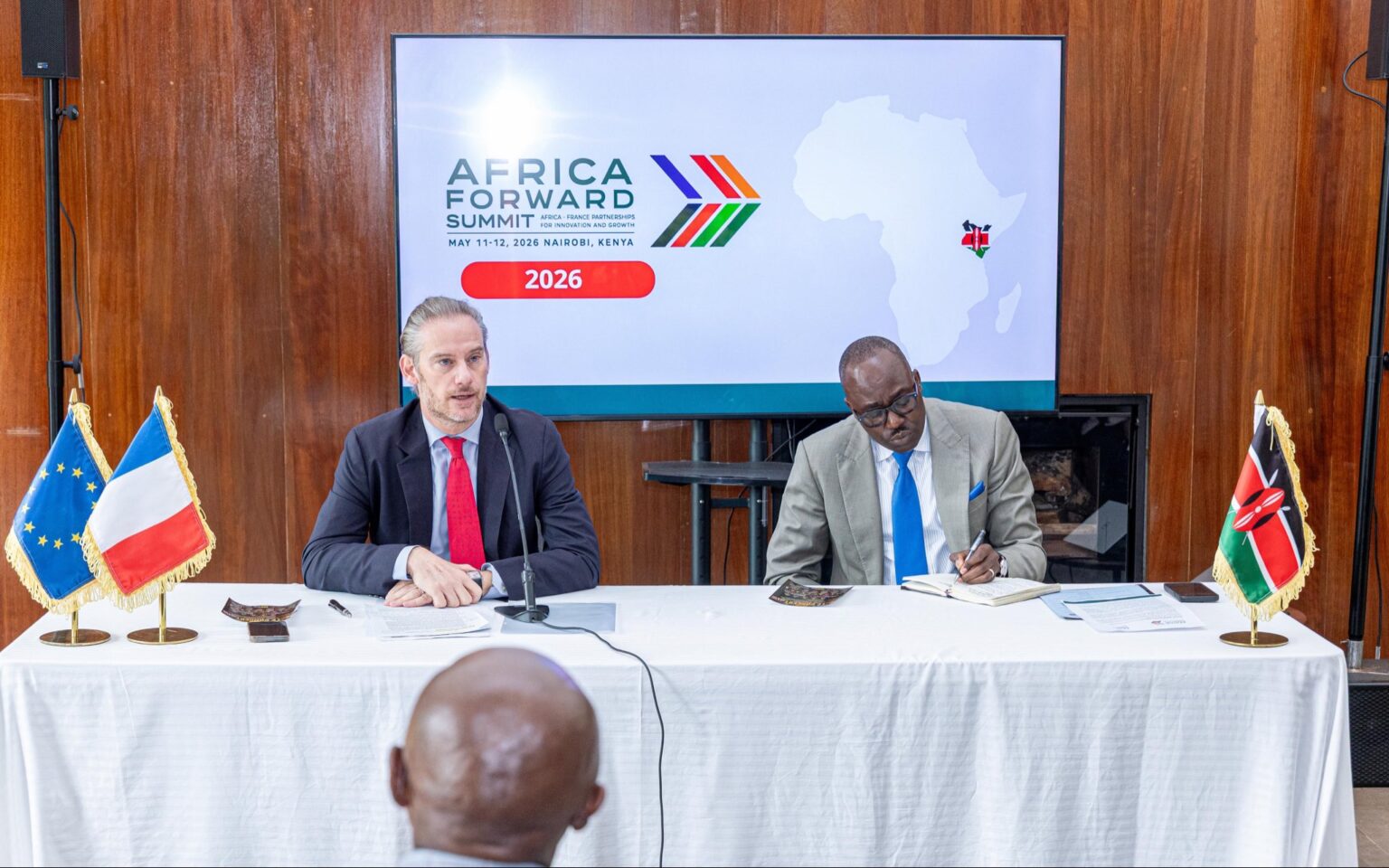
Addressing foreign journalists via videoconference on Wednesday, May 6, Robert outlined the priorities of the summit, which will take place on May 11–12 at the Kenyatta International Convention Centre (KICC) and the University of Nairobi, co-hosted by Kenya and France.
The summit, which marks the first time such a high-level gathering is held in an English-speaking African nation, will host leaders from 30 African nations and over 2,000 CEOs, alongside youth leaders and development partners.
The forum aims to pivot away from the legacy of donor-recipient aid, moving beyond traditional diplomatic engagement to focus on “bankable investments”, projects designed to be commercially viable and attractive to private capital rather than reliant on state grants.
Investment, youth and technology at the centre
Robert said the summit will focus heavily on investment and financing mechanisms for African economies, bringing together governments, private sector actors, and financial institutions, including African multilateral banks and global partners such as the World Bank and the African Development Bank.
“The first priority is how to stimulate investment and improve financing for African economies through concrete results,” he said, adding that the private sector will play a central role in shaping outcomes.
Youth engagement will also be a key feature of the summit. Around 500 young leaders from across Africa are expected to take part in a dedicated dialogue with President Emmanuel Macron and Kenyan President William Ruto.
Discussions will focus on artificial intelligence, technology, and the role of young Africans in global decision-making.
The summit will also include roundtables on artificial intelligence, agriculture, health, rural development, and energy access, reflecting what organizers describe as a “results-driven development agenda.”
Rwanda is expected to feature prominently in the discussions on artificial intelligence, with President Paul Kagame set to co-chair a high-level roundtable on AI, underscoring the country’s growing role as a continental leader in digital innovation and technology-driven development.
The cultural and creative industries will also receive attention, with internationally recognised Rwandan artist Sherrie Silver expected to participate in discussions highlighting the role of African creativity in economic transformation and youth empowerment.
Culture, sports and creative industries as economic drivers
Robert highlighted culture and sports as emerging pillars of economic cooperation between Africa and France, describing them as “business tools” for inclusion and development.
France, he said, has increasingly supported cultural and creative industries in Africa since 2017, helping to connect African entrepreneurs with French companies and expand cultural production across the continent.
He pointed to the expansion of African content production through media partnerships, including the acquisition of MultiChoice by French media group Canal+, which he said would strengthen the distribution of African creative content both within Africa and in France.
Sport was also presented as a key development tool, with France positioning major international sporting events, including the 2024 Olympics, as part of a broader strategy. Upcoming African sporting events such as the Africa Cup of Nations in East Africa and the Youth Olympic Games in Senegal were cited as examples of growing sports diplomacy and economic opportunity.
Restitution and historical cooperation
The briefing also addressed cultural restitution, a sensitive but central theme in France’s Africa policy.
Robert said France had changed its legislation to allow the return of cultural artefacts and human remains that were proven to have been taken illegally during the colonial period. He cited previous restitutions to countries including Benin, Senegal, Côte d’Ivoire and Madagascar, and said similar requests continue to be processed where legal conditions are met.
He added that France’s approach has influenced similar restitution policies in other European countries.
Peace, security and African-led solutions
On security issues, Robert said France supports African-led solutions to regional conflicts, including ongoing mediation efforts in the Great Lakes region, Sudan and Somalia.
“We are not in the front seat; we are there to support,” he said, emphasising coordination with African Union-led initiatives and international partners.
Responding to questions about France’s evolving role in Africa, Robert stressed that the new approach is based on reciprocity and “win-win partnerships.”
“There is no free lunch. We are there to promote mutual interests and balanced cooperation,” he said, adding that African countries increasingly choose partners based on value, investment quality, and development impact.
The Africa Forward Summit is being positioned by its organisers as a shift away from traditional donor-recipient dynamics toward a unified African market approach, engaging both Anglophone and Francophone countries as part of a single economic space of 1.5 billion people.
According to the summit communiqué, the event will aim to address shared challenges, including food security, digital competitiveness, energy access, health systems, and connectivity, while strengthening Africa’s role in global decision-making structures.
A high-level youth and cultural programme, including a closing concert in partnership with Trace TV, will conclude the summit, showcasing African music and creative industries as part of what organisers describe as Africa’s growing global cultural influence.
The upcoming Africa Forward Summit (AFS) 2026 in Nairobi is expected to redefine Africa–France relations around a more investment-driven, youth-focused and innovation-led partnership, according Jérémie Robert, advisor to French President Emmanuel Macron in charge of African affairs.Ambassador of France to Kenya Arnaud Suquet and Foreign Affairs PS Korir Sing’oei during an editors’ briefing at the French Embassy on April 16, 2026.
A potential deal would involve Iran committing to a moratorium on nuclear enrichment and the United States agreeing to lift sanctions, with both sides lifting restrictions on transit through the Strait of Hormuz, it said.
The duration of the moratorium on uranium enrichment remains under negotiation, with an estimated period of 12-15 years, said the report, adding that Iran initially proposed a five-year suspension while the United States demanded 20.
The White House is reportedly close to a deal with Iran on how to end the war
This afternoon, the two Heads of State will hold a tête-à-tête meeting followed by bilateral talks between their respective delegations, before addressing a joint press conference.
The discussions will culminate in the signing of bilateral agreements and Memorandums of Understanding in various areas, including a Double Taxation Avoidance Agreement; a Memorandum of Agreement on Visa Abolition for holders of Diplomatic, Official, and National Passports; a Bilateral Air Services Agreement; an MoU in the field of Health; an MoU on Economic, Trade and Investment; and an MoU between the Botswana Investment and Trade Centre and the Rwanda Development Board (RDB).
Later in the evening, President Kagame will attend a State Banquet hosted in his honour by President Duma Boko.
On the second day of the visit, President Kagame will tour the Botswana Diamond Trading Company.
The State Visit was preceded by the Second Joint Permanent Commission on Cooperation (JPCC) and the Second Rwanda–Botswana Business Forum.
The Joint Permanent Commission on Cooperation was established in 2019 during President Kagame’s previous visit to Botswana.
Rwanda and Botswana enjoy warm bilateral relations, strengthened through high-level exchanges and the signing of various agreements and Memorandums of Understanding.
The two countries cooperate in several sectors, including diplomacy, mineral resources, defence and security, police cooperation, investment promotion, and agriculture.
President Paul Kagame has arrived in Gaborone, Botswana for a two-day State Visit.President Kagame was welcomed by his counterpart of Botswana upon arrival
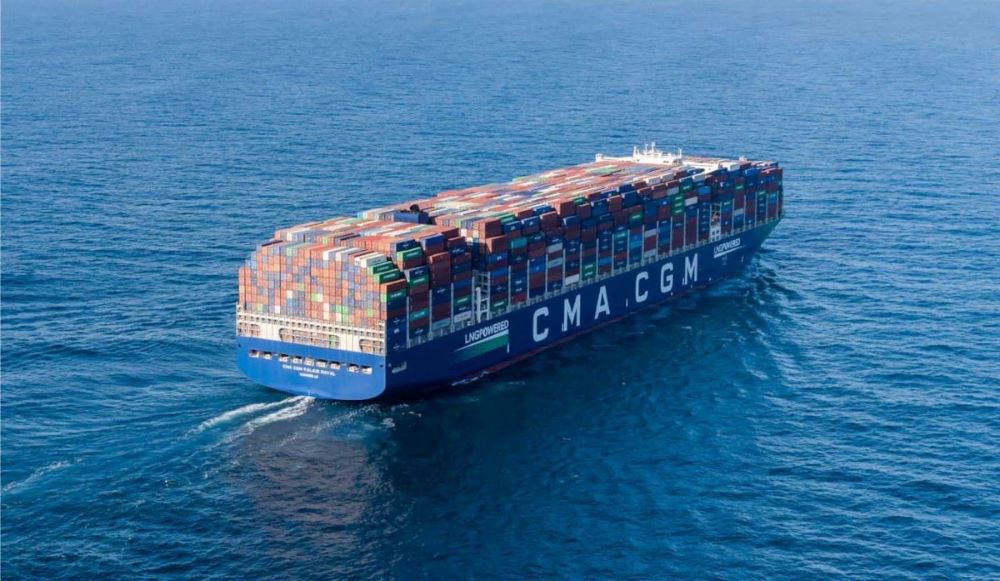
The vessel, named San Antonio, was attacked during its passage through the strategic waterway, according to French daily Le Figaro.
Crew members injured in the incident were evacuated and are currently receiving medical treatment, while the vessel sustained damage, the report said.
Iran’s Islamic Revolution Guard Corps Navy on Tuesday reiterated its warning to all vessels seeking to transit the Strait of Hormuz to solely take the corridor previously announced by the country.
French shipping company CMA CGM confirmed on Wednesday that one of its vessels was targeted in an attack on Tuesday while transiting through the Strait of Hormuz
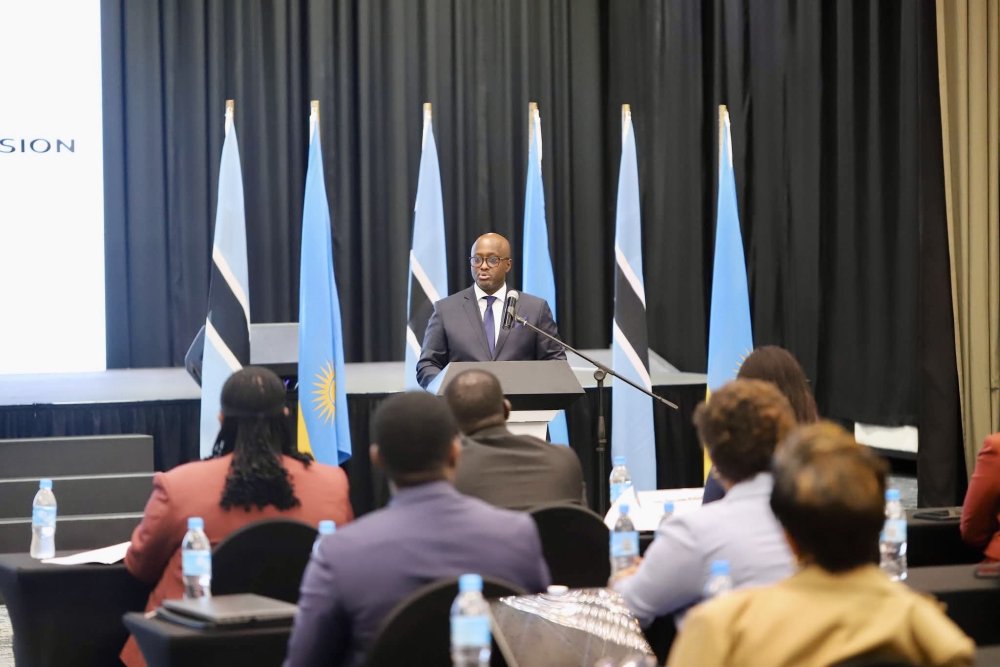
The meeting marked the second session of the Joint Permanent Commission on Cooperation (JPCC), co-chaired by Rwanda’s Minister of Foreign Affairs, Olivier Nduhungirehe, and Botswana’s Minister of International Relations, Phenyo Butale.
In his remarks, Nduhungirehe highlighted the strong ties between Rwanda and Botswana and underscored the need to further deepen bilateral economic cooperation.
Rwanda’s delegation also included the Deputy CEO of the Rwanda Development Board, Juliana K. Muganza, along with other government officials and private sector representatives.
The discussions focused on finalizing new cooperation agreements aimed at strengthening and expanding relations between the two countries.
Both sides reviewed legal and regulatory frameworks that will guide the partnership, covering areas such as trade, agriculture, and the avoidance of double taxation.
Both ministers welcomed the finalisation of six key instruments, which are expected to be signed during President Kagame’s state visit to Botswana on May 6, 2026.
The Joint Permanent Commission on Cooperation was established in 2019 during President Kagame’s previous visit to Botswana.
During the visit, Kagame is expected to meet his counterpart, Gideon Boko, with discussions set to focus on cooperation in areas including trade and technology, tourism, animal vaccine production, transport, and the diamond sector.
The visit is also expected to result in the signing of multiple agreements covering trade and investment, institutional collaboration, and partnerships between the Rwanda Development Board and its counterpart institution in Botswana.
The meeting marked the second session of the Joint Permanent Commission on Cooperation (JPCC), co-chaired by Rwanda’s Minister of Foreign Affairs, Olivier Nduhungirehe, and Botswana’s Minister of International Relations, Phenyo Butale.
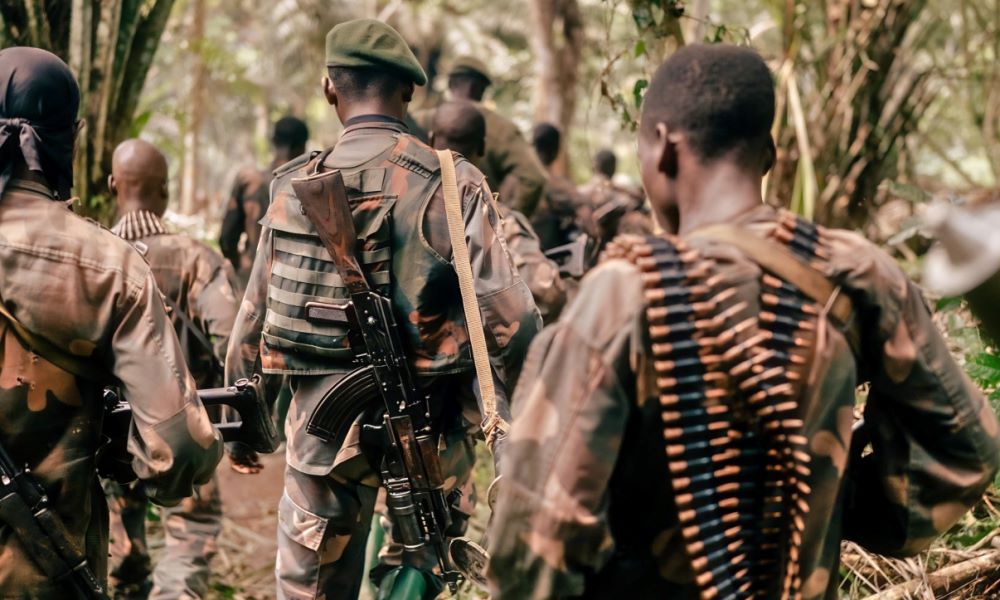
Speaking before members of the parliamentary Defence and Security Committee, Muadiamvita explained that AFC/M23 possesses more advanced communication capabilities compared to those of the Congolese armed forces.
He noted that weaknesses in FARDC’s communication infrastructure have created serious operational challenges on the battlefield.
According to him, enemy forces have been able to intercept military messages, disrupting planned operations.
“The lack of strong communication systems in this modern technological era has caused frontline troops to face difficulties, as the enemy has been able to access their communications, making military operations difficult to execute. The adversary has built an advanced communication system that allows it to intercept exchanges between command structures and troops on the ground,” he said.
A report from the parliamentary committee also highlights that the minister stressed the importance of secure communication in military operations, warning that failures in this area have contributed to repeated setbacks for FARDC.
Muadiamvita further informed lawmakers that the government of the DRC is engaging friendly countries to secure modern communication equipment for the army, designed to prevent further infiltration by AFC/M23.