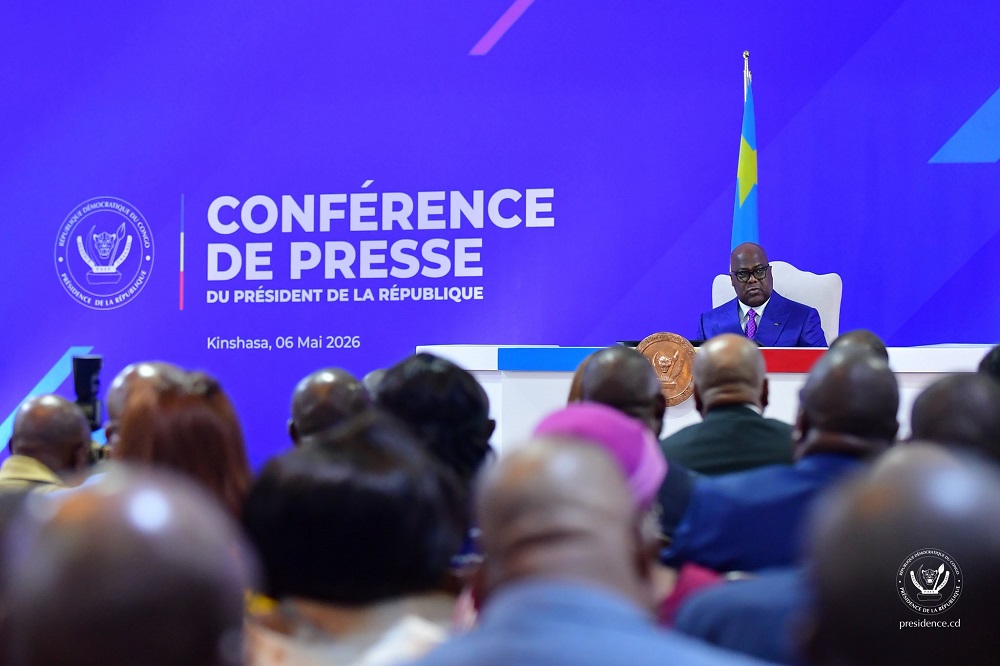
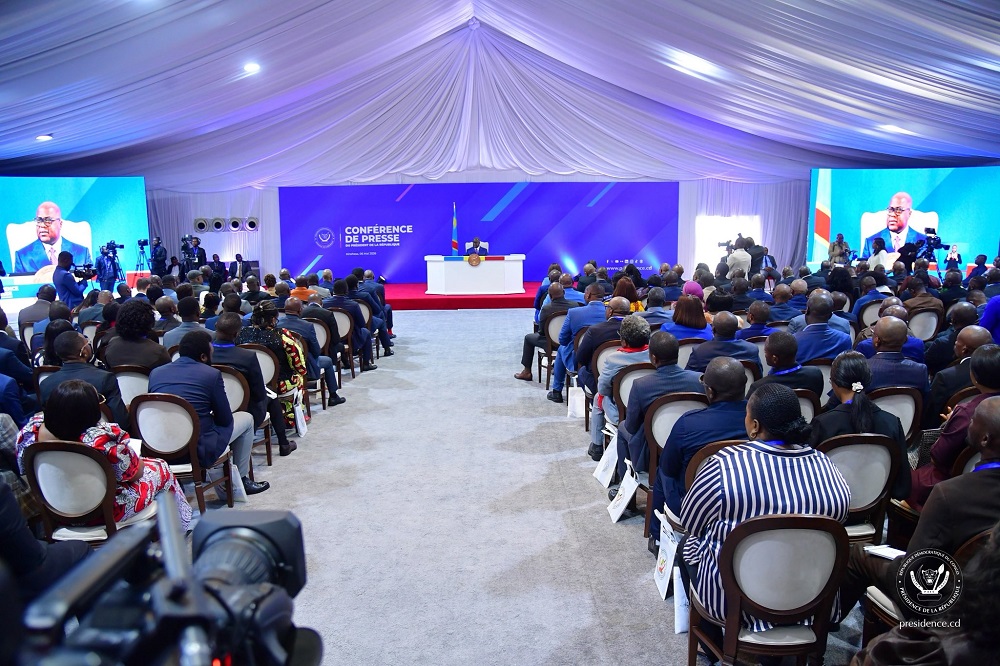
On May 6, 2026, Tshisekedi told journalists in Kinshasa that Congolese citizens were examining the Constitution to determine whether amendments were necessary. He also stated that if the conflict in eastern Democratic Republic of the Congo continues until 2028, elections may not be held.
“If we fail to stop this war, unfortunately we may not be able to organize elections in 2028,” Tshisekedi said. “But it would not be because I refused to organize them. The capacity exists, we could do it, but we cannot organize elections without North Kivu and South Kivu.”
The Congolese president also questioned whether the current Constitution should remain unchanged, while rejecting claims that constitutional reform was linked to ambitions for a third term in office.
“What is so special about this Constitution? Should we leave it as it is? What prevents us from reviewing it?” Tshisekedi said. “One thing we should not do is connect this to a third term. I do not want a third term, but if the people ask me to lead for a third term, I would accept.”
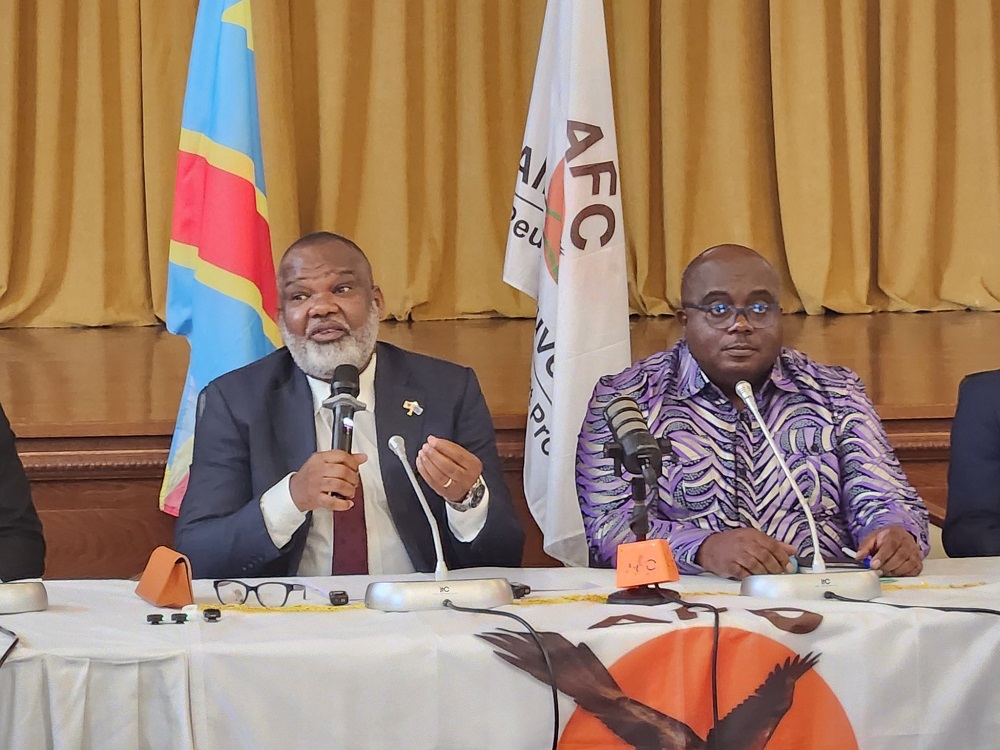
Speaking during a press conference in Goma on May 8, Nangaa criticized Tshisekedi, who recently apologized to Congolese citizens for failing to carry out the war against Rwanda that he had promised during the final stages of his 2023 presidential campaign.
Tshisekedi had said he was misled into believing that the Congolese army was strong, only to later discover that it had been infiltrated by enemies. He linked this to the growing number of arrests and prosecutions involving military officers accused of betraying the country.
Nangaa suggested that Tshisekedi’s departure from office could come sooner than expected.
“Do not be surprised if he leaves in the coming days. He will go,” Nangaa said. “And do not be surprised to hear him say, ‘I did not know I was president.’ He will say, ‘I did not know it was my responsibility to guarantee Congo’s security or to do this or that.’”
The AFC/M23 leader argued that efforts to amend the Constitution would fail and called on Congolese citizens from different sectors to unite behind the alliance in order to block Tshisekedi’s plans.
“He wants to change the Constitution. If he is capable, let him try,” Nangaa said. “But as far as we are concerned, and I speak on behalf of AFC/M23, the time is now. This press conference allows Congolese people to understand our objective. AFC/M23 calls on all politicians and all citizens to support the struggle to protect the DRC.”
Nangaa further stated that AFC/M23 seeks support from Congolese living in Kinshasa, those in exile, and even some members of the ruling Union Sacrée coalition, claiming that certain figures within the alliance are already holding secret talks with AFC/M23.
Corneille Nangaa, the leader of the AFC/M23 alliance, has declared that President Félix Tshisekedi has limited time left in office
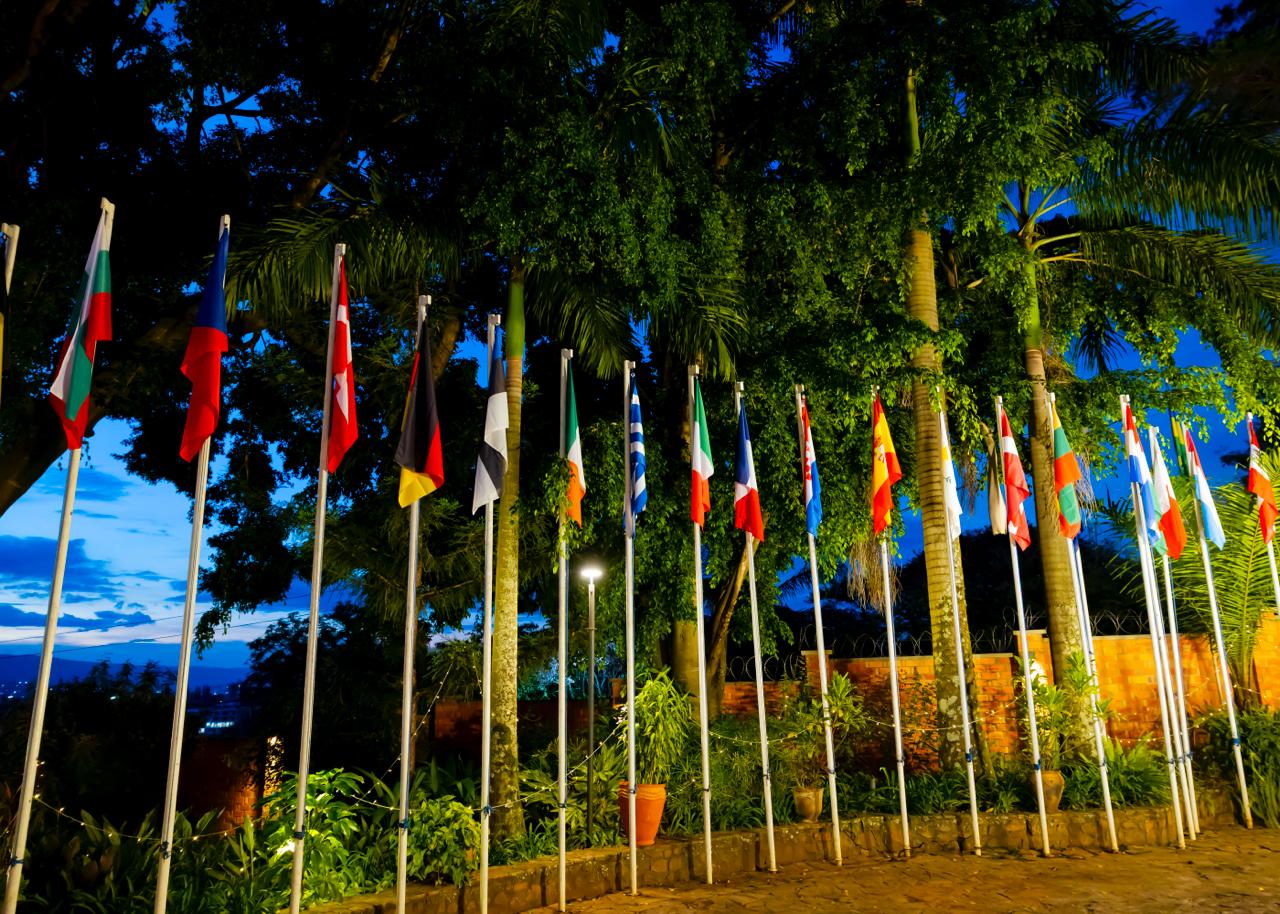
Europe Day, celebrated annually on May 9, commemorates the Schuman Declaration of 1950, widely considered the foundation of the modern European Union. Proposed by then French Foreign Minister Robert Schuman in the aftermath of World War II, the declaration called for European countries to jointly manage coal and steel production, industries central to war-making at the time, in order to make future conflict between historic rivals “materially impossible.”
The declaration laid the foundation for what would later become the European Union, a bloc built around peace, economic cooperation, shared prosperity, and political integration. This year’s celebrations marked 76 years since the declaration and highlighted how those founding ideals continue to shape the EU’s partnerships around the world, including with Rwanda.
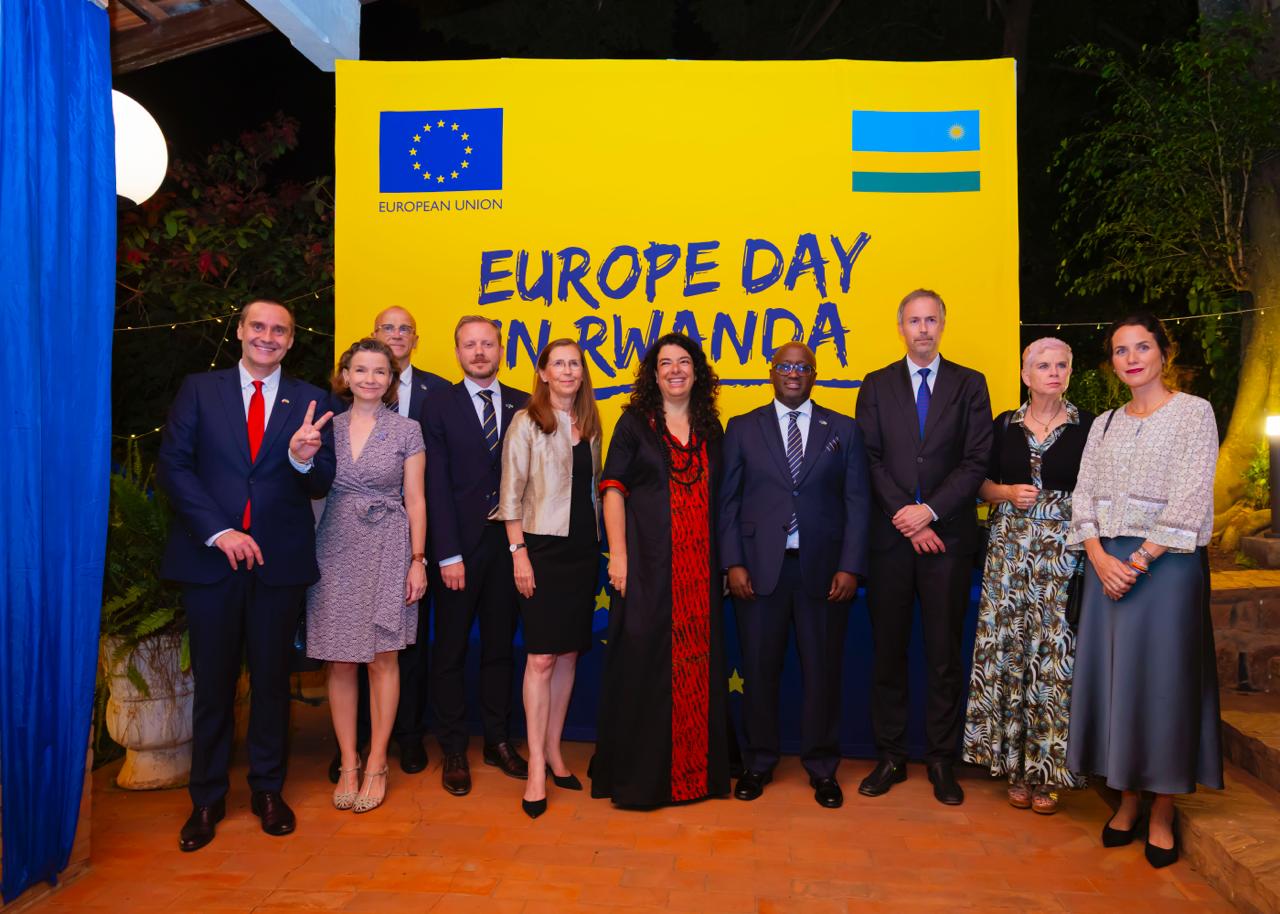
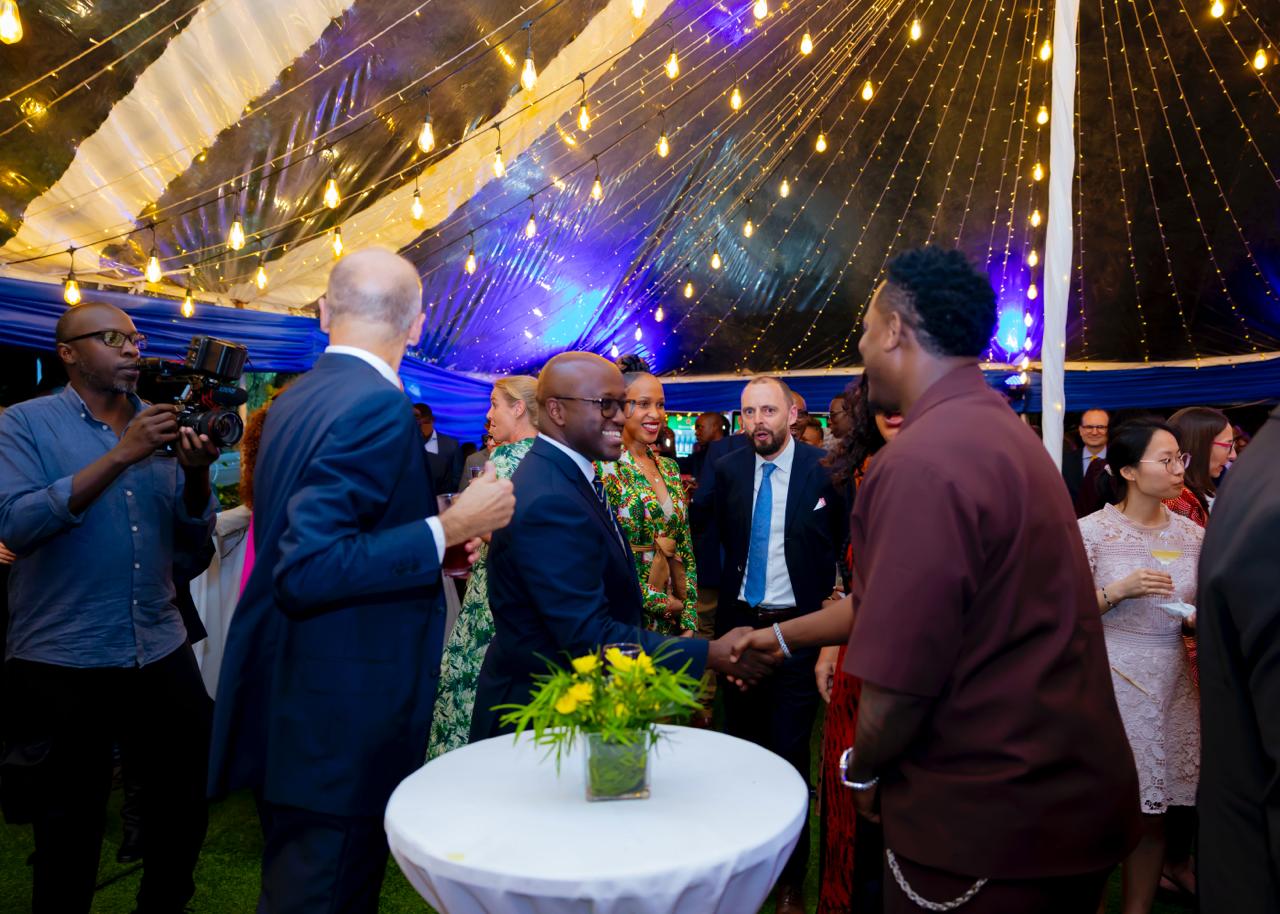
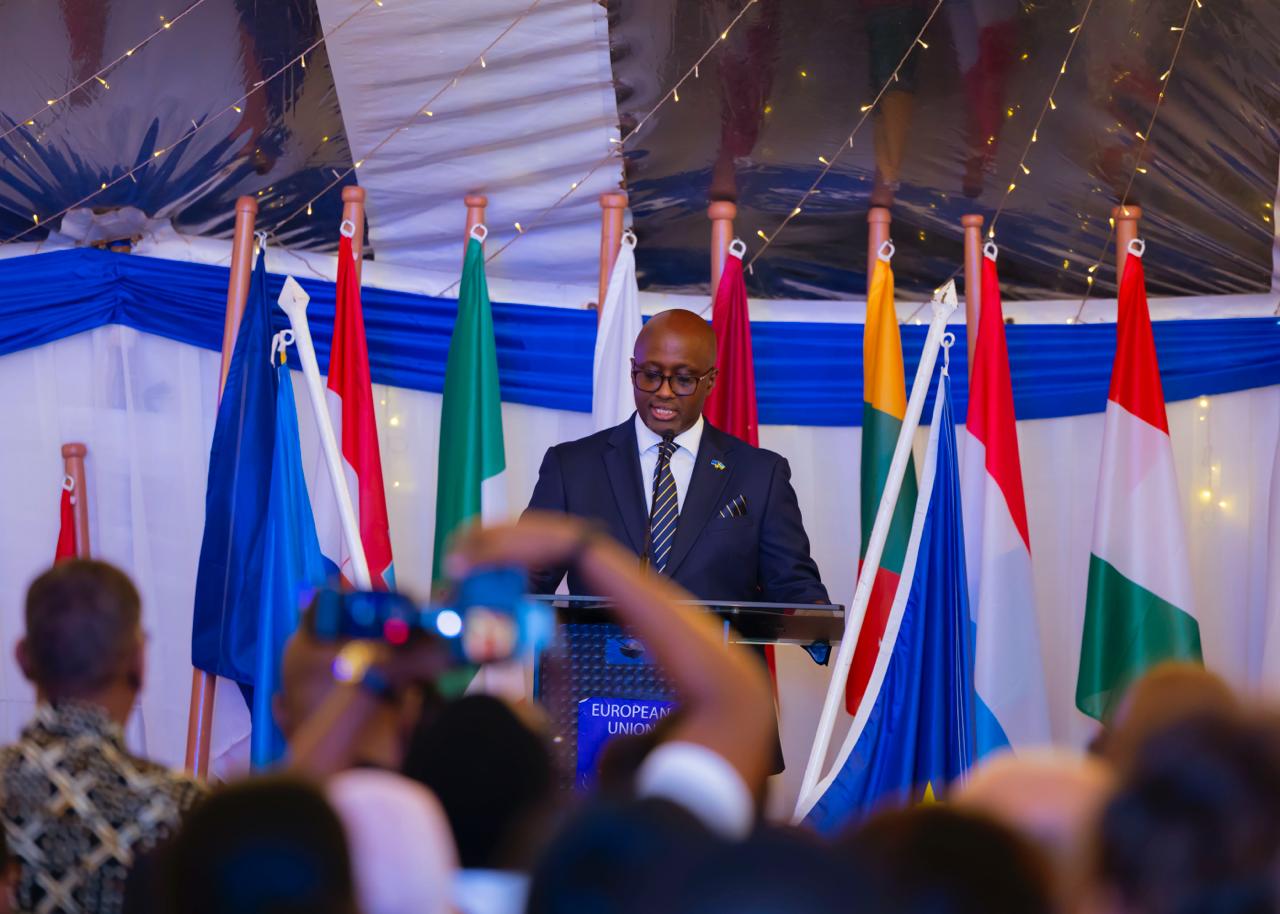
The event, hosted by Ambassador Belén Calvo Uyarra at her residence in Kigali, reflected on the expanding political, economic, and development cooperation between Rwanda and the European Union.
The event highlighted the expanding political, economic, and development cooperation between Rwanda and the European Union.
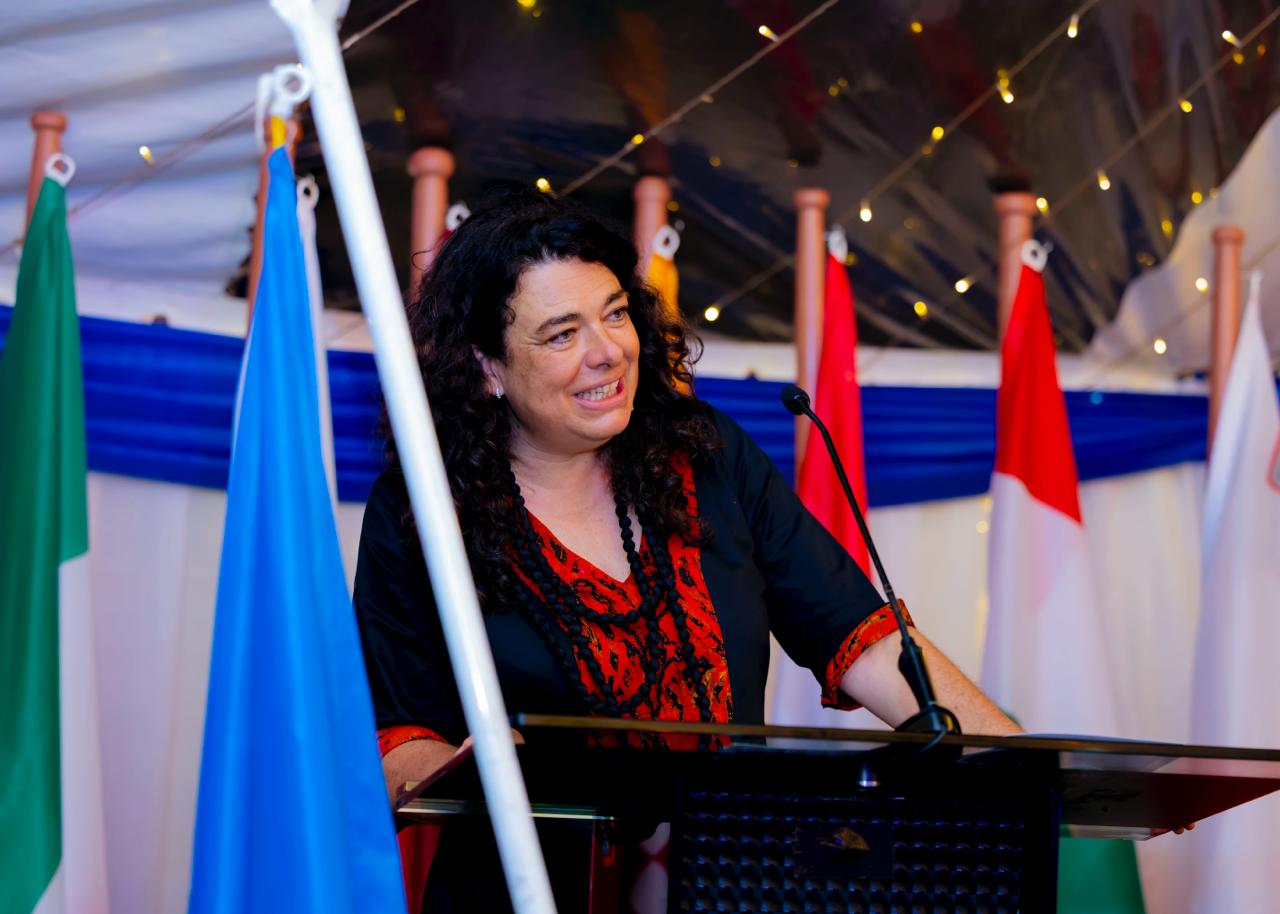
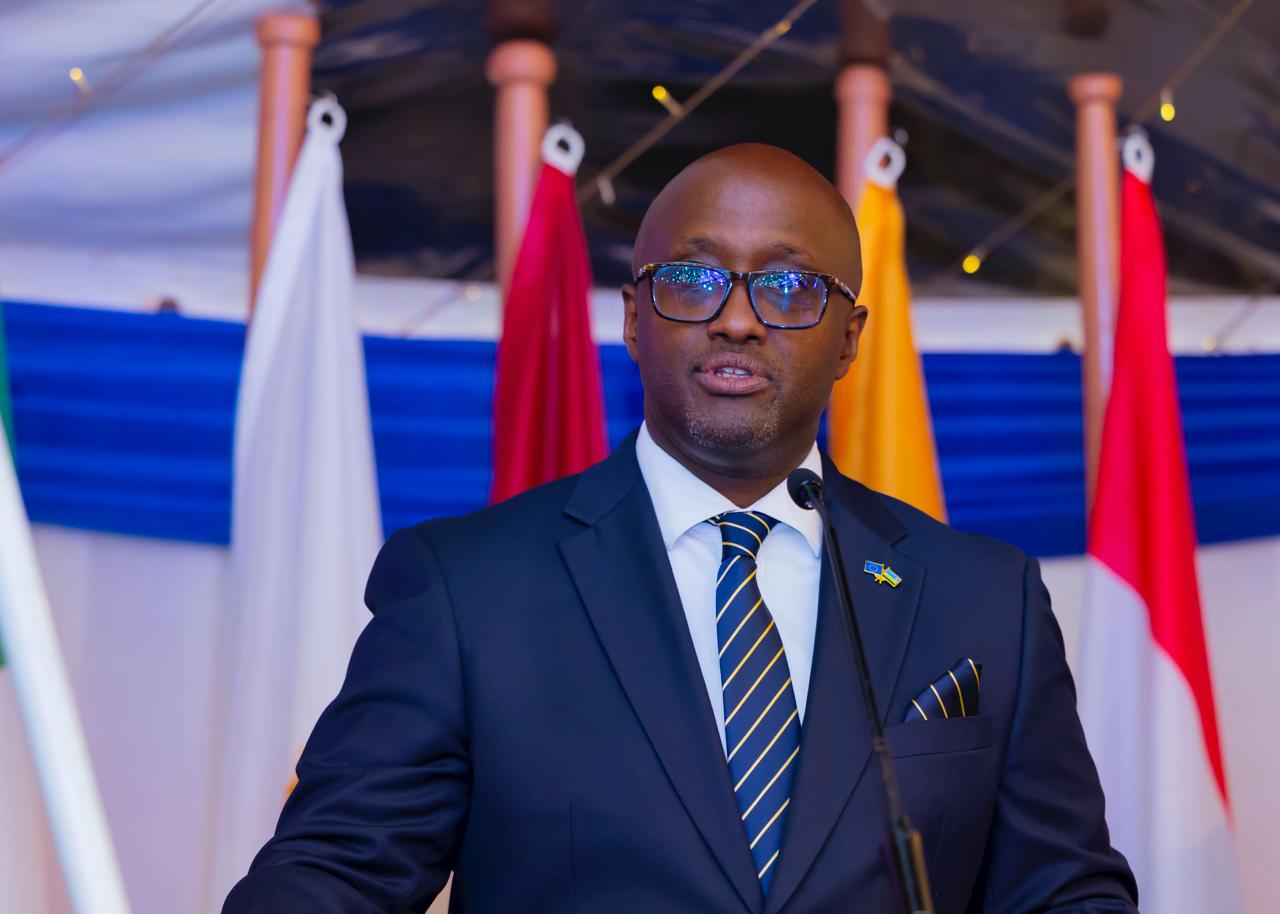
Addressing guests, the envoy described the Schuman Declaration as “a project for peace and shared prosperity,” noting that its founding principles remain relevant amid rising geopolitical tensions and global uncertainty.
“In a world of international disorder and coercive power politics, the EU stands strong for peace and prosperity, freedom and democracy, unity and diversity, partnerships and multilateralism,” she said.
The ambassador used the occasion, her final Europe Day celebration in Rwanda before the end of her diplomatic mission, to reflect on four years of EU-Rwanda cooperation, describing the partnership as one built on “continuous open dialogue, respect, consistency and trust.”
She pointed to major achievements under the partnership, including support for Rwanda’s ambition to become a regional hub for vaccine manufacturing, youth employment initiatives, climate-smart agriculture, innovation, and infrastructure investment through the EU’s Global Gateway strategy.
Ambassador Belén Calvo Uyarra used the occasion, her final Europe Day celebration in Rwanda before the end of her diplomatic mission, to reflect on four years of EU-Rwanda cooperation.
According to the ambassador, Team Europe has invested more than €1 billion in Rwanda in recent years across sectors including health technology, smart cities, transport infrastructure, critical minerals, and environmental conservation.
“Global Gateway puts the private sector and investment at the heart of the partnership, aligning with Rwanda’s vision to shift from aid to trade,” she said.
She added that more than 300 European businesses are currently operating in Rwanda, with over €1.4 billion in new European investment recorded over the past four years. Rwanda’s exports to the European Union have also grown by 47 percent since 2019.
Among the flagship projects highlighted was the establishment of an ecosystem for pharmaceutical manufacturing in Rwanda, supported by European investment, including German biotechnology company BioNTech.
“What started during COVID as Rwanda’s ambitious vision to manufacture vaccines has become an attractive ecosystem for quality pharmaceutical investment,” the ambassador noted.
The celebrations also focused on regional peace and security, with the ambassador emphasising the EU’s support for diplomatic efforts aimed at restoring stability in eastern Democratic Republic of Congo and dismantling the FDLR militia group, which was formed by individuals responsible for the 1994 Genocide against the Tutsi in Rwanda.
She welcomed ongoing peace initiatives, including the Doha Framework and African Union mediation efforts, while stressing the need for concrete progress on ceasefire implementation and regional trust-building.
Rwanda’s Minister of Foreign Affairs and International Cooperation, Olivier Nduhungirehe, praised the EU for its continued support to Rwanda’s development agenda and described the partnership as increasingly dynamic and diversified.
“Europe Day offers us a valuable opportunity to celebrate the longstanding and dynamic partnership between Rwanda and the European Union,” he said.
Rwanda’s Minister of Foreign Affairs and International Cooperation, Olivier Nduhungirehe, praised the EU for its continued support to Rwanda’s development agenda and described the partnership as increasingly dynamic and diversified.
Nduhungirehe commended the strengthened cooperation under the Global Gateway strategy and welcomed renewed investment worth €105 million to support Rwanda’s ambitions in vaccine manufacturing and medical innovation.
The vaccine-manufacturing project has been hailed as a major step towards ensuring equitable access to vaccines and strengthening Africa’s capacity to respond to future health emergencies.
Nduhungirehe also reflected on the security dimension of the EU–Rwanda partnership, describing it as a key pillar of bilateral cooperation alongside development and economic engagement.
“The EU has remained a trusted partner of Rwanda throughout our peacekeeping engagements and bilateral interventions around the continent. We hope to continue counting on your support as we get closer to achieving key priorities under the AU’s Silencing the Guns agenda and the UN’s Sustainable Development Goals by 2030,” he added.
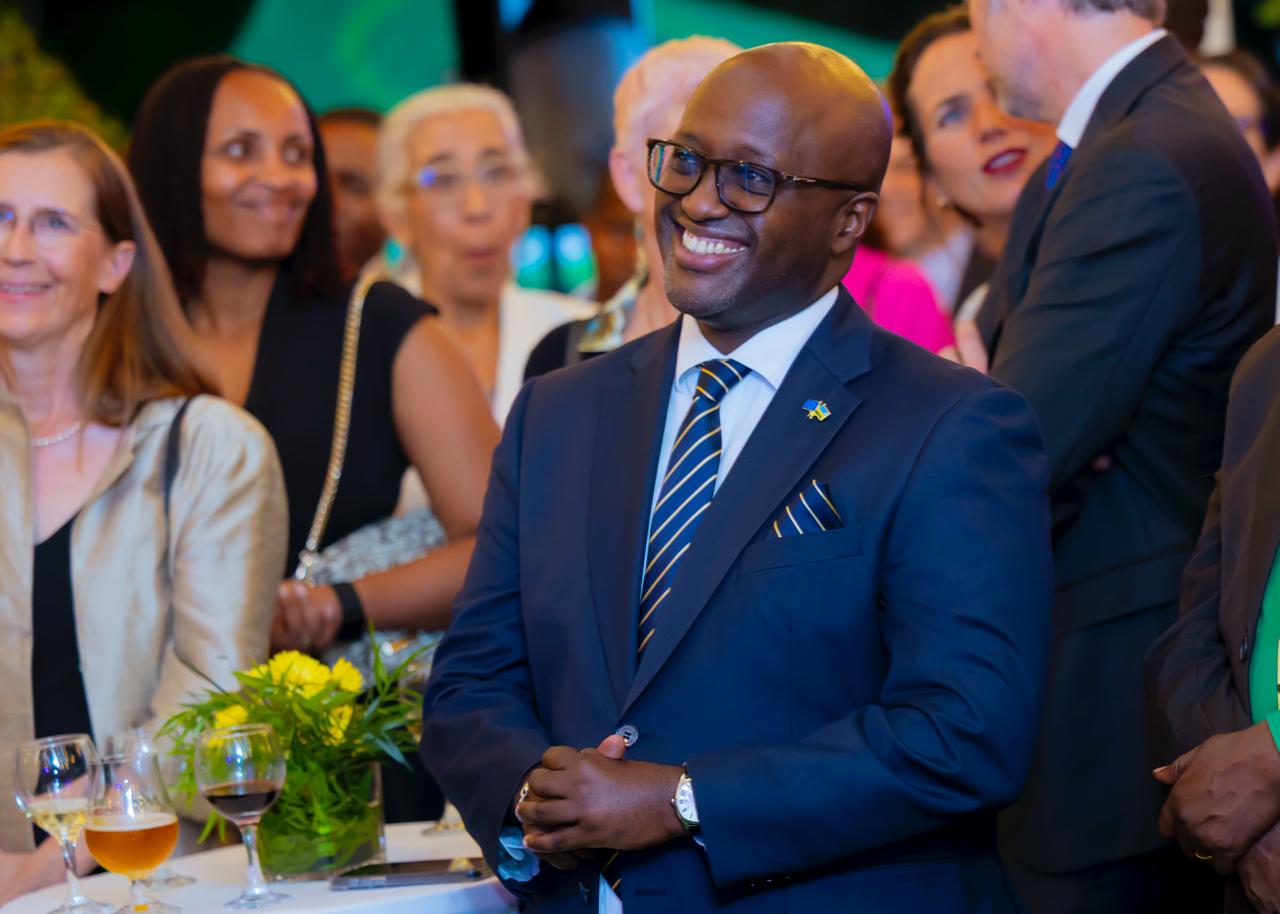
The minister also praised Ambassador Belén Calvo Uyarra for her contribution to strengthening political dialogue and expanding cooperation during her tenure in Kigali.
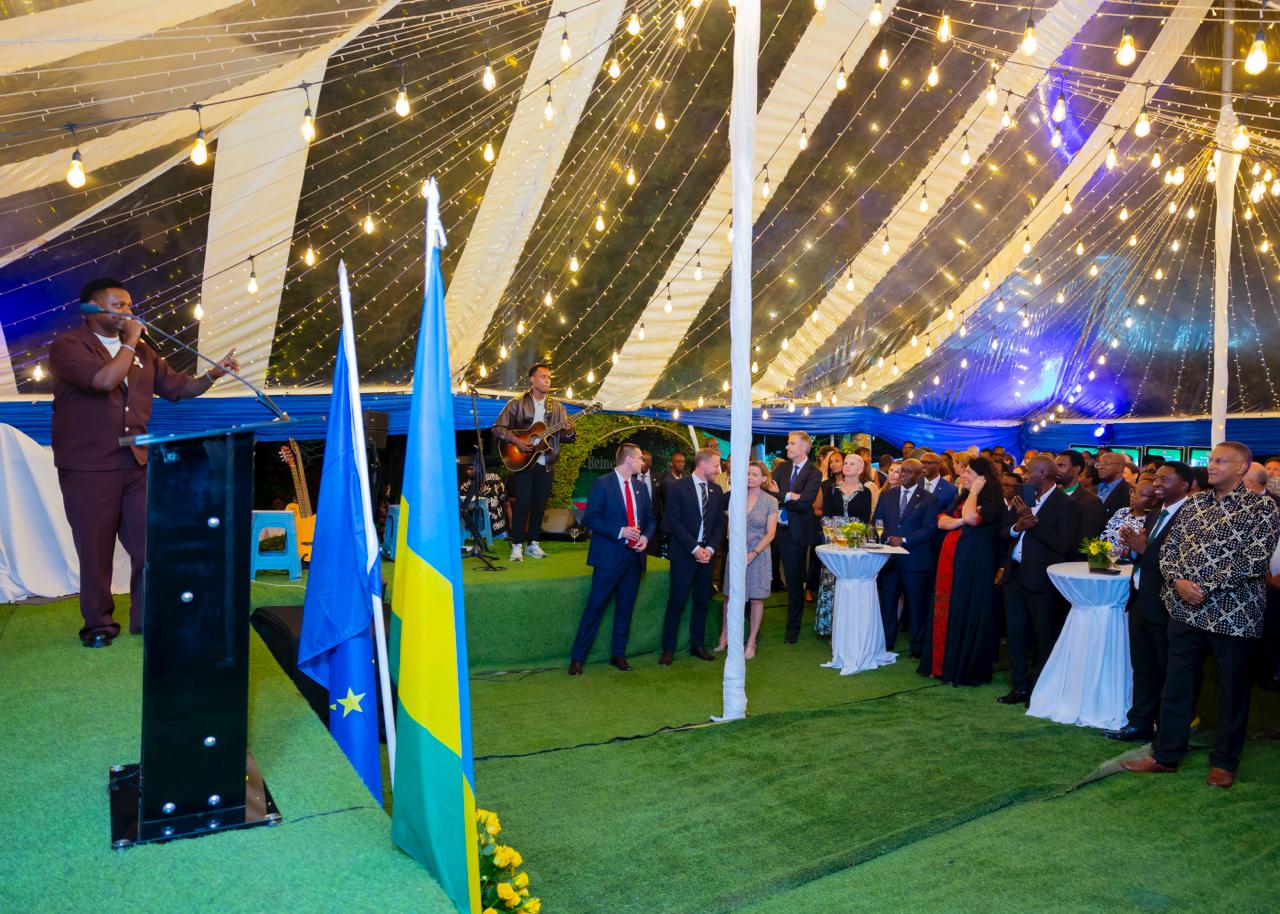
The event celebrated growing people-to-people relations between Rwanda and Europe.
Beyond diplomacy and investment, the event celebrated growing people-to-people relations between Rwanda and Europe through education exchanges, arts, sports, entrepreneurship, and youth innovation initiatives.
The ambassador highlighted programmes such as Hanga Hubs and Aguka, developed in partnership with the Ministries of Youth and ICT as well as United Nations Development Programme (UNDP), which she said contributed to the creation of more than 100,000 jobs over the past two years.
She also announced the creation of a youth sounding board aimed at involving young people more directly in shaping EU policies and partnerships in Rwanda.
“Let us continue working together, uniting in our pursuit of a peaceful and prosperous tomorrow for Rwanda, Europe, Africa, and the world,” the ambassador said as she invoked the philosophy of Ubuntu, which emphasises humanity, interconnectedness, and collective responsibility, focusing on compassion, respect, and community over individual isolation.
The colourful evening celebration featured performances by bands with a surprise appearance by Bruce Melodie, who has been working with the EU delegation on youth programmes.
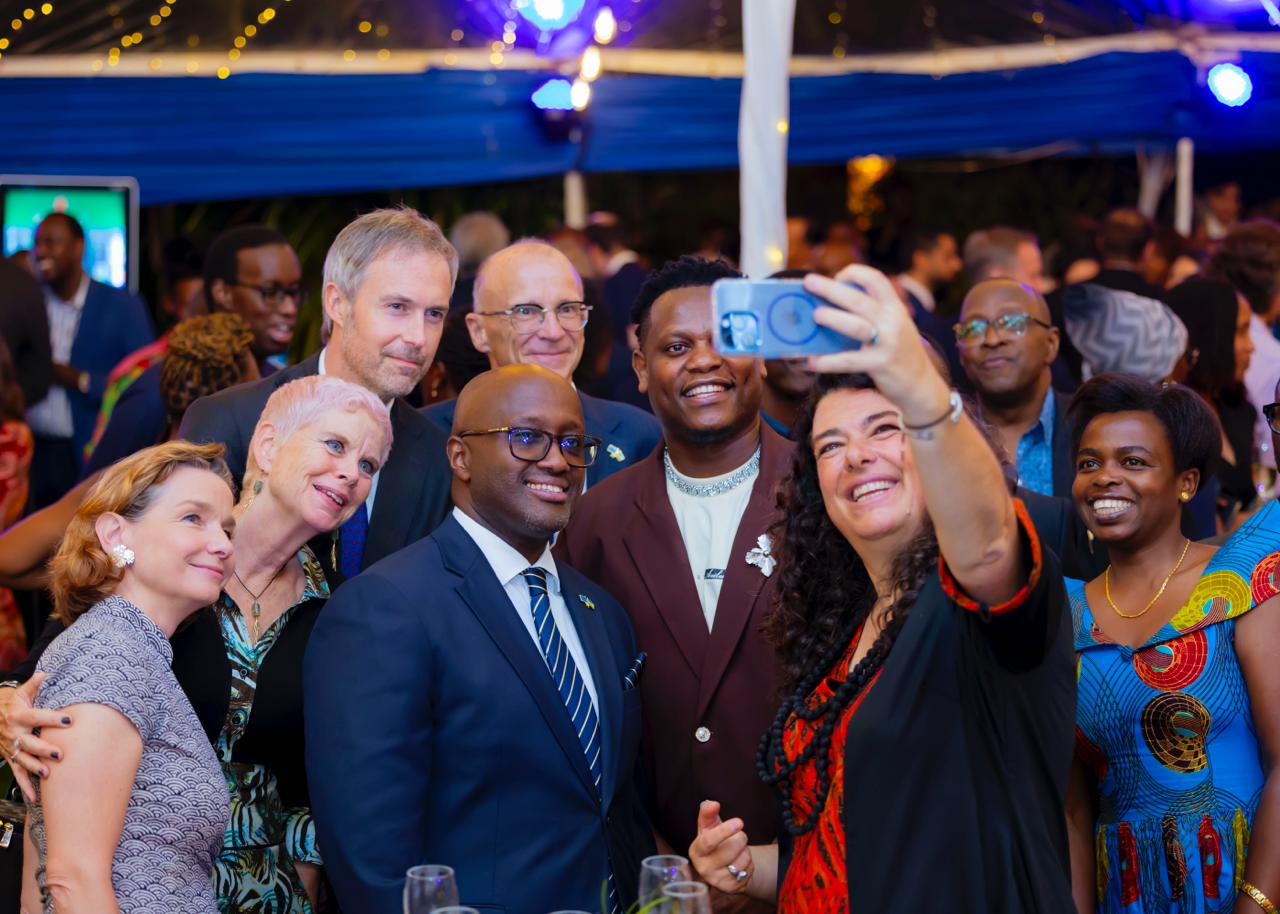
Celebrated Rwandan musician Bruce Melodie interacting with VIP guests at the event.Rwanda’s Minister of Foreign Affairs and International Cooperation, Olivier Nduhungirehe, graced the celebration.Nduhungirehe commended the strengthened cooperation under the Global Gateway strategy.Europe Day, celebrated annually on May 9, commemorates the Schuman Declaration of 1950, widely considered the foundation of the modern European Union.
The secretary-general is concerned by the reported recent exchange of fire in the Strait of Hormuz, Farhan Haq, deputy spokesman for the UN chief, said at a daily briefing.
The secretary-general calls on all parties to fully abide by the ceasefire and refrain from any actions that could lead to renewed escalation or undermine ongoing diplomatic efforts, he said.
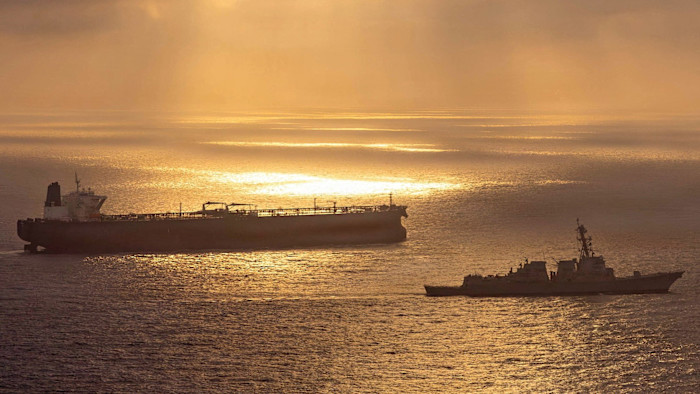
U.S. and Iranian forces traded fire on Thursday. The U.S. military said it was a “self-defense” action while Tehran accused Washington of violating a ceasefire that took effect on April 8.
UN Secretary-General Antonio Guterres urges all sides to exercise maximum restraint to avoid further escalation following the exchange of fire in the Strait of Hormuz
The move came after Ghana requested that the African Union (AU) debate at the upcoming AU Mid-Year Coordination Summit in June what it described as “xenophobic attacks” against African nationals in South Africa.
In a statement, South Africa’s Department of International Relations and Cooperation (DIRCO) said the government had “swiftly condemned acts of confrontation and intimidation” following sporadic incidents since late April involving some immigrants, including citizens of fellow African countries.
Since late April, protests against illegal migration, some of which turned violent, have taken place in cities including Johannesburg, Pretoria and Durban, with protesters accusing foreign nationals of taking jobs and business opportunities.
DIRCO said law enforcement agencies had been instructed to ensure the safety of citizens, residents and visitors, and to hold perpetrators accountable in accordance with the law.
DIRCO Minister Ronald Lamola has engaged counterparts from several African countries, including Ghana and Nigeria, to brief them on developments and reaffirm South Africa’s commitment to protecting the rights of all people living in the country, said the department.
The department also dismissed social media claims that Ghanaian and Nigerian nationals had been killed during recent protests, saying there was “no credible evidence” to support such allegations.
According to DIRCO, about 3 million migrants currently reside in South Africa, around 90 percent of whom are from other African countries.
The government acknowledged that migration pressures, unemployment and irregular migration had at times contributed to tensions between local communities and foreign nationals.
Pretoria reiterated its support for regional and continental migration frameworks, noting that many African countries continue to face economic and border management challenges linked to migration.
DIRCO said South Africa was reviewing its immigration policy framework to better address these challenges and remained open to “continued diplomatic engagement and constructive dialogue” with African countries on issues of mutual concern.
“South Africa will continue to lead with a Pan-African heart,” Lamola said. “Our commitment is to solidarity, the rule of law, and the safety of all who reside within our borders. Migration must be managed through cooperation, compassion and continental responsibility.”
A march protesting against undocumented migrants in Durban on 6 May, 2026. AFP
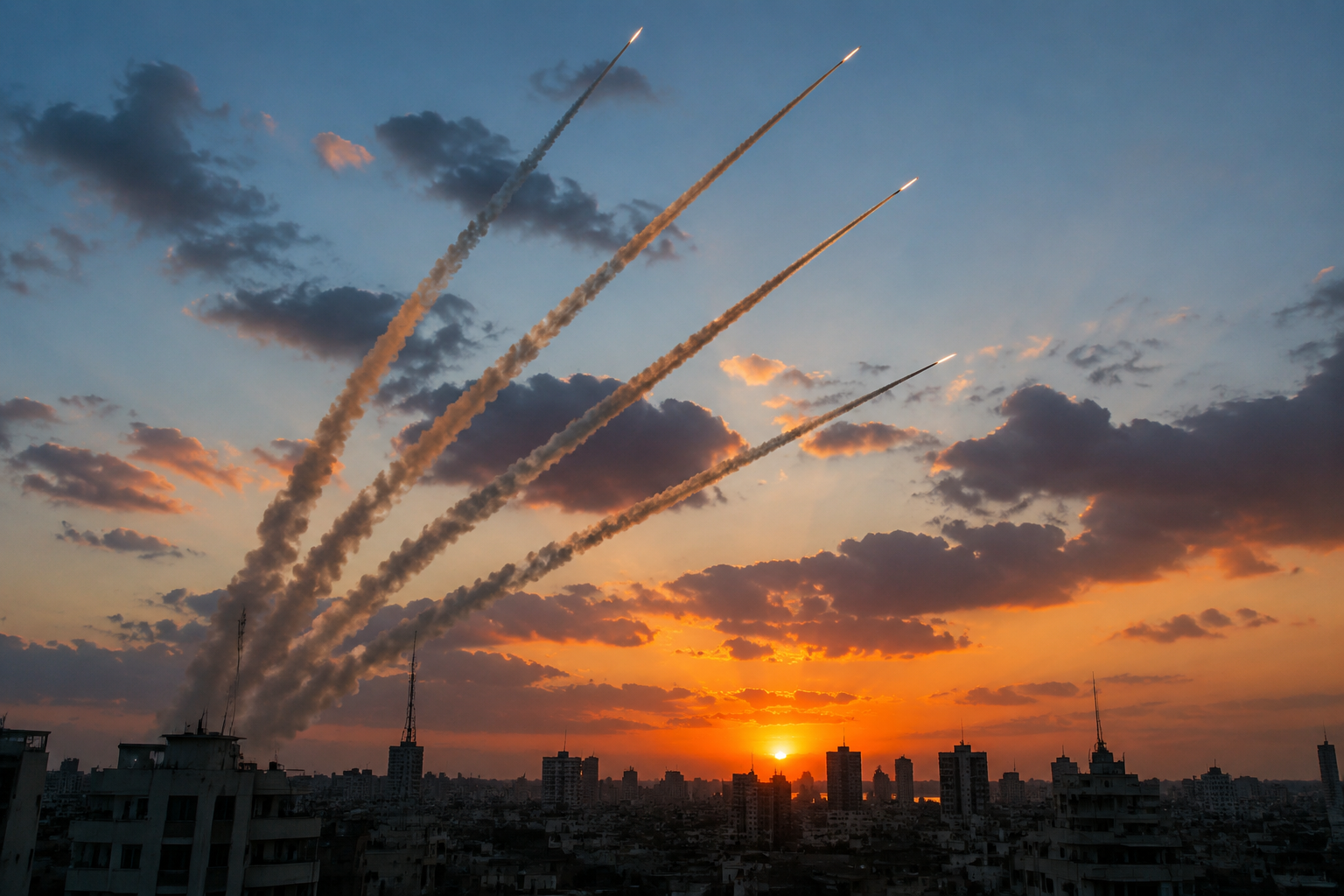
These attacks, which involved missiles and drones, are a significant escalation in the ongoing conflict between the United States and Iran, and they come at a time when a ceasefire agreement, which was signed just a month ago, still officially holds.
The UAE’s air defense systems intercepted several incoming projectiles, preventing more significant damage, but the strikes have raised alarms about the stability of the fragile peace agreement between the two countries.
The UAE, although not directly involved in the U.S.-Iran hostilities, now finds itself caught in the crossfire, further adding to the complexity of the situation in the Gulf.
U.S. President Donald Trump has reassured the public that the ceasefire agreement remains in effect, despite the increased hostilities. Trump acknowledged the rising tensions but emphasized that the U.S. is committed to continuing diplomatic negotiations with Iran, even in the face of these attacks.
Trump clarified that although the U.S. forces were under attack, they were still adhering to the ceasefire’s terms. However, the repeated military engagements between the two nations, particularly the attacks on U.S. Navy destroyers in the Strait of Hormuz, have cast doubt on the sustainability of the ceasefire.
On the other hand, Iran has rejected the accusation that it violated the ceasefire. Iranian officials argue that the attacks were retaliatory measures in response to what they claim were violations of the ceasefire by the United States.
According to Iran, the U.S. attacked Iranian coastal territories and vessels, forcing Iran to defend itself in accordance with international law. Iran’s defense of its actions as necessary for national security has added another layer of complexity to the already fragile situation.
The situation in the Gulf is growing increasingly unstable as both sides blame each other for the escalation. While U.S. officials continue to advocate for peaceful talks and a return to diplomacy, the military actions on the ground suggest that such an outcome may be difficult to achieve.
The UAE’s involvement in this conflict underscores the broader risks of regional instability, as nations across the Middle East grapple with the fallout from these ongoing tensions.
The future of the ceasefire now hangs in the balance, with the possibility of further military confrontations looming large. Without more robust diplomatic efforts and a real commitment from both sides to de-escalate, the region remains on the brink of full-scale conflict.
The attacks by the U.S. “aggressive and terrorist” army violated the ceasefire between Iran and the United States, said Ebrahim Zolfaghari, the headquarters’ spokesman, according to Iranian media.
One of the targeted vessels was an oil tanker sailing from Iran’s territorial waters near Jask toward the Strait of Hormuz, while the other was entering the waterway near Fujairah in the United Arab Emirates, Zolfaghari said, adding that the targeted civilian areas included Bandar-e Khamir and Sirik, both in Hormozgan province.
He noted that Iran’s armed forces immediately retaliated by attacking U.S. military vessels east of the Strait of Hormuz and south of Iran’s Chabahar port, causing significant damage.
He warned that Iran would give a crushing response to any aggression without any hesitation.
Iran’s Islamic Revolution Guard Corps Navy said early Friday that Iranian forces carried out a “large-scale and precise combined operation” using ballistic missiles, anti-ship cruise missiles and explosive drones targeting U.S. destroyers.
It added that intelligence assessments indicated “significant damage” to U.S. vessels, prompting three destroyers to retreat from the Strait of Hormuz area.
U.S. Central Command (CENTCOM) said in a statement that U.S. forces intercepted “unprovoked Iranian attacks” and responded with self-defense strikes as their Navy ships passed through the Strait of Hormuz.
CENTCOM added that it “does not seek escalation but remains positioned and ready to protect American forces.”
President Donald Trump said on Thursday that no damage was done to the three world-class American destroyers that just transited out of the Strait of Hormuz.
In a Truth Social post, Trump said Iran suffered great damage and threatened that future attacks would be “a lot harder, and a lot more violent.”
Meanwhile, Fox News correspondent Jennifer Griffin quoted a senior U.S. official saying that the U.S. military carried out strikes on Iran’s Qeshm Port and Bandar Abbas, but added that it was not a restarting of the war or an end to the ceasefire.
Earlier, Trump announced that Project Freedom, the U.S. military operation to guide commercial ships out of the Strait of Hormuz, would be paused to see whether a peace deal could be reached with Tehran.
Trump said the decision was based on the request of Pakistan and other countries, as well as the “great progress … made toward a complete and final agreement with representatives of Iran.”
The project lasted for less than 48 hours before being suspended.
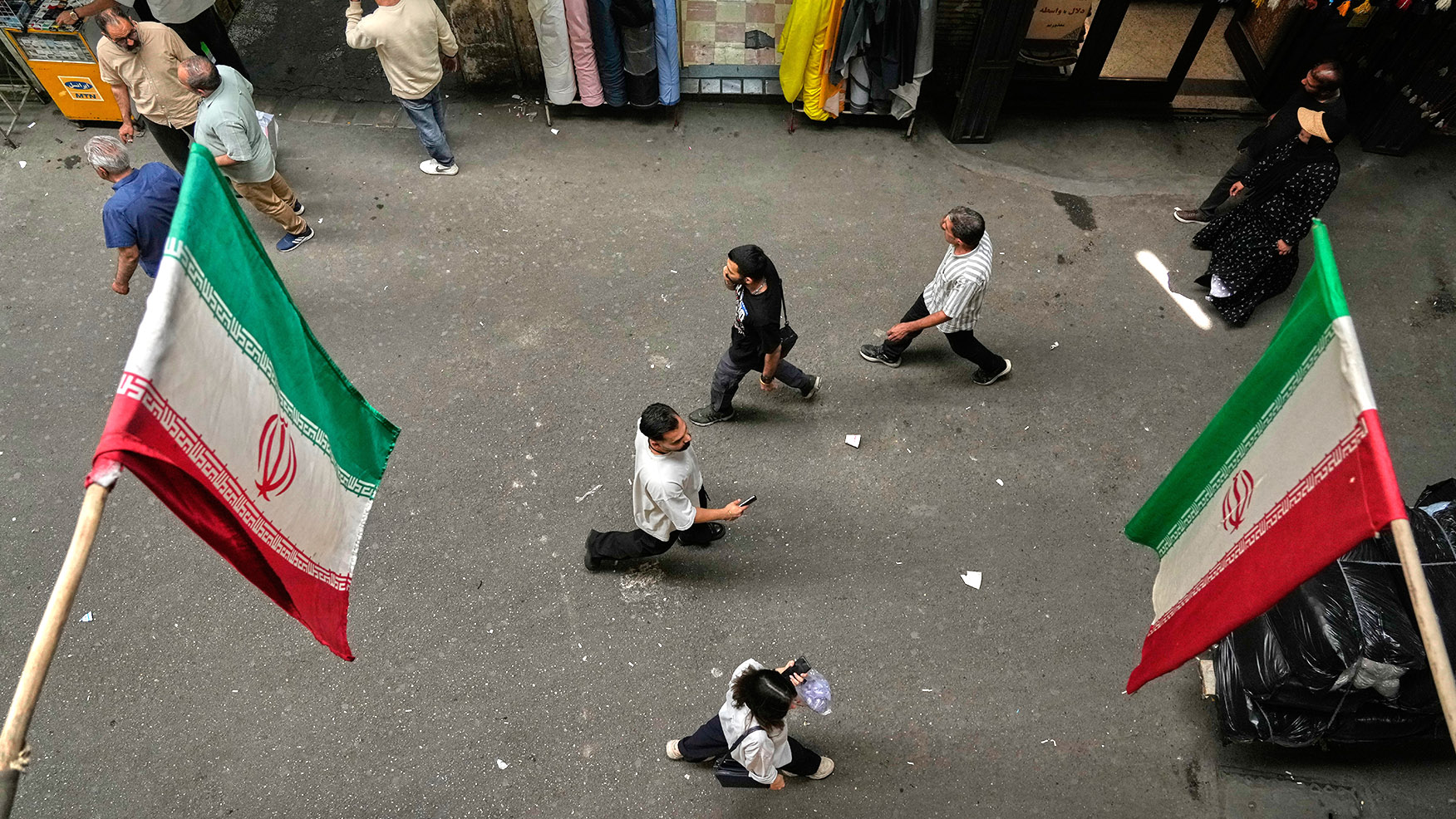
People walk as Iranian flags hang in the Grand Bazaar in Tehran, May 3, 2026. (PHOTO / AP)
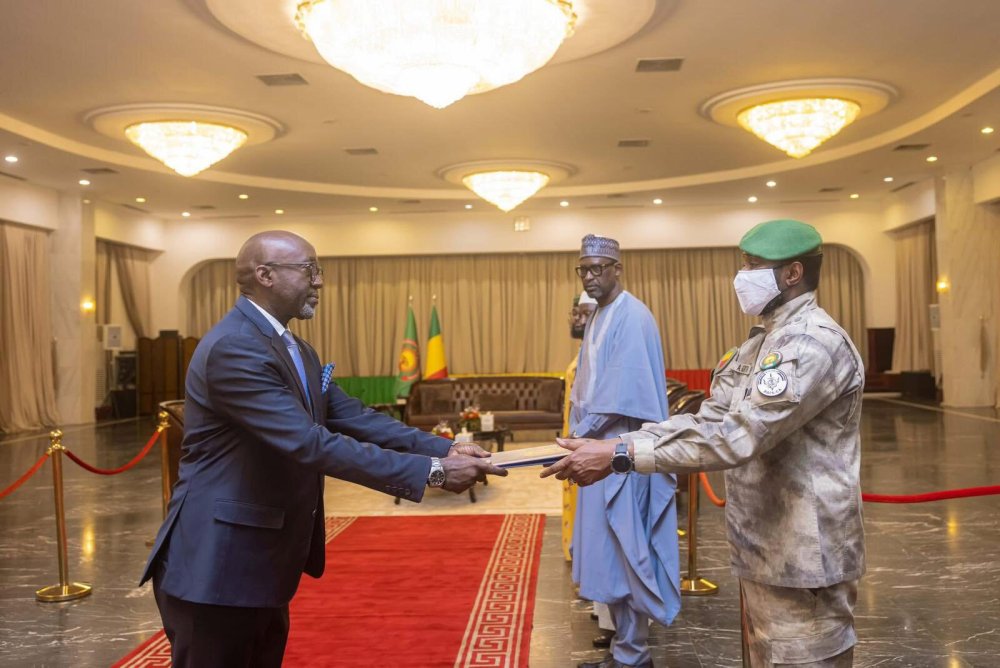
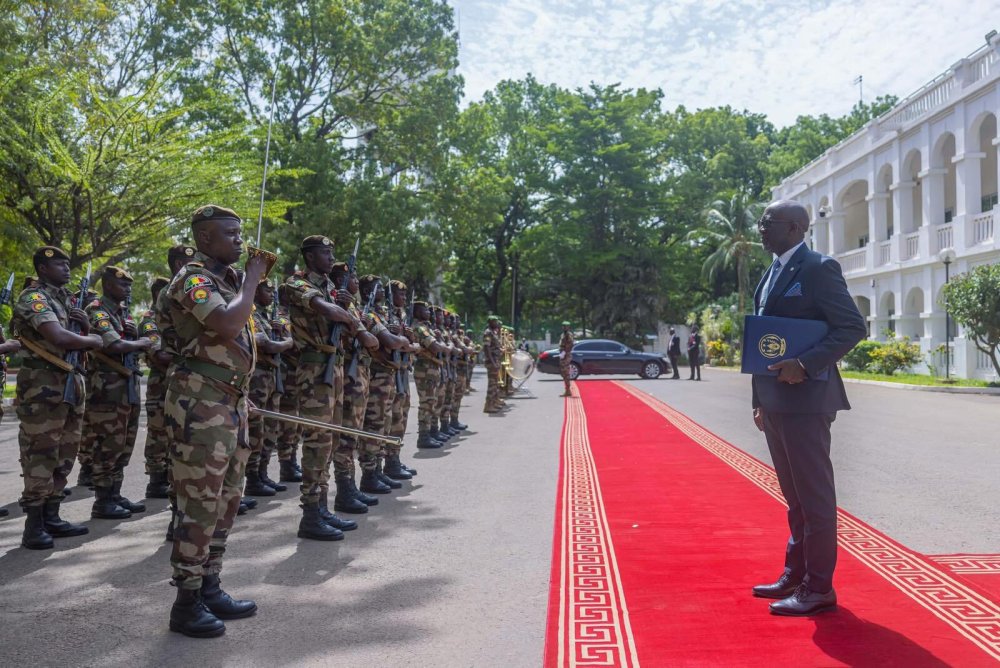
The ceremony took place in the capital, Bamako, on May 7, 2026. During his visit, Amb. Bizimana also participated in a meeting bringing together foreign diplomatic representatives in Mali to receive updates on the security situation following attacks that occurred on April 25, 2026.
Rwanda and Mali maintain strong bilateral relations based on friendship, cooperation, and a shared commitment to further strengthening ties between the two countries.
In 2024, Rwanda and Mali signed 19 cooperation agreements covering sectors including justice, mining, oil and gas, agriculture, fisheries, environment, climate change response, tourism development, higher education, transport, and the movement of people and goods, among others.
The two countries also cooperate in several other areas, including air transport, under agreements allowing airlines from both nations to use each other’s international airports.
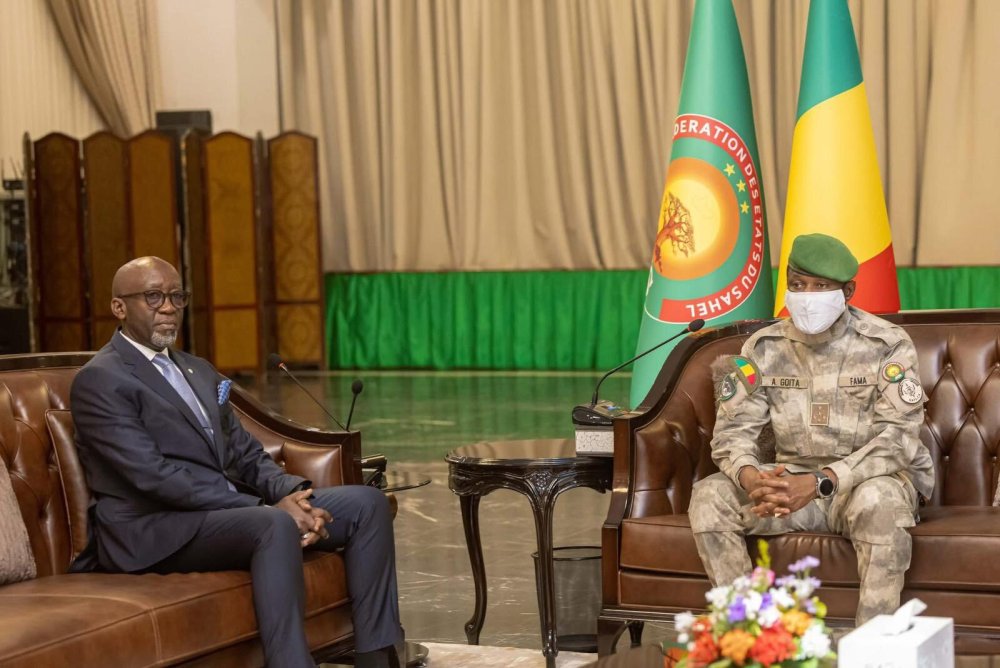
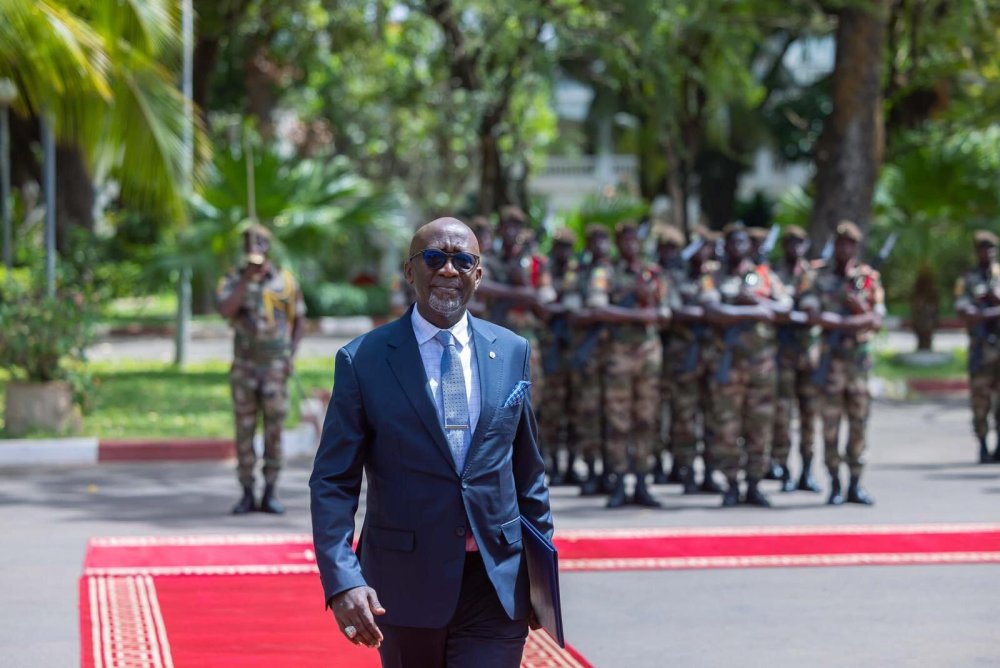
Amb. Festus Bizimana presented his credentials to Mali’s President Assimi Goïta in Bamako, marking his official accreditation as Rwanda’s ambassador to the West African country.Rwanda’s Ambassador Festus Bizimana presented his credentials to Mali’s President Assimi Goïta in Bamako, also joining diplomatic briefings on the country’s post-attack security situation.Amb. Festus Bizimana has been officially accredited as Rwanda’s ambassador to Mali after presenting his credentials to President Assimi Goïta during a ceremony in Bamako.Rwanda’s Ambassador to Senegal, Festus Bizimana, presented his letters of credence to Mali’s President Assimi Goïta in Bamako, formally accrediting him as Rwanda’s envoy to Mali on May 7, 2026.
The development has been confirmed by Rwanda’s Office of the President.
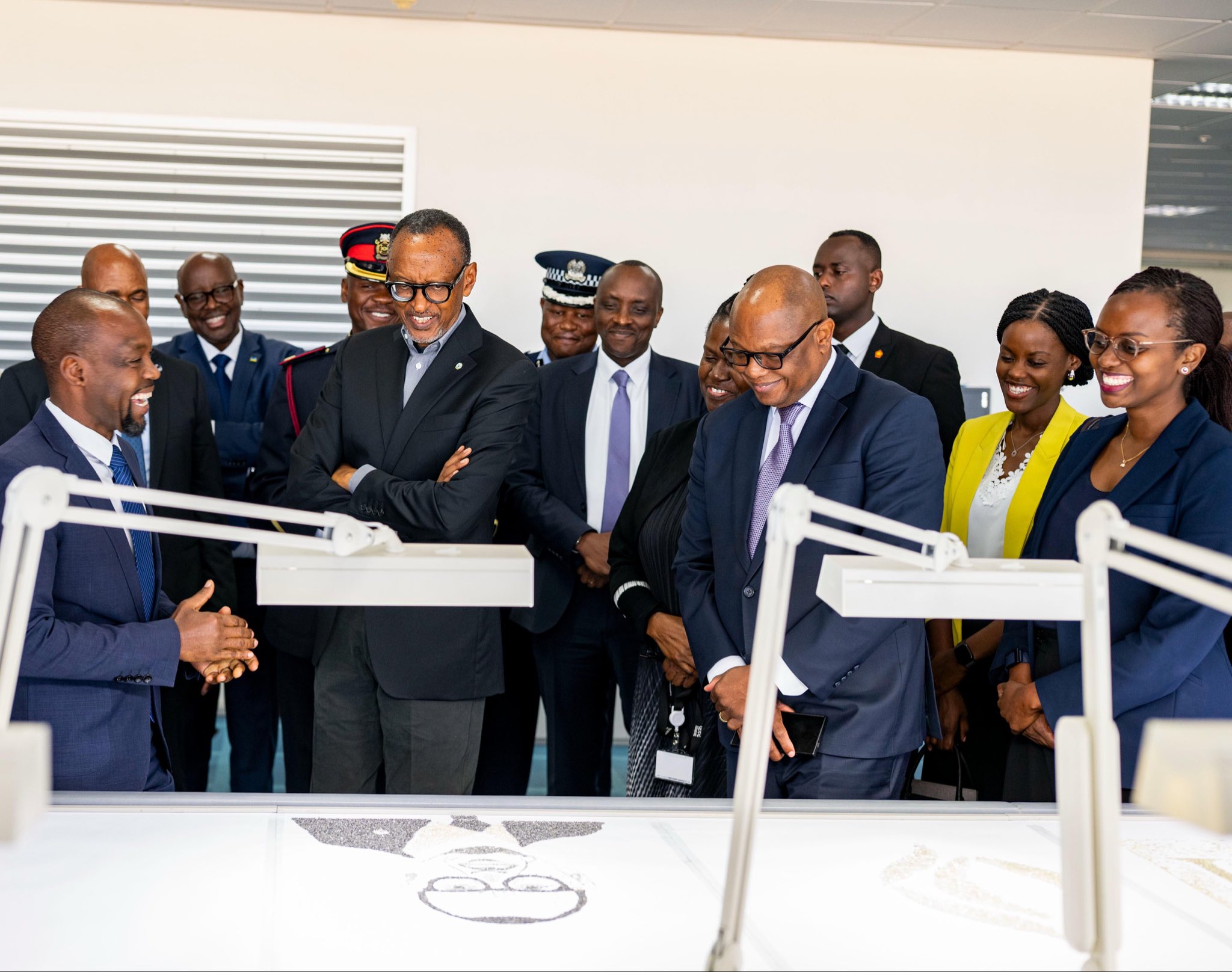
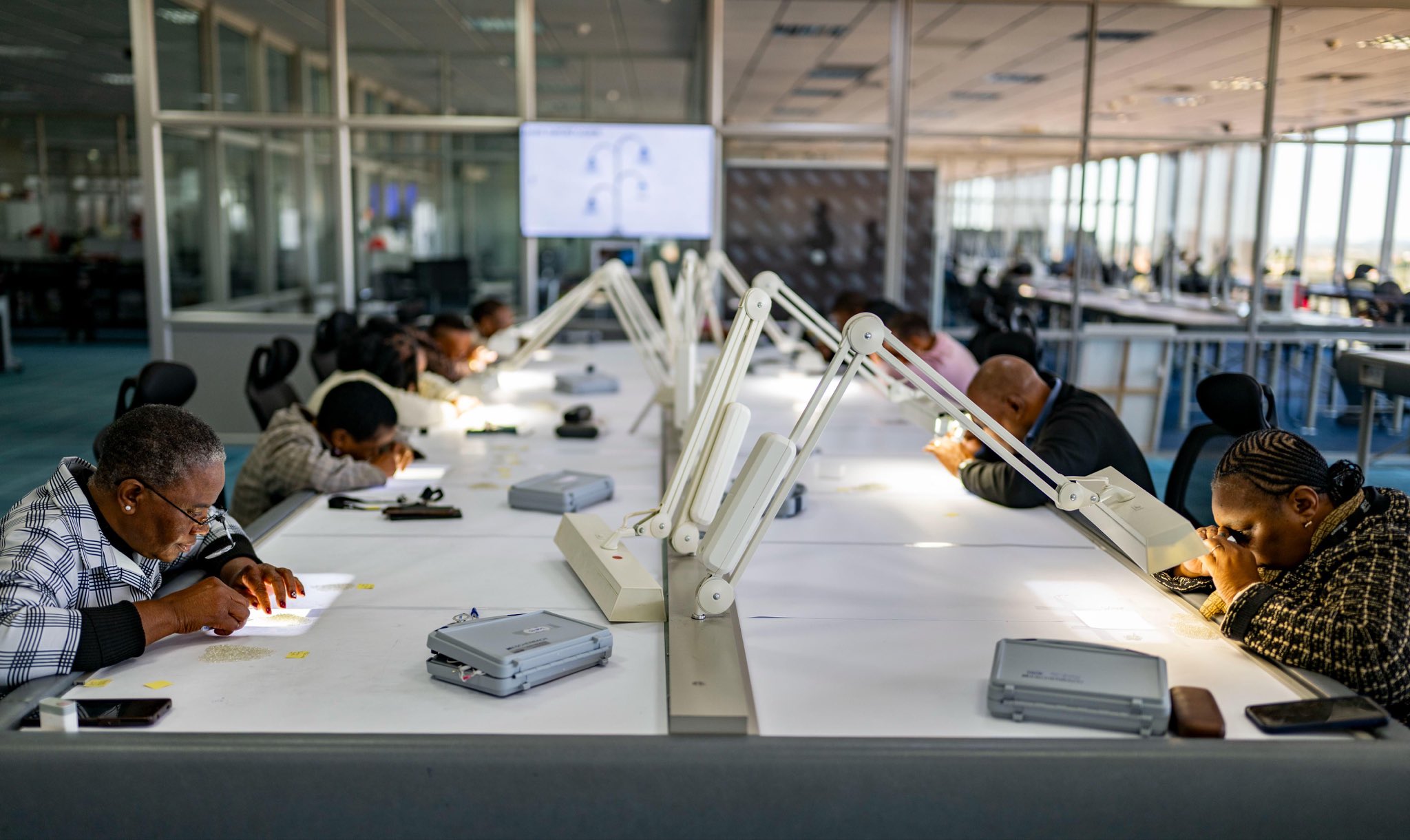
DTC Botswana is a 50/50 joint venture between the Government of Botswana and De Beers. The company is regarded as the world’s largest and most sophisticated rough diamond sorting and valuing operation, with the capacity to sort up to 45 million carats annually.
The visit to the diamond facility comes amid renewed efforts by Rwanda and Botswana to deepen economic cooperation and strengthen investment partnerships between the two countries.
On Wednesday, President Kagame and Botswana’s counterpart Duma Boko witnessed the signing of several bilateral agreements at the State House in Gaborone following bilateral talks between the two delegations.
The agreements covered avoidance of double taxation, visa exemption for holders of diplomatic, official, and national passports, air services, health cooperation, and broader economic, trade, and investment partnerships.
A cooperation framework between the Rwanda Development Board and the Botswana Investment and Trade Centre was also signed to promote private sector collaboration and facilitate investment flows.
During the engagements, President Kagame praised Botswana’s approach to natural resource management, particularly in the diamond sector, describing it as an example of forward-looking governance.
President Boko said the visit marked a strategic realignment between the two countries and stressed the need for swift implementation of the signed agreements.
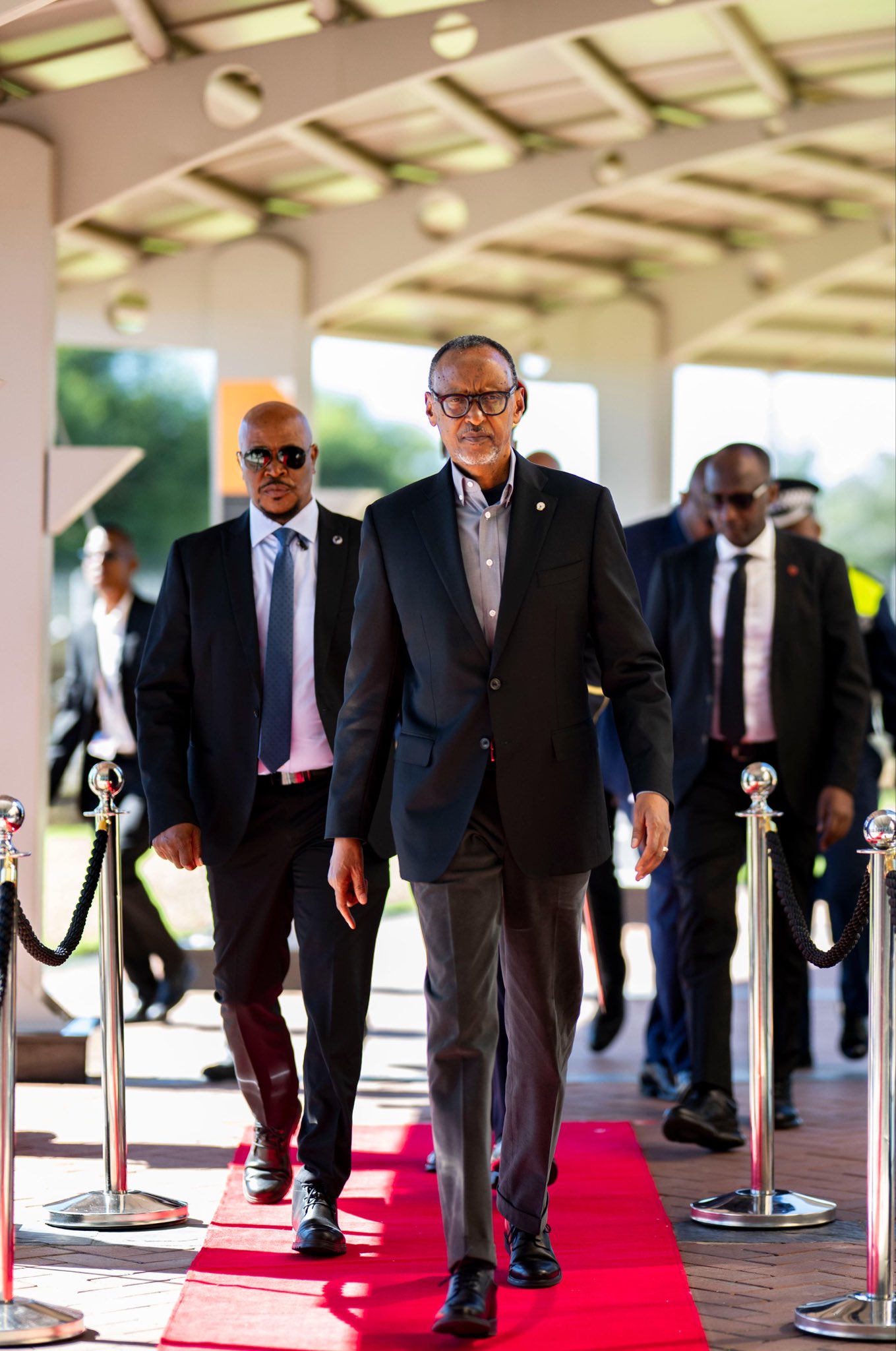
President Kagame’s visit is his first State Visit to Botswana since 2019, when both countries agreed to establish the Joint Permanent Commission on Cooperation framework aimed at strengthening bilateral ties.
Kagame arrived in Botswana on Wednesday, May 6, 2026, where he was welcomed by his counterpart Duma Boko at Sir Seretse Khama International Airport.
Kagame explored Botswana’s diamond industry during a two-day State Visit.President Kagame toured DTC Botswana, the world’s largest rough diamond sorting and valuing facility, during his State Visit to Botswana.President Kagame’s Botswana visit featured high-level engagements, including a tour of one of the world’s most sophisticated diamond operations.
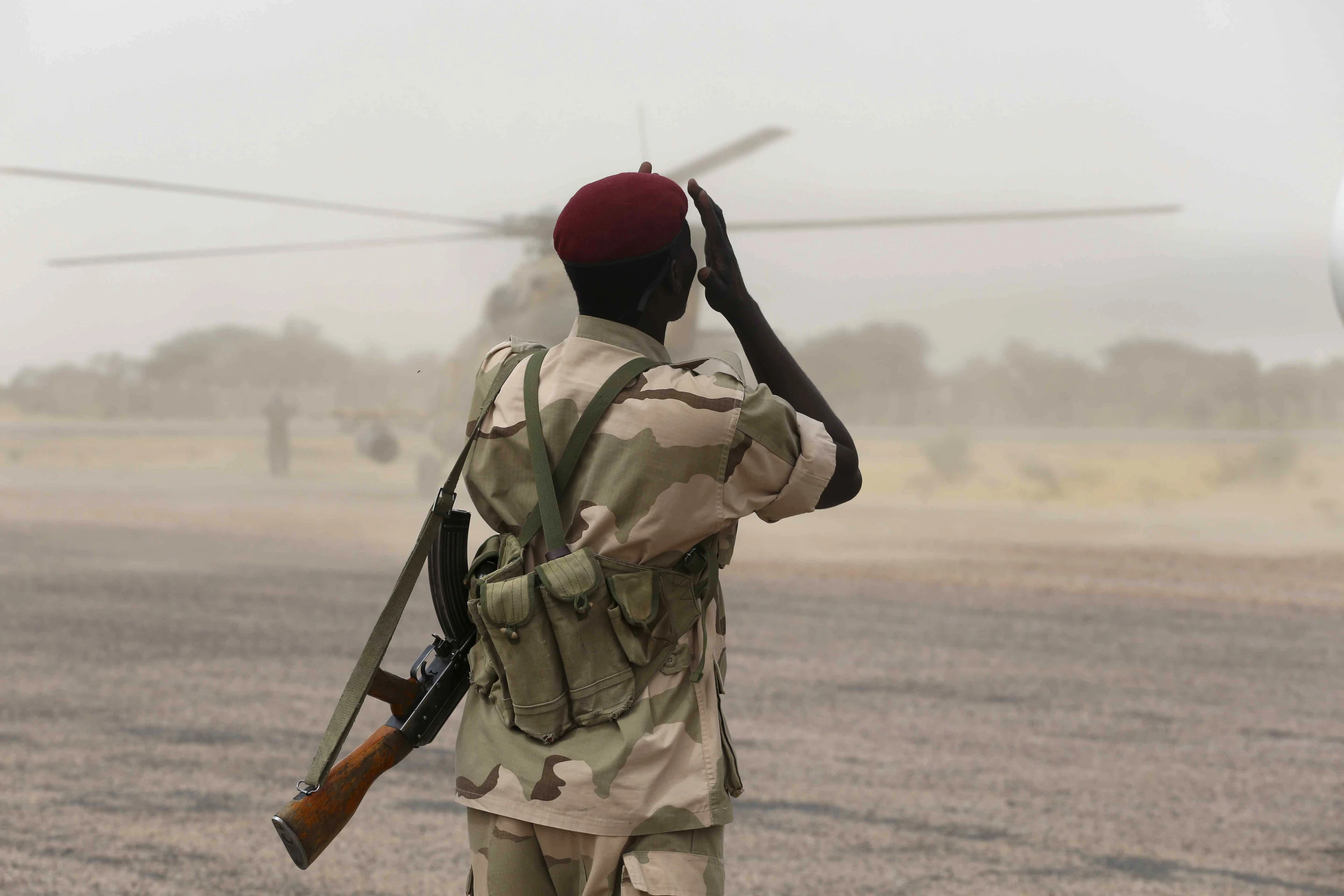
Twenty-three soldiers were killed and 26 others injured on Monday in an assault by Boko Haram militants on the Barka Tolorom island military base in the region.
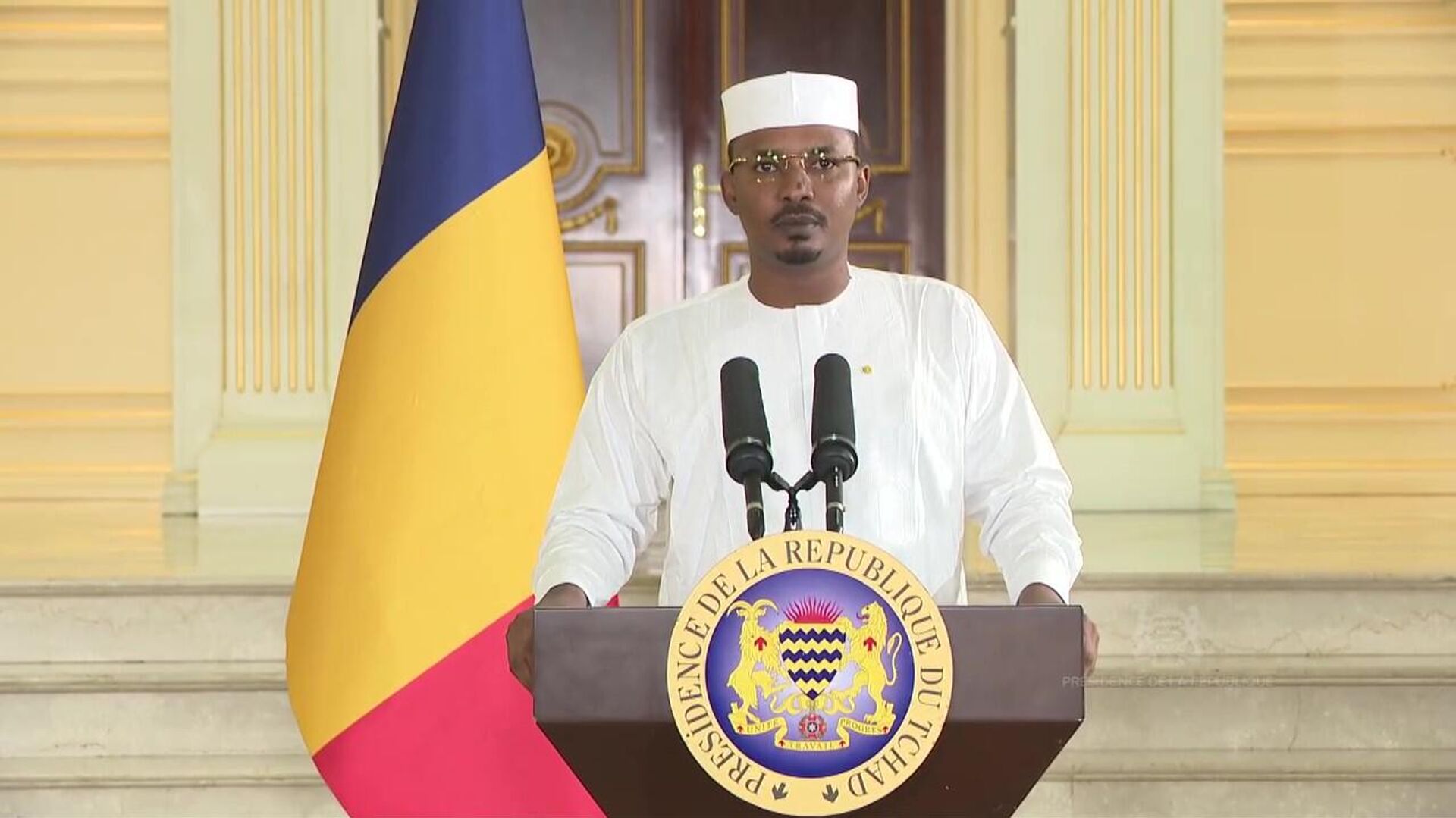
Late Wednesday, Chadian President Mahamat Idriss Deby Itno signed a decree declaring the mourning.
“During this period, flags are flown at half-mast and all festive activities are prohibited. Only religious music and prayers are permitted in the media and places of worship,” the decree stated.
The mourning declaration came just hours after local media reported another deadly Boko Haram attack on soldiers in Lake Chad on Wednesday. There was no official announcement regarding the number of casualties.
The Lake Chad region, bordering Nigeria, Niger and Cameroon, has long faced attacks by Boko Haram and its splinter faction, the Islamic State West Africa Province.
Chadian President Mahamat Idriss Deby Itno signed a decree declaring the mourning on Wednesday.
In December 2023, while concluding his campaign for a second presidential term, Tshisekedi had declared that if a single bullet fired by the AFC/M23 coalition landed in the city of Goma, he would seek authorization from both chambers of parliament to launch attacks on Rwanda.
“At present, our army can strike Kigali while stationed in Goma. Kagame will not sleep in his house; he will sleep in the forest. He may play games with others, but not with Fatshi Béton,” Tshisekedi had said to cheering supporters.
He added that if even a small provocation occurred or any territory around Goma was captured, he would convene parliament and request permission to declare war on Rwanda.
Speaking during a press conference in Kinshasa on May 6, a journalist told Tshisekedi that he appeared to prioritize diplomacy more than military strength, despite many historical thinkers emphasizing the importance of military power in securing peace.
The journalist referenced the famous saying attributed to Vegetius Renatus, “If you want peace, prepare for war,” and cited political philosopher Niccolò Machiavelli as well as comments once made by Barack Obama concerning peace in eastern Congo.
The journalist then asked Tshisekedi when the cities of Goma and Bukavu would be liberated. Responding to the question, Tshisekedi acknowledged that the criticism about his diplomatic approach was understandable.
“You must understand that as a civilian like me, with no military training or background whatsoever, the first instinct when such events happen is diplomacy. But I must also tell you that this comes after an honest assessment of the situation,” he said.
Tshisekedi recalled statements he made during the 2023 election campaign regarding possible military action against Rwanda in response to what he described as provocations.
“Today, I want to take this opportunity to apologize to the Congolese people, not because I was rushed into speaking, but because I had been given false information about our military,” he said. He went on to explain that the Congolese army lacked the capacity to confront Rwanda in the way he had initially envisioned. He revealed that some soldiers and officials are now being arrested and punished over failures within the military structure.
“Today you can see punishments and arrests taking place. These are the consequences. It means we were being kept from the truth about the condition of our army. We could not go to war with a military that lacked direction and was deeply divided,” Tshisekedi said.
He added that the army lacked uniforms, weapons and sufficient ammunition for combat operations.
“How could we enter a war under those conditions? That is not how I think. It is important to face reality and use other available means, and I believe we achieved a lot through that approach,” he stated.
Tshisekedi further claimed that the Congolese military had been infiltrated from within by hostile elements who weakened it under the cover of peace agreements.
“Today we have the information, and that is the good thing. We now know our military had been infiltrated and destroyed from within. There were people inside it whose objective was to seize part of our country. That is the truth,” he said.
According to Tshisekedi, diplomacy became the only viable option available to his government at the time.
“We had no other choice except diplomacy. That became our weapon. There is no debate about it,” he said.
He added that the Democratic Republic of the Congo now has international allies helping it restore peace while also benefiting from the country’s natural resources.
Speaking during a press conference in Kinshasa on May 6, Tshisekedi apologized to Congolese, noting that he abandoned plans to attack Rwanda after discovering that he had been misled about the true capabilities of his country’s military.