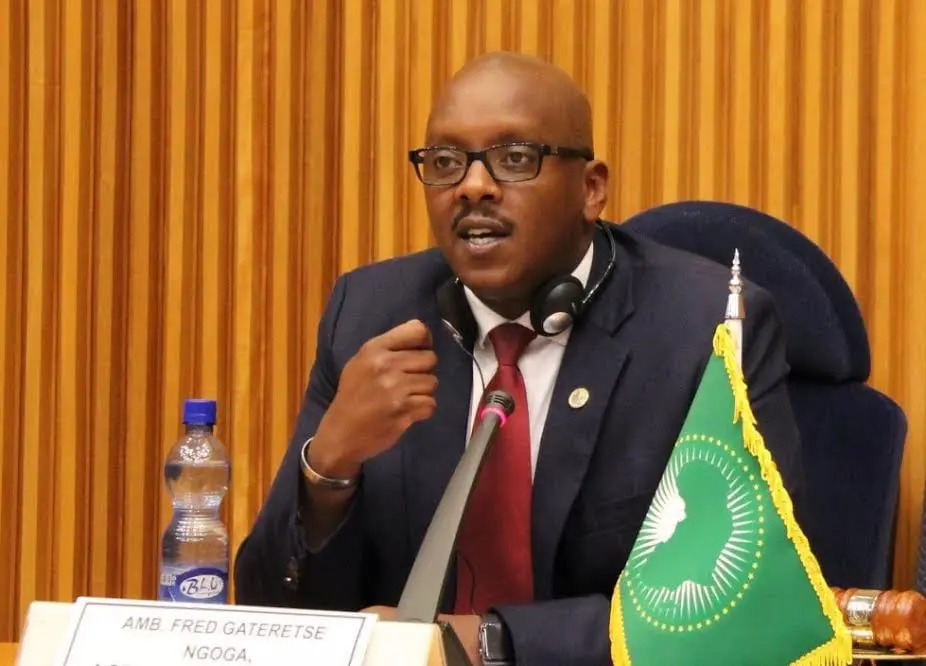
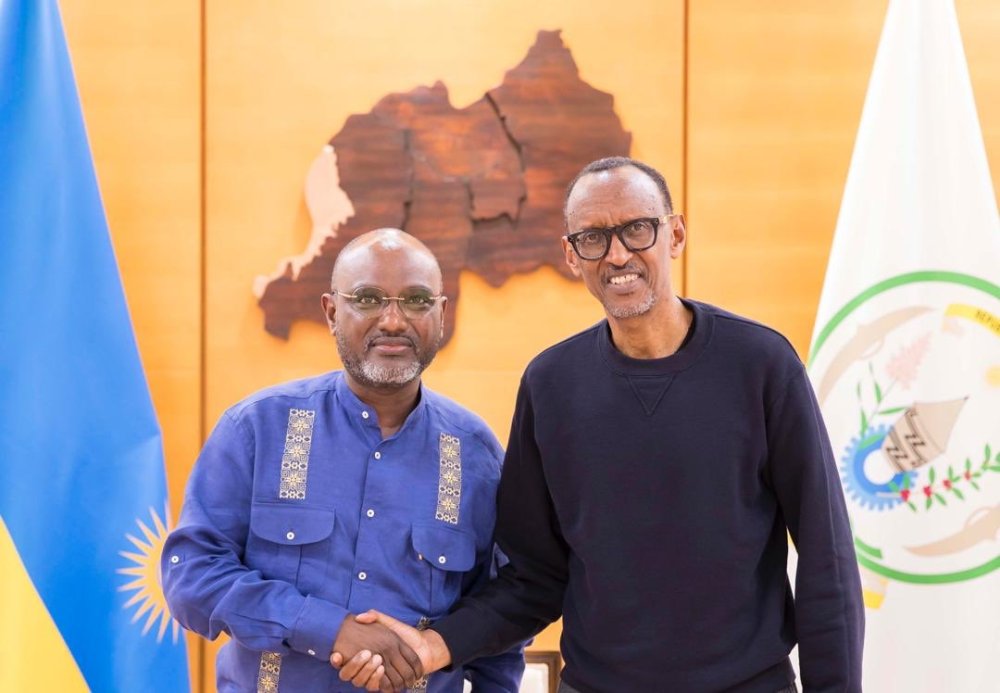
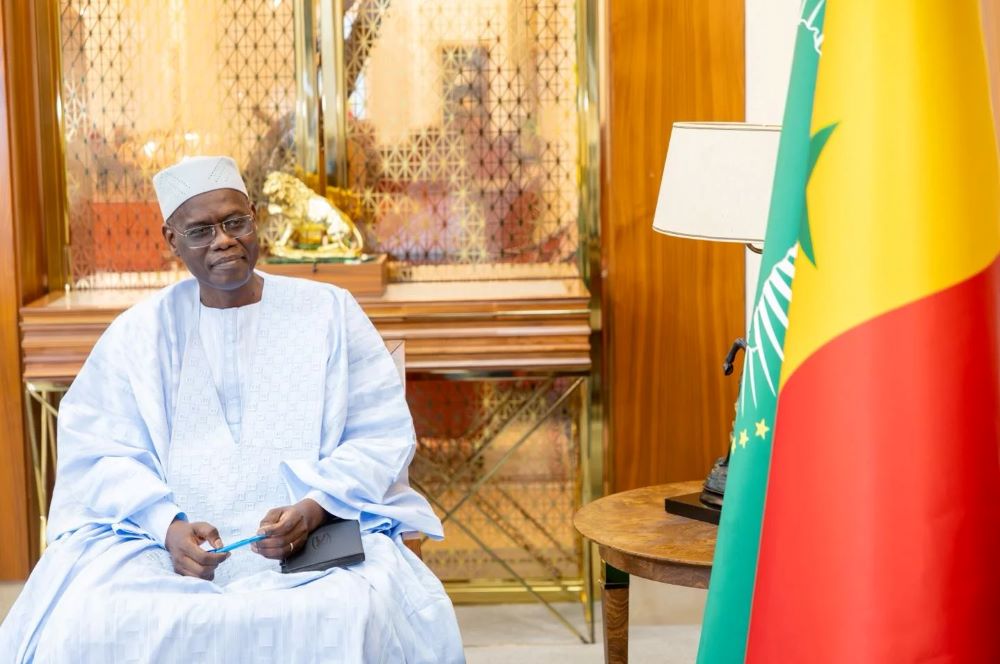
The agreement, signed in N’Djamena on Wednesday by Rwanda’s Minister of Foreign Affairs and International Cooperation, Olivier Nduhungirehe, and his Chadian counterpart, Dr. Abdoulaye Sabre Fadoul, aims to deepen cooperation in areas of common interest and create a formal framework for enhanced collaboration.
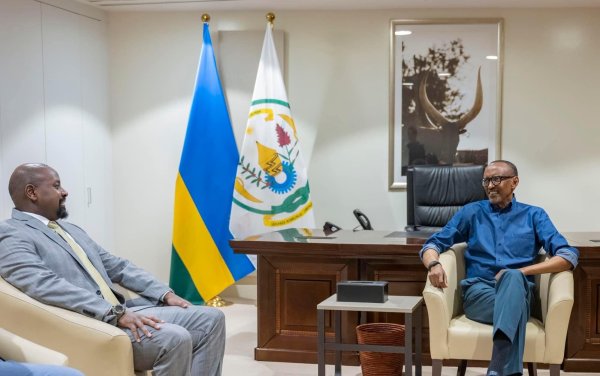
During his visit, Minister Nduhungirehe, who is also a Special Envoy of President Paul Kagame, held an audience with Marshal President Mahamat Idriss Déby Itno.
On this occasion, he handed a letter from President Kagame requesting Chad’s support for Rwanda’s nomination of Louise Mushikiwabo for a third term as Secretary-General of the International Organisation of La Francophonie (OIF).
Rwanda has officially nominated Mushikiwabo ahead of the 20th Francophonie Summit, scheduled for November in Phnom Penh, Cambodia.
Having led the international Francophone network since 2019, Mushikiwabo has advanced initiatives promoting language, culture, and cooperation. If re-elected, she would become only the second Secretary-General, after former Senegalese President Abdou Diouf, to serve three terms.
The establishment of the Great Joint Cooperation Commission and the diplomatic engagement surrounding Mushikiwabo’s candidacy highlight Rwanda and Chad’s shared commitment to regional cooperation and international diplomacy.
Rwanda’s Minister of Foreign Affairs and International Cooperation, Olivier Nduhungirehe, signs the new agreemeent.The agreement signed by Nduhungirehe, and his Chadian counterpart, Dr. Abdoulaye Sabre Fadoul, aims to deepen cooperation in areas of common interest and create a formal framework for enhanced collaboration.
He made the remarks on Wednesday, April 8, during the International Conference on Genocide Prevention held at Intare Conference Arena, part of Rwanda’s 32nd commemoration of the 1994 Genocide against the Tutsi.
“It is with profound honour to be here in Kigali, speaking for the first time since my appointment in September last year,” Beyani said. “Genocide is the most heinous crime against humanity. Its essence is the extermination of people based on their identity.”
Beyani recounted his personal experience during the 1994 genocide. As an academic at the University of Oxford and a trustee at Oxfam, he received early reports of mass killings of Tutsis in Rwanda.
“Oxfam was among the first humanitarian organisations to acknowledge and denounce genocide against Tutsis,” he said.
During a July 1994 visit to Rwanda, he witnessed the aftermath firsthand, describing the sight of victims’ bodies in public spaces in Kigali as an experience that “shocked the core of my conscience as a human being.”
Drawing lessons from the tragedy, Beyani outlined the creation of his office as an early-warning mechanism within the UN, a direct response to the international community’s failure to prevent the 1994 Genocide against the Tutsi.
He emphasised that prevention requires both effective early-warning mechanisms and early action to protect civilians.
“Genocide is deliberately designed to effect mass execution. It takes systematic planning to execute it. It cannot occur without state failure or complicity,” Beyani said. “In 1994, the international community, including the United Nations, failed Rwanda. The early warning signs were there.”
“All these remind us that we must do more to protect people’s lives and reinforce preventive engagements and actions. The commitments to prevent that echo in the halls of international institutions must translate into effective prevention in the spaces where this is most needed. From the onset, we are required to set up not only effective early warning mechanisms, but also early action to save lives.
Beyani warned that rising xenophobia, hate speech, and the erosion of multilateral norms continue to threaten global peace. He called for coordinated efforts between the UN, regional organisations such as the African Union, the International Conference on the Great Lakes Region, IGAD, the East African Community, ECOWAS, and national institutions, as well as civil society, media, youth, and religious leaders.
“The genocide against the Tutsi started with words — the demonisation of an entire community group. We must put in place concrete measures to address and counter hate speech, because in its worst form, it is an indicator and trigger of the risk of genocide and other atrocious crimes,” he stated.
The conference also highlighted ongoing risks in the Great Lakes region, particularly in the Democratic Republic of the Congo. Senegalese General Babacar Faye, a former UNAMIR officer, compared the current situation in eastern DR Congo to pre-genocide Rwanda, noting continued ethnic targeting, militia activity, and insufficient international intervention.
Lawyer Innocent Nteziryayo and other experts cited massacres against the Banyamulenge community in DR Congo, tracing a pattern of discrimination and violence that persists decades after the Rwandan genocide. They warned that genocide ideology continues to spread, and that international silence risks repeating past failures.
“Reports are written, but followed by silence,” said Faye. “The international community had information about an imminent genocide, but lacked political will. Genocide does not wait. Impunity is the fertiliser of genocide. Hate speech must be punished.”
Survivors and researchers at the conference emphasised the need to translate lessons from Rwanda into action, ensuring accountability for perpetrators and protection for at-risk communities.
Yolande Mukagasana, a survivor and author, recalled decades of persecution against Tutsi and called out the UN’s inaction.
“The UN existed even in 1972, but it did not act. Today, Tutsi are being killed and persecuted in the Democratic Republic of the Congo. Urgent action is needed.”
Beyani concluded with a call for sustained global commitment: “As we remember the horrors of 32 years ago, let us redouble our efforts to build resilient societies by guaranteeing fundamental rights and freedoms. The best way to honour the victims and survivors of the 1994 Genocide against the Tutsi is to ensure that no one else endures this most heinous of crimes. This is both a call and an obligation for all of us.”
Chaloka Beyani, United Nations Special Adviser on the Prevention of Genocide, made the remarks during the International Conference on Genocide Prevention held at Intare Conference Arena, part of Rwanda’s 32nd commemoration of the 1994 Genocide against the Tutsi.
Both individuals shared a common disdain for the Tutsi, which they publicly demonstrated in speeches, writings, and actions.
On October 17, 1990, Mitterrand chaired a Cabinet meeting in his government, discussing issues related to France, such as trips made by certain leaders to Saudi Arabia, Japan, the plan to extract Uranium from Niger, France’s interests in Madagascar, and other matters.
The subject that took up the majority of the discussion was Rwanda. At that time, the Minister of Security was Pierre Joxe. Mitterrand expressed that the Tutsi were of no concern to him and that, even if they achieved their objectives, the Hutu would once again oppress them.
The minutes of the meeting state: “The President of the Republic emphasised that the purpose of our military mission in Rwanda is solely to protect our citizens [the French].”
“France does not wish to involve itself in the ethnic conflicts occurring within the country. However, there is no interest in seeing a small group of Tutsi overpower the majority Hutu population.”
During the meeting, Mitterrand further stated that even though the Tutsi had endured prolonged oppression, it would ultimately lead to nothing. The Hutu, he predicted, would unite and defeat them.
He remarked, “Even if the rebels prevail, the Hutu of Rwanda and neighbouring countries will soon unite and overthrow the government. We will continue to maintain good relations with the Rwandan government, which has grown closer to France after developing disagreements with Belgium, its former coloniser.”
These statements were made shortly after France deployed troops to Rwanda as part of Operation Noroît, an operation intended to protect French interests.
A report by the Duclert Commission revealed that these French soldiers went beyond their mission by providing training and equipment to the government forces of Habyarimana. The report indicates that, in the years that followed, France was well aware of the killings being perpetrated against the Tutsi but failed to take any action.
The relationship between former French President François Mitterrand and Rwanda’s then-President Juvénal Habyarimana has often been described as akin to that of a father and son, with their close political alliance widely viewed as one of the factors that shaped Rwanda’s path toward the 1994 Genocide against the Tutsi.
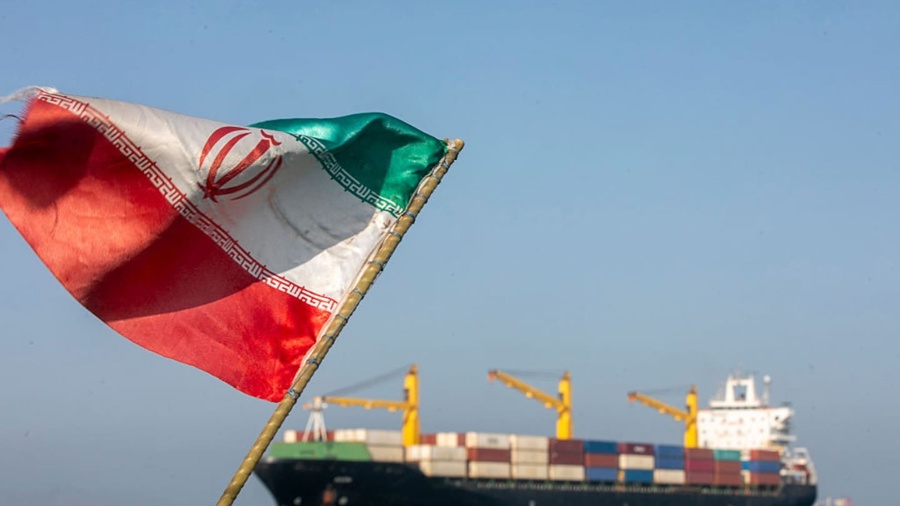
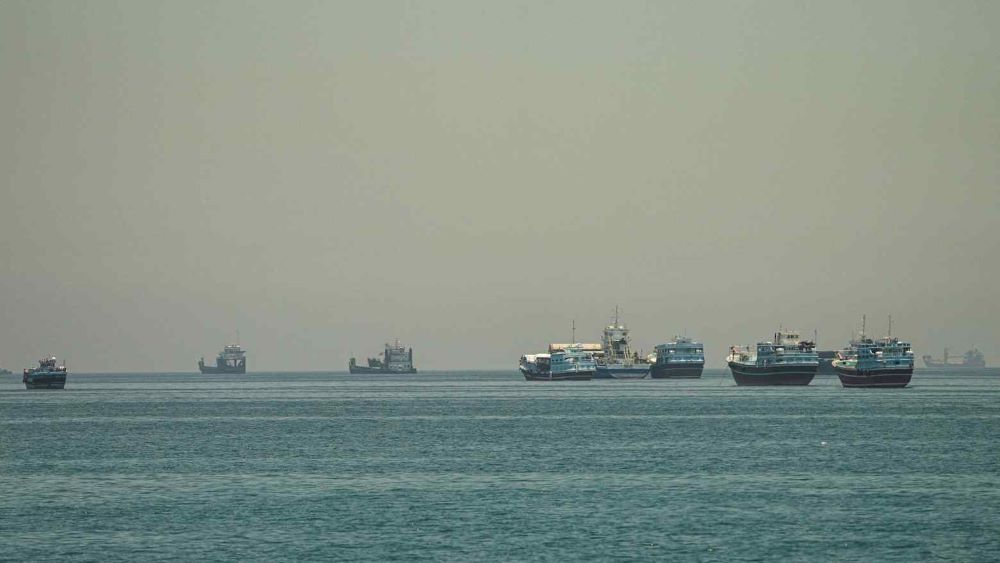
The long-awaited truce was struck in the nick of time, coming shortly before U.S. President Donald Trump’s deadline for Iran to agree to a deal and reopen the Strait of Hormuz, or the “whole civilization will die.”
While the ceasefire has pressed pause on a conflict whose shockwaves have been felt across the globe, experts warn that deep-seated disputes between Washington and Tehran remain unresolved, leaving the prospects for lasting peace far from certain.
Last-ditch breakthrough
The ceasefire was reached amid repeated threats from Trump, which culminated on Tuesday when he warned that Iran’s “whole civilization will die” if Tehran failed to meet his latest deadline for a deal by Tuesday, 8:00 p.m. Eastern Time (0000 GMT Wednesday), a statement that drew widespread criticism.
Late Tuesday night, as the world braced for possible U.S. strikes, Trump announced a two-week “double sided ceasefire,” as Tehran agreed to “the complete, immediate and safe opening” of the Strait of Hormuz.
In an interview with the media, Trump hailed the agreement as a “total and complete victory,” adding that Iran’s uranium would be “perfectly taken care of” under the ceasefire deal.
Following Trump’s announcement, Iran’s Supreme National Security Council quickly issued a statement confirming the ceasefire.
Iran has achieved a “great victory” and “forced” the United States to accept its 10-point plan, which includes controlled passage through the Strait of Hormuz and the necessity of ending the war against all elements of the “axis of resistance,” said the statement.
Iran’s Foreign Minister Seyed Abbas Araghchi said that Iran will cease “defensive operations” if attacks against it stop. Araghchi also promised safe passage through the Strait of Hormuz during the two-week ceasefire under “coordination” with Iranian armed forces.
For its part, Israel said it supports the temporary truce, noting that Lebanon is excluded from the deal.
Entrenched differences
The ceasefire has, to some extent, revived hopes that negotiations might settle the conflict, but responses from key stakeholders suggest that deep divisions and mutual distrust remain firmly in place.
In the statement confirming the ceasefire, Iran’s Supreme National Security Council stressed that the negotiations will be conducted on Friday in Islamabad “with complete distrust of the American side.”
“Our hands are on the trigger, and as soon as the slightest mistake by the enemy is made, it will be responded to with full force,” the security council warned.
Hamad Alhosani, a researcher at TRENDS Research and Advisory in the United Arab Emirates, said that the statements from the United States and Iran also reveal “a wide chasm.”
On the Strait of Hormuz, Washington demands “complete, immediate, and safe opening,” while Tehran insists on “continued Iranian control,” Alhosani said. On the nuclear program, Iran demands acceptance of its enrichment rights, while the United States has told Israel it is committed to removing all of Iran’s nuclear material, he added.
Similarly, Mohamed Benaya, an expert on Iranian and Gulf affairs at Al-Azhar University in Egypt, said, “The main points of difference are structural, the nuclear issues and the levels of enrichment and timelines.”
“There is a problem of trust between the two sides, driven by both ideological concepts,” Benaya added. “Bridging these gaps will be difficult without phased, reciprocal concessions.”
Analysts also noted that the disagreements between Washington and Tehran are not new: They stem from decades of political, ideological and strategic rivalry, and are unlikely to be resolved through either war or negotiations alone.
Akram Atallah, a Palestinian political analyst, said differences over Iran’s nuclear program, concerns about its regional influence, and the weight of economic sanctions have left fundamental disputes between Tehran and Washington unresolved.
“The current agreement should be understood primarily as an attempt to contain escalation rather than resolve the underlying conflict. It opens a diplomatic window, but the structural issues between the two sides remain unresolved,” Atallah said.
Dim prospects
Given these entrenched divisions, experts said the prospects for lasting peace in the Middle East remain shrouded in uncertainty.
“Over the next two weeks, we may see limited confidence-building steps, but the talks will likely focus on preventing further escalation rather than resolving all underlying disputes,” Oytun Orhan, a senior researcher at the Ankara-based Center for Middle Eastern Studies, told Xinhua.
Salah Ali Salah, a project officer at the Sanaa Center for Strategic Studies, said the ceasefire reflects a reluctant compromise by both sides rather than a genuine consensus.
“What we are witnessing is a forced and temporary truce between two sides that have exhausted their escalation options without achieving decisive outcomes,” he said. “With many critical issues still unresolved, the chances of renewed tensions outweigh the prospects for a real diplomatic breakthrough in the coming weeks.”
Jumaa Mohammed, a politics professor at Iraq’s Tikrit University, also voiced doubts about the prospects for lasting peace.
Both sides have lost enough to realize that a quick return to war would be more costly, but they do not yet trust each other enough to make major concessions, Mohammed said.
Mohammed Zakaria Aboudahab, a professor of public law and political science at Morocco’s Mohammed V University, also warned that the ceasefire is no guarantee of lasting peace.
“The fundamental drivers of conflict – Iran’s nuclear status, the reconfiguration of Gulf security architecture, and the persistent risk of escalation within the Israel-Hezbollah-Iran triangle – remain unresolved,” Aboudahab said. “What we are witnessing is more likely an intermission than a conclusion.”
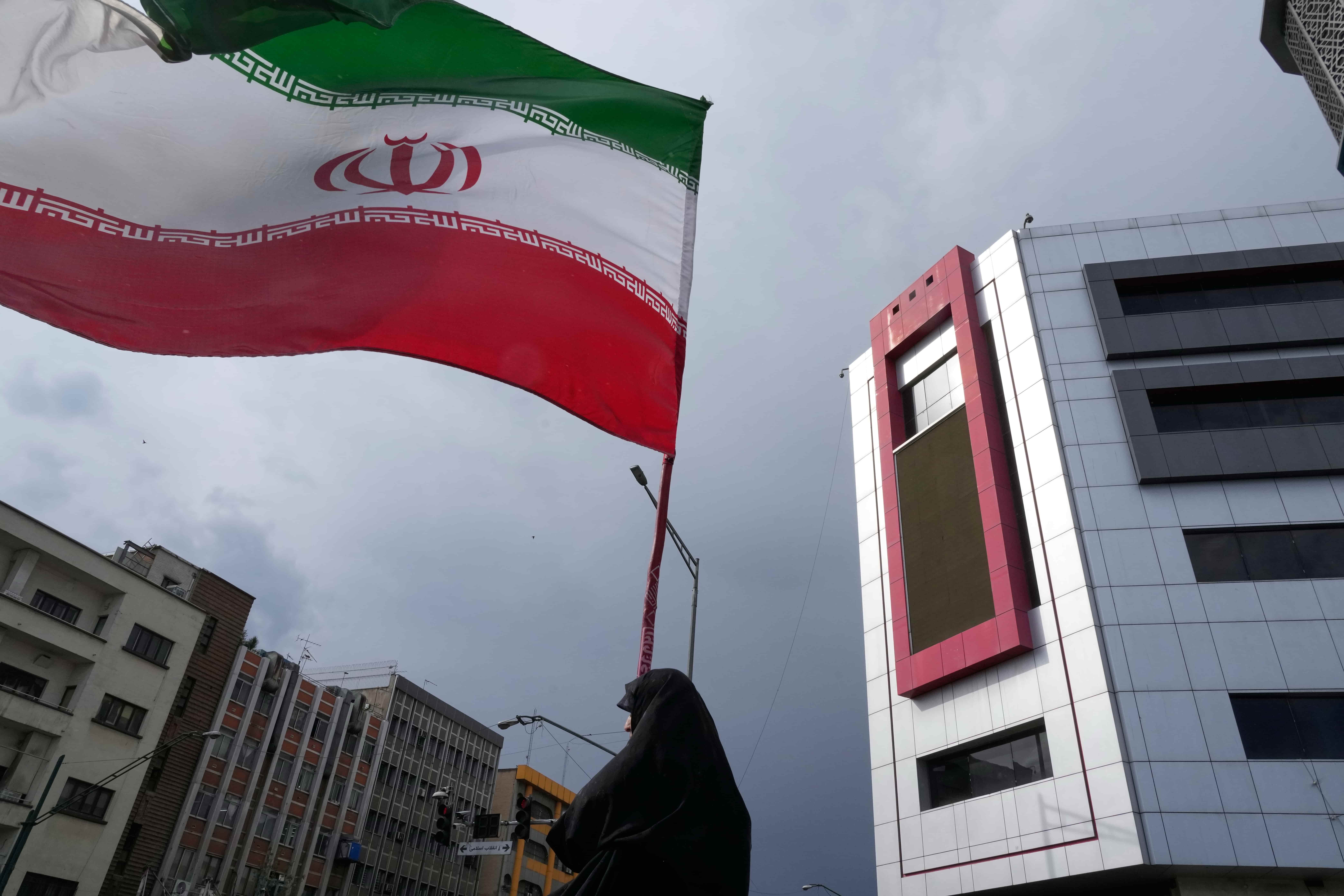
A man attends a rally in Tehran, Iran, April 8, 2026. After some 40 days of deadly clashes, the United States and Iran on Wednesday reached a two-week ceasefire
AFC/M23 is currently holding thousands of Congolese government troops, most of whom were captured during fighting in late January 2025, when the group seized the city of Goma and surrounding border areas.
On March 8, 2026, AFC/M23 announced plans to hand over 5,000 detainees to the International Committee of the Red Cross (ICRC) for transfer to the capital, Kinshasa. The group said the soldiers are being held at the Rumangabo military base and that their release is intended to support ongoing peace efforts and facilitate dialogue with the DRC government.
RFI reported on April 8, 2026, that the ICRC is prepared to transport the soldiers to Kinshasa, but that Congolese authorities have not yet authorized their reception. According to the report, the hesitation is linked to concerns that some of the soldiers could have been compromised or may pose a threat, although no official government statement has been issued.
The report also noted that AFC/M23 has been encouraging the DRC government to receive the soldiers, while a source close to President Félix Tshisekedi said the government was taking time to consider the offer.
Earlier, on February 20, 2026, AFC/M23 political coordinator Corneille Nangaa Yobeluo announced the release of 230 soldiers captured in Goma, though it remains unclear whether they were subsequently transferred to Kinshasa by the ICRC.
In a related development, in April 2025, 1,359 Congolese soldiers and police officers who had taken refuge at United Nations peacekeeping bases (MONUSCO) on the outskirts of Goma were repatriated to Kinshasa following negotiations involving the ICRC and AFC/M23.
Many of the soldiers captured by AFC/M23 are being held at the Rumangabo military base.
The message was delivered during the Kwibuka32 commemoration held in Seoul on April 7, 2026, where diplomats, government officials, members of the Rwandan community, and friends of Rwanda gathered under the theme “Remember – Unite – Renew.”
The event began with a Walk to Remember, honoring the victims, supporting survivors, and paying tribute to those who stopped the Genocide and contributed to Rwanda’s liberation.
Participants reflected on the historical reality of the Genocide against the Tutsi, which was planned and executed, leading to the killing of more than one million innocent Tutsi in just 100 days, from April to July 1994.
Representing the Government of the Republic of Korea, Chung Kwangyong, Director-General for African and Middle Eastern Affairs, noted that Rwanda’s journey of recovery and transformation resonates with the Korean people, who have also overcome the devastation of war to rebuild their nation.
He commended Rwanda’s resilience and highlighted its emergence as a hub of innovation and a model for sustainable development.
Speaking at the event, Chafik Rachadi, Ambassador of the Kingdom of Morocco and Dean of the Diplomatic Corps, emphasized the importance of vigilance against hate speech and division, calling for continued global commitment to human dignity and the prevention of atrocities.
Rwanda’s Ambassador to South Korea, Bakuramutsa Nkubito stressed that remembrance must remain active and grounded in truth.
He highlighted that ‘genocide denial and distortion, particularly in the digital age, constitute a continuation of genocide ideology and must be firmly confronted’.
He further underscored Rwanda’s continued commitment to unity, reconciliation, and resilience, noting that these values have been central to the country’s rebuilding process over the past three decades.
Thirty-two years after the Genocide, concerns remain over the persistence of denial and distortion, increasingly spread through digital platforms and transnational networks, a trend the Embassy warned must be actively countered.
The commemoration also highlighted Rwanda’s progress in rebuilding a united nation founded on the principle of Ndi Umunyarwanda, reflecting inclusive governance, justice, and reconciliation.
The Embassy called on the international community to uphold the truth, combat genocide denial and hate speech, and ensure accountability by bringing genocide fugitives to justice in line with international obligations.
Rwanda’s Ambassador to South Korea, Bakuramutsa Nkubito stressed that remembrance must remain active and grounded in truth. Chung Kwangyong, Director-General for African and Middle Eastern Affairs, noted that Rwanda’s journey of recovery and transformation resonates with the Korean people.Chafik Rachadi, Ambassador of the Kingdom of Morocco and Dean of the Diplomatic Corps, emphasized the importance of vigilance against hate speech and division.A Walk to Remember preceded commemoration talks.
American diplomat James Swan has officially assumed leadership of the United Nations Organization Stabilization Mission in the Democratic Republic of the Congo (MONUSCO).
António Guterres appointed Swan as his Special Representative for MONUSCO early March 2026, succeeding Bintou Keita of Guinea, who left office on November 30, 2025.
Upon his arrival in Kinshasa on April 7, Swan underscored that the crisis in eastern DRC cannot be resolved through military means, pointing instead to dialogue, regional engagement, and the implementation of existing agreements as essential pathways to progress.
He reaffirmed that the protection of civilians remains MONUSCO’s central responsibility.
Swan further indicated that the mission will continue to support efforts aimed at reducing violence and creating conditions conducive to sustainable peace in the eastern region.
Swan assumes his duties at a time when MONUSCO has been tasked with overseeing the implementation of a ceasefire in Uvira territory, South Kivu Province, following the Doha negotiations between the Congolese government and the AFC/M23 coalition.
The United Nations Security Council has maintained that MONUSCO’s core mandate includes protecting civilians, preventing and responding to attacks on displacement camps, supporting the reintegration of former combatants, and monitoring compliance with sanctions related to arms flows.
In addition, the mission’s Force Intervention Brigade has been restructured to enhance its effectiveness in restoring stability in eastern DRC, with a strengthened mandate to conduct operations against armed groups independently or in coordination with national forces.
MONUSCO staff members welcomed Swan upon arrival The United Nations Secretary-General António Guterres appointed Swan as his Special Representative for the United Nations Organization Stabilization Mission in the Democratic Republic of the Congo (MONUSCO) early March 2026. Upon his arrival in Kinshasa on April 7, Swan underscored that the crisis in eastern DRC cannot be resolved through military means.
The acknowledgment came during the 32nd commemoration of the genocide in remarks by Nick Checker, Senior Bureau Official at the U.S. Bureau of African Affairs.
“As we gather to mark this solemn occasion, let us recognise the unspeakable horrors that befell the Rwandan people during the Genocide against the Tutsi. Today, we remember the nearly one million Tutsi victims, as well as Hutu, Twa, and others who were murdered due to their opposition to a genocidal regime,” Checker said.
Checker recalled his visit to Rwanda and the genocide sites at Nyamata and Ntarama, former churches where tens of thousands of Tutsis were killed. He described the emotional impact of seeing the altars where the massacres occurred:
“Standing before those altars, one cannot escape the visceral reality of what occurred there; I was profoundly moved. The altar, where the holy sacrifice of the Mass is offered, where the blood of Christ is made present for the salvation of the world, was here mingled with the blood of the innocent during the Genocide against the Tutsi.”
He noted that the genocide was the result of deliberate leadership decisions and emphasised the importance of justice:
“A key component of this effort is bringing justice to victims and survivors by holding the perpetrators accountable. The United States helped establish the International Criminal Tribunal for Rwanda and will continue to work with partners to bring those responsible for the genocide to justice.”
Previously, the United States had referred to the events as the “Rwandan Genocide” or noted that “Tutsi, Hutu, Twa, and others” were killed. Observers have said this language was misleading, as 93.7% of the victims were Tutsi, according to Rwanda’s 2004 census.
During the 30th commemoration, President Paul Kagame addressed past international reluctance to clearly identify the victims, saying:
“Rwandans will never understand why any country would remain intentionally vague about who was targeted in the genocide. I don’t understand that. Such ambiguity is, in fact, a form of denial, which is a crime in and of itself, and Rwanda will always challenge it.”
Historians often compare the Genocide against the Tutsi with other large-scale atrocities to highlight the deliberate targeting of specific groups. During World War II, the Nazis killed six million Jews in the Holocaust. In total, roughly 75 million people died as a result of the war.
While tens of millions of others, including Slavs, Roma, political dissidents, and Jehovah’s Witnesses, also lost their lives, they are not counted as victims of the Holocaust. This is because the term is defined specifically by the Nazis’ plan to exterminate the Jewish people.
Experts say the same principle applies to Rwanda. The killings in 1994 specifically targeted the Tutsi population. Using the term “Genocide against the Tutsi” reflects this deliberate targeting and ensures the historical record is not distorted.
The U.N. General Assembly has designated April 7 as the annual commemoration of the Genocide against the Tutsi. Rwanda has consistently emphasised that correct terminology is essential to honour victims and prevent denial or minimisation of the 1994 atrocities.
Previously, the United States had referred to the events as the “Rwandan Genocide” or noted that “Tutsi, Hutu, Twa, and others” were killed. Observers have said this language was misleading, as 93.7% of the victims were Tutsi, according to Rwanda’s 2004 census.
The event was attended by several guests, including Hans Docter, Deputy Secretary General at the Ministry of Foreign Affairs of the Netherlands, as well as local authorities such as Flora Breemer, representing the Municipality of Amsterdam, and Joseph Rutazihana, President of Ibuka Netherlands.
In his remarks, Rwanda’s Ambassador to the Netherlands, Dushimimana Lambert, emphasized that this moment is not only for remembrance but also for renewing the collective responsibility to combat genocide ideology.
He recalled that 32 years have passed since the Genocide began on April 7, 1994, claiming the lives of over one million innocent people.
Women, men, and children were killed simply because of who they were, and their dreams and aspirations were forever destroyed by hatred and discrimination.
Amb. Dushimimana paid tribute to survivors of the Genocide against the Tutsi, commending their resilience and courage, which continue to serve as a source of strength in rebuilding Rwanda.
Reflecting on the aftermath of the Genocide, he noted that Rwanda faced immense challenges across all sectors; human, economic, institutional, and moral but chose a path of rebuilding founded on unity, justice, and reconciliation.
He expressed gratitude to countries that supported Rwanda throughout this journey, particularly the Kingdom of the Netherlands, for its significant role in strengthening the justice sector and supporting efforts to prosecute genocide suspects.
However, the Ambassador also raised concerns about ongoing challenges. Despite the global commitment to “Never Again,” there are still alarming signs, including the resurgence of genocide ideology, the spread of hate speech, and attempts to distort historical facts.
He warned that such developments should not be taken lightly, as history has shown that unchecked hate speech can escalate into extreme violence.
Amb. Dushimimana called on the international community to take stronger action in identifying, arresting, and prosecuting genocide fugitives, stressing that justice must neither be delayed nor selective.
He also addressed the Rwandan community in the Netherlands, urging them to preserve memory, promote unity, and actively oppose denial and distortion of the Genocide against the Tutsi.
Amb. Dushimimana further stated that commemoration is not only about reflecting on the past but also a call to act in the present, to ensure that the words “Never Again” carry real and lasting meaning.
The event began with a Walk to Remember, followed by a wreath-laying ceremony.
Among the speakers, the President of Ibuka Netherlands, Joseph Rutazihana, thanked the Government of the Netherlands for its continued support to Rwanda, particularly in the area of justice.
He emphasized that remembrance is essential and must remain ongoing, while encouraging survivors to stay strong during this 32nd commemoration period.
Representing the Dutch Ministry of Foreign Affairs, Hans Docter reaffirmed the Netherlands’ commitment to continue working with Rwanda on justice related to the history of the Genocide against the Tutsi.
Walk to remember
Members of the Rwandan community in the Netherlands joined the Walk to Remember, honoring the memory of victims of the 1994 Genocide against the Tutsi.
Commemoration talksand laying of wreaths
Amb. Dushimimana Lambert addresses attendees in the Netherlands, urging continued vigilance against genocide denial and the distortion of history.Hans Docter, Deputy Secretary General at the Ministry of Foreign Affairs of the Netherlands delivering his remarks. Joseph Rutazihana, President of Ibuka Netherlands, spoke on the importance of remembrance and international support for justice.
The whiplash was breathtaking, even by Trump’s own standards. On Tuesday morning, Trump posted on his Truth Social platform that “a whole civilization will die tonight, never to be brought back again” if Iran failed to meet his deadline to strike a deal.
He had set 8 p.m. ET as the cutoff, threatening to target Iran’s power plants and bridges — actions that legal experts warned could constitute a war crime.
Hours later, the same man was singing a very different tune.
In announcing a two-week ceasefire deal brokered by Pakistan, Trump wrote that Iran had proposed a “workable” 10-point peace plan and declared: “This will be a double-sided CEASEFIRE!”
Then came the Trump Social post captured in the viral screenshot circulating on X: “A big day for World Peace! Iran wants it to happen, they’ve had enough!”
He predicted “lots of positive action,” said “big money will be made,” and invited Iran to “start the reconstruction process” — concluding that “this could be the Golden Age of the Middle East!!!”
The contrast left much of the world blinking. The abrupt pivot came just two hours before his own self-imposed deadline, after Pakistani Prime Minister Shehbaz Sharif asked Trump to extend the ultimatum and urged Iran to reopen the Strait of Hormuz as a goodwill gesture.
It was not the first time. Since the war began on February 28, Trump has repeatedly imposed deadlines linked to threats, only to extend them.
This particular escalation-and-retreat cycle was sharper than most. Just hours before the ceasefire announcement, Trump had described the looming crossroads as “one of the most important moments in the long and complex history of the world,” and warned that “47 years of extortion, corruption, and death will finally end.”
Critics were quick to point out the contradiction. As commentator Mario Nawfal noted on X: “Twelve hours ago he threatened to end an entire civilization. Now he’s…” — with the rest of the sentence left to speak for itself.
The ceasefire marks the most significant pause in a war that has rattled global energy markets, sent oil prices soaring, and drawn in regional powers since the United States and Israel launched their campaign against Iran’s military and nuclear infrastructure in late February.
Pakistan’s Prime Minister Sharif declared that “both parties have displayed remarkable wisdom and understanding,” and invited delegations from the U.S. and Iran to Islamabad on April 10 to continue negotiations toward a permanent peace.
Whether this latest ceasefire holds, and whether Trump’s “Golden Age” rhetoric lasts longer than a news cycle, remains very much an open question.
Donald Trump had threatened Iran with severe consequences, warning that an entire civilization could be destroyed if his demands were not met.