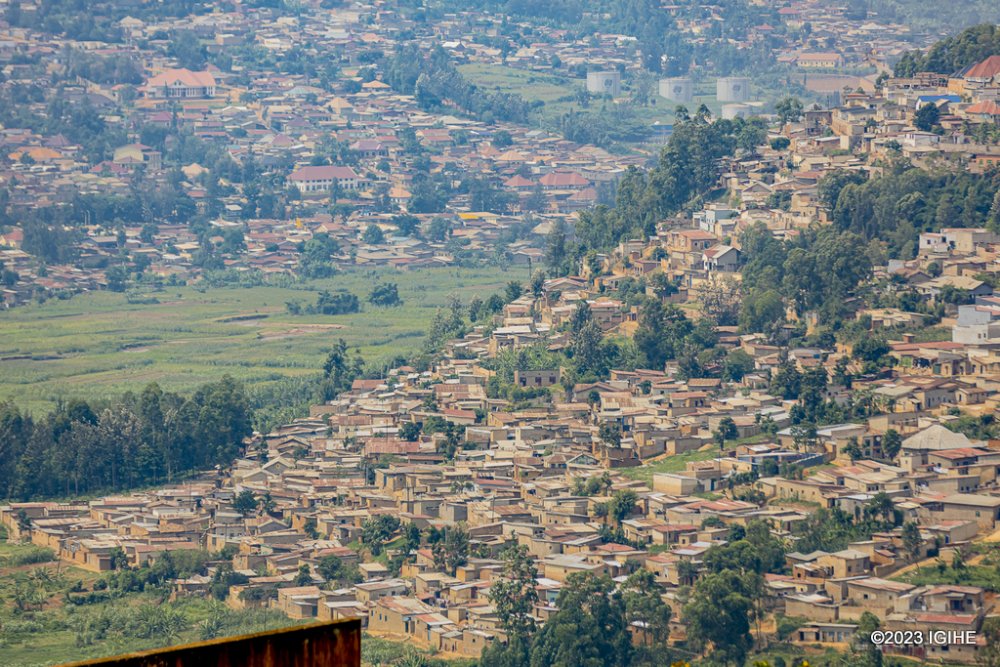
The decision to implement this rental assistance program comes in response to recent devastating landslides and floods that resulted in the loss of 131 lives and the destruction of numerous houses, schools, roads, and other vital infrastructure in Rwanda’s Western, Northern, and Southern provinces.
As part of the government’s commitment to ensuring the safety of its citizens, an assessment conducted by Kigali City has revealed that 5,812 families currently reside in high-risk zones, with 2,332 of them occupying rented accommodations.
Kigali City Mayor Pudence Rubingisa has expressed the city’s dedication to identifying and encouraging more families living in vulnerable areas to relocate.
“For those who have rented properties in high-risk zones, we are providing one month’s rental payment to support their relocation to safer locations. Additionally, we are offering three months’ rental payment to house owners to save their lives,” he noted.
Among others, Rubingisa explained that city authorities are actively conducting regular assessments to identify residents living in areas with rising ground surface.
In such cases, relocation plans will be put in place if it is determined that buildings do not adhere to proper structural guidelines or if people are situated near water drainage channels or marshlands, posing potential threats.
Currently, 361 families have already been relocated through this ongoing campaign.
In a recent press conference held on April 17th, 2023, Dr. Merard Mpabwanamaguru, Kigali City’s Vice Mayor in charge of Urbanisation and Infrastructure, revealed that approximately 27,000 families reside in disaster-prone areas across 35 sectors.
Kigali City officials have issued reminders to residents, urging them not to dispose of garbage in water drainage channels to prevent environmental damage and the destruction of essential infrastructure.
Discovered in Bushushu and Nyamukubi, the hardest-hit areas, the survival of these babies has amazed and touched the community, still grieving the loss of over 400 lives. However, the scale of the tragedy is immense, with over 5,255 people still missing and around 200 injured individuals receiving treatment.
According to News Central, the floods caused extensive damage, destroying 1,300 homes and ravaging schools, health facilities, churches, and water infrastructure.
The affected community faces the daunting task of rebuilding and recovering from this catastrophe.
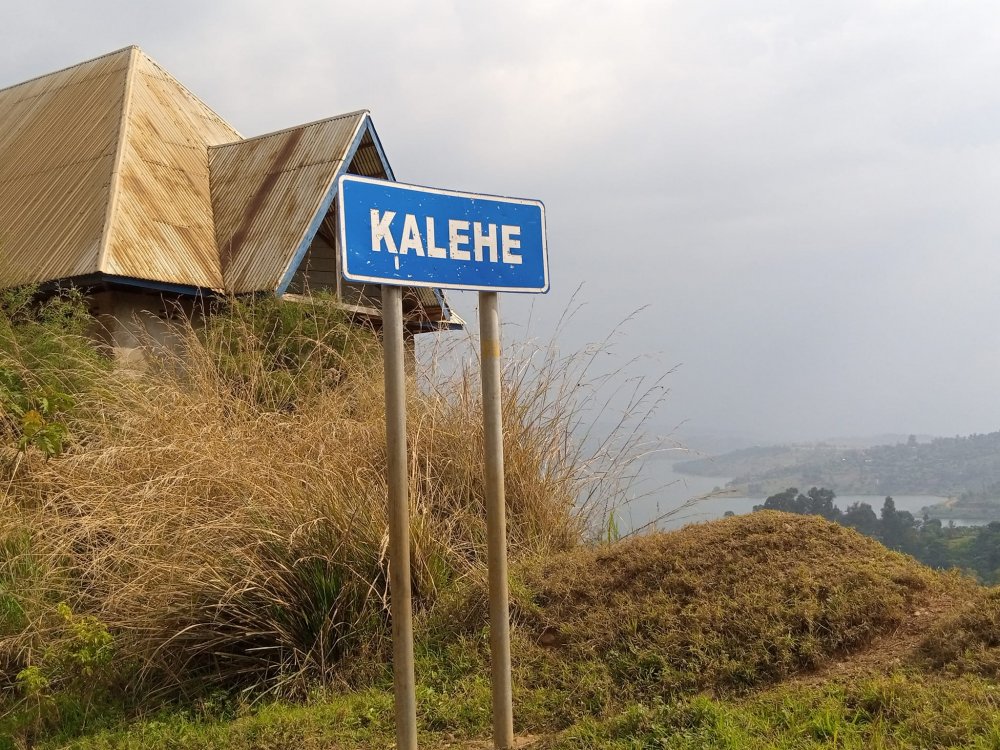
The floods, accompanied by landslides, wreaked havoc on South Kivu province, particularly the Kalehe region. Entire villages have been wiped out, leaving communities in shock. Around 5,500 individuals remain missing, and survivors are without shelter.
Residents of Bushushu and Nyamukubi have been forced to undertake arduous journeys on foot to seek refuge in nearby villages, as roads have been severely damaged and rendered impassable. Immediate aid is essential to alleviate the suffering of the survivors.
Medical professionals from Baotou Central Hospital in north China’s Inner Mongolia Autonomous Region also joined the celebration via a video conference.
Speaking at the event, Zhao Shangjun, the chief of the Chinese medical team, expressed his appreciation for the hard work and dedication of nurses around the world, particularly the Rwandan nurses at Masaka Hospital.
“International Nurses Day is an opportunity for us to celebrate the contributions of nurses to global health. I thank the Rwandan nurses for their strong collaboration with the Chinese medical team to deliver professional and quality medical care to patients at Masaka Hospital,” he said.
Zhao highlighted the importance of collaboration between medical professionals from China and Rwanda to provide the best possible care for patients.
Fulgence Niyomugaba, the Quality Improvement officer at Masaka Hospital, who represented the hospital’s clinical director, expressed gratitude toward the nurses for their tireless efforts in providing quality healthcare services to patients. He said that the celebration of International Nurses Day was a reminder of the critical role that nurses and midwifery play in healthcare.
“We appreciate and recognize the invaluable contributions of our nurses towards healthcare. We sincerely thank the Chinese medical team for supporting our nurses to provide quality medical care here at Masaka Hospital,” Niyomugaba said.
He pointed out that the Chinese medical team has supported the local doctors and nurses at Masaka Hospital to handle and manage complicated medical cases like surgery, among others.
Speaking via video conference, Liang Lu, the deputy president of Baotou Central Hospital, highlighted the importance of sharing knowledge and best practices among medical professionals from different regions. He praised the joint celebration between Chinese and Rwandan medical professionals as a symbol of the growing collaboration between the two countries.
During the celebration, presentations were made on intravenous catheter and cardiopulmonary resuscitation. The presentations aimed at sharing knowledge and improving the skills of the medical professionals in attendance.
Nursing students from the East African Christian University in Rwanda also attended the event and had the opportunity to learn from experienced medical professionals.
The nursing students conducted a CPR demonstration on a human dummy to assess the breathing and pulse rates.
The celebration, held under the theme “Our Nurses. Our Future.” was a reminder of the critical role that nurses play in healthcare and the importance of collaboration and knowledge-sharing among medical professionals from different countries.
Titled “Africa’s Resource Future,” the report suggests that African states should leverage rising demand for metals, hydrocarbons and precious minerals to finance social programs like health and education, diversify their economies and expand access to energy.
On average, African countries capture only 40 percent of the revenue they could potentially collect from natural resources, yet they are grappling with slow growth and high public debt, according to the World Bank report.
Governments in the continent could double revenue from natural assets by adopting a set of progressive legislation and policies, implementing reforms, promoting good governance and improving their fiscal administration, according to the report.
In addition, the report says that optimal taxation of natural resources is key to catering to the ecological and social impacts that are not fully covered by producers, including oil drilling companies, says the report.
James Cust, a senior economist in the Office of the Chief Economist for Africa Region of the World Bank and co-editor of the report, noted that harnessing revenue in the form of royalties and taxes paid by private natural resource industries will unleash multiple benefits for citizens and the environment in the continent.
Cust added that higher revenue from Africa’s abundant natural assets is welcomed in countries that are exploring ways to come out of ballooning debts and require new capital flows into strategic sectors of the economy.
The report says unprecedented demand for a host of minerals required to facilitate global green transition including cobalt, lithium, copper, nickel and rare earth elements, which are abundant in Africa, promises the continent an economic windfall.
It says Africa should avoid a resource curse and instead embark on prudent utilization of minerals, hydrocarbons and rare metals to support poverty alleviation and expand access to essential services such as education, health, clean water and decent shelter.
Albert Zeufack, the World Bank country director for Angola, Burundi, the Democratic Republic of the Congo, Sao Tome and Principe and co-editor of the report, said that harmonization of regional policies and legislation is key to creating robust value chains in the extractive sector.
Zeufack stressed that seamless integration as enshrined in the African Continental Free Trade Area offers an opportunity for the continent to reap economic, social and ecological dividends linked to natural assets.
This was not the first time that Ruslan’s name had appeared alongside that of the president.
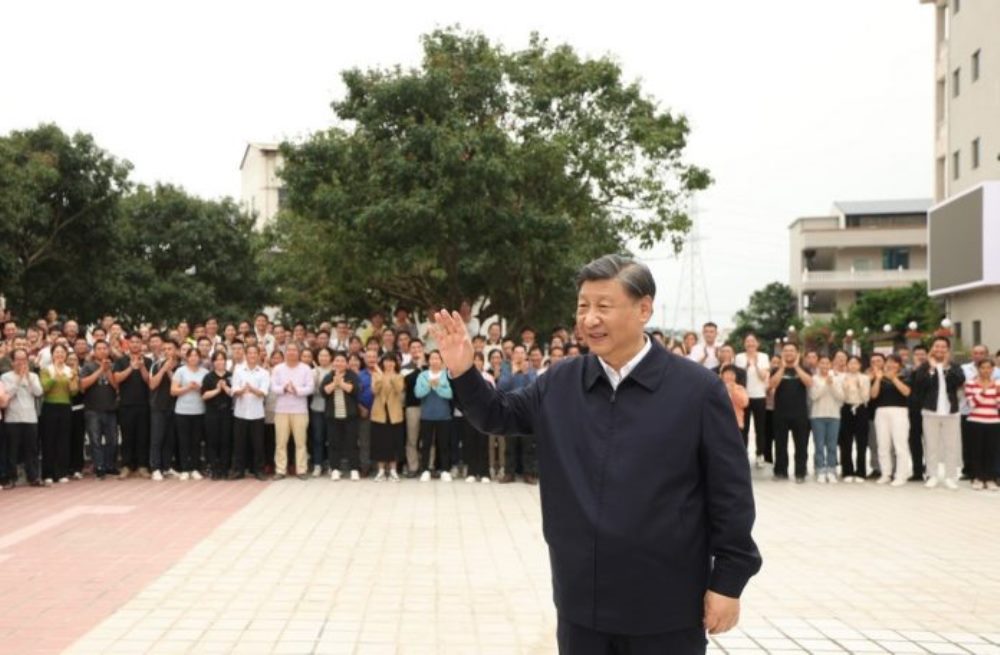
During a speech at Kazakhstan’s Nazarbayev University in 2013, Xi shared Ruslan’s story of donating rare RH-negative blood, also known as “panda blood,” to Chinese patients.
At the time, Ruslan was a student at Hainan University, and he never imagined that his rare blood type would become a symbol of friendship between China and his home country.
Having developed a strong interest in China and its culture through watching Chinese TV series and movies since childhood, Ruslan traveled to China for the first time in 2008. Hainan was one of his stops.
The 16-year-old fell in love with the island during his very first visit. The warm, humid climate and the wondrous sea are quite different from anything in the inland town where he grew up. One year later, Ruslan started learning Chinese at Hainan University.
While volunteering as a blood donor with his Chinese friends in 2009, Ruslan discovered that he had RH-negative blood, which is only found in 0.1 to 0.3 percent of the Chinese population and is in high demand to save lives.
For the next 13 years, he donated blood twice a year, contributing over 6,000 milliliters in total. This is about 1.5 times the amount of blood found in an adult.
Ruslan even left his contact details with blood banks for emergency situations. In 2017, a patient in Langfang, north China’s Hebei Province, urgently needed a transfusion of “panda blood” after a caesarean section. Ruslan responded promptly to the call for help, traveling to Langfang and donating 400 milliliters of blood.
Even after a decade, Ruslan still feels deeply moved when he recalls the moment he learned that his simple act of kindness had been mentioned by the Chinese president when addressing his fellow countrymen.
“It was such a tremendous encouragement for me. I have made a personal commitment to study and work hard, making my share of contributions to the Kazakhstan-China friendship. I won’t let the president down,” Ruslan said.
According to Xi, Ruslan’s story is just one episode in the epic of friendly exchanges between the people of China and Kazakhstan.
Ismail Daurov, a Kazakh student, was also lauded by Xi for his volunteer work during the COVID-19 response in northwest China’s Shaanxi Province. Meanwhile, Kazakh ophthalmologist Saulebek Kabilbekov earned Xi’s admiration for treating Chinese patients in the northeastern province of Heilongjiang for over two decades.
Since establishing bilateral diplomatic ties 31 years ago, the China-Kazakhstan friendship has put down deep roots, bringing the two peoples closer through expanding exchanges.
At present, there are five Confucius Institutes established in Kazakhstan, providing Chinese language training for over 3,000 people each year, while four universities in China have opened institutes on Kazakhstan studies and two have added the Kazakh language as a major.
By the end of 2021, the cumulative number of international students studying in each other’s countries had reached 15,100.
The China-Central Asia Summit is set to take place in Xi’an, Shaanxi Province, on May 18 and 19, and will be chaired by Xi. The summit holds the promise of enhancing mutual understanding and fostering future exchanges between the Chinese and Central Asian peoples through tangible initiatives.
After completing graduate and postgraduate programs in China, Ruslan now works for the Hainan Provincial Bureau of International Economic Development as a global media officer. He is responsible for promoting Hainan’s Free Trade Port to a wider audience.
“Thanks to the increasing openness of China and the growing bond between our two nations, individuals like me have the chance to seize the opportunities presented by bilateral people-to-people exchanges and lead fulfilling lives,” Ruslan said.
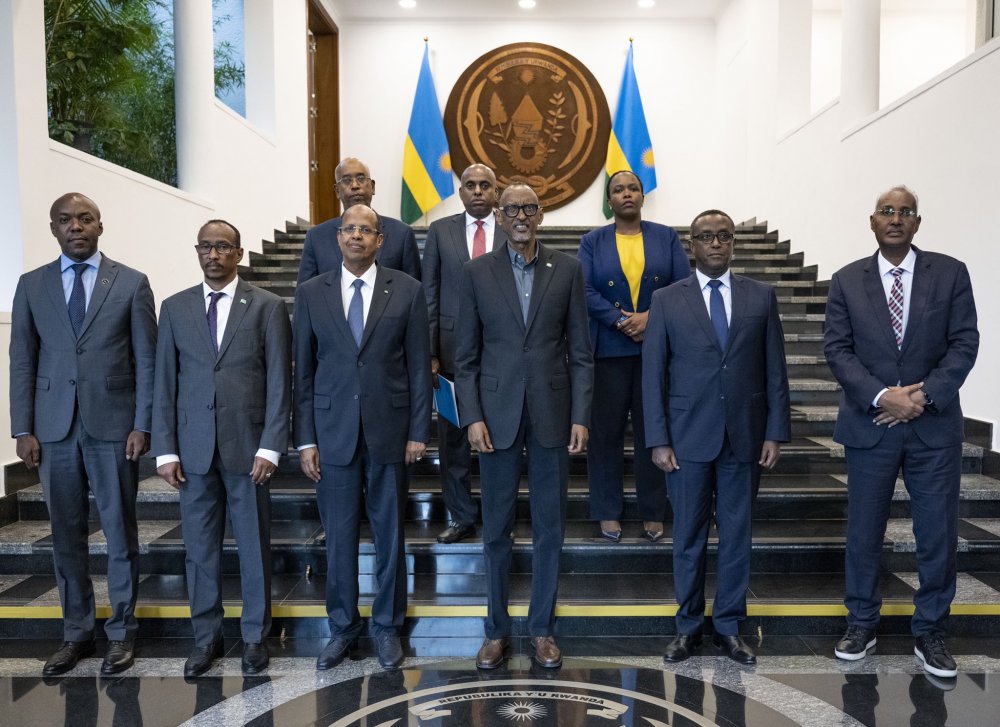
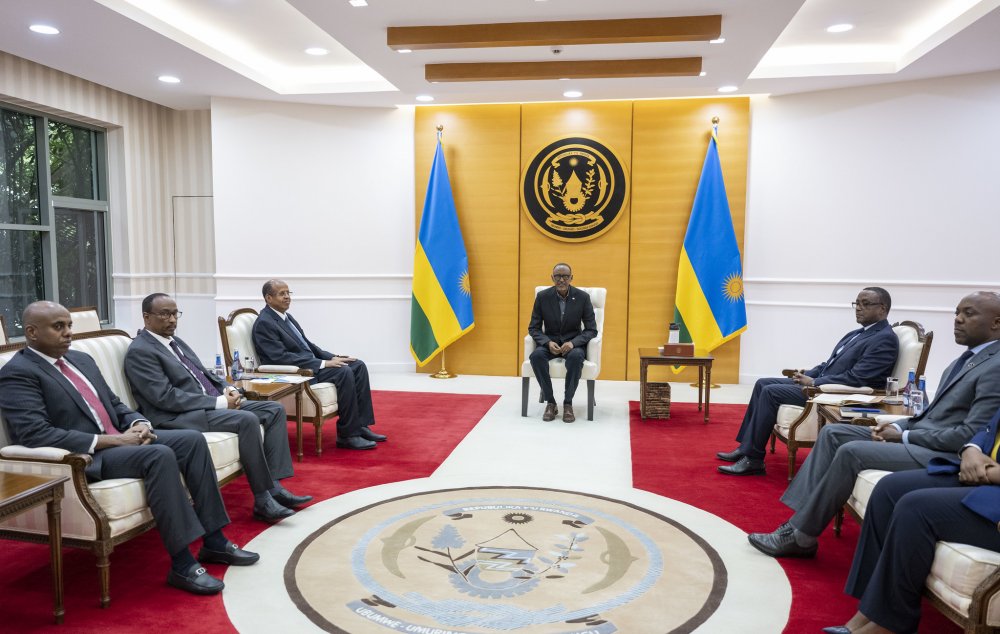
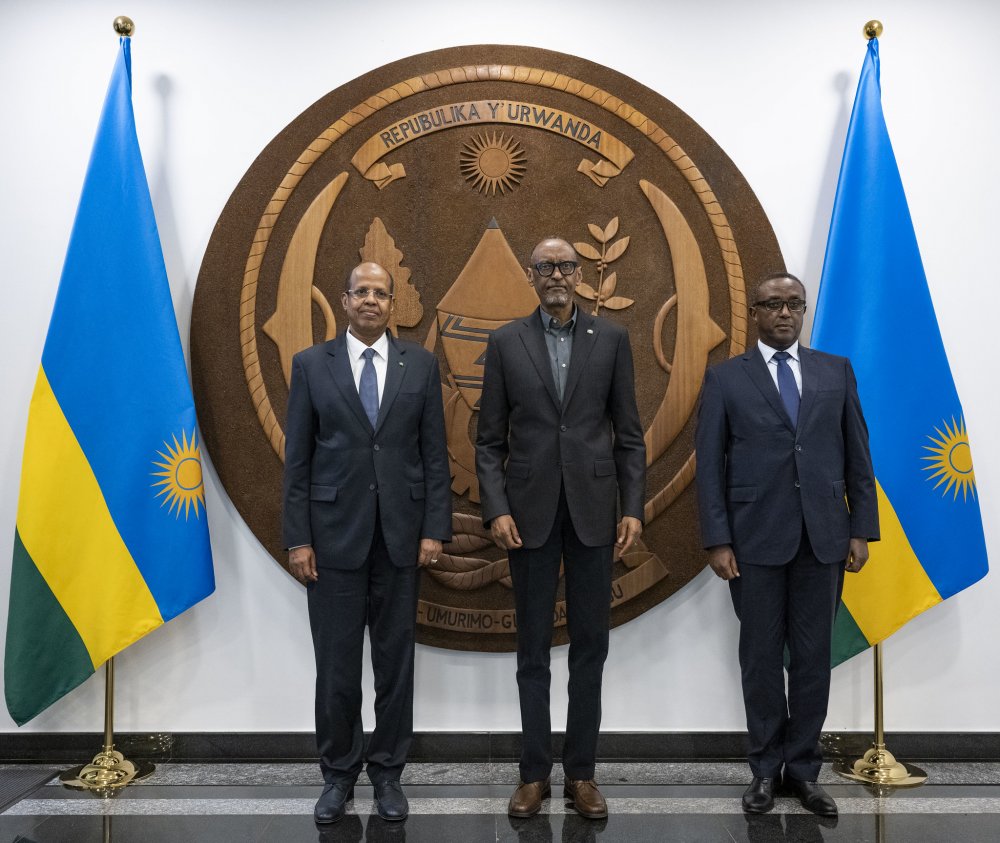
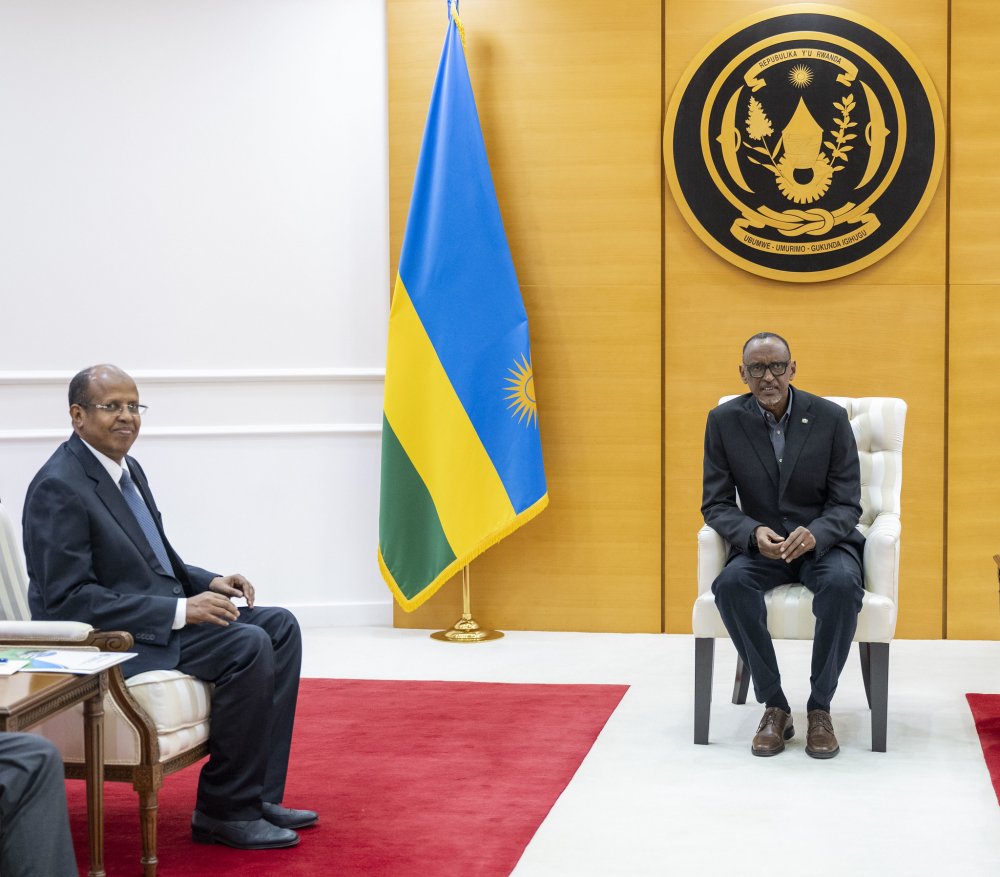
Rwanda’s Presidency, has revealed that both leaders discussed the security situation in the Horn of Africa as well as the advancement of bilateral cooperation in areas of mutual interest with a focus on trade.
The meeting followed the 1st Joint Ministerial Commission meeting between Djibouti and Rwanda that took place on the same day.
Earlier on Wednesday, Djibouti’s Minister of Foreign Affairs, and his Rwandan counterpart, Dr. Vincent Biruta witnessed the signing of bilateral agreements on agriculture, tourism and diplomatic training.
The move followed other agreements signed in 2017, during President Kagame’s state visit to Djibouti.
Speaking at the joint commission, Mahmoudi said that Djibouti and Rwanda share the vision of sustaining for peace and security in their respective regions.
Djibouti offered Rwanda a 20-hectare piece of land at the port of Djibouti in 2013, which the latter plans to develop and operate as a strategic base for its imports and exports on the plot.
In reciprocity, Djibouti was also offered a plot in the Special Economic Zone in Kigali.
In just a few years, Rwanda has become a global tourism hotspot. It is home to the majestic mountain gorillas in the Volcanoes National Park and Big 5 in Akagera National Park. Though the pandemic hit travel hard, the country’s efforts to promote itself as a destination have allowed it to regain the appeal it enjoyed in 2019 and to build on that momentum this year. In 2022, it welcomed more than a million visitors from abroad and brought in almost half a billion dollars in tourism revenues, a figure it is looking to take up to 800 million dollars by 2025.
The creative element of the partnership between Rwanda and the club was symbolised through a special evening of events during the Paris Saint-Germain-Olympique Lyonnais match on 2 April. The “Rwanda Heritage Game” brought Rwandan artists Christopher Muneza and Weya Viatora to the SO/Bar for an outstanding pre-match performance attended by former PSG legend Luis Fernandez.
Commenting on the development, Michaella Rugwizangoga, RDB’s Chief Tourism Officer, said: “There is more to the partnership between Visit Rwanda and Paris Saint-Germain than just promoting Rwanda as a destination. It aims to create synergies in culture, fashion, the arts, and football development, which is very important to us. Paris Saint-Germain provides us with an amazing platform to present the very best of Rwanda to millions of fans around the world. We are delighted to be able continue our partnership and to do even more things together.”
Cynthia Marcou, Sponsorship Director Paris Saint-Germain, added: “In working with Visit Rwanda, Paris Saint-Germain has taken sponsorship to the next level in terms of standards and synergy. Together we have developed extremely creative activations in which our players and ambassadors regularly take part. Such events enhance the image of Rwanda, a forward-looking country, and raise the profile of Rwandan tourism, allowing it to position itself as a global leader.”
Since 2019, the strong ties between Paris Saint-Germain and Visit Rwanda have been brought to life through some outstanding initiatives in a whole host of areas.
Team players such as Sergio Ramos, Keylor Navas, Julian Draxler and Thilo Kehrer and legendary former players of the calibre of Youri Djorkaeff, Rai, Ludovic Giuly and Juan Pablo Sorin have discovered for themselves the treasures that Rwanda has to offer visitors, thanks to the unforgettable trips they have made to the Land of a Thousand Hills.
Since the beginning of the partnership, Visit Rwanda has enjoyed a highly visible presence at the Pare des Princes on matchdays, with its logo also appearing on the men’s team’s training and warm-up kits. Rouge et Bleu fans have also been savouring the finest tea and coffee Rwanda has to offer, served exclusively at the stadium.
The PSG Academy Rwanda opened its doors in the city of Huye in 2020, offering 100%-PSG training sessions to more than 100 children, some of them beneficiaries of the club’s Foundation. Last year, the academy won the PSG Academy World Cup in the boys’ U-13 category where Rwanda was taking part in the annual competition for the first time.
{{About Paris Saint-Germain}}
Paris Saint-Germain was founded in 1970 and celebrated its 50th anniversary in 2020. Since its takeover by OSI in 2011, Paris Saint-Germain has gone on to become one of the world’s top football clubs and sports brands. The club has won 29 trophies in the last 11 years and 47 since its foundation, making it the most successful in France.
It has attracted many great players over the years, including Ronaldinho, Beckham and lbrahimovic, and latterly Messi, Neymar Jr and Mbappe, three of the best players in the world today. The club’s international popularity knows no bounds.
In the last ten years, its community of social media followers has grown from zero to more than 190 million and is now one of the largest in football. A forward-thinking club, Paris Saint Germain added an eSports team to its men’s football, women’s football, handball, and judo teams in 2016. Committed to giving something back to the community, the club has significantly increased funding for its Foundation with the aim of developing far reaching programmes for disadvantaged young people.
{{About Visit Rwanda}}
Visit Rwanda is the tourism-focused arm of the Rwanda Development Board, a government body responsible for fast-tracking Rwanda’s economic development by enabling private sector growth. Visit Rwanda works with local conservation, tourism, and development partners to generate tourism products that benefit inbound tourists, local communities, and wildlife ecosystems.
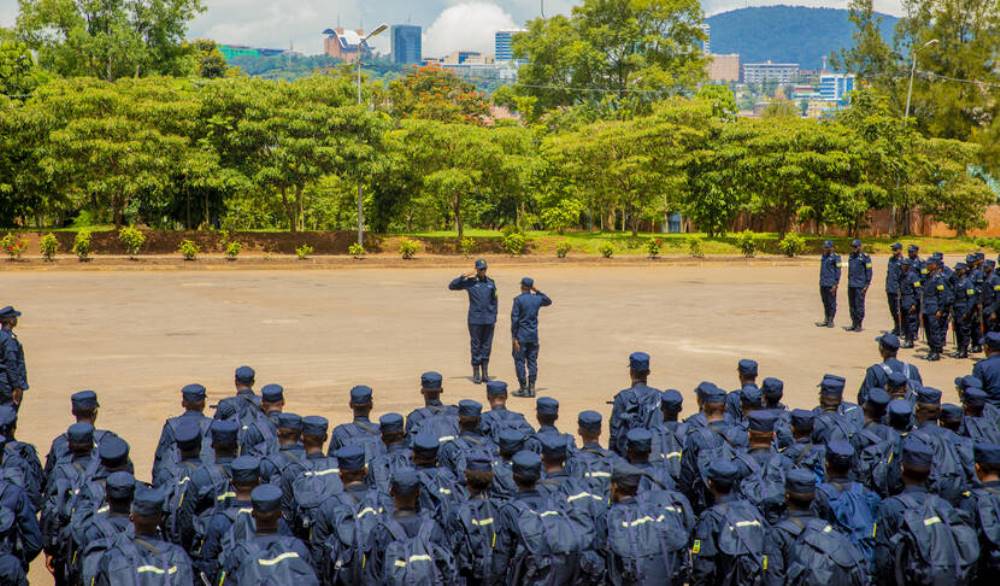
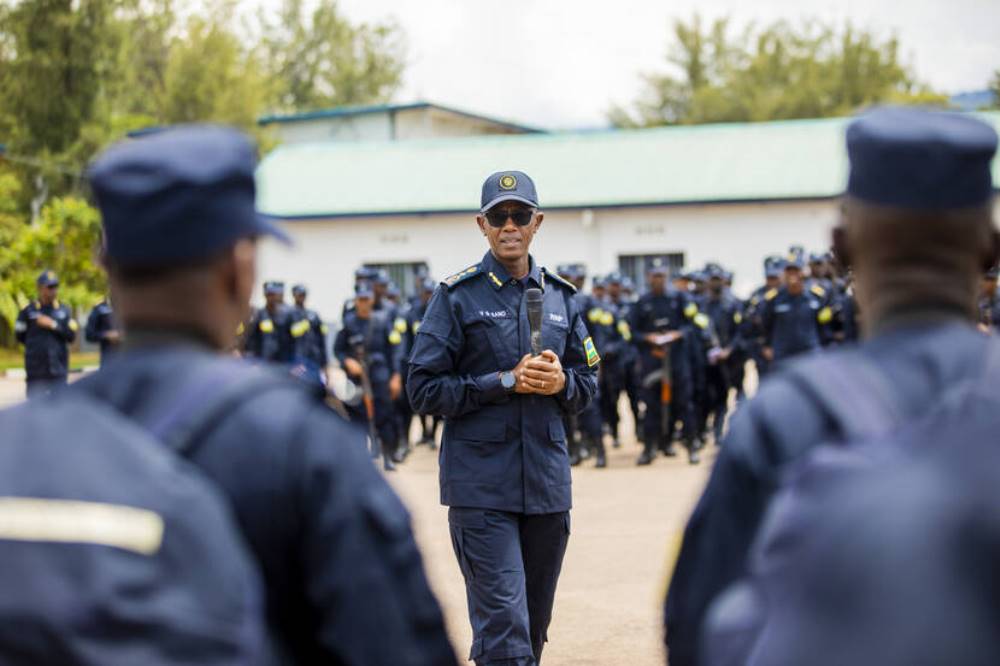
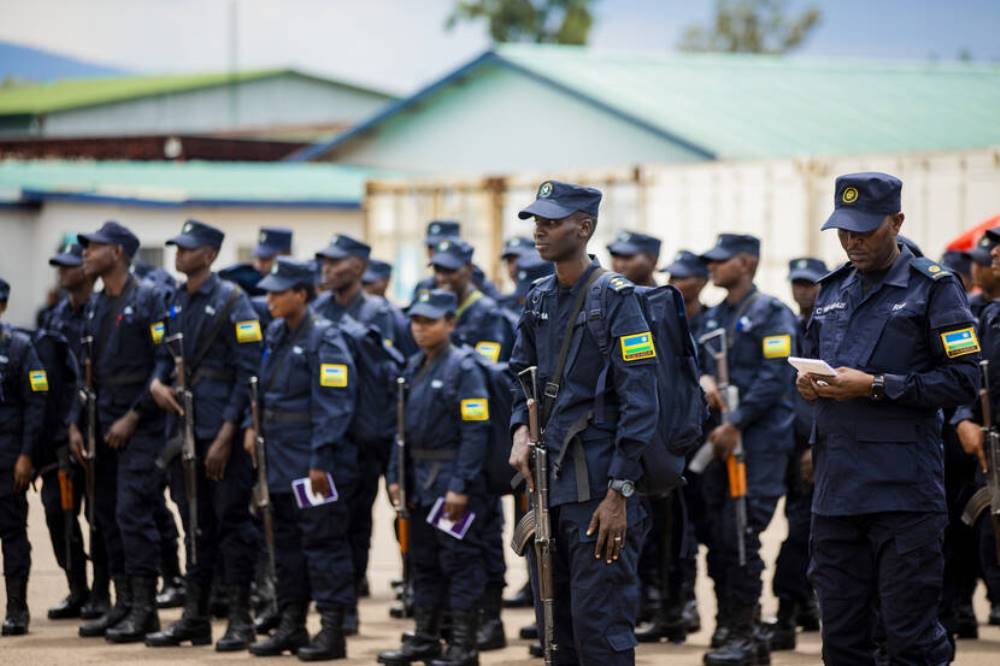
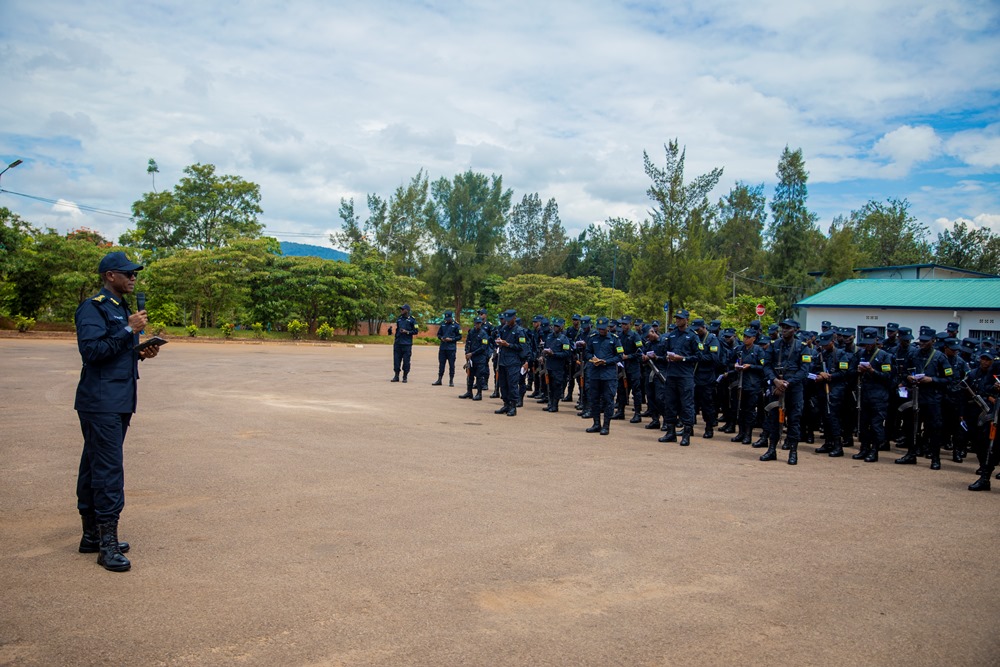
On Wednesday, May 10, the Deputy Inspector General of Police (DIGP) in charge of Operations, Vincent Sano briefed the two contingents set up to be deployed.
Discipline and professionalism, he emphasized, should not be compromised throughout their tour-of-duty.
Rwanda Formed Police Unit One-Eight (RWAFPU1-8) contingent of 240 officers under the command of Senior Superintendent of Police (SSP) Mudathir Twebaze, will replace RWAFPU1-7 in Malakal, Upper Nile State under the UN Mission in South Sudan (UNMISS).
Rwanda Protection Support Unit-Eight (RWAPSU-8) commanded by SSP Gilbert Safari, will replace RWAPSU-7 in Bangui, Central African Republic (CAR).
“You were all selected from different units, trained for this mission on what is expected from each one of you as an individual Police officer and as a contingent.
Basing on your policing career, training and the skills; you are well equiped and ready for the national duty,” DIGP Sano said.
He reminded them that any unprofessional character by one officer also taints the image of an entire unit and the country.
“Know what you stand for as a Rwandan Police officer…as the mirror of your country. You are a professional unit that is up to the peacekeeping task.
Respect the local people, make them feel safe, have a humanitarian heart and support them through human security innovations,” he reiterated.
The Deputy Police Chief emphasized team spirit and supporting each other, respect, engaging in quick impact projects for the wellbeing of the local people, promotion of human rights, force protection, sanitation and hygiene, and maintenance of contingent owned equipment, as key factors for a successful peacekeeping mission.
The Protection Support Unit is one of the four Rwanda Police contingents deployed under MINUSCA.
The Rwanda Formed Police Unit One RWAFPU-1 also of 140 officers, operates in Bangui.
Rwanda FPU-2 is deployed in Kaga Bandoro, more than 300kms from Bangui, while Rwanda FPU-3 of 180 officers operates in Bangassou, about 725 kms South East of the capital.
Rwanda also maintains two contingents in South Sudan. The FPU-3, a female dominated contingent of 160 officers, operates in the capital Juba.
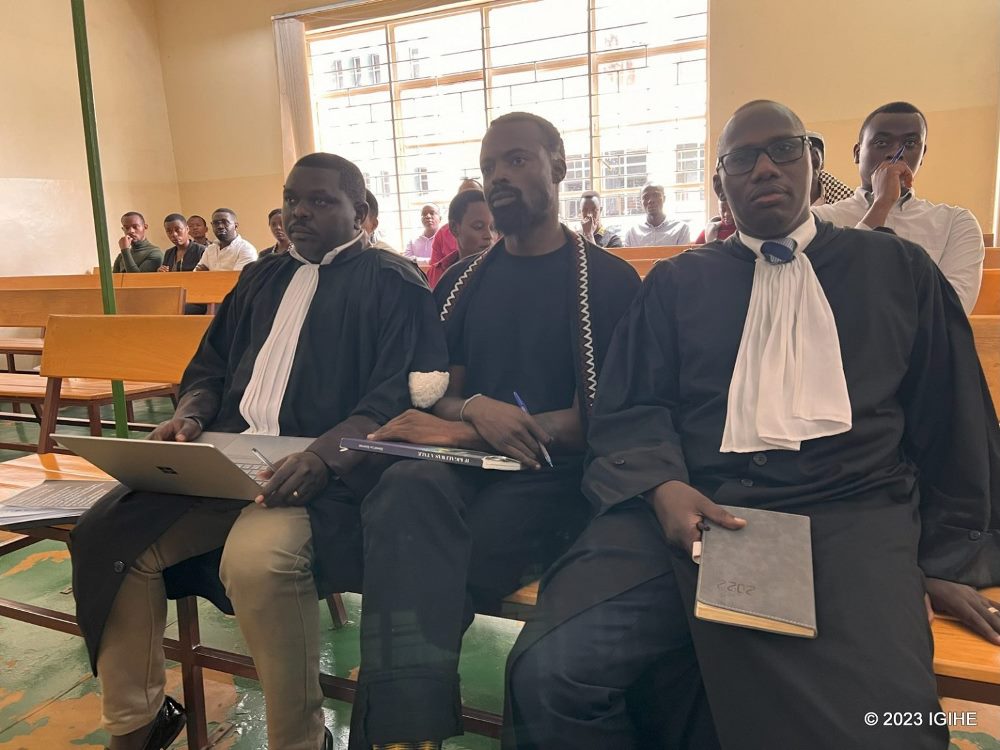
Turahirwa also admitted to being found in possession of cannabis at the time of his arrest, but claimed that it was found in a shirt he hadn’t worn in a long time. He was arrested in April 2023 on charges of drug abuse and forgery.
Rwanda Investigation Bureau (RIB) had confirmed that Turahirwa tested positive for cannabis, which is illegal in Rwanda, following a photo he shared on social media showing a passport labeling him as a feminine person.
Turahirwa claimed that consumption of marijuana is not illegal in Italy, but this defense is not valid in Rwanda.
As for forgery charges, Turahirwa said that the altered copy of the passport he shared was done for “artistic” purposes during the filming of his project “Kwanda Season I.”
He claimed that the copy he shared did not have a passport number and that he never attempted to use it.
Turahirwa apologized for any confusion he caused, stating that he deleted the altered passport when he realized it could be misinterpreted.
He also claimed that removing the passport number and deleting the photo should not be sufficient evidence to incriminate him.