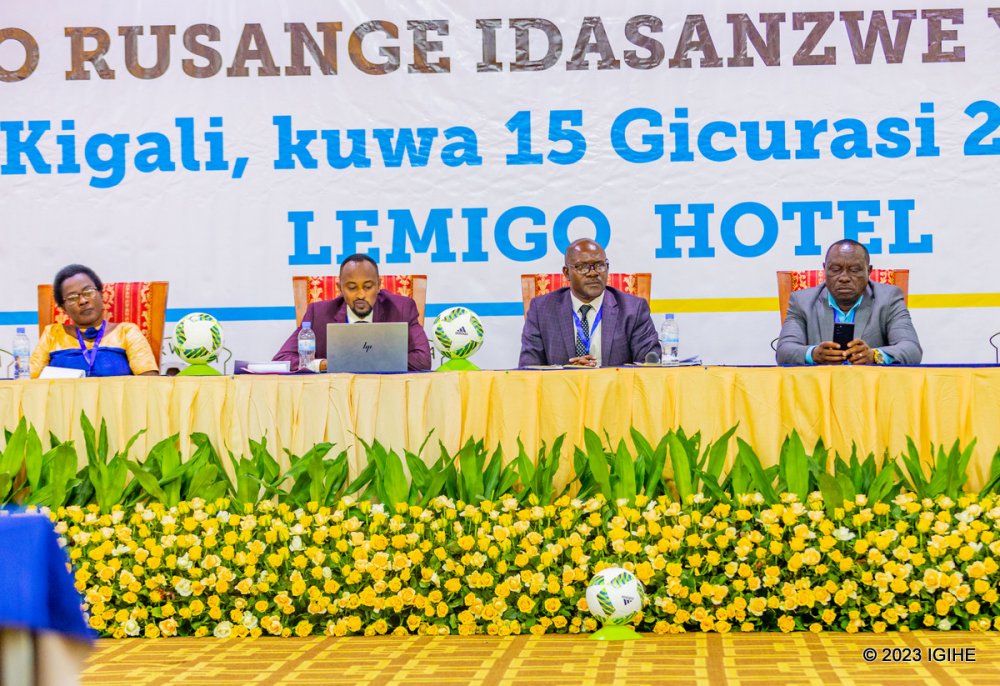
He assumed the role of FERWAFA’s interim president following the resignation of Olivier Mugabo Nizeyimana who left the office in April citing personal reasons.
This decision was reached during an extraordinary General Assembly held on May 15, 2023.
Among others, Ancille Munyankaka and Mudaheranwa Yussufu have been appointed as members of the executive committee and will assist Habyarimana in his responsibilities.
The committee had previously been dissolved due to the resignations of majority members.
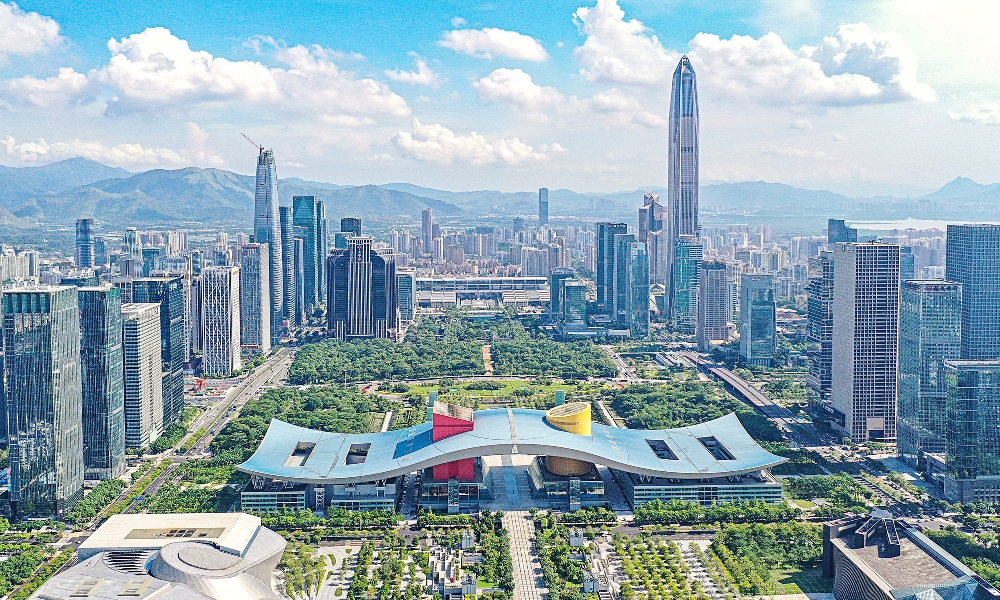
China’s transformation proves that with belief and the right mindset, countries can overcome any challenge and achieve greatness.
These are 7 lessons that Rwanda can learn from China in order to ensure economic transformation.
{{Lesson 1: A nation must create its own economic and political system guided by its national interests.}}
After the founding of the People’s Republic of China in 1949, the country’s leadership chose a political system allows multiparty cooperation under the stewardship of Chinese Communist Party (CCP).
China’s economy has been defined as a “’socialist market economy”, and does not fit into any one system. Rather, it takes various parts of other systems and combines them to create a system that best serves its national interests.
Similarly, Rwanda adopted a political system of consensus whereas no political party dominates all branches of government.
Home-growth initatives and systems that are rooted in the Rwandan culture and work for the Rwandan people ensure that national interests are met.
{{Lesson 2: A nation must always have clear programmes that are bold and have vision.}}
Throughout China’s history, there have been bold national programmes. One such programme is the Five-Year Plan. The goal of the latest 5 year plan, launched in 2021, is to reduce the reliance on foreign technology and dependence on imported resources, and to double down on existing plans for industrial modernization and technological innovation.
Another bold programme is the Belt and Road Initiative. Today, The Belt and Road Initiative contributes towards transforming Africa through infrastructure development, unemployment reduction and improved trade, among others
In similar vein, Rwanda’s leadership created Vision 2020 and followed it up with Vision 2050.
Launched in 2000, Vision 2020’s main objective was transforming the country into a knowledge-based middle-income country, by impoving goverance, human capital, infrastructure and the private sector.
Vision 2050, which was launched in December 2020 by President Paul Kagame, aims to transform Rwanda into an Upper-Middle Income Country by 2035, and into a High-Income Country by 2050.
{{Lesson 3: A nation must train its youth in skills that serve the national interests.}}
In China, each year, university admissions for various disciplines are allocated in proportion to what skills the country requires most at that point in time. If China needs more engineers, then there will be more university admissions for engineering than other disciplines.
Students who do not make it into university usually end up in a vocational skills training college that educates them in line with the needs of the country, to ensure employment on completion.
Similarly, Rwanda has invested billions of francs in educating young people through IPRCs, Coding Academies as well as other institutions that teach hands-on skills. This is in addition to the traditional universities as well.
{{Lesson 4: A nation must be proud of its cultural heritage so it can have a strong national identity.}}
China has turned traditional holidays that were celebrated by its ancestors centuries ago, such as the Spring Festival and the Dragon Boat Festival, into public holidays.
On its side, Rwanda has endeavored to do the same with its Umuganura National Holiday that occurs every first Friday of August and Umuganda, the monthly community cleaning exercise.
{{Lesson 5: A nation’s State-Owned Enterprises can be key drivers of the economy.}}
The key drivers of China’s economy are state-owned enterprises (SOEs). Enterprises are identified as SOEs if the state owns, directly or indirectly, over 50.01% of shares in them. The 2022 Global Fortune 500 list, which lists the largest companies in the world, is dominated by Chinese companies, the majority of whom are SOEs.
The Rwandan government also rethought the notion that says governments should not be directly involved in economic activity.
By investing in strategic sectors such as aviation, the MICE industry, and real estate, the Rwandan Government has proved that its active role in the local private sector benefits citizens.
{{Lesson 6: A nation must be proud of and promote its own brands.}}
The Chinese have pride in their good local brands and always make a conscious decision to support them whenever possible. An example of this is the Chinese momentum in the Electric Vehicle industry. Since 2020 the number of electric vehicles sold annually in the country has grown from 1.3 million to 6.8 million.
Chinese models are now becoming popular outside China as well and have started competing with brands such as Tesla.
Similarly, the Government of Rwanda has instituted the ‘Made in Rwanda’ policy’.
The Made in Rwanda was initiated as a strategy to promote the consumption of locally made products. The rationale is to increase exports and reduce import surplus.
{{Lesson 7: A nation that exploits its competitive advantage can become globally competitive.}}
China has capitalised on its strengths to be globally competitive. An example of this strength is in the semiconductor industry.
China aims to take the lead in global semiconductor growth and is steadily building capability to supply domestic demand for semiconductor chips.
Likewise, Rwanda can market its competitive advantage in order to ensure prosperity.
Rwanda is one of the fast-growing developing countries in the world with a projected 7.9% GDP growth in 2023 according to the IMF, as well as a stable inflation and exchange rate.
Rwanda enjoys a remarkable sense of personal security and political stability and businesses located in the country have access to a combined East African Community and Comesa market made up of over 500 million people.
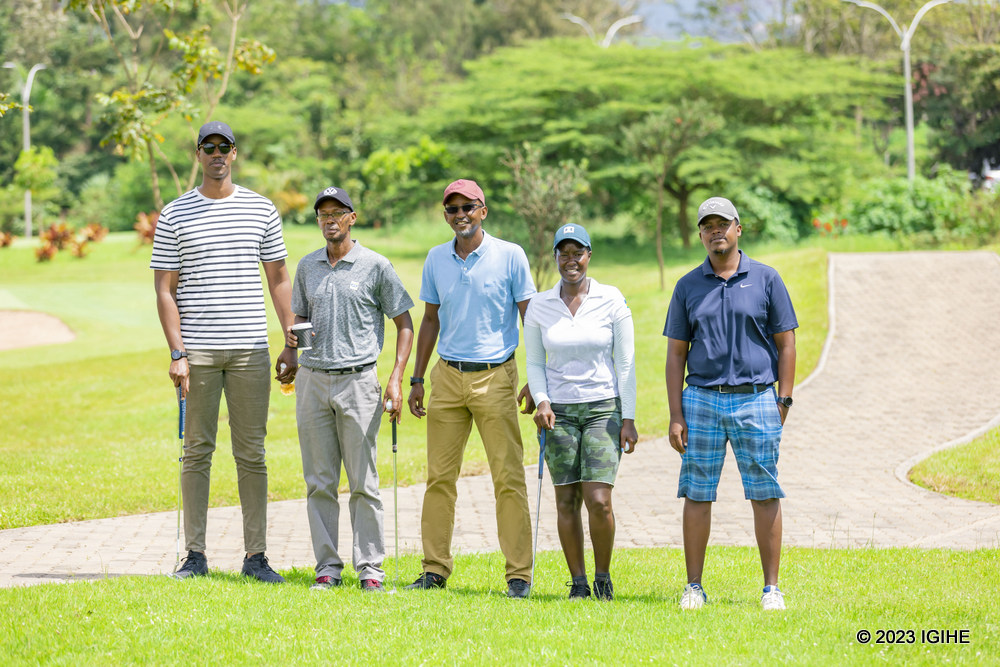
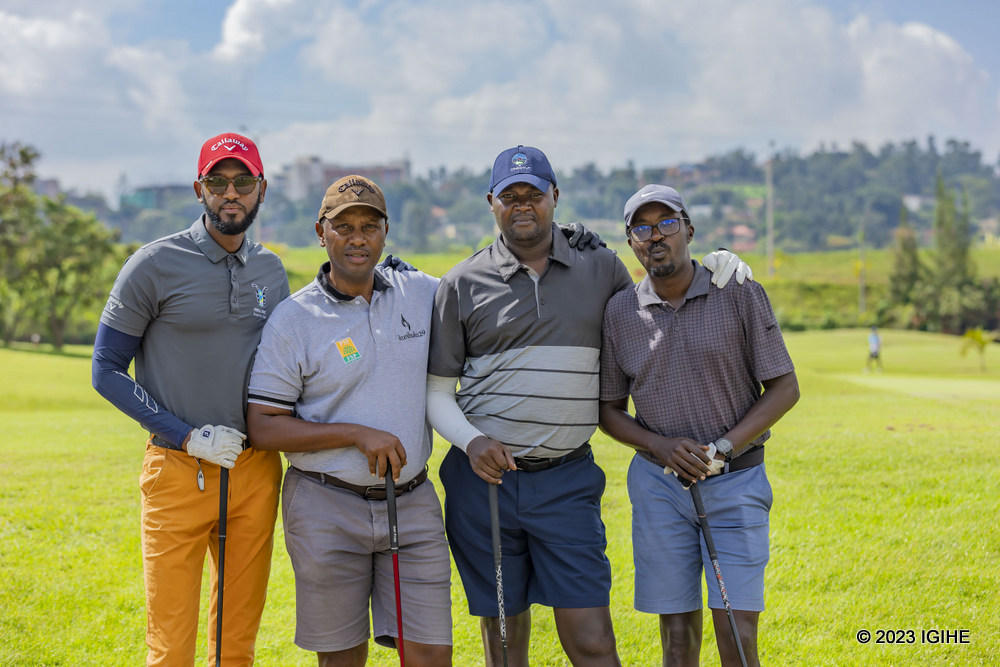
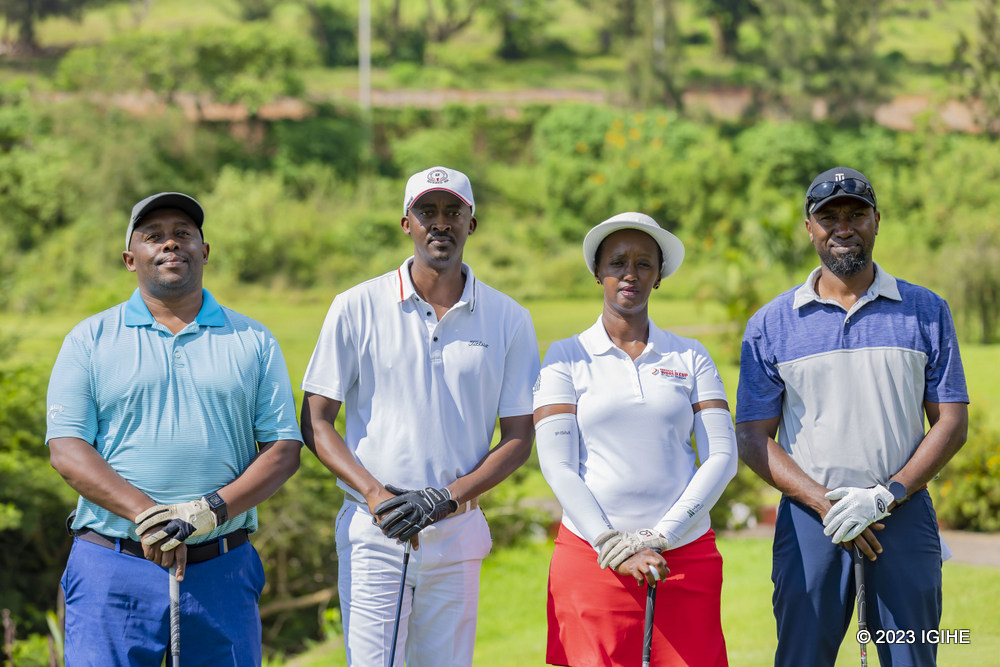
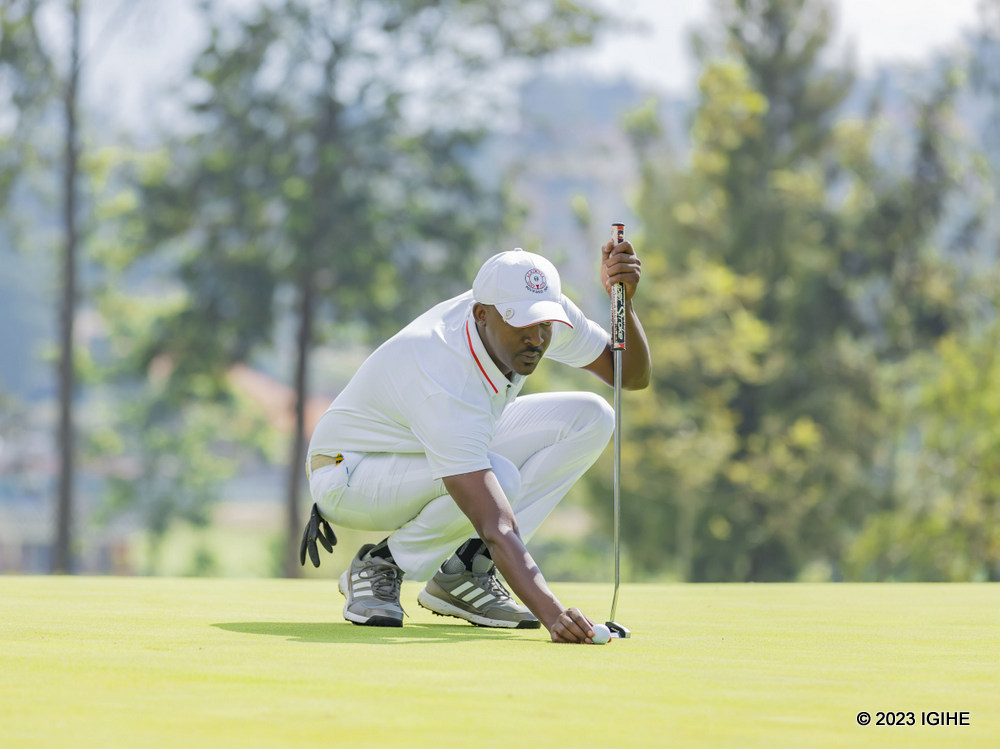
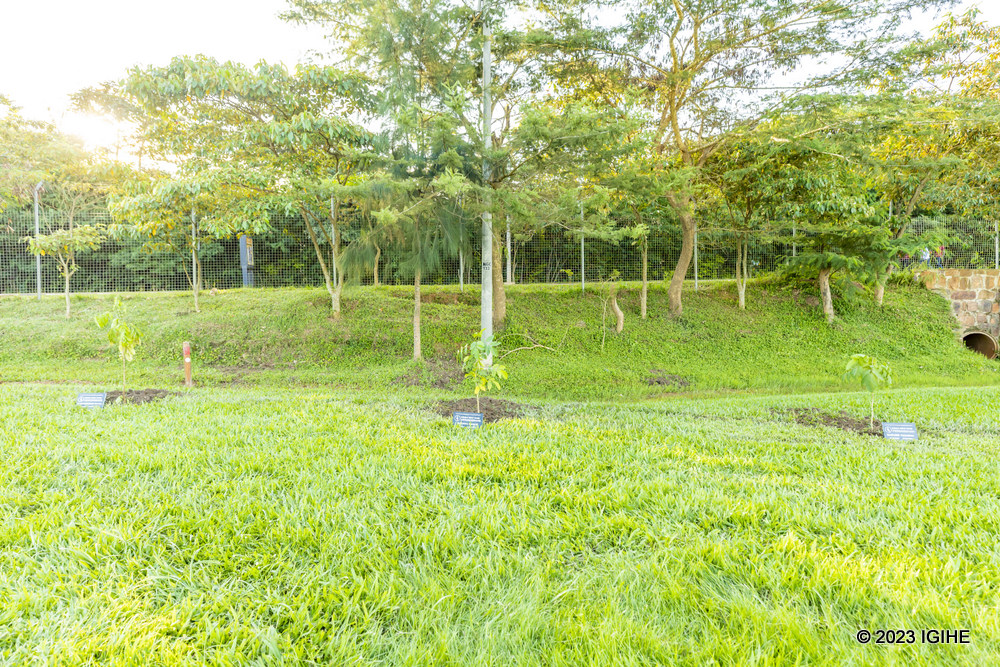
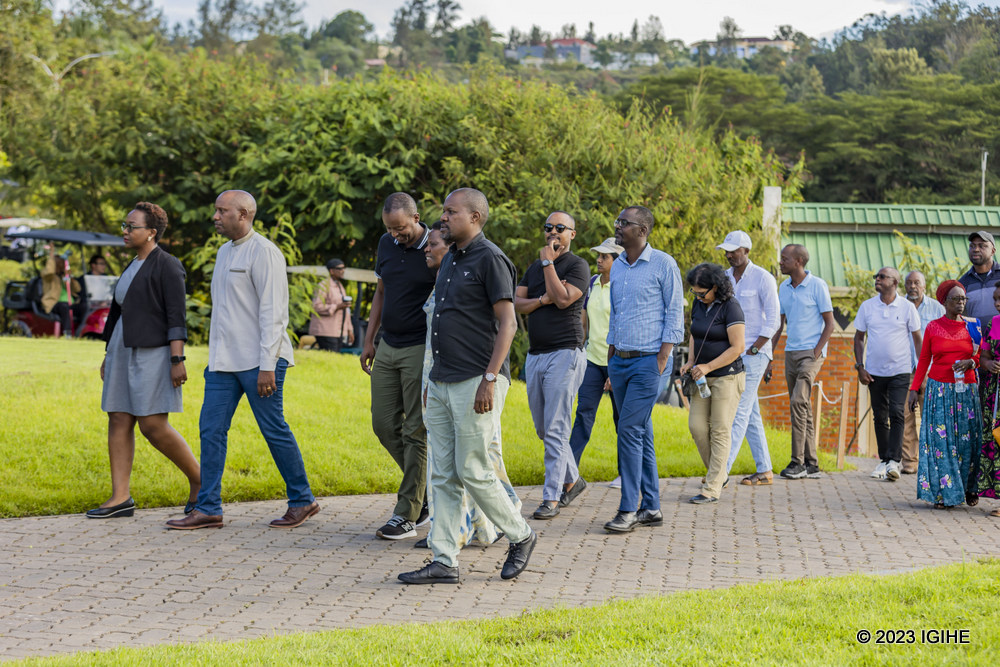
Held at Kigali Golf Course on Saturday, May 13th, 2023, the tournament attracted participation from 79 players, along with representatives from the management of Kigali Golf Resort & Villas and relatives of the deceased golfers, who united to plant commemorative trees at the golf course.
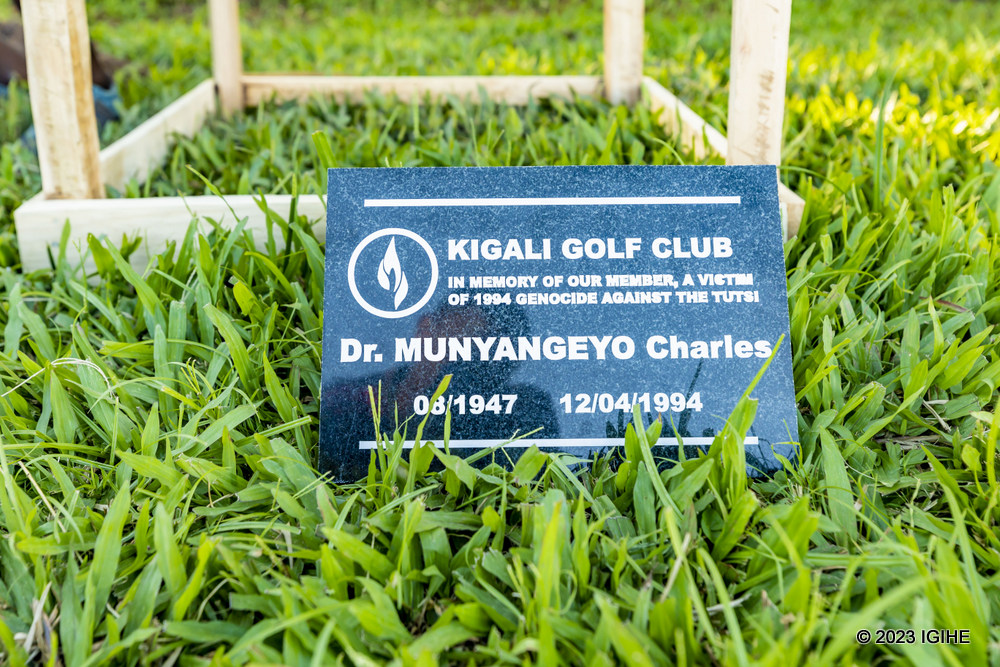
To uphold the legacies of Sakumi Anselme, Bukaka Gérard, and Dr. Munyangeyo Charles—former golfers—the tournament saw the planting of three trees, symbolizing their enduring spirit.
Serge Rusagara Sakumi, son of one of the fallen golfers, shared heartfelt testimonies with the event attendees and commended the resilience of Genocide survivors.
He expressed optimism that such gatherings inspire the younger generation, instilling in them the courage and strength to carry forward the legacies of their forebears.
“This course reminds me of the cherished moments I spent with my parents. My father was a subscriber to this course, and his colleagues motivated me to develop a passion for this game,” remarked Rusagara.
He appealed for reduced subscription fees for relatives of former golfers, suggesting they be allowed to play upon payment of a 10% advance.
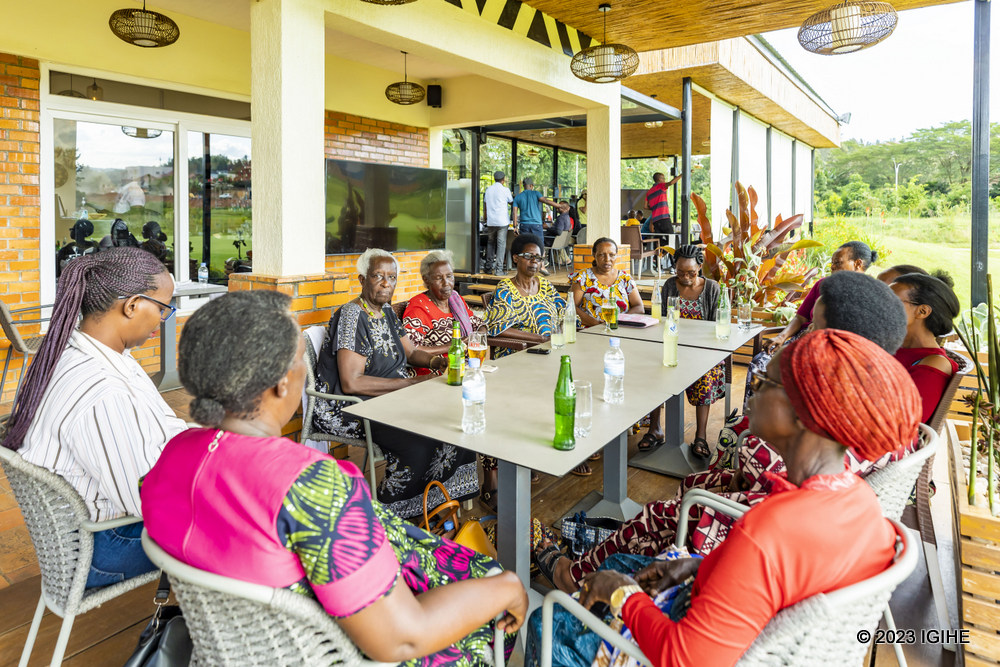
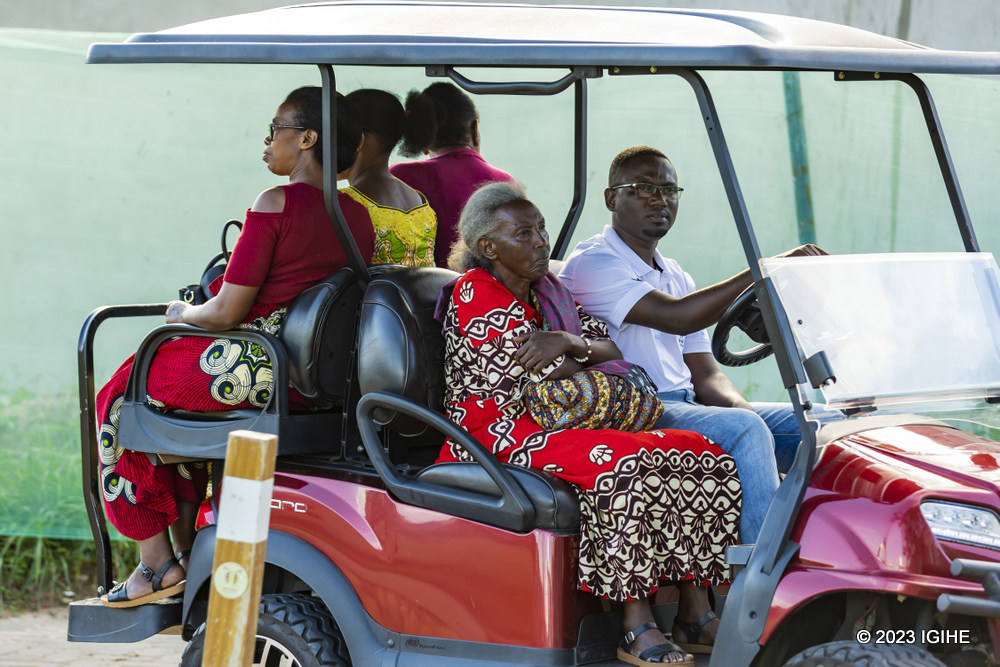
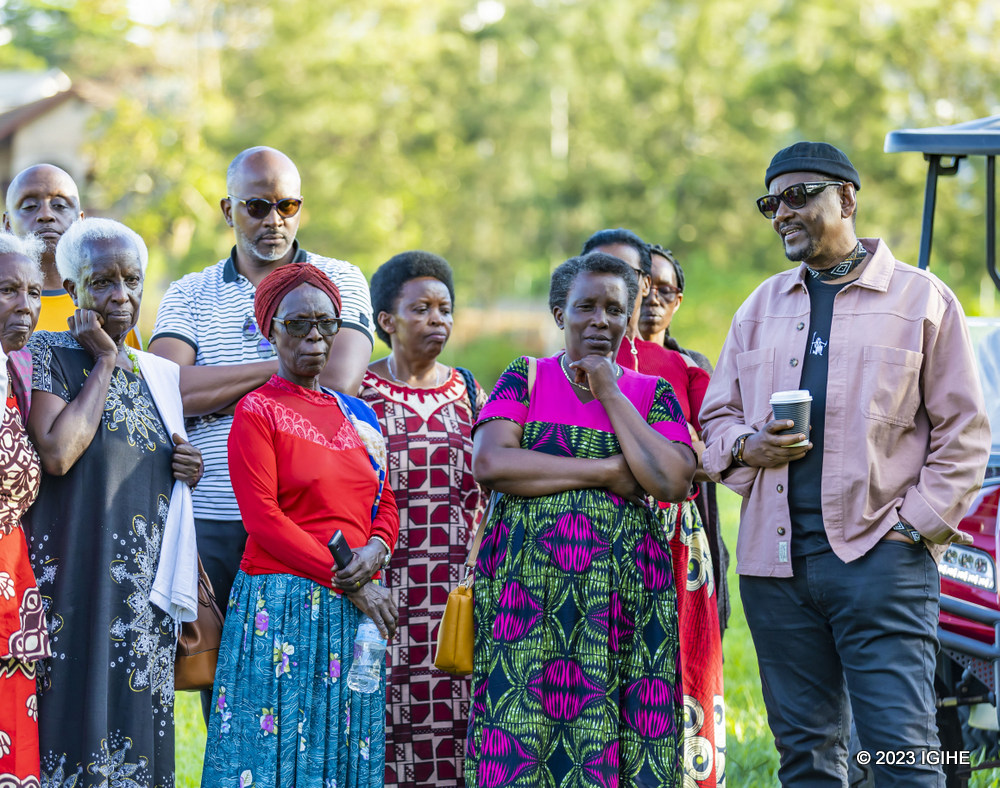
On the same day, Amanda Kabale, Deputy Manager of Kigali Golf Resort & Villas, extended a warm welcome to members of the Abuzuzanya Cooperative, a group predominantly consisting of Genocide widows.
She hailed their unwavering courage and determination, evident through their job creation efforts.
“Despite their advanced age, they work diligently. Choosing not to succumb to sorrow, they embarked on a journey to reshape their future by venturing into the gas-selling business, which aligns with the government’s goal of promoting green energy,” emphasized Amanda.
Artiste Masamba, who is also a subscriber to the golf course, engaged with the participants, reminding them of the therapeutic benefits of playing golf in overcoming grief.
He encouraged them to remain resilient in the face of a dark past and strive for a prosperous future.
Masamba also performed several commemorative songs, conveying a powerful message that urges people to prevent the recurrence of genocide while inspiring survivors not to be shackled by their tragic history.
Amb. Bill Kayonga, President of Rwanda Golf Union (RGU) highlighted that the event served as a moment of solidarity with those who lost loved ones during Genocide against the Tutsi, while also recognizing the bravery of those who put an end to it.
He expressed gratitude to the government, led by President Paul Kagame, noting that their intervention was instrumental in ensuring the survival of many.
Addressing those affected by the genocide, he stated, “Your strength to forgive is a testament to the fact that Rwandans have become a family.” Amb. Kayonga added, “Planting a tree is a symbolic gesture, reminding us never to forget the victims and to honor their legacies.”
In support of the Abuzuzanya Cooperative, Kigali Golf Resort & Villas pledged an additional amount, contributing to the subscription payments for the tournament.
This funding will aid the cooperative in their business endeavors.
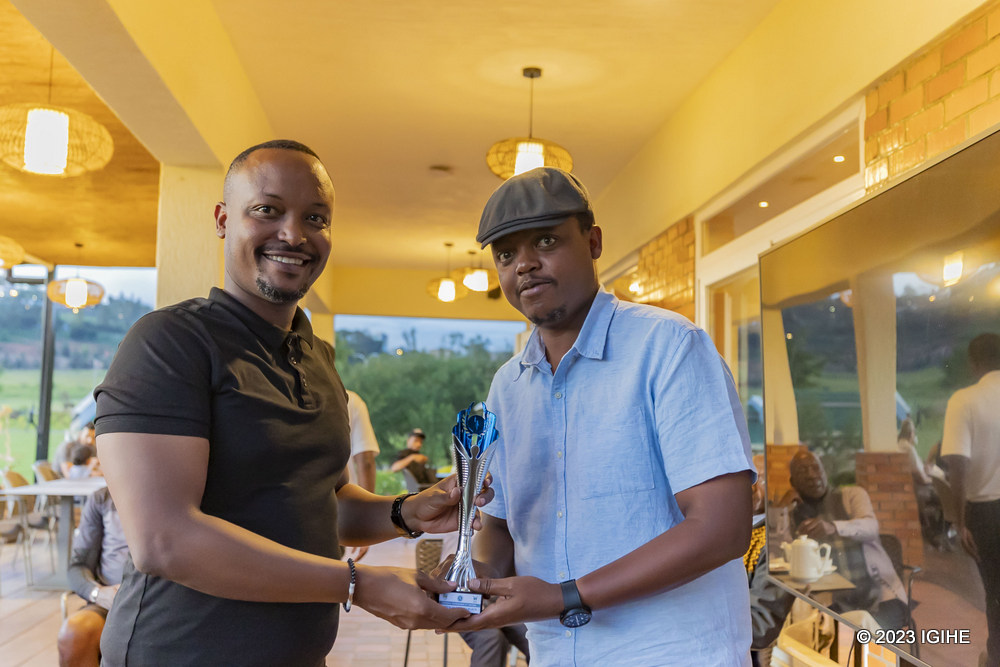
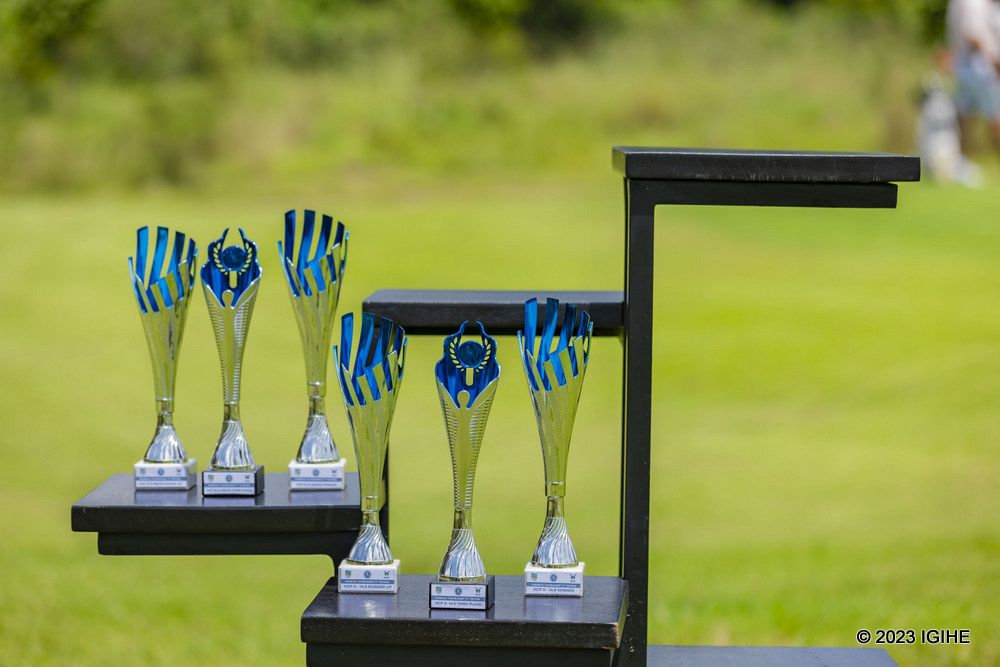
The tournament, held on Saturday, concluded with Désiré Rwagaju emerging as the victor, surpassing last year’s champion, David Rwiyamirira.
In January 2023, RGU received approval from Rwanda National Olympic Committee, solidifying its recognition within the sports community.
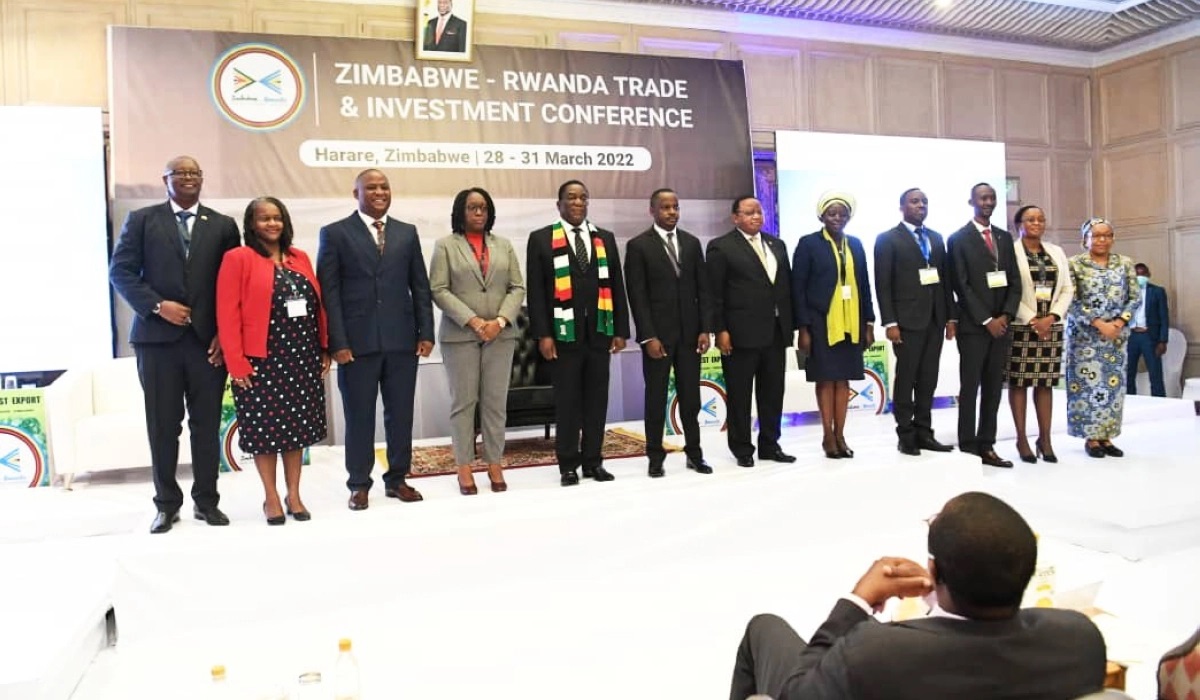
During the upcoming session, The Herald has reported, Zimbabwe and Rwanda will focus on finalizing the details for collaboration in various sectors, including health, science and technology development, women’s affairs and child development, and housing.
These efforts will further build upon the existing areas of cooperation, such as agriculture, educational exchange, information and communication technology (ICT), environment, and tourism.
The virtual first session of the Zimbabwe-Rwanda JPCC took place in March 2021, resulting in the signing of several Memoranda of Understanding (MoUs) covering a wide range of fields.
These MoUs addressed matters such as legal mutual assistance in criminal cases, cooperation in prisons and correctional services, partnership between the Rwanda Development Board and ZimTrade, as well as collaboration in media, information, and publicity.
In addition to strengthening the existing areas of cooperation, the two countries explored new avenues for collaboration in finance, defense, environment, natural resources, agriculture, science and technology, and tourism. They also expressed their commitment to enhancing multilateral cooperation.
The convening of the JPCC reflects the deepening ties between Zimbabwe and Rwanda, as well as their shared dedication to advancing common developmental goals, according to the Ministry of Foreign Affairs and International Trade of Zimbabwe.
Livit Mugejo, spokesperson for the ministry, stated, “Over the past five years, both countries have made significant progress in strengthening their economic and political bonds. This session of the JPCC aims to further enhance cooperation in key areas of development.”
Economic diplomacy will be a primary focus of the discussions as both countries aim to leverage their excellent relations to drive economic growth and prosperity.
The second session of the JPCC underscores the shared vision of Zimbabwe and Rwanda to forge stronger ties and work together towards mutual prosperity and development.
During a meeting on promoting Xiong’an’s high-standard and high-quality construction and development on Wednesday, President Xi Jinping said within only six years, Xiong’an New Area has started from scratch and developed from a blueprint to reality, with a high-level modern city now sprouting up, which is undoubtedly a miracle.
In April 2017, China announced a plan to establish Xiong’an New Area, located about 100 km away from Beijing. The creation of Xiong’an is regarded as “a strategy that will have lasting importance for the millennium to come and a significant national event.”
In terms of the coordinated development of the Beijing-Tianjin-Hebei region, Xiong’an aims to become a significant part of the world-class Beijing-Tianjin-Hebei city cluster and plans to take over Beijing’s non-capital functions and provide a Chinese solution to “big city malaise,” such as overcrowding, pollution and traffic congestion.
China’s leadership has pledged to build Xiong’an into an innovative, green, smart, and world-class city with blue skies, fresh air, and clean water, in line with the country’s high-quality development path.
During Wednesday’s inspection tour of Xiong’an, Xi stressed that the development of Xiong’an New Area has entered a phase when the same importance must be attached to both its large-scale construction and its purpose to relieve Beijing of functions non-essential to its role as the national capital.
More efforts should be made in constructing a multidimensional comprehensive transport network, in making full use of underground space and in building a future city without “urban problems,” so as to turn the high-standard blueprint into high-quality development of a city, Xi said during the inspection.
Over the past six years, Xiong’an has completed a total investment of over 540 billion yuan (about 78.1 billion U.S. dollars) with a developed area of approximately 120 square km and over 3,500 buildings constructed.
China’s centrally-administered state-owned enterprises (SOEs) have set up more than 140 subsidiaries and branches in the area. Construction of headquarter buildings of big SOEs like Sinochem Holdings, China Satellite Network Group and China Huaneng Group have entered different phases. Over 3,000 enterprises registered in Xiong’an have a background of investment from Beijing.
On Wednesday, Xi emphasized the importance of fully implementing the strategy of innovation-driven development.
Xiong’an is developing high-end industries and building itself into an innovation hub as more high-level talents move in.
The Chinese Academy of Sciences has set up its Xiong’an innovation and research institute. Tao Ye joined the institute after years of overseas study in 2022 and is engaged in the research of microwave photonics and integrated optoelectronics.
“Microwave photonics and integrated optoelectronics are a big trend for future technological advancement and will have a wide range of application scenarios. Developing such technologies is in line with the Xiong’an development strategy,” Tao said.
In his eyes, Xiong’an provides fertile ground for transforming scientific research results and he is proud of his participation in the construction of this “city of the future.”
“I’m glad to see that our scientific research results are contributing to the construction of this smart and future city and this also offers a great motivation for our work,” he said.
Xiong’an has also built itself into a magnet for enterprises, and the huge confidence in the area’s future prospects has attracted a large number of businesses to Xiong’an.
Eyecool, an artificial intelligence (AI) firm hailing from Zhongguancun, the country’s first national high-tech industrial development zone in Beijing, established a presence in Xiong’an and headquartered itself in the area in September 2018.
Li Qiang, general manager of the company’s Xiong’an department, said Xiong’an was designed to be a city of innovation from the very start and that is why they settled there. “As an AI startup, Eyecool considers it a valuable asset to have been able to witness the area’s growth since its inception.”
Li described Xiong’an as a testing ground for technological innovation, with increasingly more applications in blockchains, AI and digital roads.
Xiong’an is building a digital and smart city. Autonomous buses are undergoing road tests in the Rongdong area of Xiong’an. The Rongdong area is now home to 153 km of “digital roads,” where sensors on over 6,000 lamp poles can support autonomous driving and also monitor traffic to help reduce traffic jams, said Kou Tianhao with Yuexiang Xiong’an, a company that focuses on smart transport and autonomous driving.
In building a green city to promote harmony between humanity and nature, Xiong’an has also attached great importance to ecological protection.
Since launching a massive afforestation project in 2017, Xiong’an has afforested over 31,000 hectares of land, increasing its forest coverage rate from 11 percent to 34 percent. Local residents may travel no further than 300 meters from their homes to reach a park, and will get to a tree belt within 1 km and a forest within 3 km.
Thanks to the afforestation program, the local sky is bluer, the water clearer, and the natural environment significantly improved, while some small animals have reappeared after an absence of many years, said Qiu Xiangguo, a villager in Rongcheng County, Xiong’an New Area.
The Baiyangdian Lake, the largest wetland ecosystem in northern China, is located in Xiong’an. After the establishment of the new area, the water quality in Baiyangdian has improved from below Level V, the lowest of China’s five-tier water assessment system, to Level III. The species of wild birds in the lake area has increased to 252, which is 46 more than six years ago.
He visited a research institute of China Electronics Technology Group Corporation and the planning exhibition hall of a biomedical industry park, where he learned about enterprise R&D and production and local efforts to advance the biomedical industry.
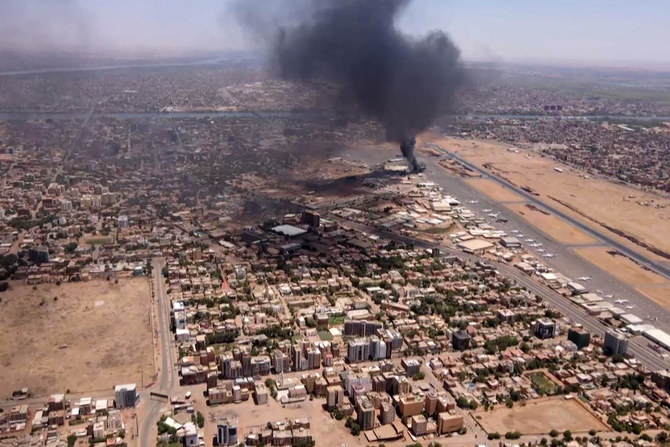
“Clashes between the Sudan Armed Forces and the Rapid Support Forces have continued for 30 consecutive days, especially in and around Khartoum, killing at least 676 people and injuring 5,576, OCHA said.
According to the report, over 936,000 people have been newly displaced by the conflict since April 15, including about 736,200 internally displaced, and about 200,000 took refuge in neighboring countries.
Since the clashes broke out in mid April, residents of the Sudanese capital Khartoum have been suffering from severe food shortages, especially after dozens of factories were looted and burned.
According to the United Nations, it is estimated that about 15.8 million Sudanese, or about one-third of Sudan’s population, will need humanitarian aid in 2023, and the figure is likely to increase as a result of the war.
On May 11, the Sudanese warring parties signed in the Saudi port city of Jeddah the Declaration of Commitment to Protect the Civilians of Sudan to facilitate the delivery of emergency humanitarian aid and guarantee the safe evacuation of civilians.
However, the two sides accused each other of breaching the deal and continuing the armed clashes.
On Sunday, the Sudanese Army accused the RSF of shooting Christian worshipers in a church at Al-Masalma area in Omdurman city.
However, the RSF denied responsibility for the incident and accused the army of being behind it, calling for an independent investigation into the incident.
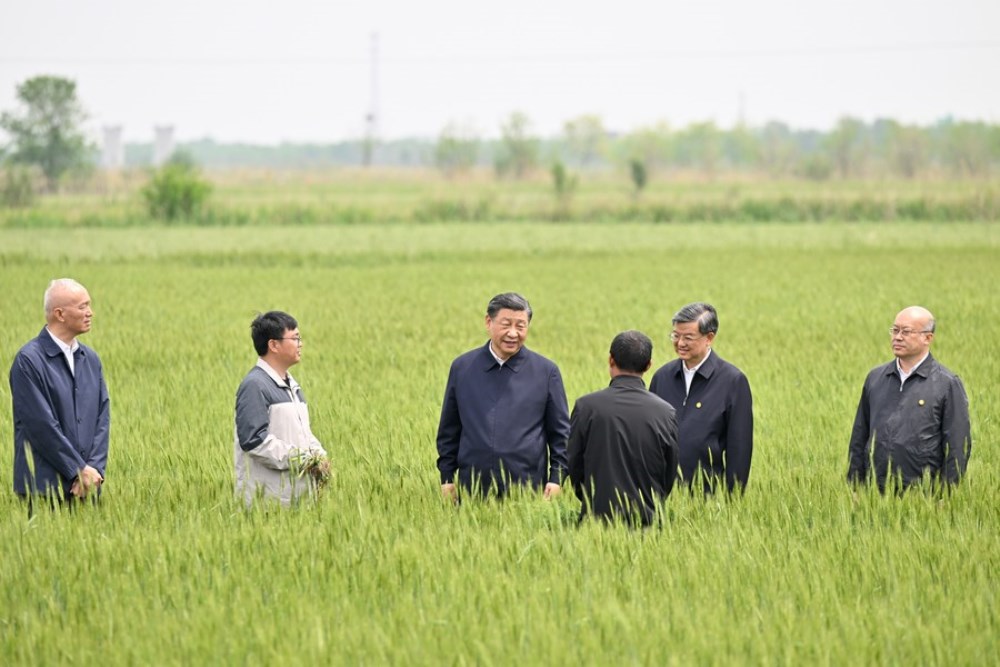
Xi went to a wheat field where he learned about the cultivation of crops tolerant of drought and alkalinity. He also visited a coal port to learn about its operation and development planning.
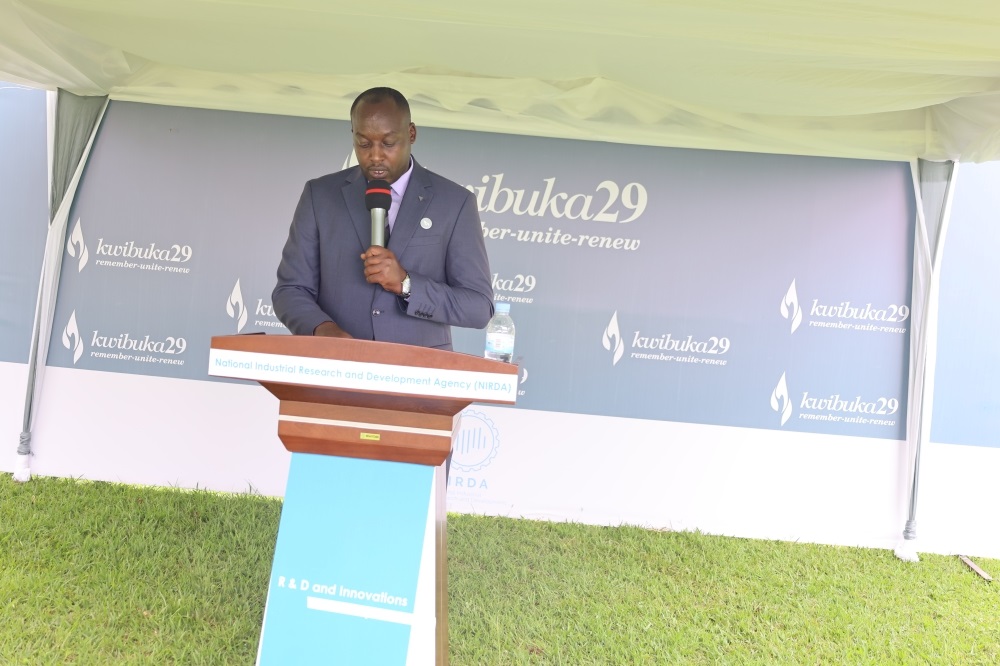
The commemoration event took place on Friday at NIRDA’s Research Centre in Huye District to honour former staff of former Institut de Recherche Scientifique et Technologique (IRST) whose lives were gruesomely taken in the 1994 Genocide against the Tutsi.
The commemoration event was preceded by a night vigil on Thursday night in Huye District where the NIRDA research centre is based.
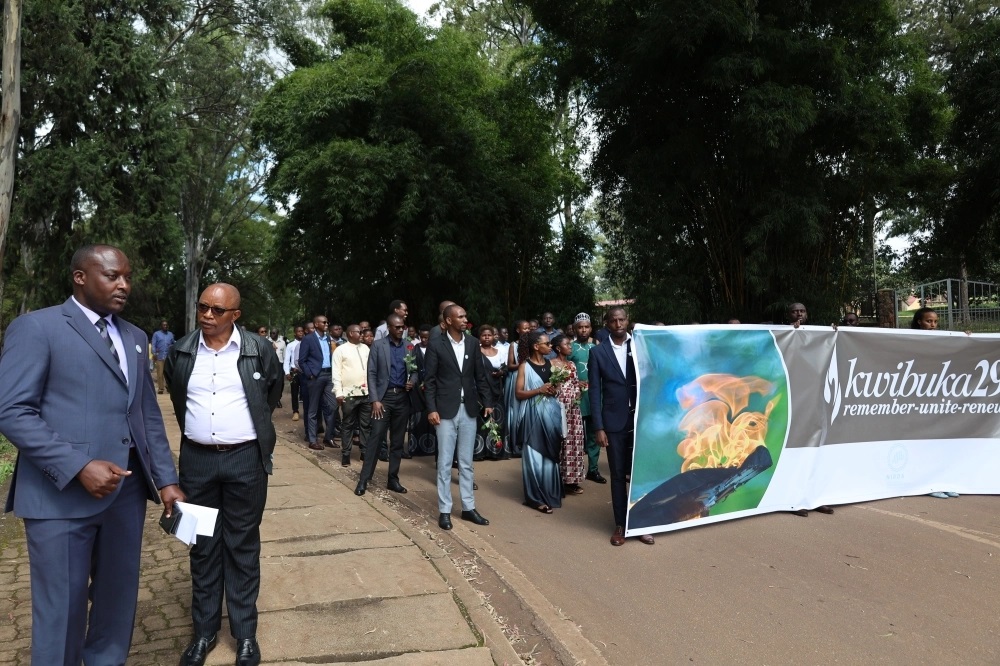
It was marked by a walk to remember from NIRDA premises to the University of Rwanda’s memorial site where more than 400 genocide victims are laid to rest.
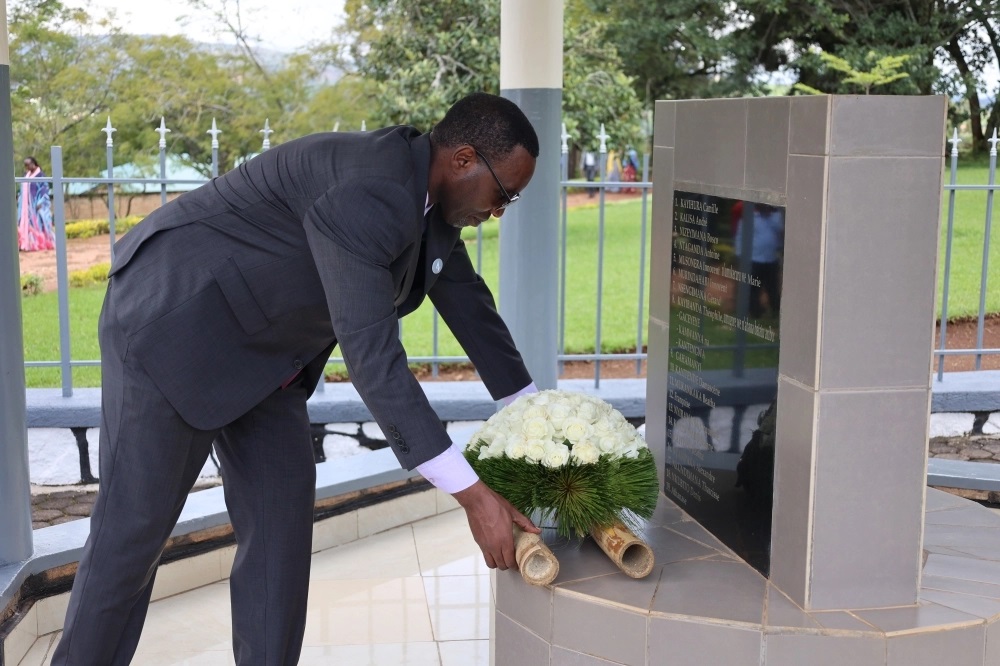
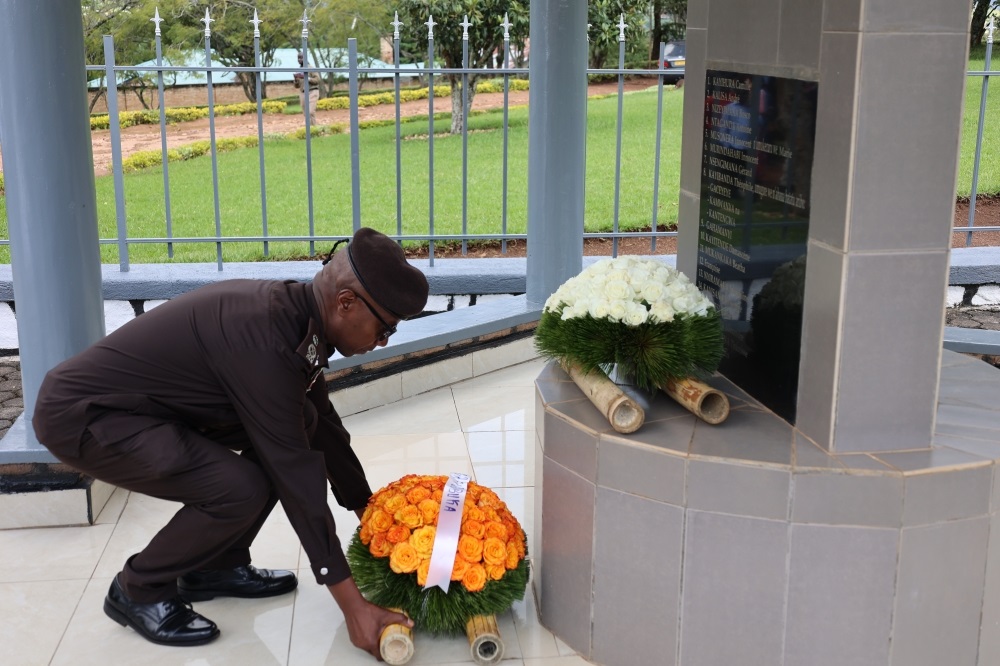
At the memorial site, mourners observed a minute of silence before they laid wreaths on the graves to where genocide victims including former IRST Staff are laid to rest.
Speaking during the event, NIRDA Director-General, Dr. Christian Sekomo Birame condoled with Genocide survivors whose family members lost lives in the 1994 Genocide against Tutsi that claimed over 1 million lives of innocent people killed over innate personality.
He called on all mourners to soldier on and always fight against Genocide ideology and denial that still linger in among both those who are in Rwanda and those who live abroad with all means.
Dr. Sekomo also hailed men and women from the RPA Inkotanyi who sacrificed their lives to stop Genocide against the Tutsi and the current government that gives all Rwandans equal rights and chance to live a better life unlike the previous regime that harbored hatred, planned and executed the genocide.
Sharing testimonies, Assoumpta Urujeni, one of former IRST staff members who survived the Genocide narrated the horrible events that marked the killings during the genocide.
She said that the Tutsi were targeted and killed by people they lived with and worked together while leaders who were supposed to protect them watched on.
“Until today, I failed to understand how elite people from research and academic institutions could let people be killed in day light and did nothing to protect them but some of them were also involved in killings,” she said.
She called on the government and international community to work together to arrest and bring to justice genocide fugitives who still enjoy save haven in host countries
Claire Mukeshimana, the Director General in charge of Corporate Affairs at the Ministry of Trade and Industry (MINICOM) said that there is hope for life despite experienced bitter history noting that the government is committed to supporting Genocide survivors along the resilience journey.
“We will keep advocating for more research to ensure that Genocide history is documented and that the world is informed about what befell our country in the 1994 Genocide against the Tutsi,” she noted.
“Let is soldier on and ensure that we keep honoring those whose lives were taken and ensure that we are not held victims of bad history, let us all commit that Genocide won’t happen again in Rwanda and elsewhere,” Mukeshimana added.
During the commemoration event, NIRDA staff raised funds to support 150 vulnerable residents in Huye District to get community health insurance.
The National Industrial Research and Development Agency is a government institution mandated to enable a generation of industrial innovators to become competitive through technology monitoring, acquisition, development and transfer and applied research.
In the statement released by the ministry, which is run by the Islamic Resistance Movement (Hamas), two Palestinian men were killed and five civilians were injured in the attacks on the Al-Nasser neighborhood.
The ministry identified the victims as PIJ militants Eyad Al-Hasani and Mohamed Abdel Aal.
According to a statement released by the Israeli Defense Forces (IDF), Eyad Al-Hasani was “a significant figure in leading the operations and making military decisions” of the PIJ.
“Al-Hasani was a key figure in the organization and was involved in all decisions regarding rocket launches and barrages toward Israel,” the IDF statement read.
The PIJ’s armed wing said in a statement that “assassinating our leaders won’t stop our resistance.”
According to the health ministry, 33 people have been killed and more than 100 others injured since Israel began airstrikes on the PIJ’s armed wing on Tuesday.
On Tuesday, Israeli fighter jets and unmanned drones carried out simultaneous and surprising airstrikes against buildings and apartments that host senior PIJ military leaders in the Gaza Strip.
On Wednesday afternoon and Thursday, the PIJ militants fired more than 500 rockets at central and southern Israel, leaving one Israeli woman killed and more than nine injured, according to Israeli media reports.
Palestinian sources said that Egypt, Qatar, and the UN have so far failed to mediate a ceasefire between Israel and the Hamas-led militant groups, including the PIJ.